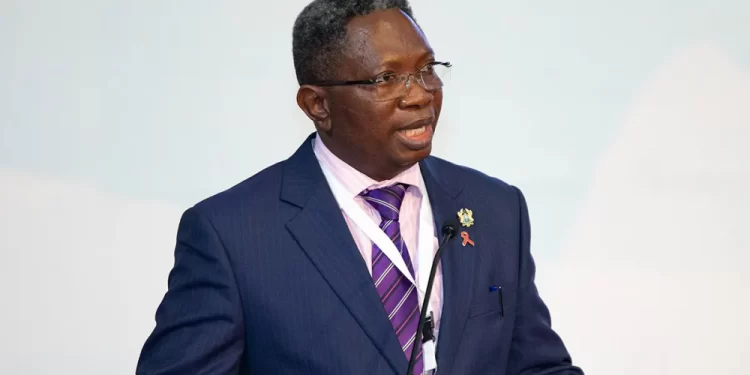
Director-General of the Ghana AIDS Commission, Dr. Kyeremeh Atuahene, has revealed that financial constraints have forced the commission to ration anti-retroviral drugs for people living with HIV.
Due to lack of government support, medicines are now distributed between two to three months instead of the allocated six months.
The commission struggles to meet the demand for drugs, leading to the need for rationing. Dr. Atuahene urged individuals and groups to donate to the AIDS fund to bridge the funding gap, which currently stands at 66%.
“We have a huge funding gap, if we run short of medicine, it’s like people who are on oxygen and the obvious end is death when oxygen is taken off.
Currently, there’s no specific budgetary allocation for HIV programmes.
“Once in a while, we get something from National Health Insurance Scheme (NHIS). The funding gap is 66%. We need Ghanaians to support us by dialling USSD *989# to donate to support the AIDS fund”.
Ghana recorded a total of 16,574 new cases of HIV infections in 2022, compared to 18,036 infections in 2021.
The new infections were spread across all age groups, with the majority among people aged 15 and above.
New data from the Ghana AIDS Commission reveals that a total of 16,574 new cases of Human Immunodeficiency Virus (HIV) infections were reported in 2022.
The number represents a decline from the total of 18,036 infections documented in 2021.
People of all age groups were impacted by the 16,574 new HIV infections.
Infections were recorded in 13,706 people aged 15 and up; 2,180 children aged zero to 14 years; 645 adolescents aged 10 to 19 years; and 739 young people aged 15 to 24 years.
The total number of AIDS-related deaths recorded for people of all ages was 9,359, the data added.
Adults (15+ years) were 7,179; children (0-14 years) 2,180; adolescents (10–19 years) 645 and young people (15–24 years) were 739.
At the moment, the total HIV in Ghana stands at 354,927 with persons aged 15 and above leading the chart with 330,215 infections.
A man in his 40s, believed to be working as a contractor on the Gushegu town roads, is currently in police custody in Yendi, following allegations of defiling a 14-year-old girl.
The suspect reportedly threatened the young girl, coercing her into silence by warning her of dire consequences if she disclosed the incident to anyone.
In an interview with the media the victim’s father, Awuni Tia, revealed that after the incident, the girl’s health began to deteriorate.
“After they bailed him out about six months now, no one cares and we realised that this boy is going to cheat us because when we went to Tamale again after going through the report, first was tuberculosis second was HIV. But they put her on drugs and the stomach was the most complicated thing and they could not identify the problem,” he stated.
It was discovered later that she had contracted tuberculosis and HIV as a result of the traumatic experience.
The family was devastated by the news and sought medical attention, but the girl’s condition proved challenging to diagnose.
Despite reporting the incident to the police and the subsequent arrest of the suspect, he was later bailed out, which left the family feeling neglected and uncertain about the pursuit of justice.
The young girl’s health struggles persisted, and the family decided to take matters into their own hands, seeking the truth and accountability for the alleged crime.
The victim’s father stated, “So when we approached him, he also accepted that it was a mistake. We reported to the police station, and they arrested the boy and finally, they bailed him out.”
The incident has caused immense distress to the victim and her family, highlighting the urgency of addressing such cases and ensuring that justice is served. Authorities are now investigating the matter to ensure a fair and just resolution for the young girl.
“There was a day the girl was having a problem and we didn’t know what the problem was which was she was bleeding every day. So we got to find out that she is seriously sick so when we sent her to the hospital, they did a lot of tests and they could not find anything.”
“So we came home after a week and she got malaria again for two months. So from that we realised that she was defiled by a man called Alhassan Kambala. So when we approached him, he also accepted that it was a mistake. We reported to the police station and they arrested the boy and finally, they bailed him out,” Mr Tia indicated.
Forty-six Ghanaians contract the human immunodeficiency virus (HIV) on a daily basis, according to a report by the Ghana Aids Commission.
Per reports, 62 new infections were recorded daily five years ago and 52 new infections recorded daily three years ago.
The worrying rate of HIV in Ghana was highlighted during the launch of the National HIV Self Testing Programme on Wednesday, July 19, 2023.
Speaking at the event, the Mayor of Accra, Elizabeth Sackey, indicated that the estimated national adult HIV prevalence stands at 1.66 percent.
Per information from the Ghana Aids Commission, a total of 354,927 individuals are living with the virus. The total figure comprises 330,250 adults and 24,712 children.
It is reported Greater Accra Region is a major hotspot for HIV contraction in the country and according to Madam Elizabeth Sackey, Accra Metropolis has the highest number of people living with HIV with a total of 8,112.
Engaging the media, Director General of the Ghana Aids Commission, Dr. Kyeremeh Atuahene, mentioned that HIV contraction has a positive correlation with urbanization.
Urbanization refers to the process by which an increasing proportion of a country’s population moves from rural areas to cities and towns, leading to the growth and expansion of urban areas.
“The large urban centres have a higher concentration of HIV population in this country,” Dr Atuahene noted.
Accra, Kumasi and Takoradi, he said, are among the urban centers. Their HIV prevalence is much higher than the national figure, he added.
He therefore entreated the leadership of the country “to look at urbanization.”
“Despite advancements in prevention, treatment and care, the high number of new infections hampers the progress we have made thus far. This situation calls for urgent action to prevent further transmission, provide treatment for those living with HIV and ensure equitable access to healthcare services,” Dr Atuahene said.
In his submission, the Director General of the Ghana Aids Commission bemoaned the lack of financial resources to tackle HIV head on.
According to Dr Atuahene, the Commission currently has just one-third of the money it requires to finance the HIV response.
“The education, counseling and outreach are very essential. We don’t have the money to do all that,” he noted.
It is the objective of the Ghana Aids Commission to end Aids by 2030 and to accomplish this, Dr Atuahene says it begins with diagnosing 95 percent of all persons living with HIV in Ghana and putting all on antiretroviral treatment, as well as achieving viral suppression for the 95 per cent of those treated.
To support this goal, the introduction of the self-testing HIV kit is pivotal.
About 70,000 of the self-testing kits have been distributed across the regions targeting the youth, according to Programme Manager, National AIDS/STI Control Programme, Dr Stephen Ayisi Addo.
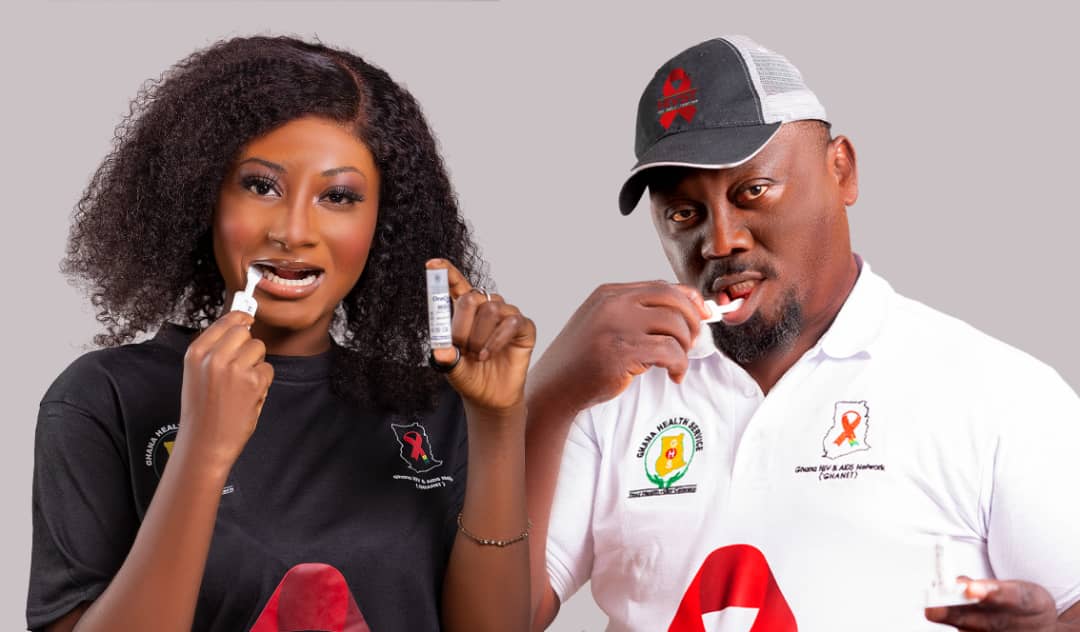
The HIV self-testing kit allows the average Ghanaian to test themselves for HIV in the comfort of their confidential spaces, without the presence and direct supervision of any health worker.
The testing delivers results within 10 minutes. The test is done either using their blood sample or saliva, better known medically as “oral mucosal transudate”.
The National Planning Committee (NPC) is currently making preparations for the upcoming official launch of HIV Self Testing (HIVST) in the country, scheduled to take place on July 19.
The event will be held at the Omanye Aba Hall of the Accra Metropolitan Assembly (AMA) and marks a significant step in introducing innovative strategies to promote HIV testing and encourage individuals to be aware of their HIV status.
It will be under the theme: “Test Yourself: Know Your Status”, and expected to atteact Members of Parliament, Traditional Leaders, Religious Leaders, Development Partners, Civil Society Organizations (CSOs) and the Media.
Mr. Ernest Amoabeng Oteng, the Lead Coordinator of the HIV Self-Testing (HIVST) program at the Ghana Health Service, has released a statement regarding the upcoming launch of HIVST.
The statement, which was also shared with the Ghana News Agency (GNA), highlights the global challenge of low awareness of HIV status, with only around 70 percent of persons living with HIV (PLHIV) being aware of their condition worldwide.
This lack of awareness poses a significant obstacle to achieving the global goal of ending AIDS by 2030.
In Ghana, the AIDS Commission reports that there are over 350,000 people living with HIV, but only approximately 71 percent of them are aware of their HIV status.
The remaining 29 percent who are unaware of their status represent a concerning issue as they may unknowingly transmit the virus.
“For this reason, it is sometimes difficult for individuals to voluntarily walk into health facilities to get tested. Also, due to stigmatisation, some individuals refuse to go on treatment when they are diagnosed with HIV. It is, therefore, unsurprising that, on the average, more than 10,000 Ghanaians die every year, with complications linked to HIV and AIDS.”
” Presently, some public health experts have cautioned that, given the trend of surges in new HIV infections, the country risks not achieving the UNAIDS 95-95-95 targets by 2030”, the statement read.
It said the introduction of HIVST had been welcomed by experts as a potential game changer in scaling up HIV testing services.
Among the various HIV self-testing (HIVST) methods, one type is the oral HIVST known as OraQuick. This involves swabbing the upper and lower gums with an oral swab test stick and placing the stick in a test tube solution. After waiting for 20 minutes, the results can be read.
If a single line appears on the test stick, it indicates a negative result. However, if two lines appear, it indicates a reactive result, which requires confirmation through a test at a health facility.
Before taking the test, users should refrain from eating, drinking, or using oral products such as mouthwash or toothpaste for thirty minutes.
The statement highlighted that the oral HIVST method, such as OraQuick, has been successfully implemented in several Sub-Saharan African countries, including South Africa, Lesotho, Eswatini, Nigeria, Senegal, Cote d’Ivoire, and Cameroon. These experiences have shown that HIVST is widely accepted, particularly among hard-to-reach populations.
HIVST is gaining popularity due to its privacy and confidentiality, attracting many first-time testers. The statement noted that in preparation for the official launch, SH:24, a UK-based online sexual and reproductive health service organization, and Ghana HIV and AIDS Network (GHANET) have been commissioned by the Ghana Health Service to pilot the HIVST method in the country.
Preliminary results from the pilot phase, which involved the use of the SH:24 virtual platform and courier service for distributing HIVST kits in Accra, as well as community-based distribution by GHANET in 50 districts across Ghana, have indicated a widespread acceptance of the method in the country.
The Volta Regional Health Directorate of Ghana Health Service(GHS) has denounced rumors regarding an outbreak of AIDS/HIV at the Ho Technical University.
The story first reported by a blog claimed that over 400 students have tested positive and have been asked to go home. Various social media actors shared and quoted the unverified report without conducting proper due diligence.
But the Regional Health Directorate has unequivocally declared the publication to be false and unfounded, urging the public to disregard it.
According to the Volta Regional Health Directorate, a comprehensive review of HIV testing data from health facilities in the Ho Municipality and the entire Volta Region revealed no increase in recorded HIV cases within any facility or the region as a whole.
They emphasized that there had been no surge of HIV cases at Ho Technical University or any other tertiary institution in the Volta Region.
Below is the full statement
FALSE REPORTAGE ON THE HIV INCIDENCE IN THE HO TECHNICAL UNIVERSITY
The attention of the Volta Regional Health Directorate has been drawn to an online publication by an unverified and unknown news portal ‘ajnewonline.com’ with the headline “Hookup Trend Leads to HIV Outbreak at Ho Technical University: Over 400 students suspected positive”.
The publication has subsequently been quoted by various social media actors without any form of due diligence.
The Regional Health Directorate by this release is informing the public to disregard the said publication since it is false and unfounded.
A review of the HIV testing data in all the health facilities in the Ho Municipality and the rest of the Volta Region does not suggest an increase in recordedHIVcases within any facility or the Region as a whole. For the avoidance of doubt, the region states emphatically that there has not been a surge of HIV cases in the Ho Technical University or any other tertiary institution in the Volta Region.
The Volta Regional Health Directorate and its partners have over the period successfully implemented several strategies to fight HIV/AIDS. These strategies seek to reduce new infections by 85% and eliminate mother-to-child transmission.
The Region however encourages its inhabitants to avoid stigmatization and fully lend themselves to the disease awareness campaigns and tailor-made services that meet their specific needs so as to consolidate the gains made in HIV prevention, testing, and treatment. HIV services are available in all private and public health facilities in the Volta Region.
The public is assured that their right to privacy and confidentiality will always be upheld as is the case in all disease conditions.
In conclusion, let us take note that HIV is still real, and all must endeavor to live positively through sexual abstinence or by both uninfected partners being faithful to each other, and by the consistent use of condoms.
The Ada-East Health Director, Dr. Hubert Hounkpatin, has stated that polygamous culture and attitudinal disposition are contributing factors to the district’s high incidence of HIV cases.
He raised concern about the numbers recorded in the district, particularly among adults, the majority of whom had more than one sexual partner, claiming that the district’s prevalence rate is greater than both regional and national rates.
He said as health professionals, they cannot disclose to partners the HIV status of their partners.
According to him, the transmission of HIV is mostly dependent on unprotected sex among persons who have a high number of relationships, since those who have several partners are more likely to transmit the disease than those who do not connect into a larger sexual network.
The District Health Director emphasized that condoms are supplied to community members for free, but some do not use them, and appealed for behavioural change to lessen the threat in the district.
He advised infected people to avoid unprotected sex with uninfected partner or partners with uncertain HIV status.
The Ada East District Chief Executive, Sarah Dugbakie Pobee, lamented that most guests who come to the area for social activities end up impregnating the young females, which can be one of the factors leading to the high incidence of instances of HIV cases being documented.
She said Ada’s position as a tourism enclave means that people flock in virtually every weekend, and that the risk of those visitors spreading the disease to Ada inhabitants is considerable, emphasizing that the situation needs to be thoroughly investigated and addressed.
In a world where HIV-positive individuals are often ostracised and discriminated against, the Human Compassion Organisation in Accra, Ghana stands out as a beacon of hope.
Here, children affected by HIV are given a chance to grow, learn, and play together without fear of discrimination.
The orphanage is home to 11 boys and girls aged 3 to 18, all of whom have one thing in common – they are growing up without parents. Many of the children were born to HIV-positive parents who were also alcohol or drug abusers, and in some cases, these parents don’t even know where their children are now.
For almost 2 decades, Kwesi Boye Mensah has been running this facility, which offers a family-like care environment where these young individuals find solace in the arms of those who understand their struggles. Here, solidarity prevails, and kids both infected and unaffected co-exist in harmony, removing the fear of judgment.
Kwesi Boye Mensah’s late wife was HIV positive. “We come into contact with some of these kids through HIV/AIDS support groups. We do psychosocial counseling for those affected and come across children who have lost their parents to HIV”
Each child, whether HIV positive or negative, follows their tailored morning routine, which includes taking medication if needed. While the older HIV-negative children understand how the virus is transmitted, everyone here is well-aware that there’s no danger of contracting the virus from HIV-positive children.
For Dr. Gamji Rabiu, this orphanage model goes a long way to help the kids living with HIV. He noted that infected kids would have a better chance out in the world living in such a family setting.
“This orphan gives us an example of what it means to choose your family and mentors”.
Despite their situation, the children still endeavor to approach their HIV infection with confidence, determined not to be defeated by the stigma of their diagnosis. Growing up with HIV can be challenging, and the stigma associated with the condition only makes it worse.
HIV is a virus that attacks the immune system, making it difficult for the body to fight off infections and diseases. It is primarily spread through sexual contact, sharing needles, or from mother to child during pregnancy, childbirth, or breastfeeding. There is currently no cure for HIV, but antiretroviral therapy (ART) can help people with the virus to live long and healthy lives.
The toll that the infection takes on the already fragile bodies of these children is heartbreaking. As each day passes, they know that their fate is uncertain, with a lifetime of medications and uncertainty to come. Without any family or place to go, they are left here alone, wondering when and if their suffering will ever end.
Unless they are adopted, they will likely be left to fend for themselves for the rest of their lives. It is a somber scene as the day closes at the Human Compassion Organization, but it is also a scene of hope. Hope that one day, these children will find a loving and accepting family to call their own.
This orphanage serves as a shining example of hope and acceptance for all children, reinforcing the importance of equal treatment regardless of whether a child is positive or negative for HIV. The children follow tailored morning routinesand receive equal care and attention from dedicated staff. Despite the challenges still faced, such as limited resources and pervasive stigma towards HIV, the Pokuase orphanage remains committed to providing a stable foundation for the children’s future.
By fostering a positive and stable environment, the orphanage provides a profound impact on their growth, development, and overall well-being. For these children, the Pokuase orphanage is a beacon of hope and a testament to the power of love and acceptance.
A tricycle-mounted “fold-out health clinic,” the first of its kind in the UK, will be used by doctors to treat homeless people as they cycle around London.
The “Find and Treat” team at University College London Hospital aims to screen thousands of the capital’s most at-risk, homeless, and high-risk individuals each year for diseases like tuberculosis, HIV,and COVID-19.
As a result of their inability to access a GP because of a lack of documentation, many homeless people are forced to go to A&E for treatment or endure lifelong illnesses that are incapacitating.
At the end of the third quarter of 2022, 33,870 people in Ghana had tested positive for HIV, with 24,017 of them being female and 9,853 of them being male.
Dr. Stephen Ayisi Addo, Programme Manager, National AIDS/STI Control Programme (NACP), reported that a total of 9,160 adult males and 693 male children, as well as 23,294 adult females and 723 female children, tested positive.
In total, 1,441,986 persons were tested throughout the time period, and 33,870 of them, or 2.3 percent, tested positive, he said. 17,846 non-pregnant women and 5,448 pregnant women tested positive, according to the data.
Dr. Ayisi Addo made this statement at the Ghana News Agency Tema Industrial News Hub Boardroom Dialogue Platform at the pre-launch of a practical national campaign focusing on HIV Self-Test (HIVST) kits.
The HIV Self-Test Kits bundle includes a test device, a preservative, a developer vial, and a test stand, as well as an instruction manual for use that is written in both English and Twi. The instruction booklet also includes just eleven easy-to-follow instructions and clear graphics to help the individual administer themselves without the assistance of anyone else.
Dr. Ayisi Addo gave the Ghana News Agency Tema Regional Team a demonstration of how to use the HIVST kits and urged them to lead the advocacy for its use before the national launch and campaign in the coming year of 2023.
At the conclusion of the third quarter, Greater Accra had 6,863 HIV-positive cases, followed by Ashanti with 6,735, Eastern had 4,968, Central had 2,572, Bono hit had 2,182, Western had 1,960, Volta had 1,830, Bono East had 1,697, and the Western North had 1,260.
The rest were: Ahafo with 905; Northern recorded 733; Oti had 621; Upper East recorded 620; Upper West hit 507; Savannah recorded 273; and North East with the least cases of 144.
The data available to the Ghana News Agency Tema Regional Office indicate that in 2016 a total of 739,920 and 38,582 tested positive representing 5.2 percent; in 2017 896,042 people were tested out of which 43,200 representing 5.0 percent tested positive; and in 2018 a total of 1,226,299 people were tested out of which 53,779 representing 4.0 percent tested positive.
A total number of 1,397,379 were tested in 2019 out of which 53,996 representing 3.9 percent tested positive; while in 2020 the number tested was 1,322,446, and 39,318 representing 3.0 percent tested positive; in 2021, a total number of 1,403, 015 were tested and 38,906 representing 2.8 percent tested positive.
Dr. Ayisi Addo, while admitting that the figures were dropping, expressed concern that the rate was very slow, which called for enhanced advocacy to fast-track the drop.
He called for attitudinal change as HIV is still prevalent, “people need to change their way of life for us to reduce the number drastically…am afraid the figures would hit over 40,000 by the time we collate the figures for the fourth quarter of 2022”.
The Ghana Aids commission continues to express worry over the low usage of condoms by the general population, especially during festive periods.
The Director General of the Ghana AIDS Commission, Dr. Kyeremeh Atuahene tells GHOne news Nadima Umar Uthman that the perception that casual sex without a condom is better, continuous to lead a lot people especially the youth astray.
In the first half of 2022 alone, 23,495 people tested positive for HIV.
However, over one hundred thousand persons are living with HIV without having been tested or on any form of treatment.
The festive season is often a time for people to make merry and break away from ironclad routines.
But as people celebrate, sex cannot be removed from the equation.
The Ghana AIDS commission says more people are having casual sex than ever before.
Director General of the Ghana AIDS Commission, Dr. Kyeremeh Atuahene says eighty percent of all HIV infections are through risky sexual behaviors like casual sexual encounters such as hookups, booty calls, and one-night stands.
“Casual heterosexual sex contributes to over 70 percent of all new HIV infections, but people still continue to engage in casual sex without condoms. Sex is fun but whiles having fun, remain cautious.’’
Kwaku Ankomah is the pharmacist in charge of the lesson pharmacy. He says there has been a reduction in condom sales compared to last year.
‘’Sales are quite low compared to December last year. Every month we sell about fifty packs of condoms but this month, it is less than ten. I think we need to up the advocacy.’’
Previously, the commission would embark on mass condom distributions, testing and advocacy during festive seasons like Christmas in all regions across the country. However, none of these activities have taken place this year as the commission says it lacks resources.
Funding from donor partners has significantly reduced over the period, a situation which continues to affect advocacy campaigns the commission intends to embark on.
“We are calling on all Ghanaians to come to the aid of the AIDS commission financially as this should be a collaborative effort between all stakeholders.”
As the New Year approaches, Ghanaians are advised to remain cautious and adopt healthy sexual lifestyles if the country is to end the AIDS epidemic as a public health threat by 2030.
Dr Kyeremeh Atuahene, Director-General of the Ghana AIDS Commission, has warned Ghanaians against engaging in transactional sex.
Speaking to Joy FM, the AIDS Commission boss said Ghana’s target of achieving zero HIV infections by 2030 is achievable, but only if the youth of the country desist from transactional and commercial sexual activities.
“Some young people see sex as a means of making income. We have hookups, which entail young men and women offering themselves as sexual providers to sugar mummies and daddies. All these expose them to HIV/Aids,” he said.
According to Dr Atuahene, HIV, unlike other diseases such as COVID-19 and tuberculosis, is contracted through deliberate actions, hence the need for the youth to be cautious in their sexual escapades.
“Nobody can force the pathogen into your body. You decide to have sex and it does not come out of the blue,” he noted.
He also urged the youth to practice abstinence and safe sex, while noting the availability of HIV/AIDS treatment.
In the first half of 2022, 495 Ghanaians tested positive for HIV.
The figure represents two per cent of the total number of 948, 094 who got tested for HIV within the period in review.
The Wagner Group – dubbed by some as Putin’s private army – is apparently lowering its standards and recruiting Russian convicts suffering from serious diseases including HIV and hepatitis C for the Ukraine war, according to UK intelligence, citing the organisation’s head, Yevgeny Prigozhin.
The Ministry of Defence says that in earlier conflicts the Wagner Group has maintained “relatively high recruitment standards” with many of its operators previously serving as professional soldiers.
But the MoD added on Twitter that the admission of prisoners with serious medical concerns highlights “an approach which now priorities numbers over experience or quality”.
Latest Defence Intelligence update on the situation in Ukraine – 30 October 2022
Programmes Manager of the National STIs and AIDS Control Programme (NACP), Dr Stephen Ayisi Addo, has revealed that a total of 7,699 children tested positive for the Human Immunodeficiency Virus (HIV) in 2020.
Mr Ayisi Addo, in an interview with the media, also disclosed that 443 new HIV cases were recorded in 2021 among children within the same age bracket.
Giving a breakdown of the children from 10-19 living with the virus were 22,754 in 2020, while new infections that occurred in 2021 among the same group were 1,811, with 718 associated deaths.
He further added that a total of 23,495 children aged 14 and below tested positive for HIV within the first six months of 2021.
According to Dr Addo, the HIV cases recorded among these minors are cases of mother-to-child transmissions, a situation he describes as worrying.
He said, “In fact, of the 14% of mothers whom we have tested and are positive, we are finding their children to be positive, which means that they were left unnoticed. We dug further and realised that some of those mothers did not go to ANC, and so they did not receive the treatment to prevent transmission to their children.”
“This is not good because most of these children got it from their mothers. They were mainly mother-to-child transmissions and that is something we have to avoid,” the programmes manager added.
Mr Ayisi Addo has therefore encouraged pregnant women to get tested for HIV during antenatal clinics (ANC).
Patients who test positive, he said, will be put on treatment to prevent the transmission of the disease to their unborn children.
Mr Ayisi Addo attributed HIV infection cases in children in the adolescent stage to indiscriminate sex.
He mentioned some of the factors that predisposed adolescents to HIV as peer influence, early sex, promiscuity, substance use (alcoholism) and ignorance.
With children contracting HIV, the NACP Programmes Manager fears the fight to end “ the HIV epidemic will not be possible because of the likelihood of those children growing tired of taking their medication and, therefore, becoming the next generation to create resistance”.
After almost two decades of the discovery of the Goat Serum in the fight against HIV and AIDS, funders of the test in the country are calling on the Noguchi Memorial Institute for Medical Research (NMIMR) to make public the findings of the research.
The funders, the Grace Eureka Bio-Medical Research Product International based in Accra, on August 5, 2022 wrote to the institute to make available for publication the results of the test with the World Health Organisation (WHO) seal of certification.
The letter, signed by the President and Chief Executive Officer (CEO) of Grace Eureka, Dr Edward Siaw Sefa, a copy of which the Daily Graphic has sighted, had the topic: “Preparation and In Vitro Testing of Goat Anti-Serum to Human Immunodeficiency Virus types One and Two”.
It requested the NMIMR to make available certified results and attach the requisite contact details of scientists involved in the study to a member of the Council of State, Richard K. Atikpo.
The letter said the discovery of the serum was Ghana’s opportunity to save the world from the scourge of HIV and AIDS.
A serum is a protein-rich liquid of an animal used to provide immunity to a pathogen or toxin by inoculation or as a diagnostic agent.
Positive test
However, in a sharp rebuttal, a former Deputy Director of the institute, Prof. Michael Wilson, who was at post at the time of the test, said it was not the place of the institute to publish the findings.
He said the contract between the institute and the researcher of the goat serum, Dr Gary Davis (now deceased), then a Director at Grace Eureka, was for the NMIMR to do a test tube research to ascertain whether the serum was potent in the fight against HIV and AIDS.
In an interview with the Daily Graphic in Accra, Prof. Wilson said in 2005, Dr Davis and his team from Grace Eureka contracted the services of the NMIMR to run the test on the goat serum.
According to him, the test came out positive, meaning that the serum in its test tube form was found to be potent.
He added that the institute then gave copies of the results to Grace Eureka and Dr Davis, who by then had fallen out with each other.
Prof. Wilson said that was all that was required of the institute and, therefore, he was surprised that almost 20 years later, a letter had surfaced claiming that the institute did not publish the results and should, therefore, make them available to the funders again.
Asked what should have been the next steps after the results had been made available to the parties involved, Prof. Wilson said there should have been further tests or experiments on animals to determine whether the serum was safe and not toxic and then move on to do clinical trials, which should be preceded by a safety trial.
Ghana’s opportunity
However, Dr Sefa said he was alarmed at a recent Daily Graphic report which said 23,495 people had tested positive for HIV in the first half of 2022.
The figure is two per cent of the 948,094 people who undertook HIV testing from January to June 2022.
The figure is said to be from different segments of the population, namely: men, pregnant women, non-pregnant women, homosexuals and female sex workers.
Dr Sefa said the situation of HIV and AIDS in the country was still scary and needed a quick intervention.
According to him, the goat serum had been used on different occasions in some parts of the world and Ghana where it had been proved to be efficacious.
He said the scientist, Dr Davies, had already done the test tube test in the USA, which had also proved that the serum was viable.
He said the goat serum had to be tested in Ghana upon a request by the National Institute of Health (NIH) of the USA to enable Grace Eureka to undertake further work for clinical trials to begin.
Dr Sefa said the clinical trial could not be done because a lot of impediments were put in the way of Grace Eureka internationally and locally, after which Dr Davies died after he returned to the USA.
NMIMR test
In 2005 when the NMIMR did the test and it was published by the Daily Graphic, some HIV and AIDS champions rubbished it as not being the answer to the cure.
Prof. Nana Kofi Ayisi, who performed the laboratory experiment on the goat serum, however, insisted that the work was significant and “gives cause for hope”.
Prof. Ayisi, in an interview with the Daily Graphic at that time, explained that “the essence of the laboratory test was to confirm earlier tests that had proved that HIV antibodies could be produced in goats for clinical trails to be undertaken”.
The National Sexually Transmitted Infections (STIs) and HIV/AIDs Control Programme (NACP) has implored the general public to take seriously testing to know their HIV status in the wake of increased infections across the country.
The Monitoring and Evaluation Officer at the Programme, Kenneth AyehDanso, describing the country’s HIV prevalence as a “generalised epidemic” said testing was the only way out to put those reactive to the virus on early treatment and for person’s negative to take precautionary measures against infection.
He was speaking at a media training workshop organised by the Ghana HIV and AIDs Network (GHANET) to rethink current HIV programming and interventions in the face of dwindling donor support amidst rise in HIV infections.
It was on the theme; “Rethinking HIV interventions for Vulnerable Populations in the country”.
Mr Danso said per a 2021 HIV/AIDS estimate of about 345,599 persons living with HIV (PLHIVs) in Ghana, 22.7 percent (78,450) were among men who had sex with men (MSM; 18.1 per cent) and female sex workers (FSW; 4.6 per cent).
“We know that most men have poor health seeking behaviours unlike women who visit at the least symptom they experience, and the danger is that these men are often bisexual so they are likely to have different partners they have sex with and they too may have sex with another, then the disease is transmitting.”
He said testing to know one’s HIV status would set the country on the path to achieving the UNAIDs 95-95-95 target of having 95 percent of PLHIVs knowing their status, 95 percent on anti-retroviral treatment and 95 percent attaining viral suppression by 2025.
“Currently, we have achieved 71-99-79 of this target, which means there is a huge gap at people knowing their HIV status and people sticking religiously to their medications to achieve viral suppression.”
A Public Health Consultant, DrNiiNorteyHanson-Nortey, urged government to keep HIV prevention and treatment as a front-burner issue on its political agenda.
He called on the government to, as a matter of urgency, invest in the legal and social infrastructures that militate the HIV/AIDS fight.
“Investing in an effective and efficient response system for sexual, domestic and gender-based violence, intimate sexual partner violence, among others, we ensure a stigma and violence free environment.”
Dr Hanson-Nortey stressed the need to reduce stigma surrounding HIV testing as well as make HIV testing centres and kits readily available, especially to key populations and vulnerable groups such as young people, FSWs and MSMs.
The President of GHANET, Mr Ernest Ortsin, urged the public to be wary of unorthodox medications purporting to cure HIV/AIDs, saying, “There is no evidence to suggest that any herbal medicine can cure HIV”.
“Even the anti-retroviral medication do not cure HIV/AIDs, they only suppress the viral load so there is no cure as at now for the disease. People should be bold to report when they get to know their HIV status for the right treatment to lead normal lives,” he advised.
Recent data from the NACP indicated that a total of 23,495 tested positive for HIV in Ghana for the first half of this year.
The figure is two percent of the 948,094 people who undertook HIV testing from January to June 2022.
Currently, Ghana has a 1.7 percent HIV prevalence, which means that of every 100 people tested in the country, two are positive for the disease.
At the end of 2021, 16,938 new HIV infections were recorded in the country, with 9,859 persons dying from the disease.
A total of 23,495 people tested positive for HIV in the first half of this year, according to statistics from the National STIs and HIV/AIDS Control Programme.
As result, a network of institutions leading the HIV and AIDS response in the country has begun national stakeholder engagements as part of processes to review interventions for better outcomes.
The Ghana HIV&AIDS Network (GHANET), a non-profit organisation leading HIV interventions in the country, said the move had become necessary because despite efforts at reducing new infections and ending AIDS, the desired impact seemed far from being achieved.
Speaking at one of such stakeholder engagements in Accra, the President of the network, Ernest Ortsin, said the surge, coupled with undesired outcomes, justified how critical it had become for stakeholders to have a rethink of existing interventions to help keep the surge under control.
Event
The workshop was organised by the network, in collaboration with the National AIDS Control Programme (NACP).
It was on the theme: “Rethinking HIV interventions for vulnerable populations in the country”.
Participants included media persons, policy makers, representatives of the security agencies, traditional and religious leaders, market women, among others.
They deliberated on new programmes and interventions to adopt for action in the next Country Operational Plan (COP).
Interventions, challenges
A public health consultant and Vice-Chair of the Country Coordinating Mechanism of the Global Fund, Dr Nii Nortey Hanson-Nortey, mentioned the key focus of national interventions to include mass education, testing, administration of pre- and post-exposure prophylaxis, promotion of condom use and anti-retroviral treatment.
He, however, said stigmatisation, the use of only clinical approach for the administration of pre- and post-exposure prophylaxis and anti-retroviral treatment as some of the major setbacks in its effort.
The consultant added that stigma reduction, risk and behavioural change communication, which were some of the pragmatic measures in tackling the spread of the disease, were characterised by non-targeted and fatigued messaging, as well as cultural norms, and said they were the reasons a rethinking was necessary.
Dr Hanson-Nortey also claimed that there were indications of insufficient political will, weak health systems and inadequate support for community-based organisations which were hampering progress.
“People should begin to rethink and not hide their HIV/AIDS status; after all, it is like a chronic disease which is not only acquired through sex but also contracted,” he said.
He also said there should be access to condoms for both genders, irrespective of their ages, since research had shown that increasing the availability of condoms helped in the reduction of the HIV/AIDS burden
“Our social system makes it difficult for a young person to go to the pharmacy to purchase a condom because he/she will be tagged as being a prostitute and soliciting for sex,” he said.
According to him, stigma in communities had a widespread impact on both HIV/AIDS treatment and prevention, including making individuals less willing to be tested or put on treatment.
Way forward
Other speakers said reducing new infections and ending AIDS were a shared responsibility because their impact was felt by all.
They said people must know their status to ensure maximum treatment percentage coverage, which could lead to a high percentage of people with viral load suppression and unable to transmit.
They also advised people to stay safe by adhering to preventive protocols, such as avoiding unprotected sex with people they were not sure of, among other measures.
The NACP Monitoring and Evaluation Officer, Rev. Kenneth Ayeh Danso, said in 2021, data estimated that 345,599 people lived with HIV and AIDS in the country.
“As of June 2022, only 262,042 people were on anti-retroviral therapy (ART), consisting of five per cent children and 75 per cent females.
“The statistics are an indication that men are not reporting, a situation that needs to be reversed for us to reach the 95-95-95 goals,” he said.
Former AIDS Ambassador and HIV patient, Joyce Dzidzor Mensah has surfaced again on the internet months of been in hibernation and this time she came out with a piece of good news.
The controversial media personality this time posted a video of herself heavily pregnant, dancing and flaunting her baby bump.
From her antics in the video one could tell that Joyce Dzidzor is yet to recover fully from her mental illness.
A man from London has become the second person in the world to be cured of HIV, doctors say.
Adam Castillejo is still free of the virus more than 30 months after stopping anti-retroviral therapy.
He was not cured by the HIV drugs, however, but by a stem-cell treatment he received for a cancer he also had,the Lancet HIV journal reports.
The donors of those stem cells have an uncommon gene that gives them, and now Mr Castillejo, protection against HIV.
In 2011, Timothy Brown, the “Berlin Patient” became the first person reported as cured of HIV, three and half years after having similar treatment.
Stem-cell transplants appear to stop the virus being able to replicate inside the body by replacing the patient’s own immune cells with donor ones that resist HIV infection.
Adam Castillejo – the now 40-year-old “London Patient” who has decided to go public with his identity- has no detectable active HIV infection in his blood, semen or tissues, his doctors say.
It is now a year after they first announced he was clear of the virus and he still remains free of HIV.
Health officials in Tema are worried about the latest HIV/AIDs statistics which put the municipality far above the regional figures.
Out of the 14,900 people who tested for the deadly virus in Tema, 1,222 were found to be positive.
While 817 out of the number tested at Tema South where the Tema General Hospital, a referral hospital is located, 103 cases were recorded in Tema North; the Manhean and Community One Clinics also tested 78 and 74 cases respectively.
“Currently, our outfit is working hard to reduce new infections among the population of Tema Metro and its environs by at least 10 per cent as well as to achieve the global aim of having at least 90 per cent of the people tested to know their status.
“Ninety per cent of those testing positive to receive sustained Anti-Retroviral Treatment (ART) and 90 per cent of those on ART to have their viral load suppressedâ€, Francisca P. Adzre, the Tema Metropolitan HIV Programme Coordinator, disclosed at the Tema Metropolitan Health Directorate during a performance review.
ouching on what she describes as an alarming revelation, the Tema Metropolitan Director of Health, Dr Sally Quartey attributed the increase in the last three years to careless lifestyle among residents.
According to her, although low publicity on the diseases can equally be blamed, less people will be affected if they pay attention to their health and lifestyle.
“In 2017, out of a total of 7,498 people who tested for HIV, 1,432 were found to be positive. That formed about 19% and then in 2018, a total of 7,830 people tested, of which 1,156 people were found to be positive. That formed 15%.
“Amazingly though, in 2019 the figures seem high. We realized that there were 14,900 people who tested and there were 1,222 who were positive and that means a percentage of 8.2.
“We believe that over the years we have become a bit complacent about HIV because long ago it became such a scare and everybody was jumping all over the place about HIV, but when it seems to be stable and coming down we have become relaxed. But this complacency has not helped,†she lamented.
The Director-General of Ghana AIDS Commission (GAC), Kyeremeh Atuahene, has urged the public to avail themselves for HIV testing services for comprehensive care as the country strives to meet the global target of ending AIDS by 2030.
He called on Ghanaians to make a difference by contributing their quota to eradicate the deadly disease.
He said his outfit is committed to fighting HIV adding that “We have got to do more to achieve the 90-90-90 targets and we encourage every Ghanaian to do AIDS test.”
Speaking on Accra-based Kingdom FM, he said: “The commission recognizes the need to support everybody who is affected by the disease, particularly those who have been abandoned by families after their parents died of HIV but we are constrained by funds.”
He admitted the country’s inability to meet the 90-90-90 HIV targets of 90 percent of the population knowing their status, 90 percent of those who are HIV positive getting ART treatment and 90 percent of those on ART treatment having viral suppression.
He said as Ghana strived to achieve epidemic control, it was important stakeholders worked together to achieve what he called a fast track target by 2020.
Some health experts have called on Ghana and other African countries to prioritise the domestic mobilisation of resources to help tackle issues of HIV/AIDS, instead of relying on donor support.
They said the increasing decline in donor funds to Third World countries in general, meant that African countries must buck up by being more innovative in generating sustainable revenue for HIV/AIDS financing.
The experts said that objective could be realised through targeted government policies on health financing, private sector support and strong advocacy by civil society organisations (CSOs) to get the government to commit more resources into the sector.
They made the call at a two-day consultative meeting on the validation of a draft score card report on HIV financing in Africa in Accra yesterday.
Score card
The score card is an initiative of Accountability International, a global accountability organisation, and the Society for Aids in Africa (SAA).
It is used to assess the performance of countries in tackling HIV/AIDS and other health issues.
The draft report, which is dubbed: “Mind the gap: African HIV financing score card”, explored existing frameworks for HIV management, innovative financing of the menace, public-private partnerships, impact investments and corporate social responsibility of organisations in the disease.
Decline in funding
In March this year, the President of the United States, Mr Donald Trump, announced a $1.4-billion cut in the President’s Emergency Plan for AIDS Relief (PEPFAR), which has been the major source of funding for the treatment of about 14 million people in 50 countries.
Also, there has been a general decline in donor support for HIV treatment over the past decade.
For instance, the UN estimates that donor assistance in 2016 was $1.4 billion, which represents a decrease of 11 per cent from the figure for 2015.
In 2016, funding for HIV/AIDS prevention and research also fell by $35 million, representing a three per cent decline over the previous year’s figure.
Action
The Africa Regional Director of UNAIDS, Mr Patrick Brenny, therefore, said the time had come for African countries to come up with innovative ways of mobilising funds.
He urged CSOs to strengthen their advocacy functions to compel African governments to commit more funds to HIV prevention.
“Sustainable funding for HIV treatment is critical and governments in Africa need to demonstrate a commitment to use policy and resource allocation to address it. Parliament represents the people in terms of law making and so it must be engaged on HIV financing,” he said.
Collaboration
The Director of Research, Development and Resourcing at Accountability International, Ms Phillipa Tucker, also called for closer collaboration among policy makers, health institutions and CSOs in the generation of funds.
She asked them to always share relevant information on HIV/AIDS to help tackle the disease.