Tag: International Monetary Fund

  • Ghana’s Extended Credit Facility could be extended to August 2026 – IMF

    Ghana’s Extended Credit Facility could be extended to August 2026 – IMF

    Ghana’s current financial support programme, the Extended Credit Facility (ECF) with the International Monetary Fund (IMF), risks an extension from its initial end date.

    This follows a recent proposal from the IMF Board, which requested a three-month continuation before the programme concludes. Defending its proposal, the IMF Board noted that the extension would provide sufficient time for the implementation of reforms underpinning the sixth and final review of the programme.


    Ghana’s programme with the global lender is scheduled to end in May 2026, following the final review slated for April 2026. However, should the IMF’s recommendations be approved, the programme would be extended through August 2026.


    Part of the IMF report reads, “The extension through August 16, 2026, would help reach an understanding on the policies supporting completion of the 6th review, while allowing sufficient time to prepare and circulate Board documents.”


    So far, Ghana has secured about US$2.8 billion following the successful completion of the fifth programme review. The new development is expected to trigger the release of a sixth tranche of US$380 million.
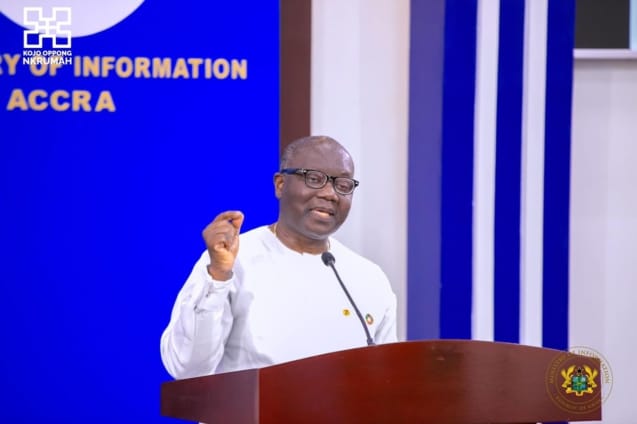
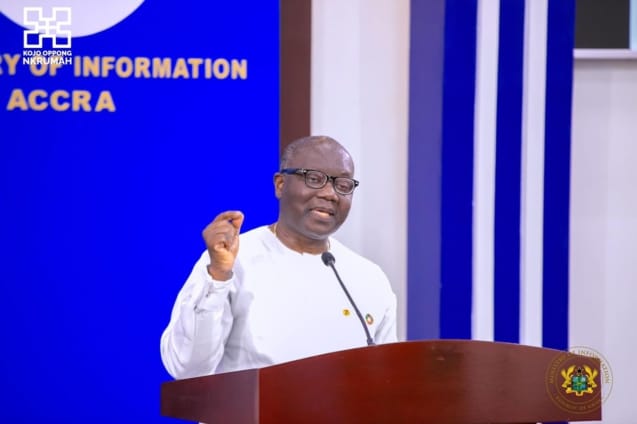
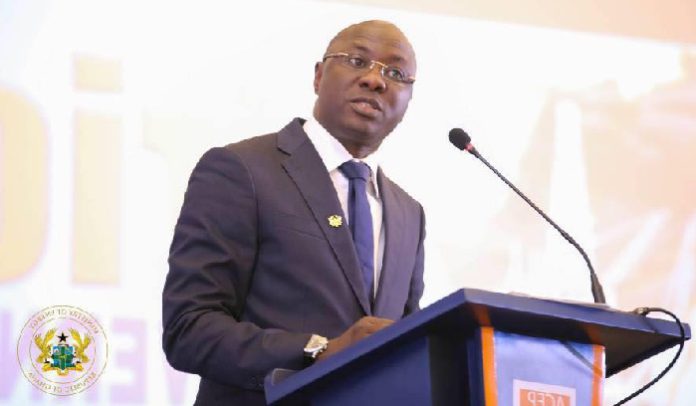
    Reacting to the approval, the Minister for Finance, Dr. Cassiel Ato Forson, noted that the approval represents meaningful progress in the country’s broader economic recovery agenda.


    Recently, the government announced its fifth bilateral debt restructuring agreement, with the Kingdom of Spain as the latest partner. This was announced by the Finance Minister on Wednesday, October 8, after signing the agreement with Spain’s Ambassador to Ghana, H.E. Ángel Lossada Torres-Quevedo.


    “On behalf of the Republic of Ghana, I signed a Bilateral Debt Restructuring Agreement with the Kingdom of Spain, represented by their Ambassador to Ghana, H.E. Ángel Lossada Torres-Quevedo. To date, we have concluded five bilateral restructuring agreements with France, Finland, the United Kingdom, China EXIM Bank, and now Spain,” he shared on his X page.


    He added that the signing marks another important milestone in Ghana’s debt restructuring journey. Mr. Ato Forson expressed optimism that Ghana will complete the process and close this challenging chapter in its economic management history by the end of the year, considering the valuable lessons learned from the experience.
    He said the government is determined to maintain sound fiscal discipline and never again “allow ourselves to reach such unsustainable levels of debt.”


    “I remain confident that the measures we are implementing will safeguard our recovery and strengthen Ghana’s resilience,” Ato Forson expressed.


    On behalf of the government and people of Ghana, he expressed deep appreciation to Spain for its cooperation, understanding, and unwavering support throughout the process.


    Meanwhile, the government also formally signed a bilateral debt restructuring agreement with the United Kingdom (UK) as part of efforts with the External Creditor Committee to unlock funds for ‘The Big Push’ initiative and other government programmes.


    Taking to X on Wednesday, September 24, the Minister for Finance revealed that the US$256 million deal signed between the two countries is a key step in improving Ghana’s debt management.


    “On behalf of the Republic of Ghana, I signed a Bilateral Debt Restructuring Agreement with the United Kingdom, represented by His Majesty’s Trade Commissioner for Africa, Mr. John Humphrey. The agreement covers about US$256 million and represents another important step in Ghana’s debt restructuring efforts,” he wrote.


    According to the Finance Minister, the UK’s participation will motivate other lenders to act swiftly and finalise their respective parts of the debt restructuring process.


    In addition, Ghana is working with UK Export Finance (UKEF) to reinstate financing for several priority projects, including the Bolgatanga–Bawku–Pulimakom Road Project; the modernisation of the Komfo Anokye Teaching Hospital (KATH); the Obetsebi Lamptey Interchange and Ancillary Works Project Phase II; the construction of Phase 1 of the Tema–Aflao Road Project; and the redevelopment and modernisation of the Kumasi Central Market.


    The deal was sealed in Accra on Wednesday, September 24, after UK Export Finance and His Majesty’s Trade Commissioner for Africa, John Humphrey, paid an official visit to Ghana. Also present at the signing ceremony were the UK High Commissioner to Ghana, H.E. Christian Rogg; the Chief Director of the Ministry of Finance, Mr. Patrick Nomo; and other officials.


    A couple of months ago, the government concluded a series of engagements with China aimed at enhancing debt restructuring efforts. The Minister for Finance, Dr. Cassiel Ato Forson, described the meetings as helpful and a major step forward in addressing the country’s debt challenges, disclosing this in a social media post on Tuesday, July 1.


    According to him, the discussions form part of the government’s broader efforts to fix the economy, reduce the country’s debt burden, and protect the livelihoods of ordinary Ghanaians. Dr. Forson added that the progress made in China has placed Ghana in a stronger position to complete the difficult process and build a more stable and inclusive economy.


    In April this year, the sector minister announced Ghana’s readiness to conclude bilateral agreements for the restructuring of its US$5.1 billion official bilateral debt by June, a target the Finance Minister described as “ambitious.” This followed the signing of a Memorandum of Understanding (MoU) with the Official Creditor Committee (OCC) on January 28.


    These details are outlined in the 2025 Budget Statement and Economic Policy, which highlights Ghana’s fiscal strategies, including debt restructuring measures aimed at stabilising the economy. Highlighting the importance of the process, the Finance Minister stated, “We look forward to the support of this august House in achieving this objective within the established timeframe.”


    The agreement formalises the key terms of the restructuring, which were outlined in an Agreement in Principle (AIP) reached on January 12, 2024. It includes an extension of debt service repayments and provides approximately US$2.8 billion in debt relief.

    Additionally, the MoU establishes a cut-off date of December 31, 2022, and imposes limits on disbursements during Ghana’s IMF-supported programme from 2023 to 2026.


    The signing of the MoU paves the way for negotiations with individual OCC member countries. As part of the process, Ghana has commenced data reconciliation and validation exercises with several creditors in preparation for bilateral agreements.


    Beyond official bilateral debt restructuring, the government is also engaging commercial creditors, including Chinese commercial lenders, plurilateral institutions, and private banks, to restructure approximately US$2.7 billion in commercial debt. Discussions on draft Non-Disclosure Agreements (NDAs) are already underway, with a financial proposal for the restructuring expected to be presented soon.


    Furthermore, Ghana’s Domestic Debt Exchange Programme (DDEP), launched in December 2022, has significantly influenced the domestic debt market. The government has relied on short-term securities to finance the budget, raising GH¢45.4 billion in net proceeds from treasury bill issuance.


    The government remains committed to honouring its debt obligations, having successfully paid GH¢19.0 billion in DDEP bond coupons in 2024 and an additional GH¢9.5 billion in February 2025.


    The Ministry of Finance believes these efforts, combined with effective engagement with market participants, will enhance transparency, restore investor confidence, and stabilise the financial market.

  • GoldBod rejects IMF report alleging $214m losses in gold-for-reserves programme

    GoldBod rejects IMF report alleging $214m losses in gold-for-reserves programme

    The International Monetary Fund’s (IMF) report suggesting that the Bank of Ghana incurred losses of about 214 million dollars under the Gold-for-Reserves programme has been rejected by the Ghana Gold Board, GoldBod. According to the IMF’s report, the alleged losses could undermine Ghana’s efforts to stabilise the economy.

    Reacting to the allegations through social media, the Chief Executive Officer of GoldBod, Sammy Gyamfi, described the claims as inaccurate, adding that the IMF’s assertions are based on misconceptions and an inaccurate understanding of GoldBod’s operational framework.

    He wrote, “First and foremost, the Ghana Gold Board has made no losses. Rather, the GoldBod has made significant profit/surplus under its gold trading programs in the year 2025. Financial statements of the GoldBod (unaudited) published on its website bear this fact out and indicate that the institution is set to declare income surplus of not less than GH600 million for the year 2025.

    “The GoldBod has this year been responsible for only the local purchasing, assay and export of gold for the Bank of Ghana (BOG). The selling or trading of gold purchased by GoldBod to off-takers lies in the exclusive domain of the BoG.”

    The GoldBod, he added, is not aware of any loss of $214 million incurred by the Bank of Ghana under the Gold-for-Reserves Programme on account of “GoldBod offtaker fees,” noting that the financials of the Gold-for-Reserves and Gold-for-Forex programmes of the Bank of Ghana for the year 2025 are yet to be audited.

    According to him, for the record, there is nothing like “GoldBod offtaker fees” under the ASM gold trading programme, stressing that the assertion is incorrect. He explained that per its 2025 operations, the GoldBod does not deal with off-takers, neither does it charge any off-taker fees. All off-take agreements, he noted, are signed and implemented by the Bank of Ghana. Under these off-take agreements, discounts covering freight, insurance, refining charges, among others, are granted by the Bank of Ghana to off-takers.

    “The only fees the GoldBod takes from the BOG is a statutory Assay Fee of 0.25% and a Service Charge of 0.5%. These fees are not new. In fact, they were inherited by the GoldBod from a 2023 Gold Purchase Agreement between the BOG and the defunct PMMC,” he stated.

    In November, the Ghana Gold Board made significant strides in its operations during the third quarter of 2025, particularly in gold collection and export, reserve building, and regulatory compliance among miners.

    Its latest report shows that small-scale miners handed over 26,153.98 kilograms of gold, valued at approximately US$2.76 billion.

    According to the Chief Executive Officer of the Board, Sammy Gyamfi, “The Ghana Gold Board continued to demonstrate strong institutional performance and sectoral leadership during the third quarter of its operational year (July–September 2025). The period was marked by steady progress in regulatory enforcement, gold aggregation and export, licensing and compliance, and inter-agency collaboration aimed at formalizing Ghana’s gold value chain.”

    “The GoldBod’s operational and financial performance reflects its growing institutional maturity and alignment with the objectives of the Ghana Gold Board Act, 2025 (Act 1140), which mandates it to regulate, promote, and ensure transparency in the purchase, assay, and export of gold and other precious minerals,” Sammy Gyamfi stated.

    This growth, according to the institution, demonstrates that more small-scale miners are operating formally and under improved supervision.

    GoldBod also purchased 119.78 kilograms of gold from large mining companies to support the Bank of Ghana’s reserves, valued at approximately US$11.82 million. This forms part of the government’s broader strategy to strengthen Ghana’s gold reserves and support the economy.

    The Ghana Gold Board (GoldBod) also reported strong export figures for both small-scale and large-scale miners. Small-scale miners exported 25,780.60 kilograms of gold, valued at about US$2.71 billion, while large-scale miners exported 24,911.21 kilograms, worth US$2.43 billion.

    According to the Board, these exports underscore the continued importance of mining in revenue generation and foreign exchange inflows into the country.

    The report further highlighted progress under the new tiered licensing system, which aims to streamline operations and ensure compliance across the sector.

    During the period, a total of 577 licences were processed, comprising 432 Tier 2 licences, 123 Tier 1 licences, and 22 self-financed aggregator licences. Two licences were suspended, while several others were revoked for non-compliance, demonstrating GoldBod’s commitment to sanitising the sector.

    A month ago, the Ghana Gold Board (GoldBod) reported significant revenue accrued from small-scale gold exports between January and October 15.

    According to data from GoldBod and the Precious Minerals Marketing Company (PMMC), the sector generated US$8 billion in foreign exchange within the ten-month period.

    The data showed that small-scale miners exported 81,719.23 kilograms of gold during the period, valued at US$8.06 billion. This represents a sharp increase from US$4.61 billion recorded in 2024 and nearly quadruples the US$2.19 billion achieved in 2023.

    Additionally, gold exports increased by 29% between 2024 and 2025, rising from 63,647 kilograms to 81,719 kilograms. When compared to 2023, GoldBod’s earnings have grown more than threefold.

    The data highlighted a consistent upward trend in both export volume and value over the three-year period, reflecting improved regulation, transparency, and compliance within Ghana’s small-scale mining sector.

    It also showed strong month-on-month growth in the second quarter of the year, with revenues of US$897.6 million in April, US$1.17 billion in May, and US$957.9 million in June.

    The country’s official gold buying and distribution authority has attributed these gains to its partnership with PMMC and strengthened oversight of small-scale gold exports and related purchasing regulations. The GoldBod–PMMC collaboration has proven effective since mid-April 2025, when GoldBod commenced operations and absorbed the functions of PMMC.

    The partnership has been instrumental in curbing illicit trade and ensuring that proceeds from gold sales are properly repatriated into the Ghanaian economy.

    Meanwhile, GoldBod has also been instrumental in addressing leakages in Ghana’s gold trading sector through the regulation of licensed traders.

    The Board operates under the oversight and supervision of the Ministry of Finance.

    Recently, GoldBod announced the suspension of the licence of a Tier 2 licensed gold buying company in Tarkwa for breaching several gold trading laws.

    In a statement dated Wednesday, September 16, the governing body overseeing all gold trading and export activities in Ghana informed the public that the company’s licence had been suspended and all its shops closed.

    “The Ghana Gold Board (“GoldBod”) wishes to inform the general public that it has suspended the license and closed all trading shops of NK Benak Enterprise, a licensed gold buyer (Tier 2), with immediate effect,” the statement said.

    The suspension followed the company’s involvement in several gold-related offences, which led to the arrest of its Chief Executive Officer, who is currently facing prosecution.

    “This action has been taken on grounds of NK Benak Enterprise’s complicity in several gold-related offences, which have led to the arrest of the sole proprietor, Bernard Nkrumah, and his prosecution before the High Court,” GoldBod added.

    Consequently, NK Benak Enterprise has lost the right to trade with all other licensed gold trading companies. GoldBod emphasised its commitment to enforcing gold trading laws to ensure transparency and accountability in the sector.

    “Notice is hereby given to all licensed traders, miners, and the general public to desist from trading and/or engaging in any form of gold transaction with NK Benak Enterprise forthwith. GoldBod remains committed to enforcing the laws and regulations that govern the gold trading sector in the spirit of accountability and transparency,” it added.

  • IMF to release $380m after approving Ghana’s fifth review

    IMF to release $380m after approving Ghana’s fifth review

    The Fifth Review of Ghana’s International Monetary Fund (IMF)-supported programme received approval from the IMF’s Executive Board on Wednesday, December 17.

    The new development will trigger the release of a sixth tranche of US$380 million, reflecting Ghana’s strong performance under the Extended Credit Facility (ECF) programme.

    Reacting to the approval, the Minister for Finance, Dr. Cassiel Ato Forson, noted that the approval represents meaningful progress in the country’s broader economic recovery agenda.

    Recently, the government announced its fifth bilateral restructuring agreement, with the Kingdom of Spain as the latest partner.

    This was announced by the Finance Minister, Dr. Cassiel Ato Forson, on Wednesday, October 8, after signing the agreement with Spain’s Ambassador to Ghana, H.E. Ángel Lossada Torres-Quevedo.

    “On behalf of the Republic of Ghana, I signed a Bilateral Debt Restructuring Agreement with the Kingdom of Spain, represented by their Ambassador to Ghana, H.E. Ángel Lossada Torres-Quevedo. To date, we have concluded five bilateral restructuring agreements with France, Finland, the United Kingdom, China EXIM Bank, and now Spain,” he shared on his X page.

    He added that the signing marks another important milestone in Ghana’s debt restructuring journey.

    Mr. Ato Forson is optimistic that Ghana will complete the process and close this challenging chapter in its economic management history by the end of the year, considering the valuable lessons learned from the experience.

    He said the government is determined to maintain sound fiscal discipline and never again “allow ourselves to reach such unsustainable levels of debt.”

    “I remain confident that the measures we are implementing will safeguard our recovery and strengthen Ghana’s resilience,” Ato Forson expressed.

    On behalf of the government and people of Ghana, Ato Forson expressed deep appreciation to Spain for its cooperation, understanding, and unwavering support throughout the process.

    Meanwhile, the government formally signed a bilateral debt restructuring agreement with the United Kingdom (UK) as part of efforts with the External Creditor Committee to unlock funds for ‘The Big Push’ initiative and other government programmes.

    Taking to the X platform on Wednesday, September 24, the Minister for Finance, Dr. Cassiel Ato Forson, revealed that the US$256 million deal signed between the two countries is a key step in improving Ghana’s debt management.

    “On behalf of the Republic of Ghana, I signed a Bilateral Debt Restructuring Agreement with the United Kingdom, represented by His Majesty’s Trade Commissioner for Africa, Mr. John Humphrey. The agreement covers about US$256 million and represents another important step in Ghana’s debt restructuring efforts,” he wrote.

    According to the Finance Minister, the UK’s participation will motivate other lenders to act swiftly and finalise their respective parts of the debt restructuring process.

    In addition, Ghana is working with UK Export Finance (UKEF) to reinstate financing for several priority projects, including the Bolgatanga–Bawku–Pulimakom Road Project; the modernisation of the Komfo Anokye Teaching Hospital (KATH); the Obetsebi Lamptey Interchange and Ancillary Works Project Phase II; the construction of Phase 1 of the Tema–Aflao Road Project; and the redevelopment and modernisation of the Kumasi Central Market.

    The deal was sealed in Accra on Wednesday, September 24, after UK Export Finance and His Majesty’s Trade Commissioner for Africa, John Humphrey, paid an official visit to Ghana. Also present at the signing ceremony were the UK High Commissioner to Ghana, H.E. Christian Rogg; the Chief Director of the Ministry of Finance, Mr. Patrick Nomo; and other officials.

    A couple of months ago, the government also brought to an end a series of engagements with China aimed at enhancing the debt restructuring efforts.

    The Minister for Finance, Dr. Cassiel Ato Forson, who described the meetings as helpful and a major step forward in addressing the country’s debt challenges, disclosed this in a social media post on Tuesday, July 1.

    According to him, the discussions form part of the government’s broader efforts to fix the economy, reduce the country’s debt burden, and protect the livelihoods of ordinary Ghanaians.

    Dr. Forson added that the progress made in China has placed Ghana in a stronger position to complete the difficult process and build a more stable and inclusive economy.

    In April this year, the sector minister announced Ghana’s readiness to conclude bilateral agreements for the restructuring of its US$5.1 billion official bilateral debt by June, a target the Finance Minister, Dr. Cassiel Ato Forson, described as “ambitious.”

    This followed the signing of a Memorandum of Understanding (MoU) with the Official Creditor Committee (OCC) on January 28.

    These details are outlined in the 2025 Budget Statement and Economic Policy, which highlights Ghana’s fiscal strategies, including debt restructuring measures aimed at stabilising the economy.

    Highlighting the importance of the process, the Finance Minister stated, “We look forward to the support of this august House in achieving this objective within the established timeframe.”

    The agreement formalises the key terms of the restructuring, which were outlined in an Agreement in Principle (AIP) reached on January 12, 2024. It includes an extension of debt service repayments and provides approximately US$2.8 billion in debt relief. Additionally, the MoU establishes a cut-off date of December 31, 2022, and imposes limits on disbursements during Ghana’s IMF-supported programme from 2023 to 2026.

    The signing of the MoU paves the way for negotiations with individual OCC member countries. As part of the process, Ghana has commenced data reconciliation and validation exercises with several creditors in preparation for bilateral agreements.

    Beyond official bilateral debt restructuring, the government is also engaging commercial creditors, including Chinese commercial lenders, plurilateral institutions, and private banks, to restructure approximately US$2.7 billion in commercial debt. Discussions on draft Non-Disclosure Agreements (NDAs) are already underway, with a financial proposal for the restructuring expected to be presented soon.

    Furthermore, Ghana’s Domestic Debt Exchange Programme (DDEP), launched in December 2022, has significantly influenced the domestic debt market. The government has relied on short-term securities to finance the budget, raising GH¢45.4 billion in net proceeds from treasury bill issuances.

    The government remains committed to honouring its debt obligations, having successfully paid GH¢19.0 billion in DDEP bond coupons in 2024 and an additional GH¢9.5 billion in February 2025.

    The Ministry of Finance believes these efforts, combined with effective engagement with market participants, will enhance transparency, restore investor confidence, and stabilise the financial market.
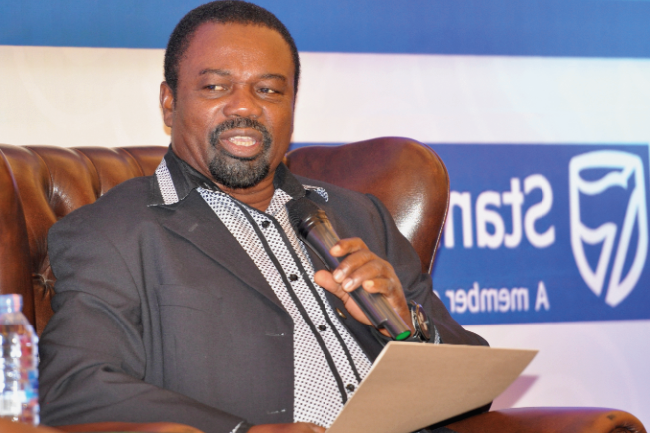
  • Returning to IMF would erode your legacy – IEA Fellow to President Mahama

    Returning to IMF would erode your legacy – IEA Fellow to President Mahama

    A senior fellow at the Institute of Economic Affairs (IEA), Dr. Vladimir Antwi-Danso, has urged President John Dramani Mahama to implement strategies that will prevent the country from depending on the International Monetary Fund (IMF).

    Engaging the media, he emphasized that President Mahama must adopt bold and corrective measures if he hopes to leave a long-term legacy.

    “The president has given indication that it is a legacy term. If it’s a legacy term then I suspect he must put things right so we don’t go back. It is a routine ritual, this is the 17th and there is no indication that this is going to be the end. It is because of the spending spree especially during election years,” he said.

    He has advised the government to prioritize local production as a strategy to boost economic growth.

    He warned that failure to adopt this approach could lead to further depreciation of the local currency in December.

    Speaking at a press briefing in Accra on Tuesday, May 27, he noted that the appreciation of the Ghanaian cedi could be temporary.

    “Our forex appreciating and the cedi also appreciating is not the answer; you must do more. You must try and be an export economy. That is the only way you stabilize your economy. That is the only way you make the other currency lower.

    “What we are doing is that we are not stablising permanently. We will relapse. By December I believe that we will relapse. And this is coming from a technical point of view and not political. What I am saying is that it is not yet hurray,” he stated.

    Meanwhile, President John Dramani Mahama has revealed that the cedi’s continuous appreciation is having a positive impact on the government’s efforts to settle its colossal debt.

    Speaking at a high-level presidential session at the 60th Annual Meeting of the African Development Bank (AfDB) and the 51st Annual Meeting of the African Development Fund (ADF) in Abidjan, the President indicated that about GH₵150 billion has been slashed as a result of the local currency appreciating.

    “Also, increasingly, one of the push factors for the debt is the value of the local currency; our debts continue to multiply because the cedi continues to grow weaker, and so we need more cedi because our public debt is stated in cedis, the weaker the cedi becomes against the foreign currencies, the higher it pushes up the debt.”

    “Fortunately, some measures we put in place have recently begun to show results, and the cedi has been strengthening, and so we have reduced our total debt over the last five months by almost 150 billion Ghana cedis,” he noted.

    In April and May this year, the local currency has appreciated by 19% as per information released by the Bank of Ghana (BoG).

    As of Friday, May 26, the average interbank rates used by commercial banks for transactions at the close of business showed the US dollar buying at GH₵10.39 and selling at GH₵10.40.

    The British pound is buying at GH₵14.09 and selling at GH₵14.11. The euro is currently being bought at GH₵11.82 and sold at GH₵11.83.

  • IMF board set to approve $360m third tranche for Ghana

    IMF board set to approve $360m third tranche for Ghana

    Ghana is making strides toward securing board approval from the International Monetary Fund (IMF) for the third tranche of $360 million under its $3 billion extended credit facility.

    The government’s ongoing support program, aimed at stabilizing the economy and fostering sustainable growth, is yielding better-than-expected results.

    To date, Ghana has received $1.2 billion in IMF funding, which has aided fiscal consolidation, bolstered foreign exchange reserves, and supported general economic recovery.

    The IMF acknowledges Ghana’s progress toward the next disbursement, noting that the country continues to meet necessary economic and policy benchmarks.

    Julie Kozack, Director of Communications at the IMF, spoke about Ghana’s status during a recent press conference in Washington, D.C., expressing confidence and support from the IMF.

    Ghana is poised to receive approval for its third tranche of $360 million when the IMF Executive Board convenes in June, following a staff-level agreement on the second review of the loan-support program.

    The Fund has indicated that additional adjustments will not be required from the Ghanaian government.

    The government is hopeful that ongoing discussions among official creditors will lead to the conclusion of talks, facilitating the release of the third tranche of funds.

    Julie Kozack also highlighted positive economic indicators, such as higher-than-anticipated growth in 2023, declining inflation, improved fiscal and external positions, and reduced exchange rate volatility.

    She noted Ghana’s progress on comprehensive debt restructuring efforts, including engagements with official bilateral and external private creditors.

    “On April 13th, IMF staff and the Ghanaian authorities reached a staff-level agreement for the second review of the programme. The aim is to bring the review to the IMF’s Executive Board before the end of June, and once approved by the Board, the review would give Ghana access to about $360 million. The authorities’ strong policy and reform efforts under the programme are bearing fruit, and signs of economic stabilization are emerging.”

    “Growth, for example, in 2023, was higher than anticipated, and the growth projections are being revised upward. Inflation has been declining rapidly, the fiscal and external positions have improved, and exchange rate volatility has declined quite significantly. The authorities are making good progress on their comprehensive debt restructuring. The domestic debt exchange was completed last year, and on January 12th, the government reached agreement in principle with its official bilateral creditors. Ghana is also engaging with external private creditors to seek their support”, Julie Kozack added.

  • Ghana on course to establish MoU with its bilateral creditors on debt restructuring programme – IMF

    Ghana on course to establish MoU with its bilateral creditors on debt restructuring programme – IMF

    International Monetary Fund (IMF) Mission Chief for Ghana, Stéphane Roudet has  expressed confidence in Ghana’s upcoming formalisation of a Memorandum of Understanding (MoU) with bilateral creditors regarding the country’s debt restructuring program.

    He noted significant progress in drafting an agreement with official creditors.

    “We are confident that formalisation will occur in the next few weeks, building upon January’s developments, allowing us to present it to the board in June. We are increasingly optimistic about Ghana’s program at the IMF board,” he assured during discussions with journalists at the Annual IMF/World Bank spring meetings in Washington DC, USA.

    Emphasising the June timeline, Roudet highlighted the dedicated efforts of the team to meet deadlines.

    “The report preparation and board circulation take time, but we are optimistic about progress by June,” he reiterated.

    Discussions with commercial creditors

    On concerns about the current negotiations with commercial creditors delaying, Mr. Roudet noted that even though it is not a major requirement, it is however important to make progress on the debt relief which must be consistent with the IMF programme.

    “We also need good faith in place when it comes to the negotiations with the commercial creditors, and we are already seeing that. From that standpoint there is good faith when it comes to negotiations with the creditors”, he announced.

    Fiscal discipline in an election year

    On containing election spending before the elections, Mr. Roudet said the team is convinced by the government’s commitment to be fiscally disciplined.

    “If you look at past elections, there have been fiscal slippages and therefore everyone should be concerned”, he added.

    He pointed out that the IMF has observed some changes in the government’s fiscal commitment.

    On high-interest rates, Mr. Roudet was hopeful the cost of credit would come down if inflation declines in line with the IMF programme.


    “We believe that as inflation continues to go down, that could force the Bank of Ghana to also reduce interest rates”.  

    He added that the government is also reducing the amount of money needed from the domestic market. This he alluded may be contributing to reducing the interest rates.

  • Ghana’s inflation expected to reduce in 2025 – IMF

    Ghana’s inflation expected to reduce in 2025 – IMF

    The International Monetary Fund (IMF) has unveiled its Regional Economic Outlook for Sub-Saharan Africa, predicting a substantial decrease in Ghana’s inflation rate to 11.5% on average by 2025.

    This marks a significant decline from the 22.3% average inflation recorded in 2023.

    Additionally, the IMF projects a notable Gross Domestic Product (GDP) growth of 4.4% in 2025, contrasting with the 2.8% growth observed in 2023.

    These projections indicate an anticipated rise in both demand and supply within the economy for the upcoming year.

    The IMF highlighted that headline inflation across sub-Saharan Africa has been on a downward trajectory since its peak in November 2022, albeit with variations among different countries.

    “This cautious stance in monetary policy stems from two key factors. First, median core inflation only recently approached the levels seen before the pandemic. Second, sub-Saharan African countries started their monetary tightening cycles later than other Emerging Markets and Developing Economies (EMDEs), leaving them to play catch-up while many EMDEs have started easing since the second half of 2023”.

    It noted that only a few nations, including Botswana, Ghana, and Mozambique, have reduced policy interest rates in the past year, while most have maintained or tightened rates despite declining inflation.

    “Even among countries with a marked decline in inflation, only a select few have reduced policy interest rates over the past 12 months (Botswana, Ghana, and Mozambique). The majority have opted to continue tightening or maintain elevated policy rates, even after inflation has passed its peak”, it stated.

    Explaining the cautious monetary policy stance, the IMF cited two main factors: core inflation levels approaching pre-pandemic levels only recently and sub-Saharan African countries beginning their monetary tightening cycles later than other Emerging Markets and Developing Economies (EMDEs).

    However, the IMF expressed optimism about the potential for more countries in the region to have leeway to lower interest rates soon.

    This optimism is supported by the increasing positivity of real-term monetary policy rates across the region.
    While Fitch Solutions projects an average inflation rate of 19.0% for Ghana in 2024, the London-based firm also anticipates that lower inflation will ease financial pressures on households and enhance consumer purchasing power.

    “So lower inflation will alleviate pressure on household finances and increase the purchasing power that will spur economic growth”.

    Senior Country Risk Analyst at Fitch Solutions, Mike Kruiniger attributed the slight uptick in March 2024 inflation to base-side effects and expects inflation to resume its downward trend in the coming months, which would ultimately stimulate economic growth.

  • Economic outlook for Sub-Saharan Africa positive – IMF

    Economic outlook for Sub-Saharan Africa positive – IMF

    The International Monetary Fund (IMF) has highlighted a positive trajectory in the economic outlook for sub-Saharan Africa after a tumultuous four years.

    The IMF’s Regional Economic Outlook for Sub-Saharan Africa reveals promising signs, with growth projected to increase from 3.4% in 2023 to 3.8% in 2024, with a majority of countries expecting higher growth rates.

    The report outlines a continued economic recovery beyond 2024, with growth forecasts reaching 4.0% in 2025.

    “Economic recovery is expected to continue beyond this year, with growth projections reaching 4.0% in 2025. Additionally, inflation has almost halved, public debt ratios have broadly stabilised, and several countries have issued Eurobonds this year, ending a two-year hiatus from international markets”, it mentioned.

    Notably, inflation has nearly halved, public debt ratios have stabilised, and several countries have successfully issued Eurobonds this year, marking a return to international markets after a two-year hiatus.

    Despite these improvements, challenges persist.

    The IMF notes ongoing funding constraints as governments grapple with financing shortages, high borrowing costs, and looming debt repayments.

    “Risks to the outlook remain tilted to the downside. The region continues to be more vulnerable to global external shocks, as well as the threat of rising political instability, and frequent climate events”.

    Additionally, the region remains vulnerable to global external shocks, political instability, and frequent climate events, posing risks to the economic outlook.

    To navigate these challenges effectively, the IMF emphasises three key policy priorities: improving public finances without hindering development, maintaining monetary policies for price stability, and implementing structural reforms to diversify funding sources and strengthen economies.
    Acknowledging the need for international support, the IMF concludes that sub-Saharan African countries require additional assistance to foster inclusive, sustainable, and prosperous economic growth in the future.

  • Ghana’s reserve to benefit from US$360 million third tranche – Ernest Addison

    Ghana’s reserve to benefit from US$360 million third tranche – Ernest Addison

    Governor of the Bank of Ghana, Dr. Ernest Addison, has expressed optimism regarding Ghana’s foreign currency reserves strengthening with the anticipated disbursement of a third tranche of US$360 million from the International Monetary Fund (IMF).

    The approval for Ghana’s third tranche of US$360 million is expected during the Executive Board meeting of the IMF in June, following the staff-level agreement reached on the second review of the loan-support program.

    Speaking at a press briefing in Accra after concluding the staff-level agreement on Ghana’s second review of the three-year Extended Credit Facility (ECF) arrangement, Dr. Addison voiced confidence in the Board’s approval in June.

    Dr. Addison emphasized that this funding would contribute to bolstering the country’s foreign reserves, which amounted to US$6.2 billion as of April 5, 2024, and would support the objectives of the US$3 billion loan-support program.

    Foreign currency reserves, comprising cash and other assets like gold, held by central banks are crucial for maintaining stability in domestic currency and liquidity during economic crises, according to the World Economic Forum.

    He highlighted the productive two-week engagement between Ghanaian authorities and the IMF Staff Mission, culminating in the staff-level agreement.

    Furthermore, Dr. Addison expressed the government’s hopeful anticipation that this achievement would lead to “Management and Executive Board approval with the release of another tranche of IMF’s support.”

    Dr. Addison acknowledged that despite delays in the disbursement of some donor support, the country’s foreign exchange reserves remained steady at US$6.2 billion as of April 5, 2024.

    He affirmed the commitment to implementing policies that have sustained progress, including the innovative Gold for reserves program, which has significantly influenced foreign exchange management strategies.

    Regarding the progress made since the implementation of the loan-support program, Dr. Addison highlighted substantial macroeconomic dividends, including a significant drop in inflation from 54% at the end of 2022 to 23% in 2023.

    With the forthcoming US$360 million disbursement, Ghana’s total disbursement will amount to US$1.560 billion, having already received US$1.2 billion in the first two tranches since the program’s inception.

    The three-year ECF arrangement is supported by the country’s Post-COVID-19 Programme for Economic Growth (PC-PEG), aimed at restoring macroeconomic stability and debt sustainability, building resilience, and fostering stronger and more inclusive growth.

    Dr. Addison emphasized Ghana’s steadfast commitment to a set of policies since the program’s implementation, showcasing progress even under challenging circumstances.

    Stéphane Roudet, Chief of Mission for Ghana, acknowledged Ghana’s significant improvement in the external sector, with international reserve accumulation surpassing program objectives. However, he emphasized the importance of reaching an agreement with official bilateral creditors on an MoU consistent with the terms agreed in January 2024, as the next crucial step for Ghana.

  • ‘We are on the IMF program yet fuel prices keep surging’ – Bridget Otoo

    ‘We are on the IMF program yet fuel prices keep surging’ – Bridget Otoo

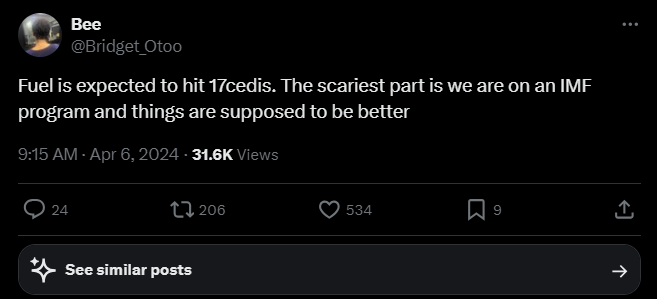
    Concerns have been raised by media figure Bridget Otoo regarding the recent spike in fuel prices during the country’s ongoing economic crisis.

    Otoo expressed dismay at the government’s decision to secure a loan from the International Monetary Fund (IMF) to address financial challenges while fuel prices continue to rise, placing a heavier burden on citizens.

    She noted that despite expectations of improvement following the IMF loan, the cost of living continues to worsen, with fuel prices anticipated to reach 17 cedis.

    Bridget shared her concerns on social media, highlighting the discrepancy between the expected benefits of the IMF program and the current economic challenges faced by Ghanaians.

    Background

    Petroleum consumers in the country witnessed another hike in the prices of products on April 4, 2024.

    This came after the National Petroleum Authority (NPA) reversed its decision to suspend the Price Stabilization and Recovery Levy (PSRL) on the price build-up of petroleum products.

    In a letter dated April 3, 2024, and copied to various stakeholders in the oil marketing and distribution industry, the regulator [NPA] directed them to apply 16 pesewas per litre of Petrol, 14 pesewas per litre of Diesel, and 14 pesewas on every Kg per Liquefied Petroleum Gas (LPG).

    In the wake of this, the state-owned Oil Marketing Company, GOIL, adjusted its prices of petrol and diesel selling at GH¢14.15 per litre and GH¢14.74 per litre respectively.

    The price adjustment, according to GOIL took effect on April 4, 2024.
    It is expected that other OMCs in the country will also adjust their prices to align with the directive issued by the NPA.

    See tweet below:

  • Tax reliefs will be implemented without delay – Amin Adam

    Tax reliefs will be implemented without delay – Amin Adam

    Finance Minister-designate , Dr. Mohammed Amin Adam, has emphasized a swift implementation of tax reliefs outlined in the 2024 budget.

    Expressing his commitment to alleviating economic hardships for the poor amidst challenging economic conditions, Dr. Amin Adam, an expert in Energy and Petroleum Policy, assured that policies designed to shield vulnerable segments of society from economic adversities will be promptly executed as outlined in the budget.

    In an interview on Citi FM’s Citi Breakfast Show on Thursday, February 15, Dr. Amin Adam underscored the government’s dedication to the International Monetary Fund (IMF) program.

    The program aims to assist Ghana in addressing its balance of payment challenges, and Dr. Amin Adam assured that it would proceed without any disruptions.

    “We will make sure that we move faster to implement the tax reliefs that were made in the budget and I am going to make sure the poor are insulated….It is important to note that we are under an IMF programme and I want to assure the IMF and the business community that I will ensure that the programme remains on track. I will work to ensure that the programme does not suffer,” he said.

    As a former Minister of State at the Finance Ministry, Dr. Amin Adam is expected to play a key role in reinforcing Ghana’s economy and steering it back toward a path of growth.

  • Let’s work together to stabilize Ghana’s economic – IMF boss to new  Finance Minister

    Let’s work together to stabilize Ghana’s economic – IMF boss to new Finance Minister

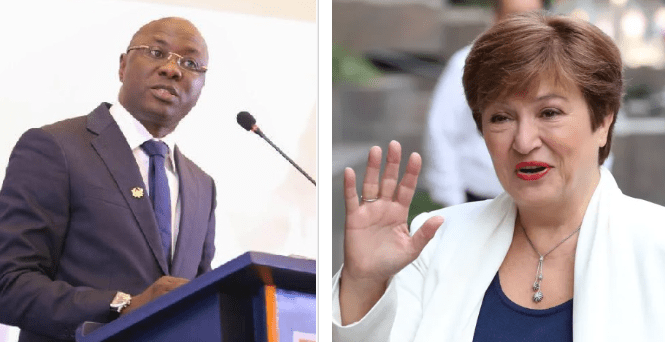
    The Managing Director of the International Monetary Fund (IMF), Kristalina Georgieva, has advised the newly appointed Minister of Finance, Dr. Mohammed Amin Adam, to maintain the efforts of the country’s economic reform program.

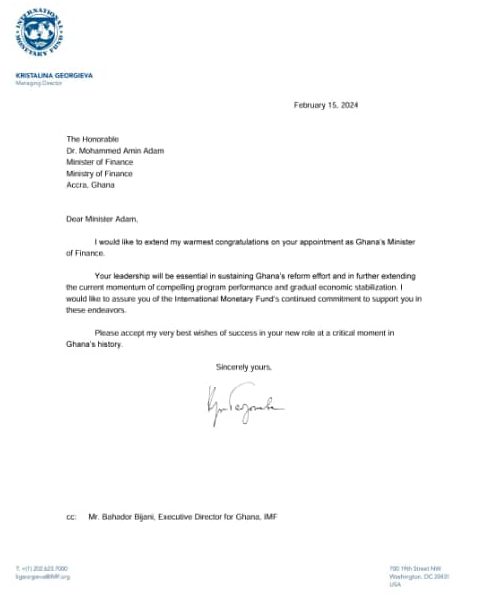
    In a congratulatory letter, Ms. Georgieva emphasized the importance of Dr. Amin Adam’s leadership in continuing the momentum of the IMF program to achieve economic stability and meet its targets.

    Ms. Georgieva highlighted the significance of guidance in driving the reform effort forward, stating, “Your leadership will be essential in sustaining Ghana’s reform effort and in further extending the current momentum of compelling program performance and gradual economic stabilization.”

    Expressing support, she assured the Minister that the IMF would collaborate with him to contribute to Ghana’s economic recovery. The letter concluded with warm wishes for success in Dr. Amin Adam’s new role.

    Ghana is currently implementing a three-year program with the IMF, aiming to receive a $3 billion support fund.

    The country has already received a second tranche of funding totaling $600 million, following the initial $600 million to support the Balance of Payment account.

    Dr. Mohammed Amin Adam, an Economist and Energy and Petroleum Policy Expert, has an extensive educational background, including a Ph.D. in Energy and Petroleum Economics from the University of Dundee. He has over 25 years of experience in political management, administration, and key roles in the Government of President Nana Akufo-Addo. Dr. Adam is recognized globally for his expertise and has served in various advisory capacities for international organizations and African countries.

  • We are committed to supporting you -IMF Boss to Amin Adam

    We are committed to supporting you -IMF Boss to Amin Adam


    The Managing Director of the International Monetary Fund (IMF), Kristalina Georgieva, has expressed her approval of the new Finance Minister, Dr. Mohammed Amin Adam.

    She emphasized the importance of Dr. Amin Adam’s leadership in maintaining Ghana’s reform initiatives and building upon the ongoing positive trajectory of program performance and economic stabilization.

    Kristalina Georgieva urged Dr. Adam to take the lead in restoring stability to Ghana’s economy.

    Dr. Mohammed Amin Adam, previously the Minister of State at the Finance Ministry, was promoted to the substantive Minister for the Finance Ministry in the recent reshuffle, replacing Mr. Ken Ofori-Atta.

    In her congratulatory statement, the IMF boss stated, “Your leadership will be essential in sustaining Ghana’s reform effort and in further extending the current momentum of compelling program performance and gradual economic stabilization. I would like to assure you of the International Monetary Fund’s continued commitment to support you in these endeavors.”

    Below is the IMF’s congratulatory note.

  • Ghana is losing multinational companies as a result of excessive taxes – PwC Ghana

    Ghana is losing multinational companies as a result of excessive taxes – PwC Ghana

    Tax Partner at PwC Ghana, Abeku Gyan-Quansah, has expressed concern about the excessive tax burden faced by Ghanaian businesses.

    He noted that, as a result of the high taxes, some multinational companies are opting to relocate their core operations outside of Ghana to address the challenge.

    Gyan-Quansah disclosed, “What we have picked up based on our work is that some of these firms have changed their business models by moving core operations outside Ghana to deal with the challenge [high taxes],” he added.

    He emphasized that these businesses are relocating to produce goods or services abroad and then exporting them back to Ghana.

    Highlighting the origin of the tax policies, he clarified that the elevated taxes are not imposed by the International Monetary Fund (IMF) but are part of the Ghanaian government’s own program submitted to the IMF.

    Gyan-Quansah pointed out that, according to the Article IV consultation report by the IMF, there are approximately 27 tax measures outlined by the government to enhance Ghana’s revenue situation.

  • Ghana has met its non-oil revenue mobilization target – IMF

    Ghana has met its non-oil revenue mobilization target – IMF

    The International Monetary Fund (IMF) has praised Ghana for successfully meeting all targets set for the $3 billion three-year extended credit facility.

    In a statement released on January 19, 2024, the IMF acknowledged Ghana’s strong performance, with all quantitative performance criteria for the first review met, along with almost all indicative targets and structural benchmarks.

    The IMF noted positive outcomes such as economic stabilization, resilient growth in 2023, a decline in inflation, and improved fiscal and external positions.

    “The authorities’ reform efforts are bearing fruit, and signs of economic stabilization are emerging. Growth in 2023 has proven resilient, inflation has declined, and the fiscal and external positions have improved.”

    Ghana is on track to reduce the fiscal primary deficit by about 4 percentage points of GDP in 2023, according to the IMF.

    The government’s adherence to spending limits and efforts to expand social protection programs were also commended.

    “To help mitigate the impact of the crisis on the most vulnerable population, the authorities have significantly expanded social protection programmes. On the revenue side, Ghana has met its non-oil revenue mobilization target.”

    “The Ghanaian authorities are also making good progress on their debt restructuring strategy. Their domestic debt restructuring was completed over the summer. On January 12, 2024, the authorities reached an agreement with the Official Creditor Committee (OCC) under the G20’s Common Framework on a debt treatment that is in line with Fund program parameters. This agreement provided the financing assurances necessary for the Executive Board review to be completed.”

    Additionally, Ghana has made progress in its debt restructuring strategy, completing domestic debt restructuring and reaching an agreement with the Official Creditor Committee under the G20’s Common Framework.

    The IMF’s remarks followed the approval of the second tranche of the $3 billion extended facility, providing Ghana with $600 million immediately.

    Below is the full press statement from the IMF

    IMF Executive Board Concludes 2023 Article IV Consultation with Ghana and Completes First Review under the Extended Credit Facility Arrangement

    The Executive Board of the International Monetary Fund (IMF) completed today the First review of the $3 billion, 36-month Extended Credit Facility (ECF) Arrangement, which was approved by the Board on May, 17, 2023 , as well as the 2023 Article IV Consultation with Ghana. The completion of the first ECF review allows for an immediate disbursement of SDR 451.4 million (about US$600 million), bringing Ghana’s total disbursements under the arrangement to about US$1.2 billion.

    Ghana’s economic performance has been marked by significant volatility over the years. Episodes of strong growth and overall macroeconomic stability were undermined by rising inflation, exchange rate depreciation, and loss of external buffers, in turn largely reflecting overly accommodative fiscal policies. Most recently, severe external shocks compounded pre-existing fiscal and debt vulnerabilities, exacerbating such volatility and leading to acute economic and financial pressures in 2022.

    The authorities’ reform program has been designed to respond to immediate pressures and pave the way for a more resilient and prosperous economy. The ECF arrangement has provided a framework to implement the authorities’ policy and reform strategy to restore macroeconomic stability and debt sustainability, address long standing vulnerabilities, and lay the foundations for higher and more inclusive growth.

    Ghana’s performance under the program has been strong. All quantitative performance criteria for the first review and almost all indicative targets and structural benchmarks were met.

    Consistent with the authorities’ commitments under the Fund-supported program, Ghana is on track to lower the fiscal primary deficit on a commitment basis by about 4 percentage points of GDP in 2023. Spending has remained within program limits. To help mitigate the impact of the crisis on the most vulnerable population, the authorities have significantly expanded social protection programs. On the revenue side, Ghana has met its non-oil revenue mobilization target.

    The Ghanaian authorities are also making good progress on their debt restructuring strategy. Their domestic debt restructuring was completed over the summer. On January 12, 2024, the authorities reached an agreement with the Official Creditor Committee (OCC) under the G20’s Common Framework on a debt treatment that is in line with Fund program parameters. This agreement provided the financing assurances necessary for the Executive Board review to be completed.

    Ambitious structural fiscal reforms are bolstering domestic revenues, improving spending efficiency, strengthening public financial and debt management, preserving financial sector stability, enhancing governance and transparency, and helping create an environment more conducive to private sector investment.

    The authorities’ reform efforts are bearing fruit, and signs of economic stabilization are emerging. Growth in 2023 has proven resilient, inflation has declined, and the fiscal and external positions have improved.

    Looking ahead, fully and durably restoring macroeconomic stability and debt sustainability and fostering a sustainable increase in economic growth and poverty reduction will require steadfast policy and reform implementation.

    At the conclusion of the Executive Board’s discussion, Mr. Bo Li, Deputy Managing Director and Acting Chair, issued the following statement:

    “Ghana’s economic performance has been marked by significant volatility over the years. Most recently, severe external shocks compounded pre existing fiscal and debt vulnerabilities, leading to acute economic and financial pressures in 2022. The authorities’ efforts to reorient macroeconomic policies, restructure debt, and initiate wide ranging reforms are already generating positive results, with growth more resilient than initially envisaged, inflation declining, the fiscal and external positions improving, and international reserves increasing.

    “Fully and durably restoring macroeconomic stability and debt sustainability and fostering higher and more inclusive growth require steadfast policy and reform implementation. The government’s plans to further reduce deficits by mobilizing additional domestic revenue and streamlining expenditure and to finalize its comprehensive debt restructuring are critical to underpin debt sustainability and ease financing constraints. Continued efforts to protect the vulnerable and to create space for higher social and development spending are also key. Reforms to improve tax administration, strengthen expenditure control and management of arrears, enhance fiscal rules and institutions, and improve SOEs management are needed to ensure lasting adjustment.

    “The authorities took decisive steps to rein in inflation and rebuild foreign reserve buffers. Maintaining an appropriately tight monetary stance and enhancing exchange rate flexibility are key to achieving the program’s objectives.

    “Bank of Ghana had deployed its regulatory and supervisory tools to mitigate the impact of the domestic debt restructuring on financial institutions. The authorities’ strategy aimed at maintaining a sound financial sector, drawing on new resources from the private sector, government, and multilaterals to rapidly rebuild financial buffers, is welcome. Ensuring full implementation of bank recapitalization plans and addressing legacy issues in the financial sector will be important.

    “Reforms to create an environment more conducive to private investment are needed to enhance the economy’s potential and underpin sustainable job creation. Given Ghana’s exposure to climate shocks, promoting a green recovery by further advancing the adaptation and mitigation agendas should also remain a priority.”

  • Ofori-Atta’s GSFS is an illegal initiative,don’t support it – Ayariga to World Bank, IMF

    Ofori-Atta’s GSFS is an illegal initiative,don’t support it – Ayariga to World Bank, IMF

    Bawku Central Member of Parliament (MP), Mahama Ayariga, has expressed his concerns to the World Bank and the International Monetary Fund (IMF), urging them not to support the Ghana Financial Stability Fund (GFSF).

    He argues that the GFSF is not in compliance with Ghana’s constitution and is therefore illegal, making it unsuitable for endorsement by the Bretton Woods Institutions.

    He emphasizes that the GFSF has not undergone the required parliamentary scrutiny and approval, making its establishment constitutionally questionable.

    “I am writing to respectfully request the World Bank (WB) and the International Monetary Fund (IMF) country offices in Ghana to refrain from endorsing the unconstitutional and illegal initiative led by the Minister of Finance and Economic Planning, Mr. Ken Ofori Atta, to establish the Ghana Financial Stability Fund (GFSF). This endeavor is solely based on guidelines and is overseen by an unconstitutionally formed entity, the Ghana Amalgamated Trust Plc (GAT), with management and disbursement procedures that lack legislative authorization and transparency,” Ayariga’s letter asserts.

    Mr Ayariga raised the potential consequences of this initiative, suggesting that it could result in private indigenous bank owners losing control of their assets in these banks.

    Below are details of the letter:

    Ghana Financial Stability Fund

    17TH October 2023

    THE COUNTRY HEAD

    WORLD BANK COUNTRY OFFICE

    ACCRA

    GHANA

    THE COUNTRY HEAD

    IMF MISSION OFFICE

    ACCRA

    GHANA

    Dear Sirs,

    UNCONSTITUTIONALITY AND ILLEGALITY OF THE OPERATIONAL FRAMEWORK OF THE GHANA FINANCIAL STABILITY FUND AND ADMINISTRATION BY GHANA AMALGAMATED TRUST (GAT)

    I write to request the World Bank (WB) and the International Monetary Fund (IMF) country offices in Ghana not to lend your support to the unconstitutional and illegal attempt by the Minister of Finance and Economic Planning (Mr. Ken Ofori Atta) to establish a Ghana Financial Stability Fund (GFSF) using mere guidelines and putting it under the administration of an illegal and unconstitutional body known as Ghana Amalgamated Trust Plc (GAT) based on opaque and legislatively unauthorized management and disbursement mechanisms. It is a scheme with potential to deprive private indigenous bank owners the ownership of their assets in these banks after his mismanagement of the financial sector has rendered these banks vulnerable. And it has not been subjected to parliamentary oversight and scrutiny.

    I refer to the publication by Ministry of Finance and Economic Planning (MOFEP) dated 22nd August 2023 which indicates that Government of Ghana (GoG) has established a Ghana Financial Stability Fund (GFSF). The Fund is expected to be funded by Government of Ghana and the World Bank/IMF as its major donor. In the said document, the MoFEP is indicating that it will seek to off load an amount of about $750 million to Ghana Amalgamated Trust (GAT) Ltd to be the main agency responsible for disbursing such funds.

    On 3rd March 2022, as a member of the minority in Parliament, I brought an action at the Supreme Court of Ghana to challenge the legality of GAT and the fraudulent activities of GAT and its operations in the case of Mahama Ayariga v. Attorney General & Others (Suit No. J1/20/2022). The issue is currently pending.

    It is therefore strange that GAT and MoFEP, knowing well that the case is still pending in court will still want to undertake an illegality this time on a very large scale.

    Unconstitutionality of GAT

    1. The Ghana Financial Stability Fund(GFSF) lacks parliamentary approval and has a fraudulent structure intended to deprive owners of local indigenous banks of their property rights. We believe GAT is a well orchestrated scheme to acquire private banks which have been rendered vulnerable by the bad policies of the Finance Minister and who might desperately go for lifeline support from GAT.

    2. GAT was sponsored by the Government of Ghana as a limited liability company under the Companies Act, 2016 (Act 992). The Minister of Finance in 2019 had an arrangement with GAT, as sponsors and with NTHC as trustee shareholder in GAT which arrangement allowed NTHC as trustee to hold shares in GAT on behalf of Government. We have contended in court that this is an unconstitutional scheme to transfer public funds to private ownership without the requisite parliamentary approval.

    3. Article 192 of the Constitution of the Republic of Ghana states categorically that a “public corporation shall not be established except by an Act of Parliament.” Article 179 recognizes the setting up of public corporations as commercial ventures. The current arrangement by which the Government of Ghana seeks to use NTHC Ltd to hold shares in GAT for a commercial venture offends the Constitutional requirement, which vests Government with the authority to only engage in a commercial venture through the medium of a public corporation enacted by an Act of Parliament.

    4. Government cannot, in seeking to evade parliamentary oversight, indirectly incorporate a company and nominate a private entity to hold its shares in the company on behalf of Government under a so-called trusteeship arrangement. This offends the 1992 Constitution.

    5. In paragraphs 217 to 220 of the Government’s Economic Policy and Budget Statement of 2020, the Minister of Finance sought to explain the circumstances under which GAT was formed and approval was sought from Parliament for him to issue a sovereign guarantee to enable GAT, which is a limited liability company whose shares are held by a non-state entity, to raise GHS800 million. When the Minister was unable to raise funds through a bond, he requested Parliament to approve GHS800 million for the “initial capitalization of GAT for its investment in the four (4) participating banks”.

    6. The Constitution, in Article 181 (1) makes provision for Parliament, by a resolution supported by the votes of a majority of all the members of Parliament, to authorize the Government to enter into an agreement for the granting of a loan out of any public fund or public account. And after the agreement is entered into, it shall not come into operation unless it is laid before Parliament and approved by a resolution of Parliament.

    7. Parliamentary approval of a loan out of the public funds is a two-staged process. The process begins with the authorization by Parliament of the entry into the agreement by the parties. After the agreement has been entered into, Parliament then gives its approval for the agreement to become operational on the terms and conditions presented to parliament.

    8. The Minister of Finance, in failing to obtain Parliamentary approval for the agreement to become operational on stated terms renders the agreement so entered into between the Minister of Finance and GAT unconstitutional, thereby making the whole transaction null and void.

    The legality and constitutionality of GAT and the arrangement to put the GHC800m under GAT are the subject of the suit in Mahama Ayariga v. Attorney General & Others.

    “Operational Framework of the Ghana Financial Stability Fund (GFSF)”

    The Ministry of Finance in a document entitled “Operational Framework of the Ghana Financial Stability Fund (GFSF)” stated that “The conclusion of Phase 2 of the DDEP has further impaired the balance sheet of banks and other participating financial institutions. To help mitigate the impact of the GoG debt operation on the financial sector, GoG is establishing the Ghana Financial Stability Fund (GFSF) to provide solvency and liquidity support for the financial sector as needed.”

    The document further states that “VII. An initial allocation of US$750m, consisting of US$250m loan facility from the World Bank/IDA and US$500m from the GoG, has been earmarked for the solvency window of the GFSF.”

    The document added that it is “the operational framework of the GFSF” and “sets out in detail the setup of the fund including the sources of funding, PFIs eligibility criteria for accessing the fund, the terms and conditions, and governance arrangements of the fund, among others.”

    The document is clear that “The GoG is accordingly allocating budgetary resources for the establishment of the Ghana Financial Stability Fund (GFSF) to minimize the adjustment burden on the financial sector, particularly, banks, and insurance companies over the medium-term, and to avoid any systemic financial crisis.”

    The document indicates that “The GFSF is being operationalized through two windows: a Solvency window (Fund A) and a Liquidity window (Fund B).”

    “The Solvency window is expected to provide recapitalization support to financial institutions whose solvency is adversely impacted by the DDEP and to help restore them to full compliance with minimum regulatory capital requirements in the shortest possible time and no later than the end of the ECF programme.

    16. This window will be designed as two distinct but complementary sub-funds (Fund A1 and Fund A2) under the GFSF, reflecting financing support from the World Bank/IDA (Fund A1) and from GoG directly (Fund A2).”

    The document reveals that “For state-owned financial institutions, there will be direct investment from Government. With privately owned institutions, there will be an indirect investment through the Ghana Amalgamated Trust (GAT). This is to minimize any direct GoG involvement and ownership in any of these institutions.” (Emphasis added).

    It is indicated in the document that “GAT will serve as the Secretariat for Solvency Fund A2 and will setup ring-fenced operational framework, approved by the MoF, to guide its operations. GAT will also hold in trust for the Government, GoG’s investment in the privately owned financial institutions. As part of its roles, GAT will conduct investment analysis, recommendations, due diligence, post investment monitoring and report to the IC.”

    Unconstitutionality and Illegality of the “Operational Framework of the Ghana Financial Stability Fund (GFSF)”

    A combined reading of articles 175, 176 178 and 179 of the Constitution of Ghana requires that the Ghana Financial Stability Fund (GFSF) be established by a express Act of Parliament with clear legal stipulation regarding its administration and mechanisms for disbursing the funds and how the funds should be recovered.

    It is illegal and unconstitutional to seek to establish such public funds by mere administrative guidelines issued by the Ministry of Finance. The Ministry of Finance is seeking to use opaque and unscrutinized (by Parliament) mechanisms that will be clearly open to their absolute discretion in clear disregard to the arrangements contemplated by the Constitution of Ghana 1992.

    The International Monetary Fund (IMF) and the World Bank will be acting in clear violation of the Constitution of Ghana of 1992 if they lend their support to this arrangement or are in anyway party to it.

    Article 175 of the Constitution provides for the establishment of public funds by an express Act of Parliament. Article 176 provides for funds received on behalf of the public to be paid into the Consolidated Fund or a fund established by or under the authority of an Act of Parliament. Article 178 then details the proper legal mechanisms for withdrawal of money from public funds. The mechanisms provided for in the “Operational Framework of the Ghana Financial Stability Fund (GFSF)” is an unintelligent attempt to evade legal and constitutional scrutiny as mandated by our constitution.

    Please accept considerations of my highest regards.

    Thank you

    Mahama Ayariga Esq. MP

    Bawku Central

  • Ghana appeals to the IMF to help fight corruption

    Ghana appeals to the IMF to help fight corruption

    Ghana has submitted a request to the International Monetary Fund (IMF) for technical assistance to address issues related to corruption. This request aligns with Ghana’s commitments under the $3 billion IMF program, from which Ghana is expecting a second tranche of $600 million in November. The IMF program aims to address Ghana’s current economic challenges and promote transparency and anti-corruption efforts in the country.

    As part of this program, the Ghanaian government has requested IMF technical assistance to conduct a governance corruption diagnostic assessment. This assessment will contribute to ongoing efforts to update the National Anti-Corruption Action Plan. Additionally, the government is expected to address weaknesses in the existing asset declaration system for public officials by enacting a new Conduct of Public Officers Act.

    The IMF’s African Department Director, Abebe Aemro Selassie, provided an update on Ghana’s progress during a press briefing at the IMF-World Bank meetings in Marrakech, Morocco. This initiative is part of Ghana’s commitment to promoting good governance and combating corruption as outlined in the IMF program.

    “On the governance diagnostic report, I think the request has been made [but] I’m not sure where we are in terms of being able to provide that, but as soon as we have the resources, we will do that. And it’s just a matter of time I believe.”

    Meanwhile, the IMF says it will provide all that is needed to the creditors, so Ghana can get the second tranche of IMF cash and move the programme forward.

    “Action is also needed from the creditor side and I have to tell you that, you know, whereas it took I think something like 9 months or more for Zambia to get the official creditor committee to be created, in Ghana’s case it was fairly rapid. So that’s what allowed us to go to the board and get the programme approved. And we’re very hopeful that the ongoing discussions among official creditors will also expeditiously allow us to conclude the upcoming review. Again the most recent Mission you know reached an agreement with the government on policies that are needed to tackle the most recent issues and also put in place an important budget for next year. So Ghana has done its fair share, and it’s for creditors to take steps, and we’re not going to be asking the government to do more adjustments because creditors haven’t asked either, so you know we will provide all the information necessary, so creditors can move to allow us to go to the board as soon as possible,” Abebe Aemro Selassie added.

    Watch video

  • Ongoing Cocoa road projects will be completed — COCOBOD

    Ongoing Cocoa road projects will be completed — COCOBOD

    All ongoing road projects for cocoa in the country will be finished, according to the Ghana Cocoa Board (COCOBOD).

    It also said no new project would be initiated due to the current Government financial bailout programme with the International Monetary Fund (IMF).

    According to COCOBOD’s Chief Executive Officer (CEO), Joseph Boahen Aidoo, the careful, sustainable production of the EU and IMF programme allowed the continuation of ongoing projects.

    Addressing journalists at a symposium to mark the 50th Anniversary Celebration of the Cocoa Clinic.

    The building of cocoa roads is intended to help resolve transportation issues relating to the delivery of agricultural inputs to cocoa farmers and to facilitate the evacuation of cocoa beans.

    As a result of the roads, residents of cocoa-growing areas have easy access to healthcare and other essential social amenities.

    “The EU sent a team last year to do due diligence on sustainable production and, a member of the delegation wanted to know why COCOBOD has been involved in cocoa roads construction because it is not a core business of COCOBOD, and the said member of delegation insisted that we take that venture out of our equation, and the IMF is also saying the same thing. They say that we can continue with what we are currently constructing and not start new ones,” Mr Boahen reportedly said.

    According to Mr. Boahen, the opening of medical facilities in cocoa-growing areas will improve farmers’ access to healthcare and ease their travel burden.

    “I have had the experience where a woman, who was in labour and couldn’t deliver in 2001 had to be carried in a hammock and travelled over 28 kilometers and couldn’t survive.

    “When we look at the countryside to see how our cocoa farmers struggle to access health delivery, you will be touched to do something, that is why, as an institution, it is important to bring health services and facilities closer to these farmers as possible,” Mr Boahen stated.

  • Construction of new cocoa roads to be put on hold – COCOBOD

    Construction of new cocoa roads to be put on hold – COCOBOD

    The Ghana Cocoa Board (COCOBOD) has declared that it will cease its involvement in the construction of cocoa roads nationwide once the ongoing projects are completed.

    Initially launched to address the logistical difficulties in supplying agro-inputs to cocoa farmers and transporting cocoa beans to Take Over Centres, the Cocoa Road Programme by COCOBOD is undergoing a shift in policy.

    Speaking at the 50th Anniversary Celebration symposium of the Cocoa Clinic, the CEO of COCOBOD, Joseph Boahen Aidoo, revealed that this change is the outcome of negotiations with the European Union and the International Monetary Fund (IMF).

    “Last year, the EU conducted a thorough examination of sustainable production practices. During their assessment, they raised questions about COCOBOD’s involvement in cocoa road construction, citing that it falls outside our core responsibilities. The IMF has expressed similar sentiments. Both entities recommend that we focus on our ongoing construction projects and refrain from initiating new ones.”

    Nonetheless, Joseph Boahen Aidoo also unveiled COCOBOD’s intention to establish healthcare facilities within various cocoa-growing communities across the nation, aimed at enhancing healthcare accessibility for cocoa farmers.

    “I have personally witnessed the plight of a woman in labor, unable to give birth, being transported over 28 kilometers in a hammock, ultimately leading to a tragic outcome. Observing the challenges our cocoa farmers endure to access healthcare in rural areas has spurred us to take action. As an organization, we recognize the importance of bringing healthcare services and facilities as close as possible to these farmers.”

  • IMF clarifies Bank of Ghana’s GH¢60 billion loss

    IMF clarifies Bank of Ghana’s GH¢60 billion loss

    The International Monetary Fund (IMF) has taken action to allay concerns raised by the Bank of Ghana’s (BoG) significant GH60 billion loss recorded during the fiscal year of 2022 by explicitly stating that there is no immediate need for alarm, thereby attempting to allay any prevailing anxieties within the economic landscape.

    The Bank of Ghana (BoG) has come under intensified examination from opposition political groups and civil society organizations as a consequence of the significant loss it experienced.

    On Tuesday, Dr. Cassiel Ato Forson, the Minority Leader, firmly expressed his position by calling for the resignation of Governor Dr. Ernest Addison and his deputy officials, asserting that the losses were a result of negligence within the central bank—a claim that the Bank of Ghana promptly refuted.

    The IMF has since posted a detailed explanation on its official website, shedding light on the BoG’s participation in the Domestic Debt Exchange Programme (DDEP), a critical facet of the government’s strategy to reestablish macroeconomic stability and public debt sustainability.

    The IMF clarified that the BoG’s involvement in the DDEP was intended to distribute the burden of the program among various entities, including government debt holders, financial institutions, banks, pension funds, and individuals.

    The incurred loss, as per the IMF, has played a role in diminishing the BoG’s net equity to a negative value.

    However, the IMF underscored that this occurrence does not hinder the BoG’s ability to fulfill its policy mandates and execute measures to steer inflation gradually towards its 8-percent target.

    The IMF expressed confidence that the central bank’s income is anticipated to be sufficient for covering operational costs related to monetary policy.

    Consequently, the IMF expects the BoG’s net equity to witness significant improvement over time, eventually returning to positive territory.

    Below is the IMF’s post about the BoG’s losses;

    Why did the Bank of Ghana (BoG) incur losses from the authorities’ domestic debt exchange and what are their implications?

    The Ghanaian authorities’ domestic debt exchange (DDE) is a key element of their plan to restore macroeconomic stability and public debt sustainability. The BoG is participating in the DDE to share some of the burden the DDE places on government debt holders, along with banks, other financial institutions, pension funds and individuals.

    The loss the BoG incurred in the process has contributed to reducing its net equity to a negative value. Importantly, however, this does not prevent the BoG from fulfilling its policy mandates and ensuring inflation gradually returns toward its 8-percent target. Indeed, central bank income is expected to be sufficient to cover monetary policy operational costs. The BoG’s net equity is expected to improve significantly over time and eventually return to positive territory.

  • Ghana’s economy gradually recovering  – Ofori-Atta

    Ghana’s economy gradually recovering – Ofori-Atta

    Finance Minister, Ken Ofori-Atta, has expressed optimism about the country’s economic recovery after facing recent challenges.

    He reported that the Ghanaian economy has shown positive signs over the past six months, and the government will not be seeking a supplementary budget.

    During the 2023 Mid-Year Budget Review presented in Parliament on July 31, Ken Ofori-Atta stated, “For the first six months of the year, we continue making progress to exceed our non-oil revenue targets for the year. We have seen improvements in non-oil tax revenue collection despite some noticeable shortfalls in VAT.”

    However, the Minister also acknowledged that oil revenues have fallen below expectations due to changes in global prices. As a result, the Finance Ministry will conduct a downward review of these targets and corresponding expenditures, particularly affecting the Annual Budget Funding Amount (ABFA).

    “However, oil revenues have fallen short of expectations due to changes in global prices.”

    “We will, therefore, undertake a downward review of the oil-related revenue as well as the corresponding expenditures to align with the under-performance of some of our revenue handles. Specifically, this will impact the Annual Budget Funding Amount (ABFA),” he added.

    Despite the challenges faced, Ken Ofori-Atta urged Ghanaians to support the government’s efforts to restore the country’s economy and improve the living conditions of citizens. The government remains determined to address the economic hardships promptly.

    The Finance Minister described 2022 as his toughest year in office, during which he had to make difficult yet necessary decisions to facilitate Ghana’s economic recovery.

    One significant decision was seeking a bailout from the International Monetary Fund (IMF) to implement the Post-COVID-19 Programme of Economic Growth (PC-PEG).

    At that time, the country was going through a period of economic uncertainties and despondency.

  • Economist dismisses Ghana’s 2025 recovery projection

    Economist dismisses Ghana’s 2025 recovery projection

    An economist, Dr. Ishmael Yamson, has expressed doubt that Ghana’s economy will recover in 2025, contrary to the prediction made by the World Bank.

    He believes that the government is ill-prepared to implement the necessary tough structural reforms recommended by the International Monetary Fund (IMF).

    Dr. Yamson also pointed out that the government lacks financial discipline and readiness to rationalize its spending.

    “Unless I see it happen, fine. But for now I don’t believe it will come to pass”, he doubted.

    Speaking to the media on July 27, 2023, Dr. Yamson emphasized that Ghana will need significant time to fully recover from the current economic challenges facing the country.

    He also mentioned that the projected recovery relies on external developments favoring the country and the successful implementation of potentially difficult programs by the government.

    The World Bank’s report titled “Price Surge: Unraveling Inflation’s Toll on Poverty and Food Security” projected that Ghana’s economy would recover to its full potential by 2025.

    The report suggested that economic growth may slow down in 2023 and 2024 but is expected to recover by 2025 due to fiscal consolidation fading and the effects of macroeconomic stabilization and structural reforms becoming evident.

    However, Dr. Yamson disagreed with the notion that the current economic challenges can be solely attributed to the COVID-19 pandemic and the Russia/Ukraine war.

    He argued that Ghana’s debt issues were present even before the Russia/Ukraine war began and criticized the government for not being prudent with its finances.

    The economist emphasized that Ghana’s current economic challenge is more related to excessive expenditure rather than a revenue issue.

    Over the years, the government has continued to spend even when the necessary resources were not available to finance these expenses.

    Dr. Yamson warned that expenditure control is especially critical during election years to avoid undue pressure on the economy.

    “We should not forget the projection also depends on external development’s favouring the country. In addition, government must also implement some programmes, which we all know may be difficult”, he said.

    Additionally, data from the Bank of Ghana indicated that funds outside the operations of commercial banks in the country increased significantly, raising concerns among some banking sector players. Dr. Yamson advised the Bank of Ghana to address this situation promptly.

    Furthermore, he expressed disappointment regarding former minister Cecilia Dapaah’s decision to hoard over a million dollars in her house, as it contradicted the government’s efforts to encourage savings in banks.

    This behavior is seen as worrisome and counterproductive to the government’s goal of promoting financial responsibility among the public.

    Overall, Dr. Yamson’s statements highlight the challenges faced by Ghana’s economy and underscore the need for sound financial management, structural reforms, and prudent fiscal practices to achieve sustainable growth and recovery.

  • We are demanding equality in international system, not charity – African leaders

    We are demanding equality in international system, not charity – African leaders

    African leaders has initiated the mid-year African Union summit, focusing on economic integration and urging international financial system reforms.

    Deputy Secretary-General of the United Nations, Amina Mohamed, highlighted Africa’s disproportionate suffering amidst the ongoing global crises caused by the COVID-19 pandemic.

    “Unmet commitments by the international community to financing climate action and inadequate humanitarian responses, have further aggravated the obstacles to the efforts made by Africa and its leaders, to implement Agenda 2063,” she said.

    Amina Mohamed stated that the UN supports African leaders’ plea for more resources allocated to their economies through the International Monetary Fund (IMF), an institution criticized by various African leaders.

    Kenyan President, William Ruto, alongside other leaders, called for reforms within the World Bank and IMF. He emphasized the unfairness of the global debt system, which burdens African countries with payment obligations eight times higher than wealthier nations due to perceived risks.

    ”We are not asking for charity. We must have equality in the international system,” Ruto said.

  • Nursing, teacher trainees allowances   won’t be affected by IMF deal – Akufo-Addo

    Nursing, teacher trainees allowances won’t be affected by IMF deal – Akufo-Addo


    President Akufo Addo has given his assurance that the nursing and teacher training allowance in Ghana will not be impacted by the International Monetary Fund (IMF) extended credit facility program.

    This statement comes after the approval of a $3 billion arrangement with the IMF, with the first tranche of $600 million already disbursed.

    The IMF program aims to address economic challenges and promote sustainable growth, but concerns were raised about the possible cancellation of the nursing and teacher trainee allowance to create fiscal space.

    However, President Akufo Addo has emphasized the government’s commitment to protecting this social intervention program during negotiations with the IMF.

    In May 2023, the International Monetary Fund (IMF) approved a 36-month arrangement with Ghana, providing a total of US$3 billion in financial support. The first tranche of US$600 million was immediately disbursed.

    However, this IMF bailout package comes with certain conditions aimed at addressing economic challenges, ensuring fiscal discipline, and promoting sustainable growth in Ghana.

    Some economists have suggested that the payment of nursing and teacher trainee allowances should be cancelled to create fiscal space.

    Nevertheless, Senior Presidential Advisor Yaw Osafo-Maafo, speaking on behalf of President Akufo-Addo, emphasized during a public event that the government has strongly protected the nursing and teacher trainees allowance as one of its social intervention programs during the negotiation process with the IMF.

    “Teacher trainees present, I know that the difficulty in the economic landscape which has resulted in government’s signing up for a program with International Monitory Fund IMF may cause you some concern. But none of the allowances of the teaching profession will be affected with our program with IMF. There were certain things which are not to be touched and the teacher allowances was on of such protected allowance. The difficulty in prompt payment is coming from our own mobilization of resources and not the IMF once you have it you can be sure that teachers allowances and the rest of it will be honoured appropriately”.

    He expressed commitment of government to the teacher education and profession to ensure quality education.

    President Akufo-Addo mentioned for instance that the introduction of licensing for teachers is a step to restore dignity in the profession.

    “The introduction of licensing examination for teachers for example was done in the utmost good fate. It is aimed at lifting the image of the profession and avoiding situation where unqualified persons could pose as teachers and in the process bring the profession into disrepute”.

    He added that “it is my expectation that interventions such as the distribution of laptops and payment of continuous professional development allowance to teachers will systematically improve the capacity and morale among the teaching profession and our teachers”.

  • US lauds Akufo-Addo on commitment  to economic reforms

    US lauds Akufo-Addo on commitment to economic reforms

    The US Secretary of the Treasury, Janet L. Yellen, has lauded President Akufo-Addo for his unwavering dedication to Ghana’s economic reforms.

    That, she said, was of essence to boost economic growth and resiliency, particularly in the wake of the country’s progress on debt restructuring under the International Monetary Fund (IMF) programnme.  

    Ms. Yellen commended the President during a meeting with the latter on the sidelines of the Summit for a New Global Financial Pact, in France, on Thursday, June 22.  

    President Nana Akufo-Addo was one of the key global personalities invited for the Summit, organised by French President, Emmanuel Macron.  

    A report by Reuters on the sidelines of the meeting, monitored by the Ghana News Agency (GNA), said the two personalities discussed efforts to evolve the multilateral development banks to combat 21st Century global challenges.  

    They also deliberated on work to mobilise climate and infrastructure financing for Ghana and other African countries during the engagement.  

    The IMF, in May this year, congratulated the West African nation on the US$3 billion IMF-supported programme approved by the Executive Board.  

    “We stand with Ghana as it implements reforms to address the current economic and financial crisis and help build a better future for all Ghanaians,” a statement by the Fund noted.  

    The June 2023 Summit for a New Global Financial Pact is borne out of the cascading consequences of concurring climate, energy, health and economic crises, particularly in the most vulnerable countries.  

    It aims to propose solutions to finance issues that go beyond the climate question, including access to health and the fight against poverty.  

    The COVID-19 pandemic, the war in Ukraine and their successive consequences have reduced the fiscal and budgetary space of many countries – affecting their ability to finance their populations’ access to basic social services.

    As a result, the United Nations Development Programme (UNDP) noted a decline in human development in nine out of ten countries around the world in 2022, mainly due to a drop in life expectancy and an increase in poverty.  

    In a statement, the French Minister of Europe and Foreign Affairs, declared the Summit would aim to “build a new contract with the North and the South”, in order to facilitate the access of vulnerable countries to the financing they needed to address the consequences of ongoing and future crises.  

    Issues at stake at the Summit encompass restoring fiscal space to countries facing short-term difficulties, especially the most indebted countries, as well as fostering private sector development in low-income countries.  

    The event also seeks to encourage investment in green infrastructure for the energy transition in emerging and developing countries, and mobilising innovative financing for countries vulnerable to climate change.  

    <iframe width=”560″ height=”315″ src=”https://www.youtube.com/embed/YuGCSIQFyjU” title=”YouTube video player” frameborder=”0″ allow=”accelerometer; autoplay; clipboard-write; encrypted-media; gyroscope; picture-in-picture; web-share” allowfullscreen></iframe>

  • Economic reforms will not have impact on jobs – Ofori-Atta

    Economic reforms will not have impact on jobs – Ofori-Atta

    In order to stabilise the economy, the government has promised that the structural and financial reforms it has planned won’t result in job losses.

    The International Monetary Fund has approved the government’s Post-COVID-19 Plan for Economic Growth (PC-PEG), which includes changes to jump-start the economy.

    Finance Minister Ken Ofori-Atta said during a press conference on Sunday, June 18, that the reforms are not intended to result in job losses but rather to enhance the economy.

    “We expect multilateral support of about US$2.0 billion for 2023 and US$6.2 billion between 2023 and 2026.

    We expect the World Bank to provide a total support of US$1.6 billion whilst the AfDB provides a total support of US$200 million over the programme period.

    In addition, we expect to mobilize catalytic funding of US$30 million in 2023 and US$330 million between 2023 and 2026 from bilateral creditors.”

    “Government intends to invest these resources to advance macroeconomic stability and shared economic growth.

    Government is very intentional in ensuring that growth and job creation are not sacrificed in the process of restoring macroeconomic stability and debt sustainability.

    Specific interventions to support the economic recovery process include: improving the business environment, reducing the cost of doing business and enhancing export competitiveness,” Mr. Ofori-Atta added.

    The Minister further stated that the government is poised to collaborate with its external partners and other government agencies to attract significant private capital to complement its efforts.

    “While aggressively mobilising domestic revenue, we remain focused on mobilising complementary sustainable external resources for our recovery and reform efforts to build the resilience that will promote shared prosperity for our people, while protecting and improving the lives of our more vulnerable population.

    A special collaborative effort between the Ministry of Finance, Ministry of Trade, Ministry of Agriculture and GIPC will be part of the programme on the thematic working group on growth to attract significant private capital.”

  • Ghana’s economy is gradually recovering – IMF Staff Mission

    Ghana’s economy is gradually recovering – IMF Staff Mission

    The International Monetary Fund (IMF) has stated that Ghana’s economy is gradually recovering following the approval of the Fund-Supported program on May 17, 2023.

    This was captured in a statement issued by the IMF after its Staff Mission led by Stephane Roudet, visited Ghana from June 8 to June 15, 2023.

    The visit, according to the IMF, was part of its regulator engagements with Ghanaian authorities and other stakeholders.

    Its Mission Chief, Stephane Roudet, in a statement noted that “the Ghanaian economy is showing signs of stabilisation, with softening inflation, an increase in international reserves, and a less volatile exchange rate.”

    Mr Roudet noted that during their visit, the discussions focused on recent macroeconomic developments against a complex global economic backdrop.

    The IMF was however quick to add that “timely restructuring agreements with creditors are essential to secure the expected benefits of the Fund-supported programme.”

    Issues discussed during the visit

    The IMF statement also added that discussions focused on recent economic developments and implementation of the Fund-supported programme approved on May 17, 2023.

    It also stated that “the Fund took stock of the authorities’ progress in meeting key commitments under the Fund-supported programme.”

    The IMF maintained that these discussions were done in the context of the first first review of the Extended Credit Facility arrangement, which is expected to be undertaken in the Autumn that is November 1 2023.

    It added that in discussing progress on the debt restructuring operations “we reiterated that timely restructuring agreements with creditors are essential to secure the expected benefits of the Fund-supported programme.”

    Who did the IMF engage?

    The IMF staff held meetings with President Akufo Addo, Vice President Dr Bawumia, Finance Minister Ken Ofori-Atta, and the Bank of Ghana Governor Dr Ernest Addison and their teams

    The rest are representatives from various government agencies, the Parliament’s Finance Committee, the private sector, and civil society.

    The Staff thanked the Ghanaian authorities and other stakeholders for their constructive engagement and support during this mission.

  • British tourists boost economic growth in UK

    British tourists boost economic growth in UK

    After receiving a boost from increased British consumer spending in restaurants, stores, and bars, the UK economy recovered in April.

    Following a 0.3% decline in March, the UK’s gross domestic product (GDP) rose by 0.2% for the month, according to the Office for National Statistics (ONS).

    The most recent statistic was in line with economists’ projections for the month.

    The improvement in consumer-facing services, which increased 1% in April as more Britons spent money on eating out and drinking, contributed to the increase.

    ONS director of economic statistics Darren Morgan said: ‘GDP bounced back after a weak March.

    ‘Bars and pubs had a comparatively strong April, while car sales rebounded and education partially recovered from the effect of the previous month’s strikes.’

    The statistics body said the overall services industry grew by 0.3% for the month, as it recovered from a 0.5% decline in March.

    However, some of the positive impact of improved hospitality and retail spending was offset by industrial action affecting other sectors, such as healthcare.

    Mr Morgan added: ‘These were partially offset by falls in health, which was affected by the junior doctors strikes, along with falls in computer manufacturing and the often-erratic pharmaceuticals industry.

    ‘House-builders and estate agents also had a poor month.’

    The weak performance from house-builders and estate agents comes amid a backdrop of surging interest rates, which have lifted to a 14-year-high of 4.5% and are expected to keep rising.

    The construction sector reported a 0.6% decline in output for the month.

    Chancellor Jeremy Hunt said: ‘We are growing the economy, with the IMF (International Monetary Fund) saying that from 2025 we will grow faster than Germany, France and Italy.

    ‘But high growth needs low inflation, so we must stick relentlessly to our plan to halve the rate this year to protect family budgets.’

    Labour’s shadow chancellor Rachel Reeves said: ‘Despite our country’s huge potential and promise, today is another day in the dismal low-growth record book of this Conservative Government.

    ‘The facts remain that families are feeling worse off, facing a soaring Tory mortgage penalty and we’re lagging behind on the global stage.’

    Kitty Ussher, chief economist at the Institute of Directors, said: “’April’s GDP data shows a recovery in consumer-facing services compared to March, with growth recorded in retail and wholesale trade, accommodation, food and beverage services, and transport.

    ‘This suggests that households responded to the improving weather in April by raising their levels of discretionary spending – even in the face of rising costs.

    ‘Businesses in the consumer-facing sectors will be encouraged by today’s data.

    ‘However, the Bank of England may interpret it as proof that their interest rate hikes have not yet dampened demand enough to reduce inflationary pressure, particularly when combined with yesterday’s strong labour market performance.’

  • IMF bailout won’t resolve Ghana’s challenges instantly – Akufo-Addo

    IMF bailout won’t resolve Ghana’s challenges instantly – Akufo-Addo

    President Akufo-Addo has emphasized that the bailout obtained from the International Monetary Fund (IMF) is not an immediate remedy for the country’s challenges.

    He believes it will, nonetheless, play a crucial role in restoring confidence and reopening opportunities that have been limited in recent years.

    During a national address on Sunday, the President acknowledged that the approval represents a positive step toward putting the country back on track.

    “Access to the IMF facility will not spell the immediate end of the difficulties we are in presently, but the fact that we have been able to negotiate such a deal sends a positive message to our trading partners, creditors and investors,” President Akufo-Addo stated during his May 28 address.

    Akufo-Addo further highlighted that the IMF agreement would aid in restoring confidence in the Ghanaian economy, which has been adversely affected by the COVID-19 pandemic and the conflict in Ukraine.

    “It should lead to the restoration of confidence and the reopening of opportunities that have been closed to us this past year and a half,” Akufo-Addo explained, emphasizing that it would also result in the resumption of stalled infrastructure projects.

    The President reiterated that the successful implementation of the necessary reforms to make the deal effective would require the support of the Ghanaian people.

    “We must all collaborate to ensure the success of this program,” Akufo-Addo urged. “Together, we must work towards building a brighter future for Ghana.”

  • Stalled projects set to resume following approval of IMF deal – Akufo-Addo

    Stalled projects set to resume following approval of IMF deal – Akufo-Addo

    Projects that were put on hold as a result of efforts to obtain a bailout from the International Monetary Fund (IMF), according to President Akufo-Addo, will resume shortly.

    The President gave this assurance when he addressed the nation in his 29th update on measures taken against the spread of Coronavirus and an update on the IMF programme.

    The president in his update warned that the IMF programme will not bring an immediate end to Ghana’s economic woes but said he is confident it will bring confidence to the Ghanaian economy.

    “Fellow Ghanaians, access to the IMF facility will not spell the immediate end of the difficulties we are in presently, but the fact that we have been able to negotiate such a deal sends a positive message to our trading partners, creditors and investors; a positive message that will be underpinned by the discipline, hard work and enterprise with which we execute the programme.

    “It should lead to the restoration of confidence and the reopening of avenues that had been closed to us this past year and a half. It should also lead to the resumption of many of the infrastructural projects that have stalled.”

    The Executive Board of the International Monetary Fund on May 17 approved a $3 billion credit facility to Ghana to help revive the ailing economy after months of negotiations.

    The first tranche of $600 million of the facility hit the country’s account with the reminder $2.4 billion to be disbursed over a two-year period.

  • NPP MPs to intensify calls for Ofori-Atta’s dismissal

    NPP MPs to intensify calls for Ofori-Atta’s dismissal

    Members of Parliament belonging to the New Patriotic Party (NPP) are set to convene this week to renew their call for the resignation of Finance Minister Ken Ofori-Atta.

    The MPs numbering about 80 say the Finance Minister must leave following the successful negotiation of the International Monetary Fund (IMF) bailout. 

    Ghana on Friday, May 19, received the first tranche of $600 million of the IMF’s $3 billion three-year extended credit support.

    One of the MPs, Eugene Boakye Antwi (MP for Subin) says President Akufo-Addo must go by his promise to let Ken Ofori-Atta go. 

    “My job is to expose the failings I think are happening at the Ministry of Finance… Principle and conviction alone should make you resign,” Eugene Antwi said.

    Background

    The Member of Parliament for Asante-Akim-North, Andy Appiah Kubi and other New Patriotic Party (NPP) MPs in 2022 called for the removal of the Finance Minister over the country’s economic woes and threatened to boycott the 2023 budget presentation.

    The MPs later softened their stance after meeting President Nana Addo Dankwa Akufo-Addo on the matter.

    They kowtowed to the President’s pleas to have the Minister stay in office to seal Ghana’s bailout deal with the Bretton Woods institution.

    Vote of censure: NPP MPs stage walkout as Parliament decides Ofori-Atta’s fate

    Members of the Majority caucus of Parliament on December 8, 2022, staged a walkout when Parliament voted to decide the fate of the Finance Minister, Ken Ofori-Atta after the debate on the report of the censure motion.

    The Majority Leader, Osei Kyei-Mensah-Bonsu, who led the walkout said they cannot be part of a process that was baseless and politically motivated.

  • Akufo-Addo cannot sack Ofori-Atta – Murtala Muhammed

    Akufo-Addo cannot sack Ofori-Atta – Murtala Muhammed

    The MP for Tamale Central, Ibrahim Murtala Muhammed, is doubtful that President Akufo-Addo will sack the Finance Minister from his position after Ghana has successfully negotiated a deal with the International Monetary Fund (IMF).

    The President in 2022 had promised to let go of Ken Ofori-Atta once he had presented the 2023 Budget and finalised government’s deal with the Fund.

    However, now that this feat has been achieved, Mr Muhammed on Joy FM’s Newsnite said he will be very surprised if the President sticks to his words.

    “As a matter of fact, I will be shocked if the President fires the minister. And I did indicate on your programme at the time that Mr Ken Ofori-Atta was and is still stronger than even the President,” he told host Blessed Sogah on Monday.

    In November 2022, some 98 NPP MPs demanded the immediate removal of the Finance Minister, accusing him of economic mismanagement.

    They went ahead to petition the President to either remove him or face a boycott in Parliament.

    However, after a meeting, they acceded to President Akufo-Addo’s appeal to allow the Finance Minister, Ken Ofori-Atta, and Minister of State at the Finance Ministry, Charles Adu Boahen, to stay in office till after the IMF negotiation is done.

    Mr Murtala who is of the view that the Finance Minister is a powerful persona, said there is no way President Akufo-Addo will fire him.

    He insisted that if Mr Ofori-Atta will leave office, then it will be on his own terms and not because he has been fired.

    “Mr Ofori-Atta can only leave office on his own terms, and not on the terms of the appointing authority, the man wouldn’t go.

    “Isn’t it strange that everyone thinks the man will be made to go when he was the only minister, in the Fourth Republic, whose ministerial position was waiting for him even when he was unfortunately indisposed?”

    Meanwhile, the MP for Subin constituency, Eugene Boakye Antwi, says the New Patriotic Party MPs who called for the dismissal of the Finance Minister in 2022 are waiting to hear from President Akufo-Addo on the way forward.

    Speaking on Joy FM’s Top Story, Mr Antwi said that only the President has the executive powers to dismiss Mr Ofori-Atta and thus their job as MPs was to expose the shortcomings of the minister and why he should no longer occupy his office.

    “So far as we are concerned, we have demonstrated to the entire country, and the whole world that this is our decision or difficulty with the continued stay of Ken Ofori-Atta. We are waiting for the Majority Leader to come either convene a meeting or for the president to convene a meeting with the majority caucus and tell us the way forward,” the Subin MP noted.

  • Your free SHS is not properly designed – IMF to govt

    Your free SHS is not properly designed – IMF to govt

    The International Monetary Fund (IMF) has labeled the government’s flagship Free SHS Senior High School (FSHS) program as inadequately designed.

    The Fund made this observation in its latest country report on Ghana, whose request for a $3 billion bailout it recently approved. 

    According to the report, the Free SHS programme “which covers the full cost of secondary education, has helped increase enrollment but is poorly targeted.”

    The IMF also disclosed that Ghana spends close to 4% of its GDP on education with good results in terms of enrollment but poor learning outcomes.  

    Key identified areas by the IMF which need potential improvement in education spending include strengthening primary education resources, better teacher training, and stronger performance-based funding practices.

    JoyNews’ checks reveal the Free SHS programme has enjoyed a budgetary allocation of more than GH¢11.3 billion since 2019.

    In the 2023 budget government demonstrated its commitment stating that the implementation of the Free SHS Programme remained unwavering.

    It also mentioned that the “total number of beneficiaries currently stands at 1.3 million students for the 2021/22 academic year” and this year, “government will continue with the implementation of the Free SHS Programme and continue to facilitate access to various educational items.”

    Meanwhile, President Akufo-Addo who spoke at a rally organised by the New Patriotic Party ahead of a bye-election in Kumawu on May 23, said President Mahama has been inconsistent in his position on the free SHS policy.

    According to him, the NDC flagbearer has now shifted his argument from cancelling the program to expanding it to include private second-cycle schools.

    The inconsistencies, he said, do not make former President Mahama trustworthy.

    In July 2022, Finance Minister, Ken Ofori-Atta said a review of the Free Senior High School policy remains a constant possibility.

    He explained that the Education Ministry continues to look at the policy with the aim of understanding how parents can be included in a manner that is not coercive.

    “Review is constantly a possibility on the table. And it’s just to make sure that the appropriate education is given and that wastage is eliminated and it goes to give us value for money,” Mr. Ofori-Atta told Joy Business’ George Wiafe in an interview.

  • IMF’s $3bn deal will have a negative impact on the vulnerable – Prof. Bokpin

    IMF’s $3bn deal will have a negative impact on the vulnerable – Prof. Bokpin

    An economics lecturer at the University of Ghana Business School (UGBS), Professor Godfred Bokpin, has stated that the authorized $3 billion International Monetary Fund (IMF) credit facility will worsen the situation for the disadvantaged.

    Speaking to the media Prof. Bokpin intimated that it is too early to celebrate the approval of the programme especially as it will likely affect the poor.

    “I don’t think that we should jubilate over this because there are painful adjustments ahead of us in order to restore macroeconomic stability. Whether we like it or not, restoring macro stability is going to come at a cost. Unfortunately, the adjustment cost in the programme will not be evenly distributed. The adverse distributional effect will impact the vulnerable more than those who actually inflicted this pain on us.

    “If you look at the IMF programme, typically, the fiscal consolidation mix takes the form of revenue enhancement and expenditure restraint, but the IMF lent its support toward government’s approach such that the problem is more revenue than expenditure or corruption or efficiency and that is problematic.”

    He further scolded the government’s reckless borrowing and spending which has brought the country thus far needing an IMF programme which demands sacrifices from businesses and households.

    “You are looking at scaling up your tax-to-GDP ratio to up to 18.2 percent by the next two or three years and that is a lot of sacrifice on the part of businesses and households. And it cannot be solely that the reason Ghana is facing this crisis is because of low revenue because that is not true. If we were efficient with the little we were able to generate, and we were able to deal with corruption, this is not where this country would have been.”

  • IMF to publish details of Ghana’s program after Board approval – Finance Ministry

    IMF to publish details of Ghana’s program after Board approval – Finance Ministry

    The Minister of State at the Finance Ministry, Dr Mohammed Amin Adam, has announced that the International Monetary Fund (IMF) will publish full details of Ghana’s Economic Recovery programme submitted to the Fund for a bailout request.

    He added that the IMF will also outline the necessary conditions associated with the programme, as well as the IMF Staff report on Ghana.

    Dr Adam confirmed this to Joy Business in a yet to  be aired interview on PM Express Business Edition with host George Wiafe this Thursday May 19, 2023.

    Dr  Adam stated that government has given its consent to the IMF to release the document after the Fund approves Ghana’s programme.

    “Government is committed to transparency in everything that it does when it comes to the IMF programme and Ghanaians are going to get every detail as expected”, he said.   

    Dr Adam explained that the decision is part of government’s quest to ensure transparency after some Civil Society Organisations and observers demanded for a full disclosure of Ghana’s programme request.

     Ghana Programme

    The IMF Board is expected to sit on May 18, 2023 to consider Ghana’s programme request.

    The Board is expected to review the IMF Staff report on Ghana’s request to approve and advance about $3 billion over the three year period.

    This will happen after some conditions are met by the Government of Ghana.

    The Board is likely to undertake the exercise after Ghana meets all the pre-conditions.

    Fiscal Discipline under Ghana programme

    Dr. Adam has assured that government will not compromises on fuscal discipline.

    “The Request for an IMF programme is a cabinet decision and every government institution, ministries and agencies must fall in line with it when it comes to being discipline with our fiscal situation” he stressed.

    He stated that government is committed to checking the budget deficit.

    “We should not’s forget that the IMF programme comes with some clear benchmarks that should be before the country could get the other disbursements from the board”

    Government’s expectations 

    Mr. Adam added that government is hopeful of securing the programme on time to bring back confidence in the economy.

    “We are also hopeful that the Rating Agencies will in the coming months respond accordingly to developments in the economy and do something about Ghana’s credit ratings”.

    “We will also be working closely with the Bank of Ghana to help stabilize the Cedi” Dr Adam added.

  • IMF confident Ghana’s creditors will soon agree on debt restructuring

    IMF confident Ghana’s creditors will soon agree on debt restructuring

    One of Ghana’s top priorities is reaching an agreement with its external creditors, and the International Monetary Fund (IMF) has expressed optimism that progress will be made in restructuring the country’s external debt, particularly with the Paris Club.

    Following Ghana’s return to the IMF on July 1, 2022, due to its struggling economy, the government reached a staff-level agreement with the fund in December 2022 as part of the bailout process.

    This agreement opens the door for Ghana to secure a $3 billion Extended Credit Facility (ECF) in May 2023 to strengthen its balance of payments.

    During a press conference, Julie Kozack, Director of Communications at the IMF, stated, “We have seen strong progress toward creditors delivering on these financing assurances, and we’re hopeful that they can be delivered very rapidly.”

    She emphasized that obtaining financing assurances from official bilateral creditors is crucial for presenting the program to the Executive Board.

    In December 2022, Ghana and the IMF reached a three-year program agreement worth approximately $3 billion.

    Ghana has already successfully completed a Domestic Debt Exchange program with the involvement of key stakeholders such as the Ghana Bankers Association, the Ghana Insurers Association, and the Chamber of Corporate Trustees.

    The IMF loan program aims to support the post-COVID-19 recovery of developing countries.

    However, the Economist Intelligence Unit (EIU) has cautioned that Ghana’s approval from the IMF board may experience delays due to ongoing negotiations for external debt restructuring involving multiple stakeholders.

    The EIU also predicts that Ghana will reach restructuring agreements on its public external debt between 2023 and 2024, involving both official and private creditors.

    These agreements are expected to involve write-offs, maturity extensions, and interest rate reductions.

    Meanwhile, economist Prof. John Gatsi has expressed doubts that Ghana’s first loan tranche of US$600 million from the IMF will be approved by Wednesday, May 17, as announced by the government.

  • Economist projects approval of IMF bailout for Ghana by Wednesday

    Economist projects approval of IMF bailout for Ghana by Wednesday

    Professor Godfred Bokpin, an economist at the University of Ghana Business School, has said that the International Monetary Fund (IMF) Board would accept Ghana’s $3 billion program by Wednesday, after the country received the Paris Club financial assurance.

    Speaking on the News 360 on TV3 Friday May 12, he said that the Paris Club financing assurance was all the Fund needed to get the deal approved for Ghana.“It is a very significant breakthrough for Ghana. Practically that written statement is all that the IMF has been waiting for this while.“The detail and all of that will be worked out later but this is enough for the IMF to consider Ghana’s programme, and I think that with this assurance which has been outstanding probably by next week Wednesday or so, Ghana could get its programme.”

    President Akufo-Addo also expressed optimism that by next week, the Board of the Fund will meet and approve the deal.Addressing members of the Ghana Catholic Bishop Conference at the Jubilee House in Accra on Friday, May 12, Mr Akufo-Addo said “Today is a very special day in the recent history of Ghana. At along last today, we have been informed that the last hurdle towards our agreement with the Fund has been overcome, which is that the Paris Club met today in Paris with the creditor’s committee co-chaired by China and has okayed and approved Ghana’s request of the IMF.“It means that hopefully, next Wednesday the Board itself will meet and give final approval.”

    He further expressed optimism that soon, Ghanaians will see massive economic recovery.“So the sacrifices that the country has to make this last year, it may be that at long last we are going to see the beginning of the recovery, with the approval of the IMF we will be in a strong position then to make other arrangements to help our economy get back,” he said.

    China and the Paris Club have asked private creditors and other official bilateral creditors to commit to Ghana’s deal without any further delay after they agreed to provide the debt assurances needed for Ghana to secure the $3bn bailout from the IMF.A press statement issued by the Paris Club on Friday, May 12 said “The creditor committee stresses that the Ghanaian authorities are expected to seek from all private creditors and other official bilateral creditors debt treatments on terms at least as favorable as those being considered by the creditor committee, in line with the comparability of treatment principle.Consequently, it added “the creditor committee urges private creditors and other official bilateral creditors to commit without delay to negotiate with Ghana such debt treatments that are crucial to ensure the full effectiveness of the debt treatment for Ghana under the Common Framework.”

    Also, a creditor committee for Ghana has been formed by countries with eligible claims to see to the quick implementation of the resolution. The creditor committee is expected to be co-chaired by China and France.

    “The creditor committee examined the macroeconomic and financial situation of Ghana, including its long-term debt sustainability, and its formal request for a debt treatment under the “Common Framework for Debt Treatments beyond the DSSI” endorsed under the Saudi G20 Presidency in November 2020, which was also endorsed by the Paris Club.”

    “The creditor committee supports Ghana’s envisaged IMF upper credit tranche (UCT) program and its swift adoption by the IMF Executive Board to address Ghana’s urgent financing needs. The creditor committee encourages Multilateral Development Banks (MDBs) to maximize their support for Ghana to meet its long-term financial needs,” the statement added.

  • IMF is not the only remedy for Ghana’s economic problems – Oppong-Nkrumah

    IMF is not the only remedy for Ghana’s economic problems – Oppong-Nkrumah

    The Minister of Information, Kojo Oppong-Nkrumah has said that securing a deal with the International Monetary Fund (IMF) is not the only solution to the current economic issues.

    Providing an update on the engagement with the IMF thus far, he said, “the Government of Ghana has had an enhanced programme which has been designed to help us recover from major shocks we are suffering. And to make that programme effectual, we will need some balance of payments support from the IMF. And that is what we have been working on, and all indications suggest to us that we should be bringing that to a closure pretty soon. But that is not all the panacea to our economic challenges, we have other programmes to help us to bring back growth, help private sector kicking and get cost of living under control”.

    The government has since July last year engaged the fund for a $3 billion bailout to help restore the economy.

    In addition to this, government has rolled out policies and programmes aimed at restoring macroeconomic stability and debt sustainability.

    Industry players have been relentless in their opinions of government’s role in bringing relief to Ghanaians.

    President Nana Addo Dankwa Akufo-Addo on May 2 courted the support of Japan to help Ghana reach an agreement with the International Monetary Fund (IMF) Board for the 3 billion dollar balance of payment support.

    According to Akufo-Addo, Japan which is a member of the Paris Club has a major role to play in Ghana securing the IMF deal.

    Speaking at a meeting with the Japanese Prime Minister, Fumio Kishida who made a stopover at the Jubilee House Tuesday evening, Mr Akufo-Addo said Ghana will repay Japan’s support.

    “Ghana is also counting on the support of Japan in reaching a favourable agreement with the International Monetary Fund which will pave the way for the robust recovery of Ghana’s economy,” President Akufo-Addo said.

  • “AfCFTA can help Africa reduce climate change risks – IMF”

    “AfCFTA can help Africa reduce climate change risks – IMF”

    The African Continental Free Trade Area (AfCFTA) initiative, according to the International Monetary Fund (IMF), can aid African nations in lowering the risks associated with climate change.

    The IMF stated this in its departmental paper on the continent, titled: “Trade Integration in Africa: Unleashing the Continent’s Potential in a Changing World”. The departmental paper was released on May 5.

    Reviewing climate change effects

    According to the IMF, rising average temperatures are expected to lower gross domestic product (GDP) growth and exacerbate food insecurity in Africa. Also, the rising frequency of natural disasters associated with climate change would also be expected to disrupt economic activity at an increasing frequency on the continent.

    It is expected that extreme weather events could disrupt global supply chains, create shortages, damage infrastructure, and drive-up prices. Climate change could also affect transportation costs in the future due to carbon pricing or the use of more costly fuels. In addition, geopolitical fragmentation is likely to raise the frequency of shocks to individual bilateral trade relationships directly and indirectly.

    The IMF paper, however, stated that despite these challenges, regional trade integration in Africa can be an important element of a climate adaptation strategy in any of the following ways:

    • Regional trade integration could boost countries’ resilience by reducing their overreliance on sectors that are at increased risk of being adversely affected by climate change-related natural disasters.
    • By facilitating the flow of goods across borders, regional trade integration would help countries diversify sources of climate-vulnerable products.
    • Regional trade integration could open opportunities for increased regional trade related to climate-related infrastructure, services, and finance.
    • Increased global competition for commodities and critical minerals may allow some African economies to deepen their pre-existing integration into global value chains as upstream suppliers of raw materials.
    • The AfCFTA presents African countries with an opportunity to diversify their export destinations, import sources and patterns of cross-border value chain integration by boosting regional trade.
    • Under the AfCFTA, most African economies would see a decline in the concentration of their export destinations, with generally larger declines for countries that currently have a relatively high export concentration. A greater diversity of export destinations would in turn increase economic resilience.

    Africa’s Future in Numbers

    According to the IMF, a large and growing labour force creates opportunities for more rapid growth, complemented by a falling dependency ratio that creates room for more domestic savings.

    The Fund provided some numbers that could work to the advantage of African countries in the fight against climate change and its emergence as a leader in the global energy transition.

    • Africa’s working-age population (ages 15–64) is projected to rise from about 800 million in 2022 to more than 1.5 billion by 2050 (and peak only later this century).
    • The median dependency ratio (the number of the young and the elderly relative to the size of the working-age population) is expected to decline from 0.77 currently to 0.60 by 2050.
  • Akufo-Addo ‘begs’ Japan’s PM to help Ghana obtain $3bn IMF deal

    Akufo-Addo ‘begs’ Japan’s PM to help Ghana obtain $3bn IMF deal

    In order to assist Ghana in reaching a deal with the International Monetary Fund (IMF) Board for the 3 billion dollar balance of payment support, President Akufo-Addo has solicited the backing of Japan.

    According to Akufo-Addo, Japan which is a member of the Paris Club has a major role to play in Ghana securing the IMF deal.

    Speaking at a meeting with the Japanese Prime Minister, Fumio Kishida who made a stopover at the Jubilee House Tuesday evening, Mr Akufo-Addo said Ghana will repay Japan’s support.

    “Ghana is also counting on the support of Japan in reaching a favourable agreement with the International Monetary Fund which will pave the way for the robust recovery of Ghana’s economy,” President Akufo-Addo said.

    In July 2022, Ghana requested for a three-year, US$3bn extended credit facility (ECF) from the IMF. An arrangement was agreed with the IMF in December 2022, with the aim of restoring credibility among investors, building reserve buffers and improving fiscal and debt sustainability.

    However, debt restructuring needs to be agreed upon with Ghana’s external creditors before the IMF’s Executive Board can sign off on the ECF.

    Meanwhile, Ghana’s hope of securing an IMF board approval is expected to delay owing to prolonged external debt-restructuring negotiations, and the involvement of numerous stakeholders in the process, according to the Economic Intelligence Unit (EIU).

    The EIU in its 2023 Country Report on Ghana, stated that it anticipates Ghana to secure restructuring agreements on its public external debt during 2023-24, involving official and private creditors alike.

    It however, notes that, given the country’s pressing macroeconomic crisis, “the conclusion of a domestic debt-swap operation in February and increasing international attention on speeding up external debt restructurings, our core forecast remains that the IMF programme will be approved by mid-2023.”

    “We expect Ghana to secure restructuring agreements on its public external debt during 2023-24, involving official and private creditors alike. This will include a combination of write-offs, maturity extensions and reductions in interest rates. We expect official creditors to agree to a deal in 2023, and this, combined with the domestic debt restructuring that has already been secured, should provide enough reassurance to reduce Ghana’s risk of debt distress and allow the IMF to approve the agreed programme”.

    “However, there is a material risk that IMF board approval will be delayed owing to prolonged external debt-restructuring negotiations, given the involvement of multiple stakeholders in the process,” it noted.

  • We’re making every effort to end economic problems – Akufo-Addo

    We’re making every effort to end economic problems – Akufo-Addo

    The Akufo-Addo-led government has guaranteed that it is making every effort to address the current economic crisis.

    Addressing workers during this year’s May Day celebration in Bolgatanga, the President said his government is assiduously engaging the International Monetary Fund (IMF) to secure board approval for Ghana’s $3 billion bailout request to bring relief to Ghanaians.

    “We continue to work tirelessly to complete all prior actions required to present Ghana’s request to the IMF’s integrity board for approval. We have also made substantial progress on the debt exchange programme as well as our engagements with bilateral creditors to secure the financing required for the IMF programme,” President Akufo-Addo said.

    The government is seeking $3 billion in support from the IMF to address the country’s economic challenges.

    President Akufo-Addo also assured that his government will thrive to find lasting peace to the protracted Bawku ethnic conflict before the end of his tenure.

    According to him, finding lasting peace in the Bawku conflict remains his highest priority as president.

    Meanwhile, the Trades Union Congress has suggested to the government to convert the National Cathedral project into a national hospital.

    Addressing the 2023 May Day parade in Bolgatanga in the Upper East Region, the Secretary-General of the TUC, Dr Anthony Yaw Baah said converting the project into a hospital will serve Ghanaians better than a cathedral.

    “The president has always said he wants to create another Notre Dame in Ghana, so we can attract a lot of visitors, but we disagree. In fact, comrades, it will be better to convert the project into a national hospital,” Dr Yaw Baah said adding “Mr. President you can also reduce the size of your government. Ghana has too many ministers and deputy ministers.”

  • Akufo-Addo ‘begs’ World Bank, IMF to revive Ghana’s economy

    Akufo-Addo ‘begs’ World Bank, IMF to revive Ghana’s economy

    Ghana’s President Nana Addo Dankwa Akufo-Addo has made a passionate request to the International Monetary Fund and the World Bank for concessionary loans to help the country’s struggling economy.

    According to him, the loan facility is critical to the private sector which has been negatively impacted by the current economic challenges.

    Making remarks following a visit from the Director General of the World Trade Organization, Dr Ngozi Okonjo-Iweala to Ghana, president Akufo-Addo said the concessionary loans could be granted on more favourable terms compared to what the borrower could obtain in the marketplace.

    He explained that the terms could also be based on a lower interest rate or deferred repayments.

    President Akufo-Addo on his part shared that the current challenges in the economy have made it difficult for Ghana to gain access to the international capital markets for borrowing hence the decision to seek IMF assistance.

    Meanwhile, the WTO Director-General, Ngozi Okonjo-Iweala in remarks noted that struggling countries in Africa for instance, must begin to readjust their economic infrastructure to address their challenges.

    “But we are also urging at the WTO that we do something we call re-globalisation, that we use this opportunity, if we want to build resilience in certain global supply chains to look at others, other developing countries as possible places where manufacturing can also take place,” Dr Okonjo-Iweala said.

    “I think these are some of the things that Ghana should consider, Ghana is a much-loved country and I think that your ability to attract investment should be something very important for you to talk to several of these global supply chains to see if they can also consider Ghana as a possible destination,” the WTO boss advised.

  • Supreme Court Judge Yonny Kulendi blames citizens for stunting Ghana’s growth

    Supreme Court Judge Yonny Kulendi blames citizens for stunting Ghana’s growth

    Ghana’s Supreme Court Judge, His Lordship Yonny Kulendi has lamented how difficult it is to get around laws in the country.

    In a recent speech, the Supreme Court judge highlighted that the only time Ghanaians follow rules is when they are forced to do so by “colonial masters,” arguing that the country’s progress is being hindered by its citizens.

    He cited the ingenuity of Ghanaians to be ahead of every conceivable rule, meaning that rules are constantly being circumvented in the country.

    “I call it the Ghanaian problem, and we all like simple straightforward solutions…our problem does not admit a simple straightforward solution. It’s a complex problem.

    “The reason it is complex is that the problem is the Ghanaian, the problem is us, the problem is each of us in this room and the problem is each of the 35 million Ghanaians. It is… our values, our ethics, our character, our belief system, and our attitudes, and call it all a culture that we have developed over time.

    “God has been just too gracious to us. We are one of the most blessed countries on the face of the planet, but the people God put in charge, we say all nice things, we go to church, we go to Mosque but we are the problem.

    “Now the way that God created us, with human ingenuity is always ahead of every rule, the conceivable rule you can make. So, rules are chasing how clever people are…so, we make the rules, and then we turn around to engineer ways to circumvent our own rules,” he said.

    The Supreme Court Judge while speaking at a programme on April 19, 2023, held by the Institute of Economic Affairs, at the University of Ghana, under the theme ‘Institutionalizing Fiscal Discipline and Macroeconomic Stability for Sustained Growth in Ghana: The Constitutional Pathway’. He added that the only time Ghanaians adhere to rules is when they are imposed by an overarching system, such as a colonial master or the International Monetary Fund (IMF).

    He noted that the francophone economies are doing well because they are not allowed the freedom to run their own affairs.

    “So, the only time that we are able to keep the rules is when we have some prefects, overarching system of somebody, call it a colonial master… and that is why the francophones economy are doing well because they are not allowed the freedom to run their own…or we go to the IMF who lent us change but will come here and impose conditions on us, and we suddenly become discipline for a while but the moment we reinstate the Ghanaian, then the demon in us shows up. And so, we make the rules but we circumvent them…we have already planned our doom even before we take off,” he added.

  • Ghana’s International reserves completely depleted – IMF

    Ghana’s International reserves completely depleted – IMF

    According to the 2023 International Monetary Fund (IMF) Regional Economic Outlook Report (Sub-Saharan Africa), Ghana’s net international reserves will complete the year 2023 with almost three weeks of import coverage (0.8 month).

    Again, the report said Ghana’s reserves stood at a little above two weeks (0.6 month) of import cover in 2022.

    This is contrary to the Bank of Ghana’s Summary of Economic and Financial Data that the country’s reserves in 2022 was estimated at 2.7 months of import cover.

    The implication is if foreign inflows are to stop today, the country’s economy will be in severe trouble, as there are only few dollars in the reserves for balance of payment transactions.

    This makes the IMF bailout ($3 billion loan) critical to the country’s economic stability going forward.

    The report also said the country’s reserves is expected to grow to about 1.7 months of import cover in 2024.
    Ghana’s reserves almost empty; to end 2023 at nearly 3 weeks of import cover – IMF

    In Sub-Saharan Africa, Zimbabwe (0.2 month), South Sudan (0.5 month) and Ethiopia (0.6 month) are the only countries expected to record import cover lower than Ghana.

    Ghana’s reserves stood at $2.62bn – BoG

    The Bank of Ghana in its March 2023 Summary of Economic and Financial Data said Ghana’s net international reserves improved slightly to $2.62 billion, about 2.8 months of import cover in February 2023.

  • Ghana’s economy was valued at GH¢610.22bn in 2022 – GSS

    Ghana’s economy was valued at GH¢610.22bn in 2022 – GSS

    The value of Ghana’s economy grew from GH¢461.69 billion in 2021 to GH¢610.22 billion in 2022, provisional estimates from the Ghana Statistical Service has indicated.

    This represents a growth of 3.1 per cent which is slower than the growth of 5.1 per cent recorded in 2021.

    The 3.1 per cent growth is lower than the government’s projected growth of 3.7 per cent in the 2023 budget.

    It is also lower than forecasts from the International Monetary Fund, the World Bank and the African Development Bank which projected a GDP growth of 3.6 per cent, 3.5 per cent and 3.6 per cent respectively.

    Non-oil GDP grew by 3.8 per cent in 2022, compared to 6.6 per cent in 2021, while non-gold GDP also grew 2.1 per cent in 2022, compared to 7.1 per cent in 2021.

    Ghana’s 2022 GDP growth compares favourably with some of its peers on the continent, with Nigeria, Tunisia and South Africa, recording annual GDP growths of 3.1 per cent, 2.4 per cent and two per cent respectively.

    Countries such as Mauritius, Rwanda, Botswana and Namibia,however, recorded higher GDP rates of 8.7 per cent, 8.2 per cent, 5.8 per cent, 4.6 per cent respectively.

    Presenting the GDP figures, the Government Statistician, Professor Samuel Kobina Annim, said the services sector continued to dominate GDP growth, contributing 44.9 per cent of the value of the economy in 2022.

    This was followed by the industry sector with 34.2 per cent and the agriculture sector with 20.9 per cent.

    The services sector grew by 5.5 per cent in the year under review, with the information and communication sub sector recording the highest year on year GDP growth rate of 19.7 per cent.

    This was followed by education (10.2 per cent); health and social work (9.2 per cent); public administration, defence and social security (6.1 per cent); financial and insurance activities (5.7 per cent); transport and storage (4.7 per cent); and trade, repair of vehicles, household goods (1.3 per cent).

    Some of the sub-sectors which contracted include hotels and restaurants (-1 per cent); other personal service activities (-1.3 per cent); real estate (-7.6 per cent) and professional, admin and support services (-10.9 per cent).

    The industry sector also grew by 0.9 per cent in the year under review, with the mining and quarrying sub sector recording the highest year on year annual GDP growth rate of 8.1 per cent.

    All the other sub sectors contracted in 2022. The manufacturing sub sector contracted by 2.5 per cent, the electricity sub sector contracted by 3.3 per cent, the construction sector contracted by four per cent and the water and sewerage sub sector also contracted by 4.9 per cent.

    The agriculture sector on the other hand also grew by 4.2 per cent in 2022, with the fishing sub sector recording the highest year on year growth rate of 8.8 per cent.

    This was followed by the livestock sub sector (5.5 per cent); crops (3.8 per cent) and forestry and logging (1.7 per cent).

  • Ghana’s access to capital markets could take three or more years – Ofori-Atta

    Ghana’s access to capital markets could take three or more years – Ofori-Atta

    Ghana’s Finance Minister, Ken Ofori-Atta has announced that it would take a while for the country to return to the international capital market. According to him, it may take at least three or more years.
    Ken Ofori-Atta explained that, although this new development may look like a challenge, it presents the country with a viable opportunity to attain its self-sufficiency agenda.

    “In terms of returning to the international capital market, I suspect it will take some two-three years or so if not more for us to get back to it. I think in the interim we should be able to generate local resources to do that. But I think what is also significant about the programme if you look at the Ghana Cares programme it is our policy to be self-sufficient in poultry, rice, tomatoes etc. which we’ve begun to do so that will reduce your foreign exchange demands and actually hopefully begin to export those products,” Ken Ofori-Atta made this known in an engagement with the media on the sideline of the International Monetary Fund (IMF) Spring meeting in Washington DC.
    Reacting to assurance from the Fund on the higher possibility of Ghana securing the $3 billion loan bailout, Ken Ofori-Atta explained that, these assurances give evidence of the hard work and efforts by the government to ensure that there is a positive closure to the IMF deal as soon as possible.

    He explained that “We have worked hard as a country to get here and we have stuck to it through the difficult times as you know, especially through the debt exchange programme and I think the world recognizes that we are prepared to take responsibility and share in the burden of what we have to do. But still, clearly, I believe God’s favour is on the country and it’s really up to us to work hard so that we can get through this programme”.

    Ghana is likely to receive the International Monetary Fund‘s (IMF) Board approval for a $3 billion bailout by the close of May 2023.

  • BoG Governor urges IMF to increase concessional financing to Africa

    BoG Governor urges IMF to increase concessional financing to Africa

    The Governor of the Bank of Ghana, Dr. Ernest Addison, has called on the International Monetary Fund to increase concessional financing to Africa to ensure that the most vulnerable members receive timely financing assistance.

    He asked the Fund to modify the access thresholds, including expanding access limits and relaxing eligibility criteria for PRGT (Poverty Reduction and Growth Trust) resources.

    He made the call at the 2023 Africa Consultative Group Meeting with the Managing Director of the IMF, Kristalina Georgieva.

    Dr. Addison said “It is in this context we welcome the Fund’s decision to temporarily raise the annual and cumulative limits in the General Resources Account (GRA) to 200% and 600% of quota respectively for a period of 12 months. Nevertheless, we underscore the importance of aligning PRGT access limits with those of the GRA to enhance Fund support to PRGT-eligible members facing acute debt challenges, while strengthening the fundraising efforts to bolster the PRGT resource envelope.”

    Dr. Ernest Addison further asked the IMF to engage closely with other international financial institutions and creditors to strengthen the multilateral framework for dealing with Africa’s debt distress in a timely manner.

    “The G20 Common Framework (CF) should be enhanced to deliver swift, predictable, transparent, and equitable debt resolutions while permitting debt service suspension during negotiation to offer instantaneous relief to debtors.

    “We also underscore the need for the newly created Global Sovereign Debt Roundtable to remain focused on accelerating debt restructuring processes and making the G20 Common framework more efficient,” he proposed.

    Dr. Addison urged the Fund to continue to provide tailored capacity development and surveillance support, in conjunction with other international partners, which are indispensable in the continent’s reform agenda towards addressing debt challenges and creating fiscal space to tackle long-standing snags to sustained economic growth and development in member countries.

  • UTAG throws out govt’s request to include pension funds in revised debt servicing deal

    UTAG throws out govt’s request to include pension funds in revised debt servicing deal

    The government’s newest alternative offer to include pension funds in the current debt restructuring has been rejected by the University Teachers Association of Ghana (UTAG).

    Government has said, the decision to include pension funds in the programme is aimed at alleviating the cash constraints on the government in the coming years, while fully compensating the Pension Funds for the value of their current holdings.

    But in a memo, UTAG said any move to add pension funds in the debt restructuring programme will overburden its already poor members.

    “We are still unable to participate in any intervention that would worsen the plight of the already impoverished Ghanaian University Lecturer. We therefore write to unequivocally reject the request to use our Pension Funds i.e GUSS, SSNIT and any other pension fund that affect our members for the new alternative proposed offer by government.”

    “his request by the government comes after organized labour fiercely rejected the inclusion of pension funds in the Domestic Debt Exchange programme.

    “We warn that governmental intransigence in this matter would not be countenanced as we are willing to fight to ensure that no one robs our members of their pensions funds”, UTAG added in its statement.

    What Finance Minister has been saying

    The Minister of Finance, Ken Ofori-Atta had explained that the proposal has been “crafted to facilitate the execution of the MoU, addressing the Government financial needs while maintaining the value of the pension funds.”

    “The proposed offer entails exchanging your current holdings of Treasury Bonds, ESLA bonds and Daakye Bonds for a menu of the currently outstanding New Bonds (issued in February 2023 and maturing in 2027 and 2028 respectively. New Bond 2027 and New Bond 2028 featuring an average coupon of 8.4 % with a ratio of 1.15x, thus entailing an increase in patrimonial value.”

    “This complemented by an additional cash payment of 10% (strip coupon). The stream of coupons to be received as part of this proposal will therefore be 21% compared to the current 18.5% of the outstanding old bonds,” he added.

    He further indicated that “in 2023 and 2024, both instruments will pay 5% coupon in cash and the remainder will be capitalized into the nominal amount of the two bonds in order to comply with the cash constraints and the macro-framework defined under the programme with International Monetary Fund (IMF).”

    He says the alternative offer has been designed to “(i) achieve the same average maturity as pension funds current holdings of the old bonds (currently between 4 and 5 years), (ii) achieve a similar average coupon (currently at 18.5%) while(iii) alleviating the cash constraints for the government over the first two years.”

    The Finance Minister thus urged the Board of Trustees of pension funds to consider the proposal, indicating that “government is targeting to settle the offer by end of April 2023.”

  • IMF wants Egypt to implement reforms, before a bailout review

    IMF wants Egypt to implement reforms, before a bailout review

    The International Monetary Fund wants Egypt to enact more of the reforms that Cairo has committed to before it conducts the first review of the country’s $3bn rescue package, Bloomberg News has reported.

    The Washington-based lender wants Cairo to privatise certain state assets and allow flexibility in the Egyptian pound to make sure the review is successful, Bloomberg reported on Sunday, citing unnamed people familiar with the matter.

    IMF Managing Director Kristalina Georgieva said last week that the fund was preparing to carry out the review but did not say when it might take place.

    Egypt is required to pass the review to access the second tranche of its loan worth about $354m.

    Jihad Azour, the IMF’s director for the Middle East, North Africa and Central Asia, said during a press conference last week that a flexible exchange rate would help protect Egypt’s economy from external shocks and the state should allow the private sector to “create growth and create more foreign currencies”.

    The IMF in December announced a deal to provide $3bn to debt-ridden Egypt over nearly four years, including immediate access to $347m.

    Gulf allies including Saudi Arabia, Qatar and the United Arab Emirates have also offered support, although billions of dollars in pledged investments have yet to materialise as they seek clarity on the progress of the country’s financial reforms.

    Egypt’s economy has been hammered by rising oil and food prices due to the aftermath of the COVID-19 pandemic and the war in Ukraine, with the Egyptian pound losing half of its value against the dollar since March.

    About one-third of the country’s 104 million people live in poverty, according to government figures. Many Egyptians depend on state subsidies to keep basic goods like food affordable.

    As part of the IMF deal, Cairo has agreed to sell stakes in several dozen state-owned companies this year and pledged to shift to a flexible exchange rate, although the pound’s stability has raised questions about the government’s commitment to its reforms.

  • Ghana completes prior actions for $3bn IMF bailout – IMF Director for Africa

    Ghana completes prior actions for $3bn IMF bailout – IMF Director for Africa

    The International Monetary Fund (IMF) has stated that Ghana has completed all prior actions in order to be supported for its economic recovery program.

    According to IMF Director for Africa, Abebe Selassie, the only outstanding issue was the confir­mation of financing assurances from external creditors.

    He, however, noted that expect­ing a resolution to the matter are expectant when the Paris Club meets again this week.

    Speaking at a press briefing on the sidelines of the April IMF Spring Meeting, he said all the measures required to present Ghana’s programme to the IMF Executive Board were complete.

    “On the status of the pro­gramme with Ghana, we had reached staff-level agreement, as you know, last December. And we are now comfortable that all of the measures required for us to present the programme to our Executive Board are complete, except for the required financing assurances from external credi­tors.

    “We are very comfortable with all the steps that Ghana has done, and that is why we are also urging creditors to step forward and provide the financing assuranc­es needed for us to present the programme to the Board as soon as possible.

    “We are very optimistic and keeping fingers crossed this will happen in the next few weeks,” Mr Selassie stated.

    The IMF, he noted, is encour­aged by the steps that the Ghana government had taken over the last several months since the pro­gramme request.

    “It’s been a very difficult time of course, very difficult, very sig­nificant, measures that have had to be taken, and the initial steps that the government has taken are very encouraging,” he added.

    Meanwhile, the Managing Di­rector of IMF, Kristalina Geor­gieva, has commended Ghana for taking the bold actions necessary to enable it get support from the world for its economic recovery programme.

    She further commended the Minister of Finance, Ken Ofori-Atta as being proactive in engaging bilateral partners.

    In an interview, Mr Ofori-Atta said “we have had a very positive and successful mission at the World Bank/IMF Spring Meetings, with a lot of goodwill and support for our economic programme.”

    He said the government was expectant of good news about financing assurances very soon, to enable the country present its programme to the IMF Board for approval.

    Ghana’s participation in the spring meetings also saw the formal unveiling of the road­map of the Accra- Marrakech Agenda which would culminate at the World Bank/ IMF Annual Meetings in Marrakech, Morocco in October this year.

    On the sides of the Spring Meetings, the Ghanaian govern­ment delegation also met with officials of the United States of America (US) treasury, private sector investors, the International Finance Corporation (IFC), the USDFA and the US EximBank, as part of efforts to strengthen the ties of friendship and econom­ic cooperation between the two nations.