Tag: Korle-Bu Teaching Hospital

  • Urology and Neurology centre: Proof of govt’s vow to boost healthcare delivery – Akufo-Addo

    Urology and Neurology centre: Proof of govt’s vow to boost healthcare delivery – Akufo-Addo

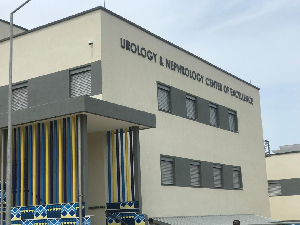
    President Nana Addo Dankwa Akufo-Addo has extended his gratitude to all who contributed to the success of the newly constructed state-of-the-art Urology and Nephrology Centre of Excellence at Korle-Bu Teaching Hospital.

    On Friday, October 18, 2024, the president inaugurated a state-of-the-art Urology and Nephrology Centre of Excellence at Korle-Bu Teaching Hospital, marking a major step forward in Ghana’s healthcare system.

    The new centre is set to provide critical care for patients suffering from urological and nephrological conditions, offering advanced treatments that were previously unavailable in the country.

    The facility is expected to reduce the need for patients to travel abroad for specialised care while also positioning Ghana as a hub for medical tourism in the West African sub-region.

    The Urology and Nephrology Centre of Excellence, constructed at a cost of €38 million, was made possible through a credit facility provided by Raiffeisen Bank International AG of Austria, with insurance cover from OeKB Group.

    The facility boasts cutting-edge technology and a wide range of services aimed at addressing the growing burden of kidney diseases and urological disorders in the country.

    President Akufo-Addo described the commissioning of the Centre as a “considerable milestone” in Ghana’s healthcare journey, one that exemplifies the government’s unwavering commitment to improving healthcare infrastructure.

    “This modern facility will provide advanced treatments for patients with chronic and acute kidney failures, as well as other urological conditions. The Centre is also positioned to offer life-saving services such as kidney transplants—helping to fulfil our national objective of achieving Universal Health Coverage (UHC),” the President said during his speech.

    The Urology and Nephrology Centre of Excellence is fully equipped to deliver comprehensive healthcare services. It includes a 30-suite dialysis station for patients with kidney disorders, a 70-bed unit for genito-urinary patients, an outpatient department, and comprehensive diagnostic and treatment services.

    The facility also has inpatient care services, administrative and management offices, public amenities, and staff facilities. In addition, it features medical and non-medical support services, a research facility, and a three-year post-construction maintenance and training program to ensure the facility’s smooth operation in the years ahead.

    With such state-of-the-art capabilities, the Centre will be able to serve not only Ghanaians but also patients from neighbouring countries. This opens the door for medical tourism, which President Akufo-Addo emphasised as a potential revenue generator for the facility.

    “The Centre will put Ghana on the map for medical tourism, providing services to patients from neighbouring countries and beyond. This will generate additional revenue for the facility, ensuring sustainability and continued expansion of services,” he said.

    President Akufo-Addo said his government has long prioritised healthcare development as part of its broader goal of achieving Universal Health Coverage (UHC) for all Ghanaians. The commissioning of the Urology and Nephrology Centre of Excellence, he said, is just one example of the many initiatives aimed at improving access to quality healthcare across the country.

    During his speech, the President pointed to some significant strides he says his administration has made in healthcare infrastructure, citing the successful commissioning of the Bolgatanga Regional Hospital in August 2024 as a recent example.

    By the close of 2024, he said, the government expects to complete several additional healthcare projects, including the construction of 11 district hospitals and one polyclinic in the Ashanti, Eastern, Greater Accra, and Ahafo Regions.

    These projects are part of the government’s flagship “Agenda 111” initiative, which aims to build district hospitals in every district without one, as well as fully functional regional hospitals in each regional capital, particularly in the newly created regions.
  • Korle-Bu radiotherapy machine struggles to meet cancer treatment demands – Report

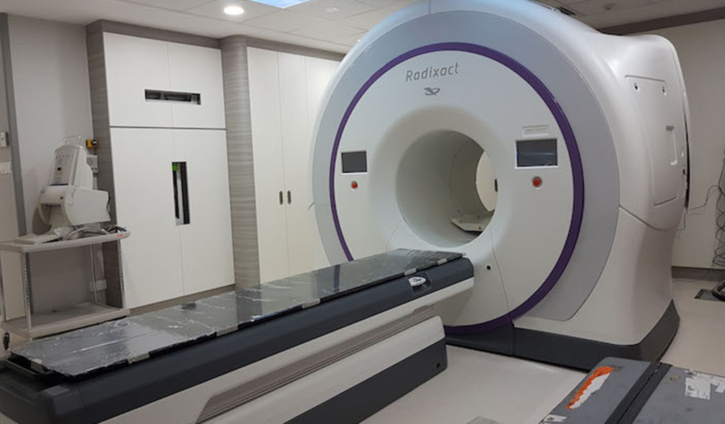
    Korle-Bu radiotherapy machine struggles to meet cancer treatment demands – Report

    Cancer patients at Korle-Bu Teaching Hospital are facing long delays and suspended appointments due to the hospital’s only radiotherapy machine struggling with high demand.

    The machine, which frequently breaks down, was recently fixed but still operates at a reduced capacity, significantly limiting the number of daily treatment sessions.

    Eight-year-old Joshua, who is undergoing his 33rd cancer treatment session, shared his experience with with the media, explaining that “I feel pain.” He has requested help from former President John Mahama for his treatment fees and hopes to return to school soon.

    Joshua is one of the few receiving treatment. Many other patients have been told to wait for scheduling, with appointments for those needing more than six sessions currently paused. The hospital’s oncologists are waiting for extensive maintenance for the radiotherapy machine, which is currently running but limited to just 10 sessions per day.

    Professor Joel Yarney, head of the Oncology Department at Korle-Bu Teaching Hospital, acknowledged the difficulties, stating,

    “They have worked on the machine and somehow they were able to get it back on line, but when it stays on for a few hours then the problem resurfaces, so then management has taken a decision that as a stop-gap measure we are treating patients who have about five to 10 treatments left.” he said  

    Professor Joel Yarney said “We should pay attention to Non-Communicable Diseases and cancer in particular.”

    The Minority in Parliament has urged Health Minister Dr. Bernard Oko Boye to tackle the issues related to the hospital’s dependence on a single radiotherapy machine, which has repeatedly fallen short in serving cancer patients’ needs.

    Dr. Mark-Kurt Nawane, Deputy Ranking Member of the Health Committee in Parliament, emphasised the urgency, stating, “We aim to raise this issue today, and if necessary, invite the Health Minister to Parliament early next week for a comprehensive explanation, to come to the floor of parliament and explain what is happening, repairs and it breaks down, obviously it will break down, because if you are getting 50% a day to use single machine, that is too much, I mean human beings, even break down, how much more machines,” he added.

  • Akufo-Addo to commission €38 million urology and nephrology center at Korle-Bu

    Akufo-Addo to commission €38 million urology and nephrology center at Korle-Bu

    The newly constructed Urology and Nephrology Centre of Excellence at Korle Bu Teaching Hospital (KBTH) has been completed, marking a significant milestone in healthcare infrastructure.

    Funded through a €38 million credit facility by the government, the project underscores a commitment to universal health coverage and quality healthcare provision.

    Dr. Bernard Okoe-Boye, appointed by the President to oversee the Ministry of Health, conducted a working visit to KBTH on April 29, 2024, as part of his oversight duties of key government health projects.

    During the visit, Dr. Okoe-Boye noted several key features of the facility.

    The three-storey building is fully equipped with modern amenities including beds, furniture, and state-of-the-art medical equipment, both inside and out.

    Notably, it boasts a 31-bed dialysis station catering to individuals with chronic kidney disease, alongside a 70-bed space dedicated to genito-urinary patients.

    The facility encompasses various units such as outpatient, diagnostic and treatment, in-patient services, administration, training rooms, and a management and technology center, providing comprehensive care.

    Guided by Dr. Opoku Ware Ampomah, the CEO of KBTH, the visiting team also inspected the refurbished Fevers Unit, now transformed into a modern infectious disease center, showcasing a holistic approach to healthcare infrastructure development.

    Dr. Okoe-Boye emphasized the advanced treatment options available at the facility, particularly for individuals with genito-urinary conditions, chronic and acute kidney failures, and specialized nephrology services including kidney transplants. This signifies a significant step forward in enhancing healthcare delivery and addressing critical medical needs within the community.

    “The centre will also provide outpatient services and serve as a resource base to conduct research into urology and nephrology cases,” he said.

    He said the facility was initiated by the current government as part of its commitment to the delivery of universal health coverage and quality healthcare for all.

    “It is common knowledge that there is a lack of specialized care both at the primary and tertiary level when it comes to the practice of urology and nephrology in the country which needs to be addressed.

    “In response to this, a proposal was initially designed to run as a Public Private Partnership model to fund the construction of the facility.

    “Under the PPP, the investor was going to run the facility until they had recouped their investment before handing over,” he said.

    However, Dr Okoe-Boye said that the current government, recognizing the importance of such a project decided to renegotiate the project and revise the model of payment.

    “The financial arrangement as well as the construction operational arrangement and payback period posed a challenge, as a result, the government in 2017, decided to replace this model with an Engineering, Procurement and Construction (EPC) Turkey model under an Export Credit Arrangement (ECA).

    “The Government therefore secured a loan of thirty-eight (38) million Euros for the construction of the modern Urology and Nephrology Centre of Excellence at Korle Bu Teaching Hospital,” he said.

    Dr. Okoe-Boye noted that the inception of this project traces back to August 11, 2020, when President Nana Addo Dankwa Akufo-Addo initiated the construction and equipping of the 101-bed facility. This underscores a proactive approach by the government to address healthcare needs comprehensively.

    Regarding the transformation of the fevers unit into an infectious disease center, Dr. Okoe-Boye highlighted the government’s decision stemmed from the unit’s dire condition.

    However, he emphasized the importance of ensuring that both patients and healthcare providers receive and offer services in an environment that upholds dignity and respect.

    “This project was initiated by the government as part of the country’s response to the COVID-19 pandemic.

    “This was an existing building that was remodeled in line with the COVID Infection Prevention and Control Practices to serve both as a treatment centre and also to continue to perform its function as a fevers unit.

    “The project commenced from 1st March 2021 to 31st December 2023, at a contract sum of GH¢23,521,654.94,” he said.

    He continued, “The place has been renovated and retrofitted with modern equipment. It has two intensive care units with a total capacity of 120 beds.

    “It has also been fitted with a modern laboratory to be operated by the GHS’s reference laboratory. The laboratory has a similar capacity as the Noguchi Memorial Institute for Medical Research.

    “The laboratory can conduct an examination into all manner of viruses and infectious disease examinations, including Lassa fever and Marburg.

    “It has a reception and waiting areas, counselling rooms, consulting rooms, staff lounge, 50-seater meeting room, IT and general administrative offices, X-ray and imaging rooms, patient wards (male, female, and paediatric, decontamination rooms and changing rooms for clinical purposes among others,” he added.

  • Court adjourns murder case of Dr. Christopher Adu Boahen to May 9

    Court adjourns murder case of Dr. Christopher Adu Boahen to May 9

    The trial of Mark Forson, accused of the murder of Dr. Christopher Adu Boahen, son of the late Professor Albert Adu Boahen, has been postponed to May 9, 2024.

    The Kaneshie District Court, scheduled to hear the case, did not convene, leading to the adjournment.

    Forson, who was facing a provisional charge of murder, maintained his plea in court.

    The prosecution asserts that the complainant, a surgeon at Korle-Bu Teaching Hospital and a friend of the deceased, found Dr. Christopher Adu Boahen dead in his home on February 11, 2024.

    Upon noticing an unusual smell at the door, the complainant discovered the deceased in his room.

    The prosecution alleges that the accused, Mark Forson, was the deceased’s houseboy.

    Upon discovery of the deceased’s body, the complainant promptly reported the incident to the East Legon Police Station.

    Police investigations revealed signs of foul play, with the deceased found with a rope around his neck.

    The body was then taken to the Police Hospital Morgue for further examination.

    Subsequently, on March 14, 2024, Mark Forson was apprehended in connection with Dr. Christopher Adu Boahen’s murder. The prosecution indicates that investigations are ongoing.

  • Korle-Bu Renal Unit shutdown imminent as management struggles to pay GHC2m debt

    Korle-Bu Renal Unit shutdown imminent as management struggles to pay GHC2m debt

    The renal dialysis unit at the Korle-Bu Teaching Hospital (KBTH) is at risk of shutdown due to its inability to raise funds for purchasing consumables needed for service delivery.

    Prof. Vincent Boiman, the Head of the Unit, revealed that the unit incurs a loss of GH₵380 with every dialysis session, leading to accumulating debt.

    This situation is now impacting service delivery and could potentially result in the unit’s closure.

    Speaking to JoyNews, he said, “Each time, we dialyse one person at GH₵380, we lose another GH₵380 because the actual cost is more than double what the patients are paying now. We are actually incurring costs which is not being paid for.”

    “In terms of improving their quality of life, in terms of prolonging their treatment in the long term or giving them a chance of surviving for a long time and good treatment satisfaction. Probably, we may not be able to provide all these things because we are not charging at the rate that will help us to buy the consumables needed.

    “For instance, what if this unit closes in the next one or two months because we are running out of consumables and we are dialysing at the rate that we can’t buy enough?.”

    On February 9, Dr. Owusu Sekyere, the Director of Medical Affairs at the Korle-Bu Teaching Hospital (KBTH), announced that the facility had accumulated an additional debt of GH₵2 million for treating kidney patients.

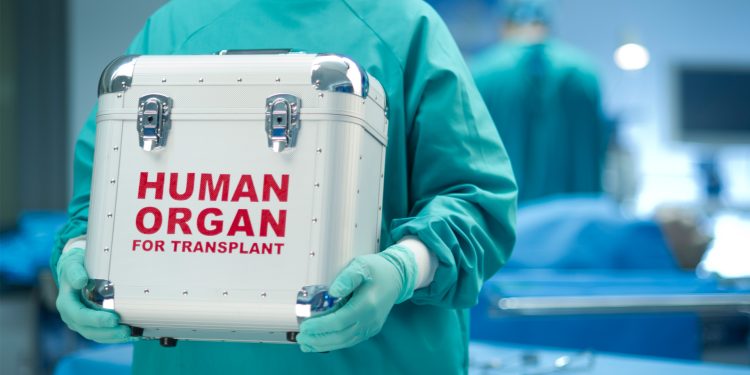
  • Kidney disease: Parliament urged to pass life-saving organ donation law

    Kidney disease: Parliament urged to pass life-saving organ donation law

    Chairman of the Board of the Korle-Bu Teaching Hospital, Dr. David Nkansah, has urged parliament to accelerate the legislative process for the legalization of organ harvesting and transplantation within the country.

    He emphasized that this action could potentially save the lives of numerous Ghanaians who are in dire need of organ transplants.

    Dr. Nkansah made this plea in Accra during the launch of the hospital’s centenary anniversary.

    He stressed the importance of parliamentary support for the hospital’s endeavors to achieve international recognition as a healthcare institution known for its prompt healthcare interventions in the West African sub-region.

    He stated, “We are therefore calling on parliament and other relevant agencies to endorse and pass legislation concerning tissue donation, organ harvesting, and organ storage. Such laws would contribute to saving the lives of countless sick Ghanaians in need of organ transplants.”

    Furthermore, Dr. Nkansah underlined the hospital’s ambition to transform into a hub for medical tourism, with the ultimate objective of achieving universal health coverage.

    He suggested that if corporate entities were to sponsor the renovation of specific hospital wards, it would significantly improve the hospital’s infrastructure.

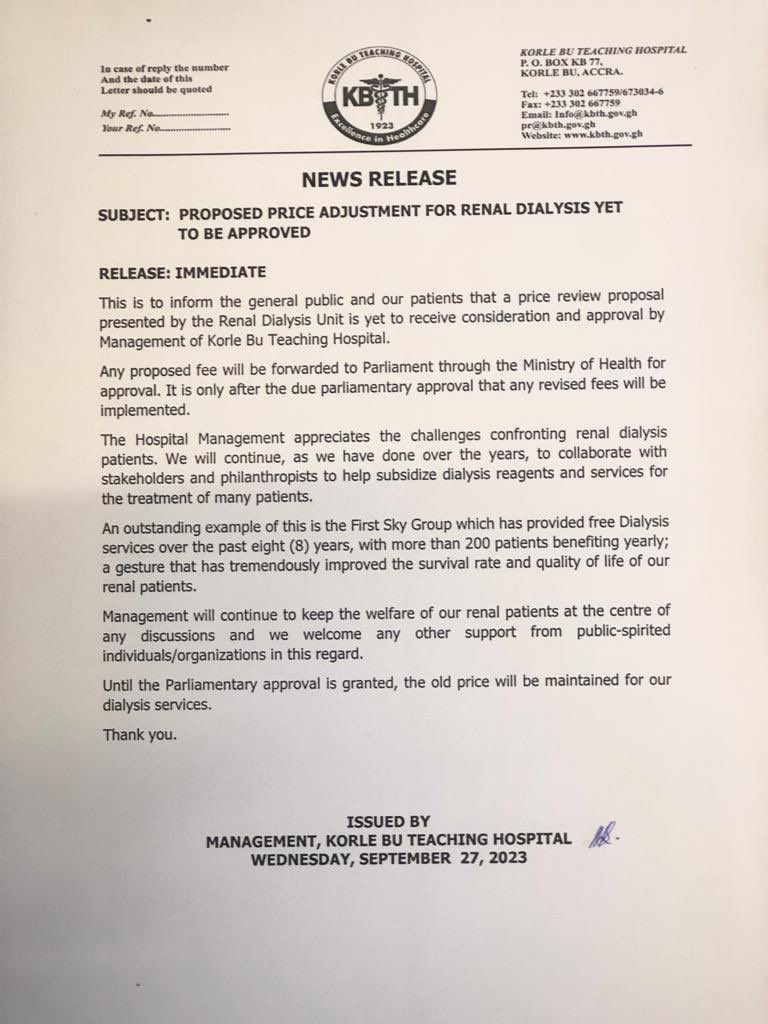
  • Korle-Bu Hospital yet to implement new price for dialysis treatment

    The management of the Korle-Bu Teaching Hospital has made a clarification regarding the recently announced review of dialysis costs at the facility.

    Contrary to earlier reports, the health facility has not yet implemented the revised dialysis charges.

    A notice issued by the head of the dialysis unit had earlier indicated an increase in the cost of renal dialysis from GHS¢380 to GHS¢765.42, which had raised concerns among the public regarding the affordability of this vital medical treatment.

    In a statement, the hospital’s management has clarified that they have not yet submitted the proposed fee adjustment to Parliament for approval.

    Meanwhile, Kwabena Mintah Akandoh, the ranking member on the Health Committee of Parliament, has voiced his concerns, stating that the proposed fee increase places undue financial pressure on the public.

    “If you are charging GH¢765 per dialysis, in some cases you have to do it three times within one week. And so we are talking about more than GH¢2000, within one month you are talking about in the region of about GH¢9000. Even me as a MP I can’t afford that and so the main objective of a public health facility is not profit making.”

    “The main objective of every public health facility in this country is to offer quality healthcare to the people, it is not profit-making. Because we even know other private and quasi-health facilities that are charging less than 700 and yet they are running their departments and units,” he stated.

  • Mother abandons deformed baby at Korle-Bu Teaching Hospital

    Mother abandons deformed baby at Korle-Bu Teaching Hospital

    An unidentified parent has left their deformed baby at the Korle-Bu Teaching Hospital.

    She departed from the premises without informing the attending nurses.

    As per a report by TV3, the infant possesses solely one arm and one limb.

    Following the birth, the mother informed the present healthcare staff that she was leaving momentarily to purchase an item, but she did not return to the premises.

    Additionally, she supplied incorrect contact information to the facility, leaving the nurses perplexed regarding both her location and identity.

    The nurses indicated that the deformity of the baby came about as a result of the mother’s failed attempted abortion.

    The nurses then decided to give the abandoned baby the name Ransford Sakyi.

    Meanwhile, another baby was brought to the Korle-Bu Teaching Hospital by a team of police officers who found him abandoned at a beach in Accra, malnourished with measles, TV3 reports.

    https://www.youtube.com/results?search_query=youtube

    The health workers at the Korle-Bu Teaching Hospital are calling on the parents to come for their babies otherwise they will be released to the social welfare department.

  • Ghana relies on corneas made in US for eye transplants – Cornea Specialist

    Ghana relies on corneas made in US for eye transplants – Cornea Specialist

    A Cornea Specialist at Korle-Bu Teaching Hospital, Dr. Gladys Fourdjour, has revealed that a considerable portion of corneas utilized for eye transplant procedures in Ghana are procured from the United States.

    However, the geographical distance between these overseas sources and Ghana has raised concerns about the viability and quality of these crucial tissues for transplantation.

    During an interview on GhanaWeb’s Lowdown, Dr. Fourdjour shed light on the significant challenges that the medical community faces when obtaining corneas for transplant operations within the country.

    “In the first half of this year, we performed 18 transplants. For the next month, we’ve received an email indicating that another individual will hand-carry a cornea for us,” she stated.

    She further explained that medical professionals also reach out to eye banks in the United States to request corneas for transplant procedures in Ghana.

    As a result, a substantial majority of the corneas used in these operations originate from the US. Recently, a cornea was acquired from Nepal, demonstrating the global scope of the procurement process.

    However, Dr. Fourdjour pointed out that the considerable distance between the tissue sources and Ghana might impact the quality of the corneas.

    Dr. Fourdjour emphasized that the optimal situation would involve having cornea tissues readily accessible within a short time frame for transplantation, as the current reliance on overseas sources introduces challenges related to the preservation and transportation of these delicate tissues.

    This reliance on international sources for corneas has been a long-standing practice, with a notable proportion of transplant procedures occurring over the past five years.

    “While this practice has been ongoing for some years, the majority of the transplants we’ve performed have taken place in the last five years,” Dr. Fourdjour added, underlining the growing dependence on overseas cornea sources and the need for improved accessibility to these tissues within the country.

  • Even British media protected Partey in his alleged rape case – Paul Adom-Otchere to OSP

    Even British media protected Partey in his alleged rape case – Paul Adom-Otchere to OSP

    In June 2022, a prominent sports news outlet in the UK, The Athletic, reported on the arrest of a Premier League star who was accused of rape.

    The player’s identity, club affiliation, and nationality were not disclosed in the publication, but they provided hints about the individual’s profile.

    The player was described as a 29-year-old international footballer who was set to represent his country in the 2022 World Cup.

    Additionally, it was revealed that the accused footballer resided in Barnet, London.

    The news report and other UK media sources refrained from directly mentioning the player’s name or any direct links to the rape allegations.

    However, on July 25, 2023, broadcaster Paul Adom-Otchere revealed that the footballer in question is Thomas Partey, a Ghanaian player.

    According to Paul Adom-Otchere, it was suggested that Thomas Partey himself informed some Ghanaians about his alleged involvement in the rape scandal, which has been a major topic in the Premier League news cycle since it first broke in June 2022.

    The player’s bail term was extended to August, further prolonging the ongoing investigation and media attention on the case.

    “Recently our hero Thomas Partey had a problem with the British police. Did you see how scanty the information was? All of us were looking for the person but the British police will not tell anyone.

    “All we heard were rumors and Partey himself telling some Ghanaians. That is how we got to know.

    “They just put a small one line Thomas Partey is being investigated for this. They don’t come to have videos and its live on TV and all that”.

    Context

    Paul Adom-Otchere expressed his dissatisfaction with the Office of the Special Prosecutor’s handling of the arrest of former Minister of Sanitation and Water Resources, Cecilia Abena Dapaah.

    To highlight his point, Adom-Otchere referred to an alleged incident involving Thomas Partey, drawing a comparison between how the Metropolitan Police of London, UK, handled the situation and how Kissi Agyebeng and his team handled it publicly in Ghana.

    As a devoted Manchester United and Asante Kotoko fan, Adom-Otchere likened the conduct of the Office of the Special Prosecutor to Andre Dede Ayew’s actions during Ghana’s game against the Super Eagles of Nigeria in March 2023.

    “Special prosecutor, we love you but you are not Dede Ayew. You aren’t the captain of the Black Stars. You are not Black Sherrif, Shatta Wale, Piesie Esther, DKB, Delay or Afia Schwarzenegger.

    “You are the distinguished Special Prosecutor, a barrister at law and solicitor of the Supreme Court of Ghana.

    “Don’t be arresting people with funfair. It shouldn’t be live on radio and you shouldn’t be tweeting about it. If you are going to arrest people then you call media to follow you. We don’t want to see how you do your work just deliver to the nation. You are stigmatizing the people,” he fumed on his show.

  • Why CEO of First Sky Group donated more than GHS13m in 6yrs to support dialysis in Ghana

    Why CEO of First Sky Group donated more than GHS13m in 6yrs to support dialysis in Ghana

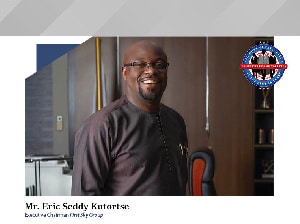
    The Executive Chairman of the First Sky Group, Eric Seddy Kutortse, has donated a sizeable sum of money—more than GH13 million—over the past six years to support the 25% of Ghanaians who are dependent on dialysis owing to kidney failure.

    He explained to journalists in Accra that he felt the need to relieve some of these people’s financial burdens, thus he decided that ongoing help for such individuals was now necessary.

    Eric Kutortse further emphasized that his support was only motivated by the need to help humanity, as opposed to that of other individuals who do so based on their own personal experiences or because of some odd connections they have with patients who have similar medical conditions.

    He revealed that the Bible is the source of his inspiration when speaking to journalists at an occasion at the Korle-Bu Teaching Hospital, where the nation’s first all Ghanaian medical team successfully performed kidney transplants.

    “The main motivation about all this in our Holy Book. The Bible says that we should have compassion on our fellow beings. And then more so, we have been privileged in the positions that we are able to create wealth and we believe this world is not meant for us alone.

    “It has to go to support the kingdom work, it has to go in to support humanity, and that is the reason we believe God has blessed us with these resources, and that is what we are doing,” he stated.

    The executive chairman of First Sky Group also expressed his happiness over Ghana’s medical industry’s progress, noting that even though he has continued to help these sick individuals over the years, the cost of care is rising.

    He also mentioned how he has personally paid for a couple people’s medical trips to India, where they would have otherwise had to pay hundreds of dollars in fees.

    The executive chairman of First Sky Group also expressed his happiness over Ghana’s medical industry’s progress, noting that even though he has continued to help these sick individuals over the years, the cost of care is rising.

    He also mentioned how he has personally paid for a couple people’s medical trips to India, where they would have otherwise had to pay hundreds of dollars in fees.

  • Study reveals high prevalence of kidney diseases among Ghanaians aged 20-50

    Head of Nephrology at Korle-Bu Teaching Hospital, Prof Vincent Bioma, has drawn attention to the concerning prevalence of kidney diseases among Ghanaians aged 20 to 50.

    The professor expressed concern over the impact of this health challenge on Ghana’s economically productive segment of society.

    “The burden in our part of the world is almost three to four times that of high-income countries. In Africa for instance, the burden is about 15% but in sub-Saharan Africa we have as much as about 14%. In Ghana, the prevalence has been pegged at around 13.1%. So, as you can see compared to the global average of between 12-13%, the burden is high in Africa and high in Ghana as well.

    “Sadly enough, this affects our youth most of them between the ages of 20-50 years of age. These represent the economically productive group of society who should be out there working but are being afflicted by this disease,” he lamented.

    Highlighting the challenges faced in combating kidney diseases, Professor Bioma emphasized the importance of prevention.

    However, he noted that most patients seeking treatment arrive at hospitals during advanced stages of the disease, due to the silent nature of most kidney-related diseases.

    Due to this nature, Prof Vincent said that late detection prevents many from seeking early detection and prevention.

    “If you think about it carefully, prevention would have been the best thing but what we see mostly in our hospitals is that most of them come very late needing a kidney form of therapy in the forms of dialysis or kidney transplant and this is largely because the disease is very silent. So, you don’t know until it’s very late. And most of them, because they are not sick, when you tell them to go and check, they don’t see the need for them to go and check. Until they keep coming in that state of needing dialysis or kidney transplant,” he added.

    Professor Bioma further emphasized that a kidney transplant is the ultimate treatment for chronic disease, offering better long-term survival rates and enhanced quality of life compared to dialysis.

    “Between dialysis and kidney transplant, kidney transplant is the ultimate treatment for the development of chronic kidney disease. And thus, it is important, especially for our youth who are afflicted to get transplants,” he stated.

    The Head of Nephrology again stressed the significant financial advantages kidney transplants have over dialysis.

    The Professor also expressed satisfaction with the availability of kidney transplant treatment in Ghana, which has brought hope and improved the lives of young individuals affected by kidney diseases.

    “Their survival can be better in the long term because it’s better with transplant compared to dialysis. A transplant is going to put you back at work and increase your quality of life and at the same time make you a better person. It is more convenient for work and schooling as well. Long-term survival is better, and it is more cost-effective.

    “Imagine you continue paying dialysis for the next twenty years, compare that cost to paying for a transplant now and see the benefit. So, to say transplant is the best treatment is even understating it. It is the ultimate treatment, and we are happy that this treatment has come to put smiles on the faces of these young people who are afflicted daily by this kidney disease and have been pinned down by the disease and losing time at work. And, not having a good quality of life and not surviving longer in the long term compared to when they have their own native kidneys,” he added.

    Background

    A team of health professionals at Ghana’s Korle Bu Teaching Hospital (KBTH) successfully performed the country’s first-ever kidney transplants.

    The local team, consisting of specialist doctors, nurses, and anaesthetists, carried out the procedures on July 4 and 5, 2023.

    Both male patients who received the transplants are currently in recovery at the facility, while their female donors have been discharged and are doing well.

    To boost confidence in the local team, two foreign experts—a theatre technician and a transplant surgeon—were present during the surgeries.

    The estimated cost of each procedure is $21,000, and the surgeries were generously sponsored by First Sky Group, a Ghanaian private company.

    The company’s support aims to make these life-saving procedures more accessible and affordable to patients who previously had to seek treatment abroad, often costing over $250,000.

    During a media briefing, Professor Mathew Kyei, a urologist at KBTH, revealed that the hospital’s capacity assessment determined it could perform three kidney transplant surgeries monthly.

    Therefore, although six individuals were prepared for surgery, only three will be undertaken next month.

    Presently, around 1,000 people across various hospitals in Ghana are reliant on dialysis.

    KBTH, with sponsorship from the First Sky Group, supports 250 patients who undergo dialysis three times a week.

    Providing an update on the two patients, Professor James Edward Mensah, Head of the Department of Surgery at KBTH, expressed satisfaction with their progress.

    He noted that both patients’ bodies had responded positively to the transplants.

    Within 24 hours of the first surgery, the patient began producing urine, indicating successful alignment with the new kidney.

    To ensure ethical practices and avoid legal complications, an ethical committee comprising surgeons, lawyers, and professionals has been established. The committee will develop guidelines for counselling donors and ensure there is no financial coercion involved.

    Executive Chairman of the First Sky Group, Eric Seddy Kutortse, highlighted his company’s ongoing support for kidney patients.

    Since 2016, the group has sponsored dialysis treatments at KBTH, investing approximately GH¢30 million in this cause.

    Kutortse mentioned that the group had previously sponsored three patients to undergo kidney transplants in India, costing $250,000 per patient and their respective donors. Due to the high cost, the First Sky Group decided to collaborate with KBTH to conduct local kidney transplants, thereby reducing expenses and expanding access to free kidney transplants.

    Furthermore, Mr. Kutortse assured that the First Sky Group would continue offering free dialysis to beneficiaries at KBTH and provide free kidney transplants to eligible individuals meeting the hospital’s criteria. The group, in partnership with KBTH, has initiated plans for an ultra-modern kidney transplant centre that will be fully funded by the company.

    Discussing the advantages of renal transplant, Professor Vincent Boima, Head of Nephrology at KBTH, revealed that Ghana carried a high burden of kidney diseases within sub-Saharan Africa. The youth, particularly those aged 20 to 50, were the most affected demographic. Prof. Boima emphasized that kidney failure was largely preventable and often caused by lifestyle and environmental factors.

    Transplantation offered cost-effective solutions, allowing patients to resume their normal lives.

    However, since the procedure could not be performed locally, patients incurred significant expenses travelling abroad with their donors.

    The ultimate goal of KBTH is to ensure that no patient has to travel outside the country for a kidney or any other transplant. CEO of KBTH, Dr. Opoku Ware Ampomah, acknowledged the facility’s highly qualified human resources but mentioned the resource constraints that have led many professionals to seek opportunities abroad.

    Dr. Ampomah advocated for the development of a legal framework for organ donation and harvesting to provide a solid foundation for transplantation services. Currently, KBTH imports corneas for transplantation, but a legislative framework would address this issue.

    Dr. Ampomah praised the First Sky Group for its unwavering support to KBTH in assisting kidney patients, highlighting that only a few patients could afford the surgery independently.

  • CEO of KBTH calls on Qatar Charity to build a parent and child recovery building

    CEO of KBTH calls on Qatar Charity to build a parent and child recovery building

    The CEO of the Korle-Bu Teaching Hospital, Dr. Opoku Ware Ampomah, has made a request to Qatar Charity to support the construction of a recuperation area for both the parents and children who come to the hospital for cleft and palate surgery.

    Dr. Ampomah lauded the charity organization for the support they are rendering to cleft and palate patients but mentioned that their challenge at the moment is a recovery ward to accommodate both old and new patients.

    Dr. Ampomah added that, because the recovery blocks in the hospital are not enough, it creates some sought of competition among the recovery patients.

    “I’m sure you have been around the ward and as you can imagine, we can actually triple our outputs but we are limited in space in terms of the ward space because the patients here have to compete with all the other plastic reconstructive cases so they have to compete for beds with contractures, progenitor deformities and all that.

    “In fact, one of the dreams that we have is to expand our ward space so that we can do an extension on our ward so that we can have a bit more space. In that way, we can accommodate a lot of our patients, because what happens is that when they come in you know that for the cleft children, they cannot come alone they come with parents. So, we need to find somewhere for the parents to stay and how they’re going to be looked after and that is a bit of a challenge,” Dr. Opoku Ware Ampomah explained.

  • Christian Atsu’s adopted son going blind

    Christian Atsu’s adopted son going blind

    Joseph Kumi, a 19-year-old footballer and the adopted son of the late Christian Atsu, is on the verge of losing his eyes due to cancer.

    Joseph, popularly known as Christiano Ronaldo, who resides at Gomoa Dabenyi in the Gomoa East District of the Central region, is three times Milo Champion.

    Information gathered by Adom News‘ Kofi Adjei suggests Joseph was diagnosed with the ailment while he was about to travel to Europe to continue his football career.

    The talented youngster, who was been catered for by late Atsu at Cheetah FC, now has his right eye gushing out and has been confined to his room for the past year due to financial constraints.

    In an interview, Joseph Kumi revealed that Christian Atsu adopted him and supplied him with football kits anytime he comes on holidays in Ghana and was the one who helped him get an agent in Europe.

    He said doctors at Korle-Bu Teaching Hospital are demanding Ghc20,000 before they can perform surgery for him but they haven’t even been able to raise a penny.

    He has, therefore, appealed to Ghanaians to come to his rescue to alleviate him of his daily excruciating pains.

    Meanwhile, Joseph’s mother, Akua Akyere, who could not control her tears, said her hope was dashed after she heard Christian Atsu is dead.

    She has, therefore, joined her son to appeal to all Ghanaians to help the promising talent recover.

    Nicholas Ayeba, who initially supported the boy, has expressed hope that Christiano Ronaldo will come back to life.

  • Child Health Specialist bemoans inadequate distribution of medical staff across Ghana

    Child Health Specialist bemoans inadequate distribution of medical staff across Ghana

    Child Health Specialist, Professor Janet Neequaye, says while healthcare delivery in Ghana has significantly improved since she moved to the country in the 1970s, the inadequate distribution of healthcare workers across the country continues to be a major problem.

    The Former Head of the Child Health Unit at the University of Ghana Medical School and Korle-Bu Teaching Hospital said in the northern regions and rural areas particularly, health centres are understaffed making healthcare delivery a problem.

    She noted that this is partly due to the fact that most healthcare workers refuse to go to these areas due to the lack of essential social amenities like schools to train their wards.

    Speaking on JoyNews’ PM Personality Profile, she advised that government invest in these under served areas medical staff friendly to attract healthcare workers.

    “I think a major problem now with health system in Ghana is that the north and the rural areas are not well served. Medical staff and nurses would rather be in the big centres partly because when they go to the north for example, it’s difficult for their children to go to school because all the infrastructure is not as good as in the towns. So to improve the health delivery system you really need to make it more medical staff friendly in those affected areas,” she said.

    She also said while medical training and salaries have significantly improved over the years, the government must make sure that the current economic downturn does not affect the working conditions of medical staff.

    She said the failure of government to cushion healthcare workers from the economic situation would result in brain drain.

    “Things have improved with regards to medical training and salaries, so we have to be careful now that things are temporarily difficult financially in the country, we have to be careful that public servants salaries and so on doesn’t fall behind again, because if it does, there’s a worldwide demand for medical staff and if things are bad, people will leave. There might be another brain drain,” she said.

    Source: myjoyonline.com

  • Details of events prior to Rev. Boakye’s death

    Details of events prior to Rev. Boakye’s death

    An official church document has revealed information on the circumstances leading up to the death of Rev. Dr. Anthony Kwadwo Boakye, the founder and general overseer of  Resurrection Power New Generation Church.

    On February 22, 2023, word spread that the well-known man of God had died following a brief illness.

    On Tuesday, February 21, 2023, at around 2 o’clock in the morning, he is said to have passed away at the Korle Bu Teaching Hospital in Accra.

    The church’s leadership provided information of the deceased man of God’s illness and final days in a press release that was signed by its legal counsel, Alexander K.K. Abban, Esq.

    Below is the sequence of events that happened as narrated by the church:

    Rev. Anthony Kwadwo Boakye was suddenly taken ill and struck down by a stroke in the early hours of Saturday 23rd October 2021.

    He was subsequently taken on admission to the Healthlink Medical Center at East Legon for further medical attention.

    His condition improved tremendously after about three months, he was discharged and directed to undergo gradual physiotherapy.

    He saw marked improvement in his general well-being and more importantly, in the movement of his left hand which was most greatly affected by the disease.

    Following the impressive improvement in his health conditions, Rev. Boakye resumed his pastoral activities by giving virtual homilies from his base at an undisclosed location on Sundays until he physically appeared in church on New Year’s Eve to lead in the church service himself.

    After this, he continued with his physiotherapeutic exercise and had regular audiences with some selected leaders of the church, family members, and his legal counsel.

    On 31st January, 2023, his family was compelled to take him back to the hospital when he complained of sharp pains in his left leg.

    It was detected that blood circulation to his left leg was not the best and there was the need to fly him out of the country to see further medical care and if necessary, undergo a surgical operation.

    Preparations were underway to make that journey when he suddenly took ill again and was rushed to the Cardiothoracic Center at the Korle Bu Teaching Hospital where he died.

    Below is the full statement:

    Source: Ghanaweb

  • Korle-Bu Child Health Department gets support

    Korle-Bu Child Health Department gets support

    Some students and the Students Representative Council (SRC) of the Ghana School of Law have collaborated and donate some items to the Korle-Bu Child Heath Department.

    The items donated include a cash donation of GH¢8,000 to the office of occupational therapy of the Child Health Department of the Korle-Bu Teaching Hospital.

    The amount, which was raised in collaboration with the Concerned Students of the Ghana Law School, was an idea initiated by one of the students, Morris Adjei, whose son has been receiving therapeutic care at the facility for some time now.

    The SRC President of the Ghana School of Law, Odupong Agyapong Atta-Agyapong, who led a team to donate, thanked Morris Adjei for bringing the need of the occupational therapy department to their attention.

    “I want to sincerely thank Mr. Morris Adjei for granting the students of the Ghana School of Law the opportunity to give towards this important project to save the kids,“ Odupong said.

    He also stressed how for him, children are special gifts from God, who require utmost care and attention.

    He used the occasion to wish the kids on admission a speedy recovery and prayed for God’s divine healing for them.

    In her remarks to receive the donation, the administrator of child health at the Korle-Bu Teaching Hospital, Esther Tetteh, expressed her gratitude to the SRC and the entire student’s body for the support.

    She also singled out Morris Adjei for mention, stressing that he has led the way as a parent and that she hopes that other parents, as well as individuals, schools and other benevolent organizations, will emulate the gesture by the Odupong-led SRC.

    The administrator, who was in the company of two occupational therapists, Nancy Agyei and Elizabeth Miretina Oti, as well as a representative from the public relations unit of the hospital, gave the assurance that the money will be used for its intended purpose.

    She asked for God’s blessings for the SRC and the concerned students, saying they have contributed to laying the foundation for the children who are the future leaders.

    Source: Ghanaweb

  • PAC directs Korle-Bu Teaching Hospital to refund GH¢36,000 unearned salaries

    PAC directs Korle-Bu Teaching Hospital to refund GH¢36,000 unearned salaries

    The Public Accounts Committee (PAC) of Parliament on Wednesday asked the Management of the Korle-Bu Teaching Hospital to refund GH¢36,000 paid as unearned salaries to some staff in 2020. 

    Mr Ebenezer Prince Arhin, the Deputy Human Resource Director, Korle Bu Teaching Hospital, appearing before the PAC, said efforts made towards retrieving the funds from relatives of some of the deceased staff, in the last two years, had proven futile. 

    “The unearned salaries are GH¢115,889,12, and Korle-Bu has been able to recover GH¢79, 000 plus and the outstanding is GH¢36,000. We have made frantic efforts to recover that amount but some of them are deceased. We have gotten to their next of kin and we are pursuing them for the money,” he said.  

    Mr Arhin, therefore, pledged that management would do all it could to retrieve the monies as directed by the Committee.  

    Mr James Klutse Avedzi, the Chairman, PAC, rejected the explanation of the Hospital and charged the Management to refund the unrecovered amount to the Hospital’s accounts.  

    PAC commenced sittings on Monday, January 16, 2023, to examine the Auditor General’s Report on public accounts of the Government for the year 2020 and also scrutinise the accounts of the Ministries, Departments, and Agencies per the recommendations of the Report. 

    The accounts of public boards, corporations, and other statutory institutions would also be considered.  

    Proceedings of the almost two-week sitting are expected to be concluded on Friday, January 27, according to a statement issued by the Public Affairs Directorate of Parliament, and copied to the Ghana News Agency in Accra.  

  • Breaking addiction is a journey – Dr. Ernest Anim-Opare

    A specialist in family medicine at the Korle-Bu Teaching Hospital in Ghana’s Greater Accra Region, Dr. Ernest Anim-Opare, has defined the process of overcoming addiction as a long journey and a cycle.

    Speaking on the GTV Breakfast Show on how to do away with or manage one’s addiction to alcohol, especially during the festive season, Dr. Anim-Opare generalised addiction as one that “needs a very meticulous process to be broken”.

    He explained that for one who is addicted to either alcohol, gambling and hard drugs to break away, required, “a behavioral transition”.

    According to him, the behavioral transition or cycle begins with the “precontemplation stage”. Here, he described as the stage where the individual may be hooked on something but may not be able to identify what it is or the dangers therein.

    The second stage of the cycle, he termed as the “contemplation stage”. Here, the individual begins to realize the danger their deeds may have or lead them into and begin to reason into it. The third stage of the cycle, which is the “planning stage”, is where the individual plans or decides on refraining from some engagements or friends that lure or push him or her into such addictive acts.

    The fourth stage of the cycle is the “action stage”. Here, Dr. Anim-Opare described as the stage where the plan of refraining from addictive acts is implemented or put to effective work. The “maintenance stage”, follows after the plan has been put into action for at least six months or more to see progress.

    The last and final stage of the cycle is the “relapse stage”. This stage is where the individual after going through all the five stages explained above will have to go through guidance and counselling.

    Dr. Anim-Opare described the relapse stage as one that is very essential in the breakaway process.

    “The fact is that all five stages are not a linear journey but indeed a tough one.

  • Insurers champion highest blood donation ever in 3 months – Korle Bu CEO

    Chief Executive Officer of Korle Bu Hospital, Dr. Opoku Ware Ampomaa, has lauded the insurance industry for voluntarily giving 2,015 units of blood to the National Blood Bank in 2022.

    He made the commendation when Commissioner of Insurance Dr. Justice Yaw Ofori called on management and staff of the teaching hospital last week.

    Dr. Justice Yaw Ofori led his team of insurance practitioners to the Child Health Unit of Korle Bu Teaching Hospital to give thanks and close the 2022 blood donation year. He urged other corporate organisations to emulate the gesture of the insurance industry and donate voluntary to the blood bank.

    According to the Commissioner, the insurance sector voluntarily offered to donate blood to the needy in August 2021; that year the industry donated 822 units to the blood bank, and after three months in 2022 the voluntary donation had risen to 2,015 units nationally.

    The CEO of Korle Bu Teaching Hospital also urged the National Health Insurance Scheme to absorb trauma cases into its ambit. He assured insurers that the hospital is also making in-house arrangements to solicit for blood donors in the near future. He revealed that so far the insurance industry has donated the highest ever in Ghana within a space of three months.

    In a related development, the insurance industry also donated equipment to the maternity ward.

  • Statement from the family of the late Professor Kwesi Botchwey (1942-2022)

    The Aduana Abrade Family of Agona Asafo in the Central Region of the Republic of Ghana together with the children sadly announce the passing of their beloved, Professor Kwesi Botchwey which sad event occurred on November 19, 2022, at the Korle Bu Teaching hospital, Accra, Ghana after a short illness.

    A book of condolence has been opened at his residence at House No. 31Asanfena Crescent, Platinum Place, Regimanual Gray Estates, East Aiport, Accra for well-wishers between the hours of 9am -12 noon and 2:00pm-6:00pm from Monday to Friday.

    The date for the funeral service will be announced in due course.

    MAY HIS SOUL REST IN PERFECT PEACE.

    Signed
    MB Sahnoon Esq.

    Source: Ghanaweb

  • Dan Abodakpi eulogizes late Prof. Kwesi Botchwey

    A former Minister of Trade and Industry, Dan Abodakpi, has described as remarkable the contributions of Former Finance Minister, Professor Kwesi Botchwey.

    According to him, the former Finance Minister will always be remembered as the Minister who changed the country’s economic fortunes.

    Professor Kwesi Botchwey died at the Korle Bu Teaching Hospital in Accra on Saturday, November 19, 2022.

    Prof. Botchwey served in the Rawlings government under the Provisional National Defence Council (PNDC) regime from 1982 to 1991 and the National Democratic Congress (NDC) civilian regime as the Secretary for Finance and Minister of Finance and Economic Planning from 1992 to 1995, making him the longest-serving finance minister.

    Commenting after hearing the death of the former statesman, Dan Abodakpi said Ghana has truly lost an illustrious son.

    Dan Abodakpi described the news as shocking and doubting because he was with the late Prof. Botchwey about three weeks ago at a Council of Elders meeting.

    “The news of his passing has hit me like a big blow because it is just about three weeks ago that we met at the Council of Elders Meeting of the Party. So when I read the information on my WhatsApp, I was very doubtful.”

    He added that the late Prof. Botchwey has duly paid his dues to both his party and country and his contributions towards the development of the country were impactful.

    “When there was some controversy over the introduction of the Value Added Tax (VAT), Kwesi was a very hardworking individual, a team player, somebody who believes deeply in the values of the revolution and did his best to make sure that the goals and objectives of the 31 December Revolution were realized.”

    “When we transitioned into democracy, he was an active participant in that process and, while working at the Ministry of Finance, did whatever he could to help us navigate some of the rough waters. Personally, I have lost a friend, I have lost a great ideological partner and this country has lost a great son.”

    Professor Kwesi Botchwey was a member and Chairman of IMF‘s Group of Independent Experts who conducted the first-ever external evaluation of the Enhanced Structural Adjustment Facility, an advisor to the UNDP’s UN Special Initiative on Africa, and an advisor to the European Centre for Development Policy Management (ECDPM).

  • Former Finance Minister, Dr. Kwesi Botchwey reportedly dead

    A former Finance Minister of Ghana, Dr. Kwesi Botchwey, has reportedly passed away.

    According to sources, he died on Saturday, November 19, 2022 at the Korle Bu Teaching Hospital.

    He is said to had been battling a short illness. Dr. Kwesi Botchwey died aged 78.

    Dr. Kwesi Botchwey is a well-respected economist and governance expert who served during the military era of the Provisional National Defence Council (PNDC) (1982 to 1991) and the constitutional period of the National Democratic Congress (NDC) (1992 to 1995)

    He is known as one of the country’s longest-serving Finance Ministers.

  • Ghanaians may not be able to afford healthcare, here’s why

    Almost every sector of Ghana’s economy has been hard hit by the current economic crisis.

    Starting from food, water, electricity, rent, cement, the cost of building materials, clothing, and even the most recent, Bibles.

    The increment in these consumer goods has been largely attributed to the cedi’s depreciation.

    One item of utmost importance to the livelihoods of Ghanaians is health care, especially at a time when the COVID-19 pandemic continues to pose a global threat to the world’s economies.

    Currently, a pack of paracetamol tablets costs GH¢3 and a pack of dissolvable Vitamin C tablets cost GH¢32.

    Research has shown that between 2019 and 2022, more than 4.16 million people in Ghana had type 2 diabetes.

    A quick check at some pharmacies and retail shops has shown that the cost of some medications for diabetes such as insulin and metformin has seen almost a 50% increment in the last three months of this year.

    According to the National Center for Biotechnology Information, more than one in four adults in Ghana has hypertension.

    Hypertensive drugs have also seen some increment in cost in recent times.

    Attendants at a pharmacy in Dzorwulu who spoke on anonymity said the increase is due to the depreciation of the Ghana cedi and the high cost of imports.

    Meanwhile, in 2016, the Chief Executive of the Korle-Bu Teaching Hospital, Dr. Gilbert Buckle, lamented the expensive nature of healthcare provision in the country.

    He noted that the cost of importing expensive medical consumables into the country has compounded the cost of healthcare provision in the country.

    Even though Ghana has a National Health Insurance Scheme, patrons have bemoaned its inability to cover certain vital health areas.


    Source: Ghanaweb

  • Rise in breast, prostate cancer in Adansi blamed on westernization

    There has been a surge in reported cases of breast and prostate cancer in Obuasi and its surrounding areas.

    According to Dr. Kwadwo Anim, the Executive Director of AGA Health Foundation,  the most widely cited reason for the increase in these cases is “westernization”.

    Speaking at a Grand Durbar and mini-clinic organised by AngloGold Ashanti to mark this year’s breast and prostate cancer awareness month at Akrokerri in the Adansi North District of the Ashanti Region, Dr Anim said life styles like smoking, alcohol and some eating habits are leading factors according for the rise in these cases.

    Breast cancer is a critical medical condition that has stared humanity in the face for several decades, particularly females.

    Even though there is no scientifically proven cure for cancer, the condition can be managed if detected early enough.

    In 2020, breast cancer was the most frequently diagnosed cancer in women worldwide and accounted for 29.5% of cancer incidence and 22.1% of cancer deaths in Africa. In Ghana, breast cancer accounted for 31.8% of cancer incidence.

    Prostate cancer, on the other hand, is a cancer that occurs in the prostate. Prostate is a small walnut-shaped gland in males that produces the seminal fluid that nourishes and transports sperm.

    Prostate cancer is reported to be the second leading cause of male cancer deaths in Ghana and in Korle bu Teaching Hospital alone, 20 men were diagnosed with the disease every week.

    Dr. Anim also mentioned that people’s quest to seek for herbal and spiritual assistance without going to the hospital to be properly screened has also resulted in some fatalities.

    “October every year has been set aside to create awareness about early detection of breast cancer in particular but it seems people are not heeding to the call. In breast cancer, the prerequisite is early detection. Once you report it at the early stage, you can be cured,” Dr Kwadwo Anim ended.

    The Stakeholders Engagement Superintendent of Anglogold Ashanti, Edmond Oduro Agyei, on his part, said Anglogold Ashanti has made commitments to improve the living conditions of its communities.

    In view of this, the company through its 10-year Socio-Economic Development Plan lined up plethora of health intervention programs targeted at improving quality health care of the people.

    “As we have always mentioned, we don’t want to leave our communities the same way we met them so included in our 10-year SEDP which we launched in July was a comprehensive health related programs targeted at providing solutions to the health care needs of the people and this program is one of them”

    Anglogold Ashanti as part of its health intervention program has also started capacity building workshops for health workers in Obuasi on infection prevention and other diseases.

    Mr. Oduro Agyei said AGA has partnered AGA Health Foundation,  GIZ and Otumfuo Osei Tutu II Foundation to screen the people of Akrokerri on breast and prostate cancer as well as other diseases.

    The Chief Executive for the Adansi North District, Eric Kwaku Kusi, on his part, underscored the importance of Stakeholders involvement in the fight against breast and prostate cancer.

    “You will agree with me that Government cannot fight these diseases alone hence I applaud AGA and its partners for coming together to collectively fight breast and prostate cancer.”

    Akrokerri hemaa Nana Serwaa Buruwaa II advised men and women to take the education on breast and prostate cancer seriously.

    She added her voice to the call for early detection and treatment.


  • Women encouraged to screen breasts regularly

    Dr Josephine Nsaful, a General Surgeon at the Breast Surgical Unit, Korle-Bu Teaching Hospital (KBTH), has encouraged women to regularly undertake breast screening by visiting health facilities for check-ups and scans.

    She also advised them to regularly conduct self-breast examinations to detect signs and symptoms of the disease, adding that, early detection and effective treatment enhanced the chances of survival for patients.

    She said often, patients lost their lives due to late detection of the disease.

    Dr Nsaful said these on the sidelines of a donation to the Breast Surgical Unit of the KBTH by WillieMays Industries Limited, producers of Mays Crystals Purified Water.

    Mrs Barbara Dedjoe, Managing Director of WillieMays Industries Limited, said breast cancer had become a public health challenge, especially among women, with about 2,900 cases occurring annually and one-eighth of the number dying from complications.

    She noted that after diagnosis many breast cancer patients went through a lot of psychological issues, and needed support, hence the donation to the Unit.

    Mrs Dedjoe said: “We are here this morning to carry out two main activities, the first is the provision of personal protection equipment, including face masks, gloves, as well as toilet rolls, paper towels, detergents and disinfectants.”

    “In addition, we are also donating one hundred packs of Mays Crystal purified drinking water and a cheque of Ten Thousand Ghana Cedis to purchase aprons, gowns, goggles, face shields and bleach, to enhance treatment of patients and protect the health personnel in the facility,” she added.

    Mrs Dedjoe said another form of support was the donation of One Ghana Pesewa (GH 1p) of every bottle of Mays Crystal Water purchased by consumers to the Breast Cancer Unit at the KBTH to mitigate the cost of treatment of the disease.

    She said the support was the Organisation’s contribution to the fight against breast cancer disease.

    The world observes Breast Cancer Awareness Month in October every year.

    Source:GNA 

  • Politicians, top guns seek treatment at Korle Bu; they don’t always fly out – CEO

    The CEO of the Korle Bu Teaching Hospital, Dr Opoku Ware Ampomah, has said politicians and top guns seek medical attention at the facility all the time, contrary to popular claims that they preferred flying out of the country for medical attention to using local facilities.

    There have been claims that Ghanaian politicians are not investing in the health sector because they travel abroad for medical checkups, hence, do not care about the needs of public hospitals like Korle-Bu and the Komfo Anokye Teaching Hospitals as well as other public health facilities where most Ghanaians visit for treatment.

    However, Dr Ampomah said this assertion is untrue.

    Speaking on the Class Morning Show on Class91.3FM on Thursday, October 6, 2022, Dr Ampomah said: “They come in as private citizens and we are not allowed to disclose their identities but then a lot of the political leadership, the judiciary, parliamentarians, industry leaders all over, many of them come to Korle Bu.”

    “What we should also remember is that no matter how much wealth or insurance you’ve acquired for yourself, there are certain conditions that if they happen, you need immediate treatment in the local environment in which you are…it is not a very good plan to think that when something happens to me, I’ll just fly out…” he added.

    For this reason, he noted that “that’s why we all need to come together to make sure that our hospitals, especially Korle Bu Teaching Hospital, which is the apex hospital, is working and is working well and it’s on a solid footing to be able to provide the kind of service that we all need because we believe that Korle-Bu has the name, and no that about that, so if we are given the necessary wherewithal and resources, we will be able to cater to all health care needs”.

    Currently, the Korle Bu Teaching Hospital is the third biggest referral centre in Africa.

    The facility can boast 2,000 beds, 21 clinical and diagnostic departments and three Centres of Excellence. It also has an average outpatient attendance of 1,500 with about 250 inpatient admissions.

    The clinical and diagnostic departments include Internal Medicine and Therapeutics, Child Health, Surgery, Obstetrics and Gynaecology, Anaesthesia, Family Medicine/Polyclinic, Accident & Emergency, Psychiatry, Reconstructive Plastic Surgery and Burns Centre and Accident & Orthopaedics. Others are Pharmacy, Pathology, Laboratory and Radiology.

    The Hospital also provides sophisticated scientific treatment procedures in various subspecialties such as Neurosurgery, Paediatric surgery, Dental/Oral maxillofacial, Ophthalmology, Ear, Nose & Throat (ENT), Renal, Orthopaedics, Oncology, Dermatology, Reconstructive Plastic Surgery, Cardiothoracic Surgery and Radiotherapy & Nuclear Medicine.

  • Korle-Bu staff to undergo mass vaccination following renewed COVID-19 outbreak

    Staff of Korle Bu Teaching Hospital have been directed to undergo mass testing and vaccination following the renewed COVID-19 cases reporting to the facility.

    Within the last two weeks, the hospital has confirmed about 45 positive cases compared to only three as of 11th September, 2022.

    “Surveillance data from the Public Health Unit of the Hospital indicate that from the week ending 11th September 2022 to the week ending 23rd September, 2022, the number of confirmed COVID-l9 cases has risen from 3 to 45,”…. an internal memo sighted by myxyzonline said.

    Subsequently, the Korle Bu Teaching Hospital has directed heads of all Units, Directorates, Departments and Sub-BMCs (UDSs, to mobilize staff for an ongoing COVID-19 vaccination mop-up exercise.

    The notice said a desk has also been set up at the Public Health Event Park for staff and patients interested.

    It urged departmental heads to ensure that staff, patients and relatives adhere strictly to COVID -19 protocols at all entry points to OPDs, wards, offices and waiting areas within their buildings/structures.

  • COVID-19: Korle Bu witnesses surge in cases

    This comes after the facility recorded an increase in COVID-19 cases from three to 45 within twelve days among staff and patients.

    The management of the Korle Bu Teaching Hospital has beefed up COVID-19 safety protocols following a spike in the number of recorded positive cases last week.

    This comes after the facility recorded an increase in COVID-19 cases from three to 45 within twelve days among staff and patients.

    A  memo sighted by Asaase News said, “Surveillance data from the Public Health Unit of the Hospital indicate that from the week ending 11 September 2022 to the week ending 23 September 2022, the number of confirmed COVID-19 cases has risen from three to 45.”

    “In response to this alarming trend of sample positivity rate among staff and patients in the Hospital, a mop-up exercise for COVID-19 vaccination is being conducted by the public health unit from 22 to 25 September in all units,” the memo said.

    Earlier surge

    In June this year, at least 35 staff of the Korle Bu Teaching Hospital were infected with COVID-19.

    Sources at the hospital said over 70% of the new infections were acquired within the hospital with 30% of the infections coming from outside the health facility.

    The hospital has since advised workers to strictly adhere to the COVID-19 protocols to help contain the upsurge in cases.

    “As healthcare workers, learn to live safely with coronavirus (COVID-19), it is our responsibility to reduce the risk of catching COVID-19 and passing it on to another healthcare worker or family members,” a notice to hospital staff said.

    Source: Asaase news

  • Why Korle Bu Teaching Hospital is a death trap – Ayariga shares terrifying experience

     Leader of the All People’s Congress party (APC) Dr. Hassan Ayariga, has shared a terrifying experience at the Korle Bu Teaching Hospital to explain his recent remarks about the health facility.

    The politician cum business mogul had remarked that country’s premier health centre was nothing but a death trap where people could die at any given time.

    Dr. Ayariga narrated in an interview with Roselyn Felli on Prime Morning that medical directors nurses of the hospital leave the facility and return the next day, abandoning attention-needing patients to their fate.

    “The doctors left the place by 11:30 pm. Patients were crying because their oxygen had finished. Mine got finished around 2 am, and no doctor or nurse came there until 5:30 am in the morning. So, we were on our own from 11:30 pm to 5:30 am,” he alleged.

    Dr. Ayariga also claimed that some patients, including himself, ran out of oxygen, but there was no doctor or nurse to attend to them, leading to the death of some patients who could have survived.

    In his case, without mincing words, Dr Ayariga recalled: “After three and a half days, Korle Bu was now taking me to go and check my lungs when I was to be transferred to IMAH Hospital. My saturation was reduced from 85 to 65. I tell you Korle Bu is a death trap.”

    In his view, refurbishing and restructuring the hospital is the way to go, and that’s exactly what he will do if elected as President of Ghana.

    “I’ll refurbish and change the management of Korle Bu. I’ll make sure that nurses and doctors there have to go for extra training because when you go there, people don’t really care because they see death every day,” he said.

    He blamed the lack of monitoring and supervision as well as misplaced priority on the part of the central government for the woeful state of the Korle Bu Teaching Hospital and others across the country.

    “There’s no control and monitoring in all institutions in this country, and that’s the reason why institutions in this country cannot pay workers. Government has to borrow. The reason why we have borrowed 341 billion and yet there’s nothing to show.”

    The management of the Korle Bu Teaching Hospital has not yet responded to the claims by Dr Ayariga.

    Source: Ghanaguardian


  • Robbers kill police in bullion van at Korle-Bu, driver seriously injured

    A police officer in a bullion van and a passerby were on Monday (June 14) shot and killed by armed robbers at Korle-Bu around the Bukom boxing arena in Accra.

    Videos posted on social media show the policeman’s lifeless body dripping with blood after the attackers had bolted making away with the officer’s gun.

    According to eye witnesses, whereas the two victims died on the spot, the bullion van driver, who sustained injuries was rushed to the Korle-Bu Teaching hospital.

    In a tweet sighted by GhanaWeb on this developing story, a tweep reported that there’s been “an attack on bullion van initiated by 4 motorbikes around the Bukom boxing Arena area. The policeman in the van shot dead, and his gun stolen by the robbers… It happened about 45-60mins ago.”

    The bodies of the deceased have been taken to the Police Hospital for preservation and autopsy. Police are yet to comment on the development.

    Source: www.ghanaweb.com

  • Korle-bu Teaching Hospital to reduce childhood cancer by 2030

    The Korle-Bu Teaching Hospital (KBTH) is working towards the reduction of childhood cancer in the country by 2030.

    This came to light when the Hospital, in partnership with World Childhood Cancer (WCC) organized a maiden annual childhood cancer performance review to improve and create awareness on the treatment of early childhood cancer.

    The vision is for every child with cancer to have equal access to treatment and to eradicate the increasing numbers of early childhood cancer between 16 years and above as part of the initiative of the WCC.

    The theme for the performance review was, “no child should suffer.”

    Professor Lorna Awo Renner, Head of Oncology Unit, Child Heath, who was the Chairperson, said the KBTH had remained the premium for childhood cancer treatment and 100 to 250 cancer patients were given the necessary treatments for the year to strengthen and adapt innovative ways to care for every child.

    She said the KBTH had used multidisciplinary team, which included; both doctors and nurses to discuss cases and active training to task and give ideas and reform mobilisations to identify the cure of early childhood cancer.

    Prof. Renner said childhood cancer management in Ghana was important to improve the outcomes of childhood cancer and that interventions included; creation of public and health workers awareness through posters, jingles, animated film, trainings and also improvement in access to healthcare support.

    She said early childhood cancer, which started in 1968, could be tackled through, “advocacy to support activities of units, radio, TV talks and research for data management…“.

    The performance review agreed to improve other medical disorders in pathology, hamatology, pediatric radiology, surgery, pharmacy, health information and general services at the KBTH to enhance healthcare delivery to the public.

    Source: GNA

  • COVID-19: Korle-Bu suspends urgent cases over spike in staff infection

    The Korle-Bu Teaching Hospital (KBTH) says it will no longer attend to urgent cases due to a spike in COVID-19 infection among its staff.

    In a memo sighted by Citi News, the Deputy Director of Medical Affairs, said a majority of the staff at the surgical areas are currently self-isolating.

    The memo indicated that the suspension will be in force for two weeks.

    “There has been a recent surge of COVID-19 infections among staff working in the Surgical areas. This has necessitated self-isolation of majority of these staff. Hence a decision has been taken to suspend all urgent cases for two (2) weeks. All emergency cases will continue as before,” the memo said.

    Meanwhile, the Head of Public Affairs at the facility, Mustapha Salifu in a statement says the suspension of urgent services will afford the hospital the chance to reorganize itself “for the resumption of regular services.”

    He added in his statement that the hospital will for the next two weeks attend to “only dire emergencies.”

    “We therefore request sister health facilities to refer only dire surgical emergencies (Surgery, ENT, Maxillofacial and Obstetrics) to Korle Bu during the suspension period. Other parts of the Hospital are still in full operation,” he noted in his statement.

    Read the full statement below:

    SUBJECT: SUSPENSION OF NON-EMERGENCY SURGICAL CASES

    The Hospital Administration has decided to suspend non-emergency surgical cases for the next two weeks. This is necessitated by the fact that some staff have been infected with Covid-19.
    This measure is therefore to protect our clients and the rest of the staff who are still at post and providing care to patients.

    The suspension will also enable us reorganize ourselves for the resumption of regular services. Only dire emergencies will be attended to within this period. We therefore request sister health facilities to refer only dire surgical emergencies (Surgery, ENT, Maxillofacial and Obstetrics) to Korle Bu during the suspension period. Other parts of the Hospital are still in full operation.
    Thank you.


    Source: citinewsroom 

  • Korle Bu’s poor quality of service; Management initiates investigations

    The management of the Korle Bu Teaching Hospital (KBTH) says it has initiated investigations into an allegation of poor quality of service and staff attitude at the Polyclinic.

    A press statement signed and issued on Thursday, May 21, 2020, by the Chief Executive Officer of the hospital, Dr Daniel Asare said the management had taken note of the allegation made on social media.

    In a post on Facebook on Tuesday, Selorm Branttie described how he witnessed a poor quality of service when an 82-year-old patient got to the polyclinic [See post below].

    Reacting, the management of Korle Bu said “the issues raised in the report have been given top priority by the Board and Management of the Hospital and a Committee has been constituted to begin investigations.”

    “Authorities of the Korle Bu Teaching Hospital wish to inform the general public that it has taken note of a report on social media that borders on quality of care and staff attitude at the Korle Bu Polyclinic.”

    It added:

    “The public will be duly informed of the outcome of the investigation and any actions taken as soon as a decision is reached.”

    “Korle Bu is committed to providing excellent care to patients and stakeholders and will do its best to make the patient come first all times”

    Below is a copy of what Selorm Branttie posted

    Yesternight, I witnessed two very opposite ends of Healthcare in Ghana.

    Case 1:

    An 82 year old man suffers a stroke and is sent to Korlebu Polyclinic. He is in a faulty wheelchair at the OPD.

    The doctors refer him to the stroke unit at Korlebu teaching hospital. But here’s the problem: the stroke unit closes at 2pm and it’s 3pm.

    The patient has low blood pressure although he’s hypertensive. They insist they need to monitor his heart rate and he must be detained till this morning where he will then be sent to the point of referral once its open.

    For some reason, the wards have been closed, so there are currently only 2 patients at the OPD, a doctor and about 4 attendants and the cash office. The 2 patients are all elderly men confined to wheelchairs.

    One has an oxygen tank connected and some infusions and is sitting a meter away from this patient.

    The patient is offered NO SUPPORT OR ENCOURAGEMENT APART FROM THE FACT THAT HE HAS TO SIT IM A BROKEN WHEELCHAIR AT THE MOSQUITO INFESTED OPD SECTION FOR ABOUT 17 HOURS!!!!

    By the time I get there, while talking to the doctor on duty, he shows an attitude of a devil may care nature, almost like hey u can’t bother me…. I ask him what can be done he says we have to wait till morning. No advise, no assistance….

    The other patient slumps in his wheelchair and his son and 2 daughters are standing by.

    Note the OPD is in the outside corridor. He dies right in front of me and a couple others. The nurses remove all the tubes and infusions and LEAVE THE DROOLING DEAD MAN STILL IN THE WHEELCHAIR FOR AN HOUR!!!!

    No, there’s only 2 patients at the OPD. The clinic isn’t overwhlemed. Nothing of that sort. Yet the doctor sits behind his PC doing whatever and 3 other nurses just chit chat while the man’s kids weep. The son who seems to be the eldest starts on some paperwork while the daughters cry silently.

    The man is slumped and drooling. No attempt to screen him or cover him or anything of the sort. Anyone entering the OPD will see him even before the doctors.

    Our patient is still just a meter away in the other wheelchair and gets agitated. We ask the doctor if he can change the referral to another facility where we have made enquiries and they are ready to receive him. He goes like we have to call the national ambulance and minds his business.

    We call. They respond and tell us they need to be sure said facility is ready for us. We say they are. They say we should wait 30 minutes. All this time the patient speech slurs more, he is semi conscious and begins to weep.

    All this time, nobody has even done as much as touch him. We begin to get pissed off as to why they aren’t even facilitating the referral and insist that we have 3 cars outside that can transport the patient. They then want to explain something about them wanting to monitor him…. In the mosquito infested corridor? One of us starts to scream and the doctor goes like lemme just sign the thing for these fools to go away.

    The Doctor on duty last night, I know your name but my wife has begged me not to write it. But you are a horrible example of our health system. I hope you change.

    When we decide to leave, NOT ONE OF THE HEALTH WORKERS BOTHER TO ASSIST US TO PUT THE PATIENT IN A CAR. THEY PUT THEIR HANDS IN THE POCKETS OF THEIR SCRUBS AND JUST LOOK HAPPY TO GET RID OF US

    Five minutes before that, they wheel of the poor dead drooling man off, with one of his feet dragging on the floor… It’s sad how thean died in such indignity….

    We get to this other facility. It was like watching an episode of ER. They wheeled a bed to the front, they assist and put the patient on a bed, within a few minutes he’s on triage, they aksk for his entire medical history and current drugs on treatment, a thorough one hour session where they had a bed, clean sheets and asked every question imaginable. Within that time frame, the patient even begins to speak better and doesn’t slur as much.

    We assist for him to be wheeled into a ward… They put a pulse oxymeter on him and string him to monitors. All relevant info is shown on these monitors and they have a nurse stay with him all night at the ward. This morning they indicate to us that they have a kitchen and cooks so we don’t need to bother bringing him food.

    Indeed, the University of Ghana Medical Center is an awesome hospital with a totally different and pleasing attitude to patient care. I rate the personnel there with a 5 star rating.

    If you ever need to go to Korlebu Polyclinic for anything, note that you will die and not even be dignified in death.

    I still respect all the personal sacrifices health personnel are making, and I thank them and will continue to suppodt them. I wish to think of raising funds for the polyclinic to get just 3 wheelchairs for them to be able to simply wheel in patients properly. While I condemn their attitude, their lack of respect and professionalism, I believe they could do with at least 3 wheelchairs.

    If you want to support let’s do it together.

    We just don’t criticize people cos we hate the govt or whatever, if we win individually, Ghana wins.

    Thank you for reading this long post…


    Source: myjoyonline 

  • Korle-Bu Accident and Emergency Centre nurses call off boycott

    Nurses at the Accident and Emergency Centre at the Korle-Bu Teaching Hospital have resumed work Wednesday following a successful meeting they held on Monday, April 6 with the head of department (HOD) of the centre.

    They are however, warning that they would not hesitate to withdraw their services if at any point in time they felt the safety of staff and patients was being threatened by the actions and inactions of the management team.

    “It is important to note that we are resuming work against our earlier position to have all tests results before resuming work. This decision was taken with our dear clients in mind, considering the important space occupied by the Accident and Emergency Centre. The Korle-Bu Teaching Hospital in the Ghanaian healthcare industry and more especially this trying time of fighting an invisible deadly viral agent,” a letter signed by the nurses at the centre to the HOD said.

    The letter which did not give details of the meeting held between the nurses and the HOD, was copied to the chief executive officer of the hospital.

    Boycott
    On Monday, staff of the centre said they were not going to work until they were all tested for the Coronavirus (COVID-19).

    According to them, they wanted to ensure that they were all safe before resuming work after a patient who was on admission at the facility tested positive for the disease.

    The staff said they feared for their lives given the situation at the place.

    An initial press statement from the staff, especially the nurses said they were not going to work because of the fear of contracting the COVID-19.

    Statement
    “We write in line to the content of a letter circulating about a patient who tested positive to COVID-19 at the Accident and Emergency Center. It is sad to inform our heads of department that it has created fear and panic among we the nurses who are always close to the patients.

    “We write with deep pain and regret as such information has been kept from us and consequently putting us at risk. As we write this letter, a substantial number of nurses at the center are not in their right state of mind. We are emotionally and psychologically stressed and saddened with fear and panic,” it said.

    The nurses said their head of department informed them of a planned mass testing for staff but they were yet to be informed of a date for the exercise.

    “We, therefore, come together as aggrieved nurses of this center that we are not working until everyone in the department is tested and results submitted and sorted out.

    “Also, all the appropriate PPE should be provided to aid us work effectively and efficiently without putting ourselves and patients at risk,” the statement said.

    Provision of those demands, they said would help them deal with all forms of psychological and emotional stress, “so we can work with sound minds and give our patients the best of care”.

    Staff
    During a visit to the Accident Centre, some of the staff told the Daily Graphic that although a disinfection exercise was carried out at the place over the weekend, they too had to be tested “to be sure that we are safe before working.”

    They said as the country had introduced measures to prevent the further spread of the disease, it would be prudent to have them tested so that it does not spread further.

    Source: graphic.com.gh