Tag: NPA

  • Ghana will not experience fuel shortage despite Middle East tensions – TOR

    Ghana will not experience fuel shortage despite Middle East tensions – TOR

    The price of fuel saw a sharp rise with speculated threats of shortage globally following the Israel-US corporate attack on Iran on February 28, which disrupted oil supplies from one of the world’s most energy-rich regions. Crude oil jumped from about $67 per barrel before the war (Feb 28) to nearly $97 by March 10, sending gasoline, diesel, and jet fuel prices soaring worldwide.

    Ghana, being one of the dependents of the global oil supply, stakeholders began to express concerns about a possible shortage of fuel across the country. However, the Corporate Affairs Officer of the Tema Oil Refinery (TOR), Godwin Mahama Ayaba, during an appearance on  March 11, indicated that Ghana is unlikely to experience fuel shortages despite rising tensions in the Middle East, citing the country’s diversified sources of petroleum imports and growing local refining capacity.

    According to him, the NPA recently issued a statement indicating that the situation in the Middle East will not lead to shortages of petroleum products in the country.

    “The National Petroleum Authority, which is the regulator, some three to four hours ago issued an official statement assuring all of us that as for shortage, there is no way the Iran–Israel conflict is going to affect us,” he said.

    Mr Ayaba explained that Ghana’s fuel import structure significantly reduces the risk of supply disruption because the country imports most of its finished petroleum products from Europe.

    “Ghana largely imports from two different areas: Europe and the Arabian region. Where we import most is Europe,” he noted.

    “We import about 80 per cent of our finished petroleum products from Europe and about 20 per cent from the Arabian region, where this conflict may have an impact.”

    While acknowledging that the Middle East tensions could affect that 20 per cent supply, he said Ghana’s domestic refining capacity is expected to fill the gap.

    “So we are likely to lose that 20 per cent, but with TOR coming on stream, we will be able to block that gap,” he said.

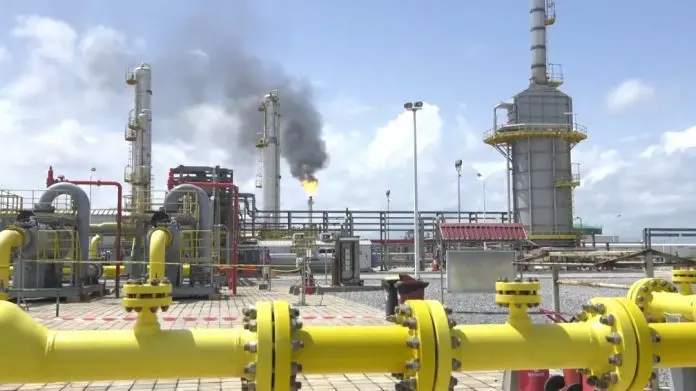
    Mr Ayaba revealed that the refinery is currently producing about 28,000 barrels and expects output to increase significantly after ongoing upgrades.

    “Currently, we are producing about 28,000 barrels. After the tie-in, we will move to about 45,000 and further move to 60,000,” he explained.

    He added that increased output from other refineries in the country will also contribute to stabilising supply.

    “Sentuo is doing around 36,000 to 40,000 barrels a day, Akwaaba is doing somewhere less than 10,000, and Platon is around a little below 3,000,” he stated.

    “Together, all these companies will be able to block that 20 per cent that would have come from the Arabian region.”

    Mr Ayaba emphasised that Ghana will still maintain the bulk of its imports from Europe, further ensuring supply stability.

    “We will still have the 80 per cent from Europe coming in,” he said.

    He therefore urged the public not to panic, reiterating the assurances provided by the National Petroleum Authority.

    “I will add my voice to the official communiqué from the NPA that we should rest assured that we are not going to record fuel shortages,” he stated.

    Meanwhile, in a separate interview about 3 days ago, Mr Ayaba revealed that TOR is eyeing a sixty-one (61%) percent increase in its production capacity as part of renewed efforts to strengthen operations and improve output at the facility.

    Currently, the refinery seeks to expand its crude distillation capability from 28,000 barrels per stream day to 45,000 barrels per stream day.

    Speaking during an interview on Citi FM’s Eyewitness News on Monday, March 9, he stated that,

    “The refinery is currently undertaking technical processes aimed at expanding its processing capability from 28,000 barrels per stream day to 45,000 barrels per stream day. This represents a sixty-one percent increase in capacity, and it forms part of our broader plans to revitalise operations and enhance TOR’s contribution to Ghana’s petroleum sector.”

    He continued that, the planned increase will be achieved through the integration of an additional processing unit, known as the F61 unit, which will operate alongside the existing F1 unit.

    Both units will be connected to the refinery’s crude distillation system to improve overall efficiency and output.

    Mr Mahama also noted that engineers are currently carrying out some temporary technical steps to connect a new unit to the refinery’s main processing system, which is expected to increase the refinery’s output from the current level.

    The refinery is presently operating under a tolling arrangement, a system in which private companies supply crude oil to the facility for processing.

    Under this arrangement, the refinery refines the crude and charges a processing fee, while the refined petroleum products are returned to the companies that provided the crude.He explained that under the tolling system, the refinery does not control the marketing or distribution of the finished products, as those decisions are taken by the crude oil suppliers.

    Mr Ayaba added that while the refinery’s current nameplate capacity stands at 28,000 barrels per stream day, the introduction of the F61 unit will push output to 45,000 barrels per stream day.

    He further indicated that management is also considering plans to expand capacity to about 60,000 barrels per stream day in the medium term.

    After several years of inactivity, the management of Tema Oil Refinery announced the resumption of operations. The resumption was possible following the completion of extensive Turnaround Maintenance (TAM) works on the refinery’s Crude Distillation Unit (CDU). Maintenance works began on August 1 and on October 30 in 2025. This information was contained in a press statement released by the management on Saturday, December 27.

    TOR’s resumption was expected to boost energy security, industrial growth and national development, potentially saving Ghana up to $10.2 billion in oil import bills annually.

  • Why Ghana must maintain the NPA’s price floor in the petroleum market

    Why Ghana must maintain the NPA’s price floor in the petroleum market

    Ghana’s downstream petroleum sector was fully deregulated in July 2015, transitioning from administered pump prices to a market-based system. However, deregulation was not absolute. To safeguard the market from instability, the National Petroleum Authority (NPA) retained a price floor mechanism, establishing a minimum ex-pump price below which Oil Marketing Companies (OMCs) could not sell.
    The objectives were clear: prevent predatory pricing in a capital-intensive industry, protect smaller and emerging OMCs from elimination by dominant incumbents, and preserve competition, supply stability, and consumer welfare in the long run. This policy has remained a core stabilizing instrument of Ghana’s deregulated petroleum market.


    The Context of Star Oil’s Call

    The recent call by Star Oil’s CEO, Mr. Philip Kwame Tieku, for the removal of the NPA’s price floor is strategically and economically inadvisable and must be firmly resisted. While Star Oil has emerged as the market leader, it is critical to recognize the historical context in which the price floor was introduced and the fundamental role this policy plays in ensuring market stability, fair competition, and consumer protection.
    Recent data from the NPA confirms a major shift in Ghana’s downstream petroleum sector. According to the 2025 third quarter NPA Statistical Bulletin, Star Oil Limited recorded 157,886 metric tons of total petroleum product sales, representing 10.42% market share, narrowly surpassing GOIL PLC, which posted 153,767 units (10.15%). This achievement underscores Star Oil’s operational strength and growth trajectory.
    However, this success story adds critical context to the company’s call for price floor removal. The top 20 OMCs account for 71.3% of total market volumes, while nearly 29% remains distributed among smaller operators—almost 200 in number. This indicates a still-competitive and diversified market, one that has flourished under regulatory safeguards.


    The Price Floor’s Historical Role

    When the price floor was instituted, Star Oil was not the dominant player it is today. The absence of a price floor would have exposed weaker players to predatory pricing by larger competitors seeking to capture market share through below-cost pricing strategies. The NPA’s price floor, calibrated to reflect reasonable distribution costs, import parity, and sustainable margins, prevented destructive undercutting that could drive firms out of business and erode market competition.
    Eliminating the price floor now would undermine the very conditions that allowed this diversified market to develop. Star Oil’s current position is partly a function of competing in a regulated environment that prevented price wars and ensured all players could operate viably.


    Why Removing the Price Floor Would Be Damaging

    1. Encourages Predatory Pricing and Market Dominance
      Without a minimum price benchmark, Star Oil—with its superior supply chain efficiencies, capital base, and economies of scale—could aggressively lower prices below competitors’ cost structures. This would pressure smaller, less capitalized marketers out of the market, ultimately reducing competition and leading to market consolidation under a single dominant entity.
    2. Risks Market Instability and Supply Disruptions
      Price floors provide predictability and reduce volatility in retail pricing. Their removal could trigger erratic price movements, undermining consumer confidence and complicating planning for enterprises reliant on stable fuel costs, including transportation and manufacturing sectors.
    3. Undermines Fair Competition and Long-Term Investment
      A stable and regulated price environment encourages investments in infrastructure, storage, distribution networks, and service stations. Removing the floor would shift the sector toward short-term price competition rather than long-term strategic investments that enhance capacity and service quality.
    4. Compromises Consumer Welfare in the Long Run
      Lower prices might initially appear beneficial to consumers. However, once competition weakens and smaller firms exit the market, Star Oil’s dominance could enable it to dictate prices without countervailing competitive pressures, ultimately raising prices above levels that prevail under regulated competition.
      The Irony of Star Oil’s Position
      Notably, the same Star Oil CEO, in October 2025, attributed his company’s resilient growth to the deregulated downstream petroleum market—one in which the price floor is a significant component. His current argument is not without merit. Given Star Oil’s scale, logistics efficiency, and purchasing power, it could indeed lower pump prices in the short term, delighting “StarSavers” today. But in the long run, consumers may have nowhere to turn when significant competition has been eliminated.
    5. The Way Forward
      The NPA’s price floor is not an arbitrary constraint on market forces; it is a corrective mechanism designed to ensure that competition is conducted on the basis of efficiency, service quality, and innovation—not on the basis of unsustainable price undercutting. It has been critical in protecting emerging and smaller firms, fostering a more diverse sector, and maintaining orderly market functioning.
      Any suggestion to abolish the price floor policy must be strongly rejected, as it would undermine fair competition and long-term consumer protection. Instead, efforts should be directed toward enhancing transparency in pricing, strengthening regulatory oversight, and promoting competitive practices that level the playing field without dismantling the safeguards that underpin a balanced downstream petroleum market.
      The price floor has served Ghana well. It should remain.

    By
    Gabriel Nomotsu Teye-Ali
    About the Author
    The author is General Manager of a leading energy company in Ghana and a finance, economics, and natural resource analyst with extensive expertise in Ghana’s petroleum sector. He holds a Master of Science in Business Administration from the University of Northern British Columbia, Canada, and an MPhil from the University of Ghana Business School (UGBS), where he also served as a part-time lecturer in Finance. He has written extensively on ESG, minerals, oil, and gas, providing critical analysis on energy policy and market regulation in Ghana and beyond.

    DISCLAIMER: Independentghana.com will not be liable for any inaccuracies contained in this article. The views expressed in the article are solely those of the author’s, and do not reflect those of The Independent Ghana

  • US$94m MIIF gold-trading scandal nearing final stage – OSP

    US$94m MIIF gold-trading scandal nearing final stage – OSP


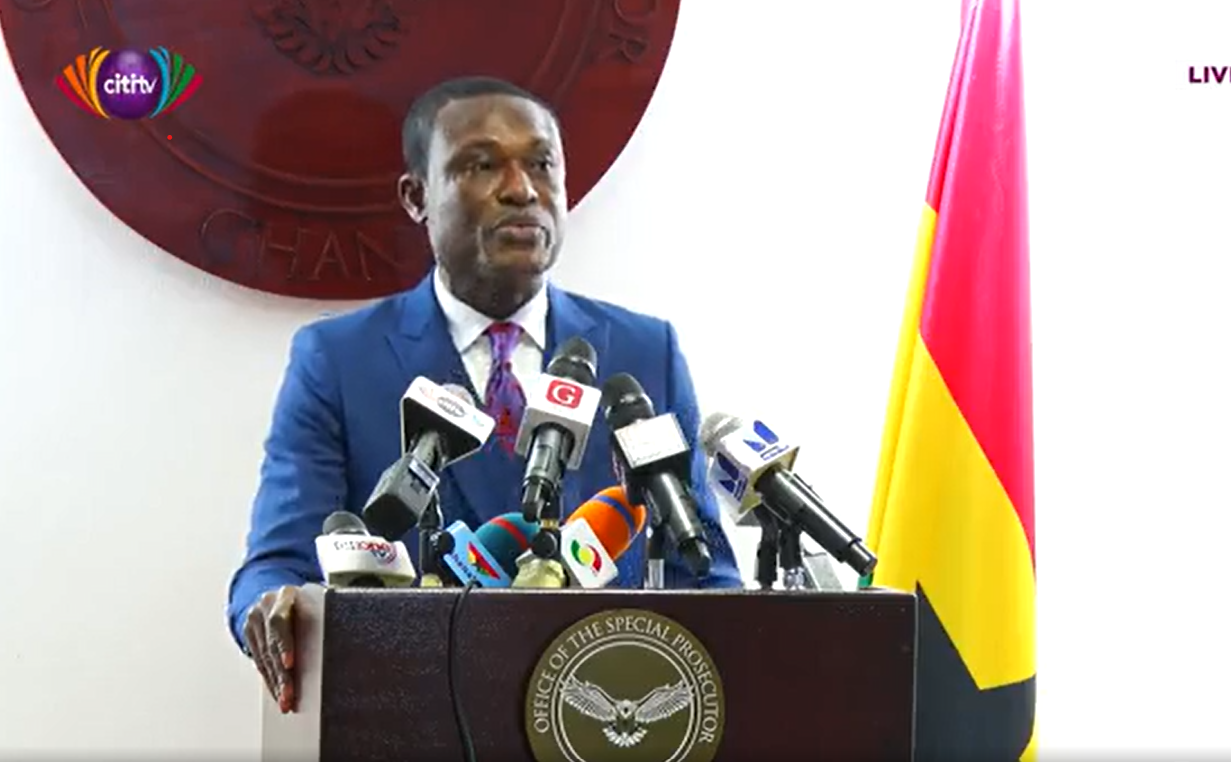
    The Office of the Special Prosecutor (OSP) has revealed that its investigations into a $94 million gold scandal involving the state’s Minerals Income Investment Fund (MIIF), as well as a separate case in which thirty (30) Oil Marketing Companies (OMCs) companies are suspected of illegally diverting fuel, are nearing their final stages. 

    This information was contained in a post shared on the OSP’s official X page on Saturday, November 22. While, MIIF’s mandate is to maximize the value of dividend and royalties income accruing to the Ghana in a beneficial, accountable and sustainable manner, OMC’s operates retail service stations and sell petroleum products to consumers and businesses.

    According to the post, the Office has  frozen accounts, seized assets, and restricted movements of people involved in the MIIF scandal to prevent interference with the investigation.

    It added that the OSP is also working to recover millions of cedis that should have accrued to the state but were lost through the diversion of subsidised and taxed petroleum products by the 30 OMCs. As per OSP’s disclosure the OMCs allegedly diverted fuel products such as Marine gas oil, Premix fuel and Diesel.

    “The Office of the Special Prosecutor continues to advance a number of high-value corruption investigations. As cases progress, increased public discussion is expected. The OSP’s focus remains on due process, transparency, and the protection of the public interest. Matters currently before the courts include the NPA and SML cases. Two further investigations have reached advanced stages.

    “MIIF: Ongoing examination of alleged corruption relating to the management of significant public assets. Investigative measures — including account freezes, asset seizures and movement restrictions — have been carried out under statutory authority. 

    “Fuel Diversion: Investigations into more than thirty Oil Marketing Companies concerning the alleged diversion of marine gas oil, premix fuel and diesel, with substantial revenue implications.The OSP is working to recover millions of cedis that should have accrued to the state.The Office remains committed to its mandate: preventing, investigating and prosecuting corruption, and ensuring the effective recovery and management of state assets,” it added.

    Meanwhile, several other major cases investigated by the OSP have already moved into the prosecution phase. Two of the major cases are the National Petroleum Authority (NPA) and Strategic Mobilisation Ghana Limited (SML). In another development, the former Chief Executive Officer of the National Petroleum Authority, Dr. Mustapha Abdul-Hamid, is seeking GH¢20 million in damages from the Office of the Special Prosecutor (OSP).

    According to a writ filed at the High Court on Monday, November 10, Dr. Mustapha Abdul-Hamid alleged that the OSP’s accusation that he embezzled GH¢1.3 billion from the Unified Petroleum Price Fund (UPPF) is false.

    He has therefore called on the Court to ensure that the OSP publicly retracts the accusation and issues an unqualified apology. Through his lawyers at Applade Chambers, Dr. Mustapha Abdul-Hamid has also demanded a perpetual injunction to prevent further defamatory remarks against him by the OSP and its agents.

    The National Petroleum Authority was established by an Act of Parliament (NPA Act 2005, ACT 691) to regulate the petroleum downstream industry in Ghana. As a Regulator, the Authority ensures that the industry remains efficient, profitable, fair, and at the same time, ensures that consumers receive value for money.

    The petroleum downstream sector in Ghana encompasses all activities involved in the importation and refining of crude oil as well as the sale, marketing, and distribution of refined petroleum products in the country.

    The various commercial activities of the industry include importation, exportation, re-exportation, shipment, transportation, processing, refining, storage, distribution, marketing, and sale of petroleum products. The industry is one of the key sub-sectors and a major contributor to Ghana’s Gross Domestic Product (GDP).

    Mustapha Abdul-Hamid, who led the NPA from 2021 until early 2024, oversaw the regulation of petroleum product pricing, fuel quality assurance, and the management of the UPPF.

    Dr. Mustapha Abdul-Hamid’s demand comes as the OSP has petitioned Criminal Court 3 of the High Court in Accra to transfer his case, along with 10 others, to a new court following the filing of a fresh charge sheet.

    According to prosecutors from the OSP, new charges against the accused were submitted on October 17, and the case has now been assigned to Criminal Court 4 for trial.

    “We humbly pray that to ensure a smooth transition, the court should oblige us the same date, December 9, so that we may on that day withdraw from this court and proceed to the other court CC4,” the prosecution stated.

    On Wednesday, February 12, the Office of the Special Prosecutor announced that it had launched an investigation into Dr. Mustapha Abdul-Hamid over allegations of GH¢1.3 billion embezzlement from the Unified Petroleum Pricing Fund.

    Speaking at a press briefing, Special Prosecutor Kissi Agyebeng confirmed that his office is probing suspected corruption and corruption-related offenses tied to the misappropriation of funds meant to regulate fuel price stability across the country.

    “The OSP has commenced investigations into suspected corruption and corruption-related offenses in respect of an alleged embezzlement of GH¢1.3 billion from the Unified Petroleum Pricing Fund (UPPF) at the National Petroleum Authority (NPA).“The investigation primarily targets the following persons: the coordinator of the UPPF, Jacob Amoah; NPA staff Wendy Ashong Newman; NPA staff Freda Tandoh; and a former Chief Executive of the NPA, Mustapha Abdul-Hamid.”

    National Food and Buffer Stock Company (NAFCO), Hanan Abdul-Wahab, is standing trial over allegations of large-scale financial misconduct during his time in office. He was arrested on June 25, along with his wife. EOCO granted a GH¢30 million bail to his wife, while he remained in custody pending fulfillment of his GH¢60 million bail condition.The arrest, which took place simultaneously in Accra and Tamale, also led to the detention of a third, unnamed individual believed to be linked to the investigation.

    On Tuesday, July 8, the former NAFCO boss was released from the custody of the Economic and Organised Crime Office (EOCO) after being detained for 14 days. Abdul-Wahab Hanan was released after meeting a GH¢60 million bail condition backed by two guarantors.

    On June 25, Hanan and his spouse were taken into custody over suspected mismanagement of funds while he led the government agency. His wife had been granted bail earlier, set at GH¢30 million.

    Earlier reports indicated that Mr. Hanan had met the bail terms; however, he remained in EOCO custody, a situation that drew backlash from the opposition New Patriotic Party (NPP), which described the terms as harsh and unfair. A third suspect, an unnamed individual believed to be linked to the investigation, was also detained.

    While addressing journalists at a press briefing in Accra on Wednesday, October 22, as part of the Government Accountability Series, the Attorney General (A-G) and Minister for Justice, Dr. Dominic Ayine, revealed a list of luxury assets belonging to the former NAFCO boss.

    His assets, according to the A-G, include a five-bedroom house at Chain Homes valued at $1.625 million; a three-bedroom house at Cantonments purchased for $600,000; and multiple plots of land at the Airport Development Area worth $750,000. Other properties include a 17-bedroom boutique hotel in Gumani, Tamale, acquired for $250,000; a four-bedroom bungalow at Dzorwulu, Accra, valued at over GH¢4.14 million; and a 0.32-acre parcel of government land purchased for GH¢307,200.

    He added that the recent development was made possible through collaboration with EOCO after several properties and bank transactions were traced to Abdul-Wahab. However, Abdul-Wahab has denied all allegations leveled against him by the Attorney General. In a statement issued on Wednesday, October 22, Mr. Aludiba noted that he has instructed his lawyers to follow up on the allegations.

    “I wish to state, respectfully, that these claims are untrue and do not reflect the facts of the matter. I have no involvement in the issues being referred to, and I find the comments deeply unfortunate. I look forward to the opportunity to present my side and to have my day in court, where I am confident that the truth will be made clear,” the statement added.

  • OSP requests Criminal Court 4 to take over Mustapha Hamid, 10 others’ cases

    OSP requests Criminal Court 4 to take over Mustapha Hamid, 10 others’ cases

    The extortion case involving the former Chief Executive of the National Petroleum Authority (NPA), Dr. Mustapha Hamid, has taken a new twist as the Office of the Special Prosecutor (OSP) has petitioned Criminal Court 3 of the High Court in Accra to transfer the matter to a new court, Criminal Court 4.


    Prosecutors from the OSP explained that new charges against the accused were filed on October 17, after which the case was assigned to Criminal Court 4 for trial. The OSP further indicated that the matter is expected to return to court on December 9.


    “We humbly pray that to ensure a smooth transition, the court should oblige us the same date, December 9, so that we may on that day withdraw from this court and proceed to the other court CC4,” the prosecution stated.

    Meanwhile, the former Chief Executive Officer of the National Petroleum Authority is seeking GH¢20 million in damages from the Office of the Special Prosecutor.


    According to a writ filed at the High Court on Monday, November 10, Dr. Mustapha Abdul-Hamid alleged that the OSP’s accusation that he embezzled GH¢1.3 billion from the Unified Petroleum Price Fund (UPPF) is false. He has therefore called on the Court to ensure that the OSP publicly retracts the accusation and issues an unqualified apology.


    Through his lawyers at Applade Chambers, Dr. Mustapha Abdul-Hamid has also demanded a perpetual injunction to prevent further defamatory remarks against him by the OSP and its agents.


    The National Petroleum Authority was established by an Act of Parliament (NPA Act 2005, ACT 691) to regulate the petroleum downstream industry in Ghana. As a Regulator, the Authority ensures that the industry remains efficient, profitable, fair, and at the same time, ensures that consumers receive value for money.


    The petroleum downstream sector in Ghana encompasses all activities involved in the importation and refining of crude oil as well as the sale, marketing, and distribution of refined petroleum products in the country.


    The various commercial activities of the industry include importation, exportation, re-exportation, shipment, transportation, processing, refining, storage, distribution, marketing, and sale of petroleum products. The industry is one of the key sub-sectors and a major contributor to Ghana’s Gross Domestic Product (GDP).


    On Wednesday, February 12, the Office of the Special Prosecutor announced that it had launched an investigation into Dr. Mustapha Abdul-Hamid over allegations of GH¢1.3 billion embezzlement from the Unified Petroleum Pricing Fund (UPPF).


    Speaking at a press briefing, Special Prosecutor Kissi Agyebeng confirmed that his office is probing suspected corruption and corruption-related offenses tied to the misappropriation of funds meant to regulate fuel price stability across the country.


    “The OSP has commenced investigations into suspected corruption and corruption-related offenses in respect of an alleged embezzlement of GH¢1.3 billion from the Unified Petroleum Pricing Fund at the National Petroleum Authority (NPA).


    “The investigation primarily targets the following persons: the coordinator of the UPPF, Jacob Amoah; NPA staff Wendy Ashong Newman; NPA staff Freda Tandoh; and a former Chief Executive of the NPA, Mustapha Abdul-Hamid.”


    Mustapha Abdul-Hamid, who led the NPA from 2021 until early 2024, oversaw the regulation of petroleum product pricing, fuel quality assurance, and the management of the UPPF.

    The OSP’s inquiry seeks to uncover the extent of financial irregularities and hold accountable those responsible for any wrongdoing.


    In another development, the former Chief Executive Officer of the National Food and Buffer Stock Company (NAFCO), Hanan Abdul-Wahab, is standing trial on allegations of large-scale financial misconduct during his tenure.

    He was arrested on June 25, along with his wife. EOCO granted a GH¢30 million bail to his wife, while he remained in custody pending fulfillment of his GH¢60 million bail condition.


    The arrest, which took place simultaneously in Accra and Tamale, also led to the detention of a third, unnamed individual believed to be linked to the investigation.


    On Tuesday, July 8, the former NAFCO boss was released from the custody of the Economic and Organised Crime Office (EOCO) after being detained for 14 days. Abdul-Wahab Hanan was released after meeting a GH¢60 million bail condition backed by two guarantors.

    On June 25, Hanan and his spouse were taken into custody over suspected mismanagement of funds while he led the government agency. His wife had been granted bail earlier, set at GH¢30 million.


    Earlier reports indicated that Mr. Hanan had met the bail terms; however, he remained in EOCO custody, a situation that drew backlash from the opposition New Patriotic Party (NPP), which described the terms as harsh and unfair. A third suspect, an unnamed individual believed to be linked to the investigation, was also detained.


    While addressing journalists at a press briefing in Accra on Wednesday, October 22, as part of the Government Accountability Series, the Attorney General (A-G) and Minister for Justice, Dr. Dominic Ayine, revealed a list of luxury assets belonging to the former NAFCO boss.


    His assets, according to the A-G, include a five-bedroom house at Chain Homes valued at $1.625 million; a three-bedroom house at Cantonments purchased for $600,000; and multiple plots of land at the Airport Development Area worth $750,000.

    Other properties include a 17-bedroom boutique hotel in Gumani, Tamale, acquired for $250,000; a four-bedroom bungalow at Dzorwulu, Accra, valued at over GH¢4.14 million; and a 0.32-acre parcel of government land purchased for GH¢307,200.


    He added that the recent development was made possible through collaboration with EOCO after several properties and bank transactions were traced to Abdul-Wahab.


    However, Abdul-Wahab has denied all allegations leveled against him by the Attorney General. In a statement issued on Wednesday, October 22, Mr. Aludiba noted that he has instructed his lawyers to follow up on the allegations.


    “I wish to state, respectfully, that these claims are untrue and do not reflect the facts of the matter. I have no involvement in the issues being referred to, and I find the comments deeply unfortunate. I look forward to the opportunity to present my side and to have my day in court, where I am confident that the truth will be made clear,” the statement added.

  • OSP releases fresh list of corruption cases; more expected in final quarter

    OSP releases fresh list of corruption cases; more expected in final quarter

    The Office of the Special Prosecutor (OSP) has announced a list of cases it is currently pursuing as the courts resume from vacation.

    In a post shared on its official Facebook page, the independent anti-corruption agency in Ghana noted that several individuals were currently facing charges, and more others will be prosecuted in the last quarter. 

    “With the courts resuming from vacation, these are the cases the OSP is actively prosecuting on your behalf, with more cases to be filed in the last quarter of the year, he said.

    According to the OSP, “earlier this year, seven individuals were convicted through plea bargains”.

    Among the cases highlighted by the OSP are those involving former National Petroleum Authority (NPA) Chief Executive Mustapha Abdul-Hamid and nine others, as well as former Public Procurement Authority (PPA) boss Adjenim Boateng Adjei, former presidential staffer Charles Bissue, and two others.

    The Office reiterated its commitment to ensuring accountability and transparency in public life and pledged to continue its work without fear or favour.

    On 23 July 2023, the Office initiated criminal proceedings in the High Court, accra against Mustapha abdul-Hamid (a former Chief executive of the National Petroleum Authority) and nine (9) others, including three (3) corporate entities. the accused persons are charged with twenty-five counts of conspiracy to commit extortion by a public officer; extortion by a public officer; using public office for profit; conspiracy to commit money laundering, and money laundering. the case is adjourned till 26 august 2025.

    The Republic v. Issah Seidu & 3 others

    On 27 June 2025, the Office arraigned three (3) public officials and one (1) retired public official – Issah Seidu, James Keck Osei, John Abban, and Peter Archibald Hyde—before the High Court, Accra on charges for corruption by and of a public officer and using public office for profit concerning an attempt to unlawfully appropriate ten containers of imported rice at the tema Port. the case is adjourned to 21 October 2025.

    With regard to concluded investigations, the Office has concluded investigation into suspected corruption

    and corruption-related offences in respect of the procurement and the award of a contract to turfsport Ghana limited by the Gaming Commission of Ghana. The suspects have made an offer of restitution to the republic under section 71 of act 959. The Special Prosecutor, in exercise of his mandate under section 71(3) of act 959, has considered that the offer is acceptable. the terms would be duly placed before the High Court for adoption.

    Meanwhile, the Office is currently seized with sixty-seven (67) cases which are at the full investigation stage. The Office is investigating suspected corruption and corruption-related offences in respect of the operations of the Minerals Income Investment fund (MIIf) between 2020-2024 – especially regarding payments made in respect of agyapa royalties limited; Small Scale Mining Incubation Programme (SSMIP); Quarry Value addition Programme (QVaP); lithium asset (projected lithium-focused exploration and development corporation); Gold asset 2 (enchi gold project); all other investments by MIIf; funds expended on the Chairman of the Board of Directors; the operational funds of MIIF; purchase of parcel of land for intended office building; contracts and agreements entered into by MIIf; and publications by MIIF. the investigation targets some former and serving officials of MIIF and the following entities:

    • Asante Gold Corporation

    • ElectroChem Ghana Limited

    • Goldridge Ghana Limited

    • GIG Minerals Limited

    • RCM Properties

    • Energy & Resources Company Limited

    • Goldstrom Ghana Limited

    • BH Minerals Limited

    Also, the Office is investigating suspected corruption and corruption-related offenses in respect of the operations and contractual arrangements of Ghana airports Company limited between 2020-2024.

    In August this year, the Office of the Special Prosecutor (OSP) clarified that the widely circulated media reports that former Sanitation Minister Cecilia Dapaah has been cleared of corruption-related charges filed against her are misleading and false.

    In an official release shared yesterday, the OSP noted that certain media outlets reported that the FBI “found no evidence of corruption,” while others claimed the FBI “found no direct evidence of corruption.” Some have gone further to publish that the FBI has cleared Cecilia Dapaah.

    “These reports are inaccurate and a mischievous misrepresentation of the OSP’s Half-Yearly Report (page 9, bullet 2.26). The findings were the result of investigations conducted by the OSP and a parallel aspect by the FBI at the instance of the OSP,” a part of the statement read.

    The release comes after some media houses misinterpreted a section of the OSP’s 2025 half-yearly report released yesterday, Tuesday, August 19. On page 15 of the fifty-page document, item number 2.25 is subtitled ‘Cecilia Dapaah’.

    The Office commenced an investigation in July 2023 in respect of suspected corruption and corruption-related offences regarding large amounts of money and other valuable items involving Ms. Cecilia Abena Dapaah, a former Minister of Sanitation and Water Resources, and her associates.

    After nearly seven months of extensive investigation by the Office and a parallel inquiry by the Federal Bureau of Investigation (FBI) in the United States, no direct and immediate evidence of corruption was found in respect of seized funds and frozen bank accounts linked to Ms. Dapaah and her associates—though the investigation identified strong indications of suspected money laundering and structuring, beyond the direct mandate of the Office.”

    The statement continued that, following investigations by his office, there were discoveries of money laundering in the former Sanitation Minister’s case, which falls outside the office’s jurisdiction; hence, the need for it to be forwarded to the Economic and Organised Crime Office (EOCO).

    However, the previous leadership of EOCO did nothing about it and returned the case docket to their office.

    “The OSP further emphasises that the case was referred to the Economic and Organised Crime Office (EOCO) under the previous leadership of EOCO because Investigations uncovered strong Indications of suspected money laundering and structuring, which fall within EOCO’s direct mandate. The previous leadership of EOCO did not act on it and returned the docket to the OSP,” the statement read.

    However, following the change in administration, the docket of Cecilia Dapaah has been sent back to EOCO upon request.

    Following this detailed explanation of the report on Cecilia Dapaah’s case, the OSP has urged all media outlets to report with precision and fidelity to the text of official documents to ensure accurate, fair, and responsible public communication on matters of high national interest.

    As part of its update, the OSP noted that there were seven (7) convictions and one (1) acquittal in respect of the cases pending before the criminal courts during the period under review. The Office has filed an appeal in respect of the case in which the accused was acquitted.

  • NPA engages security agencies ahead of fuel stations operating 24 hours

    NPA engages security agencies ahead of fuel stations operating 24 hours

    The National Petroleum Authority (NPA) is collaborating with security agencies to enhance safety at fuel stations nationwide as part of the government’s plan to implement a 24-hour economy in the petroleum sector.

    Speaking at a stakeholder meeting in Koforidua with the Eastern Regional Minister, security heads, and industry players, NPA Chief Executive Godwin Kudzo Tameklo stressed the need for stringent security measures to curb criminal activities in the petroleum downstream sector.

    “The petroleum sector is highly susceptible to criminal activities, including fuel smuggling, illegal siphoning, and fraudulent transactions,” he noted. “Fuel is a legitimate but highly valuable commodity, making it a target for illicit activities.”

    To counter these threats, Mr. Tameklo emphasized the necessity of collaboration with the National Intelligence Bureau (NIB), the Ghana Police Service, Customs, and the Fire Service. He also revealed plans to train security personnel on petroleum-related crimes to strengthen enforcement.

    “We will need the active involvement of the National Intelligence Bureau (NIB), alongside the NPA’s intelligence unit and other security agencies like the Police, Customs, and Fire Service to combat all forms of fuel-related crimes,” he said.

    Ensuring security at fuel stations, he added, is critical to the success of the 24-hour economy initiative.

    “Petroleum is a hazardous product, and we cannot afford to overlook safety concerns,” he stated. “NPA will work closely with the Fire Service and other security agencies to ensure the highest levels of safety and security.”

    His remarks come at a time when fuel stations have increasingly become targets for criminal activities. Earlier this month, masked armed robbers attacked the Kansaworodo branch of Total fuel station in the Sekondi-Takoradi Metropolis of the Western Region. Fortunately, they were unable to access the safe, as the manager, who had the keys, was absent at the time.

    Eastern Regional Minister Rita Akosua Adjei Awatey assured the NPA of her full support in enforcing security measures within the region. She proposed that the Regional Security Council (REGSEC) be integrated into the NPA’s operations nationwide to strengthen security coordination.

    The meeting ended with a collective call for deeper collaboration between the NPA, security agencies, and regional authorities to enhance safety, enforcement, and regulatory compliance across the petroleum industry.

  • NPA working on cutting demurrage costs by BDCs passed down to consumers

    NPA working on cutting demurrage costs by BDCs passed down to consumers

    The National Petroleum Authority (NPA) is intensifying efforts to curb the substantial demurrage costs incurred by Bulk Oil Distributors (BDCs), which ultimately drive up fuel prices for consumers.

    Currently, these charges amount to approximately $35 million annually, a figure the NPA considers unsustainable.

    Speaking at the 2025 Downstream Dialogue, organized by the Chamber of Oil Marketing Companies (COMAC) in Accra, the Acting Chief Executive Officer (CEO) of NPA, Edudzi Tameklo, underscored the importance of addressing the issue to ease financial pressure on consumers and industry stakeholders.

    “There are also structural challenges within the industry. I met with the bulk oil marketing companies and their chamber, and the estimated cost of demurrage—because they do not have immediate laycans—is about $35 million annually. That’s huge, and they end up passing that cost onto the final consumer.

    “They’re not ‘Father Christmas’; they’re not in business to make losses. So, if demurrage alone is costing them $35 million annually, you can imagine what could be achieved if, together with the vision of my sector minister, we find an alternative structure that greatly reduces delays at the port, particularly in the discharge of petroleum,” Tameklo noted.

    To further enhance efficiency in the petroleum downstream sector, the acting NPA boss revealed plans to introduce automatic fuel dispensers to support the government’s 24-hour economy initiative. This move, he said, would streamline fuel distribution and improve accessibility.

    The Chief Executive Officer (CEO) of COMAC, Dr. Riverson Oppong, acknowledged the financial challenges facing the downstream sector and expressed the Chamber’s commitment to seeking support from financial institutions to boost liquidity and sustain businesses.

    “Financing remains a major challenge for businesses in the downstream sector. As such, we will explore the intersection of industry and banking collaboration. Unlocking financing and investment opportunities is essential to enhancing liquidity, fostering expansion, and ensuring the long-term viability of our sector,” he noted.

    Meanwhile, Minister of Energy and Green Transition, John Jinapor, reiterated his ministry’s commitment to implementing structural reforms to enhance efficiency and promote local participation in the industry.

    “Although this sector is plagued with numerous challenges, it also presents a myriad of opportunities we can capitalize on. The increasing demand for petroleum products and the dynamic nature of the petroleum sector open avenues for infrastructure development, the adoption of new and innovative technologies, increased local content participation, and ensuring that we anchor this sector to propel accelerated and inclusive growth for this country.

    “The need for reforms also presents an opportunity for public-private partnerships to execute critical sector development projects and programmes,” the Minister stated.

    The two-day dialogue, themed “Ghana’s Downstream Oil and Gas Sector: Challenges and Opportunities,” aims to foster collaboration and explore sustainable solutions for the sector’s growth and efficiency.

  • NPA considering deployment of automated dispensers at selected petroleum retail outlets

    NPA considering deployment of automated dispensers at selected petroleum retail outlets

    The National Petroleum Authority (NPA) is examining the possibility of introducing automated fuel dispensers at selected retail outlets as part of efforts to modernize the downstream petroleum sector.

    This initiative forms part of a broader strategy to implement a 24-hour operational model within the industry.

    According to the Chief Executive of the NPA, Mr. Godwin Kudzo Tameklo, the authority is working on a phased approach that will also include measures to ensure the continuous operation of bulk storage facilities and depots, among other initiatives.

    Speaking at the Downstream Dialogue 2025, organized by the Chamber of Oil Marketing Companies (COMAC) in Accra, Mr. Tameklo emphasized that this move aligns with President John Dramani Mahama’s vision of establishing a 24-hour economy to drive growth and job creation.

    “Since assuming office, I have emphasized the importance of affordability, quality, and reliability in the supply of petroleum products to Ghanaians.

    “Our commitment is to ensure fair pricing and strict adherence to industry standards, in alignment with the vision of His Excellency, President John Dramani Mahama, to reset and transform the sector while also rolling out 24-hour economy solutions,” he stated.

    The two-day event, themed “Ghana’s Downstream Oil and Gas Sector: Challenges and Opportunities,” brings together industry players to discuss key issues, share insights, and propose strategies for sustaining and advancing the sector. Discussions cover a range of topics, including local content participation, regulatory reforms, and navigating the energy transition.

    Mr. Tameklo highlighted the need for strong collaboration among industry stakeholders, government agencies, and international partners to achieve the set objectives.

    “We must strive to reaffirm our commitment to excellence, transparency, and innovation. Together, we can overcome challenges and seize opportunities to ensure that Ghana’s petroleum downstream industry remains an efficient and significant contributor to our nation’s prosperity,” he added.

    Reflecting on the industry’s progress over the past two decades, Mr. Tameklo noted that significant regulatory frameworks had been established to enhance pricing, supply, quality, and infrastructure development.

    “Ghana’s petroleum downstream plays a pivotal role in providing assurance for our nation’s energy security while driving economic growth,” he remarked.

    However, he acknowledged that some policies had led to unintended consequences, including illegal fuel imports, distribution inefficiencies, and infrastructure challenges.

    Beyond these issues, the industry is also adapting to global energy transition demands and the potential risks associated with stranded fossil fuel assets.

    Mr. Tameklo stressed the need to strike a balance between ensuring energy security—through product availability, accessibility, and affordability—while positioning the sector to respond effectively to the shifting global energy landscape.

  • Petrol, diesel priced at minimum of GHc12.56, GHc13.45 per litre in NPA’s price floor

    Petrol, diesel priced at minimum of GHc12.56, GHc13.45 per litre in NPA’s price floor

    The National Petroleum Authority (NPA) has set a new price floor for petroleum products, enforcing a minimum selling price for fuel in the second pricing window of February 2025.

    Under the new directive, petrol cannot be sold below GH₵12.56 per litre, while diesel has a minimum price of GH₵13.45 per litre. Liquefied Petroleum Gas (LPG) has also been pegged at a minimum of GH₵14.26 per kilogram.

    This measure, effective from February 16 to 28, 2025, mandates Oil Marketing Companies (OMCs) and LPG Marketing Companies (LPGMCs) to adhere strictly to the price thresholds, ensuring market stability in the downstream petroleum sector.

    The NPA asserts that the initiative aligns with the Petroleum Pricing Guidelines, which are intended to enhance transparency and sustainability in fuel pricing.

    While the price floor sets a lower limit, it does not include additional premiums from International Oil Trading Companies (IOTCs) or operational margins for Bulk Import, Distribution, and Export Companies (BIDECs). Similarly, marketing and dealer margins remain independently determined under Ghana’s deregulated pricing framework.

    Industry analysts suggest that the introduction of a price floor will discourage undercutting tactics among fuel distributors, fostering a fairer competitive landscape. By enforcing a minimum benchmark, the NPA aims to create a predictable and balanced pricing structure that benefits both consumers and market players.

    Despite maintaining price deregulation, the directive ensures that companies remain profitable while safeguarding consumer interests. Companies can still set prices above the mandated floor, allowing for competitive flexibility within the sector.

  • I am yet to receive an invitation from OSP  – Mustapha Hamid

    I am yet to receive an invitation from OSP – Mustapha Hamid

    Former Chief Executive Officer of the National Petroleum Authority (NPA), Mustapha Hamid, has reacted to allegations of corruption following an inquiry by the Office of the Special Prosecutor (OSP).

    At a press briefing on Wednesday, February 12, the OSP disclosed that Hamid and three others are under investigation for allegedly diverting GHC1.3 billion from the Unified Petroleum Pricing Fund (UPPF).

    Shortly after the announcement, Hamid took to Facebook to refute the claims, stating that he has never been summoned by any investigative body over the alleged embezzlement. He also maintained that he is not the subject of any probe.

    However, he expressed his willingness to cooperate with authorities if called upon to assist in the investigation.

    The OSP’s probe also includes UPPF Coordinator Jacob Amoah and NPA officials Freda Acheampong and Wendy Ashong Newman.

    The investigation remains ongoing as authorities work to uncover the details of the alleged financial misconduct.

    “The OSP has also commenced investigation into suspected corruption and corruption-related offences in respect of an alleged embezzlement of a GHC1.3billion from the Unified Petroleum Pricing Fund (UPPF) at the National Petroleum Authority.

    “The investigation primarily targets the following persons; the Coordinator of the UPPF, Mr. Jacob Amoah, NPA Staff, Freda Acheampong, NPA Staff, Wendy Ashong Newman and the former Chief Executive Officer of NPA, Mustapha Abdul Hamid,” the OSP said.

  • I will not evade investigation – Fmr NPA CEO to OSP

    I will not evade investigation – Fmr NPA CEO to OSP

    The former Chief Executive Officer (CEO) of the National Petroleum Authority (NPA), Dr. Mustapha Abdul-Hamid, has expressed his willingness to engage with the Office of the Special Prosecutor (OSP) in connection with an ongoing probe into the alleged misappropriation of GH¢1.3 billion from the Unified Petroleum Pricing Fund (UPPF).

    This follows an announcement by Special Prosecutor Kissi Agyebeng during a press briefing on Wednesday, February 12, 2025, where he disclosed that Mustapha Abdul-Hamid, along with three others, is under investigation for potential financial misconduct involving the petroleum fund.

    The UPPF plays a vital role in Ghana’s petroleum sector, ensuring price uniformity nationwide by subsidizing transportation costs for oil marketing firms.

    Responding to the OSP’s disclosure, Mustapha Abdul-Hamid took to social media to acknowledge the inquiry, clarifying that he has yet to receive any formal notification or summons from the OSP or any other state investigative institution.

    Nonetheless, he assured his full willingness to cooperate with authorities if called upon.

    “My attention has been drawn to an announcement by the Special Prosecutor, Mr. Kissi Agyebeng, that I am under investigations for some alleged embezzlement of funds at the Unified Petroleum Price Fund (UPPF) during my tenure as the Chief Executive of the National Petroleum Authority.

    “As at this afternoon, I have neither received any invitation by any State investigative body nor have I been under investigation for any such alleged crime. However, I am willing to avail myself to assist in any investigations of the alleged embezzlement of funds.”

    The Special Prosecutor disclosed that the probe involves four individuals, among them Jacob Amoah, the UPPF Coordinator, as well as NPA officials Wendy Ashong Newman and Freda Tandoh.

    The claims suggest that during Mustapha Hamid’s tenure, a considerable sum from the UPPF may have been mismanaged, resulting in potential financial inconsistencies in the petroleum industry.

  • Mustapha Hamid investigated by OSP over alleged GHc1.3bn embezzlement at NPA

    Mustapha Hamid investigated by OSP over alleged GHc1.3bn embezzlement at NPA

    The Office of the Special Prosecutor (OSP) has launched an investigation into former National Petroleum Authority (NPA) Chief Executive Mustapha Abdul-Hamid over allegations of GH¢1.3 billion embezzlement from the Unified Petroleum Pricing Fund (UPPF).

    Speaking at a press briefing on Wednesday, February 12, Special Prosecutor Kissi Agyebeng confirmed that his office is probing suspected corruption and corruption-related offenses tied to the misappropriation of funds meant to regulate fuel price stability across the country.

    “The OSP has commenced investigations into suspected corruption and corruption-related offenses in respect of an alleged embezzlement of GH¢1.3 billion from the Unified Petroleum Pricing Fund (UPPF) at the National Petroleum Authority (NPA).

    “The investigation primarily targets the following persons: the coordinator of the UPPF, Jacob Amoah, NPA’s staff Wendy Ashong Newman, NPA’s staff Freda Tandoh, and a former Chief Executive of the NPA, Mustapha Abdul-Hamid.”

    Mustapha Abdul-Hamid, who led the NPA from 2021 until early 2024, oversaw the regulation of petroleum product pricing, fuel quality assurance, and the management of the UPPF. The OSP’s inquiry seeks to uncover the extent of financial irregularities and hold accountable those responsible for any wrongdoing.

  • We are not recruiting – NPA tells public in scam alert

    The National Petroleum Authority (NPA) has issued a public notice to debunk rumors of ongoing recruitment at the organization.

    Taking to the X platform, the NPA stated, “We wish to categorically deny that there are no such recruitments currently ongoing, and the public is advised to disregard such information.”

    The statement comes in response to social media posts falsely advertising job openings at the Authority. The NPA clarified that these claims are untrue and warned the public against falling prey to fraudulent schemes.

    “Scammers posing as middlemen are deceiving people with promises of recruitment at the Authority,” the NPA cautioned.

    The Authority urged the general public to remain vigilant and rely only on official channels for credible information regarding job opportunities.

  • NPA blames exchange rate fluctuations for rising petroleum prices

    NPA blames exchange rate fluctuations for rising petroleum prices

    The Chief Executive Officer of the National Petroleum Authority (NPA), Dr. Mustapha Abdul-Hamid, has stated that the main factors contributing to the volatility of petroleum prices have largely been addressed.

    During a discussion with selected editors in Accra, he explained that recent price increases were primarily driven by fluctuations in the exchange rate.

    However, he pointed out that the current stability of the Cedi is a promising sign for maintaining more consistent fuel prices moving forward.

    One ongoing concern, he noted, is the approximately $400 million needed each month by Bulk Oil Distribution Companies (BDCs) to import petroleum products.

    Despite this, the NPA is taking steps to mitigate rising costs, particularly for Liquefied Petroleum Gas (LPG). A new tender programme has been introduced to reduce LPG prices and alleviate the financial strain on consumers.

    Dr. Abdul-Hamid also called on the Bank of Ghana to set a guaranteed exchange rate for petroleum importers, a move that could help curb speculative pricing and provide much-needed stability to the sector.

    Regarding the Cylinder Recirculation Model (CRM), the NPA CEO discussed the gradual roll-out of the initiative, which is designed to provide LPG Marketing Companies (LPGMCs) a five-year period to recover their investments. This model, he said, will eventually eliminate the need for gas filling stations across the country.

    He emphasized that Ghana and Nigeria are the only countries in West Africa operating gas filling stations, making the CRM a more efficient and sustainable solution for the LPG industry. Dr. Abdul-Hamid also urged bottling companies to raise awareness about the CRM collection points, noting that while 30 percent of Ghana’s LPG supply comes from Atuabo Gas Company, the remaining 70 percent is imported from Europe.

  • NPA establishes price floor of GHS12.73 for petrol, GHS13.43 for diesel

    NPA establishes price floor of GHS12.73 for petrol, GHS13.43 for diesel

    The National Petroleum Authority (NPA) has declared a new price floor for the upcoming pricing window from October 16 to 31, 2024. The authority has established a price of GH₵12.73 for petrol and GH₵13.43 for diesel.

    This means that no oil marketing company is permitted to sell below these specified prices.

    In its communication to Oil Marketing Companies (OMCs) and Liquefied Petroleum Gas (LPG) marketers, the NPA urged all stakeholders to adhere to these price floors for the designated period.

    It clarified that these price floors do not include the premiums set by International Oil Trading Companies (IOTCs) or the operating margins of Bulk Oil Import and Distribution Companies (BIDECs), as well as the margins for Marketers and Dealers of OMCs and LPGMCs. These will be determined independently by the companies in accordance with the Price Deregulation Policy.

    The NPA implemented the price floor system to prevent price undercutting within the industry, warning that unchecked practices could jeopardize the sector’s stability.

    Recently, the NPA announced the suspension of the Price Floor program for Bulk Oil Distribution Companies due to concerns raised by participants in that sector. However, it will proceed with the program for oil marketing companies.

    The initiative has faced criticism from some industry players, who have labeled the policy as anti-free market. Nonetheless, the NPA maintains that the introduction of the price floor policy was based on consultations with industry stakeholders and recommendations regarding necessary actions to combat price undercutting.

  • Over 20,000 metric tonnes of LPG to be delivered between Oct 21 and 27 – NPA

    Over 20,000 metric tonnes of LPG to be delivered between Oct 21 and 27 – NPA

    Ghana is set to receive more than 20,000 metric tonnes of Liquefied Petroleum Gas (LPG) between October 21 and 27, 2024, to help stabilize supply amid concerns about potential shortages in parts of the country.

    The National Petroleum Authority (NPA) made this announcement, reassuring the public that there is currently enough LPG in the country to meet national demand.

    Recent disruptions in LPG supply, particularly in the Western and Central Regions, were caused by a power challenge at the Ghana National Gas Processing Plant in Atuabo, which affected the processing of natural gas, the primary source of LPG. In response, the NPA directed LPG Marketing Companies (LPGMCs) to load from Tema to serve outlets in the affected areas.

    As of October 9, the NPA confirmed that LPG stocks were sufficient to last nearly two weeks of national consumption. Additionally, the Sentuo Oil Refinery has been producing LPG daily to support the market.

    The upcoming delivery of over 20,000 metric tonnes is part of the NPA’s efforts to ensure a continuous flow of LPG under its LPG Tender program. This initiative aims to maintain adequate supply to meet the demands of consumers across the country.

    However, the NPA noted that some LPGMCs boycotting the Quantum LPG Terminal and the Tema Multi-Product Terminal has put added pressure on other depots in Tema, limiting the daily volume of LPG that can be loaded. Despite this, the Authority assured the public that there is no immediate threat of LPG shortages.

    “The Authority is collaborating with all stakeholders to prioritize loading for the Western Region to resolve ongoing supply challenges,” the NPA stated.

    Additionally, the Ghana National Gas Processing Plant is expected to resume full production by October 15, 2024, which will further support the supply of LPG. The NPA pledged to keep the public informed about any developments regarding the plant and the LPG supply chain.

    This latest shipment of LPG is expected to stabilize the market and alleviate concerns raised by consumers.

  • Gas Processing Plant to return to full production from Oct. 15

    Gas Processing Plant to return to full production from Oct. 15

    The National Petroleum Authority (NPA) has revealed that the Ghana National Gas Company’s (GNGC) Gas Processing Plant (GPP) located in Atuabo is set to resume full production by October 15, 2024.

    In September, both the Ghana Grid Company Ltd. (GRIDCo) and the Electricity Company of Ghana (ECG) attributed recent power outages affecting some customers to issues at the GNGC Gas Processing Plant. The GPP supplies natural gas through a pipeline to the Takoradi Thermal Power Station in Aboadze, Western Region.

    The Takoradi Thermal Power Station, which has been operational since 1997, was initiated by the Volta River Authority to complement the existing hydroelectric facilities at Akosombo and Kpong.

    In a joint press release, GRIDCo and ECG informed the public that the technical challenges at the Gas Processing Plant have limited gas supply for power generation, leading to intermittent power supply in certain areas. To address these issues, engineers from GNGC are actively working on resolving the technical difficulties and are committed to restoring full gas supply as soon as possible.

    The GNGC’s anticipated return to full production at the Gas Processing Plant is expected to alleviate the current gas supply constraints, benefiting both LPG distribution and electricity generation across the country.

    This development is critical for ensuring energy stability and meeting the growing demand in various sectors.

    The National Petroleum Authority (NPA) has also assured the public that there is sufficient LPG in the country to meet national demand, reinforcing confidence as the Gas Processing Plant prepares to return to normal operations.

  • There is adequate LPG in the country to meet national demand – NPA assures

    There is adequate LPG in the country to meet national demand – NPA assures

    The National Petroleum Authority (NPA) has assured Ghanaians that there is sufficient Liquefied Petroleum Gas (LPG) in the country to meet national demand, despite recent reports of a potential shortage.

    The NPA explained that the Western and parts of the Central Region receive LPG from the Ghana National Gas Processing Plant in Atuabo. However, a recent power challenge affected the processing of natural gas essential for LPG production, causing supply disruptions.

    In response, the Authority directed LPG Marketing Companies (LPGMCs) to source LPG from Tema for their retail outlets in these affected regions.

    According to the NPA, a check with the Ghana National Gas Company (GNGC) on October 8, 2024, confirmed that the power issue has been resolved, although the Gas Processing Plant has not yet resumed full production. The plant is expected to return to regular output by October 15, 2024.

    The NPA further reassured the public that there is ample LPG in the country, stating, “The opening stock of LPG as of October 9, 2024, was enough to last almost two weeks of national consumption.” Additionally, the Sentuo Oil Refinery is producing LPG daily to support the market.

    Looking ahead, the NPA announced that over 20,000 metric tonnes of LPG are scheduled for delivery between October 21 and 27, 2024, as part of the LPG Tender program.

    The Authority noted that some LPGMCs’ boycott of the Quantum LPG Terminal and Tema Multi-Product Terminal has intensified pressure on the remaining depots in Tema. The refusal of these companies to load from the terminals has restricted the volume of LPG that can be processed daily from these facilities.

    To alleviate any concerns, the NPA reassured the public that “there is no threat to the supply of LPG in the country and no imminent shortage of the product.”

    The Authority is actively collaborating with relevant stakeholders to ensure that loading to the Western Region is prioritized to address the current challenges in that area.

    Meanwhile, the NPA confirmed its commitment to working closely with the Ghana National Gas Company to monitor the resumption of regular production at the Gas Processing Plant and promised to keep the public updated on developments.

  • Refueling vehicle with passengers onboard is dangerous – NPA warns

    Refueling vehicle with passengers onboard is dangerous – NPA warns

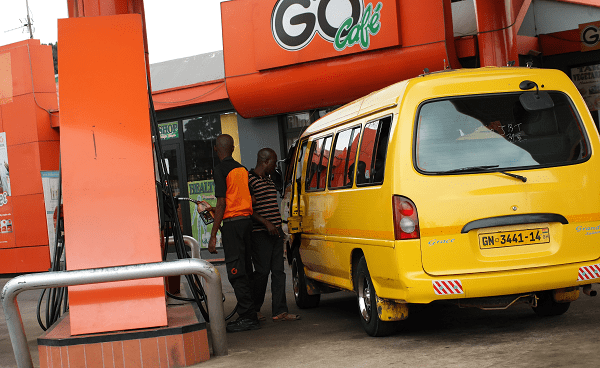
    The National Petroleum Authority (NPA) has issued a warning to commercial drivers against refuelling their vehicles while passengers are still onboard, citing significant safety hazards.

    According to the NPA, keeping passengers in vehicles during refuelling exposes them to harmful chemicals, which can pose serious health risks.

    At a sensitization durbar in Cape Coast, the NPA’s Central Regional Manager, Mr. Michael Opoku-Obiri, highlighted the primary danger of inhaling toxic fumes during refuelling. He noted that gasoline contains harmful chemicals such as benzene, a carcinogen, which can enter vehicles through open windows or doors, especially affecting vulnerable individuals like children and the elderly. Exposure to these fumes can lead to respiratory issues, dizziness, and nausea.

    Despite fuel stations being open and well-ventilated, Mr. Opoku-Obiri stressed that drivers often overlook the potential danger of trapped fumes inside the car. He pointed out that many drivers refuel without asking passengers to exit, a practice commonly observed when drivers are in a hurry.

    In addition to health concerns, Mr. Opoku-Obiri emphasized that refuelling with passengers onboard significantly increases the risk of fire.

    He referenced statistics showing that from January to July 2023, there were 3,819 fire incidents in Ghana, with many related to commercial and fuel operations.

    To address these risks, the NPA has implemented various safety regulations aimed at protecting the public at fuel stations.

    Mr. Opoku-Obiri reminded drivers that while refuelling is routine, it carries dangers that should not be ignored.

    “By taking simple precautions, such as ensuring passengers exit the vehicle and remaining vigilant about potential hazards, drivers can significantly reduce the dangers associated with refuelling,” he said.

    The NPA’s Central Regional Manager, Mr. Michael Opoku-Obiri, acknowledged that while there isn’t a single comprehensive document detailing rules on refuelling commercial vehicles, safety guidelines and warnings are consistently emphasized.

    He reassured that the NPA remains committed to raising awareness among petroleum dealers, consumers, and passengers about the hazards associated with improper fuel handling.

    During the event, Nana Adwoa Nkansah Aduam III, Paramount Queen Mother of Agona Nsaba and President of the Central Regional Queen Mothers Association, called for stricter enforcement of NPA regulations concerning refuelling vehicles with passengers onboard.

    She highlighted the significant health and safety risks posed by this practice and urged the NPA to intensify its public safety initiatives.

    Nana Aduam praised the NPA for its efforts to educate the public but also stressed the need for further action, particularly as the country approaches the dry season, which brings an increased risk of fire incidents.

    Given the recurring fire outbreaks at gas and filling stations in recent years, she underscored the importance of enhanced public education on fuel and gas safety protocols.

  • GIS foils smuggling of fuel from Ghana to Togo

    GIS foils smuggling of fuel from Ghana to Togo

    The Ghana Immigration Service (GIS) has intercepted 45 jerrycans of petrol being smuggled into Togo.

    The operation was carried out by officers from the Aflao Sector Command, led by Assistant Superintendent of Immigration (ASI) Richmond Wuntah Awuni, acting on intelligence during routine patrols at Pillar 12, an unauthorized route. No arrests were made.

    Assistant Commissioner of Immigration, Michael Amoako-Atta, Head of Public Affairs at GIS, stated that the interception follows a recent directive from the Comptroller-General of Immigration (CGI), Kwame Asuah Takyi, instructing border commanders to intensify patrols amid concerns about terrorism and cross-border crimes.

    He explained that the patrol team discovered the unattended jerrycans hidden in an uncompleted building, likely prepared for night transport.

    Mr Amoako-Atta commended the team’s diligence and confirmed that the seized fuel has been handed over to the National Petroleum Authority (NPA).

    He added that surveillance in the area would continue to apprehend those responsible for the smuggling attempt.

    He also urged border residents not to allow their facilities to be used for illegal activities that could compromise national security.

    Fuel smuggling remains a significant challenge in Ghana’s petroleum supply chain, affecting both bulk distribution companies and consumers.

    To combat this, the NPA, in collaboration with state security agencies, has intensified efforts to crack down on fuel smuggling, particularly in the Upper East and Volta regions, through periodic operations in smuggling hotspots.

  • 13 OMCs’ licenses revoked over GHC200m debt

    13 OMCs’ licenses revoked over GHC200m debt

    The National Petroleum Authority (NPA) has revoked the licenses of 13 Oil Marketing Companies (OMCs) due to their failure to settle debts totalling more than GHC200 million owed to key industry regulators, including the NPA, the Ghana Revenue Authority (GRA), and the Bulk Oil Storage and Transportation Company (BOST).

    These debts represent levies and margins collected on petroleum products sold by the companies, which were not remitted to the appropriate state institutions as required.

    Speaking in an interview with Joy Business, Riverson Oppong, Chief Executive of the Association of Oil Marketing Companies, confirmed the action by the NPA and urged the authority to take further steps to hold the directors of these companies accountable.

    “The details of the directors are already with the NPA. Before any company receives a license, the directors’ names are submitted. Making these names public will help weed out bad operators from the industry,” Mr. Oppong emphasized.

    He further disclosed that some of the debts appear to be deliberately accumulated, with certain directors of the indebted OMCs also managing other OMCs in the sector. “These same directors, who have allowed their companies to accrue debt, are running other OMCs. The question is why would they be allowed to continue operating multiple companies under their names?” he questioned.

    To address the issue, Mr. Oppong noted that measures have been put in place to prevent such debts from escalating in the future, ensuring better compliance within the petroleum sector.

  • NPA to put an end to cheating at filling stations with intro of CRM

    NPA to put an end to cheating at filling stations with intro of CRM

    The National Petroleum Authority (NPA) has reassured the public that the risk of being shortchanged at gas filling stations will be eliminated with the introduction of the Cylinder Recirculation Model (CRM).

    This confidence stems from the use of automated machines to fill empty cylinders at various bottling plants, which reduces the chance of human error or tampering.

    NPA Communications Manager, Mohammed Abdul-Kudus, shared this during an interview on Accra-based Adom FM on Tuesday.

    He addressed worries about potential inconsistencies in the amount of gas in filled cylinders, stressing that the automated process guarantees precise measurements.

    “These concerns have been raised, but just as we trust the quantity in canned products because they are filled automatically, the same will apply to the gas cylinders. The cylinders will be sealed automatically, with no human intervention that could lead to cheating,” Abdul-Kudus explained.

    He further assured that customers who are still doubtful will have access to scales at the filling stations to weigh their cylinders and verify the correct measurements.

    “There will also be a scale available, so if you are in doubt, you can weigh your cylinder to verify the measurement. So we can give the assurance that there is no cause to doubt the quantity,” he added.

    The Cylinder Recirculation Model (CRM) seeks to ensure that by 2030, at least 50 percent of Ghanaians have access to safe, clean, and eco-friendly LPG.

  • Desist from making derogatory remarks against us – LPG Marketing Companies ‘warn’ NPA Boss

    The LPG Marketing Companies Association of Ghana has issued a stern warning to Dr. Mustapha Abdul-Hamid, Chief Executive of the National Petroleum Authority (NPA), urging him to refrain from making derogatory remarks that undermine and incite public sentiment against the Association.

    In a statement released on Sunday, July 21, the Association addressed recent claims made by Dr. Abdul-Hamid, which suggested that the LPG Marketing Companies were opposed to the Cylinder Recirculation Model (CRM).

    “We strongly urge the CEO of NPA, Hon Dr. Mustafa Abdul Hamid, to desist from making inflammatory and derogatory remarks that undermine and incite the public against our association. It is imperative for the NPA to maintain neutrality and fulfill its role strictly as a regulator,” a part of the statement read.

    The Association categorically denied these claims, stating, “The assertion that we oppose the CRM is categorically false. We have actively engaged in discussions with the NPA and have reached a mutual agreement that both the refilling and CRM systems should operate concurrently.”

    The Association further emphasized that their advertisements are intended to promote the use of LPG as an environmentally friendly alternative and to support local businesses, rather than to oppose the CRM.

    They expressed frustration over the NPA’s refusal to allow the installation of cages at LPG stations nationwide, a proposal they had made to facilitate the distribution of CRM cylinders.

    “It is both ironic and disingenuous that the NPA CEO would accuse us of resisting change,” the statement read. “We take serious exception to such derogatory comments.”

    The LPG Marketing Companies Association also criticized the NPA’s approach and stressed the importance of the NPA maintaining neutrality and fulfilling its regulatory role without bias.

    The Association concluded by reiterating their agreement with the NPA that both refill and CRM systems must coexist peacefully, emphasizing their commitment to collaborative efforts in advancing LPG usage in Ghana.

  • We aren’t against Cylinder Recirculation Model – LPG Marketing Companies

    We aren’t against Cylinder Recirculation Model – LPG Marketing Companies

    The LPG Marketing Companies Association of Ghana has responded strongly to recent allegations regarding its stance on the Cylinder Recirculation Model (CRM).

    This rebuttal comes in the wake of statements by Dr. Mustapha Abdul-Hamid, Chief Executive of the National Petroleum Authority (NPA), who had suggested that the Association was opposed to CRM.

    In a statement released on Sunday, July 21, the Association clarified its position, firmly rejecting the claim of opposition.

    “The assertion that we oppose the CRM is categorically false. We have actively engaged in discussions with the NPA and have reached a mutual agreement that both the refilling and CRM systems should operate concurrently,” the statement read.

    The Association emphasized that its public advertisements focus on promoting the use of LPG as an environmentally friendly alternative and supporting local businesses, not on opposing CRM.

    They expressed frustration over the NPA’s refusal to allow the installation of cages at LPG stations nationwide to facilitate the distribution of CRM cylinders, which they had proposed to support the policy.

    “It is both ironic and disingenuous that the NPA CEO would accuse us of resisting change,” the statement continued. “We take serious exception to such derogatory comments.”

    The LPG Marketing Companies Association also criticized the NPA’s approach, urging the CEO to avoid statements that undermine the Association and provoke public dissent. They stressed the importance of the NPA maintaining neutrality and fulfilling its regulatory role without bias.

    The Association condemned the use of taxpayer funds to support and advertise for private bottling companies, arguing that such funds should be directed toward promoting indigenous Ghanaian businesses rather than assisting those with substantial financial resources.

    The Association reiterated their agreement with the NPA on the need for both refill and CRM systems to coexist peacefully, emphasizing their commitment to collaborative efforts in advancing LPG usage in Ghana.

  • NPA agrees to export petroleum products from Ghana Senegal and Gambia

    NPA agrees to export petroleum products from Ghana Senegal and Gambia

    The National Petroleum Authority (NPA) has reached an agreement with Senegal and Gambia to export petroleum products from Ghana.

    This expands the list of countries already importing petroleum products from Ghana, including Mali, Niger, Burkina Faso, Côte d’Ivoire, and Togo.

    In 2023, the total volume of petroleum products re-exported and transited to these neighboring countries was 385,154,100 liters.

    Delivering his opening speech at the Ghana International Petroleum Conference (GhiPCon), with the theme: “The Petroleum Industry:  Building a Future for Growth, Efficiency, and Sustainability”,

    Dr. Mustapha Abdul-Hamid stated that the rise in export volumes is evidence of the NPA’s significant achievements in tackling illicit fuel activities in the country.

    At present, the industry has over 3,000 service providers with substantial local involvement, collectively supplying over four million metric tonnes of petroleum products each year, both domestically and internationally.

    This progress has enabled the industry to become a major contributor to the growth of Ghana’s gross domestic product (GDP).

    “We estimate that the sector had a monetary value of over Ghc 71 billion, representing about 84% of the country’s 2023 GDP. In the past seven years the industry returned an average annual value of over Ghc 35  billion”, he said.

    The NPA emphasized its commitment to leveraging technology and innovation to stay relevant in the evolving downstream petroleum industry. By developing and implementing forward-thinking strategies and policies, the NPA aims to ensure the industry’s efficiency and profitability while providing consumers with optimal value for their money.

    The authority highlighted that the new transparent automatic price adjustment formula has transitioned from an annual regulated price with unpaid subsidies to a more frequent bi-weekly and daily pricing model.

    Dr. Abdul-Hamid underscored the NPA’s zero-tolerance stance on toxic fuels, noting that Ghana, Kenya, Tanzania, Uganda, and Morocco now use low-sulphur fuels with typical imports below 50 ppm, and local refineries are on track to meet compliance standards.

    He also pointed out that the NPA has introduced technology-driven initiatives such as the petroleum marking scheme, bulk road vehicle tracking project, electronic cargo tracking system, and enterprise relational database management software to ensure the quality and quantity of petroleum products delivered to consumers.

    Meanwhile, the Minister of Energy, delivering a speech on behalf of Vice President Dr. Mahamudu Bawumia, praised the NPA for its effective management of the “Gold for Oil” program and the Cylinder Recirculation Model (CRM), which has increased investor confidence in the sector.

    He noted that these efforts, combined with a strong policy framework, have encouraged private sector investment and significantly contributed to achieving Ghana’s goal of 50% LPG penetration by 2030.

    He urged the NPA to continue investing in infrastructure, adopting cutting-edge technology, and strengthening the supply chain to secure Ghana’s energy future.

    He said with the  geopolitical tensions to technological advancements and environmental concerns, “our strategies must be robust, innovative, and adaptable.”

    He also pledged the government’s ongoing dedication to advancing and exploring policies that boost Ghanaian content, support capacity building, and create opportunities for the Ghanaian population.

    He believes that such efforts can ensure that the advantages of our resources are broadly distributed while fostering the growth of our local workforce and businesses.

  • Ghana exported over 3m litres of petroleum products in 2023 – NPA

    Ghana exported over 3m litres of petroleum products in 2023 – NPA

    The National Petroleum Authority (NPA) has announced that Ghana exported over 3 million liters of petroleum products to some of its neighbouring countries in 2023.

    In addition to Senegal and Gambia, Ghana also exports petroleum products to Mali, Niger, Burkina Faso, Cote D’Ivoire, and Togo.

    The total volume of petroleum products re-exported and transited to these neighboring countries amounted to an impressive 385,154,100 liters last year.

    Speaking at the Ghana International Petroleum Conference (GhiPCon), themed “The Petroleum Industry: Building a Future for Growth, Efficiency, and Sustainability,” Dr. Mustapha Abdul-Hamid, Chief Executive of the NPA, emphasized the increase in export volumes as a testament to the Authority’s efforts in curbing illicit fuel activities.

    He noted that the growth in exports reflects the industry’s capacity and efficiency.

    Dr. Abdul-Hamid highlighted the economic impact of the petroleum industry, stating, “We estimate that the sector had a monetary value of over GHC 71 billion, representing about 84% of the country’s 2023 GDP. In the past seven years, the industry returned an average annual value of over GHC 35 billion.”

    The Ghanaian petroleum industry has registered over 3,000 service providers, featuring significant local participation. Annually, the industry delivers over four million metric tonnes of petroleum products domestically and internationally, positioning itself as a key contributor to Ghana’s GDP growth.

    The NPA is committed to leveraging technology and innovation to maintain its competitive edge. One of the initiatives is the transparent automatic price adjustment formula, which has reformed pricing from an annual regulated price with unpaid subsidies to bi-weekly and daily regulations. This change has ensured efficiency, profitability, and better value for consumers.

    Furthermore, the NPA has declared zero tolerance for toxic fuel. Ghana, along with Kenya, Tanzania, Uganda, and Morocco, now consumes low-sulfur fuels, with typical imports containing less than 50 ppm. The roadmap for local refineries to comply is also in place.

    To ensure the integrity of petroleum product quality and quantity delivered to consumers, the NPA has rolled out several technology-based projects. These include the petroleum marking scheme, bulk road vehicle tracking project, electronic cargo tracking system, and enterprise relational database management software.

    During the conference, the Minister of Energy, speaking on behalf of Vice President Dr. Mahamudu Bawumia, praised the NPA for its strategic management of the “Gold for Oil” program and the Cylinder Recirculation Model (CRM). These initiatives have significantly boosted investor confidence in the sector.

    The Minister also highlighted the importance of continued investment in infrastructure, leveraging cutting-edge technology, and enhancing supply chain resilience to secure Ghana’s energy future. He emphasized that strategies must be robust, innovative, and adaptable to geopolitical tensions, technological advancements, and environmental concerns.

    These concerted efforts, combined with a robust policy framework, have encouraged private sector investment, contributing significantly to Ghana’s policy target of 50% LPG penetration by 2030.

  • Cylinder Recirculation Model is the safest way of distributing LPG to homes – NPA to stakeholders

    Cylinder Recirculation Model is the safest way of distributing LPG to homes – NPA to stakeholders

    The National Petroleum Authority (NPA) has called on stakeholders in the petroleum downstream sector, particularly the Liquefied Petroleum Gas (LPG) Marketers Association, to reconsider their stance against the newly introduced Cylinder Recirculation Model.

    Chief Executive of the NPA, Dr. Mustapha Abdul-Hamid, made this appeal during his speech at the Ghana International Petroleum Conference (GhIPCON) in Accra.

    He highlighted that many West African countries, including Togo, Burkina Faso, and Benin, have already adopted the model, deeming it the best distribution policy for domestic LPG use.

    “I urge you to reassess your opposition to the Cylinder Recirculation Model because we have to move with the modern times and Ghana cannot be left out. When you look around us, all the West African nations surrounding us are adopting the Cylinder Recirculation Model as the safest way of distributing LPG to homes. We, as a country, must move with the times,” Dr. Abdul-Hamid emphasized.

    He argued that the model is not only effective but also has the potential to create numerous job opportunities, particularly for the youth, as opposed to the current filling station concept.

    Dr. Abdul-Hamid pointed out the importance of exploring opportunities along the value chain in the distribution and circulation channels.

    Under the Cylinder Recirculation Model, residents of Accra and other selected parts of the country will no longer need to own a cylinder to use LPG for domestic and commercial activities. Instead, filled LPG cylinders will be available at exchange points where customers can pay for the content and pick up filled cylinders after registering with their National Identity Card.

    Despite the benefits, the policy has faced pushback from some stakeholders since its implementation began. Dr. Abdul-Hamid appealed for support to make the model a success, urging stakeholders to align with modern practices adopted by neighboring countries.

    Herbert Krappa, Minister of State at the Ministry of Energy, acknowledged the concerns of the stakeholders and assured continued engagement to ensure that everyone’s input is considered in shaping the policy. “Government will continue to engage in order to get everyone on board. Input from dealers will help shape the policy better,” Krappa stated.

    This year’s GHIPCON, themed “Petroleum Downstream: Building a Future for Growth, Efficiency, and Sustainability,” provided a platform for discussing the future of Ghana’s petroleum sector and the implementation of new policies like the Cylinder Recirculation Model.

  • Fuel prices expected to rise as NPA raises UPPF margin

    Fuel prices expected to rise as NPA raises UPPF margin

    The National Petroleum Authority (NPA) has instructed various industry stakeholders to raise the Unified Petroleum Price Fund (UPPF) margin by GH₵0.05 per litre in the Price Build Up for petroleum products starting June 1, 2024.

    As a result, consumers are likely to see an increase in the cost of petroleum products in the near future.

    The NPA clarified that this margin adjustment is essential to maintain the fund’s sustainability, ensuring the efficient distribution of petroleum products nationwide.

    This directive was outlined in a circular dated May 30, 2024, and reviewed by JOYBUSINESS.

    Following this directive, the margin on diesel and petrol has been increased by GH₵0.05, bringing it to GH₵0.90.

    Petroleum product prices were already anticipated to rise this week.

    However, due to this new development, prices may experience higher-than-expected increases at the pumps.

    This will depend on whether oil marketing companies decide to absorb the additional cost or pass it on to consumers.

  • Don’t give any revenue assurance deal in petroleum downstream sector – Jinapor tells NPA

    Don’t give any revenue assurance deal in petroleum downstream sector – Jinapor tells NPA

    Ranking Member on the Mines and Energy Committee of Parliament, John Jinapor, has expressed concern over the National Petroleum Authority’s (NPA) decision to involve external entities in revenue management and assurance in the petroleum downstream sector.

    Jinapor’s comments follow the NPA’s invitation to an entity for a meeting on May 23, 2024, regarding a potential contract to provide supply assurance and management systems in the petroleum downstream sector.

    The meeting aims to update selected stakeholders on end-to-end primary supply assurance and management systems, with a presentation by a company named HFILED Limited.

    The letter, addressed to the Ghana Revenue Authority (GRA), the Assistant Commissioner of Petroleum, Customs Division Tema, Bulk Oil Distributors, the Association of Bankers, and others, indicates that the meeting aims to discuss providing an end-to-end primary supply assurance and management system for the petroleum downstream sector.

    Mr. Jinapor has stated that the committee will not approve such a contract unless the controversies surrounding the Strategic Mobilisation Limited’s (SML) arrangement with the Ghana Revenue Authority (GRA) are resolved.

    “We will send a signal to NPA, and our message is simple – don’t try anything funny because we wouldn’t tolerate that, we wouldn’t countenance that.

    “The systems currently are robust enough, if it needs tweaking, in-house can deal with that,” he said.

    He said that if the NPA needed a solution, it should be a holistic solution, stressing that “this pocket of isolated attempts to sign last-minute contracts, we will resist them.”

    The Ranking Member of the Mines and Energy Committee clarified that there are various issues arising, not just within the energy sector.

    He mentioned that the committee visited the NPA’s head office, where they were informed that the SML contract was redundant and that their system was robust enough to provide the GRA with all necessary information. He questioned what has changed since then.

    “So what has changed? All of a sudden, that robust system – are they telling us that it’s no longer robust? Tell the NPA boss that I say don’t.”

    Meanwhile, the committee is set to probe into the Ghana Revenue Authority (GRA) and the Strategic Mobilisation Limited (SML) revenue assurance deal.

    A KPMG report has revealed several infractions, including a lack of parliamentary and Public Procurement Authority approval, among other issues.

    Mr. Jinapor stated in an interview with JoyNews that the findings from KPMG will serve as the foundation for the investigation.

    “There are more revelations, very damning revelations and so we intend to do immediate engagement. We’re supposed to do it this week, but you know these issues, a lot of scandals keep coming,” he added.

  • Efforts are underway to lower the price of LPG – NPA

    Efforts are underway to lower the price of LPG – NPA

    Deputy CEO of the National Petroleum Authority (NPA), Linda Boamah Asante, has affirmed the management’s commitment to addressing the demands of Ghanaians by actively working to reduce the price of Liquefied Petroleum Gas (LPG).

    During a town hall meeting on the Cylinder Recirculation Model (CRM) in Tamale, she disclosed ongoing discussions between the NPA, the Ministry of Energy, and the Ministry of Finance to explore the possibility of reducing taxes on LPG.

    While acknowledging the influence of international factors on price hikes, Asante stressed the authority’s limited control in this regard. Regarding the CRM, she assured that its implementation aims to enhance LPG accessibility without significantly impacting its price.

    Asante urged Ghanaians to refrain from deforestation for charcoal production, cautioning against the severe consequences for climate change in the future.

    “The reason for today’s programme was to sensitise most of our women and opinion leaders on why they should embrace the cylinder recirculation model and why they should use LPG instead of charcoal and then firewood.

    “Because we all can attest to the fact that climate change has come so close. The weather patterns are changing. There are high temperatures all over so we can’t do anything other than embrace the cylinder recirculation model.

    “For the price of LPG, like I said in my speech, the NPA in collaboration with the Ministry of Energy and the Ministry of Finance is having discussions so that we can reduce the taxes on LPG. In addition to that, even before the reduction of taxes, the NPA has gone ahead to have a tender, which has reduced the supplier’s premium for LPGs that are imported into the country.

    “Although we have the local refinery and Ghana National Gas, that produce gas, the price is always perked to the international market. So, the most important thing that we’ve been able to achieve now is to make sure that the cost of CRM, the policy doesn’t increase the price of getting access to LPG.

    “And we have various sizes of the LPG. we have 3kg, we have 6kg and we have 12.5 kg, and it goes up there. So, you can buy any size you want. I’m sure 3kg will be the same as wanting to buy a tot. if you want to buy a tot, that avenue is also available.

    “It is basically by making the LPG available, making it accessible and close to their doorsteps. We don’t have the filling plants available. They have to travel distances to have it purchased so the idea is to make it so close to you that you don’t have to travel any distances to get the product. And that is also another important role that we are playing in addition to making sure that the price goes down,” the deputy CEO of NPA Linda Boamah Asante said.

  • NPA does not offer the services we provide – SML

    NPA does not offer the services we provide – SML

    The head of Support Management at Strategic Mobilisation Ghana Limited (SML), Serwaa Sarpong, has emphasized that the company’s work for the Ghana Revenue Authority (GRA) is unique and not duplicated by any other state institution, contrary to claims by some Ghanaians.

    During an interview on JoyNews’ Newsfile program on Saturday, April 27, Madam Sarpong highlighted that their work is making a real difference in the country, leading to increased monitoring and detection of under-declaration by some individuals within the sector.

    She stressed that SML’s efforts should be commended instead of being criticized, and expressed the company’s commitment to continuing to contribute positively to revenue assurance efforts.

    Madam Sarpong also mentioned that the audit report by KPMG has vindicated their work, affirming its legitimacy and effectiveness. She urged recognition of their contributions, stating that the services provided by SML are vital for enhancing revenue collection and ensuring compliance within the sector.

    “SML’s solution is one of It’s kind and not a generic solution that you can go to the market and buy. We have heard people say that you are deploying meters and meters can be bought and yes, one can buy meters, but it is what you are able to do with the meters that matters and the benefits they bring are what makes the difference. So the assertions that NPA is doing the same thing is not true and should be disregarded,” she said.

    KPMG, a renowned auditing firm, has finalized and submitted its report on the contract between the Ghana Revenue Authority (GRA) and Strategic Mobilisation Limited (SML) to President Akufo-Addo.

    The audit was launched by the President on January 2, 2024, following an exposé by the Fourth Estate. Originally scheduled for completion by January 16, 2024, the deadline was extended to February 23, 2024, due to certain circumstances.

    According to the audit findings, SML has received a total of GH¢1,061,054,778 since 2018 while only partially fulfilling its obligations under the contract.

    However, SML has contested this conclusion, arguing that the report as a whole justifies the contract.

  • Stuck oil vessel: NPA assures completion of evacuation exercise today

    Stuck oil vessel: NPA assures completion of evacuation exercise today

    The National Petroleum Authority (NPA) has dismissed any chance of water contamination due to an oil spill from a vessel that broke down in the sea near Old-Ningo.

    The vessel, transporting more than one million liters of crude oil, reportedly had to dock urgently in the Prampram area instead of its intended destination, the Tema port, because of technical issues.

    Since Sunday, the NPA, Customs Preventive Service, National Security, and other stakeholders have been working urgently to remove crude oil from the vessel without causing any spillage.

    However, Abdul-Kudus Mohammed, the Public Relations Officer of the NPA, reassures JoyNews that there is no need for concern.

    “I understand that there could be some possible droppings of it into the water but my information is that it is not of a certain proportion that could be a cause for worry.

    “For now, our remedy is around the organisation to cart the fuel from the vessel to the refinery.”

    He also assured that the four-day evacuation exercise should be completed today.

    “Hopefully by close of day, we should be able to fully evacuate the crude oil on the vessel meant for Akwaaba Refinery

    “if we are not able to do that late into the night then we can finish sometime tomorrow morning. But the hope is that we should be able to evacuate all of the crude oil from the vessel,” he said.

  • NPA pegs petrol price at GHC13.02, diesel to sell at GHC13.07 in price floor regulation

    NPA pegs petrol price at GHC13.02, diesel to sell at GHC13.07 in price floor regulation

    The National Petroleum Authority (NPA) has initiated the enforcement of a “price floor” for petroleum products across the country.

    This new pricing guideline, effective from April 16 to April 30, 2024, mandates that Oil Marketing Companies (OMCs) and Petroleum Service Providers (PSPs) must not sell a litre of petrol below ₵13.02 and diesel below ¢13.07.

    Additionally, the price for a kilogram of Liquefied Petroleum Gas (LPG) should not fall below ¢10.52.

    The circular issued on April 12, 2024, emphasizes strict compliance with these new pricing guidelines, which are part of the NPA’s efforts to curb price undercutting and maintain industry stability.

    Despite some opposition, the NPA has clarified that the implementation of the price floor was done in consultation with industry stakeholders. This initiative is in line with the amended pricing guidelines introduced by the NPA on April 1, 2024.

    According to the amendment, the NPA “shall set and communicate price floors for the deregulated products for each pricing window.”

    In a letter signed by its Deputy Chief Executive, Curtis Perry Okudzeto, the NPA has advised all petroleum service providers to adhere strictly to the guidelines.

    The NPA emphasized that it would regularly provide petroleum service providers with the complete pricing formula, detailing the specific taxes, levies, and margins applicable for each pricing window in excel format.

    “The Petroleum Service Providers shall comply with the price floors set for the deregulated petroleum products for each window by not selling products below those prices”, the NPA said.

  • No one tells us anything about increase in fuel prices, NPA does whatever it wants – Drivers lament

    No one tells us anything about increase in fuel prices, NPA does whatever it wants – Drivers lament

    Drivers, who are already feeling the impact of the price hikes, after the suspension of the Price Stabilisation and Recovery Levy on petroleum products was reversed, have accused the National Petroleum Authority (NPA) of being insensitive.

    In a letter dated April 3, the NPA instructed all Oil Marketing Companies and other stakeholders to implement a levy of 16 pesewas per litre on Petrol, 14 pesewas per litre on Diesel, and 14 pesewas per kilogram on Liquefied Petroleum Gas (LPG) starting from April 4, 2024.

    While the reasons for the NPA’s decision to reinstate the Price Stabilisation and Recovery Levy are unclear, some drivers claim they are unaware of the new tariff adjustments.

    Speaking to JoyNews on April 4, a driver said “I came here to get fuel and I realised that they’ve increased the fuel by 17 pesewas which is absurd. We didn’t hear anything, we got up, no announcement, nothing and we woke up today to buy fuel and it’s all increased. Now in this country, they don’t tell us anything, they just do anything they want.

    “Now it is GH₵13.79, before it was like GH₵13.20. Now they’ve increased everything. We are dying.”

    Another driver questioned whether the government intentionally aimed to hinder their ability to make ends meet.

    He noted that the same liter of fuel they previously purchased for GH₵5 is now more expensive, causing frustration among the few Ghanaians who own vehicles.

    “The fuel is too high. At first, we buy one litre, GH₵5. Now, a litre is more than GH₵5, it’s too bad. This thing is trying to weaken us.

    “How many people can drive? How can the country develop? If the fuel price is good, all other things will come down,” he said.

    He also mentioned the challenge of finding passengers daily, and even when they do, there is often a need for more bargaining to reduce the fare.

  • NPA orders OMCs to apply 16 pesewas per litre on petrol, 14 pesewas on diesel

    NPA orders OMCs to apply 16 pesewas per litre on petrol, 14 pesewas on diesel

    The National Petroleum Authority (NPA) has decided to reverse the suspension of the Price Stabilization and Recovery Levy on petroleum products, as outlined in a letter dated April 3, 2024, addressed to various players in the oil marketing and distribution industry.

    According to the directive, effective April 4, 2024, a levy of 16 pesewas per litre on petrol, 14 pesewas per litre on diesel, and 14 pesewas per kilogram on Liquefied Petroleum Gas (LPG) should be applied.

    The reasons behind this reversal are not explicitly stated. The NPA had previously announced the suspension of the Price Stabilization and Recovery Levy on March 28, 2024, following a directive from the Finance Ministry in collaboration with the Energy Ministry. This suspension was intended to be in effect from April 1 to June 30, 2024.

    The decision to reinstate the levy could lead to an increase in the prices of petroleum products from April 4, 2024. This is because the adjustments made by Oil Marketing Companies on April 1 did not include the Price Stabilization and Recovery Levy in their price build-up calculations.

    The Energy Sector Levies Act 2015 (Act 899) empowers the National Petroleum Authority to stabilize petroleum product prices for consumers over a specific period. The current levy rates are 16 pesewas per litre for petrol, 14 pesewas per litre for diesel, and 14 pesewas per kilogram for LPG.

    The government has previously used the suspension of this levy as a means to cushion consumers from the impact of rising international market prices. When prices reach a certain level, the government freezes the application of the levy to mitigate the impact on consumers. However, when prices drop to a certain level, the levies are reinstated.

  • LPG Marketing Companies Association petitions NPA to halt new tax on LPG

    The LPG Marketing Companies Association is urging the National Petroleum Authority (NPA) to suspend the implementation of its newly introduced $80 per metric ton (MT) tax on LPG.

    This tax is part of the Suppliers’ Premiums, specifically designated for Bottling Plant and Cylinder Investment Margins, a move the association believes is ill-timed.

    The association argues that consumers are already grappling with the high cost of living in the country, and the new tax will only add to their burden.

    The NPA announced its decision to levy a new tax on LPG as part of its recent revision of pricing structures, effective from April 1, 2024.

    However, Gabriel Kumi, Vice President of the association, expressed his concerns about the timing of the new tax during an interview on MarketPlace on Joy News, describing it as unfortunate.

    “In the coming days, we will be appealing to the NPA to take measures to remove this levy. The timing is so wrong and Ghanaians are already suffering and LPG consumption is declining. We can’t add salt to injury in this manner”, he said.

    The association also indicated that it will fearlessly resist the new tax should the NPA go ahead with its implementation.

  • ACEP describes NPA’s new pricing guidelines as unfavorable to consumers

    ACEP describes NPA’s new pricing guidelines as unfavorable to consumers


    Executive Director of the African Center for Energy Policy (ACEP), Ben Boakye, has expressed significant concerns regarding the National Petroleum Authority’s (NPA) new pricing guidelines for petroleum products.

    The NPA recently informed industry stakeholders that, starting April 1, 2024, it would establish a pricing “floor” to prevent any entity, including Oil Marketing Companies (OMCs) and Liquefied Petroleum Gas Marketing Firms (LPGMF), from pricing products below this benchmark.

    The NPA cited this as part of the Amended Pricing Guidelines. In response, Mr. Boakye emphasized that “it is strange that the regulator has taken decisions that are contradictory in what has become a deregulated market”.

    “What we want the regulator to do after almost 8 years of partial de-regulation, was for them to move to full de-regulation where the market determines what happens”, Mr. Boakye argued.

    He pointed out that the NPA should be acting in a way that signals a commitment to achieving complete deregulation.

    Background
    The NPA has stated that the move is part of efforts to deal with concerns from industry players about serious price undercutting by some oil marketing companies.

    The Amendment to Petroleum Products Pricing Guidelines follows the establishment of the committee by the NPA to review the Pricing De-Regulation Policy which took off in June 2015.

    This was based on complaints from the industry players that after years of implementing the policy, the time has come to carry out the necessary review to make it better to serve the industry.

    It was based on the recommendations of the committee and feedback from industry that the NPA is coming out with the guidelines, as captured in a letter dated March, 27 2024 to the Oil Marketing Companies, Bulk Oil Distribution Companies and other players in the industry.

    ACEP’s response

    Mr. Boakye noted that “what we want the NPA to do is to track the abuse of the customer product quality that comes to the market”.

    “It appears the NPA is moving away from its core mandate, and rather getting into business where the consumer is billed”, Mr. Boakye added.
    He challenged the NPA to come out with better explanations for its actions

    “I don’t know the intends and purpose of doing this as a regulator and why they want to get into price floor for petroleum products”

    “If the player has imported a product and that player says they can sell at 2 cedis and be in business and pay all their taxes, why should the NPA come and say that you cannot sell at that price”, he questioned.

    Mr. Boakye further commented that the actions taken by the NPA contradict the essence of the Partial Deregulation policy initiated in June 2005.

    “The purpose was to allow the forces of demand and supply to determine prices at the pumps”.

  • NPA to set minimum price for petroleum products starting April 1

    NPA to set minimum price for petroleum products starting April 1

    Starting from April 2024, the National Petroleum Authority (NPA) in Ghana will establish a minimum price, known as the “floor,” for petroleum products.

    This new regulation will prevent all industry players, including Oil Marketing Companies (OMCs) and Liquefied Petroleum Gas Marketing (LPGMC) Firms, from pricing their products below this specified benchmark.

    The NPA’s decision is part of its Amended Pricing Guidelines, which are set to be implemented from April 1, 2024.

    According to the Amendment to the Pricing Guidelines, the National Petroleum Authority “shall set and communicate price floors for the deregulated products for each pricing window, which is 1st to 15 of each month and 16th to 30 of each month.

    In a letter signed by the Deputy Chief Executive of the National Petroleum Authority, Curtis Perry Okudzato, the NPA has instructed all Petroleum Service Providers to adhere strictly to the new pricing guidelines. This includes maintaining a minimum price, or “floor,” for petroleum products, aimed at preventing undercutting by industry players.

    The NPA has committed to providing Petroleum Service Providers with the full pricing formula, detailing taxes, levies, and margins applicable for each pricing window in Excel format. Providers are required to comply with these guidelines and sell products above the specified price floors.

    The amendment to the Petroleum Products Pricing Guidelines follows a review of the Pricing De-Regulation Policy, which began in June 2015. The review was initiated in response to industry concerns about price undercutting and aims to better serve the industry.

    Effective April 1, 2024, Oil Marketing Companies are now required to submit actual prices for display at their service stations to the NPA, replacing the previous system of submitting indicative prices.

    It added that “Petroleum Service Providers, PSPs shall no longer submit indicative ex-refinery and ex-pump prices to the National Petroleum Authority”

    According to the National Petroleum Authority, “Oil Marketing Companies and LPG Marketing Companies shall notify the NPA of their actual ex-pump prices via mail to pricing@npa.gov.gh.”

    “The NPA must be notified of the revised ex-pump prices by 12 noon of the working day before the effective date of the new ex-pump price.”

    To ensure that all the players comply with these new guidelines, especially when it comes to the pricing of petroleum products, that National Petroleum Authority has revealed that “The NPA will also conduct regular price monitoring exercises at retail outlets to confirm the ex-pump prices of Oil Marketing Companies and the LPG Marketing Companies”

    Oil Marketing Companies (OMCs) and Liquefied Petroleum Gas Marketing Companies are mandated to visibly display the ex-pump prices for all petroleum products sold at retail outlets on their price billboards.

    “The prices displayed must always be the same as the prices on the dispensing pumps at the retail outlet” the NPA noted in the amended guidelines.

    The Amended Petroleum Products Pricing Guidelines for 2024 stipulate that there will be two pricing windows in a month: from the 1st to the 15th, and from the 16th to the end of the month. During these windows, Petroleum Service Providers will review their prices in accordance with the Price Build Up of Petroleum Products.

    Under the new guidelines, Oil Marketing Companies and Liquefied Petroleum Gas Marketing Companies can now review their prices at service stations daily. However, they must notify the NPA a day before implementing any changes at the pumps.

    Previously, the advertised price at an Oil Marketing Company’s service station had to be the same for all outlets nationwide. With the new guidelines, a dealer is permitted to offer a discount of up to 2 percent on the price submitted by the Oil Marketing Company.

    Failure to comply with these new guidelines could result in fines ranging from 5,000 to 20,000 Ghana Cedis for Oil Marketing Companies. The National Petroleum Authority has assured that it will not hesitate to sanction any Oil Marketing Company, Bulk Oil Distribution firm, or Liquefied Petroleum Gas Marketing Company that fails to comply. These guidelines were developed based on recommendations from various industry stakeholders.

  • Government to scrap fuel levy effective April 1

    Government to scrap fuel levy effective April 1

    The Ministry of Finance, in collaboration with the Ministry of Energy, has directed the National Petroleum Authority (NPA) to exclude the Price Stabilisation and Recovery Levy (PSRL) from the Price Build-Up.

    This directive follows the provisions of section 2 (b) of the Energy Sector Levies Act 2015 (Act 899), as amended in 2021, Act 1064, and will be effective for a three-month period.

    Responding to this directive, the NPA has announced the removal of the PSRL from the Price Build-Up, effective from April 1st to June 30th, 2024. All Oil Marketing Companies (OMCs) and LPG Marketing Companies (LPGMCs) are required to comply with the adjusted PSRL rates during this period.

    Previously, the PSRL rates were established at 16.00 GHp/Lt for petrol, 14.00 GHp/Lt for diesel, and 14.00 GHp/Kg for LPG, effective from March 16th, 2024.

    However, these levies will be reduced to zero for all fuel products starting April 1st, 2024.

    This government intervention is aimed at alleviating the financial burden on consumers caused by high fuel costs resulting from rising global prices.

    By temporarily eliminating the PSRL, the government intends to ease the financial strain experienced by consumers at fuel stations.

    All OMCs and LPGMCs are urged to implement the revised PSRL rates in their Price Build-Up from April 1st to June 30th, 2024, ensuring transparency and adherence to the government’s directive.

    Consumers are advised to take note of these adjustments and adjust their expectations accordingly. The government is implementing measures to mitigate the impact of global market fluctuations on fuel prices, and this action is part of that effort.

  • NPA’s operations being understudied by energy regulators in Tanzania

    NPA’s operations being understudied by energy regulators in Tanzania

    A delegation from Tanzania recently visited Ghana to study the operations of the National Petroleum Authority (NPA) in the petroleum downstream sector.

    During their five-day visit, officials from the Tanzanian Ministry of Energy and the fuel agency focused on understanding NPA’s effective regulation and administration of the petroleum downstream, which they found to be convenient, cost-effective, and worthy of emulation.

    The delegation was in Ghana from Monday, March 18, 2024, to Friday, March 22, 2024, and was received by the Chief Executive of the NPA, Dr. Mustapha Abdul-Hamid, at an opening session held on Monday at the NPA. Also present were the Deputy Chief Executive, Perry Okudzeto, Directors, Heads of Department, and some staff of the Authority.

    In his welcome remarks, Dr. Abdul-Hamid expressed excitement about hosting the delegation and assured them that the NPA was ready to share its experience, particularly regarding the administration of the Unified Petroleum Price Fund (UPPF), which was a key area of interest for the Tanzanians.

    Dr. Abdul-Hamid also mentioned that the Authority had made thorough preparations to ensure that the delegation’s five-day visit, including the scheduled field tours, would be fruitful.

    Mr. Msafiri Mtepe, the Head of the delegation from the Energy and Water Utilities Regulatory Authority in Tanzania, commended the NPA for the warm reception and expressed optimism about the learning experience they would gain from studying the Ghanaian model of petroleum regulation. He noted that Ghana’s approach has become a model for many countries in Africa and beyond.

    The primary objective of their study visit was to understand the successful implementation of Ghana’s Unified Petroleum Price Scheme and other pricing mechanisms. During their stay, they engaged in formal sessions with technical experts at the NPA, covering a wide range of topics related to Ghana’s petroleum value chain.

    Presentations included discussions on Ghana’s pricing policy objectives, the Unified Petroleum Price Fund (UPPF), and the legal framework for petroleum regulation, among others.

    The delegation also visited the Ministry of Energy, where they were briefed on Ghana’s petroleum downstream policies by the Chief Director, Mrs. Wilhelmina Asamoah, on behalf of the Minister of Energy.

    Furthermore, the delegation went on field visits to the BOST terminals in Tema and Akosombo to observe practical operations and interact with key actors in Ghana’s petroleum downstream sector.

  • NPA pressured to publish sanctions imposed on Sentuo Oil Refinery

    NPA pressured to publish sanctions imposed on Sentuo Oil Refinery

    The Institute for Energy Security (IES) and the Chamber for Petroleum Consumers (COPEC) are urging the National Petroleum Authority (NPA) to disclose the full extent of sanctions imposed on Sentuo Oil Refinery Limited for allegedly releasing substandard products onto the Ghanaian market.

    This request follows the NPA’s dismissal of claims by the IES and COPEC that the regulator is lenient in its handling of Sentuo Oil Refinery Limited (SORL).

    In a joint statement, the two energy think tanks have also called on the NPA to publicly release both the Commercial Licenses and the Quality Assurance Certificate for the petroleum consignment in question. They argue that this transparency is necessary to address industry and consumer concerns and to dispel any perception that the refinery is attempting to circumvent regulatory procedures.

    “To proceed, the IES and COPEC is requesting of the NPA to make public the full stream of sanctions imposed on SORL since it released the unwholesome products onto the Ghanaian market as the said products are believed to be off specification”.

    The IES and COPEC reiterated their stance and emphasized their belief that the NPA must enforce all relevant industry regulations equally and impartially among all Ghanaian petroleum service providers (PSPs).

    They argue that this approach is crucial to building public trust and maintaining the integrity of the downstream petroleum sector. They also emphasized the importance of protecting the NPA’s reputation, which has been established over the years through diligent regulation.

    “To buttress the claim of Sentuo products causing damage to vehicles and consumer complaints, as had earlier been asserted, the IES and COPEC refers to the bold statement released by the Association of Oil Marketing Companies (AOMCs) on February 21, 2024 bringing to the attention of the NPA’s Chief Executive Officer the growing concerns of several of its members in relation to the said quality parameters and viscosity of Sentuo’s petroleum products its members were supplied with”, it explained.

    According to a statement by the Association of Oil Marketing Companies (AOMCs), there have been complaints about the inefficiency of some petroleum service station dispensers or pumps in dispensing Sentuo products, as well as other quality issues leading to a significant number of customer complaints since February 2024.

    The two energy think tanks, IES and COPEC, stated that the NPA’s recent statement contradicts its initial claims of no wrongdoing and inexplicably concludes that, in addition to the remedial actions taken on Sentuo’s out-of-specification products, the NPA is also imposing additional sanctions on Sentuo Oil Refinery Limited (SORL).

    “One wonders, if indeed the Sentuo refinery products on the market is not a source of worry why the additional sanctions by the NPA?” it questioned.

    They added “The NPA must be made aware of the fact that any such sanctions on the Chinese refinery must factor due and appropriate compensations to both AOMCs and its members affected by the bad fuel and its attendant challenges on their facilities as well as the consumers who patronised these products and are currently grappling with one issue or the other on their engines”.

    “Anything short of ensuring the payment of these compensations will sure result in a legal suit on the refinery and downstream regulators in the coming days”, they concluded.

  • NPA sanctions SORL amid criticisms from COPEC and IES criticism

    NPA sanctions SORL amid criticisms from COPEC and IES criticism


    In the aftermath of quality test failures on a consignment of petrol produced by Sentuo Oil Refinery Limited (SORL), the National Petroleum Authority (NPA) of Ghana has imposed sanctions on the company.

    In a statement dated February 22, the NPA confirmed that it has instructed SORL to cease sales and evacuation of the defective product. This action was taken after it was discovered that the petrol’s vapour pressure exceeded national standards.

    In addition to the remedial actions taken, the National Petroleum Authority (NPA) has imposed further sanctions on Sentuo Oil Refinery Limited (SORL).

    These sanctions follow criticism from Ghana’s Institute of Energy Security (IES) and Chamber for Petroleum Consumers (COPEC), who had accused the regulator of being too lenient with the new refinery.

    “During NPA’s monitoring and verification exercise on the 16th of February 2024, the petrol consignment in question was noted to exhibit vapour pressure above the maximum requirement per the Ghana Standard for Petrol, GS 140:2022,” the statement reads in part.

    In addition to the remedial actions taken, the National Petroleum Authority (NPA) has imposed further sanctions on Sentuo Oil Refinery Limited (SORL).

    These sanctions follow criticism from Ghana’s Institute of Energy Security (IES) and Chamber for Petroleum Consumers (COPEC), who had accused the regulator of being too lenient with the new refinery.

    “It is incorrect and alarmist for the IES and COPEC to allege that the NPA is ‘playing soft’ with SORL ‘to the detriment of consumers and the state’,” the NPA statement shoots back.

    Given that the refinery only obtained authorization for a test run in October 2023, concerns concerning quality control are raised by SORL’s failure to meet national standards.

  • SSNIT extends GHS1m support to National Pensioners Association for healthcare needs

    SSNIT extends GHS1m support to National Pensioners Association for healthcare needs

    Social Security and National Insurance Trust (SSNIT) has reaffirmed its commitment to the welfare of retirees by presenting a cheque of GHS1 million to the National Pensioners Association (NPA). 

    The donation, aimed at supporting the healthcare needs of pensioners enrolled in the NPA’s Pensioners Medical Scheme (PMS), underscores SSNIT’s dedication to prioritizing the well-being of pensioners nationwide.

    This contribution marks a continuation of SSNIT’s ongoing support for the NPA. Since 2017, SSNIT has consistently demonstrated its commitment to the welfare of pensioners under the SSNIT Scheme. 

    Previous donations include amounts of GHS300,000.00 in 2018 and GHS500,000.00 in 2019 to bolster the Pensioners Medical Scheme. Additionally, in 2021, the NPA received a brand new Toyota Hilux double cabin pickup vehicle from SSNIT to address transportation challenges faced by its members.

    Speaking at a ceremony held at the SSNIT Pension House in Accra, Dr John Ofori-Tenkorang, the Director-General of SSNIT, reiterated the Trust’s unwavering support for the activities and welfare of the NPA. Dr Ofori-Tenkorang emphasized SSNIT’s commitment to fulfilling its social responsibility towards retirees who have contributed to the nation’s workforce during their active years.

    “The value SSNIT places on pensioners has guided and helped the Trust to strengthen the relationship that exists between SSNIT and the NPA over the past years,” stated Dr. Ofori-Tenkorang. He further assured pensioners that SSNIT would continue to extend support whenever possible to enhance their quality of life.

    Mr. Stephen Boakye, the General Secretary of the NPA, expressed gratitude to SSNIT for its continuous support of the Pensioners Medical Scheme. He commended the cordial relationship between the NPA and SSNIT, particularly under the current management of SSNIT, and assured that the funds would be utilized for their intended purpose.

    One beneficiary, Confidence Kofi Adjayi, lauded the supportive role of the Pensioner Medical Scheme in his healthcare journey. He highlighted how the Scheme has consistently covered his medical expenses, particularly for eye care, providing invaluable support to retirees in need.

    SSNIT’s latest donation to the NPA underscores its commitment to ensuring the well-being of pensioners and further strengthens the bond between SSNIT and the retiree community.

  • LPG prices to see reduction soon – NPA

    LPG prices to see reduction soon – NPA

    The Executive Director of the Institute for Energy Policies and Research (INSTEPR), Kwadwo Nsafoah Poku, has hinted at an imminent decrease in Liquefied Petroleum Gas (LPG) prices, signaling a potential relief for consumers.

    He commended the National Petroleum Authority (NPA) management for its effective leadership and innovative approach in implementing the cylinder recirculation model (CRM).

    In a statement on Friday, February 2, Poku, recognizing the efforts led by Dr. Mustapha Hamid, highlighted the introduction of an international tender for LPG importation by the NPA management.

    Mr Poku expressed optimism that the tendering process, fostering competition in LPG pricing, would result in a gradual reduction in LPG prices in the upcoming months.

    “Led by Dr. Mustapha Hamid, the NPA management has introduced an international tender for LPG importation,” he wrote on Friday, February 2.

    “This tendering process has introduced competition in the pricing of LPG, and consumers can expect to see a gradual reduction in LPG price in the coming months.”

    Acknowledging past challenges with CRM since its introduction post the 2017 gas explosion at Atomic Junction in Accra, he stressed the importance of addressing the implementation of this capital-intensive policy while ensuring continued affordability for households.

    Under CRM, customers no longer need to purchase gas cylinders, as pre-filled cylinders of various sizes are provided, allowing customers to exchange their empty cylinders for filled ones.

    He emphasized the urgent need to evaluate and reform the petroleum downstream value chain, especially given private sector participation in the sector for over 15 years.

    He noted the key decision of revamping the Tema Oil Refinery (TOR) and suggested establishing a roadmap for TOR, emphasizing the potential for comprehensive discussions on fuel security and affordability in the coming years with private refineries in Ghana.

  • NPA streamlines LPG importation methods for cost reduction and enhanced efficiency

    NPA streamlines LPG importation methods for cost reduction and enhanced efficiency

    The National Petroleum Authority (NPA) has made a paradigm shift in its LPG importation methods.

    The strategic overhaul is intended to reduce costs and enhance operational efficiency, underscores the NPA’s commitment to fostering a more robust and streamlined energy sector.

    The NPA held its inaugural bidding competition for LPG importation on January 29th, 2024.

    The company that won the bid offered the cheapest price of US$30. 39 per metric ton for the four lots that were up for bidding from March to June 2024.

    The price is going down a lot from the current price of between USD67 per metric ton to USD98 per metric ton.

    Each lot weighs about 20,000 metric tonnes.

    The NPA wants to save money and make things work better by using open competitive tenders to import LPG.

    The open competition proposal got approved after talking to many Bulk Import, Distribution and Export Companies (BIDECs) and most of them agreed with it.

    The Authority said that the amount being offered each month is about 70 percent of the LPG that Ghana uses each month, and the Ghana National Gas Company provides the rest.

    The NPA suggested using Open Competitive Tenders to bring LPG into Ghana more efficiently and make it cheaper through competition.

    This was one idea to make LPG cheaper to help the Cylinder Recirculation Model. The model needs to be affordable for it to work well.

    We talked about the proposal a lot to see if it would work. We decided it would help save money on importing LPG. So we can go ahead and talk to the BIDECs to get their approval before we start it.

    There were many interactions with BIDECs in 2023.

    These discussions led to most of the BIDECs agreeing with the proposal, even though a few had some concerns.

    The boss listened to the worries of some people but decided that they weren’t enough to stop the new rule from being put into action.

    The information the Authority has about LPG imports by BIDECs over the years shows that there is a big difference in the extra money paid to the International Oil Trading Companies.

    This happened because the BIDECs imported less LPG in smaller amounts.

    The Authority thinks that if they buy a lot of LPG at once through a competitive process, it will cost less and make importing LPG more efficient.

  • Fuel pumps to be labeled based on octane grades – NPA

    Fuel pumps to be labeled based on octane grades – NPA

    Head of Quality Control at the National Petroleum Authority (NPA), Ubeidalah Saeed, has announced that the Authority is sanctioning the labeling of petrol pumps based on their octane grades.

    This decision comes in response to recent concerns about the quality of petrol sold at pumps. Ghanaians have reported damaged spark plugs, attributing the issues to substandard petrol in the market.

    Saeed emphasized that there is no tainted petrol on the market but suggested that vehicle owners might be purchasing the wrong fuel for their cars.

    He explained as follows; “There are a lot of things that causes a car to jerk; one critical thing is octane level. So when a car vehicle starts to jerk, your first option is to look at the octane level of the fuel.

    “It costs about 500 dollars to test for octane so we started testing for octane and realised that all the petrol we’re testing were meeting the octane levels and each of these vehicles have a minimum octane level that the fuel should meet to enable optimal performance.

    “And another important point is that every particular car is designed for a certain grade of fuel so in fact the NPA at our last management meeting has sanctioned that next year we’re going to label the pumps for petrol to grade them on octane levels.

    “So Ghana we have two grades of petrol, RON 91 which is the red one and the new one which is green. So a lot of people will buy it and think that it’s diesel but that’s a high grade petrol called premium petrol which is RON 95 for high performing vehicles.”

  • OMCs sanctioned over unauthorized fuel distribution

    OMCs sanctioned over unauthorized fuel distribution

    The National Petroleum Authority (NPA) has levied fines on seven Petroleum Products Marketing Companies (PPMCs) for their involvement in the unlawful distribution of petroleum products.

    They are obligated to pay fines due to their violations of Unified Petroleum Pricing Fund (UPPF) regulations, false representations related to UPPF made to the Authority, and their involvement in third-party supplies.

    Failure by these affected companies to settle the fines will result in a three-month suspension of their operations.

    Specifically, Andev Co. Ltd is facing a total fine of GHS90,000.00, which includes GHS10,000.00 for breaching UPPF regulations and GHS10,000.00 for each of eight (8) counts of making false UPPF representations to the Authority.

    Beap Energy has been ordered to pay a total fine of GHS20,000.00, comprised of GHS10,000.00 for violating UPPF regulations and GHS5,000.00 for each of two (2) counts of third-party supplies.

    For BF Petroleum, the company will pay a total fine of GHS95,000.00, which includes GHS10,000.00 for violating UPPF regulations, GHS5,000.00 for each of ten (10) counts of third-party supplies, and GHS5,000.00 for each of seven (7) counts of lifting petroleum products without cross-zonal authorization.

    Anasset Co. Ltd is facing a total fine of GHS50,000.00, which includes GHS10,000.00 for violating UPPF regulations and GHS10,000.00 for each of four (4) counts of making false UPPF representations to the Authority.

    Cost Energy, another company, has been directed to pay a total fine of GHS 665,000.00, which includes GHS10,000.00 for engaging in third-party supplies and GHS5,000.00 for each of one hundred and thirty-one (131) counts of third-party supplies.

    Compass Oleum Ltd is subject to a total fine of GHS350,000.00, comprised of GHS10,000.00 for violating UPPF regulations, GHS5,000.00 for each of fifteen (15) counts of lifting petroleum products without cross-zonal authorization, and GHS5,000.00 for each of fifty-three (53) counts of engaging in third-party supplies.

    Concord Oil Ltd has been fined a total of GHS65,000.00, which includes GHS10,000.00 for violating UPPF regulations, GHS5,000.00 for each of four (4) counts of engaging in third-party supplies, and GHS5,000.00 for each of seven (7) counts of lifting petroleum products without cross-zonal authorization.

    The NPA has cautioned that any company failing to adhere to the approved rules and regulations stipulated by the Authority will be subject to additional sanctions.

    The UPPF serves the purpose of ensuring uniform prices for petroleum products across the country.

    The National Petroleum Authority (NPA) has imposed penalties on seven Petroleum Products Marketing Companies (PPMCs) for engaging in the illicit distribution of petroleum products.

    They are obligated to pay fines due to their violations of Unified Petroleum Pricing Fund (UPPF) regulations, false representations related to UPPF made to the Authority, and their involvement in third-party supplies.

    Failure by these affected companies to settle the fines will result in a three-month suspension of their operations.Specifically, Andev Co. Ltd is facing a total fine of GHS90,000.00, which includes GHS10,000.00 for breaching UPPF regulations and GHS10,000.00 for each of eight (8) counts of making false UPPF representations to the Authority.

    Beap Energy has been ordered to pay a total fine of GHS20,000.00, comprised of GHS10,000.00 for violating UPPF regulations and GHS5,000.00 for each of two (2) counts of third-party supplies.

    For BF Petroleum, the company will pay a total fine of GHS95,000.00, which includes GHS10,000.00 for violating UPPF regulations, GHS5,000.00 for each of ten (10) counts of third-party supplies, and GHS5,000.00 for each of seven (7) counts of lifting petroleum products without cross-zonal authorization.

    Anasset Co. Ltd is facing a total fine of GHS50,000.00, which includes GHS10,000.00 for violating UPPF regulations and GHS10,000.00 for each of four (4) counts of making false UPPF representations to the Authority.

    Cost Energy, another company, has been directed to pay a total fine of GHS 665,000.00, which includes GHS10,000.00 for engaging in third-party supplies and GHS5,000.00 for each of one hundred and thirty-one (131) counts of third-party supplies.Compass Oleum Ltd is subject to a total fine of GHS350,000.00, comprised of GHS10,000.00 for violating UPPF regulations, GHS5,000.00 for each of fifteen (15) counts of lifting petroleum products without cross-zonal authorization, and GHS5,000.00 for each of fifty-three (53) counts of engaging in third-party supplies.Concord Oil Ltd has been fined a total of GHS65,000.00, which includes GHS10,000.00 for violating UPPF regulations, GHS5,000.00 for each of four (4) counts of engaging in third-party supplies, and GHS5,000.00 for each of seven (7) counts of lifting petroleum products without cross-zonal authorization.The NPA has cautioned that any company failing to adhere to the approved rules and regulations stipulated by the Authority will be subject to additional sanctions.The UPPF serves the purpose of ensuring uniform prices for petroleum products across the country.

  • 7 OMCs charged by NPA for illegal distribution of fuel

    7 OMCs charged by NPA for illegal distribution of fuel

    The National Petroleum Authority (NPA) has imposed sanctions on seven Petroleum Products Marketing Companies (PPMCs) for engaging in the illicit distribution of petroleum products.

    These companies are now required to pay fines for multiple violations, including contravention of Unified Petroleum Pricing Fund (UPPF) regulations, providing false UPPF information to the Authority, and partaking in third-party supplies.

    Failure to settle the fines will result in a three-month suspension of their operations.

    Specifically, Andev Co. Ltd is liable for a total fine of GHS90,000.00, comprised of GHS10,000.00 for UPPF regulation breaches and GHS10,000.00 for each of eight counts of making false UPPF representations to the Authority.

    Beap Energy is obligated to pay a total fine of GHS20,000.00, including GHS10,000.00 for UPPF regulation violations and GHS5,000.00 for each of two counts of third-party supplies.

    BF Petroleum will be required to pay a total fine of GHS95,000.00, encompassing GHS10,000.00 for breaching UPPF regulations, GHS5,000.00 for each of ten counts of third-party supplies, and GHS5,000.00 for each of seven counts of lifting petroleum products without cross-zonal authorization.

    Anasset Co. Ltd is subject to a total fine of GHS50,000.00, composed of GHS10,000.00 for contravening UPPF regulations and GHS10,000.00 for each of four counts of providing false UPPF information to the Authority.

    Cost Energy must pay a total fine of GHS665,000.00, which includes GHS10,000.00 for engaging in third-party supplies and GHS5,000.00 for each of the one hundred and thirty-one counts of third-party supplies.

    Compass Oleum Ltd is to settle a total fine of GHS350,000.00, covering GHS10,000.00 for UPPF regulation violations, GHS5,000.00 for each of the fifteen counts of lifting petroleum products without cross-zonal authorization, and GHS5,000.00 for each of the fifty-three counts of engaging in third-party supplies.

    Concord Oil Ltd is obligated to pay a total fine of GHS65,000.00, consisting of GHS10,000.00 for contravening UPPF regulations, GHS5,000.00 for each of four counts of engaging in third-party supplies, and GHS5,000.00 for each of seven counts of lifting petroleum products without cross-zonal authorization.

    The NPA has issued a warning that any company failing to adhere to the rules and regulations established by the Authority will be subject to additional penalties.

    The UPPF is instrumental in maintaining uniform prices for petroleum products throughout the country.

  • Get credible news from our website – NPA urges OMCs

    Get credible news from our website – NPA urges OMCs

    National Petroleum Authority (NPA) Dampare is Ghana’s finest IGP till date – Ahafo NPP Chairmanrecently held a three-day workshop on downstream compliance in Accra, with the aim of educating managers and supervisors from oil marketing companies (OMCs) on industry-related matters.

    The primary objective of this workshop, organized by the NPA’s Business Development Department, was to enhance OMCs’ adherence to the regulatory requirements established by the authority, thereby helping them avoid potential sanctions.

    Deputy Chief Executive of the National Petroleum Authority (NPA), Mrs. Linda Asante, , inaugurated the workshop and emphasised the NPA’s commitment to providing industry players with the essential information necessary to meet operational standards.

    Mrs. Linda Asante, Deputy Chief Executive of the National Petroleum Authority (NPA)

    She assured participants that the NPA is always available to provide them with direct information and cautioned against involving third parties in such matters.

    Mrs. Asante also encouraged OMCs to utilise the authority’s website as a valuable resource for accessing information.

    Furthermore, Mrs. Asante acknowledged the challenges faced by the downstream sector during the COVID-19 pandemic, including fluctuations in exchange rates and rising petroleum product prices.

    She highlighted the collaborative efforts between the NPA and industry stakeholders to make the sector more resilient and robust in response to these challenges.

    Mr. Kwaku Agyemang-Duah, the Chief Executive Officer and Industry Coordinator of the Association of Oil Marketing Companies, emphasized the significance of compliance in ensuring the success and sustainability of businesses.

    He commended the NPA for organising the workshop, recognizing it as an opportunity for industry players to exchange ideas and effectively address compliance-related challenges.

  • Cylinder Recirculation Model by NPA underway

    Cylinder Recirculation Model by NPA underway

    The National Petroleum Authority (NPA) has announced the initiation of the first phase of the government’s nationwide Cylinder Recirculation Model (CRM) policy in September 2023, commencing with the Greater Accra and Ashanti Regions. Subsequent phases will gradually extend the program to Ghana’s remaining 14 regions.

    Curtis Perry Okudzeto, Deputy Chief Executive Officer of NPA, officially disclosed the implementation date during a briefing with Ghanaian journalists. He explained that this decision follows the completion of four LPG bottling plants specifically constructed for the CRM program.

    Mr. Okudzeto provided details of these developments, noting that GOIL Plc has erected two LPG Bottling Plants in Tema and Kumasi, capable of filling 23,000 and 7,600 cylinders per day, respectively. Furthermore, Blue Ocean and New Gas Plants have capacities to fill 24,000 and 20,000 cylinders, respectively.

    In addition to these bottling plants, Mr. Okudzeto mentioned that the state-owned Ghana Cylinder Manufacturing Company (GCMCL), APPEB, and Sigma are also prepared to produce cylinders for the CRM program.

    The NPA has completed all the necessary regulatory groundwork to ensure the smooth implementation of the program starting in September.

    Under the prevailing system, LPG consumers visit retail outlets to refill their cylinders based on their requirements. However, the CRM policy will introduce pre-filled cylinders of five kilograms and above, distributed from bottling plants to cylinder exchange points. Consumers will exchange their empty cylinders for filled ones at these exchange points, based on their preferred LPG quantity.

    Mr. Perry Okudzeto clarified, stating, “Consumers will no longer purchase LPG cylinders. All you need to do is identify an exchange point and register as a client of that exchange point. We advise that consumers take proper care of the cylinders.”

    Contrary to concerns expressed by LPG Marketing Companies regarding potential job losses and compensation for investments in Bulk Road Vehicles (BRVs), Mr. Okudzeto explained that BRVs would still be utilized to transport LPG to specific consumers and bottling plants.

    The CRM policy will operate concurrently with the existing system until full nationwide implementation.

    Regarding the transition timeline, Mr. Okudzeto mentioned that discussions are ongoing with stakeholders to determine the exact duration, with suggestions ranging from three to ten years.

    He encouraged LPG Marketing Companies to embrace the program, emphasizing that it could potentially increase their revenue. New job opportunities will emerge, with the NPA planning to issue new licenses for the transportation of filled LPG cylinders to exchange points.

    Concerning pricing, Mr. Okudzeto assured that the NPA would work to prevent an increase in the cost of LPG and is in discussions with the Ministry of Finance to consider reducing taxes on LPG.

    The primary objective of the CRM is to achieve 50% LPG consumption by 2030, emphasizing access to safe, clean, and environmentally friendly fuel. The NPA believes that the CRM represents a safer alternative to the current system.