Tag: Nurses

  • Evacuation of doctors increase as enticing salaries lure them to the West

    Evacuation of doctors increase as enticing salaries lure them to the West

    Professor J.E. Mensah, the department head, at least three surgeons leave their positions at the Korle-Bu Teaching Hospital (KBTH) Department of Surgery each month in search of better opportunities.

    According to Prof. Mensah, the situation peaked during the introduction of COVID-19 and has continued to be severe in other hospital departments.

    “During and after COVID, there was and is a high demand for specialised medical staff and critical expertise worldwide. These experts are leaving the country, especially critical-care nurses and doctors,” he said.

    In the same vein, over the past six years, approximately 150 experienced nurses and other health workers have departed Pantang Hospital in Accra alone in search of better opportunities.

    100 of those are specialized psychiatric and general nurses, with the remaining professionals in the healthcare delivery system including doctors, pharmacists, technicians, and other skilled workers.

    More concerningly, the Ghana Registered Nurses and Midwives Association (GRNMA) reports that over 3,000 nurses and midwives reportedly left the country in 2022 alone in pursuit of greener pastures.

    Aggressive hiring procedures

    According to Prof. Mensah, some western countries are even more aggressive, and are employing bonded nurses and doctors using attractive salaries that these experts cannot reject.

    As long as those hospitals abroad are offering very attractive salaries, the situation seems impossible to halt, he said, adding: “We cannot match the salaries being offered in Europe and North America, and it has become difficult to convince these people to stay”.

    He said the western countries are very much interested in the skilled medical expertise which KBTH and other health facilities across the country are endowed with. He lamented that low salaries for doctors and specialised medical staff remains the problem.

    Salary disparity

    Interestingly, the B&FT observed that a medical doctor who currently works at the KBTH or other national hospitals across the country do not earn up to US$400 per month.

    Also, a senior medical doctor who may have practiced for more than two decades, and probably a lecturer at a medical school in Ghana, does not earn up to US$1,500 per month in salaries and allowances.

    According to Forbes, an expert doctor of any nationality who is employed in the US is likely to get paid an average annual salary of US$165,347 and more in some fields.

    Willingness to stay

    Despite the temptation to leave, Prof. Mensah said some doctors are prepared to stay and offer their services here.

    “For some of us, we know this is our country and we are determined to stay and encourage the younger ones to also stay and give their best,” he said.

    He encouraged government to invest in training more doctors and ensure that they are employed as quickly as possible.

  • Nursing, teacher trainees allowance won’t be affected by IMF– Akufo-Addo

    Nursing, teacher trainees allowance won’t be affected by IMF– Akufo-Addo

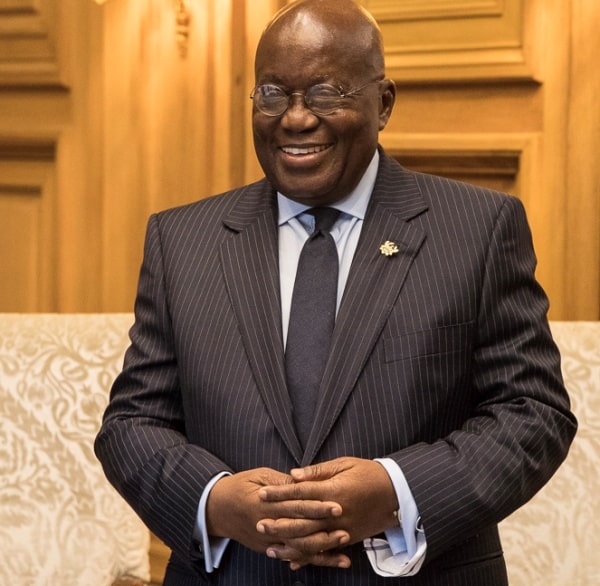
    President Akufo Addo has provided reassurance that the IMF extended credit facility program with Ghana will not impact the nursing and teacher training allowance.

    In mid-May 2023, the IMF approved a 36-month arrangement worth US$3 billion for Ghana. The initial tranche of US$600 million was disbursed promptly.

    However, the IMF bailout package for Ghana comes with certain conditions aimed at addressing economic challenges, ensuring fiscal discipline, and promoting sustainable economic growth.

    Despite suggestions from some economists to cancel the payment of nursing and teacher trainee allowances for fiscal reasons, Senior Presidential Advisor Yaw Osafo-Maafo, speaking on behalf of President Akufo-Addo, affirmed during the 175th Anniversary and Prize Giving Day of the Presbyterian College of Education that the government had strongly safeguarded the nursing and teacher trainees allowance as a social intervention program during negotiations with the IMF.

    “Teacher trainees present, I know that the difficulty in the economic landscape which has resulted in government’s signing up for a program with International Monitory Fund IMF may cause you some concern. But none of the allowances of the teaching profession will be affected with our program with IMF. There were certain things which are not to be touched and the teacher allowances was on of such protected allowance. The difficulty in prompt payment is coming from our own mobilization of resources and not the IMF once you have it you can be sure that teachers allowances and the rest of it will be honoured appropriately”.

    The president reaffirmed government’s dedication to teacher education and the teaching profession, emphasizing the importance of ensuring quality education.

    He also highlighted the implementation of licensing for teachers as a significant measure taken to restore dignity and enhance professionalism within the teaching profession

    “The introduction of licensing examination for teachers for example was done in the utmost good fate. It is aimed at lifting the image of the profession and avoiding situation where unqualified persons could pose as teachers and in the process bring the profession into disrepute”.

    He added that “it is my expectation that interventions such as the distribution of laptops and payment of continuous professional development allowance to teachers will systematically improve the capacity and morale among the teaching profession and our teachers”.

  • Facility at risk of closure as mentally ill man persistently pursues nurses with cutlass

    Facility at risk of closure as mentally ill man persistently pursues nurses with cutlass

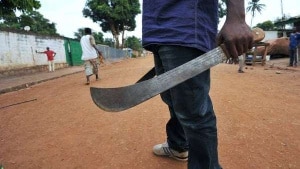
    Nurses at Aburi-Ketase CHPs compound are considering an indefinite strike over an ongoing threat by a mentally ill man armed with a cutlass.

    The mentally ill man alleged to be a relative of the chief of the community has been marauding and made several attempts to harm nurses at the facility.

    Starr News has gathered that three weeks ago, nurses at the Ketase CHPs compound were forced to shut down the facility for a week after the mentally ill man attacked them with cutlass and nearly butchered a nurse on duty.

    The nurses returned after safety assurance by the community, however, the mentally ill man continued with his threats.

    Recently, he invaded the facility brandishing cutlasses and threatened to kill the nurses forcing them to run helter-skelter for safety causing a near stampede.

    “For the past three weeks getting to one month now, our lives have been at stake There is this madman who invades our facility with cutlass threatening to attack us. Three weeks ago he nearly attacked a nurse on duty in the facility with cutlass but he took cover and run to safety. We decided to close down the facility for a week until the community take action to arrest the mentally ill young man and send him to a mental hospital. When we returned, we noticed nothing has been done and he continues with the threat. He has become a threat to us and the community at large,” a nurse told Starr News under condition of anonymity.

    According to the nurses, they have informed the Assembly member and elders of the community, but nothing has been done about it, leaving the mentally ill man to continue with his threats.

    They feel unsafe therefore threatening to close down the CHIPs compound until their safety is guaranteed.

    A meeting was recently convened at the facility participated by nurses, assembly members and opinion leaders on the matter.

    Efforts made to speak to the Assembly member for the Ketase, Emmanuel De-Graft Johnson on the practical steps the community will take to address the safety concerns of the nurse were however unsuccessful.

  • Akufo-Addo urges nurses and midwives to accept postings to deprived areas

    Akufo-Addo urges nurses and midwives to accept postings to deprived areas

    President Akufo-Addo has encouraged nurses and midwives to embrace postings to rural areas, where their valuable services are in high demand.

    He said the refusal of some healthcare professionals to accept postings to some parts of the country was not helpful to efforts at making quality healthcare services accessible to all Ghanaians. 

    The President made the call on Friday at a grand durbar to commemorate the 60th anniversary of the School of Nursing and Midwifery, of the College of Health Sciences of the University of Ghana, Legon. 

    The anniversary is being celebrated under the theme: “Resilience in Developing Nursing and Midwifery Workforce: Embracing Technology and Promoting Excellence.” 

    Underlining the need for the equitable distribution of healthcare professionals across the country, President Akufo-Addo thought it was unfair for health workers to be concentrated in cities and urban areas to the detriment of people in rural settings. 

    He asked nurses and midwives to emulate their forebearers who accepted work in any part of the country even when the national infrastructure was not the best and without the incentive packages being offered presently by the government. 

    “Our schools of Nursing and Midwifery have got a good reputation and have been training good nurses and midwives who easily find work in all parts of the world. 

    “But the nurse-population ratio in our country remains unsatisfactory after 66 years of our nation. We currently do not have the number of healthcare professionals with the right mix of skills and expertise in some of our regions, districts, and deprived communities, especially in the newly created regions and districts. 

    “Nurses refusing postings is particularly distressing. I want to use this platform to encourage all health practitioners to follow the worthy example of your great forebearers who readily accepted postings in their early years when the national infrastructure was even more harrowing than it is. 

    “Therefore, I am appealing to you as passionately as I can to accept postings to all regions and district hospitals where your services are most needed,” he said. 

  • Akufo-Addo urges nurses and midwives to accept postings to deprived areas

    Akufo-Addo urges nurses and midwives to accept postings to deprived areas

    President Akufo-Addo has emphasized the importance of nurses and midwives accepting postings to rural and underserved areas where their services are most needed.

    The President expressed concern that the refusal of some healthcare professionals to accept assignments in certain parts of the country hindered efforts to ensure accessible and high-quality healthcare services for all Ghanaians.

    He made his concerns known during a grand durbar commemorating the 60th anniversary of the School of Nursing and Midwifery at the University of Ghana, Legon,

    Under the theme “Resilience in Developing Nursing and Midwifery Workforce: Embracing Technology and Promoting Excellence,” the anniversary celebration highlighted the need for healthcare professionals to embrace technology and excel in their field.

    President Akufo-Addo stressed the significance of equitably distributing healthcare professionals across the country. He viewed the concentration of health workers in cities and urban areas as unfair to the people residing in rural settings.

    The President called upon nurses and midwives to follow the example of their predecessors who willingly served in any part of the country, even in challenging conditions without the present government’s incentive packages or optimal national infrastructure.

    “Our schools of Nursing and Midwifery have got a good reputation and have been training good nurses and midwives who easily find work in all parts of the world. 

    “But the nurse-population ratio in our country remains unsatisfactory after 66 years of our nation. We currently do not have the number of healthcare professionals with the right mix of skills and expertise in some of our regions, districts, and deprived communities, especially in the newly created regions and districts. 

    “Nurses refusing postings is particularly distressing. I want to use this platform to encourage all health practitioners to follow the worthy example of your great forebearers who readily accepted postings in their early years when the national infrastructure was even more harrowing than it is now. 

    “Therefore, I am appealing to you as passionately as I can to accept postings to all regions and district hospitals where your services are most needed,” he said. 

  • We need verification from Ukrainian medical students before payments can be made – Scholarship Secretariat

    We need verification from Ukrainian medical students before payments can be made – Scholarship Secretariat

    Ghanaian medical students studying in Ukraine must present proof of active enrollment to the Scholarship Secretariat in order to receive payment for their fees, according to the head of international relations for the scholarship secretariat, Richard Gyamfi.

    Some students say they are facing the threat of being expelled as the government has failed to pay their fees since 2021.

    But speaking to the media, Mr Gyamfi said the students have been notified to send proof for payment.

    “We have asked the students to provide documents that can provide proof that they are students and still in education because when we compiled the list of beneficiaries, one of their own came to tell us that most of the names on the list are not in school. Some decided to go to Germany while others went to Hungary, so we said instead of making a blanket payment, they should prove to us that they are still in school because the scholarships are renewed yearly.”

    The students however insist that the needed information has been submitted but ignored by the Secretariat.

    A spokesperson for the aggrieved students said many of their letters to both the Secretariat and the Ghanaian Embassy have gone without any response.

    “I have personally sent an email to him [Head of International Relations for the Scholarship Secretariat] and he replied and told me that I should never send an email to him again because he is not responsible for the students.

    “I pleaded with him and told him that my situation is critical and it is true that it is not all the 25 of us that are still studying in Ukraine but those that are in a critical situation and they asked that we provide evidence that we were still studying in Ukraine, we did that but those that they have paid are only people who are politically linked.


  • Danger looms as nurses leave Ghana for UK’s NHS

    Danger looms as nurses leave Ghana for UK’s NHS

    The head of a major nursing organization has expressed concern about the recruitment of nurses from poorer nations by high-income countries.

    The comments come as the BBC finds evidence of how Ghana’s health system is struggling due to the “brain drain”.

    Many specialist nurses have left the West African country for better-paid jobs overseas.

    In 2022 more than 1,200 Ghanaian nurses joined the UK’s nursing register.

    This comes as the National Health Service (NHS) increasingly relies on staff from non-EU countries to fill vacancies.

    Although the UK says active recruitment in Ghana is not allowed, social media means nurses can easily see the vacancies available in NHS trusts. They can then apply for those jobs directly. Ghana’s dire economic situation acts as a big push factor.

    Howard Catton from the International Council of Nurses (ICN) is concerned about the scale of the numbers leaving countries like Ghana.

    “My sense is that the situation currently is out of control,” he told the BBC.

    “We have intense recruitment taking place mainly driven by six or seven high-income countries but with recruitment from countries which are some of the weakest and most vulnerable which can ill-afford to lose their nurses.”

    The head of nursing at Greater Accra Regional Hospital, Gifty Aryee, told the BBC her Intensive Care Unit alone had lost 20 nurses to the UK and US in the last six months – with grave implications.

    “Care is affected as we are not able to take any more patients. There are delays, and it costs more in mortality – patients die,” she said.

    She added that seriously ill patients often had to be held for longer in the emergency department due to the nursing shortages.

    One nurse in the hospital estimated that half of those she had graduated with had left the country – and she wanted to join them.

    ‘All our experienced nurses gone’

    The BBC found a similar situation at Cape Coast Municipal Hospital.

    The hospital’s deputy head of nursing services, Caroline Agbodza, said she had seen 22 nurses leave for the UK in the last year.

    “All our critical care nurses, our experienced nurses, have gone. So we end up having nothing – no experienced staff to work with. Even if the government recruits, we have to go through the pain of training nurses again.”

    Smaller clinics are also affected by staff migration because even one nurse leaving a small health centre can have a large knock-on effect.

    At Ewim Health Clinic in Cape Coast, one nurse has left their small emergency department and another has left the outpatient unit. Both nurses were experienced and had found jobs in the UK.

    The chief doctor there, Dr Justice Arthur, said the effects were enormous.

    “Let’s take services like immunisation of children. If we lose public health nurses, then the babies that have to be immunised will not get their immunisation, and we are going to have babies die,” he told the BBC.

    He said adult patients would also die if there were not enough nurses to look after them after surgery.

    Most of the nurses that the BBC team spoke to wanted to leave Ghana due to the fact they could earn more elsewhere.

    At Kwaso healthcare centre near the city of Kumasi, Mercy Asare Afriyie explained that she was hoping to find a job in the UK soon.

    “The exodus of nurses is not going to stop because of our poor conditions of service. Our salary is nothing to write home about and in two weeks you spend it. It’s from hand to mouth.”

    Ghanaian nurses told the BBC that in the UK they could get more than seven times what they are receiving in Ghana.

    Perpetual Ofori-Ampofo from Ghana’s Nurses and Midwives Association said her country’s healthcare system needed more help.

    “If you look at the numbers, then it is not ethical for the UK to recruit from Ghana because the number of professional nurses compared to trainee or auxiliary nurses is a problem for us,” she said.

    But she added that it was not possible to stop nurses from leaving as migration was a right and that the Ghanaian government needed to do more to persuade them to stay. The health ministry in the capital, Accra, declined to comment.

    Fewer nurses in Ghana means that critical care for patients there is being affected, medics say

    Ghana is on the World Health Organization’s list of 55 vulnerable countries, which have low numbers of nurses per head of population. The list – dubbed by some as the “red list” – is designed to discourage systematic recruitment in these countries.

    The UK government recently gave £15m ($18.6m) to Ghana, Nigeria and Kenya to help boost their healthcare workforces.

    But the country is known to be looking at brokering a formal deal with Ghana whereby it might be able to recruit more proactively in return for giving the government there a sum of money per nurse.

    It already has a similar agreement with Nepal.

    But the ICN’s Mr Catton questioned whether it was enough.

    He told the BBC that he believed such deals were “trying to create a veneer of ethical respectability rather than a proper reflection of the true costs to the countries which are losing their nurses”.

    The WHO’s Director of Health Workforce, Jim Campbell, explained to the BBC that Brexit had been a factor in the UK turning to African countries for nurses to fill NHS vacancies.

    “The labour market is extremely competitive around the world and, having closed off the potential labour market from European freedom of movement, what we’re seeing is the consequences of that in terms of attracting people from the Commonwealth and other jurisdictions.”

  • NSS releases PIN codes for nursing trainees

    NSS releases PIN codes for nursing trainees

    The National Service Scheme (NSS) has announced that the Personal Identification Number (PIN) codes for nursing trainees who will be performing their one-year mandated national service in the next service year 2023/2024 have been released.

    These 12,594 Ghanaian final-year nursing trainees, hailing from 107 accredited Nursing Training Institutions across the country, have fulfilled the criteria set by the Nurses and Midwives Council, Ghana Health Service, and Ministry of Health, thus making them eligible for deployment during their national service.

    In a press release issued in Accra and signed by Mr. Ambrose Entsiwah Jnr, the Acting Director of Corporate Affairs of the National Service Scheme, eligible nursing trainees were urged to visit the NSS website (www.nss.gov.gh) and navigate to the “Applications” menu. 

    By using their assigned Students’ ID or Index Numbers from their institutions, they could acquire their unique NSS enrollment PIN Codes. Subsequently, they were required to make a payment of GHC40.00 at any branch of ADB Bank Ltd. or GHC41.00 through the MTN MoMo platform to activate the enrollment process.

    The statement emphasized the importance for nursing trainees to personally complete the enrollment process in order to avoid any minor mistakes that might impact their subsequent deployment. 

    To ensure inclusion in this year’s postings, all eligible nursing trainees were advised to complete the enrollment process before the deadline of Friday, June 9, 2023.

    It is expected that this initiative by the NSS will facilitate the smooth enrollment and deployment of qualified nursing trainees, enabling them to contribute to national service within the healthcare sector.

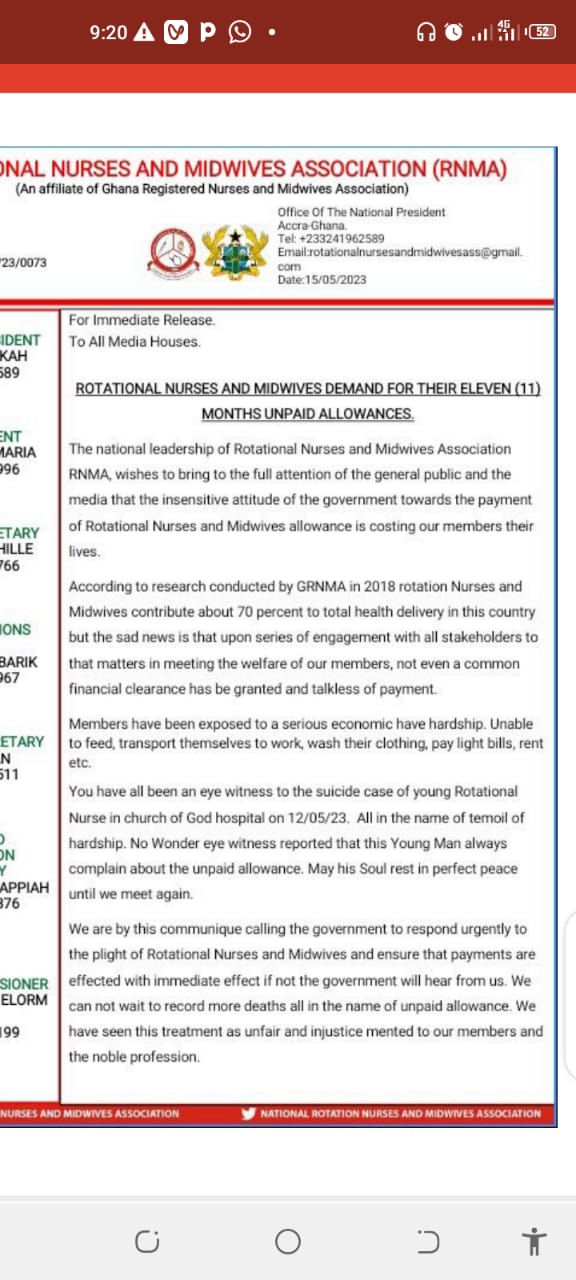
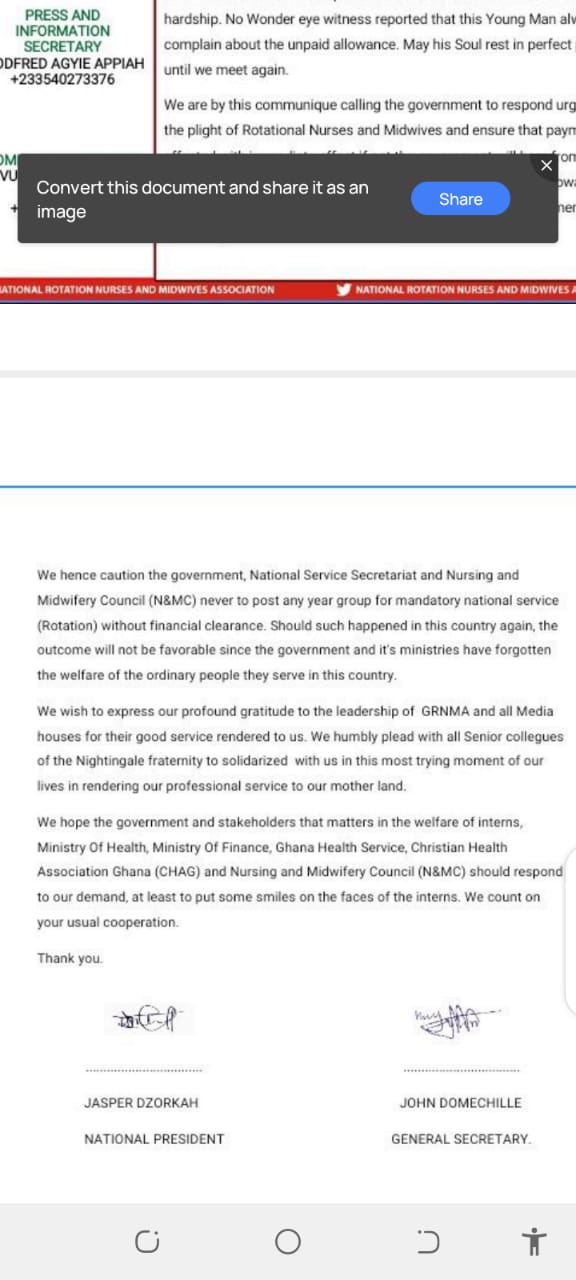
  • Pay us or face our wrath – Rotational nurses to govt

    Pay us or face our wrath – Rotational nurses to govt

    The Rotational Nurses and Midwives Association has asked the government to pay allowances due them or face their wrath.

    The group says the failure of the government to pay their allowances is causing severe hardship for its members.

    According to the group, the hardship has led to the demise of one of its members Paul Dodzi.

    The deceased Rotational Nurse is reported to have allegedly taken his own life at Asankragua in the Western Region because of hardship.

    According to the association, its members are yet to receive their allowances since they began serving in July 2022, after being posted by the National Service Secretariat (NSS) in June 2022.

    In a statement, the group called on the government to immediately pay the rotational nurses their due allowances or face their wrath.

  • UK Nurses’ make “u-turn” on decision to hold out for double-digit pay rise – Cabinet minister laments

    UK Nurses’ make “u-turn” on decision to hold out for double-digit pay rise – Cabinet minister laments

    Despite previously advising a lower offer, the head of the UK nursing union wants to resume negotiations in pursuit of a double-digit salary increase.

    Pat Cullen, the general secretary of the Royal College of Nursing (RCN), had advised members to accept an offer of 5%, but they voted to reject it.

    Speaking to the international media, Sophy Ridge On Sunday programme, cabinet minister Grant Shapps said: “I find this a very curious story indeed because Pat Cullen just recently was encouraging her members to settle for the pay rise that was put on the table.

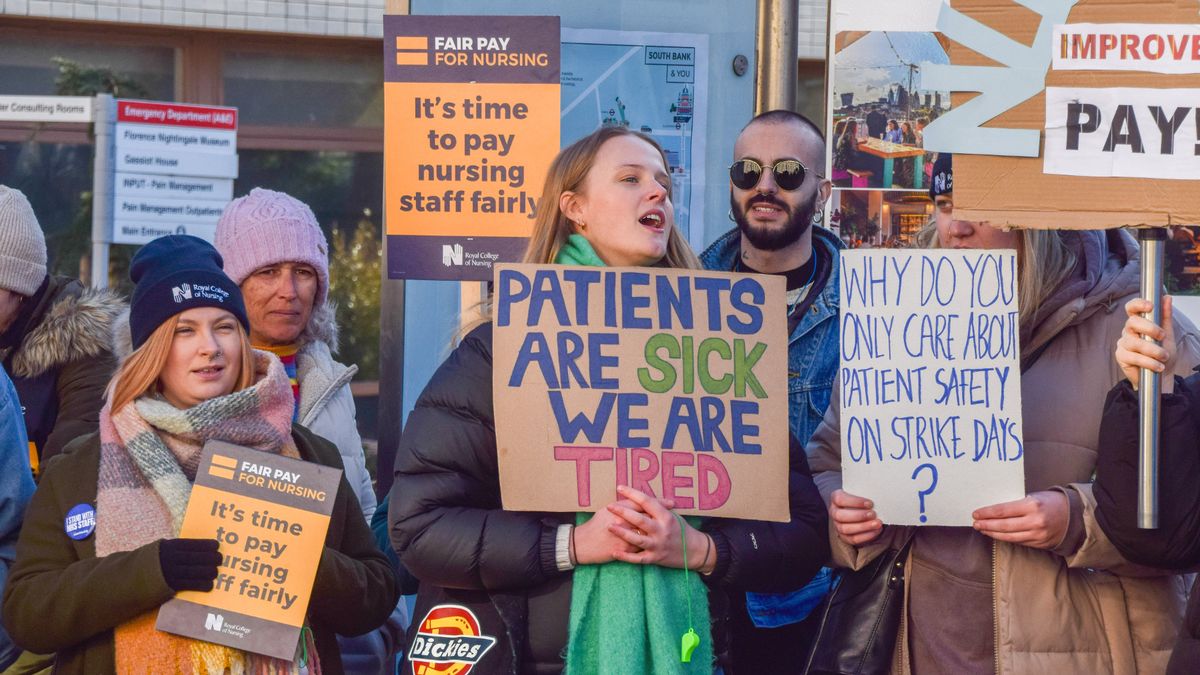
    Nurses on strike outside of St Thomas' Hospital in London in April
    Image: Nurses on strike outside St Thomas’ Hospital in London in April

    “I thought this was a great settlement.

    “It’s frankly rather confusing having encouraged her members to accept that deal, she seems to now be coming back and saying the opposite.

    “You have got to balance that with the rest of the public purse.”

    RCN members will be balloted again for strike action on 23 May after the existing six-month mandate ran out at the start of the month.

    Ms Cullen described striking as one of the “hardest decisions”, and told The Sunday Times that fresh negotiations were needed to prevent six more months of action.

    “They [ministers] owe that to nursing staff not to push them to have to do another six months of industrial action right up to Christmas,” she said ahead of Sunday’s RCN congress in Brighton, telling Health Secretary Steve Barclay talks needed to “start off in double figures”.

    “It’s just not right for the profession,” she said.

    “It’s not right for patients. But whose responsibility is it to resolve it? It is this government.”

    The nurses’ strikes: A timeline

    25 November 2022 -The Royal College of Nursing announces it will hold strike action for the first time since its creation more than a century ago in a dispute over pay and working conditions.

    15 December – Nurses hold their biggest nationwide strike in history with a 12-hour walkout, leading to thousands of appointments, procedures and surgeries being cancelled.

    18 and 19 January – Thousands of nurses hold a further strike over two days

    21 January – The head of NHS England warns repeated walkouts by health staff are making workloads ‘more challenging’.

    2 February – A petition signed by 100,000 people is delivered to Downing Street demanding fair pay for nursing.

    6 February – Tens of thousands of nurses and ambulance staff walkout together in the biggest strike in NHS history.

    21 February – Nurses agree to pause a major 48-hour strike planned on 1 March for pay talks.

    16 March – Unions, including the RCN, suspend further strikes and recommend a new pay offer involving a 5% pay rise for staff this year and a cash sum for last year.

    20 March – NHS strikes in Scotland are called off after unions representing midwives and nurses voted to accept the Scottish government’s pay offer.

    28 March – Up to 280,000 RCN members vote on whether to accept the government’s pay offer.

    14 April – RCN members reject the deal and announce a 48-hour walkout on 30 April.

    16 April – RCN leader Pat Cullen warns nurses could strike until Christmas and calls for the government to improve its pay offer.

    21 April – The government takes legal action over the planned bank holiday walkout as the strike mandate runs out during the action on 1 May.

    27 April – Strike action planned by the RCN on 2 May is called off after a judge ruled it would be unlawful.

    29 April – The RCN agrees to supply some staff during the curtailed strike following patient safety concerns.

    30 April – Nurses stage 28-hour strike.

    2 May – Most health unions back the new pay deal, although both the RCN and Unite vote against it. The RCN says it will ballot members on further strikes between June and December.

    9 May – It is announced nurses will vote between 23 May and 23 June on whether to stage more walkouts.

    10 May – Nurses in Wales vote to strike again this summer after rejecting the Welsh government’s latest pay offer.

    14 May – Ms Cullen calls for Health Secretary Steve Barclay to restart pay talks with a proposed rise in double digits – a move described as “curious and confusing” by cabinet minister Grant Shapps given she had recommended the previous offer to her members.

    An RCN spokesperson said: “The negotiations covered two financial years which resulted in a consolidated NHS pay increase of 9%. When our members rejected that, it is clear they expect an offer into double figures.”

    Fourteen other unions have accepted the government’s 5% offer, including Unison, the NHS’s biggest union. Others like Unite continue to seek a better offer.

    Please use Chrome browser for a more accessible video playerEarlier this month: Nurse strikes could go ‘right up to Christmas’

    A health department source added: “It is strange how quickly the RCN leader has changed her tune from recommending this pay deal, which she now refers to as an insult to nurses.”

    The comments come after Ms Cullen told The Sunday Times: “It’s not so long ago since the prime minister went on the media and very publicly said nurses are an exception,” she said when asked why nurses warrant a larger increase than other healthcare workers.

    “I would totally agree with him… they should be made an exception because they are exceptional people.”

    The mental health nurse, 58, from Co Tyrone, said patient safety was “at the centre of everything that we do”.

    “We will do nothing that will add further risk to the patients that we look after,” she said, saying increased pay would see nurses return to the profession and ease a staffing crisis.

    “The truth is that patient safety cannot be guaranteed on any day of the week. How could you guarantee patient safety when you have 47,000 nurses from your workforce every single day and night?”

    She also warned Prime Minister Rishi Sunak not to take her members lightly.

    “Looking back on this pay offer, I may personally have underestimated the members and their sheer determination,” she said.

    “I think what I would be saying to the prime minister, Rishi Sunak, is ‘Don’t – don’t make that same mistake, don’t underestimate them’.

    “Nurses believe it’s their duty and their responsibility because this government is not listening to them on how to bring it [the NHS] back from the brink and the message to the prime minister is that they are absolutely not going to blink first in these negotiations.”

  • Ghana’s neonatal, maternal mortalities drop – GHS

    Ghana’s neonatal, maternal mortalities drop – GHS

    The Director-General of the Ghana Health Service (GHS), Dr Patrick Kuma-Aboagye, has announced that the country’s neonatal and institutional maternal mortality rates have seen a decrease.

    He explained that while the former decreased from 7.1 per 10,000 births to 6.5 per 10,000 births last year, institutional maternal mortality ratio (IMMR), also reduced marginally from 111 per 100,000 live births to 102 per 100,000 over the period.

    According to him, although the figures seemed marginal, they were remarkable gains.

    He, therefore, commended midwives and other health personnel for their tireless efforts in achieving this feat, adding that there had also been significant improvement in maternal and newborn health outcomes over the last decade.

    The Director-General was addressing delegates at the 32nd International Day of the Midwife in Cape Coast in the Central Region, on the theme: “Together again, from evidence to reality.”

    Awards were also given to 22 midwives, one each from the 16 regions and five from Teaching Hospitals in the country for their dedication to duty.

    Dr Kuma-Aboagye further disclosed that total maternal deaths decreased by some 70 maternal lives saved, moving from 875 deaths in 2021 to 805 deaths at the close of 2022.

    He added that the midwife to women in fertility age (WIFA) ratio had also been improving, moving from one midwife to 720 women in fertility age in 2017, to one midwife to 387 women in fertility age in 2021.

    According to Dr Kuma-Aboagye, haemoglobin checks at registration and the incidence of anaemia in late pregnancy (36 weeks) had also been on a decline over the past couple of years, while skilled delivery coverage and antenatal care (ANC) clients making fourth visits had been on an increasing trajectory over the years.

    He said the absolute number of midwives in the country had now surpassed the World Health Organisation’s standard of six to seven midwives per 1,000 institutional deliveries by almost two folds.

    The nation currently has 13 midwives per 1,000 institutional deliveries.
    Restructuring

    Dr Kuma-Aboagye, however, said that there was an urgent need to restructure the health system to promote midwifery leadership at all levels.

    “We, as a matter of urgency, need to restructure our health system to promote midwifery leadership at all levels, embrace midwifery innovation, encourage evidence-based practice and institute the character of empathy in our midwives, allowing for the practice to be guided by the sensitivities of our clients.

    “Midwives continue to work under harsh conditions, oftentimes at the peril of their own progress and cost to their families.

    “If we intend to attain the maternal and newborn health outcomes we desire, we would need to come together once more and move from the glaring evidence that midwives indeed save lives to addressing the challenges that confront midwives in reality,” he said.

    A deputy Minister of Health, Tina Mensah, commended the midwives for working to save lives and supporting policies aimed at enhancing health service delivery despite their challenges.
    Condition of service

    The President of the Ghana Registered Midwives Association, Netta Forson Ackon, called for better conditions of service to empower members to give of their best.

    The UNFPA Country Representative, Dr David Wilfred Ochan, described midwives as frontline heroes and urged stakeholder agencies to work to scale up best practices to help achieve zero preventable deaths.

  • England: Nurses prepare for strike, Hospitals prepare for “exceptionally low” staff turnouts

    In order to “maintain safe patient care,” the Royal College of Nursing union and NHS England have agreed that nurses may provide “safety critical mitigations” in certain crises.

    Hospitals are bracing themselves for “exceptionally low” staff numbers in some regions as nurses prepare to go on strike over the bank holiday weekend, NHS England has warned.

    The latest walkout comes as the health service warns that, due to nearly six months of strike action, the number of rescheduled appointments is set to hit half a million next week.

    The bank holiday strike by members of the Royal College of Nursing union will take place from 8pm on Sunday to 11.59pm on Monday.

    It will be the latest action by nurses in a long-running dispute over pay and conditions.

    Nurses make up a quarter of NHS staff and are the biggest proportion of the health service workforce. They are seeking a pay rise that is 5% above inflation.

    The RCN says nurses’ salaries have consistently fallen below inflation – with the consequences now worsened by the cost of living crisis.

    During the strike action, the union said it will not agree to derogations (areas of care where unions agree to provide staffing during industrial action), meaning nurses in intensive care, A&E and cancer care will be on the picket line.

    However, in a new development, the RCN has agreed with NHS England that nurses may offer “safety critical mitigations” in some emergencies to “maintain safe patient care”.

    NHS England said the health service and RCN “are seeking to agree mitigations on an organisation by organisation basis if there is a critical risk to patient safety”.

    Advertisement

    But it warned that staffing levels for some areas of the country will be “exceptionally low, lower than on previous strike days”.

    Meanwhile, Great Ormond Street Hospital’s chief executive Mat Shaw has said he is “incredibly grateful” to staff and the RCN for “granting safety exemptions” during the strike.

    The world-renowned children’s hospital had earlier declared a business continuity incident due to “serious concerns over safely staffing the hospital” throughout the walkout.

    It said on its website some children may need to be sent home in order to care for those who remain to be safe.

    Original strike plan deemed unlawful

    Nurses are set to strike this weekend after a High Court judge ruled on Thursday it would be unlawful for the strike to continue into Tuesday as originally planned.

    Health Secretary Steve Barclay secured the court’s interim declaration after bringing legal action against part of the trade union’s proposed walkout.

    Meanwhile, NHS England is urging the public to use the health service wisely as hospitals prepare to cope with the bank holiday weekend.

    It said emergency and urgent care would remain the priority, with people asked to use other services such as pharmacies and 111 where possible.

    Unions encouraged to accept pay offer

    The latest action comes as health unions are split over whether to accept a 5% pay offer from the government.

    The NHS Staff Council – made up of health unions, employers and government representatives – is meeting on Tuesday to discuss the offer.

    Matthew Taylor, chief executive of the NHS Confederation which represents organisations that commission and provide services for the health service, told Sky News: “There is a danger, there is a concern that unions who haven’t accepted the deal might split off.

    “We would very much encourage them not to do so. I think it’s extremely important for NHS staff to stick together.”

    He continued: “We hope that if the staff council accepts this (pay offer), then all the unions will accept it.

    “But I think it’s really important to say that that doesn’t mean that we as leaders of the health service don’t recognise the real concerns amongst staff that their pay has fallen.

    “I talk to NHS all the time and many of them say to me they’ve never known at a time when they’re more concerned about staff morale, we see it’s very hard to retain staff in the health service.

    “We recruit staff reasonably well, but too many of them leave because they find the pressures of the job very difficult. So the issues that lie behind the strike, issues of recruitment, of retention, of motivation, they will continue to be there and we need to address those questions.”

  • FDA cautions Ghanaians against unregistered oxytocin on market

    FDA cautions Ghanaians against unregistered oxytocin on market

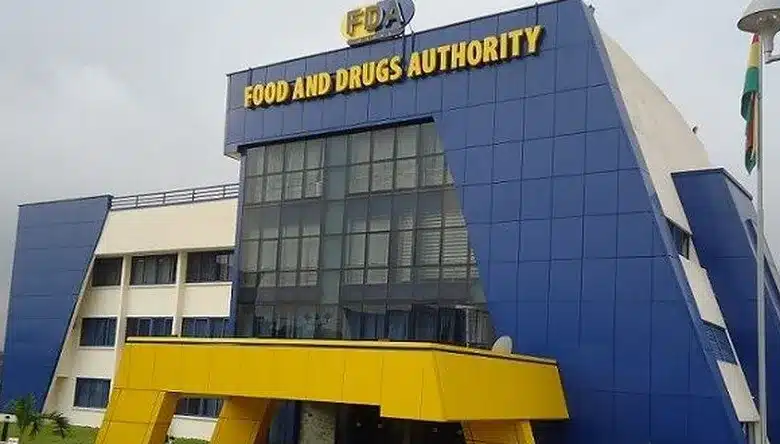
    Unregistered oxytocin is being sold on the Ghanaian market, this according to the Food and Drugs Authority (FDA).

    In a statement issued on Friday (21 April 2023), the FDA said “the pharmaceutical products are not registered with the FDA and therefore their quality, safety and efficacy cannot be ascertained”.

    “The FDA is therefore informing all health facilities and medical stores of the above-mentioned products to stop using them immediately and return them to the nearest FDA offices throughout the country. Meanwhile, the FDA is liaising with importers to ensure that the market is rid of these unregistered pharmaceutical products,” the statement said.

    “In this regard, the Authority is taking the necessary regulatory actions to prevent any such future occurrence,” the statement added.

    However, the FDA has assured the public that it is taking all the necessary precautions to ensure that medical products on the Ghanaian market are safe, efficacious and of the right quality.

  • We will be naming health facilities providing fake medications soon – Health Minister

    We will be naming health facilities providing fake medications soon – Health Minister

    Health Minister, Kwaku Agyeman Manu has revealed that some public health facilities in the nation are giving patients fraudulent pharmaceuticals, a phenomenon he called a threat to both the provision of medical care and human life.

    The Health minister made this unfortunate disclosure in Kumasi when he addressed stakeholders in the health sector during the First Senior Managers Meeting of the Ghana Health Service.

    The event brought together health partners, traditional leaders, and private investors in the health sector, representatives from the World Health Organization (WHO)among other stakeholders.

    The four day conference which started on the 18th April 2023 will be used to review the major issues affecting quality health care delivery and prescribed implementable solutions policy for the sector.

    Speaking on the theme “Enhancing Primary Healthcare Approaches Towards Achieving Universal Health Coverage”, Health Minister Agyeman Manu tasked stakeholders in the sector to ensure excellence in healthcare delivery across the country.

    He appealed to health workers to help fight the problem of administering fake drugs to avoid sending patients to their early grave.

    He questioned the justification behind the use of unapproved medicine otherwise known as ‘fake medicine’ in treating patients in health facilities.

    “I have a note on my desk from the FDA over fake medication falsified drugs usage in public health facilities and the very common one is oxytocin and I believe all of you here will know that Oxytocin dose. We are talking about maternal mortalities, and that is one drug I understand will help stop what happens after delivery. The FDA has put together the list and is seeking my approval to name and shame. So some of us are going to see ourselves in the public domain for using fake drugs. This is not the first time, about three years ago they did the same thing and reported. So what is the motivation to take in fake drugs in our own facilities not all but the FDA woman want to name and shame some of us and should that happen invariably it goes to actually distort what we are fighting for better educators with maternal health and mortalities so how are we going to solve this problem ?’’ he asked.

    MEDICAL NEGLIGENCE AND WRONG MEDICAL PRESCRIPTION

    The minister also disclosed that the Health Ministry is overwhelmed with legal cases over its staff negligence and wrong medication prescription on duty.

    He admitted before he took over six years ago the situation wasn’t that bad like today and questioned whether the health practitioners have forgotten what they were taught in health training institutions to warrant these unfortunate developments.

    “What I’m seeing of late in the ministry are issues of litigation for the past four weeks or so. Almost every week we get at least one letter from the attorney general’s office that somebody has sued our staff with a problem of health care service delivery and they want us to come with information for them to go to court with. Then we refer to the Director General Dr. Kumah Aboagye but I have been with you for the past six years. Earlier when I came in those things were not happening that much but now it has become something very common. So what is it, deliberate efforts to try and go to court, get somebody to take us to court or you have forgotten why you were trained to do in more efficient manner negligence or what is happening but since you are the senior managers of what we do in health I throw this challenge on you and your strategic meetings to discuss how this problem can be resolved” he stressed.

  • Nursing union announces fresh strikes as members reject pay offer

    Nursing union announces fresh strikes as members reject pay offer

    A ballot of nurses who are members of the Royal College of Nursing closed at 9am this morning.

    Now, the result of the vote has been announced.

    It has been confirmed that RCN members have voted to reject the government’s pay offer, and a fresh wave of strikes has been announced.

    It comes despite union leaders recommending that members voted to accept it.

    A total of 54% of RCN members who voted chose to reject the offer, while 46% voted to accept it.

    Turnout in the ballot was 61% of eligible members.

    The development will come as a blow to the government, which will have hoped a settlement with nurses would have paved the way for breakthroughs in other sectors gripped by industrial action.

    Instead, the RCN has announced a 48-hour strike from 8pm on 30 April to 8pm on 2 May.

    For the first time, the strike will involve NHS staff previously exempt, including nursing staff working in emergency departments, intensive care units, cancer care, and more.

    This wave of action is within the RCN’s current mandate to strike, which expires in early May.

    However, the union has confirmed it will be re-balloting members to extend the scope and duration of the mandate.

    There is now the prospect of a summer of widespread strikes after teachers also voted to reject the government’s offer and junior doctors continue to strike in an increasingly bitter struggle over pay.

    In a letter to health secretary Steve Barclay, RCN general secretary and chief executive Pat Cullen said: “Until there is a significantly improved offer, we are forced back to the picket line.

    “Meetings alone are not sufficient to prevent strike action, and I will require an improved offer as soon as possible.”

    The pay deal rejected by RCN members would have seen nurses and paramedics awarded a one-off payment of 2% of their salary, plus a COVID recovery bonus of 4% for the current financial year and 5% for the year after.

    Steve Barclay, the health secretary, previously explained that, under the offer, a newly qualified nurse would have received more than £1,800 this year on top of a pay rise of more than £1,300 next year.

    Although the RCN rejection is a blow to the government, it does not necessarily mean the pay deal is finished.

    As we reported earlier (see 09.50 post), the pay offer covers other NHS workers represented by other unions.

    UNISON workers have voted to accept the result, and other unions are still balloting members.

    Those results have yet to come in, but it could be that complicated negotiations between multiple unions will have to take place to agree a collective position.

  • Health Ministry directs staff not to use elevator on Tuesdays and Thursdays

    Health Ministry directs staff not to use elevator on Tuesdays and Thursdays

    The Ministry of Health has instructed its employees not to use the company’s elevator on Tuesdays and Thursdays.

    The Ministry directed its staff not to access the lift on Tuesdays and Thursdays.

    The directive, the Ministry explained amongst others was necessitated by the government’s debt restructuring and huge amount of money used in maintaining the elevators.

    In a memorandum to the staff sighted by citinewsroom.com, the management said, “As you are aware, the country is going through some Economic Restructuring. This situation has impacted on Government’s financial releases to all Public Sector Institutions. Management has also noticed the huge amount of funds expended on maintaining the Ministry’s facilities including the elevators”.

    The Health Ministry entreated its staff to support the initiative by complying with the directive.

    “Consequently, Management and all staff members are encouraged to support this initiative by complying with the directive. Counting on your usual cooperation,” the Ministry added in the memorandum signed by its Director, General Administration, Frank Raji.

  • Why stay to earn GHC1800 as salary – Midwives explain why they keep leaving Ghana

    Why stay to earn GHC1800 as salary – Midwives explain why they keep leaving Ghana

    The Greater Accra Regional Chairperson for Registered Midwives, Madam Leticia Asaba Atia, has explained why most Ghanaian nurses are fleeing the country to seek greener pastures elsewhere.

    She lamented the poor remuneration Ghanaian midwives and nurses receive for their work.

    She stated that despite the restrictions imposed by the United Kingdom on Ghana, midwives and nurses are needed in the UK and will continue to travel abroad in search of better opportunities.

    She revealed on Rainbow Radio 87.5Fm’s Frontline that no midwife plans to travel abroad, but the poor working conditions here are a factor.

    “If they give us better working conditions, we will stay and work in Ghana. But if the situation does not improve, we will continue to travel abroad in search of better opportunities.”

    She added that “sometimes it is not just about the money but where you work. Some facilities lack basic medical equipment, and that is making the delivery of quality healthcare difficult”.

    “So, if I get an opportunity to work as a baby nurse in the UK to take more than what I take in Ghana as a midwife, why won’t I go there?”

    “The conditions of service are not good. If the conditions of service are good, our nurses and midwives will not go.”

    When asked if midwives were leaving Ghana, she answered in the affirmative.

    In terms of the salary, she said they receive below GHC 2,000 and those who receive more than GHC 2,000 don’t get up to GHC 3,000.

    “A midwife earns between GHC 1,500 and GHC 1,800 per month. It does not reach GHC 2,000. As a result, some are working in both public and private hospitals to make ends meet. I had the opportunity to travel abroad but turned it down due to my age. If I had been younger, I would have gone abroad in search of better opportunities.”

  • The knowledgeable, skilled nurses in Ghana are those leaving to other countries  – GRNMA

    The knowledgeable, skilled nurses in Ghana are those leaving to other countries – GRNMA

    According to David Tenkorang, general secretary of the Ghana Registered Nurses and Midwives Association (GRNMA), the senior health professionals leaving to other countries are the experienced and competent ones.

    He said if this situation is not attended to immediately, it will have a dire impact on healthcare delivery in Ghana.

    Mr Tenkorang identified what is causing the brain drain among health workers after indicating that the salaries of nurses and midwives are not the best.

    Also, he said, the general condition of service for health workers is poor.

    He was commenting on the red listing of Ghana by the World Health Organisation (WHO) and the United Kingdom (UK).

    Ghana was included on a list of 54 countries that should not be targeted for recruitment by health and social care employers in the UK due to a UHC Service Coverage Index lower than 50 and a density of doctors, nurses, and midwives below the global median.

    Mr Tenkorang told Martin Asiedu Darteh on the Midday Live on TV3 Wednesday, April 12 that “it is quite a disturbing issue because it is going to negatively impact the healthcare delivery in Ghana.

    “The government has set out to build Agenda 111 and all these hospitals will have to be populated by nurses and midwives. If we don’t take in drastic actions to stop the situation, it will certainly adversely impact healthcare delivery.”

    He added: “As far as 2020, we saw this coming even before Covid reared its ugly head because some of the Scandinavian and European countries have had their nurses move out of UK and therefore we have a certain kind of attrition. The salaries of midwives and nurses in Ghana is nothing to write home about.”

    “We need our skilled manpower to take care of the good people of this country. Those who are leaving are not the ones who just completed school, they are the experienced ones, those who have ten years to go on retirement, those who have fifteen years.

    “So there is going to be a vacuum because these are the very experienced, competent nurses and midwives who should mentor the newly recruited. If we allow them to leave the way they are leaving, then we will have problems.”

  • Why UK can no longer ‘recruit’ health workers from Ghana

    Why UK can no longer ‘recruit’ health workers from Ghana

    Bright Simons, the vice president of IMANI Africa, has provided some clarification about claims that the government of the United Kingdom (UK) has prohibited the hiring of health professionals from Ghana and 53 other nations.

    Simons claims that contrary to popular belief, Ghanaian healthcare professionals are still permitted to come to the UK, but that active recruitment from Ghana and the other countries on the list has been suspended by local recruitment firms.

    The UK government red-listed recruitment from the 54 countries, according to the IMANI vice president, in a series of tweets sent out on April 10, 2023, because the World Health Organization (WHO) has been requiring it to do so since 2020.

    He added that the WHO had placed Ghana on its safeguard list to prevent the requirement of health professions from the country because they are needed locally.

    “Reports that the UK has now placed Ghana & Nigeria on a ‘red list’ of countries from which nurses, doctors & care workers cannot migrate to the UK to work is NOT correct. Rather, Ghana & Nigeria have been on a WHO Safeguard List barring ‘active recruitment’ since 2020.

    “The List, based on WHO’s 2010 Global Code of Practice, is voluntary. The UK has been lax in enforcement despite domesticating the code. WHO reaffirmed the list in Jan 2023 & pressure from UK health unions increased on the UK to comply & stop recruiting from Red List countries.

    “The List, based on WHO’s 2010 Global Code of Practice, is voluntary. The UK has been lax in enforcement despite domesticating the code. WHO reaffirmed the list in Jan 2023 & pressure from UK health unions increased on the UK to comply & stop recruiting from Red List countries.

    “Red List Health Workers themselves are not barred from migrating. But their “active recruitment” is barred. What this means is that employment agencies must not seek to attract health workers from such countries. The issue is that many intending migrants rely on such agencies,” parts of the tweets he shared read.

    In a statement, the National Health Service (NHS) of the UK stated that the listed nations have a UHC Service Coverage Index below 50 and a doctor, nurse, and midwives density below the worldwide median (48.6 per 10,000 population).

    The list doesn’t stop specific health and social care workers from applying on their own initiative and without being targeted by a third party, like a recruitment agency or employer, to health and social care employers for employment in the UK. This is known as a direct application.

    The countries placed on the red list of ‘No active recruitment’ under the code are Afghanistan, Angola, Bangladesh, Benin, Burkina Faso, Burundi, Cameroon, Central African Republic, Chad, Comoros, Congo, Democratic Republic of Congo, Côte d’Ivoire, Djibouti, Equatorial Guinea, Eritrea, Ethiopia, Gabon, The Gambia, Ghana, Guinea, Guinea-Bissau, Haiti, Kiribati, Lao People’s Democratic Republic, Lesotho, Liberia.

    The rest are Madagascar, Malawi, Mali, Mauritania, Federated States of Micronesia, Mozambique, Niger, Nigeria, Pakistan, Papua New Guinea, Rwanda, Samoa, Senegal, Sierra Leone, Solomon Islands, Somalia, South Sudan, Sudan, United Republic of Tanzania, Timor-Leste, Togo, Tuvalu, Uganda, Vanuatu, Republic of Yemen, Zambia, and Zimbabwe.

  • UK places embargo on recruitment of Ghanaian doctors, nurses, others

    UK places embargo on recruitment of Ghanaian doctors, nurses, others

    The United Kingdom has included Ghana, Nigeria, Angola, and Cameroon among 54 countries that should not be actively targeted for recruitment by health and social care employers. 

    This announcement was made by the UK government in its revised code of practice for international recruitment of health and social care personnel in England, which was published on the NHS Employers website. 

    The code states that some developing countries, such as Ghana, should not be targeted when actively recruiting health or care professionals. 

    The countries placed on the red list of ‘No active recruitment’ under the code are Afghanistan, Angola, Bangladesh, Benin, Burkina Faso, Burundi, Cameroon, Central African Republic, Chad, Comoros, Congo, Democratic Republic of Congo, Côte d’Ivoire, Djibouti, Equatorial Guinea, Eritrea, Ethiopia, Gabon, The Gambia, Ghana, Guinea, Guinea-Bissau, Haiti, Kiribati, Lao People’s Democratic Republic, Lesotho, Liberia.

    Other countries are Madagascar, Malawi, Mali, Mauritania, Federated States of Micronesia, Mozambique, Niger, Nigeria, Pakistan, Papua New Guinea, Rwanda, Samoa, Senegal, Sierra Leone, Solomon Islands, Somalia, South Sudan, Sudan, United Republic of Tanzania, Timor-Leste, Togo, Tuvalu, Uganda, Vanuatu, Republic of Yemen, Zambia, and Zimbabwe.

    Titled: “Code of Practice red and amber list of countries,” the UK Government said the list is based upon the World Health Organisation Workforce Support and Safeguard List, 2023 and will be updated alongside progress reports on WHO Global Code implementation and reported to the World Health Assembly every three years.

    The countries listed have a UHC Service Coverage Index that is lower than 50 and a density of doctors, nurses and midwives that is below the global median (48.6 per 10,000 population).

    The code applies to the appointment of all international health and social care personnel in the UK, including all permanent, temporary, and locum staff in clinical and non-clinical settings.

    The code stated that being on the list doesn’t prevent individual health and social care personnel from independently applying to health and social care employers for employment in the UK, of their own accord and without being targeted by a third party, such as a recruitment agency or employer (known as a direct application).

    It defined active international recruitment in the code as the process by which UK health and social care employers (including local authorities), contracting bodies, recruitment organisations, agencies, collaborations, and sub-contractors target individuals to market UK employment opportunities, with the intention of recruiting to a role in the UK health or social care sector. It includes both physical or virtual targeting, and whether or not these actions lead to substantive employment.

    This includes but is not limited to allied health professionals, care workers, dentists, doctors, healthcare scientists, medical staff, midwives, nursing staff, residential and domiciliary care workers, social workers, and support staff.

    It will be recalled that in March this year, the WHO included Ghana and 54 other countries on its Health Workforce Support and Safeguards List 2023. 

    The global health body stated that the countries face the most pressing health workforce challenges related to universal health coverage.

    “In particular, these countries have: 1) a density of doctors, nurses and midwives below the global median (i.e., 49 per 10 000 population); and 2) a universal health coverage service coverage index below a certain threshold,” WHO said in the report released March 8.

    “To account for the disruptions caused to health services by the COVID-19 pandemic, and the effects on health worker mobility and migration, the threshold for the universal health coverage service coverage index for the WHO health workforce support and safeguards list 2023 has been increased from 50 (the value used for the 2020 list) to 55.”

    A total of 37 countries were listed under the African Region category, including Angola, Benin, Burkina Faso, Burundi, Cameroon, Central African Republic, Chad, Comoros, Congo, Côte d’Ivoire, Democratic Republic of the Congo, Equatorial Guinea, Eritrea, Ethiopia, and Gabon.

    Others were Gambia, Ghana, Guinea, Guinea-Bissau, Lesotho, Liberia, Madagascar, Malawi, Mali, Mauritania, Mozambique, Niger, Nigeria, Rwanda, Senegal, Sierra Leone, South Sudan, Togo, Uganda, United Republic of Tanzania, Zambia, and Zimbabwe.”

  • Foreign recruitment of medics in Zimbabwe to be made illegal

    Foreign recruitment of medics in Zimbabwe to be made illegal

    Vice-President Constantino Chiwenga has stated that Zimbabwe intends to pass legislation making it illegal for foreign countries to hire its medical professionals.

    The loss of medical specialists, according to Mr. Chiwenga, who is also the minister of health, is comparable to human trafficking.

    He declared that individuals he accused of depriving the country of its human capital would face harsher punishments.

    “If one deliberately recruits and makes the country suffer, that’s a crime against humanity. The people are dying in hospitals because there are no nurses and doctors. That must be taken seriously,” Mr Chiwenga said on Wednesday.

    “Zimbabwe frowns at this heinous crime which is also a grave violation of human rights,” he added.

    Local media say more than 4,000 nurses and doctors have left Zimbabwe since February 2021.

    The UK’s National Health Service has been an attractive destination for Zimbabwean doctors and nurses as wages are far higher than those paid back home.

    Last month, the UK halted the recruitment of Zimbabwean health workers after the southern African country was placed by the World Health Organisation on the red list, which denotes countries facing serious health personnel challenges.

    According to the Zimbabwe Medical Association, the country has about 3,500 doctors for a population of 15 million people.

    Zimbabwe is battling an economic crisis that has seen wages decimated by endless inflation.

  • Komfo Anokye Hospital bans social media use at work

    Komfo Anokye Hospital bans social media use at work

    To stop employees at the Komfo Anokye Teaching Hospital from using social media while at work, administrators have disabled the hospital’s computer systems.

    The change is meant to maintain staff attention on patient care and raise the level of medical treatment provided at the hospital.

    This is one of a number of measures and interventions implemented by the hospital’s administration to improve patient safety and comfort at the facility.

    Professor Otchere Addai-Mensah, Chief Executive Officer (CEO) of the hospital, says the lives of patients who visit the facility, which serves as a referral hospital, cannot be jeopardized.

    He said they have blocked the hospital’s “[IT] system to YouTube and other social media platforms to prevent staff from possible loss of concentration on patient care through the use of such platforms.”

    The CEO was speaking to department and division heads at the hospital’s end-of-year performance review conference in Kumasi.

  • 43 Nigerian nurses in US face criminal charges over Certificate forgery

    43 Nigerian nurses in US face criminal charges over Certificate forgery

    Forty-three Nigerian nurses in the United States are being prosecuted for forging certificates.

    The Texas Board of Nursing is looking into the credentials of 75 people, including the 43 Nigerians.

    According to an information shared on the Board’s website under the heading “Operation Nightingale,” those who obtained the false nursing qualifications utilized them to be eligible to take the national nursing board exam.

    After passing the board exam, the nursing candidates apparently qualified for licensing in a number of states to practice as registered nurses or as Licensed Practical/Vocational Nurses, or LPN/VNs.

    The Board claimed that it has brought “formal accusations” against the nurses for gaining qualifications through deception.

    “Please note that formal charges are not a final disciplinary action, and a nurse is permitted to work, as a nurse, while formal charges are pending,” it added.

    The US Department of Health and Human Services Office of Inspector General (HHS-OIG) and law enforcement partners launched a multistate coordinated law enforcement action to apprehend people involved in a scheme to sell false and fraudulent nursing degree diplomas and transcripts on January 25, 2023, according to a statement on the website.

    “The alleged scheme involved the selling of fake and fraudulent nursing degrees, diplomas and transcripts obtained from accredited Florida-based nursing schools to Registered Nurses (RN) and Licensed Practical/Vocational Nurse (LPN/VN) candidates,” it said.

    The US Department of Health and Human Services Office of Inspector General (HHS-OIG) and law enforcement partners launched a multistate coordinated law enforcement action to apprehend people involved in a scheme to sell false and fraudulent nursing degree diplomas and transcripts on January 25, 2023, according to a statement on the website.

    “This list will be updated continuously as the Board receives additional information about the fraudulent diploma/transcript scheme,” the statement added.

  • 100 nurses left Pantang Hospital in search for greener pastures – Research

    100 nurses left Pantang Hospital in search for greener pastures – Research

    In the past six years, about 150 experienced nurses and other healthcare workers from the Pantang Hospital have relocated abroad in quest of better opportunities.

    Of the number, 100 are specialised psychiatric and general nurses while the rest consist of doctors, pharmacists, technicians and other experienced personnel in the healthcare delivery chain.

    Data sourced from the hospital showed that the number of experienced professionals that have abandoned their jobs started increasing in an alarming manner since the outbreak of the coronavirus (COVID-19) pandemic.

    This phenomenon is defeating the efforts of the government to reinforce the workforce of the hospital with the recruitment of an additional 179 staff (professional nurses numbering 129)  between 2018 and 2022.

    An assessment of the data showed that from a report of eight professionals leaving in 2018, the number gradually jumped to 26 personnel in 2020 and peaked at 64 practitioners resigning in 2022.

    The situation became more alarming when 11 experienced professionals, made up of 10 nurses and one doctor, resigned in January this year alone.

    Information gathered by the Daily Graphic indicates that the development has been reported to the Ministry of Health (MoH) for redress.

    Negative impact

    The Medical Director of the hospital, Dr Frank Baning, in an interview with the Daily Graphic in Accra, stated that the situation was negatively impacting on the medical department of the hospital.

    “We are now losing the majority of our experienced nurses and other health professionals. In fact, almost every month, about 10 people leave,” he said.

    Dr Baning explained that although the government was reinforcing staff strength through fresh recruits every year, the number of people leaving was alarming and needed to be addressed.

    He said the situation was putting a huge burden, pressure and stress on the few that remained to work for the hospital and the country in general.

    That, the Medical Director said, was already affecting the quality of healthcare delivery at the hospital, given the number of people who abandoned their work in the last two years.

    “We have seen the effort of the government to reinforce the workforce but as soon as new recruits are brought on board, the hospital loses more of the experienced hands.

    “Last year and this year alone, we have lost 75 people and so, we hope that the government will replace those leaving quickly to ensure efficiency.

    “We may see the trend continuing this year as more than 10 professional nurses have already been reported to have left for greener pastures this year,” he said.

    Professionals are leaving

    The Medical Director noted that the category of nurses leaving fell within the professional level.

    Dr Baning said in an ideal situation, the hospital required about 1,000 professional nurses to provide both mental and general services.

    However, he said the facility could currently only boast of 286 nurses doing the work of 1,000 people.Two hundred and eighty-six is nowhere near what we call ideal,” the Pantang Hospital Medical Director said.

    He added that the vacuum being created by the frequent departure made the additional recruits of the government insufficient.

    Other areas

    The Administrator of the hospital, Collins Kesse, also told the Daily Graphic that beyond nurses, the hospital had also lost personnel in critical areas such as biomedical engineers, radiographers and pharmacists.

    He said due to this phenomenon, the hospital engaged the services of private individuals and paid huge sums of money from its internally generated funds (IGF) to manage its X-ray machines and other equipment.

    “And so, we need the right people in the right mix to ensure that the hospital operates in full capacity,” Mr Kesse said.

    MoH informed

    Multiple sources at the MoH confirmed that the ministry had been adequately informed about the Pantang Hospital situation regarding nurses and other professionals exiting.

    However, they said the issue was nationwide as most health professionals were leaving the shores of the country to seek greener pastures.

    That is because the outbreak of COVID-19 had created a huge demand for professional health personnel, especially in the United Kingdom (UK) and the United States (US), the sources maintained.

    “The human resource department of the ministry is looking into the issues to see whether there can be any replacement for Pantang and other affected hospitals,” one of the sources added.

    Govt taken notice

    The Director-General (DG) of Ghana Health Service (GHS), Dr Patrick Kuma-Aboagye, in an earlier interview with the Daily Graphic in Accra on the departure of professional nurses, said the government had taken notice of the situation and the vacuum created.

    “We are having a lot of professional nurses leaving the country to Europe and other parts of the world. They are taking mainly the professional nurses and so, there is the need to beef up professional nurses across the country,” he said.

    As a result, Dr Kuma-Aboagye said the government had adopted a number of measures such as expanding study leave for auxiliary nurses and offering amnesty to auxiliary nurses who obtained higher certificates without prior approval from the appropriate authorities.

    The GHS Director-General explained that the amnesty would ensure that nurses who genuinely acquired certificates that befit their skills were upgraded from auxiliary status to professional nurse status.
    Others include a comprehensive assessment to ascertain the impact of nurses leaving Ghana for greener pastures.

  • Residents appeal for a ban on nurses using cellphones while at work

    Residents appeal for a ban on nurses using cellphones while at work

    Residents of the Ejisu Municipality have urged the Ghana Health Service (GHS) to consider the possibility of outlawing nurses’ use of mobile phones when on duty.

    They claim that by doing this, nurses will be more attentive while on duty and will also be able to save the lives of patients who require urgent care and attention.

    The residents made the appeal during the annual health performance review meeting held at Ejisu by the Municipal directorate of the GHS.

    They cited numerous instances of on-duty nurses using their phones to play games while critically ill patients were left unattended.

    The residents claimed that the attitude had resulted in the loss of many lives in the area and was preventing many people from accessing healthcare in the municipality’s government hospitals. 

    Responding to the accusations and the appeal by the residents, Mrs. Josephine Ahorsu, the Municipal Director of Health Services, condemned the behaviour of those nurses and said it was unethical for a nurse to use a mobile phone while attending to a patient. 

    She assured the residents that the health directorate would work on their request to instill discipline among health workers in the area. 

    Mrs Ahorsu urged all health personnel in the municipality to take the accusations by the residents seriously and work as professionals, who understood the ethics of their work to regain the confidence of the people they served. 

    The purpose of the annual review meeting, she said, was to offer stakeholders the opportunity to evaluate the activities of health facilities and personnel in the municipality to help develop strategies to improve services to the public. 

  • Ghanaian nurses in Belfast excited over snow encounter

    Ghanaian nurses in Belfast excited over snow encounter

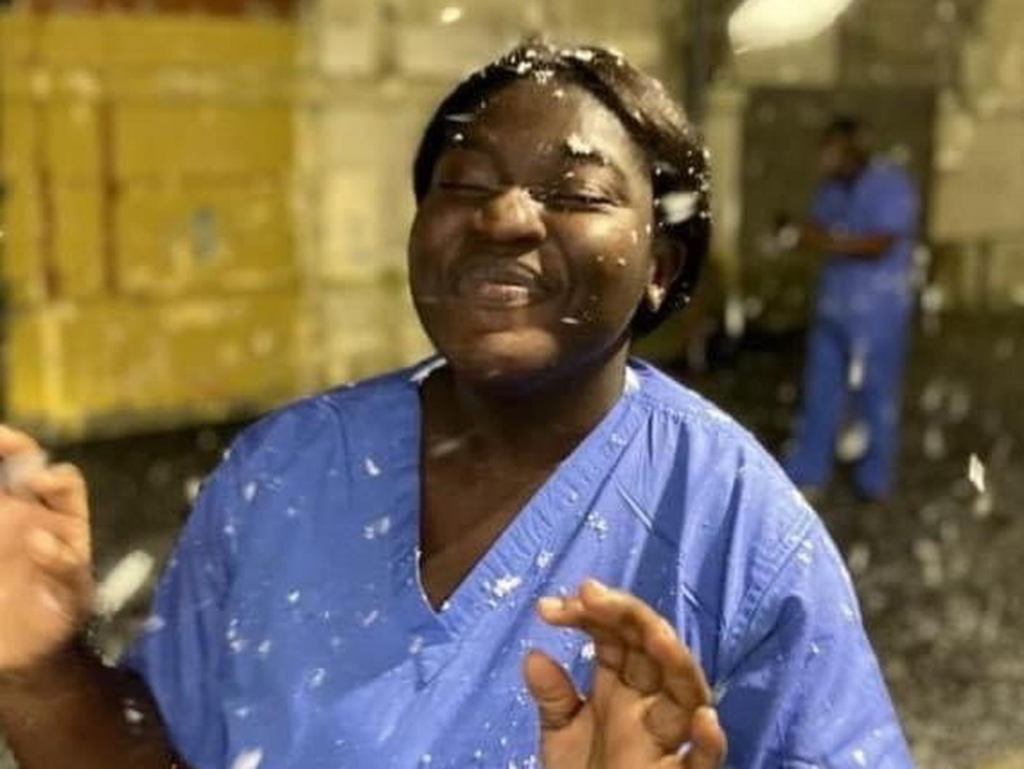
    A snow shower earlier this week gave Adwoa, Freda, and Richmond, who work at Kingsbridge Private Hospital on Belfast’s Lisburn Road, a taste of what winter is really like.

    The Ghanaian nurses danced amid the snowflakes with their eyes closed, dazzling smiles on their cheeks, and had as much fun as children.

    The trio hurried outside during their break to feel the snow on their skin without even putting on coats in their eagerness to be outside and experience the white stuff.

    Joy of Ghanaian nurses in Belfast as they see snow for the very first time
    Photo credit: Belfast Telegraph

    The nurses who all work at Kingsbridge’s new Diagnostic and Treatment Centre at the old King’s Hall Building, said they were delighted to see snow for the first time.

    Adwoa Aninkora, 26, who has been in Northern Ireland since October 2022 said: “It was beautiful. When you haven’t seen something before it is quite intriguing.

    “We missed the first session of snow that day, so when we heard it was snowing again we wanted to see what it was like, so we just ran out in our scrubs.

    “I have seen snow in movies, but it was so interesting to touch it.”

    Northern Ireland’s weather is, of course, very different to that of Ghana, which enjoys a tropical climate.

    “Back home we usually have the sun out most of the time – it rains, yes, but usually we are warm,” said Adwoa.

    “In Northern Ireland it rains a lot. It is usually windy and cold, so it was a bit of a change coming from a tropical country, but you get used to it. I have bought a lot of jackets.”

    Adwoa said she had sent the pictures of herself and her colleagues in the snow to her father back in Ghana.

    “I sent a post to my dad. He’s been in Northern Ireland before, but being his daughter he was happy for me to experience snow.”

    Credit: News Wires

  • Largest nursing strike in NHS history set to start

    The biggest nursing protest ever is set to start this morning as nurses in England, Wales and Northern Ireland will go on strike from 08:00 on Thursday in the largest action of its kind in NHS history.

    Staff will continue to provide “life-preserving” and some urgent care but routine surgery and other planned treatment is likely to be disrupted.

    The Royal College of Nursing said staff had been given no choice after ministers refused to reopen pay talks.

    The UK government said the RCN’s 19% pay rise demand was unaffordable.

    The action will involve nurses in around a quarter of hospitals and community teams in England, all health boards in Northern Ireland and all but one in Wales. Nurses are not striking in Scotland.

    Under trade union laws, the RCN has to ensure life-preserving care continues during the 12-hour strike.

    Chemotherapy and kidney dialysis should run as normal, along with intensive and critical care, children’s accident and emergency and hospital neonatal units, which look after newborn babies.

    Beyond that, it will be up to NHS boards and trusts to negotiate services on a local level, with discussions likely to come down to the circumstances of some individual patients.

    The biggest impact is likely to be in pre-booked treatment such as hernia repair, hip replacements or outpatient clinics.

    The NHS has said it is “vital” people continue to come forward for emergency care during the strikes and anyone not contacted to reschedule an appointment should attend as planned.

    The RCN balloted more than 300,000 nurses across individual NHS trusts and boards rather than in a single, national vote.

    This means some nurses are not entitled to take industrial action, because the turnout in their local area was too low.

    In England, the first round of strikes will go ahead in 51 of 219 hospitals, mental-health trusts and community services.

    Strikes are also going ahead in all of Northern Ireland’s health boards and all but one in Wales, the Aneurin Bevan.

    Most GP services will be unaffected, as nurses working directly for practices were not entitled to take part in the vote, but the strike will include district nurses working in people’s homes or community settings.

    A second day of strike action will go ahead on 20 December, unless there is a breakthrough in talks.

    In England and Wales, most NHS staff have already received a pay rise of roughly £1,400 this year – worth about 4% on average for nurses.

    The political situation in Northern Ireland meant there was a delay in processing the increase – but nurses should receive backdated payments before the end of the year.

    The RCN wants a larger rise, of 5% above the RPI inflation rate, which currently stands at 14%, saying its members have received years of below-inflation pay increases.

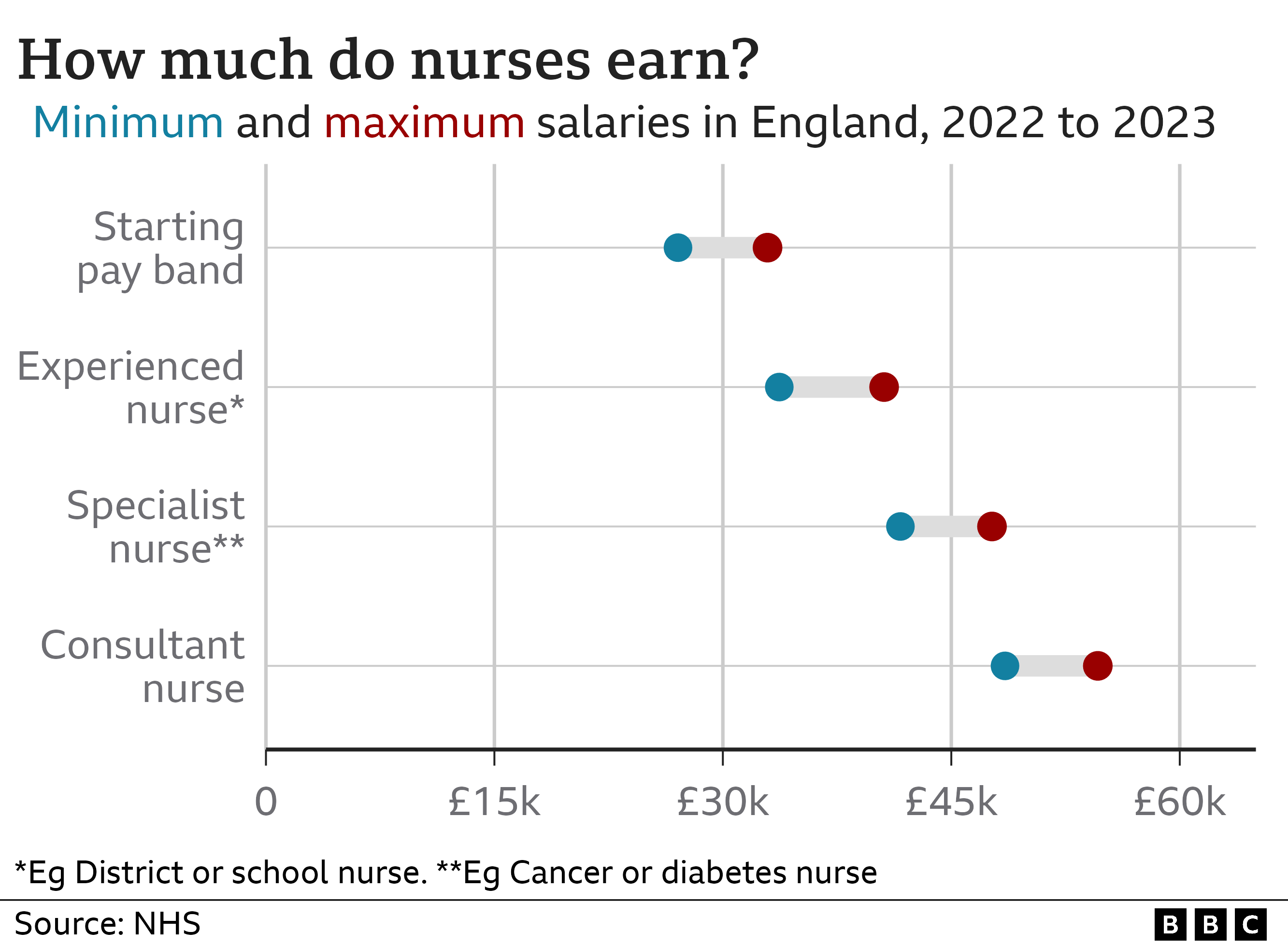
    Chart showing pay bands

    England’s Health Secretary, Steve Barclay, said further pay rises would mean taking money away from other front-line services.

    “I’ve been working across government and with medics outside the public sector to ensure safe staffing levels – but I do remain concerned about the risk that strikes pose to patients,” he said.

    Mr Barclay added that the government had followed the recommendation of the independent NHS Pay Review Body, which said in July NHS staff should receive the £1,400 increase, with slightly more for the most experienced nurses.

    The body, made up mainly of economists and human-resources (HR) professionals, had been asked to base that recommendation on a range of factors, including:

    • the need to recruit staff
    • the funds available to the NHS
    • the government’s 2% inflation target

    Welsh ministers said they were unable to enter pay talks without extra funding from the UK government.

    In Scotland, the RCN’s strike action has been “paused”, after ministers made a fresh offer worth just over £2,200 a year for most NHS staff. Nurses have been asked to vote on that deal, with results due next week.

    Union bosses have offered to suspend strikes if the UK government agrees to reopen serious discussions over pay.

    But a face-to-face meeting earlier this week broke down, with the RCN accusing Mr Barclay of “belligerence” and having “too little to say”.

    This will be only the second time RCN members have walked out in its 106-year history. Until 1995, the union had a formal no-strike policy in its rulebook.

    In 2019, nurses in Northern Ireland went on strike over pay. And in 2014, those in England who were members of Unison walked out – also over pay.

    This winter, a number of other major health unions, including Unison, the GMB, Unite the Union and the Royal College of Midwives, have also voted to strike in different parts of the UK, with a series of walkouts planned over Christmas and the new year.

    Source: BBC

  • UK: Nurses give government five days to begin wage negotiations, or they’ll strike in December

    The Royal College of Nursing (RCN) announced last week that its members at the majority of NHS employers across the UK had voted to strike.

    Nurses have given the government five days to begin “detailed negotiations” on pay, or they will declare a December strike.

    It comes as the chancellor pledged an extra £2.3 billion for the NHS over the next two years, as the health service deals with inflationary pressures.

    NHS England has forecast a £7 billion funding shortfall for next year, which it cannot close with efficiency measures alone.

    However, health officials are said to agree that the new funding is adequate in light of the fact that economists believe October’s inflation figure was the high point.

    Last week, the Royal College of Nursing (RCN) announced its members at the majority of NHS employers across the UK had voted to take strike action.

    A health system in crisis

    In a letter to the health secretary following Thursday’s autumn statement, RCN general secretary and chief executive Pat Cullen said recent meetings with Steve Barclay, while cordial in tone, had not resolved the issues at the heart of strike action.

    “I must not let my members, nor the public confuse these meetings for serious discussions on the issues of NHS pay and patient safety,” she said in the letter.

    “There is only value in meeting if you wish to discuss – in formal, detailed negotiations – the issues that have caused our members to vote for strike action.”

    With record demand and waiting times, as well as a growing backlog ahead of what looks set to be a busy winter, the UK’s health and care system are facing a crisis.

    Pat Cullen leaving a meeting with the health secretary earlier this month
    Image: Pat Cullen leaving a meeting with the health secretary earlier this month

    There are nursing staff shortages across the UK – made worse by the COVID-19 pandemic and cost of living crisis – with 60,000 unfilled nursing roles.

    Data from the London School of Economics found the salaries of experienced nurses have declined by 20% in real terms over the last 10 years across most of the UK. This means nurses are effectively working one day a week for free.

    The RCN is calling for a pay rise of 5% above inflation to combat this.

    Strikes across the NHS

    The RCN is not the only organisation threatening strike action within the NHS.

    NHS workers in roles such as blood and transplant services were among nearly 10,000 people being balloted over action that could see them walk off the job as soon as January.

    Unite union, which represents 100,000 NHS workers, said voting papers are going out across 36 NHS trusts and organisations in England and Wales.
  • Nurses set to strike in first ever national action – as patients braced for disruption

    Nurses across the UK are set to strike in the first ever national action over a pay dispute.

    The strike ballot among more than 300,000 members of the Royal College of Nursing (RCN) was the biggest ever in the union’s 106-year history.

    Although counting is still under way, it is understood that RCN officials believe enough members have voted for winter industrial action which is set to take place within a few weeks, possibly before Christmas.

    RCN general secretary Pat Cullen said: “Our strike action will be as much for patients as it is for nurses – we have their support in doing this.”

    The exact nature of the strike action is yet to be determined, but it will likely see patients face disruption to operations and appointments while already facing record NHS waiting lists.

    A union source told the Observer newspaper: “This will see the majority of services taken out, and picket lines across the country.”

    The RCN said there are record nursing vacancies and in the last year 25,000 nursing staff around the UK left the Nursing and Midwifery Council register.


    Source: Sky News


  • Economic hardship: Nurses ‘run away’ to greener pastures abroad

    More Ghanaian nurses are in the process of securing visas to practice abroad, a situation most of them say is born out of poor working conditions in the country.

    Over the past year, there have been increased cases of Ghanaian-trained nurses and other health professionals travelling outside the country.

    A general nurse, who wishes to be known as Alawani, last month secured a job and visa to the United Kingdom. Prior to the new appointment, she had been practicing at a hospital in the Eastern Region for over seven years.

    Asked why she chose to leave, she indicated that she has nothing to show for the years she has been working in Ghana as a nurse. She lamented the meagre salary, poor conditions of service, and risks nurses have to endure in Ghana’s health facilities.

    “I am very passionate about my job and I work really hard, but the economy is too hard on us. A lot of nurses are leaving Ghana to countries like the UK and US for many reasons, including good salaries and better employment contracts.

    “I am for the idea of nurses seeking opportunities overseas, because we live in a country where nobody cares about you as a nurse and you are underpaid for overworking. You cannot even take good care of yourself and your family,” she said.

    According to Ms. Alawani, leaving the country to practice in the UK was her only option after furthering her education and obtaining a degree in nursing.

    Comparing some conditions of service for nurses in Ghana and the UK, Ms. Alawani said: “In Ghana, the normal work hours are between 8-9 hours a day – and sometimes you even end up working for up to 14 hours or more and earn a monthly salary. It is the same salary even if you work extra hours, and nobody really cares about your efforts.

    “Here in the UK, it is totally different. If you do more hours you get more pay, and every company has its own number of work-hours per week – which is usually between 39-42 hours. So, for instance, if you do your 39 hours before the week-end, you have more hours to do extra-time for extra pay,” she added.

    As regards earnings, she noted that salaries in the UK are far better and more encouraging than what nurses earn in Ghana.

    “For instance, back home (Ghana) if you work for 9-12 hours a day for maybe 4 days in a week, you earn a monthly salary of about GH¢2,000 regardless how long your shifts last. But in the UK, you could earn a minimum of £12 or £13 pounds per hour. So, if you are working for 12 hours in a day for 4 or 5 days, you can imagine how much you earn in a month.”

    Another nurse, who for the purpose of this article wants to be known as Adora, has been practicing as a nurse at a facility in Accra for 10 years.

    She also wishes to leave the country, as according to her is the right decision because the salary abroad is better and worth the effort put in.

    “You will enjoy better living conditions. I will leave this country if I have the opportunity,” she stated.

    When asked whether they are aware their decisions to leave the country to practice elsewhere may affect Ghana’s health sector negatively, responses from these nurses varied.

    For Ms. Alawani, even though more nurses are being trained in institutions each year she believe the country will lose out on experienced personnel, and that should be of major concern to authorities.

    “Most of my colleagues have left and others are willing to leave, too. The situation will affect the health sector in Ghana because you end up losing competent and experienced health personnel. Our leaders may think that if you leave there are always people in the queue seeking employment, but they forget that experience is very important in the field.”

    Adora on the other hand feels that: “There are a lot of people being trained, and immediately the economy becomes stable the remaining will stay”.

    Minority calls for action

    Meanwhile, the Minority group in parliament last month directed government’s attention to prioritise the welfare of health personnel in the country, so as to curb high attrition among the workforce.

    A statement signed by the Ranking Member of the Parliamentary Select Committee on Health, Kwabena Mintah Akandoh, on 6th September 2022, said the situation of healthcare practitioners leaving the country has become critical and needs government attention.

    “Contrary to the propaganda and noise government makes on addressing the welfare needs of health professionals, most professionals will confirm that their conditions of service have deteriorated over the years.

    “Government’s lack of concern for public health workers in this hyperinflationary period has exacerbated an already bad economic situation, leading to high attrition among the workforce.

    “In June this year, the Ghana Registered Nurses and Midwives Association (GRNMA) informed Ghanaians that in the first quarter of 2022, over 3,000 trained nurses and midwives left the shores of Ghana to seek greener pastures abroad.

    “The story is not different among practicing doctors in Ghana. Alarmingly, General Practitioners, specialists and consultants have all joined a long line of Ghanaian health professionals waiting for clearance or job offers from abroad in order to leave this country. The situation has become critical – to the point that Ghana is currently experiencing losses of general practitioners and specialists needed to handle cases across the healthcare continuum,” the statement said.


  • Finance Ministry gives clearance for payment of allowances to rotation nurses

    The payment of allowances to nurses on a one-year required rotation at various health facilities across the country has been approved by the Ministry of Finance.

    With effect from October 1, 2021, until September 2022, 5,239 diploma nurses, midwives, and allied health professionals who passed licensing tests will each receive GH871 per month.

    The Controller and Accountant General’s Department has been directed to make the payments.

    “The emoluments of the interns should be charged against the compensation of employees vote of the Ministry of Health in the 2022 annual estimates”, a statement from the Finance Ministry said. 


  • Broken Covid-19 promises: Nurses, midwives threaten to leave profession

    If the government doesn’t keep its promises and commitments to them, more nurses and midwives are threatening to quit their jobs.

    The Ghana Registered Nurses and Midwives Association claims that its members are dissatisfied with the Covid-19 insurance packages not being paid to frontline health professionals.

    The Association is therefore questioning the government’s commitment to their welfare.

    “The major challenge is the insurance package government promised all nurses and midwives who contract the virus. But as of now, we’ve not gotten any positive information from our members.”

    Speaking to JoyNews, the Association’s General Secretary David Tenkorang said such disappointments are a major push factor for the high attrition.

    “Most of our people had to take care of their own medical bills when they tested positive for Covid -19. And this is unacceptable,” he stated.


  • We will take over MoF, MoH in 7 days until we are employed – Jobless health workers

    The Finance and Health Ministries have been threatened with an invasion by the Coalition of Unemployed Graduates of Nurses Assistant Clinical and Preventive for not ensuring their posting.

    According to the disgruntled medical workers, the Health Ministry published its recruitment list for nurses and midwives to select their preferred posting zones roughly 10 months ago.

    Despite several pledges made in response to their petitions and picketing, the over 10,000 nurses claim they have been at home for about three years.

    Addressing a press conference in Kumasi on Thursday, 15 September 2022, the President of the group, Apandago Charles, said they are going through hardship and have to depend on their parents, prostitution, and other activities to survive.

    He has, therefore, given the government a seven-day ultimatum to post them or else they will storm and take over the offices of the Ministries responsible for their posting until they are posted.


  • Issue financial clearance to nurses and midwives – GRNMA to government

    The Ghana Registered Nurses and Midwives Association (GRNMA) has called on government to urgently issue financial clearance for the permanent employment of nurses and midwives in the country.

    The Association is also calling on the government to pay all outstanding allowances of trainees and rotation nurses and midwives.

    President of the Association, Perpetual Ofori-Ampofo, made the call on Wednesday at a press briefing in Accra on issues affecting Nurses and Midwives trainees, interns and unemployed personnel.

    The issues include delay in the payment of trainee allowances of up to 11 months, delay in the posting of 10,727 Nurse Assistant Clinical (NAC) and Nurse Assistant Preventive (NAP) belonging to the 2019 batch who have been registered on the Ministry of Health’s recruitment portal.

    Others are, delay in the issuance of financial clearance for permanent recruitment of the 2019 Diploma and Degree referred group who completed their rotation or national service in September 2021 and delay in financial clearance for the permanent recruitment of the 2020 NAC and NAP.

    Mrs Ofori-Ampofo called on the Ministry of Health to investigate all allegations of corrupt practices in the posting of Nurses and Midwives and also refrain from arresting them when they come to the Ministry to demand for their posting.

    The Association urged all Nurses and Midwives awaiting employment by the Government to have confidence in their group leaders and accept the periodic updates from them from the engagements with the Ministries of Health and Finance.

    “We call on all trainees, rotation Nurses and Midwives and all categories of unemployed personnel to remain calm as the leadership of the Association work with their group leaders and the government to find lasting solutions to their issues,” she said.

    Mrs Ofori-Ampofo called on the Nursing and Midwifery Council of Ghana to take disciplinary actions against individuals who resort to social media to dent the image of the profession.

    She called on government to immediately resolved the Ministry issues raised before September 2022 to ensure industrial harmony devoid of any labour unrest.

    The President said even though the Association recognised the effort of the Government in employing the backlog of unemployed Nurses and Midwives in the past, the authorities had not been able to prevent the creation of new backlogs in the system.

    Ms Georgina Kwakye, the Public Relations Officer, 2019 Second Batch of Nurses and Midwives, said they had become a liability to society, adding, ” we are home since November 2021 doing nothing.”

    “I am currently at home selling pure water, some of my colleagues have to borrow before they eat, we are depressed, others are working in a private hospitals with meagre salaries while others engage in social vices,” she said.

    She said, “Nursing is a practical work but we are home doing nothing, if we do not practice our profession, we will forget our lessons which will be detrimental to the health sector.”


    Source: Ghanaweb

  • Damongo Nursing Training College teachers on strike to demand allowances

    Teachers of the Nurses Training College in Damongo on Wednesday morning embarked on a strike, leaving students to loiter on campus.

    Though the reason for the strike has not been officially communicated by the tutors to the media, citinewsroom.com understands they are demanding the payment of allowances due them from last semester.

    When Citi News visited the campus at 10:00am on July 20, 2022, all offices of the tutors were locked up, with none of them on campus except the academic coordinator.


    Some students were seen loitering on campus, while others were idling in the classrooms.

    The principal of the school, Hajia Rabiatu Iddrisu who had just arrived from Tamale said she was yet to ascertain the reason for the strike and will communicate same to the media afterwards.

    Students who will not speak on record say they hope authorities will resolve the issue as soon as possible for tuition to resume.

    The school reopened from break last week and only on Monday 18th July started tuition for the semester.

    Source: Citi News

  • N&MC removes names of two fake practitioners from register

    The Nursing and Midwifery Council has withdrawn the licences and certificates of registration of a fake ‘nurse assistant’ and ‘midwife’ from its register of practitioners.

    Additionally, the council has also removed the name of a ‘trainee midwife’ from its register of trainees.

    The culprits are Ms Abigail Babin, Ms Esther Abuubey and Ms Stephany Arthur Baidoo.

    The fake ‘practitioners’ and ‘trainee’ were apprehended by officers from the intelligence and Disciplinary Department of the Council over impersonation and forged documents to gain admission into Nursing and Midwifery Training Institutions.

    According to the Registrar, Mr Felix Nyanie, Ms Abigail Babin and Ms Esther Abuubey used certificates belonging to others to gain admission into the Nursing and Midwifery Training College, Kpembe, in the Northern region.

    However, through some intelligence gathered and with the assistance of the Principal of the Training College, the two were apprehended.

    They were invited to the Council where they admitted in their written statements that they forged documents and used West African Senior Secondary Certificate Examination (WASSCE) result slips belonging to some persons to gain admission.

    In the case of Ms Stephany Arthur Baidoo, she used someone’s WASSCE certificate and obtained a fake birth certificate to gain admission at the Nyaniba Health College.

    She was, however, apprehended when she presented documents for a change of name. She admitted in her written statement when invited by the Registrar to the Council of forging documents to gain admission.

    The Registrar has warned that the Council would not protect any student or practitioner with fake certificates. He advised all prospective students to ensure that the results and documents they present for admission are genuine to avoid sanctions.

    He appealed to Heads of Nursing & Midwifery Training institutions and health facilities to assist the Council with information on suspected students and practitioners respectively to enable the Council to rid the system of quacks.

    The Registrar has noted that several other suspected fake practitioners and students with issues of impersonation are currently being investigated and will make the outcome known to the general public when investigations are concluded.

    Source: Class FM

  • Nurse crushed to death by tipper truck at Tamale

    Suuk Mouricia, a 29-year-old nurse at Tamale in the Northern Region has been crushed to death by a tipper truck.

    According to a reliable source, the heart-wrenching incident occurred on Tuesday when the beautiful nurse was riding her motorbike to work (night shift).

    “She was hit and ran over by the tipper truck when she was going to work last Tuesday,” the source said.

    “The incident happened at Gumani, near Agric in Tamale,” the source further revealed.

    More soon…

    Source: Atinka Online

  • KATH Nursing Trainees lament over locked up allowance

    Nursing Training Students at the Komfo Anokye Teaching Hospital (KATH) are lamenting over their 12-months unpaid allowances.

    According to the health professionals, attempts to retrieve the money from the various head of the institutions have all proven futile hence their turn to the media for help.

    A lady told the press that, the administrator of the facility initially conferred to them that, their list has bent forwarded to the Principal but the principal has also denied knowledge of it.

    “Now, the administration is also saying that he has submitted the list to the Ministry of Health (MoH) but their checks at the MoH unearthed that no list has been submitted to the ministry from KATH,” the Nurse said.

    Another said, “for the past 12 to 24-months some nurses have not received penny of their share of the allowances which is very worrisome to them.”

    They are therefore calling on the authorities to help them get their locked up fund.

    Source: otecfmghana.com

  • Government approves financial clearance for about 3000 health professionals

    Dr Bernard Okoe-Boye, the Deputy Minister of Health, has announced that the government has concluded a financial clearance process for about 3,400 Allied Health professionals across the country.

    He said the financial clearance would give the opportunity to the health professionals to apply for postings, which would be open soon in the coming weeks to the various public health facilities across the country.

    “We had a backlog of close to 4,000 people. As we speak, the government has given financial clearance for about 3,400 and the portal will be open in the coming weeks for them to go online and apply and be posted across the country,” he said.

    Dr Okoe-Boye gave the announcement at the 8th induction and swearing of oath ceremony of Allied Health graduates organized by the Allied Health Professions Council in Accra.

    The ceremony saw the induction of 170 graduates made up of 57 Doctor of Optometry graduates and 113 Doctor of Medical Laboratory Science graduates.

    It was on the theme; “The Role of Allied Health Professional-During and Post COVID-19”.

    He said Allied Health Professionals played key roles in the health sector, hence, the need for the clearance by government to employ more hands and asked them to accept postings to deprived communities.

    He expressed regret that newly recruited often rejected postings to other regions, saying, “especially when you see people that have been posted to other regions coming back for reposting to the Greater Accra and Ashanti regions specifically. This is worrying because you cannot have a situation where about 80 per cent of all our staff in only two regions,” he added.

    The Deputy Minister, thus, urged medical professionals to be willing to go to any part of the country as there were more opportunities outside Accra and Kumasi.

    He congratulated the inductees saying, “there are so many opportunities that can support your career, so accept postings as they come”.

    Dr Samuel Yaw Opoku, the Registrar, Allied Health Professions Council, congratulated the inductees for their six years of education to get to their final stage.

    He said due to the COVID-19 pandemic the induction and swearing of oath ceremony had been divided into six batches, four in Accra and two in Kumasi adding that, “all the ceremonies will be held in the morning and afternoon”.

    Dr Opoku noted that Allied Health Professionals played important roles and therefore asked for the needed recognition to enable them to make the real difference in the lives of their clients to improve the healthcare delivery system.

    He appealed to the government to do something about the long stay of the health professionals at home after their internship programmes for the population to benefit from their services.

    Source: GNA

  • These are all the supposed allowances the striking Ghanaian nurses are demanding

    Explainer: These are all the allowances the striking Ghanaian nurses are demanding

    A nationwide strike by members of the Ghana Registered Nurses and Midwives Association (GRNMA) on Monday, September 21, 2020, debilitated health delivery across the country.

    Harrowing tales of how sick patients needing emergency medical attention were turned away at public hospitals have inundated news report of the strike.

    In one such report, patients on admission at the Sandema District hospital in the Builsa North District of the Upper East Region were without care from nurses, midwives, and Physician Assistants.

    The GRNMA and its allied groups of critical health service providers, including the Nurse Practitioners Association of Ghana and the Nurses and Midwives Specialists Society of Ghana, embarked on the strike to push for better conditions of service from the government.

    An interlocutory injunction obtained by the National Labour Commission (NLC) against the GRNMA to restrain the association from embarking on the strike did not stop the group.

    They hope that the strike would compel the government to heed to their demands.

    What are these demands?

    The GRNMA and its allied groups have been making the following eight key demands since 2019:

    1. Fuel and car maintenance allowance

    2. Professional development allowance

    3. Accommodation/rent allowance

    4. Uniform allowance

    5. Book and Research allowance (for nurses who are also teachers)

    6. Rural areas allowance

    7. Transportation allowance

    8. On-call duty allowance

    The nurses want these allowances to be paid as part of their salaries.

    They also argue that not all of these allowances will be paid to every nurse.

    A spokesperson for the Association, Florence Attah, told GhanaWeb that nurses in the teaching profession, for instance, will be the only ones qualified to receive the Book and Research allowance.

    “For the fuel allowance, some of the nurses stay in very far places and have to journey long distances to come to work. We expect the fuel allowance to be something small to cushion us,” she said.

    Another contentious issue that came up during a meeting with the government over the demands is a proposal by the government that while not all of the allowance will be approved, those that will be approved will only be paid to Principal Nurses and higher ranks.

    The Association insists that will not be a fair proposition.

    Update

    The Association on Wednesday, September 23, 2020, asked its members to suspend the strike.

    GRNMA has said all its members and allied groups across the country will resume full service from Thursday, September 24, 2020.

    President of the Association, Perpetual Ofori-Ampofo, explained that a court bailiff on Tuesday, September 22, 2020, “formally and properly” served the GRNMA Administrator with the Interlocutory Injunction against the strike secured by the NLC.

    Way forward

    The GRNMA has said it will resume services across the country from Thursday, but its next move will depend on the outcome of negotiations with the government on its demands.

    Source: www.ghanaweb.com

  • Government has been good to you, resume work – Buaben Asamoa to striking Nurses, Midwives

    Communications Director of the New Patriotic Party (NPP), Yaw Buaben Asamoa, has appealed to the striking nurses and midwives to resume work.

    The Ghana Registered Nurses and Midwives Association (GRNMA) comprising all public sector nurses, midwives, Physician Assistants (PAs) and Anesthetists (CRAs) have today, September 22 embarked on nationwide strike.

    The GRNMA is demanding better conditions of services from the government, hence refusing to comply with an interim injunction by the National Labour Commission (NLC) to restrain them.

    The NLC has called on them to pick up their tools but the members of the Association have paid deaf ears to the NLC as they remain on strike.

    The Fair Wages and Salaries Commission (FWSC) has also asked the nurses to back down on the strike and go to the negotiation table to have their grievances resolved.

    Adding his voice to the calls on the nurses and midwives, Yaw Buaben Asamoa has asked them to be patient with the government and heed the appeals on them to call off the strike and return to the negotiation table.

    “It doesn’t mean someone hates you. It doesn’t mean you don’t have the right to go on strike. It doesn’t mean you don’t have grievances. All we’re saying is for you to abide by the Labour Commission’s instructions for peace to reign,” he stated on Peace FM’s ‘Kokrokoo’.

    Mr. Buaben Asamoa added that the government has been charitable to the nurses, midwives and all other health workers, particularly the frontline workers at the forefront of the COVID-19 fight and so expects them to cooperate with the government to arrive at a better decision.

    He reminded them of the government’s tax waivers and 50% salary increase to them which, to him, should tell the nurses and midwives that the government has their welfare at heart.

    “We have been good to you. We’ve been ably employed you…Be patient; I don’t believe that the government that’s created jobs for you and paid your allowances will turn to intimidate and sack you. It won’t honor the government in anyway,” he said.

    Source: Peace FM

  • Government has cheated you far too long but resume work – Kwesi Pratt pleads with striking Nurses

    Managing Editor of the Insight newspaper, Kwesi Pratt Jnr, has called on the striking health workers in the country to resume work in order to save lives.

    The Ghana Registered Nurses and Midwives Association (GRNMA) consisting of all public sector nurses, midwives, Physician Assistants (PAs), and Anesthetists (CRAs) have embarked on strike, therefore seeking better conditions of services from the Akufo-Addo government.

    The nurses and midwives have refused to return to work until their grievances are resolved but Kwesi Pratt is pleading with them to consider the innocent Ghanaian who may become a casualty due to the strike.

    “If His Excellency Nana Addo Dankwa Akufo-Addo falls sick today and we have to take him for medical treatment for even a month, we will do it. If we have to charter an ambulance jet to fly him outside, we will take him. The people who will suffer are the poor people,” he said.

    Making his submissions on ‘Kokrokoo’ on Peace FM, Mr Pratt empathized with the health workers in the country saying, “I admit that you’re being cheated and in fact, it’s not only you who feel cheated but a lot of Ghanaians as well…So, we are all cheated and should we all decided to take an action, we shouldn’t think about ourselves only but have a plan that will help ease all of us. My dear nurses, you have a good case. You have been cheated for too long but we plead with you to resume work so that the innocent pregnant woman won’t lose her life”.

    Meanwhile, the National Labour Commission (NLC) has secured an interim injunction to restrain the nurses and midwives from the strike.

    The Fair Wages and Salaries Commission (FWSC) has also asked them to back down on the strike and return to the negotiation table.

    Source: Peace FM

  • If it is not an emergency, do not come Doctor to patients

    Medical Director for the Eastern Regional Hospital, Dr. Arko Akoto Ampaw, has cautioned patients whose ailment is not an emergency not to dare come to the hospital because they would not be attended to.

    The Medical Director said at this crucial time when all the over 400 nurses in that hospital are on strike, it would be difficult for the few Doctors and the other medical assistants to attend to non-emergency cases since there are already many emergency cases as well as some in-patients at the facility being attended to currently.

    “Because the numbers can be overwhelming, we plead with the general population that if it is not an emergency, do not come. Because if you come you will distract our attention because you will become many and we will not be able to pick the real emergencies.

    “So essentially we are focusing on emergencies and plead that they (cases) should be true emergencies. The general OPD is not running but if you come as an emergency, we are likely to attend to you to keep you alive which is the main thing. I mean this is the time that I would ask that the people of the society or the general population should be considerate to even themselves so that only true emergencies come so that we can keep them alive while the impasse is resolved, ” he stressed.

    Dr. Akoto Ampaw who was speaking to GhanaWeb in an interview in Koforidua on Tuesday expressed that his outfit had had to recall all key and other auxiliary staff members to fill the gap left by the striking nurses so that healthcare can duly and smoothly be delivered to patients.

    “They really are on strike and what management is doing is try to recall as many people as possible to redeploy them into the different departments to hold the fort while we try to get the nurses back to work. We have recalled all health aides, assistants, orderlies, we have recalled all house officers, all specialists, Doctors and interns and since yesterday we have asked them to take up the positions to be able to do the work that the nurses would have done. So far, we have done quite well,” he disclosed.

    Dr. Akoto Ampaw also disclosed that some of the recalled staff are being made to work for up to 12 hours while others too even spend 24 hours in order to fill the void of the striking nurses.

    He, however, appealed that the impasse between the nurses and their employers would quickly be resolved so that situation can come back to normalcy.

    “We appreciate that some of them have had to go for twelve hours, some are even running up to 24 hours just to mitigate the effect of the strike so that we will not have mortalities which is our main concern for now.

    “For that matter, we pray that if the impasse can be addressed as quickly as possible so that the nurses can come back to work and provide the care that we shall need for our patients,” he said.

    GhanaWeb also visited the Koforidua Policlinic where the OPD was virtually empty as only patients were seen in line going to see the doctors.

    Some of the patients who spoke to GhanaWeb expressed their concerns.

    “No, they did not attend to me. They said they are on strike. When you go they sack you to go home. Ah, there is no one sitting there. As soon as you get there and greet, they tell you, madam, go go go, we are not working!” Josephine, a mother with a baby said.

    Another man said, “in this Koforidua Hospital, what I came to see here. I plead with the government to ensure it pays the nurses on strike so they can come back to work. when I came I saw people lying in the emergency unit and it was not a joke.”

    “I brought my brother. We are at the casualty. They are taking very good care of him. Even in the strike, they are taking good care of him. We only appeal that the striking nurses return to work,” another woman told Ghanaweb at the Regional Hospital.

    A man who had his relative discharged expressed that it was “too bad” for the nurses to plan a strike in an election period and appealed to the government to conclude a negotiation with the nurses to return to work.

    “You are going on strike when we are about to go to the election? It is too bad. The government should talk to them and if there needs to be a negotiation, it should negotiate with them. See how people are suffering here,” he expressed.

    Source: www.ghanaweb.com

  • Hospitals in Takoradi record low OPD attendance

    Nurses and Midwives in the Sekondi-Takoradi Metropolis and Effia-Kwesimintsim Municipality have joined the nationwide strike action embarked by nurses in demand for better working conditions.

    As a result, a number of government hospitals within the two Assemblies have recorded low Out Patient Department (OPD) turn out.

    A visit by the GNA to the European Hospital in Takoradi revealed the absence of nurses at the OPD with virtually empty seats.

    Reverend Osei Boateng, the administrator of the hospital, bemoaned the current situation saying, it was unfortunate that the nurses had embarked on the strike action during these abnormal times.

    He was, however, happy that doctors, laboratory technicians, Administrators, Accountants, and other support service providers were at post.

    Rev. Boateng appealed to the government to negotiate with the Ghana Registered Nurses and Midwives Association (GRNMA) to chart a clear path in meeting their demands.

    He explained that workers within the health sector should be given all the allowances due them to prevent frequent strike actions since the strikes could lead to the loss of lives.

    Rev Boateng noted that apart from the nurses, other staff such as administrators, accountants, cleaners and caterers have also not received much attention from various governments, stressing that they all play critical roles in achieving holistic healthcare delivery.

    The situation was not different at the Kwesiminstim Hospital, where the Administrator, Mr Felix Osei Kesse, indicated that on a regular day, an average of 300 patients visit the OPD, however, the strike action had resulted in a decrease in attendance.

    Mr Kesse also said the doctors were now playing the roles of nurses pointing out that “Doctors are now taking the vital statistics of patients and attending to pregnant women at the Ante natal Care (ANC) unit”.

    This he noted would increase the workload of the Doctors.

    Mr Kesse explained that so far, only four critical cases were still on admission and being attended to while all other patients on admission had been discharged since nurses were not around.

    He said the hospital had some referral cases but that the patients were likely to meet the same situation at the hospital they would be referred to.

    Nana Owusu, a patient at the Essikado Hospital lamented that he had been at the facility for quite some time but had not been issued with a card because there were no nurses to attend to patients with general problems.

    He called on the government to attend to the demands of the nurses for them to call off their strike action.

    The strike action has been triggered by the poor conditions of service and unpaid allowances to nurses and midwives.

    Physician assistants and certified registered Aneastetics are also included in the strike.

    Source: GNA

  • Patients urged to go home at Ho Municipal Hospital

    Patients at the Ho Municipal Hospital have been directed to go home or seek medical attention in private hospitals due to the industrial action by a segment of health workers.

    At the time of visiting, the Ghana News Agency (GNA) observed that patients were not being attended to by the doctors.

    At the maternity ward, a pregnant patient disclosed that she was told to go home.

    “I did not sleep the entire night due to pains in my stomach. I begged to be attended to but they failed and asked that I go home because nurses are on strike.”

    Another patient, who was on admission due to an accident over the weekend, said, “Since the strike action, we have been lying here without care, and not knowing whether a doctor or nurse will come around. I pray that the government listens to their demands so they can return.”

    Some patients also said they were asked to go home and return when the strike was over.

    Ghana Registered Nurses and Midwives Association (GRNMA), the Allied Associations including the Ghana Physician Assistants Association (GPAA) and Ghana Association of Certified Registered Anesthetists (GACRA) embarked on a strike on Monday to back demands for improved conditions of service.

    Source: GNA

  • Striking nurses discredit FWSCs claims of illegal labour action

    The leadership of the Ghana Registered Nurses and Midwives Association (GRNMA) has debunked claims made by the Fair Wages and Salaries Commission (FWSC) that its members are being inconsiderate following their decision to embark on strike.

    According to the association, all efforts to get the government to address their concerns have proven futile contrary to what the FWSC has made to the public.

    GRNMA members on Monday, September 21, 2020, withdrew their services to demand improved conditions of service.

    The National Labour Commission (NLC) however secured an interim injunction to restrain members of the Association from laying down their tools, but the nurses defied the directive saying they were not served.

    Meanwhile, the Fair Wages and Salaries Commission (FWSC) has asked the nurses to back down on their strike and return to the negotiation table to have their grievances resolved.

    According to the Commission, the government has shown enough commitment to have the concerns of the health staff resolved, hence the labour action is in serious breach of the rules of engagement between the two sides.

    But a statement issued by the association indicated that the strike continues unabated.

    “The employer invited us to a meeting on Friday, 18th September 2020 per an invitation letter dated the same day to continue with the negotiation of the conditions of service. In the said meeting, the employer only sought to understand why the GRNMA team had declared a strike from 21st September 2020 and therefore it was not a meeting to continue the negotiation contrary to the agenda.”

    “The said meeting turned into an informal discussion as the GRNMA labour consultant sought to mediate for the parties to find a common ground. However, the employer was not willing to make any compromise. In this regard, we urge all nurses, midwives, physician assistants and certified registered anaesthetists to join in the struggle for better conditions of service.”

    Meanwhile, the Africa Center for Health Policy Research and Analysis wants the government to immediately address the demand of the striking nurses and midwives.

    Here is the full statement from the striking nurses.

    Source: citinewsroom.com

  • Hospitals deserted as nurses, midwives strike over service conditions

    Some hospitals across the country have been deserted following the ongoing strike by Midwives and Nurses.

    Hospitals monitored by StarrFM.com.gh including the Ashaiman Polyclinic and the Komfo Anokye Hospital Triage area were visibly empty with skeletal staff moving around.

    Starr News sources say the Ghana Registered and Midwives Association has set up a task force to ensure compliance of the strike by members.

    Nurses and midwives across the country are beginning a strike today Monday, September 21,2020 over their service conditions.

    It comes after the failure of government to agree with the health workers on their demand for improved conditions of service.

    A press release by the Ghana Registered Nurses and Midwives Association noted “having reconvened in the meetings held on 15th and 16th September 2020 the posture of the Employer changed for the better but did not meet the expectation of the majority of Nurses, Midwives, Physician Assistants and Certified Registered Anaesthetists in Ghana.”

    The statement, therefore, directed its members to stay away from work until the outstanding issues are addressed with their employer.

    Meanwhile, an Accra High Court on Friday granted an interlocutory injunction application by the National Labour Commission against the strike.

    The move by the court presided by Justice Frank Aboagye Rockson is to stop the health workers from their industrial action.

    Source: Starr FM

  • Nurses, Midwives begin nationwide strike today

    Nurses and midwives across the country are beginning a strike today Monday, September 21,2020 over their service conditions.

    It comes after the failure of government to agree with the healthworkers on their demand for improved conditions of service.

    A press release by the Ghana Registered Nurses and Midwives Association noted “having reconvened in the meetings held on 15th and 16th September 2020 the posture of the Employer changed for the better but did not meet the expectation of the majority of Nurses, Midwives, Physician Assistants and Certified Registered Anaesthetists in Ghana.”

    The statement, therefore, directed its members to stay away from work until the outstanding issues are addressed with their employer.

    Meanwhile, an Accra High Court on Friday granted an interlocutory injunction application by the National Labour Commission against the strike.

    The move by the court presided by Justice Frank Aboagye Rockson is to stop the health workers from their industrial action.


    Source: Starr FM

  • Seven out of 12 Ghanaian nurses in Barbados reportedly recover from coronavirus

    Seven out of the 12 nurses who tested positive for COVID-19 since arriving in Barbados on July 30 have recovered.

    The other five are still being treated in a facility at Harrison Point, St Lucy while another who tested positive for Malaria has been discharged.

    This update was provided by Acting Chief Medical Officer, Dr. Kenneth George, Dailymailgh.com can confirm.

    All 95 nurses, according to Dr. George, are deemed to “have completed three consecutive weeks of quarantine and have been certified COVID-19 free by the Ministry of Health and Wellness”.

    He said that the nurses had moved out of the quarantine facilities and into private residences, and the process of orientation and registration with the Nursing Council of Barbados had begun.

    Background

    A total of 95 nurses from the West African nation are in Barbados on a two-year assignment, in response to outreach by the Barbados Government for specialist nurses to bolster the nursing complement in the public health sector.

    They will be attached to the Queen Elizabeth Hospital, the Geriatric Hospital and the polyclinics.

    During her visit to Ghana Prime Minister Ms. Mia Amor Mottley said the importation of the nurses was one of the most important things for the Barbadian government, stressing that “we have to complete this in order to guarantee quality health care we want for our citizens.”

    She said the shortage of nurses in Barbados could take a number of years to fill, especially due to the number of years it took to train them, adding that “I raised it with the President and he immediately, in a press conference in Barbados, announced that Ghana would assist and provide the nurses.”

    Source: Daily Mail

  • 95 Ghanaian nurses touch down in Barbados

    Ninety-five Ghanaian nurses have arrived in Barbados to begin a two-year contract in the Caribbean nation.

    They arrived in Barbados on Thursday evening via a chartered flight.

    The Ministry of Health in November confirmed that 120 Ghanaian nurses had been selected to serve a two-year contract in Barbados under a Human Resources Agreement between the two countries.

    The total cohort at the time included 12 cardiac care nurses, 21 critical care nurses, eight emergency room nurses, six operating theatre nurses, three ophthalmic nurses and 70 registered general nurses.

    About 600 nurses had applied for a programme to serve at the Queen Elizabeth Hospital in Barbados.

    “This is a momentous occasion in several ways. In spite of the challenges that would have confronted us over the last several months to get to this point, the moment has finally come and I want to say it is a pleasure, the Barbados Minister of Health, Lt Col Jeffrey Bostic said on their arrival.

    “You have arrived in Barbados at a very, very opportune time because like you are aware, we are fighting the COVID-19 pandemic,” he added.

    The Ministry together with officials from Barbados conducted a series of interviews for 150 shortlisted applicants before arriving at the final number for the Barbados nursing job.

    The Barbados nursing job initiative spawned from President Akufo-Addo visit to the Caribbean Island for bilateral talks with the Barbados Prime Minister, Mia Amor Mottley.

    She expressed the need for Ghanaian nurses to solve its shortage of professional nurses in hospitals in the country.


    Files from barbadostoday contributed to this report.

    Source: citinewsroomÂ