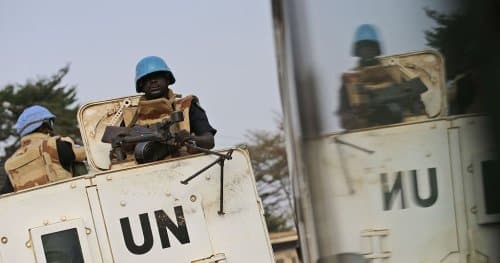
The United Nations stated on Friday (June 9) that a unit of 60 Tanzanian troops would be returned from the Central African Republic following significant allegations of sexual exploitation and abuse.
The alleged crimes were not dated. Speaking from New York, the spokesperson for the UN Secretary-General said a preliminary investigation identified 4 victims.
“The identified victims are being provided with care and support by the Mission’s humanitarian partners. The Mission has also deployed a team to further engage with the community,” Stéphane Dujarric said.
“The Tanzanian authorities have been formally notified and have deployed national investigation officers to the Central African Republic […]”
Credible evidence wasfound against 11 members of the unit formerly based in the western part of the Central African Republic.
“The unit has been relocated to another base while the investigation continues, and members of the unit are confined to barracks, this is in order to protect victims as well of course as the integrity of the investigation”, Dujarric revealed.
“The unit will be repatriated once their presence is no longer required in theatre by the investigators….”
Dujarric explained that the “by the Secretariat to repatriate this unit” was in accordance with resolution 2272 of the Security Council “where the Council ‘endorses the decision of the Secretary-General to repatriate a particular military unit or formed police unit of a contingent when there is credible evidence of widespread or systemic sexual exploitation and abuse by that unit’.”
The United Nations recorded on its website that since 2015, 254 accusations of sexual exploitation and abuse targeting members of its Multidimensional Integrated Stabilization Mission in the Central African Republic or MINUSCA.
The UN chief António Guterres announced early in his tenure A policy of ‘zero tolerance’ towards sexual abuse by UN personnel, calling on Member States to sign a voluntary compact on preventing and addressing the scourge, in 2017.
Accusations of exploitation and sexual abuse by UN peacekeepers around the world are widespread.
Tanzania has declared the Marburg virus outbreak to be over. In March, the presence of the haemorrhagic fever was initially established in the northwestern Kagera region.
There were nine cases and six people died.
The World Health Organisation said its joint action with Tanzania on an emergency response had enabled the authorities to limit the impacts of a highly infectious disease.
The Marburg virus can have a fatality rate of up to 88%.
A provincial official, has reported that four nurses in Tanzania’s western Tabora area may face legal charges for harvesting the organs of baby twins.
A committee set up to investigate the incident found that the bodies of the prematurely born twins were mutilated after they had died.
The mother found her babies’ eyes gouged out and part of their skin peeled off from the forehead.
Tabora regional commissioner Batilda Buriani said the nurses, who are under arrest, have been suspended from their duties.
She said the organ-harvesting was linked to witchcraft.
The nurses misled the investigating committee by falsely claiming that the bodies were kept in the maternity ward when, in fact, they were found in the nurses’ room, Ms Buriani added.
The nurses have not yet commented on the allegations.
The report also indicates that the twins died due to a lack of neonatal care services, which were unavailable at the facility where they were born.
In London, a Tanzanian teenager, Zamana, has been honored with the Amal Clooney Women’s Empowerment Award for her remarkable work in promoting girls’ education.
The prestigious award is presented as part of the annual Prince’s Trust Awards, which celebrate the achievements of young individuals who have overcome adversity, improved their prospects, and made a positive impact in their communities.
Zamana, the recipient of the award, was acknowledged for her remarkable initiative in launching a campaign to empower and advocate for girls’ education in Tanzania.
Her efforts aim to support and encourage girls to remain enrolled in school, providing them with greater opportunities for personal growth and success. Zamana’s dedication to this cause has earned her well-deserved recognition and acclaim.
Through her “Allow Me To Study” campaign, Zamana focuses on helping schoolgirls and their parents understand the importance of completing their education.
“This award means so much to me. Every girl in my community has a dream for her future, just like girls all over the world. My dream is for more girls to stay in school,” Zamana said after receiving the award on Tuesday night in London’s Theatre Royal Drury Lane.
Following the ceremony, Zamana will later on Wednesday meet King Charles III during a reception at Buckingham Palace to celebrate the winners’ achievements.
Founded by the King, Prince’s Trust International supports young people across 18 countries through employment, education and enterprise programmes.
In response to the ongoing drought that is putting pressure on communities in northern Tanzania that maintain cattle, a group of Maasai women have begun making honey in order to supplement their income, secure the future of their children, and support the regrowth of the forest.
“I have benefited a lot from beekeeping. I bought five goats which are producing milk for us, I have also bought a bed and educated my children. This year, my plan is to build a house,” says beekeeper Maria Shinini.
It has taken some time. Maria began with five hives and equipment, but today her business is flourishing.
Together with the other women, they now have 76 hives on a communal plot on the outskirts of the Monduli district in the Arusha region.
They receive training from an umbrella network of smallholders, farmers, and pastoralists, supported by the Forest and Farm Facility, a partnership between the Food and Agriculture Organization, the International Union for Conservation of Nature, as well as the International Institute for Environment and Development and AgriCord.
Decades of recurring drought due to climate change have degraded the landscape and reduced the pasture available for livestock. Introducing bees is one initiative to regenerate the landscape.
In their training, Maria and the other women have learnt that taking care of the vegetation is a crucial element in the care and management of their bees
“It is of great importance that our environment is taken care of, right from the water catchments. So, our training goes hand in hand with these aspects of the environment, taking care of the vegetation so that the bees can get their food. Because there is no other source of food,” says trainer Majaliwa Mwashuve.
The new beekeepers have also received training on how to be smart businesspeople, producing, labelling, and branding their own products to maximize their value.
“Previously their thought was that they harvest honey, then sit and wait for customers during a season. But things are different now because they can do business all through the year as a result of the value chain. They harvest the honey, then engage in other honey product businesses across the year through value addition,” says Mwashuve.
They have also learnt to combine forces with other beekeepers to access new markets. As a result of this collaboration, one new product they are considering is “garlic honey”.
Honey is big business in Tanzania, but traditionally it is only Maasai men who do the job. Maria and her fellow women beekeepers say that, as they go from strength to strength, keeping bees and producing honey has resulted in greater respect for them in the community.
“People now know that even Maasai women can do big things,” she says.
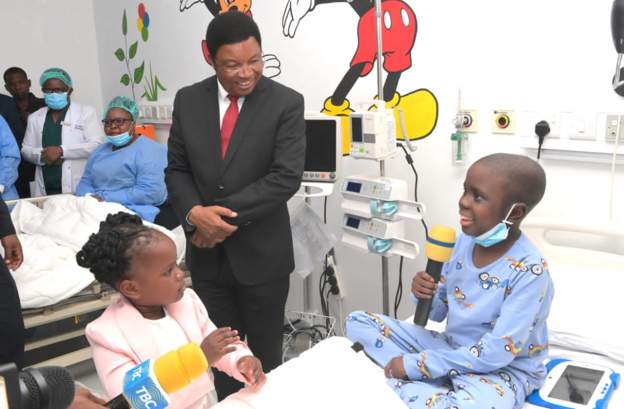
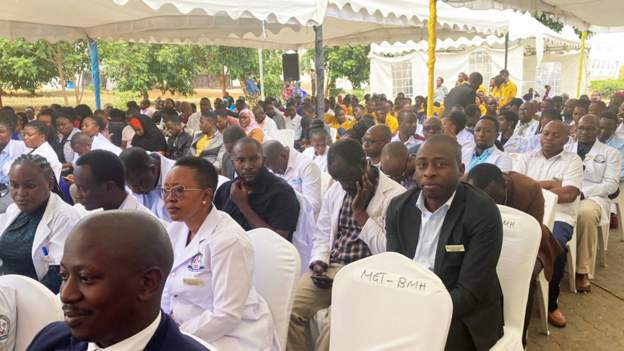
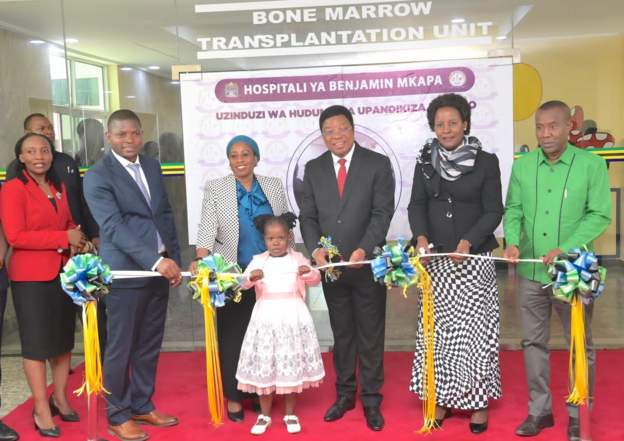
The capital city of Dodoma, Tanzania, now has a bone marrow transplant center.
The hospital will concentrate on treating sickle cell patients, according to the director of Benjamin Mkapa Hospital, marking a significant development for the nation’s healthcare system.
Only a few African nations, including Algeria, Egypt, Morocco, South Africa, and Tunisia, provide bone marrow transplants.
It is a milestone for Tanzania’s health sector Credit:Benjamin Mkapa Hospital
Sickle cell is an inherited disorder and most cases are found in sub-Saharan Africa.
It is caused by a faulty gene that affects how red blood cells develop and the condition can cause severe pain and organ failure.
The unit was launched with great fanfare Credit: Benjamin Mkapa Hospital
A bone marrow transplant replaces bone marrow with healthy cells. It is also used to treat patients with leukaemia or blood cancer.
The East African nation ranks fourth in the world for the highest rates of sickle cell, with around 11,000 children born with the disease each year, according to Tanzania’s health ministry.
The Ghanaian afrobeats musician and composer arrived in Uganda this week, where he spoke with a number of prestigious media outlets, including NBS TV Uganda and NRG Radio Uganda, to talk about his career and love of music while also presenting some brand-new songs off his “A Life Time Is Not Enough” EP.
Processed with Lensa with Magic Correction & PT1 filter
Earlier, he was in Kenya, where he shared his forecast for the year with some of the industry’s bigwigs, including Soundcity Radio Kenya, Capital FM Kenya, and Pulse Kenya.
Later this month, Camidoh is anticipated in Tanzania to wrap up his media appearances and activations throughout East Africa.
Meanwhile, Camidoh has released a video for “Adoley,” the second track off his “A Lifetime Is Not Enough” EP.
Directed by Ghana’s finest director, REX, the clip comes with a touch of urban and indigenous Ghanaian and Nigerian street vibes, which in all gives it a global appeal.
A Life Time Is Not Enough arrived in January this year as the Ghana native’s official sophomore studio record after chalking up industry success with his 2020 Contingency Plan.
The new EP has six songs and features guest contributions from Ghanaian singer-songwriter Cina Soul.
Since its release, the project has earned positive reviews from industry executives, music writers, and critics and is currently enjoying massive airplay across the country.
Home affairs minister for South Africa, Aaron Motsoaledi, has disclosed how much it cost the government to extradite the pair Thabo Bester and Nandipha Magudumana from Tanzania, where they were hiding out.
Speaking to the Portfolio Committee on Tuesday, Mr. Motsoaledi insisted that he wanted to dismiss the public notion that Bester and Magudumana were repatriated from Tanzania in great comfort and luxury.
Bester was re-arrested in Tanzania last Friday, having fled from the Mangaung Correctional Centre in Bloemfontein in May 2022 by faking his death and planting a corpse in his cell. He was arrested together with his girlfriend, celebrity doctor Magudumana, in Tanzania.
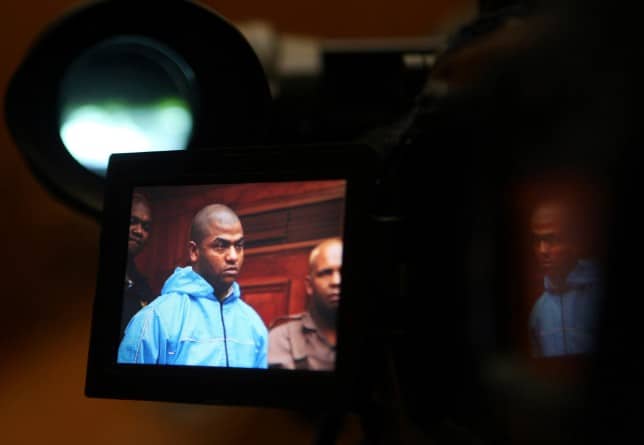
Bester, a convicted murderer and rapist, has already appeared at the Bloemfontein magistrate’s court and will be back in the dock on May 16.
Assisting in prison escape
Magudumana also appeared in court for her alleged role in helping Bester escape prison. In addition, Magudumana’s father, Zolile Sekeleni, along with former G4S employee Senohe Matsoara and camera installer Teboho Lipholo are charged with assisting Bester to escape from prison.
Mr. Motsoaledi has set the record straight, stating that the R1.4 million [$80,000] chartered flight was the cheapest option.
He also revealed that Bester could not return to South Africa on a commercial passenger flight as it would have been careless and would have taken a while to transport the pair.
The minister confirmed that 14 officials had to travel to the Kenya-Tanzania border to repatriate the two fugitives.
Why not commercial flight
“I don’t think any aircraft [company] would have allowed that situation. I don’t remember where thugs of this nature flew around the world on commercial flights. We have never deported anybody on a commercial flight,” said Mr Motsoaledi.
“When we deported Congolese Papy Sukami… imagine we put that man into an aircraft with other innocent passengers on a commercial flight. I am sorry, but we cannot do that, as much as we want to save money.”
“If we did that, you members of parliament would be tearing me apart for being careless. We took the cheapest flight. This was the best option over going on a commercial flight.”
Mr Motsoaledi said that Tanzanian officials had wanted Bester and Magudumana to be handed over to immigration officials.
“They opted on deportation, not extradition or any other system,” he said.
“And when a person is deported to your country of origin, they are handed only to immigration officials of that country, not any other authorities. And the Tanzanians said they are not prepared to hand over Thabo Bester to police.”
Despite having the highest capital finance in Africa for e-mobility start-ups, Kenya lags behind its neighboring countries in terms of electric vehicle adoption with only 350 EVs on its roads.
Tanzania takes the lead in e-mobility, with at least 5,000 electric vehicles, despite having just 11 e-mobility businesses and a total funding raised of just over $1 million.
Tanzania’s large market and relatively low level of competition make it attractive to e-mobility companies.
Kenya currently has an estimated 350 electric vehicles on its roads despite the fact that there are about 40 Kenyan e-mobility start-ups that have so far attracted $52 million in capital finance, the highest amount in Africa, as per the African E-Mobility Alliance (AFEMA).
In contrast, Tanzania now has at least 5,000 electric vehicles but just 11 e-mobility businesses, with a total funding raised to date of just over $1 million.
In terms of e-mobility, Rwanda has roughly 900 EVs on the road, while Uganda, which has nine startups that have raised $5 million, is far ahead of Kenya.
Kenya is usually regarded as a continental leader in technology and innovation, particularly in the East African sub-continent, however, the country falls far behind its neighbors in terms of electric mobility, as seen above, while Tanzania clearly takes the lead in this futuristic economic solution. This is partly due to the fact that the EV sector in Kenya is primarily run by the private sector, while the EV sectors in Tanzania, Rwanda, and Uganda, are largely fueled by government intervention.
Fortunately, the Kenyan government has been reaching agreements, making concessions, and offering incentives to speed up the adoption of electric vehicles. The country wants at least 104,000 electric vehicles, or 5% of all vehicles on its roads by 2025 to cut greenhouse gas emissions and boost the effectiveness of road transportation.
Additionally, the AFEMA report notes that Tanzania’s large market and relatively low level of competition make it attractive to e-mobility companies. However, several obstacles are preventing widespread adoption, including high import taxes, unclear government policy, a lack of funding, a shortage of technicians, poor access to the electricity grid, and a lack of consumer education.
According to estimates, 1 in 250 cars worldwide is electric, giving them a market share of about 2.2%.
The International Energy Agency (IEA) reports that while countries work to decarbonize road transport, which is responsible for 16% of global emissions, sales of EVs worldwide more than doubled in 2021 from the previous year to a new record of 6.6 million, up from just 120,000 sold in 2012.
According to a recent Business Insider Africa study, Tanzania is on track to overtake Kenya as East Africa’s second-largest economy. This article highlighted that Tanzania’s desire for more foreign direct investments, a favorable business climate, and intra-continental trade are the drivers behind Tanzania’s quick development.
A notorious South African killer who faked his own death to escape from a maximum-security prison has been discovered after nearly a year of living in a mansion with his well-known doctor lover.
Thabo Bester, commonly known as “the Facebook rapist,” and Dr. Nandipha Magudumana were both captured in Tanzania last Friday.
The couple and the additional person who was found with them both had numerous passports and were detained as they attempted to enter Kenya, according to South African Police Minister Bheki Cele.
Bestor was escorted back to Johannesburg under heavily armed guard on Thursday, while Magudumana followed closely behind in a separate white van.
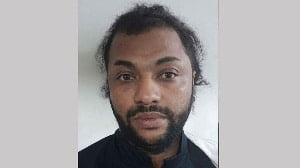
Nicknamed ‘The Facebook Rapist’, Bester escaped from prison after faking his own death (Picture: Department of Correctional Services)
She is expected to be charged with murder as part of the elaborate jailbreak plot, which involved sneaking a dead body into the prison where Bester was held to help him fake his own death in a fire and escape.
A prison guard and Magudumana’s father have already been charged with murder in connection with the body of a man who was found burned beyond recognition in Bester’s cell.
Police say the unidentified man died of blunt force trauma to the head before the fire took place.
Bester was convicted of one count of murder and two counts of rape in the death of his then-girlfriend, model Nomfundo Tyhulu. He was sentenced to life in prison plus 75 years in 2012.
He was known as ‘the Facebook rapist’ due to his propensity for using social media to lure victims to his home before assaulting them.
Magudumana, meanwhile, is a well-known doctor and businesswoman whose Instagram page has more than 146,000 followers.
In 2018, the glamorous medic was named one of the Mail & Guardian’s 200 most influential young South Africans.
Bester staged his escape from Mangaung correctional centre in Free State province nearly a year ago, when he was formally declared dead by suicide after the fire in his cell.
Details were only made public and pieced together in the past three weeks, with critics claiming officials intentionally covered up the story.
MPs held a special parliamentary hearing on Wednesday into security failures that played a role in the breakout.
They questioned senior officials from the prison and British private security company G4S, which has a long-term contract to run it.
Three prison employees, the night supervisor and two guards who worked in the security camera control room, were fired due to suspicion they helped Bester escape amid the confusion of the pre-dawn blaze in his cell on May 3, 2022.
Although one was charged with murder, MP Glynnis Breytenbach said she suspected more guards and officials were bribed to get the body into the cell and help Bester escape.
‘How many palms were greased?’ she asked during the hearing. ‘Are you honestly telling us this escape of Hollywood proportions was done with the assistance of only three people?’
The prison and G4S officials conceded under questioning that a TV cabinet big enough to possibly hide a dead body was brought into the prison in an unauthorised vehicle hours before Bester broke out at about 4am the following morning.
Neither the cabinet nor the vehicle was searched.
They also said top prison officials gave Bester permission to be transferred to a single-occupant cell three days before his escape. The cell was next to a fire exit, which he is believed to have used to flee.
MP Xola Nqola said it was ‘not a coincidence’ that Bester was moved to that cell.
An internal investigation by G4S found the prison’s security camera recording system had a ‘power interruption’ at about the time of the escape.
More arrests are expected to take place.
For months after his escape, Bester and Magudumana, whom police identified as his ‘accomplice’, lived in a mansion in a wealthy suburb of Johannesburg, driving luxury cars while running a company that allegedly defrauded businesses out of hundreds of thousands of pounds, according to media reports.
Authorities only announced publicly last month that Bester did not die in his cell and had escaped after South African news organisation GroundUp reported that the charred body found in the cell was not Bester’s, according to findings from the post mortem examination.
The news and heightened public interest in the case appeared to have spurred Bester and Magudumana to flee the country.
It also produced heavy criticism against authorities for failing to warn people that a dangerous criminal was on the loose.
The parliamentary hearing focused on the initial prison failures and continued on Thursday
Thabo Bester, a murderer and rapist who faked his own death in prison and escaped to Tanzania has now been deported.
Following his arrest last week in Tanzania, Bester was taken to South Africa via a specially chartered aircraft.
He was detained alongside his girlfriend, the well-known physician Nandipha Magudumana, who has since been deported.
With assisting Bester in escaping from custody, her father is accused.
Bester evaded capture for a year following the time it was believed he committed suicide by setting himself ablaze in his cell in the South African city of Bloemfontein.
A manhunt was launched last month after a new post-mortem investigation revealed the body was not actually his.
The celebrity doctor’s father, Zolile Sekeleni, and a suspended prison warden, Senohe Matsoara, have been charged with murder, arson and aiding and abetting Bester’s escape.
The two men appeared in a magistrate’s court in Bloemfontein earlier this week.
They were not asked to plead, and no further details were given of the charges.
The case was postponed to 17 April for a possible bail application.
Two other people have also been arrested in connection with Bester’s escape, but they have not yet been formally charged.
Bester has been taken to a high-security prison in the capital, Pretoria, while his girlfriend has been taken to court in Bloemfontein.
She will be charged with murder, fraud and helping Bester escape, police said.
Bester is also expected to face fresh charges following his shocking prison break.
He is known as the “Facebook rapist” for using the social networking site to lure his victims.
He was convicted in 2012 for the rape and murder of his model girlfriend Nomfundo Tyhulu. A year earlier, he was found guilty of raping and robbing two other women.
The US government has pledged to give five countries in West Africa $100 million to help fight potential extreme terrorism.
The countries include Côte d’Ivoire, Ghana, Benin, Guinea, and Togo.
This is in line with the US initiative to boost it eliminate violence and propel stability in areas vulnerable to conflict. US commits $100m to help combat terrorism in coastal West Africa
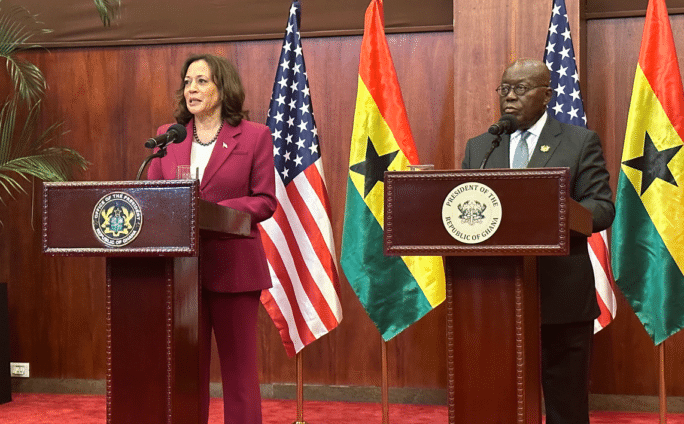
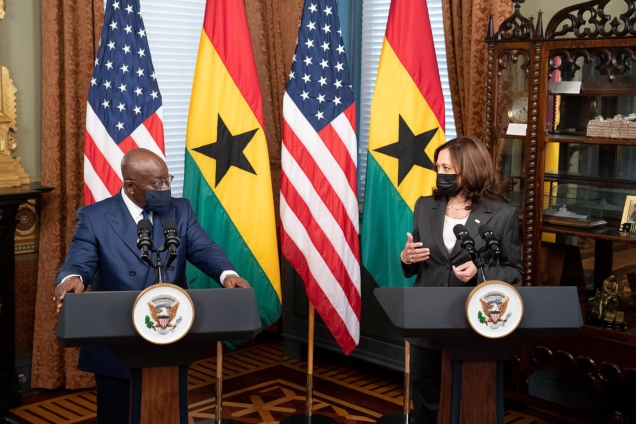
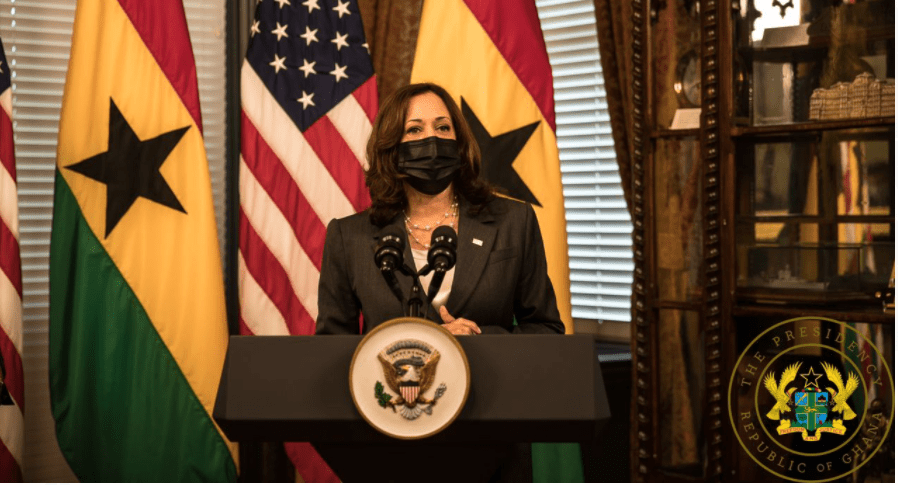
This was announced by US Vice President Kamala Harris during her visit to the Jubilee House in Accra.
She was hosted by President Akufo-Addowhere they both held pertinent discussions of mutual interest.
“Today I am pleased to announce $100 million in support of Benin, Ghana, Guinea, Cote d’Ivoire and Togo,” she said on Monday.
“Last week President Joe Biden announced a strategic plan for coastal West Africa as part of the United States strategy to prevent conflict and promote stability.”
She expressed hope that the funding will help implement the policy outlined by US President Joe Biden in the strategic plan. US commits $100m to help combat terrorism in coastal West Africa
Madam Harris is currently embarking on a one-week tour which will see her visit Ghana and two other African countries – Tanzania and Zambia.
The second-largest producer of cocoa in the world, Ghana, as well as other African nations, will benefit economically from stronger links between the United States of America and those countries, according toUS Vice President Kamala Harris.
Her visit to Ghana, since becoming the Vice President of US, comes at a time when Ghana is facing an economic crisis.
Ghana secured a Staff-Level Agreement with the International Monetary Fund (IMF) for a $3 billion Extended Credit Facility to support the country’s economic recovery and put it on a sustainable path of growth.
Kamala, who was welcomed by Dr. Mahamudu Bawumia, Vice President of Ghana, amid traditional drumming and dancing and cheers from some schoolchildren on Sunday, said, her visit was to promote economic growth and food security in Ghana and other African countries.
“On this trip, I intend to do work that’s focused on increasing investment here on the continent and facilitating economic growth and opportunity, specifically in the areas of economic empowerment of women and girls, empowerment of youth entrepreneurship, digital inclusion and support the work that must be done to increase food security,” Harris said in a short speech after her arrival at the Jubilee Lounge, Kotoka International Airport.
She said she would build on previous meetings with President Akufo-Addo, to deepen democracy and good governance, promote peace and security, build long-term economic growth, and strengthen business ties.
She said, “I also look forward to, during this visit, meet with entrepreneurs, students and farmers to witness, first-hand, the extraordinary innovation and creativity that’s occurring on this continent and inspiring the world.”
She said the US saw the visit to Ghana, Tanzania, and Zambia as a further statement of the long and enduring important relationship and friendship between her country and Africa.
“We (Ghana) see the visit of Kamala Harris as a very important one obviously because of the times in which we are, where the world is facing a lot of economic challenges,” Mr Jefferson Sackey, Deputy Director of Communication at the Presidency said in an interview with the media.
“She’ll be visiting Ghana, Tanzania and Zambia, and the key focus of this particular visit is to find ways and means of helping each of these countries and find ways of addressing a lot of our economic woes,” Mr Sackey added.
As part of her three-day visit to Ghana, Kamala would hold talks with President Akufo-Addo, and meet with female entrepreneurs as her country seeks partnerships and investments in entrepreneurship.
After spending three days in Ghana, she would go to Tanzania for two days, before stopping over for a night in Zambia, as her country deepens its relationship with Africa. The highlight of her trip to Ghana, will be the delivering of a speech at the Black Star Square on Tuesday, March 28.
Harris would also visit a recording studio, and visit the Cape Coast Castle, Central Region, where enslaved Africans were once loaded onto ships for America.
The Vice President of the United States of America, Kamala Harris, arrived in Accra, on Sunday, March 26, 2023, for her state tour of the African Continent.
Kamala Harris said that her visit to the African Continent forms part of efforts to strengthen the relationship between the US and African countries.
According to her, Africa with its human and natural resources will in the near future play a very critical role in the development of the world.
“I’m very excited about the future of Africa. I’m very excited about the impact of the future of Africa on the rest of the world including, the United States of America.
“When I look at what is happening on this continent and the fact that the median age is 19 years old. And what that tells us about the growth of opportunities, of innovation, of possibilities; I see in all of that great opportunity not only for the people of this continent but the people of the world.
“Especially when we understand that by the year 2050, we believe one in four people on earth will be on the continent of Africa,” Harris said in her first remark at the Kotoka International Airport after alighting from Air Force 2.
The US vice president is expected to have a bilateral meeting with President Nana Addo Dankwa Akufo-Addo on Monday, March 27. On Tuesday, she will deliver a speech at a special event at the Black Star Square and visit the Cape Coast slave castle.
On Wednesday, Kamala Harris is expected to meet with women entrepreneurs and discuss the economic empowerment of women, where she will announce continent-wide public and private sector investments by the US government.
The US vice president will leave Ghana for Dar es Salaam, Tanzania, in the afternoon on Wednesday (March 29, 2023), where she be for some days before departing for a final
Tanzania has now acknowledged a Marburg virus disease outbreak.
Following the deaths of at least five people in Kagera and Bukoba, preliminary investigations revealed that some of the samples tested positive for viral hemorrhagic fever.
After a warning from district health officials, Tanzanian health authorities sent samples to the reference laboratory to ascertain the disease’s etiology.
Five fatalities and seven probable cases have been reported thus far, along with symptoms like fever, exhaustion, and vomit and diarrhea stained with blood.
Further investigations are ongoing.
Advance teams have been deployed in the affected districts to trace contacts, isolate and provide medical care to people showing symptoms of the disease.
Efforts are also underway to rapidly mount emergency response, with WHO deploying health emergency experts in epidemiology, case management, infection prevention, laboratory and risk communication to support the national response efforts and secure community collaboration in the outbreak control.
Marburg virus disease is a highly virulent disease that causes hemorrhagic fever, with a fatality ratio of up to 88%. It is in the same family as the virus that causes Ebola virus disease.
Illness caused by Marburg virus begins abruptly, with high fever, severe headache and severe malaise. Many patients develop severe haemorrhagic symptoms within seven days.
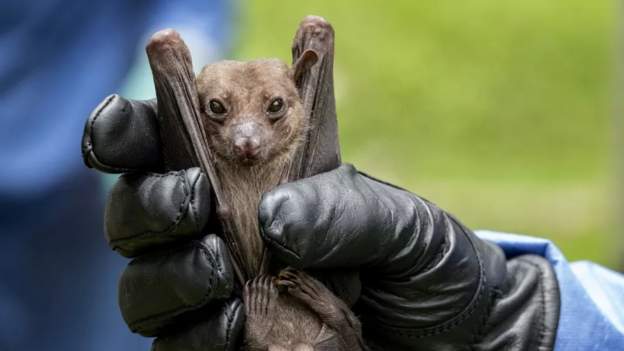
The virus is transmitted to people from fruit bats and spreads among humans through direct contact with the bodily fluids of infected people, surfaces and materials.
There are no vaccines or antiviral treatments approved to treat the virus.
However, supportive care – rehydration with oral or intravenous fluids – and treatment of specific symptoms, improves survival.
A range of potential treatments, including blood products, immune therapies and drug therapies, as well as candidate vaccines with phase 1 data are being evaluated.
From March 25 to April 2, U.S. Vice President Kamala Harriswill visit Accra, Ghana; Dar es Salaam, Tanzania; and Lusaka, Zambia.
The trip would build on the recent U.S.-Africa Leaders Meeting that President Bidenconducted in Washington in December 2022.
The trip will strengthen the United States’ partnerships throughout Africa and advance our shared efforts on security and economic prosperity.
Throughout the trip, in partnership with African governments and the private sector, Mrs Harris will advance efforts to expand access to the digital economy, support climate adaptation and resilience, and strengthen business ties and investment, including through innovation, entrepreneurship, and the economic empowerment of women.
The Vice President will meet with President Nana Akufo-Addo of Ghana, President Samia Hassan of Tanzania, and President Hakainde Hichilema of Zambia.
They will discuss regional and global priorities, including our shared commitment to democracy, inclusive and sustainable economic growth, food security, and the effects of Russia’s unprovoked war in Ukraine, among other issues.
The Vice President will strengthen people-to-people ties and engage with civil society, including young leaders, business representatives, entrepreneurs, and members of the African Diaspora.
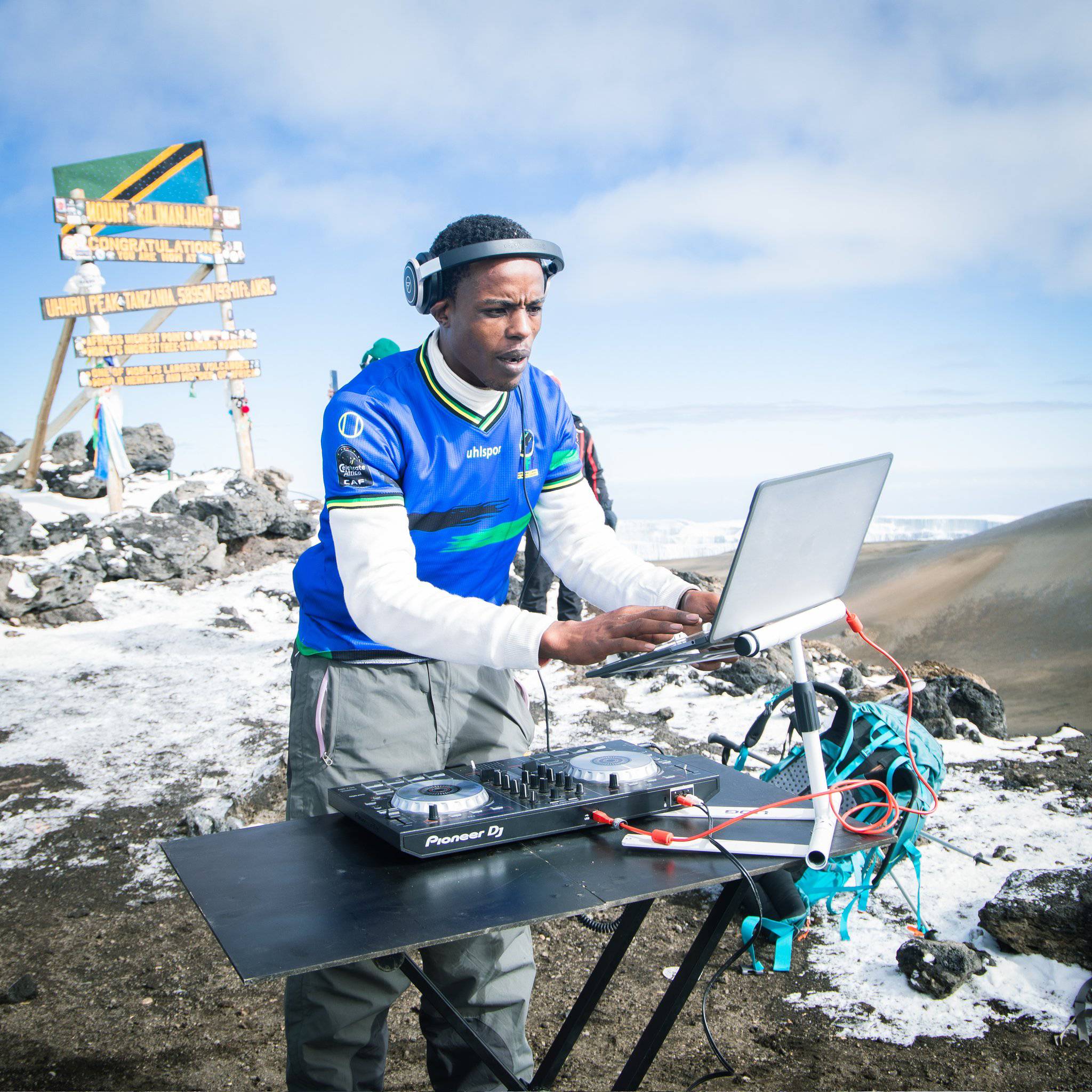
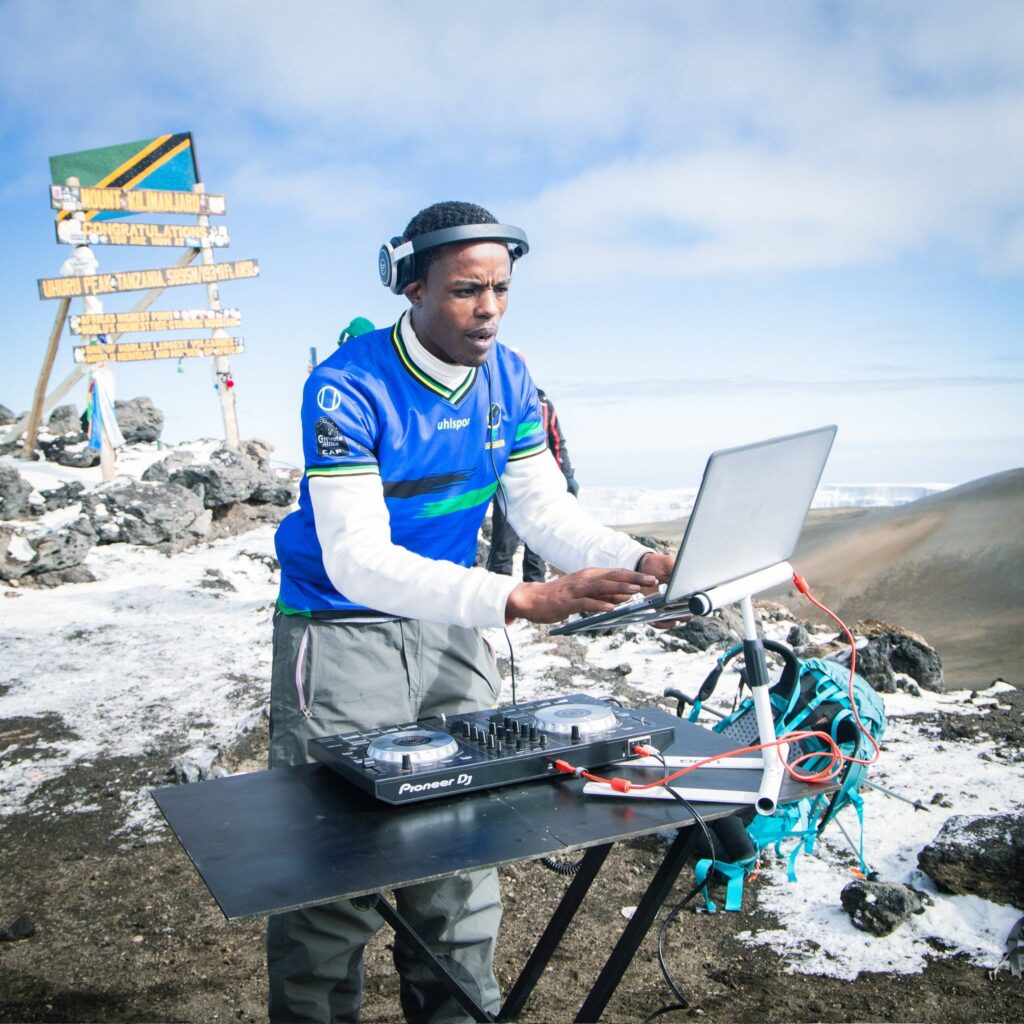
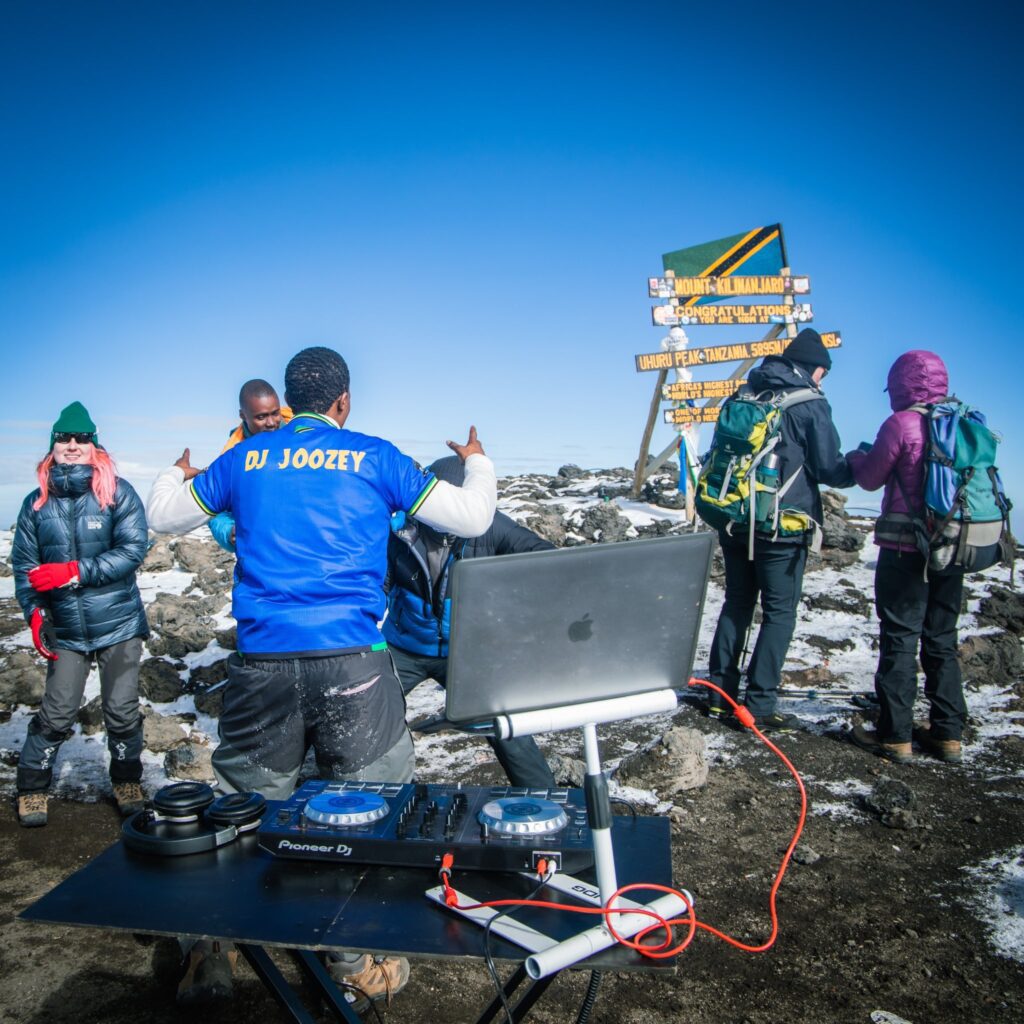
Tanzania’s DJ Joozey, real name Joseph Simon, has amazed social media users after sharing photos of himself playing a set selection on Mount Kilimanjaro, Africa’s tallest mountain.
Joozey ascended to the peak of the mountain with his music collection, setting it up at a height of 5,895 metres (19,341 feet) above sea level, and played for fifteen minutes, becoming the first African DJ to play at the peak of the highest mountain.
I DID IT!! I played on Mt Kilimanjaro the highest free standing mountain in world 🏔️5,895 metres (19,341 ft) above sea level and 4,900 metres (16,100 ft) above its plateau base. Breaking the World Record I am the first man to ever play a 15min DJ set. GOD IS GOOD! pic.twitter.com/ck4nTOzd6b
However, he admitted that the mix was not loud enough due to the sound being muffled by the wind at the mountain top.
“I did it! I played on Mt Kilimanjaro, the highest free-standing mountain in the world, 5,895 metres (19,341 ft) above sea level and 4,900 metres (16,100 ft) above its plateau base. Breaking the world record, I am the first man to ever play a 15min DJ set. God is good!” the DJ captioned the video clip of himself on Kilimanjaro with his setup.
Joozey, 27, is a rising star in Tanzania’s music industry and has been involved in show business for approximately five years, according to the local journal Tangaza Magazine.
The DJ was among the few chosen African artists in American rapper DJ Khaled’s album campaign for his “God Done” album last year.
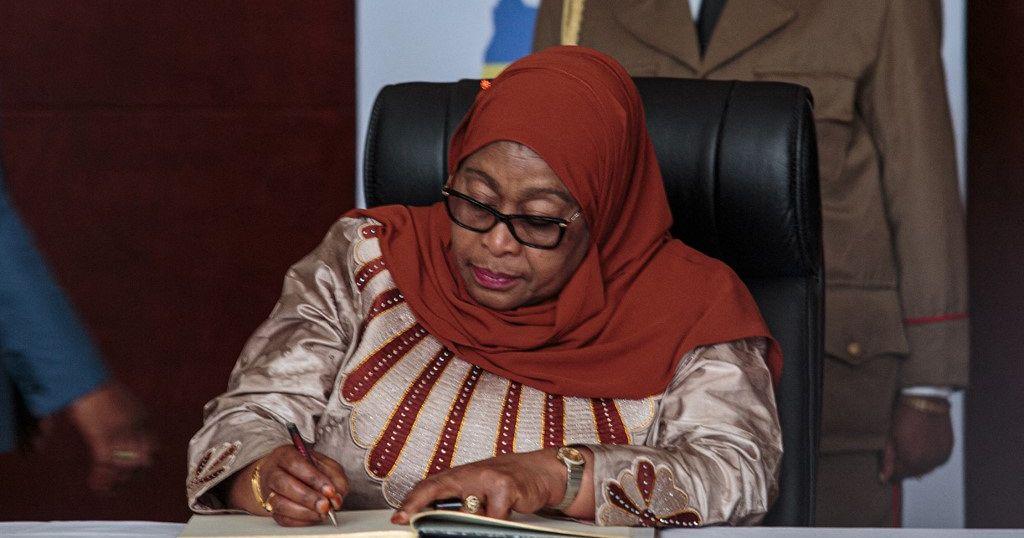
For the first time in Tanzania’s history, the president has attended an International Women’s Day event organized by the main opposition party, Chadema.
President Samia Suluhu Hassan’s presence was welcomed by Chadema chairman Freeman Mbowe, who said it was the fruit of meetings aimed at achieving reconciliation.
Ms Samia, who addressed thousands in the meeting, said that reconciliation was ongoing in Tanzanian politics, and that some steps had already been taken meanwhile others were in progress, including the finding of a new constitution.
In her address, President Samia added it had been difficult to start the reconciliation process as some in her ruling party “were not ready”.
“There was a lot of debates here and there, and the same appeared to the country’s opposition. So both parties have some of its people who are not happy with the step of political reconciliation,” Ms Samia added.
She is Tanzania’s first female president, having taken office following the death of John Magufuli in 2021.
Mr Magufuli was accused by the opposition of being authoritarian, and cracking down on its leaders and members.
Tanzania’s government has banned from schools several children’s books on sex education, accused of contravening “cultural and moral standards” in this East African country where homosexuality is criminalized.
“We are banning these books from schools and other educational structures because they are contrary to cultural and moral standards,” Education Minister Adolf Mkenda told reporters on Monday from the capital Dodoma.
Among the books banned is “Diary of a Wimp: Greg Heffley’s Logbook,” a series of American graphic novels that have sold millions of copies worldwide.
The government did not specify why it was targeting this “diary” featuring a teenager, but it assured that inspections were being conducted in public and private school libraries to ensure that it had been removed.
The minister also included in this first list of “unacceptable” books a textbook on sex education and books mentioning LGBTQIA groups.
Last week, the head of state Samia Suluhu Hassan called on student leaders to be wary of “imported cultures” from abroad. “If you are Tanzanian, live according to our culture,” she told them.
In Tanzania, homosexuality is punishable by a minimum sentence of 30 years to life imprisonment.
The use of 16 books from a well-known children’s book series in Tanzanian schools has been prohibited due to the books’ purported support of LGBTQ rights.
Adolf Mkenda, the education minister, claimed that the books put children’s education in danger.
According to the authorities, schools that use the books will face legal and disciplinary action, including having their registration revoked.
The banned books in the series include:
Diary of a Wimpy Kid: Rodrick Rules
Diary of a Wimpy Kid: The Last Straw,
Diary of a Wimpy Kid: The Ugly Truth
Diary of a Wimpy Kid: Cabin Fever.
Diary of a Wimpy Kid: The Third Wheel
Diary of a Wimpy Kid: Hard Luck
Diary of a Wimpy Kid: The Long Haul
Diary of a Wimpy Kid: Old School
Diary of a Wimpy Kid: Double Down
Diary of a Wimpy Kid: The Gateway.
“This is the first list, after we checked and verified that these books violate traditions and customs. The content in them are not good for the upbringing of Tanzanians. The review is ongoing,” said Prof Mkenda.
He urged parents to regularly check their children’s bags to ensure they are not using the books.
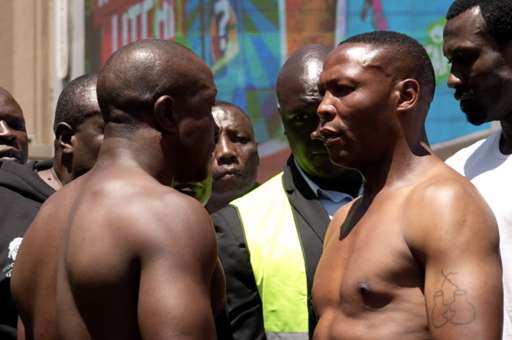
In East Africa, Karim Madonga is well-known for his extravagant boasts about his boxing prowess and goes by the moniker “mtu kazi,” which translates to “a fighter” in street Kiswahili.
He referred to his punch as a “heat-seeking missile” in his most recent fight. Prior to their fight on Saturday, he likened his punch to a “Ukrainian missile.”
The 43-year-old has drawn one fight, lost three, and won three fights.
He drew crowds as he walked around the Kenyan capital, Nairobi.
“I have been received well in Kenya. I started boxing in 2002, and boxing has made me a brand. Boxing took me to the city. I am the only boxer who became a star after losing a fight. And when I am beaten, I talk about it, when I win, I talk more about it. In boxing, you have to know how to talk and fight. I know both. Wanyonyi will be beaten,” Mandonga told BBC Sport Africa.
His opponent, 39-year-old Daniel Wanyonyi, says Mandonga’s personality is good for the sport.
“His talk makes him popular. We love such boxers. I am good at boxing, he is good at talking. I am ready for the fight tomorrow, it will be 10 rounds. There is pressure because we are at home and everyone is expecting me to win… However, I am telling Kenyans to leave that to me, victory will remain at home,” Daniel said .
Their fight will serve as a curtain raiser for the main fight between Kenyan boxer Rayton Okwiri and Tanzanian boxer Ally Ndaro.
A total of 11 fights will take place at the Kenyatta International Conference Centre (KICC). Organizers are hoping that the event will raise the profile of the sport, which has waned over the years.
Ghanaian international, Bright Adjei has completed his move to Singida Big Stars FC in Tanzania.
The forward officially wrapped up the deal on Friday, January 13, when for the first time he dressed in the jersey of the new club.
The highly-rated forward has joined the Tanzanian Premier League club from Ghana Premier League side Aduana Stars.
At his new club, Bright Adjei has been signed with a lot of expectations and will have to work hard to use not only his quality but experience to help the club to achieve their target for the ongoing 2022/23 football season and beyond.
Before leaving Aduana Stars, Bright Adjei had the chance to play at the CHAN 2023 tournament in Algeria with the Black Galaxies of Ghana.
He however opted to move abroad and hence asked head coach Annor Walker to exclude him from his squad.
The striker is now focused on the new chapter of his career in Tanzania.
Tanzania’s President Samia Suluhu Hassan has cancelled Independence Day celebrations scheduled for Friday and directed that the budget instead be used to build dormitories for children with special needs.
The 61st Independence Day event was to cost $445,000, money that will be used to build eight dormitories in primary schools around the country.
Tanzania’s Minister of State, George Simbachawene, on Monday said the money had been disbursed.
He said that instead of having parades and other national celebrations, the East African country will commemorate Independence Day by having public dialogues on development.
“The debates and conferences will be preceded by various schedules for regional and district leaders to carry out social activities in different areas including cleaning hospitals, schools, elderly homes and groups with special needs,” he said.
Usually, Independence Day celebrations are marked with pomp and state banquets.
This is not, however, the first time Tanzania has cancelled the celebrations.
In 2015, then-President John Magufuli cancelled celebrations and diverted funds towards the building of a road in the commercial capital, Dar es Salaam.
In 2020, he did the same and directed that the budget be used to buy medical facilities.
The current president, Hassan, is Tanzania’s first female head of state.
She previously drew attention by ordering big-bellied policemen to lose weight to be more effective at work.
Decades before she rose to higher office, she worked as a development officer in the Zanzibar government. She was also a project manager for the UN’s World Food Programme and later the executive director of an umbrella body governing non-governmental organisations in Zanzibar.
She also previously served as a minister for youth employment, women and children, and has spoken publicly to encourage Tanzanian women and girls to pursue their dreams.
Tanzania has begun rationing electricity due to a drop in hydroelectric output after a severe drought, the national power companysaid Wednesday (November 24), with some areas facing nine-hour blackouts.
The East African country can produce nearly 1,695 megawatts of power from hydroelectricity and natural gas, among other sources.
But it is currently facing a shortfall of 300 to 350 megawatts, said Maharage Chande, managing director of Tanesco, the national power company.
“There are two main reasons for the drop in production: a prolonged drought and ongoing maintenance of certain sites,” he told reporters in the economic capitalDar es Salaam.
The site of Kihansi for example, in the region of Morogoro (south-east), has seen its production capacity fall from 180 megawatts to only 17 megawatts.
Tanzania has been trying to increase its hydroelectricity production in recent years, thanks in particular to the construction of the controversial Julius Nyerere Dam in the Selous Reserve, which was supposed to produce around 2,100 megawatts.
Like its neighbors, the country has experienced low rainfall and a delayed rainy season, forcing authorities to impose water rationing in Dar es Salaam last month.
The situation is even more dramatic in Kenya, Ethiopia, and Somalia, which are facing the worst drought in decades.
On November 15, 2022, personnel from Special Operations Command Africa and the Tanzania Marine Special Forces completed a Civil Affairs Joint Combined Exchange Training in Dar es Salaam, Tanzania.
The month-long training allowed service members from the United States and Tanzania the chance to forge and sustain vital military-to-military ties while enhancing joint and allied readiness and interoperability.
“This course is very crucial for our special forces because it enables us to be better prepared for various scenarios and upcoming duties,” said Tanzania Peoples Defence Forces Marine Special Forces Commander Lt. Col. Athumani Ghamunga. “It is also the opportunity to share experience and knowledge between our special forces.”
Your Friends Also Read:Kenya, Japan Set to Introduce Direct Flights
Joint exchanges between the two countries are nothing new, but this exercise assisted in the development of new skills and the integration of components from the civil affairs section.
“This was the first civil affairs focused JCET in Tanzania,” said U.S. Army Capt. Tyler Clarke, a civil affairs team lead. “The training focused on civil affairs and civil military operations to include civil reconnaissance, civil engagements, we discussed negotiations, mediations and tactical combat casualty care.”
The main goal of the JCET program is to train special operations units from partner countries in a way that will help to secure and stabilise Africa.
Your Friends Also Read:Sudan: Security Forces Crackdown on Anti-Coup Protesters
“Joint combined exchange training is the bridge and glue which binds together the relationship between Tanzania and the U.S.,” said Tanzania Peoples Defence Forces Brig. Gen. Iddi Nkambi.
U.S. Africa Command and special operations forces are committed to mutually beneficial engagements with partners.
Over 600 Tanzanians are expected to lose their jobs after the semi-autonomous government of Zanzibar granted a Dubai-basedcompany exclusive rights to handle ground services at a refurbished airport.
According to the Tanzania Air Operators Association (Taoa), the contract awarded to Dnata, which is listed on the London Stock Exchange, violated a law that prohibits any company from having exclusive rights to ground-handling services at major airports.
The process of awarding the tender to Dnata was not “transparent, and due process was not followed and it was conducted against the law”, the statement said.
Zanzibar’s President Hussein Mwinyi defended the government’s decision, saying the aim was “to provide world-class standards” at the new terminal at Abeid Amani Karume International Airport.
The new operator officially starts operations at the terminal from 1 December, which was built at a cost of $120m (£101m).
The expansion aims at increasing the number of passengers at the airport can handle from just under a million per year to 1.5 million, according to earlier reports by the government.
Tourism is the main source of income for Zanzibar and airline industry is a major stakeholder. The stand-off is expected to dominate politicsin the island.
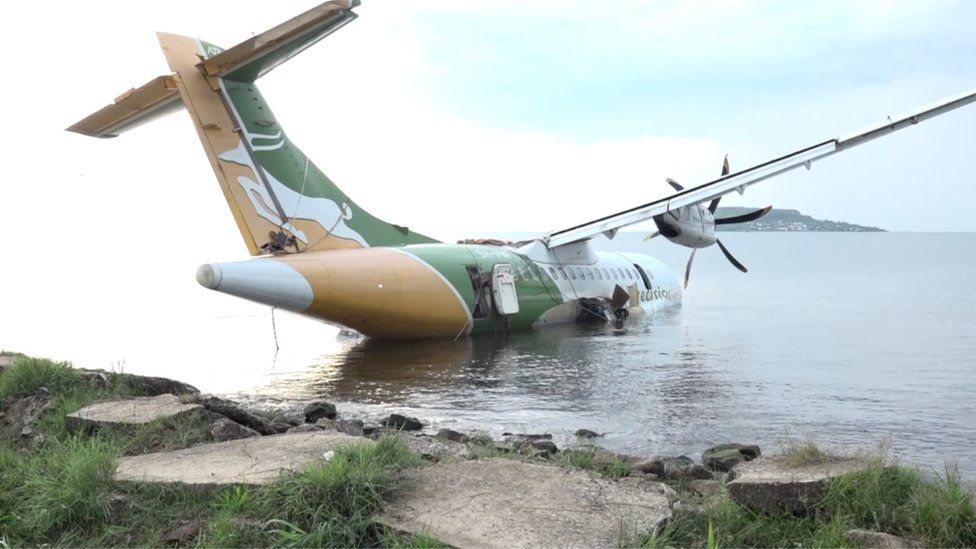
On November 6, a passenger plane crashed into Lake Victoria while attempting to land in the lakeside town of Bukoba.
ATR technical advisers are already on the ground in town to investigate the crash.
French civil aviation safety investigation experts, as well as Tanzanian experts, have been deployed to the area to conduct an independent investigation into the crash.
Precision Air,Tanzania’s largest privately owned passenger airline, flew the plane. It has served the Dar es Salaam-Bukoba route since 1994.
A fisherman who was one of the first responders at the site of Sunday’s plane crash in Tanzania’s Lake Victoria, which killed 19, has described how he tried to save the pilots trapped in the cockpit and nearly lost his life trying to save them.
Majaliwa Jackson has been recognized as a hero, receiving 1 million Tanzanian shillings ($430; £370) and being offered a job in the fire and rescue service for his efforts.
Before the government announcement, Mr Jackson told the BBC from his hospital bed in the lakeside town of Bukoba that he panicked when he saw the passenger plane approach from the wrong direction and crash into the lake.
He rushed to the scene with three fellow fishermen and helped to open the rear door by smashing it with a rowing oar which helped passengers seated towards the rear of the plane to be rescued.
Mr Jackson said he then moved to the front and dived into the water. He and one of the pilots then communicated with each other by making signs through the cockpit window.
“He directed me to break the window screen. I emerged from the water and asked airport security, who had arrived, if they have any tools that we can use to smash the screen.
“They gave me an axe, but I was stopped by a man with a public announcement speaker from going down and smashing the screen. He said they were already in communication with the pilots and there was no water leakage in the cockpit,” Mr Jackson said.
He added that after being stopped he “dived back and waved goodbye to the pilot”.
But the pilot then indicated that he still wanted to be rescued.
“He pointed out the cockpit emergency door to me. I swam back up and took a rope and tied it to the door and we tried to pull itwith other boats, but the rope broke and hit me in the face and knocked me unconscious. The next thing I know I was here at the hospital,” Mr Jackson said.
Both pilots are among the 19 confirmed fatalities after the plane – operated by Precision Air, Tanzania’s largest private airline – crashed near the shore of the lake.
IMAGE SOURCE,CHARLES MWEBEYA TBC Image caption, Ropes were used to pull the plane closer to the shore of Lake Victoria
Of the 43 people on board there were 24 survivors, according to Precision Air.
Mourners on Monday paid tribute to the 19 victims at a service held at the local football stadium in Bukoba.
Speaking at the service, Tanzania’s Prime Minister Kassim Majaliwa said the government would cover the cost of the funerals.
Earlier, he said an extensive investigation would be carried to establish the cause of the crash.
The plane left the commercial capital Dar es Salaam on Sunday and made a scheduled stop at Mwanza before it crashed at around 08.50 local time (05:50 GMT) as it was approaching Bukoba airport.
Tanzania’s Prime Minister Kassim Majaliwa will on Monday lead mourners in paying their respects at a funeral service for 19 people killed after a passenger plane crashed into Lake Victoria in Tanzania.
The plane crashed on Sunday morning near the shore at the end of the Bukoba airport runway.
Of the 43 people on board, there were 24 survivors, according to the operator Precision Air.
The prayers will be held at the Bukoba football stadium, according to the area’s regional commissioner Albert Chalamila.
Precision Air is Tanzania’s largest privately-owned passenger airline.
Tanzania’s army has deployed hundreds of troops to help firefighters who have been battling fires on Africa’s highest peak, Mount Kilimanjaro, for close to two weeks now.
Army officials say the Tanzania People’s Defence Forces (TPDF) will co-operate with other agencies and volunteers to ensure the fire is controlled before it causes more damage to vegetation on the mountain.
“Officers and men of TPDF have already arrived in Siha and Mweka areas in Kilimanjaro Region ready to fight the fire,” a statement by the TPDF says.
A BBC team on the slopes of the mountain witnessed some of the soldiers arriving at the two entry points to the mountain on Tuesday.
A series of wildfires have been breaking out in different areas on the mountain, after an initial fire started near a camp along a popular hiking route on 21 October.
Hundreds of people, including firefighters, national park staff, tour guides and civilians, have been battling to put out the fires with little success.
The cause of the fires is not known yet but the government says human activities are most likely to blame.
The government says a prolonged drought, layers of decaying organic material and strong wind are part of the reasons the fire has been hard to control.
Two years ago, a week-long inferno destroyed thousands of hectares of woodland on the mountain’s slopes.
Tanzanian authorities say more than 400 porters and tour guides have joined groups battling a fire that broke out in Africa’s highest peak, Mount Kilimanjaro, which has been spreading due to strong winds.
It comes as the fire reignited in areas that were previously under control.
The permanent secretary in charge of tourism, Prof Eliamani Sedoyeka, said the fire had reignited in three areas by early Tuesday and they had only managed to contain one of the areas by evening.
Two years ago, a week-long inferno destroyed thousands of hectares of woodland on the slopes of the mountain.
Mount Kilimanjaro, which is 5,895m (19,341 ft) high, is a popular tourist destination and tens of thousands of people climb it every year.
The data gathered by the US satellite agency, Nasa, appears to back up Tanzanian authorities’ claim that much of the fire on the slopes of Africa’s tallest mountain, Mount Kilimanjaro, has been put out.
Nasa’s Fire Information for Resource Management System, which uses satellite data to detect thermal hot spots, showed a fire burning in just one place on Sunday.
The system doesn’t indicate any active fire in the location on Monday – although it’s possible the latest data has not yet been uploaded.
The most recent aerial satellite image of the fire – taken on Sunday – doesn’t give us a clear enough view of what’s happened because of cloud cover.
However, a satellite image from Saturday showed a thick cloud of smoke rising, with the fire burning across a length of about 3 km (1.9 miles).
The fire comes two years after a week-long inferno destroyed thousands of hectares of woodland on Mount Kilimanjaro’s slopes.
Mount Kilimanjaro,which is 5,895m (19,341ft) high, is a popular tourist destination and tens of thousands of people climb it every year.
Tanzanian President Samia Suluhu Hassan has voiced concern over the country’s high birth rate and asked citizens to practise birth control.
It is a significant shift from her predecessor, the late John Magufuli, who openly pushed women not to use contraception.
President Samia confronted the country’s baby boom over the weekend while visiting the western region of Geita.
”Yesterday I was told in Buselesele ward in Geita region, one (health) centre produces 1,000 children a month
“Now how many classes will be needed after three years? What of health centres – how many will be needed to serve all these children? How many tonnes of food will be needed? Let’s reduce the speed and have control of this,” urged the president.
In 2018, while at a rally in the west of Tanzania, former President Magufuli described those who use contraceptives as lazy.
And in 2016, after the launch of free primary and secondary education in the country, he said: “Women can throw away their contraceptives. Education is now free.”
The World Bank estimates Tanzania’s fertility rate at 4.8 births per woman as at 2020. The high birth rate was attributed to early marriages and low contraceptive use.
Tanzania has a population of around 60 million people, with 49% of them living on less than $2 (£1.50) a day.
In an effort to reduce energy prices, Kenya is to move forward with the construction of a natural gas pipeline from Tanzania’s largest city, Dar es Salaam, to its coastal city of Mombasa and ultimately to the capital Nairobi, according to Kenya’s President William Ruto.
Mr Ruto spoke to Tanzanian media on Monday, shortly after holding bilateral talks with President Samia Suluhu, on his first visit to the neighbouring country since he took office in September.
Mr Ruto said the project would lower energy tariffs in the industrial sector, as well as for families in their homes.
In May last year, Mr Ruto’s predecessor, Uhuru Kenyatta, and Ms Suluhu signed a preliminary agreement covering the transport of gas from Tanzania to Kenya for use in power generation and, potentially, for cooking and heating.
The deal was said to be part of a longer-term plan to expand infrastructure links between the two big economies of East Africa.
You can listen to the full media briefing of the two presidents, in Swahili and English, here:
A report by the World Intellectual Property Organization (WIPO) has evaluated innovation levels across 130 economies to determine the most innovative markets in the world in 2022.
The 2022 Global Innovation Index (GII) measured each economy’s innovative capacity and output by focusing on a long list of criteria such as human capital, institutions, technology and creative output, as well as market and business sophistication, among others. The GII ranking is based on performance across seven pillars:
Which are the most innovative economies in 2022?
Switzerland is the most innovative economy in the world in 2022 – for the 12th year in a row – followed by the United States, Sweden, the United Kingdom and the Netherlands. China is nearing the top 10 while Türkiye and India enter the top 40 for the first time, according to the GII 2022.
Mauritius ranks first in Africa in Global Innovation Index 2022
Port Louis, Capital of Mauritius
According to the report, Mauritius emerged the most innovative African country, and climbing seven places to 45th on the Global Innovation Index (GII). Unlike most African countries, the report said Mauritius has a high human development score. Its economy has grown robustly in the last half a century, especially on financial services, tourism and information technology.
Top 10 innovation economies by region
This year, sixteen out of the 25 economies from Sub-Saharan Africa covered this year improved their ranking. Botswana took the biggest leap forward, reaching 86th position, and in so doing overtaking Kenya (88th) among the top 3 for the region. Other notable improvers within the region are Mauritius (45th), Ghana (95th), Namibia (96th) and Senegal (99th). South Africa remains unchanged in 61st place – and continuing to fail to improve consistently over time.
Here are the top 10 most-innovative countries in Africa, according to the 2022 Global Innovation Index
The governmentthrough the Ministry of Agriculture has said it will step up vigilance against the importation or illegal entry of genetically modified crops from neighbouring countries that allow the use of biotechnology in agriculture.
The measure communicated by Agriculture minister Hussein Bashe comes after Kenya lifted its ban on open cultivation of genetically modified (GM) crops after ten years.
“We are not open to such GM technology,” said Mr Bashe when reached for comment by The Citizen.
The Ministry of Agriculture has made an unequivocal response on Tanzania’s position on the use of biotechnology in food production after concerns were raised by some agriculture stakeholders, including consumers, of the potential entry of such crops, considering the proximity of the two countries.
The minister further reiterated that Tanzania does not promote or commercialise genetically modified crop varieties, as the country’s Hybrid and Open-Pollinated (OP) varieties are performing well.
Mr Bashe added that Tanzania is closely monitoring the said development, noting that currently Kenya’s move “has no effect on us”. He added that Tanzania had cancelled GM trials, and its position is still unchanged.
“Currently, issues related to biotechnology are being widely researched so that people understand its handling and control as far as data collection and analysis are concerned,” he said. As such, Mr Bashe added, whenever responsible authorities are satisfied with the matter, then Tanzania will proceed with GM trials.
“But such trials will only be allowed for academic purposes, which in turn would help the country and its people to have a broad understanding of GM varieties, especially the benefits and impact on the environment.” As it rules out commercial utilisation, the government is keen on establishing a specially-confined operation for academic purposes under strict supervision
“Such fields will be similar to what we have been doing with traditional seeds, whereby the country’s Agricultural Research Institute (Tari) is tasked with researching and producing traditional seeds with a view to developing and conserving them,” he said.
“We will keep on utilising the hybrid OP varieties as our various studies maintain that we have enough and the very best hybrid seeds that are commercially viable and more productive than GM.”
Making a comparative argument, Mr Bashe said, “Our colleagues (Kenyans) are using biotechnical technology (BT) on cotton seeds, which according to their studies, produce 850kg per acre. Yet our Ukiliguru hybrid varieties are yielding an average of 1.2 – 1.75 tonnes per acre.”
Therefore, the minister affirmed that with such an outcome, Tanzania has every reason not to embrace GM seeds.
“In fact, the cost of GM cotton seeds is five times higher than the price of hybrid cotton seeds.”
And for biosafety matters, Mr Bashe confirmed that the Tanzania Official Seed Certification Institute (TOSCI) is mandated to protect the country against GM varieties, among others, and that it will not allow such seeds to register in the country.
“The government is vigilant. We will put in place extra measures so as to make sure there aren’t any GM-related seeds that enter the country,” he assured.
In January, last year, former Agriculture minister Adolf Mkenda cancelled research trials involving genetically modified organisms (GMOs) in the country and put in place extra biosafety scrutiny of imported GM seeds.
The said decision was taken in order to conserve the country’s genetic resources and local seed.
Prof Mkenda’s announcement was not the first as in 2018, then Permanent Secretary of the Ministry of Agriculture Matthew Mtigumwe made a similar statement.
According to The Citizen records, the government did not only ban ongoing trials on GM seeds but also directed Tari to immediately destroy evidence of the research at the Makutupora centre for maize, and those for cassava at the Mikocheni centre.
It is said that trials at Makutupora, were at an advanced stage of releasing results for demonstration while the one in Mikocheni was ongoing.
According to Mr Mtigumwe, the government was unhappy as Tari had released field trial results when the government was yet to approve use of GM products in the country.
Mr Mtigumwe’s statement was seconded by Mr Japhet Hasunga, then Minister of Agriculture, and all field trials were halted.
Though later on, Dr Fred Tairo, principal agricultural research officer at the Mikocheni centre, refuted the statement, claiming there was full support from the government for GMO trials and that the “ban” was a point of miscommunication.
In 2016, Tanzania had planted its first genetically modified maize research trials under an initiative that was to build a new model for advancing agricultural innovation through public-private partnerships.
The confined field trial, a precursor to commercialization, was to demonstrate the effectiveness and safety of a drought-tolerant GM maize hybrid developed by the Water Efficient Maize for Africa (WEMA) project.
The anaesthetic officer who passed away in the early hours of Wednesday has been confirmed by the Ugandan health ministry.
Margaret Nabisubi, 58, is the fourth medical worker to die of Ebola, according to Health Minister Jane Ruth Aceng.
I regret to announce the passing of another Health worker, Ms. Nabisubi Margaret, an anesthetic officer. The 58 year old succumbed to Ebola at 4.33am this morning at Fort Portal Hospital (JMedic) after battling the disease for 17 days.
— Dr. Jane Ruth Aceng Ocero (@JaneRuth_Aceng) October 5, 2022
A team of medics got exposed to the virus when they treated the first confirmed case, who needed surgery, and they have been admitted to Fort Portal regional hospital.
A Tanzanian medical student, who was part of the team, died at the weekend.
Separately, a health assistant in the district of Kagadi died of the virus too.
It is suspected that a midwife also died from Ebola.
Medical workers expressed concerns about not having enough personal protective gear in the first days of the outbreak.
Official figures show that there have been 43 confirmed cases since the outbreak was announced two weeks ago, and 10 of these have died.
Health officials said they have traced more than 800 people suspected to have come into contact with those who contracted the disease.
The reshuffle comes in five months after she made minor changes in a cabinet in April this year.
In the new changes announced in a statement by the Directorate of Presidential Communication Stergomena Tax has been appointed as Minister for Foreign Affairs and East Africa Cooperation, replacing Liberata Mulamula.
Prior to the new appointment, Tax served as the Defence Minister, being the first woman on the docket.
Innocent Bashungwa who was the Minister of State in the President’s Office of Regional Administration and Local Government has been moved to the Defence ministry taking over from Stergomena Tax.
In another development, Samia has appointed Ms Angela Kairuki a member of parliament and will succeed Bashungwa in the President’s Office of Regional Administration and Local Government.
The appointees will take theoaths of their respective offices on Monday, October 3, 2022, at State House Dar es Salaam.
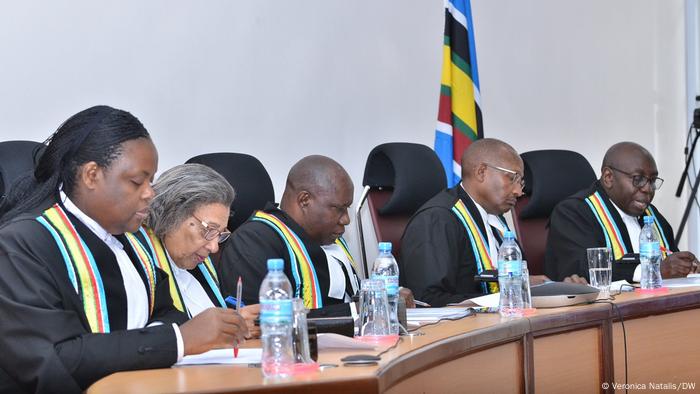
In a case involving a land dispute between them and the Tanzanian government, the Maasai community’s appeal was denied by the East African Court of Justice. The property is situated in the well-known Serengeti.
The Maasai petitioners wanted the East African Court of Justice (EACJ) to stop the Tanzanian government from removing them and their livestock by force from the border of the Serengeti Reserve and Loliondo Wilderness.
They argued that the government had violated the terms of the agreement for establishing the East African Community.
However, reading the court’s decisions, judge Charles Nyachae on behalf of judge Monica Mgenyi, said that the petitioners, livestock keepers of the Maasai community, failed to prove their claims that they were tortured and beaten.
Nyachae also said the petitioners could not provide evidence that their property was destroyed by people they described as soldiers of the police force.
“We are unable to receive sufficient evidence from the petitioners and we dismiss the reference,” the judge said while reading the verdict.
The East African Court of Justice judges said the Maasai petitioners failed to prove their claims
In their defense, the attorney general of the Tanzanian government pointed out that they did not use force or torture to remove the herders who invaded the Serengeti National Park which borders the Ngorongoro area in the north.
Long-standing case
In the case opened in 2017 at the East African Court of Justice, the Maasai people had hoped for a declaration stating that the Tanzanian government violated the set laws.
They also wanted an order from the court to stop the citizens’ evictions, arrest, detention, prosecution, and damage to their homesteads, livestock, and other property.
They were also seeking an order for restitution and reinstatement from the government, their members, and residents to their lawful property and full reparation and general damages of one billion Tanzanian shillings ( €446,000, $428,000).
Tanzania has approved amendments to the local anti-human trafficking laws to include tougher penalties such as lifetime jail terms and fines of up to Tsh200 million ($86,000).
Attorney General Dr. Eliezer Feleshi said the country needed to implement punitive measures to effectively shut down the vice.
The Human Trafficking (Amendment) Bill fixes a minimum jail term at 30 years for offenders of trafficking and hands judges free rein to impose a life sentence depending on the nature of the case.
“We have amended section 5(4) which showed that a convict may be jailed for 10 to 20 years to a minimum imprisonment of 30 years depending on the nature of the case,” the AG said last week.
Tanzania has approved amendments to the local anti-human trafficking laws to include tougher penalties such as lifetime jail terms and fines of up to Tsh200 million ($86,000).
Attorney General Dr. Eliezer Feleshi said the country needed to implement punitive measures to effectively shut down the vice.
The Human Trafficking (Amendment) Bill fixes a minimum jail term at 30 years for offenders of trafficking and hands judges free rein to impose a life sentence depending on the nature of the case.
“We have amended section 5(4) which showed that a convict may be jailed for 10 to 20 years to a minimum imprisonment of 30 years depending on the nature of the case,” the AG said last week.
Serial human traffickers may be handed life sentences while first offenders would pay a Tsh100 million ($43,000) fine.
Najma Murtaza, the deputy chairperson for the Standing Committee on Constitutional and Legal Affairs had suggested a tougher punishment to repeat trafficking offenders (serial traffickers).
Another MP, Salome Makamba said human traffickers were wealthy people, hence the need to hit them hard with large sums in fines.
“I want us to slap bigger fines because these are people with no economic problems,” she said.
Human traffickers are paid between $5,000 and $15,000 to transport a single person, mostly from Ethiopia and Somalia, through Kenya, Tanzania, and Mozambique to southern African states, a bulletin by the International Organisation for Migration (IOM) indicates, suggesting the existence of networks in these countries who collude to traffic people.
The IOM estimates that over 15,000 illegal immigrants pass through Tanzania every year, mostly from Ethiopia, Somalia, Burundi, and Rwanda on transit to South Africa and its neighboring states.
Other key destinations for their human cargoes are Oman, Saudi Arabia, United Arab Emirates, India, and China, data from IMO showed.
Victims of serial traffickers are women and children for domestic work (household), crop farms, mines, and the informal business sector.
Tanzania is a leading transit route for trafficking due to its geographical position and longer and porous land borders and the Indian Ocean routes with pirate ports in Zanzibar, Tanga, and Mtwara.
The industry regulator and a leading telecom company have sought to explain the relatively low internet speeds in Tanzania.
A survey by Ookla – a web service that provides free analysis of internet access performance metrics such as connection data rate and latency – analysed the performance of operator groups, including Airtel, Orange, MTN and Vodacom, in sub-Saharan Africaduring the second quarter of 2022.
MTN South Africa delivered the fastest median download speed at 65.95 megabits per second (Mbps), followed by Vodacom South Africa at 48.71 Mbps, according to the report.
Vodacom Tanzania was ranked 16th at 17.08 Mbps, while Airtel Tanzania was ranked 18th at 12.89 Mbps.
Vodacom Tanzania was ahead of only Airtel Rwanda (15.21 Mbps); Airtel Tanzania, Airtel DR Congo (11.15 Mbps); Vodacom DR Congo (8 Mbps) and MTN Guinea (2.89 Mbps) among operators involved in the survey.
“In Tanzania, there was no clear winner as Vodacom won the download speed and Airtel the upload,” the report said.
Airtel and Vodacom’s upload speed stood at 9.02 Mbps and 8.62 Mbps, respectively.
Tanzania’s mobile market is served by six operators, namely Vodacom, Airtel, Tigo, Halotel, TTCL and Smile, but only two featured in Ookla’s report.
Vodacom Tanzania accounted for 31 percent of the 56.2 million subscribers that were registered by June 2022, followed by Airtel at 27 percent, according the Tanzania Communications Regulatory Authority (TCRA).
Vodacom Tanzania network director Andrew Lupembe told The Citizen at the weekend that download speeds could be improved further by investment in capacity.
He said there are business challenges in the market where for a while the competition has centred on lowering the cost of services as a way of capturing market share.
This, added Mr Lupembe, necessitated the regulator’s intervention and introduce the data floor pricing, with price harmonisation coming into effect on August 1.
“We are not there yet and this is one of the most critical things to look at if this market is to have the speeds available in other countries such as Kenya.
“To address the speeds, we need to correct data pricing that will allow investment and build network capacity,” Mr Lupembe said.
At Vodacom, he added, there are ongoing engagements regarding tariffs that will open opportunities for accelerated investment in the country.
Mr Lupembe expressed the company’s commitment to continue investing in network expansion to address the communications need in the country.
To further increase its network reach, in May 2022, Vodacom Tanzania signed a deal with the National ICT Broadband Backbone (NICTBB), a national fiber optic cable network.
This will allow Vodacom to increase rural connectivity after an initial investment of €5.82 million ($6.22 million) in October 2021.
Furthermore, in September 2022, Vodacom launched 5G mobile service in Dar es Salaam with a target to expand to approximately 230 locations in other cities.
Asked on why the firm should not focus on improving their current 2G, 3G and 4G instead of rushing to launch 5G, Mr Lupembe said 5G has different use cases that prompted them to pursue it.
One of the use cases of 5G includes, Fixed Wireless Access (FWA) which corresponds to the internet needs of homes, small offices and businesses alike, he said.
Mr Lupembe added that 5G technology brings great benefits to the country by accelerating the 4th industrial revolution and promoting new services and products by new and existing investors.
“We continue to invest on 4G acceleration on coverage and capacity. Important to note is that it is not always the case that one has to fully cover one technology before moving to another. Different technologies use cases address different consumer needs when it comes to internet usage.”
Efforts to reach Airtel Tanzania for comment proved futile.
TCRA director general Jabiri Bakari said he was not aware of circumstances under which the Ookla’s study was carried out.
However, he said, as the regulator, they were creating an enabling business environment for telcos to do better when it comes to download speed.
“The kind of license that we issue to operators allows them to deploy any kind of technology they want,” Dr Bakari told The Citizen by telephone at the weekend.
“And now we are providing them with more spectrums for 4G and 5G so that they can broaden their coverage.”
Internet in Tanzania is ranked among the cheapest in Africa.
The government is set to purchase a new special cargo aircraft, with plans to use the Kilimanjaro International Airport (KIA) as a strategic airport for cargo landing.
According to the Deputy Minister for Work and Transport, Mr Atupele Mwakibete, plans are aligned for the special cargo aircraft- Boeing 767-300F to arrive in the country in June 2023, to boost the cargo business.
Mr Mwakibete was responding to a question asked in Parliament by Hai lawmaker, Saasisha Mafuwe who wanted to know why the government has not declared the KIA as a special airport to boost the country’s agribusiness by allowing cargo aircraft to land and takeoff without paying the fees.
In his answer, Mr Mwakibete said in an effort to attract cargo business, the government was ready to review landing fees for all cargo aircraft as it had been proposed by the Hai representative.
“Currently we do not have special cargo aircraft which have specific schedules to land at KIA,” he said.
He, however, insisted that the cargo coming to KIA was being transported by passenger aircraft.
According to the Deputy Minister for Work and Transport, Mr Atupele Mwakibete, plans are aligned for the special cargo aircraft- Boeing 767-300F to arrive in the country in June 2023, to boost the cargo business.
Mr Mwakibete was responding to a question asked in Parliament by Hai lawmaker, Saasisha Mafuwe who wanted to know why the government has not declared the KIA as a special airport to boost the country’s agribusiness by allowing cargo aircraft to land and takeoff without paying the fees.
In his answer, Mr Mwakibete said in an effort to attract cargo business, the government was ready to review landing fees for all cargo aircraft as it had been proposed by the Hai representative.
A Tanzanianfilm has been shortlisted for an Oscars award – ending the country’s two-decades wait for an entry in the awards.
Vuta N’kuvute film – Swahili for tug of war – has been shortlisted in the 95th Oscars’ Best International Film category.
Released in Swahili and with a majority black cast, the film tells the story of a young Indian-Zanzibari girl whose romance thrives on the back of a political revolt in the dying days of British imperial rule.
“The future for Tanzanian cinema is finally in our hands. A wave of Swahili filmmakers grows with pride, intellect and audacity every day,” Amil Shivji, a co-producer of the film, posted on Instagram.
In September 2021, Vuta N’kuvute made history as the first Tanzanian feature film to ever be screened at the Toronto International Film Festival (TIFF).
Tanzania’s first entry to the Oscars awards was Maangazi: The Ancient One, in 2002.
The country’s Swahili Bongo films are popular in East Africa.
Over 100 alleged members of a youth gang arrested in Tanzania will be arraigned to answer to criminal charges in the city of Dar es Salaam.
The authorities are working towards containing criminal activities carried out by the Panya (Swahili for rat) Road gang.
The gang, which has members aged 14-30, has been in operation since 2016 and is widely known for using machetes to raid homes and carry out robberies.
Jumanne Muliro, the Dar es Salaam regional police commander, said more than 300 police officers have been deployed across the city to arrest suspected gang members.
Last week, police confirmed killing six people in connection with criminal activities in the city.
This was just a few days after the gang reportedly invaded a neighbourhood at night and killed a second-year university student identified as Maria Basso.
An incident of violent robbery involving the gang was also reported last week in the city’s Temeke district.
According to Finance Minister Mwigulu Nchemba, President Samia Suluhu Hassan’s decision resulted in the charges being eliminated.
Charges for transfers from bank accounts to mobile money accounts, transfers within the same bank, and transfers between banks are all impacted by the change.
“I would like to present this report whereby we have made the following adjustments that would reduce the burden of transaction fees in the society,” the minister told MPs.
The changes will come into effect on 1 October.
The minister said the changes will greatly affect the government’s revenue, but ordered state agencies to cut expenditures on snacks, seminars and workshops.
The unpopular banking and mobile money transaction fees will no longer be imposed on citizens in Tanzania.
President Samia Suluhu Hassan directed the abolishment of the transaction fees according to Finance Minister Mwigulu Nchemba.
“I would like to present this report whereby we have made the following adjustments that would reduce the burden of transaction fees in the society,” the minister told MPs.
The move affects charges for transactions from bank accounts to mobile money accounts, transactions within the same bank, and transactions from one bank to another.
The changes will come into effect on 1 October.
The minister said the changes will greatly affect the government’s revenue, but ordered state agencies to cut expenditures on snacks, seminars and workshops.
Last year, the banking and mobile money transaction fees was imposed amid public outcry.
Due to the widespread affects and legends surrounding Ghana’s first president, Osagyefo Dr. Kwame Nkrumah, his stories may as well be legendary.
Even in the distant past, Tanzania, an East African nation, honored the contributions and achievements of the pan-Africanist by naming a structure after him and including it on their currency.
The structure, which is at the University of Dar Es Salaam, houses the works of people who continue to assist the economic and sociocultural growth of the nation, according to information given by Ghana Facts & History on Twitter.
It is through this, and the distinct impression that the Nkrumah Hall has had on the university community and the country as a whole, that the building once appeared on the Tanzanian 500 shillings note.
The Nkrumah Hall is now a UNESCO National Heritage Building and has become an iconic symbol of academic enquiry, liberty, and development.
While researching further, GhanaWeb chanced on another information on how the Nkrumah Hall building got to be featured on the country’s currency.
According to a user on Twitter, Awakey (@kofiawapo), the symbolism of having Kwame Nkrumah’s name on the building, and then featured on the 500 shillings note, was out of gratitude to the Ghanaian president.
“… the origin of the 500 shillings note, apparently was given to Nkrumah as a gift by a Head of State. He pledged to give a scholarship to a Tanzanian citizen to study in Kwame Nkrumah University of Science and Technology,” he tweeted.
Ghana celebrates the birthday of Kwame Nkrumah on September 21.
While the country has not marked the day as a national holiday in the last few years, because of the new Public Holidays Act, 2018, which was passed by Parliament in 2018 to amend the Public Holidays Act, 2001, a new information from the Minister of the Interior days ago said this year’s would be marked otherwise.
The new Act replaced three public holidays, including September 21, and introduced two new holidays, January 7 and August 4.
However, in the statement issued by the minister on Friday, September 17, 2022, it said Wednesday, September 21, 2021, has been declared a statutory holiday.
James Simbachawene, who is the son of Tanzanian state minister, George Simbachawene, has fined a total of 250,000 Tanzanian shillings ($107, £90) thrusting cars last week.
He has been fined for the offences of reckless driving, driving under the influence of alcohol and driving an uninsured vehicle..
Per reports, James Simbachawene kept bragging about his father’s influence while engaging in such actions.
The 24-year-old was arrested after a video of the incident in Dar es Salaam, Kinondoni area, went viral.
His father had asked the authorities to take full legal action against him, adding that he is “a grown man now”.
Tanzanian Maasai herders arrested early last month during violent clashes with security forces over a land dispute with the government have been charged with murder.
The 25 suspects had taken part in protests against the eviction of their community from their ancestral land in Loliondo in the northern Ngorongoro district.
The suspects, who include the ruling party CCM’s Ngorongoro district chairman and ward councilors, appeared on Thursday before a magistrates’ court in the northern town of Arusha.
They all faced a second charge of attempted murder. They have not yet taken a plea on the charges.
The prosecution alleges that the Maasai people attacked security forces demarcating land in the area and speared a police officer who later died of injuries.
Resident Magistrate Herieth Mhenga adjourned the case to 14 July as police investigations continue.
A group of 15 lawyers is representing the accused.
Tanzania’s government leased Loliondo division in 1992 as a hunting block to a company based in the United Arab Emirates.
Attempts to relocate the Maasai from the 1,500 sq km (580 sq miles) protected area since 2009 have faced local and international pressure.
The government argues that the community will still have access to 2,500 sq km of land in the area.