Tag: Water

  • Electricity tariffs to drop by 4.81%, water by 3.06% from April 1

    Electricity tariffs to drop by 4.81%, water by 3.06% from April 1

    Electricity and water tariffs will be reduced by 4.81% and 3.06%, respectively, effective Wednesday, April 1, the Public Utilities Regulatory Commission (PURC) has announced. The reduction follows the Commission’s quarterly tariff review. 


    The Public Utilities Regulatory Commission attributed the decision to changes in the Ghanaian Cedi–United States Dollar exchange rate, domestic inflation, electricity generation mix, and the cost of fuel, particularly natural gas used in thermal power plants. This was contained in a statement issued by the Commission on Friday, March 13.

    “The Public Utilities Regulatory Commission (PURC) wishes to inform consumers of electricity and water that the existing electricity and water tariffs have been reviewed downwards to take effect from April 01, 2026.

    “The Commission applied a projected Weighted Average Ghana Cedi-US Dollar Exchange Rate of GHS11.1931/US$1.0000 for the second Quarter of 2026. This projected exchange rate is based on a 3- month Actual Inter-Bank Average Ghana Cedi-US Dollar Selling Exchange Rate for the period December 01, 2025, to February 28, 2026. This indicates a 6.78% reduction from the last Quarter rate of GHS12.0067/ US$1.0000,” the statement said.

    As part of PURC’s multi-year tariff review process covering 2026 to 2030, electricity tariffs were increased by 9.86 percent, while water tariffs were rose by 15.92 percent.

    Justifying the increases, the Public Utilities Regulatory Commission cited the investment requirements of utility providers, the need to ensure industry competitiveness, and the necessity of safeguarding consumer interests. PURC also attributed the adjustments to the cedi–dollar exchange rate, domestic inflation, the electricity generation mix, and rising fuel prices, especially natural gas.

    However, speaking to the media on Tuesday, December 9, GWCL’s Public Relations Officer, Stanley Martey, indicated that the 15.92% tariff increase is inadequate to ensure taps keep flowing often. He stressed that the adjustment fails to provide lasting solutions to GWCL’s major financial and operational problems.

    “Let’s admit that we can only keep the taps on 24/7 when we have built new treatment plants, when we have extended pipelines and all that. This tariff cannot do that,” he said.

    In October, electricity tariffs for all consumer categories increased by 1.14 percent. However, water tariffs saw no increase for the same period. According to a press statement by Acting Executive Secretary Shafic Suleman, the Commission indicated that the adjustment had become necessary due to factors such as the Ghana cedi–US dollar exchange rate, domestic inflation, the electricity generation mix, and fuel prices, especially natural gas.

    The review was in line with the Commission’s Quarterly Tariff Review Mechanism, which tracks key economic factors that affect the cost of delivering utility services.

    The PURC notes that the incoming hike will maintain the real value of tariffs and keep service providers financially stable. The Commission stated that it did not fully recover some costs in the previous quarter (Q3), due to currency changes or other factors.

    It added that it was short of GHS0.3980 per US$1 in the third quarter and therefore incorporated this shortfall into the new tariff.

    Earlier in September this year, the Public Utilities Regulatory Commission (PURC) received proposals from eight utility companies calling for a significant adjustment in utility tariffs to ensure they can fully operate at their capacities.

    Proposals from the electricity distributors and the water provider for the 2025–2029 tariff period cited rising operational costs and the need to maintain efficient service delivery.

    The eight companies include the Electricity Company of Ghana (ECG), Volta River Authority (VRA), Northern Electricity Distribution Company (NEDCo), Ghana Water Limited (GWL), the Ghana Grid Company (GRIDCo), Ghana National Gas Limited, among others.

    ECG pushed for a massive 225% hike in its distribution service charge. For instance, a household consuming 150 kWh monthly would pay an additional GHS64, while a residence using 100 kWh per month would pay about GHS43 more in distribution charges.

    As part of ECG’s request, the current Distribution Service Charge (DSC) of 19 pesewas per kilowatt-hour should be raised to nearly 62 pesewas per kilowatt-hour.

    “The PURC will undertake the major adjustment in the 4th quarter of 2025 to reflect capacity charges, additional liquid fuel usage, and additional capex. The current charge is below industry benchmarks, and cedi depreciation has reduced its value. US$408m spent on network upgrades and smart meters,” parts of ECG’s petition read.

    ECG has emphasised that the adjustment has long been overdue, noting that in 2022 it proposed 39.95 pesewas, but only 19.04 pesewas was approved.

    According to ECG, it has invested $48 million in network upgrades and smart metering systems to enhance power reliability, reduce outages, and align tariffs with international industry standards, yet these efforts have not yielded the expected cost recovery.

    Furthermore, ECG has projected an annual revenue of GHS9.5 billion between 2025 and 2029 if the new charges are approved. The proceeds, according to the utility company, would be allocated to cover operational costs, depreciation of assets, staff salaries, and the recovery of recent capital expenditures.

    VRA sought a 59% increase to cover the rising costs of producing electricity. If approved, the current tariff of 45.0892 Ghana pesewas per kilowatt-hour will be increased to 71.8862 pesewas per kilowatt-hour for the Bulk Generation Charge.

    Speaking during a public hearing on Tuesday, September 9, Senior Economic Analyst at VRA, Evans Somuah Mensah, said, “Over the years, VRA has not been compensated for doing this work to assist the national connectivity system. We are saying that on an annual basis, VRA should be given compensation $30.49 million for Akosombo power generation, and Kpone Thermal plant, a little bit of $30,000.

    “Justification for tariff increase, we are saying that we want to recover the cost of our power supply to the distribution companies, and recover the cost of transmission and also be compensated for the provisions of ancillary services. We are requesting the PURC to increase the existing tariff of BGC from 45.0892 Ghana pesewas per kilowatt-hour to 71.8862 Ghana pesewas per kilowatt-hour.”

    VRA has justified the increase as necessary to fully recover the cost of power generation supplied to distribution companies (DISCOs). It has noted that sustaining reliable electricity generation and meeting its operational and financial obligations will become increasingly difficult if its proposal is rejected.

    Ghana Water Limited has proposed a jump from GH¢5.28 per cubic metre to GH¢20.09 per cubic metre, seeking regulatory approval for a 281% increase in its water tariff.

    NEDCo has also called for its tariff to be increased to 153.03 pesewas per kilowatt-hour from the current 56.474 pesewas, representing a 171% rise. GRIDCo, meanwhile, is demanding that the current 5.6422 pesewas per kilowatt-hour on its transmission service tariff be raised to 12.9768 pesewas per kilowatt-hour.

    Ghana National Gas Limited is proposing to increase its tariff from US$1.10 to US$2.10 per million metric British thermal units (MMBtu). However, the onus lies on PURC to carefully review the requests, assess whether the increases are justified, and determine how the costs will be distributed.

    In July this year, electricity tariffs increased by 2.45% across the board, with no increase in water tariffs.

    The adjustments, according to PURC, were carried out in line with the Commission’s Quarterly Tariff Review Mechanism, which tracks and incorporates movements in key factors beyond the control of the Utility Service Providers (USPs).

    These factors include the exchange rate between the US dollar and the Ghana cedi, the domestic inflation rate, the electricity generation mix, and the cost of fuel, mainly natural gas.

    According to the Commission, additional factors considered before concluding the hike in tariffs include outstanding debt of GHS488 million carried over from the previous three quarters, reserve capacity for grid stability and reliability, and the inclusion of 27% of the cost of alternative fuels such as Distillate Fuel Oil (DFO), Heavy Fuel Oil (HFO), and Light Crude Oil (LCO).

    The Commission expressed gratitude to stakeholders for their support as it continues to implement the Quarterly Tariff Reviews in accordance with its Rate Setting Guidelines to address changes in operational conditions of the service providers.

    Majority Leader Mahama Ayariga justified PURC’s decision to increase electricity tariffs. Speaking on the floor of Parliament on Friday, June 27, he noted that there is a need for ECG to be able to settle its growing debt.

    “You all know that the whole of last year and before that, there was an effort to prevent the PURC from adjusting the tariffs. So that whole period, there was no adjustment, and you know very well that bills were accruing; payments have to be made. ECG is accumulating huge [debt] and it has to be paid, so who is supposed to pay? Is it not the consumer?” he questioned.

    According to him, failure to address ECG’s indebtedness would render the company powerless in supplying power to its consumers.

    “And if you are not adjusting the tariffs to enable ECG to pay, ECG is going to collapse. They are no longer able to buy the input needed to keep the generators on, and we are going to have a power outage; the bills have to be paid.

    “The bill has to be paid. So if PURC is doing its work, I do not think there is a basis for saying that because we have improved the economy, it doesn’t mean that the debt at ECG will just be whisked away. The bill has to be paid partly by consumers,” he asserted.

  • Customers’ GHS2bn arrears hampering our operations – GWL

    Customers’ GHS2bn arrears hampering our operations – GWL

    Ghana Water Limited (GWL) has expressed concern over its inability to operate effectively due to GH¢2 billion in arrears owed by consumers. Managing Director Adam Mutawakilu disclosed during the inauguration of the Revenue Enhancement Teams on Wednesday, February 4.


    According to Mutawakilu, these arrears are largely the result of illegal connections, meter bypassing, billing errors, and outright water theft by certain customers. He also revealed that of the 220 million gallons of water produced nationwide daily, only 106 million gallons are accounted for.

    The Managing Director further explained that nearly a third of the unaccounted-for water is being lost due to technical issues, including aged pipes and problems within the transmission and distribution network.


    “Our assessment over the period indicates that about 32% of the non-revenue water relates to technical losses due to aged pipes and transmission and distribution lines. About 78%, however, results from illegal connections, meter bypassing, billing anomalies, and outright water theft,” the company stated.

    Between August and December 2025, Ghana lost over GH¢5 million to illegal water connections. The GWL uncovered an alarming water theft, particularly in urban cities like Accra, which consumes the most of the water produced by the nation’s water supply company, following an intense operation.

    ling water by connecting illegally to the water system, and some businesses that were being charged as domestic entities instead of commercial users.


    Also, some consumers have installed bypasses, i.e., setups or pipes that avoid the water meter, resulting in significant revenue losses for the utility company.


    According to the Managing Director, GWL has so far recovered a little over GH¢1.3 million from the illegal connections identified between August and December. He added that the company’s legal department has begun processes to prosecute offenders, warning that culprits will be taken to court to deter future violations.


    “…and we have recovered a little over GH¢1.3 million. The legal department is pursuing the cases in court,” he added.
    In an intensified effort, the MD noted that GWL has engaged the National Security to triple the task force team, from 3-12 to expedite the detection and clamping down on the theft
    “With the work of the three taskforce teams, non-revenue water dropped from 52 per cent in January to 49.4 % by November. That is encouraging, so we have engaged National Security to expand the teams to 12.


    In a related development, late last year, GWL in the Eastern Region arranged for 15 defaulting customers to appear in court in a few days.

    This formed part of the company’s large-scale legal campaign to recover more than GHC32 million owed by long-term defaulters. The debt, the nation’s water supply insists, undermines the effectiveness of their operations and improves water service delivery.


    Ing. Paul C. Akpanya, Regional Chief Manager of Ghana Water Ltd. (Eastern Region), made this statement on Tuesday, December 9, in Koforidua, Eastern Region, during the launch of GWCL’s large-scale legal campaign to recover over GHC32 million owed by long-term defaulters.


    According to him, the 15 defaulters fell under Phase One of the campaign, with more rigorous and lawful measures expected to be adopted in the coming days to retrieve the debts.


    “We will go the extra mile within the remit of the law to recover every arrear owed the company. This is essential for sustaining our operations and improving service delivery to the public,” he said.


    GWL’s legal team said more names will be added as the campaign intensifies, targeting customers who have ignored repeated reminders, accumulated long-term arrears, or continued to refuse payment even after disconnection.


    The action also covers individuals and businesses that have opted to rely on alternative water sources, such as boreholes and wells, without settling their outstanding bills.


    The first batch of cases filed includes a mix of commercial and residential customers:
    Jilcom (Suhum Roundabout Shell Station), Petroleum & Construction Ltd., Constance Baafi, Ebenezer Larbi Opare, Yomboi EA Adu, Dora James Okyere, KAMA Group of Companies (Regional Director of Health), Paulina Donkor, Richard Boadu, Felicia Okyere Darko, F. A. Mpare, Taylor Posiah & Oduro, Patrick Ernest Obeng, Kwame.


    This is not the first time Ghana Water Company Limited (GWCL) has threatened or taken legal action against defaulters. The company has a history of warning customers and even announcing plans to prosecute defaulters as far back as 2023 and 2024, before the current campaign this December 2025.


    In April 2023, GWCL issued a public warning that it will prosecute defaulting consumers who fail to settle their debts. The company stated that outstanding arrears were undermining its operations and that legal action was inevitable if payments were not made.


    Fast forward exactly a year later, 2024, the water supplier issued another warning announcing that it would publish the names of defaulting customers by the end of May 2024 if they failed to pay. Officials stressed that if this measure failed, they would not hesitate to initiate legal proceedings against debtors.


    Meanwhile, GWCL’s naming approach is similar to that of BoG’s in dealing with loan defaulters.


    The Bank of Ghana (BoG) announced a ‘name and shame’ approach to promote responsible borrowing among wilful loan defaulters in a new directive. The financial institution announced this in a formal directive issued to all regulated financial institutions on August 14.


    In the new directive, the Bank of Ghana instructed all regulated financial institutions to publish the names of individuals who deliberately refuse to repay loans (wilful loan defaulters), despite having the means, twice a year in national newspapers and on their websites.


    “All banks and other regulated lenders will be required to publish the names of such defaulters twice a year, on June 30 and December 31, in at least two national newspapers and on their official websites, using a format provided by the BoG.”


    These measures form part of BoG’s latest regulatory actions to curb rising non-performing loans (NPLs) and reduce risks to the profitability, liquidity, and solvency of the banking sector. The central bank has already notified all regulated financial institutions of the directives and published explanatory notes for the public.


    Also, not only will the names of the defaulters be published, but they will also be barred from getting any loans from any accredited financial institution for up to about half a decade.


    “People in Ghana who deliberately refuse to repay loans… could soon be banned from borrowing from any licensed bank or financial institution for up to five years.” Borrowers who default on more than two occasions will face a five-year credit ban.
    “Borrowers listed as wilful defaulters on two or more occasions within ten years will face a mandatory five-year ban, or longer if the calculated prohibition period exceeds that duration,” it added.

    The restrictions also target directors of companies found to have engaged in fund diversion, misrepresentation, falsified accounts, or fraudulent transactions.


    “Directors of companies that are wilful defaulters, where RFIs have identified siphoning/diversion of funds, misrepresentation, falsification of accounts, and fraudulent transactions with the directors’ consent or connivance, shall also be deemed wilful defaulters and prohibited from accessing credit for the same period as the defaulting company,” it said.

  • 15.92% water tariff for 2026 inadequate to keep taps flowing 24/7 – GWCL PRO

    15.92% water tariff for 2026 inadequate to keep taps flowing 24/7 – GWCL PRO

    The country’s water supplier, Ghana Water Company Limited (GWCL), has responded to the Public Utilities Regulatory Commission’s (PURC) approval of water and electricity tariffs for 2026.

    As part of PURC’s multi-year tariff review process covering 2026 to 2030, electricity tariffs have been adjusted by 9.86 percent, while water tariffs have been increased by 15.92 percent.

    Justifying the increases, the Public Utilities Regulatory Commission cited the investment requirements of utility providers, the need to ensure industry competitiveness, and the necessity of safeguarding consumer interests. PURC also attributed the adjustments to the cedi–dollar exchange rate, domestic inflation, the electricity generation mix, and rising fuel prices, especially natural gas.

    However, speaking to the media on Tuesday, December 9, GWCL’s Public Relations Officer, Stanley Martey, indicated that the 15.92% tariff increase is inadequate to ensure taps keep flowing often. He stressed that the adjustment fails to provide lasting solutions to GWCL’s major financial and operational problems.

    “Let’s admit that we can only keep the taps on 24/7 when we have built new treatment plants, when we have extended pipelines and all that. This tariff cannot do that,” he said.

    In October, electricity tariffs for all consumer categories increased by 1.14 percent. However, water tariffs saw no increase for the same period. According to a press statement by Acting Executive Secretary Shafic Suleman, the Commission indicated that the adjustment had become necessary due to factors such as the Ghana cedi–US dollar exchange rate, domestic inflation, the electricity generation mix, and fuel prices, especially natural gas.

    The review was in line with the Commission’s Quarterly Tariff Review Mechanism, which tracks key economic factors that affect the cost of delivering utility services.

    The PURC notes that the incoming hike will maintain the real value of tariffs and keep service providers financially stable. The Commission stated that it did not fully recover some costs in the previous quarter (Q3), due to currency changes or other factors.

    It added that it was short of GHS0.3980 per US$1 in the third quarter and therefore incorporated this shortfall into the new tariff.

    Earlier in September this year, the Public Utilities Regulatory Commission (PURC) received proposals from eight utility companies calling for a significant adjustment in utility tariffs to ensure they can fully operate at their capacities.

    Proposals from the electricity distributors and the water provider for the 2025–2029 tariff period cited rising operational costs and the need to maintain efficient service delivery.

    The eight companies include the Electricity Company of Ghana (ECG), Volta River Authority (VRA), Northern Electricity Distribution Company (NEDCo), Ghana Water Limited (GWL), the Ghana Grid Company (GRIDCo), Ghana National Gas Limited, among others.

    ECG pushed for a massive 225% hike in its distribution service charge. For instance, a household consuming 150 kWh monthly would pay an additional GHS64, while a residence using 100 kWh per month would pay about GHS43 more in distribution charges.

    As part of ECG’s request, the current Distribution Service Charge (DSC) of 19 pesewas per kilowatt-hour should be raised to nearly 62 pesewas per kilowatt-hour.

    “The PURC will undertake the major adjustment in the 4th quarter of 2025 to reflect capacity charges, additional liquid fuel usage, and additional capex. The current charge is below industry benchmarks, and cedi depreciation has reduced its value. US$408m spent on network upgrades and smart meters,” parts of ECG’s petition read.

    ECG has emphasised that the adjustment has long been overdue, noting that in 2022 it proposed 39.95 pesewas, but only 19.04 pesewas was approved.

    According to ECG, it has invested $48 million in network upgrades and smart metering systems to enhance power reliability, reduce outages, and align tariffs with international industry standards, yet these efforts have not yielded the expected cost recovery.

    Furthermore, ECG has projected an annual revenue of GHS9.5 billion between 2025 and 2029 if the new charges are approved. The proceeds, according to the utility company, would be allocated to cover operational costs, depreciation of assets, staff salaries, and the recovery of recent capital expenditures.

    VRA sought a 59% increase to cover the rising costs of producing electricity. If approved, the current tariff of 45.0892 Ghana pesewas per kilowatt-hour will be increased to 71.8862 pesewas per kilowatt-hour for the Bulk Generation Charge.

    Speaking during a public hearing on Tuesday, September 9, Senior Economic Analyst at VRA, Evans Somuah Mensah, said, “Over the years, VRA has not been compensated for doing this work to assist the national connectivity system. We are saying that on an annual basis, VRA should be given compensation $30.49 million for Akosombo power generation, and Kpone Thermal plant, a little bit of $30,000.

    “Justification for tariff increase, we are saying that we want to recover the cost of our power supply to the distribution companies, and recover the cost of transmission and also be compensated for the provisions of ancillary services. We are requesting the PURC to increase the existing tariff of BGC from 45.0892 Ghana pesewas per kilowatt-hour to 71.8862 Ghana pesewas per kilowatt-hour.”

    VRA has justified the increase as necessary to fully recover the cost of power generation supplied to distribution companies (DISCOs). It has noted that sustaining reliable electricity generation and meeting its operational and financial obligations will become increasingly difficult if its proposal is rejected.

    Ghana Water Limited has proposed a jump from GH¢5.28 per cubic metre to GH¢20.09 per cubic metre, seeking regulatory approval for a 281% increase in its water tariff.

    NEDCo has also called for its tariff to be increased to 153.03 pesewas per kilowatt-hour from the current 56.474 pesewas, representing a 171% rise. GRIDCo, meanwhile, is demanding that the current 5.6422 pesewas per kilowatt-hour on its transmission service tariff be raised to 12.9768 pesewas per kilowatt-hour.

    Ghana National Gas Limited is proposing to increase its tariff from US$1.10 to US$2.10 per million metric British thermal units (MMBtu). However, the onus lies on PURC to carefully review the requests, assess whether the increases are justified, and determine how the costs will be distributed.

    In July this year, electricity tariffs increased by 2.45% across the board, with no increase in water tariffs.

    The adjustments, according to PURC, were carried out in line with the Commission’s Quarterly Tariff Review Mechanism, which tracks and incorporates movements in key factors beyond the control of the Utility Service Providers (USPs).

    These factors include the exchange rate between the US dollar and the Ghana cedi, the domestic inflation rate, the electricity generation mix, and the cost of fuel, mainly natural gas.

    According to the Commission, additional factors considered before concluding the hike in tariffs include outstanding debt of GHS488 million carried over from the previous three quarters, reserve capacity for grid stability and reliability, and the inclusion of 27% of the cost of alternative fuels such as Distillate Fuel Oil (DFO), Heavy Fuel Oil (HFO), and Light Crude Oil (LCO).

    The Commission expressed gratitude to stakeholders for their support as it continues to implement the Quarterly Tariff Reviews in accordance with its Rate Setting Guidelines to address changes in operational conditions of the service providers.

    Majority Leader Mahama Ayariga justified PURC’s decision to increase electricity tariffs. Speaking on the floor of Parliament on Friday, June 27, he noted that there is a need for ECG to be able to settle its growing debt.

    “You all know that the whole of last year and before that, there was an effort to prevent the PURC from adjusting the tariffs. So that whole period, there was no adjustment, and you know very well that bills were accruing; payments have to be made. ECG is accumulating huge [debt] and it has to be paid, so who is supposed to pay? Is it not the consumer?” he questioned.

    According to him, failure to address ECG’s indebtedness would render the company powerless in supplying power to its consumers.

    “And if you are not adjusting the tariffs to enable ECG to pay, ECG is going to collapse. They are no longer able to buy the input needed to keep the generators on, and we are going to have a power outage; the bills have to be paid.

    “The bill has to be paid. So if PURC is doing its work, I do not think there is a basis for saying that because we have improved the economy, it doesn’t mean that the debt at ECG will just be whisked away. The bill has to be paid partly by consumers,” he asserted.

  • 8 utility companies including ECG, GWL, push for tariff increment

    8 utility companies including ECG, GWL, push for tariff increment

    The Public Utilities Regulatory Commission (PURC) has received proposals from eight utility companies calling for a significant adjustment in utility tariffs to ensure they can fully operate at their capacities.


    Proposals from the electricity distributors and the water provider for the 2025–2029 tariff period cite rising operational costs and the need to maintain efficient service delivery.

    The eight companies include the Electricity Company of Ghana (ECG), Volta River Authority (VRA), Northern Electricity Distribution Company (NEDCo), Ghana Water Limited (GWL), and the Ghana Grid Company (GRIDCo), Ghana National Gas Limited, among others.


    ECG is pushing for a massive 225% hike in its distribution service charge. For instance, a household consuming 150 kWh monthly would pay an additional GHS64, while a residence using 100 kWh per month would pay about GHS43 more in distribution charges.

    As part of ECG’s request, the current Distribution Service Charge (DSC) of 19 pesewas per kilowatt-hour should be raised to nearly 62 pesewas per kilowatt-hour.


    “The PURC will undertake the major adjustment in the 4th quarter of 2025 to reflect capacity charges, additional liquid fuel usage, and additional capex. The current charge is below industry benchmarks, and cedi depreciation has reduced its value. US$408m spent on network upgrades and smart meters,” parts of ECG’s petition read.


    ECG has emphasised that the adjustment has long been overdue, noting that in 2022 it proposed 39.95 pesewas, but only 19.04 pesewas was approved.

    According to ECG, it has invested $48 million in network upgrades and smart metering systems to enhance power reliability, reduce outages, and align tariffs with international industry standards, yet these efforts have not yielded the expected cost recovery.


    Furthermore, ECG has projected an annual revenue of GHS9.5 billion between 2025 and 2029 if the new charges are approved. The proceeds, according to the utility company, would be allocated to cover operational costs, depreciation of assets, staff salaries, and the recovery of recent capital expenditures.


    VRA is seeking a 59% increase to cover rising costs of producing electricity. If approved, the current tariff of 45.0892 Ghana pesewas per kilowatt-hour will be increased to 71.8862 pesewas per kilowatt-hour for the Bulk Generation Charge.


    Speaking during a public hearing on Tuesday, September 9, Senior Economic Analyst at VRA, Evans Somuah Mensah, said, “Over the years, VRA has not been compensated for doing this work to assist the national connectivity system. We are saying that on an annual basis, VRA should be given compensation $30.49 million for Akosombo power generation, and Kpone Thermal plant, a little bit of $30,000.


    “Justification for tariff increase, we are saying that we want to recover the cost of our power supply to the distribution companies, and recover the cost of transmission and also be compensated for the provisions of ancillary services. We are requesting the PURC to increase the existing tariff of BGC from 45.0892 Ghana pesewas per kilowatt-hour to 71.8862 Ghana pesewas per kilowatt-hour.”


    VRA has justified the increase as necessary to fully recover the cost of power generation supplied to distribution companies (DISCOs). It has noted that sustaining reliable electricity generation and meeting its operational and financial obligations will become increasingly difficult if its proposal is rejected.


    Ghana Water Limited has proposed a jump from GH¢5.28 per cubic metre to GH¢20.09 per cubic metre, seeking regulatory approval for a 281% increase in its water tariff.

    NEDCo has also called for its tariff to be increased to 153.03 pesewas per kilowatt-hour from the current 56.474 pesewas, representing a 171% rise. GRIDCo, meanwhile, is demanding that the current 5.6422 pesewas per kilowatt-hour on its transmission service tariff be raised to 12.9768 pesewas per kilowatt-hour.

    Ghana National Gas Limited is proposing to increase its tariff from US$1.10 to US$2.10 per million metric British thermal units (MMBtu)


    However, the onus lies on PURC to carefully review the requests, assess whether the increases are justified, and determine how the costs will be distributed. In July this year, electricity tariffs increased by 2.45% across the board, with no increase in water tariffs.


    The adjustments, according to PURC, were carried out in line with the Commission’s Quarterly Tariff Review Mechanism, which tracks and incorporates movements in key factors beyond the control of the Utility Service Providers (USPs).

    These factors include the exchange rate between the US dollar and the Ghana Cedi, the domestic inflation rate, the electricity generation mix, and the cost of fuel, mainly natural gas.


    According to the Commission, additional factors considered before concluding the hike in tariffs include outstanding debt of GHS488 million carried over from the previous three quarters, reserve capacity for grid stability and reliability, and the inclusion of 27% of the cost of alternative fuels such as Distillate Fuel Oil (DFO), Heavy Fuel Oil (HFO), and Light Crude Oil (LCO).


    The Commission expressed gratitude to stakeholders for their support as it continues to implement the Quarterly Tariff Reviews in accordance with its Rate Setting Guidelines to address changes in operational conditions of the service providers.


    Majority Leader Mahama Ayariga justified PURC’s decision to increase electricity tariffs. Speaking on the floor of Parliament on Friday, June 27, he noted that there is a need for ECG to be able to settle its growing debt.

    “You all know that the whole of last year and before that, there was an effort to prevent the PURC from adjusting the tariffs. So that whole period, there was no adjustment, and you know very well that bills were accruing; payments have to be made. ECG is accumulating huge [debt] and it has to be paid, so who is supposed to pay? Is it not the consumer?” he questioned.


    According to him, failure to address ECG’s indebtedness would render the company powerless in supplying power to its consumers.


    “And if you are not adjusting the tariffs to enable ECG to pay, ECG is going to collapse. They are no longer able to buy the input needed to keep the generators on, and we are going to have a power outage; the bills have to be paid.”


    “The bill has to be paid. So if PURC is doing its work, I do not think there is a basis for saying that because we have improved the economy, it doesn’t mean that the debt at ECG will just be whisked away. The bill has to be paid partly by consumers,” he asserted.

  • 73 million gallons lost daily in Accra due to water theft, leaks – GWL

    73 million gallons lost daily in Accra due to water theft, leaks – GWL

    Residents in Greater Accra use approximately seventy-three (73) million gallons each day, which are not accounted for by the Ghana Water Limited (GWL).

    Speaking to the media on Wednesday, August 6, 2025, the Managing Director of Ghana Water Limited, Adam Mutawakilu, attributed the situation largely to water theft, illegal connections, and damaged infrastructure in the region.

    He explained that the utility company is able to take records for only sixty-seven gallons of water out of the one hundred and forty million gallons distributed daily to the area. According to him, this is impeding the service delivery of the company.

    “In Greater Accra, we produce about 140 million gallons a day, but we can only account for 67 million gallons; that means we cannot account for 73 million gallons every single day. Even with the 67 million gallons that are accounted for, we are still unable to collect all the revenue,” he added.

    Touching on the situation in other regions, the Managing Director of Ghana Water Limited revealed that only 48% of the water produced nationwide is properly accounted for by the company.

    The disclosure comes at a time when there are widespread complaints of water shortages across parts of the capital.

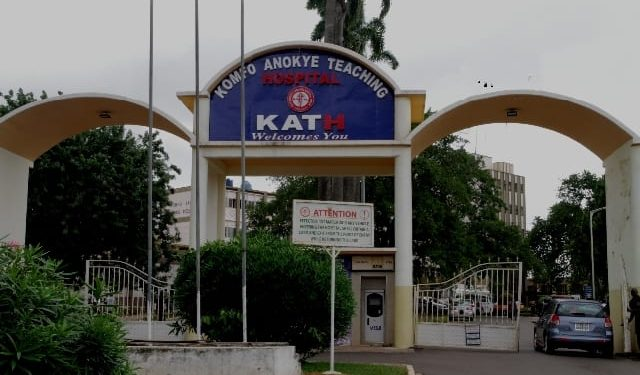
    In March this year, doctors at the Komfo Anokye Teaching Hospital (KATH) in Kumasi have halted all surgical procedures indefinitely due to a severe water shortage affecting the facility for over a week.

    In a memo dated March 25, 2025, the Komfo Anokye Doctors Association (KADA) informed hospital management of their decision, stressing that it was taken in the interest of patient safety.

    “This memo is to formally inform management of the decision taken by the Orthopaedic and Emergency Directorate to temporarily halt the admission of new patients until the availability of water is restored,” the statement said.

    In the same month, residents of Kanvili Kpawmo in the Sagnarigu Municipality bemoaned prolonged water shortage, as the Ghana Water Company Limited (GWCL) failed to restore supply for over three months.

    Despite the absence of running water, households continued to receive monthly bills, a situation that fueled widespread frustration within the community.

    In June, the Electricity Company of Ghana (ECG) disconnected the power supply to the Ghana Water Company Limited (GWL) over a debt of about GH¢ 1 billion owed to the company.

    This follows its 12-day nationwide revenue mobilisation operation, which began on Monday, June 16, and ended on June 27.

    Its target audience includes residential, commercial, industrial, and government institutions with outstanding electricity bills.

    Consequently, the power-producing company on Tuesday, June 17, disconnected the country’s water supply company over its debt of GH¢999.6 million following a visit by ECG’s task force.

    The disconnection was confirmed in a video shared on X (formerly Twitter) which captured an ECG official disconnecting the national water supply company.An official of GWCL was seen questioning the taskforce about the disconnection and on what authority they are doing such.

    The ECG has issued a 48-hour ultimatum to GWL to settle its outstanding debt or risk an extended disconnection of power supply to its main pumping stations, which are crucial for nationwide water distribution.

    Other state entities, such as the Ghana Broadcasting Corporation (GBC), which was next to have been disconnected after GWL, owe a debt of GH₵3,153,484.98.

    Ghana National Gas Authority also owes ECG GH₵ 299,458.59, BUI owes EGC GHS 2,399,711.69, followed by the Ghana VAT service, which owes the company GH₵ 3,153,484.98, NPA owes GH₵252,731.98 among other government institutions.Private entities such as Nyanho Clinic owe a debt of GH₵ 448,942.64

    Officials of the Electricity Company of Ghana (ECG) say the disconnection exercise targeting indebted state institutions is part of a broader initiative to tackle persistent non-payment and improve the financial stability of the power sector.

    Customers have also been urged to use their regular channels, including the ECG Mobile App, to pay their bills. Download the app from the Google Play Store, or call the ECG contact center at 0302611611 or social media handles for assistance.

    Per reports, the ECG is drowning in debt over GHC67 billion. The ECG has on numerous occasions embarked on revenue mobilization exercises but is yet to retrieve all the money owed the company.

    Executive Secretary of the Public Utilities Regulatory Commission (PURC), Dr Shafic Suleman, has lauded the Electricity Company of Ghana for improved revenue collection in the first quarter of 2025.

    According to him, ECG has collected almost GHC1.4 billion every month since the beginning of the year.

    ECG over the years has repeatedly pointed to massive debts owed by both private and public institutions as a major factor in the sector’s financial struggles.

    Ghana’s energy sector is wallowing in a ballooning debt of about GH¢80 billion, according to President John Mahama, who outlined plans to clear it by 2026 through restructuring and private sector involvement.

    The current government inherited GH¢70 billion in energy sector debt from the previous administration. Despite efforts to clear some of this debt, financial challenges persist.

    Among the initiatives taken by the current government to deal with this debt was the introduction of the ‘controversial’ GHC1 fuel levy, which charges a cedi on every litre of petroleum products in Ghana, aimed at tackling the country’s energy sector debt, which currently stands at $3.7 billion.

    A successful rollout could have generated revenue ranging from about GH¢5 billion to GH¢6 billion to support the procurement of liquid fuel.

    However, the announcement was met with harsh criticisms from both industry players and commercial transport drivers, who even threatened a sit-down strike if implemented.The International Monetary Fund (IMF), on the other hand, welcomed the implementation of the Energy Sector Shortfall and Debt Repayment Levy that introduces a GHC1 fuel levy.

    At a press briefing, Julie Kozack noted that the country stands a better chance of addressing its energy sector crisis with the implementation of the levy.

  • KATH suspends surgeries as water shortage worsens

    KATH suspends surgeries as water shortage worsens

    Doctors at the Komfo Anokye Teaching Hospital (KATH) in Kumasi have halted all surgical procedures indefinitely due to a severe water shortage affecting the facility for over a week.

    In a memo dated March 25, 2025, the Komfo Anokye Doctors Association (KADA) informed hospital management of their decision, stressing that it was taken in the interest of patient safety.

    “This memo is to formally inform management of the decision taken by the Orthopaedic and Emergency Directorate to temporarily halt the admission of new patients until the availability of water is restored,” the statement said.

    The doctors highlighted that the prolonged water shortage has significantly disrupted healthcare services, affecting hygiene, surgical operations, and overall patient care.

    “Despite efforts to manage the situation, the current lack of water has reached a critical point, compromising both patient safety and healthcare delivery,” the memo warned.

    Dr. Michael Leat, chairman of KADA, acknowledged the inconvenience caused by the suspension but assured that medical staff would continue attending to existing patients.

    “We sincerely apologise for any inconvenience this may cause and kindly request management’s urgent intervention to address the water crisis. The directorates will continue to manage existing patients to the best of our ability while prioritizing safety and hygiene,” he said.

    KADA further urged management to explore alternative water sources and keep the medical staff updated on efforts to resolve the crisis.

    Meanwhile, KATH’s management revealed that the Ghana Water Company Limited (GWCL) has yet to restore the hospital’s water supply after cutting service last week.

    “We are at the moment depending on alternative sources which have proven inadequate due to the huge volumes of water required for our operations daily.

    “At the moment, apart from KATH’s own sources, the GNFS, KMA, and the GWCL are assisting with alternative supplies, but they are insufficient to meet our operational needs. We are in constant touch with the Regional office of the GWCL to expedite the repair works which occasioned the cessation of water supply to the hospital,” the Public Relations Directorate explained.

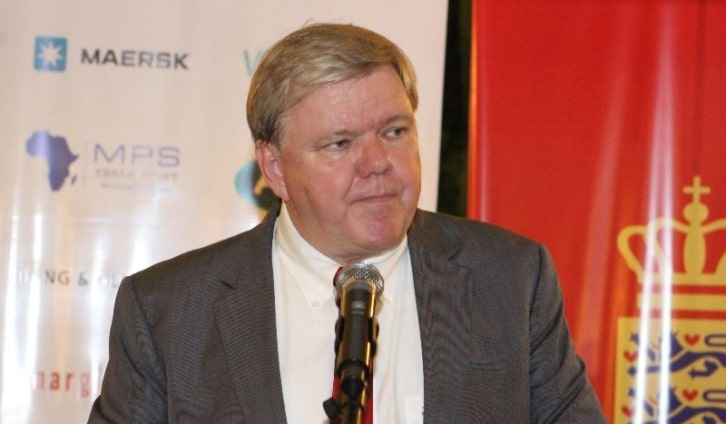
  • Other EU member countries to join Denmark improve water access in northern Ghana – Ambassador Tom Nørring

    Other EU member countries to join Denmark improve water access in northern Ghana – Ambassador Tom Nørring

    Denmark is mobilizing support from other European Union (EU) member countries to expand its efforts in improving water access in Northern Ghana, Danish Ambassador to Ghana, Tom Nørring, has announced.

    Speaking at a stakeholder meeting in Accra with Ghana Water Limited and the Council for Scientific and Industrial Research, Ambassador Nørring emphasized the need for a collective approach to tackling water scarcity in the region.


    “This mission is not Denmark’s alone. We will be bringing other EU member countries on board to join this initiative,” he stated.


    Denmark has already committed GH₵1 million this year to enhance access to clean water in Bolgatanga and Wa, a move expected to benefit over 10,000 residents.

    The initiative is part of Denmark’s broader strategy, launched last August, to prioritize water solutions in Africa.


    To ensure sustainable impact, the Danish water treatment company Alumichem will collaborate with local authorities to implement advanced water purification solutions.


    “We’ve worked with Alumichem in the past, alongside local authorities here in Ghana, to build highly efficient and effective water treatment facilities,” the ambassador added.


    Denmark has long supported global water initiatives, particularly in Africa, with the goal of doubling the export of Danish water technology by 2030.

    By bringing in additional EU partners, the project aims to expand its reach and provide lasting solutions to water challenges in underserved communities across Northern Ghana.

  • Barekese Water Treatment Plant to be shutdown for 3-day maintenance works

    Barekese Water Treatment Plant to be shutdown for 3-day maintenance works

    Ghana Water Limited (GWL) in the Ashanti Region has announced that the Barekese Water Treatment Plant will be temporarily shut down.

    The shutdown will take place from Monday, March 17th, to Wednesday, March 19th, 2025, to allow for the installation of new interconnection pipelines and foot valves at the Suame roundabout. This upgrade is expected to improve water distribution in the metropolis.

    Communities such as Offinso, the entire Kumasi Metropolis, and nearby areas will be affected. In a statement, GWL acknowledged the inconvenience but assured residents that engineers will work swiftly to restore water supply within the scheduled period.

    According to GWL, this project is part of ongoing efforts to expand the water supply capacity from the Barekese Water Treatment Plant, ensuring better service delivery and addressing supply issues.

    The company has urged essential service providers, particularly hospitals and schools, to store enough water in preparation for the temporary disruption.

    While apologizing for the inconvenience, GWL’s management has called on the public to remain patient, emphasizing that the initiative is aimed at enhancing water services in the long term.

  • N/R: Water shortage hits Kanvili Kpawmo

    N/R: Water shortage hits Kanvili Kpawmo

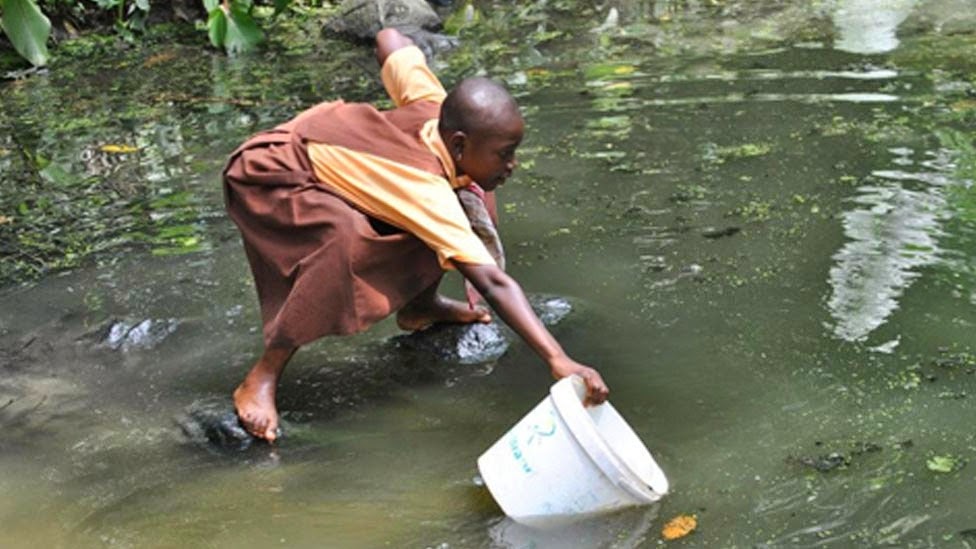
    Residents of Kanvili Kpawmo in the Sagnarigu Municipality are grappling with a prolonged water shortage, as the Ghana Water Company Limited (GWCL) has failed to restore supply for over three months.

    Despite the absence of running water, households continue to receive monthly bills, a situation that has fueled widespread frustration within the community.

    Locals recall that the last time tap water flowed was on December 14, 2024. Since then, they have been left with no choice but to depend on expensive private water tankers and sachet water, driving up their living costs and raising health concerns.

    Expressing his frustration, one resident remarked,“It’s unacceptable that we’re being billed for a service we’re not receiving. GWCL seems more interested in collecting revenue than ensuring we have access to clean water”.

    The problem is not unique to Kanvili Kpawmo, as similar complaints have emerged from other affected communities, further highlighting GWCL’s inefficiencies.

    Community member Lazarus Avonsige emphasized the growing dissatisfaction, stating,“The situation has eroded trust in GWCL’s commitment to serving the public.”

    Residents are now calling for an immediate resolution, demanding the restoration of water supply and a fair billing system that accurately reflects consumption.

    They are also urging regulatory authorities to intervene and hold GWCL accountable.

  • Water supply in Amasaman district to be disrupted for a week – GWL

    Water supply in Amasaman district to be disrupted for a week – GWL

    Residents of the Amasaman District will experience a temporary water supply disruption as Ghana Water Limited (GWL) carries out essential maintenance at the Nsawam Treatment Plant.

    The maintenance, set to take place from March 1 to March 7, 2025, will reduce water production, leading to shortages in several areas.

    According to a statement signed by Solace A. M. Akomeah, Communications Manager for the Accra West Region, the affected communities include Amasaman Township, Abehenease, Toman, Sapeiman, Pobiman, Obeyeyie, Daaresalam, Fise, Amanfrom, parts of Pokuase, and nearby areas.

    GWL has advised residents to store enough water in advance and assured them that the maintenance work is aimed at improving water supply reliability.


  • We’re working tirelessly to resolve water crisis – GWCL

    We’re working tirelessly to resolve water crisis – GWCL

    Ghana Water Company Limited (GWCL) has urged residents grappling with water shortages to remain calm, assuring them that urgent measures are being implemented to resolve the situation.

    The company acknowledged the difficulties communities are facing and reiterated its dedication to restoring a consistent water supply as swiftly as possible.

    Several towns, including Tamale, Bimbilla, Kasoa, and Ho, have suffered extended water shortages, disrupting daily routines.

    In Ho, the crisis has worsened, putting immense pressure on vital institutions like hospitals and prisons, which have been compelled to seek alternative water sources to continue operations.

    Speaking to Channel One TV’s Adwoa Tenkorama, GWCL Communications Manager Stanley Martey reassured residents that steps were being taken to address the problem.

    He specifically guaranteed that Ho’s water supply would stabilize within a week, stressing that the company was working tirelessly to restore normalcy across all affected regions.

    “We sincerely apologise for the inconvenience caused, but as we have stated, we are working around the clock to restore supply. By the end of the week, we expect the situation to improve within the municipality,” he stated.

    He added that a backup water pump had been serviced and was ready for use, while another was scheduled for installation by Thursday.

    “Having two standby pumps will serve as a short-term solution to this challenge,” he added.

    Mr. Martey also condemned unauthorized water usage, highlighting that it aggravates the shortage for other residents.

  • Polluted rivers to be revived as economic hubs – Lands Minister-Designate pledges

    Polluted rivers to be revived as economic hubs – Lands Minister-Designate pledges

    The Minister-Designate for Lands and Natural Resources, Emmanuel Armah-Kofi Buah, has outlined a new strategy to tackle the severe damage inflicted on Ghana’s water bodies by illegal mining activities.

    Named the Blue Water Initiative, the program aims to rehabilitate polluted water systems and rejuvenate impacted areas into thriving ecological and economic zones.

    Appearing before Parliament’s Appointments Committee on January 27, Armah-Kofi Buah highlighted the extensive harm caused by galamsey on the environment and stressed the critical need for long-term solutions to preserve Ghana’s natural heritage.

    “We have some initiatives that will help us heal the wounds of our country,” Mr. Buah stated. “Our forest, which is the heart of our survival, has been completely damaged and devastated. The Blue Water Initiative seeks to heal and harness the areas degraded by illegal mining into hubs of economic and ecological recovery.”

    Rivers and streams, once vital to the livelihoods of rural and urban communities, have been contaminated by mercury and other toxic substances due to unregulated mining activities.

    Alongside the Blue Water Initiative, Emmanuel Armah-Kofi Buah outlined the Tree for Life Initiative, a program designed to restore Ghana’s diminishing forest cover.

    The initiative will emphasize widespread tree planting and forest regeneration to combat the effects of illegal logging, mining, and agricultural expansion.

    “We are also going to do Tree for Life Initiative by intensifying afforestation and we will encourage afforestation across Ghana,” the Lands Minister-Designate added.

    Illegal mining, popularly known as galamsey, has emerged as a severe environmental threat, destroying forests and destabilizing natural ecosystems across Ghana.

  • PURC announces 3.02% increase in electricity tariff, 1.86% for water

    PURC announces 3.02% increase in electricity tariff, 1.86% for water

    Consumers of electricity and water in Ghana are set to experience further economic strain as the Public Utilities Regulatory Commission (PURC) announces tariff hikes of 3.02% for electricity and 1.86% for water, effective October 1, 2024.

    This increment comes after the Commission’s quarterly review, designed to account for fluctuations in critical economic indicators such as the exchange rate, inflation, and the cost of natural gas.

    The PURC emphasized that these adjustments are necessary to maintain the “financial viability and ability of utility service providers to deliver on their mandate,” ensuring uninterrupted utility services. Specifically, the depreciation of the Ghana Cedi against the US Dollar by 4.96% between the second and third quarters of 2024 contributed significantly to the rise in electricity tariffs.

    The exchange rate effect, combined with the Weighted Average Cost of Gas (WACOG), which declined slightly from US$/MMBtu 8.0422 to US$/MMBtu 7.8368, resulted in a total under-recovery of GHS 173.98 million in the electricity sector.

    In its statement, the PURC detailed that the “projected inflation rate for the period declined marginally from 24.38% to 22.27%,” but this was not enough to counterbalance other cost-driving factors. The hydro-thermal generation mix, with hydro sources contributing 34.81% and thermal sources 65.19%, remained unchanged for the period under review.

    On the water side, a revenue gap of GHS 12.01 million led to the 1.86% increment in tariffs. The PURC expressed that the new rates are essential for “cost recovery for the provision of utility services” and to reduce the government’s fiscal burden in subsidizing the electricity and natural gas sectors.

    Utility companies, including the Electricity Company of Ghana (ECG), Ghana Water Limited (GWL), and Northern Electricity Distribution Company (NEDCo), are expected to meet the PURC’s regulatory benchmark of 98% for revenue collection. Failure to do so, the Commission warned, could jeopardize the sustainability of both the energy and water sectors.

    In approving these tariffs, the PURC projected monthly revenues for the third quarter as follows: “GHS 2,024.5 million for ECG, GHS 243.20 million for NEDCo, and GHS 227.40 million for GWL.”

    The Commission stressed that these increases in revenue requirements must correspond with improved revenue collection in line with the 98% benchmark to ensure the utility providers’ financial health and service delivery.

  • Can you pay GHC13.50 for imported bottle water?- Woman quizzes Ghanaians over galamsey

    Can you pay GHC13.50 for imported bottle water?- Woman quizzes Ghanaians over galamsey

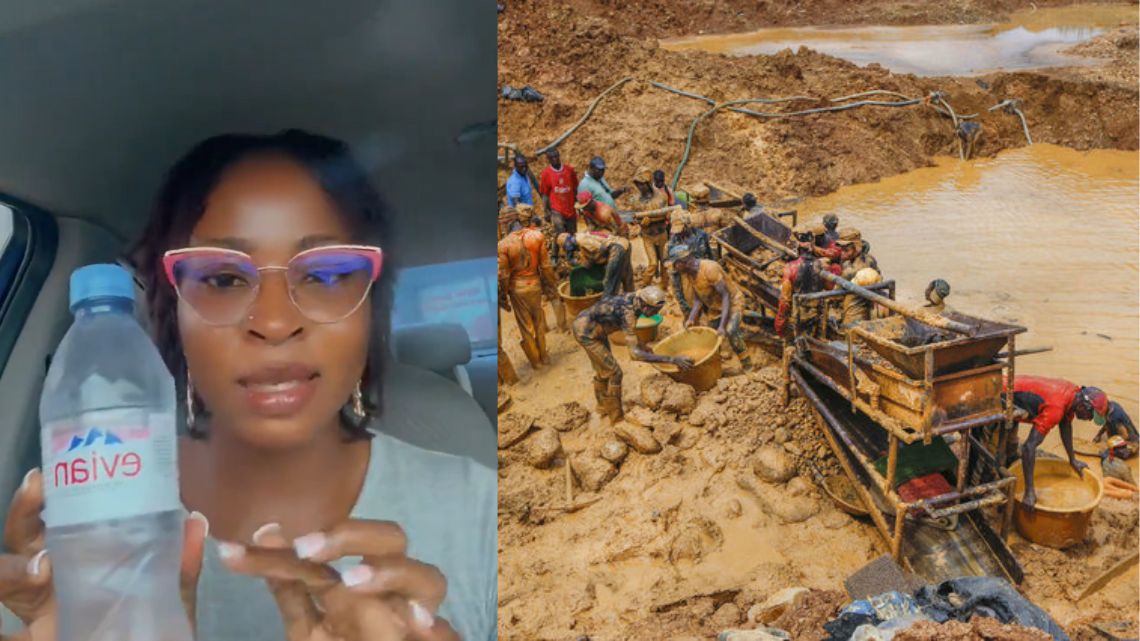
    A Ghanaian woman has raised awareness about the alarming cost difference between imported bottled water and locally produced water, linking it to the urgent need to combat illegal mining activities.

    In a compelling video, she highlighted that a bottle of imported water sold at Marina Mall costs GHC13.50, while locally bottled water is priced at just GHC1.50.

    “So next time you don’t understand how infuriating this thing is, ask yourself if you can afford this for the rest of your life if your water is contaminated,” she urged.

    Her comments come amid growing concerns that Ghana could face a future where it must import water due to the devastating effects of illegal mining on water resources.

    The Pharmaceutical Society of Ghana (PSG) echoed these concerns, warning during its 2024 annual general meeting that the country risks having to import water to support local pharmaceutical production if illegal mining is not urgently addressed. They cited the detrimental impact of illegal mining on water bodies, leading to a significant increase in the cost of water treatment for manufacturing.

    According to PSG, the escalating expenses associated with treating water for the production of pharmaceutical products are directly linked to the environmental degradation caused by illegal mining activities.

  • Water supply disruptions in various parts of Accra due to faulty pumps – GWCL

    Water supply disruptions in various parts of Accra due to faulty pumps – GWCL

    Chief Productions Manager of the Ghana Water Company Limited (GWCL), Mr. Charles Tulasi, has admitted the growing difficulties many Accra residents are experiencing with water supply, attributing the shortages to malfunctioning pumps at several critical stations.

    He reassured the public that new water plants have been acquired and are scheduled to become operational by the end of October.

    Mr. Tulasi also highlighted the significance of prompt water bill payments, stressing that these funds are essential for maintaining and improving the company’s infrastructure, which is key to delivering a steady and dependable water supply for all.

    “We understand the frustration of our customers, and we want to assure them that relief is on the way. The faulty pumps will be replaced with new ones, which we expect to improve water supply significantly,” Mr Tulasi stated.

    Residents in various areas of Accra have been grappling with severe water shortages, a problem that has worsened in recent months.

    The unreliable water supply has led many households to rely on expensive private water vendors to fulfill their needs.

    Areas such as Dansoman, Achimota, and surrounding communities have been experiencing irregular water supply, with some residents receiving water just once a week.

    In certain parts of Dansoman, the shortage has persisted for over six months, compelling residents to rely on expensive tanker operators for water.

    Frustrated locals have shared that they are paying between 50 and 70 cedis per tank from private vendors, significantly straining their household budgets.

    For many, these rising costs are becoming unsustainable, yet they feel they have little choice as their taps remain dry.

    One resident from Achimota expressed her distress, stating, “We’ve been without regular water for months. We only get supply once a week, and that’s not enough. We have no choice but to buy from the water tankers, but it’s expensive. This can’t go on.”

  • “We might not have water” – GWCL on imminent devastating effect of galamsey

    “We might not have water” – GWCL on imminent devastating effect of galamsey

    There is an imminent water crisis if immediate measures are not taken to curb the destructive impact of illegal mining activities, commonly known as galamsey, according to the Managing Director of the Ghana Water Company Limited (GWCL), Dr. Clifford Braimah.

    Speaking on Joy FM’s Super Morning Show, Dr. Braimah issued a stark warning about the potential consequences of ongoing water treatment inefficiencies exacerbated by rampant pollution from galamsey operations.

    Dr. Braimah expressed deep concern over the escalating volumes of water loss during the treatment process, which have far surpassed acceptable levels. He explained that while the ideal water loss in treatment plants should be around 5%, current losses range between 35% and 50%, a situation he described as “very harmful to our health.”

    “The process losses that we are supposed to have on our plant should be 5% or less, but now we are having between 35% to 50% process loss,” Dr. Braimah stated.

    He warned that if the situation persists, Ghana could face a future where access to safe drinking water is severely compromised. “We might not even have water,” he cautioned, underscoring the urgency of the issue.

    The impact of galamsey on water treatment is profound, with Dr. Braimah highlighting that instead of 95% of treated water reaching customers, only 50% to 55% is currently being delivered. This reduction in water supply is compounded by the increased costs associated with maintaining even this diminished output.

    “To even get this 50% or 55%, you have to use more chemicals—more expensive chemicals—to achieve that,” he noted, stressing the unsustainable nature of the current approach.

    Dr. Braimah emphasized the critical need for immediate action, urging both citizens and authorities to move beyond political rhetoric and confront the reality of the situation. “Our rhetoric needs to go beyond the political jargons to the reality that citizens must take control over their lives,” he asserted.

    While the current water treatment process remains effective in removing harmful elements, Dr. Braimah warned that the continued accumulation of pollutants from galamsey could eventually overwhelm the system.

    “It does not mean that once it continues to accumulate, we are not going to get to the levels that we might not be able to do professional treatment to work,” he explained. The ongoing pollution, if left unchecked, could lead to levels that the treatment system cannot handle, posing a dire threat to the nation’s water supply.

    Dr. Braimah called on Ghanaians to take the situation seriously and work collectively to prevent further pollution. “The caution is very critical for us to take up and ensure that we do not continue to pollute, so that we will get to levels that are not tolerable to the system, that can create problems for us,” he urged.

    When questioned about how long it might take for the situation to reach a critical point, Dr. Braimah admitted it is difficult to predict, noting that detailed analyses have yet to be conducted. He suggested that the Water Resources Commission might have more specific information on the timeline for potential disaster.

    In a related development, the GWCL has provided clarification on the ongoing water shortages in the Central and Western regions, pointing to the compounding effects of pollution and treatment inefficiencies.

  • Water supply to Dodowa, Adenta, others to be restored on August 28 as GWCL fixes fault on transmission line

    Water supply to Dodowa, Adenta, others to be restored on August 28 as GWCL fixes fault on transmission line

    The Ghana Water Company Limited (GWCL) has announced that water supply to the eastern part of the Greater Accra Region will be restored by Wednesday, August 28, 2024, following ongoing repair work on a burst transmission line, according to the Ghana News Agency (GNA).

    The supply interruption began on Sunday, August 25, 2024, and has affected several communities, including Dodowa, Oyibi, Frafraha, Adenta, Madina, Ashongman, Haatso, La, Osu, Kanda, the Airport Residential Area, Legon, and surrounding areas.

    According to a statement from the GWCL, signed by Chief Manager of Public Relations and Communications, Mr. Stanley Martey, the initial fault occurred on a transmission line that connects the Kpong Treatment Plant to the Dodowa Booster Station.

    Although repair work was swiftly completed, further issues were detected on the same transmission line, necessitating a second shutdown for additional repairs.

    “Engineers of the GWCL are working tirelessly to replace the weak section of the transmission line,” the statement assured the public.

    In the meantime, the GWCL has implemented mitigation measures to reduce the impact of the disruption. Water tankers have been deployed to supply essential service providers such as hospitals and schools in the affected areas.

    The GWCL management expressed regret for the inconvenience caused by the water outage and appealed to consumers to bear with the situation while engineers work to fully restore supply by the close of Wednesday, barring any unforeseen challenges.

  • Costs for water, electricity, fuel, and cement to increase from today

    Costs for water, electricity, fuel, and cement to increase from today

    Ghana’s persistent economic challenges are significantly impacting consumers, businesses, and households alike. Key among these challenges are the ongoing debates and concerns surrounding escalating water and electricity tariffs.

    The government defends these tariff increases as essential for covering operational costs, meeting financial commitments, maintaining infrastructure, and ensuring the sustainability of services.

    Despite varying consumer opinions on these justifications, the tariff hikes persist, with announcements led by the Public Utilities and Regulatory Commission (PURC).

    From July 1, 2024, Ghanaians will encounter higher costs across several essential commodities and utilities, including water, electricity, cement, and fuel.

    Water and Electricity

    Ghanaian households and industries are set to confront higher utility tariffs for both water and electricity. This increase was previously announced by the Public Utilities Regulatory Commission (PURC) during their second-quarter review.

    As per the PURC, electricity tariffs will rise by 3.45% for lifeline consumers using up to 30 kWh, while residential and non-residential consumers using more than 30 kWh will face a 5.84% increase.

    Similarly, major industries in the country will experience a tariff hike of 4.92% for electricity consumption.

    Concurrently, water tariffs will see a 5.16% increase across all customer categories as part of Ghana’s Quarterly Tariff Review Mechanism adjustments.

    The PURC specified that these changes will be effective from July 1, 2024, through September 2024, signaling a period of heightened operational costs for water and electricity consumers nationwide.

    Cement

    In the first half of this year, Ghana has witnessed a notable surge in cement prices, impacting a critical sector: construction, which heavily relies on this essential material.

    Leading companies like Ghacem, Dzata Cement, and Diamond Cement attribute the price increases to rising costs of transportation, electricity, and raw materials.

    By May, cement prices had climbed by GH¢10.00, reaching approximately GH¢95 per bag (32.5R) at certain depots across the country. This rise has already disrupted construction projects, affecting their schedules.

    Starting July 1, depending on the source, a bag (32.5R) is expected to sell for over GH¢108, varying by brand and quantity from current prices.

    Meanwhile, the Ministry of Trade is moving forward with a Legislative Instrument (L.I.) to regulate cement prices. Trade Minister Kobina Tahir Hammond argues that this step is essential to prevent arbitrary pricing and potential exploitation by cement manufacturers.

    However, some cement producers strongly oppose this initiative, claiming the government did not adequately consult them before pushing for the L.I.

    Fuel

    Consumers can expect a rise in petroleum prices over the next two weeks, reflecting adjustments during the first pricing window of July, with petrol set to increase by 2%.

    Currently, GOIL is selling one litre of petrol at GH¢14.60, while diesel is priced at GH¢14.75 per litre.

    The Institute for Energy Security forecasts a 4.0% increase in diesel prices across various pumps, alongside a 5% hike in Liquified Petroleum Gas (LPG) costs.

    These price hikes are attributed to the cedi’s depreciation against the US dollar, which is trading at approximately GH¢15.60 in the forex market. Additionally, the US dollar has strengthened in the global oil market.

    As of July 1, 2024, Brent crude futures climbed 42 cents to $85.42 per barrel by 0845 GMT, while U.S. West Texas Intermediate crude futures rose 44 cents to $81.97.

  • I now carry my own water everywhere I go because of John Kumah’s death – Asiedu Nketiah

    I now carry my own water everywhere I go because of John Kumah’s death – Asiedu Nketiah

    National Chairman of the opposition National Democratic Congress (NDC), Johnson Asiedu Nketiah, has stated that he now carries his own water to drink wherever he goes.

    His comment comes on the back of poisoning claims that surfaced after the sad demise of Deputy Finance Minister Dr John Kumah.

    Asiedu Nketia says he has become more careful with the food and water he eats and drinks when he is outside his home.

    During an interview on Asempa FM, the NDC chairman declined the water they offered and instead chose to drink his own water.

    “That’s why I have my own water now. Normally, I’d drink the water offered, but today I brought my own. Everyone’s carrying their own bottle now… [laughs]. I saw a video of Nana B turning down the water offered to him [laughter],” Asiedu Nketia indicated with laughter.

    On March 7, the death of Deputy Finance Minister Dr John Kumah was announced after a short illness.

    Onua TV presenter Captain Smart, made claims that his death was as a result of food poisoning.

    However, his wife came out to refute the poisoning claims indicating that a condition called Myeloma was rather the cause of his husband’s death.

  • 19.1% Ghanaians don’t have enough drinking water – GSS

    19.1% Ghanaians don’t have enough drinking water – GSS

    The Ghana Statistical Service (GSS) has reported that the 2022 Ghana Demographic and Health Survey (GDHS) found that approximately one in every five (19.1%) individuals in Ghana lacked sufficient drinking water in the month before the survey.

    The Northern Region had the highest percentage, with one in every three (32.1%) individuals facing inadequate drinking water access.

    Oti (31.2%) and North East (26.2%) followed as the regions with the next highest percentages of insufficient drinking water.

    In contrast, the Upper East (14.0%) and Ashanti (14.5%) regions had the lowest percentages of individuals without enough drinking water, with figures less than half those of the Northern and Oti regions.

    The GSS released this information in a statement to mark this year’s World Water Day, celebrated annually on March 22nd. The theme for 2024 is ‘Water for Peace’.

    The GSS also noted that nationally, 6.5% of the population had to travel more than 30 minutes round-trip to access drinking water.

    “More than a quarter (27.5%) of the population in the North East Region reported travelling more than 30 minutes to access water, the highest recorded, followed by the Northern (18.6%) and Upper West (18.6%) regions.

    “Three in every five (59.9%) persons in Ghana did not have water on their premises. Nine in every ten persons (89.8%) in the Savannah Region did not have water on their premises, the highest recorded and 1.5 times higher than the national average. North East (86.5%) and Oti (83.5%) regions have the second and third highest percent of the population without water on their premises.”

    “Greater Accra (22.0%) recorded the lowest percentage of the population without water on the premises. Volta Region (47.1%) is the only other region where less than half of the population does not have water on the premises. More than 90.0 percent of the population in the lowest wealth quintile (93.6%) were without drinking water on their premises, more the five times the percentage recorded for those in the highest wealth quintile (17.5%),” it stated.

    According to the Ghana Statistical Service (GSS), 83.8% of the population nationwide had access to at least basic drinking water services. This was defined as having an improved water source that required no more than a 30-minute round-trip for collection, or having water available on the premises.

    “The percentage is lowest in the North East Region (43.4%) where less than half of the population has access to basic water services. Savannah (54.2%), Oti (57.8%), and Northern (64.4%) regions have the next highest percentage of the population with access to basic water services.

    Greater Accra (97.7%) and Ashanti (94.8%) were the regions with the highest percentage who have access to basic services, recording figures that are more than twice that of the North East Region.”

    “Persons in the poorest wealth quintile have the lowest percentage with at least basic water services (52.1%), almost half the percentage for persons in the highest wealth quintile (97.9%). Eight in every 10 (82.3%) of persons using unimproved water sources did not treat their water. Unimproved water sources refer to unprotected dug wells or unprotected springs,” it stated.

    The Service underscored that eight in every 10 (84.3%) persons using surface water (i.e., drinking water directly from a river, dam, lake, pond, stream, canal, or irrigation canal) did not treat their water.

    The 2022 Ghana Demographic and Health Survey report, resources, and microdata are available to download at no cost from www.statsghana.gov.gh.

  • Limit outdoor activities, drink enough water – GHS urges public

    Limit outdoor activities, drink enough water – GHS urges public

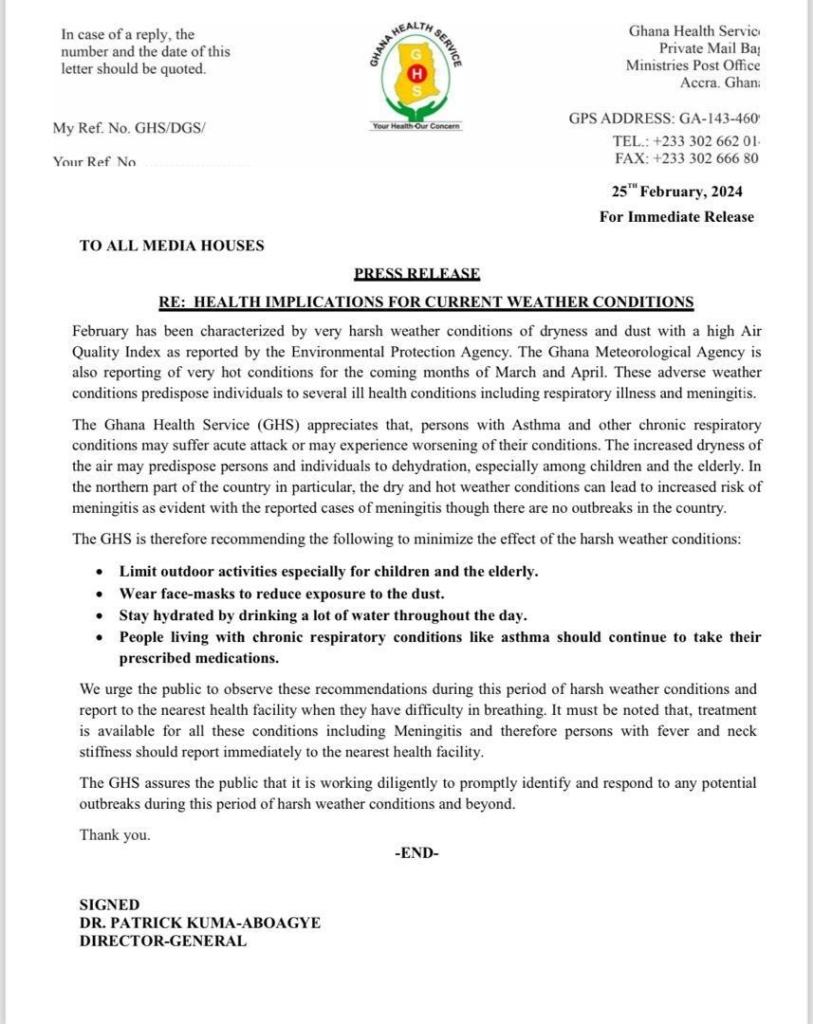
    The Ghana Health Service (GHS) has issued guidelines to help people cope with the harsh weather conditions prevailing in the country, which are characterized by dryness, dust, and high temperatures.

    February has experienced extremely harsh weather conditions, with dryness and dust leading to a high Air Quality Index, as reported by the Environmental Protection Agency.

    The Ghana Meteorological Agency predicts very hot conditions for the upcoming months of March and April. These adverse weather patterns pose health risks, particularly respiratory illnesses and meningitis.

    To address these challenges, the GHS has outlined recommendations to minimize the impact of harsh weather conditions on public health.

    These include limiting outdoor activities, especially for children and the elderly, wearing face masks to reduce dust exposure, staying hydrated by drinking plenty of water, and ensuring that individuals with chronic respiratory conditions like asthma continue to take their prescribed medications.

    The northern region of the country faces an increased risk of meningitis due to the dry and hot weather conditions. While there have been reported cases of meningitis, there are currently no outbreaks in the country.

    Nevertheless, the GHS advises individuals experiencing symptoms such as fever and neck stiffness to seek immediate medical attention at the nearest health facility.

    “We urge the public to observe these recommendations during this period of harsh weather conditions and report to the nearest health facility when they have difficulty in breathing,” stated the GHS in its statement.

    The GHS reassured the public that it is working diligently to promptly identify and respond to any potential outbreaks during this period and beyond.

  • Alert: Public health crisis looms as heavily contaminated water is used to process cassava dough

    Alert: Public health crisis looms as heavily contaminated water is used to process cassava dough

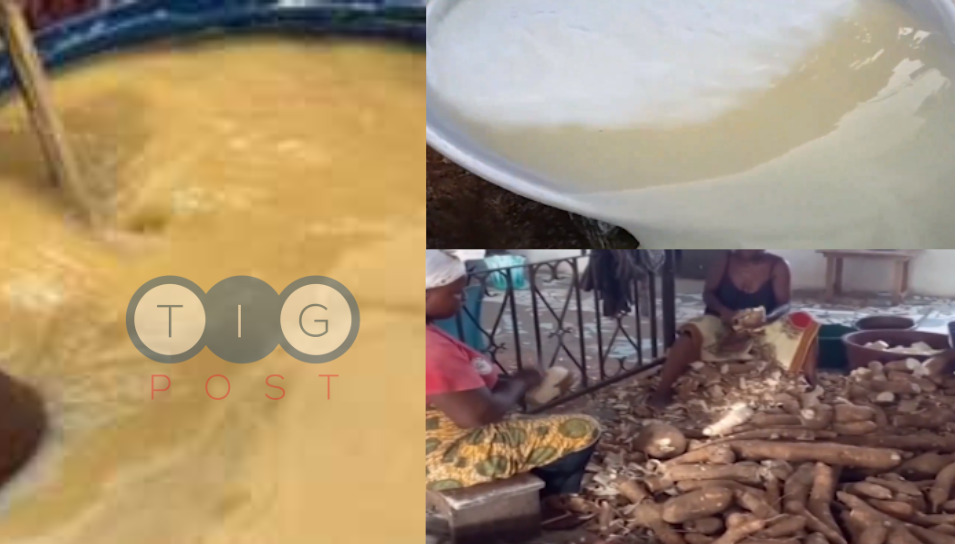
    Residents of Takoradi, Accra, and other towns could be consuming contaminated food products made from cassava, as some traders at Gwira Dominase in the Evalue-Ajomoro-Gwira Municipality of the Western Region are reportedly using water from the galamsey-contaminated Ankobra River to prepare cassava dough.

    This contaminated dough is then sent to market centers in Takoradi, Accra, and beyond.

    The Ankobra River, which serves several communities in the Nzema area of the Western Region, flows about 190 kilometers south to the sea, acting as the boundary between the Ellembelle District and the Nzema East Municipality.

    Despite its socioeconomic importance to the region, the river is heavily polluted due to illegal mining activities, according to the environmental NGO Hen Mpoano, which is working on the conservation of the Amanzule area, including the Ankobra and surrounding water bodies.

    “Our research shows it is highly polluted with lead, mercury and cyanide which are used by the illegal miners”, said David Osei, the project officer.

    The women at Gwira Dominase, who use water from the highly polluted Ankobra River to prepare the dough, say they add “alum” to purify or decrease its turbidity before mixing it with the cassava.

    “The turbidity is terrible. We buy alum to purify the water so we can use it to mix the cassava dough for akyeke and that’s what we at Gwiraman eat. We send some to Takoradi, Accra, Kumasi and in fact all across the country”.

    “We are pleading with government for an intervention. This is what we drink. You can imagine the chemicals we are consuming,“ they said in an interview.

    The women at Gwira Dominase not only sell the Nzema delicacy, akyeke, but also send some of the cassava dough in its raw state to market centers across the country. These are used in making banku and other dishes in many households.

    Evans Asamoah Gyimah, the Water Quality Manager at the Western Regional Office of the Ghana Water Company, expressed concern about the wrongful use of alum or potassium aluminum sulfate, which could result in brain health damage and the generation of diseases like Alzheimer’s. He also highlighted the presence of untreated pathogens in the water, aside from heavy metals. Without intervention, these women will continue to use the contaminated water, putting people’s lives at risk.

    https://twitter.com/sikaofficial1/status/1759913493703082163?s=46
  • GWCL resolves water crisis at T.I. Ahmadiyya

    GWCL resolves water crisis at T.I. Ahmadiyya

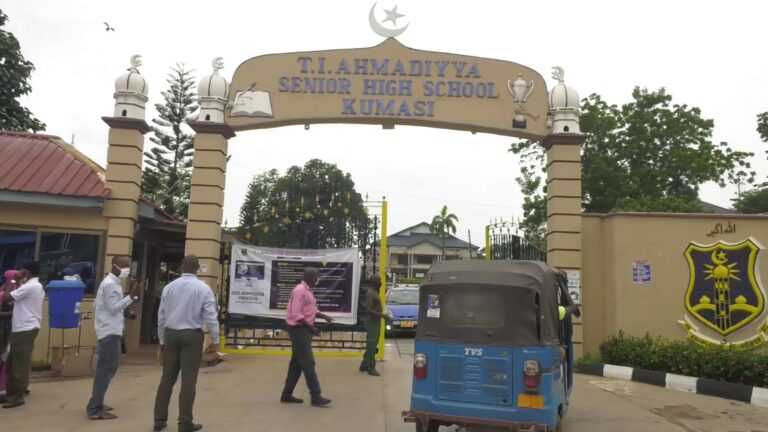
    Students of T.I. Ahmadiyya Senior High School will no longer need to venture beyond the campus in pursuit of water, as the Water Company Limited has successfully restored water supply to the school.

    This development comes in the wake of reports highlighting the challenges faced by the students and the subsequent impact on their daily activities.


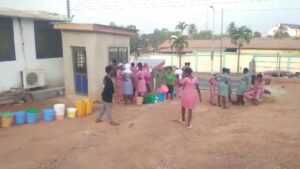
    Since Monday, students had been navigating various locations in search of water after depleting the reserves in their on-campus reservoir.


    The journey led them to cover several kilometers in search of water around Asokwa and neighboring areas.

    Officials from the Ghana Water Company Limited attributed the water distribution shortage to recent intermittent power outages.


    However, management has now announced the resolution of the situation, with water flowing through the school’s taps as of Thursday evening.

  • Kumasi experiencing power and water crisis

    Kumasi experiencing power and water crisis

    Business operators and residents in Kumasi, Ashanti Region, are expressing frustration and outrage over persistent power outages plaguing the area.

    The frequent disruptions in power supply in recent weeks have sparked discontent in the Ashanti Regional capital, raising concerns about the reliability of electricity services in the region.

    Areas like Asokwa, Oforikrom, Bosomtwe, and other parts of Greater Kumasi are particularly hard-hit. Complaints include damage to electrical appliances and a negative impact on productivity.

    When Asaase News visited TI AMASS Senior High School in Asokwa on Thursday morning, the lack of electricity at water pumping plants forced students to search for water. 15-year-old Pokuaa Nyamekye expressed concern about maintaining good hygiene if the situation persists.

    “For someone like me if I have my period and I don’t take my bath I can’t go to the classroom. Some of us have to skip dawn lessons to search for water and this has affected normal life on campus. We humbly pray that this is resolved very soon otherwise things will get worse in the coming days.”

    “It started over the weekend and today around 1 am some of us had to hunt for water again”, said another student. “We have come to the court premises for some help. Some are even bathing at the [Kumasi] mall. This is terrible”.

    The Ghana National Fire Service, observing the situation, fears more fire outbreaks could occur if nothing is done to address the power outages. DO3 Peter Adai, the Ashanti Regional Spokesperson for the Service, emphasized the importance of safety precautions during power fluctuations.

    Efforts to obtain comments from officials at the Electricity Company of Ghana have yielded little results as of the time of this report. However, the Public Utilities Regulatory Commission (PURC) asserts that it is closely monitoring the situation.

    The regulator assures that water will be restored by the close of Thursday, barring any unforeseen circumstances.

    Richard Asiedu, the Ashanti regional spokesperson at the PURC, explained, “Since last Saturday, we realized that most residents in parts of the Greater Kumasi areas have been experiencing water shortage. We reached out to the ECG, and they informed us that they had a cable blast around one of their substations, so they were trying to fix the situation. The situation has affected water supply as the Ghana Water Company also relies heavily on power supply during their operations.”

    There is a strong push for an alternative arrangement to avoid disruptions in power distribution in Kumasi, as residents maintain that the situation is taking a toll on their livelihoods.

  • Sam George blows alarm over ‘disinfectant’ being imported for GWCL to treat water

    Sam George blows alarm over ‘disinfectant’ being imported for GWCL to treat water

    The Member of Parliament for Ningo Prampram, Sam Nartey George, has accused the government of importing a water treatment product called One Drop for use by the Ghana Water Company Limited (GWCL), allegedly in place of the traditional chlorine.

    According to George, the One Drop product, set to arrive in the country in two weeks, was approved as a disinfectant but not specifically for water treatment by Ghana’s regulatory bodies.

    He claimed that the initiative was started by the former Minister for Sanitation and Water Resources, Cecilia Dapaah.

    “In 1908, the colonial government introduced chlorine into the treatment of water in Ghana and chlorine is being used all over the world without a problem. All of a sudden somebody wakes up and decides that a product that has been refused by the UK and USA, which is of Norwegian origin but it is not being used by the people of Norway, is fit for use in Ghana.

    “This whole thing started under the former Minister for Sanitation and Water Resources, Cecilia Dapaah and now, in about two weeks, the first shipment of the product called One Drop is arriving in Ghana and the Ghana Water Company is buying it to stop the use of chlorine in the treatment of our water” he said.

    During an interview on Metro TV on February 1, 2024, George questioned the safety and efficacy of One Drop.

    He argued that chlorine, a long-standing water treatment agent, has proven effective, while One Drop has been rejected by the UK and USA. George expressed concerns about potential risks to the health and environment of Ghanaians.

    “So far, it’s been checked by CRIR, EPA and the FDA but it was checked when they brought it in and approved it as a disinfectant. So as we speak today, the product is being used for cleaning in hospitals and also in Kotoka during the COVID,” he added.

    “Chlorine has served us well. Even with that, we are still dealing with some level of contamination in our water. Now you are going to bring a product where the country in which the product is being manufactured, has not approved its use in the purification of its water,” he added.

    Contrarily, Richard Ahiagba, the Director of Communication for the New Patriotic Party (NPP), refuted the claim, stating that GWCL is not transitioning away from chlorine in water treatment.

  • Accra receives 150 million gallons of water from GWCL daily – Management

    Accra receives 150 million gallons of water from GWCL daily – Management


    The Ghana Water Company Limited (GWCL) management has outlined the difficulties it encounters in ensuring a consistent water supply to residents in the Greater Accra Region.

    Despite a production capacity of 150 million gallons per day, areas such as Adenta, Kasoa, Weija, and Apaapa in La have experienced irregular water supply, leading to concerns from residents.

    Some have resorted to purchasing water from tankers at high costs due to the impact on their daily lives.

    In an interview on the Citi Breakfast Show on Citi FM, GWCL’s Managing Director, Ing. Dr. Clifford Braimah, attributed the water supply shortfall to unexpected issues at the Kpong and Weija Water Treatment Plants.

    “Production of water supply to Accra is 150 million gallons per day or 682,000 cubic meters per day,” he added.

    He mentioned challenges such as old pumps breaking down, weed blockage at Kpong due to dam spillage, and tampering with pipelines by customers.

    Dr. Braimah called for capital injection, collaboration with the Public Utilities Regulatory Commission (PURC), and the replacement of outdated pumps to address these challenges.

    Highlighting the outdated infrastructure, particularly pumps dating back to 1965, Dr. Braimah emphasized the need for retooling the system and renewing old equipment.

    “The recent problem was an unplanned issue at Kpong [Treatment Plant] and that of Weija [Water Treatment Plant]. There are very old pumps that have been trying to manage, and they normally break down at Weija. At Kpong, after the flooding due to the Akosombo dam spillage, there was a weed blockage. Everything is normalized now, and the challenge has been resolved,” the Managing Director of GWCL said.

    “Together with the Public Utilities Regulatory Commission (PURC), we should be able to move to the government and say that there must be some level of injection of capital. We will have to make a proper case that the gap will be closed. If they leave it to us, some people will not pay their tariffs, some will get people who will do illegal connections. Once they do the illegal connections, they don’t take into consideration our hydraulic system. These are the challenges we are faced with.”

    “We need to retool the old system; if you go to Kpong [Treatment Plant] today, we have pumps that are as old as 1965. For the regulator, it’s dead. Because we are still using them, we take money to repair them when they break down. So, renewal of the old system,” he stated.

    He stressed that the population growth in Accra has surpassed the water company’s capacity, making it imperative to upgrade and address the challenges faced in delivering consistent water supply to residents.

  • 150 million gallons of water are supplied to Accra daily – GWCL

    150 million gallons of water are supplied to Accra daily – GWCL

    Management of the Ghana Water Company Limited (GWCL) has addressed challenges faced in ensuring a consistent water supply to residents in the Greater Accra Region.

    The company stated that its production of water supply to Accra is 150 million gallons per day.

    However, residents in various parts of Accra have raised concerns about irregular water supply, affecting their daily lives and leading some to purchase water from tankers at high prices.

    GWCL acknowledged the need for upgrades to meet the increasing demands of Accra’s growing population. The company also recognized that some complaints were related to localized faults that could be promptly addressed when reported.

    During an interview on Citi FM, the Managing Director of the Ghana Water Company Limited (GWCL), Ing. Dr. Clifford Braimah, said, “Production of water supply to Accra is 150 million gallons per day or 682,000 cubic meters per day.”

    Ing. Dr. Clifford Braimah attributed the shortfall in water supply to an unplanned problem encountered at the Kpong and Weija Water Treatment Plants.

    “The recent problem was an unplanned issue at Kpong [Treatment Plant] and that of Weija [Water Treatment Plant]. There are very old pumps that have been trying to manage, and they normally break down at Weija. At Kpong, after the flooding due to the Akosombo dam spillage, there was a weed blockage. Everything is normalized now, and the challenge has been resolved,” the Managing Director of GWCL said.

    Ing. Dr. Clifford Braimah highlighted several challenges faced by the Ghana Water Company Limited (GWCL), including tampering with pipelines by some customers, lack of capital, and overpopulation.

    “Together with the Public Utilities Regulatory Commission (PURC), we should be able to move to the government and say that there must be some level of injection of capital. We will have to make a proper case that the gap will be closed. If they leave it to us, some people will not pay their tariffs, some will get people who will do illegal connections. Once they do the illegal connections, they don’t take into consideration our hydraulic system. These are the challenges we are faced with.”

    He called for the retooling of the old system, which has become obsolete, suggesting that some pumps need to be changed.

    “We need to retool the old system; if you go to Kpong [Treatment Plant] today, we have pumps that are as old as 1965. For the regulator, it’s dead. Because we are still using them, we take money to repair them when they break down. So, renewal of the old system,” he stated.

  • Accra is too populated; we can’t supply water to everyone at the same time – GWCL

    Accra is too populated; we can’t supply water to everyone at the same time – GWCL

    The Managing Director of the Ghana Water Company Limited (GWCL), Ing. Dr. Clifford Braimah, has acknowledged that the current population of Accra exceeds the water company’s capacity.

    Residents in various Accra neighborhoods, including Adenta, Kasoa, Weija, and Apaapa in La, have raised concerns about inconsistent water supply affecting their communities.

    The irregular water supply has significantly impacted the daily lives of residents, leading some to resort to purchasing water from tankers at high prices. Complaints indicate that the GWCL failed to communicate plans for temporary water supply cuts in specific areas, with some residents reporting a lack of water for nearly a year.

    Speaking on the Citi Breakfast Show on Monday, January 22, Ing. Braimah addressed the issue, acknowledging the necessity for the GWCL to upgrade its machinery to meet the growing demands of Accra’s residents.

    He further emphasized the practical challenges of managing water distribution in a large population with limited resources, stating “Already in Accra, the volume of water we produce, the population has outgrown it, and we are looking at putting up a new system at Kpone to boost our production but resource constraint has been the problem, Since 2017, 2018, we have been working and we have not settled on finances.

    “So already if you have a limited volume of water coming into the system, and your population is big, you have to block them and supply them according to the demands of the people but you cannot give everybody [water] at the same times otherwise some will not get. And so we have been limited for a very long time.”

    Despite this acknowledgment, Ing. Braimah recognized that some complaints were related to localized faults, assuring residents that prompt action would be taken if reported to the nearest GWCL office.

  • PURC resolves 771 out of 781 consumer complaints in 2023

    PURC resolves 771 out of 781 consumer complaints in 2023


    The Upper West Regional Manager of the Public Utility Regulatory Commission (PURC), Cassiel Eghan Asiedu, has announced that the Commission received 781 complaints from utility consumers, of which 771 were successfully resolved.

    The majority of the complaints centered on service quality, with power outages being the primary concern for the Electricity Company, while complaints against the Ghana Water Company included reduced water flow and burst pipelines.

    Mr Asiedu revealed these details during the end-of-year gathering of the PURC in Wa, bringing together representatives from the Northern Electricity Distribution Company (NEDCo), Ghana Water Company Ltd, PURC staff, and stakeholders, including members of the Consumer Service Committee in Tumu, Sissala East Municipality.

    He described 2023 as a “Year of Operational Efficiency” for the PURC, marked by engagement with various stakeholders on the Commission’s operations. Asiedu credited the year’s successes to the collaborative efforts and support received from stakeholders, including utility service providers and consumers.

    Looking ahead to 2024, Asiedu outlined the Commission’s strategic positioning, terming it a “Year of Strategic Impact” with a focus on four key areas known as “STEP” – Self-improvement, Transparency, Enforcement, and Proactiveness.

    These areas will emphasize staff capacity building, stakeholder engagement, law enforcement, and proactive service delivery through technology-enabled complaint mechanisms.

    Daniel Awortwe, the Upper West Regional Area Engineer of NEDCo, commended the PURC as a significant stakeholder and expressed optimism about continued collaboration.

    He highlighted NEDCo’s commitment to leveraging technology to enhance operations, ensuring reliable and high-quality power supply to consumers.

    The Upper West Regional Chief Manager of the Ghana Water Company Ltd, Kwasi Abebrese, assured consumers of quality service while acknowledging the workload on staff. He appealed for understanding from consumers as his outfit works to address complaints and challenges.

  • U.S. Global Water Strategy High Priority Country Plan for Ghana launched

    U.S. Global Water Strategy High Priority Country Plan for Ghana launched

    On October 27, the U.S. Ambassador to Ghana, Virginia Palmer, alongside Ghana’s Minister for Sanitation and Water Resources, Dr. Freda Prempeh, officially launched the U.S. Global Water Strategy High Priority Country Plan for Ghana.

    The United States, through the United States Agency for International Development (USAID), has outlined plans to invest around $100 million in Ghana’s water, sanitation, and hygiene (WASH) sector over the upcoming five years.

    This commitment is in addition to the $89 million that USAID has already allocated since 2009. The Country Plan for Ghana aims to raise an additional $20 million from both public and private sectors within the next five years.

    Inadequate WASH services have adverse effects on health, education, and economic development, and there are notable regional disparities in Ghana.

    For instance, as per the 2021 Population and Housing Census, access to clean water varies from 98% in the Greater Accra Region to 55% in the North East Region. Furthermore, while the national average for open defecation in rural areas stands at slightly over 30%, the five regions in northern Ghana report an open defecation rate exceeding 50%.

    During the launch, Ambassador Palmer reaffirmed the U.S. support to Ghana’s WASH sector, saying; “The United States Government looks forward to continuing our partnership to ensure that everyone in Ghana has access to clean water, sanitation, and hygiene to improve health and promote economic development.  Together, we’ll ensure clean water and sanitation for all.”

  • FDA busts 4 companies producing unsafe water in South Tongu District

    FDA busts 4 companies producing unsafe water in South Tongu District

    The Food and Drugs Authority (FDA) has taken prompt action to suspend the operations of four sachet water-producing companies in the South Tongu District of the Volta Region.

    This decision was made after the FDA detected the presence of microorganisms in water samples collected from these companies, rendering the water unsuitable for human consumption.

    The FDA’s actions are part of a proactive approach to ensure public safety, especially in light of the flooding incidents in the lower Volta region following the Akosombo Dam spillage.

    A team led by the Volta Region Director of the FDA, Gordon Akurugu, conducted the assessment in collaboration with officials from the FDA, the Environmental Health and Sanitation Unit, and the Ghana Health Service.

    Out of the four facilities, two rely on borehole water for production, one receives its supply from the Ghana Water Company, and the last company extracts water directly from the Volta Lake for production.

    Mr. Akurugu explained that all four registered facilities had malfunctioning Ultraviolet disinfection systems, making them incapable of purifying the water and rendering it vulnerable to microbial contamination. He also suggested that runoff from the dam might have infiltrated the borehole supplies, causing pollution.

    During this period, all the water produced has been confiscated for safe disposal. The FDA is working with the facilities to rectify the identified issues before they can resume production.

    “So far we have visited several facilities and samples were picked up 3 days ago. Unfortunately, four of the facilities have been affected by water having microbiological issues. There have been a growth in the samples we picked and therefore those facilities need to fix them before we allow them to come into the market,” he said.

    “And it is not only sachet water producers we are visiting, but we are also visiting food vendors, we are visiting restaurant operators, hotels to ensure that they don’t use unsafe water to serve clients,” he added.

  • Residents in Derna force to evacuate due to lack of water

    Residents in Derna force to evacuate due to lack of water

    Around 43,059 people in north-eastern Libya had to leave their homes because of the floods, according to the UN’s International Organization for Migration (IOM).

    Due to a lack of water, many people in Derna are leaving the city. This happened after two dams burst during Storm Daniel about a week ago.

    A lot of people from Derna are moving to live with family members in other cities in the east, such as Tobruk and Benghazi.

    Some people have traveled to different cities in the west, such as the capital Tripoli, Hai Alandalus, Misrata, Ghiryan, and Qasr bin Ghasheer.

    The IOM said that urgent needs were food, water, and help with mental health and emotions.

  • Eastern Region owes GHS46m for water supplied – PURC

    Eastern Region owes GHS46m for water supplied – PURC

    Executive Secretary of the Public Utilities Regulatory Commission (PURC), Dr. Ishmael Ackah, has revealed that residents in the Eastern Region owe an amount of GH¢46 million for water supplied.

    He made this known when he encouraged tertiary institution students to assist in identifying and reporting cases of illegal electricity and water connections.

    “In the Eastern Region alone, water consumers owed about GH¢46 million”, Dr Ackah said.

    During his address to students at Koforidua Technical University (KTU) on August 29, 2023, Dr. Ackah emphasized the importance of paying utility tariffs and the role students can play in reporting unauthorized connections.

    He also highlighted the incentive of a 6% reward on the recovered revenue from illegal connections for whistleblowers.

    Dr. Ackah explained that by fulfilling their billing obligations, utility companies can generate the necessary revenue to enhance their service delivery to the public.

    Meanwhile, the Eastern Regional Operations and Consumer Services Director at the PURC, Alhaji Jabaru Abukari urged utility consumers to report their concerns with their landlords to the PURC for redress.

    The PURC visited the university to interact with, educate, and promote the payment of utility bills among the students. They also encouraged the students to educate their parents about the importance of paying utility bills.

    The event, which was attended by university lecturers and administrators, provided students with the opportunity to ask relevant questions about utility services, and they received comprehensive answers to enhance their understanding of the topics discussed.

  • Running water: How to operate the faucet in your home

    Running water: How to operate the faucet in your home

    Water is essential in our lives as it is needed to carry out domestic purposes such as cooking, washing, drinking, etc, as well as commercial purposes.

    Many homeowners have installed the pipe system, but do you know how to operate it.

    The faucet could be a funny tool to operate.

    Luckily, here is a video to save you from all that trouble.

  • Palm nut soup lowers risk of prostate cancer, promotes menopausal and brain health

    Palm nut soup lowers risk of prostate cancer, promotes menopausal and brain health

    Given the manifold functions of the prostate, maintaining prostate health holds significant importance for men. Consequently, there arises a necessity to explore indigenous remedies and culinary offerings that can potentially provide support for prostate well-being.

    Many of these remedies are readily available in our kitchens and on our farms. One such intriguing yet underexplored option is palm nut soup, which merits investigation for its potential benefits to the prostate.

    Palm nut soup is derived from the fruit of the palm tree. A study by Sundram et al. (2003) revealed that the palm fruit (Elaies guineensis) yields palm oil, a semi-solid fat rich in palmitic and oleic acids, alongside fat-soluble components such as vitamin E (tocopherols, tocotrienols), carotenoids, and phytosterols.

    While some controversies surround vitamin E and its relation to prostate cancer, a crucial aspect often overlooked is the existence of two primary forms: tocopherols and tocotrienols, exhibiting substantial variations in their proportions.

    Remarkably, palm vitamin E is composed of 30% tocopherols and 70% tocotrienols. Tocotrienols, extensively studied, possess nutritional and health attributes encompassing antioxidant properties, cholesterol reduction, anti-cancer effects, and safeguarding against atherosclerosis. These benefits are predominantly attributed to the tocotrienol content.

    An emerging development originating from oil palm fruit is the water-soluble phenolic-flavonoid-rich antioxidant complex. This complex, marked by potent antioxidant traits, showcases advantageous effects against diverse cancers, including those of the skin and breast.

    Its water solubility opens avenues for its application as nutraceuticals and cosmetics, potentially countering skin aging. A subsequent challenge would be to effectively consolidate these diverse palm constituents into a singular functional food offering, enhancing overall nutrition and well-being.

    Vitamin E comprises tocopherols, and within this category, four variants of tocotrienols naturally occur: alpha, beta, gamma, and delta. Tocotrienols can be found in the oils of rice bran, palm fruit, barley, and wheat germ.

    Notably, palm fruit contains the highest proportion, particularly the abundant 70% tocotrienols present in the soup.

    Furthermore, palm oil stands as the most concentrated natural source of tocotrienols. However, achieving the suggested levels of tocotrienols with health benefits would require consuming a significant quantity of palm oil daily.

    This brings forth the practicality of palm nut soup as a more accessible means to attain these essential levels of tocotrienols, given that consuming the oil directly isn’t feasible.

    The challenge with Tocopherol

    A previous study asserts that supplementing with alpha-tocopherol either doesn’t work or may cause harm—by increasing the risk of cancer and heart disease. This systematic review of randomized, controlled trials published in JAMA Internal Medicine found that supplementing with the alpha-tocopherol form of vitamin E increased the risk of death from all causes( Bjelakovic et al. (2007).

    The very most recent study was conducted by Duell et al.(2022) published by the American Heart Association scientific statement suggesting that long-term supplementation with alpha-tocopherol can increase the risk of prostate cancer and heart failure.

    Another issue with supplementing with alpha-tocopherol is that high doses of tocopherols interfere with the beneficial effects of tocotrienols 70% in the palm fruit. With too much alpha-tocopherol in the system (from supplements), tocotrienols are blocked from absorption and entry into the bloodstream.
    The 70% tocotrienols-the benefits

    Four studies (Constantinou et al. 2020; Marelli et al. 2019; Sailo et al. 2018; Constantinou et al. 2009) have reported that in a supplement form at higher doses, tocotrienols have great potential against a wide range of cancers, including breast, ovarian, prostate, colon, pancreatic, and skin cancers. They also reduce cancer cell proliferation and induce cancer cell death (i.e. apoptosis), with the most malignant forms of cancer appearing to be most sensitive to the actions of tocotrienols. Unlike tocopherols, tocotrienols have no known contraindications or long-term adverse effects.
    Other emerging interests

    Mohamad et al. (2012) study found that tocotrienols in palm fruit support postmenopausal rats with osteoporosis as they strengthen and more quickly heal bone fractures than other vitamin-E-based supplements.

    Sen et al.(2004) on humans suggest that tocotrienols get into the brain faster, where they may improve brain function and health.

    Meganathan and Fu(2016) tocotrienols may help slow the buildup of plaque in the arteries and decrease cholesterol levels. Also an overall positive effect on human health.

    Getting vitamin E tocotrienols in the diet

    Natural vitamin E tocotrienols can be found in palm fruit especially delta- and gamma-tocotrienol, but not at high enough doses to be therapeutic. But is enough for prostate support especially for those concerned about reducing their risk of prostate cancer. Even those diagnosed with prostate cancer could also incorporate palm nut soup as part of their diet plan.

    However, for those interested in vitamin E tocotrienols supplement look out for the Delta- and gamma-tocotrienols; they are the most potent form and annatto –is a natural food additive is the only known plant that contains 100 percent delta- and gamma-tocotrienol, with no other forms of tocotrienols and no tocopherols. I shall tell you more about that plant.

    Also, make sure for the supplement you do not take more than 30 mg/d of tocopherols from other supplements. Most multivitamins and vitamin E supplements contain tocopherols, rather than tocotrienols, so check the labels of your current supplements.

    I adapted this table from Kresser Chris(2022) to provide a guide for the recommended dosages of tocotrienol for various uses based on the current clinical evidence.

    Take home

    Palm fruit used for palm nut soup has 70% of tocotrienols. Hence, it is good for prostate health. For those interested in the supplement form of vitamin E tocotrienols; you can get them in the pharmacy. Vitamin E, like many vitamins, has several isoforms that occur naturally in foods. These isoforms are called vitamers and include 4 tocopherols and 4 tocotrienols, each labelled alpha, beta, delta, or gamma.

    The study on vitamin E and cancer risk eventually used a single vitamer, alpha-tocopherol, which may be one reason for the negative findings. Evidence indicates other vitamins of E play a more prominent role in reducing the risk of cancer, including prostate cancer. Tocotrienols were also not part of the negative study. When next you are buying vitamin E make sure you do not buy tocopherol, choose tocotrienols. However, just in case there are mixed tocopherols and/or tocotrienol along with selenium may still be beneficial for the reduction of prostate cancer risk. Until that, the home delicacy of palm soup should be helpful.

    NB:

    Prof. Nyarkotey has strict sourcing guidelines and relies on peer-reviewed studies, academic research institutions, and medical associations to justify his write-ups. My articles are for educational purposes and do not serve as Medical advice for Treatment. I aim to educate the public about evidence-based scientific Naturopathic Therapies.

  • Schools owing us have not been disconnected – GWCL insists

    Schools owing us have not been disconnected – GWCL insists

    The Communications Manager of the Ghana Water Company Limited (GWCL), Stanley Martey, has refuted claims that the company has disconnected water to schools within its Tema region.

    The allegations suggested that several Senior High Schools (SHSs) in the Eastern Region and Accra, falling under the GWCL’s Tema region, including Ada SHS and Chemu SHS, had been disconnected by the GWCL.

    In an interview with the media on Monday, Mr. Martey clarified that the company had not disconnected any schools thus far.

    Instead, they had taken steps to demand payment for the outstanding amounts owed to them by the schools.

    Mr. Martey emphasized that the GWCL does not typically disconnect schools as they are considered essential service providers.

    However, if any SHS demonstrates a lack of cooperation in settling their bills, the company may resort to disconnection as a last resort.

    He further explained that there were instances where the GWCL received communication from the secretariat handling the Free SHS program, instructing them to approach certain schools for payment, possibly indicating that the funds had been released to those schools.

    In such cases, they would go to demand the outstanding amounts owed.

    In summary, Mr. Martey clarified that the GWCL had not disconnected any schools in the region but had been actively pursuing the collection of outstanding dues from them.

    The company’s policy is not to disconnect schools, but they may take such action if the schools persistently neglect their payment responsibilities.

    “Per our standard operating procedures, we do not disconnect schools. Schools are classified as essential service providers, so we do not disconnect them. We only disconnect them when they have been recalcitrant in the payment of their bills or when they have deliberately refused to settle their bills.”

    “Sometimes, we receive a communication from the secretariat that handles the Free SHS program, stating that we should go and disconnect some of the schools. This is perhaps because they have released some of the funds to them, so we go there to demand the money,” he stated.

  • Faulty water heater electrocutes father and son to death

    Faulty water heater electrocutes father and son to death

    In a heartbreaking tragedy, a father and his infant kid were buried after being electrocuted by a suspected malfunctioning water heater.

    Charles Segbedzie-Pongo, 51, and his 4-year-old child, Fiifi Sefadzi Segbedzie-Pongo, tragically lost their lives in Tema a suburb of the Greater Accra region.

    The final funeral rites were held on June 10, 2023, at the Evangelical Presbyterian Church Lorenz Wolf Parish in Tema Community 1.

    The devastating incident occurred when the father and son went to take a shower.

    The exact details of the said malfunctioning water heater are not yet known, but the incident serves as a reminder of the potential dangers posed by faulty electrical appliances.

    The news of this tragic event spread rapidly, eliciting deep sorrow and empathy from the public. Kwame A Plus, musician cum politician, took to Facebook to express his condolences and raise awareness about the importance of regularly inspecting and maintaining water heaters. In his heartfelt post, he emphasized the gravity of the situation and the immense pain associated with such a tragedy.

    “Father 51, son 4, went to shower. Faulty water heater. Both electrocuted. Everybody will die, but this is heartbreaking and painful; like, there are no words in any language to describe such a tragedy. Please check your water heater. It has destroyed many lives. It can end your life tragically. My condolence to their family and loved ones. May their souls rest in peace,” wrote Kwame A Plus.

    As well as Media Personality Nana Aba Anamoah also wrote “Father and son electrocuted by a faulty water heater.
    So so sad.”

    — nana aba (@thenanaaba) June 10, 2023

    — nana aba (@thenanaaba) June 10, 2023

  • Ghanaians to pay more for electricity, water effective today

    Ghanaians to pay more for electricity, water effective today

    The upward adjustment in electricity and water tariffs by the Public Utility Regulatory Authority (PURC) takes effect today, June 1, 2023.

    The electricity tariff goes up by 18.36%, while water tariffs will see a 19% increase. These adjustments are necessary due to the rising costs of production, according to the PURC.

    The Regional Director of Operations for PURC, Alhaji Abubakari Jabari, explained in an interview with Starr News that customers who pay postpaid bills on June 1, 2023, will still be charged based on the old rates.

    For most water bills, the old rate will continue to apply until consumption for the month of June, after which the new rate will be implemented.

    Credit deposits made by customers will be calculated using the old rate until the end of the month, following which the new rate will be applied for subsequent billing cycles.

    To address concerns about purchasing credits at the beginning of the month, Alhaji Abubakari Jabari advised against panicking or rushing to buy credits to mitigate the impact of the tariff adjustment.

    He clarified that buying credits early in the month does not provide any specific advantages or discounts. Purchasing credits at any time during the month will be equivalent in terms of the billing calculation.

    He urged consumers not to queue or rush to purchase credits on the first day of the month, assuring them that they would not miss out on any potential benefits by buying credits at a later time during the month.

    Alhaji Abubakari Jabari also reassured consumers that their billing calculations would accurately reflect their consumption regardless of the date of purchase or falling within a specific usage bracket.

    “I know most people go to buy their credit at the beginning of the month, I don’t see any point in that but people have the perception that if you buy credit in the first week of the month you might get some discount. You can’t force yourself to be within the lifeline, so any time you go to buy your credit, it is as good as buying in the first week or first day of the month. It’s a normal operational issue so we don’t expect people to go and cue today in trying to avoid the effect of any adjustment that has been done,” Alhaji Abubakari Jabari added.

  • Water tariffs to increase June 1

    Water tariffs to increase June 1

    All consumer groups will notice an increase in the cost of water services beginning June 1, 2023.

    This follows a review and approval by the Public Utilities Regulatory Commission (PURC) for water tariffs to go up for the second quarter of 2023.

    “In taking this decision, the commission took cognizance of the cost of electricity, increased volume cost of chemicals for raw water treatment, the Ghana Cedi/US Dollar exchange rate and inflation,” PURC announced in a statement issued on Thursday, May 18.

    “The Commission will continue to monitor the operations of the utility service providers to ensure value for money and quality service delivery,” it added.

    During the same period, PURC has increased tariffs for electricity and natural gas by 18.36% across the board.

    PURC explained that the decision was taken to balance the prevention of extended power outages and their adverse implications on jobs and livelihoods while minimizing the impact of rate increases on consumers.

    The Quarterly Tariff Review Mechanism seeks to track and incorporate changes in key factors used in determining natural gas and electricity tariffs.

  • New WaterAid Ghana unveils 5-year strategy for sustainable water supply

    New WaterAid Ghana unveils 5-year strategy for sustainable water supply

    In order to provide sustainable and inclusive water, sanitation, and hygiene (WASH) services throughout the nation, a new WaterAid Ghana Country Programme Strategy was unveiled in Accra.

    Under the five-year strategy (2023-2028), priority will be placed on WASH across the health sector, strengthening the resilience of WASH to climate change, and achieving universal, sustainable and safe access to WASH.

    The strategy aims at reaching one million people directly and four million indirectly with sustainable, safe and inclusive WASH behaviour in 10 focused districts of the Upper West and Upper East regions, with a particular focus on Bongo District.

    It will also focus on securing and normalising clean water, decent toilets and good hygiene for everyone everywhere in Ghana.

    The approaches adopted include strategic partnership and alliance building, advocacy and influencing, peace and security and gender equality and gender responsive WASH.

    At the launch in Accra yesterday, the Country Director of WaterAid Ghana, Ewurabena Yanyi-Akofur, explained that the new strategy, known as the WaterAid Ghana’s Country Programme Strategy 7, was the result of months of consultation, research, and collaboration with its partners, stakeholders, and communities.

    She expressed their desire to continuously partner the government, Civil Society Organisations, communities and other stakeholders to advocate WASH services  for everyone.

    She also expressed the hope that the team would work collaboratively to raise at least £12 million to implement the strategy over the next five years.

    Mrs Yanyi-Akofur added that the new strategy embodied their commitment to strengthening the capacity of local authorities to expand and deliver water and sanitation services that were sustainable and equitable.

    The Deputy Minister of Sanitation and Water Resources, Amidu Chinnia Issahaku, said the strategy provided a framework for concerted effort to secure and sustain the provision of WASH for everyone.

    He said WaterAid Ghana CPS also aligned with Ghana’s national vision and commitments to the Sustainable Development Goals.

    “Our vision for the WASH Sector should extend beyond the launch of strategies and programmes and rather envision a future where every person, regardless of their background, must have access to clean sources of water.

    Collaboration

    The Chief Executive Officer of Water Aid UK , Tim Wainwright, called for all hand to be desk to achieve a universal, sustainable and safe access to WASH.

    The Regional Director for Water Aid West Africa, Dr Abdul-Nashiru Mohammed also expressed the hope for a time when WAG services would no longer be needed in the target communities.

  • How a Ghanaian female activist intends to highlight textile pollution

    How a Ghanaian female activist intends to highlight textile pollution

    A Ghanaian activist has decided to swim a 450km along the Volta River in what she hopes will bring some attention to a form of pollution in the water that has been overlooked by many, and for many years.

    If successful, she hopes that the continuous textile’s pollution that has plagued Ghana’s rivers will be given some careful attention and, eventually, some redresses made towards them.

    Speaking to the BBC’s Focus on Africa about her new challenge, Yvette said that one of her greatest joys in swimming in Africa, although it is not one of the continent’s biggest sports, is that she is able to draw a sizeable amount of attention to her activism.

    She adds that many people get even more interested in her activism when they realise it is a woman doing so.

    “For me, the experience of swimming is an absolute joy, and getting to swim in the rivers and different water bodies we have in Ghana is just a wonderful experience… but as close as I can come to sharing that experience, is I really wanted to share it with other people, and, the thing that swimming does is really bring attention to water, and water bodies, and water quality, and get people thinking about nature, and swimming and how it is.

    “That is what I love about our expedition. It really is something that is so surprising, and exciting to people, and I say many times that when I was swimming in the middle of the Volta Lake, in the most remote areas, it was always very strange to feel very alone, but then, when we’ve been swimming past areas where people live… and then I could really see how people are excited about the project.

    “And then there’s also this interesting gender-dynamics where not only are people surprised to see someone swimming, because it’s not familiar to swim as a leisure activity, but then also to see a woman swimming, and so it ends up being this really great entry point for them talking about why I’m swimming to bring attention to textile waste, and to think about the influx of second-hand clothing to Ghana,” she explained.

    Yvette Tetteh, who is the Chief Executive Officer of Pure and Just Company Limited, a youth-powered agro-processing company catalysing African potential, also explained that what many people have not noticed is that Ghana’s water bodies contain a chunk of textiles waste.

    She further stated that this waste situation is something that is prevalent in places like Accra, and she hopes her activism will bring some solutions to the continuous pollution.

    “What we have found is that there is way more micro-fibres in the water than you would expect to see. The water bodies in Accra, for instance, the Korle Lagoon, have worrying large levels of micro-fibres, and in fact, you don’t even have to think of micro-fibres because you can literally see the textile waste in huge mounts in the water, to the side of the water, basically spilling over designated waste sites, and that’s been very clear in our research,” she added.

  • Deputy Minister of Sanitation engages with Danish Ambassador

    Deputy Minister of Sanitation engages with Danish Ambassador

    On behalf of his Minister, the deputy minister of sanitation, water, and resources, Amidu Chinnia Issahaku, has received the Danish ambassador to Ghana, His Excellency Tom Noering, the Executive Vice President of Grundfos Denmark, Mr. Stephane Simonetta, and other officials at the ministry of sanitation’s conference hall.

    The Minister noted in his Facebook post that Grundfos is a leading water technology company in Denmark but established an office in Ghana ten years ago and the Accra office also doubles as their West African office.

    He recounted that, in April 2020, Grundfos and the ministry signed an MoU establishing cooperation relating to the implementation of solutions for sustainable water supply to the people of Ghana. The minister sighted.

    He further stated the purpose of the meeting, “Today’s meeting was to review the progress of the MoU and to renew our commitment to fulfilling the content in the MoU”.

    According to Hon. Issahaku, “The ultimate goal of the cooperation is for us to establish a public-private partnership for water service improvements and energy efficiency projects and also reach one million people through 300 small water systems”.

    The Deputy Minister signed the renewal of the MoU on behalf of his boss and the Executive Vice President of Grundfos also signed on behalf of Grundfos Company Denmark.

  • Excess water to be spilled from Weija – GWCL

    Excess water to be spilled from Weija – GWCL

    The Weija dam will soon start spilling surplus water, thus the management of Ghana Water Company Limited (GWCL) has warned residents within the area to evacuate.

    GWCL noted that the level of the dam as of Friday, April 28, 2023, was 46ft, 1ft below the maximum safe operating level of 47ft.

    This, the GWCL warned that it will not hesitate to open the spill gates, should the level go above 46.5ft, in order to avert any possible disaster.

    In a statement, the Chief Manager, Public Relations and Communication of GWCL, Stanley Martey cautioned, “With the onset of the rains, Management of Ghana Water Company Limited (GWCL) wishes to inform the public, especially citizens living downstream of the Weija Dam, that it will begin spillage of excess water from the dam any time soon. The Management of GWCL is by this release sounding a word of caution to inhabitants downstream to evacuate the area to forestall any eventuality”.

    “The level of the dam as of Friday 28th April 2023 is 46ft, 1ft below the maximum safe operating level of 47ft. The dam levels are monitored on an hourly basis and the GWCL will not hesitate to open the spill gates, should the level go above 46.5ft, so as not to compromise the integrity of the dam and to avert any disaster”.

    GWCL in its statement added that the Municipal Assembly has also been informed to desilt the estuary to enable easy flow of the water into the sea.
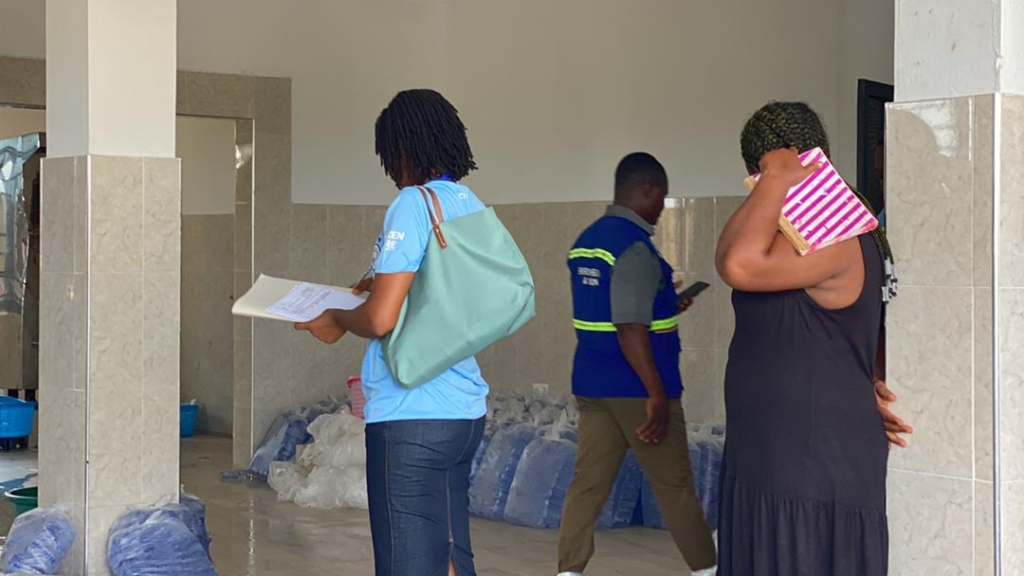
    “The Municipal Assembly has also been informed to desilt the estuary to enable easy flow of the water into the sea and to clear heaps of refuse along the course of the river. The National Disaster Management Organization (NADMO), National Security, Chiefs of Weija, Ogblogo, Tetegu, Weija, Gbawe, opinion leaders and all stakeholders including institutions and organizations who have properties downstream have been informed of the development and current situation at the dam,” GWCL said in its statement.
    Communities likely to be affected include Tetegu, Oblogo, Pambros Salt, Lower McCarthy Hill, Lower Weija, Bojo Beach, Adakope and surrounding communities.

    Read below GWCL’s full statement

    FOR IMMEDIATE RELEASE DATE: 28th APRIL 2023

    ATTN: NEWS EDITOR

    WEIJA DAM WATER SPILLAGE EARLY WARNING

    With the onset of the rains, Management of Ghana Water Company Limited (GWCL) wishes to inform the public, especially citizens living downstream of the Weija Dam, that it will begin spillage of excess water from the dam any time soon.

    The level of the Dam as of Friday 28th April 2023 is 46ft, 1ft below the maximum safe operating level of 47ft. The dam levels are monitored on an hourly basis and the GWCL will not hesitate to open the spill gates, should the level go above 46.5ft, so as not to compromise the integrity of the dam and to avert any disaster.

    The Management of GWCL is by this release sounding a word of caution to inhabitants downstream to evacuate the area to forestall any eventuality. The Municipal Assembly has also been informed to desilt the estuary to enable easy flow of the water into the sea and to clear heaps of refuse along the course of the river. The National Disaster Management Organization (NADMO), National Security, Chiefs of Weija, Ogblogo, Tetegu, Weija, Gbawe, opinion leaders and all stakeholders including institutions and organizations who have properties downstream have been informed of the development and current situation at the dam.

    The communities likely to be affected include Tetegu, Oblogo, Pambros Salt, Lower McCarthy Hill, Lower Weija, Bojo Beach, Adakope and surrounding communities.

    Management of GWCL expects that the public will be supportive in this exercise to avoid a reoccurrence of the disaster that has occurred in the past.

    Stanley Martey (Chief Manager, PR & Communication)

  • Fameye receives GH25,000 compensation from fuel station after filling his car with water

    Fameye receives GH25,000 compensation from fuel station after filling his car with water

    Fameye, a Ghanaian artist, said that he received GHC25,000 in damages after a petrol station filled his 2019 Honda Pilot Touring with fuel laced with water.

    Ghanaian singer Fameye has revealed that he has been compensated with the amount of GHC25,000 for damages after a fuel station filled his Honda pilot touring 2019 model with fuel mixed with water.

    Fameye was not a happy man some weeks ago after the unscrupulous actions of a fuel station he purchased fuel from.

    According to Fameye, fuel that was bought to fill the tank of his 2019 Honda pilot touring was diluted with water and the action affected the engine of his vehicle.

    The obviously pent up and frustrated music artiste took to Twitter to share his dilemma with the public hoping for a possible solution.

    “So few days ago ,I go buy fuel for one fuel station,700 cedis,the rest is heartbreaking They filled my tank with water mixed with petrol as I’m talking to you now my car Honda pilot touring 2019 model is spoilt Spent 7k already still not working!!! What do I do?,” he tweeted.

    However, speaking in an interview on TV3 New Day, the “Nothing I Get” revealed he was compensated GHC25,000 for damages and that although his car is back to normal and working well he is still saddened by the entire situation.

    The National Petroleum Authority, the statutory Agency regulating, overseeing, and monitoring the petroleum downstream industry in Ghana has over the years warned fuel stations to desist from infusing water into their products.

    It has gone further to close down fuel stations caught in the act but the trend continues to be on the rise.

  • Volta region: Abutia community calls on government for running water

    Volta region: Abutia community calls on government for running water

    The Volta Region’s Chiefs and People of Abutia in the Ho West District have urged the government to address the severe water shortage problem in the region.

    Despite being a popular town close to Ho, the Volta Regional capital, access to potable water is a mirage.

    The community has no running water.

    The Paramount Chief of the Area, Togbega Abutia Kodzo Gidi, says water scarcity poses a major threat to the socio-economic livelihoods and health of his people.

    Togbega Gidi made this known at the climax of their annual Asafotu Festival at Abutia-Teti.

    Currently, the Ghana Water Company does not supply the area with potable water despite being a few kilometers away from its pipelines at Sokode, Abutia’s neighbouring community.

    Over the years, boreholes and streams have been the source of water supply for the thousands of residents there.

    Togbega Abutia Kodzo Gidi said the available sources of water supply cannot meet the demands of the Community, amidst an increasing population.

    He said, ”the cost of regular maintenance on the boreholes has also become a challenge.”

    Togbega Gidi therefore stressed the need for the government to intervene with the extension of Ghana Water Company’s pipelines as the major source of water supply to Abutia.

  • Hacks to fix salty food

    Hacks to fix salty food

    One of the most important elements to prepare a dish is salt. It enhances the flavor of everything.

    The majority of us are guilty of oversalting the dishes we prepare while cooking or getting carried away or using the wrong figures.

    This post is for you if you’ve ever been in a situation like this and couldn’t figure out how to get out of it. This scenario can be fixed while maintaining its flavor. Here are some suggestions for adjusting salty meals.

    1. Add more water

    If you’ve added excess salt to your rice, soup, or stew, adding more water will significantly help. Adding water might make your dish a bit watery, but it becomes thicker when it stays on fire and reduces the saltiness. Doing this makes you get the desired consistency and still correct the taste.

    1. Fight it with sugar

    Adding sugar or other sugary content to your salty meals helps to complement or counter their saltiness. You can add honey or brown sugar to also help maintain its flavour.

    1. Increase the ingredients 

    If you have ever found yourself over-seasoning your food and still have extra ingredients on the ground, the best solution is to increase the portion size of your meal. Make a new meal from scratch, then add salty food to get your desired flavour.

    1. Add acidic content

    The acidic content refers to lemon, orange, vinegar, or citric acid. Adding acid to your dish moderately helps to balance the saltiness of a meal. You need to ensure that you add only a little content to avoid your meals’ sour taste.

    1. Use creamy ingredients

    These creamy ingredients are fats that might not reduce the saltiness, but it performs the role of a bud taste barrier by coating the tongue to make the salty flavour impotent. These creamy ingredients can be dairy products like milk.  To replace dairy products, you can add mashed avocados. This will help to hide the salt and also add richness.

    1. Rinse with water

    You can reduce the salt content from your meal by rinsing it repeatedly. However, there are exceptions to this hack. You can only rinse foods that wouldn’t dissolve in water immediately, like rice, yam, and potatoes. Meat can also be rinsed or added to your stew without adding any seasoning when it is being cooked.

    Source: Tribuneonline

  • 2 children drown near Bortianor amid Tuesday’s rainfall

    Two siblings, 9 and 11-year-old have reportedly met their untimely death at Babasdongo near Bortianor in Accra after drowning during Tuesday morning’s rains.

    2 children drown near Bortianor during Tuesday morning downpour

    Their mother, identified as Sister Ama, said the water destroyed their single self-contained.

    2 children drown near Bortianor during Tuesday morning downpour

    She disclosed that her three children were carried away by the flooding water as a portion of the structure collapsed.

    Ama says she was saved together with one of her children by a good samaritan as the other two drowned.

    “I could see my children going but I could not do anything,” she said while wailing.

    2 children drown near Bortianor during Tuesday morning downpour

    A resident, Kofi Nyantakyi saw the first dead body and also a co-tenant of the victims.

    He indicated that the victim’s father decided to park his car at a good place and return for the kids but was too late.

  • We lack water and sanitation in Dida

    We lack water and sanitation in Dida

    Residents of Dida, a farming community in the Atwima-Kwanwoma District, have appealed to the government to extend the Greater Kumasi Metropolitan Area Water and Sanitation Project (GKMA-SWP) to the community. 

    This is to help curb the severe sanitation problem facing the people in the community. 

    Some of the residents, who spoke to the Ghana News Agency, during a visit expressed worry about the current state of the only public pit latrine in the community.   

    The toilet had been full for some years, and the wood serving as support to the pit latrine appears weak, while the stench and heat emanating from the end is enough to deter community members from using the structure. 

    The streets of the community during the visit by the GNA showed calmness, but the residents shared worrying experiences of sanitation challenges, especially access to toilet facilities in the community. 

    Madam Akua Pokuaa, a 40-year-old drinking bar operator, said her most worry had been the fact that, everyone without a toilet in the home visited the same old pit latrine.

    “I am really worried, all of us, men, women and children defecate on this wooden structure. It does not give us (women) privacy at all. You will be here, and you see that a man wants to come in here too. Most of the households, I know just do it in a polythene bag and throw it away, or we go to the bush and do it freely,” she told the GNA. 

     She said there had been a couple of times she had contracted infections from the use of the pit latrine. 

        Madam Pokuaa pleaded with the government to consider the community and provide toilets that could improve the sanitation conditions in the area. 

        A 63-year-old Maame Akua Bema told the GNA that her age did not favour the use of such a toilet facility. 

        “Mostly I walk for about 10 minutes before I can use this toilet. 

        She said the facility was not good for the aged and children. 

        “Our grandchildren of school going age must hang on to this risky thing.  Don’t you think a child can fall in this one day,” she quizzed.  

        Maame Bema indicated that, to avoid disgrace sometimes, she had to defecate in polythene bags and throw it away in the refuse dumps. 

         The GNA gathered that the school in the community also had no place of convenience and school children had to defecate in bushes near the school. 

       Papa Kwadwo, a 12-year-old basic six pupil said he had to go the bush because there was no place for him to go. 

       Mr. Ernest Boakye, the District Environmental Officer, collaborated the concerns of the people and said about 25 per cent of the 234,836 people in 64 communities in the districts, practice open defecation. 

      He pointed out that, lack of toilet facilities was a serious challenge in the settlements of the one of the peri-urban districts in the Ashanti region. 

      Mr Boakye said the government needed to extend the Greater Kumasi Metropolitan Area Water and Sanitation Project (GKMA-SWP), a project meant to increase access to improved sanitation and water supply, to such areas to improve sanitary conditions.   

    He said the communities would embrace the World Bank- Government of Ghana subsided project, stressing that peri-urban communities needed such interventions the most. 

       “The peri-urban districts need the facilities the most, because there are a lot of people in the communities that cannot build toilets by themselves but with the subsided projects, community members can own toilets in the homes”. 

          According to the officer, pit latrine had a lot of health implications, including typhoid infections, offensive odour to the community and disease infections to ladies, especially. 

          They also served as a harbouring place for reptiles which could be very serious.  

         Mr Boakye said the extension of the project to the district would help encourage residents to build toilet facilities in their homes and help the district assembly to strengthen its sanitation bylaws in the communities. 

  • South Africans fumes at no lights and no water crisis

    South Africans fumes at no lights and no water crisis

    Many South Africans, who already struggle without electricity for hours on end, now also have to go without water as power failures batter the delivery system.

    A power failure at a pump station feeding reservoirs and water towers caused taps to run dry in parts of Johannesburg and Pretoria, provincial utility Rand Water said this week.

    This further aggravated residents who for months have had to plan mundane activities such as cooking and do laundry based on a daily blackout schedule.

    Thomas Mabasa, a rail worker, said he had taken to showering at work — a luxury not afforded to his children.

    “(They) have to go to school without bathing,” the 43-year-old told AFP.

    He was among frustrated locals who took to the streets in Soshanguve, a township north of the capital, this week to protest the situation.

    Demonstrators disrupted traffic, blocking roads with stones and waste.

    “Sometimes we wait to see if the water will come back in the middle of the night to wake the kids up so they can shower before it runs out again,” Mabasa said, as tyres burned on the street behind him.

    Theft and vandalism

    Africa’s most industrialised economy has been crippled by record power cuts in the past year, as troubles at debt-laden state energy firm Eskom worsened.

    The utility provides about 90 percent of the country’s electricity.

    But for years it has failed to keep pace with demand as it struggles to maintain its ageing coal-powered infrastructure.

    Water and sanitation ministry spokeswoman, Wisane Mavasa said the government was working with water utilities “to improve the situation”.

    “(The) energy crisis is impacting the water infrastructure,” she said.

    One problem is that machinery is constantly being restarted because of power cuts, and this accelerates breakdowns, the government said.

    Pump stations and water-treatment, which need a steady flow of power to work properly, have been badly impacted, it said.

    Criminality has also contributed to the crisis, with Johannesburg’s municipality saying hundreds of water tanks were stolen or vandalised in 2022.

    Water-scarce country

    Hospitals and schools have not been spared.

    Kalafong hospital in Pretoria, endured two days of no water at the weekend.

    Journalism student Ethel Malatji, 21, said her and colleagues at the Tshwane University of Technology in Pretoria were unable to cook, clean or bathe.

    “We don’t even have water to drink,” she said. Her studies have also been disrupted by protesters burning tyres on a road she crosses to access part of the campus, she said.

    The problems have especially hit Johannesburg’s Gauteng province, but not exclusively.

    Cape Town has had to close some of its beaches due to a sewage spill following electrical faults at some of its sewer stations.

    Increasing demand has also put a strain on supply in the country’s southeast forcing authorities to implement water rationing.

    That might become more common if energy and infrastructure problems are not addressed, said Dewald van Niekerk, who heads the African Centre for Disaster Studies at North-West University.

    “Electricity needs to drive those pumps,” said van Niekerk.

    South Africa — an already water-scarce country — is set to experience extreme drought conditions in the next few years with the expected return of the El Nino warm weather pattern, he warned.

    Source: African News

    • Water rationing starts in Tanzania’s main city

      The authorities in Tanzania on Thursday began rationing water in the commercial capital Dar es Salaam because of a drop in the River Ruvu’s levels.

      It is dangerously low, leaving the city with a deficit of nearly 166 million litres of water a day.

      People in Dar es Salaam will be without piped water for 24 hours on alternate days until the water levels improve.

      Dar es Salaam Regional Commissioner Amos Makalla said the water rationing was a result of a prolonged dry spell.

      Source: BBC