Author: Amanda Cartey

  • Many people are still stranded in the migrant camps in Niger

    Many people are still stranded in the migrant camps in Niger

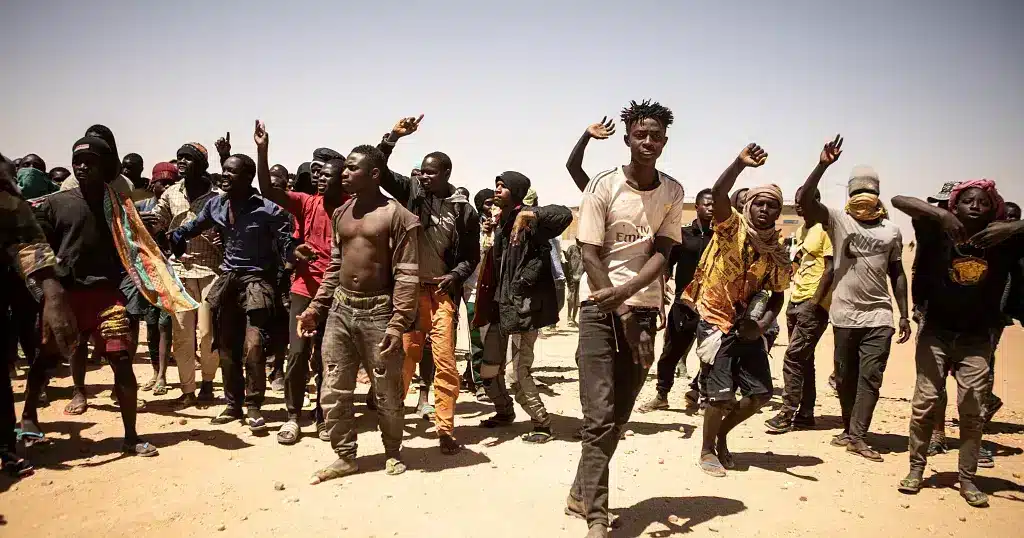
    Hundreds of migrants who were turned away by Algeria arrive at Assamaka, the first settlement on the Niger border, every week. More than 4,500 of them are currently stumbling around this little, windswept island.

    They can suddenly appear on the horizon in a straight line. The strongest in front, the weakest behind, long lines of silhouettes move through the desert.

    Malians, Guineans, Ivorians, Syrians, Bangladeshis… After a 15 km walk in the desert, the expellees discover a new purgatory.

    The transit center managed by the International Organization for Migration (IOM), the main intergovernmental organization in this field, is overwhelmed by the influx and only takes in about a third of the deportees.

    “When we arrived here, we were told that we are not recognized as IOM migrants and therefore we only have to pay for our transportation back home,” said Abdoul Karim Bambara, an Ivorian.

    In Assamaka, the water tanks are empty, the rations insufficient and the shelters too rare, while the temperature sometimes approaches 48 degrees during the day. Thousands of people are crammed against walls or under makeshift tarpaulins to find a spot of shade.

    Stripped of all their belongings in Algeria, according to their testimonies, the refouled can neither call their relatives nor pay for the return trip. They are then condemned to survive in this sand prison for an indefinite period of time, often several months.

    Cattle

    Some are doctors, students, traders. But around the barbed wire walls of the center, there are no more individuals. Just a crowd rumbling and jostling to scream out their despair, their scabies-infested skins, their infected wounds, their empty bellies and their ingrained traumas. And the end of all humanity. “We have become cattle!” rants Herman, an Ivorian migrant.

    “Did you see that!” a man interrupts him, pointing to a handful of sticky rice infested with flies. “Can you eat that? You get sick from that!”.

    Away, two groups of hungry people throw stones at each other in a cloud of dust. The brawls are incessant. A few days earlier, the death of a Cameroonian migrant provoked a riot that was dispersed by tear gas. The IOM transit center was attacked and looted by the protesters.

    “We are all traumatized. People can’t control themselves, there’s something wrong with their heads, nothing is right here! People are dying!” raged Aboubacar Cherif Cisse, a native of Sierra Leone.

    If there was enough to eat people would not fight, but there is no food, so what can they do? If they have nothing, they will fight, just to survive,” assures Mohamed Mambu, delegate of the Sierra Leoneans at the transit center of Arlit.

    The 1,500 inhabitants of Assamaka are overwhelmed by this uncontrollable neighborhood. “They are everywhere in the village, near the health center, under the walls,” said François Ibrahim, representative of the local NGO Alarme phone Sahara, which provides first aid to migrants in the desert.

    The migrants “steal the animals of the population to slaughter them. It is not because they are the thieves, but when the belly is hungry …” he laments.

    – “Unprecedented” –

    The number of migrants rejected at the gates of Niger has not stopped increasing since the beginning of the year. A situation “without precedent” according to Doctors Without Borders.

    From the Algerian border to Agadez, the regional capital located 350 km away, the transit centers are all clogged. The roads leading further south are under threat from jihadist groups, forcing expensive charter flights to repatriate migrants to their countries of origin.

    “The flights are often cancelled (…) But every week there are expulsions,” explains Ousmane Atair, manager of the Arlit transit center for IOM.

    Located in northern Niger, the Agadez region pays the price of relative stability. “The Assamaka-Arlit axis is the most secure, which is why all the migratory flows are directed to this side,” emphasizes the mayor of Arlit, Abdourahamane Maouli.

    But international aid is mobilized elsewhere by other security and humanitarian crises. IOM’s main donor in the region is the European Union, which funds most of the flights bringing migrants back to their countries of origin.

    For Alarme phone Sahara, “the IOM plays a key role in the policy of outsourcing borders on African soil by the European Union states”, anxious to keep the migratory pressure away from the Old Continent.

    Since the outbreak of the Libyan crisis in 2011, “Agadez is the last door, and it was necessary to secure the journey of all these asylum seekers. But in reality, it was an airlift to discourage them,” says Tari Dogo, secretary general of the regional council of Agadez, who sums up a feeling widely shared in the region: “The European Union has its share of responsibility in this situation.

  • The impact of telemedicine on Uganda’s health system

    The impact of telemedicine on Uganda’s health system

    In this episode of Inspire Africa, host Jerry Fisayo-Bambi makes a triumphant comeback with fresh tales of individuals bringing about innovation, social influence, and transformation across the continent.

    The first instance of this was in Uganda, where a group of medical professionals responded to the need for early patient diagnosis and treatment by beginning telephone consultations.

    The initiative has now grown from providing phone consultations to offering personalised, affordable and quality health care through 24/7 doctor teleconsultations, pharmacy deliveries, lab sample pick-ups and tests. And, their AI-powered application has been reported to pin 90 per cent of conditions patients suffer from.

    We spoke with Dr. Davis Musinguzi, the brain behind the innovation that is changing the face of medicine in Uganda

    Then, we hear the story of Green Scooter, a South African ride hailing service started by Fezile Dhlamini who for many years had his application for a job with ride hailing giants rejected. Today, Dhlamini wants to see South Africans embrace the use of electric vehicles.

    And later host Fisayo-Bambi speaks with Somi Nwandu, the Nigerian art curator and founder of “afrofoutourism” an exhibition promoting the works of digital artists on the continent.

  • Don’t accept homosexuality -President of Uganda to Africa leaders

    Don’t accept homosexuality -President of Uganda to Africa leaders

    The president of Uganda, Yoweri Museveni, has urged African countries to lead in opposing the promotion of homosexuality, citing same-sex unions as a serious threat to human reproduction.

    “Africa should provide the lead to save the world from this degeneration and decadence which is really very dangerous for humanity. If people of opposite sex stop appreciating one another then how will the human race be propagated?” he asked, according to an article dated April 2 and posted on his personal website.

    Museveni was speaking to a delegation of Members of Parliament from over 22 African countries and the United Kingdom.

    The MPs were in the East African country for a 2-day first ever Inter-Parliamentary Conference on Family Values and Sovereignty that ran under the theme ‘Protecting African Culture and Family Values’.

    The delegation led by a Ugandan MP, Sarah Opendi, during a courtesy call, thanked Museveni for his firm stand against homosexuality.

    The Conference which was also attended by medical experts enlightened participants on the causes of homosexuality and possible remedies to the vice.

    President Museveni noted that initially the practice that was thought to be a deviation from the normal is more dangerous than drugs. He therefore sought the identification of the focal point of homosexuality as it is neither genetic nor hormonal, a statement posted on his website noted.

    Uganda’s parliament recently passed an anti-LGBTQ+ bill which is yet to be transmitted to the president for assent into law.

    Museveni has stated his readiness to convene a meeting with lawmakers and take steps to sign it into law once he receives it. The legislation has roundly been criticized by development partners and the United Nations as draconian.

  • Zimbabwe to adopt laws to criminalise its health professionals  working in other countries

    Zimbabwe to adopt laws to criminalise its health professionals working in other countries

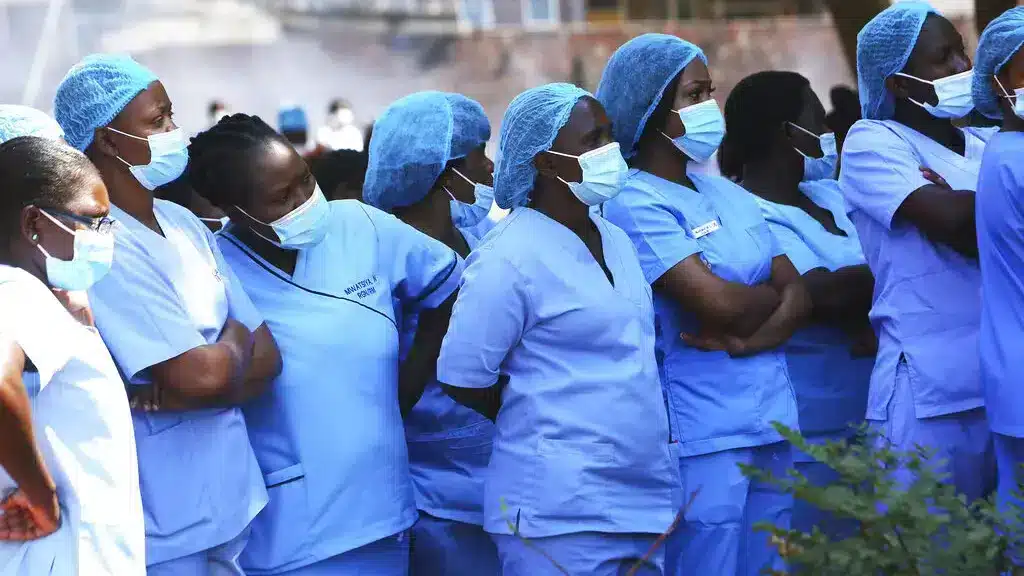
    Zimbabwe will soon adopt a law that will make it unlawful for other countries to hire its health staff, according to the vice president of the country, Constantino Chiwenga.

    The move aims to prevent the loss of valuable healthcare professionals to other countries, which has been a long-standing issue for Zimbabwe’s healthcare system.

    The disappearance of medical personnel, according to Mr. Chiwenga, who is also the health minister, is equivalent to human trafficking.

    He announced harsher punishments for individuals who, in his opinion, had robbed the country of its human capital.

    “If one deliberately recruits and makes the country suffer, that’s a crime against humanity. People are dying in hospitals because there are no nurses and doctors. That must be taken seriously,” Mr Chiwenga said on Wednesday April 5 2023.

    “Zimbabwe frowns at this heinous crime which is also a grave violation of human rights,” he added.

    Local media say more than 4,000 nurses and doctors have left Zimbabwe since February 2021.

    The UK’s National Health Service has been an attractive destination for Zimbabwean doctors and nurses as wages are far higher than those paid back home.

    Last month, the UK halted the recruitment of Zimbabwean health workers after the southern African country was placed by the World Health Organisation on the red list, which denotes countries facing serious health personnel challenges.

    According to the Zimbabwe Medical Association, the country has about 3,500 doctors for a population of 15 million people.

    Zimbabwe is facing an economic crisis characterized by high inflation that has significantly reduced wages.

  • South Africa : Government revokes national state of disaster

    South Africa : Government revokes national state of disaster

      South African officials on Wednesday April 5 2023, revoked the country’s state of disaster due to the persistent energy crisis.

      The national state of disaster Wednesday, which was proclaimed by the South African government in February to address the dire power shortage, has been lifted.

      Government officials announced they will be working to reduce the impact of power cuts using existing legislation.
      The country’s ongoing energy crisis has crippled multiple sectors including telecommunications services which are struggling to keep phone networks up and running.

      “Our costs have gone through the rood,” lamented Sitho Mdalose, Vodacom’s South Africa managing director. 

      Operators such as MTN, Telkom and Vodacom are spending millions to install solar panels, batteries, and trialing wind turbines in an effort to sustain network stability as Africa’s most advanced economy is forced to live in the dark for up to ten hours a day.

      The countless power outages have cost number two operator MTN nearly 640 million rand (36 million dollars) in service revenue in the past year, forcing it to downgrade its medium-term margin target. 

      Telkom has incured over 150 million rand in additional costs in the last quarter of 2022 alone. 

      While most network towers in South Africa are equipped with a backup battery, more advanced systems are less common. MTN has 12,900 towers in Sotuh Africa but approximately 3000 diesel generators and solar panels at a few pilot sites. 

      As they battle to mitigate the worsening power crisis, telecommunications companies have had to divert capital away from much needed network upgrades and 5G rollouts. Government regulations are also blocking potential solutions such as sharing backup power infrastructure with their competitors.

      The power crisis and logistical constraints are expected to erase 2 percentage points from economic growth this year according to African Reserve Bank governor.

    • Twitter is requested to remove alleged offensive video by South Africa

      Authorities in South Africa have asked Twitter to remove a video that allegedly incites violence against individuals who choose not to take part in protest marches scheduled for March 20.

      The opposition party Economic Freedom Fighters (EFF) is organising nationwide marches to protest the country’s power crisis and has called on President Cyril Ramaphosa to resign.

      In a statement, the Film and Publication Board (FPB) said the video warns that any pupil wearing school uniform during the protests will be beaten up, as well as teachers and police officers.

      The video was posted by a person claiming to be a member of EFF, it said.

      “Internally, the FPB shall monitor the take-down by Twitter to ensure that no further dissemination or distribution by the public occurs,” the board said.

      Members of the public have been advised not to share, re-post or distribute the said video and offenders could face prosecution for disseminating or distributing prohibited content.

      Police have said they will be on high alert to avert any violence as the Julius Malema-led EFF party vowed to “shut down” the entire country on Monday.

    • Kenyan athletes are being duped by local gurus – Agency report

      Kenyan athletes are being duped by local gurus – Agency report

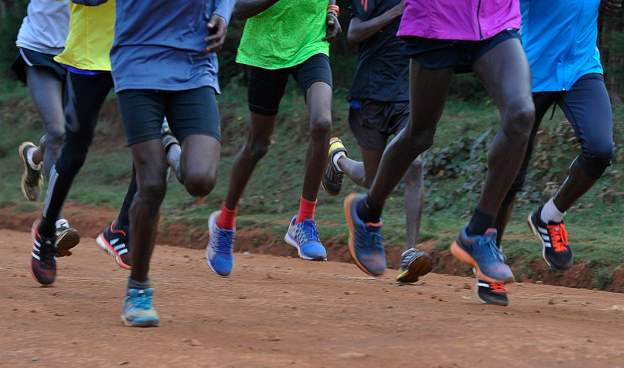
      A group that oversees the anti-doping program for international sports has made claims that Kenyan athletes are receiving help from local medical professionals to conceal drug violations.

      Two athletes used similar explanations to explain medical anomalies, leading the Athletics Integrity Unit (AIU) to the same conclusion.

      The runners, Eglay Nafuna Nalyanya and Betty Lempus, had allegedly produced forged paperwork to support their claim to have had an intramuscular injection at the same hospital.

      Athletics Kenya said last week that it had been promised $5m (£4m) a year to combat doping.

    • Nigerian rail project to be financed by Chinese bank

      Nigerian rail project to be financed by Chinese bank

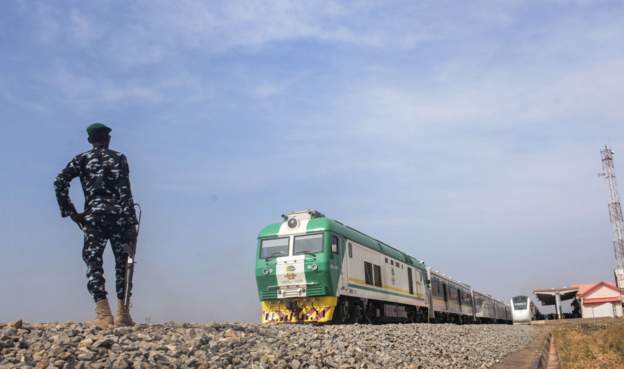
      The China Development Bank has been accepted by the Nigerian Senate as the new funder for a rail project, which is expected to cost close to $1 billion.

      Another Chinese lender had been due to fund the line between Kaduna and Kano – the largest city in the north – but it pulled out in 2020.

      When President Muhammadu Buhari came to power eight years ago, he prioritised upgrading the country’s poor transport network and power supply.

      However, funding has been a major constraint.

      Parliament has approved several billion dollars worth of loans from Chinese and other international lenders but funds have yet to materialise.

      When president-elect Bola Tinubu takes over in May, he will inherit a raft of challenges including double-digit inflation and widespread insecurity.

    • I’m happy to retire and become a journalist – Kagame

      I’m happy to retire and become a journalist – Kagame

      After 23 years in service, Rwanda’s President Paul Kagame has stated that he is looking forward to his retirement and the transfer of power.

      Speaking at a joint press briefing with his Kenyan counterpart, William Ruto in the Rwandan capital, Kigali, Mr Kagame said a succession plan was being actively discussed by the ruling party, terming his retirement an “inevitability”.

      Mr Kagame said he was not necessarily interested in choosing his successor but rather creating an environment that would give rise to people who can lead.

      “We have been having this discussion within our [ruling] party since 2010 but circumstances, challenges and history of Rwanda tend to dictate certain things,” he said.

      He said his retirement was an issue that has to be discussed “sooner or later”.

      “I’m sure one day I may join journalism in my old age. I’m looking forward to that,” Mr Kagame said.

      His comments come days after the country’s ruling party, the Rwandan Patriotic Front (RPF-Inkotanyi), elected its first woman vice-chairperson.

      President Kagame retained the chairmanship position. He has led the party since 1998.
      This was not the first time Mr Kagame has talked about retirement. In December 2022, he said he had no problem becoming an ordinary senior citizen.

      Mr Kagame has been president of the East African nation since 2000. A controversial referendum in 2015 removed a two-term constitutional limit for presidents.

      The president last year told a French TV channel he would stand for president again at the next election in 2024.

    • 10 students kidnapped by gunmen in northwest Nigeria

      10 students kidnapped by gunmen in northwest Nigeria

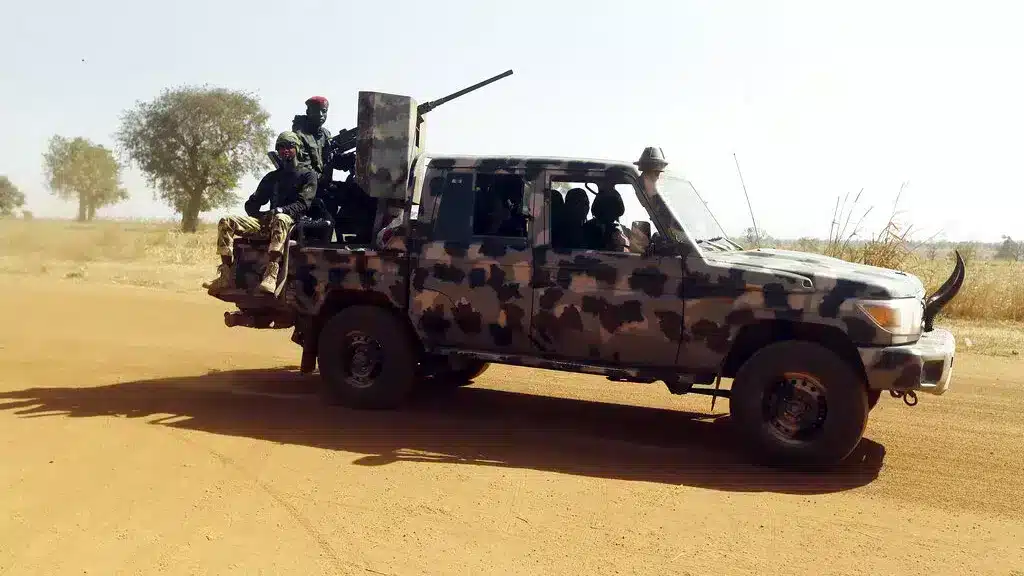
      Gunmen have kidnapped at least 10 students in northwest Nigeria, according to authorities on Tuesday.

      The state commissioner of security, Samuel Aruwan, said students from the Government Secondary School in Kaduna state were kidnapped during an attack on Monday, however it was unclear exactly where they were taken.

      “The exact location of the incident is yet to be ascertained but detailed reports being awaited will clarify whether the incident occurred within the school premises or elsewhere,” he said.

      Abductions of students from schools in northern Nigeria are common and have become a growing concern since 2014 when Islamic extremists kidnapped over 200 schoolgirls in Borno state. More than 1,000 students were kidnapped from schools in the northwest and northcentral regions in 2020 and 2021, according to a United Nations report last year.

      Authorities blame the abductions on armed groups who often target remote communities. Most of the gunmen are thought to be young men who are ethnic Fulani, a largely Muslim group of semi-nomadic herders who have been embroiled in conflicts with communities over access to land and water.

      While attacks were reduced last year as Nigeria’s security forces ramped up military operations targeting the gunmen’s hideouts, the government’s still struggling to quell the insurgency.

    • Guinea: Three doctors convicted of  woman’s death after rape

      Guinea: Three doctors convicted of woman’s death after rape

      Three doctors have been found guilty of the death of a young patient who was the victim of a hospital rape by a court in Guinea.

      In 2021, the government reported that M’Mah Sylla had passed away in Tunisia, where she had been flown for medical attention after being raped.

      The case caused a great deal of outrage in Guinea.

      A court in the capital Conakry has now sentenced Daniel and Patrice Lamah to 15 years in prison and a third doctor, Celestin Millimouna – who is on the run – was given a 20-year sentence.

      They were all found guilty of assault and battery as well as carrying out an abortion.
      Patrice Lamah and Millimouna were also found guilty of rape.

    • Chinese citizen jailed in Uganda after tragic accident

      Chinese citizen jailed in Uganda after tragic accident

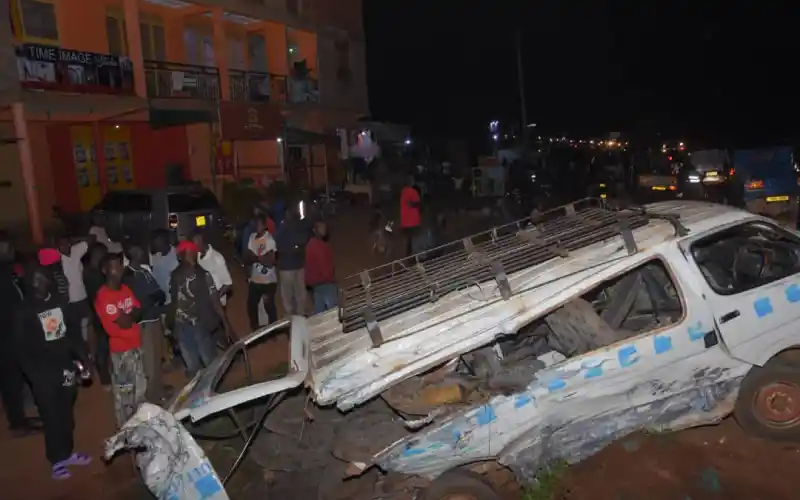
      In connection with a Tuesday morning car accident that claimed the lives of two pupils and injured three others, police in central Uganda have apprehended a Chinese national.

      Zhao Haizhanga is accused of knocking students at Kamusenene Village along Lubaali-Bukuya Road in Kassanda District as he tried to pass a truck carrying logs, according to a statement from the police.

      “He killed two instantly and injured the other three yet to be identified,” the police statement said.

      The two bodies were taken to a local mortuary awaiting post-mortem.

      Mr Haizhanga was detained by police as investigation on the incident continues.

    • Togo president’s half-brother flees to Gabon after 14 years in prison

      Togo president’s half-brother flees to Gabon after 14 years in prison

      A half-brother of Togolese President Faure Gnassingbé who has been in detention since 2009 on suspicion of conspiring to overthrow the government has been evacuated to Gabon, according to one of his advisers, for “sanitary reasons.”

      Kpatcha Gnassingbé, 52, a former minister of defense from 2005 to 2007, was deemed the brains behind a botched putsch and was condemned in September 2011 to 20 years in prison for “conspiring against state security.” On April 15, 2009, he was detained in front of the American embassy where he was seeking safety.

      “I can confirm that Kpatcha Gnassingbé has been evacuated to Gabon for health reasons since March 23. I am in contact with his relatives. He is currently in a hospital where he is being treated,” said Me Zeus Ajavon .

      “We have asked for his evacuation several times, because of his state of health which has deteriorated. In any case, we appreciate this gesture, which can be a sign of relaxation within the Gnassingbé family”, he said . he adds.

      No official Togolese or Gabonese source has yet confirmed the information.
      Kpatcha Gnassingbé had been hospitalized in the military pavilion of the Sylvanus-Olympio University Hospital Center (CHU) in Lomé since June 17, 2021.

      According to Me Ajavon, his client, who suffers in particular from diabetes , “is still considered a prisoner, because he has not benefited from parole or a presidential pardon” .

      A total of 33 soldiers and civilians involved in this foiled putsch of 2009 were tried by the judicial chamber of the Supreme Court and sentenced to prison terms ranging from 12 months to 20 years. All had pleaded their innocence.

      Kpatcha Gnassingbé and two officers are still being held in this case, the others having been released.

      “We would like the two officers who are still in detention in this case to also benefit from a medical evacuation, because they are also sick” , pleaded Me Ajavon.
      Togo has been ruled since 2005 by Faure Gnassingbé , who came to power after the death of his father, General Gnassingbé Eyadéma , who himself had ruled Togo for 38 years. He was re-elected in polls that were all contested by the opposition.
    • Elon Musk changes Twitter’s blue bird logo to “Doge” meme

      Elon Musk changes Twitter’s blue bird logo to “Doge” meme

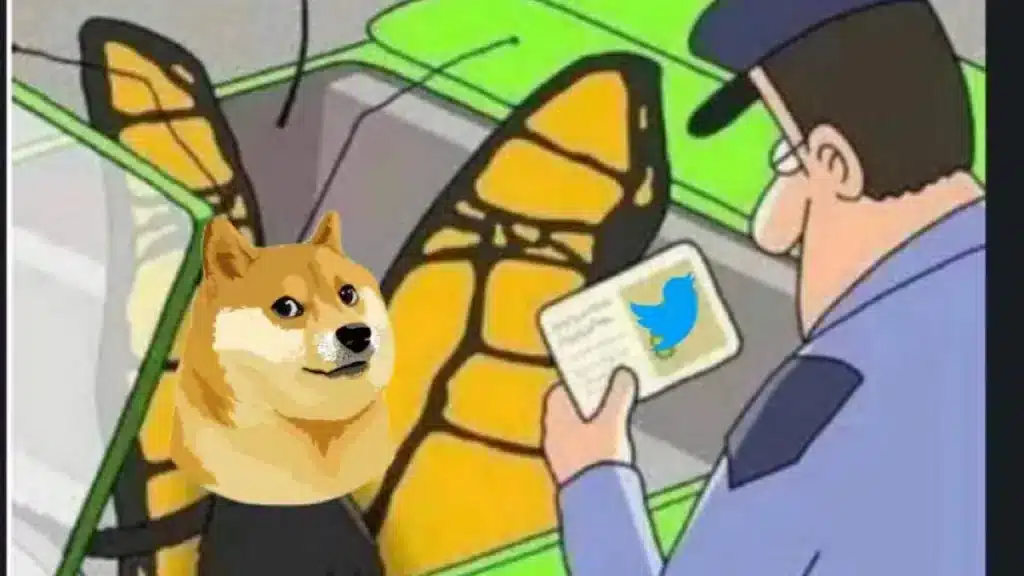
      Twitter’s CEO Elon Musk recently revealed that he has parted ways with Twitter’s iconic bird emblem and replacing it with a well-known internet meme.

      As of now, when Twitter users open the website, they will be greeted with a new loading screen featuring Kabosu, the Shiba Inu who served as the inspiration for the infamous Doge meme. 

      Additionally, Twitter’s homepage display picture has been replaced with the same meme. This change has stirred a lot of excitement and buzz among social media users and has left many wondering what this change could mean for the future of Twitter.

      It is speculated that this could be an April Fools’ joke that showed up two days late or it could be much bigger than that. With this little stunt, the price of cryptocurrency Dogecoin has gone up by 10 percent. However, it is still lower than its peak price in May 2021.

      Notably, Musk is facing a $258 million racketeering lawsuit that accused him of operating a pyramid scheme to promote Dogecoin.

    • Zimbabwean Human rights activists charges Zimbabwean EC with exposing  contacts of voters

      Zimbabwean Human rights activists charges Zimbabwean EC with exposing contacts of voters

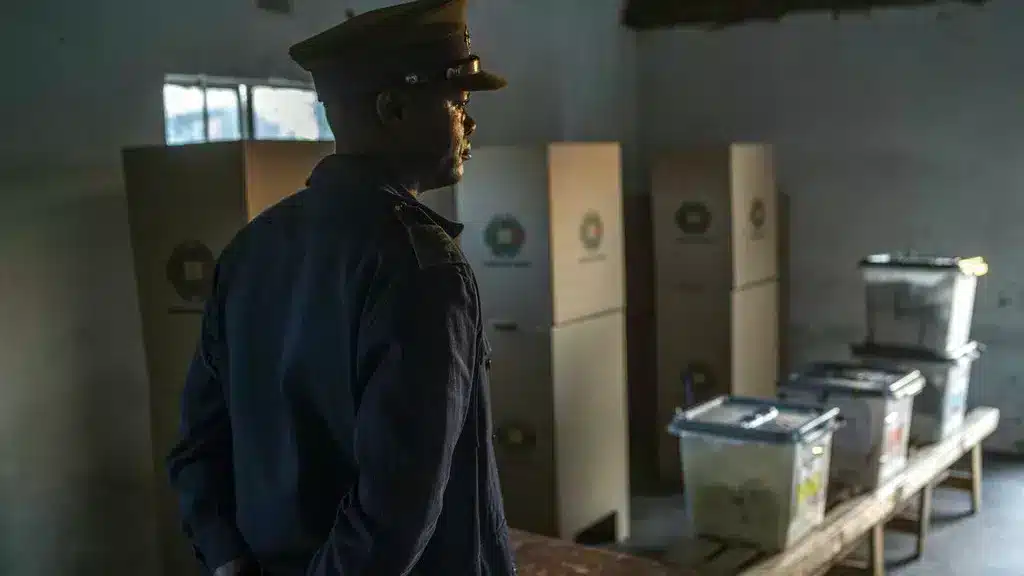
      Rights activists has charged the Zimbabwe Electoral Commission (ZEC) on Tuesday April 5 2023 with exposing the phone numbers of voters who they claimed had received “intimidation” texts from the ruling party ahead of the country’s presidential and parliamentary elections scheduled for August.

      According to local NGO Team Pachedu, voters, some of them newly registered, have received personalized text messages in Shona (the local language), including the name of the constituency to which they belong and signed with the name of President Emmerson Mnagwa, who is running for re-election.

      “This information only appears on the new electoral lists and only the ZEC (electoral commission) is supposed to have access to it,” stressed the organization contacted by AFP.

      In addition, “the people who receive the messages are new registrants” as well as opposition supporters “who have never provided their details” to the ruling Zanu-PF, added Team Pachedu.

      The organization has declared its intention to sue.

      Asked by AFP, the electoral commission denied having provided any contact details.

      “We have not given anything to anyone,” said its vice president, Rodney Simukai Kiwa. “We are shocked to hear that,” he added.

      When contacted by AFP, Zanu-PF did not respond.

      According to Team Pachedu, the “intimidation tactic” of sending text messages on private numbers had already been used during the last elections in 2018.

      The organization had denounced irregularities in the division of electoral districts last month.

      President Mnangagwa is regularly accused of muzzling the opposition. But unable to revive an economy that has been in crisis for two decades, he is facing growing discontent.

    • Top cabinet positions awarded to Tigray leaders – Reports

      Top cabinet positions awarded to Tigray leaders – Reports

      A 27-member cabinet has been chosen by the recently installed interim administration in Ethiopia’s war-torn Tigray region to oversee a political transition there, according to local media.

      It comes after the federal government and the Tigray People’s Liberation Front (TPLF) signed a peace accord to end a brutal war in the region.

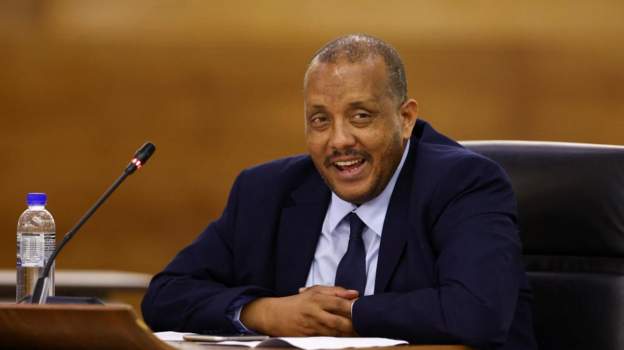
      New Tigray President Getachew Reda will be flanked by two vice-presidents – Gen Tsadkan Gebretensae and Gen Tadesse Werede, military commanders who fought the Ethiopian army in the recent war, the reports say.

      Gen Tsadkan will have responsibility over decentralisation and democratisation, while Gen Tadesse will be the head of the peace and security secretariat.

      There has been no official announcement yet, but the appointments have been widely reported in local media.

      The new cabinet is dominated by the TPLF, but includes two members of Baytona, an opposition party allied with the TPLF.

      On 23 March, Prime Minister Abiy Ahmed appointed Mr Getachew, the TPLF spokesman, as the interim leader of Tigray.

      He takes over from Debretsion Gebremichael, who has stepped down after about five years in office.

      Under his tenure, sharp differences emerged between the regional and federal governments, triggering a war that claimed the lives of hundreds of thousands of people.

    • Zimbabwean politician found guilty of sending a fraudulent tweet

      Zimbabwean politician found guilty of sending a fraudulent tweet

      A prominent opposition figure in Zimbabwe, Fadzayi Mahere, was found guilty of spreading false information by retweeting a video in 2021 that claimed a traffic cop had murdered a child.

      It transpired that the child was alive, and had not sustained any injuries.

      Magistrate Taurai Manwere said her tweet was reckless, and intended to undermine public confidence in the police. The magistrate said she should have first verified the information.

      She has not yet been sentenced.

      Ms Mahere’s party – the Citzens’ Coalition for Change (CCC) – condemned the conviction.

      “She’s being persecuted for her political beliefs,” it said.

    •  Deadly cobra found in south African Plane

       Deadly cobra found in south African Plane

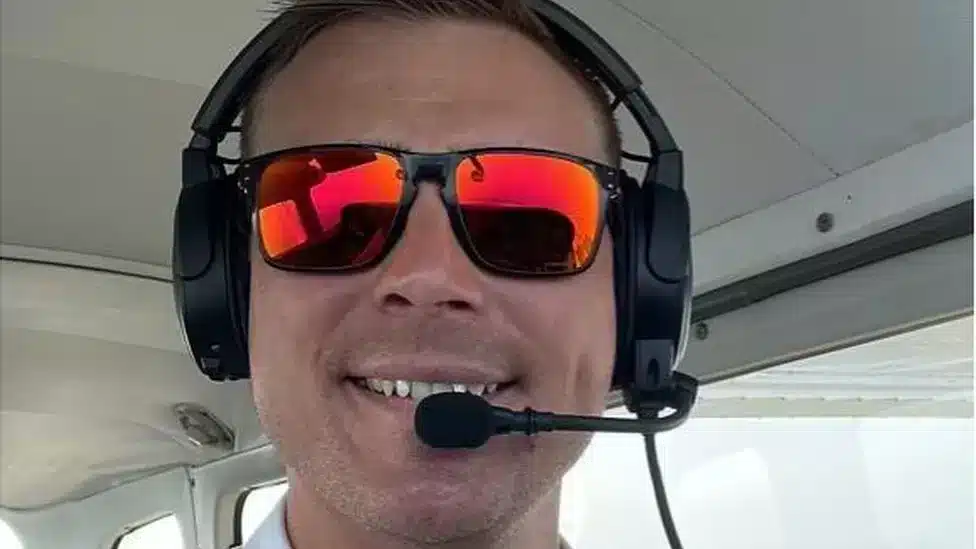
      Rudolph Erasmus, a South African pilot, thought it was just another trip until, at a height of 11,000 feet, he became aware of an additional passenger.

      But instead of a person, a cobra was creeping beneath his seat.

      “To be truly honest, it’s as if my brain did not register what was going on,” he told the BBC.

      “It was a moment of […] awe,” he added, saying he initially thought the cold feeling on his back was his water bottle.

      “I felt this cool sensation, sort of, crawling up my shirt,” he said, thinking he may not have closed the bottle properly and water might have been dripping down his shirt.

      “As I turned to the left and looked down I saw the cobra […] receding its head backwards underneath the seat.”

      He then made an emergency landing on his flight from Bloemfontein to Pretoria. The plane was carrying four others, as well as the snake.

      A bite from a Cape cobra is lethal and can kill someone in just 30 minutes, so not wanting to cause panic, Mr Erasmus says he thought carefully before calmly telling those on board that there was an extra unwanted passenger.

      He was also “so scared the snake might have gone to the back and cause mass panic”.

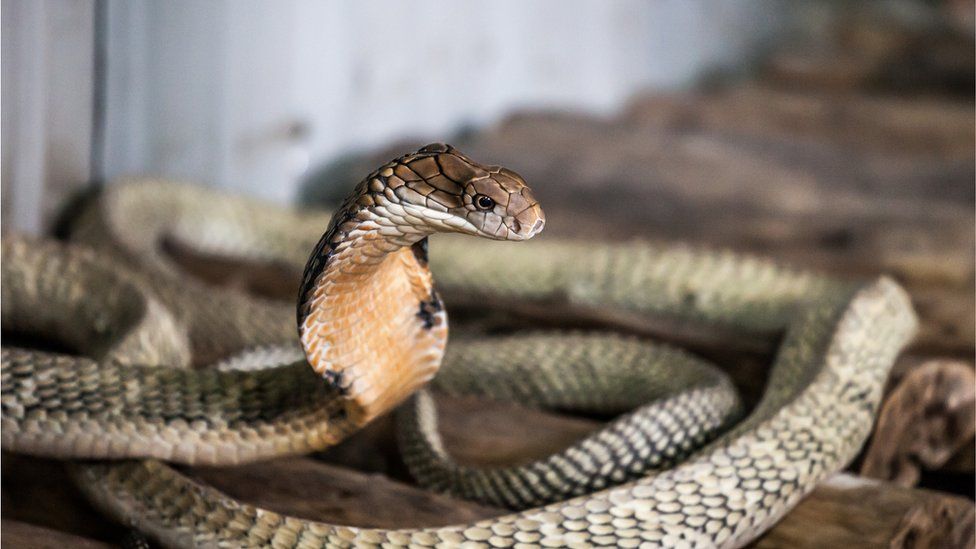
      Cobra snake
      Image caption,A bite from a snake usually requires an overnight hospital stay as well as medicine to fight the venom

      In the end, he decided the tell them. “I did inform the passengers: ‘Listen the snake is inside the aircraft, it’s underneath my seat, so let’s try and get down to the ground as soon as we can.’”

      So how did the passengers react? Mr Erasmus described a moment of absolute silence: “You could hear a needle drop and I think everyone froze for a moment or two.”

      Pilots are trained for lots of scenarios, but certainly not for dealing with snakes in the cockpit he said, telling the BBC that panicking would have just made the situation worse.

      The plane made an emergency landing in the city of Welkom.

      However, the presence of the snake, although shocking, was not a total surprise. Two people working at Worcester flying club where the plane first took off, said they had earlier spotted a reptile taking refuge under the aircraft. They tried to “grab” it, but without success.

      Mr Erasmus said he tried to find the snake before boarding the aircraft with his passengers, but “unfortunately it was not there, so we all then safely assumed that it must have crawled out overnight or earlier that morning, which was on Monday”.

      The slithering passenger is still missing, as engineers who then stripped the plane are yet to find it.

      Mr Erasmus has been hailed a hero, with South African civil aviation commissioner, Poppy Khosa, praising his “great airmanship indeed which saved all lives on board,” according to the News24 site.

      But the modest pilot says he doesn’t feel like he’s special for what he did: “I think that’s a bit blown up if I can be direct,” he said. “It’s also my passengers that remained calm as well.”

      Source: BBC

    • Aliko Dangote making plans to buy Valenciennes ?

      Aliko Dangote making plans to buy Valenciennes ?

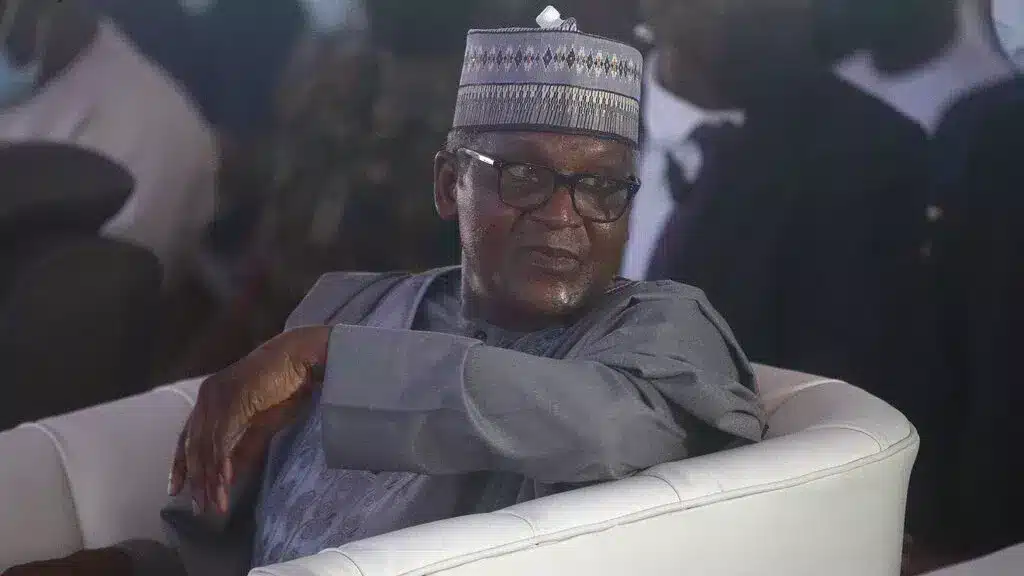
      An African millionaire who got his fortune in cement may purchase Valenciennes, a Ligue 2 team that is for sale.

      The news was made without hesitation by the sports publication l’ Equipe. Selling the L2 Valenciennes club is the KPMG company.

      President Eddy Zdziech , contested by a large part of the supporters, has declined several offers since the start of the season, in particular, this winter that of Southampton.

      A source from the club’s management indicates that “the director of the sports project for a large industrial group in sub-Saharan Africa was present at the Hainaut stadium on Saturday evening against Paris FC (4-5). It would be his second visit to Valenciennes to study the feasibility of a buyout of 100% of the shares of VAFC. Contacts intensified last week between the Zdziech family and the African billionaire who made his fortune in the field of cement, “adds the ‘Crew.

      For this, however, Nicolas Rabuel ‘s men will have to stay in Ligue 2, it seems.

      This description of an African billionaire is not without similarity to the Nigerian Ali Dangote.

      The latter made his fortune in the cement works. And he has never hidden his ambitions in this area. He had already placed himself to buy Arsenal, club of the English 1st League. In this case, the discussions never concluded.

    • Namibians cautioned against eating fishes from floodwater

      Namibians cautioned against eating fishes from floodwater

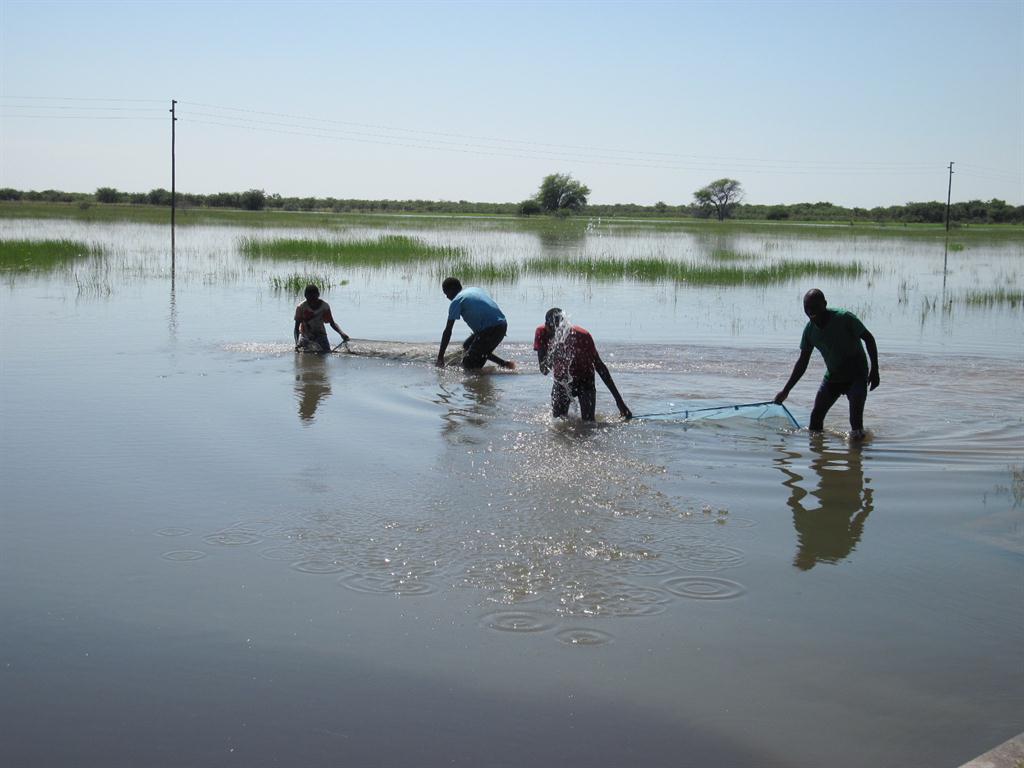
      Residents of a town in Namibia’s north have been advised not to consume fish that has been swept up by floodwater and is thought to be infected.

      According to officials cited in local media accounts, an epidemic of a fungal disease is thought to have killed the fish.

      The Ohangwena region, which is close to the border with Angola, has been receiving a lot of rain.

      Samples of the fish have been taken for analysis and residents will be informed at a later stage about when it’s to start eating fish again, chief fisheries biologist Elizabeth Ndivayele is quoted as saying.

      Residents told journalists that they had made a fortune from selling some of the fish.

    • Senegal’s president “ready for talks” amidst high tensions

      Senegal’s president “ready for talks” amidst high tensions

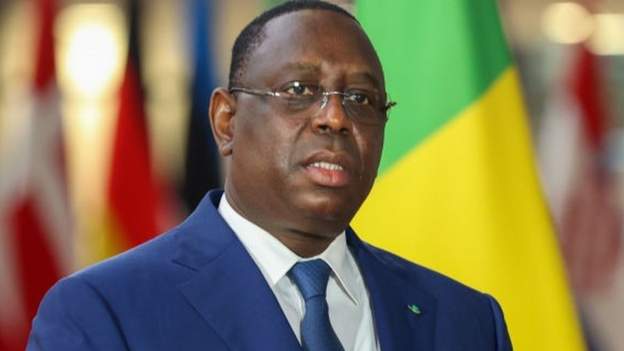
      In a televised address, Senegal’s president declared that he is “ready to conversation,” weeks after a prominent rival who is on trial accused him of employing a “policy of terror” to drive out political rivals.

      At an address on Monday night, President Macky Sall made the remarks ahead of Tuesday’s independence day celebrations, which the Yewwi Askan Wi opposition coalition has decided to boycott.

      The country is less than a year away from presidential elections, and last month there was an outcry when Mr Sall said it wouldn’t be illegal for him to seek a third term in power despite the constitution limiting presidents to two consecutive terms.

      He has not yet officially declared whether he intends to step down or run for top office again.

    • Ethiopia-European relations must improve for Tigray to succeed – EU

      The success of measures to stop the war in the northern Tigray region, according to the European Union, will determine whether or not relations with the Ethiopian government can be normalized.

      After the civil war broke out in November 2020, the EU suspended budgetary support citing human rights abuses.

      The EU foreign policy chief, Josep Borrell, said progress on ending the conflict was a rare example of good news in the world today.

      But he said the gradual normalisation of relations with Ethiopia was dependent on how the peace process develops.

      Earlier this year, EU officials said there had to be accountability for widespread abuses committed during the war in Tigray.

    • Police officer under investigations for using tear gas on journalists – Kenya police

      Police officer under investigations for using tear gas on journalists – Kenya police

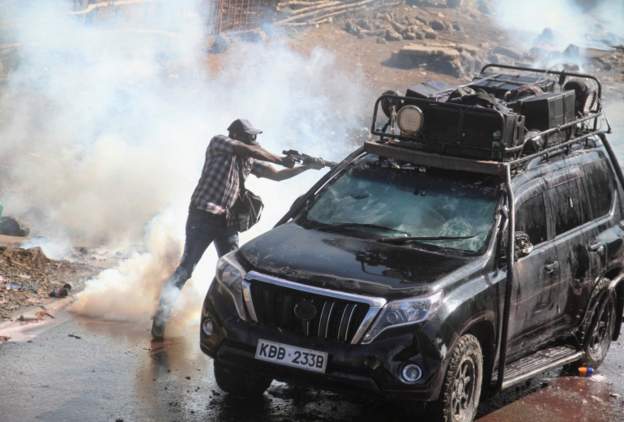
      A plain-clothes cop who allegedly fired tear gas at journalists at point-blank range during last week’s anti-government rallies is the subject of an internal police probe, according to Kenyan media.

      A viral video which appears to show the officer breaking a windscreen and firing tear gas at journalists inside a car drew condemnation from diplomats and politicians.

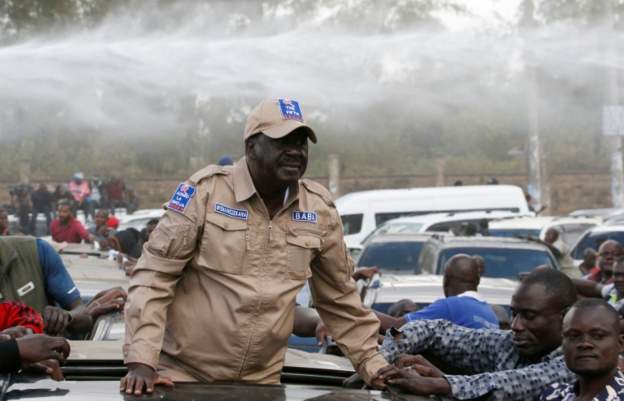
      The car was part of a convoy accompanying opposition leader Raila Odinga as he made his way through neighbourhoods in Nairobi to rally supporters.

      On Tuesday the Inspector General of Police Japheth Koome said that all alleged incidents of police misconduct during the protests were being probed.

      “A policeman breaking a window of the car? Regarding all officers, any issue of malpractice or misconduct brought to us is investigated and we take action. I received those complaints and they are being handled,” he is quoted as saying by The Star news website.

    • DJ Cuppy gives out £100k for free to African students at Oxford

      DJ Cuppy gives out £100k for free to African students at Oxford

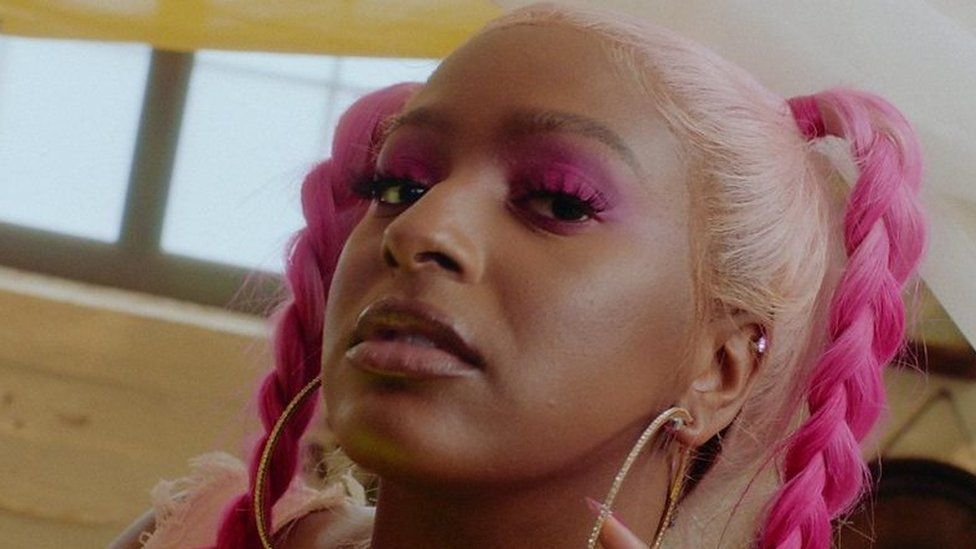
      DJ Cuppy, a music producer, has offered a £100,000 donation to help African students at Oxford University.

      She received her master’s in African Studies from Oxford.

      The institution earlier this year granted the Nigerian DJ a master’s degree in African studies.

      She claimed that the Cuppy Fund would enable postgraduate students from Africa to fully devote themselves to the education they merited.

      The university said the fund would foster future “champions of development in African countries and globally”.

      Florence 'DJ Cuppy' Otedola
      Image caption,The DJ has previously supported causes including child protection and education

      DJ Cuppy, who was born Florence Ifeoluwa Otedola, has previously supported organisations working on child protection and education for girls and people with disabilities.

      The 30-year-old studied at Oxford between 2021 and 2022, graduating in March.

      She said: “I saw first hand the variances in university life experiences for students originating from my continent, Africa.

      “The fundamental role that the Cuppy Fund will play is to narrow resource gaps for those who need it the most.”

      The university said the fund would help students meet “unexpected and urgent” financial needs and achieve excellence.

      The money has been donated to the institution’s Africa Oxford Initiative, which aims to increase the number of African students pursuing postgraduate degrees.

    • G4S did not attend a meeting in South Africa with escaped rapists

      G4S did not attend a meeting in South Africa with escaped rapists

      When officials of the British-owned security firm G4S failed to show up for a crucial committee meeting on a high-risk prison escapee, outraged South African MPs were left with little alternative but to postpone the meeting.

      G4S has not responded to charges that its personnel assisted incarcerated serial rapist Thabo Bester in escaping from his prison in May.

      Local reports allege that a dead body was placed inside Bester’s prison cell which was then set on fire, to make it look as if Bester had died in the blaze.

      Bester has been at large ever since. A woman who had been dating the escaped convict without knowing his true identity only realised who he was when she saw his photo publicised.

      Subsequent DNA tests on the charred corpse from the prison confirmed it was not that of Bester.

      The case has shocked and angered many in South Africa.

      Explaining its absence from Monday’s meeting, the security firm said “G4SCS SA is bound by statutory confidentiality obligations … and contractual confidentiality obligations.

      “In order to enable G4SCS SA to fully and properly engage with the portfolio committee, it would need to be afforded the same protections which ordinarily would apply to those attending parliamentary committees.”

    • Impunity fueling violence in South Sudan – UN rights commission

      Impunity fueling violence in South Sudan – UN rights commission

      The UN Committee on Human Rights in South Sudan’s report explains how the worst atrocities, such as frequent assaults against civilians and extrajudicial killings, go unpunished, with high government officials and military personnel being held accountable for grave violations.

      “Over several years, our findings have consistently shown that impunity for serious crimes is a central driver of violence and misery faced by civilians in South Sudan,” said Yasmin Sooka, Chair of the independent expert group.  

       “So, we have taken the step of naming more of the individuals who warrant criminal investigation and prosecution for their role in gross human rights violations,” she added.  

      No accountability at all 

      South Sudan, the world’s youngest country, has been mired in unrest for nearly a decade, although a 2018 Peace Agreement sought to end the violence. 

      The UN Commission has been monitoring the human rights situation there since March 2016. Its latest report is based on investigations in six states, and in the neighbouring region, over the past 12 months. 

      Members had presented the main findings to the Council last month, but the full report provides greater detail on “emblematic situations and sites of human rights violations” during this period, such as widespread attacks against civilians, including killings, rape, sexual slavery and other forms of sexual violence, as well as mass displacement.  

      The Commission found that although the Government of South Sudan has announced special investigation committees into several situations, not one has led to any form of accountability. Furthermore, Government and military personnel implicated in these serious crimes remain in office.  

      Failure to protect civilians 

      “Once again, hundreds of South Sudanese shared with our Commission their experiences of being subjected to a range of human rights violations. Their suffering is immense. The State continues to fail in its duty to protect civilians, and to ensure accountability for violations,” Commissioner Andrew Clapham said.  

      “We call upon the authorities to properly investigate alleged perpetrators of serious crimes, no matter their rank or office, and to establish and strengthen the justice mechanisms for holding them accountable.”  

      Senior officials implicated 

      The report identifies Unity State Governor Joseph Monytuil, and Lieutenant General Thoi Chany Reat of the South Sudan People’s Defence Forces, as among the individuals warranting criminal investigation in relation to State-sanctioned extrajudicial killings carried out in Mayom in August 2022.  

      The Commissioner in Koch County, Gordon Koang, is among persons identified as being responsible for leading widespread attacks against civilians in Leer in February and April 2022.  

      The Commission’s findings also identify other individuals warranting further scrutiny or investigation in relation to human rights violations in Warrap State, Upper Nile State, northern parts of Jonglei State, and the Equatoria states.  

      Recommit to peace deal 

      Commissioner Barney Afako said “breaking the grip of impunity” can only be realized if the authorities recommit and adhere to the values and promises in the peace agreement. 

      “Political leaders are accountable to the people of South Sudan, and must therefore ensure that civic space for discussion is protected if the country’s first electoral and constitution-making processes are to be credible and positively impactful,” he said.  

      The report also assesses justice systems and initiatives in South Sudan, including the recent use of military courts and ad hoc inquiries. 

      It also addresses thematic human rights issues, including the use of children in the armed forces and in armed groups, conflict-related sexual violence, and the virtual disappearance of civic space in the country.  

      Independent experts 

      The Commission is an independent body and receives its mandate from the UN Human Rights Council, which is based in Geneva. 

      The three Commissioners serve independently and are not UN staff, neither are they paid for their work. 

    • Mine Action Week: Peace does not guarantee safety

      Mine Action Week: Peace does not guarantee safety

      “For the millions living amidst the chaos of armed conflicts, especially women and children, every step can put them in danger’s path, UN Secretary-General António Guterres said, in a message for the International Day for Mine Awareness and Assistance in Mine Action, observed on 4 April.

      Why mine action cannot wait

      The international day’s theme – Mine Action Cannot Wait – highlights decades of contamination in Cambodia, the Lao People’s Democratic Republic (Laos) and Viet Nam, while drawing attention to recent explosive ordnance contamination.

      “Even after the fighting stops, conflicts often leave behind a terrifying legacy: landmines and explosive ordnance that litter communities,” Mr. Guterres said.

      Peace brings no assurance of safety when roads and fields are mined, when unexploded ordnance threatens the return of displaced populations, and when children find and play with shiny objects that explode,” he said.

      Taking action

      The UN Mine Action Service (UNMAS) brings partners together to remove these deadly weapons, support national authorities, and ensure safe access to homes, schools, hospitals, and farmland. Today, 164 nations have signed on to the Anti-Personnel Mine Ban Convention, known as the Ottawa Treaty.

      UNMAS also supported the Black Sea Grain Initiative which offers ships a safe pathway through mined seaways during wartime, ensuring the safe export of grain and fertilizer from Ukrainian ports.

      While millions of mines have been destroyed and thousands of square kilometres of land cleared, millions remain, in Colombia, Laos, Libya, and dozens of other countries plagued by these deadly remnants of war.

      Broader global efforts are essential to safeguard people from mines,” Mr. Guterres said, urging Member States to ratify and fully implement the Ottawa Treaty, Convention on Cluster Munitions, and the Convention on Certain Conventional Weapons.”

      ‘End the threat’

      “On this international day, let’s take action to end the threat of these devices of death, support communities as they heal, and help people return and re-build their lives in safety and security,” he said.

      Jean-Pierre Lacroix, Under-Secretary-General for Peace Operations reiterated that call.

      “Mine action is needed more than ever in the face of global challenges,” he said. “The threats posed by explosive hazards perpetuates humanitarian crisis and hinders responses and effective peace operations.”

      NO MORE WARThis video is part on the online UN exhibit “Safe Ground. Safe Steps. Safe Home”

      ‘Safe Ground. Safe Steps. Safe Home’

      Launched by the UN Secretary-General in 2019, “Safe Ground” is a global campaign centred on “turning minefields into playing fields”, cementing the concept of clearing the Earth of landmines and other explosive hazards to make it safe for development.

      A UN digital exhibit captures the stories of survivors such as Walter Casto Morales, who lost his left foot after stepping on a landmine in Colombia, and Sapolo, who had both legs amputated after touching a rusting lump of metal that turned out to be an explosive warhead from a rocket-propelled grenade, in Angola, which continues to face the aftermath of a 27-year-long conflict that ended in 2002.

      War affects ‘my whole life’

      “My whole life has been affected by war,” said Vanthy So. Ratanakiri, who lost both his hands in Cambodia, after a cluster munition exploded while he was clearing land, long after the violence ended. “I have to do everything; it just takes me more time and is more difficult. I will survive for my family.”

      He is one of over 64,000 people killed or injured by unexploded ordnance in Cambodia since 1979.

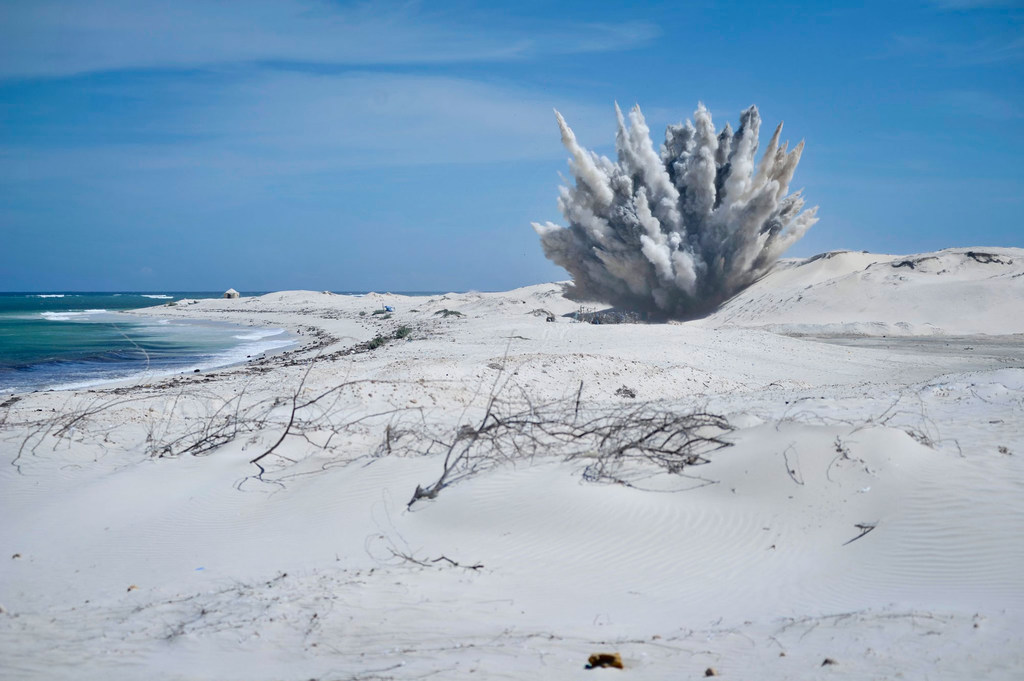
      A joint African Union Mission in Somalia (AMISOM) team detonates a weapon at a safe location outside Mogadishu. (May 2013)

      A joint African Union Mission in Somalia (AMISOM) team detonates a weapon at a safe location outside Mogadishu. (May 2013)

      New symposium and exhibit

      Focusing on the international day’s theme, UNMAS will hold a symposium at UN Headquarters in New York on Tuesday to raise awareness and to seek assistance for continued mine action work and will open a multimedia exhibit in the UN Visitors’ Lobby.

      The exhibit will include photographs, graphics, and film clips illustrating work that has been completed in Cambodia, Laos, and Viet Nam, as well as what remains to be done.

      It will also highlight new contamination in Cambodia, Myanmar, Ukraine, and Yemen, and show how people across the world continue to be affected.

      Learn more about the history of mine action, the UN’s E-MINE action, and the work of UNMAS here.

      Source: news.un.org

    • I will promote respect for the LGBTQ community everywhere I go in Africa – French Minister

      I will promote respect for the LGBTQ community everywhere I go in Africa – French Minister

      A French minister has once more called for the protection of the rights of lesbians, gays, bisexuals, transgender, and queer (LGBTQ+) persons.

      The French Minister of State for Development, Francophonie, and International Partnerships, Chrysoula Zacharopoulou, promised to continue advocating for the rights of LGBTQ+ persons wherever she is during a news conference in Accra.

      Zacharopoulou who is on an official visit to Ghana told journalists at the April 3 press conference that protecting the rights of such people is a core value of France and the European Union t large.

      “In my country and in the European Union, we promote human rights and of course in my Ministry, we have an ambassador to promote LGBT rights, so what I can say is that this is our values.

      “… and wherever I go in Africa, I will continue to say that we have to respect all of us, the LGBT community, this is a question of human rights and I always say that,” she said.

      She is the latest visiting politician to make pronouncements on same-sex relations at a time Ghana is nearing the passage of an anti-LGBTQ+ Bill.

      Last week, US Vice President Kamala Harris made similar comments about LGBTQ+ rights being human rights.

      She made the comments at a joint press conference with president Nana Addo Dankwa Akufo-Addo as part of her three-day official trip that brought her to Ghana and onwards to Tanzania and Zambia.

      Currently, over 30 African countries have bans against same-sex relations, with presidents of Kenya and Uganda and other top politicians in both countries stating open opposition to the orientation.

      Ghana’s bill if passed into law, the bill would outlaw all forms of support for the LGBTQI+ community and propose jail terms for individuals who engage in same-sex relations.

    • Rapper Portable from Nigeria accused of assault

      Rapper Portable from Nigeria accused of assault

      The South-Western Ogun State on Monday filed six counts of assault-related charges against renowned Nigerian singer Habeeb Okikiola, nicknamed Portable.

      After the rapper ignored the police’s invitation more than five times, he was taken into custody.

      He has however been granted bail after spending the weekend in police detention,

      the “Zazoo Zeh” singer has pleaded not guilty.

      BBC.com reports added that the rapper and singer resisted arrest and insulted officers who went to detain him last week.

      He later handed himself over to police, in a scene which was captured in a viral video last week.

      A police spokesperson told BBC Pidgin they had invited the musician to speak with them more than five times, none of which he complied with.

      “It is not entirely clear what police initially wanted to interview him about, however last week, police officer Prince Olumuyiwa Adejobi, tweeted that Portable faced a petition against him over the alleged assault of a man,” BBC.com added.

    • The opposition questions absence of Tunisian President

      The opposition questions absence of Tunisian President

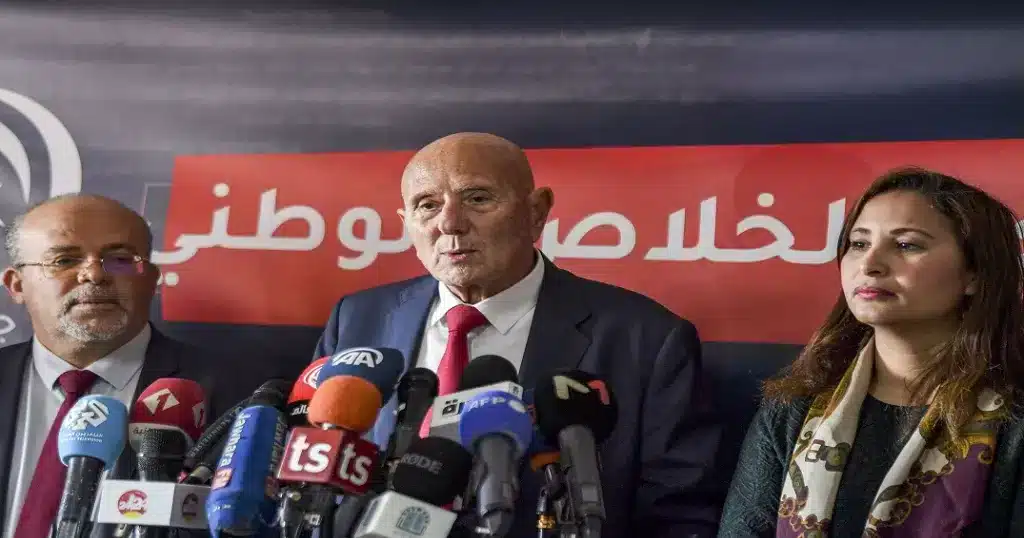
        President Kais Saied has been “absent” from the political scene recently, according to the biggest opposition alliance in Tunisia, which demanded that the government explain why on Monday.

        The National Salvation Front (FSN) added that “health problems” had been brought to its attention.

        The president hasn’t engaged in any public engagements since March 22nd.

        “The National Salvation Front was informed from day one (22 March, Ed.) that President Saied was suffering from health problems but we did not react, believing that anyone could have a temporary health problem. Our relationship with him (Kais Saied, Ed.) is not personal but political”, said Ahmed Nejib Chebbi, head of the National Salvation Front opposition coalition.

        In the event of a temporary power vacuum, it is up to the head of government Najla Bouden to run the country’s affairs as stipulated in the Constitution, said the head of the FSN, who alerted for the possibility of a legislative vacuum.

        “We believe that this matter concerns all Tunisians and that, in the event of a permanent vacancy, serious and open consultations must be launched so that the Tunisian people and the civil and political forces can agree on a mechanism for transferring power”, concluded Chebbi.

        Sixty-five year old Kais Saied was democratically elected president in 2019, and has concentrated all power since July 25, 2021, when he dismissed his prime minister and froze parliament. 

        Despite the inauguration of a new parliament in March – largely stripped of its previous prerogatives – the president continues to rule the country by decree.

      • Kenya’s president ‘climbdown’ made room for negotiations – Odinga

        Kenya’s president ‘climbdown’ made room for negotiations – Odinga

        The head of the opposition, Raila Odinga, has told the international media that Kenyan President William Ruto’s decision to abandon a harsh stance in the face of opposition protests to open the door for discussions.

        Once the protests over the high cost of living and suspected electoral irregularities started, President Ruto spoke to the nation for the first time on Sunday.

        The president agreed to one of Mr Odinga’s demands – a bipartisan engagement in parliament on the formation of the next electoral commission.

        But he suggested he won’t engage the opposition leader on his other demands, including the cost of living and legitimacy of his presidency.

        In a BBC interview, Mr Odinga welcomed Mr Ruto’s “climbdown” and insisted that all issues must be put on the table.

        Quote Message: Mr Ruto came up with what you can call an olive branch. He said he’s now ready to do negotiations. This is basically a climbdown.”

        Mr Ruto came up with what you can call an olive branch. He said he’s now ready to do negotiations. This is basically a climbdown.”

        Quote Message: That’s why we said that we can embrace dialogue so long as he’s ready to put all the issues that we are talking about on the table.”

        That’s why we said that we can embrace dialogue so long as he’s ready to put all the issues that we are talking about on the table.”

      • UN furious over asylum plan by Rwanda

        UN furious over asylum plan by Rwanda

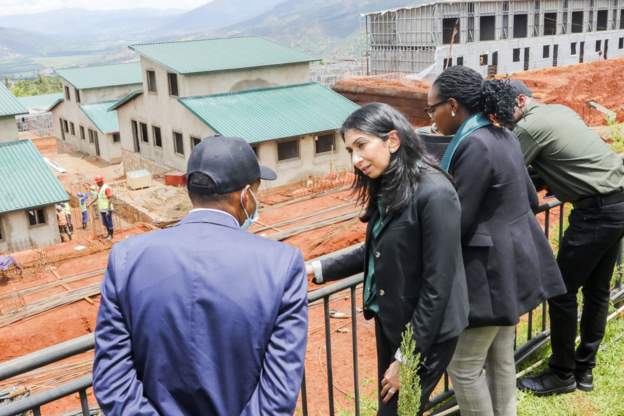
        The UN human rights office has said that it remains “extremely apprehensive about the ramifications” of the UK government’s plans to send certain migrants to Rwanda if they enter the country unlawfully.

        The UK home secretary, Suella Braverman, has said that foreigners can feel safe in Rwanda.

        She said on Sunday that she believed the Rwanda policy would have “a significant deterrent effect” so that people would stop making the journey across the Channel to the UK.

        But the UN human rights office said assessments done by the UN refugee agency showed that the asylum system in Rwanda was “not robust enough”.

        “There are also concerns about respect for the right to freedom of assembly and freedom of expression in Rwanda. Those concerns do remain today,” spokesperson Ravina Shamdasani told the BBC’s Newsday programme.

        “We have a lot of evidence of how these plans [off-shore asylum facilities] go wrong,” she added.

      • Exclusive details of new $20 million Atlantic Mall in Accra

        Exclusive details of new $20 million Atlantic Mall in Accra

        Ameyaw TV gives you an inside look at the Atlantic Mall, Accra‘s newest shopping center that cost $20 million to build.

        The Atlantic Shopping Mall, which is situated at the Atomic Junction Roundabout in the North Legon neighborhood close to the University of Ghana, is anticipated to draw tens of thousands of people every day from near and far.

        Almost 40 stores are located in the mall, which is owned by Medco.

        The shopping mall features a wide range of local and international brands such as The Outlet, Palace, Mabel Kids Shop among others.

        Kifle Hampton, Director of Medco, said the Atlantic Mall journey began with a simple idea – to create a shopping experience unlike any other in Ghana

        Related$20 Million Atlantic Shopping Mall Opens In AccraApril 1, 2023In “People & Lifestyle”There’s something for everyone, Marina Mall to officially launch on October 31October 12, 2013In “People & Lifestyle”Photos: Marina Mall officially launched in Accra + See ‘Ghana’s biggest sandwich and cake’!!!November 2, 2013In “People & Lifestyle”

      • Suspected balloon spy from China transmits information back to Beijing

        Suspected balloon spy from China transmits information back to Beijing

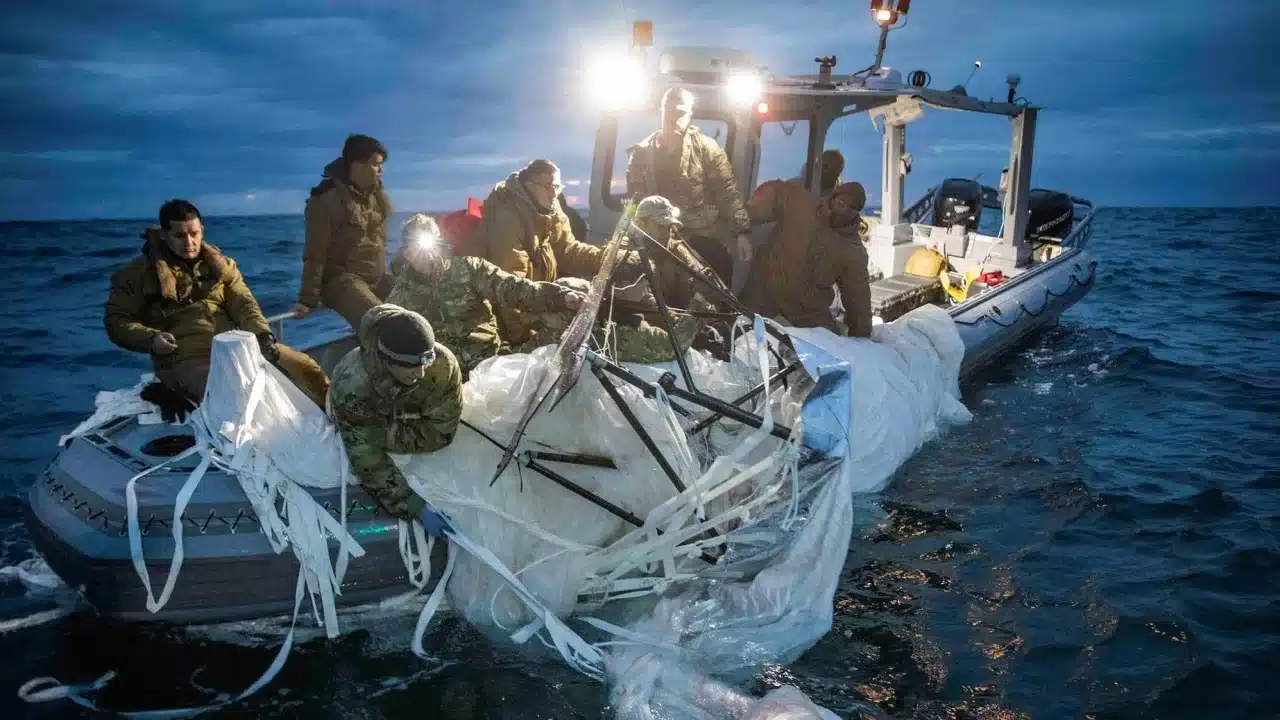
        A source familiar with the situation has told the international media that the alleged Chinese spy balloon that passed over the US earlier this year was able to take pictures and gather some signals intelligence from US military locations.

        The US administration is still unsure if the Chinese government was able to erase the balloon’s data as it was being received, according to the source, who said that the balloon was capable of transmitting information back to Beijing in real time. The possibility that the balloon was able to gather intelligence that the US is currently unaware of raises doubts about its accuracy.

        Although the information the balloon was able to collect is not significantly more sophisticated than what Chinese espionage agencies have been using, the intelligence community has not been very concerned about it, the individual claimed.

        The US also knew what the balloon’s path would be and was able to move to protect sensitive sites and censor some signals before the balloon was able to pick them up, officials have said.

        The FBI is still examining the balloon, but so far officials have been able to glean additional information about how the device worked, including the algorithms used for the balloon’s software and how it is powered and designed.

        CNN has reached out to the National Security Council at the White House and the Pentagon for comment. NBC was first to report on the intelligence.

      • Moroccan playwright dies after setting himself on fire

        Moroccan playwright dies after setting himself on fire

        A Moroccan playwright has disclosed to the international media that a writer who was responding to treatment after setting himself on fire has passed away on Sunday April 2, 2023.

        Ahmed Jawad “died in a Rabat hospital where he was being treated” after attempting to end his life, the official said on condition of anonymity.

        On 27 March, he set himself on fire in front of the headquarters of the Ministry of Culture in Rabat, on the International Day of Theatre.

        Local media explained his act by a feeling of “exclusion and marginalisation”.

        The Ministry of Youth, Culture and Communication expressed its “deep regret” in a statement, specifying that he was “a contractual civil servant at the Mohammed V Theatre in Rabat who has been retired since October 2021, and who enjoys all the rights guaranteed to him by the law.

        “The individual in question had submitted an offer to the ministry to purchase his plays, which was approved,” the statement said, adding that the ministry had “acquired two of his plays in 2022 and agreed to purchase a third in 2023.”

      • No woman wins Ugandan archbishop’s virginity prizes – New Vision

        No woman wins Ugandan archbishop’s virginity prizes – New Vision

        The state-owned New Vision website quotes Uganda’s Anglican archbishop as claiming that he is stuck with awards intended for virgin brides.

        As it was challenging to establish men’s virginity, according to Archbishop Stephen Kaziimba Mugalu, the project concentrated on women.

        The website claims that it comprises a “large sum of money” that has never been won.

        The final winners were to be confirmed by a group of female Mothers Union members.

        “This is the only project I have ever started with cash prizes, but failed to find one to take the cash,” he is quoted as saying over the weekend.

        He said the initiative was inspired by Mary the mother of Jesus who Christians believe was made pregnant miraculously by God while she was still a virgin.

      • South Africa re-elects Steenhuisen as main opposition leader

        South Africa re-elects Steenhuisen as main opposition leader

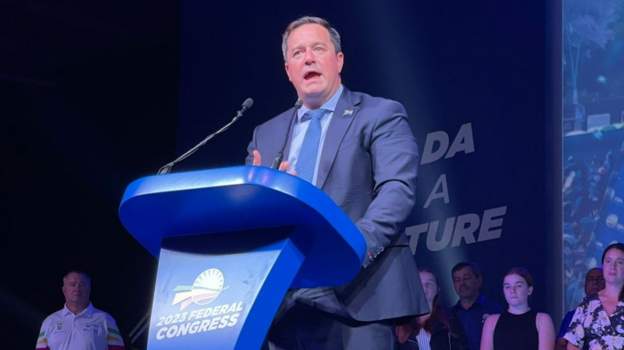
        In an effort to remove the African National Party (ANC) as the country’s ruling party in the national elections to be held next year 2024, the Democratic Alliance, which is the the largest opposition  party in South Africa, re-elected John Steenhuisen as its head on Sunday April 1 2023.

        In order to defeat his opponent, former Johannesburg executive mayor Mpho Phalatse,  who received only 17% of the vote, Mr. Steenhuisen received 83% of the vote.

        He will lead the party for the next three years.

        In his acceptance speech, Mr Steenhuisen said the DA will work with other “like-minded parties” ahead of the 2024 elections.

        He, however, ruled out working with the ruling ANC and the smaller opposition party, the Economic Freedom Fighters (EFF) in the upcoming elections.

        Mr Steenhuisen took over the reins of the party in November 2019 following the resignation of then DA leader, Mmusi Maimane.

        President Cyril Ramaphosa will be seeking re-election under the ANC – whose popularity has declined in recent years.

      • Troops record killing of 16-year-old Adama in Burkina Faso

        Troops record killing of 16-year-old Adama in Burkina Faso

        Sixteen-year-old Adama has walked to his grandmother’s home in the north of Burkina Faso innumerable times to feed the cows.

        The kid who aspired to become an imam, however, failed to return home one day in the middle of February.

        His family last saw him in a terrifying smartphone video that was shared on social media in the days following his abduction.

        Adama was lying next to six other lads who were also covered in blood, their wrists shackled and the majority of them dressed only to the waist.

        They were surrounded by about a dozen men, many in military fatigues, walking among the bodies, some taking video.

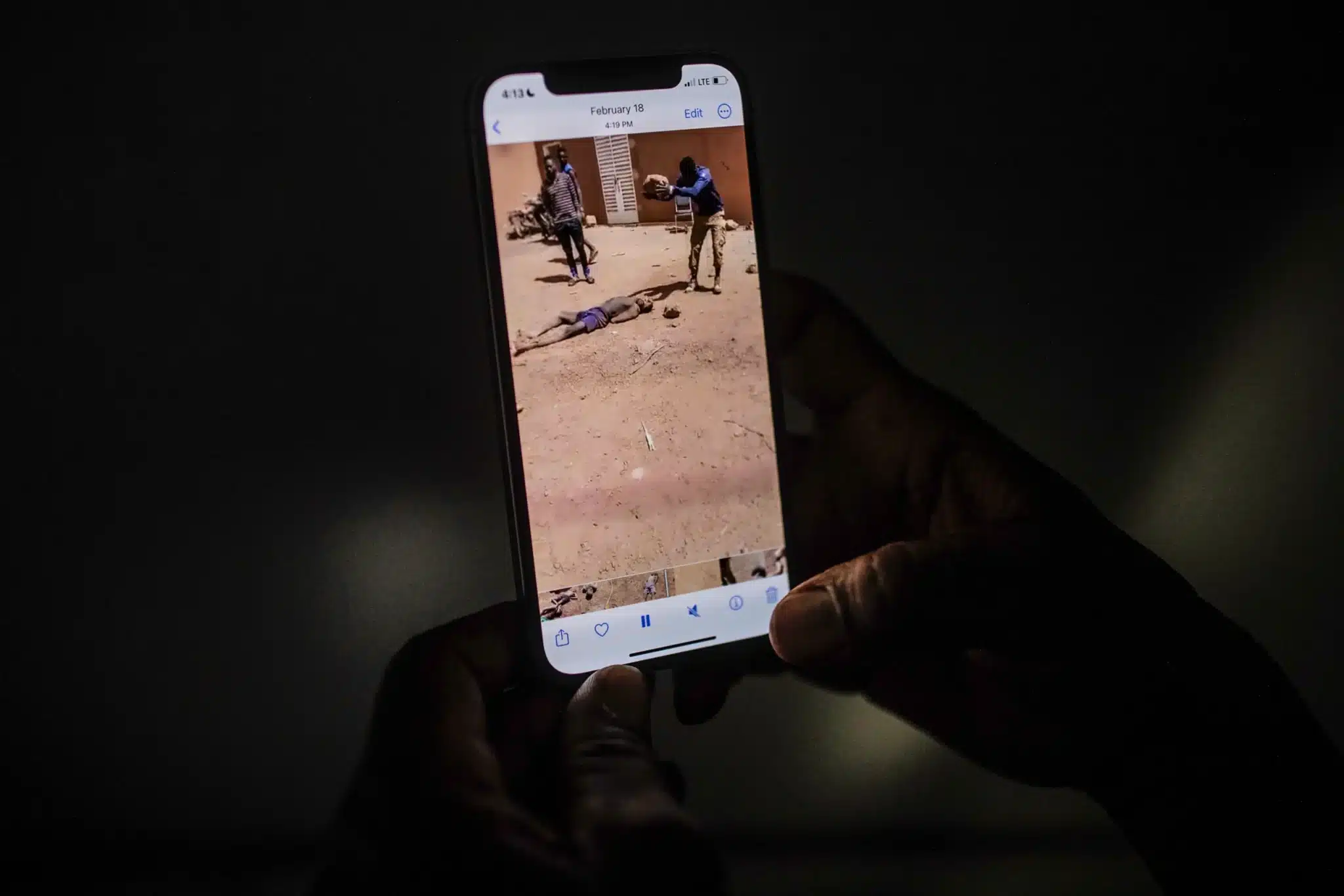
        Sprinting through the frame, one man came to a halt over Adama and slammed a rock onto his head.

        As blood streamed from the jagged wound, the man shooting the video chuckled.

        “This one… was still alive,” said the man, referring to Adama, whose last name is being withheld by The Associated Press out of concern for the safety of his family.

        “Good-for-nothing! You don’t have anything to do but to kill people. We’ll kill you one after another.”

        Burkina Faso’s military has denied responsibility for the killings, which is a potential war crime under international law.

        But a frame-by-frame analysis of the 83-second video by AP and an examination of satellite imagery shows the killings happened inside a military base about two kilometers (one and a quarter miles) northwest of Ouahigouya, a regional capital near where Adama lived.

        From their uniforms and vehicles, AP also determined troops in the video were members of Burkina Faso’s security forces, which until recently received military training and hardware from the United States and European Union.

        And through exclusive interviews with Adama’s mother and uncle, AP was also able to reconstruct his final hours.

        For seven years, Burkina Faso has been wracked by violence linked to al-Qaida and the Islamic State group.

        Frustration at the government’s inability to stem the violence led to two coups last year by military juntas vowing to stamp out the insurgency.

        Yet little has changed, with Burkina Faso overtaking Afghanistan as the nation with the most deaths globally from extremist violence, according to a report by the Global Terrorism Index.

        A former French colony, Burkina Faso is a majority Muslim country that was initially spared jihadi violence that began in neighboring Mali 10 years ago.

        France sent troops into the region to drive back the Islamic militants in 2013.

        The violence has since swept across the vast semi-arid area of Africa south of the Sahara Desert.

        Despite the jihadi violence, some civilians say they are more afraid of Burkina Faso’s security forces, who they accuse of extrajudicial killings and the disappearance of untold numbers of others accused of supporting the militants.

        The killings have only grown under the junta led by Captain Ibrahim Traore, who seized power in September.

        Part of the junta’s strategy has been to recruit some 50,000 volunteer fighters to serve alongside the military.

        But residents say this has only contributed to civilian killings as the volunteers round up anyone they suspect of ties to the extremists.

        Often those swept up are members of the minority ethnic Fulani, a largely Muslim group who mostly live in the north, where fighting has been most intense.

        On the day that Adama, who was Fulani, disappeared his grandmother searched their village for him.

        Hours later she learned the truth: Her grandson and a fellow cattle herder the family identified only as Ousseni had been seized by men on motorbikes and taken to a military base.

        Ousseni, who is not Fulani, told her the security forces briefly questioned him before releasing him.

        He said he overheard the troops accuse them of being jihadis.

        Fearful for his life, Ousseni fled the country soon after speaking to Adama’s grandmother.

        The video of Adama’s killing began circulating on WhatsApp chat groups around 14 February.

        A few days later, the teen’s body was found on a roadside near the military base where the video was filmed.

        The AP spoke to members of Adama’s family who fled their homes after he disappeared.

        Adama’s uncle heard his nephew was abducted by security forces from the boy’s grandmother.

        Adama’s mother heard separately about her son’s seizure from another relative who saw him grabbed by security forces.

        Neither the boy’s uncle nor his mother wanted their names used for fear of reprisal.

        During an interview with The Associated Press, the 40-year-old uncle replayed the video showing his nephew’s lifeless body.

        “No one can escape death, but it is the way you die that makes a difference. This way of dying is so horrible,” he said.

        He added he recognized his nephew from the blue shorts he was wearing and his body.

        Adama’s mother has not seen the video; the family has kept it from her to spare her further anguish.

        His body was buried by neighbors.

        Nearly 300 civilians have been killed in attacks involving Burkina Faso security forces between October and February, compared to about 100 during the same period a year ago, according to the Armed Conflict Location & Event Data Project.

        The violence has also taken a sharp ethnic turn, with the Fulani, including children, increasingly targeted.

        “The abduction of children during sweep operations by some men in the security forces is not new,” said Daouda Diallo, general secretary of the Collective Against Impunity and Stigmatization of Communities, a local rights group.

        Using evidence from the video, AP was able to match the location where it was filmed to a military base northwest of Ouahigouya, near where Adama was reported abducted.

        Analysis of the soldiers’ uniforms and their vehicles were consistent with those used by Burkina Faso’s ground forces.

        To aid the fight against the Islamic State group and al-Qaida, the U.S. and EU provided Burkina Faso with tens of millions of dollars in military training and equipment.

        Two camouflaged pickup trucks shown in the video were Toyota Land Cruiser Series 70s – the same model provided to Burkina Faso by the U.S. and EU.

        A large troop carrier was a Mercedes-Benz Atego, the kind the U.S. Defense Department delivered to Burkina Faso in 2014.

        Four security force members wore shirts with the Burkina Faso flag on the left arm.

        In a statement, a U.S. State Department spokesperson strongly condemned the “horrific violence as portrayed in the video”, adding that allegations of human rights violations must be investigated and “those determined to be responsible held accountable.”

        An EU spokesperson said that the bloc’s support for Burkina Faso’s security and defense sector had focused on human rights and international humanitarian law and no lethal weapons had been delivered or financed.

        While the AP cannot verify the exact date the video was recorded, a former Burkinabe government official and a soldier said the boys were killed after an attack by militants on a volunteer fighter outpost on 13 February, the day before the video appeared on social media.

        A spokesperson for Burkina Faso’s government told AP that militants often disguise themselves as security forces and film their actions in order to blame the military.

        But conflict experts say militants don’t typically commit atrocities and blame state security forces.

        Nor do they kill children, for fear of alienating local populations.

      • School in Kenyan shuts down over death of student

        School in Kenyan shuts down over death of student

        Two kids in western Kenya have died of what is thought to be food and water contamination, prompting the closure of their school there for good.

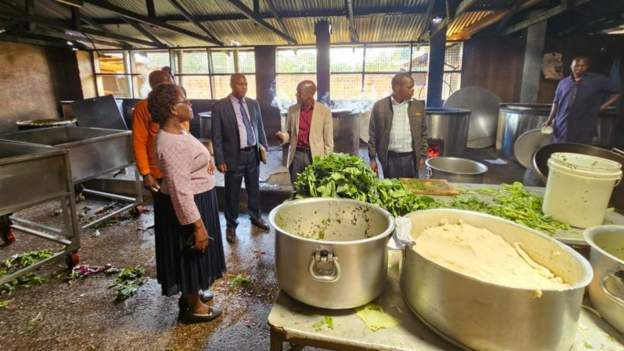
        In Kakamega county, Mukumu Girls High School was closed on Monday by public health officials after more than 100 pupils were admitted to hospitals last week with gastrointestinal pain and diarrhea.

        Initial findings indicated the learners may have suffered food or water poisoning. Samples were collected and sent to the Kenya Medical Research Institute (Kemri) for analysis, local media reported.

        Parents flocked to the school to collect their children after learning of the death of the two students.

      • William Ruto and opposition leader Raila Odinga agree to hold talks on electoral reforms

        William Ruto and opposition leader Raila Odinga agree to hold talks on electoral reforms

        Kenyan President William Ruto and opposition leader Raila Odinga have been commended by the East African bloc Igad for agreeing to hold negotiations in an effort to put a stop to two weeks of demonstrations against rising living expenses and electoral reforms.

        As a result of what he called President Ruto’s “olive branch,” Odinga claimed on Sunday that his Azimio la Umoja-One Kenya coalition had decided to postpone the rallies it had scheduled for Monday.

        In a Twitter post, Igad executive secretary Workneh Gebeyehu said the two leaders’ move would help “resolve differences on national issues through peaceful means and preserve Kenya’s unity and constitutional order”.

        The cancelled opposition demonstrations would have been the latest in a series of protests held on Mondays and Thursdays.

      • Kamala Harris ends tour in Africa

        Kamala Harris ends tour in Africa

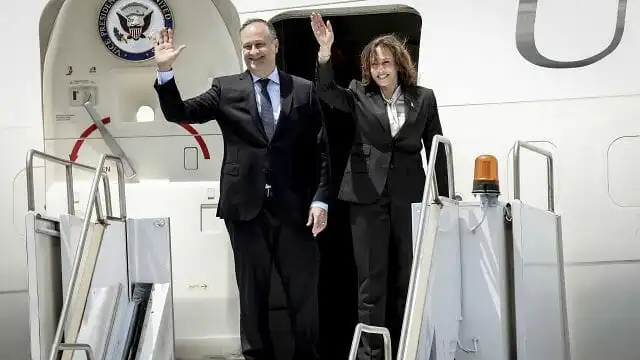
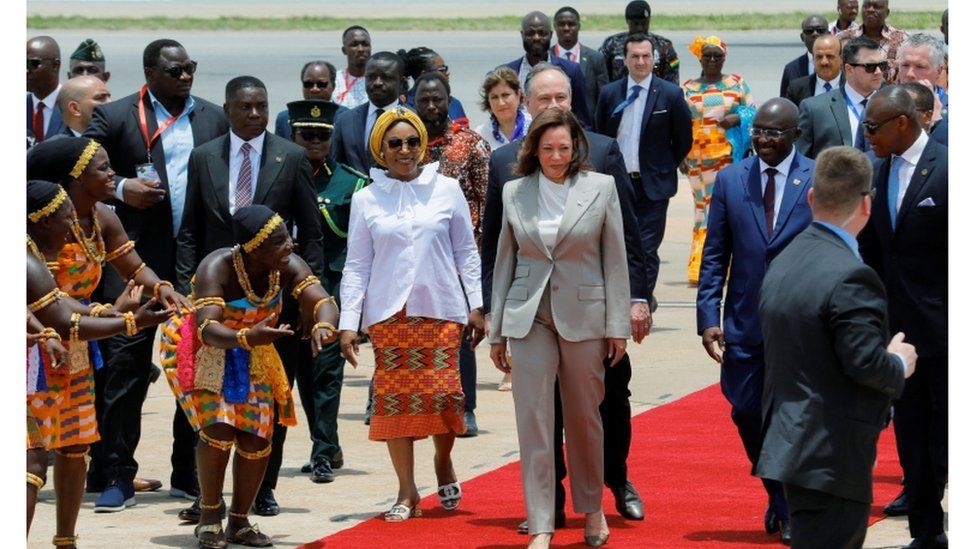
        The U.S. vice president’s week-long journey through Africa is now over. On her three-leg trip, Kamala Harris met with the leaders of Tanzania, Ghana, and Zambia.

        She made an effort to strengthen and recast American relations with the continent if the influence of other foreign powers was a concern during her tour.

        On Saturday April 1 2023, she emphasized significant advances made in that direction.

        “My visit has convinced me more than ever, that we must all around the globe appreciate and understand the importance of investing in African ingenuity and creativity. The type I have seen during the course of this trip,” she said.

        “In my meetings with the presidents of Ghana and Tanzania, and here in Zambia, we have launched new initiatives to strengthen our business ties. We have also advanced our work to support democracy and good governance on the continent, which will invariably create greater stability, predictability, the type that businesses require and need to invest,” she added.

        “In each of these engagements. It has been clear there was a strong desire from leaders on this continent, from young entrepreneurs on this continent to increase investments on this continent.”

        Digital access to Africa’s economy

        If Harris acknowledged some places on the continent lead the world in digital solutions, she laid out an agenda for partnerships in digital solutions as she pointed to discrepancies across Africa. For these, she vowed U.S support.

        “[…] In other places on the continent, we see that there is a lag and that there are many who lag behind and we must be clear about the challenges presented to close these gaps and then commit to take action because solutions are within sight and within reach.”

        The United States have ramped up efforts to reengage with African countries after last year’s US-Africa summit. President Joe Biden said he intends to visit this year as well.

        “President Biden, through these initiatives, has pledged to work with the United States Congress to invest $350 million and to facilitate nearly half a billion dollars in development financing, to make sure that people across the continent can participate in the digital and global economy.”

        After speaking during a roundtable discussion with business and philanthropic leaders in Lusaka, Kamala Harris departed for Washington.

        Harris’ visit is the latest in a string of visits to Africa by high profile U.S officials.

      • Kenya’s Opposition leader Raila Odinga alleges threat on his life

        Kenya’s Opposition leader Raila Odinga alleges threat on his life

        The leader of the Kenyan opposition, Raila Odinga, has alleged a deadly threat on his life on Friday March 31 2023, during the anti-government protests in Nairobi.

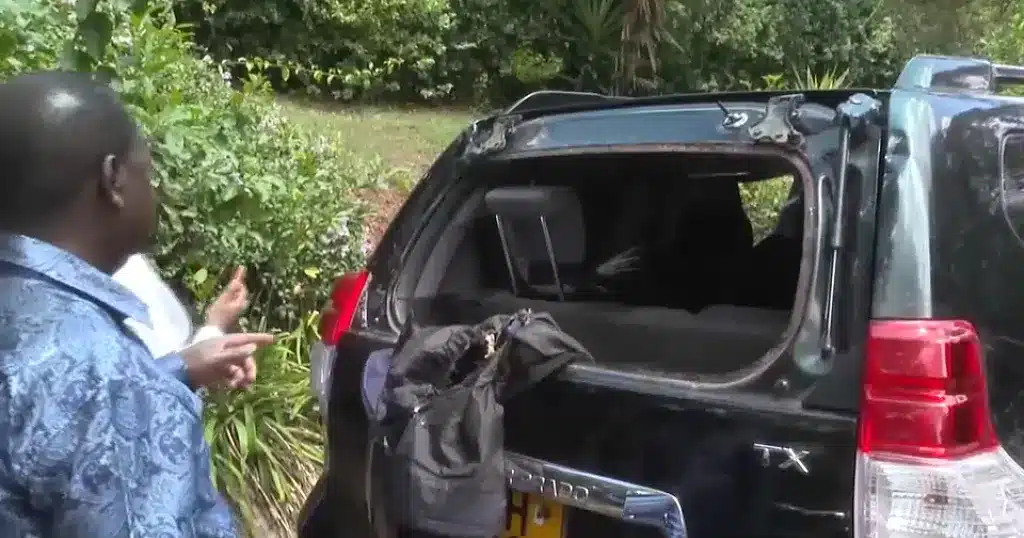
        Odinga claimed that as he was travelling around the city, organizing protests, his car was shot at several times.

        He displayed to reporters bullet-related dents on his armored truck.

        “There is no mistaking, for that the intention was basically to kill,” Odinga said. The politician accused the government of being behind the incident.

        “I don’t think any police officer could aim to come to shoot and assassinate politicians without being commanded from the very top,” Odinga said.

        Two escort cars also had their rear windscreens shattered. Inside the vehicles, the strong smell of tear gas was still present. Odinga said he had instructed his lawyers to proceed to court over the incident.

        The 78-year-old long-time candidate for president is one of the leading figures behind anti-government demonstrations. He insisted the protests will only stop after the government lowers the cost of basic food items and allows access to the 2022 election results from the electoral commission’s main computers.

        The opposition is blaming President William Ruto for the rising cost of living and alleges he illegally manipulated his election in last year’s polls, although the Supreme Court has upheld the validity of the election results.

        President Ruto, who on Thursday arrived back in the country from a four-day trip in Belgium and Germany, has remained adamant that the ongoing protests are illegal.

        Police have been using force to disperse protesters and so far four people are reported to have died since the protests started last week. The protests have sparked counter violence against opposition targets.

        The independent Policing Oversight Authority is investigating four incidents of police shooting and killing protesters as well allegations that police failed to respond to a report on the damaging of private property. The authority has urged police to abide by the law while protecting life and property.

        Civil society groups that include Amnesty Kenya and the Kenya Human Rights Commission have expressed concerns over the abuse of human rights by the police during the protests and urged police to uphold their service to humanity.

      • Stepping out of my comfort zone and breaking out of my shell takes me places – Shashl

        Stepping out of my comfort zone and breaking out of my shell takes me places – Shashl

        In 2017, Ashleigh Moyo, nicknamed Shashl, became a household name thanks to the debut song she ever wrote, which also led to her signing with a big record label on the continent.

        Shashl was signed by Universal Music Africa while still a teen for the R&B song No More. She was the organization’s first female musician from Zimbabwe.

        There were advantages and disadvantages to being so young and inexperienced in music when she signed.

        “It put me on the map, which I needed to be. It helped me in a great way – I can now handle a lot of situations that people go through in the music industry,” she says.

        “But I was so young that I didn’t have the freedom to be as creative as I [truly] was. I was still finding myself trying to figure out my sound, trying to figure out who I actually am and what I wanted to do in life.”

        The 23-year-old has since found her sound – a mix of R&B, Afrobeats, a bit of Afro-fusion. And she sings in Shona and in English.

        Being the daughter of a former government minister meant that she grew up in a privileged way. But she wanted her music and her lyrics to appeal to less well-off Zimbabweans – and so she started visiting high-density residential areas so that she could try to relate to the sorts of issues most people endure on a daily basis.

        “Stepping out my comfort zone and breaking out of my shell takes me places – and that’s exactly what I did,” she recalls.

        In 2021, she had a huge hit with Ghetto Buddies, which has had about 1.5 million listens so far, and which she sang in Shona.

        “I feel it’s easier to break into a market when you are being more genuine,” she reflects.

        She won Best Newcomer at the Zimbabwe Music Awards, and was nominated for best female artist in the Southern African region at the African Muzik Magazine Awards the same year.

        “The fact that what I love to do is being appreciated by people. It just fills my heart with so much joy.”

        It also made Shashl realise that her musical talent is special, and she doesn’t need to fit in with everyone else. “For the first time I told myself that you were born to stand out.”

        The name she performs under – Shashl – came about because she has an older sister called Sherris. They look very similar, which meant that relatives would often get them mixed up and end up calling her a combination of Sherris and Ashleigh.

        Shashl plays 10 instruments – including guitar, marimba, mbira, violin and the cello.

        “One day I will give a performance playing all of them – because I feel the world deserves it,” she tells me.

      • World Bank President David Malpass concerned about China’s loans to Africa

        World Bank President David Malpass concerned about China’s loans to Africa

        The BBC was informed by the president of the World Bank that he is worried about some of the loans China has been providing to developing nations in Africa.

        The terms and conditions, according to David Malpass, need to be “more transparent.”

        Concerns have been raised about how difficult it may be for nations like Ghana and Zambia to pay back their loans to China.

        According to China, all such loans follows international regulations.

        Developing countries often borrow money from other nations or multilateral bodies to finance sectors that will grow their economies such as infrastructure, education and agriculture.

        However steep increases in interest rates in the US and other major economies over the last year are making loan repayments more expensive because lots of that borrowing is done in foreign currencies such as US dollars or euros.

        It is a particularly acute problem for developing economies who can struggle to find the extra money that is required as the relative value of their own currency falls.

        It is a “double whammy and it means that [economic] growth is going to be slower”, says Mr Malpass.

        US-China rivalry

        Tackling that challenge and its consequences was one of the main reasons for this week’s visit by US Vice-President Kamala Harris to three African countries. It is a visit that comes with big commitments of financial support to Tanzania and Ghana.

        There is a growing rivalry with China for influence in the continent, whose abundance of natural resources include the metals, such as nickel, crucial for the batteries needed for technology such as electric cars.

        Speaking in Ghana’s capital, Accra, she said “America will be guided not by what we can do for our African partners, but what we can do with our African partners”.

        While highlighting a new nickel processing facility in Tanzania Ms Harris said the project would be supplying the US and other markets by 2026 and that it would “help address the climate crisis, build resilient global supply chains, and create new industries and jobs”.

        Kamala Harris arriving in Accra
        Image caption,US Vice-President Kamala Harris was warmly welcomed in Ghana’s capital, Accra, by Vice-President Mahamudu Bawumia as she sought to strengthen economic ties

        That collaborative approach was praised by Mr Malpass who said the competition between the world’s two biggest economies was “maybe healthy for developing countries” as it provided different options.

        “What I encourage strongly is that they be transparent in their contracts. That’s been one of the problems; if you write a contract and say ‘but don’t show it to anybody else’, that’s a minus. So get away from that.”

        There was also a warning that “for governments in Africa, they shouldn’t be offering collateral as an inducement to make a loan, because it locks it up for generations. That’s been happening with China.”

        Beijing has become one of the biggest sources for loans to developing economies in recent years. A new study led by the Kiel Institute for the World Economy shows that globally China lent $185bn (£150bn) in bailouts to 22 countries between 2016 and 2021.

        • China writes off 23 debts owed by 17 African countries
        • IMF reaches $3bn bailout agreement with IMF
        • Profile: IMF and World Bank

        China refutes suggestions that it is exploiting other countries with its financial support.

        At a press conference this week Foreign Ministry Spokesperson Mao Ning said China “respects the will of relevant countries, has never forced any party to borrow money, has never forced any country to pay, will not attach any political conditions to loan agreements, and does not seek any political self-interest”.

        Ghana's Finance Minister Ken Ofori-Atta
        Image caption,Ghana’s Finance Minister Ken Ofori-Atta travelled to Beijing this month for talks on restructuring its debt repayments. The country also got $3bn from the IMF in December.

        Mr Malpass said the problems were not unique to Chinese financing but things were improving.

        “If you think of the history of Western lending, sometimes it’s not for the full benefit of the people in the countries [being lent to]. Even World Bank loans haven’t always been for the best that could have been done in a country.”

        “So what we’re trying to do, and I think everyone should be trying to do, is improve the quality of the lending.

        “One of the techniques is to unbundle the loan, meaning if there’s an investment project, let’s say you’re building a train, describe the project and what the cost will be. And then separately, arrange the financing.

        “If you bundle them together, it makes it very hard to know, am I getting a good deal on the train or on the financing.”

        Food and energy concerns

        The outgoing World Bank president is also concerned that higher food, fertiliser and energy prices, as a result of the war in Ukraine, are sapping government budgets in poorer countries. While that could deepen the economic challenges they face there is relief that price rises are now starting to ease.

        “The immediate crisis is over but one thing that’s been left is that countries didn’t use enough fertiliser, so their soil is depleted. So the yields are expected to be lower next year than normal.”

        “So a farmer that was just making ends meet, she didn’t get fertiliser, and now her land is not as productive. And so where’s the food going to come from for the family and for the community? That’s the big immediate problem. What we’re trying to do is help countries directly with fertiliser [and] with food.”

        market in Sale, Morocco
        Image caption,Many of the world’s poorest economies have been hit hard by higher food prices as a result of the war in Ukraine

        The World Bank is concerned that these challenges will worsen a first-ever increase in the global extreme poverty rate – people getting by on less than $1.90 per day. As a result of the coronavirus pandemic it rose from 8.4% to 9.3%.

        The planet’s leading development body hopes that its upcoming showpiece joint Spring Meetings with the IMF in Washington will help it raise more money to tackle its key mission.

        “The ambition is there,” says Mr Malpass, “but the needs are much bigger than the amount of flows” of money coming in.

      • Dispute over Nazi memorial in Swiss graveyard

        Dispute over Nazi memorial in Swiss graveyard

        Chur, a town in Switzerland, has a large monolithic granite block in the middle of the cemetery that has gone unnoticed for decades because no one seems to understand what it is.

        The 13-ton stone monument, which dwarfs the neighboring gravestones, is now the source of shame and controversy.

        A local journalist’s investigation has uncovered connections to Nazi Germany as well as Switzerland’s own tense relations with its adversaries during World War Two.

        Chur’s cemetery is in the centre of town. Many people, like radio journalist Stefanie Hablützel, pass it every day on the way to work or out shopping.

        Nowadays the monument at the cemetery, untended, is covered in moss. The engravings on it are difficult to discern.

        The granite monument at the cemetery in the centre of the Swiss town of Chur
        Image caption,The origins of the monument and its links to the Nazi presence in Switzerland were unknown

        “At first sight it looks like a war memorial,” says Stefanie, pointing out some faint lettering: “1914 – 1918; hier ruhen deutsche Soldaten… here lie German soldiers.”

        Why, though, would German soldiers be buried here?

        In fact, thousands of wounded prisoners of war, French and British as well as German, were treated and interned in Switzerland during World War One. Some died from their injuries, others during the 1918 flu pandemic.

        But Chur’s monument was not built until 1938. “That’s 20 years after these men died,” says Stefanie. “It wasn’t built to mourn these dead soldiers, it was built for propaganda reasons, for the Nazi regime.”

        Swiss historian, Martin Bucher, explains that, as the Nazis grew in power in Germany, their propaganda involved cult-like worship of their war dead. In the 1930s the German War Graves Commission became part of Hitler’s propaganda machine. Its task, to create visible signs of Nazi power in Germany’s neighbours as well as at home.

        There were many thousands of Germans living in Switzerland at the time, and, Martin says, they were organised. “In Switzerland all these organisations you know from Germany existed. The National Socialist Party, the German Labour Front, the Hitler Youth. They were all here, but only for Germans, not for Swiss people.”

        Germany’s War Graves Commission submitted ambitious plans to build a vast mausoleum in the Swiss town of St Gallen. This was rejected by Swiss authorities. But the monument in Chur was approved. Polished and engraved in Munich, using the Nazis favourite Fraktur font, it was delivered to Chur on the eve of World War Two.

        At the time, says Martin, Chur’s residents must have known what it was. “On Nazi holidays they put Swastikas on this monument… people would have seen it was a Nazi monument.”

        Some were clearly unhappy. Stefanie uncovered an indignant letter to the local newspaper, written in 1938, asking: “Why do we have a Nazi stone in our cemetery?”

        Stefanie Hablützel, a local radio journalist in Chur, Switzerland

        BBC

        I didn’t realise how many Nazi organisations were present in the 1930s, here in ChurStefanie Hablützel
        Radio journalist

        But some will have been supportive. Swiss sympathisers of Nazi Germany were well-documented in canton Graubünden, of which Chur is the capital. But homegrown Swiss fascist parties never really took off, getting only two seats in the Swiss parliament in 1935, and never standing again.

        While Switzerland still has no official memorial to the Holocaust, parliament did approve plans for one in March last year. There are, however, around 50 unofficial monuments.

        Throughout the war, Germans in Switzerland continued to be active in the Nazi party, and continued to display their Nazi sympathies. And the Swiss, hoping as usual to stay out of the fighting, made compromises with Berlin, banking Nazi gold, and turning away Jewish refugees.

        Then, just one day after the war ended, neutral Switzerland got off the fence. “There was a huge purge,” says Martin. “The Swiss government tried to punish Swiss Nazis, there were trials.”

        German Nazis, meanwhile, were expelled. “I think after that a lot of people were thinking it’s done now, the Nazis are away, no problem,” says Martin. “And I think they forgot this monument.”

        Swiss historian Martin Bucher reads one of his books
        Image caption,Historian Martin Bucher says Hitler’s propaganda machine was tasked with creating visible signs of Nazi power in neighbouring countries

        So complete was this collective amnesia that today, among people like Stefanie, born decades after the war, the origins of the monument, and the Nazi presence in Switzerland, were a revelation.

        “I grew up here in Chur,” she says. “And I didn’t realise how many Nazi organisations were present in the 1930s, here in Chur.”

        Even local member of parliament Jon Pult was taken by surprise. “Switzerland wasn’t Nazi free, and I knew that,” he says. “But I didn’t know about this monument.

        “I live maybe 500 metres from the cemetery where this stone is, and I walked past that stone probably a hundred times, and I never realised that it is of course a Nazi stone. Now that I know it’s very clear. I get it, I see it.”

        So, what should happen now?

        Despite a certain embarrassment, very few people have suggested tearing down the monument. But even fewer, says Stefanie, say it should be left just as it is.

        Instead, consensus seems to be forming around a proposal to re-examine and publicise that period in Swiss history, just as Switzerland had to re-examine, and apologise for, its treatment of Jewish refugees during the war.

        “I think it should stay in Chur,” says Martin, adding: “But I think it’s important to tell people why it is there. Maybe it can be a monument to remember all the people who died in the Second World War.”

        Jon Pult agrees that Switzerland should “create a memorial” out of the monument “to remember the horrific crimes of the Nazis”.

        But also, he says, the monument, and the information he expects to be placed in the cemetery with it, should serve as a warning.

        “We should create a culture of knowledge about this, because as we know there is always a danger of fascist ideologies, totalitarian ideologies, as we see now for example in Russia.”

        Source: BBC

      • Three-way race as Sanna Marin fights for survival in Finland election

        Three-way race as Sanna Marin fights for survival in Finland election

        Labour MP Clive Lewis takes a photo with two activists in a quiet hallway of the UK parliament, which was instrumental in the growth and eventual elimination of the transatlantic slave trade.

        The campaigners are Laura Trevelyan, a former BBC journalist, and John Dower, a relative who recently apologized to Grenada in the Caribbean for his family’s historical involvement in the slave trade.

        The group of three people in the picture appear to be longtime friends because they are all grinning widely.

        But until last month, Ms Trevelyan had no idea there was a British MP who could trace his roots to Grenada, where in the 19th century her family owned more than 1,000 slaves.

        “In fact, it’s entirely possible that his ancestors were owned by my ancestors,” said Ms Trevelyan.

        “So in that sense, we represent both the pain of Britain’s colonial past but also the promise – as we’re now working together.

        “I hope that by the two of us talking about that link, that will show people in Britain and indeed around the world, that this isn’t something that’s abstract.”

        • Confronting my family’s slave-owning past
        • What are reparations and should they be paid?
        • Saying sorry for slavery leaves Dutch divided

        Last month, the Trevelyan family agreed to donate more than £100,000 to education projects on the tiny Caribbean island as compensation for its involvement in slavery.

        Ms Trevelyan then quit the BBC after 30 years to become a full-time slavery reparations campaigner.

        On the day of her family’s apology, she saw that Mr Lewis had stood up in the House of Commons and said he couldn’t find a single statement by a British minister on the issue of reparations.

        ‘Small island’

        Members of the Trevelyan family then attended a parliamentary debate about reparations led by Mr Lewis.

        “Then we figured out we had this link,” Ms Trevelyan said. “Grenada is a small island – about the size of the Isle of Wight.”

        This means, she was told, that “probably literally everyone on Grenada is descended at some point from someone who was owned by one of your ancestors”.

        “That to me was incredibly striking. That link to Clive Lewis is one that brought me here to Westminster.”

        https://emp.bbc.com/emp/SMPj/2.48.0/iframe.htmlMedia caption,

        WATCH: Ex-BBC presenter Laura Trevelyan says it’s “entirely possible” her family owned the ancestors of MP Clive Lewis

        Mr Lewis, whose father was born and raised in Grenada, welcomed the Trevelyan family apology and said there had “never been a conversation in this country about our role in the world for good and for bad”.

        He said: “There are black people in this country who’ve been talking about this for many decades.”

        It was ironic, added the MP for Norwich South, that the power structures created by the slave trade in the UK were “part of the reason why those voices don’t have access in the media”.

        “A white family who benefitted from slavery have decided to show real leadership on this, which is something that hasn’t been done before.”

        Africans enslaved

        While Caribbean nations have long proposed a 10-point reparations plan, Mr Lewis said the Trevelyan family had “driven a wedge into the door of this issue and it’s now incumbent upon all of us to keep going and push it wider”.

        William Wilberforce
        Image caption,MP William Wilberforce led the campaign to abolish the slave trade in the 19th century

        British authorities and the monarchy were prominent participants in the trade, which saw millions of Africans enslaved and forced to work, especially on plantations in the Caribbean, between the 16th and 19th centuries.

        The British government has never formally apologised for slavery or offered to pay reparations.

        Ms Trevelyan and Mr Lewis have joined calls for Rishi Sunak to hold talks with Caribbean leaders on how the UK can make amends for its slavery past.

        But, why should the British prime minister care about the issue of reparations?

        Ms Trevelyan argued that repayment is due for what Barbadian historian Sir Hilary Beckles has called “Britain’s black debt”, which he says left Caribbean nations with nothing when slavery ended.

        Following her family’s apology, the prime minister of Grenada, Dickon Mitchell, urged Mr Sunak to enter into negotiations with Caribbean leaders to discuss their reparations plan.

        Dickon Mitchell
        Image caption,Dickon Mitchell urged Rishi Sunak to hold reparations talks with Caribbean leaders

        Although Ms Trevelyan’s ancestors never set foot on Grenada, they were involved in and profited from multiple sugar cane plantations on the island.

        After a British Act of Parliament to abolish slavery in 1833, the Trevelyans received about £34,000 for the loss of their “property” on Grenada – the equivalent of about £3m in today’s money.

        The reaction to the family’s £100,000 donation in Grenada was mixed, though, with some saying it was an inadequate amount of money and the apology would make no difference.

        Royal apology call

        Back in the UK, King Charles III is coming under pressure to say more about the Royal Family’s historic role in the slave trade after his coronation in May.

        The Royal African Company, set up with a charter granted by King Charles II in the 17th century, shipped thousands of enslaved Africans to the Americas.

        Last year, during a meeting of Commonwealth leaders, King Charles said: “I cannot describe the depths of my personal sorrow at the suffering of so many, as I continue to deepen my own understanding of slavery’s enduring impact.”

        But the Royal Family has offered no formal apology for Britain’s participation in the slave trade.

        A formal royal apology has long been awaited by Caricom, the political and economic union of Caribbean nations.

        One senior Caricom diplomat, Dorbrene O’Marde, said Caribbean leaders were keen to have a discussion with “both royalty and the political leadership of the country”. “It is a critical step forward,” he said.

        He said while no progress had been made on this, “there might be a small opening into the reparations debate”.

        “I expect that our political leadership will certainly increase political and diplomatic pressure to have that conversation,” Mr O’Marde said.

        Buckingham Palace did not wish to comment.

        Responding to the calls for reparations talks, the Foreign Office said the government acknowledges the role of British authorities in enabling the slave trade for many years.

        “We deeply regret this appalling atrocity and how it harmed so many people,” a spokesperson said.

        The spokesperson said the government believes economic and aid initiatives are “the most effective way for the UK to respond to the cruelty of the past”.

        Source: BBC

      • Nandy: The Home Secretary’s allegations of child exploitation total joke

        Nandy has made claims that you won’t find someone more concerned about child sex exploitation than her because she has worked on the subject for more than 20 years.

        In response to Suella Braverman’s allegations that Labour municipalities have ignored the problem, she agrees that past reports have demonstrated that politicians from all political parties have occasionally failed to take appropriate action.

        But she rebuts the home secretary’s claim that there has been some kind of wilful blind eye by Labour on the matter, saying it’s “an absolute joke”.

        She also highlights the low number of convictions on this issue, which she says is Braverman and her government’s fault.

        And that’s it from the shadow levelling up secretary.

      • Pope Francis to moderate services for Palm Sunday a day after receiving medical attention

        Pope Francis to moderate services for Palm Sunday a day after receiving medical attention

        Just one day after leaving the hospital, Pope Francis presided over Sunday’s Easter services in St. Peter’s Square.

        In front of more than 30,000 faithful, he presided over the Palm Sunday ceremony, which was followed by the Angelus prayer.

        He had difficulties breathing when he was brought into Rome’s Gemelli Hospital on Wednesday, and bronchitis was later determined to be the cause.

        Upon being discharged on Saturday, the Pope joked that he was “still alive”.

        “I just felt a malaise, but I wasn’t afraid,” Italian news agency Ansa quoted him as saying on Saturday.

        After being discharged, the pontiff was seen smiling and waving from his car, before getting out to speak to a crowd.

        Instead of heading home, his car drove past the Vatican and stopped at the Basilica of Santa Maria Maggiore. When he came out after praying, people on the street applauded and shouted: “Long live the Pope!”

        During another stop, he exited his vehicle to give chocolate Easter eggs to police officers in his motorcade, AP news agency reported.

        On Sunday he thanked those who prayed for him during his hospital stay.

        Pope Francis waves as he rides in a car near the Vatican after having been discharged from Gemelli hospital in Rome, Italy, April 1, 2023
        Image caption,Pope Francis, surrounded by security officers, waved to the crowds that had gathered outside his hospital in Rome

        The pontiff’s admission to hospital came ahead of the busiest week in the Christian calendar.

        The Holy Week includes a busy schedule of events and services which can be physically demanding.

        The Argentine pontiff, who marked 10 years as head of the Catholic Church earlier this month, has suffered a number of health issues throughout his life, including having part of one of his lungs removed at age 21.

        He has also used a wheelchair in recent months because of problems related to his knee.

        Wednesday’s hospitalisation was his second since 2021, when he underwent colon surgery, also at Gemelli.

        But the Pope has remained active, visiting the Democratic Republic of Congo and South Sudan in February. The previous month, he led the funeral of his predecessor Pope Benedict XVI.

        Although the pontiff, who has pushed for reforms in the Catholic Church, has previously said he would consider stepping down if his health failed him, he recently confirmed he had no plans to quit.

        https://emp.bbc.com/emp/SMPj/2.48.0/iframe.htmlMedia caption,

        Watch: The Pope comforted grieving parents as he left Gemelli Hospital

        Pope’s schedule over Easter

        2 April, Palm Sunday: 09:30 (07:30 GMT) Papal Mass, 12:00 Sunday Blessing

        5 April: 09:00 Papal General Audience

        6 April, Holy Thursday: 09:30 Chrism Mass in St Peter’s Basilica

        7 April, Good Friday: 17:00 Passion of the Lord, 21:15 Stations of the Cross at the Colosseum

        8 April, Holy Saturday: 20:30 Easter Vigil in St Peter’s Basilica

        9 April, Easter Sunday: 10:00 Easter Sunday Mass, 12:00 Urbi et Orbi in St Peter’s Square

        10 April, Easter Monday: 12:00, Pasquetta in St Peter’s Square

      • Judy Blume expresses delight to be alive to see the creation of movies

        Judy Blume expresses delight to be alive to see the creation of movies

        The 85-year-old author talks about her reaction to seeing Are You There God in this video. More than 50 years after it was initially released as a novel, It’s Me, Margaret was made into a movie.

        Are You There God?, by American author Judy Blume, is a beloved book. The first edition of It’s Me, Margaret came out in 1970. An 11-year-old girl who is battling with puberty, friendships, and faith is the protagonist.

        Its frank look at adolescence courted controversy and in the the 1980s, it was banned from some American school libraries.

        Asked today why it took so long to bring the book to the screen, Blume says she was waiting for someone who she could recognise as having the passion to deal with the project.

        “It was the right moment because it was the right team,” she tells Laura Kuenssberg.

        Blume says her son once told her she should wait until “all those people who grew up with your books are in power in Hollywood and… see what happens”.

        “And I’m so glad that I’m around to see it,” she adds.

        You can watch the trailer for the film here.

      • US death toll rise as huge storms destroy several states

        US death toll rise as huge storms destroy several states

        A string of tornadoes tore throughout the South and Midwest cities of the United States, killing at least 26 people

        Storms devastated multiple states, destroying homes and leaving people without electricity.

        The Washington Post reported that there were more than 60 tornado reports.

        Weather-related fatalities have been reported in Arkansas, Tennessee, Illinois, Indiana, Alabama, and Mississippi, among other states.

        One storm shredded through the Arkansas town of Wynne – a community some 100 miles (170km) east of the state capital, Little Rock.

        Damaged Domino's branch following tornado in Wynne, Arksansas
        Image caption,Wynne, Arkansas saw several deaths due to Friday’s tornado

        Ashley Macmillan said she, her husband and their children huddled with their dogs in a small bathroom as a tornado passed, “praying and saying goodbye to each other, because we thought we were dead”.

        A falling tree seriously damaged their home, but they were unhurt.

        She told the AP news agency: “We could feel the house shaking, we could hear loud noises, dishes rattling. And then it just got calm.”

        Lisa Worden, a teacher at Wynne High School, said a decision to send pupils home early was critical.

        “We got out at 1:30, which was such a God blessing from our superintendent, because otherwise kids would have been on busses and teachers would have still been here. And so that would have been even more devastating,” she told Reuters news agency.

        Governor Sarah Huckabee Sanders declared a state of emergency in the state of Arkansas on Friday, with the national guard activated to help with recovery efforts.

        Wynne damaged by tornado
        Image caption,Wynne’s high school suffered heavy damage from the tornado

        She said she had spoken to President Joe Biden about the situation, who promised federal aid.

        Friday’s storms also led to the collapse of a theatre roof at a packed heavy metal gig in Belvidere, Illinois state, leading to one death and 28 injuries.

        As storms continue to work their way east, hundreds of thousands of people are without power across several states.

        Virginia, Ohio and Pennsylvania are the worst affected, according to the US PowerOutage website.

        In a bulletin, the Storm Prediction Center warned some of the projected tornadoes could track across the ground for long distances.

        nvestigators look over the Apollo Theater following a tornado in Belvidere, Illinois
        Image caption,Investigators look over the Apollo Theater following a tornado in Belvidere, Illinois

        The deadly tornadoes come a week after a rare, long-track twister killed 26 people in Mississippi.

        The Mississippi tornado last week travelled 59 miles (94km) and lasted about an hour and 10 minutes – an unusually long period of time for a storm to sustain itself. It damaged about 2,000 homes, officials said.

        President Biden visited the state on Friday to pay his condolences.

        Source: BBC