4th August was made Founders’ Day by President Nana Akufo-Addo when he was inaugurated in 2017. Even that is not devoid of controversy as citizens struggle over whether our nation has a founder or founders.
Regardless of one’s position, one thing many if not most citizens admit is that this is not the great Ghana we dream of.
Too many Ghanaians are living like refugees in their own country. Millions are enduring acidic poverty in the abundance of wealth and opportunities that only a few are enjoying.
This is not the Ghanaour ancestors and forefathers dreamt of. It cannot be the Ghana we desire to live in. Certainly, not the Ghana we would love to bequeath to future generations.
Where do we start to redefine our path out of this squalor? What should we do?
As a people, we should have the courage to uncover and discuss openly the most sensitive issues of our past, our present and our future with a collective desire to work in unison to redefine our path out of our unpleasant destination.
Otherwise, we may not be able to confront our fears, cure our inadequacies and tear apart the inhibiting boundaries that held our ancestors away from the promised land.
I keep saying that we need to know and appreciate where we are from with insight to know why we are here.
We have to carefully diagnose why great brains like the Nkrumah’s, Danquahs, Gbedemahs, Busias and many others could not work together to actualise the dreams and aspirations of the millions who excitedly applauded their efforts on the day of independence.
And, we have to do all that we could to say and mean “NEVER AGAIN”; never again should we allow the things that denied our forefathers their dreams and aspirations to do the same to us. Never should we permit the ills and evils that killed them leaving a young Ghana orphan in her teenage years in the political wilderness to hold us back. Never again.
It deeply hurts my soul that we are allowing what stopped our forefathers to stop us.
The greed.
The selfishness.
The mistrust.
The ill-suspicion.
The animosity.
The unforgiveness.
The arrogance in power.
And, all the banes to our collective growth trap us in perpetual dehumanizing deprivation.
We have more than enough resources to build a prosperously beautiful nation for all of us, not just a few; a nation in which, where one comes from, who gave birth to him or her, the party he or she belongs to, one’s religious background or ethnicity doesn’t matter than their innate potentialities and how well they are prepared to take opportunities to develop themselves, our communities and our nation.
Painfully, our ancestors could not win independence together; they won dominion status while hanging apart. And, more painfully they could not work together to build the beautiful nation they could have constructed.
If they who were intellectual giants with great visions could fall on the slippery path they thoughtlessly paved into the future, then, we cannot continue on the same slippery dark path unhurt and unscathed.
The good thing is that we can learn from what happened to our tragic heroes and heroines to heal ourselves of the ailments we inherited from them by consciously reuniting with a higher being than ourselves.
By making our collective good the pivot of our engagements and by committing ourselves to the ageless values of selflessness, honesty, justice and fairness, patriotism, love for one another and humility in public service, we can do all the great things our fathers couldn’t do.
This is where to start from. Then, from here, we together commence the reform agenda to redefine our democracy to make it functional and fit for purpose.
As things stand now, our democracy is nothing beyond rituals of regular elections between which, we prepare for the next amidst controversies and acrimonious discourses.
What we need more urgently now are generational leaders who genuinely think far beyond the next election; transformational leaders to create us a new path out of this stinking mud of acrimonious and vindictive politics our nation has been stuck in for decades.
If you are one of them, step forward. Do not deny our dear nation yourself. Ghana breathlessly needs you.
Source: Ghanaweb
DISCLAIMER: Independentghana.com will not be liable for any inaccuracies contained in this article. The views expressed in the article are solely those of the author(s) and do not reflect those of The Independent Ghana.
If you follow social media trends, you will see how some parents are displaying pictures of their children who just had their proms.
Just like the way in public schools, students who complete junior high schools go with their Kente fabrics, scarfs, beads and traditional sandals for performances and group pictures, proms come with a different touch.
A prom is simply a semi-formal (black tie) dance or gathering of high school students. They are a common feature among high school students. High school juniors attending the prom may call it “junior prom†while high-school seniors may call it “senior promâ€.
In practice, this event may be a combined junior/senior dance.
For this event, most of the young ladies wear prom dresses that show off their curves.
There are daring open back gowns that will have heads turning and cute short cut-out dresses for junior prom.
Those in the universities are equally joining the prom train.
We bring you some outfits that can be worn to proms. Fashionexperts say choosing the right prom dresses can seem overwhelming.
This is because there is the need to consider colour and silhouette. The fabric the dress is made of is equally essential.
You can have a prom dress made of chiffon, velvet, taffeta, lace, sequin, organza, georgette, silk, among others.
Some prom dresses come in the form of lace gowns which are either with sleeves or strapless.
They are often embellished with dazzling sequins, metallic fabrics, or beadwork that will give the wearer a sensational spotlight-stealing look for any occasion you want to make special.
The Police received a distress call that there was a robbery attack on the Adom Gold buying shop around 7:30pm on Wednesday, August 3, and Police moved quickly to the scene.
While the robbers were fleeing the scene upon seeing the Police, they started shooting indiscriminately injuring an officer in the process. Police returned fire but the robbers managed to escape.
The officer is currently on admission at the Konongo Odumase Government Hospital and in stable condition.
The Inspector-General of Police has spoken to him and the commanders on the ground.
There is currently an ongoing anti-robbery operation in the area to get the suspects arrested to face justice.
Meanwhile, the Police have urged members of the community to remain calm and be on the lookout for any suspicious characters among them and inform the Police accordingly.
They also urge hospitals and other health facilities in the area to report to the Police any persons who report to them for treatment of gunshot wounds or any other wounds.
Still, in the Ashanti region, Six students of the Kwame Nkrumah University of Science and Technology (KNUST) have been remanded on Wednesday.
The suspects were accused of raping a first-year student.
The development comes after the suspects were arraigned at the Asokore Mampong District Court.
This is the second time a KNUST student has been charged with raping another student at the school.
Probably Ghana’s biggest comedyexport, comedian Augustine Dennis is teaming up with some of the finest comics on the continent to host Pun-African Comedy at Alisa Hotel, Ridge, Accra tomorrow, August 4 which is also Founder’s Day.
The well-journeyed and seasoned stand-up comedian, Augustine Dennis is set to host stellar comedians from around the continent.
The night of laughter will feature rib-splittjng acts like Putogo, Kojo Pjay, OB Amponsah, Pararan of Mocknews fame, and the viral MC-MC Okokobioko.
That’s not all, the night will also see performances by the hilarious acts of Tebogo Ntlhane from South Africaand Evans Musoka from Nairobi, Kenya.
Augustine Dennis who also doubles as the co-founder of Accra Comedy Club intimated that, it was his hope Pun-Africa Comedy will strengthen the ties among respective countries and forge African unity on such an epochal day like the Founder’s Day.
In a brief chat with Graphic Showbiz, Augustine Dennis said the night is going to be fun because he is going all out.
“I believe in the comedians supporting me on the night and together, I believe we will have a great show.
“This is my second show this year and I did everything all by myself and I wish corporate bodies can come in to support,†Augustine Dennis said.
 A one week observation service will held for the late Ghanaian Highlife veteran, AB Crentsil at the Bethel Methodist Church, Tema Community 8 on Saturday, August 13, 2022.
According to the Abrodze Ebusua of Ewoya family, celebration of his life will proceed after the service with a gathering at the Community 8 Number 2 School Park where the final funeraland burial plans would be announce to the public.
The veteran died at The Bank Hospital, Accra on Wednesday, July13, 2022.
He is known for several hits songs such as Devil, Atia, Juliana, I Go Pay You Tomorrow, Papa Shamo, Ayen among other songs.
Biography of AB Crensil
AB Crentsilwas born in 1943, in Prestea in the Western Region. He had his primary and middle school education at the Takoradi Methodist Primary and Rev Cleveland Middle School respectively.
After his middle-school examinations, he worked as an electrical apprentice under his father, who was Works Superintendent of the technical branch of Ghana Railways at Takoradi.
While in middle school, he was introduced to the guitar by a Mr Thedoh. AB Crentsil became proficient in playing guitar and started singing along when playing it.
He was simultaneously working as an electrician and playing with the Strollers Band owned by one Kwesi Donkor.
He has played with bands such as El Dorados, Sweet Talks and his own band, Ahenfo.
He won numerous Ghanaian music awards, including the Fontomfrom Evergreen Award, a special honour bestowed upon a musician with 1520 years of continuous music experience.
At the 2013 MTN Legends and Legacy (LAL) Ball at the Accra International Conference Centre(AICC) AB Crentsil was honoured for the immense contribution he had made to the progress of popular music in this country.
On December 30, 2017, a concert dubbed A Tribute to AB Crentsil was held in his honour at the +233 Jazz Bar and Grill in Accra.
History tells us many things; it reveals the origin of things, places and people and the stories that form their becoming.
In the history of Ghana’s trade and commerce, one name stands out as one of the most popular, with almost every consumable and non-consumable object found in the given geographical area.
The Makola Market sits in the heart of Accra’s CentralBusiness District and plays a very important role in Ghana’s socio-economic culture.
But how did the name Makola come about?
This question may have been answered in a recount of history by the state-owned newspaper, Daily Graphic, in a publication on its Facebook page.
According to the publication, the origin of the name is directly linked to a relationship between khebab sellers and local Ga women who depended on the sellers for leftover charcoal to kindle their early morning fire.
The history told is that cows brought to what is known as Cow Lane back in the days were sometimes slaughtered and sold to buyers. However, the meat was mostly grilled by khebab sellers who worked late into the night and still had the embers of their charcoal fire hot in the mornings.
“Around that time, Ga women have taken to coal pots more than hearths. Thus, they often sent or personally went to pick pieces of the charcoal fire in ladles (ato) or whatever, to kindle the fire in their kitchens,” it is recounted.
Located in a Ga community, the locals who went to Cow Lane to fetch lit charcoal for domestic use announced their mission in their local dialect to avoid coming off as customers seeking to buy khebab.
A simple phrase “makÉ” la”, which translates into “I will pick fire”, was how the locals announced their mission.
From as far as Adedenkpo, Aayalolo, Mudor and Ashaabiena, the locals who went to Cow Lane every morning to fetch fire announced their mission with the phrase which has now become the name of a vast and always bustling commercial area covering a big stretch of land in Ghana’s national capital.
The modern-day Makola Market dates back to 1924 and has been the epicentre of trade activities, including wholesale and retail.
The Finance Ministryhas been able to retrieve a sum of GH¢24.2 million as tax liabilities under recovery from some Oil Marketing Companies and a commercial bank operating in the country.
According to a Joy Business report, the amount, which was retrieved under the Revenue Assurance, Compliance and Enforcement (RACE) initiative follows validation of tax obligations meant for the lifting of refined petroleum products.
The Finance Ministry said personnel under RACE have concluded their first phase of engagements with 99 out of 177 Oil Marketing Companies in the country.
The engagement was to validate the tax payments for the lifting of refined petroleum products sold in the country.
Key stakeholders which participated in the engagements included the Ghana Revenue Authority, Association of Oil Marketing Companies (AOMCs), National Petroleum Authority (NPA) and some commercials banks operating in the country.
Meanwhile, government under the RACE initiative has accrued a tax liability of GH¢62 million against a commercial bank out of which GH¢14.3 million has so far been recovered.
In addition, the initiative has recovered about GH¢9.9 million from some Oil Marketing Companies operating in the country.
Watch the latest edition of BizTech below:
BizTech: Highlights of 2022 mid-year budget presentation by Finance Minister
The Finance Minster, Ken Ofori-Atta, presented the mid-year budget review before Parliament on Monday, July 25, 2022. Among other things, the minister outlined government’s efforts toward building a resilient and vibrant economy amid the current challenges. This week’s edition of BizTech includes highlights of what transpired in parliament. The show will also bring divergent views from both the minority and majority side of parliament on the budget presentation.
Nelson Mandelawas once asked why he still had relationships with, among others, Fidel Castro and Yasser Arafat, the Cuban and Palestinian leaders who had been branded terrorists by Western powers. The revered South African statesman replied that it was a mistake “to think that their enemies should be our enemies.”
This stance has largely typified some African nations’ response to the Russia-Ukraine war. Across the continent, many appear hesitant to risk their own security, foreign investment and trade by backing one side in this conflict.
While there has been widespread condemnation of the attacks on Ukrainian civilians and their own citizens fleeing the warzone — from countries such as Ghana, Nigeria, Kenya — there has been a much more muted response from some key African nations.
Countries on the continent find themselves in a delicate position and will not want to get drawn into proxy battles, says Remi Adekoya, associate lecturer at England’s University of York.
“There’s a strong strand of thought in African diplomacy that says African states should maintain the principle of non-interference and so they shouldn’t get caught up in proxy wars between the East and the West. As some states did get caught up in proxy wars during the Cold War, for instance,” Adekoya told CNN.
One influential voice that has made it clear he will not make an enemy out of Russian leader Vladimir Putin is South African President Cyril Ramaphosa.
While addressing his country’s parliament Thursday, he said: “Our position is very clear … there are those who are insisting that we should take a very adversarial stance and position against, say Russia. And the approach that we have chosen to take … is we are insisting that there should be dialogue.”
After initially releasing a statement calling for Russia to immediately pull its forces out of Ukraine, South Africa has since laid the blame for the war directly at NATO’s doorstep for considering Ukraine’s membership into the military alliance, which Russia is against.
“The war could have been avoided if NATO had heeded the warnings from amongst its own leaders and officials over the years that its eastward expansion would lead to greater, not less instability in the region.” Ramaphosa said in parliament Thursday.
Former South African President Jacob Zuma also earlier issued a statement saying Russia “felt provoked.”
“Putin has been very patient with the western forces. He has been crystal clear about his opposition of the eastern expansion of … NATO into Ukraine … and is on the record about the military threat posed to Russia by the presence of the forces … it looks justifiable that Russia felt provoked,” Zuma said in a statement issued by his foundation on March 6.
South Africa has strong ties to Russia and Ramaphosa has written about being approached to be a mediator in the conflict given its membership of BRICS — a group of emerging economies comprising Brazil, Russia, India, China and South Africa.
The ties between the two countries also date back to apartheid times when the former Soviet Union supported South Africa and the African National Congress party in their liberation struggles. “Those favors have not been forgotten,” said Adekoya.
South Africa was one of 17 African nations to abstain on the UN resolution demanding that Russia immediately withdraw from Ukraine on March 2. It took a similar stance during Putin’s annexation of Crimea in 2014.
Nigeria and Egypt were among the 28 African nations that voted to condemn Russia, while eight others didn’t submit a vote. Eritrea was the only African country that outrightly voted against the resolution.
Zimbabwe’s foreign ministry said in a statement it was unconvinced that the UN resolution was driven towards dialogue, rather “it poured more fuel to the fire, thus complicating the situation.”
‘Strongman leadership’
Many of the countries that abstained from the UN vote are authoritarian regimes. They see Putin’s unilateral decision to invade Ukraine as a show of power and ego that they can appreciate and align with, Yetunde Odugbesan-Omede, a political analyst and professor at New York’s Farmingdale State College, told CNN.
One of those who have spoken out prominently in support of the Russian leader is Lt. Gen. Muhoozi Kainerugaba, the influential son of Ugandan President Yoweri Museveni.
His father has ruled Uganda with an iron fist for 36 years and there has been speculation that Kainerugaba is a would-be successor when the 78-year-old Museveni eventually stands down.
Kainerugaba tweeted that: “The majority of mankind (that are non-white) support Russia’s stand in Ukraine. Putin is absolutely right!”
Some African countries have also hesitated in speaking out against Russia because they want to “keep their options open if they face existential threats or some kind of revolution in their own country in the future,” said Adekoya.
“They saw Putin keep Assad in power in Syria because if not for Russia’s intervention, Assad’s regime would have fallen long ago,” he added.
Adekoya also pointed out that some of the muted response stems from what is perceived as Western hypocrisy.
Kenya’s UN Security Council representative Martin Kimani gave a powerful speech on the brink of Russia’s invasion of Ukraine.
Kimani drew a parallel between Ukraine’s emergence as an independent state after the collapse of the Soviet Union and the experience of post-colonial states in Africa, criticizing Vladimir Putin’s buildup of forces and his support for redrawing Ukraine’s borders by recognizing the breakaway statelets of Donetsk and Luhansk.
“Kenya rejects such a yearning from being pursued by force,” he said, referring to Russia’s recognition of the two territories as independent states. “We must complete our recovery from the embers of dead empires in a way that does not plunge us back into new forms of domination and oppression.”
During the speech, he also mentioned other nations on the Security Council who had breached international law and faced no sanctions. He didn’t mention them by name, but he was talking about the US and UK who invaded Iraq in 2003 … and were never really held to account,” Adekoya said.
“There are many people in many parts of the world who would like to see other regions gaining strength and would like to see the end of Western domination of the world order, putting it simply … of course, no right-thinking person in Africa or anywhere in the world looks at what is going on in Ukraine now and thinks that it’s a good thing … but many people do see the hypocrisy,” he added.
Establishing stronger ties
In recent years, Russia has established itself as one of Africa’s most valuable trading partners — becoming a major supplier of military hardware with key alliances in Nigeria, Libya, Ethiopia and Mali.
Africa accounted for 18% of Russian arms exports between 2016 and 2020, according to the Stockholm International Peace Research Institute (SIPRI) think tank.
Some analysts say the support or non-censure of Russia speaks to a wider sentiment in parts of Africa that Western policy positions do not always work in their favor.
“The message that Moscow is pushing is that if you are tired of the paternalistic way the West approaches you, we are going to be your security partners. It will be a relationship of equals,” Aanu Adeoye, a Russia-Africa analyst at Chatham House, told CNN.
Unlike many of its European counterparts, Russia is not a former colonial power in Africa and so has a wider scope of opportunity in making soft power moves that aim to challenge Western dominance on the continent.
The Soviet Union also had client relationships with many African states during the Cold War, and Moscow has looked to revive some of those ties.
Before the invasion, Russian state media outlet RT announced plans to set up a new hub in Kenya with a job ad that said it wanted to “cover stories that have been overlooked by other organizations” and that “challenge conventional wisdom about Africa.
Yet Africa has often been at the heart of the tussle for influence in the great power competitions between key geopolitical players such as the US, China and Russia.
Some countries are trying to leverage this position in a variety of ways.
Odugbesan-Omede explained that Tanzania, for example, has identified the current situation as a chance for its energy industry to profit. “Tanzania’s President, Samia Suluhu Hassan, sees this an opportunity to look for markets to export gas,” she said.
“Tanzania has the sixth largest gas reserve in Africa. While some African countries will sustain some economic shock from the Russian-Ukraine fight, others are trying to weather the storm by looking for new avenues of profitability,” Odugbesan-Omede added.
It has been eight centuries, to the year, since Pope Honorius III issued an edict to raise money for a new cathedral in the city of Metz. And while it would be years before the first stone was laid, and three centuries until the building was complete, the French city has chosen 2020 to celebrate the birthday of a spectacular structure known as “God’s Lantern.”
It is a nickname befitting both of the building’s distinctive honey-like glow — a property of the local limestone — and an expanse of stained glass that is among the world’s largest. Featuring one of the tallest naves in Gothic architecture, Metz Cathedral (or to give it its formal name, the Cathedral of Saint Stephen) can be considered among the finest examples of medieval church-building.
And yet, it is far less famous than similarly-sized contemporaries, namely Cologne Cathedral and Notre Dame in Paris. According to Christoph Brachmann, who specializes in medieval art and architecture at The University of North Carolina at Chapel Hill, this is due to Metz’s long history of political wrangling, which saw the city change hands between kingdoms and empires.
“It shows just how national the perspective of art historians is,” he said in a phone interview.
“The cathedral doesn’t fit in any national context. Lorraine (the region Metz is located in) moved back and forth, from the 16th century, between France and Germany … so it never served as a point of identification for either.”
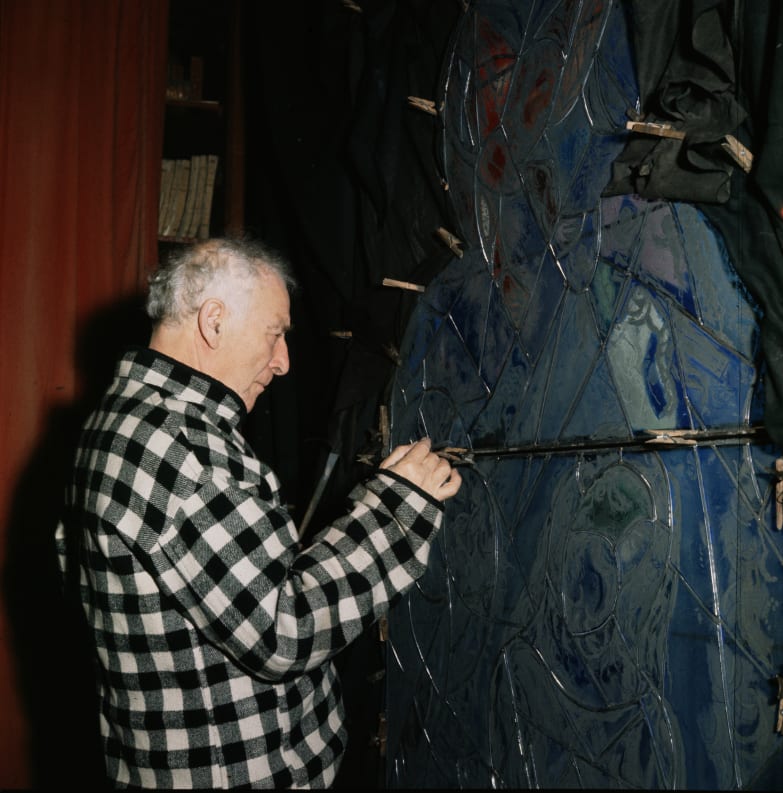
As a result, the building remains one of Western Europe’s better-kept secrets, despite its unique architecture and a history that has seen it survive war, fire and sieges. And for fans of renowned artist Marc Chagall, it is something of a pilgrimage site — in the late 1950s, the painter joined a centuries-long line of artisans to produce stained glass windows for the church.
Even now, the cathedral is evolving, with South Korean artist Kimsooja set to unveil a futuristic window design next year.
Reverence for the past
When the pope issued his decree in 1220, Metz was one of the largest and most important commercial hubs in the Holy Roman Empire. With Europe’s architectural tastes progressing, the flourishing city would, by the middle of that century, replace many of its buildings with — or renovate them in the style of — Gothic ones.
Three dozen of them have survived to today, albeit “in varying states of preservation,” according to Brachmann’s research. What ties them together is the use of Jaumont limestone, which can only be quarried from a few hectares of land just outside Metz. With iron oxide giving it a vivid yellow hue, the stone was cut into uniform blocks and, though expensive at the time, used in structures across the city.
Metz Cathedral was the most impressive among them. But while the church bears many of the hallmarks of Gothic architecture — flying buttresses, ribbed vaults and an ornate pointed spire — the design broke with many of the traditions of the time.
Its low arcade and the absence of a two-towered western facade are both considered atypical, according to Brachmann. The building’s small footprint also means that the church is remarkably narrow and is not orientated along the traditional west-east axis.
Some of this may be attributed to the steep hill found on one side. But it also appears that the cathedral was designed to preserve structures already on the site, which had been home to religious architecture long before the 13th century.
This is evident, Brachmann said, in one of the building’s most striking historical quirks: That the unknown architect incorporated an existing church into his design, rather than ordering its demolition and starting from scratch.
“Obviously they didn’t want to destroy history in this case,” Brachmann said of the apparent reverence towards Metz’s architectural heritage. “The normal thing would have been to say (to those occupying the surrounding buildings), ‘We’ll give you some money and some land and you can move there.’ This was the case in Amiens, when they extended the cathedral there in the 13th century.
“It would be the normal thing to do. What happened at Metz was very unusual.”
Evolving through the ages
Construction would take another 300 years to complete, which was slow even by medieval standards. Aside from the logistical challenges, various other events contributed to the delay — not least the War of Metz and a siege in the 1320s, as well as economic downturns and the Black Death’s rampage throughout Europe.
While the cathedral was finally completed in 1520 (or thereabouts), it has continued to change with the prevailing tastes of the day.
During the Enlightenment, the Duke of Belle-Isle ordered the demolition of the cloister and buildings next to the cathedral to make way for a public square.
Later in the 18th century, architect Jacques-François Blondel led a neoclassical renovation that saw the addition of a colonnade and portico, features more associated with ancient Greek temples than medieval churches.
With interest in Gothic architecture reignited in the 19th century, much of Blondel’s work was then reversed. Many of the period’s neo-Gothic alterations, however, resulted from an accidental fire in 1877 (caused by fireworks marking the visit of Kaiser Wilhelm I), according to Vivienne Rudd of Inspire Metz, the tourism agency that partnered with the cathedral for its 800th anniversary celebrations.
“Metz was lucky because the fire started on the outside and didn’t … damage the vaults too badly,” she said in a phone interview.
In a parallel to the aftermath of the recent blaze at Notre Dame in Paris, almost 200 miles away, discussion on how to rebuild the roof ensued, Rudd added.
“When they put the new roof on, they thought, ‘Oh yes, let’s make it taller.’ They then had to add extra decoration onto the cathedral so it would still look impressive. And they actually made it look a little bit more Gothic than it did before.”
A ‘play of light and shadow’
With around 6,500 square meters (70,000 square feet) of stained glass windows, the story of Metz Cathedral is not just one of religion and architecture — it’s one of art. The three are, however, closely linked: The development of flying buttresses during the Gothic period helped reduce the stress on load-bearing walls, allowing for larger openings that could be filled with dazzling displays of color.
Metz Cathedral’s design took full advantage, and the resulting effect is a “play of light and shadow,” Rudd said.
“At the time, all Gothic buildings had big windows and lots of stained glass, but what’s particular in Metz is that we have so much of it,” she explained. “The Book of Revelation (says) that after the day of judgement, you go to heaven and into this ‘new Jerusalem.’ It talks about the walls of the city being like colored jewels — and this is what they tried to recreate with stained glass.”
Through the years, the church has commissioned designs by artists spanning eras and styles. The three tiers of windows feature work by one of the 14th century’s most famous glassmakers, Hermann von Münster, and that of renaissance artist Valentin Bousch less than 200 years later.
For Rudd, the modern windows’ lack of figuration can produce a meditative affect. “When I look at the windows by Bissière, I always think that while they don’t represent anything (specific), they’re the sort of thing you could look at if you just want to stop thinking about anything and empty your mind.”
The most famous of the windows, however, are those by Marc Chagall. Openly inspired by biblical themes, the — albeit non-practicing — Jewish modernist used his commission to depict Old Testament figures central to both religions. Chagall, in his 70s at the time, dedicated much of his later career to stained glass, with his painterly technique giving his windows their distinctive swirling appearance.
“For me a stained glass window is a transparent partition between my heart and the heart of the world,” Chagall said in 1962, at the opening of an Israeli synagogue that also bore some of his designs. “Stained glass has to be serious and passionate. It is something elevating and exhilarating. It has to live through the perception of light.”
Stepping into the future
Metz’s evolution doesn’t end with Chagall. On November 2021, the cathedral’s 800th anniversary program will culminate with the next step in the building’s history: the unveiling of new stained glass windows.
Joining the rollcall of master glassmakers will be conceptual artist Kimsooja. In doing so, she will become not only the first non-European and first 21st-century artist to contribute a design, but also the first woman.
Precise details are yet to be announced, though the artist’s rainbow-inspired installations offer a glimpse into her ultramodern approach.
“She’s using nano-particles to transform light,” revealed Rudd, who has already seen some of the South Korean artist’s test panels. “It’s like when you have a prism, and it breaks into a spectrum of different colors.”
“It almost looks like fixed colors, but if you look (closer), you see that it’s moving slightly, and the colors are changing,” she added. “As the light gets diffused, or as a cloud comes past, it will make a slight flickering.”
Such innovation seems a fitting addition to a building that has, for the past eight centuries, strived to change with times.
When visitors walk into the Pantheon in and encounter its colossal dome, they may experience the same theatricality as its guests nearly 2,000 years ago.
“Anyone who steps inside the Pantheon immediately feels the crushing weight of human history, but also the incredible lightness of human creativity,” said John Ochsendorf, professor of architecture at MIT and former director of the American Academy in Rome.
“You come into this grand space and you look up and you see the sky or a passing cloud. And you think: ‘How could they have done this nearly two millennia ago?’”
The Pantheon is the oldest building in the world that’s still in use today. Since the 7th century, it has been a Roman Catholic church.
Built around 125 A.D. by the Roman emperor Publius Aelius Hadrianus, it was actually the third iteration of the structure. The first Pantheon caught fire around 80 A.D. and was rebuilt shortly after, but it was struck by lightning and burned down again around 110 A.D. The buildings’ ill fate led to rumors that the Pantheon was cursed.
The facade of the completed structure riffed on ancient Greek motifs, with a portico entrance featuring a pediment — a triangular top — and two rows of Corinthian columns. The interior was sweeping and airy, capped by a dome that to this day — is still the largest unsupported concrete dome in the world.
What was it used for?
Pantheon means “all gods,” and though it’s commonly thought the structure was a site of worship dedicated to Roman deities, its original purpose is actually unknown.
With scant mentions of it in Ancient texts, historians have been left somewhat in the dark. Though it could be a temple, Roman buildings were typically multi-purpose structures, said Lynne Lancaster, an architectural historian and humanities educator.
“And so what actually went on in the Pantheon is hard to say.”
Legends say it’s the very site where Rome’s founder, Romulus, ascended to heaven. Others believe the Pantheon was where the Roman emperor could communicate with the gods. Whatever the case, like many Roman architectural feats, the imposing structure was a show of might, an “important symbol of imperial power,” said Luca Mercuri, the Pantheon’s current director.
Indeed, Roman architecture of the time embodied wealth, strength and dignity. Centuries later, Neoclassical architects would reference the Pantheon’s portico and dome combination to imbue their buildings with those same values, from the US Capitol in Washington, DC., to the Somerset House in London.
How was it built?
The Pantheon was an architectural marvel of the Roman Empire.
The oculus — Latin for “eye” — stretches 30 feet across, opening the structure to the heavens. The sun beams through the oculus, and when it storms, the rain comes down like a waterfall into the interior.
The Pantheon’s dome and oculus were a feat of engineering — Medieval religious leaders believed the architectural achievement was evil. Credit: Andreas Solaro/AFP/Getty Images
“The oculus at the center seemed to tempt fate and leave (the Pantheon) open to the sky,” said Ochsendorf. “But it also showed a mastery of geometry and construction — that they could build domes on that scale and leave an oculus open at the center, in a way (that was) almost showing off.”
During the Middle Ages, religious leaders, who were incredulous of the feat, cast doubt on the holiness of the Pantheon, believing it to be the work of the devil.
But it wasn’t Satan; it was engineering.
Though white, yellow, purple and black marble was imported from around the Mediterranean, it was concrete — a Roman invention — that allowed architects to do away with load-bearing columns and introduce spacious domes.
Along with the entry door, the oculus is the only natural source of light in the building. Credit: Alessandra Tarantino/AP
One trick to make a large dome stable was to use progressively lighter stone in the concrete mix as it reached the top. Heavy brick could be used at the base, with spongy, light volcanic rock around the oculus.
Though the Pantheon has revealed some of its design secrets, Lancaster said she still finds magic in the details. As the day progresses, the sun flickers around the dome’s interior, casting light over its sunken grid like a giant sundial.
“It’s one of the few places in the world (where) you can actually watch the Earth turn.”
Some museums require more than a plane and a taxi ride to be reached, but repay you with memories lasting a lifetime. CNN Style has picked some of the best, all nestled off the beaten track, offering stunning natural beauty and artistic value.
Swiss mega-gallery Hauser & Wirth has experience in building museums in unlikely locations: In 2014, it opened a successful, multi-purpose arts center in Bruton, a very quiet village in England’s Somerset countryside, which reportedly attracted more than 110,000 visitors in 2019.
In 2021 they did it again, this time leasing a portion of an 18th century naval hospital on tiny Illa del Rei, an islet near Menorca in Spain. Just under 1,000 feet long, the island is a 15-minute boat ride from Menorca’s capital Mahon and offers a stunning natural setting for a 16,000 square foot center combining art, education and conservation.
Highlights include an outdoor sculpture trail featuring works by prominent 20th century European artists, including Joan Miró and Franz West, and a garden designed by Piet Oudolf, of the High Line fame, which runs alongside the gallery buildings showcasing Mediterranean fauna. Those looking for Mediterranean cuisine instead can find some prominent examples at on-site restaurant Cantina.
Messner Mountain Museum (Italy)
Mountaineer Reinhold Messner, the first climber to ever ascend all 14 peaks over 8,000 meters, started a museum project in his native South Tyrol, Italy’s northernmost province, in 2006. It now consists of six different locations, all dedicated to mountain culture and set in breathtaking locations. The last one to open, however, is something special.
Designed by Zaha Hadid, the Messner Mountain Museum Corones — after the Italian name of the mountain atop which it sits, Kronplatz in the Dolomites — is partially buried in the mountaintop and offers unbeatable views of the Alps, from the Lienz Dolomites in the east to the Ortler in the west, from the Marmolada in the south to the Zillertal Alps in the north.
Inside, the concrete structure contains exhibits devoted to traditional alpinism, and is meant to give the mountain a lease of life in the summer months, when tourism drops from the peaks of the winter skiing season.
The Chinati Foundation (United States)
Â
A three-hour drive from the nearest airport, the Chinati foundation occupies the 340-acre site of a former military base, and opened in 1986 to host works adhering to the principles of its founder, American minimalist artist Donald Judd.
Some of these are displayed outdoors — such as Judd’s “15 untitled works in concrete,” each measuring 8 by 8 by 16 feet and made of 10-inch thick slabs — while others are housed inside repurposed buildings such as barracks or hangars, and dedicated to a single artist in perpetuity.
Among the artists represented are John Chamberlain, Dan Flavin and Carl Andre. There are also temporary exhibition spaces usually reserved for large scale contemporary works.
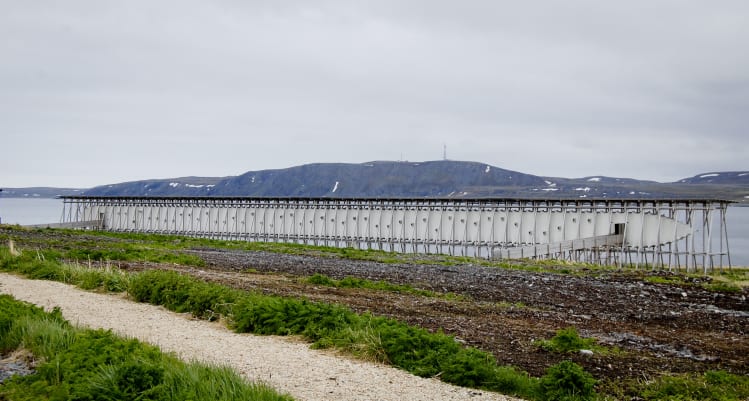
Designed by French-American artist Louise Bourgeois, famous for her spiders, and Swiss architect Peter Zumthor, who won the Pritzker prize, architecture’s most prestigious award, in 2009, this memorial is located in Norway’s easternmost town, Vardø.
It commemorates the trial and execution of 91 people accused of witchcraft in the 17th century, and consists of two structures. The first, by Zumthor, is a 400-foot-long wooden building containing 91 small windows, representing those who were executed, with a single light bulb hanging next to each window. A plaque narrates the story of each victim.
The other structure, by Bourgeois, is a square smoked glass room containing a metal chair that spits flames. The flames are reflected in seven oval mirrors placed around it like judges. Both installations are accessible 24 hours a day.
South Georgia Museum (South Georgia and the South Sandwich Islands)
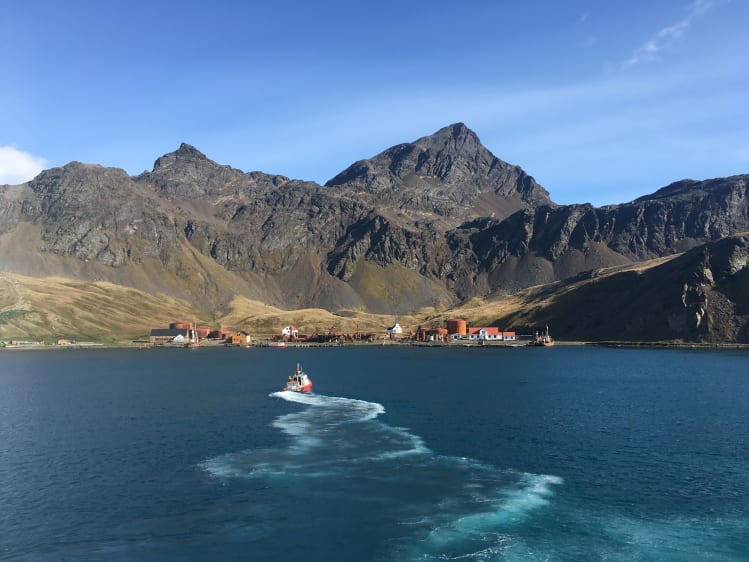
Located in the old whaling station of Grytviken, in South Georgia and the South Sandwich Islands — a British overseas territory that is also claimed by Argentina — the South Georgia Museum is truly remote, located about 800 miles east of the Falkland Islands and only accessible by sea.
There is also no visitor accommodation anywhere here, so most people arrive on a cruise ship — although the most intrepid can charter a yacht from the Falkland Islands or somewhere in South America.
The island gets about 120 vessels visiting each year, carrying around 10,000 tourists.
The surrounding Antarctic environment is home to about five million seals and 65 million breeding birds. Credit: Sarah Lurcock
After whaling ceased in 1964, the building that hosts the museum remained unused for more than 20 years, until it was converted and opened to the public in 1992.
The exhibits are dedicated to whaling, the early maritime history of the island and its natural and social history. If that doesn’t sound too enticing, the surrounding pristine Antarctic environment, home to about five million seals of four different species, as well as 65 million breeding birds, should do the trick.
Naoshima (Japan)
Nestled among 3,000 islands, many of which are uninhabited, in the Seto Inland Sea, and nearly two hours from the nearest city on the mainland, Okayama, Naoshima is colloquially known as “Japan’s art island.”
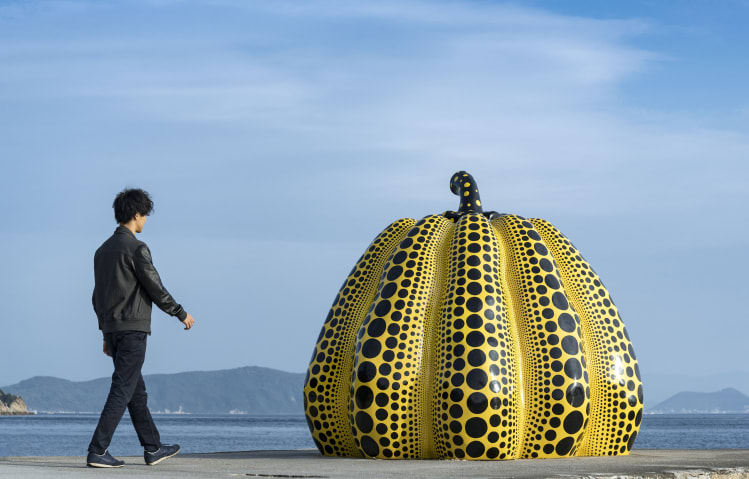
For good reason: It’s home to several museums and permanent art installations, as well as one of Japan’s most widely photographed artworks — a six-foot-tall, eight-foot-wide pumpkin by Yayoi Kusama, which was sadly swept out to sea by a typhoon in 2021.
(The damaged pumpkin was recovered, but it’s not clear if and when it will be reinstalled).
The island is the brainchild of billionaire Soichiro Fukutake, who commissioned Pritzker winning architect Tadao Ando to become its creative director.
Among other things, he designed Benesse House, the island’s main attraction that is part museum and part hotel, set in a beautiful park and containing art by Andy Warhol, David Hockney and Jean-Michel Basquiat.
Another highlight is the Chichu Art Museum, which houses five Monet paintings from Fukutake’s personal collection. On the eastern edge of the island sits the Art House Project, a series of abandoned houses and workshops turned into art installations by artists from all over the world.
Most tourists try to cram a visit to the island in one day, but it’s worth an overnight stay.
Eromanga Natural History Museum (Australia)
Nestled in the Outback, in Australia’s furthest town from the ocean, Eromanga, is the eponymous Natural History Museum. It’s a 660-mile drive from Brisbane (or an 870-mile drive from Sydney) along seriously scenic routes, but there’s also an airstrip used by charter and private flights just five minutes from the museum.
It’s home to the most impressive dinosaur fossil collection in Australia, and hosts the country’s largest dinosaur: A Titanosaur called Cooper, believed to be roughly 95 million years old. It’s named after Cooper Creek and the Cooper Basin, not far from the museum, where it was found. In 2021 it was categorized as a whole new genus and species of Titanosaur, Australotitan cooperensis.
The museum’s exhibits also include some of the world’s largest megafauna, thought to be 50,000 to 100,000 years old, and a variety of microfauna. Even though the town itself only has about 120 residents, the museum is equipped with lodging for visitors, so you can plan an overnight stay.
Visiting Venice this summer? Here’s the best art on show at the Venice Biennale
Molinere Underwater Sculpture Park (Grenada)
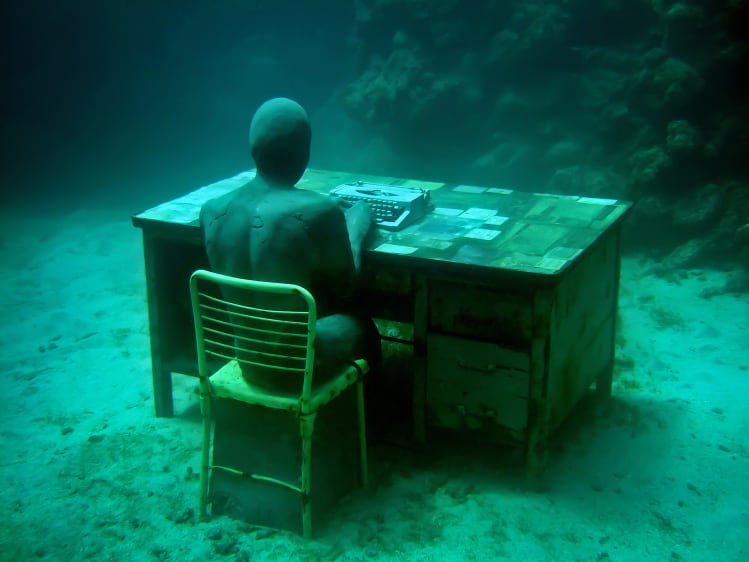
Sculptor and environmentalist Jason deCaires Taylor, of English and Guyanese descent, is famous for his permanent, site-specific sculptural works set in submerged and tidal marine environments. The very first of his “sculpture parks” was created in 2006 off the coast of Grenada, in the West Indies’.
Called the Molinere Bay Underwater Sculpture Park, it hosts 75 works across an area spanning more than 8,000 square feet, at depths of up to 26 feet, which makes them accessible by scuba diving or snorkeling, as well as glass-bottomed boats.
The works, which are meant to encourage and inspire environmental awareness, are built with sensitive materials that are pH neutral, to facilitate natural growth.
Among the highlights is a sculpture titled “Vicissitudes,” featuring a ring of children of diverse backgrounds holding hands, and meant as a symbol of unity and resilience.
Since 2006, deCaires Taylor has created parks or installations in several other countries, including Mexico, Spain, Indonesia, Norway, the Maldives, France and Australia.
James Turrell Museum (Argentina)
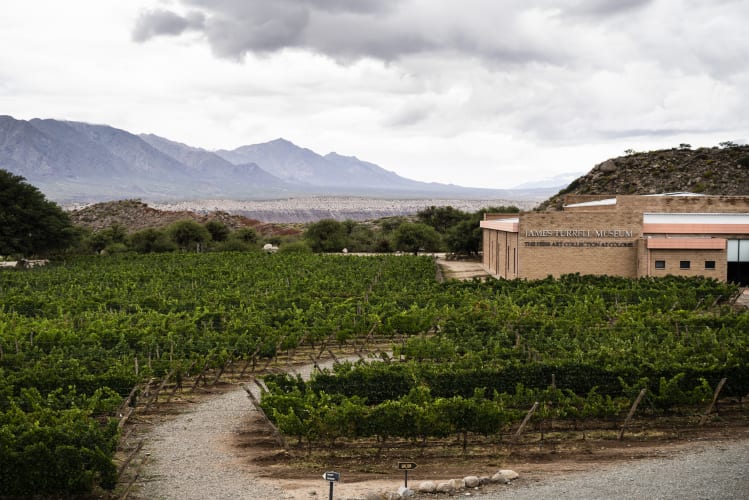
The James Turrell Museum has nine installations spread over a 5,500-foot space. Credit: Eilon Paz/Bloomberg/Getty Images
Enviably enclosed within the family vineyard of Swiss magnate and art collector Donald Hess, the site includes nine installations spread over a 5,500-foot space.
Highlights include “Unseen Blue,” a chamber with an aperture in the ceiling that is also Turrell’s most celebrated type of work, called a “Skyspace.” This is the largest in the world and it offers a stunning light show starting every day at sunset, and lasting about an hour.
Also exhibited are works on paper by Turrell, who has a pilot’s license and studied perceptual psychology — both things likely influencing the way he manipulates light, color and space to create his stunning site-specific installations, which can be found in more than two dozen countries.
Instituto Cultural Inhotim (Brazil)
Founded in 2004 by former mining tycoon Bernardo Paz to house his art collection, this is now one of the largest outdoor art centers in Latin America.
Located in Brumadinho, about 40 miles from Belo Horizonte, the complex is set on 140 hectares of Atlantic forest and tropical savanna.
Among the works is an installation by American artist Matthew Barney titled “De Lama Lâmina” (“From Mud, a Blade”), which is housed in a geodesic dome nestled within an eucalyptus forest, and contains a gigantic white tree being uprooted by a large agricultural vehicle.
I have reinstated the alarm clock. An overlooked mechanism in today’s technologically-synced, your-phone-does-everything world, it tells the time, it wakes you up, it is decentralized from a phone. It is marvelous.
Why? Because before I brought an analogue clock back into my bedroom I was averaging two hours and 56 minutes of screen time per week, and my phone told me this every Monday, moments after my alarm would sound.
And, every morning, while only trying to tap “snooze,” I’d be confronted by a flurry of notifications piling up behind one another like a card game of solitaire on the screen. My phone would tell me that my friends were feeling chatty last night with 34-plus Whatsapp messages; there would be Instagram alerts and dozens of emails from multiple accounts. The notifications would fill me with a dread and stress about the day ahead before I’d even had my morning coffee.
Trouble sleeping? Try these 4 easy stretches before bed
I didn’t realize it at the time, but my old analogue clock — a compact, travel model — was a low-key luxury.
Its design would have paled in comparison to the latest iPhones, but it did its one job very well; its punctuating and shrill screech was effective at waking me up every morning. Pertinently, it wasn’t filling my mind with chatter, bad news and deadlines before the day had begun.
Riding the world’s most luxurioustrain with the visionary designer who built it
Changing habits
I made the switch from alarm clock to phone about 10 years ago after I told someone what I thought was a funny story about how my alarm clock had once gone off in my suitcase while in the trunk of a taxi, forcing us to pull over so I could retrieve it. The story provoked bemusement. “You use an actual alarm clock?” they asked, as though it was a fax machine. “Why don’t you use your phone!” Oh, I thought. Why don’t I?
I probably didn’t even know I could at the time. But I succumbed to peer pressure and did away with my old clock. And that’s when the luxury of waking up without notifications ended, and the misery of glancing at them in the middle of the night when I checked the time on my phone began.
“The re-introduction of an alarm clock gives me the time, space and separation that my phone didn’t.”
As our use of cell phones continues to grow (a 2018 report by Deloitte found that American smartphone users check their phones 14 billion times a day, up from 9 billion in the same report from 2016), wellness experts say it is having a negative impact our morning routines.
“When you wake up first thing, the ideal is to wake up and spend a little bit of time within your own mind before you’re bombarded with everything else in the world that’s going on. Give yourself a chance to adjust to the waking world,” said mental health and wellbeing coach Lily Silverton. “Historically we’re not used to having our attention taken away as much as it is today.”
Before alarms, it was roosters, church bells, knocker-uppers (people who were paid to wake you up by tapping on the door or window with a long stick, which happened up until the 1970s in industrial Britain) and even our very own bladders that got us out of bed. It is widely thought that the clockmaker Levi Hutchins from Concord, New Hampshire, invented one of the first alarm clocks in 1787. His design would only go off once at 4am, his preferred time to wake.
Little appears to be known on the details of the actual design, but he wrote, “It was the idea of a clock that could sound an alarm that was difficult, not the execution of the idea. It was simplicity itself to arrange for the bell to sound at the predetermined hour.” Hutchins never patented or manufactured this clock.
It was years later, in 1874, when the French inventor Antoine Redier became the first person to patent an adjustable mechanical alarm clock.
And in 1876, a small mechanical wind-up clock was patented in the US by Seth E. Thomas, which prompted major US clockmakers to start making small alarm clocks. German clockmakers reportedly soon followed and by the end of the 1800s, the electric alarm clock had been invented.
5 things we still get wrong about sleep, according to an expert
Shopping for clocks
Today, alarm clocks come in any number of designs. From riffs on the Panasonic RC-6025 radio alarm clock, immortalized in the 1993 film Groundhog Day, to more retro designs from classic brands like Roberts. A quick search on Etsy reveals novelty designs in the shape of robots, owls or even rabbits.
Elsewhere, more modern designs include the addition of colour night lights, projectors (to project the time on your ceiling or wall! No, thank you), USB ports speakers, temperature and humidity control, and even teen-proof bed-shakers.
Last year, the late Virgil Abloh’s Off-White label teamed up with Braun to release a pair of sleek limited-edition alarm clocks. In orange and blue, the design is based on the brand’s classic BC02 alarm clock which, strikingly simple, had been originally conceived by Dieter Rams and Dietrich Lubs in the 1980s. Fashion brand Paul Smith, too, released its version of the clock back in 2020.
How innovative design is reshaping the sex tech industry
All I was after, though, was a straightforward alarm clock, much like my original. And I got one from the local homegoods store nearby for £8.50 (just over 10 dollars). The first night I used it, I felt oddly excited as I physically wound the setting as opposed to swiping on a screen. The next morning, in somewhat of an anti-climax, I woke up before the alarm. But I’d already felt like I had conquered the day, instead of chasing it.
According to Silverton, “Technology exploits our psychological weaknesses.” And being connected, she noted, is incredible but terrible at the same time. “It’s managing that and creating a routine that works for you.”
Which now I think I have. The re-introduction of an alarm clock gives me the time, space and separation that my phone didn’t. Even though my phone still sits next to the bed, the difference is it’s no longer the first thing I’m reaching for. My first utterance of the day is no longer blaspheming about an email and feeling my blood boil, I find myself gently considering what I might have for breakfast.
Which has given me a sense of control and calm. Bizarrely, it has made me feel younger — I supposed because the experience feels nostalgic, or perhaps because I’m getting better sleep. And what can be more luxurious than that?
Before the arrival of photography, the Western imagination of China was based on paintings, written travelogues and dispatches from a seemingly far-off land.
From the 1850s, however, a band of pioneering Western photographers sought to capture the country’s landscapes, cities and people, captivating audiences back home and sparking a homegrown photography movement in the process.
Among them were the Italian Felice Beato, who arrived in China in the 1850s to document Anglo-French exploits in the Second Opium War, and Scottish photographer John Thompson, whose journey up the Min River offered people in the West a rare look into the country’s remote interior.
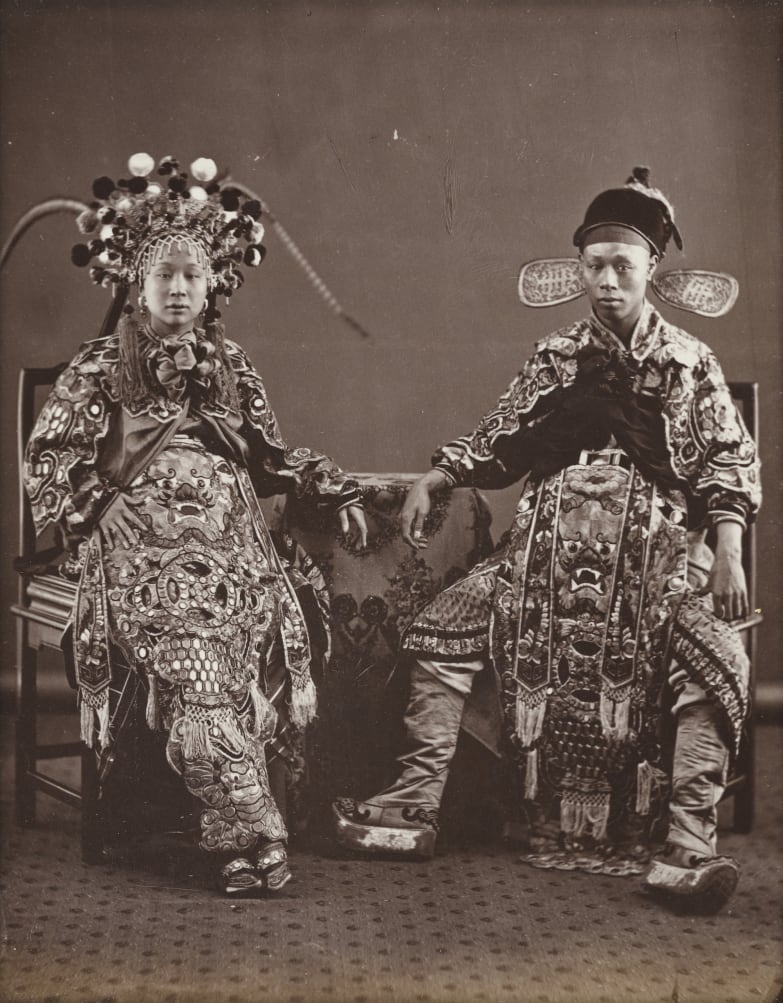
These are just some of the figures whose work features in a 15,000-strong photo collection amassed by New York antiquarian and collector Stephan Loewentheil. His 19th-century images span street scenes, tradespeople, rural life and architecture, showing — in unprecedented detail — everything from blind beggars to camel caravans on the Silk Road.
A rare book dealer by trade, Loewentheil has spent the last three decades acquiring the pictures from auctions and collectors, both in and outside China. They form what he claims to be the world’s largest private collection of early Chinese photography. (And given the number of artworks and artifacts lost in the country’s turbulent 20th century — during Mao’s Cultural Revolution, in particular — the claim is entirely reasonable.)
In 2018, he put 120 of the prints on display in Beijing for the first time. The exhibition’s scope ran from the 1850s, the very genesis of paper photographs in China, until the 1880s. It featured examples of the earliest forms of photography, such as albumen print, which uses egg whites to bind chemicals to paper, and the “wet plate” process, in which negatives were processed on glass plates in a portable dark room.
These technological developments heralded the birth of commercial photography in China, as they allowed images to be quickly replicated and spread for the very first time.
“People wanted to bring back great images that they could sell in other places,” said Loewentheil. “People who traveled there, everyone from diplomats and businessmen to missionaries, all wanted to bring home a record of this beautiful culture of China that was so unique.
“Some of them had a market back home, but immediately they found a Chinese love for photography and they developed a strong market inside the country. Chinese photographers (then) picked up on that, and served both markets.”
Chinese pioneers
Despite the prominent role of foreigners in early Chinese photography, Loewentheil’s collection also recognizes the achievements of the country’s own practitioners.
Some purchased cameras from departing Westerners looking to sell their cumbersome equipment, while others took advantage of Chinese innovation in the field, such as mathematician Zou Boqi, who used foreign-made products to design his own glass plate camera.
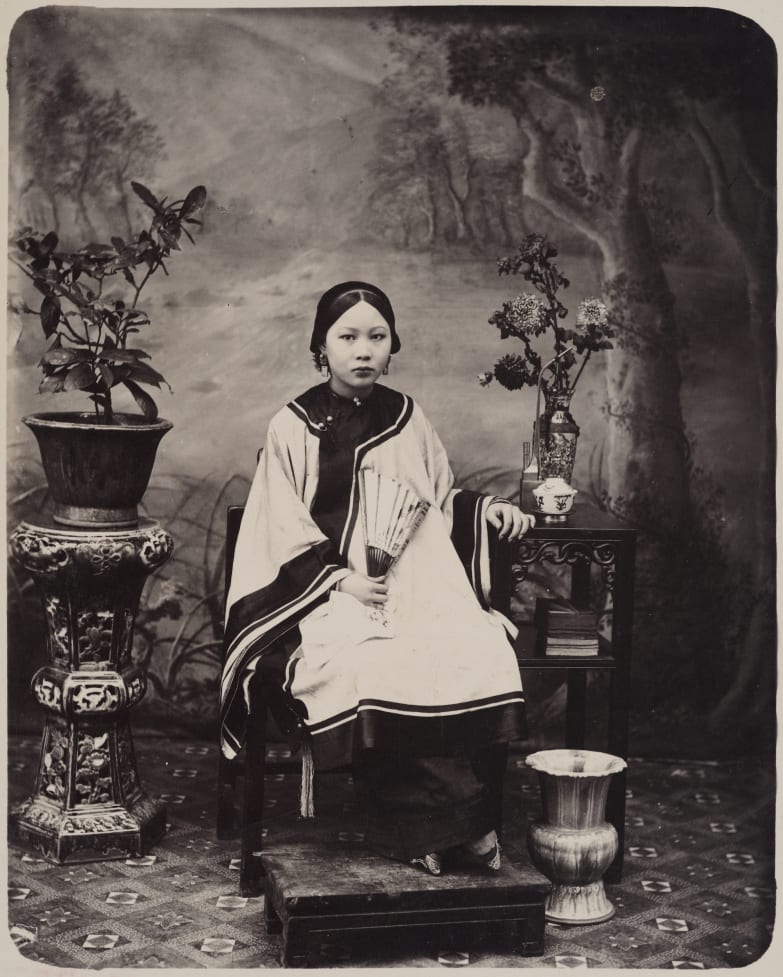
Having first arrived in port cities, photography spread throughout China in the latter half of the 19th century. This led to the creation of commercial studios specializing in portraits of individuals and families, with many of the pictures later hand-colored by trained painters.
Pioneering figures, like Lai Afong, produced portraits, landscapes and cityscapes that were, in Loewentheil’s eyes, equal in quality to those of their Western contemporaries.
“There is an equality in Chinese photography, and of Chinese photographers, that is not sufficiently known in China,” the collector said. “Some of the very earliest Chinese photographers were brilliant.”
Instead of copying their foreign forebears, China’s photographers were often inspired by their own artistic traditions. Portraits, for instance, were treated more like paintings in their composition and use of light, Loewentheil said. Sitters were often pictured facing the camera, straight on and wearing little or no expression, with early portraits appearing to “simulate painted Chinese ancestor portraits.”
Images of architecture, meanwhile, embraced the surrounding nature rather than focusing on the buildings in isolation, another divergence from the Western tradition.
“Very often, when we have an unidentified photographer, we have a pretty good idea of whether they’re Chinese or Western,” Loewentheil added.
Preservers of history
Beyond their artistic value, Loewentheil’s images also appear to be of academic interest, with his 2018 exhibition taking place at Beijing’s Tsinghua University, one of China’s leading colleges.
The arrival of foreign technology, including cameras, during the 19th century was just one of the radical changes that would bring the imperial era to an end (China became a republic in 1912 following a four-month revolution). As such, photos from the time capture a world that would quickly disappear from sight.
Take, for instance, the work of Englishman Thomas Child, an engineer who documented the intricacies of China’s traditional architecture. His pictures of Beijing’s Summer Palace, which was subsequently burned down by English and French invaders, offer an invaluable record of its lost architecture.
“Photography is the greatest preserver of history,” Loewentheil said. “For many years, the written word was the way that history was transmitted. But the earliest photography preserves culture in China, and elsewhere, as it had been for many hundreds of years because it was simultaneous with the technological revolutions that were to change everything.”
The architect charged with bringing China’s former capital back to life
And while Loewentheil has made a business of collecting, he maintains that the images have been brought together for posterity’s sake. He sees himself as the custodian of a historical archive — one that should eventually return to its birthplace — and he is currently digitizing the collection with a view to creating an online repository for historians and researchers.
“We really want this to be an asset to the Chinese people, and we’re open to academics or intellectuals who want to study (the photos),” he said.
“My hope is that the collection will end up in China. It’s not for sale, but from a cultural, intellectually honest perspective: It’s something that doesn’t belong with me.”
Many children are returning to schools while coronavirus case numbers are high in most of the United States. Parentsand caregivers have a lot of questions about what precautions they should take for their children. Do their kids need to wear masks again? How often should they test their kids? Do they need to hold back on any extracurriculars? What happens if their kids contract Covid-19 — how long should they stay out of school? And should families get their children vaccinated if they haven’t already?
To guide us through this back-to-school refresher, I spoke with CNN Medical Analyst Dr. Leana Wen, an emergency physician and professor of health policy and management at the George Washington University Milken Institute School of Public Health. She is also author of “Lifelines: A Doctor’s Journey in the Fight for Public Health” and the mother of two young children who will both be returning back to school soon.
Dr. Leana Wen: No, although I respect other parents and caregivers who are making a different decision from us based on how they view the risk of Covid-19 versus the downside of masking for their children.
Masks, especially well-fitting, high-quality masks, can reduce coronavirus transmission. The US Centers for Disease Control and Prevention recommends indoor masking based on the Covid-19 community level. I think it’s reasonable for parents and caregivers to follow the CDC guidelines and decide that if the Covid-19 level is high in their area, they will ask their children to mask indoors at school. Masking will reduce their children’s risk of contracting the coronavirus and remains advisable for families for whom avoiding Covid-19 is a top priority, such as those with immunocompromised household members.
I also think it’s reasonable for parents and caregivers to make a different risk calculus. Children are already at low risk for severe illness from Covid-19. Vaccination further reduces that risk. In addition, the currently circulating variants are so contagious that it’s quite hard to avoid infection. Some families could decide that they are not prioritizing avoiding infection anymore, and therefore are choosing not to mask their children at school.
That’s what my family has decided. Our views have changed a lot since the beginning of the pandemic, when there was much unknown about the impact of Covid-19 on children. At that time, we followed extremely strict precautions, including masking at all times indoors and only associating with others outdoors. For us, the turning point was after Omicron came to dominate, because it became even more difficult to avoid Covid-19 despite precautions. Getting our children vaccinated also gave us even more reassurance that we could replace masking with the protection that vaccination provides. We know our children could still get Covid-19, but the risk of severe illness is very low.
There is also the question of the perceived cost of masking to our children. Our kids’ school is not requiring masks and based on our conversations with other families, very few parents are going to choose to mask their kids. My almost 5-year-old, who is starting kindergarten, has speech delays that have improved since his schools went mask-optional in the spring. My 2-year-old, who is just starting preschool, does not consistently wear masks anyway. For us, the benefit of requiring our kids to mask does not outweigh the downside at the moment. That could change if a more dangerous variant were to emerge in the future.
CNN: Are there circumstances where you’d advise parents and caregivers to mask their kids at school?
Wen: It all comes down to how much the family wants to avoid Covid-19. Let’s say that there is a medically vulnerable member of the household who could become very sick if they contracted the coronavirus. It would make sense for everyone in that household to be extra cautious in order to not infect that person.
Families could also decide to mask before visiting vulnerable loved ones. For example, if a grandparent who is immunocompromised is coming to stay for a week, the kids can mask in school the week before and during that visit. I’d further advise that the kids take rapid tests right before the grandparent arrives, and that everyone — including the adults — avoid indoor gatherings for the week before and during the visit.
CNN: Speaking of testing, how often should families be testing their kids?
Wen: Some schools may have a regular testing cadence or a random testing protocol to evaluate the level of Covid-19 in their student body. Others may just ask that kids be tested if they are symptomatic or have a known exposure. Again, how much families want to test their kids will depend on the degree to which they want to avoid the coronavirus. Many families see Covid-19 as they do any other viral illness, while some are still very cautious to try to avoid it for a number of reasons, including the unknown future risk of long Covid.
CNN: Should parents and caregivers hold back on any extracurriculars or playdates for their kids?
Wen: Any decision-making needs to weigh the desire to avoid Covid-19 versus the downside of keeping children away from activities that they would enjoy. Given our family’s risk calculus, I am not holding back on activities for my children. My son is playing soccer, which sometimes happens indoors. My daughter is in a music class with lots of singing, which is mostly indoors. We are going on playdates, both outdoors and indoors.
Households with vulnerable family members may decide to focus on outdoor activities for kids as a precaution. Kids play at the Betty Price Playground in Worcester, Massachusetts, on October 19, 2021.
By the way, this is not to say that my family isn’t following any precautions. My husband and I mask at airports and on trains. We are not taking our kids to the aquarium or science center when it’s super crowded, with tons of people packed together. We are not trying to contract Covid-19 — but we are also not going to change our lives as we have for most of the pandemic to try to avoid it. And we fully understand if other parents may decide to be more cautious and stick with primarily outdoor activities.
CNN: What happens if kids contract Covid-19 — how long should they stay out of school? What if someone in their family gets Covid?
Wen: The CDC guidelines say that people who contract Covid-19 should isolate for five days and then can return to public settings with a well-fitting mask for the next five days. People exposed to Covid-19, if they are up to date with vaccines, do not need to quarantine and can return to public settings as long as they are masked for 10 days, test after five days and remain asymptomatic. That’s what our family will do if we get infected again.
Some schools have different protocols than this, so make sure to check with your school to make sure you are following their rules.
CNN: Should families get their children vaccinated if they haven’t already?
Wen: Yes. A recent large study, just published in The New England Journal of Medicine, found that during a time of Omicron predominance, two doses of the Pfizer/BioNTech vaccine reduced hospitalizations by 83% among children 5 to 11. Vaccination also reduced infection by 65%. This and multiple other studies demonstrate how vaccination is crucial in reducing the likelihood of severe infection and symptomatic illness in children.
Both of my kids got their vaccines as soon as they were eligible. (My kids are both younger than 5; children 5 and older are eligible for boosters, though most have not gotten them.) For me, the calculation came down to this. I knew that even without vaccines, their chance of severe illness is very low. But if I can reduce the chance of something bad happening even more, I would want to do that. And now, with vaccination, I am comfortable with my children resuming pre-pandemic normal activities, even during a surge of Covid-19.
People who often nap have a greater chance of developing high blood pressure and having a stroke, a large new study has found.
“This may be because, although taking a nap itself is not harmful, many people who take naps may do so because of poor sleep at night. Poor sleep at night is associated with poorer health, and naps are not enough to make up for that,” said clinical psychologist Michael Grandner in a statement. Grandner directs the Behavioral Sleep Medicine Clinic at the Banner-University Medical Center in Tucson, Arizona, and was not involved in the study.
Study participants who typically napped during the day were 12% more likely to develop high blood pressure over time and were 24% more likely to have a stroke compared with people who never napped.
Excessive napping could be a sign of dementia, study finds
If the person was younger than age 60, napping most days raised the risk of developing high blood pressure by 20% compared with people who never or rarely nap, according to the study published Monday in Hypertension, an American Heart Association journal. The AHA recently added sleep duration as one of its eight essential metrics to optimal heart and brain health.
The results held true even after researchers excluded people at high risk for hypertension, such as those with type 2 diabetes, existing high blood pressure, high cholesterol, sleep disorders and who did night-shift work.
“The results demonstrate that napping increases the incidence of hypertension and stroke, after adjusting or considering many variables known to be associated with risk for cardiovascular disease and stroke,” said Dr. Phyllis Zee, director of the Center for Circadian and Sleep Medicine at Northwestern University Feinberg School of Medicine in Chicago.
“From a clinical standpoint, I think it highlights the importance for health care providers to routinely ask patients about napping and excessive daytime sleepiness and evaluate for other contributing conditions to potentially modify the risk for cardiovascular disease,” said Zee, who was not involved in the study.
Longer naps are worse
The study used data from 360,000 participants who had given information on their napping habits to the UK Biobank, a large biomedical database and research resource that followed UK residents from 2006 to 2010.
Taking a regular, lengthy nap may be a sign of an underlying sleep disorder, said Dr. Raj Dasgupta of the University of Southern California.
People in the UK study provided blood, urine and saliva samples on a regular basis, and answered questions on napping four times over the four year study. However, the study only collected nap frequency, not duration, and relied on self-reports of napping, a limitation due to imperfect recall.
“They didn’t define what a nap should be. If you’re going to be sleeping for an hour, two hours, for example, that’s not really a nap,” said sleep specialist Dr. Raj Dasgupta, an associate professor of clinical medicine at the Keck School of Medicine at the University of Southern California.
“A refreshing power nap that’s 15 to 20 minutes around noon to 2 p.m. is 100% the way to go if you’re sleep deprived,” said Dasgupta, who was not involved in the study. “If you have chronic insomnia we don’t encourage napping because it takes away the drive to sleep at night.”
Travel the world through tea with Atlas Tea Club (CNN Underscored)
Most of the people in the study who took regular naps smoked cigarettes, drank daily, snored, had insomnia and reported being an evening person.
Many of these factors could impact a person’s quality and quantity of slumber, Dasgupta said. Poor sleep causes “excessive daytime fatigue which can result in excessive napping during the day,” he said.
“I do believe napping is a warning sign of an underlying sleep disorder in certain individuals,” he added. “Sleep disorders are linked to an increase in stress and weight regulation hormones which can lead to obesity, high blood pressure, type 2 diabetes — all risk factors for heart disease.”
The inaugural Ghana Media Music & Dinner Night has been held successfully at the Accra International Conference Centre.
The event was graced by patrons predominantly from the Ghanaian media fraternity, traditional rulers, embassies, CEOs, political circles as well as sports and movie industries.
Ace hiplife artiste Obrafour crowned the night with hit tracks like Penpenaa, Moesha and Heavy with massive backing from movie star Lil Win, after Highlifer Adane Best had opened the show with some of his household hits like Gyatabi and Onoko.
The CEO of Lakeside Village and Net Village Dr Benard BNA Yartey in a post-event interview said “What we just witnessed is good for a maiden event, l will rate it a little over 80% and that is good for a maiden edition. We had some teething challenges but, we will iron them out in the second edition.
“It is going to be annualized, and we promise to raise the bar higher in our subsequent edition.”
The annual Ghana media music and dinner night is a yearly celebration of media excellence, dedicated to honouring and acknowledging the achievements of media personalities in Ghana, both past and present.
The event also seeks to discover and invest in the art and act of journalism in Ghana while creating opportunities for knowledge transfer and sharing between the Ghanaian media and their contemporaries from around the world.
It was partnered by UMB Bank, Rosewood Residence, Trap (the Radio advertising people) and Forward Media Group.
Statistics available indicate that whereas the region recorded 22 maternal deaths in 2019, the figure increased to 26 in 2020.
In 2021, the figure jumped further to 28, while 15 maternal deaths have already been recorded this year.
It is as a result of this that the regional health directorate, in collaboration with the Family Health Division and the Ghana Health Service (GHS), launched the campaign against maternal mortality on the theme: “Stop Preventable Maternal Deaths and Disabilities”.
Statistics
In an address read on her behalf, the Bono Regional Minister, Justina Owusu-Banahene, said maternal mortality continued to be a great concern globally, with almost 99 per cent of deaths occurring in developing countries and more than half in sub-Saharan Africa.
According to her, World Health Organisation (WHO) findings had revealed that every day approximately 810 women died from preventable causes related to pregnancy and child birth.
Ms Owusu-Banahene said the high number of maternal deaths in some areas of the world reflected inequalities in access to quality health services and highlighted the gap between the rich and the poor.
She explained that while the maternal mortality ratio (MMR) in low income countries in 2017 was 462 per 100,000 live births, that of the high income countries was 11 per 100,000 live births.
Ms Owusu-Banahene said to reduce maternal deaths in the country, it was vital for measures to be put in place to avoid unwanted pregnancies.
“All women, including adolescents, need access to contraception, safe abortion services to the extent of the law and quality post-abortion care,” she said, adding that the government was working to address inequalities in access to quality reproductive, maternal and newborn services.
She called on authorities of the GHS in the region to take stock of past developments and find a strategic way to respond to the needs and priorities of women and girls to ensure accountability in order to improve quality of care and equity.
Comparison
Providing half-year analysis of maternal deaths in the region, the Deputy Bono Regional Director in charge of Public Health, Dr Prince Quashie, said the region recorded seven maternal deaths in June 2018, while nine deaths were recorded during the same period in 2019, 11 in 2020, nine in 2021 and 15 in 2022.
He mentioned post-partum haemorrhage (46.7 per cent) and unsafe abortion (26.7 per cent) as the two major causes of maternal deaths in the region this year.
Dr Quashie explained further that two of the victims of the 15 maternal deaths that had occurred this year were teenagers who died as a result of unsafe abortion.
He added that the regional health directorate had identified issues such as inadequate monitoring of labour, delays in the referral of critical cases to a higher facility and the inability of health personnel to identify high risk mothers for appropriate interventions as factors that contributed to rising maternal deaths in the region.
Others, according to him, were the lack of proper interpretation of vitals during anti-natal care (ANC), labour and after delivery and inadequate use of patograph, among others.
Legal abortion
For his part, the Bono Regional Coordinator, Comprehensive Abortion Care, Dr Osei Anto, said it was now legal for women to use safe means to terminate unwanted pregnancies.
He, therefore, called on women, particularly those who wanted to terminate their pregnancies, to visit hospitals for safe abortion, instead of using illegal means that could result in needless deaths.
The Omanhene of the Berekum Traditional Area, Daasebre Dr Amankona Diawuo (a medical practitioner), who chaired the function, called on health workers, particularly nurses, to take the management of patients seriously.
A fatal accident that occurred at Oforikrom on the Techiman-Nkoranza highway in the Bono East Region on Saturday claimed the life of the Tuobodom District Minister of the Presbyterian Church of Ghana, Reverend Joseph Foli Ahinakwa.
Reverend Ahinkwa died on the spot when a pick-up vehicle he was driving was involved in a head-on-collision with a sedan vehicle on Saturday (July 30, 2022).
He was returning from Nkoranzawhere he had gone to deliver food to delegates of the Presbytery Catechists’ Conference.
The Nkoranza District Minister of the PCG, Reverend Wilberforce Takyi confirmed the incident to Graphic Online on Sunday.
Graphic Online gathered that the late Reverend Ahinakwa, who had worked in the Brong-Ahafo Presbytery of the PCG for sometime now had been transferred to the Ga Presbytery and was waiting for his send-off in early September, 2022. [The Brong-Ahafo Presbytery of the PCG covers parts Ahafo Region, parts of Bono Region, parts of the Bono East Region and parts of the Ashanti Region in Tepa and Pokukrom area].
He was also an astute banker who worked with the Agricultural Development Bank while also serving as Presbyterian minister before going into full-time ministry.
The first Ghanaian Professor of Nursing, Professor Lydia Aziato, has advocated a comprehensive insurance coverage for breast cancer patients to improve affordability and access to screening and treatment.
Although the National Health Insurance Scheme(NHIS) covers some aspects of the treatment process such as the surgery and chemotherapy, she said that was not always reliable.
Prof. Aziato explained that the cost of laboratory investigations for the process was not covered by the NHIS, while some patients also had to foot the bill for the total treatment due to the limited drugs the scheme provided.
She said some patients were not able to either start or complete the treatment even if the cost was subsidised, and that it had contributed to breast cancer related deaths in the country.
She made the remarks at an inaugural lecture on breast cancer care and pain management in Accra last Thursday.
The lecture, dubbed: “The Intersection of Subjectivism and Patient Centred Nursing for Breast Cancer Care and Pain Managementâ€, discussed some critical findings on breast cancer and pain management.
“I, therefore, advocate financial support for women with breast cancer from both government and non-governmental sources, including individual and corporate bodies, to help in treating the disease,†Prof. Aziato said.
“The health insurance scheme should be expanded to cover all aspects of treatment and payment to health facilities, or supplies should be expedited,†she added.
Globally, over 2.3 million women are diagnosed with breast cancer, with 685,000 related deaths.
In 2020, breast cancer ranked first in both incidence and mortality in Africa, with 16.8 per cent new cases and 12.1 per cent deaths.
In Ghana, it ranked first in incidence and second in mortality, with 18.7 per cent and 13 per cent, respectively.
That, Prof. Aziato said, was an indication that there were breast cancer survivors who required care, support and follow-up.
Breast cancer is said to emanate from uncontrolled growth of abnormal cells, and although the main cause remains unknown, there are predisposing factors such as family history, early menstruation, late menopause, never breastfed, toxin exposure, hormonal therapy, among others.
The signs of the disease include a lump, changes in the size or shape of the breast, nipple or skin, abnormal discharge and pain which is a late sign.
Treatment choices include surgery, chemotherapy, radiation therapy, hormonal and immunotherapy depending on the stage and type of breast cancer.
Delayed treatment
Prof. Aziato said breast cancer had a high mortality rate in Ghana because women reported late to the hospital.
She said her research findings suggested that some patients sought alternative treatment at prayer camps due to the high cost of treatment of the disease.
The many months spent at such camps, she said, did not cure the cancer, but rather contributed to the spread of the cancer cells.
Some patients, she said, spent several months at the camps and only went to the hospital when the situation became critical.
In most of such cases, Prof. Aziato said, they ended up losing their lives.
She, therefore, encouraged family members to continue to support breast cancer patients and to endeavour to maintain confidentiality so that other victims would feel comfortable to disclose their diagnosis.
She also urged people who stigmatised breast cancer victims to reflect and change their attitude towards such people.
She further advocated the implementation of stigma-reduction interventions to ensure continuity of positive attitudes towards breast cancer patients.
“Let us remember that all women are at risk of developing breast cancer, and although only one per cent of men are at risk, we must all be concerned with issues of breast cancer because of the critical roles of women in maintaining the family and the home,†Prof. Aziato stated.
Clarence House, the residence of Prince Charles, has disputed claims reported in the UK’s Sunday Times that the heir to the throne brokered a deal in 2013 to accept a £1 million charity donation from Osama bin Laden’s half-brothers.
The Sunday Times, citing unnamed sources, reported that Prince Charles accepted the donation from Bakr bin Laden and Shafiq bin Laden for The Prince of Wales’ Charitable Fund (PWCF) despite objections from key advisers at the time.
Clarence House disputed that assertion on Saturday, saying the decision to accept the money was made by the charity’s Trustees, and not Prince Charles.
“The Prince of Wales’ Charitable Fund has assured us that thorough due diligence was undertaken in accepting this donation,” the Clarence House statement said. “The decision to accept was taken by the charity’s Trustees alone and any attempt to characterize it otherwise is false.”
Bakr bin Laden is the former chairman of the Jeddah-based construction company Saudi Binladin Group. Osama bin Laden was removed as a shareholder from the family company in 1993, when Bakr bin Laden was chairman, US court documents show.
Osama Bin Laden was the leader of al Qaeda when the network carried out the September 11 attacks in New York in 2001. He was killed by US special forces in an operation 10 years later.
Neither Bakr or Shafiq bin Laden have any known ties to terrorist activities or appear on any counter-terror sanctions lists issued by the United Nations or the governments of the US, EU and the UK.
According to the Sunday Times report, Prince Charles secured the funds after a meeting with Bakr bin Laden, and accepted the donation, despite the “initial objection of advisers at Clarence House” and the PWCF.
PWCF also responded to the Sunday Times’ report saying that “the donation from Sheik Bakr Bin Laden was carefully considered by PWCF Trustees. Due diligence was conducted, with information sought from a wide range of sources, including government.”
A royal source told CNN that they disputed The Sunday Times’ claims that Prince Charles personally accepted the donation, that he brokered the deal and that advisors around Prince Charles pleaded for him to return the money at the time.
A source close to PWCF said that “after a thorough examination of the issues, the Trustees concluded that the actions of one Bin Laden family member should not tarnish the whole family.”
The Sunday Times reported in June that Prince Charles had accepted charitable donations in the form of cash from Sheikh Hamad bin Jassim bin Jaber Al Thani, the former prime minister of Qatar, between 2011 and 2015. Clarence House also disputed the details of the June report and said that the “correct processes” were followed in terms of accepting the donation.
Searching for a secured house in Accra and Ghana at large has become one of the problems faced by majority of residents in the capital.
The quest for a place to lay the head has resulted in many unsuspecting people being fleeced by some rent agents in the capital.
In a recent MultiCDB interview, a rent agent with decades of experience opened up on tricks used by some unscrupulous agents to rob the public.
He further disclosed that some of the agents are unprofessional as they go to every length to extort money from clients. In some cases, he observed that these agents take money from the client and fail to deliver the house as promised.
Sometimes too, they connive with the landlords to rent one house to two or more people with the intention of making more money in a bid to solve their emergency issues.
He admonished individuals to be vigilant when searching for houses to rent since most landlords cannot be trusted.
Member of Parliamentfor Bortianor Ngleshie Amanfro Sylvester Tetteh, has disclosed that the decision by government to resort to the International Monetary Fund, IMF, was not one that most leaders of the New Patriotic Party, NPP, were happy about.
He cited global occurrences and the looming danger of an economic meltdown as factors that forced that decision to be taken.
Contributing to discussions on Peace FM’s Kokrokoo Morning Show programme last week, he said he was positive that the government will steer the nation out of the crisis in due course.
“If you look at the state of the economy as presented by the Finance Minister (after the mid-year budget review on July 25), the things he said were reassuring that we have pragmatic measures in place.
“Today, we have gone to the IMF, all of us were not happy that from where we had grown the economy to, we were going to the IMF for balance of payment.
“The truth of the matter is that, most NPP leaders were not happy but it had become necessary with revenue at an all-time low and expenditure rising. What excites me is that all the transformational programmes will not be touched,” he stressed.
He added that the fact that programmes like 1 District – 1 Factory, YouStart, Obatampa Cares, Free SHS; were not going to be impacted by the IMF programme, was a pointer to the fact that the future was bright and Ghana can get out of the current predicament in due course.
Government on July 1 announced it was approaching the Washington-based outfit for an economic rescue programme.
An IMF team has since had initial contact with major stakeholders during a one-week visit to Accra between July 6 13, 2022.
The Police have arrested Safina Mohammed Adizatu, a student and Michael Fiifi Ampofo Arku, a Technical Officer for their involvement in the murder of one Frank Kofi Osei at Ashalley Botwe School Junction in Accra.
Osei, a Ghanaian domiciled in Canada was in the country for a vacation.
Safina also known as Safina Diamond on social media and Arku are said to have stabbed the deceased several times on his chin, jaw, back and strangled him to death.
Charged with conspiracy and murder, theAdenta District Court presided over by Nana Aba Quaiba Nunoo preserved their pleas and remanded them into Police custody to reappear on August 12.
Prosecution led by Chief Inspector Jacob Nyarko declined a bail application put in by the defence team as the case was under investigations and efforts were underway to nab other accomplices currently at large.
The court turned down the bail application.
Narrating the facts, Prosecution led by Chief Inspector Jacob Nyarko said Safina is a 23-year-old level 100 student of the University of Ghana and Arku is a Technical Officer of the Crop Research Institute, Kumasi.
Chief Inspector Nyarko said Osei, now deceased is a Ghanaian domiciled in Canada, but has been in the country a few weeks ago.
Prosecution said at night, Safina and Arku together with others yet to be identified stabbed Osei several times with a knife on his chin, jaw, back and strangled him to death.
It said Safina and Arku cleaned up the blood, while the deceased was in the room for a 24-hour period.
According to prosecution, accused persons later dragged the deceased from first floor of the storey building through the staircase and dumped him at the gate of the house near where the deceased had parked his Toyota Tundra and washed the blood stains off the staircase.
On July 26, this year, at about 0400 hours,Safina called a police officer saying that her boyfriend visited her, and he had died in her room.
Prosecution said the Police Officer called the Police Patrol Team who rushed to the scene and found the body of the deceased lying at the gate of Safina’s house, but (she) Safina and Arku were nowhere to be found.
It said the Police later traced Safina to Ashalley Botwe School Junction and nabbed her.
Prosecution said Arku after committing the act, absconded to Kumasi.
It said efforts were underway to apprehend other accomplices on the run.
Patriotism does not consist in waving the flag, but in striving for our country to be both righteous and strong. We swear on our honor to be loyal to Ghana, our motherland. What is going on around the country demonstrates that Ghanaians have lost sight of the importance of patriotism in our national life.
From the presidency to the legislature, the judiciary, public and civil servants, and the last man in the community. Everyone is simply irresponsible. Individual gain has taken precedence over the collective interest of all.
Every morning after salaat, I take some time to reflect on our country, Ghana.
The more I do the exercise, the more worried I become. I become perplexed because I don’t know where to begin in my quest to find solutions to the numerous challenges that face us as a nation.
According to the elderly, the most difficult challenge is excessive partisanship, which motivates the political class to take unnecessary intransigent positions on issues of national concern. The NDC sees nothing positive in NPP leadership, and vice versa.
Some of the problems we face, ideally, can be easily solved with a patriotic mindset. According to the World Bank, Ghana has 20.66 percent of arable land coverage, while China has 12.68 percent. Ironically, Ghana’s food imports from China in 2019 totaled US$37.72, according to the United Nations COMTRADE database on international trade.
So, I ask myself, what exactly is wrong with our country? Why should Ghana, which has more agricultural land, need to import food from China? I heard the argument that Ghanaians have an insatiable desire for foreign goods. Really? Where has the patriotism gone? I believe that Ghanaians should love to consume what we produce in order to save our economy from total collapse.
In my opinion, businessmen and women are deliberately driving the so-called appetite for foreign goods in order to stay in the import business and make abnormal profits. This viewpoint is supported by importers withdrawing their advertisement from Citi FM after the entity attempted to promote Ghana-made rice.
Many people point to the leadership’s lack of confidence in imposing a total ban on imports of goods that Ghana can produce locally. Nigeria banned maize imports in 2020 in order to boost domestic production and stimulate a rapid economic recovery. Many imported foodstuffs can be banned in Ghana.
A well-designed policy in this area alone will reduce unemployment and ensure the country’s food security.
To give true meaning to our patriotism, we as citizens must first believe in ourselves and what we produce. Let us all go back to our own backyard gardens. This should assure us of chemical-free foods and the passion that goes with farming.
There is still a chance for Ghana to develop and it has to be through patriotism.
Member of Parliament (MP) for Asante-Akim North in the Ashanti Region, Andy Kwame Appiah-Kubi, has proposed to government to criminalize professional negligence as a way of curbing corruption in the country.
According to him, he has observed some professionals in the country who do not offer quality services when contracts are awarded to them.
A reason he insisted,“ If road contractors, for instance, fail to deliver their work to meet standard after being contracted by the state, they should be made to face criminal action so that when we criminalise professional negligence it will reduce the spate of corruption.”
He made his comment at the 2021 report by the Commission for Human Rights and Administrative Justice (CHRAJ), the Ghana Statistical Service (GSS) and the United Nations Office on Drugs and Crime which ranked the Police to be the foremost public institution perceived to be most corrupt.
On his part, former Executive Director of the Ghana Integrity Initiative (GII) Vitus Azeem, also called for punitive punishments against corrupt officials after thorough investigation on corruption allegations.
Adding that anyone found culpable should be jailed, with their properties confiscated to the state.
Until then, he said, the fight against corruption will deter citizens “if the state is bold enough to jail people for corruption people will not engage in it with impunityâ€.
The new Governing Council of the Chartered Institute of Bankers, Ghana (CIBG) has been sworn into office with a call to build a globally competitive and robust banking sector.
The Minister of Education, Dr Yaw Osei Adutwum, in his speech said to achieve this, stakeholders within the sector should be focused on implementing best global practices and prudent strategies.
“You need to put in place prudent strategies and measures to make you competitive not just in Africa but the other parts of the world by adopting global best practices,†he said.
Dr Adutwum urged the new council to invest in human capital as it contributes largely to the progress and development of the sector and country as a whole while urging bankers in the country to offer the best they could to improve the quality of banking.
“You are being ushered into an office to help shape the future of banking in the country. The capacity of the banker would determine where we should go. The development of that capacity is in your hands. The development of the human capital is very crucial in the development of this country. You cannot improve the quality of service if those at the helm of affairs do not have the right capacity,†he said.
Head of the Council, Benjamin Kwabla Amenumey, who is also the new President, in his acceptance speech, lauded President Nana Addo Dankwa Akufo-Addo for the trust reposed in them to serve the Institute.
He stated that the CIBG had been strategically positioned to provide the much-needed support to the financial service sector, especially the banking industry to contend with the multiple challenges occasioned by regulation, competition, disruptive models and technologies as well as the skill sets and competencies required by practitioners to deliver the required results by banks.
Mr Amenumey assured the government that the new council was determined to continue to develop ethical and professional bankers to support the growth of the banking sector.
He explained that all of the council members would bring their diverse expertise in the sector to bear in order to forge ahead and build on the noble achievements and legacies of their predecessors by pursuing initiatives that will propel the institute to even greater heights.
On her part, Director in charge of General Administration at the Education Ministry, Mrs Catherine Appiah-Pinkrah said as the professional body for the sector there is a need to ensure that they help develop the competencies and qualifications of its members so as to offer efficient and competitive service to the customers constantly changing needs.
The newly sworn-in Governing council of the Chartered Institute of Bankers, Ghana is headed by Benjamin Kwabla Amenumey, FCIB, President; Mr Samuel Manu Asiama, FCIB, Vice-President; Mr Charles Ofori-Acquah, FCIB, Chief Executive Officer. The members are Mrs Thelma Eileen Randolph-Akushie, ACIB; Dr Eric Nkansah, ACIB; Mr John Awuah; Bishop Patricia Sappor, FCIB; Dr Abena Pokuah Ackah FCIB; Dr Mrs Akorfa Ahiafor, FCIB; Mr Sina Kamagate, ACIB; and Mr Sampson Akligoh.
Head of the Council, Benjamin Kwabla Amenumey, who is also the new President, in his acceptance speech, lauded President Nana Addo Dankwa Akufo-Addo for the trust reposed in them to serve the Institute.
He stated that the CIBG had been strategically positioned to provide the much-needed support to the financial service sector, especially the banking industry to contend with the multiple challenges occasioned by regulation, competition, disruptive models and technologies as well as the skill sets and competencies required by practitioners to deliver the required results by banks.
Mr Amenumey assured the government that the new council was determined to continue to develop ethical and professional bankers to support the growth of the banking sector.
He explained that all of the council members would bring their diverse expertise in the sector to bear in order to forge ahead and build on the noble achievements and legacies of their predecessors by pursuing initiatives that will propel the institute to even greater heights.
On her part, Director in charge of General Administration at the Education Ministry, Mrs Catherine Appiah-Pinkrah said as the professional body for the sector there is a need to ensure that they help develop the competencies and qualifications of its members so as to offer efficient and competitive service to the customers constantly changing needs.
The newly sworn-in Governing council of the Chartered Institute of Bankers, Ghana is headed by Benjamin Kwabla Amenumey, FCIB, President; Mr Samuel Manu Asiama, FCIB, Vice-President; Mr Charles Ofori-Acquah, FCIB, Chief Executive Officer. The members are Mrs Thelma Eileen Randolph-Akushie, ACIB; Dr Eric Nkansah, ACIB; Mr John Awuah; Bishop Patricia Sappor, FCIB; Dr Abena Pokuah Ackah FCIB; Dr Mrs Akorfa Ahiafor, FCIB; Mr Sina Kamagate, ACIB; and Mr Sampson Akligoh.
It isn’t every day that Bruce Springsteen opens up about his experiences in couples therapy, in this case in the foreword of a book by renowned marriage and family therapist Terrence Real.
What happens when you stop focusing solely on individual needs and start viewing your relationship as a shared ecosystem with your partner? That’s the premise of Real’s new book, “Us: Getting Past You and Me to Build a More Loving Relationship.”
And as soon as I read Springsteen’s foreword, I was intrigued by Real’s notion that our society’s extreme focus on individualism comes with a cost: extreme disconnection from one another in our interpersonal relationships.
“If I can’t connect to you, I can’t connect to us,” Springsteen wrote. Curious to learn more from the therapist who has worked successfully with Springsteen and his wife, Patti Scialfa — and thousands of other couples — I sat down with Real for a conversation.
Ian Kerner: You write that you became convinced that “the same forces pushing our world to the brink were also poisoning our most intimate relationships.” What do you mean?
Terrence Real: I talk about what I call ‘the toxic culture of individualism.’ And individualism is not a natural fact; it has a history.
In (American) Colonial days, (society) was communalism on a small scale. It was about farms and small towns and small villages.
When you lived face to face with your neighbor, it was a palpable reality that the good of all was the good for each of us. Civic virtue was the force that went beyond individual gratification. It was part of being a civilized person that you had a sense of civic virtue.
With the Industrial Revolution, and the myth of the self-made man, all of that went by the wayside and it was each man for himself.
Kerner: And that focus on individualism works against relationships?
Real: Our relationships are our biospheres. We don’t live outside of them. We live inside of them. You can choose to pollute your marital biosphere by having a temper tantrum, but you’re going to breathe in that pollution. You can’t escape, you’re in it. And once you trade that in for the wisdom of interconnectedness, all the terms change. For example, the answer to the question, “Who’s right and who’s wrong?” is “Who gives a damn?” What matters is, “How are we going to work like a team to make this work for both of us?”
Kerner: Is that a real mindset shift? Because don’t we automatically think from that individual point of view?
Real: That’s right. As a couples’ therapist, the most important question I ask is, “Which part of you am I speaking to?” Am I speaking to the part I call the “wise adult” part of you — (the) prefrontal cortex, the most mature part of the brain? Or am I speaking to some triggered younger part of you?
The autonomic nervous system scans our body four times a second:
“Am I safe? Am I safe? Am I safe? Am I safe?” If the answer is “Yes, I feel safe,” we stay seated in the prefrontal cortex and the wise, mature part of us. But if the answer is “No, I don’t feel safe” — which has everything to do with trauma and your childhood experience — that mature part of the brain goes offline and more primitive parts take over. You literally lose the part of your neurobiology that can remember there’s a whole relationship here. Then you devolve into “you versus me.” It’s all about survival.
When we’re triggered and we feel in danger, we lose the remembrance of ourselves as a team. And you will never resolve an issue or make anything better in your relationship when you’re in that place.
Kerner: You talk about being triggered, and that what’s being triggered is trauma that still needs to be witnessed and heard or soothed in our adult relationships.
Real: Yes, absolutely. The trick is to make a distinction between what I call the adaptive child part of you — the you that you created as a kid to cope with whatever was lacking or violating in your environment — and the wise adult part. I see couples on the brink of divorce mostly, very successful couples. And almost all of them have lived their lives out of the adaptive child part of themselves, making great success in the world and a mess of their personal lives.
Kerner: Can you give me an example from your practice of how our “adaptive child” gets triggered by past trauma?
Real: One couple came to me on the brink of divorce. The guy is a chronic, pervasive liar; lies about everything. He’s a champion evader. I asked him, “Who tried to control you growing up?” Sure enough, his dad — a military man — totally controlled how he ate, how he drank, how he sat, what clothes he wore, what friends he had, what courses he took, everything. I said, “How did you deal with this controlling father?” He looked at me and smiled. And he said, “I lied.”
The adaptive child part of him did exactly what he needed to do back then to preserve his wholeness and integrity. But he’s not that 4-year-old boy and his wife is not his towering father.
They come back two weeks later, hand in hand, all smiles. He went to the grocery store that weekend with a list from his wife. She gave him 12 things to buy, and he came home with 11. She says, “Where’s the pumpernickel bread?” And he says, “Every muscle and nerve in my body was screaming to say they were out of it. And in this moment, I took a breath. I summoned my courage. And I said, ‘I forgot.’” And she burst into tears. And she said, “I’ve been waiting for this moment for 25 years.”
That’s recovery. That’s relational mindfulness. That’s the way out of this mess.
Kerner: What’s a piece of advice that couples can put into practice right now?
Real: When your partner comes to you in a state of disrepair, it is your job to help them move into repair with you. Why? Because you live with them. It’s in your interest to have them be in repair with you. This is not altruism. This is enlightened self-interest. If you’re faced with a partner who is unhappy, this is not a dialogue. This is not a conversation. This is a one-way street. Put objective reality aside. Put yourself aside and replace that with compassionate curiosity about your partner’s subjective experience. Think ecologically — you’re in it with them.
Kerner: How does one person in the couple make sure they aren’t always the one who is giving?
Real: My colleague Carol Gilligan has a saying: There can be no voice without relationship; and there can be no relationship without voice. I want the mighty to melt and the weak to stand up.
For those of us who enter relationships subsuming our needs in those of others — in keeping with traditional feminine socialization — stepping into vulnerability may mean daring to stand up for yourself. That isn’t selfish; it’s to benefit the biosphere. But you have to do it skillfully. I teach clients, particularly women, how to stand up for themselves with love. How to be clear and firmly assertive while cherishing their partner and the relationship in the same breath.
It’s the difference between saying, “Hey, don’t talk to me like that,” and saying, “I want to hear what you’re saying. Could you change your tone so I can listen?” The difference between saying, “I need more sex,” and saying, “We both deserve a healthy sex life. What do we need to do to kick-start this thing?” The relational Golden Rule asks: What do you need from me to help you come through for me? It’s possible to empower yourself and empower your partner both if you remember you’re not enemies and learn a few skills.
Kerner: How does one person in the couple make sure they aren’t always the one who is giving?
Real: My colleague Carol Gilligan has a saying: There can be no voice without relationship; and there can be no relationship without voice. I want the mighty to melt and the weak to stand up.For those of us who enter relationships subsuming our needs in those of others — in keeping with traditional feminine socialization — stepping into vulnerability may mean daring to stand up for yourself. That isn’t selfish; it’s to benefit the biosphere.
But you have to do it skillfully. I teach clients, particularly women, how to stand up for themselves with love. How to be clear and firmly assertive while cherishing their partner and the relationship in the same breath.
It’s the difference between saying, “Hey, don’t talk to me like that,” and saying, “I want to hear what you’re saying. Could you change your tone so I can listen?” The difference between saying, “I need more sex,” and saying, “We both deserve a healthy sex life. What do we need to do to kick-start this thing?”
The relational Golden Rule asks: What do you need from me to help you come through for me? It’s possible to empower yourself and empower your partner both if you remember you’re not enemies and learn a few skills.
Sharks have scared us a lot this summer, primarily for suspected attacks on humans. However, humans are a larger threat to sharks than sharks are to us.
The 34th official Shark Week takes place from July 24 to July 30 on the Discovery Channel and aims to increase conversation and education about these ancient marine predators that are key to the health of the ocean. (Discovery Channel and CNN share parent company Warner Bros. Discovery.)
There are more than 500 species of shark. They are as diverse as the dwarf lantern shark, which is smaller than a human hand, and the whale shark, which can grow as long as a school bus, said marine biologist Michael Heithaus, professor and dean of the College of Arts, Sciences & Education at Florida International University in Miami. Given that there are a large number of unique species, some characteristics may be true for one species, but not another.
Sharks have been around for hundreds of millions of years, and while they continue to evolve, they are also in grave danger. Largely due to overfishing, shark and ray populations fell by 71.1% between 1970 and 2018, according to a 2021 study published in the journal Nature.
Sharks can live for hundreds of years
Sharks have one of the longest life spans compared with other animals.
Greenland sharks are the longest-living known vertebrate on Earth, according to a 2016 study published in the journal Science. Researchers using radiocarbon dating determined that the North Atlantic species likely lives an average of at least 272 years, and often doesn’t reach maturity until 150 years of age.
Greenland sharks can live for at least 400 years, scientists have estimated.
Sharks are older than trees and dinosaurs
The earliest evidence of shark fossils dates back as far as 450 million years, which means these creatures have been around at least 90 million years before trees and 190 million years before dinosaurs.
Sharks have been around since before Pangea broke apart, said Catherine Macdonald, director of Field School and lecturer at the University of Miami’s Rosenstiel School of Marine and Atmospheric Science. (There was one single gigantic continent called Pangea some 250 million years ago.)
Additionally, sharks have survived five mass extinctions, one of which wiped out around 96% of all marine life.
Sharks may be helpful for our environment
Tiger sharks, one of Australia’s primary predators, may help ecosystems respond to extreme climate events. The species’ prey, including green turtles, seabirds and stingrays, avoid shallow water, often areas with seagrass. As a result, the seagrass is able to grow to be bushlike and create a safe-haven nursery area for juvenile fish, shrimp and crabs, Heithaus said.
Seagrass absorbs the carbon that is in the atmosphere and uses it to build its body. When the seagrass dies, the dead material gets buried in sediment on the ocean floor, and the carbon is taken out of circulation, Heithaus added.
Researchers are currently trying to determine whether this phenomenon occurs for other shark species and in other places such as coral reefs.
“It seems like it’s more than just tiger sharks,” Heithaus said. “It’s probably these bigger species that play an outsized role in helping shape the ecosystems they’re a part of.”
Shark pregnancies can last longer than 3 years
Reproduction patterns in sharks vary.
On average, sharks give birth after 11 or 12 months of pregnancy, but some sharks, such as the frilled shark and basking shark can be pregnant for over three years.
Some sharks, like mako sharks and bull sharks, give live birth, while other sharks, like cat sharks, lay eggs, said Jasmin Graham, president and CEO of Minorities in Shark Sciences, based in Bradenton, Florida.
Long pregnancy terms, and the fact that some sharks take 10 to 12 years to reach sexual maturity, like the great white, further impact populations decimated by unsustainable fishing practices.
Sharks do not vocalize
Sharks are primarily silent creatures, as they don’t have organs for producing sound.
Instead of speaking, sharks communicate through body language, such as zigzagging, shaking and moving their jaws.
Sharks can sense electricity
Sharks have a sixth sense — they can pick up nanoscopic electromagnetic currents. This extra sense can help them navigate the ocean and find prey, or even a mate.
“The minute electrical impulse that a prey’s brain sends to its heart to tell it to beat is detectable to sharks, so they can find hidden prey quite effectively,” Macdonald said.
With this finely attuned sense, sharks hunt sick and weak animals, playing a crucial role in keeping the marine ecosystem healthy.
The Monday evening dinner dilemma: You’re adding up all the money you spent on food over the weekend and thinking, “I should really cook tonight.” But that will require grocery shopping and cleaning. And you’re hungry now.
So you pick up your phone and suddenly you’ve spent $35 on a carb-heavy meal that would have cost a fraction to prepare at home.
It’s a less-than-ideal start to the week, and making it a habit could have implications for your overall well-being. Eating nutrient-dense, balanced meals is one of the most important things you can do for your physical and mental health, according to Anya Rosen, a New York-based registered functional dietitian.
Thankfully, there are ways to do so on a budget. Here are six ways you can eat healthier without spending your entire paycheck at the grocery store.
Meal prep
When we are hungry, we tend to make decisions that might not line up with our wellness or financial goals. So when you take the time to prepare multiple meals for the week, you are giving yourself a safety net to fall back on when you’re in a hurry and hunger strikes.
Meal prepping can sound intimidating, no thanks in part to the countless social media feeds boasting balanced and aesthetically pleasing meals by the dozen, but it can be really simple. Some Instagram accounts that might help motivate you to break out the cutting board and meal prep containers for food storage are @meowmeix (food facts and meal inspiration), @keto_adapted (keto, or high-fat, low-carb meals) and @dailyveganmealprep (plant-based recipes).
Grain bowls are a great place to start. Grab 8 ounces of chicken breast (which will make about five to seven meals depending on how much you eat), an easy-to-chop vegetable like zucchini or asparagus, and some quinoa or rice. Or choose your own favorites; any protein, vegetable or grain will do — the key is balance. Your best friends here will be a chicken shredder and vegetable slicer, easily available online, that will save you a lot of chopping time.
You can keep these prepped grain bowls interesting — and varied — by using different sauces, dressings and condiments throughout the week, Rosen said.
And whether with meal prep or just a single dinner, simple cooking at home can also save you the thousands of calories’ worth of oil and butter that restaurants tend to sneak into their dishes, Rosen said.
Build a freezer stash
Stocking your freezer with nutritious foods will be sure to save you from the oh-so-tempting late-night take-out splurge. For example, you can buy frozen broccoli, shrimp and precooked rice separately to combine in a pan with some oil and seasoning for a healthy, 10-minute dinner.
While you won’t see significant savings when buying frozen foods like chicken and vegetables as opposed to fresh, you will save money by having nutritious staples on hand, with the added benefit of a food with a longer shelf life.
Consider plant-based proteins
If you’re trying to cook a well-balanced meal without splurging on meat or fish, try a vegetarian protein like tofu, tempeh, beans or legumes, said nutritionist and CNN health contributor Lisa Drayer. These foods are healthful and much more affordable than animal proteins.
Tofu, which is high in protein and contains all the essential amino acids your body needs, is also very simple to cook. Cut into cubes, sprinkle with salt, pepper, garlic and paprika (or seasonings of your choice) and toss into the air fryer or oven until golden brown. If you want them even crispier, add some corn starch to the mix. Combine with a vegetable and grain or stir into a simmering curry for a hearty and satisfying meal.
Some other plant-based meal staples include faux-meat pasta bolognese, chickpea “tuna” salad, and quinoa and lentil burgers.
Get creative in the kitchen
Some of the most affordable foods can also contain the most nutrients. For example, 1 pound of sweet potatoes costs around a dollar, according to the United States Department of Agriculture, and is filled with fiber, vitamins, minerals and antioxidants. A quick online search will give you dozens of ways to get creative with these nutritious gold mines. Bake them whole, slice into strips and season with salt, pepper and paprika for sweet potato fries, or simply cut into medallions or cubes and bake in the oven or air fryer.
Other healthy, low-cost food options include beans, rice, eggs, oats and lentils — which can become the base for any number of healthy, tasty dishes. And if you don’t feel like cooking, carrots and hummus, protein bars (make sure to check the ingredients first, as many have high amounts of sugar and additives), and fruit and yogurt all come ready to eat.
Another way to save money in the kitchen is by repurposing food waste and scraps, Rosen said. For example, use bones from meat or poultry to make a broth, pour leftover pasta sauce or soup into large ice cube trays to have on hand for smaller recipes, and freeze fruit and veggies that are about to go bad to use in a smoothie later. (The general rule is one week post-purchase for using fresh fruit and vegetables, but just look to make sure there is no mold growth before freezing.)
Smoothies
One of the easiest and most inexpensive ways to get a nutrient-packed and delicious snack or meal into your diet is with smoothies. Using the right ingredients, you can create a well-rounded meal in minutes. Plus, most of the components can also be stored in your pantry or freezer.
A simple go-to smoothie can include frozen banana slices (for texture and natural sweetener), frozen or fresh spinach, frozen cauliflower rice (for added nutrients and texture), and then your choice of fresh or frozen berries, protein powder, and nut butter (for healthy fats). On Instagram, @healthyblends shares great smoothie recipes and inspiration.
Think of smoothies as a vehicle for your daily vegetable intake, as leafy greens like kale and spinach are easy to mask among sweeter ingredients like blueberries, strawberries and bananas. The mistake most people make with smoothies, Rosen said, is focusing on fruit and skimping on protein and healthy fats, which can cause a blood sugar spike and crash. If you find that you are slurping your smoothies too quickly, sprinkle some chopped nuts or low-added-sugar granola on top to encourage you to slow down and chew.
Try these swaps at the grocery store
Often you don’t have to completely give up what you love in order to eat healthier and save cash — it’s just about making the right choices. Keeping these swaps that Rosen recommended in mind while you grocery shop will give your body a nutritional boost and save you some money at checkout:
Healthy swaps
Switch out the bananas in your basket for apples, for more fiber.
Instead of white potatoes, try sweet potatoes for more vitamin A.
Leave the lettuce, and pick up some spinach for more folate.
Swap your regular yogurt for Greek yogurt for more protein.
Budget-friendly swaps
Save by swapping shredded cheese packs for blocked cheese.
Put back packaged nuts/seeds and try to buy in bulk instead — this is a saving that goes for most foods, as you pay a premium for individual packaging.
In the same vein, swap your canned beans for bagged dry beans.
Substitute fresh seafood for tinned fish. The latter can be an acquired taste, but is still nutrient dense.
Keeping your body and brain fit has long been a prescription for better mental health as you age. A new study has now revealed that women’s mental processing speed may actually benefit more than men from a boost of exercise, such as brisk walking or biking for at least 15 minutes a week.
A delay in the brain’s processing speed is one of the key aspects of cognitive aging. Being able to think more quickly helps with planning, problem-solving, staying focused on tasks and the ability to easily engage in conversations with others.
“We found that greater physical activity was associated with greater thinking speed reserve in women, but not in men,” said study author Judy Pa, a professor of neurosciences at the University of California, San Diego, School of Medicine, in a statement.
Mental processing speed in both sexes also benefited from cognitive activities such as playing card games and reading, according to the study, which Neurology, the medical journal of the American Academy of Neurology, published Wednesday.
“Taking part in more mental activities was associated with greater thinking speed reserve for both men and women,” said Pa, who is co-director of the Alzheimer’s Disease Cooperative Study at UC San Diego.
However, any positive association between cognitive activities and memory reserve only applied to women, the study found.
“Any woman reading this story can feel empowered to take control of their brain health today by staying physically active and cognitively engaged,” said Dr. Richard Isaacson, director of the Alzheimer’s Prevention Clinic in the Center for Brain Health at Florida Atlantic University’s Schmidt College of Medicine. He was not involved in the study.
“In this study, a twofold increase in physical activity was equivalent to about 2.75 fewer years of processing speed aging in women,” Isaacson said. “Further, each extra cognitive activity corresponded to 13 fewer years of processing speed aging on average between women and men.”
Processing speed, not memory
The study asked 758 people with an average age of 76 about their weekly physical and mental activities. Participants earned points for each of three categories of cognitive engagement: taking classes on various subjects; playing cards, games or bingo; and reading magazines, newspapers or books.
Each person in the study underwent a brain scan and took thinking speed and memory tests: Some people showed signs of cognitive impairment and dementia while others had no thinking or memory problems. The researchers then compared those test results with brain scans of the hippocampus, a part of the brain associated with dementia.
Each additional mental activity, such as playing cards or reading, lessened the aging of that person’s mental processing speed by an average of 13 years — 17 years among men and 10 years among women, the study found.
“As we have arguably few-to-no effective treatments for Alzheimer’s disease, prevention is crucial. An ounce of prevention is worth a pound of treatment,” Pa said. “To know that people could potentially improve their cognitive reserve by taking simple steps such as going to classes at the community center, playing bingo with their friends or spending more time walking or gardening is very exciting.”
However, the study did not find any significant impact on memory. For example, greater physical activity was not associated with additional memory reserve in men or women. Why? That’s a complicated question, said Isaacson, who also serves as a trustee of the McKnight Brain Research Foundation, which focuses on cognitive aging research and education.
“Was the memory test being used sensitive enough to detect change? Were the people in the study exercising enough to really move the needle?” Isaacson asked.
“In our work, we have found that certain people need to really commit to their exercise program to demonstrate effects on the memory domain,” he said. “For example, people with one or more copies of the APOE4 genetic variant need to participate in more intense cardiovascular exercise programs, such as high-intensity interval training on a regular basis, to show positive effects.”
A genetic risk for Alzheimer’s
People who carry at least one copy of a gene called APOE4 have a greater risk of developing the characteristic beta-amyloid plaques and tau tangles of Alzheimer’s as they age.
Women in the new study carrying an APOE4 gene did not see the same benefits to their cognitive reserve from additional physical and mental activities.
“The most interesting aspect of the study is that APOE4 differentiated women from men,” said Rudy Tanzi, professor of neurology at Harvard Medical School and director of the genetics and aging research unit at Massachusetts General Hospital in Boston.
“It’s possible that APOE4 either increases amyloid burden in women more than men. Or, perhaps, once amyloid accumulates, it leads to a fast cascade of pathology and neurodegenration in women versus men,” said Tanzi, who was not involved in the study.
“The study also implies that women who carry the APOE4 risk (gene varient) for Alzhiemer’s may need to be extra diligent about practicing a more brain-healthy lifestyle,” he added.
The study had limitations: Participants self-reported physical and mental activity, so people may not have remembered correctly. Nor did the study control for other factors, such as education, that impact how well a person’s brain ages.
“While exercise and staying mentally engaged shined through in this study, a comprehensive approach toward reducing Alzheimer’s risk factors is the best recipe for success,” Isaacson said.
“Any prevention plan should also include regular follow-up with a primary care physician, management of vascular risk factors like blood pressure, blood sugar, and cholesterol, avoiding smoking, minimizing alcohol use, prioritizing sleep, managing stress, and following a Mediterranean-style diet, among many other
With labor unionization efforts underway at Amazon and Starbucks, people quitting in record numbers and continued delays in returning to the office, workers appear to be putting their foot down when it comes to less-than-ideal work situations.
Bosses and employees alike should care about the quality of the work environment, research has shown. A 2020 study in the International Journal of Environmental Research and Public Health determined a toxic workplace “can be detrimental and lead to unnecessary stress, burnout, depression, and anxiety among the workers.” Further, it found that negative employee well-being will spread to other workers and bring down the quality of the work they do.
The study also found the inverse: Employee well-being increases work performance, and a workplace that actively supports employees “brings sustainability to organizational performance.”
Basically, a toxic workplace is bad news for everyone involved.
On the workers’ end, the increased stress and depression of poor work life can also put a strain on interpersonal relationships, said Alisha Powell, a therapist whose areas of special practice include work-life balance.
“Many times employees can bring that stress home to their families, and it’s something that impacts their day-to-day life even when they’re not at work,” Powell said.
In addition to worsened mental health and strained relationships, employees may also turn to drugs or alcohol to cope with the stress, said Dr. Kristen Fuller, a medical reviewer specializing in mental health and addiction with a background in family medicine.
Here, experts share how you can tell if you’re in a toxic work environment — and what to do about it.
Recognizing a toxic workplace
Signs of a toxic workplace aren’t necessarily as obvious as a lot of people believe, Fuller said. Your mind might go straight to verbal or sexual harassment, she added, but it isn’t so straightforward.
“It’s any workplace that makes you feel uncomfortable,” Fuller said. “Anything that makes you feel like you can’t ask for the things you need and that you’re not supported.”
A toxic workplace can be an environment in which an employee “may feel stuck,” Powell said.
“Many times with a toxic workplace, people are not given opportunities to move forward or to get promotions,” she said. “Being passed over for promotions or not having any upward mobility can also really impact workplace morale, knowing that no matter how hard you work, there’s no promotion that you can gain.”
A telltale sign of a toxic work environment is when supervisors micromanage employees, Powell said. When a manager closely observes employees, constantly checking in on every little task, employees can feel like the company doesn’t trust them.
“If you’re being micromanaged, you’re more likely to believe that your job doesn’t necessarily have your best interest at heart and that your job doesn’t fully trust you to do the role that they’re paying you to do,” Powell said.
Another not-so-obvious sign of a toxic workplace is the idea that you should be available all the time, outside of work hours.
Employers may ask you to work weekends or longer hours without additional pay, Fuller said, and those can be “smaller red flags” that people often brush off as regular work culture.
Powell said this toxic work culture is also demonstrated when employees feel obligated to respond to work-related calls, messages and emails off the clock, which constitutes unpaid overtime work.
“While most jobs aren’t going to say, ‘We expect you to respond after the workday has ended,’ many times there’s an unspoken expectation,” she said.
What to do in a toxic work environment
If you find yourself in a toxic work environment, Powell and Fuller both advised that it may be time to look for a new job.
“You can do all the coping mechanisms to deal with it, but I don’t think you should be dealing with it,” Fuller said. “I think you should get out of it.”
Powell said she encourages her clients to establish an internal timeline for their job searches, perhaps setting a goal to begin actively looking for a new job within the next three to six months. She also recommended keeping records of any actions or behaviors in the workplace that indicate an unhealthy work situation while you’re in the process of looking for new positions.
However, quitting immediately before securing new employment is not feasible for a lot of people for financial reasons, Powell said.
If you can’t just up and leave, Powell had some suggestions. To try to make improvements at work, you should think about what boundaries you want to enforce and begin working on them, she said. If you want to show your coworkers that you’re not available outside of work hours, but you’re afraid to say it outright, you can set your phone to send calls to voicemail when you’re off the clock. Or set your email signature to say that after a certain time, you will only respond the next business day.
If there are issues you want to bring to the attention of your supervisor, you can make it less daunting by writing out a script for yourself, Powell added.
Outside of work, she recommended implementing more self-care practices into your daily routine such as physical activity or a hobby. She also emphasized seeking therapy to manage work-related stress. Some full-time workers can access therapy through an employee assistance program offered by their company, Powell added.
“It’s time to bulk up some of those self-care practices so that you’re better able to manage stress,” she said, “because it’s unavoidable within a toxic workplace.”
Thinking of reaching out to old friends but nervous it will be awkward or that they won’t appreciate it? You should make those phone calls or send a text or email, according to new research.
A study published July 11 in the Journal of Personality and Social Psychology found that people often underestimate how much their friends and old acquaintances appreciate hearing from them.
“If there’s been someone that you’ve been hesitating to reach out to, that you’ve lost touch with perhaps, you should go ahead and reach out, and they’re likely to appreciate it much more than you think,” said Peggy Liu, the study’s lead author. Liu is the Ben L. Fryrear chair in marketing and associate professor of business administration at the University of Pittsburgh’s Katz Graduate School of Business.
The researchers conducted a series of 13 experiments with more than 5,900 participants to see if people could accurately estimate how much their friends value them reaching out and what forms of communication make the biggest impact. In these experiments, reaching out was defined as a phone call, text, email, note or small gift.
The experiments found that initiators significantly underestimated the recipient’s reaction to the check-in.
“It’s often less about these kinds of grand overtures that we can make in our relationships and more about the small moments of letting a friend know that we’re thinking of them,” said Miriam Kirmayer, a clinical psychologist and friendship expert who was not involved in the study.
A recipient appreciated the communication more when it was surprising, such as when it was from someone the recipient did not regularly contact or when the participant and recipient did not consider themselves to be close friends, the study found.
“When you feel that sense of positive surprise,” Liu said, “it really further boosts the appreciation that you feel.”
Relationships, including friendships, can be one of the strongest predictors of how healthy we are and how long we live, and they can boost our overall well-being.
“Those types of small reach outs with lower stakes can go a long way towards strengthening relationships early on, getting a friendship off the ground and maintaining them over time,” Kirmayer said.
Overcoming anxiety about being rejected
Friendships require nourishment, sociologist Anna Akbari said. But a variety of insecurities can prevent us from reaching out, said Akbari, who was not involved in the study.
To get over some of this discomfort, take notice of automatic thought patterns that arise when thinking about communicating with a friend, and try to push back against them, Kirmayer said. These patterns can include ideas that one friend cares more and puts in more effort than another, or the assumption that a friend does not like you back.
One of the common fears around reaching out is rejection, Akbari said. When focusing on the possibility of rejection, one may deprive oneself of close friendships and enjoyable experiences, she added.
It’s impossible to avoid rejection, so learning how to be OK with it can allow people to become more resilient, Akbari said.
People can also combat fear by putting themselves in their friends’ shoes and thinking about how they would feel if they received the contact, said Marisa Franco, a psychologist and assistant clinical professor at the University of Maryland and author of the forthcoming book “Platonic: How the Science of Attachment Can Help You Make — and Keep — Friends.” She was not involved in the study.
Doing so can help push back against the assumption things will go poorly when you reach out, she added.
Using social media as a way to connect
The recent research did not evaluate the effects of reaching out on social media platforms, and friendship experts have conflicting opinions on how much social media may make a difference when communicating with an old friend.
For those who aren’t ready to text or call their friends out of the blue, commenting or responding on social media can be a good place to start, Franco said.
However, using social media isn’t the most natural form of communication and can often lead to more surface level conversations, Akbari said.
“We mistake comments on social media posts as personal communication and connection rather than private exchanges,” she said.
And while communicating by text or email isn’t as impersonal as social media, Akbari recommended that people call their friends. It might feel awkward to pick up the phone and make a call, but the connection will likely be more genuine, she added.
Younger generations have become conditioned to communication that doesn’t happen in real time, she said. As a result, they may feel performance anxiety when picking up the phone.
“If we’re on the phone or face-to-face with someone, we’re having a dialogue,” Akbari said. “You can respond. I can say something. There is no sort of delayed ‘I’m going to think about it,’ ‘I’m going to craft just the right thing’ or ‘I can easily opt out if it makes me the slightest bit uncomfortable.’
Not quite ready to call? Write a gratitude letter, said Harry Reis, a psychology professor and dean’s professor in arts, sciences and engineering at the University of Rochester. He was not involved in the study. Practicing gratitude has been shown to lead to “solidified and secure social relationships,” according to a 2021 study by the Journal of Applied School Psychology.
Take time to evaluate your friendships
This new study can help calm the anxiety that people face when it comes to contacting friends, Akbari said. Since the primary way people reach out is through private means of communication, the worst that can happen is that the recipient does not respond, she added.
“You kind of got your answer of how that person regards you,” Akbari said of a lack of response. “You shift your attention to someone else who will be more appreciative, who will reciprocate.”
Friendships can sometimes feel one-sided, where one person feels like they are putting in all the effort, Kirmayer said.
Kirmayer has noticed that many clients have been increasingly worried they are carrying a heavy emotional load when it comes to their friendships. However, this often isn’t the case, she added.
“Sometimes we can overestimate the extent to which we ourselves are the one reaching out,” she said. “It’s also important to push back against that a little bit, to take notice of the little moments when our friends are reaching out.”
Source: CNN
DISCLAIMER: Independentghana.com will not be liable for any inaccuracies contained in this article. The views expressed in the article are solely those of the author(s) and do not reflect those of The Independent Ghana.
Accurate and comprehensive sex education can be difficult to find in the United States, and people may not always be aware that they aren’t receiving sufficient information.
As of July, only 29 US states and the District of Columbia mandate sex ed, and of those states, only 11 require that the information provided be medically accurate, according to the Guttmacher Institute, a nonprofit research and policy organization that focuses on sexual and reproductive rights worldwide. Additionally, the use of social media can allow misinformation to spread more rapidly, including among those actively seeking accurate information, according to a 2021 study by the University of Louisville in Kentucky.
Misinformation and misconceptions can lead to consequences, including unplanned pregnancy, sexually transmitted infections and diseases, and increased fear and stigma around sex and sexual health, said Kristen Mark, a sex and relationships researcher and professor in family medicine and community health at the University of Minnesota Medical School’s Institute for Sexual and Gender Health in Minneapolis.
Here, sex educators and researchers break down some common misconceptions, and share accurate information that you may not have learned in traditional sex education.
Sex and sexual health aren’t just about the physical act
Often people believe sexual health is only related to sex itself, New York City-based sexuality educator Logan Levkoff said. In reality, sexual health is a “state of physical, emotional, mental and social well-being in relation to sexuality,” according to the US Centers for Disease Control and Prevention.
“It has to do with how we take care of our bodies in a holistic way,” Levkoff said, “how we navigate mental health, the access we have to the information and services, the culture we’re living in.”
Understanding and promoting sexual health can allow people to feel empowered in their bodies and sexual decisions, and can open up discussion around these topics, potentially allowing people to challenge these misconceptions more directly.
‘Normal’ does not exist
The most common question Levkoff fields is “Am I normal?” “People don’t want to feel like they’re weird, they’re the outsider, that there’s something wrong with them,” she said.
Some people might wonder if they got their first period at a normal age. However, menstruation, including the onset and length of one’s period, varies from person to person, according to the Mayo Clinic.
There is no single definition of normal, according to Levkoff. Since each person is unique, searching for normal may not be the most beneficial thing. Instead, people can learn about their own bodies and desires, Levkoff added.
Sex can be pleasurable
Growing up in a suburb of Charlotte, North Carolina, Alexa Hulse, 20, learned in public school that people have sex to conceive a child. There was no discussion around the female orgasm, and the male orgasm was discussed in the context that it helped sperm find the egg to create a baby.
The reality is that sex is pleasurable, the University of Minnesota’s Mark said. In fact, the No. 1 reason humans engage in sex is for pleasure, she added.
“I was very fearful of sex,” Hulse said. “There was no discussion of pleasure. It was only have babies and fear, because you didn’t want to get pregnant and didn’t want to contract an STD or an STI.”
With the recent US Supreme Court decision to overturn Roe v. Wade, eliminating the constitutional right to have an abortion, people have been saying, “Don’t have sex if you don’t want to get pregnant.”
But for many people who have sex and try to avoid getting pregnant, limiting access to reproductive health care can be a burden, Mark said.
“Contraceptive methods and access to reproductive health care such as abortion are really important components to ensuring that people can engage in their human right to have pleasurable sexual experiences,” she said.
Moreover, sexual pleasure can have health benefits, including better general health, better sleep, less stress, improved cognitive functioning and higher quality of life, according to research.
STIs are not always visible
Stigmas that people who have sexually transmitted diseases or infections are “dirty” and those who don’t are “clean” have dominated narratives around sex.
However, STIs are more common than people think. In 2018, 20% of people in the US had an STI on any given day, according to a 2021 study in the journal Sexually Transmitted Diseases.
And people may have an STI and not even be aware of it since most are not noticeable, said Debby Herbenick, professor at the Indiana University Bloomington’s School of Public Health and author of “Sex Made Easy.”
“The only way to tell if someone has an STI is to get tested for STIs, which all sexually active people should do from time to time (the frequency varies based on a person’s own sexual behaviors and risk factors, so check with a healthcare provider to see what they recommend for you),” Herbenick said via email.
Levels of sexual desire vary
Low or high sexual desire does not mean there is anything wrong with you, Herbenick said. People’s sex drives often fluctuate based on outside factors such as stress levels, she added.
Furthermore, there is a common misconception that men always want to have sex and women do not, Mark said. These assumptions can cause people to worry that something is wrong with them, when really, sexual drive and desire is not based on sex or gender and varies by person.
Teaching comprehensive sex ed doesn’t mean people will have more sex
In the US, only 11 states and the District of Columbia require that the importance of consent to sexual activity be covered in sex education, according to the Guttmacher Institute. Consent, or an agreement between parties to engage in sexual activity, is an important component of sex, Mark said.
Some believe sex education is about morals and values, but it really is about health information, including understanding bodily autonomy and consent, Mark said. Sex education gives people the opportunity to learn that saying yes is just as important as saying no, and vice versa, she added.
Covering topics such as consent in sex education classes does not mean people are going to run out and have sex, Mark said. Instead, it means people will understand how to navigate the world better, both when it comes to sex and when it doesn’t, she added.
In fact, abstinence-only sex education has been shown to be ineffective and harmful, according to a 2017 study in the Journal of Adolescent Health.
Younger children can have comprehensive sex education beginning in kindergarten, a 2021 study in the same journal found.
“It’s going to involve talking about bodily autonomy and the right to have the ability to say no to touch to your body if it’s not wanted,” Mark said of sex ed for younger kids. “It’s about learning about boundaries and respect for your own body.”
Source: CNN
DISCLAIMER: Independentghana.com will not be liable for any inaccuracies contained in this article. The views expressed in the article are solely those of the author(s) and do not reflect those of The Independent Ghana.
A longer life may mean scheduling in even more than the recommended amount of weekly exercise, according to a new study.
Adults should get 150 to 300 minutes of moderate physical activity or 75 to 150 minutes of vigorous physical activity a week, according to the World Health Organization. But people who surpass those levels live longer than those who don’t.
Researchers analyzed more than 116,000 adults in a study published Monday in the American Heart Association journal Circulation. Participants self-reported their leisure time activity in questionnaires several times over the course of 30 years, and researchers estimated the association between the time and intensity of exercise with rates of death.
The highest reduction in early death was in people who reported 150 to 300 minutes a week of vigorous physical activity or 300 to 600 minutes of moderate physical activity — or an equivalent mix of the two, said study author Dong Hoon Lee, a research associate in the department of nutrition at Harvard T.H. Chan School of Public Health.
“It is also important to note that we found no harmful association among individuals who reported (more than four times) the recommended minimum levels of long-term leisure-time moderate and vigorous physical activity,” he added in an email.
Examples of moderate activity include a very brisk walk, mowing the lawn or playing tennis doubles, while vigorous activity includes things like hiking, jogging or playing soccer, according to the Harvard T.H. ChanSchool of Public Health.
The study results support WHO’s current physical activity guidelines, but also pushes for higher levels to see even more benefit in living a longer life, Lee said.
How to add more movement
You may be thinking, “10 hours a week of moderate activity sounds like a lot. There is no way I can work that in with all my other responsibilities.”
And yes, it may take some intentionality and effort. But studies have also shown the best ways to work in exercise into routines so that they stick.
A mega study published in December 2021 showed that the best exercise programs include planning when you work out, getting reminders, offering incentives and discouraging missing more than one planned workout in a row.
“If people are hoping to boost their physical activity or change their health behaviors, there are very low-cost behavioral insights that can be built into programs to help them achieve greater success,” said the December study’s lead author Katy Milkman, the James G. Dinan Professor at the Wharton School of the University of Pennsylvania and author of “How to Change: The Science of Getting from Where You Are to Where You Want to Be.”
And you don’t have to add it all in at once. Just 11 minutes of exercise a day made a difference on life span, according to a 2021 study.
You can make it a brisk walk outside or on the treadmill, do four sets of a three-minute body-weight exercise sequence, practice a yoga flow or pick three upbeat songs to dance to, said CNN fitness contributor Dana Santas, a certified strength and conditioning specialist and mind-body coach in professional sports.
You can make it a brisk walk outside or on the treadmill, do four sets of a three-minute body-weight exercise sequence, practice a yoga flow or pick three upbeat songs to dance to, said CNN fitness contributor Dana Santas, a certified strength and conditioning specialist and mind-body coach in professional sports.
Source: CNN
DISCLAIMER: Independentghana.com will not be liable for any inaccuracies contained in this article. The views expressed in the article are solely those of the author(s) and do not reflect those of The Independent Ghana.
Matt Ford edits videos for a living, so it wasn’t a stretch for him to put one together for TikTok. But his latest post wasn’t a crazy dance or a video about how to peel a banana the right way.
It’s based on his own experience with monkeypox. His video has been watched about 250,000 times as of Friday afternoon. He posted it to help educate people about the virus outbreak, to encourage people to get vaccinated and to make it very clear: “You do not want this.”
Anyone can get monkeypox, but a “notable fraction” of cases in the global outbreak are among gay and bisexual men, according to the the US Centers for Disease Control and Prevention.
“I first became fully aware of it and noticed symptoms Friday, June 17,” Ford told CNN from county-ordered isolation in his home in Los Angeles, where he will have to stay for a few more weeks until he is no longer contagious.
He had hoped to go to Pride in New York last week. “But that was not in the cards,” he said.
In the video, Ford talks about how the virus spreads, and shows some of his lesions.
Monkeypox spreads when someone has direct contact with a person’s infectious rash, scabs or body fluids. It can also spread through respiratory secretions during prolonged face to face contact or by touching items that previously came into contact with the bodily fluids of someone who has been affected, according to the CDC.
Ford said he had been vaguely aware of a monkeypox outbreak through Twitter, but hadn’t known how close he had gotten to the outbreak until a friend reached out to let him know Ford may have been exposed.
Ford said he immediately started doing a fully body check.
“I noticed a few spots that I hadn’t noticed before,” said Ford, 30. He said the spots looked like pimples or ingrown hairs, so he went to a clinic in West Hollywood for a test.
Ford said a doctor took a swab and a few days later the test came back positive for monkeypox.
Ford said in reality, the test merely confirmed what he already knew. The spots he found no longer looked like pimples.
“They very quickly got bigger and would fill up,” he said and they were painful, particularly the spots in more sensitive areas.
He said he also felt like he had the flu.
People with monkeypox can develop a fever, headache, muscle pains, chills, swollen lymph nodes and feel tired. He said he also had night sweats, a sore throat and a cough.
Some of the lesions hurt so much that he went back to the doctor, who gave him pain medication
“That proved really useful because I was finally able to sleep through the night,” Ford said. “But even the painkillers did not fully numb it. It just made it kind of bearable enough that I could go back to sleep.”
In the video, Ford is plain spoken as he looks directly into camera and warns others. “Hi, my name is Matt. I have monkeypox, this sh*t sucks and you don’t want it,” Ford tells his viewers.
Giving a tour of some of his 25 lesions, he points to his face, his arms, and the spots on his abs.
“These are really not cute,” he says for emphasis.
While the disease is more commonly found in Central and West Africa, this current outbreak has hit countries that have seen few, if any, cases in the past.
As of Friday, there have been 460 probable or confirmed cases in the US alone, according to the CDC. The Los Angeles County Health Department’s monkeypox dashboard said it has 35 of the cases.
The county confirmed in an email to CNN Thursday that it sends isolation orders to people who test positive for monkeypox. Ford said he got his notice via email from the county on June 24.
Last Friday, LA county confirmed that some of the cases were among gay and bisexual men. Some of the men attended a handful of large events. The county said it has been working with organizers to notify attendees about possible exposure.
The county has already been offering the Jynneos monkeypox vaccine to people who have been exposed to others who have had monkeypox. This week, the Biden administration announced steps to beef up its response to the outbreak, detailing plans to offer more vaccines and tests to people who are most at risk.
The vaccines are in limited supply, but the administration said it would expand access in areas of highest transmission. It said 56,000 doses would be made available immediately, with 296,000 doses of vaccine over the next few weeks, and an additional 750,000 over the summer. On Friday, the administration ordered an additional 2.5 million doses.
Since Ford first told friends he’s sick with monkeypox, others have let him know that they too have gotten sick.
Concerned that not enough people knew about it, Ford got the idea to do the TikTok video and to share it.
“It’s become clear to me since I got it that it’s spreading quickly,” Ford said. “That’s a big reason I’m trying to speak out and raise awareness about it.”
Reaction to the video has been “great,” he said. He’s been encouraged since several people have told him that they didn’t know about it before and they’ve thanked him for spreading the word.
Ford also hopes the video can help end the stigma attached to the disease.
“There shouldn’t be any stigma,” Ford said. “It’s just a bad turn of events.” “A lot of times I think silence is the enemy,” Ford added. “I’m glad to be able to inform people and hope more people will be safe.”
Source: CNN
DISCLAIMER: Independentghana.com will not be liable for any inaccuracies contained in this article. The views expressed in the article are solely those of the author(s) and do not reflect those of Independentghana’s organization.
The “murder hornet” is no more. At least, its name is gone.
The Entomological Society of America and the Entomological Society of Canada have adopted a new name for the murder hornet, also known as the Asian giant hornet, saying “the usage of ‘Asian’ in the name of a pest insect can unintentionally bolster anti-Asian sentiment” especially “amid a rise in hate crimes and discrimination against people of Asian descent.”
The ESAadopted the name “northern giant hornet” for the species in its Common Names of Insects database.
Since all wasps are native to Asia, the name Asian giant hornet does not convey unique information about the biology or behavior of the species, according to the ESA.
Chris Looney, entomologist at the Washington State Department of Agriculture, authored the name change proposal, saying that the previous common name of the species, scientifically called Vespa mandarinia, “is at best a neutral and uninformative adjective, potentially a distraction from more salient characters of the organism, and at worst a racist trope.”
“I don’t want my Asian American or Pacific Islander colleagues, friends and family to have any negative connotations with invasive or pest species that might be used against them in a negative way,” ESA President Jessica Ware said.
In 2021, ESA updated its guidelines for acceptable insect common names to ban names that refer to ethnic or racial groups or may cause fear, and discourage names that reference geographical areas, especially for invasive species.
“Common names are an important tool for entomologists to communicate with the public about insects and insect science,” Ware said in a release Monday. “Northern giant hornet is both scientifically accurate and easy to understand, and it avoids evoking fear or discrimination.”
The northern giant hornet poses a potential threat to honeybees, human health and agriculture, said Karla Salp, acting communications director of the Washington State Department of Agriculture.
In 2019, the hornet now known as the northern giant hornet was found in Washington State, and there have been efforts to eradicate the species entirely since then. The public helped find three out of the four nests that have been eradicated in the state, demonstrating that public awareness is critical.
Washington State is the only US state that has had confirmed northern giant hornet sightings, but the species could find habitat elsewhere in the Pacific Northwest if not contained, according to a 2021 study in the Journal of Insect Science.
“If allowed to establish in regions within North America, the northern giant hornet could significantly impact local ecosystems,” according to the ESA’s common name toolkit for the northern giant hornet.
“Northern giant hornets generally do not attack people, but will do so if provoked or threatened,” the toolkit said. “Their stinger is longer than that of bees and wasps found in North America, and their venom is more toxic.”
Northern giant hornets are not the only thing that causes damage to honeybee hives, and the word murder evokes fear, Ware said. She hopes that the name change will allow people to learn about and understand the species from a wider perspective.
“Even though the northern giant hornet has some negative things about it, like all of the 1.5 million insect species out there, it’s got a complicated life,” Ware said. “Some parts of its life history and ecology are really fascinating. It’s been around for over millions of years before humans even came on the scene.”
Ware encourages people to submit a request to the Better Common Names Project if there is an insect name they believe should be changed.
A preacher known for his flamboyant lifestyle was robbedof more than $1m (£840,000) in jewellery during a livestreamed sermon in the city of New York.
Lamor Whitehead, 44, has vowed that the culprits “won’t get away with it”
Among the items taken from the flashy, Rolls Royce-driving clergyman were Rolexes, diamonds and emeralds.
Policeare still investigating the incident. No suspects have so far been named or apprehended.
In the video Mr Whitehead is heard asking “How many of you have lost your faith because you saw somebody else die?” moments before several black-clad gunmen entered the church in Brooklyn.
It is not clear how many people were in attendance during the service.
“When I see them come into the sanctuary with their guns, I told everybody [to] get down, everybody just get down,” he later said on Instagram.
“I didn’t know if they wanted to shoot the church up or if they were just coming for a robbery.”
According to Mr Whitehead, the masked thieves escaped in a Mercedes.
Following the robbery, the New York Post reported that the items taken from him and his wife included $75,000 Rolex and Cavalier watches, a $25,000 Episcopal ruby and diamond ring and a $25,000 pair of earrings – and even his wedding band.
“For you to kick in a church door and come with guns in the middle of service – what God is gonna do to y’all is above my paygrade,” he said of the thieves on Instagram.
The BBC has reached out to Mr Whitehead for comment.
In a statement, New York City mayor Eric Adams – who has known Mr Whitehead since at least 2013 – said that New York Police Department was investigating the crime.
“No one in this city should be the victim of armed robbery, let alone our faith leaders,” Mr Adams said.
Mr Whitehead, for his part, has offered a $50,000 reward for information leading to an arrest.
The robbery isn’t the first time that the bishop has been in the news. Just two months ago, he reportedly attempted to negotiate the surrender of a suspect who shot and killed a man on a Manhattan-bound subway train.
The latest incident, however, prompted a torrent of criticism on social media about his luxurious tastes and opulent lifestyle.
“It’s not about me being flashy,” Mr Whitehead said. “It’s about me purchasing what I want to purchase.”
Hepatitis B is a serious infection of the liver caused by a virus. Symptoms may include tiredness, loss of appetite, stomach discomfort and yellow skin. The virus is found in blood, semen, vaginal fluids and saliva. Hepatitis B is the only sexually transmitted disease that has a safe and effective vaccine to protect against infection.
How did I get it ?
There are several ways of getting hepatitis B. One way is by sexual contact with an infected person.
Hepatitis B virus is transmitted through blood and body fluids especially through anal sex. Other ways are by sharing personal items (toothbrushes, razors, etc.), and sharing needles or equipment for injection drug use. Healthcare and emergency service workers can get it through needle stick injuries or blood splashes in the eyes, nose, mouth or on broken skin.
What can it do to me ?
Most people get better and can no longer pass on the virus. A small number die (less than 1%). Others will always carry the virus and continue to be infectious (able to pass it on to others). They are called “carriers.” Some carriers will go on to have chronic liver disease. Some will develop cancer of the liver.
How is it treated ?
There is no specific treatment for hepatitis B. Do not drink alcohol if you have hepatitis. A special diet may be needed if you have severe disease. Your doctor will advise you.
Could I give it to other people ?
Yes. As long as you carry the virus, you can infect others. You may pass it on to your sex partner(s), to those who live in close contact with you, and to those who share your needles for injecting drugs. All of these contacts should be examined by a doctor. If they are not yet infected, they should be vaccinated.
Pregnant women who are carriers may pass hepatitis B on to their babies around the time of birth. Most infected infants become carriers. A pregnant woman should have a test for hepatitis B at her first visit to a doctor. If she is a carrier, the infant can be vaccinated at birth to protect against infection.
When can I have sex again ?
When you can no longer pass the infection on to others. If you are infectious (a carrier), do not have unprotected sex until your partner is vaccinated.
Is follow-up important ?
Yes. It is important to be checked to see if you are still infectious (a carrier). If you are a hepatitis B carrier, you should see your doctor at regular intervals.
Remember :
Return for check-up visits as your doctor or clinic asks;
Tell people you have had sex with during the past 6 months. They should be examined, and vaccinated if necessary;
Use condoms to lower the chance of infections in future;
If you are carrying the virus, never donate blood, semen or body organs.
Commodore Samuel Agyenim-Boateng, Principal General Staff Officer (PGSO) at the Ministry of Defence has admonished newly recruited sailors to be discipline and patriotic to the nation.
He said one way to be patriotic and disciplined was to be high alert on the activities of pirates, who in recent time had waded into the territorial waters of the country and that of the west African neighbours, and crush their influence.
Commodore Agyenim- Boateng said this when he reviewed the passing out parade of 436 recruits from the Naval Recruit Training School at Nutekpor near Sogakope in the Volta Region.
The recruitsunderwent a six-month extensive standard military and basic naval training.
The 83rd batch recruits, who were admitted to the Naval Recruit Training School were made up of 96 females and 354 males who reported for training on January 21, 2022 of which 14 failed to make the cut.
Commodore Agyenim-Boateng charged the new sailors to refrain from acts that would tarnish the revered image of the Ghana Armed Forces.
“Be professional in the discharge of your duties and not engage in unauthorised activities.
“As young sailors, you are not above any law in this country, and you are subject to the constitution. As Sailors you are not debt collectors, land guards, recruitment agents for the Ghana Armed Forces nor bodyguards to any private individual without the eexpressed permission from appropriate authority and as a sailor you must endeavour to eschew partisan politics.” he said.
He urged them not to allow the exigencies of life to affect their physical fitness as they will be required to undergo this Basic Fitness Test if they remained in the Ghana Navy.
“You have a huge responsibility to add to what the school has given you and subsequently the one the system will give you in due course as there are career courses you will embark on as young sailors,” he said.
He also reminded them on the rules and regulations governing the use of the military uniform and the arbitrary use of social media with the uniform will not only dent the image of Ghana Armed Forces but also ruin their career.
Commodore Agyenim-Boateng appealed to the young sailors to always sacrifice and be committed to duty as the military profession was very demanding.
Recruit Issaku Ishawu was adjudged the Overall best Recruit and awarded the Commanding officer’s Special Award, the Best in Academics was awarded to Recruit Arthur Pius Leonard, FOC’s Leadership Award went to Recuirt Bimbe Janet while Recruit Turkson Kojo Christian took Best in Drill.
Some of the dignitaries present were the District Chief Executive for South Tongu, Mr Seth Agbi, Dr. Daniel Mckorley, Chief Executive Officer of McDan Group of Companies, Most Rev. Gabriel Edoe Kumodjie SVD Bishop of Keta Akatsi Diocese, Flag Officer Commanding, Naval Training School Commodore G . L Bessing, Commanding officers, Officers and heads of Sister Security Services in the Region.
The national armwrestling team, the Golden Arms have returned to the country after winning a total of 45 medals to finish third at the 11th Africa Armwrestling Championships which ended last Friday (July 22, 2022) in Lagos.
The Ghanaian team comprised 21 pullers (as armwrestling athletes are known) claimed 18 gold medals, 22 silver and five bronze medals to finish behind hosts Nigeria (27 gold medals) and Egypt (24 gold medals).
Each of the pullers – 10 males and 11 females – won at least two medals each during the Championship.
Twelve countries participated in the competition which started on July 19, 22.
Addressing a press briefing yesterday (July 25, 2022) in Accra, the President of the Ghana Armwrestling Federation (GAF), Charles Osei Asibey said the exploits of the pullers were a testament to the strides Ghana was making in the sport.
He also noted that the latest medal haul means the country has won a total of 179 medals at four separate African Championships with 56 per cent being gold medals.
He also expressed gratitude to the Ministry of Youth and Sports, the National Sports Authority and the Ministry of Foreign Affairs for supporting the Federation.
Election
Mr Asibey who was elected the Armwrestling Federation of Africa President at an elective congress held during the Championship said his election was in recognition of the exploits Ghana was making in the sport.
Additionally, he said his manifesto which was centred on developing armwrestling, organising massive championships and a focus on athletes convinced the delegates to give him 72% of the valid votes cast.
The Vice President of the GAF, Kofi Addo-Agyekum was also elected the President of the West African Armwrestling Federation.
The 12th edition of the Africa Armwrestling Championships which would be used as a qualification tournament for the 2023 All Africa Games would be held next year in Ghana.
Cristiano Ronaldo is due to meet Manchester United manager Erik ten Hag on Tuesday to discuss his future at the club.
The Portugal forward, 37, wants the club to let him leave this summer and he missed United’s pre-season tour to Thailand and Australia because of personal reasons.
He has yet to train with the squad but has now flown back to Manchester.
Ten Hag has previously said Ronaldo is “not for sale” and “in our plans.”
Ten Hag said he spoke to Ronaldo before the tour, explaining: “I had a good talk. That is between Cristiano and me. What I can confirm is we had a really good conversation together.”
Ronaldo’s absence from the tour fuelled speculation over his future, coming after he also missed the club’s return to pre-season training at Carrington.
He instead trained at the Portuguese national team’s headquarters.
Ronaldo was United’s top scorer last season – and third in the Premier League – but the club’s overall campaign was seen as a big disappointment.
United finished sixth in the Premier League so missed out on Champions League qualification, meaning Ronaldo, who has a year left on his United contract plus an optional year, faces playing in the Europa League for the first time.
It is not something he is viewing with relish and the five-time Ballon d’Or winner feels there could be more attractive options available to him at this stage in his career.
Chelsea ended their interest in the player earlier this month, while he has also been linked with Bayern Munich and Atletico Madrid.
It is understood United do not regard Ronaldo as a player who is for sale.
United play Atletico Madrid in Norway on Saturday before their final pre-season game at Old Trafford against Rayo Vallecano on Sunday.
Their first game of the new season is at home to Brighton on Sunday 7 August.
Former United Statesgoalkeeper Hope Solo has pleaded guilty to driving while impaired and says she is “slowly coming back” after undergoing an in-patient alcohol treatment programme.
Solo, 40, was arrested in March after she was found passed out in her car with her twin sons inside.
The World Cup winner and two-time Olympic champion won 202 caps for the US.
“It’s been a long road but I’m slowly coming back,” Solo said.
“I pride myself in motherhood and what my husband and I have done day in and day out for over two years throughout the pandemic with two-year old twins.
“While I’m proud of us, it was incredibly hard and I made a huge mistake – easily the worst mistake of my life,” she added.
“I underestimated what a destructive part of my life alcohol had become.
“The upside of making a mistake this big is that the hard lessons are learned quickly. Learning these lessons has been difficult and, and at times, very painful.”
Solo, arrested in North Carolina on 31 March, was charged with impaired driving, resisting arrest and misdemeanour child abuse.
However the charges of resisting arrest and misdemeanour child abuse were voluntarily dismissed, her attorney told the Winston-Salem Journal.
Solo requested that her induction into the National Soccer Hall of Fame was postponed in late April.
A Ghanaian woman called Preba Arkaah has started a chocolate factory in her garden after going on retirement Preba stated in an interview that she has a shed where she keeps the cocoa beans and also processes them into finished products like chocolates and truffles
She added that she got the idea for a chocolate factory because she realized that Ghana does not have a decent premium chocolate brand that can rival those in Europe.
In an interview with Vanessa Kanbi on YouTube, Ghanaian retiree Preba Arkaah stated that she spent about ten years working with a fast-moving consumer group called Azure which owns the well-renowned Guinness Ghana Company Limited.
Arkaah opined that she learnt a lot from the company, not just as a lawyer but also from the day-to-day running of the business. After leaving Azure, Preba Arkaah decided to start her own chocolate company, Mansa Gold, since she loves chocolates.
Preba Arkaah took her interviewee, Vanessa Kanbi, through the process required to turn the cocoa beans into chocolate and other confectioneries.
The beans were first roasted before they were ground in a machine. After they are ground, other food elements like cocoa butter, sugar and milk powder are added.
Arkaah further added that Ghanaian cocoa is valued for its rich, “chocolatey” flavour and is said to be of the highest quality. In that regard, they work directly with cocoa farmers, which has enabled her company to expand on this reputation to produce chocolate with distinct flavours derived from the various areas from which their beans are grown.
Her company, Mansa Gold, produces varieties of chocolate bars like Mankese (chocolate milk bar), Mamong (dark milk bar), Simpa (coconut milk chocolate), Bono (dark chocolate) and Carbo Corso (white chocolate).
In an earlier article, YEN.com.gh wrote about how a Jamaican family relocated from the UK to live in a forest in Ghana. When the man’s wife, Jerrel, urgently awoke from a dream and urged that they travel to Ghana, plans to move were made.
After experiencing the dream, it took them three months to relocate to Ghana, where they made the decision to live in the forest since they enjoy natural vegetation and greenery.
Ghana celebrated the tenth anniversary of former president, the late Prof. John Evans Fiifi Atta Mills, who died on July 24.
A number of Ghanaians took to their various social media handles to honour and praise the works of the late President on Sunday, July 24,
Former Finance Minister during Mahama’s administration, Mr. Seth Terkper, also eulogize his former boss.
In a tweet cited by the Theindependent Ghana today, July 25, he stated that the late President was very committed and meek to his nation.
“Dear H.E. Prof. J E A Mills: we honour you and the contribution you made to Ghana, from the humblest of vocation to the pinnacle,†he noted.
The former Finance Minister further stated “For some of us, our development was a personal commitment to you. We say, thank you.â€
Dear H.E. Prof. J E A Mills: we honour you and the contribution you made to Ghana, from the humblest of vocation to the pinnacle. For some of us, our development was a personal commitment to you. We say, thank you.
Late President John Evans Fiifi Atta Mills served under the late former President Jerry John Rawlings as Vice President from 1997 till their tenure ended in January 2001.
He later became the third President of the 4th Republic of Ghana on January 7, 2009, succeeding H. E John Agyakum Kufuor until his sudden demise on July 24, 2012.
The founder and Chief Executive Officer (CEO) of the Atta Mills Institute, Koku Anyidoho has stated that he will no longer comment on anything related to the Asomdwe park renovation.
According to him, he will rather channel his energyinto positive discussions that will bring glory to God instead of paying attention to his accusers.
In a twitter post Monday, July 25, 2022, Mr. Anyidoho stated, “I shall NOT Comment anymore about the negative talk about Asomdwee Park: I will focus on the positive way forward. To God Almighty be the glory.â€
I shall NOT Comment anymore about the negative talk about Asomdwee Park: I will focus on the positive way forward. To God Almighty be the glory 🙌 ðŸ™
— Samuel Koku Anyidoho🇬🇠(@KokuAnyidoho) July 25, 2022
For the past few days, the grave of the late President John Evans Fiifi Atta Mills has dominated the headlines following the verbal exchanges between his family and Koku Anyidoho regarding the renovation of the grave ahead of his 10th-anniversary celebration.
Koku Anyidoho was accused of tampering with the grave of the late President at Asomdwe Park by Mr. Samuel Atta Mills, the late President’s junior brother.
Mr. Mills alleged that the Coastal Development Authority (CODA) and Mr. Koku Anyidoho desecrated the tomb of the late President.
He further described the action as disrespect and a breach of tradition.
Four democracy activists have been executed by Myanmar’s military in what is believed to be the first use of capital punishment in decades.
The four – including activist Ko Jimmy and lawmaker Phyo Zeya Thaw – were accused of committing “terror acts”.
They were sentenced to death in a closed-door trial that rights groups criticised as being unjust.
Family members of the deceased gathered at Insein prison on Monday desperate for information on their loved ones.
The mother of Zayar Thaw says she was not told when exactly her son would be executed, adding that she was unable to make proper traditional funeral plans as a result.
“When we met on Zoom last Friday, my son was healthy and smiling. He asked me to send his reading glasses, dictionary and some money to use in prison, so I brought those things to the prison today,” Khin Win May told the BBC’s Burmese Service. “That’s why I didn’t think they would kill him. I didn’t believe it.”
Four democracy activists have been executed by Myanmar’s military in what is believed to be the first use of capital punishment in decades.
The four – including activist Ko Jimmy and lawmaker Phyo Zeya Thaw – were accused of committing “terror acts”.
They were sentenced to death in a closed-door trial that rights groups criticised as being unjust.
Family members of the deceased gathered at Insein prison on Monday desperate for information on their loved ones.
The mother of Zayar Thaw says she was not told when exactly her son would be executed, adding that she was unable to make proper traditional funeral plans as a result.
“When we met on Zoom last Friday, my son was healthy and smiling. He asked me to send his reading glasses, dictionary and some money to use in prison, so I brought those things to the prison today,” Khin Win May told the BBC’s Burmese Service. “That’s why I didn’t think they would kill him. I didn’t believe it.”
Meanwhile, the sister of Ko Jimmy – whose real name is Kyaw Min Yu – had earlier said they were yet to receive the bodies.
The families have all submitted applications for information on the executions.
State news outlet Global News Light of Myanmar said the four men were executed because they “gave directives, made arrangements and committed conspiracies for brutal and inhumane terror acts”.
It said they had been charged under the counter terrorism laws, but did not say when or how they were executed.
The executions are the first since 1988, according to the United Nations. Previous executions in Myanmar have been by hanging.
In 2021, the country’s military seized power, an event which triggered widespread demonstrations, prompting a military crackdown on pro-democracy protesters, activists and journalists.
‘Shocked and saddened’
News of the killing was met with intense criticism from opposition groups and human rights organizations.
“I am outraged and devastated at the news of the junta’s execution of Myanmar patriots and champions of human rights and democracy,” said UN Special Rapporteur on Human Rights in Myanmar Tom Andrews. “These depraved acts must be a turning point for the international community.”
The shadow National Unity Government of Myanmar (NUG) said they were “extremely shocked and saddened” by the killings.
The NUG – a group which comprises pro-democracy figures, representatives of armed ethnic groups and former lawmakers that was formed in response to the 2021 military coup – urged the international community to “punish (the) murderous military junta for their cruelty and killings”.
Who were the accused?
Ko Jimmy, 53, was a veteran of the 88 Generation Students Group – a Burmese pro-democracy movement known for their activism against the country’s military junta in the 1988 student uprisings.
He, alongside his wife, fellow activist Nilar Thein, were considered some of the pioneers of the pro-democracy movement.
When monks led protests against the regime in 2007, Ko Jimmy and his wife mobilised activists and protesters from the 1988 demonstrations to participate.
He served multiple stints in prison for his activism, before being released in 2012.
He was arrested in October last year after being accused of hiding weapons and ammunition at an apartment in Yangon and being an “advisor” to the National Unity Government.
Phyo Zeya Thaw, 41, was a former hip-hop star turned NLD lawmaker.
His band Acid released Myanmar’s first ever hip-hop album, with his lyrics carrying thinly-veiled attacks on the military drawing the ire of the junta.
He gradually became a close ally of pro-democracy icon Aung San Suu Kyi, and often accompanied her on her international meetings with world leaders.
He was arrested in November for alleged anti-terror offences.
Both Phyo Zeya Thaw and Ko Jimmy lost their appeals against their sentences in June.
Less is known about the two other activists – Hla Myo Aung and Aung Thura Zaw. They were sentenced to death for killing a woman who was an alleged informer for the junta.
The military has claimed the results of a general election that saw Suu Kyi’s political party winning by a landslide were rigged – an accusation election commission officials denied, saying there was no evidence of fraud.
Since the coup, Suu Kyi has been detained under house arrest, and slapped with a litany of charges ranging from corruption to violating the country’s official secrets act, which could see her serving a sentence of up to 150 years.
The Assistance Association for Political Prisoners (AAPP), which keeps a toll of those killed, jailed or detained by the military, says that 14,847 people have been arrested since the coup, with an estimated 2114 having been killed by military forces.
Twitter on Friday July, 22 blamed uncertainties related to its US$44 billion acquisition Elon Musk and a weakening digital ad market for a surprise fall in quarterly revenue.
Twitter, which has sued Musk for dropping his offer to buy the company, said advertising revenue rose just 2 per cent to US$1.08 billion.
It reported second-quarter revenue of US$1.18 billion, compared with US$1.19 billion a year earlier. Analysts were expecting US$1.32 billion, according to Refinitiv IBES data.
Twitter shares were down 3 per cent in trading before the bell.
The company’s results come after Snapchat parent Snap posted weak results and declined to make a forecast, citing “incredibly challenging” conditions as advertisers cut back on spending.
Twitter and its peers, including Snap and Alphabet, saw an uptick in revenue last year as brands spent heavily on advertising online, eyeing a recovery from the pandemic.
But inflation pressures and fears of a recession this year have forced brands to rethink their marketing budgets.
At the same time, Gen Z-favorite TikTok and tech giant Apple, which gives users the choice to opt of data tracking, are grabbing market share in the digital ad space.
Supreme Court on Thursday declined to reinstate President Joe Biden’s policy shifting the focus of America’s immigration enforcement toward public safety threats, handing a victory to Texas and Louisiana as they challenge a plan they call unlawful.
The justices on a 5-4 vote denied the Biden administration’s request to block a federal judge’s ruling that had prevented immigration officials from carrying out the enforcement guidelines while litigation over the legality of the policy continues. But the court said in a brief order that it would fast-track the Biden administration appeal and hear oral arguments in December.
Biden’s policy departed from the hard-line approach taken by the Democratic president’s Republican predecessor, Donald Trump, who sought to broaden the range of immigrants subject to arrest and removal. Biden took office last year promising a more humane approach to immigration.
In announcing the new guidelines last September, Biden’s administration noted that U.S. officials have long relied on setting enforcement priorities due to the estimated 11 million immigrants living in the country illegally.
The policy would give agents more discretion to consider individual circumstances and prioritizes threats to national security or public safety.
Republicans have criticized Biden’s administration, saying fewer detentions and deportations have encouraged more illegal border crossings.
Texas and Louisiana sued in a federal court in Texas over Biden’s policy, arguing that under federal law officials lack discretion and are obligated to detain immigrants who commit a broad array of crimes or who have been ordered removed.
U.S. District Judge Drew Tipton agreed on June 10, suspending the policy nationwide. Tipton was appointed by Trump.
On July 6, the New Orleans-based 5th U.S. Circuit Court of Appeals refused to block Tipton’s ruling pending an appeal.
Ex-US President Donald Trump watched last year’s Capitol riot on TV at the White House, ignoring his children and aides who “begged him” to rebuke the mob, a congressional inquiry has heard.
“He chose not to act,” said Adam Kinzinger, one of two Republicans on the Democratic-led committee.
The prime-time hearing was told Mr Trump did not make a single call to law enforcement or national security staff.
He was motivated by “his selfish desire to stay in power”, the inquiry alleged.
On Thursday night, the House of Representatives select committee used its eighth hearing of the summer to draw a timeline of Mr Trump’s activities over 187 minutes on 6 January 2021 as a mob of his supporters raided Congress.
The panel is seeking to build a case that Mr Trump, a Republican, acted illegally in a bid to overturn his defeat by Joe Biden, a Democrat, in the November 2020 presidential election.
Members of the committee have suggested there might be enough evidence to charge Mr Trump with such counts as obstructing an official proceeding of Congress, conspiracy to defraud the American people or witness tampering.
Any potential prosecution of Mr Trump would be led by the Department of Justice. But some commentators have suggested that advice issued by Attorney General Merrick Garland requiring prosecutors to obtain approval before embarking on politically sensitive investigations means it is unlikely Mr Trump will ever face trial.
Mr Trump, who has been hinting he may run again for president in 2024, has dismissed the inquiry as a “kangaroo court” designed to distract Americans from the “disaster” of Democratic governance.
The hearing was told that former President Trump had watched coverage of the riot on Fox News in the private dining room at the White House for more than two-and-a-half hours.
Elaine Luria, a Virginia Democrat on the committee, said: “President Trump sat at his dining table and watched the attack on television while his senior-most staff, closest advisers and family members begged him to do what is expected of any American president.”
The lawmaker also said the chief White House photographer had wanted to take pictures during the historic event, but was told not to.
A former White House national security staffer, whose voice was obscured to conceal his identity, said officials in the executive mansion were “in a state of shock” over what was unfolding at the Capitol.
The committee also played parts of a videotaped testimony by former Trump White House counsel Pat Cipollone, who said he had pushed for a strong statement from the president condemning the onslaught.
“I said that people need to be told, there needs to be a public announcement, fast, that people need to leave the Capitol,” said Mr Cipollone.
The president’s children, Ivanka Trump and Don Jr, had also wanted him to call off the rioters, the committee heard.
But former press aide Sarah Matthews testified that an unnamed White House colleague had argued that if Mr Trump were to disavow the violence. it would be “handing a win to the media”.
At 14:24 that day, Mr Trump sent a tweet attacking his Vice-President, Mike Pence, saying he “didn’t have the courage to” spurn his constitutional duty of certifying Mr Biden’s election win at Congress.
Ms Matthews said the post amounted to “pouring gasoline on the fire”. She and Matthew Pottinger, who was deputy national security adviser to the president, testified that that tweet had prompted them both to resign.
Three hours and seven minutes after the assault began, Mr Trump released a video at 16:17, recorded from the White House Rose Garden, in which he praised the rioters as “very special”, but asked them to disperse.