Author: Amanda Cartey

  • Police arrest two in connection with Wassa Akropong bank robbery

    The Police have arrested two men, suspected to be part of a gang of armed robbers who attacked the Upper Amenfi Rural Bank at Jukwa near Wassa Akropong on June 27, 2022.

    The suspects, Tahiru Issaka alias Red and Yahuza Mohammed were arrested at hideouts in two different locations in the Ashanti region on 25 August 2022. One other person, who was shot during the operations and died later, was identified by the two suspects as Gafar Ziyech Abdul alias Stone, the leader of the gang.

    Wassa Akropong bank robbery suspects busted

    These suspects and three other accomplices according to the Police attacked the bank on 27 June 2022, disarmed the security guard on duty, assaulted two of the bank staff, and made away with an unspecified amount of money and a pump action gun.

    The robbers also shot one other person who attempted to mount a roadblock to prevent them from escaping.

    The Police said when the robbers realised they were being pursued by their officers, they set their vehicle ablaze and abandoned it hoping that would foil the Police tracking them.

    The combined effort of the Western, Ashanti and the Bono East Regional Police Intelligence Directorates over an eight-week period led to the arrest of the suspects in the Ashanti region.

    One of the suspects

    The Police have so far retrieved four vehicles including the one that was set ablaze and abandoned by the robbers, a motorbike, two pistols, and a quantity of ammunition.

    The Police administration commended the intelligence officers in the Western, Ashanti, and Bono East Regions for their hard work and collaborative efforts which led to the breakthrough in the investigations toward solving the case.

    The two suspects are currently in custody and the pursuit of the other accomplices continues.

    The police retrieved these pistols from the robbery suspects

    The Police have assured that these criminals can run but cannot hide as they will be fished out and arrested.


    Source: Pulse

  • Your insults wouldnt stop me – Duffour tells Asiedu Nketia

    Former Finance Minister, Dr Kwabena Duffour, has opined that no amount of attacks or insults will distract him from continuing with the Ahotor Project for the NDC grassroots.

    He was responding to a recent warning aimed at him by the General Secretary of the National Democratic Congress (NDC), Johnson Asiedu Nketiah.

    In an interview with journalists in Accra, the NDC flagbearre hopeful said he cannot reply his attackers in the same measure but will only continue to help the poor through his donations.

    The NDC scribe has accused the former Bank of Ghana governor of personalising the Ahotor Project after he visited some constituencies in the Ashanti Region to donate to party members without the knowledge of national executives.

    “If Dr Duffour intends to make this donation to the party a genuine donation, he should be prepared to pass through the proper channels,” Mr Asiedu Nketia told journalists on the sidelines of the 2nd Annual Lawyers Conference of the party.

    But in a swift response, Dr Duffour, said he has been motivated to help the vulnerable through the Ahotor Project to strengthen not only the party but also the country.

    “No amount of insults [and] attacks will stop me from what I want to do for you,” he said.

    He reminded all that he started business as far back as 1984 and will not capitalise on the Ahotor Project for any special gains as alleged by some.

    “I feel in me that I should help people and I am helping.”

    Dr. Duffour is the brain behind the NDC Ahotor Project which is supporting the grassroots of the NDC with funds.

    Source: Pulse

  • Isn’t it time the police took its noise-controlling responsibilities seriously?

    The problem of noise pollution is getting out of hand and it is becoming increasingly obvious that the three institutions which have statutory responsibility for controlling the phenomenon are unable to deal with the situation.

    Years of Ghanaian officialdom operating under the Ostrich Effect, have our society reeling under the onslaught of incessant noisemaking by members of our society whose value systems do not permit them to have any qualms about discomfiting others.

    Having allowed impudence to become entrenched over the years, the agencies are finding it very difficult getting the recalcitrant places of worship, the street-side preachers, night clubs, drinking bars, vendors, illegally operating broadcasters, transport hub announcers, and eateries, to conform to the noise control laws.

    The Environmental Protection Agency (EPA) and the Metropolitan, Municipal, and District Assemblies (MMDAs) which have received a lot of flak for reneging on their noise-controlling duties are of late, manifesting their preparedness to enforce the relevant laws.

    In order to nail noise offenders and do away with the lack of noise measuring devices as the reason for non-performance, the Accra Metropolitan Assembly (AMA) has acquired and deployed Sound Levels Metres (SLMs) within its jurisdiction.

    The EPA has announced its intention to equip the MMDAs with SLMs as well as train the staff on their use.

    The Agency has also intimated its plans to restrict facilities with the heavy noise-generating potential to areas where they would not inconvenience communities.

    In the face of the daunting task confronting the two institutions, it is of critical importance that the third noise control body is immediately deployed to help check the menace.

    It is propitious that the primary law enforcement agency is one of the noise-controlling institutions. There is no doubt, that the entry of the Police into the fray would engender widespread compliance.

    The Police Service has however not shied away from its responsibility towards safeguarding the well-being of members of society.

    As back as October 2004, when the EPA celebrated its 30th Anniversary, the Police representative who is now in charge of the Legal and Prosecutions Directorate, stated the readiness of the Service to deal with individual and corporate violators of section 296 (7) of the Criminal Offences Act, 1960 (Act 29).

    Eighteen years down the line, not much has been heard about Police action on noise offending, except for the closure of a noisy church and the arrest of its leader at the instance of the Ashanti Regional Minister, and the broaching of the subject matter during the October 2021 engagement with some Faith-based Organisations.

    With the criminalisation of the noise disturbance provisions of Act 29, police action will effectively check perpetrators and deter those of a similar bent.
    It is pertinent to remind the Service of its additional authorization to arrest and prosecute persons who violate Section 57 of the Public Health Act, 2012 (Act 851).

    Section 293 (1) of Act 29 authorizes them to arrest and prosecute persons who operate facilities where people gather to play and dance to music without the written permission of the Local Assembly.

    Under Section 295 of the same Act, the Police can arrest and prosecute persons who use music to intentionally provoke, challenge, insult or annoy others while section 296 (7), makes it an offence to ignore warnings and wilfully or wantonly make loud or unseemly noise by whatever means to annoy or disturb any person.

    This provision is broad enough to cover a lot of noisy situations. It is important that the Police distinguish cases where noise measurement is required from those which do not require the deployment of SLMs.

    Guidelines drawn will help avoid the stock excuse for declining to process noise-related complaints.

    Perhaps the provision which has the greatest prospect of effectively reducing the levels of noise made after dark is Section 296 (8) of Act 29.

    This provision empowers the Police to arrest and prosecute any person who plays music in public between 8pm and 6am without the written permission of the Local Assembly or appropriate Minister.

    The most injurious form of noise disturbance occurs between the hours of 8pm and 6am when the basic rights of residents to peaceful existence are regularly violated by the purveyors of noise making.

    Churches that hold all-night services till 5am without adequate permission, and open-air night clubs which start operating at 6pm and close at 4am the following day are all in violation of Section 296 (7) of the Act.

    It is the moment the muezzin rends the air with his call to prayer and when the street side preacher and the broadcaster begin to ply their trades.

    While other noise-offending sections of the Criminal Offences Act, 1960 (Act 29) are activated by complaints of the public, Sections 293 (1) and 296 (8) can be independently detected by the Police on their normal rounds, especially during the night.

    Venues for regular merry-making either have written permission of the Local Assembly or not, just as places where music is publicly played between 8pm and 6am.

    If the Police whether on their own or in response to public complaints would robustly enforce these two provisions, the wanton noisemaking in our towns and cities would be effectively curtailed.

    The many appeals, petitions, write-ups, and electronic and print media campaigns have not made a dent in the attitude of the noisemakers. It would therefore be necessary for the Police to adopt a centrally coordinated and well- publicised nation- wide approach.

    It is incumbent on the disciplined institution to create the enabling environment for Ghanaians to rest, recuperate, study, meditate and reflect as envisaged by the framers of the noise-controlling laws.

    This could be hopefully achieved if the purposeful leadership of the Police Administration under would organise sensitisation programmes to help the personnel better appreciate their roles in controlling noisemaking.


    Source: Ghanaweb

  • How an uber or bolt ride may change your perspectives about life

    Ride sharing and ride hailing services are slowly permeating in Africa.Apart from Ghana,they have presence is in Nigeria, Egypt,Kenya,Tanzania,Uganda and Ivory Coast.

    So far Uber alone boasts of over 1 billion rides in Africa and about 3.9 million drivers across the globe.South Africa leads in Africa as the the biggest market for ride hailing across the Middle East and Africa region.Ghana comes fourth in sub Saharan Africa region while China is number one in the world.The industry is fast evolving and driverless cars are coming in vogue.

    In Ghana,we have Uber ,Bolt in very high patronage.There are other substitutes like Yango,Dropyn,Shaxi and even more.

    These have by far complemented the existing intra-city transport system and have eased the transport challenges in the city to a certain degree.

    Most importantly,it has become a means to a livelihood.An escape from the chronic youth unemployment problem that has besieged the country. There have been genuine concerns raised by drivers for an upward adjustment in the charges by the various app developers or owners in the face of inflation and high fuel prices.But as the saying goes ”

    S3 3nye koraa 3nte s3 pay day”.

    Every occupation comes with its own benefits and hazards.Working in such an industry brings more exposure.Drivers tend to expand their network on the back of professionalism and good work ethics.Most prioritize good customer interactions and are nice and friendly in the name of good customer service for a good rating on the app.

    Once the customers get comfortable and there is a connection,the small talks begin.From politics,finances,sports and relationship issues and even very personal issues.

    I have come to believe that Uber and or Bolt drivers in Ghana may be the best source for relationship advise and more.Drivers have been listening to a lot and seeing so much on their job.From people in their lowest states to the stable ones.Vulnerable and strong people.

    During the COVID 19 peroid,after lock down,I used the service and I have remained grateful for that ride.

    The driver whom I choose to call Asiedu Nkansah ,a one time business man a ND teacher, expressed his lack of trust in his relationship because of what he experiences on the job daily.He told me a few of his experiences and stories.

    Firstly, he had picked a young lady a day before.Very beautiful and friendly.As the connection with her was built,she opened up.She talked about how exciting and advantageous it is for her to be having misunderstandings with her fiancé.She admitted she is the cause but she did it deliberately and will not apologize now.A white man from Europe she’s been secretly chatting has come to Ghana upon her request.They have planned a getaway to a hotel so they can have the best of time.Therefore she orchestrated the quarrel with her fiancé

    so she can have the chance to be with this white man just for a few days.According to her,the fiancé was not doing well financially.After these spree she will make up with him.I was struck with bewilderment.What an eye opener.

    He went further to talk about a married woman hiting on him.This reminded me of a book I read “the act of marriage” that suggest,there is a high propensity for married women to cheat in marriage.

    Another one was an experience with a young man (Borga) who was assisted to travel out of the country by a long time girlfriend.And upon reaching the U.S.A. he broke her heart.Although he is now comfortable.He lives in regret because the lady died whiles he was away and he feels responsible for it.

    Another one I found interesting was about a married man who is now separated from his wife because his closest friend,had been informing his wife about his extra marital escapades.His friend is now going out with his wife.

    Lastly,he talked about university girls he picked up from the club.They had no underwears on and they openly talked about how they allowed random guys to have sex with them.Not for the money but it was all in the name of having fun.

    Well,I have heard these stories and some other interesting ones.I urge you to not hesitate in picking an Uber,Bolt or subscribing for any of the ride hailing services.It is always more than just a ride.You may learn a lesson or you may be entertained.

    Love Live Ghana.


    Source: Ghanaweb

    DISCLAIMER: Independentghana.com will not be liable for any inaccuracies contained in this article. The views expressed in the article are solely those of the author(s) and do not reflect those of The Independent Ghana


  • Ghana’s political complexion and the discolored patches

    Ghana, formerly known as the Gold Coast is a country located in West Africa. She has a notoriety for a number of things which include being the first sub-Saharan African country to disannex from British colonialism, the hospitableness of its citizens, and the relative stability it has enjoyed over a protracted period.

    It is ranked as the most peaceful country in West Africa, 2nd in Africa, and 38th globally by the Institute of Economics and Peace in its 2021 Global Peace Index report.

    She is named after the extinct but once prosperous Ghana Empire, of the 7th to 13th century situated in the North West of the modern-day country (modern-day southeast of Mauritania and western Mali).

    Technically, Ghana is a wealthy country, endowed with immense resources. The top cocoa producer also has abundant gold, timber, diamonds, bauxite, manganese, oil, and lithium has been discovered in commercial quantities.

    But Ghana has not been an exception from the “Resource Curse” that bedevils many wealthy African countries with the potential to become extremely prosperous.

    The resource curse also called the paradox of plenty was firstly coined by Richard Auty in 1993 referring to the failure of many resource-rich countries to benefit fully from their natural resource wealth, and for governments in these countries to respond effectively to public welfare needs.

    Good leadership has eluded this beautiful country and we have mostly settled for mediocrity. Slowly becoming a microcosm of failed states.

    Interethnic and intratribal marriages may have become popular in recent times, but Ghana has a fragile facade of unity. In reality, we are divided into tribal lines. We don’t need an anthropologist to do in-depth research on this. We are either faking oblivion or deciding to live in denial.

    The 2021 Population and Housing Census by the Ghana Statistical Service put the literacy rate now at 69.8 percent. This is quite impressive and indicates a good number of Ghanaians could be on top of issues.

    Unfortunately, we have become more partisan than ever before. It may be for the underlining condition of tribalism. We are sharply divided along tribal lines and our tribal biases are reflected in our choices. A high literacy rate has not been enough to alter our tribal stances. Since there is little political dealignment, true accountability has been nonexistent.

    Our society has evolved and our value system has shifted. More prominence is placed on money. The source is disregarded totally. Leaders are a reflection of their society and as most of us lament about how corrupt our society has become, let us accept that it has been endorsed by a majority of us from our homes, churches, mosques, and work settings.

    I may describe the existing political landscape in Ghana as volatile. It thrives on corruption and its wheels are oiled by it.

    A lot of our politicians are well-read and exposed. Books written by great authors like Niccolò Machiavelli with tried and tested principles have been manuals used to manipulate the masses.

    Instances are “Men are so simple of mind, and so much dominated by their immediate needs, that a deceitful man will always find plenty who are ready to be deceived”.

    “There is nothing more important than appearing to be religious”.

    “Cunning and deceit will every time serve a man better than force to rise from a base condition to great fortune”.

    “Therefore it is unnecessary for a prince to have all the good qualities I have enumerated, but it is very necessary to appear to have them. And I shall dare to say this also, that to have them and always to observe them is injurious, and that to appear to have them is useful; to appear merciful, faithful, humane, religious, upright, and to be so, but with a mind so framed that should you require not to be so, you may be able and know how to change to the opposite”

    The political scene is characterized by a majority of politicians stating untruths, concealing the truth, and paltering. They cash in on the corruptibility of electorates and play on tribal cards to acquire power. After all most are blinded by partisanship.

    The media, a supposed fourth arm of government, which is to keep the populace informed and also serve as a whip of the government has come out to be an aid in manipulating and misinforming the people over many years.

    The media in the Ghanaian political terrain is vulnerable. Their independence is easily compromised because it is much easier to influence most of them. Most professionals here are financially displaced and work under very challenging circumstances.

    A lot of media institutions are owned by politicians or people in bed with politicians. This sets the tone and position of workers in such establishments. Besides, they don’t receive decent remuneration or good conditions of service.

    Consequently, well-meaning journalists have come to find themselves in the pockets of ambitious and unethical politicians. Most have been. affiliates to one political party or more.

    Now the pattern and modus operandi of most Ghanaian politicians have become predictable. The populace has lost trust in most politicians and political office holders. This air of mistrust has made the landscape very volatile and Ghana must move cautiously. Institutions that were once very reputable and seen as sacred in their obligations seem to have been infiltrated by partisan political puppets over some years now.

    Religion was a restraining belt, but it is equally losing its grip quickly as many have come to see a lot of these religious leaders as corrupt, unethical, and morally warped. Easily induced by money and visible exploit their positions to make more money.

    Politicians may have to earn their trust since many people are waking up to the fact that most of the electorates are just a way to a means for the politicians to gain power. The charm is waning off.

    In summary, the political climate in Ghana is one of distrust. It is one that is seen as an industry where deceit is peddled for great economic and financial potentials and consequences for the politician and those who find favor with them.

    Long Live Ghana.

    Source: Ghanaweb

    DISCLAIMER: Independentghana.com will not be liable for any inaccuracies contained in this article. The views expressed in the article are solely those of the author’s and do not reflect those of The Independent Ghana

  • Cyberchondria, a precursor to unhappiness

    Routine medical check up is without a doubt a very essential part of health maintenance.Its frequency is a subject for discussion as there are diverging opinions on it.It has been suggested that it should be once a year for quinquagenarians (people in their 50’s) and once every 3 years for those younger and in good health.However, people with prevailing health issues have been advised to see the doctor often irrespective of their age.

    One of Niccolò Machiavelli’s quotes goes “and what physicians say about consumptive illnesses is applicable here: that at the beginning, such an illness is easy to cure but difficult to diagnose; but as time passes, not having been recognized or treated at the outset, it becomes easy to diagnose but difficult to cure”.

    Indeed an illness is always easy to cure at the beginning but difficult to diagnose but as time passes it becomes easier to diagnose and difficult to cure. During the check up,past health history is reviewed,current health is evaluated with suitable screening tests.Aside the review and update of medical history,an adult annual check up could delve into the family history too.

    Germany is one of the frontliners globally in terms of preventative medical check-up.As Africans,we mostly book an appointment with the doctor when we are sick.This may even come after self medication fails. The disparity may be huge but emulating such strides is of essence.

    https://api.asm.skype.com/v1/objects/0-weu-d5-b8c475d8aa629d889a45b3e88a2d7fa3/views/imgpsh_fullsize_anim

    Research has indicated that Africa has the youngest population in the world (70% of sub-Saharan Africa under age 30).Figures for average life expectancy in the year 2021 across the world is 71 and 75 years for males and females respectively.The average life expectancy in Africa is 63 years and 66 years for males and females respectively.

    As of 2021, Ghana has an average life expectancy of 64.42 years.The culture of having routine medical check-ups has the potential of increasing our life expectancy (life span) because it reduces the risk of health complications
    by monitoring existing conditions and detecting inconsistencies.As religious people,we may rightfully entertain the belief that God decides how long we live, however,we equally have an important role to play.

    The internet has brought a reduction in health inequality.There has been a rise in the allocation, distribution of health resources between different population groups. The internet has made information which is an essential part of health care accessible at a lower cost thereby increasing the quality of health care.

    Netizens are able to access infinite medical information available from different sources.Some are credible, reliable and some are fabricated.There is a lot of misinformation and conflicting information.

    On the other side of the coin,the clinical phenomenon of cyberchondria has come to be.It is anxiety emanating from a health-related search online (it is related to hypochondria also called illness anxiety disorder). Googling your own medical symptoms rather than getting professional medical help and the anxiety it brings.Anxiety could heighten stress levels,increase blood pressure, cause headaches and could immensely affect the quality of your life. Your social life and career could be affected.

    The cause of cyberchondria is uncertain but on many occasions,it may be much easier to search the internet than have access to a doctor.However, you may be prone to it if you have experienced an illness personally.A study suggests that people with low self esteem are likely to develop cyberchondria.Depressed people and people already living with anxiety may find themselves immersed in this.New parents may equally get into it because of their newborn.

    Have you at any point googled your medical symptoms instead of visiting the doctor? Well,if you haven’t then don’t because it is one of the many ways you can rob yourself of your joy and peace of mind.

    Dumenu Charles Selorm


    DISCLAIMER: Independentghana.com will not be liable for any inaccuracies contained in this article. The views expressed in the article are solely those of the author’s and do not reflect those of The Independent Ghana

  • Set bedtime back to prepare your child for kindergarten, study says

    A backpack, lunch box, crayons and at least 10 hours of sleep each night are all things children need to get off to a good start in kindergarten, according to a new study.

    Researchers monitored sleep duration of kindergarteners over four weeklong periods and had the children’s teachers evaluate their transition into formal schooling, according to the study published this week in the journal Pediatrics. The teachers did not know how much each child slept over the course of the night.

    New safe sleep guidelines for babies stress no co-sleeping, crib decorations or inclined products

    “The more consistently children got 10+ hours of sleep during the night, the better the children’s peer relationships, relationships with their teachers, overall academic performance, and sight recognition of words and letters,” said lead study author Douglas Teti, distinguished professor and head of the department of human development and family studies at The Pennsylvania State University, via email.

    The American Academy of Sleep Medicine already suggests that kindergarten-aged kids get 10 to 13 hours of sleep — but that is over the course of the day, and that includes naps.

    But the results of the study challenge the guidance in that they showed that the biggest predictor of successful adjustment to school was regularly getting at least 10 hours of sleep over the course of the night, Teti said.

    “This suggests that ‘making up’ for inadequate nighttime sleep by allowing one’s child to nap during the day will not help children in their kindergarten transition. It is best to have that 10+ hours of sleep concentrated during the nighttime sleep period, and to try to make this as consistent as possible across nights,” Teti said.

    The methods of the study are strong and support what can be seen in clinical settings as well as broader pediatric research, said psychologist Ariel A. Williamson, a pediatric sleep expert in the department of child and adolescent psychiatry and behavioral sciences at Children’s Hospital of Philadelphia and assistant professor of psychiatry and pediatrics at University of Pennsylvania Perelman School of Medicine. Williamson was not involved in the study.

    Kids with insomnia might have it until adulthood, study says. Parents can help

    If you have a little one approaching kindergarten in the fall, now may be the time to start good sleep habits. Over the course of the year, it was the sleep habits of the time leading up to kindergarten that made the biggest difference, according to the study.

    “The intervention should begin before kindergarten begins in September,” Teti said. “Parents should do what they can to help their children get most if not all of their sleep on a regular basis during the children’s nighttime sleep period.”

    A routine that helps children wind down every night can help them get enough sleep consistently, experts said.

    Starting good sleep habits

    The results of the study do not mean that preschool-aged or younger children should start weaning off naps, which are important during childhood, Teti said.

    “For many young children, napping in the afternoon is developmentally typical; however, as the kindergarten transition approaches, families may wish to work on cutting daytime naps to consolidate sleep overnight,” Williamson said.

    If your child is transitioning into kindergarten, Teti suggests implementing a 9 p.m. or earlier bedtime and working toward having most of the child’s sleep take place at night.

    Keep kids entertained and educated with these 20 activities (CNN Underscored)

    That may be hard for some families to uphold, especially when the adults have nonstandard work hours, he acknowledged. In those cases, Teti suggested leaning on other caregivers or family members for support.

    In addition to sticking to that earlier bedtime, it can be helpful to avoid — not eliminate — use of screens, Teti said. Screens like TVs, video games and tablets should be completely eliminated at least 30 minutes before bedtime, however, he added.

    It’s also important to be involved in bedtime, making a routine that is consistent and prepares the child for bed, Teti said. That can mean taking a bath, reading books, talking quietly and creating a calming environment, he suggested.

    That regular schedule has been shown to increase how long children sleep over the course of the night, Williamson said.

    “Establishing a consistent bedtime routine … could help to encourage a regular sleep schedule and promote optimal overnight sleep duration, especially in early childhood,” she said.


    Source: CNN

  • Not getting enough sleep? It could be making you more selfish

    Sleep is widely recognized as one of life’s essential processes, providing powerful benefits in physical health, mental health and even mortality.

    But did you know that sleepless nights can also lead to selfish behavior?

    Insufficient sleep affects how likely a person is to help someone, according to new research published in the journal PLOS Biology on Tuesday.

    Researchers from the University of California, Berkeley, conducted three studies in the United States looking at this “selfish” effect, analyzing changes in neural activity and behavior benefiting others, and found it was prevalent even after a small loss of sleep.

    Research scientist Eti Ben Simon and Matthew Walker, a professor of neuroscience and psychology at UC Berkeley and director of the university’s Center for Human Sleep Science, were the study leads. They told CNN that this finding was most surprising.

    8 reasons why you wake up tired, and how to fix it

    “Even just an hour of sleep loss was more than enough to influence the choice to help another,” said Ben Simon, a postdoctoral fellow of psychology at the Center for Human Sleep Science. “When people lose one hour of sleep, there’s a clear hit on our innate human kindness and our motivation to help other people in need.”

    By looking at a database of 3 million charitable donations between 2001 and 2016, Ben Simon, Walker and their colleagues saw a 10% drop in donations following Daylight Saving Time. This drop was not seen in states that don’t follow the one-hour transition forward.

    In the second study, the researchers used functional magnetic resonance imaging to look at the brain activity of 24 people after eight hours of sleep and after a night of no sleep. The prosocial neural network — the areas of the brain associated with theory of mind — was less active after sleep deprivation, this study found.

    Theory of mind is the ability to consider other people’s needs, states and emotions, which typically develops in early childhood with socialization.

    “Sleep has been consistently shown to affect our mood and our cognitive functioning, and thus, it also likely affects how we relate to others,” said Dr. Ivana Rosenzweig, a sleep physician and consultant neuropsychiatrist at Guy’s and St Thomas’ Hospital in the UK, who was not involved in the study.

    In the third study, which measured the sleep of more than 100 people across three to four nights, researchers unexpectedly found that quality of sleep was more important than the quantity of sleep when it came to measuring selfishness. The team assessed levels of selfishness based on responses to questionnaires that had been completed by study participants. Sleep quantity and quality both typically influence emotional and social behavior, so the team was expecting to find an effect from both, Ben Simon told CNN.

    “These findings could suggest that once sleep duration rises above some basic nominal amount, then it appears to be the quality of that sleep that is most critical for aiding and supporting our desire to help other people,” she explained.

    Rosenzweig, who heads the Sleep and Brain Plasticity Centre at King’s College London, told CNN that this “points to the importance of sleep of good quality and quantity to the overall balanced social and cognitive functioning, including altruism.”

    She added that, while the methodological limitations mean that the mechanisms — if any — that underpin these findings cannot be judged, the study is original and creative, “which raises some stimulating questions and asks for replication of findings in a more focused and targeted way.”

    More than half of all people in developed countries say they get insufficient sleep during the work week, which Walker calls a “global sleep-loss epidemic.” Extensive research has already shown links to mental health disorders such as anxiety and depression, as well as physical ailments such as diabetes and obesity.

    Now, as evidence increasingly becomes available on its negative impact on social behavior, it could have consequences for society today, Walker added.

    Ben Simon and Walker hope their research will allow people to reclaim a full night of sleep without embarrassment or the stigma of laziness.

    “(Sleep loss) radically alters how we are as social, emotional beings, which you could argue is the very essence of human interaction and what it means to live a fulfilling, meaningful human existence,” Walker said.


    Source: CNN

  • Is losing weight an important health goal?

    This story is part of an occasional series covering disordered eating and diet culture.

    (CNN)Accepting your body as it is and stopping all the dieting may sound great, but would doing so hurt your health?

    Advertisements, pop culture and even doctors can talk about health and weight as if they are one and the same: smaller bodies are healthier, and larger bodies must be unhealthy.

    But neither health nor bodies are that simple and uniform, and health can vary from person to person said Jeanette Thompson-Wessen, a nutritionist in the United Kingdom whose approach doesn’t focus on weight loss.

    A higher body mass index (BMI) is associated with conditions like diabetes and heart disease, said Philipp Scherer, professor of internal medicine and director of the Touchstone Diabetes Center at University of Texas Southwestern Medical Center. However, BMI is a controversial way to measure health, and it’s just one of many factors associated with changes in a person’s well-being, said Dr. Asher Larmie, a UK-based general practitioner and activist.

    Medical care, environment, social circumstances and biology make up the majority of the factors that determine our health, according to the Office of Disease Prevention and Health Promotion’s Healthy People 2020.

    Still, we often place a lot of importance on a person’s appearance when assessing their health, said Shana Minei Spence, a registered dietitian in New York. And even if we learn to shed the burden of societal beauty standards, it can be difficult to feel confident in your body if you view your size as unhealthy.

    Experts say that it may be time to untangle health and weight and focus more on behaviors that promote our health than the number on the scale.

    Correlation versus causation


    It’s important to understand that the studies that point to terrible health outcomes for people with higher body fat can only point to correlation, not causation, Larmie said.

    While studies can say that people at a higher weight often have more instances of heart disease, they can’t say that the weight caused the heart problems, Larmie added.

    How to talk -- or not talk -- to kids about weight

    But the importance of those studies shouldn’t be discounted, Scherer said. The correlations are strong, and “from a physiology perspective, in the clinic we work with correlations,” he said.

    Other factors could still be at play, however, like access to medical care, Scherer said.

    And for people in larger bodies, good medical care can be hard to come by, said Bri Campos, a body image coach based in Paramus, New Jersey.

    It’s not just her clients who fear going to the doctor. Even though she educates people about their body image and mental health, Campos is often afraid to go to the doctor for fear that she will be shamed about her weight, she said.

    “I can go in for strep throat, I can go in for a rash,” Campos said.

    “Because of my body size, it is very unlikely that I can go to the doctor and get an actual diagnosis that’s not ‘you should probably lose weight.’”

    Bodies aren’t business cards


    Spence likes to remind her clients: Bodies aren’t business cards.

    We can’t take one look at a person’s body and get a sense of their health, their habits or their biology, she said.

    Trying to lose weight and hitting a plateau? Time to learn about set point theory

    “Do we have access to somebody’s medical records? Are we talking to their doctor?” she said. “And often health is honestly sometimes out of our control. There are so many chronic illnesses that people just develop.”

    Although we can see correlations between body size and health conditions on the large scale, once researchers look at individuals, it’s not that clear, Scherer said.

    “The field at large really embraces that not everybody who has that very high BMI is a type 2 diabetic,” he said.

    People in smaller bodies can develop heart disease or diabetes, and there are plenty of people in larger bodies who are considered completely metabolically healthy, Scherer said.

    “It’s just a reflection of our genetic heterogeneity and how we cope with excess calories,” he added.

    Does dieting make us more healthy?


    What does it mean to be healthy anyway? And can dieting help you get there?

    That depends on what parts of health you prioritize.

    20 gorgeous puzzles that will keep you occupied for hours (Courtesy CNN Underscored)

    Health is comprised of many factors. Avoiding disease is one, but so is maintaining mental health, keeping active social networks, getting enough sleep and reducing stress, Spence said.

    Restricting your calories or cutting out certain foods may not be healthy overall if it negatively impacts your mental health or keeps your from enjoying time with friends and family, she added. And sometimes those restrictions can make you lose weight without properly nourishing your body.

    “Weight loss doesn’t equal happiness, and it doesn’t mean that you’ll necessarily get healthy because how you go about losing weight can also be detrimental to your health,” Spence said.

    For most people, restrictive dieting with the intention to lose weight doesn’t work. More than 80% of people who lost weight regained it within five years, according to a 2018 study.

    If our phones didn’t work the way they were intended that often, most people wouldn’t use them anymore, Campos said.

    “But diet culture has done a very good job of deceiving us that you can get everything you’ve ever wanted. You’ll get health, you’ll get fitness, you’ll get praise,” she added.

    What do we focus on if we want to get healthy if it’s not losing weight? Focus on health promoting behaviors like quitting smoking, moving more, sleeping better, stressing less and eating the foods your body is telling you that you need, Larmie said.

    You may lose weight as a result, but that isn’t the goal, they added.

    “In not focusing on the weight, that means we can really focus on some really healthy behaviors which is much more sustainable,” Thompson-Wessen said.

    Source: CNN

  • 6 inexpensive ways to eat healthy at home

    The Monday evening dinner dilemma: You’re adding up all the money you spent on food over the weekend and thinking, “I should really cook tonight.” But that will require grocery shopping and cleaning. And you’re hungry now.

    So you pick up your phone and suddenly you’ve spent $35 on a carb-heavy meal that would have cost a fraction to prepare at home.

    It’s a less-than-ideal start to the week, and making it a habit could have implications for your overall well-being. Eating nutrient-dense, balanced meals is one of the most important things you can do for your physical and mental health, according to Anya Rosen, a New York-based registered functional dietitian.

    Thankfully, there are ways to do so on a budget. Here are six ways you can eat healthier without spending your entire paycheck at the grocery store.

    Meal prep

    When we are hungry, we tend to make decisions that might not line up with our wellness or financial goals. So when you take the time to prepare multiple meals for the week, you are giving yourself a safety net to fall back on when you’re in a hurry and hunger strikes.

    Long life comes from eating right, studies say. Here's how to begin

    Meal prepping can sound intimidating, no thanks in part to the countless social media feeds boasting balanced and aesthetically pleasing meals by the dozen, but it can be really simple. Some Instagram accounts that might help motivate you to break out the cutting board and meal prep containers for food storage are @meowmeix (food facts and meal inspiration), @keto_adapted (keto, or high-fat, low-carb meals) and @dailyveganmealprep (plant-based recipes).

    Grain bowls are a great place to start. Grab 8 ounces of chicken breast (which will make about five to seven meals depending on how much you eat), an easy-to-chop vegetable like zucchini or asparagus, and some quinoa or rice. Or choose your own favorites; any protein, vegetable or grain will do — the key is balance. Your best friends here will be a chicken shredder and vegetable slicer, easily available online, that will save you a lot of chopping time.

    Transform pre-chopped vegetables into a quick and easy meal.

    You can keep these prepped grain bowls interesting — and varied — by using different sauces, dressings and condiments throughout the week, Rosen said.

    And whether with meal prep or just a single dinner, simple cooking at home can also save you the thousands of calories’ worth of oil and butter that restaurants tend to sneak into their dishes, Rosen said.

    Build a freezer stash


    Stocking your freezer with nutritious foods will be sure to save you from the oh-so-tempting late-night take-out splurge. For example, you can buy frozen broccoli, shrimp and precooked rice separately to combine in a pan with some oil and seasoning for a healthy, 10-minute dinner.

    While you won’t see significant savings when buying frozen foods like chicken and vegetables as opposed to fresh, you will save money by having nutritious staples on hand, with the added benefit of a food with a longer shelf life.

    Consider plant-based proteins


    If you’re trying to cook a well-balanced meal without splurging on meat or fish, try a vegetarian protein like tofu, tempeh, beans or legumes, said nutritionist and CNN health contributor Lisa Drayer. These foods are healthful and much more affordable than animal proteins.

    A homemade tofu stir-fry with rice and green vegetables is a crowd pleaser.

    Tofu, which is high in protein and contains all the essential amino acids your body needs, is also very simple to cook. Cut into cubes, sprinkle with salt, pepper, garlic and paprika (or seasonings of your choice) and toss into the air fryer or oven until golden brown. If you want them even crispier, add some corn starch to the mix. Combine with a vegetable and grain or stir into a simmering curry for a hearty and satisfying meal.

    Get creative in the kitchen


    Some of the most affordable foods can also contain the most nutrients. For example, 1 pound of sweet potatoes costs around a dollar, according to the United States Department of Agriculture, and is filled with fiber, vitamins, minerals and antioxidants. A quick online search will give you dozens of ways to get creative with these nutritious gold mines. Bake them whole, slice into strips and season with salt, pepper and paprika for sweet potato fries, or simply cut into medallions or cubes and bake in the oven or air fryer.

    Why you should be eating potatoes and sweet potatoes

    Other healthy, low-cost food options include beans, rice, eggs, oats and lentils — which can become the base for any number of healthy, tasty dishes. And if you don’t feel like cooking, carrots and hummus, protein bars (make sure to check the ingredients first, as many have high amounts of sugar and additives), and fruit and yogurt all come ready to eat.

    Another way to save money in the kitchen is by repurposing food waste and scraps, Rosen said. For example, use bones from meat or poultry to make a broth, pour leftover pasta sauce or soup into large ice cube trays to have on hand for smaller recipes, and freeze fruit and veggies that are about to go bad to use in a smoothie later. (The general rule is one week post-purchase for using fresh fruit and vegetables, but just look to make sure there is no mold growth before freezing.)

    Smoothies


    One of the easiest and most inexpensive ways to get a nutrient-packed and delicious snack or meal into your diet is with smoothies. Using the right ingredients, you can create a well-rounded meal in minutes. Plus, most of the components can also be stored in your pantry or freezer.

    A green smoothie made from spinach, berries, bananas and almond milk kick-starts your morning.

    A simple go-to smoothie can include frozen banana slices (for texture and natural sweetener), frozen or fresh spinach, frozen cauliflower rice (for added nutrients and texture), and then your choice of fresh or frozen berries, protein powder, and nut butter (for healthy fats). On Instagram, @healthyblends shares great smoothie recipes and inspiration.

    Think of smoothies as a vehicle for your daily vegetable intake, as leafy greens like kale and spinach are easy to mask among sweeter ingredients like blueberries, strawberries and bananas. The mistake most people make with smoothies, Rosen said, is focusing on fruit and skimping on protein and healthy fats, which can cause a blood sugar spike and crash. If you find that you are slurping your smoothies too quickly, sprinkle some chopped nuts or low-added-sugar granola on top to encourage you to slow down and chew.

    Try these swaps at the grocery store


    Often you don’t have to completely give up what you love in order to eat healthier and save cash — it’s just about making the right choices. Keeping these swaps that Rosen recommended in mind while you grocery shop will give your body a nutritional boost and save you some money at checkout:

    Healthy swaps

    • Switch out the bananas in your basket for apples, for more fiber.
    • Instead of white potatoes, try sweet potatoes for more vitamin A.
    • Leave the lettuce, and pick up some spinach for more folate.
    • Swap your regular yogurt for Greek yogurt for more protein.

    Budget-friendly swaps

    • Save by swapping shredded cheese packs for blocked cheese.
    • Put back packaged nuts/seeds and try to buy in bulk instead — this is a saving that goes for most foods, as you pay a premium for individual packaging.
    • In the same vein, swap your canned beans for bagged dry beans.
    • Substitute fresh seafood for tinned fish. The latter can be an acquired taste, but is still nutrient dense.
  • Exercises to ease your back pain, restore your health

    Join Dana Santas for a four-part series to learn how you can recover from and prevent low back pain. Santas, known as the “Mobility Maker,” is a certified strength and conditioning specialist and mind-body coach in professional sports, and is the author of “Practical Solutions for Back Pain Relief.” Here’s Part II.

    When you’re suffering from back pain, perhaps the last thing you want to do is get out of bed. However, for most back pain sufferers, the path to relief actually involves moving through the pain. That notion may seem counterintuitive, but exercise is more effective for relieving lower back pain than passive approaches such as medication, bed rest and support braces, according to research.

    In Part I of this series, we looked at why it’s important to understand the potential causes of back pain to assess the best treatment course.

    Now, we’ll focus on helping you move through exercises to determine which ones can alleviate pain and restore your back health.

    Movement as medicine

    Designed for movement, your body needs to stay active for good health. When you’re sedentary for long periods, muscles weaken, connective tissue stiffens and joint lubrication reduces. Conversely, movement heals and sustains you. Your physiology rewards your activity by releasing feel-good hormones and decreasing stress.

    The most common causes of back issues include poor breathing mechanics and posture, hip tension, physical trauma, age-related degeneration, sedentary lifestyle, excess weight or pregnancy, and stress. Because most of these tie to muscular issues, using corrective exercises to mobilize and strengthen the muscles that support and move the spine is key to reducing and preventing back pain.

    Listening to your body

    The mind-body connection is the bridge that helps you develop an attuned sense of your physical state, enabling you to respond to your body’s messages.

    With back pain, misunderstanding or ignoring pain messages can cause injury, while overreacting can lead to unnecessary tests, medications and procedures that could slow down recovery. Leveraging your mind-body connection, you can better differentiate between cautionary sensations warning you to avoid particular movements and less severe ones stemming from muscle tension and joint stiffness. The latter is the kind of pain we want to move through to achieve relief.

    Mindfulness meditation and breathing techniques can help strengthen your mind-body connection as you work through the exercises below.

    Practicing corrective exercises

    Here are three exercise categories for addressing low back pain with examples for you to try.

    When practicing any exercises, stop immediately if your pain increases or feels “wrong.” Remember to pay attention to any sensations you experience.

    Find out the source of your back pain and get a doctor's approval before starting an exercise program.

    I have designed these exercises to address the most common causes of back pain, but because not all back pain responds to the same remedy, not all exercises work for everyone. Talk with your doctor to understand the source of your pain and get approval before beginning any exercise program.

    Although many of these exercises can work for low back pain with sciatic nerve symptoms, Part III in our series will focus on sciatica and offer additional methods for managing its nerve-related presentations.

    1. Exercises for breathing and posture

    Practicing proper diaphragmatic breathing is the foundation of all the back pain treatment and prevention programs I use in professional sports. Because your primary breathing muscle, the diaphragm, is also a core and postural muscle that attaches to your lumbar spine and rib cage, by establishing proper breathing biomechanics, you can realign your spine, pelvis and rib cage while strengthening your core. Deep breathing also decreases your body’s physiological stress response and facilitates recovery.

    In addition to the 5-7-3 breathing exercise from Part I, try my breathing bridge exercise by following the directions below or watching this video (shown above). For information on breathing’s impact on overall health, read my breathing series.

    Breathing bridge

    Begin on your back with your knees bent and feet on the floor, hip-distance apart.

    Keep your knees from spreading out with a yoga block and place your hands on your lower ribs.

    Hold a foam yoga block or rolled towel between your knees to keep them from splaying out.

    Place your hands on your lower ribs to guide and monitor their movement in and out with each breath.

    Exhale fully, drawing your lower ribs in toward each other, feeling your core turn on and your rib cage move down. At the end of that exhale, without inhaling, tuck your tailbone to flatten your low back and lift your hips 3 or 4 inches off the floor.

    Avoid letting your low back arch by using the strength of your core and glutes.

    Maintaining the bridge posture, take five long, deep breaths, focused on proper rib movement, particularly on exhales.

    Hold this position using the strength of your core and glutes to avoid letting your low back arch.

    Avoid upward movement of your rib cage while breathing; you shouldn’t feel stress or tension in your jaw, neck or shoulders.

    If you experience cautionary pain when lifting your hips into the bridge, keep your hips and back on the floor as you practice your breaths.

    Practice two sets for a total of 10 breaths.

    2. Exercises for hip and pelvis mobility


    The lumbar vertebrae in your low back are not designed for twisting; they are meant to be stable. The hips are designed with ball-and-socket joints to enable rotation in all directions.

    Unfortunately, if your hips are tight or your pelvis doesn’t move freely, you put pressure on your low back. It’s important to avoid that pressure by creating a healthy balance of hip and pelvis mobility and lumbar stability.

    Addressing the hip flexors is a key starting point for hip and pelvis mobility. Check out this video for my three-direction hip flexor release.

    3. Exercises for midback rotation


    Your thoracic spine in the middle of your back is designed for rotation, and when it doesn’t rotate well, it causes your low back to compensate. Midback rotation exercises are good for relieving low back pressure and creating healthy spinal movement.

    This double bent-knee twist uses breathing and corresponding rib movement to support healthy rotation from the middle of your back while keeping your low back stable. When trying any type of midback twisting exercise, keep these instructions in mind.

    Double bent-knee twist

    Lie on your right side with your knees bent at 90 degrees and aligned out in front of your hips.

    Use a pad or pillow under your head to keep your neck neutral.

    Knees and hips should remain aligned and stacked to help keep your low back stable.

    Place a yoga block or pillow between your knees.

    Make sure to stack your shoulders, hips and knees.

    Reach both arms straight out in front of you in line with your shoulders with your palms together, hands resting on the floor.

    Inhale as you open your left arm to the left while keeping your lower body in place on the right; knees and hips remain aligned and stacked. This is important for keeping your low back stable.

    Put your right hand on the outside of your left leg to help hold it in place.

    Twist from the middle of your back — not your low back.

    Place your right hand on the outside of your left leg to help hold it in place.

    Exhale and focus on drawing your lower ribs inward on the right side of your rib cage to help rotate your rib cage and thoracic spine further into the twist.

    Take four more breaths, holding the position and continuing to focus on rib movement on exhales to guide the rotation. Then release back to the start.

    The best leggings of 2022 (CNN Underscored)

    Repeat from the left side.

    After trying exercises that fit into these three categories, decide what works for you and do them daily for at least two weeks.

    If sciatica is an aspect of your low back pain, look for the next article in this series for techniques to alleviate your nerve pain. Once you start to see improvement in your back health, refer to the series’ fourth installment to create a proactive maintenance plan to keep you out of pain.

  • 3 activities to lower risk of early death

    Want to live a longer, healthier life? Pick an activity you enjoy, and get moving. Choose just about anything — running, swimming laps, playing tennis, cycling, golf, racket sports or even walking for exercise.

    All of these leisure activities appear to lower the risk of early death, as well as death from cardiovascular disease and cancer, according to a new study published Wednesday in the journal JAMA Network Open.

    The study from the National Cancer Institute analyzed responses from over 272,000 people between the ages of 59 and 82 who completed questionnaires about their leisure time activities as part of the National Institutes of Health-AARP Diet and Health Study, a longitudinal study of the relationship between diet and health.

    The study researchers followed participants for a dozen or so years and analyzed health records for deaths from cancer, heart disease and any cause.

    Physical activity guidelines in the United States recommend that American adults do 2.5 to 5 hours of moderate-intensity aerobic physical activity or 1.25 to 2.5 hours of vigorous-intensity aerobic physical activity each week.

    Any combination of aerobic-based activity done for the recommended amount of time per week was associated with a 13% lower risk of death from any cause when compared with doing none of the activities, the researchers found.

    Aerobic activity done for the recommended amount of time per week was associated with 13% lower risk of death from any cause compared with inactivity, the study said.

    Playing racket sports had the highest return for cardiovascular issues: There was a 27% reduction in risk for death from heart disease and a 16% reduction in early death. The largest reduction in cancer risk (19%) was associated with running, while running reduced risk of an early death by 15%, the study said.

    Walking for exercise was the most beneficial for lowering the risk of early death after racket sports and running, the study found.

    All the activities studied were associated with some lower risks of death, the study found.

    The best fitness tracker of 2022 (Courtesy CNN Underscored)

    “Participation in any of the activities was associated with lower mortality in comparison with those who did not participate in each activity, including moderate-intensity activities,” wrote study author Eleanor Watts, a postdoctoral fellow in epidemiology at the National Cancer Institute, part of the National Institutes of Health.

    The study could only show an association, not a full cause and effect.


    Source: edition.cnn.com

  • Mikhail Gorbachev: The Soviet leader who helped end the Cold War

    Mikhail Gorbachev was one of the most influential political figures of the 20th Century.

    He presided over the dissolution of a Soviet Union that had existed for nearly 70 years and had dominated huge swathes of Asia and Eastern Europe.

    Yet, when he set out his programme of reforms in 1985, his sole intention had been to revive his country’s stagnant economy and overhaul its political processes.

    His efforts became the catalyst for a series of events that brought an end to communist rule, not just within the USSR, but also across its former satellite states.

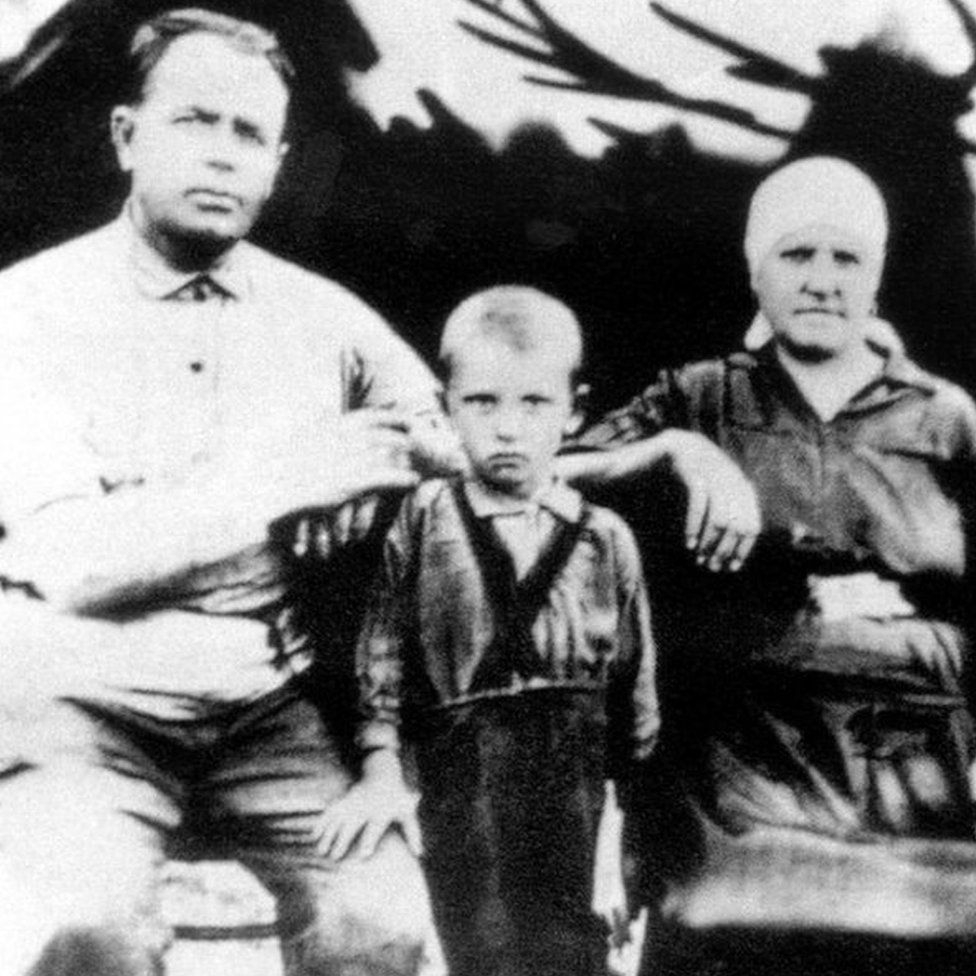
    Mikhail Sergeyevich Gorbachev was born on 2 March 1931 in the Stavropol region of southern Russia.

    His parents both worked on collective farms and the young Gorbachev operated combine harvesters while in his teens.

    By the time he graduated from Moscow State University in 1955 he was an active member of the Communist Party.

    Gorbachev as a child
    He was brought up in rural southern Russia

    On his return to Stavropol with his new wife Raisa, he began a rapid rise through the regional party structure.

    Gorbachev was one of a new generation of party activists who became increasingly impatient with the ageing figures at the top of the Soviet hierarchy.

    By 1961 he was regional secretary of the Young Communist League and had become a delegate to the Party Congress.

    His role as an agricultural administrator gave him the opportunity to introduce innovations and this, coupled with his status in the party, gave him considerable influence in the region.

    Breath of fresh air


    In 1978 he went to Moscow as a member of the Central Committee’s Secretariat for Agriculture and just two years later he was appointed a full member of the Politburo.

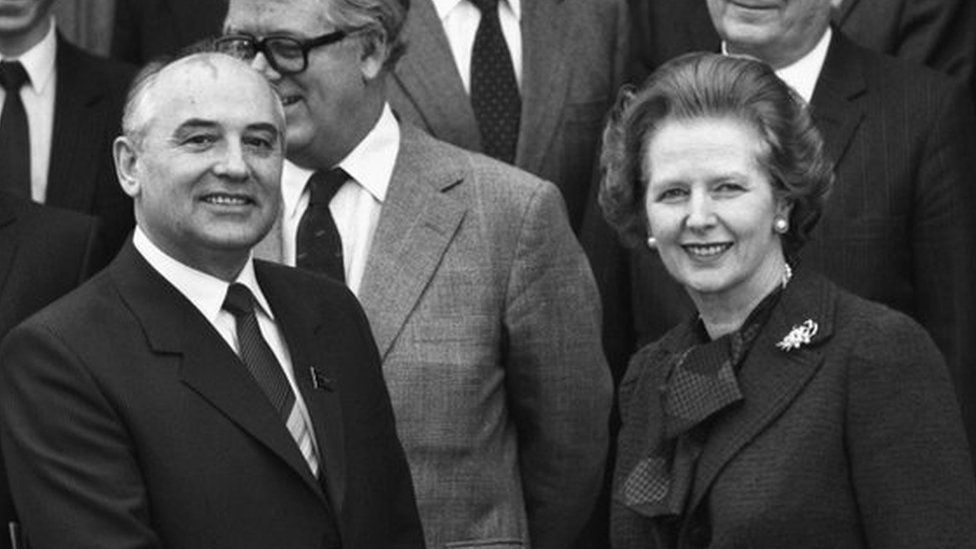
    During Yuri Andropov’s tenure as general secretary, Gorbachev made a number of trips abroad, including a 1984 visit to London where he made an impression on Prime Minister Margaret Thatcher.

    In a BBC interview she said she was optimistic about future relations with the USSR. “I like Mr Gorbachev,” she said. “We can do business together.”

    Mikhail Gorbachev & Margaret Thatcher
    He found an admirer in Margaret Thatcher

    Gorbachev had been expected to succeed Andropov when the latter died in 1984 but instead the ailing Konstantin Chernenko became general secretary.

    Within a year, he too was dead and Gorbachev, the youngest member of the Politburo, succeeded him.

    He was the first general secretary to have been born after the 1917 revolution and was seen as a breath of fresh air after the stagnation of the Leonid Brezhnev years.

    Gorbachev’s stylish dress and open, direct manner were unlike those of any of his predecessors, and Raisa was more like an American first lady than a general secretary’s wife.

    Free market

    His first task was to revive the moribund Soviet economy, which was almost at the point of collapse.

    He was also shrewd enough to understand that there needed to be root-and-branch reform of the Communist Party itself if his economic reforms were to succeed.

    Gorbachev’s solution brought two Russian words into common usage. He said the country needed “perestroika” or restructuring and his tool for dealing with it was “glasnost” – openness.

    “You’re lagging behind the rest of the economy,” he told the communist bosses of Leningrad, which was renamed Saint Petersburg in 1991. “Your shoddy goods are a disgrace.”

    But it was not his intention to replace state control with a free market economy – as he made clear in a speech to party delegates in 1985.

    “Some of you look at the market as a lifesaver for your economies. But, comrades, you should not think about lifesavers but about the ship, and the ship is socialism.”

    His other weapon for dealing with the stagnation of the system was democracy. For the first time there were free elections for the Congress of People’s Deputies.

    Toughest test

    This relaxation of the repressive regime caused a stirring among the many diverse nationalities that comprised the sprawling Soviet Union. Riots in Kazakhstan in December 1986 heralded a period of unrest.

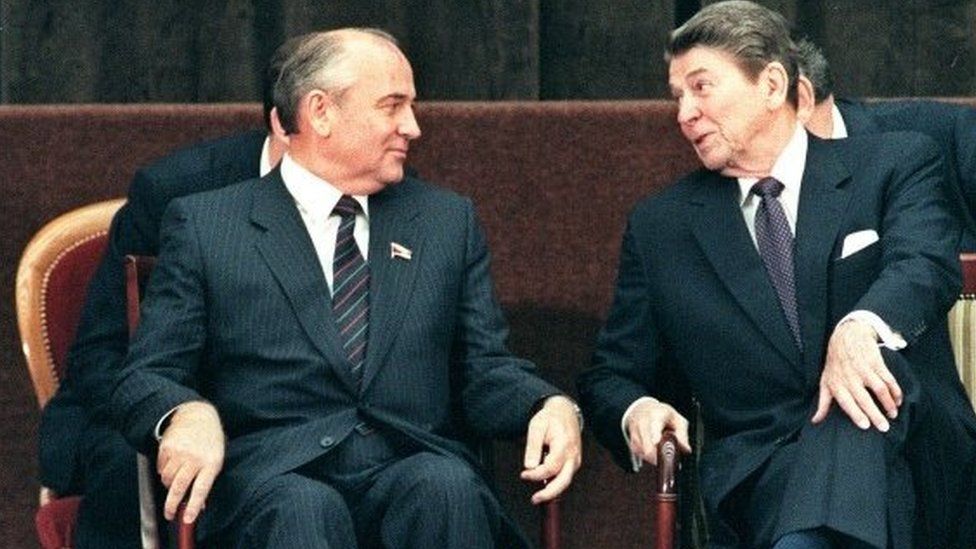
    Gorbachev wanted to end the Cold War, successfully negotiating with US President Ronald Reagan for the abolition of a whole class of weapons through the Intermediate Nuclear Forces treaty.

    And he announced unilateral cuts in Soviet conventional forces, while finally ending the humiliating and bloody occupation of Afghanistan.

    Mikhail Gorbachev & Ronald Reagan
    Under Gorbachev the Cold War rapidly thawed

    But his toughest test came from those countries that had been unwillingly annexed by the Soviet Union.

    Here openness and democracy led to calls for independence, which initially Gorbachev put down by force.

    The break-up of the USSR began in the Baltic republics in the north. Latvia, Lithuania and Estonia broke free from Moscow, starting a rollercoaster that spread to Russia’s Warsaw Pact allies.

    It culminated on 9 November 1989 when, following mass demonstrations, the citizens of East Germany, the most hard-line of the Soviet satellites, were allowed to cross freely into West Berlin.

    Gorbachev’s reaction was not to send in tanks, the traditional Soviet reaction to such blatant opposition, but to announce that reunification of Germany was an internal German affair.

    In 1990, Gorbachev was awarded the Nobel Peace Prize “for the leading role he played in the radical changes in East-West relations”.

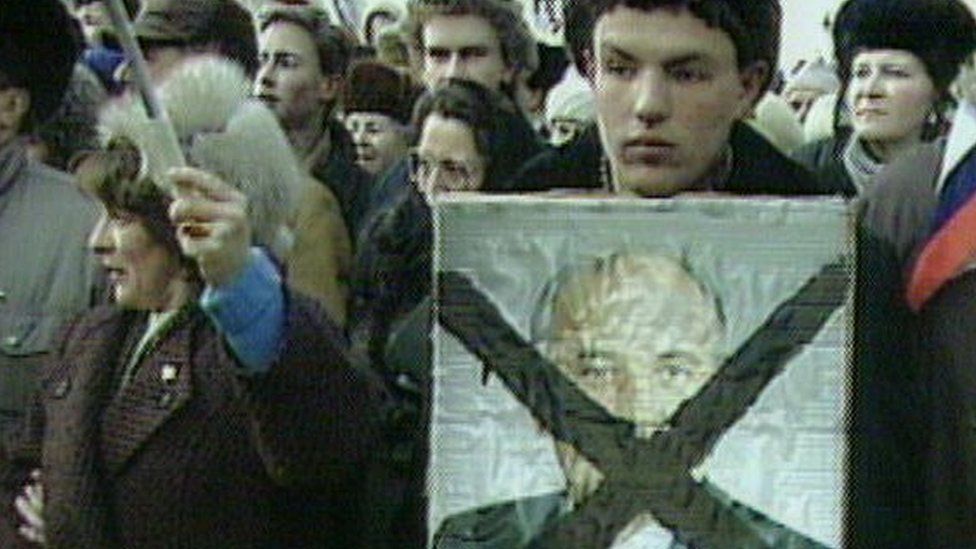
    But by August 1991 the communist old guard in Moscow had had enough. They staged a military coup and Gorbachev was arrested while holidaying on the Black Sea.

    The Moscow party boss, Boris Yeltsin, seized his chance, ending the coup, arresting the demonstrators and stripping Gorbachev of almost all his political power in return for his freedom.

    Protests in 1991. The coup in that year signalled the end of Gorbachev's time in power
    Protests in 1991. The coup that year signalled the end of Gorbachev’s time in power

    Six months later, Gorbachev had gone; the Communist Party itself was outlawed and Russia set out on a new, uncertain, future.

    Later years

    Mikhail Gorbachev continued to play a vocal role in both Russian and international matters, but his reputation abroad was always higher than at home.

    When he stood for the Russian presidency in 1996 he received less than 5% of the vote.

    During the 1990s he took to the international lecture circuit and kept up contacts with world leaders, remaining a heroic figure to many non-Russians, winning numerous awards and honours.

    He suffered a personal blow in 1999 when Raisa died of leukaemia. Her constant presence at his side had lent a humanising touch to his political reforms.

    Raisa & Mikhail Gorbachev
    Raisa took a high-profile role alongside her husband

    Gorbachev remained a strong critic of President Vladimir Putin, who he accused of running an increasingly repressive regime.

    “Politics is increasingly turning into imitation democracy, said Gorbachev, “with all power in the hands of the executive branch.”

    However, in 2014, Gorbachev defended the referendum that led to Russia’s annexation of Crimea.

    “While Crimea had previously been joined to Ukraine based on the Soviet laws, which means party laws, without asking the people,” Gorbachev declared, “now the people themselves have decided to correct that mistake.”

    On Gorbachev’s 90th birthday in March 2021, President Putin praised him as “one of the most outstanding statesmen of modern times who made a considerable impact on the history of our nation and the world”.

    And Gorbachev’s own views of his legacy? It was right to end the totalitarian system and the Cold War, and reduce nuclear weapons, he said.

    But there was still lament over the coup and the end of the Soviet Union. Many Russians still hold him responsible for its collapse.

    Although a pragmatic and rational politician, Mikhail Gorbachev failed to realise that it was impossible to bring in his reforms without destroying a centralised communist system that millions in the USSR and beyond no longer wanted.

    Source: BBC

     
  • Oscar Pistorius: South African ex-Paralympian seeks to force early prison release

    Pistorius shot his girlfriend dead in 2013

    Convicted murderer Oscar Pistorius is going to court to try to force South African authorities to hold a parole hearing for him.

    The former Paralympic gold medallist is serving a 13-year sentence for killing his girlfriend in 2013.

    Pistorius shot dead Reeva Steenkamp through a locked toilet door, claiming he mistook her for a burglar.

    He is seeking an early release over a dispute about when his sentence started.

    A series of challenges and rulings by the Supreme Court of Appeal (SCA) has led to confusion about when his sentence became effective.

    Pistorius argues that he has already served enough time in prison to be eligible for parole, and therefore authorities should look at whether he can be released early.

    In 2017, SCA said that Pistorius should serve 13 years and five months for the murder of Ms Steenkamp – overturning a previous, more lenient punishment of six years for murder.

    Last year, the same court ruled that his current term should be backdated to October 2014, when he was initially sentenced for a lesser charge of culpable homicide.

    Pistorius argues that this backdating means he became eligible for parole in February last year.

    He wants Gauteng’s High Court to order the parole board to convene a hearing for him. If that request is granted, he wants the hearing to be within 30 days of the order saying so.

    But Atteridgeville prison, where he is being held, says the court of appeal has given contradictory rulings.

    The Department of Correctional Services also says it is seeking a court judgement to establish the date when his sentence effectively began.

    Steenkamp’s murder on Valentine’s Day nine years ago shocked the country. In the televised trial, which gripped millions in South Africa and around the world, Pistorius pleaded that he had shot his girlfriend four times because he thought a burglar had entered his Pretoria home.

    But a panel of appeal judges found that having armed himself with a deadly weapon, Pistorius should have foreseen that whoever was behind the toilet door might die, especially given his firearms training.

    Rise and fall of Oscar Pistorius


    August 2012: Competes in London Olympics and Paralympics, where he won a gold medal

    February 2013: Shoots dead his girlfriend Reeva Steenkamp

    March 2014: Trial begins

    September 2014: Judge finds Pistorius guilty of culpable homicide

    October 2014: Begins five-year sentence

    October 2015: Transferred to house arrest

    December 2015: Appeal court changes verdict to murder

    July 2016: Sentenced to six years in jail for murder

    November 2017: Sentence more than doubled to 13 years, five months


    Source: BBC

  • Marta Temido: Portugal health minister quits after pregnant tourist dies

    Marta Temido became Portugal’s health minister in 2018

    Portugal’s health minister has resigned hours after reports emerged that a pregnant tourist had died after being turned away from a full maternity ward.

    The 34-year-old Indian woman reportedly suffered a cardiac arrest while being transferred between Lisbon hospitals.

    It follows a string of incidents this summer that critics blame on a staffing crisis across Portuguese natal units.

    Dr Marta Temido had been the health minister since 2018, and is credited with steering Portugal through Covid-19.

    But on Tuesday, the government said in a statement that Dr Temido had “realised that she no longer had the conditions to remain in office”.

    Portugal’s Prime Minister António Costa said the woman’s death was “the last straw” that led to Dr Temido’s resignation, according to Portugal’s Lusa news agency.

    It follows a storm of criticism over the Portuguese government’s handling of staff shortages in maternity units, by temporarily closing some of them and forcing pregnant women to undergo risky transfers between hospitals.

    Local media reported that the pregnant tourist died while being moved from Lisbon’s Santa Maria Hospital – the largest in Portugal – because its neonatology unit was full.

    Her baby was delivered in good health following an emergency caesarean section, authorities said. An investigation into the woman’s death has been launched.

    There have been similar incidents across Portugal in recent months – including the separate deaths of two infants whose mothers had apparently been transferred between hospitals and endured long delays.

    Portugal’s shortage of health staff, especially those specialising in gynaecology and obstetrics, has led to the government considering hiring from abroad.

    The closure of some natal units has lead to overflowing maternity wards and long wait times, with opposition parties, doctors and nurses pointing blame at the former health minister.

    Speaking to local outlet RTP, the chair of the Portuguese doctors association Miguel Guimaraes said Dr Temido quit because she did not have any way of resolving the current crisis – before going on to praise her record in office.

    However Gustavo Tato Borges, the president of Portugal’s public health association, told RTP he did not expect her resignation, and was “surprised” that she had stepped down while there are “acute problems” in the health sector.

    Dr Temido was widely credited with successfully handling the country’s vaccine rollout during the Covid-19 pandemic.


     Source: BBC

  • Abortion pill: Why Japanese women will need their partner’s consent to get a tablet

    Japanese women will need partner consent to use the abortion pill

    While debate still rages in the US over the repeal of Roe v Wade, a much less noisy argument is unfolding in Japan over the legalisation of so-called medically induced abortions.

    In May, a senior health ministry official told parliament it was finally set to approve an abortion pill manufactured by British pharmaceutical company Linepharma International.

    But he also said that women will still need to “gain the consent of their partner” before the pills can be administered – a stipulation pro-choice campaigners have called patriarchal and outdated.

    Medical abortions, using pills rather than surgery, were made legal in France 34 years ago. Britain approved them in 1991, and the US in 2000.

    In many European countries this is now the most common form of terminating a pregnancy – pills account for more than 90% of abortions in Sweden, and around 70% in Scotland.

    But Japan, a country with a poor record on gender equality, has a history of being extremely slow to approve drugs related to women’s reproductive health.

    Campaigners here joke that it took the country 30 years to approve the contraceptive or birth control pill, but just six months to approve the Viagra pill for male impotence. Both became available in 1999, but the latter came first.

    And the contraceptive pill still comes with restrictions, making it expensive and difficult to use. It all goes back to the way abortion became legal in Japan.

    It was actually one of the first countries in the world to pass an abortion law, back in 1948.

    But it was part of the Eugenics Protection Law – yes, it really was called that. It had nothing to do with giving women more control over their reproductive health. Rather, it was about preventing “inferior” births.

    Article 1 of the law says: “To prevent birth of inferior descendants from the eugenics point of view and to protect the life and health of the mother as well.”

    The Eugenics Protection Law was renamed and updated in 1996, when it became the Maternal Health Protection Law.

    But many aspects of the old law remained. So, to this day, women who want an abortion must get written permission from their husband, partner, or in some cases their boyfriend.

    Pro-Choice demonstration in Los Angeles

    The reversal of Roe v Wade has sparked protests across the US

    That is what happened to Ota Minami*.

    She got pregnant after her boyfriend refused to wear a condom during sex. Condoms are still the primary form of birth control in Japan.

    Ms Ota says he then refused to sign the document that would allow her to get an abortion.

    “It’s strange that I had to ask him to use contraception,” she says. “And when he decided he didn’t want to use a condom, I needed his permission to get an abortion.

    “The pregnancy happened to me and my body, but I need permission from someone else. It made me feel powerless. I couldn’t make a decision about my own body and own future.”

    Unlike the US, Japanese views on abortion are not driven by religious belief. Instead, they derive from a long history of patriarchy and deeply traditional views on the role of women and motherhood.

    “It goes very deep,” Ms Ota says. “When a woman becomes pregnant in Japan, she becomes a mother, no longer a woman. Once you are a mother you are supposed to give up everything for your child. It’s supposed to be a wonderful thing. It’s your body, but once you are pregnant, it’s not your body anymore.”

    Getting an abortion pill could also prove difficult and costly – estimated to be about $700 (£500) as it is likely to involve being admitted to a hospital or clinic – something the medical establishment in Japan says is necessary to protect women’s health.

    “In Japan, after taking the abortion pill you will have to be kept in hospital so we can monitor the patient. It will take more time than a traditional surgical abortion,” Dr Tsugio Maeda, deputy head of the Japan Gynaecological Association, told the BBC.

    In many other countries, including the UK, it is now legal for women to administer the abortion pills themselves at home.

    “The maternal health protection act says an abortion must be carried out in a medical facility. So unfortunately under the current law we can’t sell the abortion pill over the counter. It would be illegal,” Dr Tsugio added.

    Female sexual health campaigners say this has less to do with medical science and more to do with the medical establishment protecting a lucrative business.

    “I think a lot of decisions are made by men who are older and have bodies that will never carry a child,” says Asuka Someya, a sexual health campaigner who runs her own NGO.

    Sexual health campaigner Asuka Someya stands in front of a busy street

    Ms Asuka says there is still huge resistance from the male dominated Japanese establishment to making abortion easier.

    The argument goes that if you make it easier for women to have abortions, then the number of women choosing to do so will increase. So, they make it a difficult and expensive process.

    But, as evidence from other countries shows, this will only limit women’s choices and increase their suffering – it will not lead to less unwanted pregnancies.

    Ultimately, Ms Asuka says, the answer lies in better sex education and in Japanese women taking control of contraception, rather than relying on men to use condoms.

    In Europe, the contraceptive pill is the most common form of birth control. In Japan, it is used by just 3% of women.

    Ms Asuka adds: “I want more policies to be made listening to the voices of young girls and women.”


    Source: BBC

  • Asia stock markets slide on US interest rate fears

    Shares in Asia have fallen after the chairman of the US central bank said it would continue to raise interest rates to tackle soaring prices.

    Jerome Powell warned that the Federal Reserve’s policies will cause “some pain to households and businesses”.

    Higher interest rates make borrowing more expensive for individuals and companies, which could slow economic growth as well as inflation.

    Japan’s Nikkei 225 index closed 2.7% lower on Monday in Tokyo.

    Elsewhere in the Asia-Pacific region, the Kospi in South Korea and Australia’s ASX 200 were both down by around 2%, while the Hang Seng in Hong Kong was 0.8% lower.

    That came after the main share indexes in New York each fell by more than 3% on Friday after Mr Powell’s remarks.

    During a highly-anticipated speech at a conference in Jackson Hole, Wyoming, Mr Powell said the Federal Reserve was likely to continue raising interest rates in the coming months and could keep them high “for some time”.

    He said that, while the hikes would come at a cost to American households and businesses, “a failure to restore price stability would mean far greater pain”.

    Inflation in the world’s largest economy by gross domestic product (GDP) is at a four-decade high.

    “Fed Chair Powell went for the jugular, conveying (an) unflinching assault on inflation,” Vishnu Varathan, head of economics and strategy at Mizuho Bank, said in a note.

    “Justification for this unrelentingly hawkish posture was as plain as it was unequivocal,” he added.

    Investors are also concerned that the Chinese economy is slowing, Dan Wang, chief economist at Hang Seng Bank China, told the BBC.

    “The economic perspective has worsened in China due to prolonged Covid control, which means further policy rate cuts have to take place. Domestic demand is too weak without further rate cuts in China,” she said.

    China’s central bank cut its lending rates earlier this month after economic growth slowed sharply in the second quarter of this year.

    Power shortages in the Sichuan province have also hit major manufacturers of cars and smartphones in China.

    Over the weekend, official data showed that profits of China industrial firms had fallen by 1.1% from January to July, from a year earlier.

    A crisis in the country’s property market is also proving to be a major challenge to government efforts to keep the economy growing.


    Source: BBC


  • DIY Recipes: How to make Banana bofrot (Puff puff)

    This recipe is easy to make and very soothing to the soul especially when served with a glass of chilled juice.

    It is important to add spice to your usual bofrot and bananas could do the magic.

    Ingredients

    2 cups of hard flour

    ¼ cup of sugar

    2 tbsp of instant yeast

    1½ tsp of nutmeg

    3 medium bananas, mashed

    600 ml vegetable oil

    ½ tablespoon of salt

    300 ml lukewarm water

    Method

    Pour flour into a mixing bowl. Then, add all dry ingredients and mix with a spatula.

    Add lukewarm water and mix together.

    Add the mashed banana, stir in and cover the mixture with a cling foil or napkin and place the mixture at a warm place for the mixture to rise for 20 minutes.

    Beat the mixture down gently with a spatula.

    Pour oil into a deep pan and place on medium-high heat.

    Scoop the mixture with your hands and squeeze to get a golf ball size and drop directly into the hot oil.

    Fry for 5 minutes to get a golden brown crust.

    Transfer to a paper tissue-lined bowl to drain the oil.

    Banana puff puffs are ready to serve.


    Source: Pulse.com

  • Visually impaired man becomes Attorney of South African High Court

    A visually impaired man identified as Thabang Manamela, has been granted admission to the South African High Court as an Attorney.

    He expressed gratitude to his mom and grandmother for the helping him navigate life and making it to his current position.

    Admittance to the high court is nothing to scoff at due to the competition being stiff as well as the crazy workload.

    Mr. Manamela’s achievement has been applauded by South Africans because it undeniably impressive and inspirational .

    A visually impaired man became an Attorney of The High Court of South Africa and thanked his mom and gran for helping him achieve the momentous goal.

    Varsity World shared the motivational post on Facebook where the hardworking unsighted Thabang Manamela shared his thanks to those who helped him on the journey.

    Thabang sites his mom and grandmother as the primary source of his support by saying:

    “I am immensely grateful to all those who have carried me thus far. I am indebted to my mother and grandmother for helping me find my feet amidst the storms of life – I am richer for it.”

    Becoming an attorney is no easy feat. It requires consistent hard work and a competitive attitude, considering how many people have their eyes set on the High Court of South Africa.

    These factors make Thabang’s achievement all the more heartening because he did it with a disability that couldn’t keep him down. South Africans lauded the new lawman and gave him well-deserved compliments. See the responses below:

    MameTrio MamXesibe Makwabe-Mtyhobile said:

    “Well done bhuti the Lord has blessed u.”

    BO Makasi commented:

    “I’m so inspired, indeed we proud mjita!”

    Hlayie Hlayie shared:

    “Daredevil in real life. Congratulations in order❤️”

    Boitumelo Lylaa mentioned:

    “Congratulations ✈️”

    Kloepa Madipadi Phogole posted:

    “Congratulations ”


  • Berla Mundi flaunts corporate wear looks in photos

    You can still look chic and gorgeous to your workplace without breaking any fashion rules.

    Picking the right outfit for work can be a little stressful so we have found the perfect muse to lead your search.

    They say style is a way to say who you are without having to speak. How you appear in the midst of people says a lot about you every single time.

    It is very stressful to pull off a stylish look to work even when you have a wardrobe full of clothes.

    Mostly, people even spend a lot of time searching through their wardrobe for what to wear to work each day which takes a lot of time.

    But, media personality, Berla Mundi is here to give us a corporate week work outfit guide.

    She is undoubtedly a driving force in the fashion industry. She is the perfect muse for fashion brands and is promoting the Ghanaian fashion industry.

    The fashion icon dresses down stylishly and expresses her high fashion sense through bespoke African prints and other fabrics. She has graced our TV screens in nothing but simple and classy ensembles.

    Berla is redefining style and fashion for upcoming celebrities through her daily sartorial choices. Many try but they are unable to fit the list of best-dressed celebrities on the red carpet and even when she is stepping out.

    She knows just the outfit that shows off her body to its best advantage and how to rock them well. She always looks decent and modest in most of her outfits. Her fans applaud her for her simplicity and decency.

    She always looks simple and elegant and she always chooses the right accessories and footwear to match her outfits.

    Miss Mundi loves long tresses and it fits her personality.

    She is definitely the style icon to guide you if you want to make a bold fashion statement to work this week. Check the photos below:


    Source: Pulse.com


  • DIY Recipes: How to make Egg rice

    It’s a little twist of fried rice and tastes awesome and delicious.

    Ingredients

    3 eggs

    3 tbsp oil

    2 onions finely chopped

    2 green chillies chopped

    Spices to taste

    1 tbsp ginger garlic paste

    2 cups of boiled rice

    Coriander leaves chopped

    1 tbsp lemon juice(optional)

    ½ tsp turmeric powder

    Salt to taste

    Method

    Heat oil in a pan.

    Then add green chillies and onion. Saute for 2 minutes on medium flame.

    Add ginger garlic paste and mix well, fry until the raw smell disappears.

    Now add turmeric and salt. Mix well.

    Keep on medium flame. Add the eggs and mix slowly.

    Now add your spices and give a nice mix until the egg becomes like a scrambled egg texture.

    Add the prepared boiled rice, coriander leaves and lemon juice.

    Give a good mix and serve hot. Egg rice is ready to serve.


    Source: pulse.com

  • Central Tongu Constituency: Nobody needs light to see our records

    The media, press, Ladies and gentlemen, My attention has been drawn to a video circulating in the public domain indicating that one DZRAMADO DRAMANI has granted interviews on the Constituency based radio station; DELA RADIO 105.7FM challenging the New Patriotic Party (NPP) government to show the constituents it’s developmental projects.

    He Dramani is not just been doing so but using a lantern on his trip to markets and other social media. It is unfortunate for him to use a lantern because ” our developmental projects are bigger than artificial light to see “.

    The youth commander described the situation as unfortunate but a call at the right time to account to the good people of the Central Tongu constituency what our party has done continues doing and will do in the future.

    The communicator quickly challenges Mr. DRAMANI DZRAMADO to help his NDC leadership to account to their so-called world bank for what they have done during their administration for over 25years.

    Ladies and gentlemen, the media, “Let me set the records straight by mentioning these few projects to clear the minds and doubts of each and everyone and will continue to name other projects we have when the time is due”:

    EDUCATION

    1. Adidome Girls model school=100% completed

    2. Mafi Anfoe KG=100% completed

    3. Mafi Avedo 3 unit classroom 80% completed

    4. Mafi Wudukpo 3 unit classroom block 90% completed

    5. Renovation of Mafi Kumase E.P KG=100% completed

    6. New Bakpa KG =100% completed

    7. Mafi Srekpe 3 unit classroom block=100% completed

    8. Mafi Akyemfo 3 unit school block with office=100% completed

    9. Mafi Tsawla KG block =(almost completed/ongoing)

    10. Technical workshop and learning materials at Mafi Kumase Sec Tech school =100% completed

    11. Dining hall comex at MACKSEC =100% completed

    12. —ditto– Adidome Complex =100% completed

    SANITATION

    1. Mafi Mediage school 6 seater W/C =100% completed

    2. Adidome market W/C renovation =100% completed

    3. Mafi Kumase Sec Tech 6 seater W/C =100% completed

    4. Adidome Zongo W/C =95% completed

    5. Adidome Aziewa W/C =70% completed

    6. Adidome market flashing urinal =100% completed

    7. Mafi Anfoe 4 seater W/C =70% completed

    8. Mafi Fiekpe CHIPs Compound =100% completed

    9. Mafi Anfoe CHIPs Compound =100% completed

    10. Adidome Hospital Emergency ward = 100% completed

    11. Kpogadzi nurses quarters =100% completed

    12. Completion of Dove health Centre =100% completed

    13. Adidome nurses’ quarters (ongoing)

    14. 10 seater W/C at Adidome Fieto =90% completed

    15. —ditto— at New Bakpa =85% completed

    16. —-ditto— at Mafi Kumase new market= 60% completed

    ROADS:

    1. Mafi Zongo to Adiekpe (culvert)

    2. Tedeafenui (reshaping)

    3. Klukpo junction, Anfoe to Alorsekofe ( reshaping and culvert).

    LOCAL ECONOMIC DEVELOPMENT PROJECTS:

    1. Renovation of Mafi Kumase market lockable soters=100% completed

    2. Lorry station shed at Mafi Kumase old market

    3. Market sheds and stalls (5 No.at Mafi Kumase new market)

    4. Single-storey market stores at Mafi Kumase market

    5. Construction of livestock, poultry, etc market at Aflafenu.

    LOCAL DEVELOPMENT(Women group):

    1. Kpedzeglo miyingor group (cassava processing equipment)

    2. —ditto— Ametefekope Lorlornyo group

    AGRIC DEVELOPMENT/INDUSTRIES:

    1. Large-scale rice farm and mill at Adidome (Indo Agro Industry LTD)
    2. Omni poultry farm

    RESURFACING OF ROADS:

    1. Yorkutikpo to Bakpa Avedo

    2. Agortakpo junction to Kpoviedzi etc.

    “UNDER THE LEADERSHIP OF HON. THOMAS MOORE ZONYRAH AS DCE, NOBODY CAN MATCH US”, the commander added.

    WATER

    1. Conversion of GTZ Water Treatment plant at Adidome from a slow sand Filtration System to a Rapid Sand Filtration System, including laying of Raw Water Intake pipe and installation of Pumps.

    2. CWSA water expansion to cover 98 towns and villages in Central Tongu (GOG)

    3. Construction of a water booster station at Yorkutikpo to improve the water supply to Avedo Zone and part of South Tongu District Communities STRABAG(GOG)

    4. Expansion of the STRABAG/ADIDOME water system from Adidome to some other Districts ie Adaklu, Kpetoe, and Agortime Ziope (CWSA&GOG).

    WHERE IS THE PROPAGANDIST USING THEIR LANTERN? Hope they can see now and account for themselves, the communicator asked.

    The indefatigable Communicator and the youth organizer for the Central Tongu constituency also serve as one of the PAs to the District Chief Executive Hon. Thomas Moore Zonyrah when contacted by some media houses confirmed the above projects and promised to mention more when there is time to do so on any platform.

    He, therefore, advised Mr. Dzramado Dramani to stop wasting his time with lies because the projects under the New Patriotic Party (NPP) in the Central Tongu constituency are bigger than the meer light to see.

    Edward Confidence Dunyo aka Abakaliki as affectionately called, added that they were NOT trained in doing political propaganda BUT trained always to come out and debate issues with facts and figures. He then challenges the NDC to come out with their projects in the Constituency.

    The youth commander pleaded to the youth in the constituency to remain focused as they work together in the constituency for more votes in order to break the 8 as promised:” Our projects and policies will give us the votes come 2024 and not political propaganda”.

    He concluded that more job opportunities would be coming to the constituency soon because the party and government have the Central Tongu constituency at heart.

    Ladies and gentlemen, the media, I thank you all.

    #Long live NPP Central Tongu

    # Long live Ghana

    # Long live our party faithfuls, the various executives, and the hard-working DCE.


    Source: Ghanaweb

    DISCLAIMER: Independentghana.com will not be liable for any inaccuracies contained in this article. The views expressed in the article are solely those of the author(s) and do not reflect those of The Independent Ghana

  • Public servants pay themselves and take allowances monthly

    It is very serious to think of Ghana as a country where public servants cry every day for underpayment but still own the most expensive properties in the country.

    A wonderland they said is right. We spend more than we earn but were not owning others. One may ask how? The answer is simple.

    “PAY YOURSELF AND TAKE ALLOWANCES FROM GOVERNMENT INSTITUTIONS”

    This is a true story that is ongoing. Contact me and I will give you all the details even if you want me to testify in the court of law. I will be there to provide all the needed evidence.

    A man requested an ECG meter for his home after going through all the problems and intimidating processes and paying all the amount required.

    Finally, the meter is on. The wonderland with wonderful people work wonders in every area.

    The first electricity bill was an estimated bill from the new meter number.

    One will ask “where is the meter readings?”

    Why the estimated bill for a new meter?

    The second bill was also an estimated bill, with no reading from the meter. The man started asking questions. And he got the right answers.

    THE METER READER SENT ONE OF HIS COLLEAGUES co-worker TO REQUEST AM AMOUNT FROM THE MAN TO CLEAR ALL THE ESTIMATED BILLS

    “If you give the meter reader this amount he is requesting, he will clear all the estimated bill cost from your bill he said.”

    Who has the public purse now? Who pays who?

    No problem, pay less and we will take it as an allowance, we will pay ourselves.

    This is just one of the DVLA Board chair cautions staff about corruption unholy acts in the country. Not to mention Passport Office, DVLA, Police, and other relevant government agencies and institutions that deal with financial services.

    Digital or not some are enriching themselves with the public purse. Shine your eyes.

    Ghana for all. Be your brothers keeper and act right.

    Source: Ghanaweb

    DISCLAIMER: Independentghana.com will not be liable for any inaccuracies contained in this article. The views expressed in the article are solely those of the author(s) and do not reflect those of The Independent Ghana


  • Auditor General cites MDAs for over GH¢1bn financial irregularities

    The audit of Ministries, Departments and Agencies showed that lapses in the management of public finances led to losses of GH¢1,080,913,824 in 2021.

    The irregularities represent either losses that had been incurred by the State through impropriety or lack of probity in the actions and decisions of public officers.

    The report noted that savings could have been made if public officials and institutions had duly observed the public financial management framework put in place to guide their conduct.

    “We will investigate these matters further and, where appropriate, disallow any items of expenditure that were contrary to law and surcharge responsible officials accordingly,” the Auditor General noted in the report.

    Tax irregularities formed 91.5 percent of the total financial infractions reported.

    These included GH¢402,804,572 due from 28 Oil Marketing Companies (OMCs) who defaulted in paying their rescheduled debt between January 2021 to December 2021.

    “These irregularities could be attributed mainly to failure on the part of the Ghana Revenue Authority to pursue the OMCs by applying the relevant measures and sanctions against defaulters,” the report noted.

    The report recommends that the Commissioner General, GRA, should strengthen its monitoring and supervision of its staff.

    “He should also take steps to improve efficiency in their tax collections and follow up on overdue taxes while applying sanctions as prescribed by the tax laws.”

    Find below a summary of the infractions

    Source: Citinewsroom

  • Big Brother Ghana – Is it possible?

    The Ghanaian entertainment industry has been tagged as one of the most popular and renowned creative art industries in Africa but it seems some lapses need to be looked at before we can conclude that the industry has duly developed.

    In this article, we are going to discuss and pinpoint some of the things that need to be addressed and introduced in the entertainment industry.

    According to a short survey and research, 70% of Ghanaians are addicted to Big Brother Ninja and Big Brother Africa thus these entertaining tv shows have taken their minds off some of the tv programs we have in Ghana.

    Do you think it would be prudent if they introduce Big Brother Ghana?

    I think that the introduction of Big Brother Ghana will help the entertainment industry grow and we would be able to compete with other countries.

    Big Brother was introduced to teach people how to make the right decisions, live with others, and exhibit their hidden talents.

    They usually select 22 people and put them in a well-serene environment for a few weeks to test their inner qualities and how they relate with their fellow housemates.

    Big Brother is an educative show that brings laughter and humour into our entertainment industry.

    The weaker housemates or people who don’t have supporters end up being evicted from the house, and this is normally done through voting and how the person behaves in the house.

    Everything is provided for them, during their 90-day stay in the house.

    Introducing Big Brother Ghana would certainly bring in investors and other big brands to our country purposely to sponsor and grow their business as well.

    What is your take, do you agree with me? Let me know your thoughts.


    Source: Ghanaweb

    DISCLAIMER: Independentghana.com will not be liable for any inaccuracies contained in this article. The views expressed in the article are solely those of the author(s) and do not reflect those of The Independent Ghana

  • Krobo, ECG Impasse: Religious bodies form mediation C’tee for resolution

    A Coalition of Religious Bodies under the auspices of the municipal council of Churches in Yilo and Lower Manya Krobo has been formed to mediate the impasse between the Electricity Company of Ghana,(ECG) and Krobo residents.

    The mediation committee was formed by religious organizations in the two municipalities after noticing division among the traditional and political leadership in Kroboland on the matter.

    Members of the Coalition of Religious Bodies mediation committee include Apostle Samuel Gakpetor, Agormanya Area Head of The Church of Pentecost (Chairman), Chairman of Dangme-Tongu Presbytery of the Presbyterian Church of Ghana, Rev. Abraham Okai who is Secretary to the committee.

    Other members are Rev. Dr. Stephen Ohipeni Narh, Rev. Father Moses Huadji, Rev. Stephen Narteh, Rev. Joshua Akanyork, Alhaji Innusah (Chief Imam).

    The terms of reference for the mediation committee are to among other things work as neutral arbiters, ensure compromises to facilitate resolution processes taking into consideration the interest of the nation and Kroboland, and ensure peace and tranquility in the municipality.

    At a prayer meeting attended by Church leaders in the two municipalities Sunday evening of August 28, 2022 at Zimmermann Presbyterian Church, the chairman of the mediation committee Apostle Samuel Gakpetor briefed the church leaders on the work done so far by the committee after being constituted on August 7, 2022.

    According to him, the committee has met all Ministers of the gospel in the two municipalities to unite the Pastorate front to support the committee.

    Additionally, they have met the Paramount Chief of Manya Krobo Nene Sakite II, and all Divisional chiefs, engaged Political leaders (MCEs and Regional Minister), and also met individual community leaders and various groups, and visited the victims of recent military brutality.

    The mediation committee is expected to meet the management of ECG, the military high Command, National Security, and possibly hold durbar in Nuaso and Kpongunor communities.

    Rev. Abraham Okai, Secretary to the committee added his voice to calls for the withdrawal of the armed military personnel to de-escalate the tension in the community to facilitate mediation for peace to be restored on Kroboland.

    The impasse between ECG and Krobo residents has existed for many years and led to deadly clashes.

    In a recent renewed feud, ECG cut power supply to the Yilo and Manya Krobo area on July 27, 2022 after residents resisted prepaid meter installation and allegedly tampered with transformers.

    However, power was restored on August 19, 2022, with the exclusion of Nuaso community.

    The military invaded the community brutalized and shot some residents over alleged provocative attacks.


    Source: Ghanaweb

  • Ursula Owusu-Ekuful: Why individuals and businesses must obtain a free AfCFTA Number

    The Government of Ghana, through the Ministries of Communications and Digitalisation, and Trade and Industries, officially launched the AfCFTA Hub earlier today.

    The purpose of the AfCFTA Hub is to ensure that, in our quest to export our ICT goods and services across Africa and beyond, Ghanaian businesses have a trusted profile outside of Ghana, as well as to strengthen the industry and regulators to combat fraudsters who will also want to use AfCFTA to regionalize their nefarious activities.

    We are announcing directives to accelerate the adoption of the AfCFTA Number and AfCFTA Common Transaction ID frameworks in Ghana for these and other reasons.

    Ursula Owusu-Ekuful: Why individuals and businesses must obtain a free AfCFTA Number

    Beginning immediately, all individuals and businesses engaged in the courier, postal, delivery, logistics, ride-sharing, e-commerce, digital trading, or any other business of that nature must obtain a free AfCFTA Number at www.afcfta.app, the AfCFTA Hub Gateway.

    We expect online service providers such as Uber, Glovo, Bolt, Jumia, Tonaton, Yango, Amazon, and others to ensure that all businesses registered on their platforms secure their AfCFTA Number and begin integrating their transaction processing systems with the AfCFTA Hub as soon as possible.

    If done correctly, all customers of such businesses and services will be able to verify and validate their regulatory and compliance status, increasing trust in the marketplace, increasing uptake of digital services, suppressing fraud, and increasing the efficiency of doing business in Ghana and elsewhere.

    The writer is the Minister of Communication and Digitalisation


    Source: Myjoyonline.com

    DISCLAIMER: Independentghana.com will not be liable for any inaccuracies contained in this article. The views expressed in the article are solely those of the author(s) and do not reflect those of The Independent Ghana

  • Fisheries sector undergo retrospection

    The Fisheries and Aquaculture sector plays a crucial role in job creation, food and nutritional security, the generation of income and poverty reduction in Ghana.

    Fish remains one of the most-traded food commodities in the country, contributing 60 per cent of the annual protein intake of Ghanaians, and in 2020 the total annual fish requirement was estimated at 1,242,917.60 metric tonnes.

    In 2020, the total annual fish production was estimated at about 471,794.82 metric tonnes and fish self-sufficiency was 50.52 per cent, while the per capita consumption in the same year was 20.21 kg (ECOWAS avg = 13kg), with fish imports of about 193,226.87metric tonnes valued at US$51,981,448.73 to augment fish deficit, and the contribution to GDP estimated at about 0.94 percent.

    Landing Beach

    The fisheries sector employs about 10 per cent of the population. There are three main areas in the fisheries sector in the country, namely Marine Capture Fisheries, Culture-Inland Fisheries, and Aquaculture.

    The Marine Capture Fisheries includes marine, oceans, Brackish lagoons, riverine — the Oti, Black and White Voltas, and lacustrine, and Lakes Volta and Bosomtwi. Culture/inland fisheries include, inland reservoirs, dams and dugouts.

    Aquaculture includes ponds, rivers and lakes — cages are the areas of farming.

    In 2020, fish production from the sector was as follows: Marine 69 per cent, Culture-Inland Fisheries 17 per cent, and Aquaculture 14 per cent.

    Yellow Fin Tuna

    The Marine sector has about 14,428 artisanal canoes and the target species are sardinellas, anchovies and mackerels. Inshore semi industrial sector has about 400 vessels with the targeted species being Sprideas and Croakers (Red and Cassava Fish), while the Industrial Trawlers have about 76 Tuna bait boats and 33 Purse Seiner, which target species, such as, the Yellow Fin and Skip Jack tuna.

    Management

    Management of the Fisheries sector is confronted with several challenges, key among them being Illegal, Unreported and Unregulated (IUU) fishing; climate change and plastic pollution.

    Sardinelles

    Ghana had her first EU yellow card in 2013 and the following were the corrective measures put in place to address those challenges: They include,

    •the Promulgation of the Fisheries (Amendment) Act, 2014, Act 880

    •the Promulgation of the Fisheries (Amendment) Regulations, 2015 (L.I. 2217)

    •the Ratification of the Port State Measures Agreement (PSMA) in 2016

    •the Adoption and Implementation of National Plan of Action to Combat IUU fishing in 2015

    •the Development of National Marine Fisheries Management Plan (MFMP) 2015-2019

    •the Implementation of Vessel Monitoring System (VMS) and Automatic Identification System (AIS) in 2014

    •the Improvement of Catch Documentation Scheme to ensure traceability of all products for export

    IUU complaint actions

    Ghana has again been listed as a non-compliant state to IUU by the European Union. To address the issue, the Government has taken proactive measures to sanitise the sector through regulatory reforms and improvement in the governance system. Specific actions taken include:

    •the Drafting of a new Fisheries Act to replace the existing Act

    •the revision of existing National Fisheries and Aquaculture Policy to incorporate emerging issues in the fisheries sector

    •the adoption and Implementation of National Plan of Action to combat IUU fishing (2021-2025)

    •the development of a new Marine Fisheries Management Plan (2022-2026)

    •the strengthening of Vessel Monitoring System (VMS) and Automatic Identification System (AIS)

    •the strengthening of the Observer programme

    •the undertaking of Sea Patrols in collaboration with Ghana Navy

    •the undertaking of Regular Port and Beach Inspection

    •the intense Sensitisation of Stakeholders on the negative impact of IUU fishing on the national economy
    Ghana in addition is acquiring four additional patrol boats and a research vessel to complement the Monitoring Control and Surveillance (MCS) operations of the Ghana Navy and Marine Police to fight fisheries infractions.

    Directive

    The marine fisheries sub-sector, which accounts for 70 per cent of domestic fish production is increasingly showing signs of full exploitation or overexploitation due to factors, such as, IUU fishing, excess fishing capacity high volumes of juvenile fish catch.

    Anchovies

    As part of measures to address the situation, the ministry, in collaboration with Ghana Industrial Trawlers Association (GITA), conducted a Gear Audit for trawl fleet in 2019, the report of which was shared with the association.

    Pursuant to section 76 (3) of the Fisheries Act 2002 (Act 625) as amended by Act 880 of 2014.

    The following Ministerial Directives were issued for compliance effective September 1, 2022.

    •Two-panel trawls with 60m stretched circumference at the fishing circle should be used.

    •The vertical opening of the trawl nets to be used should not exceed ten (10) metres with corresponding wings and panels in conformity with clear and general laid down rules in the construction of trawl gears;

    •Braided polyethene twines should not be used in the codend of 60mm as they prevent the escape of juveniles from the net; (i.e. codend should be made of one type of material and single-twined);

    •The overall length of the codend should not exceed 10m;

    •Any device attached to the trawl or any form of construction that reduces the selectivity of the gear should be avoided.

    Collaboration

    Ghana has been collaborating with Members of the Fisheries Committee for the West Central Gulf of Guinea (FCWC) to fight IUU fishing in the sub-region. Some of the Sub-Regional measures include:

    •the signing to participate in the FCWC Joint Patrol Mission

    •the signing to participate in the FCWC Regional Observer Mission

    •the collaborating with the FCWC Regional AIS and VMS.

    In the midst of the emerging issues confronting the fisheries sector, management is confident that reforms being implemented would strengthen the sector for it to contribute optimally to national development.

    The writer is the Public Relations Officer, Ministry of Fisheries


    Source: Graphic online


  • BoG commended for easing imports and exports bottlenecks

    Chief Executive Officer of the Ghana Shippers’ Authority (GSA), Ms Benonita Bismarck, the has commended the Bank of Ghana (BoG) for streamlining bottlenecks in exports and imports to shore up revenue for accelerated development.

    The measures, among others, include the need for repatriation of proceeds through the establishment of Letters of Commitment (LoC) to ease the challenges of export proceeds repatriation.

    Addressing a forum for exporters and importers in Cape Coast, Ms Bismarck said LoCs are aimed at achieving repatriation of export proceeds to enable the BoG to realize boost its foreign exchange reserves.

    The discussions largely centered on LoC requirements for the repatriation of export proceeds for importers, exporters, industry stakeholders, and other developments in the dynamic shipping environment.

    Also, exports to major trading countries are the backbone of the government’s revenues, therefore, the move will: be “Currency stability, job creation, and industrialization drive.

    “That will enhance the country’s foreign exchange reserves, support effort at building resilience in the economy, and stabilize the national currency and the overall macroeconomic stability.

    She underscored the significance of LoC requirements to ensure all revenues were fully repatriated into the country through the banking system to ensure that exports and associated earnings were effectively tracked and their repatriation was guaranteed.

    Ms Bismarck also mentioned some challenges with the implementation of the LoC, including inadequate time allocated for the repatriation of export proceeds and blocking of subsequent export transactions for non-repatriation of proceeds beyond 60 days.

    “The others are delays in accessing repatriated proceeds from commercial banks, low exchange rates offered by the banks, high commissions charged by commercial banks, and the unsuitability of the current form of the LOC for small-scale cross border trade.”

    She noted that most of the problems faced by exporters stemmed from non-compliance and inadequate knowledge of the procedures involved, hence the collaboration between the two organizations to remove these bottlenecks.

    Alhaji Musa Ali former Chairman of the Central Regional Imports and Exports Association commended GSA for allowing stakeholders to interact and stressed the need for compliance.

    He, among others, the stakeholders brought to the fore concerns such as inadequate time allocated for the repatriation of export proceeds and blocking of subsequent export transactions for non-repatriation of proceeds beyond three months.


    Source: peacefmonline

  • Government cancels 2-year, 5-year bond issuance

    The government cancelled the issuance of the 2-year cedi and 5-year cedi-denominated bonds which were initially issued in May 2022 and March 2022.

    The auction of the debt instruments, which were re-opened to both resident and non-resident investors, was expected to have been completed on Thursday, August 25th, 2022.

    Joy Business understands that the discontinuation of the offer was due to the high yields investors were demanding.

    Originally, the coupon rate for the 2-year bond was 21.50%, whilst that of the 5-year bond was pegged at 20.75%.

    However, market conditions that have culminated in Treasury bills going for more than 27% meant investors were going to demand over 30% for the two debt instruments.

    Government is therefore mindful of paying more interest on its loans going forward.

    A little above ¢846 million and ¢1.2 billion were secured when the debt instruments were sold in May 2022 and March 2022.

    The expected minimum bid was ¢50,000 and multiples of 1,000 thereafter.

    Absa, Black Star, CalBank, Databank, Ecobank, Fidelity, GCB, IC Securities, Stanbic were the bond market specialists.

    The price or interest rate for the last 3-year bond issued in July 2022 was 29.85 percent.

    It came at a time, treasury yields were surging as a result of rising inflation rate.

    This year, government interest payments is estimated at about ¢42 billion.


    Source: Myjoyonline.com

  • 5 land guards arrested at Adjiringanor remanded

    Five people arrested by the police for engaging in land guard activities at Adjiringanor in Accra have been remanded in police custody by an Accra Circuit Court.

    They are to reappear on Tuesday, August 31, 2022 before the Circuit Court presided over by Samuel Bright Acquah.

    The accused persons are Akuribilla Annanfo, Razak Seidu, Abdallah Abdul Fatau, Baah Samuel and Francis Avegbedo.

    Akuribilla Annanfo and Razak Seidu have been charged with prohibition of activities of land guards, contrary to section 7(7) of the Criminal Offences Act of 1960 (Act 29) and section 7(3) of the Vigilantism and Related Offences Act of Abdallah Abdul Fatau, Baah Samuel and Francis Avegbedo 2019, Act 999.

    Abdallah Abdul Fatau, Baah Samuel and Francis Avegbedo have been charged with conspiracy to commit crime to wit: Prohibition of activities of land guards contrary to the Criminal Offences Act.

    Abdallah Abdul Fatau alone has been charged with possession of military accoutrement without lawful authority, contrary to section 1(A) of NLCR 72 of Act 1967.

    Facts

    In a brief fact presented in court, the prosecutor said the complainant was Benjamin Kwame Danso, who was the General Manager of Top Kings, an estate development company.

    The court heard that somewhere in 1999, another estate developing company, Empire Builders Limited took Top Kings and others to court in relation to a land issue in Adjiringanor near the Trassacco area.

    On December 16, 2020, Top Kings and the other defendants won the court case against Empire Builders, the prosecutor, Inspector A.Z. Babangida told the Accra Circuit Court.

    The prosecutor said after the court case, one Dr Botwe who is currently at large and being sought for by the police reportedly recruited the accused persons for Empire Builders.

    The prosecutor said they were hired to “terrorise” the complainant [Benjamin Kwame Danso] and his workers on the land.

    On August 1, 2022, a Police night Patrol team was called in by a night security man and the police arrested Akuribilla Annanfo and Razak Seidu on the land.

    Akuribilla Annanfo, according to the prosecutor was in possession of Mossberg pump action gun with 12 rounds of BB cartridges.

    During interrogation, the police were told by the two [Akuribilla Annanfo and Razak Seidu] that they were recruited by Morris Ian, the General Manager of Empire Builders Limited.

    The prosecutor continued that on August 17, 2022, suspect Dr Botwe recruited Abdallah Abdul Fatau, Baah Samuel and Francis Avegbedo and some other persons at large, again reportedly to go and guard the land.

    He said while preparing to carry out their activities, the police based on information dispatched a team to the Trassacco area to arrest them but they all escaped.

    On August 24, 2022, the prosecutor said suspect Dr Botwe and Morris Ian again recruited the accused persons and accomplices at large to Manet junction to dispatch them to the land of Top Kings.

    It was at this point that information got to the police and they were arrested.

    The prosecutor said in their caution statement during investigation Abdallah Abdul Fatau admitted that suspect Morris Ian gave them a cash amount of Ghc41,000 and a cheque for GHc50,000 to guard the land for him.

    It is based on that, that the accused persons were charged and arraigned, the prosecutor said.

    A bail application by the accused persons was turned down.


    Source: Graphic

  • Deadly flood in Pakistan forces thousands to flee their home

    Tens of thousands of people in Pakistan have been forced to flee their homes following deadly floods, as the country’s prime minister warned the “magnitude of the calamity is bigger” than expected.

    Nearly 1,000 people have been killed in the floods since mid-June, which have been triggered by heavy monsoon rains.

    The latest destruction saw a major bridge destroyed overnight, cutting off some districts from road access, in the northern province of Khyber Pakhtunkhwa.

    Pakistan’s Prime Minister Shehbaz Sharif, who was filmed in a helicopter dropping relief to flood-hit areas, tweeted that “the magnitude of the calamity is bigger than estimated”.

    Pakistan's PM Shehbaz Sharif dropped relief over flood-hit areas
    Image:Pakistan’s PM Shehbaz Sharif dropped relief over flood-hit areas
    Flooding on the outskirts of Peshawar, Pakistan. Pic: AP
    Image:Flooding on the outskirts of Peshawar, Pakistan. Pic: AP

    “Times demand that we come together as one nation in support of our people facing this calamity,” he wrote.

    The country’s climate change minister, Sherry Rehman, has called the situation a “climate-induced humanitarian disaster of epic proportions”.

    Fears of flooding has prompted around 180,000 people in the district of Charsadda to flee their homes, according to officials.

    Some spent the night on highways with their livestock.

    Please use Chrome browser for a more accessible video player

    Raging floods destroy iconic hotel in Pakistan

    More than 30 million people in Pakistan have been affected by the historic monsoon rains and flooding over the last few weeks, Ms Rehman has said.

    The military is helping with the response to the floods, while Pakistani leaders plan to launch an international appeal fund.

    In neighbouring Afghanistan, the Taliban has appealed for help after flooding in central and eastern provinces.

    Homes were damaged by flooding on the outskirts of Quetta, Pakistan. Pic: AP
    Image:Homes have been damaged by flooding on the outskirts of Quetta, Pakistan. Pic: AP

    The death toll from floods this month in Afghanistan had risen to 192, disaster authorities said.

    Thousands of livestock had been killed and 1.7 million fruit trees destroyed, raising concerns over how families would feed themselves going into the cooler months while the country deals with an economic crisis.

  • Stop putting stones on your leaking gas cylinders Fire Service warns public

    According to the Service, it is recording high numbers of domestic fires in the Central Region.

    Speaking on a working visit to the Effutu Municipal Assembly in the Central Region, Central Region Fire officer, ACFO John Amarlai Amartey, said that the rate of such accidents is alarming and should be avoided.

    The Central Region, he stated, recorded 608 domestic fires in the first half of 2022.

    These 608 cases recorded represents an increase from the 502 cases that were recorded in 2021.

    According to the Service, it is recording high numbers of domestic fires in the Central Region.

    Speaking on a working visit to the Effutu Municipal Assembly in the Central Region, Central Region Fire officer, ACFO John Amarlai Amartey, said that the rate of such accidents is alarming and should be avoided.

    The Central Region, he stated, recorded 608 domestic fires in the first half of 2022.

    These 608 cases recorded represents an increase from the 502 cases that were recorded in 2021.

    Central Regional Fire Service Commander, John Amarlai Amartey, attributed the increase in domestic fires to faulty cylinders used by Ghanaians.

    Mr Amartey appealed to Ghanaians to endeavour to change the seals on their cylinders to avoid the occurrences of domestic fire outbreaks to save lives and properties.

    Stop putting stones on your leaking gas cylinders  Fire Service warns public

    He entreated cylinder users to consistently change their regulators and stop putting stones on their cylinders if they start smelling leakages.

    “You go to some homes where faulty cylinders are not worked on. People use stones to put on their cylinders in their bid to avoid leakages. These are the things that are causing many domestic fires,” he stated.

    He entreated cylinder users to consistently change their regulators and stop putting stones on their cylinders if they start smelling leakages.

    “You go to some homes where faulty cylinders are not worked on. People use stones to put on their cylinders in their bid to avoid leakages. These are the things that are causing many domestic fires,” he stated.

    Stop putting stones on your leaking gas cylinders  Fire Service warns public

    He also inspected a newly installed fire tender given to them by Winneba Fire Station friends from the USA and commended the fire officers from Charlottesville (USA) for bringing them the modern fire tender.

    Stop putting stones on your leaking gas cylinders  Fire Service warns public

    Meanwhile, the Effutu Municipal Fire Service Commander, DO2 Kwesi Hughes, called on drivers to respect road signs to reduce road accidents on the Kasoa Cape-Coast Highway.

  • BOG urges exporters to embrace the Letter of Commitment (LOC) document

  • You were MP, minister but Kyebi got potable water under Mahama – Jinapor jabs Akufo-Addo

    Former deputy Minister of Energy and Petroleum, John Abdulai Jinapor, has accused President Nana Addo Dankwa Akufo-Addo of peddling lies about him during a recent tour of the Savannah Region.

    President Akufo-Addo’s comments intimated that Jinapor had done little to expand electricity access to the Yapei-Kusawgu Constituency, where he is the Member of Parliament.

    In a riposte posted on August 26 on his Facebook handle, Jinapor rejected Akufo-Addo’s accusation and responded with public records that showed his constituency has greatly benefitted from the National Democratic Congress’ electrification drive as compared to the NPP.

    “For the record, when I was appointed the Deputy Minister of Energy and Petroleum, the Yapei-Kusawgu Constituency had only 4 towns connected to the national grid (i.e. Buipe, Yapei, Sankpala and Kusawgu).

    “By dint of hardwork, the constituency currently has about 100 communities connected to the national grid as part of an aggressive national electrification programme under the NDC Government.

    “So Mr. President, if we have only 17 towns yet to be connected to the national grid, the critical question you should answer is what have you done so far to complement what you inherited? You cannot be sleeping on the job and blame others for your own failures,” his post read in part.

    He stated other development metrics that showed the superiority of the NDC’s development record over the NPP’s.

    He took a swipe at Akufo-Addo stating that even in his hometown of Kyebi, it took the Mahama government to extend potable water to residents even though Akufo-Addo had served as MP and Minister for years prior to Mahama coming into office.

    “For someone who failed to provide portable drinking water for his own people as Minister and MP, untill President Mahama provided portable water for the people of Kyebi, the least President Akuffo-Addo can do is to acknowledge the good works of his predecessor.

    “I wish to entreat President Akuffo-Addo to crosscheck his facts in future before seeking to deceive the citizenry with concocted, unsubstantiated and fabricated allegations,” the post added.


    Source: Ghanaweb

  • Fresh CO2 shortage fears as surging energy costs force factory shutdown

    Fresh fears have flared over a shortage of carbon dioxide – critical to the food and drinks industry – after a major supplier said it was halting production in the face of soaring energy costs.

    There are renewed worries after CF Fertilisers said it was pausing operations at its remaining UK ammonia plant at Billingham near Middlesbrough, because rocketing gas prices made it “uneconomical”.

    The development comes as millions of households learned they will see their energy bills rocket as a record 80% price hike was announced, driven by Russia’s invasion of Ukraine.

    The firm supplies 42% of the UK’s CO2, which is a by-product from the production of ammonia.

    CO2 plays a key role in the food supply chain, keeping food fresh and adding fizz to beer and soft drinks, as well as being used in the humane slaughter of pigs and chickens.

    It has been warned any disruption in supply poses a serious risk to food production and security, and animal welfare.

    More on Energy Crisis

    •  Cost of living: Spiralling energy bill burden will send UK into catastrophic territory
    •  Prime Minister Boris Johnson poses for photographs as he meets members of staff during a visit to South West London Orthopaedic Centre in Epsom, SurreyBoris Johnson insists ‘extra cash’ is coming to help with bills – as Nadhim Zahawi suggests people cut back on energy use

    • The energy price cap is increasing from April 1Even those who’ve done the right thing won’t escape impact of massive rise in energy bills


    Ministers were forced to intervene nearly two years ago with financial support for the plant after a shutdown, blamed at the time on a surge in gas prices, triggered a food supply crisis.

    The government has said it is “aware” of the latest decision and is examining options to improve the resilience of CO2 production in the UK.

    Whitehall assurances over the impact of the stoppage are now being sought by the chair of the Commons Environment, Food and Rural Affairs Committee.

    Sir Robert Goodwill, who has written to the environment secretary to express his concerns, said: “Recent reports that CF Fertiliser will be halting production of ammonia are worrying, given the knock-on impacts this decision will have on CO2 production in the UK.

    “Any disruption to CO2 supply could have serious effects on food production, national food security, and animal welfare.”

    Please use Chrome browser for a more accessible video player

    Why high energy bills hit everything

    Nick Allen, chief executive of the British Meat Processors Association, said the government would “need to step in”.

    He said: “Whilst we are in a much better position now than we were a year ago, if CF Industries follows through on its threat to close Billingham the British meat industry will have serious concerns.

    “Without sufficient CO2 supplies the UK will potentially face an animal welfare issue with a mounting number of pigs and poultry unable to be sent for processing.

    “It’s for this reason that securing CO2 supplies is of key strategic importance and, following this latest development, we can’t see how government can sit on the sidelines and insist that it’s for companies to work it out amongst themselves.”

    Emma McClarkin, chief executive of the British Beer and Pub Association, said the timing of the announcement “couldn’t be worse” as she also called for the government to intervene.

    “This decision raises serious concerns for the sustainable supply of CO2 to the brewing and pub industry,” she said.

    “A guaranteed supply is essential for operations across pub and brewing businesses and this announcement comes at a time when they are already facing extreme cost rising that are threatening businesses and people’s livelihoods across the country.”

    CF said: “At current natural gas and carbon prices, CF Fertilisers UK’s ammonia production is uneconomical, with marginal costs above £2,000 per tonne and global ammonia prices at about half that level.”

    A government spokeswoman said: “We are aware that CF Fertilisers has taken the decision to temporarily halt ammonia production at Billingham.

    “Since last autumn, the CO2 market’s resilience has improved, with additional imports, further production from existing domestic sources and better stockpiles.

    “While the government continues to examine options for the market to improve resilience over the longer term, it is essential industry acts in the interests of the public and business to do everything it can to meet demand.”

    The CBI warned earlier this week that many viable companies face “distress” unless urgent action is taken by the government to get a grip on the energy cost crisis.


    Source: Skynews

  • Surge in cost of dropping off passengers at airports will leave drivers ‘stunned’

    Drop-off fees have increased at two-thirds of the UK’s major airports since 2019, according to research.

    An RAC investigation found 16 of the 22 airports analysed have introduced or raised charges for dropping off passengers in the past three years.

    The motoring services company claimed drivers will be “stunned” by some of the “sky-high” fees.

    Stansted Airport is the most expensive for so-called “kiss-and-fly” charges, which are typically levied for dropping off someone as close to the terminal as possible.

    Its initial fee is £7 for up to 15 minutes – an increase from £4 for 10 minutes in 2019, before the COVID pandemic.

    A Stansted spokesman said the charge “makes an important contribution to encouraging alternative, more sustainable transport options” and reduces congestion.

    It is one of many airports that offer free options for dropping passengers off in mid or long-stay car parks connected to terminals by buses.

    More on Heathrow Airport

    • Ryanair ups Stansted flights over ‘hopeless’ Heathrow passenger cap

    • British Airways stops selling new tickets for short-haul flights from Heathrow – as European airport extends capacity cap

    • FILE PHOTO: Passengers queue inside the departures terminal of Terminal 2 at Heathrow Airport in London, Britain, June 27, 2022. REUTERS/Henry Nicholls/File Photo

      Travellers skipping queues by pretending to need wheelchairs, Heathrow boss says

    Eight airports charge £5 for dropping off passengers. They include the UK’s two busiest airports: Heathrow and Gatwick, which introduced the charge last year.

    RAC head of roads policy, Nicholas Lyes, said limited public transport options for some airports and concerns about train strikes mean many passengers are asking a friend or relative to give them a lift.

    He added: “Anyone dropping a loved one off at the terminal this summer will be stunned by some of these sky-high, kiss-and-drop charges.

    “Minute for minute and pound for pound, some of these charges could almost be as high as the airfare itself.”

    He said it appears many airports have increased fees to “partially make up” for lost revenue during the pandemic.

    Manchester Airport gives drivers just five minutes to drop off travellers for £5 (up from £3 in 2019), while Liverpool John Lennon Airport has raised its fees from £3 for 20 minutes to £4 for 10 minutes. Meanwhile, Bristol Airport has hiked its initial fee for 10 minutes from £1 to £5.

    In Scotland, dropping off passengers at the three largest airports is not much cheaper.

    Edinburgh, Aberdeen and Glasgow Airports have all doubled their fees in the past three years to £4 for 10 minutes.

    Birmingham and Belfast International have kept their fees the same since 2019 (£3 for 15 minutes and £1 for 10 minutes respectively), while drivers can take still advantage of free drop-off areas near terminal entrances at Cardiff, London City and Belfast City.

    Mr Lyes has advised drivers to research charges before heading to airports, and warned them to be aware that many sites use cameras to enforce bans on stopping in certain areas.

    A spokesman for industry body the Airport Operators Association said airports provide clear information about parking and drop-off charges to ensure travellers are “well-informed on the range of options to suit their needs”.

    He added: “Airports that operate drop-off charges directly outside the terminal do so for a number of different reasons, including to manage congestion in capacity-restricted areas and to limit the environmental and air quality impacts of ‘kiss and fly’ journeys.”


    Source: Skynews


  • Britons on £45,000 will need help paying energy bills – not just those on benefits, chancellor says

    Britons on £45,000 salaries will need government help to pay their energy bills – not only people on benefits, the chancellor has warned.

    Nadhim Zahawi also told The Daily Telegraph that households must try and reduce their energy consumption, and that he fears gas prices could remain elevated for another two years.

    Energy bills will soar for millions of families in the autumn after the price cap was increased to £3,549 a year – a record rise of 80%.

    Every household in the UK is being given a £400 rebate on their energy bills, but Conservative leadership candidates Liz Truss and Rishi Sunak are being urged to take further action.

    There has been debate over whether additional support should be distributed widely or concentrated on those with the lowest incomes.

    Mr Zahawi told the newspaper: “My concern is there are those who aren’t on benefits. If you’re a senior nurse or a senior teacher on £45,000 a year, you’re having your energy bills go up 80% and will probably rise even higher in the new year – it’s really hard.”

    Although Universal Credit is a “really effective way of targeting”, he said, other ideas are being explored “to make sure we help those who really need the help”.

    More on Cost Of Living

    •  Cost of living: Spiralling energy bill burden will send UK into catastrophic territory
    • (From top left) Alek John, Michael and Paul Atwall-Brice, Lola Tamakloe and Amy Dempsey and her son, Brandon.How are people coping with the cost of living crisis?

    • MODEL File photo dated 08/01/22 of a person holding an energy bill. Households already owe £1.3 billion to their energy suppliers two months before bills are set to soar by more than 80%. The overall debt bill is already three times higher than it was a year ago, experts at Uswitch said on Wednesday, and it seems likely it will grow further over the winter. Issue date: Wednesday August 10, 2022.Cost of living: Who is proposing what to tackle soaring energy bills faced by struggling households?

    Mr Zahawi is understood to have drawn up a series of options for the next prime minister to consider – and despite calls for urgent action from the energy regulator Ofgem, Ms Truss has said it would not be “right” to announce her full plans for tackling the cost of living crisis until a new Tory leader is named on 5 September.

    The chancellor went on to warn that the UK is “in a national economic emergency”, adding: “This could go on for 18 months, two years, if Putin continues to use energy as a weapon.”


    Source: Skynews

  • There is nothing wrong with presidents appointing family members Prof Agyeman-Duah

    Former United Nations (UN) Senior Advisor, Prof Baffour Agyeman-Duah, has suggested that President Nana Addo Dankwa Akufo-Addo has done no wrong by appointee some of his family relations into positions in his government.

    Prof Agyeman-Duah explained that the president is at liberty to appoint any person, provided the person is qualified, 3newroom.com

    He added that even former President John Agyekum Kufuor and presidents of advanced democracies like the United States have appointed family members in their governments.

    “There is nothing wrong appointing your brother or your son. After all, in other jurisdictions even in the American democracy that we tend to admire, Kennedy appointed his own brother as Attorney General.

    “I think when former President Kufuor appointed his brother as Defence Minister there was nothing wrong about that, a very capable person that he appointed. So those are really not the critical issues,” he said.

    He, however, indicated that the appointment should not be in positions that breed corruption.

    “Even when appointments are made it is important to avoid clear cases of conflict of interest… where money or resources are involved, where there is a higher likelihood of somebody taking cover under the position and the connections available to him to kind of swindle the country, that is where I think my priority will be.

    “When you are in the position to make big decisions or decisions that affect all of us, at the same time closely connected to some institutions through which these decisions perhaps may pass or the institution that may be used for the implementation, closely related to you, then there is likelihood that perhaps you made that decision knowing too well that certain benefits will accrue to that institution that you belong to,” he said.

    President Akufo-Addo has been heavily criticised for appointing some of his family members and friends into top positions including Finance Minister Ken Ofori-Atta and Roads and Highways Minister Kwasi Amoako-Atta.

    Some Ghanaians have said that the president is not able to sack these two ministers despite the fact that they have underperformed because he is protecting them.

    Source: Ghanaweb

  • FULL LIST: NPP appoints 19 deputy national executives and directors

    The New Patriotic Party has released a list of new appointees to serve in various deputorial and directorship capacities at the executive level of the party.

    Contained in a statement signed by its General Secretary, Justin Kodua Frimpong, it lists 29 names for the various executive positions of the party.

    Some of the notable names are Evans Nimako as Director of Research and Elections, Richard Ahiagbah as Director of Communications, and Dan Botwe as the Director of Campaign Strategy.

    “Pursuant to Articles 10 and 15 of the New Patriotic Party (NPP) constitution, the National Executive Committee (NEC) of the party, at its meeting held on Friday, August 26, 2022, appointed the following persons to serve as Deputy National Executives of the party,” the statement read in part.


    Source: 3news

  • NPP appoints Richard Ahiagbah as Director of Communications

    The New Patriotic Party (NPP) has appointed Mr Richard Ahiagbah as the new Director of Communications.

    He replaces former Member of Parliament Yaw Buaben Asamua who served the party in that capacity.

    Mr Ahiagbah who is a former Executive Director

    of the Danquah Institute (DI) also served as Deputy Director of Research at the Office of the President.

    This was contained in a press statement released by the governing party on Friday August 26.

    Ernest Owusu Bempah, Kamal Deen Abdullai, Rabi Salifu, Jennifer Ofori Appiah, George Krobea Asante and Dr Asiedu Korko are his deputies.

    Mr Evans Nimako has also been reappointed as Director of Research and Elections for the party.


    Source: 3news.com

  • NHIS to cover childhood cancer treatment expenses Bawumia

    Vice President Dr Mahamudu Bawumiahas announced a decision by the government  to include childhood cancer treatment expenses on the National Health Insurance Scheme (NHIS).

    He made this announcement at a stakeholders meeting in Accra on Friday August 26.

    In a Facebook post after the meeting, he said “This afternoon I announced the fulfillment of a manifesto promise, that is, a decision to include childhood cancers treatment expense on the National Health Insurance Scheme (NHIS) at a stakeholders meeting in Accra.”

    He added that the cost of Hydroxyurea, an essential drug for the treatment of sickle cell anemia, is also now covered by NHIS.

    “These health decisions are important to deal with the sickness and also the financial burden on families of children with cancer and people living with sickle cell will be drastically reduced while receiving treatment.

    “I commend the First Lady, H.E Rebecca Akufo-Addo, the Minister and Ministry of Health, the Board Chair of NHIA and his team, the CEO of NHIA, World Child Cancer, Roche ,and all collaborators for helping to achieve this life-saving initiative.”


    Source: 3news

  • Odd News: Janet Jackson’s songs had the power to crash laptops – Microsoft reveals

    An investigation into the mysterious system failures found that playing the music video didn’t just crash the laptop it was on, but also caused laptops nearby to fail.

    The music video for Janet Jackson’s 1989 hit Rhythm Nation was a sensation in terms of its choreography and direction.

    Its foggy noir-like style won it numerous accolades, including a Grammy Award for Best Long Form Music Video.

    But the dystopian pop video had something else going for it too – the power to crash laptops according to Microsoft, and not just those that it was playing on.

    In a blog post this week, the company’s principal software engineer, Raymond Chen, said a colleague had recently shared a story with him from the days of providing product support for Windows XP.

    “A major computer manufacturer discovered that playing the music video for Janet Jackson’s ‘Rhythm Nation’ would crash certain models of laptops,” wrote Mr Chen.

    It was not just this manufacturer either. The investigation found that playing the music video also caused some of their competitors’ laptops to crash.

    But the weirdest discovery was yet to come.

    It didn’t even have to be the laptop that the music video was playing on. Simply playing the music video on one laptop could cause another close by to crash.

    “It turns out that the song contained one of the natural resonant frequencies for the model of 5400 rpm laptop hard drives that they and other manufacturers used,” explained Mr Chen.

    The issue was similar to an opera singer being able to shatter a glass by singing a particular tone.

    Because sounds are simply acoustic waves, there is a wavelength or frequency for each material that can create the most vibration, known as the medium’s resonant frequency.

    For the affected laptops – which were shipped in approximately 2005, according to a vulnerability report filed by The Mitre Corporation – that frequency was in the Janet Jackson music video.

    Mitre describes the issue as a security vulnerability which could allow an attacker to force the system to crash using the audio signal from the Rhythm Nation music video.

    Thankfully laptops today won’t suffer from the same issue – Microsoft says the manufacturer added “a custom filter in the audio pipeline that detected and removed the offending frequencies during audio playback”.


    Source: Skynews

  • 51-year-old dad marries son’s ex-girlfriend who is 16

    Man, 51, marries son’s ex-girlfriend he has 24-year age gap with – and met when she was 11

    Sydney Dean, 27, from Ohio, US, first met truck driver Paul, 51, as a sixth-grader after visiting her then boyfriend, Paul’s son, and the pair got married in 2016

    A woman who met her husband while dating his son as a teenager has shared an insight into their relationship.

    Sydney Dean, 27, from Ohio, US, is married to truck driver Paul, 51 – with the couple sharing a 24-year-age gap.

    She first met him when she was in the sixth grade [aged 11] while she was visiting her boyfriend – Paul’s son.

    The teenage pair remained friends after splitting – but never anticipated that their relationship would one day have a very different dynamic.

    Sydney says she found herself as a third wheel after her ex-boyfriend got a new girlfriend and would often chat to dad Paul instead.


    Sydney and Paul Dean in 2019

    Jam Press/Sydney Dean)

    Sydney said: “I never expected to fall in love with Paul and we met in a non-traditional way, but I’m so happy I did.”

    The pair started dating when Sydney turned 16, the legal consenting age in Ohio and in 2016, the pair tied the knot.

    Promoted Stories

    But she says their road to true love hasn’t been without its ups and downs — with the duo spending years convincing their families they were the real deal.

    She said people still struggle to wrap their heads around their budding romance and the two-and-a-half decades between them — and Sydney says she has lost friends as a result.

    “My mum already knew who Paul was and from the few times they have talked, they got along just fine,” said Sydney.

    “But when I first told my mum that we were together, she was not happy.

    “The age gap really got to her and it stayed that way for about a year – eventually she came around.

    “[After this] we would go to her house almost every weekend just to hang out or have a BBQ.

    Sydney and Paul Dean in 2021

    Sydney and Paul Dean in 2021 (Image:

    Jam Press/Sydney Dean)

    “Now that we live pretty close to each other, she comes over all the time.

    “She’s 100% supportive of us and absolutely loves Paul. In fact, they probably chat more than me and her do.

    “In the beginning my father didn’t like the age gap either and as he lives out of state, he didn’t see him as much.

    “But now, he really likes him.”

    As for Paul’s two children, the couple believe that his youngest took their romance the “hardest” as Sydney already knew him.

    Sydney said: “He didn’t agree with the relationship for a couple years, but now that we have been together and are married, he supports us being together.

    “He comes over with his girlfriend and their three children every other weekend just to hang out with us and BBQ.

    “Paul got into a horrible truck accident last July and was in the SICU for nearly three weeks.

    “While he was in there, I would talk to his son everyday and we would come see him together.

    “Now all the family is OK with us being together.

    “I did have one friend that wasn’t OK with mine and Paul’s relationship.

    “This friend would never want to come hang out or even talk to me much at all if he was around.

    “She eventually didn’t want to be my friend anymore because of the age difference in the relationship.”

    She added: “I wish people would understand that couples with an age gap can truly love and care for one another.

    “There are a lot of negative assumptions about age gap relationships, but that doesn’t mean couples can’t be in it for the right reasons.

    “He is the best husband I could have asked for, and he treats me so great.”


    Source: .mirror.co.uk

  • Is Noah’s curse responsible for black people’s woes?

    Noah’s curse on black people is a real thing. It’s been happening for centuries, and it’s time we talked about it.

    The story goes like this: Noah was a man who lived during the time of the great flood. He built an ark and saved his family from the deluge. But when the waters receded, Noah saw that all of humanity had been wiped out except for him and his family.

    In his anger and despair, Noah cursed God saying that he would never again allow his children to prosper. And as punishment, he placed a curse on Ham’s descendants (Ham was one of Noah’s sons). That curse has been passed down through generations, affecting black people to this day.

    There are many theories as to why this particular curse was placed on black people. Some say it was because Ham sinned against Noah by laughing at him when he was drunk and naked; others say it was because Ham refused to help build the ark; still, others believe that the curse of Ham is actually a racist myth invented by white people to justify slavery and oppression. Whatever its origins, there’s no denying that the effects of this curse have been felt by black people throughout history.

    From being forced into slavery to being subjected to Jim Crow laws and racial segregation, black people in America have always faced discrimination and hardship all because of something their ancestors did centuries ago.. Even today, racism is still a very real problem in our society one that needs to be addressed head-on if we’re ever going to move forward as a nation


    Source: Ghanaweb

  • Police search for persons who ransacked Odikes office

    The Ashanti Regional Police Command is on a manhunt for the persons who ransacked the office of the founder of United Progressive Party, Akwasi Adae Odike.

    The Regional Command confirmed that some damage was caused to the glass doors, vehicles, television, and chairs at the office of Odike.

    According to sources, the attackers who held pistols were led by one Jamal, who is currently on the run with his accomplices.

    The offices of Akwasi Addai Odike were on Monday ransacked and vandalized by some unknown persons.

    This occurred on the back of tensions between Mr. Odike and traditional authorities in the Ashanti Region following recent commentaries the UPP founder made against chiefs in the area.

    Akwasi Addai Odike in a recent interview on Kumasi-based Oyerepa FM criticised chiefs within the Asante Kingdom for failing to help end illegal mining activities in the region.

    He was also accused of threatening to incite the youth to rise against the chiefs if they fail to play their roles in curbing the illegal mining menace.

    His comments were, however, described as distasteful and disrespectful by members of the Kumasi Traditional Council.


    Source:  Citinewsroom

  • Here’s what accounts for thievery at workplaces – Kwaku Aninkorah states

    Employees try their best at the workplace to meet the targets set by both the company and themselves.

    As the take-home is sometimes meagre for some, others, do receive an appreciable amount of money at the end of the month.

    According to the Chief Executive Officer of the Mckeown Group of Companies, Kwaku Adu Aninkorah, businesses are unable to pay their workers well due to a disorganized system at the workplace.

    He noted that the meagre amounts received as salaries give room for employees to become corrupt.

    Speaking on Luv FM, he emphasized that employees who take below GH¢500 stand a high risk of finding dubious ways to generate extra cash from the company amidst the high price of goods and services on the market and the increase in transport fares.

    He said, “Businesses are unable to pay workers well because the system is not well-structured. As a private person who checks me, to make sure I record every sale that I make? The internal revenue officials come with a mindset to get something from me. Whether everything is recorded or not, at the end, I am ready to do business with the one who checks my books.”

    “Look at the rate at which the prices of goods and services are going up. If the person is taking 200 or 300 cedis, what do you expect? The person will want to find a way of filling the gap. This is because transport fares and the cost of food have gone up,” the businessman stated.

    Mr Aninkorah stated that the negative attitude of workers due to lack of motivation leads to both thievery and the collapse of businesses.

    He however noted that the lack of proper structures at the workplace, including record keeping and tax payment, makes it difficult to report theft to the police, myjoyonline reported.


    Source: Ghanaweb

  • Bright Simons digs out 2 ‘new’ loan sharks in Ghana

    Vice President of IMANI Africa, Bright Simons, has labelled Sokoloan and Truecedi as two illegal financial institutions operating in Ghana.

    According to him, Sokoloan, which has a branch in Nigeria, has now set up a shop in Ghana where unsuspecting victims work with them for loans.

    He further said Truecedi, owned by Jain Finscap, is also an unregistered company in Ghana.

    Taking to micro-blogging site, Twitter to share his grievances, Bright Simons asserted that regulators of financial institutions in the country were being inactive to chase out these illegal businesses.

    “I thought the Ghanaian regulators would take cue but as with the ponzi schemes, they’re dormant. So the likes of Sokoloan have set shop in Ghana & milking new victims. One fintech called Truecedi claims to be owned by Jain Finscap. It is not even registered as a company in Gh,” Bright Simons’ tweet read.

    Beware of loan providers operating without licences – BoG to Ghanaians

    Meanwhile, the central bank has urged Ghanaians to desist from doing business with loan providers operating without licences in the country.

    The operations of these unlicensed banks, the central bank said, were in contravention of the Banks and Specialized Deposit-Taking Institutions Act, 2016 (Act 930).

    The Bank of Ghana added that these unlicensed entities mostly use mobile apps and social media for their activities.

    In a press release copied to GhanaWeb, it said, “Bank of Ghana has observed that a number of unlicensed entities are engaged in the provision of loans to the Ghanaian public, in contravention of the Banks and Specialised Deposit-Taking Institutions Act, 2016 (Act 930). These illegal entities mostly employ the use of mobile applications and social media in their activities.

    “The activities of these unauthorised entities amount to non-adherence of the consumer protection requirements and an abuse of customer data and privacy laws,” it stated.

    Below are the banks providing loan services to Ghanaians without licence from the Bank of Ghana

    1. SikaPurse Quick Online loan
    2. 4Cedi Instant Mobile loan application
    3. Zidisha Online Loans
    4. GhanaLending Application
    5. ChasteLoan Application
    6. LoanClub-Ghana Instant Loan
    7. AdamfoPa Loan
    8. MetaLending- Instant Cash Loan
    9. Wohiasika Loan (Ghanaloan.net)
    10. Boseafie Bosea Micro-Credit
    11. SikaKasa Online Lending
    12. LoanPro digital and instant loan
    13. SikaWura Loan Application
    14. BegyeBosea Loan
    15. LendingPapa Online Loans
    16. CrestCash Loan
    17. Credxter Loans and Hire- Purchase
    18. MobiLoan Application
    19. Cedi Now Cash Loans Application

    The Bank of Ghana said it is taking steps to bring to book the afore-mentioned banks operating without licences.


    Source: Ghanaweb

  • Were largely undisciplined, corrupt, lawless society Bawumia

    The Vice President, Dr Mahamudu Bawumia has said that the Akufo-Addo administration is putting systems in place to check corruption.

    Dr Bawumia noted that since independence, governments after governments have not focused on building systems to reduce bribery and corruption in the country.

    He also said systems that will make the delivery of public service efficient, enhance domestic revenue mobilsation and the systems that will make life generally easier for Ghanaians are also lacking.

    But Dr Bawumia said the current Akufo-Addo is fighting corruption through digitalization.

    Speaking at the Ghana Baptist Convention 59th Annual Session in Ejura in the Ashanti Region on Tuesday August 23, Dr Bawumia said “The problems that we have as a nation are, we are largely undisciplined society, a corrupt society, a lawless society, an untrustworthy society, an inefficient government bureaucracy, a tax dodging society, an informal society and nontransparent society.

    “These are elements that we see in our society. Unfortunately, as a country we have had no data and system to check the prevalence of these inimical elements to our development.

    “In fact, since independence, governments after governments have, by and large, not focused on building systems to reduce bribery and corruption, the systems that will make the delivery of public service efficient, systems that will enhance domestic revenue mobilsation and the systems that will make life generally easier for Ghanaians.”

    He added “It is for this reason that our government had decided that we have have to bring light to the system to shine the light on the problems that we have been facing.


    Source: 3news

  • Make prompt payment of royalties to mining communities – Chamber of Mines CEO

    The Chief Executive Officer (CEO) of the Ghana Chamber of Mines, Sulemanu Koney, has called on the Ghana Revenue Authority (GRA) and other relevant institutions to ensure that royalties and other funds meant for the direct benefit and development of mining communities are paid on a regular basis into the Minerals Development Fund (MDF).

    Describing the situation where the release of the funds delay as “not healthy”, he noted that his checks revealed that for the whole of this year, funds had not been paid into the MDF, as required.

    He stressed that the GRA, the Ministry of Finance and the Minerals Income Investment Fund (MIIF) office should make sure that the funds were immediately released to the MDF for the accelerated development of the beneficiary communities.

    “After close of work or business, it is expected that funds will be paid into the MDF immediately or the next day, but, unfortunately, it is not happening and it is a major issue which calls for concern, especially for those of us who have the mining communities at heart and advocated the establishment of the MDF,” Mr Koney said.

    He made the call at a development partnership symposium in Accra yesterday.

    Socio-economic development plan

    The symposium was aimed at exploring partnership opportunities for implementing the 10-year Socio-Economic Development Plan (SEDP) of the AngloGold Ashanti Obuasi Mine.

    A wide range of stakeholders, including bilateral agencies, the private sector, foundations and development non-governmental organisations, attended the event.

    The MDF, the Act

    Explaining the purpose for the establishment of the MDF, Mr Koney said it was a public fund set up by Act 912 of Parliament in 2016.

    The source of the fund is principally 20 per cent of mineral royalties that are received by the GRA on behalf of the Republic.

    These are gained from holders of mining leases in respect of their mining operations. Parliament may also release money approved by Parliament for the fund.

    Other sources of the fund are grants, donations, gifts and voluntary contributions. The MDF may also be financed by money that may become lawfully payable to the fund.

    The act also permits MDF money to be accrued from investments made by the board.

    Also, the fund is to provide financial resources for the direct benefit and advantage of mining communities and all mining-associated individuals and entities interested in land within a mining community.

    It is also to equip traditional and local government authorities, such as the various metropolitan, municipal and district assemblies (MMDAs) within a mining community, to carry out their mandates.

    It is anticipated that the MDF will generally promote sustainable mining in various areas through the implementation of the Mineral Development Scheme (MDS).

    Benefits of fund

    Mr Koney pointed out that the MDS, when effectively implemented, would, among other things, help address the harmful effects of mining on affected communities and persons.

    It would also enable local economic development projects and alternative livelihood projects in communities affected by mining activities, he said.

    Challenge

    Mr Koney emphasised that the funds needed to be released in “a timely manner” to complement what the various mining companies were doing as part of their respective corporate social responsibility (CSR) programmes.

    “The various MMDAs cannot speak for themselves, for various reasons, but they are starved of the needed funds to execute their mandate,” he indicated.

    Migration, timelines

    The Chamber of Mines CEO further observed that due to the lack of resources, it would be difficult to execute projects on schedule, resulting in the escalation in project costs.

    “We have been complaining about the poor state of mining communities; it is, therefore, important to implement and operationalise the MDF to ensure that the funds are ploughed back into the mining communities,” he said.

    He intimated that when the required resources were channelled into the development of mining communities, it would ensure that rural-urban migration would be curbed.

    Development plan

    The Managing Director of AngloGold Ashanti Ghana Limited, Eric Asubonteng, said the mining firm developed the 10-year SEDP as a social investment strategy to contribute to resilient and socio-economically self-sustaining communities.

    It, therefore, prioritised the mine’s host communities and the traditional capitals of paramount and divisional stools to which the host communities belonged, he said.

    He said the long-term SEDP was developed after the Social Management Plan ended in 2021.

    Presentations

    The Planning officers of the Obuasi Municipal and the Obuasi East District assemblies, Joseph Bashir Asibi and Jones Agyemang, respectively, made presentations on the socio-political context of Obuasi.

    The Senior Manager of Sustainability of the AngloGold Ashanti Obuasi Mine, Emmanuel Baidoo, also gave an overview of the SEDP plan and what was expected from other partners to help sustain the development of mining communities.


    Source: Graphiconline