The Ghana Gold Board (GoldBod) will assume full control of Ghana’s Artisanal and Small-Scale Mining (ASM) gold trading programme from January 2026, effectively taking over the purchasing, trading and sale of gold under the scheme.
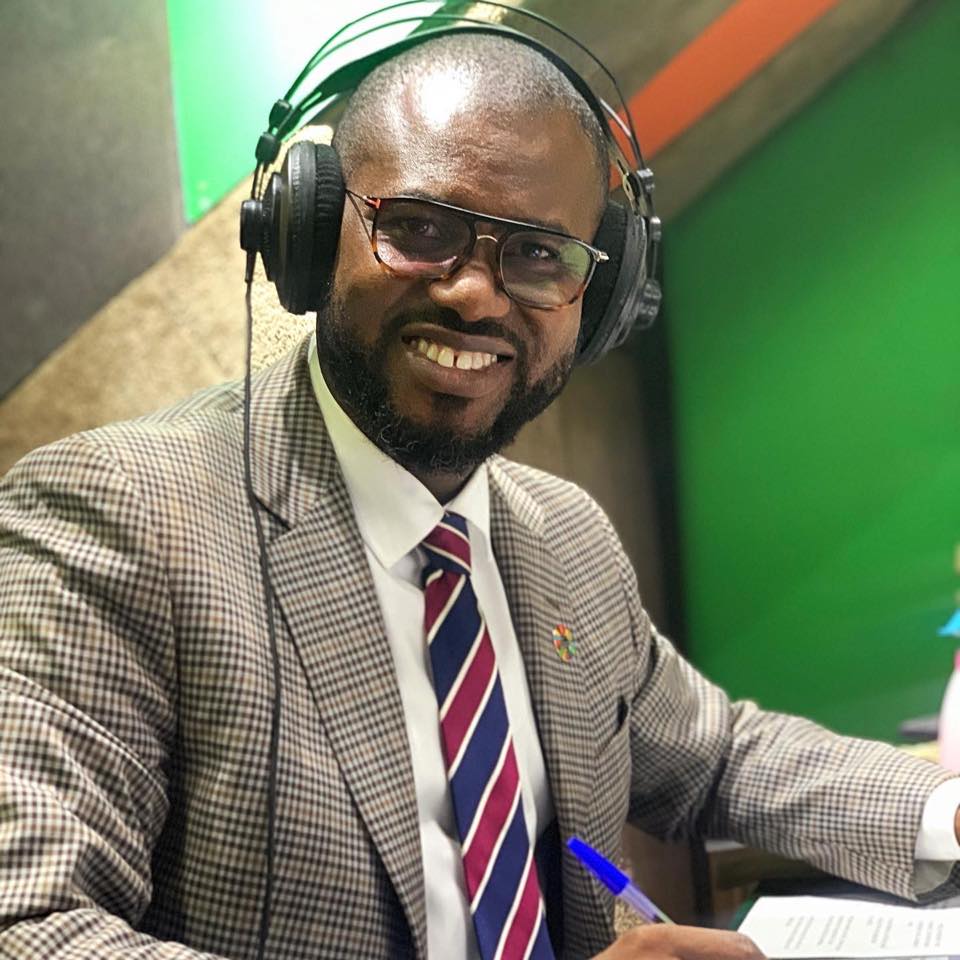
This was announced by the Chief Executive Officer, Sammy Gyamfi, in a statement shared on Facebook on December 24 2025.
Under the new arrangement, GoldBod will operate independently, with no obligation to pay fees to the Bank of Ghana (BoG). This, Mr Gyamfi said, will bring to an end concerns about the impact of GoldBod’s fees and charges on the central bank’s financial records.
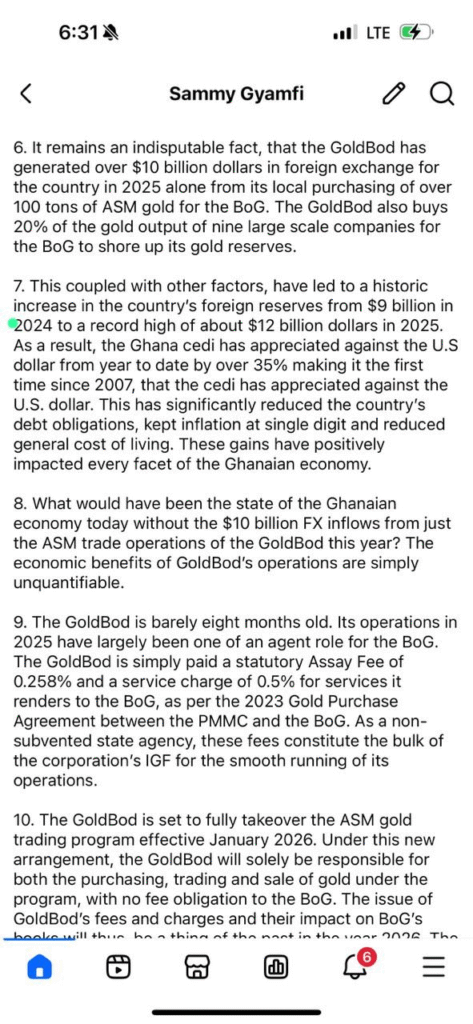
“The GoldBod is set to fully takeover the ASM gold trading program effective January 2026. Under this new arrangement, the GoldBod will solely be responsible for both the purchasing, trading and sale of gold under the program, with no fee obligation to the BoG,” he stated.
He explained that the transition would resolve long-standing issues linked to the accounting treatment of GoldBod-related charges on the BoG’s books, stressing that such matters would no longer arise from 2026.
“The issue of GoldBod’s fees and charges and their impact on BoG’s books will thus, be a thing of the past in the year 2026,” Mr Gyamfi added.
According to him, GoldBod is prepared to take on the expanded responsibility, having received revolving seed trade capital from the government to support its operations. He expressed confidence that the institution would use the funds effectively to generate positive returns for the country.
“The GoldBod is ready to embrace this new challenge and use its revolving seed trade capital allocated to it by government to deliver positive returns for the Ghanaian people,” he said.
Mr Gyamfi expressed optimism about the outlook of the sector under the new framework, describing the reforms as a step toward improved management of Ghana’s gold resources.
Meanwhile, Mr Gyamfi has rejected the International Monetary Fund’s (IMF) report suggesting that the Bank of Ghana incurred losses of about 214 million dollars under the Gold-for-Reserves programme
He described the claims as inaccurate, adding that the IMF’s assertions are based on misconceptions and an inaccurate understanding of GoldBod’s operational framework.
He wrote, “First and foremost, the Ghana Gold Board has made no losses. Rather, the GoldBod has made significant profit/surplus under its gold trading programs in the year 2025. Financial statements of the GoldBod (unaudited) published on its website bear this fact out and indicate that the institution is set to declare income surplus of not less than GH600 million for the year 2025.
“The GoldBod has this year been responsible for only the local purchasing, assay and export of gold for the Bank of Ghana (BOG). The selling or trading of gold purchased by GoldBod to off-takers lies in the exclusive domain of the BoG.”
The GoldBod, he added, is not aware of any loss of $214 million incurred by the Bank of Ghana under the Gold-for-Reserves Programme on account of “GoldBod offtaker fees,” noting that the financials of the Gold-for-Reserves and Gold-for-Forex programmes of the Bank of Ghana for the year 2025 are yet to be audited.
According to him, for the record, there is nothing like “GoldBod offtaker fees” under the ASM gold trading programme, stressing that the assertion is incorrect. He explained that per its 2025 operations, the GoldBod does not deal with off-takers, neither does it charge any off-taker fees. All off-take agreements, he noted, are signed and implemented by the Bank of Ghana. Under these off-take agreements, discounts covering freight, insurance, refining charges, among others, are granted by the Bank of Ghana to off-takers.
“The only fees the GoldBod takes from the BOG is a statutory Assay Fee of 0.25% and a Service Charge of 0.5%. These fees are not new. In fact, they were inherited by the GoldBod from a 2023 Gold Purchase Agreement between the BOG and the defunct PMMC,” he stated.
In November, the Ghana Gold Board made significant strides in its operations during the third quarter of 2025, particularly in gold collection and export, reserve building, and regulatory compliance among miners.
Its latest report shows that small-scale miners handed over 26,153.98 kilograms of gold, valued at approximately US$2.76 billion.
According to the Chief Executive Officer of the Board, Sammy Gyamfi, “The Ghana Gold Board continued to demonstrate strong institutional performance and sectoral leadership during the third quarter of its operational year (July–September 2025). The period was marked by steady progress in regulatory enforcement, gold aggregation and export, licensing and compliance, and inter-agency collaboration aimed at formalizing Ghana’s gold value chain.”
“The GoldBod’s operational and financial performance reflects its growing institutional maturity and alignment with the objectives of the Ghana Gold Board Act, 2025 (Act 1140), which mandates it to regulate, promote, and ensure transparency in the purchase, assay, and export of gold and other precious minerals,” Sammy Gyamfi stated.
This growth, according to the institution, demonstrates that more small-scale miners are operating formally and under improved supervision.
GoldBod also purchased 119.78 kilograms of gold from large mining companies to support the Bank of Ghana’s reserves, valued at approximately US$11.82 million. This forms part of the government’s broader strategy to strengthen Ghana’s gold reserves and support the economy.
The Ghana Gold Board (GoldBod) also reported strong export figures for both small-scale and large-scale miners. Small-scale miners exported 25,780.60 kilograms of gold, valued at about US$2.71 billion, while large-scale miners exported 24,911.21 kilograms, worth US$2.43 billion.
According to the Board, these exports underscore the continued importance of mining in revenue generation and foreign exchange inflows into the country.
The report further highlighted progress under the new tiered licensing system, which aims to streamline operations and ensure compliance across the sector.
During the period, a total of 577 licences were processed, comprising 432 Tier 2 licences, 123 Tier 1 licences, and 22 self-financed aggregator licences. Two licences were suspended, while several others were revoked for non-compliance, demonstrating GoldBod’s commitment to sanitising the sector.