Author: Andy Ogbarmey-Tettey

  • A credible register, live broadcast of IPAC meetings – NDC demands of EC

    A credible register, live broadcast of IPAC meetings – NDC demands of EC

    The National Democratic Congress (NDC) has once again called on the Electoral Commission (EC) to allow a live broadcast of the upcoming Inter-Party Advisory Committee (IPAC) meeting on Tuesday, October 1.

    This, the NDC argues, is necessary to ensure transparency in the electoral process as the nation prepares for the 2024 general elections.

    The NDC’s demand for a live broadcast comes after the EC rejected a previous request to televise discussions concerning discrepancies in the Provisional Voters Register (PVR).

    In a press release issued on Monday, September 30, the EC urged all stakeholders attending the IPAC meeting to present data and evidence to support claims of discrepancies with the PVR. The Commission maintained that this collaborative approach would help address lingering concerns about the voters’ register.

    Despite the EC’s calls, the NDC has yet to submit the data supporting its claims, instead insisting on a forensic audit of the register.

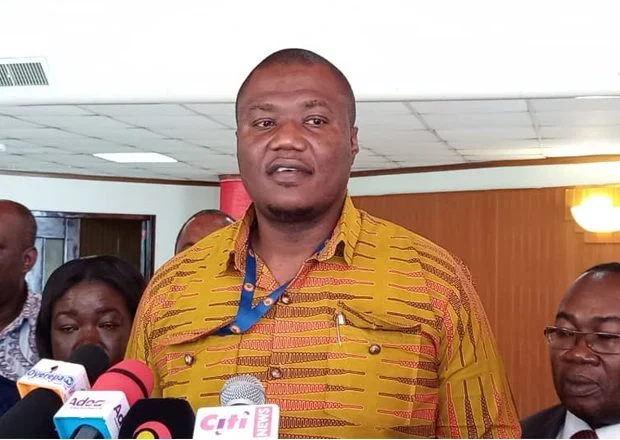
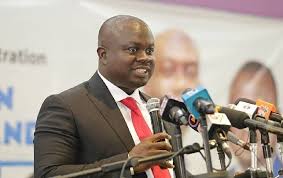
    Speaking to Citi News, NDC’s Deputy Director of Elections and IT, Dr. Tanko Rashid Computer, emphasized that a credible voters’ register is central to the success of the 2024 elections, and stressed the need for full transparency through a live broadcast of the meeting.

    “We believe it’s crucial to have this live broadcast because of the gravity of the issues at hand. The 2024 general elections hinge on the voters’ register, and a credible register is essential for the entire election process,” Dr. Computer said.

    He further questioned the EC’s reluctance to allow media coverage of the meeting, adding that transparency is key to restoring public trust.

    “The EC’s response suggests they’ll show us how they’ve addressed the issues we’ve raised. It’s important that the media is present to witness this. Transparency is what everyone seeks, and that’s why we’re inviting the EC to allow the media in. If there’s nothing to hide, why block the media?” he concluded.

  • You have to be taught how to mine properly – Naana Jane to Amenfi Central ‘galamsayers’

    You have to be taught how to mine properly – Naana Jane to Amenfi Central ‘galamsayers’

    Running mate to the National Democratic Congress (NDC) presidential candidate for the 2024 election, Prof. Jane Naana Opoku-Agyemang, has pledged that an NDC government would focus on educating those engaged in illegal mining (galamsey) on how to carry out their activities without polluting water bodies.

    Speaking at an NDC event in Amenfi Central in the Western North Region last Saturday, Prof. Opoku-Agyemang criticized the current government for failing to create sufficient employment opportunities for the youth, which, she argued, has driven many young people in rural areas to turn to galamsey as their only means of survival.

    “In Amenfi and other towns like it, galamsey is rampant, causing serious harm to the environment. But what choice do the youth have when there are no jobs? They are forced to turn to illegal mining as their only option for survival,” she remarked.

    Acknowledging the prevalence of galamsey in the area, she asked the crowd, “We know galamsey is happening here in Amenfi. Where are the galamseyers?” The audience responded enthusiastically.

    “It’s not today we discovered gold in Ghana, and galamsey has been around for a long time. But if the government destroys the few jobs in town and doesn’t create new ones, what are the youth supposed to do?” she continued.

    Prof. Opoku-Agyemang emphasized that her visit was meant to bring “good news” and offer hope through practical solutions. She stressed the importance of responsible mining practices, stating that where galamsey is practised without harming water bodies, the NDC intends to train the youth on sustainable mining techniques that protect their health, the environment, and their future.

    “The youth need jobs, and if galamsey is what they will continue to do, then they should be taught how to do it safely and without destroying their communities. We have come here with good intentions, to show a better way,” she added.

    Meanwhile, Dr. Ayew Afriyie, the New Patriotic Party (NPP) Member of Parliament for Effiduase Asokore and Chairman of Parliament’s Health Committee, has made it clear that the government has no plans to ban galamsey.

    “We won’t ban galamsey today or tomorrow,” Dr. Afriyie declared. He warned that banning the practice would be politically risky for the NPP, as many people in mining communities rely on it for their livelihoods. He also blamed the worsening environmental damage on foreign nationals involved in illegal mining, accusing the opposition NDC of bringing them into the country to further their political agenda.

    “The NDC saw that we [NPP] were winning the seats in the mining areas, so they decided to go and import foreigners to engage in illegal mining on our water bodies. The whole water bodies have not been a problem until now, it just started one month ago. It is someone behind that to force the NPP government to stop galamsey so that we will lose the seats. We won’t stop them [galamseyers] today or tomorrow,” he stated.

    Dr. Afriyie also criticized what he described as hypocritical media coverage, adding, “Is galamsey done in Accra? They should come to Kumasi to demonstrate against galamsey; like they will see.”

    In the midst of these opposing viewpoints, some civil society groups have called on the leaders of the two main political parties to take a clear stance against illegal mining, urging them to prove their commitment to addressing the issue should they win the upcoming election.

  • FLASHBACK: Posterity won’t forgive Akufo-Addo, our generation if we don’t win galamsey war – Gabby

    FLASHBACK: Posterity won’t forgive Akufo-Addo, our generation if we don’t win galamsey war – Gabby

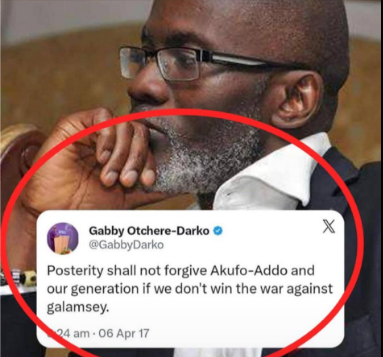
    Seven years ago, a prominent member of the New Patriotic Party (NPP), Gabby Otchere-Darko, voiced a strong stance on the battle against illegal mining, also known as galamsey.

    In an X post on April 6, 2017, he wrote, “Posterity shall not forgive Akufo-Addo and our generation if we don’t win the war against galamsey.”

    Fast forward to today, the fight against illegal mining is still far from over, with severe consequences for the environment and public health.

    Environmentalists and health professionals have continuously raised concerns about the devastating impact of galamsey, particularly the pollution of major water bodies. Rivers such as the Bonsa in the Western Region and the Pra in the Ashanti Region have been severely contaminated by toxic chemicals used in mining.

    Additionally, forest reserves like the Tano Nimiri in the Western North Region and the Draw River in the Western Region have been extensively degraded.

    In response to the ongoing crisis, Organised Labour is scheduled to meet on Tuesday, October 1, to finalize its decision on a potential nationwide protest against the government’s perceived inaction on galamsey.

    Several unions and associations had previously indicated their readiness to protest if President Akufo-Addo did not declare a state of emergency by the end of September to address the ongoing destruction of rivers and forest reserves by illegal miners.

  • Saglemi Housing project to be handed to private developer in 2 weeks – Minister

    Saglemi Housing project to be handed to private developer in 2 weeks – Minister

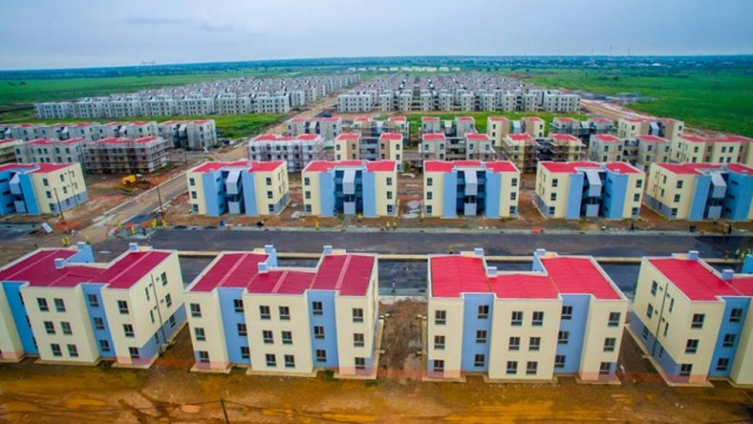
    The Saglemi Housing Units are expected to be handed over to a private developer for redevelopment within the next 14 days as the government nears the final stages of negotiations.

    This development was announced by the Minister for Works and Housing, Kojo Oppong-Nkrumah, during a press briefing in Accra on Monday, September 30, 2024.

    This progress follows President Akufo-Addo’s approval of a framework for negotiations with successful bidders, in response to a request made by Minister Oppong Nkrumah last month.

    Initially conceived to deliver 5,000 affordable housing units, the Saglemi Housing Project had approximately $200 million in government financing. However, by the time the project was halted, only 1,506 units had been partially completed, and the development was deemed uninhabitable due to a lack of essential infrastructure such as water, electricity, and sanitation.

    A valuation by the Ghana Institute of Surveyors later determined that an additional $100 million would be required to complete the unfinished units, a sum the government was unable to provide.

    “Cabinet has directed the Ministry of Works and Housing to explore the possibility of selling the partially completed Saglemi Housing Project to a private sector entity to complete and sell the units without further government investment, and negotiations will be finalized within the next 14 days,” the minister stated.

    He further explained that under the approved framework, the current value of work done at Saglemi will be treated as government equity in the project, while the completion cost will be treated as the equity of the selected private partner in a Special Purpose Vehicle (SPV) to be created for the project’s completion.

    Proceeds from the sale of the completed units will then be shared between the government and the private partner based on their respective stakes in the SPV.

    The minister revealed that five firms had submitted bids for the project, with two shortlisted for final negotiations: Quarm-LMI Consortium and Broll Ghana Ltd.

    Mr. Oppong Nkrumah’s remarks come at a time when Ghana faces a housing deficit of 1.8 million units, a marked improvement from 2.8 million in 2010.

    He underscored the need for innovative solutions to ensure that all citizens can access decent and affordable housing.

    “Housing is not just a necessity but a fundamental right,” he emphasized. “A secure, decent, and affordable home is essential to one’s well-being, providing a sense of security, dignity, and opportunities for growth and development.”

    In addition to the Saglemi project, the minister also touched on other stalled housing initiatives, including the Koforidua Affordable Housing Project, which has been handed over to the State Housing Company Limited for expedited construction.

    “This project aims to expedite construction while maintaining high standards of quality and efficiency,” he concluded.

  • Over 2.3 million unvaccinated dogs roaming in Ghana – Veterinary Service 

    Over 2.3 million unvaccinated dogs roaming in Ghana – Veterinary Service 

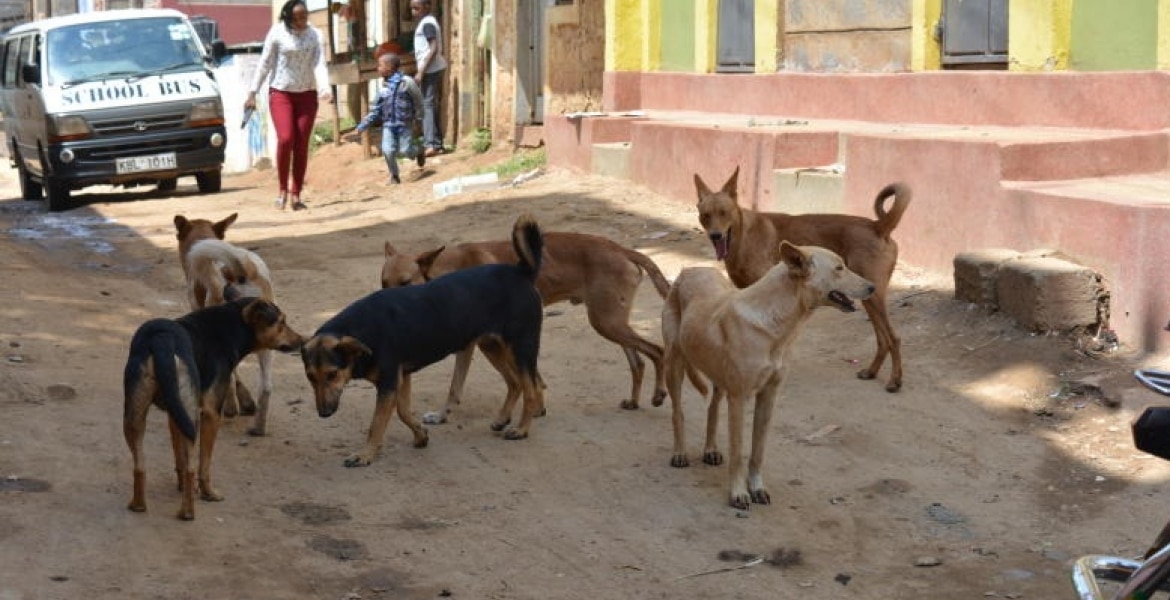
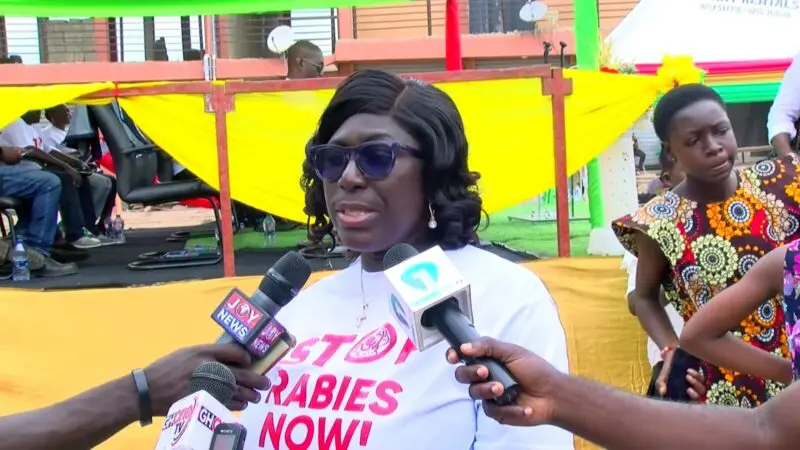
    The Veterinary Service has raised alarm over the low number of vaccinated dogs in Ghana, revealing that only 170,000 out of the estimated 2.5 million dogs in the country have received vaccinations.

    The Service warned that this low vaccination rate poses a serious risk to communities, as unvaccinated dogs can transmit rabies, a fatal disease. To meet the global goal of eradicating rabies deaths, at least 70% of Ghana’s dog and cat populations must be vaccinated.

    Rabies, primarily contracted from dogs, cats, and monkeys, kills around 55,000 people globally each year. From 2018 to 2024, Ghana recorded over 600 confirmed rabies outbreaks, with the Ashanti, Greater Accra, Upper East, Western, and Central regions experiencing the highest numbers.

    Between 2020 and 2024, the Ashanti Region alone recorded 34 positive rabies cases and two deaths. This year’s World Rabies Day was marked in the Atwima Nwabiagya North District, where a 6-year-old girl tragically lost her life to rabies in April.

    District Health Director Dr. Eric Sarpong, speaking at the event, called for a unified effort to prevent future rabies-related deaths in the country.

    Dr. Mabel Abudu, the Ashanti Regional Director of Veterinary Services, highlighted that the country remains at risk due to the public’s reluctance to vaccinate their pets. She urged local assemblies to enforce laws on responsible pet ownership by arresting those who fail to vaccinate their animals.

    “People should be responsible for pets. Once you go for them, you need to budget for them. If you know you can’t take care of them, don’t go for them. Sadly, our animal welfare system isn’t functioning as it should. But once you fail to vaccinate your animal, you should be arrested,” she stated.

  • Rabies: Citizens must be arrested for failing to vaccinate their pets – Veterinary Service 

    Rabies: Citizens must be arrested for failing to vaccinate their pets – Veterinary Service 

    The Veterinary Service has issued a stern warning, urging local assemblies to arrest dog owners who fail to vaccinate their pets, stating that such negligence poses a significant threat to lives in their communities.

    The Service expressed concern that out of Ghana’s 2.5 million dogs, only 170,000 have been vaccinated as the world commemorates World Rabies Day.

    It emphasized that Ghana can only achieve the global goal of eradicating rabies deaths if 70% of dogs and cats are vaccinated.

    Rabies, which is primarily contracted from dogs, cats, and monkeys, claims approximately 55,000 lives globally each year. Between 2018 and 2024, Ghana recorded over 600 confirmed rabies outbreaks, with the Ashanti, Greater Accra, Upper East, Western, and Central regions being the hardest hit.

    The Ashanti Region alone recorded 34 positive rabies cases and two deaths between 2020 and 2024. This year’s World Rabies Day commemoration took place in the Atwima Nwabiagya North District, where a 6-year-old girl tragically died from rabies in April.

    Speaking in solidarity with the bereaved family, District Health Director Dr. Eric Sarpong stressed the need for collective action to prevent further rabies-related deaths in the country.

    Dr. Mabel Abudu, the Ashanti Regional Director of Veterinary Services, highlighted that the nation remains at risk of further rabies outbreaks because many pet owners are neglecting the annual vaccination of their dogs.

    She called for stricter enforcement of laws, urging that people who fail to vaccinate their pets should face consequences. “People should be responsible for pets. Once you go for them, you need to budget for them. If you know you can’t take care of them, don’t go for them. Sadly, our animal welfare system isn’t functioning as it should. But once you fail to vaccinate your animal, you should be arrested,” she stated.

  • Level 200 UDS student killed on campus; to be buried today

    Level 200 UDS student killed on campus; to be buried today

    The University for Development Studies (UDS) in Dungu mourns Mohammed Zakiu Wunpini, a Level 200 Pharmacy student, who was found dead under suspicious circumstances in the evening of September 25, 2024.

    Zakiu’s final funeral rites are scheduled to take place today, September 30, 2024, at Gumani near Oasis Restaurant.

    Zakiu, who was preparing to enter his third year of studies, was discovered with multiple stab wounds in an uncompleted building between the Citadel Hostel and Kumbung Hostel on campus.

    Initial reports suggest that Zakiu may have been attacked and robbed, as his motorcycle and phone were missing from the scene. According to sources, he had gone out earlier to watch a football match with a friend but failed to return.

    In response to the shocking incident, university authorities, including the Vice Dean, Dean of Students, and the Head of Security, convened an emergency meeting and later visited the regional police office on Friday to follow up on the ongoing investigation.

    The tragic death has left the UDS campus in a state of shock and deep mourning as students and staff await further updates on the investigation.

  • New national executives for 2024-25 service year elected by NASPA

    New national executives for 2024-25 service year elected by NASPA

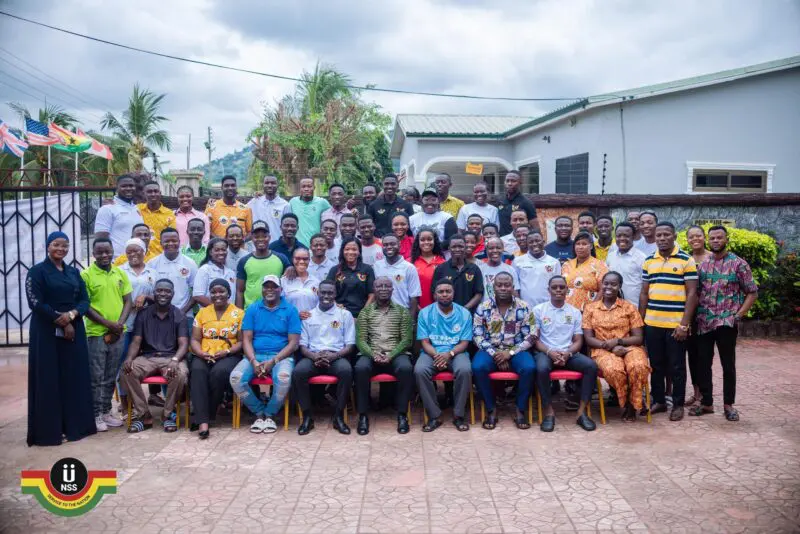
    The National Service Personnel Association (NASPA) has elected five new national executives for the 2024–2025 service year at its 41st annual national congress, held in Koforidua, Eastern Region.

    The newly elected leadership includes Andy Amuaku as President, Justice Tetteh as General Secretary, Reuben Nketiah as Financial Secretary, Arafat Ibrahim Mbillah as Organising Secretary, and Christabel Seyram Agbley as Women’s Commissioner.

    The congress, which took place from September 27 to 29, brought together 60 regional NASPA executives and several stakeholders from across the country. Discussions centered around addressing key national service issues, sharing innovative ideas, and electing new executives to steer the association’s activities.

    Outgoing NASPA President Gideon Osei congratulated the newly elected leaders and urged them to maintain high standards in their roles.

    “Let me use this opportunity to congratulate all elected executives. You shouldn’t see the position as an avenue for self-aggrandizement. Make sure you promote development and eschew rancour, bickering, and unruly behaviours. They are unpatriotic and certainly not in line with NASPA’s ideologies,” Osei advised.

    He also acknowledged the support of the Director-General of the National Service Authority (NSA), Osei Assibey-Antwi, for ensuring the success of the congress and elections.

    Newly elected NASPA President, Andy Amuaku, expressed his gratitude for the opportunity to serve and pledged to build on the association’s achievements.

    “I’m particularly thankful to God for this victory. My executives and I intend to work hard to continue the good works of our predecessor, Gideon Osei, and the rest of the outgoing executives,” he stated.

    Amuaku also emphasized the importance of unity, particularly as other student elections, such as those of the University Students’ Association of Ghana, are ongoing. He pledged to ensure that the interests of NASPA members are well represented in the coming service year.

  • Value of mobile money transactions surges by GHC744bn

    Value of mobile money transactions surges by GHC744bn

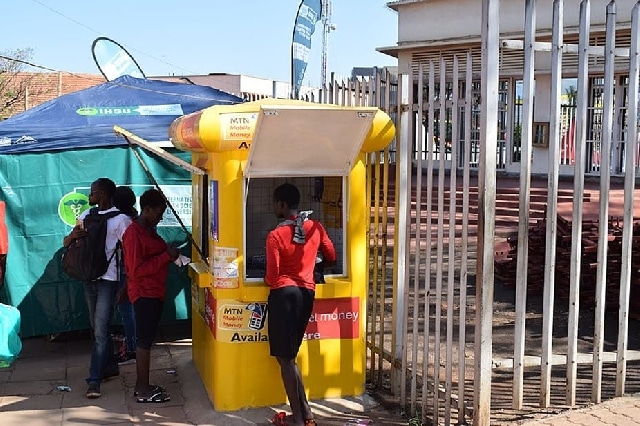
    The total value of mobile money transactions in Ghana surged by a remarkable GH¢744 billion, hitting GH¢1.775 trillion in the first eight months of 2024, according to data from the Bank of Ghana.

    This figure represents a significant rise compared to the GH¢1.031 trillion recorded during the same period in 2023.

    This impressive growth in mobile money transactions highlights the increasing adoption of digital payments and provides an opportunity to deepen financial inclusion in the country. However, it also raises questions about why the government isn’t generating substantial revenue from the Electronic Transaction Levy (E-Levy).

    The Bank of Ghana’s September 2024 Summary of Economic and Financial Data detailed the month-by-month performance of mobile money transactions. In January 2024, the value of transactions stood at GH¢198.4 billion, slightly dropping to GH¢195.8 billion in February. The downward trend continued in March, with transactions dipping to GH¢181.9 billion.

    However, the tide turned in April 2024, with mobile money transactions jumping to GH¢203.0 billion. The upward momentum continued in May 2024, with a rise to GH¢234.3 billion, although June saw a slight dip to GH¢224.0 billion.

    By July 2024, transactions had surged to GH¢264.9 billion, reaching GH¢273.6 billion in August 2024, marking a consistent increase in the latter months.

    This growth underscores the vital role mobile money plays in Ghana’s economy, but it also raises concerns about maximizing the potential revenue from the sector through initiatives like the E-Levy.

  • Ghana Chamber of Commerce and Industry bemoans high interest rates

    Ghana Chamber of Commerce and Industry bemoans high interest rates

    The Chief Executive Officer of the Ghana Chamber of Commerce and Industry (GNCCI), Mark Badu-Aboagye, has expressed concern over the high interest rates in the country, emphasizing that they are crippling the private sector, particularly small and medium-sized enterprises (SMEs).

    Speaking on Joy News’ PM Express Business Edition, Badu-Aboagye stressed the need for better financing strategies to drive economic growth.

    “If you want to do proper banking, give money to the private sector. You need to assess their profile, their credit readiness, and their project viability. You follow up, monitor, and get your money back,” he stated.

    He noted that the dominance of government borrowing in the financial sector has reduced banks’ incentive to lend to private businesses.

    “If government decides it’s not borrowing as much, the money sitting with the banks will compel them to give it to the private sector,” Badu-Aboagye added.

    However, he acknowledged the challenges that businesses, especially SMEs, face in securing loans, largely due to high interest rates.

    “SMEs want money. Our economy depends on SMEs. Try getting money as an SME, and they give you 30% interest. How do you expect an SME to borrow at 30-40%, make a profit, and also pay you back?” he questioned.

    According to him, while businesses in Ghana are generally productive, external factors such as high interest rates and taxes make it difficult for them to operate profitably.

    “At the micro level, businesses are productive. It’s when you bring in interest rates and taxes that they start running at a loss,” he concluded.

  • Majority of Ghanaians indicate readiness to vote in 2024 elections – Poll results

    Majority of Ghanaians indicate readiness to vote in 2024 elections – Poll results

    A recent poll conducted by The Independent Ghana (TIGPost) shows that a significant majority of Ghanaians are ready to participate in the 2024 general elections. 

    The poll, conducted over three days from September 1 to September 3, 2024, aimed to assess the level of voter interest in the upcoming elections, which are expected to be pivotal for the nation.

    Of the 961 submissions, 795 respondents (82.7%) confirmed their intention to vote, while 166 respondents (17.3%) indicated they would not be voting. This strong inclination toward participation highlights a high level of civic responsibility and political involvement among the electorate as the country heads into a crucial election year.

    Key issues such as the economy, governance, and social justice are likely to shape the campaigns, and the high level of voter engagement suggests that Ghanaians are eager to influence the nation’s direction. Political parties and candidates will need to connect with this motivated voter base as election day approaches.

    Additionally, TIGPost posed the question to 26 individuals about their voting intentions. Seventeen respondents expressed plans to vote, while 9 indicated they would abstain. 

    The reasons for their lack of interest included being unconvinced by any political parties, uncertainty over who to vote for, and general apathy toward the election.

    Forms response chart. Question title: Will you vote during the 2024 elections?. Number of responses: 26 responses.
    Forms response chart. Question title: If no, which of the reasons below reflect your sentiment?. Number of responses: 9 responses.
  • Forgive violent ‘galamsey’ protestors – Sam Korankye Ankrah ‘begs’ govt

    Forgive violent ‘galamsey’ protestors – Sam Korankye Ankrah ‘begs’ govt

    Founder of the Royal House Chapel International, Apostle General Sam Korankye Ankrah, has appealed to the government and the Inspector General of Police (IGP) to show leniency by granting bail to the Democracy Hub protestors.

    The protestors, who were arrested following demonstrations against illegal mining (galamsey) and economic hardships, remain in custody after violent clashes with police.

    During a Sunday service on September 29, Apostle Ankrah expressed his concern that detaining these individuals could worsen the situation by provoking further unrest. He emphasized that imprisoning the protestors does not address the underlying issues facing the nation.

    “I want to plead with the Inspector General of Police and the government, the young boys and girls who have been arrested because of the demonstration against illegal mining and against the hardship that is going on in the nation, I am pleading with the government and the court and the IGP—those young boys be released. Give them bail,” the preacher urged.

    Apostle Ankrah also advised the youth to exercise caution during future protests, calling for peaceful and non-violent demonstrations.

    “We are advising anyone when you are going to have your democratic demonstrations, please be matching with your slogans and your placards; that’s all that we want to see. We don’t want violence in this nation,” he added.

    The recent protests, which occurred between September 21 and 23, started peacefully but escalated into violent confrontations between demonstrators and the police. Protestors were accused of blocking roads, dismantling barriers, obstructing traffic, and setting property on fire at the 37 Roundabout in Accra.

    As a result, 53 protesters were arrested, with 9 being sent to prison while the rest remain in police custody.

    Defense lawyers argued during a bail hearing that their clients were enduring harsh conditions, while the prosecution insisted that the detainees were well cared for, even receiving meals from the popular local restaurant, ‘Papaye’. This claim sparked outrage from the defense.

    Despite pleas for their release, the judge denied bail, citing concerns about the protesters’ unknown addresses and ordering them to remain in custody until October 8. Following the court proceedings, the detained protesters expressed their discontent by singing patriotic songs.

  • 10 ways Alan Kyerematen seeks to end galamsey

    10 ways Alan Kyerematen seeks to end galamsey

    Independent presidential candidate, Alan Kyerematen, has unveiled a detailed 10-point plan aimed at eradicating illegal mining (galamsey) in Ghana.

    Alongside his running mate, Kwame Owusu Danso (KOD), and other senior members of the Afrafranto Alliance, Kyerematen at a press conference held at the Ghana International Press Centre, outlined an ambitious blueprint to address the environmental and socio-economic crises caused by galamsey.

    Speaking on Sunday, 29th September 2024, Kyerematen described galamsey as an “existential threat” to the nation, highlighting the destruction of water bodies, forest reserves, and farmlands. He pointed to decades of poor governance by both the NPP and NDC governments as the root of the problem.

    “The two dominant political parties have demonstrated that they neither have the competence, desire, nor political will to address galamsey,” Kyerematen stated.

    Here are the 10 key ways Alan Kyerematen seeks to end galamsey:

    1. One-Year Ban on All Small-Scale and Community Mining
      The cornerstone of Kyerematen’s plan is a one-year complete moratorium on all small-scale and community mining activities, both legal and illegal. This pause will provide time to assess and reset the country’s mining practices.
    2. Demobilization of Mining Machinery
      To enforce the ban, Kyerematen proposes the demobilization of all mining machinery, which will be inventoried and stored by the military’s 48 Engineer’s Regiment. This ensures that illegal mining operations are halted immediately.
    3. Aggressive Restoration Campaign
      During the one-year ban, there will be a focus on restoring Ghana’s degraded river bodies and farmlands. The Water Resources Commission, Environmental Protection Agency, and other relevant agencies will lead this massive clean-up effort.
    4. Plantation Development Initiative
      The forestry sector will spearhead a plantation development initiative aimed at rejuvenating damaged ecosystems. Kyerematen emphasized that land must be fully restored before any mining activities can resume.
    5. Cancellation of Small-Scale Mining Licenses
      Kyerematen’s plan includes the cancellation of all small-scale mining licenses issued in the last 15 years. He calls for a comprehensive audit to uncover corruption, illegal issuance, and non-compliance with regulations. “We must correct the errors of the past to build a sustainable future,” he remarked.
    6. Youth in Responsible Mining Initiative
      Kyerematen envisions a shift toward responsible mining practices, particularly through the creation of a Youth in Responsible Mining Initiative. This program will help transform young people previously involved in galamsey into legal, environmentally-conscious miners. These youth-owned companies will receive seed funding, mining equipment, concessions, and technical support from the government.
    7. Citizens Mining Protection Rights Groups
      Kyerematen proposes the establishment of Citizens Mining Protection Rights Groups in mining communities. These groups will act as watchdogs to ensure that mining activities are conducted responsibly and that environmental standards are upheld.
    8. Life Imprisonment for Mining in River Bodies and Forest Reserves
      One of the strictest measures in Kyerematen’s plan is the introduction of legislation that would impose life imprisonment for anyone found guilty of mining in river bodies or forest reserves. “The stakes are too high to allow leniency,” Kyerematen insisted.
    9. Comprehensive Review of Natural Resource Management Legislation
      As part of his broader Great Transformational Plan (GTP), Kyerematen intends to undertake a comprehensive review of all legislation governing natural resource management. This will include streamlining regulatory agencies to ensure efficiency.
    10. Transforming Ghana into a Mineral Processing Hub
      Kyerematen’s long-term vision includes transforming Ghana into a mineral processing hub for West Africa. This would not only help regulate mining practices but also boost the economy through value-added mineral processing.

    In concluding his address, Kyerematen called on all Ghanaians to rally behind his vision, pledging that his government would leave no stone unturned in eradicating galamsey.

    “Together, we will end this menace and build a sustainable future for our children,” he vowed.

    With these comprehensive reforms, Alan Kyerematen is confident that Ghana can overcome the galamsey crisis and restore its natural environment. “We have the resources, the will, and the plan to make Ghana great again,” he said.

  • The quest for a third force in Ghana’s political landscape

    The quest for a third force in Ghana’s political landscape

    For over three decades, two major parties: the New Patriotic Party (NPP) and the National Democratic Congress (NDC) – deemed to be archnemises, have governed the country. 

    This duopoly has shaped the country’s democratic narrative since the Fourth Republic began in 1992, when the late former President Jerry John Rawlings won the presidential elections on the ticket of the NDC. Prior to this era, Ghana had witnessed a vibrant political culture with the Convention People’s Party (CPP) at the forefront, securing Ghana’s independence in 1957 under Dr. Kwame Nkrumah’s leadership.

    However, since the inception of the Fourth Republic, the CPP and other smaller political entities have struggled to make a significant impact. The once-powerful CPP, along with other parties such as the People’s National Convention (PNC) and the Progressive People’s Party (PPP), has been relegated to the political sidelines. 

    Despite the multi-party system that Ghana’s democracy allows, the dominance of the NPP and NDC has effectively sidelined any credible competition.

    With the approach of the 2024 general elections, calls for a robust third force to challenge the dominance of the NPP and NDC have grown louder. 

    A growing number of Ghanaians are increasingly disillusioned with the repetitive cycle of governance by these two parties, attributing their dissatisfaction to underwhelming economic progress, unfulfilled promises, rampant corruption, and the persistent mismanagement of state resources.

    The Call for Unity Among Smaller Parties

    Several Ghanaians, including prominent legal practitioners such as Samson Lardy Anyenini and Martin Kpebu, have strongly advocated for a new political force that can rejuvenate the political landscape and offer a credible alternative to the electorate.

    Both Anyenini and Kpebu argue that to break the duopoly, smaller political parties must unite. Anyenini proposes the idea of a “cartel” of smaller political organizations coming together, pooling their resources and collective strength to pose a significant challenge to the two major parties.

    This proposed unity of smaller parties would include the CPP, PNC, PPP, and other entities, creating a formidable coalition that could win the trust of the electorate and challenge the status quo.

    Kpebu, however, extends this call for unity beyond just political parties. He urges religious bodies, Civil Society Organizations (CSOs), and the Trade Union Congress (TUC) to form alliances to bolster the prospects of a third political force.

    He recalls the TUC’s attempt to form a political party in the 1970s, which ultimately collapsed, but believes this failure should not deter them from trying again.

    Both legal experts, along with other like-minded Ghanaians, argue that a strong third force will only emerge through collaboration and a collective push to harness the frustrations and desires of an electorate that is increasingly dissatisfied with the leadership of the NPP and NDC.

    The Numbers Tell the Story

    2008 elections

    Papa Kwesi Nduom (CPP) – 112,673 (1.32%)

    Edward Mahama (PNC) – 73,618 (0.86%)

    Emmanuel Ansah-Antwi (DFP) – 28,471 (0.33%)

    Kwesi Amoafo-Yeboah (Independent candidate) – 19,178 (0.22%)

    Thomas Nuako Ward-Brew (DPP) – 8,367 (0.10%)

    Kwabena Adjei (RPD) – 6,443 (0.08%)

    In the first round of the presidential election, neither Nana Akufo-Addo of NPP nor the late Prof John Evans Atta Mills of the opposition NDC won more than the 50 percent needed to avoid a run-off.

    The Electoral Commission declared Atta Mills the winner with 50.23 per cent of the total votes cast in the run-off, against 49.77 per cent for Akufo-Addo.

    In 2008, Paa Kwesi Nduom contested on the ticket of the Convention People’s Party (CPP) but four years later, he founded the Progressive People’s Party (PPP) and contested on its ticket in the subsequent elections.

    2012 elections

    John Mahama (NDC) – 5,573,572 (50.63%)

    Akufo-Addo (NPP) – 5,263,286 (47.81%)

    Paa Kwesi Nduom (PPP) – 64,267 (0.58%)

    Henry Herbert Lartey (GCPP) – 38,250 (0.35%)

    Hassan Ayariga (APC) – 24,621 (0.22%)

    Abu Sakara (CPP) – 20,109 (0.18%)

    Jacob Osei Yeboah (Independent candidate) – 15,156 (0.14%)

    Kwasi Addai (UFP) – 8,909 (0.08%)

    2016 elections

    John Mahama (NDC) – 4,577,395 (44.35%)

    Akufo-Addo (NPP) – 5,551,028 (53.79%)

    Paa Kwesi Nduom (PPP) – 12,411 (1.09%)

    Ivor Greenstreet (CPP) – 25,502 (0.25%)

    Konadu Agyeman-Rawlings (NDP) – 16,837 (0.16%)

    Edward Mahama (PNC) – 22,115 (0.21%)

    Jacob Osei Yeboah (Independent candidate) – 14,998 (0.15%)

    2020 elections  

    Akufo-Addo (NPP) – 6,730,587  (51.302%)

    John Mahama (NDC) – 6,213,182 (47.359%)

    Christian Kwabena Andrews (GUM) – 105,548  (0.805%)

    Ivor Kobina Greenstreet (CPP) – 12,200 (0.093%)

    Akua Donkor (GFP) – 5,574  (0.024%)

    Henry Herbert Lartey (GCPP) – 3,564 (0.027%)

    Hassan Ayariga (APC) – 7,138 (0.054%)

    Percival Kofi Akpaloo (LPG) – 7,683 (0.059%)

    David Asibi Ayindenaba Apasera (PNC) – 10,882 (0.083%)

    Brigitte Akosua Dzogbenuku (PPP) – 6,849 (0.052%)

    Konadu Agyeman-Rawlings (NDP) – 6,549 (0.050%)

    Alfred Kwame Asiedu Walker (Independent candidate) – 9,704 (0.074%)

    Analysing four successive electoral cycles in Ghana paints a grim picture for the smaller parties. In the 2008 elections, various smaller parties, including the Progressive People’s Party (PPP) and the Convention People’s Party (CPP), collectively garnered less than 3% of the total votes. Despite their efforts, they failed to pose any serious challenge to the NPP or NDC.

    This trend continued through the 2012, 2016, and 2020 elections, where the smaller parties’ vote shares consistently fell below 2%. Even in the 2020 elections, where dissatisfaction with the major parties was high due to economic challenges, the combined votes of smaller parties and independent candidates totalled less than 5%. 

    What Hinders the Rise of a Third Force?

    Several challenges have prevented smaller parties from breaking through. Top among them is disunity. The inability of these parties to rally behind a single candidate or common vision has significantly weakened their impact. Each party has distinct goals and aspirations, often grounded in different ideological or personal motivations, making collaboration difficult.

    Additionally, competition from the larger, well-established NPP and NDC is a major impediment. The extensive financial and logistical resources at the disposal of the two major parties make it difficult for smaller parties to compete on equal footing. 

    Voter loyalty is another critical factor. Many Ghanaians have deeply entrenched loyalties to either the NPP or NDC, making it difficult for smaller parties to sway the electorate..

    The Lessons from Nigeria’s 2023 Elections

    Ghanaians advocating for a third force often draw parallels with Nigeria’s 2023 elections, where third-force candidates performed remarkably well. In a historic outcome, Nigeria’s ruling party candidate, Bola Tinubu, won the presidency with just 36.6% of the vote, the lowest winning margin in Nigeria’s Fourth Republic. 

    The strength of the third-force candidates was particularly evident in states like Kano and Lagos, where they disrupted traditional voting patterns and prevented any candidate from winning a clear majority. This relative success, despite a lack of established political structures, has inspired hope that a similar political transformation could occur in Ghana.

    2024: A Year of Possibilities?

    In less than four months, Ghana will head to the polls, and the focus is intensifying on the nation’s next presidential election. So far, only the NDC and NPP have successfully chosen their presidential candidates. 

    However, individuals like former Trade Minister and leader of the Movement for Change, John Alan Kyerematen, and Nana Kwame Bediako, also known as Cheddar, leader of The New Force, have also declared their intentions to run as independent candidates.

    Many Ghanaians believe that these figures could represent the third force that the country has been searching for. Meanwhile, the People’s National Convention (PNC) has scheduled its elections for flagbearers and party executives on Saturday, August 31, 2024. 

    The Convention People’s Party (CPP) was supposed to hold its presidential primary on August 24, 2024.

    As Ghana grapples with challenges like rising inflation, fuel and transport cost hikes, and increasing utility bills, many wonder if these issues will push voters towards a third force. 

    At present, both Mr Kyerematen and Nana Bediako have garnered a noticeable following, and there is speculation that they could pose a serious challenge to the two dominant parties, potentially leading to a runoff in the 2024 elections.

    The Imminence of a Third Force

    A third force is not a matter of if but when. The emergence of a strong third force could break the cycle of duopoly and provide a fresh direction for the country. However, achieving this goal will require unity among smaller parties, the establishment of robust organizational structures, and a shift in voter perceptions. 

    As Ghana approaches the 2024 elections, the question remains: Will a third force finally emerge, or will the NPP-NDC duopoly continue to dominate the political scene? The answer lies in the hands of the electorate and the ability of smaller parties to rise to the occasion.

    Abbreviations

    DPP – Democratic Peoples Party 

    CPP – Convention People’s Party

    PNC – People’s National Convention

    DFP – Democratic Freedom Party

    RPD – Reformed Patriotic Democrats

    GCPP – Great Consolidated Popular Party

    UFP – United Front Party

    NDP – National Democratic Party

    GUM – Ghana Union Movement

    GFP – Ghana Freedom Party

    GCPP – Great Consolidated Popular Party

    APC – All People’s Congress

    LPG – Liberal Party of Ghana

    PPP –  Progressive People’s Party

    About the author; Andy Ogbarmey-Tettey is a multimedia journalist who has worked with some of Ghana’s reputable media houses such as Multimedia Group Limited and The Independent Newspaper (TIGPost).
  • I dropped out of school because my friends made mockery of me – Adwoa Smart

    I dropped out of school because my friends made mockery of me – Adwoa Smart

    Popular Ghanaian actress Adwoa Smart has revealed that relentless teasing and bullying forced her to abandon her education.

    The actress, whose real name is Belinda Naa Ode Oku, is best known for her role in the popular Akan Drama TV series, Obra.

    In a recent interview, Adwoa Smart opened up about her painful past, sharing how constant mockery from her classmates led her to lose interest in school.

    “I stopped going to school because my mates were laughing at me because of my size… It got so bad that I lost interest in going to school so I dropped out,” she disclosed.

    She further expressed her disappointment in the school authorities for failing to intervene and address the bullying she endured. “The teachers didn’t help me at all. They were supposed to protect me, but they didn’t,” she said, her voice filled with frustration.

    When asked why she didn’t consider transferring to another school, Adwoa explained, “It was beyond me… I was very young and couldn’t make decisions on my own… If it were to be now I would’ve continued.”

    Despite these early challenges, Adwoa Smart has overcome her struggles to become a celebrated figure in Ghana’s entertainment industry. Her story sheds light on the damaging effects of bullying and underscores the importance of fostering a supportive and inclusive atmosphere in schools.

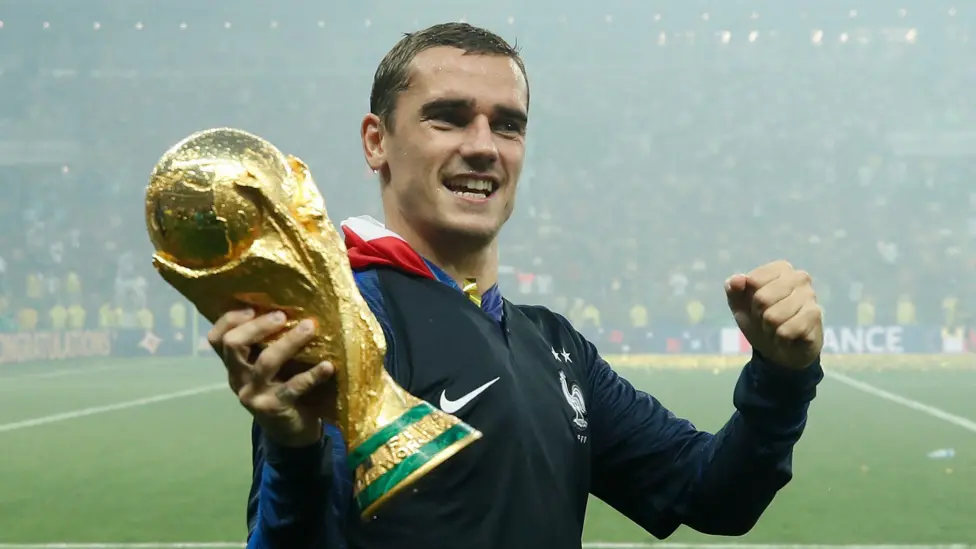
  • Antoine Griezmann retires from international football

    Antoine Griezmann retires from international football

    France forward Antoine Griezmann has officially retired from international football at the age of 33.

    The Atletico Madrid star, who made 137 appearances for the French national team, played a crucial role in helping Les Bleus secure the 2018 FIFA World Cup.

    “It is with a heart full of memories that I close this chapter of my life. Thank you for this magnificent tricolour adventure and see you soon,” Griezmann announced on social media.

    Griezmann’s final appearance for France came during a 2-0 victory against Belgium, where he came on as a substitute. Just days earlier, he had started in a 3-1 Nations League defeat to Italy during the last international break in September.

  • NPP MP accuses NDC of importing foreigners to engage in galamsey

    NPP MP accuses NDC of importing foreigners to engage in galamsey

    Dr. Ayew Afriyie, the New Patriotic Party (NPP) Member of Parliament for Effiduase Asokore, has accused the opposition National Democratic Congress (NDC) of orchestrating the importation of foreign nationals to engage in illegal mining, known as galamsey.

    According to the MP, this illegal activity has significantly contributed to the pollution of Ghana’s water bodies and is a politically motivated scheme designed to undermine the NPP’s popularity ahead of the 2024 elections.

    Speaking at the launch of the Bawumia Volunteers 2024 (B24) campaign in Kumasi, Dr. Afriyie alleged that the NDC’s deliberate introduction of foreign miners into Ghana’s forests and rivers was aimed at creating environmental destruction, ultimately forcing the government to halt galamsey, a move he suggested could hurt the NPP’s standing in mining constituencies.

    “The NDC saw that we [NPP] were winning the seats in the mining areas, so they decided to go and import foreigners to engage in illegal mining on our water bodies,” Dr. Afriyie claimed. “The whole water bodies have not been a problem until now, it just started one month ago. It is someone behind that to force the NPP government to stop galamsey so that we will lose the seats.”

    The MP further criticized calls for an immediate ban on galamsey, asserting that the NPP government has no plans to do so in the near future. He argued that banning illegal mining at this point could jeopardize the party’s hold on parliamentary seats in mining areas.

    “We won’t stop them [galamseyers] today or tomorrow,” Dr. Afriyie emphasized, maintaining that the country’s water bodies were clean until foreign miners allegedly brought in by the NDC began to degrade these essential resources.

    He also expressed frustration with the media’s coverage of galamsey, suggesting that the NDC was using journalists to pressure the government into banning the practice.

    “Then they take their journalists to talk about it. Is galamsey done in Accra? They should come to Kumasi to demonstrate against galamsey; like they will see,” he said.

  • Ghana receives $30m grant from UAE for forest conservation

    Ghana receives $30m grant from UAE for forest conservation

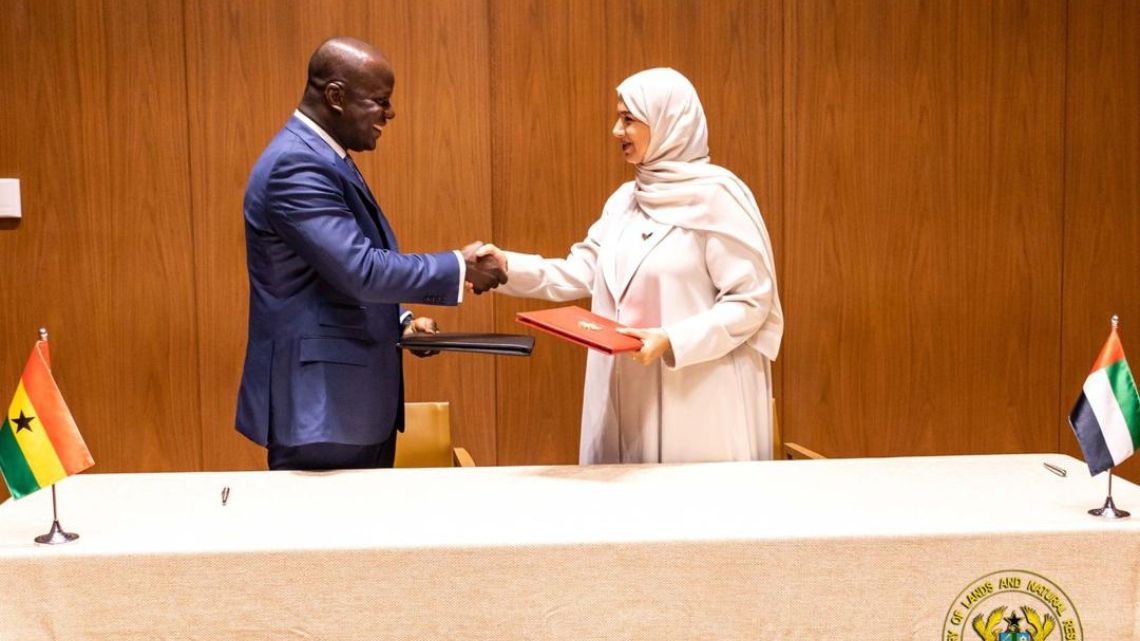
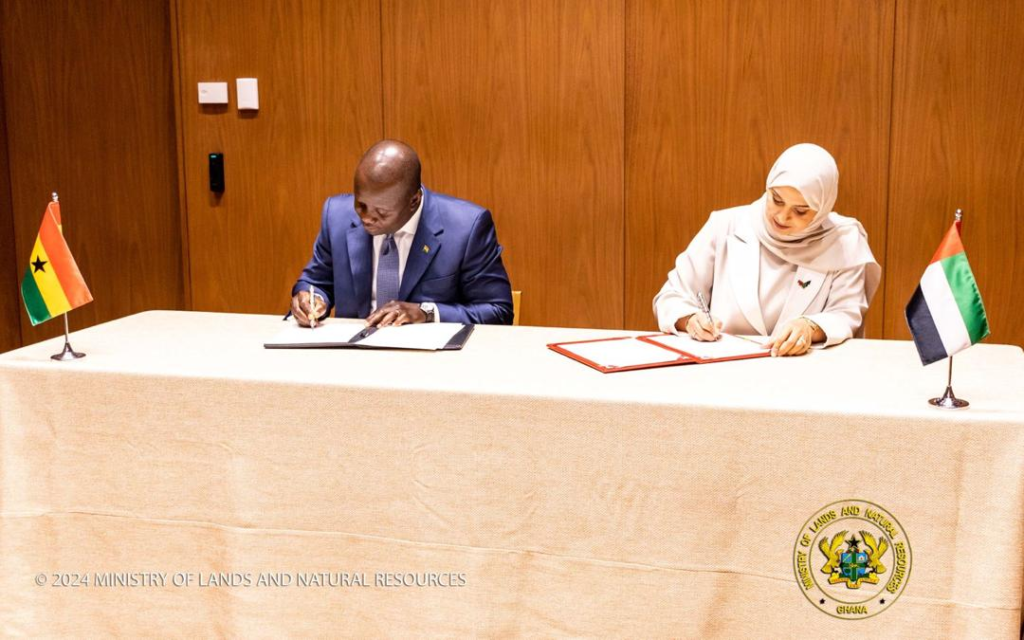
    The Government of Ghana, through the Ministry of Lands and Natural Resources, has secured a $30 million grant from the United Arab Emirates (UAE) to support forest conservation efforts.

    This funding, aimed at providing alternative livelihood support for communities near forest areas, is intended to incentivize forest protection, restoration, and reforestation initiatives.

    This agreement forms part of Ghana’s commitment to achieving biodiversity and climate objectives under the Resilient Ghana Package, which was launched at the 2023 COP28 summit in Dubai. The initiative focuses on halting and reversing deforestation while promoting sustainable development.

    The deal was formalized on September 27, 2024, during the United Nations Climate Week in New York, where Ghana’s Minister for Lands and Natural Resources, Samuel A. Jinapor, and UAE’s Minister for Climate Change and Environment, H.E Dr. Amna Al Dahak Al Shamsi, signed a Letter of Intent to release the funds. The UAE’s High-Level Champion for COP28 and President of the International Union for Conservation of Nature (IUCN), H.E. Razan Khalifa Al Mubarak, was also present during the signing ceremony.

    Speaking after the event, Samuel Jinapor expressed Ghana’s determination to implement strategies aimed at restoring habitats, protecting endangered species, and fostering resilient ecosystems. He acknowledged the daunting challenges but emphasized that collaboration and a shared vision could lead to sustainable solutions that benefit not only Ghana but the global community as well.

    “I express deep appreciation to the Government of the UAE and all those involved in the negotiations leading to the signing of this agreement. Ghana will develop the necessary strategies to achieve the objectives of the Resilient Ghana Package,” Mr. Jinapor stated.

    On her part, H.E. Amna Al Shamsi praised Ghana’s leadership in addressing forest loss and nature-based climate solutions. “Our partnership with Ghana is a testament to the UAE’s focus on global biodiversity, climate, and development goals. By backing comprehensive initiatives aimed at forest protection and enhancement, we aim to strengthen local livelihoods and foster greater community engagement,” she said.

    The $30 million grant is a key component of the Resilient Ghana Package, which was introduced at COP28 as part of Ghana’s broader efforts under the Forest and Climate Leaders’ Partnership (FCLP). Launched by President Nana Addo Dankwa Akufo-Addo and former UK Prime Minister Rt. Hon. Rishi Sunak at COP27, the FCLP seeks to bring governments and stakeholders together to reduce forest loss and promote sustainable development.
    The Resilient Ghana Package is built around three core pillars: nature-based industrialization and rural development, future-fit green jobs and livelihoods, and scaling climate ambition. It aims to reverse forest loss and degradation by 2030, in line with the Glasgow Leaders’ Declaration on Forests and Land Use.

    The UAE’s financial commitment will support programs targeting specific landscapes in Ghana, as well as national-level interventions. The investment is expected to boost Ghana’s efforts to tackle deforestation, which has been driven primarily by agricultural expansion, illegal logging, and small-scale mining. From 2001 to 2015, Ghana lost over 209,000 hectares of forest, a deforestation rate of about 0.19% per year.

    Despite these challenges, Ghana has made significant progress in recent years. Since 2017, the country has achieved a 48% improvement in forest cover in its high forest zones. Through the Resilient Ghana Package and the REDD+ Program, the government aims to further enhance these efforts and meet its 2030 targets.

    As one of the world’s leading producers of cocoa, Ghana’s forest conservation efforts are also crucial for global supply chains and the achievement of international climate agreements, such as the Paris Agreement.

    With this significant grant from the UAE, Ghana is poised to scale up its forest conservation initiatives, benefiting both the environment and local communities.

  • Chelsea come from behind to beat Brighton thanks to Cole Palmer

    Chelsea come from behind to beat Brighton thanks to Cole Palmer

    Chelsea climbed to third in the Premier League table after coming from behind to beat Brighton 6-2, with Cole Palmer making history by becoming the first player to score four first-half goals in a Premier League game.

    In an exhilarating match at Stamford Bridge, Palmer, 22, was the star of the show. The young forward also hit the post and had a goal ruled out for offside before delivering a stunning individual display. Brighton, despite scoring twice early on, were undone by their high defensive line, which Chelsea’s rapid attack exploited.

    Brighton’s goals came from errors by Chelsea’s former Brighton goalkeeper Robert Sanchez, but Chelsea quickly regained control. After Georginio Rutter’s header put the visitors in front, Palmer equalized with a clinical finish from Nicolas Jackson’s pass.

    Palmer, after narrowly missing out on two earlier chances, converted a penalty for his 10th consecutive successful spot-kick after Jadon Sancho was fouled in the box. He then completed a hat-trick in just 10 minutes with a brilliant 25-yard free kick into the top corner.

    Palmer’s fourth goal, fired in from a Sancho pass, came shortly after Brighton had briefly reduced the deficit when Carlos Baleba capitalized on another Sanchez error. “Chelsea were superb going forward,” but Brighton’s refusal to adjust their tactics left them vulnerable, as young manager Fabian Hurzeler suffered his first defeat.

    The second half was quieter, and Palmer missed an opportunity to add a fifth goal, firing wide late on. Nonetheless, Chelsea’s dominant performance secured a crucial victory, adding to their impressive recent form after thrashing Wolves last month.

  • Diagnosis on Harry Kane’s ankle injury is positive – Bayern Munich

    Diagnosis on Harry Kane’s ankle injury is positive – Bayern Munich

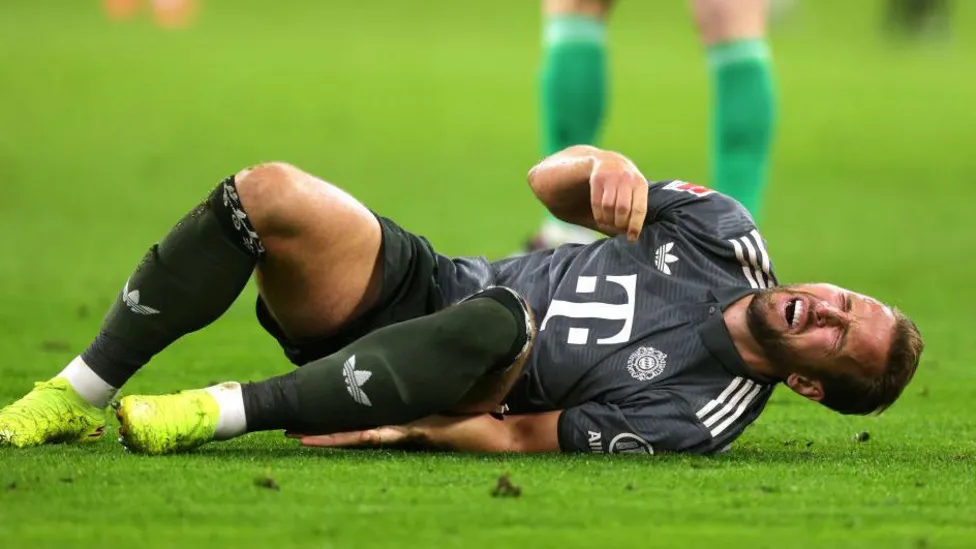
    Bayern Munich have announced that the initial diagnosis on Harry Kane’s ankle injury is “positive” following their 1-1 draw against Bayer Leverkusen on Saturday.

    Kane, the 31-year-old England captain, was substituted in the 86th minute at the Allianz Arena after a challenge by Leverkusen’s Amine Adli. Bayern later confirmed that Kane had “suffered a painful blow to his ankle,” but further examinations by the medical department on Sunday “revealed a positive development.”

    Kane, speaking externally on Saturday night, reportedly said he expects to be fit for Wednesday’s Champions League clash against Aston Villa.

    In the match, Leverkusen initially took the lead through Robert Andrich, who found the bottom corner after a pass from Granit Xhaka. Bayern equalized when Aleksandar Pavlovic struck a stunning 25-yard shot into the top corner, despite a touch from goalkeeper Lukas Hradecky.

    Early in the second half, Serge Gnabry hit the post from a floated cross by Kane and then struck the crossbar on the rebound. Alphonso Davies missed a chance from the edge of the box, while Konrad Laimer’s shot went just wide for Bayern.

    Bayern Munich remain at the top of the Bundesliga table, two points ahead of RB Leipzig and three points ahead of defending champions Leverkusen.

  • Akyem Abuakwa State residents engaging in galamsey to lose their lands – Okyenhene

    Akyem Abuakwa State residents engaging in galamsey to lose their lands – Okyenhene

    The Akyem Abuakwa Traditional Council has announced that lands mined and abandoned with open pits will be reclaimed and returned to the stool.

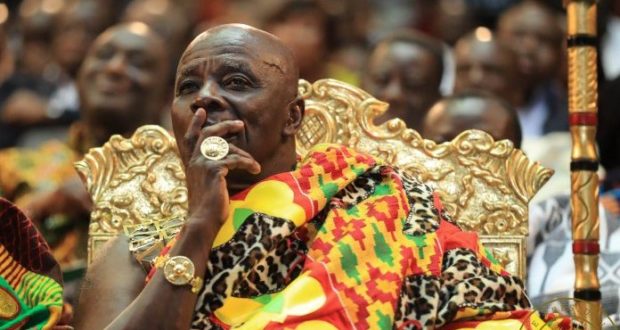
    Speaking at a durbar of chiefs and residents of the Gyaase Division in the Akyem Abuakwa State, as part of activities marking his 25th anniversary on the Ofori Panin Stool, Okyenhene Osagyefuo Amoatia Ofori Panin highlighted the ongoing dangers posed by illegal mining. He emphasized that the numerous abandoned mining pits continue to present significant health risks to citizens.

    Okyenhene declared that all abandoned mines will be reclaimed by the traditional council, stating, “We have a decree at the State Council that any landowner who releases their land to a miner stands the chance of losing it for life if the miners do not reclaim the land after mining. We shall look for resources, reclaim those lands, and hold the interest in that land, and nobody can do anything about it.”

    He further expressed concern over the environmental and health consequences caused by illegal mining activities, warning of the long-term damage to the community.

    “Today, some babies are born with deformities—some without hands, eyes, and all forms of abnormalities due to the toxic chemicals left in our waters and lands. People come here to mine, destroy our lands, and leave for their hometowns to enjoy, while you, as landowners, continue to release your land to illegal miners? It’s unthinkable,” the Okyenhene said.

    He also issued a warning to those refusing to release land for developmental projects, reminding them that the stool holds the allodial title to all lands within the Akyem Abuakwa State.

    “Our arrangement is that all natives can cultivate as much bare land as they wish and keep it for themselves and their families. However, if the state requires land for development, that land can be taken over and compensation paid to the owner. Nobody can resist development in this area.”

    Okyenhene is currently touring the five divisions within Akyem Abuakwa as part of his 25th-anniversary celebration, visiting the Adonten division in Kukurantumi, the Benkum division in Begoro, the Nifa division in Asiakwa, the Oseawuo division in Wenchi, and the Gyaase division in Kwaben.

    The grand durbar commemorating Okyenhene Osagyefuo Amoatia Ofori Panin’s anniversary is scheduled for October 12, 2024, in Kyebi, the Akyem Abuakwa State capital, and will feature chiefs from across Akyem Abuakwa and the country. The day will celebrate and showcase Okyeman’s rich culture and traditions.

  • Police officer killed by robbers in Upper Denkyira East

    Police officer killed by robbers in Upper Denkyira East

    A police officer has been killed by armed robbers in Kwame Peprakrom, located in the Upper Denkyira East Municipality of the Central Region.

    The tragic incident occurred on September 28, 2024, when the officer’s patrol team was ambushed between midnight and 1am.

    According to Adom News, the deceased officer, identified as Evans, was stationed at the Dunkwa Divisional Police Headquarters Armory.

    Two other officers sustained critical injuries in the attack and were immediately rushed to Komfo Anokye Teaching Hospital for urgent medical attention.

  • 28th GJA awards held; Edward Adeti crowned Journalist of the Year 

    28th GJA awards held; Edward Adeti crowned Journalist of the Year 

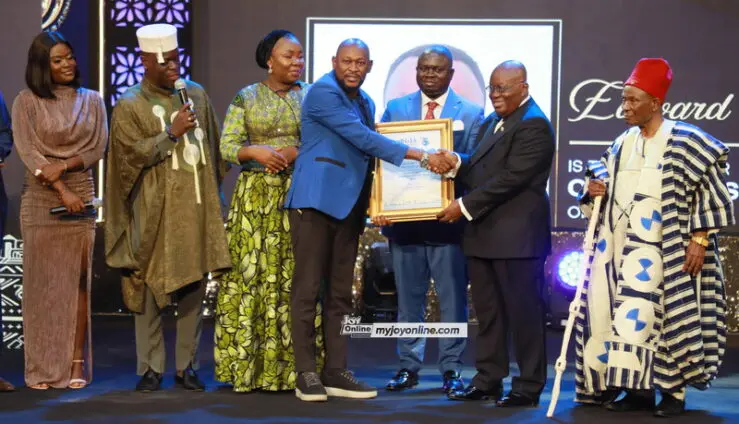
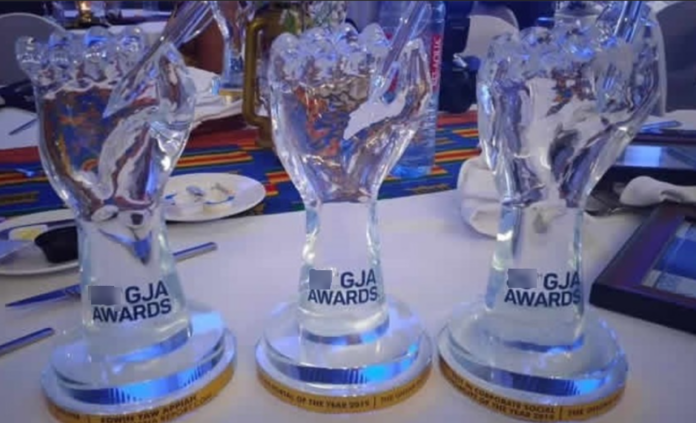
    The 28th Ghana Journalists Association (GJA) Media Awards was successfully held on Saturday, September 28, with many media practitioners being honoured for their works in impacting lives and shaping the country.

    The most coveted award, P.V. Ansah Journalist of the Year was awarded to Edward Adeti, who works with Media Without Borders, for his remarkable contributions to journalism via investigative reporting.

    Mr Adeti’s works according to the GJA, has often exposed corruption and misconduct in both public and private sectors.

    In his acceptance speech, Mr Adeti expressed deep gratitude to the GJA, his colleagues, and his audience. He dedicated the award to all journalists who continue to fight for truth and justice despite the challenges and risks involved in their work, as well as reaffirmed his commitment to using his platform to hold power to account and advocate for transparency in governance.

    Other media practitioners who were recognised for their immense works include; Media General’s Godwin Asediba who won Health Journalist of the Year, Clinton Yeboah (Student Journalist of the Year), Fred Duhoe (Best News Reporter in the Television), Bill Eshun (Disability Reporter of the Year), Castro Senyalah (Court And Crime Journalist Of The Year).

    On his part, GJA President Albert Kwabena Dwumfour, expressed gratitude to Ghana’s journalists and encouraged them to keep up the good work. He also used the opportunity to drum home concerns that affects the country’s existence as well as its democracy.

    Albert Kwabena Dwumfour urged President Nana Addo Dankwa Akufo-Addo to utilize the remaining three months of his second term to address the ongoing crisis of illegal mining, commonly known as galamsey.

    He reminded the President of his commitment to halt galamsey upon taking office, noting that this promise remains unfulfilled. He further proposed declaring a state of emergency as part of the measures needed to combat the galamsey

    In his address, he said, “We are aware that some time ago, Mr. President, the father of the nation made a promise to stop galamsey but regrettably that promise has not been fulfilled. You are barely three months until the end of your administration and we are hopeful that you will deal with the situation before you leave office.”

    Mr Dwumfour also urged government, the judiciary, and the Ghana Police Service to release the remanded protesters of the Democracy Hub group. His call comes in response to the detention of 54 protesters, with 9 in prison custody and the remainder held by the police, following clashes with security forces during a recent demonstration in Accra by Democracy Hub to address the issue of galamsey.

    “I want to commend the Ghana Police Service for exhibiting a high level of professionalism and restraint during the recent three-day protest against Galamsey by some individuals. We note some excesses and provocations that occurred during the demonstration, and the GJA condemns these excesses,”

    “We also believe that remanding the protesters for two weeks is too extreme and does not send positive signals when it comes to protecting human rights,” he added.

    President Akufo-Addo, on his part, urged Ghanaian journalists to avoid spreading misinformation that could undermine the electoral process. He stressed the significance of integrity in reporting, fairness in coverage, and providing voters with accurate information to make informed choices ahead of the 2024 general elections.

    The president described journalists as “gatekeepers of truth,” emphasizing the need to prioritize facts over falsehoods. He recognized the media’s critical role in past elections but also warned of the dangers posed by “fake news and sensationalism in the digital age,” which can distort the electoral process.

    “I remain deeply committed to ensuring that the media in Ghana remains free, vibrant, and independent. Your work is essential to the strength of our democracy, the integrity of our elections, and the progress of our nation,” he added.

  • 12 US stadiums named by FIFA for 2025 Club World Cup

    12 US stadiums named by FIFA for 2025 Club World Cup

    FIFA has announced the 12 stadiums set to host the revamped Club World Cup in the United States next year.

    The tournament will take place from June 15 to July 13, 2025, marking the first staging of an expanded 32-team competition.

    Matches will be held across various venues in the U.S., with the final scheduled for MetLife Stadium in New Jersey, located just five miles from New York City.

    The selected venues are as follows:

    • Mercedes-Benz Stadium, Atlanta
    • TQL Stadium, Cincinnati
    • Hard Rock Stadium, Miami
    • Geodis Park, Nashville
    • Bank of America Stadium, Charlotte
    • Camping World Stadium, Orlando
    • Inter&Co Stadium, Orlando
    • Rose Bowl Stadium, Los Angeles
    • Lincoln Financial Field, Philadelphia
    • Lumen Field, Seattle
    • Audi Field, Washington, DC

    Chelsea, Manchester City, and Real Madrid have automatically qualified from Europe as the most recent winners of the Champions League over the last four-year cycle. Additionally, Bayern Munich, Paris St-Germain, Inter Milan, Porto, and Benfica will also participate due to their coefficient rankings.

    The remainder of the tournament will consist of six South American clubs, 12 teams from Asia, Africa, and North America, along with one club from Oceania and another representing the U.S. as the host nation.

    Previously, the Club World Cup was an annual mid-season tournament featuring six teams from seven worldwide confederations.

    “In 2025, a new era for club football will kick off when FIFA stages the greatest, most inclusive, and merit-based global club competition right here in the United States,” said FIFA President Gianni Infantino.

    However, FIFA’s decision to expand the competition has faced criticism from clubs and players, especially after UEFA expanded the Champions League and Europa League group stages to include two additional matches.

    In July, global players’ union Fifpro and the European Leagues body, which represents 39 leagues and 1,130 clubs in 33 countries, filed a joint complaint with the European Commission to protest FIFA’s “abuse of dominance” in the sport.

    Two months prior, FIFA dismissed claims that Fifpro and the World Leagues Association were not consulted regarding plans to expand the Club World Cup.

    Manchester City midfielder Rodri, who is set to miss the rest of the season due to a ruptured anterior cruciate ligament, warned earlier this month that players are nearing a strike because of the congested fixture list.

  • Akufo-Addo ‘angry’ after GJA Boss told him to solve galamsey

    Akufo-Addo ‘angry’ after GJA Boss told him to solve galamsey

    Social media users assert that President Akufo-Addo is displeased with the President of the Ghana Journalists Association (GJA), Albert Kwabena Dwumfour, who made a comment that tackled the government’s failure to end the menace of illegal mining.

    Albert Kwabena Dwumfour, while speaking at the 28th GJA Awards urged President Nana Addo Dankwa Akufo-Addo to utilize the remaining three months of his second term to address the ongoing crisis of illegal mining, commonly known as galamsey.

    Mr Dwumfour reminded the President of his commitment to halt galamsey upon taking office, noting that this promise remains unfulfilled.

    In his address, the GJA President emphasized the urgency of the situation, stating, “We are aware that some time ago, Mr. President, the father of the nation made a promise to stop galamsey but regrettably that promise has not been fulfilled. You are barely three months until the end of your administration and we are hopeful that you will deal with the situation before you leave office.”

    Dwumfour proposed declaring a state of emergency as part of the measures needed to combat the galamsey issue in the country.

    He declared, “We still maintain that a state of emergency must be declared over our water bodies, and all planned and active mining concessions overlapping with river buffers should be abrogated. All mining activities within 100 meters buffer of all rivers and streams should be halted with immediate effect.” He also called for the immediate repeal of Legislative Instrument (L.I) 2462.

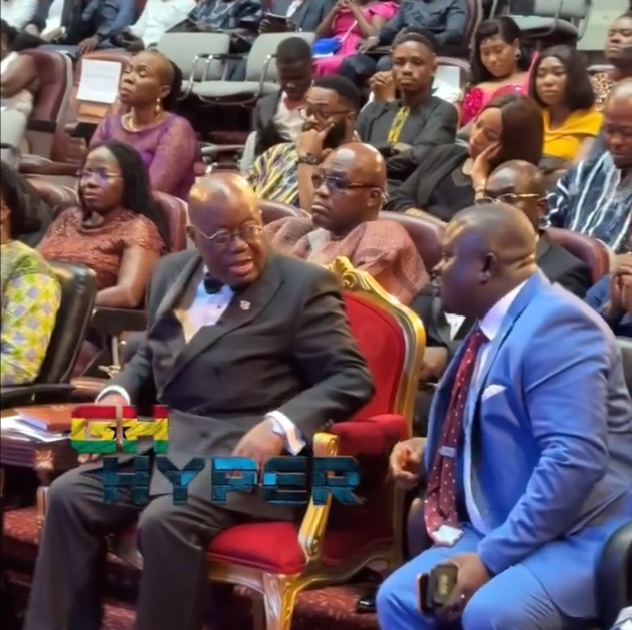
    It is reported that after his submission, the GJA President tried engaging the president. Per the video, the President showed some discontent. It is officially unknown what may have prompted the president to be upset with Mr Dwumfuor.

    While acknowledging the economic contributions of the mining sector, environmentalists and health professionals have raised concerns about the significant environmental degradation associated with illegal mining. Rivers such as the Bonsa in the Western Region and the Pra in the Ashanti Region have faced severe pollution due to the toxic chemicals used in mining operations.

    Additionally, forest reserves like Tano Nimiri in the Western North Region and the Draw River in the Western Region have also been heavily impacted.

    There have been increasing calls from the Trades Union Congress and various civil society groups for President Akufo-Addo to implement a ban on all illegal mining activities and declare a state of emergency in the affected regions.

    In a related effort, A Rocha Ghana, in collaboration with six other civil society organizations, is taking legal action against the government over illegal mining in forest reserves. This coalition, which includes Kasa Ghana, Eco-Conscious Citizens, Tropenbos, Nature and Development Foundation, Civic Response, and the Media Coalition Against Galamsey, is raising alarms about the severe environmental damage caused by mining in protected areas.

    During an emergency press briefing at A Rocha’s headquarters in Accra, Daryl Bossu, Deputy National Director of A Rocha Ghana, highlighted their objective: “Our primary goal is to secure an injunction to stop all mining and prospecting in forest reserves to protect the environment.”

  • Katanga Fellowood announce non-participation in Oct. 3 galamsey demo

    Katanga Fellowood announce non-participation in Oct. 3 galamsey demo

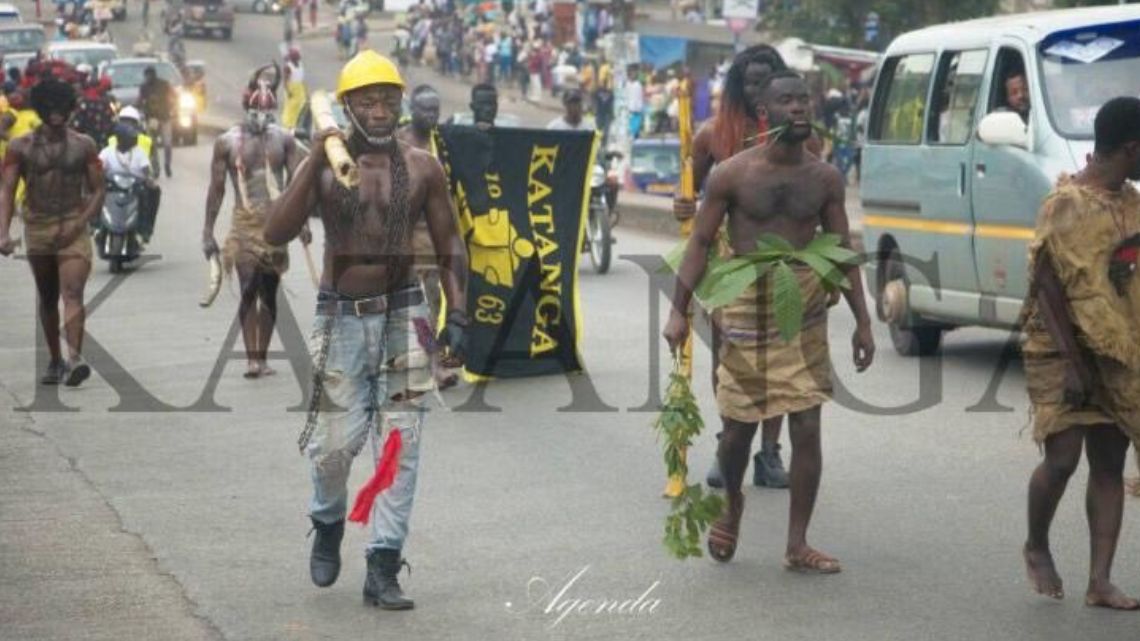
    A group identified as Katanga Fellowood which announced plans to embark on a 3-day naked demonstration in Accra from October 3, over the pollution of river bodies by activities of illegal miners, has withdrawn its participation.

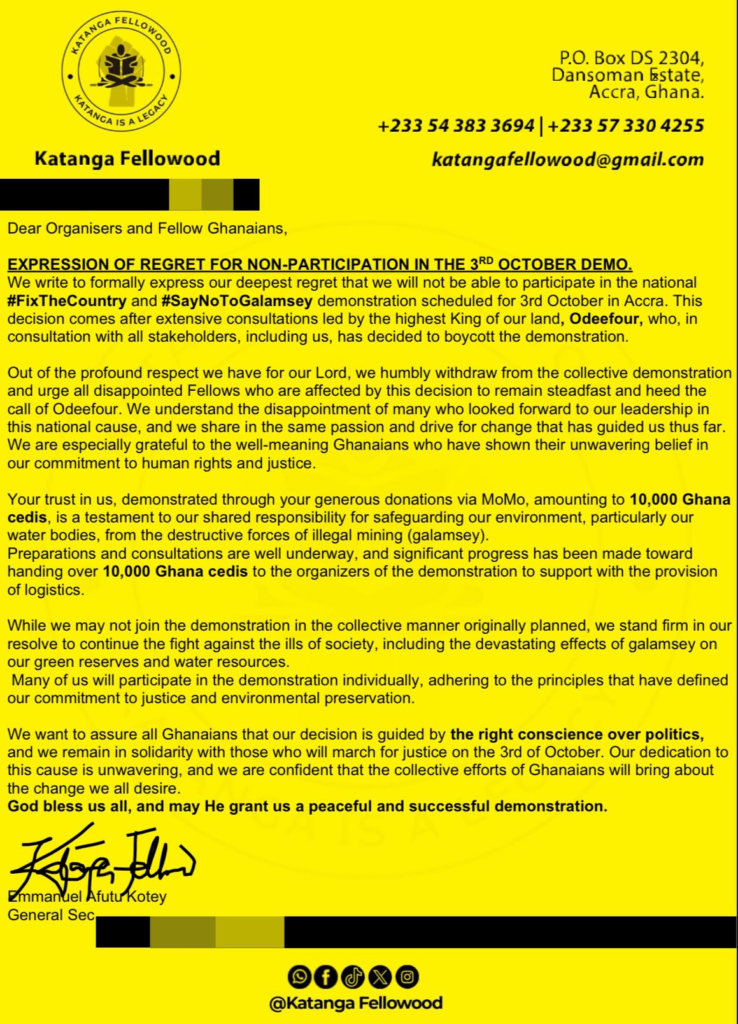
    In a press statement, the group explained that “this decision comes after extensive consultations led by the highest King of our land, Odeefour, who, in consultation with all stakeholders, including us, has decided to boycott the demonstration.”

    “Out of the profound respect we have for our Lord, we humbly withdraw from the collective demonstration and urge all disappointed Fellows who are affected by this decision to remain steadfast and heed the call of Odeefour,” it added.

    According to the group, “while we may not join the demonstration in the collective manner originally planned, we stand firm in our resolve to continue the fight against the ills of society, including the devastating effects of galamsey on our green reserves and water resources,” adding that “Many of us will participate in the demonstration individually, adhering to the principles that have defined our commitment to justice and environmental preservation.”

    Following the announcement of the protest, the Katanga Alumni Association distanced itself from the pending demonstration. Katanga Fellowood has pushed back against claims by the Katanga Alumni Association that it is not a legitimate group.

    The group requested support to acquire logistics to bus Fellows from all 16 regions in Ghana to embark on the naked demonstration and has received GHC10,000.

    According to the Fellowood, “preparations and consultations are well underway, and significant progress has been made toward handing over 10,000 Ghana cedis to the organizers of the demonstration to support with the provision of logistics.”

    The 3-day protest will commence on October 3 and end on October 5. The point of convergence is Legon, Okponglo and the protestors will march to the Independence Square.

    Ningo-Prampram Member of Parliament, Sam Nartey George, has thrown his support behind a planned naked demonstration in Accra. Sam George, in a post dated September 26, on the X platform, declared his willingness to join the protest, stating, “Count me in. Citizens, no matter how uncomfortable, must be allowed to have a voice. I’d put my money where my heart and mouth is. Let’s go!”

  • The sabotage won’t work, we won’t stop galamsey operators – MP

    The sabotage won’t work, we won’t stop galamsey operators – MP

    The Member of Parliament for Effiduase-Asokore Constituency, Dr. Ayew Afriyie, has indicated that the ruling New Patriotic Party (NPP) will not stop illegal mining “galamsey” operators ahead of the 2024 general election.

    Lashing out at Ghanaians calling for an end to galamsey to protect the country’s river bodies, the Middle Belt Campaign Coordinator for Dr. Mahamudu Bawumia stressed that the NPP government will not stop galamsey today or tomorrow.

    He suggested that the increase activities of illegal miners is due to efforts by some group(s) to make government unpopular. He noted that there was no mention of shortage of water due to galamsey until recent months.

    “They saw that we are winning the seats in the mining areas so they decided to go and import foreigners. When they brought them they told them to go and mine in the water. They want us to go and stop the galamseyers so that we lose our seats.

    “We won’t stop the Galamsey operators today or tomorrow. This is sabotage to make us lose our seats in Galamsey constituencies,” Dr. Ayew Afriyie said at a campaign rally by the NPP.

  • SA grab first Rugby Championship trophy since 2019

    SA grab first Rugby Championship trophy since 2019

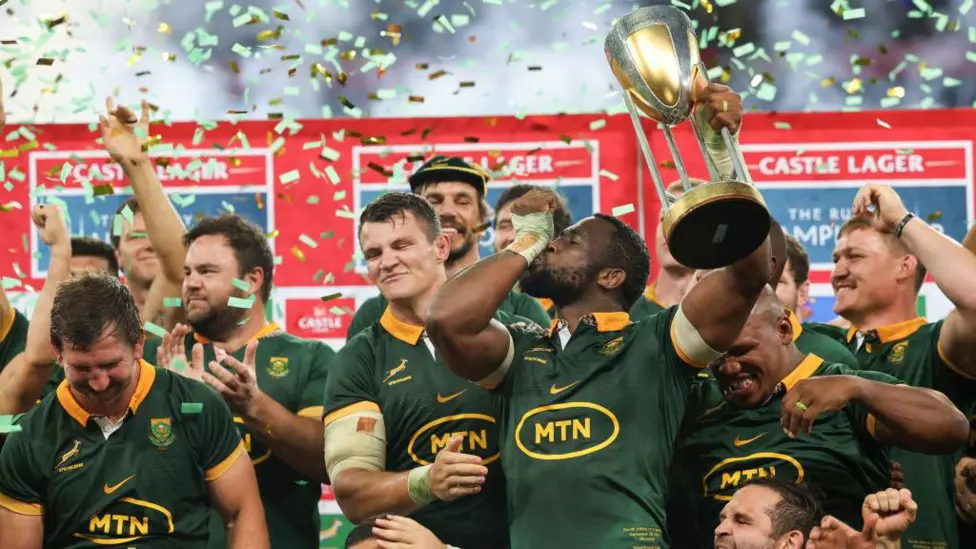
    South Africa triumphed over Argentina in Nelspruit to secure the Rugby Championship title for the first time since 2019. The Springboks delivered a dominant performance, scoring four tries in the first half.

    Aphelele Fassi was instrumental, scoring two tries and assisting Cheslin Kolbe, while Pieter-Steph du Toit also scored his first try of the match. Argentina’s only points in the first half came from fly-half Tomas Albornoz.

    A critical moment in the second half occurred when Pumas replacement Pablo Matera received a yellow card that was upgraded to a 20-minute red for head contact while trying to clear out Vincent Koch. This dismissal left Argentina vulnerable, and with full-back Santiago Carreras also sin-binned for a deliberate knock-on, Malcolm Marx capitalized on the situation to score from the back of a maul.

    Du Toit added another try before centre Jesse Kriel finished the scoring, reacting to Handre Pollard’s clever dink kick. The victory allowed the Springboks to avenge their previous week’s narrow one-point loss to Argentina, which had denied them the title a week earlier.

    “It has been a journey and a half. After last week the way we stood up says a lot about our team,” said Springboks captain Siya Kolisi in an interview with Sky Sports.

    This championship win marks the Springboks’ first full tournament victory since 2009, following a shortened format in 2019 due to the Rugby World Cup, and is their first since Argentina joined the competition. The achievement adds to Rassie Erasmus’ impressive coaching resume, which now includes two World Cups, two Rugby Championships, and a British and Irish Lions tour victory.

    Despite the defeat, this championship marked a milestone for the Pumas, as it was the first time they had defeated all three teams in the Rugby Championship, entering the final round with an outside chance of claiming the title. They finished in third place after New Zealand secured the runners-up position by beating Australia earlier that day.

  • Fix galamsey crisis before you leave office – GJA to Akufo-Addo

    Fix galamsey crisis before you leave office – GJA to Akufo-Addo

    President of the Ghana Journalists Association (GJA), Albert Kwabena Dwumfour, has urged President Nana Addo Dankwa Akufo-Addo to utilize the remaining three months of his second term to address the ongoing crisis of illegal mining, commonly known as galamsey.

    Speaking at the 28th GJA Awards, Dwumfour reminded the President of his commitment to halt galamsey upon taking office, noting that this promise remains unfulfilled.

    In his address, the GJA President emphasized the urgency of the situation, stating, “We are aware that some time ago, Mr. President, the father of the nation made a promise to stop galamsey but regrettably that promise has not been fulfilled. You are barely three months until the end of your administration and we are hopeful that you will deal with the situation before you leave office.”

    Dwumfour proposed declaring a state of emergency as part of the measures needed to combat the galamsey issue in the country.

    He declared, “We still maintain that a state of emergency must be declared over our water bodies, and all planned and active mining concessions overlapping with river buffers should be abrogated. All mining activities within 100 meters buffer of all rivers and streams should be halted with immediate effect.” He also called for the immediate repeal of Legislative Instrument (L.I) 2462.

    While acknowledging the economic contributions of the mining sector, environmentalists and health professionals have raised concerns about the significant environmental degradation associated with illegal mining. Rivers such as the Bonsa in the Western Region and the Pra in the Ashanti Region have faced severe pollution due to the toxic chemicals used in mining operations.

    Additionally, forest reserves like Tano Nimiri in the Western North Region and the Draw River in the Western Region have also been heavily impacted.

    There have been increasing calls from the Trades Union Congress and various civil society groups for President Akufo-Addo to implement a ban on all illegal mining activities and declare a state of emergency in the affected regions.

    In a related effort, A Rocha Ghana, in collaboration with six other civil society organizations, is taking legal action against the government over illegal mining in forest reserves. This coalition, which includes Kasa Ghana, Eco-Conscious Citizens, Tropenbos, Nature and Development Foundation, Civic Response, and the Media Coalition Against Galamsey, is raising alarms about the severe environmental damage caused by mining in protected areas.

    During an emergency press briefing at A Rocha’s headquarters in Accra, Daryl Bossu, Deputy National Director of A Rocha Ghana, highlighted their objective: “Our primary goal is to secure an injunction to stop all mining and prospecting in forest reserves to protect the environment.”

  • Rise to the occasion, be gatekeepers of the truth – Akufo-Addo to media

    Rise to the occasion, be gatekeepers of the truth – Akufo-Addo to media

    President Akufo-Addo has urged Ghanaian journalists to avoid spreading misinformation that could undermine the electoral process.

    Speaking at the 28th Ghana Journalists Association (GJA) Media Awards and the 75th anniversary celebration in Accra on September 28, he stressed the significance of integrity in reporting, fairness in coverage, and providing voters with accurate information to make informed choices ahead of the 2024 general elections.

    Akufo-Addo described journalists as “gatekeepers of truth,” emphasizing the need to prioritize facts over falsehoods. He recognized the media’s critical role in past elections but also warned of the dangers posed by “fake news and sensationalism in the digital age,” which can distort the electoral process.

    “Every four years, Ghanaians go to the polls to choose their leaders, and in that process, the media plays an indispensable role. It’s through your work that citizens are informed about the policies of political parties, the integrity of candidates, and the issues that matter most to their lives,” he said.

    He underscored the media’s responsibility during elections, stating, “You have been at the forefront, monitoring polls, reporting on potential irregularities, and ensuring that the voices of the electorates are heard. Peaceful transitions of power that we have been seeing in Ghana are no small part due to the diligence and integrity of the media.”

    Highlighting the challenges posed by the digital age, he warned, “While technology has democratised information, it has also created new vulnerabilities. In the age of social media, where information travels faster than ever, journalists must rise to the occasion by being the gatekeepers of the truth, ensuring that facts prevail over falsehoods.”

    As the country approaches another election cycle, he called on the media to continue its essential work, urging them to “report with integrity, ensuring fairness in coverage, and providing voters with the accurate, timely, and comprehensive information they need to make informed decisions.”

    President Akufo-Addo reiterated, “The stakes are high and your role has never been more crucial. I stand before you not only as a president of the Republic but as someone who has worked alongside the media on this journey to freedom and democracy.”

    Reaffirming his commitment to a “free and vibrant press,” he stressed its importance in Ghana’s democracy, particularly as the nation gears up for the 2024 elections.

    “I remain deeply committed to ensuring that the media in Ghana remains free, vibrant, and independent. Your work is essential to the strength of our democracy, the integrity of our elections, and the progress of our nation,” he concluded.

  • Lands Ministry clears Akufo-Addo’s daughters of galamsey allegations by Ablakwa

    Lands Ministry clears Akufo-Addo’s daughters of galamsey allegations by Ablakwa

    The Ministry of Lands and Natural Resources has strongly refuted allegations made by North Tongu MP, Samuel Okudzeto Ablakwa, accusing President Akufo-Addo’s daughters of being involved in illegal mining activities, also known as galamsey.

    In a detailed statement released on Saturday, September 28, 2024, the Ministry dismissed the claims as “entirely false and misleading,” affirming that the President’s daughters are not connected to any illegal mining operations.

    “The attention of the Ministry of Lands and Natural Resources has been drawn to certain comments by the Member of Parliament for North Tongu, Hon. Samuel Okudzeto Ablakwa, alleging that the daughters of the President of the Republic, H.E. Nana Addo Dankwa Akufo-Addo, are either associated with a certain company and/or involved in illegal mining,” the statement said.

    According to the Ministry, the company in question, Elite Minerals Company Limited, was incorporated on July 25, 2008, and “none of the daughters of the President of the Republic is either a shareholder and/or a director of the Company.”

    The Ministry further clarified that the company’s mining lease was first issued in 2012, during the John Mahama administration, and does not fall within a forest reserve, contrary to claims made by Ablakwa.

    “For the avoidance of doubt, Elite Minerals Company Limited’s Mining Lease dated 22nd March, 2024 is a renewal of an earlier mining lease dated 23rd July, 2012, and the said Lease does not fall in any Forest Reserve as alleged by Hon. Ablakwa,” the Ministry emphasized.

    Additionally, the Ministry rejected Ablakwa’s assertions regarding Elite Minerals’ alleged acquisition of an exclusive concession in the Volta Region for mining salt, lithium, and gold. The Ministry explained that such claims were “totally false” and displayed a misunderstanding of Ghana’s mining laws.

    “A ‘restricted mining lease’ is not the same as an ‘exclusive concession,’” the Ministry clarified. “By section 111 of the Act 703, a restricted mining lease is ‘a lease to mine industrial minerals,’ such as salt. Accordingly, any application for a lease to mine salt will be an application for a ‘restricted mining lease.’ But that does not grant any exclusive right to the holder of the mineral right, as alleged by the Hon. Member.”

    The Ministry also noted that several companies, including Seven Seas Salt Limited, have been mining salt in the Volta Region for years, with Seven Seas holding the largest salt concession since 2011.

    The Ministry urged the public to disregard the allegations, which it described as politically motivated, and reiterated its commitment to transparency in the fight against illegal mining. “The Ministry wishes to assure the people of Ghana of its unwavering commitment to the fight against illegal mining, and doing so with the highest standards of integrity, transparency, and candour, in the public interest.”

    The Ministry further encouraged political figures and the public to be factual in their comments regarding galamsey, stressing the importance of accuracy in the national discourse.

  • A group of South Africans swindled a Ghanaian bank, spent $1.4m on Porsche – Bright Simons details

    A group of South Africans swindled a Ghanaian bank, spent $1.4m on Porsche – Bright Simons details

    Honorary Vice President of IMANI Africa, Bright Simons, has exposed a fraudulent scheme in which a group of South Africans swindled a Ghanaian bank, spending $1.4 million of development funds on a luxury Porsche.

    Mr Simons detailed how a 2019 initiative by Investec, a prominent South African bank, went disastrously wrong in Ghana, revealing significant governance failures that allowed the fraud to occur.

    In his analysis, Simons explained that Investec sought to get creative with development finance in Ghana by structuring an investment into a Special Purpose Vehicle (SPV) named “Ghana Infrastructure Company.” The SPV was designed to fund the construction of roads, clinics, climate-sensitive storm drains, and other infrastructure projects across the country.

    “Investec hailed it as a breakthrough model that would do away with the need for a sovereign guarantee,” Simons explained, noting that the idea was to use payments from the government as the projects progressed as a form of security. As more projects were completed and paid for, Investec could then reinvest further into the SPV.

    However, things soon went awry. Simons disclosed that Investec had quietly demanded secondary guarantees from Stanbic Bank, the local bank used by the South African promoters of the SPV. South Africa’s export credit agency also stepped in to cover materials sourced from South Africa. But behind the scenes, the scheme was unraveling.

    “It has now been revealed that most of these projects were not delivered,” Simons stated. Worse still, the guarantees supposedly issued by Stanbic Bank were found to be fake. “The South African SPV promoters knocked them together using Photoshop,” he said, outlining the extent of the deception.

    The misuse of funds was equally shocking. Simons revealed that instead of investing in the promised infrastructure, the SPV promoters squandered a large portion of the money on lavish expenses. One of the most egregious purchases was a $1.4 million Porsche, which had been featured as a prop in the Hollywood movie Bad Boys. “Yes, they spent $1.4 million of the money on a Porsche used by Will Smith in a movie,” Simons remarked.

    As a result of the fraud, vital infrastructure projects such as storm drains in and around Lamashegu, Tamale, were left incomplete or poorly executed. The inadequate construction of roads and storm drains led to flooding that washed away the roads, highlighting the devastating consequences of the scam.

    Simons emphasized the need for stronger governance and oversight in development finance projects, particularly in Africa. “There is no way such a situation could have happened if Civil Society and other local analysts and activists were deeply engaged in the design and monitoring of all development projects,” he argued. He called for independent monitoring of projects where the government has liability to ensure that funds are properly used.

    Simons also pointed out that if Investec had involved more locally knowledgeable actors, rather than relying solely on legal and financial consultants and government ministries, “alarm bells would have sounded long before too much money got disbursed.”

    He concluded by stressing the importance of transparency in development finance. “Trust is essential, true. But trust-based financing only works when transparency is a strong deterrence to trust-corroding actions,” Simons said, warning that the alternative is “scarce funds going into Porsches instead of storm drains.”

  • University unions strike enters third week, UTAG pressures govt

    University unions strike enters third week, UTAG pressures govt

    The University Teachers Association of Ghana (UTAG) has intensified its call on the government to urgently address the concerns of striking university unions.

    The ongoing industrial action, which has now entered its third week, involves several key unions, including the Teachers and Educational Workers Union (TEWU), the Senior Staff Association of Universities of Ghana (SSA-UoG), and the Federation of University Senior Staff Association of Ghana (FUSSAG).

    The strike, which began on Monday, September 16, 2024, stems from unresolved issues related to the failure of the Controller and Accountant General’s Department (CAGD) to implement approved vehicle maintenance and off-campus allowances, despite the Ministry of Finance granting approval in August 2024.

    UTAG National President, Dr. Mamudu Akudugu, expressed concern over the disruption the strike is causing to the academic calendar, which had already been impacted by the COVID-19 pandemic. In an interview with Umaru Sanda Amadu on Citi FM’s Eyewitness News, Dr. Akudugu called on the government to expedite efforts to resolve the ongoing issues.

    “It is a bad situation because COVID-19 somehow disrupted the academic calendar and we had to work so hard to readjust,” Dr. Akudugu said. He further urged the government to “find ways of resolving whatever the issues are so that our colleagues can be assured and then come back to continue their work.”

    The University of Ghana has postponed the start of the 2024/2025 academic year due to the strike, with a new date yet to be communicated.

    The university’s management is actively working to resolve the disputes with the unions, which are advocating for improved working conditions and the implementation of agreed-upon benefits, such as delayed pension contributions and vehicle maintenance allowances.

    While the strike continues, the University of Ghana has assured students that special programmes will proceed as scheduled. However, the general commencement of the 2024/2025 academic year remains postponed until the labour disputes are resolved.

    Adding to the tension, the Tertiary and Universities Senior Administrators Association of Ghana (TUSAAG) announced a nationwide strike on Friday, September 27, 2024, withdrawing all services. This action is in response to what TUSAAG describes as the government’s failure to honor its obligations under the Collective Bargaining Agreement (CBA) and implement revised allowances for senior staff members at public universities.

    The unions’ grievances highlight longstanding concerns about the working conditions of staff in tertiary institutions, with demands ranging from improved allowances to the reinstatement of suspended benefits. As the strike enters its third week, all eyes are on the government to see if a resolution can be reached to end the impasse and restore normalcy to the affected universities.

  • 2-week remand too extreme, release Democracy Hub protestors – GJA

    2-week remand too extreme, release Democracy Hub protestors – GJA

    The President of the Ghana Journalists Association (GJA), Albert Kwabena Dwumfour, has urged the Akufo-Addo government, the judiciary, and the Ghana Police Service to release the remanded protesters of the Democracy Hub group.

    His call comes in response to the detention of 54 protesters, with 9 in prison custody and the remainder held by the police, following clashes with security forces during a recent demonstration in Accra.

    Initially peaceful, the protest turned violent between September 21 and 23, as demonstrators blocked roads, dismantled police barriers, obstructed traffic, and burned properties at the 37 Roundabout. While commending the police for their professionalism during the protest, Dwumfour expressed concern over the excessive measures taken afterward.

    “I want to commend the Ghana Police Service for exhibiting a high level of professionalism and restraint during the recent three-day protest against Galamsey by some individuals. We note some excesses and provocations that occurred during the demonstration, and the GJA condemns these excesses,” Dwumfour said at the 28th GJA Media Awards on September 28.

    However, Dwumfour criticized the decision to remand the protesters for two weeks, calling it “too extreme” and warning that it undermines Ghana’s commitment to human rights.

    “We also believe that remanding the protesters for two weeks is too extreme and does not send positive signals when it comes to protecting human rights,” he added.

    The GJA President called for a balanced approach that upholds the law while respecting citizens’ rights. “As a result, we add our voice to calls on the government, police, and the judiciary to take steps to release the protesters immediately,” Dwumfour urged.

    Background

    The Democracy Hub group organized a protest that escalated into violence between September 21 and 23, resulting in confrontations with the police. Protesters were accused of blocking roads, dismantling police barriers, and burning properties at Accra’s 37 Roundabout.

    Fifty-four protesters are currently detained, with 9 in prison and the rest in police custody. The prosecution has rejected allegations of mistreatment, insisting that the protesters are receiving proper care, including meals from the popular local restaurant, Papaye, sparking outrage from defense lawyers. The prosecution also opposed bail, citing concerns about the unknown addresses of some protesters.

    The judge denied bail and remanded the protesters until October 8, leading to protests from the detained individuals, who expressed their dissatisfaction by singing patriotic songs in court.

    This has prompted concerns from various groups, including former President John Dramani Mahama, who described the two-week remand as an abuse of their rights.

    An Associate Professor at the School of Law, University of Ghana, Professor Kwadwo Appiagyei-Tuah has mentioned key issues such as the reasons for the arrests, the transfer of protesters between prisons without notifying their families or lawyers, and the fact that some were brought to court without any formal charges, saying that these are critical human rights issues that touch on the dignity of the individual.

    This, he questioned the nature of the offense that would warrant the denial of bail to the arrested protesters.

  • PURC announces 3.02% increase in electricity tariff, 1.86% for water

    PURC announces 3.02% increase in electricity tariff, 1.86% for water

    Consumers of electricity and water in Ghana are set to experience further economic strain as the Public Utilities Regulatory Commission (PURC) announces tariff hikes of 3.02% for electricity and 1.86% for water, effective October 1, 2024.

    This increment comes after the Commission’s quarterly review, designed to account for fluctuations in critical economic indicators such as the exchange rate, inflation, and the cost of natural gas.

    The PURC emphasized that these adjustments are necessary to maintain the “financial viability and ability of utility service providers to deliver on their mandate,” ensuring uninterrupted utility services. Specifically, the depreciation of the Ghana Cedi against the US Dollar by 4.96% between the second and third quarters of 2024 contributed significantly to the rise in electricity tariffs.

    The exchange rate effect, combined with the Weighted Average Cost of Gas (WACOG), which declined slightly from US$/MMBtu 8.0422 to US$/MMBtu 7.8368, resulted in a total under-recovery of GHS 173.98 million in the electricity sector.

    In its statement, the PURC detailed that the “projected inflation rate for the period declined marginally from 24.38% to 22.27%,” but this was not enough to counterbalance other cost-driving factors. The hydro-thermal generation mix, with hydro sources contributing 34.81% and thermal sources 65.19%, remained unchanged for the period under review.

    On the water side, a revenue gap of GHS 12.01 million led to the 1.86% increment in tariffs. The PURC expressed that the new rates are essential for “cost recovery for the provision of utility services” and to reduce the government’s fiscal burden in subsidizing the electricity and natural gas sectors.

    Utility companies, including the Electricity Company of Ghana (ECG), Ghana Water Limited (GWL), and Northern Electricity Distribution Company (NEDCo), are expected to meet the PURC’s regulatory benchmark of 98% for revenue collection. Failure to do so, the Commission warned, could jeopardize the sustainability of both the energy and water sectors.

    In approving these tariffs, the PURC projected monthly revenues for the third quarter as follows: “GHS 2,024.5 million for ECG, GHS 243.20 million for NEDCo, and GHS 227.40 million for GWL.”

    The Commission stressed that these increases in revenue requirements must correspond with improved revenue collection in line with the 98% benchmark to ensure the utility providers’ financial health and service delivery.

  • Publish full 2020 audit report on National Cathedral amid 2021-24 probe – Ablakwa to Deloitte

    Publish full 2020 audit report on National Cathedral amid 2021-24 probe – Ablakwa to Deloitte

    Member of Parliament for North Tongu, Samuel Okudzeto Ablakwa, has urged for the full publication of the 2020 audit report in reaction to the audit report on the National Cathedral project.

    He expressed his views in a post on X, highlighting concerns over the integrity of the information provided by the National Cathedral Secretariat, which claimed that audit firm Deloitte had cleared them for the period ending December 31, 2020.

    “I have observed quite a number of hirelings engage in a premature frenzy over a statement from the National Cathedral Secretariat claiming that audit firm Deloitte has purportedly cleared them for the period ending December 31, 2020. First of all, let me point out that Ghanaians demand a full publication of the said 2020 audit to draw our own informed conclusions. We shall not rely on the interpretations of an interested party.”

    Ablakwa cautioned against prematurely concluding that the 2020 audit, which only covers one year, indicates no adverse findings for the entire project.

    He emphasized, “I stress that it is grossly misleading to conclude that because of a 2020 audit report—a report covering only one year—then it means no adverse findings have been made for the entire project.”

    He noted that the statement from National Cathedral Board Chairman, Apostle Prof. Opoku Onyinah, acknowledged that audits for 2021, 2022, and 2023 remain outstanding.

    According to documents submitted to Parliament by former Finance Minister Ken Ofori-Atta, as of November 21, 2022, only 0.13% of financial releases for the project had been made by 2020.

    Ablakwa detailed this by stating, “Specifically, on 7th June, 2019, GHS445,000 (US$89,000) was released for the National Cathedral project. The remaining over 99% of releases happened after 2020.”

    He listed several post-2020 releases from the Finance Ministry:

    1. GHS80,525,461.84 (US$13,972,594.93) on March 5, 2021.
    2. GHS32,070,103.02 (US$5,564,827.84) on February 10, 2021.
    3. GHS142,762,500.00 (US$25,000,000.00) on October 29, 2021.
    4. GHS58,200,000.00 (US$10,000,000.00) on August 19, 2021.
    5. GHS25,000,000.00 (US$3,515,086.75) on March 31, 2022.

    He concluded that these releases totaled GHS339,003,064.86 (US$58,141,509.52), meaning the 2020 audit covered only a fraction of the actual financial activities related to the National Cathedral project.

    “As we await a full publication of the 2020 audit, we also eagerly await the completion of the 2021, 2022, and 2023 audits which will cover more than 99% of the releases made,” he stated.

    Ablakwa further remarked, “It would be interesting to see how any credible audit can conclude that the world’s most expensive pit which has now been upgraded to a National Cathedral Swimming Pool truly cost US$58.1 million. It would also be interesting to see how the litany of corrupt practices, diversions to Cary Summers and others, inflationary pricing, multiple legal breaches, demolishings, avoidable compensations, and criminal double identity payments will be cleaned up by any credible audit. The real comprehensive audit shall be conducted soon.”

    Meanwhile, the National Cathedral project is set to resume following the completion of the first audit report. Apostle Prof. Opoku Onyinah confirmed this development in a statement, stating that the audit conducted by Deloitte reviewed the project’s financial activities up to December 31, 2020. He emphasized that the audit was initiated to address public concerns over allegations of corruption and questionable expenditures.

    “The need for an audit was a key demand by church leadership and Ghanaians to establish the credibility of the project’s implementation. With the completion of this first report, preparations are underway for construction to resume,” he said, calling for renewed financial and prayer support for the project from the public.

    Construction had been suspended in 2022 due to financial constraints, but optimism remains regarding fundraising initiatives. Dr. Paul Opoku-Mensah, the Executive Director of the National Cathedral Secretariat, noted, “We are hoping that within the next couple of weeks, as part of our fundraising and other initiatives, we can begin work again.”

    Despite ongoing public debate about the necessity and transparency of the project, the government estimates that completion will require $450 million, with previous contributions from various church denominations amounting to GH¢2.21 million ($164,000), significantly less than needed.

  • EC to submit full voters register to political parties, other groups on Oct. 1

    EC to submit full voters register to political parties, other groups on Oct. 1

    A Deputy Chairman of the Electoral Commission (EC), Dr. Bossman Asare, has announced that the commission will present the complete voter’s register to political parties and other relevant stakeholders on Tuesday, October 1, 2024.

    This decision comes amid escalating concerns regarding the accuracy and credibility of the provisional voter’s register ahead of the 2024 elections.

    Speaking on JoyNews’ Newsfile program on Saturday, September 28, Dr. Asare emphasized that presenting the register to political parties and civil society groups is part of the Commission’s efforts to build trust and ensure accountability.

    He stated that the upcoming meeting will offer stakeholders the chance to review the register, voice concerns, and seek clarifications on any issues.

    Dr. Asare expressed confidence that this engagement will help address the raised concerns and encourage collaboration between the EC and political entities.

    “For the good people of our country, we have addressed all the concerns that were raised and right now we have informed the political parties that we will have an IPAC meeting with them on Tuesday and in the said meeting, we will present the entire voter’s register to the political parties and other groups on Tuesday. So we want to request all of them to make themselves available at the meeting,” he said.

    The announcement follows requests from various political entities, particularly the National Democratic Congress (NDC), for an audit of the voter’s register. The NDC has voiced worries about alleged discrepancies in the provisional list and has called for immediate actions to enhance transparency in the electoral process.

    Although the Electoral Commission had previously dismissed calls for an audit, deeming them unnecessary, Dr. Asare reassured the public of the EC’s commitment to a fair and transparent electoral process.

  • Mikaela Mayer dethrones Sandy Ryan of her WBO welterweight title

    Mikaela Mayer dethrones Sandy Ryan of her WBO welterweight title

    Mikaela Mayer captured the WBO welterweight title from Sandy Ryan with a majority decision victory in New York on Friday night.

    The match was charged with tension, further heightened by a bizarre incident just hours before the fight, where Ryan was struck with a can of red paint while making her way to The Theater inside Madison Square Garden.

    Ryan, defending her title for the third time, expressed that the incident left her feeling “unsettled” and believes it may have influenced her narrow loss. “I’m obviously disappointed, and I’m not taking [anything] away from the decision but before coming to the venue, I had a hit and run [with paint],” she said. “And that was definitely set up.”

    Mayer, 34, expressed her shock upon hearing about the incident, clarifying that it had nothing to do with her or her team. The fight ended with two judges scoring it 97-93 and 96-94 in favor of Mayer, while a third judge called it a 95-95 draw. This defeat marks Ryan’s second loss and yet another disappointing title defense in the United States.

    Ryan, who previously fought in the US in September 2023 and suffered a controversial split decision draw against Jessica McCaskill, started slowly against Mayer. The American utilized her trademark speed and jab to gain an early advantage. However, Ryan rallied in the sixth round, landing a significant left hand. She had another strong performance in the eighth round, but Mayer demonstrated resilience, countering Ryan’s powerful shots effectively.

    Reflecting on the paint incident, Ryan said, “That threw me a bit off my game plan. You saw at the start of the fight, I was handling her quite well on the jab. I was boxing her and then I started to pick it up. But then, I was obviously pushing it too hard.”

    With this victory, Mayer became a two-weight world champion, having previously held the title at super-featherweight. Critics had questioned her move to welterweight due to the 17-pound weight jump, especially after her controversial defeat to Natasha Jonas in January. However, with this win over one of the top welterweights, Mayer is now firmly established in the division.

    “[Ryan] just couldn’t handle my timing, so, I felt like I won the fight, and I’m just glad I got the right decision this time,” she said, referring to her earlier bout with Jonas. “

    I want to finish what I started and go undisputed. I came very close at [super-featherweight]. But my body outgrew that weight. I’m comfortable now. I feel like I’m stronger than ever. I’m still in my prime, as you can see. So I’m coming for the other champions.”

  • Can you pay GHC13.50 for imported bottle water?- Woman quizzes Ghanaians over galamsey

    Can you pay GHC13.50 for imported bottle water?- Woman quizzes Ghanaians over galamsey

    A Ghanaian woman has raised awareness about the alarming cost difference between imported bottled water and locally produced water, linking it to the urgent need to combat illegal mining activities.

    In a compelling video, she highlighted that a bottle of imported water sold at Marina Mall costs GHC13.50, while locally bottled water is priced at just GHC1.50.

    “So next time you don’t understand how infuriating this thing is, ask yourself if you can afford this for the rest of your life if your water is contaminated,” she urged.

    Her comments come amid growing concerns that Ghana could face a future where it must import water due to the devastating effects of illegal mining on water resources.

    The Pharmaceutical Society of Ghana (PSG) echoed these concerns, warning during its 2024 annual general meeting that the country risks having to import water to support local pharmaceutical production if illegal mining is not urgently addressed. They cited the detrimental impact of illegal mining on water bodies, leading to a significant increase in the cost of water treatment for manufacturing.

    According to PSG, the escalating expenses associated with treating water for the production of pharmaceutical products are directly linked to the environmental degradation caused by illegal mining activities.

  • ECG will remain efficient despite Mahama’s absence – Afenyo-Markin

    ECG will remain efficient despite Mahama’s absence – Afenyo-Markin

    The Board Chairman of the Electricity Company of Ghana (ECG), Alexander Afenyo-Markin, has assured stakeholders that the resignation of Dubik Mahama as Managing Director will not affect the company’s operational efficiency.

    Mr. Mahama’s recent decision to step down raised concerns about potential disruptions in service delivery, but Afenyo-Markin emphasized the resilience of ECG’s processes.

    He stated that the company’s well-structured management team is equipped to maintain performance standards, regardless of leadership changes.

    During a press conference on Thursday, September 26, Afenyo-Markin reassured stakeholders that systems are in place to ensure a seamless transition and continued operations. He reiterated ECG’s commitment to enhancing services, particularly in meeting customer needs and improving the overall efficiency of the electricity distribution network.

    “The board has received the support of management in its decision and we are here to assure you that the fact that we have had changes in management will not mean that you are going to have some interrupted power supply. The entire system of the company is in place and the company will continue to provide the essential services that it provides for Ghanaians and the country,” he stated.

    Afenyo-Markin also highlighted that the company’s focus will remain on long-term strategic goals, unaffected by changes in leadership.

  • 28th GJA Awards happening today

    28th GJA Awards happening today

    The Ghana Journalists Association (GJA) is set to host the 28th edition of its annual GJA Awards today, September 28, 2024, at the Accra International Conference Centre.

    The ceremony will honor journalists who excelled in their craft throughout 2023.

    Nominees were selected from 36 categories, including prestigious awards such as the P. A. V. Ansah Journalist of the Year, Best Female Journalist of the Year, Most Promising Journalist of the Year, Best Student Journalist of the Year, and the Akoto Ampaw Award for Democracy and Good Governance.

    Mr. George-Ramsey Benamba, Chairman of the GJA Awards Committee, revealed that the Committee received over 300 entries for consideration. He explained that nominees were chosen based on criteria including accuracy, balance, relevance, impact, background, ethics, and language presentation of their published works.

    The list of nominees includes:

    • Edward Acquah (Ghana News Agency)
    • Castro Senyalah (Media General)
    • Evans Aziamor-Mensah (Fourth Estate)
    • Benedicta Gyimah Folley (Ghanaian Times)
    • Edmund Smith Asante (Daily Graphic)
    • Philip Teye Agbove (Fourth Estate)
    • Doreen Ampofo (GBC)
    • Naa Dede Akrong (GBC OBONU)
    • Delali Sika (Daily Graphic)
    • Ridwan Kareem Deen Osuman (EIB NETWORK)
    • Timothy Ngnenbe (Daily Graphic)
    • Emmanuel Bruce (Daily Graphic)
    • Godwin Asediba (Media General)
    • David Andoh (Multimedia)
    • Erastus Asare Donkor (Multimedia)
    • Stanley Nii Blewu (Media General)
    • Jonathan Donkor (Ghanaian Times)
    • Kester Aburam Korankye (Daily Graphic)
    • Beatrice Senadju (GBC)
    • Clara Mlano (GBC)
    • Dr. Neta Chris Abiana Parsram (Multimedia)
    • Solomon Jojo Cobbinah (Multimedia)
    • Fred Duhoe (Channel One TV)
    • Bill Eshun (Media General)
    • Seth Bokpe (Fourth Estate)
    • Muftawu Nabila Abdulai (Multimedia)
    • Emmanuel Kwesi Debrah (Multimedia)
    • Clinton Yeboah (Multimedia)

    The awards ceremony will mark the culmination of the GJA’s 75th Anniversary celebration, themed “75 years of excellence in Journalism: The Role of the Media in Democratic Governance and Elections.”

    Mr. Albert Kwabena Dwumfour, President of the GJA, commended the Awards Committee for their diligent work in selecting the nominees. He stated that the awards would recognize the outstanding efforts of media professionals who have demonstrated exceptional journalism, creativity, and dedication to truth and good storytelling.

    “In a world where information is power, the media plays a vital role in shaping our understanding of the world, hence this honour and celebration,” Mr. Dwumfour emphasized.

  •  Plymouth beat Luton Town by 3 goals

     Plymouth beat Luton Town by 3 goals

    Plymouth Argyle secured a convincing 3-1 victory over Luton Town in a tense Championship clash at Home Park, with Ibrahim Cissoko scoring twice to lead the charge.

    The hosts took an early lead when Rami Al Hajj netted his first goal for Argyle just eight minutes into his first start, curling a stunning shot into the top corner from the edge of the box following some excellent interplay. Plymouth continued to press, creating more chances, but were unable to extend their lead before halftime. Luton Town’s Elijah Adebayo missed a critical opportunity to level the match.

    Cissoko, a second-half substitute, extended Argyle’s lead with 20 minutes remaining, only for Victor Moses to pull a goal back for Luton just two minutes later. The Hatters ramped up the pressure as the match approached its conclusion, but they could not find an equalizer. Cissoko secured the win with a third goal in stoppage time, marking Plymouth’s second consecutive home victory under manager Wayne Rooney.

    Luton entered the match after securing back-to-back league wins for the first time since last December, but it was Plymouth that struck first. Al Hajj’s well-controlled strike gave the hosts an early advantage after Ryan Hardie deftly laid off a pass from Michael Obafemi.

    Three minutes later, Argyle could have doubled their lead, but an unmarked Obafemi missed a close-range chance, sending Morgan Whittaker’s cutback wide from 12 yards. The hosts nearly found a second goal midway through the first half when Bali Mumba’s scuffed shot fell to Al Hajj, but Luton’s goalkeeper Thomas Kaminski made a crucial save.

    As the first half progressed, Luton began to assert themselves, with Tahith Chong having a close-range shot blocked and Adebayo heading a free kick over the bar. Five minutes before halftime, Plymouth squandered another opportunity when Joe Edwards fired straight at Kaminski after good work from Mumba.

    Early in the second half, Adebayo missed a golden chance, heading Reece Burke’s cross over from six yards. Moments later, Plymouth thought they had sealed the victory when Cissoko scored after a brilliant run by Darko Gyabi. However, just as Argyle fans were celebrating a two-goal lead, Moses leveled the match for Luton, controlling Alfie Doughty’s cross and firing a low left-footed effort past Daniel Grimshaw for his first goal since joining the club.

    Despite continued pressure from Luton, Plymouth’s defense held firm, and Adam Randell came close to scoring with a powerful effort that crashed off the Luton bar in the 86th minute. In stoppage time, Cissoko sealed the win by cutting in from the left, capitalizing on a blocked shot to score and secure Argyle’s second league win of the season.

    Plymouth head coach Wayne Rooney shared his thoughts after the match: “I thought it was a good performance for different reasons. I thought first half we were good at times, controlled the tempo of the game and Luton tried to press us, and I think when we showed composure and played through the press we caused them problems. Second half we were a little bit sloppy with the ball and gave it away in dangerous areas at times, but I thought defensively our back four, and in particular the two centre-backs, were excellent. Luton are very good at set-pieces and I thought we were brilliant defending them and showed great character and desire to go and head the ball, and then the attacking players get all the praise when they score the goals.”

    Luton Town manager Rob Edwards also reflected on the match: “Credit to the opposition, at both ends of the pitch they were better – they were more ruthless at one end and defended better at the other. I think we got into their final third 40-odd times, twice as often as they did, but we didn’t make their goalkeeper work enough. We weren’t clinical enough at one end then didn’t defend well enough at the other – it’s not a good recipe to win a football match. It’s really frustrating to come away losing a game talking about both ends of the pitch.”

  • Finance Ministry to submit Q1 2025 Expenditure in Advance of Appropriation to Parliament on Nov 15

    Finance Ministry to submit Q1 2025 Expenditure in Advance of Appropriation to Parliament on Nov 15

    The Finance Ministry of Ghana has announced its intention to present the “Expenditure in Advance of Appropriation” for the first quarter of 2025 to Parliament by November 15, 2024.

    Expenditure in Advance of Appropriation is a financial practice where a government or public institution spends money before the formal approval of a budget by the legislative body. This is typically done in situations where the fiscal year has started, but the annual budget (appropriation bill) has not yet been passed.

    This submission is in accordance with Article 179(1) of the 1992 Constitution, Section 20(1) of the Public Financial Management Act, 2016 (Act 921), and Regulation 20(3) of the Public Financial Management Regulations, 2019 (L. I. 2378).

    As 2024 marks an election year, the Ministry is also preparing a draft Budget Statement and Economic Policy for 2025, alongside the three-month Expenditure in Advance of Appropriation, known as a “Vote on Account.” The full Budget Statement and Economic Policy Statement for the 2025 financial year will be presented to Parliament in the first quarter of 2025.

    The 2025-2028 Budget Preparation Guidelines are currently being circulated to Heads of Covered Entities and members of Budget Committees for compliance. These guidelines outline the processes and procedures necessary for the preparation of the 2025 budget, including policy priorities for the medium term, such as the IMF-Supported Post COVID-19 Programme for Economic Growth (PC-PEG), expenditure ceilings for 2025, and standardized templates for budget preparation.

    Covered Entities have been reminded to align their expenditure ceilings with the Medium-Term Development Policy Framework, the IMF-Supported PC-PEG, and other governmental priorities. Heads of Covered Entities are encouraged to prioritize ongoing programs and projects in their budget proposals while adhering strictly to the communicated provisional ceilings.

    In addition, the Ministry has indicated that budget hearings will be organized to support the development of the 2025-2028 budget, as detailed in the Appendix of the Guidelines. Ministries, Departments, and Agencies (MDAs) are urged to comply with the established timelines and ensure participation in these engagements alongside their respective Statutory Fund Managers, State-Owned Enterprises, and Agencies.

    Chief Directors are also encouraged to follow the directives set out in the guidelines and ensure timely submission of relevant budget documents to bdru@mofep.gov.gh, three working days prior to their scheduled hearings.

    The Finance Ministry is counting on the cooperation of all stakeholders in this crucial budgetary process as it prepares for the upcoming financial year.

  • Abandoned newborn baby found at Shiashie

    Abandoned newborn baby found at Shiashie

    A newborn baby was discovered abandoned at Shiashie, in the Greater Accra Region, on Saturday, September 28, 2024.

    The infant, wrapped in cloth, was found under the overpass at Shiashie, prompting passersby to gather in an effort to locate the mother, though their search proved unsuccessful.

    According to reports from GhanaWeb, their video journalist, Kwame Adzaho-Amenortor, along with two women, transported the baby to the East Legon Police Station.

    Upon their arrival, police officers reached out to the Domestic Violence and Victim Support Unit (DOVVSU) and the Department of Social Welfare to coordinate the necessary arrangements for the baby’s care.

  • WADA fights Sinner’s doping exoneration

    WADA fights Sinner’s doping exoneration

    The World Anti-Doping Agency (WADA) has appealed against the decision to clear world number one Jannik Sinner of blame after he twice tested positive for a banned substance.

    WADA is challenging last month’s ruling by an independent tribunal, which found that the Italian tennis star bore no fault or negligence. According to WADA, the ruling was “not correct under the applicable rules,” and it has now taken the case to the Court of Arbitration for Sport (CAS), arguing that Sinner should face a suspension of “between one and two years.”

    Sinner, 23, is currently competing in the last 16 of the China Open in Beijing, where he faces Roman Safiullin.

    The International Tennis Integrity Agency (ITIA) initially brought the case to the tribunal after Sinner tested positive for low levels of clostebol, a steroid commonly used to build muscle mass, during the Indian Wells tournament in March.

    Although Sinner was provisionally suspended, he successfully challenged the decision and was allowed to continue playing. His defense claimed that the banned substance had been inadvertently transferred to him by his physiotherapist, Giacomo Naldi, who had applied an over-the-counter spray containing clostebol to treat a cut on his own hand.

    The ITIA accepted Sinner’s explanation, with the tribunal ruling that he was not at fault. However, Sinner was stripped of his ranking points and prize money for reaching the semi-finals at Indian Wells.

    Despite the ruling in his favor, Sinner has since parted ways with Naldi. Just 19 days after being cleared, Sinner went on to win the US Open in New York.

    While the ITIA acknowledged that its process followed WADA guidelines, it respects WADA’s right to appeal the tribunal’s decision.

  • We didn’t disqualify any candidate due to personal reasons – EC

    We didn’t disqualify any candidate due to personal reasons – EC

    The Electoral Commission (EC) of Ghana has firmly denied claims that any presidential aspirant was disqualified from the upcoming elections based on personal reasons.

    In response to widespread speculation suggesting bias against certain candidates, the EC clarified that all disqualifications were conducted through a rigorous and transparent process, strictly adhering to legal and constitutional guidelines.

    Speaking on JoyNews’ Newsfile programme on Saturday, September 28, Dr. Bossman Asare, the Deputy Commissioner in charge of Corporate Affairs, emphasised that the process was not designed to target any specific aspirant.

    “All disqualifications were in accordance with the law. The Commission followed a thorough process to ensure that all candidates meet the necessary requirements to participate in the elections,” he stated.

    Dr. Bossman further explained that every disqualified aspirant was given sufficient time and opportunities to address any issues related to their nominations, reinforcing the Commission’s commitment to fairness.

    “When we started the nomination process, the returning officer made it clear that the Commission had formed two committees— a Technical Committee and an IT Committee—each with specific responsibilities. The Technical Committee ensured that all aspirants were qualified, while the IT Committee verified that those endorsing the candidates were eligible,” he said.

    He also pointed out that the EC’s thorough review of the applications led to the disqualification of some aspirants who did not meet the Commission’s requirements.

    “So, at the end of the exercise, we found that 10 candidates couldn’t satisfy the necessary criteria. We conducted a scientific review, and anyone who believes the Commission disqualified them for personal reasons is mistaken,” Dr. Bossman insisted.

    In total, the EC approved thirteen presidential candidates for the elections, while eleven others were disqualified. Currently, two of the disqualified aspirants have taken legal action against the Commission.

  • Govt in a hurry to sign $800m gas contract due to 10% take – Mahama 

    Govt in a hurry to sign $800m gas contract due to 10% take – Mahama 

    Former President John Mahama has warned that any individual responsible for causing financial loss to the state over a new $800 million gas processing contract will face prosecution.

    During his tour of the Greater Accra Region, Mahama highlighted that the contract requires parliamentary approval, given its significant value. He cautioned that if the contract is not presented before Parliament, a future National Democratic Congress (NDC) government will ensure those involved are held accountable for any financial loss to the state.

    “This week, our spokesperson on energy, John Jinapor, raised concerns about a contract they want to sign with Ghana Gas for the second gas trade. For eight years, this government has not invested in additional gas, so why are they suddenly in a hurry to sign this contract? It’s because they want to take their 10%, and even if it takes five years for the gas to come, they don’t care,” Mahama said.

    He further warned, “We are cautioning everyone involved in this contract. If there is any financial loss to the state, they will be held responsible. A contract of this value—$800 million—must go through parliamentary approval. But to avoid this, they’ve set up a weak Ghanaian company as a front, claiming it’s an international deal. We are watching them closely, and if there is financial loss, those involved will be held accountable.”

    Mahama’s remarks follow calls from the Minority in Parliament for the Ghana National Gas Company to submit the contract to Parliament for scrutiny.

    John Jinapor, the Minority Spokesperson on Energy, alleged that there is pressure on the Chief Executive of Ghana Gas to sign the contract without proper parliamentary review. “The Minority has become aware of attempts by the Flagstaff House to compel the Chief Executive of Ghana Gas to sign a gas processing contract worth over $800 million,” Jinapor stated.

    He added, “The initial tender was for a company called Phoenix. Strangely, that company has now transformed into an SPV to bypass parliamentary scrutiny.”

    The Minority has insisted that the contract be reviewed by Parliament to ensure transparency and prevent financial loss to the state.

  • Aston Villa’s Martinez banned for ‘offensive behaviour’

    Aston Villa’s Martinez banned for ‘offensive behaviour’

    Aston Villa goalkeeper Emiliano Martinez has been banned by FIFA for “offensive behaviour” and will miss Argentina’s next two World Cup qualifying games.

    The suspension stems from two incidents during the 2026 World Cup qualifiers against Chile and Colombia earlier this month. On 6 September, after Argentina’s 3-0 win over Chile, Martinez repeated his controversial celebration from the 2022 World Cup by holding a replica Copa America trophy against his crotch.

    The match was Argentina‘s first since their Copa America victory in the United States in July.

    In a second incident on 10 September, Martinez hit a camera with his gloves as a cameraman approached him following Argentina’s 2-1 defeat to Colombia.

    The Argentina Football Association expressed disagreement with the ban but acknowledged that Martinez was “responsible” for his actions. As a result, he will miss the upcoming qualifiers against Venezuela and Bolivia in October.

    Martinez, who won the Golden Glove award as the best goalkeeper at the 2022 World Cup, made headlines for a similar gesture after receiving the trophy during the tournament’s presentation ceremony.

  • Manhyia won’t vote for NPP because of NAPO – Otumfuo

    Manhyia won’t vote for NPP because of NAPO – Otumfuo

    Asantehene Otumfuo Osei Tutu II has clarified that the nomination of Dr. Matthew Opoku Prempeh, popularly known as NAPO, as the New Patriotic Party’s (NPP) vice-presidential candidate does not guarantee the Manhyia Palace’s support for the NPP in the upcoming 2024 elections.

    Dr. Opoku Prempeh, a nephew of the Ashanti Monarch, was recently selected as the running mate to Dr. Mahamudu Bawumia for the general elections. While offering advice to NAPO following his nomination, Otumfuo Osei Tutu II encouraged him not to disappoint Dr. Bawumia and shared valuable guidance for his new role.

    However, the Asantehene made it clear that despite the familial connection, it does not influence the political preferences of the palace or its staff.

    “Even though Dr. Matthew Opoku Prempeh (NAPO) is my nephew, it does not imply that people in the Manhyia Palace will vote for the NPP or NDC,” Otumfuo affirmed, reiterating his commitment to remaining neutral ahead of the elections.

    During a courtesy visit from the National Democratic Congress (NDC) running mate, Prof. Jane Naana Opoku-Agyemang, Otumfuo emphasized his impartial stance, stating that individuals at Manhyia are free to vote for whichever party they choose, be it the NPP or the NDC.

  • Some WASSCE invigilators engaged in exam malpractice remanded, fined – WAEC

    Some WASSCE invigilators engaged in exam malpractice remanded, fined – WAEC

    The West African Examinations Council (WAEC) has revealed that several invigilators involved in malpractices during the recently concluded West African Senior School Certificate Examination (WASSCE) have either been fined or remanded, with others awaiting legal proceedings.

    The WASSCE, which began on Monday, August 5, 2024, with Visual Arts project work and ended on Friday, September 20, 2024, witnessed multiple instances of exam malpractice.

    WAEC identified infractions, including the distribution of answers to candidates, the smuggling of mobile phones into examination halls by both students and teachers, as well as the use of projectors and boards to display answers for students to copy.

    Head of Public Relations at WAEC, John Kapi, confirmed that legal actions are already underway against some of the invigilators involved, while investigations continue. He also noted that candidates found in breach of exam regulations would face consequences in line with WAEC’s policies.

    “Once we pick up a mobile phone from you, it is an obvious infraction, and with that, we cancel the entire results. With those that had the answers projected on the board, it was stopped, but you cannot stop the candidate from writing the exam at that particular moment. With those who ran away, we asked the heads of the schools to produce them,” Kapi explained.

    He further added, “Every other teacher who was picked up was handed over to the police. Some have had their cases already adjudicated. They have been charged. Some have paid fines. Others still have their cases in court. Others were remanded, a number of them. For the teachers, they were reported immediately, but for the candidates, they are usually allowed to finish their exam, and after that, we investigate what happened.”

    WAEC also expressed gratitude to stakeholders who reported attempts by certain schools to engage in cheating during the exams. The Council reaffirmed its commitment to maintaining the integrity of its examinations despite the challenges encountered.

    This year’s WASSCE saw a concerted effort to ensure that those involved in exam malpractice are held accountable, and WAEC has vowed to continue enforcing strict measures to promote credible and fair assessments across all examination centres.