Author: Phoebe Martekie Doku

  • A/R: Shops, workshops destroyed as fire sweeps through Sofoline Magazine

    A/R: Shops, workshops destroyed as fire sweeps through Sofoline Magazine

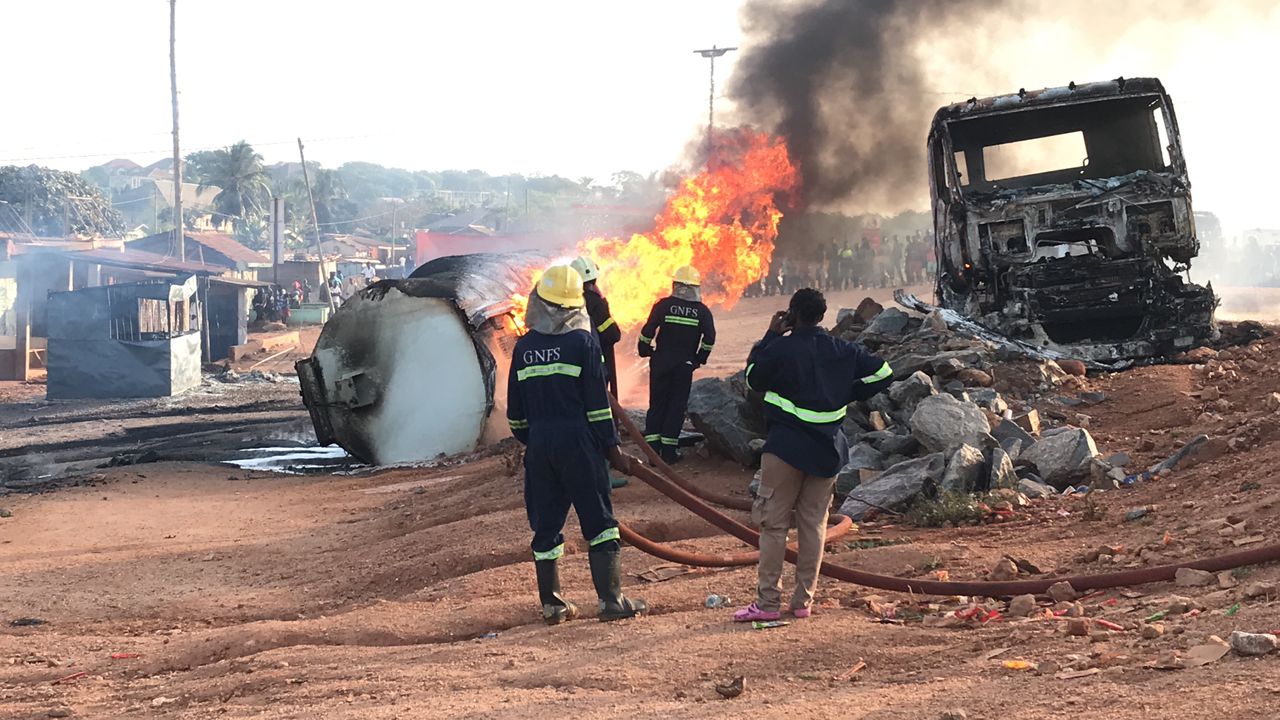
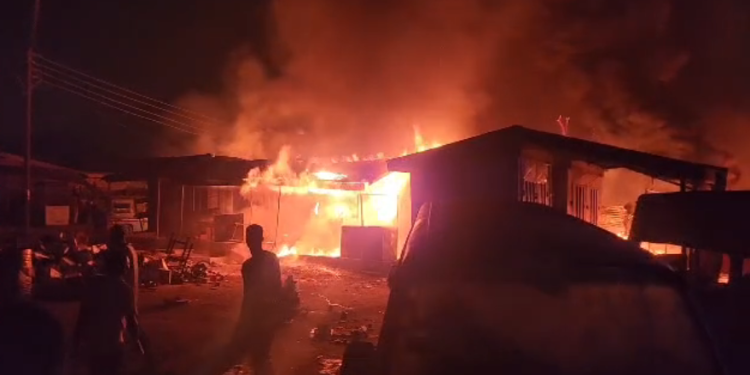
    Hundreds of shops and mechanic workshops at Sofoline Magazine in the Kwadaso Municipality of the Ashanti Region were gutted by fire on Sunday, January 25, 2026.

    Several structures, including workshops and vehicles under repair, were destroyed, along with large quantities of spare parts, equipment, and other goods. Fortunately, no casualties have been reported.


    Ghana recorded over 3,595 fire incidents nationwide in the first half of 2025, with regional breakdowns showing hundreds of cases across the Greater Accra, Ashanti, and Central Regions.


    A devastating fire broke out behind the VVIP Station at Kwame Nkrumah Circle in Accra today, Tuesday, January 20, 2026, destroying over fifty (50) shops.


    According to authorities and eyewitnesses, the shops primarily sold mobile phones. Firefighters from the Ghana National Fire Service (GNFS) worked tirelessly to bring the fire under control, saving nearby shops.


    The cause of the blaze is currently unknown, and no casualties have been reported at the time of filing this report.


    Barely a week into the New Year, some Kasoa residents had their stalls completely burnt after a fire ravaged the Kasoa New Market on Sunday, January 4, 2026.


    According to the Ghana National Fire Service (GNFS), a distress call was received around 4:50 p.m., after which the Kasoa Fire Station swiftly reached the scene, only to find the fire at a very advanced stage.


    The fire was spreading so rapidly that fire tenders had to immediately call for reinforcement from Weija, Anyaa, Dansoman, Industrial Area, Flagstaff House, Madina, and Swedru fire stations.


    After about two hours of firefighting, the tenders managed to extinguish the flames at 6:52 p.m., brought the fire under control at 7:52 p.m., and fully extinguished it by 10:00 p.m.


    Although several metallic shops and wooden stalls were destroyed—along with food items such as maize, beans, shea butter, spices, and other merchandise—the swift response by firefighters prevented the blaze from consuming the entire market.


    Fire control officers explained that, despite the losses incurred, several stalls were salvaged. Among the challenges listed by the GNFS during the operation were poor accessibility within the market, long distances to reliable water sources, and interference from members of the public at various points during the operation.


    This fire marks the second major outbreak at the market in the last two years. Fire tenders from Kasoa and Swedru have been left on standby to prevent any possible re-ignition, while investigations into the cause of the fire are ongoing.


    A fire incident at Abuakwa Manhyia in the Atwima Nwabiagya South Municipality of the Ashanti Region claimed the lives of a three-month-old baby and six others.


    The fire outbreak, which occurred at about 12:30 a.m. on Monday, December 22, swept through an apartment. The Assembly Member disclosed this information for Abuakwa Manhyia and Evans Opoku. Meanwhile, the cause of the incident remains unknown. Ghana has recorded several fire incidents from January to November this year.


    Recently, a fire outbreak at Tsito–Awudome Gborkorpe in the Volta Region destroyed a two-bedroom self-contained apartment.


    No casualties were reported from the incident, which occurred on Monday, December 8. Several students at Kedjebi-Asato Senior High School (SHS) in the Oti Region were left unconscious after a fire gutted one of the boys’ dormitories on Tuesday morning, December 2.


    The students passed out from exhaustion as a result of smoke inhalation during the fire. Unfortunately, all their belongings were destroyed. Meanwhile, the Ghana National Fire Service (GNFS) successfully brought the blaze under control.


    Last month, a four-bedroom apartment at Aboabo Number 2 in the Asokore Mampong Municipality of the Ashanti Region was razed by fire on Wednesday, November 27.


    A young man in the community who attempted to help extinguish the fire was electrocuted in the process. Speaking to the media, the Assembly Member for the area, Haruna Abdul Rashid, disclosed that the victim is currently receiving treatment at the hospital.


    He added that officers from the Electricity Company of Ghana (ECG) arrived at the scene to turn off the transformer to prevent the fire from spreading further.


    In the early hours of Wednesday, November 26, an eight-year-old girl lost her life after a devastating fire swept through the Dansoman Market.


    The girl was trapped in the intense blaze and could not escape as the fire engulfed the area. Her charred body was handed over to the Police for preservation and further investigation. Several wooden structures and shops, along with their contents, were destroyed.


    However, adjacent structures were saved due to the prompt intervention of firefighters.


    According to an update by the Ghana National Fire Service (GNFS), a crew from the Dansoman Fire Station arrived at the scene within two minutes after receiving a distress call at 00:02 hours, but the fire was already at an advanced stage.


    Due to the intensity of the blaze, eight fire engines were deployed to support two private water tankers from the Accra Metropolitan Assembly.


    The cause of the fire, however, is yet to be determined.On Saturday, November 22, a fire incident engulfed the Charkieh Plastics Factory site at Weija Junction in the Greater Accra Region.


    To contain the blaze, the Ghana National Fire Service dispatched a coordinated team from seven fire stations.


    Last month, the Kwapong Nursing Training College in the Asunafo South District of the Ahafo Region was gutted by fire. The incident, which occurred on Friday, October 31, forced students to flee to safety. Authorities are working to ascertain the cause.


    The newly opened China City Mall at Santasi in Kumasi, inaugurated in May 2025, was also destroyed by fire. No casualties were recorded, but the mall was completely ravaged, with no items salvaged.


    The cause has not yet been made public.Earlier this month, a fire ravaged parts of Kantamanto, at the Tazani Lane section in Accra. Several shops selling wooden planks and hardware were destroyed after the fire broke out near Aayalolo School at 1:17 a.m. on Saturday, September 13.


    The GNFS confirmed in an update on Sunday, September 14: “The flames were confined at 6:26 a.m., brought under control by 6:37 a.m., and fully extinguished by 11:44 a.m.”

    The Service added that two firefighters sustained injuries—one from an electric shock and another from burns to the left arm. Both were treated, discharged, and are in stable condition.

  • Late Ayawaso East MP’s wife to pick nomination forms for by-election

    Late Ayawaso East MP’s wife to pick nomination forms for by-election

    Hajia Amina Adam, widow of the late Ayawaso East Member of Parliament, Mahama Naser Toure, has hinted at contesting the forthcoming parliamentary by-election in the constituency.

    Explaining her decision in a statement issued on Thursday, January 22, Hajia Adam indicated that she is heeding calls from constituents, party grassroots members, and traditional elders, adding that these individuals want her to carry on the works of her late husband.

    “There has been a clarion call from many quarters in my constituency and beyond for me to step into the shoes of my late husband. After deep reflection and consultations, particularly with elders and grassroots members, I have accepted the call to serve my people,” she stated.

    According to her, after reflecting on the calls, she has decided to heed to them, emphasising, “I want to assure them that I will not disappoint them.”

    Meanwhile, individuals seeking to contest the Ayawaso East parliamentary primary in the Greater Accra Region are required to pay a filing fee of GH₵40,000.

    The amount is intended to help the party cover the cost of organising the primaries, including administrative and logistical expenses. This was disclosed in a press release issued by the party on January 20, 2026.

    Aspirants are also required to purchase nomination forms at a cost of GH₵5,000 and submit the completed forms to the party’s Greater Accra Regional Office. Meanwhile, female aspirants and persons living with disabilities (PLWDs) will benefit from a 50 per cent reduction in the filing fee.

    The parliamentary by-election will be held on Tuesday, March 3, 2026. The election has become necessary following the death of the area’s Member of Parliament, Hon. Mahama Naser Toure, which has left the seat vacant.

    This will be the third time the country has had a rerun of elections after the 2024 general polls. Ablekuma North had remained the only constituency in Ghana without a sitting MP due to unresolved disagreements over the outcome of the parliamentary vote.

    In a statement dated January 16, 2026, and signed by the EC’s Deputy Chairman for Operations, Samuel Tettey, the Commission explained how interested persons can contest the election.

    Nominations will be accepted at the EC’s Ayawaso East Municipal Office in North Ridge from Monday, February 9, to Wednesday, February 11, 2026. Submissions will be taken between 9:00 a.m. and 12:00 p.m., and from 2:00 p.m. to 5:00 p.m. each day.

    Aspiring candidates can download nomination forms from the EC’s website, www.ec.gov.gh/forms
    , starting Friday, January 16, 2026. Completed forms must be submitted in four copies and can be presented by the candidate, or by their proposer or seconder, during the nomination period.

    Each candidate must be supported by a proposer and a seconder who are registered voters in Ayawaso East, along with eighteen other registered voters from the constituency. Candidates are also required to submit two recent passport-size photographs with a red background.

    A filing fee must be paid as part of the process. General candidates are to pay GH¢10,000, while female candidates and persons with disabilities will pay a reduced fee of GH¢7,500. The fee is non-refundable.

    The EC stated that the by-election is being held in accordance with Article 112(5) of the 1992 Constitution, which mandates an election to be conducted when a parliamentary seat becomes vacant.

    The Commission has called on the public to take note of the information as it works to ensure a free, fair, and transparent by-election.

    Meanwhile, controversies surrounding the Kpandai parliamentary seat have received a reaction from the Supreme Court. On Tuesday, December 16, the Supreme Court ordered that the parliamentary rerun election in the area, scheduled for Tuesday, December 30, be suspended until further notice.

    The legal team of New Patriotic Party (NPP) parliamentary candidate, Matthew Nyindam, has also been directed by the Supreme Court to follow due process in serving the National Democratic Congress (NDC) candidate, Daniel Nsala Wakpal. Meanwhile, the next hearing is scheduled for Tuesday, January 13, 2026.

    A couple of months ago, the Member of Parliament (MP) for the Kpandai constituency, Mathew Nyindam, filed an application challenging the recent High Court ruling on the 2024 parliamentary elections in the area.

    Earlier this year, the former Member of Parliament and NDC parliamentary candidate for Kpandai, Daniel Nsala Wakpal, submitted a petition to the Tamale High Court challenging the results of the 2024 parliamentary election in the constituency.

    According to the petitioner, the Kpandai parliamentary election was marred by irregularities in the voting and collation processes. He argued that Pink Sheets from many polling stations were not accurate or consistent.

    He stated: “The parliamentary election held in the Kpandai constituency on 7th December 2024 was not conducted in compliance with Regulations 39 of the Public Elections Regulations, 2020 (CI 127) and the principles laid down by Regulations 39, and that the said non-compliance affected the results of the elections.

    “The declaration and publication of the parliamentary election results held in the Kpandai constituency on 7th December 2024 were not made in compliance with Regulations 43 of the Public Elections Regulations, 2020 (C.I 127) and the principles laid down by Regulations 43, and that the said non-compliance affected the entire results of the parliamentary elections in the Kpandai constituency.”

    However, Mathew Nyindam has argued that “The Parliamentary Election Petition filed by the 1st Interested Party on 25th January 2025, in respect of the Parliamentary Election held at the Kpandai Constituency on 7th December 2024, was invalid and could not have properly invoked the jurisdiction of the High Court, Commercial Division, Tamale.”

    In view of this, the Electoral Commission (EC) on Friday, July 11, held a rerun election in 19 polling stations in Ablekuma North to provide constituents with a representative. Ewurabena Aubynn polled 34,090 votes to beat the NPP’s Akua Afriyie, who secured 33,881 votes.

    On December 10, 2024, three days after the national polls, the EC declared Ewurabena Aubynn of the NDC the winner of the Ablekuma North parliamentary seat, defeating the NPP’s Nana Akua Owusu Afriyieh.

    However, the EC later revoked the announcement, revealing that results from 62 of the 281 polling stations had not been included in the initial collation.

    Efforts to restart the collation in January 2025 were disrupted by multiple challenges. These included interruptions due to the submission of unverified Pink Sheets and a violent intrusion at the collation centre that heightened security concerns.

    After extensive deliberations, the Electoral Commission in July announced that it would hold a rerun election because the 19 scanned polling station results used for the collation, though approved by agents of both political parties, were not verified by the presiding officers responsible for those polling stations.

    The EC arrived at this decision after meeting with representatives of the NDC and the NPP on Tuesday, July 1.

  • Air Tanzania to commence non-stop flights to Accra

    Air Tanzania to commence non-stop flights to Accra

    Effective Wednesday, January 28, Air Tanzania will operate non-stop commercial flights at the Kotoka International Airport (KIA), the Ghana Airports Company Limited (GACL) has announced.


    Air Tanzania’s operations in Ghana follow the successful completion of all operational and regulatory arrangements. The company now joins twenty-five (25) other international airlines operating in Ghana.

    This information was contained in a press release by GACL on Thursday, January 22. “Upon successful completion of all arrangements, Ghana Airports Company Limited excitedly welcomes Air Tanzania to operate from Kotoka International Airport as the 26th international airline. We look forward to seamless facilitation of our cherished passengers,” the statement said.


    Meanwhile, travellers moving between Ghana and the United States now have a direct flight option following Delta Air Lines’ launch of non-stop Accra–Atlanta services on Monday, December 1, 2025.


    The update was shared by the Minister of Foreign Affairs, Samuel Okudzeto Ablakwa, in a Facebook post on Tuesday, December 2, 2025.


    “I am excited about the reintroduction of Delta Air Lines’ non-stop flight from Accra to Atlanta, which commenced operations yesterday,” the Minister said, calling the move a significant improvement for passenger convenience.


    He also highlighted that Ghana welcomes Air Transat’s groundbreaking decision to introduce a non-stop Accra–Canada route, scheduled to begin on June 17, 2026.


    “These refreshing developments will accelerate our economic diplomacy objectives, boost trade and tourism, and offer value and convenience mainly to Ghanaian travellers,” he added.

    The airline offers travellers in Ghana a more efficient route to the United States by eliminating layovers and streamlining the travel experience. Operated with the Airbus A330-900neo, the route will provide passengers with a range of seating options, including Delta One Suites, Premium Select, Comfort+, and Main Cabin.


    Passengers on board will enjoy complimentary high-speed Delta Sync Wi-Fi, allowing them to stay connected, stream entertainment, receive travel notifications, and shop online throughout their flight.

    This feature, available to SkyMiles Members, reflects Delta’s commitment to offering a modern, digitally enhanced flying experience.


    The rollout of this route forms part of the airline’s broader strategy to upgrade its fleet with advanced connectivity tools, including the installation of dual-network systems across newer and regional aircraft.


    Having served the Ghanaian market for more than ten years, Delta considers the Accra–Atlanta route a significant move toward deepening travel and cultural connections between Ghana and the United States.


    Meanwhile, Ghana’s former President, Jerry John Rawlings’ legacy has been honoured five years after his death, with one of Nigeria’s indigenous carriers, United Nigeria Airlines, naming an aircraft after him.


    The aircraft, named “J.J. Rawlings,” completed its first flight to Accra on Monday, November 10, with several dignitaries, including Ghana’s Ambassador to Nigeria, Baba Jamal; Chief Professor Obiora Okonkwo, Chairman and CEO of United Nigeria Airlines; senior Nigerian aviation officials, and other guests, signifying United Nigeria Airlines’ debut route between Abuja and Accra.


    A brief inaugural ceremony was held at Terminal 3, Gate C8, upon arrival at the Kotoka International Airport (KIA) to unveil the inscription on the aircraft — “J.J. Rawlings… The legend lives on.”
    Former Minister and Member of Parliament for Ablekuma South, Fritz Baffour, was present to unveil the inscription on the aircraft — “J.J. Rawlings… The legend lives on.” — upon arrival at Kotoka International Airport.


    In his address, Chief Professor Obiora Okonkwo, Chairman and CEO of United Nigeria Airlines, extended condolences to the Rawlings family following the recent passing of former First Lady Nana Konadu Agyeman-Rawlings and requested a minute’s silence in her memory.


    He explained that discussions to commemorate the fifth anniversary of President Rawlings’ passing led to the decision to name one of the airline’s aircraft after the former Ghanaian leader, who was also a trained Air Force pilot.


    Professor Okonkwo pledged that United Nigeria Airlines would uphold high standards and contribute meaningfully to aviation development in West Africa.


    “We are committed to delivering quality and reliability in our operations while strengthening the bond between our two nations,” he affirmed.


    Minister for Sports and Recreation, Kofi Adams, expressed appreciation to the airline for honouring the late former President.


    “President Rawlings once said he would rather live in the hearts of men than have his name on monuments or streets. Today, that statement has been manifested through the naming of this aircraft,” Mr. Adams said.


    He added that the gesture demonstrated the enduring influence of President Rawlings across Africa.


    “Because President Rawlings lives in the hearts of men, he has been recognised even beyond his country. When we say the legend lives on, this is a good demonstration of what it means,” he noted.


    Mr. Adams also recalled the late President’s passion for flying, linking it to his commitment to Ghana’s rural electrification programme.


    “When he flew across Ghana at night and saw lights only in Accra and Kumasi, it inspired him to ensure that electricity reached all corners of the country,” he said.


    Representing the Rawlings family, Fritz Baffour conveyed the family’s gratitude to United Nigeria Airlines for the honour, describing it as a lasting tribute.


    “This gesture will stay forever. Ghana and Nigeria share strong bonds — and when we come together, no one can stand us,” he remarked.


    Jerry John Rawlings died on November 12, 2020, after burying his mother.


    The late statesman was born in Accra on 22nd June 1947, to a Ghanaian mother from Dzelukope, near Keta, in the Volta Region, and a Scottish father.


    He received his education at Achimota School, where he earned his General Certificate of Education ‘O’ Level in 1966.
    In August 1967, he joined the Ghana Air Force as a Flight Cadet and later proceeded to the Ghana Military Academy and Training School in Teshie, Accra, for officer cadet training.


    By March 1968, he had been transferred to Takoradi in the Western Region to continue his aviation training.


    He graduated in January 1969 as a commissioned Pilot Officer, earning the prestigious “Speed Bird Trophy” for his exceptional flying skills and airmanship.


    In April 1978, he rose to the rank of Flight-Lieutenant, noted for his competence and strong connection with his fellow officers.
    During his time in the Ghana Air Force, he observed a decline in discipline and morale, mirroring the corruption within the then-ruling Supreme Military Council (SMC).


    As he advanced in rank and interacted more with the country’s elite, he became increasingly aware of the deep social inequalities in Ghana, a realization that made the SMC wary of him.


    An avid reader and deep thinker, he often engaged in discussions on political and social change with a close circle of like-minded officers.


    On May 28, 1979, Flight-Lieutenant Rawlings and six others were brought before a General Court Martial in Accra, accused of leading a mutiny of junior officers and soldiers on May 15, 1979. His statement during the trial, which outlined the social injustices that motivated his actions, sparked widespread public sympathy and reaction.


    Meanwhile, in July 2025, Africa World Airlines (AWA) officially launched a new direct flight route between Accra, Ghana, and Burkina Faso’s capital, Ouagadougou, marking a significant step in its expansion into the Sahel region.


    The inaugural flight was announced at a brief ceremony in Accra, symbolizing AWA’s strategic commitment to enhancing intra-African connectivity and promoting regional trade under the African Continental Free Trade Area (AfCFTA).


    Founder of Africa World Airlines and Agbogbomefia of the Asogli State, Togbe Afede XIV, underscored the airline’s dedication to strengthening integration across the continent.


    “Our safety record is great. Our reliability is great, and that’s the kind of tradition we expect to continue the service we want to offer our friends from Burkina Faso. Hopefully, through them, we’ll link all of the Sahel to the rest of Africa, in line with President John Mahama’s vision of bringing Burkina Faso and Niger back into the fold,” he stated.


    Togbe Afede XIV also acknowledged the concerns of passengers about rising airfares but assured that the airline remains focused on delivering value while prioritizing safety.


    “I know that our passengers are concerned about ticket prices. We all need to understand that aviation is a very difficult business—capital intensive, with very small margins. Passengers demand the best of services, and we strive to provide the best value for money as we work to integrate the continent,” he explained.

  • Sunyani residents to face rotational power outages for 3 days

    Sunyani residents to face rotational power outages for 3 days

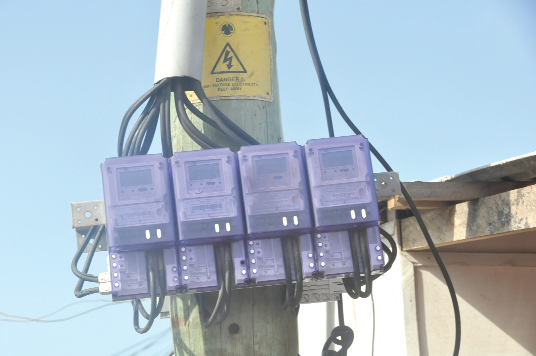
    Residents of Sunyani will face a three-day power fluctuation following the breakdown of the Ghana Grid Company Limited (GRIDCo) transformer.

    According to a joint statement issued by the Volta River Authority (VRA) and the Northern Electricity Distribution Company (NEDCo) on Wednesday, January 21, the inconvenience is necessary to restore the faulty transformer to normal operation.

    As part of the maintenance work, the power distribution companies have released a schedule for the affected areas.
    The affected areas have been grouped into three.

    Group One includes Nana Bosoma Market, Newtown, Estate, Baakoniaba, Asufufu, Wawasua, Nanketwa, Municipal, Town Centre, Zinco, Airport, parts of UENR, St. Mary’s, and surrounding communities.


    Group Two covers Abesim Estate, Tanoso, Yamfo, Susuanso, GWCL, Abesim, Mayfair, Nkwabeng North, Odumase, Pastoral Penkwase, Syn. NMTC, and surrounding communities.


    Group Three comprises Nimpong, STU, GETFund, Magazine, SUSEC, Dr. Berko, St. James, Glamossay, Nkrankrom, Fiapre, Dumasua, Mantukwa, Ayakomaso, Nsoatre, and surrounding communities.


    On Wednesday, January 21, Group Two will experience a power interruption from 6:00 a.m. to 2:00 p.m., followed by Group One from 2:00 p.m. to 10:00 p.m., while Group Three will be affected from 10:00 p.m. to 6:00 a.m. the following day.


    On Thursday, January 22, Group One will be without power from 6:00 a.m. to 2:00 p.m., Group Three from 2:00 p.m. to 10:00 p.m., and Group Two from 10:00 p.m. to 6:00 a.m.


    On Friday, January 23, Group Three will be affected from 6:00 a.m. to 2:00 p.m., Group Two from 2:00 p.m. to 10:00 p.m., and Group One from 10:00 p.m. to 6:00 a.m.


    The power distribution companies have apologised for the inconvenience this temporary power interruption will cause, while assure the public of it continued commitment to deliver reliable and improved electricity transmission services.


    In July last year, businesses and households in Greater Accra, Tema, and their surrounding areas were cautioned to brace themselves for a blackout lasting approximately 9 to 12 hours, the Electricity Company of Ghana (ECG) has announced.


    In three separate public notices issued on Wednesday, July 2, the power supply company alerted consumers of an impending power interruption during the day on Thursday, July 3.


    The blackout, according to ECG, was due to planned maintenance works to enhance service delivery and ensure a more stable power distribution system.


    Communities affected by the maintenance in Accra were as follows: Glefe, Wiaboman, Odorkor, Awoshie, Mandela, SCC, Sunny Coast, Korkordjor, Gbawe, Alogboshie, Achimota Neoplan, Benjilo, Asofa, Amen Amen, Omandjor, Tesano, Alajo, Adenta Estate, Adenta Container, Ashaley Botwe Town, Ashongman Pure Water, Ashongman Estates, Osu, and surrounding areas.


    The outage in these areas lasted from 9:00 a.m. to 5:00 p.m.
    And in the Tema Region, ECG said power was interrupted between 9:00 a.m. and 4:00 p.m.


    The affected areas included Kpong, Nuaso, Kpongunor, Agormanya, Odumase, Kojonya, Atua, Sawer, Okornya, Somanya, Jericho, Roman Down, Under Bridge Market, State School for the Deaf, Kanawu, Adjei Kojo, Community 25, Bulasu, Ghana Flag, Afienya Zongo, and surrounding areas.


    The notice prepared consumers accordingly to minimise the impact of the temporary outage. Nonetheless, ECG restored the power immediately after the completion of the maintenance works.


    It also apologised for the inconvenience the outage is likely to cause. “ECG regrets the inconvenience that will arise out of this exercise,” parts of the statement read.


    Residents in Pokuase Pharmacy, Ayawaso, Nii Ayi, Odumase, Amanfrom, Nsakina, Agbogba, and Pantang Royal also experienced a temporary power outage on Wednesday, March 12, 2025 as the Electricity Company of Ghana (ECG) wraps up its scheduled two-day maintenance exercise.


    The outage lasted from 9:00 AM to 5:00 PM. The maintenance work, aimed at improving electricity distribution also affected parts of the Tema Region, where areas such as High Tension, Golf City, Community 17, Fafali, Cambodia, and HFC Estates were without power from 9:00 AM to 4:00 PM.


    Earlier on Tuesday, March 11, the same year, similar maintenance activities were carried out in parts of the Volta and Ashanti Regions. Residents of Tsito and its surrounding areas in the Volta Region faced outages between 9:00 AM and 2:00 PM.


    In the Ashanti Region, a two-phase exercise was conducted. The first phase impacted Darko, Bebu, Ampabame No.2, Trede, Sabin Akroform, and parts of Pakyi No.2, while the second phase, lasting from 9:00 AM to 6:00 PM, affected Atwima Agogo, Abuakwa, Mankranso, Kunsu, Sepaase, Nkawie, Afari, Abakomade, Kasapreko, and several nearby communities.


    The ECG assured customers that this maintenance was crucial for enhancing power reliability and reducing unexpected disruptions.


    Residents and businesses in the affected areas were advised to make necessary arrangements, while the company apologized for any inconvenience caused.


    This came at a time when several parts of the country was experiencing power outages due to challenges in the energy sector. However, the Energy Minister at the time, John Jinapor, had rejected demands from the Minority and some Ghanaians for a load-shedding timetable, despite recent power outages in parts of the country.


    Their demand stemed from concerns that the current power situation mirrors past periods of prolonged power crises (dumsor), despite government assurances that there is no full-scale rationing of electricity.


    However, at a press conference at the Jubilee House last Friday, 7 March 2025, Mr. Jinapor explained that there was no need for such a timetable because the country was not experiencing full-scale power cuts.

  • Mpox cases near 1k as GHS confirms 12 new infections

    Mpox cases near 1k as GHS confirms 12 new infections

    Ghana continues to grapple with a rising number of monkeypox (Mpox) cases despite preventive measures implemented by the Ghana Health Service (GHS).

    As of Sunday, January 18, the country recorded an additional twelve (12) new cases of Mpox, bringing  the total number of confirmed cases nationwide to nine hundred and eighty ( 980).

    Unfortunately, all 16 regions in the country have recorded cases of the disease so far. The increasing number of cases in the country continues to raise concerns. In the meantime, the country can breathe a sigh of relief as the Health Ministry has secured 33,600 vaccines to strengthen Ghana’s fight against the monkeypox (Mpox) virus. “This is another milestone in safeguarding the health and well-being of our citizens,” the ministry said in a Facebook post.

    Months ago, the Ministry of Health received a significant boost in its fight against the ongoing Mpox outbreak following the donation of essential medical supplies and public health materials from the World Health Organization (WHO).

    During a brief ceremony held at the Ministry, the WHO Regional Director for Africa, Professor Mohamed Yakub Janabi, reaffirmed the organization’s commitment to supporting Ghana’s public health response and acknowledged the country’s commendable leadership in managing the outbreak.

    The donation, valued at USD 36,700, includes personal protective equipment (PPE) for frontline health workers, 780 GeneXpert cartridges to improve diagnostic capacity, and 9,000 risk communication posters along with 40 pull-up banners to support community sensitization efforts.

    The PPE will help enhance infection prevention and control, while the GeneXpert cartridges are expected to facilitate rapid and accurate testing, particularly at decentralized levels. The risk communication materials are aimed at promoting public awareness and behavioural change. 

    The Minister for Health, Honourable Kwabena Mintah Akandoh, who received the items on behalf of the government, thanked the WHO for its continued support.

    He indicated that Ghana is keen to adopt vaccines as part of its response strategy and called on the WHO to expedite assistance in that regard. 

    He also encouraged the public to maintain good hygiene practices and to seek prompt medical attention if they experience symptoms such as fever, cough, headache, or skin rashes. He noted that the Ministry remains committed to strengthening public health systems and working closely with partners to contain the outbreak and protect the health of all Ghanaians. Health officials explained that the Mpox disease primarily spreads through direct contact with an infected individual. Common signs include fever, skin rashes, and swollen lymph nodes.

    The Ghana Health Service is urging the public to avoid close interactions with symptomatic persons, maintain regular handwashing with soap and water, refrain from frequently touching the face, and use masks when caring for patients.

    The Service added that it is closely monitoring the outbreak, conducting contact tracing, and strengthening public education with the support of regional health directorates.Following the detection of twenty (20) new infections as of Wednesday, July 30, the Ghana Health Service (GHS) on Monday, July 27, reported the unfortunate demise of one of the individuals who had contracted the disease.

    Since Ghana recorded its first Mpox case in June 2022, with five cases, this is the first time any of the infected persons has succumbed to the disease. In its regular updates, the Ghana Health Service noted that as of July 22, twenty-three (23) new cases were recorded, pushing the total confirmed cases to 257 at the time.

    Ghana’s confirmed Mpox cases rose to 234 following the detection of sixteen (16) new cases as of July 18. The number of cases stood at 218 after twenty-one (21) new infections were detected as of July 14. The Ghana Health Service reported 197 confirmed cases following the detection of eleven (11) new infections as of July 11.

    The Service, while revealing this information, described the trend as a gradual yet manageable increase and called for sustained public vigilance. The country has seen a slight uptick in infections. Health officials, however, maintain that the overall situation remains under control. 

    Although many cases are mild, early medical care is crucial to avoid complications. In light of the growing Mpox cases, the GHS is boosting nationwide information campaigns to ensure citizens remain aware and cautious. 

    Preventive actions such as avoiding direct contact with sick individuals, practicing proper hygiene, and promptly seeking care when symptoms show are being emphasized. Officials stress the importance of swift case detection and notification, with field teams and community health workers diligently monitoring developments.

    The public is being encouraged to stay watchful, adhere to health precautions, and contribute to collective efforts to stop the virus from spreading. The government is engaging international organizations for assistance in procuring vaccines to help curb the rising number of cases being reported.

    The World Health Organization (WHO) in Ghana has provided laboratory PCR reagents to enhance the country’s diagnostic capacity. The donation was officially handed over to the Ghana Health Service (GHS) at the National Public Health Reference Laboratory.

    Receiving the supplies on behalf of the GHS, Acting Deputy Director General Dr. Caroline Reindorf Amissah expressed gratitude for WHO’s ongoing logistical and technical support. “We promise from our end to do our bit, collaborate, go out there, and look for the cases to make sure that this is really brought under control,” she stated.WHO Country Representative Dr. Fiona Braka emphasized that the organization hopes the reagents will enable rapid diagnosis and prompt public health responses. 

    The supplies are capable of testing 3,400 suspected Mpox samples, and additional kits provided will allow clade determination for 625 confirmed positive cases. The monkeypox virus was first discovered in Denmark in 1958 in monkeys kept for research, according to the World Health Organization (WHO). 

    A nine-month-old boy from the Democratic Republic of Congo in 1970 was the first person to contract the virus. According to the World Health Organization, following the eradication of smallpox in 1980 and the end of smallpox vaccination worldwide, Mpox steadily emerged in central, east, and west Africa.”Since then, mpox has been reported sporadically in central and east Africa (clade I) and west Africa (clade II). In 2003, an outbreak in the United States of America was linked to imported wild animals (clade II). 

    Since 2005, thousands of cases have been reported in the Democratic Republic of the Congo every year. In 2017, mpox re-emerged in Nigeria and continues to spread between people across the country and in travellers to other destinations,” the WHO reports. 

    In May 2022, an outbreak of Mpox appeared suddenly and rapidly spread across Europe, the Americas, and then all six WHO regions. Since 2022, there has also been an upsurge in Mpox cases and deaths in the Democratic Republic of the Congo. In some areas of the country, a new offshoot of clade I, called clade Ib, has been spreading person-to-person. 

    As of mid-2024, the clade has also been reported in other countries.Over 120 countries have reported Mpox between January 2022 and August 2024, with over 100,000 laboratory-confirmed cases and more than 220 deaths among confirmed cases. Following the meeting of the International Health Regulations (2005) Emergency Committee regarding the upsurge of Mpox in 2024, held on June 5, 2025, the World Health Organization stated that “Over the past 12 months, the majority of mpox cases have continued to be reported from the African continent, largely driven by outbreaks of MPXV clade Ib in East African countries, including the DRC, where clade Ia is co-circulating.

    “Sierra Leone, however, is experiencing a rapidly evolving outbreak, which, based on available genomic sequencing results, appears to be driven by MPXV clade IIb.”Outside of the African region, there continues to be a steady report of monthly cases (between about 500 – 1000 monthly), from all regions, mostly reflecting ongoing circulation of MPXV clade IIb among men who have sex with men (MSM),” the WHO added.
    WHO Director-General Dr. Tedros Adhanom Ghebreyesus has declared Mpox a Public Health Emergency of International Concern (PHEIC) twice. The first was in May 2022, and the second time was in August 2024. 

    The World Health Organization  continues to work with member states and partners to prevent and respond to outbreaks of Mpox.This includes coordinating research on vaccines and treatments, strengthening country health systems, and working to facilitate equitable access to vaccines, therapeutics, diagnostics, and other tools.

  • Over 211k delegates to vote in NPP’s internal elections on Jan 31

    Over 211k delegates to vote in NPP’s internal elections on Jan 31

    A total of 211,849 delegates are expected to vote at 333 polling centres across 276 constituencies nationwide on Saturday, January 31, during the New Patriotic Party’s (NPP) internal elections.


    The Chairperson of the NPP Presidential Elections Committee, Mr Joseph Osei-Owusu, disclosed this in an interview with the media.

    He said the party has completed all preparations for the polls, including the final voters’ register, security arrangements, designation of voting centres, and the election rules.


    “It is going to market the candidate enough, particularly in terms of building contacts with the international community, the business community, and stakeholders across the globe,” he noted.

    The primaries are anticipated to attract significant interest from both longstanding members and new contenders seeking to lead the NPP into the next electoral cycle.


    Party officials also noted that nomination guidelines, timelines for campaign activities, and the code of conduct for aspirants will be released in the coming weeks, with the National Executive Committee (NEC) promising party members a transparent and credible process that upholds the democratic values of the NPP.


    Also speaking in an interview with Channel One TV on Tuesday, June 17, the Deputy General Secretary of the New Patriotic Party (NPP), Haruna Mohammed, explained that the seemingly early date slated for the party’s primaries is intentional.


    He noted that it is meant to give the chosen flagbearer a head start in policy communication and to foster stronger connections with both the international community and the business sector.


    He believes this will reposition the party as a credible and prepared alternative ahead of the 2028 general elections. Also, given the NPP’s current minority status in Parliament, with only 88 seats, he believes an early start will help intensify external engagements.


    However, the latest National Tracking Poll by Global InfoAnalytics has disclosed that 56 per cent of voters and 72 per cent of committed NPP delegates want former Vice President Dr Mahamudu Bawumia as their flagbearer for the 2028 general elections.


    According to the poll, 28 per cent of voters are rooting for former Assin Central MP Kennedy Agyapong, with 6 per cent each for Dr Bryan Acheampong and Dr Yaw Osei-Adutwum, and 4 per cent supporting Kwabena Agyapong.


    Among NPP delegates, 19 per cent want Kennedy Agyapong, while Dr Bryan Acheampong records 4 per cent, Dr Osei-Adutwum 3 per cent, and Kwabena Agyapong 1 per cent.


    The poll was conducted between December 1 and December 21 across all 16 regions of the country. Methods used include a combination of web-based, telephone, and face-to-face interviews.


    In October 2025, the Pan-African civil society organisation Sanity Africa, which predicted the victory of Bernard Baidoo of the National Democratic Congress (NDC) in the tightly contested Akwatia by-election, released its Phase Two survey on the NPP presidential primaries.


    According to the organisation’s survey, there has been a shift in the landscape as the party gears up towards the January 2026 primaries.


    The abridged October report suggests that Kennedy Ohene Agyapong, popularly known as Ken, has strengthened his lead among NPP delegates, commanding 53.1% of voting intentions, representing a 1.7 percentage-point increase from the Phase One survey conducted in July.


    Dr Mahamudu Bawumia (DMB) trails with 39.0%, indicating a 3.2-point drop. Behind them are Dr Bryan Acheampong at 5.0% (up 1.9 points), Dr Yaw Osei-Adutwum at 2.0% (down 1.0 point), and Ing. Kwabena A. Agyepong at 0.9% (rising from 0.3%).


    The survey, carried out between July and October 2025, sampled 15,000 delegates from an estimated 218,000 in the expanded voter album across all 276 constituencies.


    It boasts a 99% confidence level with a ±5% margin of error. At the regional level, Ken Agyapong sits atop as the leading candidate in 10 out of Ghana’s 16 regions, including strongholds such as Ashanti (54.8%), Central (69.0%), and Eastern (54.8%).


    His biggest contender, Dr Bawumia, on the other hand, still holds his lead in the northern sector, with an advantage in the remaining six regions. He leads in the North East (70.0%) and Upper West (60.2%). Competitive races are unfolding in Bono East, Savannah, and Upper East, where margins remain slim.


    Notable shifts include Dr Bawumia widening his lead in the North East Region from 51.6% to 70.0%, while Ken strengthened his position in Volta (50.8%) and Bono (53.0%).


    Dr Bryan Acheampong registered significant gains in his home region of Eastern, rising to 21.7%. Sanity Africa noted that these shifts reflect evolving delegate sentiments influenced by campaign strategies and regional dynamics.


    The organisation emphasised that while Ken Agyapong currently has the upper hand, the contest remains fluid. Endorsements, messaging, and campaign strategies, it said, are expected to play critical roles in shaping the outcome.


    With Phase Three of the survey scheduled for release in January 2026, Sanity Africa concluded that Ken may be the one to beat, but the race is far from over.


    However, the Global InfoAnalytics tracking poll named Dr Mahamudu Bawumia as the people’s preferred candidate to lead the NPP into the 2028 general election, ahead of his closest contender, Kennedy Ohene Agyapong.


    The poll suggests that 57% of voters prefer Dr Bawumia as the party’s presidential candidate, while 29% picked Kennedy Ohene Agyapong.


    The other contenders—former Minister of Education Dr Yaw Osei-Adutwum (6%), Minister of Food and Agriculture Dr Bryan Acheampong (5%), and former NPP General Secretary Kwabena Agyapong (3%)—trailed behind.


    In the critical swing regions of Greater Accra, Central, and Western, Dr Bawumia also leads decisively with 57%, followed by Kennedy Agyapong at 32%. Dr Adutwum and Dr Acheampong each secured 4%, while Kwabena Agyapong obtained 3%.


    The survey further indicates that in a potential runoff between Dr Bawumia and Kennedy Agyapong, Dr Bawumia would extend his lead with 62% against Agyapong’s 38%.

  • U.S. court considers extradition of Sedina Tamakloe-Attionu today

    U.S. court considers extradition of Sedina Tamakloe-Attionu today

    The United States (U.S.) Court will decide today, Wednesday, January 21, whether or not to extradite the Former Chief Executive Officer of the Microfinance and Small Loans Centre (MASLOC), Sedina Tamakloe-Attionu, to Ghana.

    Her extradition will ensure that she faces the law after she and the former Chief Operating Officer of MASLOC, Daniel Axim, were found guilty on charges including causing financial loss to the state, theft, conspiracy to steal, money laundering, and contravening public procurement laws in 2024.


    An Accra High Court issued an arrest warrant for Sedina Christine Attionu Tamakloe. This action followed an ex-parte motion filed by State Prosecutors. Assistant State Attorney Yvonne Yaache-Adomako, who addressed the court on April 22, 2024, stated that Tamakloe was convicted on all 78 counts against her.


    Sedina Tamakloe-Attionu received 10 years in prison, while Daniel Axim received a 5-year sentence. Madam Sedina Tamakloe-Attionu was tried in absentia after absconding abroad under the pretext of a medical check-up.


    Daniel Axim testified in person but did not present any witnesses.The government successfully located the former CEO of MASLOC. Despite being sentenced to 10 years in prison with hard labor, Tamaklo fled abroad.


    During that period, the government collaborated with partners in the United States to facilitate Tamaklo’s return to Ghana.


    The convictions are linked to the misappropriation of funds allocated for MASLOC activities between 2013 and 2016. Notably, the accused withdrew GH₵500,000 as a loan from Obaatampa Savings and Loans company and demanded a refund when the company refused to offer a 24% interest rate.


    Despite evidence of the refund, it was not reflected in MASLOC’s accounts. Additionally, the pair misappropriated over GH¢1.7 million intended for a sensitization exercise, with only a small portion used as planned.

    Funds designated for victims of a fire incident at Kantamanso were also misappropriated, and there were discrepancies in the purchase of vehicles and Samsung phones for MASLOC.


    Currently, Sedina Tamakloe-Attionu is in U.S detention following an extradition request by the Ghanaian government.


    MASLOC is an apex body responsible for implementing the Government of Ghana’s microfinance programmes targeted at reducing poverty. It was established in 2006 to grant loans to start-ups and small businesses to help them grow and expand as part of its core functions.


    Recently a collaboration between the Microfinance and Small Loans Centre (MASLOC) and the National Security operatives have resulted in the seizure of three out of five government vehicles which were in possession of the Ashanti Regional Chairman of the New Patriotic Party (NPP), Bernard Antwi Boasiako, popularly known as Chairman Wontumi.


    This information was disclosed by the Deputy Women Organizer for the National Democratic Congress (NDC), Abigail Elorm Mensah who also doubles as the CEO of MASLOC on Wednesday, September 10.


    Speaking to Citi News, the retrieval of vehicles from Wontumi is in line with a broader initiative to recover government loans and vehicles from defaulters.


    She noted that Chairman Wontumi adds up to one of the many individuals who receive loans and vehicles from the institutions but have refused to fulfill the terms of the agreement.


    According to the CEO of MASLOC, her outfit is working tirelessly to ensure Chairman Wontumi returns the two other government-owned cars.


    “I have gone with National Security operatives to the house of the Chairman of the NPP in Ashanti Region, Chairman Wontumi. Three cars. In fact, the cars were five. We’ve retrieved three. I have collected all from his house. We are still chasing him for the two.


    “He has to pay for them. What we do is that once I seize the cars, the agreement we have with you is that you would have to repay whatever has accrued, and we release the cars to you,” she said.


    The CEO of MASLOC mentioned that, “Between February and now, I have recovered roughly about GHS8 million, but that is not even up to 10% of what is in debt. We have in debt over GHS430m”.

    In the meantime, former Finance Minister Ken Ofori-Atta is scheduled to appear before a United States (U.S.) immigration court in Virginia on April 27, 2026, over his immigration status in the country.

    The embattled former minister was detained on 6 January 2026 in Washington, D.C., by U.S. Immigration and Customs Enforcement (ICE); however, he appeared before the court on Tuesday, January 20.

    According to reports, ICE has reportedly determined that Mr Ofori-Atta no longer has lawful status to remain in the United States, a development many believe could help expedite Ghana’s extradition process of the former Minister to Ghana.

    Ken Ofori-Atta left Ghana for the United States on January 4, 2025, according to investigative reporting detailing his departure timeline and visa use. As of today, January 8, 2026, that places his time in the U.S. at approximately 1 year and 12 days, following which he has been detained.

    Deputy Attorney General, Dr Srem-Sai, clarified a widely reported narrative about the circumstances surrounding Ghana’s Former Finance Minister’s arrest and detainment by immigration authorities in the United States (US).

  • Family of woman allegedly stabbed by ex-NPP parliamentary candidate demands justice

    Family of woman allegedly stabbed by ex-NPP parliamentary candidate demands justice

    The family of Gilda Nortey, wife of former NPP parliamentary candidate for Korle Klottey, Valentino Nii Noi Nortey, is calling for justice after she was allegedly stabbed by her husband in the United States.

    Gilda is currently receiving medical care and slowly recovering from the attack, which reportedly happened after a disagreement over divorce.

    Speaking about the ordeal on Wednesday, January 21, Gilda’s uncle, David Gyapanin, shared, “They had a little argument, and my niece said she may file for divorce if things continue that way. My niece said Valentino threatened to either kill himself or kill her. He stabbed her three times. She pleaded with him to take her to the hospital. He agreed on condition that she would not mention his name”.

    According to him, “Fortunately, she had the car key and drove herself to the hospital where she works. She’s getting better. As a family, we want nothing less than justice, it happened in the States, and we want to believe that the laws there will be applied fully. You can’t marry someone’s daughter and, just because she wants to end the marriage, decide to end her life. If justice isn’t served in the U.S., we will pursue it in Ghana”. 

    Meanwhile, Lower Paxton Township Police confirmed that the 41-year-old Nortey now faces charges including attempted homicide. The stabbing happened on Saturday, January 17, around 10 a.m., during what police described as a domestic dispute. Authorities say Gilda’s quick thinking likely saved her life. Nortey is being held at Dauphin County Prison, and a preliminary hearing is scheduled for January 26.

    Back home in Ghana, To crack down on domestic violence, the Criminal Investigations Department (CID) of the Ghana Police Service recently arrested a man captured in a viral Facebook video physically assaulting his wife, Harriet Amuzu, at their residence in Ofankor, Ga East Municipality. The suspect, identified as John Odartey Lamptey, was arrested on Monday, November 17, 2025, at the family residence.

    According to a statement signed by the Public Relations Officer, Chief Inspector Brigitte Babanawo, on November 18, two of the suspect’s siblings attempted to attack a female tenant because they suspected she had recorded the incident that drew the attention of authorities.

    “Following his arrest, two of his siblings, Grace Kushie Lamptey and Louis Odartey Lamptey, who attempted to attack a female tenant they suspected of recording and circulating the video, were also arrested, and the tenant was rescued to ensure her safety.”

    Breaking her silence, Harriet Amuzu disclosed that the assault was triggered by her refusal to have sex with her husband, John Odartey Lamptey. According to her, she denied him intimacy because they had been separated for five months. She noted that she left her husband’s residence in Ofankor due to his consistent abuse.

    However, she found herself at his residence that day because her husband informed her that their child was unwell. Harriet Amuzu added that, unknowingly to her, it was a trap set by her husband.

    “I was at a funeral when he called to say our lastborn was not feeling well. I rushed home, only to find the children playing. When I asked, he said he lied because he wanted to have sex with me,” she recounted.

    She noted that her husband “He told me he had trapped me to kill me,” after she declared her intention to return to her residence.

    The victim further revealed, “He tore my dress and my undershorts, saying he bought them. He even tore the beads around my waist, leaving me naked. He beat me with the metal rod from a standing broom and stepped on me. At one point, he picked up a knife and threatened to cut off my hand.”

    Reacting to the incident, the Ministry of Gender, Children, and Social Protection has strongly condemned the violent assault, describing it as an act that infringes on the victim’s rights and is highly punishable by law. In a statement, the Ministry stressed that no individual has the right to subject another person to any form of abuse under any circumstances.

    “The Minister has also reached out to the Ghana Police Service to ensure that a thorough investigation is conducted and justice is served. We also encourage eyewitnesses with vital information to assist law enforcement agencies immediately,” a part of the statement read.

    In a separate incident, a disturbing video that circulated last month also prompted the intervention of the military police. It was CCTV footage showing a muscular man assaulting a young male pharmacist and a young woman in a pharmacy. The incident, which took place at Burma Camp in Accra, came to light late on Wednesday, October 29. In the widely circulated video, the tall, dark-complexioned man was seen slapping the pharmacist.

    The abuser, whose name has been given as Warrant Officer Class One (WO1) Mensah Williams of the Ghana Air Force, was further seen attacking the woman with several blows to her head after she attempted to record the incident. Despite attempts by bystanders to intervene, Mensah Williams continued the assault.

    In response to the incident, the military police arrested Mensah Williams. He is currently in the custody of the Cantonments Police for further investigation and possible prosecution. The video sparked intense debate on social media, with many Ghanaians calling for swift and firm disciplinary action against the soldier.

    According to reports, the assaulted woman is the daughter of the former Provost Marshal of the Military Police. The Provost is a senior military officer responsible for law enforcement, discipline, and security within the armed forces. He coordinates and oversees investigations into crimes involving military personnel.

  • Ofori-Atta to make next appearance before U.S. Court on April 27 over visa status

    Ofori-Atta to make next appearance before U.S. Court on April 27 over visa status

    Former Finance Minister Ken Ofori-Atta is scheduled to appear before a United States (U.S.) immigration court in Virginia on April 27, 2026, over his immigration status in the country.

    The embattled former minister was detained on 6 January 2026 in Washington, D.C., by U.S. Immigration and Customs Enforcement (ICE); however, he appeared before the court on Tuesday, January 20.

    According to reports, ICE has reportedly determined that Mr Ofori-Atta no longer has lawful status to remain in the United States, a development many believe could help expedite Ghana’s extradition process of the former Minister to Ghana.

    Ken Ofori-Atta left Ghana for the United States on January 4, 2025, according to investigative reporting detailing his departure timeline and visa use. As of today, January 8, 2026, that places his time in the U.S. at approximately 1 year and 12 days, following which he has been detained.

    Deputy Attorney General, Dr Srem-Sai, clarified a widely reported narrative about the circumstances surrounding Ghana’s Former Finance Minister’s arrest and detainment by immigration authorities in the United States (US).

    On January 7, Ken Ofori-Atta’s lawyers, Menka-Premo, Osei-Bonsu, Bruce-Cathline and Partners issued a statement confirming their client’s arrest by US Immigration and Customs Enforcement (ICE) over his immigration status.

    While it was widely reported that he had been detained for overstaying his visa term, the Attorney General’s Department has clarified that his visa was revoked in June last year and he was given up to November 29 to leave the USA; however, he ignored the order, leading to his detention by ICE.

    “ICE will not come for you unless you have visa issues; that is what has happened. In June 2025, his visa was revoked; it’s not an expiration of the Visa. The information we have is that his visa was revoked. So he has been living in America without a visa,” he said on the KeyPoints on TV3 Saturday, January 10.

    According to reports, a US visa can be revoked if the holder becomes ineligible for it. This can happen if they violate their status, commit fraud, or otherwise fall under a ground of inadmissibility.

    Dr Srem-Sai also mentioned that Ghanaian authorities collaborated with the US law enforcement agencies on Ken’s arrest.

    “We are keenly involved in this matter. We collaborate with law enforcement agencies in this matter,” he said on the Key Points on TV3 Saturday, January 10.

    Also, speaking on JoyNews’ Newsfile on Saturday, January 10, Attorney General, Dr Ayine explained that although Mr Ofori-Atta had initially been permitted to remain in the United States until November 29, he failed to depart within the stipulated period.

    According to him, the revocation of the visa was intentional and tied to ongoing investigations, not standard immigration enforcement.

    This is not simply an immigration issue. His visa did not expire; it was revoked. I state this on authority,” Dr Ayine said, adding that the visa was due to run until February before it was withdrawn.

    While his lawyers didn’t explicitly state whether he had overstayed his visa time, they noted that “Mr Ofori-Atta has a pending petition for adjustment of status, which authorises a person to stay in the US legally past the period of validity of their visa. Under US law, a change of status by this method is common.”

    This comes amid a legal tussle involving Ofori-Atta. The Special Prosecutor, for about eight months, has been making efforts to bring him to Ghana to face the law over some corruption-related issues.

    Ofori-Atta, who served as Ghana’s Finance Minister from 2017 to 2023, steered fiscal policy during the COVID-19 pandemic, debt restructuring efforts and IMF negotiations.

    His extended stay in the U.S. has coincided with ongoing legal proceedings in Ghana, including corruption-related charges filed by the Office of the Special Prosecutor in November 2025.

    A few days after his arrest, the Embassy of Ghana in Washington proposed a meeting with him, but he declined.

    The Embassy reported this in a formal statement shared by the Deputy Attorney General, Dr Srem-Sai, on his X (formerly Twitter) page on Sunday, January 11.

    According to the Ghanaian Ambassador, Victor Emmanuel Smith, his outfit requested access to Mr Ofori-Atta after confirming his arrest and detention over his immigration status.

    Their request for access to him was “to provide consular assistance in line with established diplomatic and international protocols”.

    However, “The Embassy was informed by the facility that the detainee declined to engage with consular officials at that time without his lawyers present”.

    However, “The Embassy of Ghana remains in contact with the appropriate United States authorities and will continue to follow the matter closely to ensure that Mr. Ofori Atta’s rights are totally respected.”

    Meanwhile, investigative journalist Manasseh Azure Awuni has shed more light on the arrest and detention of Ghana’s former Finance Minister, Ken Ofori-Atta, by US Immigration and Customs Enforcement (ICE).

    Speaking during an interview on TV3’s Key Points program on January 10, Manasseh revealed that Ofori-Atta’s arrest was a targeted operation by ICE and wasn’t part of a general swoop.

    He mentioned that witnesses present at the scene claim that Mr Ofori-Atta was arrested right after he exited his residence, a luxury apartment complex in Washington DC, known as Westlight Apartments, located at 1111 24th Street, on the morning of Tuesday, January 6.

    “This wasn’t like those organised raids by ICE in specific places. They got in specifically for him. As soon as he emerged from the entrance of the building, they moved in, surrounded him, got him into a car and drove him away,” Mr Azure said on January 10.

  • NDC’s Ayawaso East parliamentary filing fee pegged at GHS40k

    NDC’s Ayawaso East parliamentary filing fee pegged at GHS40k

    Individuals seeking to contest the Ayawaso East parliamentary primary in the Greater Accra Region are required to pay a filing fee of GH₵40,000.

    The amount is intended to help the party cover the cost of organising the primaries, including administrative and logistical expenses. This was disclosed in a press release issued by the party on January 20, 2026.


    Aspirants are also required to purchase nomination forms at a cost of GH₵5,000 and submit the completed forms to the party’s Greater Accra Regional Office. Meanwhile, female aspirants and persons living with disabilities (PLWDs) will benefit from a 50 per cent reduction in the filing fee.


    Parliamentary by-election will be held on Tuesday, March 3, 2026.The election has become necessary following the death of the area’s Member of Parliament, Hon. Mahama Naser Toure, which has left the seat vacant.


    This will be the third time the country has had a rerun of elections after the 2024 general polls. Ablekuma North had remained the only constituency in Ghana without a sitting MP due to unresolved disagreements over the outcome of the parliamentary vote.

    In a statement dated January 16, 2026, and signed by the EC’s Deputy Chairman for Operations, Samuel Tettey, the Commission explained how interested persons can contest the election.

    Nominations will be accepted at the EC’s Ayawaso East Municipal Office in North Ridge from Monday, February 9, to Wednesday, February 11, 2026. Submissions will be taken between 9:00 a.m. and 12:00 p.m., and from 2:00 p.m. to 5:00 p.m. each day.


    Aspiring candidates can download nomination forms from the EC’s website, www.ec.gov.gh/forms, starting Friday, January 16, 2026. Completed forms must be submitted in four copies and can be presented by the candidate, or by their proposer or seconder during the nomination period.


    Each candidate must be supported by a proposer and a seconder who are registered voters in Ayawaso East, along with eighteen other registered voters from the constituency. Candidates are also required to submit two recent passport-size photographs with a red background.


    A filing fee must be paid as part of the process. General candidates are to pay GH¢10,000, while female candidates and persons with disabilities will pay a reduced fee of GH¢7,500. The fee is non-refundable.


    The EC stated that the by-election is being held in accordance with Article 112(5) of the 1992 Constitution, which mandates an election to be conducted when a parliamentary seat becomes vacant.


    The Commission has called on the public to take note of the information as it works to ensure a free, fair, and transparent by-election.


    Meanwhile, controversies surrounding the Kpandai parliamentary seat have received a reaction from the Supreme Court. On Tuesday, December 16, the Supreme Court ordered that the parliamentary rerun election in the area, scheduled for Tuesday, December 30, be suspended until further notice.


    The legal team of New Patriotic Party (NPP) parliamentary candidate Matthew Nyindam has also been directed by the Supreme Court to follow due process in serving the National Democratic Congress (NDC) candidate, Daniel Nsala Wakpal. Meanwhile, the next hearing is scheduled for Tuesday, January 13, 2026.


    A couple of months ago, the Member of Parliament (MP) for the Kpandai constituency, Mathew Nyindam, filed an application challenging the recent High Court ruling on the 2024 parliamentary elections in the area.


    Earlier this year, the former Member of Parliament and NDC parliamentary candidate for Kpandai, Daniel Nsala Wakpal, submitted a petition to the Tamale High Court challenging the results of the 2024 parliamentary election in the constituency.


    According to the petitioner, the Kpandai parliamentary election was marred by irregularities in the voting and collation processes. He argued that Pink Sheets from many polling stations were not accurate or consistent.


    He stated: “The parliamentary election held in the Kpandai constituency on 7th December 2024 was not conducted in compliance with Regulations 39 of the Public Elections Regulations, 2020 (CI 127) and the principles laid down by Regulations 39, and that the said non-compliance affected the results of the elections.


    “The declaration and publication of the parliamentary election results held in the Kpandai constituency on 7th December 2024 were not made in compliance with Regulations 43 of the Public Elections Regulations, 2020 (C.I 127) and the principles laid down by Regulations 43, and that the said non-compliance affected the entire results of the parliamentary elections in the Kpandai constituency.”


    However, Mathew Nyindam has argued that “The Parliamentary Election Petition filed by the 1st Interested Party on 25th January 2025, in respect of the Parliamentary Election held at the Kpandai Constituency on 7th December 2024, was invalid and could not have properly invoked the jurisdiction of the High Court, Commercial Division, Tamale.”


    In view of this, the Electoral Commission (EC) on Friday, July 11, held a rerun election in 19 polling stations in Ablekuma North to provide constituents with a representative. Ewurabena Aubynn polled 34,090 votes to beat the NPP’s Akua Afriyie, who secured 33,881 votes.


    On December 10, 2024, three days after the national polls, the EC declared Ewurabena Aubynn of the NDC the winner of the Ablekuma North parliamentary seat, defeating the NPP’s Nana Akua Owusu Afriyieh.


    However, the EC later revoked the announcement, revealing that results from 62 of the 281 polling stations had not been included in the initial collation.


    Efforts to restart the collation in January 2025 were disrupted by multiple challenges. These included interruptions due to the submission of unverified Pink Sheets and a violent intrusion at the collation centre that heightened security concerns.


    After extensive deliberations, the Electoral Commission in July announced that it would hold a rerun election because the 19 scanned polling station results used for the collation, though approved by agents of both political parties, were not verified by the presiding officers responsible for those polling stations.


    The EC arrived at this decision after meeting with representatives of the NDC and the NPP on Tuesday, July 1.

  • Over 50 shops at Kwame Nkrumah Circle destroyed by fire

    Over 50 shops at Kwame Nkrumah Circle destroyed by fire

    A devastating fire broke out behind the VVIP Station at Kwame Nkrumah Circle in Accra today, Tuesday, January 20, 2026, destroying over fifty (50) shops.

    According to authorities and eyewitnesses, the shops primarily sold mobile phones. Firefighters from the Ghana National Fire Service (GNFS) worked tirelessly to bring the fire under control, saving nearby shops.

    The cause of the blaze is currently unknown, and no casualties have been reported at the time of filing this report.


    Ghana recorded over 3,595 fire incidents nationwide in the first half of 2025, with regional breakdowns showing hundreds of cases across the Greater Accra, Ashanti, and Central Regions.


    Barely a week into the New Year, some Kasoa residents had their stalls completely burnt after a fire ravaged the Kasoa New Market on Sunday, January 4, 2026.

    According to the Ghana National Fire Service (GNFS), a distress call was received around 4:50 p.m., after which the Kasoa Fire Station swiftly reached the scene, only to find the fire at a very advanced stage.

    The fire was spreading so rapidly that fire tenders had to immediately call for reinforcement from Weija, Anyaa, Dansoman, Industrial Area, Flagstaff House, Madina, and Swedru fire stations.


    After about two hours of firefighting, the tenders managed to extinguish the flames at 6:52 p.m., brought the fire under control at 7:52 p.m., and fully extinguished it by 10:00 p.m.

    Although several metallic shops and wooden stalls were destroyed—along with food items such as maize, beans, shea butter, spices, and other merchandise—the swift response by firefighters prevented the blaze from consuming the entire market.


    Fire control officers explained that, despite the losses incurred, several stalls were salvaged. Among the challenges listed by the GNFS during the operation were poor accessibility within the market, long distances to reliable water sources, and interference from members of the public at various points during the operation.

    This fire marks the second major outbreak at the market in the last two years. Fire tenders from Kasoa and Swedru have been left on standby to prevent any possible re-ignition, while investigations into the cause of the fire are ongoing.


    A fire incident at Abuakwa Manhyia in the Atwima Nwabiagya South Municipality of the Ashanti Region claimed the lives of a three-month-old baby and six others.

    The fire outbreak, which occurred at about 12:30 a.m. on Monday, December 22, swept through an apartment. This information was disclosed by the Assembly Member for Abuakwa Manhyia, Evans Opoku. Meanwhile, the cause of the incident is yet to be established. Ghana has recorded several fire incidents from January to November this year.


    Recently, a fire outbreak at Tsito–Awudome Gborkorpe in the Volta Region destroyed a two-bedroom self-contained apartment.

    No casualties were reported from the incident, which occurred on Monday, December 8. Several students at Kedjebi-Asato Senior High School (SHS) in the Oti Region were left unconscious after a fire gutted one of the boys’ dormitories on Tuesday morning, December 2.

    The students passed out from exhaustion as a result of smoke inhalation during the fire. Unfortunately, all their belongings were destroyed. Meanwhile, the Ghana National Fire Service (GNFS) successfully brought the blaze under control.


    Last month, a four-bedroom apartment at Aboabo Number 2 in the Asokore Mampong Municipality of the Ashanti Region was razed by fire on Wednesday, November 27.

    A young man in the community who attempted to help extinguish the fire was electrocuted in the process. Speaking to the media, the Assembly Member for the area, Haruna Abdul Rashid, disclosed that the victim is currently receiving treatment at the hospital.

    He added that officers from the Electricity Company of Ghana (ECG) arrived at the scene to turn off the transformer to prevent the fire from spreading further.


    In the early hours of Wednesday, November 26, an eight-year-old girl lost her life after a devastating fire swept through the Dansoman Market.

    The girl was trapped in the intense blaze and could not escape as the fire engulfed the area. Her charred body was handed over to the Police for preservation and further investigation. Several wooden structures and shops, along with their contents, were destroyed.

    However, adjacent structures were saved due to the prompt intervention of firefighters.


    According to an update by the Ghana National Fire Service (GNFS), a crew from the Dansoman Fire Station arrived at the scene within two minutes after receiving a distress call at 00:02 hours, but the fire was already at an advanced stage.

    Due to the intensity of the blaze, eight fire engines were deployed to support two private water tankers from the Accra Metropolitan Assembly.

    The cause of the fire, however, is yet to be determined.
    On Saturday, November 22, a fire incident engulfed the Charkieh Plastics Factory site at Weija Junction in the Greater Accra Region.

    To contain the blaze, the Ghana National Fire Service dispatched a coordinated team from seven fire stations.


    Last month, the Kwapong Nursing Training College in the Asunafo South District of the Ahafo Region was gutted by fire. The incident, which occurred on Friday, October 31, forced students to flee to safety. Authorities are working to ascertain the cause.


    The newly opened China City Mall at Santasi in Kumasi, inaugurated in May 2025, was also destroyed by fire. No casualties were recorded, but the mall was completely ravaged, with no items salvaged.

    The cause has not yet been made public.
    Earlier this month, a fire ravaged parts of Kantamanto, at the Tazani Lane section in Accra. Several shops selling wooden planks and hardware were destroyed after the fire broke out near Aayalolo School at 1:17 a.m. on Saturday, September 13.

    The GNFS confirmed in an update on Sunday, September 14: “The flames were confined at 6:26 a.m., brought under control by 6:37 a.m., and fully extinguished by 11:44 a.m.” The Service added that two firefighters sustained injuries—one from an electric shock and another from burns to the left arm. Both were treated, discharged, and are in stable condition.

  • Fire breaks out near VVIP Station at Circle

    Fire breaks out near VVIP Station at Circle

    Firefighters from the Ghana National Fire Service (GNFS) are working to contain a fire incident at the VVIP Station at Kwame Nkrumah Circle in Accra today, Tuesday, January 20.

    The cause of the blaze is not yet known at the time of filing this report.

    https://web.facebook.com/share/v/1A39BQDHLV/?mibextid=wwXIfr

    Ghana recorded over 3,595 fire incidents nationwide in the first half of 2025, with regional breakdowns showing hundreds of cases across the Greater Accra, Ashanti, and Central Regions.

    Barely a week into the New Year, some Kasoa residents had their stalls completely burnt after a fire ravaged stalls in a major outbreak at the Kasoa New Market on Sunday, January 4, 2026.

    According to the Ghana National Fire Service (GNFS), a distress call was received around 4:50 p.m., after which the Kasoa Fire Station swiftly reached the scene, only to find the fire at a very advanced stage.

    The fire was spreading so rapidly that fire tenders had to immediately call for reinforcement from Weija, Anyaa, Dansoman, Industrial Area, Flagstaff House, Madina, and Swedru fire stations.

    After about two hours of firefighting, the tenders managed to extinguish the flames at 6:52 p.m., brought the fire under control at 7:52 p.m., and fully extinguished it by 10:00 p.m.

    Although several metallic shops and wooden stalls were destroyed—along with food items such as maize, beans, shea butter, spices, and other merchandise—the swift response by firefighters prevented the blaze from consuming the entire market.

    Fire control officers explained that, despite the losses incurred, several stalls were salvaged. Among the challenges listed by the GNFS during the operation were poor accessibility within the market, long distances to reliable water sources, and interference from members of the public at various points during the operation. This fire marks the second major outbreak at the market in the last two years.

    Fire tenders from Kasoa and Swedru have been left on standby to prevent any possible re-ignition, while investigations into the cause of the fire are ongoing.

    A fire incident at Abuakwa Manhyia in the Atwima Nwabiagya South Municipality of the Ashanti Region claimed the lives of a three-month-old baby and six others.

    The fire outbreak, which occurred at about 12:30 a.m. on Monday, December 22, swept through an apartment. This information was disclosed by the Assembly Member for Abuakwa Manhyia, Evans Opoku. Meanwhile, the cause of the incident is yet to be established. Ghana has recorded several fire incidents from January to November this year.

    Recently, a fire outbreak at Tsito–Awudome Gborkorpe in the Volta Region destroyed a two-bedroom self-contained apartment. No casualties were reported from the incident, which occurred on Monday, December 8.

    Several students at Kedjebi-Asato Senior High School (SHS) in the Oti Region were left unconscious after a fire gutted one of the boys’ dormitories on Tuesday morning, December 2.

    The students passed out from exhaustion as a result of smoke inhalation during the fire. Unfortunately, all their belongings were destroyed. Meanwhile, the Ghana National Fire Service (GNFS) successfully brought the blaze under control.

    Last month, a four-bedroom apartment at Aboabo Number 2 in the Asokore Mampong Municipality of the Ashanti Region was razed by fire on Wednesday, November 27.

    A young man in the community who attempted to help extinguish the fire was electrocuted in the process. Speaking to the media, the Assembly Member for the area, Haruna Abdul Rashid, disclosed that the victim is currently receiving treatment at the hospital. He added that officers from the Electricity Company of Ghana (ECG) arrived at the scene to turn off the transformer to prevent the fire from spreading further.

    In the early hours of Wednesday, November 26, an eight-year-old girl lost her life after a devastating fire swept through the Dansoman Market.

    The girl was trapped in the intense blaze and could not escape as the fire engulfed the area. Her charred body was handed over to the Police for preservation and further investigation. Several wooden structures and shops, along with their contents, were destroyed. However, adjacent structures were saved due to the prompt intervention of firefighters.

    According to an update by the Ghana National Fire Service (GNFS), a crew from the Dansoman Fire Station arrived at the scene within two minutes after receiving a distress call at 00:02 hours, but the fire was already at an advanced stage.

    Because of the intensity of the blaze, eight fire engines were deployed to support two private water tankers from the Accra Metropolitan Assembly. The cause of the fire, however, is yet to be determined.

    On Saturday, November 22, a fire incident engulfed the Charkieh Plastics Factory site at Weija Junction in the Greater Accra Region. To contain the blaze, the Ghana National Fire Service (GNFS) dispatched a coordinated team from seven fire stations.

    Last month, the Kwapong Nursing Training College in the Asunafo South District of the Ahafo Region was gutted by fire. The incident, which occurred on Friday, October 31, forced students to flee to safety. Authorities are working to ascertain the cause.

    The newly opened China City Mall at Santasi in Kumasi, inaugurated in May 2025, was also destroyed by fire. No casualties were recorded, but the mall was completely ravaged, with no items salvaged. The cause has not yet been made public.

    Earlier this month, a fire ravaged parts of Kantamanto, at the Tazani Lane section in Accra. Several shops selling wooden planks and hardware were destroyed after the fire broke out near Aayalolo School at 1:17 a.m. on Saturday, September 13.

    The GNFS confirmed in an update on Sunday, September 14: “The flames were confined at 6:26 a.m., brought under control by 6:37 a.m., and fully extinguished by 11:44 a.m.”

    The Service added that two firefighters sustained injuries—one from an electric shock and another from burns to the left arm. Both were treated, discharged, and are in stable condition.

  • Arise Ghana group throngs U.S. Embassy, demands Ofori-Atta’s return to Ghana

    Arise Ghana group throngs U.S. Embassy, demands Ofori-Atta’s return to Ghana

    Former Finance Minister Ken Ofori-Atta’s absence from Ghana to face investigation over alleged financial mismanagement has necessitated a protest by members of a pressure group, Arise Ghana, at the United States Embassy in Accra.

    The protest, which is ongoing today, Tuesday, January 20, saw the group clad in red and black attire, with placards bearing inscriptions such as “Bring Ken Home” and “No Hiding Place for Corruption.”

    Mr Ofori-Atta has been on Ghana’s wanted list for months now, and all efforts to bring him down to Ghana appear to have proven futile. Ken Ofori-Atta left Ghana for the United States on January 4, 2025, according to investigative reporting detailing his departure timeline and visa use. As of January 8, 2026, that places his time in the U.S. at approximately one year and four days, following which he has been detained.

    Ofori-Atta continues to be a central figure in a legal battle, despite his current health condition. He appeared on Interpol’s website for “using public office for profit” after being declared wanted by the Office of the Special Prosecutor (OSP). This followed his failure to appear before the OSP on Monday, June 2.

    His lawyers are said to have formally communicated the development to the OSP and the Human Rights Court, submitting medical reports that detail his current condition and outline scheduled surgical procedures. The OSP, during an engagement with the press on Tuesday, June 3, noted the failure of the former minister to inform the OSP of changes in medical procedures that were to have happened in March of this year.

    “He has failed to show any medical report that shows he is a medical risk. We want him physically, and we insist on it,” the OSP said, while noting that Mr Ofori-Atta cannot indicate the mode of investigation. “His conduct is totally unacceptable. We will no longer tolerate him,” the OSP noted.

    Later, the legal representatives of the former finance minister informed the OSP that their client is currently undergoing medical treatment in the United States and is unable to honour an invitation for questioning. Ofori-Atta then assured the OSP of his commitment to appearing for questioning on a fixed date, which influenced the OSP’s decision to temporarily take his name off the wanted list in March.

    However, the office stressed that he is legally obligated to show up on June 2. Failure to do so would result in an Interpol Red Notice being issued and extradition proceedings being initiated in any country where he may be located.

    Ken Ofori-Atta then took legal steps to block the OSP from re-declaring him wanted. His lawsuit argues that the agency’s actions are baseless and unjustified. Ofori-Atta has dismissed allegations of financial misconduct and corruption, insisting that he has been cooperating with investigators through his legal representatives.

    In his court filing, he contends that the OSP’s actions have inflicted serious harm on his reputation and personal life. He is seeking a legal injunction to prevent further declarations against him until the case is fully resolved.

    The Human Rights Court adjourned to June 18 for a ruling on the motion filed by the former finance minister, seeking to restrain the OSP from declaring him wanted, among other reliefs. In February, the OSP declared Ofori-Atta wanted for causing financial loss to the state in several dealings.

    These dealings include contractual arrangements between Strategic Mobilisation Ghana Limited (SML) and the Ghana Revenue Authority, aimed at enhancing revenue assurance in the downstream petroleum sector, upstream petroleum production, and the minerals and metals resource value chain.

    They also include the termination of a distribution, loss reduction, and associated network improvement project contract between the Electricity Company of Ghana Limited and Beijing Xiao Chen Technology BXC. Other issues involve the procurement of contractors, materials, and activities, as well as payments related to the National Cathedral project.

    Additionally, activities and payments connected to a contract awarded by the Ministry of Health—initially commenced by the Ministry for Special Development Initiative—to service Ghana Auto Group Limited for the purchase, after-sales service, and maintenance of 307 Mercedes-Benz Sprinter 304 5 CDI ambulances for the National Ambulance Service are included.

    Finally, payments from and utilisation of the tax refund account of the Ghana Revenue Authority were also cited.

    Meanwhile, a private legal practitioner, Austin Brako-Powers, has noted that the Attorney-General (A-G), Dr Dominic Ayine, would have a difficult time getting the former finance minister to Ghana to face corruption charges. Speaking to the media, he explained that the Attorney-General has made public statements that appear biased or unfair, turning the issue into a political matter.

    Because of this politicisation, he believes Ghana’s case will look weaker and less credible when it is considered by authorities in the United States. He added, “I am saying that the Attorney-General will not be successful in extraditing Ken Ofori-Atta to this country. Based on the public commentaries of the Attorney-General and the Special Prosecutor [Kissi Agyebeng], they will not—mark it—be able to extradite Ken Ofori-Atta.”

    “This is a high-profile extradition case involving a former finance minister, a central figure in the previous administration. It will attract significant attention, and key questions around motive, fairness, and political neutrality will arise.

    “Added to that are the prejudicial public statements by the Attorney-General and the Special Prosecutor [Kissi Agyebeng], which risk undermining Ghana’s credibility as a requesting state.”

  • 2026/27 NSS: NSA issues PIN codes to 6,867 nurses, midwives

    2026/27 NSS: NSA issues PIN codes to 6,867 nurses, midwives

    A total of 6,867 eligible nurses and midwives have obtained PIN codes to enable their registration for the 2026/27 National Service Year.

    The National Service Authority (NSA) on Monday, January 19, directed the listed candidates to retrieve their PIN codes from the Authority’s website to begin the registration process for the 2026/27 National Service Year.


    According to the NSA, “All eligible trained Nurses and Midwives are requested to visit the Authority’s website and click on the portal to access their PIN codes using their respective Student ID numbers and dates of birth”.

    Prospective Service Personnel are required to note that a registration fee of GH¢41.00 must be paid via Mobile Money across all networks to access the enrolment platform.

    In June, the National Service Authority (NSA) released PIN codes for 132,393 prospective national service personnel ahead of the 2025/2026 service year. This information was made known in a press release issued by the Authority on Tuesday, June 17.


    The NSA indicated that this year’s intake dropped by an average of 26% compared to the past three years, with a 36% decline in 2022/2023.


    The Authority also revealed that it received 135,990 submissions for this year from 122 tertiary institutions. It noted that 3,597 submissions are pending verification of accreditation.


    “This figure is part of a total of 135,990 final-year Ghanaian students submitted by 122 tertiary institutions across the country.


    “However, 3,597 of these submissions, representing graduates from 22 institutions, have not been processed, as those institutions are currently not accredited and remain unknown to the Ghana Tertiary Education Commission (GTEC),” it added.


    Tertiary institutions have been granted a 30-day window to address their accreditation irregularities with GTEC. Meanwhile, 908 PIN codes for private applicants are currently awaiting final verification from the related institutions to be released.


    Prospective service personnel are required to activate their PIN codes by paying a fee of GHS 40 at any ADB Bank Ltd branch. Alternatively, payments can be made via MTN Mobile Money at a fee of GHS 41.


    To begin the registration process, applicants should visit the NSA portal and follow the instructions to retrieve their PIN codes and complete the required steps.

    To strengthen the transparency and security of the registration process, the NSA has introduced several improvements to its online enrolment platform:


    Facial Biometric Verification: All prospective service personnel must complete facial verification against their Ghana Card data held by the National Identification Authority (NIA) prior to accessing the registration form.


    Verified Address Input: Applicants must provide a valid Ghana Post GPSaddress, which will be used for distance mapping and regional posting decisions, to guide proximity to the workplace.

    The accuracy of this information is essential for effective placement. Detailed guidance is available at
    Registrants may also contact support@nss.gov.gh for additional assistance or chat with us live on the portal.

    The National Service Authority (NSA) canceled online registration for the 2025/2026 service year submitted in June due to suspected irregularities in its Central Management System (CMS).In this regard, the Authority has announced that online registration for prospective national service personnel will begin on Wednesday, October 8, and end on Wednesday, October 15.

    All national service personnel reported to their assigned service stations on Saturday, November 1. The Authority directed personnel to visit its new website, www.gnsa.gov.gh, for step-by-step guidelines for the online registration.

    “All previous registrations from June 2025 have been declared null and void. Every prospective service personnel must re-register on the new platform,” the statement noted.

    On June 18, the NSA’s Central Management System (CMS) was abruptly suspended by the Ministry of Youth Development and Empowerment following a directive from President John Dramani Mahama due to suspicions of irregularities.

    Speaking to JoyNews on Tuesday, September 9, the Acting Director General of the National Service Authority (NSA), Ruth Seddoh, revealed that the audit exposed more than 1,000 babies, some less than a year old, listed as National Service Personnel on NSA’s payroll.

    She explained, “If the system were foolproof, we wouldn’t have had children under one year without a Ghana Card being on our payroll. We had almost 1,000 kids under one year on our payroll, on our system.

    “But we were thinking that if the system were to be foolproof, the system would have detected that these people were minors. Because it is done, and it can be done. To the extent that the system can determine that these ones are below the age of 18, but that was not done.”

    This suspension delayed postings for the 2025/2026 national service personnel.

    The Authority is among several institutions being probed by the Office of the Special Prosecutor (OSP) for alleged irregularities. A recent report by the non-profit investigative body, The Fourth Estate, alleges that the former Director-General (D-G) of the NSA, Osei Assibey Antwi, was listed as a volunteer within the NSA while in office.

  • Notorious drug ‘queen’ in Buduburam arrested

    Notorious drug ‘queen’ in Buduburam arrested

    A 32-year-old woman, identified as Rebecca Afia Naa Dei Kotei and popularly known as “Mother,” has been nabbed by the Narcotics Control Commission (NACOC) for allegedly being a central player in illicit drug activities in Buduburam and surrounding communities in the Gomoa East Municipality of the Central Region.

    She was arrested on Friday, January 16, 2026, as part of NACOC’s nationwide campaign against drug trafficking and abuse. Suspected cannabis, tramadol, and other controlled substances, as well as items believed to be linked to drug peddling, were retrieved during the operation.

    More than 11 nationwide intelligence-led swoops were conducted between March and December 2025 by the Narcotics Control Commission (NACOC), aimed at cracking down on illicit drug activities.


    Speaking to the media on Friday, December 19, the Acting Director of Public Affairs and International Relations at NACOC, PNCO Francis Opoku Amoah, indicated that during that period, the swoops were carried out in areas such as:


    “From March till now, we have conducted more than 11 swoops, which, in our line of work, is a good number because investigations take time. For us to have achieved this means we are doing well.


    “This year, we have carried out swoops in Fadama, Effiakuma in the Western Region, Atinkpoko, parts of the Ashanti Region, and other areas. It all depends on where the intelligence is coming from and the type of intelligence we receive,” he said.


    In September, 1,195 boxes of Tramadol Hydrochloride 120mg, locally known as ‘Red’, were confiscated, with six individuals arrested following a joint operation by the Ghana Police Service and the NACOC. The seizure took place at Gbintri, near Nalerigu in the North East Region, on Thursday, September 18.


    This information was contained in a statement signed by Deputy Superintendent of Police (DSP) Robert Anabiik Anmain of the Public Affairs Unit and issued by the North East Regional Police Command on September 21.


    The trucks, with registration numbers GR 1712-16 and AW 4417-14, were loaded with Tramadol en route to Gbintri from Sankase in the Republic of Togo.


    The suspects have been identified as Alhassan Braimah, Yakubu Muntaka, Abdulai Shakur, Mumuni Iddrisu, Mumuni Yakubu, and Moses Ayorik.


    “The North East Regional Police Command in collaboration with the Narcotics Control Commission (NACOC) in Nalerigu, has intercepted 1,195 boxes of Tramadol Hydrochloride 120mg, popularly known as “Red,” a restricted drug concealed in a truck and arrested six suspects at Gbintri near Nalerigu in the North East Region.


    “A search of the trucks uncovered the 1,195 boxes of Tramadol Hydrochloride 120mg, popularly known as “Red,” concealed among other goods in the truck with registration number GR 1712-16. The exhibits have since been secured for evidential purposes.


    During interrogation, the suspects admitted that the consignment was destined for Moses Ayorik at Gbintri for onward delivery to another individual at Gushegu,” part of the statement read.


    According to the statement, the apprehended individuals are in police custody assisting with investigations. In addition, efforts are underway to trace and arrest other individuals connected to the case.


    Officials of the Ghana Revenue Authority (GRA) at the Transit Terminal on Thursday, June 19, intercepted a shipment disguised as general merchandise and headed for Niger. The officials uncovered 100 cartons of Tramadol (50 of 250mg and 50 of 120mg), also known on the streets as “red.”


    The operation, led by CRO William Kpodo and the monitoring team, has now been escalated to the Tema Collection’s Investigation Unit in collaboration with the Narcotics Board, Port Security, and the Joint Port Control Unit (JPCU).


    In March, the Ghana Revenue Authority (GRA) Customs Division intercepted contraband goods at Tema Port. Boxes containing opioids were confiscated before noon.


    There were 26 cartons of Rahol Tapentadol 250mg, 160 cartons of Tafradol Tapentadol 120mg, 40 cartons of Timaking Tapentadol 120mg, four cartons of Timaking Tapentadol 250mg, 190 cartons of Diazole Loperamide 2mg, and 320 cartons of Chlorpheniramine Maleate.
    The drugs were worth approximately GH₵20 million.

    The shipment was en route to Niger, its final destination. Engaging the media, Health Minister Mintah Akandoh condemned the use of land borders to smuggle drugs and announced that the impounded consignment would remain in the safe custody of the Authority.


    “There are only two designated areas for the import and export of medication—Tema Port and Kotoka International Airport. Drugs are not imported through our land borders,” he said.


    He called on stakeholders and security agencies to confiscate any drugs brought in through the land borders. The Health Minister indicated that authorities would swiftly seek a court order for the proper disposal of the consignment. Following the court order, the consignment was disposed of.


    Ghana is witnessing a surge in drug consumption and addiction among young people. As such, the Ministry of Youth Development and Empowerment, led by George Opare Addo, has introduced an initiative to address the rising issue of substance abuse among young people through a campaign dubbed “Ghana Against Drugs (GAD) – Red Means Stop,” which aims to combat the problem effectively.


    In a recent interview, the Minister for Youth Development and Empowerment, George Opare Addo, revealed that a survey conducted among tertiary students discovered that about 28 out of every 100 university or college students abuse codeine and cough syrup.

    On Thursday, August 28, he indicated that 12 in every 100 tertiary students are involved in cocaine abuse. The Minister further reported that 11% of participants admitted to overusing heroin.


    “Codeine and cough syrups stand at 28%. And then you will be amazed to know that 12% of our university and tertiary students are abusing cocaine and 11% heroin,” he added.


    According to him, more than half of the respondents admitted to consuming marijuana-infused products. In July, Minister for Health, Hon. Kwabena Mintah Akandoh, declared opioid abuse a national emergency.


    During the induction of a new cohort of pharmacists joining the Pharmacy Council of Ghana, the inductees were charged to support the government’s efforts in combating the opioid crisis, particularly the misuse of tramadol.

    Hon. Akandoh reminded the new pharmacists of their motto, “Amicus Humanis Generis” — Friends of the Human Race — urging them to uphold it with compassion, ethics, and excellence.


    The ceremony, held under the theme “The Future is Now: Young Pharmacists at the Forefront of Preventing Opioid Misuse in Ghana”, highlighted both the promise and responsibility that lie ahead for the nation’s newest healthcare professionals.


    Hon. Akandoh described the event as a “special day” marking the beginning of a crucial professional journey. “You have reached this milestone through dedication, hard work, and perseverance,” he said.


    The Minister emphasised the critical and evolving role of pharmacists in Ghana’s healthcare landscape, describing them as “frontline healthcare providers, educators, patient advocates, and guardians of public health.” He noted that pharmacists’ work has a direct impact on health outcomes and the well-being of the public.


    The Minister highlighted how pharmacists are central to the government’s broader health agenda, including the MahamaCares and Free Primary Health Care initiatives. These programmes, he said, rely on pharmacists to deliver accessible, quality healthcare and manage chronic diseases at the community level.


    The Ministry of Health extended its heartfelt congratulations to all newly inducted pharmacists and commended the Pharmacy Council for its unwavering commitment to excellence in healthcare delivery.


    In April, the Ministry of Health destroyed a significant consignment of illicit opioid-containing drugs that had entered Ghana under questionable circumstances.


    The consignment, which consisted of 128 boxes of Tafrodol, 92 boxes of Timaking Tapertado, and 10 boxes of Rahol Tapentadol—totalling 230 boxes—posed serious risks to public health, particularly due to the potential for widespread misuse and addiction among the youth.


    The destruction of the drugs took place at Vigour-DW Enterprise, a waste management company based in Ashaiman, and was supervised by key regulatory and legal authorities.


    The operation was carried out in strict compliance with a court order. In a rare and highly symbolic gesture, the Ministry chose to publicly incinerate the drugs, sending a strong message to those involved in the illegal drug trade.


    Minister for Health, Hon. Kwabena Mintah Akandoh, emphasised that this action was only the beginning in the fight against illicit drug trafficking.


    “We will not stop here. After the safe disposal of this consignment, we will further investigate the clearing agent and the importer, and hand them over to the Attorney General for prosecution,” he stated firmly.


    A BBC Africa Eye investigation uncovered that Aveo Pharmaceuticals, based in Mumbai, has been producing unlicensed, highly addictive opioids that are illegally exported to West Africa.


    These drugs, packaged to resemble legitimate medications, contain a dangerous combination of tapentadol, a powerful opioid, and carisoprodol, a muscle relaxant banned in Europe due to its addictive properties.


    This combination, which is not licensed for medical use anywhere in the world, can cause severe side effects, including respiratory distress, seizures, and fatal overdoses.


    Despite these risks, the drugs have gained popularity as cheap, readily available street substances in Ghana, Nigeria, and Côte d’Ivoire.
    The Pharmaceutical Society of Ghana (PSGH) has condemned the illegal importation of dangerous opioids and called for a thorough investigation into the matter.


    The Society urged multiple agencies—including the Food and Drugs Authority (FDA), the Pharmacy Council, the Ghana Revenue Authority (GRA) Customs Division, the Criminal Investigation Department (CID) of the Ghana Police Service, the Narcotics Control Authority, and the National Intelligence Bureau—to probe the issue and hold those responsible accountable.


    “If any local pharmaceutical company is found to have breached regulatory protocols, appropriate sanctions should be enforced to maintain the integrity of the pharmaceutical supply chain in Ghana,” PSGH stated in a press release issued on February 24.


    Ghana’s Food and Drugs Authority (FDA) has revoked the Good Manufacturing Practices (GMP) certification of Aveo Pharmaceuticals, an Indian pharmaceutical company, after investigations linked it to the illegal distribution of opioid-based medications in West Africa.


    As part of the crackdown, the FDA has also directed Samos Pharma, a Ghana-based importer, to terminate all business relations with Aveo Pharmaceuticals and Westfin International.


    Additionally, the registration of six products from Masters Pharmaceutical Limited, which intended to use Aveo as a contract manufacturer, has been suspended.

    However, despite persistent appeals from traditional leaders and locals, the offenders continued their illegal activities.

  • Illegal mining activities along Kumasi-Sunyani Highway halted by NAIMOS

    Illegal mining activities along Kumasi-Sunyani Highway halted by NAIMOS

    A series of raids conducted by the National Anti-Illegal Mining Operations Secretariat (NAIMOS) on Saturday, January 17, halted the operations of illegal miners along the Kumasi–Sunyani Highway.

    The exercise, which began from Bronikrom, close to Mankraso, through to Adugyama, saw illegal miners fleeing the scene upon seeing the operatives and leaving behind their merchandise.

    The operation led to the destruction of water hoses, makeshift structures, 1 Chanfang, 8 tricycles, 14 motors, 2 heavy-duty grinders, 2 heavy-duty water pumping machines, and a metallic gold washing platform.

    Other items seized included 2 excavator batteries, 1 drum of diesel fuel, 1 excavator monitor, 4 cartridges of pump-action gun, a wooden gold washing platform, 5 water jumping machines, and a box of assorted tools.

    Illegal mining activities continue to pose a major challenge to the country. Several Chinese nationals have been involved in such illegal operations, leading to multiple arrests.

    Meanwhile, President John Dramani Mahama has disclosed that scientific tests are being carried out on new chemicals that could help restore polluted water bodies and rivers affected by illegal mining, popularly known as galamsey. Speaking at a high-level stakeholder engagement on galamsey in Accra on Friday, October 3, with members of Civil Society Organisations (CSOs), President Mahama said,

    “There are new chemicals that have come that allow you to treat water and take out the toxins and the heavy metals. One of them is called dowtine. The people came, and we sent them there. They took samples, tested. We are waiting for them to bring the results back.”
    He has asked Ghanaians to exercise patience regarding the longstanding battle against illegal mining (galamsey) activities. During a meeting with Civil Society Organisations (CSOs), President Mahama said declaring a state of emergency will not end the menace.

    According to him, government advisors believe the country can overcome galamsey by adopting best practices in small-scale mining, including technologies that help neutralize or remove harmful chemicals from water bodies.

    Additionally, the President pledged to honor the calls of many Ghanaians by declaring a state of emergency when his advisors give him the nod to do so. President Mahama believes that the country can eradicate the long-term canker if it deploys more troops and invests additional resources in the fight. He concluded that the battle seems to be a long one, but his administration is committed to ending it.

    “While we are fighting the menace, I am also saying we should uptake technology in order to protect the environment. So yes, let’s fight the illegal mining but at the same time, let’s bring the new technology that will help us protect our environment.

    “Now with the elephant in the room, state of emergency, yes, I have the power to do it, but the president acts on the advice of the National Security Authority, and as at now, this moment, the National Security Authority believes that we can win the fight against galamsey without declaring a state of emergency. I want to assure you that the day they advise me otherwise, that boss, now we need a state of emergency, I won’t hesitate,” he added.

  • A/R: Four dead after heavy-duty truck rammed into salon at Kumawu

    A/R: Four dead after heavy-duty truck rammed into salon at Kumawu

    The Kumawu community in the Ashanti Region has been thrown into a state of mourning following the death of four people, including two children, on Saturday, January 17.

    The deceased persons lost their lives after a heavy-duty truck loaded with sand from a road construction site lost control and rammed into a salon where they were seated.


    Four others, including the truck driver, are receiving medical attention at the Kumawu Government Hospital and the Komfo Anokye Teaching Hospital. Ghana has reported a surge in the number of fatalities resulting from road crashes this year.


    Meanwhile, Director of Education, Research, and Training at the Police Motor Traffic and Transport Department (MTTD), Chief Superintendent Alexander Kwaku Obeng, has disclosed that between January and November, road accidents in Ghana claimed the lives of two thousand six hundred individuals (2,600). Out of this number, 1,937 were males and 492 females.


    Speaking to the media on Thursday, December 12, he noted that over 22,000 vehicles were involved in the crashes. He added that 13,000 people sustained injuries in the same period.

    The National Road Safety Authority (NRSA) recorded one thousand five hundred and four (1,504) deaths, compared to one thousand two hundred and thirty-seven (1,237) fatalities reported in the same period in 2024, representing a 21.58 percent increase in the first half of 2025.


    According to provisional data released by the National Road Safety Authority in collaboration with the Police Motor Traffic and Transport Department (MTTD), a total of 7,289 road crashes were recorded between January and June this year. Per the data, a total of twelve thousand three hundred and fifty-four (12,354) vehicles were involved in these crashes.


    As a result of these incidents, eight thousand three hundred (8,300) individuals sustained injuries. Additionally, one thousand three hundred and one (1,301) pedestrians were knocked down across the country.


    According to recent data provided by the National Road Safety Authority, on average, eight (8) lives are lost every day due to road crashes. Each day, forty (40) road crashes are recorded, and forty-six (46) individuals sustain injuries. Daily, sixty-nine (69) vehicles and motorcycles are involved in road crashes.


    To help combat the rising number of road crashes, the National Road Safety Authority has called for stricter enforcement of traffic regulations and increased public education.


    The NRSA has emphasized the need for stronger enforcement to curb the alarming trend. The Road Traffic Act 2004, an Act to consolidate and revise the Road Traffic Ordinance, 1952 (No. 55), provides for more comprehensive regulation of road traffic and road use to ensure safety on the roads and to address related matters.


    A person who drives a motor vehicle dangerously on a road commits an offence and is liable on summary conviction:
    (a) where (i) a bodily injury does not occur, or (ii) a minor bodily injury occurs to a person other than the driver, to a fine of not less than one hundred penalty units and not exceeding two hundred penalty units, or to a term of imprisonment not exceeding nine months, or to both;


    (b) where bodily injury of an aggravated nature occurs to a person other than the driver, to a minimum fine of two hundred penalty units and not exceeding five hundred penalty units, or to a term of imprisonment of not less than twelve months and not exceeding two years, or to both;(c) where death occurs, to a term of imprisonment of not less than three years;


    (d) where there is damage to state property, to a fine of not less than one hundred penalty units and payment for the damage caused in an amount determined by the Court.


    The Court may, upon conviction of a person under subsection (1), (a) order the payment of appropriate compensation to an injured person or to the estate of that person, or (b) order the withdrawal of the driver’s license for a period of not less than three years and not more than five years.


    A person who drives a motor vehicle on a road without due care and attention, or without reasonable consideration for other persons using the road, commits an offence and is liable on summary conviction to a fine not exceeding two thousand penalty units or to a term of imprisonment not exceeding five years, or to both.


    A person commits an offence if, without lawful authority or reasonable excuse, that person:


    (a) causes anything to be on or over a road;(b) interferes with a motor vehicle, trailer, or cycle; or(c) interferes, directly or indirectly, with traffic equipment, where it would be obvious to a reasonable person that doing so would be dangerous.


    A person who commits an offence under subsection (1) is liable on summary conviction to a fine not exceeding two hundred and fifty penalty units or to a term of imprisonment not exceeding twelve months, or to both.


    Meanwhile, over one-third of emergency cases at the Komfo Anokye Teaching Hospital (KATH) have been linked to road crashes, according to statistics from the facility.


    Speaking to the media, Deputy Medical Director of KATH, Dr. Yaw Opare Larbi, noted that road crash victims brought to the emergency unit often do not survive because their injuries are very severe.


    “A little over 30 per cent of the cases that come to this facility, this Accident and Emergency Unit, are due to accidents, and most of the accidents, a few are domestic, but the majority of them are road traffic accidents.

    “Now in Ghana, we know that our statistics, a lot of our road accidents are from errors, driver errors, pedestrian errors. And then we know that we have some percentage that is attributable to maybe things like faulty vehicles or maybe road conditions, but a lot of the accidents are preventable,” he stated.

  • 53 Nigerians arrested in intelligence-led cybercrime crackdown

    53 Nigerians arrested in intelligence-led cybercrime crackdown

    Fifty-three (53) Nigerian nationals have been arrested in coordinated intelligence-led operations by the Cyber Security Authority (CSA) conducted in parts of Accra and its environs. Forty-four (44) others were rescued during the operation.


    The Minister for Communications, Innovation and Digital Technologies, Sam George, made this known on the X platform on Sunday, January 18. According to him, the operations began on January 16 and 17, 2026, at centres located in East Legon Hills, Afienya, Kwabenya, Weija, and Tuba.


    “Over the last 48 hours, intelligence led by the @CSAGhana identified several suspected cybercrime centres operating within East Legon Hills, Afienya, Kwabenya, Weija, and Tuba. The intelligence indicated that young men were being exploited and coerced to engage in various cybercrime activities at these locations by kingpins.

    “Acting on this CSA-led intelligence, a joint team comprising operatives from National Security Operations, the Cyber Security Authority, the Criminal Investigations Department (CID) Headquarters, and the National Police SWAT conducted coordinated operations at the identified centres on 16th and 17th January 2026,” he wrote.


    Fifty-two (52) assorted mobile phones, 62 laptop computers, and two pump-action guns were retrieved at the end of the searches.


    “During the operations, nine (9) Nigerian nationals were arrested as suspects, while forty-four (44) additional Nigerian nationals believed to be victims were rescued. The victims were found in their respective apartments, operating laptop computers. Searches conducted in the apartments resulted in the retrieval of the following items: – Fifty-two (52) assorted mobile phones – Sixty-two (62) laptop computers – Two (2) pump-action guns,” he stated.


    Last year, Cyber Security Authority (CSA) announced over GH¢19 million in losses to cybercrime between January and September this year, marking a 17 per cent increase in cyber crimes compared to the same period in 2024.


    The Authority’s Head of Law Enforcement and Liaison at the CSA, Colonel George Eduah Bessi, made this revelation during a cybersecurity awareness webinar organised by the Africa Centre for Digital Transformation.


    He expressed concern over the growing trend of online crimes in Ghana, highlighting the dangers it poses to the economy. Earlier in the year, the authority reported a steep rise in cybercrime, with a record 2,008 cyber incidents, marking a 52 per cent rise from 2024.


    He said that among the online crimes, the most prevalent is online fraud, which makes up about 36% of the reported cases, including mobile money scams, fake investment schemes, phishing attacks, and cyberbullying, mostly targeting women and children, and representing 25% of all reported incidents.


    Colonel Bessi mentioned that his outfit has ramped up efforts to create awareness and ensure regulations compliance among users, urging individuals and businesses to adopt stronger cybersecurity practices.
    He commended the Africa Centre for Digital Transformation for its ongoing efforts, stressing that such initiatives are critical to sanitising the digital ecosystem and preventing future threats.


    “The rising losses highlight the urgent need for greater cybersecurity awareness across all sectors of Ghana’s digital economy,” he cautioned.
    His remarks come on the back of the government’s establishment of a $50 million fund to help fight cyber crimes in the country.


    President John Mahama announced this in a speech at the launch of the 2025 National Cyber Security Awareness Month and the inauguration of the Joint Cyber Security Committee, which took place at the Accra International Conference Centre (AICC) on Wednesday, October 1.


    “We are establishing a $50 million FinTech Growth Fund to support Ghanaian innovators in developing digital solutions tailored to our local needs. This initiative is a key pillar of our Reset Ghana agenda, aimed at boosting the digital economy and strengthening our fight against cybercrime,” he said.


    He continued that the fund forms part of his government’s Reset Ghana agenda, which seeks to build a strong and secure digital system.
    “As we expand digital public services and mobile money usage, we must reinforce the systems that safeguard them. This is why under the Reset Ghana agenda, my administration has prioritised digital transformation as a key part of our national development policy. And cybersecurity is at the core of that transformation,” President Mahama said.


    The President outlined four flagship digital programmes already underway. These include the One Million Coders Programme, which seeks to train young Ghanaians in software engineering, data analytics, and cybersecurity; and the Digital Jobs Initiative, a public-private partnership aimed at creating sustainable employment opportunities in technology.


    He added that the new FinTech Growth Fund will support local start-ups to design financial technology solutions that can serve both Ghana and the wider African market.


    “The FinTech Growth Fund will support local start-ups to design financial technology solutions that serve Ghana and can be scaled across the African continent. We are investing in innovation that reflects our realities and empowers our people,” he said.


    At the same event, Interior Minister, Muntaka Mohammed Mubarak, has confirmed INTERPOL’s report that sixty-eight suspected cybercriminals have been apprehended by the Cyber Crime Unit of the Ghana Police Service in a joint operation which led to the seizure of more than 800 electronic devices linked to online fraud and other illegal activities.


    The Asawase Member of Parliament highlighted the government’s commitment to fighting online crime.


    “Our cybercrime units successfully arrested 68 suspected cybercriminals, identified 108 victims, and seized over 885 electronic devices linked to illicit activities,” he said.


    “This remarkable achievement underscores the unwavering commitment of the Government of Ghana to safeguarding our digital space, protecting our citizens and contributing to the global fight against cybercrime.”


    He also highlighted that the Ghana security service is stepping up cyber intelligence and open-source monitoring efforts to track and neutralise threats before they escalate.


    “In this fast-evolving landscape, proactive intelligence gathering and threat monitoring are essential. To this end, the Ghana Police Service is employing cyber intelligence, open-source intelligence techniques, and internal data-sharing platforms to identify, track, and neutralise threats before they escalate,” the Minister noted.


    On Thursday, September 26, INTERPOL issued a statement a release shared by INTERPOL on its official website, the international security agency revealed that the operation, dubbed Operation Contender 3.0 and funded by the United Kingdom’s Foreign, Commonwealth and Development Office under the African Joint Operation against Cybercrime project, discovered that these criminal syndicates caused USD 450,000 in financial losses, with USD 70,000 recovered in cash.


    “Ghanaian authorities arrested 68 individuals, seized 835 devices and identified 108 victims. Their investigations revealed USD 450,000 in financial losses, with USD 70,000 recovered,” excerpts of the statement revealed.


    According to INTERPOL, the operation was targeted at criminal networks exploiting social media and dating platforms to carry out romance scams and sextortion.


    “The crackdown targeted transnational criminal networks exploiting digital platforms, particularly social media, to manipulate victims and defraud them financially. Specifically, the operation focused on romance scams, where perpetrators build online relationships to extract money from victims, and sextortion, in which victims are blackmailed with explicit images or videos,” the statement said.


    INTERPOL explained: “…For romance scams, the suspects had used fake profiles, forged identities and stolen images to deceive victims. The scammers extracted payments using a range of schemes, including fake courier and customs shipment fees. In sextortion cases, offenders secretly recorded intimate videos during explicit chats and used them for blackmail.”


    On the continent level, these syndicates have caused an estimated $2.8 million in losses to 1,463 identified victims.


    During the operation, police identified IP addresses, digital infrastructures, domains and social media profiles linked to members of the scam syndicates. These leads and the subsequent arrests also resulted in the seizure of USB drives, SIM cards, and forged documents, as well as the takedown of 81 cybercrime infrastructures across Africa.


    The operation, which ran from July 28 to August 11, 2025, resulted in the seizure of 1,235 electronic devices continent-wide.


    Acting Executive Director of Police Services at INTERPOL, Cyril Gout, highlighted the growing threat, stating, “Cybercrime units across Africa are reporting a sharp rise in digital-enabled crimes such as sextortion and romance scams. The growth of online platforms has opened new opportunities for criminal networks to exploit victims, causing both financial loss and psychological harm.”


    He emphasised that collaboration between INTERPOL, its member countries, and private sector partners like Group-IB and Trend Micro was crucial to the operation’s success, enabling enhanced data sharing and swift enforcement actions that led to the takedown of 81 cybercrime infrastructures.


    “The transnational operation was strengthened by collaboration with private sector partners Group-IB and Trend Micro, resulting in enhanced data sharing and operational capabilities. The exchange of INTERPOL cyber activity reports facilitated swift enforcement actions from participating countries, underscoring the value of international cooperation in combating cybercrime,” INTERPOL highlighted.

    https://twitter.com/samgeorgegh/status/2012924709285867878?s=20

  • NACSA to arrest illegal firearms holders after Jan 30

    NACSA to arrest illegal firearms holders after Jan 30

    Individuals found in possession of an unregistered or illicit firearm after January 30, 2026, will be arrested and prosecuted by the National Commission on Small Arms and Light Weapons (NACSA).

    This information comes at a time when NACSA is concluding its Gun Amnesty Programme, which started on December 1, 2025.


    The programme, which aims to address the persistent gun-related violence across the country, was expected to end on January 16 but has been extended to January 30, 2026 to allow more time for voluntary surrender of unregistered firearms.

    The Commission added, “After 30th January, 2026, security agencies will intensify enforcement operations, and any person found in possession of an unregistered or illicit firearm will be arrested and prosecuted in accordance with the law”.


    Meanwhile, the Greater Accra Region is leading in the number of firearms retrieved under the Gun Amnesty Programme. Executive Secretary of NACSA, Dr Adam Bonaa, disclosed this information in an engagement with the National Chief Imam on Friday, December 26.


    He noted, “The Greater Accra Region is one of the areas where most of the weapons we have collected are coming from. It is currently leading in terms of arms surrendered under the amnesty programme, with the support of the security commanders”.


    Dr Adam Bonaa’s meeting with the Chief Imam forms part of efforts to create awareness of the ongoing programme within the Muslim community. The illegal possession of small arms remains a pressing challenge in the country.


    In September this year, Ghana strengthened its global stance against nuclear weapons. Ghana joined sixty-nine (69) other nations in efforts to reduce and ultimately eradicate dangerous weapons, particularly atomic bombs, from the world.


    The sixty-nine (69) countries that have ratified the treaty are Antigua and Barbuda, Austria, Bangladesh, Barbados, Belize, Benin, Bolivia, Botswana, Brazil, Cabo Verde, Cambodia, Central African Republic, Chile, Colombia, Comoros, Congo, Cook Islands, Costa Rica, Côte d’Ivoire, Cuba, Democratic Republic of the Congo, Dominica, Dominican Republic, Ecuador, El Salvador, Fiji, Gambia, Ghana, Grenada, Guatemala, Guyana, Honduras, Indonesia, Ireland, Jamaica, Kazakhstan, Kenya, Kiribati, Laos, Lesotho, Liberia, Liechtenstein, and Madagascar.


    The others include Malawi, Malaysia, Maldives, Mali, Malta, Mexico, Mongolia, Namibia, Nauru, Nepal, New Zealand, Nicaragua, Nigeria, Niue, Panama, Paraguay, Peru, Philippines, Saint Kitts and Nevis, Saint Lucia, Saint Vincent and the Grenadines, Samoa, San Marino, Seychelles, South Africa, Sri Lanka, the State of Palestine, Sudan, Thailand, Timor-Leste, Togo, Trinidad and Tobago, Tunisia, Uruguay, Venezuela, Vietnam, Zambia, and Zimbabwe.


    Announcing the development on Saturday, September 27, via the X platform, the Minister for Foreign Affairs, Samuel Okudzeto Ablakwa, stated that Ghana has officially ratified the Treaty on the Prohibition of Nuclear Weapons (TPNW).

    The move, according to the Minister, reflects Ghana’s commitment to supporting global peace and a stable security for the world. The Minister further applauded both the Cabinet and Parliament for their unanimous approval of the treaty.


    He also recalled how Ghana’s first president, Osagyefo Dr Kwame Nkrumah, was a strong advocate of disarmament in 1962, adding that the late President would be proud of this groundbreaking step.


    “Yesterday, Ghana boldly demonstrated to the world that we shall be a Nuclear-Weapon-Free State by depositing our instrument of ratification on the Treaty on the Prohibition of Nuclear Weapons (TPNW) at the UN. I commend the Ghanaian Cabinet and Parliament for the unanimous ratification.

    As I indicated in my UN address, Ghana has been consistent across all political parties in advocating for total disarmament and creating a new world without nuclear weapons.


    “Ghana’s Founder, Osagyefo Kwame Nkrumah, who convened the 1962 World Without the Bomb conference in Accra, would be absolutely proud of this moment. It was an honour to meet with the inspiring Melissa Parke and Seth Shelden of the International Campaign to Abolish Nuclear Weapons (ICAN). ICAN won the 2017 Nobel Peace Prize for their groundbreaking work to attain a world without nuclear weapons. We shall triumph and end global impunity,” he wrote.


    Ghana’s final ratification of the TPNW was signed in 2017 and approved by Parliament in July 2025. The country has been instrumental in promoting Africa’s stance as a nuclear-free continent.


    In 2025, U.S. Army Major Kojo Owusu Dartey was sentenced to 70 months in prison and three years of supervised release for smuggling firearms to Ghana and making false statements to federal authorities.

    The 42-year-old, based at Fort Liberty, was found guilty by a jury on April 23, 2024, on charges including conspiracy, illegal firearm dealing, false declarations in court, and exporting firearms without a license.


    According to court records and trial evidence, Dartey orchestrated a firearms smuggling operation by purchasing seven firearms in North Carolina and instructing a U.S. Army Staff Sergeant at Fort Campbell, Kentucky, to buy three more and send them to him.


    He then concealed the weapons inside blue barrels filled with rice and household goods before working with an Army Chief Warrant Officer to smuggle them through the Port of Baltimore, Maryland.

    The barrels were shipped to the Port of Tema, Ghana, where Ghanaian authorities later seized them and alerted the DEA attaché in Ghana and the ATF Baltimore Field Division.


    Dartey was also linked to a 16-defendant marriage fraud scheme involving soldiers at Fort Liberty and foreign nationals from Ghana. He provided information that led to its prosecution but later lied to federal law enforcement and under oath in court about his relationship with a defense witness during the U.S. v. Agyapong trial between June 28 and July 2, 2021.


    His sentencing was announced by Acting U.S. Attorney for the Eastern District of North Carolina, Daniel Bubar, following an investigation by the Bureau of Alcohol, Tobacco, Firearms, and Explosives (ATF), the Army Criminal Investigation Division (CID), and the Department of Commerce’s Office of Export Enforcement. Assistant U.S. Attorney Gabriel J. Diaz prosecuted the case.


    In Ghana, institutions such as the National Commission on Small Arms and Light Weapons (NACSA) have called on the judiciary to impose stricter punishments on individuals found in possession of unlicensed firearms.

    In 2024, NACSA reported one million illicit pump-action guns, AK-47s, pistols, and locally manufactured arms in circulation in Ghana. The Commission described these figures as a threat to national security.


    The Head of the National Arms Marking Programme at the time, Mr. Frank Boateng Asumani, stated: “Currently, we have 2.3 million small and light weapons in circulation, out of which 1.2 million are legally registered and the remaining 1.1 million cannot be accounted for.”


    Speaking to The Independent Ghana, the Deputy Director of Policy, Planning, Monitoring, and Evaluation (PPME) at NACSA, Gyebi Asante, stressed the urgent need to review existing laws governing firearms possession to better counter current security challenges.


    “We are advocating for the law to be reviewed to suit the current situation and also be able to align with our current dispensation. It is something we have taken steps to do. Already, we have a proposed Bill, the National Arms Bill, at the Ministry of Interior to look at the document and endorse it.


    “For example, the penal sanction, when you have a law that regulates the possession of arms that can kill, you must have a strong penal sanction that can deter people from going behind the law to buy these weapons, so the law as it is now is not deterrent enough,” he added.


    He emphasized that the current penal sanctions are insufficient to deter illegal arms possession. According to him, the existing law stipulates a maximum jail term of five years or a fine of up to 1,000 penalty units, equating to 12,000 Ghana cedis.


    He added that there is no minimum penalty established, allowing judges to exercise discretion in sentencing. This loophole, he indicated, has led to situations where individuals found guilty of illegal gun possession could potentially pay as little as 100 Ghana cedis or serve a mere two weeks in jail.


    “For example, it says that you can be jailed for not more than five years and you can also be fined for not more than 1,000 penalty units. A penalty unit is 12 Ghana cedis, which makes it 12,000 Ghana cedis, not beyond, but it doesn’t give a minimum.


    “If you are arrested for illegally possessing a gun, the judge uses his discretion and he can decide that go and pay 100 cedis and if you don’t pay, you will go to jail for two weeks because the law does not give you any minimum requirement. We see that as a serious challenge and a gap in the law that must be addressed,” he added.


    Mr. Asante revealed that the Commission has submitted to the Ministry of Interior a proposal to amend the current Arms and Ammunition (Amendment) Act, 1972 (Act 604).


    The National Arms Bill aims to close existing gaps in the law, ultimately working towards a safer environment for all Ghanaians. Additionally, he emphasized the urgent need for the bill to be enacted into law to ensure effective control and regulation of small arms and light weapons (SALW).


    Established by an Act of Parliament in 2007, NACSA’s mandate includes regulating the possession and control of small arms and light weapons, with a particular focus on curbing illegal production, trade, transfer, and cross-border movement of such weapons that contribute to crime and insecurity.,

  • Gender identity content wasn’t approved by Haruna Iddrisu – Education Ministry

    Gender identity content wasn’t approved by Haruna Iddrisu – Education Ministry

    The Ministry of Education has distanced itself from allegations that the inclusion of gender identity content in a Physical Education and Health elective teacher manual for Senior High Schools (SHS) was approved by the ministry.

    According to the Ministry in a statement, the Minister of Education, Haruna Iddrisu assumed office after the Physical Education and Health elective teacher manual for SHS Year Two (2024), was authorized by the former government.

    “The development and production of this manual predate the appointment of Hon. Haruna Iddrisu as Minister for Education. He therefore had no oversight of the said material produced,” the Ministry stated.

    The statement further indicated that the the National Council for Curriculum and Assessment (NaCCA), with technical support from Transforming Teaching, Education and Learning (T-TEL), involving more than 300 Ghanaian professionals across the education sector began the development of the curriculum in 2021.

    However, it emphasized that the leadership of Minister only supervised the Professional Learning Communities (PLC) handbooks, adding “The PLC handbook contains no ambiguity regarding the definition of gender”.

    The recent development comes at a time when Ghana is yet to make a final decision over the anti-LGBTQ+ bill, sparking widespread debate and speculation.

    Meanwhile, President John Dramani Mahama has confidently stated that he will sign the anti-LBGTQ bill once it is successfully approved by parliament.

    During a courtesy visit by the Christian Council of Ghana on Tuesday, November 18, at Jubilee House, the president mentioned all the factors that must come into play for him to assent to the bill.

    “I believe that we have no questions or equivocations about what we believe. I believe that we are completely aligned with the Christian Council in terms of your belief. We agree with the Speaker to relay the bill and let Parliament debate it. And if any amendments or adjustments need to be made, if the people’s representatives in Parliament endorse the bill, vote on it, and pass it, and it comes to me as president, I will sign it,” President Mahama said.

    The controversial Human Sexual Rights and Family Values Bill, commonly referred to as the anti-LBGTQ bill, has been reintroduced in Parliament, according to Assin South MP, Reverend John Ntim Fordjour.

    In an interview with The Independent Ghana on Thursday, February 27, Ntim Fordjour urged President John Dramani Mahama to sign the bill into law if Parliament approves it again.

    He emphasised that the legislation reflects Ghanaian cultural values and called for swift action to ensure its implementation.

    The bill, which aims to outlaw LGBTQ+ activities and criminalise their promotion, advocacy, and funding, was previously passed by the 8th Parliament. However, it did not receive Presidential assent under former President Nana Akufo-Addo’s tenure.

    President John Dramani Mahama has declared that the Anti-LBGTQ+ Bill, formally known as the Human Sexual Rights and Family Values Bill, is no longer active, as it expired with the previous Parliament’s session.

    Speaking during a meeting with clergy, Mahama clarified the bill’s current status, explaining, “As far as I know, the bill did not get to the President for assent. And so the convention is that all bills that are not assented to before the expiration of the life of Parliament expired, and so that Bill is effectively dead; it has expired.”

    He underscored the importance of reinitiating discussions on the bill, suggesting a collaborative review process. “I do think that we should have a conversation on it again, so that all of us, if we decide to move that bill forward, move forward with a consensus,” Mahama stated.

    Proposing a shift in the bill’s sponsorship, the former president argued that it should no longer be introduced as a private member’s bill but rather receive formal government backing. “I don’t know what the promoters of the bill want to do, but we should have a conversation about it again… probably it shouldn’t be a private members’ bill. It should be a government bill with government behind it after consultation with all the stakeholders to see how to move this forward,” he noted.

    Before his return to office, Mahama had already expressed a cautious approach toward the bill, emphasising the need for a constitutional review. Speaking with BBC Africa on December 4, he elaborated: “It is not an anti-LBGTQI Bill; it is a Family Values Bill. It was approved unanimously by our Parliament. [LGBTQI] is against our African culture, it is against our religious faith, but I think we must look at the Bill, and the president must indicate what he finds wrong with that bill and send it back to Parliament, or alternatively he must send it to the Council of State and get the Council of State’s advice.”

    When asked if he would sign the bill into law if elected, Mahama responded cautiously, stating, “It depends on what is in the Bill.” He emphasised that any decision would be based on a thorough examination of the bill’s content and legal compliance. “That is what I would have done,” he affirmed.

  • Fire guts Affil Nkwanta slum, 700 dwellers left homeless

    Fire guts Affil Nkwanta slum, 700 dwellers left homeless


    A fire incident that occurred on Saturday, January 17, at Afful Nkwanta in the Oforikrom Municipality of the Ashanti Region has left over 700 slum dwellers stranded.

    The fire ravaged belongings owned mostly by head porters and scrap dealers. The area has recorded a number of incidents, notably in 2016 and 2020.

    Ghana recorded over 3,595 fire incidents nationwide in the first half of 2025, with regional breakdowns showing hundreds of cases across the Greater Accra, Ashanti, and Central Regions.

    Barely a week into the New Year, some Kasoa residents had their stalls completely burnt after a fire ravaged stalls in a major outbreak at the Kasoa New Market on Sunday, January 4, 2026.

    According to the Ghana National Fire Service (GNFS), a distress call was received around 4:50 p.m., after which the Kasoa Fire Station swiftly reached the scene, only to meet the fire at a very advanced stage.

    The fire was spreading so rapidly that fire tenders had to immediately call for reinforcement from Weija, Anyaa, Dansoman, Industrial Area, Flagstaff House, Madina, and Swedru fire stations.

    After about two hours of firefighting, the tenders managed to extinguish the flames at 6:52 p.m., brought the fire under control at 7:52 p.m., and fully extinguished it by 10:00 p.m.

    Although several metallic shops and wooden stalls were destroyed—along with food items such as maize, beans, shea butter, spices, and other merchandise—the swift response by firefighters prevented the blaze from consuming the entire market.

    Fire control officers explained that, despite the losses incurred, several stalls were salvaged. Among the challenges listed by the GNFS during the operation were poor accessibility within the market, long distances to reliable water sources, and interference from members of the public at various points during the operation. This fire marks the second major outbreak at the market in the last two years.

    Fire tenders from Kasoa and Swedru have been left on standby to prevent any possible re-ignition, while investigations into the cause of the fire are ongoing.

    A fire incident at Abuakwa Manhyia in the Atwima Nwabiagya South Municipality of the Ashanti Region has claimed the lives of a three-month-old baby and six others. The fire outbreak, which occurred at about 12:30 a.m. on Monday, December 22, swept through an apartment.

    This information was disclosed by the Assembly Member for Abuakwa Manhyia, Evans Opoku. Meanwhile, the cause of the incident is yet to be established. Ghana has recorded several fire incidents from January to November this year.

    Recently, a fire outbreak at Tsito–Awudome Gborkorpe in the Volta Region destroyed a two-bedroom self-contained apartment.

    No casualties were reported from the incident, which occurred on Monday, December 8. Several students at Kedjebi-Asato Senior High School (SHS) in the Oti Region were left unconscious after a fire gutted one of the boys’ dormitories on Tuesday morning, December 2.

    The students passed out from exhaustion as a result of smoke inhalation during the fire. Unfortunately, all their belongings were destroyed. Meanwhile, the Ghana National Fire Service (GNFS) successfully brought the blaze under control.

    Last month, a four-bedroom apartment at Aboabo Number 2 in the Asokore Mampong Municipality of the Ashanti Region was razed by fire on Wednesday, November 27. A young man in the community who attempted to help extinguish the fire was electrocuted in the process.

    Speaking to the media, the Assembly Member for the area, Haruna Abdul Rashid, disclosed that the victim is currently receiving treatment at the hospital.

    He added that officers from the Electricity Company of Ghana (ECG) arrived at the scene to turn off the transformer to prevent the fire from spreading further.

    In the early hours of Wednesday, November 26, an eight-year-old girl lost her life after a devastating fire swept through the Dansoman Market.

    The girl was trapped in the intense blaze and could not escape as the fire engulfed the area. Her charred body was handed over to the Police for preservation and further investigation.

    Several wooden structures and shops, along with their contents, were destroyed. However, adjacent structures were saved due to the prompt intervention of firefighters.

    According to an update by the Ghana National Fire Service (GNFS), a crew from the Dansoman Fire Station arrived at the scene within two minutes after receiving a distress call at 00:02 hours, but the fire was already at an advanced stage.

    Because of the intensity of the blaze, eight fire engines were deployed to support two private water tankers from the Accra Metropolitan Assembly. The cause of the fire, however, is yet to be determined.

    On Saturday, November 22, a fire incident engulfed the Charkieh Plastics Factory site at Weija Junction in the Greater Accra Region. To contain the blaze, the Ghana National Fire Service (GNFS) dispatched a coordinated team from seven fire stations.

    Last month, the Kwapong Nursing Training College in the Asunafo South District of the Ahafo Region was gutted by fire. The incident, which occurred on Friday, October 31, forced students to flee to safety. Authorities are working to ascertain the cause.

    The newly opened China City Mall at Santasi in Kumasi, inaugurated in May 2025, was also destroyed by fire. No casualties were recorded, but the mall was completely ravaged, with no items salvaged. The cause has not yet been made public.

    Earlier this month, a fire ravaged parts of Kantamanto, at the Tazani Lane section in Accra. Several shops selling wooden planks and hardware were destroyed after the fire broke out near Aayalolo School at 1:17 a.m. on Saturday, September 13.

    The GNFS confirmed in an update on Sunday, September 14: “The flames were confined at 6:26 a.m., brought under control by 6:37 a.m., and fully extinguished by 11:44 a.m.”

    The Service added that two firefighters sustained injuries—one from an electric shock and another from burns to the left arm. Both were treated, discharged, and are in stable condition.


  • Stop attacking Prof Frimpong-Boateng and focus on resolving the party’s issues – Auther Kennedy to NPP

    Stop attacking Prof Frimpong-Boateng and focus on resolving the party’s issues – Auther Kennedy to NPP

    Former New Patriotic Party (NPP) Flagbearer aspirant Dr. Arthur Kennedy has advised the executives of the New Patriotic Party (NPP) to divert efforts being made to expel Professor Kwabena Frimpong-Boateng from the party to resolving the party’s issues.

    According to him, the party’s decision against the former Minister of Environment, Science, Technology and Innovation raises serious concerns about the party’s internal dynamics and fairness.

    Addressing the media he noted, “The process seems dubious. The announcement came late at night, and by the next morning, a statement had been issued. When exactly did the national executives meet to decide whether the Professor should be referred to the disciplinary committee?” 

    “If the Professor used strong words, it was to underline that the party is on the wrong path. The focus should be on the issues, not attacking his person”.

    His comment is a reaction to the party’s decision to expel Prof Kwabena Frimpong-Boateng over what the party claims “baseless and unsubstantiated allegations” made by him.

    On Tuesday, January 13, Professor Kwabena Frimpong-Boateng labeled NPP as a “fake party”, distancing himself from its membership during an interview on The Point of View with Bernard Avle on Channel One TV yesterday, Monday, 12th January.

    According to him, the NPP he joined is not the one he currently sees. On his part, the party’s current state no longer reflects the values of the NPP he once knew.

    “The present NPP is not NPP. It is fake. From what I see now, this is not the NPP I used to know. Not the fake one. The real one is there. It is a virtual thing. The members are in the background,” he stated.

    He continued that NPP is headed for doom if it re-elects the former vice president and flagbearer aspirant, Dr Bawumia, as the next to lead the party, alleging that the last primaries were rigged in favour of the former vice President.

    In reaction to this, NPP, in a statement signed by its General Secretary, Justin Kodua Frimpong, denied and described the Professor’s remarks as “baseless and unsubstantiated allegations”, noting that the results duly reflect the will of both the party and its delegates.

    The statement said, “The Party unequivocally rejects Professor Frimpong Boateng’s unfortunate characterisation of the NPP and firmly denies his baseless and unsubstantiated allegations regarding the conduct of the 2023 Presidential Primary.”

    It further described Prof. Frimpong-Boateng’s comments and conduct as highly reprehensible and damaging to the unity, values, and integrity of the party.

    Consequently, the statement said the party has invoked the relevant provisions of its constitution to commence the necessary processes to expel him, stressing that all steps will be carried out strictly in accordance with due process.

    “The said primary has been widely acknowledged by all candidates who participated, as well as by well-meaning members of the Party, as having been conducted in a free, fair, transparent, and credible manner, faithfully reflecting the will of Party Delegates,” parts of the statement read.

    It went on to further condemn the views and conduct of Professor Frimpong, saying, “the New Patriotic Party views the conduct and utterances of Professor Kwabena Frimpong Boateng as highly reprehensible and inimical to the values, unity, and integrity of the Party.”

    respond to Prof. Frimpong’s fake party remarks on Channel One news

    In light of this, the former Minister is set for expulsion from the party, the General Secretary noted.

    “Consequently, the Party has invoked the relevant provisions of its Constitution to commence the necessary processes to expel him from the Party, strictly in accordance with due process”, the statement said.

    Meanwhile, Professor Frimpong isn’t the only party member who has been suspended in the last decade.

    In 2015, the then National Chairman, Paul Afoko was suspended for allegedly undermining Nana Akufo-Addo’s leadership, showing arrogance, and defying party elders.

    Sammy Crabbe, who was then the vice to Paul Afoko, was suspended for openly defying party decisions, refusing to appear before the disciplinary committee, and supporting Afoko against NEC directives.

    In the same year, NPP also suspended Kwabena Agyapong, the then General Secretary, for gross misconduct, disrespect, and conspiring with Afoko to act against party orders.

    NPP Amnesty for suspended members

    Last year, members of the NPP who were suspended were reinstated, and all charges against those who were facing the disciplinary committee were dropped, the party announced.

    The decision was taken by the National Council during an emergency meeting held on July 25.

    In a statement dated August 16 and signed by the Acting National Chairman of the Party, Mr. Danquah Smith Buttey, the party informed members that, as part of measures to ensure unity and cooperation, all those who were banned from the party had been given the right to return.

    “This measure reflects the Party’s unwavering commitment to fostering internal cohesion, strengthening solidarity, and preparing collectively for the political tasks ahead.”

    “I write to inform you that the National Council, at its emergency meeting held on Friday, July 25, 2025, resolved, in the interest of unity and reconciliation, to grant a General Amnesty to all Party members who have been suspended or whose disciplinary cases are currently pending before the appropriate disciplinary bodies,” parts of the statement read.

    In light of this, it urged all concerned bodies, i.e., the Regional Executive Committee and the Constituency Executive Committee, to duly reinstate all suspended members in accordance with laid-down rules and guiding principles to that effect.

    “We hereby serve notice that this directive lifts all such suspensions and nullifies any ongoing proceedings against affected members,” it continued.

    However, the party explained that this recall does not cover members who wilfully forfeited their membership. In any case where such members desire to return, they are expected to submit a formal reinstatement request to the party’s secretariat.

    Following their acceptance, a two-year ban shall be placed on them from contesting in any internal elections.

    Meanwhile, Professor Frimpong isn’t the only party member who has been suspended in the last decade.

    In 2015, the then National Chairman, Paul Afoko was suspended for allegedly undermining Nana Akufo-Addo’s leadership, showing arrogance, and defying party elders.

    Sammy Crabbe, who was then the vice to Paul Afoko, was suspended for openly defying party decisions, refusing to appear before the disciplinary committee, and supporting Afoko against NEC directives.

    In the same year, NPP also suspended Kwabena Agyapong, the then General Secretary, for gross misconduct, disrespect, and conspiring with Afoko to act against party orders.

  • U.S. Court to decide on Jan 21 whether or not to extradite Sedina Tamakloe-Attionu

    U.S. Court to decide on Jan 21 whether or not to extradite Sedina Tamakloe-Attionu

    The United States’ (U.S.) Court will on Wednesday, January 21 to decide whether or not to extradite the Former Chief Executive Officer of the Microfinance and Small Loans Centre (MASLOC), Sedina Tamakloe-Attionu to Ghana.

    Ghana’s Ambassador to the United States, Victor Smith, made the disclosure while speaking to the media on Friday, January 16.

    Her extradition will ensure that she faces the law after she and the former Chief Operating Officer of MASLOC, Daniel Axim, were found guilty on charges including causing financial loss to the state, theft, conspiracy to steal, money laundering, and contravening public procurement laws in 2024.

    An Accra High Court issued an arrest warrant for Sedina Christine Attionu Tamakloe. This action followed an ex-parte motion filed by State Prosecutors. Assistant State Attorney Yvonne Yaache-Adomako, who addressed the court on April 22, 2024, stated that Tamakloe was convicted on all 78 counts against her.

    Sedina Tamakloe-Attionu received 10 years in prison, while Daniel Axim received a 5-year sentence. Madam Sedina Tamakloe-Attionu was tried in absentia after absconding abroad under the pretext of a medical check-up.

    Daniel Axim testified in person but did not present any witnesses.The government successfully located the former CEO of MASLOC. Despite being sentenced to 10 years in prison with hard labor, Tamaklo fled abroad.

    During that period, the government collaborated with partners in the United States to facilitate Tamaklo’s return to Ghana.

    The convictions are linked to the misappropriation of funds allocated for MASLOC activities between 2013 and 2016. Notably, the accused withdrew GH₵500,000 as a loan from Obaatampa Savings and Loans company and demanded a refund when the company refused to offer a 24% interest rate.

    Despite evidence of the refund, it was not reflected in MASLOC’s accounts.

    Additionally, the pair misappropriated over GH¢1.7 million intended for a sensitization exercise, with only a small portion used as planned. Funds designated for victims of a fire incident at Kantamanso were also misappropriated, and there were discrepancies in the purchase of vehicles and Samsung phones for MASLOC.

    Currently, Sedina Tamakloe-Attionu is in U.S detention following an extradition request by the Ghanaian government.

    MASLOC is an apex body responsible for implementing the Government of Ghana’s microfinance programmes targeted at reducing poverty. It was established in 2006 to grant loans to start-ups and small businesses to help them grow and expand as part of its core functions.

    Recently a collaboration between the Microfinance and Small Loans Centre (MASLOC) and the National Security operatives have resulted in the seizure of three out of five government vehicles which were in possession of the Ashanti Regional Chairman of the New Patriotic Party (NPP), Bernard Antwi Boasiako, popularly known as Chairman Wontumi.

    This information was disclosed by the Deputy Women Organizer for the National Democratic Congress (NDC), Abigail Elorm Mensah who also doubles as the CEO of MASLOC on Wednesday, September 10.

    Speaking to Citi News, the retrieval of vehicles from Wontumi is in line with a broader initiative to recover government loans and vehicles from defaulters.

    She noted that Chairman Wontumi adds up to one of the many individuals who receive loans and vehicles from the institutions but have refused to fulfill the terms of the agreement.

    According to the CEO of MASLOC, her outfit is working tirelessly to ensure Chairman Wontumi returns the two other government-owned cars.

    “I have gone with National Security operatives to the house of the Chairman of the NPP in Ashanti Region, Chairman Wontumi. Three cars. In fact, the cars were five. We’ve retrieved three. I have collected all from his house. We are still chasing him for the two.

    “He has to pay for them. What we do is that once I seize the cars, the agreement we have with you is that you would have to repay whatever has accrued, and we release the cars to you,” she said.

    The CEO of MASLOC mentioned that, “Between February and now, I have recovered roughly about GHS8 million, but that is not even up to 10% of what is in debt. We have in debt over GHS430m”.In the meantime, three radio stations owned by Chairman Wontumi and six others have been directed by the National Communications Authority (NCA) to halt operations.

    Their suspension was enforced under Regulation 54 of the Electronic Communications Regulations, 2011 (L.I. 1991), which prevents the operation without a valid Certificate of Compliance.

  • Govt to expand Ayalolo fleet with €1m grant from Spain – Local Gov’t Minister

    Govt to expand Ayalolo fleet with €1m grant from Spain – Local Gov’t Minister

    Ghana’s Aayalolo Bus Rapid Transit (BRT) system will receive a boost in the coming days as the government expects a grant of €1 million from the Spanish Embassy.

    This information was made public by the Minister for Local Government, Chieftaincy and Religious Affairs, Ahmed Ibrahim, on Friday, January 16, 2026.


    According to him, “When the new boss came in and realised the problem, he went to the Spanish Embassy. They wanted to give us a grant; all that was needed was a letter of no objection from the Minister for Finance. With your presence, I believe it will be granted. The current MD of Ayalolo will receive €1 million to augment the fleet. The Spanish ambassador has been following up, and we need that support.”


    The revelation came after the Transport Ministry met with Vice President Professor Jane Opoku-Agyemang to discuss ongoing efforts to expand and improve the Aayalolo Bus Rapid Transit system.


    Meanwhile, the Acting Managing Director of the Greater Accra Passenger Transport Executive (GAPTE), Awudu Dawuda, has disclosed that one hundred and sixty-five (165) out of the 245 Ayalolo buses procured by the then Akufo-Addo administration in 2016 are not operational.


    He noted that “close to 60 of the buses were parked because they were broken down. What we did was to repair them through our own means to get them back on the road.” According to him, the 80 buses in operation have been distributed across several regions, with 60 assigned to Kumasi, 10 to Takoradi, and another 10 to Tamale.


    “When it comes to urban mobility, we are all aware that it is important for the growth of any economy, especially when we are seeking to get more buses into the system. When I took over, we were left with only 80 buses out of the 245 buses that the government procured in 2016. The buses were procured to operate within Accra alone, but 60 were taken to Kumasi, 10 to Takoradi, and another 10 to Tamale at the behest of the then Ministry of Transport,” he explained.


    The Aayalolo BRT system was introduced in 2016 with the aim of improving public transport accessibility for the masses at subsidised rates. However, its implementation has faced challenges, including insufficient operational buses and ineffective route management.


    In 2023, Vice President of IMANI Africa, Bright Simons, highlighted a concerning issue with Ghana’s Aayalolo Bus Rapid Transit (BRT) system. At the time, he alleged that about 70 out of 245 buses were operational.

    While acknowledging the importance of embracing digital solutions, Mr Simons emphasised that addressing the current operational issues should take precedence.


    In a rebuttal, the then Transport Minister, Kwaku Ofori Asiamah, clarified that the Aayalolo BRT system in the Greater Accra Metropolitan Area was not meeting expectations set by the World Bank, assuring that the Ministry would collaborate with other key stakeholders to revive the operations of the transport company.


    In 2025, Deputy Minister of Transport, Dorcas Affo-Toffey, announced via a social media post that 300 additional ISUZU buses would be delivered to strengthen Metro Mass Transit services.


    “On behalf of the Minister for Transport, Hon. Joseph Bukari Nikpe, under whose leadership I serve, I had the privilege of joining the management of Metro Mass Transit in Egypt for the final inspection of three hundred (300) ISUZU buses slated for delivery to Ghana.


    She added that “this important undertaking reflects the Minister’s clear vision and policy direction to strengthen Ghana’s public transport system through strategic investment in modern, reliable, and efficient mass transit.”


    She noted that the move will reduce the daily stress faced by workers, students, and traders, help ease traffic congestion, bring down transport expenses, and support a more organised and environmentally friendly transport system.


    Meanwhile, the Ghana Police received a major boost in operational capacity, safety, and deterrence with the government’s delivery of 40 new armoured vehicles.


    At a handing-over ceremony held at the Ghana Police Headquarters in Accra on Thursday, December 4, President Mahama, in his speech, commended the police for their hard work and efforts in bringing criminals to book, citing their resolve in tackling several cases of murder, armed robbery, and other crimes in the country.


    He said, “And you have dealt with them, people who robbed banks and attacked people’s residences. You have chalked up many victories in bringing them to justice. Let me commend the CID, too.


    “In the past, there were many unsolved murders. I’m happy to note that recently, many of the murders that occurred have been resolved. With good police intelligence, you’ve been able to bring the suspects to book.”


    He noted that the 40 armoured vehicles given to the Service are only the first of many his government will hand over to the law enforcement agency, adding that two tow trucks and patrol pickups will also be supplied to police districts.


    “These 40 vehicles are just the first batch of what you will be receiving. By the end of this month, you will receive two tow trucks so that anytime any of these vehicles becomes immobilised anywhere, you can pick it up and bring it back to base. You will also get 10 covert operational vehicles, which I have been cautioned not to talk about. It is only you who will know you have them. In addition, we want to give every police district a normal pickup for patrol duties,” the President said.


    Inspector-General of Police (IGP) Christian Tetteh Yohunu, in an acceptance speech, assured the President that with the vehicles, his outfit will tear down any criminal syndicate and launch a “robust and targeted operation throughout the country.”


    “Your Excellency, these vehicles are going to completely change the face and dynamics of police operations. With these vehicles, we are going to launch very bold, robust, and targeted operations throughout the country. We will dismantle any existing criminal networks, most of whom have gone into hiding due to our intensified activities against them,” he noted.


    He also sent a warning to individuals threatening national security, declaring that the Police Service will relentlessly pursue and apprehend anyone involved in criminal activities.


    “Let me use this opportunity to send a strong word of caution to persons who have decided to threaten the security of this country: we are coming for you. You can run all you want and hide wherever you wish, but we will surely get you,” he said, citing the police service’s achievements so far under his leadership.


    “We have made several breakthroughs. In addition to numerous robbery attempts that have been foiled through sustained intelligence operations, we have successfully arrested suspects who operated under the illusion that they could get away with crime. These include the suspect behind the rural bank robberies, the robbery of the Radiance Filling Station, the robbery at Enfasatia, attacks on mobile vendors, the Wire and Bullet serial murders, vehicle theft syndicates, and perpetrators behind fake online food-delivery platforms.”


    IGP Christian Tetteh Yohunu also assured that the vehicles would be strategically deployed and properly maintained to achieve their intended objectives, commending the government for its intervention.


    “We wish to sincerely express our profound gratitude to the government for thinking about us and prioritising our welfare. Our assurance to you is that the vehicles will be well maintained and strategically deployed to achieve the intended objectives,” he said.


    The event also saw the presence of Interior Minister Muntaka Mubarak and numerous senior police officers, highlighting the government’s commitment to supporting law enforcement agencies.


    The Interior Minister, speaking at the commissioning, also mentioned that the enhanced security capacity of security services in the country should block all chances of criminal networks from operating effectively.


    “Your time is up. The state is prepared. The police are prepared. The tools are ready. The intelligence is improving. And the public is increasingly vigilant.”


    He said that security agencies will deal decisively with those involved in violent and organised crime. “Whether it is armed robbery, banditry, illegal mining, violence, trafficking, kidnapping, gang activities, or terrorism, know that we will find you, we will stop you, and you will face the full force of the law,” adding that Ghana being described as a peaceful country does not mean it is defenceless.


    “Ghana is a peaceful nation, but we are not defenceless.”
    The Minister explained that the new armoured vehicles would be deployed based on crime data and operational needs. He said the Interior Ministry will work closely with the Police Administration to ensure the vehicles are used effectively.


    “Some will support high-crime zones, others will reinforce highway patrol, others will be integrated into rapid response teams and special operations. Deployment will be guided by intelligence, operational need, and proper chain of command,” he said.


    He also highlighted the shift towards a more technology-driven policing model, supported by a new real-time crime centre being developed under the Inspector-General of Police.


    “We are moving towards a policing model that is predictive, data-driven, and technology-enabled. In this new era, crime will be confronted not only with courage, but with smart intelligence and modern tools.”

  • President Mahama’s Economic Advisory Group will not be paid – Kwakye Ofosu

    President Mahama’s Economic Advisory Group will not be paid – Kwakye Ofosu

    The newly established Presidential Advisory Group on the Economy (PAGE) will not receive any remuneration for their services, Minister of State in charge of Government Communications, Felix Kwakye Ofosu, has disclosed.

    He made the announcement on Friday, January 16, while interacting with the media.

    “As we speak, I am not certain about any remuneration. They are not permanent employees. Many of these people are already engaged in other activities. Some people are lecturing at universities and are already on the public payroll, so I am not aware of any additional remuneration for them,” he noted.


    The advisory group, which comprises distinguished professionals who are not government employees, is tasked with liaising with President John Dramani Mahama on matters relating to economic policy.

    The group has been inaugurated to provide expert guidance on macroeconomic management, fiscal consolidation, debt sustainability, and the coordination of fiscal and monetary policy.

    “What is certain is that they will keep a close eye on the economy and ensure that the policies being implemented benefit the generality of our people. They are not in here to make a quick buck,” Mr Kwakye Ofosu stressed. They have been called upon to put their expertise at the disposal of the nation because we require a firm hand in the way our economy is managed, ”Mr Kwakye Ofosu said.


    Members of the group include; private sector leader Kwame Pianim, former Governor of the Bank of Ghana and Finance Minister Dr Kwabena Duffuor, industrialist Sir Samuel Esson Jonah, private sector leader Ishmael Yamson, and former Deputy Minister for Finance and Trade Nana Oye Mansa Yeboaa.

    Other members are former World Bank infrastructure specialist and agribusiness investor Mr Ato Brown; former Governor of the Bank of Ghana Dr Henry A. Kofi Wampah; economist and private sector leader Togbe Afede XIV; Chief Executive Officer of the Ghana Stock Exchange Ms Abena Amoah; University of Ghana professor Prof. Priscilla Twumasi Baffour; and University of Ghana professor Prof. Patience Aseweh Abor.


    In May 2025, the newly constituted Ministerial Advisory Board of the Ministry of Foreign Affairs was inaugurated. The ceremony took place on May 9, with board members, chaired by Hon. Samuel Okudzeto Ablakwa (MP), Minister for Foreign Affairs, being sworn in by Justice Abena Asuamah Oppong.


    In his address, Minister Ablakwa briefed the Board on the Ministry’s progress, including ongoing reforms in passport processing, and highlighted the importance of the board members’ guidance and expertise.

    The Advisory Board has been tasked with providing strategic counsel to ensure that the Ministry continues to function effectively and deliver on its mandate.


    In a related development, Minister Ablakwa oversaw the first round of deliveries of Ghana’s new chip-embedded passports. On May 9, he joined Ghana Post to personally hand over passports to clients at their provided addresses, taking the opportunity to brief recipients on the proper handling of the new documents.


    Delivery packages have been designed with tamper-evident seals to guarantee document integrity. The chip-embedded passports incorporate enhanced security features and fully comply with International Civil Aviation Organization (ICAO) standards.


    The development of the new passport platform was spearheaded by Biometric Travel Solutions, with Troskit and Ghana Post managing courier services under a 24-hour operational model.

    Applicants experiencing address challenges can retrieve their passports from designated Ghana Post offices at no extra cost. The Ministry of Foreign Affairs has assured the public that Ghana Post will continue to ensure timely delivery of passports nationwide.

  • Sedina Tamakloe-Attionu in U.S. detention following Ghana’s extradition request

    Sedina Tamakloe-Attionu in U.S. detention following Ghana’s extradition request

    The Nevada Southern Detention Centre in the United States (U.S.) has reportedly detained the former Chief Executive Officer of the Microfinance and Small Loans Centre (MASLOC), Sedina Tamakloe-Attionu.

    This was contained in a statement signed by Ghana’s Ambassador to the United States, Emmanuel Victor Smith, dated Thursday, January 15, 2026.


    “My information is that she was detained by US Marshals on January 6th and has since been kept at that detention centre. I am reliably informed that, acting on an extradition request sent to the US Authorities sometime in July 2024, US Marshals arrested Mrs. Tamakloe-Attionu and placed her in detention to await her day in court,” part of the statement read.


    In 2024, an Accra High Court issued an arrest warrant for Sedina Christine Attionu Tamakloe. This action followed an ex-parte motion filed by State Prosecutors. Assistant State Attorney Yvonne Yaache-Adomako, who addressed the court on April 22, 2024, stated that Tamakloe was convicted on all 78 counts against her.


    “I have before you a motion ex-parte for an arrest warrant to be issued for the arrest of the 2nd respondent convict (Sedina Tamakloe),” Ms. Yaache-Adomako said. She emphasized that sufficient grounds for the warrant had been demonstrated through facts and attached exhibits.

    The court, presided over by Justice Lydia Osei Marfo, granted the motion as requested.


    Madam Tamakloe was sentenced to 10 years in prison, while Daniel Axim, the former Chief Operating Officer of MASLOC, received a 5-year sentence. Both were found guilty on charges including causing financial loss to the state, theft, conspiracy to steal, money laundering, and contravening public procurement laws.


    The convictions are linked to the misappropriation of funds allocated for MASLOC activities between 2013 and 2016. Notably, the accused withdrew GH₵500,000 as a loan from Obaatampa Savings and Loans company and demanded a refund when the company refused to offer a 24% interest rate.

    Despite evidence of the refund, it was not reflected in MASLOC’s accounts. Additionally, the pair misappropriated over GH¢1.7 million intended for a sensitization exercise, with only a small portion used as planned. Funds designated for victims of a fire incident at Kantamanso were also misappropriated, and there were discrepancies in the purchase of vehicles and Samsung phones for MASLOC.


    Madam Sedina Tamakloe-Attionu was tried in absentia after absconding abroad under the pretext of a medical check-up. Daniel Axim testified in person but did not present any witnesses.
    The government successfully located the former CEO of MASLOC. Despite being sentenced to 10 years in prison with hard labor, Tamaklo fled abroad.

    During that period, the government collaborated with partners in the United States to facilitate Tamaklo’s return to Ghana.

    MASLOC is an apex body responsible for implementing the Government of Ghana’s microfinance programmes targeted at reducing poverty. It was established in 2006 to grant loans to start-ups and small businesses to help them grow and expand as part of its core functions.

    Recently a collaboration between the Microfinance and Small Loans Centre (MASLOC) and the National Security operatives have resulted in the seizure of three out of five government vehicles which were in possession of the Ashanti Regional Chairman of the New Patriotic Party (NPP), Bernard Antwi Boasiako, popularly known as Chairman Wontumi.

    This information was disclosed by the Deputy Women Organizer for the National Democratic Congress (NDC), Abigail Elorm Mensah who also doubles as the CEO of MASLOC on Wednesday, September 10.

    Speaking to Citi News, the retrieval of vehicles from Wontumi is in line with a broader initiative to recover government loans and vehicles from defaulters.

    She noted that Chairman Wontumi adds up to one of the many individuals who receive loans and vehicles from the institutions but have refused to fulfill the terms of the agreement.

    According to the CEO of MASLOC, her outfit is working tirelessly to ensure Chairman Wontumi returns the two other government-owned cars.

    “I have gone with National Security operatives to the house of the Chairman of the NPP in Ashanti Region, Chairman Wontumi. Three cars. In fact, the cars were five. We’ve retrieved three. I have collected all from his house. We are still chasing him for the two.

    “He has to pay for them. What we do is that once I seize the cars, the agreement we have with you is that you would have to repay whatever has accrued, and we release the cars to you,” she said.

    The CEO of MASLOC mentioned that, “Between February and now, I have recovered roughly about GHS8 million, but that is not even up to 10% of what is in debt. We have in debt over GHS430m”.In the meantime, three radio stations owned by Chairman Wontumi and six others have been directed by the National Communications Authority (NCA) to halt operations.

    Their suspension was enforced under Regulation 54 of the Electronic Communications Regulations, 2011 (L.I. 1991), which prevents the operation without a valid Certificate of Compliance.

  • Full list of countries affected by U.S. visa suspension

    Full list of countries affected by U.S. visa suspension

    Several countries across Africa, the Middle East, Europe, and Asia have been affected by the United States’ (U.S.) visa suspension.

    Ghana, Nigeria, Somalia, Afghanistan, Albania, Algeria, Armenia, Bangladesh, Brazil, Cameroon, Egypt, Ethiopia, Gambia, Guinea, Haiti, Iran, Iraq, Jamaica, Kenya, Liberia, Libya, Morocco, Pakistan, Russia, Rwanda, Senegal, Sierra Leone, South Sudan, Sudan, Syria, Tanzania, Togo, Tunisia, Uganda, Uzbekistan, Yemen, and several others are under the U.S.suspension list.

    The new development, according to the Donald Trump administration, is to prevent what it claims is the misuse of welfare and public benefit programs by some immigrants.

    This information was disclosed by an Associated Press released by the State Department.

    “The State Department will use its long-standing authority to deem ineligible potential immigrants who would become a public charge on the United States and exploit the generosity of the American people, …to prevent the entry of foreign nationals who would take welfare and public benefits”, parts of the statement read. Countries such as Russia, Iran, Afghanistan and several countries in Africa have had had stricter migration and visa rules imposed on them.

    In July 2025, the U.S. Department of State—Bureau of Consular Affairs limited the number of entries and duration given under non-immigrant visa classifications. The affected countries were slapped with a maximum three-month single-entry visa and other limitations. In the specific case of Ghana, the Trump Administration said they were reacting to many years of visa overstays, mainly by students.

    It announced that Ghanaian visa applicants, including those applying for B-class visas covering business and tourism travel, will be issued single-entry visas valid for just three months. It emphasized that they can no longer access the 5-year visa and multiple-entry.

    The guidelines were published under the U.S. Visa, which revealed that Reciprocity and Civil Documents by Country for Ghana also affect student visa applicants.

    It noted that the F-1 visa holders, who are typically enrolled in full-time academic programmes in the U.S., will now be issued visas that allow for only one entry and expire after three months.

    Additionally, diplomats and government officials will, however, continue to receive multiple-entry visas with validity ranging from 24 to 60 months.

    The K1 visa, issued to the foreign-citizen fiancé(e) of a US citizen intending to marry within 90 days of arrival in the United States, and the K2 visa, provided to the unmarried dependent child (under 21 years old) of a K1 visa holder, are single-entry visas that will be valid for 6 months.

    The K3 visa, for the foreign-citizen spouse of a US citizen, and the K4 visa, for their unmarried dependent child (under 21 years old), are multiple-entry visas that will be valid for 24 months.

    All other visa applicants, including those applying for B-class visas, which cover business and tourism travel, will now be issued single-entry visas valid for just three months.

    In reaction to the US’ new policy that affects Ghana and Nigeria, the Vice President of IMANI-Africa, Bright Simons, quizzed whether or not Ghana and Nigeria can retaliate.

    “Given the scale and scope of the restrictions this time around now, citizen interest is likely to be much higher putting pressure on the government to openly discuss the measures it intends to take in response,” he noted while revealing how diplomatic channels resolved similar actions by the US in the past.

    He called on the government to provide statistics on whether or not US citizens coming to Ghana do not get long-term, multiple-entry visas as often as Ghanaian citizens visiting the US do.

    “Thus, they are trying to frame the issue as one of “reciprocity”. Something that, per policy, they ought to review regularly. Our governments should publish stats on this. Is it true or not?”

    “The visa regimes of some other places Ghanaians like to visit, like Europe, China, and the Middle-East, are not any more liberal. Getting long-term, multiple-entry visas for these places has been quite hard. It may be hard to justify retaliation against the US when visa rules for other places seem just as tight or even tighter. Except, of course, that there is no rule that says that retaliation must be symmetrical,” he added.

    However in September 2025, the United States government lifted the visa restrictions imposed on Ghanaian nationals. According to the U.S. Embassy in Ghana, B1/B2 visas, which cover business and tourism travel, are now valid for up to five years with multiple entries, while F1 student visas are valid for up to four years with multiple entries. For F1 student visas, the Consular stated that the maximum validity has changed from a single entry with three months expiration to four years with multiple entries.

    “The U.S. Embassy is pleased to announce that the maximum validity periods for all categories of nonimmigrant visas for Ghanaians have been restored to their previous lengths. The maximum validity allowed for the B1/B2 visitor visa is again five years, multiple entry. The maximum validity for the F1 student visa is again four years, multiple entry,” it indicated on X.

  • 165 of 245 Ayalolo buses not operational – GAPTE Acting MD

    165 of 245 Ayalolo buses not operational – GAPTE Acting MD

    One hundred and sixty-five (165) out of the 245 Ayalolo buses procured by the then Akufo-Addo administration in 2016 are not operational, according to the Acting Managing Director of the Greater Accra Passenger Transport Executive (GAPTE), Awudu Dawuda. Mr Dawuda disclosed on Thursday, January 15, 2026, while speaking to the media.


    He noted that “Close to 60 of the buses were packed because they were broken down. What we did was to repair them through our own means to get them back on the road”. According to him, the 80 buses in operation have been distributed across several regions, with 60 assigned to Kumasi, 10 to Takoradi, and another 10 to Tamale.


    “When it comes to urban mobility, we are all aware that it is important for the growth of any economy, especially when we are seeking to get more buses into the system. When I took over, we were left with only 80 buses out of the 245 buses that the government procured in 2016. The buses were procured to operate within Accra alone, but 60 were taken to Kumasi, 10 to Takoradi, and another 10 to Tamale at the behest of the then Ministry of Transport,” he explained.


    The Aayalolo BRT system was introduced in 2016 with the aim of improving public transport accessibility for the masses at subsidized rates. However, its implementation has faced challenges, including insufficient operational buses and ineffective route management.


    In 2023, Vice President of IMANI Africa, Bright Simons, highlighted a concerning issue with Ghana’s Ayalolo Bus Rapid Transit (BRT) system. At the time, he alleged that about 70 out of 245 buses with a mere 45 operational. While acknowledging the importance of embracing digital solutions, Mr. Simons emphasized that addressing the current operational issues should take precedence.


    In a rebuttal, the then Transport Minister Kwaku Ofori Asiamah clarified that the Aayalolo BRT system in the Greater Accra Metropolitan Area was not meeting expectations set by the World Bank, assuring that the Ministry will collaborate with other key stakeholders to revive the operations of the transport company.


    In 2025, Deputy Minister of Transport, Dorcas Affo-Toffey, announced via a social media post that 300 additional ISUZU buses would be delivered to strengthen Metro Mass Transit services.


    “On behalf of the Minister for Transport, Hon. Joseph Bukari Nikpe, under whose leadership I serve, I had the privilege of joining the management of Metro Mass Transit in Egypt for the final inspection of three hundred (300) ISUZU buses slated for delivery to Ghana,” Affo-Toffey stated.


    She added that, “This important undertaking reflects the Minister’s clear vision and policy direction to strengthen Ghana’s public transport system through strategic investment in modern, reliable, and efficient mass transit.”


    She noted that the move will reduce the daily stress faced by workers, students, and traders, help ease traffic congestion, bring down transport expenses, and support a more organised and environmentally friendly transport system.


    Meanwhile, the Ghana Police received a major boost in operational capacity, safety, and deterrence with the government’s delivery of 40 new armoured vehicles.


    In a handing-over ceremony held at the Ghana Police Headquarters in Accra on Thursday, December 4, President Mahama, in his speech, commended the police for their hard work and efforts in bringing criminals to book, citing their resolve in tackling several cases of murder, armed robberies and other crimes in the country.


    He said, “And you have dealt with them, people who robbed banks and attacked people’s residences.
    You have chalked up many victories in bringing them to justice. Let me commend the CID, too.


    In the past, there were many unsolved murders. I’m happy to note that recently, many of the murders that occurred have been resolved. With good police intelligence, you’ve been able to bring the suspects to book.”


    He noted that the 40 armoured vehicles given to the Service are only the first of many his government will hand over to the law enforcement agency, adding that two tow trucks and patrol pickups will also be supplied to police districts.


    “These 40 vehicles are just the first batch of what you will be receiving. By the end of this month, you will receive two tow trucks so that anytime any of these vehicles becomes immobilised anywhere, you can pick it up and bring it back to base. You will also get 10 covert operational vehicles, which I have been cautioned not to talk about. It is only you who will know you have them. In addition, we want to give every police district a normal pickup for patrol duties”, the President said.


    Inspector-General of Police (IGP) Christian Tetteh Yohunu, in an acceptance speech, assured the president that with vehicles, his outfit will tear down any criminal syndicate and launch a “robust and targeted operation throughout the country”.


    “Your Excellency, these vehicles are going to completely change the face and dynamics of police operations. With these vehicles, we are going to launch very bold, robust, and targeted operations throughout the country. We will dismantle any existing criminal networks, most of whom have gone into hiding due to our intensified activities against them”, he noted.


    He also sent a warning to individuals threatening national security, declaring that the Police Service will relentlessly pursue and apprehend anyone involved in criminal activities.


    “Let me use this opportunity to send a strong word of caution to persons who have decided to threaten the security of this country: we are coming for you. You can run all you want and hide wherever you wish, but we will surely get you,” taunting the police service’s achievements so far under his leadership.


    “We have made several breakthroughs. In addition to numerous robbery attempts that have been foiled through sustained intelligence operations, we have successfully arrested suspects who operated under the illusion that they could get away with crime. These include the suspect behind the rural bank robberies, the robbery of the Radiance Filling Station, the robbery at Enfasatia, attacks on mobile vendors, the Wire and Bullet serial murders, vehicle theft syndicates, and perpetrators behind fake online food-delivery platforms”.


    IGP, Christian Tetteh Yohunu, also assured that the vehicles would be strategically deployed and properly maintained to achieve their intended objectives, commending the government for its intervention.


    “We wish to sincerely express our profound gratitude to the government for thinking about us and prioritising our welfare. Our assurance to you is that the vehicles will be well-maintained and strategically deployed to achieve the intended objectives,” he said.


    The event also saw the presence of Interior Minister Muntaka Mubarak and numerous senior police officers, highlighting the government’s commitment to supporting law enforcement agencies.


    The Interior Minister, speaking at the commissioning, also mentioned that the enhanced security capacity of security services in ythe country should block all chances of criminal networks from operating and doing so effectively.


    “Your time is up. The state is prepared. The police are prepared. The tools are ready. The intelligence is improving. And the public is increasingly vigilant.”


    He said that security agencies will deal decisively with those involved in violent and organised crime. “Whether it is armed robbery, banditry, illegal mining, violence, trafficking, kidnapping, gang activities or terrorism, know that we will find you, we will stop you, and you will face the full force of the law” adding that Ghana, being described as a peaceful country, doesn’t mean it is defenceless.


    “Ghana is a peaceful nation, but we are not defenceless.”
    The Minister explained that the new armoured vehicles would be deployed based on crime data and operational needs. He said the Interior Ministry will work closely with the Police Administration to ensure the vehicles are used effectively.


    “Some will support high crime zones, others will reinforce highway patrol, others will be integrated into rapid response teams and special operations. Deployment will be guided by intelligence, operational need and proper chain of command,” he said.


    He also highlighted the shift towards a more technology-driven policing model, supported by a new real-time crime centre being developed under the Inspector-General of Police.


    “We are moving towards a policing model that is predictive, data-driven and technology-enabled. In this new era, crime will be confronted not only with courage, but with smart intelligence and modern tools.”

  • U.S. visa suspension does not include short-term Ghanaian travelers – Ambassador Smith

    U.S. visa suspension does not include short-term Ghanaian travelers – Ambassador Smith

    Ghanaians holding United States (U.S.) B1-B2 visas are not affected by the U.S. government’s recent pause on immigrant visa processing, Ghana’s Ambassador to the U.S., Emmanuel Victor Smith, has disclosed.

    The Ambassador’s clarification comes in response to concerns among Ghanaians planning short-term travel to the United States for business or tourism. B1-B2 visas are issued to individuals traveling to the U.S. for business, tourism, study, or other temporary purposes.

    Taking to the Facebook platform on Thursday, January 15, 2026, the Ambassador wrote, “The US State Department confirms that B1-B2 visas will continue. Only immigrant visas are being paused”. On Wednesday Ghana was listed among seventy-four other countries whose immigrant visa processing has been suspended by the United States (U.S) government, effective Wednesday 21 January.

    Some of the countries affected are Nigeria, Somalia, Afghanistan, Albania, Algeria, Armenia, Bangladesh, Brazil, Cameroon, Egypt, Ethiopia, Gambia, Guinea, Haiti, Iran, Iraq, Jamaica, Kenya, Liberia, Libya, Morocco, Pakistan, Russia, Rwanda, Senegal, Sierra Leone, South Sudan, Sudan, Syria, Tanzania, Togo, Tunisia, Uganda, Uzbekistan, Yemen, and others.


    The new development, according to the Donald Trump administration, is to prevent what it claims is the misuse of welfare and public benefit programs by some immigrants.
    This information was disclosed by an Associated Press report released by the State Department.


    “The State Department will use its long-standing authority to deem ineligible potential immigrants who would become a public charge on the United States and exploit the generosity of the American people, …to prevent the entry of foreign nationals who would take welfare and public benefits”, parts of the statement read.

    Countries such as Russia, Iran, Afghanistan and several countries in Africa have had stricter migration and visa rules imposed on them.


    In July 2025, the U.S. Department of State—Bureau of Consular Affairs limited the number of entries and duration given under non-immigrant visa classifications.

    The affected countries were slapped with a maximum three-month single-entry visa and other limitations. In the specific case of Ghana, the Trump Administration said they were reacting to many years of visa overstays, mainly by students.


    It announced that Ghanaian visa applicants, including those applying for B-class visas covering business and tourism travel, will be issued single-entry visas valid for just three months. It emphasized that they can no longer access the 5-year visa and multiple-entry.


    The guidelines were published under the U.S. Visa, which revealed that Reciprocity and Civil Documents by Country for Ghana also affect student visa applicants.


    It noted that the F-1 visa holders, who are typically enrolled in full-time academic programmes in the U.S., will now be issued visas that allow for only one entry and expire after three months.
    Additionally, diplomats and government officials will, however, continue to receive multiple-entry visas with validity ranging from 24 to 60 months.


    The K1 visa, issued to the foreign-citizen fiancé(e) of a US citizen intending to marry within 90 days of arrival in the United States, and the K2 visa, provided to the unmarried dependent child (under 21 years old) of a K1 visa holder, are single-entry visas that will be valid for 6 months.


    The K3 visa, for the foreign-citizen spouse of a US citizen, and the K4 visa, for their unmarried dependent child (under 21 years old), are multiple-entry visas that will be valid for 24 months.


    All other visa applicants, including those applying for B-class visas, which cover business and tourism travel, will now be issued single-entry visas valid for just three months.


    In reaction to the US’ new policy that affects Ghana and Nigeria, the Vice President of IMANI-Africa, Bright Simons, quizzed whether or not Ghana and Nigeria can retaliate.


    “Given the scale and scope of the restrictions this time around now, citizen interest is likely to be much higher putting pressure on the government to openly discuss the measures it intends to take in response,” he noted while revealing how diplomatic channels resolved similar actions by the US in the past.


    He called on the government to provide statistics on whether US citizens coming to Ghana are granted long-term, multiple-entry visas as often as Ghanaian citizens visiting the US are.


    “Thus, they are trying to frame the issue as one of “reciprocity”. Something that, per policy, they ought to review regularly. Our governments should publish stats on this. Is it true or not?


    “The visa regimes of some other places Ghanaians like to visit, like Europe, China, and the Middle-East, are not any more liberal. Getting long-term, multiple-entry visas for these places has been quite hard. It may be hard to justify retaliation against the US when visa rules for other places seem just as tight or even tighter. Except, of course, that there is no rule that says that retaliation must be symmetrical,” he added.


    However in September 2025, the United States government lifted the visa restrictions imposed on Ghanaian nationals. According to the U.S. Embassy in Ghana, B1/B2 visas, which cover business and tourism travel, are now valid for up to five years with multiple entries, while F1 student visas are valid for up to four years with multiple entries.

    For F1 student visas, the Consular stated that the maximum validity has changed from a single entry with three months expiration to four years with multiple entries.


    “The U.S. Embassy is pleased to announce that the maximum validity periods for all categories of nonimmigrant visas for Ghanaians have been restored to their previous lengths. The maximum validity allowed for the B1/B2 visitor visa is again five years, multiple entry. The maximum validity for the F1 student visa is again four years, multiple entry,” it indicated on X.,

  • U.S suspends immigrant visas for Ghana, 74 others

    U.S suspends immigrant visas for Ghana, 74 others

    Ghana has been listed among seventy-four other countries whose immigrant visa processing has been suspended by the United States (U.S) government, effective Wednesday 21 January.

    The new development, according to the Donald Trump administration, is to prevent what it claims is the misuse of welfare and public benefit programs by some immigrants. 

    This information was disclosed by an Associated Press released by the State Department. 

    “The State Department will use its long-standing authority to deem ineligible potential immigrants who would become a public charge on the United States and exploit the generosity of the American people, …to prevent the entry of foreign nationals who would take welfare and public benefits”, parts of the statement read. Countries such as  Russia, Iran, Afghanistan and several countries in Africa have had had stricter migration and visa rules imposed on them. 

    In July 2025, the U.S. Department of State—Bureau of Consular Affairs limited the number of entries and duration given under non-immigrant visa classifications. The affected countries were slapped with a maximum three-month single-entry visa and other limitations. In the specific case of Ghana, the Trump Administration said they were reacting to many years of visa overstays, mainly by students.

    It announced that Ghanaian visa applicants, including those applying for B-class visas covering business and tourism travel, will be issued single-entry visas valid for just three months. It emphasized that they can no longer access the 5-year visa and multiple-entry.

    The guidelines were published under the U.S. Visa, which revealed that Reciprocity and Civil Documents by Country for Ghana also affect student visa applicants.

    It noted that the F-1 visa holders, who are typically enrolled in full-time academic programmes in the U.S., will now be issued visas that allow for only one entry and expire after three months.

    Additionally, diplomats and government officials will, however, continue to receive multiple-entry visas with validity ranging from 24 to 60 months.

    The K1 visa, issued to the foreign-citizen fiancé(e) of a US citizen intending to marry within 90 days of arrival in the United States, and the K2 visa, provided to the unmarried dependent child (under 21 years old) of a K1 visa holder, are single-entry visas that will be valid for 6 months.

    The K3 visa, for the foreign-citizen spouse of a US citizen, and the K4 visa, for their unmarried dependent child (under 21 years old), are multiple-entry visas that will be valid for 24 months.

    All other visa applicants, including those applying for B-class visas, which cover business and tourism travel, will now be issued single-entry visas valid for just three months.

    In reaction to the US’ new policy that affects Ghana and Nigeria, the Vice President of IMANI-Africa, Bright Simons, quizzed whether or not Ghana and Nigeria can retaliate.

    “Given the scale and scope of the restrictions this time around now, citizen interest is likely to be much higher putting pressure on the government to openly discuss the measures it intends to take in response,” he noted while revealing how diplomatic channels resolved similar actions by the US in the past.

    He called on the government to provide statistics on whether or not US citizens coming to Ghana do not get long-term, multiple-entry visas as often as Ghanaian citizens visiting the US do.

    “Thus, they are trying to frame the issue as one of “reciprocity”. Something that, per policy, they ought to review regularly. Our governments should publish stats on this. Is it true or not?”

    “The visa regimes of some other places Ghanaians like to visit, like Europe, China, and the Middle-East, are not any more liberal. Getting long-term, multiple-entry visas for these places has been quite hard. It may be hard to justify retaliation against the US when visa rules for other places seem just as tight or even tighter. Except, of course, that there is no rule that says that retaliation must be symmetrical,” he added.

    However in September 2025, the United States government lifted the visa restrictions imposed on Ghanaian nationals. According to the U.S. Embassy in Ghana, B1/B2 visas, which cover business and tourism travel, are now valid for up to five years with multiple entries, while F1 student visas are valid for up to four years with multiple entries. For F1 student visas, the Consular stated that the maximum validity has changed from a single entry with three months expiration to four years with multiple entries.

    “The U.S. Embassy is pleased to announce that the maximum validity periods for all categories of nonimmigrant visas for Ghanaians have been restored to their previous lengths. The maximum validity allowed for the B1/B2 visitor visa is again five years, multiple entry. The maximum validity for the F1 student visa is again four years, multiple entry,” it indicated on X.

  • Thank you for 2025, may 2026 be our best year – Govt to Ghanaians

    Thank you for 2025, may 2026 be our best year – Govt to Ghanaians

    The president John Dramani Mahama administration has expressed confidence in the upcoming year as 2025 comes to a close.

    In a statement issued, the government thanked Ghanaians for a successful 2025, adding, “Government thanks the good people of Ghana for their support and understanding, which have been vital to the country’s economic recovery”.

    It continued, “We also take this opportunity to appeal for continued forbearance and cooperation as further economic reforms are implemented in the coming year to consolidate the gains
    achieved in 2025. May 2026 be our best year yet”.

    President John Dramani Mahama last week extended his heartfelt Christmas greetings to Ghanaians, expressing gratitude for the trust placed in his administration.

    In his first Christmas message since returning to office, President Mahama said, “It’s my first Christmas with you, as your come-back President and I am filled with gratitude for the trust you have placed in my government.”

    The President reaffirmed his administration’s commitment to the #ResettingGhana Agenda, aimed at positioning the country on a path of inclusive growth, job creation, accountability, and prosperity.

    He further emphasized the importance of collective effort, stating, “As we work, together, tirelessly to revive our economy, complete stalled projects, expand our infrastructure and build a Ghana that works for every citizen, let us draw inspiration from the hope that Christmas brings.”

    President Mahama concluded his message by wishing all Ghanaians a Merry Christmas and a prosperous New Year.

    President John Dramani Mahama officially made history as Ghana’s first President to be sworn in three times, a landmark achievement in the country’s political landscape.

    He was sworn into office on Tuesday, January 7, 2025, at the Independence Square in Accra by Chief Justice Gertrude Torkornoo, marking a historic milestone in Ghana’s leadership.

    President Mahama, leader of the National Democratic Congress (NDC), secured a decisive win after a campaign that resonated with citizens across the nation.

    His message of economic recovery, social inclusion, and sustainable development struck a chord with voters, leading to his return to the presidency after previously serving from 2012 to 2017.

    In his inaugural address, Mahama, delivered an inspiring and visionary speech that underscored his strong commitment to the progress and prosperity of the Ghanaian people.

    With eloquence and clarity, he outlined a compelling roadmap for the nation’s future, emphasizing unity, innovation, and resilience.

    His speech resonated with hope and determination, uniting the nation toward a shared purpose.

    President Mahama assured Ghanaians that he would govern with sound judgment and take full responsibility for addressing the country’s challenges. “I will have the humility to take responsibility for any challenges and be willing to ask for help in resolving them,” he stated.

    “To the millions of my fellow countrymen and women who joined long queues and waited in the sun to vote for me, you have my sincerest thanks for honouring me. Your courage to bring change will not go in vain,” Mahama said, pledging to make decisions that will positively impact the destiny of the nation.

    President John Dramani Mahama outlined four key areas his administration will prioritise, including economic restoration and stabilisation, improvement of the business and investment environment, governance and constitutional reforms, and accountability with a strong fight against corruption. He assured businesses and investors that Ghana is open for business again, promising a more transparent and fair tax regime to stimulate growth. “We will rationalise our tax systems to make them fair and transparent. The business community must know that Ghana is back in business,” he declared.

    President Mahama stressed the need for a national reset to restore faith in Ghana’s institutions and leadership. “We need a reset of faith — in our country, in our institutions, and in ourselves,” he said. “You are Ghana, I am Ghana. Together, we make this country. Let us enter into a covenant to build the Ghana we all desire.” He called on citizens to envision the Ghana they want to leave behind for future generations, urging a shift in attitudes, behaviours, and mindsets to achieve collective progress.

    The President paid special attention to youth and women, promising policies that will foster job creation and inclusivity. “Our youth represent the heartbeat of our democracy. Their ambitions will drive our policies,” Mahama said, pledging to implement a 24-hour economy model to create jobs and stimulate local industries. He also celebrated Vice President Jane Naana Opoku-Agyemang’s historic achievement as Ghana’s first female vice president, describing her inauguration as a symbol of progress toward gender equality. “With Nana Jane by my side, we are committed to creating a society where barriers are shattered, and ambitions are realised,” he said. “We will implement policies that empower women and ensure opportunities are open to all, regardless of background.”

    Mahama introduced the concept of a 24-hour economy, aimed at unlocking Ghana’s dormant economic potential by keeping markets, public services, and businesses operational round-the-clock. “This model will create decent jobs for young people, stimulate local industry, attract foreign investments, and foster resilient communities,” he explained. He painted a vision of bustling markets, flexible business hours, and responsive public services operating at all times to meet citizens’ diverse needs.

    He pledged that his administration would champion diversity in governance, ensuring that every Ghanaian, regardless of ethnicity, gender, age, or religion, has a role to play in the nation’s progress. “Our decisions will prioritise inclusivity, ensuring everyone has a seat at the table,” he stated. “We will create an equitable society where opportunities are open to all.”

    President Mahama invited business leaders and entrepreneurs to support his vision, highlighting the private sector’s critical role in Ghana’s growth. “Your innovation and dedication will be the backbone of our success story,” he said, reassuring the business community that his administration would work to foster a business-friendly environment and promote public-private partnerships.

    He expressed his commitment to strengthening Ghana’s ties with neighbouring countries and working collectively toward regional stability and economic growth. “To our friends from across Africa and the world, I say ‘Akwaaba!’ Your presence is a testament to the strong bonds of friendship and cooperation that exist between our nations,” he said.

    President Mahama ended his speech with a patriotic call to action, inviting Ghanaians to partner with his administration in building a better future.

    “This is a patriotic call to action for all of us to participate in building a nation that lives up to its promise, where unity, progress, and equality are not just ideals but the very fabric of our nation,” he said.

  • Bawumia leads NPP flagbearer contest with 72% delegate support ahead of Jan 31 – InfoAnalytics

    Bawumia leads NPP flagbearer contest with 72% delegate support ahead of Jan 31 – InfoAnalytics

    The latest National Tracking Poll by Global InfoAnalytics has disclosed that 56 per cent of voters and 72 per cent of committed delegates of the New Patriotic Party (NPP) wants former Vice President Dr. Mahamudu Bawumia as their flagbearer for the 2028 general elections.

    According to the poll, 28 per cent voters are rooting for former Assin Central MP, Kennedy Agyapong, with 6 per cent for Dr Bryan Acheampong and Dr Yaw Osei-Adutwum and 4 percent supporting Kwabena Agyapong.

    19 per cent of NPP delegates want Kennedy Agyapong while Dr Bryan Acheampong records 4 per cent, Dr Osei-Adutwum 3 per cent, and Kwabena Agyapong 1 per cent.

    The poll was conducted between December 1 and December 21, this year across all 16 regions of the country. Methods used include, a combination of web-based, telephone and face-to-face interviews.

    In October 2025, the Pan-African civil society organisation, Sanity Africa, which predicted the victory of Bernard Baidoo of the National Democratic Congress (NDC) in the tightly contested Akwatia by-election, released its Phase Two survey on the NPP presidential primaries.

    According to the organisation’s survey, there has been a shift in the landscape as the party gears up towards the January 2026 primaries.

    The abridged October report suggests that Kennedy Ohene Agyapong, popularly known as Ken, has strengthened his lead among NPP delegates, commanding 53.1% of voting intentions, which represents a 1.7 % point increase from the Phase One survey conducted in July.

    Dr Mahamudu Bawumia (DMB), trails with 39.0%, indicating a 3.2-point drop. Behind them are Dr Bryan Acheampong at 5.0% (up 1.9 points), Dr Yaw Osei Adutwum at 2.0% (down 1.0 point), and Ing. Kwabena A. Agyepong at 0.9% (rising from 0.3%).

    The results of the survey carried out between July and October 2025 came from a sample of 15,000 delegates from an estimated 218,000 in the expanded voter album across all 276 constituencies.

    It boasts a 99% confidence level with a ±5% margin of error. At the regional level, Ken Agyapong sits atop as a leading candidate in ten regions out of Ghana’s 16, including strongholds such as Ashanti (54.8%), Central (69.0%), and Eastern (54.8%).

    His biggest contender, Dr Bawumia, on the other hand, still holds his lead in the Northern sector, thus with an advantage in the rest of the six regions. He leads in the North East (70.0%) and Upper West (60.2%). Competitive races are unfolding in Bono East, Savannah, and Upper East, where margins remain slim.

    Notable shifts include Dr Bawumia widening his lead in the North East Region from 51.6% to 70.0%, while Ken strengthened his position in Volta (50.8%) and Bono (53.0%).

    Dr Bryan Acheampong registered significant gains in his home region of Eastern, rising to 21.7%. Sanity Africa noted that these shifts reflect evolving delegate sentiments influenced by campaign strategies and regional dynamics.

    The organisation emphasised that while Ken Agyapong currently has the upper hand, the contest remains fluid.

    Endorsements, messaging, and campaign strategies, it said, are expected to play critical roles in shaping the outcome.

    With Phase Three of the survey scheduled for release in January 2026, Sanity Africa concluded that Ken may be the one to beat, but the race is far from over.

    Meanwhile, Global InfoAnalytics tracking poll named former Vice President Dr Mahamudu Bawumia as the people’s preferred candidate to lead the New Patriotic Party (NPP) into the 2028 general election against his closest contender, former Member of Parliament (MP) for Assin Central, Kennedy Ohene Agyapong.

    The poll suggests that 57% of voters prefer Dr Bawumia as the party’s presidential candidate, while 29% picked Kennedy Ohene Agyapong.

    The other contenders, i.e., former Minister of Education, Dr Yaw Osei Adutwum, secured 6%, Minister of Food and Agriculture, Dr Bryan Acheampong, polled 5%, while former NPP General Secretary, Kwabena Agyapong, registered 3%.

    In the critical swing regions of Greater Accra, Central, and Western, Dr Bawumia also leads decisively with 57%, followed by Kennedy Agyapong at 32%. Dr Adutwum and Dr Acheampong each secured 4%, while Kwabena Agyapong obtained 3%.

    The survey further indicates that in a potential runoff between Dr Bawumia and Kennedy Agyapong, Dr. Bawumia would extend his lead with 62% against Agyapong’s 38%.

  • $200m needed to fully revamp TOR, expand capacity – NPA CEO

    $200m needed to fully revamp TOR, expand capacity – NPA CEO

    After several years of inactivity, management of Ghana’s premier crude oil processing facility, Tema Oil Refinery (TOR), announced the resumption of operations on Saturday, December 27.

    However, according to the Chief Executive Officer of the National Petroleum Authority (NPA), Edudzi Kudzo Tameklo, in a recent interview, the facility requires an estimated US$200 million for a revamp to help sustain its operations.

    Speaking to the media on Monday, December 30, he stated, “There are two things that we need to be looking at. One, the issues about safety. Two, the issues about sustainability. Now, to have these operations in a more sustainable manner would also require that government begins to um invest in the industry. um whilst coming uh I’ve been doing a bit of um reading on it and uh one of the things that

    “I chanced upon is the fact that regardless of whatever we do, we also need investment in the region of almost $200 million. $200 million. Yes. For a proper revamp. Proper proper proper revamp of the refinery. And when you see um um revamp, there are certain key um technical things or equipment that I think the refinery would need to bring it to international um best practice.”

    TOR’s resumption has become possible following the completion of extensive Turnaround Maintenance (TAM) works on the refinery’s Crude Distillation Unit (CDU).

    Maintenance works began on August 1 and ended on October 30 this year. This information was contained in a press statement released by management on Saturday, December 27.

    TOR’s resumption is expected to boost energy security, industrial growth, and national development, potentially saving Ghana up to $10.2 billion in oil import bills annually.

    Tema Oil Refinery halted its operations in 2018, citing a lack of crude oil, which serves as a raw material for maintaining the refinery. Other factors that influenced the closure include broken equipment, piled debt, among others.

    Addressing party delegates in 2023, President Mahama assured the creation of jobs through the revamping of the refinery.

    He pledged to revive the oil refinery to its former glory, which he claimed had collapsed under the then Akufo-Addo government.

    “Since we (NDC) left office, TOR has never processed crude oil again. I remember before we left office, we sent to TOR the first batch of Ghanaian crude oil from our own oil fields for TOR to process. That oil sat there for several years; eventually, they discounted the oil and sold it out without processing it. I can assure you, when NDC comes back, TOR will stand on its feet again,” he noted.

    In June this year, Managing Director of TOR, Mr. Edmond Kombat, revealed that refinery operations would commence in October.

    He informed the Parliamentary Committee on Energy on Sunday, June 22, when he briefed the committee on the leadership’s mandate, work plans for the year 2025, and their operational challenges.

    The engagement forms part of the committee’s oversight responsibility of the agencies under the Ministry of Energy and Green Transition.

    In his submission, Mr. Edmond Kombat indicated that TOR will continue with the gantry and terminal upgrade.

    He noted that the current leadership will also complete ongoing projects commenced by the previous administration, as well as work on their debt and financial restructuring, and the retooling of their laboratory.

    He noted that the refinery was wallowing in debt worth $517 million after being inactive for the past four years. The current debt is as of December 2024.

    The Managing Director said: “There were times that the Ministry of Finance in the past had given some funds to TOR and some of it, for example, was grants, and then when they entered into the agreement with the IMF, the IMF asked them to reclassify it as debt.

    “So, those things have accumulated to that amount of money, and I think the last time TOR traded, some of the trades were not hedged,” he said.

    “We are doing that verification, and once we do that verification and authentication of what we have been able to bring down, that will be communicated publicly,” Mr. Edmond Kombat added.

    According to him, for the past six months, TOR had not audited its financial accounts.

    The Managing Director made a special appeal to the parliamentary committee to help them resolve some of their challenges.

    They include restructuring of their debts with the ESLA receivables, converting GOG debts into equity, reinstating the TOR portion of the ESLA Levy, allowing TOR to participate in the primary distribution margin, and giving TOR a representation on the Laycan Committee, among others.

  • China Mall shut down after building collapse

    China Mall shut down after building collapse

    The Amasaman China Mall has been closed until further notice by the Ga West Municipal Assembly after part of the building collapsed on Sunday, December 28, during peak holiday shopping hours. Two individuals were injured, and several goods were damaged during the collapse.


    Reacting to the incident, the Municipal Chief Executive (MCE) noted that preliminary assessments indicated the building likely had major construction or design problems, which led to the collapse. As a result, the Municipal Security Coordinating Council (MUSEC) decided to close the premises to ensure that every safety loophole is addressed.


    “MUSEC took a decision to temporarily halt operations. We have asked China Mall to stop operations temporarily until further notice,” Mr. Sowah Nai noted.


    In October, the newly opened China City Mall at Santasi, in the Ashanti Regional capital, Kumasi, was destroyed by fire on Thursday, October 30. The mall, which was inaugurated in May 2025, was left with no items to be recovered. No casualties have been recorded in the aftermath of the incident. Meanwhile, the cause of the fire is yet to be made known to the public.

    Earlier this month, a fire incident ravaged Kantamanto at the Tazani Lane section in Accra. Several shops selling wooden planks and hardware were razed after a fire broke out near Aayalolo School at 1:17 a.m. on Saturday, September 13.


    The GNFS confirmed in an update on its official page on Sunday, September 14: “The flames were confined at 6:26 a.m., brought under control by 6:37 a.m., and fully extinguished by 11:44 a.m.”

    The Service added, “Two firefighters sustained injuries in the operation, one from an electric shock and another from burns to the left arm. Both were treated and discharged, and are reported to be in stable condition.”


    In a related development, several houses at Darkuman Kokompe in Accra were destroyed following a fire incident in the early hours of Sunday, August 31.


    Reports indicated that victims were unable to salvage their belongings while awaiting emergency response. The cause of that fire is yet to be established.

    Earlier this month, another fire destroyed a Benz cargo truck transporting over 2,500 bags of rice from Côte d’Ivoire to Kumasi on the Adugyama–Bechem highway, near the Star Oil Filling Station, on Monday, August 25.


    Similarly, a popular pub and food joint at Nogora Junction, near the Ho Technical University, was reduced to ashes following a fire outbreak on Wednesday, August 13.

    On August 4, a fire ravaged the first floor of the Accra Tourist Information Centre at Cantonments. According to the GNFS, the blaze destroyed the contents of the first floor, though the ground floor and about eight offices, including the East Wing section, were salvaged.

    The first fire engine from the GNFS Headquarters arrived at 01:04 hours to find a fully developed fire spreading rapidly in all directions, aided by strong winds. Five additional appliances from Flagstaff House, Circle, Accra City, and Ministries fire stations, as well as the Rapid Intervention Vehicle (RIV) from Headquarters, were swiftly mobilized to support firefighting operations.


    Although the blaze was brought under control at 03:32 hours, firefighting efforts continued until 06:35 hours to suppress the flames and prevent further spread to adjoining properties. No injuries were recorded, but the Service has launched an investigation into the cause.

    Another inferno destroyed several makeshift wooden and metal structures at the Madina Washing Bay near Redco Flats on Sunday, August 3. The blaze consumed utility poles, traders’ wares, personal belongings, and structures worth several thousand cedis.


    The GNFS reported that while battling the fire, one firefighter sustained a minor leg injury. The Service received the distress call at 12:36 hours, and the first crew from the Madina Fire Station arrived within four minutes. Four additional fire engines from Legon, Abelemkpe, and GNFS Headquarters later joined to contain the blaze.


    Thanks to the swift response, the fire was confined at 13:42 hours and fully brought under control at 13:54 hours. Overhaul operations continued until 20:50 hours. An investigation into the cause is ongoing.


    Last month, a fire broke out at Madina Ritz Junction. Initial reports claimed that a two-month-old baby died in the incident, but the GNFS later clarified otherwise.


    “A verification team was dispatched to the scene this morning, and after engaging affected residents, particularly the women, and a Unit Committee Member of the area, the Service can confirm that no lives were lost. The Service has thus entreated the public and media outlets to disregard any reports suggesting otherwise, as they are inaccurate and misleading,” the GNFS posted on Facebook.

    The Service explained that the fire began after a gas explosion in one of the shops and quickly spread to adjacent containers. Firefighters from the Madina, Legon, and Abelemkpe stations responded promptly and contained the blaze.

    In April this year, another fire ripped through the Madina Redco Flats area, destroying more than 150 structures and claiming the life of a young Nigerian woman known as Beauty.

    The inferno, which started around 11:15 p.m., spread rapidly across 140 wooden kiosks and 20 metal containers. Although firefighters arrived within minutes, the victim was trapped and could not escape. Her remains were handed over to the Madina Police.

    Last year, about 50 stalls were reduced to ashes after the Madina Market in Accra caught fire. Deputy Director of Operations at GNFS, D.O.I. Kofi Forson recounted the challenges they faced, “It was not easy for us, and there was a lack of access to where the fire was spreading, and because it happened in the night, the shops were closed, and we had to break through, and that made it tedious”.

    The GNFS has provided statistics on fire outbreaks in the first half of 2025, showing a slight increase compared to the same period in 2024. Ghana recorded 3,595 fire cases between January and June this year, compared with 3,576 cases during the same period last year—an increase of 19 cases, representing a 0.53% rise.

    The monthly breakdown is as follows: January (964), February (678), March (619), April (483), May (457), and June (394).

    The Greater Accra Region recorded the highest number of incidents (628), followed by Ashanti (581) and Central (408). The North East Region had the lowest number, with just 10 cases.

    In an interview on Tuesday, July 8, the Head of Public Relations at GNFS, Desmond Ackah, revealed that due to their improved and swift response, the Service saved over GH¢203 million worth of property in the last two quarters of 2025.

    The GNFS listed the main causes of fire incidents as electrical faults from illegal connections, poor wiring, and overloaded circuits; improper use of appliances such as overused extension cords and unattended devices; unattended cooking with gas, electric, or coal stoves; careless use of naked flames like candles, mosquito coils, lighters, and matches; gas leakages and poor handling of LPG cylinders; bush burning, especially in the dry season; vehicle fires due to poor maintenance or accidents; unsafe welding and other hot-work practices; and deliberate acts of arson.

    Meanwhile, the Service reported a significant improvement in its fight against prank calls. It recorded a 34.77% reduction, from 364,020 prank calls in the first half of 2024 to 237,470 in 2025. The GNFS attributed the decline to consistent public education campaigns and heightened awareness of the legal consequences of misusing emergency lines.

  • Six-year-old drowns while trying to retrieve football in water tank

    Six-year-old drowns while trying to retrieve football in water tank

    A six-year-old boy, Godfred Aboagye, in Kasoa Wallantu, has tragically lost his life after he drowned in an open water tank storage in a desperate effort to retrieve his football. The incident, which occurred on Monday, December 29, 2025, has left the Kasoa community in grief.


    In a statement, the Ghana National Fire Service (GNFS) disclosed that a specialised rescue team was immediately dispatched to the scene after receiving a distress call at 5:03 p.m.

    According to the statement, signed by Divisional Officer Grade II (DO II) Abdul Wasiu Hudu, the Central Regional PRO of the GNFS, the unfortunate incident could have been prevented if the open pits tank was covered.


    “GNFS strongly cautions parents, guardians, and property owners to ensure that all water storage facilities, tanks, wells, and pits are securely covered, particularly in homes where children are present,” the statement read.

    While Ghana has some drowning prevention initiatives, such as regional lifejacket policies, critical measures like water safety education in schools and community rescue training remain limited.

    The lack of flood risk management strategies further exacerbates the issue. Globally, drowning remains a significant public health issue. The first-ever Global Status Report on Drowning Prevention by the World Health Organization (WHO) details progress made in addressing drowning fatalities worldwide.

    The report notes that the global drowning death rate declined by 38 percent between 2000 and 2021. However, more than 300,000 fatalities were still recorded in 2021, underscoring the severity of the problem.


    In June this year, some seven students from Lawra Senior High School (SHS) lost their lives after the boat they were travelling on capsized on the Black Volta River at Dikpe.


    The unfortunate incident that claimed the lives of five girls and two boys occurred on Saturday, June 14, during a routine morning jogging exercise.
    Per reports, the group of 10, part of the school’s cadet corps, was attempting to cross in an overloaded boat.

    Three other students were rescued and provided medical care as well as psychological support. According to reports, early morning jogging is a regular activity for the cadet team; however, the rationale behind the group’s attempt to cross the river remains unclear.


    Reacting to the unfortunate incident, the Education Minister, Haruna Iddrisu, has instructed that a meeting be convened and its findings reported to him. The Education Ministry has commiserated with the bereaved families as investigations continue.


    “We share in the grief of the affected families and the entire school community. Our thoughts and prayers are with them in this extremely difficult time.


    As the Ministry awaits a full report from the Ghana Police Service, we wish to assure Ghanaians that we will continue to do our best to ensure the safety and security of our students,” a statement signed by the Deputy Education Minister, Dr Clement Apaak, read.


    This is not the first time lives, especially those of students, have been lost to drowning on the Black Volta.


    In 2023, some eight students drowned in the Volta Lake in the Sene East District on their way to school. This prompted calls on the government to provide life jackets to pupils and staff in island communities who commute by water.


    Eduwatch Africa called on the Ghana Education Service and other relevant stakeholders to roll out measures to avert such disasters in the future.


    “In the immediate term, we urge the Ghana Education Service (GES) to facilitate the availability of life jackets to all school children and staff who sail to and from school, not only in the Sene East District, but all other ‘island and settler communities’ where children and staff commute by water transport to school.


    “The GES should, in collaboration with the relevant state agencies, facilitate health and safety orientation sessions for all its pupils and staff in island communities,” portions of the group’s statement read.


    The Ghana Education Service (GES) donated 100 life jackets and learning materials to the Atigagorme and Wayokope communities in the Sene East District.

    Then Director-General of GES, Dr Eric Nkansah, said the donation was an interim safety and security measure for school children. Appearing before Parliament on Wednesday, July 2, the Minister responsible for Interior, Honourable Mohammed Mubarak Muntaka, revealed a number of measures the government and its agencies will put in place to check the rate of drowning incidents involving students and others in rural areas.


    This follows the recent boat incident along the Black Volta Basin that claimed the lives of seven students of Lawra Senior High School (SHS) on June 14.


    The sector minister noted that there will be regular sensitisation of canoe owners and operators, as well as residents along the Black Volta Basin, and sensitisation of students and identifiable bodies on maritime safety.


    He added that the Ghana Maritime Authority will provide life jackets to canoe operators along the river, conduct regular monitoring of canoe operators to ensure safety on the river, and ensure all canoes are regularly maintained.

  • 56% of Ghanaians report better living conditions under President Mahama – Global InfoAnalytics

    56% of Ghanaians report better living conditions under President Mahama – Global InfoAnalytics

    President John Dramani Mahama’s administration has been applauded by a majority of Ghanaians for its efforts in improving living standards and boosting the economy.

    A new national tracking poll by Global InfoAnalytics, released on Monday, December 29, shows that a decline in living standards was reported by just 12% of respondents, with 5% offering no opinion.


    Meanwhile, 56% of respondents reported an improvement in their standard of living over the past year, while 27% said it had not changed. Seven in ten voters believe their standard of living will improve in 2026, compared to 18% who expect no improvement.


    The Mahama-led administration is yet to roll out a number of policies for next year. These policies are expected to bring relief to Ghanaians by easing economic pressures and improving daily living conditions. As part of these efforts, President John Dramani Mahama on Wednesday, December 10, officially assented to the COVID-19 Health Recovery Levy Repeal Act, 2025.


    Last month, Parliament approved the government’s decision to scrap the COVID-19 Health Recovery Levy, which was introduced during the pandemic era. Introduced on March 31, 2021, under Act 1068 during the tenure of former President Nana Addo Dankwa Akufo-Addo, the levy imposed a 1% charge on the supply of goods and services in Ghana, excluding certain items, as well as on imports of goods and services.

    According to the New Patriotic Party (NPP), the levy was intended to help the government raise funds to fight the pandemic and support recovery efforts.


    However, presenting the 2026 Budget Statement and Economic Policy to Parliament on Thursday, November 11, Finance Minister Cassiel Ato Forson disclosed that the government had abolished the levy with immediate effect. According to him, the move will save individuals and businesses GH₵3.7 billion in taxes—money that can instead be invested back into their businesses or personal ventures.


    The Finance Minister further added that after months of detailed analysis and broad consultations with stakeholders, the Ministry has completed the design of a modernised Ghana Value Added Tax (VAT) system fit for the country’s economic transformation agenda.

    He mentioned that if approved by Parliament, the VAT reforms will make Ghana’s tax system more equitable, transparent, and business-friendly.


    “As the new VAT reforms will do the following, we will abolish the COVID-19 Health Recovery Levy, Mr Speaker; we will abolish the decoupling of GetFund and National Insurance Levies from the VAT tax base. The current VAT rate will be reduced from 21.9% to 20%.


    “In the 2025 budget, in the mid-year fiscal policy review, the government made a firm promise to reform Ghana’s Value Added Tax (VAT) system to make it fairer, simpler, and more efficient. We pledged to remove distortions, address the cascading effects inherited in the VAT system, strengthen compliance, and create a tax regime that supports both businesses and fiscal stability. These distortions have negatively impacted overall welfare, increasing the deadweight loss in the economy and reducing VAT compliance.


    “Today, Mr Speaker, I am proud to report to this House that we have finally delivered on that promise. After months of detailed analysis and broad consultations with stakeholders, we have completed the design of a modernised VAT system fit for Ghana’s economic transformation agenda. Government is therefore submitting to this House today, for approval, a bold package of VAT reforms that will make our tax system more equitable, transparent, and business-friendly.


    “The new VAT reforms will do the following: we will abolish the COVID-19 Health Recovery Levy. We will abolish the decoupling of GetFund and National Insurance Levies from the VAT tax base. We will abolish VAT on the recognition of minerals. We will reduce the effective VAT rate from 21.9% to 20%. We will raise the VAT registration threshold from GH₵200,000 to GH₵750,000.


    “We will extend VAT zero rating on the supply of local manufacturing textiles to 2028. Mr Speaker, for emphasis, we promised to abolish the COVID Levy, and with the support of this House, I am proud to say that today, the COVID Levy is accordingly abolished. By abolishing the COVID-19 Levy, the government is putting GH₵3.7 billion in the pockets of individuals and businesses in 2026 alone,” he added.


    While delivering the 2025 Mid-Year Budget Statement to Parliament on Thursday, July 24, the Finance Minister assured Ghanaians that the VAT Act was undergoing a series of reforms to eliminate successive charges that increased the cost of goods and services.

    As such, the COVID-19 Levy, Ghana Education Trust Fund (GETFund), and National Health Insurance Scheme (NHIS) levies assented to by former President Akufo-Addo during the NPP-led government will be scrapped next year.


    He noted that his ministry would conclude the review process by the end of September, adding that the new bill would then be submitted to Parliament in October to be included in the 2026 Budget Statement.

    The development is aimed at reducing financial burdens on Ghanaians, thus improving economic conditions. The current VAT flat-rate scheme, the minister asserted, should be replaced with a unified VAT rate for all businesses.


    Additionally, the VAT registration threshold will be raised, a measure expected to exempt small and micro enterprises from registering for and paying VAT, as well as encourage growth in the informal sector. To ensure compliance and transparency, the government plans to roll out fiscal electronic devices such as e-invoicing systems and electronic cash registers. Furthermore, public education campaigns and awareness programmes will be implemented.


    “Rt. Hon. Speaker, the Ministry of Finance hopes to complete this process by September 2025, prepare a new VAT bill by October 2025, and submit it to Parliament as part of the 2026 Budget Statement. Mr Speaker, I would like to reassure Ghanaians that under the reforms, at a minimum, the COVID-19 levy will be abolished, the effective VAT rate will be reduced, and the punitive cascading effect of the GETFund and NHIS levies will be removed.


    “VAT flat rates will be removed, and a unified VAT rate will be implemented; the VAT registration threshold will be increased to exempt small and micro businesses; and compliance will be improved through public education, awareness creation, and the introduction of fiscal electronic devices,” he said.


    Earlier this year, President John Dramani Mahama’s administration repealed the betting tax, emissions tax, and other levies. The Electronic Transaction Levy (E-Levy), introduced in 2022, imposed a 1.5% tax on electronic transactions.

    Although it was later reduced to 1%, the levy remained unpopular, drawing criticism from businesses, consumers, and political stakeholders who argued that it stifled digital transactions and disproportionately affected low-income earners.


    The removal of the tax was a core pledge in the NDC’s manifesto, aimed at reducing the cost of living and encouraging business expansion. With the repeal bill now signed into law, many Ghanaians can breathe a sigh of relief. Supporters of the repeal argue that eliminating these levies will promote digital transactions, stimulate economic activity, and improve disposable income for households and businesses.


    However, economist Dr. Adu Owusu Sarkodie has argued that the abolition of the COVID-19 Levy and removal of key taxes in the 2026 budget will create a significant revenue gap for the economy. He noted that the government is placing its hope on compliance at a time when it has already abolished the E-Levy, which previously fetched the government a little over GH¢2 billion.


    He added that the betting tax, which brought in “roughly about ¢300 billion,” has also been abolished. However, the most severe hit to government revenue comes from the removal of the COVID-19 levy, which was expected to bring in about ¢3 billion next year.


    “Covid-19 was giving us almost the same amount as the total royalties from oil and gas. This year, total royalties from oil and gas are estimated to be ¢2.9 billion. Covid-19 levy will be giving us ¢2.8 billion,” he stated.


    He warned that removing the COVID-19 levy, on top of the ¢2 billion E-Levy, could slash government revenue by about ¢5 billion. He noted, however, that the government believes it can still raise funds by widening the tax base.


    “When you increase the base, if more people are paying, it’s better than a few people paying higher rates,” Dr. Sarkodie explained.

  • Ghana’s domestic tourism revenue recorded GHS6.6bn in 2023 – GSS

    Ghana’s domestic tourism revenue recorded GHS6.6bn in 2023 – GSS

    Data released by the Ghana Statistical Service (GSS) indicate that Ghana generated an estimated GH₵6.6 billion in 2023 from more than 15 million domestic trips.

    In a press statement, Government Statistician Dr. Alhassan Iddrisu disclosed that the revenue was generated mainly from domestic travel by adults aged 25 to 44, who are economically active and account for the majority of both same-day and overnight trips within the country.


    He added, “This momentum has brought a powerful reminder that tourism is not only about international arrivals. It is also about Ghanaians discovering Ghana, investing in local experiences, and breathing economic life into the communities and sites they visit.”

    In September, Ghana’s tourism industry embarked on a growth path, generating a whopping GH₵15.2 billion in revenue from inbound tourists between October 2022 and September 2023, marking a triple of the revenue generated during the pandemic era.

    These statistics were contained in a recent report by the Ghana Statistical Service, titled “Ghana International Travellers’ Survey (GITS).” The report revealed that Q3 2023 alone saw a 61.6% surge in arrivals compared to Q4 2022.


    Per the report, a total of 901,448 international visitors travelled to Ghana, with 888,584 of them being inbound overnight visitors.

    These are foreign nationals who entered Ghana and stayed at least one night, making up 98.6% of all inbound arrivals. Their spending contributed the bulk of the ₵15.2 billion in tourism revenue.


    On the other hand, inbound same-day visitors—travellers who entered Ghana but did not stay overnight, often crossing borders for business, shopping, or transit—numbered 12,864 and contributed ₵24 million to the economy.


    For the overnight visitors, there were 543,392 males and 345,192 females. Inbound same-day visitors also totalled 12,864, with males numbering 8,214 and females 4,650.

    This shows that there were more males than females among the travellers. Most of these visitors were transit passengers, especially from Côte d’Ivoire, Nigeria, and Liberia.


    One of the main purposes for these visitors, according to the report, was to visit friends and relatives. Business and professional travel dominated in Q4 2022, accounting for 46.9% of overnight visits. Same-day visitors were mostly transit passengers, especially in late 2023.


    Visitor numbers peaked in Q3 2023, when arrivals surged by 61.6% compared to Q4 2022, driven by a wave of tourists from West Africa, Europe, the Americas, and Asia.


    “Over the period, the highest expenditure for inbound overnight visitors from each continent was recorded in Q3 2023. Inbound overnight visitors from Africa and America made the highest expenditure of GHS 1.8 billion and GHS 1.5 billion, respectively,” the report highlighted.


    Also, according to the report, “the average length of stay of an inbound overnight visitor is 12 nights. Inbound overnight visitors from Asia have the longest stay across all quarters, ranging from 21 to 28 nights, whereas those from Africa have the shortest stay (7 to 8 nights).”


    Accommodation and food were the biggest beneficiaries, taking up nearly 63% of total spending. Hotels saw rising demand, with stays climbing to 146,571 in Q3 2023. Business and professional travellers topped the spending charts, contributing GHS 2.7 billion in a single quarter, while American tourists recorded the highest per-capita expenditure at GHS 28,233.


    Also, per the report, many visitors to Ghana had tertiary education and were aged 36 to 64. During their visit, same-day visitors mostly preferred to visit the Bisa Abrewa Museum, Cape Coast Castle, National Museum, and Kwame Nkrumah Memorial Park. Overnight visitors also preferred Independence Square & Arts Centre, Kwame Nkrumah Memorial Park, and the Cape Coast Castle.


    Given the current milestone chalked by the tourism industry, the GSS made some recommendations to maximise the economic and developmental potential of inbound overnight tourism, targeting three particular stakeholders: the government, private sector/businesses, development partners, and Civil Society Organisations (CSOs).


    For the government, GSS made three recommendations. It suggested a collaboration between the government—first, the Ministry of Tourism, Arts & Culture (MoTCCA)—to partner with embassies, chambers of commerce, and diaspora groups to run special campaigns aimed at Americans, Europeans, businesspeople, and professionals, because these visitors spend the most money. GSS recommends that special packages be introduced to make travelling to Ghana attractive to tourists.


    According to the report, a total of 901,448 international visitors traveled“ Specific packages could include diaspora homecoming events, international business conferences, and cultural tourism promotion,” GSS noted in the report.


    Also, GSS suggested that the government take advantage of ECOWAS’ free-movement protocols to design packages for West African nationals visiting Ghana.

    It said, “The Government should collaborate with stakeholders to leverage ECOWAS free movement protocols to create cross-border packages tailored to business and professional, visiting friends and relatives (VFR), and vacation markets, particularly from Nigeria, Liberia, and Sierra Leone,” adding that priority should be given to facelifting tourism site infrastructure facilities, especially the ones preferred by these tourists.


    “Prioritise infrastructure upgrades at high-traffic heritage and eco-tourism sites such as Cape Coast and Elmina Castles, Kakum National Park, and the Arts Centre. Investments should also focus on expanding and modernising shopping and culinary infrastructure through tax incentives,” it continued.


    GSS also urged private sector business owners, specifically those who run restaurants, eateries, and accommodation services, to expand their services to accommodate the growing numbers. It recommended that retail and culinary investments, “…seize opportunities to expand shopping and dining experiences by developing open-air markets, renovating malls, and hosting themed food festivals. Strengthening the retail and culinary ecosystem can increase visitor spending and improve Ghana’s appeal as a diverse tourism destination.”


    For hospitality, GSS urged, “Private investors and operators should partner with government initiatives to deliver modern accommodation facilities, ensuring a wider range of affordable and high-quality lodging options for inbound tourists.”


    Development Partners and Civil Society Organisations (CSOs) were also advised, “…development partners, in collaboration with MoTCCA and GTA, should support the rollout of a National Tourism App offering real-time access to attractions, maps, booking services, safety alerts, and translation tools. Partnerships with technology firms can also deliver virtual guides and itinerary planners to enhance the experience of self-arranged tourists.”


    Another recommendation for CSOs and development partners includes providing “tourist support services by introducing multilingual tourist help desks at major entry points (airports, land borders, ports), providing both physical and digital support for international visitors. This will improve visitor satisfaction, safety, and accessibility, especially for non-English-speaking tourists.”

  • Ghanaian voters want presidential term extended to five years – InfoAnalytics

    Ghanaian voters want presidential term extended to five years – InfoAnalytics

    The Constitutional Review Commission’s report calling for an increase in Ghana’s presidential term in office to five years has received massive support from Ghanaians, according to a new poll by Global InfoAnalytics.


    The poll, conducted between December 1 and December 21, revealed that out of the 13,495 voters sampled, 57 percent support the move, while 36 percent oppose it. However, seven percent of respondents neither supported nor opposed the proposal.

    Ten percent of respondents said they had no opinion. Methods used for the survey included web-based questionnaires, telephone interviews, and face-to-face interviews.

    Meanwhile, public opinion suggests that younger candidates should be allowed to run for president, with many respondents viewing a lower minimum age as a positive or acceptable change.


    The Constitutional Review Committee, chaired by Professor H. Kwasi Prempeh, has proposed a five-year presidential term, up from the current four-year term, to lower the cost and disruption of elections and give governments more time to implement policies.

    On Monday, December 22, Professor H. Kwasi Prempeh presented the committee’s final report to President John Dramani Mahama. The report proposes far-reaching reforms to Ghana’s Constitution, including a leaner executive and stronger independent institutions.


    What does Ghana’s 1992 Constitution say about the presidential term? Under the Constitution, a President may serve a maximum of two terms, with each term lasting four years.
    Article 66 of the 1992 Constitution states as follows:


    (1) A person elected as President shall, subject to clause (3) of this article, hold office for a term of four years beginning from the date on which he is sworn in as President.
    (2) A person shall not be elected to hold office as President of Ghana for more than two terms.
    (3) The office of President shall become vacant—(a) on the expiration of the period specified in clause (1) of this article; or(b) if the incumbent dies, resigns from office, or ceases to hold office under article 69 of this Constitution.
    (4) The President may, by writing signed by him and addressed to the Speaker of Parliament, resign from his office as President.
    Additionally, the committee has also proposed that Members of Parliament (MPs) should stop doubling as ministers in government.


    However, members of the opposition New Patriotic Party (NPP) insist that President Mahama intends to seek a third term.

    Although the President, in late August, reaffirmed his commitment to Ghana’s two-term presidential limit—making it clear that he has no intention of extending his tenure—the Minority contends that the incumbent government is plotting a dubious move to keep President Mahama in power beyond the next term.


    During a bilateral meeting with Singaporean President Tharman Shanmugaratnam as part of his three-day state visit, President Mahama dismissed allegations that his government is plotting to stay beyond the constitutional limit, reiterating that he will not be on the ballot in 2028.


    After months of holding onto these claims, the Minority Caucus yesterday staged a protest in Parliament, chanting, “No Third Term, Mahama! We want peace, Mahama,” citing growing calls for a third term for the incumbent President from some members of the NDC, particularly on social media.


    Reacting to the protest, the Majority Leader in Parliament, Mahama Ayariga, described the Minority’s actions as political mischief intended to stir public fear and distract from substantive national issues.

    Meanwhile, Deputy Minister for Roads and Highways, Alhassan Suhuyini,has argued that the four-year term given to Ghanaian presidents restricts the country’s development, as they are unable to deliver long-term policies and fully implement major development projects within the limited time frame.

    “I agree with the thinking that the four-year period has not helped us that much, and it is because of our level of development and the deficit that we have,” he said.

  • Tema Oil Refinery restarts crude oil processing after several years of dormancy

    Tema Oil Refinery restarts crude oil processing after several years of dormancy

    President John Dramani Mahama’s pledge to revive Ghana’s premier crude oil processing facility, the Team Oil Refinery (TOR) has been fulfilled.

    After several years of inactivity, management of Tema Oil Refinery has announced the resumption of operations. The resumption has become possible following the completion of extensive Turnaround Maintenance (TAM) works on the refinery’s Crude Distillation Unit (CDU). Maintenance works on began on August 1 and October 30 this year. This information was contained in a press statement released by the management on Saturday December 27.

    TOR’s resumption is expected to boost energy security, industrial growth and national development, potentially saving Ghana up to $10.2 billion in oil import bills annually.

    Tema Oil Refinery halted its operations in 2018 citing lack of crude oil which serves as a raw material in maintaining the refinery. Other factors that influenced the closure include broken equipment, piled debt, among others.

    Addressing party delegates in 2023, President Mahama assured the creation of jobs through the revamping of the refinery.

    He pledged to revive the Oil Refinery to its former glory which he claimed was collapsed by the then Akufo-Addo government.

    “Since we (NDC) left office, TOR has never processed crude oil again. I remember before we left office, we sent to TOR the first batch of Ghanaian crude oil from our own oil fields for TOR to process. That oil sat there for several years, eventually, they discounted the oil and sold it out without processing it. I can assure you, when NDC comes back, TOR will stand on its feet again”, he noted.

    In June, this year, Managing Director of TOR Mr. Edmond Kombat has revealed refinery operations will commence in October.

    He informed the Parliamentary Committee on Energy on Sunday, June 22, when he briefed the committee on the leadership’s mandate, work plans for the year 2025, and their operational challenges.

    The engagement forms part of the committee’s oversight responsibility of the agencies under the Ministry of Energy and Green Transition.

    In his submission, Mr. Edmond Kombat indicated that TOR will continue with the gantry and terminal upgrade.

    He noted that the current leadership will also complete ongoing projects commenced by the previous administration as well as work on their debt and financial restructuring as well as retooling of their laboratory.

    He noted that the refinery was wallowing in debt worth $517 million after being inactive for the past four years. The current debt is as of December 2024.

    The Managing Director said: “There were times that the Ministry of Finance in the past had given some funds to TOR and some of it, for example, was grants and then when they entered into the agreement with the IMF, the IMF asked them to reclassify it as debt.

    “So, those things have accumulated to that amount of money and I think the last time TOR traded, some of the trades were not hedged,” he said.

    “We are doing that verification and once we do that verification and authentication of what we have been able to bring down, that will be communicated publicly,” Mr. Edmond Kombat.

    According to him, for the past 6 months, TOR had not audited its financial accounts.

    The Managing Director made a special appeal to the parliamentary committee to help them resolve some of their challenges.

    They include restructuring of their debts with the ESLA receivables, converting GOG debts into equity,reinstating the TOR portion of the ESLA Levy, allowing TOR to participate in the primary distribution margin, and giving TOR a representation on the Laycan Committee, among others.


  • Greater Accra leads in firearms surrendered under NACSA’s Gun Amnesty Programme

    Greater Accra leads in firearms surrendered under NACSA’s Gun Amnesty Programme

    The Greater Accra Region is leading in the number of firearms retrieved under the Gun Amnesty Programme led by the National Commission on Small Arms and Light Weapoms (NACSA).

    Executive Secretary of NACSA, Dr Adam Bonaa disclosed this information in an engagement with the National Chief Imam on Friday, December 26.

    He noted,”The Greater Accra Region is one of the areas where most of the weapons we have collected are coming from. It is currently leading in terms of arms surrendered under the amnesty programme, with the support of the security commanders”.

    Dr Adam Bonaa’s meeting with the Chief Imam forms part of efforts to create awareness of the ongoing program to the Muslim community.

    The gun amnesty program is a window of grace. It offers every law-abiding Ghanaian who holds an unregistered or illicit firearm the opportunity to surrender it without fear of interrogation, arrest, or prosecution.

    From the 1st of December 2025 to the 15th of January 2026, any person who voluntarily hands over such weapons at designated collection points will be commended, not condemned. You will be recognised as a patriot contributing to the peace and safety of our nation”, the Interior Minister said during an engagement with the media.

    However, individuals who fail to surrender any illegal weapon in their possession, the Asawase Member of Parliament noted, will be treated as criminals and be made to face the full course of the law.

    “But let me be clear: when this amnesty period ends, the law will take its full course. The Ghana Police Service and all security agencies will intensify operations to recover illicit arms. Those who refuse this generous offer will be treated as criminals, and the consequences will be firm and uncompromising”, the Minister added, stressing that the effort is essential to creating a safer and more secure environment for all Ghanaians.

    The Minister also announced a temporary ban on the use of firearms during traditional festivities within the amnesty period, a measure intended to curb celebratory gunfire, prevent injuries, and save lives in communities nationwide.

    He also noted that, “We cannot continue to bury our loved ones while the tools of violence remain unchecked. The statistics are not looking good at all”.

    Also, on the gun, Minister Muntaka revealed during a session with the Public Accounts Committee (PAC) of Parliament in Accra, on Tuesday, 30 September, in response to questions on firearm regulation and monitoring, announced that gun registration, which is currently done manually, will be digitalised to make it easily accessible and less daunting for citizens.

    In a detailed explanation, he broke down what measures the Ministry intends to put in place.

    He said, “So this is what is going to happen: You register, and we have you in the registry. In the registry, we have your contact number and all your details. So, three months before expiry, we will send you a notification that your license will expire on 31st December. And you no longer need to walk to any CID office where you have to join a queue to pay for the renewal. Because the databases will be talking to each other, and over the one year, we will have recorded no criminal activities about the person we granted the license to hold the firearm, you will be able to pay through your MoMo or using your bank details. You can renew it immediately without any struggle.

    “Many people even tend to forget that the time has come for them to renew it. Maybe along the line, they just see the gun and say, “Hey, when was the last time I renewed this?” So we want to digitalise this, and by the grace of God, when we are done, by the close of the year, worst case, by the close of the year, all these things will be digitalised. It will give people the opportunity to do the renewal online without necessarily having to walk to the Police Headquarters.

    However, Mr Muntaka added that gun owners flagged for criminal activity during the renewal period will not be allowed to complete the process online.

    “The only thing is that if there’s a criminal record over the period when you want to renew, it may deny you, and that may require that you come physically. But it also helps us. Even if you change address; because we are going to link it to your Ghana Card, we will be able to tell that Maka has a gun, has not renewed it over this period, and has changed his address from Asar to Bima. We will be able to track him and either retrieve the gun from him or get him to renew his license”, he continued.

    Meanwhile, in a related development, Ghana joined sixty-nine (69) other nations in efforts to reduce and ultimately eradicate dangerous weapons, particularly nuclear bombs, from the world.

    Announcing the development on Saturday, September 27, via the X platform, the Minister for Foreign Affairs, Samuel Okudzeto Ablakwa, stated that Ghana has officially ratified the Treaty on the Prohibition of Nuclear Weapons (TPNW). The move, according to the Minister, reflects Ghana’s commitment to supporting global peace and a stable security for the world. The Minister further applauded both the Cabinet and Parliament for their unanimous approval of the treaty.

    He also recalled how Ghana’s first president, Osagyefo Dr Kwame Nkrumah, was a strong advocate of disarmament in 1962, adding that the late President would be proud of this groundbreaking step.

    “Yesterday, Ghana boldly demonstrated to the world that we shall be a Nuclear-Weapon-Free State by depositing our instrument of ratification on the Treaty on the Prohibition of Nuclear Weapons (TPNW) at the UN. I commend the Ghanaian Cabinet and Parliament for the unanimous ratification. As I indicated in my UN address, Ghana has been consistent across all political parties in advocating for total disarmament and creating a new world without nuclear weapons.

    “Ghana’s Founder, Osagyefo Kwame Nkrumah, who convened the 1962 World Without the Bomb conference in Accra, would be absolutely proud of this moment. It was an honour to meet with the inspiring Melissa Parke and Seth Shelden of the International Campaign to Abolish Nuclear Weapons (ICAN). ICAN won the 2017 Nobel Peace Prize for their groundbreaking work to attain a world without nuclear weapons. We shall triumph and end global impunity,” he wrote.


  • A/R: Shootout between police and suspected armed robbers kills three at Jacobu

    A/R: Shootout between police and suspected armed robbers kills three at Jacobu

    A shootout incident between the police and a five-gang suspected armed robbers have resulted in the death of three individuals.

    The deceased; Seidu Issah, 29; Musah Yakubu, 35; and Yahaya Munkaila, also known as Tijani, 25 were pronounced dead on arrival after they were rushed to the Bekwai Municipal Hospital. Meanwhile, the police is manhunting the other two who managed to flee the scene.

    Their bodies have since been deposited at the hospital morgue pending autopsy.

    Two pump-action shotguns loaded with six rounds of ammunition each, an unmarked pistol, a sack containing 25 live cartridges, and six spent shells were retrieved from the scene included as part of the operation.

    The police intelligence-led operation to foil a planned robbery along the Anwiankwanta-Obuasi road in the Ashanti Region on Wednesday, December, 24 turned chaotic when the suspected robbers reportedly opened fire on the officers.

    The five-gang have been identified as wanted persons for their involvement in multiple robbery and homicide cases in parts of the region, including, Manso, Jacobu, and the Anwiankwanta enclave.

    Ashanti Region has in recent times recorded attacks on police by armed robbers. In October, two suspected criminals lost their lives after a shootout incident with the police.

    The shootout was instigated after the police invaded the hideout of robbers in search of one wanted suspect, Osman Majid Abdul Sadik, alias Cross, who is known for several robberies and killings in the Mankranso area.

    The incident was reported barely two weeks after eight police officers sustained injuries following a gunfire exchange between masked men at Sampa in the Bono Region on Sunday afternoon, October 5.

    A police officer was earlier reported to have lost his life as a result of the incident. The clash also left a police vehicle destroyed, caused hundreds of thousands of Ghana Cedis in commercial losses, and destroyed essential goods.

    Tensions between rival groups in the township are believed to have led to the incident. An armed attack at the Gbintri inland checkpoint in the East Mamprusi Municipality of the North East Region left an Assistant Immigration Control Officer II (AICOII), Rafiq Mohammed, dead, and another officer, AICOII Oppong Daniel, injured.

    AICOII Oppong Daniel was reported to be receiving treatment at the Baptist Medical Centre in Nalerigu after sustaining multiple gunshot wounds in the incident.

    While details of the attack remain unclear, reports suggest that the incident took place at about 1:30 a.m. on Friday, October 3. However, AK-47 shell casings used by the attackers during the operation have been retrieved by the joint response team, led by Superintendent Francis Brobbey, Gambaga Municipal Police Commander, and DIS Moro Tanko Mohammed, North Regional Intelligence Officer of the GIS.

    In recent years, the Police Service has made significant progress in tackling robberies and prosecuting offenders. In September, the Ghana Police Service arrested ten individuals and shot three others dead in its efforts to crack down on a series of violent rural bank robberies across the country. Authorities allege that the 15-member gang has been behind a series of robberies in the Ahafo, Western, Central, Eastern, and Ashanti Regions.

    On Sunday, September 14, at 3:30 am, the ring invaded the Saint Martin’s De Porres Cooperative Credit Union with pump-action guns and AK-47 rifles. They escaped the premises with cash after holding the security guard and his wife hostage.

    Briefing the media on Wednesday, September 24, the Director-General of the Criminal Investigations Department (CID), Lydia Yaako Donkor, said the police recovered a large cache of weapons, vehicles, and valuables following the operation.

    One of their AK-47 rifles has been traced to one Corporal Francis Adu Yaw of the Tepa District. The said police officer was killed on November 29, 2024, by armed robbers on the Bibiani-Goaso highway.

    The items seized included three AK-47 assault rifles; one single-barrel gun with one AAA round; seven pump-action guns with 96 rounds of AAA ammunition; three Bruni pistols with 40 rounds of ammunition; one M&P pistol with four rounds of ammunition; cash amounting to GH¢18,845, $104, 190 Liberian dollars, ₦5,800, and CFA 31,000; a quantity of assorted Ghanaian coins; six vehicles; four motorbikes; and several mobile phones and pieces of jewellery.

    According to the Director-General of the Criminal Investigations Department (CID), the gang’s operations were successfully undercovered after six months of sustained intelligence operations.“Through sustained intelligence operations, the Ghana Police Service has successfully dismantled the notorious criminal syndicate who have been behind several robberies in various regions of the country,” she stated.

    In August this year, Service announced the retrieval of items used by a gang of armed men during a gold shop robbery at Mpohor in the Western Region over the weekend.

    Weapons, ammunition, clothing, and other materials were among the exhibits. According to a Facebook post on Tuesday, August 19, the police stated that the retrieved items would aid in the ongoing investigation into the case.

    On Sunday, August 17, one person was arrested in connection with the robbery. The police explained that the retrieval was made possible after officers from the Kuntanase District in the Ashanti Region intercepted a suspicious white Toyota Sienta near the Aputuoagya–Bekwai road.

    Currently, the police are on a manhunt for eight others allegedly involved in the heist. They added that two men who were standing by the vehicle fled upon seeing the approaching patrol team.

    According to the police, a search of the vehicle led to the recovery of an AK-47 assault rifle, a locally manufactured firearm, two AK-47 magazines loaded with 30 rounds of ammunition each, and other materials believed to have been used during the robbery.

    “The Ghana Police Service, in its ongoing investigation into the Mpohor gold shop robbery case, has recovered weapons, ammunition, clothing items and some other exhibits linked to the case. As part of intensified anti-robbery patrols, officers from the Kuntanase District in the Ashanti Region intercepted a suspicious white Toyota Sienta near the Aputuoagya–Bekwai road.

    “Two men who were standing by the vehicle fled into the bush upon seeing the approaching police patrol team. A thorough search of the vehicle uncovered an AK-47 assault rifle, a locally manufactured firearm, two AK-47 magazines loaded with 30 rounds of ammunition each, additional packets of ammunition, cowrie shells, a Huawei smartphone, identity documents, and some clothing items.

    “A careful examination of the recovered exhibits against the CCTV footage of the Mpohor robbery revealed a striking resemblance between the clothing items (hooded tops) and the Wellington boots that were used during the robbery. The recovery of these items marks a significant step in the ongoing investigation and manhunt for the suspects,” parts of the statement read.

    On July 30, a shootout between suspected armed robbers and police officers at Atebubu in the Bono East Region led to the death of two suspects.

    According to the Ghana Police Service, the patrol team encountered a robbery attack on commuters along the Atebubu Highway. The suspects opened fire on the officers upon sighting them. Those struck during the exchange were rushed to a hospital but were pronounced dead on arrival, while others escaped into nearby bushes.

    A search of the scene led to the retrieval of a shotgun loaded with two live cartridges, four spent cartridges, and a machete. Intensive efforts are still underway to apprehend the fugitives, police confirmed.

    On July 15, an intelligence-led operation by the Police Intelligence Directorate (PID) foiled a robbery attempt by five armed men targeting a foreign national at Cantonments. Police received credible intelligence that the men were lodging at a hotel in Labadi.

    While en route in a Toyota Yaris vehicle, the suspects opened fire on a police team after detecting surveillance. An officer sustained gunshot wounds, and in the ensuing shootout, two suspects died after being rushed to the Ghana Police Hospital.

    The injured officer, who suffered gunshot wounds to his arm and legs, has been hospitalized and is responding to treatment. Police retrieved two pump-action guns loaded with ammunition, live cartridges, three mobile phones, talismans, and other items from the scene.

    Section 149 of the Criminal Offences Act states that a person who commits robbery commits a first-degree felony. Per Section 150, “a person who steals a thing commits robbery (a) if in, and for the purpose of stealing the thing, that person uses force or causes harm to any other person, or (b) if that person uses a threat or criminal assault or harm to any other person, with intent to prevent or overcome the resistance of the other person to the stealing of the thing.”

    Section 124 of the Criminal Offenses Act also indicates that a person who steals commits a second-degree felony. Where the court that finds a person guilty of stealing is satisfied that, on not less than two previous occasions, the accused was found guilty of stealing, the court shall order that the whole or a part of the term of imprisonment imposed shall be spent in productive hard labour.

    A person subjected to such an order is disqualified from election to Parliament or a District Assembly within the meaning of the Local Government Act, 1993 (Act 462), for up to five years. Productive hard labour refers to labour in a state farm, state factory, or any other public co-operative or collective enterprise specified by the Minister.

    Police efforts in combating robberyIn July, the Police secured a conviction in a four-year-old armed robbery case that occurred in Atonsu, Kuwait, Kumasi. The Kumasi Circuit Court sentenced two individuals to 15 years imprisonment for their role in the violent incident. The convicts, Abass Kasim (26) and Daniel Morro, alias “China” (25), were part of a gang of five that attacked a resident in Atonsu Kuwait on July 31, 2021, around 2:30 a.m.

    The gang, wielding a pistol and cutlasses, shot the victim in the abdomen, inflicted multiple cutlass wounds, and robbed him of valuables including an iPhone 11 worth GHS 5,500, a Samsung phone worth GHS 500, two Apple Watches valued at GHS 3,000, two ladies’ handbags, jewelry, $600, and an unspecified amount of Ghana cedis.

    Following investigations, Abass Kasim was arrested on August 12, 2021. During interrogation, he confessed and led police to arrest Daniel Morro. A pistol used in the attack was later retrieved.

    On August 19, 2021, the suspects were arraigned before Kumasi Circuit Court 4 and remanded into custody after pleading not guilty. They reappeared on Wednesday, July 9, 2025, when they were convicted and sentenced to 15 years imprisonment each on charges including conspiracy to commit robbery, robbery, unlawful entry, abetment of crime, and possession of firearms without authority.

    The sentences are to run concurrently. They have since been transferred to the Central Prisons in Kumasi. Meanwhile, three accomplices remain at large.

    The police also reported another success after an armed robber, Paul Avortide, was sentenced to 19 years with hard labour for robbery. The 25-year-old, on May 21 at about 4:00 a.m., attacked a pregnant Nigerian woman, Ogechi Chidiebere, at Tsikpota near New Housing, Ho.

    Armed with a machete, he robbed her of GHS 3,000 and a Tecno Spark 30c phone valued at GHS 2,500 as she made her way to antenatal care.

    On June 19, police arrested Harmony Nbonu at Ho Main Market with the stolen phone.He confessed that Avortide had sold it to him for GHS 850. A coordinated operation led to Avortide’s arrest at Matse, a suburb of Ho, as he attempted to flee.

    After investigations, Avortide was charged with robbery under Section 149 of the Criminal Offences Act, while Nbonu was charged with Dishonestly Receiving under Section 146. They were arraigned before Ho Circuit Court on Tuesday, July 1. Avortide pleaded guilty and was sentenced to 19 years in prison, while Nbonu was acquitted and discharged.

    Meanwhile, three individuals suspected in a robbery at Nyanikrom near Shama Junction on Wednesday, July 9, were apprehended. They are Francis Mensah, alias Francis Kwaw (34), Ebenezer Cofie (32), and Samuel Bentum (35). The Western Regional Police Command arrested them following targeted surveillance based on credible intelligence.

    Police revealed that the suspects, armed with insider information, planned to rob company officials returning from a bank in Takoradi with salary funds. On the said day, the suspects ambushed the company vehicle near Unique School Junction at Nyanikrom.They broke the vehicle’s window and made away with the cash. A swift police response led to the arrest of three suspects and the recovery of GHS 149,500.

    The suspects are currently in custody assisting with investigations. However, the company’s driver, Maxwell Kofi Yeboah, alleged to have conspired with them, is at large and being pursued.

    “The Western Regional Police Command assures the public that efforts are ongoing to apprehend the remaining suspect and bring all perpetrators to justice,” the police said.

    Despite these successes, the Police Service continues to suffer casualties in its fight against armed robbery. Several officers have lost their lives while on duty, though the exact number remains unclear.

    One such incident occurred in September 2024, when an officer was ambushed and killed by armed robbers at Kwame Peprakrom in the Central Region. In response, the government introduced a GHS 50,000 insurance scheme for officers who lose their lives while on duty.Meanwhile, the Police has assured the public of its commitment to ensuring security, law, and order across the country.

  • Ghana’s external reserves could reach $13bn by close of December – BoG

    Ghana’s external reserves could reach $13bn by close of December – BoG

    Ghana is expected to hold over $13 billion in foreign assets by the end of 2025, based on preliminary data from mid-December.

    This information was disclosed in a statement released by the Bank of Ghana(BoG)on Thursday, December 25.

    The BoG’s projection ,if realized, will boost investor and donor confidence in Ghana’s economy.

    For sometime now, Ghana’s forex reserves have seen a significant increase under the Mahama-led administration.

    Between December 2024 to October 2025, the country’s reserve has seen a 33.63% increase, marking $ 3.02 billion in value. As of October 2025, the country’s reserves have hit $12billion.

    Speaking at the launch of the 60th anniversary of the Ghana Cedi in Accra on Tuesday, October 28, which was held at the Accra International Conference Centre (AICC), Governor of the Bank of Ghana (BoG) Dr Asiama, lauded the government for its tough, difficult, but well-coordinated policy measures, which have produced the required fiscal results.

    He noted that Ghana has made a decisive economic turnaround, which has been reflected in our forex reserves, boosting investor confidence and cushioning the local currency against the shocks of the market.

    Dr Asiama further highlighted that coordinated and difficult policy measures have yielded tangible results for the country

    “Under the leadership of His Excellency John Dramani Mahama, and Her Excellency the Vice President, and through coordinated, difficult but necessary policy actions, I am happy to say that Ghana has turned a decisive corner, and indeed the evidence is compelling. Our gross international reserves are currently around $12 billion, which is providing a robust cushion against external volatility and restoring our investor confidence”, he stated.

    The BoG Governor also cited key indicators of the country’s improved economic position. He noted that headline inflation, which has been a major concern in recent years, stood at 9.4 percent as of September 2025, with expectations that it will fall even further by the end of the year.

    “Headline inflation now at 9.4% as of September 2025, and we expect it to end the year even further lower”, he continued, adding that the cedi, which was ranked as one of the worst-performing currencies in 2022 under the Akufo-Addo-led administration, has seen significant appreciation by 37% under the current government, serving as evidence of the positive impact of the fiscal policies implemented.

    The national currency, the cedi, Dr Asiama said, has also strengthened significantly, appreciating by 37 percent as of October 17.

    “The cedi has appreciated by 37% as of October 17, and according to the World Bank, it is the best-performing currency in sub-Saharan Africa for the first eight months of 2025. As of November 2022, the Cedi depreciated by over 50% becoming the World’s worst-performing currency in the world according to a Bloomberg report. Headline inflation spiralled to 54.1% and food inflation soared to an alarming 59.7% year-on-year in December 2022, distorting household budgets, shrinking incomes, and feeding public anxiety.

    “These were not just numbers; they were lived experiences. They meant rising transport fares, shrinking working capital, unaffordable school meals, and sleepless nights for small business owners and salary earners alike. But they were not the end of our story,” he added.

    Dr Asiamah also announced a year-long programme of nationwide activities designed to educate, engage, and celebrate the Cedi’s history, resilience, and role in Ghana’s economic journey.

    He said, “As we officially launch the Cedi@60 anniversary, allow me to share a preview of what lies ahead. This celebration will not be confined to this hall. Over the next 12 months, we will embark on a nationwide and inclusive programme of activities, including:

    “Currency exhibitions that tell the story of our monetary journey, from pounds to pesewas, from coins to QR codes, public lectures and school tours to engage students, professionals, and communities on the importance of monetary sovereignty. Diaspora engagements, highlighting the role of remittances and international trust in supporting the Cedi’s strength. And special publications and legacy projects to ensure this milestone leaves a lasting educational footprint,” he continued.

    Also, at the same event, Ghana’s Finance Minister and acting Defence Minister, Cassiel Ato Forson, urged business and consumers to end the widespread practice of quoting prices in dollars, highlighting that it undermines the cedi’s role as legal tender.

    Dr Forson declared, “The U.S. dollar isn’t our currency, let’s stop it now.” He charged all to help maintain the sanctity of the cedi, noting that it is a collective responsibility, urging citizens to “preserve it with dignity and protect it jealously.”

    Meanwhile, not only has the country’s forex reserves seen a significant increase, but also its revenue in gold trading (small scale).

    Ghana GoldBoard (GoldBod) in mid-October reported a significant revenue accrued from small-scale gold export between January and October 15.

    The sector earned US$8 billion in foreign exchange within ten months, according to data from the Ghana Gold Board (GoldBod) and the Precious Minerals Marketing Company (PMMC).

    The data also reported that small-scale miners exported 81,719.23 kilograms of gold during the period, valued at US$8.06 billion. This marks a sharp increase from US$4.61 billion recorded in 2024 and nearly quadruples the US$2.19 billion achieved in 2023.

    Also, the data shows that gold export increased by 29% between 2024 and 2025, thus from 63,647 kilograms to 81,719 kilograms. When compared to 2023, GoldBod’s earnings have grown more than threefold.

    The data highlights a consistent upward trend in both gold volume and export value over the three years, reflecting improved regulation, transparency, and compliance within Ghana’s small-scale mining sector.

    The data also showed a robust month-on-month growth in the second quarter of the year, with a revenue of US$1.17 billion recorded in May, US$957.9 million in June, and US$897.6 million in April.

    The country’s official gold buying and distribution authority has linked its significant gains to its partnership with PMMC and strengthened oversight of small-scale gold exports and other related gold-purchasing and regulations. The GoldBod-PMMC collaboration has proved efficient since mid-April 2025, when the former began operations, absorbing the functions of the latter.

    The collaboration has been instrumental in curbing illicit trade and ensuring that proceeds from gold sales are properly repatriated into the Ghanaian economy.

    Meanwhile, GoldBod has been quite instrumental in dealing with leakages in Ghana’s gold trading by regulating the affairs of licensed traders.


  • Let our conduct speak for us – Afenyo-Markin to NPP

    Let our conduct speak for us – Afenyo-Markin to NPP

    Members of the New Patriotic Party (NPP) have been urged by the Minority Leader and Member of Parliament for Effutu, Alexander Afenyo-Markin, to uphold a spirit of discipline as part of efforts to gear up for the 2028 general elections.

    Addressing supporters on December 25, he called on them to rally in unity while avoiding actions that could prevent the party from returning to power.

    “My dear patriots, the time for sympathy has passed, and the time for action has now arrived. As a party, we should have learned an important lesson, which is that unity is worth fighting for and sacrificing for. The pursuit of unity leads to victory. These lessons must now guide our conduct, choices and conversations,” he stated. Earlier this month, The New Patriotic Party (NPP) today, Wednesday, December 3, amended its internal rules in an effort to address the factors that led to the party’s defeat in the 2024 General Elections.

    Speaking at the launch of the amendment, General Secretary Justin Kodua Frimpong urged party members to adhere to the changes, noting that they form part of the party’s strategy to strengthen internal structures and prepare for the upcoming 2028 elections.

    He added, “Many of the issues that culminated in our loss in the 2024 election have been addressed in this amendment.”

    As part of the changes, the NPP has granted former executives at both district and national levels voting rights, allowing them to participate in the party’s elections.

    “We all know that one of the reasons why we did not get the needed vote to win the election was voter apathy, and it also stemmed from the fact that there were several former party executives who felt that they were neglected. But in our current constitution, we have expanded our electoral college to make room for our former executives at the district level and the national level to have a voting right. All of these are to address the issue of apathy in our party,” the General Secretary added.

    He mentioned the party’s inability to communicate effectively as one of the reasons the NPP lost the 2024 elections.

    “Another reason why we lost is that many people criticised our party’s communication. We had done so much, but we were not communicating them, and there was no coordination among the various communication directors,” he added.

    Since the beginning of this year, the party has undertaken several reforms to position itself strongly against its main opponent, the National Democratic Congress (NDC), and to recapture power.Among these reforms is the abolition of the electoral college in favour of a broader base of delegates.

    The party has also added 19 new delegate categories and granted amnesty to suspended members. The NPP has announced that suspended members have been reinstated, and all charges against those facing the disciplinary committee have been dropped.

    This decision was taken by the National Council during an emergency meeting held on July 25. In a statement dated August 16 and signed by the Acting National Chairman of the Party, Mr. Danquah Smith Buttey, members were informed that, as part of measures to ensure unity and cooperation, all banned members had been given the right to return.

    “This measure reflects the Party’s unwavering commitment to fostering internal cohesion, strengthening solidarity, and preparing collectively for the political tasks ahead. I write to inform you that the National Council, at its Emergency Meeting held on Friday, July 25, 2025, resolved, in the interest of unity and reconciliation, to grant a General Amnesty to all Party members who have been suspended or whose disciplinary cases are currently pending before the appropriate disciplinary bodies,” parts of the statement read.

    The party further urged all relevant bodies, including Regional and Constituency Executive Committees, to reinstate suspended members in accordance with laid-down rules and guiding principles. “We hereby serve notice that this directive lifts all such suspensions and nullifies any ongoing proceedings against affected members,” the statement added.

    However, the party clarified that this recall does not apply to members who willfully forfeited their membership. In cases where such individuals wish to return, they are required to submit a formal reinstatement request to the party’s secretariat. Upon acceptance, a two-year ban will be imposed, preventing them from contesting in any internal elections.

    Flagbearer aspirant for the New Patriotic Party (NPP), Kennedy Agyapong, has picked the first spot on the party’s just-concluded ballot. The exercise, conducted today, Friday, October 10, was to determine who takes which number on the ballot paper ahead of the presidential election on January 31, 2026.

    So far, Kwabena Agyepong, former Vice President and 2024 Presidential Candidate Dr. Mahamudu Bawumia, former MP for Assin Central Kennedy Ohene Agyapong, former Minister of Education Dr. Yaw Osei Adutwum, and former Minister of Food and Agriculture Dr. Bryan Acheampong have been cleared to campaign.

    Dr. Bryan Acheampong picked the second position, and Dr. Mahamudu Bawumia took the third position. Dr. Yaw Osei Adutwum and Kwabena Agyepong took the fourth and fifth positions, respectively. Former General Secretary of the NPP, Kwabena Agyei Agyepong, officially filed his nomination forms on Tuesday, August 26. Party executives received the nomination forms from former Assin Central MP and presidential hopeful Kennedy Ohene Agyapong on Wednesday, August 27.

    Former Food and Agriculture Minister Bryan Acheampong has also filed his nomination forms. In the meantime, Dr. Mahamudu Bawumia has received strong backing from 268 former Metropolitan, Municipal, and District Chief Executives (MMDCEs), who paid him a visit in June to pledge their support.

    Former Energy Minister and running mate of the NPP’s 2024 presidential candidate, Dr. Matthew Opoku Prempeh, has decided to throw his weight behind Dr. Mahamudu Bawumia ahead of the party’s presidential primaries in 2026.

    In an interview on Asempa FM on August 26, the former minister noted that he remains grateful to the former Vice President, who decided to make him his running mate despite the many individuals who advised him to do otherwise.

    According to Dr. Opoku Prempeh, popularly known as Napo, Dr. Bawumia was engaged countless times by some bigwigs in the party to pick someone else to be his running mate.

    “I am not ungrateful. Look at this big party and upon all the people who were praying for the running mate slot, he ignored all of them and made me his running mate. I know it was a difficult situation, but a lot of people don’t know. Some bigwigs in the party went to Dr. Bawumia to tell him not to make me the running mate but he ignored them. There are some names that if I mentioned, you would be shocked. Some even took him to offices to advise him against me but still he chose me,” he remarked.

    He thus said, “So, I cannot be ungrateful to him… For those who stood in the flagbearership contest, everyone knows Kennedy Agyapong is my friend, but I am still for Bawumia.”

  • C/R: Four dead after fatal crash at Twifo Ntafrewaso

    C/R: Four dead after fatal crash at Twifo Ntafrewaso

    A tragic road traffic accident which occurred on Wednesday, December 24 claimed the lives of four  at Twifo Ntafrewaso along the Cape Coast–Twifo Praso road.

    Speaking to the media, The Central Regional Public Relations Officer of the Ghana National Fire Service, DOII Abdul Wasiu Hudu, disclosed that the vehicle carrying the victims, a Hyundai Getz, registered GW 7715-25 veered off the road and crashed into a tree in a nearby bush.

     The bodies of the deceased have been deposited at the morgue.

    Ghana has reported a surge in the number of fatalities resulting from road crashes this year. Meanwhile, Director of Education, Research, and Training at the Police Motor Traffic and Transport Department (MTTD), Chief Superintendent Alexander Kwaku Obeng, has disclosed that between January and November, road accidents in Ghana claimed the lives of two thousand six hundred individuals (2,600). Out of this number, 1,937 were males and 492 females.

    Speaking to the media on Thursday, December 12, he noted that over 22,000 vehicles were involved in the crashes. He added that 13,000 people sustained injuries in the same period. The National Road Safety Authority (NRSA) recorded one thousand five hundred and four (1,504) deaths, compared to one thousand two hundred and thirty-seven (1,237) fatalities reported in the same period in 2024, representing a 21.58 percent increase in the first half of 2025.

    According to provisional data released by the National Road Safety Authority in collaboration with the Police Motor Traffic and Transport Department (MTTD), a total of 7,289 road crashes were recorded between January and June this year. Per the data, a total of twelve thousand three hundred and fifty-four (12,354) vehicles were involved in these crashes.

    As a result of these incidents, eight thousand three hundred (8,300) individuals sustained injuries. Additionally, one thousand three hundred and one (1,301) pedestrians were knocked down across the country.

    According to recent data provided by the National Road Safety Authority, on average, eight (8) lives are lost every day due to road crashes. Each day, forty (40) road crashes are recorded, and forty-six (46) individuals sustain injuries. Daily, sixty-nine (69) vehicles and motorcycles are involved in road crashes.

    To help combat the rising number of road crashes, the National Road Safety Authority has called for stricter enforcement of traffic regulations and increased public education.

    The NRSA has emphasized the need for stronger enforcement to curb the alarming trend. The Road Traffic Act 2004, an Act to consolidate and revise the Road Traffic Ordinance, 1952 (No. 55), provides for more comprehensive regulation of road traffic and road use to ensure safety on the roads and to address related matters.

    A person who drives a motor vehicle dangerously on a road commits an offence and is liable on summary conviction:

    (a) where (i) a bodily injury does not occur, or (ii) a minor bodily injury occurs to a person other than the driver, to a fine of not less than one hundred penalty units and not exceeding two hundred penalty units, or to a term of imprisonment not exceeding nine months, or to both;

    (b) where bodily injury of an aggravated nature occurs to a person other than the driver, to a minimum fine of two hundred penalty units and not exceeding five hundred penalty units, or to a term of imprisonment of not less than twelve months and not exceeding two years, or to both;(c) where death occurs, to a term of imprisonment of not less than three years;

    (d) where there is damage to state property, to a fine of not less than one hundred penalty units and payment for the damage caused in an amount determined by the Court.

    The Court may, upon conviction of a person under subsection (1), (a) order the payment of appropriate compensation to an injured person or to the estate of that person, or (b) order the withdrawal of the driver’s license for a period of not less than three years and not more than five years.

    A person who drives a motor vehicle on a road without due care and attention, or without reasonable consideration for other persons using the road, commits an offence and is liable on summary conviction to a fine not exceeding two thousand penalty units or to a term of imprisonment not exceeding five years, or to both.

    A person commits an offence if, without lawful authority or reasonable excuse, that person:

    (a) causes anything to be on or over a road;(b) interferes with a motor vehicle, trailer, or cycle; or(c) interferes, directly or indirectly, with traffic equipment, where it would be obvious to a reasonable person that doing so would be dangerous.

    A person who commits an offence under subsection (1) is liable on summary conviction to a fine not exceeding two hundred and fifty penalty units or to a term of imprisonment not exceeding twelve months, or to both.

    Meanwhile, over one-third of emergency cases at the Komfo Anokye Teaching Hospital (KATH) have been linked to road crashes, according to statistics from the facility.

    Speaking to the media, Deputy Medical Director of KATH, Dr. Yaw Opare Larbi, noted that road crash victims brought to the emergency unit often do not survive because their injuries are very severe.

    “A little over 30 per cent of the cases that come to this facility, this Accident and Emergency Unit, are due to accidents, and most of the accidents, a few are domestic, but the majority of them are road traffic accidents.

    “Now in Ghana, we know that our statistics, a lot of our road accidents are from errors, driver errors, pedestrian errors. And then we know that we have some percentage that is attributable to maybe things like faulty vehicles or maybe road conditions, but a lot of the accidents are preventable,” he stated.

  • Ghana’s Extended Credit Facility could be extended to August 2026 – IMF

    Ghana’s Extended Credit Facility could be extended to August 2026 – IMF

    Ghana’s current financial support programme, the Extended Credit Facility (ECF) with the International Monetary Fund (IMF), risks an extension from its initial end date.

    This follows a recent proposal from the IMF Board, which requested a three-month continuation before the programme concludes. Defending its proposal, the IMF Board noted that the extension would provide sufficient time for the implementation of reforms underpinning the sixth and final review of the programme.


    Ghana’s programme with the global lender is scheduled to end in May 2026, following the final review slated for April 2026. However, should the IMF’s recommendations be approved, the programme would be extended through August 2026.


    Part of the IMF report reads, “The extension through August 16, 2026, would help reach an understanding on the policies supporting completion of the 6th review, while allowing sufficient time to prepare and circulate Board documents.”


    So far, Ghana has secured about US$2.8 billion following the successful completion of the fifth programme review. The new development is expected to trigger the release of a sixth tranche of US$380 million.
    Reacting to the approval, the Minister for Finance, Dr. Cassiel Ato Forson, noted that the approval represents meaningful progress in the country’s broader economic recovery agenda.


    Recently, the government announced its fifth bilateral debt restructuring agreement, with the Kingdom of Spain as the latest partner. This was announced by the Finance Minister on Wednesday, October 8, after signing the agreement with Spain’s Ambassador to Ghana, H.E. Ángel Lossada Torres-Quevedo.


    “On behalf of the Republic of Ghana, I signed a Bilateral Debt Restructuring Agreement with the Kingdom of Spain, represented by their Ambassador to Ghana, H.E. Ángel Lossada Torres-Quevedo. To date, we have concluded five bilateral restructuring agreements with France, Finland, the United Kingdom, China EXIM Bank, and now Spain,” he shared on his X page.


    He added that the signing marks another important milestone in Ghana’s debt restructuring journey. Mr. Ato Forson expressed optimism that Ghana will complete the process and close this challenging chapter in its economic management history by the end of the year, considering the valuable lessons learned from the experience.
    He said the government is determined to maintain sound fiscal discipline and never again “allow ourselves to reach such unsustainable levels of debt.”


    “I remain confident that the measures we are implementing will safeguard our recovery and strengthen Ghana’s resilience,” Ato Forson expressed.


    On behalf of the government and people of Ghana, he expressed deep appreciation to Spain for its cooperation, understanding, and unwavering support throughout the process.


    Meanwhile, the government also formally signed a bilateral debt restructuring agreement with the United Kingdom (UK) as part of efforts with the External Creditor Committee to unlock funds for ‘The Big Push’ initiative and other government programmes.


    Taking to X on Wednesday, September 24, the Minister for Finance revealed that the US$256 million deal signed between the two countries is a key step in improving Ghana’s debt management.


    “On behalf of the Republic of Ghana, I signed a Bilateral Debt Restructuring Agreement with the United Kingdom, represented by His Majesty’s Trade Commissioner for Africa, Mr. John Humphrey. The agreement covers about US$256 million and represents another important step in Ghana’s debt restructuring efforts,” he wrote.


    According to the Finance Minister, the UK’s participation will motivate other lenders to act swiftly and finalise their respective parts of the debt restructuring process.


    In addition, Ghana is working with UK Export Finance (UKEF) to reinstate financing for several priority projects, including the Bolgatanga–Bawku–Pulimakom Road Project; the modernisation of the Komfo Anokye Teaching Hospital (KATH); the Obetsebi Lamptey Interchange and Ancillary Works Project Phase II; the construction of Phase 1 of the Tema–Aflao Road Project; and the redevelopment and modernisation of the Kumasi Central Market.


    The deal was sealed in Accra on Wednesday, September 24, after UK Export Finance and His Majesty’s Trade Commissioner for Africa, John Humphrey, paid an official visit to Ghana. Also present at the signing ceremony were the UK High Commissioner to Ghana, H.E. Christian Rogg; the Chief Director of the Ministry of Finance, Mr. Patrick Nomo; and other officials.


    A couple of months ago, the government concluded a series of engagements with China aimed at enhancing debt restructuring efforts. The Minister for Finance, Dr. Cassiel Ato Forson, described the meetings as helpful and a major step forward in addressing the country’s debt challenges, disclosing this in a social media post on Tuesday, July 1.


    According to him, the discussions form part of the government’s broader efforts to fix the economy, reduce the country’s debt burden, and protect the livelihoods of ordinary Ghanaians. Dr. Forson added that the progress made in China has placed Ghana in a stronger position to complete the difficult process and build a more stable and inclusive economy.


    In April this year, the sector minister announced Ghana’s readiness to conclude bilateral agreements for the restructuring of its US$5.1 billion official bilateral debt by June, a target the Finance Minister described as “ambitious.” This followed the signing of a Memorandum of Understanding (MoU) with the Official Creditor Committee (OCC) on January 28.


    These details are outlined in the 2025 Budget Statement and Economic Policy, which highlights Ghana’s fiscal strategies, including debt restructuring measures aimed at stabilising the economy. Highlighting the importance of the process, the Finance Minister stated, “We look forward to the support of this august House in achieving this objective within the established timeframe.”


    The agreement formalises the key terms of the restructuring, which were outlined in an Agreement in Principle (AIP) reached on January 12, 2024. It includes an extension of debt service repayments and provides approximately US$2.8 billion in debt relief.

    Additionally, the MoU establishes a cut-off date of December 31, 2022, and imposes limits on disbursements during Ghana’s IMF-supported programme from 2023 to 2026.


    The signing of the MoU paves the way for negotiations with individual OCC member countries. As part of the process, Ghana has commenced data reconciliation and validation exercises with several creditors in preparation for bilateral agreements.


    Beyond official bilateral debt restructuring, the government is also engaging commercial creditors, including Chinese commercial lenders, plurilateral institutions, and private banks, to restructure approximately US$2.7 billion in commercial debt. Discussions on draft Non-Disclosure Agreements (NDAs) are already underway, with a financial proposal for the restructuring expected to be presented soon.


    Furthermore, Ghana’s Domestic Debt Exchange Programme (DDEP), launched in December 2022, has significantly influenced the domestic debt market. The government has relied on short-term securities to finance the budget, raising GH¢45.4 billion in net proceeds from treasury bill issuance.


    The government remains committed to honouring its debt obligations, having successfully paid GH¢19.0 billion in DDEP bond coupons in 2024 and an additional GH¢9.5 billion in February 2025.


    The Ministry of Finance believes these efforts, combined with effective engagement with market participants, will enhance transparency, restore investor confidence, and stabilise the financial market.

  • No journalist harmed on duty will be left uncompensated – Srem-Sai

    No journalist harmed on duty will be left uncompensated – Srem-Sai

    The government has pledged to protect media practitioners against attacks, intimidation, and other forms of abuse in the line of duty.

    During the third Ghana Journalists Association (GJA) Dinner Night at the Ghana International Press Centre on Monday, December 23, the Deputy Attorney General and Minister of Justice, Justice Srem-Sai, stated that journalists who sustain injuries while performing their professional duties will be compensated and supported.

    He noted that the assurance forms part of the government’s efforts to safeguard press freedom.

    “The first undertaking is that we will not hurt any journalist. The second is that we will not allow anyone to hurt any journalist. The third is that we will punish any person who hurts a journalist. And the final one is that we will compensate any journalist who has been hurt,” Dr. Srem-Sai stated.

    Assaults on journalists in the country remain a troubling issue, often making headlines, with recent incidents drawing widespread concern. President of the Ghana Journalists Association (GJA), Albert Kwabena Dwumfuor, condemned attacks on journalists during the Ablekuma North rerun election in July.

    At the Odorkor Methodist 1 polling station in the Ablekuma North constituency, some individuals engaged in a scuffle with police personnel. Additionally, a JoyNews journalist was slapped by an unknown individual, while a journalist with GH One Television, Banahene Agyekum, was also slapped by a police officer.

    The Ghana Police Service interdicted the officer caught on camera slapping Agyekum during the rerun election. In line with internal disciplinary procedures, he was referred to the Police Professional Standards Bureau (PPSB) for investigation and withdrawn from ongoing election duty at Ablekuma North.

    Ghana has currently set a record as the first African country to make a financial contribution to the International Fund for Public Interest Media (IFPIM), President John Dramani Mahama announced.

    The Fund, established in 2022 by a coalition of governments, philanthropic organisations, and media development experts, aims to address the crisis in media sustainability, particularly in countries where independent journalism is most at risk. Its objectives include increasing resources for trustworthy journalism, supporting long-term solutions to media financing, and promoting democracy, peace, and security through informed public discourse.

    Speaking at the High-level International Conference on Information Integrity and Independent Media on Tuesday, October 29, in Paris, France, President Mahama announced that, as a demonstration of his government’s commitment to promoting and ensuring independent media freedom, Ghana will be the first country to contribute financially to the Fund.

    “In addition, I’m proud to declare that Ghana will become the first African country to make a financial contribution to the International Fund for Public Interest Media. This gesture reflects our conviction that independent journalism and reliable information are indispensable public goods,” he said. He called on other global leaders to move from words to action in their shared commitment to fight for the public media interest and ensure the genuineness of information shared worldwide.

    “The time has come for all of us to translate our shared ideals into tangible action, to demonstrate genuine commitment to supporting public interest media and safeguarding the integrity of information,” he added.

    The President also announced that Ghana is set to become a full member of the Partnership for Information and Democracy, noting that the necessary processes for membership have been initiated. The Partnership for Information and Democracy is a non-binding intergovernmental agreement launched in 2019 during the United Nations General Assembly. It builds on the International Declaration on Information and Democracy and aims to protect and promote reliable, pluralistic, and independent information as a cornerstone of democracy.

    “This decision has been officially communicated through the appropriate diplomatic channels, affirming Ghana’s unwavering commitment to the principles of transparency, accountability, and open governance. Our landmark decision sends a clear message to the international community that Ghana remains steadfast in advancing the frontiers of freedom, upholding the rule of law, and serving as a model nation in promoting democracy and good governance,” President Mahama noted.

    President Mahama expressed satisfaction that the conference achieved tangible outcomes, including: “The endorsement of the Paris Declaration on Multilateral Action for Information Integrity and Independent Media, reaffirming our collective commitment to free, independent, and pluralistic information ecosystems; renewed political and financial commitments to replenish the International Fund for Public Interest Media, targeting €130 million between 2026 and 2028 to support independent journalism worldwide; the establishment of a Consultative Committee to enhance coordination among states, civil society, and the Forum for Information and Democracy; and, above all, a shared understanding that the defence of truth must now be a sustained and collective endeavour, transcending national and institutional boundaries.”

    Over the last three years since IFPIM’s establishment, several countries, including France, Germany, the United Kingdom, Canada, Australia, Sweden, and the United States, have contributed financially, with varying levels of support from the US, often through philanthropic foundations.

    Major philanthropic organisations have also played a crucial role, including the MacArthur Foundation, Luminate, the Gates Foundation, Craig Newmark Philanthropies, and the Open Society Foundations.

    By the end of 2024, the Fund had accrued over $50 million USD in total funding, supporting 122 media organisations across 31 countries, with an average grant size of approximately $275,000 USD. Consequently, 63% of grantees reported increased total revenue, while 88% expanded their audience reach.

    President Mahama’s latest commitment to media freedom through a financial contribution to IFPIM comes at a time when assaults on journalists remain frequent in Ghana, affecting the country’s global ranking on press freedom. He pledged continued support for media safety, freedom, and a compensation package for journalists who have been assaulted while on duty.

    During the GJA’s courtesy call on Friday, September 5, Mr. Albert Dwumfuor reminded the president to uphold his promise to ensure the safety and sustainability of the media in Ghana. He appealed to the president to take concrete steps to end assaults on media professionals.

    “Unwarranted attacks on journalists must end. We call on you to ensure that perpetrators of violence against media personnel are held accountable,” he stressed.

    During a media engagement on August 16, 2024, then-presidential candidate Mahama pledged to journalists that once in office, his government would protect media freedom and ensure their safety.

    “The best thing you can give the media is to give them the freedom to do their work. Unfortunately, that hasn’t happened under this government. Media people have been hounded, some have run into exile, some have been threatened, their lives have been threatened, and indeed some have paid the ultimate price like Ahmed Suale did,” he said. He continued with a personal pledge: “You can trust that as a person who is a member of the Ghana Journalists Association (GJA) myself, I am not the kind of person who would hound the media, and so one gift I can give to you is the freedom to do your work without anybody intimidating and harassing you.”

    Mr. Dwumfuor urged President Mahama to exercise his executive powers by enacting stronger laws to empower security agencies to protect journalists. He noted that attacks on journalists are often premeditated, making them aggravated offences that require tougher punishment.

    “Your Excellency, we encourage you to invoke your executive powers to enact a law to empower security agencies to protect journalists. Since most of these attacks are premeditated, they must be treated as aggravated offences. If we continue to treat them as misdemeanours, it will not serve as a deterrent,” he said.

    President John Dramani Mahama, at the same event, revealed that he has received a report from the Ghana Police Service containing records of all victims of electoral violence. He stated that after a thorough review of the report, victims would be duly compensated. Additionally, he assured that the compensation package would also cover journalists who have suffered repeated attacks during elections.

    “…And so once that is done, I’m sure that if there were journalists involved, they would also be considered for compensation,” he added.

  • GoldBod rejects IMF report alleging $214m losses in gold-for-reserves programme

    GoldBod rejects IMF report alleging $214m losses in gold-for-reserves programme

    The International Monetary Fund’s (IMF) report suggesting that the Bank of Ghana incurred losses of about 214 million dollars under the Gold-for-Reserves programme has been rejected by the Ghana Gold Board, GoldBod. According to the IMF’s report, the alleged losses could undermine Ghana’s efforts to stabilise the economy.

    Reacting to the allegations through social media, the Chief Executive Officer of GoldBod, Sammy Gyamfi, described the claims as inaccurate, adding that the IMF’s assertions are based on misconceptions and an inaccurate understanding of GoldBod’s operational framework.

    He wrote, “First and foremost, the Ghana Gold Board has made no losses. Rather, the GoldBod has made significant profit/surplus under its gold trading programs in the year 2025. Financial statements of the GoldBod (unaudited) published on its website bear this fact out and indicate that the institution is set to declare income surplus of not less than GH600 million for the year 2025.

    “The GoldBod has this year been responsible for only the local purchasing, assay and export of gold for the Bank of Ghana (BOG). The selling or trading of gold purchased by GoldBod to off-takers lies in the exclusive domain of the BoG.”

    The GoldBod, he added, is not aware of any loss of $214 million incurred by the Bank of Ghana under the Gold-for-Reserves Programme on account of “GoldBod offtaker fees,” noting that the financials of the Gold-for-Reserves and Gold-for-Forex programmes of the Bank of Ghana for the year 2025 are yet to be audited.

    According to him, for the record, there is nothing like “GoldBod offtaker fees” under the ASM gold trading programme, stressing that the assertion is incorrect. He explained that per its 2025 operations, the GoldBod does not deal with off-takers, neither does it charge any off-taker fees. All off-take agreements, he noted, are signed and implemented by the Bank of Ghana. Under these off-take agreements, discounts covering freight, insurance, refining charges, among others, are granted by the Bank of Ghana to off-takers.

    “The only fees the GoldBod takes from the BOG is a statutory Assay Fee of 0.25% and a Service Charge of 0.5%. These fees are not new. In fact, they were inherited by the GoldBod from a 2023 Gold Purchase Agreement between the BOG and the defunct PMMC,” he stated.

    In November, the Ghana Gold Board made significant strides in its operations during the third quarter of 2025, particularly in gold collection and export, reserve building, and regulatory compliance among miners.

    Its latest report shows that small-scale miners handed over 26,153.98 kilograms of gold, valued at approximately US$2.76 billion.

    According to the Chief Executive Officer of the Board, Sammy Gyamfi, “The Ghana Gold Board continued to demonstrate strong institutional performance and sectoral leadership during the third quarter of its operational year (July–September 2025). The period was marked by steady progress in regulatory enforcement, gold aggregation and export, licensing and compliance, and inter-agency collaboration aimed at formalizing Ghana’s gold value chain.”

    “The GoldBod’s operational and financial performance reflects its growing institutional maturity and alignment with the objectives of the Ghana Gold Board Act, 2025 (Act 1140), which mandates it to regulate, promote, and ensure transparency in the purchase, assay, and export of gold and other precious minerals,” Sammy Gyamfi stated.

    This growth, according to the institution, demonstrates that more small-scale miners are operating formally and under improved supervision.

    GoldBod also purchased 119.78 kilograms of gold from large mining companies to support the Bank of Ghana’s reserves, valued at approximately US$11.82 million. This forms part of the government’s broader strategy to strengthen Ghana’s gold reserves and support the economy.

    The Ghana Gold Board (GoldBod) also reported strong export figures for both small-scale and large-scale miners. Small-scale miners exported 25,780.60 kilograms of gold, valued at about US$2.71 billion, while large-scale miners exported 24,911.21 kilograms, worth US$2.43 billion.

    According to the Board, these exports underscore the continued importance of mining in revenue generation and foreign exchange inflows into the country.

    The report further highlighted progress under the new tiered licensing system, which aims to streamline operations and ensure compliance across the sector.

    During the period, a total of 577 licences were processed, comprising 432 Tier 2 licences, 123 Tier 1 licences, and 22 self-financed aggregator licences. Two licences were suspended, while several others were revoked for non-compliance, demonstrating GoldBod’s commitment to sanitising the sector.

    A month ago, the Ghana Gold Board (GoldBod) reported significant revenue accrued from small-scale gold exports between January and October 15.

    According to data from GoldBod and the Precious Minerals Marketing Company (PMMC), the sector generated US$8 billion in foreign exchange within the ten-month period.

    The data showed that small-scale miners exported 81,719.23 kilograms of gold during the period, valued at US$8.06 billion. This represents a sharp increase from US$4.61 billion recorded in 2024 and nearly quadruples the US$2.19 billion achieved in 2023.

    Additionally, gold exports increased by 29% between 2024 and 2025, rising from 63,647 kilograms to 81,719 kilograms. When compared to 2023, GoldBod’s earnings have grown more than threefold.

    The data highlighted a consistent upward trend in both export volume and value over the three-year period, reflecting improved regulation, transparency, and compliance within Ghana’s small-scale mining sector.

    It also showed strong month-on-month growth in the second quarter of the year, with revenues of US$897.6 million in April, US$1.17 billion in May, and US$957.9 million in June.

    The country’s official gold buying and distribution authority has attributed these gains to its partnership with PMMC and strengthened oversight of small-scale gold exports and related purchasing regulations. The GoldBod–PMMC collaboration has proven effective since mid-April 2025, when GoldBod commenced operations and absorbed the functions of PMMC.

    The partnership has been instrumental in curbing illicit trade and ensuring that proceeds from gold sales are properly repatriated into the Ghanaian economy.

    Meanwhile, GoldBod has also been instrumental in addressing leakages in Ghana’s gold trading sector through the regulation of licensed traders.

    The Board operates under the oversight and supervision of the Ministry of Finance.

    Recently, GoldBod announced the suspension of the licence of a Tier 2 licensed gold buying company in Tarkwa for breaching several gold trading laws.

    In a statement dated Wednesday, September 16, the governing body overseeing all gold trading and export activities in Ghana informed the public that the company’s licence had been suspended and all its shops closed.

    “The Ghana Gold Board (“GoldBod”) wishes to inform the general public that it has suspended the license and closed all trading shops of NK Benak Enterprise, a licensed gold buyer (Tier 2), with immediate effect,” the statement said.

    The suspension followed the company’s involvement in several gold-related offences, which led to the arrest of its Chief Executive Officer, who is currently facing prosecution.

    “This action has been taken on grounds of NK Benak Enterprise’s complicity in several gold-related offences, which have led to the arrest of the sole proprietor, Bernard Nkrumah, and his prosecution before the High Court,” GoldBod added.

    Consequently, NK Benak Enterprise has lost the right to trade with all other licensed gold trading companies. GoldBod emphasised its commitment to enforcing gold trading laws to ensure transparency and accountability in the sector.

    “Notice is hereby given to all licensed traders, miners, and the general public to desist from trading and/or engaging in any form of gold transaction with NK Benak Enterprise forthwith. GoldBod remains committed to enforcing the laws and regulations that govern the gold trading sector in the spirit of accountability and transparency,” it added.

  • DVLA’s new licence plates rollout postponed until further notice

    DVLA’s new licence plates rollout postponed until further notice

    The planned rollout of the new Radio Frequency Identification (RFID) embedded licence plates, which were scheduled to take effect from January 2, 2026, has been postponed until further notice.


    A statement issued by the Driver and Vehicle Licensing Authority (DVLA) explained that a new date would be announced after Parliament completes the amendments to the Road Traffic Regulations, 2012 (L.I. 2180), which provide the legal framework for the introduction of the new licence plates.

    The new vehicle number plate system aimed at tackling smuggling and preventing the registration of vehicles that evade import duties.


    This move comes in response to the rising cases of car smuggling into West Africa, including Ghana. On August 26, the Economic and Organised Crime Office (EOCO) Head of Legal and Prosecutions, Leo Antony Siamah, revealed during a media engagement that 100 stolen luxury vehicles shipped into Ghana through dubious means had been recovered.


    Mr. Siamah cautioned the public to exercise extreme vigilance when purchasing vehicles, particularly high-end ones, to avoid becoming unwitting accomplices in criminal activities.

    He further disclosed that the anti-graft agency is currently investigating about 300 additional cases of suspected stolen vehicles in collaboration with Interpol, the Federal Bureau of Investigation (FBI), and the Royal Canadian Mounted Police (RCMP).


    Earlier in May 2025, an INTERPOL-led operation codenamed “Safe Wheels” dismantled a major vehicle trafficking network in West Africa. The exercise detected about 150 stolen vehicles and seized over 75 across 12 countries, including Ghana and Nigeria.

    The two-week operation also launched 18 new investigations and exposed two organised crime syndicates. Most of the stolen vehicles were trafficked from Canada, with others originating from France, Germany, and the Netherlands.


    In response, DVLA Chief Executive Officer Julius Neequaye Kotey, in a statement shared on Facebook on Monday, August 25, 2025, announced that the new plates will be fitted with Radio Frequency Identification (RFID) technology and linked directly to a central database. This innovation, he explained, will make it impossible to register “Togo cars” or vehicles smuggled into the country without proper documentation.


    “The new system will ensure that every vehicle can be authenticated against our database. This way, smuggled cars or those that have avoided the payment of duties cannot slip through the cracks,” he explained.


    He emphasized that the new number plate system is designed not only to ensure compliance but also to enhance road safety.“The introduction of a new number plate system is a significant step forward for vehicle regulation and security. The new plates will be equipped with RFID technology and other features to modernise vehicle management and improve road safety,” he said.


    According to the DVLA, the new plates will also facilitate toll payment in the future, as the embedded chip will allow vehicles to make automatic, cashless payments at toll points.

    Instead of showing the year of registration, the plates will display a regional code to simplify the identification of a vehicle’s origin. Other security features include a reflective surface to improve visibility at night and in bad weather conditions.


    Mr. Kotey added that although the nationwide rollout is expected in 2026, work is still ongoing to finalise the design and ensure the plates meet both local and international security standards.“This is about more than just plates — it is about creating a secure, transparent, and modern vehicle management system that benefits both motorists and the general public,” he added.


    Beyond the new plates, the DVLA has also revealed that it will soon roll out an e-licence as part of its broader digital transformation agenda to modernise service delivery and improve convenience for Ghanaian drivers.


    This was disclosed by Mr. Kotey on Tuesday, August 5, 2025, during the launch of the DVLA Lorry Terminal Project at Circle.He said: “The launch of the Lorry Terminal Project aims to bring DVLA services closer to drivers. The services provided are acquisition of a driver’s licence, renewal of licence, replacement of missing and expired licences, and conversion of a foreign driver’s licence.”


    According to him, the DVLA has significantly improved its operations by adopting digital solutions in line with global technological trends. He noted that the introduction of the e-licence will enable drivers to prove their eligibility to drive without necessarily carrying their hardcopy licence.

    “Most of us don’t carry our licenses with us, and it shouldn’t be the case that the police or any other party takes advantage of that. If I don’t have my license with me and I am a driver, I’m still a driver. I should have an app that allows me to identify myself as a legitimate driver on the street, and that’s what the e-licence is about.”


    He clarified that the e-licence will not replace the traditional one but will serve as a complement.“It is not here to replace the physical licence but rather to provide an additional option to access your licence on your Android or iPhone.”


    Meanwhile, the DVLA has cautioned the public against the misuse of Defective Vehicle (DV) plates. Shedding light on their proper usage, Mr. Kotey explained that DV plates are exclusively designated for car dealers and are only valid when a car has not yet been certified as roadworthy.

    “Only car dealers are supposed to use DV plates. It stands for ‘Defective Vehicle’ because the vehicle hasn’t yet been inspected by us for roadworthiness. That’s why we call it a DV plate. It’s not meant for any other person, only for dealers when they’re working on the vehicle,” the DVLA CEO stated.


    He further explained that, in partnership with the State Insurance Company (SIC), a two-week insurance cover is provided for cars at the ports.

    These vehicles are then given a DP sticker, after which they must be registered.“SIC is providing two weeks of insurance cover. After that, you must register your car because DV plates are not supposed to be used by ordinary citizens,” he clarified.


    The use of DV and DP plates is governed by the Road Traffic Act 683/04, as amended by Act 761/08, and the Road Traffic Regulations 2012, L.I. 2180.


    Speaking on the persistent presence of “goro boys” — unofficial middlemen who often pose as helpers at DVLA offices — Mr. Kotey acknowledged that they have long been part of the Authority’s environment. These individuals typically offer assistance with vehicle registration, licensing, and other administrative processes for a fee, despite not being officially employed by the DVLA.


    He noted that the operations of “goro boys” have spanned decades, from the era of the late Jerry John Rawlings to the present Mahama-led administration, forming an informal but persistent part of the Authority’s ecosystem.

  • 48 suspected online fraudsters arrested in Dawhenya

    48 suspected online fraudsters arrested in Dawhenya

    Forty-eight (48) suspected cybercrime operatives have been arrested in a coordinated intelligence-led operation in Dawhenya, Ningo-Prampram Constituency, on Wednesday, December 24.

    The suspects, believed to be Nigerian nationals, include 46 males and two females.

    They have been accused of cyber-related criminal activities, including romance scams, online investment fraud, impersonation schemes, and illegal online gold trading.

    Their apprehension follows a collaboration between the Cyber Security Authority (CSA), the National Security, and the Ghana Police Service.


    54 laptops, 39 mobile phones, one Starlink internet device, and eight MTN TurboNet routers were seized during the operation. This information was made public by the Minister for Communication, Digital Technology and Innovation, Sam George, through a Facebook post.


    “Once again, we have struck at the heart of cybercrime operations within our beloved homeland,” Mr George said. “We are committed to carrying out intelligence-led surgical strikes against these crime syndicates to ensure that we rid our cyber ecosystem of these criminals,” he wrote.


    In September, the Ministry for Communication, Digital Technology, and Innovations announced a decline in financial losses from cybercrime this year, despite rising online threats.


    Speaking at the launch of the 2025 edition of the National Cyber Security Awareness Month (NCSAM) on Wednesday at the Ghana Investment Promotion Centre (GIPC) Auditorium, Samuel Nartey George, disclosed that from January to June 2025, the country recorded GHS14.9 million in cybercrime from GHS 23.3 million in the previous year.


    Online scams, fraud, blackmail, and unauthorized access attributes to the majority of cybercrime-related financial losses in Ghana, according to the Minister. The Minister cited statistics from the Cyber Security Authority to support his disclosure.

    The Minister added that, the need for a safer and more accountable digital environment requires collective efforts.


    “Statistics from the Cyber Security Authority indicate that Ghana recorded cybercrime-related financial losses of GHS 23.3 million in 2024 and GHS 14.9 million in the first half of 2025, mainly through online fraud, blackmail, and unauthorized access,” he stated.


    This year’s campaign, themed “Building a Safe, Informed, and Accountable Digital Space,” focuses on countering misinformation, disinformation, and deepfake manipulation.

    The Minister noted that Ghana’s internet penetration stood at 70 percent, with 24.3 million users and 7.95 million active social media identities, placing the country 15th globally in social media adoption. He cautioned that “the same connectivity that drives innovation also provides an avenue for exploitation by cybercriminals.”


    Mr. George disclosed that his Ministry was working to amend the Cybersecurity Act, 2020 (Act 1038) to strengthen regulations that balance innovation with user protection. He further commended the Criminal Investigations Department (CID) and the Cyber Security Authority (CSA) for recent joint operations, including a crackdown in Tema that led to 39 arrests, as well as earlier operations between May and July 2025 that netted 65 suspects linked to sophisticated fraud schemes.


    “Let me sound a warning to those exploiting foreign nationals to perpetrate cyber fraud: we are on your trail, and we will bring you to justice,” he declared.


    The Minister also underscored the role of the media in safeguarding Ghana’s digital ecosystem, urging journalists to raise awareness on issues such as cyberbullying, fraud, and online exploitation. “This campaign cannot succeed without your active participation,” he stressed.


    Adding to the discussion, the Director-General of the Cyber Security Authority, Mr. Divine Selase Agbeti, highlighted the scale of the threat. Reported cyber incidents rose from 1,317 cases in the first half of 2024 to 2,008 cases in the same period this year.

    Online fraud alone accounted for 36 percent of reported cases, cyberbullying for 25 percent, online blackmail for 14 percent, unauthorized access for 12 percent, and information disclosure for9 percent.


    He noted that financial losses increased by 17 percent year-on-year, reaching GHS 14.9 million in the first half of 2025, with fraud and impersonation responsible for more than 94 percent of the figure.


    The Dean of the School of Engineering Sciences at the University of Ghana, Ing. Prof. Elsie Effah Kaufmann, also addressed the event, stressing the role of academia in Ghana’s cybersecurity agenda.

    She described digital transformation—through mobile payments, telemedicine, online education, and smart governance—as a driver of growth, but warned that cyberspace remains unsafe.


    Sharing her personal experience of being falsely reported dead on social media days earlier, Prof. Kaufmann cautioned that “the very technologies that connect us and drive progress can also be exploited to undermine trust, disrupt economies, and erode the rights and freedoms of citizens.”


    She highlighted three areas where academia can bolster cybersecurity: research, capacity building, and innovation.


    In connection to cyberattacks, Sam George announced plans to roll out tailored Artificial Intelligence (AI) solutions in five key Ministries.


    According to a post shared on the ministry’s Facebook page, the Honourable Minister mentioned that recent cyberattacks had targeted multiple government portals, with attempts made to manipulate HR databases.


    ‎He attributed these breaches largely to poor personal cyber hygiene, such as logging into official email accounts on unsecured public devices.


    Speaking at a stakeholder session on Artificial Intelligence (AI) readiness for selected Ministries, held today at the Ministry of Finance, the minister outlined a phased rollout targeting five priority Ministries involving, Finance, Interior, Lands and Natural Resources, Fisheries and Aquaculture including the Ministry of Communication, Digital Technology and Innovations with AI solutions tailored to each institution’s operational needs.


    Mr George is therefore poised to collaborate with the Cyber Security Authority to enforce stronger security protocols, enhance user training, and ensure compliance with national standards.


    ‎He stressed that AI deployment would be preceded by assessments of each institution’s digital maturity and would be designed to reduce inefficiencies, digitize workflows, and cut operational delays.


    ‎The deployment, he noted, would require data standardisation and full utilisation of Ghana’s National Data Centre.


    Highlighting cost-saving measures, the Minister cited the success of centralised licensing arrangements with Microsoft, which have already saved the country tens of millions of dollars. He disclosed that similar consolidation of enterprise software contracts was planned to eliminate wasteful spending.


    ‎On infrastructure, he announced that the National Data Centre is due for an upgrade to meet current and future hosting demands. Funding discussions with the Ministry of Finance are ongoing to ensure timely completion of the project.


    ‎The meeting also reviewed the summary of the National AI Strategy and identified use-cases for the five pilot ministries, with implementation slated for 2026. The Minister encouraged the Ministry of Finance to allocate a dedicated budget line for AI deployment in the 2026 fiscal year.


    A month ago, Sam George highlighted Ghana’s commitment to a digital future, emphasizing the country’s dedication to fostering economic growth, innovation, and job creation. He also pointed out that MTN’s decision to establish its second AI lab in Africa plays a key role in this vision, with Ghana being selected as the hub.


    He added that Ghana has been selected as the location for MTN’s second artificial intelligence (AI) lab in Africa. According to him, the decision to establish the second lab in Ghana underscores the nation’s growing influence in AI research and technological innovation.


    Sam George described the new lab as a “center of excellence,” aimed at driving advancements in AI, machine learning, and digital transformation. The opening of the AI lab is anticipated to foster collaboration among tech leaders, researchers, and innovators, further strengthening Ghana’s expanding digital ecosystem.


    The Honourable Minister had also noted that the government of Ghana has signed strategic partnerships with technological giants Huawei and Google.


    Updating the members of the general public on the various initiatives taken by his ministry to develop the communication sector as part of the Government Accountability Series in, August, he made this information known.


    “In the period under review, we have signed strategic partnerships with Huawei and Google. We entered into a formal partnership arrangement with these technology giants to drive deeper integration between policy research and practical innovation,” Sam Nartey George said.


    He noted that these partnerships will see both Google and Huawei train 100,000 beneficiaries each under the One Million Coders Programme.


    “This represents a deliberate move to prepare students for the evolving demands of the digital technology economy under President John Dramani Mahama,” the Communications, Digital Technology, and Innovation Minister further remarked.


    Mr Sam Nartey George expressed gratitude to the two organisations and clarified that the programme will be both online and in person.


    “My gratitude goes to both technology giants, Huawei and Google for their belief in the John Dramani Mahama vision. This Google certificate and Huawei training programme are going to be a mix of in-person and online training programmes and so we will be rolling out the programme very soon in every constituency in the country to allow for people to take this training.”


    He added, “the beauty of the Google 100,000 training is Google already has its AI research lab in Ghana, and what we are trying to do is train the people using Google’s certification Programme and then, on the back of that, get them employed to work with Google or any of its partners and affiliates.

  • Kumasi Mayor orders traders to vacate Asokwa–Ahodwo road by January 4

    Kumasi Mayor orders traders to vacate Asokwa–Ahodwo road by January 4

    Traders operating along the Asokwa Interchange–Ahodwo Roundabout stretch in the Ashanti Region have been ordered by Kumasi Mayor Richard Ofori-Agyemang Boadi to vacate the premises by Saturday, January 4, 2026.

    During a site visit, the Kumasi Mayor urged all affected traders to comply with the instructions or face strict sanctions.


    “The contractor has started work, and we anticipate accelerated progress because we have given a limited timeline for completion. We do not expect any impediments, which is why we are asking them to move,” the Mayor stated.


    The directive has become necessary to pave the way for the dualisation of the Ahodwo–Asokwa Interchange section of the Southern Bypass, a crucial road linking Kumasi to key parts of the Region.

    The project is expected to ease traffic congestion, boost productivity, and enhance economic activities across the Ashanti Region. Last week, Parliament approved the government’s partnership with a private company to build, operate, and maintain the Accra–Kumasi Expressway.

    The approval formalises the concession agreement collaboration between the Ministry of Roads and Highways and Accra–Kumasi Expressway Limited, which aims at maintaining the expressway.


    The approval will pave the way for improvements to the existing road, which is plagued by potholes, uneven surfaces, and inadequate lighting, creating significant safety risks for drivers and commuters.


    The expressway project is Government of Ghana (GoG)-funded through the Ghana Infrastructure Fund (GIF). Meanwhile, Roads Minister Kwame Governs Agbodza has revealed that the budget allocated for construction work on the Accra–Kumasi bypass has increased by 100% due to galamsey pits and swampy terrain discovered in the area.


    The revelation comes as the Roads Minister was debunking reports that President John Dramani Mahama had asked contractors to stop work on the bypass. Speaking to Parliament on the matter on Tuesday, November 25, Mr. Agbodza stated, “Mr Speaker, let me put it on record.

    President Mahama’s government never asked any contractor working on the bypasses on the Accra–Kumasi road to stop work. Indeed, I called all the contractors and encouraged them to continue working.”


    He added, “However, what they told me was that at the time they were asked to go to site, they were not shown details of the alignment, and this was said in the presence of the Finance Minister. They said they flew a drone and showed them the drone image of the alignment. When they got to the site and started working, they saw galamsey pits and swamp areas. So as we speak, Mr Speaker, almost all the contract prices have increased by more than a hundred percent.”


    On July 30, Parliament unanimously endorsed the government’s proposal to divert all royalties from oil revenues and mineral royalties to support the implementation of the Big Push Programme. This followed a government request for Parliament’s approval to commit funds to assist in the construction of certain road projects.


    Chairman of Parliament’s Finance Committee, Mr. Isaac Adongo, while presenting the report by the Budget and Finance joint committee to the plenary, said, “The Committee has carefully considered the Referral, and it is of the opinion that the request is in the right direction.”


    He added that Parliament had already approved the policy and allocation to the “Big Push” Programme in the 2025 Budget Statement. Granting the request would enable the government to enter into multi-year contracts to execute the road infrastructure projects under the programme.


    “The Committee accordingly recommends to the House to approve the Request for the multi-year commitments for the selected road projects under the ‘Big Push’ Programme contained in the Mid-Year Fiscal Policy Review of the 2025 Budget Statement and Economic Policy of the Government of Ghana, in accordance with Section 33 of the Public Financial Management Act, 2016 (Act 921),” Mr. Adongo said.


    The initiative, aimed at improving road infrastructure across the country, is estimated at GHC13.8 billion and is expected to be completed by 2028 using the country’s own financial resources.


    According to the 2025 budget, GH¢5.75 billion is owed by the Road Fund, with GH¢2.81 billion programmed for road maintenance. This represents a 155.5% increase from the 2024 allocation of GH¢1.1 billion, underscoring the government’s emphasis on sustaining Ghana’s road network.


    The Minister for Roads and Highways, Kwame Governs Agbodza, on Wednesday, July 30, revealed that his ministry has undertaken studies and prepared comprehensive engineering interventions and cost estimates for road projects under the Big Push Programme.


    The Ministry of Finance has since issued commitment authorizations for twenty-nine road infrastructure projects under the programme, including the upgrading of Akosombo–Gyakiti–Kudikope Road, dualisation of Winneba–Mankessim Road, rehabilitation of Mankessim–Ajumako–Breman Asikuma–Agona Swedru Road, construction of Enchi–Elubo Road, and rehabilitation of Atimpoku–Asikuma Junction Road.


    The government has also selected a number of abandoned road projects for which no dedicated funding was allocated by the previous administration.

    These include rehabilitation and upgrading of Kasoa–Winneba Road, construction of Suame Interchange and local roads, reconstruction of Navrongo–Chuchuliga–Sandema Road, and upgrading of Tumu–Chuchuliga–Navrongo, including construction of a 36m span reinforced concrete bridge over the Kanyibie River and a 24m span reinforced concrete bridge over the Bechelihu River.


    By the end of July, the government plans to settle GHC4 billion of the large debt owed to road contractors. Currently, the government owes road contractors GHC21 billion, according to the Roads Minister.


    President John Mahama emphasized his government’s commitment to infrastructure development under his administration’s 24-hour economy agenda. Prioritizing road construction and the swift resumption of stalled projects is seen as key to promoting economic growth and productivity by ensuring adequate regional connectivity.


    The announcement has been met with excitement and optimism by many stakeholders in the construction sector. The Ghana Institute of Engineers and the Association of Road Contractors have largely welcomed the president’s announcement but have called for transparency.

    They urged the government to publish clear timelines and payment schedules to enable contractors to plan and mobilize resources effectively.


    In March, Deputy Minister for Roads and Highways, Alhassan Suhuyini, acknowledged the significant financial burden facing the government to clear outstanding debts owed to contractors and suppliers.

    His remarks followed the presentation of the 2025 budget by Finance Minister Dr. Cassiel Ato Forson, who disclosed that the government’s total commitments to contractors stand at GH¢67.5 billion.


    Mr. Suhuyini emphasized the importance of prioritizing road maintenance, a sector that has suffered due to poor upkeep. “The minister has stressed that a significant portion of these funds will be directed toward road maintenance. This is a smart move because our poor maintenance culture has resulted in roads deteriorating within 8 to 10 years instead of lasting longer.”


    He added, “In addition to paying off some existing road maintenance debts, the government is looking at a broader infrastructure push. With GH¢10 to GH¢13 billion allocated under the ‘Big Push’ initiative, several new road projects will commence, while some outstanding debts will also be retired.”


    The directive is part of plans to dualise the Ahodwo–Asokwa Interchange section of the Southern Bypass, a crucial road linking Kumasi to key parts of the Ashanti Region.

    The narrow stretch has long caused traffic congestion, particularly during peak hours, and government intervention seeks to improve traffic flow.


    The Mayor of Kumasi, Richard Ofori-Agyeman Boadi, has vowed to unleash strict measures on traders who persist in selling along pavements in Adum. Addressing a press conference on Monday, April 14, the Mayor warned that he would deploy a “democratic military style” to deal with those who refuse to vacate the area with their wares.


    He has given the ‘defiant’ traders a two-week ultimatum to adhere to the directives and cooperate with the decongestion exercise led by the Kumasi Metropolitan Assembly (KMA).


    “I have my own democratic military style, which I will be implementing. When we say leave this space and you don’t leave this space, and I get there, and you’re not lucky and my boys are with me, there and then, we will beat you,” the Mayor declared.


    According to the mayor, previous attempts to address the issue—such as seizing goods and arresting offenders—have proven ineffective, as traders continue to return to unauthorized areas, worsening congestion in the city’s central business district.


    Highlighting the impact on Kumasi’s identity, the Mayor stressed that the lawlessness displayed by traders blocking pavements is tarnishing the city’s reputation as the “Garden City of West Africa.”


    “In the middle of Adum, if I’m alone, you will be lucky, but if I’m with my ten boys, in their pick-up with their whips, trust me, we will beat you,” he stated. “If you don’t want to experience that kind of situation, do what is right and lawful.”


    Describing the move as a civic obligation and an act of respect toward the Asante Kingdom, Mr. Boadi added, “This is Otumfuo’s city. We must preserve its beauty and order.”


    On Wednesday, April 16, the Kumasi Metropolitan Assembly (KMA)implemented the exercise with force, and traders were urged to relocate to designated areas to avoid potential clashes.


    Reacting to the mayor’s directive, the traders expressed their dissatisfaction with the planned decongestion exercise, stating that their presence along the pavements is not by choice but rather a result of their current circumstances.


    They explained that a recent fire outbreak in the area had displaced many of them, forcing them to operate in unapproved spaces as a means of survival. The traders are therefore appealing to the Mayor for more time to relocate, preferably to the yet-to-be-completed Central Market.


    “We’re on the streets because we have no place to go. Give us some time — we are the ones who voted for you. Provide us with a proper space; we are not animals to be whipped,” they said.


    The blaze, which broke out in the early hours of Friday, March 21, wreaked havoc on numerous shops and assets, leaving many traders to assess the extent of their damages.

    If you want, I can also condense this entire article into a clean, well-structured news story that maintains all your quotes and details but is much easier to read. This would make it more suitable for publication.