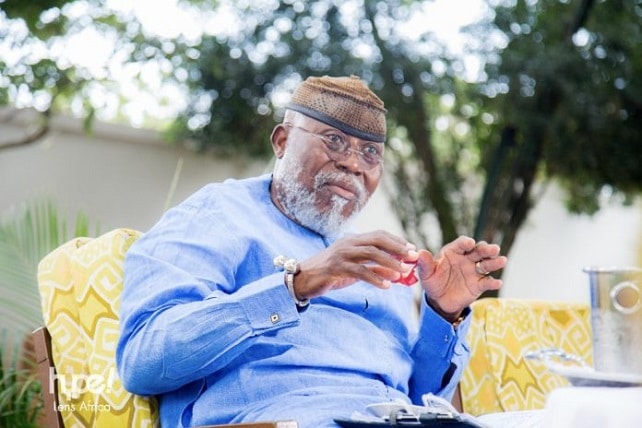
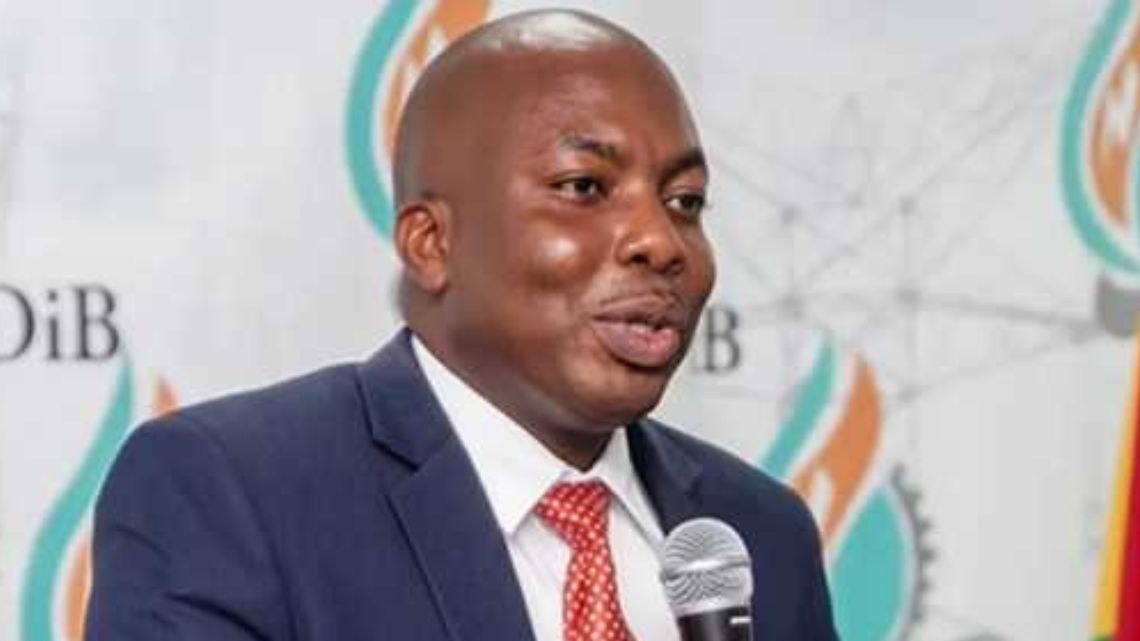
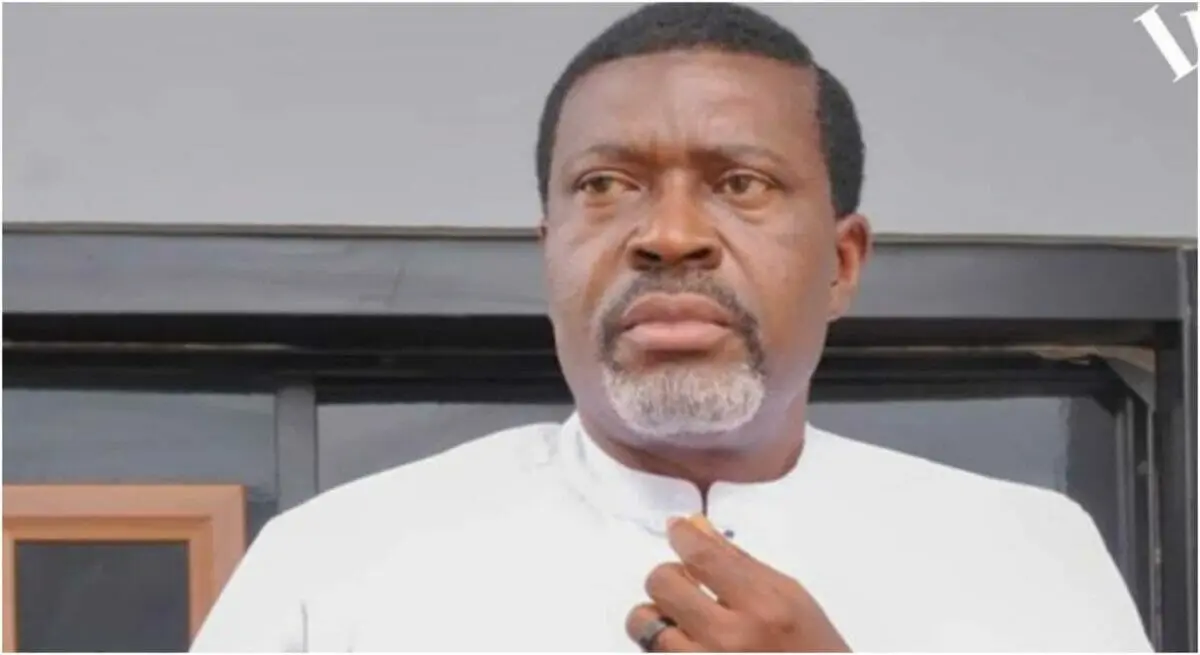
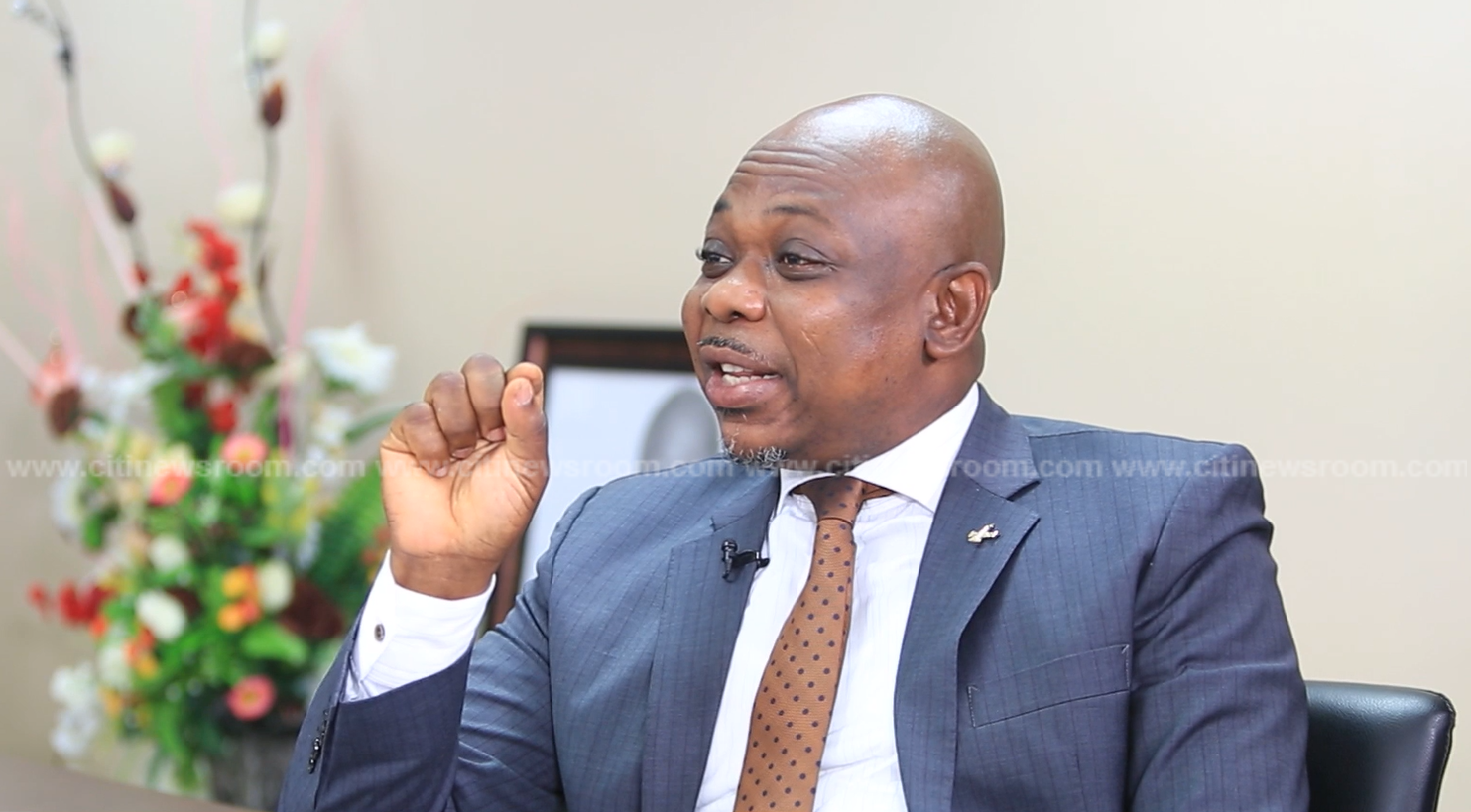
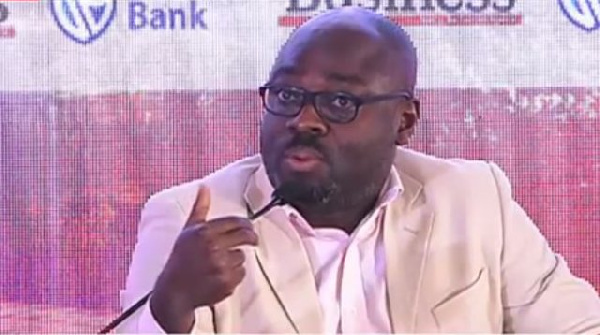
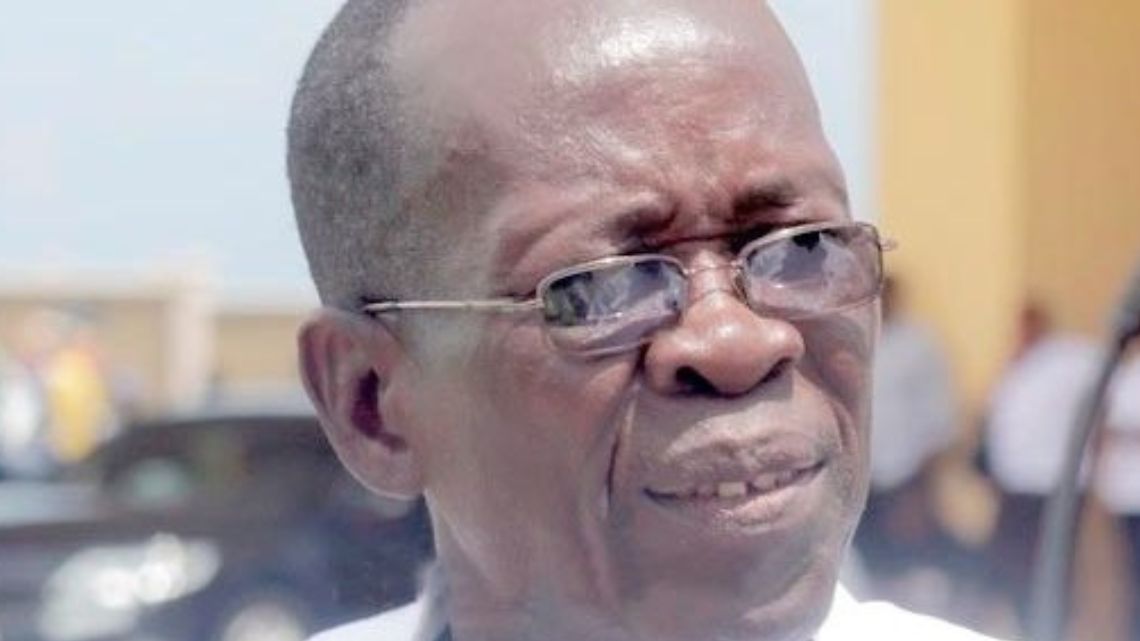
CEO of the Chamber of Independent Power Producers, Dr. Elikplim Kwabla Apetorgbor has critiqued Finance Minister Dr. Mohammed Amin Adam’s recent statements regarding the restructuring of Independent Power Producers (IPPs) debts.
Apetorgbor disputes the Minister’s claim that the government has restructured IPP debts to $1 billion, arguing that this figure oversimplifies the complex financial obligations under Power Purchase Agreements (PPAs).
“We have seven IPPs and we have reached an agreement with five, which is very positive for our country.
“It tells us that the threats of shutting down power plants will be a thing of the past because we are committed to implementing the terms of this agreement. We already have started performing on our side and to date government has paid in excess of 400 million dollars to all IPPs as part of our performance of the agreement that we just reached.”
Apetorgbor emphasizes that the debt owed to IPPs exceeds $2 billion and calls for transparency and a detailed breakdown of the $1 billion figure cited by the Finance Minister.
He highlights various components contributing to IPP arrears, including interest charges, idle capacity fees, exchange rate losses, and additional PPA-related claims.
“A Government Negotiating Team (GNT) was mandated to restructure legacy debt owed to the IPPs, namely AKSA, Amandi, CENIT, Cenpower, Karpowership, Early Power and Sunon Asogli. In addition, the GNT was tasked to finalize any outstanding matters pertaining to the restructuring of the respective PPAs of the IPPs with the Electricity Company of Ghana (ECG).
“The key objective of the exercise was centred on the restructuring of legacy debt, necessary amendments to the PPAs and other project documents arising from the restructuring exercise, as well as ensuring that ECG remains current on its payment obligations to IPPs under the respective PPAs going forward.
“The final round of negotiations in June 2024 after several months of negotiations resulted in the following: i. commercial agreements have been reached on headline debt restructuring terms and renegotiated PPA terms with Amandi, Cenpower, Early Power, CENIT and AKSA. ii. The amended Amandi, Cenpower and Early Power documentation will require Parliamentary approval, and the GNT is pursuing an aggressive timeline aimed at securing various regulatory, Ministerial and other approvals prior to presentation of the amended documentation to Parliament for approval before Parliament rises at the end of July 2024;
“iii. Work on closing out and execution of the Sunon Asogli restructuring package/documentation is also in progress; iv. ECG and GNPC have agreed all commercial terms under master gas supply arrangements (with final technical details being considered) under which GNPC will sell to ECG fuel in bulk for onward supply to the IPPs, as part of the conversion to a tolling arrangement. The master gas supply arrangements between ECG and GNPC are central to the restructuring exercise; and v. The GNT is further engaging Karpowership to close out the Karpowership restructuring as soon as possible.”
Apetorgbor insists on accounting for changes in law and fuel price variations, which significantly impact financial obligations under PPAs.
“indeed, the debt owed the Independent Power Producers is in excess of US$2 billion, until a meaningful and win-win deal is reached and sealed.
“The Finance Minister’s assertion that he has ‘reconciled or restructured’ the IPPs’ arrears to US$1 billion is questionable and oversimplifies the underlying financial obligations. Given the multifaceted nature of financial liabilities under PPAs, a mere aggregation of the monthly invoices does not capture the full extent of ECG’s commitments. Let’s take propaganda out of this sensitive case and act ethically. To provide a more accurate and reliable picture, the finance minister should offer a detailed breakdown of the ‘so-called’ US$1 billion figure, including all PPA-related claims, as I have pointed out above. It is worrying to learn that these are figures audit firms of high reputation have certified”
He criticizes what he perceives as oversimplification and calls for a more thorough disclosure from the Finance Minister to accurately reflect the true financial state of IPP debts.
“Components Contributing to the Arrears: This should include interest charges on delayed payments, idle capacity charges, exchange rate losses, and any additional claims under the PPAs; An Explanation of How Changes in Law and Fuel Price Variations Have Been Accounted For: This will ensure that all financial obligations are transparently reported; and Clarification of the Methodology Used to Arrive at the USD 1 Billion Figure: This will help ensure that all financial obligations under the PPAs are accurately reflected.
“To ensure that any debt restructuring proposal is credible, acceptable and not rip-off any serious investor of their benefits, it is essential to conduct a careful scenario and sensitivity analyses on the options proposed. This ensures a win-win situation for all stakeholders involved. The use of the high office of a finance minister for political propaganda undermines the credibility of financial management in the sector. As stewards of investors’ interest, we implement comprehensive accounting practices. This goes beyond simplistic revenue recognition models and requires meticulous consideration of all contractual obligations stipulated in the PPAs.
“Proper accounting for power in Ghana’s energy sector extends far beyond the monthly invoices received and paid by ECG. The Finance Minister’s claims regarding the reconciliation of IPPs arrears need to be substantiated with a detailed breakdown that reflects the true financial liabilities arising from PPAs. As stewards of shareholder interests, it is imperative to account for every amount and provide full transparency. The complexities inherent in PPA-driven financial obligations demand a comprehensive approach to accounting, one that goes beyond simplistic revenue recognition models. Only through such rigorous and ethical accounting practices can we hope to achieve financial clarity and stability in Ghana’s power sector.”
Apetorgbor underscores the need for ethical financial management and comprehensive accounting practices to ensure clarity and stability in Ghana’s power sector.
In summary, Apetorgbor urges for a detailed reconciliation of IPP debts that includes all relevant financial components, stressing the importance of transparency and responsible financial reporting in the sector.