Tag: BoG

  • Professor Bokpin urges BoG to implement sustainable policies beyond IMF Program

    Professor Bokpin urges BoG to implement sustainable policies beyond IMF Program


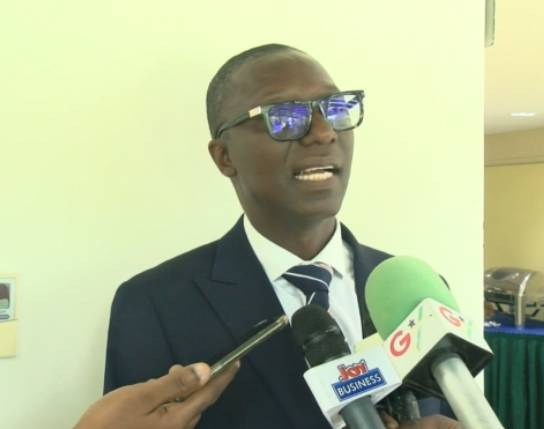
    Economist Professor Godfred Bokpin encourages the Bank of Ghana (BoG) to adopt medium-to-long-term plans for maintaining Ghana’s macroeconomic stability and instilling confidence in the market.

    According to the finance professor at the University of Ghana, these measures should go beyond the current US$3 billion IMF loan-support program.

    This approach would promote the long-term stability of the Cedi against the Dollar and maintain inflation within levels conducive to economic growth and stability.

    His suggestion comes after a notable reduction in the Cedi’s depreciation against the Dollar and a decrease in inflation rates.

    Speaking to the Ghana News Agency in Accra, Prof Bokpin praised the Central Bank’s role in the country’s economic recovery but cautioned that the current macroeconomic progress is not robust.

    Before securing the IMF loan-support program, Ghana’s inflation rate was 54.1% in December 2022, dropping to 23.2% in December 2023, but rising to 25.8% by March 2024.

    President Nana Addo Dankwa Akufo-Addo reported a nine percent cumulative depreciation of the Cedi between February and December 2023 during the 2024 State of the Nation address in February.

    Nonetheless, Prof Bokpin emphasizes the necessity for the Central Bank to devise a medium-to-long-term strategy beyond reliance on the IMF program for maintaining macroeconomic credibility and trust.

    “The gains made so far is quite fragile, so we must work hard to consolidate it beyond the expiration of the IMF programme by being disciplined and efficient with our expenditure as we’re in an election year,” he recommended.

    Additionally, Prof Bokpin advocated for structural changes to ensure the Central Bank’s independence. He highlighted instances where the Bank resisted certain government decisions but ultimately yielded to governmental influence.

    “From the COVID-19 pandemic era, the pronouncement of the Governor showed signals to the market that he was not happy with the way the fiscal side was intruding into the monetary side of the economy, but he succumbed to that political cannibalisation,” he said.

    He also mentioned that the Central Bank vehemently opposed the haircut proposed under the Domestic Debt Exchange Programme (DDEP) and actively resisted it during the 2023 spring meetings.

    Nonetheless, the Bank had no choice than to sacrifice its balance sheet, leading to the BoG suffering a 50 per cent haircut on government’s debt, something the Bank said it did “to save the economy from collapsing”.

    “The Central Bank must be bold in saying that the fiscal side is messing us up; when they admit and speak truth to power, without fearing that they’ll be fired, this country will begin to have a turn for good,” Prof Bokpin said.
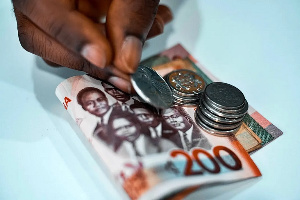
  • Pay attention to sustainable strategies over the IMF program – Professor Bokpin to BoG

    Pay attention to sustainable strategies over the IMF program – Professor Bokpin to BoG

    Finance expert at the University of Ghana, Professor Godfred Bokpin, has urged the Bank of Ghana (BoG) to implement medium-to-long-term strategies aimed at sustaining Ghana’s macroeconomic stability and bolstering market confidence.

    These measures, according to him, should go beyond the current US$3 billion loan-support program with the International Monetary Fund (IMF) to ensure the long-term stability of the Cedi against the dollar and to keep inflation within a range conducive to economic growth and stability.

    His recommendation comes in light of recent efforts to contain the depreciation of the Cedi against the Dollar and to manage inflation.

    While acknowledging the Central Bank’s role in the country’s economic recovery, Professor Bokpin emphasized that the macroeconomic progress observed thus far is not sufficiently robust.

    Prior to obtaining the IMF loan-support program, Ghana’s inflation rate stood at 54.1 percent in December 2022, decreased to 23.2 percent in December 2023, and then rose to 25.8 percent by March 2024.

    President Nana Addo Dankwa Akufo-Addo revealed in his February 2024 State of the Nation address that the Cedi had experienced a cumulative depreciation of nine percent between February and December 2023.

    However, Professor Bokpin emphasised the need for the Central Bank to engage in introspection and develop a medium-to-long-term strategy to ensure macroeconomic credibility and trust beyond reliance on an IMF program.

    “The gains made so far are quite fragile, so we must work hard to consolidate them beyond the expiration of the IMF programme by being disciplined and efficient with our expenditures as we’re in an election year,” he recommended.

    Prof. Bokpin also called for structural reforms that would guarantee the independence of the Central Bank, citing cases where the Bank opposed some government decisions yet had to succumb to government pressure.

    “From the COVID-19 pandemic era, the pronouncement of the Governor showed signals to the market that he was not happy with the way the fiscal side was intruding into the monetary side of the economy, but he succumbed to that political cannibalization,” he said.

    He also stated that the Central Bank expressed a strong disapproval of the haircut under the Domestic Debt Exchange Programme (DDEP) and fought against it during the 2023 spring meetings.

    Nonetheless, the Bank had no choice but to sacrifice its balance sheet, leading to the BoG suffering a 50 percent haircut on the government’s debt, something the Bank said it did “to save the economy from collapsing.”.

    “The Central Bank must be bold in saying that the fiscal side is messing us up; when they admit and speak truth to power, without fearing that they’ll be fired, this country will begin to have a turn for good,” Prof. Bokpin said.
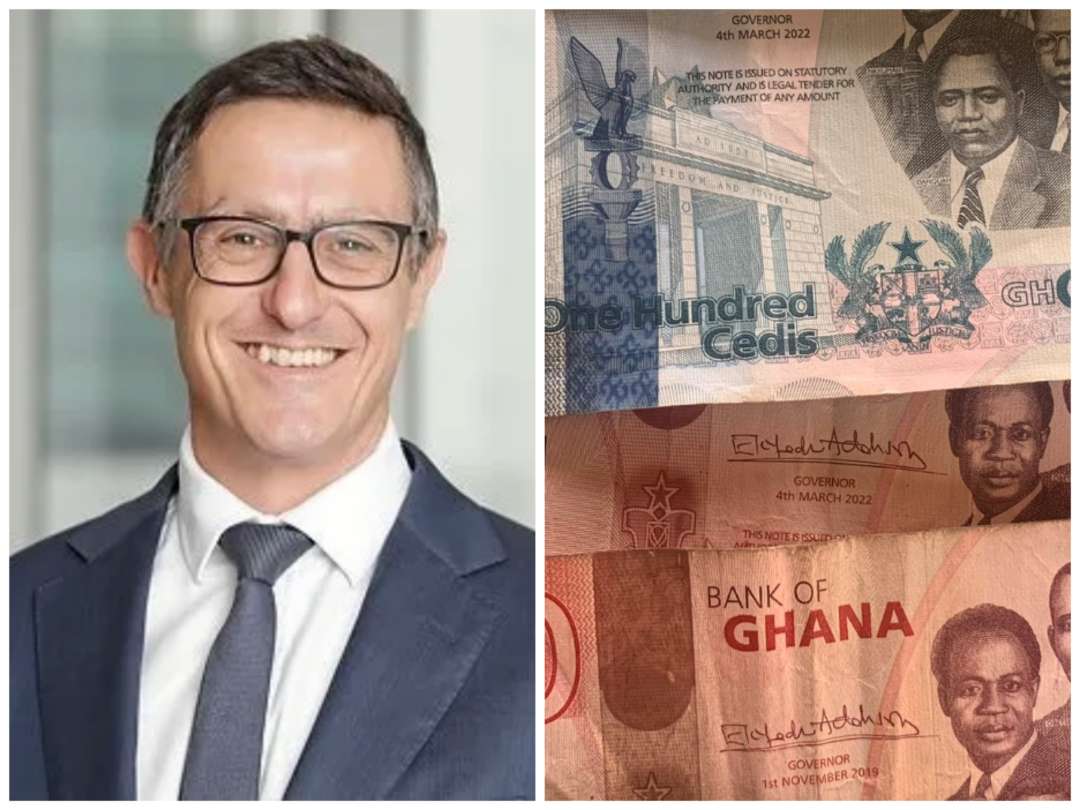
  • A dollar goes for GHS14.25 at forex, BoG interbank rate at GHS13.25

    A dollar goes for GHS14.25 at forex, BoG interbank rate at GHS13.25


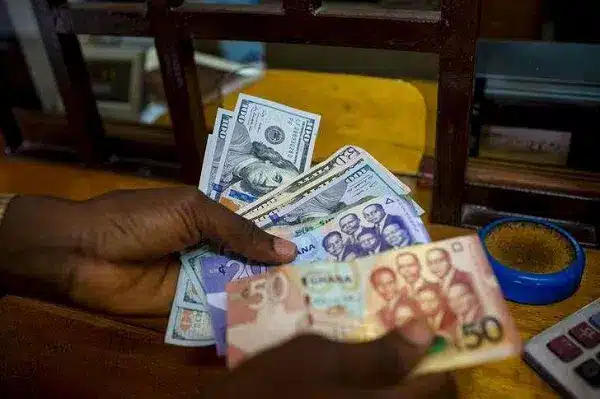
    The Interbank forex rates from the Bank of Ghana today, April 30, 2024, reveal that the Ghana Cedi is transacting against the dollar at a purchasing price of 13.2376 and a vending price of 13.2508.

    At a Forex bureau in Accra, the dollar is acquired at a rate of 13.95 and vended at 14.30.

    Versus the Pound Sterling, the Cedi is transacting at a purchasing price of 16.6118 and a vending price of 16.6298.

    At a Forex Bureau in Accra, the pound sterling is acquired at a rate of 17.10 and vended at a rate of 17.60.

    The Euro is transacting at a purchasing price of 14.1872 and a vending price of 14.2001.

    At a Forex Bureau in Accra, the Euro is acquired at a rate of 14.60 and vended at 15.10.

    The South African Rand is transacting at a purchasing price of 0.7099 and a vending price of 0.7102.

    At a forex bureau in Accra, the South African Rand is acquired at a rate of 0.40 and vended at a rate of 1.10.

    The Nigerian Naira is transacting at a purchasing price of 102.5188 and a vending price of 102.8314.

    At a forex bureau in Accra, Nigerian Naira is acquired at a rate of 9.00 Naira for every 1 Cedi and vended at a rate of 14.00.

    For the CFA, it is transacting at a purchasing price of 46.1938 and a vending price of 46.2358.

    At a forex bureau in Accra, CFA is acquired at 21.00 CFA for every 1 Cedi and vended at a rate of 23.00 CFA for every 1 Cedi.

    Note that these rates may differ at a forex bureau near you. Our forex bureau rates are provided by Afriswap Bureau De Change in Osu, Accra.

  • A dollar goes for GHS13.95 at forex, BoG interbank rate at GHS13.07

    A dollar goes for GHS13.95 at forex, BoG interbank rate at GHS13.07

    Today, April 23, 2024, the Bank of Ghana’s Interbank forex rates reveal that the Ghana Cedi is exchanging against the US Dollar at a buying rate of 13.0601 and a selling rate of 13.0731.

    In Accra’s Forex bureau, the Dollar is purchased at 13.60 Cedis and sold at 13.95 Cedis.

    Against the Pound Sterling, the Cedi is traded at a buying rate of 16.1109 and a selling rate of 16.1296.

    In an Accra Forex Bureau, the Pound Sterling is bought at 16.60 Cedis and sold at 17.10 Cedis.

    The Euro is quoted at a buying rate of 13.9007 and a selling rate of 13.9145.

    At an Accra Forex Bureau, the Euro is bought at 14.15 Cedis and sold at 14.65 Cedis.

    The South African Rand has a buying rate of 0.6818 and a selling rate of 0.6822.

    In Accra’s forex bureaus, the South African Rand is purchased at 0.40 Cedis and sold at 1.10 Cedis.

    The Nigerian Naira’s buying rate is 81.6655 and a selling rate of 83.4953.

    In Accra, the Nigerian Naira is bought at 9.00 Naira for every 1 Cedi and sold at 14.00 Naira.

    For the CFA Franc, the buying rate is 47.1420 and the selling rate is 47.1888.

    In Accra’s forex bureaus, the CFA is bought at 20.50 CFA for every 1 Cedi and sold at 22.50 CFA for every 1 Cedi.

  • Ghana’s reserve to benefit from US$360 million third tranche – Ernest Addison

    Ghana’s reserve to benefit from US$360 million third tranche – Ernest Addison

    Governor of the Bank of Ghana, Dr. Ernest Addison, has expressed optimism regarding Ghana’s foreign currency reserves strengthening with the anticipated disbursement of a third tranche of US$360 million from the International Monetary Fund (IMF).

    The approval for Ghana’s third tranche of US$360 million is expected during the Executive Board meeting of the IMF in June, following the staff-level agreement reached on the second review of the loan-support program.

    Speaking at a press briefing in Accra after concluding the staff-level agreement on Ghana’s second review of the three-year Extended Credit Facility (ECF) arrangement, Dr. Addison voiced confidence in the Board’s approval in June.

    Dr. Addison emphasized that this funding would contribute to bolstering the country’s foreign reserves, which amounted to US$6.2 billion as of April 5, 2024, and would support the objectives of the US$3 billion loan-support program.

    Foreign currency reserves, comprising cash and other assets like gold, held by central banks are crucial for maintaining stability in domestic currency and liquidity during economic crises, according to the World Economic Forum.

    He highlighted the productive two-week engagement between Ghanaian authorities and the IMF Staff Mission, culminating in the staff-level agreement.

    Furthermore, Dr. Addison expressed the government’s hopeful anticipation that this achievement would lead to “Management and Executive Board approval with the release of another tranche of IMF’s support.”

    Dr. Addison acknowledged that despite delays in the disbursement of some donor support, the country’s foreign exchange reserves remained steady at US$6.2 billion as of April 5, 2024.

    He affirmed the commitment to implementing policies that have sustained progress, including the innovative Gold for reserves program, which has significantly influenced foreign exchange management strategies.

    Regarding the progress made since the implementation of the loan-support program, Dr. Addison highlighted substantial macroeconomic dividends, including a significant drop in inflation from 54% at the end of 2022 to 23% in 2023.

    With the forthcoming US$360 million disbursement, Ghana’s total disbursement will amount to US$1.560 billion, having already received US$1.2 billion in the first two tranches since the program’s inception.

    The three-year ECF arrangement is supported by the country’s Post-COVID-19 Programme for Economic Growth (PC-PEG), aimed at restoring macroeconomic stability and debt sustainability, building resilience, and fostering stronger and more inclusive growth.

    Dr. Addison emphasized Ghana’s steadfast commitment to a set of policies since the program’s implementation, showcasing progress even under challenging circumstances.

    Stéphane Roudet, Chief of Mission for Ghana, acknowledged Ghana’s significant improvement in the external sector, with international reserve accumulation surpassing program objectives. However, he emphasized the importance of reaching an agreement with official bilateral creditors on an MoU consistent with the terms agreed in January 2024, as the next crucial step for Ghana.

  • BoG and Finance Ministry to collaborate on central bank recapitalization

    BoG and Finance Ministry to collaborate on central bank recapitalization

    The Governor of the Bank of Ghana (BoG), has indicated that discussions took place with the recently concluded IMF Mission team concerning the ramifications of the Domestic Debt Exchange Programme (DDEP) and its impact on the central bank’s financial position.

    The central bank’s annual financial statements for 2022 revealed a total loss of approximately GH¢60.8 billion, resulting in a negative equity of GH¢55.12 billion compared to a positive equity of GH¢5.7 billion in the previous year. These losses have been partially attributed to the government’s DDEP, which significantly affected the balance sheet during the period.

    To tackle this issue, Dr. Ernest Addison disclosed that there was a mutual understanding reached regarding the early recapitalization of the Bank of Ghana, with plans to sign a Memorandum of Understanding (MoU) with the Ministry of Finance for this purpose.

    Speaking at a joint press conference involving the IMF, Finance Ministry, and BoG held in Accra on April 13, 2024, Dr. Addison announced that Ghana had successfully reached a staff-level agreement with the IMF for the second review of the 17th bailout program.

    Furthermore, Dr. Addison mentioned that discussions had progressed regarding the government’s external debt restructuring program, with ongoing negotiations involving commercial creditors, bondholders, and bilateral creditors.

  • Expose persons suspected with money laundering and unexplained wealth – BoG urges public

    Expose persons suspected with money laundering and unexplained wealth – BoG urges public

    The Bank of Ghana (BoG) has urged the public to subject themselves to scrutiny regarding unexplained wealth and to report any suspicious financial transactions for investigation.

    According to the BoG, this initiative is a part of the efforts to combat money laundering within the country.

    These guidelines were outlined in the BoG’s notice concerning money laundering in Ghana.

    “Sudden unexplained wealth could be as a result of money laundering and you could be prosecuted. Be sure to be in a position to satisfactorily explain your sources of wealth”, BoG cautioned.

    The central bank urged the general public to collaborate with financial regulators by providing information regarding the source of funds used in various financial transactions across the country.

    Additionally, the BoG cautioned bank customers against allowing their accounts to be used by friends for transactions that lack independent verification.

    Money laundering involves the process of legitimizing money obtained from illegal activities like drug trafficking and corruption through complex transactions, a process known as ‘cleaning’, to conceal its illicit origin.

    Both the illegal activities generating ‘dirty’ money and the act of money laundering to legitimize these proceeds are subject to legal penalties.

    According to the BoG, money laundering not only undermines the credibility of financial institutions but also has wide-ranging implications for the economy, businesses, and society as a whole.

    To combat money laundering and terrorist financing, individuals may be required to disclose and substantiate the source of funds utilized in transactions across all BoG licensed and regulated institutions.

    In 2016, Ghana’s anti-money laundering, counter-financial terrorism, and proliferation financing regime were flagged for significant deficiencies during a mutual evaluation, resulting in greylisting by the Financial Action Task Force.

    Ghana was only removed from the grey list in 2020 following extensive reforms aimed at fortifying the regime.

    To sustain these achievements, the BoG cautioned that unexplained sudden wealth could be indicative of money laundering, potentially leading to legal action.

    Furthermore, it advised the public to be capable of satisfactorily explaining the sources of their wealth, reminding them that assets and properties acquired through money laundering activities are subject to confiscation, with individuals involved facing prosecution.

  • I never called NDC MPs hooligans – BoG Governor

    I never called NDC MPs hooligans – BoG Governor

    The Governor of the Bank of Ghana (BoG), Dr. Ernest Addison, has denied allegations that he referred to members of Ghana’s Parliament Minority Caucus as ‘hooligans.’

    In October 2023, reports emerged alleging that the governor had disparaged MPs from the National Democratic Congress (NDC) who staged a protest demanding his removal due to his handling of the central bank’s affairs.

    He was quoted as saying in an interview with Central Banking,”Why did the minority fail to use other channels to get their grievances across but parade on the streets like hooligans?”

    However, Dr. Addison has firmly denied making such statements.

    He clarified his position during his appearance before the Public Accounts Committee (PAC) in Parliament on Monday, April 8, 2024.

    According to reports from citinewsroom.com, Dr. Addison emphasized that there is no recorded evidence of him making such remarks. He asserted that his words were misrepresented by the media outlet that conducted the interview.

    Furthermore, he stressed that such derogatory remarks are not in line with his character.

    “This is what I am coming to say that those who know me and know my character… you have not heard a single word of a recorded message with me describing parliamentarians in that manner.

    “This was some foreign journalist’s description of the conversation we had and I disowned it,” he is quoted to have said.

  • You will be forced to account for unexplained wealth – BoG tells public in fight against money laundering

    You will be forced to account for unexplained wealth – BoG tells public in fight against money laundering

    Ghana’s central bank has shed light on the potential repercussions individuals face when possessing sudden unexplained wealth, a situation often linked to money laundering, which could lead to incarceration upon prosecution.

    According to the latest Financial Literacy document released by the Bank of Ghana, individuals with sudden unexplained wealth are expected to furnish satisfactory explanations regarding the origins of their assets to relevant authorities.

    The bank cautioned the public to exercise caution when handling funds received from third parties via their bank accounts, emphasizing the potential legal ramifications.

    “Sudden unexplained wealth could be as a result of money laundering and you could be prosecuted. Be sure to be in a position to satisfactorily explain your source of wealth.

    “Don’t allow a third party to receive and or transfer funds through your bank account. You could be aiding money laundering or terrorist financing which is crime a punishable by law,” the bank said.

    The document emphasized that sudden unexplained wealth may be indicative of money laundering, a process through which unlawfully obtained money is laundered through intricate transactions to conceal its illegal origins.

    Additionally, the document highlighted the offense of ‘Terrorism Financing,’ warning of its severe economic, security, and social consequences for nations, businesses, and individuals.

    It stressed that financing terrorism is a punishable crime and individuals should not become conduits for such activities.

    “Terrorist financing includes the provision of funds and financial support to individuals, state and non-state actors for the purpose of extremist acts and the promotion of terrorism and terrorist organizations.

    “Financing of terrorism is a crime and is punishable by law. When you provide your legitimately or illegitimately acquired funds/assets for terrorist activities or organizations, you are financing terrorism. Be careful you do not become a conduit for such activities.

    “You may be required to disclose and prove the source of funds used to undertake transactions at all Bank of Ghana licensed and regulated financial institutions,” the Bank said.

    Furthermore, the bank underscored the importance of disclosing and substantiating the sources of funds used in transactions at all licensed and regulated financial institutions under the purview of the Bank of Ghana.

    Ghana’s commitment to combatting money laundering and terrorism financing was reinforced with the enactment of the new Anti-Money Laundering Act, 2020 (Act 1044) on December 29, 2020. This legislation consolidates laws related to the prohibition of money laundering and imposes strict penalties, including fines and imprisonment, for various money laundering infractions.

  • Comply with monthly reporting of fraud cases – BoG cautions banks

    Comply with monthly reporting of fraud cases – BoG cautions banks

    The Bank of Ghana (BoG) has issued a warning to banks, urging them to adhere to its monthly report on fraud cases.

    This measure is intended to assist the regulator in consolidating efforts to track fraudulent activities within the financial sector.

    Head of Financial Stability at the BoG, Dr. Kwasi Osei Yeboah, emphasized the bank’s commitment to collaborating with all financial sector players to cleanse the sector of fraudulent activities.

    He made these remarks at a workshop on Committee for Cooperation between Law Enforcement Agencies and the Banking Community.

    Dr. Yeboah stressed the importance of a collaborative effort from all stakeholders in addressing the issue of fraud in the financial sector.

    “This may be a hindrance to promote financial soundness and integrity because without that, people will not feel free to participate in product and services within the financial space”, he said.

    “Banks are supposed to report all the fraud case to the Bank of Ghana even when nothing happens. They still have to do it. For us, even if one fraud occurs, it is important to us because it speaks to the concerns that the consumer will have for the financial sector”, he added.

    The Bank of Ghana’s fraud report for 2023 revealed that the total loss value recorded by Banks and Specialised Deposit-Taking Institutions (SDIs) in 2022 was approximately GH¢56 million, compared to approximately GH¢61 million in 2021, indicating a 7.88% decrease from 2021.

    The report also indicated that there were 2,998 attempted fraud cases in the banking and SDI sectors in 2022, compared to 2,347 cases in 2021, representing a 27.74% increase.

    On his part, Chief Executive Officer of the Ghana Association of Banks, John Awuah, has advocated for a clear-cut approach to addressing fraud-related cases within the financial sector.

    “As we are moving a number of our operations to those platforms, confidence is very key in such cases on the part of our customers. As an association, we need a clear cut mechanism to get fraudsters apprehended because even one fraud is dangerous to the sector”, he stated.

  • BoG recieves $300m from World Bank to support infrastructural projects

    BoG recieves $300m from World Bank to support infrastructural projects

    The $300 million World Bank funding earmarked for various projects in 2024 has been successfully deposited into the Bank of Ghana’s (BoG) account.

    This transfer follows Ghana’s fulfillment of all prerequisites, including approval from both Cabinet and Parliament, facilitating the release of the funds to the nation.

    As of this morning, March 27, 2024, Joy Business reports that the transfer has been completed. The BoG is now tasked with converting the funds into cedi and distributing the equivalent amount to relevant government agencies and ministries.

    The “Foreign Exchange” portion of this funding could significantly bolster the Bank of Ghana’s international reserves. Recent data from the Bank of Ghana indicates that its Gross International Reserves surpassed $6 billion as of February 2024.

    During a recent media engagement, Finance Minister Dr. Mohammed Amin Adam stated that the government anticipates receiving approximately $1.2 billion from various development partners by the year’s end.

    Impact on Economy

    This disbursement will accelerate the progress of several infrastructure projects outlined in the 2023 Budget that were previously delayed due to the late arrival of financial support from Ghana’s donors.

    The World Bank was initially scheduled to disburse this funding late last year. However, delays in Ghana’s negotiations with bilateral creditors impacted the approval of the $300 million loan.

    These inflows are anticipated to mitigate the depreciation of the cedi. This is because they may signal to the international market that the Central Bank is now better equipped to stabilize the local currency.

    Focus of this facility

    The disbursement of this $300 million Development Policy Financing, the first in a series of three is for crisis response and resilience in Ghana. Its objectives are to:

    1) Restore fiscal sustainability;

    2) Support financial sector stability and private sector development;

    3) Improve energy sector financial discipline; and

    4) Strengthen social and climate resilience.

    It is expected to strengthen domestic revenue mobilisation, control expenditures, safeguarding financial sector stability, removing barriers to private investment, setting the energy sector on a sounder financial and operational footing, strengthening the country’s social protection system, and mainstreaming climate adaptation and mitigation across policies.

    Background

    This funding is a portion of the overall financial assistance Ghana received through the IMF program established in May 2023. To date, the IMF has provided Ghana with approximately $1.2 billion under the program.

    The World Bank describes the First Resilient Recovery Development Policy Financing as a crucial contribution from its International Development Association. This support aims to facilitate Ghana’s economic recovery and promote resilient and inclusive growth.

    In January 2024, the World Bank approved this initiative following an agreement in principle by the Official Creditors’ Committee under the G20 Common Framework regarding key parameters for Ghana’s proposed debt restructuring.

    This agreement, aligned with the Joint World Bank-International Monetary Fund Debt Sustainability Framework, marks a significant step toward restoring Ghana’s debt sustainability.

  • A dollar goes for GHS13.65 at forex, BoG interbank rates GHS12.86

    A dollar goes for GHS13.65 at forex, BoG interbank rates GHS12.86


    Today’s Interbank forex rates, as reported by the Bank of Ghana on March 27, 2024, indicate that the Ghana Cedi is valued against the US dollar at a buying rate of 12.8558 and a selling rate of 12.8686.

    In Accra’s Forex bureaus, the dollar fetches a buying price of 13.25 and a selling price of 13.65.

    Against the Pound Sterling, the Cedi is valued at a buying rate of 16.2343 and a selling rate of 16.2518.

    In Accra’s Forex bureaus, the pound sterling is exchanged at a buying rate of 16.50 and a selling rate of 17.10.

    The Euro is traded at a buying rate of 13.9326 and a selling rate of 13.9452.

    In Accra’s Forex bureaus, the Euro is bought at 14.00 and sold at 14.60.

    The South African Rand is valued at a buying rate of 0.6770 and a selling rate of 0.6773.

    In Accra’s Forex bureaus, the South African Rand is bought at 0.40 and sold at 1.10.

    The Nigerian Naira is exchanged at a buying rate of 108.3018 and a selling rate of 108.6128.

    In Accra’s Forex bureaus, the Nigerian Naira is bought at 8.50 Naira for every 1 Cedi and sold at 13.50.

    For the CFA Franc, the buying rate is 47.0382 and the selling rate is 47.0807.

    In Accra’s Forex bureaus, the CFA Franc is bought at 21.00 CFA for every 1 Cedi and sold at 23.00 CFA for every 1 Cedi.

    Our forex bureau rates are provided by Afriswap Bureau De Change in Osu, Accra.

    Note that these rates may differ at a forex bureau near you. Our forex bureau rates are provided by Afriswap Bureau De Change in Osu, Accra.

  • Ghana’s gross international reserves surge by 9.9% to $4.06bn in 2 months

    Ghana’s gross international reserves surge by 9.9% to $4.06bn in 2 months

    In the first two months of 2024, Ghana’s Gross International Reserves (GIR) excluding Encumbered Assets and Petroleum Fund increased by 9.99% to $4.02 billion in February 2024, equivalent to 1.8 months of import cover.

    Gross international reserves are defined as the US dollar value of holdings of foreign exchange, special drawing rights, reserve position in the IMF, and gold at the end of a given period.

    The GIR stood at $3.66 billion in December 2023, representing 1.7 months of import cover. It rose to $4.17 billion in January 2024 but declined slightly to $4.02 billion in February 2024.

    The Bank of Ghana’s March 2024 Summary of Economic and Financial Data shows that the country’s reserves have been growing consistently, albeit slightly, since August 2023.

    However, the country’s trade surplus was $392.8 million in February 2024, about 0.5% of Gross Domestic Product (GDP), lower than the $862.5 million (1.1% of GDP) recorded during the same period in 2023.

    Total exports in February 2024 were estimated at $2.86 billion, while total imports stood at $2.47 billion. Gold remained the dominant export, with an export value of $1.26 billion in February 2024, benefiting from both volume and price increases.

    Crude oil exports were the second-highest, bringing in $619.8 million as of February 2024, compared to $551.3 million in February 2023. Cocoa export proceeds in February 2024 stood at $508.4 million, lower than the $711.5 million a year ago, due to lower volumes and prices.

    Other exports, including non-traditional exports, marginally decreased to an estimated value of $479.5 million in February 2024, compared to $480.0 million a year ago.

  • Over 11 banks financially stable after converting assets to capital – BoG

    Over 11 banks financially stable after converting assets to capital – BoG

    More than half of Ghana’s 23 banks have successfully met the required capitalization, according to Dr. Ernest Addison, the Governor of the Bank of Ghana (BoG).

    He stated that most of the remaining banks have achieved over two-thirds of the required recapitalization within a three-year period.

    Dr. Addison announced this during a press briefing, highlighting that despite elevated credit risks, the banking sector has remained stable. He noted improvements in the sector’s liquidity and profitability positions.

    Key financial soundness indicators showed mixed trends. The Capital Adequacy Ratio, adjusted for reliefs, was 13.6% in February 2024, exceeding the regulatory minimum of 13.0%, compared to 12.6% in February 2023. Liquidity and profitability ratios also improved from the previous year.

    However, the non-performing loan (NPL) ratio increased to 24.6%, attributed to downgrades of several large exposures. Excluding the loss category, NPLs remained in single digits at 9.8%.

    The Bank of Ghana anticipates that completing the recapitalization process early will enhance the banking sector’s resilience and enable it to better support the recovery of the real sector.

    In a related development, credit to the private sector by banks remained low. Private sector credit growth was 5.1% in February 2024, compared to 29.5% in February 2023.

    Conversely, banks’ investments in Government of Ghana and Bank of Ghana instruments increased significantly, reaching GH₵53.6 billion, a 67.6% year-on-year increase, compared to 36.9% for the same period in 2023.

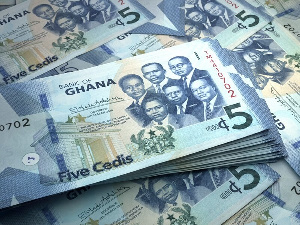
  • Accept 1 and 5 pesewa coins, stop rejecting them – BoG to public

    Accept 1 and 5 pesewa coins, stop rejecting them – BoG to public

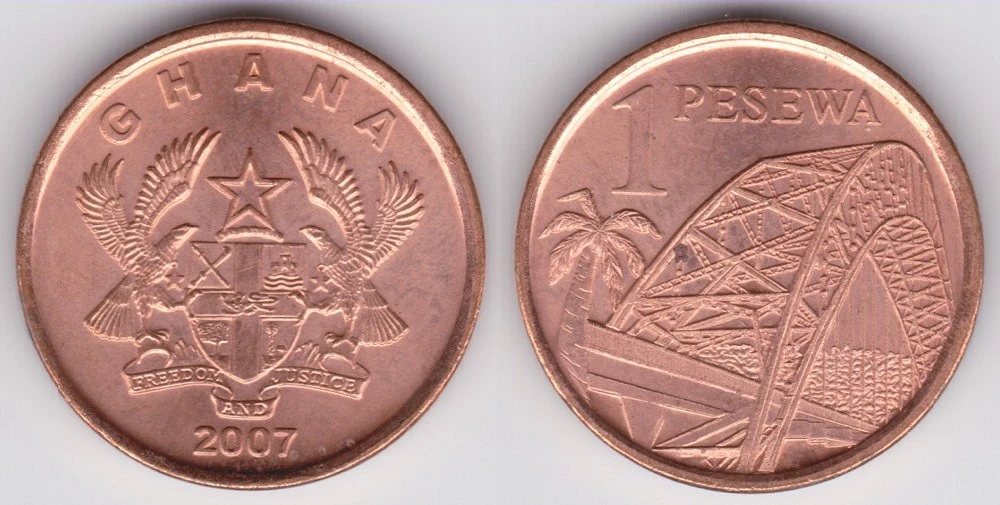
    The Bank of Ghana (BoG) has issued a caution to Ghanaians against rejecting the one and five pesewas coins, emphasizing that they are legal tender intended for transactions.

    Head of Currency Management at the Central Bank, Dominic Owusu, affirmed that the coins are still being issued and are expected to be used in the country for transactions.

    He also stated that the Bank will continue to monitor its currency in circulation to support the economy.

    Mr Owusu made these remarks during a media engagement as part of the Ghana Month Celebration.

    “If we mint a coin and issue it for circulation, it takes about 15 years or so before we withdraw it from the system. They fall within the change class and we want to encourage the public to use this coin because it supports the economy”.

    “The coins play a key role in the economy because if you want to buy some worth one cedi you can buy with 200 cedis so we have different classes which are the change, transaction, and the store of value class”, he stated.

    There are several reports of a section of the public refusing to use the one pesewas and the five pesewas coin for transactions.

    Meanwhile, the bank said those practices were unpatriotic, as they amounted to disrespect for the national currency.

  • Ghana poised to lead Fintech Investment – BoG

    Ghana poised to lead Fintech Investment – BoG

    The Head of FinTech and Innovation at the Bank of Ghana (BoG), Kwame Oppong, has anticipates that the upcoming 3i Summit will elevate Ghana as a prime hub for fintech investments across Africa.

    Speaking at the Ghana Fintech and Payments Association Awards event in Accra, Oppong emphasized the potential of the 3i Summit to draw significant investment to Ghana, thanks to the anticipated presence of global fintech leaders.

    The Fintech Awards event not only acknowledges the accomplishments of outstanding fintech and payments companies but also serves as a platform for industry stakeholders to convene and strategize on enhancing the sector’s growth.

    With Ghana emerging as a favorable landscape for fintech, boasting over 70 such enterprises, Oppong believes the 3i Summit will serve as a catalyst for policy discussions, entrepreneurial ventures, and networking opportunities within the industry.

    Oppong called upon banks and fintech firms to collaborate in organizing and supporting the summit, stressing that collective participation is key to its success.

    Highlighting the pivotal role of fintech companies in advancing Ghana’s financial inclusivity, Oppong noted a significant rise in the country’s financial inclusion index from 58% in 2017 to 68% in 2021.

    The 3i Africa Summit, a collaborative effort between the Bank of Ghana, the Monetary Authority of Singapore, Development Bank Ghana, and Elevandi, aims to drive innovation, investment, and impact in Africa’s fintech and financial services sectors.

    Scheduled for May 13 to May 15, 2024, at the Accra International Conference Centre, the summit promises to be a pivotal event for the fintech ecosystem in Africa.

    Nana Hemaa Ama Anim, Vice President for Women in Fintech, hailed the awards as a source of inspiration, fostering creativity, partnerships, and progress not only within fintech but across the entire financial sector.

    “I therefore extend an invitation to all banks and fintech companies to fully participate in diverse ways to organise this summit. Together, we can make the summit a success for all of us in the industry. The summit is for all of us to participate, so let us come on board and work together,” he said.

    She said the, “Women in FinTech” programme aimed at closing the gender disparity, empowering women, and supporting the creation of fintech companies led by women.

  • Minority goes after BoG for ‘illegally’ writing off GH¢48bn state debt

    Minority goes after BoG for ‘illegally’ writing off GH¢48bn state debt

    The Minority in Parliament has accused the management of the Bank of Ghana (BoG) of engaging in illegal activities related to the write-off of approximately GH¢48 billion in government debt.

    The caucus alleges that these actions have resulted in the insolvency of the central bank.

    During the final debate on the State of the Nation Address (SONA) on Monday, March 11, Dr. Cassiel Ato Forson, the Minority Leader, stressed the importance of holding the BoG’s management accountable.

    “The Bank of Ghana is now bankrupt and exists merely in name. In 2022, the Central Bank recorded a colossal loss of over GHȼ60.8 billion and a negative equity of over GHȼ55 billion.

    “The Governor of the Bank of Ghana and his two deputies illegally and excessively printed money to finance the government’s over-bloated expenditures. Mr Speaker, the Governor of the Bank of Ghana and his two deputies, without recourse to Parliament, wrote off about GHȼ48.4 billion of government debt.”

    The Minority leader urged Ghanaians not to overlook it, and called for accountability from the leadership of the Bank of Ghana.

    “These are the cardinal sins for which the Governor and his two deputies must be held accountable, however long it takes,” he asserted.

    In 2023, banks in Ghana recorded a significant improvement in their bad debt situation, with GH¢4.33 billion being written off, marking a substantial 79.2% reduction compared to the previous year.

    This bad debt, categorized as loan losses, depreciation, and other factors, contributed to a total estimated bad debt of GH¢20.8 billion for the year.

    The Bank of Ghana reports that banks reported lower impairments on financial assets in 2023. Total provisions and impairments decreased by 79.2% in December 2023, following a sharp increase in December 2022 due to significant impairments on restructured bonds.

  • BoG forecasts inflation decline to 13-17% by 2024, targeting 6-10% by 2025

    BoG forecasts inflation decline to 13-17% by 2024, targeting 6-10% by 2025

    The Bank of Ghana foresees a further decrease in headline inflation, expected to fall within the range of 13-17% by the end of 2024, gradually returning to the medium-term target range of 6-10% by 2025, unless unforeseen disruptions occur.

    As outlined in the January 2024 Monetary Policy Report, the ongoing disinflation process is anticipated to persist, with clear indications that the existing macroeconomic framework, backed by the International Monetary Fund-Economic Credit Facility program, is yielding positive outcomes.

    While the report highlights potential risks to the inflation outlook, particularly related to geopolitical tensions and their potential impact on commodities markets, particularly international crude oil prices, the Bank of Ghana emphasizes that all indicators of core inflation are declining, signaling a sustained alleviation of underlying inflationary pressures.

    Improved foreign exchange inflows from IMF-ECF disbursements, the cocoa syndicated loan, and expected funding from the World Bank are expected to bolster forex inflows.

    Furthermore, initiatives such as the Gold for Reserves program, repatriation of foreign exchange from mining and oil companies, and reduced debt service payments are projected to bolster reserve accumulation and promote exchange rate stability, further aiding the disinflation process.

  • Mahama Ayariga drags BoG Boss to OSP again

    Mahama Ayariga drags BoG Boss to OSP again

    Member of Parliament for Bawku Central, Mahama Ayariga, has lodged another complaint with the Office of the Special Prosecutor (OSP) regarding the ongoing construction of the new Bank of Ghana (BoG) Complex.

    In his initial complaint, Ayariga alleged corruption involving the Bank’s governor, deputy governors, the board of directors, and the project contractor, Goldkey Properties Ltd.

    He also raised concerns about the significant escalation in the project’s cost from USD 121,807,517.94 to USD 222,799,760.55, despite minimal changes in the project’s scope.

    In his earlier complaint, Ayariga emphasised the OSP’s mandate to investigate suspected cases of corruption and urged transparency in the use of public funds.

    In a subsequent letter to the OSP dated Monday, March 11, Ayariga sought an update on the progress of the investigation.

    “This is to follow up on your investigation of the complaint of suspected procurement breaches relating to the new headquarters building of the Bank of Ghana at Ridge, Accra.

    “You will recall that in October 2023, I made a formal complaint to your office and requested that you investigate what I believed to be a case of corruption in the procurement of the new headquarters building of the Bank of Ghana at Ridge in Accra.

    The suspects, in this case, included the governor and the deputy governors of the Bank of Ghana, namely: (1) Dr Ernest Kwamina Addison (Governor), (2) Maxwell Opoku-Afari (First Deputy Governor), and (3) Elsie Ado Awadzi (Second Deputy Governor),” an excerpt of the statement said.

  • Banks’ share in securities, equity, other investments surged by 4.4% in 2023 – BoG

    Banks’ share in securities, equity, other investments surged by 4.4% in 2023 – BoG

    According to the Bank of Ghana’s January 2024 Banking Sector Development Report, the composition of banks’ investments, including bills, securities, and equity, as a share of total assets increased to 36.4% in 2023 from 32.0% in 2022.

    Cash and bank balances were the second-largest component of total assets, with their share improving from 29.1% to 30.7% over the same period.

    However, the proportion of net advances in total assets declined to 23.8% from 28.2%, while the share of non-earning assets reduced from 10.6% to 9.1%. The Central Bank noted that the banking industry’s balance sheet in December 2023 reflected a preference for less risky assets.

    On the liability side, the share of deposits in banks’ liabilities and shareholders’ funds increased to 78.0% in December 2023, from 75.5% in the prior year. The decline in borrowings translated into a decreased share of 5.5% in December 2023, compared to 8.9% a year earlier.

    Following the strong growth in profits after tax, the proportion of shareholders’ funds in banks’ total funding improved to 10.6% from 8.7%. The share of other liabilities, however, declined from 7.0% in December 2022 to 5.9% in December 2023.

    Interest income remained the largest component of banks’ income streams in December 2023, accounting for 76.8% of banks’ income compared to 75.7% in December 2022. The share of banks’ income from fees and commissions declined to 10.8% from 11.3% in 2022, while the proportion of other income in total income was lower at 12.4% in December 2023 compared to 13.0% in December 2022.

  • You signed e-levy bill into law even when it was still in court, what is so strange about the gay bill? – Prof. Gatsi to Akufo Addo

    You signed e-levy bill into law even when it was still in court, what is so strange about the gay bill? – Prof. Gatsi to Akufo Addo

    Dean of the University of Cape Coast Business School, Professor John Gatsi, has voiced criticism against President Akufo-Addo’s decision to postpone assenting to the anti-LGBTQ+ bill until after a Supreme Court ruling on the matter.

    Initially, President Akufo-Addo remarked on the passage of the Proper Human Sexual Rights and Ghanaian Family Values Bill by Parliament, highlighting that Ghanaians await the Supreme Court’s decision before any action is taken.

    However, Gatsi has criticised this stance.

    But Prof. Gatsi, speaking on TV3’s Ghana Tonight programme on March 4, questioned the basis of the President’s assertion because the bill is yet to become law, adding, “When E-levy [Electronic Transaction Service Levy] was sent to court, the President still went ahead to sign the E-levy bill into law.”.

    “What is so significant or strange about this bill that the bill has not even matured into law and some people are seeking some explanation to be provided by the Supreme Court about this bill?” he quizzed.

    According to Prof. Gatsi, the country is not yet at the point of Supreme Court interpretation, stating, “We don’t have a law so to speak, because technically we have not completed the process.”

    He further asserted that all the events unfolding after the bill’s passage aim to prevent it from receiving presidential assent and becoming law.

    Gatsi emphasised the significant amount of lobbying activity being conducted to oppose the signing of the anti-LGBTQ+ bill.

    “It sounds like there is a heavy dose of lobbying activities going on [in] these last minutes of the process. We knew that the constituents of the world that are not happy with the stand of Ghana on LGBTQ were very clear. All attempts were made to stop the process in parliament that didn’t happen,” he said, adding that the international community, having seen the signs of a unanimous decision to pass the bill in parliament, has occasioned “the upscale of lobbying activities across the board.”.

    “And now they are using our own finance ministry to blackmail Ghanaians to support the President not to sign the bill,” Prof. Gatsi added.

    Meanwhile, the Finance Ministry has urged President Akufo-Addo not to assent to the anti-LGBTQ+ bill. The Ministry, in a statement, emphasised that Ghana could lose over US$3.8 billion in World Bank financing should the bill be enacted into law.

    Some of the areas the Finance Ministry feared World Bank financing could be cut include the US$300 million First Ghana Resilient Recovery Development Policy Operation.

    Another US$300 million on-going negotiation for the Second Ghana Resilient Recovery Development Policy Operation, and another US$250 million for the Ghana Financial Stability Fund.

    Also, the finance ministry feared the disbursement of US$2.1 billion for ongoing projects and another US$900 million worth of projects would cease when the bill becomes law.

  • Such a joke! Togbe Afede XIV blasts BoG’s 1% policy rate cut

    Recent reduction of the monetary policy rate by 1 percent [from 30% to 29%] by the Bank of Ghana (BoG) has been criticised by Togbe Afede XIV, the Agbogbomefia of Asogli State, who described it as a joke.

    The Central Bank’s Monetary Policy Committee made this decision during its first meeting of the year on January 29, 2024, following a review of economic developments in the country.

    According to Dr. Ernest Addison, the Governor of the Bank of Ghana, the decision was influenced by a decline in core inflation figures and various factors supporting the disinflation process.

    However, Togbe Afede XIV strongly opposes the Central Bank’s decision, questioning the actual impact of the 1 percent rate reduction on lending rates, inflation, exchange rates, or overall economic growth.

    In a write-up sighted by GhanaWeb Business, the economist wrote, “I wonder whether they have determined the correlation between interest rates, inflation, and exchange rates in our country.”

    “The hesitant 1% rate cut to 29% is particularly surprising given their expectation that headline inflation would “ease to 15%±2% by the end of 2024 and gradually trend back to within the medium-term target range of 8%±2% by 2025.”

    I do not see the relationship between the expected or target 15%±2% inflation and the high 29% monetary policy rate. It gives the impression that our top economists do not believe in themselves or their own forecasts,” he explained.

    Togbe Afede XIV also voiced concerns regarding the credibility of Central Bank officials and economic managers, suggesting that their recent assertion of “emerging recovery” contradicts previous statements indicating the economy had “turned the corner.”

    While acknowledging the complexity of interactions among macroeconomic variables, Togbe Afede XIV emphasised that the Central Bank’s policy rate and open market operations should ideally influence the inflation rate.

    “But BOG officials still have a fixation on headline or year-on-year inflation, and so they cannot depart from their reactionary monetary policy approach, which responds to what has transpired, that is, past one-year price changes, instead of their expectation of inflation (15%±2% this year).

    So, the 1% reduction in the policy rate appears to be a reaction to the 3.2% fall in headline inflation in December to 23.2%, from 26.4% % in November,” Togbe Afede XIV emphasised.

  • BoG adjusts customer wallet limits for MoMo transactions starting March 1

    Bank of Ghana (BoG) has announced revisions to the balance and transaction limits of mobile money wallets, effective March 1, 2024, in response to the growing trends in transactional activities and evolving customer demands.

    This decision follows a surge in mobile money transactions, as highlighted in the 2023 Fintech Sector report released by the Bank, according to the Ghana Chamber of Telecommunications.

    The report disclosed a significant 79 percent increase in the total value of mobile money transactions, reaching GH¢1.9 trillion compared to figures recorded in 2022.

    Moreover, the total value of mobile accounts (funds) held with commercial banks witnessed a 40% increase, reaching GH¢18.3 billion.

    Under the newly approved guidelines, the transaction limits for various customer accounts have been adjusted.

    Minimum Account, Medium Account and Enhanced Account:

    Previous Limits: GH¢2,000, GH¢10,000, and GH¢15,000
    Revised Limits: GH¢3,000, GH¢15,000, and GH¢25,000, respectively

    Minimum KYC Account:

    Previous Limit: GH¢3,000
    Revised Limit: GH¢5,000

    Medium KYC Account:

    Previous Limit: GH¢25,000
    Revised Limit: GH¢40,000

    Enhanced KYC Account:

    Previous Limit: GH¢50,000
    Revised Limit: GH¢75,000


    Additionally, the Bank of Ghana has raised the monthly transaction limit for Minimum KYC Accounts from GH¢6,000 to GH¢10,000. Meanwhile, there will be no changes to the transaction limits for Medium and Enhanced accounts, which previously had no set limits on monthly transaction values.

    As an advocacy institution, the Ghana Chamber of Telecommunication urges the public to seek clarification at any of their members’ customer service centers nationwide.

  • BoG to make changes to MoMo wallet limits from March 1

    In response to the surge in mobile money transactions and evolving customer needs, the Bank of Ghana (BoG) has announced adjustments to the balance and transaction limits of mobile money wallets, effective March 1, 2024.

    The decision follows the findings of the 2023 Fintech Sector report, revealing a significant 79 percent increase in the total value of Mobile Money transactions, reaching GH¢1.9 trillion compared to 2022 figures.

    Mobile Accounts (Funds) held with commercial banks also saw a 40% increase, reaching GH¢18.3 billion.

    The revised guidelines include adjustments to transaction limits for different customer accounts:

    • Minimum Account, Medium Account, and Enhanced Account:
      • Previous Limits: GH¢2,000, GH¢10,000, and GH¢15,000
      • Revised Limits: GH¢3,000, GH¢15,000, and GH¢25,000 respectively
    • Minimum Know Your Customer (KYC) Account:
      • Previous Limit: GH¢3,000
      • Revised Limit: GH¢5,000
    • Medium Know Your Customer (KYC) Account:
      • Previous Limit: GH¢25,000
      • Revised Limit: GH¢40,000
    • Enhanced Know Your Customer (KYC) Account:
      • Previous Limit: GH¢50,000
      • Revised Limit: GH¢75,000

    Additionally, the monthly transaction limit for a Minimum KYC Account has increased from GH¢6,000 to GH¢10,000. Medium and Enhanced accounts, which had no previous limits on the value of monthly transactions, remain unchanged.

    The Ghana Chamber of Telecommunications, as an advocacy institution, encourages the public to seek clarification at any of their members’ customer service centers across the country.

  • BoG waiting for another disaster?

    BoG waiting for another disaster?

    In the intricate realm of global affairs, Ghana stands as a paradox, a nation caught in the relentless grip of reactive governance. 

    Its leaders, entrusted with the sacred duty of steering the ship of state, seem to have adopted a peculiar philosophy – a philosophy of waiting for storm clouds to gather before unfurling the sails of action. 

    As the world hurtles forward, Ghana remains tethered to a tradition of procrastination, only mustering the will to address long-standing issues when they metamorphose into full-blown crises. 

    This habitual reactivity not only jeopardizes the nation’s well-being but also leaves the world watching in incredulous fascination at a leadership seemingly trapped in the clutches of inertia.

    In the arena of global geopolitics, the adage “prevention is better than cure” finds its resonance in the elusive art of proactivity. 

    Yet, within the borders of Ghana, this fundamental principle appears to be but a distant whisper drowned out by the cacophony of crises. 

    The leadership and institutions of this nation have mastered the art of reactive governance, a practice that transforms issues into ticking time bombs, detonating only when the urgency of disaster demands their attention. 

    This alarming pattern not only underscores a lack of foresight but also raises profound questions about the capacity and commitment of those at the helm.

    You may recall that the Governor of the Bank of Ghana (BoG), Dr. Ernest Addison, confirmed that most banks in the country have complied with the directive to purchase ‘bulletproof’ bullion vans for transporting cash. 

    This came after the Central Bank directed all banks to acquire ‘bulletproof’ bullion vehicles to transit cash by July 1, 2023. 

    Before then there had been a series of robbery attacks on vans transporting cash, leading to the death of a police escort. 

    According to the Governor, “Ideally, there should be police escorts who should not be in these vans. But rather following these vehicles.”

    Speaking at the 113th Monetary Policy Committee (MPC) press conference in Accra on Monday, July 24, 2023, Dr. Addison said the banks had complied with the directive. He said, “I have seen a lot of clearances from the Ministry of Interior to aid these imports and even those that have already brought in these cars.”

    A Call For Proactive Measures

    Despite the assurances from the Governor of the Bank of Ghana that banks have complied with the directive to purchase bullion vans, recent observations paint a different picture. 

    Fast forward to today, and it’s evident that some banks continue to utilize refitted pickup trucks for cash transportation. 

    Even if these pickups have been upgraded with armor plating, they still lack the structural integrity and specialized design inherent to standard bullion vans.

    Standard bullion vans are purpose-built vehicles engineered with a suite of features specifically tailored for secure cash transit. 

    These features include reinforced armor plating, robust locking systems, and compartments designed to deter and withstand attempted robberies. 

    Moreover, bullion vans often come equipped with advanced security technologies such as GPS tracking, panic buttons, and secure communication systems, further enhancing their ability to prevent and respond to security threats effectively.

    In contrast, refitted pickup trucks, while may be armored, are not structurally designed to fulfill the demanding requirements of cash transit. 

    Their conversions typically lack the specialized security features found in dedicated bullion vans, leaving them vulnerable to breaches and compromising the safety of both personnel and assets.

    Given the critical role of secure cash transportation in maintaining financial stability and public safety, it is imperative that authorities take proactive measures to address this issue. 

    The continued use of inadequately equipped vehicles for cash transit poses significant risks and undermines efforts to combat robbery attacks effectively.

    Therefore, authorities must enforce strict compliance with regulations mandating the use of standard bullion vans for cash transportation by financial institutions. 

    Additionally, there should be regular audits and inspections to ensure adherence to safety standards and protocols. 

    Investing in the proper infrastructure and equipment now will not only mitigate the risk of future security breaches but also safeguard the integrity of Ghana’s financial system and protect the welfare of its citizens. 

    They should not wait for another tragedy before they act.

    Source: Vaultz News

    DISCLAIMER: TIGPost.co will not be liable for any inaccuracies contained in this article. The views expressed in the article are solely those of the author’s, and do not reflect those of The Independent Ghana.

  • BoG reports 54% drop in secured loans to GHS5.9bn

    BoG reports 54% drop in secured loans to GHS5.9bn


    In the fourth quarter of 2023, banks and Specialised Deposit-Taking Institutions (SDIs) extended secured loans with a combined value of GH¢5.9 billion, according to the Bank of Ghana (BoG)

    This represents a significant decrease of 54.9% compared to the GH¢13.2 billion recorded in the same period in 2022.

    Breaking down the figures from the 4th Quarter Collateral Registry Report, it is revealed that banks contributed GH¢4.5 billion to the total secured loans in Q4 2023, marking a notable decline of 63.0% from the GH¢12.3 billion reported in Q4 2022.

    This decline signals an overall deceleration in credit growth for the year, indicating a strategic portfolio reallocation by banks.

    Conversely, SDIs experienced an uptick in secured loans, recording a total of GH¢1.4 billion in Q4 2023.

    This reflects a significant increase of 53.0% from the GH¢918.7 million reported in the same period in 2022.

    Examining the distribution of secured loans, banks maintained the largest share in Q4 2023, accounting for 76.3% of the total value, down from 93.0% in Q4 2022.

    Savings and Loans Companies saw an increased share, rising to 13.3% in Q4 2023 from 4.2% in Q4 2022. Rural and Community Banks followed with a percentage share of 6.9%, up from 1.9% in Q4 2022. Microfinance Companies also experienced a rise in share, reaching 1.7% in Q4 2023 from 0.3% in Q4 2022. Additionally, Finance Houses saw a slight increase, from 0.1% in Q4 2022 to 0.5% in Q4 2023.

  • Dr. Kwakye blasts BoG, Finance Minister and Bawumia for disregarding GH¢60.81 billion loss in 2022

    Dr. Kwakye blasts BoG, Finance Minister and Bawumia for disregarding GH¢60.81 billion loss in 2022


    Senior Economist and Director of Research at the Institute of Economic Affairs (IEA) Dr. John Kwakye, has voiced criticism against the NPP flagbearer, Dr. Mahamudu Bawumia, for characterising the GH¢60.81 billion losses incurred by the Bank of Ghana in 2022 as merely “technical.”

    In a published write-up, Dr. Kwakye emphasised that these significant losses reported by the Central Bank during the specified financial year would inevitably lead to cuts imposed on various operations.

    Highlighting the tangible impacts, the IEA Director underscored how these losses are already affecting prevailing economic conditions in the country, including exchange rate stability and inflationary pressures.

    “Dr. Bawumia said BoG’s action was responsible and that it was temporary, as the bank had advanced money to the government in only two of the past seven years. The Minister of Finance had expressed similar sentiments in the past, which was not surprising because the government was the direct beneficiary of the monetary financing,” he said.

    Dr Kwakye continued, “However, as central bankers, we know that the most inflationary source of financing the budget is high-powered money coming directly from the central bank vault. It is not the fact that BoG advanced money to the government that is the issue, for the Bank’s Act provides for such advances up to 5% of the previous year’s revenue.

    It is the magnitude of the advance—over 50% of the previous year’s revenue—that is disturbing. It is no wonder inflation peaked at 54.1% in 2022—and depreciation ballooned to 54.2% in November 2022, before falling to 30.0% in December 2022. Meanwhile, as government debt to BoG was also discounted under the DDEP, the Bank made a whopping loss of GH¢61 billion and a record negative equity of GH¢54 billion in 2022.”


    He further contended that despite attempts by the Finance Minister and Central Bank Governor to downplay the extent of the losses, the country’s balance sheet suffered a severe blow.

    “Both the Minister and the Governor seem to have played down the loss as only a technical one. However, the fact is that the bank’s balance sheet has been severely impacted, and this would force it to cut back on some of its important operations so as to save costs,” Dr Kwakye said.

  • BoG’s GH¢60.81bn loss to trigger cuts in essential operations – John Kwakye

    BoG’s GH¢60.81bn loss to trigger cuts in essential operations – John Kwakye

    The Director of Research at the Institute of Economic Affairs (IEA), Dr. John Kwakye, has voiced criticism against the New Patriotic Party flagbearer, Dr. Mahamudu Bawumia, for characterizing the GH¢60.81 billion losses reported by the Bank of Ghana in 2022 as merely technical losses.

    The economic researcher contends that these losses will necessitate reductions in crucial operations of the Bank as it seeks to manage costs.

    In an article titled “Dr. Bawumia’s Speech: Turning an Impossibility into the Possibility?”, Dr. Kwakye pointed out that one immediate consequence of these losses is the fluctuating inflationary figures witnessed in the country.

    Dr. Kwakye disputed Dr. Bawumia’s assertion that the Bank of Ghana’s actions were responsible and temporary.

    “Dr. Bawumia said BoG’s action was responsible and that it was temporary, as the Bank had advanced money to Government in only two of the past seven years. The Minister of Finance had expressed similar sentiments in the past, which was not surprising because Government was the direct beneficiary of the monetary financing.

    “However, as central bankers, we know that the most inflationary source of financing the budget is high-powered money coming directly from the central bank vault. It is not the fact that BoG advanced money to Government that is the issue, for the Bank’s Act provides for such advances up to 5% of the previous year’s revenue. It is the magnitude of the advance—over 50% of the previous year’s revenue—that is disturbing. It is no wonder inflation peaked at 54.1% in 2022—and depreciation ballooned to 54.2% in November 2022, before falling bank to 30.0% in December 2022. Meanwhile, as Government debt to BoG was also discounted under the DDEP, the Bank made a whopping loss of GHS61 billion and a record negative equity of GHS54 billion in 2022.”

    “Both the Minister and the Governor seem to have played down the loss as only a technical loss. However, the fact is that the Bank’s balance sheet has been severely impacted, and this would force it to cut back on some of its important operations so as to save costs.”

    He highlighted that while it is not unusual for the Bank to advance money to the government, the magnitude of the advance—exceeding 50% of the previous year’s revenue—is concerning.

    This, according to Dr. Kwakye, contributed to the spike in inflation and depreciation in 2022.

    Despite attempts by the Finance Minister, Ken Ofor-Atta, and the Bank of Ghana to downplay the losses as technical, Dr. Kwakye emphasized that the Bank’s balance sheet has been significantly impacted. He argued that this impact would compel the Bank to scale back on crucial operations in order to cut costs.

  • Government makes GH¢6.84 billion from treasury bills auction, highest so far this year

    Government makes GH¢6.84 billion from treasury bills auction, highest so far this year


    Government successfully secured GH¢6.84 billion in treasury bill sales, surpassing its target of GH¢4.587 billion.

    This comes after the Bank of Ghana’s (BoG) weekly Treasury Bill Auction, conducted on February 9, 2024.

    This resulted in an oversubscription of GH¢2.259 billion. Notably, the previous week’s auction yielded a total amount of GH¢4.527 billion.

    Meanwhile, interest rates experienced a slight decrease, ranging from 27.99% to 30.99%.

    The latest auction results from the Bank of Ghana indicate that interest rates for the 91-day and 182-day bills currently stand at 27.99% and 30.43%, respectively. For the 364-day bill, interest rates are reported at 30.99%.

    With inflation currently at 23.2%, there are positive signs for investors.

    All bids tendered in this week’s auction were accepted, with GH¢2.931 billion accepted for the 91-day bill, GH¢1.627 billion for the 182-day bill, and GH¢2.287 million for the 364-day bills.

    Looking ahead, the government has set its next auction target at GH¢4.865 billion.

  • Lies, ignore them – BoG on purported new 500 Cedis note in circulation

    Lies, ignore them – BoG on purported new 500 Cedis note in circulation

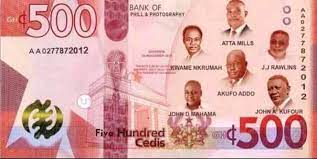
    Bank of Ghana (BoG) has strongly denied recent claims circulating on various social media platforms regarding the introduction of new GH₵500 banknotes.

    These claims gained momentum following a video circulating on TikTok suggesting that President Nana Akufo-Addo and Vice President Dr. Mahamudu Bawumia publicly unveiled GH₵500 currency notes and coins during a televised event on Metro TV.

    The video depicted the political leaders showcasing what appeared to be a GH₵500 note featuring the image of Ghana’s first president, Kwame Nkrumah, on one side and the faces of subsequent presidents on the reverse.

    However, the Bank of Ghana has refuted these claims, emphasising that the highest denomination currently in circulation remains the GH₵200 note.

    Esi Hammond, the Head of Communications at the Bank of Ghana, has firmly dismissed these allegations as false and urged the public to ignore such misinformation.

    She pointed out that fake news regarding currency denominations is not uncommon and reiterated that the bank would officially communicate any plans for introducing new denominations.

    The purported GH₵500 note featured a combination of past and present presidents, including John Mahama, John Atta Mills, John Kufuor, and Jerry Rawlings, who assumed presidential office after 1992.

    This inconsistency clearly indicates the inauthenticity of the alleged GH₵500 notes.

    Financial experts have urged the public to remain vigilant when encountering news about currency, particularly given Ghana’s current economic difficulties. They stress the importance of verifying information from reliable sources before accepting or spreading it.

    The Bank of Ghana reiterates that it is the only authorised issuer of currency in the nation, and any plans to introduce new denominations would be formally announced through official channels.

  • “Responsible” BoG put your interest first – Bawumia to public

    “Responsible” BoG put your interest first – Bawumia to public

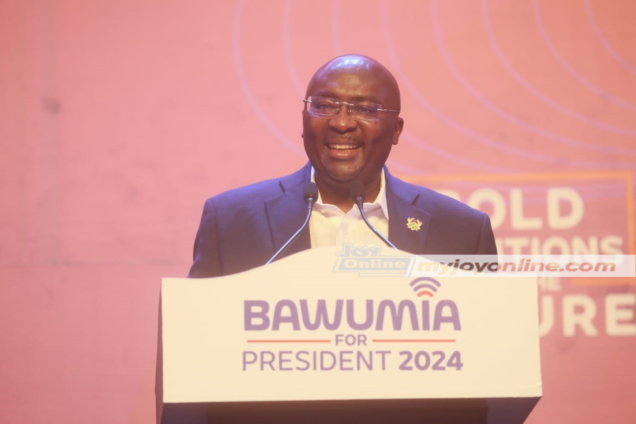
    Vice President Dr. Mahamudu Bawumia has called upon Ghanaians to commend and acknowledge the efforts of the Bank of Ghana (BoG), which has faced unwarranted criticism while undertaking essential measures to stabilize the economy.

    Dr. Bawumia highlighted the pivotal role played by the central bank in extending crucial financial support to the government during a critical period, preventing the economy from veering towards collapse.

    “What the Bank of Ghana did was very responsible, in putting the interest of the good citizens of Ghana first”, he disclosed when addressing the nation.

    The Vice President further emphasized that available data indicates that the financial assistance extended to the government by the Bank of Ghana was of a temporary nature.

    Dr. Bawumia underscored that over the past seven years, the Bank of Ghana has not provided any financial support to the government in five of those years, namely 2017, 2018, 2019, 2021, and 2023.

    The Vice President further emphasized that available data indicates that the financial assistance extended to the government by the Bank of Ghana was of a temporary nature.

    Dr. Bawumia underscored that over the past seven years, the Bank of Ghana has not provided any financial support to the government in five of those years, namely 2017, 2018, 2019, 2021, and 2023.

    The Bank of Ghana has consistently defended its decision to provide financial support to the government’s budget following the onset of the Covid-19 pandemic, arguing that failure to do so would have had dire consequences for the economy.

    Prior to the outbreak of Covid-19, the Central Bank adhered to a policy of refraining from financing the budget between 2015 and 2020.

    However, this approach changed in the aftermath of the pandemic when the government faced challenges in generating sufficient revenue.

    Speaking at the University of Ghana’s 75th Anniversary Public Lecture on “Ghana’s Economy: The Need for Paradigm Shift,” Dr. Philip Abradu-Otoo, Director of Research at the Bank of Ghana, explained that the central bank had no alternative but to intervene to prevent the economy from collapsing.

    “So the Central Bank’s point of view, we realised we needed an economy to protect. So there were choices that had to be made, should we allow the economy to collapse or we should stick strictly to issues of fiscal dominance and then who picks up the pieces after the economy has collapsed”.

    The Bank of Ghana’s Annual Report and Financial Statements for the year 2022 have revealed a significant loss of ¢60.8 billion. This substantial loss stands in stark contrast to the ¢1.2 billion profit recorded by the Central Bank in the previous year, 2021.

    The report attributes this substantial loss to a decline in the Group’s net worth position, primarily due to the impact of the Domestic Debt Exchange Programme (DDEP) and impairment of certain assets.

    Additionally, the report indicates that the total liabilities and subsidiaries of the Bank of Ghana exceeded its total assets by ¢54.52 billion during the reporting period.

    This, among many other reasons were cited by the Minority in Parliament for the removal of BoG Governor, Dr Ernest Addison and his deputies. The Minority’s initiative is yet to see the light of day.

    In contrast, in 2021, the Central Bank recorded a surplus of ¢5.72 billion, highlighting a significant shift in financial performance within a year.

  • Ghana’s oil revenue declines to $521M – BoG

    Ghana’s oil revenue declines to $521M – BoG

    The latest semi-annual report of the Ghana Petroleum Holding Fund (PHF), disclosed by the Bank of Ghana, indicates that the country received over $521 million in the second half of 2023.

    However, this amount marks a decline compared to the $696.82 million recorded in petroleum receipts during the same period in 2022.

    The report, released in accordance with the Petroleum Revenue Management Act, 2011 (Act 815), provides details on Ghana’s crude oil liftings and the allocation to the Ghana Petroleum Funds. Total petroleum revenue receipts include proceeds from oil liftings, Corporate Tax, Surface Rental, and interest on the Petroleum Fund account.

    Between May and October 2023, Ghana secured $319 million from crude oil liftings, with an additional $198 million from corporate tax related to crude oil liftings by Kosmos Energy, Tullow Oil, and Petro SA.

    Interest from the Petroleum Holding Funds amounted to $3.3 million, and income from surface rental was estimated at $112,082.

    Ghana’s Petroleum Funds Investments generated $1.23 billion during the period, with the breakdown revealing that the Ghana Stabilization Fund received $159 million, and the Ghana Heritage Fund received $68 billion.

    Complying with the law, the Bank of Ghana manages the receipt and disbursement of petroleum revenue, allocating not more than 70 percent of the benchmark revenue to the Annual Budget Funding Amount and not less than 30 percent to the Ghana Petroleum Funds.

    Among the transferable funds into the Petroleum Funds, the Ghana Heritage Fund receives a minimum of 30 percent, with the remaining portion transferred into the Ghana Stabilization Fund.

  • BoG introduces user-friendly Beta version of Macroeconomic Database Portal

    BoG introduces user-friendly Beta version of Macroeconomic Database Portal


    The Bank of Ghana (BoG) has unveiled the Beta Version of its Database Portal, a crucial step towards creating a unified platform for extracting and visualizing macroeconomic data.

    This initiative aligns with international best practices and reflects the Bank’s dedication to enhancing transparency within its inflation targeting framework for monetary policy.

    The portal serves the dual purpose of meeting data requests from the public and supporting research endeavors.

    Organized into five primary Economic Sectors—External, Financial, Fiscal, Monetary, Real, and Survey-Based Indicators—the data encompasses 255 monthly and 86 quarterly time series sourced from the BoG and key stakeholder institutions.

    Regular updates and revisions, following the published Data Release Calendar on the portal, ensure the information’s accuracy and relevance. For access to data on the Portal, visit the official website: https://app.datawarehousepro.com/go/bog/

  • US economist proves with hard notes BoG printed money in 2022

    US economist proves with hard notes BoG printed money in 2022

    Financial analyst and US economist, Scott Bolshevik, has provided evidence to support the assertion that the Bank of Ghana (BoG) in 2022 printed new cedi notes to aid the Akufo-Addo government.

    In a post on X on February 3, Bolshevik shared two images of GHC50 and GHC100 notes that were printed and issues on two different dates.

    While one was printed on November 1, 2019, the others were printed on March 4, 2022, a few days to Ghana’s Independence Day.

    He noted that the sad state of the Ghanaian economy cannot be attributed to the Russia-Ukraine war and COVID-19 as done by President Akufo-Addo but the actions of the government. He noted that the printing of money led to Ghana’s rising inflation.

    “Randomly, I had GH650, and it’s bad that all were printed in 2022 except one note. Ukraine and COVID-19 had nothing to do with the economic crisis and impoverishment caused by inflation. If the economic vice president couldn’t anticipate this, then what’s good of him?” he wrote.

    In July 2022, Minority Ranking Member on the Finance Committee in Parliament, Hon. Cassiel Ato Forson alleged that Bank
    of Ghana (BOG) printed an amount of GHC 22.04 billion to finance Government’s budget without parliamentary approval.

    His reaction was in response to the 2022 Mid-Year Fiscal Policy Review which was presented to Parliament by the Minister for Finance on Monday, July 25th 2022.

    In Appendix 2A of the Mid-Year Fiscal Policy Review document, under Financing, out of the total financing of GHC28.12 billion, an amount of GHC22.04 billion was captured under BOG. This is the amount being referred to by the Ranking Member as BOG’s printing of
    currency to support the budget.

    In response, the Bank of Ghana in a statement said the amount of GHC 22.04 billion represents net claims on Government, and not new currency printed to support the Government’s budget. The net claims of GHC 22.04 billion has
    the following four components:

    1. GoG Stocks and bonds sold by commercial banks to Bank of Ghana under repurchase
      agreements, by which banks routinely manage their liquidity positions;
    2. IMF SDR allocation disbursed to Government through Bank of Ghana;
    3. Draw-down of Government’s own deposits held with Bank of Ghana;
    4. Negative balance on Government’s account with Bank of Ghana at a point in time, and selfliquidated as new Government deposits are credited to the account.

    But in August 2023, the BoG in its 2022 annual report and financial statements said it printed GH¢35 billion in 2021 and GH¢42 billion in 2022 to finance the government.

    The Minority Caucus in Parliament described as unfortunate attempts by the Bank of Ghana (BoG) to justify the money it printed for the government in 2021 and 2022, which they (Minority) said was in contravention of Section 30 of the BoG (Amendment) Act, 2016 (ACT 918).

    https://twitter.com/scottbolshevik/status/1753695065359143351?s=46
  • BoG doles out a colossal GHC2.5bn to banks to avert DDEP-driven collapse

    BoG doles out a colossal GHC2.5bn to banks to avert DDEP-driven collapse

    Government has released GH¢2.5 billion to certain banks through the Ghana Financial Stability Fund (GFSF), according to the Governor of the Bank of Ghana (BoG), Dr. Ernest Addison.

    He disclosed this information during the 116th regular meeting of the Monetary Policy Committee (MPC), where discussions included global and macroeconomic developments, as well as an assessment of the economy and risks related to inflation.

    The funds are intended to assist banks in overcoming financial challenges associated with the Debt Service Suspension Initiative (DDEP).

    The Ministry of Finance initiated the disbursement under this program in the previous year, established by the government to alleviate the financial impacts of the DDEP.

    This initiative is part of Ghana’s three-year $3 billion Extended Credit Facility (ECF) program with the International Monetary Fund (IMF), signed in 2022 to provide balance of payment support, restore macroeconomic stability, spur growth, and address the country’s increasing public debt.

    While the specific banks benefiting from the GFSF were not mentioned by Dr. Addison, he highlighted that, despite challenges, the banking industry remained robust and profitable. The sector’s performance improved, with ongoing recapitalization efforts by shareholders and support from the GFSF contributing to its stability, as indicated by the latest stress tests.

    “As at the end of 2023, the data shows that the banking sector re­mains stable, liquid, and profitable. Profitability improved for the sec­tor from the loss position record­ed in the 2022 audited accounts, reflecting sustained increases in net interest income and fees and commissions,” the Chairman of the MPC stated.

    He said the industry’s balance sheet was generally strong, un­derscored by increased assets in December 2023, funded largely by deposits.

    “Key financial soundness indica­tors remained broadly positive with the Capital Adequacy Ratio (adjust­ed for reliefs) above the regulatory minimum, while liquidity and profitability ratios were higher in December 2023 compared to the same period last year,” Dr Addison stated.

    Dr. Ernest Addison, the Governor of the Bank of Ghana, reported that the Non-Performing Loan (NPL) ratio increased in 2023 due to general repayment challenges faced by borrowers. This development reflected the impact of macroeconomic challenges encountered in 2022.

    Regarding the recapitalization of banks, Dr. Addison stated that some banks were ahead of the 2026 recapitalization deadline, and some had already sought additional funds from their shareholders to bolster their capital.

    He emphasized that the Bank of Ghana did not have concerns about the capital levels of the banks. According to him, the profits declared by the banks in the previous year were sufficient to meet their capital requirements.

    “The Bank is closely monitoring the capital restoration efforts of the banks in line with approved plans, including through support from the Ghana Financial Stabil­ity Fund. It is expected that early recapitalisation and effective risk management by banks will help promote overall banking sector stability and resilience and ensure effective financial intermediation to strengthen the economic recovery efforts,” Dr Addison said.

  • Banks receive GHC2.5bn from BoG via GFSF for financial support

    Banks receive GHC2.5bn from BoG via GFSF for financial support

    The government has released GH¢2.5 billion to certain banks through the Ghana Financial Stability Fund (GFSF), as revealed by Dr. Ernest Addison, the Governor of the Bank of Ghana (BoG).

    This disclosure came during the 116th regular meeting of the Monetary Policy Committee (MPC), where discussions included global and macroeconomic developments, as well as an assessment of the economy and risks related to inflation.

    The funds are intended to assist banks in overcoming financial challenges associated with the Debt Service Suspension Initiative (DDEP).

    The Ministry of Finance initiated the disbursement under this program in the previous year, established by the government to alleviate the financial impacts of the DDEP.

    This initiative is part of Ghana’s three-year $3 billion Extended Credit Facility (ECF) program with the International Monetary Fund (IMF), signed in 2022 to provide balance of payment support, restore macroeconomic stability, spur growth, and address the country’s increasing public debt.

    While the specific banks benefiting from the GFSF were not mentioned by Dr. Addison, he highlighted that, despite challenges, the banking industry remained robust and profitable. The sector’s performance improved, with ongoing recapitalization efforts by shareholders and support from the GFSF contributing to its stability, as indicated by the latest stress tests.

    “As at the end of 2023, the data shows that the banking sector re­mains stable, liquid, and profitable. Profitability improved for the sec­tor from the loss position record­ed in the 2022 audited accounts, reflecting sustained increases in net interest income and fees and commissions,” the Chairman of the MPC stated.

    He said the industry’s balance sheet was generally strong, un­derscored by increased assets in December 2023, funded largely by deposits.

    “Key financial soundness indica­tors remained broadly positive with the Capital Adequacy Ratio (adjust­ed for reliefs) above the regulatory minimum, while liquidity and profitability ratios were higher in December 2023 compared to the same period last year,” Dr Addison stated.

    Dr. Ernest Addison, the Governor of the Bank of Ghana, reported that the Non-Performing Loan (NPL) ratio increased in 2023 due to general repayment challenges faced by borrowers. This development reflected the impact of macroeconomic challenges encountered in 2022.

    Regarding the recapitalization of banks, Dr. Addison stated that some banks were ahead of the 2026 recapitalization deadline, and some had already sought additional funds from their shareholders to bolster their capital.

    He emphasized that the Bank of Ghana did not have concerns about the capital levels of the banks. According to him, the profits declared by the banks in the previous year were sufficient to meet their capital requirements.

    “The Bank is closely monitoring the capital restoration efforts of the banks in line with approved plans, including through support from the Ghana Financial Stabil­ity Fund. It is expected that early recapitalisation and effective risk management by banks will help promote overall banking sector stability and resilience and ensure effective financial intermediation to strengthen the economic recovery efforts,” Dr Addison said.
  • BoG cut its Monetary Policy Rate to 29%

    BoG cut its Monetary Policy Rate to 29%

    Bank of Ghana (BoG) has decided to reduce its Monetary Policy Rate by one percent.

    This adjustment brings the reference rate used by commercial banks for lending down from 30 to 29 percent, marking the first decrease in six months.

    The rate had remained at 30 percent since July 2023 as a measure to control inflation.

    The move to lower the rate was influenced by factors such as a significant decline in inflation, a stable currency rate, and robust economic growth both domestically and globally, according to the Bank of Ghana’s 116th monetary policy announcement.

    Dr. Ernest Addison, the Governor, emphasised the central bank’s commitment to monitoring developments and responding appropriately to mitigate potential risks to inflation.

    The decision was welcomed by the business community and industry players who had advocated for a rate reduction to stimulate operational activities and enhance credit availability to the private sector.

    “Headline inflation declined sharply by more than 30 percentage points in the course of 2023. Several factors have supported the disinflation process, namely the tightening monetary policy stance throughout 2023, favourable international crude oil prices, which led to stable ex-pump prices and transportation costs, and relative stability in the exchange rate. The latest forecast suggests that the disinflation process will continue, and headline inflation is expected to ease to around 13–17 percent by the end of 2024, before gradually trending back to within the medium-term target range of 6–10 percent by 2025.”

    “These forecasts notwithstanding, there are upside risks to the inflation outlook and there is need for strict implementation of the 2024 budget and a tight monetary policy stance to sustain the disinflation process. The Committee noted the emerging recovery but sees the need to maintain a strong policy stance to consolidate the disinflation gains. Under these circumstances, the Committee decided to reduce the Monetary Policy Rate by 100 basis points to 29 percent.”

    “On the domestic economic front, there are clear indications that the current macroeconomic framework being implemented with the IMF PCF programme is yielding positive results. The macroeconomic fundamentals have all trended in the right direction. Both headline and core inflation are declining and projected to desolate further. Inflation expectations seem well-anchored. Fiscal policy implementation is broadly in line with expectations.

    “The current account balance is in surplus and will likely remain so in the near term. The foreign exchange build-up has been strong and should support the stable exchange rate outlook. The benchmark key interest rate indicator, the United One Day Treasury Bill Rate, also declined over a year in response to macroeconomic conditions,” he stated.

  • IMF credits BoG’s account with second tranche of 600m US dollars

    IMF credits BoG’s account with second tranche of 600m US dollars

    Bank of Ghana has confirmed the receipt of US$600 million as the second installment of Ghana’s bailout package with the International Monetary Fund (IMF).

    This financial injection, designated for budget support and stabilisation of the local currency, was officially credited to the Central Bank’s account on Tuesday, January 23, 2023.

    With this, Ghana has now received a total of US$1.2 billion out of the approved $3 billion under the three-year extended credit facility initiated in May of the previous year.

    Unlike the first tranche, which aimed to address Ghana’s balance of payment issues, the entirety of the second tranche will be used to fund projects and programs outlined in the 2024 budget.

    The IMF approved the second tranche last Friday, following Ghana’s successful negotiations with bilateral lenders, including China and France, a crucial step that triggered the disbursement.

    The IMF highlighted Ghana’s positive performance under the program, with implemented reforms yielding positive outcomes and signs of economic stabilisation becoming apparent.

    Barring unforeseen circumstances, the next IMF program review for the third tranche of US$720 million is scheduled in six months.

    In addition to the funds from the IMF, the second tranche has facilitated additional financial support from other international donors. The World Bank’s Executive Board is set to provide approximately $300 million in budget support for Ghana, following an agreement in principle on the key parameters of the proposed debt restructuring reached by the Official Creditors’ Committee under the G20 Common Framework.

    This disbursement aims to aid Ghana’s recovery, attract investments, and restore a sustainable growth path while addressing the country’s debt sustainability.

    The Board’s approval on January 23, 2023, will be followed by the World Bank’s disbursement of $250 million as part of its contribution to the Ghana Financial Stability Fund. This contribution is expected to assist banks significantly affected by the Domestic Debt Exchange Programme.

  • BoG to launch e-Cedi before close of 2026 – Dr Ernest Addison

    BoG to launch e-Cedi before close of 2026 – Dr Ernest Addison

    Bank of Ghana (BoG) Governor Dr. Ernest Addison has reassured the public that the eagerly awaited e-Cedi, Ghana’s digital currency, will be launched before the close of 2026.

    While acknowledging progress in the e-Cedi’s development, he attributed the delay to economic disruptions caused by the events of 2022.

    During an interview on the sidelines of the Eastern Caribbean Central Bank (ECCB) 40th anniversary and Central Banking Autumn meetings in Saint Kitts and Nevis in November 2023, Dr. Addison hinted that the launch might occur earlier, expressing the need to comprehend the commercial aspects better.

    After the successful pilot phase in Sefwi Asafo, discussions on the e-Cedi’s commercial aspects began. However, the onset of the COVID-19 pandemic and the resulting economic crisis led the central bank to temporarily halt the digitization process.

    “Probably, it could be earlier than that. As I mentioned, we have reached a point of trying to understand the commercials a little bit more,” said Dr. Addison during an interview held on the side-lines of the Eastern Caribbean Central Bank (ECCB) 40th anniversary and Central Banking Autumn meetings in Saint Kitts and Nevis in November 2023.

    Despite the setback, the central bank remains optimistic about the e-Cedi’s future.

    In December 2023, winners of Ghana’s inaugural e-Cedi hackathon were announced, showcasing the fintech community’s enthusiasm. The competition encouraged innovation and partnerships around the central bank’s digital currency.

    Dr. Addison provided insights into the e-Cedi pilot’s status, highlighting its offline operational capacity.

    The pilot, conducted in remote areas, featured an offline version to ensure usability in regions with limited connectivity infrastructure.

    Positive results demonstrated the e-Cedi’s potential success.

    While economic challenges prompted a reevaluation of priorities in 2022, progress toward launching the e-Cedi is ongoing. The central bank aims to replicate traditional cash attributes with a retail token-based CBDC, stored locally on devices.

    “The e-Cedi’s successful deployment could have a significant impact on the country, helping to augment the government’s digitalization agenda and foster financial inclusion,” Dr. Addison stressed. With the e-Cedi hackathon serving as a milestone, anticipation builds for its official launch, expected to bring transformative changes to Ghana’s financial ecosystem.

  • We expect continued relief from inflation in 2024 – BoG Governor

    We expect continued relief from inflation in 2024 – BoG Governor

    The Bank of Ghana (BoG) foresees a further alleviation of inflation in 2024, buttressed by the sustained implementation of sound policies, with the aim of firmly anchoring inflation expectations towards the single-digit target.

    A significant positive shift has been noted over the past year, witnessing a substantial reduction in inflation from approximately 54 percent to 23 percent by the conclusion of 2023.

    In a concise statement following the successful completion of the First Review of the Extended Credit Facility (ECF) Programme with the International Monetary Fund (IMF) on January 19, 2024, Governor Dr. Ernest Addison underscored the central bank’s unwavering commitment to monitoring both domestic and external developments.

    The primary objective is to respond judiciously, ensuring the sustainability of the recent decline in inflation without compromising economic growth.

    Dr. Addison highlighted the favorable experience of 2023, marked by a noteworthy reduction in inflation and heightened economic growth.

    Shifting focus to the banking sector, he reassured stakeholders that it remains robust, liquid, and profitable. The Bank of Ghana is set to closely monitor banks’ initiatives for capital restoration, especially in light of the impact of the Domestic Debt Exchange Programme (DDEP).

    Anticipating early recapitalization, Dr. Addison emphasized its potential to fortify the resilience of the banking sector and facilitate effective financial intermediation, contributing significantly to macroeconomic recovery.

    Discussing the completion of the First Review of the ECF Programme, Dr. Addison stressed the imperative of sustained vigilance and commitment throughout 2024 to implement the envisioned structural reforms.

    While acknowledging the challenges ahead, he expressed confidence in the ongoing economic recovery process.

    He underscored the critical importance of executing necessary structural reforms to support a more efficient functioning of the economy, ensuring its long-term sustainability.

    Looking ahead, he urged the country to prepare for the second review of the program and highlighted the pivotal role of structural reforms in achieving a well-functioning and sustainable economy.

    “Let me say that in all these matters, as I have always admonished, it is good for the mining companies, and the Chamber to carry the communities along.

    “What I can assure you is that the government is fully committed to providing adequate security for your concessions. Because it is when your concessions are safe that you can work in peace to support the government. So, whatever we need to do is to ensure that your concessions are safe…..we will do it”, he explained.

    “And in this regard, I will continue to count on the leadership of the Chamber. If there are specific or special cases we need to deal with let us know and we will take the necessary steps to deal with them”, he added.

  • Ghana’s economic performance exceeds expectations – IMF

    Ghana’s economic performance exceeds expectations – IMF

    The International Monetary Fund (IMF) has revealed that Ghana’s performance under the Fund program has been robust, with all quantitative performance criteria for the first review and nearly all indicative targets and structural benchmarks being met.

    In a statement following the Executive Board Concluding of the 2023 Article IV Consultation with Ghana and First Review under the Extended Credit Facility Arrangement, the Fund commended Ghana for being on track to lower the fiscal primary deficit by about 4 percentage points of GDP in 2023.

    The statement highlighted that spending remained within program limits, and the authorities (Ministry of Finance, Bank of Ghana) significantly expanded social protection programs to mitigate the impact of the crisis on the most vulnerable population. Ghana also met its non-oil revenue mobilization target on the revenue side.

    “Spending has remained within program limits. To help mitigate the impact of the crisis on the most vulnerable population, the authorities [Ministry of Finance, Bank of Ghana] have significantly expanded social protection programmes. On the revenue side, Ghana has met its non-oil revenue mobilization target”, the statement pointed out.

    Moreover, the statement acknowledged Ghanaian authorities’ progress on their debt restructuring strategy, emphasizing the completion of domestic debt restructuring and an agreement with the Official Creditor Committee (OCC) under the G20’s Common Framework. This agreement paved the way for the Executive Board review to be completed.

    The IMF noted that ambitious structural fiscal reforms in Ghana are enhancing domestic revenues, improving spending efficiency, strengthening public financial and debt management, preserving financial sector stability, enhancing governance and transparency, and creating a more conducive environment for private sector investment.

    The statement pointed out that the authorities’ reform efforts are yielding positive results, with signs of economic stabilization such as resilient growth in 2023, declining inflation, and improvements in the fiscal and external positions.

    Looking ahead, the IMF stressed the importance of steadfast policy and reform implementation for fully restoring macroeconomic stability, debt sustainability, and fostering sustainable economic growth and poverty reduction.

    Deputy Managing Director and Acting Chair, Bo Li, acknowledged Ghana’s economic performance amid significant volatility. He emphasized the positive results of the authorities’ efforts to reorient macroeconomic policies, restructure debt, and implement wide-ranging reforms. Bo Li highlighted the need for continued efforts, including reducing deficits, finalizing comprehensive debt restructuring, protecting the vulnerable, and implementing reforms to improve tax administration, fiscal rules, institutions, and SOEs management.

    He also emphasized the importance of maintaining an appropriately tight monetary stance, enhancing exchange rate flexibility, and addressing issues in the financial sector to achieve the program’s objectives. Bo Li concluded by stressing the need for reforms to create a conducive environment for private investment and promoting a green recovery to address Ghana’s exposure to climate shocks.

  • Strong and innovative policies behind inflation decline – BoG Governor

    Strong and innovative policies behind inflation decline – BoG Governor


    The Governor of the Bank of Ghana (BoG), Dr. Ernest Addison, has asserted that the recent inflation trends indicate the economy is on track, with inflation dropping from 54 percent to 23 percent by the end of 2023.

    Dr. Addison attributes this to robust policies, tight monetary conditions, and exchange rate stability.

    Factors supporting the disinflation process include stable crude oil prices, leading to steady fuel prices, and a resilient exchange rate.

    He cited “monetary policy stance throughout 2023, stable crude oil prices which led to stable fuel prices with favourable impact on transportation costs, a relatively stable exchange rate environment, stronger FX reserve accumulation due to the gold for reserve programme, and favourable climatic conditions on the food supply chain process,” as the factors.

    Looking ahead to 2024, he said, the expectation is for inflation to ease further, underpinned by continued implementation of sound policies till inflation expectations are firmly anchored towards our single digit objective.

    “In this regard, the Bank of Ghana will continue to monitor both domestic and external developments and respond appropriately to ensure that the downward inflation trajectory observed in recent months is sustained without undermining growth. The 2023 experience of a strong reduction in inflation and stronger growth is instructive,” Dr Addison said during the joint Ghana-International Monetary Fund (IMF) press conference in Accra on Friday, January 19 on completion of the First Review of the Extended Credit Facility (ECF) Programme

    Looking ahead to 2024, he anticipates further easing of inflation, emphasizing the need for sound policies.

    Dr. Addison assures the banking sector’s soundness, liquidity, and profitability but underscores the importance of monitoring capital restoration efforts.

    He encouraged early recapitalization for sector resilience and effective financial intermediation.

    While recognizing 2024’s challenges, Dr. Addison expresses confidence in the economic recovery process and underscores the necessity of structural reforms for long-term sustainability.

  • BoG Governor reiterates commitment to introducing e-Cedi before the year 2026

    BoG Governor reiterates commitment to introducing e-Cedi before the year 2026

    Bank of Ghana Governor (BoG) Dr. Ernest Addison has reassured the public that the launch of the much-anticipated e-Cedi, the country’s digital currency, will take place before the end of 2026.

    The Governor acknowledged progress made in the e-Cedi’s development but attributed the delay in its launch to economic dislocation caused by the events of 2022.

    “Probably, it could be earlier than that. As I mentioned, we have reached a point of trying to understand the commercials a little bit more,” said Dr. Addison during an interview held on the sidelines of the Eastern Caribbean Central Bank (ECCB) 40th anniversary and Central Banking Autumn meetings in Saint Kitts and Nevis in November 2023.


    Following the successful completion of the pilot phase in Sefwi Asafo, discussions on the commercial aspects of the e-Cedi were initiated. However, the onset of the COVID-19 pandemic and the resulting economic crisis led the central bank to temporarily halt the digitization process, shifting priorities.

    Despite the setback caused by economic challenges, the pilot was a crucial step in the country’s plan to enhance financial inclusion and promote digitalization. The central bank remains optimistic about the future of the e-Cedi.

    In December 2023, the Bank of Ghana announced the winners of the country’s first-ever e-Cedi hackathon, showcasing the fintech community’s enthusiastic engagement. The competition aimed to encourage innovation and partnerships around the central bank’s new digital currency. Out of 88 initial applicants, 10 finalists were selected to present their e-Cedi solutions, covering areas such as agriculture, government payments, business transactions, taxation, and more.

    Dr. Addison provided insights into the current status of the e-Cedi pilot, emphasizing its offline operational capacity.

    “The central bank did a lot of things due to favourable conditions at the end of 2019,” he explained. The pilot, conducted in some of the country’s remotest parts, featured an offline version of the digital currency to ensure usability in areas with limited connectivity infrastructure.

    “The Ghanaian population is used to mobile money, so the concept of a digital currency was easily absorbed—it’s not an alien concept to people,” Dr. Addison highlighted. Positive results from the pilot, wherein participants were given a certain value to spend within their locality, demonstrated the e-Cedi’s potential success.

    While the economic challenges of 2022 prompted a reevaluation of priorities, Dr. Addison emphasised that progress towards launching the e-Cedi is ongoing. The central bank’s adoption of a retail token-based CBDC, stored locally on various devices, aims to replicate the traditional attributes of physical cash while incorporating additional functionalities.

    “The e-Cedi’s successful deployment could have a significant impact on the country, helping to augment the government’s digitalization agenda and foster financial inclusion,” Dr. Addison stressed. The Bank of Ghana seeks to reinforce its role as an active regulator and facilitator of a digital economy, aligning with the nation’s evolving financial landscape.


    As Ghana makes strides in its digital currency initiatives, the e-Cedi hackathon stands out as a pivotal milestone, playing a significant role in promoting innovation and aligning with the country’s objectives of enhancing financial access and embracing digital transformation.

    With the Bank of Ghana’s Governor providing assurances, expectations are high for the imminent official launch of the e-Cedi, anticipated to usher in transformative changes to the nation’s financial ecosystem.

  • Fitch Solutions projects 8% decline in BoG’s policy rate

    Fitch Solutions projects 8% decline in BoG’s policy rate

    Fitch Solutions has projected that the Bank of Ghana (BoG) will initiate a significant monetary easing cycle, resulting in a cumulative reduction of the policy rate by 800 basis points to 22.00% by the end of 2024.

    The UK-based firm attributes this anticipated move to a substantial moderation of headline inflation in the country.

    “With inflation moderating substantially through 2024, we anticipate that the BoG will embark upon a sizeable monetary easing cycle, cutting the policy rate by a cumulative 800bps to 22.00% by year-end.”

    Fitch Solutions also noted that there is typically a 12-month time lag for interest rate adjustments to impact the real economy, owing to delays in monetary transmission mechanisms.

    Consequently, the firm believes that the Bank of Ghana’s dovish monetary policy stance is unlikely to lead to a sudden increase in real loan growth, a factor that has remained in contractionary territory from January to August 2023.

    Since 2021, the Bank of Ghana has raised the benchmark policy rate by 1,150 basis points to 30.00%, thereby restricting access to corporate credit.

    Additionally, the Monetary Policy Committee of the Bank of Ghana is scheduled to conduct its 116th regular meetings from Tuesday, January 23 to Friday, January 26, during which it will assess developments in the economy.

  • Treasury bills see oversubscription by GH¢380 million, interest rates are still high

    Treasury bills see oversubscription by GH¢380 million, interest rates are still high


    In the auction held on January 5, 2023, the government successfully raised GH¢3.218.94 billion, exceeding the target of GH¢2.837 billion for the week.

    This oversubscription amounted to GH¢381.94 million.

    Throughout 2023, interest rates have been on the rise, surpassing 33% for the 365-day bill.

    The recent auction results from the Bank of Ghana indicate that interest rates for the 91-day and 182-day bills stand at 29.19% and 31.74%, respectively, while inflation is at 38.1%.

    Notably, Ghana’s interest rate remains the highest in Africa, at around 32%.

    In this week’s auction, all bids submitted were not accepted, with the 91-day bill receiving a total subscription of GH¢2.14 billion, the 182-day bill GH¢595.72 billion, and the 364-day bill GH¢479.43 million.

    The government’s next auction target is set at GH¢2.63 billion.

  • BoG grants approval for 16 FX brokers to commence operations in 2024

    BoG grants approval for 16 FX brokers to commence operations in 2024

    Bank of Ghana has granted approval to 16 Foreign Exchange (FX) brokers to commence operations on the Ghana Interbank Forex Market from January 1 to December 31, 2024.

    This authorization aligns with Section 3.13.1 of the Ghana Interbank Forex Market Rules, stipulating that local and international FX Brokers must receive prior approval from the Bank of Ghana at the beginning of each year.

    The approved FX Brokers include Black Star Brokerage, CSL Capital, Fenics MD, ICAP Broking Services South Africa, Obsidian Archerner, Regulus, Sarpong Capital, Savvy Securities, Terika Financial Services Ltd., Serengeti Limited, IC Securities, GFX Brokers, Laurus Africa, Shadeya Investments, Apakan Securities, and SIC Brokerage.

    However, the Bank of Ghana emphasised its right to delist any authorised FX Broker for non-performance or non-compliance with the FX Act and the Interbank FX Market Conduct rules.

    It further cautioned FX Brokers operating in the country “not to deal directly with a corporate entity; it shall not also buy or sell foreign exchange for its own account nor hold, borrow or lend foreign exchange to an authorised market participant.”

  • BoG unveils timetable for 2024 Monetary Policy Committee sessions

    BoG unveils timetable for 2024 Monetary Policy Committee sessions

    The Bank of Ghana’s Monetary Policy Committee (MPC) has issued its timetable for 2024, a move designed to provide clarity and assurance to the financial markets.

    During these scheduled meetings, the MPC conducts assessments of the current economic landscape and evaluates the anticipated inflation outlook.

    Following thorough deliberations, the committee members finalize decisions on the monetary policy rate through a democratic process, employing a one-person one-vote basis. In instances where a unanimous decision proves challenging, the committee strives to reach a consensus.

    The MPC’s meetings for the year 2024 are organized as follows:

    The first meeting is scheduled from January 23 to 26, concluding with a press conference on January 29. Subsequently, the second meeting will take place from March 20 to 22, with a press conference on March 25.

    Moving forward, the third meeting is set for May 22 to 24, wrapping up with a press conference on May 27. The fourth meeting will occur from July 23 to 26, ending with a press conference on July 29.

    The fifth meeting is slated for September 25 to 27, concluding with a press conference on September 30. Finally, the last meeting for 2024 is planned for November 20 to 22, ending with a press conference on November 25.

    This comprehensive timetable serves to keep stakeholders well-informed about the MPC’s activities and decision-making processes throughout the upcoming year.

  • $120m to be auctioned by BoG to BDCs in Q1 2024

    $120m to be auctioned by BoG to BDCs in Q1 2024

    The Bank of Ghana has announced plans to auction $120 million to Bulk Oil Distribution Companies (BDCs) in the first quarter of 2024.

    According to the Forex Forward Auction Calendar, $40 million will be sold to BDCs each month during this period.

    In January 2024, the Central Bank will conduct auctions on January 11 and January 30, with each auction offering $20 million to the BDCs.

    Similarly, two auctions will be held in February 2024 on February 14 and February 28, each offering $20 million. In March 2024, auctions are scheduled for March 14 and March 28, also providing $20 million each.

    The Bank of Ghana specified that the timelines for each auction would be between 9:30 am and 10:30 am on the date of the auction, with the auction announcement at 3:00 pm on the same day.

    The BDCs Forex Forward Auction will be governed by guidelines available on the Bank of Ghana website.

    This initiative aims to ensure that oil importers have sufficient foreign exchange to purchase finished oil products for consumption, ultimately reducing the demand for forex.

  • Dollar selling at GHS12.20 at forex, BoG interbank rate at GHS11.65 

    Dollar selling at GHS12.20 at forex, BoG interbank rate at GHS11.65 


    As of December 25, 2023, the Interbank forex rates released by the Bank of Ghana indicate that the Ghana Cedi is currently valued at a buying rate of 11.6399 and a selling rate of 11.6515 against the US Dollar.

    In Accra’s Forex bureaus, the exchange rate for purchasing the US Dollar is 12.00, while the selling rate is 12.20.

    Against the Pound Sterling, the Ghana Cedi is trading at a buying rate of 14.8067 and a selling rate of 14.8239. In Accra’s Forex Bureau, the Pound Sterling is bought at a rate of 15.00 and sold at a rate of 15.40.

    The Euro has a buying rate of 12.8197 and a selling rate of 12.8323, and in Accra’s Forex Bureau, it is bought at 12.80 and sold at 13.30.

    For the South African Rand, the buying rate is 0.6301, the selling rate is 0.6307. In Accra’s forex bureaus, it is bought at a rate of 0.40 and sold at a rate of 1.10.

    The Nigerian Naira is traded at a buying rate of 77.7534 and a selling rate of 77.8814. In Accra, the Nigerian Naira is bought at a rate of 9.00 Naira for every 1 Cedi and sold at a rate of 15.00.

    Regarding the CFA, the buying rate is 51.1176, and the selling rate is 51.1679. In Accra’s Forex bureaus, the CFA is bought at a rate of 17.20 for every 1 Cedi and sold at a rate of 19.80 for every 1 Cedi.

  • Banks recorded GHS3.19b bad debt in October 2023 – BoG

    Banks recorded GHS3.19b bad debt in October 2023 – BoG


    In October 2023, banks wrote off ¢3.19 billion as bad debt, marking a 9.5% year-on-year increase, as per the Bank of Ghana’s Domestic Banks Income Statement.

    This amount exceeded the ¢2.92 billion recorded in the same period in 2022, with provisions taking various forms, including loan losses and depreciation.

    The Bank of Ghana reported that asset quality risks rose in October 2023, evident in the increased Non-Performing Loans (NPL) stock and NPL ratio during the period.

    The industry’s NPL ratio surged to 18.3% in October 2023 from 14.0% in October 2022, driven by higher growth in the NPL stock and a contraction in gross loans during the review period.

    Similarly, the NPL ratio adjusted for the fully provisioned loan loss category increased from 3.9% to 6.4% during the same comparative period.

    The NPL stock saw an 18.8% increase to ¢13.5 billion in October 2023 from ¢11.3 billion in October 2022, reflecting a deterioration in domestic currency loans.

    In October 2023, the private sector accounted for the largest share of nonperforming loans, constituting 93.8% of the total.

    The industry’s NPL ratio reflected a deterioration in NPL ratios for five economic sectors, while three reported improvements during the review period.

    Among economic sectors, the agriculture, forestry, and fishing sector recorded the highest NPL ratio of 37.4%, marking a sharp increase from 22.4% a year ago. The construction sector followed with an NPL ratio of 36.9%, up from 31.7% a year earlier.

    The transportation, storage, and communication sector recorded the highest year-on-year increase in NPL ratio, rising to 27.3% from 11.2%, while the commerce and finance sector’s NPL ratio increased to 19.6% from 15.9% over the same comparative period.

    However, the NPL ratios of the electricity, water and gas, manufacturing, and mining and quarrying sectors declined to 8.3%, 13.8%, and 4.1% in October 2023 from their respective positions of 11.1%, 14.6%, and 4.6% in October 2022.