Tag: Cedi

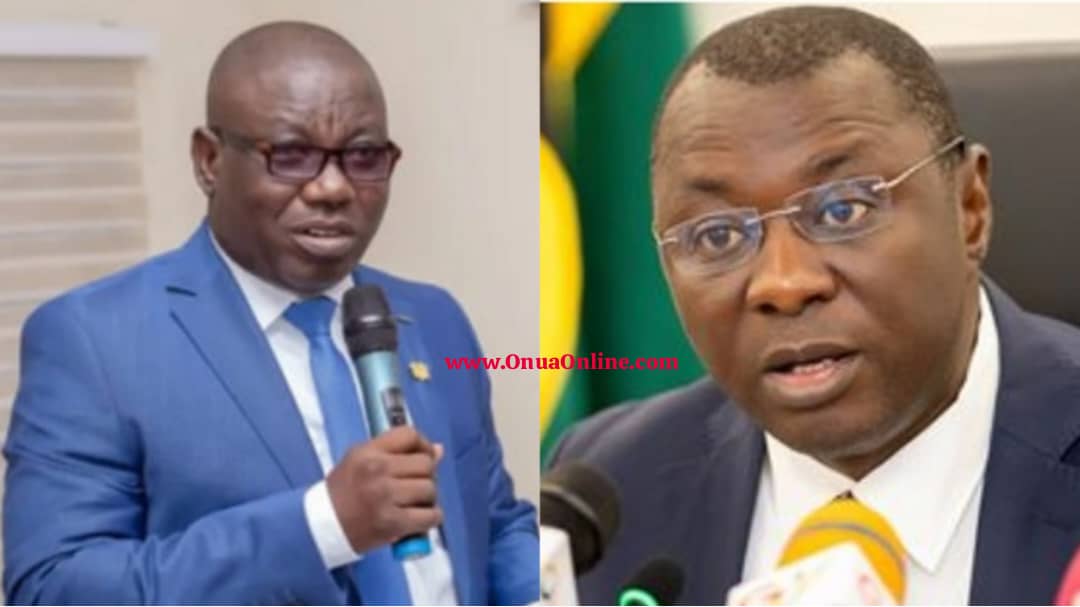
  • Cedi depreciation: Will you give businessmen additional money to buy dollar? – Issac Adongo quizzes Finance Minister

    Cedi depreciation: Will you give businessmen additional money to buy dollar? – Issac Adongo quizzes Finance Minister

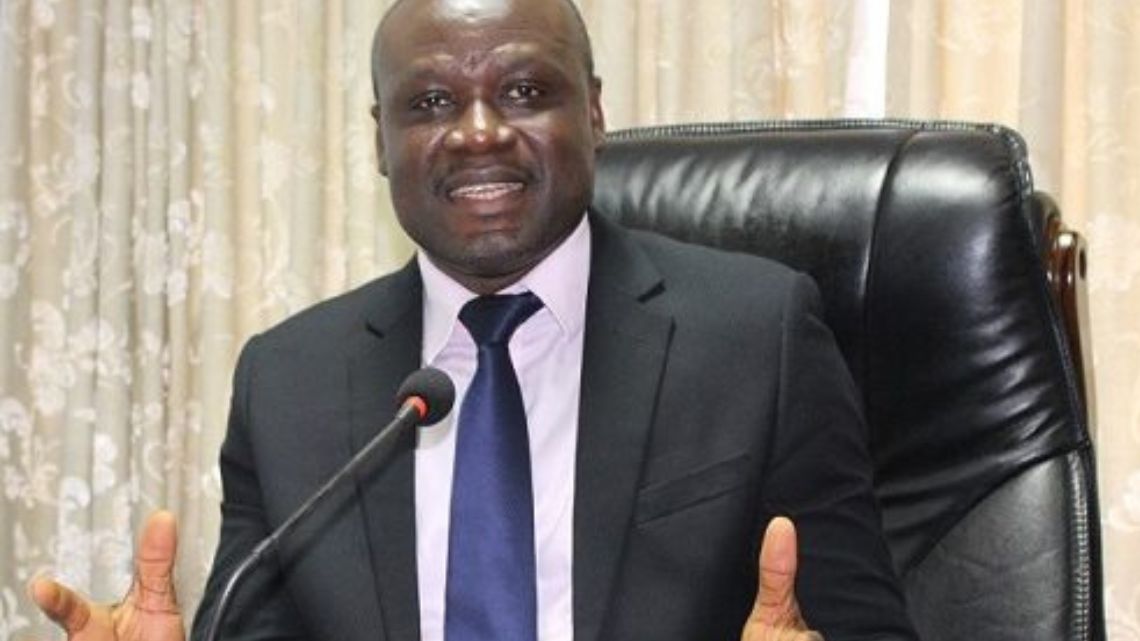
    Ranking Member on the Finance Committee of Parliament, Isaac Adongo, has responded emphatically to criticisms from Finance Minister Dr. Amin Adam regarding his recent comments on the dollar exchange rate.

    Adongo clarified that his advice to businesses regarding purchasing dollars was aimed at providing truthful information to Ghanaians.

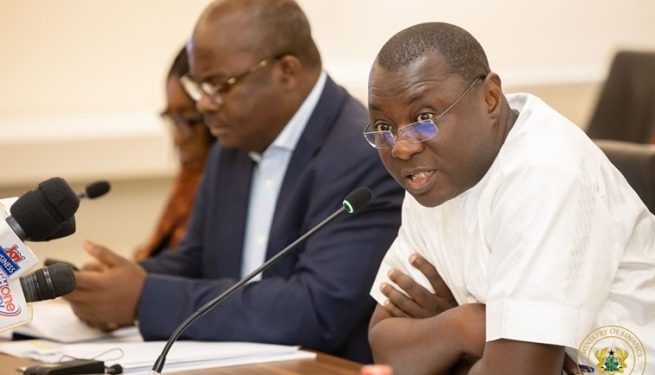
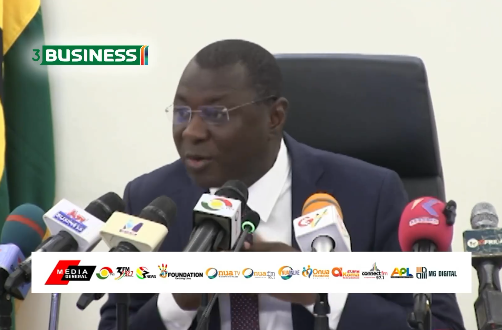
    Dr. Amin Adam had previously criticized Adongo during a joint press conference with officials from the Bank of Ghana and the IMF.

    The Finance Minister expressed concerns over speculative actions affecting the stability of the cedi and cautioned against actions that could exacerbate currency challenges.

    In a counter-statement, Adongo disputed the characterization of his advice as speculative, asserting that his remarks were grounded in factual observations.

    He defended his stance during an interview with Citi FM, reiterating that he does not engage in speculation but rather offers honest and accurate information.

    “What did I say that is not true?” Adongo questioned, pointing out the fluctuation in the dollar exchange rate following recent economic measures. He emphasized that his advice aimed to guide businesses in making informed decisions amid economic uncertainties.

    “So, if you needed dollars to do your business, by all means, you should go ahead and buy them. How is that unpatriotic?” Adongo challenged, highlighting the practical considerations for businesses in managing their financial operations.

    Adongo further pressed the Finance Minister with a rhetorical question: “Will you give businessmen additional money to buy dollar when the rate increases?”

    He underscored the practical impact of exchange rate fluctuations on business operations and questioned the adequacy of governmental measures in supporting businesses amidst economic challenges.

  • Cedi depreciation can also be largely attributed to speculation – Finance Minister

    Cedi depreciation can also be largely attributed to speculation – Finance Minister

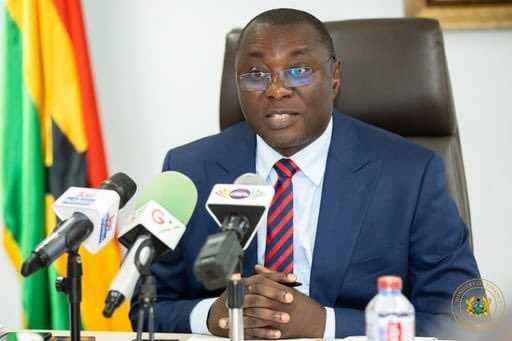
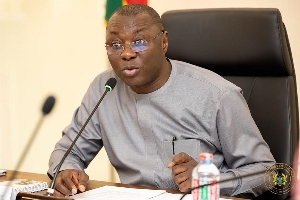
    Finance Minister Dr. Mohammed Amin Adam has publicly criticized Bolgatanga Central Member of Parliament, Isaac Adongo, accusing him of advocating for the purchase of dollars to conduct business operations.

    Dr. Amin Adam, who also serves as the Karaga Member of Parliament, condemned Mr. Adongo’s actions, alleging that they were aimed at undermining the Ghanaian Cedi and could potentially lead to its depreciation.

    Speaking at a press conference on Monday, July 1, Dr. Amin Adam described Mr. Adongo’s remarks as inappropriate and detrimental to efforts aimed at stabilizing the local currency.

    He asserted that Mr. Adongo’s comments were deliberately intended to incite negative sentiments against recent improvements in the Cedi’s value.

    Despite the controversy sparked by Mr. Adongo’s remarks, Dr. Amin Adam assured the public and the business community that the Cedi has shown gradual improvement compared to the same period last year. He attributed this positive performance to effective government policies, forthcoming financial inflows, and successful debt restructuring efforts.

    “We have said over and over that the problem with the Cedi can also be largely attributed to speculation, and therefore while we’ve been making efforts to influence market sentiments positively, we also know that some other people are inciting speculation. We have had intelligence that people have been deliberately inciting speculation but we never got it too real as we saw only two or three days ago.”

    “When my good friend and brother Isaac Adongo went out there urging people to buy dollars to do their business and this was after I indicated at a town hall meeting in the UK that with all the policies we are implementing and with the flows that we are expecting from external sources and with the completion of the debt restructuring with our bilateral official creditors and Eurobond holders, we saw the Cedi becoming stronger and stronger. My brother went out there to say people should ignore Amin Adam and go out there and buy dollars,” he said.

    Highlighting broader economic trends, Dr. Amin Adam underscored that Ghana’s economy is exhibiting robust signs of recovery, particularly in the first quarter of 2024.

    He cited significant improvements in key economic indicators, including a 4.7% real GDP growth rate for the first quarter, marking the highest growth since early 2022.

    “The resilience of our economy is evident in the strong growth figures reported for the first quarter of 2024,” Dr. Amin Adam remarked. “These results surpass expectations and indicate a promising outlook for the remainder of the year.”

    The Finance Minister concluded by reaffirming the government’s commitment to maintaining macroeconomic stability and fostering sustainable economic growth through continued implementation of the IMF-supported programme.

    He urged stakeholders to disregard speculative actions that could undermine confidence in the national currency, emphasizing the importance of collective efforts in securing Ghana’s economic future.

  • Fall of Cedi to blame for increasing prices in Ghana – Cement Manufacturers

    Fall of Cedi to blame for increasing prices in Ghana – Cement Manufacturers

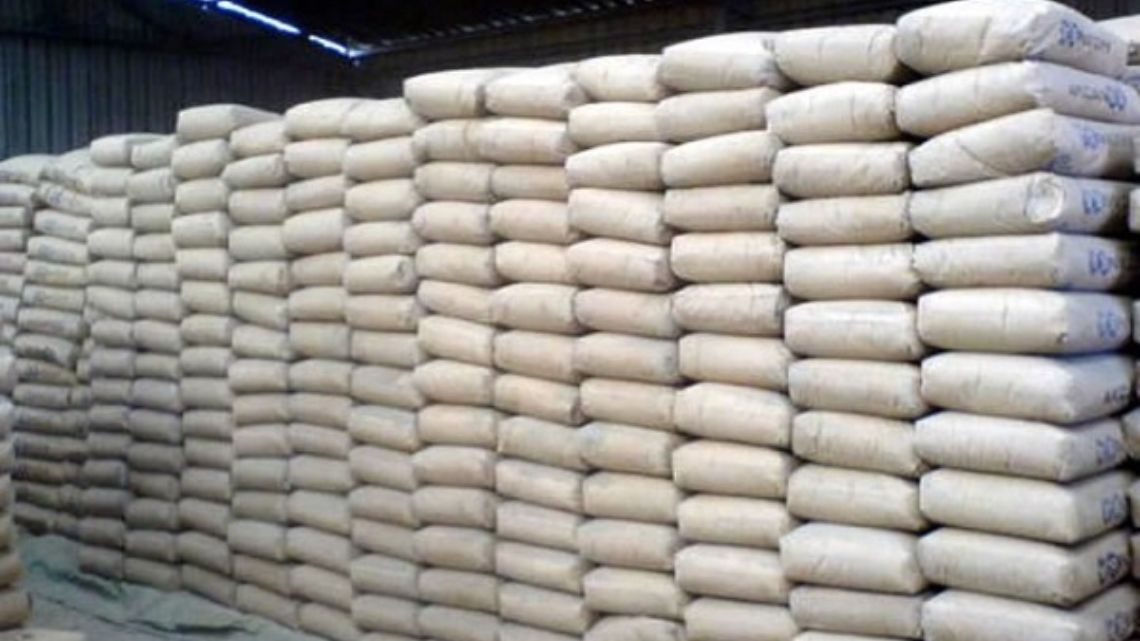
    Producers of cement in Ghana attribute the rising prices of cement to the depreciation of the Cedi.

    Executive Secretary of the Cement Manufacturers Association of Ghana (CMAG), Rev. Dr. George Dawson-Ahmoah expressed on TV3’s “Key Points” program on Saturday, June 29, that the rapid fall of the local currency has significantly affected their operations.

    This, in turn, has forced them to increase cement prices, as clinker, a key component in cement production, is imported and thus directly impacted by the Cedi’s depreciation.

    Rev. Dr. Dawson-Ahmoah emphasized that while other factors contribute to price hikes, the main current issue is the currency depreciation.

    “It has a huge impact on the pricing of cement. There are other factors but currently this is a major concern now and that is what has motivated the Minister to rush to parliament to regulate prices. Why didn’t he do it last year?” He said.

    He questioned why the Trade Minister, KT Hammond, only recently rushed to Parliament to regulate prices, implying that similar action wasn’t taken the previous year.

    “Why is the Minister avoiding or just running away from this discussion? Previously, our position has been that these prices of cement, the increase of prices of cement, it is not done in a vacuum. It is not done just because we wake up in the morning and do it,” he said.

    “It is as a result of a negative trend in the economy, which is warranting such increases, and that is the issue. And like I said, what is happening now with cement prices is just because of the rapid and consistent depreciation of the cedi against the foreign currencies.

    “We don’t know anything about it. And with my common knowledge in legislative instruments, don’t you involve stakeholders before it gets to Parliament? Don’t you involve stakeholders in the process?” he quizzed on Tuesday.

    Dawson-Ahmoah argued that regulation through a Legislative Instrument (L.I.) is unnecessary and criticized the lack of consultation with industry stakeholders regarding the L.I.

    KT Hammond responded by stating that he had engaged with the cement manufacturers, urging them to address the price issues.

    “I asked them to ensure that something was done about it. In my absence, I was told that the minister wasn’t going to be able to do anything.

    “They would not listen, they wouldn’t do it, and they would go the way they want. “Encouraging them to do it is a moral persuasion. If moral persuasion fails, there is a system in the country, there’s a constitution, and we are preyed by a rule of law. If we don’t accept the moral principle, at least some sort of economic principle, the good people of Ghana must benefit. I don’t think it is fair for the way they are pricing and the way, haphazardly each one of them decides and dictates how much a bag of cement should be sold for.

    “This is quite apart from the quality that they are producing. Some of the companies are producing substandard products. We have had to deal with this matter,” he said.

    However, he noted their reluctance to comply, indicating that moral persuasion had failed, and emphasized the need for regulatory measures to ensure fair pricing for Ghanaians. He also raised concerns about some companies producing substandard cement products.

    An attempt to present the document in Parliament on Tuesday, June 26, was blocked by the Minority, who insisted that the L.I. should be discussed before proceeding.

  • Ghana cedi to appreciate from tomorrow – Amin Adam confidently declares

    Ghana cedi to appreciate from tomorrow – Amin Adam confidently declares

    The Minister for Finance, Dr. Amin Adam, has confidently predicted that the Ghana Cedi will rebound against the United States dollar, despite its recent depreciation against other major currencies.

    Speaking as both Finance Minister and Member of Parliament for Karaga, he made this prediction while announcing the completion of the government’s debt restructuring program with its official creditors.

    Dr. Adam highlighted that the successful restructuring of $5.1 billion in debt with these creditors, along with the concluded $13.1 billion restructuring with Eurobond holders, positions the nation towards economic stability. This newfound confidence is expected to attract investors, thereby strengthening the cedi.

    “Watch the cedi to the dollar after tomorrow. Let’s watch it and see; the confidence will come,” he stated.

    “The investors will return to Ghana, and the growth trajectory will even become clearer for all of us,” Dr. Amin Adam added.

    The minister made these remarks at a town hall meeting in the UK over the weekend.

    Highlighting the superior economic management by the current New Patriotic Party (NPP), Dr. Adam expressed confidence in the party’s ability to secure victory in the 2024 general elections against the opposition National Democratic Congress (NDC).

    “On the economy, our record is better than their record. On the size of the economy, we’ve done better than them. On per capita income, we’ve done better than them. On job creation, we’ve done better than them. On economic growth, we’ve done better than them,” the minister said.

  • Cedi depreciation slows as a dollar sells at GHS15.75

    Cedi depreciation slows as a dollar sells at GHS15.75

    Last week witnessed a deceleration in the depreciation of the Ghana cedi against the US dollar, with a loss of 0.96% recorded in its value against the American currency.

    However, trading commenced yesterday, June 24, 2024, with the cedi opening at GH¢15.75 against one US dollar.

    The domestic currency continued its weakening trend against major trading currencies, fueled by robust corporate demand amid limited supply.

    Despite the Bank of Ghana’s intervention through the sale of approximately $11 million on the spot market, the Ghana cedi experienced a 0.96% decline against the dollar in the retail market compared to the previous week.

    Additionally, it depreciated by 0.38% and 0.45% against the pound and the euro, respectively.

    Over the weekend, Ghana and its international bondholders tentatively agreed to restructure $13 billion of the country’s debts, involving a potential principal reduction of up to 37% and extended maturities.

    Following swiftly on the heels of bilateral debt restructuring, this agreement signifies a rapid restructuring process, viewed positively by analysts for its potential impact on market sentiments.

    Analysts anticipate that it may help mitigate speculative pressure on the cedi in the medium term.

    However, this week is expected to witness further depreciation of the local currency due to sustained corporate demand ahead of the International Monetary Fund (IMF) board meeting scheduled later in the week.

  • Cedi weakens amid $500m drop in cocoa export revenue

    Cedi weakens amid $500m drop in cocoa export revenue

    Galamsey, climate challenges, diseases, and smuggling activities have led to a drop in cocoa export revenue by over $500 million in the first quarter of 2024 as Ghana’s annual production numbers continue to decline.

    The decrease, highlighted in the Bank of Ghana’s Summary of Macroeconomic and Financial Data for May 2024, comes as the cedi struggles against major trading currencies, losing more than 20% of its value against the dollar since the beginning of the year.

    The Bank of Ghana data revealed a significant decline in cocoa export revenue, falling from over $1 billion in the first quarter of last year to approximately $496 million this year, marking the lowest level in nearly nine years.

    According to a Bloomberg report, “the currency of the world’s second-biggest cocoa producer depreciated 0.2% to 14.9335 per dollar by the close of trading in Accra [yesterday], the lowest level since at least 1994 when Bloomberg began compiling the data.”

    The report also indicated that the current freefall of the cedi against the US dollar makes it “the fourth-worst performer among roughly 150 currencies tracked by Bloomberg worldwide, after the Egyptian Pound, Nigerian Naira, and the Lebanese Pound.”

    Cocoa in decline, cedi struggles

    Cocoa is a strategic commodity in Ghana and has been the backbone of its economy since the colonial period. When cocoa “coughs,” the Ghanaian economy catches a cold, especially its local currency, the cedi.

    Ghana’s smaller cocoa harvest in the 2023/24 season has impacted the country’s external payments position, as its trade surplus fell by more than half in the first two months, posing a risk to the exchange strength of the cedi, which has lost more than 20% against the US dollar.

    Recent data from the Bank of Ghana indicates that the West African nation’s trade surplus narrowed by 54% from a year earlier to $392.8 million for January–February 2024, and revenue from cocoa exports fell significantly.

    Ghana’s cocoa harvest in the 2023-2024 season, ending in September, is expected to be 650,000 to 700,000 tons versus an initial forecast of 850,000 tons, according to the Ghana Cocoa Board. However, industry insiders say adverse weather, disease, fertilizer shortages, and illegal mining activities in cocoa-growing areas could lead to yields falling below 500,000 tons.

    Additionally, increasing cases of bean smuggling to neighboring countries for higher prices could result in the world’s second-largest cocoa producer losing about 200,000 tons, impacting its ability to secure larger loans from the cocoa syndication program.

    The industry regulator, Ghana Cocoa Board (COCOBOD), recognizes that smuggling is significantly reducing its share of global cocoa production, dropping from 20% to 13%.

    The upcoming crop season looks challenging for Ghana, as illegal mining activities continue to threaten its projected yields. The sale of cocoa farmland to illegal miners, coupled with pollution and land destruction, jeopardizes Ghana’s cocoa yield for the 2024-25 season, potentially dropping below 400,000 tons.

    To secure its next cocoa syndicated loan, COCOBOD must assure investors of its ability to produce sufficient beans to match the target loan figure of $1.5 billion.

    This year, the regulator’s target was reduced from $1.2 billion to $800 million, providing beans for only $600 million—the remaining $200 million was canceled as COCOBOD couldn’t supply the beans to support it.

    For Ghana to secure more from next year’s syndication exercise than it did this year, it must demonstrate to investors that it can produce more beans in the upcoming season.

    Ensuring the necessary bean production will be challenging, and a reliable way to prevent the smuggling of an additional 200,000 tons next season is to increase the farm gate price. However, this would impose a significant fiscal burden on COCOBOD, which is already struggling to meet its current debt obligations.

  • Strengthening the Ghanaian cedi: Strategies and measures

    Strengthening the Ghanaian cedi: Strategies and measures

    As the Ghanaian cedi faces ongoing challenges, a multifaceted approach is essential to stabilize and strengthen the currency. Here are key measures that can be implemented to achieve this goal:

    Monetary Policy Adjustments

    The Bank of Ghana (BoG) plays a crucial role in stabilizing the cedi through effective monetary policies:

    Interest Rate Management: Adjusting interest rates to control inflation is vital. Higher interest rates can help curb inflation and attract foreign investment, bolstering the cedi.

    Foreign Exchange Reserves: Building robust foreign exchange reserves provides a buffer against currency volatility and boosts investor confidence.

    Fiscal Discipline
    Maintaining fiscal discipline is fundamental to economic stability:

    Budget Management: Reducing budget deficits and government debt through prudent spending and efficient revenue collection is critical.

    Tax Reforms: Implementing effective tax collection systems and broadening the tax base can increase government revenues without overburdening any single sector.

    Economic Diversification
    Diversifying the economy reduces dependence on a few sectors:

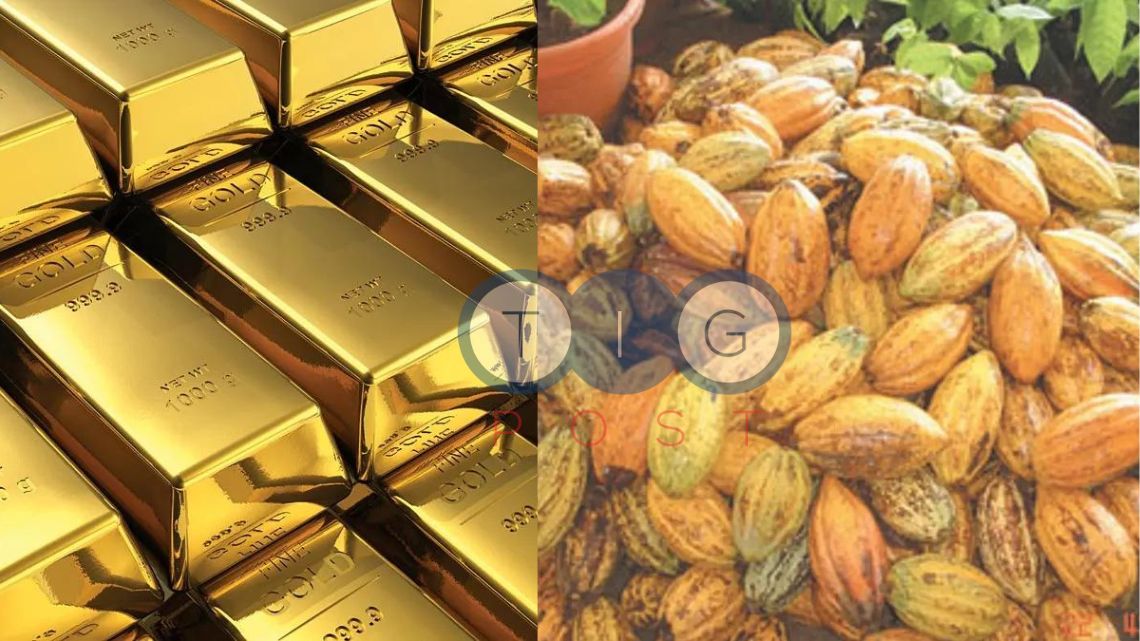
    – Export Promotion: Encouraging exports beyond primary commodities such as cocoa and gold to include manufactured goods and services can enhance foreign exchange earnings.

    – Agriculture and Industry: Investing in agriculture and industrialization to increase productivity and value addition stimulates economic growth and reduces import dependency.

    Enhancing the Investment Climate
    Creating a favourable investment climate attracts both domestic and foreign investors:

    Regulatory Reforms: Streamlining regulations, combating corruption, and ensuring political stability are crucial for attracting foreign direct investment (FDI).

    Infrastructure Development: Improving infrastructure, including transportation, energy, and communication, enhances business operations and attracts investments.

    Trade Policy Reforms
    Adopting balanced trade policies can boost the cedi:

    Favorable Trade Agreements: Negotiating trade agreements that open up new markets for Ghanaian products can boost exports.

    Import Substitution: Encouraging local production to reduce imports can help save foreign exchange and strengthen the cedi.

    Financial Sector Strengthening
    A stable financial sector is essential for economic stability:

    – Banking Sector Reforms: Strengthening the banking sector through better regulation and oversight ensures financial stability and enhances confidence in the local currency.

    – Access to Credit: Expanding access to affordable credit for small and medium-sized enterprises (SMEs) can spur economic activity and growth.

    Engaging the Diaspora
    Leveraging the Ghanaian diaspora can bring substantial benefits:

    Remittances: Encouraging remittances through official channels increases foreign exchange inflows.

    Diaspora Investments: Offering incentives for diaspora investments in local businesses can boost economic activity.

    Technological Adoption
    Embracing technology can drive economic growth:
    Digital Finance: Promoting digital financial services and mobile money enhances financial inclusion and reduces transaction costs.

    Conclusion
    Implementing these measures requires coordinated efforts from the government, the Bank of Ghana, and other stakeholders to create a stable and conducive environment for economic growth and currency stability. By addressing both macroeconomic policies and structural reforms, Ghana can pave the way for a stronger and more resilient cedi.

    Sources:
    – Bank of Ghana
    – World Bank reports on Ghana
    – International Monetary Fund (IMF) recommendations for Ghana
    – Economic analyses from local financial institutions

  • Cedi depreciation slows as foreign exchange demand declines

    Cedi depreciation slows as foreign exchange demand declines

    The Ghanaian cedi’s steadiness against major foreign currencies is anticipated to persist this week, following a decline in demand for foreign exchange.

    The local currency regained ground against the dollar, pound, and euro in the previous week.

    It recorded a 1.01% increase against the US dollar, reducing its year-to-date depreciation to 18.01%. Similarly, the cedi recovered 2.36% and 3.12% against the pound and euro, respectively, on a week-on-week basis.

    Gradually, the cedi is establishing stability against key trading currencies after enduring several challenging weeks.

    The initiatives implemented by the Bank of Ghana have been instrumental in supporting the local currency.

    Following the resolution of significant issues, Ghana and its official creditors concluded negotiations on the restructuring of the $5.4 billion debt.

    The country is nearing the finalization of a memorandum of understanding with the creditors. This agreement will pave the way for approval from the International Monetary Fund (IMF) regarding the second review, leading to the release of $360 million under the $3.0-billion Extended Credit Facility (ECF) later this month.

    Analysts anticipate that this injection of funds, combined with contributions from other multilateral partners, will enhance foreign exchange liquidity and contribute to the stability of the cedi.

    Cedi still ranked 4th worst performing currency in Africa

    In 2024, the cedi remains among Africa’s poorest performing currencies, as per Bloomberg’s rankings.

    Bloomberg highlighted that the cedi has experienced approximately a 20.0% depreciation since the start of the year.

    Samantha Singh-Jami, an African strategist at Rand Merchant Bank, linked the cedi’s decline to strong demand for dollars from oil importers, the pharmaceutical industry, and FMCG firms.

    “Despite recent attempts to strengthen foreign exchange reserves, market liquidity constraints persist,” she remarked.

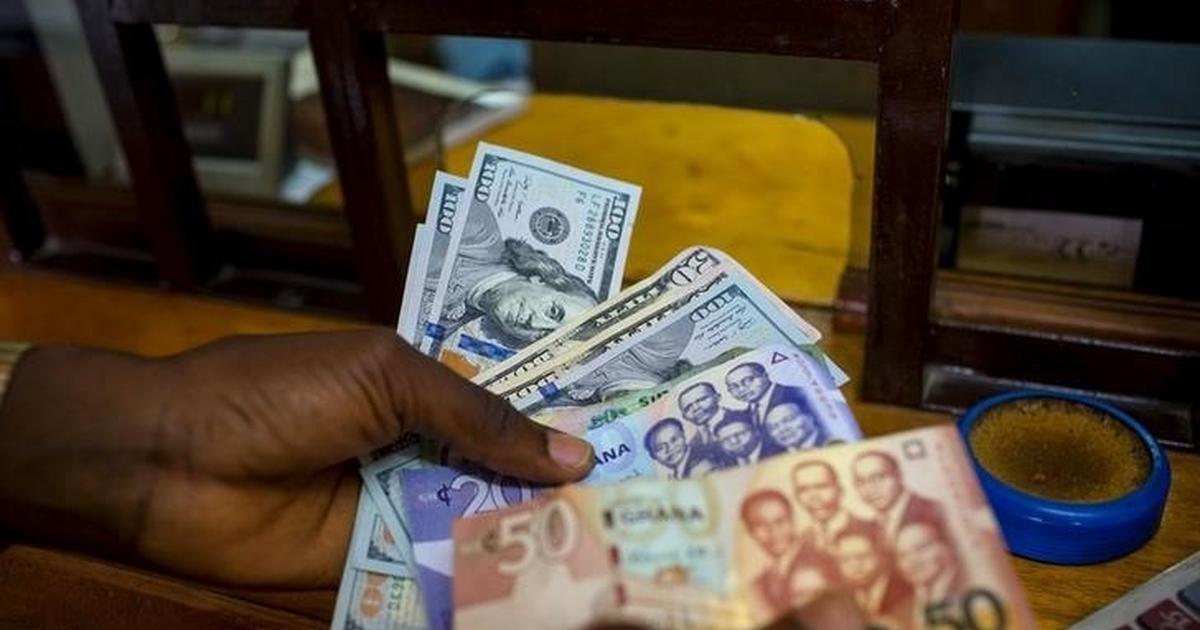
    Currently, at the forex bureaus, one dollar is trading for roughly GH¢14.92.

  • Cedi to reach GHS15.91 per dollar by end of 2024 – IC Securities

    Cedi to reach GHS15.91 per dollar by end of 2024 – IC Securities

    Research firm IC Securities has forecasted that the Ghanaian Cedi will depreciate to GH¢15.91 against the US dollar by year-end.

    IC Securities attributed the revision from their initial projection of GH¢13.2 to the current macroeconomic conditions.

    The firm observed that the Bank of Ghana’s modification of the Cash Reserve Requirement (CRR) had minimal effect on decreasing local currency liquidity, as banks shifted their maturing securities into CRR holdings.

    IC Securities also mentioned that the settlement of contractor arrears led to an increased supply of Cedis in the forex market, exacerbating the pressure on the currency.

    The firm remarked, “Following the unexpected cut in the policy rate by the Bank of Ghana in January 2024, we indicated our deferred inclination to raise our forecast for the US dollar-Ghana cedi FX (foreign exchange) rate as we foresaw strong selling pressure on the local currency. Our decision to delay the revision of our forecast until mid-year was based on expected program-related inflows and the final tranche of the cocoa syndicated loan for the 2023/24 season.”

    “While these inflows could trigger a short-term retracement, we anticipate continued hedging by domestic investors as we approach the December elections, which will likely offset any inflow-induced appreciation. Consequently, we have raised our forecast for the end-2024 US$/GHS rate to GH¢15.91/US$1,” the research firm explained.

    Presently, the local currency, the Cedi, is trading at GH¢15.60 to the dollar at various forex bureaus.

    IC Securities indicated that around $2.3 billion is anticipated to flow into the country in the latter part of 2024.

  • Report projects cedi to reach GHS15.91 against dollar by end of 2024

    Report projects cedi to reach GHS15.91 against dollar by end of 2024

    Research firm, IC Securities has updated its end-2024 US dollar to Ghana cedi forecast to GH¢15.91/US$, from the earlier prediction of GH¢13.2/US$.

    This revision, according to the firm, is due to the current macroeconomic conditions.

    “Following the unexpected cut in the policy rate [by the Bank of Ghana] in January 2024, we indicated our deferred inclination to raise our forecast for the US dollar Ghana cedi FX [foreign exchange] rate as we foresaw strong selling pressure on the local currency. Our decision to delay the revision to our forecast until mid-year was anchored on expected programme-related inflows and the final tranche of the cocoa syndicated loan for the 23/24 season.”

    “However, these inflows did not fully materialise while GHS [Ghana cedi] supply overwhelmed the market. The subsequent adjustment to banks’ CRR [Cash Reserve Requirement] exerted a limited squeeze on local currency liquidity as banks mostly converted their maturing BoG securities into the CRR positions. Additionally, the seeming fiscal expansion via the clearance of contractor arrears continued to propagate GHS [cedi] liquidity in the forex market with a resultant pressure on the local currency”, IC Securities explained.

    It also noted that the anticipated inflow of around $2.3 billion for the rest of 2024 seems quite achievable, given that the projected timelines lend credibility to its expectations.

    Additionally, it mentioned that the cedi is likely to benefit more from the signaling effect of the World Bank inflows than from actual foreign exchange sales, as the Bank of Ghana continues with limited interventions while building up reserves.

    “While these inflows could trigger a short-term retracement, we foresee continued hedging by domestic investors as we approach the December elections, which will potentially offset any inflows-induced appreciation. Consequently, we raise our forecast for the end-2024 US$/GHS rate to GH¢15.91/US$.

    Presently, the local currency is going for about GH¢15.00 to the dollar at the forex bureaus.

  • NPP can stabilize the cedi – General Secretary

    NPP can stabilize the cedi – General Secretary

    The General Secretary of the New Patriotic Party (NPP), Justin Kodua Frimpong, has confidently stated that the NPP possesses the expertise and personnel required to stabilize the Ghanaian cedi amidst ongoing economic challenges.

    Speaking on the Kokrokoo Show, Mr Frimpong emphasized the party’s commitment to addressing the depreciation of the cedi, which has been a significant concern for both businesses and the general populace.

    “When the cedi started depreciating last year, we were able to put things in place to stabilize it. Even though it has started depreciating again, I can assure you that we have the competent men to deal with it.”

    Frimpong outlined the party’s approach, which includes leveraging the skills of seasoned economists and financial experts within the NPP to develop and execute policies aimed at bolstering the cedi.

    He highlighted the importance of restoring investor confidence and improving the overall economic climate as critical steps in achieving currency stability.

    The General Secretary also pointed to the NPP’s track record, citing previous successes in economic management during their tenure.

    He reassured Ghanaians that the party is fully equipped to navigate the current economic challenges and bring about a more stable and prosperous financial landscape.

    According to Forbes.com, $1 equals Ghc14.972961 as of June 09.

  • Seven major economic sectors affected by cedi depreciation

    Seven major economic sectors affected by cedi depreciation

    The decline in the value of the local currency, the Cedi, is a major concern for both business owners and individuals, as it results in increased prices for goods and services.

    When we refer to the Cedi’s depreciation, it means the currency has weakened against key trading currencies such as the US dollar, Pound Sterling, and Euro.

    This depreciation also contributes to the high inflation rate the country has experienced in recent months.

    In April 2024, inflation soared to 40.4% year-on-year, driven by rising food and fuel prices.

    Inflation for domestically produced items was 16.1%, while inflation for imported items reached 25.0% in April 2024.

    Banking Consultant, Dr. Richmond Atuahene, observes that inflation is significantly reducing consumer purchasing power, with prices of most consumables increasing almost weekly. This has led to decreased demand for more expensive goods.

    Additionally, there is an indirect effect: reduced demand for products that average consumers now view as luxuries and can no longer afford.

    This shift is not necessarily due to price increases of these products but because the costs of essential needs have risen sharply.

    This article highlights the key economic sectors impacted by the depreciation of the Cedi, where consumer demand has also significantly dropped.

    Consumer and household goods

    As the currency loses its value, the cost of importing goods increases. This subsequently raises the prices of goods such as clothing, food, personal care items, electronics, and automobiles for consumers. Also, the depreciation has been linked to a decline in the living standards of people as they cannot afford basic needs such as food and shelter.

    Agricultural inputs like fertilizers and pesticides

    As the Cedi weakens against major trading currencies, the price of these imported goods – fertilizers and pesticides – skyrockets, leading to increased production costs for farmers. Consequently, farmers are forced to raise the prices of their produce, which affects the entire supply chain, including consumers.

    Oil and gas (gas and diesel)

    Fuel prices surge whenever the Cedi depreciates because Ghana imports a substantial amount of its petroleum products. Most of these transactions are conducted in dollars; therefore, when the Cedi loses value, the cost of importing these petroleum products increases, and consumers end up paying more at the pump.

    Agribusiness and processed foods

    This situation has created significant challenges for the agribusiness sector, which relies on imported inputs for production. The Ghana Union Traders Association (GUTA) and the Chamber of Automobile Dealership Ghana (CADEG) have expressed concerns about the depreciation of the Cedi, lamenting the high cost of goods and services, which makes it difficult for them to stay in business.

    5. Pharmaceuticals and Drugs.

    The cost of pharmaceutical products has risen significantly due to the depreciation and associated inflationary pressures. The price buildup of generic medicines, which represent 60% of purchased products in Ghana, is influenced by factors such as the manufacturer’s selling price, freight, taxes, tariffs, and markups. Taxes and tariffs contribute between 30% to 40% of the end-user cost, with markups ranging from 50% to 200%. This means the manufacturing cost for most generics is less than 10% of the actual price a patient pays at the pharmacy counter.

    6. Raw materials and semi-processed products.

    Companies like B5 Plus Limited, a steel manufacturing company, have seen the prices of their raw materials increase by 50%, forcing them to raise their product prices. This move may render them uncompetitive in the market. To curb this challenge, the government has been urged to ensure a more stable exchange rate.

    Poultry products and meat products; tomatoes, onion, and carrots

    Ghana heavily depends on other countries for these products – poultry, meat, tomatoes, onions, and carrots. Until measures are put in place to grow and consume local produce, consumers will always bear the consequences of the Cedi’s depreciation, as high import duties will translate to high prices for these goods.

    To address this persistent issue, the government must implement lasting solutions, including short-term, medium-term, and long-term strategies to stabilize the faltering economy and strengthen it.

    Portions of this article were derived from Dr. Richmond Atuahene’s report titled “Navigating the Rapid Depreciation of the Local Currency: Finding Long-Lasting, Workable, and Achievable Solutions.”
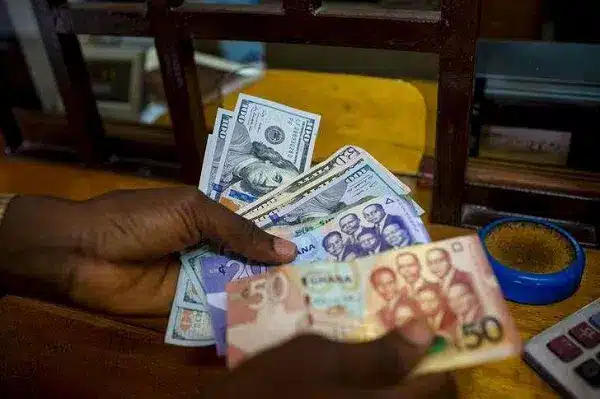
  • Businesses will collapse if cedi depreciation is not checked now – GNCCI to Bawumia

    Businesses will collapse if cedi depreciation is not checked now – GNCCI to Bawumia

    Chief Executive Officer of the Ghana National Chamber of Commerce and Industry (GNCCI), Mark Badu-Aboagye, has expressed concerns about the potential impact of long-term plans to address the depreciation of the Cedi on local businesses.

    Mr Badu-Aboagye emphasized the urgent need for the government to implement short-term measures to halt the rapid decline of the local currency. He warned that without immediate intervention, many businesses could collapse before any long-term solutions take effect.

    On May 30, Deputy Minister for Finance, Dr. Stephen Amoah, stated in an interview that the flagbearer of the New Patriotic Party (NPP), Dr. Mahamudu Bawumia, would draft a long-term national framework to combat and reverse the Cedi’s sharp depreciation against the US dollar if elected president.

    “We are doing our best to stabilise the Cedi, which I said is a short-term approach, but we need a long-term approach to resolve the issue through a framework, and then I proposed that to achieve that, we will design a long-term approach when Dr Mahamudu Bawumia is elected president.”
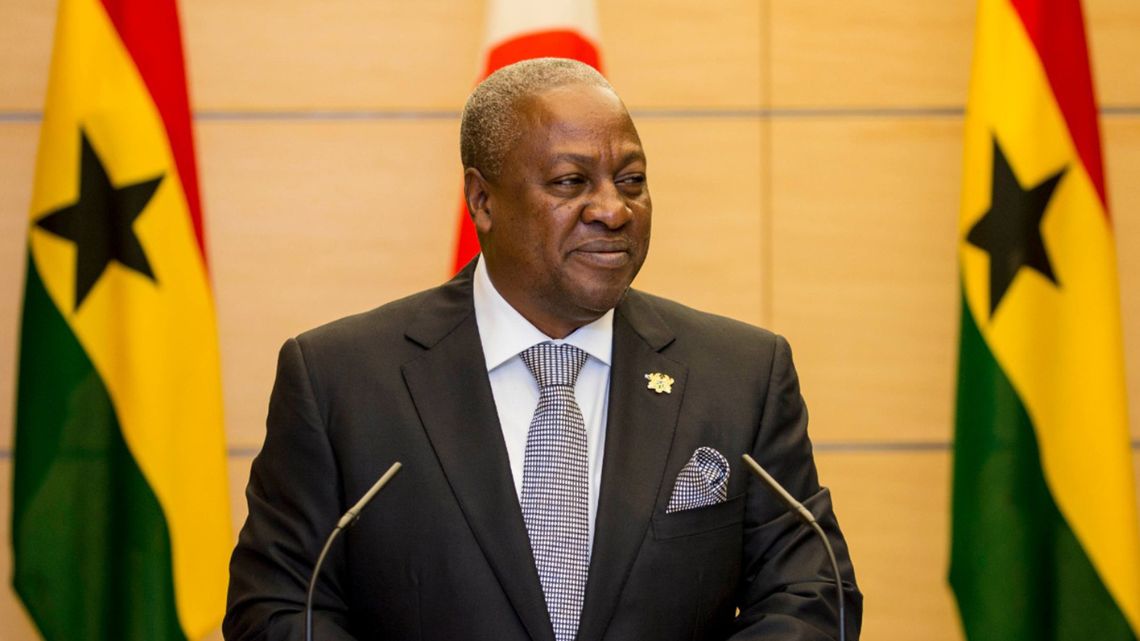
    In an interview with Bernard Avle on the Citi Breakfast Show, Mark Badu-Aboagye cautioned against relying solely on long-term plans, stressing the immediate needs of businesses.

    “For a business, we need to survive in the short term before we talk about the long term. Fine, the minister said that Bawumia will come out with a longer-term structure. That is fine but by the time he comes back with that long-term structure, I bet you a lot of businesses would have collapsed,” he stated.

    He also highlighted challenges in Ghana’s competitiveness in the international market, questioning the viability of the country’s export strategy.

    “We keep saying that we want to structure our economy and export more. The question we should ask is what are we exporting? Are we competitive in the international market?

    “If we take our product to the international market, will somebody choose our product against the one coming from our another country with high quality and low price?

    “… It is extremely difficult to produce in this country. So, people will produce and would not be able to sell on the international market and he will not be able to get the foreign exchange into this country,” he stated.

  • Weakening of cedi is a ritual problem, you can’t blame NPP gov’t – Deputy Finance Minister

    Weakening of cedi is a ritual problem, you can’t blame NPP gov’t – Deputy Finance Minister

    Deputy Minister for Finance, Dr. Stephen Amoah, has described the depreciation of the Ghanaian cedi as a chronic issue stemming from the country’s import-driven economy.

    In a media address on Wednesday, he emphasized that the high demand for the dollar, driven by imports, perpetuates the cedi’s depreciation.

    He asserted that this issue demands national attention and extends beyond the capabilities of any single government to resolve.

    Dr. Amoah assured that Vice President Dr. Mahamudu Bawumia, if elected, plans to develop a long-term strategy to address the depreciation of the cedi.

    “Cedi depreciation is a ritual problem, I agree with you. It’s not because of one particular government…It’s an issue that has nationalistic or that needs nationalistic attention,” Dr Amoah said.

    The Deputy Finance Minister added “so far as we keep on being an importer-driven economy, we’ll be having problems with the cedi because we import almost everything. But Inshallah, Alhaji Dr. Mahamudu Bawumia, next year if he comes, we’re going to design a long-term framework to deal with the cedi.”

    Over the past month, the Ghanaian cedi has weakened further against the US dollar and other major foreign currencies.

    Meanwhile, on May 24, Finance Minister Dr. Mohammed Amin Adam assured that the Ministry of Finance is collaborating with the Bank of Ghana to implement measures to address the depreciation of the cedi.

    These measures include expediting the fiscal consolidation process by rationalizing spending and enhancing revenue mobilization, intensifying the gold-for-oil program, and appropriate foreign exchange interventions by the Bank of Ghana, among other strategies.

    Additionally, on Monday, May 27, in response to regulatory concerns, the Bank of Ghana (BoG) established a task force dedicated to overseeing all foreign exchange bureaus and enforcing compliance with regulatory standards.

    The primary objective of this task force is to address the activities of illegal operators within the foreign exchange market and promote enhanced market transparency.

    By closely monitoring the operations of these bureaus, the BoG aims to mitigate unauthorized practices and foster a more regulated and transparent environment within the foreign exchange sector.

  • Bawumia will introduce a long-term plan to check Cedi depreciation in 2025 – Stephen Amoah

    Bawumia will introduce a long-term plan to check Cedi depreciation in 2025 – Stephen Amoah

    Deputy Minister for Finance, Dr. Stephen Amoah, HAS assured that Vice President Dr. Mahamudu Bawumia, if elected, plans to develop a long-term strategy to address the depreciation of the cedi.

    He described the depreciation of the Ghanaian cedi as a chronic issue stemming from the country’s import-driven economy.

    In a media address on Wednesday, he emphasized that the high demand for the dollar, driven by imports, perpetuates the cedi’s depreciation.

    He asserted that this issue demands national attention and extends beyond the capabilities of any single government to resolve.

    “Cedi depreciation is a ritual problem, I agree with you. It’s not because of one particular government…It’s an issue that has nationalistic or that needs nationalistic attention,” Dr Amoah said.

    The Deputy Finance Minister added “so far as we keep on being an importer-driven economy, we’ll be having problems with the cedi because we import almost everything. But Inshallah, Alhaji Dr. Mahamudu Bawumia, next year if he comes, we’re going to design a long-term framework to deal with the cedi.”

    Over the past month, the Ghanaian cedi has weakened further against the US dollar and other major foreign currencies.

    Meanwhile, on May 24, Finance Minister Dr. Mohammed Amin Adam assured that the Ministry of Finance is collaborating with the Bank of Ghana to implement measures to address the depreciation of the cedi.

    These measures include expediting the fiscal consolidation process by rationalizing spending and enhancing revenue mobilization, intensifying the gold-for-oil program, and appropriate foreign exchange interventions by the Bank of Ghana, among other strategies.

    Additionally, on Monday, May 27, in response to regulatory concerns, the Bank of Ghana (BoG) established a task force dedicated to overseeing all foreign exchange bureaus and enforcing compliance with regulatory standards.

    The primary objective of this task force is to address the activities of illegal operators within the foreign exchange market and promote enhanced market transparency.

    By closely monitoring the operations of these bureaus, the BoG aims to mitigate unauthorized practices and foster a more regulated and transparent environment within the foreign exchange sector.

  • Mahama has not said he will stablise the cedi in 100 days – Bawa Mogtari

    Mahama has not said he will stablise the cedi in 100 days – Bawa Mogtari

    The flagbearer of the National Democratic Congress (NDC) has firmly refuted claims that he pledged to stabilize the faltering local currency within 100 days of taking office.

    Contrary to reports that Mr. Mahama made such a promise at the 8th Ghana CEO Summit, a statement released on Wednesday, May 29, and signed by Joyce Bawah Mogtari, his Special Aide and Spokesperson, clarified Mr. Mahama’s actual intentions.

    She stated that Mr. Mahama plans to initiate an urgent economic recovery and fiscal consolidation plan following a national economic dialogue, which will be held within the first hundred days of his tenure.

    “Mr Mahama, with a deep understanding of the economic challenges confronting the country today, did not promise to stabilise the Ghana Cedi within 100 days. Instead, he laid out a comprehensive plan in his remarks at the 8th Ghana CEO Summit to address the challenges, demonstrating his grasp of the situation.

    In his own words, Mahama stated, “Our number one priority will be stabilising the economy and restoring a stable currency. We will launch an urgent economic recovery and fiscal consolidation plan following a national economic dialogue to be held within one hundred days of assumption of office.”

    During a press engagement on Friday, May 24, Finance Minister Dr. Mohammed Amin Adam identified three main factors contributing to the cedi’s decline.

    He attributed the cedi’s depreciation to the appreciation of the US dollar on the international market, seasonal demand for foreign exchange, and the recent payment of contractors totaling over GHC40 billion.

    As of May 2024, the Ghanaian cedi has depreciated by 14.2%, according to Dr. Mohammed Amin Adam. Despite this depreciation, Dr. Amin emphasized the currency’s relative strength.

  • A dollar goes for GHS15.00 at forex, GHS19.70 for £1 at major forex bureaus

    A dollar goes for GHS15.00 at forex, GHS19.70 for £1 at major forex bureaus

    Today’s Interbank forex rates from the Bank of Ghana, dated May 27, 2024, indicate that the Ghana Cedi is currently trading against the dollar at a buying price of 13.9480 and a selling price of 13.9620.

    At a forex bureau in Accra, the dollar is being purchased at a rate of 14.80 and sold at 15.00.

    Against the Pound Sterling, the Cedi’s current rates stand at a buying price of 17.7712 and a selling price of 17.7904.

    At a forex bureau in Accra, the pound sterling is being bought at 19.00 and sold at 19.70.

    The Euro’s trading figures show a buying price of 15.1360 and a selling price of 15.1498.

    At a forex bureau in Accra, the Euro is purchased at 16.20 and sold at 16.80.

    The South African Rand’s current rates indicate a buying price of 0.7571 and a selling price of 0.7578.

    At a forex bureau in Accra, the South African Rand is bought at 0.40 and sold at 1.20.

    Regarding the Nigerian Naira, it’s trading at a buying price of 105.7191 and a selling price of 105.7915.

    At a forex bureau in Accra, the Nigerian Naira is bought at 9.00 Naira per 1 Cedi and sold at 13.00 Naira per 1 Cedi.

    For the CFA, the current rates show a buying price of 43.2981 and a selling price of 43.3375.

    At a forex bureau in Accra, the CFA is bought at 23.00 CFA per 1 Cedi and sold at 25.50 CFA per 1 Cedi.

    Note that these rates may differ at a forex bureau near you. Our forex bureau rates are provided by Afriswap Bureau De Change in Osu, Accra.

    Our forex bureau rates are provided by Afriswap Bureau De Change in Osu, Accra.

  • John Mahama vows to restore cedi within 100 days when he becomes president

    John Mahama vows to restore cedi within 100 days when he becomes president

    Presidential Candidate of the National Democratic Congress (NDC), John Dramani Mahama, has pledged to bolster the local currency’s stability within his first 100 days if re-elected in the 2024 general election.

    He emphasized that prioritizing the stabilization of the Cedi and the economy is crucial to establish a solid foundation for the country.

    Mahama elaborated that the forthcoming NDC administration will reduce government spending and enhance revenue generation by broadening the tax base.

    Furthermore, he announced plans to abolish the Electronic Transfer Levy (E-Levy) and certain taxes that impose a burden on businesses and households.

    Addressing attendees at the 8th CEOs Summit held in Accra on Monday, May 27, 2024, John Dramani Mahama articulated his vision.

    “The number one priority will be stabilizing the economy and restoring a stable currency by launching an urgent economic recovery and fiscal consolidation plan following a national economic dialogue to be held within one hundred days of assumption of office.”

    “We will do this by pruning the huge government expenditures, preventing waste and corruption, and boosting revenues by expanding the tax net. We will simplify VAT and streamline its collection. We will abolish the e-levy and some taxes that have become burdens on businesses and households. We will not burden you with endless tax audits and harass you with EOCO,” the NDC flagbearer said.

    “We will continue digitalizing our revenue collection and payment systems. By 2028, we aim to phase out cash as a form of payment for all government services. We will also entrench the use of POS devices in transactions to make tax and levy collection more transparent. Our economy has long relied on a few key sectors, such as gold, cocoa, and, more recently, oil, which we call the Guggisberg economy,” he added.

    In recent decades, the Cedi has lost value in relation to major trading currencies, particularly the US dollar.

    The local currency is currently selling at GH¢15 to 1 USD and GH¢19.670 to a Pound Sterling.”

  • Ghana Federation of Traders threaten demo over cedi depreciation

    The Ghana Federation of Traders, comprising all trade union associations, has urgently appealed to the government to take immediate steps to reduce the exchange rate from GH¢15.50 to GH¢10.00.

    This move is aimed at supporting traders and ensuring the sustainability of businesses.

    In a press release dated May 26, the federation expressed serious concerns about the current exchange rate, stating that it poses a significant threat to the viability of their businesses.

    They argued that the high exchange rate not only hampers growth prospects but also imposes severe financial strain, putting their ability to stay operational and retain their workforce at risk.

    Highlighting the historical performance of the cedi against the dollar under successive governments, the federation emphasized the severity of the current situation. They noted that in 2008, the cedi was valued at GH¢1.057 to the dollar, which increased to GH¢1.972 by 2012 and GH¢3.945 in 2016. Under the current administration, the rate has surged to GH¢15.50, a situation the federation described as harmful to business owners, consumers, and the general population.

    The traders stressed that if the issue is not promptly addressed, it will have dire consequences for businesses.

    They urged the government to stabilize the exchange rate to create a more favorable business environment.

    “We are about 8 unions, strong unions let our government know that the way the dollar is climbing, and our cedi is meaningless means that…the business community can rise up…As I’m speaking, businesses [are] collapsing, In 2 years…my capital can import [only] three containers, from 2014, to 2015, I imported 20 containers a year.

    “Now three years down the line, I have imported only three containers. What we, the traders are telling the world, our leaders, and the Ghanaian community as a whole, a lot of unions are coming out to join to demonstrate.”

    “We are pleading, urging our president and the vice president that in two weeks, as we said, if we don’t hear anything from them about the dollar from GH15 to GH10…we will let the world hear about us again,” he stated.

  • Assume responsibility and stop blaming others for cedi depreciation – Economist tells Finance Minister

    Assume responsibility and stop blaming others for cedi depreciation – Economist tells Finance Minister

    Economist Prof. John Gatsi has reacted to the government’s response to the decline in the value of the country’s local currency.

    He criticized Finance Minister Mohammed Amin Adam for attributing the cedi’s falling streak to currency speculation and the need for more money to service Ghana’s debts. Prof. Gatsi argued that these reasons are not fair justifications for the depreciation of the Ghanaian cedi.

    The cedi has depreciated by about 14.6% against the US dollar as of May 2024, according to the Bank of Ghana. This figure is slightly better than the roughly 20% loss in value seen on the retail market.

    Finance Minister Mohammed Amin Adam assured on Friday, May 24, 2024, that the government is collaborating with the Bank of Ghana to address the cedi’s depreciation.

    However, the Dean of the Business School at the University of Cape Coast, Prof. Gatsi, stated that the reasons given by the finance minister for the cedi’s troubles are not valid points.

    In an interview with Kwame Dwomoh-Agyemang on the Class Morning Show on Monday, 27 May 2024, Prof Gatsi said: “Those things are just statements that we make to shift the blame to other people”, explaining: “If you go to UK, they are not even interested in carrying their money in the US dollar, not even in any other currency like the euro and the rest. If you go to South Africa, it’s the same. Go to Rwanda, the same. Why are people trying to invest in the dollar? It is because the confidence around our cedi is not strong, so, the moment they see rampant and continuous depreciation, then they want to find alternatives to invest in, so, they go into buying the dollar as a means of investment vehicle”.

    “So, to claim that [speculation] is the reason, then it means that you need to make sure there is confidence surrounding your currency but you cannot just continue to be saying it’s because of speculation. Why did the people speculate? You need to solve that,” Prof Gatsi noted.

    On borrowing to pay debts, Prof Gatsi said: “Yes, that one the finance minister should know that if you are borrowing and you are not using the money to develop the country; you’re not using the money to create assets for the country and you need to refinance, that is to say, borrow more money to pay the existing debt, you’ll get to a point where that will not work again and it creates problems for you and that was the whole issue about the debt crisis that we went into”.

    “So, you know; you’re the one who has been going to the market to borrow and you know that the revenue that you’re raising is not enough to pay the debt, therefore, you don’t use your misapplication of the rules concerning borrowing to say that now you need more money to … who are you crying to? That is what you need to know when you are borrowing. So, those are not points that show us that the finance minister has a grasp of what it takes to solve the problem.”

    Explaining the effects of the depreciation, Prof Gatsi said: “It has the potential to erode incomes of individuals and businesses. It disrupts and truncates the purchasing power of people. It erodes business capital and makes the general cost of living very expensive for all classes of people”.

    In addition, he said: “It also increases the debt portfolio in Ghana cedi terms for the government of Ghana. It also may cause some increases in revenue for the government, especially at the entry ports because when the duties are charged in dollars and they are translated or exchanged into Ghana cedis, that means more money for the government but this benefit is not something that we should talk about because it is defeated by all other negative effects of the depreciation.”

    The Bank of Ghana’s May 2024 Summary of Financial and Economic Data indicates that the cedi lost 7.7% against the dollar in March 2024 and depreciated by 10.5% in April 2024.

    On the retail market, the dollar is averaging GH¢15, while the Bank of Ghana quotes it at GH¢13.01. Against the British pound, the cedi has fallen by 14.5%, trading at GH¢17.70. It has also lost 12.9% against the euro, with a current rate of GH¢15.07.

    Measures to ensure the cedi appreciates include accelerating fiscal consolidation by rationalising spending and boosting revenue, intensifying the gold-for-oil programme, and implementing strategic foreign exchange interventions.

    Other strategies involve enhancing the gold-for-reserve programme, disbursing the third tranche under the International Monetary Fund-supported programme after its June 2024 review, and securing funds from ongoing projects, such as a $150 million World Bank loan and an anticipated $300 million World Bank disbursement in the third quarter of 2024.

    Despite recent challenges, the pressure on the cedi has eased due to improved foreign exchange liquidity, particularly in US dollars.

    Last week, the Bank of Ghana intervened significantly, injecting about $59 million into the spot market and auctioning $20 million to Bulk Oil Distribution Companies, stabilising the currency for now.

  • Govt manipulated Cedi depreciation figures for 2023 – Finance expert

    Finance expert, Joe Jackson has challenged the government’s reported figures concerning the depreciation of the cedi against major trading currencies in 2023.

    During a press briefing on May 24, 2024, Finance Minister Dr. Mohammed Amin Adam presented an update on the economy, claiming that the cedi’s depreciation against the US dollar had reduced significantly from 54.2% at the end of November 2022 to 27.8% by December 2023.

    He further expressed optimism that the cedi would continue to strengthen in the medium-term following the completion of the Domestic Debt Exchange Programme (DDEP).

    “But for recent pressures we are seeing on exchange rate movements, the exchange rate has been largely stabilized with the depreciation of the Cedi against the US Dollar halving from 54.2% at the end of November 2022 to 27.8% at the end of December 2023.

    “The Cedi’s stability has continued into 2024, with a cumulative depreciation of 14.2% as of May 20, 2024, compared to 20.7% recorded in the same period in 2023. We expect the Cedi’s stability to improve in the medium term as we complete debt restructuring, make more progress on fiscal consolidation, and improve our reserves over the medium term,” the finance minister stated.

    However, Jackson contested these figures, stating that they do not align with data available online, particularly with exchange rate figures provided by the Bank of Ghana.

    Referring to the minister’s assertions regarding the cedi’s future stability, Jackson emphasized the importance of this stability translating into tangible benefits for the average Ghanaian.

    “The minister may have gotten his figures a little wrong. I don’t think that in May 2023 it was that kind of figure.

    “If you go online and you look at the Bank of Ghana rate and other quoted rates; anybody can go to www.xe.com, put the US dollar to cedi rate, you will see that today’s rate is quoted as 14.55 coming from the central bank,” the finance expert said.

    He continued, “On May 24, 2024, the quoted rate there is 10.75. Today, the quoted rate is 14.55, the depreciation is around 24%.”

    “…As for the cedis being strong, he can’t say that. We feel it in our pockets, we feel it when we buy clothes… you feel it everywhere,” Jackson argued.

  • Cedi has experienced a 14.2% depreciation in 2024 – Amin Adam

    Cedi has experienced a 14.2% depreciation in 2024 – Amin Adam

    Finance Minister, Dr. Mohammed Amin Adam has indicated that the depreciation of the Cedi has been considerably stabilized from November 2022 to December 2023 and is showing signs of modest appreciation against the Dollar in 2024.

    During his monthly economic briefing, the minister highlighted that the exchange rate has seen significant stabilization, with the depreciation of the Cedi against the US Dollar reducing by half from 54.2% at the end of November 2022 to 27.8% at the end of December 2023.

    He also mentioned that the Cedi is expected to strengthen in the medium term following the completion of the domestic debt exchange program.

    “But for recent pressures we are seeing on exchange rate movements, the exchange rate has been largely stabilised with the depreciation of the cedi against the US Dollar halving from 54.2% at the end of Nov 2022 to 27.8% at the end of Dec 2023.

    “The Cedi’s stability has continued into 2024, with a cumulative depreciation of 14.2% as of 20th May 2024, compared to 20.7% recorded in the same period in 2023. We expect the cedi’s stability to improve into the medium-term as we complete debt restructuring, make more progress on fiscal consolidation, and improve our reserves over the medium-term.”

    He further addressed the current pressures in the Cedi which he attributed to the “strengthening of the US Dollar against major trading currencies”

    “The recent pressures we are observing on the cedi is largely on the back of the strengthening of the US Dollar against major trading currencies, seasonal forex demand including elevated demand from corporate institutions, payment to contractors and to IPPs, high Cedi liquidity and speculation.”

    The Finance Minister outlined several measures, including enhancing revenue mobilization and securing World Bank loans, among others, that the government is undertaking to strengthen the Cedi against major trading currencies.

    The depreciation of the Cedi has prompted calls from various trade groups, including GUTA and Organized Labour, for urgent measures to address the decline.

  • Cedi will be stable in medium-term after completion of DDEP – Finance minister

    Cedi will be stable in medium-term after completion of DDEP – Finance minister

    Finance Minister Dr. Mohammed Amin Adam has noted that the Ghana Cedi has experienced appreciation and maintained stability against the US dollar throughout 2024 compared to previous years.

    During a monthly briefing held by the finance ministry on the state of the economy, Dr. Amin Adam highlighted that the exchange rate has significantly stabilized, with the rate of depreciation against the US dollar decreasing from a substantial 54.2% at the end of November 2022 to 27.8% by the end of December 2023.

    The minister expressed confidence that the Cedi would strengthen further in the medium term following the completion of the Domestic Debt Exchange Programme (DDEP).

    “But for recent pressures we are seeing on exchange rate movements, the exchange rate has been largely stabilized with the depreciation of the Cedi against the US Dollar halving from 54.2% at the end of November 2022 to 27.8% at the end of December 2023.

    “The Cedi’s stability has continued into 2024, with a cumulative depreciation of 14.2% as of May 20, 2024, compared to 20.7% recorded in the same period in 2023. We expect the Cedi’s stability to improve in the medium term as we complete debt restructuring, make more progress on fiscal consolidation, and improve our reserves over the medium term,” the finance minister stated.

    Addressing the current depreciation trend of the Cedi against the US dollar, Amin Adam attributed it to various factors including the strengthening of the US Dollar against major trading currencies, seasonal forex demand, elevated corporate institutional demand, payments to contractors and Independent Power Producers (IPPs), high Cedi liquidity, and speculation.

    “The recent pressures we are observing on the Cedi are largely due to the strengthening of the US Dollar against major trading currencies, seasonal forex demand including elevated demand from corporate institutions, payments to contractors and IPPs, high Cedi liquidity, and speculation.”

  • Dollar’s strength, seasonal demand for forex, payment of contractors: Gov’t’s reasons for cedi depreciation

    Dollar’s strength, seasonal demand for forex, payment of contractors: Gov’t’s reasons for cedi depreciation

    The government has revealed why the value of the Ghana cedi has been weakening in recent times.

    Engaging the press today, Minister for Finance, Dr. Mohammed Amin Adam, provided three reasons behind this unsatisfactory development that poses a threat to businesses in the country.

    He noted that the strengthening of the dollar on the international market, seasonal demand for forex and the recent payment of contractors worth over GHC40 billion has caused the value of the cedi to fall.

    The Ghanaian cedi has depreciated by 14.2% as of May 2024, according to Finance Minister Dr. Mohammed Awal Amin.

    Despite this depreciation, Dr. Amin emphasized that the currency remains strong during an engagement with the media on the current state of the media on Friday.

    Dr. Amin highlighted that the cedi’s depreciation against the US dollar has decreased from 54% in November 2022 to 27.8% by the end of December 2023.

    He noted that the cedi’s stability has persisted into 2024, with the cumulative depreciation reaching 14.2% as of May 20, 2024, compared to 20.7% recorded in the same period in 2023.

    There have been numerous concerns from stakeholders in the financial sector over the weakening of the local currency.

    The Chamber of Petroleum Consumers (COPEC) has alerted the public to anticipate higher fuel prices at the pumps in the coming weeks due to the depreciation of the cedi.

    This warning follows increases in fuel prices by some oil marketing companies, despite earlier projections that prices would decline from mid-May. The companies have attributed the price hikes to uncertainties in the exchange rate market.

    As of May 22, at a Forex bureau located in Accra, the dollar was purchased at a rate of GH15.00 and sold at GH15.30.

  • Netizens in shock as woman buys a carton of eggs for GHC1.80 in Nigeria

    Netizens in shock as woman buys a carton of eggs for GHC1.80 in Nigeria

    Some netizens on X platform are reacting to a list of grocery items a woman in Nigeria got to purchase with GHC240.

    In a video, the unidentified lady noted that she managed to buy eggs, indomie, rice, oil, spices, corn beef, salt, onion, garlic, cabbage, carrots, pepper, ginger, malt and many more at a ShopRite mall at the aforementioned amount.

    She noted that the carton of eggs went for GHC1.80 and the iodized salt for GHC2.

    Getting all these items at that rate has left some netizens in disbelief. In Ghana, a full crate of eggs is over GHC50.

    It will not be possible to get the items she purchased at GHC240 in Ghana at the same rate due to inflation in the prices of goods and services.

    “Try getting the same stuffs when you come to Ghana and let’s see something,” a user wrote.

  • Cedi is still fairly robust – Finance Minister

    Finance Minister Mohammed Amin Adam has reassured the public about the cedi’s resilience despite recent depreciation trends.

    During the Ministry’s monthly economic update, he emphasized that the cedi has demonstrated significant stability in 2024.

    “The Cedi’s stability has continued into 2024 with a cumulative depreciation of 14.2% [from January] as of May 20, compared to 20.7% recorded in the same period in 2023.

    “People may see the cedi depreciating fast recently, but if you compare the rate of depreciation this year which has been 14.2% from January to May to that of the same period last year, this year’s rate is better.

    “So on that comparative note, we are safe to conclude that the cedi is still strong. It is very strong,” he said on Friday.

    The value of Ghana’s currency has drastically decreased recently. Local currency was trading between GH₵14.50 and GH₵15 to the dollar as of May 16.

    Numerous currency analysts have projected that the major trade currencies will continue to gain ground on the cedi.

    Minister Amin Adam remained optimistic about the cedi’s future performance.

    He expects improvements as the country advances with debt restructuring, fiscal consolidation, and efforts to enhance reserves.

    “We expect the cedi to improve into the medium term as we complete the debt restructuring, make progress on fiscal consolidation, and improve on our reserves,” he explained.

    The Minister also attributed the recent pressure to the strengthening of the US dollar against major global currencies, including Ghana’s cedi.

    “The recent pressure on the cedi are largely a result of the strengthening of the US dollar against major trading currencies across the world, including Ghana’s cedi. Therefore, we expect that as the US currency moderates in its strength, the effects will be felt in our currency.”

  • Cedi depreciated by 14.2% as of May 2024

    Cedi depreciated by 14.2% as of May 2024

    The Ghanaian cedi has depreciated by 14.2% as of May 2024, according to Finance Minister Dr. Mohammed Amin Adam.

    Despite this depreciation, Dr. Amin emphasized that the currency remains strong during an engagement with the media on the current state of the media on Friday.

    Dr. Amin highlighted that the cedi’s depreciation against the US dollar has decreased from 54% in November 2022 to 27.8% by the end of December 2023.

    He noted that the cedi’s stability has persisted into 2024, with the cumulative depreciation reaching 14.2% as of May 20, 2024, compared to 20.7% recorded in the same period in 2023.

    The minister attributed this stability to various government initiatives, including the Oil for Gold programme, the Bank of Ghana’s Gold for Reserve programme, and the Cocoa syndicated funds.

    He expressed confidence that the cedi will continue to show resilience against external pressures.

    There have been numerous concerns from stakeholders in the financial sector over the weakening of the local currency.

    The Chamber of Petroleum Consumers (COPEC) has alerted the public to anticipate higher fuel prices at the pumps in the coming weeks due to the depreciation of the cedi.

    This warning follows increases in fuel prices by some oil marketing companies, despite earlier projections that prices would decline from mid-May. The companies have attributed the price hikes to uncertainties in the exchange rate market.

    As of May 22, at a Forex bureau located in Accra, the dollar was purchased at a rate of GH15.00 and sold at GH15.30.

  • The cedi is still strong – Finance Minister reacts to depreciation of local currency

    The cedi is still strong – Finance Minister reacts to depreciation of local currency

    Finance Minister, Dr. Mohammed Amin Adam, has responded to concerns about the recent depreciation of the Ghanaian cedi, stating that despite recent pressures, the currency remains strong.

    Dr. Amin made these remarks in light of the cedi’s performance against the US dollar, noting that while there has been a noticeable depreciation, the currency’s stability has been maintained.

    He pointed out that the cedi’s depreciation against the US dollar has halved from 54% in November 2022 to 27.8% by the end of December 2023.

    The minister highlighted that the cedi’s stability has continued into 2024, with a cumulative depreciation of 14.2% as of May 20, 2024, compared to 20.7% recorded in the same period in 2023.

    Engaging the press on Friday on the state of the economy, the Minister said, “People may see the cedi depreciating fast recently. Based on that comparison, we can say that the cedi is still strong.”

    The Chamber of Petroleum Consumers (COPEC) has alerted the public to anticipate higher fuel prices at the pumps in the coming weeks due to the depreciation of the cedi.

    This warning follows increases in fuel prices by some oil marketing companies, despite earlier projections that prices would decline from mid-May. The companies have attributed the price hikes to uncertainties in the exchange rate market.

    As of May 22, at a Forex bureau located in Accra, the dollar was purchased at a rate of GH15.00 and sold at GH15.30.

    Against the Pound Sterling, the Cedi stood at a buying rate of GH17.6437 and a selling rate of GH17.6628.

    In another forex bureau in Accra, the pound sterling was bought at GH18.50 and sold at GH19.20.

    For the Euro, the rate showed a buying price of GH15.0608 and a selling price of GH15.0745.

    At a different forex bureau in Accra, the Euro was acquired at GH15.85 and sold at GH16.45.

  • The cedi is becoming weak like ‘kontomire’ – Ayawaso West Wuogon NDC Chair

    The cedi is becoming weak like ‘kontomire’ – Ayawaso West Wuogon NDC Chair

    The Chairman of the Ayawaso West Wuogon Constituency for the National Democratic Congress (NDC), Bismark Aborbi-Ayitey, has likened the fast-paced depreciation of the Ghana Cedi to ‘kontomire’ — the leaf of the cocoyam plant.

    Mr Aborbi-Ayitey attributes the Cedi’s depreciation against major foreign currencies to rampant corruption and gross mismanagement by the government.

    “All these monies that you are paying to foreign companies are in dollars, and if no tangible benefits are derived, the cedi will automatically depreciate, leaving it to become as weak as kontomire,” he said.

    He highlighted numerous instances of financial misconduct that he believes have significantly weakened the nation’s currency.

    “Our money is being mismanaged,” he asserted. “Eleven million dollars were paid for the construction of the Pwalugu Dam, yet we haven’t seen anything resembling that project.”

    He also highlighted other questionable financial decisions, alleging, “$2 million and $2.5 million were paid to a South African company and a Portuguese company respectively for the construction of a sky train and the reconstruction of the Accra-Tema Motorway. None of these projects have materialized.”

    Mr Aborbi-Ayitey emphasized that these corrupt practices place substantial pressure on the cedi, leading to its devaluation.

  • Video: Man washes cedi notes with Azul tequila worth GHS15k

    Video: Man washes cedi notes with Azul tequila worth GHS15k

    Some social media users have called for the apprehension of an individual depicted in a video pouring a bottle of Clase Azul Tequila onto a stack of fresh five cedi notes at a nightclub.

    The video, shared by Twitter user @eddie_wrt on May 23, 2024, shows a man in a green two-piece outfit opening a tequila bottle allegedly valued at fifteen-thousand Ghana Cedis (GHS 15k).

    He can be seen counting money into the hands of another individual in a white singlet while simultaneously pouring the tequila onto the money.

    Some netizens believe this is a defaming of the Cedi notes hence the gentleman should be apprehended, while others have slammed him for washing ‘common’ five cedi notes with a drink worth more than the notes.

  • Ghana cedi going for GHS15.30 to a $1

    Ghana cedi going for GHS15.30 to a $1

    Today, May 22, 2024, the Interbank forex rates provided by the Bank of Ghana reveal that the Ghana Cedi is currently valued against the dollar at a buying rate of GH13.8687 and a selling rate of GH13.8825.

    At a forex bureau located in Accra, the dollar is being purchased at a rate of GH15.00 and sold at GH15.30.

    Against the Pound Sterling, the Cedi stands at a buying rate of GH17.6437 and a selling rate of GH17.6628.

    In another forex bureau in Accra, the pound sterling is bought at GH18.50 and sold at GH19.20.

    For the Euro, the current rates show a buying price of GH15.0608 and a selling price of GH15.0745.

    At a different forex bureau in Accra, the Euro is acquired at GH15.85 and sold at GH16.45.

    As for the South African Rand, it is trading at a buying rate of GH0.7679 and a selling rate of GH0.7687.

    In yet another forex bureau in Accra, the South African Rand is bought at GH0.40 and sold at GH1.20.

    The Nigerian Naira is valued at a buying rate of GH105.0239 and a selling rate of GH108.5791.

    At a forex bureau in Accra, the Nigerian Naira is exchanged at 9.00 Naira per 1 Cedi for buying and 13.00 Naira per 1 Cedi for selling.

    Lastly, the CFA Franc is priced at a buying rate of 43.5143 and a selling rate of 43.5539.

    In a different forex bureau in Accra, the CFA Franc is acquired at 23.00 CFA per 1 Cedi for buying and sold at 25.50 CFA per 1 Cedi.

    Note that these rates may differ at a forex bureau near you. Our forex bureau rates are provided by Afriswap Bureau De Change in Osu, Accra.

    Our forex bureau rates are provided by Afriswap Bureau De Change in Osu, Accra.

  • Cedi depreciation to increase cost of petroleum products – COPEC

    Cedi depreciation to increase cost of petroleum products – COPEC

    The Chamber of Petroleum Consumers (COPEC) has alerted the public to anticipate higher fuel prices at the pumps in the coming weeks due to the depreciation of the cedi.

    This warning follows increases in fuel prices by some oil marketing companies, despite earlier projections that prices would decline from mid-May. The companies have attributed the price hikes to uncertainties in the exchange rate market.

    As of Tuesday, May 21, 2024, one US dollar was selling for GH¢15.20 at Forex Bureaus.

    The Executive Secretary of COPEC, Duncan Amoah, stated that oil marketing companies are struggling due to exchange rate volatilities.

    Mr. Amoah revealed that although some oil marketing companies are exploring innovative ways to minimize the impact of the cedi’s depreciation on their operations, the instability is making it difficult to plan.

    “Once you have a currency that you can’t predict its performance in the next two to three months, then you are forcing the importers to determine what values to set their pricing”, he said.

    He argued that business owners will always react to market expectations and make their forecasts based on the performance of the currency.

    “If the importer is done selling his fuel, he has to pay the suppliers. He needs more cedi than he did when he was setting the price. A certain overrun may have occurred”, he said.

    Mr. Amoah stated that importers are burdened with higher costs because they now need more cedis to purchase the same amount of dollars initially used to import the product.

    “So clearly, something must be done and government has a duty to ensure stability of the cedi”, he said.

    He further indicated that the performance of the cedi and the international market prices of various finished petroleum products have been major factors in determining fuel prices at the pumps.

    However, most oil marketing companies decided to leave the prices unchanged since last Thursday due to the cedi’s depreciation.

    Another major player in the industry, Allied Oil, informed Joy Business that while they will also review their prices upwards, they intend to keep them below the 14 cedi mark.

  • Cedi sells at GHS15.15 to $1, BoG Interbank rate at GHS13.84

    Cedi sells at GHS15.15 to $1, BoG Interbank rate at GHS13.84

    Today, May 21, 2024, the Bank of Ghana’s Interbank forex rates reveal that the Ghana Cedi is trading against the dollar at a buying price of 13.8326 and a selling price of 13.8464.

    In Accra’s forex bureau, the dollar is purchased at a rate of 14.85 and sold at 15.15.

    Against the Pound Sterling, the Cedi is traded at a buying price of 17.5729 and a selling price of 17.5919.

    In Accra’s forex bureau, the pound sterling is bought at 18.50 and sold at 19.20.

    The Euro is traded at a buying price of 15.0273 and a selling price of 15.0409.

    In Accra’s forex bureau, the Euro is bought at 15.80 and sold at 16.40.

    The South African Rand is traded at a buying price of 0.7600 and a selling price of 0.7608.

    In Accra’s forex bureau, the South African Rand is bought at 0.40 and sold at 1.20.

    The Nigerian Naira is traded at a buying price of 109.3985 and a selling price of 109.6897.

    In Accra’s forex bureau, Nigerian Naira is bought at 9.00 Naira for every 1 Cedi and sold at 13.00.

    As for the CFA, it is traded at a buying price of 43.6116 and a selling price of 43.6510.

    In Accra’s forex bureau, CFA is bought at 22.00 CFA for every 1 Cedi and sold at 24.50 CFA for every 1 Cedi.

    Note that these rates may differ at a forex bureau near you. Our forex bureau rates are provided by Afriswap Bureau De Change in Osu, Accra.

    Our forex bureau rates are provided by Afriswap Bureau De Change in Osu, Accra.

  • Ghana cedi is close to collapsing – IEA

    Ghana cedi is close to collapsing – IEA

    The Institute of Economic Affairs (IEA) has expressed concern about the ongoing instability of Ghana’s currency, the Cedi.

    According to the IEA, the Cedi has depreciated by 99.99% from 1983 to 2024, placing blame on successive economic managers for their failure to effectively address the Cedi’s challenges.

    The IEA criticized policymakers for their reactive approach, waiting until the situation worsens before taking action, and emphasized the need for proactive measures to strengthen the Cedi.

    In a press statement dated Monday, May 20, the IEA also raised concerns about Ghana’s reliance on the International Monetary Fund (IMF) and development partners for stabilizing the Cedi, describing this approach as “unsustainable.”

    The IEA contends that Ghana’s multiple engagements with the IMF have not resulted in lasting stability for the Cedi.

    They caution that the Cedi is confronted with a substantial threat, urging immediate measures to address this risk.

    “Since Ghana adopted a flexible exchange rate regime from 1983 when the cedi was pegged to the dollar at a rate of 2.75, the currency has continued on a declining path with only short intermittent periods of stability-to May 16, 2024, when the official rate is quoted as GHS13.77=USD1.00 (or 137,700 old cedis=1 US dollar). On a cumulative basis, the cedi has depreciated by 99.99% from 1983 to 2024. It has to be noted that, mathematically, any quantity that depreciates (or devalues) by 100% falls to zero or virtually vanishes.

    “…This tells us that the cedi is under an existential threat and requires urgent actions to rescue it from that threat. Unfortunately, over the years, our economic managers have failed to address the cedi problem head-on. The problem is that our policymakers have consistently failed to take the requisite measures to buttress the cedi. Almost invariably, they wait till the situation begins to get out of control before they adopt firefighting, albeit unsustainable, measures.

    “For instance, presently, we seem to be waiting for the IMF’s and other developing partners’ funding before restoring some stability to the cedi. This approach, however, is not sustainable, as history has taught us. We have been to the IMF seventeen times, but that has not brought any lasting stability to the cedi.”

  • In Ghana we do everything wrong and expect the cedi alone to do the right thing – Prof Bokpin

    In Ghana we do everything wrong and expect the cedi alone to do the right thing – Prof Bokpin

    Professor of Finance & Economist at the University of Ghana, Professor Godfred Bokpin, has expressed concerns about the depreciation of the country’s currency.

    According to Professor Bokpin, the over-dependence on imports and the lack of local content in the economy have significant repercussions for the exchange rate, impacting both consumers and businesses.

    He highlighted that there are currently no sufficient measures in place to address these issues. Prof Bokpin stressed the importance of tackling these challenges to strengthen the economy and shield citizens from their adverse effects.

    “In this country, we are okay to do everything wrong and expect the cedi alone to do the right,” he said.

    He attributed part of the cedi’s depreciation to the International Monetary Fund’s (IMF) programme with Ghana.

    He said that under the IMF programme, the Central Bank was barred from intervening in the currency exchange market when the Cedi fell against major trading currencies.

    That situation prevented the Bank of Ghana (BoG) from entering the foreign currency market to stabilise the Cedi.

    “If it were not for the IMF, the Central Bank would not sit unconcerned in an election year. The Central Bank would want to fight it off and burn it through the reserves. But we have a mandate in the IMF programme to build our reserves,” he said.

  • You cannot prioritise securing new loans over fixing depreciating cedi – Ato Forson to gov’t

    You cannot prioritise securing new loans over fixing depreciating cedi – Ato Forson to gov’t

    The Minority Leader, Dr. Cassiel Ato Forson, has criticized President Akufo-Addo for the emergency parliamentary session convened by the Majority caucus on Friday, May 17.

    He argued that there was no genuine emergency to justify recalling Parliament to approve a $150 million loan from the World Bank.

    During his address at the parliamentary sitting, Dr. Forson, who previously served as Deputy Finance Minister, stated that the loan approval was unnecessary.

    He highlighted that the government had already misused funds from the first phase of the loan previously approved.

    Dr. Forson emphasized that the primary concern for the Akufo-Addo administration should be the alarming depreciation of the Ghanaian Cedi. He pointed out that the rapid decline in the value of the local currency is causing severe economic challenges, including the collapse of businesses and rising unemployment.

    He expressed concern over the continuous devaluation of the Cedi, which he said is driving up the cost of goods and services across the country. According to him, this is putting immense pressure on ordinary Ghanaians and worsening their living conditions.

    “How is the approval of US$150 million loan an urgent issue, when US$200 million for phase one approved by this House has been misapplied and not accounted for?”
     
    “How is it an urgent matter for Parliament to be summoned from recess to approve a-US$150 million loan agreement at a time that this government is grantingquestionable US$450 million tax waiver?”
     
    “Therefore, we want to make the point clear that there is no urgent matter before the House to warrant this recall.”

    Dr. Forson urged the government to focus on stabilizing the Cedi rather than seeking additional loans for what he termed as consumption. He stressed the need for the administration to prioritize economic stability and the well-being of its citizens.

    The Ajumako-Enyan-Essiam lawmaker reiterated that addressing the free fall of the Cedi should be the government’s most urgent task. He warned that failure to do so would continue to exacerbate economic hardships and undermine the nation’s financial health.

    In conclusion, Dr. Forson called on the government to reassess its priorities and take decisive action to stabilize the economy, rather than accumulating more debt. He urged a shift in focus from borrowing to implementing policies that would strengthen the local currency and support sustainable economic growth.

    “Rt. Hon. Speaker, the urgent matter facing the people of Ghana, particularly businesses, traders and households is the free fall of the Cedi. This is a matter that concerns everyone. The depreciation of the Cedi should be anurgent issue for all of us,” he said.

  • I am not sure govt will act to prevent cedi from depreciating to GHc18 per dollar – Currency Analyst

    I am not sure govt will act to prevent cedi from depreciating to GHc18 per dollar – Currency Analyst

    Currency Analyst Collins Appiah expressed confidence that the Ghanaian government would take steps to prevent the cedi from depreciating to GH¢18 against the US dollar.

    This response follows projections from various financial analysts indicating that the cedi could decline to between GH¢16 and GH¢18 per dollar.

    Banking Consultant Dr. Richmond Atuahene stated that while Bloomberg and other analysts forecast the cedi reaching GH¢16 per dollar, he believes it could drop further to GH¢18.

    However, Mr. Appiah clarified that the government is expected to intervene to uphold currency stability, particularly in light of the upcoming election year.

    He stated, “I am not sure the government will allow that to happen, they will not allow because as an analyst, trust me, we are in an election year. The government will want to do whatever they can to maintain some level of stability to be able to go into the elections he said on Starr FM.

    Mr. Appiah recognized the difficulties but remained optimistic that the government would intervene to stabilize the currency in the near future.

    He highlighted that forecasting currency fluctuations after the election is more unpredictable.

  • Cedi can be stabilized if you patronise domestic tourism – Dep. Finance Minister tells Ghanaians

    Cedi can be stabilized if you patronise domestic tourism – Dep. Finance Minister tells Ghanaians

    Deputy Finance Minister Dr. Stephen Amoah has highlighted the importance of leveraging domestic tourism to stabilize the depreciating cedi.

    Addressing stakeholders at the GIPC Quarter 2 CEOs Breakfast Meeting in Accra, Dr. Amoah emphasized prioritizing local tourism initiatives as a strategic measure to combat currency devaluation.

    He underscored the significance of the tourism sector, noting its position among the top four contributors to foreign exchange inflows in Ghana.

    “One thing I have seen about Africa is that we have a lot of ideas but sometimes the global models control us too much. We need to build homegrown policy tools that specifically address our needs. So we need to do all these things and make sure that we all repent…let’s begin to show that high level of patronage and keep the money here.”

    “We always talk about cedi, cedi, if we change dollars and go there why won’t the cedi suffer? But if you stay here the dollar people come, they will demand our currency. As a country, we have everything at our disposal to develop tourism because God has given us. God has endowed us,” he stated.

    Dr. Amoah advocated for homegrown policies tailored to meet Ghana’s specific economic needs, urging policymakers and industry players to collaborate on strategies that promote local tourism and drive economic development.

  • Govt will take measures to prevent cedi from exceeding GHS18 to a dollar – Financial Analyst

    Currency Analyst, Collins Appiah, asserts that the government will not passively watch as the Ghanaian cedi reaches GH¢18 against the US dollar.

    Various financial experts have forecasted that the Ghanaian cedi could range from GH¢16 to GH¢18 against the dollar.

    Banking Consultant Dr. Richmond Atuahene, in an interview on GHOne TV, disagreed with Bloomberg’s prediction of the cedi reaching GH¢16 to the dollar, suggesting it could be even higher.

    He suggested that Ghanaians should brace themselves for the cedi hitting GH¢18 against the US dollar.

    However, during an appearance on Morning Starr with Francis Abban, Mr Appiah expressed skepticism, stating, “I am not sure the government will allow that to happen, they will not allow because as an analyst, trust me, we are in an election year. The government will want to do whatever they can to maintain some level of stability to able to go into the elections.

    “Yes, when it get to this year, you also get to a lot of frustrations. But if you give yourself within six months. They will still try and do something to seem okay for us to get to the elections,” Mr. Appiah stated.

  • Cedi currently sold at GHS15.00 per US dollar

    Cedi currently sold at GHS15.00 per US dollar

    Today, on May 17, 2024, the Bank of Ghana’s Interbank forex rates indicate that the Ghana Cedi’s buying price against the dollar is 13.7641, with a selling price of 13.7779.

    In Accra’s forex bureau, the dollar is being purchased at a rate of 14.70 and sold at 15.00.

    Against the Pound Sterling, the Cedi’s buying rate is 17.4474, while the selling rate is 17.4662.

    In an Accra forex bureau, the pound sterling is bought at 18.30 and sold at 18.80.

    The Euro’s buying price is 14.9673, with a selling price of 14.9822.

    At an Accra forex bureau, the Euro is bought at 15.70 and sold at 16.30.

    The South African Rand’s buying price stands at 0.7565, with a selling price of 0.7571.

    In an Accra forex bureau, the South African Rand is purchased at 0.40 and sold at 1.20.

    The Nigerian Naira’s buying rate is 110.3762, while the selling rate is 110.8133.

    In Accra’s forex bureau, the Nigerian Naira is bought at 9.00 Naira for every 1 Cedi and sold at 13.00.

    As for the CFA, it is bought at a rate of 43.7824 and sold at 43.8260.

    In an Accra forex bureau, the CFA is bought at 22.00 for every 1 Cedi and sold at 24.50 for every 1 Cedi.

    Our forex bureau rates are provided by Afriswap Bureau De Change in Osu, Accra.

    Note that these rates may differ at a forex bureau near you. Our forex bureau rates are provided by Afriswap Bureau De Change in Osu, Accra.

  • Boosting local tourism can stabilize the cedi – Stephen Amoah

    Boosting local tourism can stabilize the cedi – Stephen Amoah

    Deputy Finance Minister-designate, Dr. Stephen Amoah has called on stakeholders in the tourism industry to prioritize domestic tourism as a means to stabilize the depreciating cedi.

    The tourism sector ranks among the top four sectors bringing foreign exchange inflows into the country.

    Speaking at the GIPC Quarter Two CEOs Breakfast Meeting in Accra on Thursday, Dr. Amoah emphasized the need for stakeholders to drive local economic growth through homegrown policies.

    “One thing I have seen about Africa is that we have a lot of ideas but sometimes the global models control us too much. We need to build homegrown policy tools that specifically address our needs. So we need to do all these things and make sure that we all repent…let’s begin to show that high level of patronage and keep the money here.”

    “We always talk about cedi, cedi, if we change dollars and go there why won’t the cedi suffer? But if you stay here the dollar people come, they will demand our currency. As a country, we have everything at our disposal to develop tourism because God has given us. God has endowed us,” he stated.

  • Dollar could be sold at GHC20 by end of 2024 – Kofi Amoabeng

    Dollar could be sold at GHC20 by end of 2024 – Kofi Amoabeng

    The founder of the defunct UT Bank and UT Holdings, Capt. Rtd. Prince Kofi Amoabeng, has forecasted that the local currency, the cedi, could further depreciate, potentially reaching GHȼ20 to a dollar by the end of the year.

    He attributed this to the historical trend of the dollar strengthening during election years.

    In an interview on Joy News’ AM Show on Thursday, May 16, he expressed his concerns, stating, “My fear is that if the cedi to the dollar is now GHȼ15 and we are just about getting to an election; the records are there that every time there’s an election, there is a huge devaluation of the cedi.”

    “So I wouldn’t be surprised if the cedi by the end of the year is hovering around GHȼ 18 or 20.”

    He highlighted the country’s over-reliance on imports and the decline in exports as major contributing factors to the challenges facing the cedi.

    According to him, Ghana does not export adequate resources, and even cocoa exports, which used to be significant, are now decreasing.

    He argued that countries with robust export economies experience strong growth, while those heavily reliant on imports face economic challenges.

    Mr. Amoabeng emphasised the need for better infrastructure, strategic planning, and holistic approaches to address these issues. He also pointed out that agricultural workers are leaving the sector due to insufficient support.

     “So, unless we look into ourselves and take pragmatic action to reduce…initially it should be harsh, but certain things shouldn’t even be imported at all.

    “So why is it that we’ve been forced to import things that we cannot pay for, I don’t get it.”

    Mr. Amoabeng suggested focusing on local rice production instead of importing foreign rice to reduce the country’s import cover.

    Analysts foresee a continued weakening trajectory of the local currency as the foreign exchange demand-supply disparity remains substantial.

    However, they anticipate improved liquidity conditions towards the end of the second quarter of 2024 after the International Monetary Fund (IMF) board approves the second review of Ghana’s program. This approval is expected to lead to a tranche disbursement of US$360 million under the IMF program.

  • Cedi is rapidly depreciating due to govt’s reckless fiscal decisions – Ato Forson

    Cedi is rapidly depreciating due to govt’s reckless fiscal decisions – Ato Forson

    The Minority Leader, Dr. Cassiel Ato Forson, has contended that the government’s financial decisions are significantly exacerbating the rapid depreciation of the Cedi.

    Both the business community and trade unions have voiced myriad concerns about the steep decline of the Cedi against the US dollar, with recent rates hovering around GH¢15 to $1 as of Thursday, May 16.

    During a press conference on Wednesday, May 15, the Minority Caucus revealed that the government disbursed an excess of GH¢7 billion to contractors outside the 2024 budget. They allege that this amount was utilized to purchase dollars, further weakening the Cedi.

    In conversation with Bernard Avle on the Citi Breakfast Show aired on Citi FM, the Minority Leader emphasized that the government’s actions have led to a Cedi depreciation of over 70% since July 2022.

    “Since 2022, the Cedi has depreciated more than 70% and the current problem is primarily a result of how the government is spending.

    “In the last month, the government has borrowed over GH¢7 billion from the T-bill market and used this money to pay contractors who have also purchased dollars hoping that the Cedi will depreciate and so even if you go to the market to buy dollars, you struggle to get it and this is because people lack confidence in the economy.”

    “The Ministry of Finance is approving these payments, and the contractors are using it to buy dollars and it is easy to track this. Unless you are not watching the fiscal space, you will see that these monies are used to buy dollars.

    “My concern is that it is coming at a time when we have defaulted on our external debts, and since we have defaulted on it, one would have thought we should be seeing a lot of forex, but that is not the case,” Dr. Forson added.

  • Depreciation of cedi may impede IMF program – Ato Forson

    Depreciation of cedi may impede IMF program – Ato Forson

    The Minority Leader in Parliament, has voiced apprehensions regarding the government’s management of the Ghanaian cedi, Dr. Cassiel Ato Forson, foreseeing potential disruption to the International Monetary Fund (IMF) program by year-end.

    Dr. Forson criticized the government’s fiscal strategies, suggesting that efforts to stabilize the national currency are insufficient and could have adverse economic repercussions.

    On Wednesday, May 15, the minority caucus raised alarm over the government’s recent borrowing of GH¢7 billion from the treasury bills market to compensate contractors outside its budgetary allocations.

    According to the Minority, this practice of exceeding budget limits for political reasons is exacerbating the depreciation of the Cedi against the dollar.

    In an interview with Bernard Avle on the Citi Breakfast Show on Thursday, the minority leader highlighted the likelihood of the IMF program encountering setbacks, which was initially progressing well.

    “I must be frank; this program is likely to veer off course by the end of this year, and rectifying it will take time. I am certain of that… let’s wait and observe. It primarily hinges on the fiscal aspect,” he remarked.

    Dr. Ato Forson further elucidated that the forthcoming IMF review, pivotal for releasing the third tranche of the 3 billion External Credit Facility, would rely on outdated data from the previous year, failing to accurately reflect the current economic scenario.

    “Let me be honest with you, this programme is certainly going to be derailed by the end of this year and it is going to take a while. I have no doubt about that… let’s wait and see. It is actually on the back of the fiscal,” he stated.

    “They were on course but as you know the review dates back. So, the next review is going to use the data as of December last year. So the programme indicators to check whether the programme is performing or not is going to use data six months before the time of review.

    “So, obviously six months before it was good. But I can tell you that based on the data and the way they are conducting the affairs of the policy going forward, there is going to be a complete commotion,” he stated.

  • Gold for Oil deal will be investigated by my gov’t – Mahama

    Gold for Oil deal will be investigated by my gov’t – Mahama

    John Dramani Mahama, the flagbearer of the National Democratic Congress (NDC), has pledged to investigate the government’s gold-for-oil policy if elected president.

    Mahama argues that the arrangement lacks transparency and therefore requires thorough scrutiny.

    The government introduced the gold-for-oil deal in 2021 to mitigate the depreciation of the cedi and the increase in fuel prices.

    Addressing attendees at the 3rd Annual Transformational Dialogue on Small-scale Mining at the University of Energy and Natural Resources (UENR) in Sunyani, Mahama emphasized that the deal will be reevaluated under his administration.

    “We will investigate the opaque gold for oil programme and expose the actors benefiting from this so-called barter agreement. Reports reaching me suggest that a new debt burden is being created because Ghana has not been able to keep up with its delivery of gold under the programme.”

    Vice President Mahamudu Bawumia introduced the Gold for Oil (G4O) policy in 2022 to address Ghana’s declining foreign currency reserves and the high demand for dollars by oil importers, which had contributed to the weakening of the Cedi and increased living costs.

    The G4O program aims to secure competitively priced oil by selling gold, thereby alleviating pressure on the Cedi, reducing soaring fuel prices, and addressing balance of payment issues.

    By March 2023, the Precious Minerals Marketing Company (PMMC) had purchased over 60,000 ounces of gold worth more than $97 million from local mines.

    However, the PMMC’s target is to purchase at least 160,000 ounces of gold valued at around $300 million per month. This amount could cover about 50% of the country’s monthly oil demand.

  • Fortify the cedi’s value with our natural resources – IEA tells gov’t

    Fortify the cedi’s value with our natural resources – IEA tells gov’t

    The Director of Research at the Institute of Economic Affairs (IEA), Dr. John Kwakye, has urged the government to explore avenues for acquiring full ownership of Ghana’s natural resources to use them as backing for the Cedi, thereby strengthening its value.

    Dr. Kwakye highlighted that leveraging resources like gold to support the Cedi could elevate it to one of the most robust trading currencies globally, especially as the government seeks solutions to combat the currency’s devaluation.

    Several trade unions and associations have expressed concerns about the depreciation of the Cedi, citing its negative impact on their businesses.

    Currently, the dollar is trading at GH¢14.90 on the forex market, a significant increase from the GH¢10.97 rate observed in the same period in May 2023.

    According to Bloomberg, the Cedi’s depreciation is being worsened by a decrease in cocoa earnings, with exports declining by approximately $500 million in January and February 2024 due to adverse weather conditions and the swollen shoot disease.

    Speaking on the Citi Breakfast Show with host Bernard Avle on Wednesday, Dr. Kwakye argued that relying on external support to strengthen the Cedi and the economy is not sustainable, as shortfalls often occur and are typically negative.

    “The underlying fundamental structure of the economy hasn’t changed and I have always said that relying on external loans to support your currency is not sustainable because you will eventually have to pay back and when you begin paying back, there will be outflows and so it looks like we are now just waiting for the IMF’s $360 million to be stronger for a while and return to our struggling state.

    “The Cedi is vulnerable and we can only stop the fall temporarily and the depreciation will resume again.”

    “Your reserves support your currency and so our national reserves support the Cedi and so wherever your reserves are coming from, for example, in gold, what we need to understand is that we need to own our own reserves of gold and we need to take ownership and increase the reserves.

    “If we take ownership of our resources, we can use them to back our currency to strengthen it,” the economist added.

  • Focus on dancing with the cedi to fix the economy – Ato Forson tells Bawumia

    Focus on dancing with the cedi to fix the economy – Ato Forson tells Bawumia

    The Minority in Parliament has expressed concern over the ongoing challenges facing the Ghana Cedi, warning that the situation is likely to deteriorate further.

    They highlighted that the local currency has now reached GH₵15 against the dollar, leading traders to pass on the increased costs to consumers.

    This has resulted in a noticeable surge in the prices of goods and services across various commercial districts such as Okaishie, Abossey Okai, and Kejetia.

    Addressing journalists in Parliament on Wednesday, Minority Leader Dr. Cassiel Ato Forson criticized the Economic Management Team Chairman, Dr. Bawumia, for what he perceives as a failure to address the currency’s depreciation effectively.

    Dr. Ato Forson emphasized the adverse impact of the Cedi’s decline on businesses, stressing the need for urgent action to stabilize the situation.

    The former Deputy Finance Minister urged all well-meaning Ghanaians to hold Dr. Bawumia accountable for his performance as the head of the Economic Management Team.

    He argued that Dr. Bawumia’s administration has fallen short in managing the economic challenges, particularly regarding the stability of the Cedi.

    “In spite of the huge inflows of foreign exchange from the IMF and the World Bank, into the Ghanaian economy, and I’m talking of billions of Ghana cedis, billions of US dollars, the government’s action and its management of the cedi have continued to fuel steep depreciation with no end in sight unfortunately.”

    “So far, the decisions of the Economic Management Team, chaired by our Vice President Alhaji Bawumia leaves a lot to be desired. The reality of the Ghanaian economy today exposes the credentials of the so-called economic wizkid who was marketed as the savior of Ghana’s economy. Alhaji Bawumia’s credibility is now tatters.

    “I want to use this opportunity to urge the Vice President to quit his off-beat dancing on the campaign trail and focus on the dancing cedi. There’s a lot awaiting our country as a result of reckless mismanagement by Alhaji Bawumia’s government,” he said.

    The Minority’s remarks come amidst growing concerns among traders and consumers regarding the continuous depreciation of the Cedi and its ripple effects on the cost of living.

    Many traders have been forced to adjust their prices upwards to offset the increased exchange rates, further burdening consumers already grappling with economic challenges.

  • “No joke! the fundamentals are definitely weak” – Finance lecturer on cedi depreciation

    “No joke! the fundamentals are definitely weak” – Finance lecturer on cedi depreciation

    A lecturer in the Department of Finance at the University of Ghana Business School, Dr. Benjamin Amoah, has unequivocally asserted that the fundamentals of the domestic economy are fragile.

    He expressed concerns that the depreciation of the local currency, the cedi, coupled with elevated interest and inflation rates, are exacerbating rather than improving the situation, indicating a significant downturn in the economy.

    During an interview on Joy FM, Dr. Amoah also decried the high unemployment rate prevailing in the country.

    He said, “The fundamentals are definitely weak. We should not joke about it. The truth is that the fundamentals are very weak. What are the fundamentals here? What is the inflation rate as we speak now, and what has been the inflation rate over time? Very high. What is the interest rate, which is a fundamental factor? It is very high.”

    “What is the unemployment rate now? The unemployment rate is very high. What is our balance of payment position? It is very negative, and these are the very fundamentals that are used in assessing the exchange rate,” the finance lecturer stated.

    The cedi is currently trading at GH¢14.85 at various forex bureaus, with the inflation rate standing at 25.0%.

    Financial and media company Bloomberg has forecasted further depreciation of the cedi by the year’s end.

    Bloomberg predicts that the cedi will reach a value of GH¢15.98 against the dollar.

    It’s worth noting Vice President Dr. Mahamudu Bawumia’s statement in 2014: “if the fundamentals are weak, the exchange rate will expose you.” This remark was made during a period of persistent cedi depreciation under the Mahama-led administration.

  • Traders and business communities in Ghana decry impact of depreciating cedi

    Traders and business communities in Ghana decry impact of depreciating cedi

    Traders nationwide are expressing deep concern about the severe repercussions of the depreciating cedi on their operations.

    The business community is in turmoil as many find themselves sinking into debt due to this development.

    According to the Food and Beverages Association of Ghana (FBAG), numerous entrepreneurs rely on selling goods on credit, leading to challenges in repayment for importers.

    In an interview on Top Story, FBAG’s Executive Chairman, John Awuni, characterized the situation as a crisis affecting various product lines.

    FBAG is not alone in facing these challenges.

    Previously, the Ghana Union Traders Association (GUTA) voiced its frustration with the current state of the local currency.

    In a statement signed by its president, Dr. Joseph Obeng, the association lamented that the depreciation of the cedi has created significant difficulties for the business community, particularly within the trading sector.

    It further highlighted the economic hardship exacerbated by escalating freight charges from Asia, making the cost of doing business increasingly unbearable.

    “The current state of affairs has far reaching implications and has caused prices of goods and services to increase for the consuming public.”

    According to the Association, the falling cedi has caused inflationary pressures that have driven up the cost of commodities, making it harder and harder for enterprises to survive.

  • Stabilizing Cedi requires strict fiscal discipline from govt – Joe Jackson

    The Director of Business Operations at Dalex Finance, Joe Jackson, has called upon the government to exercise fiscal discipline in the run-up to the December 7 elections to stem the further depreciation of the Cedi.

    During an appearance on the Citi Breakfast Show on Wednesday, May 15, Joe Jackson emphasized the importance of avoiding a budget deficit, which he argued would exacerbate the challenges faced by the struggling Cedi and the Ghanaian economy.

    He stressed the need for the government to adhere to its budgetary commitments and reduce spending, cautioning against exceeding promised expenditures, especially during an election year.

    “What the government needs to do at this moment is to be fiscally disciplined and spend within its budget. The government must cut down on its spending. Make sure that you don’t spend more than you promised in this election year.

    “Remember, people like Bloomberg and others do not see that this government can spend within its budget,” Joe Jackson added.

    Joe Jackson attributed the current free fall of the Cedi against major trading currencies to the unplanned injection of Dollars into the economy after Ghana’s expulsion from the international market.

    He pointed out that the deficit financing had contributed significantly to the currency’s depreciation, highlighting it as a consequence of Ghana’s expulsion from the international market.

    “It [The Cedi depreciation] is the lapse effect after we fell out of the international market. If we had not pumped that much money into the economy, we would not be facing this situation. The major reason is that when we pumped in deficit financing, this is the effect we are now experiencing.”

    The year-to-date loss on the Cedi currently stands at about 14 percent, with the Dollar trading at GH¢14.90 on the forex market, a significant increase from the GH¢10.97 recorded for the same period in May 2023.

    According to Bloomberg reports, the Cedi’s depreciation has been worsened by a decline in cocoa earnings due to poor weather conditions and the swollen shoot disease, leading to a $500 million drop in exports in January and February 2024.

    Bloomberg analysts anticipate a further weakening of the Cedi due to elevated risks associated with election-year funding and stalled debt deals.

    Contrary to Bloomberg’s projections, Fitch forecasts that the Cedi will end 2024 at GH¢12.25 to a dollar.