The Advertisers Association of Ghana (AAG) has revealed that businesses are moving their advertisements to online platforms following the coronavirus pandemic.
The Association said most agents have moved their clients from bill board advertising to online platforms because in their view, suspected buyers and customers mostly hand on the internet.
A statement said : “This season of COVID-19 has seen certain areas of advertising experiencing great results while some corners of the industry has been hammered.
“Agencies with high technological space, have moved their mandates to clients online, while the others struggle within the space of virtual advancement,†the statement said.
It added : “In view of this, several prominent events and conferences are being cancelled or postponed in an effort to protect the health of their employees and as a precaution on suggested travel restrictions, also existing contracts with businesses for the management of their advertising budgets for the 2020 fiscal year may be terminated or renegotiated for the simple reason that, production has gone down thereby impacting negatively on revenue as consumption and/patronage have gone down.â€
“This obviously demands that advertising agencies re-look at the sources of cash inflows and revenue for their 2020 budgets because as health and safety concerns loom around large gathering, many businesses are abandoning live and in person upfront presentation in exchange for visual presentation,†the statement added.
It further notes that, should the pandemic persist, that could impact the advertising agencies revenue and profit.
“Huge drops will be seen in the revenue of advertising agencies because the big and multinational companies which engage the services of these agencies are mostly affected by the Covid-19.
“As a result, those companies will cut down on mainstream and traditional advertising, and rather resort to having an in-house advertising team, mainly as part of the marketing communication department,†it said.
Israel said it will lease drones to Greece to defend its borders, in the first military deal between the two countries which includes an option to buy the system.
The Israeli Defence Ministry said on Wednesday that the agreement with the Hellenic Ministry of National Defence was signed digitally due to the coronavirus crisis.
Under the deal, Israel’s Defence Ministry will lease the Heron unmanned aerial vehicle (UAV) system, made by state-owned Israel Aerospace Industries for three years.
The Heron system, which is used by Israel’s military and in naval forces around the world, is equipped with both day and night activity platforms, maritime patrol radars and satellite communications.
It will be used by Greece primarily for border defence, the Israeli ministry said in a statement, adding that security relations between Israel and Greece were expanding.
“We hope to sign additional agreements with Greece as well as other European partners, assisting them in addressing security challenges in times of the corona pandemic and beyond,” Yair Kulas, head of the Israel’s International Defence Cooperation Directorate, said.
An ethnic Chinese scientist working on the novel coronavirus in the United States has been shot dead in what police said was a murder-suicide over an “intimate partner”.
Bing Liu, 37, was found dead at the weekend in his home on the outskirts of Pittsburgh, where he worked as a research professor.
The body of his suspected attacker, 46-year-old Hao Gu, was discovered around the corner in what authorities said was a suicide, according to local news channel WTAE.
Police said the incident was the result of a dispute between the two men over an “intimate partner” and that there was no evidence Liu’s murder was connected to his research, WTAE reported on Wednesday.
That did not stop social media lighting up with conspiracy theories that he had been targeted because of his work studying the virus.
“Bing Liu was killed by a corrupt government,” wrote one Twitter user. “He was close to exposing the truth about COVID-19 and how it originated in the US.”
Others reached the opposite conclusion, suggesting there should be an investigation into whether the ethnic Chinese professor was “murdered on orders of the Chinese communist government.”
Liu was mourned by his colleagues at the University of Pittsburgh, who said they would continue his research.
“Bing was on the verge of making very significant findings toward understanding the cellular mechanisms that underlie SARS-CoV-2 infection and the cellular basis of the following complications,” the university said in a statement.
“We will make an effort to complete what he started in an effort to pay homage to his scientific excellence.”
The novel coronavirus has sparked a massive division among Ghanaian fans over the status of the 2019/2020 season.
While it appears most of the major protagonists want cancellation of football this season, local fans have been left to chew on its ramifications.
Football has been suspended due to the coronavirus pandemic which has put several leagues across the world on ice.
The Ghanaian football season was suspended in March after the government banned public all social gathering amid the outbreak.
With no end in sight on when the pandemic will be over, there have divided opinions on the status of the various layers of the leagues in the country.
While are pushing for a continuation of the league, others want football to be cancelled.
The Ghana Football Association has confirmed plans to monitor the situation until June 30 before deciding on the next course of action while the game remains suspended.
As he slowly opened his eyes, Sohail Anjum sensed something was deeply wrong.
He was still lying in a hospital bed. All he vaguely remembered was being told by the doctor that he was going to be put into a coma.
But when was that? How long had he been asleep? He had no idea.
“I had a high temperature, fever, I was coughing and short of breath. When I went to the A&E registration desk, they took all my details and took my oxygen levels and took me in straight away,” he says.
“They put me in a room and then a few hours later they shifted me onto a ward. Then put me on an oxygen mask to feed oxygen into my body. The next evening I had a visit from the ITU surgeon who came up with a whole team and said we need to put you into induced sleep.
“At the time I didn’t know that induced sleep meant a coma and I was so ill I was like, ‘Fine, do what you have to do.’ I was putting my faith in them.”
Sohail was so sick with COVID-19 that he needed to be intubated soon after he was admitted to Croydon University Hospital.
“They had put me on a ventilator, but I don’t know how many days I was on the ventilator for. I don’t know if it was from the beginning or halfway through.”
While he was asleep the doctors gave him a tracheostomy. “Basically they make a small hole and they insert a tube into your lungs to ensure your body is getting the oxygen required.”
The odds of survival after being intubated are not high.
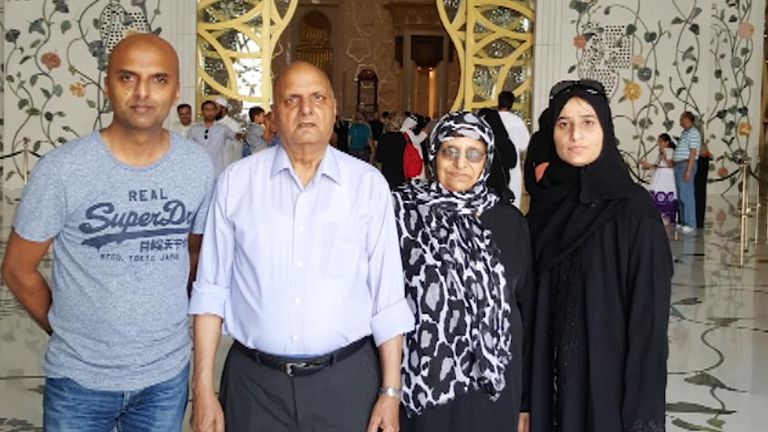
Image:Sohail Anjum (left) with members of his family
“I woke up and they told me it was touch and go because during my coma my temperature wasn’t coming down and they were pumping me with medication, antibiotics and stuff, so they said, ‘Look it could have gone either way.’ It was 50-50 whether or not I survived.”
Sohail’s first thoughts when he came round were of his mother. He does not know why but says he just had a “feeling”.
He asked the doctors and nurses but nobody would answer his questions. It was not until a consultant, who was also a family friend, broke some devastating news to Sohail.
“It was about my mother who was admitted into the same hospital just a few days after I had been intubated. She went into hospital I think on a Monday and passed away two days later.”
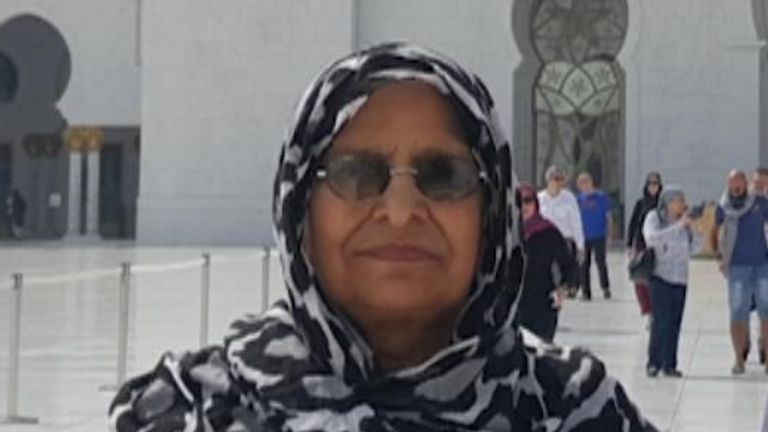
Image:Sohail believes his mother’s prayers saved him
Rashida Begum Mohammad was in the same hospital dying of COVID-19 just a few wards away from her son. Sohail, of course, did not know because he was comatose. But still, he says, he knew something had happened to her.
“It wasn’t actually broken to me, I just had this feeling. It just came into my thoughts and stuff. I don’t know if I overheard someone talking during my coma. Because when you’re in a coma they say your conscience is still alive and you tend to hallucinate.
“When I woke up the first thing I was asking for was my mobile phone so I could phone up my brother and confirm the news.
“One of the nurses who knew my brother phoned him and said, ‘Your brother is awake and he’s been asking about your mother.’ I think at the time my brother was a bit shocked, like, ‘How did he find out, who told him?’
“The doctors and nurses knew, but no one wanted to tell me because of the trauma I had been through. I mean when I woke up, I was in CCU at the time, and then one of my brother’s friends who is a consultant came down and he kind of confirmed and gently broke the news.”
Sohail was reeling in shock at the news of his mother’s death. But there was another bombshell to come.
He was told he had been in a coma for nearly one month.
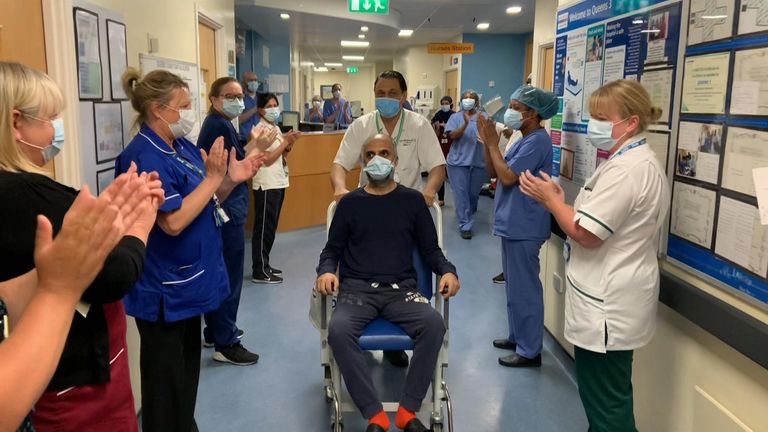
Image:Sohail being applauded by staff as he leaves hospital
Sohail’s brother Aqeel had been given special permission to visit their mother just before she died. He told Sohail that she had prayed for his recovery until her last breath.
“My mum was in a very poorly condition, my brother was allowed a special visitation under exceptional circumstances otherwise no visitation was allowed. He visited her in the evening and one of the last things she prayed for was for my health to get better.
“I was told that while I was in a coma, it was only when she passed away, it was only then that my vitals started improving, so that’s when the doctors realised there was some hope for me. It was definitely my mother’s prayers that saved me.”
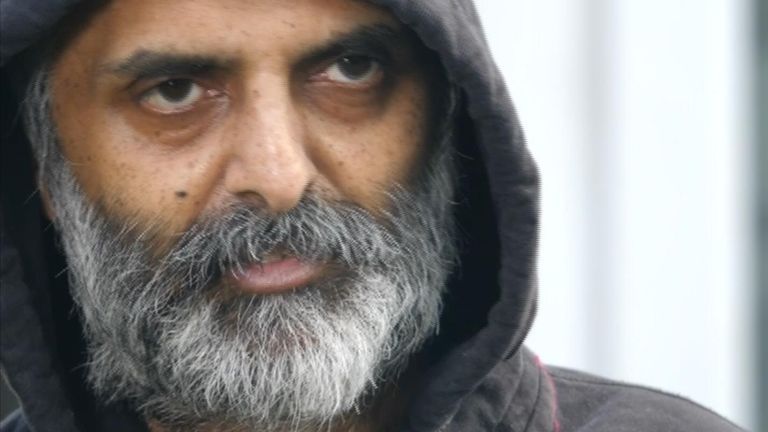
Image:Sohail’s COVID ordeal has aged him
Sohail is 47 but looks much older. His body is frail and he walks unsteadily with the aid of crutches. The doctors have told him it will take at least six months again to rebuild his strength. And that will be with the help of regular physiotherapy.
“Because I was in a coma for a whole month, my body was decommissioned. Basically, I had no muscle movement whatsoever. I felt a bit disorientated. After CCU when they moved me into the general ward, for the first week or two I was totally immobile I couldn’t move or talk so the nurses had to bathe me.
“I couldn’t lift up a spoon so they had to feed me breakfast, lunch and dinner. At that time I had lost my taste as well so the only thing I was eating at the time was yoghurt. Before I went in I was 67kg. In hospital when they last weighed me I had come down to 59kg, so I had lost a drastic amount of weight.”
Sohail saw patients dying around him. He knows he would not have survived had it not been for the speed and skill of the care he received in hospital.
“I really have to commend the surgeons and the nurses who are on the front line, who risked their lives in order to ensure that the patients are well looked after and for their health and benefit.
“When I was in the general ward, the nurses there really, really looked after you. If I hadn’t gone to A&E when I did and if the doctors hadn’t put me into an induced coma at the time, it may have been a different story for me.
“I may not have been sitting here today having this conversation, so I really have to thank them for all the hard work and effort they put into saving my life.”
If you’re heading out the door on essential trips soon, will you be taking the bus or a bike?
Fear of catching coronavirus on public transport has helped lead to a boom in cycle-to-work schemes.
Demand for more mobility and exercise amid lifestyle changes imposed by the lockdown has also boosted bike sales across the UK.
Some bike stores are battling to meet demand. Broadrib Cycles in Bicester normally despatches 20-30 bikes a week, but manager Stuart Taylor says the shop is currently selling 50 bikes every day – and seeing a commensurate rise in demand for servicing.
“It’s just gone crazy,” he told the BBC. “People are dragging bikes out of sheds and garages and finding they need new tyres and cables.
A UK-based genetics lab on Wednesday announced that it had made important progress in understanding the novel coronavirus, thus helping find clues as to how to develop drugs and vaccines.
In a study, researchers at the University College London’s (UCL) Genetics Institute analyzed genomes from the COVID-19 virus in over 7,500 people and identified almost 200 recurrent mutations.
They found that a large part of virus’s global genetic diversity was found in the hardest-hit countries, adding that this suggested it was already being transmitted widely across the world from late 2019, and was in human circulation long before it was first detected.
The 198 recurring discovered mutations offered clues as to how the virus was adapting, they said.
Institute Director Francois Balloux, who co-led the study, said: “All viruses naturally mutate. Mutations in themselves are not a bad thing and there is nothing to suggest SARS-CoV-2 is mutating faster or slower than expected. So far, we cannot say whether SARS-CoV-2 is becoming more or less lethal and contagious.”
“A major challenge to defeating viruses is that a vaccine or drug might no longer be effective if the virus has mutated. If we focus our efforts on parts of the virus that are less likely to mutate, we have a better chance of developing drugs that will be effective in the long run,” Balloux said. “We need to develop drugs and vaccines that cannot be easily evaded by the virus.”
The researchers said that as for the UK, the virus seemed to have entered the country a number of times independently, rather than through a single patient zero case.
Co-lead author Dr. Lucy van Dorp, also at the institute, said that being able to analyze “such an extraordinary number of virus genomes within the first few months of the pandemic could be invaluable to drug development efforts and showcases how far genomic research has come even within the last decade.”
The study was carried out by researchers at the UCL Faculties of Life Sciences and Medical Sciences, along with colleges in the UK and abroad.
British authorities announced on Wednesday that the total number of UK-wide deaths from coronavirus was 30,076, an increase of 649 in 24 hours.
COVID-19Â cases have been reported in 187 countries and regions since it emerged in China last December, with the US and Europe now the hardest-hit areas.
The pandemic has killed more than 260,000 worldwide, with total infections over 3.72 million, while recoveries surpassed 1.22 million, according to figures compiled by the US’ Johns Hopkins University.
The Bank of England anticipates the UK economy is already in a sharp recession, having contracted by a significant 3% in the first three months of the year and then an unprecedented 25% in the current quarter ending in June, in its scenario published on Thursday.
In its Monetary Policy Report, the most significant and thorough look at the economy since the onset of the coronavirus pandemic, the unemployment rate is expected to double to around 9%. The economic scenario is built on assumptions that the lockdown in the UK and the rest of the world is gradually lifted from early next month over a period of four months.
While there should be a bounce back in growth later this year, the Bank’s “illustrative scenario” anticipates that this will largely come next year, with the economy this year suffering a record fall of 14%, and then growing by 15% next year.
The Bank warns that this is not a typical forecast and that “many other scenarios are plausible”. But these numbers provide the sharpest analysis yet of the economic challenge of the virus and its pandemic.
New car registrations almost ground to a halt in April after coronavirus lockdown measures were introduced, the motor industry has said.
Figures from industry body the SMMT show only 4,321 cars were registered, the lowest monthly level since 1946.
April’s figure marked a 97% plunge in sales from the same month last year.
The closure of car dealerships as part of measures to try to combat the disease has hit consumer registrations.
The Society for Motor Manufacturers and Traders (SMMT) said that of the registrations made last month, 70% were by companies buying for their fleets. The cars would most likely have been on order before the lockdown, said Mike Hawes, SMMT chief executive.
“If you are told to close all your car showrooms for the entirety of April it’s no surprise sales are almost non-existent,” he told the BBC.
Many of the 4,000 cars sold last month were needed to support key workers and for those who had a pressing need for them, an SMMT spokesman said.
Those cars would not have been bought from dealerships, but instead, for example, from wholesalers, or directly from manufacturers.
The 4,000 figure for April compares to 161,064 new cars that were registered in same month last year.
The industry body said it now expects 1.68 million new car registrations in 2020 compared with 2.3 million in 2019.
Staff at some UK car manufacturers began returning to work this week, although the start of full production is a long way off, Mr Hawes said. The supply chain is also starting to re-open.
“Manufacturers are trying to figure out how to start operations in a safe environment,” he said. “But it will be slow and production will be ramped up very slowly.”
The coronavirus crisis has come at what was already a difficult time for the motor industry, which had been struggling with falling sales and a collapse in demand for diesel vehicles, while struggling to meet tough new emissions targets.
The figures are certainly dramatic, expected to be the lowest sales since February 1946.
But since virtually the entire motor industry ground to a halt when the lockdown was introduced, they are not entirely unexpected.
What matters now is what happens when the restrictions are eased and customers are allowed back into the showrooms.
You would expect there to be some pent-up demand – after all, dealerships began to close in mid-March, traditionally one of the strongest months of the year for new car sales.
However, since then harsh economic realities have come into play. Huge swathes of the workforce have been furloughed, and the signs are the country is heading into a deep recession.
Under those circumstances, with so much uncertainty and so many jobs at risk, how many people will really be willing to buy a new car?
We can expect a wave of incentive programmes – and quite possibly a wave of new scrappage schemes – as car companies start fighting tooth and nail for every single sale.
The coronavirus outbreak also halted car production.
All of the UK’s major car factories suspended work in March, and it is not yet clear when they will reopen.
Ian Plummer, commercial director at online marketplace Auto Trader, said: “With retailers forced to close the doors to their physical forecourts, it’ll come as no surprise to anyone to see just how dramatic an impact it’s had on the new car market.
“Some brands have been able to sell remotely, but uncertainty in the government’s guidelines or a lack of the required infrastructure to operate home delivery in a safe way, has limited it to all but a handful of retailers.”
However, he said Auto Trader data indicated that the market had been paused, rather than stopped.
He added that there would be a chance “for the industry to accelerate the adoption of low emission vehicles” when restrictions lift.
“However, it’ll be essential for manufacturers to push more electric vehicles into their UK networks along with greater financial incentives,” such as scrappage schemes, he said.
France could allow religious services to resume earlier than planned if the easing of the lockdown this month does not result in an increase in the infection rate of coronavirus.
France is set to ease its lockdown on 11 May but it had been indicated that religious ceremonies would still be banned until at least 2 June.
The Christian holy day of Pentecost, celebrated 50 days after Easter Sunday, falls on 1 June
Dr Badu Sarkodie, the Director of Public Health, Ghana Health Service has advised the public to protect their relatives at home and everyone they encounter by distancing themselves.
He said as many people were not tested, some people could have the virus without showing symptoms, therefore, it was important that people especially those who move regularly outside the house, stayed away from their relatives at home.
“Distance yourselves so that if you have the virus, you do not go to pass it on to your mother, father, or grandmother at home,†he stated.
Dr Sarkodie gave the advice at a Press Briefing organised by the Information Ministry in Accra to update journalists and the public on the current state of the COVID-19 in Ghana and measures put in place to manage it.
Keep used face masks away from others especially from the reach of children, Dr Sarkodie stated.
Professor William Kwabena Ampofo, Head of the Virology Department, Noguchi Memorial Institute for Medical Research, said one measure that slowed down the rate at which the virus was spreading in Ghana was the enhanced contact tracing.
He explained that it included; many people who did not show any symptoms, adding that, those who tested positive were isolated at the initial stage. Another measure was the usage of data collected on the date samples and tested for the COVID-19 and date patients started having symptoms.
Prof. Amofo said Ghana was on top and was likely to have a decline in its number of confirmed cases if her citizens observed the social distancing protocol as well as the individual preventive measures like wearing of face masks, hand washing, and the coughing and sneezing etiquette.
He said the country was not having an overstretched or overwhelmed health system, explaining that, that was only determined by the number of people who tested positive, those who visited the hospital and the number of deaths recorded.
Confirmed cases of the novel Coronavirus in the Ashanti region now stands at 165, an update by the Ghana Health Service (GHS) official website has said.
This number is out of the 41,986 people tested so far in the region.
37 of them have recovered while five have died of the disease.
Dr. Emmanuel Tinkorang, the Regional Director of Health Services, told journalists in Kumasi that, three of the persons with the virus are currently on admission with 118 receiving home-based care.
He indicated that a total of 815 persons had so for been contacted through contact-tracing out of which 763 had completed their 14-day follow up with the remaining 54 being in isolation.
17 out of the 43 districts in the region had reported cases, with 56 per cent of the confirmed cases being males and 44 per cent being females.
The Regional Director added that stigmatisation and discrimination against discharged COVID-19 patients was a major challenge militating against the fight against the disease.
“Due to the stigma, there is always a fight when picking up a case at the community level but it is important for the communities to assist us to win the battle togetherâ€, Dr. Tinkorang pleaded.
He also expressed grave concern about how health workers who risked their lives to pick up cases in the communities were sometimes attacked and called for the cooperation of all stakeholders.
Dr. Emmanuel Tinkorang then made a passionate appeal to the media to step up public education on the stigmatisation of COVID-19 patients and how it was affecting efforts to contain the deadly disease.
He hinted that, his outfit was going to increase tracing, testing, and isolation with focus on mass screening of high-risk groups including market women, drivers, barbers, hairdressers, and all identifiable groups who come into contact with a lot of people daily.
Dr. Tinkorang disclosed further that, efforts were being made to add four more testing centres to augment the work of the Kumasi Centre for Collaborative Research in Tropical Medicine (KCCR) to deal with the perennial backlog of samples.
With the establishment of a testing centre in Tamale, the expectation is that pressure on KCCR would reduce to ensure real-time delivery of test results.
Dr. Emmanuel Tinkorang noted the availability of Personal Protective Equipment (PPE) in health facilities had significantly improved and urged the public to observe all the preventive protocols to help curb the spread of the disease.
Three contact persons of a Nigerian national who was tested positive of the COVID-19 and escaped from isolation in Wa about three weeks ago has tested positive of the virus.
They have all been taken to the treatment centre at the Regional Hospital. This was contained in a statement signed by Dr Hafiz Bin Salih, the Upper West Regional Minister, and copied to the Ghana News Agency (GNA) in Wa.
It said as at May 3, 2020, the region had recorded 11 new cases of the virus bringing the total cases in the region to 19, one person fully recovered and reintegrated into the community and with no death recorded.
Seven of the confirmed cases were picked from the Sissala East Municipality following the mandatory screening of travelers arriving in the district from Kumasi and Accra during the partial lockdown period.
The statement said five of them were identified and transferred to the treatment centre at Tumu, the Municipal Capital, whilst efforts were underway to track the remaining two.
The remaining one person was a resident of Wa, who travelled into the region by a public transport after he returned from Kenya on February 16, 2020 and had his samples taken on April 16, 2020 upon self-request and was since in isolation in his house.
“All cases currently on treatment are mild to moderate. Investigation is underway to identify, isolate and treat all cases and trace all contacts. It is important to note that all the cases had a travel history or are contacts of known cases”, the statement added.
It therefore urged the people to remain calm and to support the authorities in the fight the deadly disease.
As part of measures to control the disease in the region, the statement said “the Rapid Response Teams (RRT) at both regional and district levels continue to monitor and investigate new cases and rumours as they are reportedâ€.
It also reiterated the need for the public to strictly observe the COVID-19 protocols including; physical distancing, regular hand washing with soap and alcohol-based hand sanitizer; avoid going to public places unless it was absolutely necessary and properly wearing nose masks when going to any public place among others.
On the Cerebrospinal Meningitis (CSM), the statement indicated that 30 cases with one death were recorded over the past two weeks, bringing the total number of cases in the region to 303 with 44 deaths.
It identified the Nandom and Jirapa Municipalities and the Nadowli District as the worse hit areas but said none of the districts were currently experiencing any epidemic.
“Laboratory investigation continues to show that the majority of the cases are caused by Neisseria Meningitides Sero Group X, which currently has no vaccine”, it said.
Eleven out of 200 sample results have tested positive of COVID-19 in the Ningo-Prampram District of the Greater Accra Region.
In an exclusive interview with the Ghana News Agency, Mr. Jonathan Teye Doku, District Chief Executive (DCE) for the Ningo Prampram District Assembly (NiPDA), noted that, about 800 samples were taken for testing out of which 200 sample results had been certified.
He further explained that, the District had set up a COVID-19 emergency response unit, made up of the District health director, NADMO, heads of the Security service within the district, the district Ambulance unit among other important governmental parastatals within the Ningo – Prampram District.
Mr Doku again informed that, the Ningo- Prampram District Assembly had procured some 1000 pieces of face mask to be given to Assembly Members for onward distribution within their Electoral Areas adding that more would be made available within the district to curb the spread of the virus.
According to the DCE, citizens must desist from stigmatizing people believed to have contracted the virus saying no one had total immunity.
“Let us observe the various hygiene protocols to be able to defeat this virus, “he added.
The GNA observed that the face mask is not popular in the District.
The Western North Regional Coordinating Council (RCC) and the Regional Security Council (RESEC) has with an immediate effect made the wearing of the face and nose masks compulsory for residents to manage and stop the spread of COVID-19 in the Region.
This was contained in a release issued by the Western North Regional Coordinating Council after an emergency meeting to consider measures to combat the rapid incidence of COVID-19 in the Region.
The release signed by Mr Kingsley Aboagye Gyedu, Regional Minister and copied the GNA, placed a temporary close down on all pubs and drinking spots within the region as well as the suspension of all special markets days until further notice.
The statement further entreated the Police and Ghana Private Road Transport Union (GPRTU) to liaise with commercial drivers to ensure all passengers wear face masks before boarding vehicles.
The statement also directed taxi cab drivers not to take more than three passengers, two at the back and one front.
The release reminded residents and all those visiting the Region to continue to adhere to the World Health Organization approved COVID -19 protocols, Which include social distancing, regularly washing of hands with soap under running water, frequent use of hand Sanitizers as well as avoid overcrowded places to manage and stop the spread of COVID-19.
The statement also entreated Municipal and District assemblies to embark on public education and sensitization on the wearing of face masks, social and physical distancing within their respective jurisdictions.
Reports have it that, a 37year old researcher and professor at the biology Department of the school of Medicine, University of Pittsburgh has been shot dead at his residence.
Bing Liu, the Chinese researcher who was studying the biological make-up of coronavirus has suffered gunshots in his torso, head and neck.
According to his Department, “Bing was on the verge of making very significant findings towards understanding the cellular mechanisms that underlie SARS-CovV-2 infection and the cellular basis of the following complicationsâ€
The department however added that, they will do everything possible to continue and complete what he has started in an effort to pay homage to his scientific excellence.
Investigation is underway to help establish the actual motive of the shooting.
The head of a charity which works on protecting African wildlife, Tusk, says the coronavirus pandemic is the biggest threat to conservation in his 30 years of working in the sector.
Charlie Mayhew told the BBC that his organisation expects to lose $2m (£1.6m) from cancelled fundraising events alone.
The number of coronavirus cases across the continent is relatively low, but despite this, the tourism industry has collapsed.
Almost four million people work in the conservation industry – guiding safaris, working in lodges and hotels, and protecting wildlife.
Now, with large numbers of people out of work, there are reports of an increase in poaching.
Tourism can often make up half the revenue for wildlife reserves; the loss of that income will make it much harder to fund the rangers that protect the animals.
Tourists and their guides out on safari can also act as a deterrent to poachers. Now those extra pairs of eyes and ears are gone.
The Democratic Republic of Congo’s health ministry has confirmed 92 new coronavirus cases in the country, its highest single-day increase since the outbreak began in March.
Some 69 cases were detected in the capital, Kinshasa, and another 23 cases in the south-west province of Kongo Central.
The ministry has also said 212 suspected cases are being investigated.
The Ndolo military prison in Kinshasa, a hot-spot of infections, has been disinfected after at least 104 people, including inmates and wardens, contracted the virus.
Public Health Minister Eteni Longondo said on Tuesday that the situation was under control despite the significant increase in cases and the government was even considering reopening schools.
The country has to date confirmed 705 cases and 34 deaths.
Scientists say they have identified a mutation in coronavirus which they believe means a more contagious strain has been sweeping Europe and the US and could even reinfect those who already have antibodies.
Researchers at Los Alamos National Laboratory in the US detected 14 mutations in the Covid-19 virus spike proteins, one of which known as Spike D614G they said was of “urgent concernâ€.
Their research paper suggests the mutated strain of coronavirus that has become dominant across the world was first indentified in Europe and is different to those which spread early on in the pandemic.
So urgent is the issue that the research paper describing their findings has been made available before being peer-reviewed, although this has caused concern among some observers.
By analysing more than 6,000 genetic sequences of coronavirus samples taken from patients globally, the researchers found the mutated strain was persistently becoming the most dominant version of the virus in every region it was detected in.
While first discovered in Europe in early February, the researchers believe the coronavirus mutation has now become the most prevalent strain across the whole of the world.
The study indicates it has been consistently out-competing the original strain detected in Wuhan, which spread through that region of China and some other Asian countries before March.
He paid tribute to the country’s medics comparing them to “soldiers who go to war”.
The main message is about partnership. Everyone must play a role in the fight against #COVID19. Our partners today are Sibanye Stillwater and Old Mutual.
Players at Barcelona and Real Madrid started to undergo coronavirus tests on Wednesday as La Liga clubs planned to return to restricted training ahead of the proposed resumption of the season next month.
Barca captain Lionel Messi and France international Antoine Griezmann were among players pictured arriving one by one in their cars at the club’s training centre early Wednesday morning.
Players at Madrid, including Eden Hazard and Karim Benzema, also underwent health checks at Real’s training base on the outskirts of the city.
Results from the coronavirus tests are typically known within 48 hours. The testing is part of the league’s strict medical protocol with which teams must comply before a return to training.
Atletico Madrid, who will also carry out tests Wednesday, are aiming to resume training immediately once the results are known if all goes to plan.
The first of a four-phase de-escalation programme announced by the Spanish government last week would allow players to initially train alone, with a maximum of six players allowed on the pitch.
Players will be expected to arrive on club premises already in their kit and wear a mask and gloves when not training. After each session they will be given a bag with clothes for the next day.
La Liga’s programme will then permit training in small groups before a return to larger team sessions.
In the fourth and final phase, scheduled for early June, the government have said outside events can go ahead when attended by fewer than 400 people.
La Liga is proposing to complete its season behind closed doors, with games starting again in the middle of June.
“People’s health is paramount, so we have a comprehensive protocol to safeguard the health of everyone involved as we work to restart La Liga,” league president Javier Tebas said on Monday.
“Circumstances are unprecedented, but we hope to start playing again in June and finish our 19/20 season this summer.”
Spain has been one of the worst-hit countries in the world by the coronavirus pandemic, with almost 26,000 deaths in the country according to the latest figures on Wednesday.
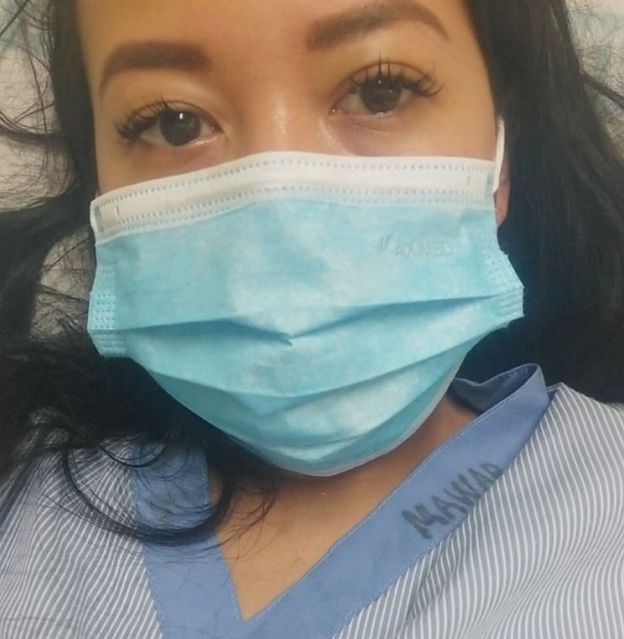
Sita Tyasutami had all the tell-tale symptoms of coronavirus. Yet, as she lay in a hospital bed in Indonesia’s capital Jakarta, her condition had not been diagnosed. Nor had that of her mother, Maria Darmaningsih, who had been admitted to the same hospital.
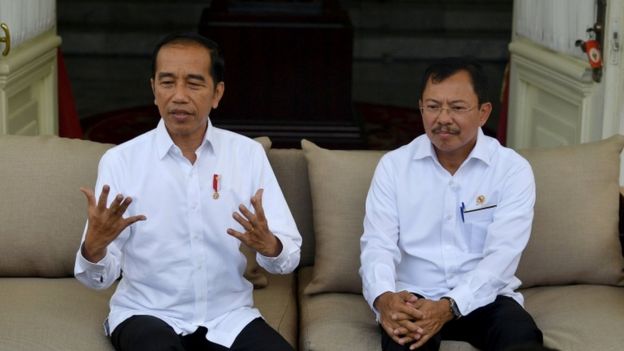
Confined to separate hospital rooms, Tyasutami and her mother were anxiously awaiting the results of their coronavirus tests, when Indonesia’s president made a startling announcement.
In a news conference broadcast to the nation, President Joko Widodo said two Indonesian nationals had tested positive for Covid-19, the first two confirmed cases in the country. The pair – a 64-year-old woman and her 31-year-old daughter – were being treated at an infectious diseases hospital in Jakarta, the president said.
The briefing, held in front of jockeying reporters outside the presidential palace, confirmed the inevitable: coronavirus had reached Indonesia.
Aired on TV screens at the hospital, the president’s announcement left Tyasutami and her mother in disbelief. President Widodo was talking about two patients at their hospital, with their profiles, their ages, their symptoms, their contact history.
President Widodo did not mention the patients by name, but he did not have to.
Her brain whirring, Tyasutami asked a nurse whether the hospital was currently treating any other coronavirus patients. When the nurse said no, reality hit her like a punch to the gut.
She and her mother had been revealed as the first two known cases of coronavirus in Indonesia. “I was confused, I was angry, I was sad,” Tyasutami told the BBC. “I didn’t know what to do because it was all over the media.”
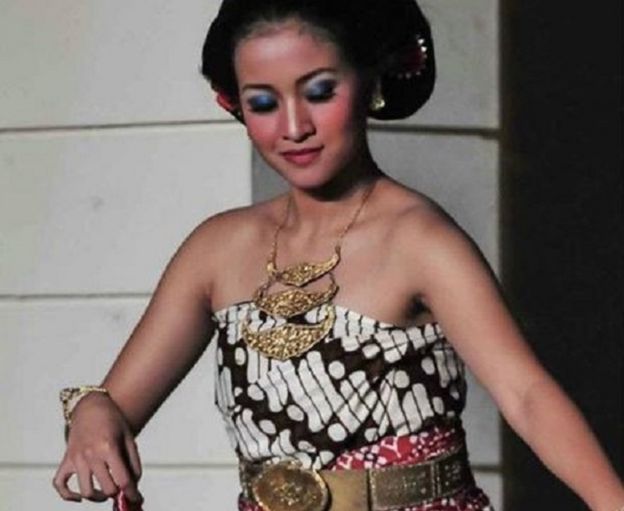
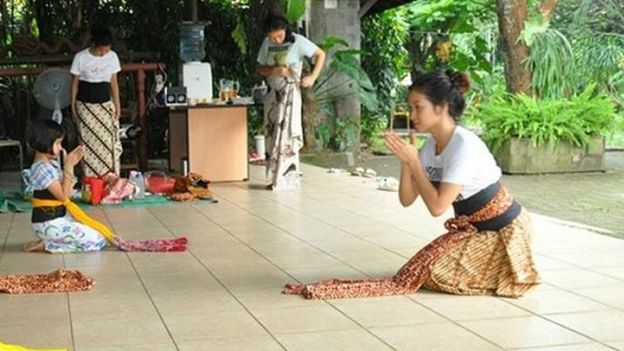
Before her diagnosis, Tyasutami was a professional dancer, a performing arts manager, a sister, a daughter, a friend. Afterwards, her identity was reduced to a humiliating two-word label: case one. Her medical records were leaked. The details of her case were misreported. False rumours spread online.
Within a matter of hours, she became the face of Indonesia’s coronavirus outbreak.
It started with an itchy throat.
Tyasutami brushed it off. It was nothing to worry about, she thought. Then, on the morning of 17 February, she woke up with symptoms that were more than just the hallmarks of a benign illness.
Her mother Darmaningsih, a professor of dance at the Jakarta Institute of Arts (JIA), fell ill later that week. Darmaningsih’s condition worsened after a dance performance on 23 February, leaving her feeling “very sick”.
At this point, Darmaningsih and Tyasutami went for a medical check-up at their local hospital in Depok, on the outskirts of Jakarta. Initially, the doctor diagnosed Darmaningsih with typhus – a bacterial disease spread by lice or fleas – and Tyasutami with bronchopneumonia.
“We asked to be tested for Covid-19, but our request was rejected because, at the time, the hospital didn’t have the right facilities,” Tyasutami said.
Image copyrightSITA TYASUTAMIImage captionTyasutami said the first hospital she attended did not have Covid-19 testing facilities
On 27 February, they were kept in hospital, unaware of the pathogen invading their cells. It took a tip-off from a friend, 24 hours later, to set alarm bells ringing. The friend phoned Tyasutami to tell her she had attended the same dance event as a Japanese woman who had tested positive for Covid-19.
Tyasutami did not know the Japanese woman, but understood the gravity of her diagnosis.
“That’s why I insisted once again to the doctor to be tested,” Tyasutami said.
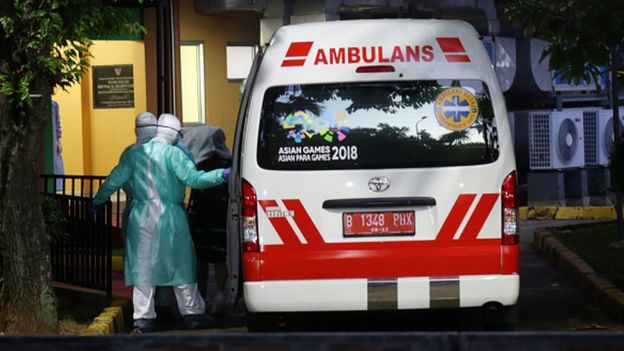
Doctors yielded to her request this time. She and her mother were transferred to Sulianti Saroso, Jakarta’s infectious disease hospital, where they underwent a swab test for Covid-19.
Image copyrightGETTY IMAGESImage captionTyasutami and her mum were transferred to an infectious disease hospital in Jakarta
Tyasutami and Darmaningsih expected a doctor to tell them the results. Instead, their diagnoses were read out by President Widodo on 2 March. It was as much of a surprise to them as it was to the country. A few days would pass before Tyasutami and Darmaningsih were told that, in the event of a disease outbreak, the president must be informed before patients, by law.
Achmad Yurianto, a spokesman for the Indonesian government, told the BBC there was nothing wrong with the president’s disclosure to the public. A 2009 health law says patient discretion does not apply to matters of public interest. Therefore, the president’s announcement was lawful, according to Jakarta-based legal expert, Bivitri Susanti. Was it the right thing to do, though, given the legal protection of medical records? “I don’t think so,” Ms Susanti said.
Image copyrightREUTERSImage captionPresident Widodo announced Tyasutami’s diagnosis in a news conference at the presidential palace
Right or wrong, the announcement thrust case one and case two into the national limelight. Within hours, messages showing the initials, full address and medical records of case one (Tyasutami) and case two (Darmaningsih) were leaked and shared widely on WhatsApp. The backlash on social media, and the spread of misinformation about their lives, was immediate, vicious and unrelenting.
“They attacked Sita, blaming her for bringing the virus to Indonesia,” Tyasutami’s older sister, Ratri Anindyajati told the BBC. “They blamed her for losing their job, or being separated from their families. They questioned how she could look so nice and beautiful after being sick. They said it was a set-up.”
Image copyrightSITA TYASUTAMIImage captionTyasutami is a professional dancer and performing arts manager
Now, Indonesia is one of the worst-hit countries in south-east Asia, with about 12,000 cases and almost 900 deaths to date. The origins of Covid-19 in Indonesia may never be known. Case one and two, however, were on record.
“Before my diagnosis, I had less than 2,000 followers on Instagram,” Tyasutami said. “I didn’t have anyone sending me hate speech. Within days [of my diagnosis], my followers went up to 10,000. People were commenting on everything, especially pictures of me in sexy, revealing dance clothes.”
Why “patient zero” is not a helpful term
Analysis by Richard McKay, historian of epidemics and lecturer at the University of Cambridge
Given its accidental formation and lack of precision, “patient zero” is always a misleading phrase, so it is best avoided. It was coined by mistake in the 1980s. It is thought by some to mean the first (or “primary”) case in a given area by date of infection, by others to mean the first case noticed in an outbreak (“index case”), and by still others to mean the first case “ever” appearing in humans.
The term also has a long history of being used as a sensational, attention-grabbing device and of generating stigma. Real-world conditions – like infected individuals who don’t display symptoms – remind us that placing overdue emphasis on any definitive ordering and numbering of cases would be misguided.
If Covid-19 had previously been perceived as a risk far removed from Indonesia, there might be some public education value to confirming the existence of cases in the country. However, whenever the number of cases is small, extreme discretion must be used when discussing them.
On 3 March, President Widodo urged hospital and government officials to respect the privacy of Covid-19 patients, but by that point, the damage was already done.
The leak set the tone for what was to come next. Imprecise comments from Indonesia’s health minister, Terawan Agus Putranto, would prove even more chastening. At a news conference on 2 March, the minister wrongly suggested case one (Tyasutami) contracted the disease from a Japanese citizen, a “close friend”, while dancing at a nightclub in Jakarta. The minister’s comments allowed imaginations to run wild.
Image copyrightSITA TYASUTAMIImage captionTyasutami said she was at the same dance event as a Japanese woman who later tested positive for Covid-19
There were false reports that suggested “the Japanese person was a close friend who was ‘renting me’,” Tyasutami said. “My story has been twisted so many times. People were making assumptions about me,” she added.
The health minister did not respond to requests for comment.
Tyasutami said the media should also take responsibility for the way her diagnosis was reported. “There is this culture of victim blaming,” she said. One press freedom group, the Alliance of Independent Journalists, urged the media to avoid “sensationalist” reporting and respect the privacy of Covid-19 patients. The media went too far, Tyasutami felt. While watching television in hospital she could see reporters “bombarding” her house.
US Supreme Court Justice Ruth Bader Ginsburg has had non-surgical treatment for a gallbladder condition, and is now “resting comfortably”, the court says.
Ms Ginsburg, 87, was treated in Baltimore’s Johns Hopkins Hospital on Tuesday, court spokeswoman Kathy Arberg said in a statement.
Ms Ginsburg plans on Wednesday to take part in the court’s work remotely from the hospital.
As the court’s most senior liberal justice, her health is closely watched.
She is expected to stay in the hospital for up to two days.
On Wednesday, the court’s justices will be continuing hearing oral arguments by telephone because of the deadly coronavirus outbreak. They are expected to consider a case relating to the Affordable Care Act.
Justice Ginsburg is the oldest sitting justice on the Supreme Court, and has received hospital treatment a number of times in recent years.
In August, she was treated for a cancerous tumour on her pancreas. She received treatment for colon cancer in 1999, and pancreatic cancer in 2009.
In December 2018, she had surgery to remove two cancerous nodules from her lung.
She has also suffered fractured ribs from falls.
US Supreme Court justices serve for life or until they choose to retire, and supporters have expressed concern that if anything were to happen to Ms Ginsburg then a more conservative judge might replace her.
President Donald Trump has appointed two judges since taking office, and the current court is seen to have a 5-4 conservative majority in most cases.
US President Donald Trump has confirmed the White House coronavirus task force will be winding down, with Vice-President Mike Pence suggesting it could be disbanded within weeks.
“We are bringing our country back,” Mr Trump said during a visit to a mask-manufacturing factory in Arizona.
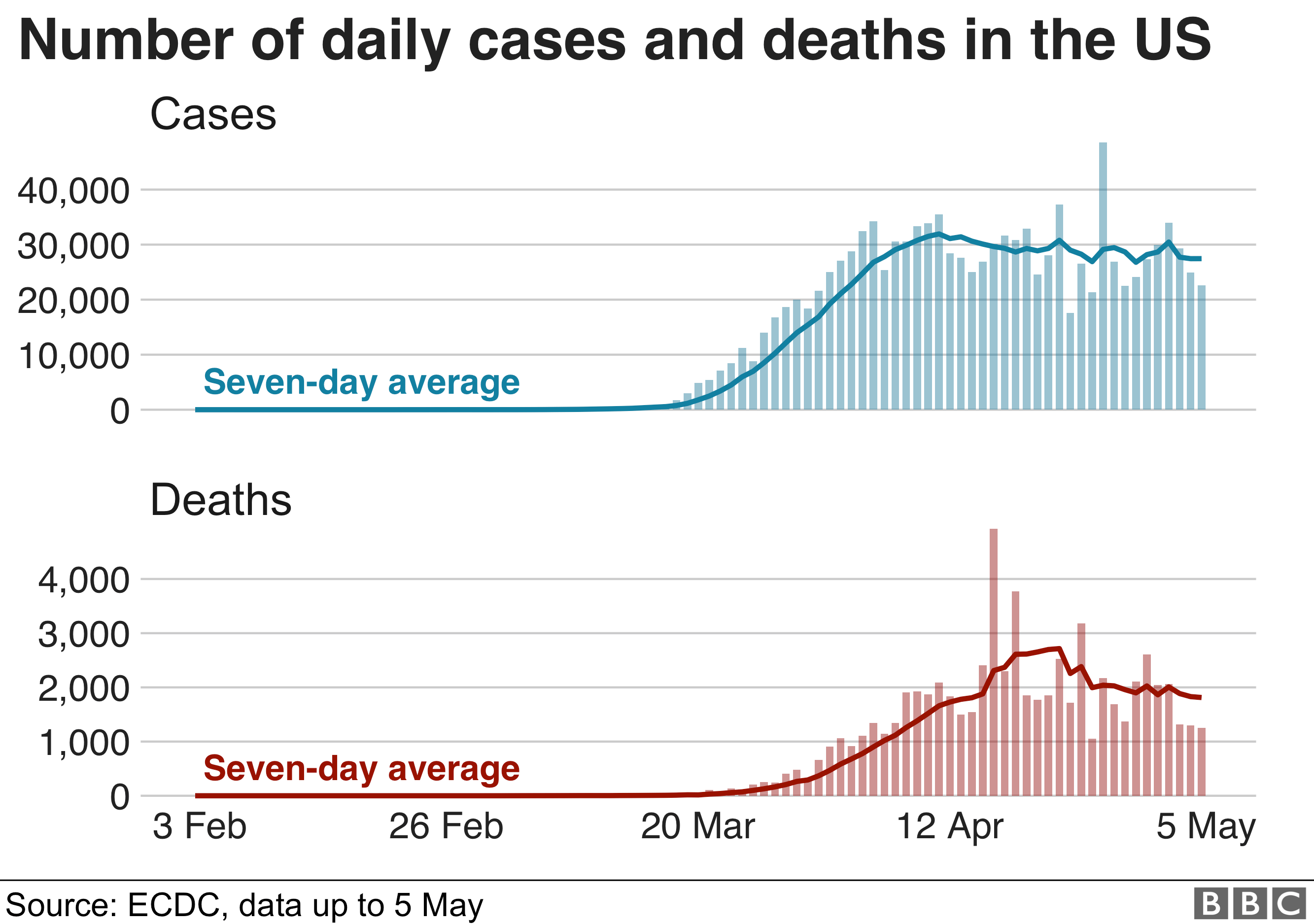
New confirmed infections per day in the US currently top 20,000, and daily deaths exceed 1,000.
US health officials warn the virus may spread as businesses begin to reopen.
The US currently has 1.2 million confirmed coronavirus infections and more than 70,000 related deaths, according to Johns Hopkins University in Baltimore, Maryland, which is tracking the pandemic.
What did President Trump say?
During a visit to the plant in Phoenix after weeks holed up at the White House, Mr Trump told journalists: “Mike Pence and the task force have done a great job, but we’re now looking at a little bit of a different form, and that form is safety and opening. And we’ll have a different group probably set up for that.”
Media captionCoronavirus: How long does it take to recover?
The president – who wore safety goggles but no face mask during his tour of the facility – was asked if it was “mission accomplished”, and he said: “No, not at all. The mission accomplished is when it’s over.”
Critics have accused the president of sacrificing Americans’ public health in his eagerness to reopen the US economy ahead of his re-election battle in November.
In Arizona on Tuesday, Mr Trump said that Democrats were hoping his coronavirus policy would fail “so they can win the election”.
Acknowledging a human cost to the plans, Mr Trump told reporters: “I’m not saying anything is perfect, and yes, will some people be affected? Yes.
“Will some people be affected badly? Yes. But we have to get our country open and we have to get it open soon.”
However, it will be up to individual states to determine how they reopen.
Some Democratic governors in badly hit states have been cautious, calling for more testing and other safeguards before easing lockdowns. Other states, many led by Republicans in the south and mid-west, have already begun lifting restrictions.
The task force was set up on 29 January. Mr Pence became its chairman four weeks later and its members include more than 20 experts and leading administration officials. The White House said the task force’s duty was to “lead the administration’s efforts to monitor, contain and mitigate the spread of the virus” and provide the public with information.
Mr Trump’s once-daily task force briefings became increasingly scarce after he was widely condemned by the medical community for pondering at the podium last month whether injecting bleach into people might kill the virus.
Dr Deborah Birx has been the task force’s response co-ordinator. The president was asked on Tuesday whether she and another high-profile member, Dr Anthony Fauci, would still be involved in efforts to address the coronavirus.
“They will be and so will other doctors and so will other experts in the field,” the president said.
What did the vice-president say?
Mr Pence earlier on Tuesday told reporters in a briefing that the task force could soon be disbanded.
He said the Trump administration was “starting to look at the Memorial Day [late May] window, early June window as a time when we could begin to transition back to having our agencies begin to manage, begin to manage our national response in a more traditional manner”.
He said it was “a reflection of the tremendous progress we’ve made as a country”.
Mr Pence has led the task force, which reports to the president and co-ordinates with medical institutes, political staff and state governors. The group also consulted medical experts to formulate national guidelines on social distancing.
White House press secretary Kayleigh McEnany later tweeted that the president “will continue his data-driven approach towards safely re-opening”.
Media captionCoronavirus: When might Hollywood reopen for business?
Lives and livelihoods
The White House’s shift in focus from the public health aspect of the coronavirus pandemic to its economic impact continues.
For more than a month, the task force had been the public face of the administration’s response to the crisis, even though President Trump sometimes veered far from the topic at hand during its press briefings.
When the president wasn’t talking, however, government public health officials led the conversation.
Now, it appears, the officials setting the agenda will be ones more concerned with jobs, businesses and the fiscal health of the nation – even though the number of cases of the virus throughout the US continues to increase.
There is growing frustration among the president’s core supporters, however, with government shelter-in-place orders. Several states, encouraged by the president, have already begun to ease restrictions, even though they have not met White House guidelines for when to do so.
Those recommendations were set by the current coronavirus task force, of course. And the “different group” in a “different form” that replaces it, as the president describes, may have other ideas.
Does the US have the pandemic under control?
Not yet. Besides New York, which is still the US epicentre despite an ongoing drop in new cases, the level of infection continues to climb across much of the country.
Many states that have allowed some business to resume – including Texas, Iowa, Minnesota, Tennessee, Kansas, Nebraska and Indiana -Â are seeing more new cases reported daily.
While some cities such as New York, New Orleans and Detroit have shown improvement, others like Los Angeles, Washington DC and Chicago are seeing the caseload rise every day.
According to a report from the Federal Emergency Management Agency (Fema), more than 3,000 people may be killed by the virus each day by next month.
The White House has dismissed the report as inaccurate, with Mr Trump saying it describes a scenario in which Americans make no effort to mitigate the spread of the infection.
On Sunday, the president increased his forecast for the number of US pandemic deaths to 100,000, after saying two weeks earlier that it would be fewer than 60,000.
The Institute for Health Metrics and Evaluation at the University of Washington, a public forecast model that has been frequently cited by the White House, now estimates that Covid-19 will account for 135,000 American deaths by 4 August. This more than doubles its 17 April forecast.
The US coronavirus death toll climbed by 2,333 in the past 24 hours, a tally by Johns Hopkins University showed Tuesday, more than twice as many as the day before.
The Baltimore-based university said as of 8:30 pm (0030 GMT Wednesday) that the country had suffered a total of 71,022 deaths.
On Monday, the United States recorded its lowest daily balance in a month, with 1,015 fatalities.
President Donald Trump on Tuesday made his first major foray out of the White House since the coronavirus lockdown began, pushing for the US economy to reopen as Britain became the country with the second most deaths.
The growing US death toll is by far the highest globally, while Britain’s rose to 32,000, putting it above Italy in the grim ranking of national fatalities.
EUROPE
Elsewhere in Europe, hard-hit Italy, Spain and France have reported a levelling off of figures, offering hope that life could slowly start returning to normal.
With experts warning of a severe global recession, many governments have been easing stay-at-home measures in a bid to revive badly hammered economies.
Financial markets hinted at some light at the end of the tunnel, with stocks and oil prices rallying Tuesday.
“We can’t keep our country closed for the next five years,” Trump said on a trip to a mask-making factory in Arizona, conceding that some people would be “badly affected.”
He urged US states to ease restrictions as he attempts to fire up the world’s biggest economy before the November presidential election when the high death toll and millions of lost jobs could cost him dearly.
The US registered 2,333 more deaths over the 24-hours to Tuesday evening, according to a tally by Johns Hopkins University, with some scientific models suggesting the figure will rise to 3,000 a day by June.
NEED TO REVIVE
Countries are balancing the need to revive stalled economies against the risk of a new wave of deadly infections.
In Germany, regional leaders pushed back against Chancellor Angela Merkel’s pleas for caution, with the biggest state Bavaria saying it would reopen restaurants and hotels this month.
Hong Kong announced plans to reopen schools, cinemas, bars and beauty parlours from Friday, while Californian bookshops, florists and clothing stores will also be allowed to reopen at the end of the week.
Authorities also unveiled plans to hand out reusable face masks to all 7.5 million city residents.
“It’s better now that I’m waking up and doing something,” South African mechanic Milton Nkosi, 40, told AFP as he checked a new set of tyres at a garage in Johannesburg.
“I’m used to working,” he added. “It’s the first time in my life to stay home so many days.”
But the garage only called back four of its eight employees after being closed for five weeks and is only partially open — underlining the huge challenge to rebuild the global economy.
250,000 GRIM MILESTONE
At least 254,532 people have died of the novel coronavirus since the epidemic surfaced in China late last year, according to an AFP tally at 1900 GMT Tuesday based on official sources.
Russia cemented its place as the European country reporting the highest number of new infections as its total cases soared past 155,000.
Despite the increases, the Russian government has indicated it could gradually lift confinement measures from May 12.
The economic casualties have also piled up from the impact of the pandemic.
Spain added 280,000 people to its jobless ranks, while the Virgin Atlantic airline said it would have to fire one in three staff as the virus grounds planes worldwide.
Walt Disney said it expected an impact of some $1.4 billion in the current fiscal quarter as a result of a massive hit to its theme parks and other operations.
And home-sharing platform Airbnb announced it would slash one fourth of its workforce due to the collapse of the travel industry.
In India, police used batons to beat back crowds jostling to buy alcohol for the first time in 40 days as the world’s biggest lockdown eased.
The government in New Delhi credits its strict shutdown with keeping the official tally of COVID-19 deaths to 1,400 in a country with a population of 1.3 billion.
But the policy has resulted in misery for millions of workers in India’s vast informal sector left suddenly jobless.
India said Tuesday it had embarked on a “massive” operation calling up passenger jets and naval ships to bring back some of the hundreds of thousands of its nationals stuck abroad.
Evacuees will have to pay for their passage and spend 14 days in quarantine on arrival.
Polish voters were still in the dark on Tuesday as to whether their presidential election will go ahead as scheduled this weekend.
The right-wing Law and Justice (PiS) government is seeking parliamentary approval to conduct the election by postal ballot — despite widespread concern that it would not be fair, legal or safe.
In a ray of hope for the sports world, South Korea’s baseball players returned to action, albeit to empty stadiums.
Banners with photos of masked fans stretched across the bleachers at the Incheon-based SK Wyverns club’s Munhak Baseball Stadium.
Players have been asked not to shake hands or exchange high-fives, while spitting is prohibited.
Friday will also see the delayed start of the country’s football K-League.
Juventus players returned to individual training at the team’s sports centre in Turin on Tuesday, though star player Cristiano Ronaldo began two weeks’ quarantine after returning to Italy following two months of confinement on his native island of Madeira.
But in Britain, sports leaders warned of the “catastrophic” impact of the virus, with football, cricket and rugby counting the cost of delayed or cancelled tournaments and leagues.
A top scientist who advised British leaders on coronavirus lockdown measures said on Tuesday he had resigned from a key government panel after admitting to breaking the country’s rules on social distancing.
Professor Neil Ferguson, an epidemiologist on the advisory team helping the UK coordinate its pandemic response, stepped down following media reports that he had allowed a woman to visit him at home.
“I accept I made an error of judgement and took the wrong course of action,” he said.
“I deeply regret any undermining of the clear messages around the continued need for social distancing to control this devastating epidemic.”
The scientist said he had “stepped back” from his role on the Scientific Advisory Group for Emergencies. A government spokesman confirmed his resignation.
Britain, the world’s second worst-hit country after the US with more than 32,000 coronavirus deaths, imposed strict stay-at-home orders in late March.
The government had ramped up its response to the crisis after research by Ferguson and his colleagues at Imperial College London warned that Covid-19 infections and deaths would spiral without drastic action.
Ferguson’s resignation came after the Daily Telegraph reported that a woman, said to be his “lover”, came to his home in London on two occasions during the lockdown.
“I acted in the belief that I was immune, having tested positive for coronavirus, and completely isolated myself for almost two weeks after developing symptoms,” the professor said.
He added: “The government guidance is unequivocal, and is there to protect all of us.”
Prime Minister Boris Johnson, who was hospitalised by the disease and has now recovered, ordered the initial three-week lockdown on March 23.
Under the measures, “non-essential” shops and services were shut while residents were told not to go out except for exercise and to buy essential items. Police were given powers to fine those flouting the rules.
The lockdown was extended for another three weeks in mid-April, but Johnson is soon expected to set out his plan to lift the stringent rules, according to media reports.
The Coronavirus outbreak is the biggest threat to conservation, the head of a charity which protects African wildlife has said.
The number of virus cases in Africa remains relatively low but the outbreak has devastated Africa’s tourism industry, which is worth an estimated $30 billion a year.
Charlie Mayhew of Tusk told the BBC that his organisation expects to lose two million dollars from cancelled fundraising events alone.
Mayhew said organisations across the continent were having to lay off thousands of staff members – leading to a decline in the number of rangers protecting wildlife, but also increasing the number of now unemployed people who are having to turn to poaching to survive.
“This is definitely the biggest threat we have seen to the conservative world in the thirty years I’ve been working in it,” he said, adding that the years of progress made across Africa could be “undone very quickly” by the virus.
With the virus now relatively contained in Australia, the government is forging ahead with plans to restart the economy safely.
They’ve set a target of July for getting people back into the office. But how do you get a “coronavirus-safe” workplace?
Chief medical officer Dr Brendan Murphy said workplaces would need to stagger employee shifts and increase cleaning. Hand sanitiser should be in every office, meetings held via video, and handshakes are still banned.
Offices could learn from the other workplaces kept open throughout the lockdown: construction sites, childcare centres, retail shops and even hair salons.
Those running industries helped cushion the economy, which has still lost about A$4bn (£2bn; $2.5bn) every week, the treasury said yesterday.
More than 1 million people have lost their jobs, while a further five million sought out the government’s subsidy for employers. That means 40% of the workforce has needed welfare to survive.
At the weekend, India extended the nationwide coronavirus lockdown by another fortnight, but said that domestic helpers can now return to work. The decision has had millions of middle-class homes debating a key question – to let the workers in or not?
A friend once said that if she had to choose between her husband and her maid, she would pick the latter.
The comment was made as a joke, but it’s an example of how much Indians depend on their domestic helpers.
According to official estimates, more than four million people are employed as domestic helpers, while unofficial ones put that number at a whopping 50 million.
But with the lockdown extended twice already, and the idea sinking in that this is going to be a long haul, middle-class India has begun to miss the maids.
More than 1.1 million people have recovered from coronavirus globally, but the time it takes to recover can vary.
Most people will only develop mild symptoms, which usually take a week to recover from, maybe longer. In more serious cases, it could be more than a year.
Medics at the Centre for Perioperative Care say stopping smoking, drinking less alcohol, exercising more, and maintaining a healthy weight can make a difference.
BBC health correspondent Laura Foster explains recovery times and what you can do to help others.
US President Donald Trump has confirmed the White House coronavirus task force will be winding down, with Vice-President Mike Pence suggesting it could be disbanded within weeks.
“We are bringing our country back,” Mr Trump said during a visit to a mask-manufacturing factory in Arizona.
New confirmed infections per day in the US currently top 20,000, and daily deaths exceed 1,000.
US health officials warn the virus may spread as businesses begin to reopen.
The US currently has 1.2 million confirmed coronavirus infections and more than 70,000 related deaths, according to Johns Hopkins University in Baltimore, Maryland, which is tracking the pandemic.
What did President Trump say?
During a visit to the plant in Phoenix after weeks holed up at the White House, Mr Trump told journalists: “Mike Pence and the task force have done a great job, but we’re now looking at a little bit of a different form, and that form is safety and opening. And we’ll have a different group probably set up for that.”
The president – who wore safety goggles but no face mask during his tour of the facility – was asked if it was “mission accomplished”, and he said: “No, not at all. The mission accomplished is when it’s over.”
Critics have accused the president of sacrificing Americans’ public health in his eagerness to reopen the US economy ahead of his re-election battle in November.
Acknowledging a human cost to the plans, Mr Trump told reporters: “I’m not saying anything is perfect, and yes, will some people be affected? Yes.
“Will some people be affected badly? Yes. But we have to get our country open and we have to get it open soon.”
The president was also asked if White House task force experts Dr Deborah Birx and Dr Anthony Fauci would still be involved in efforts to address the coronavirus.
“They will be and so will other doctors and so will other experts in the field,” the president answered.
The once daily task force briefings have become increasingly scarce since Mr Trump was widely condemned by the medical community last month after he pondered at the podium whether injecting bleach into people might kill the virus.
Virgin Atlantic has announced it is to cut more than 3,000 jobs in the UK and end its operation at Gatwick airport.
The shock announcement comes after rival British Airways said it could not rule out closing its Gatwick operation. Pilots’ union Balpa described it as “devastating”.
Many airlines have been struggling as the coronavirus pandemic has brought global travel to a virtual standstill.
The airline currently employs a total of about 10,000 people.
Virgin Atlantic, which is in the process of applying for emergency loans from the government, said that jobs will be lost across the board.
“We have weathered many storms since our first flight 36 years ago but none has been as devastating as Covid-19 and the associated loss of life and livelihood for so many,” said Virgin Atlantic chief executive Shai Weiss.
‘Dire situation’
Balpa the union said: “This is another terrible blow for the industry and is evidence of the dire situation facing UK aviation.
Balpa general secretary, Brian Strutton, said: “Our members and all staff in Virgin Atlantic will be shocked by the scale of this bombshell. We will be challenging Virgin very hard to justify this.”
Virgin Atlantic also said it will move its flying programme from Gatwick to Heathrow. It said it intended to keep its slots at Gatwick “so it can return in line with customer demand”.
However, Mr Weiss said there was no certainty when the air travel industry would recover from the coronavirus crisis.
“After 9/11 and the global financial crisis, we took similar painful measures but fortunately many members of our team were back flying with us within a couple of years.
“Depending on how long the pandemic lasts and the period of time our planes are grounded for, hopefully the same will happen this time.”
Gatwick said the company was “very saddened” to hear of Virgin Atlantic’s plans.
The airline has flown from the airport since 1984, and Gatwick said: “Virgin Atlantic will always be welcome at Gatwick and we will continue our efforts to explore ways to restart the airline’s operations as soon as possible, in the knowledge that they intend to retain their slot portfolio at Gatwick for when demand returns.”
The US has said it wants to borrow a record $3tn (£2.4tn) in the second quarter, as coronavirus-related rescue packages blow up the budget.
The sum is more than five times the previous quarterly record, set at the height of the 2008 financial crisis.
In all of 2019, the country borrowed $1.28tn. The US has approved about $3tn in virus-related relief, including health funding and direct payouts.
Total US government debt is now near $25tn.
The latest spending packages are estimated to be worth about 14% of the country’s economy. The government has also extended the annual 15 April deadline for tax payments, adding to the cash crunch.
The new borrowing estimate is more than $3tn above the government’s previous estimate, a sign of the impact of the new programs.
Discussions are under way over further assistance, though some Republicans have expressed concerns about the impact of more spending on the country’s skyrocketing national debt.
The US borrows by selling government bonds. It has historically enjoyed relatively low interest rates since its debt is viewed as relatively low-risk by investors around the world.
But even before the coronavirus, the country’s debt load had been climbing toward levels many economists consider risky for long-term growth, as the country spent more than it took in.
The US Congressional Budget Office last month predicted the budget deficit would hit $3.7tn this year, while the national debt soared above 100% of GDP.
Last week, the chair of America’s central bank, Jerome Powell, said he would have liked to see the US government’s books be in better shape before the pandemic.
However, he said spending now was essential to cushion the economic blow, as orders to shut businesses to slow the spread of the virus cost at least 30 million people their jobs.
“It may well be that the economy will need more help from all of us if the recovery is to be a robust one,” he said.
As part of its own relief efforts, the Federal Reserve has bought more than $1tn in treasuries in recent weeks.
Investors from foreign countries are also historically significant holders of US debt, with Japan, China and the UK at the top of the pack as of February.
Increased tensions between the US and China in recent years have renewed scrutiny of America’s debt position. According to the Washington Post last week, Trump administration officials had discussed canceling debt obligations to China, but US President Donald Trump reportedly played down the idea, saying “you start playing those games and it’s tough”.
For now, continued low rates suggest investor appetite for US debt remains, allowing for a borrowing increase, Alan Blinder, a professor of economics and public affairs at Princeton University, told the BBC last month.
“So far, the answer has been everything is fine, as to how much borrowing the United States government can do before investors start to feel satiated with US debt,” he said. “But there is a legitimate question.
New car registrations almost ground to a halt in April after coronavirus lockdown measures were introduced, the motor industry has said.
Figures from industry body the SMMT show only 4,321 cars were registered, the lowest monthly level since 1946.
April’s figure marked a 97% plunge in sales from the same month last year.
The closure of car dealerships as part of measures to try to combat the disease has hit consumer registrations.
The Society for Motor Manufacturers and Traders (SMMT) said that of the registrations made last month, 70% were by companies buying for their fleets. The cars would most likely have been on order before the lockdown, said Mike Hawes, SMMT chief executive.
“If you are told to close all your car showrooms for the entirety of April it’s no surprise sales are almost non-existent,” he told the BBC.
Many of the 4,000 cars sold last month were needed to support key workers and for those who had a pressing need for them, an SMMT spokesman said.
Those cars would not have been bought from dealerships, but instead, for example, from wholesalers, or directly from manufacturers.
The 4,000 figure for April compares to 161,064 new cars that were registered in same month last year.
The industry body said it now expects 1.68 million new car registrations in 2020 compared with 2.3 million in 2019.
Staff at some UK car manufacturers began returning to work this week, although the start of full production is a long way off, Mr Hawes said. The supply chain is also starting to re-open.
“Manufacturers are trying to figure out how to start operations in a safe environment,” he said. “But it will be slow and production will be ramped up very slowly.”
The coronavirus crisis has come at what was already a difficult time for the motor industry, which had been struggling with falling sales and a collapse in demand for diesel vehicles, while struggling to meet tough new emissions targets.
The figures are certainly dramatic, expected to be the lowest sales since February 1946.
But since virtually the entire motor industry ground to a halt when the lockdown was introduced, they are not entirely unexpected.
What matters now is what happens when the restrictions are eased and customers are allowed back into the showrooms.
You would expect there to be some pent-up demand – after all, dealerships began to close in mid-March, traditionally one of the strongest months of the year for new car sales.
However, since then harsh economic realities have come into play. Huge swathes of the workforce have been furloughed, and the signs are the country is heading into a deep recession.
Under those circumstances, with so much uncertainty and so many jobs at risk, how many people will really be willing to buy a new car?
We can expect a wave of incentive programmes – and quite possibly a wave of new scrappage schemes – as car companies start fighting tooth and nail for every single sale.
The coronavirus outbreak also halted car production.
All of the UK’s major car factories suspended work in March, and it is not yet clear when they will reopen.
Ian Plummer, commercial director at online marketplace Auto Trader, said: “With retailers forced to close the doors to their physical forecourts, it’ll come as no surprise to anyone to see just how dramatic an impact it’s had on the new car market.
“Some brands have been able to sell remotely, but uncertainty in the government’s guidelines or a lack of the required infrastructure to operate home delivery in a safe way, has limited it to all but a handful of retailers.”
However, he said Auto Trader data indicated that the market had been paused, rather than stopped.
He added that there would be a chance “for the industry to accelerate the adoption of low emission vehicles” when restrictions lift.
“However, it’ll be essential for manufacturers to push more electric vehicles into their UK networks along with greater financial incentives,” such as scrappage schemes, he said.
An NHS app that aims to track the spread of coronavirus is being rolled out for the first time, as part of a trial on the Isle of Wight.
Council and healthcare workers will be the first to try the contact-tracing app, with the rest of the island able to download it from Thursday.
If the trial is successful, it could be available nationwide within weeks.
Concerns have been raised over privacy, though ministers say the app has been designed with this “front of mind”.
The app aims to quickly trace recent contacts of anyone who tests positive for the virus.
It is part of the government’s strategy for coming out of lockdown, which aims to have widespread testing and contact tracing in place to monitor and reduce any future outbreaks.
If the trial is successful, the app will be rolled out nationwide by the middle of May, Health Secretary Matt Hancock said.
Meanwhile, Labour leader Sir Keir Starmer has called for a “national consensus” on tackling the virus when the UK begins to move out of lockdown.
It comes as the the number of coronavirus-related deaths in the UK reached 28,734, an increase of 288.
The daily increase in deaths is lower than at any point since the end of March, but the figures reported at the weekend tend to be lower and are expected to rise, Mr Hancock said.
How does the app work?
The new app – published on Apple and Google’s app stores – works by using a Bluetooth connection.
It records when two people who have the app are within a certain distance of each other for longer than a specified amount of time.
If one of those people later reports having symptoms, all the other app users they came into significant contact with over recent days will be alerted and, if judged necessary, told to self-isolate.
“The exact advice on what you should do will depend on the evolving context and approach,” the NHS has said.
Mr Hancock urged everyone on the Isle of Wight to download the app when it was available to them. Social distancing rules would still be in place during the trial, he said.
“By downloading the app, you are protecting your own health, you are protecting the health of your loved ones and the health of your community,” he said.
“Where the Isle of Wight goes, Britain follows.”
The island was chosen for the trial because it has a lower number of new infections, is covered by a single NHS trust and because travel to and from the island is quite restricted.
Mr Hancock told BBC Breakfast the app would be an “incredibly important part” of the fight against the virus and the more people who downloaded it, the more lockdown restrictions could be eased.
Chinese state media has accused US Secretary of State Mike Pompeo of lying, after he said there was “enormous evidence” the coronavirus emanated from a laboratory in Wuhan.
Mr Pompeo made the claim on Sunday, without going into specifics.
In an editorial on Tuesday, the hawkish Global Times newspaper said Mr Pompeo was “degenerate”.
The World Health Organization says the US claims are “speculative”, and that it has seen no “specific evidence”.
What did Chinese media say?
Editorials in Chinese state media often given an insight into the direction of government thinking, but there has been no official response to Mr Pompeo’s comments as yet.
On Monday, the Global Times accused Mr Pompeo of “absurd theories and twisted facts”, and on Tuesday the attack continued.
“Pompeo aims to kill two birds with one stone by spewing falsehoods,” it said.
“First, he hopes to help Trump win re-election this November…second, Pompeo hates socialist China and, in particular, cannot accept China’s rise.”
The editorial admitted there were “initial problems” in China’s response to the outbreak, but claimed “the overall performance is bright enough to outweigh the flaws”.
It also said it was “conceivable that the virus first contacted humans in other places [than Wuhan]”.
The Global Times is not the only Chinese outlet to take aim at Mr Pompeo and the US.
The People’s Daily said Mr Pompeo had “no evidence”, while a piece on the CCTV site accused US politicians of “nefarious plotting”.
What did Mike Pompeo say?
In an interview with ABC on Sunday, Mr Pompeo said there was “enormous evidence” that the virus had emerged from the Wuhan Institute of Virology.
“Remember, China has a history of infecting the world, and they have a history of running sub-standard laboratories,” he said.
Mr Pompeo – a former director of the Central Intelligence Agency (CIA) – said he did not think the virus was man-made or genetically modified.
The Wuhan laboratory is known to study coronaviruses in bats. In April, President Trump was asked whether “lax safety protocols” allowed such a virus to escape via an intern and her boyfriend.
Mr Trump did not confirm the theory, but said: “More and more we’re hearing the story.”
Last week, he was asked if he had seen evidence that gave him a “high degree of confidence” that the virus emerged in the Wuhan laboratory.
“Yes I have,” he replied – but said he could not go into specifics.
Last month, the Washington Post reported that US officials visited the laboratory in January 2018, and reported back their safety concerns.
What do the experts say?
On Monday, World Health Organization emergencies director Michael Ryan said it had received “no data or specific evidence” from the US about the virus origins.
“So from our perspective, this remains speculative,” he said.
Last week, the US intelligence community said it “concurred” that the virus “was not man-made or genetically modified”.
But it said it would “continue to examine” whether the outbreak began via “contract with infected animals, or if it was the result of an an accident at a laboratory in Wuhan”.
Australian Prime Minister Scott Morrison said on Tuesday that the most likely source of the virus was a wildlife market. However he said he would not rule out the theory that it originated in a lab.
“What’s really important is that we have a proper review, an independent review which looks into the sources of these things in a transparent way so we can learn the lessons,” he told reporters.
Meanwhile, Western “intelligence sources” have told several news outlets there is “no evidence” to suggest the virus leaked from a laboratory.
A patient diagnosed with pneumonia near Paris on 27 December actually had the coronavirus, his doctor has said.
This means the virus may have arrived in Europe almost a month earlier than previously thought.
Dr. Yves Cohen said a swab taken at the time was recently tested and came back positive for Covid-19.
The patient, who has since fully recovered, said he had no idea where he caught the virus as he had not been to any infected areas.
Knowing who was the first case is key to understanding how the virus spread.
What do we know about the new case? Dr Cohen, head of emergency medicine at Avicenne and Jean-Verdier hospitals near Paris, said the patient was a 43-year-old man from Bobigny, north-east of Paris.
He told the BBC’s Newsday program that the patient must have been infected between 14 and 22 December, as coronavirus symptoms take between five and 14 days to appear.
He was admitted to hospital on 27 December exhibiting what later became to be known as the main coronavirus symptoms, including a dry cough, a fever and trouble breathing.
This was four days before the World Health Organization’s China country office was informed of cases of pneumonia of unknown cause being detected in the Chinese city of Wuhan.
The patient, Amirouche Hammar,told French broadcaster BFMTV that he had not travelled before falling sick.
Dr Cohen said two of the patient’s children had also fallen ill but that his wife had not shown any symptoms. But Dr Cohen pointed out that the patient’s wife worked at a supermarket near Charles de Gaulle airport and could have come into contact with people who had recently arrived from China.
The patient’s wife said that “often customers would come directly from the airport, still carrying their suitcases”.
“We’re wondering whether she was asymptomatic,” Dr Cohen said. He called for the potential link to be investigated further.
What does it tell us?
Could coronavirus have been circulating in Europe in late 2019, many weeks before it was officially recognised and declared a threat there? That is the suggestion being made after a French doctor has revealed that he treated a patient in Paris with all of the symptoms of coronavirus just after Christmas.
How does this change what we know about the pandemic? It might be that the test result is an error and so does not change a thing.
But it if is correct, it could mean spread of the disease was going unchecked in Europe while all eyes were on the East in Wuhan.
Certainly, any laboratories in Europe with samples from patients sick with similar symptoms around that time might want to run a test for coronavirus to see what it reveals so that we can learn more about this new disease.
Why does it matter?
Until now, what were thought to have been the country’s first three cases of coronavirus were confirmed on 24 January.
Of those, two had been to Wuhan – where the outbreak was first detected – and the third was a close family member.
This positive test result suggests the virus was present in France much earlier and will change the understanding of how it spread.
“This case will allow us to better understand the evolution of the virus on French soil,” Dr Cohen told the BBC.
Rowland Kao, a professor of veterinary epidemiology and data science at the University of Edinburgh, said that if confirmed, this case highlighted the speed at which an infection starting in a seemingly remote part of the world could quickly seed infections elsewhere.
“It means that the lead time we have for assessment and decision-making can be very short, emphasising the need for preparedness, planning and rapid global communication of disease threats,” Prof Kao said.
Jonathan Ball, professor of molecular virology at the University of Nottingham, urged further research: “Sequencing any virus in the sample might give you insight into whether or not the virus truly was an early isolate or likely contamination.”
Prof Ball said that sequencing the virus could be prove difficult, however, as it looked from the data that the amount of virus in the sample was low.
The first human-to-human transmission within Europe had until now thought to have been a German man who was infected by a Chinese colleague who visited Germany between 19 and 22 January.
The United States also recently had to revise its coronavirus timeline. A post-mortem examination carried out in California revealed that the first coronavirus-related death in the country was almost a month earlier than previously thought.
Chinese state media has accused US Secretary of State Mike Pompeo of lying after he said there was “enormous evidence” the coronavirus emanated from a laboratory in Wuhan.
Mr. Pompeo made the claim on Sunday, without going into specifics.
In an editorial on Tuesday, the hawkish Global Times newspaper said Mr Pompeo was “degenerate”.
The World Health Organization says the US claims are “speculative”, and that it has seen no “specific evidence”.
What did Chinese media say?
Editorials in Chinese state media often given an insight into the direction of government thinking, but there has been no official response to Mr Pompeo’s comments as yet.
On Monday, the Global Times accused Mr Pompeo of “absurd theories and twisted facts”, and on Tuesday the attack continued.
“Pompeo aims to kill two birds with one stone by spewing falsehoods,” it said.
“First, he hopes to help Trump win re-election this November…second, Pompeo hates socialist China and, in particular, cannot accept China’s rise.”
The editorial admitted there were “initial problems” in China’s response to the outbreak, but claimed “the overall performance is bright enough to outweigh the flaws”.
It also said it was “conceivable that the virus first contacted humans in other places [than Wuhan]”.
The Global Times is not the only Chinese outlet to take aim at Mr Pompeo and the US.
The People’s Daily said Mr Pompeo had “no evidence”, while a piece on the CCTV site accused US politicians of “nefarious plotting”.
What did Mike Pompeo say? In an interview with ABC on Sunday, Mr Pompeo said there was “enormous evidence” that the virus had emerged from the Wuhan Institute of Virology.
“Remember, China has a history of infecting the world, and they have a history of running sub-standard laboratories,” he said.
Mr Pompeo – a former director of the Central Intelligence Agency (CIA) – said he did not think the virus was man-made or genetically modified.
The Wuhan laboratory is known to study coronaviruses in bats. In April, President Trump was asked whether “lax safety protocols” allowed such a virus to escape via an intern and her boyfriend.
Mr Trump did not confirm the theory, but said: “More and more we’re hearing the story.”
Media captionDonald Trump was recently asked if the virus emanated in a laboratory, rather than a market Last week, he was asked if he had seen evidence that gave him a “high degree of confidence” that the virus emerged in the Wuhan laboratory.
“Yes I have,” he replied – but said he could not go into specifics.
Last month, the Washington Post reported that US officials visited the laboratory in January 2018, and reported back their safety concerns.
What do the experts say?
On Monday, World Health Organization emergencies director Michael Ryan said it had received “no data or specific evidence” from the US about the virus origins.
“So from our perspective, this remains speculative,” he said.
Last week, the US intelligence community said it “concurred” that the virus “was not man-made or genetically modified”.
But it said it would “continue to examine” whether the outbreak began via “contract with infected animals, or if it was the result of an an accident at a laboratory in Wuhan”.
Australian Prime Minister Scott Morrison said on Tuesday that the most likely source of the virus was a wildlife market. However he said he would not rule out the theory that it originated in a lab.
“What’s really important is that we have a proper review, an independent review which looks into the sources of these things in a transparent way so we can learn the lessons,” he told reporters.
Meanwhile, Western “intelligence sources” have told several news outlets there is “no evidence” to suggest the virus leaked from a laboratory.
A woman has been charged along with her husband and son with killing a security guard who refused her daughter’s entry to a shop because she was not wearing a face covering.
Calvin Munerlyn, 43, was shot in the back of the head on Friday at the Family Dollar store in Flint, Michigan, one of the US states hardest hit by the pandemic.
He was attacked after telling 45-year-old Sharmel Teague’s daughter she could not come into the shop without a state-mandated mask.
The mother’s husband, Larry Teague, 44, and son, Ramonyea Bishop, 23, are accused of going to the store shortly afterwards and fatally attacking Mr Munerlyn.
Sharmel Teague has been arrested, but the two other suspects remain at large. All three face first-degree premeditated murder and firearms charges.
Larry Teague is also charged with violating the governor’s order requiring face coverings inside stores in order to prevent coronavirus transmission.
Her daughter has not been charged.
After the initial verbal altercation at the store, Genesee County Prosecutor David Leyton told a news conference on Monday, Sharmel Teague shouted at and spat on Mr Munerlyn before driving away in a red GMC Envoy.
She returned a short while later with her son and husband before the fatal confrontation ensued, according to officials.
It was the son who allegedly pulled the trigger.
The prosecutor told reporters: “The death of Calvin Munerlyn is senseless and tragic, and those responsible will be held accountable to the fullest extent of the law.”
Mr Munerlyn’s mother, Bernadett, told the Associated Press news agency: “All my baby was doing was his job.”
A GoFundMe page set up for Mr Munerlyn’s funeral has raised nearly $100,000 (£80,000). According to the page, he leaves behind eight children.
Michigan Governor Gretchen Whitmer has ordered all residents in the Midwestern state to wear face coverings when inside business premises in order to fight Covid-19. Stores can refuse service to anyone who does not comply with this rule.
As of Monday the number of confirmed coronavirus cases in Michigan stood at 43,950, including 4,135 deaths, state officials said.
Last week, hundreds of protesters, some of them armed, converged on the statehouse in Lansing and demanded an end to the governor’s stay-at-home order.
There has been angry resistance elsewhere in the US to rules imposed to deter the virus’ spread.
An order that went into effect on Friday in an Oklahoma town requiring the use of face masks in business premises was rescinded within hours amid a furious backlash from customers.
Store employees in Stillwater reported threats of violence, including one involving a gun. Mayor Will Joyce swiftly amended the order to strongly encourage, but not mandate, the wearing of face masks.
Hong Kong on Tuesday announced plans to ease major social distancing measures, including reopening schools, cinemas, bars and beauty parlours after the Chinese territory largely halted local transmission of the deadly Coronavirus.
The relaxation, which comes into effect Friday, will be a boost for a city mired in a deep recession following months of virus restrictions as well as anti-government protests that have battered the economy.
Authorities also unveiled plans to hand out reusable face masks to all 7.5 million city residents.
Hong Kong recorded some of the earliest confirmed COVID-19 cases outside of mainland China but despite its close proximity and links with the mainland it has managed to keep infections to around 1,000 with four deaths.
There have been no new confirmed infections in 10 of the last 16 days and the cases that have been recorded came from people arriving from overseas who are quickly quarantined.
“I hope these measures will be a silver lining for citizens,” the city’s leader Carrie Lam told reporters Tuesday as she spelled out the easing of curbs.
Older secondary students will start returning to classes from May 27 while younger children will resume school in the first half of June.
But a ban on more than four people gathering in public or eating together in restaurants will be stepped up to eight.
Many businesses that were ordered to close will be allowed to open once more, albeit with restrictions in place.
Bars and restaurants will be permitted to operate but must ensure a distance of 1.5 metres between tables. Live music performances and dancing however will remain banned.
Cinemas can start showing films to reduced crowds while gyms, beauty, massage and mahjong parlours will re-open with hygiene protocols in place such as the use of masks, hand sanitiser and temperature checks.
Nightclubs and karaoke bars must stay closed.
Lam and other officials sported a new type of mask made of fabric Tuesday that they said would be distributed to all residents in the coming weeks.
When the virus first emerged, Hong Kongers started panic-buying masks as anger grew against the government for failing to stockpile enough supplies.
Since then local production has been ramped up and masks are plentiful in pharmacies and shops.
Global Coronavirus fatalities exceeded the 250,000 mark on Monday, according to a running tally by the US-based Johns Hopkins University.
The university’s figures counted 250,134 deaths, while the numbers of cases and recoveries stand at 3,562,919 and 1,144,454, respectively.
The US is the country hardest-hit by the global pandemic with over 1.1 million cases and more than 68,300 fatalities.
Italy has the second-highest death toll with 29,079, followed by the UK’s tally of 28,809.
Since last week, China did not register a single fatality and its death toll continues to stand at 4,637. These figures continue to raise questions in and outside China.
Overall, the virus has spread to 187 countries since it first emerged in China in December.
Despite the rising number of cases, most who contract the virus suffer mild symptoms before making a recovery.
A patient diagnosed with pneumonia near Paris on 27 December actually had the coronavirus, his doctor has said.
Dr Yves Cohen told French media a swab taken at the time was recently tested, and came back positive for Covid-19.
The patient, who has since fully recovered, said he had no idea where he caught the virus as he had not been to any infected areas.
This news means the virus may have arrived in France almost a month earlier than previously thought.
What do we know about the new case?
Dr Cohen, head of emergency medicine at Avicenne and Jean-Verdier hospitals near Paris, said the patient was a 43-year-old man from Bobigny, north-east of Paris.
He was exhibiting what later became to be known as the main symptoms of coronavirus, including a dry cough, a fever and trouble breathing.
He was admitted to hospital on 27 December, four days before the World Health Organization’s China country office was informed of cases of pneumonia of unknown cause being detected in the Chinese city of Wuhan.
The French patient told French broadcaster BFMTV that he had not travelled before falling sick.
Dr Cohen said two of the patient’s children had fallen ill but that the wife had not shown any symptoms. But Dr Cohen pointed out that the patient’s wife worked at a supermarket near Charles de Gaulle airport and could have come into contact with people who had recently arrived from China.
The patient’s wife said that “often customers would come directly from the airport, still carrying their suitcases”.
“We’re wondering whether she was asymptomatic,” Dr Cohen said. He called for the potential link to be investigated further.
Why does it matter?
Until now, the country’s first three cases of coronavirus were confirmed on 24 January.
Of those, two had been to Wuhan – where the outbreak was first detected – and the third was a close family member.
This positive test result suggests the virus was present in France much earlier and will change the understanding of how it spread.
The first human-to-human transmission within Europe had until now thought to have been a German man who was infected by a Chinese colleague who visited Germany between 19 and 22 January.
The United States also recently had to revise its coronavirus timeline. A post-mortem examination carried out in California revealed that the first coronavirus-related death in the US was almost a month earlier than previously thought.
How was the new case found?
Dr Cohen told BFMTV that he recently went over the files of patients admitted with flu-like symptoms in December and January.
In total he tested the swabs of 14 patients, he said.
“We re-tested the nasal swabs which were conducted at the time in relation to another diagnosis, to try and find traces of coronavirus,” he said.
“Out of 14 patients, one tested positive. We tested it two more times to make sure there was no mistake. And twice, it came back positive.”
Dr Cohen said he had alerted the National Health Agency (ARS), and was urging other virologists to re-test swabs in their hospitals for Covid-19.
A full report is due later this week, and will be published by the International Journal of Antimicrobial Agents, he added.
Sweeping investment in “green” projects – ones that reduce emissions – are the most cost-effective way to boost economies hit by coronavirus, top economists have suggested.
Co-authors of the study, published in the Oxford Review of Economic Policy, include Nobel laureate Joseph Stiglitz and prominent British climate expert Lord Nicholas Stern.
The group looked at over 700 economic stimulus policies launched during or since the 2008 financial crisis, and surveyed 231 experts, including officials from central banks and finance ministries.
The study found that projects like boosting renewable energy or energy efficiency created higher short-term returns, created more jobs and gave more long-term cost savings compared with traditional economic measures focused on fossil fuels.
“The Covid-19-initiated emissions reduction could be short-lived,” said Cameron Hepburn, lead author of the study. “But this report shows we can choose to build back better, keeping many of the recent improvements we’ve seen in cleaner air, returning nature and reduced greenhouse gas emissions.”
he number of deaths related to Coronavirus around the world has passed 250,000, according to Johns Hopkins University, which is tracking the disease globally.
The US is the country with the highest number of fatalities, with nearly 69,000. Italy has over 29,000 deaths while the UK has almost 29,000.
Comparisons are difficult though because of different methods employed by countries in reporting their figures – such as including only the deaths that happened in hospitals. Lack of testing, a problem in many nations, may also hide the true extent of the outbreak.
Sweeping investment in “green” projects – ones that reduce emissions – are the most cost-effective way to boost economies hit by Coronavirus, top economists have suggested.
Co-authors of the study, published in the Oxford Review of Economic Policy, include Nobel laureate Joseph Stiglitz and prominent British climate expert Lord Nicholas Stern.
The group looked at over 700 economic stimulus policies launched during or since the 2008 financial crisis, and surveyed 231 experts, including officials from central banks and finance ministries.
The study found that projects like boosting renewable energy or energy efficiency created higher short-term returns, created more jobs and gave more long-term cost savings compared with traditional economic measures focused on fossil fuels.
“The COVID-19-initiated emissions reduction could be short-lived,” said Cameron Hepburn, lead author of the study. “But this report shows we can choose to build back better, keeping many of the recent improvements we’ve seen in cleaner air, returning nature and reduced greenhouse gas emissions.”
The European Commission has launched a global effort to fund research on a vaccine and other tools to combat the coronavirus.
It is hosting a virtual conference for world leaders and philanthropists in a bid to raise €7.5bn (£6.6bn; $8.3bn).
European leaders have pledged support for the fundraising plan in a joint open letter.
The Brussels-led initiative was set out by European Commission President Ursula von der Leyen on Friday.
The European Commission has pledged $1bn to fund research on a vaccine. Norway has matched the European Commission’s contribution, and France has pledged €500m, as have Saudi Arabia and Germany. The US, China and Russia are not taking part.
In her opening remarks at the summit, Ms von der Leyen said everyone must chip in to finance “a truly global endeavour”.
“I believe 4 May will mark a turning point in our fight against coronavirus because today the world is coming together,” she said.
“The partners are many, the goal is one: to defeat this virus.”
UK Prime Minister Boris Johnson, another co-host of the conference, said the “more we pull together” in sharing expertise, “the faster our scientists will succeed” in developing a vaccine.
Mr Johnson, who spent three nights in intensive care with Covid-19, was to confirm the UK’s pledge of £388m for vaccine research, testing and treatment during the conference.
Along with the European Commission, the conference is being co-hosted by the UK, Canada, France, Germany, Italy, Japan, Norway and Saudi Arabia.
Italian Prime Minister Giuseppe Conte, French President Emmanuel Macron and German Chancellor Angela Merkel are also among those who have signed up to the initiative.
In the open letter published in weekend newspapers, the leaders said the funds raised would “kickstart an unprecedented global co-operation between scientists and regulators, industry and governments, international organisations, foundations and healthcare professionals”.
“If we can develop a vaccine that is produced by the world, for the whole world, this will be a unique global public good of the 21st Century,” they added.
At the same time, the signatories gave their backing to the World Health Organization in the face of US criticism of its handling of the outbreak.
The UN says a return to normal life will only be possible with a vaccine.
Dozens of research projects trying to find a vaccine are currently under way across the world.
Even with more financial commitment, it will take time to know which ones might work and how well.
Most experts think it could take until mid-2021, about 12-18 months after the new virus first emerged, for a vaccine to become available.
Peugeot carmaker PSA (PEUP.PA), one of many car companies around the world to have been hit hard by the coronavirus, said on Monday that it would gradually restart production at sites over the course of this week.
PSA said a first wave in the partial resumption in industrial activity would take place between May 4 and May 11, with French sites gradually re-starting from May 11 onwards.
The company added it would have reinforced health and safety measures at sites, such as checking the temperatures of employees, and supplying masks, hydro-alcoholic gel and protective glasses, and social distancing between staff.
How do you find love when you’re stuck at home? The coronavirus pandemic has made that challenging, to say the least. But millions of single Americans are finding ways.
Some have attempted socially distanced outings, others have turned to steamy video chats, while still others have tried international online dating as people adapt the art of seduction to the virus era, and dating apps are finding ways to adjust.
In normal times, Kate Earle, a 30-year-old teacher in Washington, finds it fairly easy to connect in person with men she finds attractive at first glance on Tinder.
“But because that’s not an option, the conversations are going on much longer,” she said.
Earle said those conversations also seem to veer more often toward “online sexual interaction” but she added that, she has never considered breaking lockdown rules for an in-person date.
“I think everybody is a little bit sexually frustrated, and I am as well,” she said.
“And there’s definitely been temptation to meet up with somebody … but I think it’s not so much that I would actually do it.”
Masks off
The Great Lockdown has driven single people around the world to online dating apps in record numbers.
Tinder saw an all-time high in usage on March 29, with more than three billion “swipes,” and the number of messages exchanged on rival app Bumble increased 26 percent over a two-week period in March in the United States.
The lockdown order came at the worst possible time for Beatrice, who was newly separated from her husband and living in the US capital.
A 30-something French woman, registered with several online dating apps in mid-March.
Since then, she has found herself bending some of the confinement rules to improvise outings with her new acquaintances.
“I was a bit nervous,” she told AFP. “It’s hard walking with a mask on your face when you’re meeting someone for the first time. So you end up taking off the mask after five minutes.”
After a few disappointing outings during which she observed physical separation rules, she met someone she liked — “and we ended up not respecting social distancing,” she admitted.
‘The cherry on top’
In the new normal created by the virus crisis, video dating is fast becoming the norm. While Tinder lacks this option, both Hinge and Bumble offer virtual dating.
Zach Schleien launched his Filter Off app for video speed-dating just before the pandemic struck, and at first only a few thousand users signed up. But that changed quickly.
“It’s like a 7,000 percent increase in less than a month,” said the 29-year-old New Yorker, who believes online dating is the best way to assess possible romantic interest before meeting in person. “It’s been nuts.”
So, can a romantic candlelight dinner with a stranger, on a laptop screen really work?
Dating coach Bela Gandhi cited the example of one client, a woman in her 60s, “who has fallen in love with somebody in the last six weeks, and they’ve only met via Skype.”
Gandhi, who founded the Smart Dating Academy website, says video can make it easy to develop “emotional intimacy.”
“And then it’s just the cherry on top of the sundae once you meet in person.”
But Alexandra Solomon, a clinical psychologist on the faculty of Northwestern University outside Chicago, doesn’t see it quite that way.
“Thank goodness we have video dating for now,” she said, but added: “When we come out of this, I really want people to go back to meeting across the table over a glass of wine or a cup of tea and having that old-fashioned organic experience of each other.”
Meanwhile, for those interested in exploring possible matches abroad, Tinder is keeping its Passport feature free until Monday.
After that, “matches will remain, so no one has to say goodbye to anyone new they’ve met,” said a Tinder spokesman.
As the nation is told to stay at home, defiant protesters against HS2 have chosen to self-isolate at makeshift camps in under-threat forests. Dozens are living in ancient woodlands during lockdown – spending the days up trees – where they say they have been isolating as though they are a single, large household.
The camp at Crackley Woods, near Kenilworth, Warwickshire, consists of a roundhouse built from hay bales and covered in tarpaulin, a field kitchen, about 20 small tents and a handful of camper-vans. The landowner gave the protesters permission to set up here before lockdown, and they have continued to do so over the past six weeks.
Supporters bring food and care packages and leave them at the edge of the camp. It was originally made up of locals from the Stop HS2 campaign group, but they have been joined by people from other organisations including Extinction Rebellion.
It is possible to walk along a public bridleway which brings you through the woods to the edge of the camp, and to the fences which have been erected by HS2 contractors to keep the protesters out. On one side are mobile CCTV camera units called Armadillos, as well as HS2 staff wearing PPE who are patrolling the boundary to check for incursions.
On the other side, the protesters have built tree-houses and a gantry so they can see what’s happening over the fence. Nearly all of the trees that should have been felled have been taken down over the past few weeks. The campaigners took to the treetops to try to stop the work going ahead, and a number were arrested by enforcement officers.
One, known as Quercus – the Latin for oak – is a former tree surgeon. He spends most of the day in a tree-house 30ft up. He told me when he saw the trees coming down he was “overcome with grief” and he was willing to be arrested again to try to stop the trees being felled.
He has been at the camp for several weeks and says he feels it is important to continue the fight as the country remains in lockdown.
“Even before we had the pandemic and lockdown, there were a vast minority of people that were able to come out and do protests like this – certainly far fewer people now,” he said.
“People’s democratic right to protest and have their say has been taken away at this time.”
Another protest group, called HS2 Rebellion says it has blockaded more than 20 other sites around the UK from London to Crackley Woods.
One member said in an online video: “Our nurses and doctors are without PPE, yet these workers can continue because the Government deems them key workers.
“Our real key essential workers are without PPE because of projects like this.”
A statement said the group “wish to emphasise the public resistance to HS2’S destruction of our ancient woodland and wildlife habitats, and HS2’S failure to stop construction works at multiple sites breaching HSE Covid guidelines and exposing their workers, protesters, families and communities to unnecessary risk during a national health crisis”.
Campaigners claim 108 ancient woodlands along the route, which has been given the go ahead by the government, are under threat. HS2 said that was an exaggeration.
Paul Faulkner, chief executive of Greater Birmingham Chambers of Commerce, is a big supporter of the project. He believes it has very strong green credentials and says a tiny fraction of the country’s ancient woodland will be felled.
“HS2 is aiming to be the world’s most sustainable high-speed railway. It’s got a whole host of pro-environmental measures that it’s introducing, and that’s before we get on to the massive economic benefits that HS2 is going to bring.”
Stop HS2 has argued the economic benefits have never been proven and they believe the money would be better spent after lockdown ends.
Chief executive of HS2 Mark Thurston said 11,000 people from 2,000 companies were already working on the project and he expected that to double over the next two years.
“We see HS2 now as having an important role in getting the economy back on its feet,” he said.
The Department for Transport said in a statement: “While the government’s top priority is rightly to combat the spread of coronavirus, we should not delay work on our long-term plan to level up the country.”
Matt Bishop grew up in Coventry and visited Crackley Woods when he was a child. He has become one of the camp’s leaders. He still hopes the project – which has been given the green light by the government – can be halted.
“We need to show the government that you cannot just draw a line across the middle of the countryside. That’s just not acceptable,” he said.
The first train is not expected to roll into the new Birmingham Curzon Street station until 2029.
An “intermediate host” animal passed the coronavirus from wild bats to humans, evidence suggests.
But while the World Health Organization says that the research points to the virus’s “natural origin”, some scientists say it might never be known how the first person was infected.
It remains unclear whether this host animal was sold in the now infamous Wuhan wildlife market in China.
But the wildlife trade is seen as a potential source of this “spillover”.
Researchers say the trade provides a source of species-to-species disease transmission, which caused previous outbreaks and has been blamed for this pandemic.
The WHO’s technical lead on Covid-19, Dr Maria Van Kerkhove, told the BBC’s Andrew Marr show: “We were preparing for something like this as it’s not a matter of if, it is a matter of when.”
The spillover
Infectious disease experts agree that, like most emerging human disease, this virus initially jumped undetected across the species barrier.
Prof Andrew Cunningham, from the Zoological Society of London, explained: “We’ve actually been expecting something like this to happen for a while.
“These diseases are emerging more frequently in recent years as a result of human encroachment into wild habitat and increased contact and use of wild animals by people.”
The virus that causes Covid-19 is far from the first case of such spillover. It joins a murky list of household name viruses – including Ebola, rabies, Sars and Mers – that have originated in wild bat populations. Some of the now extensive body of evidence about bat viruses, and their ability to infect humans, comes from searching for the source of the 2003 outbreak of Sars, a very closely related coronavirus.
It took until 2017 for scientists to discover the “rich gene pool of bat Sars-related coronaviruses” in a single cave in China.
What viruses needed in order to infect a new host is the ability to “unlock” and get inside a cell to replicate. And, like Sars, the ancestral bat coronavirus appears to have held the human cellular key. “In the case of Sars-CoV-2 the key is a virus protein called Spike and the main lock to enter a cell is a receptor called ACE2,” explained Prof David Robertson, a virologist from the University of Glasgow.
“The coronavirus is not only able to fit that ACE2 lock, “it’s actually doing this many times better than Sars-1 does”, he said.
That perfect fit could explain why the coronavirus is so easily transmitted from person to person; its contagiousness has outpaced our efforts to contain it. But bringing the bat virus to the door of a human cell is where the trade in wildlife plays an important role.
Buying, selling, infecting
Most of us have heard that this virus “started” in a wildlife market in Wuhan. But the source of the virus – an animal with this pathogen in its body – was not found in the market.
“The initial cluster of infections was associated with the market – that is circumstantial evidence,” explained Prof James Wood from the University of Cambridge.
“The infection could have come from somewhere else and just, by chance, clustered around people there. But given that it is an animal virus, the market association is highly suggestive.”
Prof Cunningham agreed; wildlife markets, he explained, are hotspots for animal diseases to find new hosts. “Mixing large numbers of species under poor hygienic and welfare conditions, and species that wouldn’t normally come close together gives opportunities for pathogens to jump species to species,” he explained.
Many wildlife viruses in the past have come into humans via a second species – one that is farmed, or hunted and sold on a market.
Prof Woods explained: “The original Sars virus was transmitted into the human population via an epidemic in Palm civets, which were being traded around southern China to be eaten.
“That was very important to know because there was an epidemic in the Palm civets themselves, which had to be controlled in order to stop an ongoing process of spillover into humans.”
In the search for the missing link in this particular transmission chain, scientists have found clues pointing to mink, ferrets and even turtles as a host. Similar viruses were found in the bodies of rare and widely trafficked pangolins, but none of these suspect species has been shown to be involved in this outbreak. What we do know is that our contact with and trading of wild animals puts us – and them – at risk.
“Trying to make sure that we are not bringing wildlife into direct contact with ourselves or with other domestic animals is a very important part of this equation,” said Prof Wood.
Regulating the global trade in wildlife, though, is far from straightforward.”
“There have been various campaigns to ban all trade in animals and all contact with wildlife,” said Prof Wood. “But typically what you do then is penalise some of the poorest people in the world. In many cases, by introducing measures like that you drive trade underground, which makes it far harder to do anything about.”
The WHO has already called for stricter hygiene and safety standards for so-called wet markets in China. But in many cases – such as the trade in bushmeat in Sub-Saharan Africa, which was linked with the Ebola outbreak – markets are informal and therefore very difficult to regulate.
“You can’t do it from an office in London or in Geneva; you have to do that locally on the ground in every country,” added Prof Wood.
Dr Maria Van Kerkhove agreed: “It’s very important we work with population and people who are working at the animal/human interface – people who work with wildlife.”
What that will be is a truly global and highly complicated effort. But the Covid-19 outbreak appears to have shown us the cost of the alternative.