A recent opinion poll published by the European Parliament on Tuesday, suggests that there has been a notable increase in interest regarding the European elections in recent years.
The survey comes one year ahead of the next European Parliament elections, which are to be held on June 6-9, 2024, when the current five-year term ends.
Some 56% of respondents were interested in the elections and two thirds were likely to vote if the elections were held next week, the survey said.
Both figures are up compared with a similar poll carried out ahead of the previous elections in 2019. Final election turnout in 2019 was at 50.7%.
The higher interest is probably linked to the increased visibility of the EU in recent years due to multiple crises including theCovid-19 pandemic and Russia’s war on Ukraine, European Parliament spokesman Jaume Duch Guillot said.
A recent scandal in which former and sitting lawmakers were charged with corruption and money laundering did not impact the poll’s results, Duch Guillot said.
But 60% of respondents said they were not satisfied with the bloc’s fight against corruption, including 22% who were “not at all satisfied.”
More respondents approved of the EU’s support for Ukraine, with an average of 76% across the bloc. Approval rates however differed between member states.
Survey results were based on interviews with over 26,000 people aged 15 or older from the bloc’s 27 member states.
The European Parliament has fewer powers compared to national ones, as the European Parliament cannot propose laws.
British Airways has been fined $1.1 million (£878,000) by the US government for allegedly failing to provide timely refunds to passengers whose flights were canceled during the pandemic.
The US Department of Transportation reported that the airline received over 1,200 complaints regarding this issue.
According to the department, between March and November 2020, British Airways’ website instructed customers to contact the airline by phone to discuss refund options for canceled or significantly changed flights.
However, customers faced difficulties in reaching customer service agents as the airline failed to maintain proper functionality of its phone lines for several months during this period.
British Airways has disputed these allegations, stating that it has always acted lawfully.
“There was also no way to submit a refund request through the carrier’s website during this period,” the department said.
It added that from March to November 2020, misleading information on BA’s website had led consumers to inadvertently request travel vouchers instead of refunds.
It said that along with the 1,200 complaints received by the department, BA had received thousands more complaints and refund requests directly from consumers.
The department said the failures had “caused significant challenges and delays in thousands of consumers receiving required refunds”.
It added that the fine established a “strong deterrent to future similar unlawful practices”.
BA will be credited $550,000 towards the penalty because it paid more than $40m in refunds to customers with non-refundable tickets in 2020 and 2021.
The airline said: “We’re very sorry that at the height of the unprecedented pandemic – when we were unfortunately forced to cancel thousands of flights and close some call centres due to government restrictions – our customers experienced slightly longer wait times to reach customer service teams.
“During this period, we acted lawfully at all times and offered customers the flexibility of rebooking travel on different dates, or claiming a refund if their flights were cancelled.
“To date, we have issued more than five million refunds since the start of the pandemic.”
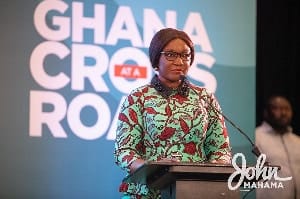
An aide to former president John Dramani Mahama, Joyce Bawah Mogtari, has criticised the Akufo-Addo administration for leveraging from the COVID-19 pandemic to exploit from Ghanaians.
She alleges that government used funds realised for the fight against the pandemic to support campaigns.
She added that the Electronic Transactions Levy (E-Levy) was another revenue stream that was misused eventually used to justify the decision to seek an International Monetary Fund (IMF) programme.
Flowing from the two economic reasons she presented, Bawah Mogtari classified the government as a threat to Ghana’s democracy.
“The NPP weaponised covid-19, profiting from the pandemic; using Covid funds to support political campaigns,weaponized E-Levy and used it as a bait for going to the IMF; now they are playing God and demonising their opponents. This NPP admin. is a threat to our democracy,” her tweet of May 30, 2023 read.
Last month, the IMF approved a $3 billion economic recovery facility for Ghana, which has faced severe economic pressure since late 2019.
The government largely attributes the economic challenges to theCOVID-19pandemic and the Russia-Ukraine War, but the opposition believes the situation is due to mismanagement of the economy by the government.
An initial tranche of US$600 million has since been released by the global lender.
The statute that permittedPresident Akufo-Addo to impose limitations as part of the effort to contain the coronavirus pandemic has been dismissed by the Supreme Court.
The government at the height of the COVID-19 pandemic, caused the Legislation of the Imposition of the Restriction Act which gave powers to the President to restrict human activities for the purpose of fighting the pandemic.
Law Professor and Human Rights advocate, Kwadwo Appiagyei-Atua along with eight others dragged the government to the Supreme Court.
The applicants sued the Attorney General claiming that directives pursuant to the act such as the closure of schools, and restriction of movements, were unconstitutional.
They claimed that it unlawfully empowered the President to unilaterally suspend fundamental human rights and freedoms in the whole or a part of Ghana, excluding the special role of the Chief Justice and the Superior Court of Judicature in managing or regulating the suspension of fundamental human rights and freedoms in the whole or a part of Ghana; and excluding the role of Parliament in managing or regulating the suspension of fundamental human rights and freedoms in the whole or a part of Ghana.
The apex court in delivering its ruling described the Act as null and void.
SEND Ghana has called on the government of Ghana to convert theCOVID-19 levy into a public health emergency fund.
This comes on the back of President Akufo-Addo announcing that there will be no scrapping of the 1% COVID-19 levy during his 29th address to the nation on Covid-related activities and declaring an end to it as a health emergency.
The Deputy Country Director of SEND Ghana, Emmanuel Ayifah, speaking on Starr Today on Starr FM, said that the NGO and other CSOs are looking forward to and pushing to see the COVID-19 health levy changed to a health emergency fund to assist with unforeseen health crises instead of disbanding it.
“The government should not disband COVID-19 Health Recovery Levy but try to convert it into a public health emergency fund and also let Ghanaians see how much was left in the Trust Fund so that we can all rally around to establish the Fund. So that in the event of any future eventuality which is bound to happen, the issue is that once that happens, it is going to help us we don’t have to run helter-skelter looking for money because the Fund will be critical in helping to increase resilience in Ghana’s health system and also prepare for us to respond in times of public health emergency. Once we do that, I think that it will rather help us as a country.”
In 2022, SEND Ghana and many other CSOs in the country urged the government to establish a health emergency fund. This, they believe will save and stabilize the economy should there be any unplanned calamity concerning health.
Regarding the idea that Covid-19 slipped from a lab, a former scientist employed by the Chinese government said, “you can always suspect anything.”
Professor George Gao, a virologist and immunologist, previously served as the director of China’s Centre for Disease Control (CDC) and is currently vice president of the National Natural Science Foundation of China.
According to what he said on the BBC Radio 4 episode Fever: The Search for Covid’s Origin: You can always have suspicions. It is science. Never discount anything.
In China‘s response to the pandemic and efforts to determine how it began, Professor Gao was crucial.
But China has always strongly refuted the suggestion that the virus may have originated in a Wuhan laboratory.
The Chinese Embassy in the UK said: ‘The so-called “lab leak” is a lie created by anti-China forces. It is politically motivated and has no scientific basis.’
Wuhan was the location of the first lockdown of the 2020 pandemic and where the novel coronavirus Covid-19 was discovered.
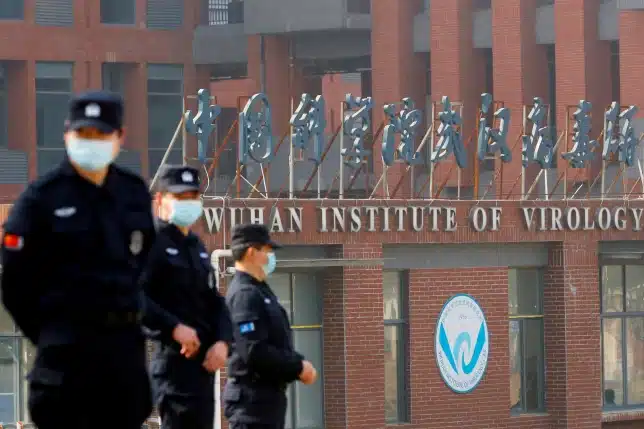
Professor George Gao was previously the head of China’s Centre for Disease Control and is now vice president of the National Natural Science Foundation of China (Picture: Reuters)China has always strongly refuted the suggestion that the virus may have originated in a Wuhan laboratory (Picture: AP)
The capital of the Hubei province is home to the Wuhan Institute of Virology (WIV), which is one of China’s top national laboratories and spent years studying coronaviruses.
Professor Gao said some kind of formal investigation was carried out and ‘that lab was double-checked by the experts in the field’.
He said he has not seen the result, but has ‘heard’ the lab was given the all-clear.
Professor Gao added: ‘I think their conclusion is that they are following all the protocols. They haven’t found [any] wrongdoing.’
Many theories have been circulating surrounding the origin of Covid-19 since the pandemic again.
The going theory is that the virus spread from animals to humans, with many scientists saying the weight of evidence suggests a natural origin.
Recent analysis from the Huanan Seafood Wholesale Market – which was linked to several early cases – also backs up the suggestion that the pandemic could have started as a zoonotic spillover event.
Another idea is that Covid-19 infected someone researching the threat of viruses emerging from nature.
But the lab leak theory resurfaced in February when a United States government department report concluded the virus most likely emerged from such a leak.
But a previous investigation into the emergence of Covid-19 by the World Health Organisation found it was ‘extremely unlikely’ the virus leaked from a lab.
But the podcast reported the Chinese government refused a second phase of investigation, which would involve audits of laboratories in the Wuhan area.
President Akufo-Addo has stated that Ghanaians can now embrace and shake hands with one other in public with ease.
The review of COVID-19 safety measures comes at a time when the World Health Organisation has stated that COVID-19 is no longer a public health emergency.
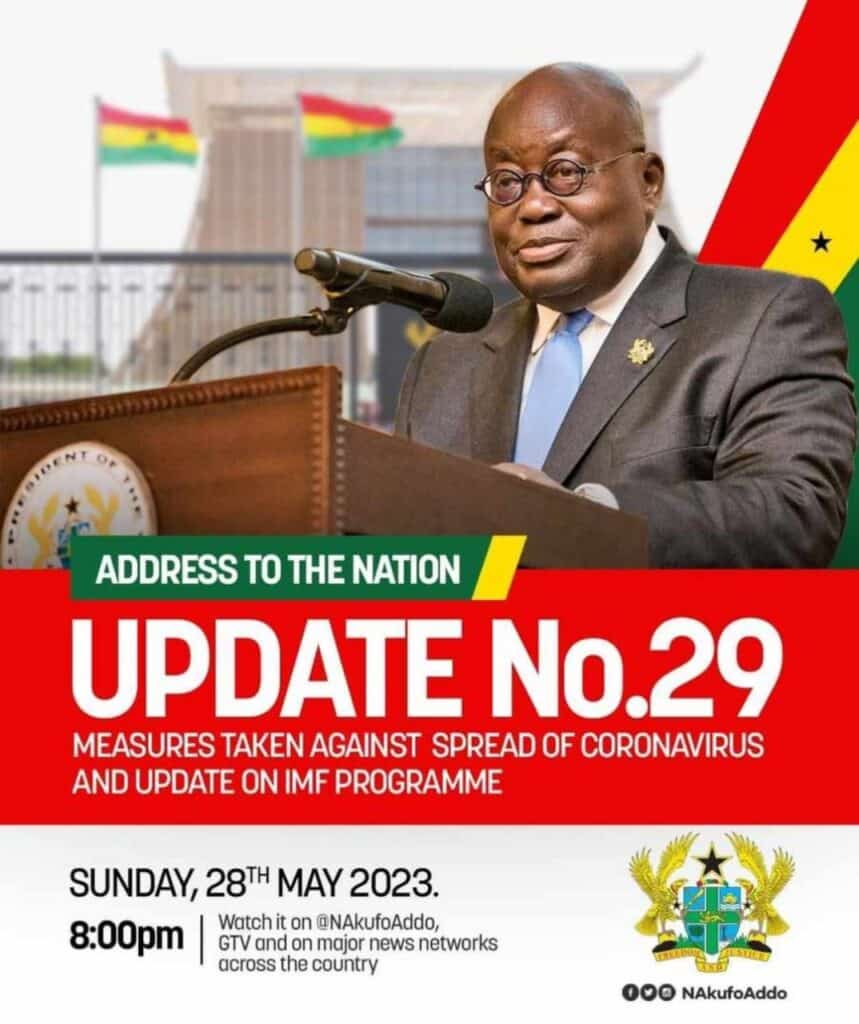
The president revealed the ease with COVID restrictions when he addressed the country on Sunday, May 28, 2023, in his last update on the country’s preparedness towards the fight againstCOVID-19.
“That culturally defining Ghanaian symbol, the handshake, was prohibited and frowned upon and we were advised not to hug our children and our loved ones…
“… Fellow Ghanaians, throughout these trying times, I kept urging all of you to believe that this, too, shall pass. Dare I say that this too has passed? The emergency is over, and we can safely lift many of the oppressive restrictions we have had to endure, we can shake hands, we can hug, we can visit, and we no longer have to wear masks,” he said.
The president, however, urged that such practices as the “regular hand washing and other personal hygiene measures” be maintained “so they become entrenched national habits.”
In 2020, Ghana sternly enforced safety protocol measures such as social distancing, no public gatherings, use of sanitizer and washing of hands regularly with soap.
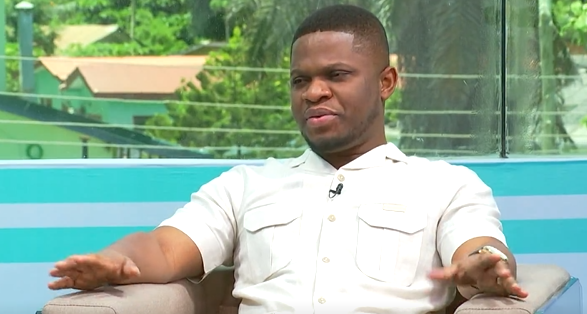
The North Tongu constituency lawmaker, Samuel Okudzeto Ablakwa, has appealed to President Akufo-Addo to sympathize with the struggles faced by Ghanaians.
This was in reaction to the president’s address to the nation on Sunday, May 28, 2023, where he lifted all COVID-19 restrictions and proclaimed an end to the disease as a health emergency.
But the lawmaker has expressed worry that throughout the 37-minutes-long address of Akufo-Addo, there was no hint of scrapping the burdening COVID-19 levy and the E-levy, due to the IMF bailout.
In a Facebook post, the MP stated that “Ghanaians expected President Akufo-Addo to have announced the scrapping of the unjustifiable COVID-19 levy as he lifts all covid restrictions.
“Ghanaians also expected the awful E-Levy to be abolished since his government has opted for an IMF bailout.”
Ablakwa also pleaded with President Akufo-Addo to be sincere and sensitive to the sufferings of Ghanaians in these hard times.
“President Akufo-Addo must be sincere and sensitive to the plight of suffering Ghanaians,” he stated.
The MP for North Tongu also emphasized the need for lawmakers to unite to remove the COVID-19 and E-levies to address the plights of Ghanaians.
“I hope all parliamentarians will come together in the national interest, and take advantage of the mid-year budget review to expunge those two obsolete taxes.
“As President Akufo-Addo continues to let Ghanaians down, Parliament cannot afford to fail. May we be the people’s saving grace,” he added.
Popularly perception that the COVID-19 fund which received millions of dollars in donation became a kitty for corruption has been dispelled by President Akufo-Addo his last national address to the nation on the global pandemic.
PresidentAkufo-Addo has stated that the COVID-19 pandemic was not used by his administration as a cover for participating in corrupt activities.
In a televised address to the nation on Sunday night, May 28, 2023, the President reassured the public, highlighting the courageous steps taken by his administration to protect citizens’ lives despite the unforeseen challenges posed by the pandemic.
“It took courage, and I am particularly happy that we reopened schools, colleges, and universities at the time we did, despite the fears of some parents and the criticism from our detractors. In some countries, millions of children did not return to school even after being closed for over a year. The logistics required to keep schools open were extensive and costly, but I am delighted that no Ghanaian child was left behind,” President Akufo-Addo expressed.
Addressing concerns about financial accountability, President Akufo-Addo assured the nation that COVID-19 expenditures, although unplanned, were audited by the Auditor-General at his request and are undergoing parliamentary scrutiny.
He emphasized the government’s commitment to transparency, stating, “We all deserve to be reassured that the crisis was not used as a cover for corrupt practices. The COVID Health Recovery Levy, implemented to help offset some of the expenditure, may not be the most popular tax, but I urge everyone to bear with us. The Covid Trust Fund has provided invaluable service and has now fulfilled its mandate. I express gratitude to the trustees, donors, and contributors to the fund.”
After presenting the current COVID-19 statistics in Ghana, President Akufo-Addo declared the pandemic officially over in the country.
This was arrived at after government’s COVID-19 Taskforce at a meeting on May 17 resolved to lift all remaining COVID-related restrictions at airports and entry points, returning to the pre-COVID situation regarding health entry requirements.
The government has faced criticism, particularly from the opposition National Democratic Congress (NDC), accusing it of irresponsible borrowing and misappropriation of public funds under the guise of the COVID-19 fight. The government, however, maintains that the expenditures were necessary and justified, attributing the country’s current economic challenges to the global pandemic and the Russia-Ukraine war.
Akufo-Addo urged the nation to recognize the government’s efforts and the importance of financial accountability in navigating the COVID-19 crisis successfully.
Read the President’s full address below:
Address By The President Of The Republic, Nana Addo Dankwa Akufo-Addo, On Updates To Ghana’s Enhanced Response To The Coronavirus Pandemic, On Sunday, 28th May 2023
Fellow Ghanaians, good evening.
It has been some time since I last came into your homes, so I want to thank you for having me again tonight. I have come because of two important events that both occurred last week on 17th May. The first is an update on the COVID-19 pandemic; the second is the recent agreement we have reached with the International Monetary Fund (IMF).
Some three weeks ago, on 5th May, the World Health Organization (WHO) announced that COVID was no longer a public health emergency of global concern.
It had taken three years, five months and twenty days of unbelievable tumult, unrelenting pain and suffering and emotional turbulence of a world turned upside down, but we have at last heard the words for which we had all been praying. The scientists and health experts tell us that we no longer have a public health emergency of international concern.
They tell us also that there is evidence of reducing risks to human health from COVID-19 infections. This has led to the decreasing trend of COVID-19-related deaths, hospitalizations and intensive care admissions. The world has also achieved the long hoped-for immunity, and with improved clinical management, the experts say it is time to transition to long-term management of the COVID-19 pandemic.
In other words, we can now breathe that collective sigh of relief. For, even though we may still have to deal with sporadic, isolated outbreaks, the crisis itself has technically ended.
The pandemic trend in Ghana is similar to the general global trend as announced by WHO.
As at 15th May, 2023, there have been one thousand, four hundred and sixty-two (1,462) deaths attributable to Covid-19 in Ghana, with the last death being recorded on 8th January, 2023. These are not mere figures, or inconvenient statistics, they are dearly loved parents, sons and daughters, relations, friends and colleagues whom we shall continue to miss dearly. May their souls rest in perfect peace. I am glad to report that, currently, we do not have any critical or severe cases.
In general, since the first case was confirmed in our country on March 12, 2020, there have been one hundred and seventy-one thousand, seven hundred and fifty-eight (171,758) positive cases from two million, five hundred and thirty-eight thousand, one hundred and ninety-eight (2,538,198) tests. You would recall that we started the Covid vaccination campaign in March 2021 and, as at 25th May 2023, twenty-five million, one hundred and seventy thousand, three hundred and eighty-two (25,170,382) vaccine doses have been administered. There are ten million, five hundred and thirty-six thousand four hundred and twenty (10,536,420) fully vaccinated people, that is, 52.7% out of the twenty million (20 million) people target we had set, with four million, five hundred and ninety-nine thousand, eight hundred and eighty three (4,599,883) persons having received booster doses.
In the light of these facts, the COVID-19 Taskforce, which I chair, met on 17th May and took some far-reaching decisions on the measures we have put in place for the management of the pandemic, which were announced by the Ghana Health Service on 19th May. The most important of these decisions was that the COVID-19 pandemic was over in Ghana.
Thus, all the outstanding Covid-induced restrictions at our airports and all entry points have been lifted, and we are back to the pre-COVID situation as far as health entry requirements are concerned.
It will be recalled that, three years ago, we started with drastic measures and restrictions; the international airport was shut for months and our land borders were closed to human traffic for almost three years.
The hospitality industry was devastated, hotels and restaurants and other social gathering places were shut down, schools and universities and training institutions were shut down. Indeed, our world was turned upside down. That culturally defining Ghanaian symbol, the handshake, was prohibited and frowned upon and we were advised not to hug our children and our loved ones.
Churches, mosques and other places of worship were closed for months, and our beaches remained emptied of human activity. Fellow Ghanaians, even our funerals, that sacred Ghanaian ritual, were stopped and then attempts were made to change the tone and character of the funeral with the imposition of restrictions on how many can attend or be fed at the ceremony.
Fellow Ghanaians, throughout these trying times, I kept urging all of you to believe that this, too, shall pass. Dare I say that this too has passed? The emergency is over, and we can safely lift many of the oppressive restrictions we have had to endure, we can shake hands, we can hug, we can visit, and we no longer have to wear masks. But it is strongly recommended that we keep some of the measures imposed during the crisis and integrate them into our everyday lives because they have served us well and will continue to serve us well.
I urge you all to continue with the regular hand washing and other personal hygiene measures, so they become entrenched national habits. There has been a dramatic decrease in diarrhoea diseases, and we have not had any cholera outbreaks these past three years – these developments are attributable mostly to the hand washing and improved hygiene regimen in our communities. It does not hurt to wear a mask if you have a cold for example, it might protect those around you. If you are uncomfortable in a crowded and enclosed space, go out into the open and continue the new ways we have devised for outside entertainment. I hope there will be no argument that we should continue and institutionalize the periodic cleansing, disinfection and fumigation of markets. Never again should our markets be breeding grounds for rodents.
There are other ways in which this nightmare has brought some good dividends that must be acknowledged.
It has led to the strengthening of our disease surveillance system, and this has been manifested in recent months by our ability to deal, in a very rapid and aggressive way, with outbreaks of frightening diseases like Marburg, Lassa fever, Monkey Pox, before they could turn into serious public health catastrophes.
The pandemic also exposed some of the painful deficiencies we have, and forced us to take some brave and necessary decisions, like the expansion of our network of health facilities under Agenda 111.
I doubt very much that, but for the pandemic, the network of health laboratories with capacity to do PCR testing in our country would have expanded exponentially from the initial 2 to 67 laboratories nationwide.
And, Fellow Ghanaians, we have begun the process of manufacturing our own vaccines with the establishment of the National Vaccine Institute. The painful lesson from the pandemic about the access to vaccines certainly concentrated our minds, and we must be proud that we did not bow our heads in defeat, but used the crisis to achieve such a positive outcome. We now have in place a Vaccine Institute and two Vaccine Manufacturing plants: I commissioned that of Atlantic Life Sciences Limited last year, and a few weeks ago, I performed the sod-cutting ceremony of that of DEK Vaccines Ltd.
There is no question but that Ghana came out of this global catastrophe much better than many other countries, if we consider the rate of infection, hospitalization and deaths. We must recognize that this happened because we worked at it in a focused and competent manner.
We refused to be swayed by the populist noises, conspiracy theory peddlers, false and uninformed analysts, but rather we relied firmly on the science and data-driven information for guidance.
Contrary to what some foreign experts claimed, we do have a decentralized, resilient public health system, which reaches every corner of our country with highly competent and dedicated health workers – a public health system of which we can be justly proud.
When it was most needed, the health sector and religious and traditional leaders demonstrated admirable leadership. The private sector rose to the occasion and displayed innovation and dynamism.
We managed a strong community engagement and communication strategy which carried the entire population along, and was admired and praised by Ghanaians and the outside world. Among Ministries, Departments and Agencies, there was strong and palpable multisector collaboration.
It certainly also helped that we found the resources from the government, partners, individuals, corporate entities, and the public to support health workers and procurement of required materials. Fighting covid has been a very expensive undertaking characterized, as it was, by lockdowns, closed borders, minimal economic activity and the consequential steep decline in revenues. The testing for the millions who went to public laboratories; the quarantine of arrivals from outside the country, hospital admissions, treatments and feeding for all patients were publicly funded and cost vast sums of money. The vaccination programme was expensive, very expensive; even though we received some donated vaccines, we purchased a lot with our own resources, and the multiple country-wide vaccination campaigns cost a lot of money.
The fumigation, cleansing and disinfection of markets, schools, offices and other public spaces also cost a lot of money. Free water was provided, and the cost of electricity subsidized. Fifty-four thousand (54,000) additional health workers were hired, and all health workers obtained a tax rebate.
Fellow Ghanaians, keeping us all informed about this most unpredictable virus was expensive. A lot of money was spent on public education, public information, risk communication, public and community engagements and keeping us all abreast with the relevant information. We must thank the Ministry of Information and its agencies, and the National Commission for Civic Education for the exceptional work.
It took courage, and I am particularly happy that we reopened schools, colleges and universities at the time we did in spite of the fears of some parents and the condemnation of our critics. In some countries, millions of girls and boys did not return when schools eventually reopened after they had been kept shut for over a year. The logistics for keeping the schools open were huge and costly, but I am delighted that no Ghanaian child was left behind.
Let me make it clear that COVID expenditures, essentially unplanned, have been subject, at my instigation, to audit by the Auditor-General, and are going through parliamentary processes. We all deserve to be reassured that the crisis was not used as a cover for corrupt practices. The COVID Health Recovery Levy that was introduced to help fill some of the expenditure holes might not be the most popular tax, but I entreat all of you to bear with us. The Covid Trust Fund has performed an invaluable service, and with these developments has reached the end of its mandate. I thank the trustees as well as all donors and contributors to the fund.
It is likely, God willing, that this will be the last in the series of ‘Fellow Ghanaians’ speeches on COVID, and, as your President, I have a truly long list of people and institutions I must take this opportunity to thank.
I thank, firstly, all of you, my compatriots, my fellow Ghanaians, for your patience, understanding and cooperation; health workers and the scientific community. I thank the leaders of the faith-based groups, the Christian Council, the Catholic Bishops’ Conference, the Ghana Charismatic and Pentecostal Council, the Chief Imam and the Moslem leaders, for their strong involvement, powerful prayers and support, their help especially in feeding the vulnerable during the lockdown periods, and, through the Church of Pentecost, in providing accommodation for an isolation and treatment centre. I thank the Council of State and our traditional leaders, the National and Regional Houses of Chiefs, for their support and help in community sensitization. I thank the political and business leaders; development partnerships, NGOs, civil society; the sports, hospitality, entertainment, creative and tourism industries; our security services – police, military, immigration; teachers, pupils, students, parents, and guardians; I thank the journalists and the entire media.
A few weeks ago, I gave National Honours to most of the frontline workers who had been in the trenches as it were in the COVID battle. A total of twenty thousand one hundred and ten (20,110) people were given National Honours. They were well deserved, but I know some might have been left out, not out of any malice. We continue to recognize those who come to our attention.
I must make special mention of the Environmental Health personnel of the Ministry of Local Government. They played a key role in the burials of COVID-related deaths. The private funeral homes deserve honourable mention. They set the pace for how funerals should be conducted within the COVID protocol restrictions and with cultural sensitivity.
In paying tribute to the health workers, I should address our psychologists and psychiatrists and express my gratitude for their work. Covid exacted an extreme emotional turbulence on the population and no one can predict how long the effects on our mental health will last and their work continues even after the end of the emergency.
I believe it would be appropriate to make also a special mention of the Ministry of Health and its implementing and regulatory agencies, the Christian Health Association of Ghana, the Military and Police Health Services, quasi-government, private health care providers and the Food and Drugs Authority (FDA), which has established itself as a world-class institution, able to hold its own on the international scene.
On behalf of the people of Ghana, I express eternal gratitude to the Police, the Immigration and the Military, and the two IGPs, two CDSs and Comptroller-General that have served during the period.
I pay homage to the pharmaceutical and textile industries, and to the many corporate bodies that made generous donations, and rallied to the call for enhanced domestic production of medical supplies. The Ghana Airport Company must be mentioned for the hard work of its staff. The Ghana Education Service and the Director-General that saw us through the school closures and re-openings, thank you. And thank you to its sister body, the Ghana Health Service and its dynamic Director-General, both of whom gave such impressive accounts of themselves during this crisis.
It would be greatly remiss of me not to place on record my appreciation to the National Ambulance Service and its workers. They worked well and we are proud of them. I acknowledge the fact that digital technologies and drones helped very much in getting vaccines and medications to hard-to-reach areas, and I am glad they have become an integral part of our health delivery system. If we were still looking for any proof, we found that the high use of mobile phones and the digitalization agenda helped in the surveillance process, particularly with contact tracing and patient follow-up.
I am indebted to the Ministers of State, officials of the Presidency, led by the Chief of Staff, the Parliament and the Judiciary, and all the members of the brilliant COVID-19 Taskforce. I must make special mention of the Vice President, Dr Mahamudu Bawumia, who was my reliable source of support in the darkest and most trying moments.
And to the many who advised me publicly and privately, supported and prayed for me, I say thank you.
The emergency is over. Unfortunately, the consequences are very much still with us, especially in terms of the economic devastation it has left in its trail.
It would be recalled that I said, right at the onset of the pandemic, that we would do whatever it took to protect the lives of the Ghanaian people. In the now often quoted statement, I said “we know what to do to bring the economy back to life, but what we do not know is how to bring people back to life”. The clear implication was that we would protect lives even if it was at the risk of harming the economy.
I knew that the pandemic and the measures we were taking to keep us alive would have a devastating effect on the economy, but I believe I had the support of the Ghanaian people to concentrate on protecting lives at any cost; but I do not think anyone, anywhere, imagined the effect would be so widespread, so destructive and so deep.
I owe it to you, my compatriots, and to myself to go to any length to bring back the economy to the rude health it was in before the onset of the pandemic. When things came to the state where I concluded that we had to go to the International Monetary Fund to access a facility for budgetary support, I gave directives to the Minister for Finance to start the process.
It was a painful decision for me to take, because going to the IMF was not part of the economic transformation agenda I had been pursuing, especially as my government had gone the extra mile to bring to a successful end the IMF programme we inherited from the previous government. But who would have imagined that President Akufo-Addo would order the closure of airports, offices, factories or schools. We were in extraordinary times and we took extraordinary measures, and when faced with the realities of the economic crisis last year, I accepted the challenge that the economy required a similar attitude, including the sacrifices many of us have made in recent times.
Luckily, the International Monetary Fund has been most supportive, and we have ended up with having our programme approved in record time, culminating in the formal approval by the IMF Board on 17th May. As I am sure we have all heard by now, the details of the programme have been explained by officials of the Fund and by our Minister for Finance and the Governor of the Bank of Ghana.
The first tranche of six hundred (600) million US dollars has been credited to our national account, out of the three (3) billion US dollars that we have negotiated to receive within a period of thirty-six (36) months.
Fellow Ghanaians, access to the IMF facility will not spell the immediate end of the difficulties we are in presently, but the fact that we have been able to negotiate such a deal sends a positive message to our trading partners, creditors and investors; a positive message that will be underpinned by the discipline, hard work and enterprise with which we execute the programme.
It should lead to the restoration of confidence and the reopening of avenues that had been closed to us this past year and a half. It should also lead to the resumption of many of the infrastructural projects that have stalled.
Fellow Ghanaians, we got ourselves out of a pandemic in which there were no precedents on which to rely, and where even the experts admitted they had no clear-cut solutions. We did it by being resolute, being focused and working very hard, and by accepting that we had to stick together.
With a similar frame of mind and attitude, we shall overcome the economic difficulties as well, sooner rather than later. I have no doubts at all in my mind that we are on the right path, and we would soon start to see significant improvements in the economy and in the living standards of Ghanaians.
Twi,
Anuanom, Nyame adom, Covid Yare3 no a 3to hy33 yen so, na 3de )haw bebree br3 yen no, Nyame adaworoma, y’atumi atu ase3. Me sr3 mo, mo mma y3n nyinaa nda Nyame ase, na y3n k) so hw3 y3n ho so yie
Ga,
Anyemim3, Nyonmor dromo naa, COVID hela niba wono, ni eke hawmo babaoo ba, nyonmor 3joo wo, wo nye wofal3shi.
Wo f33 woda nyomo shi ni wokw3 woh3no ojogban.
We are a God-fearing and a God-loving nation, and that is why throughout my presidency, I have consistently stressed that the Battle is the Lord’s. Thus, three years ago, when the pandemic first hit us, I asked for a National Day of Prayer and Fasting for God’s help to be observed on 25th March, 2020. Now that the Lord has heard our prayers and seen us through this COVID trial, I would respectfully ask that next Friday, i.e. 2nd June, all Muslims should say a special prayer of gratitude for our nation’s health, and that next Saturday and Sunday, i.e. 3rd and 4th June, all Christians should do the same. Fellow Ghanaians, we shall overcome our present economic difficulties. The Battle is indeed the Lord’s. Goodnight, and may God bless us all and our homeland Ghana, and make her great and strong. I thank you.
President Akufo-Addo addresses Ghanaians tonight on the country’s recent agreement with the International Monetary Fund (IMF).
Ghana has secured a $3 billion credit facility with the IMF to help recover the economy, however, introduction of additional taxes looms as government is expected to rake in more revenue and cut down expenditure.
Also, he will speak on Ghana’s fight against the COVID-19 pandemic following the World Health Organisation’s report that the virus is no longer a public emergency health.
President Akufo-Addo will tonight at 8pm address Ghanaians on the two major issues affecting the country’s economy and the wellbeing of citizens.
The president will provide updates on the recent $3 billion credit facility provided by the International Monetary Fund (IMF) and the COVID-19 pandemic which is no longer a public health emergency.
Government is expected to cut down its expenditure and increase its revenues per agreements with the Fund. Already, it is alleged that some 50 tax measures are in the pipeline.
With regards to COVID-19, all restrictions on entry points of the country have been life as the virus is no longer regarded as a public health emergency per the World Health Organisation (WHO).
Visit our website for the livestream of the President’s address.
The African Center for Health Policy Research and Analysis (ACH-PRA) has called on the government to eliminatinate the 1% COVID-19 tax, especially now that the entry point restrictions have been lifted.
The Center argues that it is not prudent for the public to pay the tax whenCOVID-19is no longer a pandemic.
This follows calls from the public for the tax to be abolished since Ghana has lifted all COVID-19 restrictions at entry points across the country, effective from May 20, 2023.
Speaking to the media, the Executive Director of the African Center for Health Policy Research and Analysis, Dr. Thomas Anaba, emphasized that the government must remove the COVID-19 tax.
“I think it is a step in the right direction that we are no longer under COVID-19, and all the problems have ended. We have received loans and funds for COVID-19, almost twice the amount we were targeting to help address the pandemic. So, we don’t see this tax as necessary, even though we didn’t support it. We believe it’s really time for the government to remove the COVID-19 tax along with all the other taxes they are imposing,” Dr. Anaba expressed .
Dr. Thomas Anaba further urged the government to provide Ghanaians with an account of the amount generated since the introduction of the tax.
“Our calls haven’t yielded results, and I don’t know how much more we need to raise our voices for them to understand that they need to be accountable for all the money spent on COVID-19 and all the money collected in the name of COVID-19.”
“I fear they won’t do it, but we will continue to demand that they show some respect to Ghanaians by providing an account of the money collected as COVID-19 taxes, including all the funds collected in the name of COVID-19,” demanded the Executive Director of the African Center for Health Policy Research and Analysis.
Ghana lifts COVID-19 restrictions at all entry points
Ghana has lifted COVID-19 restrictions at all entry points of the country, effective Saturday, May 20, 2023.
This announcement was made by the Ghana Health Service in a statement signed by its Director-General, Dr. Patrick Kuma-Aboagye.
The decision, according to the GHS, was based on the World Health Organisation’s (WHO) declaration on May 5, 2023, that COVID-19 is no longer a Public Health Emergency of International Concern.
The GHS stated in its statement, among other things, that pre-departure testing and testing at all points of entry are no more a requirement for all passengers.
New taxes will help pay for COVID-19 freebies, other expenses
The Minister for Information, Kojo Oppong Nkrumah in 2021 indicated that the new taxes were to help address the huge fiscal gap created as a result of the government’s COVID-19 expenses.
According to him, the government spent about GH¢19 billion of borrowed funds to provide free water and free electricity among other expenses to fight the COVID-19 pandemic and that amount must be repaid.
“That GH¢19 billion has to be paid for at some point. The liabilities we have incurred have to be paid for. COVID-19 expenses are going to be with us at least for the medium term… It does [include free water and electricity] which is part of the COVID-related expenses,” he said.
Bright Adu Larbi, a 38-year-old security guard making 500 Ghanaian cedis (US$45) a month, didn’t need the ongoing economic crisis to feel overwhelmed by the cost of living in Ghana’s capital city, Accra. For Larbi, the financial strain that came with his growing family had already pushed him to the edge.
In 2021, stagnant wages coupled with increased family expenses meant that he could no longer afford the GHS180 (US$16) monthly rent on his small apartment in Adabraka, a suburb of Accra. With work hard to come by in the wake of the COVID-19 pandemic, Larbi also couldn’t afford to move out of Accra and sacrifice his security job within the city.
The only affordable housing available to him and his family of four was a small wooden kiosk, packed into an informal settlement called Ayigbe Town, built around high-tension electricity towers. These kiosks, built specifically as housing, range from about 16 to 20 square feet in size, with at least one window for ventilation. They rely on rudimentary connections for electricity, some of which are illegal, and with limited sanitation facilities, residents use makeshift baths and toilets.
“We didn’t have a choice. We can’t afford to rent,” Larbi tells Equal Times. But for GHS1000 (US$90), he was able to buy a small kiosk to live in.
Speaking to Equal Times while recuperating from appendix surgery, Larbi decries the high cost of living in Accra that has left him living from hand to mouth. Even though his employer pays for the health insurance that covered his surgery, he can’t shake off the fear that he may be laid off as he recovers. “I wouldn’t know what to do with my wife and two kids [if I lost my job]. It would be difficult.”
His priority remains his daughters, aged two and five. They are enrolled in a low-cost crèche costing him GHS 300 (US$24.78) per term so that both he and his wife can work. But there is nothing left at the end of the month. “I cannot buy clothes for myself. I cannot buy shoes…what can I save?” says the security guard. “When money comes at the end of the month, I pay for school fees, and it is done. We go back to square one and start the month again with nothing again.”
Innocent Tsey, a carpenter, was also forced by high rental prices in Accra to move his family into a kiosk about a kilometre away from Larbi’s. He says he lost his previous home, a boy’s quarters (stand-alone accommodation on the grounds of a bigger house, usually for domestic workers) on a residential property within Accra, without any warning. “One day our landlord came and told us that he had sold the place, so we had to move,” recalls Tsey.
The cheap accommodation in the kiosk estate was initially appealing. For someone who could make up to GHS1000 ($90) a month, the GHS600 (US$54) he pays yearly for his kiosk space was bearable. But he soon came to realise that where he currently lives is no place to raise two daughters.
“It is like a jungle. There is no authority here. No security,” says Tsey. “I feel very bad for moving my family over here. If I could leave here today, I would.”
Tsey’s kiosk is situated on land belonging to Ghana’s Rural Housing Department and the annual fee he pays for the land goes to the state. This means that he does not face the threat of having his kiosk demolished by the local government. Larbi’s family, on the other hand, is one of hundreds of low-income households in Ayigbe Town which occupies the land illegally, and he has had his kiosk demolished before.
These demolition exercises are the only time that Larbi feels the presence of the state in his life. He has never benefited from any welfare support despite his poverty. “Nobody is coming around to help anybody here, but every four years, they bring ballot boxes for us to vote,” fumes Larbi.
Searching for sustainable housing reforms
Ghana’s urban population increased from 50 per cent in 2010 to 56 per cent in 2021, with the Greater Accra and Ashanti regions accounting for 47 per cent of the increase. Research has shown that higher rates of rural-to-urban migration – caused by a lack of decent work in rural areas and a push for higher wages – is putting pressure on basic services such as education, health care, transport and housing.
Estimates put Ghana’s housing deficit at about 1.8 million units. This translates to about six million people out of a population of approximately 33 million in need of housing. However, these figures do not account for the quality of available housing. Ghana’s 2022 Voluntary National Review on the UN’s Sustainable Development Goals noted that there were 8.8 million Ghanaians living in slums, as of 2020, an increase from 5.5 million in 2017.
Successive governments have tried to implement affordable housing schemes to counter the country’s decent housing deficit and help relieve the financial constraints faced by home seekers. But the government’s credibility recently took a hit because of the mismanagement of a high-profile affordable housing project in Saglemi, on the outskirts of the Greater Accra Region, which is currently the subject of a corruption trial.
Divine Aggor, the CEO of the Rent Chamber Group, which advocates for innovative housing solutions, wants the government to step away from affordable housing projects because of such mismanagement and concentrate on the “simpler” option of fixing the rental regime, which is contributing to some Ghanaians being priced out of the country’s cities.
In Ghana, 46 per cent of households in urban areas occupy rented dwelling units, according to a 2021 Ghana Statistical Service report.
“Developing solutions that are rental-based could immediately wipe out 90 per cent of the challenges we have in this sector,” says Aggor. “[State-led] affordable housing projects are a complete waste of time and resources,” he adds, mainly because the majority of people wouldn’t be able to afford to buy due to high mortgage interest rates and the low numbers of people even eligible for a mortgage.
In January, the government introduced a National Rental Assistance Scheme, under which the state will give out rent loans to eligible Ghanaians to cover rent advances. But this does nothing to tackle the structural issues impacting Accra’s housing market, particularly for low-income workers: a massive shortage in housing supply and low wages that aren’t keeping up with the cost of living.
Aggor says the simplest solution is for the government to enforce existing land and rent laws, which would make it easier for prospective landlords to purchase land without the threat of multiple payments for the same piece of land, or for extortion, the cost of which are passed on to tenants.
But he says there is very little incentive for such moves. “In Ghana, we don’t enforce laws because the people who are supposed to [do this] are complicit in the very activities that the laws seek to regulate,” says Aggor.
Rental interventions are not new in Ghana. Rent controls were implemented in the 1970s through to the early 1980s with a view to making housing affordable. But it had unintended consequences, as it became a disincentive for the private sector to provide rental housing units.
Regulatory failings not helping situation
Currently, the national Rent Control Department – supposed regulators of the rental regime – are hampered by a severe lack of resources when it comes to adequately monitoring Ghana’s rental market. One of the more scrutinised infractions is the law that limits demand for rent advances to six months. However, due to the limited supply of housing, this regulation is openly flaunted and rent advances of two to three years are the norm. Rent and housing committees are also unable to properly assess and value properties to ensure that fair rents are being charged.
“We have our challenges. I must be frank. We have logistical challenges,” the Rent Control Department’s press officer, Emmanuel Kporsu, said during an online forum, revealing that the department’s 58 national offices only have access to four vehicles to carry out assessments and inspections.
Current comprehensive data on rent is hard to come by. The last holistic housing survey in Ghana came after the 2010 census. But 2014 data viewed through the lens of the current economic reality, with over 50 per cent inflation and one of the world’s worst performing currencies in 2022, shows that the cost of housing outpaces household incomes and is contributing to the average Ghanaian being priced out of Accra, as well as other big cities such as Kumasi and Takoradi.
In its 2014 Housing in Ghana report, the Ghanaian Statistical Service noted a ‘dollarisation’ of the middle-class rental space in Accra, partly due to Ghanaians returning from the diaspora. At the time, middle-class professionals could expect to pay between US$80 (GHS880) to US$450 (GHS4,950) a month in rent with tenants sometimes expected to pay advances of up to two years.
Increasingly, peri-urban areas have featured significant housing development because of the cost of housing within major cities. According to the African Cities Research consortium, the pattern of urban physical growth reflects the rapid move from coastal cities like Accra, towards the peri-urban areas inland because of cheaper price of land, and thus, rent. In the last decade alone, an estimated 89 per cent of new urban physical development in the Greater Accra Region has occurred outside of the Accra Metropolitan Area.
Dr. Kwabena Nyarko Otoo, chief economist at Ghana’s Trades Union Congress, is one of the many working Ghanaians who spends as much as four hours commuting to and from work every day because they opted for more affordable housing outside the city. He lives on the outskirts of Accra’s sister city, Tema. “It is really expensive to live in the real Tema itself,” he notes to Equal Times.
Ghana’s cost of living struggles have been a cause of concern for the union. Aside from its advocacy, the TUC has also tried to put in place interventions for its members like rental allowances to support struggling members. The union is also working to establish a Labour Bank to cater to union members by offering loans and mortgages.
But Otoo acknowledges that these interventions can only go so far to address a housing problem that “overwhelms everybody”. There are “serious governance challenges” that limit the effectiveness of the state in this regard, he notes. But the state cannot escape the ultimate responsibility of making it easier for all Ghanaians to afford decent homes.
“We will do our part. But what we do might not fully solve the problem,” concedes Otoo. “The housing problem is so big that we need a major government intervention, and we will continue to push for that.”
President Nana Addo Dankwa Akufo-Addo says the country remains focused on the agenda to develop and manufacture vaccines locally.
“At the height of COVID-19, I declared to the Ghanaian people my determination to help manufacture vaccines here in Ghana,” the President recalled while commissioning the National Vaccine Institute Secretariat in Accra, on Wednesday and reiterated commitment to the agenda.
The Secretariat is designed to facilitate the work of the Institute.
The Institute is expected to coordinate and facilitate the capacity of domestic pharmaceutical companies to fill, finish and package messenger ribonucleic acid (mRNA), COVID-19, malaria and tuberculosis vaccines, and, ultimately, to manufacture them here in Ghana.
“The vaccine nationalism that was played out by the developed world, with the rollout of COVID-19 vaccines, meant that we had to take urgent, critical steps towards making sure that never again would we be victims or pawns of the international vaccine order.
“It was imperative that we took our destiny into our own hands,” President Nana Akufo-Addo said.
Prior to commissioning the Secretariat, he inaugurated the Governing Board of the Institute, which is chaired by Dr. Anarfi Asamoa-Baah.
The other members are Prof. William Ampofo, Dr. Baffuor Awuah, Mr. Mustapha Tawiah Kumah, Dr. Daniel Gyingiri Achel, Ms Frederica Sala Illiasu, Dr. Delese Darko, Prof. Alex Dodoo, Dr. Patrick Kuma-Aboagye, Mr. Kofi Nsiah-Poku, Prof. Kofi Opoku Nti, Prof. Gordon A. Awandare, and Prof. Rita Akosua Dickson.
President Nana Akufo-Addo, set-up, on 28th February 2021, the Vaccine Manufacturing Committee, which, by Act of Parliament, has now been transformed into the National Vaccine Institute.
The move was necessitated by the Government’s determination to see the country building its own capacity to develop and manufacture vaccines locally, following the COVID-19 pandemic, which exposed the inadequacies developing nations faced in their healthcare delivery systems.
The World Health Organisation (WHO) estimates that less than one per cent of all vaccines used on the continent are produced locally.
President Nana Akufo-Addo pointed out the need for Africa to work assiduously to overcome the region’s intense vulnerability and overdependence on foreign medical supplies.
The commissioning of the National Vaccine Institute Secretariat comes in the wake of the recent ground-breaking ceremony for work to commence on the DEK Vaccine Manufacturing Factory, at Medie-Kotoku, in the Greater Accra Region,
The project, being spearheaded by the DEK Vaccines Limited, a private sector-led consortium of Ghanaian pharmaceutical companies, on completion, will build the country’s capacity to manufacture 600 million doses of vaccines annually.
President Akufo-Addo has tasked the newly inaugurated Board of the National Vaccine Institute to help prioritize Ghana’s self-sufficiency and reducing the nation’s dependency on external sources for critical vaccinations.
The esteemed Board, chaired by the highly regarded Dr. Anarfi Asamoah Baah, Head of the Presidential Task Force on COVID-19, was sworn in during a ceremony held in Accra.
In his address, the President emphasized the need for the Institute to accelerate the country’s capacity to manufacture its own vaccines.
President Akufo-Addo acknowledged the critical need for vaccines, including the COVID-19 vaccine, and stressed that the nation’s over-reliance on foreign entities for vaccine procurement is not a sustainable long-term solution.
He urged the Board to collaborate with other vaccine-producing institutions to ensure the delivery of vaccines with impeccable quality and efficacy.
“Develop a roadmap for vaccine development and manufacturing in Ghana. Support the upgrade of laboratory facility for theFood and Drugs Authority (FDA) to achieve World Health Organisation (WHO) maturity level. Collaborate with international institutions in Senegal, Rwanda,” he noted.
Despite the low number of COVID-19infections, the World Health Organization (WHO) has, however, encouraged individuals to protect themselves against the disease.
WHO on May 5, announced that COVID-19 no longer represents a global health emergency which is a major step towards the end of the pandemic that has killed more than 6.9 million people, disrupted the global economy, and ravaged communities.
The World Health Organisation’s Emergency Committee met on Thursday, May 4, and recommended that the UN agency to declare an end to the public health emergency of international concern, which has been in place for over three years.
However, the Director-General of WHO, Dr. Tedros Ghebreyesus says countries should still maintain their COVID-19 strategies.
“This virus is here to stay and still killing, and still changing. The risk remains of a new variant emerging. The worse any country could do now is to use this news as a reason to let its guards down to dismantle the system it already built. Or to send a message to its people that COVID-19 is nothing to worry about. What this news means is that, it’s time for countries to transition from emergency mood to managing COVID-19 along side other infectious diseases,” Dr. Tedros Ghebreyesus warned.
The Government of Ghana says the country will not let its guard down despite the World Health Organization’s declaration of an end to the COVID-19 global health emergency.
Presidential Advisor on Health, Dr. Anthony Nsiah-Asare said government will continue to prioritize the health and safety of citizens in the management of the virus.
“We will manage it like any other disease. All that the WHO is saying is that, not that COVID-19 is completely gone, so we should be able to manage it as a country. For some months now we have not seen any COVID-19-related deaths and our ICUs have not been over-stressed with hospitalization. But we have to continue with the sensitization so that we don’t lose sight of what is happening. It should become part and parcel of us”, he said on Eyewitness News.
The Presidential Advisor on Health says government will continue with its routine surveillance until the pandemic is eradicated.
“We are trying to return life to normal as if there is no COVID-19. So we will sustain the national capacity so that we do not have to fight any major pandemic in the country. There will be more vaccines for the unvaccinated and continue with surveillance. So we will not lose sight of it and make sure the system in Ghana continues. So we are not going to stop with COVID-19 but put all these measures in place until the pandemic is formally declared over. We will be on the lookout.”
COVID-19 is no longer considered a worldwide health emergency, according to the World Health Organization (WHO).
This marks a crucial step towards the pandemic’s end.
Over 6.9 million people have died as a result of this virus, which has also disrupted the international economy and wreaked havoc on communities.
Nonetheless, the WHO has warned that COVID-19 is still a threat to world health, and the virus will continue to exist even after the emergency status is lifted, despite the fact that this action is an indication of progress in these areas.
The death rate has decreased considerably from the peak of over 100,000 weekly deaths in January 2021 to just over 3,500 weekly deaths by April 24, 2023, as per WHO data.
Despite this progress, WHO Director-General Tedros Adhanom Ghebreyesus has warned that Covid-19 remains a health threat worldwide.
The WHO does not declare the beginning or end of pandemics, though it began using the term for Covid in March 2020.
“Yesterday, the Emergency Committee met for the 15th time and recommended to me that I declare an end to the public health emergency of international concern. I’ve accepted that advice. It’s therefore with great hope that I declare Covid-19 over as a global health emergency,” said WHO Director-General Tedros Adhanom Ghebreyesus.
Some countries, including the United States, have started to discontinue their domestic state of emergency for COVID, which means they will no longer pay for items such as vaccines.
In Ghana, Parliament on Tuesday, May 2, approved seven loan agreements and among these deals, two are towards government’s fight against COVID-19.
For the Ghana Covid-19 Emergency Preparedness and Response Project – which is to determine and estimate the potential environmental and social impacts of activities under this project – an amount of $60.6 million has been allocated.
Also, $30 million was allocated to support the Covid-19-related Medical Equipment Provision Project.
Yara Ghana, a fertilizer company, has assured farmers in the country of the availability of fertilizers in the quantities required and at affordable prices to make this year’s farming season successful.
Mr Kudjoe Agbenyega, Acting Managing Director of Yara Ghana, who gave the assurance, said “This year, I can assure that there will be no shortage of fertilizers as far as Yara is concerned. We will bring all the products in the quantities that are required to make the season successful. So, farmers can rest assured that fertilizers will be readily available for them in every part of the country.”
He was speaking in an interview with the Ghana News Agency in Tamale on the sidelines of a stakeholders’ meeting on the Sustainable Soyabean Production in Northern Ghana project.
The GNA sought to find out measures put in place to ensure availability of fertilizers for this year’s farming season given the fact that there had been a shortage of fertilizers in previous years, which was attributed to the COVID-19 pandemic and the Russia-Ukraine war.
Mr Agbenyega said “You know we had the issue of COVID-19, which necessitated that some countries held back on exports. For example, China held back, some countries in Europe also held back. Thankfully, COVID-19 is behind us now even though we still have some challenges with COVID-19. So, because of that, prices shot up a little. But now thankfully, prices are going down and we are happy to pass on that reduction in price to our farmers.”
He spoke about the Russia-Ukraine situation on imports saying “It affected imports last year but generally, we have found solutions; other sources of bringing fertilizer to Ghana. So, that problem has been solved a little. There are still issues of imports from Russia but by and large, I think we have seen the end of that problem.”
On the Grow Ghana Project being implemented by the company; Yara Ghana said it was running this year as well adding it had started in the south of the country where the farming season had begun and would be replicated in the north of the country too at the beginning of farming season.
Under the Grow Ghana Project, farmers are to buy two bags of fertilizer and receive one bag free.
Mr Agbenyega said “We are very happy to help the farmer to farm in a very scientific way in a way that will help them improve their livelihoods, and income levels.”
Mr. Amponsah said samples had been taken to the Noguchi Memorial Institute for Medical Research, Accra for further investigation and the Directorate was awaiting for confirmation.
He said the cases were recorded at the Dormaa Presbyterian Hospital, adding that “those affected persons were immediately isolated and held at the Hospital, but they are all in good condition”.
Mr. Amponsah gave the report at the first ordinary meeting of the fourth session of the Dormaa Central Municipal Assembly held at Dormaa-Ahenkro, Dormaa Central Municipality of the Bono Region.
The meeting was attended by assembly members, heads of departments and security agencies, representatives of traditional authorities, traders associations, the Christian and Islamic communities and the staff of the assembly.
He entreated residents in the municipality to strictly observe precautionary measures against the disease to avoid contracting it.
Mr. Amponsah announced a non-governmental organisation had expressed readiness to offer support to the Health Directorate in its effort against the incidence of Buruli Ulcer in two communities – Aboabo Number Four and Danyame in the Municipality, saying the cases had declined drastically in the last few years.
The World Trade Organisation (WTO) Director General, Dr Ngozi Okonjo-Iweala, has announced that African countries have been granted approval to produce Covid-19 vaccines for the next five years.
She noted that it was inappropriate that 99% of vaccinations used in Africa are imported.
As a result, the WTO, after engagement with other countries, has granted African countries permission to produce their own vaccines without worrying about being accused of patent infringement.
“We were also able at this ministerial to have an agreement to introduce more flexibilities, a waiver on the patent of vaccines so that African countries and other countries can manufacture their vaccines.
It is not proper that we import 99% of the vaccines we use in the continent and 90% are other pharmaceuticals,” she stated.
Dr Ngozi made this known during a meeting with Ghana’s Minister for Trade and Industry, Kobina Tahir Hammond.
She emphasised that the responsibilities of the WTO include protecting the laws and regulations that control international trade and improving people’s lives.
The WTO boss urged governments to expedite the ratification of a contract to ban dangerous fishing compounds worth $22 million that have an impact on the country’s fisheries industry.
Mr Hammond, on his part, called for increased capacity so that undeveloped countries could actively engage in WTO discussions and gain from the Multilateral Trading System(MTS). He also proposed the restoration of a fully operational two-tier dispute settlement structure, namely Panels and the Appellate Body, to provide the MTS with the necessary predictability and assurance.
Furthermore, he called for increased transparency in government trade policies, particularly with regard to export bans and limitations as seen during the height of the COVID-19 issue.
TheWorld Trade Organization‘s (WTO) Director-General, Dr. Ngozi Okonjo-Iweala, will visit Ghana today, Tuesday, April 25.
The purpose of the two-day visit is to meet policymakers, business leaders and civil society representatives while underscoring the WTO’s commitment to reinforcing support to Sub-Saharan Africa.
She is expected to meet Ghana’s President Akufo-Addo, interact with female entrepreneurs and participate in a discussion on the theme: “Making Globalisation Work for Africa”.
The programme will be organised by the Institute of Economic Affairs. She will also hold discussions with the Minister of Trade and Industry. “I am very much looking forward to my visit to Africa. Africa is a vital part of the membership of the WTO,” Dr Okonjo -Iweala, said ahead of her trip, in a press release issued to the Ghana News Agency, in Accra.
“I look forward to strengthening our partnership with countries in the region. African economies, she noted, had taken major steps towards economic integration over the last few years at a time when the global trade landscape was changing rapidly.
“We must make sure we all work together to help our members in Africa take advantage of the opportunities offered by re-globalisation.”
Dr Ngozi Okonjo-Iweala, the seventh Director-General of the WTO, took office on 1 March 2021, becoming the first woman and the first African to serve as Director-General. She is a global finance expert, an economist and international development professional with over 30 years of experience working in Asia, Africa, Europe, Latin America and North America. Dr Okonjo-Iweala was formerly the Board Chair of Gavi, the Vaccine Alliance previously on the Boards of Standard Chartered PLC and Twitter Inc. She was appointed as African Union (AU) Special Envoy to mobilise international financial support for the fight against COVID-19 and WHO Special Envoy for Access to COVID-19 Tools Accelerator. Previously, Dr Okonjo-Iweala twice served as Nigeria’s Finance Minister (2003-2006 and 2011-2015) and briefly acted as Foreign Minister in 2006, the first woman to hold both positions.
She had a 25-year career at the World Bank as a development economist, rising to the second position of Managing Director, Operations. She is renowned as the first female and African candidate to contest for the presidency of the World Bank Group in 2012, backed by Africa and major developing countries in the first truly contestable race for the world’s highest development finance post.
As Managing Director of the World Bank, she had oversight responsibility for the World Bank’s $81 billion operational portfolio in Africa, South Asia, Europe and Central Asia.
Dr Okonjo-Iweala spearheaded several World Bank initiatives to assist low-income countries during the 2008-2009 food crisis and later during the financial crisis. In 2010, she was Chair of the World Bank’s successful drive to raise $49.3 billion in grants and low-interest credit for the poorest countries in the world.
Eid al-Fitr, the “festival of breaking the fast” that follows the holy month of Ramadan, is a time when Muslims congregate in Indonesia and Malaysia.
Relieved to be allowed to celebrate freely following the lifting of most COVID-19 restrictions that had stifled past festivities, Muslims in Indonesia and Malaysia have congregated in large numbers to usher in the Eid al-Fitr festival, which marks the end of the holy fasting month of Ramadan.
To commemorate the conclusion of Ramadan, hundreds of worshippers gathered at the historic harbour of Sunda Kelapa in North Jakarta, the country with the largest proportion of Muslims in the world, for morning prayers on Saturday.
“I’m very happy that we’re free (of COVID curbs) now,” Laila, 35, who goes by one name like many Indonesians, told the Reuters news agency.
Another worshipper, 30-year-old Adit Chandra, said: “I hope it gets better from here on, and that we can gather together with our families after the last three years of not being able to go back to our hometown.”
Chandra is among the more than 120 million Indonesians – nearly half the country’s population – who plan to travel from major urban centres to their hometowns for Eid al-Fitr.
In neighbouring Malaysia, devotees also celebrated with families.
“We can visit the extended family, and do so without suspicious feelings … during the pandemic we were cautious,” said Khairul Soryati, a 39-year-old resident of the capital, Kuala Lumpur.
Muhd Nur Afham, 31, who works in Singapore said he could finally celebrate with family in Malaysia this year after not being able to travel during the pandemic.
“I’m grateful … last time we only met through video call,” he said.
Authorities in both countries have, however, urged the public to remain cautious amid reports of rising COVID cases.
The minister of health, Kwaku Agyemang Manu, has made suggestions that the government intends to prevent Zipline Ghanafrom opening more centers due to the high cost of service fees.
According to the Dormaa West Member of Parliament, health facilities in the country which depend on the facility to fly essential medical drugs on time to their facility for critical management of cases are abusing the service which he said is milking government funds.
The Health Minister made the disclosure in Kumasi when he addressed stakeholders in the health sector during the First Senior Managers Meeting of the Ghana Health Service.
Expressing his frustration, the Minister said” every single request you make to fly to you comes with some huge cost so we said we are going to do essential service, very needed medications in a short time just in time.
You don’t use the drone to drop medicine for you to stock. When they finished Omenako and I went there to commission the facility, I saw dewormers in their stock why will you want to fly dewormer, to be close to you?’’ he questioned.
He added “I’m engaging my big men to even stop them from setting up some new extra facilities, because we just cannot pay the cost that is coming in with fly me this amount fly me this amount fly me this. Ideally, we were setting up to fly things that if we don’t get in the next 10 minutes somebody will die and that is blood’’ he explained.
He further explained” we have our own supply chain of vaccines, now thanks to Covid-19 we have stock everywhere with cold rooms that can take every temperature across the country almost every region has got that type of facilities and we have our land Cruisers that can take in Vaccines from the airport to wherever, you are within a short possible time without any challenge so why should we fly vaccines’’ he said.
He indicated that “You see those running the drone service. I mean the drone scientists they came to install their infrastructures to make money from us we are not under any obligation to procure and make them have so much money when we don’t have anything. The agreement we have with them gives us a certain bench mark when we hit there in a month that is it. But the claims that are coming and we are seeing is a challenge’’ he stressed.
The minister therefore, charged managers of the various public health facilities to use the health review conference to discuss to control the situation.“I will leave this to you to discuss how we can control this. I spoke to Albert about four days ago on how we can design guidelines and I want to expect that Dr. Kumah Aboagye will have a strategy. Regional directors should ensure that everything that you are flying gets authorization from somewhere above the facility level so that we control cost and expenditures. Other than that we will go nowhere. We need money to do several things. When you get into the health system you will never have adequate resources. What I mean is that things that we need to work with are so numerous. So if we put all our resources into just one small area it means we are neglecting the rest and we cannot work efficiently so let us take a good look at that area and how best we can change them’’ he pleaded.
A member of the Communications Team of the opposition National Democratic Congress (NDC), Dr Sammy Ayeh, has said that has no hand in current economic recovery of the country.
Inflation for the month of March lowered to 45 percent from 52.8 percent in February, earning the praise of the Ghana Union of Traders’ Association (GUTA).
The country is also nearing its negotiations with the International Monetary Fund (IMF) for the Executive Board’s approval of the $3 billion being sought.
Speaking on TV3‘s New Day on Wednesday, April 19, Dr Ayeh said the marginal improvement in economic conditions in the country has nothing to do with any policies of the government.
There is no ingenuity on the part of the government for what is being witnessed, he insisted.
“They have no hand in it,” he added.
He said no policy by government can take Ghana out of the current economic “mess” created by the Akufo-Addo-led government.
Dr Ayeh cited how the President had been flying in luxurious jets at the expense of the tax payer while government expenditure ballooned within a short spate of time.
He expressed doubt that the current alternative proposal to roll out another debt restructuring programme will yield any positive result.
Two mechanized boreholes have been donated to theNavrongo Senior High School (NAVASCO) in the Kassena-Nankana Municipality of the Upper East Region by the Ghana Grid Company Limited (GRIDCo), Operator of the National Transmission supply, to improve the school’s water supply.
This came as a relief to staff and students in the school from their daily struggle for potable water.
The construction of the facilities which was started late 2022 under the GRIDCo’s Education Support Initiative and valued at GH₵100,000.00 have reservoir tanks with taps connected to the dormitories of the students and other major areas.
At a handing over ceremony at Navrongo, Ms. Dzifa Bampoh, Manager, Corporate Communications, GRIDCo, said the support was part of one of the core values of the company in supporting stakeholders in its operational areas.
“It is also in line with GRIDCo’s Sustainable Corporate Social Responsibility and the United Nations Sustainable Development Goals particularly goal six, to ensure the availability and sustainable management of water and sanitation for all,” she said.
Ms. Bampoh said access to water was critical in fighting critical infections and diseases, especially as the country was recovering from COVID-19, which puts emphasis on the need to practice good hygiene and washing protocols.
She said due to increasing challenges of climate change, water was becoming scarce especially in Northern Ghana and advised the management and students at the school to ensure maintenance of the facilities.
Ms. Mercy Babachuweh, the Headmistress of the school, expressed gratitude to GRIDCo for the intervention and said the support came at the right time.
She said before the intervention, the school had only two mechanised boreholes and four manual ones which were serving 2,034 students and 78 staff staying on campus, adding that this situation was putting lots of pressure on the boreholes leading to constant breakdown and increasing financial loss to the school.
She said this also affects contact hours as many students have to move out of the campus in search of water.
“And so, the provision of these two mechanised boreholes to the school is very timely. They are serving six dormitory blocks, that is, one borehole to three dormitory blocks. Students now spend less time searching for water. This will ultimately result in more contact hours for teaching and learning, hence, academic excellence, good personal hygiene and a disciplined student body,” she said.
The Headmistress, however, appealed for more support to renovate and expand the school’s dining hall which has limited space and is in a dilapidated state with the roof leaking anytime it rains. GRIDCo mechanised boreholes Navrongo SHS
Ms. Alice Ellen Abeere-Inga, the Kassena-Nankana Municipal Director of the Ghana Education Service, expressed optimism that the facilities would improve sanitation practices especially good hygiene among girls during their menstrual periods and advised the management and students to ensure that the facilities last to serve the purpose for which they were provided.
Mr Simon Anyoka Nyaaba, the Senior Prefect of the school said due to difficulty in getting water on campus, some students took advantage of the situation to move out of the school to engage in unproductive ventures.
He said the academic work would improve as a result of the support from GRIDCo and thanked them for the kind gesture.
The former vice-chancellor of the University of Cape Coast and minister of education, Prof. Naana Jane Opoku-Agyemang, will deliver a speech at Harvard Law School.
“Reimagining Africa’s Development on Our Terms” is the focus of the programme, which is organised by the African Caucus of the Kennedy School of Law and the Harvard African Law Association.
The running mate of NDC Presidential candidate in 2020 elections will speak on the topic: ” Rising to Africa’s Education Challenges and Opportunities post the COVID-19 pandemic”
The Member of Parliament for Oda, Alexander Acquah, has taken a swipe at critics who are contesting claims that COVID-19 and the Russia-Ukraine war caused the current economic failure in the country can burn the sea.
He was captured on UTV’s Adekye Nsroma, supporting the comments made by the Agriculture Minister, Bryan Acheampong, that the NPP will not hand over power come 2024.
In his justification, the MP was captured saying that the current economic hardship is caused by COVID-19 and the unrest between Russia and Ukraine, which, he says, the government is currently working on to drive the country out of it.
He said the IMF and the vice president of the US both endorsed this claim.
“Our current financial difficulty, that we keep mentioning that people do not want to understand, we have two main testimonies: the US vice president and the IMF boss, all say our plans were on track until COVID and the Russia-Ukraine war,” he said.
“Monnte ase a monk) hyi po”, to wit, ‘go and burn the sea if you don’t understand’. “We know that these two individuals [IMF boss and US veep] have vested interests in Ghana’s economy. And so, if they testify, then we believe that our government’s policies were on track,” he continued.
To him, the government is pursuing an IMF bailout because they believe it is the only way out of the current economic hardship.
“NPP is currently exploring opportunities to get the economy back on track, which will cause Ghanaians to vote for the party in the 2024 general elections. We went for loans to help the country so we could reap the benefits someday. So, IMF assisting us in right the right order,” he said.
The MP believes that once the deal on the debt restructuring programme is done, Ghanaians will come to terms with the claim that the failing economy is a result of the pandemic and the war in Ukraine.
“At this point in time, once we are done restructuring and we take off, Ghanaians will know that truly, we know how to keep the economy better than them. So, when Ghanaians see that really our setback was as a result of COVID-19 and the war between Russia and Ukraine, they will vote for us,” he added.
He added that once the NPP emerges victorious in the 2024 elections, there will be no way they are going to hand over power to the NDC.
“If Ghanaians finish voting for us, you want us to hand over power to you? What is the alternative? What are you giving us?” he asked.
The 86-year-old lawmaker has non-acute cancer, according to a statement from Milan’s San Raffaele Hospital, which also noted that he had had the illness “for some time.”
Following a stay in the hospital the week prior for lung issues, Berlusconi was admitted to the hospital on Wednesday.
The hospital claimed in a statement that President Silvio Berlusconi was now receiving treatment for a lung infection while receiving intensive care, adding that physicians had now also determined that he had leukemia.
It added there is a “therapeutic strategy in place” for Berlusconi’s treatment.
The controversial media tycoon has served three stints as Italy’s prime minister, most recently between 2008 and 2011, before being banned from politics for six years following a conviction for tax fraud.
Berlusconi returned to frontline politics in 2022 when he won a seat in Italy’s Senate, representing the northern municipality of Monza.
He was separately hospitalized last week for “routine checks,” his spokesman told CNN without providing further details.
In 2021 he was hospitalized for treatment for the symptoms of long Covid-19, according to the press office of his Forza Italia party. He also spent time in the hospital the previous year after contracting the coronavirus, and has had a number of other health concerns, including a 2016 heart surgery to replace an aortic valve.
‘Relations between Russia and the United States, from which global security and stability directly depend, are in a deep crisis,’ Putin told Tracy.
‘It is based on fundamentally different approaches to the formation of the modern world order.’
He spoke of a deepening ‘crisis’ between the Kremlin and Washington (Picture: AFP)The Russian President met with a number of new envoys from 60ft away (Picture: AFP)
Living under strict personal quarantine for the past four years, Putin is said to be ‘pathologically afraid for his life’, a senior Russian security official said last week.
Gleb Karakulov, 35, who served as a captain in the Federal Protection Service (FSO), said the ‘war criminal’ has become a recluse ‘mortally afraid’ of coronavirus.
As the outbreak of the virus in 2020 upended the world, Putin retreated from most of his public appearances and stopped travelling.
Karakulov told the Dossier Centre: ‘Our president has lost touch with the world.
‘He has been living in an information cocoon for the past couple of years, spending most of his time in his residences, which the media very fittingly call bunkers.
‘He is pathologically afraid for his life. He surrounds himself with an impenetrable barrier of quarantines and an information vacuum.
‘He only values his own life and the lives of his family and friends.’
Putin’s health has long been a fevered topic of speculation, from cancelled speeches to the occasional cough.
Western intelligence officials, however, have dismissed long-standing rumours that the Russian leader is unwell.
This month, South Korea will start testing the sewage produced by its major cities and villages on a weekly basis to monitor the spread of COVID-19 and recognize potential waves.
According to representatives of the Korea Disease Control and Prevention Agency, wastewater surveillance may offer a less expensive and longer-lasting pandemic response option. According to them, it might also help with the early detection of epidemics of other diseases like the flu, norovirus, or germs that are resistant to certain medications.
Health professionals will analyze sewage samples obtained from 64 wastewater facilities across the country at least once a week, and they will routinely publish analyses of the test results on their website.
KDCA said its recent trial runs with cities and provincial governments showed that the levels of pathogens found in sewage samples largely aligned with infection trends in those areas, confirming the value of testing water released from faucets, toilets and bathtubs. Similar tests have also been adopted in the United States.
South Korea had maintained a stringent COVID-19 response based on aggressive testing, contact tracing and quarantines during the earlier part of the pandemic, but has eased most of its virus controls since last year as the omicron variant’s surge rendered those containment strategies irrelevant.
Government officials are also eager to revive a devastated service sector economy and attract more tourists.
Their plans for wastewater testing are also an extension of their bend-but-not-break approach with COVID-19 that tolerates the coronavirus’ spread among the broader population while concentrating medical resources to protect priority groups.
Lee Sang-won, KDCA’s director of epidemiologic research, said wastewater surveillance could help the country’s transition toward a more affordable virus monitoring regime.
South Korea’s current system is still aimed at tracking every COVID-19 case by requiring hospitals to report all positive tests, an approach Lee described as expensive and laborious. He said health officials are considering an eventual switch to “sample-based surveillance,” like they do with influenza monitoring, where only a certain number of designated hospitals register their cases.
“When that (transition) comes, we believe wastewater surveillance will function as a very effective tool” for providing complementary information on virus trends, Lee said during a briefing. “Another strength is that we can monitor various pathogens other than COVID-19.”
While coronaviruses causing COVID-19 don’t likely survive in water for long, Lee said the country’s genetic testing methods would also be able to detect fragments of dead viruses.
The current economic situation in the nation would have been worse under an NDC administration, according to Justin Frimpong Koduah, general secretary of the ruling New Patriotic Party (NPP).
The country has seen a downturn since 2022 with the government embarking on a debt restructuring exercise, and it’s also seeking a $3 billion bailout from theInternational Monetary Fund(IMF).
Speaking on Face to Face on Citi TV with Umaru Sanda Amadu, Mr. Koduah stated that Ghanaians still have confidence in the government despite the economic challenges expressing hope that they will break the eight in the 2024 polls.
The NPP’s chief scribe indicated that even without the impact of COVID-19 coupled with the Russian-Ukraine war, the NDC wouldn’t have been able to manage the economy.
“Ghanaians still have confidence in this government despite the economic challenges, because they know that between the NDC and the NPP, NPP are better managers of the economy than the NDC. Ghanaians also appreciate the fact that had it not been NPP in power, and if it were the NDC, the situation would have been worse off than what we are experiencing now. I’m telling you if NDC were in government, the situation would have been worse off”.
He added, “Even without any COVID-19 or Russian-Ukraine war, they [NDC] wouldn’t have been able to manage the economy well. We saw what happened under H. E. President John Mahama’s tenure– four years of ‘Dumsor, the scrapping of the teacher/nursing trainee allowances, among others”.
Mr. Koduah called on Ghanaians to exercise restraint assuring that the country will come out of the challenges soon.
He said Ghana had been touted as the fastest-growing economy before COVID-19 struck.
“Ghana was touted as the fast-growing economy in the world until COVID-19. At the end of the day, we will come out of the challenges, unlike the NDC which told Ghanaians that children should stay home and not be allowed to go to school during COVID-19. When we discovered oil, they termed it as coconut oil ‘adwengu’. The same NDC told Ghanaians that free SHS is not possible. Can you tell us that they are better managers of the economy than NPP?” the NPP chief scribe stated.
Parliament on Friday, March 31, passed the Excise Duty Amendment Bill 2022, the Growth and Sustainability Levy Bill, 2022, the Ghana Revenue Authority Bill 2022 and the Income Tax Amendment Bill 2022.
The financial bills seek to raise about 4 billion Ghana Cedis annually as part of domestic revenue mobilisation.
The bills are also crucial to aid the government’s quest to facilitate the Board Approval for the $3 billion International Monetary Fund (IMF) Programme staff-level agreement.
Many industry players have kicked against the passage of the new taxes arguing that it will kill businesses.
Stephen Ntim, the national chairman of the NPP, claims that the government is making every effort to revive the faltering national economy.
The National Chairman said though the emergence of COVID-19 and the Russian-Ukraine war adversely affected the economy, the NPP government will not relent in finding solutions to fulfil its promise to Ghanaians.
Mr. Ntim reiterated that the government will work hard to win back the trust of the people.
He made this known at a media briefing in Accra.
On the issue of over borrowing, Mr. Ntim said the government has been wrongly accused by NDC to misinform and mis-characterize the government’s good track record.
The NPP National Chairman also said he needed to call to reduce its size by reducing Ministers of State from 126 to 86 and 30 percent cutting of salaries government affords.
The Ashanti Region’s national school feeding program caterers have stopped providing their services due to unpaid arrears.
The caterers say the government has ignored several appeals to pay their arrears. They are also pushing for an increase in the feeding grant from GHC0.97 to GHC3 per child.
“Our reason is simple. During COVID-19, we cooked but the government didn’t make full payment,” a caterer who wants to remain anonymous told Asaase News. “We have been complaining since [then] but to no avail. Currently, we’ve cooked for students for three terms, and they have still not made full payment.”
Another caterer said “it’s been days of struggle. Some of our colleagues are dying. They are being chased by the banks and we can’t feed the young children with such a meagre amount. This is unfair.”
One other caterer said “we miss Otiko Afisa. When she was there, she could pay for 40 days and communicate with us that she will pay the remaining 10 or 15 days, so, everybody will know that school feeding is owing us 15 days.
“But since Cynthia Morrison and the others took over, no one has been giving us any update. They only pay the number of days they want to pay. Period.” An unhappy minister
The caterers began the protest at the Regional School Feeding Secretariat. They marched to the Ashanti Regional Coordinating Council to present a petition to the regional minister, Simon Osei-Mensah.
However, the minister turned his back on the protesters because he was not happy with the caterers’ response to his call for calm. There was a verbal exchange between Osei-Mensah and the caterers. This disrupted activities at the Regional Coordinating Council.
“If your child comes to you with chants in demand for a favour, will you be happy? You only brought a petition, why don’t you go ahead,” Osei-Mensah told the caterers who got enraged by his comment.
“Frustrated as we are, we came [to the RCC] to seek the minister’s intervention but that did not happen. We are unhappy with the minister’s conduct. He could have, at least, heard us. This is very weird, to say the least,” one of the caterers said angrily,
A delegation led by the regional minister’s personal assistant, Gloria Temmah Gambrah, later received the petition on the minister’s behalf.
The caterers expect that arrears for the third term of the previous academic year will be paid before they resume work. They have threatened to throw away meals cooked by colleagues who may go contrary to their decision.
The strike by the aggrieved caterers comes a day before basic schools resume academic work. There are fears that this development can affect teaching and learning.
Mr Joseph Nii Sempe Nyarko, Chief Executive Officer of JN Products, has been honoured by President Nana Addo Dankwa Akufo-Addo, for his remarkable and selfless service in the fight to contain COVID-19 when it hit the country in 2020.
The Cosmetologist received the Presidential Honour for his distinguished service during the fight with his hand sanitizers.
In his citation, Mr Nyarko was commended for responding positively to the President’s call on local manufacturers to venture into the local production of alcohol-based hand sanitizers.
He was also recognised for his distinguished humanitarian services to the people of Ghana during COVID-19.
The President said the production of his Silky Style Hand Sanitizer” did not only help make hand sanitizers readily available, but it also came at a cheaper price to meet the demand for the product in the country.
The citation read: Following the call by the government for local manufacturing companies to produce hand sanitizers with the assurance of an expedited regulatory approval process by the Ghana Food and Drugs Authority (FDA), J.N Products Limited responded positively and ventured into the productions of “Silky Style Hand Sanitizer.”
This initiative did not only help make hand sanitizers readily available but also at a cheaper price to meet the demand for the product in the country.
Even though Ghana was initially classified among the African countries with the vulnerability, as well as limited capacity to respond to the viral disease, the ease of accessibility and affordability of hand sanitizers coupled with the other protocols and measures instituted by government and other stakeholders greatly assisted to contain the coronavirus and won the country commendations from the international community.
In recognition of your contribution towards the country’s fight against the covid-19 pandemic, the Republic of Ghana confers on you: J.N. Products Limited, the Presidential award honour of the Republic of Ghana: distinguished service.
Mr Nyarko said he was challenged by this acknowledgement and gesture to do more for the development of the nation.
JN Products manufacture cosmetics, hair products, detergents, and alcohol-based hand sanitizers, which he exports to neighbouring countries
In the next three weeks, the World Bank’s Public Sector Reform for Results Projects (PSRRP) will deliver two enormous industrial printing machines to the Ministry of Foreign Affairs and Regional Integration.
Madam Shirley Ayorkor Botchwey, the Minister of Foreign Affairs and Regional Integration, said the arrival of these machines would help the Passport Office to clear all outstanding backlogs within a week.
“It is imperative to indicate that these giant industrial machines have the capacity to print about two thousand passports within an hour,” Madam Ayorkor Botchwey stated on the floor of Parliament in her response to a question by Mr William Okofo-Dateh, National Democratic Congress (NDC) Member of Parliament (MP) for Jaman South.
The MP asked the Minister about the steps being taken by the Ministry to reduce the huge backlog of processed passport application forms since 2022.
Madam Ayorkor Botchwey said the steps being taken by the Ministry of Foreign Affairs and Regional Integration to reduce the backlog of printed passports were improving the capacity of passport printing machines and increasing the capacity to vet completed applications.
She said the Passport Office’s inability to print all processed applications within the stipulated time frame last year, as she had indicated on several numerous platforms was largely due to supply chain challenges, which was a result of COVID-19 pandemic and most recently, the Russia-Ukraine war.
“Fortunately for us, Mr Speaker, the Ministry took delivery of three hundred thousand passport booklets in October, 2022,” she stated.
“Mr Speaker, I am pleased to inform this august House that with the number of booklets supplied, the backlog cases reduced from over 120,000 in October 2022 to 22,698 by December 2022, but for the frequent breakdown of our printing machine, all the backlogs would have been cleared.”
She said it must be noted that completed applications go through various levels of vetting to ensure that only eligible applicants were issued with the Ghanaian passport.
Adding that to this end, the Passport Office had increased the number of vetting staff, who were also tasked to do extra hours occasionally, including working on weekends to clear outstanding passports yet to be printed.
“Mr Speaker, whilst efforts are underway to clear the backlogs, Passport Application Centres, particularly those in Kumasi and Accra have been saddled with the phenomenon of uncollected passports,” she said.
“Even though applicants are usually informed through text messages that their passports have been printed and sent to the various Passport Application Centres, a lot of passports are yet to be collected.”
Madam Ayorkor Botchwey said the Ministry recently issued a public announcement and some applicants did turn up and collected their passports.
She said the Ministry would continue to course such announcements to be made periodically.
“I wish to use this opportunity to apologize to our compatriots who are yet to receive their passports and also to assure this august House and the entire citizens that the Ministry has put in place enough measures to prevent a future occurrence of this unfortunate incident and promise smooth and efficient service delivery,” she stated.
She also assured the House that the Ministry of Foreign Affairs and Regional Integration continuous to give urgent applicants for passports the utmost attention that it requires.
Pope Francis has contracted a respiratory infection and will need to spend “a few days” in hospital in Rome, the Vatican has said.
The pontiff had breathing difficulties in recent days but does not have COVID, the statement added.
His closest staff, including security, were expected to stay the night at the Gemelli Hospital, a person with direct knowledge told the BBC earlier.
A source earlier said medical checks would continue as long as necessary.
Previously, Vatican spokesman Matteo Bruni said the Pope was taken to hospital for “some previously scheduled checks”.
The updated statement said the infection would “require a few days of appropriate hospital medical therapy”.
“Pope Francis is touched by the many messages received and expresses his gratitude for the closeness and prayer,” it added.
This is the busiest time of the year for Pope Francis, 86, with many events and services scheduled ahead of Easter weekend.
A Palm Sunday Mass is scheduled this weekend, and Holy Week and Easter celebrations next week.
He is also scheduled to visit Hungary at the end of April.
On Wednesday morning, he presided over his weekly general audience in St Peter’s Square. Though he looked to be in good spirits, he was seen grimacing as he was helped with getting into his vehicle, AFP news agency reports.
The pontiff has suffered from mobility problems related to his knee in recent months, forcing him to use a wheelchair.
He also underwent surgery to treat a colon problem at the same hospital in Rome in 2021. In January he said the condition had returned.
Despite his ailments, the Pope has remained active and has undertaken trips abroad this year. He visited the Democratic Republic of Congo and South Sudan in February.
In January, the Pope led the funeral of his predecessor Pope Benedict XVI – who was the first pope to step down voluntarily for centuries. He said this was due to ill health.
Pope Francis has previously indicated that he may also wish to follow in Benedict’s footsteps in the event that his health deteriorated.Media caption,
From February: BBC religion editor Aleem Maqbool witnesses the Pope’s visit to Kinshasa
The number of Covid-19 infections in England has reached its greatest level since the year’s beginning, with about one in 40 people currently sick.
The final time that regular estimates of the rate of coronavirus infection will be made in England was just announced by health officials.
The Office for National Statistics (ONS) said today that the virus probably infected around 1,500,000 people in the week ending March 13.
This is up from 1,300,000 million the previous week, making it the highest total for the country since the week to January 3, when it stood at 2,200,000.
The ONS said infections have increased among younger and older ages groups especially, among those aged two to school Year 11 and those aged 50 and over.
The North West saw the highest recorded Covid-19 prevalence in the country, with an estimated 4.14% of people infected, or one in 25.
Figures for the rest of the UK are largely uncertain due to a small sample, though there are some signs there is an upswing in the virus in Scotland, Wales and Northern Ireland.
Around 136,200 people in Scotland were likely to have Covid-19 on any given day in the week of March 13, or around one in 40.
This compared with 105,100, or one in 50, the previous week.
For Wales, around one in 40 people have become infected with coronavirus, or 74,500 people, compared to 68,200.
Not enough samples were returned in Northern Ireland to get a grasp of the Covid-19 situation there.
This will be the final snapshot of England captured by the ONS’s long-running infection survey.
Moving forward, monitoring of the virus that has sickened 24,400,000 and killed more than 208,000 will be announced after a review into what’s more ‘cost-effective’, the UK Health Security Agency said.
ONS head of health surveillance dissemination Michelle Bowen said: ‘This week’s data show infections are rising in England; however, the trend is uncertain across the rest of the UK.
‘In England, positivity increased in children and those aged 50 and over.
‘The North West, East Midlands and South East of England all saw infections increase, though the trend is uncertain in all other regions.’
The infection survey has been running for the last three years since the coronavirus first began upending the lives of countless Brits.
By tracking known cases, deaths, hospitalisations and positive tests, the ONS survey has been vital in showing how the virus has spread over time.
It also helped supply information needed to decipher new wily variants as well as antibody counts and long Covid.
Tracking the virus nowadays has been tricky, to say the least, given that not everyone tests for the virus or still reports it back to health authorities.
But the ONS survey collects tests from households regardless of whether they knew they had coronavirus or if they reported results to the NHS.
Winding down the survey comes amid a sharp surge in hospital admissions in England for the third week in a row.
The number is now 10.6% per 100,000 people in the seven days to March 19 – again, the highest since the beginning of the year.
The gap in official data will now mean hospital admissions and death registrations will be the only two leading indicators for where and how the virus is spreading.
Sir David Spiegelhalter, emeritus professor of statistics at Cambridge University and chairman of the advisory board for the survey, said the survey has been ‘world-leading’.
‘It is expensive, and this has led to it being paused, but the participant group is not being disbanded and a survey should be able to ramp up when necessary,’ he said.
‘Meanwhile, there are important lessons to be learned for future emergencies, both by us and every other country.
‘The survey has been the envy of the world and is a jewel in the crown of UK science.’
The Growth and Sustainability Levy Bill, the Excise Duty and Excise Tax Stamp (Amendment) Bills, and the Income Tax (Amendment) Bill will be voted in parliament today, Thursday, March 23.
The Board’s approval of the staff-level agreement for the $3 billionInternational Monetary Fund (IMF) Programme would be made easier with the approval of these unpaid revenue mobilization bills.
The passage of all the outstanding revenue Bills which are necessary for effective Budget implementation as well as boosting efforts at increasing Tax-to-GDP from less than 13% to the sub-Saharan average of 18%
The passage of the Bills will enable the government to complete four out of five agreed Prior Actions in the Staff Level Agreement.
Already, the government has completed tariff adjustment by the Public Utilities Regulatory Commission (PURC), Publication of the Auditor-General’s Report on COVID-19 spending, and Onboarding of Ghana Education Trust Fund (GETFund), District Assemblies Common Fund (DACF) and Road Fund on Ghana integrated financial management information system (GIFMIS).
The passage of all the outstanding revenue Bills which are necessary for effective Budget Implementation as well as boosting our efforts at increasing our Tax-to-GDP from less than 13% to the sub-Saharan average of 18.
The international and domestic bond markets are shut for the financing of government programmes, forcing the government to rely on Treasury Bills and concessional loans as the primary sources of financing for the 2023 fiscal year.
Therefore, consideration and approval of fiscal measures by Parliament are critical for recovery from the current economic crisis.
Director of Revenue Policy Division of the Ministry of Finance George Swanzy Winful explained that the Growth and Sustainability Levy is to raise revenue for growth and fiscal sustainability of the economy.
This he said was necessary to bridge the financing gap created by COVID-19 and Russia-Ukraine war.
He hinted that Growth and Sustainability Levy is a temporal measure expected to apply from 2023 to 2025 to help correct the imbalances being experienced.
Mr Winful explained that Growth and Sustainability Levy replaces the National Fiscal Stabilisation Levy (NFSL).
According to him, National Fiscal Stabilisation Levy (NFSL) was being charged to 11 companies but the Growth and Sustainability Levy will apply to all companies.
He cautioned that if the bills are not passed, the government will be forced to review revenue estimates which will have serious consequences on public funds.
The Director of the Revenue Policy Division of the Ministry of Finance explained that the government has indicated revenue mobilization plans to IMF which includes the outstanding bills.
Therefore, he said failure to pass the bills will exacerbate the already difficult financial position of the country.
He pointed out that the country is in extraordinary times and appealed to the Members of Parliament to pass the outstanding bills today.
Mr Winful pledged that the Ministry of Finance will deepen stakeholder engagements to address the concerns of the public.
Income Tax (Amendment) Bill, 2022
The object of the Income Tax (Amendment) Bill, 2022 is to amend the Income Tax Act, 2015 (Act 896) to revise the rates of income tax for individuals and introduce an additional income tax bracket.
It will introduce a withholding tax rate on the realisation of assets and liabilities and on winnings from the lottery, unify the loss carried forward provisions and revise the treatment of foreign exchange losses.
The Bill will also increase the optional rate for individuals on the gain from the realisation of an investment asset, revise the upper limits for the quantification of motor vehicle benefits and increase the concessional income tax rates.
The individual personal income tax bands have been reviewed to accommodate the minimum wage for 2023 as the basic tax-free income and an additional band at 35% as part of the high net worth taxation policy.
The upper limits for the quantification of motor vehicle benefits have not been revised since 2015.
The government has therefore revised these upper limits to account for inflation.
Compliance with the requirements for payment of tax on the realisation of assets and liabilities is being made more efficient with the introduction of a return to be submitted within 30 days of the realisation and a withholding tax.
The optional tax rate for individuals on the gain from realisations has also been increased.
The rate for income from gifts will also be increased as a consequential amendment.
The loss carried forward provisions are being unified at five percent while the treatment of foreign exchange gains is being restricted to actual losses.
Foreign exchange losses relating to capital expenditure is also to be capitalised.
The income tax rates for temporary concessions are being reviewed upwards with the intent to gradually phase them out.
These amendments are considered necessary to support the growing economy and will lead to a revenue yield of approximately GH₵1.290 billion GH₵1, 290,000,000).
Excise Duty (Amendment) Bill, 2022
The object of the Excise Duty (Amendment) Bill, 2022 is to amend the Excise Duty Act, 2014 (Act 878) to revise the excise tax rates for cigarettes and other tobacco products to conform with the Economic Community of West African States (ECOWAS) Protocols and raise revenue to mitigate the harmful effects of these excisable products.
The Bill will increase the excise duty in respect of wine, malt drinks and spirits; and impose excise duty on sweetened beverages and electronic cigarettes and electronic liquids to increase revenue.
The ECOWAS directive on the harmonisation of excise duties on tobacco products directs that the excise duty on tobacco products must include an ad valorem duty and a specific duty.
Specifically, the ad valorem rate is required to be 50% or more while the specific tax is required to be the minimum equivalent of $ 0,02 per stick in the case of cigarette, cigar and cigarillo and the cedi equivalent of $20 per net kilogramme for all other tobacco products.
The Bill also seeks to amend Act 878 to implement this Directive in line with Ghana being a member of ECOWAS.
There has been an increase in the use of electronic cigarettes and other smoking devices over the last decade.
Currently, these products do not attract excise duty, but Excise duty will be imposed on these products as the nicotine and other chemicals used as additives are also harmful.
Apart from mineral waters and malt drinks, all other sweetened beverages, including processed fruit juices do not attract excise duty,
The Bill amends Act 878 to impose excise duties on these products and increase the excise duty on mineral waters and malt drinks.
Spirits have a higher alcohol content compared to beer but the excise duty on spirits is lower than that of beer.
To address this, the excise duty on spirits is being raised above that of beer in accordance with good practice on the imposition of excise duties.
Consequentially, the excise duty on wines has been reviewed upwards.
For ease of reference and the record, the descriptions of the various products are being revised to conform to the World Customs Organisation Harmonised Commodity Description and Coding System.
The Bill amends Act 878 by substituting the First Schedule with a new Schedule.
The rationale for the amendment is to revise the excise tax rates for cigarettes and other tobacco products to align with the ECOWAS Protocols and impose new excise tax rates on sweetened beverages. The passage of the Bill will yield approximately four hundred and fifty-five million Ghana Cedis.
Growth and Sustainability Levy
The object of the Bill is to impose a special levy to be known as the Growth and Sustainability Levy to raise revenue for the growth and fiscal sustainability of the economy.
The Coronavirus Disease (COVID-19) pandemic led to a significant reduction in revenues. and increased expenditure enormously.
The double jeopardy of the Russian-Ukraine war has also resulted in unprecedented global crises, depreciation in currencies and impacted living conditions and inflation levels.
The Ghanaian economy has not been spared these shocks.
Further interventions are required to raise additional revenue for national development and social protection for the vulnerable.
The introduction of the Growth and Sustainability Levy is part of the Government’s efforts to raise funds for carrying out these interventions.
The Levy is to be imposed on profit before tax of the companies and institutions and on• the production in the case of mining, upstream oil and gas companies specified in the first column of the Schedule.
The estimated revenue for 2023 is approximately GH₵2.216 billion.
The Levy is subject to review by the Minister responsible for Finance in 2025.
National Communications Officer for the National Democratic Congress (NDC),Sammy Gyamfi, maintains that Ghana’s economy was in ruins long before COVID-19 appeared.
The COVID-19 pandemic and the war in Russia and Ukraine are to blame for Ghana’s economic crisis, according to the Akufo-Addo administration.
IMF Managing Director Kristalina Georgieva earlier confirmed that COVID-19 and the Russia-Ukraine war had a negative impact on the nation’s economy.
Sammy Gyamfi, however, claimed that the IMF chief was being diplomatic with the truth about the true state of the Ghanaian economy when he appeared on Citi TV’s Face to Face with Umaru Sanda Amadu.
He claimed that the IMF managing director massaged the numbers because he didn’t want to endanger the government’s efforts to restructure its debt as part of the bailout, hence the massaged facts regarding the economic crisis.
The NDC’s National Communications Officer reiterated that the economy was broken before the outbreak of COVID-19.
“The economy was worse before COVID-19 came in, even before COVID-19 our economy was broken. It’s not what the IMF or World Bank says, it’s about what the facts say. The IMF is like a doctor, doctors have a certain duty of care to their clients. They will tell you reasons for your sickness but in a diplomatic way and well-dressed manner”.
He maintained, “right now that we have gone to IMF for a bailout, they are our doctor, and we are the patient. They will definitely not say something that actually reflects the reality, knowing that it can hamper the bailout and economic recovery programme we are seeking from them. They were being diplomatic. In diplomatic settings, it’s very normal. If you listen to what these external players are saying, you will be deceived. You need to examine things for yourself, before COVID-19 what was the state of the economy?”.
Mr. Gyamfi asserted that the COVID-19 pandemic cannot be used as a justification by the government for the woes of the country slamming the government for spending money on wasteful ventures.
“They [NPP government] had more resources to transform this country than any government sinceDr. Kwame Nkrumah’s tenure. Yet have wasted these funds on needless and useless ventures such that today they have very little to show for the unprecedented resources they had. These and many falsehoods were presented by President Akufo-Addo in his state of the nation address,” the National Communications Officer of NDC pointed out.
According to him, the local currency had depreciated by close to 13% against the dollar before COVID-19 describing as false claims that the economy was on a good trajectory before the pandemic.
“Before COVID-19, our cedi had depreciated against the dollar by close to 13%. That claim that we were on a good trajectory before COVID-19 is false,” he stated.
National Democratic Congress’ (NDC’s) national communications officer, Sammy Gyamfi, said it is a false claim that Ghana’s economy was thriving prior to theCovid-19 pandemic.
He indicated that the economy was beginning to show signs of weakness before the pandemic.
His remarks follow those of President Nana Addo Dankwa Akufo-Addo, who noted in his state of the nation address (SONA) on March 8 that Ghana’s economy was doing well before the Covid-19 pandemic and the Russia-Ukraine war broke out.
The managing director of the International Monetary Fund (IMF), according to the president, even acknowledged that Ghana’s economy was doing well before the pandemic.
He said, “I have said, and the Managing Director of the IMF has also said, our economy was doing well until covid 19, and Russia Ukraine war.”
But speaking on the Big Issue on TV3 Wednesday, March 22, Sammy Gyamfi said “These are people who are allergic to the truth. Before Covid, the government was already spending recklessly.
“Before Covid what did the government have to show for the borrowing? Before covid, the economy was nothing to wrote home about.”
He further attributed Ghana’s problems to wastage and corruption by the government.
The National Democratic Congress’ (NDC’s) national communications officer, Sammy Gyamfi, claims thatCOVID-19 is not the cause for Ghana’s economy woes.
The Akufo-Addo administration has attributed Ghana’s economic crisis to the COVID-19 pandemic and the war in Russia and Ukraine.
The Managing Director of the International Monetary Fund (IMF), Kristalina Georgieva had earlier agreed that COVID-19 and the Russia-Ukraine war negatively affected the country’s economy.
But speaking on Face to Face on Citi TV with Umaru Sanda Amadu, Sammy Gyamfi, said the IMF Chief was being diplomatic with the truth on the true state of the Ghanaian economy.
According to him, the MD of IMF didn’t want to jeopardise the progress of the bailout the government is seeking to restructure its debt, hence the massaged facts regarding the economic crisis.
The NDC’s National Communications Officer reiterated that the economy was broken before the outbreak of COVID-19.
“The economy was worse before COVID-19 came in, even before COVID-19 our economy was broken. It’s not what the IMF or World Bank says, it’s about what the facts say. The IMF is like a doctor, doctors have a certain duty of care to their clients. They will tell you reasons for your sickness but in a diplomatic way and well-dressed manner”.
He maintained, “right now that we have gone to IMF for a bailout, they are our doctor, and we are the patient. They will definitely not say something that actually reflects the reality, knowing that it can hamper the bailout and economic recovery programme we are seeking from them. They were being diplomatic. In diplomatic settings, it’s very normal. If you listen to what these external players are saying, you will be deceived. You need to examine things for yourself, before COVID-19 what was the state of the economy?”.
Mr. Gyamfi asserted that the COVID-19 pandemic cannot be used as a justification by the government for the woes of the country slamming the government for spending money on wasteful ventures.
“They [NPP government] had more resources to transform this country than any government since Dr. Kwame Nkrumah’s tenure. Yet have wasted these funds on needless and useless ventures such that today they have very little to show for the unprecedented resources they had. These and many falsehoods were presented by President Akufo-Addo in his state of the nation address,” the National Communications Officer of NDC pointed out.
According to him, the local currency had depreciated by close to 13% against the dollar before COVID-19 describing as false claims that the economy was on a good trajectory before the pandemic.
“Before COVID-19, our cedi had depreciated against the dollar by close to 13%. That claim that we were on a good trajectory before COVID-19 is false,” he stated.
The United States Ambassador to Ghana, Virginia Palmer, has announced that $5 million in new US funding will be provided to improve the performance of Ghana’s National Health Insurance Scheme (NHIS) and ensure the quality of health services in the country.
The new five-year partnership was launched by the Ambassador and Dr. Bernard Okoe Boye, Chief Executive Officer of the NHIA.
Ambassador Palmer stated that “the health sector is at the core of Ghana’s development. It is essential for the wellbeing of all Ghanaians that funding for health is prioritized. A healthy population is the basis for a prosperous population.”
The NHIA-USAID partnership aims to improve NHIA’s capacity to digitize all its information systems, making data available to NHIA to better communicate the Scheme’s financial and programmatic status to stakeholders.
The partnership will also focus on building NHIA systems to monitor the clinical quality of healthcare services. This actionable clinical data will help NHIA advocate for improved quality of care across public, faith-based, and private healthcare facilities, contributing to improved health outcomes across Ghana.
USAID’s integrated health programming supports the Government of Ghana in the areas of health system strengthening, maternal, reproductive, newborn, and child health, as well as malaria, HIV, social protection, water, sanitation and hygiene, global health security, and COVID-19. USAID supports the Government of Ghana to build a more resilient health system and prepare Ghana to face future health emergencies.
This funding is expected to provide a significant boost to Ghana’s healthcare system, ensuring that the NHIS is able to provide quality healthcare services to Ghanaians.
National Chairman of the National Democratic Congress (NDC), Johnson Asiedu Nketiah, has entreated the government to take sole responsibility for the unpalatable state of the economy.
While delivering what the party terms as the “True State of the Nation’s Address” on Monday at University of Professional Studies, Accra (UPSA), he noted that Ghanaians are sick and tired of the “flimsy” excuses government has continued to preach.
“Ghanaians want relief from the socioeconomic hardship visited on them by the NPP administration and not flimsy excuses Ghanaians want a government to be truthful even in difficult times and listen to them in humility,” he said.
He noted that COVID-19 is not blame for the nation’s woes as purported by government. According to the NDC Chair, Ghana, way back as 2019 has recorded significant economic challenges.
Mr Asiedu Nketiah said the public debt had increased from “120bn in 2016 to 225 in 2019, representing an increase of 105 bullion in the country’s debt stock.”
“COVID was nowhere. Ukraine and Russia had not even thought about fighting,” he added.
A strong earthquake that hit Ecuador’s southern coast has left at least 12 people dead.
Following the 6.7 magnitude earthquake that struck at around noon local time, buildings have been damaged in a number of cities (17:00 GMT).
The El Oro province in the south was hardest hit, and emergency services have reported that there are still individuals trapped in fallen homes there.
Eleven deaths were in El Oro and one in Azuay province, authorities said.
Machala and Cuenca were among the cities that suffered damage to buildings and vehicles, as emergency services rushed to help people.
The epicentre was near Balao, about 50 miles (80km) from Ecuador’s second-largest city, Guayaquil, where about three million people live.
“I went out into the street because I saw people starting to run in panic, getting out of their cars,” Magaly Escandon, a business owner in Cuenca, told the AFP news agency.
President Guillermo Lasso asked Ecuadoreans to remain calm as officials assess the damage.
“Emergency teams are mobilising to offer all their support to those who have been affected,” he said.
Mr Lasso’s office also confirmed that injured people were being treated in hospital, but did not offer any further details.
Several roads have been blocked by landslides, while several homes, educational buildings and health centres have been damaged, authorities said.
One person was reported killed in the city of Cuenca after a wall collapsed onto their car, while three people died when a security camera tower came down on Jambelí Island.
There have also been reports of the earthquake being felt in several other cities, including Manabi, Manta and the capital Quito.
This is the strongest quake to hit Ecuador since 2016, when nearly 700 people died and thousands were injured.
Officials in Peru say the quake was felt in northern regions of the country, but there were no immediate reports of casualties or damage.
Paul Amaning, a member of the New Patriotic Party’s (NPP) communication team, said that even the IMF’s managing director had said Ghana was on track for sustainable growth, barring exogenous shocks like COVID-19 and the Russia-Ukraine war.
He emphasised that the NPP government has provided significant infrastructure to every sector of the economy.
If not for the current global financial crisis, according to him, the government had a clear vision for the country and was on track to carry it out.
He claims that whenever he hears the NDC criticizing wasteful spending, even though they are well aware of the fact that the government has invested in every area of the economy, they always seem to forget that many public employees have been working from home for close to a year as a result of COVID-19 while still receiving their salaries. Even though Ghanaians had their power costs cut in half, the country’s tax revenue was negatively impacted since businesses stopped operating.
“But in all, we were vindicated by the IMF Boss. Do you remember she used Ghana as an example for countries that had tangent growth that would have been sustainable but was affected due to external factors”, he told Movement Tv.
“This is a clear indication that government has better plans for the country which has been affected by external crisis. There are some countries where workers did not receive salaries. But ours is different due to the leadership ofNana Addo Dankwa Akufo-Addo”, he added.
Member of Parliament for Tano North Constituency, Freda Prempeh, has said the 2024 elections will be evidence-based and not a do-or-die affair as President Akufo-Addo has delivered in his mandate.
According to her, Akufo-Addo’s track record in health and infrastructure delivery in the country justifies an evidence-based campaign.
Speaking in parliament on Tuesday, March 14, 2023, during a debate on the president’s State of the Nation’s Address (SoNA), Freda Prempeh said; “… Mr president did not hide words, his presentation was evidence-based. Everything he has done for this country is there for everyone to know, and I can assure all of you that you know that each one of us sitting here has benefitted from this government one way or the other in terms of health, roads, and infrastructure delivery.
“If you have not benefited from this government, just tell your constituents that 2024 election is not going to be a do-or-die affair, but it is going to be an evidence-based campaign.”
Parliament commenced the debate on the State of the Nation Address delivered by President Akufo-Addo on March 7, 2023, in fulfillment of his constitutional mandate.
The president emphasised that, except for COVID-19 and the Russia-Ukraine war, the country was headed in the right direction regarding overall development.
But according to the opposition minority, Ghana has suffered and continues to suffer from what they deem to be the current government’s incompetence.
President Akufo-Addo appeared before parliament to give the State of the Nation Address per Article 67 of the 1992 Constitution of Ghana.
In order to strengthen its effort to combat COVID-19 at the height of the pandemic, President Akufo-Addo has revealed that his administration hired an additional 58,000 healthcare providers.
Speaking at the Accra International Conference Center’s National Honours and Awards ceremony, the president noted that as part of the government’s commitment to guaranteeing residents’ safety, it had to make certain challenging but essential decisions, such as hiring medical personnel.
“Our priority then was the health and safety of Ghanaians and that is why we put in place a comprehensive strategy in place to deal with the virus which incidences were unknown, and we were restrained from shaking hands and hugging each other, and we had to endure stress caused by the poking of our noses and throats anytime we underwent a PCR swap.”
Delivering the keynote address before presenting the awards, the president added that “the government also found the money to recruit, on a permanent basis, 58,041 more health professionals. COVID-19 inspired our domestic manufacturing capabilities and deepened our self-reliance. The pharmaceutical industry under my instigation responded positively to the need for the domestic production of sanitisers, disinfectants, and liquid soaps.”
The president also disclosed that his government procured GH¢81million worth of personal protective equipment from local manufacturers to ensure the safety of Ghanaians.
“Furthermore, Ghana was able to procure some GH¢81 million worth of personal protective equipment such as face masks, garments, medical scrubs, and hospital gowns from domestic garment and textile manufacturing companies for health workers and students who wrote their final exams during the period.”
“Our relative success in winning the fight against COVID-19 is a testament to the tireless work of our researchers, scientists, advisors, public health managers, frontline healthcare workers, hospital staff, contact tracers, security services, public and private sector agencies, faith-based organizations, and so many others,” the president added.
Among the persons honoured by the state, the Minister of Health, Kwaku Agyemang-Manu, was conferred with the Order of the Volta-Companion.
Individuals, institutions and partners who distinguished themselves in the fight against the COVID-19 pandemic, have been honoured by the State at the National Honours and Awards 2023, held at the Accra International Conference Centre.
Also receiving awards are members of the legal team of men and women, who were charged with ensuring that the maritime boundary dispute with Cote D’Ivoire, ended favourably for Ghana.
In all, some 19, 557 frontline health workers received certificates and plaques for their dedicated services in the line of duty.
Additionally, about 50 individuals and entities also received the Order of the Volta – Companion awards, comprising Members of the National COVID-19 Taskforce, Trustees of the Ghana COVID-19 Private Sector Fund, and International Tribunal for the Law of the Sea (ITLOS) Technical Team and Legal Advisors.
The national awards are presented to persons who have made immense and recognized contributions in sectors such as the civil service, military, prisons service, education and public health, agriculture, commerce and industry, the judiciary, scientific and other research, sports, culture and the arts, and the financial sector.
The country received many commendations for the measures it put in place to contain the viral disease, after it recorded the first two cases in March 2020.
The selflessness and commitment demonstrated by the health workers helped saved many lives, the President noted, citing the difficulties the nation went through at the height of the pandemic.
These ranged from the imposition of a three-week lockdown in some parts of the country, and social distancing to the adherence to safety protocols.
President Akufo-Addo stated that the Government instituted some one billion Ghana Cedis as a relief package to alleviate the plight of the people in the wake of the pandemic.
Additionally, personal protective equipment worth several millions of Ghana Cedis were also procured for the safety of the citizenry.
The President lauded the ITLOS main legal team for their effectiveness and able manner in which they handled Ghana’s maritime dispute with its immediate western neighbours.
“This ensured that our western maritime resources remained legitimately in our possession,” he said.
Member of Parliament for Twifo Atti Morkwa, David Vondee, has advised the NPP government to desist from painting a picture that sells COVID-19 as an evil phenomenon.
According to him, the pandemic has provided them the opportunity to take more monies from Ghanaians through the COVID levy, hence they should be grateful.
He made this known while speaking to the Independent Ghana following the delivery of the 2023 state of the nation address by President Akufo-Addo.
A warehouse structure at KardoIf Junction inTesano, close to the Caza Maza restaurant, has been destroyed by fire.
According to reports, the fire damaged several medicinal supplies intended to control the spread ofCOVID-19.
Although the exact cause of the fire is still unknown, eyewitness accounts indicate that it started at 1pm, accompanied by an explosion.
They added that, the fire started when two trees fell on an electricity distribution line close to the building.
Firefighters and the police are currently at the scene to douse the fire and maintain security respectively.
An eyewitness told Citi News “I do not know the actual cause of the fire. We immediately called on the Fire Service, we had to wait for a while before they came. When they came, some of us were complaining over the delay, and one of them asked us if we are the ones to teach them their job.”
“But all in all, it is great the fire has finally been put out and no one was harmed.”
Meanwhile, ADO2 Alex King Nartey with the Public Relations Department of the Ghana National Fire Service (GNFS) indicated they initially had a challenge locating the venue however, they were able to get to the scene on time.