Tag: FDA

  • Sale of single cigarettes sticks is illegal – FDA warns retailers

    Sale of single cigarettes sticks is illegal – FDA warns retailers

    It is illegal to sell single sticks of cigarettes, the Food and Drugs Authority (FDA) has revealed.

    During an interview with the Ghana News Agency, the Acting Regional Head of the FDA, Abel Ndego of the Upper East Regional Office, explained that by law, cigarettes are supposed to be sold in sealed packs.

    This, he explained, is to inform consumers of the potential health hazards associated with the product.

    “Per the provisions of the law, it is illegal to sell single sticks of cigarettes to any person. A single stick does not provide enough space for us to display legible warning signs. Cigarettes are therefore required to be sold in packs, which carry the approved health warnings,” he noted.


    In Ghana, cigarette sales are regulated under the Public Health Act, 2012 (Act 851) and the Tobacco Control Regulations, 2016 (L.I. 2247), which require that cigarettes be sold only in sealed packages containing at least 10 sticks. Selling single cigarette sticks is explicitly prohibited.


    Also, Mr Ndego indicated that all registered cigarette brands were required to display pictorial health warnings on their packaging.

    “We have realised that written inscriptions alone do not effectively communicate the dangers of tobacco use. When people see actual images of damaged lungs, rotten teeth, cancerous lips, and other tobacco-related health conditions, they are better able to appreciate the risks associated with smoking,” he said.

    He went on to remind retailers and shop owners that the sale of single sticks of cigarettes remains illegal in Ghana, expressing concern about the increasing influx of unregistered tobacco products into the region through porous borders.

    “Because of the porosity of our borders, some recalcitrant individuals take advantage of the situation to smuggle unregistered tobacco products into the region,” he stated.

    Consequently, the acting regional head warned that his outfit is collaborating with security agencies to combat the practice and prevent the circulation of unregistered tobacco products.

    Among such measures are routine patrols and inspections by the Authority’s enforcement teams to ensure that unregistered tobacco products are prevented from entering the markets.

    Mr. Ndego noted that routine inspections and stakeholder engagements had contributed to a high level of compliance with tobacco regulations in the region and called for continued public support to help achieve a tobacco-free society.

    “Through sustained enforcement and regulatory measures, we have achieved a significant level of compliance. I can confidently say that the region is recording very good compliance with tobacco control regulations,” he said.

  • FDA raids markets, confiscates banned alcoholic energy drinks

    FDA raids markets, confiscates banned alcoholic energy drinks

    Mixed drinks combining alcohol and stimulants, which were banned by the Food and Drugs Authority (FDA), have found their way back onto the market.

    However, on Monday, April 27, an operation carried out by the FDA led to the seizure of the prohibited products from several outlets. The exercise covered six major towns including Sefwi Wiawso, Sefwi Bekwai, Awaso, Asawinso, Juaboso and Bibiani with support from the Ghana Police Service.

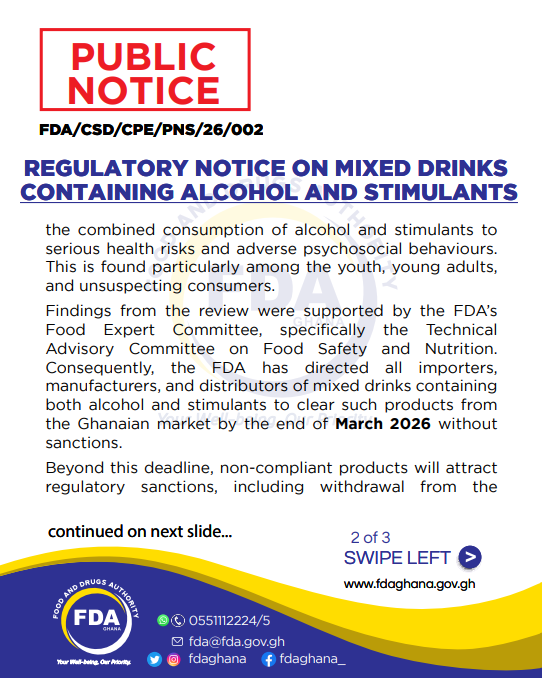
    In February, the FDA issued a new directive ordering all importers, manufacturers, and distributors of alcoholic beverages mixed with stimulants to withdraw such products from the Ghanaian market by the end of March 2026.


    The product regulatory authority announced this in a formal statement dated February 25, indicating that the withdrawal has become a necessity after it conducted an assessment on the safety of these beverages and their health implications on the public.


    In the statement, the FDA said, it“….has concluded a post-registration review of mixed drinks containing both depressant substances (alcohol) and stimulants such as caffeine, inositol, glucuronolactone, ginseng, and guarana. The assessment took into account international and regional regulatory precedents, where several countries have restricted, suspended, or banned alcoholic energy drinks due to their associated public health risks.”


    It continued that the review was in compliance with the Public Health Act, 2012 (Act 851), under Sections 81 and 82(a). Section 8 empowers the FDA to conduct post-market surveillance and safety reviews of regulated products. This allows them to reassess products already approved if new evidence shows health risks, while Section 82(a) authorizes the FDA to withdraw, suspend, or revoke approval of products that pose risks to public health.


    One of the FDA’s major concerns is the hike in serious psychological health challenges, particularly among the youth.


    “The review assessed the safety and regulatory compliance of these products on the Ghanaian market. It was conducted under Sections 81 and 82(a) of the Public Health Act, 2012 (Act 851), which empowers the FDA to enforce standards necessary to protect public health and safety. Growing scientific and public health evidence links the combination of alcohol and stimulants to serious health risks and adverse psychosocial behaviours, particularly among the youth, young adults, and unsuspecting consumers.”


    Consequently, the FDA has given all supply chain operators to withdraw all such beverages from the market in the next 33 days or face serious sanctions for non-compliance.


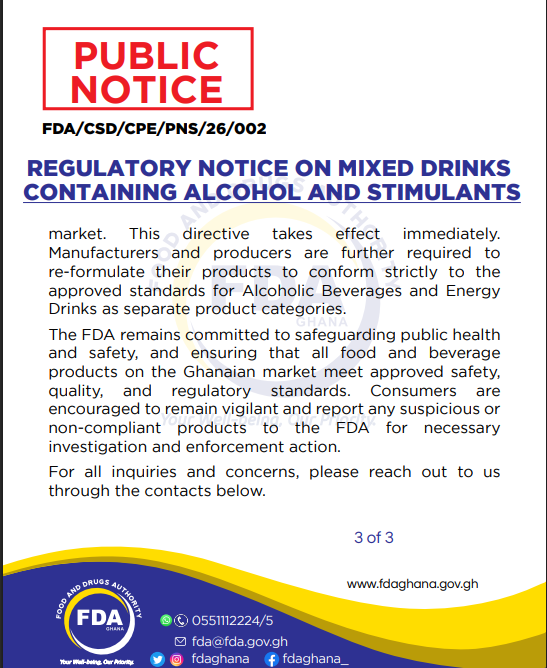
    “Findings from the review were supported by the FDA’s Food Expert Committee, specifically the Technical Advisory Committee on Food Safety and Nutrition. Consequently, the FDA has directed all importers, manufacturers, and distributors of mixed drinks containing both alcohol and stimulants to clear such products from the Ghanaian market by the end of March 2026 without sanction. Beyond this deadline, non-compliant products will attract regulatory sanctions, including withdrawal from the market. This directive takes effect immediately,”, the statement continued.


    FDa also ordered “Manufacturers and producers are further required to re-formulate their products to conform strictly to the approved standards for Alcoholic Beverages and Energy Drinks as separate product categories,” emphasizing its commitment to public safety and urging the general public to report any suspicious product for the required investigations to be conducted.


    “ The FDA remains committed to safeguarding public health and safety, and ensuring that all food and beverage products on the Ghanaian market meet approved safety, quality, and regulatory standards.

    Consumers are encouraged to remain vigilant and report any suspicious or non-compliant products to the FDA for necessary investigation and enforcement action, the statement concluded”.

    The FDA has up their game in their crackdown on non-compliant and unregulated eateries and other consumer services in the last few months.


    Sixteen (16) food service establishments operating without valid hygiene permits in the Greater Accra Region were closed by the Food and Drugs Authority (FDA) on Wednesday, February 18.


    Cheesecake House, Dolce Frizzante, Onda, and Alora Beach Resort, among others, were the affected facilities.
    They were shut down for failing to meet regulatory requirements. Before the exercise, the FDA had issued a two-week public notice to all food service establishments in operation, instructing them to acquire a valid Food Hygiene Permit effective February 1, 2026.


    The FDA had consistently warned against the sale, distribution, and consumption of unregistered and unapproved products on the Ghanaian market, particularly drugs, herbal medicines, cosmetics, and food items that had not undergone proper safety and quality checks.
    In 2025, the FDA shut down Famude Catering Services in the Ashanti Region and revoked its licence for illegally producing two alcoholic drinks, Kings Orange Flavoured Liqueur and Jupiter 1990.


    These drinks were unregistered and were found to contain marijuana (cannabis) extracts, according to the FDA.


    The matter was referred to the Suntresu District Police for investigation and prosecution.


    Meanwhile, about 3 months ago, the FDA ordered a market recall of the Herbal medicine, Omama Herbal Mixture. This was after the safety authority, in collaboration with the Ghana Police Service, conducted a market surveillance and laboratory tests on the medicine, after which they discovered it contained some harmful substances.


    In a statement issued by the FDA on Friday, October 31, the regulatory body warned the public to desist from patronising the medicines.
    The FDA mentioned that, while the herbal mixture has been registered as a medication for malaria and loss of appetite, it has been adulterated with Diazepam, Metronidazole, Paracetamol, and Niacinamide, which are allopathic medicines, warning that consumption of the mixture without a proper prescription has the potential to cause harm to the consumers.


    “The Food and Drugs Authority (FDA), in collaboration with the Ghana Police Service, carried out market surveillance and laboratory analysis of Omama Herbal Mixture. The laboratory analysis revealed that Omama Herbal Mixture….It is important to note that Omama Herbal Mixture is registered as a herbal medicinal product indicated for malaria and loss of appetite, and is not expected to contain any allopathic medicines.
    The medicines found in Omama Herbal Mixture are dangerous when taken without a prescription and/or advice from a qualified health professional. The public is, therefore, advised not to patronise Omama Herbal Mixture,” parts of the statement read.


    Consequently, to ensure public safety, the FDA noted that it was working in collaboration with the Herbal Company to recall the products from the market.


    “Meanwhile, the FDA is working with Omama Herbal Group Limited to recall all products on the market for safe disposal and appropriate regulatory actions, including criminal prosecution. The FDA wishes to assure the public that it will not relent in its efforts to ensure public health and safety”, the statement added.


    The FDA also admonished the public to help promote consumer safety by reporting any person, pharmacy, or entity that will be found selling the herbal mixture.


    “The public is advised to provide information on persons, pharmacies, and over-the-counter medicine sellers (OTCMS) offering Omama Herbal Mixture for sale to the nearest FDA office”, the statement concluded.

  • FDA warns of fake HIV test kits, cites wrong manufacturers, expiry dates

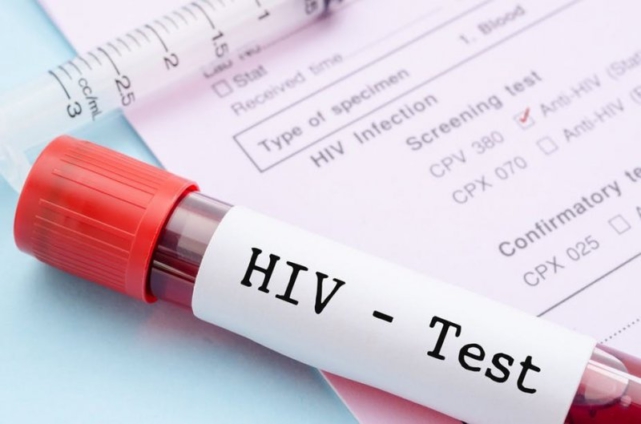
    FDA warns of fake HIV test kits, cites wrong manufacturers, expiry dates

    A concerning health alert has prompted the Food and Drug Authority (FDA) to warn the public and urge vigilance.

    The Authority, in a statement dated April 2, indicated that it has discovered falsified HIV diagnostic kits being sold in the Ghanaian market, particularly the VISITECT CD4 Advanced Disease test kits used to measure CD4 cell counts in patients with advanced HIV disease.

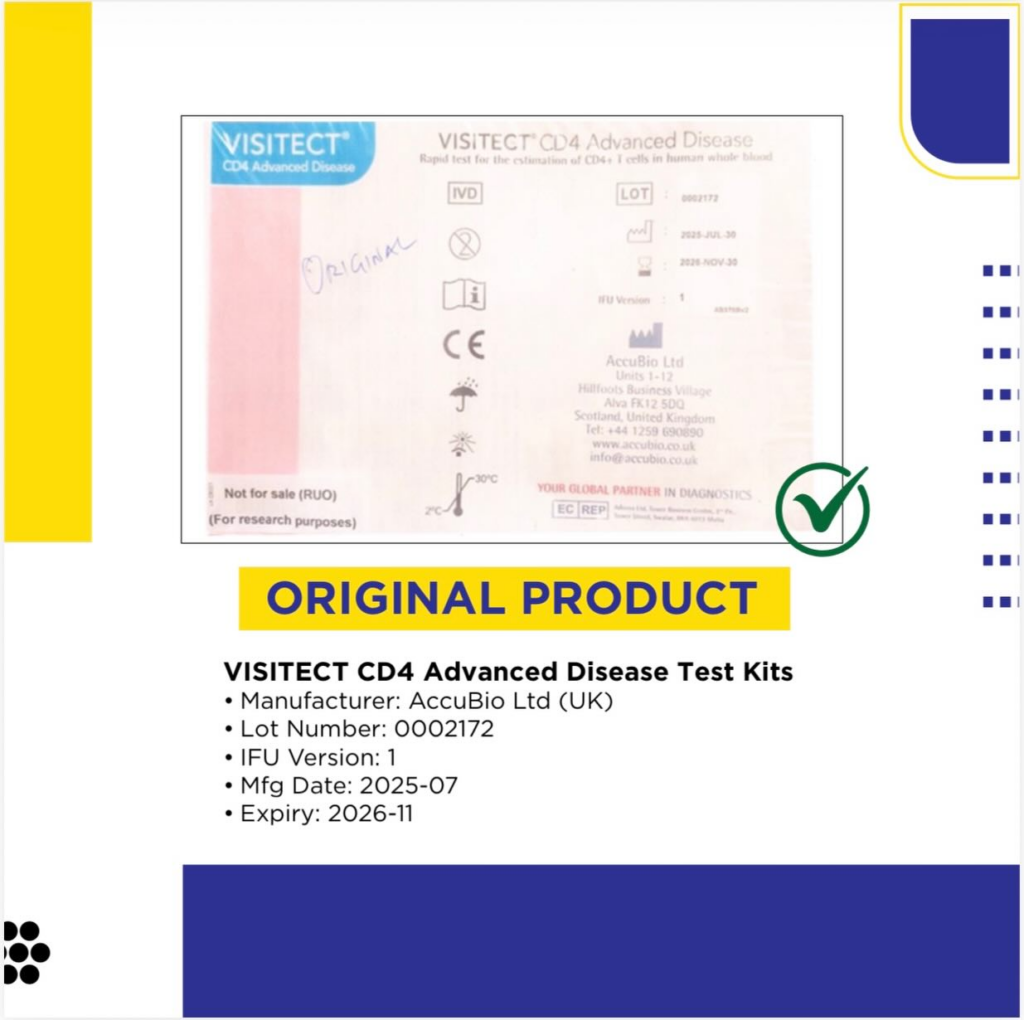
    According to the FDA, there are some counterfeit test kits of the VISITECT CD4 Advanced Disease test kits with lot number 0001586. They do not meet the required safety standards, hence the need for the public to stay away from them.

    How to identify the fake kits

    The FDA also pointed out that the counterfeit kits wrongly list Omega Diagnostics Limited as the manufacturer, whereas the genuine VISITECT CD4 kits are produced by AccuBio Limited.

    In addition, authentic VISITECT kits have unique lot numbers, unlike the fake kits that show 0002172, and they include proper product details.

    The Authority also pointed out clear inconsistencies in the dates printed on the products. It said the falsified kits show incorrect manufacturing dates as well.

    “The Food and Drugs Authority has discovered falsified VISITECT CD4 Advanced Disease test kits on the Ghanaian market. These counterfeit products, bearing lot number 0001586 and wrongly listing Omega Diagnostics Limited as the manufacturer, pose a serious threat to public health. The genuine kits are produced by AccuBio Limited with lot number 0002172. The public and healthcare providers are advised to exercise vigilance and report suspicious products immediately,” the statement indicated.

    The FDA noted that such differences in manufacturer information and dates should serve as warning signs. It advised healthcare providers to pay close attention to these details when handling medical products.

    The FDA warned that the presence of these kits in our markets poses serious risks to public health, consequently warning that wrong results could delay treatment for people living with HIV or cause unnecessary fear for those who receive false-positive outcomes.

    “Your health is too important to risk,” the FDA stated, calling for increased vigilance across the health sector.

    FDA response

    As part of immediate measures, the Authority has directed all hospitals, laboratories, and testing centres to check their stock of VISITECT CD4 test kits. It warned that any kits with lot number 0001586 must be removed from use at once.

    The FDA further instructed that such products should be returned to the nearest FDA office for proper disposal.

    It also encouraged both health professionals and the public to report any suspected fake medical products through its official channels.

    The Authority said it has begun investigations to trace the source of the falsified kits and ensure those responsible are held accountable. It also urged the public to verify medical products before use to avoid potential harm.

    Meanwhile, statistics from the AIDS Commission revealed that over three hundred and thirty-four thousand (334,000) Ghanaians were living with Human Immunodeficiency Virus (HIV).

    According to a statement issued on Monday, December 1, Ghana recorded 12,600 AIDS-related deaths in 2024 and over 15,200 new infections.

    Last month, the Commission disclosed alarming statistics regarding the number of individuals living with HIV in the Bono Region. Speaking during the inauguration of the Bono Regional Committee of the Ghana AIDS Commission (RECCOM) in Sunyani on Thursday, November 20, the Regional Technical Coordinator, Ahmed Ibrahim Bambila, revealed that 19,979 residents in the Bono Region are living with HIV and AIDS.

    According to him, 875 new HIV infections have been recorded, highlighting an urgent need for attention and immediate action.

    44 persosn contract HIV daily

    The Ghana AIDS Commission revealed that an average of 42 new HIV (Human Immunodeficiency Virus) infections were recorded daily among adults and children across the country.

    According to the Commission’s 2024 National and Sub-National HIV Estimates and Projections, a total of 334,721 people were living with HIV in Ghana. Out of this figure, 105,460 were males, representing 31.5 percent, while 229,261 were females, accounting for 68.5 percent.

    The Bono, Bono East, and Ahafo Regional Technical Coordinator of the GAC, Mr. Ahmed Ibrahim Bimbilla, who disclosed this in an interview with the Ghana News Agency (GNA) in Sunyani, said the data provided crucial insight into the scale of the epidemic and guided effective planning.

    He revealed that 15,290 new HIV infections were recorded in the country, comprising 4,987 males, representing 32.6 percent, and 10,303 females, representing 67.4 percent.

    Mr. Bimbilla also noted that AIDS-related deaths stood at 12,614, consisting of 5,445 males and 7,159 females. He said approximately 229 deaths were prevented each week through the provision of Antiretroviral Therapy (ART) services.

    Providing a regional breakdown, he said the North East Region recorded the lowest HIV population with 1,717 cases, while Greater Accra, Ashanti, and Eastern recorded the highest figures of 77,821, 63,159, and 44,792, respectively.

    He added that seven regions, Ahafo, Upper East, Northern, Upper West, Oti, Savannah, and North East, each recorded HIV populations below 10,000.

    According to him, HIV prevalence was highest in the Bono Region with 2.22 percent, followed by the Eastern Region with 2.08 percent and Ahafo with 1.88 percent, while the North East Region recorded the lowest prevalence at 0.43 percent.

    He further indicated that five regions, Oti, Upper East, Savannah, Northern, and North East, recorded prevalence rates below 1.0 percent. Mr Bimbilla stated that the Greater Accra, Ashanti, and Eastern regions also recorded the highest number of new HIV infections, with 3,436, 2,997, and 2,019 cases, respectively. In comparison, the North East Region recorded the fewest cases, with 97.

    Eleven regions, including Bono, Volta, Bono East, Western North, Ahafo, Upper East, Northern, Upper West, Oti, Savannah, and North East, recorded fewer than 1,000 new infections.

    Commenting on the trend, Mr. Bimbilla described the decline in HIV prevalence, new infections, and AIDS-related deaths as a positive development, which he attributed to the growing uptake of ART services.

    He expressed optimism that the downward trend would help Ghana achieve epidemic control and urged continued efforts in public education, testing, and access to treatment to sustain progress toward eliminating HIV and AIDS.

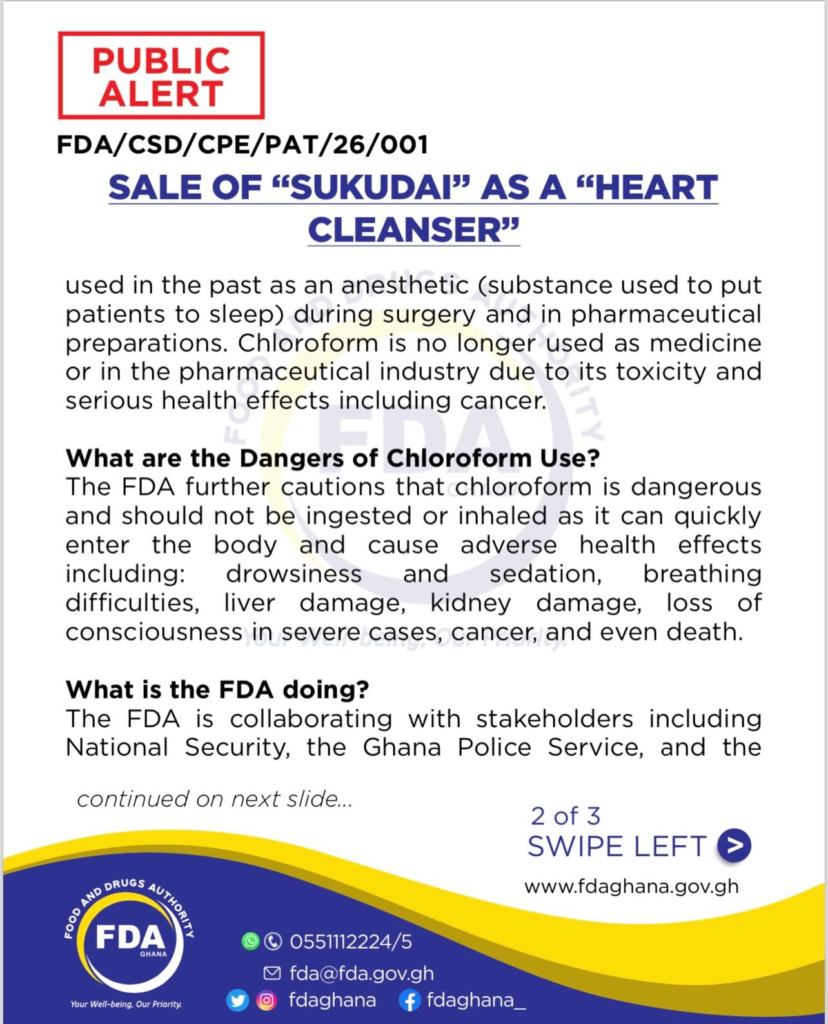
  • FDA warns public against ‘sukudai’, a purported heart-cleansing remedy containing cancer-causing chemicals

    FDA warns public against ‘sukudai’, a purported heart-cleansing remedy containing cancer-causing chemicals

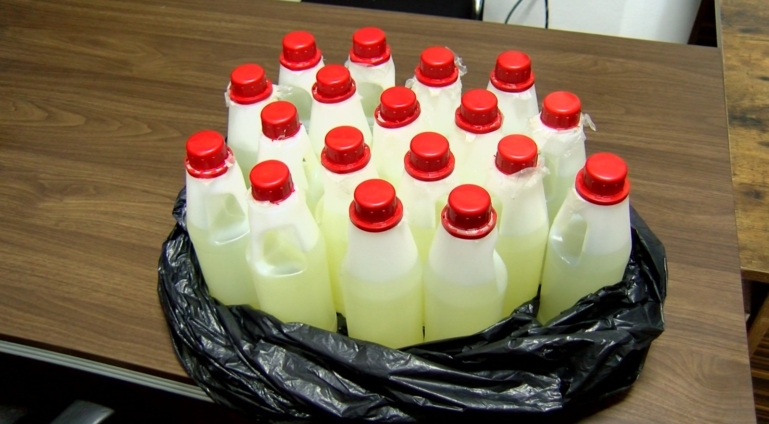
    “Sukudai”, a purported heart-cleansing remedy, has been flagged by the Food and Drugs Authority (FDA) as harmful to human beings.

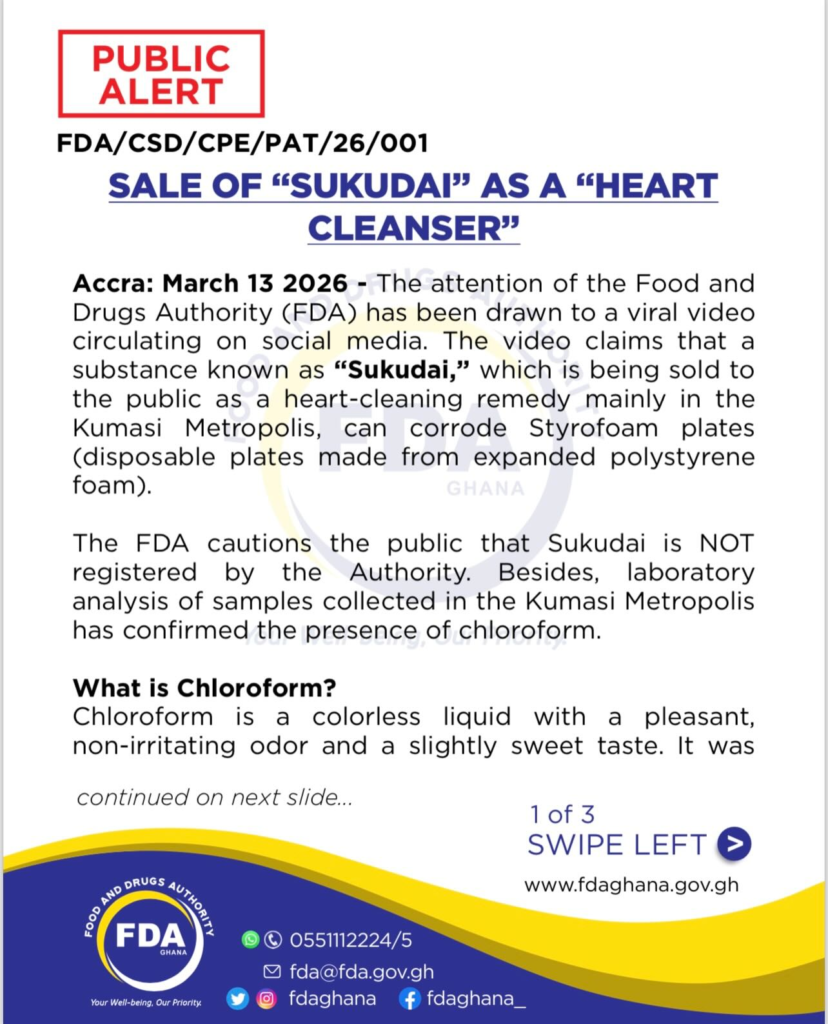
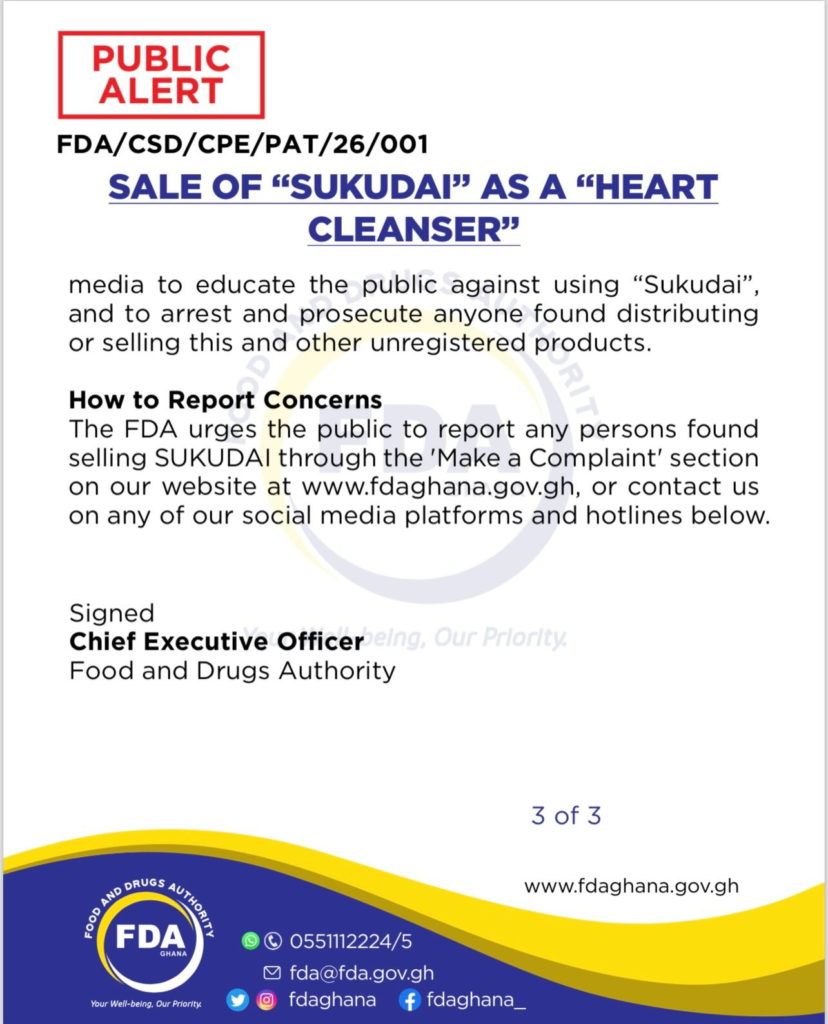
    In a public notice issued by the nation’s product safety regulator, it warned the general public to stay away from the product, citing that after laboratory tests detected chloroform, a toxic chemical linked to serious health risks, including cancer.

    The regulator said the product, reportedly being sold mainly in Kumasi, is not registered with the authority.

    The FDA’s caution comes after a viral video circulating on social media captured the substance corroding a Styrofoam plate, raising concerns about its chemical composition.

    Following the video, the FAD says it collected samples and tested them in a laboratory. Results confirmed the presence of a chemical once used as an anaesthetic but no longer approved for medical use due to its toxic effects.

    Consequently, the authority warned that consuming or inhaling chloroform can lead to severe health complications, including drowsiness, breathing difficulties, liver and kidney damage, loss of consciousness, cancer, and even death.

    Last month, sixteen (16) food service establishments operating without valid hygiene permits in the Greater Accra Region were closed by the Food and Drugs Authority (FDA) on Wednesday, February 18.

    Cheesecake House, Dolce Frizzante, Onda, and Alora Beach Resort, among others, were among the affected facilities.

    They were shut down for failing to meet regulatory requirements. Before the exercise, the FDA had issued a two-week public notice to all food service establishments operating, instructing them to acquire a valid Food Hygiene Permit effective February 1, 2026.

    The FDA had consistently warned against the sale, distribution, and consumption of unregistered and unapproved products on the Ghanaian market, particularly drugs, herbal medicines, cosmetics, and food items that had not undergone proper safety and quality checks.

    In 2025, the FDA shut down Famude Catering Services in the Ashanti Region and revoked its license for illegally producing two alcoholic drinks — Kings Orange Flavoured Liqueur and Jupiter 1990.

    These drinks were unregistered and were found to contain marijuana (cannabis) extracts, according to the FDA.

    The matter was referred to the Suntresu District Police for investigation and prosecution.

    The FDA issued a new directive last month, ordering all importers, manufacturers, and distributors of alcoholic beverages mixed with stimulants to withdraw such products from the Ghanaian market by the end of March 2026.

    The regulatory authority announced this in a formal statement dated February 25, noting that the withdrawal had become necessary after it conducted an assessment on the safety of these beverages and their health implications for the public.

    In the statement, the FDA said it “concluded a post-registration review of mixed drinks containing both depressant substances (alcohol) and stimulants such as caffeine, inositol, glucuronolactone, ginseng, and guarana. The assessment took into account international and regional regulatory precedents, where several countries had restricted, suspended, or banned alcoholic energy drinks due to their associated public health risks.”

    It continued that the review was conducted in compliance with the Public Health Act, 2012 (Act 851), under Sections 81 and 82(a). Section 8 empowered the FDA to conduct post-market surveillance and safety reviews of regulated products, allowing them to reassess products already approved if new evidence showed health risks, while Section 82(a) authorized the FDA to withdraw, suspend, or revoke approval of products that posed risks to public health.

    One of the FDA’s major concerns was the rise in serious psychological health challenges, particularly among the youth.

    “The review assessed the safety and regulatory compliance of these products on the Ghanaian market. It was conducted under Sections 81 and 82(a) of the Public Health Act, 2012 (Act 851), which empowered the FDA to enforce standards necessary to protect public health and safety. Growing scientific and public health evidence linked the combination of alcohol and stimulants to serious health risks and adverse psychosocial behaviours, particularly among youth, young adults, and unsuspecting consumers.”

    Consequently, the FDA gave all supply chain operators 33 days to withdraw such beverages from the market or face serious sanctions for non-compliance.

    “Findings from the review were supported by the FDA’s Food Expert Committee, specifically the Technical Advisory Committee on Food Safety and Nutrition. Consequently, the FDA directed all importers, manufacturers, and distributors of mixed drinks containing both alcohol and stimulants to clear such products from the Ghanaian market by the end of March 2026 without sanction. Beyond this deadline, non-compliant products would attract regulatory sanctions, including withdrawal from the market. This directive took effect immediately,” the statement continued.

    The FDA also ordered that “manufacturers and producers re-formulate their products to conform strictly to the approved standards for alcoholic beverages and energy drinks as separate product categories,” emphasizing its commitment to public safety and urging the general public to report any suspicious products for investigation.

    “The FDA remained committed to safeguarding public health and safety, and ensuring that all food and beverage products on the Ghanaian market met approved safety, quality, and regulatory standards. Consumers were encouraged to remain vigilant and report any suspicious or non-compliant products to the FDA for necessary investigation and enforcement action,” the statement concluded.

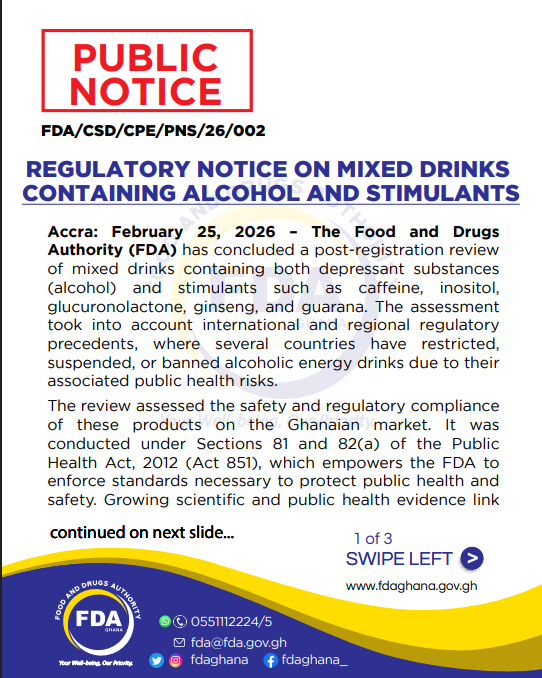
  • Withdraw all alcoholic energy drinks from Ghanaian market by March ending – FDA

    Withdraw all alcoholic energy drinks from Ghanaian market by March ending – FDA

    The Food and Drugs Authority (FDA) has issued a new directive ordering all importers, manufacturers, and distributors of alcoholic beverages mixed with stimulants to withdraw such products from the Ghanaian market by the end of March 2026.

    The product regulatory authority announced this in a formal statement dated February 25, indicating that the withdrawal has become a necessity after it conducted an assessment on the safety of these beverages and their health implications on the public.

    In the statement FDA said, it“….has concluded a post-registration review of mixed drinks containing both depressant substances (alcohol) and stimulants such as caffeine, inositol, glucuronolactone, ginseng, and guarana. The assessment took into account international and regional regulatory precedents, where several countries have restricted, suspended, or banned alcoholic energy drinks due to their associated public health risks.”

    It continued that the review was in compliance with  Public Health Act, 2012 (Act 851), under Sections 81 and 82(a). Section 8 empowers the FDA to conduct post-market surveillance and safety reviews of regulated products. This allows them to reassess products already approved if new evidence shows health risks while Section 82(a) authorizes the FDA to withdraw, suspend, or revoke approval of products that pose risks to public health.

    One of FDA’s major concerns is the hike in serious psychological health challenges particularly among the youth.

    “The review assessed the safety and regulatory compliance of these products on the Ghanaian market. It was conducted under Sections 81 and 82(a) of the Public Health Act, 2012 (Act 851), which empowers the FDA to enforce standards necessary to protect public health and safety. Growing scientific and public health evidence links the combination of alcohol and stimulants to serious health risks and adverse psychosocial behaviours, particularly among the youth, young adults, and unsuspecting consumers.”

    Consequently, the FDA has given all supply chain operators to withdraw all such beverages from the market in the next 33 days or face serious sanctions for non-compliance.

    “Findings from the review were supported by the FDA’s Food Expert Committee, specifically the Technical Advisory Committee on Food Safety and Nutrition. Consequently, the FDA has directed all importers, manufacturers, and distributors of mixed drinks containing both alcohol and stimulants to clear such products from the Ghanaian market by the end of March 2026 without sanction. Beyond this deadline, non-compliant products will attract regulatory sanctions, including withdrawal from the market. This directive takes effect immediately.”, the statement continued.

    FDa also ordered “Manufacturers and producers are further required to re-formulate their products to conform strictly to the approved standards for Alcoholic Beverages and Energy Drinks as separate product categories” emphasisng its commitment to public safety and urging the general public to report any suspicious product for the required investigations to be conducted.

    “ The FDA remains committed to safeguarding public health and safety, and ensuring that all food and beverage products on the Ghanaian market meet approved safety, quality, and regulatory standards. Consumers are encouraged to remain vigilant and report any suspicious or non-compliant products to the FDA for necessary investigation and enforcement action, the statement concluded”.

    The FDA has up their game in their crackdown on non-compliant and unregulated eateries and other consumer services in the last few months.

    Sixteen (16) food service establishments operating without valid hygiene permits in the Greater Accra Region were closed by the Food and Drugs Authority (FDA) on Wednesday, February 18.

    Cheesecake House, Dolce Frizzante, Onda, and Alora Beach Resort, among others, were the affected facilities.

    They were shut down for failing to meet regulatory requirements. Before the exercise, the FDA had issued a two-week public notice to all food service establishments in operation, instructing them to acquire a valid Food Hygiene Permit effective February 1, 2026.

    The FDA had consistently warned against the sale, distribution, and consumption of unregistered and unapproved products on the Ghanaian market, particularly drugs, herbal medicines, cosmetics, and food items that had not undergone proper safety and quality checks.

    In 2025, the FDA shut down Famude Catering Services in the Ashanti Region and revoked its licence for illegally producing two alcoholic drinks, Kings Orange Flavoured Liqueur and Jupiter 1990.

    These drinks were unregistered and were found to contain marijuana (cannabis) extracts, according to the FDA.

    The matter was referred to the Suntresu District Police for investigation and prosecution.

    Meanwhile, about 3 months ago, the FDA ordered a market recall of the Herbal medicine, Omama Herbal Mixture. This was after the safety authority, in collaboration with the Ghana Police Service, conducted a market surveillance and laboratory tests on the medicine, after which they discovered it contained some harmful substances.

    In a statement issued by the FDA on Friday, October 31, the regulatory body warned the public to desist from patronising the medicines.

    The FDA mentioned that, while the herbal mixture has been registered as a medication for malaria and loss of appetite, it has been “ has been adulterated with Diazepam, Metronidazole, Paracetamol, and Niacinamide, which are allopathic medicines, warning that consumption of the mixture without a proper prescription has the potency to cause harm to the consumers.

    “The Food and Drugs Authority (FDA), in collaboration with the Ghana Police Service, carried out market surveillance and laboratory analysis of Omama Herbal Mixture. The laboratory analysis revealed that Omama Herbal Mixture….It is important to note that Omama Herbal Mixture is registered as a herbal medicinal product indicated for malaria and loss of appetite, and is not expected to contain any allopathic medicines.

    The medicines found in Omama Herbal Mixture are dangerous when taken without a prescription and/or advice from a qualified health professional. The public is, therefore, advised not to patronise Omama Herbal Mixture,” parts of the statement read.

    Consequently, to ensure public safety, the FDA noted that it was working in collaboration with the Herbal Company to recall the products from the market.

    “Meanwhile, the FDA is working with Omama Herbal Group Limited to recall all products on the market for safe disposal and appropriate regulatory actions, including criminal prosecution. The FDA wishes to assure the public that it will not relent in its efforts to ensure public health and safety”, the statement added.

    The FDA also admonished the public to help promote consumer safety by reporting any person, pharmacy or entity that will be found selling the herbal mixture.

    “The public is advised to provide information on persons, pharmacies, and over-the-counter medicine sellers (OTCMS) offering Omama Herbal Mixture for sale to the nearest FDA office”, the statement concluded.

  • FDA cracks down on 16 unlicensed eateries in Accra

    FDA cracks down on 16 unlicensed eateries in Accra

    Sixteen (16) food service establishments operating without valid hygiene permits in the Greater Accra Region have been closed by the Food and Drugs Authority (FDA) on Wednesday, February 18.

    Cheesecake House, Dolce Frizzante, Onda, and Alora Beach Resort, among others, are the affected facilities.

    They have been shut down for failing to meet regulatory requirements. Before the exercise FDA issued a two-week public notice to all food service establishments operating, instructing them to acquire a valid Food Hygiene Permit effective February 1, 2026.

    The FDA has consistently warned against the sale, distribution, and consumption of unregistered and unapproved products on the Ghanaian market, particularly drugs, herbal medicines, cosmetics, and food items that have not undergone proper safety and quality checks.

    In 2025, FDA shut down the Famude Catering Services in the Ashanti Region and revoked its license for illegally producing two alcoholic drinks – Kings Orange Flavoured Liquer and Jupiter 1990.

    These drinks are unregistered and have been found to contain marijuana (cannabis) extracts, according to the FDA.

    The matter has been referred to the Suntresu District Police for investigation and prosecution.

    Background

    Kings Orange Flavoured Liquer was originally registered with the FDA in 2022. However, in July 2023, during routine market checks and lab tests, it was found to contain traces of marijuana.

    Since then, the FDA, in collaboration with the Drug Law Enforcement Unit (DLEU) of the Ghana Police Service and the Narcotics Control Commission (NACOC), monitored the situation to prevent further violations.

    However, in April 2025, the FDA received intelligence that Kings Orange Flavoured Liquer was still being sold in Koforidua.

    Investigations led the team to a new unlicensed site. On April 30, a joint team from the FDA, NACOC, and the DLEU raided this illegal site at Jachie Abidjan Nkwanta.

    They found bags and parcels of dried marijuana, labels of Kings Orange Flavoured Liqueur, and another unregistered drink called Jupiter 1990.

    Samples of both products tested positive for marijuana extracts. All seized items were handed over to the DLEU of the Central Police Command in Kumasi to support ongoing investigations.

    FDA’s directive to wholesalers

    Retailers and wholesalers have been directed to immediately stop selling these drinks and return all stock to the nearest FDA office.

    Consumers have also been advised to avoid buying or drinking these products.

    “Consuming such unsafe alcoholic drinks can seriously harm your health, including causing permanent damage to organs like the liver and kidneys,” the FDA noted in a statement.

    The FDA assured its commitment to protecting public health by ensuring that all regulated products, including alcoholic beverages, are safe, of good quality, and properly produced.

    Meanwhile, a new joint research by the United Nations Children’s Fund (UNICEF) and the Food and Drugs Authority has revealed disturbing levels of lead contamination in many products used daily by Ghanaians, posing serious health threats, particularly to children and pregnant women.


    The report, according to Class Fm explains that lead, a toxic heavy metal, can cause lasting harm to a child’s health and development even in small quantities.


    Prolonged exposure, it said, may lead to brain damage, poor growth, learning difficulties, and a reduction in intelligence quotient (IQ).


    The study, which covered all sixteen regions of Ghana, found multiple sources of lead exposure in common household materials.

    It discovered that 80 percent of traditional eyeliners, locally referred to as kaji kaji or kholi, contained extremely high levels of lead. It also revealed that 25 percent of white baked clay, known as shire, ayilor, or farinkasa and commonly eaten by pregnant women, were contaminated. In addition, 42 percent of turmeric powder and 4 percent of corn-based “Tom Brown” samples contained traces of the toxic metal.


    The research further identified outdated plumbing systems and certain cooking utensils as potential contributors to the problem. In some cases, lead was found to leach into drinking water or be released during food preparation.


    UNICEF emphasized that lead poisoning is completely preventable and called for collective national action to protect children and families. The agency urged the government to intensify public education, strengthen product safety regulations, and promote widespread screening to enable early detection and treatment.


    “Every child deserves a healthy start in life,” UNICEF stated, reaffirming its commitment to collaborate with the Government of Ghana, the FDA, and other partners to eliminate lead exposure and safeguard public health.


    The findings serve as a wake-up call for stronger regulatory enforcement, increased consumer awareness, and urgent measures to reduce the presence of lead in homes and the environment across Ghana.


    Research conducted by the Environmental Protection Agency (EPA), in 2024 indicates that a significant number of fish and water bodies in the country have been contaminated with mercury due to its use in gold refining by illegal miners.
    Dr. Jackson Adiyiah Nyantakyi, the Ashanti Regional Director of the EPA and a researcher, stated, “Mercury has infiltrated a considerable number of fish in our water bodies,” emphasizing that this poses a serious public health risk.


    He urged everyone to support the government in curbing illegal mining practices before the situation escalates.


    In addition to its environmental implications, Dr. Nyantakyi highlighted in an interview with the Ghana News Agency (GNA) in Sunyani that mercury remains a poisonous chemical harmful to human health and well-being.


    He pointed out that abnormal skin rashes, body discoloration, rough skin, and other physical defects in infants could be linked to the effects of mercury absorption in the body.


    Dr. Nyantakyi warned that research has indicated widespread mercury contamination in many water bodies, leading to the poisoning of numerous fish, and expressed concerns that the situation could deteriorate further if illegal mining activities (galamsey) are not effectively controlled in the country.


    “My fears are that many Ghanaians eat lot of kenkey and fishes and who might tell if the fish you are eating is contaminated and so it is imperative for everybody to contribute his or her quota towards fighting illegal mining in the country”, he explained.
    In Ghana, Dr. Nyantakyi explained that gold refiners primarily use either Cyanidation (cyanide) or Amalgamation (mercury). Since the use of cyanide is illegal, illegal miners predominantly use large quantities of mercury for gold refining purposes.


    He said because their activities were illegal, the miners “use mercury anyhow and thereby pollute our environment and water bodies which is a serious public health concern that threatens human existence.”


    He emphasized that combating illegal mining was not solely the government’s responsibility, urging everyone, particularly those in mining communities—assembly members, traditional authorities, youth groups, and associations—to stay vigilant and assist in combating the problem.


    Dr. Nyantakyi explained that mercury, being a toxic chemical, can enter the human bloodstream through skin absorption, inhalation into the lungs and digestive system, and uptake by fish and microorganisms.


    He noted that sources of mercury emissions include volcanic activity, rock weathering, movement of water bodies, forest fires, biological processes, and deliberate use of the chemical.


    “Mercury easily infiltrates water bodies, the sediment and fishes and that is why we must all contribute to the national fight against illegal mining”, Dr Nyantakyi stated.


  • FDA recalls Choice Irish Cream Flavoured Drink over toxic content

    FDA recalls Choice Irish Cream Flavoured Drink over toxic content

    Manufacturers of Choice Irish Cream Flavoured Drink have been ordered by the Food and Drugs Authority (FDA) to recall their products from the market after tests revealed the presence of a sex-enhancing drug ingredient.

    According to the FDA, in a statement issued in Accra on Wednesday, November 5, the ingredient, Sildenafil Citrate, which is used to treat erectile dysfunction, was added by 1 Africa Industries Limited.

    The statement further noted that the substance has not been approved by the Authority and poses health risks to consumers.
    Last month, the Authority ordered a market recall of the herbal medicine, Omama Herbal Mixture.

    This followed a collaborative market surveillance and laboratory testing exercise conducted by the FDA and the Ghana Police Service, which revealed that the medicine contained harmful substances.


    In a statement issued by the FDA on Friday, October 31, the regulatory body warned the public to desist from patronising the medicine.


    The FDA mentioned that, while the herbal mixture had been registered as a medication for malaria and loss of appetite, it “has been adulterated with Diazepam, Metronidazole, Paracetamol, and Niacinamide, which are all allopathic medicines,” warning that consumption of the mixture without a proper prescription has the potential to cause harm to consumers.


    “The Food and Drugs Authority (FDA), in collaboration with the Ghana Police Service, carried out market surveillance and laboratory analysis of Omama Herbal Mixture. The laboratory analysis revealed that Omama Herbal Mixture… It is important to note that Omama Herbal Mixture is registered as a herbal medicinal product indicated for malaria and loss of appetite and is not expected to contain any allopathic medicines.


    “The medicines found in Omama Herbal Mixture are dangerous when taken without a prescription and/or advice from a qualified health professional. The public is, therefore, advised not to patronise Omama Herbal Mixture,” parts of the statement read.


    Consequently, to ensure public safety, the FDA noted that it was working in collaboration with the herbal company to recall the products from the market.


    “Meanwhile, the FDA is working with Omama Herbal Group Limited to recall all products on the market for safe disposal and appropriate regulatory actions, including criminal prosecution. The FDA wishes to assure the public that it will not relent in its efforts to ensure public health and safety,” the statement added.

    The FDA also admonished the public to help promote consumer safety by reporting any person, pharmacy, or entity found selling the herbal mixture.

    “The public is advised to provide information on persons, pharmacies, and over-the-counter medicine sellers (OTCMS) offering Omama Herbal Mixture for sale to the nearest FDA office,” the statement concluded.


    In a related development, the FDA, in early August, suspended the manufacture of Tasty Tom Enriched Tomato Mix following consumer complaints and an investigation into Nutrifoods Ghana Limited’s manufacturing plant, which revealed infractions related to standards and quality.


    In a statement issued on August 3, the Food and Drugs Authority noted that “maintenance of critical manufacturing equipment was poor, and monitoring systems were inadequate to protect public health and safety.”


    The lapses at the manufacturing plant affected the integrity of the canned products by compromising the sealing mechanisms, leading to contamination and bloating of the products in pouches.


    “Mould was found on some of them, raising serious health and safety concerns, hence the suspension and product recall,” the statement added.


    A market recall of all canned Tasty Tom Enriched Tomato Mix products, and specific batches of the product in pouches (the 380g and 1.05kg pouches), was earlier directed by the FDA.


    On August 1, Nutrifoods Ghana Limited, following guidance from the FDA and National Security after incidents of bloating, recalled all batches of the Tasty Tom Enriched Tomato Mix in 210g and 400g cans, as well as 380g and 1.05kg pouches.


    In a statement, the Business Head of the company, Jay Jagadip, revealed that in January 2025, the FDA suspended the can manufacturing lines for the 210g and 400g Tasty Tom Enriched Tomato Mix, and production had since ceased.


    The company’s manufacturing activities were suspended until further notice to ensure full compliance with all regulatory recommendations. The company entreated consumers to return any of its packages they suspected to be affected.


    “Moreover, if you have any of the Tasty Tom Enriched Tomato Mix that you suspect may be affected, please return them to the above locations or contact the above number as well.


    We deeply regret any inconvenience caused to our consumers and trade partners because of this issue and recall. We at Nutrifoods Ghana Ltd are committed to delivering high-quality products meeting all the required stringent national food safety standards and ensuring our consumers are delighted with our products. We want to reassure our consumers and trade partners that we are doing our best to recover all affected products and replace them without difficulty,” the statement added.


    The FDA has commenced internal investigations to ascertain if there were regulatory lapses, particularly because Nutrifoods had earlier in January 2025 been barred from manufacturing the product, in line with the Food and Drugs Authority’s commitment to transparency and accountability.


    The FDA has noted that any dereliction of duty identified will be swiftly dealt with to strengthen the Authority’s regulatory oversight. Meanwhile, the Food and Drugs Authority has advised consumers, retailers, and wholesalers to take note of this directive and act accordingly.


    “We will continue to exercise rigorous oversight in accordance with our mandate to protect public health and safety,” the Authority assured.


    The Food and Drugs Authority (FDA)-Ghana was established in 1992 as the Food and Drugs Board (FDB) based on the 1992 Food and Drug Law (PNDCL 305B), later amended by the Food and Drugs Act of 1996. The legislation was revised in 2012 and integrated into the new Public Health Act 851, 2012, which established the Food and Drugs Authority.


    The FDA’s legal mandate is found in Part 6 (Tobacco Control Measures), Part 7 (Organisation and Responsibilities of the FDA), and Part 8 (Clinical Trials) of the Public Health Act, 2012 (Act 851).


    It is the national regulatory body responsible for the regulation of food, drugs, food supplements, herbal and homeopathic medicines, veterinary medicines, cosmetics, medical devices, household chemical substances, tobacco and tobacco products, blood and blood products, as well as the conduct of clinical trial protocols.


    The Governing Board, which ensures the effective implementation of the Authority’s functions, has mission and vision statements aimed at protecting the health and safety of people in Ghana and positioning the FDA as a global centre of excellence for food and medical product regulation.


    The FDA Executive Committee, headed by the Chief Executive Officer (CEO), is responsible for the daily operational management, service delivery, and strategic direction of the organisation.


    Conscious of this mandate, the committee has established a Quality Management System to ensure operational consistency, improved productivity, reduced costs, increased efficiency, better service delivery, and enhanced reputation, ultimately leading to customer satisfaction.


    The FDA’s Quality Management System (QMS) is a formalised framework with documented processes, procedures, and responsibilities for achieving quality policies and objectives. It coordinates and directs the organisation’s activities to meet customer and regulatory requirements while continually improving effectiveness and efficiency.


    This has led to the creation of a Quality Management Systems Department (QMSD) responsible for establishing, implementing, and maintaining a quality management system in line with international standards such as ISO 9001, ISO 17025, WHO Prequalification, and the WHO Global Benchmarking Tool (WHO-GBT).


    The FDA’s QMS is certified to ISO 9001:2015 for all its operations. Regulatory systems play a key role in assuring the quality, safety, and efficacy of medical products. Effective regulatory systems are an essential component of health systems and contribute to public health outcomes and innovation.

  • FDA warns public against consumption of Omama Herbal Mixture, orders market recall over toxic content

    FDA warns public against consumption of Omama Herbal Mixture, orders market recall over toxic content

    The Food and Drugs Authority (FDA) has ordered a market recall of the Herbal medicine, Omama Herbal Mixture. This comes after the safety authority, in collaboration with the Ghana Police Service, conducted a market surveillance and laboratory tests on the medicine, after which they discovered it contained some harmful substances.

    In a statement issued by the FDA on Friday, October 31, the regulatory body warned the public to desist from patronising the medicines.

    The FDA mentioned that, while the herbal mixture has been registered as a medication for malaria and loss of appetite, it has been “ has been adulterated with Diazepam, Metronidazole, Paracetamol, and Niacinamide, which are allopathic medicines, warning that consumption of the mixture without a proper prescription has the potency to cause harm to the consumers.

    “The Food and Drugs Authority (FDA), in collaboration with the Ghana Police Service, carried out market surveillance and laboratory analysis of Omama Herbal Mixture. The laboratory analysis revealed that Omama Herbal Mixture….It is important to note that Omama Herbal Mixture is registered as a herbal medicinal product indicated for malaria and loss of appetite, and is not expected to contain any allopathic medicines.

    The medicines found in Omama Herbal Mixture are dangerous when taken without a prescription and/or advice from a qualified health professional. The public is, therefore, advised not to patronise Omama Herbal Mixture,” parts of the statement read.

    Consequently, to ensure public safety, the FDA noted that it was working in collaboration with the Herbal Company to recall the products from the market.

    “Meanwhile, the FDA is working with Omama Herbal Group Limited to recall all products on the market for safe disposal and appropriate regulatory actions, including criminal prosecution. The FDA wishes to assure the public that it will not relent in its efforts to ensure public health and safety”, the statement added.

    The FDA also admonished the public to help promote consumer safety by reporting any person, pharmacy or entity that will be found selling the herbal mixture.

    “The public is advised to provide information on persons, pharmacies, and over-the-counter medicine sellers (OTCMS) offering Omama Herbal Mixture for sale to the nearest FDA office”, the statement concluded.

    In a related development, the FDA in early August suspended the manufacture of Tasty Tom Enriched Tomato Mix following consumer complaints and the FDA’s investigation of Nutrifoods Ghana Limited’s manufacturing plant, which established infractions on standards and quality.

    In a statement issued August 3 by the Food and Drugs Authority, the national regulatory body noted that “maintenance of critical manufacturing equipment was poor, and monitoring systems were inadequate to protect public health and safety.”

    The lapses at the manufacturing plant affected the integrity of the canned products by compromising the sealing mechanisms, leading to contamination and bloating of the products in pouches.

    “Mould was found on some of them, raising serious health and safety concerns, hence the suspension and product recall,” the statement added.

    A market recall of all canned Tasty Tom Enriched Tomato Mix products, and specific batches of the product in pouches (the 380g and 1.05kg pouches) was earlier directed by the FDA.

    On August 1, NutriFoods Ghana Limited, following guidance from the FDA and National Security, after some incidents of bloating, recalled all batches of the Tasty Tom Enriched Tomato Mix in 210g and 400g Cans and Tasty Tom Enriched Tomato Mix in 380g and 1.05kg.

    In a statement, Business Head of the company Jay Jagadip revealed that in January 2025, the FDA suspended the can manufacturing lines for the 210g and 400g Tasty Tom Enriched Tomato Mix and production had since ceased.

    The company’s manufacturing activities were suspended until further notice to ensure full compliance with all regulatory recommendations. The company entreated consumers to return any of its packages they suspected to be affected.

    “Moreover, if you have any of the Tasty Tom Enriched Tomato Mix that you suspect may be affected, please return them to the above locations or contact the above number as well.”

    “We deeply regret any inconvenience caused to our consumers and trade partners because of this issue and recall. We at Nutrifoods Ghana Ltd are committed to delivering high-quality products meeting all the required stringent national food safety standards and ensuring our consumers are delighted with our products. We want to reassure our consumers and trade partners that we are doing our best to recover all affected products and replace them without difficulty,” the statement added.

    The FDA has commenced internal investigations to ascertain if there were regulatory lapses, particularly because Nutrifoods had earlier in January 2025 been barred from manufacturing the product, in line with the Food and Drugs Authority’s commitment to transparency and accountability.

    The FDA has noted that any dereliction of duty identified will be swiftly dealt with in order to strengthen the FDA’s regulatory oversight. Meanwhile, the Food and Drug Authority has advised consumers, retailers and wholesalers to take note of this directive and act accordingly.

    “We will continue to exercise rigorous oversight in accordance with our mandate to protect public health and safety,” the Authority assured.

    The Food and Drugs Authority (FDA)-Ghana was established in 1992 as the Food and Drugs Board (FDB) on the basis of the 1992 Food and Drug Law (PNDCL 305B), later amended by the Food and Drugs ACT of 1996. The Food and Drugs legislation was revised in 2012 and integrated into a new Public Health ACT 851, 2012, which gave birth to the Food and Drugs Authority.

    The FDA’s legal mandate is found in Part 6 (Tobacco Control Measures), Part 7(organisation and responsibilities of the FDA), and Part 8 (Clinical trials) of the Public Health Act, 2012 Act 851.

    It is the National Regulatory Body responsible for the regulation of food, drugs, food supplements, herbal and homoeopathic medicines, veterinary medicines, cosmetics, medical devices, household chemical substances, tobacco and tobacco products, blood and blood products as well as the conduct of clinical trial protocols.

    The Governing Board, with the responsibility of ensuring the effective implementation of the functions of the Authority, has mission and vision statements which seek to protect the health and safety of people in Ghana and to be a global centre of excellence for food and medical product regulation.

    The FDA executive committee, headed by the Chief Executive Officer (CEO) has responsibility for the daily operational management, service delivery and strategic issues of the organisation.

    The committee, conscious of this mandate, has established a Quality Management System to ensure operational consistency, improved productivity, reduced costs, increased efficiency, better service delivery, and enhanced reputation, ultimately leading to customer satisfaction.

    FDA’s quality management system (QMS) is a formalised system that has documented processes, procedures, and responsibilities for achieving quality policies and objectives.

    It coordinates and directs the organisation’s activities to meet customer and regulatory requirements and improve its effectiveness and efficiency on a continual basis.

    This has led to the creation of a Quality Management Systems Department (QMSD) with a responsibility to establish, implement and maintain a quality management system in line with international standards like ISO 9001, ISO 17025, WHO-Prequalification and WHOGlobal Benchmarking Tool (WHO-GBT).

    The FDA’s QMS is certified to ISO 9001:2015 for all its operations. Regulatory systems play a key role in assuring the quality, safety, and efficacy of medical products. Effective regulatory systems are an essential component of health systems and contribute to desired public health outcomes and innovation.

  • Galamsey: Ghana risks losing access to EU markets over heavily contaminated foods – Ambassador warns

    Galamsey: Ghana risks losing access to EU markets over heavily contaminated foods – Ambassador warns

    Over the past two years, the Food and Drugs Authority (FDA), environmentalists, and other stakeholders have repeatedly raised concerns in public forums and the media about the increasing pollution and contamination of food products such as vegetables and fruits.

    These are largely linked to chemicals like mercury and lead used in galamsey (illegal mining) activities, which have found their way into the food chain. Among the potential consequences of this contamination is a blacklisting from European markets.

    Highlighting these warnings, the European Union Ambassador to Ghana, Rune Skinnebach, during an appearance on JoyNews’ AM Show on Tuesday, October 28, stated clearly that the EU would be forced to suspend all vegetable and fruit imports from Ghana if traces of lead, mercury, or any other harmful metals are detected in exports to European markets. He emphasised the EU’s readiness to protect its citizens from food poisoning and to safeguard its market interests.

    According to him, while the EU remains a strong trade partner with Ghana and is committed to supporting the country’s interests, it will not tolerate contaminated food products entering its markets. These remarks were made in response to questions about measures the EU might take to compel Ghana to address the menace of galamsey more urgently and prevent further deterioration.

    “First of all, I want to reiterate that we, as a longstanding partner to Ghana, stand ready to support. At the same time, it is clear that with galamsey, the moment pollution affects the vegetables Ghana exports to the EU, there will be dire consequences.

    It is not that we are sanctioning Ghana, but we do not want Ghanaian consumers, and certainly not European consumers, to eat sweet potatoes with mercury residues in them. So, there will be a stop to the export of such products to the EU,” Rune stressed.

    He added that such a move “is something Ghana doesn’t want to see, and we don’t want to see it either. But we must protect our people, that’s our role, so there will be scenarios we may want to avoid.”

    The Ambassador continued, “While the EU is the number one donor to Ghana, it is also the number one trading partner and investor. Those elements, especially trade and investment, are what I intend to focus on during my tenure here. We have many treaties we look forward to exploring to the benefit of both Ghana and the EU.”

    He further expressed the EU’s readiness to support Ghana with logistics, intelligence, and technical assistance once the country takes concrete steps to tackle galamsey.

    “When it comes to galamsey, ultimately, these are issues that must be addressed politically, and that’s not my field. But I can step in to offer support. The moment there’s a need for regulatory frameworks or equipment to monitor pollution and control development, that’s where we can assist,” he said.

    Heavy metals such as lead, mercury, and cadmium, mostly traced to illegal mining activities, have gradually crept into the food chain, causing devastating effects on both the born and unborn.

    Ongoing research by Prof. Dr Paul Poku Sampene Ossei, a forensic histopathologist and former Head of Pathology at KNUST and Komfo Anokye Teaching Hospital (KATH), has revealed alarming trends in the rising cases of spontaneous abortions among pregnant women in Ghana.

    Approximately 500 miscarriage cases have been recorded in research linking these losses to severe contamination of placentas with heavy metals such as lead and mercury, resulting from galamsey activities.

    A spontaneous abortion is the unintentional expulsion of an embryo or fetus from the uterus before it is viable.

    Speaking on JoyNews’ Newsfile on Saturday, September 27, Prof. Sampene warned that galamsey is poisoning unborn babies and endangering mothers’ lives.

    “I have about 500 cases where women went to the hospital and lost their babies because of the concentration of heavy metals in their placentas,” he disclosed.

    His research, involving over 4,000 placentas from different regions across Ghana, revealed dangerous levels of heavy metal contamination on both the maternal and fetal sides.

    “The placentas are all contaminated, polluted with heavy metals,” he said.

    The dangers of these metals extend beyond pregnancy losses. Another consequence of galamsey is the excessive use of alum to address the increasing turbidity of water. The Ghana Water Company Limited (GWCL) has resorted to using higher concentrations of alum, a situation Prof. Sampene warns could lead to serious health risks, including kidney disease.

    “People are talking about turbidity, and the Water Company says they are using more alum. Alum is aluminium hydroxide, and at high concentrations over time, it causes kidney problems, respiratory irritation, and neurological defects. All these effects have been scientifically proven, and we must take them seriously,” he cautioned.

    He expressed deep concern about the impact of these metals on children, whose developing organs cannot effectively filter toxins.

    “Do we have what it takes to handle the rise in kidney diseases? Dialysis is expensive, and children are now being diagnosed with chronic kidney disease. These are the realities we must face,” he said.

    Prof. Sampene further revealed that birth deformities are increasingly being recorded in mining areas, although some doctors are reluctant to speak publicly.

    “Since I raised this issue, doctors in mining areas tell me they’re seeing many deformities in babies. Most are afraid to speak out, but it’s happening,” he revealed.

    Galamsey remains one of Ghana’s most severe environmental challenges, an ongoing cancer eating into the nation’s ecosystem. The fight against it has been long and difficult, with limited positive results, though successive governments have remained determined to confront the menace.

    In August, Ghana lost several gallant men who perished in a tragic plane crash in Adansi while on their way to an anti-galamsey event. Their remains, burned beyond recognition, had to be collected in cocoa sacks for forensic examination.

    Their deaths have since intensified calls from officials, citizens, and stakeholders urging President Mahama to take a tougher stance, including declaring a state of emergency.

    However, President Mahama has said he can only declare such a measure upon the advice of his government’s advisors.

    During a meeting with Civil Society Organisations (CSOs) on Friday, October 3, he explained that acting without the National Security Council’s approval would breach governance procedures.

    President Mahama pledged to heed public calls for a declaration of emergency when advised to do so.

    According to him, government advisors believe the country can overcome galamsey by adopting best practices in small-scale mining, including technologies that neutralise or remove harmful chemicals from water bodies.

    “While we are fighting the menace, I am also saying we should adopt technology to protect the environment. Let’s fight illegal mining, but at the same time, bring in technologies that safeguard our environment.

    “Now, regarding the state of emergency, yes, I have the power to do it, but I act on the advice of the National Security Council. As of now, they believe we can win this fight without declaring one. But the day they advise me otherwise, I won’t hesitate,” he stated.

    President Mahama expressed confidence that Ghana can eradicate the menace through stronger military deployment and greater resource investment. He concluded that although the battle is a long one, his administration remains committed to winning it.

  • High deposits of lead, mercury, cadmium found in tombrown,tumeric, cosmetics – FDA report

    High deposits of lead, mercury, cadmium found in tombrown,tumeric, cosmetics – FDA report

    A recent report from the Ghana Food and Drugs Authority has raised serious health concerns after discovering heavily contaminated food and cosmetic products containing some metals in the Ghanaian market.

    In what they describe as the National Summary Report on Heavy Metal Contaminant Assessment surveillance, conducted across all 16 administrative regions, assessed levels of Lead (Pb), Cadmium (Cd) and Mercury (Hg) in turmeric, cereal mixes (tom brown), bentonite clay (“ayilor”), kohl (“Kaji Kaji”) and some skin-lightening creams and lotions. 

    Per the report, the product with the highest contamination is Kohl (“kaji kaji”). The findings showed that kohl had the highest contamination rate, with 77.79 percent of samples testing positive for lead. The Upper East and Eastern regions recorded a 100 percent contamination rate for the product.

    Turmeric also recorded a 42.09 percent contamination rate for lead, with the Greater Accra and the Central regions topping the list.

    Cereal mixes were found to contain 29 percent contamination from cadmium, particularly in the Northeast, Western North, and Oti regions, while bentonite clay recorded a 24.62 percent lead contamination rate, mainly in the Northeast and Greater Accra regions.

    Skin-lightening creams and lotions met safety standards; no mercury was found there.

    The FDA emphasised that these contaminations were mainly from unbranded products, particularly from open markets and retail shops, citing serious public health concerns. 

    Speaking at the launch of the National Summary Report on Heavy Metal Contaminant Assessment held in Accra in September, Deputy Chief Executive, Food Division, FDA, Mr Roderick Kwabena Dadie Agyei, noted that his outfit was reviewing and setting new regulations to regulate the importation of kohl as well as tighten oversight and surveillance duties at the port.

    The food safety regulatory body has announced a recall for all affected contaminated products and has implemented expanded safety checks for cereal mixes. This initiative aims to identify the exact source of these products and determine if they originate from areas prone to illegal mining, known as galamsey, to prevent their supply from reaching the market.

    “The FDA thinks that issues of traceability of food products should be taken seriously. We must know if these foodstuffs are coming from galamsey areas so that we can stop the supply. The heavy metals are causing birth defects and dire health challenges. We need to stop the galamsey and change our agricultural practices,” Mr Agyei said.  

    A significant concern raised was the impact of metals infiltrating our food chain on children. During the same event, Rev. Dr Emmanuel Kyerematen Amoah, a health specialist from UNICEF Ghana, emphasised that children are particularly vulnerable to the effects of these metals. Even small amounts in their bodies can lead to cardiovascular issues, kidney problems, and negative influences on their IQ development. He said reducing lead in consumer products was a collaborative responsibility, adding that “this report is not the end, it is … a call to decisive action. We owe it to our children, our families and the generations yet unborn to make this country safe from the devastating effects of lead. 

    “We must develop and enforce standards and regulations for lead in consumer items. We must support trade groups and businesses to properly register their products and seek safer alternatives for public health protection,” the Health Specialist said.  

    The Volta Regional Directorate of the Food and Drugs Authority (FDA) has made another bust following the interception of a large consignment of Tapentadol Hydrochloride tablets, popularly known as “RED,” at the Kpoglu border in the Volta Region, within the Ketu South Municipal District.

    The FDA made the seizure, in collaboration with security agencies, during a routine surveillance operation on August 14.

    The tablets seized include 7,700 tablets of 250mg Tapentadol valued at an estimated street value of GH¢11.5 million.

    During a media engagement, Volta and Oti Regional Head of the FDA, Mr Gorden Akurugu, explained that the drugs were hidden in sacks and packed in a truck with registration number TG 6891 BI, from Nigeria to Ghana.

    The police have arrested the driver, identified as Oliver Takra of Go Express Transport Company, and an agent.

    Also, two others have been arrested, including a Nigerian man and a woman believed to be the receiver of the drugs, and they are currently assisting police with investigations.

    The Volta FDA Chief, referring to Section 122 of Ghana’s Public Health Act, 2012 (Act 851), cautioned that the transportation of the drugs by road and without his outfit’s approval is a breach of law which warrants a prison sentence of over twenty years.

    He mentioned Kotoka International Airport and Tema Harbour as the only legitimate entry points for drugs.

    He assured that the suspects would be fully prosecuted under the law, commending the collaborative role of Customs Excise and Preventive Service (CEPS), the National Investigations Bureau (NIB), the Narcotics Control Commission, and National Security in the operation.

    “This interception is a clear signal that we are committed to protecting public health and ensuring the safety of Ghanaians,” he said.

    The FDA in August suspended the manufacture of Tasty Tom Enriched Tomato Mix following consumer complaints and the FDA’s investigation of Nutrifoods Ghana Limited’s manufacturing plant, which established infractions on standards and quality.

    In a statement issued August 3 by the Food and Drugs Authority, the national regulatory body noted that “maintenance of critical manufacturing equipment was poor, and monitoring systems were inadequate to protect public health and safety.”

    The lapses at the manufacturing plant affected the integrity of the canned products by compromising the sealing mechanisms, leading to contamination and bloating of the products in pouches.

    “Mould was found on some of them, raising serious health and safety concerns, hence the suspension and product recall,” the statement added.

    A market recall of all canned Tasty Tom Enriched Tomato Mix products, and specific batches of the product in pouches (the 380g and 1.05kg pouches) was earlier directed by the FDA.

    On August 1, NutriFoods Ghana Limited, following guidance from the FDA and National Security, after some incidents of bloating, recalled all batches of the Tasty Tom Enriched Tomato Mix in 210g and 400g Cans and Tasty Tom Enriched Tomato Mix in 380g and 1.05kg.

    In a statement, Business Head of the company Jay Jagadip revealed that in January 2025, the FDA suspended the can manufacturing lines for the 210g and 400g Tasty Tom Enriched Tomato Mix and production had since ceased.

    The company’s manufacturing activities were suspended until further notice to ensure full compliance with all regulatory recommendations. The company entreated consumers to return any of its packages they suspected to be affected.

    “Moreover, if you have any of the Tasty Tom Enriched Tomato Mix that you suspect may be affected, please return them to the above locations or contact the above number as well.”

    “We deeply regret any inconvenience caused to our consumers and trade partners because of this issue and recall. We at Nutrifoods Ghana Ltd are committed to delivering high-quality products meeting all the required stringent national food safety standards and ensuring our consumers are delighted with our products. We want to reassure our consumers and trade partners that we are doing our best to recover all affected products and replace them without difficulty,” the statement added.

    The FDA commenced internal investigations to ascertain if there were regulatory lapses, particularly because Nutrifoods had earlier in January 2025 been barred from manufacturing the product, in line with the Food and Drugs Authority’s commitment to transparency and accountability.

    The Authority noted that any dereliction of duty identified will be swiftly dealt with in order to strengthen the FDA’s regulatory oversight. Meanwhile, the Food and Drug Authority has advised consumers, retailers and wholesalers to take note of this directive and act accordingly.

    “We will continue to exercise rigorous oversight in accordance with our mandate to protect public health and safety,” the Authority assured.

  • Adopt scientifically proven best practices across food value chain – FDA to industry actors

    Adopt scientifically proven best practices across food value chain – FDA to industry actors

    The Food and Drugs Authority (FDA) is urging all players in Ghana’s food sector to adopt scientifically proven best practices across the value chain as the country joins the global community to mark World Food Safety Day (WFSD) 2025.

    Commemorated on June 7 each year, the 2025 celebration focused on the theme “Food Safety: Science in Action”, highlighting the critical role science plays in safeguarding food from production to consumption.

    In a statement released to mark the occasion, the FDA emphasized the need for government agencies, academia, the private sector, and consumers to fully embrace science as a tool to strengthen Ghana’s food system.

    “Academic and research institutions are encouraged to conduct and disseminate studies on food safety risks, while industry actors must adopt scientifically proven best practices across the food value chain,” the FDA stressed.

    The Authority also pointed out that food safety plays a central role in achieving key Sustainable Development Goals, SDG 3 (Good Health and Well-being), SDG 2 (Zero Hunger), and SDG 12 (Responsible Consumption and Production).

    In Ghana, where much of the food consumed is produced locally, the FDA noted that applying science-based practices is not only effective but necessary to ensure food interventions are sustainable and tailored to local contexts.

    As part of this year’s activities, the FDA is rolling out public engagement initiatives including community durbars, schools outreach programs, sensitization for street food vendors, and national media campaigns to improve food safety awareness.

    The Authority reaffirmed its commitment to using scientific methods in food regulation, laboratory testing, and surveillance to protect public health and build consumer trust in the national food supply.

    “By putting science in action, Ghana can build a stronger, healthier, and more resilient food system, one that protects consumers and supports national development,” the statement added.

    According to the statement signed by the Head of Complaints, Benjamin Akoto, governments are urged to strengthen food control systems by implementing evidence-based policies and regulations.

    Farmers and producers are encouraged to adopt good agricultural practices and hygiene protocols to ensure food safety from the source.

    Business operators are expected to maintain food safety standards throughout the production and distribution processes.

    Consumers, on their part, are advised to stay informed and apply safe food-handling habits at home to protect their health and that of their families.

  • Food innovation start-ups get boost with KIC,FDA partnership

    Food innovation start-ups get boost with KIC,FDA partnership

    The Kosmos Innovation Center (KIC) and the Food and Drugs Authority (FDA) Ghana have entered into a strategic partnership to support young entrepreneurs in the food innovation sector. This collaboration seeks to bridge the gap between creative food products and regulatory requirements, ensuring that start-ups comply with the highest safety and quality standards.

    Through this initiative, KIC and FDA Ghana will offer training, mentorship, and regulatory guidance to help start-ups navigate the FDA certification process with ease. The support provided will enable emerging businesses to bring their products to market faster, boosting their growth and market competitiveness.

    At the signing ceremony, KIC Executive Director Benjamin Gyan-Kesse highlighted the significance of the collaboration. “By helping start-ups secure FDA certification, we are ensuring that their products meet global standards, granting them access to wider markets while safeguarding consumer health,” he stated. He also noted that the partnership would introduce mentorship programs aimed at aligning food innovation with regulatory excellence.

    FDA Ghana’s CEO, Dr. Delese Mimi Darko, reaffirmed the Authority’s commitment to assisting micro, small, and medium enterprises (MSMEs) in achieving compliance. “As regulators with a difference, our goal is not only enforcement but also empowerment, ensuring that MSMEs meet regulatory standards and bring their products to market seamlessly. This is at the heart of our Progressive Licensing Scheme,” she explained.

    She further acknowledged the role of the FDA’s Industrial Support Directorate in offering specialized assistance to businesses, helping them understand and fulfill regulatory obligations effectively.

    This partnership underscores KIC’s continued efforts to foster entrepreneurship, innovation, and sustainable growth for young agripreneurs. At the same time, it highlights FDA Ghana’s dedication to promoting local businesses while upholding product quality and consumer safety.

    By working together, KIC and FDA Ghana are paving the way for a thriving food innovation ecosystem, equipping entrepreneurs with the tools and knowledge needed to scale their businesses and meet international standards.

    4o

  • Grand Chateaux Sangria Forte recalled by FDA over safety issues

    Grand Chateaux Sangria Forte recalled by FDA over safety issues

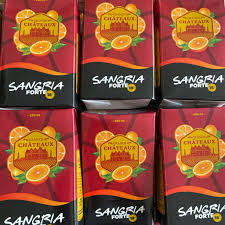
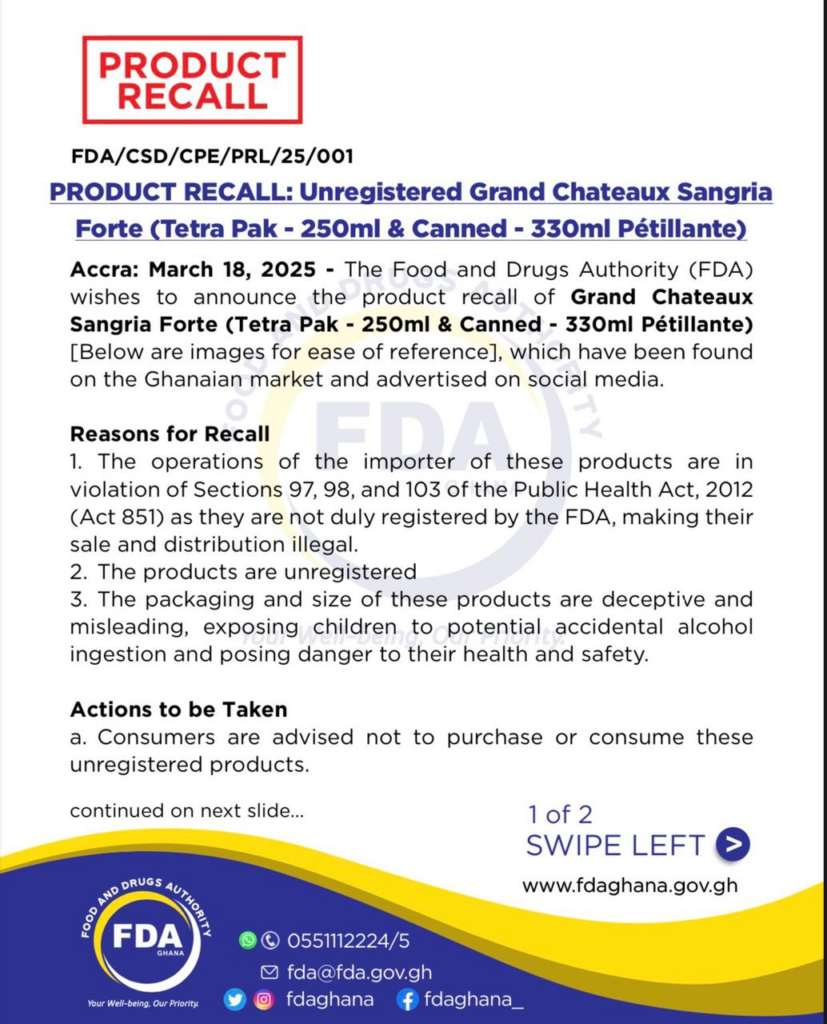
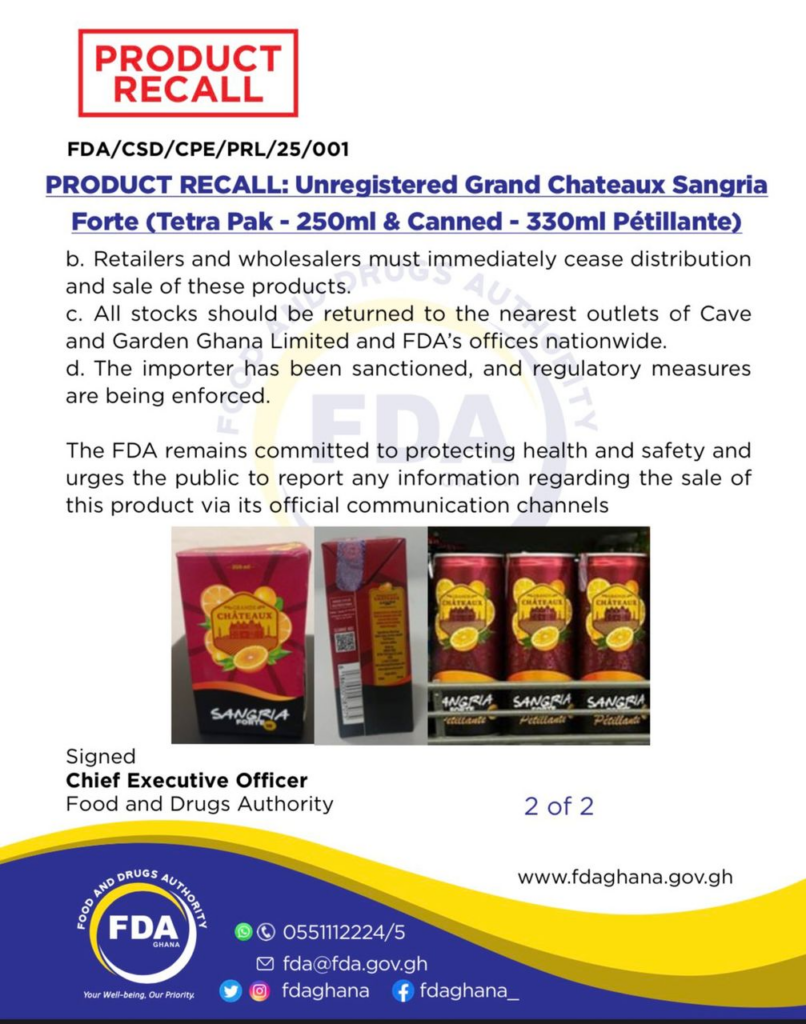
    The Food and Drugs Authority (FDA) has announced the immediate recall of Grand Chateaux Sangria Forte, specifically the Tetra Pak (250ml) and Canned (330ml Pétillante) variants, citing regulatory breaches and safety concerns.

    According to the FDA, these products were being sold on the Ghanaian market and promoted on social media without proper registration, in violation of Sections 97, 98, and 103 of the Public Health Act, 2012 (Act 851). The law mandates that all food and beverage products undergo regulatory approval before distribution.

    In a statement, the regulator emphasized that the sale and circulation of these beverages were illegal and posed potential risks to consumers.

    Additionally, the FDA noted that the packaging and size of the products were misleading and could increase the risk of accidental alcohol consumption by children.

    To prevent any health hazards, the authority has directed all retailers and wholesalers to immediately stop selling and distributing the affected products. Consumers have also been strongly advised against purchasing or consuming them.

    The FDA has instructed that all stocks be returned to the nearest outlets of Cave and Garden Ghana Limited or any FDA office nationwide. The importer has been sanctioned, and regulatory measures are being enforced to ensure compliance.

    Reaffirming its commitment to public health and safety, the FDA has urged the public to report any continued sale of these recalled products through its official communication channels.

  • Aveo Pharmaceuticals’ certification suspended by FDA over opioid smuggling

    Aveo Pharmaceuticals’ certification suspended by FDA over opioid smuggling

    Ghana’s Food and Drugs Authority (FDA) has revoked the Good Manufacturing Practices (GMP) certification of Aveo Pharmaceuticals, an Indian pharmaceutical company, after investigations linked it to the illegal distribution of opioid-based medications in West Africa.

    As part of the crackdown, the FDA has also directed Samos Pharma, a Ghana-based importer, to terminate all business relations with Aveo Pharmaceuticals and Westfin International. Additionally, the registration of six products from Masters Pharmaceutical Limited, which intended to use Aveo as a contract manufacturer, has been suspended.

    The FDA reaffirmed its commitment to fighting opioid abuse, citing ongoing enforcement measures such as seizures, fines, and prosecutions of unauthorized drug distributors. It assured the public that collaboration with law enforcement agencies would be strengthened to prevent the entry of harmful pharmaceuticals into the country.

    This action signals Ghana’s firm regulatory stance on illicit drug trafficking and underscores its commitment to public health and safety.

    PSGH Calls for Full Investigation

    The Pharmaceutical Society of Ghana (PSGH) has condemned the illegal importation of dangerous opioids and called for a thorough investigation into the matter.

    The Society has urged multiple agencies—including the FDA, the Pharmacy Council, the Ghana Revenue Authority (GRA) Customs Division, the Criminal Investigation Department (CID) of the Ghana Police Service, the Narcotics Control Authority, and the National Intelligence Bureau—to probe the issue and hold those responsible accountable.

    “If any local pharmaceutical company is found to have breached regulatory protocols, appropriate sanctions should be enforced to maintain the integrity of the pharmaceutical supply chain in Ghana,” PSGH stated in a press release issued on February 24.

    This call follows revelations from a BBC Africa Eye investigation that exposed how unapproved opioids are being smuggled into Ghana and other West African nations. PSGH noted that despite existing regulations, Ghana has become a transit hub for these illicit substances. The Society is urging authorities to tighten border security, impose harsher penalties, and collaborate with international agencies to curb the growing opioid crisis.

    Warning of the dangers posed by substances like tapentadol and carisoprodol, PSGH highlighted their severe health risks, including addiction and socio-economic harm.

    BBC Africa Eye Exposes Illicit Trade

    A BBC Africa Eye investigation uncovered that Aveo Pharmaceuticals, based in Mumbai, has been producing unlicensed, highly addictive opioids that are illegally exported to West Africa. These drugs, packaged to resemble legitimate medications, contain a dangerous combination of tapentadol, a powerful opioid, and carisoprodol, a muscle relaxant banned in Europe due to its addictive properties.

    The combination, which is not licensed for medical use anywhere in the world, can cause severe side effects, including respiratory distress, seizures, and fatal overdoses. Despite these risks, the drugs have gained popularity as cheap, readily available street substances in Ghana, Nigeria, and Côte d’Ivoire.

    https://twitter.com/fdaghana/status/1894658067087643130

  • FDA revokes Aveo Pharmaceuticals’ license following BBC opioid exposé

    FDA revokes Aveo Pharmaceuticals’ license following BBC opioid exposé

    The Food and Drugs Authority (FDA) has rescinded the GMP certification of Aveo Pharmaceuticals, an Indian drug manufacturer, over its alleged involvement in the unlawful distribution of opioid-based medications in West Africa.

    This action follows a BBC Africa Eye investigation that uncovered how Aveo Pharmaceuticals, through Westfin International, was reportedly shipping unauthorized drugs containing tapentadol and carisoprodol to nations such as Ghana, Nigeria, and Côte d’Ivoire.

    These substances are classified as highly addictive and pose severe health hazards, including respiratory complications and potential fatal overdoses when misused.

    In response to the findings, the FDA has instructed Samos Pharma, a pharmaceutical importer in Ghana, to immediately sever all ties with both Aveo Pharmaceuticals and Westfin International.

    Furthermore, the approval process for six products linked to Masters Pharmaceutical Limited, which intended to source production from Aveo Pharmaceuticals, has been put on hold.

    Reaffirming its resolve to combat opioid abuse, the FDA highlighted its ongoing regulatory measures, including drug seizures, financial penalties, and legal actions against illegal distributors.

    The agency assured the public that it will persist in working alongside security agencies to curb the circulation of harmful pharmaceuticals.

    This latest move strengthens Ghana’s regulatory enforcement against illicit drug trade while reinforcing measures to protect public safety.

  • Ghana revises drug policies in wake of BBC opioid exposé

    Ghana revises drug policies in wake of BBC opioid exposé

    Health Minister Kwabena Mintah Akandoh has unveiled fresh government strategies aimed at stopping the influx of highly addictive opioids into Ghana.

    A BBC report recently uncovered that the pharmaceutical firm Aveo had been unlawfully distributing a dangerous combination of tapentadol and carisoprodol to Ghana and other West African nations.

    Addressing Parliament, Akandoh stated that a coordinated task force involving security agencies is ramping up efforts to block the entry of these harmful drugs into the country.

    “A Joint Task Force involving the FDA, the Narcotics Control Commission, Customs and the Ghana Revenue Authority (GRA) has intensified checks at little entry points to prevent further unauthorised imports leading to disruption of a large consignment of Tramador and similar drugs.”

    He also stated that regulatory bodies have strengthened supervision of pharmaceutical sales points, highlighting that “inspections have been intensified and legal action taken against offenders.”

    At the same time, Korle Klottey MP, Dr. Zanetor Agyeman-Rawlings, and Lambussie MP, Prof. Titus Beyuo, both medical professionals, have raised concerns over the devastating effects of these substances on their communities, citing their strong addictive properties.

    Addressing Parliament, Dr. Agyeman-Rawlings remarked that the situation unfolding is “particular phenomenon that we’re witnessing is quite shocking.”

    “As a matter of fact, in my constituency, we have a cluster of schools, the Nii Amugi Cluster of Schools where people who are addicted to drugs have actually invaded the premises, where they harass children, they harass the teachers, and in the last three weeks, one of the security personnel in the school was attacked by a gang of drug addicts and is now at the 37 Military Hospital in a coma.

    “Mr Speaker, the ramifications of this illicit drug inflow into Ghana go beyond the large scale, but it’s affecting people’s lives, it’s affecting the security in our schools, it’s affecting the security of our ordinary citizens,” he added.

    Frank Annoh-Dompreh, the Minority Chief Whip, called on the government to allocate adequate resources to tackle the influx of these harmful drugs.

  • Recalled Coca-Cola products from Belgium not in Ghana – FDA assuages fears

    Recalled Coca-Cola products from Belgium not in Ghana – FDA assuages fears

    The Food and Drugs Authority (FDA) has denied reports suggesting that Coca-Cola products from Belgium, with production codes from 328 GE to 338 GE, have been recalled in Ghana due to safety concerns.

    The FDA explained that while Coca-Cola Belgium did recall certain products between November 23 and December 3, 2024, due to high chlorate content, these products are not available on the Ghanaian market.

    In its statement, the FDA confirmed that only Coca-Cola products imported into Ghana and officially registered with the authority include brands such as Coke, Fanta, Sprite, Tropico, Minute Maid, Coca-Cola Zero Sugar, Diet Coke, and Sprite Zero, sourced from countries like Algeria, Liberia, South Africa, Tunisia, Nigeria, the UK, USA, and Canada.

    Additionally, the FDA emphasized that Coca-Cola products produced locally in Ghana, such as Coca-Cola, Sprite, Fanta, and Lime-lemon, are manufactured following Good Manufacturing Practices (GMP) and are registered with the FDA.

    The FDA further stated that no Coca-Cola products from Belgium have been approved for sale in Ghana.

    “The FDA, however, brings to the attention of the public that no such product has been registered for sale in Ghana, nor has any been officially cleared into the country through points of entry between November 2023 to date,” the presser stated.

    Read the full statement below;

  • FDA warns public of scammers posing as its officers demanding for money

    FDA warns public of scammers posing as its officers demanding for money

    The Food and Drugs Authority (FDA) has issued a warning to the public about a recent scam in which fraudsters impersonate FDA officers and demand money from food service establishments, such as restaurants, eateries, and food vendors.

    The scammers claim to be investigating incidents of food poisoning and attempt to gain access to personal and confidential information from the establishments they contact.

    According to initial reports, the scammers typically contact food service operators via telephone, claiming that they are conducting investigations into food poisoning cases. They then “demand access to the food service establishment’s WhatsApp account” in order to “fraudulently gain access to their personal and confidential information,” including client databases. The scammers may also attempt to hack the systems of these vendors or even extort money from them.

    The FDA has emphasized that “incidences of food poisoning are considered matters of utmost importance in public health,” and as such, it does not conduct its enforcement activities through telephone calls. Instead, “the FDA conducts onsite inspections” to ensure compliance and address food safety issues. This is a crucial point of distinction between legitimate FDA operations and the fraudulent activities of these scammers.

    In response, the FDA is urging all operators of food service establishments to remain cautious of “telephone calls purporting to be from FDA staff conducting food poisoning investigations.” Operators are encouraged to “report suspicious messages and calls” to the Police or the FDA. The FDA can be contacted at its Head Office or any of its Regional Offices across the country.

    It is also important to note that, according to the “FDA code of practice,” field officers of the authority are “not authorized to collect any payments of money from clients” during their inspections or investigations. Therefore, any request for money from individuals claiming to be FDA officers should be treated with suspicion and reported immediately.

    The FDA has reiterated its commitment to ensuring food safety and protecting public health, urging the public to remain vigilant and report any suspicious activities.

  • Takoradi: Two water companies closed amid efforts to control cholera outbreak

    Takoradi: Two water companies closed amid efforts to control cholera outbreak

    The Food and Drugs Authority (FDA) has ordered the suspension of operations for two sachet water producers in the Sekondi-Takoradi area due to unsanitary practices.

    During a recent FDA inspection, it was revealed that the companies in Takoradi were neglecting regular maintenance of their water filters. This discovery comes as part of the FDA’s efforts to address factors contributing to the cholera outbreak in the region.

    The outbreak has already claimed 16 lives, with 103 confirmed cases. Dr. Martin Kusi, the FDA’s Western Regional Director, reaffirmed the agency’s commitment to protecting public health.

    In response, the FDA has given a two-week deadline for 86 sachet water producers to submit their water sources for testing at the Council for Scientific and Industrial Research (CSIR).

    “We are leaving no stone unturned in the fight against cholera,” Dr. Kusi stated. “Producers across the coastal belt—Ahanta West, Shama, Ekumfi, and Sekondi-Takoradi—must ensure their water sources are safe. We will shut down any producer whose water is found to contain faecal matter.”

    Dr. Kusi also recommended that food vendors set up Veronica buckets at their locations to promote frequent handwashing.

    With the festive season nearing, he urged the public to check expiry dates on food items, avoid purchasing rusty cans, and handle food and drinks carefully to reduce the risk of food poisoning.

  • FDA is not recruiting – Authority warns public

    FDA is not recruiting – Authority warns public

    Food and Drugs Authority (FDA) has warned the public about fake recruitment scams targeting job seekers.

    These scams often involve false emails or messages asking for personal details or payments in exchange for job offers at the FDA.

    The FDA urged everyone to stay alert and ignore any unexpected requests for money or sensitive information. They stressed that these messages are fake and should not be trusted.

    People are encouraged to report suspicious messages to the FDA’s Head Office or any of its Regional Offices across the country.

    The FDA also assured the public that it is working to protect them from these scams and is committed to ensuring a fair and secure recruitment process.

  • Expired rice: Lamens Investments was fined GHS100k due to regulatory breaches – FDA clarifies

    Expired rice: Lamens Investments was fined GHS100k due to regulatory breaches – FDA clarifies

    The Food and Drugs Authority (FDA) has clarified that the GH¢100,000 fine imposed on Lamens Investments Africa Limited resulted from multiple regulatory breaches, unrelated to the quality of the Moshosho Rice imported from India.

    According to the FDA, investigations revealed that Lamens Investments re-bagged the rice without obtaining the required prior approval, violating critical safety and compliance protocols.

    Additionally, the re-bagging was carried out in an unlicensed facility without FDA oversight.

    The authority’s statement detailed the infractions, including re-bagging rice without approval, conducting operations in an unauthorized facility, and failing to ensure FDA supervision during the process.

    “The FDA imposed an administrative fine of GH¢100,000 on Lamens Investments Africa Limited for the following regulatory breaches: Re-bagging the rice without prior FDA approval, Conducting re-bagging operations in an unlicensed facility, and Failing to ensure FDA supervision during the re-bagging process,” part of the statement read.

    These violations culminated in the administrative fine.

    The investigation also uncovered that approximately 22,000 bags of 50kg rice, initially imported from India, were falsely labeled as “Made in Ghana.”

    The rice bags lacked essential information such as manufacturing and expiration dates, contravening Ghanaian laws.

    While tests conducted by reputable institutions like the Centre for Scientific and Industrial Research (CSIR) confirmed that the rice was safe for consumption, the FDA emphasized that the importer’s mishandling of the product constituted a serious breach of public health standards.

    As part of its regulatory processes, the FDA approved an extension of the rice’s “Best Before” date from December 20, 2023, to April 30, 2024, following scientific evaluations. However, a subsequent request to extend the date to December 2024 was denied due to insufficient stability data.

    Addressing public concerns about accepting part payments for fines, the FDA explained that this practice ensures accountability while allowing enforcement actions to proceed without delay.

    The authority reaffirmed its commitment to protecting public health through rigorous regulatory enforcement.

    “The FDA imposed an administrative fine of GH¢100,000 on Lamens Investments Africa Limited for the following regulatory breaches: Re-bagging the rice without prior FDA approval, Conducting re-bagging operations in an unlicensed facility, and Failing to ensure FDA supervision during the re-bagging process,” part of the statement read.

    Samuel Okudzeto Ablakwa, the Member of Parliament (MP) for North Tongu, has alleged that 22,000 bags of expired rice were distributed to Senior High Schools (SHSs) nationwide. He claimed the rice, imported by Lamens Investments, was deliberately re-bagged and falsely labeled as local produce through a collaboration with the National Food Buffer Stock Company.

    Ablakwa stated that the expired rice, branded as “Moshosho Rice,” was re-packaged into sacks labeled “Made in Ghana” and “ECOWAS” but without expiration dates. The MP revealed that the Ashanti Regional Police and FDA initially intercepted the rice but later released it for distribution under directives “from above.”

    He further claimed that an additional 10,000 bags were stored in a Tema warehouse and that investigations into the matter were abandoned after Lamens Investments agreed to pay a GH¢100,000 fine. However, Ablakwa noted that only half the fine had been paid, and the company is now untraceable for the remaining balance.

    According to Ablakwa, FDA test results showed the rice was contaminated, with high acidity levels and the presence of insects. Medical experts reportedly recommended the rice’s destruction.

    The MP is calling for a thorough investigation into the incident and prosecution of those responsible, emphasizing the need to protect public health and ensure accountability in the food supply chain.

  • GHS100k fine against Lamens Investments meant for regulatory violation – FDA reveals

    GHS100k fine against Lamens Investments meant for regulatory violation – FDA reveals

    The Food and Drugs Authority (FDA) has clarified that the GH¢100,000 fine imposed on Lamens Investments Africa Limited was due to multiple regulatory breaches, not the quality of Moshosho Rice imported from India.

    According to the FDA, investigations uncovered that Lamens Investments re-bagged the rice without obtaining prior approval, an essential step to ensure compliance with safety standards and product integrity.

    “The FDA imposed an administrative fine of GH¢100,000 on Lamens Investments Africa Limited for the following regulatory breaches: Re-bagging the rice without prior FDA approval, Conducting re-bagging operations in an unlicensed facility, and Failing to ensure FDA supervision during the re-bagging process,” part of the FDA’s statement read.

    The re-bagging operations, conducted in an unlicensed facility, also violated Ghanaian laws requiring FDA oversight during such processes. The fine followed investigations into the alleged re-bagging of 22,000 bags of 50kg rice, originally imported from India and falsely labelled as “Made in Ghana.” These rice bags lacked crucial information, such as manufacturing and expiration dates.

    While regulatory standards were breached, the FDA confirmed that tests conducted by reputable institutions in India and Ghana, including the Centre for Scientific and Industrial Research (CSIR), confirmed the rice met safety standards. However, the handling of the product violated protocols designed to protect public health.

    The FDA also disclosed that it approved an extension of the rice’s Best Before date from December 20, 2023, to April 30, 2024, after thorough scientific evaluation. However, a request for a further extension to December 2024 was denied due to insufficient stability data.

    Public Concerns on Partial Fine Payments

    Addressing concerns about its acceptance of partial payments for administrative fines, the FDA explained that this practice allows regulatory actions to proceed without delay, ensuring companies remain accountable while adhering to financial commitments.

    Reaffirming its commitment to public health, the FDA stated, “We will continue to uphold the highest standards, taking decisive actions to protect public health and safety.”

    Background

    The case gained public attention after Samuel Okudzeto Ablakwa, MP for North Tongu, alleged that 22,000 bags of expired and repackaged rice had been distributed to Senior High Schools (SHSs) nationwide. Ablakwa claimed the National Food Buffer Stock Company conspired with Lamens Investments to repackage expired rice imported from India into sacks labelled as “Made in Ghana” without expiration dates.

    According to Ablakwa, “The National Food Buffer Stock Company clearly conspired with a company known as Lamens Investments Africa Limited. They used the Buffer Stock storage facility in Kumasi, in the Ashanti region, to repackage expired rice… into locally made sacks, with inscription ‘ECOWAS,’ ‘Made in Ghana rice,’ but without an expiry date.”

    The Ashanti Regional Police Command and FDA initially intercepted the rice for investigation. However, Ablakwa alleged that an “instruction from above” allowed the rice to be released for distribution even before FDA test results confirmed its safety.

    The MP further claimed that some 10,000 bags of rice were stored in a bonded warehouse in Tema and that the company had only paid half of the GH¢100,000 fine. “Even the fine – they have only paid half of it, and they can’t be located to pay the remainder,” he added.

    Calling for further investigations, Ablakwa emphasized, “There ought to be prosecution. The company has admitted to their wrongdoing and agreed to pay a fine of GH¢100,000 after jeopardizing the health of thousands of Ghanaian students.”

  • 22,000 bags of Moshosho Rice supplied to SHSs were wholesome for consumption – FDA confirms

    22,000 bags of Moshosho Rice supplied to SHSs were wholesome for consumption – FDA confirms

    The Food and Drugs Authority (FDA) has assured the public that the 22,000 bags of 50kg Moshosho Rice imported from India and distributed to Senior High Schools (SHSs) were safe for consumption at the time of testing.

    According to the Director of Legal and Corporate Affairs for the FDA, Joseph Yaw-Bernie, rigorous evaluations were conducted by the FDA, the Centre for Scientific and Industrial Research (CSIR), and an accredited laboratory in India, all of which confirmed the rice met safety and quality standards.

    “When the producer applied for the censure, which is internationally accepted, we looked at the quality of the product,” Mr. Yaw-Bernie explained during an interview on Joy FM’s Midday News on Thursday, November 21.

    He further noted that based on the results of these tests, the best-before date of the rice was extended to April 2024, although the manufacturer had initially requested an extension to December 2024.

    “So those three laboratory tests tell us that the product can still be used based on the qualities that have been tested in the three laboratories. Based on that, the best-before date has been extended to April, not to December as requested by the manufacturer … it was still safe. The issue at stake was the quality, and the three laboratories confirmed the quality of the rice,” he stressed.

    Mr. Yaw-Bernie added that the FDA required Lamens Investments Africa Limited, the importer, to provide additional evidence from the manufacturer for any further extension. “They [Lamens] applied for an extension of the best-before date, and we took them through the processes. Once they qualified to have the date extended, we did that,” he said.

    The assurance comes in the wake of allegations made by the Member of Parliament for North Tongu, Samuel Okudzeto Ablakwa, who claimed that the rice was expired and repackaged before being distributed to schools. Mr. Ablakwa has called for the arrest and prosecution of Lamens Investments Africa Limited for what he described as a deliberate act.

    The North Tongu legislator also alleged that the rice was distributed through the Free Senior High School Secretariat in February this year, describing the situation as a potential public health hazard.

    However, Mr. Yaw-Bernie emphasized the FDA’s unwavering commitment to protecting public health and safety, particularly that of children and students. “The authority will not jeopardize the health and safety of Ghanaians, especially children or students, for any reason,” he said.

    He clarified that the GH¢100,000 fine imposed on Lamens Investments was for multiple regulatory violations, including operating an unlicensed facility for repackaging, conducting repackaging without FDA approval, and failing to ensure FDA supervision during the process. The fine was unrelated to the quality of the rice, which remained wholesome.

    “The FDA intervened in the case after receiving a complaint from the police,” Mr. Yaw-Bernie disclosed, adding that the Authority collaborated with law enforcement to halt the unauthorised activity.

    The FDA has reiterated its commitment to upholding its regulatory standards and ensuring the safety of the Ghanaian food supply chain.

  • We won’t shy away from handling unsafe products the right way – FDA on ‘SHS expired food’ saga

    We won’t shy away from handling unsafe products the right way – FDA on ‘SHS expired food’ saga

    The Food and Drugs Authority (FDA) has reaffirmed its commitment to protecting the health and safety of Ghanaians amid allegations of expired rice being distributed to Senior High Schools.

    Director of Legal and Corporate Affairs for the FDA, Joseph Yaw-Bernie Bennie, has assured the public that the regulatory body will not compromise the health and safety of Ghanaians, particularly children and students, under any circumstances.

    This assurance follows claims by the Member of Parliament (MP) for North Tongu, Samuel Okudzeto Ablakwa, who alleged that 22,000 bags of expired and repackaged rice were distributed to various Senior High Schools earlier this year. The distribution was reportedly facilitated through the Free Senior High School Secretariat.

    The North Tongu legislator, who chairs Parliament’s Assurances Committee, alleged that the act was deliberate, calling for the immediate arrest and prosecution of the directors of Lamens Investments Africa, the company accused of repackaging and distributing the expired rice.

    In an interview on Joy FM’s Midday News on Thursday, November 21, Mr. Yaw-Bernie revealed that the FDA became involved after receiving a police complaint about unlicensed rice repackaging. He explained that the Authority worked with law enforcement to halt the unauthorised activity and sanctioned the company for three major violations:

    1. Operating an unlicensed facility for rice repackaging.
    2. Conducting repackaging without FDA approval.
    3. Undertaking the process without proper supervision.

    Mr. Yaw-Bernie noted that the “best before” date on the rice had expired, and the FDA initially recommended disposal of the product. However, subsequent laboratory tests conducted by the FDA, the Centre for Scientific Research (CSIR), and an independent facility in India confirmed the rice met quality standards. As a result, the “best before” date was extended to April 2024 instead of December 2023, as initially requested by the producer.

    “So FDA says that based on this, the date on the rice as was seen on that day shows that the best before date had expired, so what do you do? The first action to take was that we recommended that the product should be simply disposed of – that was the first recommendation made… but again when the producer applied for the censor which is internationally accepted, we looked at the quality of the product and so those three laboratory tests – in India, Centre for Scientific Research (CSIR), and Food Research and FDA did a confirmatory test which tells us that the product can be used, and based on that the best before date was extended to April and not December as requested,” he explained.

    Reiterating the FDA’s unwavering commitment to public health, Mr. Yaw-Bernie emphasized:

    “The FDA, as a regulatory institution, will not for any reason jeopardise the health and safety of Ghanaians, especially children and students. The FDA will shy away from handling unsafe products the way it should be handled.”

    He further assured the public that the FDA strictly enforces its regulations, referencing previous cases where the Authority destroyed unsafe imported rice consignments and addressed food safety issues in schools.

    “Not too long ago, we dealt with an incident in one of the Northern regions where a school was serving products unfit for human consumption. We acted swiftly to protect public health,” he added.

    The FDA’s intervention underscores its mandate to ensure food safety while maintaining public trust in its processes.

  • Get approval before you advertise your products – FDA to food service companies

    Get approval before you advertise your products – FDA to food service companies

    The Food and Drugs Authority (FDA) has directed all food service establishments to secure the Authority’s approval for any advertisements across media platforms by December 1, 2024.

    According to the FDA, any food service company advertising products without this approval is in violation of its Guidelines for the Advertisement of Regulated Products and Section 100 (2) of the Public Health Act 2012, Act 851.

    In a statement signed by the Chief Executive Officer, Madam Delese Mimi Darko, and copied to the Ghana News Agency, the FDA emphasized the legal requirement, noting that “A person shall not advertise food unless the advertisement has been approved by the Authority.”

    The statement continued, citing Section 129 of Act 851, which specifies that individuals breaching these provisions face severe penalties, including “a fine of not less than 7,500 penalty units and not more than 15,000 penalty units, or imprisonment for a term of not less than 15 years and not more than 25 years, or both.”

    The FDA warned that it would strictly enforce these measures to protect public health and safety.

    The FDA outlined that “Food Service Establishment” includes businesses involved in storing, preparing, packaging, or serving food for human consumption, such as restaurants, bakeries, canteens, online food businesses, institutional catering, and fast-food outlets. The statement added that advertisements aligning with the FDA’s guidelines for various media platforms, including billboards, social media, and other below-the-line mediums, require the Authority’s approval, which is valid for one year and must be renewed.

    The FDA also reminded live media presenters advertising FDA-regulated products to adhere strictly to scripts approved by the Authority.

    In a separate alert, the public was advised to report affected batches of Benylin Paediatric Syrup to any FDA office. The FDA expressed appreciation for public cooperation in ensuring regulatory compliance to safeguard public health and safety.

  • FDA warns Postinor 2 medicine with pink flower label is not approved

    FDA warns Postinor 2 medicine with pink flower label is not approved

    Upper East Regional Office of the Food and Drugs Authority (FDA) has issued a warning about a specific type of Postinor 2 contraceptive pill featuring a pink flower label, stating that it is not registered with the FDA.

    Mr. Abel Ndego, the Principal Regulatory Officer, explained that while Postinor 2 is commonly known and used to prevent pregnancies, this particular version has not undergone the necessary regulatory checks by the FDA.

    As a result, the FDA cannot confirm the safety or effectiveness of the pink flower-labelled Postinor 2 since it has not passed through the Authority’s approval process, which ensures drugs meet safety standards.

    “We have also undertaken quality product monitoring of this particular product, and we have noticed that the Active Pharmaceutical Ingredient that should instigate the ability of the product to prevent pregnancy is not at the required value.

    “And so once you use it, you would not get the needed pharmaceutical implication,” Mr Ndego said when he addressed participants at the Regional launch of the Goodlife Health Fair in Bolgatanga.

    The three-day Fair was held by the Regional Health Directorate in partnership with the Northern Sector Action on Awareness Centre (NORSAAC), which is a consortium partner involved in the USAID Accelerating Social and Behaviour Change (ASBC) initiative.

    The event aimed to enhance public health and wellness by promoting behavioural changes and improving access to essential healthcare services.

    https://www.youtube.com/shorts/hc6J5BKGcuI?feature=share

    It was on the theme: “Promoting good health through uptake of positive health behaviour.”

    Mr Ndego admonished members of the public to buy pharmaceutical products from accredited licenced pharmacies and over-the-counter sale outlets, saying, “This way, you are sure that you are buying registered products and the products are stored under the requisite storage conditions.”

    According to him, the efficacy of medicines was directly linked to storage: “Storage affects medicine efficacy very seriously. We have medicines that are supposed to be in a cool chain. They should be refrigerated.”

    Mr. Ndego pointed out that many people tend to store syrup medications for children on kitchen shelves rather than in refrigerators, highlighting that the kitchen’s temperature could compromise the medicine’s effectiveness.

    During the Fair, the Principal Regulator, along with several FDA officials, showcased unregulated pharmaceutical products to raise awareness among attendees about the risks associated with such items. He noted that numerous products are available in the market that falsely claim to cure various ailments.

    Showing one of such unregistered products with images of male sexual organs on it, the Principal Regulator said, “Even the packaging alone will tell you that this has not been approved by the FDA, because we would not allow this kind of obscene picture on a product.

    “But these are products that you would be surprised at the calibre of people who are purchasing them in the name of strengthening and elongating their organs. These have very dire health consequences for us,” he cautioned.

  • I drive a truck in America now – Pope Skinny

    I drive a truck in America now – Pope Skinny

    Pope Skinny has spoken on the exodus of Ghanaian artistes to the West.

    “There is nothing in this country to secure the future of musicians,” he bemoaned.

    “This is why you’ll see creatives who are needy and asking for funds, especially in their old age. It’s not that they are irresponsible.”

    “Our job doesn’t even come with SNNIT contributions,” he added.

    “If you look at all these, you’ll advise yourself to leave and go pay your social security contributions in the West, where the scheme is not corrupt, and they’ll take care of you till you die,” Pope Skinny said.

    The Hiplife artist shared his thoughts with Nana Romeo during an interview on Accra 100.5 FM’s Ayekoo Ayekoo on Wednesday, October 9, 2024.

    He expressed concern that the creative arts infrastructure in Ghana, or the absence of it, makes it financially challenging for musicians.

    “If you don’t have a hit song, you will go hungry,” he said.

    “Even if you save money, you’ll end up using the savings for paying music videos, and other logistics. Even if you get endorsement deals, how often will they come? Not everyone gets it too.”

    Pope Skinny, here, strongly opposed the Food & Drugs Authority (FDA) ban on alcohol endorsement by celebrities, recently upheld by the Supreme Court.

    “It doesn’t make sense to me,” he exclaimed, noting the immense financial benefits celebrities received in the days before the 2015 ban.

    He mentioned some of the top local alcohol beverage brands, testifying of the helpful deals they gave to him and others, and the events they organised or sponsored, keeping the entertainment industry vibrant and productive.

    The Hot Cake hitmaker emphasised: “Since the leaders don’t really think about our welfare in this country, we’ll leave and go do jobs that may be below us – at least no one will see as doing it.”

    “I drive a big truck in America,” Pope Skinny revealed. “I cannot do it in Ghana because I will be mocked.”

  • Fmr FDA Director appointed CEO of National Biosafety Authority

    Fmr FDA Director appointed CEO of National Biosafety Authority

    President Akufo-Addo has appointed Mr. Kwame Dei Asamoah-Okyere as the Chief Executive Officer of the National Biosafety Authority (NBA), based on the recommendations of the NBA’s Governing Board and in consultation with the Public Services Commission.

    Mr. Asamoah-Okyere takes over from Mr. Eric Amaning Okoree, the NBA’s first CEO, whose eight-year tenure concluded in March 2024.

    Mr. Okoree is praised for laying the groundwork for the NBA’s regulatory framework and advancing biosafety standards in Ghana.

    Prior to this appointment, Mr. Asamoah-Okyere served for over two decades as the Director of Business Development and International Partnerships at the Food and Drugs Authority (FDA).

    His expertise includes good regulatory practices related to food and medical products, strategy development, planning, budgeting, monitoring and evaluation, as well as quality management systems.

    At the FDA, he significantly contributed to enhancing operational efficiency and revenue growth, focusing on digital transformation and cultivating key local and international partnerships to strengthen regulatory capacities.

    Mr. Asamoah-Okyere has a longstanding affiliation with the NBA, dating back to 2012, when he participated on the Technical Advisory Committee of the National Biosafety Committee, playing a key role in assessing the first five confined field trial applications.

    He also served on the inaugural Governing Board of the NBA from 2015 to 2017, helping to define its organizational structure and strategic vision.

    In 2015, he led a national consultation with Civil Society Groups and Anti-GMO activists to establish a consensus on the labeling of Genetically Modified Organisms for Food, Feed, and Processing (GMO-FFP), preparing for Ghana’s first GMO event approval. The medical subsequently published guidelines on GMO labeling.

    His academic credentials include a Master of Arts in Monitoring and Evaluation from the Ghana Institute of Management and Public Administration (2021), a Master’s in Biosafety in Plant Biotechnology from Marche Polytechnic University (2011), a Master of Science in Food Biotechnology (Merit) from the University of Strathclyde, Glasgow (2008), and a Bachelor of Science in Biochemistry (1st Class) from Kwame Nkrumah University of Science and Technology (2001).

    He is also an alumnus of Presbyterian Boys Secondary School (PRESEC), Legon.

    As the new CEO, Mr. Asamoah-Okyere is committed to advancing Ghana’s biosafety regulations through a results-oriented strategy, ensuring that the research, development, and application of genetically modified organisms are conducted safely, with robust measures in place to prevent any unintended harm or contamination.

  • FDA confiscates unapproved products in market

    FDA confiscates unapproved products in market

    The Food and Drugs Authority (FDA) has ramped up its market surveillance, leading to the seizure of numerous unapproved products in Ghana.

    This increased scrutiny follows the FDA’s sanctions against over 100 manufacturing companies nationwide from January to the present for promoting unapproved products.

    During a recent operation covered by the media, James Aboakye, the FDA’s Market Surveillance team leader, emphasized the need for public vigilance.

    Aboakye advised consumers to thoroughly examine product details, including food, medicine, and personal care items like shower gels, to ensure they comply with FDA regulations.

  • 148 companies in trouble with FDA over Ads on unapproved products, fined GHS25K each 

    148 companies in trouble with FDA over Ads on unapproved products, fined GHS25K each 

    The Food and Drugs Authority (FDA) has sanctioned at least 148 manufacturing companies nationwide for promoting unapproved products from January to the present.

    FDA’s Head of Investigations, Matthew Nkum, revealed that these companies face administrative fines of GH¢25,000 each, with amounts potentially increasing based on the frequency of the violation.

    In an interview with the Ghanaian Times on Friday, Nkum noted that some companies, including those producing cosmetics, herbal drugs, and media houses, have begun paying their fines. The FDA’s legal team is actively pursuing legal action against non-compliant companies.

    Additionally, another 48 entities, including three individuals, have been warned for similar infractions.

    Nkum emphasized that unapproved advertisements threaten public health and clarified that registering a product with the FDA does not automatically permit its advertisement.

    “After a product is regis­tered, an application or script must be submitted to the FDA for review by a committee, which typically takes a few days before approval for advertise­ment,”Mr Nkum explained.

    He said “the process for ad­vertisement is straight forward, with a fee of GH¢600.”

    To tackle the issue, Mr. Nkum stated that the FDA has ramped up its public awareness campaigns regarding the necessity of having products approved before they are advertised.

    He urged media outlets to secure approval letters from the FDA prior to advertising any products.

    Mr. Nkum reassured the public of the FDA’s ongoing commitment to ensuring safety and emphasized the need for public cooperation, advising that “consumers should always use prescribed medications and verify that products are approved before use.”

    Regarding a separate matter, Amenya initially agreed to refund the money after Ms. Bukaria expressed her disinterest in the equipment. However, Amenya later informed the complainant of available tractors for auction, which Ms. Bukaria was interested in.

    The court was informed that Amenya refunded GH¢23,000.00 into the MOFA/MOF ESCROW account at Ghana Commercial Bank.

    Subsequently, Amenya requested foodstuffs from Ms. Bukaria to cover the remaining balance of GH¢56,000.00. Ms. Bukaria provided foodstuffs worth GH¢32,300.00 and an additional GH¢23,510.00, and also transferred GH¢1,500.00 in cash for the tractors. Despite these payments, Amenya did not fulfill his promise.

  • FDA to appeal GHS93.9m judgment debt over unlawful drug destruction

    FDA to appeal GHS93.9m judgment debt over unlawful drug destruction

    The Food and Drugs Authority (FDA) has announced its plans to appeal the GH¢93,905,760.79 judgment debt recently levied against it by an Accra High Court.

    On July 29, 2024, the court ruled that the FDA must compensate Tobinco Pharmaceuticals Ltd. for the illegal destruction of unexpired drugs owned by the company.

    In 2014, the FDA had seized pharmaceutical products imported by Tobinco to Ghana, claiming they were unfit for consumption.

    Subsequently, in 2019, Tobinco filed a lawsuit against the FDA, seeking damages and challenging the legality of the FDA’s actions.

    The court, led by Justice Audrey Kocuvie-Tay, found that the FDA’s destruction of Tobinco’s unexpired products was unlawful as it was carried out without a court order.

    The court again declared that “the unlawful lockup of Tobinco’s warehouses by the FDA and bad media publicity by the FDA resulted in the massive expiration of Tobinco’s products between June 2014 and August 2015.”

    Justice Kocuvie-Tay also ruled that the FDA’s directive to halt the sale of Tobinco’s products without an Executive Instrument from the Minister of Health was unlawful.

    She further stated that the FDA’s and its CEO’s decision to bar Bliss GVS Pharma Limited from importing drugs into Ghana without the proper Executive Instrument (E.I.) from the minister was unlawful.

    The judge concluded that Tobinco had not imported counterfeit drugs into the Ghanaian market.

    In response, the FDA, through a statement from its Chief Executive Officer, Dr. Delese Darko, announced its intention to appeal the court’s decision to the Court of Appeal.

    “The FDA acknowledges the judgment delivered by the High Court. However, the authority respectfully disagrees with the decision and intends to exercise its right to appeal. The FDA remains committed to upholding the judicial process and adhering to the rule of law and will follow due process until the matter is fully resolved.”

    It also dismissed allegations circulating publicly that its CEO was negligent in her duties, leading to the Authority’s financial loss.

    “For the avoidance of doubt, the Authority informs the public that this case stems from actions taken in 2013. Despite the claims made against the then CEO, Dr. Stephen Opuni, by the applicant, Tobinco Pharmaceuticals Ltd., the current leadership of the organization has provided a defense to the courts at all material times. The action initiated against the FDA in 2019 has consistently and vigorously been responded to by the FDA,” the statement added.

  • Tobinco Pharmaceuticals to receive over GHS93m unlawful destruction of it drugs by FDA

    Tobinco Pharmaceuticals to receive over GHS93m unlawful destruction of it drugs by FDA

    The High Court in Accra (General Jurisdiction) issued a ruling on July 29, 2024, ordering the Food and Drugs Authority (FDA) to compensate Tobinco Pharmaceuticals Ltd with GH¢93,905,760.79 for the illegal destruction of the company’s unexpired drugs.

    In 2014, the FDA seized pharmaceutical products imported by Tobinco, claiming that they were unfit for consumption.

    Tobinco filed a lawsuit against the FDA in 2019, seeking damages and a declaration that the FDA’s actions were unlawful.

    Represented by Mr. Philip Addison of Addison Bright Sloane, Barristers, Solicitors, and Consultants in Accra, Tobinco, the plaintiff and judgment creditor, argued the case.

    The court, under the leadership of Justice Audrey Kocuvie-Tay, concluded that the FDA’s destruction of Tobinco’s unexpired products without a court order was illegal.

    The court again declared that “the unlawful lockup of Tobinco’s warehouses by the FDA and bad media publicity by the FDA re­sulted in the massive expiration of Tobinco’s products between June 2014 and August 2015.”

    Justice Kocuvie-Tay also ruled that the FDA’s directive prohibiting the sale of Tobinco’s products without an Executive Instrument from the Minister of Health was unlawful.

    She further stated that the actions taken by the FDA and its CEO to ban Bliss GVS Pharma Limited from importing drugs into Ghana without the issuance of an Executive Instrument (E.I.) by the Minister were also illegal.

    The judge affirmed that Tobinco did not import counterfeit drugs into the Ghanaian market.

    She declared that the FDA and its CEO’s unlawful actions inflicted significant harm and financial loss on Tobinco’s business.

    The court determined that the FDA’s refusal to register Tobinco’s drugs, the confiscation of Tobinco’s products from customers, the order for the arrest of Tobinco’s CEO, and the detention of Tobinco’s imported drugs at Tema Port constituted an abuse of the FDA’s statutory authority.

    As a result of these actions, which caused Tobinco to suffer losses, the court ordered the FDA to pay special damages amounting to GH¢24,003,157.20, representing the total cost of Tobinco’s products that expired in warehouses.

    Additionally, the court ordered the FDA to pay special damages of GH¢511,414.35 to cover the demurrage costs incurred by the plaintiff.

    The court also awarded special damages of GH¢67,300 to cover expenses related to bonded warehouses, along with interest on the aforementioned amounts at prevailing bank rates.

    Although Tobinco did not specify the start dates for calculating interest on the various awarded amounts, the evidence presented indicated the dates when the infractions or losses occurred. The court awarded GH¢24,003,157.20 from January 2015, GH¢511,414.35 from November 2015, and GH¢67,300 from January 2015, all accruing interest at the prevailing bank rate until final payment.

    In addition to general damages of GH¢5 million for misfeasance, the court ordered the FDA to pay Tobinco GH¢1 million in costs.

    These amounts include the recovery of special damages totaling GH¢24,003,157.20, GH¢511,414.35, and GH¢67,300.

  • High Court rules in favor of Tobinco Pharmaceuticals in fake drug case

    High Court rules in favor of Tobinco Pharmaceuticals in fake drug case

    Accra High Court has acquitted Tobinco Pharmaceuticals Limited (TPL) and its Group Chairman, Elder Dr. Samuel Amo Tobbin, of allegations related to the importation of counterfeit drugs into Ghana.

    The verdict, delivered by Her Ladyship Audrey Kocuvie-Tay on July 29, 2024, counters the accusations made by Dr. Stephen Kwabena Opuni, the former Chief Executive Officer of the Food and Drugs Authority (FDA).

    This decision concludes a five-year legal struggle that began on July 19, 2019.

    According to a press release from Tobinco Pharmaceuticals, the court ruled that the claims were unfounded and criticized the Dr. Opuni-led FDA for misusing its authority.

    “The court found evidence of coercion in obtaining confession statements from Elder Dr. Tobbin and Mr. Kamath, using documents prepared by the BNI with letterheads taken from Tobinco’s offices.

    “The FDA’s prohibition of Tobinco’s products and the ban on Bliss GVS Pharma Limited’s exports to Ghana were ruled unlawful as they lacked proper authorization from the Minister of Health,” portions of the release read.

    The release added that, the company and its CEO, it is a positive feeling and they welcome the court’s ruling.

  • It is discriminatory, unconstitutional for FDA to  ban celebrities from advertising alcohol  – Supreme Court judge

    It is discriminatory, unconstitutional for FDA to ban celebrities from advertising alcohol – Supreme Court judge

    A member of the Supreme Court, Justice Barbara Ackah-Yensu, has ruled that the Food and Drugs Authority’s (FDA) guideline prohibiting celebrities from promoting alcoholic beverages is discriminatory and should be invalidated.

    Justice Ackah-Yensu declared that the rule, which states “No well-known personality or professional shall be used in alcoholic beverage advertising,” is deemed “unconstitutional.”

    As one of the two judges who opposed the majority 5-2 decision supporting the FDA’s ban on celebrity endorsements of alcoholic drinks, Justice Ackah-Yensu labeled the directive as “unconstitutional.”

    In her dissenting opinion, outlined in a 75-page judgment delivered on June 19, 2024, and supported by Justice Prof. Henrietta Mensa-Bonsu, but made public on July 15, 2024, Justice Ackah-Yensu criticized the FDA guidelines as “discriminatory.”

    “In conclusion, I am convinced that the Plaintiff has made a compelling case that supports the conclusion that Guideline 3.2.10, which seeks to debar ‘well-known personalities and professionals’ from engaging in alcoholic beverages advertisement, is discriminatory and unconstitutional.

    “I therefore declare Guideline 3.2.10 of the Guidelines for the Advertisement of Foods published by the 1st Defendant (FDA) on February 1, 2016, is discriminatory, inconsistent with, and in contravention of Articles 17(1) and (2) of the 1992 Constitution, and thus unconstitutional.

    “Accordingly, I hereby order the striking down of Guideline 3.2.10 of the said Guidelines as being inconsistent with and in contravention of the letter and spirit of the 1992 Constitution.

    “Finally, the Defendants, their agents, servants, or assigns are perpetually restrained from acting under the said Guideline 3.2.10,” Justice Barbara Ackah-Yensu stated.

    Conclusion

    In summarizing Justice Ackah-Yensu’s viewpoint, she stated, “I concur with the Plaintiff that many individuals engage in these advertisements as a means of earning a living. Consequently, it is an unconstitutional effort to undermine their economic opportunities simply because they can capture public interest.”

    “I do not arrive at these conclusions oblivious of this Court being a policy court, and indeed empowered to direct the policy of the State,” she stated to buttress her point.

    “I must state without equivocation that I subscribe fully to the discourse against the infiltration of our society, and especially motivating our young ones and minors to engage in alcohol and drug abuse.

    “My subscription notwithstanding, I am guided by the constitutional tenets, its letter, and spirit.

    “As admonished by the Court in the famous Tufour v Attorney-General (1980) GLR 637, every conduct must conform to the due process of law.

    “The 1st Defendant must design a mechanism that is consistent with the Constitution to attain the mischief it seeks to cure with the publication of these guidelines, especially Guideline 3.2.10.

    “Presently, however, in my view, Guideline 3.2.10 is inconsistent with and in contravention of Articles 17(1) and (2) of the 1992 Constitution. As aforesaid, there are already in place restrictions provided by the Liquor License Act and Guidelines 3.2.1 to 3.2.9 to ensure the responsible use of alcohol for public safety and health.

    “And if Parliament finds it necessary to exclude any specific and defined group from advertising alcoholic beverages, it may so legislate.

    “But for now, the blanket prohibition of persons who are said to be ‘well-known within society’ to advertise alcoholic beverages is discriminatory, arbitrary, and in contravention of the 1992 Constitution and same ought to be declared a nullity.

    “In conclusion, I am convinced that the Plaintiff has made a compelling case that supports the conclusion that Guideline 3.2.10, which seeks to debar ‘well-known personalities and professionals’ from engaging in alcoholic beverages advertisement, is discriminatory and unconstitutional.

    “I therefore declare Guideline 3.2.10 of the Guidelines for the Advertisement of Foods published by the 1st Defendant on February 1, 2016, is discriminatory, inconsistent with, and in contravention of Articles 17(1) and (2) of the 1992 Constitution, and thus unconstitutional.

    “Accordingly, I hereby order the striking down of Guideline 3.2.10 of the said Guidelines as being inconsistent with and in contravention of the letter and spirit of the 1992 Constitution.

    “Finally, the Defendants, their agents, servants, or assigns are perpetually restrained from acting under the said Guideline 3.2.10.”

    On June 19, 2024, the Supreme Court, in a 5-2 majority ruling, affirmed the FDA’s directive prohibiting celebrities from promoting alcoholic beverages.

    The seven-judge panel, led by Chief Justice Gertrude Sackey Torkornoo, determined that the FDA guideline was neither overly restrictive nor in violation of the 1992 Constitution.

    “We find from the above that the Defendant has authority under the Public Health Act, 2012, Act 851, to issue guidelines in connection with food and drugs, including alcoholic beverages in order to regulate the production and consumption of these items with the aim of protecting and promoting the general well-being and health of all persons in Ghana.

    “We find that guideline 3.2.10 was issued by the 15 Defendant within the general
    powers conferred on the 1st Defendant by the Public Health Act, 2012, Act 851.

    “We hold that guideline 3.2.10 is not unreasonable or excessive and that it is in the interest of the public health of Ghana. Consequently, guideline 3.2.10 is not discriminatory and it is neither inconsistent with nor contravenes articles 17(1) and (2) of the 1992 Constitution.

    “The Plaintiff’s action therefore fails in its entirety and it is therefore dismissed,” the Majority stated.

    The majority opinion was delivered by Chief Justice Gertrude Sackey Torkornoo, along with Justices Paul Baffoe-Bonnie, Mariama Owusu, and George Kingsley Koomson.

    In 2015, the FDA introduced a directive prohibiting celebrities from endorsing alcoholic drinks.

    The directive aimed to safeguard minors and promote public health.

    Dissatisfied with this directive, Mark Darlington Osae, an artist manager, took the case to the Supreme Court, arguing that the FDA’s rules violated principles of equality and discriminated against the creative sector.

  • Abeka Market food vendors flout violation of FDA permit rules

    Abeka Market food vendors flout violation of FDA permit rules

    A recent report indicates significant non-compliance with the Food and Drugs Authority’s (FDA) Street Food Vendor Permit directive at Abeka Market.

    The FDA introduced the Street Food Vendor Permit to ensure street foods meet basic hygiene and safety standards, thereby enhancing consumer confidence and protecting public health. This permit, costing 5 cedis, is mandatory for all street food vendors nationwide. It includes training, registration, and licensing.

    However, at Abeka Market, the majority of food vendors were found to be operating without the required permit, with only a minority claiming to possess it.

    Alice Tetteh, a porridge seller, admitted ignorance of the requirement, stating,

    “I don’t have one. I am not sure of what you are talking about. I don’t know I need to get one so if you have one to give me, I would be glad”.

    “I have been engaging AMA on that. For the FDA permit, I do not have one. But my place is clean. So I don’t think it is a big issue”.

    Sahadatu Mohammed, who sells Waakye, acknowledged engaging with the Accra Metropolitan Assembly (AMA) but admitted not having the FDA permit. She defended her operation’s cleanliness but downplayed the permit’s importance.

    Patrons interviewed expressed apathy towards checking vendors’ permits before purchasing food. One remarked,

    “I have been eating here for years. I don’t have time to check the permit because I don’t care. The food is good and I know the place is clean so yeah”.

    Another also stated, “I believe they have the permit. I have been a regular customer for 27 years”.

    The Municipal Environmental Health Officer, Boniface Ashalley, acknowledged the challenges, noting ongoing efforts to educate vendors and enforce health standards.

    He emphasized the municipality’s role in ensuring food safety amidst widespread ignorance.

    “We have our staff who do one-on-one education. We have been doing screening for them to get the health permit. We are aware of some of these issues but we have been embarking on sensitization to get them informed. We also go round to monitor their place of work if it is clean and safe for people to buy from them” he stated.

    Deputy CEO of the FDA, Roderick Daddey-Adjei, refuted claims by some vendors who alleged possession of permits not displayed at their stalls. He clarified that compliance involves visibly displaying a sticker with a QR code.

    Daddey-Adjei expressed concern over vendor negligence and highlighted the FDA’s intensified education efforts, including direct outreach and multilingual campaigns.

    He underscored the seriousness of non-compliance, stressing that operating without the Street Food Vendor Permit constitutes a criminal offense and offenders will face sanctions.

    “We are all doing the same work so when there is the need to assist or let the food vendors know that apart from the health permit it is mandatory for them to get the street food vendor permit, we do” he added.

    “It is not possible for the vendors to have the sticker and claim it is at home. It has a QR code and it is sticker which has to be pasted on their shop or wherever they are selling from. To see the one who has complied fully is the one with the health permit and also the street food vendor permit”.

    In summary, while the FDA’s initiative aims to enhance street food safety and regulatory compliance, significant challenges persist at Abeka Market, necessitating continued enforcement and public awareness efforts.

  • FDA celebrates Supreme Court verdict on celebrity alcohol  ban, says it’s a victory for public health

    FDA celebrates Supreme Court verdict on celebrity alcohol  ban, says it’s a victory for public health

    Food and Drugs Authority (FDA) has hailed the Supreme Court’s decision to uphold the ban on celebrities in alcohol advertisements as a major win for the public and the health of Ghanaians.

    Speaking during a media engagement Director of Legal and Corporate Affairs at FDA, Joseph Benneh, stated that “this is a victory for all Ghanaians and a victory for public health and safety”.

    According to him, “there is not much to celebrate actually. It is just that we are contributing to the health and safety of the people of Ghana and we are happy the Supreme Court sees eye to eye with us”.

    This comes after Celebrities in Ghana challenged the Food and Drugs Authority (FDA) in court over a ban on their advertising for alcoholic companies.

    The case began on November 11, 2022, when artiste manager Mark Darlington Osae sued the FDA, arguing that the ban violated equality and discriminated against the creative industry.

    However, the Supreme Court  on Wednesday June 19, 2024 ruled in favour of the FDA where it upheld the Authority’s 2016 guidelines, which bars celebrities and popular figures such as musicians among others from promoting alcohol products.

    Manager of the musical duo Reggie N Bollie, Mr. Osae, in reaction contended that the directive discriminates against celebrities and breaches constitutional rights. 

    He sought the court’s interpretation of articles 17(1) and 17(2) of the constitution, aiming to overturn the FDA’s directive on the grounds of discrimination.

    Nonetheless, in a 5-2 majority decision, the Supreme Court, led by Chief Justice Gertrude Torkonoo, upheld the FDA’s guidelines as constitutional.

    Meanwhile, FDA’s Joseph Benneh commended the manager and all other celebrities who partnered with him to seek legal clarity and  redress over the ban.

    ” It is just not about celebrities but of course, they find themselves within that space and did the right thing in going to court to seek clarification and confirmation as to whether what we are doing is within the context of the constitution” he stated.
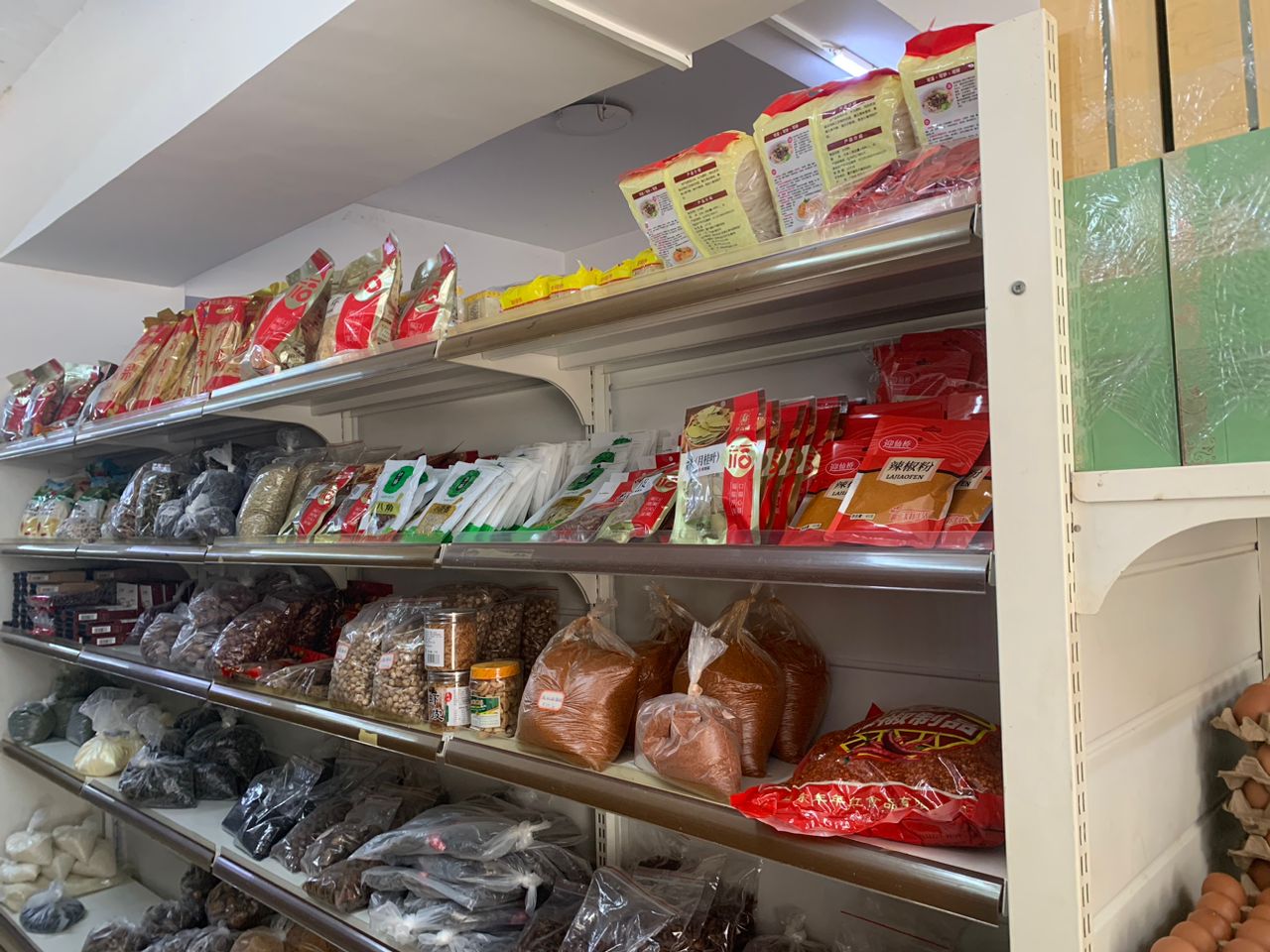
  • Banning celebrities from alcohol ads archaic – George Quaye

    Banning celebrities from alcohol ads archaic – George Quaye

    Media personality George Quaye, has expressed dissatisfaction with the Supreme Court’s decision to uphold the ban on notable figures from advertising alcoholic beverages in the country.

    Quaye argued that it would have been more beneficial for the Food and Drugs Authority (FDA) to lift the ban, which has been enforced since 2015.

    He suggested that collaborating with celebrities could be an effective strategy to educate youth about the risks of alcohol consumption, rather than restricting their participation in advertising.

    Chief Justice Gertrude Torkornoo delivered a summarized version of the Supreme Court’s ruling, affirming that the FDA’s directive aligns with constitutional principles.

    In an interview with JoyNews, Mr Quaye emphasized the potential of celebrities in raising awareness about more dangerous substances among youth, implying that involving them in sensitization efforts could mitigate harmful behaviors.

    “Rather find a way to engage popular people and celebrities to help educate these kids. Don’t fight them and make them feel like they have to stay home and not find jobs to do just because you want to create some laws that modern times don’t align with,” he said.

    Today’s ruling concludes a lengthy legal battle initiated by Mark Darlington Osae, CEO of Black Kulcha Music, against the FDA’s regulations prohibiting celebrities from endorsing alcoholic drinks.

    The full verdict is scheduled for public release on Friday, June 21. Joseph Bennie, Director for Legal and Corporate Affairs at FDA, welcomed the ruling, pledging measures to prevent circumvention of the ban by well-known personalities.

    Representatives from the Ghana Music Alliance, including Nii Ofoli Yartey, expressed disappointment but vowed to continue advocating for the creative arts industry.

    Background:
    In 2015, the FDA implemented guidelines aimed at regulating alcohol consumption in Ghana, which included restrictions on celebrity endorsements in alcohol advertising.

    The rationale cited was the potential influence of celebrities in promoting alcohol consumption among minors.

    Mark Darlington Osae filed a lawsuit challenging the FDA’s directive as discriminatory against the creative arts industry. The case highlighted constitutional concerns regarding equality and discrimination based on occupation.

    Several figures from the creative industry, such as Wendy Shay, Shatta Wale, Brother Sammy, Kuami Eugene, and Camidoh, have opposed the ban, arguing that it limits their income opportunities and livelihoods.

  • Supreme Court to announce verdict on FDA ban of celebrity alcohol advertisements today

    Supreme Court to announce verdict on FDA ban of celebrity alcohol advertisements today

    Supreme Court will deliver its judgement on the case filed by Mark Darlington Osae challenging the ban on celebrities appearing in alcoholic advertisements.

    The seven-member panel of the apex court has previously deferred its judgement twice, most recently on May 8, 2024.

    The Food and Drugs Authority (FDA) issued a directive prohibiting celebrities from endorsing alcoholic beverages.

    This measure aims to prevent minors from being influenced by celebrities to consume alcohol.

    Mark Osae, manager of Reggie ‘N’ Bollie and Skrewfaze, filed a writ at the Supreme Court on November 11, 2022, contesting the FDA’s 2015 regulations as discriminatory against the creative arts industry.

    Osae, who is also a music publisher at Perfect Note Publishing, seeks to have the Supreme Court invalidate the FDA’s regulation.

    Mr. Osae, the Chairman and Co-Founder of the Ghana Music Alliance, stated that the FDA directive, which ordered that “no well-known personality or professional shall be used in alcoholic beverage advertising,” is inconsistent with and in contravention of Articles 17(1) and 17(2) of the 1992 Constitution.

    Mark Darlington Osae argues that Articles 17(1) and 17(2) of the 1992 Constitution guarantee equality before the law and prohibit discrimination based on social or economic status and occupation, making the directive null, void, and unenforceable.

    Before Osae took the matter to the Supreme Court, several stakeholders in the creative industry, such as Wendy Shay, Shatta Wale, Brother Sammy, Kuami Eugene, and Camidoh, voiced their opposition to the directive and urged its repeal.

    The FDA’s directive prevents celebrities from promoting alcoholic beverages through any medium. This policy is part of the Ghanaian government’s efforts to shield children and young people from alcohol advertising.

    However, Osae contends that this child protection measure would deny the entertainment industry valuable income opportunities.

    In his writ filed on November 11, 2022, Osae claims that certain aspects of the FDA’s 2015 regulations discriminate based on economic status and occupation, among other factors.

    The artist, manager, and music publisher are thus asking the Supreme Court to declare unconstitutional the guidelines stipulating that “No well-known personality or professional shall be used in alcoholic beverage advertising.”

    Reliefs Sought:

    (a) A declaration that, on a true and proper interpretation of Articles 17(1) and 17(2), which guarantee equality before the law and prohibit discrimination against persons on grounds of social or economic status, occupation, among others, Guideline 3.2.10 of the Guidelines for the Advertisement of Foods published by the 1st Defendant on February 1, 2016, which provides that “No well-known personality or professional shall be used in alcoholic beverage advertising,” is discriminatory, inconsistent with, and in contravention of Articles 17(1) and 17(2) of the 1992 Constitution, and thus unconstitutional.

    (b) A declaration that, on a true and proper interpretation of Articles 17(1) and 17(2), Guideline 3.2.10 of the Guidelines for the Advertisement of Foods published by the 1st Defendant on February 1, 2016, which prohibits well-known personalities and professionals from advertising alcoholic products, is inconsistent with and in contravention of Articles 17(1) and 17(2) of the 1992 Constitution, which guarantee equality before the law and prohibit discrimination against persons on grounds of social or economic status, occupation, among others, and consequently null, void, and unenforceable.

    (c) An order striking down Guideline 3.2.10 of the Guidelines for the Advertisement of Foods published by the 1st Defendant on February 1, 2016, as being inconsistent with and in contravention of the letter and spirit of the 1992 Constitution, and as such nullified.

    (d) An order of perpetual injunction restraining the Defendants, their agents, servants, or assigns under the pretext of acting under Guideline 3.2.10 of the Guidelines for the Advertisement of Foods published by the 1st Defendant on February 1, 2016, from doing anything to prevent any well-known personality or professional from advertising alcoholic products.

  • Naphthalene products should be kept away from children and other consumables – FDA cautions

    Naphthalene products should be kept away from children and other consumables – FDA cautions

    The Food and Drugs Authority (FDA) has issued a public warning regarding the appropriate utilization of Naphthalene-containing products, registered as insecticides in Ghana.

    In its statement released on Tuesday, June 4, the FDA underscored the critical importance of adhering strictly to the instructions provided on the labels of these products.

    The FDA highlighted that the labels on registered Naphthalene products in Ghana contain vital warnings and cautions, including directives to keep them away from children, food, water, and sources of ignition due to their flammability.

    The FDA has established specific labeling requirements for Naphthalene-containing products, incorporating detailed usage directions and proper storage instructions.

    “These products should not come into contact with children or food, including water, and as a flammable material, should be kept away from fire,” the statement read.

    The Authority stressed that misuse of these products could lead to adverse effects, emphasizing that careful adherence to the usage instructions is essential for safe application.

    “In Ghana, the FDA has registered Naphthalene-containing products for use as insecticides. The FDA wishes to inform the public that labels on registered Naphthalene products in Ghana contain sufficient information on their proper use, warnings, and cautions,” the FDA stated.
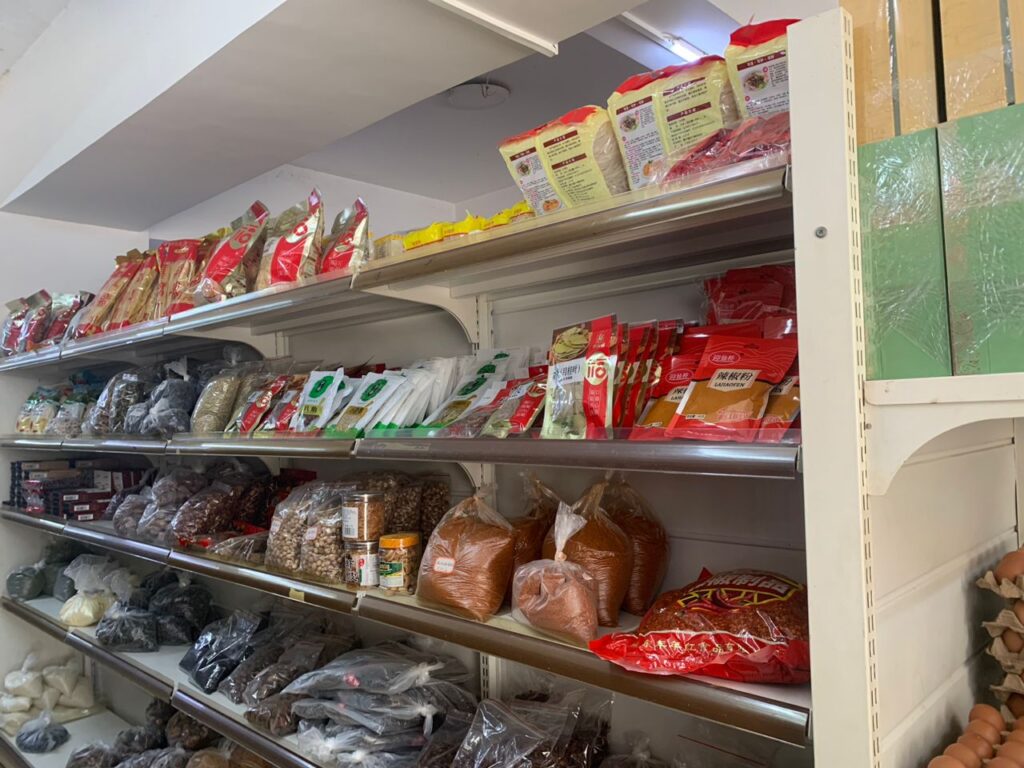
    Urging strict compliance with labeling instructions for Naphthalene-containing products and all other chemicals, the FDA highlighted the importance of safeguarding public health and safety.

    “The FDA has registered Naphthalene-containing products for use as insecticides. The FDA wishes to inform the public that labels on registered Naphthalene products in Ghana contain sufficient information on their proper use, warnings, and cautions,” it added.
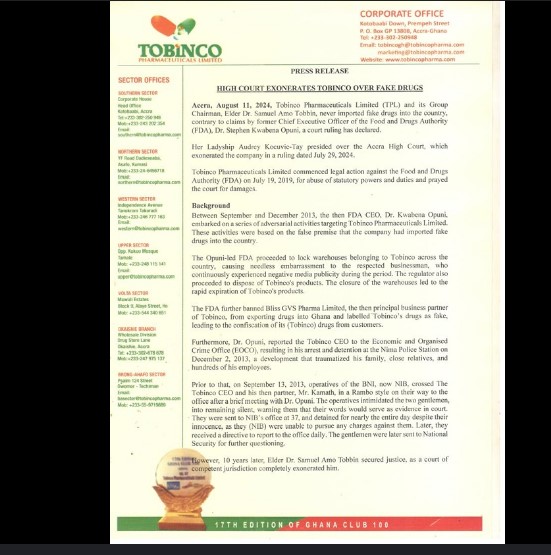
    Furthermore, it announced efforts to collaborate with relevant agencies to ensure the safe and sustained use of Naphthalene products in Ghana.

  • FDA cautions public about dangers of inappropriate usage of naphthalene products

    FDA cautions public about dangers of inappropriate usage of naphthalene products

    Food and Drugs Authority (FDA) has issued a warning to the public about the appropriate use of items containing naphthalene, citing its registration as an insecticide.

    The FDA stressed in a statement issued on Tuesday, June 4, that these drugs should only be used as directed by the manufacturer and in accordance with label instructions.

    According to the FDA, labels on legally registered Naphthalene items in Ghana include warnings and cautions about their flammability and should be kept away from children, food, water, and fire.

    It has mandated particular labelling specifications, such as usage instructions and storage guidelines, for products containing naphthalene.

    The Authority emphasised that using the product improperly could have negative effects, therefore, carefully follow the usage directions.

    To protect their health and safety, the FDA has asked the public to follow the labelling instructions for all items that contain naphthalene as well as for all other chemicals.

    It has said that it will work with pertinent organisations to guarantee Ghana’s safe and ongoing use of naphthalene products.

    “In Ghana, the FDA has registered Naphthalene-containing products for use as insecticides.

    The FDA wishes to inform the public that labels on registered Naphthalene products in Ghana contain sufficient information on their proper use, warnings, and cautions.

    “These products should not come into contact with children or food, including water, and as a flammable material, should be kept away from fire.”

  • Over 200 medical products including tramadol destroyed by FDA in North East Region

    Over 200 medical products including tramadol destroyed by FDA in North East Region

    The Food and Drugs Authority (FDA) in the North East Region has launched a crackdown on drug abuse, seizing and destroying over 200 medical products, including tramadol, a drug commonly abused by the youth.

    This effort, involving local associations, investigative agencies, and other stakeholders, underscores the collective action required to tackle this challenge effectively.

    Jacob Amoako Mensah, head of the FDA in the region, warned about the dangers of drug abuse, highlighting its potential consequences on individuals’ lives and its broader impact on society, including its contribution to criminal behavior.

    He emphasized that such operations must be part of sustained efforts by the FDA and other relevant authorities.

    Addressing drug addiction among the youth, Mensah advocated for a multifaceted approach involving law enforcement, education, community engagement, and support services for those affected.
    The destruction of the seized drugs underscores the seriousness with which the issue is being addressed. However, Mensah noted that prevention through awareness campaigns and support networks for those at risk of substance abuse is equally essential.
    He stressed that parents, teachers, and community leaders play a vital role in this effort by fostering environments that discourage drug abuse and provide guidance and support to young people.

    Mr Mensah said, “What we want to tell the youth is that they should desist from tramadol. When it gets to a point when the person has become addicted, it is difficult to treat such a person. So we don’t want them to be using tramadol. Let doctors prescribe tramadol before one uses it.”

    “This exercise today, we have the youth, we have the Gambaga and Nalerigu Youth Association, the National Investigation Bureau, and Narcotic Control Board, all being part and the two Associations who have helped us to embark on this particular exercise to destroy this quantity of tramadol that we are destroying today.”

  • MC Yaa Yeboah criticizes FDA’s stance on spiritual products

    MC Yaa Yeboah criticizes FDA’s stance on spiritual products

    Media personality MC Yaa Yeboah has criticized the Food and Drugs Authority (FDA) for its assertion that it does not regulate products making spiritual claims.

    According to MC Yaa Yeboah, even if a product makes spiritual claims, it remains a physical product consumed by people, thus requiring certification to ensure safety or, at the very least, harmlessness before consumption.

    Following the FDA’s announcement of Fella Makafui’s arrest for selling unlicensed and unregistered products, social media users began calling out other influencers to the FDA, including Yaa Jackson, Hajia Bintu, and others.

    Hajia Bintu faced scrutiny for promoting a ‘kayanmata’ product, also known as love potions.

    However, the FDA responded that they only regulate physical products and cannot assess the efficacy of spiritual products.

    This response prompted MC Yaa Yeboah to vehemently criticize the agency.

    Watch the video below for more details…

  • FDA allegedly not permitted to vet spiritual product – Report

    FDA allegedly not permitted to vet spiritual product – Report

    In the aftermath of public inquiries about ‘kayamata,’ a substance marketed for its alleged ability to attract men, the Food and Drugs Authority (FDA) clarified its stance on regulating products making spiritual claims.

    This clarification came in response to concerns raised by individuals regarding the FDA’s jurisdiction over kayamata products, particularly after social media influencer Hajia Bintu’s endorsement of the product.

    This development comes amid reports that Fella Makafui was detained on Wednesday, May 22, 2024, for involvement in unlawful activities related to the sale of unlicensed medicines.

    In an official response on their X account, the FDA stated, “Per the law, the FDA is not mandated to oversee products that make spiritual claims.”

    For educational purposes, Kayan Mata is a concoction traditionally prepared as an appetizer or sweetener to enhance a woman’s allure for her husband.

    The term “Kayan Mata” originates from the Hausa language, with “Kaya” referring to property, things, or stuff, and “Mata” meaning women. Thus, it translates to “women’s properties” or “women’s things.”

    Typically, Kayan Mata products include waist beads, earrings, necklaces, perfumes, soaps, and more.

    These products are believed to have the ability to captivate men and fulfill the woman’s desires. Some women have shared testimonials about the effectiveness of these products.

  • FDA cautions schools on food safety after uncovering expired food items at Zuarungu SHS

    FDA cautions schools on food safety after uncovering expired food items at Zuarungu SHS

    The Food and Drugs Authority (FDA) has issued a cautionary message to schools across the country, stressing the importance of adhering to food safety standards.

    This advisory comes in the wake of a recent discovery at Zuarungu Senior High School in the Upper East region, where expired food items were found in the school’s storerooms.

    A surprise inspection conducted by an FDA team at the campus of Zuarungu SHS in the Bolgatanga East District led to the impounding of several expired food products.

    The FDA seized these items, emphasizing the need for school administrators to prioritize compliance with food safety regulations within educational institutions.

    Highlighting the significance of this issue, Sebastian Mawuli Hotor, the FDA‘s Upper East Regional Director, underscored the agency’s commitment to ensuring that school food supplies meet safety standards.

    He revealed that the confiscated items included various brands of products such as Free SHS mackerel, royal gold hard wheat flour, pavani evaporated filled milk, paka tomato paste, and queen pilchards in tomato sauce.

    Mr. Hotor emphasized that these expired products were intended for use in feeding the students, emphasizing the gravity of the situation.

    He reiterated the FDA’s vigilance in enforcing food safety guidelines and assured that such inspections would be conducted regularly to safeguard public health.

  • Upper East: Expired food items at Zuarungu SHS confiscated by FDA

    Upper East: Expired food items at Zuarungu SHS confiscated by FDA

    The Food and Drugs Authority (FDA) has confiscated expired food items from the storerooms of Zuarungu Senior High School in the Upper East region during an unannounced visit by an FDA team.

    The expired items were seized and removed from the school’s premises in the Bolgatanga East District, with the FDA urging school administrators to prioritize compliance with food safety standards in educational settings to avoid penalties.

    Sebastian Mawuli Hotor, the FDA’s Upper East Regional Director, emphasized the importance of school administrators ensuring that their food supplies meet FDA safety standards during an interview with Citi News on Friday.


    He further stated that the confiscated products, supplied to the school for student meals, were taken for safe disposal as part of the FDA’s mandate to uphold food safety guidelines.

    Efforts to reach the school authorities for a response have been unsuccessful thus far.

    “We went to Zuarungu SHS as one of the school kitchen inspection that we do. In one of their storerooms, we found about five different brands of products which were bad and then I think one out of them was unregistered as well. We got some from neighbouring schools as well as from Buffer stock.

    “From the document we requested for, we were given and then the products were the Free SHS mackerel, the royal gold hard wheat flour, pavani evaporated filled milk, paka tomato paste and queen [pilchards] in tomato sauce.”

    “These were the products that we found that were expired. These were products that were supplied to the school for feeding the children. As part of our mandate, we confiscated them and taken them for safe disposal and it is something we will repeat from time to time just to ensure that food safety guidelines are adhered to in all food establishments including food kitchens,” he stated.

  • Vendors arrested for selling unauthorised medications at exhibition will be prosecuted – FDA

    Vendors arrested for selling unauthorised medications at exhibition will be prosecuted – FDA

    The Food and Drugs Authority (FDA) expects the Police to gather sufficient evidence and initiate legal proceedings against individuals apprehended for selling unauthorised medications.

    This follows a joint operation at an event called Porials Pitch, held on April 20 at the Accra Mall, where several exhibitors were caught selling beauty enhancement and other medications not authorised by the FDA.

    According to Virgil Prah-Ashun, the Director of Enforcement at the FDA, the arrested individuals will face legal consequences once the investigation is completed.

    “On Saturday morning, we went [to the exhibition] with police officers. We realised a lot of the products were not registered by the Authority.

    “So with the help of the police, we arrested those organising the exhibition.”

    “Then we took them to the central police station where the products were screened. Those who have registered their products were released earlier.

    “Those not registered by the Authority are still being held by the police while investigations continue,” Mr Prah-Ashun said.

    “We are relying on the police to build up the docket for prosecution,” he added.

    Mr. Prah-Ashun expressed concern about the illegal marketing and sale of unauthorised medications on social media platforms, stating that the FDA will use all available resources to halt this unlawful practice.

    The Public Health Act, Section 114 talks about approval from the FDA before advertising any regulated products (drugs, food, cosmetics and medical devices). But we see a lot of people on social media advertising all manner of things.”

    “We have created a cyber-unit and we are monitoring and doing our best to apprehend those behind all these unapproved adverts.

    “We are hoping that the cyber unit of the police will be able to reduce them drastica

  • Test medical supplies locked up at the port for months before use – GMA tells FDA

    Test medical supplies locked up at the port for months before use – GMA tells FDA

    President of the Ghana Medical Association, Dr. Frank Serebour, is calling on the Food and Drugs Authority (FDA) to swiftly sample and authenticate drugs cleared at the port.

    He stressed the importance of checking for expired or compromised drugs, often caused by improper storage conditions.

    On April 12, the Ministry of Health (MoH) received 14 out of 182 containers at the Tema Port containing essential medicines for antiretroviral, tuberculosis (TB), and malaria treatments donated by the Global Fund (GF).

    The medical commodities, which included antiretroviral drugs for HIV patients, had been stuck at the Tema port for nearly a year due to the government’s failure to settle third-party fees.

    Dr. Serebour raised concerns about 11-month-old uncleared drugs at the port, emphasizing the need for proper storage to maintain their efficacy.

    He further suggested that prolonged storage under unfavourable conditions could render the drugs unfit for their intended purpose.

    Dr. Serebour urged the FDA to assess samples to ensure their quality and suitability.

    “It is possible that since we didn’t store the drugs in the proper condition and left them at the port for months, they may not be suitable for their intended purpose. Therefore, I advocate that the FDA should pick and test samples to determine whether they are suitable for their intended purpose or not,” he stressed.

    Dr. Frank Serebour, speaking in an interview with Millicent Safo-Adu on Bresosem at Abusua965FM, criticized the Ministry of Health for delays in clearing Global Fund medical supplies.

    He emphasized the importance of initiating clearance processes early to avoid such delays.

    He said, “I will lay this issue at the doorstep of the Ministry of Health. I will blame them because they control the date, the number of products, and the type of products that are coming, including the ship bringing the goods. We have laws in this country, so they must start the clearance process earlier so that by the time the goods arrive, they will already have the necessary clearance.”

    He recounted his past experiences of efficiently clearing medical supplies and emphasized the need for a streamlined clearance process within the Ministry of Health.

    “When I heard that the delayed drugs had been locked at the port, I was a little bit skeptical, asking myself, How does this happen? Before you intend to bring any items, start the process. I’ve been in the same situation before, but it didn’t take me long to clear it up and deliver. The Ghana Health Service picked up the goods and delivered them to us in Bekwai; we didn’t struggle,” he opined.

    Dr. Serebour also criticized the dependency on donated drugs, advocating instead for a focus on essential program drugs like those used for TB and HIV.

    “Program drugs like TB and HIV medications are crucial, and we certainly need them. However, I find myself questioning why we are asking for donations of anti-malarial drugs, such as ACTs. After all, we produce some of these drugs domestically, and we have enough to manage our own healthcare system,” he added.

    Additionally, he called for transparency in donations to prevent misuse and emphasized the need for a dedicated unit within the Ministry of Health to oversee clearance processes and ensure timely delivery of medical supplies to healthcare facilities.

    “I know people brought some health items into the country all in the name of donating to a health facility but ended up keeping them to avoid tax waivers. If you want to ship some health items to a hospital, mention the name, state the reasons why these items are being donated, and provide the hospital with the necessary documents for clearance. I believe the Ministry of Health must have a unit managing some of these processes, ensuring that even if donations are meant for KATH, they are cleared and delivered to them,” he stated.

  • Stop selling unlicensed medicines – Pharmacy Council cautions public

    Stop selling unlicensed medicines – Pharmacy Council cautions public

    The Pharmacy Council of Ghana has issued a strong warning to individuals engaged in the sale or distribution of illegal substances, urging them to halt such activities immediately.

    This warning comes after a joint operation conducted by the Council, the Food and Drugs Authority (FDA), and the Ghana Police Service, which led to the arrest and seizure of illegal substances displayed by vendors at the Accra Mall.

    Dr. Daniel Amaning Danquah, the Acting Registrar of the Pharmacy Council, emphasized the harmful effects of such substances on public health.

    He also confirmed that the Criminal Investigation Department is currently handling the matter.

    “They are possessing and marketing medicine and it is illegal if you are not authorised to possess and market medicines.

    “They are not supposed to do so, but at that function, almost all the people who were designated and were offering medicines for sale were not licensed and neither their companies were licensed so that was a breach of the law.

    “In addition to that, all the products they were offering, were not registered. Intended use of these medicines was also very detrimental to the health of the user and the nation as a whole.”

  • Using calcium carbide to ripen fruits is hazardous – FDA

    Using calcium carbide to ripen fruits is hazardous – FDA

    The Food and Drugs Authority (FDA) has issued a stern warning to traders regarding the use of calcium carbide to hasten the ripening of mangoes, highlighting its dangerous properties and potential health hazards for consumers.

    In a statement posted on Facebook, the FDA emphasized the toxicity of calcium carbide and condemned its use to expedite fruit ripening as both hazardous and illegal.

    The FDA urged the public to report any instances of chemical ripening of fruits in the country, stressing the paramount importance of consumer safety.

    This caution from the FDA was prompted by a viral video suggesting the use of calcium carbide by certain traders to ripen mangoes, necessitating public awareness efforts to differentiate chemically-ripened fruits from organic ones.

    While conducting an ongoing investigation, the FDA clarified that there has been no evidence of mangoes containing calcium carbide thus far.

    “The survey and testing are still ongoing alongside public education by the FDA on the hazards of using chemicals to enhance the ripening of fruits,” the statement further elaborated.

    Furthermore, the FDA discredited the credibility of the “floating test” method shown in the video, stating that it lacks scientific substantiation.

    The statement also highlighted various factors, such as pest infestation by fruit flies and mango moths, that could cause fruits to float, underscoring the need for caution and vigilance in fruit selection.

  • FDA to shutdown canteens of schools, hospitals, all corporate institutions without license

    FDA to shutdown canteens of schools, hospitals, all corporate institutions without license

    The Food and Drugs Authority (FDA) has issued a warning, stating that it reserves the right to shut down canteens and food service units in public institutions if they operate without a valid Food Hygiene Permit from the authority.

    In light of this, the FDA has advised all unlicensed food service establishments to obtain the Food Hygiene Permit by February 29, 2024.

    Failure to comply with this requirement may result in regulatory actions, including facility closures, fines, and potential criminal prosecutions.

    As a result, it has recommended that canteens in schools, hospitals, and all corporate establishments ensure that their food service facilities “undergo inspection and receive licensing from the FDA.”

    Additionally, it has urged them “to exclusively engage licensed caterers for corporate meetings/lunches and daily meals for students and patients.”

    The authority emphasized that this warning is crucial to safeguard the public against the risk of disease transmission and potential outbreaks within the country or specific populations.

    In a statement signed by the Chief Executive Officer of the FDA, Dr. Delese Mimi Darko, institutions are advised “to mandate vendors seeking or awarded contracts to furnish valid Food Hygiene Permits as part of the institution’s requirements.”

    Institutional canteens or caterers lacking Food Hygiene Permits are urged to promptly rectify their status by applying for the permit and facilitating food safety inspections of their facilities.