Tag: FDA

  • Elon Musk’s company successfully implants brain chip in human

    Elon Musk’s company successfully implants brain chip in human


    The technology billionaire, Elon Musk, has announced a successful implantation of Neuralink’s wireless brain chip in a human, marking a significant milestone.

    The initial findings show promising neuron spikes, and the patient is reportedly recovering well. Neuralink’s objective is to establish a connection between human brains and computers, aiming to address complex neurological conditions.

    The company received approval from the US Food and Drug Administration (FDA) in May to conduct human trials, overcoming earlier challenges in obtaining regulatory clearance.

    In a six-year study, a robotic system is employed to delicately insert 64 flexible threads, thinner than a human hair, into a region of the brain associated with “movement intention.”

    These threads enable the experimental implant, powered by a wirelessly chargeable battery, to record and transmit brain signals to an app for decoding the user’s intended movements.

    Elon Musk, sharing the news on his social media platform X (formerly Twitter), revealed that Neuralink’s initial product, named Telepathy, aims to allow control of devices such as phones and computers through mere thought.

    He emphasized its potential benefit for individuals who have lost limb functionality, envisioning enhanced communication for people like the late Stephen Hawking.

    While Musk’s involvement raises Neuralink’s prominence, the field has other long-standing players.

    Companies like Blackrock Neurotech, operating since 2004, and Precision Neuroscience, co-founded by a Neuralink co-founder, are also working on brain-computer interfaces.

    The latter’s implant, resembling a thin piece of tape, offers a simpler procedure for implantation via a “cranial micro-slit.”

    Several existing devices have demonstrated success in recent scientific studies, monitoring brain activity during speech attempts and decoding signals to aid communication.

    The competition in the emerging field of brain-machine interfaces is intensifying, with different approaches and technologies vying for success.

  • Video: ‘Fake’ Slemfit mineral water exposed

    Video: ‘Fake’ Slemfit mineral water exposed

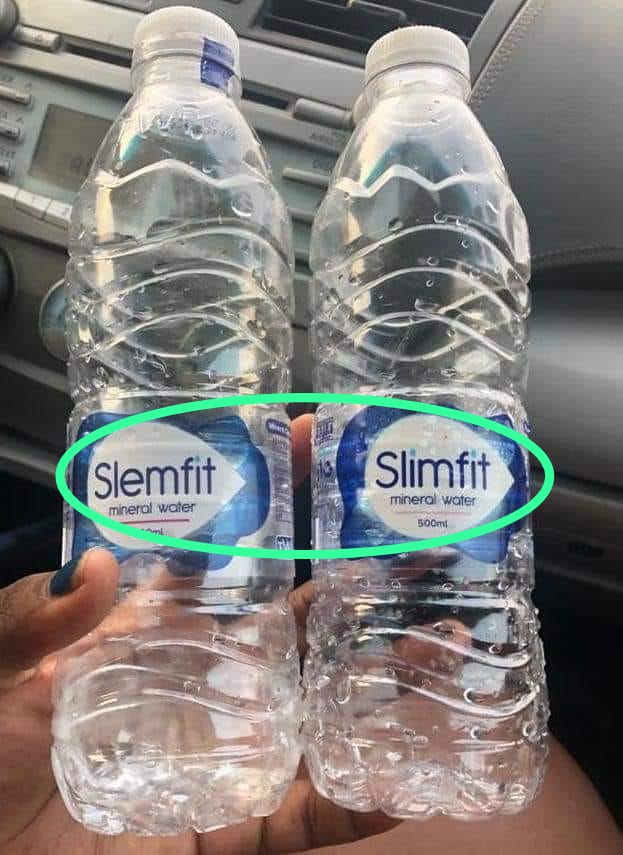
    Recently, SLEMFIT (mineral water and purified water), produced by Twellium Industrial Company Limited, became a topical issue after the Food and Drugs Authority (FDA) issued a public caution regarding the presence of an unregistered bottled water named SLIMFIT mineral water in the market.

    The two products appeared identical, with the exception of the name. After the FDA’s announcement, a video of two unidentical SLEMFIT mineral water bottles surfaced on social media.

    The textures of the two products bearing the same name are different, as one is more transparent than the other. According to the orator, the more transparent product is authentic, while the more translucent product is fake.

    She goes ahead to spot the difference in branding and labelling as well as colouring. Also, she makes mention of who “purified mineral water” is printed on both products.

    Meanwhile, the Food and Drugs Authority (FDA) is yet to react to the recent issue.

    Check out the video:

    https://twitter.com/eddie_wrt/status/1751731677187944896?s=20
  • FDA issues warning on salt non-iodization 

    FDA issues warning on salt non-iodization 

    In a recent market survey conducted by the Food and Drugs Authority (FDA), unsettling findings have emerged regarding widespread non-compliance within the artisanal salt industry. 

    The survey, conducted in 2023, points fingers particularly at producers of non-prepackaged or unpackaged rock salt, revealing a significant lapse in iodization—a crucial requirement under the law.

    The investigation further exposed operational deficiencies in the facilities of most artisanal producers, raising concerns about the overall quality and safety of the salt they produce. The FDA, in response to these revelations, has issued a directive to various stakeholders in the salt supply chain, including artisanal and large-scale producers, importers, transporters, storage facilities, and retailers, urging them to promptly regularize their operations.

    This move comes as a preventive measure to safeguard public health, with the FDA citing the potential risk of Iodine deficiency disorders. The Public Health Act, 2012 (Act 851), mandates that all salt-producing and manufacturing facilities must be licensed by the FDA, and all packaged salts must be registered before entering the market.

    The FDA emphasized that failure to adhere to the salt iodization provisions outlined in the law will result in prosecution. A press statement from the FDA underscored the gravity of the situation, stating, “Non-iodisation of edible salt as required by law constitutes a major violation and is a significant public health concern. Iodine deficiency can result in stillbirths, congenital defects, decreased cognitive capacity, infant mortality, goiter in both humans and animals, etc.”

    Section 107 of the Public Health Act explicitly mandates that all salts meant for human and animal consumption must be iodized. The FDA’s statement urged operators of artisanal salt facilities to reach out to the nearest FDA offices in their respective regions and districts for necessary assistance in complying with the regulations.

    As the FDA takes a firm stance on ensuring the public’s safety, the industry now faces a critical juncture, with stakeholders compelled to address these issues promptly to prevent potential health hazards associated with iodine deficiency disorders.

  • Beware of unregistered ‘SLIMFIT’ mineral water in the market – FDA warns public

    Beware of unregistered ‘SLIMFIT’ mineral water in the market – FDA warns public

    The Food and Drugs Authority (FDA) has issued a public caution regarding the presence of an unregistered bottled water named SLIMFIT mineral water in the market.

    In a press statement released on Friday, January 19, the FDA clarified that the officially registered brand is SLEMFIT (mineral water and purified water), produced by the Twellium Industrial Company Limited.

    The FDA’s Chief Executive Officer, in the statement, assured the public that surveillance teams are actively monitoring the markets to remove the unregistered SLIMFIT mineral water from circulation and to identify the producers and distributors involved.

    The statement emphasized that the safety and quality of unregistered products, including SLIMFIT mineral water, cannot be guaranteed.

    Consumers were urged not to purchase or consume unregistered products, and the statement advised vigilance when buying packaged items. Any suspicious products are encouraged to be reported to the FDA for appropriate regulatory action.

    “The public is encouraged to provide any relevant information to assist the FDA. Please channel all concerns and communication on the above through the following contacts,” the statement read.

  • Supreme Court to rule on celebrity alcohol ad ban on April 10

    Supreme Court to rule on celebrity alcohol ad ban on April 10

    The Supreme Court has scheduled April 10 for the delivery of its judgment in a case challenging the Food and Drug Authority’s (FDA) directive that prohibits well-known individuals and professionals, including musicians, from advertising alcoholic beverages.

    In 2016, the FDA implemented guidelines for food and beverage advertising, specifying that alcoholic beverage ads should not feature well-known personalities or professionals.

    Mark Darlington Osae, the plaintiff and manager for musicians Reggie N Bollie, argues that the directive is discriminatory and violates the constitution.

    He seeks an injunction against the FDA, interpreting articles 17(1) and 17(2) of the constitution as evidence of discrimination.

    The case, filed in November 2022, is reaching its conclusion, with both parties submitting memoranda of issues for the Supreme Court’s determination. The court has adjourned the case to April 10 for judgment.

  • Stakeholders in creative art industry expects favorable court ruling on FDA alcohol Ad ban

    Stakeholders in creative art industry expects favorable court ruling on FDA alcohol Ad ban

    Media personality and Image Bureau CEO, George Quaye, along with other stakeholders in the creative arts industry, express optimism about the Supreme Court’s forthcoming judgement on the case against the Food and Drugs Authority (FDA).

    The stakeholders took the FDA to the apex court in November 2022 over its decision to ban the advertisement of alcohol by celebrities.

    In an interview with JoyNews’ Richard Kwadwo Nyarko, George Quaye emphasized the significance of collaborations and endorsements with corporate institutions for the growth of the creative arts industry.

    He believes the FDA’s ban restricts potential investments for the industry, particularly highlighting the importance of support and advertisement with alcoholic beverage brands as crucial investment opportunities for creatives.

    “It is not like when the money comes into the space, celebrities or artists keep it to themselves. They reinvest it into the industry by employing other people and investing in other initiatives,” he said.

    Quaye clarified that the lawsuit is not intended to incite conflict with the FDA but rather seeks a judgment favorable to everyone, ensuring that creatives receive the necessary investment and support.

    He pointed out that when money flows into the industry, it benefits not only the artists themselves but also the broader creative ecosystem by creating employment opportunities and supporting various initiatives.

    “The celebrities have kids and they have families. Naturally, they would not want to endorse products that would go and affect their kids negatively.

    “So they are willing to be responsible and just as things are done responsibly, they are also willing to do this and do it responsibly. So we are hopeful for something in our favour, or let me say in their favour.”

    He added that “at the end of the day, we can all sit with the FDA and find a way that even if celebrities endorse alcoholic products, it will still go in a way that children will be protected.”

    The CEO of Image Bureau continued, saying that celebrities are still capable of encouraging young people to abstain from alcohol.

    “So we’re just being hopeful that at least they would hear us…At the end of the day, it endures the benefit of Ghana as a country. It’s not like anybody wants to banter with the FDA or fight with them in a way.”


    Heading: “Supreme Court to Deliver Judgment on FDA’s Celebrity Alcohol Advertisement Ban”

    On April 10, 2024, the Supreme Court is set to deliver judgment on the case against the Food and Drugs Authority (FDA). This date was established by a seven-member panel of the Supreme Court, chaired by Chief Justice Gertrude Torkornoo, on Wednesday, January 17, 2024.

    Background: In 2015, the Food and Drug Authority imposed a ban on celebrities participating in alcoholic beverage advertisements, citing adherence to a World Health Organization (WHO) policy.

    The FDA stated that this measure aimed to protect minors from being influenced towards alcoholism. Despite these regulations, the issue resurfaced prominently in 2020 when Wendy Shay criticized the FDA and the Gaming Commission of Ghana for the ban.

    The musician accused the FDA of attempting to hinder celebrities’ livelihoods and called for collective opposition to the policy. In 2022, the FDA was taken to the Supreme Court by plaintiff Mark Darlington Osae, a music publisher, and Chairman of the Ghana Music Alliance.

    Plaintiff’s Case: Mark Darlington Osae, Chairman of the Ghana Music Alliance, challenged the FDA’s 2015 regulations in the Supreme Court.

    He argued that these guidelines, prohibiting the use of “well-known personalities or professionals in alcoholic beverage advertising,” amounted to discrimination based on economic status and occupation, among other grounds.

    The plaintiff seeks a declaration of unconstitutionality for these regulations, asserting inconsistency with articles 17(1) and 17(2) of the 1992 Constitution. The lawsuit aims to challenge the ban as an infringement of fundamental rights.

    Public Figures Against the Ban: Public figures like Shatta Wale, Brother Sammy, Kuami Eugene, and Camidoh had previously spoken out against the FDA’s ban on celebrities endorsing alcoholic beverages.

    Their criticism preceded the legal action initiated by Mark Darlington Osae, highlighting a broader resistance to the FDA’s policy within the creative industry.

  • Civil Society in Ghana strongly backs FDA in legal battle over alcohol advertising guidelines

    Civil Society in Ghana strongly backs FDA in legal battle over alcohol advertising guidelines

    Civil society champions, led by Vision for Alternative Development Ghana and Ghana NCD Alliance, are rallying public support for robust measures to protect current and future generations from the harmful effects of alcohol. The initiative aims to reshape societal norms, advocating for healthier influences on children and young people in the wake of ongoing legal battles concerning alcohol advertising guidelines.

    In a press release issued on January 15, 2024, the civil society fraternity in Ghana declared their firm support for the Food and Drugs Authority (FDA) in its legal proceedings involving an artiste manager challenging the constitutionality of FDA guidelines that restrict the participation of well-known personalities in alcohol advertising. 

    Recognizing the detrimental impact of alcohol advertisements, the coalition is spearheading efforts to foster healthier influences on children and young people.

    Background

    Since the introduction of child protection provisions under the FDA guidelines, some celebrities including Wendy Shay, Camidoh, etc. have opposed the regulations, igniting debates within the industry. 

    Subsequently, a lawsuit was brought against the FDA over the directive.  

    In the writ issued on November 11, the plaintiff, Mark Darlington Osae said those areas of the FDA’s 2015 regulations are tantamount to discrimination on grounds of economic status, and occupation among others.

    The artiste manager and music publisher is praying the Supreme Court to render as unconstitutional the guidelines which stipulate that, “No well-known personality or professional shall be used in alcoholic beverage advertising.”

    He contends that it is inconsistent with and in contravention of articles 17(1) and 17 (2) of the 1992 Constitution. The Attorney General was also mentioned as a party to the legal action.

    It is against this backdrop that the aforementioned CSOs are throwing their weight behind the FDA as the hearing on the matter commences.

    Below is the full statement: 

    Press Release 15 th January, 2024

    Civil Society Champions Sobriety, calls for public support for the protection of present and

    future generations from alcohol harm.

    Civil society actors led by the Vision for Alternative Development Ghana, and Ghana NCD

    Alliance among others recognizing the detrimental effects of alcohol advertisements,

    spearheads efforts to reshape societal norms and advocate for healthier influences on

    children and young people.

    The civil society fraternity in Ghana, stands in solidarity with the Food and Drugs Authority

    (FDA), in its ongoing suit involving the artiste manager who petitioned the Supreme Court to

    render unconstitutional, FDA guideline which frowns on the participation of well-known

    personalities in alcohol advertising.

    Since the introduction of the child protection provision under the FDA guidelines, some

    celebrities and some entertainment show hosts have attacked it. This is not the first time the law

    has caused a stir in the entertainment industry. Earlier last year, “Sugarcane” hitmaker, Camidoh

    also campaigned for his colleagues in the industry to unite against the guidelines. However, some

    celebrities and entertainment commentary personalities support efforts towards improving the

    quality of lives of young people and children which is commendable.

    Ghana ratified the UN Convention on Children’s Rights in coherence with the Children’s Act

    under section 5 of the 1992 Constitution to ensure that children are protected from all forms of

    harmful activities which include alcohol exposure coupled with care, assistance, maintenance

    and assurance that supports their development and wellbeing.

    The Alcohol guidelines and the National Alcohol Policy marketing form part of government

    efforts to ensure that children are protected from alcohol glamorization and early initiation of

    alcohol use. As children are highly impressionable, they tend to emulate the lifestyles of

    personalities they look up to and as role models. Celebrities should not only think about financial

    gains but instead, take into consideration the health implications on minors and young people

    who idolize them. The societal normalization of alcohol consumption exacerbates the public

    health problem, with pervasive advertising and celebrity endorsements contributing to a culture

    where drinking is often portrayed as the order of the day.

    Cristiano Ronaldo, a renowned footballer, refrained from alcohol use after the tragic death of his

    father, Dinis Aveiro, as a result of alcoholism. Likewise, Paul Pogba, the France midfielder

    removed a bottle of Heineken beer that was placed in front of him at the European Conference

    2020 and also Asamoah Gyan, the former captain of Black Stars in an interview admitted he

    does not take in alcohol. These celebrities exemplified strong moral character worthy of

    emulation by the youth.

    According to WHO, the harmful use of alcohol is accountable for 7.1% and 2.2% of the global

    burden of disease for males and females respectively and the leading risk factor for premature

    mortality and disability among those aged 15 to 49 years, accounting for 10% of all deaths in this

    age group.

    There is strong evidence that alcohol use among the youth and its exposure causes severe health

    implications such as long-lasting cognitive impairments affecting memory, increased risk of lung

    cancer, liver damage, cardiovascular diseases, hypertension, absenteeism in school, poor grades

    and increased likelihood of dropping out of school.

    According to Movendi International, when people consume alcohol, mechanisms such as

    stiffness in arteries and increased wall thickness in blood vessels are strengthened, which causes

    high blood pressure, leading to many serious diseases and conditions such as heart attack, stroke,

    heart failure and kidney failure.

    We need policies that protect children and young people, make healthy choices easy choices and

    check the industry’s influence through strong partnerships with government and civil society

    leaders who are committed to action. “Adam Karpati, Senior Vice President of Public Health

    Programs at Vital Strategies.

    More troubling is the 2023 report titled “Alcohol and Blood Pressure” showing the link between

    alcohol, high blood pressure and cardiovascular disease. The report shows only negative effects

    of alcohol consumption on ischemic heart disease, stroke and other cardiovascular diseases.

    “High blood pressure is the single biggest preventable risk factor for disease and death in the

    world today, and alcohol’s contribution to high blood pressure is one of many overlooked

    factors,” says Frida Dangardt, senior physician and researcher at the Children’s Heart Center at

    Drottning Silvia’s Children’s Hospital in Gothenburg, who is one of the authors of the report.

    We are calling on all Ghanaians including the media, parents, policymakers, civil society actors,

    research and academic institutions to support the enactment of stringent measures that regulate

    and limit the exposure of our children and young people to alcohol advertisements and other

    substances of abuse such as tobacco, electronic cigarettes, shisha, energy drinks among others.

    By so doing, it creates a safer, healthier environment that nurtures the growth and development

    of the next generation.

    The protection of present and future generations is a matter that requires our collective effort.

    Let’s join forces to fight any group or individual whose actions derail any lifesaving measure

    that protects health, moral standards and societal values.

    Labram M. Musah

    Executive Director, Vision for Alternative Development, Ghana

    National Coordinator, Ghana NCD Alliance

    labrammusah@gmail.com

  • FDA refutes claims of frying plantain chips with ‘olonka’ polythene bags to make it more crispy

    FDA refutes claims of frying plantain chips with ‘olonka’ polythene bags to make it more crispy


    There is a prevailing belief surrounding the popular Ghanaian street delicacy, plantain chips, suggesting that the crispy texture is achieved by frying them with polythene bags, locally referred to as “olonka rubbers.”

    Plantain chips are a snack crafted from fresh, ripe, or unripe plantains, thinly sliced and deep-fried until they achieve a crispy consistency.

    This long-standing myth about the use of polythene bags in the frying process continues to circulate, despite being debunked. Plantain chips are commonly sold on the streets of Accra, and interestingly, Ghanaians still relish this snack.

    In an effort to dispel this misconception, the Food and Drugs Authority conducted an experiment to demonstrate that the notion of using polythene bags in the frying process is merely a myth, devoid of any practical or scientific truth.

    “The myth about frying plantain chips with plastic ‘Olonka’ bags to make the chips crispy and hard seems to have resurfaced on social media.

    “#FDAGhana, share with you a practical experiment conducted on this at its Centre for Laboratory Services and Research (Food Laboratory) to demonstrate how that is practically impossible.

    Indeed, there is no way plastic will melt into a liquid to mix with the oil to give chips that crispy effect,” the authority said on its Twitter/X platform.

  • Suspected drug peddler in Tumu arrested

    Suspected drug peddler in Tumu arrested

    Acting on intelligence, the Upper West Regional Office of the Food and Drugs Authority (FDA) has apprehended a suspected drug peddler in Tumu within the Sissala East Municipality.

    The individual, identified as Abdul-Razak Kudus, was taken into custody for vending unregistered herbal drugs in Tumu and its surroundings to unsuspecting consumers.

    Mr. Kelvin Dafaari, the Acting Upper West Regional Head of the FDA, disclosed this information to the Ghana News Agency (GNA) in Wa.

    The suspect, who operated Sawab Herbal in Wa, had registered Sawab capsules and Sawab ointment with the FDA. However, he was found to be selling about eight different unregistered products under the guise of the two registered items.

    These unregistered products included Men Enlargement Tonic, Sawab Power Bitters, Sawab Koo Tonic, and Sawab T-Mala Mix, among others.

    The suspect is currently in police custody and will face legal consequences under the Public Health Act.

    “The most interesting thing is that all these medicines that he is selling are from one ingredient but with different labels that are kept on the products to sell.

    “The herbal medicines are kept in different bottles, very dirty and not registered, and if you look at the expiring date on the drugs too, some of them have two varying expiring dates, one product with different expiring dates,” Mr Dafaari explained.

    According to Mr. Kelvin Dafaari, the Acting Upper West Regional Head of the FDA, the suspect, Abdul-Razak Kudus, produced the unregistered herbal products in Wa but chose to sell them in Tumu to avoid routine inspections by the FDA. Kudus’ arrest brings the total number of people apprehended for drug peddling in the region this year to two.

    Mr. Dafaari noted that the issue of drug peddling had reduced since the FDA began its operations in the region in 2011. While a few individuals had registered their herbal medicines, he emphasized that the FDA had streamlined the registration process, making it accessible for anyone wishing to manufacture and sell herbal medicine legally.

    He cautioned residents against engaging in drug peddling, as violators of the Public Health Act would face severe sanctions when caught. Mr. Dafaari assured that although FDA staff might not be present in every part of the region, they were actively gathering intelligence and monitoring activities, and those apprehended would be subject to legal sanctions.

  • Expired post pills, aphrodisiac, milk, others  confiscated and destroyed by FDA

    Expired post pills, aphrodisiac, milk, others confiscated and destroyed by FDA

    The Western North Regional branch of the Food and Drugs Authority (FDA) has taken action to confiscate and destroy unwholesome items sourced from various shops across the nine districts in the region.

    In a bid to eliminate contaminated, expired, and unauthorized products from local markets, the FDA in the Western North Region initiated an inspection exercise targeting shops throughout the area.

    Albert Ankomah, the Western North Regional Director of the FDA, revealed that the confiscated items amounted to a total weight of three tonnes. The products encompassed post pills, aphrodisiacs, milk, ‘ekikime,’ herbal mixtures, biscuits, schnapps, and other items.

    The condemned goods were subjected to incineration at the Sehwi Wiawso dumping site.

    Emphasizing the importance of consumer awareness, Albert Ankomah advised the public to exercise vigilance, particularly during the festive season, in scrutinizing the food and drugs they choose to consume.

    The Sehwi Wiawso Municipal Environmental Officer, Francis Kwasi Asuade, lauded the FDA’s efforts, recognizing the exercise as a crucial preventive measure against the consumption of unsafe products.

  • Buy food from only medically certified vendors on the street to save your life – FDA to public

    Buy food from only medically certified vendors on the street to save your life – FDA to public

    The Food and Drugs Authority (FDA) in the Central Region has cautioned the public against purchasing and consuming potentially harmful products, especially during the Christmas festive season, under the guise of promotions and discounted prices.

    The FDA has raised concerns about the prevalent practice of releasing products nearing their expiration date into the market at significantly reduced prices, posing risks to unsuspecting consumers during the holiday season.

    Francisca Obeng, the Principal Regulatory Officer of the FDA, emphasized in an interview with the Ghana News Agency the importance of purchasing only FDA-approved products. She urged the public to be proactive in safeguarding their health and personal safety by scrutinizing expiration and manufacturing dates, as well as avoiding products that appear bloated or dented.

    “It is also very important to pay attention to the storage conditions of the products; ensure that the food you are buying is not directly under the sun or on the floor or in any other unwholesome condition,” she said.  

    Madam Obeng emphasized that consumers of ready-to-eat foods should check for the Food Hygiene Permits and Street Food Vending Permits of the sellers to ensure that they are purchasing from safe and approved sources.

    “If you have to buy food from the street, be sure that the vendor is medically certified, keeps good hygiene principles and has a hand washing station with a neat environment,” she said.  

  • Condom usage during sex is no different from aborting a baby – Great Ampong

    Condom usage during sex is no different from aborting a baby – Great Ampong

    Great Ampong has conveyed his opinion that employing a condom is comparable to undergoing an abortion.

    When asked by Taller Dee whether he would consider sponsorship from a condom producer or vendor, the Gospel star asserted that utilizing a condom is “almost close to an abortion.”


    During their conversation on No. 1 105.3 FM’s Gospel Showbiz, Ampong admitted, “I’d hesitate,” and humorously added, “It’s not criminal, and I won’t be imprisoned, but I would think twice about it.”


    Reflecting on the topic, Ampong acknowledged that condoms are used for protection but added with contemplation, “But at the same time, the thing is quite strange because if you wear a condom, it’s like having an abortion, right? Because it’s like you’re preventing yourself from becoming pregnant.”


    While the gospel music industry grapples with challenges in obtaining sponsorships, artists in this genre frequently turn down collaborations with alcohol and condom brands. This decision stems from the belief that such products may promote promiscuity and immorality.

    In 2015, the Food and Drugs Authority (FDA) implemented a ban on Ghanaian celebrities endorsing alcoholic beverages.

    The regulatory move was aligned with a World Health Organisation policy, and the FDA emphasised that it was part of a broader initiative to safeguard children from being enticed into alcoholism.

  • There’s no sense in FDA’s alcohol endorsement ban on celebrities – Nacee

    There’s no sense in FDA’s alcohol endorsement ban on celebrities – Nacee

    Gospel musician Nacee expressed his disagreement with the Food and Drugs Authority’s decision to prohibit Ghanaian celebrities from endorsing alcoholic products, deeming it nonsensical.

    During an appearance on United Showbiz on Saturday, November 18, 2023, Nacee raised questions about the disparity that allows foreign personalities to promote such products while imposing restrictions on local celebrities.

    Nacee, who serves as both a musician and a music producer, underscored the point that even if less-known individuals are granted the opportunity to advertise, they could eventually gain celebrity status.

    Therefore, he argued, the ban on celebrities would be ineffective in the long run.

    “A continued posting of images and videos of people makes them popular. Nobody knew Michael Power until Guinness kept pushing his commercials,” he said. “If we feature an ordinary person in ads and keep promoting the said ads, they will rise to become popular in a couple of months so much so that they may not be able to buy food from the roadside.”

    Nacee continued: “It is surprising that we won’t let our local celebrities advertise but our foreign counterparts are allowed to. It is good to regulate whatever we do, but it should not be discriminatory. We love foreigners more than ourselves; it doesn’t make sense. Let’s stop starving ourselves while giving foreigners juicy deals.”


    In 2015, the FDA implemented a ban on Ghanaian celebrities endorsing alcoholic beverages, citing compliance with a World Health Organisation policy. The regulatory authority emphasised that the decision was part of ongoing initiatives to safeguard children and deter them from being enticed into alcohol consumption.

    Despite facing criticism and appeals for a reconsideration of the policy, Kofi Essel, the Head of Industry Support Services Department at the FDA, stated in an interview that the organization is unable to lift the ban on well-known figures endorsing alcoholic beverages.

    “Well-known persons have the potential to influence their followers who are not legally permitted to possess alcohol or use alcohol,” he argued. “In view of that, guidelines have been set to guide the operations of alcoholic beverage companies, including the advertisement of their products and this is the reason well-known persons are not allowed to endorse the products.”

    Court case

    Mark Darlington Osae, the artist manager of Reggie ‘N’ Bollie and Skrewfaze, has taken legal action against the Food and Drug Administration (FDA) and Attorney General Godfred Yeboah Dame over the prohibition on celebrities endorsing alcohol-related products.

    Osae filed a writ of summons on November 11, 2022, asserting that the FDA’s 2015 guidelines are unjust to the creative arts sector.

    His central argument revolves around what he claims is an inconsistency and violation of articles 17(1) and 17(2) of the 1992 Constitution.

    These articles guarantee equality before the law and prohibit discrimination based on factors such as social or economic status and occupation.

    “No well-known individual or professional may be used in advertising for alcoholic beverages; this is against the 1992 Constitution’s provisions 17(1) and 17 (2).

    “Articles 17(1) and 17 (2) of the 1992 Constitution guarantee quality before the law and prohibit discrimination against persons on grounds of social or economic status, occupation, among others, and consequently are null, void, and unenforceable,” Osae argued.

    On November 15, 2023, the case was adjourned until January 17, 2024.

  • Alcohol ban will rob us of our livelihoods – Arnold to FDA

    Alcohol ban will rob us of our livelihoods – Arnold to FDA

    Entertainment pundit Arnold Asamoah Baidoo has criticized the Food and Drugs Authority (FDA) for its recent decision to ban celebrities from advertising alcohol.

    He argued that this move is detrimental to the entertainment industry, as many celebrities depend on endorsement deals with alcoholic beverage companies for income.

    Arnold expressed concerns that the FDA’s decision could affect the revenue streams of the industry by hindering beverage companies from sponsoring events and productions. He contended that the FDA’s efforts to promote decency are, in fact, having a negative impact on the entertainment sector.

    “Most of these alcoholic beverage companies take on celebrities as brand ambassadors, and you and I know for a fact that one of the biggest revenue-generating points for these celebrities is endorsement deals.

    “If you cut such an avenue, you are killing the entertainment industry. Beverage companies can’t sponsor events and productions. The FDA thinks it’s creating sanity in society, but it’s destroying the entertainment industry,” he said.

    Arnold Asamoah Baidoo highlighted that certain international brands, such as Heineken, effectively advertise their products without explicitly featuring celebrities consuming alcohol.

    He questioned why a similar approach couldn’t be adopted in Ghana, suggesting that a more nuanced and creative strategy could be employed to promote products without violating the FDA’s guidelines.

    “If you look at the adverts by Heineken, they do the adverts without showing the celebrities actually drinking them. So why can’t we do the same?” he questioned.

    Arnold Asamoah Baidoo commended the Gaming Commission and the National Lottery Authority for their approach of involving celebrities instead of opting for a ban. He underscored the positive role that celebrities could play in educating children about responsible drinking if utilized appropriately.

    Expressing his frustration, Baidoo criticized regulatory bodies like the FDA, asserting that decisions are often made without transparent justifications or data. He endorsed the idea of a potential lawsuit, suggesting that allowing the court to decide could be the most suitable course of action.

    “The likes of the Gaming Commission and the NLA are actually using these celebrities instead of banning them. Look at the progress they’ve made. This is because these celebrities have influence and following.

    “If your mandate is to protect the children, why not use these celebs to educate the children in that light. But right now you’re killing the industry,” he said.

    Mark Darlington Osae, the artist manager of Reggie ‘N’ Bollie and Skrewfaze, has initiated legal action against the Food and Drug Administration (FDA) and Attorney General Godfred Yeboah Dame over the ban on celebrities endorsing alcohol-related products.

    The FDA had prohibited celebrities from endorsing alcoholic products, citing concerns about inappropriate influence on the youth.

    Osae filed a writ of summons on November 11, 2022, asserting that the 2015 FDA recommendations are unjust to the creative arts sector.

    “No well-known individual or professional may be utilised in advertising for alcoholic beverages; this is against the 1992 Constitution’s provisions 17(1) and 17 (2).

    “Articles 17(1) and 17 (2) of the 1992 Constitution guarantee quality before the law and prohibit discrimination against persons on grounds of social or economic status, occupation, among others, and consequently null, void, and unenforceable,” the FDA guidelines read.

    Before the initiation of this lawsuit, several celebrities, including Camidoh, Brother Sammy, Wendy Shay, Shatta Wale, and Kuami Eugene, voiced their opposition to the law and called for the repeal of the regulations.

    However, the hearing, originally set for November 15 and anticipated to be overseen by a seven-member panel of judges, has been adjourned to January 17.

  • FDA undertakes medicine safety campaign

    FDA undertakes medicine safety campaign

    The Food and Drugs Authority (FDA), in collaboration with medicine regulatory agencies and non-governmental organizations, has launched the “#MedSafetyWeek” campaign, scheduled from November 6th to 12th, 2023.

    According to a statement received by the Ghana News Agency, the campaign focuses on medicine safety monitoring, aiming to gather information about both known and new side effects.

    Under the theme “Who can report,” the campaign aims to underscore the importance of reporting side effects of medicines. It emphasizes the vital role played by patients, caregivers, doctors, nurses, and pharmacists in reporting these side effects to ensure medicine safety.

    The continuous collection and monitoring of these reports will aid the FDA in identifying potential risks associated with medicines. This information will enable the FDA to take necessary regulatory actions to enhance medicine safety.

    “The FDA emphasises the importance of reporting side effects by using reporting forms available in healthcare facilities and community pharmacies designated as patient safety centres or by using the Med Safety App”, the statement said.

    The Med Safety Application stands as a user-friendly electronic reporting tool, offering convenient accessibility.

    This application is readily accessible on both the App Store and Google Play Store.

    Individuals are also urged to submit reports to any of the FDA’s regional offices across the country. The reports are meticulously assessed to take the necessary measures in safeguarding public health and safety.

    Over time, the FDA has effectively processed numerous reports, significantly aided by patients, caregivers, and healthcare professionals.

    It strongly encourages all citizens to actively contribute to safer medications by identifying and reporting potential side effects.

  • Turkey tail vendors face harsh FDA regulations

    Turkey tail vendors face harsh FDA regulations


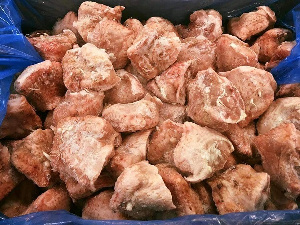
    A crackdown initiated by the Eastern Regional Food and Drugs Authority (FDA) has effectively halted the sale of turkey tail meat in Suhum and Nsawam/Adoagyiri, areas where demand for this product was notably high.

    Collaborating with the Ghana Police Service, the operation led to the arrest of several retailers and meat sellers, accompanied by the confiscation of cartons of turkey tail.

    In Ghana, this fried turkey tail is commonly referred to as “Tsofi.” Health experts have expressed concerns about this poultry product due to its high fat content, which exceeds 15 percent. Consuming large quantities of such fatty foods could potentially elevate the risk of developing various cancers, including those affecting the lungs, breasts, colon, and brain.

    During the operation, the team encountered resistance from the retailers, who responded with insults and allegations of political interference.

    They contended that the intention was to create hardships for members of certain political parties by undermining their businesses.

    However, the Authority clarified to the Ghana News Agency that its primary commitment was to ensure consumer safety at all times.

    Despite widespread public awareness regarding the health hazards associated with the sale of turkey tail, there remained a thriving market for this product, as noted by Madam Anita Owusu-Kuffour, the Eastern Regional Acting Head of the FDA.

    She explained that in 1999, the Ministry of Trade and Industry issued a communication to all importers, explicitly stating that poultry and poultry products with a total fat content exceeding 15 percent were prohibited from being imported into the country.

    Nevertheless, it was evident that turkey tails had found their way into Ghana, suggesting that they were likely smuggled through unapproved routes or falsely declared at approved entry points.

    “We need to make it a collective responsibility to make sure such products are not available on the market for sale,” Madam Owusu-Kuffour said.

    She emphasized that those apprehended would face legal proceedings to ensure compliance with the law, serving as a deterrent to others.

    The authority conducted the proper disposal of the confiscated meat products.

    Mr. George Ampofo Ayeh, the Public Relations Officer of the FDA in the Eastern Region, referenced the Public Health Act of 2012 (Act 851), Section 100, Subsection (3). This section outlines specific criteria that must be met for a food product to be deemed safe for consumption.

    These criteria encompass the absence of poisonous or harmful substances, overall suitability for human or animal consumption, the exclusion of filthy, putrid, rotten, decomposed, or diseased components, adherence to prescribed standards, and the avoidance of adulteration or any harm to health.

    In the context of penalties and defenses outlined in Section 110, Subsection (1), anyone who violates sections 97 to 108 commits an offense. Penalties for this offense may include fines ranging from 1000 to 7500 penalty units, imprisonment for a minimum of four years to a maximum of fifteen years, or a combination of both.

    The FDA’s primary objective is to protect public health by upholding stringent standards that ensure the safety, quality, and efficacy of various products. These products encompass drugs, food, cosmetics, medical devices, household chemicals, clinical trials, and tobacco products.

  • FDA busts 4 companies producing unsafe water in South Tongu District

    FDA busts 4 companies producing unsafe water in South Tongu District

    The Food and Drugs Authority (FDA) has taken prompt action to suspend the operations of four sachet water-producing companies in the South Tongu District of the Volta Region.

    This decision was made after the FDA detected the presence of microorganisms in water samples collected from these companies, rendering the water unsuitable for human consumption.

    The FDA’s actions are part of a proactive approach to ensure public safety, especially in light of the flooding incidents in the lower Volta region following the Akosombo Dam spillage.

    A team led by the Volta Region Director of the FDA, Gordon Akurugu, conducted the assessment in collaboration with officials from the FDA, the Environmental Health and Sanitation Unit, and the Ghana Health Service.

    Out of the four facilities, two rely on borehole water for production, one receives its supply from the Ghana Water Company, and the last company extracts water directly from the Volta Lake for production.

    Mr. Akurugu explained that all four registered facilities had malfunctioning Ultraviolet disinfection systems, making them incapable of purifying the water and rendering it vulnerable to microbial contamination. He also suggested that runoff from the dam might have infiltrated the borehole supplies, causing pollution.

    During this period, all the water produced has been confiscated for safe disposal. The FDA is working with the facilities to rectify the identified issues before they can resume production.

    “So far we have visited several facilities and samples were picked up 3 days ago. Unfortunately, four of the facilities have been affected by water having microbiological issues. There have been a growth in the samples we picked and therefore those facilities need to fix them before we allow them to come into the market,” he said.

    “And it is not only sachet water producers we are visiting, but we are also visiting food vendors, we are visiting restaurant operators, hotels to ensure that they don’t use unsafe water to serve clients,” he added.

  • FDA grants approval for Ghana to to manufacture anti-snake venom

    FDA grants approval for Ghana to to manufacture anti-snake venom

    The Food and Drugs Authority (FDA) has granted approval for Ghana to produce life-saving anti-snake venom, addressing a critical need for individuals bitten by snakes.

    Snakebites can be fatal when the necessary serum is unavailable, and efforts have been made by industry stakeholders to develop vaccines.

    This green light for the production of anti-snake venom in Ghana comes after the signing of a Memorandum of Understanding (MoU) between Atlantic Lifesciences, a Ghanaian company, and Vins Bioproducts Limited, an Indian company. The agreement paves the way for the commencement of fill and finish production of anti-snake venom in Ghana, capable of neutralizing bites from more than 19 different snake species.

    This development aligns with the government’s goal of establishing Ghana as a key vaccine manufacturing hub in the African sub-region.

    During the MoU signing in Accra, Dhananjay Tripathi, the CEO of Atlantic Lifesciences, emphasized that Ghana would become the first West African country to produce and package anti-snake venom for both local use and export.

    Siddarth Daga, the Executive Director of Vins Bioproducts Limited, expressed satisfaction with the collaboration with Atlantic Lifesciences, stating that the MoU would benefit all parties involved.

    Delese Mimi Darko, the CEO of the Food and Drugs Authority (FDA), confirmed that the FDA had granted approval for the production of anti-snake venom.

    “Anti-venoms are critical vaccine commodities which are often out of stock in Ghana and other regions, leading to unavoidable deaths.

    “There are several initiatives globally and nationally underway to increase access to anti-venoms, both here and in the rest of the world,” the CEO of FDA stated.

    “This MoU will mark the beginning of several such agreements between local manufacturers and giant pharmaceutical industries to help support manufacturers towards self-sustainability and supply in Ghana and to export to many countries. Everything we test in our laboratory is worldwide,” she stated.

    One of the top manufacturers of vaccinations is Vins Bioproducts Limited.

  • Anti-snake serum to be produced in Ghana

    Anti-snake serum to be produced in Ghana

    Ghana is on the path to manufacturing anti-snake venom, a life-saving serum crucial for individuals bitten by snakes, aiming to mitigate fatalities resulting from the unavailability of this vital antidote.

    This development came to light during the signing of a Memorandum of Understanding (MoU) between Atlantic Lifesciences, a Ghanaian company, and Vins Bioproducts Limited, an Indian firm, marking the initiation of the fill and finish production of anti-snake venom within Ghana.

    The anti-snake venom formulation will possess the capability to counteract the effects of over 19 different snake species’ bites. This undertaking aligns with the government’s aspiration to establish Ghana as a central hub for vaccine production within the African sub-region.

    During the event held in Accra, Dhananjay Tripathi, CEO of Atlantic Lifesciences, emphasized that Ghana would become the pioneering West African nation to manufacture and package anti-snake venom for both local use and export.

    Siddarth Daga, Executive Director of Vins Bioproducts Limited, expressed his contentment at partnering with Atlantic Lifesciences to produce anti-snake venom in Ghana.

    Delese Mimi Darko, CEO of the Food and Drugs Authority (FDA), disclosed that the FDA had granted approval for the production of anti-snake venom.

    “Anti-venoms are critical vaccine commodities which are often out of stock in Ghana and other regions, leading to unavoidable deaths. There are several initiatives globally and nationally underway to increase access to anti-venoms, both here and in the rest of the world. This MoU will mark the beginning of several such agreements between local manufacturers and giant pharmaceutical industries to help support manufacturers towards self-sustainability and supply in Ghana and to export to many countries. Everything we test in our laboratory is worldwide,” she stated.

    Vins Bioproducts Limited is a prominent producer of vaccines.

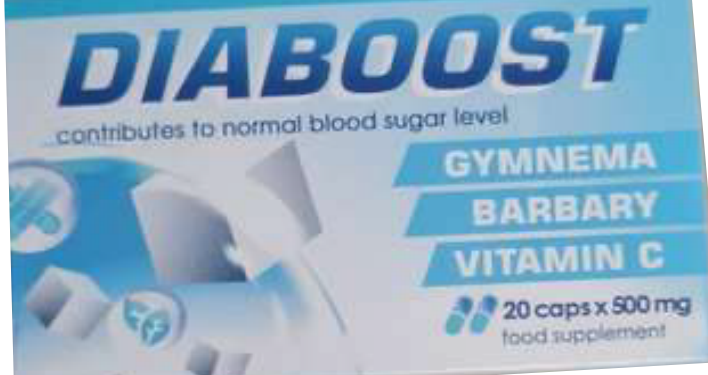
  • DIABOOST is not a diabetes cure – FDA to public

    DIABOOST is not a diabetes cure – FDA to public

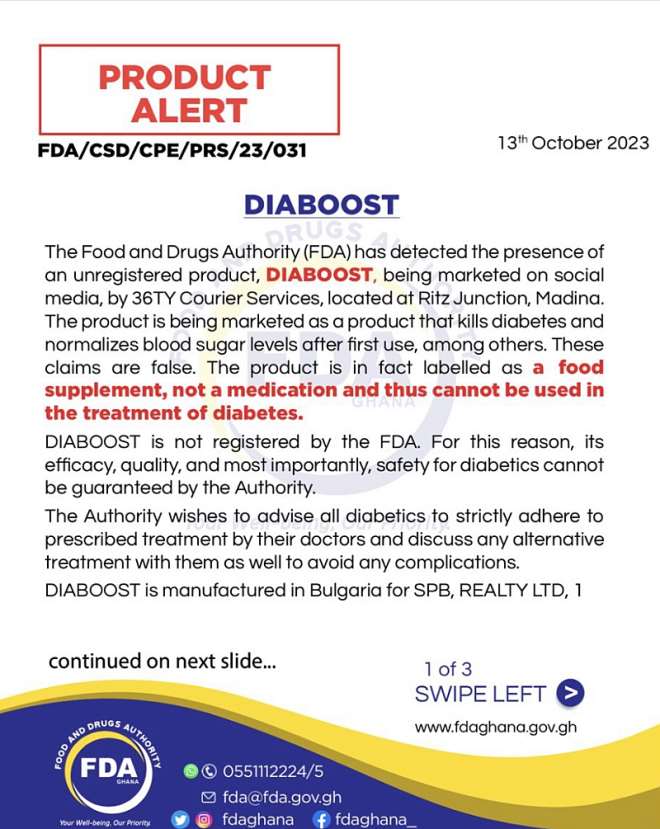
    The Food and Drug Authority (FDA) has issued a stern warning to the public concerning the usage of DIABOOST.

    The product, according to the Authority, is not registered with the FDA, is being advertised as a remedy for diabetes and a way to normalize blood sugar levels, primarily on social media platforms.

    In an official statement released on Friday, the FDA debunked these claims, highlighting that DIABOOST is, in fact, categorized as a dietary supplement and not a medicinal remedy.

    “These claims are false. The product is in fact labelled as a food supplement, not a medication and thus cannot be used in the treatment of diabetes,” the FDA stated, adding that “DIABOOST is not registered by the FDA. For this reason, its efficacy, quality, and most importantly, safety for diabetics cannot be guaranteed by the Authority,” it added.

    The FDA has also revealed that DIABOOST is manufactured in Bulgaria for SPB Realty LTD and distributed in Ghana by 36TY Courier Service, with ongoing police investigations involving Mary Alimena.

    In response to concerns over the product DIABOOST, the FDA has advised individuals with diabetes to adhere to treatments prescribed by healthcare professionals and explore discussions about alternative treatments to prevent potential complications.

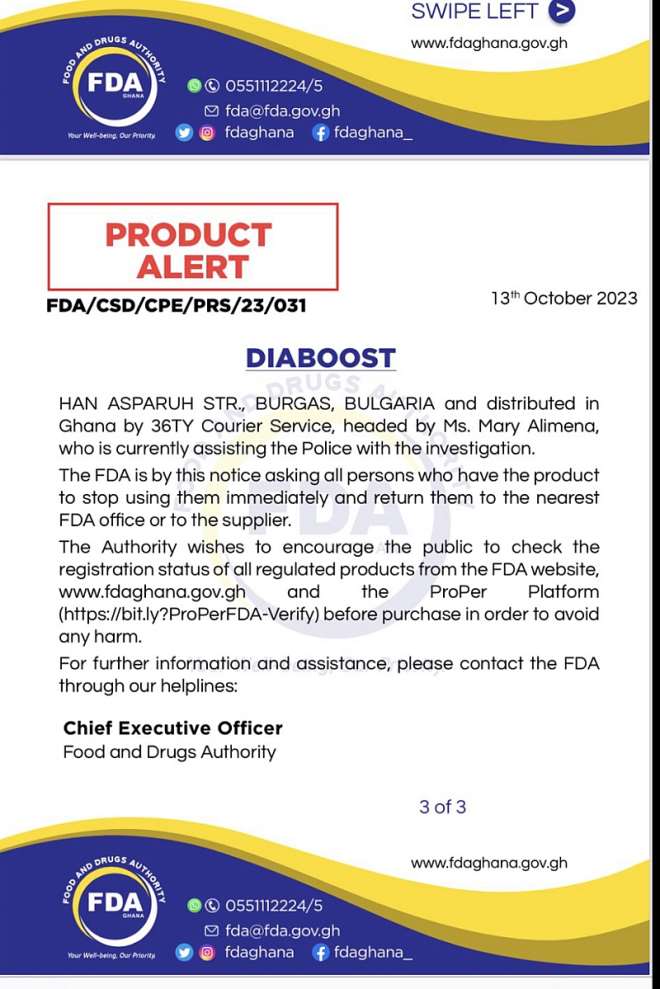
    The FDA has urged those with the product to discontinue its use and return it to the nearest FDA office or supplier.

    Additionally, the public is encouraged to check the registration status of regulated products on the FDA website before purchase to ensure safety.

    ” DIABOOST is manufactured in Bulgaria for SPB, Realty LTD, 1 HAN ASPARUH STR, BURGAS, BULGARIA and distributed in Ghana by 36TY Courier Service, headed by MS. Mary Alimena, who is currently assisting the Police with the investigation.

    “The FDA is by this notice asking all persons who have the product to stop using them immediately and return them to the nearest FDA office or to the supplier. The Authority wishes to encourage the public to check the registration status of all regulated products from the FDA website, www.fdaghana.gov.gh and the Proper platform (https.//bit.ly?ProPerFDA-Verify) before purchase in order to avoid harm,” it added.

    Diabetes is a chronic medical condition marked by high blood glucose levels, resulting from insufficient insulin production or ineffective insulin utilization in the body.

    Three primary types of diabetes include Type 1, an autoimmune disease requiring insulin therapy; Type 2, often linked to lifestyle factors like diet and physical activity; and Gestational Diabetes, occurring during pregnancy.

    Diabetes often manifests with symptoms such as increased thirst, frequent urination, unexplained weight loss, persistent fatigue, and slow wound healing. When left unmanaged, diabetes can give rise to serious complications. Therefore, it is advised that patients adopt comprehensive treatment plan that incorporates lifestyle modifications, medication, and, in some cases, insulin therapy.

    These treatment strategies should be undertaken under the guidance and supervision of healthcare professionals to ensure the maintenance of good health and the prevention of diabetes-related complications.

  • FDA seizes unregistered medicines worth GHC850,000 in Kumasi

    FDA seizes unregistered medicines worth GHC850,000 in Kumasi

    In the heart of Kumasi’s Central Business District, a significant haul of unregistered and potentially hazardous medicines, valued at over GH¢850,000, has been confiscated.

    The Food and Drugs Authority (FDA) is actively conducting an operation aimed at curbing the illegal sale of pharmaceutical products within the retail market.

    This endeavor not only involves enforcement actions but also includes educational outreach efforts targeting both merchants and consumers.

    The Kejetia Market in Kumasi, known for its burgeoning trade in unwholesome herbal products and unapproved medicines, served as the focal point for these seizures.

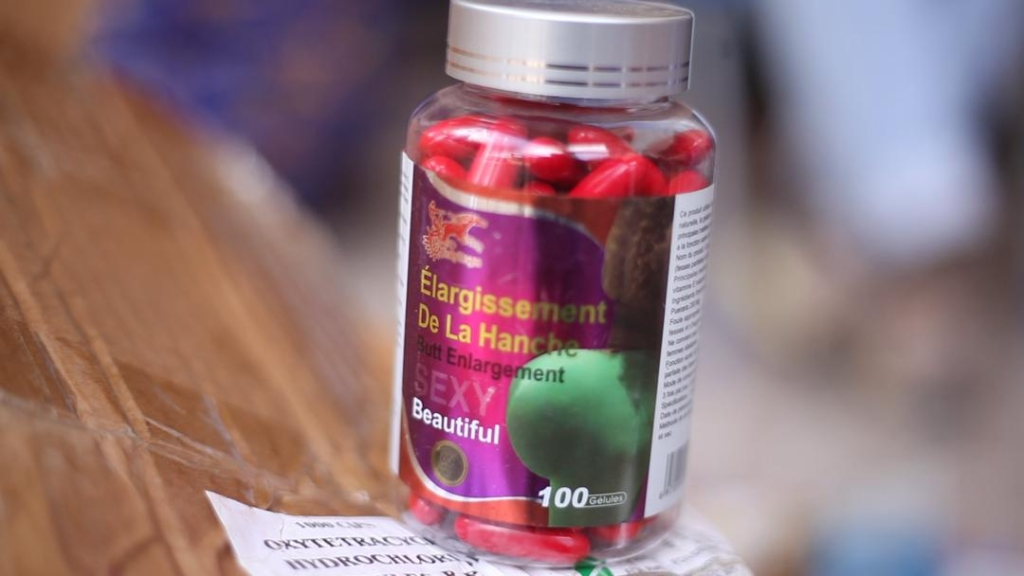
    The seized items encompass a range of products, including aphrodisiacs, body enhancement items, unregistered herbal remedies, conventional pain relievers, and cosmetics.

    The Food and Drugs Authority periodically conducts market surveillance to deter unlicensed drug vendors and ensure public safety.

    The Ashanti Regional Manager, John Laryea Odae-Tettey in an interview with JoyNews said, “The confiscated products will go through our safe system of disposal. We advise all manufacturers and importers to get in touch with the Food and Drugs Authority. We are there to ensure and assist them to register and sell on the Ghanaian market,” he assured.

    The proliferation of unwholesome medicines through social media marketing is a concerning trend. The FDA has disclosed its intentions to eliminate such advertisements and the sale of these questionable products from the internet.

    “Punitive measures are there. The law mandates us to prosecute you or fine you. This goes to you, if you want to indulge in these illegal businesses, you will have a price to pay. Join hands with FDA to ensure that products there are safe for consumption,” he revealed.

    Mr. Odae-Tettey said the FDA will continue to engage consumers to desist from patronising unlicensed drug peddlers.

  • FDA advises Ghanaians to be cautious of bogus, inferior medicines

    FDA advises Ghanaians to be cautious of bogus, inferior medicines

    In an interview with the Ghana News Agency on the sidelines of a sensitization program held in Bolgatanga, in the Upper East Region, Mr. Jude Okai, a Communication Officer at the FDA, issued a caution.

    This warning is part of the implementation of the “promoting quality medicines plus” project by the FDA. The project aims to raise public awareness about the presence of counterfeit and substandard medicines in the market and the associated risks of consuming such products.

    Furthermore, the sensitization initiative aimed to introduce the public to a new tool known as “The Med Safety App,” developed by the FDA.

    This application serves a dual purpose, enabling the public to report adverse reactions to medicines directly to the FDA or healthcare professionals for prompt action. Additionally, the app provides users with detailed information about medications prescribed by their doctors before purchase.

    Mr. Okai pointed out that many Ghanaians often neglect essential details on medication, such as expiry dates, certifications, and standards.

    This negligence has led to the inadvertent purchase of counterfeit and substandard medicines, resulting in adverse health effects. He stressed the danger of consuming such falsified and substandard medicines, emphasizing that it could even be fatal.

    He urged the public to report any adverse reactions to medicines to the FDA and healthcare providers for immediate assistance.

    In a stern warning, Mr. Okai cautioned individuals involved in the distribution of counterfeit and substandard medicines to cease their activities. He also noted that the FDA would enhance its surveillance efforts to crackdown on such activities, with offenders facing legal consequences.

    Ms. Linda Eyram Mensah, the Information Officer with the Communications Department of the FDA, emphasized the severe health consequences associated with the use of counterfeit medicines. She advised the public to purchase medicines only from certified sellers and opt for FDA-approved medications.

    Mr. Abel Ndego, the Upper East Regional Principal Regulatory Officer of the FDA, provided insights into the FDA’s extensive market surveillance efforts across all 15 Municipals and Districts in the region. Their goal is to ensure that counterfeit and substandard medicines are eradicated from the market. He noted that, with the support of security agencies, some offenders had already been arrested and prosecuted. He urged the public to share information voluntarily to assist the authorities in combating the peddling of counterfeit and substandard medicines.

    Mr. Ndego also highlighted the challenges posed by the porous nature of the region’s borders, which allowed unauthorized drugs to enter the country. He underscored the FDA’s commitment to safeguarding the safety and health of the public.

    “We have realised as a regulatory body that there has been an influx of substandard and falsified medications on the market, so there is the need for the public to look out for certain things to make sure that whatever medication they go to buy is safe for use.”

    “Currently, we have officers stationed at the legitimate entry points of the borders to inspect every consignment coming into the country to ensure that any food and drug related products that are entering the country through our region meet the regulatory standards,” he said.

  • TMPC clamps down on unlicensed herbal medicine shops at Nkrumah Circle

    TMPC clamps down on unlicensed herbal medicine shops at Nkrumah Circle

    Chief of the Public Affairs Unit at the Traditional Medicine Practice Council (TMPC), Numo Blafo III, has stressed the importance of obtaining licenses for individuals involved in the trade of traditional medicines.

    He clarified that this requirement is essential to enable the Council to effectively oversee and organise individuals selling such types of medicines to the public, ensuring that unsuspecting individuals are not adversely affected.

    Numo Blafo III said this to the media during a routine enforcement exercise of the Traditional Medicine Practice Council aimed at ensuring that people who are selling herbal medicine without certification or license are identified, educated on the best practices, and in extreme cases, arrested.

    Numo Blafo III stressed the need for the products that are sold on the streets to be FDA-certified.

    “This exercise is actually aimed at clearing out the quacks within the system because there are a lot of reports of people selling things they claim to be herbal medicines. Sometimes, people use them and it doesn’t work and sometimes too, they are not sure of the potency or the efficacy of the products they are selling.

    “We now have some products which are on shelves and those products should be authorized by the FDA. So, most of the time when we come, as the TMPC, we actually regulate the practice and the practitioners, so when we come and you’re not licensed to sell, we have to cause your arrest or educate you on the need for you to do the license and the certificate.

    “But then when we also see that you are peddling certain items not certified by the FDA, then that is where we actually hold you and refer you to the FDA,” he explained.

  • FDA threatens prosecution against persons adulterating food products 

    FDA threatens prosecution against persons adulterating food products 

    The Food and Drugs Authority (FDA) has issued a warning to individuals involved in the food industry, especially market vendors and food sellers, to stop the ongoing practice of altering food and ingredients, or else they will be subject to legal action.

    The regulatory body noted that the act of adding chemicals and other substances to food to deceive buyers and increase profits has become widespread in certain markets within the nation.

    Madam Nora Narki Tei-Larbi, the Director of Regional Operations, FDA, said the unwholesome practice undermined food safety and resulted in dire health implications such as cancer and, sometimes, death.

    “People have been arrested and prosecuted for various infractions and we are still prosecuting. There are some that we have in court now and so we need to put a stop to it,” she said.

    Madam Tei-Larbi was addressing market women at Kasoa during an education and sensitisation exercise to mark the Central Region’s World Food Safety Day.

    Held on the theme: “Food Standards, Save Lives,” the event created a platform for exciting dialogue among the market women, the FDA, representatives of the local governments and other stakeholders, on the best ways to ensure food safety.

    Sharing their experiences and concerns, the market women opened-up on the use of Sudan IV dye in palm oil, mixing groundnut paste with ‘Kokonte’, adulterating corn dough with yeast and using “tie-and-dye” colour to process beef.

    Others also had issues with the excessive use of fertilizer and other chemicals to increase yield or expedite the ripening of fruits and vegetables, which caused them to perish quickly.

    For others, they were concerned about drug peddling and the sales of aphrodisiacs in the market.

    Madam Tei-Larbi noted that lacing palm oil with Sudan IV dye had been a long-time practice that became rife in 2022, largely due to the high demand for red oil.

    “Our oil is not red anymore because our local palm is on the verge of extinction. What we have is the Agric palm and that does not give red palm oil,” she said.

    “We are asking everybody in the value chain to stop the adulteration because the Sudan IV dye causes cancer and must not be eaten.”

    She urged citizens to be vigilant when buying foodstuffs since it was impossible to identify an adulterated food or ingredient and entreated the market women to police one another and report perpetrators to the FDA for sanctioning.

    Madam Francisca Obeng, the Central Regional Head of FDA, reiterating the need for food safety, advised against the use of rotten vegetables such as onions and tomatoes for public foods in a bid to cut cost or avoid losses.

    She urged food vendors to acquire Street Food Vending Permits to legitimise their operations.

    Madam Anita Obo Amissah, the Municipal Chief Executive of Awutu-Senya-East, who shared her experience of an adulterated groundnut paste, appealed to the market women to stop the act.

    She implored them not to sell expired products to the public, while entreating the public to be wary of the same.

    “Let us stop poisoning our food because our health is important. If you do not have good health, you may use all your money to heal yourself,” she said.

    She urged the FDA to frequently educate the public on food safety to ensure adherence.

    Nana Barfi Okoto, the Otumfuo Brempon, Adontenhen of Adomfe, deplored the level of filth and the general unhygienic environment at the Kasoa New Market.

    He said people had thrown hygiene to the wind and were selling by heaps of refuse in and around the market while most of them urinated at inappropriate places.

    “Hygiene is necessary when it comes to food because poor sanitation causes food poisoning, sickness, and death,” he said.

    “When Covid-19 came, we were all washing our hands regularly but now we do not do that any longer. We need to return to that practice.”

    He urged the Assembly to build a public toilet for the market to ensure personal hygiene.

    “Let us have the fear of God in us and desist from selling poisoned foods to the public.”

  • FDA seizes pharmaceutical items that should not be sold over-the-counter

    FDA seizes pharmaceutical items that should not be sold over-the-counter

    The FDA branch located in the North East region has taken possession of unregistered pharmaceutical goods across six districts within the area.

    As per Jacob Amoako Mensah, Director of the FDA North East Region, the seized unregistered pharmaceutical items were not intended for over-the-counter sales.

    He noted that these products were meant to be acquired with a prescription, yet they were openly exhibited for direct sale to the general public.

    Mr Mensah in an interview with the media said, “The Food and Drug Authority since we came to the North East Region over four months now, we have combed the entire six districts of the region and have conducted market surveillance in all the over-the-counter medicine shops.”

    “We have retrieved a number of unregistered pharmaceutical products that are not to be sold by over-the-counter medicine sellers because for pharmaceuticals, we are supposed to buy them with prescriptions and these drugs found are not supposed to be sold,” he said.

    The confiscated goods were disposed of at the Gambaga dam site.

  • FDA urged to crack down on fake olive oil in Ghana

    FDA urged to crack down on fake olive oil in Ghana

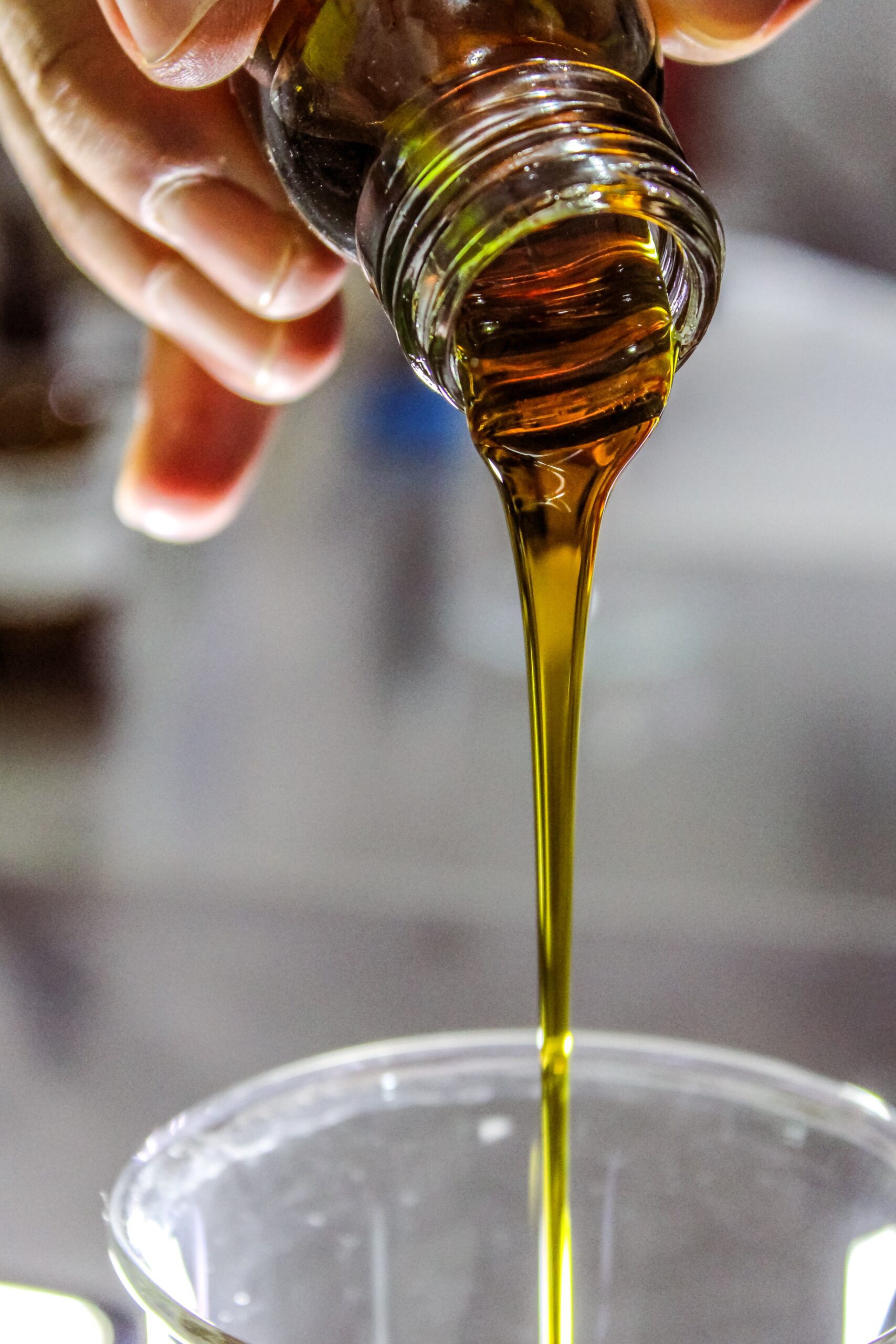
    A concerned citizen has alerted the Food and Drugs Authority (FDA) of the presence of fake olive oil in the market, calling for urgent action to protect public health and consumer rights.

    Charles Benoni Okine, a resident of Dansoman in Accra, said he noticed an anomaly when he went to buy olive oil at Okasishie market. He said he saw two bottles of the same brand, but with different sizes, both labelled as 70ml.

    “That was not only strange, but a clear demonstration of a deliberate attempt to sell to the unsuspecting public, fake olive oils,” he said.

    He explained that olive oil is a valuable product that has many benefits for health, cooking and spirituality. He said olive oil comes from olive fruit and contains monounsaturated fatty acids, which can lower cholesterol levels and have anti-inflammatory effects.

    He said olive oil is also used as a medicine for heart disease, diabetes and high blood pressure. He added that olive oil has a spiritual significance in Jewish tradition and biblical texts, as it symbolises the divine presence and is used for anointing.

    “From these known uses for olive oils, it is clear that fake ones on the market could be injurious to human health, that’s for those who use them for cooking,” he said.

    He urged the FDA to act now to stop this practice and rid the markets of these products. He said there are too many fake products in the open that pose a threat to consumers.

    This is not the first time that fake olive oil has been reported in Ghana. In 2016, the FDA issued a press exposing some fake brands of olive oil on the market, such as Pinno Olive Oil, Kazmor Olive Oil, Quality Olive Oil and Holy Oil.

    The FDA said it arrested the culprits who were assisting the police in their investigations. The FDA also assured the general public of its resolve in ensuring the protection of public health and safety.


    Read the full piece [as published on graphic.com.gh] below

    I wish to draw the attention of the Food and Drugs Authority (FDA) to a development in the market that requires attention.

    While at the market at Okasishie in Accra to buy olive oil, I chanced upon this brand and noticed an anomaly, which clearly pointed to the fact that the product was fake.

    Two bottles, one bigger than the other, were both labelled as 70ml.

    That was not only strange, but a clear demonstration of a deliberate attempt to sell to the unsuspecting public, fake olive oils.

    Olive oil comes from olive fruit and contains monounsaturated fatty acids.

    Fatty acids in olive oil seem to decrease cholesterol levels and have anti-inflammatory effects.

    Olive oil is commonly used in foods.

    As a medicine, people most commonly use olive oil for heart disease, diabetes and high blood pressure.

    Spiritually, olive oil produces a great flame with less smoke.

    In Jewish tradition, olive oil symbolises the divine presence.

    In the biblical text, olive oil is the main element of anointing.

    It is used in the royal sacraments and the sacrament of baptism.

    From these known uses for olive oils, it is clear that fake ones on the market could be injurious to human health, that’s for those who use them for cooking.

    The FDA must act now to stop this practice.

    There are too many fake products in the open and the time to rid the markets of these products should be now.

    Charles Benoni Okine
    Dansoman, Accra

  • Allow us keep funds generated internally – FDA to govt

    Allow us keep funds generated internally – FDA to govt

    The Food and Drugs Authority (FDA) has appealed to the government to allow the institution retain all or at least some of its internally generated funds (IGF), including service charges.

    Chief Executive Officer (CEO) of the FDA, Dr. Delese Darko, made this request during the Authority’s inaugural stakeholder meeting, where they discussed regulatory activities and their achievements in 2022.

    According to the CEO, this will enhance the financial capabilities of the Authority, allowing it to effectively fulfill its responsibilities. Dr. Darko also stressed on the need for improved conditions of service in order to retain highly skilled staff within the organization.

    Additionally, the Authority advocated for a standalone Act to guide its operations, accommodating changes in the regulatory landscape and aligning with international best practices.

    The FDA acknowledged some challenges, such as inadequate inspection vehicles, aging laboratory equipment, and the absence of an ICUMS module for processing exports.

    The gathering served as a platform for the FDA to interact with stakeholders, receive feedback on their performance, identify areas for improvement, and raise awareness about the Authority’s role in safeguarding public health and safety.

    The FDA highlighted its achievements in 2022, comparing them to those of 2021. Notably, the number of facilities inspected increased by 24% to 9,829 in 2022 from 7,913 in 2021. Import and export controls also saw a significant 36% growth in FDA operations.

    The Authority addressed various topics during the meeting, including the licensing of street food vendors, market surveillance activities, and product quality testing conducted in 2022.

    As part of its role to advise the Health Minister on consumer protection measures, the FDA proposed amendments to certain sections of the Public Health Act 851.

    With regards to achievements of the FDA, they included expanding the Centre for Laboratory Services and Research’s (CLSR) ISO 17025:2017 accreditation, accrediting the Food Laboratory for the first time, and achieving WHO GBT ML4 status for the Drugs Laboratory.

    Other achievements encompassed operationalizing the joint application system with the Ghana Standard Authority (GSA) for simultaneous FDA registration and GSA certification.

    The FDA also opened new offices for enhanced client accessibility and launched the ProPer Platform with ProPer Alliance, allowing consumers to verify the registration status of FDA-regulated products and exercise batch control.

    Dr. Darko assured stakeholders of the FDA’s commitment to enhancing its regulatory processes. Attendees at the meeting included members of the FDA Governing Board, representatives from the Ministry of Health, Ministry of Finance, Plant Protection and Regulatory Services Directorate of the Ministry of Agriculture, GSA, Customs, SIGA, and various trade organizations.

  • Take a look at this SHAGGY ‘pure water’ producing company; FDA steps in

    Take a look at this SHAGGY ‘pure water’ producing company; FDA steps in

    The Food and Drugs Authority (FDA) has suspended the activities of Samdoe Enterprise, a water-producing company located at Community 18, Spintex Road.

    The premises of Samdoe Enterprise was closed down as the company has been engaged in the production and distribution of unregistered brands of water products in an unlicensed, unhygienic manufacturing facility, the FDA noted in a statement dated July 12.

    The unregistered water products are as follows:

    (i) Perfect Ice Drinking Water; (ii) Aqua Link Drinking Water; and (iii) Leaders Drinking Water.

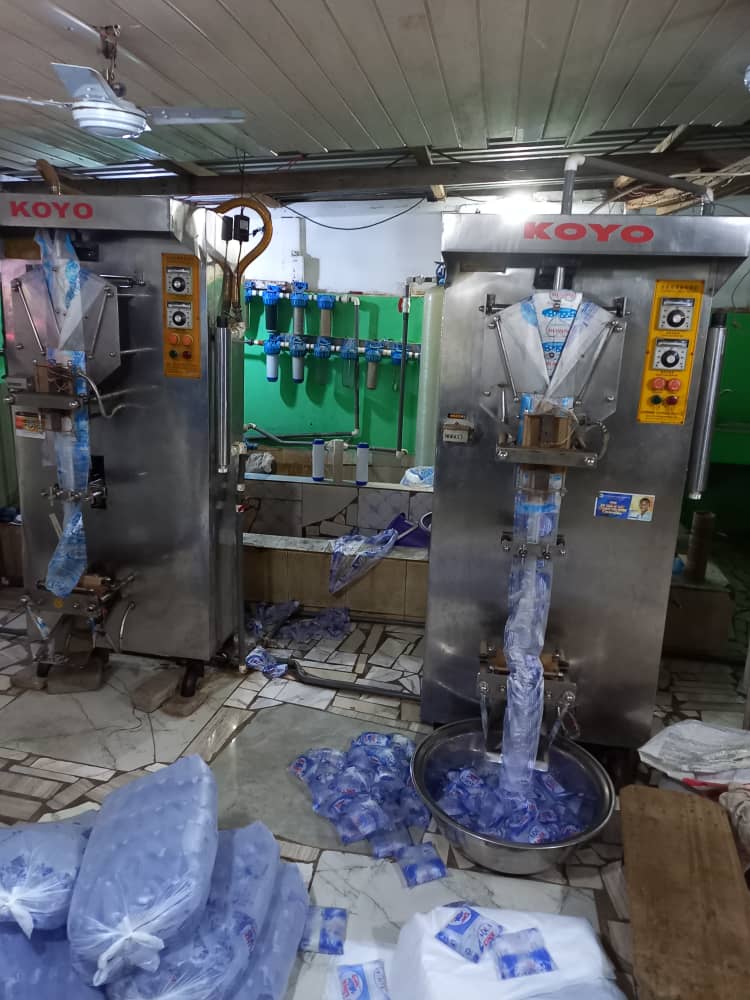
    The Authority’s Inspection Team uncovered major safety and quality issues, including operation in an unsuitable wooden structure, presence of open drains with algae and fungi growth, dirty filters, and no pest control regime.

    The public has therefore been cautioned not to consume the unregistered brands listed above. Consumers who have already purchased these products are urged to immediately halt their use and properly dispose of them immediately.

    Retailers and distributors are also requested to withdraw all these brands from the market.

    “It is imperative that consumers exercise caution when selecting water products and opt for products that have been duly registered by the FDA, with an FDA number on the label.

    “The public is once again reminded to check the registration status of regulated products from the FDA website- http://fdaghana.gov.gh or through the ProPer platform https://bit.ly/ProPerFDA before purchase,” the statement signed by the Authority’s Chief Executive Officer read.

  • RTI officers hold sensitisation workshop for FDA staff

    RTI officers hold sensitisation workshop for FDA staff

    A sensitization workshop was conducted by Right to Information (RTI) officers at the Ashanti Regional Office of the Food and Drugs Authority (FDA) on Monday, July 10, 2023.

    The workshop, which took place both virtually and in-person, was attended by management and staff members of the FDA.

    During the workshop, participants were provided with an overview of the provisions of the RTI Act, emphasizing its relevance and the responsibilities of public institutions under Act 989.

    The workshop covered various topics, including timelines for accessing information, exemptions under the law, and the procedures involved in releasing information to the public.

    Mr. Samuel Agyemang Duah, the RTI Officer of the Ashanti Regional Coordinating Council, led a team of three RTI Officers who facilitated the workshop. Mr. Duah provided a general overview of the RTI Act and its significance.

    Additionally, Mr. Kwaku Agyei Owusu, the RTI Officer for the Kumasi Metropolitan Assembly, and Mr. Emmanuel Asare, the RTI Officer for the Oforikrom Assembly, addressed the staff of the FDA, specifically focusing on their roles as managers and information holders within the context of the right to information law. They also discussed information that is exempt from disclosure.

    Mr. Owusu further explained that the process of requesting information involves filling out a standard application form and submitting it to the information unit or registry of the respective public institution.

    Mr. Ashraf Haruna, a staff of the institution asked what an applicant should do when the information requested has not been granted after 14 days.

    In response, Mr Owusu indicated that with the implementation of the Right to Information Act, access to information is guaranteed and that applicants who felt that they had been wrongly denied access to information have the right to first seek internal review and if not satisfied with the decision, can appeal to the RTI Commission which is an external body mandated to promote, protect and enforce the RTI.

    In response to a question asked by the Regional Public Information Officer, Mr Daniel Geraldo, the Oforikrom RTI Officer, Mr Asare, said it is within the interpretation of the Act for applicants not to give reasons why they’re requesting for information unless the information being sought is urgent, then the applicant must state the reason for the urgency.

    “It is our right to enjoy, and no one needs to convince someone to enjoy that right,” he said.

    He further explained the pieces of information that are exempted from disclosure. However, he stated that they are not absolute, that is, information classified as exempt information can be released where the benefits of disclosing the information outweigh the dangers of not disclosing it.

    Mr. John Laryea Odai-Tettey, the Regional Head of the Food and Drugs Authority commended the officers for such the sensitization and pledged their commitment to work within the remit of the Act 989.

  • FDA issues warning against recreational use of vapes and non-nicotine tobacco products

    FDA issues warning against recreational use of vapes and non-nicotine tobacco products

    The Food and Drugs Authority (FDA) has voiced its apprehension over the public’s sale, promotion, and recreational utilization of electronic nicotine delivery systems (ENDS) such as vapes, as well as other non-nicotine tobacco products.

    The FDA stated that ENDS can be registered as prescription-only medicine for the purpose of cessation therapy.

    They reminded the public that vapes contain nicotine, a highly addictive substance that can lead to various diseases, including cancer, heart disease, lung disease, infertility, diabetes, and gum disease.

    In a statement, the FDA highlighted that the sale and advertisement of ENDS, vapes, and non-nicotine products violate Part Six and Sections 61(2) and 62(1) of the Public Health Act, 2012 (ACT 851), as well as Regulation 16 of the Tobacco Control Regulations 2016 (L.I.2247).

    These regulations prohibit the sale, display, supply, advertisement, packaging, labeling, or possession of products that resemble or are associated with tobacco or tobacco products.

    The FDA called on manufacturers, importers, wholesalers, and retailers to immediately remove all advertisements on social media, billboards, neon signs, and other platforms. They also warned against the importation of illicit tobacco products into the country.

    Due to the health risks associated with these products, the FDA advised the public to refrain from using them unless it is for cessation therapy purposes.

  • FDA raises concerns over advertisement, sale of electronic nicotine vapes

    FDA raises concerns over advertisement, sale of electronic nicotine vapes

    The Food and Drugs Authority (FDA) has cautioned against the selling, promoting, and the use of Electronic Delivery Systems (ENDS) like vapes and other non-nicotine tobacco products for recreational purposes.

    In a statement dated July 5, the FDA expressed concerns about the misuse of these products and emphasized the potential health risks, such as cancer, lung disease, infertility, heart disease, and diabetes.

    The statement also mentions the possibility of registering ENDS as prescription-only medicine for cessation therapy.

    In a statement dated July 5, the FDA expressed concerns about the misuse of these products and emphasized the potential health risks, such as cancer, lung disease, infertility, heart disease, and diabetes.

    The statement also mentions the possibility of registering ENDS as prescription-only medicine for cessation therapy.

    The FDA in its statement mentioned that ENDS can be registered as a prescription-only medicine for the purposes of cessation therapy.

    “The Food and Drugs Authority (FDA) has noted with concern the sale, advertisement and recreational use of electronic nicotine delivery system (ENDS) such as Vapes and other non-nicotine tobacco products by the public. ENDS can be registered as a prescription-only medicine for the purposes of cessation therapy. ENDS can be registered as a prescription-only medicine for the purposes of cessation therapy,” the FDA noted in its statement.

    The FDA further warned that the sale and advertisement of vapes, and non-nicotine products are in violation of the Public Health Act, 2012 (ACT 851), as well as Regulation 16 of the Tobacco Control Regulations 2016 (L.I. 2247).

    “Section 61 (2): A person shall not sell, display for sale, supply, advertise a non-tobacco product or service that contains, either on the product, or in an advertisement of the product, a writing, a picture, an image, graphics, message, or other matter that is commonly identified or associated with or is likely or intended or associated with a tobacco product, brand or manufacturer”.

    The FDA issued a caution to manufacturers, importers, wholesalers, and retailers, instructing them to immediately remove all advertisements of ENDS from social media, billboards, and neon signs. Additionally, they are urged to refrain from importing such products.

    “Manufacturers, importers, wholesalers and retailers are therefore cautioned to pull down all advertisements on social media, billboards, neon signs etc with immediate effect and desist from the importation of illicit tobacco products into the country. Failure to adhere to the above sections and/or the tobacco control laws constitutes an offence for which sanctions may be imposed based on the Public Health Act, 2012 (ACT 851).

    Vapes are electronic devices, often powered by batteries, that allow users to inhale a vaporized liquid or solid substance through the mouth. Electronic cigarettes, in particular, typically consist of a small reservoir containing a liquid nicotine solution that is heated and vaporized, creating an aerosol mist for inhalation.

  • FDA warns food vendors against patronage of unhealthy food items

    FDA warns food vendors against patronage of unhealthy food items

    The Food and Drugs Authority (FDA) has issued a warning to food vendors, urging them to ensure the safety of the food they sell for human consumption.

    During an interview with Citi News, John Laryea Odai Tettey, the Ashanti Regional Head of the FDA, emphasized the importance of food vendors registering their businesses and keeping records of all their purchases.

    To ensure compliance, the FDA has joined forces with the environmental health units of the Metropolitan Municipal and District Assemblies (MMDAs) to conduct regular inspections at the vending points of food vendors.

    “We have collaborated with the environmental health unit of the Metropolitan Municipal and District Assemblies (MMDAs) and inspected the vending points as well as the food preparation points of these street food vendors. The advice for the vendors is that you will have to ensure that whatever you put out there for sale is safe for human consumption,” Mr Tettey said.

    He added, “If it’s the process of food, then you have to make sure that it has to be registered, and you must always take the receipts or purchase documents from wherever you get it from,” the Ashanti Regional Head of the Food and Drugs Authority entreated.”

    Compliance with the given directives is crucial, as emphasized by him, and failure to adhere to them by food vendors will lead to sanctions imposed by the FDA.

  • Be sure to adhere to food safety standards – FDA to food vendors

    Be sure to adhere to food safety standards – FDA to food vendors

    The Food and Drugs Authority (FDA) has issued a strong warning to food vendors and sellers of medicinal products, emphasizing the importance of strictly adhering to approved food safety standards.

    Non-compliance may lead to severe consequences imposed by the FDA.

    To ensure adherence, the FDA has intensified monitoring of electronic and social media platforms for advertisements.

    This increased surveillance has already resulted in several arrests.

    Speaking to the media, John Laryea Odai Tettey, the Ashanti Regional Head of the Food and Drugs Authority, advised food vendors to register their businesses and emphasized the need to retain receipts or purchase documents.

    He also urged vendors to prioritize the safety of the food they prepare for human consumption.

    “We have collaborated with the environmental health unit of the Metropolitan Municipal and District Assemblies (MMDAs) and inspected the vending points as well as the food preparation points of these street food vendors. The advice for the vendors is that you will have to ensure that whatever you put out there for sale is safe for human consumption.”“If it’s the process of food, then you have to make sure that it has to be registered, and you must always take the receipts or purchase documents from wherever you get it from,” the Ashanti Regional Head of the Food and Drugs Authority entreated.

  • FDA expresses concerns over drying of TZ flour on Kanda Highway pavements

    FDA expresses concerns over drying of TZ flour on Kanda Highway pavements

    The Food and Drugs Authority (FDA) has expressed concerns over the drying of key ingredients used in the preparation of “Tuo Zaafi” on pavements.

    It said as part of its surveillance activities, it noted the unhealthy practice of drying corn and cassava flour used for the preparation of ‘’Tuo Zaafi’’ on some pavements along the Kanda Highway in Accra and described the act as worrying.

    The Authority, in a news brief, said the practice exposed the flour to dust and other contaminants.  

    “ A visit by FDA officers to the location in March 2023 revealed that this unhealthy practice is being used by both market women and millers to remove any form of moisture from the flour for effective storage,” it said in the brief.  

    The Authority said initial engagements with market women and millers on site showed that they were oblivious to the potential health hazards associated with the practice.  

    It said while on site, it sensitised the market women and millers on the harmful effects of such practices.

    The Authority said it had also engaged Assembly members and other stakeholders to help stop the practice.

    “This, like many other food safety measures, requires collective efforts and we all ought to join in the fight to end this menace and avoid any future outbreak of food-borne diseases,” it said.

  • FDA sensitises market women on food safety

    FDA sensitises market women on food safety

    The Food and Drugs Authority (FDA) has engaged market women in Kumasi in an open forum on the need to practice proper food safety.

    The forum forms parts of a series of activities to mark the World Food Safety Day which is celebrated on June 7 every year.

    Earlier on, the market women and staff from the FDA joined the food safety awareness creation float through some selected streets of Kumasi.

    The forum tends to raise awareness and encourage actions to prevent, detect, and manage foodborne risks amongst market women.

    This year’s theme is: ” Food Standards Saves Lives.”

    The focus of the celebration was to remind participants of the critical role that food safety plays in our daily lives.

    Addressing the gathering, Mr Roderick Daddey-Adjei, Deputy Chief Executive Officer for FDA stressed the need to resonate deeply on a collective mission to ensure the well-being and health of every individual.

    He noted that various aspects such as food security, human health, agriculture, and sustainable development enhanced the global organisation’s endeavours in ensuring the safety of the food and therefore should be adhered to.

    Mr Daddey-Adjei said, food standards encompassed a wide range of aspects from hygiene to the rigorous testing of ingredients and therefore encouraged promoting food safety as a priority in public discussions, and thus reducing the global burden of foodborne diseases.

    He said foodborne illnesses are typically caused by infectious or toxic agents that are often invisible to the naked eye.

    He added that the illnesses resulted from the entry of bacteria, viruses, parasites, or chemical substances into the body through contaminated food or water thereby causing harm to individuals.

    He explained that, maintaining food safety was crucial throughout the entire food chain, which ranged from production and harvesting to processing, storage, distribution, and ultimately, preparation and consumption and therefore called on the citizenry to give it much attention.

    He noted that, as custodians of the public health it was incumbent on them to ensure that every morsel that reached the plate was safe.

    He advised the participants to join efforts of the government regulatory agencies in order to achieve real and lasting solutions to food safety issues.

    Nana Afia Kyeiwaa, the Queen mother for the Racecourse Market Women Association lamented the poor state of the market and called on government authorities to act swiftly to ensure the standards of food safety was followed.

    She said, the nature of the market did not encourage the women to be hygienic while selling, and this should send signals to authority to pay attention to. Nana Kyeiwaa indicated that most market women at Racecourse go about their business in a muddy environment and called on the government to give it a facelift.

  • FDA steps up training for packaged water producers in Eastern Region

    FDA steps up training for packaged water producers in Eastern Region

    The Eastern Regional Office of the Food and Drugs Authority (FDA) has educated over 60 individuals from 27 different packaged water companies on safe and effective methods of production and sanitation. 

    The participants included Chief Executive Officers (CEOs) and representatives of the packaged water-producing companies from the Yilo Krobo, Lower Manya, Upper Manya and Asuogyaman District Assemblies. 

    Ms Anita Owusu-Kuffour, the Acting Eastern Regional Head of the FDA told the Ghana News Agency in an interview that the training was to ensure that packaged water supplied into the market was safe for consumption. 

    “This is to ensure compliance within the packaged water-producing industries, update and give current knowledge of good manufacturing practices. It’s not just to put the product out there,” she noted. 

    She said the training conformed to the Public Health Act of 2012, Act 851, which mandated the FDA to regulate the manufacture, importation, distribution and sale of food, drugs, cosmetics, medical devices and household chemical substances. 

    Therefore, participants, she noted, were taken through quality assurance, some scientific filtration methods such as reverse osmosis system and Ultraviolet Light Sanitizer, hygienic practices and documentation. 

    Mr. Joseph Yeboah, Head of the Enforcement Unit at the FDA’s Eastern Regional Office, stated that the training was organised due to the non-compliance of packaged water manufacturers in the region with manufacturing practices. 

    He said to evaluate the success of the training, participants were given brief assessments on the knowledge obtained during the training that was to be implemented during the manufacturing process. 

    He observed that the participants demonstrated a high level of engagement in the training session by contributing to and asking questions about the various topics covered to dispel any misconceptions and implement the acquired knowledge with comprehension.  

    Mr. Yeboah added that periodic, unannounced inspections of the various packaged water-producing companies would be conducted to ensure that good manufacturing and hygienic practices were implemented for the protection of citizens. 

  • Polyfort Suspension drug not safe for use – FDA to public

    Polyfort Suspension drug not safe for use – FDA to public

    The Food and Drugs Authority (FDA) has issued a public warning concerning the recall of all batches of Polyfort Suspension in Nigeria.

    According to a statement made by the Authority on Tuesday, the recall is the result of bad results from a series of continuing stability tests.

    Swiss Pharma Limited manufactures the drug, which is used to treat heartburn, indigestion, and hyperacidity.

    According to the FDA, its surveillance team is actively monitoring the country’s ports of entry and markets to ensure that such unregistered products are not available in the country.

    It however advised that anyone who comes across this product in trade in Ghana should report to any of the FDA’s  offices across the country.

  • FDA cautions Ghanaians against unregistered oxytocin on market

    FDA cautions Ghanaians against unregistered oxytocin on market

    Unregistered oxytocin is being sold on the Ghanaian market, this according to the Food and Drugs Authority (FDA).

    In a statement issued on Friday (21 April 2023), the FDA said “the pharmaceutical products are not registered with the FDA and therefore their quality, safety and efficacy cannot be ascertained”.

    “The FDA is therefore informing all health facilities and medical stores of the above-mentioned products to stop using them immediately and return them to the nearest FDA offices throughout the country. Meanwhile, the FDA is liaising with importers to ensure that the market is rid of these unregistered pharmaceutical products,” the statement said.

    “In this regard, the Authority is taking the necessary regulatory actions to prevent any such future occurrence,” the statement added.

    However, the FDA has assured the public that it is taking all the necessary precautions to ensure that medical products on the Ghanaian market are safe, efficacious and of the right quality.

  • FDA manhunts illegal herbal peddlers in Eastern Region

    FDA manhunts illegal herbal peddlers in Eastern Region

    The Food and Drugs Authority (FDA) office in the Eastern Region with support from the Koforidua Central Police Command have raided some parts of Koforidua central market to arrest people peddling unregistered medicinal products.

    The products included Aphrodisiac (drugs that stimulates sexual desires) such as Henigra 200, Hiergra 200, AK 47, and Maxx man.

    Madam Anita Owusu-Kuffour, Eastern Regional Acting Head of FDA told the Ghana News Agency that such products among others could not be guaranteed on the market and the swoop exercise (unannounced) was part of the Authority’s mandate to clear the market of non-conforming goods.

    She said the exercise was conducted after the FDA’s regular awareness raising on unregulated products was done at market centres and lorry parks to draw people’s attention to health hazards in purchasing and using of such goods.

    The exercise, which took place at Nkurakan, Effiduase, Korley Nkwanta and Koforidua township focused on drug peddlers, herbal retail shops, and operators of community information centres.

    They arrested nine people including persons running information centres that had drug manufacturers depositing products for sale with a continuous pre-recorded advertisement, particularly on unregistered Aphrodisiac.

    They are currently under investigation for possible prosecution while the seized unregistered drugs were in FDA’s confinement, she said.

    The swoop will be extended to the rest of the districts in the region. “Some of such medicinal products do not have any label and others too provide labels as and when you buy.

    The sellers could be seeking for wrong labels for such products and this situation is worrying,” she lamented.

    Madam Owusu-Kuffour urged the public/ consumers to buy products from recognized facilities and traceable places, cautioning that if you buy from hawkers, you will not be able to trace them when facing health complications after using a drug. ” Consider buying FDA registered products. It is only when a product is registered that you will know it has gone through the necessary procedures and it is guaranteed, she said adding that ” safety and efficacy is important.”

    She said raiding the market of unregistered medicinal products exercise drew public’s attention to the works of the Food and Drugs Authority in ensuring that wholesome products were offered for sale.
    FDA exists to ensure the safety, quality and efficacy of human and veterinary drugs, food, medicinal products, cosmetics, medical devices and household chemical substances.

  • FDA clamps down on 9 persons in possession of unregistered products

    FDA clamps down on 9 persons in possession of unregistered products

    The Food and Drugs Authority (FDA)’s move to clamp down on unregistered products continues in various parts of the country. In the latest twist, nine persons have been arrested by the FDA in some parts of Koforidua, the Eastern Regional capital for selling unregistered products.

    The Eastern Regional FDA office together with the Koforidua Central Police Command on Thursday, April 13, 2023, organized a swoop at five major information centres within three areas.

    The suspects were apprehended for engaging in the sale of unauthorized products such as herbal medicines and cosmetic products in the form of capsule mixtures and balms.

    Areas visited by the three teams included Nkurakan, Asokore, and Efiduase.

    Other areas include lorry stations and Herbal retail shops within the New Juaben South Municipalities.

    Mr George Ampofo Ayeh, the Regional FDA Public Relations Officer on Nkawkaw-based radio station, Agoo FM said authorities are on the verge of eradicating unregistered drugs from the Ghanaian market.

    He said a series of similar exercises will be held across regions with their focus on suspicious information centres and hidden areas.

    The five-hour operation, which commenced at 5:30 to 10:00 am was the first phase of the exercise which targeted information centres due to complaints reaching the FDA of suspicions of selling illegal products.

    Adding up, he indicated that the second phase of the exercise would also be on the selling of unregistered sex enhancement products or aphrodisiacs.

  • Why Ghana was selected for malaria vaccine introduction

    Why Ghana was selected for malaria vaccine introduction

    According to Dr. Delese Darko, the FDA’s Chief Executive Officer, Ghana was selected by the manufacturers of the malaria vaccine because the country has a Food and Drugs Authority (FDA) that is a Maturity Level 3 National Regulatory Authority for the regulation of pharmaceuticals and vaccines.

    She further stated that the FDA had extensive competencies in evaluating the quality of clinical and non-clinical parts of a product.

    “We are also a regional centre of regulatory excellence with clinical trial oversights,” she said at a press conference in Accra on Thursday, April 13.

    Ghana became the first country in the world on Thursday, April 13 to approve a new malaria vaccine from Oxford University.

    The FDA Boss said “On March 28 this year, the FDA granted approval to R21 malaria vaccine manufactured by the Serum Institute of India which was submitted through the local agent, DEK Pharmaceuticals Ghana.

    “The approval was granted following extensive series of reviews and peer reviews of the clinical, non-clinical, and quality parts of the vaccine development procedure.

    “The vaccine has been approved for use for the immunization of children between five months to thirty-six months.

    “It is a colourless to mild turbid solution for injection, and it is supposed to be stored in a refrigerator and has a shelf life of twenty-four months. Our evaluation indicated that the vaccine has the potential to reduce infant mortality caused by malaria in Africa.”

    “Ghana was chosen because the FDA is a level three maturity national regulatory authority for medicines and vaccines and regulatory oversights and has extensive competencies in evaluating the quality of clinical and non-clinical parts of a product. We are also a regional centre of regulatory excellence with clinical trial oversights.”

  • R21 malaria vaccine receives approval from FDA

    R21 malaria vaccine receives approval from FDA

    The R21 malaria vaccine has been given FDA approval for use in immunizing infants between the ages of 5 and 36 months against malaria caused by Plasmodium falciparum.

    The vaccine, according to the regulator, is a clear, colourless to mildly turbid solution for injection, which is stored between 2 and 8 °C (refrigerator) and has a shelflife of 24 months.

    The Chief Executive Officer of the FDA, Dr. Delese Darko told journalists in Accra on Thursday, April 13 that “On March 28 this year, the FDA granted approval to R21 malaria vaccine manufactured by the Serum Institute of India which was submitted through the local agent, DEK Pharmaceuticals Ghana.

    “The approval was granted following extensive series of reviews and peer reviews of the clinical, non-clinical, and quality parts of the vaccine development procedure.

    “The vaccine has been approved for use for the immunization of children between five months to thirty-six months. It is a colourless to mild turbid solution for injection, and it is supposed to be stored in a refrigerator and has a shelf life of twenty-four months. Our evaluation indicated that the vaccine has the potential to reduce infant mortality caused by malaria in Africa.”

    She added “Ghana was chosen because the FDA is a level three maturity national regulatory authority for medicines and vaccines and regulatory oversights and has extensive competencies in evaluating the quality of clinical and non-clinical parts of a product. We are also a regional centre of regulatory excellence with clinical trial oversights.”

  • FDA seizes GHS 700k worth of unregistered body enhancers, aphrodisiacs, in Kumasi

    FDA seizes GHS 700k worth of unregistered body enhancers, aphrodisiacs, in Kumasi

    Unregistered herbal and orthodox medical products worth GHS700,000, have been seized by the Food and Drugs Authority (FDA) in Kumasi. 

    In a market surveillance exercise in the Ashanti Region, the Authority grabbed illegal pharmaceuticals, including body enhancement products from a retail market.

    The products were seized from a single retail shop at the Alabar Market, an identified hotbed for the sale of unwholesome herbal products and drugs. 

    The items included a variety of aphrodisiacs, unregistered herbal products, orthodox pain relievers, and cosmetics.  

    Some of the seized products had engraved on them unknown languages, while others were conspicuously sourced from the US. 

    FDA uncovers GH₵700k worth of unregistered body enhancers, aphrodisiacs in Kumasi swoop

    Ashanti Regional Head of the Food and Drugs Authority John Laryea Oddai Tettey indicated the products were a mixture of indigenous and exotic consumables.

    “These products will never be approved by the FDA. How these products get into our market remains unknown. But we want to assure that when these smugglers beat entry points we will always fish them out when they come on the market,” he said.

    According to the FDA, the seized products will be destroyed through incineration. 

    The Authority observed with worry the perpetual penetration of illicit medicinal products on the market. 

    However, the Authority says it is mapping the entire region to smoke out perpetrators and bring them to book. 

    “We do a lot of scouting and surveillance and we are mapping the entire region so that wherever we have these products sold, we will move to those areas and get rid of them. But we have some spots that perpetually display these products and we are starting with them and we will get to them. Those in these illegal trades must rethink their activities because we are coming after them,” he said.

    A growing trend on social media is the sale of these unwholesome products. 

    The FDA is collaborating with the appropriate quarters to rid the internet of the advertisement and sale of such unwholesome products. 

    John Laryea Tettey cautions the public against patronage of unregistered products. 

    “Visit the hospital and get the prescription. We are not supposed to buy medicines like we buy toffees. Get to a licensed chemical shop or pharmacy to have your prescribed medication. Communication Directorate of the authority is collaborating with the relevant agencies to ensure that the appropriate thing is done to rid these marketers,” he said.

    Already, three persons arrested for similar offences have been arraigned.

  • 6 fake herbal doctors arrested in Kumasi

    6 fake herbal doctors arrested in Kumasi

    Six persons in the Kumasi metropolis have been arrested for dealing in fake herbal products. 

    Their arrest was carried out as a result of a collaboration between the Ashanti Regional Office of the Food and Drugs Authority (FDA), in collaboration with the Police.

    The swoop, which targeted dealers in unregistered herbal products, formed part of routine market surveillance conducted by the Authority to clamp down on perpetrators. 

    The culprits, who have all been granted bail pending further investigations, include two community information centre operators and four herbal product dealers. 

    Mr. John Laryea Odai-Tettey, the Regional Head of FDA, speaking to the media after the exercise, said the Public Health Act, 2012 mandated the FDA to ensure food, drugs, cosmetics, medical devices, chemical substances, blood, blood products, and tobacco were wholesome for public consumption. 

    He said the Authority had the responsibility to ensure the safety and quality and standards of such products as prescribed by the Act. 

    “It is our responsibility to ensure that products under our regulation and being sold for public consumption and use are registered, and that is why we embark on market surveillance to check the safety of the products,” he noted. 

    He said beyond the registration of the regulated products, his outfit had the duty to keep an eye on the market to fish out persons producing sub-standard versions of registered products. 

    “Unfortunately, a lot of people do not go to accredited health facilities to seek healthcare, but rather patronise some of these products without verifying their safety,” he pointed out. 

    Mr Odai-Tettey said the activities of the perpetrators were inimical to public safety and called on the public to support the FDA to flush out such miscreants for the good of the general population. 

    He said doors of the FDA were opened to manufacturers of herbal and other regulated products to submit their products for scrutiny to ensure they were safe for public consumption. 

    He said failure by manufacturers to submit their products for verification amounted to the violation of the Act and cautioned that the FDA would go after such recalcitrant manufacturers in the interest of public health. 

    He advised the public to patronise products from registered and recognised dealers such as pharmacies and licensed over-the-counter chemical sellers for their own safety. 

    Wholesalers and retailers of herbal products must also ensure they purchase from licensed manufacturers in order not to be victims of the operations of the FDA, he stated. 

  • FDA accuses Global Pharma of making ‘deadly’ eyedrops in unsterile factory

    FDA accuses Global Pharma of making ‘deadly’ eyedrops in unsterile factory

    According to U.S. health inspectors, the maker of eyedrops recently connected to deaths and injuries lacked safeguards to ensure sterility at its facilities in India.

    During an inspection from late February through early March, representatives of the Food and Drug Administration discovered roughly a dozen issues with the production and testing of Global Pharma Healthcare’s eyedrops. On Monday, the FDA disclosed the results of its initial examination.

    FDA personnel wrote that the corporation uses processes that cannot genuinely guarantee the sterility of its products.

    The inspectors discovered, in particular, that between December 2020 and April 2022, the plant produced goods that were eventually transferred to the United States using “a deficient manufacturing process.”

    Three deaths and eight cases of vision loss have been associated with the plant in India’s southern Tamil Nadu state, which produced eyedrops that were linked to 68 bacterial infections in the United States.

    Due to infection, the eyeballs of four persons had to be surgically removed. EzriCare and Delsam Phama, two U.S. distributors, recalled the drops in February.

    The outbreak is considered particularly worrisome because the bacteria driving it is resistant to standard antibiotics.

    Inspectors arrived at the plant Feb. 20, more than two weeks after the announcement of the first eyedrop recall on Feb. 3. The inspection appears to be the FDA’s first visit to the plant, according to agency records.

    The report has the agency’s preliminary findings and is likely to be followed by a formal report and a warning letter to the company. An FDA spokesman said the inspection indicates that the company’s products “may be in violation of FDA’s requirements.”

    “We urge consumers to stop using these products which may be harmful to their health,” FDA’s Jeremy Khan wrote in an emailed statement.

    The FDA is responsible for assuring the safety of foreign products shipped to the U.S., though it has long struggled to keep pace with international pharmaceutical supply chains that increasingly begin in India and China.

    FDA inspectors cited worrisome sanitary conditions at the Global Pharma plant, noting that its floors, walls and ceilings were not “easily cleanable.” At one point during the visit, an FDA inspector noted “none of the equipment on the filling machine was wrapped or covered.”

    The inspector also noted the company didn’t have rigorous procedures for ensuring bottles were fully sealed. Instead, a “manual visual inspection is the only test to detect any leak,” according to the report.

    Global Pharma has said little publicly about its recent recalls, instead referring questions to the U.S. companies that sold the products.

    The FDA has been investigating the U.S. bacterial infections alongside the Centers for Disease Control and Prevention. CDC officials have detected the bacterial strain in opened bottles of EzriCare drops collected from infected patients. FDA officials are also testing unopened bottles of the drops.

    CDC officials are worried the bacteria will spread and cases may be reported for weeks and months to come. The agency has been urging health care facilities treating patients to follow strict infection-control recommendations because the germ can spread rapidly.

  • New taxes will result in job insecurity -Michael Obiri

    New taxes will result in job insecurity -Michael Obiri

    Executive Secretary of Ghana EXIM Frozen Foods Association of Ghana, Michael Obiri-Adjei, has said the passage of the three revenue bills in parliament will cause more harm than good to the business community and consumers at large.

    According to him, the bills when accented into an Act, will lead to the collapse of businesses, as well as, render people jobless.

    In an exclusive interview with GhanaWeb Business, Mr Obiri-Adjei pointed out that there might be a shortage of wholesome foods in the country as importers may run out of business due to the multiple taxes paid on goods.

    “The output of the bill will not in my view give government its intended revenue. What they will rather do will be to put a lot of people out of business, it will create job insecurities in the country and it will actually put us in a situation where we do not even have wholesome foods,” the Executive Secretary of Ghana EXIM Frozen Foods Association of Ghana said in the interview with GhanaWeb Business.

    Michael Obiri-Adjei noted that government would not rake in the targeted revenue as people would end up smuggling their goods into the country to evade taxes.

    “Currently, if you want to import frozen chicken, for instance, you are paying about GH¢400,000 for a 40 ft container. A lot of people would want to circumvent that process and would want to smuggle things from other places. It cuts the FDA from really accessing what exactly is coming into the market,” he stated.

    Obiri-Adjei continued, “I think that the repercussion of this bill if accented and becomes an Act is more draconian than the intended positive outlook that the government wants it to have.”

    Touching on job security, he said investors would not want to pump their monies into Ghana businesses once there is instability.

  • Tobacco use kills 6,700 Ghanaians annually – FDA

    Tobacco use kills 6,700 Ghanaians annually – FDA

    An assessment conducted by the Ministry of Health, the Food and Drug Authority (FDA), the Secretariat of the World Health Organization (WHO) Framework Convention on Tobacco Control (FCTC) (Convention Secretariat), WHO and the United Nations Development Programme (UNDP) has revealed that more than 800,000 Ghanaians continue to smoke and every year, tobacco use kills more than 6,700 Ghanaians, with 66 percent of these deaths being premature, among people under the age of 70.

    These statistics denote many more Ghanaians are not able to quit tobacco or smoking, in general, irrespective of the rehabilitation and restrictive laws eschewing people from smoking.

    It is on this score that the Executive Director of the Institute for Liberty and Policy Innovation, (ILAPI), Mr. Peter Bismark Kwofie has called on stakeholders in the health sector and policymakers to consciously develop an educative medium-long term gradual approach to reducing tobacco use rather than a short-term radical approach of denying consumers the right to make choices.

    “ILAPI as a free enterprise organization that emphasizes freedom and individual liberty, profess other important and evidence-based alternatives to reduce the harm caused by tobacco and subsequently leading to quitting smoking.

    Tobacco use is one of the leading causes of preventable deaths globally. According to the World Health Organization (WHO), tobacco use kills approximately eight (8) million people annually, with more than even (7) million of these deaths occurring in low and middle-income countries (LMICs).

    In addition, it causes lung cancer, tobacco use increases the risk of heart disease, stroke, chronic obstructive pulmonary disease (COPD), and other chronic illnesses.

    Experts say the most effective way to prevent tobacco-related deaths is to quit smoking completely, however, addictive smokers are reluctant and unable to quit.

    This according to Mr. Bismark Kwofie calls for harm reduction strategies which is crucial as an effective public health solution.

    He noted that absolutely quitting the habit of smoking has been quite unsustainable, repressive, and draconian.

    Over the past decades, smoke cessation has been promulgated as the best approach to helping combustible smokers to quit. The addictive nature of the nicotine in cigarettes has made quitting smoking a prolonged and difficult process and that, many more smokers are unable to quit.

    It is estimated that $115 billion is needed to be invested to help in smoking cessation from 2020–2030. In 2019, the economic cost of tobacco use in Ghana amounted to approximately GH668 million, equivalent to 0.2 percent of the country’s GDP.

    The Executive Director of ILAPI is of the view that health workers, social workers, other relevant stakeholders, and policymakers should consider other alternatives which will be less costly and harmful measures to address the consumer choice addiction rate of tobacco.

    “In this context, it is crucial to explore the potential benefits and drawbacks of Tobacco Harm Reduction (THR) and weigh them against the well-established harmfulness of tobacco use to develop effective strategies for reducing tobacco consumption in Ghana.” He reiterated.

    The Executive Director of ILAPI stressed that THR as a public solution recognizes the harm caused by combustible cigarettes and aims to minimize the health impacts of cigarette smoking by encouraging those adult smokers who would otherwise continue to smoke to switch completely to scientifically substantiated, reduced-risk alternatives ought to be explored in our contemporary society.

    Mr. Kwofie thinks that there could be a geo-cultural diversification of solutions to tobacco control but cautioned that the state should conduct and adopt empirically proven techniques as an alternative to reduce harm and death caused by Tobacco whilst not curtailing consumer choice.

    “The inhumane and unscientific “Quit or Die” policy should not be reinforced. Instead of putting vapers and consumers at risk, this is a very good opportunity to raise awareness about THR in general, and encourage smokers who cannot quit smoking to adopt it.” He said.

    There has been a school of thought of increasing taxes on tobacco products and banning THR products are the best initiatives to prevent people from smoking. But according to the Executive Director of ILAPI, anytime taxes (excise and consumption taxes) on products are high, the rich could buy and the middle-income and poor would engage in smuggling adding to the cost of fighting illicit transactions on tobacco.

    “High taxes on tobacco products as means of cessation is not public health,” he retorted

  • FDA warns against two eye drops that have killed 3

    FDA warns against two eye drops that have killed 3

    Ezricare Artificial Tears and Delsam Pharma’s Artificial Tears are two eye drops products that the Food and Drug Administration (FDA) is warning the public against using due to their potentially fatal effects in the US.

    The US Centers for Disease Control and Prevention (USCDC) discovered the items to have the drug-resistant bacteria pseudomonas aeruginosa, according to an alert released by the Authority on Thursday, March 23.

    This has forced the manufacturer, Global Pharma, to recall the products.

    “The products are not registered with the Ghana FDA,” the Authority noted in its alert.

    “Therefore, they should not be commercially available on the Ghanaian market. However, the FDA advises the public who may be in possession of these drugs through other means to immediately stop using the recalled products, Ezricare Artificial Tears and Delsam Pharma’s Artificial Tears, and submit them to any of the FDA offices nationwide.”

    Those who have accidentally used the products and experiencing any symptoms have been asked to contact a healthcare professional immediately.

    Reported symptoms include yellow, green or clear discharge from the eye, eye pain or discomfort, redness, feeling of a substance on the eye, increased sensitivity to light and blurred vision.

    The FDA is assuring the public that all necessary measures will be taken to ensure that safe and effective medical products are brought to Ghana.

  • FDA blows alarm on counterfeit antimalarial drug ‘COMBIART’

    FDA blows alarm on counterfeit antimalarial drug ‘COMBIART’

    As part of its market surveillance efforts, the Food and Drugs Authority (FDA) has found that the antimalarial medicine COMBIART Tablets (Artemether/Lumefrantrine 20/120) is a counterfeit.

    The FDA noted in a statement that the medicine samples from the Northern Area were fabricated because they lacked either of the two active medicinal ingredients listed on the label.

    The details of the drug are as follows:
    Batch number:7335119
    Manufacturing date: 03/2021
    Expiry date: 02/2024
    Manufacturer: Strides Arcola Ltd
    NAFDAC Registration: A4-6700

    The FDA has therefore entreated health workers and the public to be on the lookout for such drug and report to its outfit should they come into contact with the drug.

    Source: The Independent Ghana

  • FDA destroys unapproved, expired products worth over ₵124,000 in Western North Region

    To protect the safety of Ghanaians, the Food and Drugs Authority (FDA) has destroyed expired and unregistered products to a sum of GH₵124,271 at Sefwi-Wiawso in the Western North Region.

    The Western North Regional Office of the FDA burnt to ashes items such as soft and energy drinks, a variety of Aphrodisiacs, unregistered herbal products, cereals, milk, noodles and fake schnapps at the Wiawso dumping site.

    The Regional Director of the FDA, Mr Albert Ankamah, while speaking to the media revealed that his outfit got hold of those harmful products during their routine market surveillance in shops in the past three months.

    The seized items were mainly from the Bibiani Anhwiaso Bekwai and Wiawso Municipalities, he indicated.

    Due to the dangers expired and unapproved products pose to the health of individuals, Mr Ankamah, has therefore advised consumers to be vigilant and always read the labels and to look out for the FDA registration numbers on products produced in Ghana.

    Chief Environmental officer Wiawso Municipal Assembly, Mr Samuel Darkwah, who supervised the exercise at the Wiawso dumping site, lauded the leadership of the FDA in the region for ensuring food safety through their supervisory duties, especially among food vendors.

    The Food and Drugs Authority established the Western North Regional Office in October 2022, and has since been making a huge impact in the region.

    It is the mandate of the FDA to ensure the safety, quality and efficacy of human and veterinary drugs, food, biological products, cosmetics, medical devices, household chemical substances and clinical trials, and the control of tobacco products through the enforcement of relevant standards to protect public health.