Tag: inflation

  • March inflation falls to 3.2% despite global fuel hikes

    March inflation falls to 3.2% despite global fuel hikes

    Despite persistent pressures from rising global fuel prices amid Middle East tensions, Ghana recorded a 3.2 percent inflation rate in March.

    This information was contained in a release from the latest data from the Ghana Statistical Service (GSS)on Wednesday, April 1.

    The figure reflects a decline from 22.4 percent recorded during the same period last year. This represents the 15th consecutive month of decline in Ghana’s inflation rate. February 2026 recorded 3.3 percent in 23.1 percent in February 2025.

    The ongoing tensions between Iran, the U.S., and Israel have been linked to the death of Iran’s Supreme Leader, Ayatollah Ali Khamenei.

    Ayatollah Ali Khamenei was reportedly killed in strikes by the United States (U.S.) and Israel. This development is significantly impacting travelers from Ghana to Asia, Europe, and North America, as Dubai is a major transit hub connecting travelers through the United Arab Emirates.

    Meanwhile, Ghana’s inflation rate stood at 3.8 percent in January 2026, marking the 13th consecutive decline in inflation, with the rate easing from 5.4% in December of the same year.


    The Statistical Service attributed the development to a slower rise in the prices of essential food items, largely due to improved availability. Ghana ended the year with an inflation rate of 5.4 per cent, a 0.9 percentage decline from 6.3 per cent recorded in November 2025.


    The downward trend of inflation has been attributed to easing food prices. Food inflation fell to 4.9 per cent in December, down from 6.6 per cent in November, as price increases for several key food items slowed.


    Also, food inflation was attributed as a major driver in the falling inflation rate, providing some relief to households after months of heightened cost-of-living pressures.


    Charcoal and staple foods such as plantains and bread have been identified as major contributors to the country’s cost-of-living pressures, which pushed up the November 2025 inflation rate.


    According to the last Consumer Price Index breakdown, other factors that affect inflation are basic household goods and utility-related expenses.


    The breakdown highlighted charcoal as the number one inflation driver after its year-on-year contribution increased to 9.2%. The second-largest contributor, smoked herrings, recorded a 7.6% increase in inflation. Unripe plantain, placed third, recorded 6.8%, making it the third biggest contributor to food inflation in November.


    The inflation rate for November 2025 saw a decrease from the 8.0% recorded in October to 6.3% in the same period, according to the Ghana Statistical Service (GSS). This marks the eleventh month in a row since October 2021.


    Addressing the media on Wednesday, December 3, the Government Statistician, Dr. Alhassan Iddrisu, mentioned that broad-based improvements in both food and non-food inflation, supported by stabilising market conditions, significantly caused the decline.


    In October, the GSS announced an 8.0% inflation rate, down from 9.4% recorded in September. The 1.4 percentage point drop from the previous month marks the lowest level since June 2021, sustaining ten consecutive months of consistent decline.


    It also indicates a sharp improvement from the 23.8% recorded in December 2024. Addressing the media in Accra, Government Statistician, Dr. Iddrisu Alhassan, attributed the continuous drop in inflation to the stringent fiscal measures adopted in efforts to stabilise Ghana’s economy.


    “For the first time since June 2021, Ghana has achieved single-digit inflation. This means that the rate at which prices of goods and services are increasing has slowed significantly. We’ve seen improvements across food, transport, and housing categories — key indicators of household welfare,” Dr. Alhassan noted.


    Last month, a report by the Bank of Ghana (BoG) indicated that the government spent less than budgeted between January and July. According to the Bank of Ghana’s September 2025 Monetary Policy Report, the government spent GH¢131.1 billion, which is below the planned amount of GH¢152.6 billion.


    Thus, government spending accounted for 9.4% of GDP, falling short of the target of 10.9%. The report noted that government spending was 14.1% below target but 9.3% higher than during the same period the previous year.


    The BoG attributed the gains to tighter fiscal discipline and improved expenditure control.


    It further stated that, except for compensation of employees, all major spending categories came in below target. Salaries and wages for public sector workers recorded GH¢44.9 billion from the projected amount, while spending on infrastructure and development projects stood at GH¢10 billion, much lower than expected.


    Ghana’s economy is expected to experience significant growth in 2026. Presenting the 2026 Budget Statement and Economic Policy on Thursday, November 11, the Finance Minister, Cassiel Ato Forson, projected a 4.8% increase in the country’s Gross Domestic Product (GDP) for 2026.


    He also forecasted that inflation would drop to 8% by the end of the year. “Right honourable Speaker, for the year 2026, we will achieve the following at a minimum: real GDP growth of at least 4.8%, driven by continued expansion in infrastructure, service sectors, and agriculture as well. … Mr. Speaker, at least 4.9%, and end the inflation for next year will be at least 8% ± 2,” he added.


    The Minister noted that the projected growth would be driven by continued development in infrastructure, the services sector, and agriculture. Ghana recorded a 6.3% Gross Domestic Product (GDP) in the second quarter of 2025.


    The IMF projects a decrease in global inflation while predicting slower economic growth in 2025 for the U.S. and other regions.


    The total value of all commodities bought and sold on Ghana’s Commodity Exchange (GCX) in 2024 amounted to GHS24.23 million, according to the Bank of Ghana’s (BoG) 2024 Financial Stability Review.
    The report attributed the gains to strong demand for maize and soybean contracts, which boosted overall market performance.


    “The Ghana Commodity Exchange (GCX) experienced remarkable growth, reinforcing its role in agricultural trade and market efficiency. Trading volume surged by 107.4 per cent to 5,161.03 metric tonnes in 2024. The total trade value soared by 114.8 per cent, from GH₵11.29 million in 2023 to GH₵24.23 million.


    This growth was driven by several factors, including increased market participation, the strategic use of commodity aggregation funds, a faster settlement cycle (T+1, a day after the transaction date), improved warehouse infrastructure, and enhanced trader confidence.


    Additionally, settlement values grew by 113.3 per cent to GH₵23.31 million, reflecting enhanced liquidity and improved transactional efficiency,” the report stated.

  • Ghana’s inflation dropped to 3.3% in February – GSS

    Ghana’s inflation dropped to 3.3% in February – GSS

    The latest Consumer Price Index (CPI) data from the Ghana Statistical Service (GSS) shows that Ghana’s year-on-year inflation rate fell to 3.3 percent in February, down sharply from 23.1 percent in February 2025.

    Ghana’s inflation rate stood at 3.8 percent last month, marking the 13th consecutive decline in inflation, with the rate easing from 5.4% in December of the same year.

    The Statistical Service attributed the development to a slower rise in the prices of essential food items, largely due to improved availability. Ghana ended the year with an inflation rate of 5.4 per cent, a 0.9 percentage decline from 6.3 per cent recorded in November 2025.


    The downward trend of inflation has been attributed to easing food prices. Food inflation fell to 4.9 per cent in December, down from 6.6 per cent in November, as price increases for several key food items slowed.


    Also, food inflation was attributed as a major driver in the falling inflation rate, providing some relief to households after months of heightened cost-of-living pressures.


    Charcoal and staple foods such as plantains and bread have been identified as major contributors to the country’s cost-of-living pressures, which pushed up the November 2025 inflation rate.

    According to the last Consumer Price Index breakdown, other factors that affect inflation are basic household goods and utility-related expenses.


    The breakdown highlighted charcoal as the number one inflation driver after its year-on-year contribution increased to 9.2%. The second-largest contributor, smoked herrings, recorded a 7.6% increase in inflation. Unripe plantain, placed third, recorded 6.8%, making it the third biggest contributor to food inflation in November.


    The inflation rate for November 2025 saw a decrease from the 8.0% recorded in October to 6.3% in the same period, according to the Ghana Statistical Service (GSS). This marks the eleventh month in a row since October 2021.


    Addressing the media on Wednesday, December 3, the Government Statistician, Dr. Alhassan Iddrisu, mentioned that broad-based improvements in both food and non-food inflation, supported by stabilising market conditions, significantly caused the decline.


    In October, the GSS announced an 8.0% inflation rate, down from 9.4% recorded in September. The 1.4 percentage point drop from the previous month marks the lowest level since June 2021, sustaining ten consecutive months of consistent decline.


    It also indicates a sharp improvement from the 23.8% recorded in December 2024. Addressing the media in Accra, Government Statistician, Dr. Iddrisu Alhassan, attributed the continuous drop in inflation to the stringent fiscal measures adopted in efforts to stabilise Ghana’s economy.


    “For the first time since June 2021, Ghana has achieved single-digit inflation. This means that the rate at which prices of goods and services are increasing has slowed significantly. We’ve seen improvements across food, transport, and housing categories — key indicators of household welfare,” Dr. Alhassan noted.


    Last month, a report by the Bank of Ghana (BoG) indicated that the government spent less than budgeted between January and July. According to the Bank of Ghana’s September 2025 Monetary Policy Report, the government spent GH¢131.1 billion, which is below the planned amount of GH¢152.6 billion.


    Thus, government spending accounted for 9.4% of GDP, falling short of the target of 10.9%. The report noted that government spending was 14.1% below target but 9.3% higher than during the same period the previous year.


    The BoG attributed the gains to tighter fiscal discipline and improved expenditure control.


    It further stated that, except for compensation of employees, all major spending categories came in below target. Salaries and wages for public sector workers recorded GH¢44.9 billion from the projected amount, while spending on infrastructure and development projects stood at GH¢10 billion, much lower than expected.


    Ghana’s economy is expected to experience significant growth in 2026. Presenting the 2026 Budget Statement and Economic Policy on Thursday, November 11, the Finance Minister, Cassiel Ato Forson, projected a 4.8% increase in the country’s Gross Domestic Product (GDP) for 2026.


    He also forecasted that inflation would drop to 8% by the end of the year. “Right honourable Speaker, for the year 2026, we will achieve the following at a minimum: real GDP growth of at least 4.8%, driven by continued expansion in infrastructure, service sectors, and agriculture as well. … Mr. Speaker, at least 4.9%, and end the inflation for next year will be at least 8% ± 2,” he added.


    The Minister noted that the projected growth would be driven by continued development in infrastructure, the services sector, and agriculture. Ghana recorded a 6.3% Gross Domestic Product (GDP) in the second quarter of 2025.


    The IMF projects a decrease in global inflation while predicting slower economic growth in 2025 for the U.S. and other regions.

    The total value of all commodities bought and sold on Ghana’s Commodity Exchange (GCX) in 2024 amounted to GHS24.23 million, according to the Bank of Ghana’s (BoG) 2024 Financial Stability Review.


    The report attributed the gains to strong demand for maize and soybean contracts, which boosted overall market performance.

    “The Ghana Commodity Exchange (GCX) experienced remarkable growth, reinforcing its role in agricultural trade and market efficiency. Trading volume surged by 107.4 per cent to 5,161.03 metric tonnes in 2024. The total trade value soared by 114.8 per cent, from GH₵11.29 million in 2023 to GH₵24.23 million.


    This growth was driven by several factors, including increased market participation, the strategic use of commodity aggregation funds, a faster settlement cycle (T+1, a day after the transaction date), improved warehouse infrastructure, and enhanced trader confidence.


    Additionally, settlement values grew by 113.3 per cent to GH₵23.31 million, reflecting enhanced liquidity and improved transactional efficiency,” the report stated.

  • Inflation falls for 13th consecutive month, hits 3.8% in January

    Inflation falls for 13th consecutive month, hits 3.8% in January


    Ghana recorded its 13th consecutive decline in inflation, with the rate easing from 5.4% in December to 3.8% in January 2026, according to the latest data from the Ghana Statistical Service (GSS).


    The Statistical Service attributed the development to a slower rise in the prices of essential food items, largely due to improved availability. Ghana ended the year with an inflation rate of 5.4 per cent, a 0.9 percentage decline from 6.3 per cent recorded in November 2025.


    The downward trend of inflation has been attributed to easing food prices. Food inflation fell to 4.9 per cent in December, down from 6.6 per cent in November, as price increases for several key food items slowed.


    Also, food inflation was been attributed as a major driver in the falling inflation rate, providing some relief to households after months of heightened cost-of-living pressures.


    Charcoal and staple foods such as plantains and bread have been identified as major contributors to the country’s cost-of-living pressures, which pushed up the November 2025 inflation rate.
    According to the last Consumer Price Index breakdown, other factors that affect inflation are basic household goods and utility-related expenses.


    The breakdown highlighted charcoal as the number one inflation driver after its year-on-year contribution increased to 9.2%. The second-largest contributor, smoked herrings, recorded a 7.6% increase in inflation. Unripe plantain, placed third, recorded 6.8%, making it the third biggest contributor to food inflation in November.


    The inflation rate for November 2025 saw a decrease from the 8.0% recorded in October to 6.3% in the same period, according to the Ghana Statistical Service (GSS). This marks the eleventh month in a row since October 2021.


    Addressing the media on Wednesday, December 3, the Government Statistician, Dr. Alhassan Iddrisu, mentioned that broad-based improvements in both food and non-food inflation, supported by stabilising market conditions, significantly caused the decline.


    In October, the GSS announced an 8.0% inflation rate, down from 9.4% recorded in September. The 1.4 percentage point drop from the previous month marks the lowest level since June 2021, sustaining ten consecutive months of consistent decline.


    It also indicates a sharp improvement from the 23.8% recorded in December 2024. Addressing the media in Accra, Government Statistician, Dr. Iddrisu Alhassan, attributed the continuous drop in inflation to the stringent fiscal measures adopted in efforts to stabilise Ghana’s economy.


    “For the first time since June 2021, Ghana has achieved single-digit inflation. This means that the rate at which prices of goods and services are increasing has slowed significantly. We’ve seen improvements across food, transport, and housing categories — key indicators of household welfare,” Dr. Alhassan noted.


    Last month, a report by the Bank of Ghana (BoG) indicated that the government spent less than budgeted between January and July. According to the Bank of Ghana’s September 2025 Monetary Policy Report, the government spent GH¢131.1 billion, which is below the planned amount of GH¢152.6 billion.


    Thus, government spending accounted for 9.4% of GDP, falling short of the target of 10.9%. The report noted that government spending was 14.1% below target but 9.3% higher than during the same period the previous year.

    The BoG attributed the gains to tighter fiscal discipline and improved expenditure control.


    It further stated that, except for compensation of employees, all major spending categories came in below target. Salaries and wages for public sector workers recorded GH¢44.9 billion from the projected amount, while spending on infrastructure and development projects stood at GH¢10 billion, much lower than expected.


    Ghana’s economy is expected to experience significant growth in 2026. Presenting the 2026 Budget Statement and Economic Policy on Thursday, November 11, the Finance Minister, Cassiel Ato Forson, projected a 4.8% increase in the country’s Gross Domestic Product (GDP) for 2026.


    He also forecasted that inflation would drop to 8% by the end of the year. “Right honourable Speaker, for the year 2026, we will achieve the following at a minimum: real GDP growth of at least 4.8%, driven by continued expansion in infrastructure, service sectors, and agriculture as well. … Mr. Speaker, at least 4.9%, and end the inflation for next year will be at least 8% ± 2,” he added.


    The Minister noted that the projected growth would be driven by continued development in infrastructure, the services sector, and agriculture. Ghana recorded a 6.3% Gross Domestic Product (GDP) in the second quarter of 2025.


    The IMF projects a decrease in global inflation while predicting slower economic growth in 2025 for the U.S. and other regions. The total value of all commodities bought and sold on Ghana’s Commodity Exchange (GCX) in 2024 amounted to GHS24.23 million, according to the Bank of Ghana’s (BoG) 2024 Financial Stability Review.


    The report attributed the gains to strong demand for maize and soybean contracts, which boosted overall market performance. “The Ghana Commodity Exchange (GCX) experienced remarkable growth, reinforcing its role in agricultural trade and market efficiency. Trading volume surged by 107.4 per cent to 5,161.03 metric tonnes in 2024. The total trade value soared by 114.8 per cent, from GH₵11.29 million in 2023 to GH₵24.23 million.


    This growth was driven by several factors, including increased market participation, the strategic use of commodity aggregation funds, a faster settlement cycle (T+1, a day after the transaction date), improved warehouse infrastructure, and enhanced trader confidence.

    Additionally, settlement values grew by 113.3 per cent to GH₵23.31 million, reflecting enhanced liquidity and improved transactional efficiency,” the report stated.

  • Ghana ends 2025 with 5.4% in inflation rate

    Ghana ends 2025 with 5.4% in inflation rate

    Ghana’s inflation fell every month in 2025, from double-digit of 23.8% in December 2024 down to less than 6%  in December 2025, marking 12 consecutive months of decline.

    According to a report by the Ghana Statistical Service (GSS), Ghana ended the year with an inflation rate of 5.4 per cent, a 0.9 percentage decline from 6.3 per cent recorded in November 2025.

    The downward trend of inflation has been attributed to easing food prices. Food inflation fell to 4.9 per cent in December, down from 6.6 per cent in November, as price increases for several key food items slowed.

    Also, food inflation has been attributed as a major driver in the falling inflation rate, providing some relief to households after months of heightened cost-of-living pressures.

    Charcoal and staple foods such as plantains and bread have been identified as major contributors to the country’s cost-of-living pressures, which pushed up the November 2025 inflation rate.

    According to the last Consumer Price Index breakdown, other factors that affect inflation are basic household goods and utility-related expenses.

    The breakdown highlighted charcoal as the number one inflation driver after its year-on-year contribution increased to 9.2%. The second-largest contributor, smoked herrings, recorded a 7.6% increase in inflation. Unripe plantain, placed third, recorded 6.8%, making it the third biggest contributor to food inflation in November.

    The inflation rate for November 2025 saw a decrease from the 8.0% recorded in October to 6.3% in the same period, according to the Ghana Statistical Service (GSS). This marks the eleventh month in a row since October 2021.

    Addressing the media on Wednesday, December 3, the Government Statistician, Dr. Alhassan Iddrisu, mentioned that broad-based improvements in both food and non-food inflation, supported by stabilising market conditions, significantly caused the decline.

    In October, the GSS announced an 8.0% inflation rate, down from 9.4% recorded in September. The 1.4 percentage point drop from the previous month marks the lowest level since June 2021, sustaining ten consecutive months of consistent decline.

    It also indicates a sharp improvement from the 23.8% recorded in December 2024. Addressing the media in Accra, Government Statistician, Dr. Iddrisu Alhassan, attributed the continuous drop in inflation to the stringent fiscal measures adopted in efforts to stabilise Ghana’s economy.

    “For the first time since June 2021, Ghana has achieved single-digit inflation. This means that the rate at which prices of goods and services are increasing has slowed significantly. We’ve seen improvements across food, transport, and housing categories — key indicators of household welfare,” Dr. Alhassan noted.

    Last month, a report by the Bank of Ghana (BoG) indicated that the government spent less than budgeted between January and July. According to the Bank of Ghana’s September 2025 Monetary Policy Report, the government spent GH¢131.1 billion, which is below the planned amount of GH¢152.6 billion.

    Thus, government spending accounted for 9.4% of GDP, falling short of the target of 10.9%. The report noted that government spending was 14.1% below target but 9.3% higher than during the same period the previous year. The BoG attributed the gains to tighter fiscal discipline and improved expenditure control.

    It further stated that, except for compensation of employees, all major spending categories came in below target. Salaries and wages for public sector workers recorded GH¢44.9 billion from the projected amount, while spending on infrastructure and development projects stood at GH¢10 billion, much lower than expected.

    Ghana’s economy is expected to experience significant growth in 2026. Presenting the 2026 Budget Statement and Economic Policy on Thursday, November 11, the Finance Minister, Cassiel Ato Forson, projected a 4.8% increase in the country’s Gross Domestic Product (GDP) for 2026.

    He also forecasted that inflation would drop to 8% by the end of the year. “Right honourable Speaker, for the year 2026, we will achieve the following at a minimum: real GDP growth of at least 4.8%, driven by continued expansion in infrastructure, service sectors, and agriculture as well. … Mr. Speaker, at least 4.9%, and end the inflation for next year will be at least 8% ± 2,” he added.

    The Minister noted that the projected growth would be driven by continued development in infrastructure, the services sector, and agriculture. Ghana recorded a 6.3% Gross Domestic Product (GDP) in the second quarter of 2025.

    The IMF projects a decrease in global inflation while predicting slower economic growth in 2025 for the U.S. and other regions. The total value of all commodities bought and sold on Ghana’s Commodity Exchange (GCX) in 2024 amounted to GHS24.23 million, according to the Bank of Ghana’s (BoG) 2024 Financial Stability Review.

    The report attributed the gains to strong demand for maize and soybean contracts, which boosted overall market performance. “The Ghana Commodity Exchange (GCX) experienced remarkable growth, reinforcing its role in agricultural trade and market efficiency. Trading volume surged by 107.4 per cent to 5,161.03 metric tonnes in 2024. The total trade value soared by 114.8 per cent, from GH₵11.29 million in 2023 to GH₵24.23 million.

    This growth was driven by several factors, including increased market participation, the strategic use of commodity aggregation funds, a faster settlement cycle (T+1, a day after the transaction date), improved warehouse infrastructure, and enhanced trader confidence. Additionally, settlement values grew by 113.3 per cent to GH₵23.31 million, reflecting enhanced liquidity and improved transactional efficiency,” the report stated.

  • Ghana’s inflation rate falls sharply to 8% in October

    Ghana’s inflation rate falls sharply to 8% in October

    The Ghana Statistical Service (GSS) has announced an 8.0% inflation rate for October 2025, down from 9.4% recorded in September.

    This represents a 1.4 percentage point drop from the previous month and marks the lowest level since June 2021, sustaining ten consecutive months of consistent decline.

    It also indicates a sharp improvement from the 23.8% recorded in December 2024. Addressing the media in Accra, Government Statistician, Dr. Iddrisu Alhassan, attributed the continuous drop in inflation to the stringent fiscal measures adopted in efforts to stabilize Ghana’s economy.


    “For the first time since June 2021, Ghana has achieved single-digit inflation. This means that the rate at which prices of goods and services are increasing has slowed significantly. We’ve seen improvements across food, transport, and housing categories — key indicators of household welfare,” Dr. Alhassan noted.


    Last month, a report by the Bank of Ghana (BoG) indicated that the government spent less than budgeted between January and July. According to the Bank of Ghana’s September 2025 Monetary Policy Report, the government spent GH¢131.1 billion, which is below the planned amount of GH¢152.6 billion.

    Thus, government spending accounted for 9.4% of GDP, falling short of the target of 10.9%. The report noted that government spending was 14.1% below target but 9.3% higher than during the same period the previous year. The BoG attributed the gains to tighter fiscal discipline and improved expenditure control.

    It further stated that, except for compensation of employees, all major spending categories came in below target. Salaries and wages for public sector workers recorded GH¢44.9 billion from the projected amount, while spending on infrastructure and development projects stood at GH¢10 billion, much lower than expected.


    In September, Ghana’s public debt stock rose by GH¢15.8 billion in July 2025, bringing the overall debt to GH¢628.8 billion, equivalent to $59.9 billion. According to the BoG, this represents 44.9% of the country’s total economic output.

    This increase followed three consecutive months of decline and was partly attributed to the earlier appreciation of the Ghanaian cedi. Ghana recorded GH¢613 billion in June and GH¢769.4 billion in March.


    The fluctuations in the figures during that period were largely influenced by changes in the cedi’s exchange rate. Ghana’s external debt remained mostly unchanged in July at $29.0 billion. However, domestic debt climbed to GH¢323.7 billion, or 23.1% of GDP, from GH¢312.7 billion the previous month.


    The Bank of Ghana also announced a 6.3% Gross Domestic Product (GDP) growth in the second quarter of 2025. While acknowledging global financial pressures at the 126th Monetary Policy Committee (MPC) meeting held on September 15, BoG Governor, Dr. Johnson Pandit Asiama, stated that Ghana recorded a 1.0% increase in GDP from the 5.3% growth in the first quarter.


    “Ghana’s recovery is gaining momentum even as the global environment remains uncertain. Worldwide, growth is easing, and financial conditions are still tight amid trade tensions and geopolitical risks; yet domestically, improved fundamentals have strengthened confidence in our outlook. Real activity has firmed. Provisional data show GDP growth accelerated to 6.3 percent in Q2 2025, led by services and agriculture, with non-oil GDP expanding by 7.8 percent,” Dr. Asiama stated.


    According to him, some short-term economic measurements, also known as high-frequency indicators, show that the economy is still growing. Among these, the Bank of Ghana’s Composite Index of Economic Activity was 6.1% higher in July than a year earlier.


    “High-frequency indicators confirm this momentum: the Bank’s Composite Index of Economic Activity was up 6.1 percent year-on-year in July, and recent PMI readings alongside our business and consumer surveys point to improving sentiment,” he added.


    In his update, he also touched on inflation, stating that it fell from 12.1% in July to 11.5% in August, marking a 0.6 percentage point drop in just one month — the eighth consecutive month of decline — and the lowest inflation rate since October 2021.


    He added that, even though there was a decline in remittance inflows, the cedi remains one of the strongest-performing currencies globally. “On the price front, headline inflation fell further to 11.5 percent in August, its lowest since October 2021, supported by a tight monetary stance, fiscal consolidation, and better food supplies; core measures and expectations continue to re-anchor.


    “External buffers have strengthened. For the first eight months of the year, Ghana recorded a trade surplus of US$6.2 billion, underpinned by robust gold exports and higher cocoa receipts. Gross international reserves stood at US$10.7 billion in August, covering about 4½ months of imports.


    “Despite seasonal pressures and a moderation in remittance inflows in recent weeks, the cedi remains among the strongest currencies globally year-to-date, appreciating by about 21 per cent as of September 12. It now ranks alongside high performers such as the Russian ruble, Swedish krona, Norwegian krone, Swiss franc, euro, and British pound. This outperformance reflects prudent monetary policy, effective liquidity management, fiscal consolidation, and increased foreign exchange inflows,” he stressed.


    The Bank of Ghana in late July projected that inflation was likely to decline further and fall within the medium-term target range of 6 to 10 percent during the third quarter of 2025, ahead of earlier expectations.


    According to a statement released by the Chairman of the Monetary Policy Committee (MPC) and Governor of the Bank of Ghana, Dr. Johnson Asiama, on July 30, 2025, macroeconomic conditions had significantly improved, inflation expectations were broadly anchored, external buffers were strengthened, and confidence in the economy was returning.


    “The July forecast also shows that headline inflation is expected to decline further in the third quarter of 2025 and trend within the medium-term target of 8±2 percent by the end of 2025, earlier than initial projections,” the statement indicated.


    It further explained that the external sector outlook was positive, anchored on favourable commodity prices and improved remittance inflows, despite the resumption of external debt service. The statement added that the cedi has further strengthened against major trading currencies on the back of strong external sector performance and increased reserve accumulation.


    Meanwhile, the BoG cautioned that there are upside risks to the inflation outlook, including potential supply chain challenges from global trade tensions and upward adjustments in utility tariffs.

    Nonetheless, the central bank maintained that the impact of these risks on inflation is expected to be offset by an appropriately tight monetary policy stance and continued fiscal consolidation.


    The International Monetary Fund (IMF) has projected a decrease in global inflation while predicting slower 2025 economic growth in the U.S. and other regions.

    The Bretton Woods institution attributed this anticipated improvement to the debt restructuring programme implemented by the previous government, noting its positive impact in placing the country on a path toward debt sustainability.


    During an IMF press briefing held on September 11 in Washington, D.C., Director of Communications, Julie Kozack, responded to a journalist’s question on Ghana’s debt sustainability and the impact of the restructuring agreement.

    She explained that Ghana’s “debt service indicators” have improved significantly because of the restructuring. According to her, this development provides the country with greater space to recover economically and channel resources into key investments.


    “The recent restructuring agreement has significantly improved debt service indicators for Ghana, and that has created more space for economic recovery and also much-needed investments in the economy,” she stated.


    Kozack added that IMF research indicates Ghana’s public debt will decline from 82% of GDP in 2022 to around 60% in 2025, describing the trend as a “fairly steep reduction” that demonstrates progress toward fiscal stability.


    “According to our latest assessment, public debt is expected to fall fairly sharply from 82% in 2022. We estimate or project that it will reach 60% of GDP in 2025. That is a fairly steep reduction in public debt and marks a significant step toward durably restoring fiscal sustainability,” she said.

  • Fitch ratings: Ghana’s growth upgraded from 4.2% – 4.9%

    Fitch ratings: Ghana’s growth upgraded from 4.2% – 4.9%


    Ghana’s relatively stable cedi, easing inflation, and robust agricultural performance have earned the country an upgrade in growth by UK-based financial analytics firm, Fitch Solutions.

    Fitch, in its September 2025 Monthly Outlook report, lifted its economic growth forecast for the country from 4.2% to 4.9%, citing signs of renewed macroeconomic stability driven by easing inflation, a relatively stable cedi, and resilient agricultural performance.

    Highlighting the challenges the economy is still grappling with, such as tight fiscal consolidation, elevated interest rates, and stagnant oil output, the report said Ghana’s economy remains firmly on a recovery path.

    The upgrade follows a strong performance in Ghana’s agricultural sector, which boosted the economy’s growth in the first quarter of the year. Between January and March, Ghana’s Gross Domestic Product (GDP) grew by 5.3%, compared to 4.7% recorded during the same period last year.

    Fitch believes this growth will continue into 2026, predicting the economy will expand by around 5.0%. This improvement is expected to come from lower inflation (prices rising more slowly), possible interest rate cuts, and more government spending as Ghana’s IMF-supported program comes to an end.

    However, new data from the Ghana Statistical Service (GSS) show that growth slowed down a bit in July 2025 to 4.5%, compared to 8.3% at the same time last year. Even so, agriculture remained the strongest part of the economy, growing by 8.0%—much higher than the 2.4% growth seen in July 2024.

    Inflation for September 2025 dropped to 9.4% from 11.5% in August, according to the Ghana Statistical Service (GSS).

    This marks the ninth month in a row of decline since October 2021. GSS attributed the latest development to the slowdown in food price increases. As of June, the country recorded a 13.7% rate—a 4.7 percentage point decline from the 18.4% reported in May.

    Food inflation fell by 6.5 percentage points to 16.3%, down from 22.8% in May, whereas non-food inflation dropped by 3 percentage points to 11.4%.

    The Upper West Region recorded the highest regional inflation of 32.3%, largely due to food inflation and utilities. The Bono Region recorded the lowest, at 8.4%.

    On a regional level, the Upper West Region once again recorded the highest inflation at 24.8%, though this was down from 32.3% in June. This figure is more than twice the national average of 12.1%. In contrast, the Central Region posted the lowest rate at 7.7%.

    Before the release of GSS’s recent data, economic research firm IC Research projected that Ghana’s inflation rate would experience a significant decline, dropping to 16% by the end of June. According to IC Research, the projected improvement was partly driven by the appreciation of the local currency and a reduction in fuel prices, both of which were easing inflationary pressures.

    “The June 2025 Consumer Price Index (CPI) data window recorded a 29.5% month-on-month and 35.3% year-on-year appreciation of the Ghanaian cedi against the US dollar. This exerted downward pressure on prices of imported items, with notable declines in petroleum prices and transport fares. The announced 15.0% reduction in commercial transport fares will continue to restrain transport inflation, with downward spillovers for other items.

    “Additionally, we estimate that the lower transport cost likely eased the month-on-month pressure observed for vegetables and tubers last month, potentially sustaining food disinflation in June 2025. Consequently, we forecast a 240-basis-point decline in the June 2025 annual inflation to 16.0%, with the month-on-month rate at 0.8%,” IC Research added.

    Ghana ended the year 2024 with 23.8% inflation. In January 2025, inflation slightly declined to 23.5%, and since then, it has continued to ease. In February, inflation declined to 23.1%; it saw another decrease in March to 22.4% and declined again in April to 21.2%.

    Due to the consistent decline in the inflation rate and recorded progress with other macroeconomic variables, the Bank of Ghana’s (BoG) Monetary Policy Committee reduced the monetary policy rate from 28% to 25%.

    Governor of the Bank of Ghana, Dr Johnson Asiama, noted that the deceleration was underpinned by the tight monetary policy stance, fiscal consolidation, easing food supply constraints, and the strong recovery of the cedi.

    The Bank of Ghana projected that headline inflation would fall within its medium-term target of 8 ± 2% by the end of 2025.

    The Central Bank attributed this expected decline to tighter monetary policy, the strengthening of the cedi, and continued fiscal consolidation efforts.

    It added that supply-side pressures had eased, resulting in lower food and overall inflation, with risks now tilted to the downside.

    Nonetheless, the Bank warned that some upward risks persist, including supply chain disruptions, global trade tensions, a 2.5% increase in utility tariffs, and a new 1.0% energy levy on ex-pump prices, which could push inflation up.

    Looking ahead, the Bank expects exchange rate stability to continue, supported by a stronger external sector and a buildup of international reserves that have exceeded program targets under the IMF’s Extended Credit Facility.

    It noted that a tight monetary policy stance, fiscal discipline, and stable crude oil prices are likely to cushion the economy against inflationary pressures.

    Also, Fitch, in July, upgraded Ghana’s Long-Term Foreign-Currency Issuer Default Rating (IDR) from ‘Restricted Default’ to ‘B-’ with a Stable Outlook.

    Fitch credited the upgrade to the country’s successful restructuring of $13.1 billion in Eurobond debt, steady fiscal consolidation, and improving macroeconomic outlook.

  • Inflation expected to hit 8% target by December – BoG

    Inflation expected to hit 8% target by December – BoG

    The Bank of Ghana has projected that headline inflation will fall within its medium-term target of 8 ± 2% by the end of 2025.

    The Central Bank attributed this expected decline to tighter monetary policy, the strengthening of the cedi, and continued fiscal consolidation efforts.

    It added that supply-side pressures have eased, resulting in lower food and overall inflation, with risks now tilted to the downside.

    Nonetheless, the Bank warned that some upward risks persist, including supply chain disruptions, global trade tensions, a 2.5% increase in utility tariffs, and a new 1.0% energy levy on ex-pump prices, which could push inflation up.

    Looking ahead, the Bank expects exchange rate stability to continue, supported by a stronger external sector and a buildup of international reserves that have exceeded program targets under the IMF’s Extended Credit Facility.

    It noted that a tight monetary policy stance, fiscal discipline, and stable crude oil prices are likely to cushion the economy against inflationary pressures.

    Meanwhile, Inflation dropped to 9.4% in September 2025, marking the ninth consecutive monthly decline, driven mainly by a fall in food prices.

    Ghana Statistical Service attributed the development to the slowdown in food price increases. As of June, the country recorded a 13.7 percent rate, a 4.7 percent decline from the 18.4 percent rate reported in May.

    Food inflation fell by 6.5 percentage points to 16.3 percent, down from 22.8 percent in May, whereas non-food inflation dropped by 3 percentage points to 11.4 percent.

    The Upper West Region recorded the highest regional inflation of 32.3%, largely due to food inflation and utilities. The Bono region recorded the lowest of 8.4%.

    On a regional level, the Upper West Region once again recorded the highest inflation at 24.8%, though this was down from 32.3% in June. This figure is more than twice the national average of 12.1%. In contrast, the Central Region posted the lowest rate at 7.7%.

    Before the release of GSS’s recent data, an economic research firm, IC Research, projected that Ghana’s inflation rate would experience a significant decline, dropping to 16% by the end of June.According to IC Research, the projected improvement is partly driven by the appreciation of the local currency and a reduction in fuel prices, both of which are easing inflationary pressures.

    “The June 2025 CP [Consumer Price Index]I data window recorded a 29.5% month-on-month and 35.3% year-on-year appreciation of the Ghanaian cedi against the US dollar. This exerted downward pressure on prices of imported items, with notable declines in petroleum prices and transport fares.The announced 15.0% reduction in commercial transport fares will continue to restrain transport inflation with downside spillovers for other items.

    “Additionally, we estimate that the lower transport cost likely eased the month-on-month pressure observed for vegetables & tubers last month, potentially sustaining food disinflation in June [2025]. Consequently, we forecast a 240 basis points decline in the June 2025 annual inflation to 16.0% with the month-on-month rate at 0.8%”, IC Research added.

    Ghana ended the year 2024 with 23.8% inflation. In January 2025, inflation slightly declined to 23.5%. And since then, it has continued to ease. In February, inflation declined to 23.1%; it saw another decrease in March to 22.4% and declined again in April to 21.2%.

    Due to the consistent decline in the inflation rate and recorded progress with other macroeconomic variables, the Bank of Ghana’s (BoG) Monetary Policy Committee has reduced the monetary policy rate from 28 percent to 25 percent.

    Governor of the Bank of Ghana, Dr Johnson Asiama, noted that the deceleration was underpinned by the tight monetary policy stance, fiscal consolidation, easing food supply constraints, as well as the strong recovery of the cedi.

    In line with the easing underlying inflation pressures, the Bank’s main core inflation measure, which excludes energy and utility items, has declined markedly.

    “Similarly, inflation expectations by banks, consumers, and businesses are broadly anchored,” he added.

    He further revealed that “growth in monetary aggregates remained subdued during the first half of the year, primarily due to the tight monetary policy stance, strong liquidity management, and reduced government borrowing.”

    “In line with the disinflation process and easing inflation expectations, interest rates at the short end of the money market have declined sharply, and in turn, reduced the cost of government borrowing”.

    According to Dr Asiama, data on budget execution indicated a strong commitment to fiscal consolidation as expenditures adjusted within set targets to accommodate the revenue shortfalls during the first half of 2025.

    As a result, the overall fiscal deficit on a commitment basis was 0.7 percent of GDP, outperforming the budget target of 1.8 percent of GDP.

    “The external sector has improved markedly, with a record current account surplus of US$3.4 billion in the first half of 2025, supported mainly by higher prices and increased production volumes of gold and cocoa.

    “The current account surplus, together with the outturns in the capital and financial accounts, culminated in an overall balance of payment surplus of US$2.2 billion, significantly higher than the US$588.5 million recorded in June 2024. On this score, Gross International Reserves stood at US$11.1 billion at end-June 2025, equivalent to 4.8 months of import of goods and services, compared to US$8.9 billion (4.0 months of import cover) as at end-December 2024,” he added.

    Overall, the Committee noted that macroeconomic conditions have significantly improved, “inflation expectations are broadly anchored, external buffers have strengthened, and confidence in the economy is returning.”

    The cedi has rebounded strongly against the major trading currencies. The cedi has recorded a remarkable turnaround in the first six months of 2025, appreciating by 42.6% against the US dollar.

    The cedi also appreciated by 30.3% against the British pound and 25.6% against the euro during the same period. Meanwhile, the Bank of Ghana has projected that inflation is likely to decline further and fall within the medium-term target range of 6 to 10 percent during the third quarter of 2025, ahead of earlier expectations.

    “The July forecast also shows that headline inflation is expected to decline further in the third quarter of 2025 and trend within the medium-term target of 8±2 percent by the end of 2025, earlier than initial projections,” the Governor noted.
  • Ghana’s inflation drops to 9.4% in September

    Ghana’s inflation drops to 9.4% in September

    Inflation for September 2025 has dropped to 9.4% from 11.5% in August this year, according to the Ghana Statistical Service (GSS).

    This marks the ninth month in a row since October 2021. GSS attributed the latest development to the slowdown in food price increases. As of June, the country recorded a 13.7 percent rate, a 4.7 percent decline from the 18.4 percent rate reported in May.

    Food inflation fell by 6.5 percentage points to 16.3 percent, down from 22.8 percent in May, whereas non-food inflation dropped by 3 percentage points to 11.4 percent.


    The Upper West Region recorded the highest regional inflation of 32.3%, largely due to food inflation and utilities. The Bono region recorded the lowest of 8.4%.

    On a regional level, the Upper West Region once again recorded the highest inflation at 24.8%, though this was down from 32.3% in June. This figure is more than twice the national average of 12.1%. In contrast, the Central Region posted the lowest rate at 7.7%.


    Before the release of GSS’s recent data, an economic research firm, IC Research, projected that Ghana’s inflation rate would experience a significant decline, dropping to 16% by the end of June.
    According to IC Research, the projected improvement is partly driven by the appreciation of the local currency and a reduction in fuel prices, both of which are easing inflationary pressures.


    “The June 2025 CP [Consumer Price Index]I data window recorded a 29.5% month-on-month and 35.3% year-on-year appreciation of the Ghanaian cedi against the US dollar. This exerted downward pressure on prices of imported items, with notable declines in petroleum prices and transport fares.
    The announced 15.0% reduction in commercial transport fares will continue to restrain transport inflation with downside spillovers for other items.


    “Additionally, we estimate that the lower transport cost likely eased the month-on-month pressure observed for vegetables & tubers last month, potentially sustaining food disinflation in June [2025]. Consequently, we forecast a 240 basis points decline in the June 2025 annual inflation to 16.0% with the month-on-month rate at 0.8%”, IC Research added.


    Ghana ended the year 2024 with 23.8% inflation. In January 2025, inflation slightly declined to 23.5%. And since then, it has continued to ease. In February, inflation declined to 23.1%; it saw another decrease in March to 22.4% and declined again in April to 21.2%.


    Due to the consistent decline in the inflation rate and recorded progress with other macroeconomic variables, the Bank of Ghana’s (BoG) Monetary Policy Committee has reduced the monetary policy rate from 28 percent to 25 percent.


    Governor of the Bank of Ghana, Dr Johnson Asiama, noted that the deceleration was underpinned by the tight monetary policy stance, fiscal consolidation, easing food supply constraints, as well as the strong recovery of the cedi.


    In line with the easing underlying inflation pressures, the Bank’s main core inflation measure, which excludes energy and utility items, has declined markedly.


    “Similarly, inflation expectations by banks, consumers, and businesses are broadly anchored,” he added.

    He further revealed that “growth in monetary aggregates remained subdued during the first half of the year, primarily due to the tight monetary policy stance, strong liquidity management, and reduced government borrowing.”


    “In line with the disinflation process and easing inflation expectations, interest rates at the short end of the money market have declined sharply, and in turn, reduced the cost of government borrowing”.


    According to Dr Asiama, data on budget execution indicated a strong commitment to fiscal consolidation as expenditures adjusted within set targets to accommodate the revenue shortfalls during the first half of 2025.


    As a result, the overall fiscal deficit on a commitment basis was 0.7 percent of GDP, outperforming the budget target of 1.8 percent of GDP.


    “The external sector has improved markedly, with a record current account surplus of US$3.4 billion in the first half of 2025, supported mainly by higher prices and increased production volumes of gold and cocoa.


    “The current account surplus, together with the outturns in the capital and financial accounts, culminated in an overall balance of payment surplus of US$2.2 billion, significantly higher than the US$588.5 million recorded in June 2024. On this score, Gross International Reserves stood at US$11.1 billion at end-June 2025, equivalent to 4.8 months of import of goods and services, compared to US$8.9 billion (4.0 months of import cover) as at end-December 2024,” he added.


    Overall, the Committee noted that macroeconomic conditions have significantly improved, “inflation expectations are broadly anchored, external buffers have strengthened, and confidence in the economy is returning.”


    The cedi has rebounded strongly against the major trading currencies. The cedi has recorded a remarkable turnaround in the first six months of 2025, appreciating by 42.6% against the US dollar.


    The cedi also appreciated by 30.3% against the British pound and 25.6% against the euro during the same period. Meanwhile, the Bank of Ghana has projected that inflation is likely to decline further and fall within the medium-term target range of 6 to 10 percent during the third quarter of 2025, ahead of earlier expectations.


    “The July forecast also shows that headline inflation is expected to decline further in the third quarter of 2025 and trend within the medium-term target of 8±2 percent by the end of 2025, earlier than initial projections,” the Governor noted.

  • Ghana’s economy grew by 6.3% from April to June 2025 – GSS

    Ghana’s economy grew by 6.3% from April to June 2025 – GSS

    A new data from the Ghana Statistical Service (GSS) has revealed that Ghana’s economy expanded by 6.3% from April to June this year as compared to the same period in 2024.

    According to the latest update, growth surged to 9.9%, up from just 2% in the same period last year.

    In 2024, a 5.7% was recorded in the same period. Additionally, the GSS disclosed that Ghana’s non-oil economy grew 7.8%, with agriculture and other sectors, which helped balance out the negative effect of declining oil production.

    In March this year, the Ghana Statistical Service (GSS) attributed the country’s 5.7% economic growth in 2024 to the strong performance of the services sector, particularly the increased use of data and SMS under the Information and Communication Services category.


    The first quarter’s growth represents a 0.4% increase from the 4.9% growth recorded during the same period last year. The services sector and the agricultural sector are responsible for the strong performance, according to the GSS.


    “All sectors recorded growth, apart from the Industry sector, which recorded a contraction. This is driven by oil and gas. Growth in the services sector was dominated by the ICT sector, followed by the Financial and Insurance sub-sectors”, Dr. Alhassan Iddrisu, the Government Statistician, told the media on Wednesday, June 11.


    Slow growth in the oil and gas sector led to the industry sector recording a rate of 3.4%. The non-oil growth rate, however, was 6.8%.


    Addressing Parliament on Wednesday, March 11, former Government Statistician Professor Samuel Kobina Anim emphasized that services contributed the most to the overall growth, surpassing other sectors.


    “Of the 5.7% growth rate that we saw in GDP, the services sector contributed the most, 2.51% of the 5.7% GDP growth rate that we saw for 2024.

    “Followed by the industry sector, which mining and quarrying is part of, which gold is part of, contributed to 2.24% of that. Within the service sector, what is driving the service sector is information and communication. And in this case, it’s data and SMS messages that we are using,” he stated.


    Meanwhile, Ghana’s economic outlook for 2025 has been slightly downgraded by the World Bank, with the institution forecasting a 3.9% Gross Domestic Product (GDP) growth—lower than both the government’s projection of 4.4% and the World Bank’s earlier forecast of 4.3%.


    The updated projection is contained in the April 2025 edition of the Africa Pulse Report, where the Bretton Woods institution also anticipates modest improvements in the country’s economic performance over the next two years, projecting a growth rate of 4.6% in 2026 and 4.8% in 2027.


    According to the World Bank, weather-related uncertainties remain a major concern, especially as they affect key export commodities such as cocoa in both Ghana and neighbouring Côte d’Ivoire.

    These climate disruptions have also had ripple effects on global cocoa stockpiles and pricing. However, the World Bank highlighted renewed optimism among businesses and improvements in sectors like manufacturing and services during the early months of 2025.


    Meanwhile, President John Dramani Mahama has expressed optimism about the growth of the Ghanaian economy after the Ghana Statistical Service (GSS) recorded a 5.3% economic growth for the first quarter of 2025.


    Engaging the Ghana National Association of Teachers (GNAT) on Wednesday, June 11, the president stated that the government’s policies are ensuring that the country’s growth is returning to normalcy.


    “The first quarter results have come in at around 5.4%, which indicates that the economy is returning to a normal growth path. This should be viewed as a good sign for us. If we close the year with a growth rate of around 5%, it would mean the economy is expanding rather than contracting,” he said.


    President Mahama highlighted the fiscal indiscipline by the erstwhile government led to economic imbalance and instability.
    “In the past, fiscal indiscipline has thrown the macro-economy off balance, creating instability, a depreciating currency, and other challenges. This affects all of us, as it impacts our quality and standard of living.”


    He, however, committed to ensuring “stability across all sectors and greater prosperity for our citizens.”


    “It is in our interest that the macro economy is stable, our currency is stable, and our economy is growing and delivering prosperity for our people,” the president added.

    Meanwhile, inflation for August 2025 dropped to 11.5% from 12.1% recorded in July this year, marking the eighth consecutive month of recorded inflation since October 2021.

    As of June, the country recorded a 13.7 percent rate, a 4.7 percent decline from the 18.4 percent rate reported in May. Food inflation fell by 6.5 percentage points to 16.3 percent, down from 22.8 percent in May, whereas non-food inflation dropped by 3 percentage points to 11.4 percent.

    The Upper West Region recorded the highest regional inflation of 32.3%, largely due to food inflation and utilities. The Bono region recorded the lowest of 8.4%.

    On a regional level, the Upper West Region once again recorded the highest inflation at 24.8%, though this was down from 32.3% in June. This figure is more than twice the national average of 12.1%. In contrast, the Central Region posted the lowest rate at 7.7%.

    Before the release of GSS’s recent data, an economic research firm, IC Research, projected that Ghana’s inflation rate would experience a significant decline, dropping to 16% by the end of June.

    According to IC Research, the projected improvement is partly driven by the appreciation of the local currency and a reduction in fuel prices, both of which are easing inflationary pressures.

    “The June 2025 CP [Consumer Price Index]I data window recorded a 29.5% month-on-month and 35.3% year-on-year appreciation of the Ghanaian cedi against the US dollar. This exerted downward pressure on prices of imported items, with notable declines in petroleum prices and transport fares.

    The announced 15.0% reduction in commercial transport fares will continue to restrain transport inflation with downside spillovers for other items.”

    “Additionally, we estimate that the lower transport cost likely eased the month-on-month pressure observed for vegetables & tubers last month, potentially sustaining food disinflation in June [2025].

    Consequently, we forecast a 240 basis points decline in the June 2025 annual inflation to 16.0% with the month-on-month rate at 0.8%”, IC Research added.

    Ghana ended the year 2024 with 23.8% inflation. In January 2025, inflation slightly declined to 23.5%. And since then, it has continued to ease. In February, inflation declined to 23.1%; it saw another decrease in March to 22.4% and declined again in April to 21.2%.

    Due to the consistent decline in the inflation rate and recorded progress with other macroeconomic variables, the Bank of Ghana’s (BoG) Monetary Policy Committee has reduced the monetary policy rate from 28 percent to 25 percent.

    Governor of the Bank of Ghana, Dr Johnson Asiama, noted that the deceleration was underpinned by the tight monetary policy stance, fiscal consolidation, easing food supply constraints, as well as the strong recovery of the cedi.

    In line with the easing underlying inflation pressures, the Bank’s main core inflation measure, which excludes energy and utility items, has declined markedly.

    “Similarly, inflation expectations by banks, consumers, and businesses are broadly anchored,” he added. He further revealed that “growth in monetary aggregates remained subdued during the first half of the year, primarily due to the tight monetary policy stance, strong liquidity management, and reduced government borrowing.”

    “In line with the disinflation process and easing inflation expectations, interest rates at the short end of the money market have declined sharply, and in turn, reduced the cost of government borrowing,” the BoG Governor added.

    According to Dr Asiama, data on budget execution indicated a strong commitment to fiscal consolidation as expenditures adjusted within set targets to accommodate the revenue shortfalls during the first half of 2025.

    As a result, the overall fiscal deficit on a commitment basis was 0.7 percent of GDP, outperforming the budget target of 1.8 percent of GDP.

    “The external sector has improved markedly, with a record current account surplus of US$3.4 billion in the first half of 2025, supported mainly by higher prices and increased production volumes of gold and cocoa.

    “The current account surplus, together with the outturns in the capital and financial accounts, culminated in an overall balance of payment surplus of US$2.2 billion, significantly higher than the US$588.5 million recorded in June 2024.

    “On this score, Gross International Reserves stood at US$11.1 billion at end-June 2025, equivalent to 4.8 months of import of goods and services, compared to US$8.9 billion (4.0 months of import cover) as at end-December 2024,” he added.

    Overall, the Committee noted that macroeconomic conditions have significantly improved, “inflation expectations are broadly anchored, external buffers have strengthened, and confidence in the economy is returning.”

    The cedi has rebounded strongly against the major trading currencies. The cedi has recorded a remarkable turnaround in the first six months of 2025, appreciating by 42.6% against the US dollar.

    The cedi also appreciated by 30.3% against the British pound and 25.6% against the euro during the same period.

    Meanwhile, the Bank of Ghana has projected that inflation is likely to decline further and fall within the medium-term target range of 6 to 10 percent during the third quarter of 2025, ahead of earlier expectations.

    “The July forecast also shows that headline inflation is expected to decline further in the third quarter of 2025 and trend within the medium-term target of 8±2 percent by the end of 2025, earlier than initial projections,” the Governor noted.
  • Ghana’s inflation drops to 11.5% in August

    Ghana’s inflation drops to 11.5% in August

    The Ghana Statistical Service (GSS) has disclosed that inflation for August 2025 dropped to 11.5% from 12.1% recorded in July this year. This marks the eighth consecutive month of recorded inflation since October 2021.


    As of June, the country recorded a 13.7 percent rate, a 4.7 percent decline from the 18.4 percent rate reported in May. Food inflation fell by 6.5 percentage points to 16.3 percent, down from 22.8 percent in May, whereas non-food inflation dropped by 3 percentage points to 11.4 percent.

    The Upper West Region recorded the highest regional inflation of 32.3%, largely due to food inflation and utilities. The Bono region recorded the lowest of 8.4%.


    On a regional level, the Upper West Region once again recorded the highest inflation at 24.8%, though this was down from 32.3% in June. This figure is more than twice the national average of 12.1%. In contrast, the Central Region posted the lowest rate at 7.7%.


    Before the release of GSS’s recent data, an economic research firm, IC Research, projected that Ghana’s inflation rate would experience a significant decline, dropping to 16% by the end of June.


    According to IC Research, the projected improvement is partly driven by the appreciation of the local currency and a reduction in fuel prices, both of which are easing inflationary pressures.


    “The June 2025 CP [Consumer Price Index]I data window recorded a 29.5% month-on-month and 35.3% year-on-year appreciation of the Ghanaian cedi against the US dollar. This exerted downward pressure on prices of imported items, with notable declines in petroleum prices and transport fares.


    The announced 15.0% reduction in commercial transport fares will continue to restrain transport inflation with downside spillovers for other items.”


    “Additionally, we estimate that the lower transport cost likely eased the month-on-month pressure observed for vegetables & tubers last month, potentially sustaining food disinflation in June [2025].

    Consequently, we forecast a 240 basis points decline in the June 2025 annual inflation to 16.0% with the month-on-month rate at 0.8%”, IC Research added.


    Ghana ended the year 2024 with 23.8% inflation. In January 2025, inflation slightly declined to 23.5%. And since then, it has continued to ease. In February, inflation declined to 23.1%; it saw another decrease in March to 22.4% and declined again in April to 21.2%.


    Due to the consistent decline in the inflation rate and recorded progress with other macroeconomic variables, the Bank of Ghana’s (BoG) Monetary Policy Committee has reduced the monetary policy rate from 28 percent to 25 percent.


    Governor of the Bank of Ghana, Dr Johnson Asiama, noted that the deceleration was underpinned by the tight monetary policy stance, fiscal consolidation, easing food supply constraints, as well as the strong recovery of the cedi.

    In line with the easing underlying inflation pressures, the Bank’s main core inflation measure, which excludes energy and utility items, has declined markedly.


    “Similarly, inflation expectations by banks, consumers, and businesses are broadly anchored,” he added. He further revealed that “growth in monetary aggregates remained subdued during the first half of the year, primarily due to the tight monetary policy stance, strong liquidity management, and reduced government borrowing.”


    “In line with the disinflation process and easing inflation expectations, interest rates at the short end of the money market have declined sharply, and in turn, reduced the cost of government borrowing,” the BoG Governor added.


    According to Dr Asiama, data on budget execution indicated a strong commitment to fiscal consolidation as expenditures adjusted within set targets to accommodate the revenue shortfalls during the first half of 2025.


    As a result, the overall fiscal deficit on a commitment basis was 0.7 percent of GDP, outperforming the budget target of 1.8 percent of GDP.

    “The external sector has improved markedly, with a record current account surplus of US$3.4 billion in the first half of 2025, supported mainly by higher prices and increased production volumes of gold and cocoa.

    “The current account surplus, together with the outturns in the capital and financial accounts, culminated in an overall balance of payment surplus of US$2.2 billion, significantly higher than the US$588.5 million recorded in June 2024. On this score, Gross International Reserves stood at US$11.1 billion at end-June 2025, equivalent to 4.8 months of import of goods and services, compared to US$8.9 billion (4.0 months of import cover) as at end-December 2024,” he added.


    Overall, the Committee noted that macroeconomic conditions have significantly improved, “inflation expectations are broadly anchored, external buffers have strengthened, and confidence in the economy is returning.”


    The cedi has rebounded strongly against the major trading currencies. The cedi has recorded a remarkable turnaround in the first six months of 2025, appreciating by 42.6% against the US dollar.

    The cedi also appreciated by 30.3% against the British pound and 25.6% against the euro during the same period.


    Meanwhile, the Bank of Ghana has projected that inflation is likely to decline further and fall within the medium-term target range of 6 to 10 percent during the third quarter of 2025, ahead of earlier expectations.


    “The July forecast also shows that headline inflation is expected to decline further in the third quarter of 2025 and trend within the medium-term target of 8±2 percent by the end of 2025, earlier than initial projections,” the Governor noted.
  • Ghana’s inflation drops to 12.1% in July – GSS

    Ghana’s inflation drops to 12.1% in July – GSS

    The Ghana Statistical Service (GSS) has disclosed that inflation for July 2025 dropped to 12.1%, down from 13.7% recorded in June this year. This marks the seventh consecutive reduction in the inflation rate this year since October 2021.

    The Service attributed the decline to a significant reduction in the general price of foodstuffs and other items. Prices of goods and services in Ghana increased by 0.7% from June 2025 to July 2025.

    As of June, the country recorded a 13.7 percent rate, a 4.7 percent decline from the 18.4 percent rate reported in May. Food inflation fell by 6.5 percentage points to 16.3 percent, down from 22.8 percent in May, whereas non-food inflation dropped by 3 percentage points to 11.4 percent. The Upper West Region recorded the highest regional inflation of 32.3%, largely due to food inflation and utilities.

    The Bono region recorded the lowest of 8.4%.

    On a regional level, the Upper West Region once again recorded the highest inflation at 24.8%, though this was down from 32.3% in June. This figure is more than twice the national average of 12.1%. In contrast, the Central Region posted the lowest rate at 7.7%.

    Prior to the release of GSS’s recent data, an economic research firm, IC Research, projected that Ghana’s inflation rate will experience a significant decline, dropping to 16% by the end of June.

    According to IC Research, the projected improvement is partly driven by the appreciation of the local currency and a reduction in fuel prices, both of which are easing inflationary pressures.

    “The June 2025 CP [Consumer Price Index]I data window recorded a 29.5% month-on-month and 35.3% year-on-year appreciation of the Ghanaian cedi against the US dollar. This exerted downward pressure on prices of imported items with notable declines in petroleum prices and transport fares.

    The announced 15.0% reduction in commercial transport fares will continue to restrain transport inflation with downside spillovers for other items.”

    “Additionally, we estimate that the lower transport cost likely eased the month-on-month pressure observed for vegetables & tubers last month, potentially sustaining food disinflation in June [2025]. Consequently, we forecast a 240 basis points decline in the June 2025 annual inflation to 16.0% with the month-on-month rate at 0.8%”, IC Research added.

    Ghana ended the year 2024 with 23.8% inflation. In January 2025, inflation slightly declined to 23.5%. And since then it has continued to ease. In February inflation declined to 23.1%; it saw another decrease in March to 22.4% and declined again in April to 21.2%.

    Due to the consistent decline in inflation rate and recorded progress with other macroeconomic variables, the Bank of Ghana’s (BoG) Monetary Policy Committee has reduced the monetary policy rate from 28 percent to 25 percent.

    Governor of the Bank of Ghana, Dr Johnson Asiama noted that the deceleration was underpinned by the tight monetary policy stance, fiscal consolidation, easing food supply constraints, as well as the strong recovery of the cedi. In line with the easing underlying inflation pressures, the Bank’s main core inflation measure, which excludes energy and utility items, has declined markedly. 

    “Similarly, inflation expectations by banks, consumers, and businesses are broadly anchored,” he added.

    He further revealed that “growth in monetary aggregates remained subdued during the first half of the year, primarily due to the tight monetary policy stance, strong liquidity management, and reduced government borrowing.”

    “In line with the disinflation process and easing inflation expectations, interest rates at the short end of the money market have declined sharply, and in turn, reduced the cost of government borrowing,” the BoG Governor added.

    According to Dr Asiama, data on budget execution indicated a strong commitment to fiscal consolidation as expenditures adjusted within set targets to accommodate the revenue shortfalls during the first half of 2025. 

    As a result, the overall fiscal deficit on a commitment basis was 0.7 percent of GDP, outperforming the budget target of 1.8 percent of GDP.

    “The external sector has improved markedly, with a record current account surplus of US$3.4 billion in the first half of 2025, supported mainly by higher prices and increased production volumes of gold and cocoa. The current account surplus, together with the outturns in the capital and financial accounts, culminated in an overall balance of payment surplus of US$2.2 billion, significantly higher than the US$588.5 million recorded in June 2024. On this score, Gross International Reserves stood at US$11.1 billion at end-June 2025, equivalent to 4.8 months of import of goods and services, compared to US$8.9 billion (4.0 months of import cover) as at end-December 2024,” he added.

    Overall, the Committee noted that macroeconomic conditions have significantly improved, “inflation expectations are broadly anchored, external buffers have strengthened, and confidence in the economy is returning.”

    The cedi has rebounded strongly against the major trading currencies. The cedi has recorded a remarkable turnaround in the first six months of 2025, appreciating by 42.6% against the US dollar. The cedi also appreciated by 30.3% against the British pound and 25.6% against the euro during the same period.

    Meanwhile, the Bank of Ghana has projected that inflation is likely to decline further and fall within the medium-term target range of 6 to 10 percent during the third quarter of 2025, ahead of earlier expectations.

    “The July forecast also shows that headline inflation is expected to decline further in the third quarter of 2025 and trend within the medium-term target of 8±2 percent by the end of 2025, earlier than initial projections,” the Governor noted.
  • Inflation set to trend within 6–10% in Q3 of 2025 – BoG

    Inflation set to trend within 6–10% in Q3 of 2025 – BoG

    The Bank of Ghana  has projected that inflation is likely to decline further and fall within the medium term target range of 6 to 10 percent during the third quarter of 2025, ahead of earlier expectations.

    According to a statement released by the Chairman of the Monetary Policy Committee (MPC) and Governor of the Bank of Ghana, Dr Johnson Asiama, on July 30, 2025, macroeconomic conditions have significantly improved, inflation expectations are broadly anchored, external buffers have strengthened, and confidence in the economy is returning. 

    “The July forecast also shows that headline inflation is expected to decline further in the third quarter of 2025 and trend within the medium-term target of 8±2 percent by the end of 2025, earlier than initial projections,” the statement indicated.

    It further explained that, the external sector outlook is positive, anchored on favourable commodity prices and improved remittance inflows, despite the resumption of external debt service. 

    Adding that, the cedi has further strengthened against major trading currencies on the back of the strong external sector performance and increased reserve accumulation.

    Mr Asiamah further stated that in the year to 25th July, 2025, the cedi appreciated by 40.7 percent against the US dollar, 31.2 percent against the British pound, and 24.2 percent against the euro. 

    Meanwhile, the BoG cautioned that there are upside risks to the inflation outlook, which include potential supply chain challenges emanating from the global trade tensions, and upward adjustment in utility tariffs. 

    This notwithstanding, the central bank maintained that the impact of these risks on inflation are expected to be offset by appropriately tight monetary policy stance and continued fiscal consolidation.

    The IMF projects a decrease in global inflation while predicting slower 2025 economic growth in the U.S. and other regions.

    More soon…

  • Ghana’s budget deficit strategy could trigger inflation and economic instability – Expert warns

    Ghana’s budget deficit strategy could trigger inflation and economic instability – Expert warns

    There’s growing concern among financial experts about Ghana’s plan to finance 63% of its 2025 budget deficit by borrowing money within the country.

    This approach, combined with recent rejections and low interest in Treasury Bills, has raised alarms about whether the government can meet its financial goals and what this could mean for the country’s economy.

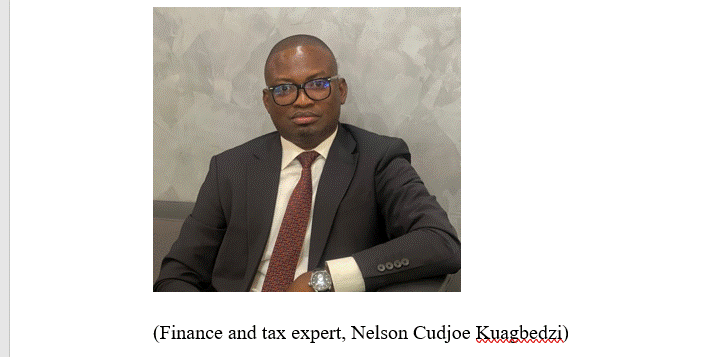
    Finance expert Nelson Cudjoe Kuagbedzi has warned that the continuous rejections and low interest in Treasury Bill auctions could seriously harm the government’s ability to cover its budget shortfall.

    He pointed out that this trend has “significant implications for Ghana’s economy.” If the government can’t raise enough money within the country, it could lead to “increased borrowing costs, economic instability, inflation, currency depreciation, and even a sovereign debt crisis,” he explained.

    The problem of financing the country’s budget deficit is not new. Ghana has long struggled to generate enough revenue, mainly because it collects low taxes. Right now, Ghana’s tax revenue is only about 13.9% of its GDP, which makes it harder to meet the country’s financial needs.

    (Table showing T-bills auction trends from March 7-April 4, 2025)

    Nelson Cudjoe Kuagbedzi also acknowledged that borrowing to cover a budget deficit can be helpful to the economy if done carefully, as it can bring in needed funds and help stimulate growth. However, he also warned that “uncontrolled deficit financing can lead to inflationary pressures, widen income inequality, and create overall economic instability.”

    The current situation, where Ghana is relying heavily on local borrowing and seems unwilling to accept higher borrowing costs, presents a tough challenge. It’s unclear how the government will handle these difficulties and maintain a stable economy for the future. To succeed, the government will need to find different ways to raise money to meet its financial obligations without causing more problems for the economy. How the government balances its fiscal plans, investor interest, and borrowing costs will be key to shaping the country’s economic path in the coming year.

  • Inflation rate falls to 22.4% in March

    Inflation rate falls to 22.4% in March

    Ghana’s year-on-year inflation rate dropped to 22.4% in March 2025, down from 23.1% recorded in February, according to the latest report from the Ghana Statistical Service (GSS).

    On a month-on-month basis, inflation eased to 0.2% in March from 1.3% in February.

    The Government Statistician, Professor Samuel K. Annim, attributed the slowdown mainly to a reduction in food inflation, which fell to 26.5% in March, compared to 28.1% in February. Food inflation has now shown a consistent decline over two months.

    Vegetables, tubers, and plantains were the primary contributors to food inflation in March, continuing a trend from previous months. Meanwhile, non-food inflation saw a slight dip, decreasing to 18.7% in March from 18.8% in February. The month-on-month increase for non-food items stood at 0.7%.

    Items such as food and non-alcoholic beverages, housing, water, and electricity, as well as alcoholic beverages and tobacco, recorded inflation rates surpassing the national average of 22.4%. Specifically, food and non-alcoholic beverages saw inflation of 26.5%, housing, water, and electricity reached 25.1%, and alcoholic beverages and tobacco rose by 23.8%.

    Additionally, inflation for locally produced items fell to 24.0% in March, down from 25.1% in February, while inflation for imported goods experienced a slight increase, rising to 18.7% from 18.5% the previous month.

    On a regional level, the Upper West Region experienced the highest inflation rate at 36.2%, almost double the rate of the Volta Region, which recorded the lowest inflation rate at 18.9%.

  • We need a framework to create stable exchange rate, inflation, and economy – Finance Minister

    We need a framework to create stable exchange rate, inflation, and economy – Finance Minister

    Finance Minister Dr. Cassiel Ato Forson has stressed the need for a well-structured economic framework to restore Ghana’s financial stability.

    Speaking during a youth engagement session on X Spaces, hosted by social media influencer KalyJay on Sunday, March 9, Dr. Forson noted that tackling inflation, stabilizing the exchange rate, and fostering overall economic resilience would be the government’s key priorities.

    “What we can do is to put together a framework where there will be a stable exchange rate, stable inflation, and a stable economy,” he said.

    Despite recent measures to address Ghana’s economic difficulties, Dr. Forson acknowledged that the country’s financial situation remains precarious. He warned against any assumption that the economy had fully recovered.

    “Let me make this point: let’s not deceive ourselves that the country is out of the woods yet. Our economy is still in distress, and the first thing we will need to do is to take measures to bring us back to the stability that we deserve,” he cautioned.

    Outlining some of the government’s policy directions, he highlighted plans to cut domestic borrowing and reduce government spending to allow the private sector greater access to financial resources.

    “It is very critical for the government to cut expenditure and reduce its appetite for borrowing. In doing so, there will be a lot more resources for the private sector to benefit from,” he stressed.

    Dr. Forson also reassured the public that their concerns would be factored into the 2025 Budget and Policy Statement. Following his recent interactions with traders at Accra’s Central Business District, he emphasized that the government was actively listening to citizens’ input.

    “I do not take the people of Ghana for granted. I am not here because I just wanted to. I am here because I want to hear your take—ignore the propaganda out there,” he affirmed.

    The 2025 budget, set to be presented on March 11, is expected to outline key policies aimed at stabilizing the economy and laying a foundation for long-term recovery.

  • Ghana’s inflation falls to 23.1% in February

    Ghana’s inflation falls to 23.1% in February

    Ghana’s inflation rate dropped slightly to 23.1% in February 2025, down from 23.5% in January, marking the second consecutive decline this year.

    The marginal decrease was largely attributed to a reduction in food prices, according to the Ghana Statistical Service.

    The latest figures show that food inflation declined to 28.1%, while non-food inflation remained unchanged at 18.8%.

    On a regional level, the Upper West Region recorded the highest inflation rate at 35.5%, whereas the Volta Region reported the lowest at 18.1%.

    “In the last four months, you’ve seen a consistent decline in food inflation on a month-on-month basis, declining by 2.0 percentage points between November 2024 and February 2025,” Government Statistician, Prof. Samuel Kobina Anim, noted.

    With inflation showing signs of a downward trend, some analysts believe this could influence the Bank of Ghana’s monetary policy decisions. The possibility of a policy rate cut is being considered as the central bank aims to balance economic growth with price stability.

  • January sees Ghana’s inflation fall to 23.5%

    January sees Ghana’s inflation fall to 23.5%

    Ghana’s inflation rate dropped to 23.5% in January 2025, marking a slight decline after four consecutive months of rising inflation.

    The latest figures indicate a slowdown in price increases after inflation peaked at 23.8% in December 2024, missing the government’s end-of-year target of 15%.

    Food inflation, however, remains a concern, climbing from 27.8% in December to 28.3% in January. In contrast, non-food inflation continued its downward trajectory, easing from 20.3% in the previous month to 19.2%.

    Providing further insights into the inflation trend, Government Statistician Professor Samuel Kobina Annim stated:

    “In January 2025, general price levels of goods and services went up by 23.5%. Between January 2024 and January 2025, general price of goods and services went up by 23.5%.

    This indicates a disinflation as the rate of inflation has slowed down by 0.3 percentage points, slowing down from the year-end 2024 figure of 23.8% to 23.5% for the month of January 2025,” he explained.

  • Ghanaians are looking up to you to reduce inflation, stabilise the cedi – Mahama to Ato Forson

    Ghanaians are looking up to you to reduce inflation, stabilise the cedi – Mahama to Ato Forson

    President John Dramani Mahama has charged Dr. Cassiel Ato Forson, the newly sworn-in Minister for Finance, with the critical task of addressing Ghana’s economic challenges, including reducing inflation, stabilizing the cedi, and ensuring sustainable debt management.

    Speaking at a swearing-in ceremony held at the Jubilee House, where six ministerial nominees were officially inaugurated, President Mahama emphasized the weight of expectations placed on Dr. Forson to steer the economy towards recovery.

    “The people of Ghana are looking up to you, Dr. Forson, to reduce inflation and make life more affordable. They are looking to you to lower the cost of living, stabilize our currency, and make our debt level sustainable. You must also rein in the deficit so we can achieve macroeconomic stability,” the President urged.

    Ghana’s inflation stands a little over 20 percent and a dollar is worth over GHC14.

    The ceremony also marked the induction of five other ministers tasked with addressing challenges in key sectors. John Jinapor, now Minister for Energy and Green Transition, was tasked with ensuring consistent power supply and managing the energy sector’s debts.

    “Ghanaians are looking for stable and efficient power supply. They are also looking at you to manage the energy sector debt,” Mahama told Jinapor.

    Eric Opoku, the new Minister for Food and Agriculture, was challenged to tackle food security and make food affordable for Ghanaians. “Ghanaians are looking for food security and cheap, affordable food to fill their stomachs,” the President stated.

    In the Roads and Highways Ministry, Governs Kwame Agbodza was reminded of the public’s dissatisfaction with the state of Ghana’s roads. “You have the duty not only to maintain existing roads but to provide new roads for smooth transportation,” Mahama said, describing the portfolio as one of the most challenging.

    For Haruna Iddrisu, who now heads the Education Ministry, the directive was to improve educational quality and prepare Ghanaian youth for the job market. “You must work to ensure quality education and equip our young people with the skills they need to go into the world of work,” Mahama noted.

    Dr. Dominic Ayine, the new Attorney General, was tasked with reforming Ghana’s justice system to promote fairness and transparency. “The Attorney General will be required to reform our justice system to make it fair and transparent to all Ghanaians,” the President added.

    The swearing-in ceremony marked the beginning of what Mahama described as a crucial effort to address the pressing concerns of the nation. The six ministers, he said, bear a significant responsibility to deliver on the administration’s vision for progress and stability.

  • Our strong measures will reduce inflation to 8% – Ato Forson

    Our strong measures will reduce inflation to 8% – Ato Forson

    Finance Minister-nominee Dr. Cassiel Ato Forson has expressed confidence that Ghana’s inflation can be reduced to single digits through the implementation of robust fiscal policies, focusing primarily on expenditure control and financial discipline.

    Speaking during his vetting before Parliament’s Appointments Committee on January 13, Dr. Forson outlined his plan to stabilize the economy, emphasizing the need to curb excessive government spending while reducing the country’s dependence on borrowing.

    “If we introduce strong measures, particularly on the expenditure side, we will be able to reduce inflation to 8% plus or minus two,” he asserted, adding that achieving this target would pave the way for reopening Ghana’s domestic bond market and reduce reliance on treasury bills.

    The Ghana Statistical Service (GSS) has previously called for a broader, cross-sectoral approach to tackling inflation, stressing that the burden should not rest solely on the Bank of Ghana (BoG). The GSS urged the inclusion of all government ministries in efforts to manage inflation and stabilize the economy.

    Historically, the BoG has used monetary tools, such as interest rate adjustments, to control inflation. In 2022, the central bank raised interest rates significantly as part of its inflation management strategy. However, by September 2024, the policy rate was reduced to 27%, following a previous nine-month hold at 29%, as inflationary pressures persisted.

    Despite these interventions, the government’s end-of-year inflation target of 15% was missed, with the GSS reporting inflation at 23.8% in December 2024, up from 23.0% in November, driven largely by rising food prices.

    Dr. Forson emphasized the importance of fiscal discipline in restoring economic stability and rebuilding investor confidence. He stressed that the government must operate within its available resources, especially in the face of limited financing options.

    “Let’s deal with expenditure, let’s cut expenditure, and let us not pretend that there is money available,” he urged, calling for prudent financial management as a pathway to stability.

    The minister-nominee further committed to eliminating wasteful spending within the government, stressing that excessive borrowing should not be the default solution. “It is time for us to cut the waste, and I will lead the process,” he declared, urging collaboration from Parliament and other stakeholders to ensure the country stays within its financial means.

    Dr. Forson concluded by reiterating the need for streamlined government spending and responsible financial practices, warning that unchecked borrowing would only exacerbate Ghana’s fiscal challenges.

  • BoG can’t resolve inflation challenges, cross-sectoral approach needed – GSS

    BoG can’t resolve inflation challenges, cross-sectoral approach needed – GSS

    The Ghana Statistical Service (GSS) has emphasized the need for a collaborative, cross-sectoral approach to addressing inflation, stressing that the responsibility should not fall solely on the Bank of Ghana (BoG).

    The GSS has called for the inclusion of all government ministries in efforts to curb rising inflation and ensure economic stability.

    Historically, the BoG has relied on monetary policy tools such as interest rate adjustments to manage inflation. In 2022, the Bank implemented record-high interest rates as part of its inflation control strategy. By September 2024, the BoG reduced its monetary policy rate to 27%, the second rate cut since 2021, to ease borrowing costs and address inflationary pressures. Prior to this, the policy rate had been held at 29% for nine months following a reduction from 30% in January 2024.

    However, despite these measures, recent GSS data revealed that the government missed its end-of-year inflation target of 15%, as inflation surged for the fourth consecutive month, reaching 23.8% in December 2024, up from 23.0% in November. The increase was largely driven by rising food prices.

    In response, the Government Statistician, Professor Samuel Kobina Annim, reiterated the importance of a comprehensive strategy involving multiple ministries to tackle the root causes of inflation. Government Statistician, Professor Samuel Kobina Annim, stressed the necessity of moving the focus beyond the Central Bank’s actions alone.

    “We definitely need to move the conversation away from a Central Bank’s responsibility alone. We need to tackle inflation at least from two perspectives. Every sector ministry we talk about in our release should be responsible,” he said.

    “Our conversation focuses on the Ministry of Food and Agriculture. But, if you look at the items – transport, housing, water, electricity and gas are dominant divisions. These ministries should be part of the conversation in driving down the rate of inflation,” he added.

    Prof. Annim further highlighted the need for a multi-ministerial approach, emphasizing the importance of coordinated efforts.

    “It will be a challenge speaking directly to what different state institutions should be doing differently. Especially, when you don’t know the details of what they are doing, apart from what you are told or you read.

    “On the back of this, it will be important we step back and look at how Ghana Statistical Service is promoting the granular data from the headline figure. So we are calling for an inter-ministerial engagement if we want to bring down the rate of inflation,” he concluded.

  • Ghana ends 2024 with 23.8% inflation rate in December

    Ghana ends 2024 with 23.8% inflation rate in December

    Ghana ended the year 2024 with an inflation rate of 23.8% for December, missing the government’s target of 15%. This marks a slight rise from the 23.0% recorded in November, primarily driven by increased food prices.

    The December rate reflects the fourth consecutive monthly increase after a five-month decline earlier in the year. Food inflation surged from 25.9% in November to 27.8%, while non-food inflation slightly decreased from 20.7% to 20.3%.

    Explaining the figures, Government Statistician Professor Samuel Kobina Annim stated, “In December 2024, average prices of goods and services went up by 23.8%, indicating that on a year-on-year basis, specifically between December 2023 and December 2024, general price levels of goods and services went up by 23.8%.”

    He added, “This is against the backdrop that on a year-on-year basis November 2024, we recorded an overall rate of inflation of 23.0%, indicating that on a year-on-year basis between November and December 2024, we saw a marginal increase of 0.8 percentage points for the year-on-year inflation.”

    Disaggregating the figures further, Professor Annim noted, “Disaggregating year-on-year inflation from a food and non-food perspective, we identified a 7.5 percentage point difference between inflation for food and inflation for non-food, with inflation for food standing at 27.8% in December 2024 and non-food inflation at 20.3% for December 2024.”

    “We have seen an increase in food inflation, rising from 25.9% to 27.8%, and in contrast, we have recorded a decline in non-food inflation, declining from 20.7% by 0.4 percentage points to 20.3% for the month of December 2024,” he concluded.

  • BoG Governor projects inflation will fall to single digits by the first quarter of 2026

    BoG Governor projects inflation will fall to single digits by the first quarter of 2026

    Governor of the Bank of Ghana (BoG), Dr. Ernest Addison, has announced that the central bank expects inflation to drop to single digits by the first quarter of 2026.

    However, he mentioned that this projection depends on the economic policies and programs that the incoming John Mahama administration will implement in 2025.

    Dr. Addison shared this information during an appearance on Joy News’ PM Express Business Edition with host George Wiafe.

    In 2024, the BoG initially predicted inflation to end the year at 15%, but this forecast was later updated to 18%.

    By November 2024, inflation had slightly increased to 23% from 22.1% in October.

    Dr. Addison noted that inflation is expected to decrease due to the monetary policy actions taken by the BoG.

    “Based on the work that the Bank of Ghana has done in checking rising price levels through the inflation targeting policy, the inflation rate will slow down for this year (2025), he assured.

    “Inflation rate will hit 15 per cent by the end of 2025, from the current 23 per cent”, he assured.

    Dr. Addison explained that the increase in inflation was partly due to the election-related emotions and the uncertainty surrounding that period.

  • Ghana projected to achieve single-digit inflation by quarter 1 of 2026

    Ghana projected to achieve single-digit inflation by quarter 1 of 2026

    Ghana is expected to bring inflation down to single digits by early 2026.

    IC Research adjusted its prediction to the first quarter of 2026 due to the slow pace of reducing inflation and previous challenges with the exchange rate.

    “We also flag the renewed external policy uncertainty as a risk to exchange rate, energy, and food prices with a pass-through to inflation in 2025. However, the recent strong appreciation of the Ghanaian cedi will tame the price pressures in December 2024 into early 2025, potentially capping the upside risk”, it stressed.

    The Bank of Ghana (BoG) projected a modestly higher inflation outlook but remained cautiously optimistic about achieving single-digit inflation in the long term.

    In its June 2024 inflation report, titled “Canary in the Coal Mine,” IC Research adjusted its 2024 inflation estimate to a range of 19.3% to 21.3%, citing slow progress in reducing inflation and the increased likelihood of surpassing the BoG’s initial year-end target of 15.0% ± 2.0%.

    While the Monetary Policy Committee (MPC) did not provide an updated inflation forecast for the end of 2024, it indicated a slight increase in the one-year projected average inflation, rising to 20.1% compared to 19.0% in September 2024.

    Ghana’s annual inflation rate rose for the third consecutive month to 23% in November 2024, the highest since May 2024, up from 22.1% in October.

    The rise was largely driven by food prices, which jumped to 25.9% from 22.8% in the previous month, with staples like beans and yams contributing significantly to the increase.

  • Ghana’s Producer Price Inflation dropped to 26.9% in November – GSS

    Ghana’s Producer Price Inflation dropped to 26.9% in November – GSS

    Ghana’s Producer Price Inflation (PPI) dropped to 26.9% in November 2024, according to recent data from the Ghana Statistical Service (GSS).


    This marks a 6.1 percentage point decrease from October 2024, reflecting a slowdown in the rate of price increases at the production level.


    The month-on-month change between October and November 2024 also showed a decline of 1.9%, further indicating a reduction in inflationary pressures at the production stage.

    This drop in PPI points to an easing of cost increases across various sectors.


    The industrial sector, excluding construction, saw a significant reduction in producer inflation, which fell from 48.9% in October to 41.3% in November.


    This drop is a positive development, especially for manufacturing and industrial producers, as it signals a slowdown in rising production costs.


    Similarly, the construction sector experienced a decline in its producer inflation rate, decreasing from 34.5% in October to 31.1% in November.


    Despite this decrease, the construction sector’s inflation rate remains above the national average, highlighting the continued challenges the sector faces.


    In the services sector, producer inflation stood at 12.5% in November, reflecting a more moderate increase in prices.


    Meanwhile, the mining and quarrying sector recorded a producer inflation rate of 41.9%, and accommodation and food services saw a rate of 32.5%.


    The transportation and storage sector also experienced inflation of 31.7%.


    The water supply, sewerage, and waste management sector had the lowest producer inflation rate, with a modest 5.0% in November 2024.

  • Ghana to end 2024 with 18% inflation rate – IMF

    Ghana to end 2024 with 18% inflation rate – IMF

    Ghana’s inflation rate is projected to reach 18% by the end of 2024, the International Monetary Fund (IMF) has revealed in its latest Country Report. This marks an upward revision from its earlier estimate of 15%, reflecting persistent price pressures caused by a weaker cedi and the ongoing dry spell.

    The IMF noted that despite these challenges, Ghana’s macroeconomic outlook remains positive, buoyed by stronger-than-expected GDP growth in the second quarter of 2024. The Fund has consequently revised its 2024 growth projection upward to 4.0% from the earlier forecast of 3.1%, made during the second Economic Credit Facility (ECF) review.

    “Continued tight monetary policy will bring inflation back to the Bank of Ghana’s target band (8±2 percent) by end-2025,” the IMF stated, underlining the importance of maintaining fiscal discipline to curb inflationary pressures.

    The IMF’s analysis also highlighted ongoing fiscal consolidation efforts and the anticipated completion of Ghana’s debt restructuring as critical measures for ensuring public debt sustainability. It further projected that the country’s current account deficit would remain balanced until 2026, with international reserves expected to reach three months of import coverage.

    Despite the improved outlook, the IMF cautioned that significant downside risks remain. Externally, heightened geopolitical tensions in regions such as Ukraine and the Middle East, coupled with commodity price volatility, could adversely affect Ghana’s economy. These factors may lead to higher imported inflation and increased investor risk aversion.

    On the domestic front, the IMF warned of potential policy slippages ahead of the 2024 general elections or during the political transition period. Such setbacks, it said, could undermine macroeconomic stability, complicate debt restructuring discussions, and worsen domestic financing conditions.

    “If protracted, weak cocoa harvests could affect exports and growth prospects. More generally, Ghana is subject to risks related to climate shocks,” the IMF added.

    The Fund also expressed concerns that the disinflationary process is progressing at a slower pace than anticipated in the first half of 2024, while exchange rate volatility remains elevated.

    Former Finance Minister Seth Terkper has weighed in on the IMF’s latest assessment, describing it as a positive signal for Ghana’s economy.

    However, he emphasised that these improvements do not imply that all sectors of the economy are performing well.

    Ghana’s inflation outlook remains central to its economic recovery strategy, with policymakers expected to maintain tight monetary policies to steer inflation back to target levels. As the year progresses, the government’s ability to navigate risks and implement prudent economic policies will determine the resilience of Ghana’s recovery.

  • BoG’s inflation projections for 2025 shift amid mixed economic signals

    The Bank of Ghana’s latest assessment reveals a mixed outlook for Ghana’s economy, with inflation remaining a key concern. Inflation, initially expected to return to the 6–10% target band by the third quarter of 2025, is now forecast to stabilise within this range by the final quarter of the year. This adjustment reflects ongoing pressures from food and fuel price volatility, exchange rate fluctuations, and utility cost adjustments.

    Economic indicators suggest a recovery, with the Composite Index of Economic Activity recording a 2.2% annual growth in September 2024, reversing the contraction seen in 2023. Increased port activity, tourism, and private sector credit have contributed to this momentum. However, inflation remains a hurdle, with projections for 2024 averaging 20.1%, up from earlier estimates of 19%​​

    “Major drivers of the improvement in economic activity include increased port activity, households and firms consumption of goods and services , construction activities, credit to the private sector, and higher tourist arrivals. At the time of the last MPC meeting, average inflation forecast a year ahead which stood at 19.0 percent has increased slightly to 20.1 percent at this forecast round. The horizon for inflation to get back within the target band of 6 – 10 percent has slightly shifted forward to Q42025 from the original forecast period of Q32025,” the 121st MPC report stated.

    The International Monetary Fund (IMF) forecasts single-digit inflation by the end of 2025, marking a significant improvement from the current figures.

    The IMF also anticipates economic growth to accelerate from 2.8% in 2024 to 4.4% in 2025, buoyed by tighter monetary policy and structural reforms under the Extended Credit Facility programme. A Staff-Level Agreement expected to be approved this month is expected to pave the way for an additional $360 million disbursement before the end of the year, to hep bolster macroeconomic stability.

  • Inflation modestly increases to 22.1% in October

    Inflation modestly increases to 22.1% in October

    The inflation rate for October 2024 has risen slightly to 22.1%, up from 21.5% in September.

    Prof. Samuel Kobina Annim, the government’s statistician, explained to the media in Accra on Wednesday that this increase is largely attributed to higher food and non-food inflation.

    The 22.1% rate for October marks a 0.6 percentage point rise compared to the same period last year.

    “Disaggregating overall rate of inflation from your food and non-food perspective, we did record 22.8 percent for food inflation and 21.5 percent for non-food inflation for the month of October 2024″,

    “Non food inflation has also increased by 0.6 percentage point, increasing from 20.9 percent for the month of September 2024 to 21.5 percent for the month of October 2024″, Prof. Annim added.

    Locally produced items went up to 24. 6% compared to the 23.4% recorded in September.  Imported items saw a drop to 16.3% compared to the 17.0% recorded in October.

  • Inflation increases to 22.1%, up from 21.5% in September

    Inflation increases to 22.1%, up from 21.5% in September

    In October 2024, inflation rose slightly to 22.1%, up from 21.5% in September, spurred by increases in both food and non-food prices.

    This is the second monthly increase after a five-month downward trend. Food inflation climbed from 22.1% to 22.8%, while non-food inflation rose from 20.9% to 21.5%.

    Although the government aims for a year-end inflation rate of 15%, meeting this target may prove difficult given the persistent inflationary pressures and limited time remaining.

    More soon

  • Drop in inflation rates has improved business, consumer confidence – BoG

    Drop in inflation rates has improved business, consumer confidence – BoG

    The economy is beginning to recover, with both consumer and business confidence increasing, according to recent surveys by the Bank of Ghana (BoG).

    The August 2024 reports indicate significant improvement in overall sentiment, driven by lower inflation, robust GDP growth, and companies meeting their short-term targets.

    This boost in confidence is mainly due to continuous improvements in the macroeconomic landscape.

    Speaking at a press briefing after the 120th Monetary Policy Committee (MPC) meeting, Dr. Ernest Addison, Governor of the Bank of Ghana, emphasized the key drivers behind this positive outlook.

    “Consumer confidence improved on account of easing inflationary pressures, which has led to optimism about future economic conditions,” Dr. Addison noted.

    He further noted that business confidence has risen as companies achieved their short-term goals and expressed optimism about their future prospects, driven by improving economic conditions.

    This surge in confidence aligns with stronger-than-expected economic growth. Provisional data from the Ghana Statistical Service for Q2 2024 showed real GDP growth at 6.9%, a significant jump from 2.5% in the same period of 2023.

    Non-oil GDP growth was particularly notable, reaching 7%, compared to 3.1% a year ago.

    Leading the recovery was the industry sector, which grew by 9.3%, rebounding from a 2.6% contraction last year. The services and agriculture sectors also showed strong growth, recording 5.8% and 5.4% respectively.

    This economic recovery is further supported by key indicators suggesting sustained improvement in activity. The real Composite Index of Economic Activity (CIEA), a central bank tool for tracking short-term economic trends, grew by 1.6% in July 2024, a sharp reversal from the 2.8% contraction seen in the same period in 2023. Key drivers of this positive trend included increased construction, rising household consumption, and a boost in both exports and imports.

    Dr. Addison stressed that improvements in the macroeconomic environment were closely linked to the ongoing disinflation process, which remains on track.

    Headline inflation dropped steadily, reaching 20.4% in August, down from 22.8% in June 2024. Food inflation, in particular, fell to 19.1% in August from 24% in June, while non-food inflation also decreased slightly to 21.5%.

    “The disinflation process remains on track, supported by a tight monetary policy stance and easing food inflation,” Dr. Addison said.

    He also highlighted that the Bank’s core inflation measure, which excludes volatile items like energy and utilities, eased to 19.4% in August from 22.1% in June.

    This renewed consumer and business confidence is expected to fuel further economic activity. The Purchasing Managers’ Index (PMI), which tracks the performance of manufacturing and services, reflected this upward trend, rising to 51.1 in August from 50.1 in July.

    A PMI reading above 50 indicates expansion in business activity, reinforcing the belief that the economy is on a sustainable recovery path.

    The central bank projects continued economic growth, with inflation expected to ease towards its target range of 13-17% by the end of the year.

  • Ghana’s inflation will end in 2024 with 20.8% – Fitch Solutions projects

    Ghana’s inflation will end in 2024 with 20.8% – Fitch Solutions projects

    Fitch Solutions has forecasted that Ghana’s inflation rate will ease in the short term, ending 2024 at 20.8%, according to their “Ghana Inflation 2024 Consumer Outlook” report.

    Despite this positive trend, inflation will average 22.1% for the entire year, reflecting a significant reduction from the peak rate of 54.1% observed in December 2022.

    Inflationary pressures have already started to abate, with the rate falling to 20.9% in July 2024. Looking ahead, Fitch Solutions predicts that inflation will continue to decline into 2025, averaging 16.2% year-on-year.

    However, this rate remains above pre-pandemic levels, which saw an average inflation rate of 12.4% per year from 2015 to 2019. This ongoing inflationary pressure underscores the continued financial strain on consumers.

    The report notes a favorable trend in food prices, which are expected to decline further. This decrease in food inflation is anticipated to positively impact consumer spending on other goods and services. Food and non-alcoholic drinks account for over 42% of total household expenditure in Ghana, so easing food inflation should help alleviate some financial pressure on consumers.

    Nevertheless, certain key spending areas are experiencing rising inflationary pressures. Housing and utilities, as well as transport prices, have seen significant increases.

    Transport inflation surged from 5.6% year-on-year in January 2024 to 18.1% year-on-year by July 2024. Similarly, housing and utilities inflation rose from 22.6% year-on-year to 28.6% year-on-year over the same period. These rising costs in crucial household spending categories could pose challenges for consumer budgets and spending patterns.

    Fitch Solutions’ report highlights the mixed economic landscape for Ghanaian consumers, with easing overall inflation tempered by rising costs in essential spending areas. This situation emphasizes the need for ongoing attention to inflation management and its impact on household finances.

  • Imported inflation declined by 1.9% to 15.6% in July – Finance Minister

    Imported inflation declined by 1.9% to 15.6% in July – Finance Minister

    Inflation for imported items in Ghana declined by 1.9 percentage points, settling at 15.6% in July 2024, down from 17.5% in June 2024, according to the Minister for Finance, Dr. Mohammed Amin Adam.

    This was revealed during a press engagement on Thursday, August 29, 2024, where the Minister highlighted the country’s economic progress.

    Imported inflation refers to the increase in the prices of goods and services that are brought into the country from abroad. This form of inflation is influenced by factors such as exchange rates, global market conditions, and tariffs, which can affect the cost of imports.

    Overall inflation in Ghana also showed improvement, with the rate declining to 20.9% in July 2024 from 22.8% in June 2024. The month-on-month inflation rate decreased from 2.9% in June to 2.1% in July, largely due to a slowdown in the prices of both food and non-food items.

    Dr. Amin Adam noted that food inflation saw a significant drop, declining by 2.5 percentage points to 21.5% in July from 24% in June. Similarly, non-food inflation fell by 1.1 percentage points, from 21.6% in June to 20.5% in July.

    In addition to these positive inflation trends, the Ghanaian cedi has shown relative stability against major trading currencies since 2023. The Finance Minister pointed out that while the cedi experienced some recent pressures, these have since subsided. The depreciation of the cedi against the US dollar improved from 54% in November 2022 to 27.8% in December 2023, compared to 30% in December 2022.

    “The year-to-year depreciation of the cedi moderated to 7.7% in the first quarter of 2024, compared to 22.1% in the same period in 2023. The cedi cumulatively depreciated by 18.6% against the US dollar at the end of June 2024, compared to 22% in the same period in 2023,” Dr. Amin Adam explained.

    As of August 25, 2024, the cedi had depreciated by 21.5% against the US dollar, slightly better than the 22.1% recorded in the same period in 2023. The Finance Minister expressed optimism about the cedi’s future performance, noting that the month-on-month depreciation improved significantly from 6.1% in May 2024 to 3.1% in June 2024, and further to 2.1% in July 2024.

    “If this trend continues, I can assure you that our cedi will continue to hold against the major currencies,” Dr. Amin Adam said.

    He attributed the stabilisation of the cedi to several factors, including the Bank of Ghana’s monetary policy, strong fiscal consolidation, the Gold for Oil programme, and the Bank of Ghana’s gold for reserves programme. Additional measures include the centralised platform for foreign exchange bureaus, the implementation of the dynamic cash reserve ratio to absorb excess liquidity, and revised regulations on advanced payments of imports. Positive market sentiments following the disbursement of the third tranche of the IMF extended credit facility have also played a role in supporting the cedi’s stability.

  • IC securities projects August inflation to increase to 21.8%

    IC securities projects August inflation to increase to 21.8%

    IC Securities has forecasted that the inflation rate will rise to 21.8% in August 2024.

    “Although the sharper-than-expected deceleration in the July 2024 annual inflation significantly eases our concerns, we remain convinced that the August print will witness an upturn, stressing the need for caution in lower inflation and interest rate outlooks”, the investment firm said in its analysis.

    “We opine that even a slight increase in the August 2024 CPI will nudge annual inflation,” it noted.

    The firm added that it “foresees upside risk from the spill-over effect of the utility tariff hike in July 2024 although the relatively stable cedi could partly numb the impact.”

    “Consequently, we forecast annual inflation at 21.8% (+90bps) while the m/m [month-on-month] rate declines to 0.5% in August 2024.”

    Inflation in July dropped by 190 basis points to 20.9%, making it the fourth straight decline.

    IC Securities, however, noted: “The inflation outlook remains highly cautious amidst the lingering upside risk, especially with favourable base effect having been exhausted while election-related spending is expected in quarter 4, 2024.”

    “However, we estimate that the latest disinflation has widened the real interest rates with the ex-post real policy rate at 8.1% in July and the ex-ante real policy rate likely at 7.2% in August 2024.”

  • Inflation projected to rise to 21.8% in August 2024

    Inflation projected to rise to 21.8% in August 2024

    The recent depreciation of the Ghana cedi against major foreign currencies is expected to continue as foreign exchange liquidity remains limited.

    Last week, the cedi weakened against key trading currencies as foreign exchange availability remained constrained.

    Adding to market concerns, the Ghana Cocoa Board’s decision to potentially forgo its annual cocoa syndication loan has heightened uncertainty about the cedi’s near-term stability.

    Analysts also suggest that the recent Eurobond coupon payments by the government may have increased demand for foreign exchange funded by cedis, further contributing to the currency’s decline.

    During the past week, the cedi depreciated by 0.31% against the dollar, 1.82% against the pound, and 3.76% against the euro on the retail market. On August 26, 2024, the cedi traded at GH¢16.28 to the dollar, bringing its year-to-date loss to 24.57%.

    Meanwhile, Ghana is set to begin a 10-day Eurobond debt exchange this week, aiming to finalize the restructuring of its $13 billion Eurobond debt.

    According to Bloomberg, the exchange will allow investors to swap their existing bonds for two new options: DISCO and PAR.

    The DISCO option offers investors a haircut of up to 37%, with two new bonds maturing in July 2029 and 2035 at a 5% interest rate. The PAR option, on the other hand, provides a 1.5% interest rate on new bonds maturing in January 2037 without any haircut.

    Analysts anticipate that market uncertainties may ease following a successful exchange, which could alleviate some pressure on the cedi.

  • Why BoG vows to maintain tight monetary policy

    Why BoG vows to maintain tight monetary policy

    The Bank of Ghana has affirmed its dedication to sustaining a stringent monetary policy until inflation shows a consistent downward trend.

    In a statement to the International Monetary Fund, the Central Bank emphasized that its monetary policy is focused on returning inflation to its medium-term target of 8% ± 2%.

    “Our policy decisions will continue to be data-dependent to ensure a fast-paced and orderly disinflation path towards the inflation target; the BoG stands ready to adjust the policy stance to ensure inflation evolves as envisaged under our monetary policy consultation clause (TMU Section II)”.

    “We are committed to continue absorbing excess liquidity and making sure our policy rate is fully transmitted to the market. In doing so, we will review the increased reliance on reserve requirements and the new tiering framework to ensure they deliver on their objectives”, it further explained.

    The Central Bank stated that it aims to strengthen its inflation targeting framework by upgrading its Forecast and Policy Analysis System (FPAS), improving macroeconomic data collection, including the BoG inflation expectations survey, enhancing analytical capabilities, and refining its monetary policy communication.

    The Bank also plans to restore official international reserves to a minimum of three months of import cover by the end of the program.

    “As the difficulties affecting the cocoa sector hamper its ability to accumulate reserves and that payments to IPPs [Independent Power Producers] are larger than previously expected, coupled with the uncertainty about the timing of the debt restructuring, we are also requesting a modification of the QPC to add an asymmetric adjustor on debt service on instruments arising from the restructuring of bondholders’ and commercial creditor’s claims”.

    In light of the reserve accumulation goal and existing challenges, the Bank will stick to a gross foreign exchange intervention budget.

    In July 2024, the Monetary Policy Committee of the Bank of Ghana maintained the policy rate at 29.0% for the third consecutive time.

  • Monetary policy will remain tight until inflation firmly declines – BoG

    Monetary policy will remain tight until inflation firmly declines – BoG

    The Bank of Ghana (BoG) has affirmed its commitment to maintaining a stringent monetary policy stance until inflation shows a consistent downward trend.

    In July 2024, the Monetary Policy Committee of the BoG maintained the policy rate at 29.0% for the third consecutive time, as Ghana has experienced a fourth consecutive decline in the inflation rate. Currently, the inflation rate stands at 20.9%.

    In a statement to the International Monetary Fund (IMF), the central bank outlined its approach, which aims to steer inflation back within its target range of 8 ± 2 percent.

    BoG emphasized that its monetary policy decisions will remain data-driven to ensure a swift and controlled disinflation process toward the set inflation target.

    “Our policy decisions will continue to be data-dependent to ensure a fast-paced and orderly disinflation path towards the inflation target; the BoG stands ready to adjust the policy stance to ensure inflation evolves as envisaged under our monetary policy consultation clause (TMU Section II),” the statement read.

    Additionally, the central bank reiterated its commitment to absorbing excess liquidity and ensuring the policy rate effectively impacts the market.

    “We are committed to continue absorbing excess liquidity and making sure our policy rate is fully transmitted to the market. In doing so, we will review the increased reliance on reserve requirements and the new tiering framework to ensure they deliver on their objectives,” the bank stated.

    The BoG is also focused on enhancing its inflation-targeting framework, improving the Forecast and Policy Analysis System (FPAS), strengthening macroeconomic data collection (including the BoG inflation expectations survey), and sharpening its analytical capabilities and communication strategy.

    As part of its broader strategy, the central bank aims to rebuild Ghana’s official international reserves to cover at least three months of imports by the end of the IMF program.

    However, challenges in the cocoa sector, larger-than-expected payments to Independent Power Producers (IPPs), and uncertainties surrounding debt restructuring have prompted BoG to seek a modification of its Quantitative Performance Criteria (QPC).

    The request includes adding an asymmetric adjustor to address unforeseen debt servicing needs related to bondholders and commercial creditors.

    Despite these headwinds, BoG remains committed to adhering to its foreign exchange intervention budget as it works towards rebuilding reserves.

  • Ghana’s inflation plummets to 20.9% in July

    Ghana’s inflation plummets to 20.9% in July

    Ghana’s consumer inflation has continued its downward trend, falling to 20.9% year-on-year in July, marking the fourth consecutive month of decline.

    This represents a 2.1 percentage point decrease from June’s 23.0%, indicating a gradual relief from the economic pressures that escalated throughout 2023.

    In July, food inflation was reported at 21.5%, slightly above the 20.5% recorded for non-food inflation.

    Interestingly, the inflation rate for imported goods was 15.6%, significantly lower than the 23.3% observed for locally produced items.

    The ongoing decline in inflation, which started in March 2024 at 25.8%, signals a steady moderation in price increases.

    Over the past five months, this consistent reduction in inflation has offered some relief to consumers and businesses after a period of intense economic strain.

    On a month-to-month basis, the growth of inflation also slowed, with a 2.1% increase from June to July 2024, down from 3.2% in May. This two-month trend indicates that inflationary pressures are beginning to subside.

    Year-on-year data reveals a significant reduction in food inflation, now about 2.4 times lower than in August 2023, although food prices remain slightly higher than non-food items.

    Moreover, there is a clear difference between the inflation rates for locally produced and imported goods, with locally produced items experiencing a higher rate of 23.3% compared to 15.6% for imported ones.

    Government Statistician, Professor Samuel Kobina Annim, attributed the overall decline in inflation to decreases in both food and non-food categories, underscoring the broader economic impact of these reductions.

  • BoG maintains benchmark rate at 29% to combat inflation pressures

    BoG maintains benchmark rate at 29% to combat inflation pressures

    The Bank of Ghana’s Monetary Policy Committee has decided to keep the benchmark interest rate at 29 percent, a strategic choice intended to address inflation uncertainties caused by currency pressures, changes in utility tariffs, and increasing fuel prices.

    Economic analysts have characterized this decision as a cautious approach to managing the economy during these challenging times.

    In an interview with CNBC Africa, Karen Kwarteng, Head of Global Market Sales at Stanbic Bank Ghana, examined the effects of the central bank’s decision to maintain the benchmark rate at 29 percent.

    She pointed out that although there was a previous 100-basis point rate cut, keeping the current rate is seen as essential to temper inflation and support disinflation efforts in the latter part of the year.

    The Bank of Ghana has set an inflation target of 13 to 17 percent by the end of the year, in line with the government’s 15 percent goal.

    Karen Kwarteng also emphasized the importance of strong fiscal consolidation as a complementary measure to monetary policy.

    “Key government initiatives such as the Ghana.gov platform and the Ghana Integrated Financial Management Information System are pivotal in these efforts.”

    The Standard Bank Executive further expressed optimism about the appreciation of the local currency in the near term, attributing this to the restructuring of the €13.1 billion bonds and anticipated IMF disbursements in November.

    She noted that “These factors are expected to provide much-needed support to the currency despite ongoing challenges such as declining cocoa earnings, which have hampered the regulator’s capacity to intervene in the forex market.”

    In recent times, high lending rates, driven by elevated reference rates, have continued to pose challenges for businesses in Ghana seeking affordable credit.

    Nevertheless, Karen Kwarteng commended the resilience of Ghana’s banking sector, which has shown stability following the domestic debt restructuring program.

    She also acknowledged that “Support from regulatory and governmental bodies has been instrumental in this recovery, enabling banks to navigate the post-restructuring landscape effectively.”

    As Ghana navigates the challenges of inflation management and strives for economic stability, the collaboration between monetary and fiscal authorities will be crucial.

    The focus on fiscal consolidation, prudent financial management, and strategic monetary policy is aimed at addressing current economic challenges and paving the way for a more resilient and sustainable future for the country.

    The Bank of Ghana’s decision to hold the benchmark rate at 29%, therefore, reflects a strategic approach to managing inflation and economic stability.

    With continued efforts in fiscal consolidation and supportive monetary policies, the country will likely overcome current economic challenges and achieve sustainable growth.

    The resilience of the banking sector and optimism about currency appreciation further contribute to a cautiously positive outlook for the country going forward.

  • Ghana’s economy is worse off due to imported inflation – Business expert

    Ghana’s economy is worse off due to imported inflation – Business expert

    Ghana has recently experienced a surge in inflation, which has driven up the prices of goods and services.

    Additionally, transportation fares have also increased slightly due to rising fuel costs.

    In June of this year, the country’s inflation rate reached 22.8%.

    Addressing this issue at the Ghana Economic Forum in Accra on Thursday, August 8, 2024, Dr. Godwin Acquaye, CEO of the Business and Financial Times (B&FT), highlighted that Ghana’s import bill last year represented 21.5 percent of the nation’s Gross Domestic Product.

    He pointed out that the importation of goods is a significant factor contributing to the high inflation rate in Ghana.

    “We are a nation that imports virtually everything, and therefore we add to our woes by importing inflation from other countries. To put this in perspective, our import bill for 2023 was approximately GH¢180.7 billion, up from GH¢148.6 billion in 2022, according to the Ghana Statistical Services’ Trade Report published in May this year,” Dr. Godwin Acquaye stated.

    He added that, “Our nation stands at a pivotal moment in its history. There is an apparent global recession that steers us in the face. We are a nation that imports virtually everything, and therefore we add to our woes by importing inflation from other countries.”

    To address these challenges, Dr Acquaye said the government must adopt a unified long-term strategy, leverage expertise and prioritize policies that foster economic growth.

    Additionally, all sectors of the economy must be strengthened to boost investor confidence.

    This would accelerate investment and the growth process of businesses in the country.

  • End of year inflation rate expected to exceed 20%

    End of year inflation rate expected to exceed 20%

    The end of the year inflation rate is expected to exceed 20 percent, surpassing earlier market projections, despite indications of economic recovery.

    DataBank, a prominent financial services firm, predicts that inflation could reach as high as 23.5 percent due to rising fuel prices and a struggling cedi, with 19.5 percent being the best-case scenario.

    This forecast sharply contrasts with the Bank of Ghana’s (BoG) more optimistic January projection, which anticipated inflation decreasing to between 13 and 17 percent by the end of 2024.

    “We anticipate a sluggish decline in inflation, influenced by fluctuating fuel prices driven by external dynamics and a steady weakening of the domestic currency… We expect headline inflation to settle at approximately 21.5% ± 200 bps by the end of FY ’24,” Databank said in its Quarterly Strategy Report.

    The inflation rate has fluctuated since the beginning of 2024, varying from 23.1 percent to 25.8 percent year-on-year. Analysts attribute this trend to rising fuel prices and currency depreciation, which have disrupted the disinflation process. DataBank anticipates an increase in the August 2024 report.

    Following its 119th meeting, the Bank of Ghana’s Monetary Policy Committee (MPC) stated that some risks to the inflation outlook persist.

    “On domestic price developments, there is some uncertainty regarding the year’s inflation path given recent exchange rate pressures, upward adjustment in utility tariffs and increases in ex-pump fuel prices,” said BoG Governor Dr. Ernest Addison.

    He noted that these developments have resulted in a slightly elevated inflation profile for the year.

    “Even though inflation is expected to remain within the target year band, the risks are tilted slightly on the upside. This will require maintaining the strong monetary policy stance supported by strong fiscal consolidation efforts – including remaining vigilant to ensure that end-year inflation objectives are achieved,” he said.

    The cedi’s recent 7.57 percent monthly decline against the US dollar has increased import costs, leading to a sharp 3.2 percent rise in month-on-month inflation in May. This situation has compelled the central bank to keep its benchmark interest rate at a high 29 percent for the fourth consecutive period, despite early signs of economic recovery.

    The Composite Index of Economic Activity rose by 2.7 percent in the first quarter, up from 2.2 percent in the same period last year, while the Purchasing Managers’ Index also climbed, suggesting a gradual increase in demand-driven activities. However, these early signs of recovery are dampened by tight liquidity conditions, with broad money growth slowing to 31 percent from 43.1 percent year-over-year.

    The International Monetary Fund’s recent disbursement of US$360 million through its Extended Credit Facility has improved sentiment regarding Ghana’s debt restructuring efforts. Nevertheless, the Fund highlights the necessity for ongoing fiscal discipline and greater exchange rate flexibility.

    With the December 2024 general elections approaching, there are still concerns about the potential for spending-driven inflation. Analysts point out that the central bank is in a delicate position, needing to balance the risk of stifling economic growth with the need to control inflation expectations in a politically charged environment.

    The Bank of Ghana’s monetary policy committee is likely to maintain its cautious approach in the coming months. Economists predict the policy rate will stay at 29 percent to counter potential inflationary pressures from election-related spending.

  • Inflation could worsen by end of 2024 due to cedi depreciation – Economist

    Inflation could worsen by end of 2024 due to cedi depreciation – Economist

    Economist Dr. Theo Acheampong has raised concerns that ongoing exchange rate fluctuations might hinder the government’s ability to meet its year-end inflation target of 15 per cent.

    In his analysis of the recent Mid-Year Budget Review, Dr. Acheampong expressed confidence that the country could achieve its revised Overall Real GDP Growth rate target, which has been adjusted from 2.8 per cent to 3.1 per cent.

    However, he is less optimistic about the inflation target due to the impact of exchange rate volatility.

    Dr. Acheampong pointed out that many duties and taxes on imported goods are indexed in U.S. dollars. This practice exacerbates price increases when the local currency, the cedi, depreciates.

    “Most of the charges on the ICUMS platform are charged in dollars. This means that when the cedi depreciates, importers will pay more at the ports,” he explained.

    The economist noted that these additional costs are typically passed on to consumers, leading to higher prices for goods and contributing to inflation.

    “The importers will not bear that cost and will pass on the extra cost at the ports to consumers. This means consumers will pay more,” Dr. Acheampong said.

    He warned that such dynamics could undermine progress in controlling inflation and potentially cause the government to miss its target.

    Revised Macroeconomic Targets

    In light of the ongoing economic challenges, the government has announced revisions to its macroeconomic targets for 2024. During the Mid-Year Budget presentation in Parliament on July 23, Finance Minister Mohamed Amin Adam disclosed an upward revision of the Overall Real GDP Growth rate from 2.8 percent to 3.1 percent.

    The inflation target for the end of the year remains unchanged at 15 percent. Additionally, the Non-Oil Real GDP Growth rate has been adjusted from 2.1 percent to 2.8 percent. The government has also revised nominal overall GDP from ₵1,050 billion to ₵1,020 billion and Non-Oil GDP from ₵979 billion to ₵977.093 billion.

    Dr. Amin Adam highlighted that the Primary Balance on a Commitment basis will remain at a surplus of 0.5 percent, and Gross International Reserves (including oil funds and encumbered/pledged assets) are expected to cover at least 3.0 months of imports.

    Further adjustments to the fiscal framework include an increase in Total Revenue and Grants to ¢177,220 million (17.4% of GDP) from the previous budget target of ¢176,414 million (16.8% of GDP). This increase is largely attributed to higher Non-Oil Non-Tax Revenue, which has been revised from ¢14,837 million (1.4% of GDP) to ¢15,638 million (1.5% of GDP), reflecting dividends from interest accrued in the ESLA accounts.

    Dr. Acheampong’s warnings and the government’s revised targets underscore the ongoing economic challenges and the need for careful management to ensure financial stability and meet fiscal goals.

  • Producer Price Inflation surges to 25.9% in Ghana for June 2024

    Producer Price Inflation surges to 25.9% in Ghana for June 2024

    The Ghana Statistical Service (GSS) has reported that the Producer Price Inflation (PPI) rate for June 2024 surged to 25.9%, marking an increase from 23.6% recorded in May 2024.

    This represents a year-on-year rise of 25.9% from June 2023 to June 2024.

    Compared to May 2024, the PPI saw a 2.5 percentage point uptick, with a month-on-month change of 2.7% between May and June 2024.

    The Producer Price Index tracks the average fluctuation in the selling prices of goods and services received by domestic producers over time.

    The industry sector, excluding construction, experienced a rise in producer price inflation to 29.4% in June 2024, up from 28.5% in May 2024.

    In the construction sector, inflation also climbed to 29.4% in June 2024.

    Meanwhile, the services sector saw an increase from 11.4% in May 2024 to 12.2% in June 2024.

    Sectors such as mining, quarrying, construction, accommodation, and food services recorded inflation rates above the national average.

    Conversely, water supply, sewerage, and waste management activities had the lowest inflation rate at 2.6% in June 2024.

  • Producer Price Inflation rose to 25.9% in June, an increase from 23.6% in May

    Producer Price Inflation rose to 25.9% in June, an increase from 23.6% in May

    The latest data from the Ghana Statistical Service indicates that the Producer Price Inflation rate for June 2024 has increased to 25.9%, higher than the 23.6% recorded in May 2024.

    This rate indicates that between June 2023 and June 2024, the rate increased by 25.9 per cent.

    The increase represents a 2.5 percentage point surge in producer inflation relative to the rate recorded in May 2024. The month-on-month change in the rate between May 2024 and June 2024 was 2.7 per cent.

    The Producer Price Index measures the average change over time in the selling prices of goods and services received by domestic producers.

    Per the data, the producer price inflation in the industry sector excluding the construction sector increased to 29.4 percent in June 2024 from 28.5 percent in May 2024.

    The rate in the construction sector increased to 29.4 per cent in June 2024. In the Services sector, the rate increased from 11.4 per cent in May 2024 to 12.2 per cent in June 2024.

    While mining and quarrying, construction, accommodation and food services activities recorded inflation rates above the national average, the water supply, sewerage and waste management activity recorded the lowest rate of 2.6 per cent in June 2024.

  • Time Value: GHC1000 in 2021 is worth GHC450 now – Report

    Time Value: GHC1000 in 2021 is worth GHC450 now – Report

    A recent analysis by the 3News Research Desk has highlighted the significant impact of inflation on the purchasing power of the Ghanaian cedi.

    According to the report, GHC1000 in 2021 now holds the equivalent value of only GHC450 due to the steep rise in inflation.

    The report indicates that inflation has drastically reduced the purchasing power of 1000 cedis. What could be bought for GHC1000 in 2021 now requires a staggering GHC2,216.

    In 2021, Ghana’s inflation rate was approximately 9.98 percent. However, by June 2024, the inflation rate surged to 22.8 percent. This dramatic increase has substantially eroded the value of money, making everyday goods and services significantly more expensive.

    This steep inflationary trend has profound implications for consumers and businesses. For individuals, it means higher costs for basic necessities such as food, housing, and transportation, straining household budgets and reducing disposable income.

    For businesses, it translates to increased operating costs, which may lead to higher prices for goods and services, further perpetuating the cycle of inflation.

  • Near-term forecast of inflation remains unclear – Report

    Near-term forecast of inflation remains unclear – Report

    GCB Capital has revealed that despite the ongoing disinflation trend, the near-term outlook for inflation remains uncertain.

    While they anticipate continued disinflation through the latter half of 2024, they highlight that inflation levels remain elevated.

    “These prevailing upside pressures will continue to moderate the decline in inflation and we envisage possible reversals in the inflation trend in August and later in Q4 [quarter 4] 2024. While the cedi appears to have stabilized broadly against the major trading currencies following the raft of positive news since June, the lagged impact and the second-round effects of the prevailing inflationary pressures could linger, moderating the pace of disinflation”, it said.

    “Accounting for the prevalent upside risks to inflation in the near term, our revised model shows that inflation could struggle to close sub-20% even if the exchange rate pressures remain muted in 2H2024 [second half 2024]. Potential election-related expenditure in the lead-up to the December 2024 general elections could also increase GHS [Ghana cedi] liquidity in the economy and fuel demand-side inflationary pressures if not adequately mopped up”, it added.

    In June 2024, inflation decelerated to 22.8%.

    Despite this, GCB Capital anticipates heightened cedi liquidity in the system as the election season intensifies in the latter half of 2024, potentially exacerbating inflationary pressures.

    As a result, the firm suggests a slight chance of a small interest rate cut in July 2024, with stronger prospects in the September 2024 and November 2024 policy reviews.

    Overall, it predicts that nominal interest rates will remain resistant to significant declines in the foreseeable future.

  • Ghana currently holds 6th position in Africa for highest food inflation rates

    Ghana currently holds 6th position in Africa for highest food inflation rates

    Ghana currently holds the 6th position in Africa for the highest food inflation rates.

    In May 2024, Ghana recorded a food inflation rate of 22.6%, according to the World Bank’s Food Security Update.

    Malawi and Nigeria topped the list with food inflation rates of 40.7% and 40.7%, respectively.

    Following closely, Sierra Leone (32.4%), Egypt (31.0%), Ethiopia (25.5%), Angola (18.5%), and Zambia (16.2%) occupied the 3rd, 4th, 5th, 7th, and 8th positions.

    The World Bank reports that numerous African countries continue to struggle with persistently high inflation rates, particularly in food prices.

    “Domestic food price inflation remains high in many low- and middle-income countries. Inflation higher than 5% is experienced in 59.1% of low-income countries (no change since the last update on May 30, 2024), 63% of lower-middle-income countries (no change), 36% of upper-middle-income countries (5.0 percentage points higher), and 10.9 percent of high-income countries (3.6 percentage points lower)”.

    Inflation, marked by a persistent rise in the overall prices of goods and services, carries significant consequences for any nation affected by it. Moreover, one area profoundly impacted by inflation is the food sector.

    High food inflation poses severe implications for African nations, where food constitutes a significant portion of household expenditures.

    Escalating food prices heighten the risks of hunger and malnutrition in affected regions.

  • Ghana’s annual inflation rate continues to decline, reaching 22.8% in June 2024

    Ghana’s annual inflation rate continues to decline, reaching 22.8% in June 2024

    Ghana’s annual inflation rate continued its decline, falling from 23.1 percent in May to 22.8 percent in June this year.

    This indicates a month-on-month inflation rate of 2.9 percent between May and June 2024.

    According to the latest data from the Ghana Statistical Service, consumer prices have increased at their slowest rate since March 2022.

    For instance, food inflation, a significant factor, rose to 24.0 percent in June from 22.6 percent in May, showing a month-on-month inflation rate of 5.1 percent.

    Conversely, non-food inflation decreased to 21.6 percent in June from 23.6 percent in May.

    Furthermore, inflation for domestically produced goods reached 25.0 percent, while imported goods saw a rate of 17.5 percent.

    These new figures indicate progress towards the disinflation goal the government has been pursuing since the start of the year.

    This progress may prompt the Bank of Ghana to consider reducing the interest rate, which has remained steady at 29 percent following its 118th meeting in May this year.

    The Monetary Policy Committee of the Bank of Ghana is scheduled to announce its next decision on July 29, 2024.

  • Cost of producing goods and services surges by 6.8 %

    Cost of producing goods and services surges by 6.8 %

    In May 2024, the year-on-year inflation rate for all goods and services at ex-factory prices reached 23.6%, marking a notable increase from April 2024’s 16.8%.

    The month-on-month producer inflation rate was recorded at 3.0%.

    According to the Ghana Statistical Service, producer price inflation in the industry sector excluding construction rose to 29.2% in May 2024, up from 20.2% in April 2024.

    In the construction sector, inflation surged to 54.7% during the same period.

    In the Services sector, inflation also saw an uptick from 9.4% in April 2024 to 11.4% in May 2024.

    Sector-specific inflation rates above the national average (25.3%) were observed in Construction (54.7%), Mining and Quarrying (40.6%), Accommodation and Food Services Activities (25.9%), and Electricity and Gas (25.4%).

    Conversely, Water Supply, Sewerage, and Waste Management activities reported the lowest inflation rate at 7.4% in May 2024.

  • High inflation on food could become more severe  – Seth Terkper

    High inflation on food could become more severe – Seth Terkper

    The Finance Minister during the Mahama administration, Seth Terkper, has disclosed that the current exorbitant food prices in the market could have been even higher if not for the rains.

    During an interview on Morning Starr with Francis Abban, Terkper mentioned that the favorable weather conditions the country experienced helped alleviate the severe impact on the food supply.

    “The current situation you’re talking about could have been worse if the rains had not been good. Of course, we know that if the rains fail because of heat and all that or drought. Any year the food [supply] has not been good, it has been tough.

    “The May season, for instance, it’s always been tough. It’s only that the economy has been robust to support it,” he observed.

    Terkper emphasized the importance of not viewing food prices in isolation but considering other crucial factors affecting them, such as the cost of fertilizer.

    He elaborated that one strategy to tackle the increasing food prices was to enhance the value of exports, which could be complemented by a robust export support system.

    “Exim Bank in our model was to look outward where Cocobod looks outward for farmers, only this time, it is going to look outward for those exporting already but need export finance. Those who are going to be adding value, so you need to get a loan in cedis and you export and then it is aggregated.”

    Although data from the Ghana Statistical Service indicates that food inflation is at its lowest point in 13 months, these seemingly positive figures do not accurately portray the challenging economic circumstances.

  • GCB Capital projects downward trend of inflation in coming months

    GCB Capital projects downward trend of inflation in coming months

    The disinflation trend in Ghana is anticipated to continue, albeit at a moderated pace, despite challenges such as the depreciation of the cedi and expected hikes in petroleum prices.

    GCB Capital, a financial advisory firm, has indicated that the near-term inflation outlook appears elevated. This is attributed to the lagged impact of the cedi’s depreciation, increases in transport fares, and the implementation of the second-quarter 2024 utility tariff adjustment, which are expected to moderate the pace of disinflation in the second half of the year.

    However, the continuous disinflation is expected to be driven largely by a favourable base drift, which should sustain the decline in year-on-year inflation. GCB Capital also expects the imminent main crop harvest season to boost disinflation in the food basket.

    Additionally, the recent UN-backed cease-fire talks between Israel and Hamas, along with the US Federal Reserve’s likely delay in changing interest rates, are seen as positive developments that could improve the outlook for crude oil supply, further supporting the disinflationary trend.

    Furthermore, the imminent completion of the second review of Ghana’s programme with the International Monetary Fund and the release of catalytic funding are expected to improve the foreign exchange reserve cushion and trigger a marginal correction, sustaining the disinflationary trend.

    Inflation in Ghana reached a 26-month all-time low in May 2024, easing to 23.1% in the Consumer Price Index (CPI). This decline was largely driven by base effects, although price pressures from cedi depreciation, transport fare hikes, and seasonal food price effects had a moderating impact.

    While the decline in inflation was expected, the pace was slower than anticipated due to these factors. The food basket recorded a sharp disinflation in May, despite a significant increase in the food CPI from April, indicating a more complex inflationary environment.

  • May 2024 records 25% to 23.1% drop in inflation

    May 2024 records 25% to 23.1% drop in inflation

    The inflation rate in Ghana slightly declined from 25% in April 2024 to 23.1% in May 2024.

    Professor Samuel Kobina Annim, Government Statistician of the Ghana Statistical Service, disclosed this information during a press conference in Accra on Wednesday, June 12, 2024.

    May 2024 witnessed a 3.2% reduction in month-on-month inflation.

    As per data released by the Ghana Statistical Service (GSS), food inflation was the primary factor contributing to the overall decrease in the inflation rate.

    Food inflation for May stood at 22.6%, compared to April’s 26.8%, indicating a slowdown from the 2.7% increase recorded in April 2024.

    Non-food inflation experienced a 3.6% month-on-month increase.

    The Consumer Price Index monitors changes in the price level of a fixed basket of goods and services purchased by households.