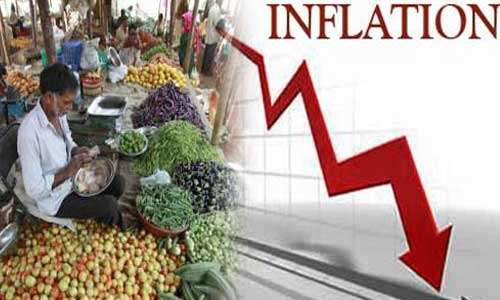
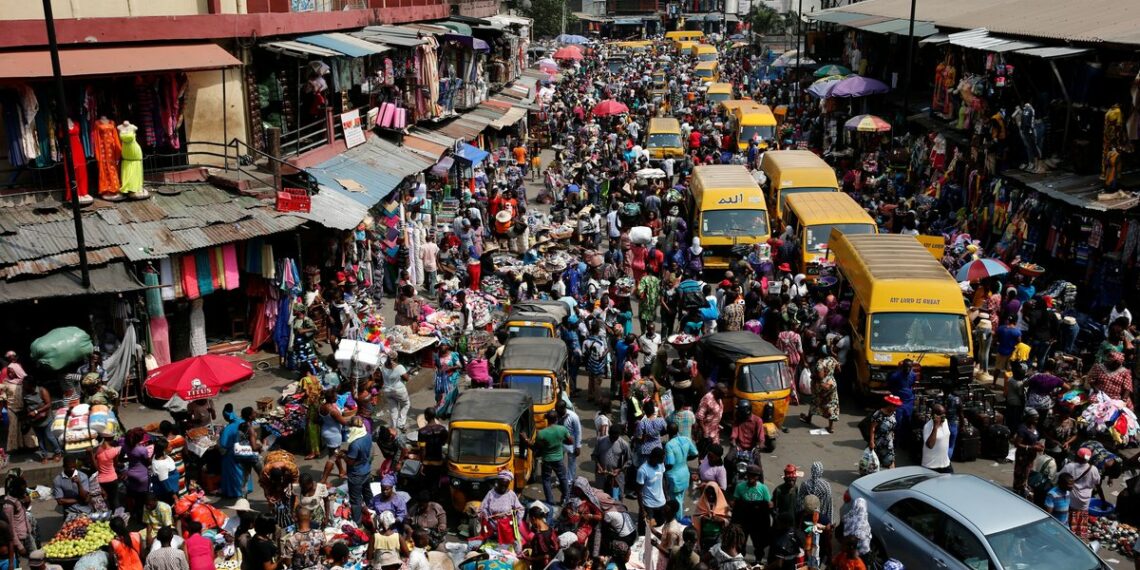
There are signs of waning investor interest in the FGN Savings Bond, with the subscription value decreasing by 14.4% to N8.8 billion Year-on-Year (YoY) by the end of August 31, 2023. This decline is attributed to factors such as the rising inflation rate.
In comparison, the subscription value was N10.287 billion for the same period ending August 31, 2022. Data from the Debt Management Office (DMO) also indicates a 26.9% decrease in bond allotments, with 4689 allotments in the eight-month period ending August 2023, compared to 6413 in the corresponding period of 2022.
Market experts and stakeholders point to the declining performance of the bond, citing reduced purchasing power due to the sharp increase in inflation, which reached an all-time high of 25.8% in August 2023. Vanguard’s investigation reveals that the value of transactions has been volatile throughout this year.
Commenting on the situation, Victor Chiazor, analyst and Head of Research and Investment at Fidelity Securities Limited, said: “The reduced investors’ interest in FGN Savings Bond does not come as a surprise to many given the continuous rise in inflation rate that does not match with the Minimum Rediscount Rate, MRR, and increased volatility being experienced in the equities market.
“The low disposable income of investors is a major factor that could also be responsible for the low appetite as there are other viable options like equities.
“Recall the massive flow of investment into the FGN Savings Bond when the equities market was bearish and activities around the market were flat.
“However, with this season we have seen a higher level of volatility in the equities market and if this momentum is sustained we will continue to see reduced investment in the FGN savings bond for the rest of the year, except the government significantly increases the interest rate to levels that becomes more attractive to the market.”
Commenting, analyst and Vice Executive Chairman, Highcap Securities Limited, David Adonri, said: “Concerning the decline in subscription for FGN Savings Bond, the dwindling disposable income of retail investors who are target of the product may be responsible. Yield on Savings Bond is also not competitive when compared to orthodox FGN Bonds or SUKUK.”
Commenting as well, analyst and Managing Director, APT Securities said: “The good performance of the equities market could have led to the low level of investment in the FGN Savings Bond as more investors divested to stocks. Also, the rise in inflation to 25.8 % makes investment into FGN Savings Bond with negative returns reduced. With upsurge of the stock market there is likely hope of further decline in FGN Savings Bond.”
Inflation is expected to decline in the upcoming months unless unexpected events disrupt the situation.
IC Research attributes this anticipated decrease to a steady exchange rate and the approaching food harvest season.
“We believe the resumption of artisanal fishing supported the supply of fish stock in August 2023 after the closed season ended on July 31, 2023. We also believe the soothing effects of an improved exchange rate combined with the onset of crops and fish harvest as well as the diminishing impact of recent taxes dragged down inflation in August 2023”, it stated in a report dubbed “Ghana’s August 2023 Inflation: Coming in from the cold”.
After experiencing three consecutive months of increases, consumer price inflation took a surprising and relieving downturn in August 2023, which has bolstered analysts’ confidence in easing price pressures in the upcoming months.
In an unexpected turn, headline inflation dropped by 300 basis points to 40.1% year-on-year in August 2023, primarily driven by a decrease in both food and non-food inflation rates.
“In our view, the decline in both food and non-food inflation rates also reflects the calming effects of an improved exchange rate observed during the August 2023 CPI data window”, IC Research pointed out.
“Our analysis of the FX [foreign exchange] dynamics revealed a gain of 1.3% for the Ghanaian cedi against the US dollar during the August price data window (versus a 7.3% depreciation in the same period last year). Unsurprisingly, inflation for imported items (36.2% year-on-year) came in below inflation for locally produced items (42.4% year-on-year), for the first time since March 2022”.
On a month-on-month basis, the report stated that the Ghanaian cedi was also stronger in the August CPI window.
“We believe the soothing effects of an improved exchange rate combined with the onset of crops and fish harvest as well as the diminishing impact of recent tax hikes to churn out a deflation of 0.2% month-on-month in August 2023”, it mentioned.
In August 2023, the year-on-year inflation rate saw a decrease to 40.1 percent, down from the 43.1 percent recorded in July 2033, according to the Ghana Statistical Service (GSS).
Food inflation also experienced a decline, dropping to 51.9 percent from the previous month’s figure of 55.0 percent.
Remarkably, for the first time this year, the inflation rate for imported goods was lower than that for locally produced items. Imported products registered an inflation rate of 36.2 percent, while locally produced items recorded 42.4 percent.
The announcement was made by the government statistician, Professor Samuel Kobina Annim during a press briefing.
He clarified that the 40.1 percent figure signifies that in August 2023, the overall price level was 40.1 percent higher than it was in August 2022.
Expanding on the specifics, Prof. Annim noted that the food inflation rate for August, at 51.9 percent, marked a decrease of 0.427 percent compared to the preceding month’s food inflation of 55 percent.
“Non food inflation was 30.9 percent compared to last month’s non-food inflation of 33.8 percent”, he said.
In July 2023, the year-on-year inflation witnessed a slight increase, climbing to 43.1% from the previous month’s 42.2%, as indicated by data from the Ghana Statistical Service (GSS).
The overall inflationary pressure was primarily driven by a notable increase in Food and Non-Alcoholic Beverages Inflation, which surged to 55.0%.
Conversely, Non-Food Inflation stood at 38.3% in the same period.
In terms of regional disparities, the North East Region posted the highest inflation rate at 64.0%, whereas the Greater Accra Region recorded the lowest inflation at 31.8%.
In recent times, Government statistician, Prof. Samuel Kobina Annim, has counseled decision-makers to critically examine the issues causing the rise in food inflation.
He emphasized that compared to non-food inflation, food inflation has regularly increased by around 20 percentage points.
The Nigerian government has granted approval for the allocation of 5 billion naira ($6.5 million; £5.1 million) to each of the country’s 36 states and the federal capital city. This funding is earmarked for procuring food items intended for distribution among the impoverished.
Governor Babagana Zulum of the north-western Borno state shared this information with the media following a National Economic Council meeting held at the presidential villa in Abuja, the capital.
This decision is part of a broader strategy to alleviate the mounting cost of living, a consequence of President Bola Tinubu’s decision to eliminate fuel subsidies after assuming power in May.
Subsequent to the subsidy removal, fuel prices have escalated by 200%, while food prices have more than doubled. These developments prompted the president to declare a state of emergency concerning food insecurity last month. He also announced measures aimed at enhancing food security, bolstering small businesses, fortifying manufacturing, and establishing affordable transport options.
President Tinubu emphasized that the removal of subsidies facilitated the government in saving over 1 trillion naira ($1.2 billion).
Ghana’s inflation is anticipated to deteriorate before showing signs of improvement, according to Professor Williams Peprah, a finance lecturer at Andrews University in Michigan, USA. However, he expressed his belief that the rate of inflationary increase would not resemble that of 2022.
In July 2023, inflation experienced a slight uptick, reaching 43.1 percent, primarily driven by a surge in food inflation, which stood at 55.0 percent.
During an interview with Joy FM in Accra, Professor Peprah explained that global commodity prices have been on the rise, while the performance of the cedi, impacting import-related inflation, has not demonstrated strong performance despite recent stability.
He further elaborated that food inflation within the country has reached alarming levels, raising questions about the effectiveness of government agricultural initiatives like Planting for Food and Jobs.
Among the findings, ten specific food items exhibited inflation rates higher than the overall food inflation rate. These items included tea and related products (150.0 percent), cocoa drinks (86.5 percent), fruit and vegetable juices (66.7 percent), cereals and cereal products (64.2 percent), sugar, confectionery, and desserts (62.7 percent), oil and fats (59.5 percent), milk and other dairy products and eggs (58.3 percent), coffee and coffee substitutes (58.2 percent), fish and other seafood (57.7 percent), and live animals, meat, and other parts of slaughtered land animals (55.2 percent).
Professor Peprah highlighted that recent reports, such as the World Bank’s Food Security Report and the International Monetary Fund’s Country Report on Ghana, indicate that food inflation is expected to worsen before any improvement is observed.
He noted, “The World Bank issued a report on Food Security Index saying we should have anticipated, and also our IMF-Ghana document had already mentioned that the situation will get worse before getting better. So, all these issues indicate that food inflation will be high.”
The global shortage of rice due to Indian policies has contributed to the recent global scarcity of rice.
“The Indians control about 40 per cent of the rice production and has sent some to part of Europe and Africa, so food prices is going to go up because of shortages.
“It is going to get worse before getting better. What I see is that maybe the rate of increase will not be as it happened in November and December last year. The rate of increase may be marginal as we noticed between the previous month of June 2023 and July 2023,” it said.
He advised the government to address some policies within the agriculture sector.
“The government should be able to address some policies and strategies in the agriculture sector to address the farmgate versus the urban market. That kind of issue can be addressed. We should anticipate that inflation will get worse before it starts to come down,” he said.
Analysts anticipate that inflation would go down when the harvest season starts in September 2023 and October 2023, but could go up again in November 2023 and December 2023 because of the festive season.
Ghana has been listed among the top 10 countries globally experiencing the highest food inflation rates.
As indicated in the Food Security Report published by the World Bank, Ghana’s Nominal Food Inflation (year-on-year) of 54% positioned the country in the 8th rank.
However, its Real Food Inflation (year-on-year) of 12% positioned it at the 9th spot.
In the Nominal Food Inflation category, Venezuela claimed the first position with a year-on-year inflation rate of 414%. Following suit were Lebanon (280%), Zimbabwe (256%), Argentina (117%), Suriname (71%), Egypt (66%), and Sierra Leone (58%), in the 2nd to 7th rankings, respectively.
Regarding Real Food Inflation, Zimbabwe (80%), Egypt (30%), Lebanon (26%), Turkey (16%), Rwanda (15%), Burundi (14%), Lao (14%), and Sierra Leone (13%) captured the 1st to 8th positions respectively, representing the countries with the most pronounced food inflation rates.
According to the report, its latest data covering the period from February 2023 to May 2023, which includes food price inflation figures, reveals a notable surge in inflation across numerous low- and middle-income nations.
In fact, inflation rates surpassing 5% were observed in 63.2% of low-income countries, 79.5% of lower-middle-income countries, and 67.0% of upper-middle-income countries. Many of these countries are also grappling with double-digit inflation rates.
Furthermore, the report highlights that a substantial 78.9% of high-income countries are currently contending with elevated food price inflation. The regions most heavily affected by this trend span Africa, North America, Latin America, South Asia, Europe, and Central Asia.
From a genuine economic perspective, the inflation rates for food prices have outpaced the overall inflation rates (measured by the year-on-year change in the Consumer Price Index) in a significant 80.1% of the 166 countries where both food CPI and overall CPI indices are available.
Maize, wheat prices go up but rice price remains stable
The report also revealed an increase in maize and wheat prices, which closed 12% and 14% higher, respectively, after declining in the first half of July 2023. It consequently drove the increase in the cereal price index, whereas rice prices have remained stable.
On a year-on-year basis, maize and wheat prices are 15% and 17% lower, while rice prices are 16% higher. Maize, wheat, and rice prices are 8%, 11% and 3% higher, respectively, than in January 2021
The 2023 State of Food Insecurity and Nutrition in the World report highlights the state of global hunger and food insecurity and the challenges and opportunities that urbanization presents in the context of agrifood systems.
The report expressed concern about Russia’s withdrawal from the Black Sea Grain Initiative (BSGI) in global markets.
Wheat and maize prices rise, but rice prices stay the same
The report also unveiled a rise in the prices of maize and wheat, which rebounded by 12% and 14%, respectively, following a decline in the first half of July 2023. This upswing played a pivotal role in driving an increase in the cereal price index, whereas rice prices have maintained their stability.
In a year-on-year comparison, prices for maize and wheat have seen a decrease of 15% and 17% respectively, while rice prices have risen by 16%. Notably, current prices for maize, wheat, and rice are elevated by 8%, 11%, and 3% respectively compared to their levels in January 2021.
The 2023 State of Food Insecurity and Nutrition in the World report offers insights into the global landscape of hunger and food insecurity, shedding light on the challenges and opportunities that come with urbanization in the context of agrifood systems.
Of particular concern highlighted in the report is Russia’s withdrawal from the Black Sea Grain Initiative (BSGI) within the global markets.
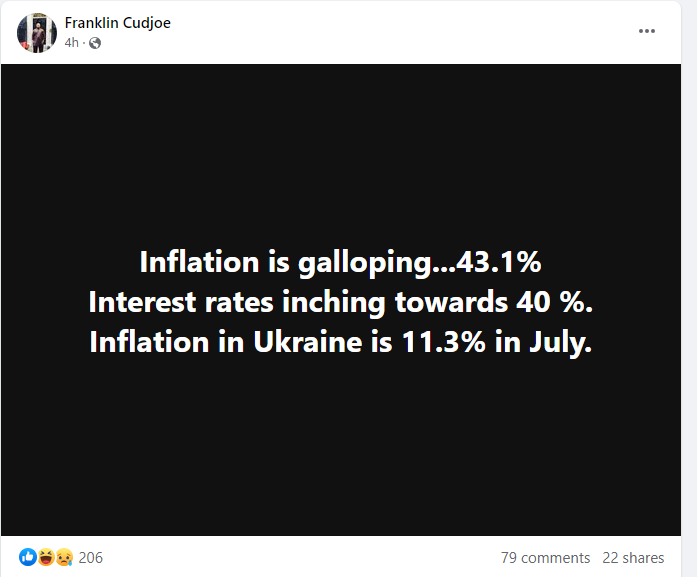
President and Founder of IMANI Africa, Franklin Cudjoe, has highlighted that Ghana’s inflation rate for July 2023 is three times higher than the inflation rate in crisis-stricken Ukraine.
Cudjoe pointed out that as of July 2023, Ghana’s inflation had reached 43.1%, with interest rates edging close to 40%.
He further noted that Ukraine’s inflation rate for the same month, July 2023, was recorded at 11.3%, which is three times lower than Ghana’s inflation rate.
In a Facebook post dated Thursday, August 10, 2023, the President of IMANI Africa emphasized the alarming pace at which Ghana’s economic situation is deteriorating.
“Inflation is galloping… 43.1% interest rates inching towards 40%. Inflation in Ukraine is 11.3% in July,” he wrote on his Facebook page.
Background
As stated in its 2022 Annual Report and Financial Statement, the Bank of Ghana encountered a substantial loss primarily due to the Debt and Deficit Exchange Program (DDEP).
As outlined in the report, the central bank underwent a restructuring of its holdings of government debt, while its non-marketable holdings of Government of Ghana instruments, which included long-term stocks, a COVID-19 Bond, and overdrafts, underwent a haircut of 50 percent.
Similar terms were applied to the exchange of Bank of Ghana’s other claims (holdings of marketable instruments) as those of other financial institutions participating in the DDEP.
This restructuring resulted in an impairment of GH¢48.40 billion in the year 2022.
Additionally, the Central Bank experienced revaluation losses on its foreign assets and liabilities due to the depreciation of the exchange rate.
The combined impact of impairments and revaluation losses led to a negative equity position amounting to GH¢55.12 billion for the year 2022.
The report further indicated that despite a robust trade surplus, the balance of payments incurred a deficit of US$3.64 billion, attributed to significant net outflows in the capital and financial account.
This situation prompted a drawdown of US$3.46 billion in Gross International Reserves, causing a decline from US$9.70 billion at the end of December 2021 to US$6.24 billion at the end of December 2022. This amount provided a cover for 2.7 months of imports.
The substantial reduction in reserves exerted considerable pressure on the currency, leading to the reduction of the Common Equity Tier 1 capital ratio from 6.5 percent to 5.5 percent, and an increase in the maximum Tier 2 capital ratio from 2.0 percent to 3.0 percent of total risk-weighted assets.
In July 2023, Ghana’s inflation rate has risen to 43.1%, marking an increase from 42.3% observed in June of the same year.
Consequently, the cost of goods and services has seen a surge of 43% over this period.
As reported by the Ghana Statistical Service, the prime driver of inflation was food, contributing to a rate of 55%, while non-food items accounted for 33.8%.
In terms of inflation rates, locally produced goods experienced a rate of 37.5%, whereas imported items were subject to an inflation rate of 45.7%.
Looking at regional variations, the Greater Accra region registered the lowest inflation rate at 31.8%, while the North-East region saw the highest inflation rate at 64%.
Specifically, the categories of food and non-alcoholic beverages witnessed an inflation rate of 55%, whereas personal protection and miscellaneous goods and services recorded an inflation rate of 60.5%.
In July 2023, the year-on-year inflation witnessed a slight increase, climbing to 43.1% from the previous month’s 42.2%, as indicated by data from the Ghana Statistical Service (GSS).
The overall inflationary pressure was primarily driven by a notable increase in Food and Non-Alcoholic Beverages Inflation, which surged to 55.0%.
Conversely, Non-Food Inflation stood at 38.3% in the same period.
In terms of regional disparities, the North East Region posted the highest inflation rate at 64.0%, whereas the Greater Accra Region recorded the lowest inflation at 31.8%.
In recent times, Government statistician, Prof. Samuel Kobina Annim, has counseled decision-makers to critically examine the issues causing the rise in food inflation.
He emphasized that compared to non-food inflation, food inflation has regularly increased by around 20 percentage points.
Speaking to journalists after revealing that June’s inflation rate jumped slightly to 42.5 percent from 42.2 percent in May, Prof. Annim stated that prices for everyday staple foods like vegetables and seafood have been rising over the past few months.
The government’s affordable housing projects, in the opinion of Michael Donyina Mensah, Executive Director of the Centre for Public Opinion and Awareness (CenPOA), are not feasible.
He asserted that these initiatives are not an inexpensive housing endeavor as promoted but rather are solely commercial operations carried out by the government and its partners.
He believed that the definition of “affordable” should include the idea that the purchasers of the homes are those who can actually afford them.
“People who have the resources to build their own houses don’t need affordable housing,” he says. Those who are wealthy do not require it. I believe that affordable housing has been designed for the average worker. But the average Ghanaian worker cannot afford it. Examine the studio apartments for sale and their prices. An average worker who wants to buy a $13,000 flat would need to save Ghc1000 per month for ten years before he or she could afford the house.”
How many typical Ghanaian employees can afford these homes was a question that he was asked on the Frontline program on Rainbow Radio 87.55FM, hosted by Kwabena Agyapong.
”I believe they should remove the affordable housing tag from there because it is unaffordable and misleading. Because interest and inflation are not taken into account, it will take approximately 15 years to achieve this. So my point is that it is out of reach for most people.”
He also said to the host that the cedi was stabbed in the back by the price in dollars.
The quote in dollars, he said, is problematic for a nation trying to stabilize its domestic currency.
“It’s a disgrace that the prices for the affordable housing project are quoted in dollars. We are disappointed, as a centre, that a government that has encouraged Ghanaians to trade in cedis is quoting prices in dollars. That is a shot in the foot for the government, and we believe it has shown no commitment to encouraging Ghanaian businesses to trade in local currency in order to stabilise the cedi. Unfortunately, the government has not demonstrated that commitment,” he said.
A survey report conducted by Deloitte Ghana, has it that domestic producers are expressing significant concerns about high inflation and currency fluctuations.
The survey revealed that 68 percent of manufacturers see inflation and currency fluctuation as the main barriers to the industry’s growth.
Furthermore, the study conducted by the audit, tax, and advisory services firm found that the cost of capital and lack of infrastructure are also hindering the growth of producers in the country.
Moreover, the government’s aggressive drive for domestic revenue mobilization is perceived as having a negative impact on the local business environment.
Meanwhile, the ‘global economic downturn’, which government mostly pinpoints as the main cause of the current economic crises, only received a 34 percent mention in the multiple entries’ response, Deloitte said.
In light of this, Deloitte emphasized industry participants’ expectations that growth will be boosted by reducing value added tax (VAT), enhancing private sector involvement, and eliminating some irksome taxes.
The main demands from the business community are faster loan facilities, tax benefits, and an increase in public capital expenditures.
According to Deloitte, manufacturers want the government to be aware of their expectations for the economy, particularly in light of the domestic debt exchange programme’s (DDEP) effects on the industrial sector, which were implemented as a condition for acceptance of the International Monetary Fund (IMF) program.
Mid-year budget review
Though producers are very pessimistic about government’s ability to introduce policies that will drive industry growth, they believe introducing tax-waivers and green financing incentives will propel Ghana toward carbon-neutral commitments.
About 73 percent of respondents indicated that tax incentives and subsidies to promote a green economy would be of great support, while some 46 percent also want government to devise innovative green instruments for financing.
Environmental, social and governance (ESG) investing is used to screen investments based on corporate policies and encourage companies to act responsibly. As the country is committed to climate change and global warming mitigation initiatives, government’s ability to incentivise private financing and private-public partnership (PPP) is strongly recommended.
Extractive, services, agriculture to drive 2nd quarter economic growth
Once more, a significant number of respondents highlighted the extractive, services, and agriculture sectors as the ones likely to drive growth in the second half of 2023.
Approximately 69 percent of the respondents believe that the services sector will be the leading driver of growth without a change in current tax policies, followed by the extractive and agriculture sectors.
In order to boost the industry’s productivity and increase exports, the respondent said: “Credit availability and reduced Customs fees will increase industry exports. For instance, reviewing capital allowance deduction for saloons and certain vehicles upward; abolishing financial sector recovery levies; and removing minimum chargeable income regime”.
Partner-Financial Advisory, Deloitte Ghana, Yaw Appiah Lartey – in a presentation of the report at the pre-mid-year budget discussion on the theme ‘Positioning for sustainable recovery; Ghana’s economic outlook post-IMF deal’ – mentioned that industry is really suffering to continue in business; hence, the strategy adopted by many is to prioritise survival.
The Ghana Statistical Service (GSS) has announced that the Producer Price Inflation for June of this year stood at 29.9.
The Producer Price Index (PPI) measures the average change over time in the prices received by domestic producers for their goods and services.
Comparing the latest figures to the rate recorded in May 2023, which was 30.3 percent, there was a 1.1 percentage point decrease in the PPI.
Government Statistician, Prof. Kobina Annim, provided insights during a press briefing in Accra on July 19. He explained that the month-on-month change in the PPI between May and June 2023 was 0.6 percent.
Among the key sectors of the economy, the PPI for Construction decreased from 32.5 percent in May 2023 to 31.3 percent in June 2023. Additionally, the rate for the Services sector decreased from 18.1 percent in May to 17.6 percent in June 2023.
Notably, the Electricity and gas sector (70.6%), Transportation and storage (49.2%), Water supply, sewerage, and waste management (38.5%), Accommodation and food service activities (37.9%), and Mining and quarrying (31.0%) all recorded rates above the national average. Conversely, the Information and communication activity recorded the lowest rate of 11.1 percent in June 2023.
Multichoice has indicated that Ghana’s inflation rates should be held accountable for the rise in DSTV and GoTV membership costs.
This follows complaints from DSTV and GOTV subscribers over the ongoing rise in subscription costs in recent years.
According to MultiChoice, the new prices for DSTV beginning August 1 2023 are as follows: Access: 10 cedis (60–70), Family: 20 cedis (110–130), Compact: 35 cedis (220–255), and Compact Plus: 55 cedis (325–380). Premium: between 515 and 600 cedis.
However, the cost of a Padi subscription remains the same.
The prices have increased, according to Nii Armah Dagadu, the corporate affairs manager for Multichoice Ghana, who said as much on Tuesday’s episode of Morning Starr with Francis Abban.
“One of the big differentiators is the cost of operation in your country, the incident of inflation, the stability of your local currency. Those are some of the big differentiators for us. If some of these indicators change we should see some level of parity between Ghana and Nigeria.
“The inflation here versus Nigeria is quite a big one as well. The stability of our currency is quite an issue but remember that this particular increase is heavily driven by the cost of inflation,” Mr. Dagadu stated.
He added that unfortunately the incident of taxes on subscription between Ghana and Nigeria gap is quite huge.
“At this point if we are to touch the price by dropping it. What happens is we are taking the shocks and it is only a matter of time that you might not be able to enjoy the quality entertainment that comes on DSTV and GoTV. We have seen this with other players who have had to market and tried some of the things that didn’t work ten, twenty years ago that didn’t work in this market.
“I don’t just want to mention the name of some of these players, in recent times how many players have come into Ghana and collapsed not just Ghana but across the Africa continent. We have sustained this for thirty years because we have consistently had a sustainable price in the system. That is why you continue to enjoy all the fourteen leagues, the great movies, local and international series.”
A data released on Monday by the National Bureau of Statistics, says that Nigeria’s headline inflation rate continued to rise for the sixth consecutive time, reaching 22.79 percent in June 2023. This marks a new 17-year high, surpassing the previous month’s rate of 22.41 percent.
The report from the NBS stated that the June 2023 headline inflation rate showed an increase of 0.38 percentage points compared to the May 2023 headline inflation rate, which stood at 22.41 percent.
“On a year-on-year basis, the headline inflation rate was 4.19 percentage points higher compared to the rate recorded in June 2022, which was 18.60 per cent.
“This shows that the headline inflation rate (year-on-year basis) increased in June 2023 when compared to the same month in the preceding year (i.e., June 2022).”
It noted that food and non-alcoholic beverages (11.81 per cent) led the list of items that contributed to the rising inflation figure.
Economists had, however, said inflation needed to be tackled holistically.
A former President and Chairman of Council, Institute of Chartered Institute of Bankers of Nigeria, Prof Segun Ajibola, said Nigeria’s surging inflation needed to be curbed holistically.
Ajibola, who is also a professor of economics at Babcock University, said, “The fundamental problems are still with us. We have to face the issues squarely to address the problem of inflation.
“It requires a holistic approach. So many things have to be harmonised and so many things have to be tackled. Especially things that push costs of production and those that affect agriculture.”
Expressing optimism in the new administration to fight inflation, Ajibola said, “I believe things will be better going by the little we have seen. More expertise and more strategic policies will be initiated.”
Partner and Chief Economist at KPMG Nigeria, Dr Yemi Kale, recently said the net benefits of the subsidy removal were positive, but noted that there would be disruptions arising from a direct increase in energy prices, inflation rate, and transportation fares.
He said, “This disruption has an indirect impact on the increase in food prices and consumer demand. This is so because their purchasing power is weakened; consumer demand also shrinks unless the government provides some kind of relief to cushion the effect.
“In addition, households would begin to cut their expenditures, leading to businesses recording decreases in demand amid rising costs of operation increases. This is particularly going to affect the Micro-Small and Medium-sized Enterprises, and this would eventually birth lay-offs, hence increasing unemployment rate and insecurities.”
KPMG Nigeria said the removal of fuel subsidies in Nigeria could lead to a significant rise in the country’s inflation rate, potentially reaching 30 per cent in June 2023.
A report by KPMG said the removal, whether implemented entirely or partially, would cause a temporary inflationary surge.
The NBS, on its Twitter page, noted that the impact of the fuel subsidy removal and unification of exchange rates had yet to reflect on the country’s headline inflation, which justified the marginal increase.
“The June Consumer Price Index numbers may not fully capture the impact of the fuel subsidy removal and the unification of the exchange rate.
“This is because the data collection for computing the rate for the reference month typically stops around the middle of the month, meaning that the June numbers only reflect approximately two weeks of the policy impact on consumer prices.
“The full effect of the policy as relates to prices can, therefore, not be reflected in June only, but also in subsequent months, based on actual prices collected in market outlets across the country.”
The Ghana Union of Traders Association (GUTA) has expressed concern about the high expenses associated with conducting business in the country.
Dr. Joseph Obeng, the President of the Association, discussed the issue in an exclusive interview with GhanaWeb Business. He attributed the recent rise in inflation to cost-push inflation, where increasing production costs prompt businesses to pass on those costs to customers in order to maintain profitability or break even.
During the interview with GhanaWeb’s Ernestina Serwaa Asante, Dr. Obeng highlighted the significant customs duties paid at ports, high interest rates on loans, and various taxes as contributing factors to the increased prices of goods and services.
Dr Joseph Obeng said, “The inflation we are experiencing if everybody wants to know is a cost-push inflation. The fact that there are too many cost items. The taxes, the duties that we pay, the interest rate and all that have made the prices go up so until we are able to tone down this cost of doing business, prices will keep on going up.”
In June 2023, there was a slight uptick in inflation, with the rate increasing to 42.5 percent compared to the 42.2 percent recorded in May.
Professor Samuel Kobina Annim, the government Statistician, has identified food and non-food items as the primary contributors to this inflationary trend, accounting for 54.2 percent and 33.4 percent respectively.
Within the local market, the inflation rate for domestically produced items stood at 35.9 percent, while imported items experienced a higher inflation rate of 44.5 percent.
A research by GCB Capital has it that Ghana’s inflation may decline in July 2023, but the threat posed by rising food costs is still very real.
Even if noon-food inflation may be slowing down, the report claims that this may not have a big impact on inflation relief.
The report titled: “Policy Insights: Ghana’s June -23 Inflation Update” said, “While the disinflation process could resume in July 2023, the food basket remains a significant source of price pressure.”
The analysis also implied that the new tariff measures’ diminishing impact would contribute to lower inflation in July 2023.
“We expected the waning lagged impact of the revenue and utility tariff measures and the favourable base effects to reset inflation on the downward path from July 23 and reinforce low inflation expectations, all things being equal. We flag the simmering food price pressures as a near-term upside risk to inflation, which could moderate the pace of disinflation,” it added.
Inflation rate for June increases marginally to 42.5%
Ghana’s inflation rate for June has increased marginally to 42.5% from the 42.2 % recorded in May 2023.
This means that this is the rate at which prices of goods and services increased in June.
It also indicates that in the month of June 2023, the general price level was 42.5 percent higher than in June 2022.
The Ghana Statistical Service announced this on July 12, 2023. Also, month-on-month inflation between May 2023 and June 2023 was 3.2 percent.
Food inflation remains high at 54.2% but higher than the 51.8% recorded last month while non-food inflation saw a marginal decrease to 33.4% from 34.6% last month.
Inflation for locally produced items and imported items was 35.9% and 44.5% respectively.
Although GCB Capital has warned that simmering food price pressures represent a problem, growing inflation may start to slow down in July 2023.
In a report titled: “Policy Insights: Ghana’s June -23 Inflation Update”, it, however, said the continuous decline in non-food inflation may not be enough to bring inflation down.
“While the disinflation process could resume in July 2023, the food basket remains a significant source of price pressure”.
“We expected the waning lagged impact of the revenue and utility tariff measures and the favourable base effects to reset inflation on the downward path from July 23 and reinforce low inflation expectations, all things being equal. We flag the simmering food price pressures as a near-term upside risk to inflation, which could moderate the pace of disinflation”, it added.
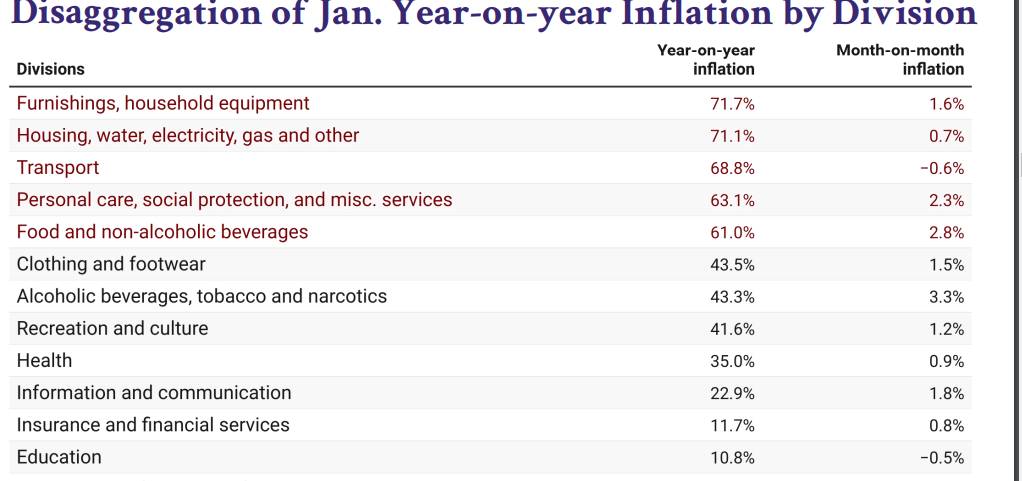
Although the divisions of Alcoholic Beverages & Narcotics, Housing & Utilities, Furnishing & Household Equipment, Personal Care & Miscellaneous Goods, and continue to record inflation rates higher than the national average, the disaggregated data shows inflation is decreasing across these divisions. They continue to contribute less and less to the overall inflation print, highlighting the ongoing fall in non-food inflation.
For the second consecutive month since May 2023, year-over-year inflation increased, reaching 42.5% in June 2023.
After four straight months of deflation from the beginning of 2023, the inflation in June 2023 continued the reversal in the inflation trend, albeit at a slower rate.
Government statistician, Prof. Samuel Kobina Annim, has counseled decision-makers to critically examine the issues causing the rise in food inflation.
He emphasized that compared to non-food inflation, food inflation has regularly increased by around 20 percentage points.
Speaking to journalists after revealing that June’s inflation rate jumped slightly to 42.5 percent from 42.2 percent in May, Prof. Annim stated that prices for everyday staple foods like vegetables and seafood have been rising over the past few months.
“At the minimum we see a widening of the gap between food and non-food inflation. We need to focus on why we see food inflation going up.
We have seen about a 20 percentage point change between food inflation and non-food inflation”, he said.
He mentioned that the price of food had risen by 54.2 percent more than the national average, with imports rising by 43.8 percent and domestically produced goods rising by 36.2 percent.
Official figures released on Monday revealed that annual inflation in Egypt reached a record high of 36.8 percent in June. This marks a significant milestone for the country as it grapples with a severeeconomic crisis.
The previous record of 34.2 percent, set in July 2017, was also linked to a sharp currency devaluation associated with a bailout loan from the International Monetary Fund.
The Egyptian pound has depreciated by half against the US dollar since early last year, leading to a surge in prices and further burdening families struggling to meet their needs in this import-dependent nation.
The latest figures indicate an almost 37 percent increase compared to June of the previous year. Additionally, there was a two percent month-on-month rise from May of this year.
While official data had previously shown some signs of easing inflation in recent months, the new figures highlight a staggering 64.9 percent increase in food and drink prices alone compared to June 2022, as announced by the state statistics agency CAPMAS.
The economic crisis has been exacerbated by Russia’s invasion of Ukraine last year, which disrupted crucial food imports. Even before this, the World Bank reported that 30 percent of Egyptians were living below the poverty line.
The invasion’s impact on global markets prompted investors to withdraw billions of dollars from Cairo’s foreign reserves. While reserves have shown a slight increase this year, reaching $34.8 billion in March (up $500 million since February), they are still $7 billion lower than pre-war levels.
Of the total reserves, approximately $28 billion consists of deposits from wealthy Gulf allies, whose plans to purchase Egyptian state assets have experienced delays in recent months.
Egypt, the most populous country in the Arab world, has relied on bailouts from both Gulf allies and the IMF in recent years to address its economic challenges.
Nigeria has established itself as the third-largest investment management hub in sub-Saharan Africa, following South Africa and Morocco, with an estimated N3.5 trillion ($7.8 billion) worth of assets under management by the end of 2022.
According to a report by Agusto & Co, this growth represents a significant 25 percent increase compared to the previous year’s figures.
The report attributes the growth to factors such as increased investor confidence due to rising yields on naira-denominated investments during the latter part of the year. Additionally, there has been growth in dollar-denominated portfolios as Nigerians seek to protect themselves against the continuous devaluation of the naira.
However, despite this positive growth and the substantial inflow of foreign exchange remittances from Nigerians in the diaspora, amounting to $20.9 billion (or N9.3 trillion) in 2022, the report highlights that the asset management industry in Nigeria continues to face challenges.
The industry’s growth is constrained by factors such as a significant informal sector, estimated to account for 65 percent of the country’s GDP, a high poverty rate of 40 percent, and limited investment opportunities within the Nigerian capital market.
The report emphasizes that the difficult operating environment in Nigeria has led to a decline in real incomes and purchasing power, resulting in investors’ increasing preference for dollar-denominated assets. The year-over-year inflation rate, which rose from 15.6 percent in January 2022 to 21.37 percent in December 2022, further reflects the unfavorable macroeconomic climate in the country.
“In addition, the parallel market exchange rate stood at N750/$ as of 31 December 2022, indicating a 63 per cent arbitrage from the official market rate and a 32 per cent depreciation from N570/$ recorded in the corresponding period of the prior year. Naira-denominated investments have lost their lustre in light of current market conditions, and investors are instead looking to high-yield alternatives and FCY- denominated investments.”
According to the report, in 2022, segregated portfolios accounted for more than half of total managed assets (52 per cent), which amounted to N1.76tn as of December 31, 20225 – 40.2 per cent higher than in 2021.
Segregated portfolios include privately managed discretionary and non-discretionary client funds as well as other private collective investment schemes. They provide investment options that are tailored to the unique risk profiles and investment objectives of individual clients.
Collective investment schemes, on the other hand, accounted for 42 per cent (N1.37tn) of AuM in 2022, while alternative assets – comprising publicly-listed private equity and infrastructure funds – accounted for the remaining 6 per cent (N345bn) of the asset management industry’s managed assets as at the same date.
The report added that investors have shown a growing inclination towards privately managed portfolios rather than the often more restrictive and conservative collective investment schemes, as they seek to gain relatively higher yields from investments.
Pakistan, currently in the midst of a severe economic crisis, has reached a staff-level agreement with the International Monetary Fund (IMF) for $3 billion (£2.4 billion) in funding.
The agreement is subject to approval by the IMF’s board, following an eight-month delay in the negotiations.
The South Asian nation is confronting its most severe economic crisis since gaining independence from Britain in 1947. In an effort to secure the agreement with the IMF, Pakistan’s central bank raised its primary interest rate to a record high of 22% on Monday.
Pakistan’s economy was already grappling with significant challenges due to years of financial mismanagement. However, it has been further strained by a global energy crisis and the devastating floods that struck the country last year. These factors have pushed Pakistan’s economy to the brink.
“The economy has faced several external shocks such as the catastrophic floods in 2022 that impacted the lives of millions of Pakistanis and an international commodity price spike in the wake of Russia’s war in Ukraine,” Nathan Porter, IMF’s mission chief for Pakistan said.
“As a result of these shocks as well as some policy missteps… economic growth has stalled,” he added.
Once agreed at staff level such deals are usually granted by the IMF’s Executive Board. The board is expected to consider the agreement in the coming weeks.
“This deal gives Pakistan the economic breathing room that it so badly needs,” Michael Kugelman from the US-based Wilson Center think tank told the BBC.
“The question is if it can use this IMF deal as an opportunity to pivot from immediate relief to a long-term recovery,” he added.
In May, Pakistan experienced a staggering annual inflation rate, reaching nearly 38%, setting a new record high. The approved funding of $3 billion, to be disbursed over a span of nine months, exceeds initial expectations.
Pakistan had been anticipating the release of the remaining $2.5 billion from a $6.5 billion bailout package agreed upon in 2019, which expired on Friday.
With a population exceeding 230 million, the nation has been grappling with ongoing challenges to stabilize its economy. This year, foreign exchange reserves fell to a level covering less than three weeks’ worth of imports.
Financial markets were further unsettled by violent clashes between supporters of former Prime Minister Imran Khan and the police. Mr. Khan’s arrest on corruption charges in May was subsequently deemed illegal by the country’s Supreme Court.
Over the past year, the Pakistan rupee has undergone a significant depreciation of approximately 40% against the US dollar.
On Thursday, the Bank of England is anticipated to increase interest rates from 4.5% to 4.75% as part of its efforts to curb inflation.
UK’s inflation to drop in May and was stuck at 8.7%.
However, there are speculations among economists that the Bank may opt for a more significant increase of 0.5%.
Should the rates rise, it is expected that mortgage rates will also go up for individuals seeking to re-mortgage or those with variable-rate mortgages. Approximately 800,000 individuals are projected to re-mortgage next year.
As of today, a typical two-year fixed mortgage deal carries an interest rate of 6.15%. Meanwhile, the standard variable rate, effective from 1 June 2023, stands at 7.52%, as reported by financial data firm Moneyfacts.
In recent weeks, mortgage lenders have been withdrawing mortgage deals and swiftly raising rates.
Additionally, Chancellor Jeremy Hunt announced yesterday that there will not be a major scheme implemented to provide assistance to homeowners facing financial difficulties.
In May, the inflation rate in the UK remained steady at 8.7%, the same as in April.
This halts the previous trend of declining inflation figures, which had been decreasing from a peak of 11.1% last year.
The Office for National Statistics attributes the high inflation to increasing prices in sectors such as air travel, recreational activities, and cultural goods.
On the other hand, the largest downward contribution to inflation came from falling motor fuel prices.
While prices for food and non-alcoholic drinks did rise in May, the increase was lower compared to May 2022. Additionally, “core” inflation, which excludes energy and food costs, reached its highest rate since 1992.
Furthermore, separate data reveals that UK debt now exceeds the annual GDP, a situation not seen since 1961.
Prime Minister Rishi Sunak has made a commitment to reducing inflation by half this year.
Unless there are unexpected surprises, inflation is expected to decline gradually but still stay above the upper range of 8±2% until the end of 2025, as stated in the May 2023 Monetary Policy Report fromthe Bank of Ghana.
The report suggests that risks to the inflation forecast are mostly biased towards a lower outcome, given the relative stability of the exchange rate, a decrease in ex-pump petroleum prices, and the impact of base drift effects.
Consequently, these factors may dampen the upward movements in administrative prices.
Given these considerations, the Monetary Policy Committee decided to maintain the Monetary Policy Rate at 29.5% in May 2023.
Headline inflation had already declined significantly by 12.9% between December 2022 and April 2023. “The percentage of items in the Consumer Price Index (CPI) basket with inflation exceeding 50% is receding, an indication of a return to the disinflationary path.
Core inflation has also trended downwards, further supporting the disinflation process”.
However, inflation surged slightly to 42.2% in May 2023.
But the Bank of Ghana believes its latest forecasts suggest a disinflationary path on the horizon, supported by the monetary policy tightening, relative exchange rate stability, and some favorable base drift effects.
Headline inflation decelerated from a peak of 54.1% in December 2022 to 45.0% in March, and further down to 41.2 percent in April 2023, driven by both food and non-food prices.
Food inflation eased to 48.7% in April 2023, from 50.8% in March 2023, and 59.7% in December 2022. Nonfood inflation also declined to 35.4%, from 40.6% in March and 49.9% in December 2022.
The decline in headline inflation was occasioned by a deceleration in prices of both imported and locally produced goods.
Overall, the regulator of the banking industry said, price pressures have eased significantly across all items in the basket, largely supported by tight monetary policy, base-drift effects, relative stability in the exchange rate, and declining international crude oil pricesand, in turn, downward adjustments in ex-pump petroleum prices.
The Ghana Statistical Service (GSS) has published its first report on the variations in food prices across the 16 regions for the month of May 2023, which shows an inflation rate of 42.2%, up 1% from the previous month’s rate of 41.2%.
Food price inflation also climbed from 48.7% to 51.8%.
However, non-food inflation dropped from 35.4% in April to 34.6% in the month of May 2023, inflation on locally produced items reduced from 38.2% in April to 36.2% in May 2023 while inflation on imported items also increased from 43.1% to 43.8%. This means year on year inflation for May 2023 is 42.2%.
However, month on month inflation for May 2023 stood at 4.8% as against 2.4% rate recorded in April 2023.
Food inflation recorded for the month was 4.3% while the month of May recorded 6.2%.
Non-food inflation also rises from 0.7% to 3.5%
Presenting the highlights from the report, Government statistician, Prof. Samuel Kobina Annim, indicated that price variations across regions are commodity specifics as the pattern observed differ from the selected food items.
He said, the findings from the report paint the need for strategies to address regional food price disparities “effects at driving down inflation may be hastened with the engagement of sub-national governmental agencies”.
The key finding from the report was that food price variation within regions is generally larger than price variation across regions: eight out of the ten items had higher within regional variation than between regions.
Also there is less variation across regions for commodities with standard packaging such as milk and tomato paste that have multiple regions recording the same median price.
Items without standard packaging such as cassava and plantain show substantial variations across regions.
Based on the selected food items, Greater Accra Region recorded the highest median price in April 2023 followed by the Western North than Ahafo regions.
Western region North and Ahafo who had the highest median price for three items each were the only regions to have the highest median price for more than one item.
The report was launched by the government statistician and the representative of the Vice-Chancellor of the Kumasi Technical University (KsTU), Ing. Prof. Osei-Wusu Achaw.
The programme was held at KsTU following the release of the monthly consumer price index (CPI) and inflation for May 2023 on 14th June 2023.
As the Ghana Statistical Service (GSS) prepares to issue the Consumer Price Index (CPI) numbers for May 2023 today, the market expects a further decline in headline inflation into the upper 30s.
This expected decline comes on the back of recent positive indicators – such as a favourable base effect, a decrease in global crude oil prices and the cedi’s relative stability against major currencies, including the US dollar. The potential lower CPI rate for May 2023 is expected to provide valuable insights for bond pricing.
Prior to this anticipated data release, consumer inflation dropped in April 2023 – easing to 41.2 percent compared to 45 percent in March and supporting the notion of a promising downward trend in prices of goods and services. The data released by GSS demonstrates a gradual slowdown in the rate of price increases. In March 2023, inflation dropped significantly from 52.8 percent in February to 45 percent. Additionally, between March and April 2023 the rate of price increase slowed from 7.8 percentage points to 3.8 percentage points.
May 2023 saw the country’s private sector experience a fourth consecutive month of expansion, with the S&P Global Ghana PMI standing at a near 1-1/2-year high of 51.3 – unchanged from the previous month. New orders grew at the fastest pace since September 2021, driven by improved demand amid the sustained slowdown in inflation. As a result companies expanded their purchasing activity and employment, effectively preventing backlogs of work. The availability of raw materials also improved, leading to a series-record improvement in suppliers’ delivery times. Input costs and selling prices both slowed significantly.
The outlook for business activity over the next 12 months improved to its highest level since January, with hopes of stable prices, exchange rates and support from the IMF.
The Monetary Policy Committee (MPC) of the Bank of Ghana (BoG) decided to maintain the Monetary Policy Rate (MPR) at 29.5 percent. The MPC cited a rapid easing of underlying inflationary pressures and decreasing inflation expectations as the basis for this decision. The International Monetary Fund (IMF) has urged the central bank to keep a tight monetary policy until inflation is on a clear downward trajectory, and to eliminate monetary financing of the fiscal budget. In line with this recommendation, the MPC tightened financing conditions in its March 2023 meeting by raising the policy rate to a record high of 29.5 percent and increasing the Cash Reserve Ratio (CRR) to 14 percent.
In a positive development for Ghana’s credit rating, Moody’s Investors Service upgraded the country’s local currency long-term issuer rating from Ca to Caa3, maintaining a stable outlook. This upgrade is a result of government’s successful primary local currency debt restructuring, reducing the expected losses on local currency debt in the future. The debt exchange has provided Ghana with fiscal relief and diminished the need for further debt restructuring in the near- to medium-term. However, the Caa3 rating still reflects the existing risk of potential default until Ghana addresses its remaining local currency debt and restructures its foreign currency debt.
The market believes that the combination of declining inflation, positive economic indicators and government’s debt restructuring efforts has created a balanced outlook for Ghana’s economy. However, risks still exist; such as the potential for further negotiations regarding the restructuring of foreign currency debt and limitations on accessing local currency funding.
Nevertheless, the expectation of a smooth foreign currency debt restructuring process – along with fiscal and external adjustment supported by the IMF – contributes to the overall positive sentiment surrounding Ghana’s economic prospects.
The year-on-year inflation rate for May 2023 has increased to 42.2%, up from the 41.2% recorded in April 2023.
According to the Ghana Statistical Service, food Inflation experienced a significant jump from 48.7% in April 2023 to 51.8% in May 2023.
On the other hand, non-food inflation decreased to 34.6% in May 2023, compared to the 35.4% recorded in April 2023.
The Government Statistician, Prof. Samuel Kobina Annim, made this announcement in Kumasi, located in the Ashanti Region.
Prof. Annim explained that the contribution of food inflation to the overall national inflation rate was the highest it had been in 17 months.
Headline inflation declined significantly by more than 12.0 percent in the first four months of the year, illustrating the easing of inflationary pressures, according to the Bank of Ghana.
The consecutive increases in the policy rate, supported by additional liquidity management operations to address excess liquidity conditions in the market, relative stability in the local currency, and stable ex-pump petroleum prices have supported the disinflation process.
Given these considerations, the MPC maintained the policy rate at 29.5 percent.
An adjustment to growth figures shows that persistent inflation helped push Germany into recession in the first three months of the year.
Europe’s largest economy was also badly affected when Russian gas supplies dried up after the invasion of Ukraine, analysts said.
The economy contracted by 0.3% between January and March, the statistics office said.
That followed a 0.5% contraction in the last three months of last year.
A country is deemed to be in recession when its economy shrinks for two consecutive three-month periods, or quarters.
“Under the weight of immense inflation, the German consumer has fallen to his knees, dragging the entire economy down with him,” said Andreas Scheuerle, an analyst at DekaBank.
Germany’s inflation rate stood at 7.2% in April, above the euro area’s average but below the UK’s 8.7%.
Higher prices have weighed on household spending on things such as food, clothing and furniture. Industrial orders are also weaker, reflecting the impact of higher energy prices on businesses.
“The persistence of high price increases continued to be a burden on the German economy at the start of the year,” the federal statistics agency Destatis said in a statement.
Originally, the agency had estimated zero growth for the first quarter of this year, suggesting Germany would side-step a recession.
However, the revised figures showed household spending was 1.2% lower than in the previous quarter.
Government spending was 4.9% lower, and car sales also fell after government grants for electric and hybrid cars were scaled back.
The recession was less severe than some had predicted, given Germany’s heavy reliance on Russian energy. A mild winter and the reopening of China’s economy, helped ease the impact of higher energy prices.
Private sector investment and exports rose, but that was not enough to get Germany out of the “danger zone” for recession, analysts said.
“The early indicators suggest that things will continue to be similarly weak in the second quarter [of 2023],” said LBBW bank analyst Jens-Oliver Niklasch.
However, the German central bank, the Bundesbank, expects the economy to grow modestly in the April to June quarter, with a rebound in industry offsetting stagnating consumer spending.
The IMF has predicted that Germany will be the weakest of the world’s advanced economies, shrinking 0.1% this year, after it upgraded its forecast for the UK from minus 0.3% to growth of 0.4%.
Most African central banks are expected to keep interest rates unchanged in the coming two weeks as decades-high inflation eases following more than a year of tightening.
Those such as in Egypt, Kenya and Mozambique may also factor into their decisions a drop in global commodity prices and the unwinding of supply constraints. Expectations that the US Federal Reserve may pause its most aggressive hiking cycle since the 1980s, which could weaken the dollar and boost their currencies, will be another consideration.
Others like South Africa and Nigeria, both of which are facing domestic challenges that may keep inflation elevated, are poised to hike.
The Bank of Zambia’s monetary policy committee will likely raise its key interest rate for a second time this year to contain double-digit inflation and support its currency, which has come under renewed pressure from slow progress in debt-restructuring talks, said Trevor Hambayi, an independent Lusaka-based economist.
The southern African nation has been struggling to seal a deal to revamp $12.8 billion in external loans since becoming Africa’s first pandemic-era defaulter in November 2020. Still, the corn harvest currently underway could help temper prices, reducing some pressure on the central bank to raise rates.
A temporary slowdown in inflation may give Egypt’s MPC room to pause, especially after Governor Hassan Abdalla signaled higher interest rates are doing little to cool prices.
The central bank “is likely to remain data-led, and will see declining global commodity prices and a reduction in domestic inflation as supportive of their current monetary stance,” said Farouk Soussa, an economist at Goldman Sachs Group Inc. The monetary authority sees inflationary pressures stoked mainly by supply issues, “reducing the rationale for a further hike in the medium term,” he said.
Eight of 11 economists polled by Bloomberg expect the MPC to hold and the rest forecast a 100 basis-point hike.
Angola, May 19
BNA rate: 17% Inflation rate: 10.6% (April)
After two consecutive interest-rate cuts this year, policymakers at Banco Nacional de Angola are likely to break the trend and keep borrowing costs unchanged, said Wilson Chimoco, an economist at Universidade Catolica de Angola. That will allow them to assess what a recent bout of currency weakness may mean for annual inflation, after the monthly rate rose for a third time in a row, he said.
Rate setters in Ghana may hold borrowing costs after hiking by 16 percentage points since November 2021 as inflation is forecast to continue to slow, said Patrick Asuming, a senior lecturer at the University of Ghana Business School. Food prices are likely to ease over the harvest season and the cedi should benefit from expectations that the West African country will secure a $3 billion bailout from the IMF this week, he said.
With inflation easing for four straight months, after 265 basis points of rate increases last year, the Bank of Mauritius is set to pause at its first MPC meeting of 2023, said Tahir Wahab, an independent chartered banker and accountant. It will want to wait and see if the trend will continue, “given that budget 2023-2024 is near and any rate hike would disrupt the prevailing economic conditions,” he said.
The Central Bank of Nigeria’s MPC is predicted to extend its longest phase of monetary tightening in more than a decade to temper inflation that is near an 18-year high and likely to remain elevated, Rand Merchant Bank’s Usoro Essien and Oyinkansola Samuel said in a research note.
Pest infestations in vegetable farms in parts of northern Nigeria that are impacting an estimated 70% of output, the expected removal of a costly fuel subsidy and the full implementation of a 40% wage increase for federal government workers are likely to place upward pressure on prices, they said.
Policymakers in South Africa are widely expected to raise the key rate against a backdrop of significant rand weakness and sticky inflation in an economy flirting with recession.
The median of 14 economists’ estimates in a Bloomberg survey — conducted before the sharp depreciation in the rand caused by a row with the US over allegations that Pretoria supplied weapons to Russia, and angst over South Africa’s energy crisis — was for a quarter-point hike. Several economists such as Absa Bank Ltd.’s Miyelani Maluleke and BNP Paribas’s Jeffrey Schultz have since revised their forecasts higher to 50 basis points.
The South African Reserve Bank has stated clearly “that the priority for monetary policy currently is to bring inflation and inflation expectations down sooner rather than later,” Maluleke said in a research note. “Against this context, we believe that the SARB MPC will respond to the big FX weakening with more tightening.”
Eswatini and Lesotho, whose currencies are pegged to South Africa’s rand, will probably match the Reserve Bank’s move by month-end.
Kenya, May 29
Central bank rate: 9.5% Inflation rate: 7.9% (April) Inflation target: 5% +/- 2.5 ppts
Kenya’s rate-setting committee is poised to leave borrowing costs unchanged to consider the effects of a jumbo-size hike in March after inflation softened more than expected last month.
The stance will help balance the need to keep the costs of borrowing for individuals and government despite a push by investors for higher coupons from government securities, said Tony Mwiti, a director at Nairobi-based consulting firm Clark and Hampton.
The panel “may also consider the ongoing national tax increment and high cost of living backlash that the government is currently facing and thereby may opt not to rock the boat by increasing interest rates,” Mwiti said.
Mozambique, May 31
MIMO interbank rate: 17.25% Inflation rate: 9.6% (April)
Mozambique’s central bank will probably keep its benchmark rate steady for the next few months, Isaac Matshego and Nicky Weimar, economists at Nedbank Group Ltd. in neighboring South Africa, said in a note. Annual inflation has peaked, and will continue to ease over the rest of 2023, they said.
The easing should start to see the Banco de Mocambique cutting rates in the third quarter, the economists said.
Inflation in the US dropped to its lowest level in two years last month as a result of lower prices for milk, new vehicles, and airline tickets.
According to official statistics, the rate of inflation in the 12 months leading up to April was 4.9%.
This was the eighth month in a row that price increases have slowed down, down from 5% in March.
The decline follows a substantial increase in interest rates by the US central bank in an effort to curb inflation.
The US had its greatest level of inflation since 1981 in June of last year, when it reached 9.1%.
But officials have hesitated to declare victory, as a problem that once seemed contained to particular sectors – such as energy and manufactured goods – has spread throughout the economy.
Housing, petrol and used car prices all jumped from March to April. The cost of haircuts, veterinary visits and gardening services also climbed.
And though no longer soaring, overall prices continue to rise far more quickly than the 2% rate the Federal Reserve considers healthy.
The Federal Reserve has raised interest rates 10 times since last March, bringing them to the highest levels since 2007.
The moves are intended to discourage people from borrowing, leading economic activity to slow and easing the pressures that are pushing up prices.
The head of the Federal Reserve, Jerome Powell, signalled this month that officials believe they may have done enough to get inflation under control and could be ready to pause their programme of rate rises.
Bloomberg reports that MTN Group Limited is set to revise the prices of its products in 19 African countries.
South Africa, Nigeria and Ghana are some the markets Africa’s largest wireless carrier has its businesses established.
Per reports, the revision is due to inflationary pressures MTN Group Limited is battling.
MTN Chief Executive Officer Ralph Mupita in the statement on trading update said “within this environment of elevated inflation, implementing selective price increases across the portfolio remains a critical priority.”
“We anticipate that trading conditions across markets will remain challenging for the remainder of 2023,” he added.
Inflation across MTN’s footprint averaged 18.5% during the first quarter, compared with 11.5% a year earlier, the statement said.
Inflation in Africa has been fueled by Russia’s war in Ukraine and the impact of debt accumulated during the Covid-19 pandemic on the region’s currencies.
Additionally, in South Africa, MTN’s home market, power cuts have worsened, contributing to price pressures, stunting economic growth, and reducing spending in the country.
Meanwhile, in Ghana, where inflation exceeded 50% but is currently on the decline, interest rate hikes are making it difficult for consumers to afford credit.
MTN’s revenue in the first quarter reached 53 billion rand ($2.8 billion), a 15% increase from the previous year.
Although there is a possibility of local exchange rates weakening against the dollar and the need for accelerated work in South Africa to enhance network resilience due to power cuts, the capital expenditure for the year will remain at 37.4 billion rand.
MTN has revealed that it is assessing the possibility of exiting Guinea-Bissau, Guinea-Conakry, and Liberia in West Africa in the medium term.
The telecommunications company has received an offer for its equity interests in these three units from Axian Telecom, and the offer is currently under evaluation.
The Bank of Ghana has entreated commercial banks to lower lending rates at a time macroeconomic performance of the nation, including inflation, is improving.
Elsie Addo Awadzi, the second deputy governor of the Bank of Ghana, claims that the rate of inflation has steadily decreased from the start of the year to 41.2%, signaling indicators of economic recovery.
Addressing at the inauguration of a partnership between Absa Bank and the Mastercard Foundation to offer 10% interest rates on loans to small enterprises, the second deputy governor said “as the economy picks up and there is a signal of improvement in the macro economy, we expect things to get better. Moments ago before I got here, inflation has dropped to 41.2% for April [2023], from the about 50% some months ago”.
“We as a regulator and at the Monetary Policy Committee project that things will improve. Inflation rate will drop further and lending rates will come down. I, therefore, encouraged you all as banks to emulate Absa Bank and bring the lending rates down further”, she added.
“I want to see more lending to the sector at lower rates so that these Ghanaian businesses can be very competitive,” she reiterated.
Furthermore, she said the Small and Micro Enterprises are the backbone of the economy especially with the Africa Continental Free Trade Agreement onboard.
Country Manager for Mastercard Foundation, Rossy Fynn used the occasion to announce plans by the foundation to introduce innovative products to support small businesses especially those on sustainable and green initiatives.
Managing Director for Absa Bank, Abena Osei Opoku assured that the bank will remain the best choice for SME lending.
She also indicated that the plan for the SME loan at 10% is to reach out to more than 5,000 small businesses and make them investor ready.
The Absa SME loan is a low rate special offer at 10% for women owned businesses and SMEs.
In April 2023, inflation dropped for the fourth consecutive month, to 41.2% from 45% in March 2023, according to the Ghana Statistical Service (GSS).
Since January 2023, Ghana has been recording a fall in inflation.
The Ghana Statistical Service reports that both food and non-food inflation decreased last month.
The Bank of Ghana may be forced to maintain its policy rate at 29.5% when the Monetary Policy Committee convenes its 112th Meeting on May 17, 2023 as a result of this drop in inflation.
Credit is still pricey, though, with typical loan rates hovering around 35%.
According to the figures, food inflation went down to 48.7% in April 2023, from 50.8% in March 2023, whilst non-food-inflation declined to 35.4% in April 2023, from 35.4% in March 2023.
Also, inflation for locally produced items stood at 38.2%, whereas inflation for imported items was 43.1%.
Five groups recorded inflation higher than the national average. They were Housing, Water, Electricity, Gas and Other Fuels (59.0%); Furnishing, Household Equipment and Routine Household Maintenance ( 56.3%); Food and Non-Alcoholic Beverages ((48.7%); Personal Care, Social Protections and Miscellaneous Goods and Services (48.5%) and Transport (42.5%).
Volta region records lowest inflation of 28%
The Volta region continued to record the lowest inflation among the the regions. It recorded 28.0% year-on-year inflation in April 2023.
On the other hand, the Western North region registered the highest inflation of 64.0%
Ghana’s populous regions – Ashanti and Greater Accra recorded inflation of 31.3% and 39.1% respectively.
8 food items recorded inflation higher than overall food inflation
For food inflation, Tea and Related Products (82.3%); Cereals and Cereal Products (62.9%); Milk and Diary Products (61.8%); Fish and Other Sea Foods (58.3%); Sugar, Confectionary and Desserts (56.7%); Fruit and Vegetable Juices (55.2%); Oil and Fats (53.2%) and Water (49.6%) recorded year-on-year inflation higher than the overall food inflation.
For the month-on-month, inflation stood at 2.4% in April 2023. Food and Alcoholic Beverage however recorded the highest inflation of 4.3%, whilst non-food inflation was 0.7%.
A new data released on Friday April 28 by the Commerce Department, says the Federal Reserve’s preferred inflation measure continued to decline in March, indicating that the mammoth rate-hike campaign is beginning to bear fruit.
The Personal Consumption Expenditures price index rose 4.2% for the 12 months ended in March, down from an upwardly revised 5.1% in February.
The closely watched core PCE index, where the more volatile components of food and energy are excluded, trended down as well — albeit far more moderately. The core PCE price index was up 4.6% for the year, a slight easing from the 4.7% growth rate notched in February.
On a monthly basis, the headline and core indexes grew 0.1% and 0.3%, respectively. In the month prior, both headline and core PCE indexes ticked up 0.3%.
Economists were expecting the core PCE index to rise 0.3% from the month before and 4.5% for the 12 months ended in March, according to consensus estimates on Refinitiv.
Consumer spending was flat in March, tailing off considerably from a January splurge.
Ghana’s inflation for March 2023 has fallen sharply to 45%. This was influenced by some deflation recorded by the Food and non-alcoholic beverages group.
The drop is significant due to the level of increase recorded by inflation a few months ago, after it declined to 52.8 % in February 2023.
According to Government Statistician Prof. Samuel Kobina Annim, the fall shows the ongoing downward trend of inflation.
Only a few sub-groups recorded inflation during the period. The Western North region recorded the highest rate of inflation whilst the Volta region was the least.
The U.S. dollar and euro steadied on Thursday as concerns over the banking sector receded, while investors switched focus to inflation for more hints on central banks’ next rate moves.
Inflation data from German states, used to calculate a preliminary inflation figure for the euro zone’s largest economy due at 1200 GMT, have started to come in.
Consumer prices in the state of North Rhine Westphalia rose by 0.6 % month-on-month in March, versus a 1% climb in February, and were up by 6.9 % year-on-year, from 8.5% previously.
Separately, data showed that Spain’s consumer prices rose 3.3% year-on-year in March, the slowest pace since the 12-month period through August 2021 and less than expected by analysts.
“With the European Central Bank explicitly data-dependent…this week’s inflation figures are set to be an important driver of the market’s rate expectations,” said Francesco Pesole, FX strategist at ING.
The ECB has increased its key deposit rate by 350 basis points to 3% since July as it seeks to tame surging inflation. There are currently two 25 basis point rate hikes by the European Central Bank fully priced in by September, according to Refinitiv.
European Central Bank board member Isabel Schnabel said on Wednesday underlying inflation in the euro zone is proving sticky and the recent fall in energy costs may not pull it down as fast as some expect.
The euro edged up 0.07% to $1.0851, but was on track to end the month with a 2% gain.
The dollar index, which measures the currency against six major peers, was 0.1% lower at 102.52, as banking crisis worries faded. It was on course to clock a 2% decline for March due to market tumult triggered by the collapse of U.S. lender Silicon Valley Bank and culminated in the emergency takeover of Credit Suisse by rival UBS.
The dollar had been under pressure from the possibility that the Federal Reserve may have to relent in its fight against inflation and pause rate hikes.
But with no further signs of cracks in the financial sector and after steps taken by regulators, investor nerves have been calmed for now.
“The broader risk sentiment appears sustained as bank contagion concerns continued to fade,” said Christopher Wong, a currency strategist at OCBC in Singapore.
Data on U.S. personal consumption expenditures due on Friday will provide further clues on inflationary pressures in the world’s largest economy.
“With recession fears fading off, the market’s focus is now turning to the upcoming U.S. PCE data later this week, which is seen as the Fed’s favourite inflation parameter,” said Tina Teng, an analyst with CMC Markets.
Sentiment also improved after the tech behemoth Alibaba (9988.HK) announced plans on Tuesday to split into six units, which investors have taken as a signal that Beijing’s regulatory crackdown on corporations is ending.
The Japanese yen strengthened 0.4% to 132.35 per dollar, after falling 1.5% on Wednesday. The currency has been volatile in the run-up to the end of the Japanese fiscal year on Friday.
The Bank of Ghana has increased its policy rate by 150 basis points to 29.5% to help check the high inflation and any downside risks to the economy.
This means the cost of credit will continue to remain high, affecting household spending and private sector growth.
Average lending rates shot up marginally to 36.64% in February 2023, from 35.58% recorded in December 2022. This is equivalent to 3.02% interest rate on loans per month.
Announcing the development few minutes ago, Governor of the Bank of Ghana, Dr. Ernest Addison, said the ease in price pressures abroad will likely impact positively on Ghana’s domestic inflation profile going forward.
“Headline inflation has declined marginally for two consecutive months, but continues to remain relatively high compared to the medium-term target of 8±2 percent. To place the economy firmly on the path of stability and reinforce the pace of disinflation, it is important that the monetary policy stance be tuned further to re[1]anchor inflation expectations towards the medium-term target. Given these considerations, the MPC decided to increase the Monetary Policy Rate by 150 basis points to 29.5 percent”, he said.
He said the recent Domestic Debt Exchange Programme (DDEP) has impacted negatively on banks, hence the need for the Central Bank to make necessary adjustments to its regulatory requirements to support the banks.
“Whiles the domestic economy still faces relatively tight global financing conditions and heightened uncertainty about the global economic outlook, the effects of these could be amplified inherent vulnerabilities including structural and excess liquidity following the DDEP and the widening negative outlook gap”.
He, however, said the banks remain strong, sound and stable based on its recent stress test.
He added that the Monetary Policy Committee of the Bank of Ghana will continue to monitor developments within the banking industry to reduce the downside risks to the economy.
He explained that on fiscal policy, the Committee noted that the budget statement for 2023 has set fiscal policy on a consolidation path which is consistent with key elements agreed with the IMF at the Staff Level in December 2022.
“The domestic debt exchange, new revenue measures, and structural fiscal reforms will provide significant reduction of debt service and help create fiscal space”.
Dr. Addison stated that the fiscal outlook is contingent on financing of the budget and will require the conclusion of the domestic debt exchange programme as well as securing the requisite financing assurances from bilateral donors.
“Indications are that these discussions are proceeding well. Based on the above, it is imperative that Parliament prioritizes the passage of the revenue bills currently before it. Under the Staff Level Agreement with the IMF, the Bank of Ghana and the Ministry of Finance have finalised a Memorandum of Understanding on zero financing to the budget, which will be signed shortly”, he said.
He added that the passage of the relevant revenue bills by Parliament will conclude the required prior actions to advance Ghana’s programme to the IMF Executive Board.
This, he said will be critical in resetting the economy on the path of recovery, including putting it firmly on a disinflation path and sustained growth.
In February, Nigeria’s inflation rate increased as a result of the uncertainty brought on by the lack of the newly designed Naira notes.
Inflation increased to 21.91% in February from 21.82% in January, according to data released on Wednesday by the National Bureau of Statistics.
According to the statistics office, the headline inflation rate for February increased by 0.09 percentage points from January’s rate.
In recent months, Nigerians have faced an unprecedented cash crunch as a result of the naira redesign policy of the Central Bank of Nigeria (CBN).
The crisis has plunged many citizens into hardship, with numerous others finding it extremely difficult to meet their daily needs.
Earlier in March, the Supreme Court ruled that the CBN must extend the use of old banknotes until 31 December due to the negative impact of the policy.
A seven-member panel of the court, led by John Okoro, unanimously ordered the CBN to continue receiving the old notes from Nigerian citizens.
The court also found that President Muhammadu Buhari’s directive to the CBN on the withdrawal of old notes and redesign of new banknotes without proper consultation was invalid.
On Monday, hours after the presidency said that Mr Buhari never directed the CBN to disobey the order of the Supreme Court, the CBN directed banks to comply with the apex court’s order and accept the old notes as legal tender until the end of the year.
In its inflation report Wednesday, the NBS said that increases were recorded in all Individual Consumption by Purpose (COICOP) divisions that yielded the headline index.
“Similarly, on a year-on-year basis, the headline inflation rate was 6.21 per cent points higher compared to the rate recorded in February 2022, which was 15.70 per cent.
“This shows that the headline inflation rate (year-on-year basis) increased in February 2023 when compared to the same month in the preceding year (i.e., February 2022),” the NBS said.
The report noted that the contributions of items on a class basis to the increase in the headline index are bread and cereal (21.67 per cent), actual and imputed rent (7.74 per cent), potatoes, yam and other tubers (6.06 per cent), vegetable (5.44 per cent) and meat (4.78 per cent ).
“On a month-on-month basis, the percentage change in the All-Items Index in February 2023 was 1.71 per cent, which was 0.16 per cent points lower than the rate recorded in January 2023 (1.87 per cent).
“This means that in February 2023, on average, the general price level was 0.16 per cent lower relative to January 2023.
It means that, unlike January when prices of goods and services rose by an average of 53.6 per cent nationwide, they increased by 52.8 per cent in January across the country.
At 52.8 per cent, inflation is still in record high territories although now in a declining trend.
The Bank of Ghana has reiterated that inflation is likely to peak in the first quarter of 2023 and gradually ease thereafter.
However, headline inflation is projected to remain above the upper band of 8±2 percent until the second half of 2025.
In its January 2023 Monetary Policy Report, the Central Bank said its decision to keep the policy rate high was due to the significant upside risks to the inflation outlook.
On the domestic front, the report said the continuous monetary policy tightening and the relative stability in the exchange rate in December 2022 led to some moderation in the pace of monthly price acceleration.
However, the underlying inflationary pressures remain broadened and could be reinforced by additional shocks in the near-term with the announcement of new revenue measures in the 2023 Budget, additional exchange rate pressures, and upward adjustments in utilities and ex-pump prices.
Meanwhile, the bank’s survey of consumers, businesses, and the financial sector showed that inflation expectations eased in December 2022.
This indicated agents’ expectations of moderation in inflationary pressures on the horizon.
In December 2022, monthly inflation started to decline from 8.6% in November to 3.8%, reflecting a slowdown in the rate of increase in inflation.
Month-on-month food inflation also decelerated from 10.4% to 4.1%, while non-food monthly inflation also slowed from 7.2% to 3.6% over the same comparative period.
Central banks aggressively hiked interest rates last year as inflation in many countries rose to the highest levels in decades. Now, falling energy prices are reducing headline inflation and fuelling optimism that monetary policy may be eased later this year.
Such expectations have caused a sharp decline in global longer-term interest rates and boosted financial markets in advanced economies and emerging markets alike.
Though this may make it tempting to conclude that monetary policy is becoming overly restrictive and poised to cause an unnecessary economic contraction, investors may be too sanguine about progress on disinflation. While headline inflation has indeed fallen, and core inflation has receded slightly in some countries, both remain far too high. Central banks must, therefore, be resolute in their fight against inflation and ensure policy remains appropriately tight long enough to durably bring inflation back to target.
Aggressive tightening
After many years of low inflation, the surge in inflation during the pandemic recovery came as a surprise. Key factors driving inflation included supply disruptions, high energy prices following Russia’s invasion of Ukraine and massive monetary and fiscal stimulus that fuelled spending on housing and durable goods. Inflation topped six per cent in more than four-fifths of the world’s economies while increasingly broad-based price gains lifted expectations for further increases to multi-decade highs.
Central banks in emerging markets responded by sharply tightening policy beginning in 2021, followed by their counterparts in advanced economies. This led to a tightening of financial conditions globally through the fall of last year. As a result, global economic growth is now expected to slow this year, with divergent views on the extent to which unemployment would likely need to rise to cool hot labour markets.
Investor optimism
Since late last year, however, financial markets have rebounded strongly on retreating energy prices and signs that inflation may have peaked. In some economies, prices for goods included in core inflation measures, such as autos and furniture, have fallen.
These signs of progress in reducing inflationary pressures amidst continued strength in labour markets have offered reason to believe that policy makers may have succeeded in taming inflation with little cost to economic growth, a so-called soft landing.
In the United States(US) and the Euro area, market-based measures of inflation one year ahead have returned to near the central banks’ two per cent target from six per cent last spring. Gauges for several other advanced economies have seen similar drops. In emerging markets, such market-based measures of inflation one year ahead have also been falling, albeit at a slower pace.
Expected easing
These disinflation hopes have been accompanied by growing expectations that central banks will soon not only stop tightening policy but also reduce rates fairly quickly. In many economies, this has led to yields on long-dated government debt falling below short-dated maturities. Historically, such an inversion of the yield curve often precedes recessions. Analyst assessments, in fact, point to significant recession risk in many economies, but the expectation is that recessions, should they occur, will be mild.
Growing expectations for lower interest rates and a shallow economic slowdown have fuelled a significant easing in financial conditions in recent months—despite central banks continuing to raise rates. Markets have reflected this relatively benign picture: stock markets have rallied and credit spreads narrowed considerably.
Conundrum for central banks
This easing of financial conditions during a central bank tightening cycle creates a conundrum for policy makers.
On the one hand, financial markets are signalling that disinflation may occur without meaningful increases in unemployment. Policy makers could embrace that view and in effect ratify the loosening of financial conditions. Many observers concerned that central banks will be overzealous about tightening monetary policy—and will cause an unnecessarily painful economic downturn—are endorsing such a view.
Alternatively, central banks could push back against investor optimism, emphasising the risks that inflationary pressures may be more persistent than expected. This risk-management approach would require restrictive interest rates for longer until there’s tangible evidence of a sustained decline in inflation.
While doing so could induce a repricing of the policy path and of risk assets in financial markets—possibly causing equity prices to fall and credit spreads to widen—there are three reasons why such an approach is needed to ensure price stability.
• History shows high inflation is often persistent—and may possibly ratchet up further—without forceful and decisive monetary policy actions to reduce it.
• While goods inflation has come down, it seems unlikely that the same will happen for services without significant labour-market cooling. Crucially, central banks must avoid misreading sharp declines in goods prices and easing policy before services inflation and wages, which adjust more slowly, have also moderated markedly.
• Experience suggests that prolonged periods of rapid price gains make inflation expectations more susceptible to de-anchoring as such an inflationary mindset becomes more entrenched in the behaviour of households and firms.
Policy makers must continue to be resolute
Central banks should communicate the likely need to keep interest rates higher for longer until there is evidence that inflation—including wages and prices of services—has sustainably returned to the target.
Policy makers will likely face pressure to ease policy as unemployment rises and inflation keeps falling. These challenges could be particularly acute for emerging market economies.
To be sure, this is an unusual period in which many special factors are affecting inflation, and it is possible that inflation comes down more quickly than policy makers envision. However, loosening prematurely could risk a sharp resurgence in inflation once activity rebounds, leaving countries susceptible to further shocks, which could de-anchor inflation expectations. Hence, it is critical for policy makers to remain resolute and focus on bringing inflation back to target without delay.
Inflation fell marginally to 53.6% in January 2023, from 54.1% recorded in December 2022, latest data from the Ghana Statistical Service has revealed.
This is the first time in 19 months that inflation has dropped.
According to the figures, the rising food prices pushed the Consumer Price Index (CPI) up.
However, transport inflation fell for the first time in several months due to the reduction in fuel prices during the period. Prices of non-food items also declined during the period.
According to the figures, five divisions registered inflation higher than the national average.
They are Furnishings, household equipment (71.7%); Housing, water, electricity, gas and other (71.1%); Transport (68.8%); Personal care, social protection and miscellaneous services (63.1%) and Food and non-alcoholic beverages (61.0%).
Food inflation inched up to 61.0% in January 2023, from 59.7% recorded in December 2022.
Non-food Inflation declined to 47.9% in January 2023, from 49.9 % recorded in December 2022.
While, inflation for locally produced items was 50.0%, inflation for imported items was 62.5%.
Cuthbert Gudza, 33, a street money trader, repairs damaged U.S. banknotes, outside a shopping centre, in Kuwadzana township, Harare, Zimbabwe January 18, 2023. REUTERS
Despite promises by Zimbabwean Finance Minister Mthuli Ncube to stabilise the southern African country’s currency, it keeps plunging with the Reserve Bank of Zimbabwe (RBZ) auction results showing that the exchange rate stands at Z$732 against the US dollar, up from Z$705 last month.
The Zimbabwean dollar’s (ZWL) free-fall is attributed to fiscal and monetary policy failures, as well as the authorities’ inability to deal with the thriving illegal foreign currency trade in the country.
Black market transactions are openly conducted in the streets unabated despite government threats to arrest money dealers.
The government’s compensation package, in the opinion of the landlords whose properties have been impacted by the Lake Road construction, is insufficient and cannot be compared to the price of a home in Ghana right now.
Because of this, the impacted landlords want the government to enhance the compensation.
“We want them to add more to the compensation because in this Ghana, inflation has gone up. The only thing we need government to help us [with] is that, they must increase the compensation or to set up a committee, to sit down and negotiate with us,” one said.
According to the landlords, the notice is also too short compared to the amount being paid them as compensation.
They therefore want the initial 10 percent being paid as compensation by the contractor to be increased to at least two-thirds of the amount of the compensation.
An affected landlord noted: “Even if they pay half or two thirds… So we’re pleading with government to intervene so that everything will go smoothly,” one of the affected landlords said.
“Because of the date, the money is too small, I didn’t collect it. Because the notice is too short, they expect me to move out right after taking the money, even when you’re renting a room and you’re given a notice of eviction, if you don’t find a place, you can still negotiate for more time, but why is it that they expect us to move out immediately so demolishing can take place? It does not work that way.”
A demolishing exercise has to be carried out in order to make way for the construction of the road, hence efforts to have the owners of the affected houses compensated to make way for the project.
The World Bank is projecting a 2.7% expansion of the Ghanaian economy in 2023, lower than Sub-Saharan Africa average of 3.6%, its January 2023 Global Economic Prospects report has revealed.
It is however expecting the economy to grow by 3.5% in 2024, same as it projected for 2022.
The World Bank said the Ghanaian economy has been struggling with various setbacks, including rising public debt, elevated inflation (50.3% in November 2022) and a depreciating currency (38.8% in 2022), a reason it is seeking for an International Monetary Fund-support programme. This it said affected private sector growth in 2022 and will continue this year.
Again, rising input costs, on the back of high fuel and raw material prices impacted negatively on the private sector in 2022. Indeed, the economy slowdown in the third quarter of last year, growing by 2.9%, according to the Ghana Statistical Service.
“New orders and output have been trending down for many months. Rising input costs, on the back of high fuel and raw material prices, compelled businesses to cut workers for the first time in about a year”, it explained.
Therefore, it is not surprising that the government announced a growth rate target of 2.8% for this year.
Growth rate of 60% of countries in SSA revised downwards
Meanwhile, the World Bank has announced a downward revision for growth in Sub Sub-Saharan (SSA) for almost 60% of countries including Ghana.
It said this growth slowdown represents a formidable challenge for economic development in the region.
“Growth in SSA is expected at 3.6% in 2023 and 3.9% in 2024. Compared to the June [2022] forecast, growth was revised down for almost 60% of countries, including downward revisions for over 70% of metal exporters which are expected to be affected by the further easing of global metal prices. Even as cost of living pressures are anticipated to moderate, the negative impact of persistent poverty and food insecurity on growth, amplified by other vulnerabilities, such as unfavorable weather, high debt, policy uncertainty, and violence and conflict are anticipated to keep the pace of recoveries subdued in many countries”
Senegal is expected to be the fastest-growing economy in Sub Saharan Africa in 2023, with a growth rate target of 7.1%.
10 countries in SSA with high growth rates
COUNTRY
GDP
Senegal
8.0%
Niger
7.1%
Côte d’Ivoire
6.8%
Rwanda
6.7%
Congo, Dem. Rep.
6.4%
Benin
6.2%
Togo
5.6%
Uganda
5.5%
Mauritius
5.5%
Ethiopia
5.3%
Guinea
5.3%
Economy slows down in quarter 3, 2022 – GSS
Ghana’s economy grew at the slowest pace in two years in the third quarter of 2021, data from the Ghana Statistical Service (GSS) has revealed.
According to the GSS, the country’s economy expanded at 2.9% in the third quarter of 2022.
This is lower than the 4.7% Gross Domestic Product (GDP) recorded in the second quarter of 2022.
Inflationwent up by 9.9% to 50.3% in the month of November 2022, according to latest figures from the Ghana Statistical Service.
This is the highest figure recorded in 27 years.
The increment was expected because of fuel price increases and the cedis’ depreciation during the month under review.
However, the trend may halt or reverse in December 2022 due to the recent improvement in the value of the cedi to the dollar and fall in fuel prices.
According to the figures, food inflation hit 55.3%, from October’s rate of 43.7%.
Non-food inflation also shot up by 7.2% to 46.5% in November 2022.
Inflation for locally produced items also stood at 48.3%, whilst inflation for imported items was 55.1% in November 2022.
Five groups – Housing, water, gas, electricity and other (79.1%); Furnishings, household equipment (65.7%); Transport (63.1%); Personal care, social protection and miscellaneous services (56.3%) and Food and Non-alcoholic beverages (55.3%) registered inflation rates higher than the national average.
For food inflation, eight sub-classes recorded inflation rates higher than the national average.
They include water (93.2%); milk, other diary products and eggs (75.4%); fruit and vegetable juices (73.1%); sugar and confectionary and desserts (70.0%).
Eastern region records 63.3% inflation in November 2022
For the regions, Eastern region recorded the highest inflation rate of 63.3%.
It was followed by the Greater Accra region with an inflation rate of 61.6% and Bono region with a rate of 53.6%.
The region with the least inflation rate is Upper West with a rate of 35.6%.
In November 2022, Ghana’s inflation increased by 9.9% to reach 50.3%, according to the most recent data from the Ghana Statistical Service (GSS).
This was anticipated given the rise in fuel prices and the depreciation of the cedi during the reviewed month.
Due to the recent rise in the cedi’s value relative to the dollar and the decline in fuel prices, the trend may, however, come to an end or reverse in December 2022.
The results show that food inflation increased from October’s rate of 43.7% to 55.3%.
In November 2022, non-food inflation soared by 7.2% to 46.5%.
Inflation for locally produced items also stood at 48.3%, whilst inflation for imported items was 55.1% in November 2022.
Five groups – Housing, water, gas, electricity and other (79.1%); Furnishings, household equipment (65.7%); Transport (63.1%); Personal care, social protection and miscellaneous services (56.3%) and Food and Non-alcoholic beverages (55.3%) registered inflation rates higher than the national average.
Thousandsgathered to protest the economy and rising inflation in the midst of a corruption scandal.
Thousands of people braved subzero temperatures in Mongolia’s capital to protest alleged corruption in the country’s coal industry and skyrocketing inflation, with some later attempting to storm the government house.
Protesters, many of them young people, gathered in Ulaanbaatar’s central Sukhbaatar Square on Monday in -21C (-6F) temperatures, demanding “justice” against corrupt officials and the dissolution of the country’s parliament.
“Help us our country is collapsing,” read one placard. Some herders also travelled to the city to take part in the rallies.
Protesters are frustrated with the country’s ailing economy, with inflation soaring to 15.2 percent in the wake of Russia’s invasion of Ukraine and closed borders affecting trade with neighbouring China.
People are “suffering incredibly economically,” Jana Zilkova, country director for the aid group Caritas Czech Republic in Ulaanbaatar, told Al Jazeera.
Whistleblower claims that a group of legislators with ties to the coal industry had stolen billions of dollars have added to the discontent.
“People are upset and angry over this case because they were promised the wealth of the country would be shared with them,” Zilkova added.
The police tried to break up the demonstration at 9pm local time (13:00 GMT) but some protesters tried to force their way intothe government building, knocking down barriers and breaking windows, according to local media reports. Police intervened and most protesters had left the square a couple of hours later.
Last month, Mongolia’s anti-corruption authority announced that more than 30 officials — including the chief executive of the state-owned coal mining company Erdenes Tavan Tolgoi — were under investigation for embezzlement.
The firm controls the Erdenes Tavan Tolgoi deposits, which contain 7.5 billion tonnes of coking coal — an essential ingredient in the steelmaking process and a key component of Mongolia’s state budget revenue. It is yet to comment on the allegations.
Protesters in #Mongolia are trying to storm the Government House. The road to the prime minister’s residence has already been blocked by police.
According to media reports, protests in the country erupted after reports that officials had stolen large quantities of coal. pic.twitter.com/SlzsVMh3wS
The implicated legislators are alleged to have leveraged their ownership of coal mines and companies that transport coal across the border into China to make illegal profits.
Mongolia sends 86 percent of its exports to China, with coal accounting for more than half the total. A quarter of the country’s gross domestic product (GDP) comes from mining.
Monday’s rally came a day after several hundred protesters gathered in the capital, according to the US embassy in Ulaanbaatar.
Protesters attempted to march on Ikh Tenger, the official residence of the President and Prime Minister, “where they were stopped by a police barricade,” the embassy said.
Ghana is experiencing a deep economic crisis, with a rampant inflation that has reached almost 40% and its currency that has fallen by almost half compared to the US dollar.
The government’s finances are also at their lowest point in years.
President Nana Akufo-Addo, who has faced several protests in the West African country because of the situation, admitted that Ghana is in crisis and blamed what he called “malevolent forces…that have come together at the same time” referring to the COVID and Russia’s invasion of Ukraine.
Ghana, along with many African economies, was still recovering from the pandemic when it was hit by the global increase in theprice of food and energy, caused by the war in Ukraine. But the country also had to deal with the fell of the Cedi – its currency – that has been one of the world’s worst performing against the dollar this year
Home of 31 million people, Ghana is now one of the most affected by the crisis in the region, and that’s heavily felt for those who rely on imports and depend on the dollar to obtain their products.
“The amount you will use to import let’s say one container; these days, you have to double the amount. The same goods, the same quantity but the amount has been doubled,” said Obeng Krampah, a businessman from Accra who imports used home and office furniture from Europe and America to sell in Ghana,
“I have used dollar to buy the goods, paid freight, and then calculating duty in dollar for me to pay so when the goods is out, definitely I have to factor everything inside, so the final consumer is bearing the whole cost,” he added.
But for the consumers the situation is also difficult, less people spend in non essential things, and that’s felt by the shopkeepers and business people in the capital of the country.
Mary Sarfoa is an entrepreneur that has worked for more than 30 years importing used sofas from Europe.
“Previously, the longest time I would take to sell my wares is within one or two months then I go back (to Europe to buy) but this time, it’s been four months since my last import and I have only sold three sofas,” she said, “If you look behind me, we have so many packed sofas, even the container is full, the economy is not going well,” she complained, showing her products.
The Importers and Exporters Association of Ghana have been reeling over challenges leading to months of uncertainty.
Samson Asaki Awingobit, the Executive secretary of the association, said that like Sarfoa and Krampah, the situation is affecting a lot of business that have either been forced to shut down or stopped importing.
“Every businessman that is in this country has lost sales, month by month over 50%,” he said. “Many people are winding up or stopping from importing into this country.”
Ghana’s government blamed the pandemic and the war in Ukraine as some of the drivers of the economic crisis, but analysts think that the poor performance of the country to help investors to make business is also a factor to consider.
Louis Yaw Afful, an international trade analyst, said infrastructure development, the energy prices as well as business governance – how simple it is to do business in the country – influence the decision of investors.
“Once we (Ghana) ignored those sides for some time and we are underperforming, they (investors) will look for the competitive country that has all these as a one,” he said.
Ghana’s cost of living has risen exponentially with inflation reaching almost 40%, one of the highest levels in the last years.
Last week the government said it has agreed on a debt management strategy with the IMF as the country faces high risk of debt distress.
The country’s finance minister, Ken Ofori-Atta told the parliament that to deal with the crisis, Ghana will freeze hiring of public and civil servants among other measures.
The strike over rising living costs comes just a week before the final vote on the 2023 budget.
Thousands of doctors, nurses, teachers, and civil servants in Portugal have staged a walkout to demand wage increases amid rampant inflation, putting the majority Socialist government on the defensive just a week before a final vote on the 2023 budget.
Many schools and courts were closed on Friday across the country, hospital appointments and surgeries were cancelled, and garbage was left uncollected.
Because of high energy prices and rising living costs, many European countries are experiencing labour unrest.
The one-day strike was called by the Common Front of the Public Administration Union, which represents nearly half of Portugal’s 730,000 civil servants.
“This year all workers have already lost one month’s salary due to inflation,” union coordinator Sebastiao Santana told reporters. “We are getting poorer.”
“We are not on strike because we like to lose a day’s wage, we are on strike because the government has not responded to the issues we presented, mainly the need to compensate for high cost of living due to inflation,” Santana said.
The union is demanding a 10-percent salary increase, and a minimum of 100 euros ($103.67) a month for 2023, while the government has proposed an average pay rise of 3.6 percent. The government is forecasting inflation of 4 percent next year.
In October, the government, key business associations and the country’s second-largest labour union GUT struck a deal to raise the wages of private sector workers by 5.1 percent in 2023.
Workers at Volkswagen’s Autoeuropa car plant entered their second day of a partial strikedemanding an extraordinary pay rise. The strike at one of Portugal’s top exporters affects the first two hours of each of its four shifts.