Tag: Macron

  • Akufo-Addo conferred with “Grand Officier de la Légion d’Honneur” title by Macron

    Akufo-Addo conferred with “Grand Officier de la Légion d’Honneur” title by Macron

    The President of the Republic of Ghana, Nana Addo Dankwa Akufo-Addo, has been conferred with the prestigious title of Grand Officier de la Légion d’Honneur by the President of the French Republic, Emmanuel Macron.

    The award ceremony was held in Paris today after an official working lunch between President Macron and President Akufo-Addo to deepen the bond between France and Ghana.

    The Grand Officier de la Légion d’Honneur is one of the highest ranks within France’s Légion d’Honneur, an order of merit established in 1802 by Napoleon Bonaparte. It is awarded for outstanding military and civil service to the nation. Conferred by the President of France, it is one of the most revered symbols of French appreciation and respect.

    The outgoing West African president was honoured for his role in strengthening Ghana’s relations with France, paving the way for increased cooperation on critical issues such as economic growth, climate action, education, and cultural exchange.

    France’s relations with Ghana, which are historically less strong than with the Francophone countries of West Africa, have been growing in recent years, particularly with the presidential visit in 2017.

    France and Ghana consult one another on West African security and political issues. The two countries are also in contact in the framework of the United Nations Security Council, where Ghana has been a non-permanent member since 1 January 2022, notably concerning the consequences of the conflict in Ukraine.

    In January 2021, President Nana Akufo-Addo attended, alongside French Minister for Europe and Foreign Affairs Jean-Yves Le Drian, the inauguration of the Embassy of France in Accra, just after his inauguration for a second term.

    The Ghanaian President also visited Paris in November 2021, on the sidelines of the Paris Peace Forum. He was also present, as Chair of the ECOWAS Authority of Heads of State and Government, alongside the French President and the European Council President, Charles Michel, during the announcement of the re-organization of the French counter-terrorism disposition in West Africa.

    In October 2022, President Akufo-Addo received an honorary doctorate from Paris-Panthéon Sorbonne University, in the presence, notably, of Minister of State Chrysoula Zacharopoulou. He also met the Minister for Europe and Foreign Affairs, Catherine Colonna.

    According to the Ministère de l’Europe et des Affaires Étrangères, as of January 2023, more than 70 French companies are currently present in Ghana, with investment stock of €1.3 billion, making it the seventh-largest destination for French foreign direct investment in Africa and the fourth-largest in ECOWAS.

    The largest investment in the country is that of Bolloré, in partnership with Maersk, for the Tema seaport expansion project.

    The Agence Française de Développement (AFD, French Development Agency) has an office in Accra and is active in various fields in the country, primarily through non-sovereign loans. The AFD has financed structural projects, like the Kumasi-Bolgatanga electrical line, which has enabled many Ghanaians to receive electricity, particularly in rural areas.

    This line, tied in with the electrical interconnection between Ghana and Burkina Faso, was inaugurated by President Nana Akufo-Addo in October 2022. The AFD is also active in the north-west of the country in the development of irrigation networks, to help Ghanaian farmers improve yields. By providing several banks with the SUNREF credit line (€30 million), the AFD helps many SMEs finance investments in renewable energy and energy efficiency.
    https://twitter.com/i/status/1857084241013543418

  • Macron seeks approval for Ukraine to use Western weapons to attack Russia

    Macron seeks approval for Ukraine to use Western weapons to attack Russia

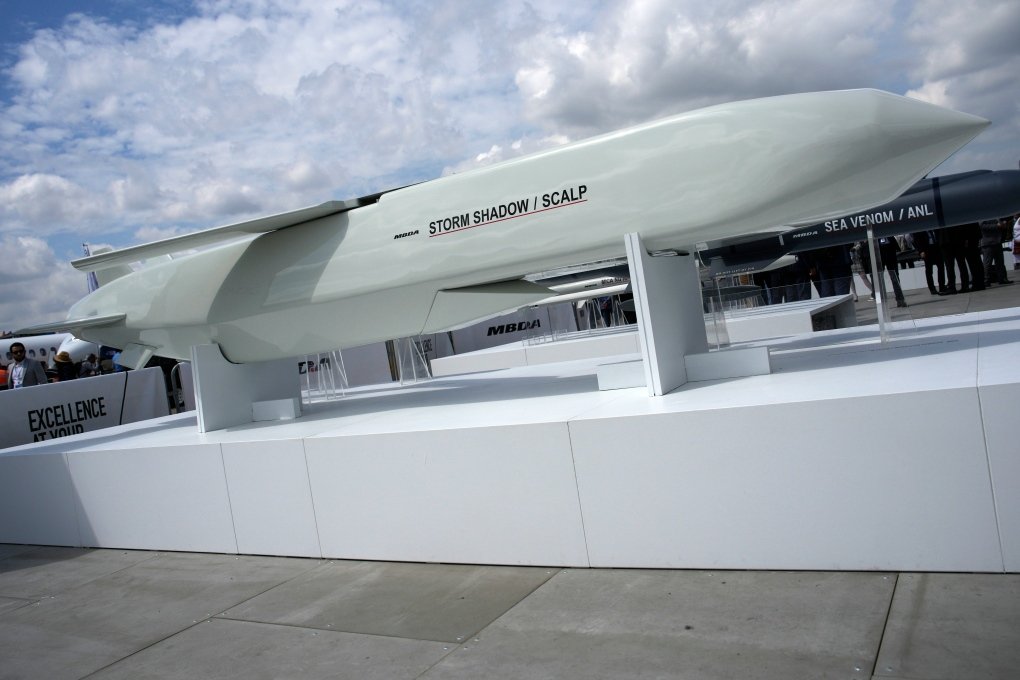
    Western countries should allow Ukraine to use the advanced weapons they are giving them to attack military bases in Russia, according to French President Emmanuel Macron. This puts pressure on his allies and shows a possible change in policy that could impact the war.

    The issue of whether Ukraine should be allowed to use Western weapons to attack Russia has been a tricky issue since Russia invaded Ukraine in February 2022.

    Many Western leaders are hesitant to take this action because they are afraid it might make Russian President Vladimir Putin angry. He has told them that getting involved could lead to a nuclear war.

    However, Russia has been winning the war lately because their forces took advantage of Ukraine’s lack of soldiers and weapons due to a delay in US military aid and Western Europe’s slow delivery of military supplies.

    Russian weapons, like missiles and bombs, have hit Ukrainian military bases and areas where people live, like towns and villages. They’ve even damaged the power grid. Kyiv is being put to the test in the war, and using long-range weapons could help them fight back and make the Kremlin upset.

    Macron said that France believes Ukraine should be allowed to stop the Russian military from firing missiles.

    “We can’t tell Ukraine that they can’t use the missiles we give them to defend themselves,” Macron said during his visit to Germany on Tuesday.

    His comments came a day after the head of NATO asked members to let Ukraine use more Western weapons.

    “At a NATO meeting in Sofia, Bulgaria on Monday, Stoltenberg said that the right to defend oneself includes attacking legitimate targets outside Ukraine. ”

    In early May, Moscow saw UK Foreign Secretary David Cameron’s comment as a threat. He said that Ukraine could use British long-range weapons to defend against Russia.

    This caused Russia to announce that it will do military exercises with nuclear weapons because of Macron’s comments about possibly sending troops to Ukraine. Russia told London that if they make this decision, Russia might attack British military bases and equipment in Ukraine or in other places.

    The leaders are being careful with the words they use. Macron said that only the Russian bases that are used to launch missiles against Ukraine should be considered as acceptable targets, not any other Russian bases or civilian buildings.

    The German leader, Olaf Scholz, talked with Macron but didn’t say much. He mentioned that Ukraine has the right to protect itself according to international law.

    Scholz wants to make sure that NATO doesn’t end up fighting against Russia. Other leaders in the West are also worried about the situation getting worse little by little. They are concerned about the risks getting higher.

    He is worried and many people in Washington feel the same way. Over the last two years, the US has slowly started giving Ukraine the support it asked for. This includes sending tanks and long-range missile systems, but only if they are not aimed at Russia.

    “We are not changing our policy right now,” said John Kirby, a spokesperson for the US National Security Council, on Tuesday. “We do not support or allow the use of weapons from the US to attack Russia. ”

    Leaders from the Western countries want to make Putin feel pressured because his soldiers have been attacking Ukraine’s defenses in the east and northeast.

    This week, Belgium and Spain promised to give Ukraine about one billion euros (US$1. 1 billion) each in new military help. Sweden said on Wednesday that they will give 13 billion kronor (US$1. 23 billion) in aid. This is the biggest donation Sweden has given so far. It will have weapons to defend against air attacks, ammunition for big guns, and vehicles that are heavily protected.

  • Macron rejects Russian claims over Paris and Kiev involved in attack on Moscow

    Macron rejects Russian claims over Paris and Kiev involved in attack on Moscow

    French President Emmanuel Macron said Thursday that the Russian defense minister’s remarks about Ukraine and France being involved in the deadly concert hall attack in Moscow last month are not sensible.

    Macron talked about this a day after the French and Russian defense ministers had a rare phone call. The media said different things about the call.

    The Russian Defense Ministry said that Sergei Shoigu told the French Defense Minister that the Kyiv government does everything with approval from the West. He also said he hopes that the French special services were not involved in the Moscow attack.

    Macron told reporters that the comments were complicated and scary, but not surprising. He was speaking at the opening of a new swimming pool for the Paris Olympics.

    “Simply put, it’s silly,” Macron said.

    “He said that saying France or Ukraine could be responsible for the Moscow attack doesn’t make sense and doesn’t match with reality. ” “But it’s a way of tricking people with false information, and it’s something Russia uses in its wars. ”

    The defense ministry of France said that their minister, Sebastien Lecornu, strongly spoke out against the March 22 attack on a concert hall in Moscow. The attack killed 145 people, making it the worst assault on Russian soil in many years.

    Lecornu said that France does not have any evidence connecting this attack to Ukraine.

    He also criticized Russia’s war in Ukraine and said France will keep helping Kyiv as much as necessary, according to the French defense ministry.

    The Russian summary said Shoigu told France to not send soldiers to Ukraine in the future. Macron has not decided if he will do this or not.

    The call was the first time the Russian and French defense ministers talked since October 2022.

    Macron said on Thursday that France is ready to share important information about the Moscow attack to help others affected by terrorism.

    Russian President Vladimir Putin and his officials are blaming Ukraine and the West for the attack, even though Ukraine strongly denies it. The Islamic State group claimed responsibility for the attack, and the US warned Russia in advance about it.

  • Macron asserts he is certain Russia will attack Olympics in Paris

    Macron asserts he is certain Russia will attack Olympics in Paris

    French President Emmanuel Macron said on Thursday that he is sure Russia will try to cause trouble at the Paris Olympics this summer. This shows that the games are taking place in a tense global situation.

    Macron said he has no doubt, even about information, when asked if he thinks Russia will try to target the Olympics.

    The Russian embassy in Paris didn’t reply right away to a request for comment.

    Macron spoke at an event in Paris for the opening of the new Olympics swimming center and said that he is now more aware of foreign dangers that could affect the security and organization of the games.

    The big event is happening while there are many problems in the world, like Russia fighting in Ukraine and Israel having a conflict with Hamas in Gaza. This makes it hard to keep the Olympics safe.

    A person who works for Macron said they can’t say if the President was talking about specific information that shows Russia might try to interfere in the future.

    Instead, she said: “Russia has been getting tougher, and we’ve been noticing it for a few months. ”

    Macron is now being more firm with Russia and said that he is determined to beat them. He also mentioned that European soldiers might go to Ukraine in the future. But he made it clear that France does not want to start a fight with Russia.

    His government has also started to take a harder stance against what they believe are false information campaigns from Russia in Europe.

    Earlier this week, the Foreign Minister of France, Stephane Sejourne, said that France will suggest that all countries in the European Union should put sanctions on people who are spreading false information. This is because France thinks that Russia is trying to make the European Union weaker.

    Russia and the International Olympic Committee

    Russia and the International Olympic Committee (IOC) are not getting along well before the Paris Olympics. Russian and Belarusian athletes will compete without their flags and anthems, and they won’t be in the opening parade.

    At first, they were not allowed to compete in other countries because of Russia’s invasion of Ukraine in February 2022.

    Russia announced last year that it wants to bring back the ‘Friendship Games’ in 2024. The International Olympic Committee is not happy about it and sees it as a political move.

    Dmitry Peskov, who speaks for the Kremlin, said this week that the IOC’s treatment of Russia’s plans to host sports events for the world was not okay. He also said that the IOC is harming the Olympics by not staying away from politics.

  • Islamists who struck Russia also attempted to strike France – Macron

    Islamists who struck Russia also attempted to strike France – Macron

    French President Emmanuel Macron said that the people who killed 137 others in a concert hall near Moscow were part of a group linked to the Islamic State. This group had tried to carry out attacks in France recently, but didn’t succeed.

    This is why the French government raised the country’s security alert to the highest level on Sunday, according to Macron and Prime Minister Gabriel Attal. Extra soldiers will be ready to be on patrol in important places, like schools.

    The Islamic State said they were responsible for the attack in Moscow on Friday.

    Russia doesn’t agree with the United States that the Islamic State did the shooting in Moscow. They say Ukraine might be responsible. Macron said it was selfish and unhelpful.

    Macron said that Islamic State claimed the attack and our intelligence services and main partners have information that it was indeed Islamic State who did it.

    This particular group. In the last few months, they tried to attack our country several times. Attal later said there was a plan to attack the city of Strasbourg in eastern France, but it did not happen.

    “The Islamic State said they were responsible for the attack in Moscow and also planned to attack European countries, so we raised our security level to the highest. ” Attal said this while at a train station in Paris.

    “We will use special methods all over France,” he said.

    Around 3,000 soldiers are currently involved in the “Sentinelle” operation, where they patrol places like train stations, places of worship, schools, and theaters. Another 4,000 people will be ready to take action if needed, Attal said.

    France has stopped two potential attacks since the beginning of the year.

    France has had many attacks by Islamist people in the last ten years. The scariest one was in 2015 at the Bataclan concert hall and some cafes and bars in Paris. Some people in Paris said it made them realize why security needs to be increased.

    IT worker Raffele Alegretti said the Moscow concert hall attack reminds him of the Bataclan years, and it has left a lasting impact on him.

    Macron said that France will work more closely with Russian intelligence to fight against groups that are attacking many countries. He mentioned this when he visited French Guiana.

    The President of Russia, Vladimir Putin, did not talk about Islamic State when talking about the attackers. He said they were trying to escape to Ukraine. Russia started a war with Ukraine when it invaded the country in February 2022.

    Putin said that some people on the Ukrainian side were ready to secretly bring the gunmen across the border. Ukraine says they didn’t do the attack. President Volodymyr Zelenskiy says Putin is trying to blame Ukraine for not stopping the attack in Russia.

  • Macron backtracks on his denial that western forces would enter Ukraine

    Macron backtracks on his denial that western forces would enter Ukraine

    French President Emmanuel Macron said that the western countries should not appear weak in front of Russia. He also said that sending troops into Ukraine is an option that should not be dismissed, but he also mentioned that there is no need for it at the moment.

    During a TV interview, Macron was asked about sending soldiers to Ukraine. He had mentioned this idea before, but other European leaders disagreed and said they were not planning to do that.

    He said, “We are not in that situation right now, but there are many options for what could happen. ”

    Macron, who is the leader of the country’s military, did not say when France would be willing to send soldiers. He said it’s Moscow’s job to make the first move, not ours, and France won’t attack Ukraine with Russia.

    He also said, “To make Ukraine peaceful today, we must be strong and not weak. ”

    Macron said the war between Russia and Ukraine is a big concern for France and Europe.

    “If a war happens in Europe, it would only be Russia’s decision and Russia’s fault. ” If we choose to be weak and not respond today, we are already losing. “I don’t want that,” he said.

    Macron’s interview on TV comes after the French parliament talked about their plan for Ukraine this week. Both the National Assembly and the Senate said yes to the 10-year security agreement between Macron and Ukrainian President Volodymyr Zelenskyy.

    Macron said he will help Ukraine more at a meeting with the leaders of Germany and Poland in Berlin on Friday.

    The French president was alone on the European stage after he made comments at a conference in Paris about Ukraine that upset other leaders. Scholz disagreed with Macron and said that European countries have agreed that they will not send soldiers to Ukraine.

    French officials tried to explain what Macron said and calm down the criticism. They also said it’s important to show Russia that it can’t win in Ukraine.

    Scholz said there are no problems between France and Germany. He has a good relationship with Macron.

    France, Germany and Poland are coming together as the Weimar Triangle. This is really important because we are all worried about the bad effects of the Russian war on Ukraine. Scholz said this.

    Helping Ukraine means making sure they have enough weapons like guns and missiles and defenses to protect themselves. It’s a real and important thing to do. “We need to talk about and improve this teamwork again,” Scholz said.

  • Macron reacts to wife’s transgender claims

    Macron reacts to wife’s transgender claims

    French President Emmanuel Macron has spoken out about untrue rumors that his wife was born as a man. He said the rumors are not true and were made up.

    Macron talked at an event for International Women’s Day on Friday. He was upset and annoyed by people always talking about his wife, Brigitte Macron, who is 70 years old and whom he married in 2007.

    He said the bad part is the fake information and made-up stories. People start to believe in what they say and bother you, even in private moments.

    He said that men often attack women online, and his wife was a victim of this.

    In 2021, people started talking about Ms Macron on a far-right website. Then, conspiracy theorists spread the rumors.

    Two women, Amandine Roy and Natacha Rey, started the rumors. Amandine is 52 years old and says she can predict the future. Natacha is 48 and says she works as a journalist.

    Both were in a long YouTube video in December 2021 where they said that Brigitte used to be a boy named Jean-Michel Trogneux when she was born in 1953.

    However, this is actually the name of Brigitte’s brother. Before she got married for the first time, Ms. Macron was called Brigitte Trogneux.

    The couple said that Brigitte’s first husband, André-Louis Auzière, never existed before he died in 2020 at the age of 68.

    Ms Macron sued the two women for saying bad things about her. They were given small fines, but then the fines were made even smaller after they asked for it to be changed.

    The people on trial said they were scared of the government and that very important people in Paris were trying to keep a big secret hidden.

    At first, a judge in Lisieux, Normandy, gave both women a fine of about £1,700 each. But later, Roy’s fine was lowered to about £850 after an appeal, and Rey had £1,300 of her £1,700 fine put on hold, so she only had to pay £400.

    At first, Ray and Roy were accused of invading someone’s privacy and using their image without permission. But in the end, they were sued for saying something false and damaging about someone.

    Frédéric Pichon, the lawyer defending Rey, said she looked into Ms Macron’s background with good intentions and following the rules that permit people to express themselves freely.

    He was very upset that his client was put in jail by the police two times during the case. He said, “I am surprised by how much the authorities are trying to quiet her down. ”

    Mrs Macron was targeted with transphobic rumours by the far-right in 2022, while the President was trying to get re-elected.

    Different groups like the Yellow Vests and people against Covid vaccines all made claims to criticize Mr Macron.

    The video made by Rey and Roy is not on YouTube anymore.

    The strange case details were brought back up recently after Ms Macron’s daughter talked about the accusations for the first time.

    In an interview with Paris Match magazine, Tiphaine Auzière, who is 40 years old, said that she is worried about how society is behaving when she hears rumors on social media about her mother being a man.

    Ms Auzière talked about feeling hurt when she found out at 10 years old that her mom, who was a teacher, was dating teenager Emmanuel Macron.

    The future politician was only 15 years old when he started dating a woman named Brigitte Auzière. She was 40 and married with three kids. She was also a drama teacher at a high school in northern France.

  • NATO partners oppose Macron’s proposal to send soldiers to Ukraine

    NATO partners oppose Macron’s proposal to send soldiers to Ukraine

    Despite the French President Macron, suggesting considering all options to send soldiers to Ukraine, some Nato countries such as the US, Germany, and the UK have stated they will not deploy troops to Ukraine.

    According to Mr Macron, Western countries are struggling to reach a decision about dispatching their military forces to Ukraine.

    The Kremlin’s spokesperson, Dmitry Peskov, warned of a potential conflict if Nato troops were to enter the area.
    The Russian army has advanced into Ukraine recently, and the capital city, Kyiv, is asking for more weapons quickly.

    Mr Macron said at a news conference on Monday night that we should consider whether we need security that would require deploying some elements.

    “I have already explained to you what France’s position is, which is a strategic ambiguity that I support. “

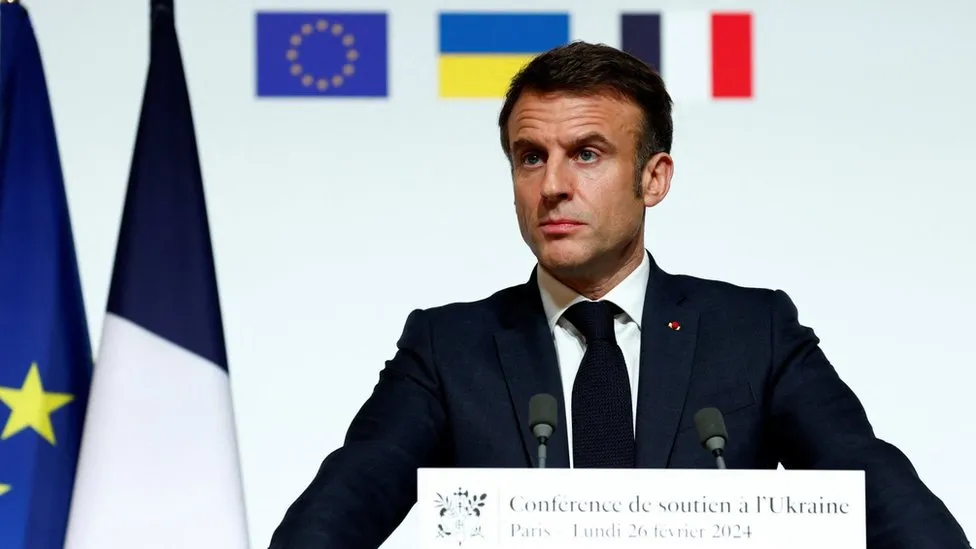
    The French leader spoke in Paris at a meeting to help Ukraine, with leaders from Europe, the US, and Canada also there.

    Russian President Vladimir Putin started a big war in Ukraine three years ago. It doesn’t seem like the war will end anytime soon. It’s the biggest war in Europe since World War Two.

    Mr Macron’s words made other countries in Europe and Nato say something back.

    The President of the United States, Joe Biden,thinks that the best way for Ukraine to win is by giving them military aid. This means giving their troops the weapons and ammunition they need to protect themselves.

    President Biden said that the US will not send soldiers to Ukraine to fight.

    The German leader, Olaf Scholz, said that Europe and Nato have agreed not to send troops to Ukraine. This decision has not changed.

    The UK Prime Minister’s spokesperson said the country is not planning to send a lot of soldiers to Ukraine, just a few to help train their forces.

    The Italian Prime Minister’s office said that Italy does not support sending troops from European or Nato countries to Ukraine.

    Mr Peskov, speaking for the Kremlin, said that Mr Macron’s suggestion is very important, but it does not benefit Nato members.

    “He said we would have to talk about how likely a conflict is to happen. “

    Before, the leader of Nato, Jens Stoltenberg said they were not thinking about sending soldiers to Ukraine, but they would still help Ukraine even though it’s not in Nato.

    Several Nato countries, like Spain, Poland, and the Czech Republic,agree with that stance.

    Russia has a lot of weapons and a bigger military than Ukraine. Ukraine’s army relies on modern weapons from Western allies, especially the US.


    Reallly intense gathering.

    On Tuesday, Mr Biden asked leaders in Congress to agree to a $95bn US aid package. This money includes $60bn for Ukraine. They had a meeting in the Oval Office.

    The package is having a hard time in the US House of Representatives. Republican leader Mike Johnson stood firm in the meeting,saying that they need to make more changes to the border before anything else.

    Mr Johnson said the problem on the border between Mexico and the US is really important to him. Mr Biden has offered to include changes in the plan, but the Republicans are not agreeing.

    Chuck Schumer, who is the leader of the Democrats in the Senate, said that the meeting in the Oval Office was the most intense one he has ever been in.

    The US gives the most military aid to Ukraine. They have promised to give$45billion as of January15th,according to the Kiel Institute.

    Germany is in second place,giving €17. 7bn of military help. The UK is next,giving €9. 1bn of military aid.

    Ukrainian President Volodymyr Zelensky talked on video during the meeting in Paris on Monday. He said that working together to protect against Russian aggression will make our countries safer for many years.

  • Macron claims European security depends on Russia’s defeat in Ukraine

    Macron claims European security depends on Russia’s defeat in Ukraine

    French President Emmanuel Macron said it is important for Europe’s safety to stop Russia in Ukraine and Ukraine is asking for more weapons to do so.

    During his speech in Paris, he announced that a coalition of European leaders had pledged to provide Ukraine with weaponry capable of reaching both short and long distances.

    According to him, the decision to send troops to Ukraine is causing disagreement among people, and weighing all options is important.
    Russian soldiers have recently gained more territory in Ukraine, which is struggling to find enough weapons.

    Kyiv needs weapons and supplies from the US and other Western countries to keep fighting Russia, which has a much bigger army and lots of ammunition.

    The House of Representatives has to agree on giving$95billion in aid, with $61billion of it going to Ukraine. But it’s going to be difficult for them to agree on it.

    Over the weekend, Ukraine’s defense minister said that half of the aid from Western countries to Kyiv was late, which has caused the loss of lives and territory.

    Russian President Vladimir Putin started a big attack on Ukraine three years ago. The war, which is the largest in Europe since World War Two,does not seem like it will end soon.

    On Monday, European leaders, like Germany’s Chancellor and the UK’s Foreign Secretary,met to help Ukraine.

    Representatives from the US and Canada were also there.

    President Macron said that it is important for Europe to defeat Russia for safety and stability.

    He called Russia the “main attacker” and said, “We are not fighting with the Russian people. ” We don’t want them to win.

    Mr Macron said a group of countries will give Ukraine long-range missiles and bombs to make big attacks. He didn’t say when those weapons will arrive.

    He didn’t say no to sending soldiers from Western countries to Ukraine, but he admitted there are disagreements among the allies.

    “He said that today, there was no agreement to officially send troops to the ground in any way. ” “But everything should be included in the dynamic. ” We will work hard to make sure Russia doesn’t win this war.

    “He said we shouldn’t rule out the possibility that security might require deployment of some elements. ” “I have clearly told you what France’s position is, which is strategic ambiguity and I still support it. “

    The Prime Minister of Czech Republic, Petr Fiala, said that his country does not plan to send its troops to fight in Ukraine.

    He was responding to comments made by the Prime Minister of Slovakia, Robert Fico, who said that some countries are willing to send their soldiers to Ukraine, some countries are not willing to send soldiers, and some countries are still thinking about it.

    Ukraine’s President Volodymyr Zelensky said that working together to defend against Russian aggression makes our nations safer for many years. He said this during a meeting on Monday.

    Russia said many times that if Western troops go to Ukraine, it will start a fight between Russia and Nato.

  • France’s youngest PM Gabriel Attal: A look into his personal life

    France’s youngest PM Gabriel Attal: A look into his personal life

    Gabriel Attal’s personal life has drawn considerable interest since his historic appointment as France’s first openly gay and youngest Prime Minister on January 9, 2024. A trusted and reliable member of President Emmanuel Macron’s team, Attal is known for his strong communication skills, particularly in handling contentious issues such as the immigration law debate and the fast-approaching European elections.

    While Attal’s professional accomplishments are well chronicled, his private life offers a fascinating insight into the person behind the political persona. Questions about his life partner and the balance he maintains between his thriving career and personal obligations have ignited interest in his life beyond politics.

    Is Gabriel Attal, France’s Prime Minister, in a marital relationship?
    The straightforward response is, no. Gabriel Attal, the noteworthy French politician, is not bound by the restraints of marriage. However, he shares a close relationship with fellow politician Stéphane Séjourné. Séjourné, who is 36 years old, is a member of Macron’s Renaissance (RE) party and has been serving his constituents in the European Parliament since 2019.

    Their professional paths crossed in 2015 during their involvement in Macron’s En Marche! movement, setting the stage for a lasting bond. Despite not being legally married, Gabriel Attal, the trailblazing openly gay prime minister, shares a deep connection with Stéphane Séjourné. They currently live together in a Parisian apartment, their common interests in politics, cinema, and literature resonating within their shared home.

    In terms of his acceptance of his sexual orientation, Attal’s journey has been marked by openness and bravery. Following his election as a representative for the 10th constituency of Hauts-de-Seine in the National Assembly in 2017, he publicly declared his sexual orientation. His announcement carried a wider message of hope and resilience, especially for young individuals on similar journeys.

    How do Gabriel Attal and Stéphane Séjourné balance their careers?
    In the complex world of French politics, Gabriel Attal and Stéphane Séjourné stand out not just for their professional achievements but also for the strong bond they maintain. Despite their demanding schedules and extensive travel due to professional commitments, they manage to stay connected, using technology to overcome geographical distances.

    Their shared moments in Paris provide a much-needed break from their busy schedules. Whether it’s a night at the cinema, enjoyable dinners with friends, or visits to cultural landmarks, they treasure these moments of quality time in the City of Lights.

    For Gabriel, his relationship with Séjourné goes beyond the traditional boundaries of companionship. It serves as a haven of comfort and unwavering support during turbulent times. While acknowledging their occasional differences, Gabriel highlights the deep respect and admiration they have for each other’s views and decisions. Describing Séjourné as his “best friend” and “soulmate,” Gabriel provides a glimpse into a relationship rooted in understanding, respect, and genuine affection.

  • Prime minister of France Elizabeth Borne steps down ahead of anticipated reorganisation

    Prime minister of France Elizabeth Borne steps down ahead of anticipated reorganisation

    France’s Prime Minister Élisabeth Borne will no longer be working as the Prime Minister after being in the position for less than two years.

    She quit her job at the same time as President Emmanuel Macron is likely to change his top team before the upcoming European elections.

    Mr Macron said that Ms. Borne has been very brave, dedicated, and committed in her job.

    We don’t know who will be chosen to take her place yet.

    Ms Borne will stay in her job until a new prime minister is in charge, according to the Élysée Palace.

    She was the second woman to be the leader of France and served for a longer time than Édith Cresson, who was also a prime minister under François Mitterrand from 1991-92.

    In recent weeks, there have been many plans to change the government as Mr Macron tries to become more popular before the June election. This is also happening because France will be hosting the Olympic Games this year.

    He has three years left as president. Commentators say he needs to make big changes to improve his government’s success after several protests and laws that were not approved.

    The government lost an important vote on immigration rules in December, which was seen as a crisis.

    The law was finally approved after making some changes to please conservative groups. However, Macron’s party will still have a tough competition in the upcoming European election.

    Ms Borne leaving might start big changes, and some important people in the government might take her place.

    The 34-year-old education minister Gabriel Attal is the top candidate for the job. He will be the youngest prime minister of France and the first to openly say he is gay.

    The armed forces minister Sebastien Lecornu, who is 37 years old, and ex-agriculture minister Julien Denormandie are being considered as potential options for the job.

    A new prime minister will not be announced until Tuesday, according to a spokesperson for the Élysée Palace who spoke to the BBC.

    The leader of France is supposed to handle the government’s daily tasks and lead the Council of Ministers.

    In 2022, Mr. Macron’s party didn’t have enough votes in parliament, so the new prime minister will have a hard time making the President’s ideas into laws.

    The new prime minister will be the fourth person to be in charge since Mr. Macron became president in 2017.

  • France to withdraw its troops from Niger by the end of 2023 – Macron

    France to withdraw its troops from Niger by the end of 2023 – Macron

    French President Emmanuel Macron announced on Sunday that France will withdraw its military from Niger by the end of 2023. This decision comes as the relationship between the two countries has been strained since a military junta took over Niger in July.

    “We are stopping our military cooperation with the people in charge of Niger because they don’t want to fight terrorism anymore,” Macron said about the military leaders who took control of the northwest African country.

    France does not accept or acknowledge Niger’s military leaders. They still consider Mohamed Bazoum, who was removed from power in the coup, as the only rightful leader of the country.

    Macron said we are ending our “cooperation” because we don’t want to be involved in their internal politics and be controlled by the military group.

    He said that the withdrawal will be planned and arranged in the weeks ahead.

    “They will return in a well-organized way in the upcoming weeks and months, and we will work together with the rebels because we want this to happen peacefully,” stated Macron.

    Niger’s military government said it is happy that France will remove its soldiers from the country. This was mentioned in a statement on Niger’s state television, Tele Sahel.

    This Sunday, we are celebrating another progress towards Niger’s independence. French soldiers and the French representative will be departing Niger before the year ends, as mentioned in the statement. We do not want imperialist and neo-colonialist forces in our country anymore.

    “We will continue to strongly oppose and confront any organization or system that tries to question or go against the best interests of our country. ”

    France decided to send soldiers to Niger because it is a peaceful country in a troubled region with lots of political problems and terrorism. The soldiers are there to help fight terrorism. This information was reported by CNN.

    About 1,500 soldiers are still present.

    Macron said that by the end of 2023, there will be no more French soldiers in Niger.

    CNN reported earlier this month that the United States might start taking its soldiers out of Niger soon. About half of the around 1,100 US troops in Niger may be removed from the country, according to two officials.

    The president of France also mentioned that he has chosen to bring back the country’s ambassador to Niger, Sylvain Itte, to France.

    Macron said that France has decided to bring back its ambassador. In a few hours, our ambassador and some diplomats are coming back to France.

    Just over a week ago, Macron said the ambassador was being kept against their will at the French embassy and food could not be delivered to the embassy in Niamey, the capital.

    After the military took over in July, they told Itte to leave the country. Later on, they canceled his permission to stay and told the police to kick him out.

    But according to the French president, the diplomat stayed where they were, and the French government said again that they do not accept the junta’s power.

    Earlier this month, the French Foreign Minister Catherine Colonna said that Itte is still working. She also mentioned that he will continue working for as long as we want him to. Moreover, she stated that Itte’s return was a decision made by Macron.

  • Niger: Macron urges France to remove its ambassador and troops after coup

    Niger: Macron urges France to remove its ambassador and troops after coup

    In the aftermath of a coup, President Emmanuel Macron has said that France will revoke its ambassador and halt all military cooperation with Niger.

    “France has decided to withdraw its ambassador. In the next hours our ambassador and several diplomats will return to France,” Mr Macron said.

    He added that military co-operation was “over” and French troops would leave in “the months to come”.

    The military coup that took over Niger in July applauded the decision.

    “This Sunday we celebrate a new step towards the sovereignty of Niger,” the junta said, in a statement quoted by AFP news agency.

    After months of tension and protests against the French presence in Niger, particularly in the capital city of Niamey, Paris has made a significant decision. This decision has dealt a severe blow to France’s efforts against Islamist militants in the broader Sahel region and its influence in the area. President Macron, however, emphasized that France would not allow itself to be controlled by the coup leaders, stating this during interviews with France’s TF1 and France 2 television stations.

    President Macron continued to recognize Mohamed Bazoum, the ousted President of Niger, who is currently being held captive by the coup leaders, as the legitimate authority of the country. He described Bazoum as a “hostage” of the situation and attributed the coup to his courageous reform efforts and a complex web of ethnic rivalries and political cowardice.

    Niger is one of several former French colonies in West Africa where military takeovers have occurred recently, following similar incidents in Burkina Faso, Guinea, Mali, and Chad. Gabon also experienced a coup in August.

    Anti-French sentiment has been on the rise in the region, with local politicians accusing France of pursuing neocolonialist policies, a charge that France has consistently denied. There have also been concerns about the increasing influence of Russia’s Wagner mercenary group in the Sahel, which is accused of human rights abuses and has been cooperating with some of the newly established military regimes.

    The Economic Community of West African States (Ecowas), with France’s support, has threatened military intervention in Niger to reinstate President Bazoum, but as of now, no action has been taken.

    In response to the coup, Niger’s military leaders demanded the departure of French ambassador Sylvain Itte, but France refused to comply or recognize the legitimacy of the military regime, even after a 48-hour ultimatum issued in August.

    President Macron’s statement comes shortly after the coup leaders in Niger banned “French aircraft” from flying over the country. Niger’s airspace, as noted by the regional air safety organization ASECNA, is now open to all national and international commercial flights except for French aircraft or those chartered by France, including those operated by Air France. Military, operational, and special flights will also require prior authorization to access the airspace. Air France confirmed that it is currently avoiding Niger’s airspace.

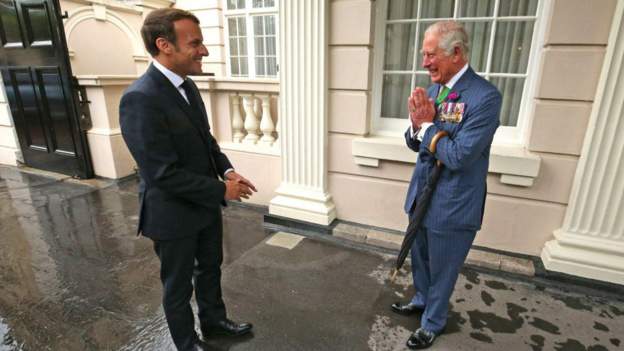
  • Connection between Macron and King Charles

    Connection between Macron and King Charles

    Before today’s meeting, a person from Élysée told Reuters: “They are friends and trust each other, and they have talked a lot, especially in the last year. ”

    They saw each other for the last time in May when Macron went to London for the King’s Coronation. Last year, Macron gave him a book filled with pictures that celebrated Queen Elizabeth II‘s trips to France.

    The two of them met before because of their shared interest in the environment. In 2020, when Prince Charles was still the prince, he invited Macron to an event celebrating the 80th anniversary of General de Gaulle’s Appeal. During that event, they had a long conversation about environmental issues, and many people talked about it.

    The next year, at the COP26 climate summit in Glasgow, the King and Macron organized a team of people to work on environmental issues together.

  • Slums in India cleared as G20 draws near

    Slums in India cleared as G20 draws near

    In the early hours of the morning, massive machines and government officials arrived, demolishing a row of tiny houses as saddened residents stood by, filled with distress.

    “We were very scared,” said a 56-year-old woman named Jayanti Devi, while trying to save what remained of her things in the center of New Delhi. They broke everything. We don’t have anything remaining.

    For the last 30 years, her house has been on a broken pavement, next to a dirty sewage drain, across from the large Pragati Maidan complex, which is an important meeting place in India’s capital. This week, leaders from the Group of 20 (G20) countries will gather there.

    However, when US President Joe Biden, France’s Emmanuel Macron, or British Prime Minister Rishi Sunak come for the important summit, they will not see the actual residence.

    Devi is one of many poor people living in New Delhi who have been forced to leave their homes before the G20 meeting. The government is demolishing houses in different parts of the city.

    The government is tearing down buildings because they are considered “illegal”. They also promised to find new homes for the people who are being affected by this demolition.

    However, some people who work to bring about change have raised concerns about the timing of these demolitions. They believe that instead of focusing on making the city more beautiful, the demolitions are actually a part of a plan to remove the city’s beggars and slums in order to impress important visitors from other countries.

    Prime Minister Narendra Modi wants to show that India is a powerful, advanced country that leads other developing nations and speaks up for poor countries at the G20 summit. However, people are saying that the government is keeping a big problem that has been around for a long time a secret.

    Social activist Harsh Mander, who helps homeless families and street children, says that he is most surprised by the fact that India, as a country, feels embarrassed about its obvious poverty. “It wants to hide poverty from people who visit. ”

    In July, the Indian government said in writing to parliament that they didn’t think demolishing homes had anything to do with the G20 summit.

    This city has both very rich people living in big and beautiful houses, as well as very poor families living on the streets nearby. In this city, children sell toys to people in cars when they stop at traffic lights. This city brings in a lot of business, but there are not enough jobs for everyone who wants them.

    According to a report from the Centre for Policy Research, out of the 16 million people living in the capital, only 23. 7% of them live in neighborhoods that were planned or approved.

    The others live in specific slums, villages, and places that were not officially approved.

    In April, Savita and her four daughters felt very sad and worried when government officials came to their neighborhood, which was not approved, near the 14th century Tughlaqabad Fort, a famous monument in Delhi. The officials destroyed their small house and everything inside, erasing all the memories they had from the past seven years.

    “I can’t describe how sad everyone was when they destroyed the houses,” Savita said. “Many people were shouting, crying, and pleading for them to cease. ”

    According to court documents seen by CNN, the Archaeological Survey of India (ASI) demolished the homes of Savita and her neighbors. ASI says that Savita and her neighbors illegally built their homes on the land. According to court documents, in January the ASI told the residents to remove any illegal buildings they had built within 15 days and at their own expense.

    The ASI did not reply when people asked for their opinion or response.

    Savita said she knew her family was buying land in a place they weren’t supposed to when they built their home in 2016.

    “We were aware of the danger involved. ” “We don’t have much money, so this is the only thing we can buy,” she explained. “Many individuals have resided in this place for more than 40 years. ” Why didn’t the government tear down these houses sooner. Why is it happening now.
    People without a home or enough food to eat.

    Over 100,000 people in the Tughlaqabad area lost their houses in April, as stated in a petition filed by a lawyer who is helping them, in the Supreme Court.

    Many people, like Savita’s family, had to live outside because they didn’t have anywhere to go or money to rent an apartment. They had to use tarpaulin sheets as a makeshift shelter on the rough ground, even though the city was experiencing heavy rains and floods.

    During the day, they asked nearby police officers for bread to split between the six of them. One night, she said that some men attempted to steal her neighbor’s daughter by dragging her into the dark woods while she was screaming.

    Savita cried while saying, “We went through this tough time for six weeks. ” Her daughters were sad and isolated because they had to study next to piles of trash while stray dogs and cows searched through rotting food.

    This has happened before when the Indian government removed slums before a big international event.

    In 2010, when the Indian National Congress (who are now not in power) was in charge, they made beggars leave the streets of New Delhi and destroyed slums before the Commonwealth Games. This caused a lot of disruption and affected the lives of many people in the capital.

    Mander, who helps people in the community, said it was not right for the government to focus on low-income families who live on land without permission.

    Mander said that the government does not accept that these poor people have been made to do illegal things. This city was designed so that there are no legal places for them to live. The destructions are happening very cruelly.

    The Delhi government plans to help Savita and her family get back on their feet. However, Savita hasn’t received any assistance yet and is currently fighting her case in court. Her family is currently staying with a family member in a small apartment in a crowded and cramped area.

    The strong smell of cow poop fills the small streets, where many flies gather outside houses and skinny cats wander around the narrow paths.

    Savita said that her kids don’t enjoy being here. “They want to know why this is happening to us. ” What should I say to them.

    India, with a population of 1. 4 billion, has become a leader of countries in the Global South since becoming president of the G20. This comes at a time when people are struggling with high prices for food and energy due to Russia’s invasion of Ukraine.

    Modi believes that India is a powerful and modern country, representing and advocating for those who are ignored and taking charge in the 21st century. Earlier this month, India accomplished a successful soft moon landing. This made India the fourth country in the world to achieve this.

    Modi, while he was in the United States in June, talked to Congress and said that it is important to listen to and represent the countries in the southern part of the world.

    As the war continues to make the global economy unstable and unpredictable, India has shown that it wants to address the various issues faced by developing countries, such as climate change problems and ensuring there is enough food and energy for everyone.

    Modi said in February that the G20 has a big responsibility to help with issues like growth, development, economic strength, disaster protection, financial stability, crime, corruption, terrorism, and food and energy security.

    However, people who fight for change highlight the funny part in that picture when the poorest people in India are finding it difficult to survive in their own homes.

    Mander said that people are dying on the streets during the cold winter and we are tearing down homes. Everyone should have the basic right to be alive and to live with respect and honor.

    Savita stood among the broken pieces of her house, which she had lived in for seven years. She said that she had many hopes and plans for her family.

    I wanted my kids to grow up in this place. She said she wanted to provide them with a stable childhood.

    Right now, security guards are walking around the Tughlaqabad area as workers are building a wall to close off the land. “Residents angrily asked the guards where they were on the day bulldozers took away our home. ” “Why didn’t you come to assist us. ”

    Devi, who used to live in Pragati Maidan, now has to live in a temporary tent by the road because of the scorching summer heat.

    She says no one has assisted her in finding another place to live.

    She sells tea and snacks to make enough money to survive. She is surrounded by garbage that is rotting away and there is an open sewage drain nearby. This drain attracts many mosquitoes and flies. She feels very sad and like she has no one to help her.

    Devi said that we are very mad, but we can’t do anything about it because we’re poor. “We are unable to express our opinions. ”

  • Anti-French riots erupted prior to Macron’s most recent visit

    Anti-French riots erupted prior to Macron’s most recent visit

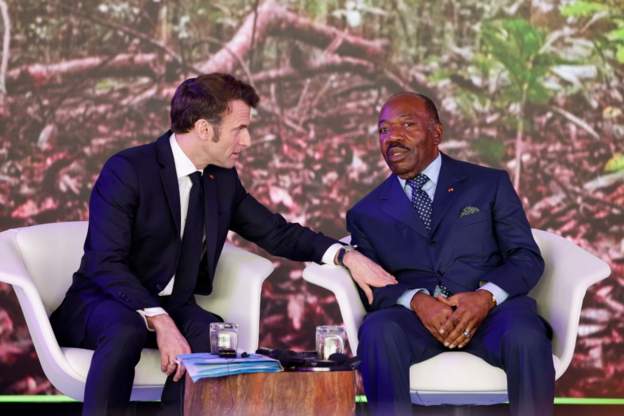
    In March, the President of France, Emmanuel Macron, went to visit Gabon. While he was there, people in the second largest city of Gabon, Port-Gentil, protested and asked for the French soldiers to leave their country.

    France has about 400 soldiers living in the capital city, Libreville, to train the military there. France also has important financial interests in its former colony, like mining and oil.

    The Port-Gentil protests happened because the Gabonese Patriotic Front, a group that opposes the government, believed that the agreements between two countries regarding defense no longer helped Gabon grow because Gabon was not currently involved in any war.

    “We strongly condemn the alliance between France and the unjust government of Ali Bongo, whose family has been in control of Gabon since 1967,” stated David Pandjo Ngoma, one of the leaders of the protest.

  • China bans major chip maker Micron from key infrastructure projects

    China bans major chip maker Micron from key infrastructure projects

    China claims that US memory chip manufacturer Micron Technology’s goods pose a threat to national security.

    The nation’s cyberspace authority declared on Sunday that the nation’s top memory chip manufacturer presents “serious network security risks.”

    It implies that the company’s goods won’t be allowed in significant infrastructure projects in the second-largest economy in the world.

    It is China’s first major move against a US chip maker, as tensions increase between Beijing and Washington.

    The announcement is the latest development in a deepening row between the US and China over the technology crucial to economies around the world.

    The long-running dispute has seen Washington impose a series of measures against Beijing’s chip making industry and invest billions of dollars to boost America’s semiconductor sector.

    In a statement, the Cyberspace Administration of China (CAC) said: “The review found that Micron’s products have serious network security risks, which pose significant security risks to China’s critical information infrastructure supply chain, affecting China’s national security.”

    The CAC did not give details of the risks it said it had found or in which Micron products it had found them.

    A Micron spokesperson confirmed to the BBC that the company had “received the CAC’s notice following its review of Micron products sold in China”.

    “We are evaluating the conclusion and assessing our next steps. We look forward to continuing to engage in discussions with Chinese authorities,” they added.

    In response, the US government said it would work with allies to address what it called “distortions of the memory chip market caused by China’s actions”.

    “We firmly oppose restrictions that have no basis in fact,” a US Commerce Department spokesperson said.

    “This action, along with recent raids and targeting of other American firms, is inconsistent with [China’s] assertions that it is opening its markets and committed to a transparent regulatory framework.”

    The CAC’s announcement came a day after a G7 leaders meeting in Japan issued a joint statement which criticised China, including its use of “economic coercion”.

    On Sunday, US President Joe Biden said G7 nations were looking to “de-risk and diversify our relationship with China”.

    “That means taking steps to diversify our supply chains,” he added.

    Micron chief executive Sanjay Mehrotra attended the summit in Hiroshima as part of a group of business leaders.

    Last week, the company said it would invest around 500bn yen ($3.6bn; £2.9bn) to develop technology in Japan.

  • French protesters invade the LVMH corporate offices

    French protesters invade the LVMH corporate offices

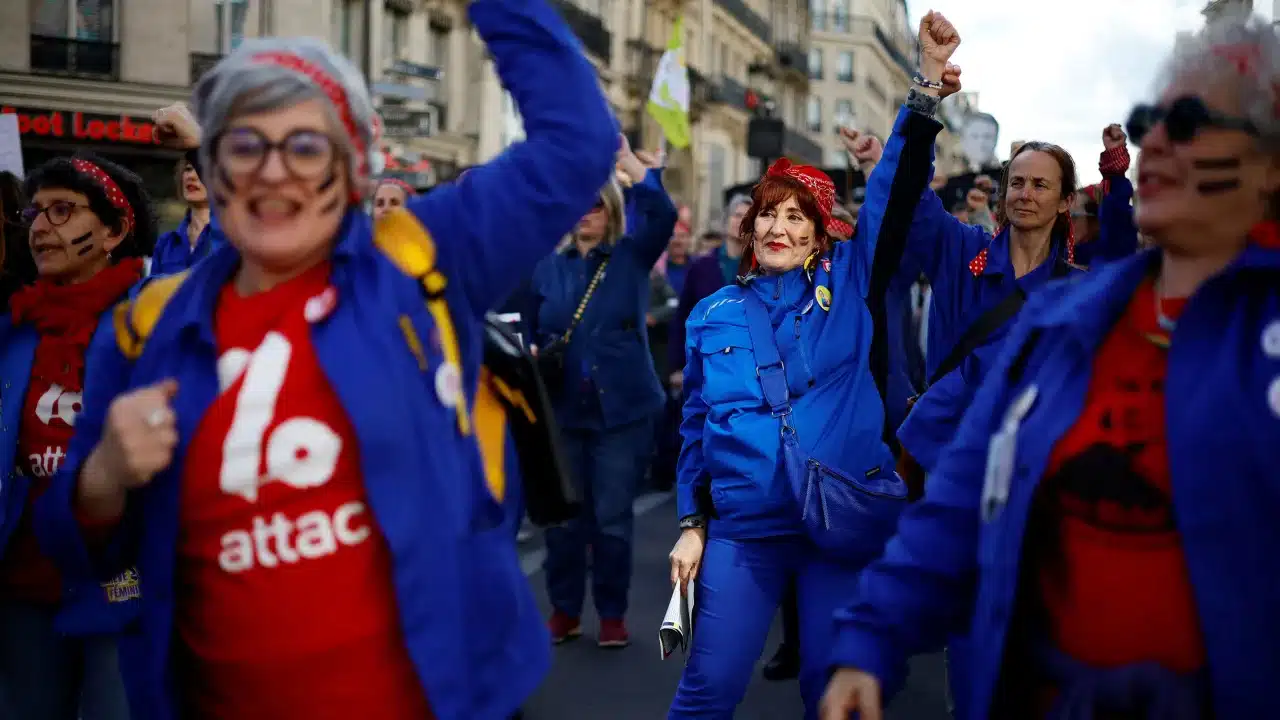
    In protest of the government‘s plans to raise the retirement age from 62 to 64, hundreds of thousands of people demonstrated once more across France on Thursday, just one day before a vital court decision on the validity of the contentious law.

    On the day that shares in the business, which owns brands including Louis Vuitton and Mot, rose to a record high, protesters in Paris forced their way into the offices of the luxury conglomerate LVMH.

    A union official, Fabien Villedieu, told CNN affiliate BFMTV outside the LVMH headquarters, “If Macron wants to find money to finance the pension system, he should come here to find it.”

    Multiple flare ups have taken place throughout the day.

    Police halted a protest in front of the Constitutional Council, France’s equivalent of the US supreme court, which will hand down a long-awaited ruling on the validity of the pension reform law on Friday. A ban on protests in the area is in place from Thursday evening until Saturday morning local time.

    CNN teams on the ground witnessed protesters engaging in intense scuffles with police as smoke bombs, projectiles and tear gas were fired, before a group set off red flares outside the court building.

    Violence also broke out at Paris’ Place de la Bastille as riot police clashed with angry protestors.

    “At least a thousand radical individuals present at the forefront of the demonstration area tried on several occasions to commit acts of violence along the route and to hinder the smooth progress of the demonstration,” a spokesman for the Paris police said.

    The police were also seen protecting the BHV department store by charging at protesters in the Rue de Rivoli in central Paris.

    The police arrested 47 people in Paris and at least ten police officers were injured, according to Paris police prefecture.

    Around 380,000 people attended the protests across France on Thursday, 42,000 of whom were in Paris, according to the latest figures from the French interior ministry.

    The figure is down from last week’s 11th round of demonstrations which drew in crowds of approximately 570,000.

    Police had been expecting further violent attacks that have been a visible, if minor, feature of the protests across France over the past two and a half months, with particular attention on so-called “black bloc” protesters, part of a radical fringe that has been present from the start of the country’s social upheaval.

    France’s President Emmanuel Macron argues reforms are essential to rein in public finances, and has been standing firm, this week saying “the country must continue to move forward.”

    Speaking at an incinerator picket line near Paris on Thursday morning, Sophie Binet, the new head of the GGT, one of France’s main unions, insisted: “As long as the pension reform is not withdrawn, the mobilization will continue one way or another.”

    French Finance Minister Bruno Le Maire defended his government’s contested pension reform plans to CNN on Thursday as “vital”, saying “we need to ensure to French citizens that there is a financial balance by 2030. This is the purpose of the reform.”

    Paris Mayor Anne Hidalgo voiced her support for the demonstrators before the new round of protests.

    “On the eve of the decision of the constitutional council, I am once again supporting the mobilisations in Paris and everywhere in France,” Hidalgo tweeted.

    “This reform is unjust and violent. The French have been asking for it to be withdrawn for months, the government has to hear them,” she wrote.

    Friday’s ruling will be decisive on whether the protests will continue. The CFDT, France’s other main union, has been more amenable to a negotiated settlement.

    Garbage is meanwhile also set to fill the streets of Paris once more as collectors and incinerator workers are on strike again, according to the CGT union.

    This will be a rolling strike, the general secretary of the CGT union branch confirmed in a letter to the Paris mayor.

    The previous near month-long strike, up until the end of March, had seen 10,000 tonnes of rubbish piled up across the capital at its worst.

  • Macron says era of French interference in Africa is ‘over’

    Macron says era of French interference in Africa is ‘over’

    President Emmanuel Macron has said the age of French meddling in Africa was “far ended” as he launched a four-nation trip of the continent to repair fraying ties.

    With Russian and Chinese influence expanding in the area, the continent has once again become a diplomatic battleground, and anti-French sentiment is at an all-time high in certain former French colonies.

    Macron said France harboured no desire to return to past policies of interfering in Africa before an environment summit in Gabon, the first leg of his trip.

    “The age of Francafrique is well over,” Macron said in remarks to the French community in the capital Libreville, referring to France’s post-colonisation strategy of supporting authoritarian leaders to defend its interests.

    “Sometimes, I get the feeling that mindsets haven’t moved along as much as we have, when I read, hear and see people ascribing intentions to France that it doesn’t have,” he added.

    “Francafrique” is a favourite target of pan-Africanists, who have said that after the wave of decolonisation in 1960, France propped up dictators in its former colonies in exchange for access to resources and military bases.

    Macron said France harboured no desire to return to past policies of interfering in Africa before an environment summit in Gabon, the first leg of his trip.

    “The age of Francafrique is well over,” Macron said in remarks to the French community in the capital Libreville, referring to France’s post-colonisation strategy of supporting authoritarian leaders to defend its interests.

    “Sometimes, I get the feeling that mindsets haven’t moved along as much as we have, when I read, hear and see people ascribing intentions to France that it doesn’t have,” he added.

    “Francafrique” is a favourite target of pan-Africanists, who have said that after the wave of decolonisation in 1960, France propped up dictators in its former colonies in exchange for access to resources and military bases.

    Macron said France harboured no desire to return to past policies of interfering in Africa before an environment summit in Gabon, the first leg of his trip.

    “The age of Francafrique is well over,” Macron said in remarks to the French community in the capital Libreville, referring to France’s post-colonisation strategy of supporting authoritarian leaders to defend its interests.

    “Sometimes, I get the feeling that mindsets haven’t moved along as much as we have, when I read, hear and see people ascribing intentions to France that it doesn’t have,” he added.

    “Francafrique” is a favourite target of pan-Africanists, who have said that after the wave of decolonisation in 1960, France propped up dictators in its former colonies in exchange for access to resources and military bases.

    Macron and his predecessors, notably Francois Hollande, have previously declared that the policy is dead and that France has no intention of meddling in sovereign affairs.

    Military revamp

    Macron on Monday said there would be a “noticeable reduction” in France’s troop presence in Africa “in the coming months” and a greater focus on training and equipping allied countries’ forces.

    France has in the past year withdrawn troops from former colonies Mali, Burkina Faso and the Central African Republic (CAR).

    The pullout from Mali and Burkina Faso, where its soldiers were supporting the Sahel nations to battle a long-running armed rebellion, came on the back of a wave of local hostility.

    In his remarks on Thursday, Macron insisted the planned reorganisation was “neither a withdrawal nor disengagement”, defining it as adapting to the needs of partners.

    These fields of cooperation included fighting maritime piracy, illegal gold mining and environmental crimes linked to regional drug trafficking, itself driven by a “terrorist movement” in the Lake Chad area, he said.

    More than 3,000 French soldiers are deployed in Senegal, Ivory Coast, Gabon and Djibouti, according to official figures.

    The proposed revamp concerns the first three bases but not Djibouti, which is oriented more towards the Indian Ocean.

    Another 3,000 troops are in the Sahel region of West Africa, including in Niger and Chad.

    Forest protection drive

    Macron landed in Libreville on Wednesday and will later head to Angola, the Republic of Congo and the neighbouring Democratic Republic of Congo (DRC).

    His comments came before several heads of state were due to attend the One Forest Summit in Libreville, which will focus on preserving rainforests that play a vital role in the global climate system.

    The forests of the vast Congo River Basin represent are among the planet’s largest carbon sinks.

    They are also home to huge biodiversity including forest elephants and gorillas, and bear traces of the settlement of early humanity.

    But they face threats such as poaching, deforestation for the oil, palm and rubber industries, and illegal logging and mineral exploitation.

    https://youtube.com/watch?v=lLkXBiGuPRE%3Fversion%3D3%26rel%3D1%26showsearch%3D0%26showinfo%3D1%26iv_load_policy%3D1%26fs%3D1%26hl%3Den-US%26autohide%3D2%26wmode%3Dtransparent%26enablejsapi%3D1%26enablejsapi%3D1

    Macron spoke of the challenges of mobilising international finance as he and Gabonese environment minister Lee White toured the Raponda Walker Arboretum, a protected coastal area north of Libreville.

    “We always speak of billions in our summits, but people see little of it on the ground because the systems are imperfect,” he said.

    Other presidents expected to attend the summit are host Ali Bongo Ondimba of Gabon; Denis Sassou Nguesso of the Republic of Congo; Faustin-Archange Touadera of the CAR; Chad’s Mahamat Idriss Deby Itno; and Teodoro Obiang Nguema Mbasogo of Equatorial Guinea.

    The gathering kicked off on Wednesday with exchanges between ministers, civil society representatives and experts.

    Macron will head to the former Portuguese colony of Angola on Friday, where he is set to sign an accord to develop the agricultural sector as part of a drive to enhance French ties with anglophone and Portuguese-speaking Africa.

    He will then stop in the Republic of Congo, another former French colony, where Sassou Nguesso has ruled for a total of almost four decades, and neighbouring DRC.

    Last year, Macron toured Cameroon, Benin and Guinea-Bissau in his first trip to the continent since winning re-election, seeking to reboot France’s post-colonial relationship with the continent.

    The tour was to “show the commitment of the president in the process of renewing the relationship with the African continent”, a French presidential official said, who asked not to be named. It signalled that the African continent is a “political priority” of his presidency.

    Source: BBC

  • Italy prime minister irritated by ‘inappropriate’ Zelenskyy’s meeting

    Italy prime minister irritated by ‘inappropriate’ Zelenskyy’s meeting

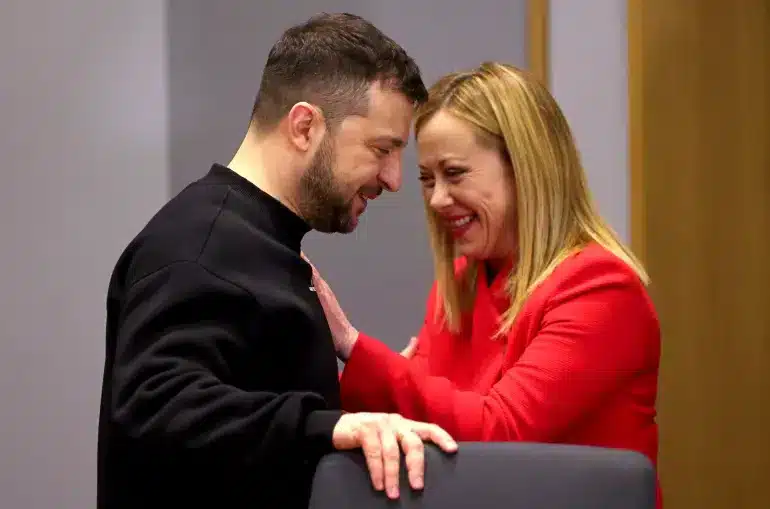
    The Franco-German meeting with the Ukrainian leader in Paris, according to Prime Minister Giorgia Meloni, did not promote “unity.”

    As a result of not being invited to a dinner in Paris with Ukrainian President Volodymyr Zelenskyy, Italian Prime Minister Giorgia Meloni has criticised France and Germany, causing a rift between the European Union’s allies.

    Zelenskyy began a surprise trip to Western Europe on Wednesday with a stop in the United Kingdom. He then travelled to France, where, ahead of a Thursday EU summit, he had a late dinner with Macron and German Chancellor Olaf Scholz.

    But unlike the previous year, when Macron and Scholz collaborated closely on Ukraine with the then-Italian Prime Minister Mario Draghi, Meloni was left out in the cold.

    Speaking to reporters as she arrived at the Brussels summit on Thursday, Meloni, who took office last October, said she thought the snub was “inappropriate”.

    “I think our strength in this fight is unity,” she added.

    She later met Zelenskyy on the sidelines of the EU meeting.

    Asked about her comments, Macron said he thought Wednesday’s dinner had been fitting.

    “As you know, Germany and France have had a special role on the Ukraine question for eight years,” he told reporters, referring to joint mediation by the two countries that tried, and failed, to prevent conflict between Russia and Ukraine.

    However, things were different when Draghi, a former president of the European Central Bank, was prime minister. Draghi travelled with Macron and Scholz to Kyiv by train last June and played a leading role with them in shaping EU opposition to Russia following its invasion of Ukraine.

    Meloni has pledged to maintain the same pro-Ukraine stance, despite the misgivings of some of her coalition allies, telling reporters on Thursday that providing help to Kyiv was the best way to bring about peace.

    Underscoring her willingness to support Kyiv, Italy and France finalised technical talks last week for the joint delivery of a SAMP/T-MAMBA air defence system to Ukraine early this year.

    However, Meloni’s brand of nationalist politics has put her at odds with both Macron and Scholz on an array of other issues and the close ties that Draghi forged with Paris and Berlin seem a distant memory.

    Paris last November accused Meloni’s new government of breaking a bond of trust and breaching international laws by refusing to take in refugees and migrants saved by a charity rescue ship. The boat eventually docked in France instead.

    Earlier this week, French and German ministers flew to Washington together to discuss contested US subsidies with their US counterparts, excluding Italy, which is the second-largest manufacturer in the European Union after Germany.

  • France moves to block Macron’s plan to raise the retirement age

    France moves to block Macron’s plan to raise the retirement age

    The French unions have conducted a day of widespread strikes and protests over President Macron’s proposals to raise the retirement age on Thursday, putting the reform agenda on the line.

    A new bill due to go through parliament will raise the official age at which people can stop work from 62 to 64.

    Intercity and commuter train services are expected to be badly disrupted.

    Many schools and other public services will be shut. At Orly airport in Paris, one in five flights has been cancelled.

    On the Paris metro only the two driverless lines will work normally.

    Large demonstrations drawing tens of thousands are expected in Paris and other cities, where police will be out in force in case of violence from ultra-left “black bloc” infiltrators.

    Under the proposals outlined earlier this month by Prime Minister Élisabeth Borne, from 2027 people will have to work 43 years to qualify for a full pension, as opposed to 42 years now.

    Hailed by the government as a vital measure to safeguard France’s share-out pension system, the reform is proving deeply unpopular among the public – with 68% saying they are opposed, according to an IFOP poll this week.

    All the country’s unions – including so-called “reformist” unions that the government had hoped to win to its side – have condemned the measure, as have the left-wing and far-right oppositions in the National Assembly.

    “On Thursday the walls of the Élysée palace must tremble,” Communist Party leader Fabien Roussel said on Tuesday.

    Because his Renaissance party does not have a majority in the Assembly, French President Emmanuel Macron will be forced to rely on support from the 60 or so MPs of the conservative Republicans party. Though in principle in favour of pension reform, even some of them have warned they could vote against.

    With the parliamentary process expected to take several weeks, Mr Macron faces a rolling campaign of opposition, with further days of action likely in the days ahead. The worst outcome for the government would be rolling strikes in transport, hospitals and fuel depots – effectively bringing the country to a standstill.

    Political analysts agreed the mood of the country was hard to gauge, so it was impossible to predict whether the scale of the movement would be enough to force the president into a retreat. If that happened, it could mark the end of any serious reforms in this, his second term.

    On the one hand, inflation, the energy crisis and constant reports of run-down public services have left many people feeling anxious and irascible. President Macron’s poor image outside the prosperous cities contributed to the “yellow-vest” insurrection four years ago, and could well do so again.

    But on the other hand, pollsters have also identified a sense of resignation among many people, who no longer identify with “old-school” social movements such as the unions specialise in. Many will also be too concerned about the loss of a day’s income to go on strike.

    The prime minister invoked the principle of “inter-generational solidarity” to justify the decision to make people work longer. Under the French system, very few people have personal pension plans linked to capital investments.

    Instead the pensions of those who are retired are paid from the same common fund into which those in work are contributing every month. Workers know they will benefit from the same treatment when they retire.

    Protests against France pensions reform
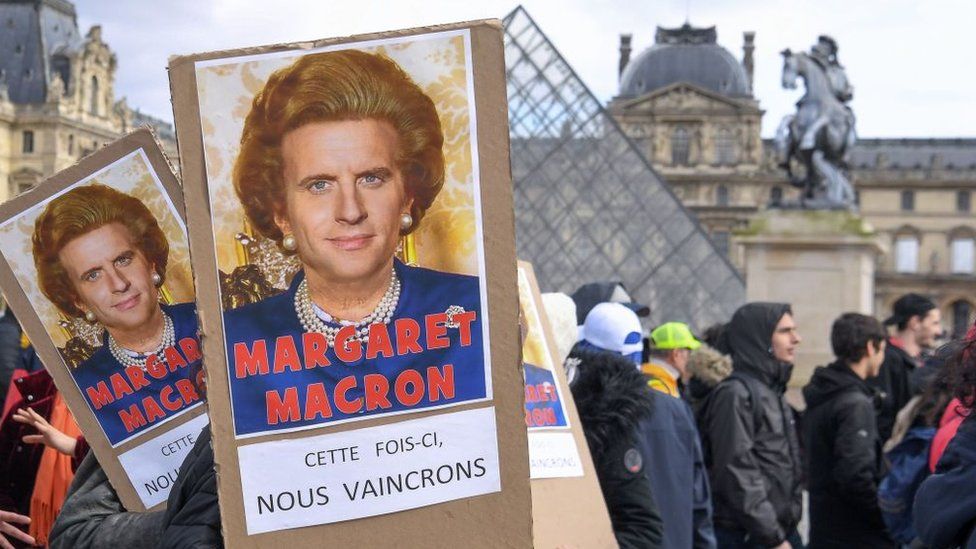
    Image caption,The reforms have sparked comparisons between Macron and the UK’s former prime minister Margaret Thatcher

    However, the government says the system is heading for disaster because the ratio between those working and those in retirement is diminishing rapidly. From four workers per retiree 50 years ago, the ratio has fallen to around 1.7 per retiree today, and will sink further in the years ahead.

    Nearly all other European countries have taken steps to raise the official retirement age, with Italy and Germany for example on 67 and Spain on 65. In the UK it is currently 66.

    President Macron made an earlier, and more ambitious, attempt to reform the system at the end of 2019, but pulled the plug when Covid hit. This second plan was part of his re-election manifesto last year – a key argument deployed by the government in the battle for public opinion.

    To palliate the effects of the reform, Élisabeth Borne has promised easier ways to retire early for people in dangerous or physically demanding jobs; steps to encourage older people back into the workforce; and a higher guaranteed minimum pension.

    The opposition argues the system is not technically in deficit at the moment, so there is no urgency to act. It says there are cost-saving alternatives to making people work longer, such as cutting pensions for the better-off.

    It also says the brunt of the reform will be borne by the poorest. These are people who tend to start work earlier in life, so have normally earned the right to a full pension by the age of 62. Now they will have to work two extra years for no added benefit.

    This is the seventh French pension reform since President François Mitterrand cut the retirement age to 60 in 1982.

    Every subsequent attempt to reverse that change has led to mass opposition on the street – though in most cases the reform did in the end go through. For example, in 2010, Nicolas Sarkozy raised the retirement age to 62, despite weeks of protests.

    Source: BBC

  • Macron pushes Africa debt relief, seeks Putin’s backing for UN truce plea

    International creditors must relieve African countries of debt payments this year to help them deal with the Coronavirus pandemic, French President Emmanuel Macron said in a wide-ranging interview with RFI on Wednesday in which he also urged Russia to get behind UN calls for a global ceasefire.

    A moratorium on African countries’ debt payments is “an indispensable step” to help the continent weather the coronavirus crisis, the French president told Radio France Internationale (RFI), FRANCE 24’s sister station, calling for the debt to be eventually written off.

    “We must give African economies some breathing space by suspending debt payments during this crisis,” Macron explained, describing the moratorium as a “global first”.

    The French president’s comments come as his finance minister says major international creditors have reached a preliminary agreement to relieve the world’s poorest countries of debt payments this year.

    Macron urged finance officials for the US, China and other G20 nations to finalise that agreement when they meet online on Wednesday.

    In his interview, the French leader said he had secured the agreement of three of the five permanent members of the United Nations Security Council to back a call by the UN for a global ceasefire so the world can focus on the coronavirus pandemic.

    The UN’s Secretary-General Antonio Guterres called for the world truce on March 23, warning that in war-torn countries, health systems have collapsed and the small number of health professionals left were often targeted in the fighting.

    Macron said President Xi Jinping of China, US President Donald Trump and British Prime Minister Boris Johnson had all confirmed to him they would back the plea.

    The French leader said he was hopeful of securing Russian President Vladimir Putin’s agreement in the coming hours.

    “I spoke to him at the start of this initiative. I haven’t spoken to him since I got the firm confirmations of the other leaders. I will do in the next few hours,” Macron told RFI.

    “I think that for sure President Putin will agree and the day he says he does, we’ll be able to hold this video conference and relay this call in a solemn, forceful and efficient way.”

    Source: France24

  • Merkel, Macron, Johnson urge Iran not to flout nuclear deal

    The leaders of Germany, France and Britain on Sunday urged Iran to drop measures that go against the 2015 nuclear deal, after Tehran announced it would no longer abide by a limit on enrichment.

    “We call on Iran to withdraw all measures that are not in line with the nuclear agreement,” German Chancellor Angela Merkel, French President Emmanuel Macron and British PM Boris Johnson said in a joint statement.

    Angela Merkel, defense minister to fly to US on two planes

    The 2015 agreement negotiated between Iran and the UN Security Council permanent members — Britain, France, China, Russia and the United States — plus Germany offered Tehran relief from stinging sanctions in return for curbs to prevent it acquiring nuclear weapons.

    But US President Donald Trump’s withdrawal from the deal last year had largely left it in tatters, with Iran in turn progressively dropping key commitments in the accord.

    With tensions rising following the US drone strike at Baghdad airport that killed Iranian general Qasem Soleimani and top Iraqi military figure Abu Mahdi al-Muhandis, the European leaders also urged Iran to refrain from taking “further violent actions or support for them.”

    “It is crucial now to de-escalate. We call on all the players involved to show utmost restraint and responsibility.”

    The European leaders also pleaded with the parties to not jeopardise a battle against IS jihadists, after the Iraqi parliament passed a resolution demanding that thousands of US troops be ousted.

    Merkel heir apparent joins cabinet in risky bid for power

    “Preserving the (anti-IS) coalition is of great importance in this context. We call on the Iraqi authorities to continue to provide the coalition with the necessary support,” they said.

    The US soldiers stationed across Iraqi bases are deployed as part of the broader international coalition, invited by the Iraqi government in 2014 to help fight IS.

    The joint statement issued by the three leaders came hours after they spoke on the phone.

    Earlier Sunday, a German government spokesman said the three leaders agreed to cooperate towards reducing tensions in the region.

    Source: France24