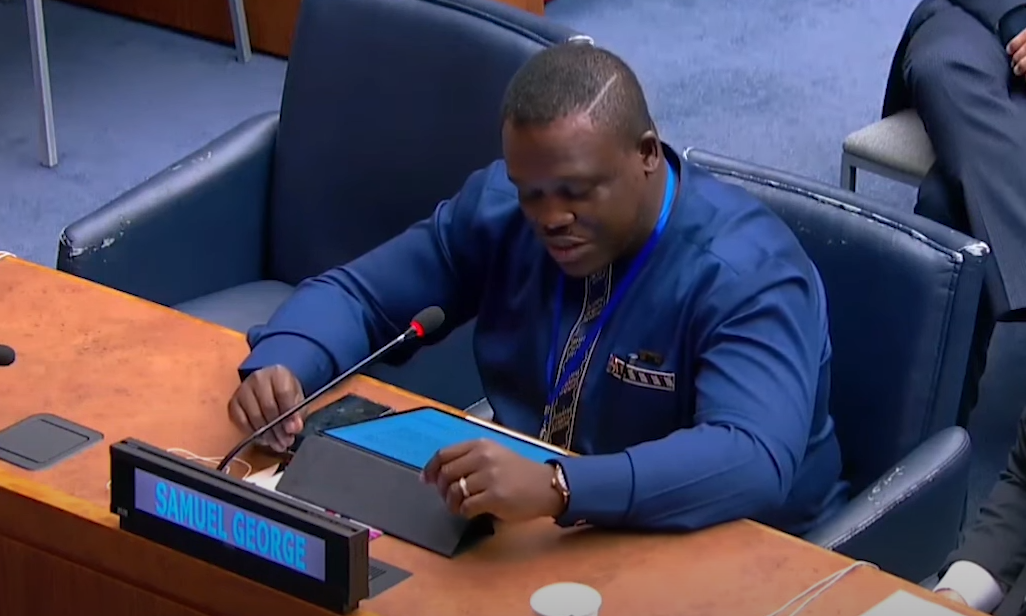
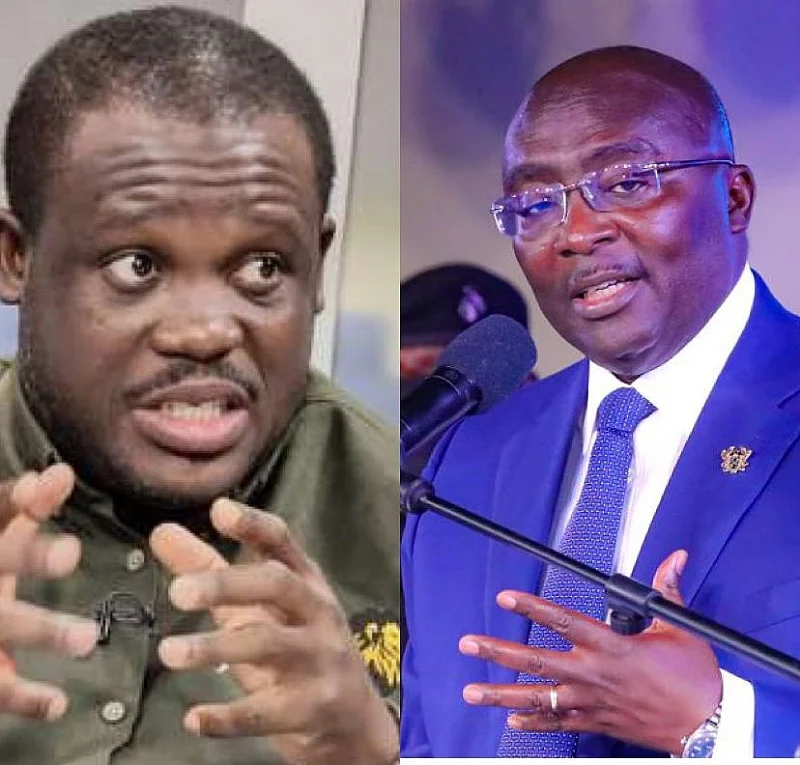
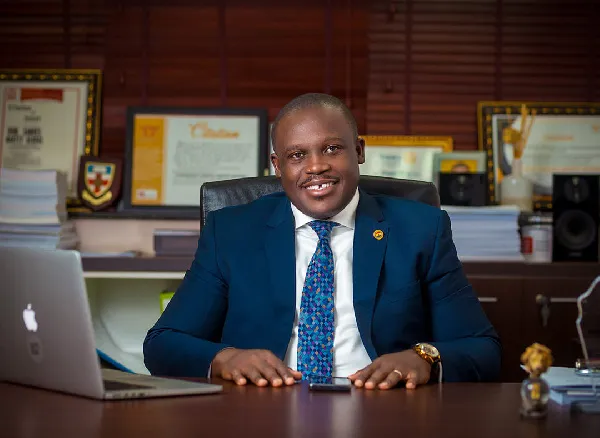
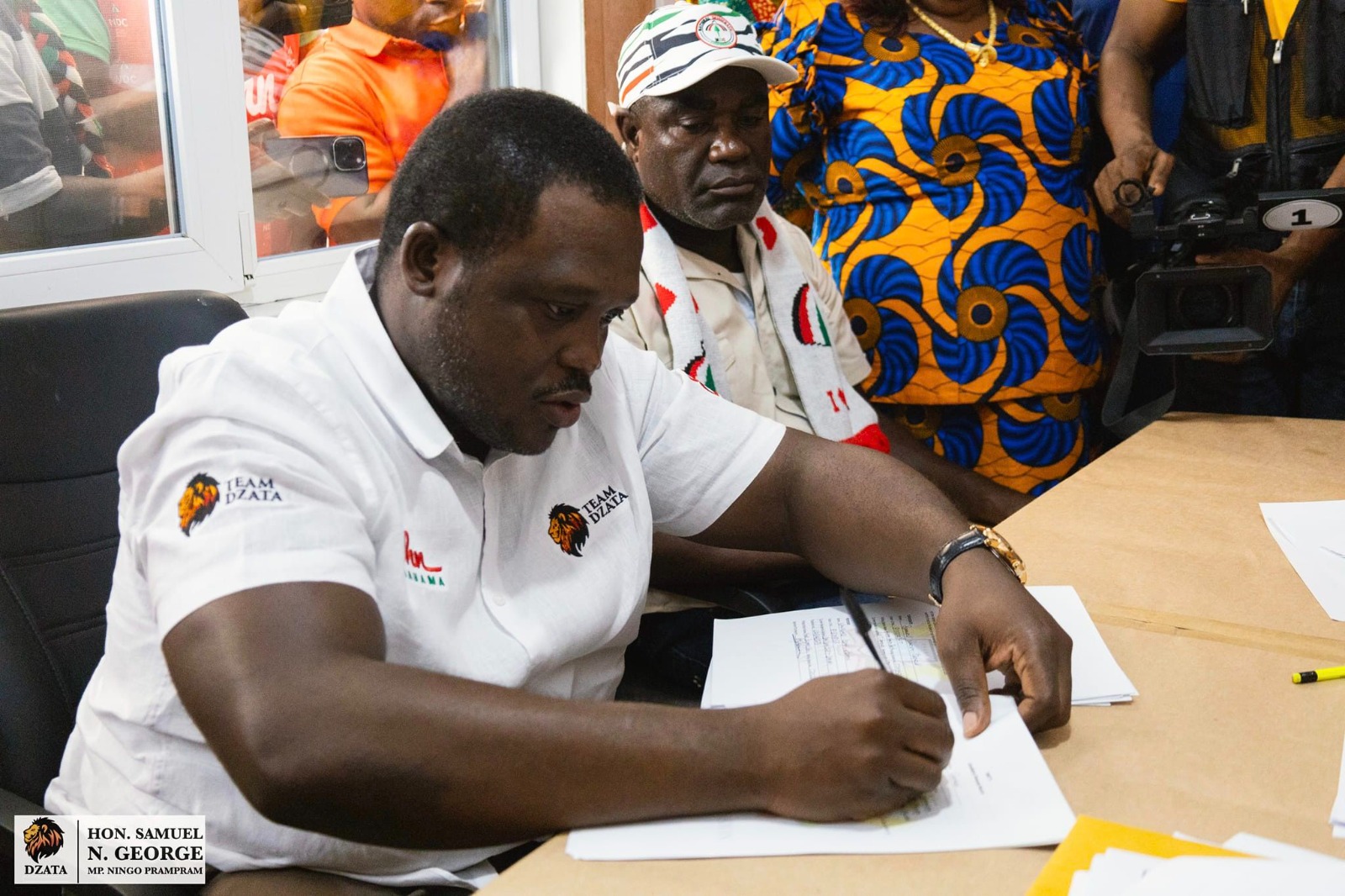
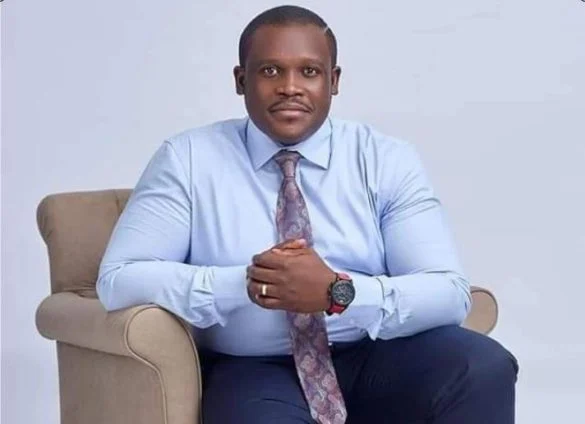
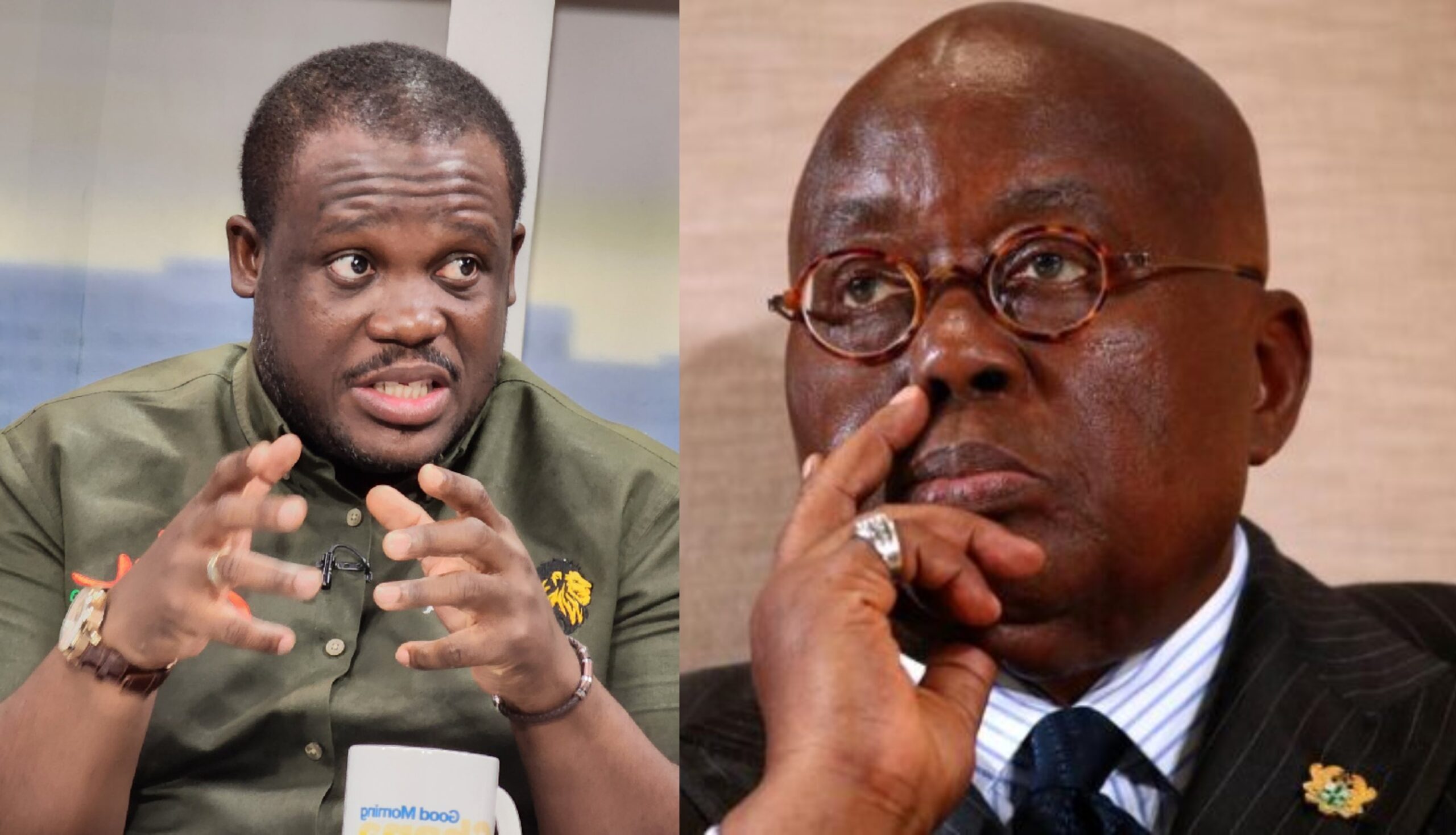
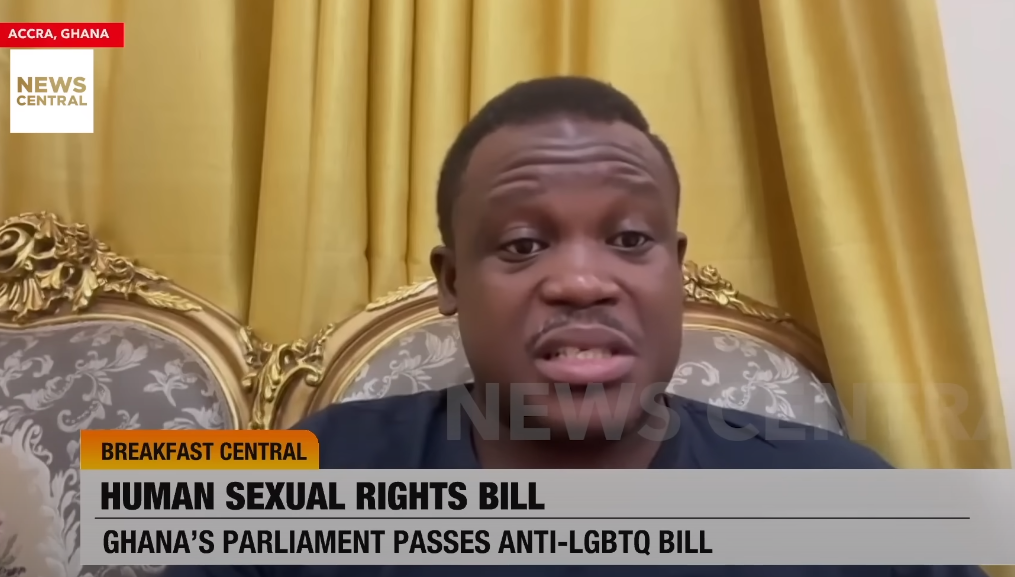
Member of Parliament for Ningo-Prampram, Sam Nartey George, has strongly stated that John Dramani Mahama, the National Democratic Congress (NDC) Presidential Candidate, will have no choice but to sign the controversial anti-LGBTQI bill if he becomes president.
“That is a misconception that has been put out. I listened to that interview. President Mahama has been clear that he will sign that bill and he has no option than to sign that bill,” Sam George said while speaking to the media.
He added, “President Mahama will know no peace from Sam George until he signs that bill”.
Mahama’s statement on the bill has stirred debate after he indicated that his decision to assent to the “Human Sexual Rights and Family Values Bill,” commonly known as the Anti-LGBTQI+ Bill, would depend on a thorough review to ensure its provisions do not violate the Constitution.
https://twitter.com/citi973/status/1865428937532215392?s=46
In an interview with BBC Africa on Wednesday, December 4, Mahama clarified: “It is not an anti-LGBTQI Bill; it is a Family Values Bill. It was approved unanimously by our Parliament. [LGBTQI] is against our African culture, it is against our religious faith, but I think we must look at the Bill, and the president must indicate what he finds wrong with that bill and send it back to Parliament or alternatively he must send it to the Council of State and get the Council of State’s advice.”
When asked if he would sign the bill into law if elected president, Mahama responded: “It depends on what is in the Bill.” He emphasized that if he had been president at the time the bill was passed, he would have ensured a detailed examination of its provisions and consulted relevant advisory bodies.
“That is what I would have done,” he affirmed.
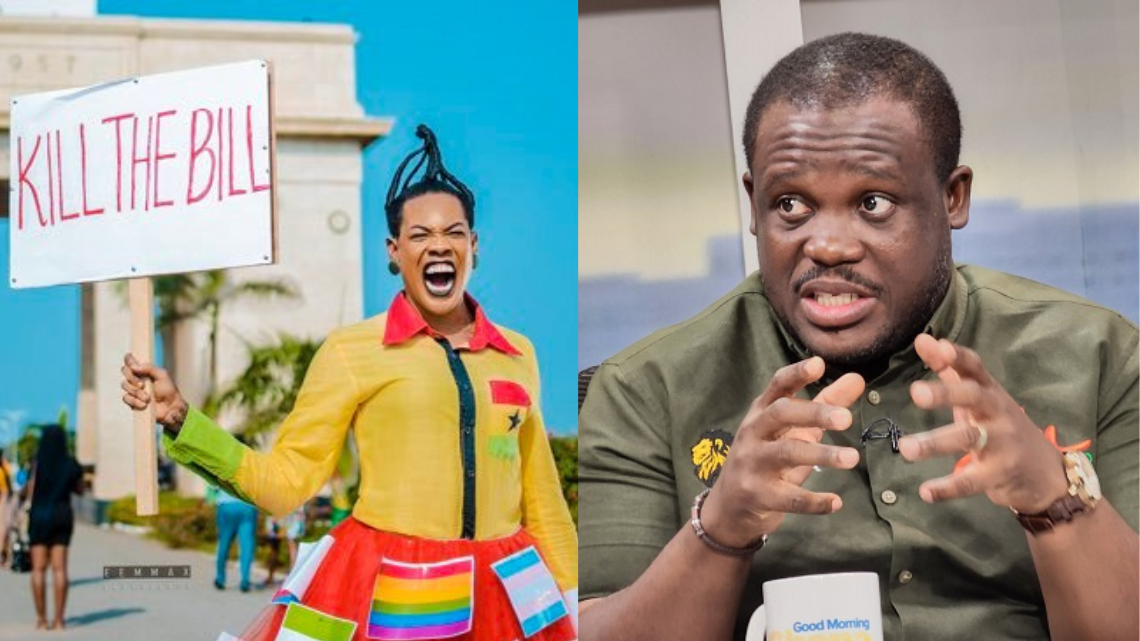
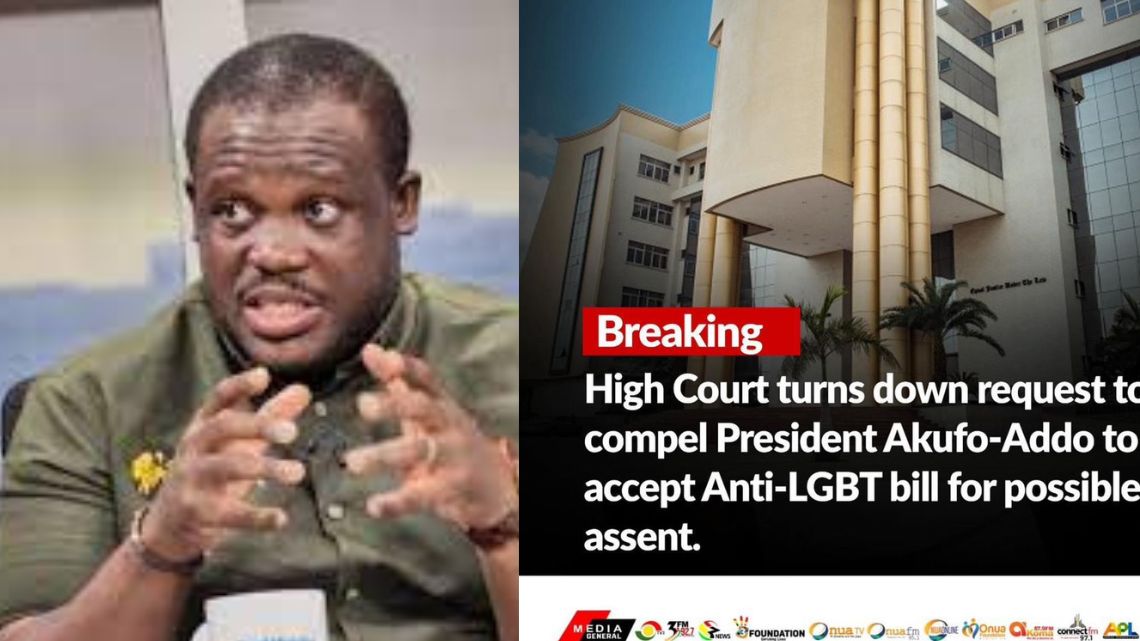
The bill, which seeks to impose criminal penalties on individuals engaging in or promoting LGBTQI+ activities, was passed by Parliament in February 2024. However, its transmission to the President for assent has been stalled due to lawsuits challenging its legality.
In March, the Office of the President formally requested Parliament to halt the transmission of the bill, citing pending legal challenges. The Attorney-General also advised President Akufo-Addo against taking action on the bill until the Supreme Court addresses the concerns raised in the lawsuits.
The bill has drawn strong opposition from figures such as journalist Richard Dela Sky, gender activist Dr. Amanda Odoi, and law lecturer Prince Obiri-Korang, who argue that it infringes on individual rights and freedoms.