In a big change, South Africa’s government has fired one of its most important judges for doing something wrong.
A study uncovered that John Hlophe, the top judge in Western Cape province, tried to pressure judges at the country’s highest court in a case involving former President Jacob Zuma.
In 2008, he asked two judges if they would help Mr. Zuma in a corruption case.
Mr Hlophe always said he didn’t do it.
The long time it took to impeach him was because there were many appeals and investigations.
The judge being removed has never happened before since the country became a democracy in 1994.
Another judge, Nkola Motata, was removed from his job because he acted badly and made racist comments after a car accident in 2007.
Mr Motata, who is now retired, was a judge in Gauteng province when the incident happened.
He also said that the accusation was not true.
President Cyril Ramaphosa needs to approve the decision and choose a date for their official removal.
The judges will no longer get any special benefits, like a monthly salary of over 1 million rand, a car allowance, and full medical care.
Mr Hlophe was removed from his job on Wednesday evening because most of the MPs voted for it.
The ruling African National Congress (ANC), the main opposition Democratic Alliance (DA), and some other smaller parties all supported the decision.
Mr Hlophe tried one more time to stop being removed, but the court said no.
He was removed from his position, and then Mr. Motata was also removed.
A group called the Judicial Service Commission (JSC) found that in 2008, Mr Hlophe tried to influence two out of eleven judges of the Constitutional Court to make a decision in Mr Zuma’s favor for his arms-deal corruption case.
Mr Zuma said he did not do anything wrong and it is not implied that he was involved in Mr. Hlophe’s actions
Both judges who were impeached didn’t answer the MPs’ choices. However, Mr Hlophe said in court documents that parliament’s job was not just to approve findings by the JSC, but to investigate on its own.
ANC Secretary-General Fikile Mbalula said the party is happy about parliament’s decision, while the DA’s Glynnis Breytenbach said her party feels justified after “years of the ANC government delaying the judges’ removal. ”
It’s been 15 years since we’ve waited for this moment, but the impeachment of Judge Hlophe, or any judge, has big effects on how trustworthy the courts are in South Africa. It shows how important it is for judges to follow the highest moral rules, obey the law, and respect the constitution.
Ms Breytenbach said it shows that everyone, no matter how important they are, has to follow the law.
The Economic Freedom Fighters party voted against the impeachments. MP Busisiwe Mkhwebane said the judges were sorry and should be allowed to live in peace for the rest of their lives.
“Can we just let Judge Motata, who made a mistake, retire at home and enjoy his retirement. ” We know that Hlophe was very experienced and did his work with respect. “Let’s punish the ANC government,” she said in parliament, and her party’s supporters cheered.
Lawyer Alison Tilley from the group Judges Matter said the removals were a big moment in the country’s history.
“It took a while, but it proves that the systems to hold the judiciary accountable do work. ” We now have systems in place that make us feel sure that the same process won’t take as much time.
Tag: South Africa
-
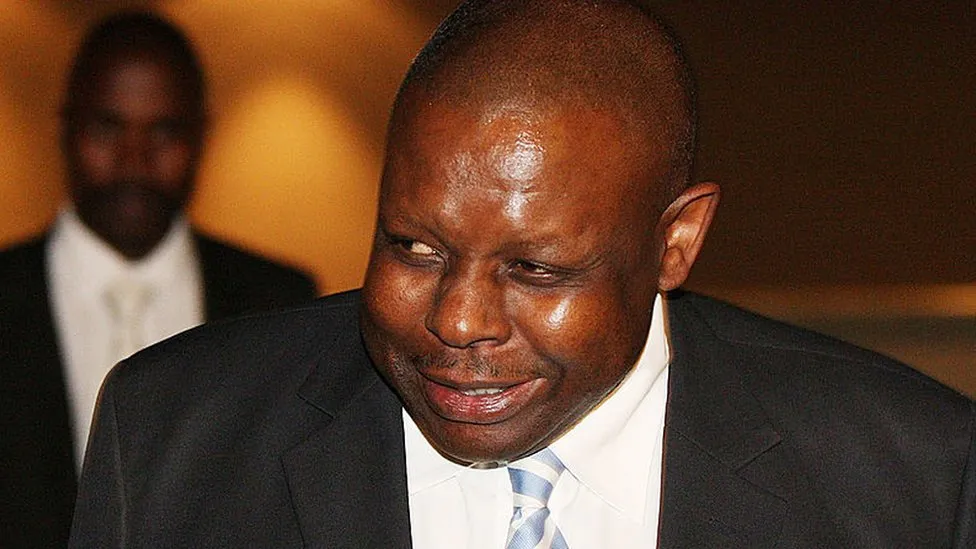
Top judge impeached by South Africa’s parliament
-
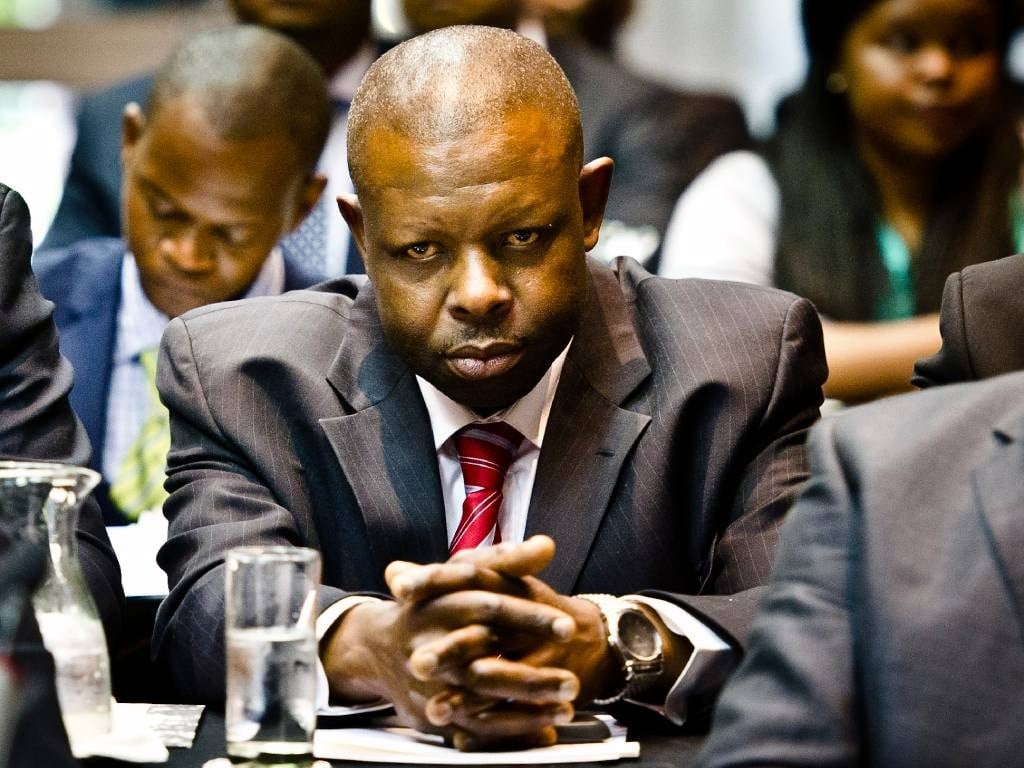
South Africa’s parliament impeaches top judge, John Hlophe
In a landmark decision, South Africa’s parliament has impeached one of the country’s prominent judges for misconduct.
An investigation revealed that John Hlophe, the chief judge in Western Cape province, attempted to sway justices at the nation’s highest court in a case involving former President Jacob Zuma. In 2008, he approached two justices to gauge their support for Mr. Zuma in a corruption case.
Despite Mr. Hlophe’s persistent denial of the allegations, the lengthy process of appeals and investigations contributed to the significant delay between the alleged offence and his impeachment.
This removal of a judge marks an unprecedented event since the inception of South Africa’s democratic era in 1994.
Additionally, a second judge, Nkola Motata, faced impeachment for disorderly conduct and racial remarks stemming from a 2007 drunk-driving incident. Mr. Motata, now retired, served as a High Court judge in Gauteng province at the time of the incident and also refuted the accusations.
President Cyril Ramaphosa is now tasked with approving the decision and determining a date for the formal removal of the judges.
Upon their removal, the judges will forfeit all benefits, including a lifetime monthly salary exceeding 1 million rand ($53,000; £42,000), a car allowance, and comprehensive medical coverage.
Mr. Hlophe’s impeachment was the first to occur on Wednesday evening, with MPs voting by the required two-thirds majority. The decision garnered support from the ruling African National Congress (ANC), the main opposition Democratic Alliance (DA), and other minor parties.
Despite a last-minute attempt by Mr. Hlophe to halt his potential removal, which was rejected by a court just hours earlier, his impeachment proceeded swiftly, followed by that of Mr. Motata.
An investigation conducted by the Judicial Service Commission (JSC) found that in 2008, Mr. Hlophe had contacted two of the eleven judges of the Constitutional Court in an effort to influence a ruling in favor of Mr. Zuma regarding a matter related to his arms-deal corruption case.
It’s important to note that Mr. Zuma has denied the corruption allegations, and there is no indication that he was involved in Mr. Hlophe’s actions.
Neither of the impeached judges has responded to the MPs’ decisions, but Mr. Hlophe had argued in court documents that parliament’s role was not merely to endorse findings by the JSC but to conduct its own investigation.
ANC Secretary-General Fikile Mbalula said the party welcomed parliament’s decision, while the DA’s Glynnis Breytenbach said her party felt vindicated after “years of the ANC government dragging its feet” on the judges’ removal.
“We may have waited 15 years for this moment, but the impeachment of Judge Hlophe, or any judge, has profound implications for judicial integrity in South Africa. It underscores the importance of upholding the highest ethical standards, the rule of law, and the constitution among judicial officers.
“It also sends a clear message that no one, regardless of their position or influence, is above the law,” Ms Breytenbach said.
Opposition party, the Economic Freedom Fighters, voted against the impeachments, with MP Busisiwe Mkhwebane arguing that the judges were remorseful and should be allowed to live the rest of their lives in peace.
“Can we let Judge Motata, in his misjudgement, be left to enjoy his retirement at home. We know that Hlophe was highly qualified and did his work with dignity. Punish this ANC government,” she told parliament, to cheers from her party’s benches.
Lawyer and the co-ordinator of advocacy group Judges Matter, Alison Tilley, told the BBC the removals were an important moment in the country’s history.
“It has taken time but it shows the systems to hold the judiciary accountable for its work. There are mechanisms that are now in place that give us confidence that a similar process would not take as long.”
-

South Africa’s general election set for May 29
South Africa is gearing up for national and provincial elections on May 29, coinciding with the nation’s 30th anniversary of freedom and democracy.
President Cyril Ramaphosa has consulted with the electoral commission to finalize the date and ensure readiness for the polls.
In preparation, Ramaphosa convened a meeting with provincial premiers and the commission to discuss election preparedness. Voters will cast ballots for the national assembly and provincial legislatures across nine provinces.
Parties will compete for seats in the 400-member parliament based on their share of the vote, with MPs subsequently electing the president.
President Ramaphosa is vying for a second term, but his African National Congress party faces fierce competition, with polls indicating a potential loss of its majority for the first time in 30 years.
This election marks a significant milestone for South Africa, which held its first universal democratic elections in 1994, following the end of apartheid, with Nelson Mandela elected as president. Stay tuned for updates as the election approaches.
-
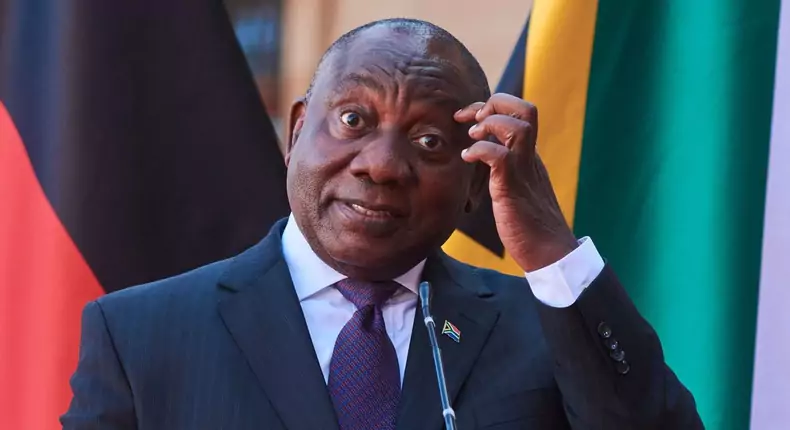
South Africa’s general election slated for May 29 – Office of President
President Cyril Ramaphosa’s office announced on Tuesday that South Africa is scheduled to hold national and provincial elections on May 29.
These elections are anticipated to be the most hotly contested since the end of the apartheid era.
Nearly 370 parties are eligible to partake in the election, marking the first time independent candidates can vie for national and provincial positions following amendments to electoral laws by parliament.
“Beyond the fulfilment of our constitutional obligation, these upcoming elections are also a celebration of our democratic journey and a determination of the future that we all desire,”
“I call on all South Africans to exercise their democratic right to vote and for those who will be campaigning to do so peacefully, within the full observance of the law,” he said.
President Ramaphosa, who is seeking a second term, has faced challenges in boosting economic growth since assuming office in 2018, following Jacob Zuma.
Political analysts widely predict that the African National Congress (ANC), the ruling party, may lose its parliamentary majority for the first time since 1994.
Voter dissatisfaction, stemming from ongoing power outages, inadequate service delivery, and high unemployment rates, contributes to this forecast.
South Africa’s unemployment rate is among the highest globally, and according to the World Inequality Lab, backed by Thomas Piketty, it is ranked as the most unequal country for which data is available.
-
13-year-old South African boy may be tried as adult for shooting principal
A 13-year-old boy in South Africa, who allegedly shot and injured his school principal, could face trial as an adult, according to the prosecuting authority.
The boy, whose identity has not been disclosed, has been charged with attempted murder. The 51-year-old principal is currently in intensive care, recovering from the incident that took place at a primary school in Germiston, near Johannesburg.
The shooting has sparked outrage in South Africa, where there is a growing concern about violence in schools. The boy reportedly used his father’s gun in the shooting, and his father has also been arrested on suspicion of negligence related to a firearm.
During a visit to the school, the Gauteng province’s Education Minister revealed that the boy had allegedly created a “hitlist” targeting three teachers. The minister stated that the incident had been planned for some time and that the boy had taken bullets to the school on a previous occasion.
Under South Africa’s Child Justice Act, a 12- or 13-year-old is presumed not to have “criminal capacity” unless proven otherwise by the state. Following a request from the National Prosecuting Authority, a magistrate has ordered an assessment of the boy’s cognitive, moral, emotional, psychological, and social development to determine if he can be tried as an adult.
The case has raised concerns about gun violence and its impact on children in South Africa. The country’s education officials have pledged to increase security measures in schools, including monitoring high-risk schools via CCTV cameras.
Regardless of the legal outcome, the boy will undergo rehabilitation before being reintegrated into the education system, according to officials.
13-Year-Old South African Boy Faces Adult Trial for Shooting Principal
In South Africa, a 13-year-old boy who allegedly shot and injured his school principal could be tried as an adult, the prosecuting authority has stated. The incident, which occurred at a primary school in Germiston, has shocked many in the country, where school violence is a growing concern.
The boy, whose identity remains undisclosed, has been charged with attempted murder. His father, the owner of the gun used in the shooting, has also been arrested on suspicion of negligence related to a firearm.
According to reports, the boy had allegedly compiled a “hitlist” targeting three teachers. The incident has raised questions about gun control and safety in schools across South Africa.
Under the country’s Child Justice Act, a 12- or 13-year-old is presumed not to have “criminal capacity” unless proven otherwise. A magistrate has ordered an assessment of the boy’s mental and emotional state to determine if he can be tried as an adult.
Education officials have vowed to enhance security measures in schools, including monitoring high-risk institutions via CCTV cameras. Despite the legal outcome, the boy will undergo rehabilitation before returning to the education system.
-

South African soldiers killed in attack in Democratic Republic of Congo
Soldiers from South Africa who were sent to the Democratic Republic of Congo to stop a rebellion have had their first deaths.
On Wednesday, two soldiers died and three got hurt when a bomb hit their base.
The South African army said they don’t know all the details of this incident yet.
The soldiers are part of a group working with the military in DR Congo to fight against several armed groups.
The most powerful group is the M23, which has set up in important places on the main roads going into Goma, the biggest city in eastern DR Congo.
The M23’s attack has made tens of thousands of people leave their homes. This adds to the almost seven million people who have fled due to several wars in the east.
However, the South African army has not connected the attack to the M23 group.
South Africa sent soldiers to eastern DR Congo in December with the help of a group called the Southern African Development Community.
Altogether, South Africa will send 2,900 soldiers to help. Malawi and Tanzania are also sending their soldiers.
This military group came to the country after another group from East Africa left because the government of DR Congo asked them to.
President Tshisekedi wants the southern African force to do better because they have more power to do their job. -

2,900 soldiers from South Africa to be sent to Democratic Republic of Congo
South Africa’s President Cyril Ramaphosa has sent 2,900 soldiers to help fight against armed rebel groups in the eastern part of the Democratic Republic of Congo.
The soldiers will go to Congo as part of a mission from southern African countries. It was approved by a group of countries in that region in May of last year.
Malawi and Tanzania will also send soldiers to help with the mission.
The mission is taking the place of the East African regional force, which left DR Congo in December because the government thought it wasn’t working well.
The deployment will cost South Africa 2 billion Rand ($105 million; £83 million) and will last until December this year, according to a statement from the presidency.
The announcement comes as there is more fighting happening, which has caused many people to leave their homes in DR Congo. About seven million people have been forced to leave their homes because of different conflicts. -
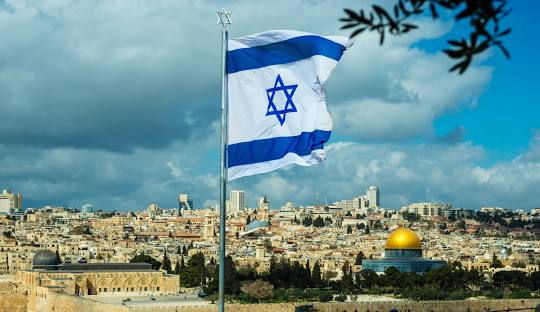
Israel disputes threat on minister in South Africa
Israel denied making threats against a South African minister and accused her of spreading false accusations and supporting a terrorist organization.
The two countries’ relationship got worse last month when South Africa accused Israel of committing genocide in Gaza and took the case to the International Court of Justice. Israel denied the accusation.
After getting dangerous messages, Naledi Pandor talked to the South African Police Minister Bheki Cele about increasing her security.
“The Israeli agents are acting in a way to scare us, but we shouldn’t let them intimidate us. ” She said to the local media that there is a reason why something is happening.
Israel strongly criticized the media on Friday, with the foreign affairs ministry telling them off.
Quote Message: The accusations made by the South African foreign minister are not true and have no evidence. He is acting as a legal supporter for the Hamas terrorist organization.
The accusations made by the South African foreign minister are not true and have no evidence. This is just another way for them to blame innocent people.
South Africa is trying to weaken Israel’s right to protect itself and its people, and to support the goals of Hamas and Iran in the Middle East and Africa.
South Africa is trying to weaken Israel’s ability to protect itself and its people, and to support the goals of Hamas and Iran in the Middle East and Africa.
The South African government’s involvement with terrorism and its actions against Israel are very shameful.
The South African government’s help for terrorism and its actions against Israel on the individual and worldwide levels is a big mark.
About 1,300 people died during the Hamas attacks on southern Israel on October 7th, as per Israeli officials.
Israel started a war and more than 27,800 Palestinians were killed and at least 67,000 were injured in the fighting, according to the health ministry in Gaza. -

Solution to South Africa’s power cuts attainable – Ramaphosa
In the course of the national state of his annual state of the nation address, President Cyril Ramaphosa expressed optimism that an end to the debilitating power cuts in South Africa was on the horizon.
Despite offering no specific timeline for this promise, he assured the nation that progress was being made.
South Africa has grappled with frequent blackouts due to years of neglect and underinvestment in the energy sector, particularly by the state-owned utility, Eskom.
These power shortages have significantly impacted industrial productivity in the country.
In addition to addressing the immediate power challenges, President Ramaphosa outlined plans to ramp up renewable energy production and generate thousands of jobs in the green economy sector.
These initiatives aim to not only alleviate the energy crisis but also spur economic growth and job creation.
The governing African National Congress (ANC) has faced mounting criticism from the public for its perceived failure to fulfill past pledges to tackle poverty and corruption.
As the country prepares for upcoming elections, President Ramaphosa’s commitments to resolving critical issues like power shortages will be closely scrutinized by voters.
-

Man accused of disrupting dignitary’s motorcade in South Africa
Authorities in South Africa’s Gauteng province have apprehended a 57-year-old man for allegedly disrupting a motorcade convoy escorting a foreign dignitary to the airport.
The individual is expected to face charges of reckless and negligent driving, following his attempt to breach the convoy multiple times despite warnings from traffic officers.
The arrest was made on his third attempt to enter the convoy, as per South African traffic laws requiring motorists to yield to vehicles displaying blue lights, commonly found on vehicles operated by regular and military police.
-

William sees South Africa through to semis of 2023 AFCON
Ronwen Williams displayed exceptional goalkeeping prowess, making four crucial saves as South Africa emerged victorious against Cape Verde in a thrilling Africa Cup of Nations quarter-final, ultimately securing a spot in the semi-finals through a 2-1 penalty shootout win on Saturday.
The Bafana Bafana goalkeeper’s remarkable performance included a stunning save at the end of normal time, preserving a goalless draw and marking his fourth consecutive clean sheet in the tournament.
Despite Cape Verde creating more chances throughout the game, they were unable to capitalize, and South Africa, the 1996 champions, will now face Nigeria in the semi-finals.
The first half remained tight, with both goalkeepers having little to do. Cape Verde’s Kevin Pina and South Africa’s Teboho Mokoena had opportunities, but neither seriously tested the goalkeepers.
In the second half, Cape Verde’s Joao Paulo and Garry Rodrigues had chances, but Williams stood firm. Extra time saw South Africa dominating, but Vozinha’s superb saves kept Cape Verde in the game.
As penalties became inevitable, South Africa took the lead with Williams saving two spot-kicks. Despite a miss by Zakhele Lepasa, Williams continued to shine by saving crucial penalties, securing South Africa’s place in the semi-finals.
-

South Africa refutes allegations Iran financed Israel’s ICJ case
South Africa’s Foreign Minister Naledi Pandor said that the ruling ANC party did not get money from Iran to take Israel to court.
During a meeting with reporters on Wednesday, the minister said that Israel and its allies are making accusations in response to being accused themselves. This is similar to what President Cyril Ramaphosa said earlier, that his country might face consequences for taking legal action against Israel.
Last week, the ICJ made a decision in the case, stating that Israel has to do everything it can to stop genocidal actions in Gaza.
The minister said she complained to the International Criminal Court about how slow they were in doing something about South Africa’s request to take action against Israel. This included the delay in issuing an arrest warrant for Israel’s Prime Minister Benjamin Netanyahu.
Ms Pandor also said that all countries must stop giving money and help to Israel’s military in Gaza because it could be supporting genocide.
The minister recommended that South Africa ask other countries from the southern part of the world to help Palestinians with aid, because they have had less help lately. -
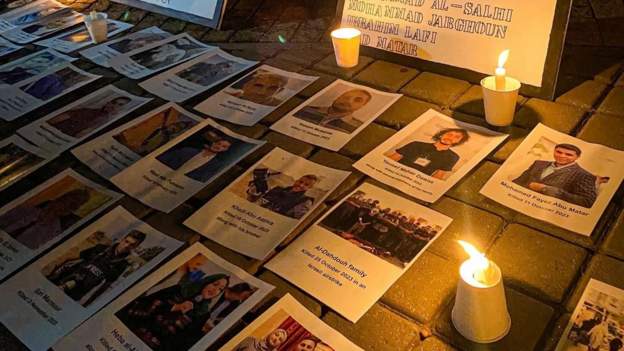
South African journalists observe vigil in memory of killed peers in Gaza
Many journalists in South Africa gathered together on Sunday night to remember and honor their colleagues who were killed in Gaza in the conflict with Israel.
At least 83 reporters and people who work in the media have been killed since the fighting started last October, according to the Committee to Protect Journalists (CPJ).
Sunday was the day when it was said.
CPJ said that the Israel-Gaza war is the worst time for journalists since they started collecting information in 1992.
“We are also honoring our coworkers in Sudan, in the Democratic Republic of Congo and anyone who is being impacted. ” “But we’ve never seen such a high number of journalists being killed in Gaza before,” said Deshnee Subramany, who organized the vigil and spoke to the state broadcaster SABC.
South Africa strongly disagrees with Israel in the current Gaza war. -
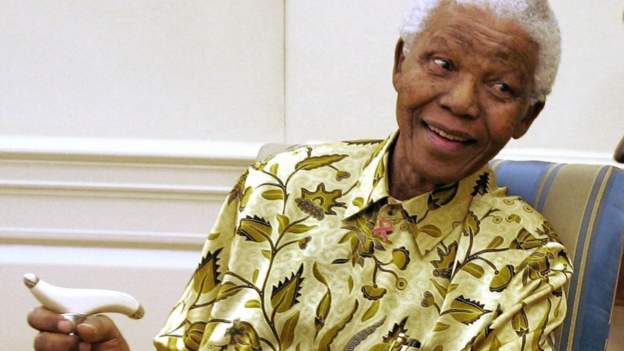
Auction of Mandela’s personal belongings postponed
The auction of Nelson Mandela’s personal items has been stopped. The items include his hearing aids, walking sticks, and reading glasses.
The auction house in New York called Guernsey’s said on their website that the auction for Mandela is stopped.
After a big fuss in South Africa, this happened.
Makaziwe Mandela, Mr Mandela’s oldest daughter, wanted to sell his things at an auction on 22 February. She said she wanted to use the money to make a special garden in his honor, close to where he was buried.
The state’s South African Heritage Resources Agency (Sahra) went to court to challenge her decision, but they lost.
It is going to ask for a different decision for the ruling.
South Africa’s Minister of Arts and Culture, Zizi Kodwa, said stopping the sale was important because Mr. Mandela is a big part of South Africa’s history.
“He said it’s really important to keep former President Mandela’s legacy alive and make sure that future generations in the country can learn from his experiences and work. ”
Ndaba, Mr Mandela’s grandson, told local media that he also didn’t support the auction.
Mr Mandela’s identification book was also one of the things for sale.
“Who is selling their father’s ID book. ”
That’s crazy “You’re stealing South Africa’s history,” he said to News24.
Nelson Mandela passed away in 2013 when he was 95 years old.
He was put in jail for almost 30 years for fighting against a government where white people were in charge, and then in 1994, he became the first black president of South Africa. He left his position five years later. -
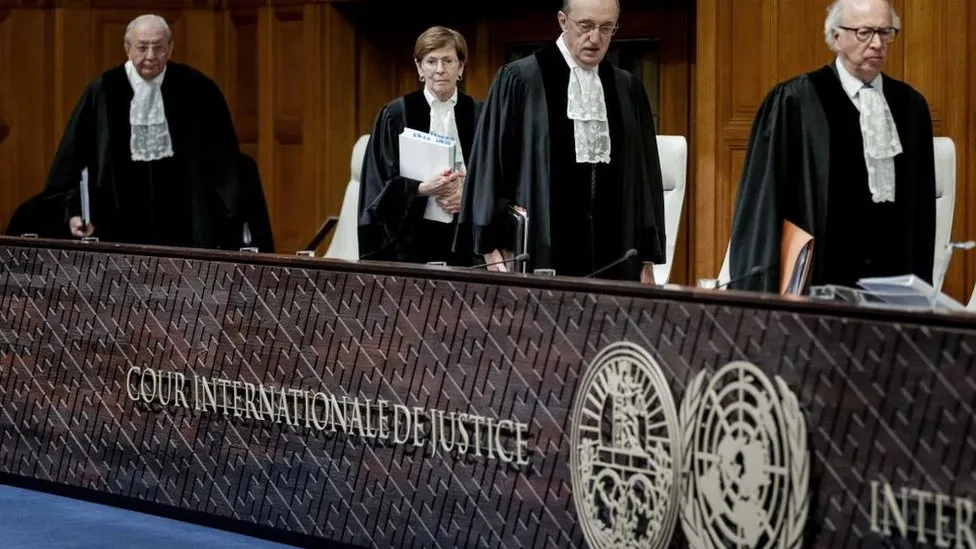
South Africa hails ICJ decision as “decisive victory”
South Africa is happy with the decision made by the International Court of Justice about its case against Israel. They think it is a big win.
The highest court at the United Nations told Israel to quickly do some things to help in Gaza, but didn’t ask for a ceasefire.
Israel must do everything it can to stop genocide in the area, urgently allow more needed aid to enter the territory, and to prevent and punish anyone who encourages genocide in the conflict.
South Africa said Israel is killing many Palestinians.
Israel strongly denies the accusation and is likely to ignore the judges’ orders because the judges cannot force them to follow their decision.
It might be many years before the ICJ makes a final decision about the claim of genocide. -
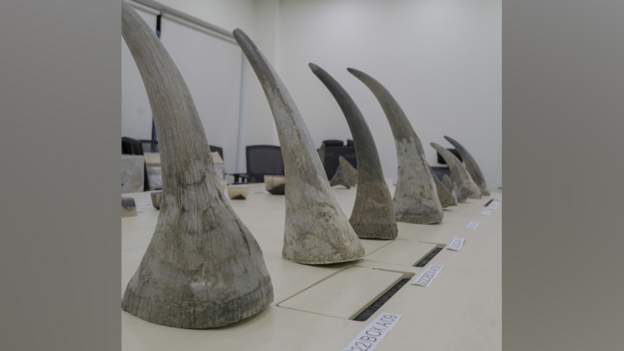
South African arrested for smuggling rhino horns valued at $1.2 million
A man from South Africa got sent to jail for two years in Singapore for trying to bring rhino horns into the country. Singapore’s national parks organization reported this.
Please rewrite this text using simpler words.
This is the longest sentence ever given for selling illegal animals in the country.
Gumede Sthembiso Joel was caught at Changi airport in 2022 with 20 rhino horns weighing 34. 7 kg (765 lb) in his luggage and was taken into custody. They were worth about $1. 2 million or £940,000.
The 33-year-old admitted to breaking the law in Singapore by taking endangered animals from South Africa to Laos.
Rhino horns cannot be traded and there are international rules to protect the animals.
Many rhinos live in South Africa, and poaching is a big problem for them, according to the International Rhino Foundation. There are about 15,000 rhinos in the world.
In the first six months of 2023, 231 rhinos were killed by poachers, as reported by the IRF. -
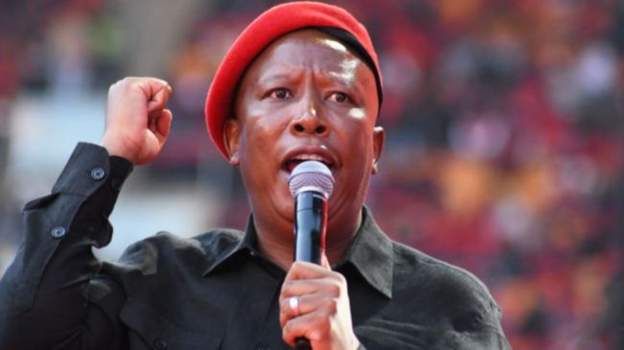
Shame on Ghana’s leadership for supporting Israel! – Julius Malema
South African Politician, and charismatic leader of South Africa’s Economic Freedom Fighters (EFF), Julius Malema, has criticized the leadership of Ghana for expressing support for the ongoing events in Gaza.
Malema did not mince his words while expressing strong disapproval for actions against the people of Gaza and condemning those who endorse such actions.
He argued that the people of Gaza had not committed any offense in their attempt to defend their territory, and that anyone who supported Israel is an enemy to South Africans.
“Shame on the Leadership of Ghana for supporting Israel,” he said.
During an event dubbed: ‘A dialogue with Julius Malema’ held at the College of Physicians and Surgeons in Accra, he vehemently stated that, “Anyone who said the people of Palestine must be killed is an enemy of ours. The people of Palestine have not committed any sin to anyone.”
His comments reflect a stance against the violence and conflicts that have plagued the region for years. Mr Malema further stated that Hamas, the governing authority in Gaza, is right in their demand for the people of Palestine to reclaim their land and exercise self-determination.
He called for international respect for the wishes of the Palestinian people, asserting that decisions about their future should not be imposed externally.
Furthermore, the EFF leader criticized the idea of external entities, such as the United Nations, dictating terms for a two-state solution in Palestine. Malema argued that such decisions should be made by the Palestinians themselves, and not any external body.
-

Julius Malema visits Ghana; advocates economic emancipation for Africa
South African politician Julius Malema has emphasized the need for Africa to move beyond mere political freedom and strive for economic emancipation.
He made the call on his visit to Ghana on January 23, 2024.
Acknowledging Ghana’s long-standing history of democracy on the continent, Malema pointed out the persistent challenge of economic control, which he believes remains in the hands of those who previously colonized the nation.
Known for his outspoken stance on economic justice and pan-African unity, Julius Malema underscored the significance of breaking free from economic dependencies that trace their roots to the colonial era.
“…political freedom without economic emancipation is meaningless,” he asserted, challenging the prevailing status quo that has left many African nations grappling with economic structures established during the colonial period.
During his address, Malema highlighted the fact that Ghana’s democracy stands as one of the oldest on the continent, yet economic power remains concentrated in the hands of entities with historical ties to colonial powers. This, he argued, hampers the true realization of independence and hinders the progress and prosperity of the African people.
“Ghana’s democracy is very old compared to other democracies in the continent but the means of production are still owned by those who previously colonized us,” Malema pointedly stated, urging African nations to reassess their economic frameworks and explore strategies for reclaiming control over their resources. The South African politician believes that economic autonomy is essential for the continent to achieve genuine sovereignty.
Malema’s message resonates with the broader sentiment across Africa, where discussions about economic independence have gained prominence. Advocates have argued that a united front is crucial in breaking the chains of economic exploitation, with the belief that only through collaboration and solidarity can African nations truly prosper.
“The unity of Africa is a threat to the enemies of Africa,” Malema emphasized, highlighting the importance of fostering a sense of unity among African nations. He stressed that a divided Africa only serves the interests of external powers, perpetuating a cycle of economic dependency.
-

South Africa see victory in second game against Namibia
South Africa rebounded in the Africa Cup of Nations with a convincing 4-0 victory over Namibia.
After a 2-0 loss to Mali in their opening match, Bafana Bafana secured their first win in the tournament.
The scoring started early for South Africa as Percy Tau converted a penalty, and Themba Zwane added two more goals, completing a brace. Thapelo Maseko contributed a fourth goal in the second half.
Namibia had a bright start, with Prins Tijueza testing the South African goalkeeper and an offside decision sparing Peter Shalulile’s missed attempt.
However, momentum shifted when South Africa was awarded a penalty through VAR review for a handball by Riaan Hanamub. Percy Tau successfully converted the penalty this time, putting South Africa in the lead.
Themba Zwane extended the lead with a well-applied finish after a delivery from Thapelo Morena. Zwane scored his second goal shortly before the end of the first half, virtually securing the win for South Africa.
Substitute Thapelo Maseko added the final goal in the 75th minute, breaking the offside trap and scoring a shot that proved too challenging for Namibia’s goalkeeper. The 4-0 victory marked a strong comeback for South Africa in the Africa Cup of Nations.
-

Controversy sparks over auction of Nelson Mandela’s personal items in South Africa
An auction featuring 70 personal items belonging to anti-apartheid hero Nelson Mandela, including his iconic shirts, is facing opposition from the South African government.
The auction, organized by Mandela’s eldest daughter, Makaziwe Mandela, is under scrutiny as the government asserts that the items rightfully belong to the nation.
Among the items are hearing aids, an ID card, gifts from world leaders, and clothing like Mandela’s distinctive “Madiba” shirts. South Africa contends that, under the country’s laws, items deemed part of the national heritage cannot be taken out of the country.
The South African Heritage Resources Agency (Sahra), responsible for safeguarding the nation’s history and culture, has filed an appeal to block the sale.
The appeal has been supported by the sport, arts and culture ministry. Minister Zizi Kodwa said it was was backing the case “for the sake of maintaining the country’s rich heritage”.
He added that blocking the sale was necessary as Mandela “is integral to South Africa’s heritage”.
“It is thus important that we preserve the legacy of former President Mandela and ensure that his life’s work experiences remain in the country for generations to come.”
In 2021, the South African government opposed the proposed auction of Nelson Mandela’s personal items, claiming some were national artifacts. This led to the cancellation of the 2022 auction and initiated a two-year legal battle. Last month, the High Court in Pretoria granted Ms. Mandela permission to proceed with the sale, challenging the government’s assertion that the items held national heritage status.
Despite the court’s decision, the government, through Sahra and the culture ministry, has filed a request to appeal, citing concerns over the “unpermitted export for exhibition or sale” of the items. The auction, scheduled for January 22, faces uncertainty pending the appeal’s outcome.
The listed items, including hearing aids and Mandela’s iconic shirts, could fetch substantial amounts at the New York-based Guernsey’s auction house, with estimates reaching up to $20,000 and $70,000, respectively.
While Ms. Mandela plans to allocate auction proceeds to a memorial garden in Mandela’s honor, the government’s opposition has generated mixed reactions in South Africa. Some argue for the preservation of these “priceless” items, while others believe the matter should be left to the discretion of Mandela’s family.
Nelson Mandela, an anti-apartheid hero, passed away in 2013 at the age of 95, leaving an enduring legacy for his role in South Africa’s struggle against apartheid.
-

Nelson Mandela auction: South Africa aims to stop sale due to dispute about heritage
The government of South Africa is trying to prevent a controversial sale of 70 personal items that belonged to Nelson Mandela, who fought against apartheid.
They have hearing aids, an ID card, presents from world leaders, and some of the clothes worn by the first democratic president, like his “Madiba” shirts.
Makaziwe Mandela, the oldest daughter, is selling the items in the US.
However, the government of South Africa says that the items belong to the country.
Under the law in South Africa, things that are considered part of the country’s history and culture cannot be taken out of the country.
The South African Heritage Resources Agency, which is responsible for protecting the country’s history and culture, said it has asked to stop the sale.
The appeal got help from the ministry of sports, arts and culture. Minister Zizi Kodwa supports the case to protect the country’s important history.
He said stopping the sale was important because Mandela is a big part of South Africa’s history.
It is important to keep alive the memory of former President Mandela and make sure that future generations in the country learn from his example.
The government did not approve of the auction when it was first announced in 2021. They said that some of the things being sold were important to our country.
So, the first auction that was supposed to happen in 2022 was cancelled and then there was a two-year fight in court.
Last month, the High Court in Pretoria said Ms Mandela can sell the items, even though the government said they are important to the country.
Mr Kodwa says the auction should not happen because Sahra and the culture ministry want to appeal the decision from last month. They say the items were not allowed to be taken out of the country to be shown or sold.
The auction is supposed to start on January 22, but we don’t know if the government’s appeal will stop it.
The New York-based Guernsey’s auction house has already put the items up for sale. The hearing aids could sell for up to $20,000 and one shirt might sell for up to $70,000.
Ms Mandela and others in the Mandela family and the Nelson Mandela Foundation have not given their thoughts on the government’s latest opposition.
She said that the money from the auction will be used to create a special garden to remember Mandela, close to where he is buried.
The auction in South Africa has made a lot of people upset. Some think the government should not sell the valuable items.
But some people think that Mandela’s family should decide about the issue.
Mandela passed away in 2013 when he was 95 years old. He was the leader of the African National Congress and fought against a system called apartheid, where racism was allowed by the law. He was in prison for 27 years.
He was chosen as the first president of South Africa in 1994 through a fair voting process. -
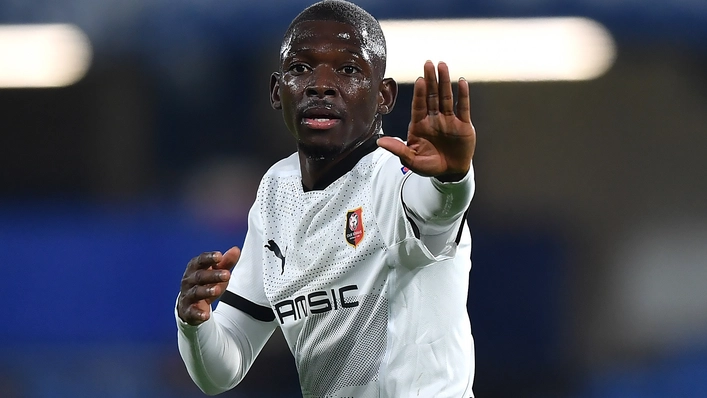
Mali launch AFCON campaign on a good start, South Africa suffer defeat
Hamari Traore and Lassine Sinayoko scored second-half goals as Mali secured a 2-0 victory over South Africa in their Africa Cup of Nations campaign.
Captain Traore tapped in the opening goal in the 60th minute of the Group E encounter, and striker Sinayoko quickly added a second for Mali. South Africa had the better of the first half but missed a penalty when Percy Tau’s attempt went high over the crossbar.
Despite Tau’s missed opportunity, South Africa had more chances in the opening period. However, Mali goalkeeper Djigui Diarra denied Tau twice.
Mali had a near chance to take the lead just before halftime when poor defending from South Africa’s Siyanda Xulu and Mothobi Mvala almost allowed Sinayoko to score.
Mali improved in the second half, and Traore scored the opening goal after a free-kick from Sekou Koita was initially saved by South Africa’s goalkeeper Ronwen Williams.
Sinayoko extended Mali’s lead six minutes later, securing the victory. South Africa tried to salvage the game in the closing stages but hit the left post with a long-range free-kick in added time.
-

Israeli officials back destruction of Gaza – Court told
Israel’s top leaders want to “destroy” Gaza, according to the highest level of government, as the UN’s top court has been told.
South African lawyers said that Israel is killing many people and they are taking their case to the International Court of Justice.
South Africa wants the court to tell Israel to stop its fighting in Gaza.
Israel will present its defence on Friday and has strongly denied the accusations as being without evidence.
The court will only give its opinion on the genocide allegation and many people are paying attention to it.
Tembeka Ngcukaitobi, a lawyer in South Africa, said that Israel’s intention to commit genocide is clear from the way they are conducting their military attack.
“He said that the plan to destroy Gaza has been supported by the top leaders of the country. ”
Adila Hassim from South Africa said that every day the Palestinian people are facing a lot of loss, including lives, homes, respect, and their basic rights.
“Only a decision from this court can make the suffering stop. ”
South Africa said that Israel’s actions were meant to destroy many Palestinian people.
Israel will show how it defends itself on Friday. It has said before that it is justified in attacking the Gaza Strip because it is responding to Hamas’s deadly attacks on 7 October.
On Thursday, South Africa’s Justice Minister Ronald Lamola said that no attack can justify breaking the Genocide Convention.
Israel has agreed to the Genocide Convention of 1948. This agreement means they promise to stop genocide and take action to prevent it from happening.
On Thursday, a spokesperson for Israel’s foreign ministry, Lior Haiat, said that South Africa’s case has completely twisted the truth about what’s happening in Gaza. He said that Hamas attackers have entered Israel and killed, executed, massacred, raped, and kidnapped Israeli citizens.
He said Israel will keep its people safe under the rules of the world, while telling the difference between Hamas fighters and regular people.
The ICJ is the top court of the United Nations, located in The Hague in the Netherlands. The decisions of the ICJ are supposed to be followed by countries like Israel and South Africa, but they cannot be forced to follow them.
In 2022, the court told Russia to stop fighting in Ukraine right away, but they didn’t listen.
According to the law, genocide means doing something on purpose to destroy a group of people because of their nationality, race, or religion.
There were fights outside the Peace Palace, where the ICJ is, as police tried to separate Palestinian and Israeli supporters.
Many people holding Palestinian flags came to the ICJ and asked for a stop to the fighting. Israeli supporters put up a big TV to show pictures of the people still being kept captive in Gaza.
The police put red and white tape outside the ICJ to try to make the chaotic scenes outside more organized.
Inside the court, the Israeli delegation is listening to South Africa’s lawyers accuse the country’s forces of committing genocide in Gaza, which is very different from the formal atmosphere in the court.
Israel’s group will talk about their right to protect themselves under the law. Prime Minister Benjamin Netanyahu said Israel does not plan to kick out the people of Gaza or take over the land forever.
The ICJ can’t punish people for genocide, like the ICC can, but its decisions are important to the UN and other global groups.
South African President Cyril Ramaphosa said on Wednesday that South Africa is taking action against the killing of people in Gaza by going to the ICJ.
Israeli President Isaac Herzog said the accusations were terrible and ridiculous.
“We will go to the International Court of Justice and proudly present our case for using self-defense under humanitarian law,” he said.
He said that the Israeli army is doing their best in difficult situations to avoid any unintended harm to civilians.
The ICJ may make a quick decision on whether Israel should stop its military campaign in South Africa’s request. But it could take a long time for a final decision on whether Israel is committing genocide.
South Africa strongly disagrees with Israel’s military operation in Gaza, and its ruling African National Congress has always supported the Palestinian cause.
It relates its fight against apartheid to the struggle of racial segregation and discrimination in South Africa, which ended with the first democratic elections in 1994.
In Gaza, over 23,350 people, mostly women and children, have been killed since the war started after Hamas attacked southern Israel on October 7th. In those attacks, about 1,300 people were killed, mostly innocent people, and about 240 others were taken as hostages. -

DJ Black Coffee from South Africa injured while travelling to Argentina
Famous South African DJ and record producer Black Coffee got hurt in a plane because of the bumpy ride and is getting medical help.
He was on his way to perform at a club in the city of Mar Del Plata in Argentina when the incident happened.
The news from the area is saying that the DJ went to the hospital.
Black Coffee’s managers said the situation was very bad and he got hurt.
The nightclub where the DJ was supposed to play said he had been hurt badly, according to a report by local media.
Black Coffee’s plane had to make a sudden landing at an airport in Montevideo, Uruguay, while travelling from Florianopolis, Brazil on Sunday.
On Wednesday, his team said that Black Coffee is feeling positive and getting better, even though he’s had some challenges.
Many people in South Africa are worried about the incident, but they are showing support for the artist on social media.
“Get well soon, Black Coffee. ”
The 47-year-old artist, whose real name is Nkosinathi Innocent Maphumulo, is very popular in Africa.
He won a Grammy award for best dance/electronic album in 2022 and sold out Madison Square Garden in New York last October. -

South Africa’s genocide case against Israel to be heard by UN court
The UN’s court is listening to a case from South Africa. They are saying that Israel is doing terrible things to Palestinians in Gaza.
The request also asks the court to tell Israel to stop fighting in that area.
The ICJ will only give their view on the genocide claim because it’s not a criminal trial. But many people are paying close attention to it.
Israel strongly denied the accusation as “baseless”.
On Thursday, there was a lot of anger outside the ICJ’s Peace Palace as Dutch police tried to keep Palestinian and Israeli supporters from fighting.
Many people holding flags from Palestine came together outside the ICJ, asking for fighting to stop. Israeli supporters put up a screen to display pictures of some of the hostages still being held in Gaza.
South Africa will explain its side on Thursday and Israel will give its side on Friday.
South Africa says that Israel is trying to destroy many Palestinians.
Israel is doing things that hurt and kill people in Gaza, and it’s making their lives very hard.
The court wants Israel to stop all fighting in Gaza right away.
The ICJ is an important court for the United Nations, located in the Hague, Netherlands. The decisions of the ICJ are supposed to be followed by countries like Israel and South Africa, but they don’t have to follow them if they don’t want to.
In 2022, the court told Russia to stop fighting in Ukraine right away, but they didn’t listen.
In the law of the world, genocide means doing something on purpose to destroy a group of people because of their nationality, race, or religion.
The International Court of Justice (ICJ) is different from the International Criminal Court (ICC). It doesn’t have the power to put people on trial for things like genocide. But its decisions are important to the United Nations and other global organizations.
On Wednesday, the president of South Africa, Cyril Ramaphosa, said that his country is strongly against the killing of people in Gaza and is taking the matter to the ICJ.
The President of Israel, Isaac Herzog, said the accusations were terrible and ridiculous.
“We will go to the International Court of Justice and proudly present our case for using self-defense under humanitarian law,” he said.
He said the Israeli army is working very hard in difficult situations to avoid causing harm to innocent people.
The ICJ might decide soon on South Africa’s request for Israel to stop its military actions. But it could take a long time for a final decision on whether Israel is committing genocide.
William Schabas, an international law professor who led a UN committee looking into Israel’s fight with Hamas in 2014, said it is easy for the court to order Israel to stop.
He told the BBC that South Africa must show evidence to support its argument in court, but it doesn’t mean the court will decide if genocide is happening or not.
South Africa is very upset about Israel’s military operation in Gaza and the African National Congress has always supported the Palestinian cause.
It relates to its fight against apartheid, which was a system in South Africa where the white minority government discriminated against the black majority until 1994.
In Gaza, over 23,350 people have died since the war started after Hamas attacked southern Israel on October 7th, according to the health ministry run by Hamas. In the attacks, about 1,300 people, mostly civilians, were killed and around 240 people were taken hostage. -

Herzog greets Blinken with warning over ICJ case
The President of Israel, Isaac Herzog, recently greeted Antony Blinken in Tel Aviv, and thanked the US for their support.
Herzog talked to US Vice President Kamala Harris yesterday and told her he’s worried about South Africa accusing Israel of genocide at the International Court of Justice.
“South Africa is taking Israel to court for genocide at The Hague on Thursday,” Herzog says, while standing with Blinken.
“This claim is terrible and ridiculous. ”More update on this story soon
-

Oscar Pistorius freed from prison eleven years after killing his girlfriend
Oscar Pistorius was released from prison after serving less than nine years for the murder of his girlfriend Reeva Steenkamp.
The ex-Paralympic champion, who is 37 years old, shot Reeva four times while she was in a locked bathroom at his house in Pretoria. It happened on Valentine’s Day in 2013 and she was hit in the head and body.
He could leave prison early because he had served half of his 13-year and five-month sentence for murder, which was upgraded from manslaughter in 2016.
After being inside for more than 3,100 days, he will leave his modified cell and move to a cottage in his uncle’s expensive three-story mansion in the wealthy Waterkloof neighborhood.
Arnold Pistorius, who is Oscar’s uncle and a very rich person, has hired guards with guns and dogs and put up razor wire and electric fences around his property because he is worried about possible revenge attacks.
His nephew will be watched closely by officials until his whole punishment is finished in December 2029.
Pistorius had his legs removed when he was a baby, but he went on to win two gold medals and a silver at the 2012 Paralympic Games in London. He later inspired many people by competing in the Olympics.
The crime was very surprising in South Africa and around the world. More than ten years later, we still don’t know if the ‘Blade Runner’ knew who he was shooting at.
Pistorius said he thought Reeva was a burglar. Her family thinks he wanted to kill the 29-year-old model and lawyer after they had a fight.
The only person who knows, and will probably be the only one, is the man himself.
He was believed to have known that someone would likely be killed when he shot at the bathroom door, but it wasn’t clear who he thought would be hurt.
After he was let go, Reeva’s mother, June Steenkamp, said she was okay with the decision to let her daughter’s killer go free. But she also said her family was the one suffering forever because of it.
Mrs Steenkamp said she is happy with the rules set by the parole board. The rules include anger management classes and programs about violence against women. She also said that these decisions have made her and Barry feel good about the South African justice system.
Barry Steenkamp, her husband, passed away in September.
Has Reeva gotten fairness. Has Oscar been in prison long enough. It’s hard to get justice when someone you love is gone forever. No amount of time in prison can bring Reeva back. We are the ones left behind, serving a long time in prison.
She said: “I just want to be able to live my last years peacefully and focus on the Reeva Rebecca Steenkamp Foundation, to carry on Reeva’s legacy. ”
During his last parole hearing, June Steenkamp said that her life feels like it will be full of pain and loneliness after her husband died.
She said she and Barry had ‘big dreams’ for their daughter. Their daughter was also an activist fighting against violence against women in South Africa. This was before her own death, which was very sad.
“Did Reeva’s dreams come true. ” June Steenkamp asked in a statement that day. “No way”
She said they both have been under a lot of pressure.
“My friend Barry died feeling very sad because he thought he couldn’t protect his daughter. I believe he died of a broken heart,” the statement said.
Barry Steenkamp met Oscar Pistorius last year as part of his recovery.Steemkamp said she doesn’t think her daughter’s killer is sorry, but she forgave him a long time ago because she knew she couldn’t go on if she stayed angry.
Rob Matthews, a man from South Africa, spoke on behalf of the family. His own daughter was killed in 2004, and he had become a friend of the Steenkamp family because they shared a similar pain from their losses.
Mr Matthews observed that Pistorius was granted parole just one day before the International Day for the Elimination of Violence against Women.
Tania Koen, the lawyer for the Steenkamp family, summed it up when she talked about whether it was fair for Pistorius to be released.
She said that even if he went to prison for a long time, it wouldn’t really change anything for Steenkamp’s family after her death.
“Mrs Koen said that for them, it’s like being in prison for the rest of their lives. “ -

Pistorius the paralympian killer released on parole
Oscar Pistorius, who is a Paralympian, has been let out of jail in South Africa on parole. This happened almost 11 years after he killed his girlfriend Reeva Steenkamp.
Officials said that Pistorius was at his house on Friday morning, after serving half of his 13-year sentence.
Mrs Steenkamp’s mother said she agreed with the decision to let the former athlete go, but she also said that her family is the one suffering for the rest of their lives.
Pistorius, who is now 37 years old, shot Ms Steenkamp many times in 2013 by shooting through a door.
The man with two missing limbs said he thought she was a thief.
Pistorius was found guilty of murder in 2015 after a higher court changed the original verdict of causing death by negligence.
In South Africa, all criminals can ask for early release from prison after serving half of their sentence. Pistorius had to serve 13 years and five months before he could be considered for parole.
He has to follow strict rules, like not talking to the media, until his punishment is over in 2029.
They think he went to live with his uncle Arnold Pistorius in a nice neighborhood in Pretoria.
June Steenkamp said in a statement that they knew parole is allowed in South Africa and they believe in following the law.
Mrs Steenkamp said she is happy with the rules from the parole board. She has to go to anger classes and programs about violence against women. She said these decisions make her believe in the South African justice system, along with her late husband, Barry.
However, she wondered if there has been fairness for Reeva. Has Oscar spent enough time in jail. Justice can never really happen if your loved one is gone forever, and no matter how much time Oscar serves, it won’t bring Reeva back. We are the ones left behind and we have to live with it for the rest of our lives.
She said, “I just want to live out my last years in peace and focus on the Reeva Rebecca Steenkamp Foundation to honor Reeva’s memory. ”
Pistorius began serving his prison sentence in October 2014, not long after he was first found guilty. Between 2015 and 2016, he was allowed to stay at home instead of going to jail before he was found guilty and his punishment was made longer.
Pistorius had his legs cut off when he was very young. After that, he used artificial limbs and became a famous athlete called the “blade runner”.
He did really well in track and field. First, he won lots of gold medals at the Paralympics. Then, he became even more famous when he competed against athletes who weren’t disabled at the London Olympics in 2012. Ms Steenkamp was killed six months later, and the trials that followed were widely covered in the news.
South Africa’s prison department said that even though he is famous, the ex-star will be treated the same as everyone else when he’s on parole.
This means he has to stay at home for certain hours and can’t drink alcohol. He is not allowed to talk to the news.
Ms Steenkamp was 29 years old when she died. She went to law school and was a successful model. She also worked on TV and was on a reality show called Tropika Island of Treasure.
She wanted to start a law office to help women who have been hurt after she finished school.
Ms Steenkamp had been dating Pistorius for three months when he shot four times through a door at his house in Pretoria on February 14, 2013.
She died very quickly.
The government said Pistorius committed murder, but he was found guilty of a lesser charge called culpable homicide, which is similar to manslaughter.
The next year, judges at the Supreme Court of Appeal said he was guilty of murder instead. They didn’t believe his story and thought he had no reason to shoot the person. -
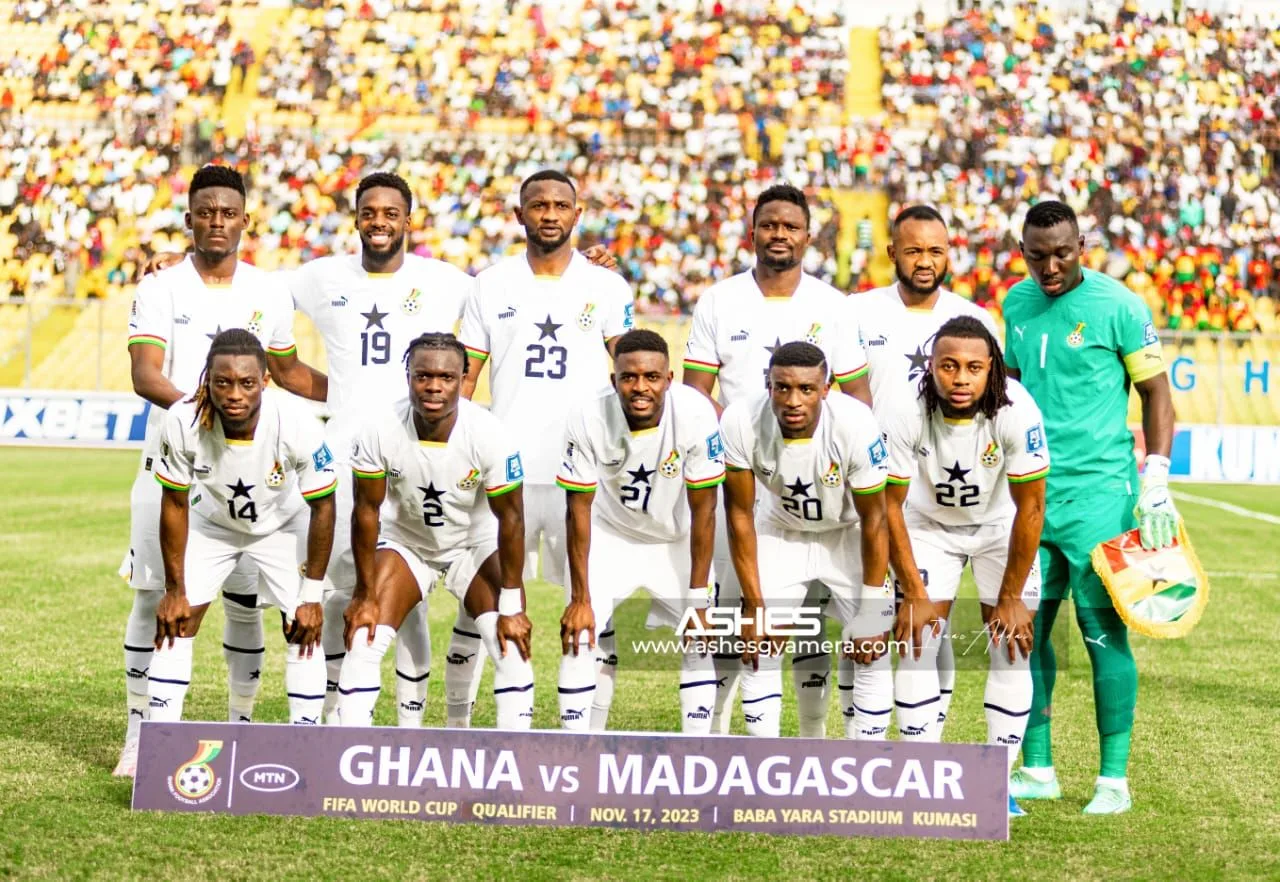
Ghana reportedly contemplating Black Stars camping in South Africa before 2023 AFCON
The Sports Ministry and the Ghana Football Association (GFA) are reportedly reconsidering their decision to hold the national football team’s pre-Africa Cup of Nations (AFCON) camp in South Africa.
The initial plan, confirmed by the GFA, faced public dissent, prompting a reevaluation of the training location and schedule.
Originally scheduled to open camp in Johannesburg on December 31, the team’s decision faced significant opposition from the Ghanaian public. In response to the concerns raised, there’s now a noticeable pivot in strategy.
The Sports Ministry, aligning with public sentiment, is reportedly advocating for a change in the camp location to Kumasi, signaling a shift in the team’s pre-tournament preparations.
Under the revised proposal, the team is expected to face Namibia in a pre-tournament friendly as part of their adjusted training regimen in Kumasi.
While the original plan had the team staying in camp for approximately ten days before departing for the Ivory Coast, this reshuffling of the preparatory phase introduces a new dynamic to the lead-up to the 2023 AFCON.
Meanwhile, head coach of the team, Chris Hughton, has announced a 55-man provisional squad for the tournament, including notable names from Asante Kotoko, Medeama SC, and international clubs such as West Ham United, Crystal Palace, and Athletic Bilbao.
However, Tariq Lamptey and Kamaldeen Sulemana have been ruled out of the tournament due to various degrees of injuries despite being named in the provisional squad.
The final 27-man squad is expected to be announced on January 3. Ghana has been placed in Group B and will face Cape Verde, Egypt, and Mozambique in the tournament scheduled to kick off from January 13 to February 11.
The Black Stars of Ghana will first play against Cape Verde on January 14, 2024, followed by matches against Egypt and Mozambique.
-
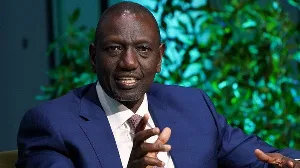
Kenya to become visa-free country begining January 2024
Effective January 2024, Kenya will eliminate visa requirements, opening its borders to all foreign nationals.
Africans planning to visit Kenya will no longer need visas but will instead require advance electronic travel authorization.
Kenyan President William Ruto, in his announcement on December 12, 2023, emphasized that the country is transitioning to a visa-free status, eliminating the need for individuals to go through the visa application process before visiting.
Ruto stated, “This is to echo a message to humanity to welcome everyone home…this is why the government of Kenya has abolished the requirements of visas for all visitors,” he noted.
“To implement this policy, we have developed a digital platform to ensure that all travellers to Kenya are identified in advance on an electronic platform.
Consequently, all travellers will obtain electronic travel authorization as they come to Kenya,” President Ruto added.To implement this policy, a digital platform has been developed to identify all travelers in advance on an electronic platform.
Consequently, travelers will obtain electronic travel authorization before coming to Kenya.
President Ruto initially announced the visa-free initiative in October 2023, highlighting that visa requirements were hindering trade, tourism, and overall development.
He emphasized the impact on business people and entrepreneurs when travel is restricted.
“When people cannot travel, business people cannot travel, entrepreneurs cannot travel, we all become net losers,” President Ruto earlier said.
Kenya’s move mirrors a recent visa waiver agreement between Ghana and South Africa.
Both countries declared that Ghanaians and South Africans can travel to each other’s countries without a visa, effective from November 1, 2023.
-
President of South Africa meets with Jewish leaders
South Africa’s President Cyril Ramaphosa met with a Jewish lobby group and said the country strongly supports Palestinians in the ongoing war with Israel.
During the meeting, the South African Jewish Board of Deputies asked President Ramaphosa to keep the community safe from antisemitism.
They asked Mr Ramaphosa to fully recognize Israel and open the South African embassy in Tel Aviv. They also wanted to stop the closure of Israel’s embassy in Pretoria.
They also asked Mr. Ramaphosa to speak out or take action against the boycott of Israeli and Jewish businesses in South Africa.
In answer, President Ramaphosa spoke out against hatred of Jewish and Muslim people, but confirmed that South Africa still supports Palestinians.
“President Ramaphosa restated the South African government’s stance on the current fight between Israel and Palestine,” said the president’s office in a statement.
The President said the government does not agree with treating Jewish people badly in South Africa, like boycotting their businesses, and being afraid of people who practice Islam. -

Memorial event for renowned musician Zahara from South Africa under way
At the memorial service for the late South African singer Bulelwa Mkutukana, better known by her stage name Zahara, family, friends, and admirers are gathered in Johannesburg.
The celebrated Afro-pop singer passed away earlier this week following a brief illness.
It was reported that she suffered liver problems while she was in the hospital.
The family stated that they did not believe there was a malicious motive behind her passing.
On December 23, she is scheduled to be buried in the Eastern Cape.
You can follow the live service here: https://www.youtube.com/watch?v=g7PV4IwfUm0
-

South African woman sentenced to 50 years in prison for $28 million theft
A woman from South Africa has been given a 50-year jail sentence for stealing $28 million from her employer.
Hildegard Steenkamp took money from the healthcare company she worked for as an accountant in Gauteng province for 13 years Steenkamp admitted to doing fraud 336 times.
She stood in front of a judge, who said he had never dealt with a case where someone stole so much money.
Advertisement means a message that promotes or sells a product or service.
Magistrate Phillip Venter was very surprised to hear that one worker stole a lot of money from their boss. He found it really hard to believe.
Steenkamp said that her husband was mean to her and made her steal the money. Venter disagreed and said “she did the actions by herself”.
Forensic investigators discovered that Steenkamp used the money to pay for her expensive lifestyle, including gambling, buying jewelry, and traveling.
In just one night, she spent $263,000 at a casino.
The court found out that Steenkamp spent a lot of money, around $1. 6 million, on trips around the world and went to Dubai often.
She had a job at the company from 2004 to 2017, but then she quit.
Steenkamp made this plan because she was allowed to add or remove people the company owed money to from the list, the South African police said.
She put her husband’s name on the list of people she owes money to and started putting money into his bank account.
Steenkamp turned herself in to the police in 2018 and was allowed to leave on bail. She admitted she was guilty earlier this year. -

133 alleged victims of human trafficking apprehended by South Africa police
The police in Limpopo, South Africa, stopped and questioned 133 people who they think might have been trafficked.
According to the police, a group of kids and grown-ups were traveling in 10 small buses. This was reported by the public broadcaster SABC News.
“We asked all the people involved, like Home Affairs, to come and see where they are from. ” “In most cases, these people will probably be sent back to their own country’s border,” said Hlulani Mashaba, a spokesperson for the province.
This is the third time they have made an announcement like this since last weekend.
On Sunday, officials in Limpopo said they stopped over 400 kids who came from Zimbabwe and were not with any grown-ups.
Zimbabwean officials said that there were only 124 children, and they denied that there were more.
Save the Children organization disagrees with South Africa’s statement that the children were being taken there to be used for bad purposes.
Police said they saved 33 people from being trafficked in a different place in Gauteng province. -

440 unaccompanied minors intercepted by South Africa
Border officials in South Africa have stopped a group of over 440 children who were traveling from Zimbabwe without any adults with them.
The Border Management Authority (BMA) said that children under eight years old traveled on many buses on Saturday.
The BMA said they didn’t have their parents, guardians, or the necessary permission letters required by the law.
The reports say that the kids were visiting their parents who have jobs in South Africa.
The Border Management Authority checked 42 buses at the Beitbridge border post on social media platform X. They found 443 kids under age eight traveling without parents or guardians, and they were being taken to South Africa for bad reasons.
“We didn’t let them in and got the Zimbabwe officials to send them back to Zimbabwe. ”
More than a million people from Zimbabwe live and work in South Africa. It is thought that the kids were going to visit their parents for Christmas.
The bus drivers said that the children were going to sports events.
The leader of the Africa Diaspora Forum, who speaks for people from other countries living in South Africa, said that some of the 443 children were traveling with their grandparents.
Ngqabutho Mabhena said on his YouTube channel that the parents of these kids had called him and told him this.
“He said that is why they were allowed to pass through the border on the Zimbabwean side. ”
Mr Mabhena reminded Zimbabwean parents in South Africa to always accompany their children on buses and make sure they have the right paperwork.
He said, “Don’t give your kids to somebody you don’t know. We should be good parents and not make our kids feel uncomfortable. ”
South Africa is dealing with more people entering the country illegally through the border with Zimbabwe in the north.
Immigration is a big problem in South Africa’s politics.
The government is feeling pressure to control the number of people coming into the most developed country in sub-Saharan Africa because the border management is not working well.
In October, President Cyril Ramaphosa started a new border force to reduce the number of people entering South Africa illegally from Zimbabwe and other countries. -
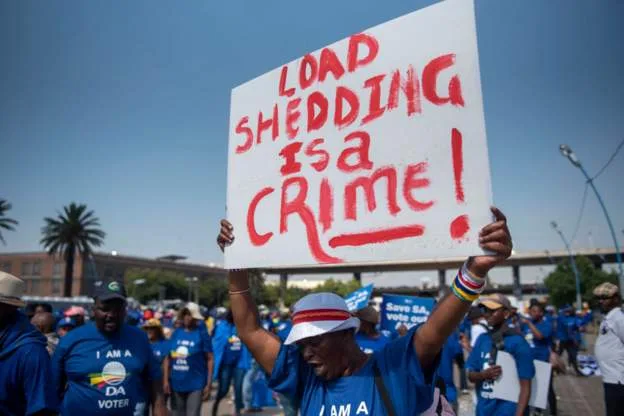
South Africa receives 450 generators from China over power disruptions
South Africa got 450 gasoline generators from China to help with their serious power cuts.
The generators have arrived in South Africa and will be officially received by Electricity Minister Kgosientsho Ramokgopa on Thursday.
The generators will be used as a backup to help reduce the problems caused by load shedding in providing services in clinics, schools and courts, the presidency said on Tuesday.
China and South Africa agreed to help each other during a meeting in Johannesburg. This donation is part of that agreement.
In the agreement, China promised to give emergency equipment worth 167 million rand, which is $8. 9 million or £7 million, and also a development grant of 500 million rand.
In the past few years, South Africa has had a lot of problems with power cuts, which have been really frustrating.
Every day, many people in cities and towns across South Africa don’t have electricity for up to 10 hours. -
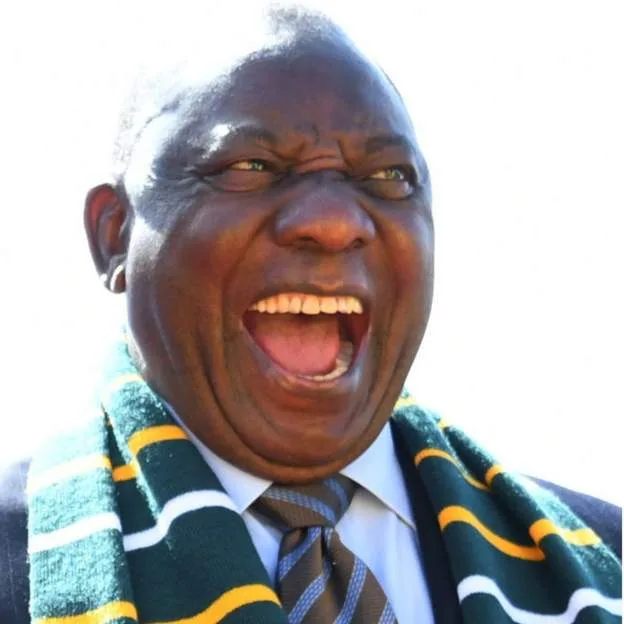
Think like China and stop disparaging your nation – President of South Africa
President Cyril Ramaphosa said that South Africans can learn from Chinese people about supporting their own government.
Everyone has to be a messenger. We should act like China. In China, almost everyone represents their country and always speaks positively about it. “Don’t say bad things about your country,” he said at a meeting in Durban.
China is a country where only one political party is in charge. If people speak out against the government, they can be arrested and held in jail without a fair reason, according to organizations that protect people’s rights.
South Africa has a good relationship with China and is a democracy with multiple political parties. The African National Congress has been in charge of the government since apartheid ended in 1994. -

11 mining worker perish in an accident in South Africa
Eleven people have died in an accident at a platinum mine in South Africa, as reported by the mining company Implats.
The crash happened on Monday afternoon at Impala Rustenburg in the North West province.
The company’s spokesperson, Johan Theron, told our reporters that 86 people were part of the incident and 11 of them died.
Some others are really hurt and have been hospitalized.
The mine rescue is finished and they are looking into what happened.
He said that a rope connected to a lift was involved in the incident, which is used to raise and lower people in the mine shaft.
He said the elevator suddenly started going down. -

South Africa’s investigation assert that chatbot wrote Ramaphosa’s speech
The South African administration is exploring whether parts of President Cyril Ramaphosa’s discourse final week were composed utilizing the fake insights (AI) chatbot ChatGPT, neighborhood media report.
It takes after claims online that a segment of the discourse conveyed final week at an instruction gathering by the president did not come from the president or his speechwriters.
The president’s representative, Vincent Magwenya, denied this, saying they don’t utilize AI apparatuses for substance such as addresses.
He said that parts of the discourse were composed by the office of instruction for the president’s office, including that they were taking after up with respect to the source of the substance.
“The utilize of AI to create talks or any other fabric is unsatisfactory, and activity will be taken ought to these reports demonstrate to be correct,” Mr Magwenya was cited by The South African news outlet as saying. -
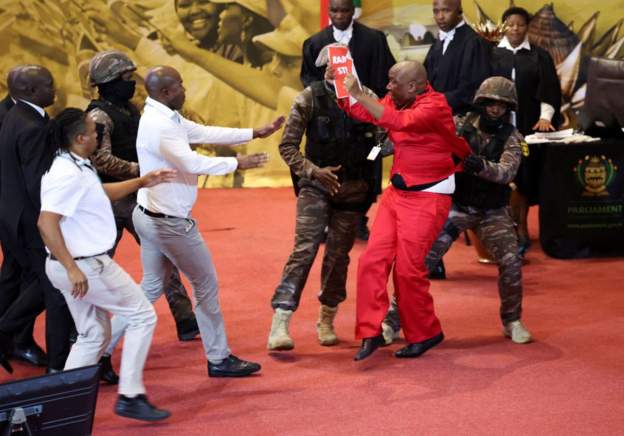
Malema and other MPs suspended by South Africa parliament for a month
South African opposition leader Julius Malema and five other lawmakers from his Economic Freedom Fighters (EFF) party were suspended by Parliament for a month without pay on Wednesday.
The Parliamentary Powers and Privileges Committee found them guilty of contempt of Parliament for storming the stage during President Cyril Ramaphosa’s State of the Nation address in February.
The speaker then suspended the proceedings while security forces took Mr Malema and other MPs out of the room.
The committee added that “each member must also personally apologize to the Speaker, the Speaker and the people of South Africa” for interrupting the president’s speech and “putting the country in a bad light. ”
” The suspension of the six MPs will last until February next year, meaning Mr Malema and the remaining five MPs will not be able to attend the president’s next State of the Union address, scheduled for February.
This there On Monday, EFF MPs refused to participate in the hearings against them after the committee rejected their request for an adjournment.
Mr Malema also objected to the appointment of lawyer Anton Katz as the initiator of the hearing. “I will not be persecuted by white people,” Mr. Malema said
-

Israel removes its ambassador from South Africa
Israel called back its ambassador in South Africa to have a discussion.
On Monday, the ministry spokesperson Lior Haiat said that the decision was made because of recent statements from South Africa about Israel. He didn’t give details.
South Africa does not like what Israel is doing in Gaza with their military.
On Tuesday, the members of parliament voted to suggest closing the Israeli embassy until there is a stop to the fighting and a promise to talk things out.
248 people in parliament voted yes and 91 voted no.
All politicians from the ruling African National Congress agreed with it, but we don’t know if the government will do what was suggested.
Even though the person in charge didn’t like it, some members of parliament shouted “free, free Palestine” after the decision was made.
Israel started a big war in Gaza because hundreds of Hamas fighters attacked them. At least 1,200 people were killed and over 200 were taken captive.
US President Joe Biden said that a deal where Hamas would release some hostages is almost done.
The health ministry in Gaza, which is controlled by Hamas, says that at least 13,000 people have died in the area since Israel started its campaign in response.
Israel is saying that they are protecting themselves and want to stop Hamas and prevent another attack like the one last month.
The Israeli Ambassador Eliav Belotserkovsky was called back to Israel just before South Africa started hosting a virtual meeting of the Brics group of countries, including China and Russia, to talk about the Israel-Hamas war.
At the end, the Brics leaders asked for a quick and lasting break from fighting in Gaza to help people in need.
China’s leader, President Xi Jinping, also asked for the freedom of people who are not soldiers and are being held captive.
The President of South Africa, Cyril Ramaphosa, said it was wrong to punish all Palestinian people for the actions of a few.
Vladimir Putin said the US is stopping other countries from making peace in the Middle East.
South Africa asked the International Criminal Court to arrest Israel’s Prime Minister, Benjamin Netanyahu, by the middle of December.
Minister Khumbudzo Ntshavheni said if this didn’t happen, it would show that global leadership has failed.
South Africa, Bangladesh, Bolivia, Comoros, and Djibouti have asked the ICC to look into if war crimes and crimes against humanity happened in Gaza.
The UN Security Council wants to have short breaks in fighting so that UN workers can go into the area that is blocked off.
South Africa brought its diplomats back from Israel earlier this month. For five years, there has not been a South African ambassador in Israel. -

MPs in South Africa vote to sever ties with Israel
South African lawmakers voted to shut down the Israeli embassy in Pretoria and stop all diplomatic ties.
The African National Congress, which controls parliament, has always disapproved of Israel and it backed the decision in parliament.
The plan asked for the embassy to be shut down and for ties to be stopped until Israel agrees to stop fighting and starts serious talks.
248 people said yes, while 91 people said no. As it happened, some people shouted “free, free Palestine”.
Before the vote in South Africa, Israel asked its ambassador to come back home for discussions. They said they did this because of the recent statements made by South Africa.
President Cyril Ramaphosa sent Israel to the International Criminal Court for possibly committing war crimes. He also called back South Africa’s diplomats from Israel.
He led an online meeting of the Brics countries on Tuesday to talk about what’s happening in Gaza.
He said that Israel was killing a lot of people in Gaza and punishing all the Palestinian people.
Israel is saying it’s protecting itself and trying to get rid of Hamas in Gaza. -
How Collins Dauda travelled to South Africa without a passport
A High Court in Accra has expressed concern about the absence of former Minister for Works and Housing, Collins Dauda, who is on trial for causing financial loss to the state, and how he was able to travel to South Africa without his passport.
The court had ordered Mr Dauda to deposit his passport with the court’s registrar as part of his bail conditions. Dauda’s counsel explained that the MP received an emergency invitation for a pan-African conference in South Africa, and the absence was not deliberate.
The court questioned how he could travel without his passport and was informed that an application for its release had been filed.
The Director of Public Prosecutions, Yvonne Atakora Obuobisa, expressed surprise and concern about how the accused, Collins Dauda, was able to travel to South Africa without his passport, considering it was supposed to be deposited with the court’s registry as part of his bail conditions.
Mr Dauda’s counsel explained that an application for the release of the passport had been filed, but travel arrangements were made before the hearing of the application. The court had ordered Dauda to deposit his passport and inform the court when he needed it, and the prosecution questioned the circumstances of his travel without notifying the court.
The Director of Public Prosecutions, Yvonne Atakora Obuobisa, expressed displeasure at the accused, Collins Dauda, traveling to South Africa without notifying the court, given that he was required to deposit his passport as part of his bail conditions.
The defense counsel explained that the travel notice came abruptly, and an application for the release of the passport had been filed but needed to be processed before Dauda’s departure.
The prosecution raised concerns about Dauda’s ability to travel without his passport and questioned the circumstances. Despite objections by the defense, the prosecution began its case by calling its first witness, Rev. Stephen Yaw Osei, acting Chief Director of the Ministry of Works and Housing.
The case was adjourned for the witness to read his statement.
-

South Africa requests ICC issue warrant for Netanyahu’s arrest
The government of South Africa wants the International Crime Court (ICC) to arrest Prime Minister Benjamin Netanyahu by mid-December.
Minister Khumbudzo Ntshavheni said that if the ICC didn’t do this, it would show that global governance has completely failed.
She said that the world cannot just watch and do nothing.
Israel says it is protecting itself after the 7 October attack by Hamas, which resulted in 1,200 deaths and over 200 people being held captive.
It says they are trying to reduce harm to the people who are not in the military, but Ms Ntshavheni said the Israeli government was trying to move most of the people out of Gaza and take control of it.
South Africa, Bangladesh, Bolivia, Comoros, and Djibouti asked the ICC to look into if war crimes and crimes against humanity happened in Gaza.
South Africa has always been a strong supporter of the Palestinian cause. -
Gaza-Israel conflict shouldn’t split us apart in South Africa – Ramaphosa
President Cyril Ramaphosa said on Monday that South Africans should not let the Israel-Gaza conflict cause more disagreements.
Last week, there was a protest in Cape Town where people supporting Israel and Palestine argued with each other.
The president talked about the incident in his weekly letter and said it was concerning and not okay.
President Ramaphosa and the ANC support the Palestinians.
He said “It’s not the same thing to support the Palestinian cause as it is to be against Jewish people”.
Mr Ramaphosa criticized an Israeli newspaper for saying that his government’s support for the Palestinians could lead to violence against the South African Jewish community.
The letter asked South Africans to stay united as this conflict continues.
Last week, South Africa told the International Criminal Court (ICC) about what Israel’s government did during the fighting in Gaza. -

South African queen honours Ox Nche standout for Springboks
South Africa‘s famous rugby player Retshegofaditswe Nche, also called “Ox,” has been given a special award from a traditional community.
Queen Kgosi Gaboilelwe Moroka wa Barolong gave Nche a special award at a ceremony when he came home, after his team won the fourth World Cup for South Africa.
Supporters believe that Nche played a big role in helping the Springboks win, especially in the semi-final game.
Queen Moroka called him “Honour of the Nation” because he has done great things for the country and its people.
Nche was the first person to win the award.
The people of Nche’s hometown were really happy and eager to see him as he visited the town. They cheered and welcomed him because he is a rugby hero.
Queen Moroka expressed her hope that the honor would inspire people to look up to Nche, who grew up in a small village but became a world champion.
“I feel very proud and I hope this inspires others to believe that anything is possible,” Nche told the national broadcaster SABC. -

Google Maps, Waze adjust routes to bypass Cape Town’s Nyanga township amid safety concerns
In response to rising security concerns, Google’s navigation apps, Waze and Google Maps, will no longer guide road users through Cape Town’s Nyanga township and its surrounding areas. Alistair Mokoena, the company’s South Africa head, made this announcement on Monday.
The decision comes after an American tourist was robbed and shot in the face in Nyanga last week when a navigation app directed him to drive through the township, considering it the most direct route from Cape Town International Airport to the city.
This incident follows the tragic death of 40-year-old British surgeon Kar Hao Teoh, who was shot during a protest by taxi operators in the same township in September.
Reports from local media indicate that several other individuals, primarily tourists, have been attacked or killed while driving through the township, with some following navigation app recommendations.
After Mr Teoh’s killing, the British government warned citizens visiting South Africa to “be careful when following GPS navigation” and “avoid taking alternative routes away from main roads as this can often take you into less secure areas”.
It added that “most violent crimes occur in townships on the outskirts of major cities or in isolated areas”.
-

Diplomats from South Africa to leave Israel
South Africa will bring back all its diplomats from Tel Aviv after Israel launched heavy air strikes on Gaza on Sunday night.
The attack was one of the largest by Israel since the war started a month ago.
According to Al-Shifa hospital in Gaza City, around 200 people died.
South Africa’s government, which has always strongly supported Palestinians, strongly criticized Israel on Monday.
The government said it might ask to remove the Israeli Ambassador, Eliav Belotsercovsky, because he made insulting comments about South Africa.
The text means that Ambassador Belotsercovsky’s presence in South Africa is not acceptable. The statement also says that they will use diplomatic methods to handle his behavior in the country.
The Foreign Minister, Naledi Pandor, stated that the government thinks Israel’s response is now about punishing everyone and not just individuals.
Israel says it is trying to reduce the number of civilians who get hurt and claims that Hamas is using innocent people as protection.
Many South Africans have been upset and angry about Israel’s attacks on Gaza lately, and they showed their feelings by protesting.
Earlier this year, the South African embassy in Israel was changed to a smaller office called a liaison office. -

Robbers demanded US$160K ransom for abducted SA Church of Pentecost deacon – Sources
Armed robbers, during their raid on a Church of Pentecost branch in South Africa, took a church member hostage and subsequently demanded a ransom for their release.
According to a source within the church, as reported by Joy News based in Accra, the robbers requested a sum of US$160,000 to free the deacon.
However, the source also mentioned that no payment was made before the deacon’s release.
It’s possible that the widespread attention drawn to their criminal act may have prompted the robbers to abandon their initial ransom demand.
“They had demanded that the money be paid in four days or the church would have itself to blame. Thank God the footage of the incident went viral. It is certain that is what broke their resolve and scampered with their plans.
“The church did not pay anything. Eventually, the abductors set the deacon (name withheld) free in an outlandish location.
“A good Samaritan discovered him where they abandoned him by the roadside,” the source is quoted to have said.
“The good Samaritan took him to the nearest police station, from where the Ghana High Commission and church leaders were alerted of his discovery,” they added.
The incident occurred a week ago in Johannesburg, and the release of the hostage was officially confirmed on November 1 by Ghana’s High Commissioner to South Africa, Charles Owiredu.
The incident was captured on video, showing the criminals entering the church premises while a service was in progress.
In the footage, the priest and other congregants can be seen lying flat on the ground, complying with the menacing robbers and surrendering their valuables.
-

Final of major opera competition to be held in South Africa
This Sunday, South Africa will be hosting the final of a very important opera competition called Operalia.
Two singers from South Africa, Siphokazi Molteno and Nombulelo Yende, are going to participate in a singing competition in Cape Town. They will perform in front of judges and try to make a good impression.
At first, 800 individuals from over 15 countries wanted to participate.
Alvaro Domingo, the vice-president of Operalia, said that South Africa is well-known around the world for its talented singers.
Alex Gabriel, the boss of Cape Town Opera, said holding the event will show off the amazing skills of our South African opera singers, who are becoming hugely popular worldwide.
Pretty Yende’s sister, who is older than her, won a competition in 2011. She then got the opportunity to sing at King Charles III’s coronation this year.
In the end, each participant will perform with the creator of Operalia, Plácido Domingo – a famous conductor – and the Cape Town Philharmonic Orchestra. They will be helped by guest conductor Kamal Khan.
The two people from South Africa will take part in a competition with singers from Armenia, South Korea, and France.
Domingo started Operalia in 1993 to give a chance to young opera singers from all over the world to showcase their talents. This year, the competition is turning 30 years old and it’s a cause for celebration.
The last part of the competition will be broadcasted live by medici. tv for no cost.