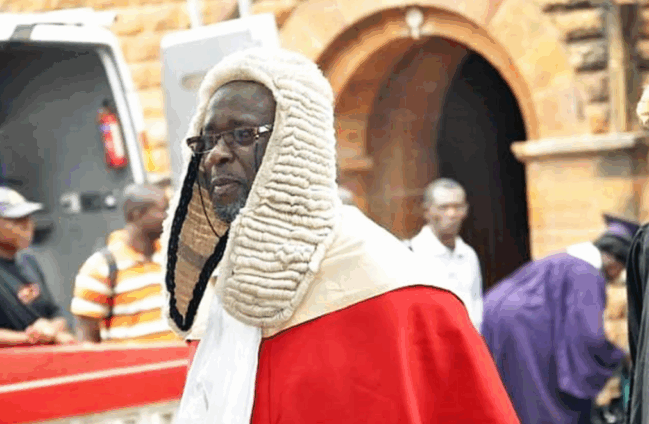
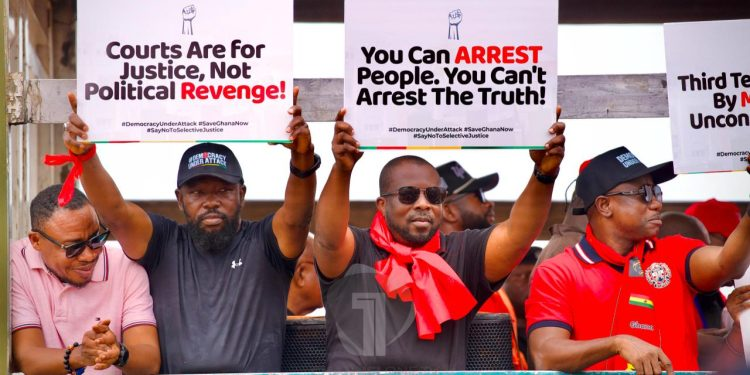
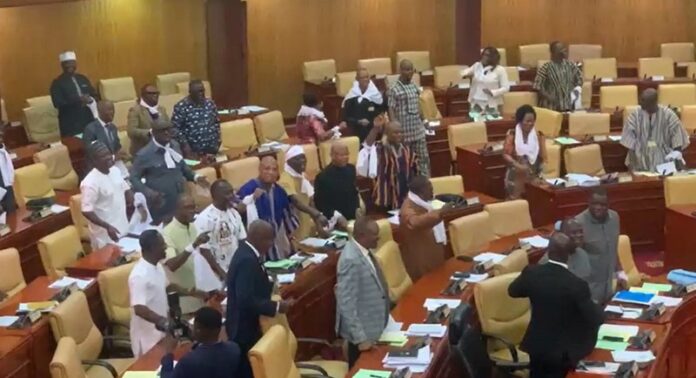
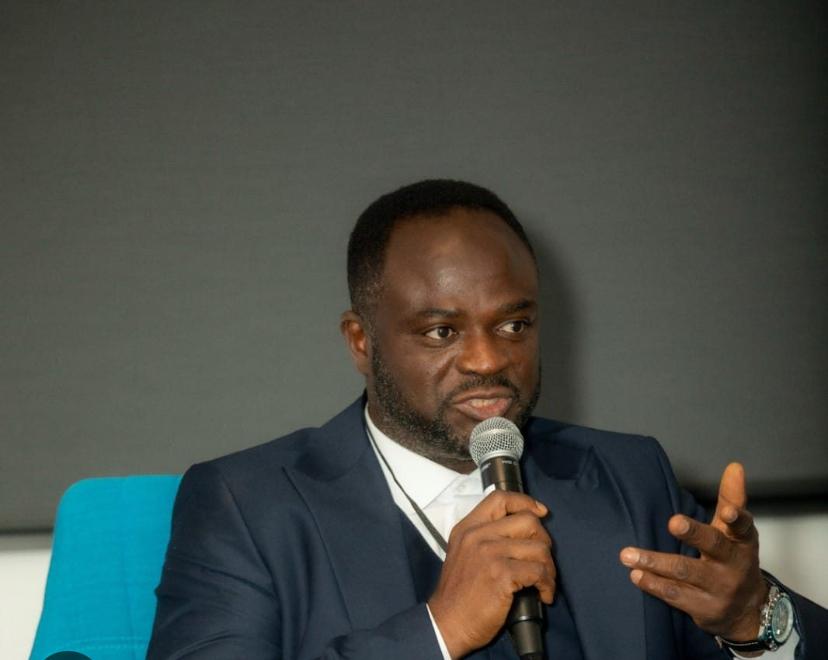
Chief Justice Paul Baffoe-Bonnie has rejected a request by lawyers for former National Signals Bureau (NSB) Director-General Kwabena Adu-Boahen and former National Food and Buffer Stock Company (NAFCO) Chief Executive Officer Hanan Abdul-Wahab to defer proceedings in their cases until the end of the legal vacation.
The decision follows separate petitions submitted to the Chief Justice on August 5 by lawyers for the two accused persons, challenging the authorisation for the judges handling the cases to sit during the judicial recess.
The defence teams, led by Samuel Atta Akyea for Adu-Boahen and former Attorney-General Godfred Yeboah Dame for Abdul-Wahab, argued that the decision to continue substantive criminal proceedings during the legal vacation was inconsistent with established judicial practice.
In their petitions, the lawyers maintained that judges authorised to sit during the legal vacation are traditionally permitted to deal with motions and other urgent matters, rather than conduct substantive criminal trials.
Mr Dame, in particular, argued that Abdul-Wahab’s trial had not commenced before the legal vacation and therefore should not have been scheduled for hearing during the recess.
He contended that the decision to authorise the trial during the vacation, without the consent of the parties, was irregular and departed from the established practice governing court sittings during the legal break.
Mr Akyea raised similar objections in respect of Adu-Boahen’s case, arguing that no exceptional circumstances were warranting the continuation of the proceedings during the vacation.
The defence teams also informed the Chief Justice that members of their legal teams had made personal and professional arrangements for the vacation, with some having travelled outside the country before the decision to proceed with the cases was communicated.
They consequently asked that the proceedings be deferred until the courts resumed their normal sittings in October.
However, addressing the 2nd Quadrennial Delegates Congress of the Senior Staff Association of the Judicial Service on Tuesday, August 11, Chief Justice Baffoe-Bonnie rejected the request.
He explained that decisions on whether to adjourn a case were matters for the respective courts and could not be treated as administrative decisions to be determined by the legal vacation.
“Adjournments are judicial matters, not administrative decisions. It is not for lawyers to dictate when judges sit. Once a warrant has been issued for a judge to sit during the legal vacation, that judge has full authority to manage his court’s work,” the Chief Justice said.
The development comes as the courts continue to deal with the high-profile criminal proceedings involving the two former public officials.
On Tuesday, proceedings in Adu-Boahen’s case were affected by the absence of his defence lawyers, who had earlier indicated that they would not participate in hearings during the legal vacation.
The court subsequently adjourned proceedings for further case management, with August 18 set as the next date.
Position of GBA
In a notice dated August 10 addressed to the Chief Justice, the GBA argued that Vacation Courts were established by convention to deal with emergencies and interlocutory matters only, not full criminal trials.
The President of the GBA, Efua Ghartey, wrote: “By convention over the years, certain courts have been designated as Vacation Courts to handle any emergencies arising during the vacation, usually interlocutory matters and never trials.”
The Association stressed that forcing lawyers to appear for substantive trials during vacation undermines the purpose of the recess, which is meant for rest and administrative work.
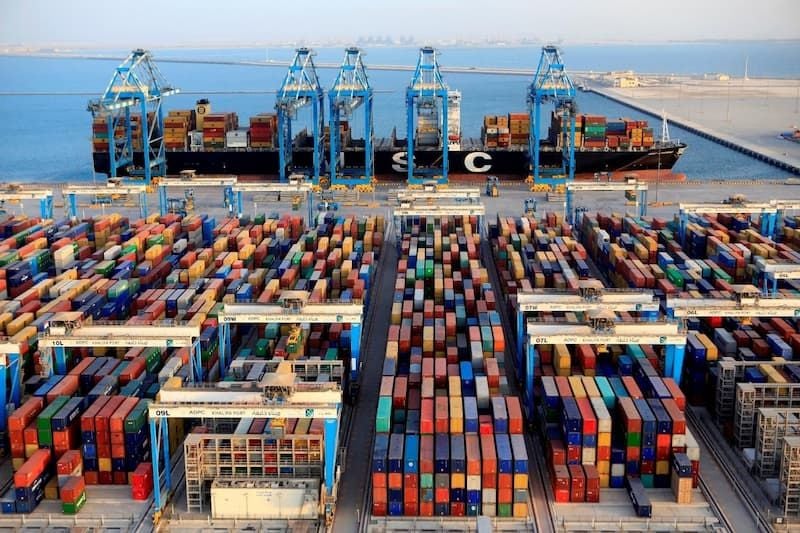
Ghana’s total trade value increased from GH¢545.1 billion in 2024 to GH¢654.7 billion in 2025, marking a significant GH¢109.6 billion increase, according to the latest Ghana Merchandise Trade report.
The report, officially released by the Ghana Statistical Service (GSS) on Thursday, July 30, 2026, and presented publicly again on Tuesday, August 11, by Government Statistician Alhassan Iddris, indicates that trade recorded a 20% year-on-year increase within the 12 months.
“Ghana’s total trade value increased from GH¢545.1 billion in 2024 to GH¢654.7 billion in 2025, representing a year-on-year growth of 20 percent. The country recorded a trade surplus of GH¢148.3 billion in 2025, more than triple the GH¢44.7 billion surplus registered in 2024,” the report indicated.
Exports accounted for GH¢401.5 billion of the total trade, with gold leading the country’s export earnings.
“Gold exports alone contributed GH¢252.4 billion, representing about 63 percent of total exports,” the report stated.
Cocoa followed with GH¢56.2 billion, while mineral fuels and oils contributed GH¢35.3 billion.
Imports stood at GH¢253.2 billion, resulting in a trade surplus of GH¢148.3 billion in 2025, compared with GH¢44.7 billion in 2024.
The development comes amid a strong performance in Ghana’s external trade, particularly in the final quarter of 2025.
An international trade newsletter published by the Ghana Statistical Service in mid-July reported that Ghana recorded a 169.7% increase in export trade flow in the fourth quarter (Q4) of 2025.
The surge was attributed to higher prices of key exports, including gold, oil and cocoa, as well as strong demand from Asian countries.
Between October and December 2025, Ghana earned GH¢108.6 billion from exports and spent GH¢61.4 billion on imports, resulting in a GH¢47.2 billion trade surplus.
“This represents a substantial increase from the GH¢17.5 billion surplus recorded in Q3 2025,” the report said.
In US dollar terms, Ghana’s total trade in Q4 2025 was valued at US$15.1 billion. Exports accounted for US$9.7 billion, representing about 64% of total trade during the period.
The export performance was largely driven by commodity shipments, with gold bullion valued at GH¢72.7 billion, accounting for 66.9% of total exports.
“Gold bullion was the top export product worth more than seven times the value of the second-highest export,” the report noted.
Cocoa beans and crude petroleum were among the other major commodities contributing to the country’s export earnings, although their values remained significantly below that of gold.
The data highlights Ghana’s continued dependence on a relatively small number of major export commodities, particularly gold.
Asia emerged as Ghana’s leading export destination, accounting for 53.4% of total exports. The region purchased more than half of everything Ghana exported during the period, more than twice the share recorded by Europe.
India and the United Arab Emirates were the biggest individual buyers of Ghanaian exports. Together, the two countries accounted for almost half of the country’s export earnings.
“Asia led with over half (53.4%) of total exports,” the report stated, underscoring the region’s growing importance to Ghana’s trade network.
Despite the strong growth in export earnings, the report noted that the increase was driven largely by higher commodity prices rather than a significant rise in the volume of goods exported.
When the effect of price increases is removed to reflect real economic activity, Ghana recorded a trade deficit, with real exports valued at GH¢30.0 billion compared with GH¢31.7 billion in imports.
“The growth in total export value is driven primarily by increases in the unit price rather than by higher quantities exported,” the report explained, particularly in relation to gold exports.
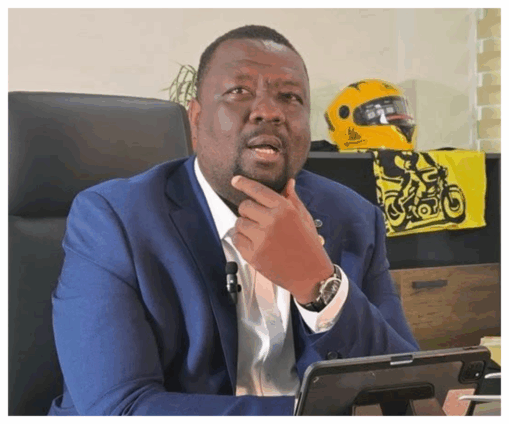
Many drivers operating ride-hailing services on platforms in Ghana have fake driving licences, the Driver and Vehicle Licensing Authority (DVLA) has revealed.
According to the Chief Executive Officer of the DVLA, Julius Neequaye Kotey, 75% of the licences checked among drivers operating on ride-hailing platforms were found to be fake.
Speaking in an interview on Atinka TV on Tuesday, August 11, Mr Kotey said the DVLA discovered the trend through its monitoring system, which revealed that a significant proportion of drivers operating on the platforms were using fraudulent licences.
He said the development raises concerns about the growing prevalence of fake driving licences and the quality of drivers operating on ride-hailing platforms.
“We have issues with ride-hailing drivers. When we checked the ride-hailing monitoring system on our end, 75% of the licences we checked in the ride-hailing space were all fake. Seventy-five per cent of the drivers whose licences we checked were all fake,” he said.
According to him, the DVLA’s monitoring of ride-hailing services showed that the issue cuts across some of the major ride-hailing platforms operating in Ghana, including Bolt, Uber and Yango.
“This includes drivers operating on platforms such as Bolt, Uber and Yango,” he added.
Meanwhile, in May this year, the DVLA intensified its efforts to curb the importation of vehicles into Ghana through unapproved channels.
As part of the drive, the Authority introduced clone detection machines (OBD II scanners) to significantly enhance vehicle verification and protect the integrity of Ghana’s registration system. This information was contained in a press statement issued by the Authority on Wednesday, May 13.
According to the Authority, “These machines will help identify vehicles imported through unapproved channels that illegally clone the Vehicle Identification Numbers (VINs) of legitimate vehicles awaiting registration—a practice that has, in some cases, caused genuine vehicle owners to be wrongly flagged as already registered.”
DVLA cracks down on fake vehicle identification materials
The DVLA has also begun the arrest and prosecution of individuals using fake, forged or expired DV number plates and DP stickers.
In a public notice issued on April 17, 2026, the Authority warned that anyone found in possession of such illegal vehicle identification materials would face legal action in accordance with the law.
The DVLA said the move forms part of intensified efforts to clamp down on non-compliance within the vehicle registration system. The action follows an earlier directive issued on March 19, 2026, which outlined plans to target the use of expired 2025 DV plates, forged 2026 DV plates and expired DP stickers. Enforcement operations initially began on March 24, 2026.
According to the Authority, its compliance team, working in collaboration with the Motor Traffic and Transport Department (MTTD) of the Ghana Police Service, has already carried out targeted operations across various locations. These operations have largely focused on removing non-compliant plates and stickers from vehicles.
However, despite these interventions, the DVLA said some motorists continue to flout the regulations.
The Authority reiterated that, under Regulation 23(11) of the Road Traffic Regulations, 2012 (L.I. 2180), it is unlawful to possess or use forged or fake trade licences, including DV and DP plates and stickers.
“With effect from May 4, 2026, any individual found in violation will be arrested and prosecuted,” the DVLA said.
The directive, the Authority noted, is aimed at strengthening regulatory compliance, protecting the integrity of vehicle registration data and enhancing public safety.
The DVLA urged all vehicle users to comply fully with the regulations and support efforts to ensure a transparent, accountable and efficient vehicle administration system.
DVLA plans overhaul of vehicle number plate system
Meanwhile, in August 2025, the DVLA announced that it would embark on a massive overhaul in 2026 following the introduction of a new vehicle number plate system aimed at tackling smuggling and preventing the registration of vehicles that evade import duties.
The move came in response to rising cases of car smuggling into West Africa, including Ghana.
On August 26, 2025, the Economic and Organised Crime Office (EOCO) Head of Legal and Prosecutions, Leo Antony Siamah, revealed during a media engagement that 100 stolen luxury vehicles shipped into Ghana through dubious means had been recovered.
Mr Siamah cautioned the public to exercise extreme vigilance when purchasing vehicles, particularly high-end ones, to avoid becoming unwitting accomplices in criminal activities.
He further disclosed that the anti-graft agency was investigating about 300 additional cases of suspected stolen vehicles in collaboration with INTERPOL, the Federal Bureau of Investigation (FBI) and the Royal Canadian Mounted Police (RCMP).
Earlier, in May 2025, an INTERPOL-led operation codenamed Safe Wheels dismantled a major vehicle trafficking network in West Africa.
The exercise detected about 150 stolen vehicles and seized more than 75 across 12 countries, including Ghana and Nigeria. The two-week operation also launched 18 new investigations and exposed two organised crime syndicates.
Most of the stolen vehicles were trafficked from Canada, with others originating from France, Germany and the Netherlands.
In response, DVLA Chief Executive Officer Julius Neequaye Kotey, in a statement shared on Facebook on Monday, August 25, 2025, announced that the new plates would be fitted with Radio Frequency Identification (RFID) technology and linked directly to a central database.
The innovation, he explained, would make it impossible to register “Togo cars” or vehicles smuggled into the country without proper documentation.
“The new system will ensure that every vehicle can be authenticated against our database. This way, smuggled cars or those that have avoided the payment of duties cannot slip through the cracks,” he explained.
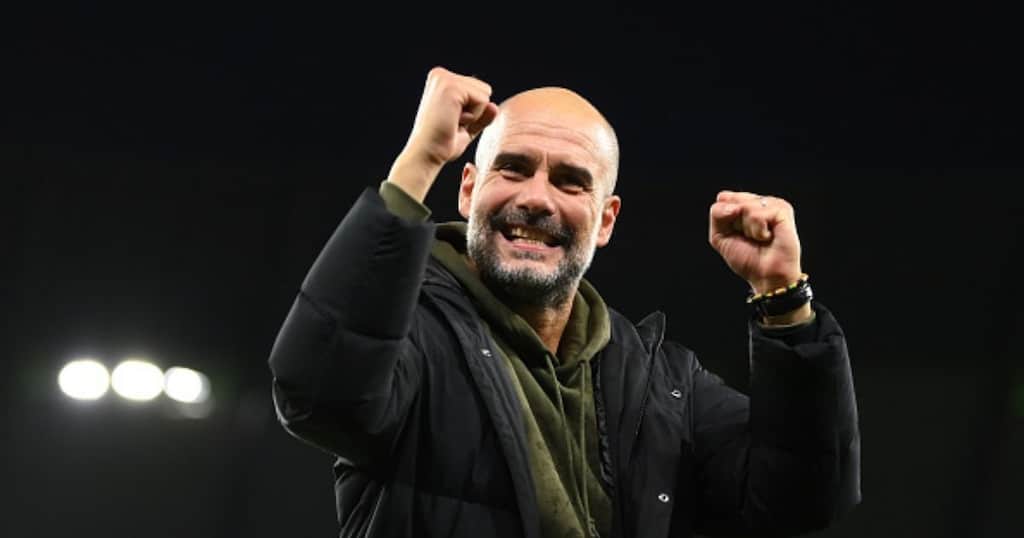
Former Italian Football Federation technical director Paolo Maldini has revealed that Former Man City manager Pep Guardiola came very close to accepting his side’s offer to take over as the new manager of the national team.
Paolo Maldini made this revelation on Monday, August 10, 2026, in Rome, Italy, during a press conference at the Italian Football Federation (FIGC) headquarters, after Italy announced Roberto Mancini as Italy’s new head coach, returning to the role he previously held when he guided the team to the Euro 2020 title.
Speaking at the event, Maldini mentioned that the team’s management spent almost the whole day with Pep Guardiola, who started sketching lineups on paper, while requesting a lesser pay than the previous coach.
“He was very tempted. He came very close to accepting. He even started writing down lineups on paper,” Maldini said to Corriere Della Sella and added that money wasn’t the issue that prevented Guardiola from accepting the job by stating
“Absolutely not. Money has never been an issue. Pep told us clearly: ‘Give me one euro less than the last coach was making, and I’m fine.”
The director also named Barcelona and Manchester City manager Pep Guardiola as his favourite and the choices the team had talks with, highlighting Pep’s tactics and prowess. However, for sme reasons Pep ultimately turned down the opportunity, paving the way for Mancini’s return.
“He’s the coach who best embodies technical and attacking play. He’d expressed the idea of coaching a national team. We went to visit him in Barcelona, had lunch together, and talked for a whole day.”
Maldini left his role as Italy football technical director before Mancini’s appointment.
On July 29, 2026, Maldini resigned after only 12 days in office. Giovanni Malagò quickly appointed Claudio Ranieri as the new Technical Director.
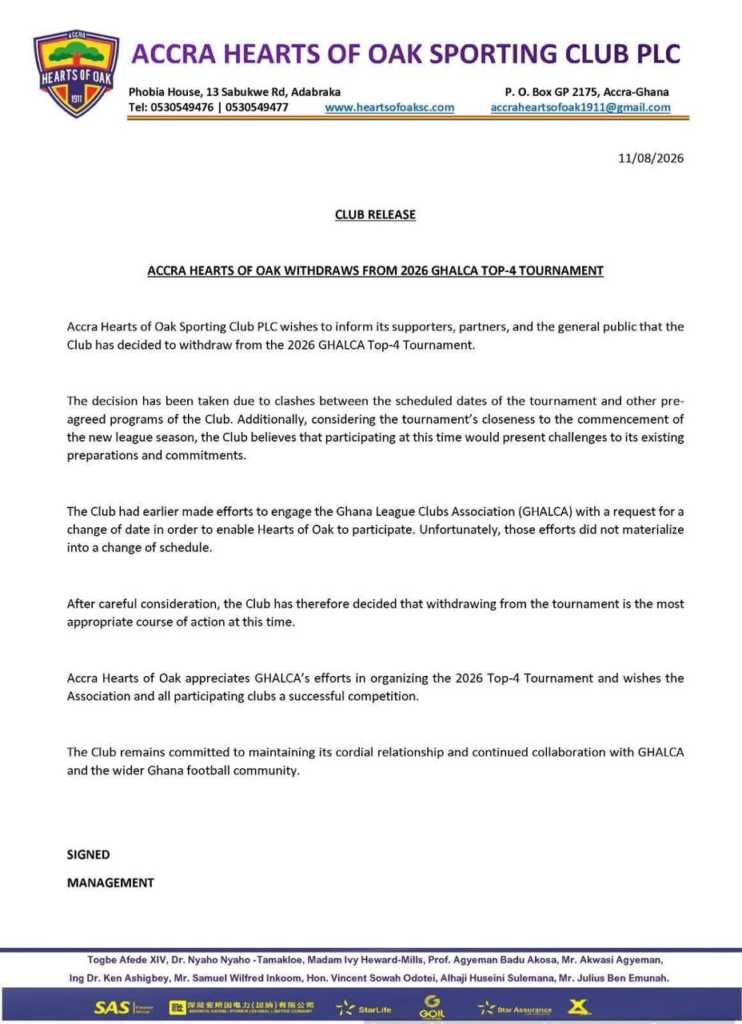
Accra Hearts of Oak Sporting Club PLC has announced a withdrawal from this year’s GHALCA Top-4 Tournament, citing a clash with its pre-arranged calendar.
The GHALCA Top‑4 Tournament is a pre‑season competition organised by the Ghana League Clubs Association (GHALCA), featuring the top four clubs from the 2025/26 Ghana Premier League mostly in August, serving as a warm‑up ahead of the new league season.
In a formal statement dated August 11, the club informed its supporters and other stakeholders that “…the Club has decided to withdraw from the 2026 GHALCA Top-4 Tournament.
The decision has been taken due to clashes between the scheduled dates of the tournament and other pre-agreed programs of the Club. Additionally, considering the tournament’s closeness to the commencement of the new league season…”
They explained that partaking in the tournament will disrupt its existing plans and schedule for the season.
“…the Club believes that participating at this time would present challenges to its existing preparations and commitments”, parts of the statement read.
Hearts continued that it had to take this decision following failed attempts to persuade organisers of the tournaments to reschedule to enable their participation.
Consequently, it had to withdraw, describing it as the “most appropriate course of action at this time”.
“The Club had earlier made efforts to engage the Ghana League Clubs Association (GHALCA) with a request for a change of date in order to enable Hearts of Oak to participate. Unfortunately, those efforts did not materialise into a change of schedule”, Hearts said.
Accra Hearts of Oak management went on to express its appreciation to GHALCA, emphasising that it remains committed to its relationship with the group despite the withdrawal.
“.. appreciates GHALCA’s efforts in organising the 2026 Top-4 Tournament and wishes the Association and all participating clubs a successful competition. The Club remains committed to maintaining its cordial relationship and continued collaboration with GHALCA and the wider Ghana football community.
Imagine walking into a small shop, picking up an item worth GH¢10 and reaching for your phone to make a payment. You have the money in your MoMo wallet, the vendor has a MoMo-enabled phone, and the transaction should take only a few seconds.
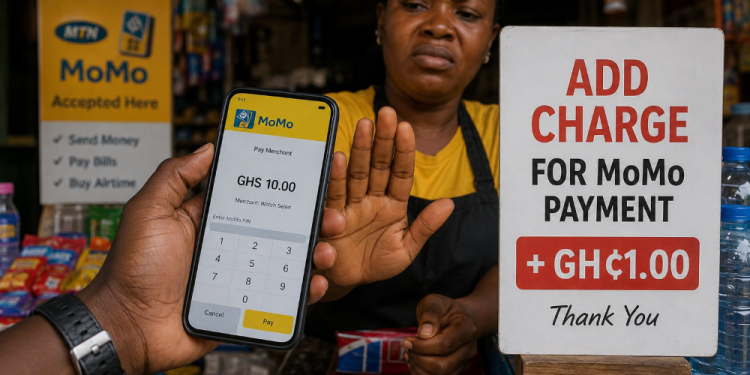
Yet, just before you confirm the payment, you are told: “Add GH¢1 for MoMo.”
For many Ghanaians, this has become an increasingly familiar experience. What was introduced as a convenient alternative to carrying physical cash is, in some instances, becoming an additional cost for customers who simply want to pay digitally.
The problem is not necessarily the amount being demanded. Sometimes it is 50 pesewas, GH¢1 or more. The frustration comes from the principle: why should a customer pay more simply because they choose to use Mobile Money to settle a bill?
Mobile Money was designed to make financial transactions easier, faster and more accessible. It allows people to send and receive money, pay for goods and services, and conduct transactions without having to carry cash. But when a customer buys an item at an advertised price and is subsequently told to pay an additional charge because the payment is being made through MoMo, that convenience begins to feel like a punishment.
The practice is particularly common among some small and medium-sized businesses, including roadside vendors, food sellers, traders and other informal businesses. A product may be advertised at GH¢20, but once the customer says, “I will pay by MoMo,” an extra cost has to be paid.
For customers, the message is clear: bring cash or pay extra.
That defeats the very convenience digital payments are supposed to provide.
There is also a deeper problem behind this practice. Ghana has invested heavily in building a digital financial ecosystem, yet cash remains deeply embedded in everyday transactions. Even as MoMo usage continues to expand, many transactions eventually end at the same place: cash-out.Ghanaian culture insights
The question, therefore, is whether Ghana has fully embraced digital payments or has merely created another route for people to access physical cash.
Part of the answer may lie in how businesses use MoMo. Some vendors operate their businesses using personal MoMo accounts rather than properly registered merchant platforms. For such vendors, transaction costs and the structure of the account may create genuine concerns about how much they lose when customers pay digitally.
But that concern cannot automatically justify passing an arbitrary charge on to the customer.
If a vendor’s business model requires a particular type of payment account, then the solution should be to use the appropriate merchant service rather than turn every customer into a source of compensation for the vendor’s transaction costs.
This is where the telecommunications companies and regulators have an important role to play.
Many customers and small-business operators simply do not understand the difference between personal MoMo accounts and merchant payment solutions, nor do they fully understand the costs attached to different types of transactions. That knowledge gap creates room for misunderstanding and, in some cases, exploitation.
The telecommunications companies cannot simply celebrate rising MoMo transactions while leaving users to navigate these problems on their own. They must do more public education, particularly among small businesses, on how merchants should receive digital payments, what charges apply and what alternatives are available.
The regulator must also provide clearer guidance on what vendors are permitted to charge customers for digital payments. If additional charges are prohibited or restricted under existing rules, that information must be communicated in simple language and enforced consistently.
At the same time, consumers have a role to play. Customers should ask questions when an additional charge is imposed and avoid normalising the practice simply because the amount is small. A GH¢1 charge may appear insignificant in isolation, but repeated across thousands of transactions, it becomes a substantial additional cost for consumers and an incentive for businesses to continue the practice.
There is, however, a need to be fair to vendors. Not every businessperson who adds a charge is necessarily trying to exploit customers. Some may genuinely be trying to recover transaction costs or may simply be unaware of the appropriate merchant payment options.
That is why education should come before punishment, while deliberate abuse should not be ignored.
The bigger concern is that arbitrary MoMo charges could discourage people from using digital payments. If customers repeatedly hear that paying electronically will cost them more, some will understandably return to cash. That would undermine efforts to build a more efficient digital payment culture.
Ghana should be moving in the opposite direction.
The objective should be to create a system where a customer can walk into a shop, buy an item for GH¢10 and pay exactly GH¢10 electronically, unless a clearly disclosed and legitimately applicable charge exists.
Convenience should remain convenience.
However, on the Citi Breakfast Show on Monday, August 10, Godfred proposed the complete removal of the cash-out option from MoMo as a way of transforming the country’s transaction system into a cashless one.
“I think that option on MoMo, which is the cash-out section, should be taken over. People need to be forced to do the right thing.”
The success of Ghana’s digital payment revolution should not be measured only by the number of MoMo accounts or the volume of transactions recorded. It should also be measured by whether ordinary people can use those services conveniently, transparently and without feeling that they are being punished for choosing digital payments over cash.Ghanaian culture insights
The phone was supposed to replace the wallet.
It should not become another reason to pay more.
Key recommendations to strengthen the feature’s conclusion:
Telcos should intensify education for SMEs on merchant MoMo accounts, transaction costs and proper digital-payment practices.
Bank of Ghana should clearly communicate the rules on surcharges for MoMo payments and investigate recurring complaints.
SMEs/vendors should register for appropriate merchant-payment services instead of relying on personal MoMo accounts for business transactions.
Consumers must ask for the reason behind additional charges and report persistent or clearly arbitrary charges.
DISCLAIMER: Independentghana.com will not be liable for any inaccuracies contained in this article. The views expressed in the article are solely those of the author’s, and do not reflect those of The Independent
What happens when a country becomes so desperate for gold that it begins to destroy the water, land and livelihoods that keep its people alive?
That is the question Ghana must confront.
Across several communities, the signs are impossible to ignore. Rivers that once provided clean water have turned brown. Farmlands have been ripped apart. Cocoa trees have been destroyed. Deep mining pits have been left behind, some filled with stagnant water and others waiting to become death traps.
This is the reality of galamsey.
For years, Ghana’s illegal mining crisis has been discussed mainly in terms of gold, jobs and the economy. But the conversation must go deeper.
Because galamsey is not only about illegal mining.
It is about the water we drink, the food we grow, the air we breathe, the health of our people and the country we will leave behind for the next generation.
And perhaps the most uncomfortable question is this:
Are we gaining enough from gold to justify what we are losing?
The People Behind the Pits
It is easy to look at a mining site and blame the young men and women working there.
But that is only part of the story.
In many mining communities, unemployment and poverty have made galamsey an attractive source of income. For a young person without a stable job, the opportunity to make money from mining may appear more realistic than waiting months or years for formal employment.
A successful period of mining can help pay school fees, rent, medical bills and household expenses.
That reality cannot be ignored.
Illegal mining must be stopped, but if we do not address the economic conditions pushing people into it, we will continue treating the symptoms without solving the problem.
At the same time, we must ask who is really making the biggest profits.
The galamsey economy does not operate on the strength of a shovel alone. There are people who finance operations, provide machinery, facilitate access to land and buy the gold.
If enforcement stops at the young person found digging while the financiers and powerful interests behind the operation remain untouched, then Ghana is fighting the wrong battle.
The law must reach the entire chain.
We Are Destroying What We Cannot Replace
The most frightening evidence of the galamsey crisis can be found in our rivers.
The Pra, Ankobra and Offin are not just names on a map. They are lifelines for communities.
Yet mining activities have placed enormous pressure on these and other water bodies.
When rivers become polluted, the damage spreads far beyond the water itself.
Families lose access to reliable sources of water. Farmers struggle. Fishing activities are affected. Communities are forced to spend more money finding alternative sources.
For poorer households, this can be devastating.
We may extract gold from the ground and sell it for money, but what happens when the water needed to sustain the people who live there is destroyed?
Gold can be sold. A river cannot simply be replaced.
That is the trade-off we seem to be ignoring.
The Health Cost Is More Than We Can See
The consequences of galamsey are not limited to the environment.
They can also affect human health.
Miners often work under dangerous conditions and may be exposed to dust, contaminated water and hazardous chemicals without adequate protection.
Mercury exposure, in particular, is a serious concern because of its potential effects on the nervous system, with children and pregnant women among those particularly vulnerable.
But environmental health problems can be difficult to see.
A polluted river is visible.
The long-term effect of exposure on a child may not be.
That is why the true cost of galamsey cannot be measured only by the amount of gold extracted or the money generated.
We must also count the health consequences that may emerge years later.
What Are We Doing to Our Farms?
Ghana cannot talk seriously about food security while allowing productive farmland to be destroyed in the search for gold.
Cocoa farms that took years to establish can be destroyed in a matter of days.
A farmer may spend years nurturing cocoa trees, only to watch a mining operation tear through the land.
This is not simply the loss of a farm.
It is the loss of income.
It is the loss of food production.
It is the loss of employment.
And it is the loss of an inheritance that could have been passed from one generation to another.
Gold may provide immediate wealth, but a productive farm can support a family for decades.
We need to ask ourselves whether short-term financial gains are worth sacrificing long-term livelihoods.
What Happens When the Gold Runs Out?
This may be the most important question of all.
What happens when there is no more gold to dig?
The miners will move.
The machines will leave.
The gold will be sold.
But the damaged land may remain.
The polluted river may remain.
The abandoned pits may remain.
The destroyed farms may remain.
And the people will still have to live there.
Who will restore the land?
Who will clean the rivers?
Who will replace the farms?
Who will take responsibility when an abandoned mining pit claims a life?
If we cannot answer these questions today, then we are simply passing the bill to the next generation.
A Ban Alone Will Not End Galamsey
Ghana has tried bans, arrests, task forces and military interventions.
Yet galamsey continues.
That should tell us that something is missing.
Enforcement is necessary, but enforcement alone will not solve the problem.
The law must be applied consistently. Those who finance and profit from illegal mining must be pursued, not only those found at the mining sites.
But Ghana must also create alternatives.
Young people need decent jobs and practical skills. Farmers need support to make agriculture profitable. Small businesses need access to affordable financing.
There must also be a credible pathway for responsible and legal small-scale mining.
If illegal mining remains the easiest way for people to make money while legal alternatives remain difficult to access, the problem will keep returning.
Communities Must Have a Voice
The fight against galamsey cannot be left to government alone.
Traditional leaders, local authorities, community members, civil society organisations, religious leaders and young people all have a role to play.
Communities must be empowered to protect their own natural resources.
Traditional authorities must also be part of the accountability process, particularly where mining takes place on traditional lands.
People who live in mining communities know what is happening around them.
They know which rivers are being destroyed.
They know which farms are being invaded.
They know which areas are being mined illegally.
Their knowledge and participation must be part of the solution.
Ghana Must Choose What It Wants to Leave Behind
There is nothing wrong with Ghana benefiting from its mineral resources.
Mining is an important part of the economy.
But economic development should not mean destroying everything else in the process.
We cannot drink gold.
We cannot eat gold.
We cannot farm on destroyed land.
And we cannot build a healthy future on poisoned rivers.
The choice before Ghana is not simply between mining and no mining.
The choice is between responsible development and destruction disguised as development.
We must find a way to create jobs, generate wealth and exploit our natural resources without sacrificing the very environment that sustains us.
Because the gold beneath our soil may belong to us today, but the rivers, forests and farmland we destroy belong to generations yet unborn.
If we continue poisoning our rivers for gold today, we may wake up tomorrow with gold in our hands but nothing safe to drink.
That is not development.
That is not progress.
That is a debt we are leaving for our children.
Ghana cannot afford to become a country rich in gold but poor in the resources that make life possible.
The true cost of galamsey is not measured only in ounces of gold.
It is measured in dirty water, sick people, destroyed farms, degraded land and stolen futures.
The University Teachers Association of Ghana (UTAG) has pushed back against claims by the Ghana Association of University Administrators (GAUA) that differences in Market Premiums between teaching and non-teaching Senior Members constitute discrimination.
Market Premium is an additional payment added to an employee’s basic salary to help make their total compensation competitive with what similar professionals can earn in the wider job market.
UTAG argues that variations in remuneration do not automatically amount to unfair treatment, stressing that salary structures should take into account factors including qualifications, responsibilities, labour-market conditions and the need for universities to attract and retain specialised professionals.
The Association made the remarks in a statement issued on Monday, August 10, following the decision by GAUA to reactivate its strike over disparities in Market Premiums and other allowances.
GAUA has raised concerns over what it describes as significant differences in the allowances received by teaching and non-teaching Senior Members within public universities.
However, UTAG said the use of the common designation “Senior Member” should not be interpreted to mean that all professional groups within the category perform identical roles or should receive the same remuneration.
According to UTAG, differences in qualifications, recruitment requirements, retention pressures, career responsibilities, promotion structures and the availability of specialised skills are among the factors that must inform decisions on compensation.
“A disparity, in and of itself, is not evidence of discrimination. To suggest otherwise is to reduce a complex remuneration question to a simplistic and emotionally charged comparison,” the Association said.
UTAG maintained that the principle of fairness does not require every occupational group within the university system to receive identical compensation.
“Fairness does not mean sameness. Equity does not require uniformity,” it stated.
The Association further argued that Market Premiums should be determined using clear and objective criteria, including the complexity of duties, required qualifications, competitiveness in the external labour market and the strategic value of particular expertise to universities.
It cautioned that demands for equal treatment should not be based solely on grievances or public pressure without a proper assessment of the roles and responsibilities attached to each professional category.
“Public pressure, rhetoric, and grievance alone cannot substitute for objective job evaluation,” UTAG added.
On the argument that all Senior Members previously received a harmonised 114% Market Premium under the Single Spine Salary Structure in 2012, UTAG said remuneration arrangements are not static and may change in response to evolving circumstances.
It therefore rejected the suggestion that the previous harmonisation should serve as a basis for preventing any future differences in remuneration.
“A past point of harmonisation cannot be invoked as a permanent argument against all subsequent differentiation,” UTAG said.
While acknowledging the concerns of non-teaching Senior Members and stating that it does not oppose improvements in their conditions of service, UTAG disagreed with the position that fairness can only be achieved through equal remuneration for all occupational groups.
The Association is instead calling for an independent assessment of the remuneration structure for Senior Members in Ghana’s public universities.
It wants the government, Fair Wages and Salaries Commission, Ministry of Education, National Labour Commission and other relevant stakeholders to lead the review.
UTAG said the assessment should consider the qualifications required for each role, workloads, responsibilities, labour-market comparisons, promotion structures, retention challenges and the overall compensation received across the different professional categories.
“That is the only serious path to a settlement that is fair, defensible, and capable of commanding public confidence,” the Association said.
UTAG has also appealed to both teaching and non-teaching groups to avoid statements that could worsen tensions between the two sides.
“Labour issues of this nature must be addressed with sobriety, evidence, and institutional maturity. The question is not who matters more in the university. The question is whether the remuneration attached to each professional category can be objectively justified,” it said.
Meanwhile, the Fair Wages and Salaries Commission and the Ministry of Education have yet to publicly respond to UTAG’s proposal for an independent review.
UTAG said it remains open to dialogue and will continue to promote responsible union leadership while working to preserve industrial harmony and the long-term stability of Ghana’s public universities.
President John Mahama publicly commended Black Stars head coach Carlos Queiroz following the team’s performance at the just-ended FIFA 2026 World Cup, urging the Ghana Football Association (GFA) to keep him.
However, in a recent interview, GFA Executive Council member Nana Oduro Sarfo revealed that the local football governing body remains in talks with other coaches as it weighs its options for the vacant Black Stars coaching position.
“The Ghana Football Association (GFA) is still in talks with other coaches for the Black Stars job,” Oduro Sarfo told Kumasi-based Ezra Radio on Monday, August 10.
Although there had been expectations that Queiroz would be retained on a long-term basis following Ghana’s World Cup campaign, negotiations have reportedly stalled over his demands.
Oduro Sarfo has now revealed that the GFA is exploring alternative options as it continues discussions over the next head coach of the senior national team.
The future of Carlos Queiroz remains uncertain despite the veteran Portuguese coach guiding Ghana to the knockout stage of the 2026 FIFA World Cup in the United States, Canada and Mexico.
When was Queiroz announced as coach?
The Portuguese coach took over from Otto Addo, who was dismissed after a poor run of form that led to defeats against Austria and Germany in international friendlies on March 27 and March 30, respectively.
Queiroz’s contract was for a short period, from April to July (a four-month agreement), according to reports that emerged after his appointment, after which an extension would be subject to his performance at the global tournament.
He was officially unveiled on April 23 at the Alisa Hotel. His contract lasted just under four months (April–July 2026). He guided the team through the FIFA World Cup, recording one win, two draws and two losses across five matches.
In mid-July, it was reported that Carlos Queiroz was set to sign a new contract to extend his term with the Black Stars after he received commendations and backing from the Ghana Football Association (GFA) and the Ministry of Sports and Recreation.
The said deal was set to be signed after the Portuguese tactician was assessed at the World Cup. Despite the Black Stars’ elimination at the Round of 32, it was reported that authorities were satisfied with his record.
As it stands, Queiroz is expected to lead Ghana to qualifiers for the 2027 Africa Cup of Nations. The Black Stars have been drawn in a qualifying group alongside Côte d’Ivoire, The Gambia and Somalia.
The former Portugal, Iran, Egypt, Colombia, Qatar and South Africa head coach will also be tasked with helping Ghana end its long wait for continental glory, with the country’s last AFCON title coming in 1982.
After nearly three years of back and forth over salary arrears settlement, the former Hearts of Oak Technical Director Rene Hiddink has confirmed that he has received the $146,000 settlement owed to him.
The payment was confirmed by Hiddink in an interview with Sportstiger on Original TV, saying
“I received my settlement payment two days ago from Accra Hearts of Oak Club,” he said.
The settlement is expected to allow Hearts of Oak to submit the necessary documentation to FIFA as they seek the formal lifting of the transfer ban.
Should FIFA approve the request, the Accra-based club will be able to register their new signings and complete their recruitment ahead of the new campaign.
The development will be a major boost for new head coach Nebojsa Kapor, who is expected to strengthen his squad as Hearts of Oak aim for a more competitive season.
The Phobians are scheduled to begin their 2026/27 Ghana Premier League campaign at home against Berekum Chelsea.
About Hearts and Hiddink
The Hiddink-Hearts of Oak case started when Hearts of Oak signed a three-year deal with the Dutch football coach in July. However, before he could complete a year, the club sacked him in the eighth month, March 2024.
According to reports, no official letter was issued to Rene to annul his appointment, but he was simply told by word of mouth that his time with the club had come to an end.
The reasons behind his abrupt dismissal haven’t been made public; however, it is reported that it was as a result of Hearts of Oak not publicly disclosing a specific reason. The aftermath, however, suggests serious internal conflict.
Visibly dissatisfied with how the club dealt with him, Rene filed a formal complaint with FIFA in mid-2024 for wrongful termination. Hiddink’s lawyer, David Winnie, slammed the club for acting “dishonestly and sneakily” by rushing player registrations before the ban took effect on August 22.
Consequently, he sent a petition to FIFA and had a FIFA rule in his favour.
Hearts, however, missed the ninety-day (90) payment deadline to settle the $150,000 owed to Rene.
In a statement dated August 21, FIFA ordered the club to pay Rene what is due to him since it has refused to comply with his previous directive “in the matter ref. no. FPSD-17518 (the Decision)”.
“We refer to the above-mentioned matter, as well as the decision passed by FIFA in the matter ref. no. FPSD-17518 (the Decision).
In this context, it appears that, despite the Decision, Accra Hearts of Oak S/C (the Respondent) has not yet complied with its financial obligations towards Rene Hiddink,” excerpts of the statement read.
Consequently, FIFA barred Hearts of Oak from engaging in any transfer deals, both internationally and locally, for the next three windows: Window 1 (August 2025 – January 2026), Window 2 (JanWindow 2 (January 2026 – August 2026), and Window 3 (August 2026 – January 2027).
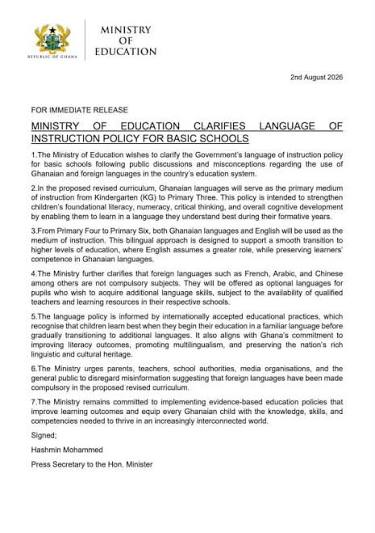
Government is yet to approve the revised and proposed curriculum for Kindergarten to Primary Six developed by the National Council for Curriculum and Assessment (NaCCA), the Education Minister, Haruna Iddrisu, has revealed.
From March to July, a curriculum review was conducted by NaCCA with 160 experts and later submitted to the Minister. The proposed curriculum included Computing (coding, AI concepts), Citizenship Education, and foreign languages (Arabic standardised from Primary 1–6; Chinese & French optional).
The language policy sparked huge debate after it was misreported that it was going to be compulsory, a narrative that the Minister had to clarify later.
Speaking at a ceremony to commemorate the 73rd anniversary of Great Apam Senior High School in the Central Region, Mr Iddrisu explained that the GES assessment would be followed by consideration and approval by Cabinet before the revised curriculum could be officially adopted and implemented.
He said once the GES completes its review, the proposal will be forwarded to Cabinet for consideration.
The Ministry will subsequently work with the GES and other relevant agencies, including the Technical and Vocational Education and Training (TVET) sector, to oversee its implementation.
“We are repositioning the curriculum for learners from KG to Primary Six, with emphasis on moral values. Classroom learning alone is not enough. Problem-solving, critical thinking, analytical skills and character building will be central to the curriculum,” he said.
The proposed curriculum seeks to broaden basic education by introducing emerging areas such as Artificial Intelligence, Robotics, Science, Technology, Engineering and Mathematics (STEM), electronics and digital learning.
“I am happy to note that, under President Mahama’s Reset Agenda, we will introduce Artificial Intelligence, Robotics, Science, Technology, Engineering and Mathematics, as well as electronics and digital learning, at the basic foundation level,” he added.
Language in upper primary
Meanwhile, the Education Minister in a statement, explained that students in upper primary will adopt local dialects as well as the English language as a medium of instruction.
According to the Ministry, “From Primary Four to Primary Six, both Ghanaian languages and English will be used as the medium of instruction. This bilingual approach is designed to support a smooth transition to higher levels of education, where English assumes a greater role, while preserving learners’ competence in Ghanaian languages”.
Foreign languages optional
Addressing the major contentious proposal, the education regulator clarified that foreign languages such as French, Arabic and Chinese remain optional, not compulsory, as widely reported. It added that their availability will depend on the presence of qualified teachers and learning resources in the various schools.
“The Ministry further clarifies that foreign languages such as French, Arabic, and Chinese, among others, are not compulsory subjects. They will be offered as optional languages for pupils who wish to acquire additional language skills, subject to the availability of qualified teachers and learning resources in their respective schools”, the statement continued.
The Electricity Company of Ghana (ECG) on Saturday announced a scheduled four-day maintenance exercise, listing communities set to be affected by the exercise on each of the four days.
According to the public notice shared on its official social media platforms, the national power supplier disclosed that the maintenance works were scheduled to take place from Monday, August 10, to Thursday, August 13.
Communities expected to face power outages today, Monday, August 10, as part of the maintenance exercise include Teiman, Oyarifa, Mr Smith, parts of Ogbodjo, Tsiamawaa Hospital, Ability and surrounding areas. They will experience a power outage from 9:00 a.m. to 5:00 p.m.
ECG said the exercise is intended to improve electricity service delivery in the affected areas.
Tuesday, August 11
The areas expected to experience the outage include Ashiyie, parts of Dodowa, Tobinco, Oasis Estate, Manet Junction and surrounding areas.
Wednesday, August 12
The outage will affect parts of Labone, Agbogba Zongo, Adenta SDA, Tot-to-Teen School, Top Herbal Clinic, parts of Madina, Libya Quarters and surrounding areas.
The planned outage will also run from 9:00 a.m. to 5:00 p.m.
Thursday, August 13
On the final day of the exercise, the outage will affect Achimota School and surrounding areas.
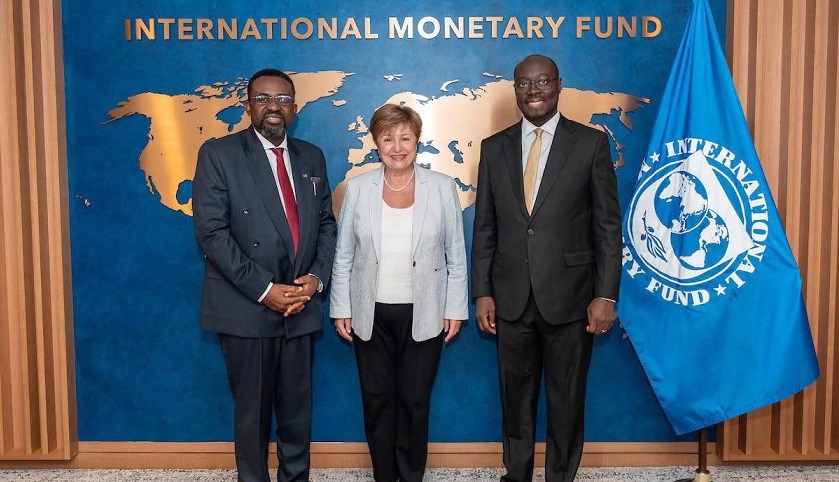
The Bank of Ghana has cut the policy rate twice already this year. The International Monetary Fund (IMF) has advised the Central Bank to proceed with caution, citing the impacts of the protracted Middle East crisis on energy and fertiliser prices, the fiscal relaxation under the Policy Coordination Instrument, and persistent risks from high exchange rate pass-through.
An official of the Fund, during its latest Article IV Consultation and Policy Coordination Instrument (PCI) review in Accra, gave the BoG the caution following discussions and deliberations with Ghanaian authorities.
“The Bank of Ghana should exercise caution before reducing its policy rate further, given risks from energy and fertiliser prices linked to the Middle East conflict, fiscal relaxation under the PCI, and continued exchange rate pass-through. Another reduction in the policy rate could move the BoG’s monetary policy position from neutral to accommodative, a shift that is not justified under current economic conditions,” one of the Fund’s officials warned.
The IMF also warned that further rate cuts could make monetary policy too loose and put renewed pressure on inflation, risking a shift in the monetary policy stance from neutral to accommodative.
In March 2026, the BoG’s Monetary Policy Committee (MPC) decreased its policy rate by 400 basis points to 14%, bringing cumulative cuts to 1,400 basis points since July 2025.
The MPC kept the policy rate unchanged in May 2026. With inflation projected to return to the BoG’s 8±2% target by the end of 2026 and the estimated real neutral rate around 5.0%, the ex-ante real policy rate is broadly consistent with a neutral policy stance.
Meanwhile, the IMF says the BoG is reforming its monetary policy operations.
In December 2025, the BoG replaced its 56-day bills with 14-day bills to strengthen liquidity management.
Following this operational change, the BoG bill supply became limited, reducing liquidity absorption and boosting the use of the standing deposit facility. This pushed BoG bill and interbank rates towards the bottom of the interest rate corridor, effectively loosening monetary conditions by approximately 350 basis points relative to the policy rate.
In line with the IMF Staff advice, in June 2026, the BoG unified the cash reserve ratio (CRR) at 20%, eliminating the previous tiered structure (with 15% and 25% rates linked to loan-to-deposit ratio thresholds).
The International Monetary Fund (IMF) has projected a 17% increase in Ghana’s debt-to-GDP ratio, rising from 45.3% recorded in 2025 to 53.0% by the end of 2026.
The projection was included in the financial watchdog’s Fiscal Monitor Report, released on the sidelines of the 2026 Spring Meetings of the IMF and World Bank in Washington, DC.
While the report did not indicate what drivers are likely to cause the projected increase, it noted that “Government debt and interest rate projections are based on a post-debt restructuring scenario.”
A report by the Bank of Ghana (BoG) showed that Ghana’s debt-to-GDP ratio two years ago stood at 61.8% with total debt pegged at GH¢726.7 billion. By 2025, the ratio had eased to 45.3%, with total debt declining to GH¢641 billion.
Despite recent improvements, analysts say the outlook remains uncertain and could change depending on borrowing levels, exchange rate movements, and economic growth.
Some market watchers argue that increased borrowing or further depreciation of the cedi could alter the debt trajectory, while slower economic growth could also weigh on the debt-to-GDP ratio.
In April 2026, the government secured approximately GH¢2.7 billion through the issuance of a 7-year bond, marking a return to long-term domestic borrowing following the Debt Exchange Programme. The bond was issued at a coupon rate of 12.5% and is scheduled to mature on March 29, 2033.
The International Monetary Fund (IMF) has projected that Ghana’s debt-to-GDP ratio will decline further to 50.7% in 2027.
Data from the Ghana Statistical Service indicates that the size of the economy is now estimated at GH¢1.4 trillion, up from GH¢1.1 trillion in 2024.
In the 2026 Budget Statement, Finance Minister Dr Cassiel Ato Forson outlined several measures aimed at sustaining debt stability. These include expanding access to concessional borrowing, rebuilding the Sinking Fund, implementing debt reprofiling and buyback programmes, and strengthening transparency in public debt reporting.
He said the strategy is aimed at “managing debt, not being managed by it,” adding that Ghana’s goal is to return to a moderate risk of debt distress by 2028.
Ghana remains classified as a debt-distressed country by the IMF, although recent improvements have been acknowledged. The Fund expects Ghana to reach a moderate risk status by 2028 if current reforms are sustained.
Globally, the IMF warns that public debt pressures are rising, with worldwide debt projected to reach 100% of GDP by 2029, driven by higher spending needs and rising interest costs.
The Fund has called for “credible, well-sequenced fiscal adjustment” across countries to address growing vulnerabilities in the global financial system.
Several communities in the Accra East Region will experience power outages from Monday, August 10, as the Electricity Company of Ghana (ECG) undertakes a four-day planned maintenance exercise.
In a public notice shared on its official social media platforms on Saturday, August 8, the national power supplier indicated that the maintenance works are scheduled to take place from Monday, August 10, to Thursday, August 13.
The affected communities are expected to experience possible power interruptions of about eight hours each day, from 9:00 a.m. to 5:00 p.m.
ECG said the exercise is intended to improve electricity service delivery in the affected areas.
See the schedule below:
Monday, August 10
Residents in Teiman, Oyarifa, Mr Smith, parts of Ogbodjo, Tsiamawaa Hospital, Ability and surrounding areas will experience a power outage from 9:00 a.m. to 5:00 p.m.
Tuesday, August 11
The areas expected to experience the outage include Ashiyie, parts of Dodowa, Tobinco, Oasis Estate, Manet Junction and surrounding areas.
Wednesday, August 12
The outage will affect parts of Labone, Agbogba Zongo, Adenta SDA, Tot-to-Teen School, Top Herbal Clinic, parts of Madina, Libya Quarters and surrounding areas.
The planned outage will also run from 9:00 a.m. to 5:00 p.m.
Thursday, August 13
On the final day of the exercise, the outage will affect Achimota School and surrounding areas.
The Ghana Revenue Authority (GRA) says the use of Publican AI in the valuation of imported goods has helped increase customs revenue by more than GH¢2 billion a month.
GRA Commissioner-General, Anthony Sarpong, disclosed that the Authority collected GH¢6.1 billion in customs revenue in July 2026, compared with about GH¢4 billion recorded monthly before the full implementation of the artificial intelligence-driven system.
He said customs revenue also increased from GH¢4 billion to GH¢5.5 billion in June before reaching GH¢6.1 billion in July.
Dr Sarpong made the disclosure when the Board and Management of the GRA paid a courtesy call on the Asantehene, Otumfuo Osei Tutu II, at the Manhyia Palace.
According to him, the full implementation of Publican AI began in April 2026 as part of measures to improve the valuation of imported goods and strengthen revenue mobilisation from import duties.
“The full implementation started in April 2026. So, between April and June, we are happy to report, and as the Finance Minister, Dr Ato Forson also echoed in Parliament, that we are collecting about GH¢1.3 to GH¢1.5 billion a month in addition to what we used to collect,” he said.
Dr Sarpong said the increase showed that the reforms being introduced by the Authority were yielding results.
He attributed the improvement to the cooperation of importers, the business community and GRA staff in the implementation of the new system.
Meanwhile, the Commissioner-General disclosed that the GRA was preparing to introduce another major reform aimed at improving VAT collection.
He said only about four out of every 10 businesses currently pay VAT, while the remaining six either do not charge the tax, fail to remit what they collect or do not pay for other reasons.
Dr Sarpong said Parliament had approved a project that would allow the government to mandate the installation of devices at shops and other service points to improve VAT administration.
“That is going to be a game changer in our VAT administration,” he said.
He added that the GRA would engage businesses and the public ahead of the implementation of the VAT reforms.
The Commissioner-General also announced plans to introduce a taxpayer or consumer reward scheme to encourage members of the public to demand VAT receipts.
Under the proposed scheme, individuals who collect VAT receipts could receive rewards from the GRA or government.
He said further details of the reward programme would be announced at a later date.
Meanwhile, the GRA reported a billion cedis in revenue in April,
Mr Anthony Kofi Sarpong, while speaking at the 10th Ghana CEO Summit, indicated that the revenue marks a significant improvement in tax collection, compliance, administrative efficiency and digital reforms targeted at strengthening the country’s economy.
Highlighting the massive improvement in revenue collection compared to the same period last year, the Commissioner attributed the increase to the introduction of the Republican Artificial Intelligence system at the ports.
The “Republican AI” (also called Publican AI) system is a Ghana Revenue Authority (GRA) initiative introduced in early 2026 to automate customs valuation at the ports to modernise operations and block revenue leakages.
“The Republican Artificial Intelligence system introduced at the ports helped improve compliance and blocked revenue leakages. “Indeed, the results for the first two months of deploying the AI are amazing and promising. In April alone, we added GHS1 billion to our revenue generation for customs,” the Commissioner noted.
He noted that the GH¢1 billion collection in April demonstrates the potential of a more efficient and modernised tax system, but stressed that broader structural reforms are still required to sustain and expand gains in revenue mobilisation.
“Our aspiration for a reset and transformed economy is not attainable if we fail to mobilise the needed domestic revenue as one of the most important catalysts for national development,” he said
He went on to highlight the need for a sustained revenue mobilisation channel to ensure development as the country makes efforts to reduce and gradually cut heavy reliance on external financial inflows.
“Education and development of Ghana rest and thrive on the provision of relevant enablers, including infrastructure, energy, a well-trained and equipped workforce, and efficient public services,” he stated, underscoring the importance of sustained revenue flows to support national priorities.
The Commissioner-General warned that reliance on external financing is increasingly uncertain, making domestic revenue mobilisation a matter of economic sovereignty.
“The alternative to mobilising domestic revenue is dependence on financing that is no longer reliably open or available,” he said.
Ghana’s Deputy Head of Mission and Deputy Ambassador to the Kingdom of Saudi Arabia, Sanni Jajah, has passed on in Jeddah.
This was announced by his uncle, Hon. Yussif Issaka Jajah, MP for Ayawaso North and Deputy Minister of Tourism, Culture and Creative Arts, in a post on his official Facebook page on Saturday, August 8.
While circumstances leading to his death or surrounding his death haven’t been made public, reports indicate that he died suddenly in Jeddah, though the exact medical cause has not yet been publicly disclosed.
Alhaji Sanni Jajah was appointed as Ghana’s Deputy Head of Mission and Deputy Ambassador to Saudi Arabia on September 11, 2025, by the government of President John Dramani Mahama.
In his capacity as Deputy Head of Mission, he played a key role in Ghana-Saudi diplomatic relations and supported Ghanaian pilgrims and other citizens in the Kingdom.
Economist and Professor of Finance, Professor Godfred Bokpin, has warned that continued inefficiencies in Ghana’s state-owned enterprises could force the country to seek another financial intervention from the International Monetary Fund (IMF).
According to him, Ghana cannot afford to return to what he described as “business as usual” after years of fiscal challenges linked to inefficiencies in state-owned enterprises, particularly the Electricity Company of Ghana (ECG).
Speaking on JoyNews’ Newsfile on Saturday, Prof Bokpin cautioned that failure to address the challenges could eventually leave Ghana with no option but to return to the IMF and World Bank for support.
“So if we go back to business as usual, it is just a matter of time, and we have to resort to the IMF and the World Bank for another level of intervention,” he cautioned.
Prof Bokpin said inefficiencies in state-owned enterprises have cost the country between 2.5% and 3.2% of its Gross Domestic Product (GDP) over the past 15 to 20 years.
He identified ECG, the Ghana Cocoa Board (COCOBOD) and other state-owned entities as contributing to the losses.
“Over the last 15 to 20 years, between 2.5% to almost 3.2% of our GDP is lost to the inefficiencies of state-owned enterprises alone, including ECG and then COCOBOD and the rest of them,” he said.
He further raised concerns about the financial burden placed on the government by the energy sector, noting that additional allocations to address shortfalls could sometimes surpass the combined budgets of key ministries.
“If you look at the fiscal space that the energy sector alone takes, the extra-budgetary allocation that we have to make to cover the energy sector shortfall sometimes exceeds the combined budgetary allocation to the ministries of Health, Food and Agriculture, and Education,” he said.
According to Prof Bokpin, addressing the challenges within the energy sector would require investment across the generation, transmission and distribution chain.
“There is no way we can reduce the level of losses from generation, transmission to distribution without a certain level of investment,” he said.
He, however, stressed the need for the government to determine how such investments would be financed without putting further pressure on limited public resources.
Prof Bokpin also acknowledged improvements in transparency within the energy sector under the IMF-supported programme.
He said the programme had provided greater clarity on the scale of losses and the movement of funds within the sector.
“What we should rather be seeing now as the effect of the IMF-supported programme is that there’s a lot of transparency today in terms of even the extent of the losses going forward and the progress that we have made,” he said.
He also cited the cash waterfall mechanism as one area where the country had recorded some progress.
“Today, the cash waterfall mechanism is working to some extent,” he said.
“You can credit that to the IMF programme because we know what was happening with the cash waterfall mechanism before.”
The local roads component of the Suame Interchange project is expected to be opened to traffic by the end of October 2026.
Director-General of the Department of Urban Roads, Ing. James Oduro Amoo-Gottfried, disclosed this during a stakeholders’ engagement in Kumasi on Friday, August 7, 2026.
He said work on the two phases of the project was progressing steadily, with Phase Two nearing completion ahead of the main interchange.
According to him, Phase Two involves the construction and rehabilitation of about 15 kilometres of local roads within the project’s area of influence.
The phase also includes the construction of three overpasses at Anomangye, New Road and Ebusuakruwa.
Ing. Amoo-Gottfried explained that the decision to complete the local roads ahead of the main interchange was to provide alternative routes for motorists once construction begins on the major corridor.
“Phase Two is almost complete, and hopefully by the end of October, we would have opened the road to traffic and allowed people to use it,” he said.
He added that the overpasses would help improve traffic movement, particularly for motorists travelling northbound within the area.
Meanwhile, Phase One of the project involves the construction of the main multi-tier interchange, including an overpass linking the Suame Roundabout to Abrepo Junction.
The project will also involve widening the road along the western bypass to increase its capacity and reduce congestion.
At the Abrepo Junction, a grade-separated underpass will be constructed to improve traffic flow at the busy intersection.
Ing. Amoo-Gottfried explained that vehicles coming from Bantama and the Hospital area would use the underpass to connect directly to Abrepo, while traffic on the bypass would remain at ground level.
He also disclosed that authorities are taking steps to address traders and other structures located within the project’s right of way.
According to him, the Suame Municipal Assembly will engage persons operating within the area and facilitate their relocation to allow construction works to continue.
“We have engaged the assembly, and the assembly will deal with them. For some of them, the assembly is the one who had the arrangement for them to be there temporarily. So the assembly will deal with them to move out, so that we can do the work,” he said.
He stressed that the relocation process was necessary to enable the project to proceed without further obstruction.
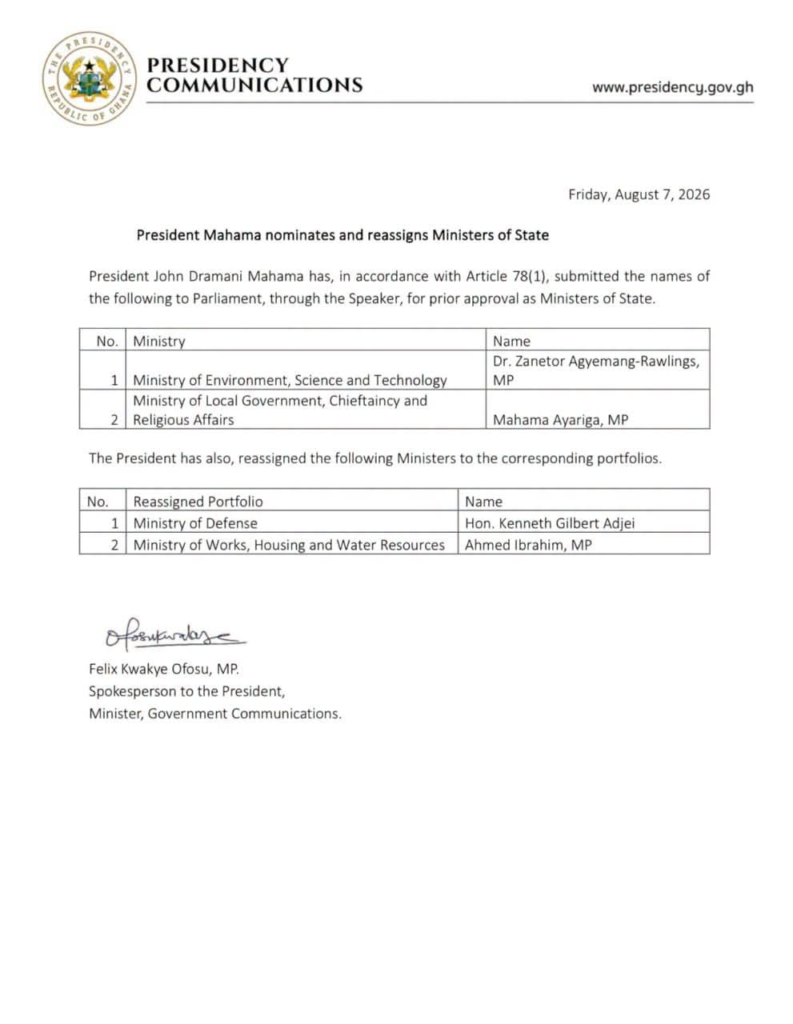
President John Dramani Mahama has nominated new ministers and reassigned others, the Presidency has announced.
In a statement dated Friday, August 7 and shared on X (formerly Twitter), Felix Kwakye Ofosu, MP, Spokesperson to the President and Minister for Government Communications, announced that the names of some Members of Parliament and ministers had been submitted to Parliament for approval.
The nominations were made in accordance with Article 78(1) of Ghana’s 1992 Constitution, which requires the President to appoint ministers as necessary for the efficient running of government, with at least half selected from among Members of Parliament.
According to the statement, two new ministerial appointments have been made, while two ministers have been reassigned.
“President Mahama has appointed new ministers to key portfolios. Dr Zanetor Agyeman-Rawlings, Member of Parliament, has been nominated as Minister for Environment, Science and Technology, while Mahama Ayariga, MP, has been nominated as Minister for Religious Affairs.
“Alongside these appointments, the President has also announced some reassignments. Hon. Kenneth Gilbert Adjei has been reassigned to head the Ministry of Defence, while Ahmed Ibrahim, MP, has been moved to lead the Ministry of Works, Housing and Water Resources,” the statement said.
The nominations of the Ministers for Defence and Environment come a year after the previous ministers responsible for those portfolios died in a helicopter crash at Adansi on August 6, 2025.
Following the crash, the ministries were managed by caretaker ministers for about a year. Finance Minister Dr Cassiel Ato Forson served as caretaker Minister for Defence, while Interior Minister Ambrose Dery temporarily oversaw the Ministry of Environment, Science and Technology until the new nominations were announced.
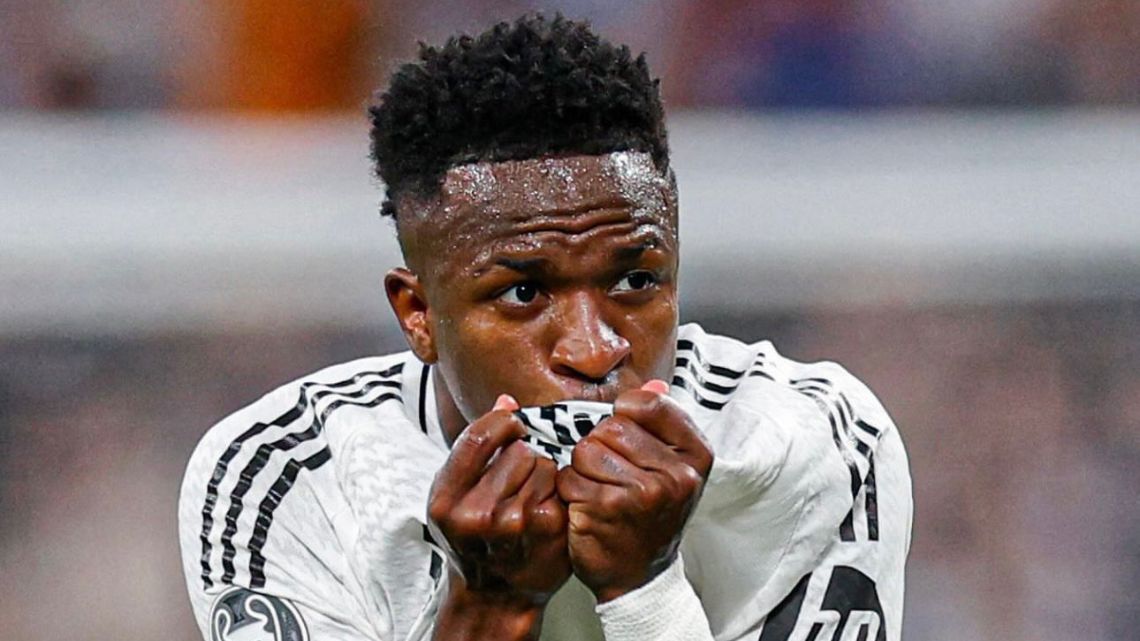
Arsenal have lost their pursuit of Vinicius Jr. after the Brazilian winger signed a six-year contract extension with Real Madrid, keeping him at the Santiago Bernabéu until 2032.
The Spanish club confirmed the deal in a statement shared by Vinicius on his Instagram page on Thursday, August 6.
“Real Madrid C. F. and Vinicius Jr. have agreed on the extension of our player’s contract, which links him to the club until June 30, 2032,” part of the statement read.
Highlighting the winger’s contribution to the club’s success, Real Madrid described Vinicius as one of the key figures during “one of the most successful periods in our history.”
After nearly a decade at the Bernabéu, Vinicius has won 14 titles with the club across several successful campaigns.
“Vinicius Jr. joined Real Madrid in July 2018 at the age of 18. In his eight seasons wearing our jersey, he has played 375 matches, scored 128 goals, and won 14 titles: two Champions League trophies, three Club World Cups, two UEFA Super Cups, three La Liga titles, one Copa del Rey, and three Spanish Super Cups,” the club said.
“His contribution to all these titles has been pivotal due to his gameplay, assists, and goals, including those scored in the last two Champions League finals won by Real Madrid: the Fourteenth (Paris, 2022) and the Fifteenth (London, 2024).”
Vinicius’ achievements at Real Madrid
During his time with Real Madrid, Vinicius has won The Best FIFA Men’s Player Award in 2024, the Golden Ball at the 2024 Intercontinental Cup, the UEFA Champions League Player of the Season award for 2023-2024, the Golden Ball at the 2022 FIFA Club World Cup, and the Champions League Young Player of the Season award for 2021-2022.
He has also been named in the FIFA World XI (2024), included twice in the FIFA FIFPro World11 (2023 and 2024), and selected three times in the Champions League Team of the Season (2021-2022, 2022-2023, and 2023-2024).
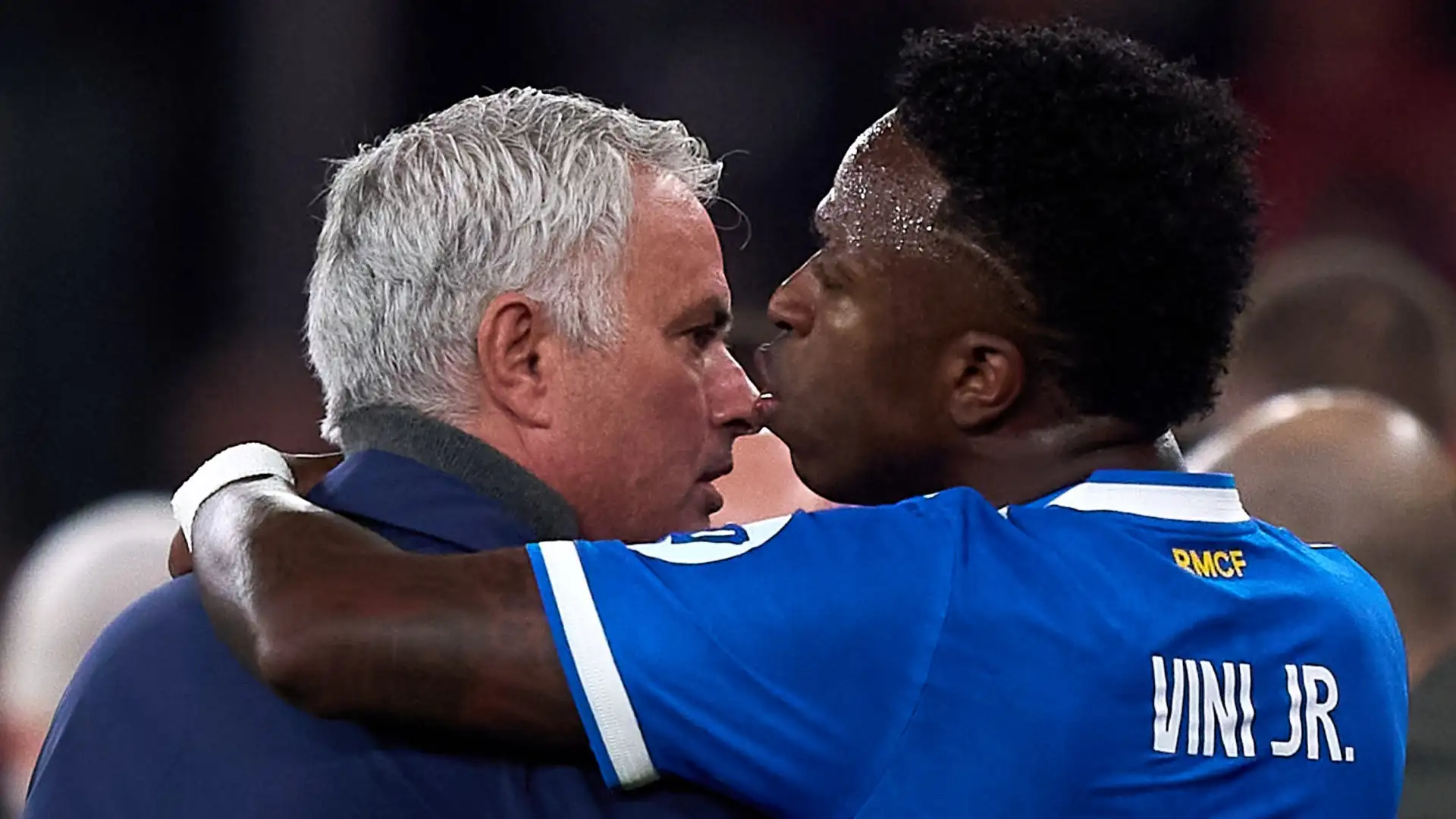
Meanwhile, following his history with José Mourinho, speculation had grown that Vinicius could leave the club after the Portuguese tactician returned for a second spell as Real Madrid manager.
This came at a time when Arsenal made a serious push for the Brazilian forward in mid-2026, but he ultimately rejected their advances.
Vinicius has since expressed his satisfaction with Mourinho’s return, saying the Portuguese coach wants him to continue playing with confidence and remain true to himself.
Speaking to Real Madrid’s media after his second training session under the new coach, Vinicius said:
“It has gone very well, getting to know the new coach and the new players, and training very hard. Mourinho wants me to be as I have always been: happy, cheerful, and playing my football.”
The Brazilian stressed the importance of preparing well ahead of the new season to reduce injuries.
“We have to prepare physically so that during the season we have fewer injuries and can count on everyone,” Vinicius said.
His comments come after speculation linking him with Arsenal following an altercation with Mourinho during Real Madrid’s 1-0 win over Benfica in Lisbon on February 17.
Vinicius had alleged that Benfica winger Gianluca Prestianni subjected him to racist abuse, while Mourinho’s post-match comments, in which he suggested Vinicius was “always surrounded by controversy” and questioned his celebrations, sparked criticism.
Many accused Mourinho of dismissing Vinicius’ racism claims, with the Brazilian later describing the manager’s comments as repulsive.
Vinicius recently rejoined Real Madrid’s squad after representing Brazil at the 2026 FIFA World Cup, where he scored four goals before the five-time world champions were eliminated by Norway in the Round of 16.
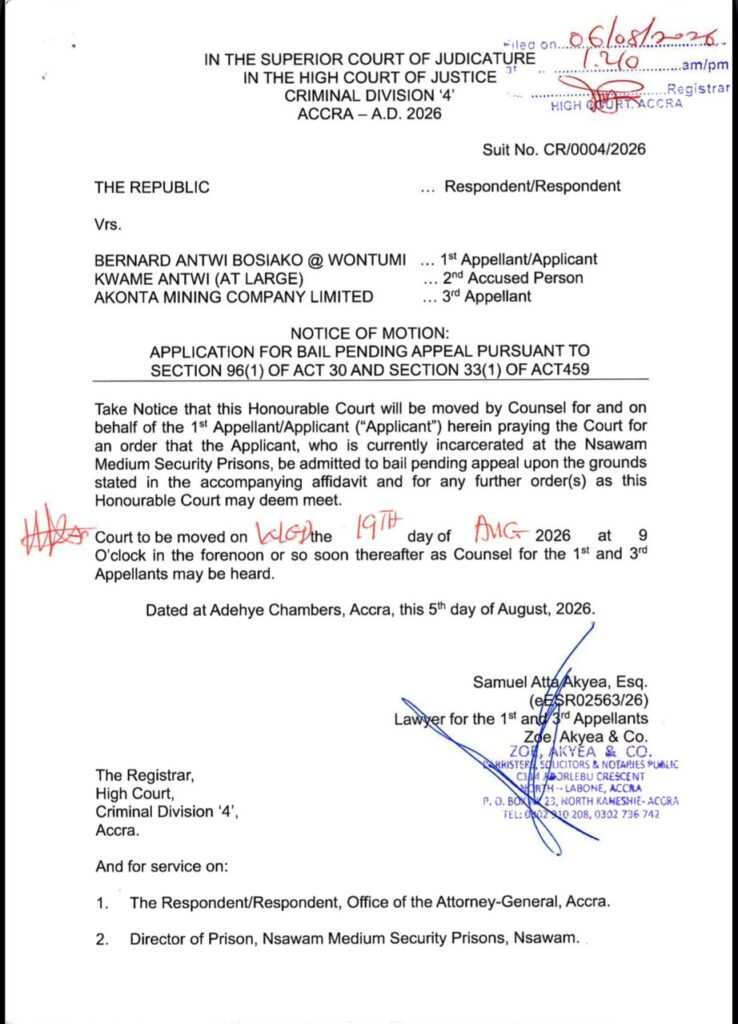
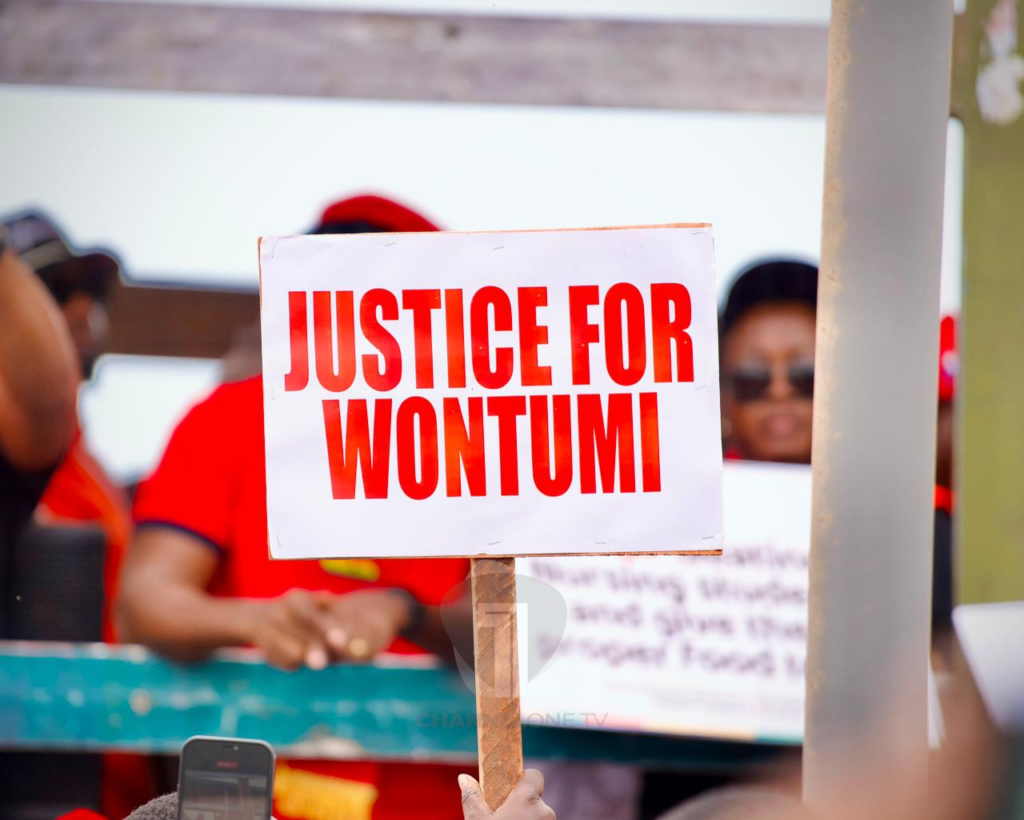
Lawyers for the incarcerated Ashanti Regional Chairman of the New Patriotic Party (NPP), Bernard Antwi Boasiako, popularly known as Chairman Wontumi, have filed an application seeking bail pending the determination of his appeal against a 20-year prison sentence imposed by the Accra High Court.
The application was filed on behalf of Wontumi, Akonta Mining Company Limited, the third appellant, and another accused person, Kwame Antwi, who is currently at large.
Chairman Wontumi was sentenced on July 20, 2026, after being convicted under the Minerals and Mining Act, 2006 (Act 703), in connection with the Samreboi illegal mining case.
In the Notice of Motion, his lawyers are asking the court to admit him to bail pending appeal, citing grounds contained in an accompanying affidavit.
The notice stated that counsel for Bernard Antwi Boasiako and Akonta Mining Company Limited will move the application before the court on Wednesday, August 19, 2026, at 9:00 a.m.
“Court to be moved on Wednesday 19th day of August 2026 at 9 o’clock in the forenoon, or so soon thereafter as Counsel for the 1st and 3rd Appellants may be heard,” the notice stated.
The application was dated August 5, 2026, at Adehye Chambers, Accra.
Chairman Wontumi was sentenced to 20 years in prison on each of the two counts after the High Court in Accra found him guilty in the Akonta Mining illegal mining case on Monday, July 20.
The two prison terms will run concurrently. Justice Audrey Kocuvie-Tay convicted Wontumi on Counts One and Four, while Akonta Mining Limited was convicted on Counts Three and Six.
Additionally, he was fined 10,000 penalty units on each count. Before the verdict, the defence filed a last-minute application seeking to delay the judgment and refer constitutional questions to the Supreme Court.
In April, his bid to halt the ongoing criminal proceedings in the alleged Samreboi illegal mining case was dismissed by the Court of Appeal. Justice Audrey Kocuvie-Tay delivered the ruling on Tuesday, April 21.
Last year, the court adjourned two related cases involving Wontumi. In the first case, which concerns allegations that he permitted mining activities on his concession at Samreboi without the required approval, proceedings were adjourned to November 12.
The second case, in which he is accused of conducting mining operations in the Tano Nimire Forest Reserve without authorisation, was also adjourned to December 4 because the presiding judge was on leave.
The adjournment followed a request by the prosecution to serve the defence with the required disclosures.
Wontumi has been accused of facilitating illegal mining by allowing individuals to operate on the Samreboi concession without the required licence. His lawyer has maintained that there is no evidence to support the illegal mining charges brought against his client.
NPP responds to Wontumi’s sentence
The New Patriotic Party (NPP) strongly criticised the government following the 20-year jail sentence handed to its Ashanti Regional Chairman, Bernard Antwi-Boasiako, popularly known as Chairman Wontumi, describing the conviction as a “travesty of justice” and insisting that it will challenge the ruling through the appellate process.
In a statement issued after the High Court’s judgment, the party said it respected the authority of the judiciary but could not remain silent in the face of what it believes is a fundamentally flawed decision.
According to the NPP, the prosecution failed to provide evidence to support the offence for which Chairman Wontumi was convicted, arguing that his acquisition of the mineral concession in question was lawful and never disputed during the trial.
The party claimed that the Mahama administration may seek to portray the conviction as evidence of its commitment to the fight against illegal mining but rejected such a narrative.
“This is no trophy,” the NPP declared, arguing that Ghanaians would question why similar urgency had not been demonstrated in addressing allegations involving individuals linked to the governing party.
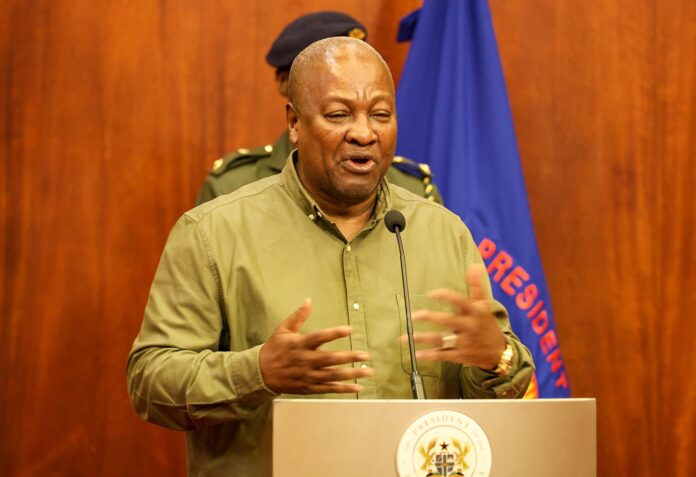
President John Dramani Mahama has described the late Defence Minister, Dr Edward Kofi Omane Boamah, as a trusted friend, loyal adviser and younger brother whose unwavering support remained constant throughout his political journey.
According to the President, the late minister stood by him during some of the most significant moments of his political career, offering guidance and encouragement whenever it was needed.
President Mahama made the remarks during the unveiling of a cenotaph in honour of Dr Omane Boamah at the Ministry of Defence.
The ceremony followed a National Interfaith Memorial Service held earlier at the University of Professional Studies, Accra (UPSA), where government officials, political leaders, members of the Ghana Armed Forces, diplomats, religious leaders, family members and friends gathered to pay their last respects to the late minister.
Paying tribute, President Mahama said Dr Omane Boamah was more than a colleague in government, describing him as one of the most dependable people he had worked with.
“He was a friend, a younger brother, a loyalist and a close adviser. His loyalty and love for me was undoubted,” the President said.
He stated that the late Defence Minister remained loyal to him throughout the successes and challenges of his political career.
“He stood by my side through all the momentous occasions of my political career,” President Mahama added.
The President said Dr Omane Boamah’s loyalty was driven by his commitment to national development and the principles they shared, rather than personal ambition.
He further described the late minister as humble, compassionate and dedicated to public service, saying those qualities distinguished him from many others.
According to President Mahama, Dr Omane Boamah’s professionalism and integrity earned him the respect of colleagues, the security services and many Ghanaians.
“Omane was a great human being. His kind is difficult to find in our world today,” he remarked.
The President also commended the Ghana Armed Forces for organising the military honours and unveiling the cenotaph in recognition of Dr Omane Boamah’s service to the country.
He said the memorial serves as a lasting tribute to the late minister’s contribution to strengthening Ghana’s defence institutions and preserving national peace and security.
“I thank the Ghana Armed Forces for the honour being done for our former Minister today,” he said.
President Mahama noted that Dr Omane Boamah occupies a unique place in Ghana’s history as the only Minister for Defence to have died while serving in office.
“The only Defence Minister on record to have died in active service,” the President stated.
He said this distinction underscores the need to preserve the late minister’s legacy and ensure that future generations appreciate his service and sacrifices to the nation.
Events leading to his death
The late Defence Minister was among the eight gallant men who lost their lives on August 6 in a helicopter crash en route to a state assignment. In the early hours of Wednesday, the GAF announced that the helicopter carrying the deceased had gone off its radar.
The Minister and seven others, including the pilots serving in the Ghana Armed Forces (GAF).
The seven other individuals who lost their lives include Environment Minister Dr Ibrahim Murtala Mohammed, Acting Deputy National Security Coordinator Alhaji Limuna Muniru Mohammed, NDC Vice Chairman Dr Samuel Sarpong, former Obuasi East parliamentary candidate Samuel Aboagye, Squadron Leader Peter Bafemi Anala, Flying Officer Manaen Twum Ampadu, and Sergeant Ernest Addo Mensah.
Following the death of these statemen, several tributes have poured in, some from the general public, members of the Minority and even beyond Ghana.
The Council of State described the victims as “patriotic individuals who served our country with honour, diligence, and devotion,” urging citizens to uphold the values they embodied. The Minority Caucus in Parliament issued a heartfelt statement: “Your loss is our loss; your grief is our grief,” and praised the ministers for their intellect, patriotism, and commitment to Ghana’s future.
Former Vice President Dr. Mahamudu Bawumia posted on X: “The fallen men paid the ultimate price in the service of our motherland, leaving a shocked nation in pain.” Minister Emelia Arthur wrote, “Farewell, my brother. I will remember the specific conversation we had forever.” Education Minister Haruna Iddrisu honored Murtala Mohammed, saying, “Your commendable efforts have created a legacy that inspires and uplifts our nation”.
Globally, leaders and institutions expressed solidarity. Namibian President Netumbo Nandi-Ndaitwah said the loss was not just Ghana’s but Africa’s. Former Nigerian President Goodluck Jonathan called the ministers “committed public servants” whose legacy should inspire future generations. The African Development Bank President Akinwumi Adesina described the tragedy as “devastating”.
The United Nations in Ghana, through Resident Coordinator Zia Choudhury, mourned the loss as a “national wound” and pledged continued support for Ghana during its mourning period. Kenyan President William Ruto extended condolences and assured Ghana of Kenya’s prayers and solidarity.
Profile of Defense Minister
Dr. Edward Kofi Omane Boamah is a prominent Ghanaian politician, medical doctor, and Health Policy Planning and Financing Analyst with a rich background in strategic negotiation, solution-oriented leadership, environmental security and ICT including cybersecurity.
He possesses a strong educational foundation from esteemed institutions, including the University of Ghana Medical School, the London School of Economics and Political Science, the London School of Hygiene and Tropical Medicine and Harvard University.
His diverse educational background empowers him to merge his medical expertise with a deep understanding of financial planning and strategic analysis when solving complex challenges.
Dr. Omane Boamah has consistently demonstrated exceptional leadership in various key roles. As Minister for Communications and Spokesperson for the President of Ghana, he championed several vital cybersecurity initiatives including Child Online Protection and led the rollout of the Government of Ghana’s 4G LTE network (GOTA) which provides enhanced communication capabilities for security agencies.
As a former Civilian Employee of the Ministry of Defence, he has an unwavering commitment to national and human security. His innovative thinking and excellent negotiation skills, positions him as a forward-thinking leader, ready to address the complexities of modern security challenges and an advocate for the institution’s dignity and well-being of service women and men.
Security officers are supposed to enforce the law and protect citizens. But what happens when the police officer citizens should feel safe around becomes the very thing they fear most?
In the 1980s and 90s, a police officer named Jack Bebli became a terror to residents of Accra, particularly those living around Achimota and Taifa. When his name was heard, both children and adults were gripped by fear. Grown men fell quiet, drivers slowed down, and even shoemakers stopped hammering.
A man who was meant to enforce the law had become something the law itself seemed afraid to touch, until his sins caught up with him.
Bebli was legally known as Alhaji Sheikh Seidu Mohammed Bebli, and court records confirm he was also known as RSM Jack Bebli.
According to accounts shared by residents who lived through the era, he began his career as a dispatch rider with the Motor Traffic Unit of the Ghana Police Service before rising through the ranks to become Regimental Sergeant Major of the defunct Panther Unit, one of the most feared security formations of its time.
The unit was tasked with combating violent crime at a period when armed robbery was a major national concern.
Bebli reportedly commanded immense power and was widely feared across parts of Accra during the Rawlings era. He was said to be powerful enough to organise roadblocks with armed colleagues, and no driver or pedestrian dared challenge him.
During a National Reconciliation Commission hearing under the Kufuor administration, Rawlings identified Bebli as one of the officers appearing in footage of the 1984 interrogation and killing of two soldiers, Cpl. Halidu Giwa and L/Cpl. Sarkodie Addo.
The Gold Heist
In February 1999, Ghana was stunned to learn that Bebli, the feared police officer, was the mastermind behind a massive gold bullion van robbery. The gold was later traced to two vehicles belonging to GHACEM and Ashanti Goldfields Company before being transported to Accra.
Bebli and his accomplices were caught when one of them, Frimpong, was arrested trying to flee with his share of the loot at the Elubo border. Frimpong named the others during interrogation.
Court records confirm Bebli was tried alongside Philip Asamoah, alias Agingo, a soldier identified as James Doli, and others. The group was found guilty and sentenced according to law, with Bebli and five others receiving 15 years for armed robbery. The verdict was delivered on 13 July 2001, and several convicted parties later appealed to the Court of Appeal.
Repentance and Death
While serving his sentence at Nsawam Prison, Bebli reportedly appeared before the National Reconciliation Commission, where victims came forward with allegations of torture and abuse from his years in uniform. He is said to have denied many of the accusations, at times citing memory loss due to illness.
He is also reported to have converted to Christianity, taking the name Paul and asking forgiveness for wrongs committed during his career.
In May 2009, Bebli suffered a heart attack and died while still serving his sentence.
DISCLAIMER: Independentghana.com will not be liable for any inaccuracies contained in this article. The views expressed in the article are solely those of the author’s, and do not reflect those of The Independent
Ghana has recorded a dip in the inflation rate for the first time in three months after consecutive increases.
The inflation rate slowed to 4.6% in July, marking a renewed easing in consumer price pressures across the economy.
According to the Ghana Statistical Service (GSS) Monthly Consumer Price Index (CPI) Report, Ghana’s headline inflation declined by 0.7 percentage points in July, falling from 5.3% in June to 4.6%.
GSS explained that even though the prices of goods continue to increase, they are doing so at a slower pace, providing some relief for consumers.
It also reinforces expectations that inflation could remain comfortably within the Bank of Ghana’s medium-term target band of 8 ± 2 percent, provided current macroeconomic conditions are sustained.
The moderation in inflation was driven by slower price increases across both food and non-food categories.
Food inflation declined to 3.1% in July from 3.9% in June, while non-food inflation eased marginally to 6.1%, compared with 6.3% a month earlier.
The data also show that services inflation, which covers transport, rent, education, healthcare, haircuts and internet services, declined from 9.4% in June to 8.5%, reflecting slower increases in the cost of services.
On the other hand, inflation for locally produced goods stood at 5.9%, significantly higher than the 2.0% recorded for imported goods. This means inflation for locally produced goods was 3.9 percentage points higher than that of imported goods.
GSS also noted that while the prices of services continue to increase, they are doing so at a slower pace. It added that locally produced goods recorded higher inflation than imported goods, largely because the Ghana cedi has remained relatively stable and global price pressures have eased.
Government Statistician Dr Alhassan Iddrisu said food and non-alcoholic beverages remained the biggest driver of inflation, accounting for 32.4% of the overall increase in prices across the 13 divisions of the Consumer Price Index (CPI).
The report also showed differences in inflation across the country’s regions.
The North East Region recorded the highest inflation rate at 10.8%, while the Bono East Region recorded the lowest at -3.8%, meaning prices in the region were, on average, lower than they were during the same period last year.
The latest inflation figures suggest that price increases are slowing, a development expected to improve consumers’ purchasing power, boost business confidence and create a more stable environment for investment.
BoG forecasts inflation to remain within target
The Bank of Ghana (BoG) said it was optimistic that inflation would gradually return to its medium-term target range of 8%, plus or minus two percentage points, provided there were no major economic disruptions.
The central bank, however, cautioned that ongoing geopolitical developments, particularly tensions in the Middle East, continue to pose risks to the inflation outlook and could influence future price stability.
Details contained in the Bank’s May 2026 Monetary Policy Report showed that inflation recorded a slight increase in April 2026 after several months of consistent decline. The report noted that this was the first rise in the inflation rate since the downward trend began in December 2024.
According to the BoG, the increase was largely linked to higher prices within the non-food segment of the Consumer Price Index (CPI), while food prices continued to moderate.
Food inflation eased from 2.3% in March to 2.2% in April, supported by improved agricultural output and favourable harvests. In contrast, non-food inflation rose to 4.2% from 3.9% over the same period, mainly due to increases in utility-related costs.
Despite the modest rise in headline inflation, the Bank indicated that underlying inflationary pressures remained contained. Measures of core inflation, which exclude the impact of volatile items such as energy and utilities, continued to trend downward, suggesting that price increases were not widespread across the economy.
The report further noted that alternative core inflation indicators that exclude food items remained above the headline inflation rate, standing at 4.2% and 4.7%, respectively, in April 2026.
The Bank maintained that sustaining prudent monetary policy measures would be essential to keeping inflation on a downward path and achieving its medium-term objective.
Two hundred and fifty-four (254) state institutions have been penalised by the Right to Information Commission for violation of Section 77(1) of the Right to Information Act, 2019 (Act 989), which mandates every public institution to submit an annual report covering requests received, responses given, refusals, exemptions applied, and compliance measures to the Right to Information Commission.
In an eight-page press statement dated August 5, the Commission announced that each institution will pay an enforcement fine of GH¢20,000 under Section 84 of the RTI Act, 2019 (Act 989).
The Act grants the Commission power to impose administrative penalties on institutions that fail to comply with obligations under it.
“The Right to Information Commission (‘“the Commission) hereby notifies the underlisted
Ministries, Departments and Agencies (MDAs) and Metropolitan, Municipal and District
Assemblies (MMDAs) that an administrative penalty of Twenty Thousand Ghana Cedis
(GH¢20,000.00) has been imposed on each institution for failing to submit its 2025 Right
to Information Annual Report, as required under section 77(1) of the Right to Information
Act, 2019 (Act 989), parts of the statement read.
The fine comes on the back of several reminders published through state media houses within the first quarter of this year, which the affected institutions failed to comply with.
“The affected institutions failed to comply with this statutory obligation despite reminders
published in the Ghanaian Times on 20 January 2026 and the Daily Graphic on 24 April
2026.
“Annual reports submitted by public institutions constitute essential inputs for the
preparation of the Commission’s consolidated Annual Report to Parliament,” the Commission added.
Consequently, all defaulting institutions are expected to pay the fine within fourteen days or risk facing escalated penalties.
“As the statutory deadline for submitting the 2025 consolidated Annual Report has elapsed, all
public institutions are required to put appropriate measures in place to ensure strict and
timely compliance with their reporting obligations in subsequent years.
“Each defaulting institution is required to pay the administrative penalty within fourteen
(14) days of receiving the Commission’s formal notice. Failure to comply within the
stipulated period will result in further enforcement action in accordance with law”, it continued.
The Commission then went on to remind heads of public institutions that compliance with the reporting
requirements under Act 989 is a statutory obligation and not a matter of discretion, stressing its commitment to enforcing Act 989 and promoting transparency, accountability and access to information in Ghana.
Further penalties
If the institutions fail to pay the administrative penalty within the 14‑day deadline, the Right to Information Commission (RTIC) has several enforcement measures available under Section 84 of the RTI Act, 2019 (Act 989).
The Commission can apply to the High Court to enforce the penalty as a civil debt. This means the court can compel the institution to pay, just as it would in any other debt recovery case.
It also has the authority to impose additional sanctions, which may include higher fines or further directives to ensure compliance.
Another measure is naming and shaming. The Commission can publish the names of defaulting institutions in its annual reports, exposing them to public accountability and reputational damage.
Finally, in extreme cases, the Commission can refer the matter to the Attorney‑General for prosecution if there is evidence of deliberate obstruction or contempt of the Commission’s authority.
In a related development, the Ghana Education Service (GES), WBM Zion Senior High School, the National Pensions Regulatory Authority, and the Economic and Organised Crime Office were fined for violating their statutory obligations under the Right to Information.
In a formal press release signed by the Commission’s Executive Secretary, Genevieve Shirley Lartey, Esq, it indicated that it had discovered acts of non-compliance with laws governing citizens’ right to information, hence the decision.
“The Right to Information Commission (“the Commission”), in the exercise of its statutory mandate under the Right to Information Act, 2019 (Act 989), has determined many cases involving non-compliance with the Act and has taken enforcement action to uphold the law”, the statement noted.
According to the statement, the administrative sanctions were applied after thorough investigations were conducted in compliance with Act 989, which is designed to promote transparency, accountability, and good governance by ensuring that citizens can access public information, while also giving the RTIC teeth to enforce compliance.
“Following investigations, hearings, and determinations made in accordance with Act 989, the Commission has imposed administrative penalties amounting to Two Hundred and Twenty Thousand Ghana Cedis (GHC220,000) on four (4) public institutions for failure to comply with their statutory obligations under the Act”.
The penalties ranged from GH¢10,000 to GH¢100,000 per institution.
866 parcels of a white powdered substance suspected to be cocaine have been intercepted by the Police in Tema following an intelligence-led operation conducted around 8 p.m. on Wednesday, August 5, the Ghana Police Service has confirmed.
Per reports from the authorities, the suspected parcels were concealed in sacks of gari, and three suspects, including a Dutch national and two Ghanaians, have been arrested in connection with the consignment.
Sources familiar with the operation disclosed that the suspects were arrested while supervising a group of men loading sacks of gari and konkonte into a 40-foot container for export at a warehouse within the Tema Port enclave.
The suspects, together with the truck used in the operation and the intercepted consignments, are currently in police custody to assist with ongoing investigations.
The latest interception comes months after the Narcotics Control Commission (NACOC) seized a consignment containing approximately five million Tramadol tablets valued at an estimated GH¢100 million at the Accra International Airport (AIA) following an intelligence-led operation. Three suspects were also arrested in connection with the intercepted consignment.
In a related development, the Police in March arrested nine public officers, including five Customs officials, for their alleged involvement in an undeclared Tramadol consignment at Tema Port. The remaining four comprised one officer each from the Narcotics Control Commission, Port Security, the Energy Commission, and the Ghana Standards Authority.
On February 26, the Customs Division of the Ghana Revenue Authority (GRA) seized a shipment allegedly from the United Arab Emirates that had been declared as containing water kettles, kitchen blenders, pressing irons, energy-saving bulbs, and polypropylene materials.
Following an intelligence tip-off, Customs officers and the Central Revenue Monitoring Team conducted a joint re-examination on March 1, which revealed that the container actually held 299 cartons containing a total of 146,932,000 tablets of Tramadol Hydrochloride (250mg and 225mg), with a combined weight of 34,847.2 kilograms.
More recently, government authorities have stepped up efforts to curb the illegal smuggling and sale of prohibited goods, including narcotic drugs, across the country. Last week, five officers of the Ghana Revenue Authority’s Customs Division were removed from their positions for allegedly breaching the Authority’s code of conduct.
The officers have been accused of procedural breaches linked to a transit cargo operation bound for Niger. According to the Authority, a statement issued on Tuesday, February 24, indicated that their removal was to allow investigations into discrepancies detected during an enforcement operation involving a consignment declared as transit cargo for onward movement to Niger on February 18.
The Authority added that thorough checks uncovered inconsistencies in documentation and non-compliance with established transit procedures.
Meanwhile, the Office of the Special Prosecutor (OSP) disclosed that the consignment in question was destined for Burkina Faso and was transiting through Ghana. However, it failed to reach its intended destination and was instead offloaded in Ghana without the payment of the appropriate taxes and applicable duties.
Consequently, the OSP said Ghana had lost an estimated GH¢10.5 million in taxes as a result of the diversion.
“The Office of the Special Prosecutor (OSP) is investigating suspected corruption involving the diversion of fifty (50) twenty-foot containers of palm oil valued at GH¢25.8 million…. The Office has identified the involvement of some Customs officers, National Security operatives, and clearing agents in a corrupt scheme. The consignment, declared as in transit to Burkina Faso, was unlawfully diverted into the local market without payment of applicable duties and taxes,” the statement noted.
Although the GRA and the OSP are yet to disclose the exact contents of the transit cargo, reports indicate that 18 articulated trucks impounded at the Akanu and Aflao border posts on February 18 were carrying assorted goods, including cooking oil, spaghetti, and tomato paste, and were suspected to be part of a broader transit diversion scheme.
Some members of the opposition New Patriotic Party (NPP) thronged the streets, from the community centre to the Supreme Court route in Accra, to protest what they describe as selective justice and the abuse of state institutions under the current Mahama-led administration.
The protest, dubbed “Democracy Under Attack,” has drawn leading party executives, Minority Leader Alexander Afenyo-Markin, former government officials, and hundreds of grassroots supporters.
Clad in red and black, the demonstrators assembled at the forecourt of the Supreme Court in Accra before embarking on the march.
Among the key issues highlighted by the party are the acquittal and discharge of the former Chief Executive Officer of the Microfinance and Small Loans Centre (MASLOC), Sedina Tamakloe Attionu, and the incarceration of the Ashanti Regional Chairman of the party, Bernard Boasiako, widely referred to as Chairman Wontumi.
They have accused the government of being selective with justice and embarking on a political witch hunt instead of prosecuting their party members who also commit similar offences, like involvement in galamsey among other crimes.
The NPP argues that the development raises serious concerns about the consistency, fairness and impartiality of Ghana’s justice system.
Real Madrid forward Vinicius Jr. has expressed his satisfaction with the club’s newly appointed head coach, José Mourinho, saying the Portuguese manager wants him to continue playing with confidence and remain true to himself.
Speaking to the club’s media after his second training session under the new coach, the Brazilian star indicated that José Mourinho ViniJnr indicated that “It has gone very well, getting to know the new coach and the new players, and training very hard.
Mourinho wants me to be as I have always been: happy, cheerful and playing my football.”
Vinicius stressed the team’s need to prepare well ahead of the season to avoid injuries.
“We have to prepare physically so that during the season we have fewer injuries and can count on everyone”, Vinicius said.
His comments come on the back of links to Vini’s links to Arsenal due to an altercation between himself and José Mourinho during Real Madrid’s 1–0 win over Benfica in Lisbon on February 17.
Vinícius alleged racist abuse from Benfica winger Gianluca Prestianni, and Mourinho’s post‑match comments, suggesting Vinícius “is always surrounded by controversy” while questioning his celebrations.
Many slammed Mourinho for his comments, citing that dismisses the racism claims by Vini.
Vini, in response, described Mourinho’s comments as repulsive.
Vinicius recently rejoined the squad after representing Brazil at the 2026 FIFA World Cup, where he scored four goals before the five-time champions were eliminated by Norway in the Round of 16.
Mourinho’s first and second spells
Mourinho returned to Real Madrid for a second spell this summer following the club’s trophyless 2025-26 campaign.
José Mourinho’s first spell at Real Madrid ran from May 2010 to June 2013, a period marked by both success and controversy. He arrived fresh from winning the Champions League with Inter Milan and was tasked with restoring Madrid’s dominance in Spain and Europe.
In his first season (2010/11), Mourinho delivered immediate silverware by winning the Copa del Rey, defeating Barcelona 1–0 in the final thanks to a Cristiano Ronaldo header. This was Madrid’s first major trophy in three years and signalled the start of a fierce rivalry with Pep Guardiola’s Barcelona.
The 2011/12 season was his peak at Madrid. He guided the team to the La Liga title, finishing nine points ahead of Barcelona. That campaign set records: 100 points, 121 goals, and 32 wins, the most in a single La Liga season at the time. It was a statement of dominance and tactical efficiency.
In the 2012/13 season, Mourinho added the Supercopa de España to his tally, again overcoming Barcelona. However, his side fell short in Europe, suffering three consecutive Champions League semi-final exits. Internally, tensions grew; clashes with senior players like Iker Casillas and Sergio Ramos, as well as disputes with club officials, created a turbulent atmosphere.
By June 2013, Mourinho’s relationship with the squad and management had deteriorated, leading to his departure. Despite the drama, his first spell is remembered for breaking Barcelona’s dominance, delivering a record-breaking league title, and instilling a competitive edge that reshaped Madrid’s mentality.
FIFA’s Chief of Global Football Development, Arsène Wenger, has expressed opposition to FIFA’s now-abandoned $20 billion commercial arm proposal, insisting that football should remain independent and be governed with transparency and integrity.
The proposal sought to establish a new commercial entity to manage the revenue-generating activities of the FIFA World Cup and other major competitions.
Under the plan, FIFA intended to sell up to a 20% minority stake in the entity to private investors, targeting US$4.2 billion in funding. The investor group was expected to be led by Thrive Capital, founded by Joshua Kushner.
The proposal, which aimed to raise about US$4.2 billion from private investors, sparked widespread opposition from football stakeholders before FIFA formally withdrew it.
Although the proposal has since been abandoned, it has reportedly weakened FIFA president Gianni Infantino’s standing ahead of the 2027 FIFA presidential election, with football associations in Wales, Sweden and Serbia withdrawing their support for his expected re-election bid.
In a statement issued on Tuesday, August 4, Wenger made it clear that he neither supported nor participated in the proposal, stressing that he first learned about it through media reports.
“The recent events at FIFA deserve some clarity from my side. At FIFA, I am the Chief of Global Football Development. In addition, I am a technical adviser to IFAB. I was not involved in this strategic plan and first became aware of the project through media reports.
“The decision to withdraw the project was necessary and beyond question, because I firmly believe in an independent FIFA that serves our game with commitment, transparency, and integrity,” part of his statement read.
Why FIFA dropped the proposal
Responding to criticism of the proposal in a formal statement, FIFA said its objective had always been to unite the global football community. However, after consulting member associations, confederations and other stakeholders, it concluded that the proposed commercial arm had created divisions that undermined that objective.
“And more so, as we said from the outset, to do this only if a majority of the FIFA Member Associations were in support and always subject to a consultation process with them, the FIFA Council, the Confederations and wider stakeholders,” part of the statement said.
Consequently, FIFA announced that “this proposal will not proceed.”
The governing body explained that, despite the level of support the proposal had received, the divisions it created were no longer in the best interests of football.
“Having listened carefully to all the views, it has become clear that the project has created divisions of a nature that, regardless of the level of support, are no longer in the interest of the objective set out in the first place. Our purpose has always been – and will always be – to unite and improve,” FIFA said.
Infantino added that he would engage stakeholders in the coming weeks to rebuild consensus and continue efforts to grow football globally, particularly in countries that require greater support.
“My intent is to bring all interested parties back together in the spirit of shared interest in our game, and with the objective to continue growing football everywhere, particularly in those countries that mostly need our support,” he said.
FIFA’s Chief of Global Football Development, Arsène Wenger, has distanced himself from FIFA’s proposed commercial arm valued at $20 billion, which will manage revenue-generating activities linked to the World Cup and other major competitions.
Under the proposal, FIFA intends to sell up to a 20% minority stake in the new entity to private investors, targeting $4.2 billion in funding. The investor group is expected to be led by Thrive Capital, founded by Joshua Kushner.
The plan, which sought to raise US$4 billion through the sale to an investment group led by Joshua Kushner, brother of Jared Kushner, the son-in-law of US President Donald Trump, sparked widespread opposition before FIFA withdrew it.
Although the proposal was abandoned, it has damaged Infantino’s standing ahead of the 2027 FIFA presidential election. Football associations in Wales, Sweden, and Serbia have since withdrawn their support for his expected re-election bid.
In a statement released on Tuesday, August 4, Wenger distanced himself from the proposal, saying he played no role in its development.
“The recent events at FIFA deserve some clarity from my side. At FIFA, I am the Chief of Global Football Development. In addition, I am a technical adviser to IFAB. I was not involved in this strategic plan and first became aware of the project through media reports.
“The decision to withdraw the project was necessary and beyond question, because I firmly believe in an independent FIFA that serves our game with commitment, transparency, and integrity”, a section of his statement read.
Why FIFA dropped the proposal
Responding to the reactions to the proposal in a formal statement, FIFA explained that its goal as a global football governing body has always been to unite all parties concerned with the sport; however, the proposal of the commercial arm has created disparities which it didn’t intend following deliberations with stakeholders whose approval would have been the only basis for the establishment of the FFE.
“And more so, as we said from the outset, to do this only if a majority of the FIFA Member Associations were in support and always subject to a consultation process with them, the FIFA Council, the Confederations and wider stakeholders”, parts of the statement said.
Consequently, “…this proposal will not proceed”.
It continued that “Having listened carefully to all the views, it has become clear that the project has created divisions of a nature that, regardless of the level of support, are no longer in the interest of the objective set out in the first place.Our purpose has always been – and will always be – to unite and improve”.
Mr Infantino said he would engage interested parties in the coming days and weeks to rebuild consensus and continue efforts to grow football worldwide, especially in countries that require greater support.
“My intent is to bring all interested parties back together in the spirit of shared interest in our game, and with the objective to continue growing football everywhere, particularly in those countries that mostly need our support,” he said.
The management of the Ghana Airports Company Limited (GACL) has disclosed that the renovation of Terminal 2 of the Accra International Airport is expected to be completed by December 2026.
Renovation works started earlier this year, with the government and the Ghana Airports Company Limited (GACL) confirming the project as part of a $15 million upgrade to reduce congestion at Terminal 3.
Speaking during an oversight visit by Parliament’s Roads and Transportation Committee, the GACL Managing Director, Yvonne Nana Afriyie Opare, assured that the project would be ready by December.
“By December 2026, we will finish the whole work on Terminal 2, and His Excellency the President will come and commission it,” she said.
The renovation forms part of efforts by GACL to expand passenger-handling capacity at the airport and improve the overall travel experience by enabling Terminal 2 to serve both domestic and international passengers.
In April this year, the Presidency announced that construction works would soon begin at the Accra International Airport, as President Mahama cut the sword for the construction of an interconnecting concourse linking Terminal 2 (arrival) and Terminal 3 (departure).
The project is set to reduce congestion and boost Ghana’s ambition of becoming a leading aviation hub in West Africa.
Speaking at the sod-cutting ceremony on Tuesday, April 28, President Mahama stressed that the project goes beyond a mere ceremony, describing it as a critical investment aimed “at improving operational efficiency, enhancing passenger experience, and supporting Ghana’s long-term economic growth.”
He mentioned that passenger traffic had surged sharply over the past three years, rising by 700,000 between 2022 and 2025, representing a 39% increase from 1.8 million passengers in 2022 to 2.5 million in 2025.
According to him, this is evidence of Ghana’s expanding global connectivity and attractiveness as a destination, highlighting the need for expansion to safeguard efficiency and maintain service standards.
President Mahama also announced government plans to revive the country’s defunct airline, with the National Airline Taskforce assigned to present a roadmap by the end of the week.
“This week, I’m meeting the task force I set up to work towards the re-establishment of our national airline. I’m looking forward to receiving their presentation outlining the concrete roadmap for Ghana’s flag to fly proudly across Africa and in the global aviation space once again,” he said.
He emphasised that the re-establishment of the airline would go a long way to help address the growing unemployment challenge the country is currently battling.
“Reviving a national airline will not only rekindle national pride but also create employment opportunities for pilots, cabin crew, engineers, and other aviation professionals,” he said.
The sod-cutting ceremony came a few weeks after the Minister of State in charge of Government Communications, Felix Kwakye Ofosu, announced the government’s plans for the project.
Minister of State in charge of Government Communications, Felix Kwakye Ofosu, has indicated that embattled former Chief Executive Officer of the Microfinance and Small Loans Centre (MASLOC), Sedina Tamakloe-Attionu, remains in jail despite the Appeal Court’s acquittal and discharge ruling on July 30.
He disclosed this during an interview with Umaru Sanda Amadu on Channel One TV’s Face to Face on Tuesday, August 4, while addressing issues concerning the former MASLOC boss’s prosecution.
“I can tell you Sedina has not been released; she’s still in custody, ” he stressed.
Clarifying a claim mostly peddled by the Minority in Parliament, Kwakye Ofosu said Sedina Tamakloe has remained in lawful custody since returning to Ghana,
“For the avoidance of doubt. From the day Sedina landed in Ghana until the Court of Appeal made its pronouncements, she has been in prison custody. So, the claims that she was home and was not kept by Prison authorities are blatantly false…Should we publish pictures or show videos before you believe that she was in prison?” he asked.
His comments come as Chief Justice Paul Baffoe-Bonnie has granted permission for the Court of Appeal to sit during the legal vacation to hear the Attorney-General’s application for a stay of execution of the judgment. The application is scheduled to be heard on August 16.
Sedina Tamakloe Attionu was set to be released from jail after the Court of Appeal acquitted and discharged her on Thursday, July 30.
The decision was delivered by a three-member panel of the Court of Appeal in Accra, comprising Justices Emmanuel Ankamah, Emmanuel Senyo Amedahe and Samuel Obeng-Diawuo.
The court held that the prosecution had failed to prove its case beyond a reasonable doubt, ruling that the evidence presented was insufficient to establish the alleged offences.
Madam Tamakloe Attionu was facing multiple charges, including causing financial loss to the state, theft, unauthorised commitments resulting in financial obligations for the government, and money laundering.
She was tried alongside former MASLOC Board Chairman Daniel Axim, who also faced charges related to the institution’s operations.
The prosecution alleged that between 2013 and 2016, during Madam Tamakloe Attionu’s tenure as CEO, MASLOC funds were misapplied through various transactions, resulting in financial loss to the state.
Meanwhile, given the chain of prosecutions of some NPP members and former government officials under the Akufo-Addo-led administration, the opposition New Patriotic Party (NPP) announced plans to hold a nationwide demonstration dubbed “Democracy Under Attack” on Thursday, August 6, 2026, to protest what it describes as threats to Ghana’s democratic governance following the Appeal Court’s ruling and the current case surrounding Miracles Aboagye.
According to the party’s promotional materials, the demonstration will begin at 6:00 a.m. at the Supreme Court and end at the Jubilee House.
The NPP is mobilising its supporters under the hashtags #DemocracyUnderAttack, #SaveGhanaNow, and #SayNoToStateCapture.
Backing the planned protest, NPP communications team member and spokesperson for former Vice-President Dr Mahamudu Bawumia, Dennis Miracles Aboagye, said the demonstration is aimed at raising concerns over what he described as attempts by the government to suppress dissent and weaken democratic institutions.
In a Facebook post, Mr Aboagye said democracy thrives on the ability of citizens and political actors to express their views freely.
“There is always the temptation by people in power to suppress the voices and rights of the people. But there is an inherent self-purge with democracy. Try as you may, you can never suppress the will of the people,” he wrote.
He alleged that the arrest of opposition figures, persons accused of insulting public officials, TikTok users and media practitioners, as well as what he described as the “weaponisation of bail conditions” and a close relationship between the Executive and the Judiciary, pose a threat to Ghana’s democratic system.
According to him, governments must be willing to tolerate criticism from political opponents and ensure equal treatment under the law.
Mr Aboagye called for an end to what he described as selective justice, warning that such practices could affect the country’s democratic progress.
“Let’s stop the selective justice now before it becomes a cycle. Power is like ice…. Live and let’s live… that’s the beauty of democracy,” he added.
The African Continental Free Trade Area (AfCFTA) promises to create a single African market, deepen regional value chains, stimulate industrialisation and increase intra-African trade. Yet, despite these lofty aspirations, one inconvenient reality continues to undermine the continent’s trade agenda: Africa still struggles to move people and goods efficiently within its own borders.
For decades, African governments have invested heavily in transport infrastructure while simultaneously assuming responsibility for operating transport services. State-owned bus companies, railway corporations, shipping lines and other transport enterprises were established with the objective of making transportation affordable and accessible to citizens.
These interventions were well-intentioned. Transport is an essential public service and an indispensable driver of economic development. However, experience across much of the continent demonstrates that governments have generally performed better as providers of transport infrastructure than as operators of transport services.
This is not an argument for abandoning the transport sector to the private market. Rather, it is an argument that governments should redefine their role. The modern state should concentrate on creating the legal, regulatory and institutional environment within which efficient transport services can flourish, while allowing competent private operators to deliver those services under transparent and accountable regulatory oversight.
The distinction is significant. Governments must continue to invest in strategic public infrastructure such as roads, bridges, ports, rail corridors and airports because these assets possess characteristics of public goods and require substantial capital investment beyond the capacity of many private actors.
Operating commercial transport services, however, is fundamentally different. Bus operations, freight logistics, passenger rail services and cargo handling are commercial activities that, when properly regulated, can often be delivered more efficiently by the private sector.
Africa’s experience provides ample evidence for this proposition. Across many jurisdictions, state-operated transport enterprises have become synonymous with operational inefficiency, ageing fleets, inadequate maintenance, financial losses and recurring dependence on public subsidies. Political considerations frequently influence managerial decisions, procurement processes and pricing structures.
Changes in government often result in management changes, making long-term planning difficult. In many instances, transport companies become vehicles for political patronage rather than institutions focused on service delivery. The consequence is borne not only by commuters but by the wider economy.
Transport costs remain among the highest in the world. According to the African Development Bank, logistics inefficiencies and inadequate transport connectivity significantly increase the cost of moving goods across the continent, reducing the competitiveness of African businesses and limiting the potential benefits of regional integration. It is often cheaper to import products from outside Africa than to transport similar goods between neighbouring African countries.
Such a situation defeats the very objectives that AfCFTA seeks to achieve. Indeed, trade liberalisation alone cannot create competitive markets if goods cannot move efficiently. Reducing tariffs is only one component of economic integration.
Businesses equally require reliable transport systems, efficient logistics networks, modern ports, functioning railways and predictable customs procedures. A manufacturer in Kumasi who cannot transport processed agricultural products to Ouagadougou within a reasonable period derives little practical benefit from reduced tariffs under AfCFTA.
Similarly, farmers who cannot move produce quickly from rural communities to urban markets continue to incur post-harvest losses irrespective of favourable trade policies.
This explains why transport reform should no longer be viewed merely as an infrastructure issue. It is fundamentally a trade issue. Successful African examples demonstrate that governments need not operate transport services in order to ensure public access.
The concessioning of container terminals at the Port of Tema and the development of the Lekki Deep Sea Port in Nigeria illustrate how private investment, under appropriate regulatory frameworks, can improve efficiency while governments retain ownership and oversight of strategic infrastructure. Similarly, several African cities have increasingly adopted franchising arrangements under which governments regulate routes, service standards and fares while private operators provide the actual transport services.
These models recognise an important economic principle: ownership is not synonymous with operation. A government may own an airport without operating every airline. It may own railway infrastructure without running every train. It may own bus terminals without managing every bus company.
What matters is that government establishes clear legal rules governing market entry, safety standards, competition, consumer protection and accountability. Where effective regulation exists, private participation often introduces innovation, operational efficiency and investment that governments, constrained by fiscal pressures, may struggle to provide.
This is particularly important at a time when many African governments face mounting public debt and increasing pressure on national budgets. Every cedi, naira or rand committed to subsidising inefficient transport operations represents public resources that could otherwise be invested in healthcare, education, agricultural modernisation or transport infrastructure itself. Government resources should therefore prioritise infrastructure development rather than commercial operations.
This is not to suggest that private participation is without risks. Left entirely unregulated, private operators may abuse market power through excessive pricing, poor service quality or anticompetitive conduct. Indeed, experience from digital markets demonstrates that private actors may engage in exploitative practices where regulatory oversight is weak.
The appropriate response, however, is not for governments to replace private enterprise but to strengthen regulatory institutions. Competition authorities, transport regulators and consumer protection agencies must therefore play a more proactive role in ensuring that liberalised transport markets remain competitive, transparent and responsive to public needs. Governments should equally strengthen the legal architecture governing public-private partnerships and concession agreements.
Procurement processes must be transparent, concession terms should be publicly accountable and performance standards must be clearly measurable. Where operators fail to meet agreed service obligations, regulators should possess adequate powers to impose sanctions or terminate concessions. Good governance, rather than public ownership, is what ultimately determines successful transport systems.
The AfCFTA itself provides an opportunity for African governments to rethink transport policy from a continental perspective. Cross-border rail corridors, harmonised transport regulations, interoperable customs systems and coordinated logistics networks require collaboration between states and active participation from private investors.
Achieving these objectives will demand legal certainty, regulatory consistency and investment-friendly policies capable of attracting long-term capital into Africa’s transport sector. Ultimately, the question is not whether governments have a role in transport.
They unquestionably do. The real question is what that role should be in a twenty-first-century economy increasingly driven by efficiency, innovation and regional integration. The state should remain the architect of transport policy, the builder of strategic infrastructure and the guardian of public interest. It should establish the legal and institutional framework within which transport markets operate fairly and efficiently.
What it should progressively move away from is direct participation in commercial transport operations where competitive private enterprise can deliver better outcomes under effective regulation.
Africa’s economic transformation will depend not merely on producing more goods but on moving them faster, cheaper and more reliably across the continent. If AfCFTA is to fulfil its transformative promise, transport reform cannot remain an afterthought. It must become a central pillar of Africa’s development strategy.
Governments should therefore focus less on operating buses, railways and logistics companies, and more on building the legal, regulatory and physical infrastructure that enables efficient transport markets to thrive. Only then can Africa begin to realise the full economic potential of its continental market.
Kweku Attakora Dwomoh, the author, is an Africanist and an advocate for the African Union’s Agenda 2063, with a keen interest in governance, trade, and legal reform across Africa.
DISCLAIMER: Independentghana.com will not be liable for any inaccuracies contained in this article. The views expressed in the article are solely those of the author’s, and do not reflect those of The Independent
New governance data released by the Ghana Statistical Service (GSS) shows that seven (7) out of every ten (10) citizens who encountered bribery while accessing government services in late 2025 were asked by public officials to make unofficial payments.
According to the GSS data, this indicates a sharp rise in bribery between the first and second halves of 2025, with the rate increasing from 14.3% in the first half to 18% in the second half, marking about a 3.7 percentage point increase.
Government Statistician Dr Alhassan Iddrisu, speaking at a Governance Series event organised by Three Reports and the GSS on Tuesday, August 4, 2026, said the findings showed conditions worsened over the last six months of 2025 even though the country’s overall performance for the year improved compared with 2024.
“The most recent six months, which is July to December 2025, got harder compared to the previous six months, which is January to June 2025. Over the last six months of 2025, the share who paid a bribe rose from 14.3% in the first half of 2025 to 18% in the second half of 2025. That is about one in six who paid a bribe to a public official,” he said.
He said requests for extra payments increased even more sharply, rising from 51% in the first half of 2025 to 69% in the second half.
“So the pressure sits at the counter. The problem now is less what citizens offer and more of what officials would ask,” Dr Iddrisu said.
While the bribery worsened in the second half of the year, the overall trend for the year remained positive
“The full year, which is 2025, got better compared to 2024. Both of these stories are true, and that’s the beauty of the six-monthly survey that we do, to be able to look at trends within waves and even compare between years,” he said.
The Government Statistician said the survey tracks the same nationally representative households across all 16 regions, allowing changes in governance indicators to reflect real changes in people’s experiences rather than differences in survey samples.
The findings cover citizens’ experiences between July and December 2025 and were collected during the first quarter of 2026 through interviews with household heads.
Meanwhile, in a related development, the National Tracking Poll by Global InfoAnalytics for June has ranked the Ghana Police Service as the most corrupt institution, according to Ghanaians.
The Police Service scored 6.45 out of 10 on the corruption perception index in the June 2026 National Tracking Poll conducted by Global InfoAnalytics.
After the Police Service, the second most corrupt institution is the Immigration Service, which ranked second with a score of 5.69, while Business Executives climbed to third position with a score of 5.45, up from 5.31 in March 2026 and a deteriorating trend compared to the December 2025 report.
In the March 2026 National Tracking Poll, the corruption perception scores for the Police Service were 6.43 out of 10, while those of the Immigration Service were 5.86 out of 10.
Comparing the March and June 2026 indices, the Police Service’s corruption perception score rose marginally by 0.31%, while the Immigration Service recorded a 2.9% decline, indicating a modest improvement in public perception.
Last on the scale, which ranked as the least corrupt institutions, were Ministers and Government Officials with a score of 4.54, followed by the Presidency at 4.84 and the Military at 4.90.
The Judiciary scored 5.41, the Ghana Revenue Authority 5.35, and Metropolitan, Municipal and District Assembly officials scored 5.24.
Asked whether corruption in Ghana has improved, 54% of respondents said it has, down slightly from 56% in March. However, 21% said it has worsened, up from 18% in March, indicating that some Ghanaians have lost hope in the anti-corruption fight.
When asked which institution is best placed to fight corruption, 36% said both the Attorney General and the Office of the Special Prosecutor could do so equally. Among those with a clear preference, 24% backed the AG over 16% who chose the OSP.
Thirteen per cent said neither institution could effectively fight corruption.
The poll sampled 8,784 voters across all 16 regions between May 30 and June 12, 2026, with a confidence level of 99% and a margin of error of ±2.5%.
The Ghana Association of Banks (GAB) has reported a 0.19 % (0.02 percentage point) increase in the Ghana Reference Rate (GRR), from 10.59% recorded in July to 10.61% for August 2026, suggesting that lending conditions across the banking sector remain stable.
For several months, the Ghana Reference Rate (GRR) had been on a downward trend until it rose slightly in July, bringing the decline to an end. It increased marginally again in August, suggesting that borrowing costs are unlikely to change significantly in the short term.
“The Ghana Reference Rate (GRR), the benchmark used by commercial banks to price loans, is set to rise marginally to 10.61% in August 2026, up from 10.59% in July,” the report read.
About Ghana Reference Rate (GRR)
The Ghana Reference Rate (GRR) is Ghana’s standardised benchmark interest rate used by commercial banks to price loans. It was introduced in April 2018 by the Bank of Ghana (BoG) in collaboration with the Ghana Association of Banks (GAB) to replace the inconsistent “base rates” that banks previously set individually.
Implications of GRR increase for businesses
The marginal increase in the Reference Rate means businesses should not expect loans to become any cheaper this month, as banks are unlikely to reduce the interest rates they charge on new loans.
Companies seeking loans to expand their operations, acquire equipment, or finance working capital are likely to continue operating in an environment where borrowing costs remain relatively high compared with earlier in the year, when the Reference Rate was on a downward trend.
However, the limited increase indicates that financing conditions remain broadly favourable, supported by easing inflation and improving macroeconomic stability.
Implications for banks
Commercial banks are expected to maintain a cautious approach to lending as they balance credit growth with risk management.
The slightly higher Reference Rate could provide some support for banks’ interest margins, while lenders continue to assess borrowers based on credit quality, industry risks, and repayment capacity.
With economic activity showing signs of recovery, banks are also expected to compete for stronger corporate and retail customers as demand for credit gradually improves.
The new Ghana Reference Rate takes effect on August 5, 2026, and will serve as the benchmark for loan pricing by commercial banks throughout the month.
Ghana Reference Rate since January 2026
In January 2026, the Ghana Reference Rate stood at 15.68%, announced on January 7. This relatively high level reflected the prevailing monetary conditions at the start of the year.
By February 4, 2026, the GRR had declined to 14.58%, marking the beginning of a downward trend. The reduction continued into March 4, 2026, when the benchmark dropped more sharply to 11.71%, signalling easing conditions in the banking sector.
The decline persisted in April 2026, with the rate falling to 10.06% on April 1. This was followed by a slight adjustment in May 2026, when the GRR was announced at 10.03% on May 6.
In June 2026, the rate dipped marginally again to 10.02%, effective June 3. This represented the lowest point in the sequence, showing that lending conditions had stabilised around the 10% mark after months of consistent decline.
BoG records GH¢1.64bn as loan losses in 2025
Banks in Ghana continue to face challenges with customers failing to repay loans on time, or defaulting altogether, with a recent report from the Bank of Ghana (BoG) indicating that the problem persists.
This was revealed after the central bank published its Domestic Money Banks (DMBs) Income Statement, an annual financial report that shows how Ghana’s commercial banks performed over the year.
According to the statement, banks in Ghana wrote off GH¢1.64 billion in 2025, representing a 57.1% decline compared with the amount recorded in 2024.
Given the banking sector’s history of non-performing loans (NPLs), banks made provisions totalling GH¢3.82 billion for bad debts in 2024. The provision covered loan losses, depreciation, and other expenses.
According to the January 2026 Banking Developments Report, asset quality risks in the banking sector remained elevated in December 2025, although the industry’s Non-Performing Loans (NPL) ratio declined to 18.9% in December 2025 from 21.8% in December 2024.
Similarly, the NPL ratio adjusted for the fully provisioned loan loss category declined from 8.5% to 5.0% during the same period.
The NPL stock, however, increased by 0.8% to GH¢21.0 billion in December 2025, compared with a growth of 31.4% recorded in December 2024.
A decomposition of the NPLs showed that the private sector emerged as the leading contributor due to its dominant share of total credit. The statement also noted that the proportion of NPLs attributable to the private sector increased to 97.5% in December 2025 from 96.2% in December 2024, representing a 1.3 percentage-point increase.
Meanwhile, the share of NPLs attributed to the public sector declined to 2.5% from 3.8% a year earlier.
Amid the private sector’s challenges in repaying loans, the Bank of Ghana indicated that there has been an improvement in the proportion of bad loans in the banking industry compared with the previous year.
Accordingly, the NPL ratios in the construction and agriculture, forestry, and fishing sectors increased from 29.8% and 38.0% to 30.7% and 46.3%, respectively. All other sectors recorded improvements in asset quality during the review period.
The Ghana Private Road Transport Union (GPRTU) have expressed their dissatisfaction over the government’s GH¢2 per litre diesel subsidy, insisting the relief does little to nothing to the sharp rise in fuel prices.
This comes after President Mahama on Monday, August 3 ordered the National Petroleum Authority (NPA) to offer GHC 2 relief on every litre of diesel effective Tuesday, August 4.
Reacting to the intervention, on Monday night during an interview on JoyNews, Deputy Public Relations Officer of the GPRTU, Samuel Amoah, expressed appreciation to government for the GHC 2 cut but indicated that the current cost of fuel remains significantly higher than when discussions on transport fare adjustments began.
Speaking on JoyNews, Mr Amoah recalled that transport operators were asked by the Transport Ministry to suspend plans for a 30% fare increase after government indicated that measures would be introduced to reduce fuel prices.
“We were asked to hold on because they promised that government was going to work on the fuel price and that the next price would come down and all that. By then the diesel was around GH¢17, then petrol was around GH¢15. We were expecting a reduction,” he stated.
Mr Amoah continued that their earlier proposed 10% transport fare hike, which was eventually rescinded, was due to the government’s promise to offer a relief when diesel was GH¢17.67. This means that the GH¢2 intervention only brings prices back closer to previous levels rather than delivering a substantial reduction.
“But now during this price window, diesel is approaching GH¢20 a litre. So because government is taking GH¢2 from the diesel, it means it is coming back to where it was, and that will not have any significant effect on us,” Mr Amoah argued.
He continued that the recent subsidy may only avert future increases in transport fares, but the recently proposed 30% hike by his outfit may happen. However, he added that they may reconsider the percentage.
“What will happen is if we are to increase the fares, maybe the percentage that we were proposing is something that we may consider bringing it down,” he said.
Mr Amoah maintained that commercial transport operators continue to face significant cost pressures and will assess the impact of the government’s intervention before deciding on the next steps regarding fares.
Transport operators engaged the Ministry of Transport on Tuesday, July 28, to discuss a proposed 30% increase in transport fares amid rising fuel prices and the increasing cost of vehicle spare parts.
The last time transport operators formally proposed a fare hike before this July 2026 meeting was in March 2025, when the Ghana Private Road Transport Union (GPRTU) and the Ghana Road Transport Coordinating Council (GRTCC) announced a 20% increase in fares.
Their reasons for the hike remain the same; however, this time around they are proposing a 10% increase in addition to their earlier proposal.
The proposed 30% increase in fare was announced by the Ghana Private Road Transport Union’s (GPRTU) Deputy Public Relations Officer, Samuel Amoah, in an interview with Citi FM on Monday, July 27, ahead of the scheduled meeting with the Ministry of Transport today.
He explained that if the government is unable to introduce immediate measures to address the rising cost of petroleum products, the unions will present their proposed fare increase for discussion.
“If they believe there is nothing they can do about the high cost of petroleum products, we will lay our proposed percentage on the table for negotiation. Whatever agreement we reach, we will communicate to our members,” he said.
The unions are expected to present their concerns to the government and explore possible measures to ease the financial pressure on transport operators.
Private legal practitioner Oliver Barker-Vormawor has backed the government’s decision to accept the Constitutional Review Committee’s recommendation to separate the Office of the Attorney-General from the Ministry of Justice.
His remarks follow Attorney-General and Minister for Justice Dr Dominic Ayine’s announcement that the government had accepted the recommendation to separate the Office of the Attorney-General from the Ministry of Justice.
Dr Ayine announced the government’s position while presenting the White Paper on the Constitutional Review Committee’s recommendations on Thursday, July 30.
The proposal seeks to end the long-standing practice of the Attorney-General serving concurrently as Minister for Justice.
Dr Ayine said Article 88 of the 1992 Constitution would be amended to remove the requirement that the Attorney-General be appointed as a Minister of State.
Article 88 of the 1992 Constitution establishes the role, powers and responsibilities of the Attorney-General. It designates the Attorney-General as both a Minister of State and the principal legal adviser to the government, while also granting prosecutorial authority and responsibility for civil cases involving the State.
Under the proposal, a separate Minister for Justice will oversee the justice and legal sector, while the Attorney-General will continue to serve as the government’s principal legal adviser and chief prosecutor.
Reacting to the announcement during an interview with Bernard Avle on Channel One TV’s The Point of View on Monday, August 3, Mr Barker-Vormawor said the government’s proposal went beyond the committee’s recommendations in some respects.
“The other areas I think the government is decidedly a little more progressive than the committee, particularly on the question of the Attorney-General,” he said.
He argued that separating the Attorney-General from Cabinet could help address longstanding concerns about the independence of the office.
“So, the government has now removed the Attorney-General from Cabinet. He’s no longer a minister. And that’s something the committee didn’t get into,” Mr Barker-Vormawor said.
He said the proposal appeared to address concerns about the Attorney-General’s ability to prosecute fellow Cabinet ministers.
“I think the government attempted to answer the Office of the Special Prosecutor differently. One of the reasons we have talked about the OSP is the concern that, because the Attorney-General sits in Cabinet, he is not able to prosecute his colleagues. They have brought this in as another mechanism to address the same problem. So I’m surprised by that,” he added.
On Monday, President Mahama ordered the National Petroleum Authority (NPA) to offer GHC 2 relief on every litre of diesel effective today, Tuesday, August 4.
This comes after the recent price increase in fuel prices in the last pricing window, with diesel and petrol being sold at GH¢18.77 per litre from GH¢17.67, and petrol from GH¢14.47 to GH¢14.53 per litre, by some Oil Marketing Companies (OMCs) such as Star Oil.
The adjustment comes under the industry’s bi-weekly fuel price review mechanism, which allows OMCs to revise prices based on changes in international market prices and the exchange rate under Ghana’s petroleum price deregulation policy.
Consequently, “His Excellency the President has directed that, in line with the decision of Cabinet and the successful intervention implemented in April 2026, the regulatory margin on diesel be reduced by GH¢2.00 per litre for one (1) month.
“This temporary intervention is intended to cushion consumers, prevent transport fare hikes, contain inflationary pressures, and mitigate the pass-through effect of higher fuel prices on the cost of living,” parts of the statement read.
The intervention is scheduled to begin on Tuesday, August 4, 2026, and will remain in force for one month unless otherwise reviewed by the government.
The government said it would continue to monitor developments in the international energy market closely and take additional policy measures, where necessary, to protect the interests of Ghanaians and sustain economic recovery.
Govt’s earlier intervention
On April 16, the government introduced a temporary relief measure by absorbing GH¢2.00 per litre on diesel and GH¢0.36 per litre on petrol. The intervention was scheduled to end on May 15.
The measure became necessary after fuel prices surged due to geopolitical tensions in the Middle East and disruptions at the Strait of Hormuz, which pushed up international crude oil benchmarks and premiums.
After the intervention expired, the Chamber of Petroleum Consumers (COPEC) petitioned the government to extend the measure, arguing that the conditions that prompted the intervention were still in place.
Consequently, the government announced an extension of the intervention in a statement dated May 15 and issued by the Ministry of Energy and Green Transition.
The statement, signed by the Ministry’s Spokesperson and Head of Communication, Richmond Rockson Esq., said the decision followed a Cabinet meeting chaired by President John Dramani Mahama to review developments in the international oil market and the impact of global price volatility on domestic fuel costs.
Under the revised intervention, the government absorbed GH¢1.07 per litre on diesel effective May 16, while continuing to provide relief to consumers against rising international fuel prices.
“Following the latest review, the Government has decided to intervene in the price of diesel by absorbing GH¢1.07 per litre effective May 16, 2026. This decision is necessary to ensure the sustainable distribution of petroleum products across the country while continuing to provide relief to consumers,” parts of the statement read.
The statement added that the intervention would remain in place for two pricing windows and would be subject to review by Cabinet and the National Petroleum Authority (NPA) after June 15, depending on global oil market trends and the government’s fiscal space.
“This intervention is expected to last for a period of two pricing windows, subject to review,” the statement added.
Businesses, transport operators, and consumers are expected to face less pressure despite the global rise in fuel prices linked to the protracted Middle East crisis.
To cushion the impact of rising fuel prices on consumers, President John Mahama has directed the National Petroleum Authority (NPA), the government regulator of the downstream petroleum industry, to reduce the regulatory margin on diesel by GH¢2.00 per litre for one month.
The directive was announced in a statement dated Monday, August 3, following Cabinet’s approval of the intervention.
“His Excellency the President has directed that, in line with the decision of Cabinet and the successful intervention implemented in April 2026, the regulatory margin on diesel be reduced by GH¢2.00 per litre for one (1) month.
“This temporary intervention is intended to cushion consumers, prevent transport fare hikes, contain inflationary pressures, and mitigate the pass-through effect of higher fuel prices on the cost of living,” parts of the statement read.
The intervention is scheduled to begin on Tuesday, August 4, 2026, and will remain in force for one month unless otherwise reviewed by the government.
The government said it would continue to monitor developments in the international energy market closely and take additional policy measures, where necessary, to protect the interests of Ghanaians and sustain economic recovery.
Govt’s earlier intervention
On April 16, the government introduced a temporary relief measure by absorbing GH¢2.00 per litre on diesel and GH¢0.36 per litre on petrol. The intervention was scheduled to end on May 15.
The measure became necessary after fuel prices surged due to geopolitical tensions in the Middle East and disruptions at the Strait of Hormuz, which pushed up international crude oil benchmarks and premiums.
After the intervention expired, the Chamber of Petroleum Consumers (COPEC) petitioned the government to extend the measure, arguing that the conditions that prompted the intervention were still in place.
Consequently, the government announced an extension of the intervention in a statement dated May 15 and issued by the Ministry of Energy and Green Transition.
The statement, signed by the Ministry’s Spokesperson and Head of Communication, Richmond Rockson Esq., said the decision followed a Cabinet meeting chaired by President John Dramani Mahama to review developments in the international oil market and the impact of global price volatility on domestic fuel costs.
Under the revised intervention, the government absorbed GH¢1.07 per litre on diesel effective May 16, while continuing to provide relief to consumers against rising international fuel prices.
“Following the latest review, the Government has decided to intervene in the price of diesel by absorbing GH¢1.07 per litre effective May 16, 2026. This decision is necessary to ensure the sustainable distribution of petroleum products across the country while continuing to provide relief to consumers,” parts of the statement read.
The statement added that the intervention would remain in place for two pricing windows and would be subject to review by Cabinet and the National Petroleum Authority (NPA) after June 15, depending on global oil market trends and the government’s fiscal space.
“This intervention is expected to last for a period of two pricing windows, subject to review,” the statement added.
Former Executive Secretary of the Inter-Ministerial Coordinating Committee on Decentralisation (IMCCoD), Dennis Miracles Aboagye, cannot withdraw, transfer, or process payments as the High Court has ordered the freezing of five bank accounts and four landed properties owned by him as part of an ongoing investigation by the Economic and Organised Crime Office (EOCO).
Per the order, issued by the court on Monday, August 3, it prohibits the sale, transfer, mortgage or disposal of the four landed properties until the court orders otherwise.
The freeze order is to help the crime-check institution preserve assets that may be relevant to its ongoing investigations into alleged financial and procurement-related irregularities.
Miracles Aboagye was arrested and detained by EOCO on Saturday, 11 July 2026, at Kotoka International Airport for alleged misappropriation of about GH¢55 million at the Inter-Ministerial Coordinating Committee on Decentralisation (IMCCoD) during his time as Executive Secretary.
He was detained by EOCO for about 2 days while the anti-corruption institution prepared charges and sought court orders.
Dennis Miracles Aboagye denied all the allegations levelled against him, maintaining that he has committed no wrongdoing.
He was granted bail in the sum of GH¢50 million with three sureties, pending the outcome of the investigations.
Under Ghanaian law, investigative bodies such as EOCO may apply to the courts for preservation orders where they believe assets may be connected to suspected economic or organised crime.
A recent INTERPOL report suggests that Ghanaians lost an estimated $1.3 million to mobile money fraud, marking a growing trend in cyber-enabled financial crime nationwide.
The INTERPOL African Cyberthreat Assessment Report 2026, released in June 2026, provides a continent‑wide analysis of emerging cybercrime trends, including ransomware, phishing, business email compromise, and online fraud schemes targeting African states.
The report identifies Ghana as one of the countries battling rising mobile money fraud, noting that the losses came as cybercriminals increasingly exploited digital payment platforms to target unsuspecting users.
According to the report, cybercrime has been confirmed as one of the most common types of online scam in Africa, with about 97% of the countries that responded to the INTERPOL survey saying it is a major cybercrime problem.
Criminals commonly use phishing, SIM-swap attacks, fake promotions and social engineering techniques to gain access to victims’ mobile wallets and steal funds.
“Mobile money fraud has emerged as the most prevalent online scam reported by member countries,” the report said, warning that the rapid growth of digital financial services has created new opportunities for cybercriminals.
The report highlights Kenya as another country heavily affected by the trend, where authorities detected more than 123,000 fraudulent SIM cards in 2025 that were linked to SIM-swap fraud. It says criminals increasingly exploit weaknesses in mobile payment ecosystems to intercept one-time passwords, hijack customer accounts and conduct unauthorised transactions.
Online fraud has expanded into industrial-scale operations run from organised scam centres. About 72 per cent of African countries surveyed reported the existence of such centres, many of which are linked to transnational organised crime, human trafficking and forced labour.
One of the highlights of the report is criminals adopting AI to impersonate companies to send sensitive emails to divert payments, among other forms of financial fraud.
This makes their schemes more convincing, making them harder to detect and causing more people to fall victim.
“Criminals are increasingly using artificial intelligence to create highly convincing emails impersonating company executives to divert payments and steal sensitive financial information.”
The report calls for stronger cooperation between law enforcement agencies, financial institutions and telecommunications companies to combat the growing threat.
It also urges countries to strengthen public awareness campaigns and improve cybersecurity measures to protect users of digital financial services.
Meanwhile, CSA announced over GH¢19 million in losses to cybercrime between January and September this year. This marks a 17 per cent increase in cybercrime compared to the same period last year.
The Authority’s Head of Law Enforcement and Liaison at the CSA, Colonel George Eduah Bessi, made this revelation during a cybersecurity awareness webinar organised by the Africa Centre for Digital Transformation.
He expressed concern over the growing trend of online crimes in Ghana, highlighting the dangers it poses to the economy. Earlier in the year, the authority reported a steep rise in cybercrime, with a record 2,008 cyber incidents, marking a 52 per cent rise from 2024.
He said online among the crimes, the most prevalent is online fraud, which makes up about 36% of the reported cases, including mobile money scams, fake investment schemes, phishing attacks, and cyber bullying, mostly targeted at women and children, represented 25 per cent of all reported incidents.
Colonel Bessi mentioned that his outfit has ramped up efforts to create awareness and ensure regulations compliance among users, urging individuals and businesses to adopt stronger cybersecurity practices.
He commended the Africa Centre for Digital Transformation for its ongoing efforts, stressing that such initiatives are critical to sanitising the digital ecosystem and preventing future threats.
“The rising losses highlight the urgent need for greater cybersecurity awareness across all sectors of Ghana’s digital economy,” he cautioned.
His remarks come on the back of the government’s establishment of a $50 million fund to help fight cyber crimes in the country.
Professor Rita Akosua Dickson made history as the first female Vice‑Chancellor of KNUST, serving from August 2020 to July 2026.
During her tenure, she spearheaded a digitalisation drive, modernising administrative and academic systems and ensuring continuity of teaching through online platforms during the COVID‑19 pandemic.
She also prioritised student support, launching the SONSOL Project, which provided laptops and learning devices to needy students, thereby promoting equitable access to digital education.
In addition, she encouraged multidisciplinary research and collaborations, particularly in pharmaceutical sciences and natural product chemistry, strengthening KNUST’s academic profile
Contributions to Science and Education
Her scholarly contributions were equally significant. As a pharmaceutical chemist, she advanced knowledge in medicinal plants, bioactive compounds, and drug analysis, contributing to the development of medicinal compounds derived from natural products.
She mentored numerous postgraduate students, building capacity within Ghana’s scientific community, and authored several publications that enhanced KNUST’s reputation in pharmaceutical sciences.
Awards and Recognition
Professor Dickson’s leadership and scholarship earned her multiple accolades. In 2026, she received the Lifetime Achievement Award at the Ghana Women of Excellence Awards for her contributions to tertiary education and scientific research.
Earlier, in 2020, she was honoured with the Excellence in Education Award at the Ghana Women of the Year Honours by Glitz Africa. She is also a Fellow of the Pharmaceutical Society of Ghana and the Ghana College of Pharmacists, and benefited from prestigious fellowships such as the Commonwealth Academic Fellowship and the Novartis/Seeding Labs Fellowship.
Beyond academia, Professor Dickson represented Ghana on the International Planned Parenthood Federation, Africa Region between 2017 and 2019. She actively promoted the use of indigenous natural resources to meet healthcare needs, reflecting her commitment to community engagement.
Her tenure also strengthened global collaborations, building partnerships with institutions in the UK and US, which enhanced KNUST’s international visibility and research impact.
Professor Christian Agyare has officially been sworn in as the 13th Vice-Chancellor of the Kwame Nkrumah University of Science and Technology (KNUST), taking over from Professor Rita Akosua Dickson, the university’s first female Vice-Chancellor.
The Professor was sworn in by the Chancellor of the University, Otumfuo Osei Tutu II, the Asantehene, during an investiture ceremony at the Great Hall of KNUST on Saturday, August 1, 2026.
The ceremony brought together some high-profile personalities, including the Chief of Staff at the Presidency, Dr Julius Debrah, members of academia, traditional and religious leaders, as well as political figures.
Professor Agyare assumes office with more than two decades of experience in academia, research and university administration, having most recently served as Provost of KNUST’s College of Health Sciences.
A Professor of Pharmaceutical Microbiology, he is internationally recognised for his research in natural products pharmacology, antimicrobial resistance, wound healing, ethnopharmacology, parasitology and anticancer drug discovery.
He holds Bachelor of Pharmacy and Master of Pharmacy degrees from KNUST and obtained a Doctor rerum naturalium (Dr. rer. nat.) degree from the University of Münster in Germany.
He later undertook postdoctoral and research appointments at Novartis/Seeding Labs in Boston and the University of California, San Francisco, where his work focused on pharmaceutical research and treatments for parasitic diseases.
Professor Agyare has published more than 200 peer-reviewed research papers and has received over 5,000 citations, with an H-index of 36 and an i10-index of 84.
His research has attracted more than US$11 million in competitive grants from international institutions, including the German Research Foundation, the German Academic Exchange Service, the Biotechnology and Biological Sciences Research Council, the Mastercard Foundation and the World Bank.
Within KNUST, he has served in several leadership roles, including on the University Executive Committee, Academic Board, Planning and Resources Committee, Budgetary Committee, and the Appointments and Promotions Committee.
Between 2016 and 2020, he headed the university’s Quality Assurance and Planning Unit, where he spearheaded reforms aimed at strengthening institutional governance, accountability and operational efficiency.
As Provost of the College of Health Sciences from 2020, Professor Agyare oversaw the introduction of new undergraduate and postgraduate programmes, expanded postgraduate enrolment and supported the development of academic and health-related infrastructure.
His appointment comes with expectations that he will build on KNUST’s reputation as one of Africa’s leading science and technology universities by strengthening research, innovation and entrepreneurship.
Professor Agyare has outlined a vision centred on expanding research output, accelerating technology-driven transformation, promoting entrepreneurship and enhancing student-centred learning.
He is a Fellow of the Ghana College of Pharmacists and the Pharmaceutical Society of Ghana, a distinguished alumnus of Prempeh College, a practising pharmacist and a member of the Kwadaso Methodist Church.
Professor Agyare is married to Dr (Pharm.) Charlotte Sena Agyare, and they have three children.
The Chancellor of the Kwame Nkrumah University of Science and Technology (KNUST), Otumfuo Osei Tutu II, has urged the university’s newly inaugurated Vice-Chancellor, Professor Christian Agyare, to lead through consultation, dialogue and openness rather than command.
Speaking at the investiture ceremony where Professor Agyare was sworn in as the 13th Vice-Chancellor of the Kwame Nkrumah University of Science and Technology (KNUST), the Asantehene, Otumfuo Osei Tutu II, charged him to promote unity, fairness and transparency in leading the university.
The Asantehene urged the new Vice-Chancellor to rely on the university’s established structures in addressing disagreements and ensure that internal challenges do not affect public confidence in the institution.
According to him, Professor Agyare’s previous role as Provost of the College of Health Sciences had given him insight into the concerns and expectations of students, staff, alumni and other stakeholders.
“As a former provost, you have been part of management and are therefore very familiar with the concerns of students, staff, alumni and other stakeholders. Now, becoming a Vice-Chancellor, you must rise above these concerns and provide solutions that inspire confidence,” Otumfuo said.
He, however, noted that the position of Vice-Chancellor required a wider responsibility beyond addressing the concerns of specific groups, adding that the new university leader must work towards bringing the entire KNUST community together.
“Your responsibility will be to ensure that differences are managed through the university’s established structures, through fairness, respect and openness,” he stated.
The Asantehene further advised the Vice-Chancellor to prioritise dialogue in resolving disagreements within the university, stressing that leadership changes should not affect the institution’s core mandate.
“Internal challenges should strengthen the institution. Dialogue, rather than command, should guide the resolution of differences and not diminish public confidence in this great university. Leadership may change hands, but the mission of the university remains constant,” he added.
Professor Agyare, who takes over from Professor Rita Akosua Dickson, pledged to build on the achievements of KNUST by promoting innovation, strengthening collaborations and encouraging shared responsibility among members of the university community.
“This honour belongs to all of us. Together, let us build on our rich legacy, embrace innovation, strengthen partnerships, and work collectively to transform KNUST into an even greater institution,” he said.
“The journey ahead is one of shared purpose, and I invite every member of our community to join hands as we move from excellence to eminence.”
The ceremony was attended by members of academia, traditional and religious leaders, as well as political figures, including the Chief of Staff at the Presidency, Dr Julius Debrah.
In his remarks, Dr Debrah urged KNUST’s leadership to strengthen the university’s role in national development through innovation, entrepreneurship and the creation of opportunities for young people.
He said Ghana’s economic recovery must translate into practical opportunities for the youth through knowledge creation, enterprise development and job creation.
“Our economy has shown signs of recovery. We cannot be satisfied with an economy that grows on paper while too many young people remain outside its opportunities,” he said.
The opposition New Patriotic Party (NPP) has announced plans to hold a nationwide demonstration dubbed “Democracy Under Attack” on Thursday, August 6, 2026, to protest what it describes as threats to Ghana’s democratic governance.
According to the party’s promotional materials, the demonstration will begin at 6:00 a.m. at the Supreme Court and end at the Jubilee House.
The NPP is mobilising its supporters under the hashtags #DemocracyUnderAttack, #SaveGhanaNow, and #SayNoToStateCapture.
Backing the planned protest, NPP communications team member and spokesperson for former Vice-President Dr Mahamudu Bawumia, Dennis Miracles Aboagye, said the demonstration is aimed at raising concerns over what he described as attempts by the government to suppress dissent and weaken democratic institutions.
In a Facebook post, Mr Aboagye said democracy thrives on the ability of citizens and political actors to express their views freely.
“There is always the temptation by people in power to suppress the voices and rights of the people. But there is an inherent self-purge with democracy. Try as you may, you can never suppress the will of the people,” he wrote.
He alleged that the arrest of opposition figures, persons accused of insulting public officials, TikTok users and media practitioners, as well as what he described as the “weaponisation of bail conditions” and a close relationship between the Executive and the Judiciary, pose a threat to Ghana’s democratic system.
According to him, governments must be willing to tolerate criticism from political opponents and ensure equal treatment under the law.
Mr Aboagye called for an end to what he described as selective justice, warning that such practices could affect the country’s democratic progress.
“Let’s stop the selective justice now before it becomes a cycle. Power is like ice…. Live and let’s live… that’s the beauty of democracy,” he added.
The planned demonstration comes at a time of heightened political tensions, with the NPP insisting that the protest is intended to defend civil liberties, the rule of law and democratic accountability.
Following the Court of Appeal’s ruling on the former Microfinance and Small Loans Centre (MASLOC) Chief Executive Officer, Sedina Tamakloe-Attionu. The Court of Appeal acquitted and discharged her of all 78 counts of crimes filed against her, including stealing, conspiracy to steal, causing financial loss to the state, money laundering and procurement breaches.
The ruling has stirred controversy and attracted massive backlash from a section of the public and the opposition NPP, who have accused the government of interfering in the case and targeting political opponents.
So far, about 10 NPP‑linked or NPP‑appointed officials have been arrested, detained, or are facing court charges since 2025, according to Ghana’s anti‑corruption agencies. The most high‑profile case is Ashanti Regional Chairman Bernard Antwi‑Boasiako (Chairman Wontumi), who was convicted and sentenced to 20 years in July 2026 for illegal mining offences. Others, including Dennis Miracles Aboagye and Dr Mustapha Abdul‑Hamid, are under investigation or trial for fraud, procurement irregularities, and financial mismanagement.
Also, the former Director‑General of the National Signals Bureau (NSB) is currently facing charges of stealing, conspiracy to steal, defrauding by false pretences, wilfully causing financial loss to the state, using public office for profit, money laundering, and conspiracy to commit money laundering.
It is also reported that GH¢49.1 million was allegedly diverted from a National Security account into private company accounts.
Some Oil Marketing Companies (OMCs) have started adjusting fuel prices at the pumps, following projections of higher petroleum prices for the new pricing window.
The adjustment comes under the industry’s bi-weekly fuel price review mechanism, which allows OMCs to revise prices based on changes in international market prices and the exchange rate under Ghana’s petroleum price deregulation policy.
Star Oil, one of the major players in the downstream petroleum sector, became the first company to adjust its prices on August 1, according to a report by Joy Business.
The company increased the price of petrol from GH¢14.47 to GH¢14.53 per litre, while diesel prices moved from GH¢17.67 to GH¢18.77 per litre.
The new petrol price by Star Oil was in line with the price floor announced by the National Petroleum Authority (NPA).
Since July 15, 2026, Star Oil has adjusted its pump prices three times.
The Chief Executive Officer of Star Oil, Philip Tieku, explained in a Facebook post on July 24, 2026, that the increase was largely due to rising international petroleum prices and the depreciation of the Ghana cedi against the US dollar.
“World market prices of gasoline have increased by nearly 20%, while diesel prices have risen by approximately 25%,” he stated.
Mr Tieku said most OMCs had begun adjusting their prices before August 1 because many operators purchase petroleum products on a daily cash-and-carry basis.
He explained that under this arrangement, every new purchase of petroleum products is priced according to prevailing international market prices and the current exchange rate.
According to him, the adjustments were necessary to prevent arbitrage opportunities within the market.
More OMCs are expected to adjust their prices at the pumps, with some companies expected to review their rates on August 2, 2026, while others have indicated that their adjustments will take effect on Monday, August 3, 2026.
Some industry players have indicated that they will align with market price projections, which could push petrol prices to at least GH¢15.23 per litre, while diesel prices could rise to GH¢17.45 or exceed GH¢18 per litre.
Some market analysts, however, believe the impact on consumers may not be as severe, given that several OMCs have already raised prices in recent weeks.
The development is also expected to increase pressure on the Transport Minister to respond to calls by the Ghana Private Road Transport Union (GPRTU) for an increase in transport fares.
The Chamber of Oil Marketing Companies (COMAC) attributed the expected price adjustments to increases in global crude oil prices and refined petroleum products.
According to the Chamber, average crude oil prices increased by 23.25% during the review period, while refined petroleum products also recorded significant increases.
Diesel recorded the highest increase at 24.84%, followed by petrol at 12.58% and Liquefied Petroleum Gas (LPG) at 12.24%.
Average crude oil prices rose from US$71.90 to US$88.62 per barrel during the period.
COMAC linked the increase to heightened geopolitical tensions, particularly developments surrounding the US-Iran conflict and uncertainty over activities around the Strait of Hormuz.
The Chamber explained that although early optimism over a possible peace agreement briefly eased global oil prices, renewed tensions, shipping restrictions and other geopolitical risks have kept Brent crude prices close to US$88 per barrel.
Beyond global market pressures, COMAC also identified the depreciation of the Ghana cedi as another factor contributing to the increase in fuel prices.
For the August 1 pricing window, the exchange rate moved from GH¢11.4970 to GH¢11.6593 per US dollar, representing a 1.41% depreciation and increasing the cost of importing petroleum products into the country.
Ghana’s efforts to tackle perennial floods and offer relief to victims have received a boost as the Economic Community of West African States (ECOWAS) approves a US$250,000 (about GH¢3 million) to support victims of Ghana’s recent devastating floods, the Foreign Affairs Minister Samuel Okudzeto Ablakwa has announced.
Taking to his official Facebook page, the North Tongu Member of Parliament indicated that the local bloc has approved the financial assistance for the flood victims.
He shared, “I wish to announce, in the spirit of transparency and accountability, that the Foreign Ministry has just been notified by ECOWAS that they have decided to donate US$250,000.00 (about GH¢3 million) to Ghana for victims of the recent devastating floods”.
The minister assured the public that the entire amount would be transferred to the appropriate authorities once it is received by the ministry, while expressing its gratitude to ECOWAS.
“The Government of Ghana conveys boundless appreciation to ECOWAS for their solidarity and true African compassion,” he added.
The donation comes in the wake of severe flooding that affected several communities across Ghana, displacing residents, destroying property and leaving many families in need of humanitarian assistance.
The heavy downpour that flooded major parts of Accra, leading to loss of lives, properties and displacement of people, has sparked several recommendations from experts.
Post-flood initiatives and expert recommendations Following the June floods this year, President Mahama flew a helicopter over the capital to inspect the extent of damage and then linked the cause to engineering and human activities, after which he ordered a disbursement of GHC300 million from the contingency fund for mitigation efforts and relief.
Consequently, the Ministry of Local Government, Decentralisation and Rural Development (MLGDRD) announced a cleanup to distil gutters, clear refuse and make way on waterways to avoid a future occurrence.
A phased dredging, desilting and demolition exercise also began across parts of Accra as part of the government’s efforts to reduce the city’s flood risk.
The first phase of the operation commenced at New England, behind the Airport Hills and Mayfair Garden Estates, before extending to the Tesa Dam in East Legon and Oyarifa. The Deputy Chief of Staff (Operations), Stan Xoese Dogbe, and the Minister for Works, Housing and Water Resources, Kenneth Adjei, with support from the Coordinator of the Flood Mitigation Task Force, Brigadier General Forster Okae-Yeboah, have been mandated to supervise the exercise.
However, the Ghana Institute of Geoscientists (GhIG), a professional body made up of experts who study the Earth, its materials, processes, and natural resources, in a statement dated July 6, suggested that Ghana’s flooding problem should not only be treated as an emergency after disasters happen, but as a scientific and planning issue that needs long-term solutions.
Consequently, they recommended what they describe as “three urgent actions that can be implemented without delay”, including the need for the government to adopt scientific tools to map flood-prone areas to prevent and avoid such disasters.
“First, the government should commission a rapid geohazard mapping exercise for the most severely flood-affected districts, using existing satellite imagery and remote sensing data, to identify high-risk zones and inform emergency shelter and resettlement decisions”, parts of the statement read.
Also, it suggests that authorities, including the District Assemblies, be barred from issuing permits for works such as the erection of structures in floodplains and waterways, citing that this comes at no cost but remains an important move in the fight against flooding in Accra.
“Second, District Assemblies should immediately suspend the issuance of development permits in known floodplains and geologically unstable slopes pending a geoscientific site assessment. This step costs nothing but can prevent future loss of life and property, it added.
Third, “GhIG calls on NADMO to formally co-opt member geoscientists into its current field assessment teams, so that geological expertise informs the damage assessment process already underway.
“These immediate measures, taken together, can begin to shift Ghana’s flood response from pure reaction toward evidence-based action, and lay the groundwork for the longer-term reforms that GhIG has outlined and is ready to contribute to, including a National Geological Hazard and Flood Risk Atlas. As part of GhIG’s contribution to long-term solutions, GhIG has officially launched the “Geoscience for a Safer Ghana Initiative.”
The Ministry of Education has clarified the proposed government language policy in basic schools nationwide. This comes after media reports in late July misrepresented the role of foreign languages in the revised curriculum, suggesting that French, Arabic, and Chinese were being made compulsory, particularly for Kindergarten (KG) to Primary Six.
These reports sparked widespread debate and controversy. Consequently, to set the record straight, the Ministry, in a formal notice dated August 2 and issued and signed by the Press Secretary to the Hon. Minister of Education, Haruna Iddrisu, explained that “…in the proposed revised curriculum, Ghanaian languages will serve as the primary medium of instruction from Kindergarten (KG) to Primary Three”.
This, it said, will help children develop stronger foundations in reading and writing, mathematics, critical thinking, and understanding concepts more easily, as teaching in a familiar language at such levels makes comprehension easier.
“This policy is intended to strengthen children’s foundational literacy, numeracy, critical thinking, and overall cognitive development by enabling them to learn in a language they understand best during their formative years”, parts of the statement read.
Language in upper primary
Furthermore, students in upper primary will adopt local dialects as well as the English language as a medium of instruction.
According to the Ministry, “From Primary Four to Primary Six, both Ghanaian languages and English will be used as the medium of instruction. This bilingual approach is designed to support a smooth transition to higher levels of education, where English assumes a greater role, while preserving learners’ competence in Ghanaian languages”.
Foreign languages optional
Addressing the major contentious proposal, the education regulator clarified that foreign languages such as French, Arabic and Chinese remain optional, not compulsory, as widely reported. It added that their availability will depend on the presence of qualified teachers and learning resources in the various schools.
“The Ministry further clarifies that foreign languages such as French, Arabic, and Chinese, among others, are not compulsory subjects. They will be offered as optional languages for pupils who wish to acquire additional language skills, subject to the availability of qualified teachers and learning resources in their respective schools”, the statement continued.
The Education Ministry also indicated that the language policy is informed by internationally accepted educational practices, which recognise that children learn best when they begin their education in a familiar language before gradually transitioning to additional languages. It also aligns with Ghana’s commitment to improving literacy outcomes, promoting multilingualism, and preserving the nation’s rich linguistic and cultural heritage.
The Ministry urged parents, teachers, school authorities, media organisations, and the general public to disregard misinformation suggesting that foreign languages have been made compulsory in the proposed revised curriculum.
The Ministry remains committed to implementing evidence-based education policies that improve learning outcomes and equip every Ghanaian child with the knowledge, skills, and competencies needed to thrive in an increasingly interconnected world.
The legislation forms part of the government’s broader agenda to strengthen public institutions, modernise key sectors of the economy, improve revenue mobilisation and address long-standing structural challenges.
Below is a breakdown of the 12 bills and what they seek to achieve.
1. Human Sexual Rights and Family Values Bill, 2025
Passed: 29 May 2026
The bill seeks to promote what it describes as Ghanaian family values by prohibiting activities relating to LGBTQ+ advocacy, promotion and related practices. It also prescribes sanctions for certain acts prohibited under the legislation. The bill has generated significant public, legal and international debate over human rights, constitutional freedoms and cultural values.
The bill establishes a new Ghana Investment Promotion Authority, replacing the existing investment promotion framework. It seeks to improve Ghana’s investment climate, streamline investor services, strengthen investment regulation and position the country to attract both local and foreign direct investment.
3. Maritime and Related Offences Bill, 2026
Passed: 30 June 2026
The legislation strengthens Ghana’s legal framework for combating maritime crimes, including piracy, armed robbery at sea, illegal fishing, trafficking and other offences committed within the country’s maritime domain. It aligns Ghana’s laws with international maritime conventions and enhances maritime security.
4. Community Service Bill, 2026
Passed: 8 July 2026
The bill introduces community service as an alternative sentencing option for certain categories of offenders. The objective is to reduce prison overcrowding, promote rehabilitation and allow offenders convicted of minor offences to make positive contributions to society.
5. National Defence University, Ghana Bill, 2026
Passed: 17 July 2026
The bill establishes the National Defence University of Ghana to provide advanced military education, research and professional training for members of the Ghana Armed Forces and other security agencies, while supporting national security policy development.
6. Value Added Tax (Amendment) Bill, 2026
Passed: 29 July 2026
The amendment revises aspects of Ghana’s VAT regime to improve tax administration, enhance compliance and implement government tax policy reforms announced in the 2026 Budget. It also seeks to simplify certain VAT processes and improve domestic revenue mobilisation.
7. Income Tax (Amendment) Bill, 2026
Passed: 29 July 2026
This amendment updates provisions of the Income Tax Act to reflect government tax policy changes, improve tax administration and provide clarity on selected tax obligations for individuals and businesses.
8. Tribunals Bill, 2026
Passed: 30 July 2026
The bill reforms the administration and operation of tribunals in Ghana by providing a modern legal framework governing their establishment, jurisdiction, composition and procedures, with the aim of improving access to justice and the efficiency of dispute resolution.
9. Customs Bill, 2026
Passed: 30 July 2026
The Customs Bill modernises Ghana’s customs laws by strengthening border management, facilitating legitimate trade, improving revenue collection and enhancing measures against smuggling and customs-related offences.
10. Excise Bill, 2026
Passed: 30 July 2026
The Excise Bill consolidates and modernises the legal framework governing excise duties on selected locally manufactured and imported goods. It seeks to improve tax administration and strengthen domestic revenue collection.
11. Ghana Cocoa Board Bill, 2026
Passed: 31 July 2026
The bill reforms the legal framework governing the Ghana Cocoa Board (COCOBOD), with the objective of strengthening governance, improving operational efficiency, enhancing financial management and supporting the long-term sustainability of Ghana’s cocoa sector.
12. Energy Sector Levies (Amendment) Bill, 2026
Passed: 31 July 2026
The amendment revises aspects of the Energy Sector Levies Act by increasing levies on fuel oil and extending the Road Fund Levy to fuel oil. According to the government, the changes are intended to plug revenue leakages, curb abuse within the fuel subsidy regime and strengthen financing for the energy sector, while maintaining tax refunds for legitimate industrial users through a post-payment refund mechanism.
A busy legislative session
The passage of the 12 bills highlights Parliament’s focus on advancing reforms across several sectors, including taxation, investment promotion, national security, maritime governance, justice, education, energy and agriculture.
DISCLAIMER: Independentghana.com will not be liable for any inaccuracies contained in this article. The views expressed in the article are solely those of the author’s, and do not reflect those of The Independent
Residents in the Airport vicinity are set to experience a power supply interruption today, the Electricity Company of Ghana (ECG) has announced.
In a public notice shared on its official X (formerly Twitter) platform it indicated that the Airport area and surrounding communities today Sunday, August 2 citing scheduled maintenance works targeted at improving service delivery.
The power interruption is scheduled to run from 9:00 a.m. to 2:00 p.m.
The company has also announced a second temporary outage in parts of Accra East on Monday, August 3, 2026.
According to ECG, the exercise is intended to improve service delivery and will affect customers from 9:00 a.m. to 5:00 p.m.
Affected areas include parts of East Legon, Okponglo, Fafraha, Ashiyie and surrounding communities.
ECG has apologised to customers for the inconvenience the exercise may cause.
The Court of Appeal acquitted and discharged former Microfinance and Small Loans Centre (MASLOC) Chief Executive Officer, Sedina Tamakloe-Attionu of all
on the 78 counts of crimes , including stealing, conspiracy to steal, causing financial loss to the state, money laundering and procurement breaches.
While the ruling has sparked massive backlash from a section of the public and particularly the Minority in Parliament who have cited political interference ans bias, Private legal practitioner Justice Abdulai has defended the Appelate court’s ruling, describing it as legally sound despite the intense political debate it has generated.
He argues that despite the variant political opinions and public perception, a meticulous assessment of the Appeal Court’s ruling will clarify the public misconception and discontent with little room for careful legal assessment of the Court of Appeal’s little room for criticism.
Speaking on The Big Issue on Saturday, August 1, Justice Abdulai said discussions surrounding the case have largely been driven by politics rather than the legal principles underpinning the appellate court’s decision.
“Unfortunately, I cannot divorce myself from the political angle, but I do respect the opinions of my colleagues from both angles. There is a bit of politics, there is indeed a bit of public perception, and then there is the purely legal aspect of it,” he said.
He believes most people are talking about the political side of the case instead of the legal issues because there are few legal flaws in the court’s decision.
“I think the legal bit is where most people would not want to address because, looking at the judgment as delivered, I think it will be very difficult for you to fault it completely. It is a sound judgment. It’s a good law,” he stated.
On his part, attempts to challenge the ruling will be unsuccessful noting that critics have instead found it easier to frame the discussion in political terms.
“So faulting it or using it as a basis for these arguments may not yield to those who would want to take this whole argument from the legal angle. It is easier then to make it politics rather than legal,” he added.
Background
In 2017, the Economic and Organised Crime Office (EOCO) launched an investigation into MASLOC’s operations under Madam Tamakloe Attionu’s leadership. The investigation uncovered alleged financial irregularities and embezzlement involving officials of the institution.
Findings
EOCO alleged that its investigations uncovered fraudulent disbursements of MASLOC funds, inflated procurement of vehicles and mobile phones without approval from the Public Procurement Authority, misappropriation of funds intended for victims of the 2013 Kantamanto Market fire, and questionable ex gratia payments made to Madam Tamakloe Attionu and her deputy.
Consequently, in January 2019, she was arraigned before the High Court on 78 counts, including stealing, conspiracy to steal, causing financial loss to the state, money laundering and procurement breaches.
After about two years of legal proceedings, she sought and obtained permission to travel to the United States for medical treatment. However, she failed to return to Ghana to continue participating in the trial and was subsequently tried in absentia.
In 2024, the Accra High Court sentenced Madam Tamakloe Attionu to 10 years’ imprisonment in absentia after finding her guilty of multiple offences, including causing financial loss to the state and theft. The court held that her actions as MASLOC Chief Executive between 2013 and 2016 resulted in a financial loss of nearly GH¢90 million to the state.
Following her conviction, Ghanaian authorities intensified efforts to secure her return, with the government formally requesting her extradition from the United States in 2025.
A United States District Court in Nevada subsequently considered the extradition request and, after reviewing the application and supporting legal documentation submitted by Ghanaian authorities, certified the request, paving the way for her return to Ghana.