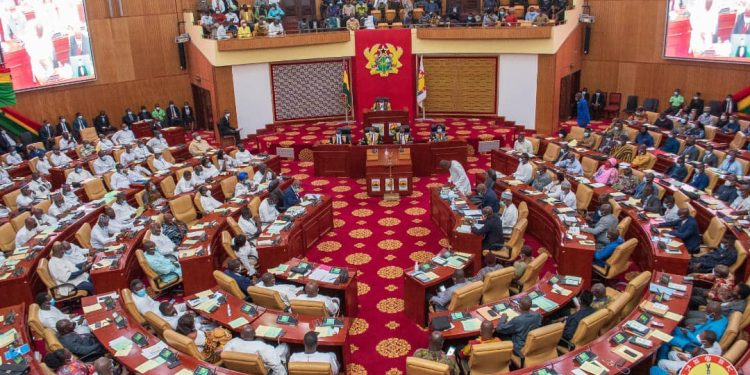
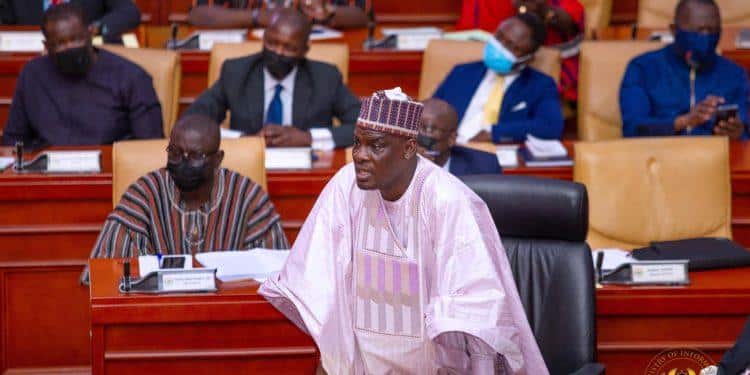
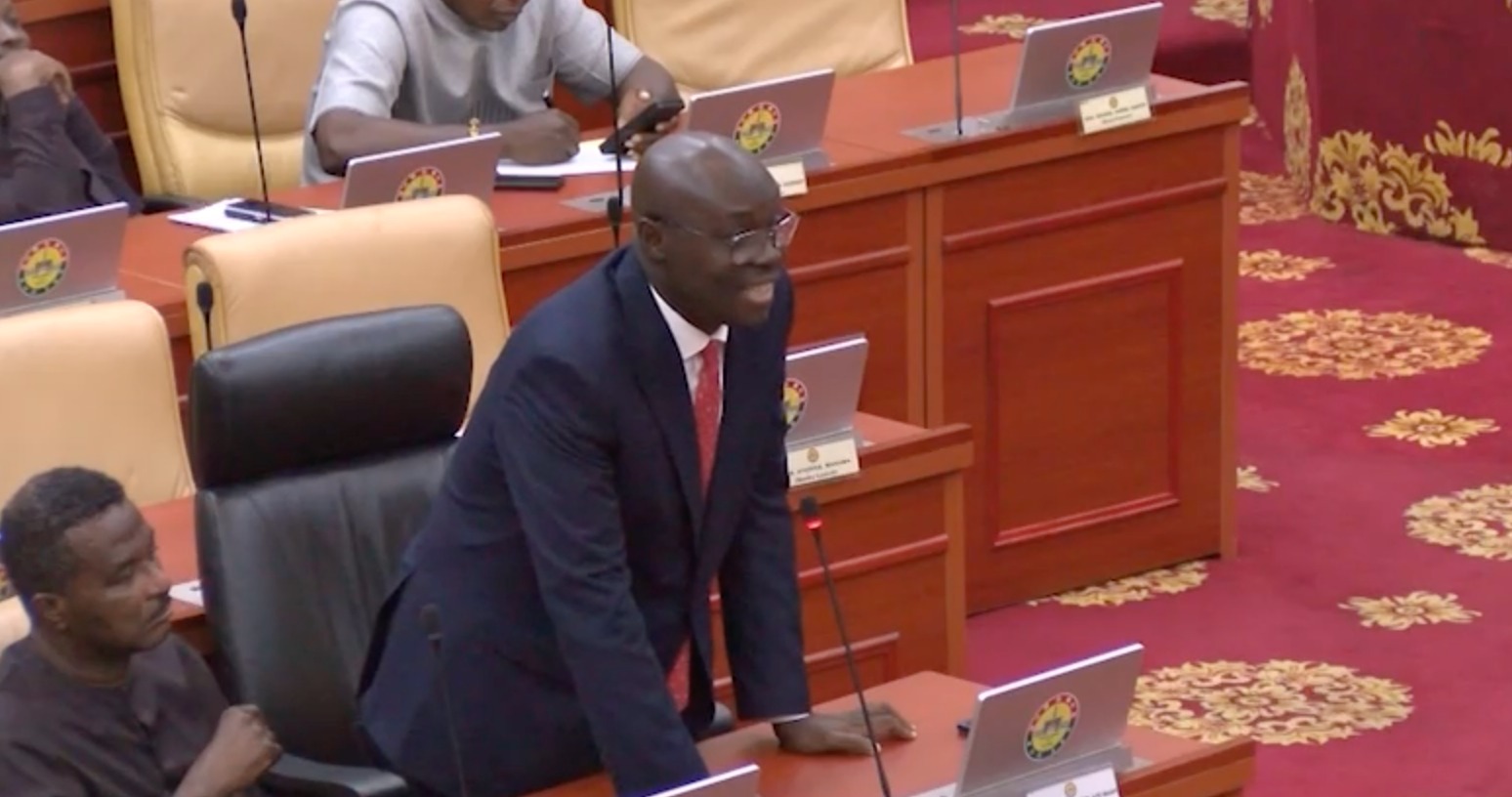
The Bill was laid before Parliament on June 26, 2026, by the Minister of Lands and Natural Resources, Emmanuel Armah-Kofi Buah, on behalf of the Attorney-General and Minister of Justice, Dr Dominic Ayine. It was referred to the Constitutional and Legal Affairs Committee and the Judiciary Committee for scrutiny before returning to the House, where it passed its third reading on Thursday, July 16, 2026. ExecutiveBranch
It now awaits presidential assent, without which it cannot take effect.
Why government says it is necessary
Attorney General, Dr Dominic Ayine, has said the Bill is a response to a mounting backlog in the ordinary courts, which he says grows by roughly 3,360 cases every year.
He argues that reviving tribunals, this time with stronger constitutional safeguards, will help decongest the courts and speed up justice for specialised matters.
To guard against past abuses, the Bill places the new tribunals under the oversight of a Tribunal Oversight Committee operating within the Judicial Council. It also expressly bars tribunals from ruling on constitutional interpretation, human rights violations, or any matter reserved for the superior courts.
Why so many are against it
The Trades Union Congress is the most vocal opponent to the Bill.
TUC Secretary-General Joshua Ansah has warned that the Bill, in its current form, could become “a potent tool for weaponising justice delivery” and would deepen public suspicion that the justice system can be bent to political will.
The union says its own submission to the Constitution Review Committee, chaired by Professor Kwasi Prempeh, had called for Regional Tribunals to be removed from the Constitution altogether, a recommendation they say was accepted by the committee.
Ansah has questioned why government would move to activate tribunals while that report remains unpublished, and the TUC has demanded the Bill be withdrawn entirely rather than amended.
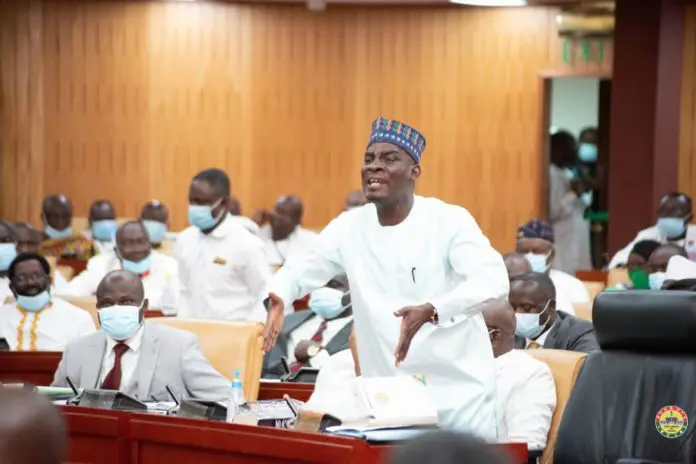
In Parliament, the Minority Caucus staged a walkout in protest, with Minority Leader Alexander Afenyo-Markin arguing that the Bill creates a “parallel system” unknown to the Constitution and risks becoming a “kangaroo court.”
The Minority unsuccessfully pushed to delete Clause 4 of the Bill, a proposal defeated by a headcount vote of 135 to 16.
The minority has insisted that the existing courts, including specialised courts for financial, commercial and matrimonial matters, should instead be strengthened and better resourced.
The major cause for the resistance is Ghana’s history with tribunals under the Provisional National Defence Council.
Both the TUC and the Minority have pointed to that era directly, alleging that tribunals were once used to target political opponents and seize assets. Those appointed to sit on the tribunals have also been accused of enriching themselves in the process.
That memory has made any talk of reviving tribunals, regardless of new safeguards, politically dangerous for critics.
Adding to the controversy is the pace at which the Bill moved. The mandatory one-day interval between the consideration stage and the third reading was waived, allowing the Bill to pass in the early hours of Friday, a move the Minority and organised labour say denied the legislation the scrutiny it deserved.
Where things stand now
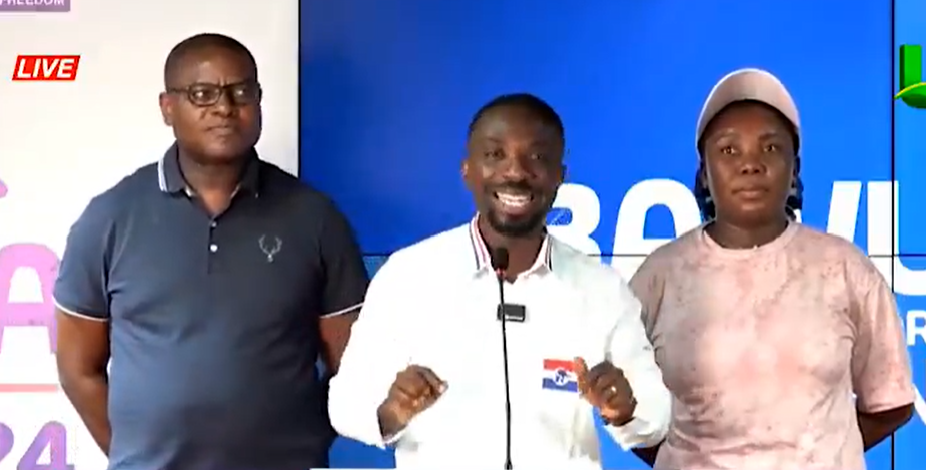
Former Vice-President Dr Mahamudu Bawumia appealed directly to President Mahama, in a live Facebook address on Sunday, July 19, not to sign the Bill. ExecutiveBranch
He is urging the President to pause and invoke the constitutional consultative process under Articles 90 and 106, which would involve the Council of State, the Ghana Bar Association, organised labour, civil society organisations, political parties and the Judiciary before any final decision is made.
Dr Bawumia has stressed that the concerns are not partisan, pointing to the TUC’s opposition as coming from “the voice of millions of Ghanaian workers.”
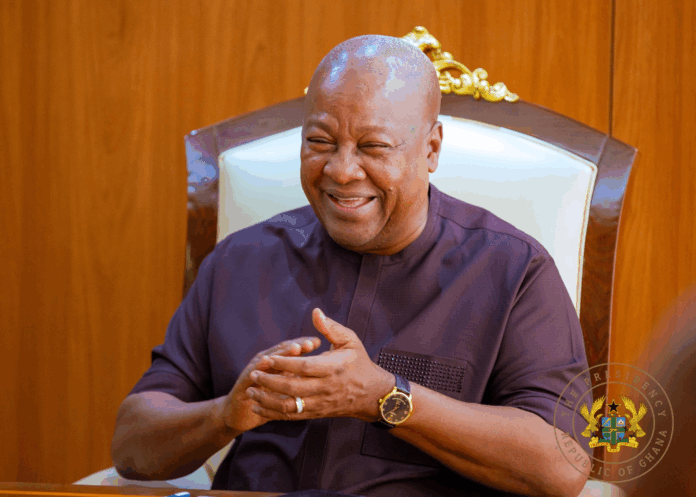
The Bill’s fate now rests with President Mahama, who must decide whether to grant assent, setting it on course to become law, or heed calls to pause for wider national consultation.
DISCLAIMER: Independentghana.com will not be liable for any inaccuracies contained in this article. The views expressed in the article are solely those of the author’s, and do not reflect those of The Independent
The results of the 2026 Basic Education Certificate Examination (BECE) are expected to be released by next week.
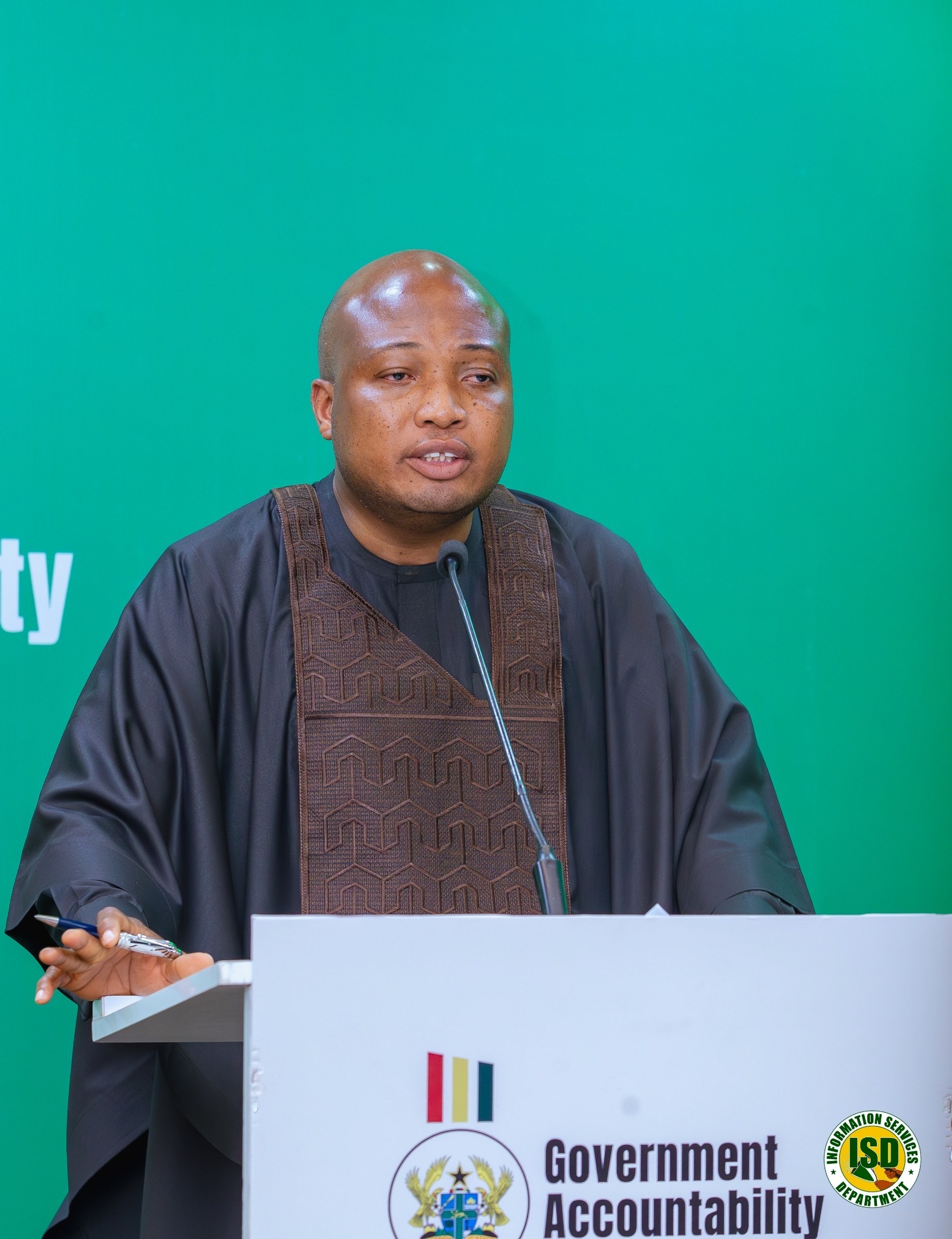
Education Minister Haruna Iddrisu disclosed this while addressing the Government Accountability Series on Monday, July 20.
According to the Minister, information available to him indicates that the results could be released before the end of July.
“I am reliably informed that the BECE results should be out before the end of this month,” he stated.
The release of the results will pave the way for the placement of successful candidates into senior high schools across the country.
The Minister assured the public that he would not interfere in the work of the assessment body.
“As I’ve always indicated as Minister, I don’t interfere with the work of assessment institutions like WAEC. It is within their domain,” Mr Iddrisu said.
The Minister acknowledged the challenges parents and students face during the school placement process, particularly due to limited infrastructure and the growing demand for senior high school education.
While conceding that available resources have not been sufficient to tackle the issue in its entirety, he stressed that the government is pursuing measures to bridge the gap. Among these measures is the Sustainable Development for Improved Access to Tertiary Education and Jobs (STAR-J) project, which seeks to strengthen and expand infrastructure within the education sector.
“Justifiably so, in truth, we have not had the resources to respond head-on to this challenge. To resolve it, we need adequate resources to expand infrastructure by way of classroom blocks and other educational facilities,” he said.
Mr Iddrisu appealed for patience as the government works to improve the placement system.
“You may have to give me another year, then I’ll be better off in resolving the school placement issues,” he said.
According to him, the government is undertaking a review of the Computerised School Selection and Placement System (CSSPS) to strengthen accountability and ensure that school placements are awarded on merit, eliminating opportunities for favouritism and external interference.
“We have had to set up a review committee of the placement system itself and subject it to scrutiny. Does it respect merit? Is it influenced by favouritism? Are politicians taking advantage of it to reward protocol rather than merit?” he stated.
According to him, reforms are being introduced to ensure that parents and students make school choices based on actual results.
“We intend to run an open, transparent placement system,” he said.
The Minister added that under the new arrangement, BECE candidates will select schools only after their results have been released, allowing them to make informed decisions based on their grades.
“Parents, take note: based on the aggregate of your son or daughter, you will know where your child belongs,” he said.
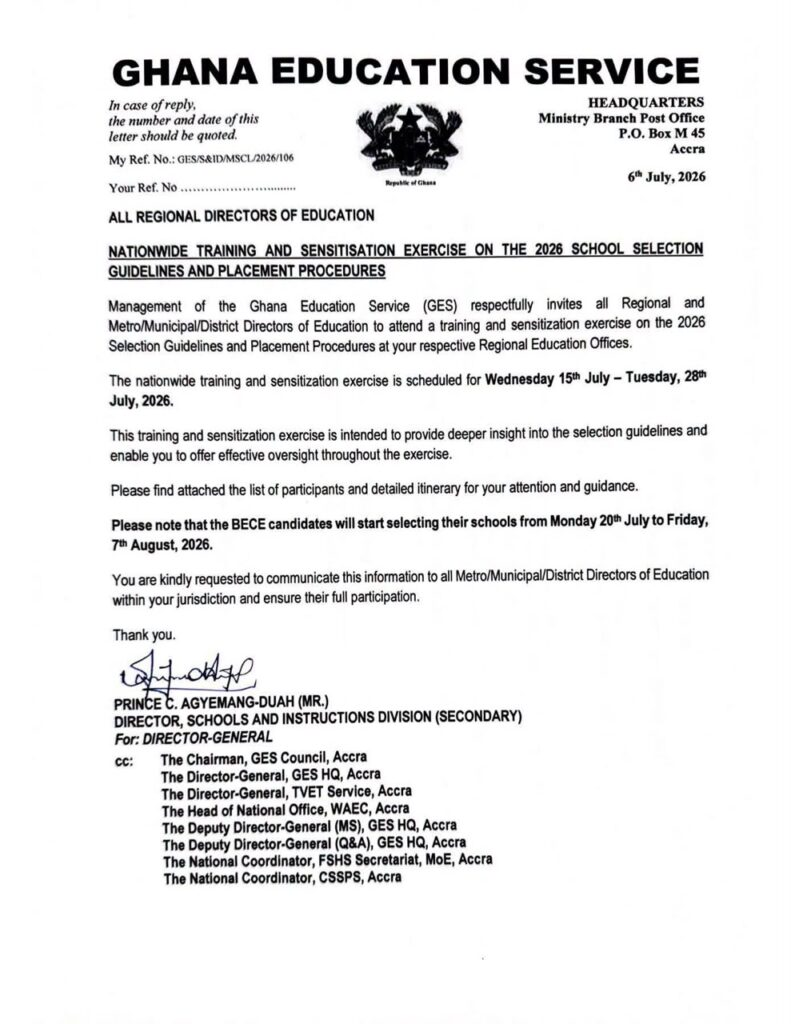
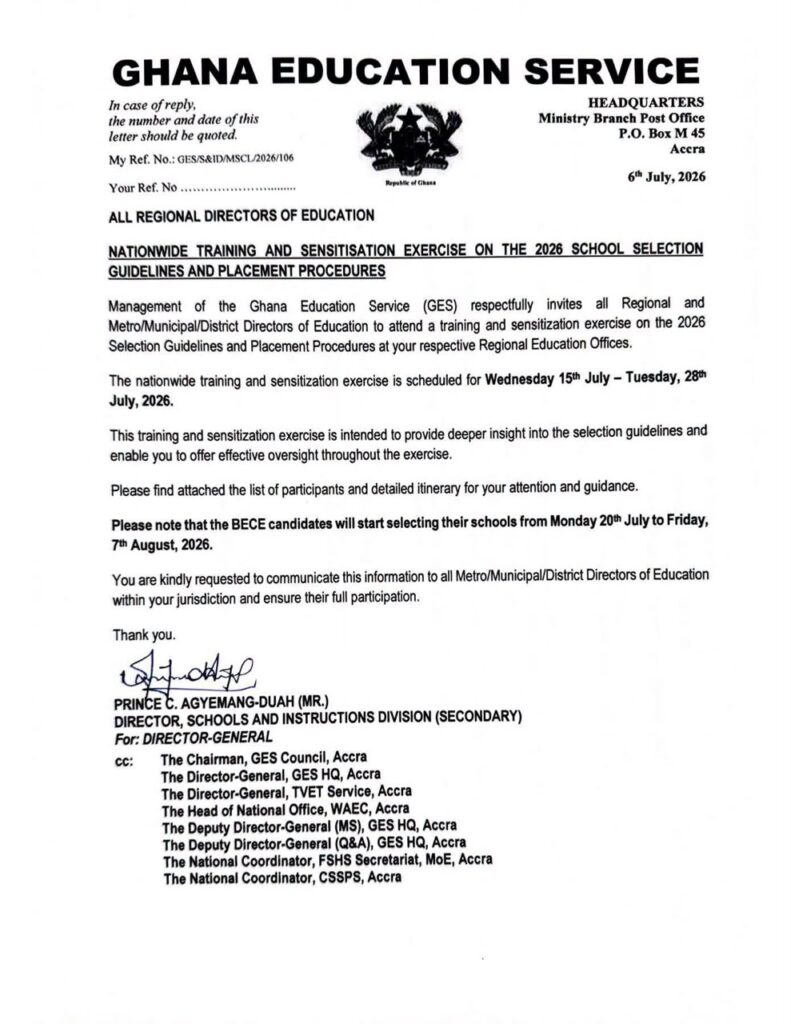
Meanwhile, in early July, the Ghana Education Service (GES) revealed that this year’s BECE candidates would begin selecting their senior high schools from July 20 to August 7.
The education authority disclosed this in a notice dated July 6, announcing a nationwide training and sensitisation exercise on the 2026 School Selection Guidelines and Placement Procedures.
GES further announced that the school selection process for BECE candidates would commence while the sensitisation exercise was ongoing.
“Please note that BECE candidates will start selecting their schools from Monday, July 20, to Friday, August 7, 2026,” it stated.
The statement further invited regional and metro/municipal/district directors of education to attend a training and sensitisation exercise on the 2026 School Selection Guidelines and Placement Procedures at their respective regional education offices.
According to the statement, the exercise is aimed at preparing education directors to effectively supervise the school selection and placement process.
The Service noted that the nationwide exercise was scheduled to take place from Wednesday, July 15, to Tuesday, July 28, 2026.
“This training and sensitisation exercise is intended to provide deeper insight into the selection guidelines and enable you to offer effective oversight throughout the exercise,” the statement said.
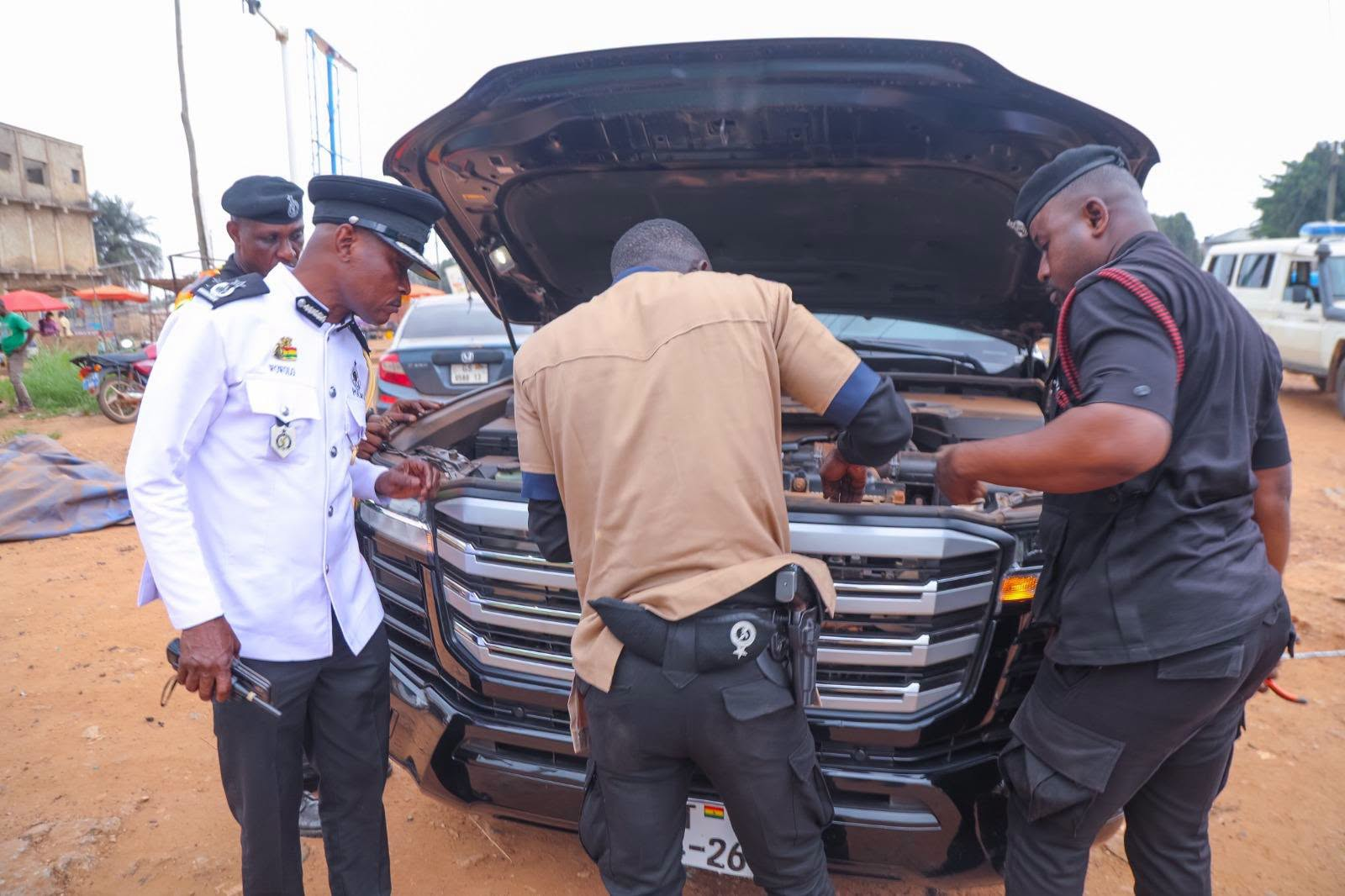
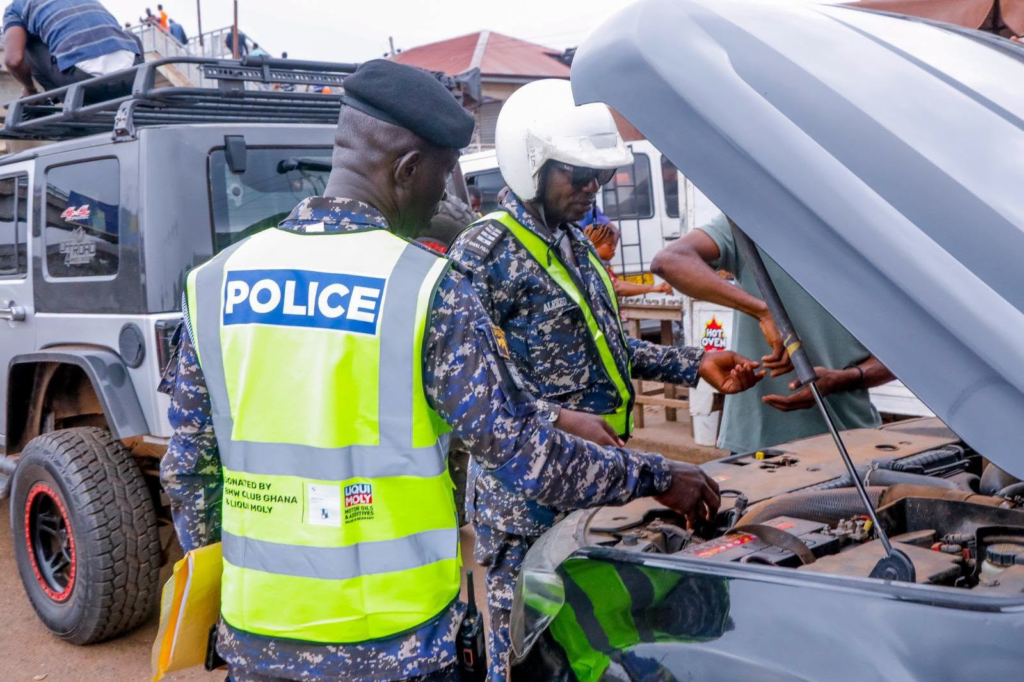
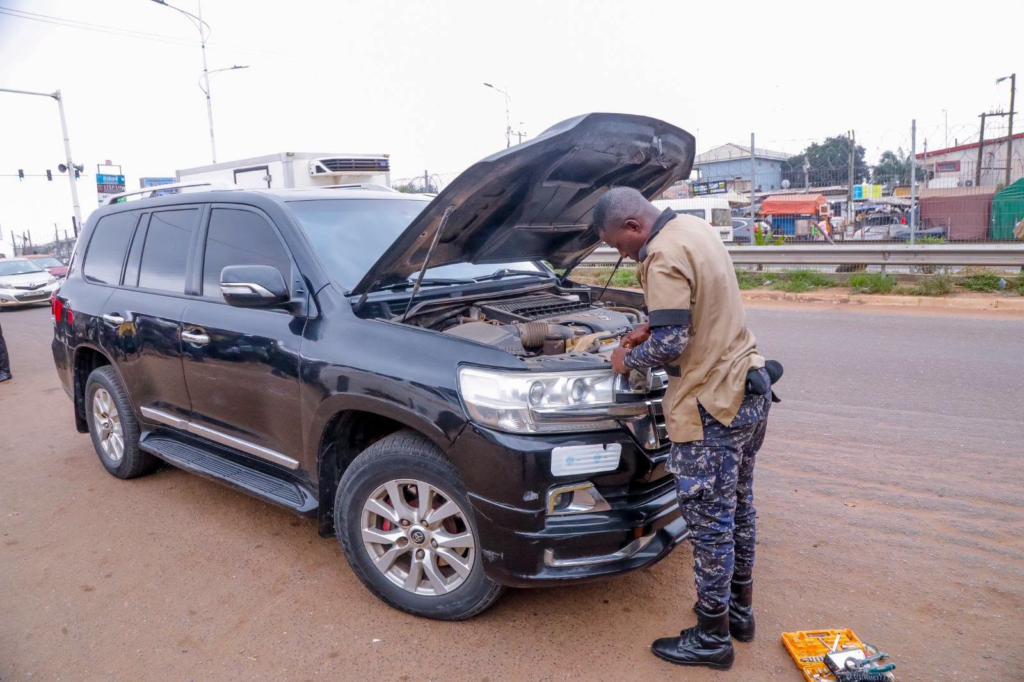
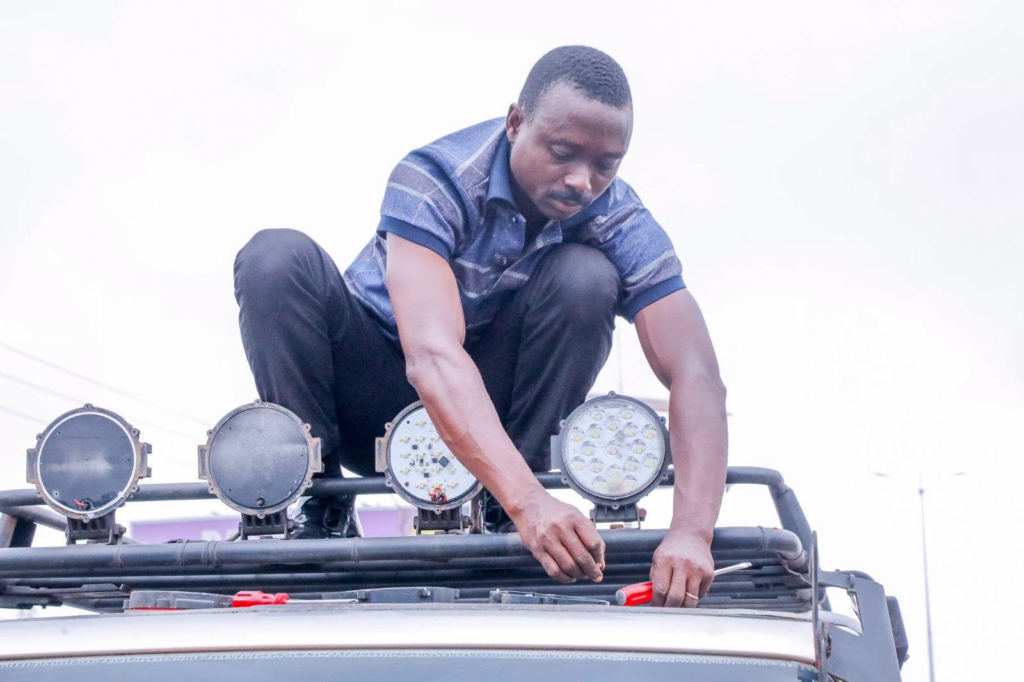
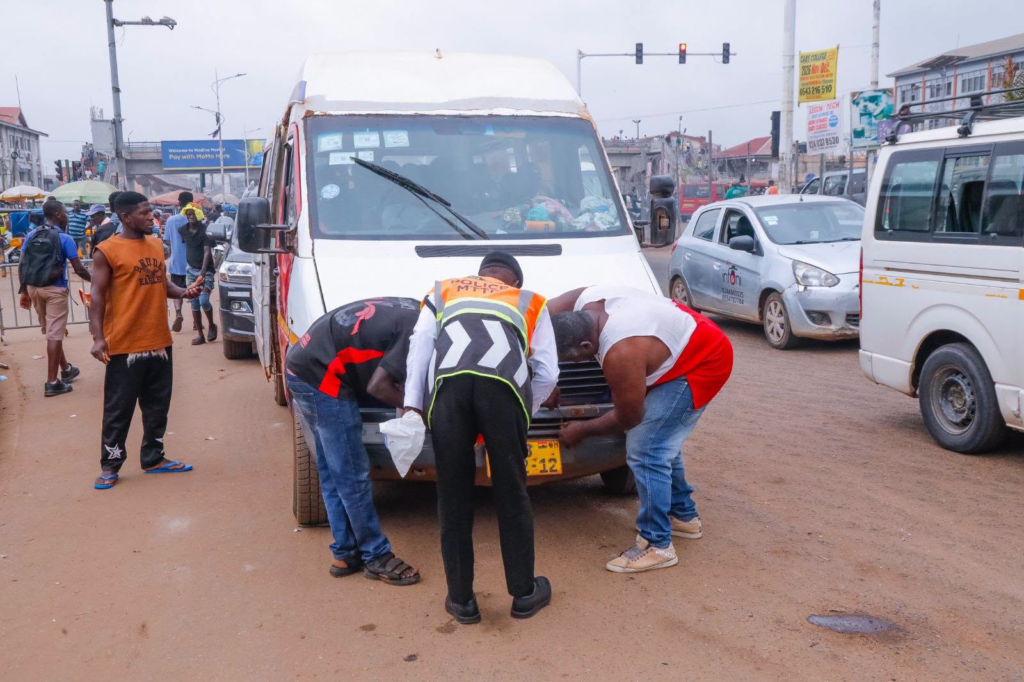
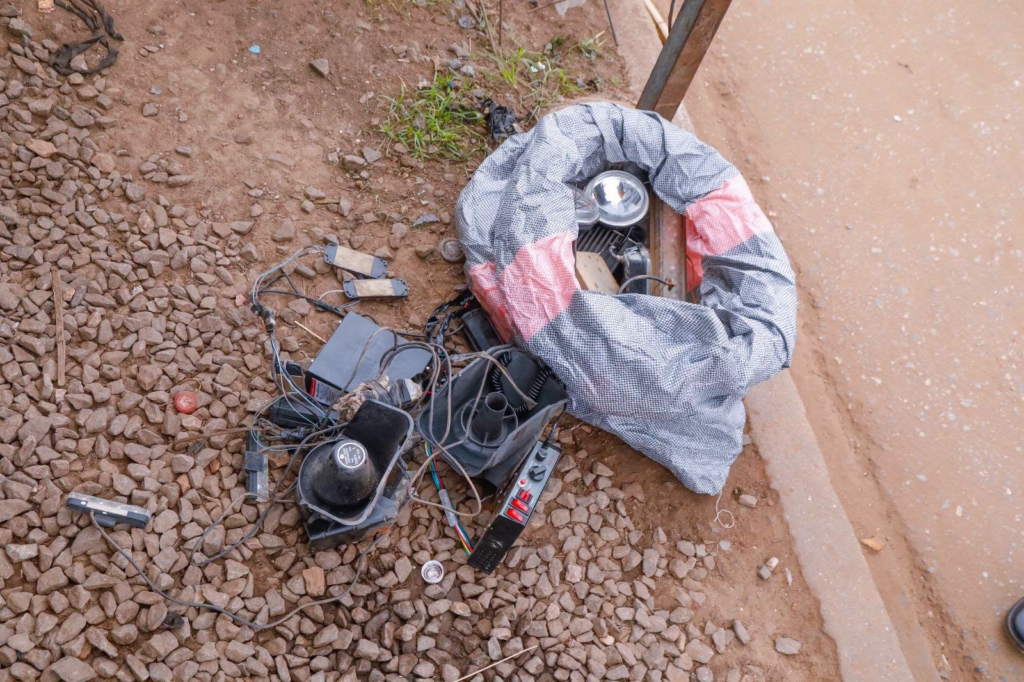
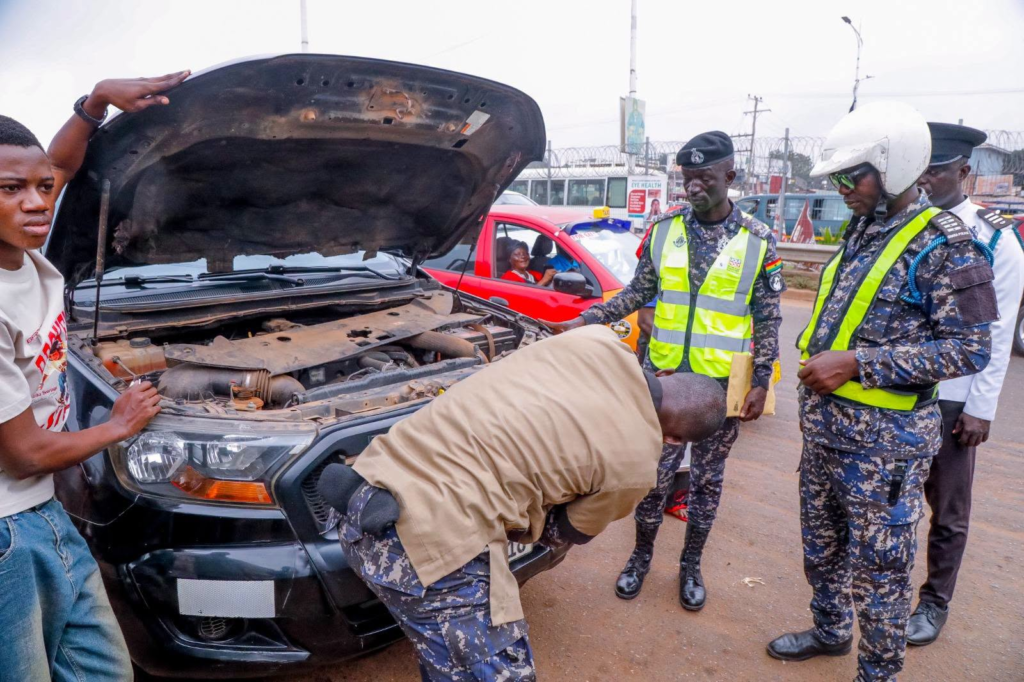
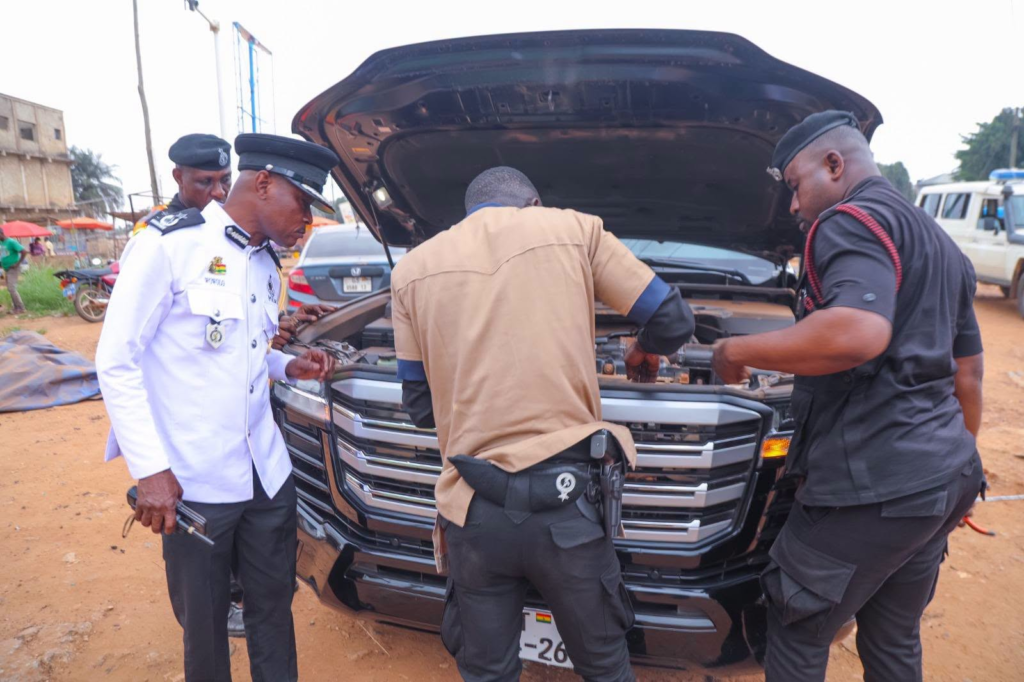
A total of 1,054 vehicles were impounded by the Ghana Police Service in Accra today, Tuesday, July 21, during a nationwide road traffic enforcement exercise which started about a month ago and is aimed at stepping up efforts against the unauthorised use of horns, sirens, strobe lights, beacon lights, improvised vehicle modifications and other related offences.
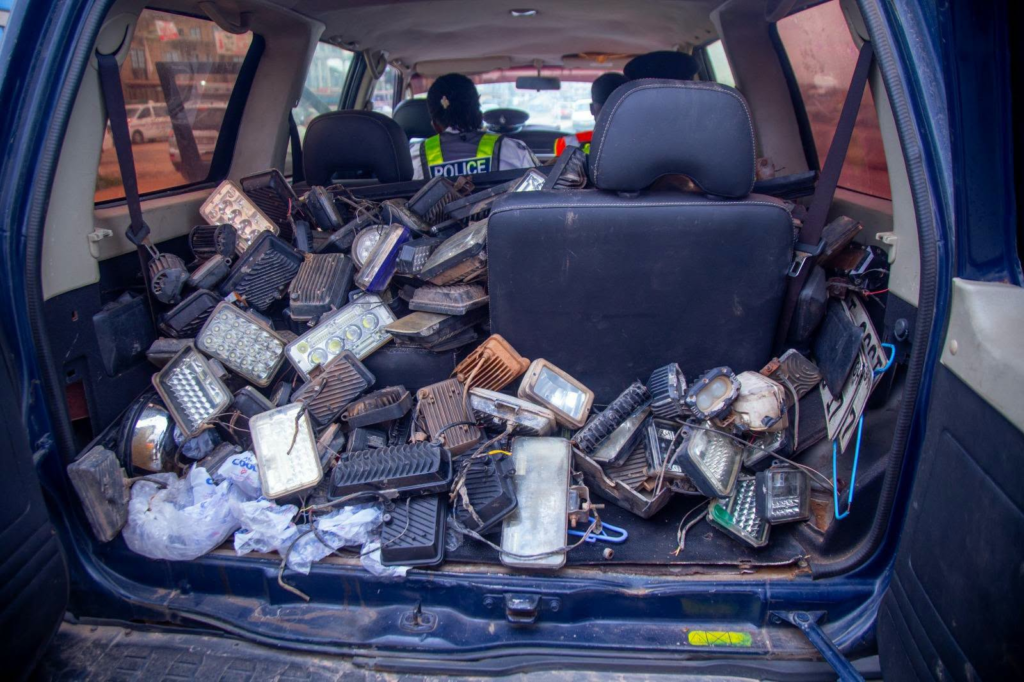
The police educated offenders on the relevant Road Traffic Regulations, while unauthorised devices and modifications were removed and confiscated for further action.
“The enforcement exercise forms part of the Service’s commitment to promoting discipline, safety and compliance with the Road Traffic Regulations,” the police stated in a notice shared on its official Facebook page.
According to the police, since the start of the crackdown in June, almost 5,000 vehicles have been intercepted across the country, and it assured the public that the exercise would continue to ensure road safety and compliance with road regulations.
“A total of 4,627 vehicles have so far been intercepted across the country since the exercise commenced on June 15, 2026, and the Ghana Police Service assures the public that similar operations will continue nationwide to improve road safety and ensure strict compliance with the law,” it added.
The Service further assured the public that the exercise would continue across the country, adding that further enforcement actions would be taken against persons who disregard the regulations.
About a week ago, the Motor Traffic and Transport Department (MTTD) of the Ghana Police Service announced that it had intensified efforts to improve road safety.
As part of the nationwide crackdown, about 6,000 vehicles have been impounded, and hundreds of illegal sirens, beacon lights and other unauthorised lamps have been seized.
According to the Head of Research and Training at the Police MTTD, ACP Alexander Kwaku Obeng, the operation targeted vehicles using unauthorised warning devices that impersonate emergency and security vehicles.
“We have intercepted about 6,000 vehicles from which sirens, beacon lights and other unlawful lamps have been seized. About 700 of these are strobes or sirens, and that tells you the magnitude of the problem.
“This exercise has become part of our daily operations. Whoever intends to buy another lamp, procure strobe lights, beacon lights or sirens should know that we are ever-present. We will meet you on the N1, N2, N4, N8, N9, N10 and N12, and across all the 16 regions and 25 police regions,” he added.
The ongoing exercise has also resulted in the arrest of thirteen (13) drivers on the Kasoa–Winneba Highway at Budumburam.
The individuals were arrested by the Central East Regional Motor Traffic and Transport Department (MTTD) on Saturday, May 30.
The drivers were reportedly found using sirens and emergency lamps without the required authorisation, in violation of Regulations 65 and 74 of the Road Traffic Regulations, 2012 (L.I. 2180).
As part of its mandate, the MTTD enforces road traffic regulations and promotes discipline among motorists in the region.
Last year, the National Road Safety Authority (NRSA) disclosed that the reintroduced Road Traffic Amendment Bill would no longer include the controversial provision granting Members of Parliament (MPs) and judges the right to use sirens.
This came after an earlier attempt in July 2024 by the previous government to amend the Road Traffic Regulations, 2012 (L.I. 2180). That proposal, which included a provision allowing MPs and judges to use sirens while driving, sparked public outrage and was eventually put on hold.
According to the Acting Director-General of the NRSA, Abraham Amaliba, the Bill will be reintroduced to Parliament within two months.
He emphasised that the reintroduction of the Bill is part of efforts to strengthen road safety measures and enhance the enforcement of traffic laws across the country.
Speaking on the Citi Breakfast Show on Monday, March 10, 2025, Amaliba explained that the revised Bill would introduce spot fines for traffic offenders and also make provisions for the legal recognition of commercial motorcycles (okada).
“Give me two months and L.I. 2180, if it is passed, we will bring into force the spot fine. You remember this law was supposed to be passed, but there was a public outcry against the siren provision, which was included to protect MPs. That didn’t help the passage of the law. That Bill is being worked on so that we will be able to introduce spot fines,” he stated.
Additionally, he highlighted that the revised Bill would introduce a system known as Traffic Tech to streamline the enforcement of spot fines for traffic infractions.
“There is a programme called Traffic Tech, which is the spot fine we are referring to, and it will come immediately after this law is passed. We have removed the part that would have allowed MPs to use sirens, so it will come without that provision. It will also come with the legalisation of okada,” he added.
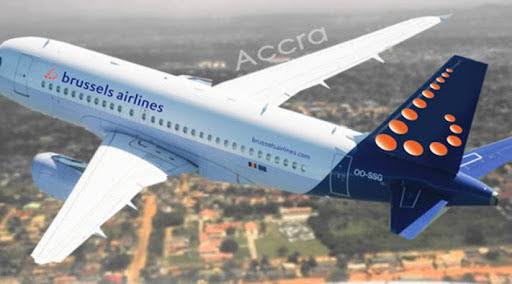
The Ghana Civil Aviation Authority (GCAA) has confirmed that a Brussels Airlines flight headed for Lomé, Togo, made a forced return to Kotoka International Airport (KIA) shortly after take-off on the evening of Monday, July 20, following a technical fault.
The Authority confirmed this in a formal statement dated July 20, noting that Flight SN278 departed Accra at 6:06 p.m., experienced a technical problem while airborne, and was forced to return as a safety precaution after barely 15 minutes in the air.
“As a precautionary safety measure, the flight crew elected to return to Accra, where the aircraft landed safely at 6:18 p.m. Shortly after take-off, the crew detected a technical fault and, in line with standard safety protocols, requested to return to Accra. The aircraft landed safely at 6:18 p.m.,” the Authority said.
Consequently, the GCAA commended the crew for prioritising the safety of passengers and crew members by adhering to professional standards.
“The Authority commends the flight crew for their professionalism and adherence to safety procedures. Passenger and crew safety remains our highest priority,” parts of the statement read.
It further stated that the airline had cancelled the flight to investigate the cause of the fault and was providing the required assistance to affected passengers under the oversight of the GCAA.
“Brussels Airlines has cancelled Flight SN278 as a precaution. The technical fault is under investigation, and affected passengers are being assisted in accordance with the Ghana Civil Aviation (Economic) Directives, 2019,” it added.
According to the GCAA, affected passengers are receiving the necessary assistance from Brussels Airlines in accordance with Part 2 of the Ghana Civil Aviation (Economic) Directives, 2019, which deals with consumer protection. About the GCAA Directive
Part 2 of the Ghana Civil Aviation (Economic) Directives, 2019, Consumer Protection, sets out passengers’ rights and air operators’ obligations, covering denied boarding, cancellations, delays, compensation, care, and redress. It ensures travellers in Ghana are protected under clear rules modelled on international aviation standards.
What are the dictates?
The directives apply to all passengers who hold a valid ticket and confirmed reservation and who present themselves for check-in within the stipulated time. Airlines are required to provide passengers with timely and accurate information regarding their flights, including any delays, cancellations or schedule changes.
In cases of denied boarding, passengers who voluntarily give up their seats are entitled to the benefits agreed upon with the airline, in addition to the “Right to Care”, which includes meals, refreshments, hotel accommodation, transportation and communication services where necessary. Passengers who are involuntarily denied boarding are entitled to financial compensation, ranging from US$60 for domestic flights to between US$200 and US$600 for international flights, depending on the distance of the journey.
Where a flight is cancelled, passengers have the right to receive reimbursement for the unused portion of their ticket within seven days. They must also be offered the option of re-routing under comparable travel conditions either at the earliest available opportunity or at a later date that suits their convenience. Airlines are further required to provide meals, refreshments, hotel accommodation and transportation where an overnight stay becomes necessary.
The directives also provide protection for passengers affected by flight delays. Both domestic and international flights are subject to specific thresholds that determine the level of compensation and care to be provided. The regulations also explicitly cover tarmac delays.
Passengers are entitled to financial compensation depending on the nature and circumstances of the disruption. They also have the right to choose between reimbursement and re-routing when eligible. In addition, airlines are obligated to provide care, including meals, refreshments, accommodation, transportation and communication assistance during periods of disruption.
Special consideration is given to persons with disabilities, with airlines required to comply with the Ghana Civil Aviation Authority’s (GCAA) guidelines and instructions regarding the handling and assistance of such passengers.
The directives further provide that passengers may pursue additional compensation beyond what is prescribed under the regulations where applicable. They also have the right to seek redress by lodging complaints with the GCAA if they believe their rights have been violated.
Airlines are required to clearly and prominently inform passengers of their rights. They are prohibited from compelling passengers to waive any rights guaranteed under the directives. Additionally, airlines are barred from engaging in false, deceptive or misleading advertising and marketing practices.
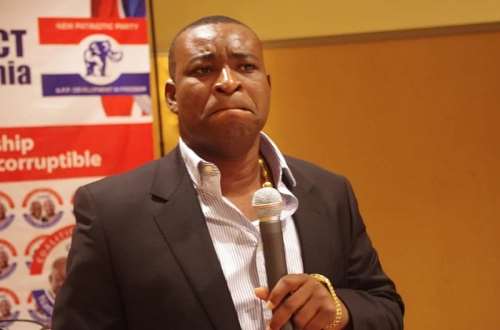
The New Patriotic Party (NPP) has strongly criticised the government following the 20-year jail sentence handed to its Ashanti Regional Chairman, Bernard Antwi-Boasiako, popularly known as Chairman Wontumi, describing the conviction as a “travesty of justice” and insisting that it will challenge the ruling through the appellate process.
In a statement issued after the High Court’s judgment, the party said it respected the authority of the judiciary but could not remain silent in the face of what it believes is a fundamentally flawed decision.
According to the NPP, the prosecution failed to provide evidence to support the offence for which Chairman Wontumi was convicted, arguing that his acquisition of the mineral concession in question was lawful and never disputed during the trial.
“The prosecution could not produce any evidence to show that Wontumi had assigned his mineral rights. Instead, the conviction rested on assumptions and inferences which, in our view, could not amount to proof beyond reasonable doubt. That is why we firmly believe that this conviction is a travesty of justice and has to be overturned on appeal,” the statement said.
The party further maintained that no evidence was presented before the court to establish that Chairman Wontumi had assigned or transferred his mineral rights in violation of the law, insisting that the conviction was based on assumptions rather than facts.
Beyond challenging the judgment itself, the NPP accused the government of engaging in selective justice and targeting perceived political opponents while failing to deal with allegations of illegal mining involving individuals associated with the ruling National Democratic Congress (NDC).
The party claimed that the Mahama administration may seek to portray the conviction as evidence of its commitment to the fight against illegal mining but rejected such a narrative.
“This is no trophy,” the NPP declared, arguing that Ghanaians would question why similar urgency had not been demonstrated in addressing allegations involving individuals linked to the governing party.
The statement referenced allegations that have been made against some NDC figures and questioned what action had been taken on petitions and complaints submitted to state investigative bodies.
According to the NPP, the fight against illegal mining cannot be regarded as credible if it focuses on political opponents while allegations involving individuals connected to the government are allegedly overlooked.
The party also argued that Ghana faces more pressing national challenges than what it described as political persecution, citing security concerns, the impact of illegal mining on cocoa farmers and farming communities, recurrent flooding and the growing threat of terrorism within the sub-region.
“At a time when our nation is grappling with growing security threats, the devastating impact of illegal mining on our cocoa farmers and farming communities, the Government’s inadequate response to recent flooding across the country, and the increasing menace of terrorism within the sub-region, Ghanaians expect leadership that demonstrates urgency, competence and an unwavering commitment to protecting lives, livelihoods and national security,” the statement noted.
The NPP further accused the government of attempting to divert public attention from pressing national concerns through what it termed selective prosecutions designed to create an appearance of success.
Reaffirming its support for Chairman Wontumi, the party said its legal team had already commenced processes to challenge the conviction and sentence at the appellate courts.
It insisted that the judgment was unjustified and concluded by describing Chairman Wontumi as a “political prisoner,” pledging to stand firmly behind him throughout the legal process.
The New Patriotic Party has vowed to appeal what it describes as a travesty of justice following the High Court’s 20-year jail sentence handed to its Ashanti Regional Chairman, Bernard Boasiako, well known as Chairman Wontumi.
In a statement shared today in reaction to the sentence, Justin Kodua, the party’s General Secretary, noted that the prosecution had no evidence of the charges levelled against the regional party chairman; hence, the sentence was purely based on assumptions and claims which could not be proven.
“The prosecution could not produce any evidence to show that Wontumi had assigned his mineral rights. Instead, the conviction rested on assumptions and inferences which, in our view, could not amount to proof beyond reasonable doubt. That is why we firmly believe that this conviction is a travesty of justice and has to be overturned on appeal,” parts of the statement read.
While acknowledging the authority of the judiciary, the NPP noted that it would not stay silent in the face of such injustice against its chairman and would therefore appeal.
“While we respect the authority of our courts, respect for the judiciary does not require silence in the face of a judgment that is fundamentally flawed. Our Constitution guarantees every citizen the right to disagree with judicial decisions and to seek redress through the appellate process. That is precisely what we intend to do,” the statement continued.
According to the NPP, the incumbent government has failed if it thinks the selective persecution of political opponents will stand as proof to the Ghanaian people that is it winning te fight against illegal mining.
They questioned petitions filed against some NDC members in political office who have been accused if being involved in galamsey and remain free without questions or pursuit of the petitions.
“Today, the John Mahama-led NDC Government may seek to celebrate this conviction as evidence of its commitment to the fight against illegal mining, where there is evidence of Galamsey on a large scale engaged in and supervised by leading members of John Mahama’s government. We reject that narrative entirely. They think that the conviction of Chairman Wontumi will be the trophy to appease the Ghanaian people for such failure.
“This is no trophy. The Ghanaian people cannot fail to notice that while political opponents who have done no wrong are being aggressively prosecuted, questions remain unanswered regarding individuals associated with his Party and Government who have themselves been publicly linked to illegal mining activities”.
The NPP went on to accussethe government of prioritising what it describes as politically motivated prosecutions over addressing pressing national challenges.
Citing what they describe as “more urgent challenges”, including growing security threats, the destructive impact of illegal mining on cocoa farmers and farming communities, recurrent flooding, and the increasing threat of terrorism within the sub-region, they urged the government to focus on resolving those instead of perscuting opponents.
“We also wish to state that Ghana faces challenges far greater than political persecution. At a time when our nation is grappling with growing security threats, the devastating impact of illegal mining on our cocoa farmers and farming communities and the areas owned by the farmers, the Government’s inadequate response to recent flooding across the country, and the increasing menace of terrorism within the sub-region, Ghanaians expect leadership that demonstrates urgency, competence, and an unwavering commitment to protecting lives, livelihoods, and national security. No Government should attempt to divert public attention from those pressing national concerns through selective prosecutions designed to create the appearance of success”, NPP added.
After about 11 months of legal tussle, the Accra High Court, presided over by Justice Samuel Bright Mensah, gave a verdict earlier today.
And the embattled Ashanti Regional Chairman of the New Patriotic Party (NPP), Bernard Boasiako, affectionately referred to as Chairman Wontumi, was given a 20-year jail term on charges of Illegal mining operations in Samreboi without a valid license, contravention of environmental regulations by engaging in mining activities that caused ecological damage possession and use of mining equipment without authorisation and failure to comply with Minerals Commission directives regarding community safety and environmental standards.
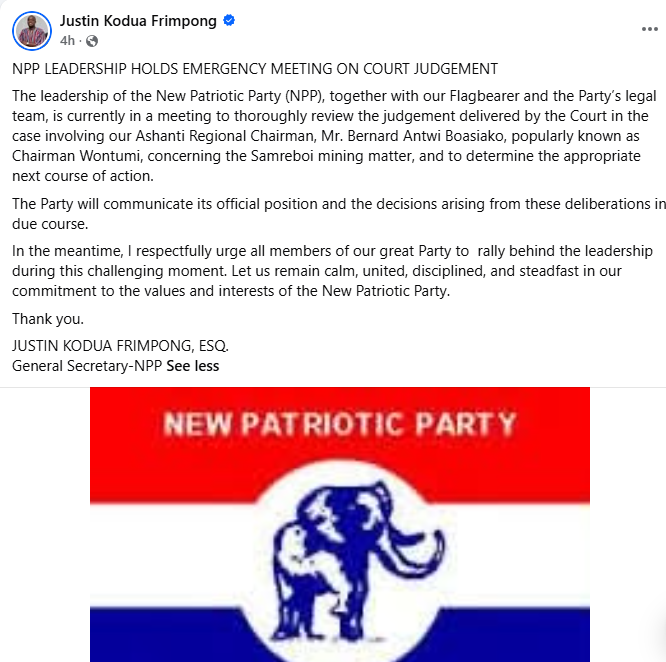
Following the sentence, the leadership of the party convened in an emergency meeting to discuss his sentence and to determine what the next course of action would be; the General Secretary of the party, Justin Kodua, announced on his Facebook page.
“The leadership of the New Patriotic Party (NPP), together with our Flagbearer and the Party’s legal team, is currently in a meeting to thoroughly review the judgement delivered by the Court in the case involving our Ashanti Regional Chairman, Mr Bernard Antwi Boasiako, popularly known as Chairman Wontumi, concerning the Samreboi mining matter, and to determine the appropriate next course of action”, parts of the post announced.
It added that,
“The party will communicate its official position and the decisions arising from these deliberations in due course,” the statement noted.
Mr Kodua Frimpong also appealed to party members to remain calm and united as the leadership deliberates on the matter.
He urged NPP supporters to rally behind the leadership during what he described as a challenging moment, stressing the need for discipline, unity, and steadfastness in protecting the values and interests of the party.
The NPP said it will announce the outcome of the meeting and its official position after the deliberations are concluded.
“In the meantime, I respectfully urge all members of our great Party to rally behind the leadership during this challenging moment. Let us remain calm, united, disciplined, and steadfast in our commitment to the values and interests of the New Patriotic Party”, the Secretary added.
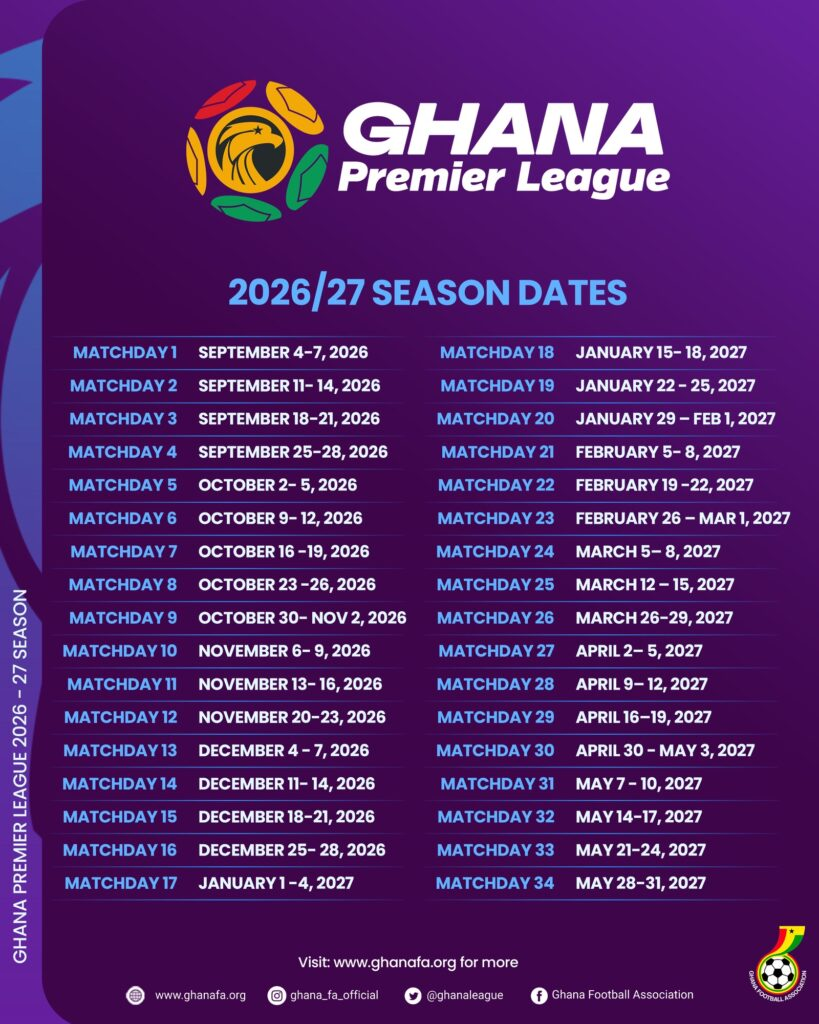
The Ghana Football Association (GFA) has officially confirmed the 2026/27 Ghana Premier League calendar.
The football governing body announced this in a statement dated July 20, issued by its Communications Department in Accra.
The announcement was made via the GFA’s official website and press channels, outlining the season’s start from September 4–7, 2026, and scheduled to end on May 28–31, 2027.
The approved schedule reflects the GFA’s continued commitment to aligning Ghana’s domestic football calendar with the FIFA calendar for Member Associations, ensuring timely completion of the league while enhancing planning, competitiveness and operational efficiency.
Following the GFA Congress on August 20, clubs will have adequate time to complete their pre-season preparations before the new campaign gets underway.
As in the previous season, Premier League matches will primarily be played on weekends, with midweek fixtures reserved only for outstanding matches. The arrangement is aimed at providing greater fixture stability and reducing scheduling congestion.
Defending champions Medeama SC will begin the new season looking to retain their title against the country’s leading clubs after lifting the 2025/26 championship.
The 2026/27 campaign will also feature three newly promoted clubs. Debibi United, FC AshantiGold 04 and Port City FC secured promotion from the Division One League and will be aiming to establish themselves in Ghana’s top flight.
The GFA says it remains committed to delivering a well-organised and competitive league season for clubs, players, match officials, commercial partners and supporters across the country.
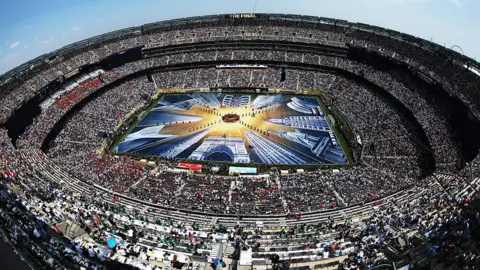
One of the highly anticipated World Cup finals finally came off yesterday, Sunday, July 19, after Argentina’s star and football legend, Lionel Messi’s side, gave up their title in a 0-1 defeat to Spain after their 106-minute game at MetLife Stadium, New Jersey, thanks to Ferran Torres’ extra-time strike securing their second-ever World Cup title.
Lamine Yamal, a 19-year-old boy who was pictured in a famous photo with Lionel Messi bathing him in late 2007 for a UNICEF–FC Barcelona charity calendar. Messi was 20 years old, Yamal was just six months old, and the shoot was part of a raffle that Yamal’s family won.
This picture built a lot of anticipation ahead of the final, as a baby once bathed by Messi had come of age and become a Spanish giant set to contend with the man who had bathed him.
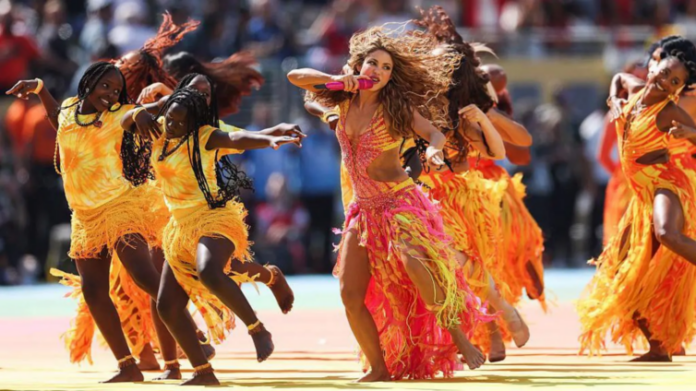
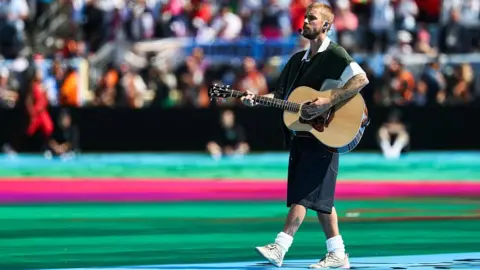
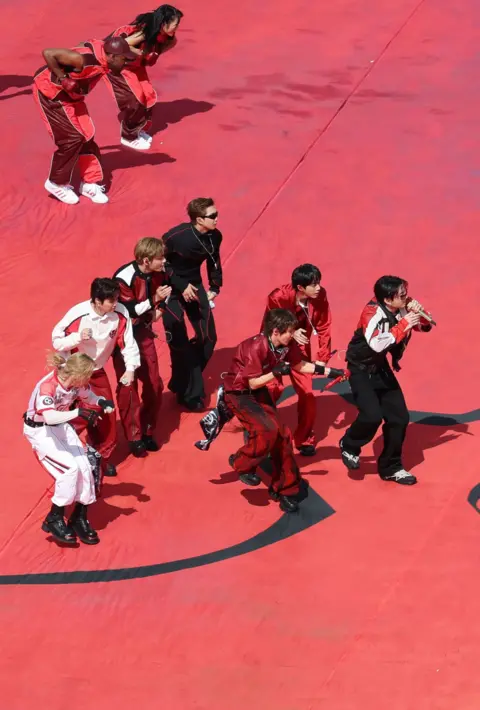
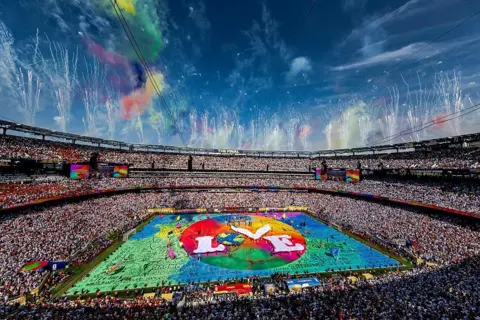
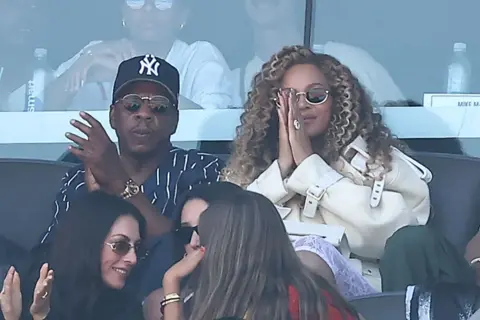
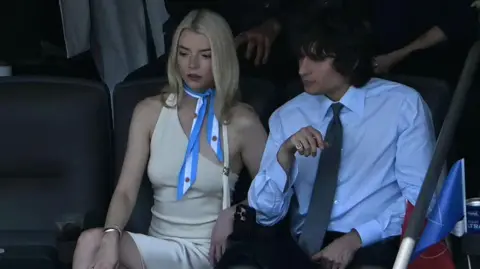
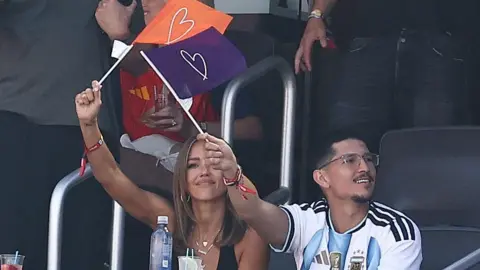
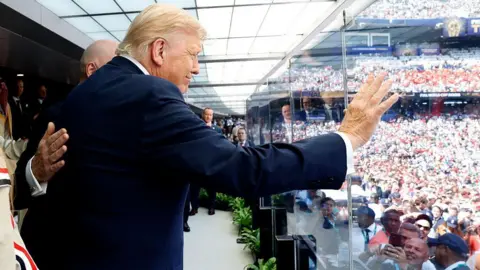
This year’s final was nothing short of a star-studded one, with former football legends, music icons, and US President Donald Trump among other people in attendance.
See some photos below :
Getty Images
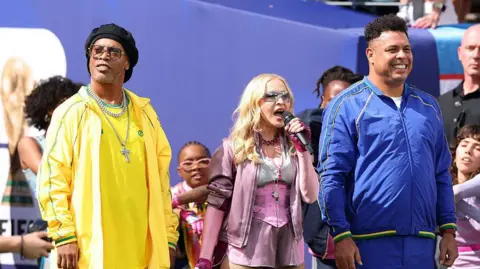
Madonna was flanked by Brazilian greats Ronaldinho and Ronaldo
Getty Images
Justin Bieber played guitar in his segment
Getty Images
South Korean K-pop group BTS
Getty Images
The stadium was a riot of colour for the half-time show, with fireworks ringing the stadium
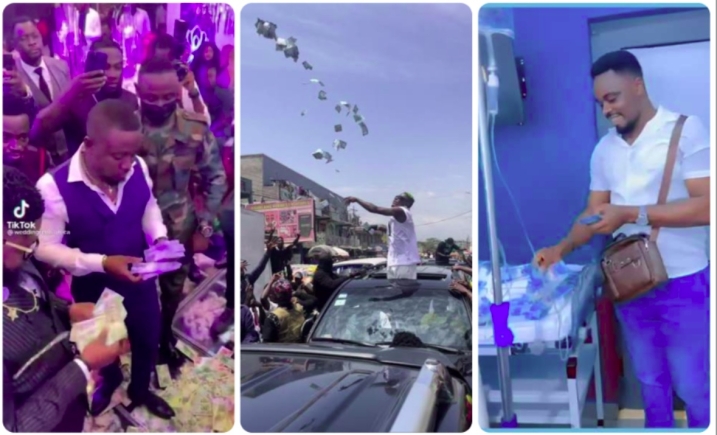
The Bank of Ghana (BoG) has cautioned the public against the practice of spraying cedi notes at social gatherings, creating money bouquets for celebrations, and other forms of misuse of the national currency, warning that offenders could face legal action.
The central bank said individuals found engaging in such acts could be arrested and prosecuted, with possible penalties including fines and imprisonment.
The warning was contained in a notice issued by the Bank on July 14, 2026, and signed by its Secretary, Aimee Vyda Quashie, as part of efforts to promote the proper handling of Ghana’s banknotes and coins.
According to the BoG, it has observed a growing trend of practices that undermine the quality and integrity of the cedi, including the use of currency notes for decorative and celebratory purposes.
The Bank explained that activities such as creating money bouquets for weddings, birthdays, graduations and other occasions, as well as spraying or throwing cedi notes during events, are considered improper use of the currency and are prohibited under Ghanaian law.
It added that using banknotes and coins as ornaments, including for artwork, jewellery or beauty designs, amounts to tampering with and defacing the currency.
The BoG further warned against other practices such as stepping on or dancing on cedi notes, scattering them on the floor, writing on them, tearing, crumpling, staining or altering their appearance.
It also prohibited the use of images of Ghana’s currency for commercial or other purposes without approval from the central bank.
On coins, the Bank cautioned the public against altering their appearance through activities such as colouring, filing, cutting, silvering or gilding. It noted that buying or selling coins above their face value is also prohibited.
The central bank said anyone found possessing scraps or parts of coins obtained through unauthorised alterations could also face legal consequences.
The BoG stressed that Ghana’s currency is issued strictly as legal tender and should be handled in a manner that preserves its usefulness and value.
It noted that significant public resources are committed annually to printing banknotes and minting coins, urging the public to treat the cedi responsibly to reduce avoidable costs.
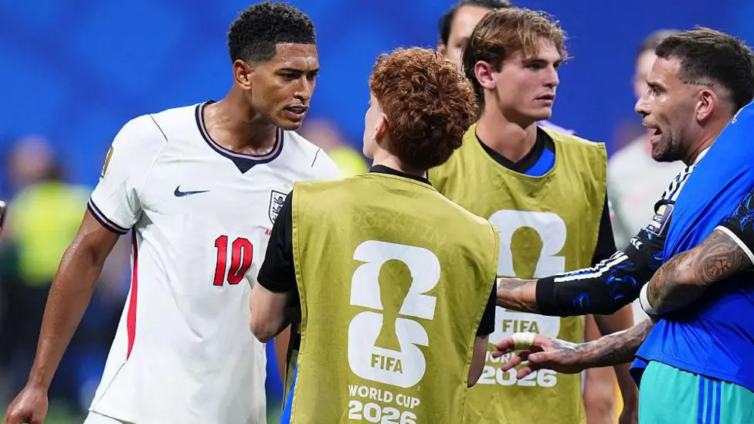
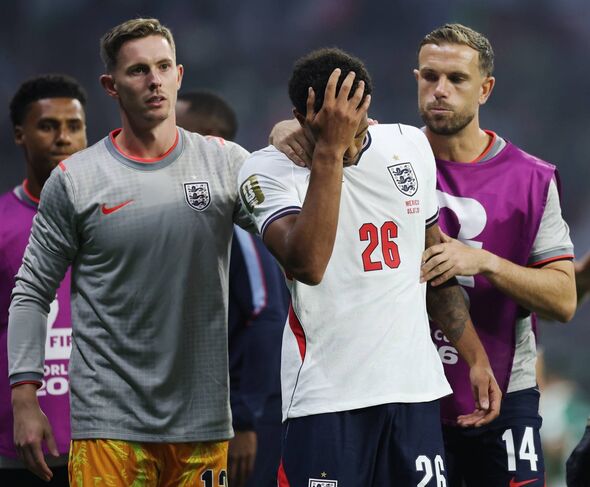
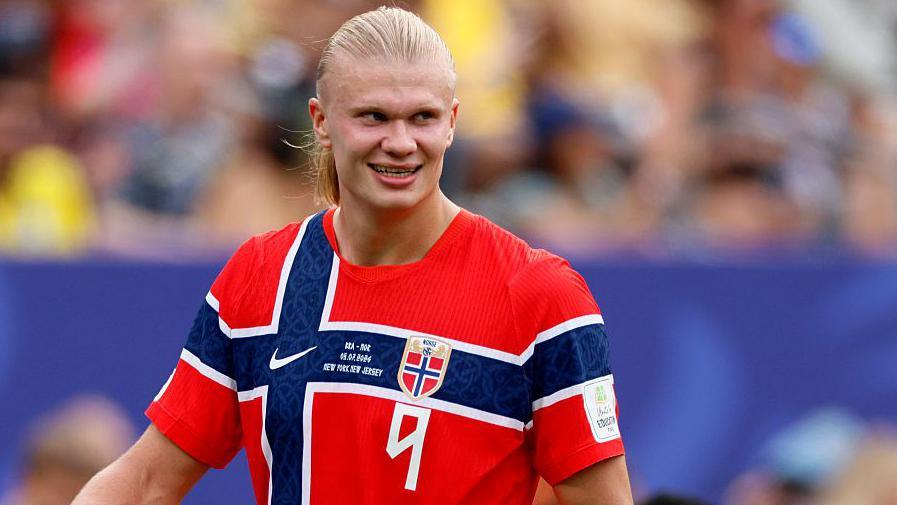
Jude Bellingham faces risks of punishment from FIFA after he reportedly smacked Argentina substitute Valentin Barco on the back of the head following his side’s semi-final 1-2 loss against the defending World Cup champions on Wednesday, July 15, at the Mercedes‑Benz Stadium, Atlanta, Georgia, USA.
After the final whistle, the Argentine players and substitutes walked onto the pitch to celebrate, while Jude Bellingham stood around watching.
Barely seconds later, Jude was captured smacking the young lad on the head, after which he retaliated with a push. While some of the Argentina players tried to calm the situation, others tried to fight for the young lad. However, one England player stepped in and took Jude away.
It is not known what prompted the reaction, but footage showed Barco running on the pitch after Enzo Fernandez’s 85th-minute equaliser and celebrating in front of the England players.
Former England goalkeeper Paul Robinson, commentating on the match for BBC Radio 5 Live, described Barco’s actions as “probably the worst example of sportsmanship we’ve seen at this World Cup”.
Bellingham could face action from Fifa’s disciplinary committee for violent conduct. Violent conduct in football refers to the use of excessive force or brutality against an opponent, teammate, match official, or any other person, regardless of whether contact is made.
According to FIFA’s Disciplinary Code (May 2026 edition), violent conduct is classified as a serious infringement of the Laws of the Game and can lead to suspensions, fines, or extended bans.
Consequently, if the Real Madrid star is found guilty, he is set to miss Saturday’s bronze medal match against France in Miami (kick-off 22:00 BST). On the other hand, FIFA may interpret Bellingham’s actions as a display of frustration following England’s defeat, rather than deliberate violent conduct.
The laws of the game state there is no red-card offence if a player deliberately strikes an opponent on the head and the force used is negligible.
Lautaro Martinez struck deep into stoppage time to hand Argentina a dramatic victory over England, scoring the decisive goal in the second minute of added time to send La Albiceleste into the World Cup final.
The goal shattered England’s hopes after Anthony Gordon had put the Three Lions ahead shortly after the restart.
Barco, 21, currently plays for French club Strasbourg after a previous stint with Brighton and Hove Albion. The Argentine defender is reportedly on the verge of completing a move to Chelsea.
The youngster has made just one appearance at the tournament so far, coming off the bench during Argentina’s 3-1 victory over Jordan in the group stage.
Wednesday’s semi-final in Atlanta was a fiercely contested affair, with referee Ismail Elfath of the United States issuing several interventions as both sides committed a combined 19 fouls during a heated first half.
Bellingham, who has netted six goals at the World Cup, was also involved in an early exchange with Argentina captain Lionel Messi in the fourth minute following a challenge on England midfielder Elliot Anderson.
“We were really just discussing a foul, actually,” Bellingham is reported to have said after the match. It wasn’t anything bad. I’m sure everyone will do their thing and make it a big deal, but it was nothing,” he said.
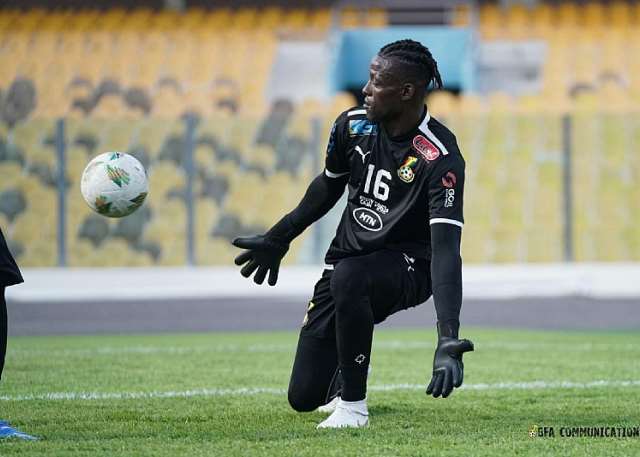
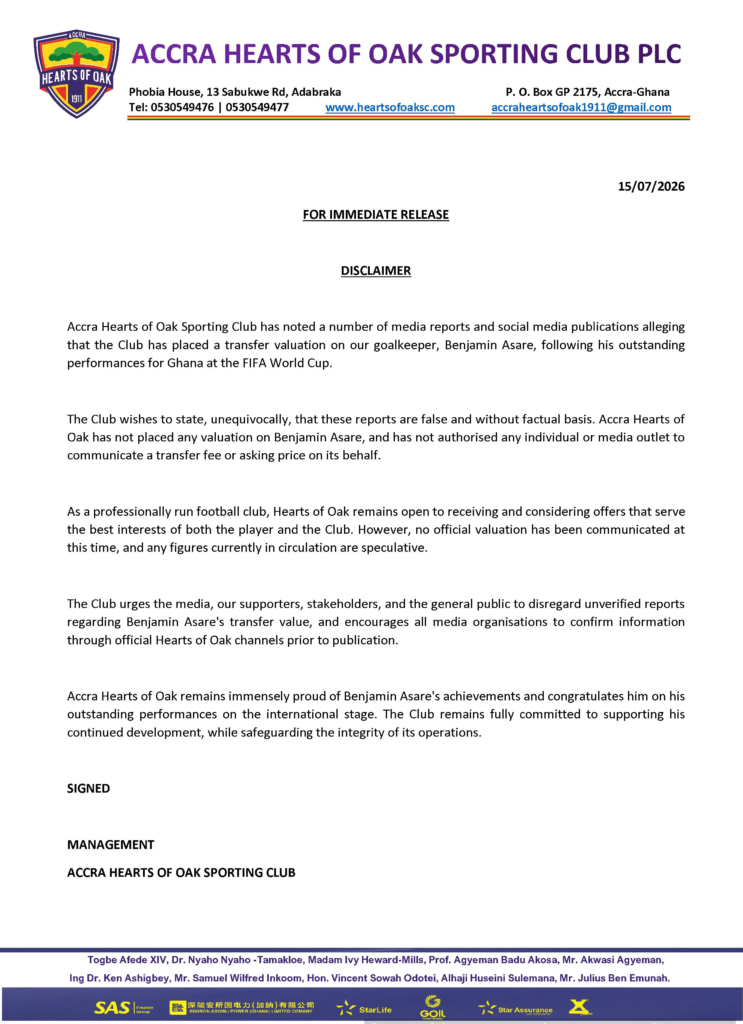
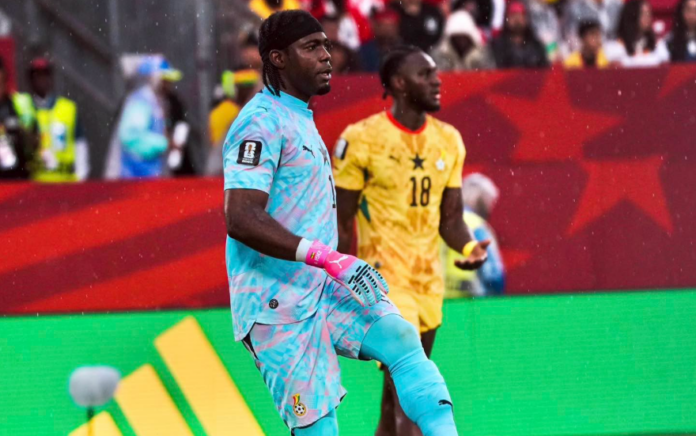
Accra Hearts of Oak has dismissed reports claiming the club has placed a transfer valuation on goalkeeper Benjamin Asare following his impressive performances for Ghana at the 2026 FIFA World Cup.
In a statement issued on Wednesday, July 15, the club described the reports circulating in sections of the media and on social media as false and lacking any factual basis.
“Hearts of Oak has not placed any valuation on Benjamin Asare, and has not authorised any individual or media outlet to communicate a transfer fee or asking price on its behalf,” the club said.
Speculation over the goalkeeper’s future has intensified in recent weeks after his standout displays for the Black Stars on football’s biggest stage reportedly attracted interest from clubs outside Ghana.
However, Hearts of Oak insisted that no official transfer fee has been determined for the player.
The club noted that while it remains open to evaluating offers that would be beneficial to both Asare and Hearts of Oak, any figures currently being circulated regarding the player’s value are purely speculative.
“As a professionally run football club, Hearts of Oak remains open to receiving and considering offers that serve the best interests of both the player and the Club. However, no official valuation has been communicated at this time, and any figures currently in circulation are speculative,” the statement added.
Management further urged supporters, stakeholders and members of the media to disregard unverified reports concerning the goalkeeper’s transfer situation.
The club also encouraged journalists and media organisations to confirm information through its official communication channels before publication.
“The Club urges the media, our supporters, stakeholders, and the general public to disregard unverified reports regarding Benjamin Asare’s transfer value,” Hearts of Oak stated.
Despite the growing transfer speculation, the Phobians reiterated their pride in the goalkeeper’s achievements, praising his performances for Ghana at the World Cup.
“Accra Hearts of Oak remains immensely proud of Benjamin Asare’s achievements and congratulates him on his outstanding performances on the international stage,” the statement said.
The club added that it remains committed to supporting the player’s continued development while protecting the integrity of its operations.
About Benjamin Asare
Benjamin Asare has emerged as one of Ghana’s standout performers at the 2026 FIFA World Cup, where his resilience and consistency between the posts earned him recognition as one of the tournament’s top goalkeepers.
He kept two clean sheets in the group stage and played a pivotal role in Ghana’s qualification from Group L.
At the World Cup, Asare made his debut against Panama on June 18, 2026, stepping in after Lawrence Ati-Zigi’s injury. He kept a clean sheet in Ghana’s 1–0 victory and followed it up with another against England on June 23, 2026, where he produced six crucial saves from 19 shots in a 0–0 draw.
His performances helped Ghana progress to the knockout stage, though he was replaced by Ati-Zigi in the Round of 32 against Colombia, where Ghana lost 2–0. Across three matches, Asare faced 35 shots, made 11 saves, and secured two clean sheets, ranking as the sixth-best goalkeeper at the tournament by FIFA metrics.
Internationally, Asare has collected 14 caps since his debut in March 2025 against Chad, where he kept a clean sheet in a 5–0 win. He was instrumental in Ghana’s World Cup qualifiers, recording four clean sheets in five matches, including a penalty save against South Korea.
His efforts have been recognized with several accolades: SWAG Male Home-Based Footballer of the Year in 2025, Ghana Football Awards Goalkeeper of the Year in 2025, and multiple Ghana Premier League Goalkeeper of the Month awards.
At club level, Asare plays for Accra Hearts of Oak, having joined in July 2024 on a contract running until 2027. In the 2024/25 season, he recorded 12 clean sheets in 18 league matches. His journey is particularly inspiring, as he overcame a broken leg in 2021 and returned to top form after 18 months of rehabilitation.
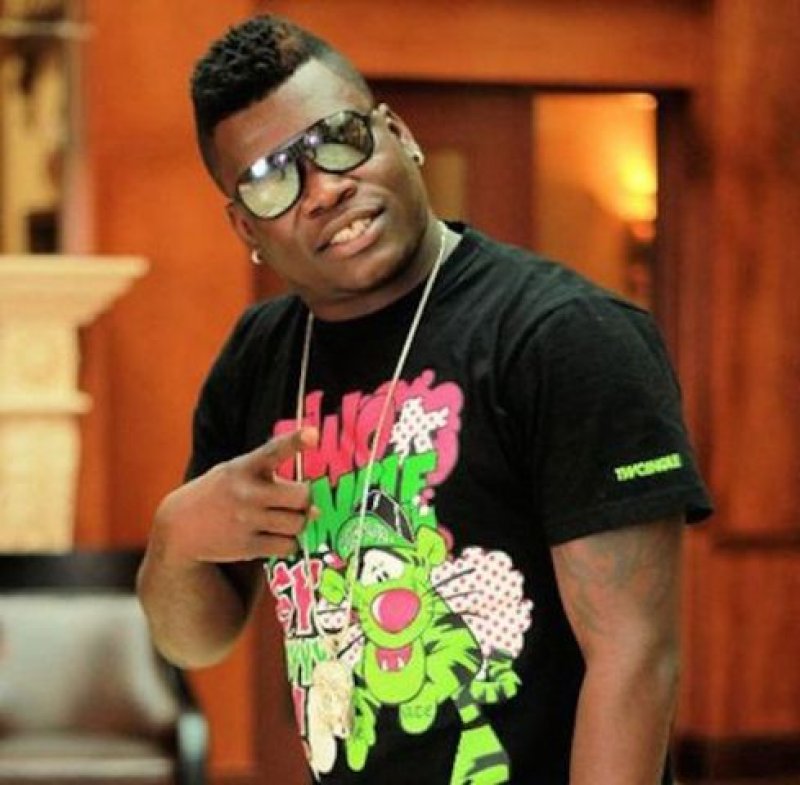
It’s exactly 12 years since Castro disappeared at the shores of Ada, reducing the once vibrant artiste to nothing but a memory. However, music producer, Fred Kyei Mensah, famed Fredyma, says he is determined not to let the memory fade further into silence. VisualArt & Design
Fredyma, who boasts of cutting “Castro’s musical, professional recordings umbilical cord”, has decided it is time to share his untold story of rise, peak and mysterious disappearance.
Early discovery: The Takoradi talent who walked into Fredyma Studios quietly
According to Fredyma, Castro’s entry into professional music was not through fame or hype, but through a simple introduction that would later shape an entire generation of hiplife music. He recounts that around 1999, the young artiste was brought to him through Agyingo Studioz as an upcoming talent from Takoradi.
At the time, Castro was not a household name. Fredyma describes him as extremely humble, almost reserved, and carrying an innocence that contrasted sharply with his powerful vocal ability. What stood out, he says, was not just talent, but natural musical intuition.
That introduction marked the beginning of Castro’s professional recording journey at Fredyma Studios, where his voice was first moulded and refined to fit Ghana’s music production ecosystem.
Studio evolution: Crafting a unique sound in the hiplife era
Fredyma explains that once Castro began recording consistently, his growth was rapid and undeniable. At a time when hiplife was expanding and competing for identity, Castro brought something distinct. His rhythmic control and catchy hooks made his songs instantly relatable.
He recalls how studio sessions gradually turned into anticipation sessions, as every new recording from Castro carried potential. Engineers, producers, and collaborators began noticing that his sound had commercial strength even in its raw form.
Breakthrough and peak: The rise of a national music force
As the years progressed, Castro’s music broke beyond studio walls and entered mainstream dominance. His songs began circulating widely, earning heavy rotation on radio and becoming staples in clubs and entertainment spaces across Ghana.
Fredyma notes that this was the period when Castro truly peaked; not just as a musician, but as an industry force. His collaborations with top artistes further elevated his profile, positioning him as one of the most versatile and in-demand acts of his time.
This rise eventually secured him slots on major entertainment platforms, including TGMA events, where he shared stages with some of the biggest names in Ghanaian music. Arts& Entertainment
TGMA era and industry dominance: The artiste everyone wanted
At the height of his career, Castro became a regular feature on high-profile entertainment line-ups, especially TGMA-related events and regional tours. Fredyma recalls that his name was often central to event planning due to his popularity and crowd-pulling influence.
His presence alone, Fredyma says, was enough to shift attention to any event he was billed for. This dominance was the result of years of studio discipline and growing fan loyalty that placed him among the elite voices of his generation.
The first TGMA ‘disappointment’
In April 2014, a tense behind-the-scenes moment unfolded at Kotoka International Airport ahead of a TGMA regional tour to Tamale; a landmark edition that marked the awards’ first expansion into northern Ghana.
Castro, who was billed as one of the headline performers, had reportedly missed his scheduled morning flight, putting his participation at risk. With the event already generating significant anticipation, his absence would have meant losing one of the key acts expected to drive the show’s energy.
In an effort to resolve the situation, senior organisers intervened and explored last-minute options to ensure the artiste still made it to the tour. At the centre of the arrangement was a difficult decision which saw organisers reallocating producer Fredyma’s seat for Castro.
Though the request seemed odd at that time, Fredyma eventually granted it, allowing Castro to join the tour and fulfil his performance obligations in Tamale.
Those close to the situation recall that Castro expressed deep appreciation for the gesture at the time, as it proved to be a career-saving intervention.
Ada trip and sudden disappearance: The moment everything changed
Just months after what was supposed to be a continued rise in his career, tragedy struck in a way no one anticipated.
Castro disappeared during a jet ski outing at Ada with friends following Ghana’s post-World Cup celebrations in 2014. What began as a recreational trip quickly turned into a national crisis when news broke that the artiste had gone missing. GeographicReference
He was in the company of his then-rumoured girlfriend, Janet Badu and seasoned footballer, Asamoah Gyan, when the unfortunate incident happened.
Unresolved mystery: 12 years of silence, speculation and unanswered questions
Exactly twelve years on, Castro’s disappearance remains one of Ghana’s most enduring entertainment mysteries. Despite extensive discussions, search efforts, and widespread speculation over the years, no confirmed trace of the artiste has ever been established.
Fredyma says the silence surrounding the case continues to weigh heavily on those who worked closely with him, especially those who witnessed his rise from studio beginnings to national fame.
He describes Castro’s story as one that never received closure. A rare case where a star rose rapidly, peaked nationally, and then vanished at the height of his influence.
All that remains of Castro is resonating music, memories and questions that seem not to have answers.
DISCLAIMER: Independentghana.com will not be liable for any inaccuracies contained in this article. The views expressed in the article are solely those of the author’s, and do not reflect those of The Independent Ghana
Wednesday, July 15, has been marked as one of the historic days in football history, with two “iconic” teams, England and Argentina, set to fight for a place in the 2026 World Cup final.
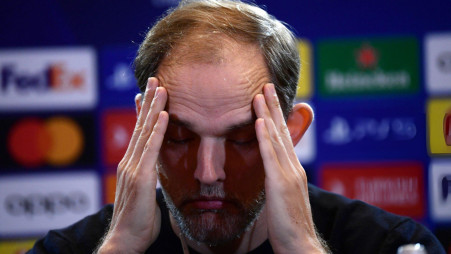
Speaking ahead of the game at a pre-match press conference in Atlanta on Tuesday, July 14, England manager Thomas Tuchel admitted that although he does not feel any burden, “they feel the tension and will be nervous”.
“I don’t feel a burden. We feel the tension and will be nervous, but that is normal. What I like is that I feel the players are really competitive, hungry and excited to play this match. The two shirts are just iconic. There are historic matches, iconic moments, and everyone recognises the shirts and players straight away,” he said.
Tuchel also mentioned that he is expecting what he described as an “intense and emotional match” given the track record of both teams. However, amid that, he is optimistic his side has the potential to defeat the World Cup champions, Argentina.
“It’s a big rivalry. It’s two big football nations, like everyone who follows football, everyone who follows the World Cup knows about. We expect tomorrow [to be] an intense match; we expect an emotional match. I expect a match with a lot of momentum swings, and anything else would surprise me.
“We don’t use it [history v Argentina] as fuel. We know why we’re here. We know what we want. We were never shy of expecting that from us, of saying it, of dreaming it. We are in the semi-finals. We arrive very hungry in the semi-finals. We want to have the next win,” he said.
Henderson, Quansah to miss Argentina clash
Tuchel indicated that Jordan Henderson and Jarell Quansah are the only players who will miss his side’s decisive clash.
He said Jordan is still recovering from surgery on a wrist injury he suffered after celebrating his side’s win against co-host Mexico on Saturday, June 27, at SoFi Stadium in Los Angeles, USA, while defender Quansah is suspended following his red card in the same game.
“Everyone is fit to start, except Jarell [Quansah] and Jordan [Henderson]. Declan [Rice] is ready to start and [has had] as good a recovery as possible,” he said.
It leaves head coach Thomas Tuchel with options as he finalises his starting XI.
The England boss is yet to field the same starting back four in consecutive games at the World Cup but has considered keeping the same defence that began the quarter-final against Norway.
Ezri Konsa, John Stones, Marc Guehi and Nico O’Reilly all started, and it is understood that Tuchel was impressed with how the quartet operated in the 2-1 win.
Declan Rice’s preparation for the game against Norway was severely disrupted by illness, but BBC Sport reported on Monday that there was optimism his condition had improved enough for him to take his place in the team on Wednesday.
Rice trained fully on Tuesday and is expected to start in Atlanta.
Details about Henderson and Quansah missing out
Per reports, Henderson landed awkwardly after tripping over an advertising board close to the pitch.
He stayed down clutching his wrist after the fall and was taken off the pitch on a stretcher before later being transported to hospital.
Speaking in a post-match press conference, Thomas Tuchel told the BBC:
“Jordan [Henderson] just fell over and injured his wrist. It looks really bad. It’s quite a serious injury, and it doesn’t fit the evening that Jordan is now not with us. The doctor told me he is in hospital.”
Quansah, on the other hand, was sent off in the Round of 16 match against Mexico on Sunday, July 5, at Estadio Azteca after a VAR review in the 54th minute. He received a straight red card for a dangerous tackle on Jesús Gallardo for serious foul play.
England manager Thomas Tuchel has confirmed that two of his players will be unavailable for the World Cup semi-final clash against Argentina.
The clash is scheduled for Wednesday, July 15, 2026, at the Mercedes-Benz Stadium in Atlanta, Georgia, USA, with kickoff at 3:00 p.m. ET (8:00 p.m. BST / 7:00 p.m. GMT / 4:00 p.m. Buenos Aires time / 12:00 a.m. IST on July 16).
Speaking during England’s official pre‑match press conference in Atlanta on Tuesday, July 14, Tuchel indicated that Jordan Henderson and Jarell Quansah are the only players who will miss his side’s decisive clash.
He said, Jordan is still recovering from the surgery on his wrist injury, which he suffered after celebrating his side’s win against co-host Mexico on Saturday, June 27, at SoFi Stadium in Los Angeles, USA, while defender Quansah is suspended following his red card in the same game.
“Everyone is fit to start, except Jarell [Quansah] and Jordan [Henderson]. Declan [Rice] is ready to start and [had] as good a recovery as possible,” he said.
It leaves head coach Thomas Tuchel with options as he finalises his starting XI.
The England boss is yet to field the same starting back four in consecutive games at the World Cup but has considered keeping the same defence that began the quarter-final against Norway.
Ezri Konsa, John Stones, Marc Guehi and Nico O’Reilly all started, and it is understood that Tuchel was impressed with how the quartet operated in the 2-1 win.
Declan Rice’s preparation for the game against Norway was severely disrupted by illness – but BBC Sport reported on Monday there was optimism his condition had improved enough for him to take his place in the team on Wednesday.
Rice trained fully on Tuesday and is expected to start in Atlanta.
Details about Henderson and Quansah missing out
Per reports, Henderson landed awkwardly after tripping over an advertising board close to the pitch.
He stayed down clutching his wrist after the fall and was taken off the pitch on a stretcher and later to the hospital. Speaking in a post-game presser, Thomas Tuchel said to the BBC that,
He stayed down clutching his wrist after the fall and was taken off the pitch on a stretcher and later to the hospital.
Speaking in a post-game presser, Thomas Tuchel said to the BBC that,
“Jordan [Henderson] just fell over and injured his wrist. It looks really bad. It’s quite a serious injury, and it doesn’t fit the evening that Jordan is now not with us. The doctor told me he is in hospital.”
Quansah, on the other hand, was sent off in the Round of 16 match against Mexico on Sunday, July 5, at Estadio Azteca after a VAR review in the 54th minute. He received a straight red card for a dangerous tackle on Jesús Gallardo for serious foul play.
Tuchel also mentioned that he is expecting what he described as an “intense and emotional match” given the track record of both teams. However, amid that, he is optimistic his side has th potential to win against the World Cup champions, Argentina.
“It’s a big rivalry. It’s two big football nations, like everyone who follows football, everyone who follows the World Cup knows about. We expect tomorrow [to be] an intense match; we expect an emotional match. I expect a match with a lot of momentum swings and anything else would surprise me”
“We don’t use it [history v Argentina] as a fuel. We know why we’re here. We know what we want. We were never shy of expecting that from us, of saying it, of dreaming it. We are in the semi-finals. We arrive very hungry in the semi-finals. We want to have the next win,” he said.
Tuchel, however, admitted that “I don’t feel a burden. We feel the tension and will be nervous, but that is normal. What I like is that I feel the players are really competitive, hungry and excited to play this match. The two shirts are just iconic. There are historic matches, iconic moments and everyone recognises the shirts and players straight away.”
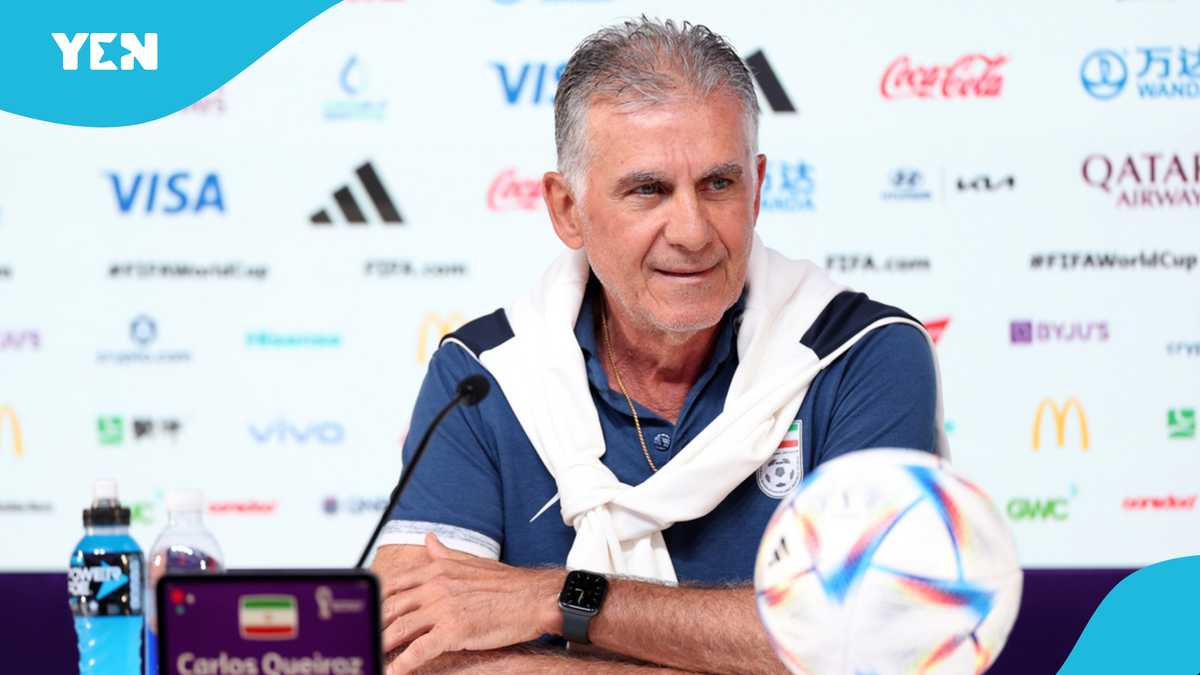
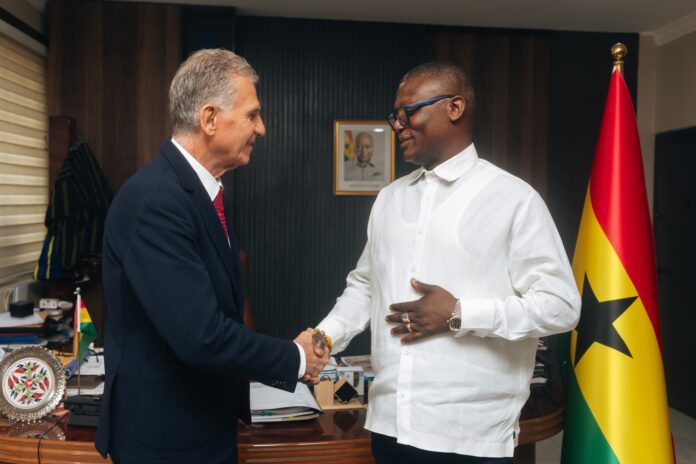
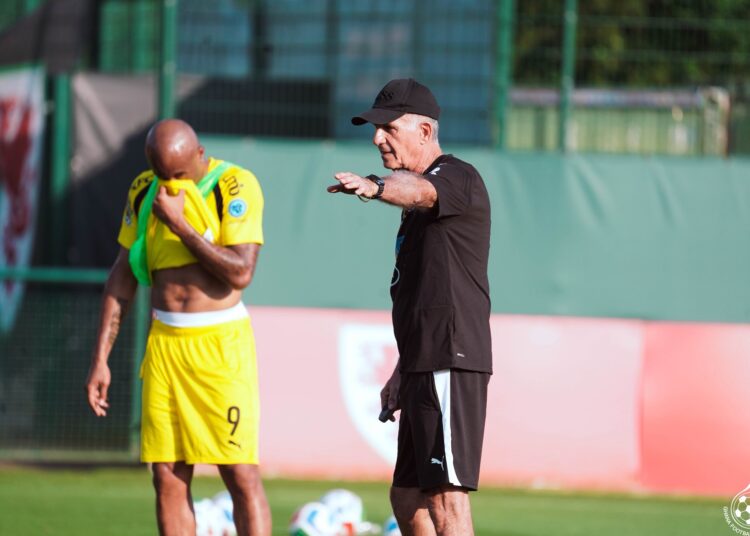
Ghana head coach Carlos Queiroz is set to sign a new contract to extend his term with the Black Stars, according to sources.
This comes after he received commendations and backing from the Ghana Football Association (GFA) and the Ministry of Sports and Recreation.
The said deal comes after the Portuguese tactician was assessed at the World Cup. Despite the Black Stars’ elimination at the Round of 32, it is reported that authorities are satisfied with his performance and he is expected to sign a new two-year agreement in the coming days as Ghana seeks to maintain stability and continue its rebuilding project under his leadership.
Queiroz is expected to lead Ghana to qualifiers for the 2027 Africa Cup of Nations. The Black Stars have been drawn in a qualifying group alongside Côte d’Ivoire, The Gambia and Somalia.
The former Portugal, Iran, Egypt, Colombia, Qatar and South Africa head coach will also be tasked with helping Ghana end its long wait for continental glory, with the country’s last AFCON title coming in 1982.
When was Queiroz announced as coach?
The Portuguese coach took over from Otto Addo, who was dismissed after a poor run of form that led to defeats against Austria and Germany in international friendlies on March 27 and March 30, respectively.
Queiroz’s contract was for a short period, from April to July (a four-month agreement), according to reports that emerged after his appointment, after which an extension would be subject to his performance at the global tournament.
He was officially unveiled on April 23 at the Alisa Hotel. His contract lasted just under four months (April–July 2026). He guided the team through the FIFA World Cup, recording one win, two draws and two losses across five matches.
Ati-Zigi on Carlos’s stay
Following the Black Stars’ elimination from the World Cup after their 0-1 loss to Colombia in the Round of 32 on Friday, July 3, at Kansas City Stadium in the USA, questions emerged about the future of head coach Carlos Queiroz.
The team’s head coach shared a post on Facebook on Sunday, July 5, stating that, “I leave this journey with pride in what we achieved… Reaching a higher level should never be the destination; it should be the beginning of even greater ambitions.”
Several media houses reported that the tenure of the Portuguese tactician had ended; however, a later response from the Ghana Football Association (GFA) denied receiving any official resignation from the coach, and Queiroz also denied the reports, indicating that he remains head coach.
Speaking on the uncertainty surrounding the coach’s future with the national team, Black Stars goalkeeper Lawrence Ati Zigi backed retaining Carlos, praising his ability to ignite a level of positivity in the squad.
Ati Zigi, who featured in two matches under Queiroz during Ghana’s World Cup campaign, said he was unaware of the details surrounding the coach’s contract but believes keeping him as head coach would be a positive decision.
“I don’t know about his contract situation, but I feel he is a great coach, and I love how he brought about the positivity in camp. But if the leadership wants him to stay, it will be a good decision,” he told Sporty FM.
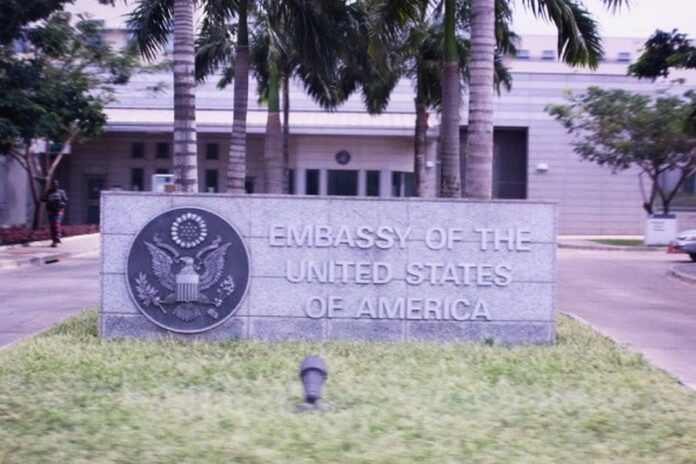
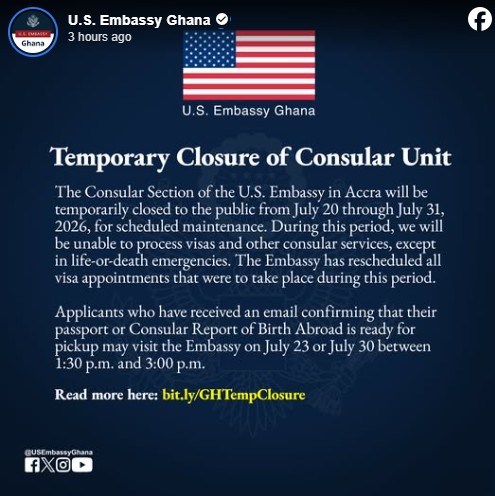
The U.S. Embassy in Accra has announced a temporary closure of its Consular Section to the public for a scheduled 10-day maintenance exercise.
The Embassy announced this in a formal notice on its official Facebook platform. According to the Embassy, it will not attend to any visa process during this period unless it threatens life or necessary emergency.
“The Consular Section of the U.S. Embassy in Accra will be temporarily closed to the public from July 20 through July 31, 2026, for scheduled maintenance. During this period, we will be unable to process visas and other consular services, except in life-or-death emergencies.
Consequently, “The Embassy has rescheduled all visa appointments that were to take place during this period”.
However, the Embassy has announced designated dates for the collection of newly issued passports and Consular Reports of Birth Abroad.
“Applicants who have received an email confirming that their passport or Consular Report of Birth Abroad is ready for pickup may visit the Embassy on July 23 or July 30 between 1:30 p.m. and 3:00 p.m.”
Contrary to one of his counsel’s concerns about his inability to meet the GHC 50 million bail conditions, Former Executive Secretary of the Inter-Ministerial Coordinating Committee on Decentralisation (IMCCoD), Dennis “Miracles” Aboagye, has met them and has reportedly been released from custody.
In videos which were making waves on social media on the evening of Tuesday, July 14, the New Patriotic Party (NPP) communicator was captured in handcuffs, being escorted by EOCO officers out of the agency’s headquarters in Accra before being ushered into a waiting vehicle by members of his legal team and associates.
His release comes a day after EOCO granted him bail in the sum of GH¢50 million with three sureties, two of whom were required to be justified. The bail conditions had attracted widespread public debate, with the NPP describing them as excessive while others argued they reflected the magnitude of the financial allegations under investigation.
Mr Aboagye is being investigated for his alleged involvement in financial and procurement-related irregularities involving about GH¢55 million during his tenure as Executive Secretary of the Inter-Ministerial Coordinating Committee on Decentralisation (IMCCoD).
A statement noted that the revelation came after the current Executive Secretary of IMCCoD requested further inquiries into a forensic audit conducted into the affairs of the Secretariat between August 1, 2022, and February 2, 2025. EOCO added that Miracles Aboagye had previously visited the office prior to his arrest in connection with the ongoing investigations.
It further stated that it had taken steps to prevent Dennis Miracles Aboagye from leaving the country as part of its operational plan; however, he had already travelled outside Ghana before the agency could execute the measures.
Miracles Aboagye was arrested together with the former accountant of the Secretariat, Gerald Appiah, by officials from the Ghana Immigration Service and EOCO on Sunday, July 12.
It continued that while Gerald Appiah has begun refunding some funds linked to the investigation, the recoveries do not conclude the investigations or absolve any suspect of criminal liability.
EOCO has maintained that its investigations are ongoing and has pledged to conduct them professionally, impartially and in accordance with Ghanaian law while respecting the constitutional rights of all persons involved.
Earlier remarks by Aboagye’s lead counsel on bail conditions
Mr Aboagye’s lead counsel, Samuel Atta Akyea, addressing the media, noted that given the stipulated time given to meet them, it is highly impossible to meet them. Consequently, the NPP communications member remains in custody.
The stipulated timeframe was immediate, overnight on July 13, 2026. This is why Aboagye’s lawyers insist the bail conditions are “extremely difficult” and practically impossible to meet.
“How is he going to be released? How is he going to post the bail bonds? GH¢50 million, three sureties, two to be justified. How can it be met? Where are you going to find properties worth GH¢50 million and finding it tonight?” he questioned.
Frederick Kumi, popularly known as Abu Trica, has been accused by United States prosecutors of masterminding an alleged online romance fraud scheme that reportedly used artificial intelligence tools and fabricated identities to swindle elderly Americans out of more than $8 million.
The allegations were outlined in a statement issued by the U.S. Attorney’s Office for the Northern District of Ohio after Kumi was extradited from Ghana to stand trial on charges of conspiracy to commit wire fraud and conspiracy to commit money laundering.
According to prosecutors, Kumi and an alleged accomplice, Daniel Yussif, were part of a network that operated between April 2023 and November 2025, targeting elderly individuals across the United States through online platforms.
Investigators claim the group focused primarily on widows and divorced women, whom they allegedly approached through dating websites and social media channels.
Authorities allege that members of the network assumed false identities, posing as women to establish trust and emotional connections with victims before requesting money under various pretences.
The U.S. Department of Justice further claims that Kumi utilised artificial intelligence-powered video technology to reinforce the deception while impersonating non-existent female characters online.
Court filings indicate that other individuals linked to the alleged operation relied on encrypted messaging applications and telephone conversations to maintain the fraudulent personas and continue communicating with victims.
Prosecutors contend that many victims were led to believe they were engaged in legitimate romantic relationships and were subsequently persuaded to send funds to support fictitious inheritance claims involving gold and diamonds.
According to investigators, the money was deposited into accounts allegedly controlled by members of the scheme before being transferred to associates in Ghana and other jurisdictions.
U.S. authorities also allege that the operation employed money mules in Ghana and members of the Ghanaian diaspora in the United States to move and conceal the proceeds through bank accounts and shell companies.
The Department of Justice estimates that more than 80 elderly victims were defrauded, with total losses exceeding $8 million.
Prosecutors further allege that proceeds from the scheme were used to purchase a number of high-value assets, including a mansion in Ghana, a Lamborghini, a Tesla Cybertruck, a Mercedes-Benz, and a BMW.
Law enforcement agencies have since confiscated the assets as part of ongoing investigations.
Kumi was arrested in Ghana on December 11, 2025, and was later extradited to the United States on July 9, 2026, to face prosecution.
He is currently facing charges of conspiracy to commit wire fraud and conspiracy to commit money laundering, while prosecutors seek the forfeiture of assets they believe were acquired through the alleged fraud.
If found guilty, Kumi could face up to 20 years’ imprisonment on each count.
However, the charges remain allegations at this stage. Under U.S. law, Kumi is presumed innocent unless and until his guilt is established in court.
Ghana’s Minister for Sports and Recreation, Kofi Adams, has finally addressed speculation surrounding the salary of Black Stars head coach Carlos Queiroz.
The clarification follows reports that the Portuguese tactician was earning a monthly salary of US$100,000.
However, dispelling the reports and putting months of speculation to rest, Mr Adams stated that the figures being circulated do not reflect the coach’s actual remuneration. However, Carlos receives &80,000 a month.
“Carlos Queiroz earns $80,000 a month, not the $100,000 that had been speculated,” Kofi Adams stated while speaking in an interview on 3FM Sunrise.
In late April, the Sports Ministry dispelled rumours that Carlos Queiroz was earning a monthly salary of $100,000.
The rumours started shortly after his unveiling, when several media reports began to circulate that he was taking home $100k.
Disputing the rumour, Sports Minister Kofi Adams, speaking in an interview with Asempa FM, explained that “it’s not up to $100,000”.
At the time, he explained that discussions on the coach’s remuneration are still ongoing between his outfit and relevant stakeholders, adding that the final figure has yet to be determined.
“I will check the figures [of his salary] because we have not finalised and signed the full contract and everything, so I cannot give the exact figure, but it’s not up to $100,000.
“The condition we agreed was that we were going for a short-term contract, maximum four months, for the period of the World Cup, but the performance would determine any further agreement,” Mr Adams added.
Carlos takes over from former Dutch talent coach Otto Addo, who was dismissed after a poor run of form leading to defeats against Austria and Germany in the last international friendlies played on March 27 and Monday, March 30, respectively.
The 73-year-old was appointed following the dismissal of Otto Addo in March, with the immediate task of leading Ghana at the expanded 2026 FIFA World Cup.
The Finance Minister, Dr Cassiel Ato Forson, will present the 2026 Mid-Year Budget Review on the floor of Parliament on Thursday, July 23.
This was announced by the Deputy Majority Leader, Kweku Ricketts-Hagan, while he was presenting the Business Statement for the coming parliamentary week.
The Mid-Year Budget Review in Ghana is a statutory requirement under Section 28 of the Public Financial Management Act, 2016 (Act 921). It is expected to be presented to Parliament by July 31 each year and serves as an accountability mechanism to assess fiscal performance and adjust policy.
It is anchored in the constitutional principles of transparency and accountability under Articles 179 and 187 of the 1992 Constitution.
“On the issue of the 2026 Mid-Year Budget Review, the date is Thursday, July 23; that is when the Finance Minister will come here to present the Mid-Year Review, as to whether a statement or what have you, that is in the hands of the Finance Minister and I cannot pre-empt that,” he said.
The presentation, which is subject to Parliament’s sitting schedule, is expected after the Finance Minister concludes consultations with Cabinet and briefs President John Dramani Mahama on the policy proposals contained in the review.
What does the Mid-Year Budget Review cover?
A Mid-Year Budget Review is presented as a comprehensive fiscal update, structured to give Parliament and the public a clear picture of how the economy and government finances are performing halfway through the year.
Typically, the Minister begins with a macroeconomic update, where he touches on GDP growth, inflation trends, exchange rate movements, foreign reserves, and debt sustainability. This sets the tone by showing whether the economy is on track with projections or facing new pressures.
The review then covers revenue performance, explaining how much has been collected in taxes, levies, and other sources compared to what was projected in the annual budget. Following this, the Minister presents an expenditure review, which breaks down how government funds have been spent so far.
It includes details on wages and salaries, interest payments on debt, capital projects, and social interventions such as Free SHS and the School Feeding Programme.
The Minister also provides a fiscal deficit outlook, assessing whether Ghana is on track to meet its deficit target or whether adjustments are needed. For instance, the Minister is expected to provide an update on Ghana’s recently concluded IMF Extended Credit Facility (ECF) programme and the country’s transition to the new Policy Coordination Instrument (PCI).
Following that are policy adjustments, where the government may revise expenditure ceilings, borrowing plans, or introduce new measures to stabilise the economy in response to emerging challenges.
Finally, the review highlights sectoral progress, providing updates on flagship programmes such as Free SHS, the 24-Hour Economy initiative, industrialisation efforts, and energy sector reforms. This demonstrates how government policies are translating into tangible outcomes across different sectors.
The review will provide a comprehensive assessment of the economy over the first six months of 2026, covering revenue mobilisation, expenditure, debt servicing, and the overall fiscal outlook. It is also expected to announce any adjustments to the 2026 Budget in response to prevailing economic conditions.
Over the weekend, the Chief Executive Officer of the Chamber of Oil Marketing Companies (COMAC), Dr Riverson Oppong, disclosed that fuel prices were unlikely to increase in the second pricing window of July, citing current indicators in the international petroleum market and prevailing economic conditions at home, which pointed to a likely downward adjustment in petroleum prices.
However, fresh figures from the National Petroleum Authority (NPA), as reported by Channel One News, indicate increases in the prices of petrol, diesel, and liquefied petroleum gas (LPG).
Per the figures, the price of petrol has increased by GH¢0.49 per litre, rising from GH¢12.79 in the first pricing window of July to GH¢13.28 per litre in the second window, representing a 3.8% rise.
For diesel, the price floor has been increased to GH¢14.35 per litre from GH¢13.54 per litre, reflecting an upward adjustment of GH¢0.81 per litre, representing a 6.0% increase.
The LPG price floor has also inched up to GH¢10.19 per kilogram from GH¢10.11 per kilogram in the first pricing window, a difference of GH¢0.08 per kilogram, equivalent to a 0.8% increase.
The latest figures mark a reversal of the recent declines recorded in petroleum product price floors, as the NPA adjusts the benchmarks in line with prevailing market conditions.
The National Petroleum Authority (NPA) explained that the approved price floors serve as the lowest prices that Oil Marketing Companies (OMCs) and LPG Marketing Companies (LPGMCs) can apply when selling petroleum products within a specific pricing window.
Under the Petroleum Product Pricing Guidelines (PPPG), all licensed OMCs and LPGMCs are expected to adhere to the minimum pricing thresholds set for each pricing period.
The regulator noted that the approved benchmarks do not take into account charges imposed by International Oil Trading Companies (IOTCs), margins retained by Bulk Import, Distribution and Export Companies (BIDECs), or the margins determined by individual marketers and dealers. These cost components are set separately by the respective industry players in line with the PPPG.
The latest increase in the price floors comes against the backdrop of heightened geopolitical tensions in the Middle East, particularly involving the United States and Iran, which have contributed to a rise in global crude oil prices. Brent crude has recently traded above the US$80-per-barrel mark.
Industry observers warn that, should international crude prices remain elevated for an extended period, Ghana could experience fresh increases in fuel prices at the pumps. The extent of any adjustment, however, will largely depend on developments in the global market and the performance of the cedi against major trading currencies.
Last month, the NPA announced a significant reduction in fuel price floors for the June 16–30 pricing window.
Under the revised arrangement, the minimum price for petrol was reduced from GH¢15.20 per litre to GH¢13.39 per litre, while diesel’s price floor declined from GH¢15.49 per litre to GH¢15.11 per litre.
The regulator directed all oil marketing companies to comply with the approved rates, barring them from selling below the established price floors.
The adjustment came after the government ended its intervention programme that had been introduced to cushion consumers against rising global crude oil prices.
According to COMAC, the reductions recorded during the first pricing window of July were largely driven by declining crude oil prices and lower prices of refined petroleum products on the international market.
Industry analysts have attributed the decline in crude oil prices to weaker demand from China, increased oil exports from the United States, and continued releases from strategic petroleum reserves by member states of the International Energy Agency (IEA).
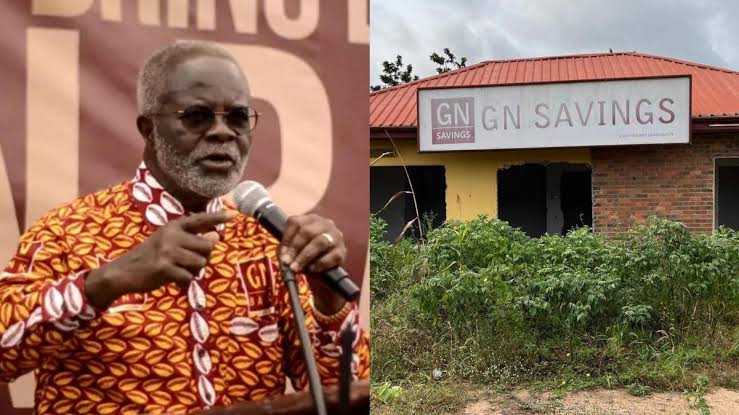
GN Savings and Loans Company Limited, on May 21, won an appeal concerning the revocation of its operating licence in 2019, about two years after the then Akufo-Addo-led administration embarked on a banking sector “clean-up exercise”.
The exercise affected GN Bank, which later filed a legal challenge at the High Court in August 2019. However, in January 2024, the court, presided over by Justice Gifty Addo Adjei, ruled against the company, after which it pursued an appeal at the Court of Appeal, where it secured a ruling reinstating its licence.
Following the ruling, the Bank of Ghana immediately filed an appeal at the Supreme Court and, on the same day, applied for a stay of execution.
Months later, on Tuesday, July 14, the Supreme Court granted a stay of execution of the Court of Appeal judgment that restored the licence of GN Savings and Loans Company Limited.
The latest order by the Supreme Court will remain in force until the final determination of the substantive issues before it. By this ruling from the apex court, GN Savings and Loans Company Limited will have to temporarily halt the execution of the orders issued by the Court of Appeal in May 2026.
Court of Appeal’s ruling
The Court of Appeal not only ordered the restoration of the company’s licence but also directed that all assets of the bank be returned to their original owners. It further ordered the Receiver to hand over management of the company to its previous management team.
GN Bank’s status
GN Bank first suffered a downgrade from operating as a bank to a savings and loans company on January 4, 2019, and was subsequently renamed GN Savings and Loans Company Limited.
Seven months later, on August 16, 2019, under the leadership of former Bank of Ghana Governor Ernest Addison, the central bank revoked the company’s operating licence and appointed Eric Nana Nipah as Receiver.
The group led by Papa Kwesi Nduom challenged the decision, describing the revocation as unlawful, malicious, and unreasonable.
Among the reasons the company lost the case against the BoG in 2024 was the court’s finding that governance deficiencies had rendered GN Savings and Loans incapable of meeting its debt obligations. The court also concluded that the company failed to prove it was solvent at the time its licence was revoked.
The judge further stressed that the revocation of the bank’s licence by the BoG was carried out in accordance with the law and was in consonance with Article 130 of the 1992 Constitution, rejecting claims of unfairness and illegality.
The court also dismissed allegations of discrimination, noting that other financial institutions affected by the banking sector reforms were subjected to similar regulatory actions.
Despite the ruling, GN maintained that the revocation breached existing laws and appealed the decision, leading to the latest judgment by the Court of Appeal.
Nduom’s allegations against the then government
The Global Chairman of Groupe Nduom, Papa Kwesi Nduom, in July 2024, alleged that the Bank of Ghana (BoG) intentionally misrepresented the debt value of GN Bank to facilitate its closure.
Dr Nduom disclosed that a debt of GH¢2.2 billion was allegedly reduced and recorded as GH¢30 million to portray the bank as unstable and at systemic risk.
The Groupe Nduom chairman made the remarks during an inspection of a former GN Bank office at Roman Hill in Kumasi.
He also maintained that the bank had been unfairly shut down.
“People who said we only have about GH¢30 million, I know they did it deliberately because the same people, a year before, said they counted GH¢640 million.
“Meanwhile, they have seen a report by an independent auditor, which confirmed that the value of our project was GH¢2.2 billion. And so why did they use this to collapse GN Bank?”
Dr Nduom asked, according to a report by MyJoyOnline.
Despite the bank’s accusations and legal challenges against the BoG’s decision to revoke its licence, an Accra High Court upheld the central bank’s action.
The court found that the BoG had not breached any laws.
A Joy Business report has revealed that Finance Minister Dr Cassiel Ato Forson is expected to present the 2026 Mid-Year Budget Review to Parliament next week, subject to Parliament’s availability.
Although the exact date was not confirmed in the report, sources close to the preparations say the proposed date will depend on Parliament’s availability to receive the presentation.
The Finance Minister is also required to complete Cabinet briefings on key aspects of the review, including new policy measures, before updating President John Dramani Mahama ahead of the presentation.
If the outstanding processes are completed on schedule, the 2026 Mid-Year Budget Review is expected to be presented to Parliament next week.
About the Mid-Year Budget Statement
The Mid-Year Budget Review in Ghana is a statutory requirement under Section 28 of the Public Financial Management Act, 2016 (Act 921). It is expected to be presented to Parliament by July 31 each year and serves as an accountability mechanism to assess fiscal performance and adjust policy.
It is anchored in the constitutional principles of transparency and accountability under Articles 179 and 187 of the 1992 Constitution.
What does the Mid-Year Budget Review cover?
A Mid-Year Budget Review is presented as a comprehensive fiscal update, structured to give Parliament and the public a clear picture of how the economy and government finances are performing halfway through the year.
Typically, the Minister begins with a macroeconomic update, where he touches on GDP growth, inflation trends, exchange rate movements, foreign reserves, and debt sustainability. This sets the tone by showing whether the economy is on track with projections or facing new pressures.
The review then covers revenue performance, explaining how much has been collected in taxes, levies, and other sources compared to what was projected in the annual budget. Following this, the Minister presents an expenditure review, which breaks down how government funds have been spent so far.
It includes details on wages and salaries, interest payments on debt, capital projects, and social interventions such as Free SHS and the School Feeding Programme.
The Minister also provides a fiscal deficit outlook, assessing whether Ghana is on track to meet its deficit target or whether adjustments are needed. For instance, the Minister is expected to provide an update on Ghana’s recently concluded IMF Extended Credit Facility (ECF) programme and the country’s transition to the new Policy Coordination Instrument (PCI).
Following that are policy adjustments, where the government may revise expenditure ceilings, borrowing plans, or introduce new measures to stabilise the economy in response to emerging challenges.
Finally, the review highlights sectoral progress, providing updates on flagship programmes such as Free SHS, the 24-Hour Economy initiative, industrialisation efforts, and energy sector reforms. This demonstrates how government policies are translating into tangible outcomes across different sectors.
The review will provide a comprehensive assessment of the economy over the first six months of 2026, covering revenue mobilisation, expenditure, debt servicing, and the overall fiscal outlook. It is also expected to announce any adjustments to the 2026 Budget in response to prevailing economic conditions.
The inaugural Performance Tracker report of the Institute of Economic Research and Public Policy (IERPP) has rated President John Mahama’s first year in office a score of 4.9 out of 10 for his performance in 2025.
The below-average score was attributed to deficiencies in infrastructure, energy, industry and manufacturing, governance, policy implementation, and social service delivery, citing that capital expenditure execution remained a concern during the period under review.
Executive Director of IERPP, Professor Isaac Boadi, explained that the rating was based on an independent assessment of the government’s performance across various sectors.
“The team scores this administration 4.9% as against 10 for the year under review (2025). We identified five key areas that actually brought the number down, and one main area happens to be infrastructure, which we know failed to spend, and the spending of this administration’s capital expenditure stood at 0.9% in 2025,” he said.
Professor Boadi added that challenges in industry, manufacturing, social service delivery, governance commitments, and the energy sector also contributed to the overall score, leading the institute to conclude that the government’s first-year performance fell below expectations.
Meanwhile, in a similar development, a countrywide public opinion survey by the Institute of Economic Affairs (IEA) reported that President John Dramani Mahama continues to receive notable backing from citizens one year after returning to office, with 68% of Ghanaians expressing satisfaction with his performance.
The poll, conducted in December 2025 and involving more than 1,000 respondents from every region of the country, found that 22% of participants were dissatisfied with the President’s performance, while 10% said they had no view.
In a press statement issued on February 11, 2026, the IEA explained that the approval rating points to sustained public confidence in President Mahama’s leadership, even as the country grapples with several economic and social difficulties.
“Public support for President John Mahama is high, with a 68% job approval rating,” the report stated.
The findings also revealed strong public anxiety over the escalating cost of living. About 71% of respondents said they are highly worried about the prices of food and other essential goods, while 20% indicated moderate concern.
In total, 91% of those surveyed acknowledged some degree of worry about increasing prices, underscoring the financial strain many households continue to experience.
The survey ranked unemployment as the country’s most urgent challenge, with 46% of respondents identifying it as their primary concern. Illegal mining, widely referred to as galamsey, followed at 30%, signalling persistent public unease about environmental destruction and the contamination of water bodies.
Meanwhile, corruption and the overall economic situation were cited by 9% and 8% of respondents, respectively, as the nation’s most critical issues.
President Mahama was sworn into office on January 7, 2025, at a time when citizens held strong expectations after the country endured economic difficulties marked by heavy debt, a weakening currency, rising inflation, and job losses.
The IEA observed that although several major economic indicators are showing signs of improvement, the country still faces considerable social and economic hurdles.
The institute added that while many Ghanaians remain optimistic about President Mahama’s leadership, they are also mindful of the urgent economic and structural challenges that demand attention.
Senior Presidential Advisor and Special Aide to President John Dramani Mahama, Joyce Bawah Mogtari, has applauded the government’s performance to date.
In a Facebook post on Monday, May 5, she wrote, “So far, so great,” expressing her optimism over the positive developments under President Mahama’s administration.
Reflecting on the government’s initial progress, Mogtari pointed to the President’s 57% popular vote and the ongoing approval ratings as strong indicators of the administration’s success.
“I have been closely following the approval ratings of President John Dramani Mahama’s administration, and, like many Ghanaians, I am confident that we are on the right track,” she wrote, highlighting the tangible progress made during the first 120 days of Mahama’s second term.
Central to her post was an announcement about the forthcoming launch of a new Code of Conduct and Ethics.
Member of the New Patriotic Party (NPP) communications team, Dennis Edward Aboagye, was granted bail yesterday, Monday, July 13, following his arrest on Saturday, 11 July at the Accra International Airport in Accra by the Economic and Organised Crime Office (EOCO).
He was granted a GH¢50 million bail bond, which requires three sureties, two of whom must be justified.
Reacting to the bail conditions, Mr Aboagye’s lead counsel, Samuel Atta Akyea, addressing the media, noted that given the stipulated time given to meet them, it is highly impossible to meet them. Consequently, the NPP communications member remains in custody.
The stipulated timeframe was immediate, overnight on July 13, 2026. This is why Aboagye’s lawyers insist the bail conditions are “extremely difficult” and practically impossible to meet.
“How is he going to be released? How is he going to post the bail bonds? GH¢50 million, three sureties, two to be justified. How can it be met? Where are you going to find properties worth GH¢50 million and finding it tonight?” he questioned.
Mr Aboagye is being investigated for his alleged involvement in financial and procurement-related irregularities involving about GH¢55 million during his tenure as Executive Secretary of the Inter-Ministerial Coordinating Committee on Decentralisation (IMCCoD).
A statement noted that the revelation came after the current Executive Secretary of IMCCoD requested further inquiries into a forensic audit conducted into the affairs of the Secretariat between August 1, 2022, and February 2, 2025. EOCO added that Miracles Aboagye had previously visited the office prior to his arrest in connection with the ongoing investigations.
It further stated that it had taken steps to prevent Dennis Miracles Aboagye from leaving the country as part of its operational plan; however, he had already travelled outside Ghana before the agency could execute the measures.
Miracles Aboagye was arrested together with the former accountant of the Secretariat, Gerald Appiah, by officials from the Ghana Immigration Service and EOCO on Sunday, July 12.
According to a post on Facebook by the party’s General Secretary, Justin Frimpong Kodua, Miracles Aboagye was denied access to his lawyers, making his whereabouts unknown.
“Since then, they have denied his lawyers access and his whereabouts are not disclosed with no charges preferred,” the post read.
This is not the first time an NPP official has been arrested under President John Dramani Mahama’s administration. Currently, the party’s Ashanti Regional Chairman, Wontumi, has been accused of aiding individuals to mine without a proper license at the Samreboi concession.
Wontumi’s lawyer has noted that there is no evidence to support the galamsey charges levelled against his client.
Speaking to the media on Friday, October 10, Enoch Afoakwa noted that Chairman Wontumi is unshaken in his insistence on innocence in the face of all galamsey charges.
He added, “So certainly his position has not changed. He still maintains his innocence. Once he has pleaded not guilty to the various counts that he has been charged with, his presumption of innocence under Article 19(2c) triggers, and that means he is presumed innocent until proven.”
“When he was arraigned, he pleaded not guilty to all the several counts of allegations that have been levelled against him. So certainly his position has not changed.
He still maintains his innocence. Once he has pleaded not guilty to the various counts that he has been charged with, his presumption of innocence under Article 19(2c) triggers, and that means he is presumed innocent until proven”.
Former Vice President and New Patriotic Party (NPP) flagbearer, Dr Mahamudu Bawumia, has extended his condolences to the chiefs and people of the Dagbon Kingdom following the death of Yaa-Naa Abukari Mahama II.
The Head of the Dagbon Kingmakers, Kuga Naa Adam Abdulai II, announced the passing of the revered traditional ruler on Monday, July 13.
Several condolence messages have trickled in online to the family of the Overlord. In a statement released on Monday, July 13, Dr Bawumia noted that the death of the King was not only a loss to his family and the Dagbon Kingdom, but to Ghana as a whole.
He described the late monarch as a unifying leader whose reign brought peace, stability and development to the traditional area.
“To Allah we belong completely and to Him shall we return ultimately. It is with grief that I send my sincere condolences to the Chiefs and people of the Dagbon Kingdom on the passing of Ndan Ya-Na Abukari Mahama II,” parts of the statement read.
Dr Bawumia said the late king assumed the throne during one of the most difficult periods in Dagbon’s history but led the kingdom with wisdom and patience.
“Ndan Ya-Na Abukari II emerged as the King of Dagbon during one of the most challenging periods in Dagbon history, and with ancestral wisdom and patience, he guided the ancient Kingdom towards peace, unity and prosperity,” he said.
Dr Bawumia commended the monarch for his critical role in restoring calm, healing divisions within the kingdom, and upholding his commitment to the growth and development of Dagbon.
“His reign was short but greatly impactful. Through his wise leadership, he united families once broken and healed a society greatly fractured before him. He represented a blend of tradition and modernity perfectly in the way he led Dagbon. He constantly advocated and lobbied for major developmental projects in Dagbon.”
Reflecting on his personal relationship with the late Yaa-Naa, Dr Bawumia said he benefited greatly from the monarch’s counsel during his tenure as Vice President and later as the NPP’s presidential candidate.
“At the personal level, I benefited immensely from his counsel during my time as Vice President of Ghana and later as the presidential candidate of the New Patriotic Party. It was always an honour to pay him homage at the ancient Gbewaa Palace and to draw from his immeasurable wisdom and guidance.”
Dr Bawumia added that the death of the Dagbon Wura was personally a great loss, and prayed for his family, chiefs and all members of the Dagbon Kingdom to be strengthened.
“His passing marks a great loss to me, to the Dagbon Kingdom, and to Ghana as a whole.
“May Allah comfort his immediate family, the Chiefs and people of Dagbon, and Ghana as a whole. It is a painful affliction,” he said.
Ghana Black Stars assistant coach Roger De Sa insists that Portuguese tactician Carlos Queiroz remain head coach of the team.
This comes after the media reportedly misread the coach’s message of gratitude following Ghana’s elimination by Colombia in the Round of 32 of the 2026 FIFA World Cup on July 3.
The team’s head coach shared a post on Facebook on Sunday, July 5, stating that, “I leave this journey with pride in what we achieved… Reaching a higher level should never be the destination; it should be the beginning of even greater ambitions.”
Queiroz appeared to hint at his departure after Ghana’s World Cup campaign ended with a Round of 32 defeat to Colombia, with the experienced coach stating in a social media post that he was leaving his role “with pride”.
However, the 73-year-old later indicated in a social media interview that he had not officially resigned from his position after taking charge of the Black Stars on a short-term agreement following Otto Addo’s exit.
De Sa, who joined Ghana’s technical team ahead of the tournament, said he had not received any official communication confirming that Queiroz had stepped down and questioned reports suggesting otherwise.
“I don’t know if that’s official [that he has left]. I have only seen it on social media. But I don’t think that is from him because he would have told me if that’s the case,” De Sa said in an interview with KickOff.
Queiroz was appointed to lead Ghana’s technical team for the World Cup campaign, where the Black Stars recorded mixed results in Group L.
Ghana opened the tournament with a narrow 1-0 victory over Panama before securing a goalless draw against England. They ended the group stage with a 2-1 defeat to Croatia, finishing third in the group but advancing to the knockout stage.
The four-time African champions were later eliminated in the Round of 32 after a 1-0 defeat to Colombia.
With the World Cup campaign now over, Ghana will shift focus to the qualification process for the 2027 Africa Cup of Nations. Africans& Diaspora
The Black Stars have been drawn in Group C alongside Ivory Coast, Somalia and The Gambia, with the qualifiers scheduled to begin in September.
Ati Zigi on Carlos stay
Speaking on the uncertainty surrounding the coach’s future with the national team, Black Stars goalkeeper Lawrence Ati Zigi backed retaining Carlos, praising his ability to ignite a level of positivity in the squad.
Ati Zigi, who featured in two matches under Queiroz during Ghana’s World Cup campaign, said he was unaware of the details surrounding the coach’s contract but believes keeping him as head coach would be a positive decision.
“I don’t know about his contract situation, but I feel he is a great coach, and I love how he brought about the positivity in camp. But if the leadership wants him to stay, it will be a good decision,” he told Sporty FM.
The Portuguese coach took over from Otto Addo, who was dismissed after a poor run of form that led to defeats against Austria and Germany in international friendlies on March 27 and March 30, respectively.
Queiroz’s contract was for a short period (a four-month agreement), according to reports that emerged after his appointment, after which an extension would be subject to his performance at the global tournament.
His contract lasted just under four months (April–July 2026). He guided the team through the FIFA World Cup, recording one win, two draws and two losses across five matches.
With the World Cup campaign now over, Ghana will turn attention to the 2027 Africa Cup of Nations qualifiers, which begin in September.
The Black Stars have been drawn in Group C alongside Ivory Coast, Somalia and Rwanda as they seek to secure qualification for the continental tournament.
During his unveiling, Carlos Queiroz described his new role as the biggest challenge of his career despite having worked with eight national teams; however, he said he was “ready to deliver”.
“It is an honour and a privilege to be here today,” Queiroz said at the unveiling. “Since I arrived, I have started to feel it. This is the soul of the Black Stars. The soul of the Black Stars is huge, and that means our dreams and expectations are huge.
“After eight national teams and important competitions, this is the biggest challenge of my life, and I am ready for that. I can promise and guarantee that I will bring 40 years of my experience [to the job],” he said.
He made these remarks during his unveiling at the Alisa Hotel during a press conference.
At the time of his appointment, there were barely 50 days until the global tournament began, with the former Iran coach tasked with stabilising the team after four successive defeats.
His appointment came after the dismissal of Otto Addo on Monday, March 30, following Ghana’s poor performances in the international friendlies against Austria and Germany.
Following the Black Stars’ elimination from the World Cup after their 0-1 loss to Colombia in the Round of 32 on Friday, July 3, at Kansas City Stadium in the USA, questions emerged about the future of head coach Carlos Queiroz.
The team’s head coach shared a post on Facebook on Sunday, July 5, stating that, “I leave this journey with pride in what we achieved… Reaching a higher level should never be the destination; it should be the beginning of even greater ambitions.”
Several media houses reported that the tenure of the Portuguese tactician had ended; however, a later response from the Ghana Football Association (GFA) denied receiving any official resignation from the coach, and Queiroz also denied the reports, indicating that he remains head coach.
Speaking on the uncertainty surrounding the coach’s future with the national team, Black Stars goalkeeper Lawrence Ati Zigi backed retaining Carlos, praising his ability to ignite a level of positivity in the squad.
Ati Zigi, who featured in two matches under Queiroz during Ghana’s World Cup campaign, said he was unaware of the details surrounding the coach’s contract but believes keeping him as head coach would be a positive decision.
“I don’t know about his contract situation, but I feel he is a great coach, and I love how he brought about the positivity in camp. But if the leadership wants him to stay, it will be a good decision,” he told Sporty FM.
The Portuguese coach took over from Otto Addo, who was dismissed after a poor run of form that led to defeats against Austria and Germany in international friendlies on March 27 and March 30, respectively.
Queiroz’s contract was for a short period (a four-month agreement), according to reports that emerged after his appointment, after which an extension would be subject to his performance at the global tournament.
His contract lasted just under four months (April–July 2026). He guided the team through the FIFA World Cup, recording one win, two draws and two losses across five matches.
With the World Cup campaign now over, Ghana will turn attention to the 2027 Africa Cup of Nations qualifiers, which begin in September.
The Black Stars have been drawn in Group C alongside Ivory Coast, Somalia and Rwanda as they seek to secure qualification for the continental tournament.
During his unveiling, Carlos Queiroz described his new role as the biggest challenge of his career despite having worked with eight national teams; however, he said he was “ready to deliver”.
“It is an honour and a privilege to be here today,” Queiroz said at the unveiling. “Since I arrived, I have started to feel it. This is the soul of the Black Stars. The soul of the Black Stars is huge, and that means our dreams and expectations are huge.
“After eight national teams and important competitions, this is the biggest challenge of my life, and I am ready for that. I can promise and guarantee that I will bring 40 years of my experience [to the job],” he said.
He made these remarks during his unveiling at the Alisa Hotel during a press conference.
At the time of his appointment, there were barely 50 days until the global tournament began, with the former Iran coach tasked with stabilising the team after four successive defeats.
His appointment came after the dismissal of Otto Addo on Monday, March 30, following Ghana’s poor performances in the international friendlies against Austria and Germany.
The Ghana Revenue Authority (GRA) has given Electrochem Ghana Limited a seven-day deadline to clear a tax debt of GH¢8.6 million or face further enforcement action, including restricted access to its facility.
The directive follows several unsuccessful engagements between the Authority and the salt mining company, a subsidiary of the McDan Group of Companies, to recover the outstanding liability.
As part of its latest enforcement measures, officials from the GRA’s Compliance Unit on Wednesday, July 8, visited Electrochem’s facility at Ada in the Greater Accra Region and sealed the company’s administration block.
The Accra Area Enforcement Manager of the GRA, Joseph Annan, said the Authority was compelled to act after repeated attempts to recover the debt failed.
He explained that the liability, which dates back to 2021, had risen to about GH¢8.8 million, including accumulated interest, before the company made a partial payment of GH¢200,000 during the enforcement exercise.
Mr Annan said although the payment was inadequate compared to the outstanding amount, the Authority accepted it and decided to allow the company to continue operations temporarily to enable it to raise funds to settle the balance.
“We have decided to seal the administration block and give them the opportunity to work in order to raise the remaining balance within the next seven days,” he said.
He warned that failure by Electrochem to settle the debt within the stipulated period would lead to stricter measures, including restricting access to the entire mining facility.
Mr Annan said while the GRA recognised the need to support indigenous businesses, companies must also fulfil their tax obligations to enable the state to finance development programmes.
Officials of Electrochem at the facility appealed for restraint from the enforcement team and assured the Authority that efforts were underway to mobilise funds to clear the outstanding liability.
The action forms part of the GRA’s intensified measures to recover unpaid taxes and improve revenue mobilisation as it works towards achieving its annual collection target.
About Electrochem and its tax history
Electrochem Ghana Limited is Ghana’s largest salt mining company, operating in Ada and owned by the McDan Group, founded by businessman Daniel McKorley. The company is involved in large-scale salt production.
The company has, however, faced challenges with tax compliance. According to the GRA, Electrochem accumulated a tax debt of GH¢8.6 million dating back to 2021, despite filing tax returns.
The Authority said the company failed to consistently remit its tax obligations, resulting in the accumulation of interest over time.
In 2026, the GRA intensified efforts to recover the outstanding debt, issuing an immediate demand notice on January 7 and a final demand notice on February 13.
Following repeated engagements without a resolution, the Authority moved to enforce payment on July 8 by sealing Electrochem’s administration block in Ada. Production activities were allowed to continue temporarily to protect jobs, but the company was warned that a full shutdown could follow if the debt remained unpaid.
During the exercise, Electrochem paid GH¢200,000 towards the outstanding amount, leaving a significant balance unpaid. The GRA maintained that the debt represented historical obligations that must be settled, despite the company citing operational challenges as reasons for delays.
Passengers travelling through Terminals 2 and 3 of the Accra International Airport will no longer be required to remove laptops, shoes, belts, liquids, aerosols and gels during security screening following the installation of new security screening equipment by the Ghana Airports Company Limited (GACL).
The company announced the deployment of the new technology in a public notice, describing it as a state-of-the-art security screening system designed to enhance aviation security while improving passenger convenience.
“The Ghana Airports Company Limited (GACL) is pleased to announce the deployment of new, state-of-the-art security screening equipment at the passenger screening checkpoints in Terminals 2 and 3 of Accra International Airport,” the notice stated.
Under the previous screening process, passengers were required to remove laptops and other large electronic devices from their cabin baggage for separate inspection. They were also often required to remove their belts and shoes before proceeding through security checkpoints.
Additionally, liquids, aerosols and gels (LAGs) had to be separated from carry-on baggage and screened independently.
With the introduction of the new system, these requirements have largely been eliminated.
According to GACL, “Laptops and other large electronic devices can now remain in your cabin baggage during screening.”
The company further stated that passengers may now proceed through screening without removing their shoes and belts, except in situations where additional security profiling is required.
“Unless otherwise required during security profiling, passengers may proceed through screening with footwear and belts on,” the notice said.
The new technology also allows passengers to keep liquids, aerosols and gels in their cabin baggage during screening.
“Passengers can now keep Liquids, Aerosols and Gels (LAGs) in their cabin baggage during screening as separate screening of LAGs may not be required,” GACL noted.
However, the company clarified that existing restrictions on liquid quantities remain in force.
“Kindly note that security regulations still prohibit LAGs that exceed 100ml in volume per container,” it added.
GACL indicated that the upgrade is also expected to improve efficiency and reduce waiting times at security checkpoints through the introduction of an Automatic Tray Return System.
“A new Automatic Tray Return System will quickly return trays to passengers for repacking of divested items,” the company said.
According to GACL, the transition to the new screening system will be undertaken gradually to ensure a smooth implementation process.
“Migration onto the new system will be done progressively or in phases and alongside the existing procedures and equipment,” the notice stated.
The company appealed to passengers and other stakeholders to cooperate as operations with the new equipment commence.
“Ghana Airports Company Limited kindly requests the cooperation of all passengers and stakeholders as we commence operations with the new equipment in the coming days,” it said.
The installation of the new screening equipment marks a significant shift from the traditional screening process at the airport and is expected to improve passenger experience while maintaining aviation security standards.
A massive fire has ravaged a an alcohol warehouse at Tema Community 26 in the Greater Accra Region.
The fire broke out on Sunday, July 12, triggering a swift response from the Ghana National Fire Service (GNFS) as thick smoke billowed into the atmosphere and raised concerns among residents in the area.
To contain the blaze and prevent it from spreading to nearby buildings, the GNFS dispatched four fire tenders from the Tema Industrial Area, Ashaiman, Tema Regional Headquarters and Dodowa fire stations.
Firefighters have been battling the flames amid challenging conditions, with the large volume of alcohol stored in the facility believed to be fuelling the intensity of the fire.
Authorities are yet to determine the cause of the incident, while no casualties or injuries have been officially reported so far.
The extent of damage caused by the fire remains unclear, and officials have not confirmed whether any neighbouring structures have been affected.
Emergency personnel remain on site as efforts continue to bring the situation under control.
The GNFS is expected to launch a full investigation into the incident once the fire has been completely extinguished.
Health specialists at the Komfo Anokye Teaching Hospital (KATH) have raised concerns about the rising trend of Type 2 diabetes among children in Ghana.
The chronic health condition, initially considered rare among children and mostly diagnosed in adults, is now rising among children between the ages of 12 and 16 years, a study by KATH has revealed.
According to the study, the medical condition has seen a 5% increase after it was first recorded at about 10% around 2024–2025, before rising to 15% in the latest KATH study published in July 2026.
Cause of the rising trend
The specialists have attributed the rise in cases to the consumption of unhealthy diets, physical inactivity, and delayed diagnosis, citing serious long-term consequences if the situation is not tackled as soon as possible.
Stories of young patients
A 16-year-old Akosua Yeboah, not her real name, battled months of uncertainty before being told the unfortunate news about her condition. She said that at age 14, she developed excessive thirst, frequent urination, and unexplained weight loss. She was initially treated for a urinary tract infection before doctors eventually diagnosed her with Type 1 diabetes.
“I thought I wasn’t going to live for long. I thought I was going to die. I knew nothing about Type 1 diabetes. The only thing I knew was that diabetes affected adults,” she said.
Twenty-seven-year-old Gideon Tettey had a similar experience after developing Type 1 diabetes as a teenager. He recognised the symptoms from a radio health programme before seeking medical care, but said misinformation and stigma made coping with the disease even harder.
“I was losing weight, my stomach became swollen, and some people believed I had been cursed. Since neither of my parents had diabetes, my family was frightened and gave me herbal medicine because they believed it could cure me,” he said.
A paediatric endocrinologist and child health specialist, Professor Emmanuel Ameyaw, noted that about fourteen (14) years ago, when the health facility established its diabetes clinic, only one child was receiving treatment. However, over a decade later, more than 400 children are currently receiving treatment at the facility, representing only a fraction of those living with the disease.
“We now have over 400 children living with diabetes, so it is no longer uncommon. There are many more children out there living with the disease, and we need to find them,” he said.
Professor Ameyaw said the growing number of children with Type 2 diabetes is particularly worrying because the condition has traditionally affected adults.
“Our recent study found that about 15% of children with diabetes have Type 2 diabetes, which tells us the condition is becoming more common among children,” he said.
He attributed the rise to unhealthy eating habits, sugary drinks, processed foods, obesity, and increasingly sedentary lifestyles.
“In Ghana, when a child gains a lot of weight, it is often seen as a sign of good health. But obesity is linked to many diseases, including insulin resistance. Children should eat well, but they should also eat healthily,” he said.
Professor Ameyaw also called for stronger government support to improve access to insulin and other essential medicines.
“The support we currently receive for children with Type 1 diabetes comes mainly from foreign donors. Although insulin is covered under the National Health Insurance Scheme, it is often unavailable in many hospitals. Government support remains minimal,” he said.
Doctors say managing diabetes also requires close attention to oral health.
Resident Orthodontist Dr Isaac Akotoye said diabetes and oral diseases can worsen each other if left untreated.
“Diabetes can affect oral health in several ways. If a person already has an oral disease such as periodontitis, diabetes can make the condition worse and may even lead to tooth loss. Even without a pre-existing oral condition, diabetes can cause problems such as periodontal abscesses, dry mouth, and dental cavities,” he said.
Some early signs of diabetes
Medical Officer at KATH’s Oral Diagnosis Department, Dr Ama Boakyewaa Yeboah, said persistent dry mouth, swollen gums, recurring mouth infections, and delayed wound healing could all be early warning signs of diabetes.
For her part, she said early medical attention would go a long way rather than dismissing the symptoms as minor medical conditions.
She also encouraged families to promote balanced diets, reduce sugary snacks and processed foods, and ensure children engage in regular physical activity to help lower the risk of diabetes.
What is diabetes? The current situation in Ghana
In 2024, Ghana recorded about 317,000 adults aged 20–79 living with diabetes, and projections suggest this number could rise to 808,000 by 2050. The age-standardised prevalence was estimated at 2.7% in 2024, with expectations that it will climb to 3.4% by 2050.
A major concern is that nearly 79% of adults with diabetes remain undiagnosed, meaning most people are unaware they have the condition. This silent burden increases the risk of complications and delayed treatment.
The disease also has a significant impact on mortality. In 2024, more than 2,300 deaths were directly attributed to diabetes. Beyond health outcomes, the economic cost is substantial: Ghana spent approximately $82 million on diabetes care in 2024, and this figure is projected to exceed $190 million by 2050.
Ghanaian teachers are set to be employed following the government’s bilateral agreement with the Bahamas.
The Foreign Affairs Minister, Samuel Okudzeto Ablakwa, following formal negotiations held during his visit to the Bahamas, represented President John Dramani Mahama at the country’s 53rd Independence Anniversary celebrations.
In a Facebook post on Saturday, July 12, the Minister revealed that Bahamas 300 Ghanaian teachers Wil be recruited by the country this year under a new bilateral cooperation agreement aimed at expanding labour mobility between the two countries.
“I am delighted to announce that following official negotiations, the Bahamas is ready to receive 300 Ghanaian teachers this year to boost education in that brotherly and beautiful country,” Ablakwa said in a Facebook post on Saturday, July 11.
He described the recruitment as the first phase of a broader education partnership between Ghana and the Bahamas.
“This will be the first phase of a new cooperation in education,” he said.
According to the Foreign Affairs Minister, the agreement builds on the positive reputation Ghanaian professionals have earned in the Bahamas, particularly nurses serving under an existing bilateral arrangement.
“It gives us much pride to highlight that Bahamian authorities are deeply impressed with the excellent work ethic of Ghanaian nurses serving under a similar agreement,” Ablakwa said.
“The 300 Ghanaian teachers will usher in a new era of expanded labour mobility beyond health workers between our two nations.”
He also highlighted the historical and cultural ties between Ghana and the Bahamas, noting that many Bahamians trace their ancestry to Ghana.
“The Republic of Ghana and the Commonwealth of the Bahamas share an unbreakable ancestral bond, with an overwhelming majority of Bahamians tracing their ancestry and heritage to Ghana,” he said.
He assured that the government remains committed to pursuing diplomatic ties that deliver tangible benefits for Ghanaians.
“We shall continue to actively pursue impactful diplomacy which directly benefits the Ghanaian people,” he said.
Meanwhile, this is not the first time Ghanaian professionals are moving to the Bahamas to work.
In October 2025, Ghana and the Bahamas signed a Memorandum of Understanding (MoU) to recruit Ghanaian teachers and nurses to work in the Caribbean country. The agreement was described as an effort to strengthen labour mobility between the two nations.
However, in April 2025, about 40 Ghanaian nurses and 10 Ghanaian doctors were recruited by the Bahamas and sent there. They underwent orientation in Nassau before deployment.
Bahamian officials also said the group of 40 nurses would join 18 Ghanaian nurses already working in the country, making nearly 60 Ghanaian nurses in total working in the Bahamas by mid‑2025.
About the 2025 MoU
The signing of the MoU was announced in a communique, which highlighted that the new agreement is an important step forward in the partnership between the two countries, citing that Ghana is becoming a leader in sending skilled workers abroad and that the world has confidence in the talent and professionalism of the Ghanaian people.
This is not the first time the Bahamas has recruited Ghanaian nurses to work in their country. The Bahamas’ national broadcasting service, the ZNS Network, reported in 2024 that Ghanaian nurses were being recruited to help address staffing shortages in Bahamian hospitals.
According to Health Minister Dr Michael Darville, 18 Ghanaian speciality nurses were expected to arrive in The Bahamas by the end of October 2024 to support facilities like Princess Margaret Hospital and Rand Memorial Hospital, citing that this early recruitment was part of a bilateral healthcare support initiative.
Meanwhile, the MoU between Ghana and the Bahamas came about just ten days after the government signed a similar deal with Grenada. The agreement with Grenada, however, was for the recruitment of just Ghanaian nurses.
Ghana’s Minister of Foreign Affairs, Samuel Okudzeto Ablakwa, signed the agreement on behalf of Ghana, while his Grenadian counterpart, Joseph Andall, signed on behalf of Grenada, during Grenada’s Prime Minister, Dickon Mitchell’s visit to the Presidency on Friday, October 17,2025.
President John Dramani Mahama, in a speech on Friday, October 17, during a state visit by Grenadian Prime Minister Dickon Mitchell at the Presidency in Accra, lauded the international recognition of Ghanaian health care professionals and the benefits the agreement stands to bring to both countries.
He said, “In the health sector, Grenada’s interest in recruiting Ghanaian nurses and allied health professionals presents a valuable opportunity for structured collaboration between our two countries. Ghanaian health workers have gained international recognition for their professionalism and their compassion. And we’re keen to explore arrangements that address both our national needs and Grenada’s health priorities.
He added, “I’m pleased that just yesterday, Thursday, October 16, our Foreign Minister, the Honourable Samuel Okudzeto Ablakwa, and Honourable Joseph Andall, Foreign Minister of Grenada, co-chaired the inaugural session of the Ghana-Grenada Political Consultations. I’m confident that this mechanism will produce practical outcomes that deepen political, economic, and cultural engagements between our two nations.”
The signing of the MoU comes just days after the Health Minister, Mintah Akandoh, raised concerns about the ballooning and looming unemployment crisis the sector is anticipated to face, citing the government’s efforts to deal with the challenge.
The Republic of Ghana marked its 8th Arms Destruction Ceremony on Thursday, 9th July, 2026, following a Gun Amnesty Programme that ended in January 2026. The Arms Destruction Ceremony, which also
marks the United Nations Small Arms Destruction Day, is part of ongoing national and international efforts
to strengthen peace, security and public safety by destroying illicit, recovered and obsolete small arms.
The ceremony was organised by the Ministry of the Interior, under the leadership of Hon. Muntaka Mohammed-Mubarak, in collaboration with the National Commission on Small Arms and Light Weapons,
the Ghana Police Service, the Ghana Armed Forces and the National Security Council Secretariat.
The periodic destruction of seized and surrendered firearms by the Government of Ghana often raises
questions among the general public. Some wonder why firearms confiscated from criminals or recovered
during security operations are not simply refurbished and issued to the Security and Intelligence Agencies,
notably the Ghana Armed Forces, the Ghana Police Service, the Ghana Prisons Service and others. Such a
plan may initially seem economical, particularly given the logistical constraints faced by the Security and
Intelligence Agencies.
However, seized firearms marked for destruction should never be returned to operational use based on the legal, operational, forensic and national security standpoints. Destroying confiscated firearms is a deliberate policy meant to lessen the risks associated with illegal firearms and increase public confidence in the country’s firearms control system.
Chief of Staff Julius Debrah and Interior Minister Muntaka Mohammed-Mubarak
Legal Status of Seized Firearms
A seized firearm is one confiscated by law enforcement during criminal investigations, intelligence operations, border interceptions or by the ruling of the court. Once the judicial process has concluded and
the firearm is forfeited to the State, the appropriate authorities determine its final disposal.
A firearm essentially leaves the State’s inventory when it is determined to be unsuitable for retention, or
when it is formally authorised for destruction. The integrity of the disposal procedure would be
compromised and there would be doubt about the fate of confiscated weapons if they were returned to
operational use.
Unknown History and Integrity of Seized/Surrendered Firearms
Unlike arms and ammunition procured from certified manufacturers through licensed Arms and Ammunition Dealers, seized firearms often have unknown or questionable histories. Many may have been illegally manufactured, smuggled across borders, modified to increase their lethality or poorly maintained. Others may also have been used extensively in criminal activities.
Because their complete maintenance and ownership history cannot be reliably established, their mechanical integrity cannot always be guaranteed. Even if they appear functional, hidden defects may only become apparent during operational use, placing security personnel at unnecessary risk.
Safety of Security Personnel
The primary responsibility of any security institution is to protect its personnel while safeguarding the
public. Issuing seized firearms whose reliability cannot be fully verified exposes officers to potential
weapon failures during critical operations. Components weakened by corrosion, excessive wear, poor
quality repairs or unauthorised modifications may malfunction when lives depend on them. Similarly,
altered firearms may not meet the operational standards required by Ghana’s security agencies. No
responsible armoury should introduce such uncertainty into its operational inventory.
Forensic and Evidential Concerns
Many seized firearms have been used in criminal offences, including armed robbery, murder, illegal mining,
terrorism and organised crime.
Even after legal proceedings conclude, the firearm itself remains an important forensic object and its history
forms part of criminal intelligence records. Returning such weapons to active service complicates future
investigations should the weapon reappear in another incident.
Maintaining a clear chain of custody from seizure to destruction preserves the integrity of the criminal
justice system.
Preventing Diversion into Illicit Circulation
One of the principal objectives of destroying seized firearms is to ensure they never return to criminal
hands. If confiscated weapons were routinely retained for operational use, they would remain in circulation
indefinitely, thereby increasing the risk of theft, diversion, corruption or unauthorised transfer.
Destruction permanently removes these weapons from both legal and illegal markets, reducing the number
of illicit firearms available domestically, regionally and international.
Standardisation Within Security Agencies
Security agencies rely on standardised weapon systems to simplify training, ensure operational
compatibility, simplify maintenance and ammunition supply.
Seized firearms often include numerous makes, models and calibres from different countries and
manufacturers. Incorporating such a diverse range of weapons into official inventories would complicate
armoury management, increase maintenance costs and reduce operational efficiency.
Standardisation enables armourers to stock appropriate spare parts, train personnel consistently and
maintain reliable operational readiness.
Public Confidence and Transparency
The destruction of seized firearms demonstrates that government institutions are committed to accountability and to responsible firearms management. If firearms publicly declared destroyed were later
found in operational use or diverted into criminal circulation, public confidence in security institutions
would be seriously undermined.
Transparent destruction exercises, conducted under official supervision and witnessed by oversight bodies,
assure the public that confiscated weapons have been permanently removed from circulation.
International and Regional Legal Frameworks Prohibiting the Reuse of Illicit, Confiscated and Unserviceable Arms and Ammunition Designated for Destruction by Security and Intelligence Agencies
The idea that illegal confiscated and unserviceable firearms designated for destruction should not be
reintroduced into circulation, including for use by security agencies is supported by several international
and regional legal instruments. Although these documents do not always explicitly state that “security
agencies cannot use seized firearms marked for destruction,” they do set out clear requirements to prevent
the recirculation of weapons designated for destruction.
The following are the most relevant conventions and standards:
1. United Nations Programme of Action on Small Arms and Light Weapons (UNPoA) (2001)
The UN Programme of Action on Small Arms and Light Weapons (UNPoA), established in 2001, is the
key international framework for addressing the illicit trade in small arms and light weapons. It urges States
to destroy confiscated or surplus weapons, prevent their re-circulation and enforce strict stockpile
management. Ghana has committed to the UNPoA by implementing national arms-control policies to
support its objectives.
2. International Small Arms Control Standards (ISACS)
ISACS, developed by the United Nations for the UNPoA implementation, includes ISACS 05.50 –
Destruction: Weapons, which guides the destruction of firearms. Key points include ensuring firearms are
permanently inoperable to prevent reconstruction, eliminating diversion risks and ensuring destruction
occurs only after all legal and investigative requirements are met. The standards advise against returning
any weapons approved for destruction to operational use, as this undermines accountability and stockpile
security.
3. ECOWAS Convention on Small Arms and Light Weapons, Their Ammunition and Other Related Materials (2006)
This Convention is legally binding on all ECOWAS Member States including Ghana. It aims to prevent the
accumulation of illicit firearms, promote the destruction of illegally possessed weapons, reduce
opportunities for diversion and strengthen stockpile management. It encourages the destruction of seized
weapons unless retention is legally justified. The overall goal is to reduce the number of illicit firearms in
circulation.
4. United Nations Firearms Protocol (2001)
The United Nations Firearms Protocol (2001), formally known as the Protocol against the Illicit
Manufacturing of and Trafficking in Firearms. This agreement requires States to seize illicit firearms,
prioritise their destruction, prevent confiscated weapons from re-entering illicit markets and maintain strict
records of seized firearms, emphasising destruction as a safeguard against diversion.
5. Arms Trade Treaty (ATT) (2013)
The Arms Trade Treaty (ATT) regulates the international transfer of conventional arms. It requires State
Parties to prevent the diversion of firearms, maintain national control systems, ensure secure management of stockpiles and reduce the risk of unauthorised circulation. Reintroducing firearms designated for
destruction may jeopardise these goals by increasing the risk of diversion.
6. United Nations Office on Drugs and Crime (UNODC) Technical Guidelines
UNODC guidance on firearms control emphasises that confiscated firearms should be securely stored
pending destruction following judicial proceedings, permanently destroyed when authorised and kept out
of illicit circulation to ensure public safety and confidence in the criminal justice system.
Why do the above-mentioned international and regional instruments support non-reuse?
Collectively, these international and regional frameworks are grounded in five key principles:
1. Preventing Diversion: Destroyed or condemned firearms cannot be stolen, diverted or trafficked.
2. Maintaining Accountability: Once a firearm is designated for destruction, reversing that decision undermines audit trails and stockpile management.
3. Protecting Public Safety: Seized firearms often have uncertain histories and may be unsafe or unlawfully modified.
4. Reduces Illicit Weapons in Circulation: Permanent destruction reduces the overall number of firearms available for misuse.
5. Promoting Transparency: Publicly supervised destruction exercises reinforce confidence in state
institutions and demonstrate compliance with international obligations.
Implications for Ghana
As a member of the United Nations and ECOWAS and a State Party to relevant international arms control
instruments, Ghana is expected to maintain robust controls over confiscated firearms. Once seized weapons
have completed the legal process and are officially designated for destruction, international best practice
strongly supports their permanent disposal rather than reintroducing them into the inventories of security
agencies. This approach strengthens the rule of law, reduces the risk of diversion and aligns Ghana’s arms
management system with globally recognised standards.
Better Alternative
Newly procured firearms from licensed Arms and Ammunition Dealers meet certified manufacturing
standards, including quality assurance, warranties, technical documentation and predictable maintenance requirements. They also support standardised training and operational capability across all Security
Agencies. When Security Agencies require additional firearms, the solution is transparent procurement
from authorised manufacturers and suppliers rather than reusing seized illicit weapons.
Conclusion
Seized firearms marked for destruction should never be reintroduced into operational service. Their
uncertain history, questionable mechanical integrity, potential forensic significance and the risk of diversion
make them unsuitable for use by Ghana’s Security and Intelligence Agencies.
Destroying confiscated firearms is not a waste of valuable resources; it is a necessary safeguard that protects
security personnel, strengthens the criminal justice system, supports accountability and enhances national
security. By permanently removing illicit weapons from circulation, Ghana reinforces its commitment to
responsible arms control and the rule of law.
Finally, I wish to commend the current Government of Ghana, under the leadership of His Excellency
President John Dramani Mahama and previous governments, for their continued commitment to
combating the proliferation of illicit firearms by destroying seized and surrendered weapons. This policy
reflects Ghana’s adherence to international and regional arms control standards and demonstrates a
collective resolve to enhance public safety, strengthen national security and prevent illicit firearms from re-
circulation. Sustaining this initiative will further reinforce public confidence in the country’s security
institutions and contribute to a safer, more secure Ghana.
References
1. Economic Community of West African States. (2006). ECOWAS Convention on Small Arms and Light
Weapons, Their Ammunition and Other Related Materials. ECOWAS Commission. https://www.ecowas.int/wp-content/uploads/2021/12/Convention-on-SALW.pdf
2. Government of Ghana. (1972). Arms and Ammunition Act, 1972 (NRCD 9) (As amended) Assembly Press.
3. Government of Ghana. (2023). National Commission on Small Arms and Light Weapons Act, 2023 (Act
1087). Assembly Press.
4. National Commission on Small Arms and Light Weapons. (2025). Gun Amnesty Programme.
https://www.smallarmscommission.gov.gh
5. National Commission on Small Arms and Light Weapons. (2025). Ghana declares nationwide gun amnesty
to reduce illicit firearms in circulation. https://www.smallarmscommission.gov.gh/
6. The HALO Trust. (2025). Ghana: Managing weapons to keep the peace. https://www.halotrust.org/where-we-work/africa/ghana/
7. United Nations. (2001a). Programme of Action to Prevent, Combat and Eradicate the Illicit Trade in Small
Arms and Light Weapons in All Its Aspects. United Nations. https://digitallibrary.un.org/record/446051
8. United Nations. (2001a). Programme of Action to Prevent, Combat and Eradicate the Illicit Trade in Small
Arms and Light Weapons in All Its Aspects. United Nations. https://digitallibrary.un.org/record/446051
9. United Nations. (2001b). Protocol against the Illicit Manufacturing of and Trafficking in Firearms, Their
Parts and Components and Ammunition, Supplementing the United Nations Convention against
Transnational Organized Crime. United Nations. https://www.unodc.org/unodc/en/firearms-protocol/
10. United Nations Office on Drugs and Crime. (2011). Criminal justice assessment toolkit: Firearms. United
Nations Office on Drugs and Crime. https://www.unodc.org/unodc/en/organized-crime/firearms-toolkit.html
11. United Nations Office on Drugs and Crime. (2015). Model law against the illicit manufacturing of and
trafficking in firearms, their parts and components and ammunition. United Nations Office on Drugs and
DISCLAIMER: Independentghana.com will not be liable for any inaccuracies contained in this article. The views expressed in the article are solely those of the author’s, and do not reflect those of The Independent Ghana
Consumers could see another reduction in fuel prices at the pumps from July 16, despite ongoing tensions in the Middle East, Chief Executive Officer of the Chamber of Oil Marketing Companies (COMAC), Dr Riverson Oppong, has disclosed.
According to him, current indicators in the international petroleum market, coupled with prevailing economic conditions at home, point to a likely downward adjustment in petroleum prices during the second pricing window of July.
Speaking on PM EXPRESS Business Edition on July 9, Dr Oppong said the outlook remains favourable even if developments in the Middle East worsen.
“Even if things should get out of hand, we may keep prices unchanged for the second pricing window of this month,” he stated.
Dr Oppong explained that the relative stability of the cedi over the past month has also strengthened expectations of a reduction in fuel prices.
“Another development that has helped with this projection is that the cedi has been fair over the past month, and this could see prices go down by some significant margin,” he added.
The COMAC CEO also dismissed suggestions that oil marketing companies are often reluctant to pass on price reductions to consumers when market conditions improve.
He maintained that industry players have consistently adjusted prices whenever circumstances permit and indicated that the expected reduction would not be delayed.
Touching on the industry’s price floor regime, Dr. Oppong reiterated his support for the recent review undertaken by the National Petroleum Authority (NPA), describing it as a decision backed by stakeholders within the sector.
“This regulatory action has indeed gone a long way to save many players in the industry,” he said.
Last month, the NPA announced a significant reduction in fuel price floors for the June 16–30 pricing window.
Under the revised arrangement, the minimum price for petrol was reduced from GH¢15.20 per litre to GH¢13.39 per litre, while diesel’s price floor declined from GH¢15.49 per litre to GH¢15.11 per litre.
The regulator directed all oil marketing companies to comply with the approved rates, barring them from selling below the established price floors.
The adjustment came after government ended its intervention programme that had been introduced to cushion consumers against rising global crude oil prices.
According to COMAC, the reductions recorded during the first pricing window of July were largely driven by declining crude oil prices and lower prices of refined petroleum products on the international market.
Industry analysts have attributed the drop in crude oil prices to weaker demand from China, increased oil exports from the United States, and continued releases from strategic petroleum reserves by member states of the International Energy Agency (IEA).
The Ghana Education Service (GES) has invited Metro, Municipal and District Directors of Education across the country to participate in a nationwide training and sensitisation exercise on the 2026 School Selection Guidelines and Placement Procedures.
According to a notice dated July 6, 2026, and signed by Prince C. Agyemang-Duah, Director of the Schools and Instructions Division (Secondary), the exercise is intended to equip education directors with the knowledge required to effectively supervise the school selection process.
“Management of the Ghana Education Service (GES) respectfully invites all Regional and Metro/Municipal/District Directors of Education to attend a training and sensitisation exercise on the 2026 Selection Guidelines and Placement Procedures at your respective Regional Education Offices,” the notice stated.
GES indicated that the nationwide exercise will be held from July 15 to July 28, 2026, at the various Regional Education Offices.
“The nationwide training and sensitisation exercise is scheduled for Wednesday 15th July – Tuesday, 28th July, 2026,” the statement said.
According to the service, the programme is aimed at deepening participants’ understanding of the guidelines governing the school selection and placement process.
“This training and sensitisation exercise is intended to provide deeper insight into the selection guidelines and enable you to offer effective oversight throughout the exercise,” it noted.
The notice also announced that Basic Education Certificate Examination (BECE) candidates will begin selecting their preferred senior high schools from July 20 to August 7, 2026.
“Please note that the BECE candidates will start selecting their schools from Monday, 20th July to Friday, 7th August, 2026,” GES stated.
The service further disclosed that a list of participants and a detailed itinerary had been attached to guide the exercise.
“Please find attached the list of participants and detailed itinerary for your attention and guidance,” the notice added.
GES urged Regional Directors of Education to communicate the information to all Metro, Municipal and District Directors within their jurisdictions and ensure their participation in the programme.
“You are kindly requested to communicate this information to all Metro/Municipal/District Directors of Education within your jurisdiction and ensure their full participation,” the statement said.
Candidates who sat for this year’s Basic Education Certificate Examination (BECE) across the country are set to begin selection of their preferred senior high schools from Monday, July 20 to Friday, August 7, the Ghana Education Service (GES) has announced.
The Education Authority disclosed this in a formal notice dated July 6th announcing a nationwide training and sensitisation exercise on the 2026 School Selection Guidelines and Placement Procedures.
GES further announced that the school selection process for BECE candidates would commence while the sensitisation exercise is ongoing.
“Please note that the BECE candidates will start selecting their schools from Monday, 20th July to Friday, 7th August, 2026,” it stated.
The statement further invited “Regional and Metro/Municipal/District Directors of Education to attend a training and sensitisation exercise on the 2026 School Selection Guidelines and Placement Procedures at their respective Regional Education Offices”.
According to the statement, the exercise is aimed at preparing education directors to effectively supervise the school selection and placement process.
The service noted that the nationwide exercise is scheduled to take place from Wednesday, July 15 to Tuesday, July 28, 2026.
“This training and sensitisation exercise is intended to provide deeper insight into the selection guidelines and enable you to offer effective oversight throughout the exercise,” the statement said.
The service indicated that a list of participants and a detailed itinerary had been attached to guide the exercise.
“Please find attached the list of participants and detailed itinerary for your attention and guidance,” the statement added.
GES also urged Regional Directors of Education to ensure that all Metro, Municipal and District Directors within their jurisdictions are informed and participate fully in the programme.
“You are kindly requested to communicate this information to all Metro/Municipal/District Directors of Education within your jurisdiction and ensure their full participation,” the statement said.
The nationwide training and sensitisation exercise forms part of preparations for the implementation of the 2026 School Selection Guidelines and Placement Procedures across the country.
The CEO and founder of Nguvu Mining Limited, Angela Attieh who is reputed as the most outstanding female mining entrepreneur in Africa, has once again been honoured with a citation for advancing education across the Nzema district.
In a video shared by Nzema Today, a citation featuring a photograph of Angela Attieh was presented in recognition of her contributions.
Speaking in the video, a representative commended the Adamus CEO for her unwavering support for education and development, noting that her initiatives have positively impacted the lives of countless students.
He also praised Angela Attieh for her generosity, visionary leadership, and commitment to empowering communities through education and scholarships to needy but brilliant students.
The man in the video speaking at the 3rd Edition of the Ellembelle Learner Assessment Test (ELAT) Excellence Awards 2026 stated, “Your support for education and development has positively impacted the lives of countless students and enhanced the learning environment across the district.
Through your generosity and visionary leadership, you have provided PolyTank to the Senior High School to improve access to save water and awarded scholarships to needy but brilliant students to enable them to pursue their future aspirations.
Organised and sponsored the Inter Maths essay competitions to encourage academic excellence”.
In related news, Angela Attieh was also honoured by the Asantehene Otumfuo Osei Tutu II at a high-profile programme to mark 27 years of his enstoolment.
In a moment that celebrated both legacy and trailblazing excellence, the special recognition of Angela List stood as a powerful symbol of resilience, vision, and transformative leadership.
She received a commemorative gold coin award alongside President John Dramani Mahama, former Presidents JA Kufuor and Nana Akufo- Addo, former Vice President Dr Mahamadu Bawumia, the Speaker of Parliament, Alban Bagbin, and the IGP, Christian Tetteh Yohuno for their varied contributions to national security and socio- economic advancement.
The event, which was held at the Manhyia Palace in Kumasi, under the theme: Advancing Peace and Sustainable Economic Development Through Royal Vision, had the Commonwealth Secretary General, Madam Ayorkor Botchwey, as the Special Guest of Honour.
Angela Attieh dedicated the award to her more than 3,000 workers employed by Nguvu Mining Limited, a group of companies operating in Ghana, Niger, Mali and Liberia.
They include Adamus Resources Limited, Northern Ashanti Mining Company Limited, Segala Mining Corporation, Samira Hill Gold Mine and Poura Resources Limited.
Angela Attieh acknowledged the formidable gender barrier in the male – dominated mining space, saying, “Nobody gives you an inch. But I’m committed to modelling the way for many women in Africa to become mining entrepreneurs.”
Her words echoed the courage of a pioneer determined not only to succeed but also to open doors for generations of women to follow.
Angela Attieh was optimistic that “sooner than later, many female CEOs, engineers and other professionals would dazzle in the mining industry.
“The distinguished female mining investor disclosed that her companies have resolved to create more jobs and sharpen their focus on advancing the socio- economic development of the mining communities.
“We will achieve this goal by giving more scholarships, building more schools and clinics and empowering women traders with financial assistance.
“We are committed to changing the narrative in the mining industry by making a tangible difference in the lives of the people,“ Angela List added.
Last year, she won the 2025 Global Power Female Award, an exclusive honour for the most accomplished business women in the world.
Angela Attieh, who has been in the mining industry for 25 years, is the first Ghanaian woman to win the award, which is designated as a tribute to trailblazers who have boldly reshaped the narrative of leadership, empowered communities and created enduring change.
The prestigious event, which was held on the sidelines of the UN General Assembly in New York, featured Heads of State, 1st Ladies and global business leaders.
Angela Attieh was later inducted into the Global Power Women’s Network, a premier platform of influence, capital and partnerships for women in the world.
Norway have enjoyed an impressive World Cup campaign; however, their “goal-scoring machine”, Erling Haaland, has ruled out the likelihood of his side winning the World Cup trophy, insisting that their chances remain low.
He insists that his side’s chances of winning the World Cup remain “really low,” citing England as the favourites who many expect to win in almost every fixture due to the kind of players in their squad.
“Really low, still,” Haaland said, when asked to rate Norway’s chances of a historic trophy win. I think there’s some clear favourites out there; England’s one of them. I think all of you [reporters] should put every single pressure on the English lads,” he said with a chuckle.
Norway’s next match is their historic quarterfinal against England on Saturday, July 11, at Hard Rock Stadium in Miami Gardens, Florida. Kickoff is scheduled for 5:00 p.m. ET (10:00 p.m. BST / 11:00 p.m. Oslo time).
He expects the game against England to be a special one, citing his birthplace and the prospect of facing several of his club teammates.
“It’s a special game, definitely. I think for me it’s super special, because I play in England and I was born in England, and you also play against teammates and everything. It’s a funny game, and it’s going to be nice.”
When asked if England supporters should “stay humble”, in reference to a jibe the forward made in a Premier League match against Arsenal in September 2024. I think everyone should stay humble. They should be confident of progressing definitely; it’s England, ” he said.
Responding to which side he thinks is under pressure to prove themselves, he mentioned But when asked if all of the pressure is on the Three Lions, he responded with a concise: ‘Yeah, definitely.”
Haaland’s latest comments are consistent with the relaxed approach he adopted earlier in the tournament.
Before Norway’s final group game against France, which saw Haaland benched among nine changes as Les Bleus won 4-1, he said he “didn’t care too much” about the outcome.
“We’re through, we managed to get through, which is incredible. So I couldn’t care too much about that game now. They [France] are probably going to win against us, they’re probably going to win the whole tournament.”
Norway then went on to produce the biggest result in their history, defeating Brazil in the round of 16 after overcoming Ivory Coast in the previous round to continue their remarkable run.
Haaland scored in both matches, including a brace against the five-time champions.
“Playing against Brazil was kind of crazy for us Norwegians. And to win against Brazil, and then go and play England in the quarterfinals in the World Cup, in the USA is quite special. And think if you watch the scenes back in Norway, this is not normal for Norway to be, so it’s super special.”
Norway and England will meet in Miami on Saturday. The winners will take on either Argentina or Switzerland in the semifinal.
The eighteen clubs set to compete in the 2026/27 Ghana Premier League have officially been confirmed, ushering in another exciting chapter of Ghana’s top-flight football.
Joining the top division are three newly promoted clubs making their Premier League debut: Port City (champions of Division One League Zone Three), Ashantigold ’04 (winners of Zone Two), and Debibi United (champions of Zone One).
Their promotion marks a historic milestone for each club as they prepare to test themselves against the country’s best.
The trio will join fifteen returning clubs in what promises to be a fiercely competitive campaign.
Defending champions Medeama SC will begin the season with the responsibility of protecting the league title they secured during the 2025/26 season, as rival clubs aim to dethrone the Tarkwa-based side and stake their own claim to domestic glory.
The composition of the league has also been shaped by changes following the conclusion of the previous campaign. Nations FC and Eleven Wonders were relegated to the Division One League after failing to retain their top-flight status, while Hohoe United withdrew from the competition, paving the way for the newly promoted sides.
The new Ghana Premier League season will kick off over the weekend of September 4–7, 2026, and conclude on the weekend of May 28–31, 2027.
The league will maintain its established competition format, with the majority of fixtures scheduled for weekends to maximise fan engagement and attendance.
Midweek matchdays will be reserved exclusively for outstanding fixtures, ensuring a balanced and well-managed calendar throughout the season.
The Football Association has reaffirmed its commitment to the smooth and efficient implementation of the 2026/27 football calendar, with the objective of delivering a competitive, well-organised and uninterrupted Premier League season for clubs, players, officials and supporters across the country.
The two-day post-flood clean-up exercise is currently underway, with some shop owners defying the government’s directive to shut down their shops until 1:00 p.m., when the exercise is expected to end.
Speaking in reaction to this, Greater Accra Regional Minister, Linda Ocloo, has warned that offenders caught will have their shops locked and goods confiscated as a punitive measure, as the order was to ensure maximum participation in efforts to restore sanitation in flood-affected communities.
“We have instructed that nobody should open their shops because we want everybody to join the clean-up exercise. We have a task force moving around. If you defy the directive, they will seize your items and lock your shop,” she said, while speaking in an interview on Adom FM’s Dwaso Nsem on the first day of the exercise.
Madam Ocloo explained that the exercise, which started at 6:00 am, is expected to end at 1:00 pm each day, and urged residents and business owners to comply with the directive.
“We started at 6 and will finish at one. We expect everyone to comply with the directive,” she stated.
She said a task force has been deployed across the region to monitor compliance and take action against businesses that refuse to adhere to the closure order. After the goods are seized they will be donated to the prison service and some taken to charity homes.
“We will take the items to the prisons and children’s homes, so people should take note,” she said.
Also, yesterday the Minister revealed that President John Dramani Mahama and Vice President Professor Naana Jane Opoku-Agyemang will participate in the two-day clean-up exercise scheduled for Friday, July 10, and Saturday, July 11.
She said President Mahama would join other stakeholders, including Members of Parliament, Metropolitan, Municipal and District Chief Executives (MMDCEs), traditional leaders and residents.
“Yes, His Excellency the President and the Vice President will be taking part,” she said.
However, she declined to disclose the specific areas the President would visit, explaining that the decision was intended to assess the preparedness of the Metropolitan, Municipal and District Assemblies (MMDAs).
“We want to test some of the Assemblies by surprise. The President will visit and know what they have done so far,” she explained.
She added that she would personally supervise activities across several parts of Greater Accra, including the Accra Metropolitan Assembly (AMA), Ayawaso, Okaikwei North, Ayawaso West, Tema and La Nkwantanang.
The national clean-up exercise, branded “Green Heart” in Greater Accra, is expected to focus on clearing drains, removing waste from public spaces and waterways, and improving environmental sanitation ahead of the anticipated heavy rains.
The initiative has, however, attracted criticism from some observers who argue that periodic clean-up exercises alone cannot address Accra’s long-standing flooding challenges.
Responding to those concerns, Madam Ocloo said the exercise was not a standalone intervention but part of a broader government sanitation agenda aimed at restoring environmental cleanliness and strengthening flood prevention efforts.
She noted that addressing the country’s sanitation challenges would require sustained investment and shared responsibility among government, local authorities and residents.
Ghana’s bid to reduce poultry imports by 10–15% appears to be at risk after some beneficiaries of the government’s flagship Nkoko Nkitinkiti programme consumed the birds they received instead of rearing them for commercial production.
This was disclosed by the Minister for Food and Agriculture, Eric Opoku, when he appeared before Parliament’s Assurances Committee on Thursday, July 9.
He explained that although the programme had recorded some successes, it had also faced setbacks, including some beneficiaries failing to use the birds for their intended purpose, rearing, selling, and reinvesting the proceeds to expand poultry production in Ghana.
“Some also decided to kill and eat all. In fact, they were even sending me videos that ‘we are eating’ everything. But this is not for immediate consumption; we just wanted them to rear them and sell and reinvest,” he told the committee.
The Minister explained that one of the key challenges facing the programme had been access to markets for mature birds, particularly in the Eastern Region, where some beneficiaries informed the Ministry that they were struggling to sell their poultry.
“Now, the difficulty we have with some of the regions, especially in the Eastern Region, is that some of the farmers who benefited called me and said, ‘Our birds are ready; we are not getting the market,’” he said.
To address this challenge, the Minister said the government had engaged some poultry processors, some of whom had moved vehicles from Accra to various regions to purchase the birds.
“So we spoke to some of the processors. Some of them had to move cars from Accra to some of the regions to go and buy the birds,” he said.
The Minister acknowledged that although the Ministry did not encourage beneficiaries to consume the birds, the practice could still have a positive impact by promoting the consumption of locally produced poultry.
“Even though we don’t encourage that, because we wanted them to capitalise on this to earn something for their livelihoods, if that is what they have decided to do, at the national level, in aggregate, it also helps,” he said.
“If they can build a good taste for locally produced poultry, that is a big plus for us,” he added.
His remarks highlighted the government’s broader efforts under the Nkoko Nkitinkiti initiative to increase local poultry production, promote the consumption of locally produced chicken, and reduce Ghana’s dependence on poultry imports.
The Nkoko Nkitinkiti initiative was launched on Wednesday, November 12, in Kumasi. The programme, also known as the “backyard poultry programme” by the Minister for Food and Agriculture, Eric Opoku, is expected to empower about 60,000 households across all 276 constituencies nationwide to produce three million birds.
According to the Minister, the programme targets single mothers, persons with disabilities, and other vulnerable groups in communities.
Speaking during a media briefing ahead of the launch, Mr Opoku clarified that the initiative was not designed for commercial poultry farmers but specifically for households.
“The government’s Nkoko Nkitinkiti policy, which is to be launched, does not cover commercial poultry farmers. The policy is purposely for households. While the government is starting with the Nkoko Nkitinkiti initiative, the public must understand that it is just one aspect of the government’s poultry production plans. We have another programme under which we are targeting existing poultry farmers,” he said.
However, he noted that the government had other policy interventions planned to support large-scale and medium-scale poultry farmers.
The initiative forms part of the broader Feed Ghana strategy and includes training, access to feed, and improved breeding stock. Originally scheduled for July, the programme was delayed to October to allow for further stakeholder engagement.
By reducing the estimated $300 million spent annually on poultry imports, the initiative seeks to revitalise agriculture, empower households, and strengthen Ghana’s self-sufficiency in protein production.
The Minister said technical staff from the Ministry had been engaging stakeholders in the poultry industry to gather data and determine how best the programme could be rolled out.
He noted that information gathered from field officers would guide the selection of beneficiaries.
“What we are doing now is dealing with backyard poultry farming. That has nothing to do with the commercial farmers. In fact, the technical people are already in the field. We are selecting the beneficiaries based on their capacities in their various places.
“So, in Bono Ahafo, for instance, the people have submitted their reports. They have gone to their places of work and have identified those people we can work with. Now, we have to engage with them based on the information that we have before we roll out that one,” the Minister said.
Mr Opoku added that other programmes were being developed specifically for large-scale and medium-scale commercial farmers, stressing the need to increase poultry production to reduce Ghana’s reliance on imported poultry and poultry products.
He further noted that an existing programme launched the previous year had provided some poultry farmers with logistics and financial support, with the understanding that they would repay after harvest.
The Greater Accra Regional Minister, Linda Ocloo, has said that President John Dramani Mahama and Vice President Professor Naana Jane Opoku-Agyemang will participate in the two-day clean-up exercise scheduled for Friday, July 10, and Saturday, July 11.
She disclosed this during an interview on JoyNews’ The Pulse, noting that President Mahama would join other stakeholders, including Members of Parliament, Metropolitan, Municipal and District Chief Executives (MMDCEs), traditional leaders and residents.
“Yes, His Excellency the President and the Vice President will be taking part,” she said.
However, she declined to disclose the specific areas the President would visit, explaining that the decision was intended to assess the preparedness of the Metropolitan, Municipal and District Assemblies (MMDAs).
“We want to test some of the Assemblies by surprise. The President will visit and know what they have done so far,” she explained.
She added that she would personally supervise activities across several parts of Greater Accra, including the Accra Metropolitan Assembly (AMA), Ayawaso, Okaikwei North, Ayawaso West, Tema and La Nkwantanang.
The national clean-up exercise, branded “Green Heart” in Greater Accra, is expected to focus on clearing drains, removing waste from public spaces and waterways, and improving environmental sanitation ahead of the anticipated heavy rains.
The initiative has, however, attracted criticism from some observers who argue that periodic clean-up exercises alone cannot address Accra’s long-standing flooding challenges.
Responding to those concerns, Madam Ocloo said the exercise was not a standalone intervention but part of a broader government sanitation agenda aimed at restoring environmental cleanliness and strengthening flood prevention efforts.
She noted that addressing the country’s sanitation challenges would require sustained investment and shared responsibility among government, local authorities and residents.
On Saturday, July 11, the focus will shift to communities and residents in the affected areas, with community groups, volunteers, security services, MMDAs, waste management companies and the general public expected to participate.
Speaking at a press conference, the Minister for Local Government, Decentralisation and Rural Development, Ahmed Ibrahim, indicated that all shops, businesses and corporate bodies within the affected regions are expected to shut down to enable the full participation of employers and workers on both days of the exercise.
Institutions providing essential and emergency services have been exempted from the clean-up exercise. He also indicated that leaders at various transport stations are to ensure that operators participate in the exercise by cleaning their respective areas.
Targeted locations About 104 flood-prone and affected locations have been identified for the two-day national flood aftermath clean-up exercise scheduled for Friday, July 10 and Saturday, July 11, 2026.
The clean-up will cover several Metropolitan, Municipal and District Assemblies (MMDAs), including Ga South, Ga Central, Ga North, Ga East, Okaikwei North, Adenta, Madina, Shai Osudoku, Ayawaso West, Ayawaso North, Ayawaso Central, Ayawaso East, Tema West, Ledzokuku-Krowor (LEKMA), Ningo-Prampram and Ada East and West. In the Ga South Municipality, areas earmarked include Tetegu, STC, Mallam East, New Weija, New Gbawe, Mallam West, Weija Zero and Mallam Junction.
For Ga Central, the exercise will cover locations such as Awoshie, Kolegu, Israel, A-Land, Laffa, Deseree-Atieku Junction and Alhaji Curve-Shantang Market. Other key areas include Pokuase Footbridge, Pokuase Ayawaso Station, Ofankor Barrier, Tantra, Mile 7 and Spot M in Ga North, as well as Dome Market, Dome Railway, Abokobi Drain and Agbogba Drain in Ga East.
In parts of Accra, clean-up teams will work on major drainage points including Alajo drainage areas, Kokomlemle, Pig Farm, Ladidi, Mamobi, Accra Newtown, Timber Market, Nima Highway, Kanda stretch to Kawukudi, Dr Hilla Limann Drain and the 37 Hospital corridor.
The exercise will also extend to Tema West, where areas such as Texpo Market, Inner Harbour Road drains, Community 20-Lashibi drain, Tse Addo, Airport areas, T-Junction Elwak, Borla Junction, Agyeman Drain, Koliko Drain and LADMA main drains have been listed. Other coastal and peri-urban communities, including Teshie-Nungua Estate, Prampram Landing Beach, Mataheko, Sege, Sege Junction and Kassei Junction, are also expected to participate.
The anticipated general post-flood 2-day clean-up exercise is currently underway. It is scheduled to continue tomorrow Saturday, July 10.
The exercise has become necsary folowing a devastating flood that occured after a heavy downpour on Monday June 29 which claimed lives, destroyed properties, dosplaced several people and distupted daily economic life.
Following an inspection by President Mahama and some engineers, they attributed the cause of the flood to human activities such as indiscriminate dumping of trash and engineering problems.
Consequently, the Ministry of Local Government, Decentralisation and Rural Development (MLGDRD) announced the cleanup to distil gutters, clear refuse and make way on waterways to avoid a future occurrence.
In a press statement released by the Ministry, the 2‑day clean‑up exercise is a nationwide activity covering seven flood‑affected regions, not just Accra and the Central Region. However, Greater Accra is the main focus, with over 104 designated locations targeted for intensive cleaning, as it was the most affected by the recent rains.
See areas in Accra
About 104 flood-prone and affected locations have been identified for the two-day national flood aftermath clean-up exercise scheduled for Friday, July 10 and Saturday, July 11, 2026. The clean-up will cover several Metropolitan, Municipal and District Assemblies (MMDAs), including Ga South, Ga Central, Ga North, Ga East, Okaikwei North, Adenta, Madina, Shai Osudoku, Ayawaso West, Ayawaso North, Ayawaso Central, Ayawaso East, Tema West, Ledzokuku-Krowor (LEKMA), Ningo-Prampram and Ada East and West. In the Ga South Municipality, areas earmarked include Tetegu, STC, Mallam East, New Weija, New Gbawe, Mallam West, Weija Zero and Mallam Junction.
For Ga Central, the exercise will cover locations such as Awoshie, Kolegu, Israel, A-Land, Laffa, Deseree-Atieku Junction and Alhaji Curve-Shantang Market. Other key areas include Pokuase Footbridge, Pokuase Ayawaso Station, Ofankor Barrier, Tantra, Mile 7 and Spot M in Ga North, as well as Dome Market, Dome Railway, Abokobi Drain and Agbogba Drain in Ga East.
In parts of Accra, clean-up teams will work on major drainage points including Alajo drainage areas, Kokomlemle, Pig Farm, Ladidi, Mamobi, Accra Newtown, Timber Market, Nima Highway, Kanda stretch to Kawukudi, Dr Hilla Limann Drain and the 37 Hospital corridor.
The exercise will also extend to Tema West, where areas such as Texpo Market, Inner Harbour Road drains, Community 20-Lashibi drain, Tse Addo, Airport areas, T-Junction Elwak, Borla Junction, Agyeman Drain, Koliko Drain and LADMA main drains have been listed.
Other coastal and peri-urban communities, including Teshie-Nungua Estate, Prampram Landing Beach, Mataheko, Sege, Sege Junction and Kassei Junction, are also expected to participate.
The death toll from the flooding incidents, according to the Ghana National Fire Service Public Relations Department, stood at 34. In response, the Minister for Finance released GH¢300 million from the Contingency Fund for individuals affected by the disaster, following a directive from President John Dramani Mahama.
The directive formed part of the government’s response to flooding in parts of Accra and other communities in the southern sector of the country after hours of unusually heavy rainfall.
In Ghana, the Contingency Fund is a constitutional fund established to meet urgent and unforeseen government expenses that cannot wait for the normal budget approval process. It is provided for under Article 177 of the 1992 Constitution.
In a statement issued on behalf of the President by the Spokesperson to the President and Minister for Government Communications, Felix Kwakye Ofosu, it was indicated that the GH¢300 million would be split into two portions to provide relief and support flood mitigation measures.
“President John Dramani Mahama has directed the Minister for Finance to release GHS 300 million from the Contingency Fund to finance urgent flood relief and mitigation efforts.
GHS 150 million out of the amount will finance urgent relief efforts for flood-affected persons and communities in the southern sector of the country. Another GHS 150 million will be spent on flood mitigation measures aimed at reducing incidents of flooding,” parts of the statement read.
Due to the scale of the destruction and the impact of the floods, President Mahama also directed that additional support be provided by the Ghana Armed Forces and other security agencies for ongoing rescue operations.
“The President has also directed the deployment of personnel of the Ghana Armed Forces and Police to work with NADMO and other security services in the rescue and relief operations currently underway across the city,” the statement said.
It added that “the President earlier today undertook an aerial tour of the flooded areas to assess the full extent of the situation and announced a raft of steps being taken to safeguard residents and prevent further flooding.”
The Ministry of Local Government, Decentralisation and Rural Development (MLGDRD) has announced the schedule for a two-day clean-up exercise to be held on Friday, July 10, and Saturday, July 11, following the June 29 floods that claimed lives, destroyed property and disrupted businesses.
In a statement released on Thursday, July 9, the Ministry said the exercise would run for about six hours each day, from 6:00 a.m. to 1:00 p.m. Ministries, Departments and Agencies (MDAs), Metropolitan, Municipal and District Assemblies (MMDAs), public and private institutions, security services, educational institutions, waste management companies and the general public are expected to participate.
The exercise is intended to remove refuse, clear choked drains and restore public spaces in affected areas.
On Saturday, July 11, the focus will shift to communities and residents in the affected areas, with community groups, volunteers, security services, MMDAs, waste management companies and the general public expected to participate.
Speaking at a press conference, the Minister for Local Government, Decentralisation and Rural Development, Ahmed Ibrahim, indicated that all shops, businesses and corporate bodies within the affected regions are expected to shut down to enable the full participation of employers and workers on both days of the exercise.
Institutions providing essential and emergency services have been exempted from the clean-up exercise.
He also indicated that leaders at various transport stations are to ensure that operators participate in the exercise by cleaning their respective areas.
Targeted locations
About 104 flood-prone and affected locations have been identified for the two-day national flood aftermath clean-up exercise scheduled for Friday, July 10 and Saturday, July 11, 2026. The clean-up will cover several Metropolitan, Municipal and District Assemblies (MMDAs), including Ga South, Ga Central, Ga North, Ga East, Okaikwei North, Adenta, Madina, Shai Osudoku, Ayawaso West, Ayawaso North, Ayawaso Central, Ayawaso East, Tema West, Ledzokuku-Krowor (LEKMA), Ningo-Prampram and Ada East and West.
In the Ga South Municipality, areas earmarked include Tetegu, STC, Mallam East, New Weija, New Gbawe, Mallam West, Weija Zero and Mallam Junction.
For Ga Central, the exercise will cover locations such as Awoshie, Kolegu, Israel, A-Land, Laffa, Deseree-Atieku Junction and Alhaji Curve-Shantang Market. Other key areas include Pokuase Footbridge, Pokuase Ayawaso Station, Ofankor Barrier, Tantra, Mile 7 and Spot M in Ga North, as well as Dome Market, Dome Railway, Abokobi Drain and Agbogba Drain in Ga East.
In parts of Accra, clean-up teams will work on major drainage points including Alajo drainage areas, Kokomlemle, Pig Farm, Ladidi, Mamobi, Accra Newtown, Timber Market, Nima Highway, Kanda stretch to Kawukudi, Dr Hilla Limann Drain and the 37 Hospital corridor.
The exercise will also extend to Tema West, where areas such as Texpo Market, Inner Harbour Road drains, Community 20-Lashibi drain, Tse Addo, Airport areas, T-Junction Elwak, Borla Junction, Agyeman Drain, Koliko Drain and LADMA main drains have been listed.
Other coastal and peri-urban communities, including Teshie-Nungua Estate, Prampram Landing Beach, Mataheko, Sege, Sege Junction and Kassei Junction, are also expected to participate.
Ghana witnessed a series of flooding incidents on Monday, June 29, across parts of the Greater Accra Region and other regions following heavy rainfall.
The rains, which began late on Sunday, June 28, left commuters stranded, brought traffic to a standstill, claimed several lives and destroyed property.
While some victims managed to salvage a few belongings, many suffered devastating losses as floodwaters submerged their homes and properties.
The death toll from the flooding incidents, according to the Ghana National Fire Service Public Relations Department, stood at 34. In response, the Minister for Finance released GH¢300 million from the Contingency Fund for individuals affected by the disaster, following a directive from President John Dramani Mahama.
The directive formed part of the government’s response to flooding in parts of Accra and other communities in the southern sector of the country after hours of unusually heavy rainfall.
In Ghana, the Contingency Fund is a constitutional fund established to meet urgent and unforeseen government expenses that cannot wait for the normal budget approval process. It is provided for under Article 177 of the 1992 Constitution.
In a statement issued on behalf of the President by the Spokesperson to the President and Minister for Government Communications, Felix Kwakye Ofosu, it was indicated that the GH¢300 million would be split into two portions to provide relief and support flood mitigation measures.
“President John Dramani Mahama has directed the Minister for Finance to release GHS 300 million from the Contingency Fund to finance urgent flood relief and mitigation efforts.
GHS 150 million out of the amount will finance urgent relief efforts for flood-affected persons and communities in the southern sector of the country. Another GHS 150 million will be spent on flood mitigation measures aimed at reducing incidents of flooding,” parts of the statement read.
Due to the scale of the destruction and the impact of the floods, President Mahama also directed that additional support be provided by the Ghana Armed Forces and other security agencies for ongoing rescue operations.
“The President has also directed the deployment of personnel of the Ghana Armed Forces and Police to work with NADMO and other security services in the rescue and relief operations currently underway across the city,” the statement said.
It added that “the President earlier today undertook an aerial tour of the flooded areas to assess the full extent of the situation and announced a raft of steps being taken to safeguard residents and prevent further flooding.”
About three months ago, Ghana faced an acute shortage of tomatoes after Burkina Faso, one of Ghana’s major suppliers of the commodity, announced an indefinite ban on exports.
Due to the heavy impact of the ban in the Ghanaian markets, the government announced measures to enhance local production and prevent future occurrences.
About three months down the line, the Minister for Food and Agriculture, Eric Opoku, has projected that Ghana will experience a tomato glut within the next three to four months as the government steps up efforts to boost local production and reduce the country’s reliance on imports.
“We have put in place a lot of measures, and within the next three to four months, the results will be there for everyone to see. This is another big assurance. We are anticipating a glut of tomatoes in the coming months and….” he said during an appearance before Parliament’s Committee on Assurances on Thursday, July 9.
In anticipation of the glut, the Minister revealed that government has established mechanisms to facilitate an off-take system to guarantee a market for farmers, while engaging tomato processors to purchase the expected surplus.
He added that government is also investing in solar-powered boreholes to support year-round irrigation, enabling farmers to increase production beyond the traditional growing season.
“We are doing a lot of solar-powered boreholes across the country” for irrigation to ensure a formidable output” he said.
The Minister expressed confidence that the measures will strengthen domestic tomato production, improve market opportunities for farmers and gradually reduce Ghana’s dependence on imported tomatoes while supporting the country’s broader food security agenda.
Govt measures after tomato shortage linked to Burkina export ban
The government announced plans to construct a 60-hectare irrigation facility to boost tomato production in the country, with the aim of enabling year-round tomato cultivation and addressing post-harvest losses in the sector.
This came after an acute shortage of tomato supply on Ghanaian markets, following Burkina Faso’s temporary ban on the export of fresh tomatoes on March 19.
Speaking at the Kwahu Business Forum on Saturday, April 4, President Mahama indicated that his government was set to intentionally invest in irrigation facilities for the industry, leveraging both internal and local support to strengthen agribusiness nationwide.
He said the move also formed part of his broader agenda to make agriculture and agribusiness central to Ghana’s development strategy.
“We are going to select specific areas where the government is going to intentionally mobilise investment. We will intentionally invest with both local and regional partners to ensure year-round tomato cultivation, reduce post-harvest losses, and strengthen agribusiness as a pillar of our development agenda,” he said.
When did Burkina lift the ban?
The ban, which was announced to be in effect until further notice, was lifted about two weeks later, following the Ghanaian government’s bilateral talks with the Burkina government, given the country’s heavy dependence on the military-led state’s tomato produce.
Ghana imports about 75,000 tonnes annually, valued at roughly GH¢400 million, particularly during dry seasons.
On April 2, in a press release issued on Thursday, April 2, the Ministry of Trade, Agribusiness and Industry said it had “taken note of the decision by the Government of Burkina Faso to lift the suspension on the issuance of Special Export Authorisations (ASE) for fresh tomatoes.”
“The Government of Ghana has taken note of the decision by the Government of Burkina Faso to lift the suspension on the issuance of Special Export Authorisations (ASE) for fresh tomatoes,” the statement reiterated.
Other govt measures to boost tomato production
In March, the Minister of Food and Agriculture, Eric Opoku, assured Ghanaians that the government has stepped up measures to boost yields, cut post-harvest losses, and expand irrigation-backed production to stabilise supply.
Among the measures are the drilling of over 200 boreholes across the Northern Region, securing more land for tomato cultivation, and improving irrigation systems, as well as introducing improved tomato seeds for better yields.
“Collaboration with the West Africa Centre for Crop Improvement will deliver improved tomato seeds capable of raising yields to at least 15 metric tonnes per hectare within months. In addition, the government is expanding irrigation under the Vegetable Development Project, including cluster farming in Ahafo and Fanteakwa, drilling 250 boreholes across the northern regions, and securing hundreds of hectares under existing irrigation systems for immediate tomato cultivation,” he indicated.
Ghana’s economic growth slowed to 4.7% in April 2026, down from the 7.4% recorded in the same period last year, the Ghana Statistical Service (GSS) has reported.
This was captured from the latest Monthly Indicator of Economic Growth (MIEG) released by the GSS.
According to the report, even though the pace of growth has eased due to slowed activity across key sectors in the country, the economy remains growing.
The report shows that, according to the Monthly Indicator of Economic Growth (MIEG) released by the Ghana Statistical Service (GSS), the index rose to 113.3 in April 2026 from 108.2 a year earlier, extending the economy’s upward trajectory over the past three years.
Key drivers of growth
A major driver of the moderate growth has been linked to the services sector, which remains the largest contributor with a 6.0% year-on-year expansion and accounting for 61.7% of overall economic growth during the month. The sector’s performance was driven largely by activities in the Information and Communication subsector.
Industry also posted stronger growth, expanding by 4.0% in April 2026 compared with 1.1% in the corresponding period of 2025, marking about 264% growth in April 2026 compared with April 2025. The improvement was attributed mainly to increased mining activity, with the sector contributing 29.9% of the month’s overall growth.
Meanwhile, the agriculture sector returned to positive territory after contracting a year earlier. The sector grew by 1.7%, recovering from a 6.9% decline in April 2025, supported primarily by the crops and livestock subsectors. Agriculture accounted for 4.5% of overall economic growth during the month.
According to the Ghana Statistical Service, growth remained broad-based across the economy, with all three major sectors, services, industry and agriculture, recording positive growth in April 2026.
The Monthly Indicator of Economic Growth is a high-frequency index used to provide an early indication of quarterly Gross Domestic Product (GDP) performance by tracking monthly economic activity across agriculture, industry and services.
The GSS noted that the April 2026 estimates are provisional and may be revised as additional data become available.
Meanwhile, in April, GSS reported a 7.5% growth in January, showing continued momentum at the start of the year, although it was reported to be 0.7% slower compared to last year’s growth, which was 8.2% in the same month of 2025.
According to the latest Monthly Indicator of Economic Growth (MIEG) data, the services sector, including finance and banking, education, and healthcare, remained the main driver of growth, expanding by 9.6% and contributing 54.3% to overall economic growth.
The industrial sector, which includes manufacturing, construction, mining and quarrying, utilities, comes after the services sector is the industrial sector. It followed with a 7.2% increase, accounting for 29.0%, while agriculture recorded the slowest growth at 4.5%, contributing 14.0%.
The growth rate was announced by Government Statistician Dr Alhassan Iddrisu, who noted that the notable performance in services marks the sector’s significant role in the economy, highlighting Ghana’s gradual shift towards a service-led growth model.
While some sectors are recording significant growth, the GSS report also shows a snail-paced growth rate in the Agriculture sector, which is worrying due to its role in granting employment opportunities to a great number of the public; however, adding that, there is still room to make more products and add more value.
Experts say that to keep the economy growing through 2026, the country needs a clear plan. This plan should focus on improving the industry, making agriculture more productive, and continuing to grow the services sector so the economy becomes stronger and more balanced.
Meanwhile, Ghana’s economic outlook for 2025 was slightly downgraded by the World Bank, with the institution forecasting a 3.9% Gross Domestic Product (GDP) growth, lower than both the government’s projection of 4.4% and the World Bank’s earlier forecast of 4.3%.
The updated projection was contained in the April 2025 edition of the Africa Pulse Report, where the Bretton Woods institution also anticipated modest improvements in the country’s economic performance over the next two years, projecting a growth rate of 4.6% in 2026 and 4.8% in 2027.
According to the World Bank, weather-related uncertainties remained a major concern, especially as they affected key export commodities such as cocoa in both Ghana and neighbouring Côte d’Ivoire. These climate disruptions also caused ripple effects on global cocoa stockpiles and pricing.
The report noted: “On average, the response to extreme weather events such as droughts and floods has diverted up to 9.0% of African governments’ budgets and rendered losses of 2.0% to 5.0% of economic activity.”
Despite the external challenges, Ghana had begun to show signs of economic rebound. The World Bank highlighted renewed optimism among businesses and improvements in sectors like manufacturing and services during the early months of 2025.
“High-frequency indicators point to activity in manufacturing and services improving across countries in the region at the start of 2025. Business sentiment continues to expand in some countries (Kenya, Nigeria, and Zambia), while in others it has bounced back from contraction (Ghana and Mozambique) or remains subdued (South Africa and Uganda),” the report noted.
The Minister for Education, Haruna Iddrisu, has directed the Ghana Police Service to thoroughly investigate allegations of sexual misconduct involving a teacher in Bole and pursue prosecution where necessary to deter similar acts.
This comes after a video secretly filmed by an unknown person captured a teacher at Bole Senior High School (SHS) engaging in sexual activity inside the science laboratory. The video was leaked on social media on June 16.
Speaking at the 2026 GALOP National School Awards on Thursday, July 9, the Minister described the act as shameful and unacceptable. Consequently, he urged the Ghana Police Service to expedite investigations into the case and take appropriate legal action against the teacher.
Reports indicate that the teacher has fled to neighbouring border towns.
“The incident in Bole is unacceptable and shameful. So, the Police, we are watching you and how you proceed with the investigation and how you go further to prosecution to deter that unacceptable behaviour and conduct of a teacher,” he stated.
The Education Minister also directed the Ghana Education Service (GES) to deal firmly with all forms of indiscipline in schools, whether involving teachers or students.
He said misconduct that falls short of acceptable professional and behavioural standards must attract appropriate sanctions to preserve discipline and integrity within the education sector.
Meanwhile, the Ghana Education Service (GES) has suspended the teacher’s salary as a punitive measure after he allegedly absconded from duty following the incident.
The Service has also pledged to ensure that the teacher is apprehended and brought to book. Speaking to the media, the Director-General of GES, Professor Ernest Kofi Davis, noted:
“We want to pursue legal action against the staff involved and also take him through our established processes under the code of conduct so that, at the end of the day, we apply the rules as stipulated in our code of conduct.”
He added, “We will apply the toughest sanctions to serve as a deterrent because we want our school environment to be safe. Teachers who expose children the way we saw in the video have no place in GES.”
Earlier this month, the Ghana Education Service announced the teacher’s interdiction in a press statement issued and signed by the Head of Public Relations, Daniel Fenyi, on June 16.
According to the statement, “Management of the Ghana Education Service (GES) has become aware of a disturbing video of alleged sexual misconduct circulating on social media involving a teacher and a student of Bole Senior High School in the Savannah Region.
Management has initiated investigations into the matter. Pending the outcome of the investigations, Management directs that the teacher be interdicted in accordance with GES rules and regulations.”
The statement further condemned the alleged act and reiterated the Ghana Education Service’s commitment to enforcing strict disciplinary measures to safeguard the welfare and safety of students in all schools.
It added, “Management strongly condemns all forms of amorous relationships between teachers and students. The Service reiterates its zero-tolerance stance towards sexual misconduct and cautions all staff to uphold the highest standards of professional ethics and conduct at all times.
Management remains committed to ensuring the safety, protection, and well-being of all students within the educational system. Appropriate disciplinary and legal action will be taken against any individual found culpable.”
The Service concluded, “The public is assured that the matter is being treated with the utmost seriousness. Further updates, where necessary, may be provided as investigations progress.”
In recent times, the GES has taken action against reported cases of sexual misconduct in schools involving teachers and students. In September, the Ghana Education Service announced the removal of the Assistant Headmaster (Academic) of KNUST Senior High School, Mr. Charles Akwasi Aidoo, from office over alleged misconduct.
He was spotted in a viral video with a female student in a compromised position. The headteacher was caught on camera fondling a female student, is now facing an imminent arrest.
The case involving the dismissed Assistant Headmaster and the female student came at a time when many senior high school graduates, especially females, have declared their intention to live a promiscuous lifestyle after school.
Several viral videos that have surfaced also show some female Senior High School graduates announcing their intentions to date married men. Reacting to these videos, the Cyber Security Authority (CSA) cautioned SHS graduates against posting indecent and irresponsible content on social media, as that could damage their prospects.
In a statement issued in Accra on Thursday, September 25, the agency noted, “Irresponsible content can severely damage one’s academic, career, and professional prospects”.
Additionally, the Authority said such actions could pave the way for cyberbullying, harassment, grooming, and other forms of digital exploitation.
“As Ghana continues to progress in its digital transformation, the CSA emphasises the importance of promoting positive digital citizenship among the youth.”
Arsenal midfielder Mikel Merino came off the bench to devastating effect as his late goal ensured Spain’s triumph over Iberian rivals Portugal.
Monday evening’s World Cup Round of 16 all-European clash at the AT&T Stadium in Arlington, Texas was a rather turgid affair with chances few and far between. Goalkeepers Diogo Costa and Unai Simón were relatively untroubled until Mikel Merino was brought on for Pedri in the 85th minute for Spain.
It took the Arsenal midfielder just 6 minutes to take a quick free kick, make a run ahead of the ball, receive it in space on the half turn, and slot expertly past Portuguese goalkeeper Diogo Costa for the winner in the 91st minute.
Here are 5 key takeaways from the game.
1. Yamal still not up to scratch
Lamine Yamal is a precocious talent who has had one of the best starts to a career of any footballer in history. The Euro 2024 winner had a barnstorming 2024/25 season in which he registered 18 goals and 25 assists in 55 games as Barcelona marched on to a domestic double.
The teenager narrowly missed out on the Ballon d’Or award for the season, finishing in second place, and he was one of the frontrunners for this year’s Ballon d’Or as well after contributing 24 goals and 18 assists in 45 games and leading Barcelona to another league title.
Yamal’s season was derailed by a hamstring injury he suffered in late April that ruled him out of the rest of Barcelona’s season and Spain’s opening World Cup game against Cabo Verde. And although he returned with a goal in Spain’s second group game against Saudi Arabia, Yamal has not been at his resplendent best at this tournament so far.
Against Portugal, the 18-year-old lost possession 19 times and lost over half of his duels as well, winning only 10 out of 21. Spain have managed to scrape by without him at his best so far, but they will need that to change quickly if they are to win a second world title this summer.
2. Unai Simón still unbeaten
The topic of who Spain’s first-choice goalkeeper should be at this World Cup was a hot one this summer. Arsenal ball-playing goalkeeper David Raya had just enjoyed an excellent season in which he was crucial to his club winning the league for the first time in 22 years and reaching the finals of the UEFA Champions League and Carabao Cup.
Barcelona shot-stopper Joan Garcia was arguably even more important to his club’s successes this season, as his instinctive reflexes and cat-like agility meant Barcelona could play with an extremely attacking tactic without being punished for it most times. Unai Simón, in comparison, was part of a very underwhelming Athletic Club (Bilbao) side that finished well outside of the European spots in 12th, only 3 points above the relegation zone.
Yet Spain head coach Luis de la Fuente persisted with Simón as his first-choice goalkeeper, and he has been duly rewarded. The 29-year-old is the only goalkeeper at the tournament who has not been beaten so far, and against Portugal he became the first goalkeeper to keep 6 successive clean sheets at the World Cup. Simón has been an assuring presence between the sticks for La Roja, and they would be hoping he continues his form as they seek a second world title.
3. Stars fail to light up Texas
A World Cup Round of 16 match between Iberian rivals Spain and Portugal should produce fireworks. When the sides met at the same stage in 2010, there were 27 shots (18 for Spain, 9 for Portugal), with 10 on target, including a marvellous David Villa finish, as Spain progressed on their way to a first-ever World Cup title.
The final scoreline was 1-0 again, 16 years later, but the quality of the matches could not have differed more. In a matchup featuring Spanish stars such as Lamine Yamal, Pedri, Rodri, Mikel Oyarzabal, and Dani Olmo, and Portuguese sensations Cristiano Ronaldo, Bruno Fernandes, Vitinha, Rafael Leão, and João Félix, both sides could only manage to combine for 25 shots with 7 on target. Portugal’s 2 shots on target were fewer than they managed against Spain with a red card in 2010. Spain’s attack was largely passive and required an unfit Yamal to produce magic or Portugal’s defence to have lapses in concentration.
Portugal’s attack was even blunter, with few penetrative runs and most of their passes being circulated in front of the Spanish defence. Fortunately, Mikel Merino came off the bench to take advantage of an eventual Portuguese defensive lapse in concentration and prevent a further 30 minutes of what had been a rather dull watch.
4. Pedri’s international tournament struggles persist
At just 23 years of age, Pedro Gonzalez Lopez, popularly referred to as ‘Pedri’, is one of the best central midfielders in world football, if not the outright best. The Barcelona playmaker is blessed with a featherlike touch on the ball that allows him to manoeuvre with it in seemingly impossible situations, and eagle-eyed vision that enables him to part a defence at will with his line-breaking passes.
Another Ballon d’Or nominee in this Spanish setup, Pedri was also essential in Barcelona’s league title wins in 2024/25 and 2025/26, contributing to 14 goals in each season while setting the tempo of his team’s play. But for whatever reason, Pedri has struggled to replicate this form in major tournaments for Spain.
Against Portugal for Spain, Pedri recorded 0 dribbles, 0 shots on target, and 0 big chances created in another toothless display for his national team that saw him hauled off for the eventual match-winner, Mikel Merino. This was Pedri’s 18th match at an international tournament for Spain, and in that time, he has recorded 0 goals and only 1 assist.
The only occasion on which he has found the net for Spain was an own goal against Croatia in Euro 2020. Pedri is not the only superstar to have struggled at the international stage, and he can take solace in the improved form of previous national team droppers such as Ousmane Dembele and Vinicius Jr. Spain would need him to find that form quickly.
5. Mikel Merino’s footballing transformation reaps dividends
It is always a pleasure to witness new life breathed into a footballer’s career by a change of position or role. Mikel Merino was a tough-tackling defensive midfielder who struggled to get regular minutes for the national team because he was not as technical as your typical Spanish midfielder.
The 30-year-old, who was occasionally used as a centre-back due to his physicality and rudimentary approach, struggled earlier in his career at Borussia Dortmund and Newcastle, who did not receive the silky Spanish midfielder they thought they were getting. He moved back to Spain with Basque club Real Sociedad, who took a chance on him and eventually discovered that he had excellent movement in the box in addition to his aerial threat. They began to allow him more offensive liberties and were rewarded as he provided 8 goals and 5 assists from midfield in the 2023/24 season, earning him a first-ever national team call-up for the Euro 2024.
He came off the bench to score the decisive goal against Germany in extra time of the quarterfinal, and the rest is history. Merino moved to Arsenal after the tournament and further sharpened his box instincts, scoring a career-best 9 goals and providing 5 assists as he occasionally played as a striker under Mikel Arteta in the 2024/25 season.
Against Portugal on Monday evening, those box instincts were on display again as he ghosted into space before calmly slotting the ball home for the winner. Merino might not be your typical Spanish midfielder, but his transformation means he is now a necessary member of the Spanish squad who they would turn to as a reliable source of goals when they need one.
It was an underwhelming World Cup showing from a Portugal side who were tipped as one of the pre-tournament favourites heading into this summer’s competition. But with head coach Roberto Martinez and captain Cristiano Ronaldo leaving the team after the tournament, there is an opportunity for a rebuild to get them to the levels expected of them.
Spain are also yet to reach their best levels at this World Cup but would be encouraged by the fact that they have still not conceded a goal despite this, and the likes of Yamal and Pedri are likely to turn up to the party sooner rather than later.
DISCLAIMER: Independentghana.com will not be liable for any inaccuracies contained in this article. The views expressed in the article are solely those of the author’s, and do not reflect those of The Independent Ghana