Author: Abigail Ampofo

  • Govt to purchase 30% of raw gold from large-scale mining companies, effective July 1 

    Govt to purchase 30% of raw gold from large-scale mining companies, effective July 1 

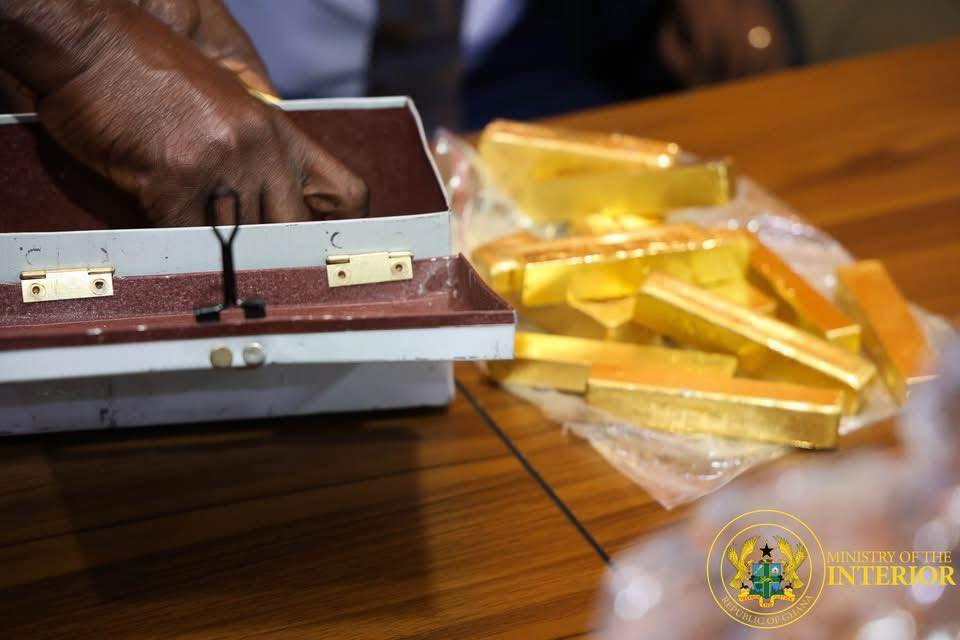
    Effective July 1, 2026, the government will buy 30% of the total gold output of all large-scale mining companies in the country. This was confirmed by the Minister of Finance, the Minister of Lands and Natural Resources, and the Ghana Gold Board (GoldBod).

    Before this agreement was reached, the old system that had been in operation since 2022 required the Bank of Ghana to directly purchase 20% of gold output from large-scale mining companies.

    The gold was supplied in refined bullion form, often exported before settlement, and pricing was based on international spot prices converted using the BoG reference rate.

    However, under the new model, the agreement shifts responsibility to the Ghana Gold Board (GoldBod), where mining companies will now be required to sell 30% of their gold output, a higher share than before, and supply it locally in doré (raw) form. The pricing is pegged to the LBMA benchmark at a 0.55% discount, still converted using the BoG reference rate, and all purchases will be conducted in Ghana cedis.

    Why a new system?

    The new model has been designed to materialise Ghana’s vision of securing London Bullion Market Association (LBMA) accreditation for at least one local gold refinery by 2030.

    The London Bullion Market Association (LBMA) accreditation is extremely important in the global gold industry because it sets the highest standards for gold refiners and ensures that their output is internationally recognised and tradable.

    All doré gold acquired by GoldBod will be refined locally to maximise value retention within the country.

    After this, the refined gold will subsequently be sent to an LBMA-certified refinery for melting and stamping before being brought back to the Bank of Ghana as part of the nation’s gold reserve holdings.

    The agreement aligns with the Ghana Accelerated National Reserve Accumulation Programme (GANRAP), which seeks to build foreign reserves equivalent to 15 months of import cover by the end of 2028.

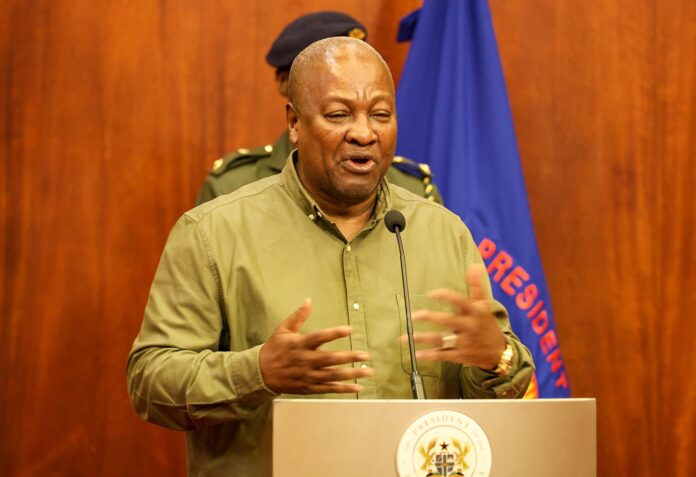
    It also supports President John Dramani Mahama’s vision of eliminating raw mineral exports by 2030 through increased local processing and value addition.

    Further details of the Memorandum of Understanding signed by the Ministry of Finance, the Ministry of Lands and Natural Resources, GoldBod, the Bank of Ghana, and the Ghana Chamber of Mines will be made public on Monday, June 29, 2026.

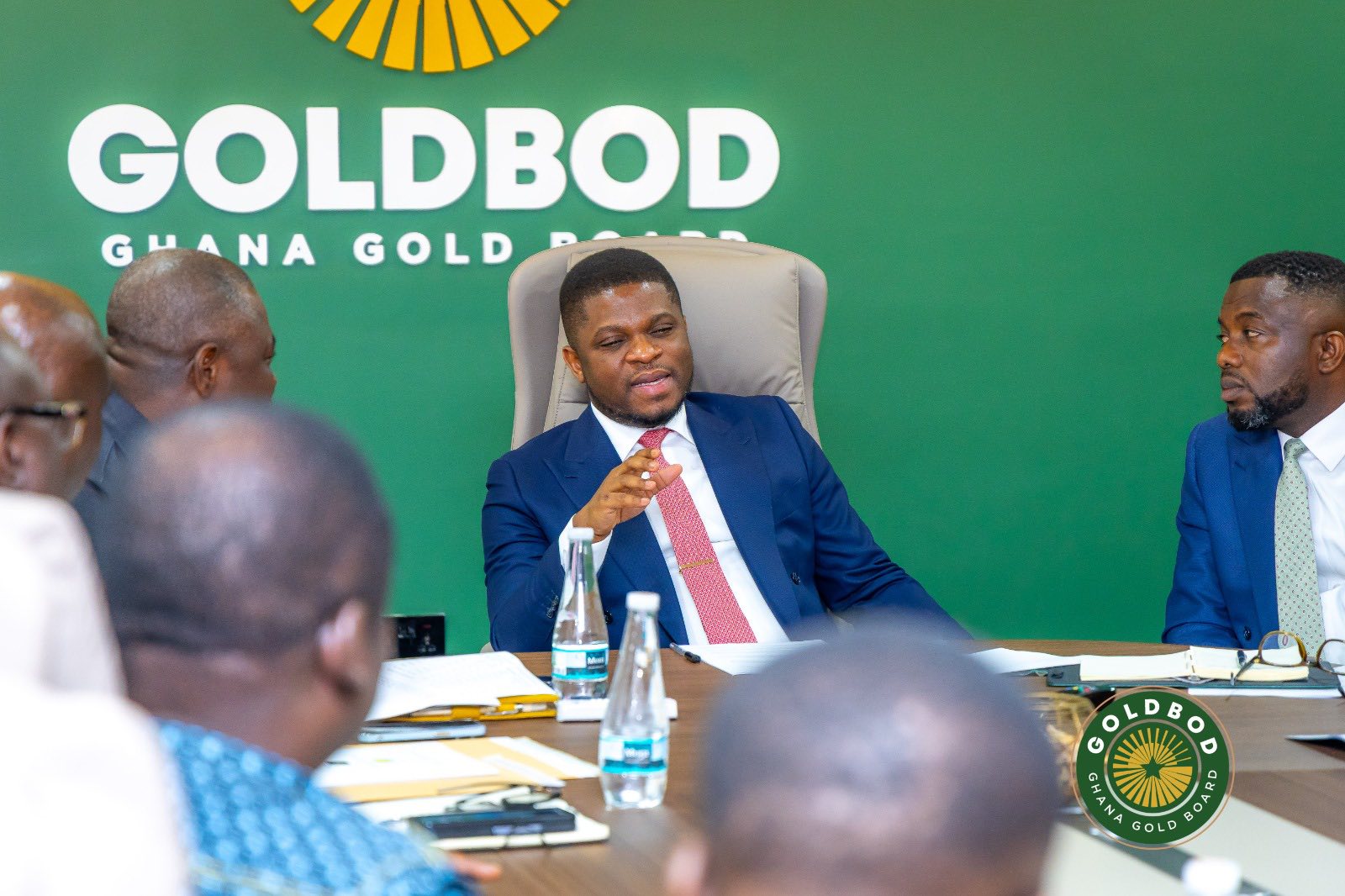
    Meanwhile, in a related development, GoldBod has announced a new pricing system, which is scheduled to take effect on July 1.

    Unlike the old system, where GoldBod published continuously updated live gold prices throughout the trading day (weekdays, excluding holidays and weekends), the new regime will operate at fixed times, specifically at 10:30 a.m. GMT and 3:00 p.m. GMT, in accordance with the internationally recognised LBMA Gold Price AM and LBMA Gold Price PM.

    These two benchmarks will be the only official reference points each day and will be converted into cedis using the Bank of Ghana Reference Rate.

    GoldBod announced this in a formal statement dated June 23, noting that the move follows stakeholder engagements.

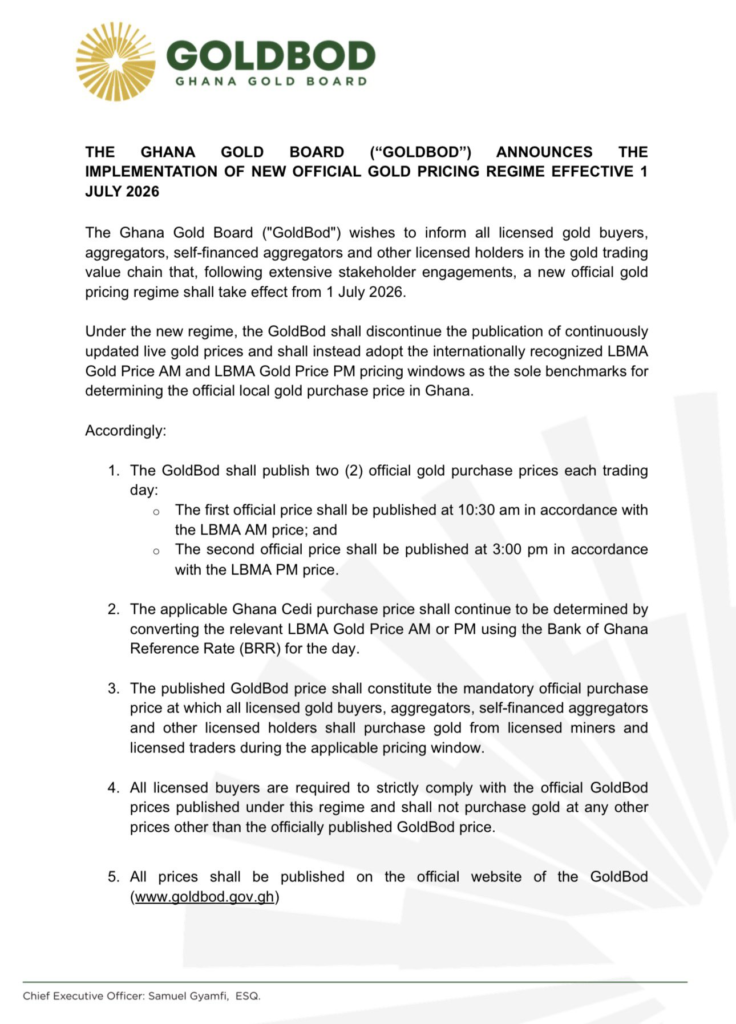
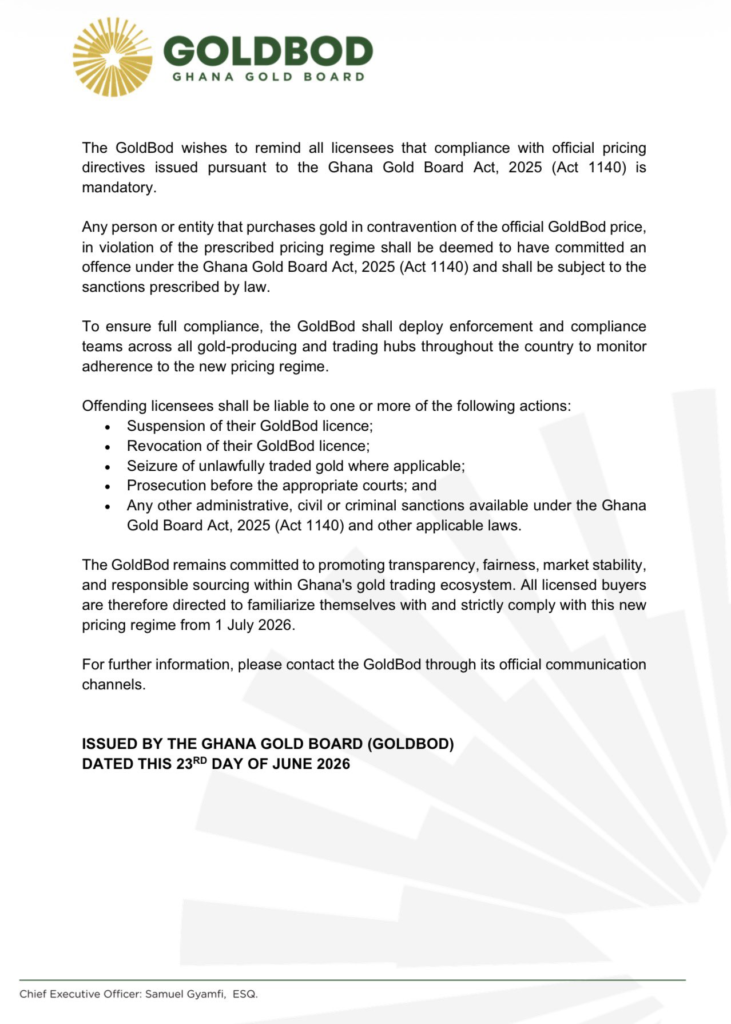
    “The Ghana Gold Board (GoldBod) wishes to inform all licensed gold buyers, aggregators, self-financed aggregators, and other licensed holders in the gold trading value chain that, following extensive stakeholder engagements, a new gold pricing system shall take effect from July 1, 2026.

    “Under the new regime, GoldBod shall discontinue the publication of continuously updated live gold prices and shall instead adopt the internationally recognised LBMA Gold Price AM and LBMA Gold Price PM pricing windows as the sole benchmarks for determining the official local gold purchase price in Ghana,” parts of the statement said.

    GoldBod also directed that all players in the gold trading chain must comply with the official gold prices published when making purchases.

    “The published GoldBod price shall constitute the mandatory official purchase price at which all licensed gold buyers, aggregators, self-financed aggregators, and other licensed holders shall purchase gold from licensed miners and licensed traders during the applicable pricing window.

    “All licensed buyers are required to strictly comply with the official GoldBod prices published under this regime and shall not purchase gold at any price other than the officially published GoldBod price.

    “All prices shall be published on the official website of GoldBod (www.goldbod.gov.gh),” it added, citing the Ghana Gold Board Act, 2025 (Act 1140), which establishes GoldBod as the statutory regulator of Ghana’s gold trading value chain, with powers over licensing, pricing, enforcement and anti-smuggling, as well as setting out the Board’s governance, functions, financial provisions, licensing requirements and penalties for violations.

    “The GoldBod wishes to remind all licensees that compliance with official pricing directives issued pursuant to the Ghana Gold Board Act, 2025 (Act 1140), is mandatory.”
  • Video: Every World Cup point is expensive; Ghanaians must celebrate – Queiroz

    Video: Every World Cup point is expensive; Ghanaians must celebrate – Queiroz

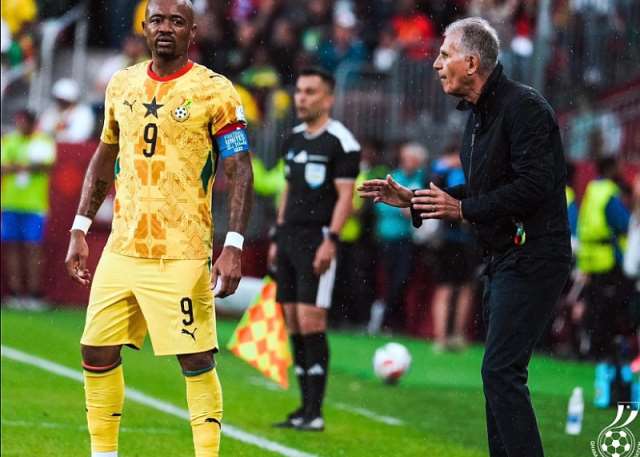
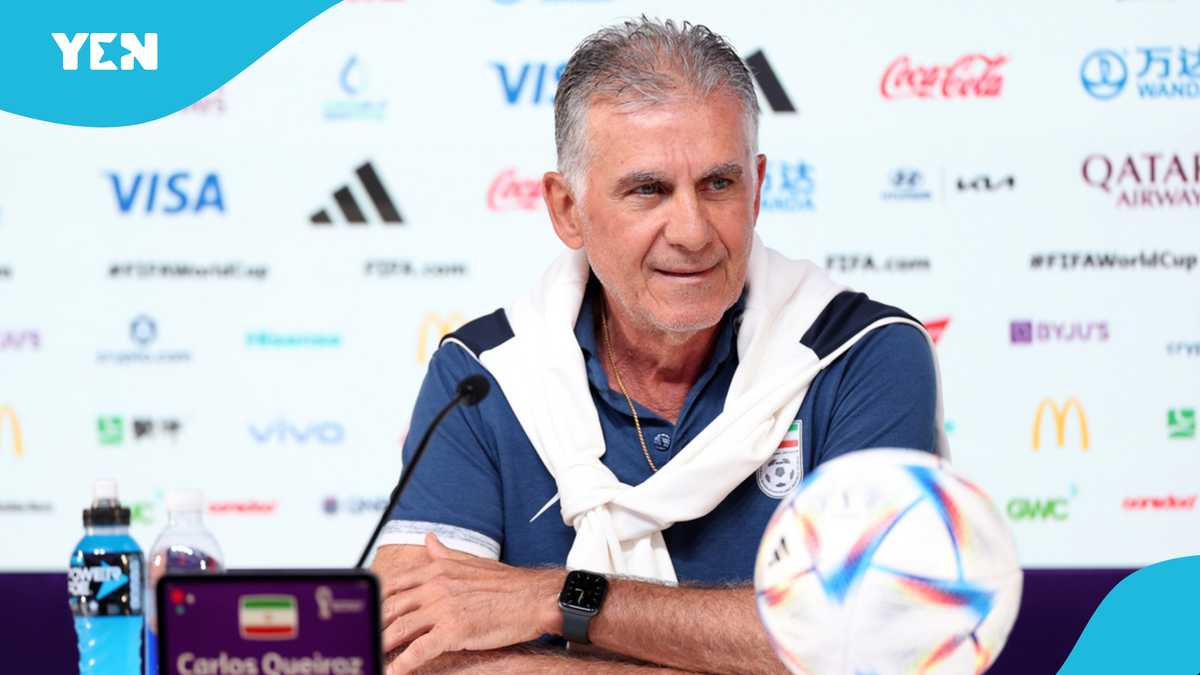
    Every point earned at the World Cup is expensive; hence, there is a need for Ghanaians to celebrate the point earned from the clash with England, Ghana coach Carlos Queiroz has said.

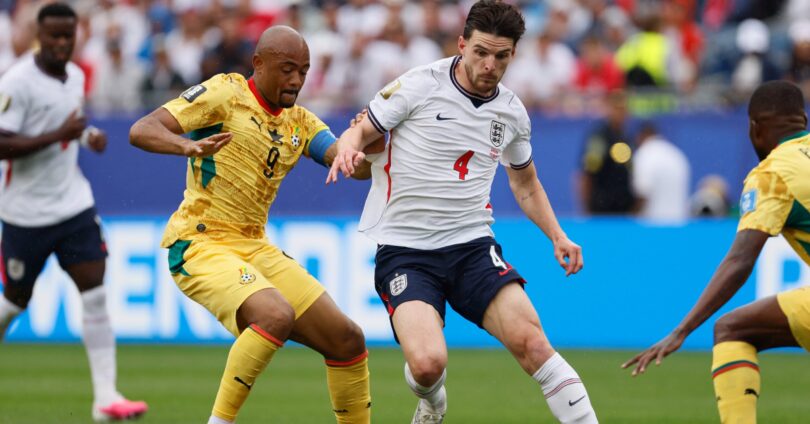
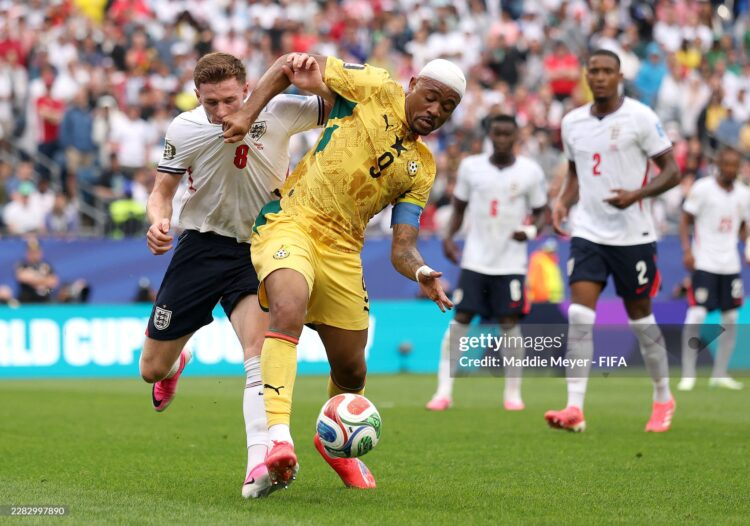
    The Black Stars on Tuesday secured a point after a goalless draw with England, following a well-organised defensive display that frustrated the Three Lions. Many analysts, pundits and even former Ghanaian players had predicted a win for England.

    Speaking at the post-match press conference, Queiroz said: “To collect points in this World Cup, you have to pay a high price; the points are very expensive.

    The wins and points are terribly expensive. When you get three points or one point, you have to celebrate because it takes a lot of running, a lot of sacrifice and a lot of commitment during the game.”

    The draw against England means Ghana are yet to concede a goal two games into their World Cup campaign, having beaten Panama 1-0 in their opening match.

    He added: “We had our chances to the point that they are lucky, very lucky. It was a clear penalty [on Prince Kwabena Adu by Ezri Konsa] and a red card. At the end of the day, that’s why I say it was a fair result.”

    Even the England coach commended Ghana’s stellar display, praising the team’s disciplined and well-coordinated defence.

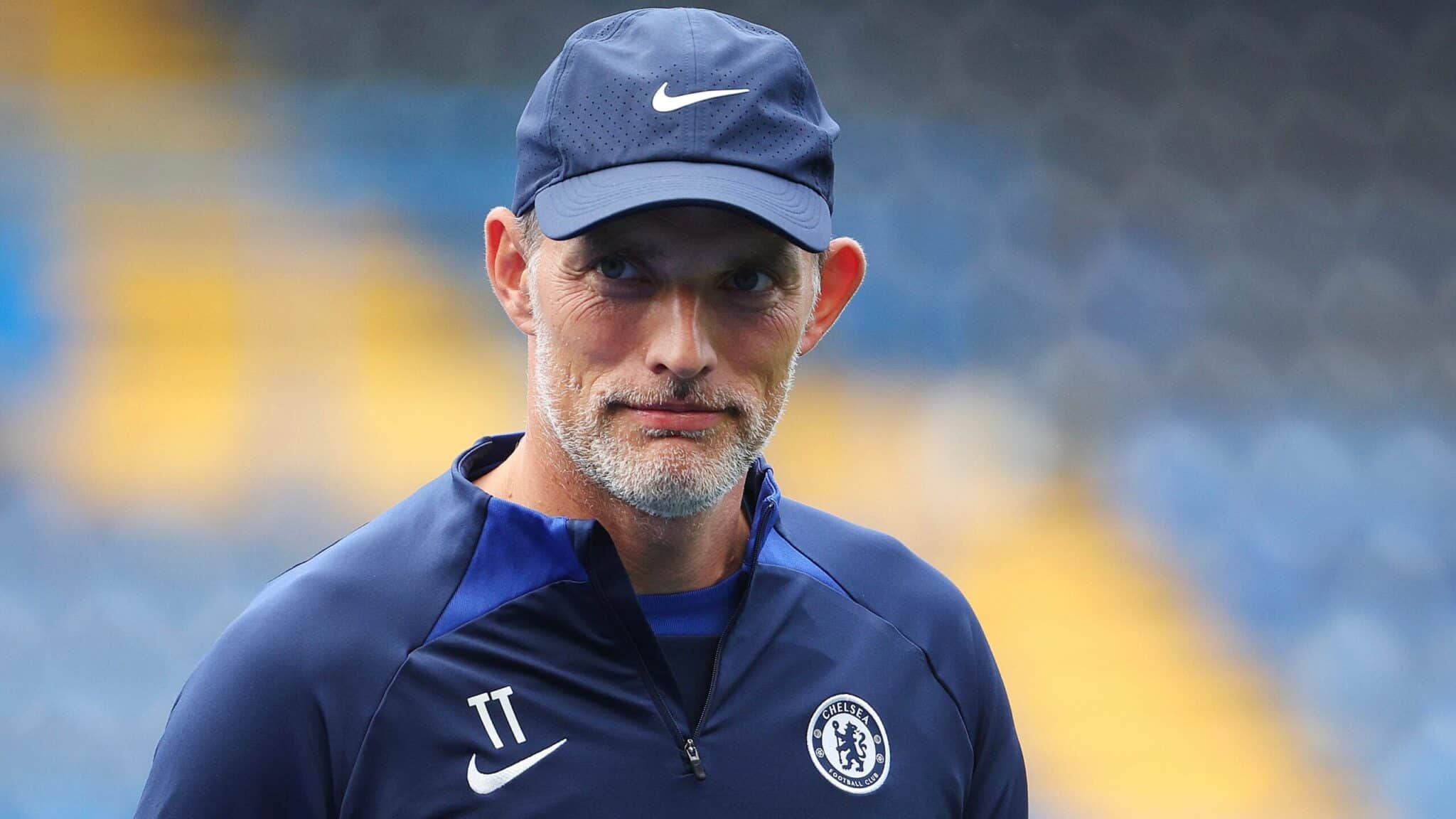
    England manager Thomas Tuchel applauded the Black Stars’ performance during Tuesday night’s Group L encounter.

    The Three Lions were held to a goalless draw despite controlling 78 per cent of possession, the highest possession ever recorded by a team that failed to score in a World Cup match in more than six decades. The statistic underscores Ghana’s disciplined defensive setup, which neutralised England’s dominance.

    Speaking at the post-match press conference, Tuchel admitted his side struggled to break down Ghana’s well-organised defensive block throughout the contest.

    Tuchel said: “Credit to them. I rarely saw a physical performance like that from a team. They defended with 10 players in a deep, deep block, so it made it difficult for us because they were very disciplined and very physical in every position. It took us a while to break this block down and find our rhythm.”

    However, he believes it is his side’s responsibility to find a way to score.

    “Everything was our responsibility — to find our footing. At the same time, you need to be careful not to concede counterattacks,” he added.

    England controlled 78 per cent of possession, the highest recorded by a side that failed to score in a World Cup match in more than 60 years, but were repeatedly denied by Ghana’s organised backline.

    The draw leaves both teams level on four points at the top of Group L heading into the final round of fixtures.

    England now turn their attention to a clash with Panama, while Ghana face a decisive encounter with Croatia, with qualification for the knockout stage finely balanced.

  • Govt allocates GH¢501.3m for Women’s Devt Bank between 2025 and 2026 – Finance Minister 

    Govt allocates GH¢501.3m for Women’s Devt Bank between 2025 and 2026 – Finance Minister 

    One of the government’s flagship programmes, the Women’s Development Bank (WDB), is near completion as the Finance Minister announces a 51 million allocation between 2025 and 2026.

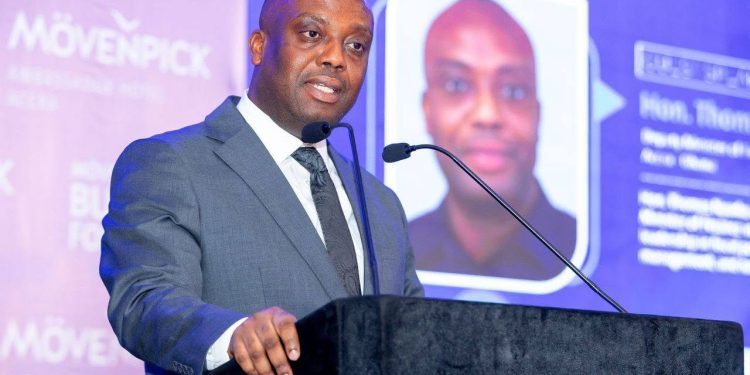
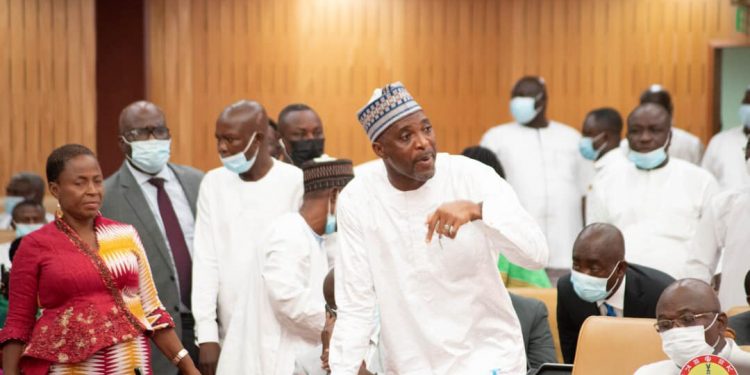
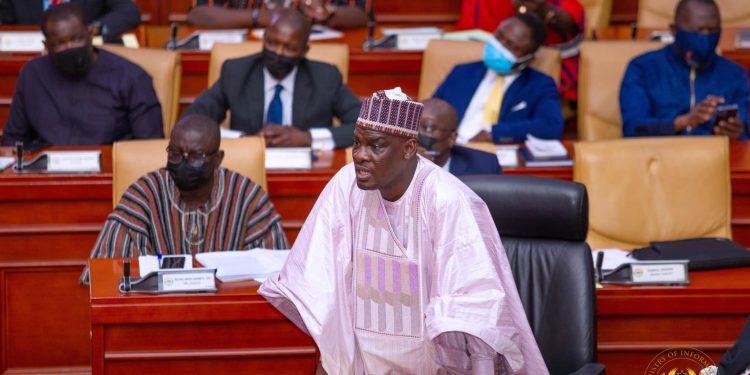
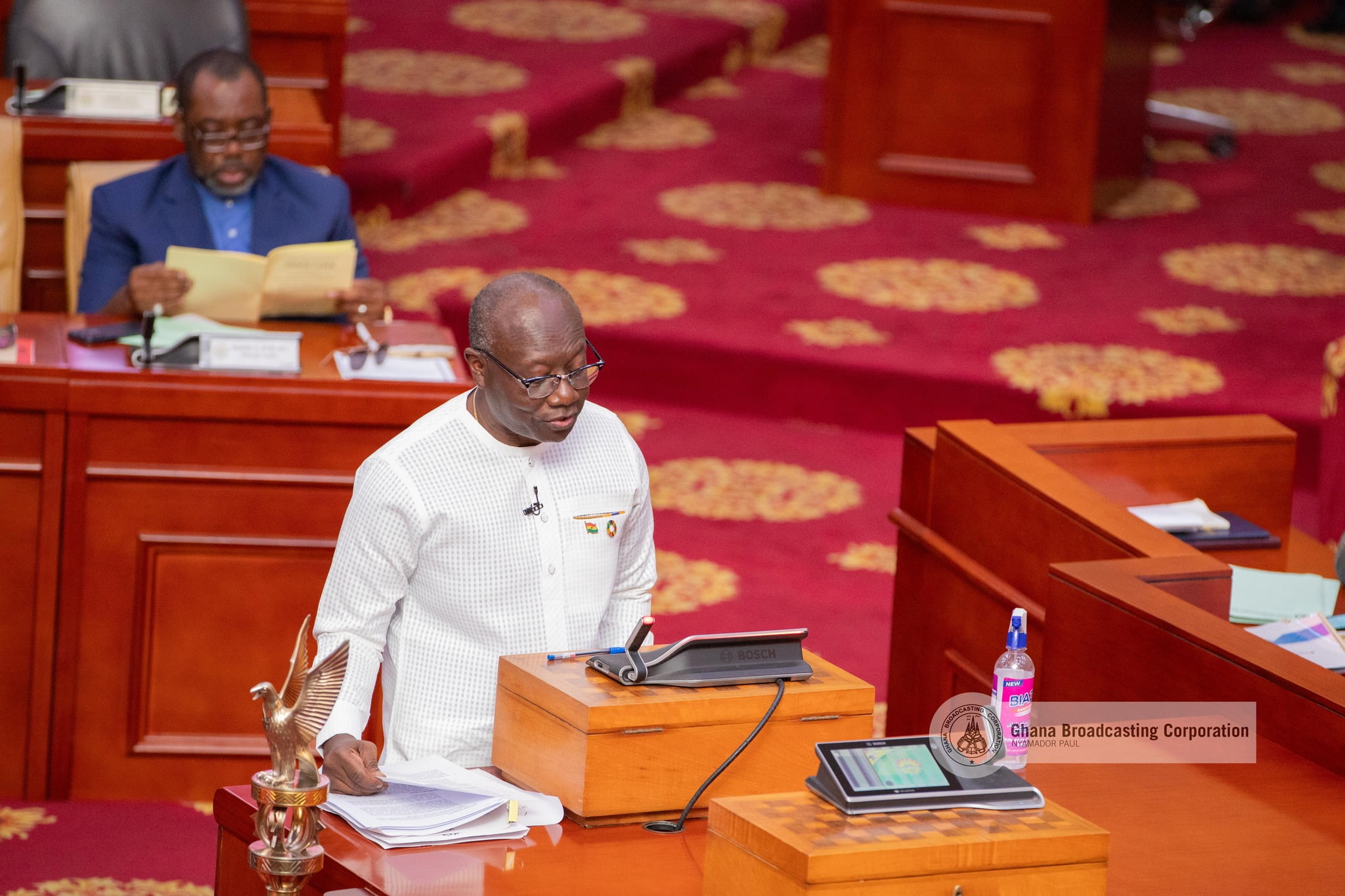
    “As the honourable member confirmed, 51.3 million Ghana cedis was allocated for this intervention in 2025. In addition, the government set aside 450 million in the 2026 budget for this initiative. Mr Speaker, I can confirm that a lot of preparatory work has been done”, the Deputy Minister of Finance, Thomas Nyarko Ampem, disclosed.

    He made this known on the floor of Parliament on Wednesday, June 24, during a question-and-answer session on the current status of the project.

    Mr Ampem also revealed that WDB was legally registered with the appropriate authorities in January this year, indicating that the launch and operationalisation of the entity is near.

     “On the 26th of January 2026, the company WDB Ghana Limited was incorporated. The government has subsequently applied to the Bank of Ghana for the license to operate the Women’s Development Bank,” he added.

    He then assured that his outfit will give a detailed breakdown on the development of th WDB in the midyear budget review.

    “I wish to assure the house, the honourable members and the house that the minister for finance will give a full update on this intervention as part of the midyear fiscal policy review scheduled for next month, July.

    License application 

    The government has reached an advanced stage in the establishment of the Women’s Development Bank (WDB), having already applied for a licence from the Bank of Ghana to secure the regulatory approval required to commence operations as a licensed financial institution.

    “The government has subsequently applied to the Bank of Ghana for a licence to operate the Women’s Development Bank, the Deputy Minister also noted.

    Earlier this year, the Minister of State in charge of Government Communication, Felix Kwakye Ofosu, while speaking at the Government Accountability Series on Wednesday, January 14 mentioned that work towards the establishment of the Women Development Bank is far advanced and is expected to be rolled out this year.

    “I can assure you that under the auspices of the Vice President, work on the Women Development Bank is far advanced, and in all likelihood, it will be rolled out this year,” he said.

    The bank aims to close the gender credit gap by offering low-interest loans, flexible collateral requirements, and specialised products for women-led businesses.

    “During our campaign, we identified that women’s access to capital was a major challenge, and its resolution will capitalise on additional economic growth and enhance the welfare of Ghanaian women,” he said.

    A Finance professor and Dean of the University of Cape Coast School of Business, John Gartchie Gatsi, in July 2024, endorsed the National Democratic Congress flagbearer’s promise to create a Women’s Development Bank (WDB), calling it timely and insightful.

    In a social media post, Professor Gatsi explained the differences between commercial banks and women’s development banks, emphasizing that the WDB aims to foster economic growth for women.

    He noted that if the Mahama administration establishes the WDB upon winning the elections, it would be transformative in promoting economic empowerment and increasing productivity among women.

  • Good job, I rarely saw a physical performance like that – Tuchel to Ghana after draw

    Good job, I rarely saw a physical performance like that – Tuchel to Ghana after draw

    England manager Thomas Tuchel has applauded the Black Stars’ stellar performance during his side’s Group L encounter on Tuesday night.

    The Three Lions were held to a goalless draw against the Black Stars despite controlling 78% of possession; the highest possession ever recorded by a team that failed to score in a World Cup match in over six decades. This marks a historic statistic that underscores Ghana’s disciplined defensive setup that neutralised England’s dominance.

    Speaking in the post-match conference, Thomas Tuchel admitted his side’s struggle to penetrate Ghana’s well built defensiv obstacle throughout the contest.

    Tuchel said, “Credit to them. I rarely saw a physical performance like that from a team. They defended with 10 players in a deep, deep block, so it made it difficult for us because they were very disciplined and very physical in every position, so it took us a while to break this block down, to find this rhythm”.

    However, he believes it’s his side’s responsibility to find their balance to score.

    “Everything was our responsibility was to find our footing. At the same time, you need to be careful not to concede counterattacks,” he added.

    England controlled 79 per cent of possession, the highest recorded by a side that failed to score in a World Cup match in more than 60 years, but were repeatedly denied by Ghana’s organised backline.

    The draw leaves both teams level on four points at the top of Group L heading into the final round of fixtures.

    England turn their attention to a clash with Panama, while Ghana face a decisive meeting with Croatia, with qualification for the knockout stages finely balanced.

    About the game

    In the first half, England controlled the tempo from the start, stringing together 343 passes compared to Ghana’s 99. Declan Rice came closest early on, curling a free‑kick over the bar in the 14th minute. Despite the pressure, Ghana’s compact defensive shape kept England from creating clear‑cut chances.

    The Black Stars sat deep, absorbing wave after wave of attacks, and went into the break level at 0–0.

    The Black Stars came with a different energy in the second half, securing their first shot in the 50th minute. Six minutes later, Anthony Gordon tested goalkeeper Benjamin Asare, who produced a sharp save to keep the scoreline intact.

    The Black Stars nearly stunned England in the 80th minute when Abdul Fatawu broke through the defense, but his effort was inadvertently blocked on the line by teammate Antoine Semenyo.

    England responded with late pressure, and in the 87th minute, Nico O’Reilly’s header rattled the crossbar. The rebound fell to Harry Kane, but the captain blasted over from close range, summing up England’s frustrating evening.

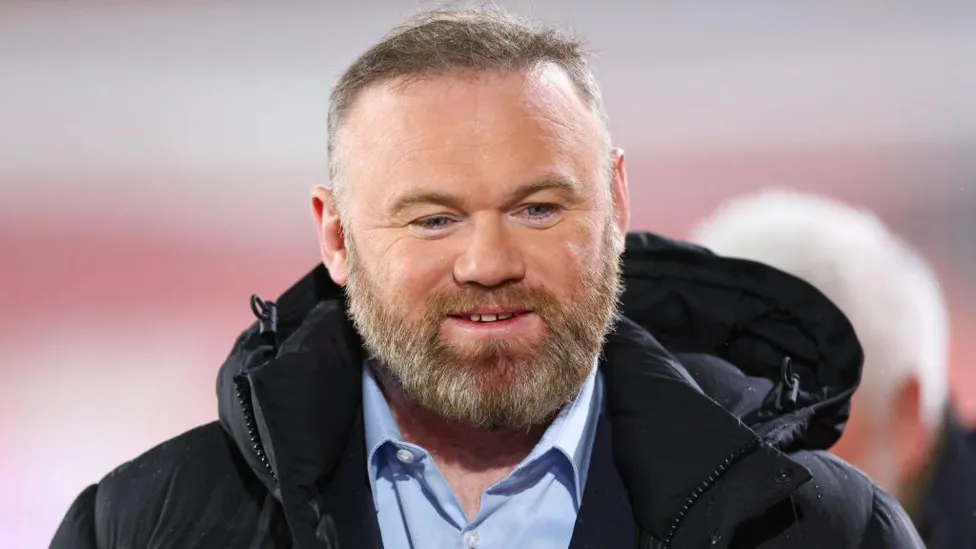
    Man Utd’s all-time leading goal scorer, Wayne Rooney, has also described the team’s performance against the Three Lionson Tuesday as excellent, citing the coach’s tactical prowess.

    Ahead of the Ghana-England clash, several predictions topped England to win against with few to no predictions on a stalemate, but the Black Stars secured a resilient 0-0 against its opponent in their Group L clash at the Boston Stadium on Tuesday evening.

    Speaking on the BBC, Rooney highlighted England’s difficulty in breaking down deep defensive blocks while also crediting Ghana’s structure and discipline.

    “You’re always hoping for that energy and that performance that we had against Croatia in the second half. These games are so difficult when the teams sit back,” the former Manchester United striker said.

    “You have to break them down, and you have to find the space. For me, the key was getting crosses into the box. That is where all the chances came from. That was a typical Carlos Queiroz performance. Ghana were excellent, and they were disciplined,” he added.

    Both Ghana and England won their opener with hopes of securing some points to proceed to the round of 32; however, the game ended with both sides sharing points, and England players admitting to having a tough time with the Black Stars’ compact defence.

  • Odartey Lamptey praises Black Stars after earlier predicting Ghana defeat

    Odartey Lamptey praises Black Stars after earlier predicting Ghana defeat

    Ghana’s Group L 2026 World Cup clash against England remains a talk of the town even after days. England had a hard time breaking Ghana’s “compact” defensive wall, obviously frustrating them and finally ending the game in a stalemate.

    Among the many who predicted a win for England while explicitly stating that it would be a shock to him when Ghana wins against the Three Lions was former Ghana international Odeartey Lamptey.

    However, following the game, he has applauded the Black Stars for their performance.

    Ghana’s backline, set up under head coach Carlos Queiroz, has emerged as one of the standout defensive units at the tournament, yet to concede a goal after two matches.

    Despite facing 30 shots across their opening fixtures, the Black Stars remain among only four teams still unbeaten defensively, underlining their resilience at the back.

    Speaking on Asempa FM’s Ultimate Sports Show, Lamptey highlighted the growing understanding between centre-backs Jonas Adjetey and Jerome Opoku, noting the rapid progress of the pairing on the global stage.

    “I was surprised when the two centre-backs were paired. This is their first tournament. They fumbled in their first game, but yesterday they were superb. Gideon has the experience. The back four was solid,” he said.

    He also showered praise on Ghana’s current ‘star’ keeper, Benjamin Asare. England fired 19 shots; however, none found the back of the net due to his stunning keeping skills. With six saves so far, he has earned an accolade as the only goalkeeper without conceding at the 2026 World Cup so far. 

    According to him, the Hearts of Oak keeper’s display isn’t coming as a surprise to him, because he has worked hard for it.

    “I’m not surprised Benjamin Asare is doing well in the national team; he has worked hard for this,” he added.

    The draw against England leaves Ghana in a strong position in Group L and on the brink of qualification for the Round of 32 ahead of their final group fixture.

    The Black Stars will face Croatia on Saturday, June 27, with kick-off scheduled for 21:00 GMT.

    Lamptey’s comments before the Ghana-England match 

    Without mincing words, former Ghana international, Nii Odartey Lamptey, says it will be a shock to him if the Black Stars secure a win over England in their crucial Group L clash at the ongoing 2026 FIFA World Cup at Gillette Stadium in Boston.

    Both the Black Stars and Three Lions secured a win in their first games with hopes of progressing to the next stage.

    Speaking ahead of the match, Mr Lamptey believes that while Ghana has shown resilience, the Three Lions have more depth and experience at the highest level.

    “I will be surprised should Black Stars win against England. They are better than us in terms of everything,” he told Asempa FM’s Ultimate Sports Show.

    He, however, said he would gladly celebrate if Ghana pulled off a surprise victory.

    “I’m a Ghanaian, and if we win, I will celebrate, but on the face of it, I’ll not be surprised if we lose to England,” he added.

  • School feeding grant increased from GHS 1.50 to GHS 2 per child – Gender Minister

    School feeding grant increased from GHS 1.50 to GHS 2 per child – Gender Minister

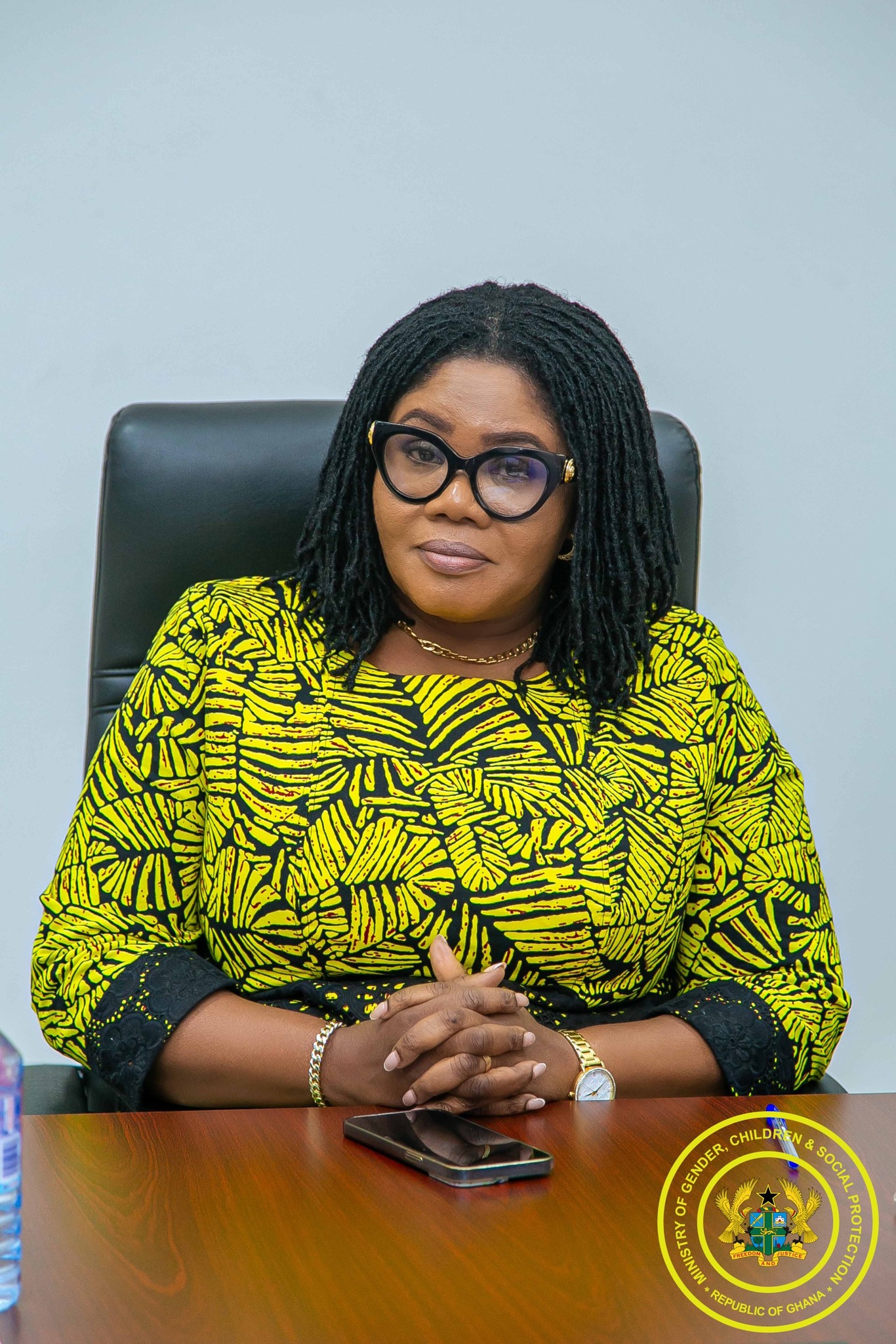
    Govt has once again increased the school feeding grant from GH¢1.50 to GH¢2 per pupil, the Minister for Gender, Children and Social Protection, Dr Agnes Naa Momo Lartey, has announced.

    She disclosed this while answering questions about her Ministry on the floor of Parliament on Wednesday, June 24, while highlighting the number of children the programme caters to across the country. Dr Agnees also revealed that this grant was tax-free, i.e. caterers will suffer no deductions on the money, hence they’d be able to access the full amount and deliver the best meals to students.

    “I had earlier stated that the amount used to be GH¢1.50 and that has been increased to GH¢2. The tax component has also been taken off so that the caterers can have the full amount to be able to serve our children.”

    According to the Minister, the move forms part of the government’s efforts to implement one of Ghana’s flagship social intervention policies aimed at boosting school enrolment, retention, and academic performance.

    According to her, the adjustment is also intended to address concerns raised by caterers and stakeholders about rising food prices and the cost of preparing balanced meals for pupils.

    “Mr Speaker, the government recognises the importance of the intervention in improving enrolment and retention while supporting food production,” she explained.

    The Ghana School Feeding Programme, which is implemented in collaboration with the Ministry of Gender, Children and Social Protection, is designed to provide one hot, nutritious meal per day to pupils in public basic schools, particularly in deprived communities.

    The initiative is aimed at improving school attendance, reducing hunger among schoolchildren, and supporting local agricultural production through the purchase of food items from local farmers.

    Meanwhile, caterers under the Ghana School Feeding Programme (GSFP) across all 16 regions received the government’s feeding grant for the 2025/2026 academic year. This information was contained in a press statement issued by the GSFP and signed by Mr Siiba Alfa, Director of Public Relations.

    The statement indicated that the fund was disbursed according to the number of days caterers cooked for the beneficiary pupils during the term.

    Beneficiaries of GSFP include public basic school pupils, with a focus on those in kindergarten and primary schools across all 261 districts in Ghana, to support children from low-income, food-insecure, and underserved communities across all 261 districts in Ghana.

    In 2025, the Ghana School Feeding Programme (GSFP) announced the immediate cancellation of contracts for all caterers working under the programme nationwide.

    In an official statement issued on May 2, the GSFP directed that no existing caterer should prepare or serve meals for the third term of the 2024/2025 academic year.

    “Please be informed that contracts of all caterers of the Ghana School Feeding Programme (GSFP) nationwide have been terminated with immediate effect. Accordingly, no existing caterer on the programme should cook for the third term of the 2024/2025 academic year,” the statement cautioned.

    The Secretariat assured affected caterers that outstanding payments for services rendered during the second term would be settled.

    “All outstanding arrears for the second term of the 2024/2025 academic year will be paid in due course,” it said.

    The caterers, obviously distraught by the news, appealed, calling on President John Dramani Mahama to intervene and overturn the directive that abruptly ends their contracts, describing the decision as a breach of trust and a blow to their livelihoods.

    Speaking during an interview on Channel One Newsroom on Friday, May 2, the Association’s President, Nana Otu Sakyi-Amo, voiced strong disapproval of the directive, noting that it has left many caterers facing severe financial strain with only a few days to the reopening of schools.

    “We are still pleading with the president, we are all crying to the president to cancel this immediate termination of our contract,” she appealed. “We know that we have a contract up to August, and this is sudden news to us.”

    She revealed that most caterers had already stocked up on food items in anticipation of the upcoming school term, set to begin on Tuesday, and were shocked by the sudden notice.

    “We have bought our foodstuff, and school is reopening next week on Tuesday. We have prepared ourselves… We just heard they have cancelled our contracts just like that,” she said with concern.

    However, Minister for Gender, Children and Social Protection, Dr. Agnes Naa Momo Lartey, in a few days after the caterers’ appeal, announced that caterers who pre-financed food items in anticipation of the new school term will not be compensated for their losses.

    Speaking in an interview on Channel One TV on Thursday, May 8, Dr. Lartey sympathised with the caterers but maintained that the government would not reimburse them for food bought without official instruction to begin cooking.

    “I sympathise with the situation. There’s no room for compensation, but for the period that they have cooked, they will be paid,” she said.

    She clarified that the decision was reached jointly and was not a unilateral government move but one guided by World Bank requirements.

    “We are not doing this alone; we are doing it with the World Bank. There are some criteria and conditions to meet, and we didn’t want to be harsh on the caterers. In all honesty, most of them know they don’t have valid contracts,” she said.

    She pointed out that after the last general elections, a directive from the then-program coordinator allowed caterers to keep cooking temporarily. This directive, issued during a transitional phase, caused some confusion.

    “We are supposed to move to a digital recruitment system with the support of the World Bank, but because of the academic calendar, we could not implement it as swiftly as we would have liked. That’s why we are asking for time to transition smoothly; it doesn’t mean we should maintain the current system without reform.”

  • An Open Letter to Djed Spence

    An Open Letter to Djed Spence

    Dear Djed,

    I watched the World Cup match between Ghana and England with great interest, not only because of the football on display but also because of a moment before the game that attracted considerable attention.Ghana travel guide

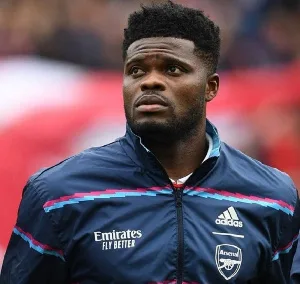
    Reports and video footage appeared to show you declining to shake the hand of Ghanaian player Thomas Partey during the pre-match introductions. Whether this was a deliberate gesture or not, many interpreted it as a statement regarding the legal charges that Thomas currently faces in England.

    As someone who believes deeply in justice, I would like to respectfully offer a different perspective.

    The foundation of every credible justice system is the principle that an individual is presumed innocent until proven guilty. Thomas Partey has been charged, but he has also publicly denied the allegations against him and is entitled to defend himself before the courts.

    That process is still unfolding, and it is the responsibility of judges and juries—not footballers, fans, commentators, or social media—to determine guilt or innocence.

    You are a talented young footballer with a promising career ahead of you. With that promise comes influence. Millions of young people watch elite athletes not only for their performances on the pitch but also for the values they demonstrate. In moments such as these, restraint can be just as powerful as conviction.

    Life has a way of teaching all of us humility. As we grow older, we learn that situations are often more complicated than they first appear. We learn that justice requires patience, that truth sometimes takes time to emerge, and that people deserve fairness even when public opinion is running in the opposite direction.

    If your gesture was intended to make a moral statement, it may not have achieved the effect you hoped for. For many observers, it generated sympathy for Thomas Partey rather than support for your position. Some saw it not as an act of principle but as a premature judgment of a man whose case has not yet been decided by the courts.

    This is not to suggest that concerns about allegations of sexual violence should be dismissed. They should never be dismissed. Such matters are serious and deserve careful attention. Equally, however, the rights of the accused must be respected if justice is to have any meaning.

    Football has always had the power to bring people together across cultures, races, religions, and political beliefs. The pre-match handshake symbolizes that spirit. It does not require agreement. It does not require friendship. It simply acknowledges our common humanity and our mutual respect as competitors.Politics commentary

    As your career progresses, you will undoubtedly face many situations where public pressure demands an immediate judgment. My hope is that you will remember that wisdom often lies not in rushing to conclusions but in allowing facts, evidence, and due process to take their course.

    Let the courts do their work. Let justice move at its own pace. And let football remain a stage where competition is fierce but respect endures.

    I wish you well in your career and in the many lessons that life will continue to teach us all.

    Yours sincerely,

    Samuel Attah-Mensah

    A Ghanaian and an Arsenal Supporter Who Believes in Justice and Fairness

    DISCLAIMER: Independentghana.com will not be liable for any inaccuracies contained in this article. The views expressed in the article are solely those of the author’s, and do not reflect those of The Independent Ghana

  • FIFA makes no revenue, hydration breaks purely a sporting matter– Infantino

    FIFA makes no revenue, hydration breaks purely a sporting matter– Infantino

    FIFA has reacted to controversies building up around the newly introduced strict hydration breaks at this year’s World Cup.

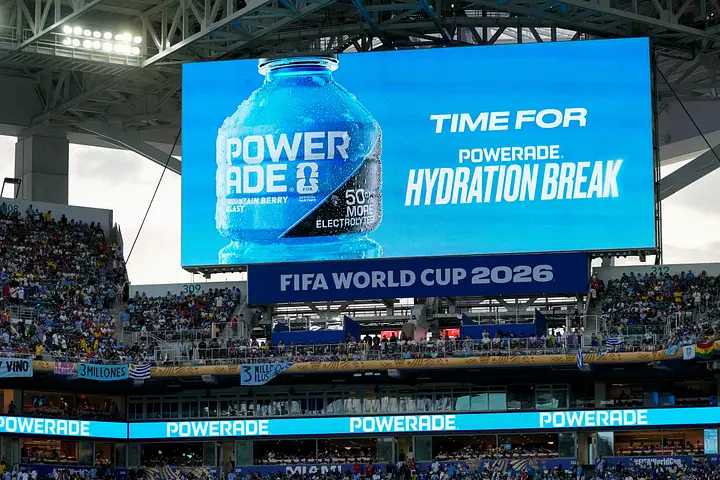
    The hydration break is not new in the tournament; however, before it was observed in a game with extreme conditions. With the newly introduced one, a three-minute mandatory hydration break is to be observed every half of the 90-minute game.

    This has sparked widespread reaction from pundits, coaches and the general public, with narratives that it’s a revenue stunt by FIFA, where they take the break to make ads.

    According to experts’ information to BBC Sport, an average 30-second World Cup advertising slot on Fox Sports costs between $200,000 (£152,000) and $300,000 (£227,000), rising to $750,000 (£567,000) during USA matches and the final stages.

    That means advertising during hydration breaks is likely to generate more than $250m (£189m) in the USA alone.

    Reacting to these claims, FIFA President Gianni Infantino has denied clarifying that the breaks are “purely a sporting matter” and bring “no additional revenue for FIFA”, he said.

    Detailing further, he indicated that the breaks have been introduced to give players good hydration to help them cope with extreme heat during the tournament in North America.

    Infantino explained that one of the main reasons for having breaks in every match is to create “equal conditions” for all competing nations.

    He said: “There is no additional revenue for FIFA, as all commercial agreements were signed well in advance.This is not a financial issue for us. For us, it is purely a sporting matter.

    “The main reason [for the breaks] is the heat, but we also have to understand that in a competition like the World Cup, played over 39 days, with teams potentially playing eight matches in those 39 days, having a moment to rest is extremely important.

    “What matters even more to us is ensuring that all teams, in every match, are playing under the same conditions”, he continued.

    He went on to question some assertions that the three-minute break has the potency to influence the tempo of the game or the dynamics of it.

    “And it’s very difficult to accept that a coach might have the opportunity to influence a match by making adjustments simply because it is hotter, while in another match, where the temperature is slightly lower, the same coach does not have the same opportunity.

    “We want to ensure equal conditions for everyone, and that’s why these breaks are implemented in every match.”

    Meanwhile, ahead of the game, England coach Thomas Tuchel had stated that the hydration breaks “change the characteristic of the match more than I thought”.

    Despite acknowledging the breaks are important to the team and himself as a coach, Tuchel said,

    “I like it as a coach, of course, to have influence and have my team together, but overall I think I like football more when it’s played in one go, in one half, because it builds momentum. It’s hard to build momentum, and it’s hard to keep the momentum… it just adds to the characteristic of the beautiful game, and it (hydration break) takes away from it.”

    Other coaches, including Mauricio Pochettino (USMNT Coach), Spanish coach, Luis de la Fuente and Enzo Maresca.

    Mauricio Pochettino said, “I don’t like it; I only like it when the conditions are extreme. But when the conditions are good, it is unnecessary.” Spain’s coach, Luis de la Fuente, took a more balanced view, acknowledging the importance of protecting players in difficult conditions.

    He explained: “Hydration breaks are useful when the heat is extreme, because they protect the health of the players. But in cooler stadiums, they may not always be necessary.”

    Enzo Maresca also expressed his opinion during the 2025 Club World Cup while he was still coach for Chelsea, citing that the hydration breaks.

    “When the conditions are that severe, you have no choice but to stop. Hydration breaks are introduced for this reason to safeguard players when the temperature becomes unsafe.”

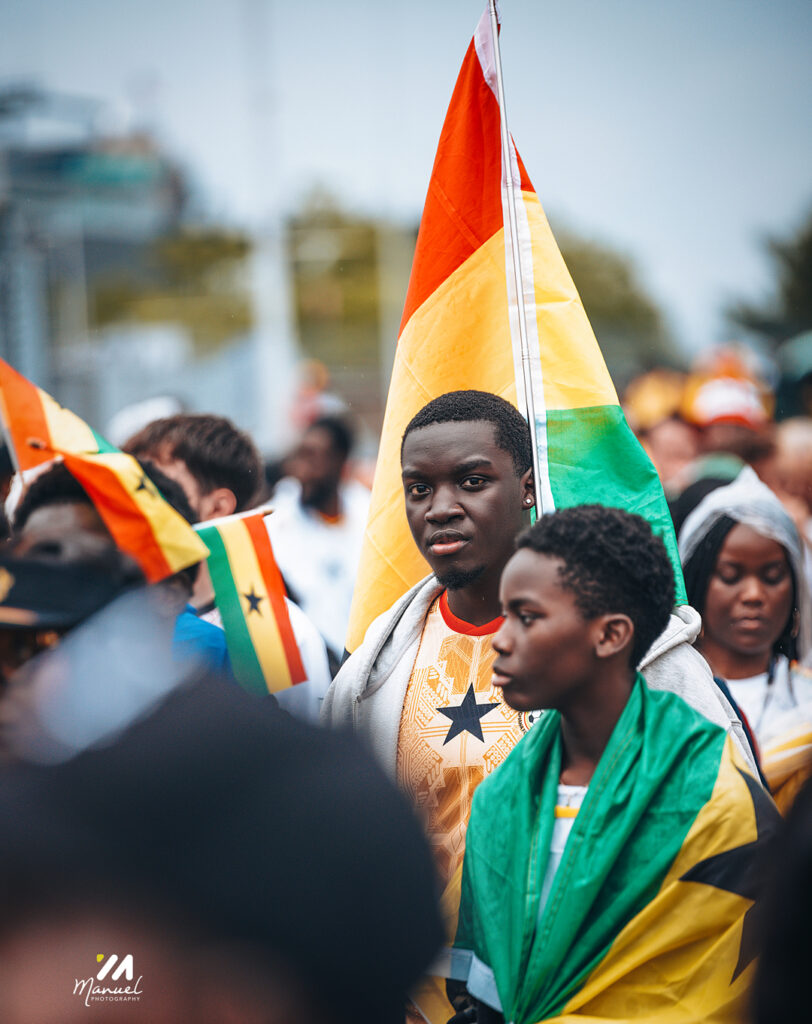
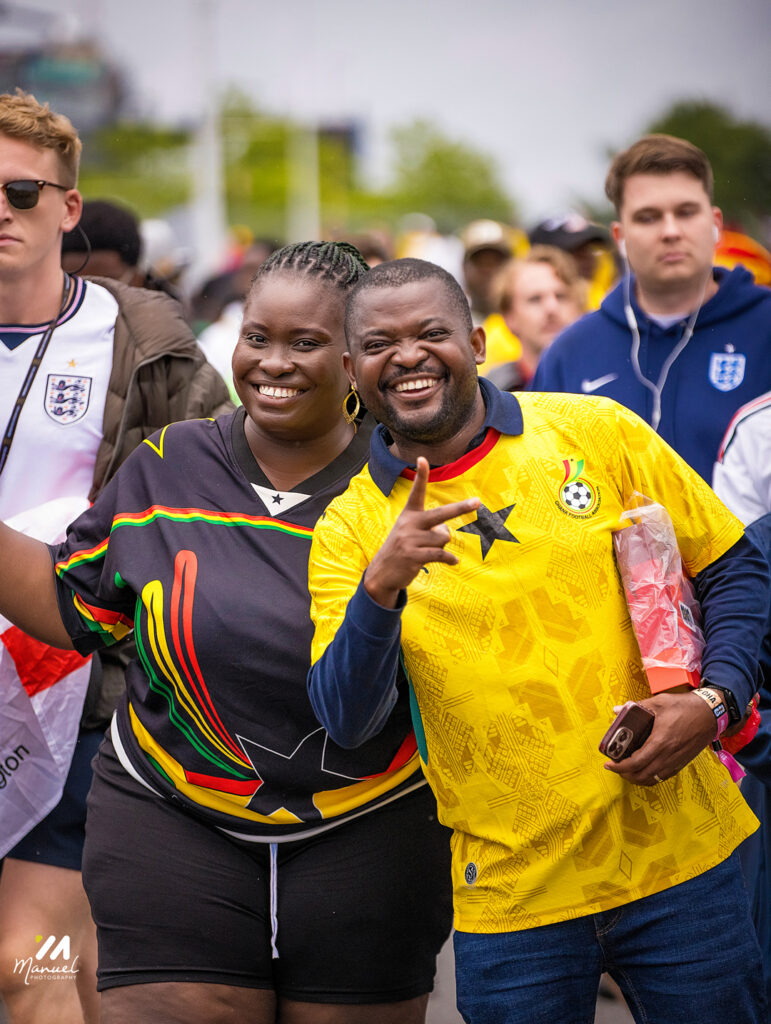
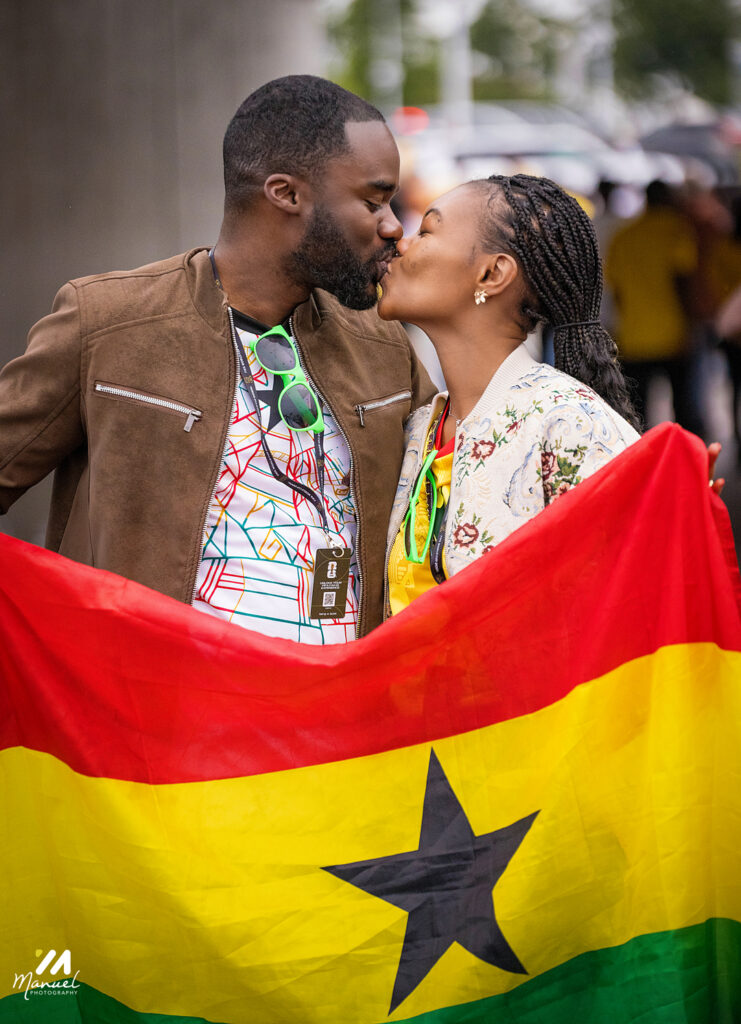
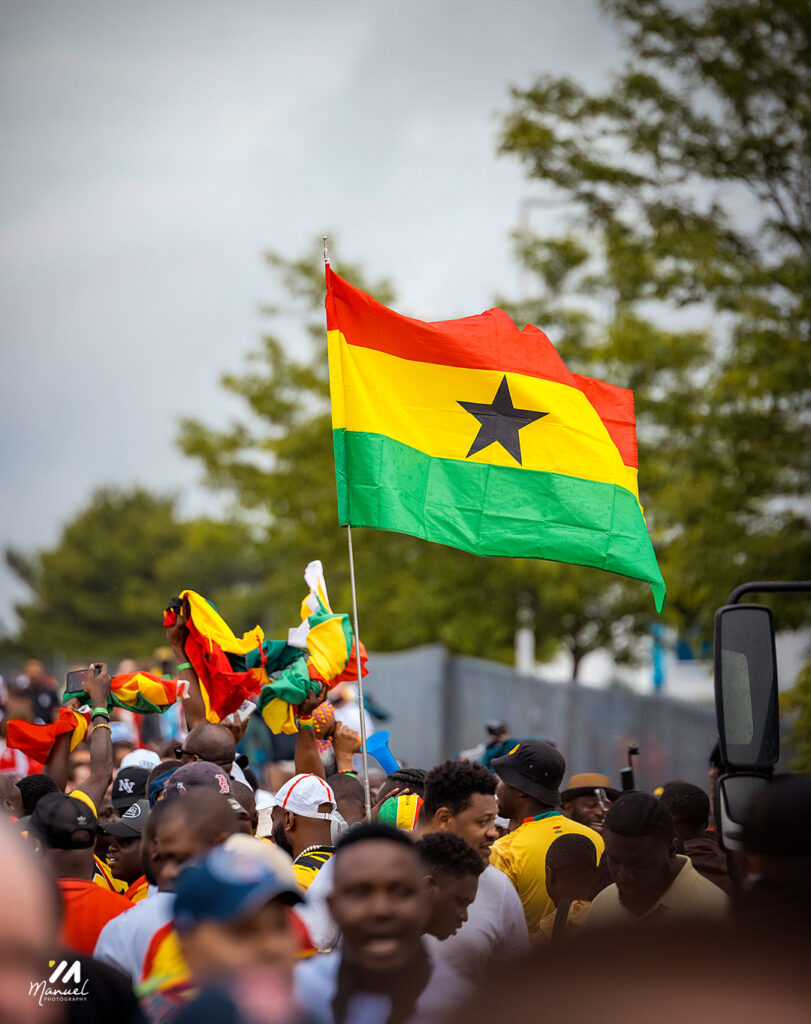
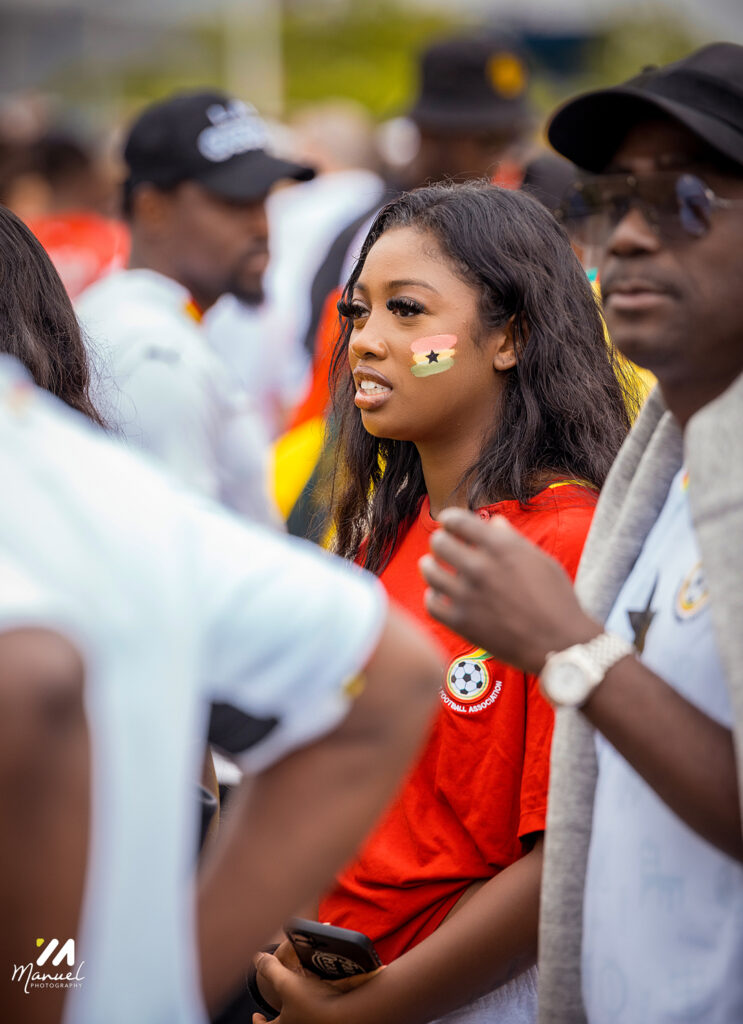
  • Photos: Colourful scenes as Ghanaians take over Boston in massive turnout

    Photos: Colourful scenes as Ghanaians take over Boston in massive turnout

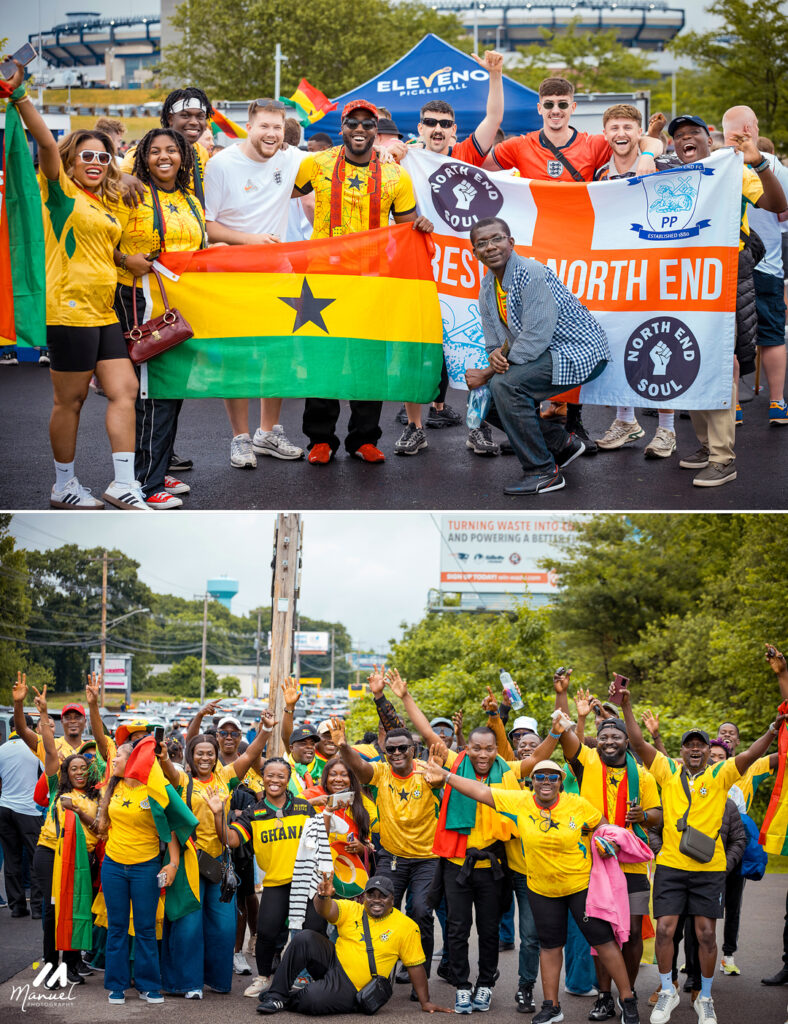
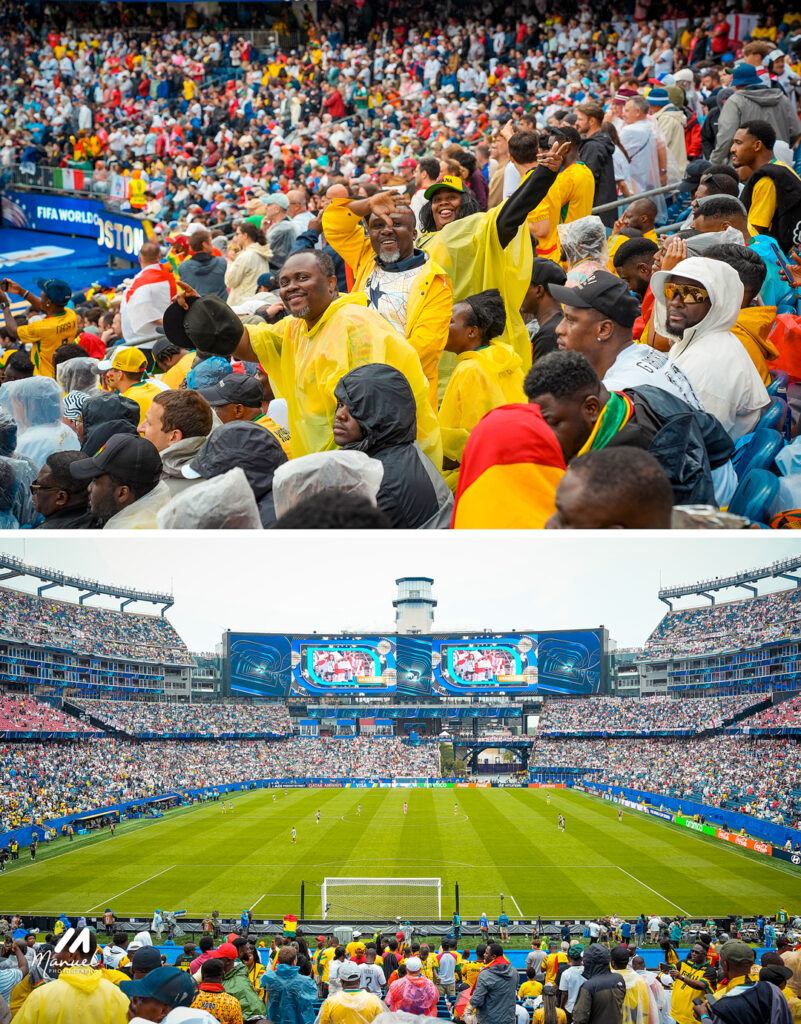
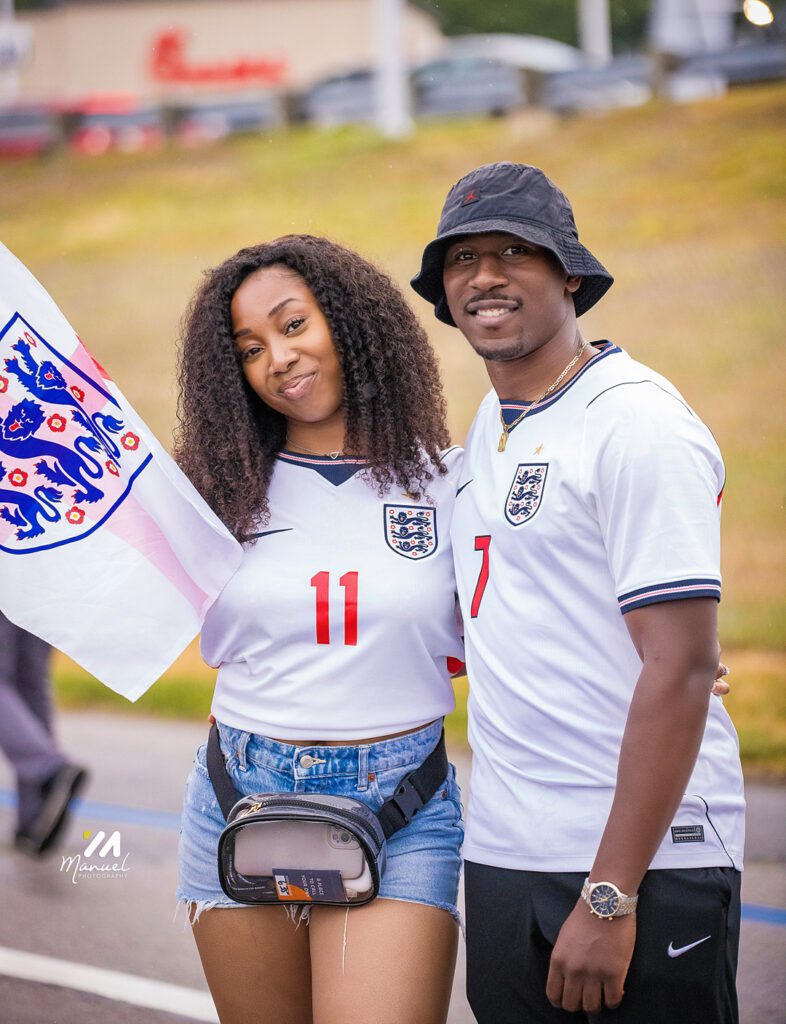
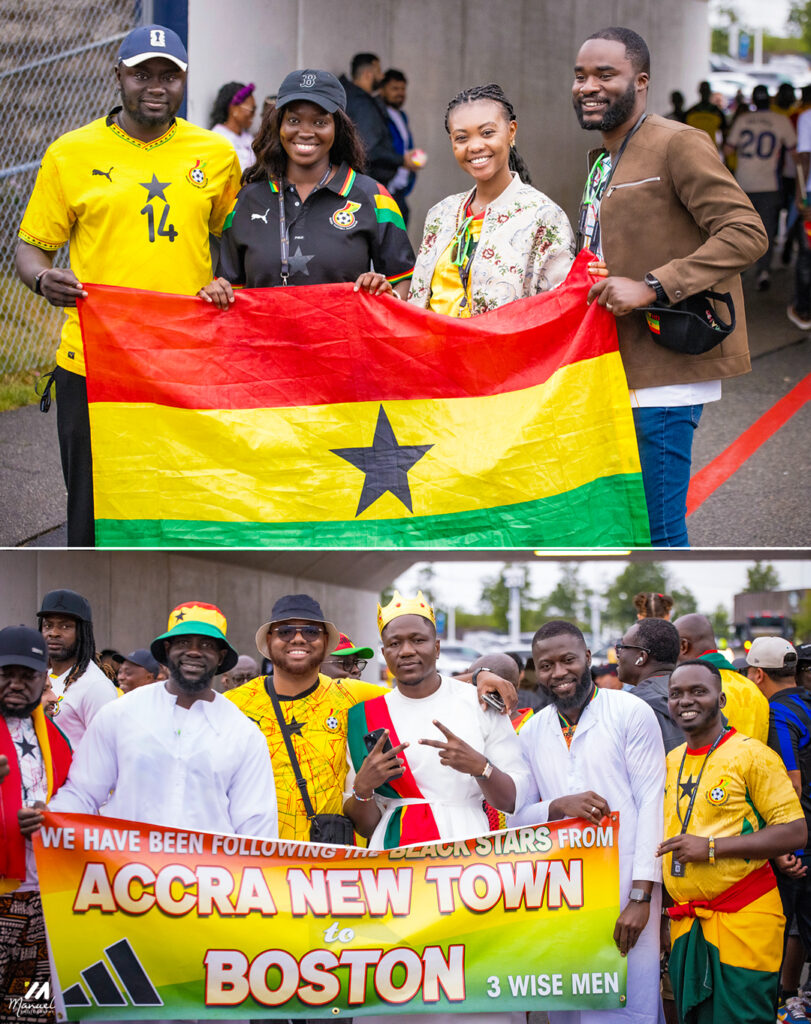
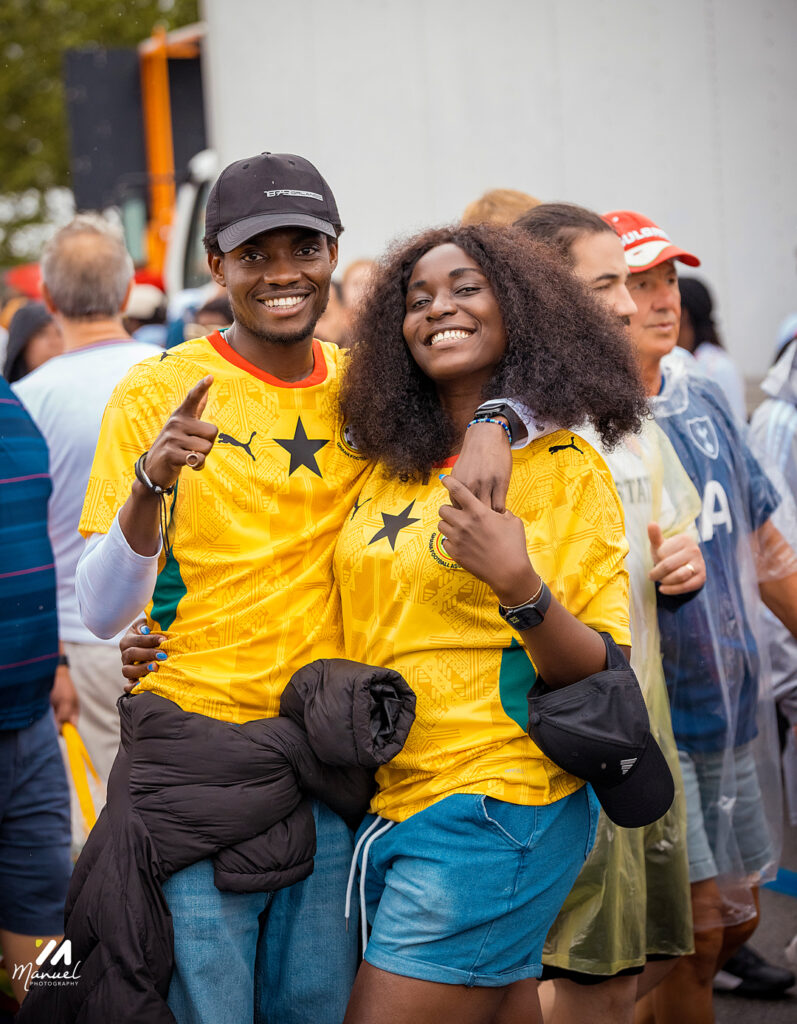
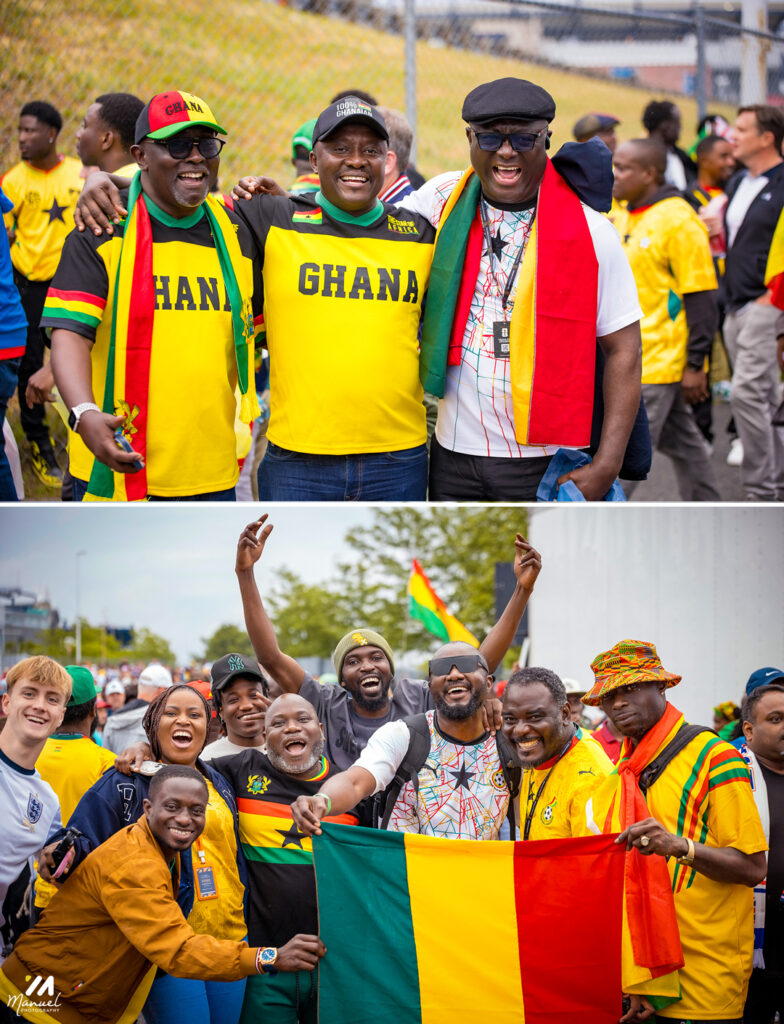
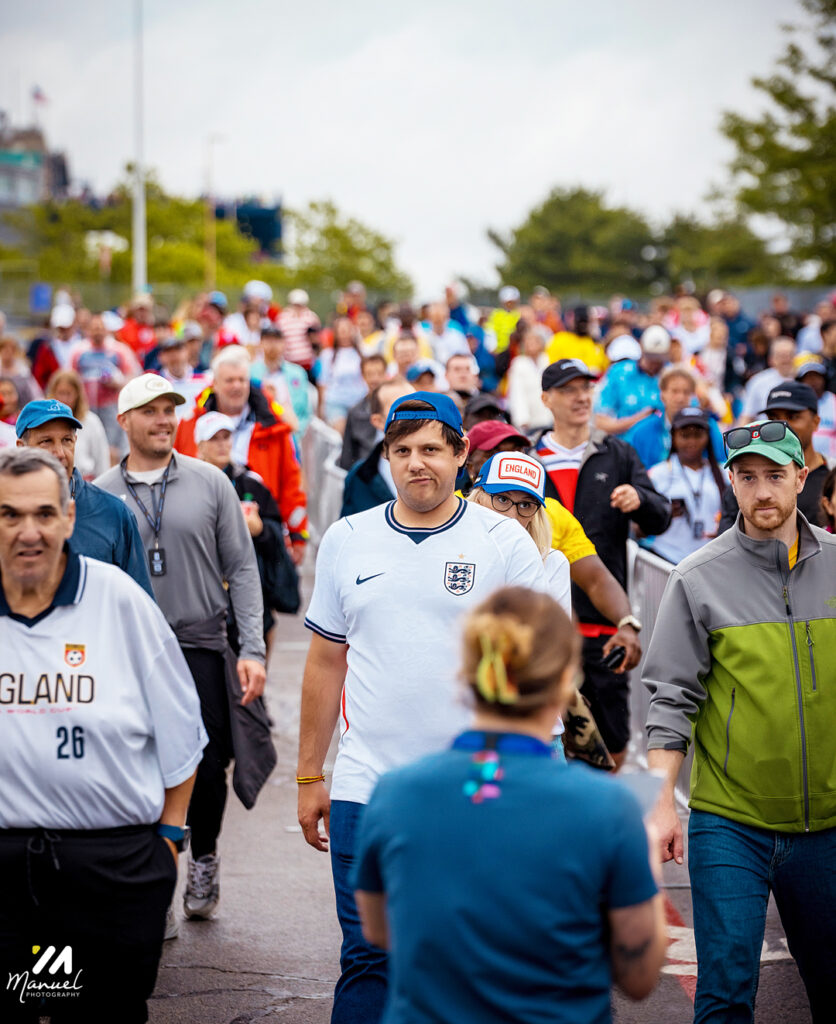
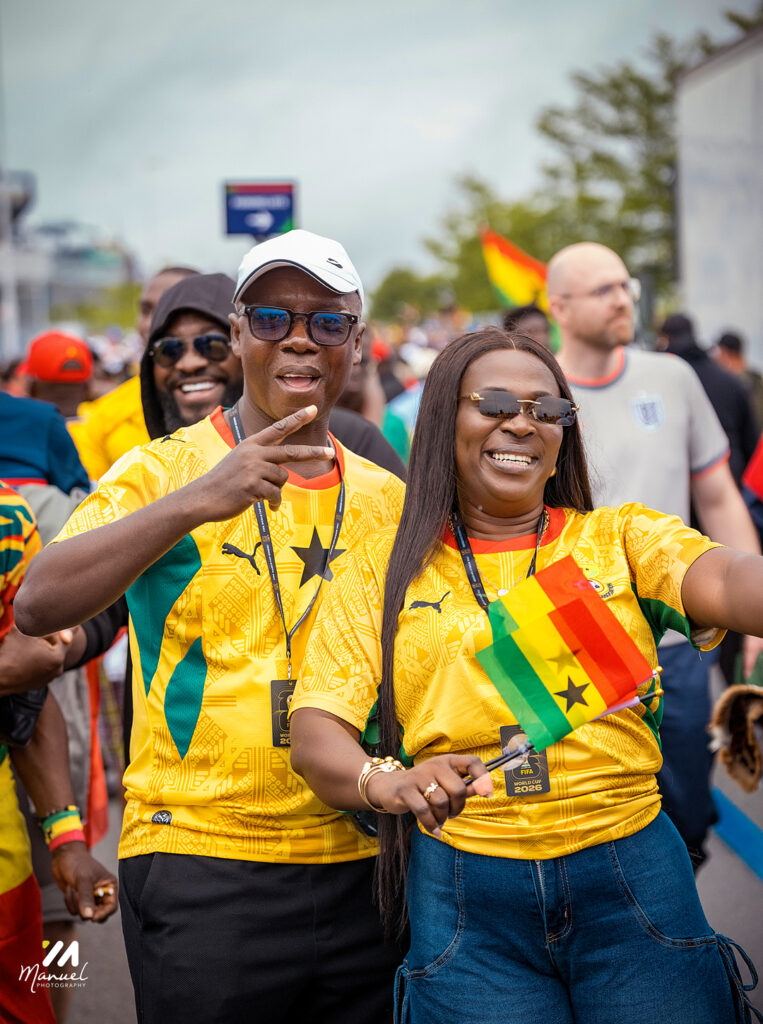
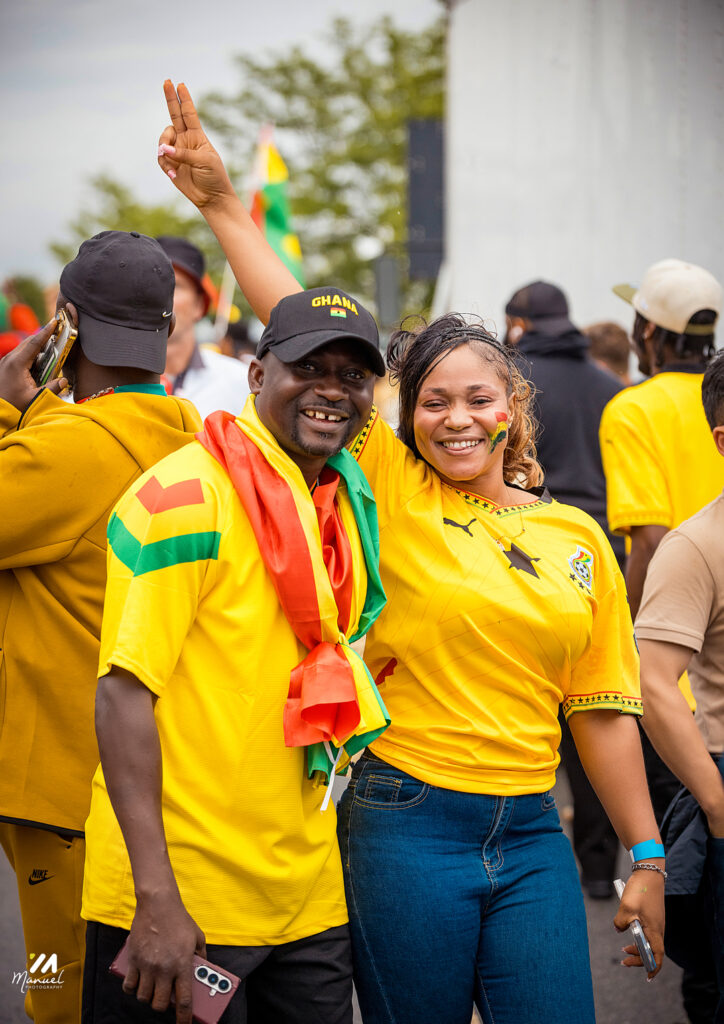
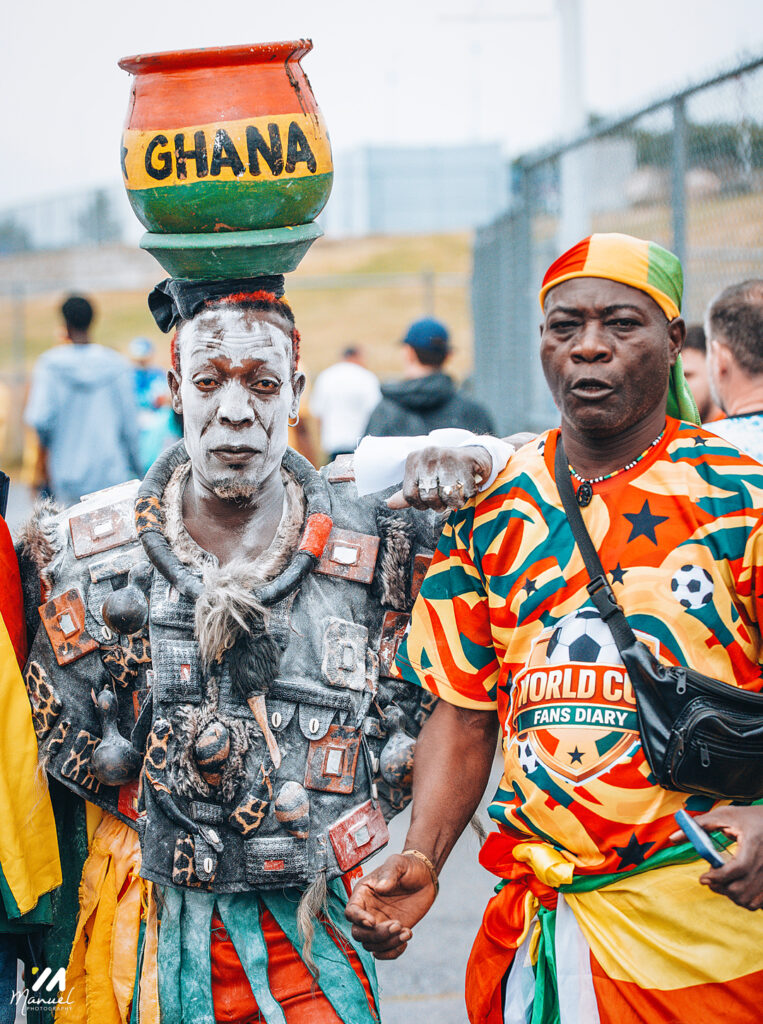
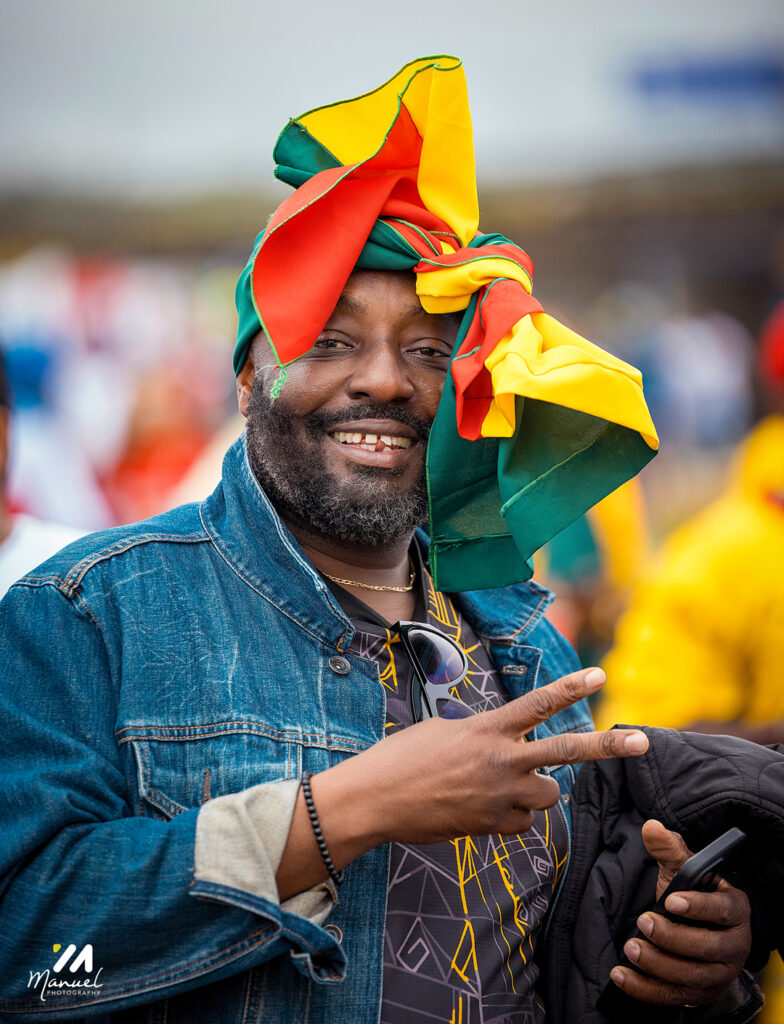
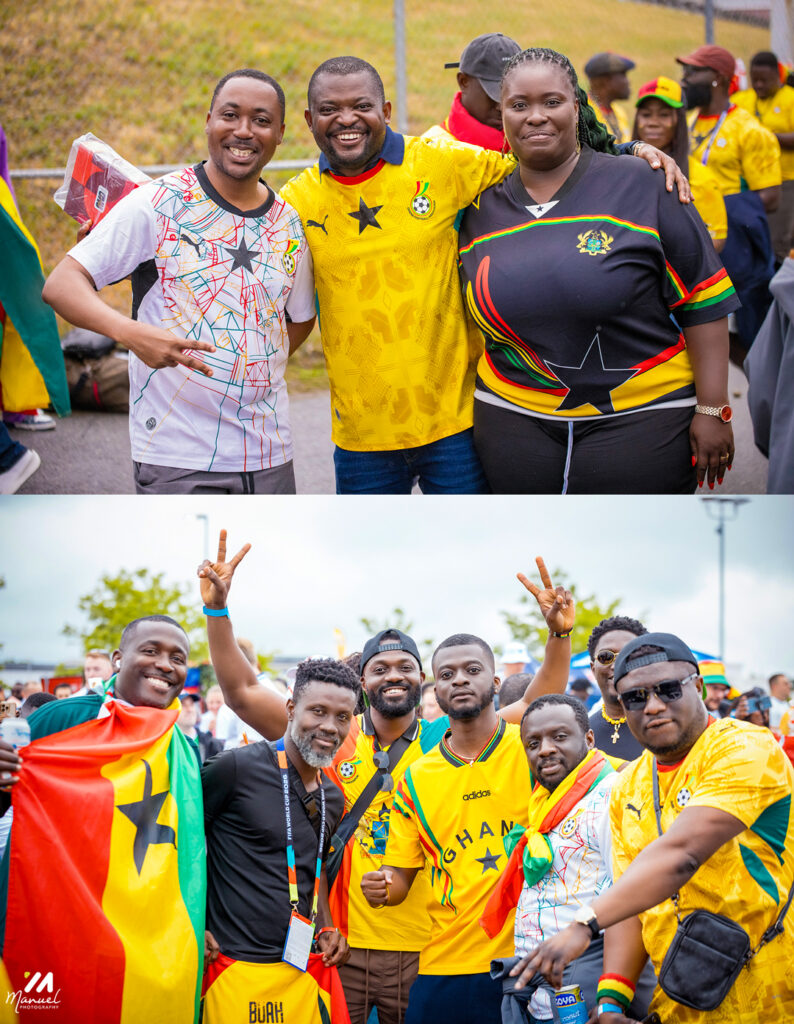
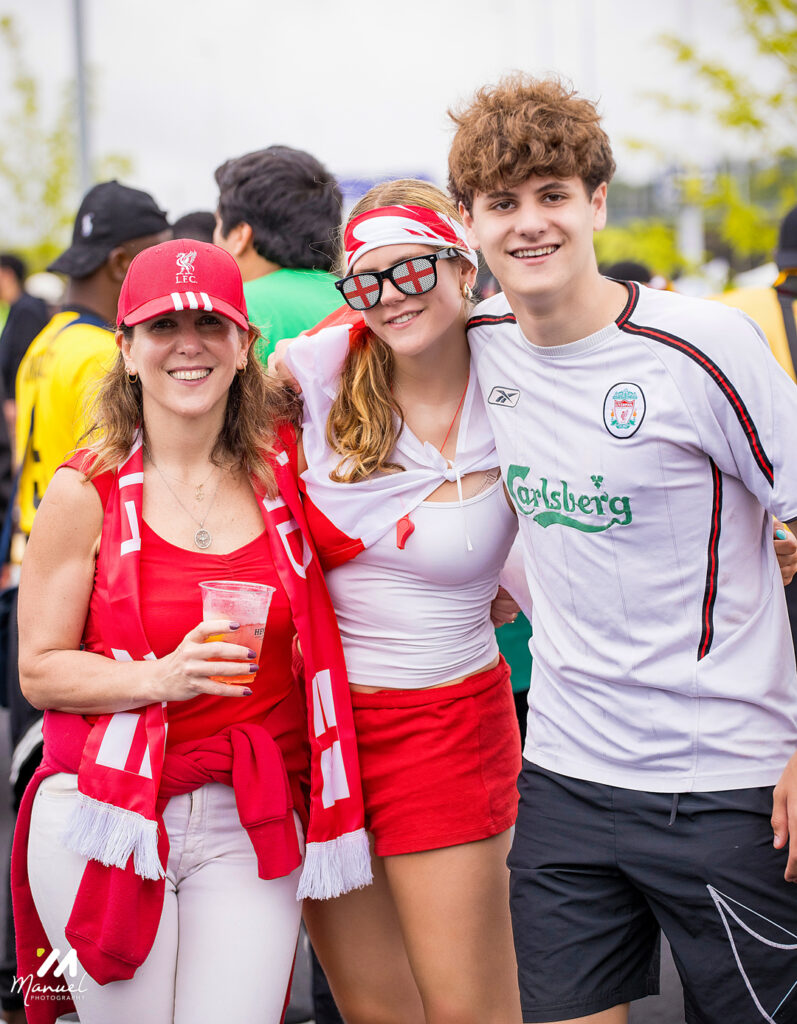
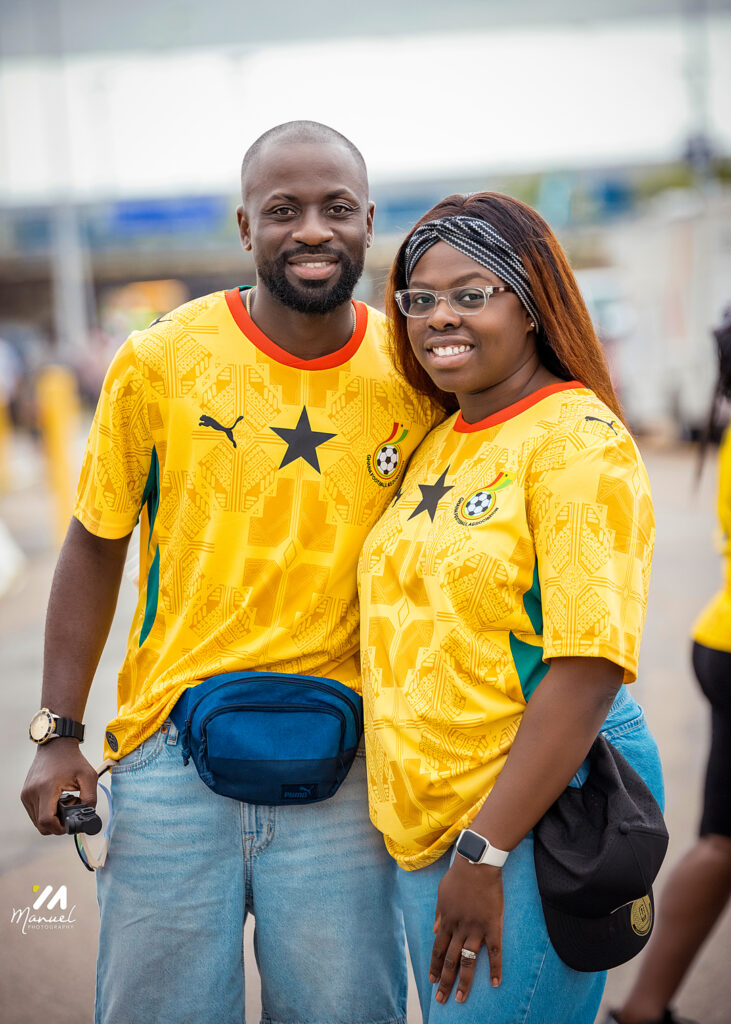
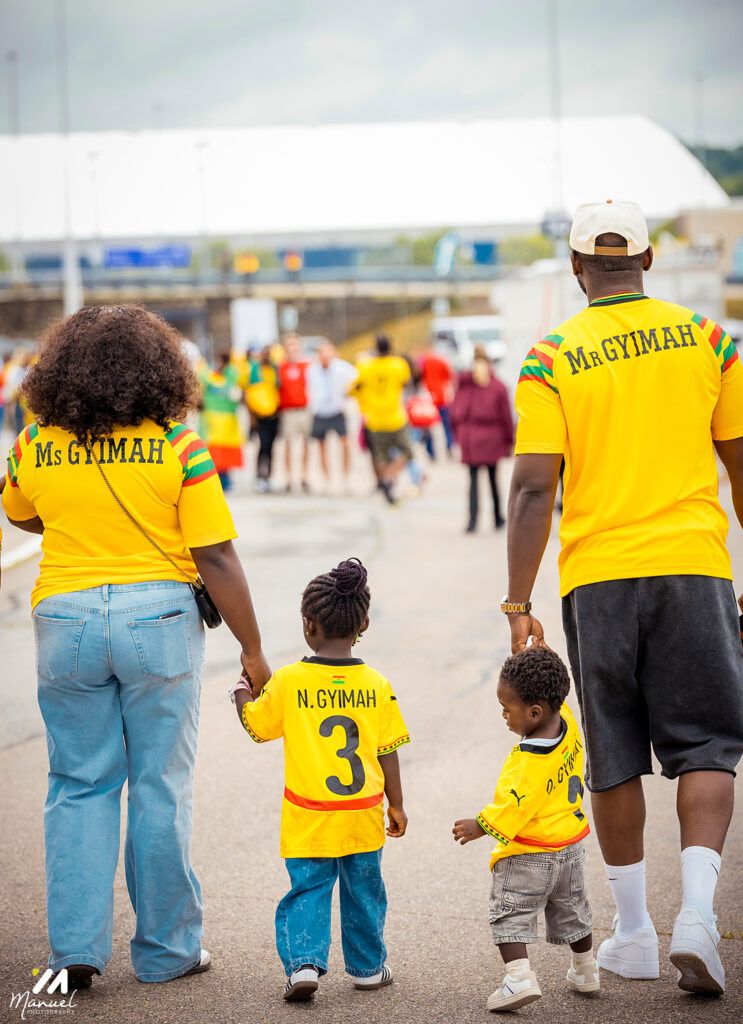
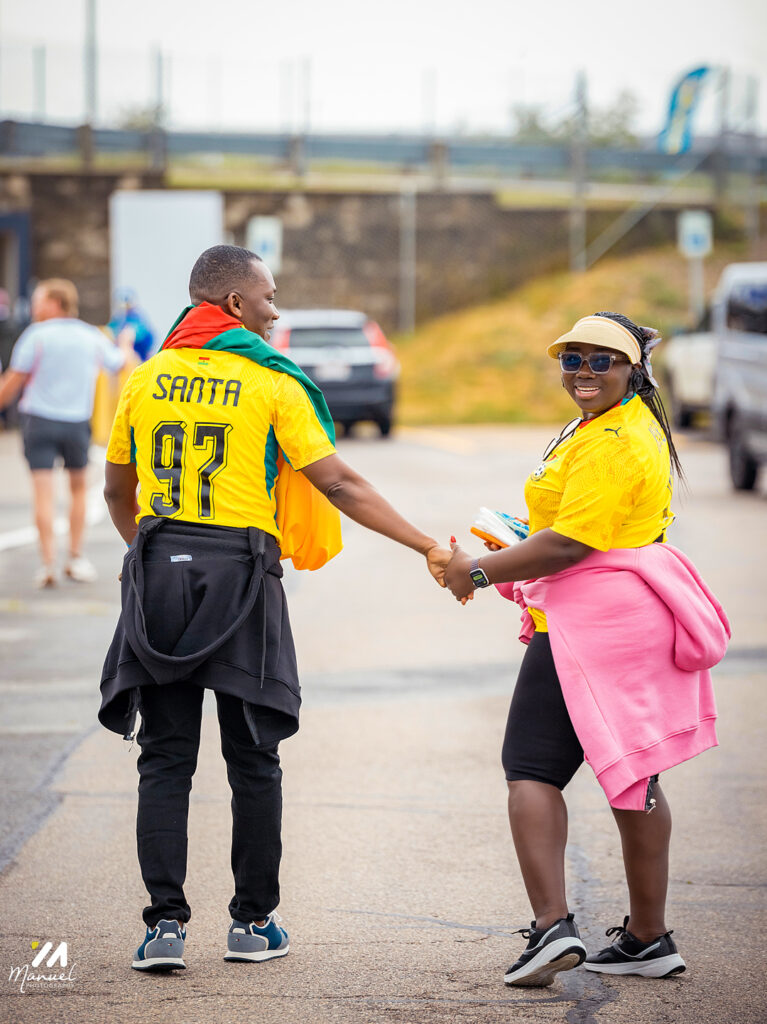
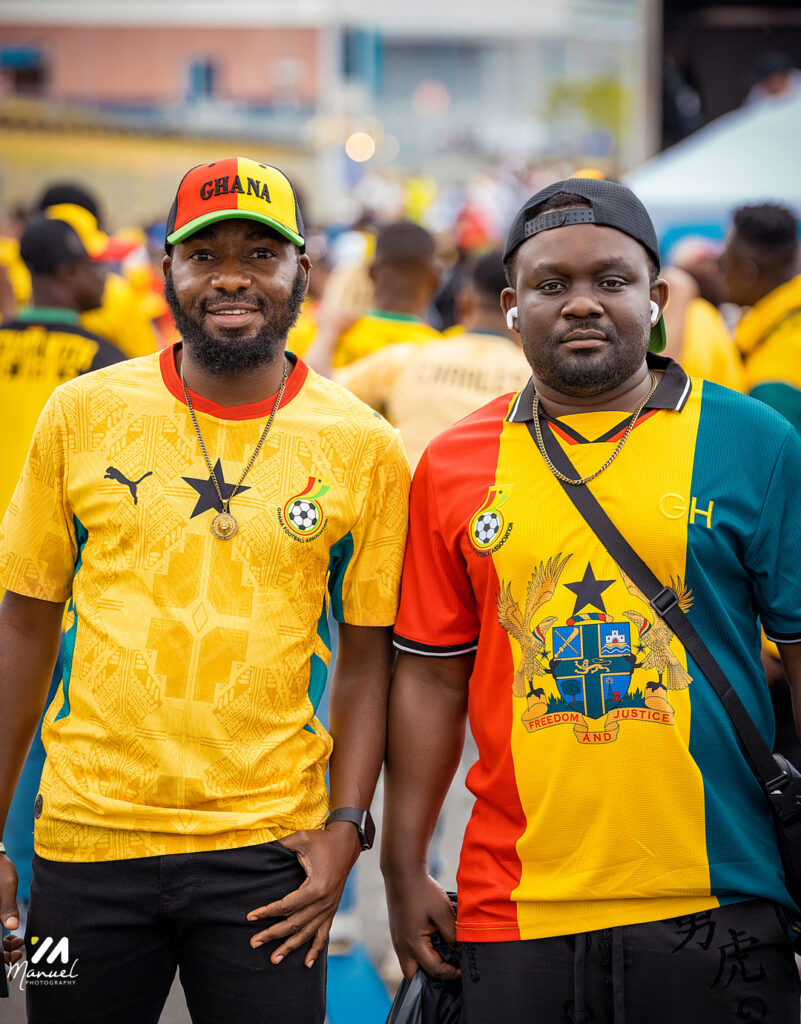
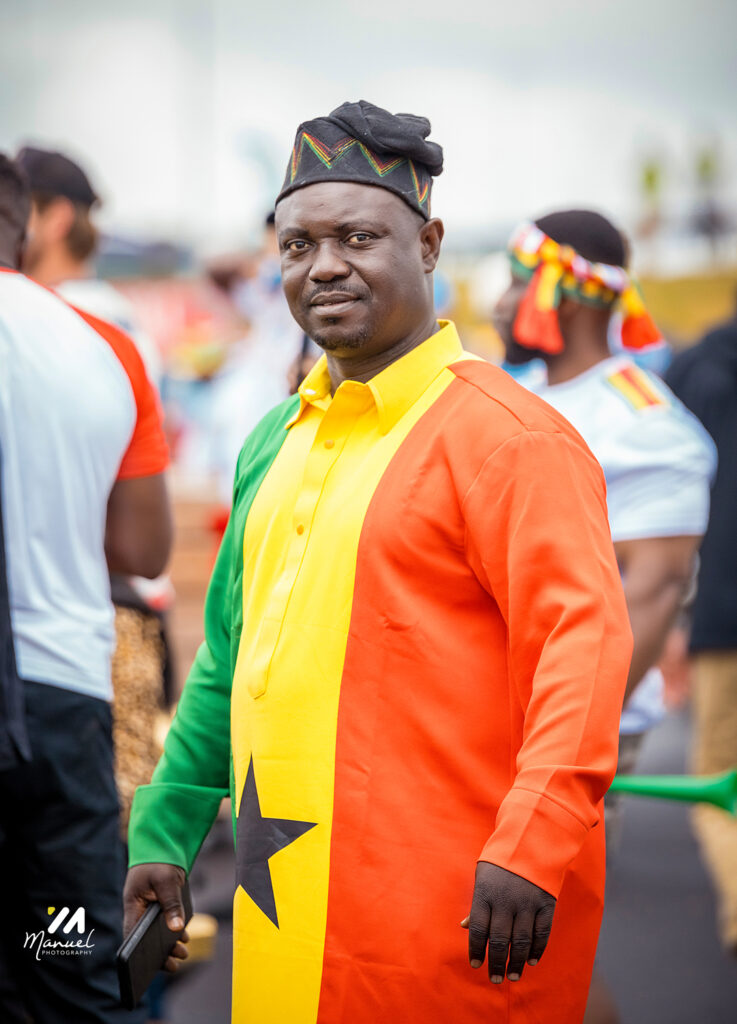
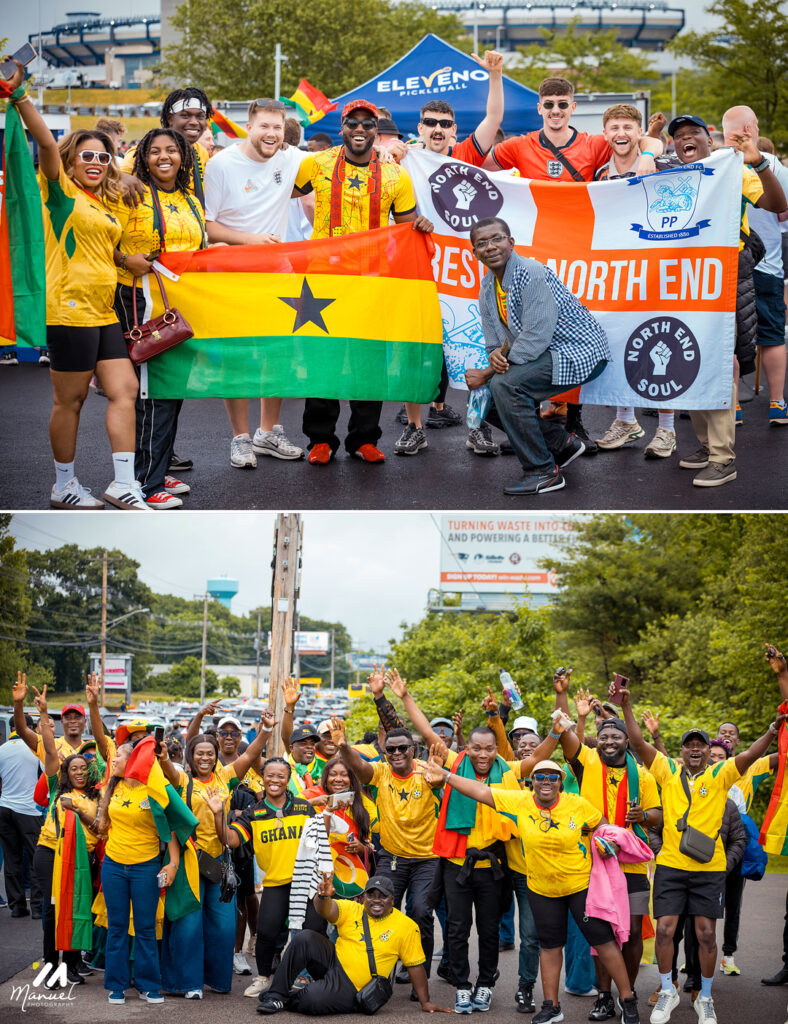
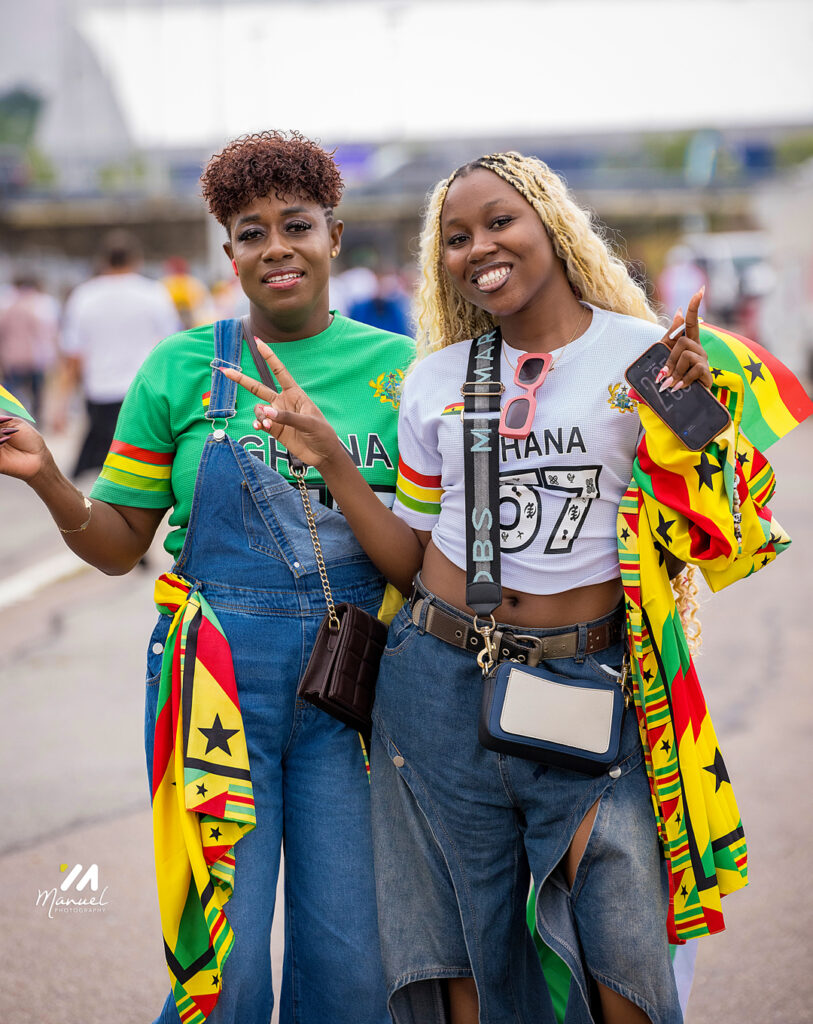
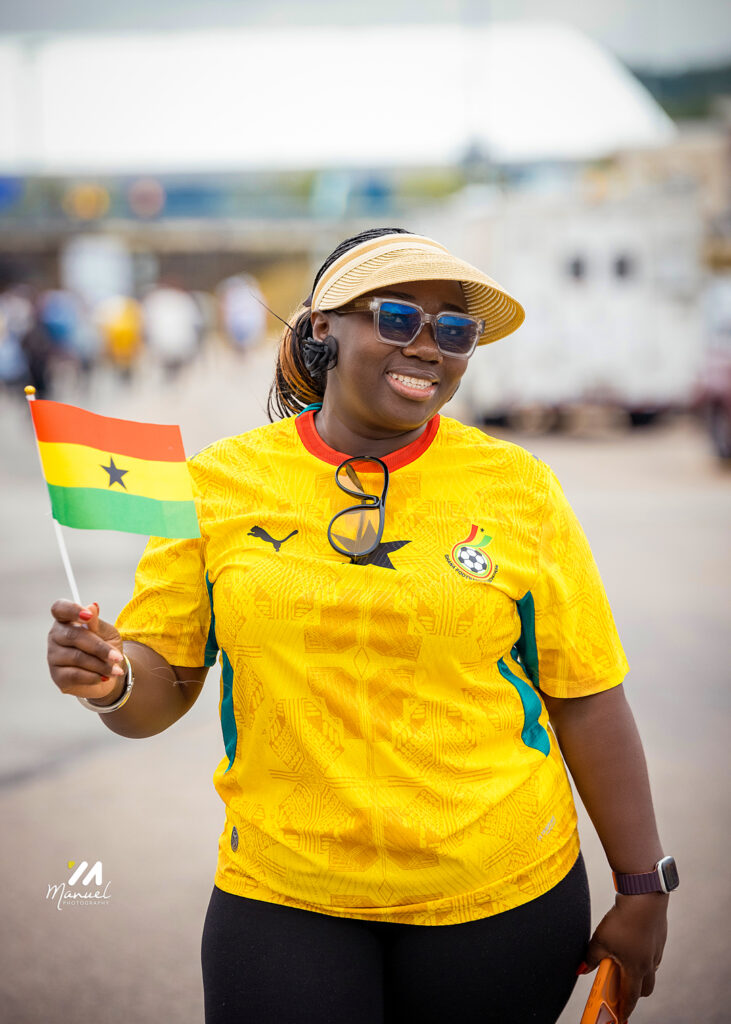
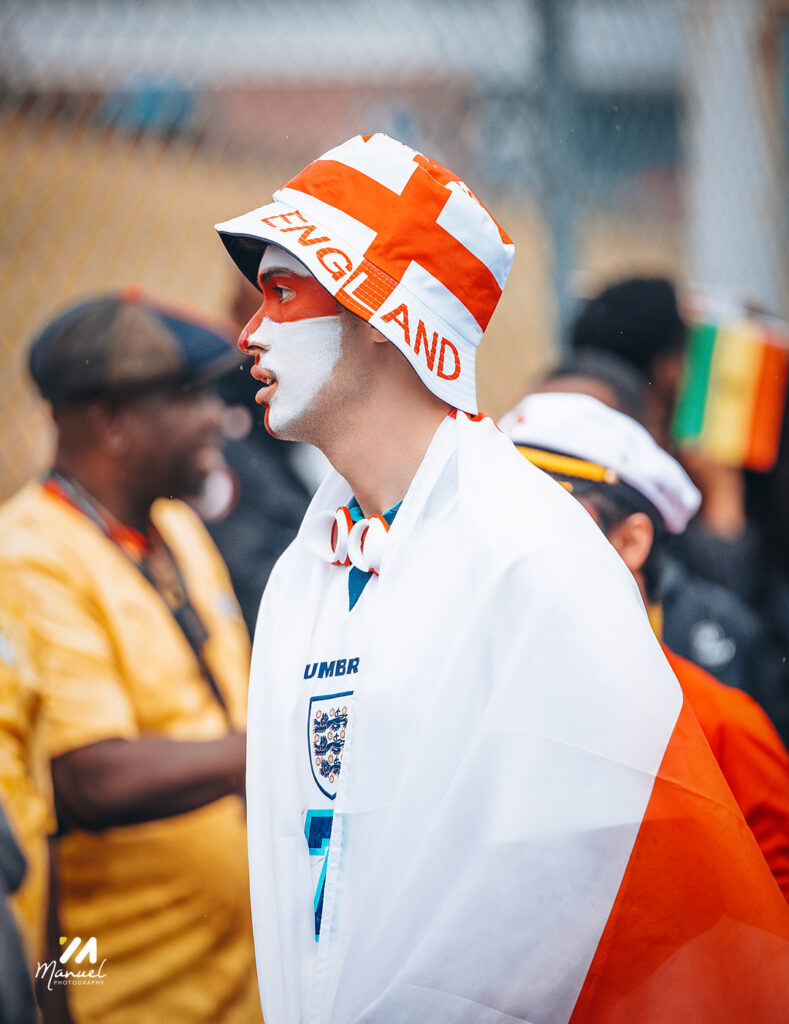
    The Black Stars always bring vibrance wherever they go and have a unique way of uniting Ghanaians both at home and abroad. Tuesday night in Boston was no exception, as they once again inspired a strong sense of unity among supporters.

    Thousands of Ghanaians in the diaspora, along with many who travelled from Ghana, packed the Boston Stadium in Foxborough, Massachusetts, to support the Black Stars in their Group L clash against England at the FIFA World Cup.

    Proudly draped in the nation’s red, gold and green colours, they created a lively and electrifying atmosphere.

    The passionate backing spurred Carlos Queiroz’s men on as they delivered a spirited and disciplined performance to secure a hard-earned point against the Three Lions.

  • Ghana-England clash: Good coaching, excellent display – Wayne Rooney lauds Black Stars after game

    Ghana-England clash: Good coaching, excellent display – Wayne Rooney lauds Black Stars after game

    Black Stars’ stunning display against England on Tuesday, June 23, has earned them widespread praise from both the local and global community.

    Adding his voice is Man Utd’s all-time leading goal scorer, Wayne Rooney, who has described the team’s performance against the Three Lions last night as excellent, citing the coach’s tactical prowess.

    Ahead of the Ghana-England clash, several predictions topped England to win against with few to no predictions on a stalemate, but the Black Stars secured a resilient 0-0 against its opponent in their Group L clash at the Boston Stadium on Tuesday evening.

    Speaking on the BBC, Rooney highlighted England’s difficulty in breaking down deep defensive blocks while also crediting Ghana’s structure and discipline.

    “You’re always hoping for that energy and that performance that we had against Croatia in the second half. These games are so difficult when the teams sit back,” the former Manchester United striker said.

    “You have to break them down, and you have to find the space. For me, the key was getting crosses into the box. That is where all the chances came from. That was a typical Carlos Queiroz performance. Ghana were excellent, and they were disciplined,” he added. 

    Both Ghana and England won their opener with hopes of securing some points to proceed to the round of 32; however, the game ended with both sides sharing points, and England players admitting to having a tough time with the Black Stars’ compact defence.

    England dominated long spells of possession and ended the contest with 79 per cent of the ball, the highest recorded by any team that failed to score in a World Cup match in six decades, yet they were repeatedly denied by a well-organised Black Stars defence.

    England will now prepare for their meeting with Panama, while Ghana face a decisive clash against Croatia as qualification for the knockout stage hangs in the balance.

    Declan Rice admits to tough game after Ghana match 

    Speaking after the match, England midfielder Declan Rice applauded Ghana’s defensive performance. According to him, despite his side enjoying possession, none of them was able to find the back of the net due to the Black Stars’ “compact” defensive block until the final whistle.

    “It is the second clean sheet for the Black Stars, having kept Panama at bay in their opener. It’s always difficult when you play against eleven behind the ball. Give credit to Ghana, they were very compact. It was tough. They are good players”, Rice admitted.

    However, he remained optimistic that his side would finish atop the group to proceed to the next stage.

    “We keep going, we still have a great chance of finishing top of the group. There’s no need to be negative; we need to stay positive”, he noted.

    About the game

    In the first half, England controlled the tempo from the start, stringing together 343 passes compared to Ghana’s 99. Declan Rice came closest early on, curling a free‑kick over the bar in the 14th minute. Despite the pressure, Ghana’s compact defensive shape kept England from creating clear‑cut chances.

    The Black Stars sat deep, absorbing wave after wave of attacks, and went into the break level at 0–0.

    The Black Stars came with a different energy in the second half, securing their first shot in the 50th minute. Six minutes later, Anthony Gordon tested goalkeeper Benjamin Asare, who produced a sharp save to keep the scoreline intact.

    The Black Stars nearly stunned England in the 80th minute when Abdul Fatawu broke through the defense, but his effort was inadvertently blocked on the line by teammate Antoine Semenyo.

    England responded with late pressure, and in the 87th minute Nico O’Reilly’s header rattled the crossbar. The rebound fell to Harry Kane, but the captain blasted over from close range, summing up England’s frustrating evening.

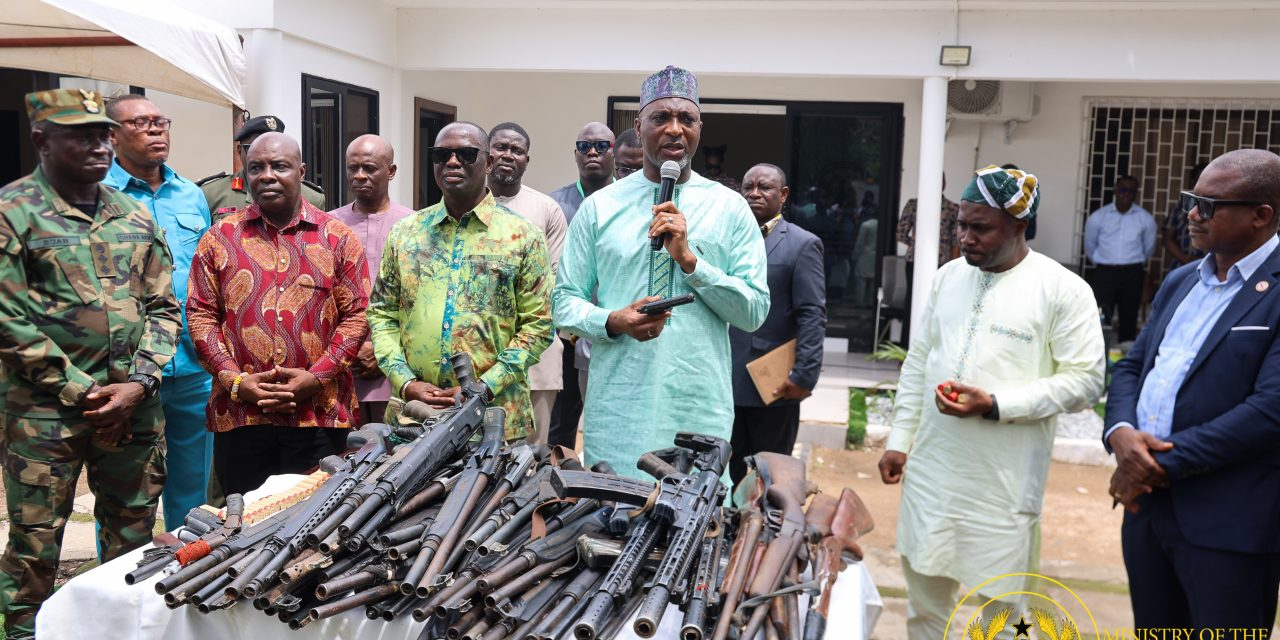
  • Ghana to hold its 8th firearms destruction ceremony on July 9 – Interior Minister

    Ghana to hold its 8th firearms destruction ceremony on July 9 – Interior Minister

    The government has scheduled July 9 to hold its eighth arms destruction ceremony. 

    This comes after the end of the government’s gun amnesty programme. Aside from the weapons which were voluntarily surrendered, those seized by security agencies in operations will also be destroyed, the Interior Minister Muntake Mohammed has announced.

    Addressing the media yesterday, Tuesday, June 23, the Minister indicated that the ceremony will be held at the Police depot in Accra, citing that this forms part of the government’s efforts to ensure public safety, particularly to protect the vulnerable, especially children.

    “Ghana’s future must not be compromised by illicit arms. Our children deserve classrooms, not fear. Our communities deserve safety, not violence. As part of post-armament measures, the government will organise its eighth arms destruction ceremony on Thursday, 9th July, at the Police Depot, Accra, at 10:00 a.m. At this event, over 2,000 seized and surrendered firearms will be destroyed,” he noted.

    The announcement comes days after the Ministry suspended the operating licence of Kantanka Security Services Limited following a shooting incident at Kwabenya that left former Dome-Kwabenya MP Sarah Adwoa Safo injured.

    According to the Ministry, the suspension was prompted by alleged regulatory breaches involving the use of unapproved uniforms as well as the possession and use of firearms and ammunition by some personnel of the security company while on duty.

    The government says the latest measures form part of broader efforts to strengthen oversight of firearms possession and improve public safety across the country.

    Revocation of gun licenses

    Mr Muntaka also announced that rffective Tuesday, June 23, permits for all firearms licensed nationwide have been revoked, citing the move as a major of a sweeping overhaul of Ghana’s firearms regulatory system to ensure responsible handling of legally acquired firearms and ensure public safety.

    Highlighting the gaps in the current licensing system, Minister Muntaka Mohammed indicated that the new system will ensure thorough background checks on all applicants. Also, all firearm owners will be required to reapply and undergo the same vetting process before any licence is issued to them.

    “In the last few months, we have seen an increase in some individuals committing suicide with firearms that are registered. Because of that, from this afternoon, all permits that have been granted to any individual are hereby revoked.

    “We are revoking them, and we are opening a window where everyone will have to come forward again to re-register their guns because we have changed the procedure. We have realised that there is a short gap in the registration procedure that we’ve been using. Now we are introducing mental health. Before we give you the sidearm, we have to be sure that you have the mental stability to hold the firearms,” he said.

    Under the new regime, all firearm holders will be required to reapply for their licences and undergo a more rigorous vetting process aimed at strengthening gun control and enhancing public safety.

    New license requirements

    The Minister revealed that, before an applicant is granted a licence, he will be required to go through a mandatory mental health assessment, drug screening, and structured firearms training.

    The Minister expressed concern that some individuals have used licensed firearms for purposes other than those for which they were originally authorised, posing a threat to public safety.

  • Ghana has good players, they were very compact – England’s Rice after World Cup clash

    Ghana has good players, they were very compact – England’s Rice after World Cup clash

    The highly anticipated Group L clash between the Black Stars and England’s Three Lions ended in a stalemate yesterday. 

    Before the match, several predictions went in favour of the Three Lions; however, the Black Stars gave no chance for England to move past them.

    Speaking after the match, England midfielder Declan Rice applauded Ghana’s defensive performance. According to him, despite his side enjoying possession, none of them was able to find the back of the net due to the Black Stars’ “compact” defensive block until the final whistle.

    “It is the second clean sheet for the Black Stars, having kept Panama at bay in their opener. It’s always difficult when you play against eleven behind the ball. Give credit to Ghana, they were very compact. It was tough. They are good players”, Rice admitted.

    However, he remained optimistic that his side would finish atop the group to proceed to the next stage.

    “We keep going, we still have a great chance of finishing top of the group. There’s no need to be negative; we need to stay positive”, he noted.

    The result leaves England top of Group L on four points, level with Ghana, who occupy second place.

    Both sides remain firmly in contention for a place in the Round of 32, with Ghana now turning attention to their final group game against Croatia on June 27.

    About the game

    In the first half, England controlled the tempo from the start, stringing together 343 passes compared to Ghana’s 99. Declan Rice came closest early on, curling a free‑kick over the bar in the 14th minute. Despite the pressure, Ghana’s compact defensive shape kept England from creating clear‑cut chances.

    The Black Stars sat deep, absorbing wave after wave of attacks, and went into the break level at 0–0.

    The Black Stars came with a different energy in the second half, securing their first shot in the 50th minute. Six minutes later, Anthony Gordon tested goalkeeper Benjamin Asare, who produced a sharp save to keep the scoreline intact.

    The Black Stars nearly stunned England in the 80th minute when Abdul Fatawu broke through the defense, but his effort was inadvertently blocked on the line by teammate Antoine Semenyo.

    England responded with late pressure, and in the 87th minute Nico O’Reilly’s header rattled the crossbar. The rebound fell to Harry Kane, but the captain blasted over from close range, summing up England’s frustrating evening.

  • Interior Minister revokes all firearm licences effective June 23

    Interior Minister revokes all firearm licences effective June 23

    Effective Tuesday, June 23, permits for all firearms licensed nationwide have been revoked, the Ministry of the Interior announced in a press briefing, citing the move as a major of a sweeping overhaul of Ghana’s firearms regulatory system to ensure responsible handling of legally acquired firearms and ensure public safety.

    Highlighting the gaps in the current licensing system, Minister Muntaka Mohammed indicated that the new system will ensure thorough background checks on all applicants. Also, all firearm owners will be required to reapply and undergo the same vetting process before any licence is issued to them.

    “In the last few months, we have seen an increase in some individuals committing suicide with firearms that are registered. Because of that, from this afternoon, all permits that have been granted to any individual are hereby revoked.

    “We are revoking them, and we are opening a window where everyone will have to come forward again to re-register their guns because we have changed the procedure. We have realised that there is a short gap in the registration procedure that we’ve been using. Now we are introducing mental health. Before we give you the sidearm, we have to be sure that you have the mental stability to hold the firearms,” he said

    Under the new regime, all firearm holders will be required to reapply for their licences and undergo a more rigorous vetting process aimed at strengthening gun control and enhancing public safety.

    New license requirements

    The Minister revealed that, before an applicant is granted a licence, he will be required to go through a mandatory mental health assessment, drug screening, and structured firearms training.

    The Minister expressed concern that some individuals have used licensed firearms for purposes other than those for which they were originally authorised, posing a threat to public safety.

    Scheduled destruction of surrendered firearms 

    Addressing plans for the surrendered firearms, Mr Muntaka announced that on July 9, a destruction ceremony will be held at the Police depot in Accra to destroy them, highlighting the need to protect the vulnerable, especially children.

    “Ghana’s future must not be compromised by illicit arms. Our children deserve classrooms, not fear. Our communities deserve safety, not violence. As part of post-armament measures, the government will organise its eighth arms destruction ceremony on Thursday, 9th July, at the Police Depot, Accra, at 10:00 a.m. At this event, over 2,000 seized and surrendered firearms will be destroyed,” he noted.

    The announcement comes days after the Ministry suspended the operating licence of Kantanka Security Services Limited following a shooting incident at Kwabenya that left former Dome-Kwabenya MP Sarah Adwoa Safo injured.

    According to the Ministry, the suspension was prompted by alleged regulatory breaches involving the use of unapproved uniforms as well as the possession and use of firearms and ammunition by some personnel of the security company while on duty.

    The government says the latest measures form part of broader efforts to strengthen oversight of firearms possession and improve public safety across the country.

    Meanwhile, in a related development, in December last year, the government launched a nationwide Gun Amnesty Programme (GAP), which directed citizens in possession of holding illicit or unregistered firearms the chance to surrender them without facing arrest or prosecution. Initially set for December 1, 2025 – January 15, 2026, it was later extended to January 30, 2026 due to strong public interest.

    About 2 months after the end of the exercise, the Minister for the Interior, Muntaka Mohammed Mubarak, revealed that over 4,000 firearms had been voluntarily surrendered by civilians under the GAP.

    Speaking during an appearance on Sunday, March 15, the Minister indicated that, before the official launch of the programme, security agencies had already recovered about 11,000 firearms from civilians. But the launch became a window for more people to give up their firearms to escape the legal consequences during the amnesty window.

    “That’s why we came in with the amnesty. And when we rolled out the amnesty period, the statistics showed that we were able to retrieve over 4,000 guns in the hands of civilians,” he stated.

    When was the programme launched?

    The initiative was first declared on November 18, 2025, and took effect on December 1, 2025, as part of efforts to address the persistent gun-related violence across the country.

    The Commission announced in a statement, “After 30th January, 2026, security agencies will intensify enforcement operations, and any person found in possession of an unregistered or illicit firearm will be arrested and prosecuted in accordance with the law”.

    Meanwhile, the Greater Accra Region is leading in the number of firearms retrieved under the Gun Amnesty Programme. Executive Secretary of NACSA, Dr Adam Bonaa, disclosed this information in an engagement with the National Chief Imam on Friday, December 26.

    He noted, “The Greater Accra Region is one of the areas where most of the weapons we have collected are coming from. It is currently leading in terms of arms surrendered under the amnesty programme, with the support of the security commanders”.

  • GoldBod to introduce new official gold pricing regime from July 1

    GoldBod to introduce new official gold pricing regime from July 1

    Ghana’s national gold regulator, Gold Board (GoldBod), has announced a new pricing system which is scheduled to take effect from July 1.

    Unlike the old system, where GoldBod published continuously updated live gold prices throughout the trading day (weekdays, excluding holidays and weekends), the new regime will operate at fixed times, specifically at 10:30 a.m. GMT and 3:00 p.m., in accordance with the internationally recognised LBMA Gold Price AM and LBMA Gold Price PM.

    These two benchmarks will be the only official reference points each day and will be converted into cedis using the Bank of Ghana Reference Rate.

    GoldBod announced this in a formal statement dated June 23, noting that the move follows stakeholder engagements.

    “The Ghana Gold Board (“GoldBod”) wishes to inform all licensed gold buyers, aggregators, self-financed aggregators, and other licensed holders in the gold trading value chain that, following extensive stakeholder engagements, a new gold pricing system shall take effect from 1 July 2026.

    Under the new regime, the GoldBod shall discontinue the publication of continuously updated live gold prices and shall instead adopt the internationally recognised LBMA Gold Price AM and LBMA Gold Price PM pricing windows as the sole benchmarks for determining the official local gold purchase price in Ghana,” parts of the statement said.

    GoldBod also directed that all players in the gold trading chain must comply with the official gold prices published when making purchases.

    “The published GoldBod price shall constitute the mandatory official purchase price at which all licensed gold buyers, aggregators, self-financed aggregators, and other licensed holders shall purchase gold from licensed miners and licensed traders during the applicable pricing window.

    All licensed buyers are required to strictly comply with the official GoldBod prices published under this regime and shall not purchase gold at any other prices other than the officially published GoldBod price.

    All prices shall be published on the official website of the GoldBod (www.goldbod.gov.gh),” it added, citing the Ghana Gold Board Act, 2025 (Act 1140), which establishes GoldBod as the statutory regulator of Ghana’s gold trading value chain, with powers over licensing, pricing, enforcement, and anti-smuggling, as well as setting out the Board’s governance, functions, financial provisions, licensing requirements, and penalties for violations.

    “The GoldBod wishes to remind all licensees that compliance with official pricing directives issued pursuant to the Ghana Gold Board Act, 2025 (Act 1140) is mandatory.

    Any person or entity that purchases gold in contravention of the official GoldBod price, in violation of the prescribed pricing regime, shall be deemed to have committed an offence under the Ghana Gold Board Act, 2025 (Act 1140) and shall be subject to the sanctions prescribed by law,” GoldBod stressed.

    Consequently, “To ensure full compliance, the GoldBod shall deploy enforcement and compliance teams across all gold-producing and trading hubs throughout the country to monitor adherence to the new pricing regime.

    Offending licensees shall be liable to one or more of the following actions: suspension of their GoldBod licence, revocation of their GoldBod licence, seizure of unlawfully traded gold where applicable, prosecution before the appropriate courts, and any other administrative, civil, or criminal sanctions available under the Ghana Gold Board Act, 2025 (Act 1140) and other applicable laws.”

    The GoldBod remains committed to promoting transparency, fairness, market stability, and responsible sourcing within Ghana’s gold trading ecosystem. All licensed buyers are therefore directed to familiarise themselves with and strictly comply with this new pricing regime from 1 July 2026.

  • Ghana cedi appreciates by 6% in two weeks after BoG FX intervention

    Ghana cedi appreciates by 6% in two weeks after BoG FX intervention

    The Ghana cedi has gained momentum over the last two weeks following its depreciation some weeks ago, according to Databank Research, as reported by Joy Business on Tuesday.

    Around June 9, a Bank of Ghana (BoG) report revealed that the currency had depreciated by about 11% against major trading currencies. However, the latest report indicates that it has narrowed its year-to-date losses to 6%.

    The report attributed the surge to the massive supply of foreign exchange (forex) by the Bank of Ghana, which helped ease pressure on the market and curb the rush to buy foreign currencies that had weakened the cedi in recent months.

    Databank Research indicated that the cedi appreciated by 5.66% against the US dollar, 6.76% against the British pound, and 6.24% against the euro during the review period. The currency closed at mid-rates of GHS11.22 per US dollar, GHS14.83 per pound, and GHS12.86 per euro.

    The gains were also reflected in the retail market, where the cedi strengthened by 2.07% against the dollar to GHS12.05 per US dollar. It also advanced by 2.19% against the pound and 2.25% against the euro, ending the period at GHS16.00 per pound and GHS13.90 per euro, respectively.

    The currency’s performance exceeded expectations, largely due to stronger-than-anticipated interventions by the Bank of Ghana. Earlier forecasts had projected relatively modest FX injections at the start of June, with larger interventions expected later in the month.

    However, the BoG pumped a huge amount of forex, particularly US dollars, into the market, possibly at favourable rates. This reduced panic buying of foreign currency and helped the cedi strengthen by about 6% over two weeks, reversing the trend seen in previous weeks.

    The interventions have also helped restore confidence among market participants by reducing speculative demand for foreign currency. In the past, particularly last year, the central bank’s interventions, ranging between US$1.2 billion and US$1.5 billion, helped calm the market and improve the cedi’s performance against other currencies.

    Market watchers believe the cedi could strengthen further in the weeks ahead. With a significant portion of the Bank of Ghana’s June 2026 FX allocation of approximately US$1.2 billion yet to be disbursed, additional foreign exchange supply is expected to continue supporting the local currency.

    Analysts project that, provided FX liquidity inflows remain strong, the cedi could appreciate toward the GHS10.90-per-US-dollar mark in the near term.

    The latest gains underscore the growing influence of central bank interventions in stabilising Ghana’s foreign exchange market, with investors closely watching the pace of future liquidity injections and broader market conditions.

    Govt’s measures to sustain cedi

    Meanwhile, as part of a revamped reserve-building drive, large-scale gold miners ‌have been instructed by the government to sell 30% of their gold output to the central bank from the earlier 20%, this is according to a Reuters report.

    According to the report, the directive is yet to be accepted by miners, as key commercial terms remain unresolved. Last year, miners operating under valid mining license were offered a special temporary bonus scheme from the Ghana Gold Board (GoldBod) in efforts to support the industry as well as combating gold smuggling.

    The licensed miners will enjoy an additional GH¢832 per pound of gold sold through the Ghana Gold Board. This information was contained in a statement issued by the GoldBod on Wednesday, August 27.

    “This novelty is in response to legitimate complaints from licensed miners about the significant reduction in the local price of gold in the last few months due to the continuous appreciation of the Ghana cedi.

    “The special bonus will ensure that licensed miners who have contributed immensely to the country’s increased gold output and foreign exchange earnings do not indirectly suffer as a result of the significant appreciation of the Ghana cedi that they have helped the country achieve,” the statement read.

    According to GoldBod, the recent development has been made possible as a result of the continuous appreciation of the Ghana cedi.

  • Avocado: Ghana’s next €2billion export win – Elikem Desewu writes

    Avocado: Ghana’s next €2billion export win – Elikem Desewu writes

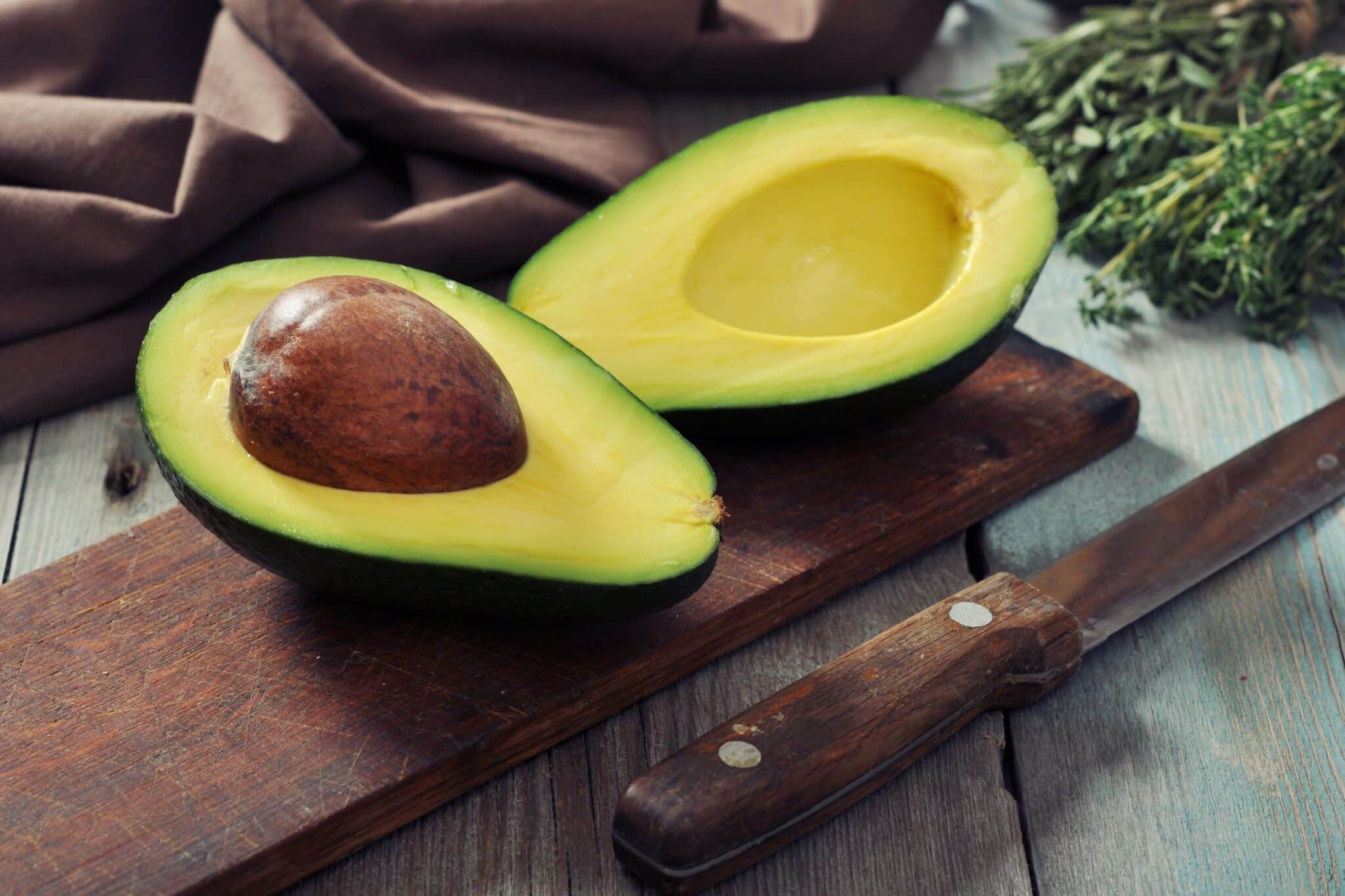
    Ghana’s next major export opportunity may not come from another gold mine, oil field or traditional commodity boom. It may come from avocado.

    Avocado offers Ghana more than a farming opportunity. It offers a test of whether the country has finally learned how to turn raw production into industrial wealth.

    The old commodity trap

    For decades, Ghana has produced raw commodities while other countries captured the greater value through processing, branding, manufacturing and global distribution. Cocoa remains the clearest example. Ghana produces one of the world’s most important cocoa beans, yet the larger value in chocolate, beverages, cosmetics and processed cocoa products is created elsewhere.

    Gold, timber and crude oil have followed a similar pattern. Ghana produces. Others refine. Others package. Others brand. Others earn the bigger margins.

    Breaking the cycle

    Avocado gives Ghana a chance to break that cycle — but only if the country treats it as an industrial value chain, not just another farming activity.

    The €2 billion value chain and job opportunity

    With about 150,000 acres under structured commercial cultivation, Ghana’s avocado value chain could generate between €1.5 billion and €2 billion annually and this could create more than 150000 direct and indirect jobs across farming, nurseries, irrigation, harvest, processing, exports and support services. That would also place avocado among the country most important non-traditional export opportunities, with the potential to create jobs, support factories, attract investment and strengthen foreign exchange earnings.

    A 35-YEAR REVENUE COMPARISON

    A well-managed cocoa investment may generate annual revenue of about $4,000 to $7,000, with a 35-year revenue potential of roughly $140,000 to $245,000. Cocoa will remain central to Ghana’s economy, but its earnings are still heavily exposed to global commodity prices and limited local value addition.
    Oil palm offers stronger industrial use. A commercial oil palm investment may generate about $6,000 to $10,000 annually, with lifetime revenue of about $150,000 to $300,000 over a productive life of 25 to 30 years.

    Residential real estate, often regarded as a safe investment, also tells an interesting story. A $100,000 residential property earning about $300 a month would generate about $3,600 a year and roughly $126,000 over 35 years, before maintenance, taxes, repairs and vacancy costs.
    Avocado changes the comparison.

    A commercial avocado orchard supported by modern production systems could generate annual revenue of about $15,000 to $30,000, with lifetime revenue potential of about $525,000 to $1.05 million over 35 years.

    That means avocado could generate several times the long-term cash flow of a comparable rental property, outperform cocoa and oil palm on revenue potential, and still support a wider industrial economy beyond the farm.

    The point is not that Ghana should abandon cocoa, oil palm or real estate. Each has a place in wealth creation. The point is that avocado deserves serious national attention because it can combine what many other assets do separately.

    A house generates rent.

    Cocoa generates export earnings.

    Palm oil feeds industry.

    FEED THE INDUSTRIES

    Avocado can generate farm income, processing activity, factory jobs, export revenue, cosmetic inputs, health products, animal feed, branded goods and long-term rural wealth.
    That is why the fruit itself is not the prize.

    The real prize is the value chain.

    Fresh avocado exports may open the market, but they should not become the final ambition. Ghana must not build another raw commodity story around avocado. If the country only exports fresh fruits for others to process, package and brand, it will repeat the same mistake it made with cocoa and other commodities.Ghana travel guide

    The stronger opportunity lies in processing. Avocado farms must feed factories. Those factories must produce premium avocado oil, skincare ingredients, food products, nutraceutical inputs, animal feed and export-ready brands for regional and international markets.

    That is where the real money will be made. That is where the jobs will be created. That is where rural communities will feel the impact.

    THE ALTERNATE FINANCING MODEL

    But building a €2 billion avocado industry will require more than enthusiasm.

    It will require long-term financing from institutions such as GIRSAL, Development Bank Ghana, EXIM Bank, pension funds, private investors and export-focused financiers. Short-term loans cannot build long-term tree-crop industries. Ghana will need patient capital that understands agriculture, processing and export development.

    There is also room for new financing models, including tree-crop investment platforms and tokenisation, to allow institutional investors, the diaspora and retail investors to participate in productive agricultural assets.

    If properly organized, avocado can become the anchor of a wider exotic crops economy built around macadamia, citrus, coconut, pineapple, mango, passion fruit, dragon fruit, cashew and other high-value crops. Over the next 10 to 15 years, such an economy could generate €3 billion to €4.5 billion annually in export revenues and support hundreds of thousands of jobs.

    That would make exotic crops a serious economic pillar for Ghana.

    BEYOND AGRICULTURE

    Avocado is not simply an agricultural opportunity. It is an industrial opportunity. It is an export opportunity. It is a youth employment opportunity. It is a rural transformation opportunity.
    Most importantly, it is an opportunity for Ghana to stop exporting potential and start exporting value.

    Ghana has enough examples of raw commodity regret.

    Avocado must not become another one.

    DISCLAIMER: Independentghana.com will not be liable for any inaccuracies contained in this article. The views expressed in the article are solely those of the author’s, and do not reflect those of The Independent Ghana

  • Different game, different lineup – Ghana’s Queiroz on Black Stars-England game

    Different game, different lineup – Ghana’s Queiroz on Black Stars-England game

    Ghana Black Stars coach Carlos Queiroz says his side will face England with a different squad, describing the upcoming clash as “different.”

    He made the remarks during a pre-match press conference in Boston ahead of Ghana’s Group L fixture against England at the 2026 FIFA World Cup.

    Queiroz said, “Panama was one game, now it’s a different game. We are going to introduce a couple of different players in the starting lineup. My first objective is the team, so the lineup tomorrow will be strong, enthusiastic and with a lot of motivation.”… I hope we will be better, we will be able to progress”.

    Ghana secured a 1-0 win over Panama on June 17 in Canada. Ghana’s goalkeeper Ati-Zigi was substituted at the 73rd minute and replaced by Benjamin Asare after suffering a groin injury. 

    Consequently, many have raised questions about his availability, particularly after he was spotted training with the keepers.

    In response, Queiroz confirmed that Ati‑Zigi was “still receiving treatment. Today was much better. However, the decision will be made tomorrow after the final medical assessment.” 

    Also, the Black Stars coach has said the match is the easiest game to win.

    He said facing a team of England’s calibre at the World Cup is the “easiest type of game” to approach.

    “This is the easiest type of match because, when you’re about to play against England, France or Germany, you don’t need to say anything to the players. They’re fully motivated.

    “Everybody is fully switched on, and everybody wants to perform well. What we have to do in this type of game is try to moderate the enthusiasm, but mainly we need to work together. This is the most important thing tomorrow. Whatever happens, we need to stick together and fight together for over 90 full minutes. We know they have the Three Lions on their shirt, but we come from Ghana and have 33 million lions to fight for this game,” he added.

    His comments come at a time when both sides are looking to secure a place in the last 32.

    This is the 73-year-old Portuguese’s first World Cup campaign with Ghana after taking charge in April and his ninth role as a national team manager.

    Responding to a question regarding his side’s 2-6 heavy defeat to England at the 2022 World Cup in Qatar while managing Iran, he said:

    “In football, four years is like a century, so I don’t even remember where that was. I was not defeated. In football, we never lose. We win, or we learn. We learned a couple of lessons that day,” said Queiroz.

    After opening their campaign in North America with a 1-0 win over Panama, Queiroz can guide Ghana into the knockout stage of a World Cup for the first time since 2010 with victory over England in Boston on Tuesday.

    “It’s another game. All games are different; it’s a different team on the pitch and a different environment. The reputations and prestige of results in the past are significant when they are written in the press, but they cannot win games. Memories don’t win games, so tomorrow will be another story.”
  • Easiest game – Ghana coach on Ghana-England World Cup clash

    Easiest game – Ghana coach on Ghana-England World Cup clash

    Sports analysts, former football players, and the general public have expressed their reservations about Ghana’s Group L clash with England later tonight, Tuesday, June 23.

    While some have plainly predicted a loss for Ghana, including former Ghana international Odartey Lamptey, who said the Black Stars would lose to the Three Lions, the Black Stars coach has said the match is the easiest game to win.

    Speaking during a pre-match press conference at Boston Stadium, USA, ahead of Ghana’s World Cup group-stage clash with England on Monday, June 22, Carlos Queiroz said facing a team of England’s calibre at the World Cup is the “easiest type of game” to approach.

    “This is the easiest type of match because, when you’re about to play against England, France or Germany, you don’t need to say anything to the players. They’re fully motivated.

    “Everybody is fully switched on, and everybody wants to perform well. What we have to do in this type of game is try to moderate the enthusiasm, but mainly we need to work together. This is the most important thing tomorrow. Whatever happens, we need to stick together and fight together for over 90 full minutes. We know they have the Three Lions on their shirt, but we come from Ghana and have 33 million lions to fight for this game,” he added.

    His comments come at a time when both sides are looking to secure a place in the last 32.

    This is the 73-year-old Portuguese’s first World Cup campaign with Ghana after taking charge in April and his ninth role as a national team manager.

    Responding to a question regarding his side’s 2-6 heavy defeat to England at the 2022 World Cup in Qatar while managing Iran, he said:

    “In football, four years is like a century, so I don’t even remember where that was. I was not defeated. In football, we never lose. We win, or we learn. We learned a couple of lessons that day,” said Queiroz.

    After opening their campaign in North America with a 1-0 win over Panama, Queiroz can guide Ghana into the knockout stage of a World Cup for the first time since 2010 with victory over England in Boston on Tuesday.

    “It’s another game. All games are different; it’s a different team on the pitch and a different environment. The reputations and prestige of results in the past are significant when they are written in the press, but they cannot win games. Memories don’t win games, so tomorrow will be another story.”
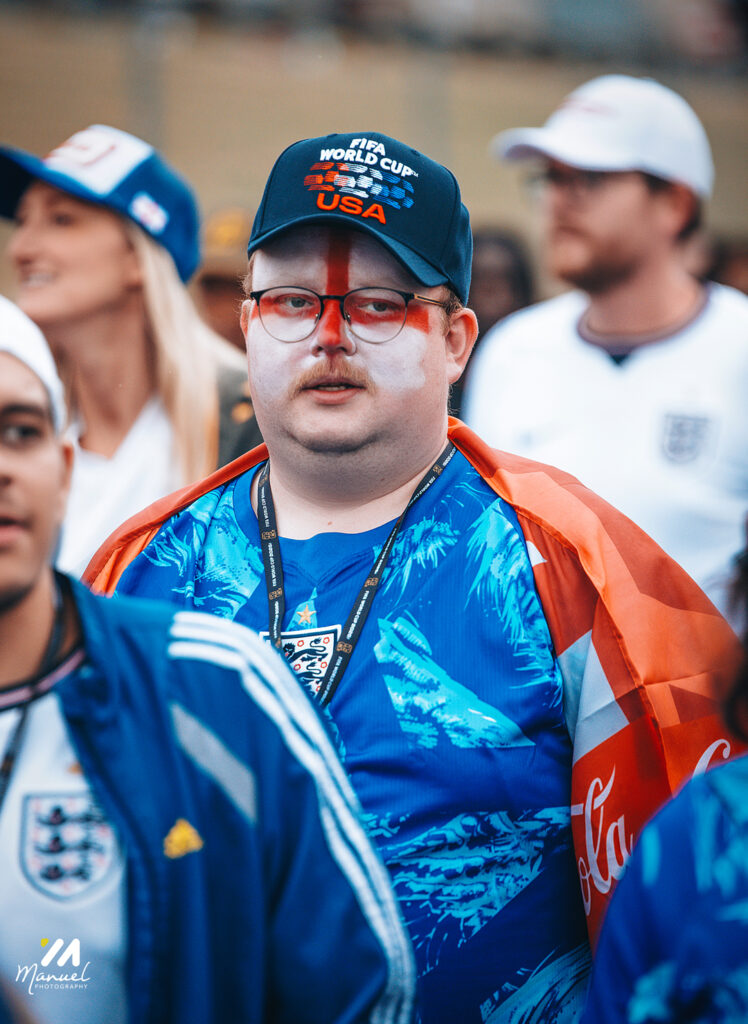
    England made a strong start in Group L with an eye-catching 4-2 win over Croatia, although they showed signs of vulnerability in defence.

    They are unbeaten in eight previous matches against African opposition at the World Cup but will be facing Ghana in a competitive fixture for the first time.

    Queiroz also said a late decision would be made on goalkeeper Lawrence Ati-Zigi, who was forced off through injury in the win over Panama.

    Partey to play Ghana-England fixture

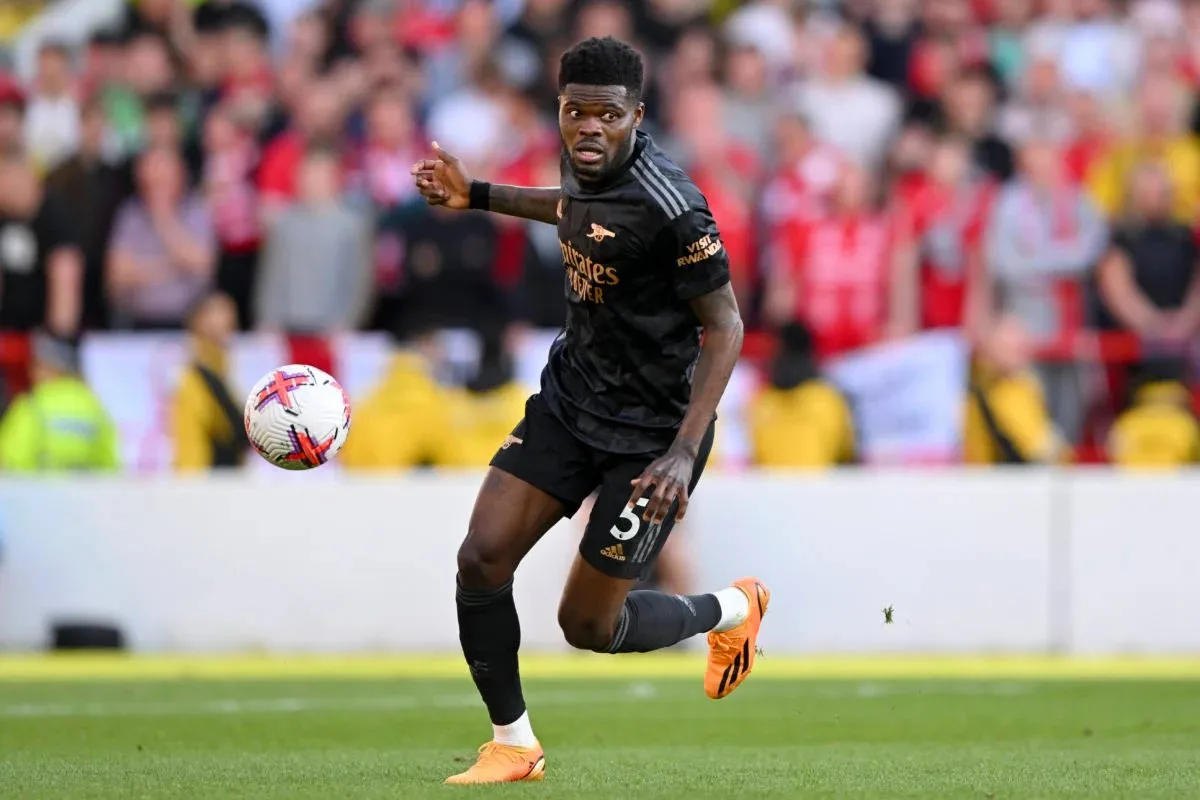
    Black Stars midfielder Thomas Partey says he is ready to return to action after being unable to join Ghana’s squad in Canada for their opening 2026 World Cup match against Panama last week.

    He was denied entry due to his current legal battle regarding sexual assault charges in the UK.

    Speaking to the media on Monday, June 22, Thomas Partey admitted the difficult times he went through when he was denied from playing the opener and had to watch from the sidelines. He has now recovered and is ready to play.

    “Well, I think it’s part of football. Things happen in football that you cannot control. So, for me, now I feel okay, and I’m ready to play,” Partey told reporters on Monday.

    After being cleared to join the squad in the United States, Partey is expected to make his first appearance of the tournament against England.

  • WC: I am ready to play – Partey  declares ahead of Black Stars-England clash

    WC: I am ready to play – Partey declares ahead of Black Stars-England clash

    Black Stars midfielder Thomas Partey says he is ready to return to action after being unable to join Ghana’s squad in Canada for their opening 2026 World Cup match against Panama last week.

    He was denied entry due to his current legal battle regarding sexual assault charges in the UK.

    Speaking to the media on Monday, June 22, Thomas Partey admitted the difficult times he went through when he was denied from playing the opener and had to watch from the sidelines. He has now recovered and is ready to play.

    “Well, I think it’s part of football. Things happen in football that you cannot control. So, for me, now I feel okay, and I’m ready to play,” Partey told reporters on Monday.

    After being cleared to join the squad in the United States, Partey is expected to make his first appearance of the tournament against England.

    His availability comes as a major boost for coach Carlos Queiroz, whose side faces one of its toughest tests of the group stage against the European heavyweights.

    England FA on players shaking hands with Partey

    The English Football Association seems to have decided to stay neutral on the controversy building surrounding England players’ decision not to shake hands with embattled Ghana international midfielder Thomas Partey.

    It all started in early June when UK media began questioning whether England players were going to involve themselves in the customary pre-match handshake with Thomas Partey, who is currently facing numerous sexual assault charges in the UK, for which he maintains a not guilty plea.

    Reacting to that, reports indicated that the England FA, around 20–21 June, declared its stance, clarifying it would not issue directives, leaving the decision to individual players as the two countries, Ghana and England, prepare for their FIFA World Cup Group L encounter in Boston on Tuesday, June 23, according to reports in the United Kingdom.

    The report said the FA is determined to keep the focus on football and will leave individual players to make their own decisions on whether to participate in the traditional pre-match greeting with the 33-year-old.

    It further indicated that England manager Thomas Tuchel has consistently avoided engaging in political or legal controversies, maintaining that his primary responsibility is preparing his team for matches.

    As a result, there are understood to have been no formal discussions within the England camp concerning Partey’s legal situation ahead of the encounter.

    Meanwhile, the sexual assault case Partey is facing, which has led to conversations about the handshake, is the same one that led to his visa denial by Canada, which robbed him of the opportunity to play in Ghana’s World Cup opener against Panama last week.

    Despite Ghanaian authorities’ last-minute legal and diplomatic effort to secure permission for him to enter the country briefly to take part in the game, that appeal was rejected by a federal court in Ottawa.

    According to the court, there was “no serious issue in the underlying refusal” of the visa and “the applicant failed to disclose that he is the subject of multiple criminal charges for sexual violence in the UK”.

    According to reports, Canadian officials rejected the appeal following a hearing during which it emerged that details relating to the charges he faces in the United Kingdom had not been disclosed in his visa application.

    Partey’s assault charges

    The Ghanaian international’s legal woes began just four days after he departed from Arsenal. He is currently facing six serious criminal charges in the UK. The charges were formally presented at Westminster Magistrates’ Court on August 5. These charges have been levelled against him by about three different women and are set to stand trial next year on June 7, Partey at Southwark Crown Court in London on seven counts of rape and one count of sexual assault.

    In one of the charges, Complainant 1 claims that, between April and May 2021, Partey penetrated her anally during what began as consensual vaginal intercourse, without her consent. She further claims that between April and June 2021, Partey engaged her in anal sex on at least four separate occasions without her consent.

    Complainant 2 also alleges that in December 2021, after she refused to engage in sexual activity, Partey raped her vaginally. She also claims that in February 2022, he penetrated her anally after she explicitly declined anal sex. A third allegation from Complainant 2 states that during a trip to Marbella, Spain, in June 2022, Partey raped her vaginally.

    Complainant 3 also claims that in February 2022, Partey lay on top of her, attempted to kiss her, and touched her over her clothes without her consent.

    However, the player has denied all the allegations levelled against him. His lawyer has denied the charges of rape and sexual assault against her client.

  • I will be shocked if Black Stars win against England – Odartey Lamptey

    I will be shocked if Black Stars win against England – Odartey Lamptey

    Ghana had a dramatic1-0 win over Panama thanks to a stoppage-time goal from 20-year-old Yirenkyi after a hard competition with their opponents on Wednesday, June 17 at BMO Field in Toronto, Canada.

    With cautious optimism, Ghanaians look forward to securing a win over England tomorrow, Tuesday, June 23; however, without mincing words, former Ghana international, Nii Odartey Lamptey, says it will be a shock to him if the Black Stars secure a win over England in their crucial Group L clash at the ongoing 2026 FIFA World Cup at Gillette Stadium in Boston.

    Both the Black Stars and Three Lions secured a win in their first games with hopes of progressing to the next stage.

    Speaking ahead of the match, Mr Lamptey believes that while Ghana has shown resilience, the Three Lions have more depth and experience at the highest level.

    “I will be surprised should Black Stars win against England. They are better than us in terms of everything,” he told Asempa FM’s Ultimate Sports Show.

    He, however, said he would gladly celebrate if Ghana pulled off a surprise victory.

    “I’m a Ghanaian, and if we win, I will celebrate, but on the face of it, I’ll not be surprised if we lose to England,” he added.

    Both Ghana and England head into the clash level on three points after winning their opening fixtures.

    The Black Stars will wrap up their Group L campaign against the Croatia national football team as they aim to progress beyond the group stage for the first time since their memorable quarter-final run at the 2010 FIFA World Cup.

    World Cup squad for Ghana

    Ghana’s head coach, on June 2, released the final squad for the upcoming 2026 FIFA World Cup. The Ghana Football Association (GFA) published the squad list on its official website and social media platforms.

    Following the announcements, Carlos Queiroz addressed journalists at the GFA headquarters in Accra, confirming the names and explaining his selection choices.

    The squad announcement came when the Black Stars were preparing for their final preparatory match against Wales in Cardiff later today.

    Goalkeepers Paul Reverson and Solomon Agbasi were omitted from the initial 28-man provisional squad, while vice-captain Alexander Djiku misses out through injury and is replaced by Derrick Luckassen.

    Here is the full squad:

    Goalkeepers

    Benjamin AsareLawrence Ati-ZigiJoseph Anang

    Defenders

    Baba Abdul RahmanGideon MensahMarvin SenayaAlidu SeiduAbdul MuminJerome OpokuJonas AdjeteyKojo Oppong Nkrumah PreprahDerrick Luckassen

    Midfielders

    Thomas ParteyElisha OwusuKwasi SiboAugustine BoakyeCaleb YirenkyiAbdul Fatawu IssahakuKamaldeen Sulemana

    Forwards

    Jordan AyewAntoine SemenyoInaki WilliamsErnest NuamahChristopher Bonsu BaahBrandon Thomas-AsantePrince Kwabena Adu

    acknowledged byBlack Stars and Man City forward Antoine Semenyo.

    Semenyo on Ghana-England clash

    Ghana international Antione Semenyo has expressed his opinion about the clash with England.

    Speaking to Ghana FA Media, Semenyo indicated that “We know it’s going to be a tough game. I feel like we’re not going to get ahead of ourselves. We know we want to win that game, but we know it’s not going to be easy either”.

    Consequently, he said the squad will “Make sure we recover well now and make sure we train well leading up to the England game.”

    The 26-year-old also expressed excitement about coming up against familiar faces from the English game, describing the fixture as an opportunity for Ghana to make a statement on the world stage.

    “It’s going to be different for sure. I’m looking forward to the challenge. I think everyone in the Ghana team is looking forward to it. We want to prove a point. I’m just going to leave that message out there,” he added.

  • Africans must go… But to where?

    Africans must go… But to where?

    The troubling scenes unfolding in South Africa, where fellow Africans are being harassed, beaten, threatened, and told to “go back home”, are unsettling to every conscience across this continent.

    As the June 30 ultimatum by vigilante groups such as “March and March” approaches, the urgency and ugliness of the situation demand a simple but profound question: if Africans must go, then where should they go?

    Though it may sound rhetorical, the question is rooted in reality, history and the future we claim to seek as Africans.

    In many ways, Africa is confronting itself through the despicable scenes unfolding in South Africa. The borders that now define who belongs and who does not were never organically ours. They were imposed by colonial powers and drawn to serve their administrative and extractive interests.

    Yet today, we invoke those same artificial lines with renewed vigour, using them to justify exclusion and division against our own people.

    In doing so, we risk entrenching the fragmented identity imposed on us to undermine our collective potential. Needless to say, before these borders existed, Africans moved, traded and lived across vast spaces defined more by culture and coexistence than by rigid territorial barriers.

    That history must count for something, including for young South Africans who have grown up knowing only the borders of their country and may not fully appreciate the continental sacrifices that contributed to freeing South Africa from the shackles of apartheid.

    Migration is economically driven

    The demand for Africans to leave South Africa is an attempt to elevate nationality above a shared continental identity. More importantly, it ignores the fact that migration within Africa, just as elsewhere in the world, is not an anomaly but a natural response to uneven development.

    People move in search of opportunity, security and dignity, and these conditions remain unevenly distributed across our continent.

    In the case of migration into South Africa, many Africans are drawn by economic opportunities. They often take up jobs, establish businesses and occupy spaces that some locals are either unable or unwilling to fill. These opportunities, however modest, provide a chance for migrants to improve their livelihoods and support their families.

    This is not unique to South Africa. In Ghana, Nigeria and many other African countries, people relocate temporarily or permanently to study, work or establish businesses in pursuit of better opportunities.

    Telling such people to “go back home” without addressing the structural imbalances that drive migration is not a policy. It is merely an attempt to deflect responsibility and kick the can down the road.

    Foreigners are not the problem

    There is no denying that unemployment and inequality in South Africa, particularly among the youth, are serious and urgent challenges.

    However, to frame fellow Africans as the cause of these problems is both inaccurate and dangerous. It risks misdiagnosing the issue while fuelling social tensions that benefit no one and run contrary to the aspirations of a united Africa.

    The frustrations of young South Africans are legitimate, but directing those frustrations towards vulnerable migrants only deepens the crisis rather than resolving it.

    More importantly, the push to expel African migrants represents a step backwards at a time when Africa must move forward together.

    The continent finds itself at a pivotal geopolitical moment. The world is competing for access to Africa’s vast reserves of critical minerals and natural resources.

    Whether it is gold from Ghana, cobalt and copper from the Democratic Republic of Congo, lithium from Zimbabwe or bauxite from Guinea, Africa sits at the centre of global supply chains. With the rapid growth of electric vehicle production and advanced defence technologies, Africa remains a key source of the minerals required to power the global economy.

    This moment presents an opportunity not only for resource extraction but also for industrialisation, value addition and shared prosperity.

    Yet such an opportunity cannot be fully realised in isolation. It cannot be realised on a continent where young people, who should be urging leaders to harmonise policies and build a prosperous Africa, instead resort to vigilantism and hostility against fellow Africans.

    Success requires coordination, integration and unity. African economies must increasingly connect through trade, business linkages and harmonised policies.

    Initiatives such as the African Continental Free Trade Area (AfCFTA) were designed precisely to break down internal barriers and promote intra-African commerce. But that vision becomes hollow if Africans are simultaneously made to feel unwelcome in African markets.

    Weakening our bargaining power

    If we fragment ourselves along national lines, we weaken our bargaining power globally. We compete against one another instead of collaborating.

    In doing so, we make it easier for external actors to dictate terms, much as the partitioning of Africa sought to achieve. A divided Africa cannot maximise its resource wealth. A united Africa can. That is precisely why the African Union was established.

    As a businessman, I also recognise the practical economic dimension that must not be ignored. African migrants in South Africa are not merely job seekers. They are entrepreneurs, traders and service providers.

    In many communities, they sustain small businesses, facilitate trade networks and contribute to local economies.

    Their abrupt removal, as is currently being advocated in some quarters, will not automatically translate into employment for South Africans, as has been widely discussed, including by one of the country’s leading politicians, Julius Malema.

    On the contrary, it may lead to the closure of informal enterprises, disruptions in supply chains and reduced economic activity in already struggling communities.

    Then comes the broader question of South Africa’s position on the continent as this situation gathers momentum.

    For decades, South Africa has been viewed as a gateway economy, attracting investment, tourism and talent from across Africa and beyond. That reputation is built not only on economic strength but also on openness and inclusivity.

    Sustained hostility towards fellow Africans risks eroding that standing and weakening South Africa’s appeal as a continental hub. Beyond the reputational damage are the potential economic consequences, including reduced investment, fewer opportunities and possible implications for jobs and social support systems.

    A chance to remedy the situation

    At this critical juncture, leadership matters.

    Watching African governments coordinate repatriation efforts for citizens fleeing hostility is deeply troubling. It undermines the vision and sacrifices of African leaders such as Dr Kwame Nkrumah and Nelson Mandela, who understood and resisted the colonial strategy of divide and rule.

    Despite the unfortunate circumstances, South Africa still has an opportunity to remedy the situation.

    As the June 30 deadline approaches, it is essential that the government engages constructively with the youth, addresses legitimate grievances through lawful channels and firmly rejects any descent into mob action or unlawful expulsions.

    The rule of law must prevail, but so too must the principles of dignity, fairness and African solidarity.

    Africa cannot afford a spectacle of mass deportations or widespread unrest. Such scenes would reverberate far beyond South Africa’s borders, deepening divisions and undermining confidence in the continent at a time when unity is most needed.

    Ultimately, the question before us is not merely about migration. It is about identity and direction.

    Do we see ourselves primarily as citizens of separate, competing states, or as participants in a broader African project that transcends colonial-era boundaries in pursuit of shared progress?

    The idea that expelling fellow Africans will resolve our economic challenges is misguided. It closes doors at a time when we should be opening them.

    If Africa is to thrive in a rapidly changing global order, it must do so as a cohesive force, not as a collection of inward-looking enclaves inherited from outsiders.

    So again, we must ask: if Africans must go, where should they go?

    Surely not away from one another.

    Not as Ghanaians expelled from Nigeria, Nigerians driven from South Africa, or Africans made to feel like lesser citizens in African countries.

    Instead, we must forge ahead towards deeper integration, stronger cooperation and a renewed commitment to the idea that, despite our diversity, we are one people with a shared destiny.

    Alhaji Seidu Agongo is a Ghanaian businessman and philanthropist.

    DISCLAIMER: Independentghana.com will not be liable for any inaccuracies contained in this article. The views expressed in the article are solely those of the author’s, and do not reflect those of The Independent Ghana

    Author: Alhaji Seidu Agongo

  • UK Prime Minister Keir Starmer resigns

    UK Prime Minister Keir Starmer resigns

    Keir Starmer has been under pressure to resign since May after Labour lost more than 1,000 council seats in England’s local elections and heavy rebellion from his own legislators. Following months of mounting pressure, he has finally stepped down.

    he is the seventh Minister the UK has had in the last ten years.

    He announced his resignation on Monday, June 22, around 9:30 am, in a formal statement delivered outside 10 Downing Street, London. 

    U.K. Prime Minister Keir Starmer announced Monday that he will stand down as Labour leader and prime minister, ending months of political turmoil and opening a contest to replace him.

    The move comes less than two years after Starmer led Labour to one of its largest parliamentary majorities in the 2024 general election.

    During the resignation speech, he mentioned that he will remain in post until all contest and any arrangements for a new leader is finalised to ensure a smooth transition of power. 

    He described his entry into Downing Street as the“proudest moment of my life,” adding that, under his tenure, Britain’s reputation in the world had been restored, with investment secured and improvements in workers’ rights delivered.

    However, Starmer conceded that Labour colleagues had since been asking whether he was best placed to lead the party into the next general election.

    “I have heard the answer from my parliamentary party. I accept that answer with good grace. I will resign as leader of the Labour Party.”
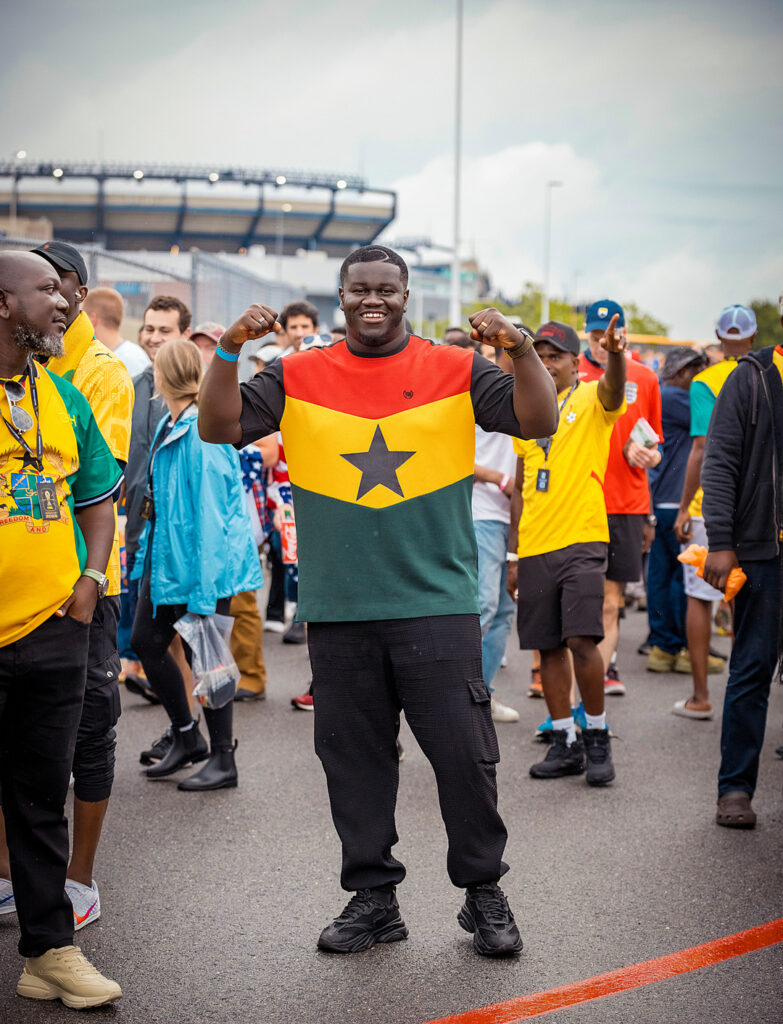
    Labour’s former Greater Manchester mayor, Andy Burnham, won a decisive victory in a special election on June 18, potentially setting up a challenge for the party’s leadership and, by extension, the U.K.’s premiership.

    Starmer and Finance Minister Rachel Reeves have been battling discontent over fiscal policy within their own ranks, while welfare reforms and the appointment of Peter Mandelson, an associate of the late sex offender Jeffrey Epstein, as U.S. ambassador, further damaged intra-party relations.

    An Ipsos poll published on Friday suggested that 52% of the British public think Starmer should stand down as prime minister, five percentage points higher than in May, while 35% think he should continue.

    U.K. gilt yields jumped on Friday following Burnham’s by-election win. However, he has been keen to placate markets lately, distancing himself from previous statements in which he suggested the U.K. was “in hock to the bond markets.”
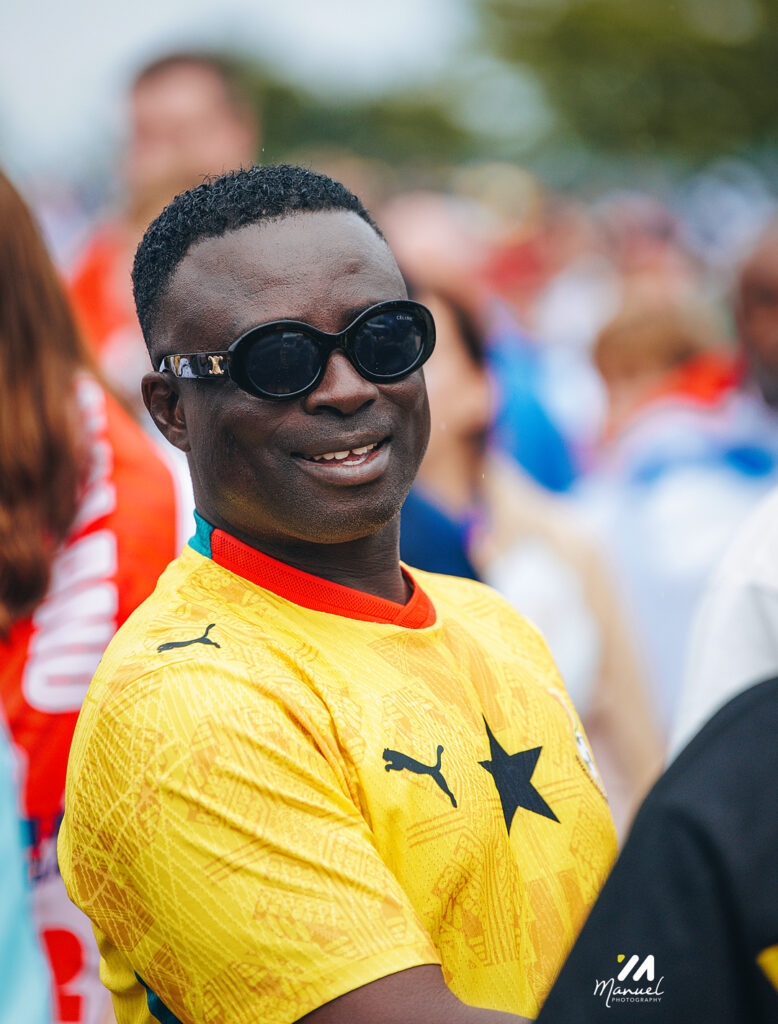
    UK Prime Ministers in the last decade

    Over the past decade, the United Kingdom has seen an unusually high turnover of prime ministers, with seven leaders holding office between 2016 and 2026.

    David Cameron was the first in this sequence, serving from 2010 until July 2016, when he resigned following the Brexit referendum. He was succeeded by Theresa May, who led the Conservative Party from July 2016 to July 2019, a period dominated by Brexit negotiations. Boris Johnson then took over in July 2019 and remained in office until September 2022, overseeing the completion of Brexit and managing the COVID‑19 pandemic.

    After Johnson, Liz Truss briefly became prime minister in September 2022, but her tenure lasted only 45 days, making her the shortest‑serving prime minister in UK history. Rishi Sunak followed in October 2022 and served until July 2024, leading for about one year and nine months.

    Keir Starmer then became prime minister in July 2024 after Labour’s general election victory. His leadership lasted until June 2026, just under two years, when he announced his resignation amid internal party pressure and electoral setbacks. His departure opened the way for a successor from Labour to be chosen later in 2026.

  • Partey-England players’ handshake: FA declines to intervene, leaves decision to players

    Partey-England players’ handshake: FA declines to intervene, leaves decision to players

    The English Football Association seems to have decided to stay neutral on the controversy building surrounding England players’ decision not to shake hands with embattled Ghana international midfielder Thomas Partey.

    It all started in early June when UK media began questioning whether England players were going to involve themselves in the customary pre-match handshake with Thomas Partey, who is currently facing numerous sexual assault charges in the UK, for which he maintains a not guilty plea.

    Reacting to that, reports indicated that the England FA, around 20–21 June, declared its stance, clarifying it would not issue directives, leaving the decision to individual players as the two countries, Ghana and England, prepare for their FIFA World Cup Group L encounter in Boston on Tuesday, June 23, according to reports in the United Kingdom.

    The report said the FA is determined to keep the focus on football and will leave individual players to make their own decisions on whether to participate in the traditional pre-match greeting with the 33-year-old.

    It further indicated that England manager Thomas Tuchel has consistently avoided engaging in political or legal controversies, maintaining that his primary responsibility is preparing his team for matches.

    As a result, there are understood to have been no formal discussions within the England camp concerning Partey’s legal situation ahead of the encounter.

    Meanwhile, the sexual assault case Partey is facing, which has led to conversations about the handshake, is the same one that led to his visa denial by Canada, which robbed him of the opportunity to play in Ghana’s World Cup opener against Panama last week.

    Despite Ghanaian authorities’ last-minute legal and diplomatic effort to secure permission for him to enter the country briefly to take part in the game, that appeal was rejected by a federal court in Ottawa.

    According to the court, there was “no serious issue in the underlying refusal” of the visa and “the applicant failed to disclose that he is the subject of multiple criminal charges for sexual violence in the UK”.
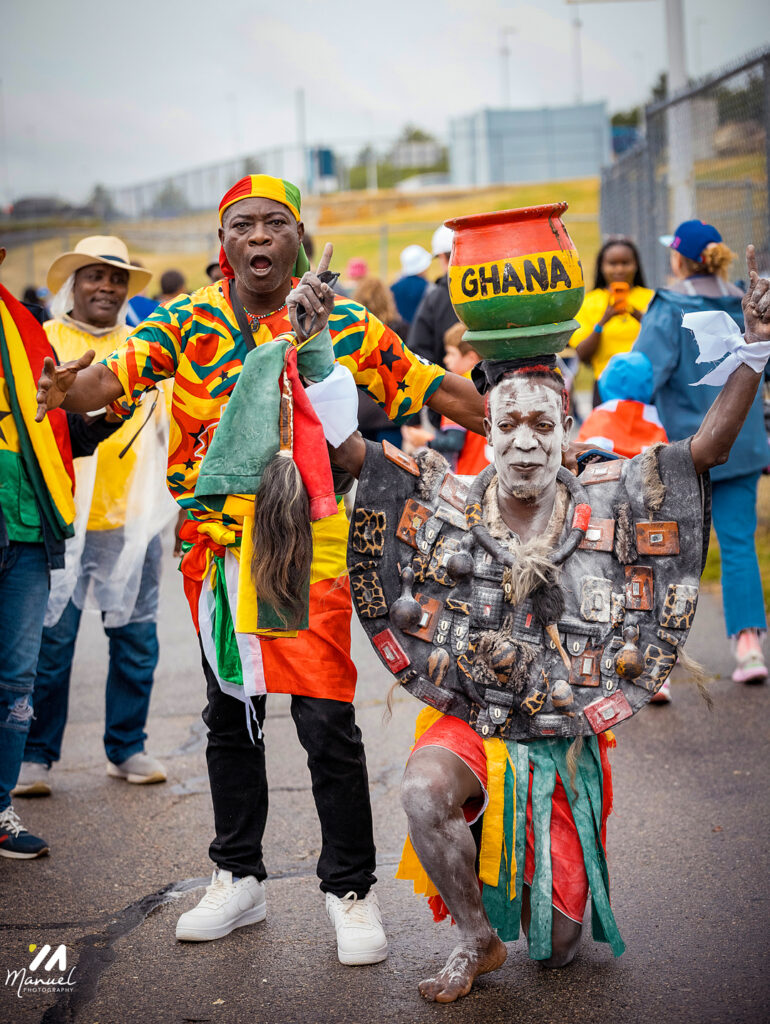
    According to reports, Canadian officials rejected the appeal following a hearing during which it emerged that details relating to the charges he faces in the United Kingdom had not been disclosed in his visa application.

    His absence forced Ghana to begin their World Cup campaign without one of their most experienced players and deputy captains.

    Despite the setback, the Black Stars secured all three points courtesy of a stoppage-time winner from 20-year-old Caleb Yirenkyi.

    Government officials, including Foreign Affairs Minister Samuel Okudzeto Ablakwa, subsequently confirmed that Ghana engaged Canadian authorities through diplomatic channels in an effort to secure a review of the decision, but to no avail.

    The Ghanaian international’s legal woes began just four days after he departed from Arsenal. He is currently facing six serious criminal charges in the UK. The charges were formally presented at Westminster Magistrates’ Court on August 5. These charges have been levelled against him by about three different women and are set to stand trial next year on June 7, Partey at Southwark Crown Court in London on seven counts of rape and one count of sexual assault.

    In one of the charges, Complainant 1 claims that, between April and May 2021, Partey penetrated her anally during what began as consensual vaginal intercourse, without her consent. She further claims that between April and June 2021, Partey engaged her in anal sex on at least four separate occasions without her consent.

    Complainant 2 also alleges that in December 2021, after she refused to engage in sexual activity, Partey raped her vaginally. She also claims that in February 2022, he penetrated her anally after she explicitly declined anal sex. A third allegation from Complainant 2 states that during a trip to Marbella, Spain, in June 2022, Partey raped her vaginally.

    Complainant 3 also claims that in February 2022, Partey lay on top of her, attempted to kiss her, and touched her over her clothes without her consent.

    However, the player has denied all the allegations levelled against him. His lawyer has denied the charges of rape and sexual assault against her client.

  • UTAG gives govt June 30 ultimatum to address members’ welfare concerns or face strike

    UTAG gives govt June 30 ultimatum to address members’ welfare concerns or face strike

    The government has until June 30 to address concerns of the condition of services and welfare of members across Ghana’s public universities, the National Executive Council (NEC) of the Universities Teachers Association of Ghana (UTAG) has warned.

    The ultimatum was issued by the association in a formal statement dated June 18, following UTAG’s statutory quarterly meeting held on Thursday, 18 June, at the University of Health and Allied Sciences (UHAS), Ho, where the Council reviewed matters relating to member welfare, the governance of the Association, and the advancement of higher education in Ghana.

    “UTAG has warned that if the outstanding matters are not satisfactorily resolved by 30 June 2026, all branches will, within five (5) working days of this release, begin consultations to secure the necessary mandates from members for appropriate industrial action in accordance with the UTAG Constitution and the Labour Act, 2003 (Act 651)”, parts of the statement said.

    The Association described the delays on the part of the government in addressing their concerns as “unacceptable”

    “UTAG says the continuing delays are unacceptable and risk further undermining confidence in the collective bargaining process”, it said.

    Issues to be addressed

    One of the concerns of UTAG is the government’s delay in signing the Interim Salary Adjustment Agreement for temporary relief, as far as their salary increment is concerned, while they wait for a review in January next year, as well as the delay and regularisation of post requirement contracts.

    “The government has yet to sign the Interim Salary Adjustment Agreement, despite the successful conclusion of negotiations and the agreement of all parties. The interim adjustment is intended to provide temporary relief pending the comprehensive salary review to be undertaken by the Independent Emoluments Commission (IEC), expected to take effect from January 2027.

    “Challenges relating to post-retirement contract renewals and academic staff rollover persist following the reversal of the Ghana Tertiary Education Commission (GTEC) directive. Continued delays in the approval, regularisation, and placement of affected staff on payroll by GTEC, CAGD, and the Ministry of Finance (MoF) are adversely affecting staffing and the effective operation of universities. The University component of OTSA for staff of the University of Environment and Sustainable Development (UESD) remains unpaid.

    The processing and payment of the 2026 Book and Research Allowance have been unduly delayed, contrary to established practice,” the statement noted.


    Expectations from the government before June 30

    Consequently, UTAG is urging the government to take immediate steps to sign and implement the Interim Salary Adjustment Agreement, resolve all post-retirement contract and rollover challenges affecting universities, pay the government component of OTSA to Research Fellows and Academic Librarians, facilitate the payment of the university component of OTSA for UESD staff and settle all outstanding promotion arrears. It also expects the government to facilitate the payment of salary arrears for the Institute of Languages and the Institute of Film and Television staff of the University of Media, Arts and Communication (UniMAC).

    UTAG noted that it is open to negotiation and discussion; however, any delays on the part of the government can disrupt the harmony in tertiary institutions across the country, hence urging the government to honour its part of the bargain.

    “… persistent failure to honour duly negotiated agreements undermines confidence in the collective bargaining process and threatens industrial harmony within Ghana’s public universities.

    UTAG therefore calls on the Government to demonstrate good faith by honouring, without further delay, all commitments made to university teachers.

  • Ireland deport 42 South African nationals without proper documentation

    Ireland deport 42 South African nationals without proper documentation

    Ireland has deported 42 South African nationals living in its country without legal documentation, the Irish Department of Justice has announced.

    They announced this through an official press release supported by statements from the Irish Naturalisation and Immigration Service (INIS), describing it as part of a “large‑scale immigration enforcement operation”.

    According to the Irish authorities, the move forms part of the government’s “….determination to enforce immigration law and to ensure that those who have no legal basis to remain in Ireland are returned to their country of origin.”

    How the exercise was done

    The illegal South Africans were removed on a chartered flight; and they include (9) nine men, 18 women and 15 children, departed from Dublin Airport on Thursday afternoon and arrived in South Africa on Friday morning. The children were all deported as part of family units.

    Their removal was carried out by the Garda National Immigration Bureau following deportation orders issued by the Irish authorities.

    Irish authorities said two of the deportees had criminal records in the country.

    Justice Minister Jim O’Callaghan stressed that while the vast majority of South Africans in Ireland reside there lawfully, immigration rules must be enforced. He said deportations form part of efforts to ensure the integrity of the immigration system and sustain public trust in its administration.

    The individuals have since arrived in South Africa.

    The deportation of the South African nationals comes at a time when the South Africans are attacking foreign nationals, whether documented or undocumented, to move to their home countries, citing that these nationals have taken over their livelihoods, such as job opportunities.

    Consequently, they launched a violent xenophobic attacks on other nationals including Ghanaian nationals which prompted government to embark on a massive evacuation exercise.

    So far, Ghana has evacuated a total of about 979 nationals from South Africa following the xenophobic attacks, with three separate batches of returnees arriving in Accra between late May and early June 2026.

    Ghana suspends evacuation exercise

    Ghana announced a temporary suspension of the repatriation registration exercise in South Africa, effective Tuesday, June 2. The High Commission of the Republic of Ghana to South Africa has confirmed.

    The Commissioner communicated this in a formal notice yesterday, Monday June 1 citing that the move has become necessary to allow his outfit complete the screening of the growing number of people who have currently registered for the evacuation back home.

    As at the time the Commission issued the notice, it indicated that over 1,500 Ghanaians had registered with his outfit waiting to be airlifted.

    “The High Commission of the Republic of Ghana to South Africa wishes to inform all Ghanaians residing in South Africa that registration for the ongoing voluntary repatriation exercise will be temporarily suspended with effect from 2nd June, 2026.

    The temporary suspension is to enable the High Commission and the Home Affairs authorities to process and screen the large number of applications already received. To date, over 1,500 Ghanaians have registered, and the verification and processing of these applications are currently underway”, parts of the statement read.

    It assured affected parties to exercise patience, noting that the exercise hasn’t ended.

    “The date for the next phase of registration will be communicated in due course. The High Commission further wishes to assure all interested Ghanaians who have not yet registered that the repatriation exercise has not ended. The High Commission appreciates the cooperation, patience, and understanding of the Ghanaian community in ensuring a well-coordinated exercise”, it continued.

  • Education sector faces 83,000-teacher shortfall – Haruna Iddrisu

    Education sector faces 83,000-teacher shortfall – Haruna Iddrisu

    The Ghana education sector is currently in need of about 83,000 teachers to meet nationwide demand; however, only 7,000 have been cleared for employment, Education Minister Haruna Iddrisu has said.

    Speaking on the floor of Parliament on Thursday, June 18, during discussions on issues relating to teacher recruitment and staffing within the education sector, the Minister also highlighted the government’s ongoing reforms in the sector and the progress made under them.

    According to him, the sector is grappling with a major teacher deficit that continues to affect effective teaching and learning across the country. However, financial constraints and budget limitations have made it difficult for the government to recruit the number of teachers required.

    “My need for teachers is between 50,000 and 90,000, but I had clearance for 7,000, and that is what I am making do with,” the Minister said.

    He stated that the establishment and strengthening of institutions such as the Commission for Technical and Vocational Education and Training (CTVET) and the Ghana Education Service (GES) have created additional staffing demands that must be addressed within the limits of available resources.

    “The country has evolved, and we have undertaken reforms that will benefit education in the foreseeable future. We now have the Commission for Technical and Vocational Education and the GES, and so when we are recruiting, we allocate teachers for TVET and GES. But there is a difference between need and what I have budgetary approval for.”

    The Education Minister’s remarks provide clarity on why the Ghana Education Service (GES) recently opened its 2026 teacher recruitment portal but had to close it abruptly after receiving over 40,000 applications for just 7,000 available positions. The portal, launched on April 10, 2026, was originally meant to remain open for about a week but was shut down early due to the overwhelming number of applications.

    Many trained teachers expressed disappointment with the limited recruitment exercise, arguing that the number of available positions falls far short of addressing the growing backlog of unemployed education graduates across the country.

    Aside from the challenge of recruiting only 7,000 out of the more than 90,000 teachers needed nationwide, the government also faced challenges in paying those who had already been working since 2024.

    The Ministry of Finance has cleared the Ghana Education Service (GES) to pay the salary arrears of teachers covering the period from August 1, 2024, to November 2025.

    However, the payments will be made in five instalments, GES announced in a formal statement dated April 20 and signed by the Acting Deputy Director-General (Management Services), Prof. Smile Dzisi, on behalf of the Director-General of GES.

    “Management of the Ghana Education Service hereby informs all Regional Directors that approval has been granted by the Ministry of Finance for the payment of salary arrears by CAGD to eligible staff of GES from 1st August 2024 to November 2025,” parts of the statement read.

    The payment of the arrears is scheduled to begin in May 2026. The arrears will be paid over four months, with four months’ arrears to be settled in each of May, June, July, and August.

    “The accruing arrears are to be paid in five (5) instalments…” the statement added.

    This comes after the education regulator secured financial clearance from the Ministry of Finance in 2024 following the posting of the teachers.

    The statement, addressed to all Regional Directors, indicated that the Ministry of Finance had authorised the Controller and Accountant-General’s Department (CAGD) to process the payments. GES also directed all heads of schools to inform their eligible staff.

    The Service directed Regional Directors to communicate the development to all Heads of Schools to ensure that affected staff were duly informed.

    The move is expected to bring relief to affected staff who have been awaiting payment of their outstanding salaries.

    Meanwhile, it will be recalled that the Ghana Education Service (GES), in a press statement dated October 16, announced that it had received financial clearance to pay the salaries of 6,249 teachers recruited in 2024.

    These teachers had been working after their postings but had not been placed on the government payroll and were therefore not receiving salaries for their services.

    However, after the Ministry of Finance authorised their payment, the education regulator announced that they could begin receiving salaries. In Ghana’s public sector, recruits cannot be paid until the Ministry of Finance issues financial clearance.

  • World Cup: Fan travel not being funded by taxpayers’ money – Sports Ministry clarifies

    The Ministry of Sports and Recreation has shot down speculation surrounding the sponsorship of supporters to the World Cup.

    Widely circulated claims suggest that supporters’ travel to the tournament will be funded with taxpayers’ money. However, responding to these claims, the Head of Public Relations at the Ministry, Bagbara Tanko, in a statement issued on behalf of Sports Minister Kofi Adams, clarified that the government remains committed to protecting the public purse and described the reports as misleading.

    “The Ministry of Sports wishes to clarify recent misconceptions regarding the sponsorship of supporters for the upcoming World Cup. It has come to our attention that there has been a deliberate distortion of information suggesting that the government is using state funds to pay for supporter trips to the tournament.

    We want to state unequivocally that H.E. President John Dramani Mahama and the Ministry of Sports have consistently and explicitly ruled out the use of public funds to sponsor supporters. This stance is rooted in sound economic considerations, given the high costs estimated at up to $11,000 per fan and the need to prioritise Ghana’s domestic economic development and sports infrastructure,” parts of the statement read.

    The statement further referred to the government’s commitment to the Justice Dzamefe Committee Report and the subsequent White Paper.

    The committee, chaired by Justice Senyo Dzamefe, was established in July 2014 by then-President John Mahama to investigate the controversies that emerged during Ghana’s participation in the FIFA World Cup and to recommend reforms for football administration.

    The White Paper outlines the government’s response to the committee’s recommendations and indicates which recommendations would be adopted and implemented.

    “From the outset, Hon. Kofi Adams has demonstrated a firm commitment to upholding the recommendations of the Justice Dzamefe Committee Report and the subsequent White Paper. These documents clearly stipulate that no state funds should be allocated to mobilise supporters for national team trips abroad. The Ministry’s actions have always aligned with these directives, ensuring that taxpayer money is protected and used responsibly,” the statement continued.

    Govt resolves not to use taxpayers’ money for fan sponsorship

    The Ministry explained that “Following the directives of His Excellency President Mahama, the government has instead taken proactive steps to involve Corporate Ghana in supporting our national team. A fundraising event was launched at the Kempinski Hotel, setting a clear tone for private sector-led support.”

    Government targets $30 million to support Black Stars’ World Cup campaign and sports development

    The Ministry further reiterated that funds raised through the initiative would not be used solely for the World Cup. Any surplus would be invested in sports infrastructure and development across the country, while transparency and accountability would remain central to the management of the funds.

    “The goal is to raise approximately $30 million USD, which will be used to fund Ghana’s participation in the World Cup in the USA, Canada and Mexico. Should there be any surplus funds after covering essential expenses, these will be dedicated to sports infrastructure development, in line with national priorities. Hon. Kofi Iddie Adams has assured all Ghanaians that transparency and accountability will be the guiding principles in managing all resources mobilised for this initiative,” the statement added.

    “The government’s position is not to prevent supporters from attending the World Cup, but to ensure that such participation is facilitated responsibly and without burdening the taxpayer,” the statement noted.

    The Ministry expressed appreciation to Corporate Ghana for supporting the initiative and reaffirmed its commitment to backing the Black Stars through private-sector partnerships and prudent financial management.

    “He also expressed gratitude to Corporate Ghana for its generous response to the government’s appeal for donations towards this worthy cause. The Ministry will, at the appropriate time, provide comprehensive updates on how funds received from corporate partners are allocated and utilised.

    Let it be understood that the government’s position is not to prevent supporters from attending the World Cup, but to do so responsibly and transparently without using public funds. We remain committed to supporting our national team through private-sector partnerships and prudent management of resources,” the statement concluded.

  • Trionda: The Smart Ball behind the 2026 FIFA World Cup

    Trionda: The Smart Ball behind the 2026 FIFA World Cup

    German manufacturer Adidas, which has been designing World Cup balls since the 1970 tournament, has once again produced the official match ball for the upcoming FIFA 2026 World Cup.

    Named Trionda, the ball was officially unveiled on Thursday, October 2, during a global launch event at Brooklyn Bridge Park in New York City. The presentation, hosted jointly by FIFA and Adidas, showcased the ball’s design, technology, and symbolic meaning.

    FIFA president Gianni Infantino, during the unveiling of the ball, said, “The Official Match Ball for the FIFA World Cup 26 is here, and it’s a beauty! “I am delighted and proud to present the Trionda.”

    Trionda, originating from Spanish, is interpreted as “tri” (three) and “onda” (wave), which signifies the three host countries of the global tournament. Trionda stuns with an aesthetic design which has representations from all three host countries, Canada, Mexico, and the USA, with features including Red panels with maple leaves for Canada, green panels with eagle motifs for Mexico and blue panels with stars for the USA. It also has a central triangle formed by the panel seams, symbolising unity.

    Article image 1

    Less visible are technological advancements that include deep seams designed to produce “optimal in-flight stability” and embossed icons that improve grip in wet or humid conditions.

    A motion sensor chip will relay information on the ball’s movement, sending data to the video assistant referee (VAR) system. Trionda also has micro-embossed icons for enhanced grip in varied climates. It has been tested across all 16 host cities for altitude, humidity, and temperature

    Adidas earned praise from Infantino for its iconic creation. He said, “Adidas has created another iconic FIFA World Cup ball, with a design that embodies the unity and passion of next year’s host nations: Canada, Mexico, and the United States.”

    Infantinno added, “I can’t wait to see this beautiful ball hitting the back of the net. The countdown to the greatest FIFA World Cup ever is on, and the ball is rolling!”

    Article image 2

    About 2026 FIFA World Cup

    The 2026 FIFA World Cup feature 48 countries, making it the largest World Cup in history. This comes after the football governing body allowed more countries from Africa, Asia, and CONCACAF to qualify, increasing global representation. Previously, the tournament was open to just 32 teams; however, sixteen (16) more teams have been included.

    The tournament currently features a total of one hundred and four (104) games across 16 cities, with 12 groups of 4 teams each in the group stage. The knockout stage will begin with a new Round of 32.

  • Ghana-England clash: We know it’s going to be a tough game – Semenyo

    Ghana-England clash: We know it’s going to be a tough game – Semenyo

    Ghana’s next World Cup fixture is scheduled for Tuesday June 23, at the Boston Stadium in Foxborough, Massachusetts (USA). The team had quite a hard time breaking Panama however securing a 1-0 win in stoppage time thanks to Caleb Yirenkyi.

    Despite the win, the Tuesday match remains one of Ghana’s biggest challenge yet as acknowledged by
    Black Stars and Man City forward Antoine Semenyo. 

    Speaking to Ghana FA Media, Semenyo indicated that “We know it’s going to be a tough game. I feel like we’re not going to get ahead of ourselves. We know we want to win that game, but we know it’s not going to be easy either”. 

    Consequently, he said the squad will “Make sure we recover well now and make sure we train well leading up to the England game.”

    The 26-year-old also expressed excitement about coming up against familiar faces from the English game, describing the fixture as an opportunity for Ghana to make a statement on the world stage.

    “It’s going to be different for sure. I’m looking forward to the challenge. I think everyone in the Ghana team is looking forward to it. We want to prove a point. I’m just going to leave that message out there,” he added.

    A positive result against England would significantly strengthen Ghana’s chances of progressing from the group stage before they conclude their campaign against Croatia on June 27.

    The Black Stars are chasing a place in the knockout rounds for the first time since their historic run to the quarter-finals at the 2010 World Cup and will be eager to build on the momentum generated by their opening victory over Panama.

    See full squad list for Black Stars:

    Goalkeepers

    Benjamin AsareLawrence Ati-ZigiJoseph Anang

    Defenders

    Baba Abdul RahmanGideon MensahMarvin SenayaAlidu SeiduAbdul MuminJerome OpokuJonas AdjeteyKojo Oppong Nkrumah PreprahDerrick Luckassen

    Midfielders

    Thomas ParteyElisha OwusuKwasi SiboAugustine BoakyeCaleb YirenkyiAbdul Fatawu IssahakuKamaldeen Sulemana

    Forwards

    Jordan AyewAntoine SemenyoInaki WilliamsErnest NuamahChristopher Bonsu BaahBrandon Thomas-AsantePrince Kwabena Adu

    Meanwhile, given the country’s current economic situation, government is unwilling to sponsor supporters abroad for the upcoming 2026 FIFA World Cup, President Mahama said.

    Citing the nature of this year’s World Cup which is set to be hosted across three different nations, America, Mexico and Canada, President Mahama said it has increased the financial and logistical burden compared to the previous tournaments that was held in a single place.

    This he said makes fans sponsorship unsustainable with a staggering cost estimate of nearly $11,000 per supporter, a figure he described as well beyond what the state can responsibly absorb under current economic conditions.

    Consequently speaking at a diaspora town hall meeting in London on Sunday, May 31, President Mahama noted that,

    “We cannot, you know, spend our money in that manner. The cost approximates for each person to be fed, accommodated, transported, and all that to watch the games, tickets, and all that is estimated at almost $11,000,”.

  • Justice for reparations should not be reduced to money only – France’s Emmanuel Macron

    Justice for reparations should not be reduced to money only – France’s Emmanuel Macron

    Over the years, African leaders’ calls for reparations have mostly emphasised financial compensation for colonial exploitation and slavery, which have left deep economic scars.

    Leaders, including Ghana’s former President Nana Addo Dankwa Akufo-Addo and Kenya’s William Ruto, have emphasised financial compensation in reparations debates.

    However, French President Emmanuel Macron has a different opinion. He believes reparations should not be limited to financial compensation alone, as the damage caused by slavery can never be compensated for with just a cheque.

    He recommended that the truth be told about slavery, that artefacts and monuments taken away be returned, and that monuments and memorials be built to remember the victims.

    “Reparations, because this is also what it comes down to when we speak of justice, can take different forms, as I mentioned several days ago and as John Dramani Mahama has underlined on several occasions.

    History cannot be reduced to a simple accounting ledger. Making reparations is about placing importance on scientific and historical truth; building monuments, teaching, and researching. It means returning the works of art that were stolen during those periods,” he noted while speaking at the High-Level Consultative Conference on “Next Steps” under the United Nations Resolution on Enslaved Africans in Accra at the Kempinski Hotel on Thursday, June 18.

    Macron noted that reparations also involve addressing unresolved historical grievances, citing ongoing engagements with Haiti as an example.

    “Reparations also involve the ability to work out situations as we are currently doing with Haiti. It can be approached from multiple perspectives, but in no case should it be seen as an endpoint, a cheque written to bring the story to a close,” he said.

    The French leader maintained that the legacy of slavery remains a living history that must continue to be acknowledged through remembrance, dialogue, and efforts to make amends.

    “History will live on, and we must continue to bear its names, memories, and faces, and to make amends, make progress, and discuss the future,” he added.

    Macron also reaffirmed France’s commitment to supporting initiatives aimed at advancing historical recognition and reparative justice.

    “I would like to reiterate my commitment to stand with you. You can count on France,” he said.

    This High-Level Consultative Conference on “Next Steps” under the United Nations Resolution on enslaved Africans was announced in a statement issued by the Government Communications Spokesperson and Minister, Felix Kwakye Ofosu, following an apology by His Holiness Pope Leo XIV for the Holy See’s role in the transatlantic slave trade, which took place between the late 15th century and the late 19th century.

    In a speech delivered by Pope Leo XIV, he gave a historic apology for the Holy See’s role in the transatlantic slave trade on Monday, May 25, at the Vatican during the presentation of his first encyclical, “Magnifica Humanitas: On Safeguarding the Human Person in the Time of Artificial Intelligence”, describing the act as “a wound in Christian memory”.

    “It is impossible not to feel deep sorrow when contemplating the immense suffering and humiliation endured by so many in stark contrast to their immeasurable dignity as persons infinitely loved by the Lord. For this, in the name of the Church, I sincerely ask for pardon”, the Pope said.

    In reaction to the Pope’s apology, the government, in a statement on May 28, 2026, welcomed the apology, describing it as “an act of moral courage” and announced Ghana’s hosting of the High-Level Consultative Conference on Historical Justice, Remembrance, and the Legacy of the Transatlantic Slave Trade from June 17–19.

    “The Government of the Republic of Ghana warmly welcomes the historic statement by His Holiness Pope Leo XI acknowledging and apologising for the role played by the Holy See in legitimising and sustaining the enslavement of Africans and the transatlantic slave trade.

    “His Holiness Pope Leo XI’s apology is particularly significant and refreshing, as it demonstrates a willingness to confront difficult historical truths in the interest of justice, understanding and reconciliation, ” parts of the statement read.

    It went on to highlight the hardships Africans were subjected to under the slave system and the indelible prints it has left on them until now. According to the government, the Pope’s acknowledgement of the sufferings of Africans during the slavery era helps expedite the healing and reconciliation process.

    “For five centuries, millions of Africans and people of African descent endured unimaginable suffering and dehumanisation through systems of racialised chattel enslavement whose effects continue to shape societies and communities across the world today.”

    “Honest recognition of this painful history remains an essential step toward healing, reconciliation and a more just future”, the government continued.

  • UN intervention reduce maternal mortality from 310 to 234 deaths per 100,000 live births in 2025

    UN intervention reduce maternal mortality from 310 to 234 deaths per 100,000 live births in 2025

    The United Nations (UN) program delivery has helped tackle poverty, improve living standards, and drastically reduce maternal mortality in Ghana.

    This is as contained in the UN’s Ghana 2025 Annual Results Report, which was launched in Accra on Tuesday, June 16.

    According to the international organisation’s Country Team in Ghana, it increased its programme delivery rate from 64% in 2024 to 80% in 2025, investing $113.3 million through 34 UN agencies to support a wide range of development initiatives across the country.

    Consequently, these interventions contributed to a decline in maternal mortality, with deaths falling from 310 to 234 per 100,000 live births, a reduction of 76 deaths, representing a 24.5% decline during the period.

    However, despite the UN’s intervention, Ghana’s Gender Ministry last year indicated that 900 mothers lost their lives. Speaking about the situation, the Minister for Gender, Children and Social Protection, Agnes Naa Momo Lartey, noted that Ghana’s maternal mortality ratio has seen only marginal improvement over the past decade, declining from 316 deaths per 100,000 live births in 2010 to 301 in 2020, marking just 16 deaths in decline in a decade

    She warned that the slow pace of improvement risks Ghana’s chances of missing the Sustainable Development Goal (SDG) target of reducing maternal mortality to 70 deaths per 100,000 live births by 2030.

    Statistics 

    Ghana’s cases in the last few years have been fluctuating; however, reports indicate that these deaths have consistently been linked to obstetric haemorrhage (severe bleeding) and hypertensive disorders of pregnancy (gestational hypertension, preeclampsia, eclampsia), with delays in care and weak health systems compounding the problem.

    In 2010, Ghana saw 316 deaths per 100,000 live births, caused by haemorrhage and hypertensive disorders of pregnancy. By 2020, Ghana recorded a decline of 15 deaths per 100,000 live births, but systemic issues such as weak referral systems, poor emergency transport, and shortages of skilled birth attendants continued to drive fatalities.

    A sharp improvement was reported in 2023, when the Ghana Health Service (GHS) documented 100 deaths per 100,000 live births. This was attributed to expanded antenatal coverage, improved emergency obstetric care, and stronger community health services. However, in 2024, the ratio rose slightly to 102 deaths per 100,000 live births, showing that progress was fragile and easily reversed by gaps in blood supply chains, delayed care, and socio-cultural barriers that kept many women from seeking timely hospital delivery.

    UN 2025 investment in Ghana, results

    Secutity

    The UN’s increased investment was directed through seven joint programmes implemented with 185 partners, focusing on poverty reduction and economic inclusion, health, education and social services, peace and governance, disability inclusion and gender equality, as well as climate finance and digital transformation.

    Per the report, while the cases of peace and security remain ongoing challenges, its intervention has been able to chalk some successes. Citing the Gbinyiri and Bawku conflict, which displaced about 34,000 people and 150 deaths respectively, the UN highlighted that its intervention helped increase immigration patrol coverage, expanded from 12 kilometres to 22 kilometres as part of efforts to strengthen border security.

    Again, the UN’s reported gains in digital literacy, particularly among about 24,226 students, while 54 journalists also received training on how to report on sensitive conflict-related cases to prevent and instigate conflict. Peace messaging campaigns reached about 100,000 radio listeners and generated 1.5 million video views.

    Gender equality

    Gender equality programmes instituted by the UN nationwide have reduced the prevalence of child marriages, reducing it by 2.9 percentage points, from 19 percent to 16.1 percent.

    Waste

    On climate action, the report said 24,152 tonnes of organic waste were diverted from landfills, while technical support was provided to develop Ghana’s disaster risk finance strategy, including a parametric flood insurance solution expected to protect about 4.9 million people.

    Speaking at the launch, UN Resident Coordinator Zia Choudhury attributed the improved delivery rate to stronger coordination among agencies and enhanced accountability.

    “We are improving our delivery rates because we are ready to deliver with greater discipline, greater reliability across the 34 agencies,” he said.

    Mr Choudhury stressed that although the UN’s annual expenditure of more than $113 million may appear modest compared to national infrastructure spending, the resources were carefully targeted to maximise impact.

    “The UN’s annual envelope of over $113m may not seem large compared to national infrastructure spending, but is managed with careful targeting, careful coordination, and careful accounting,” he said.

    He cited improved access to quality education, nutrition support, increased access to seeds and finance for farmers, protection and economic opportunities for women and girls, and stronger climate resilience among communities as some of the key outcomes achieved through the programmes.

    David Klotey Collison, Coordinating Director of Operations at the Ministry of Finance, said the results reflected the strength of the partnership between Ghana and the UN system.

    “Over the past year, Ghana has made deliberate efforts to strengthen fiscal policy, optimise public investment and enhance domestic resource mobilisation, but international cooperation was necessary in achieving the country’s sustainable development goals,“ he said.

    The Finance Ministry official expressed appreciation to the UN and its partners for their continued support and pledged to deepen cooperation to achieve greater development outcomes in the years ahead.

  • NDC to host party HQ renaming, exhibition, others in honour of Rawlings on June 22

    NDC to host party HQ renaming, exhibition, others in honour of Rawlings on June 22

    The late former president and founder of the National Democratic Congress (NDC), Flt Lt Jerry John Rawlings, would have turned 79 on June 22 if he were alive. Hence, in honour of him, the party is renaming its headquarters after him.

    The party announced this in a statement signed by the NDC’s Deputy National Communications Officer, Godwin Ako Gunn, who described the commemoration as an opportunity to reflect on Rawlings’ role in Ghana’s political transformation and his lasting influence on the country’s democratic journey.

    “This commemoration is not just a remembrance of our founder, but an opportunity to reflect on his pivotal role in Ghana’s political transformation and to recommit ourselves to the democratic ideals he championed,” parts of the statement said.

    Aside from the renaming, there is a line-up of commemorative activities the party, in collaboration with the J.J. Rawlings Foundation, will hold on Monday, June 22.

    The events, which are expected to attract senior government officials, party executives, supporters, political activists and members of the public, will be held under the theme: “From Revolution to Fourth Republic: The Rawlings Legacy.”

    Major event of the day

    The event, slated for 9 in the morning, will begin at the party’s headquarters in Accra, which will be named after its founder, and a bust in his honour will also be unveiled.

    Ghana’s President John Mahama is expected to lead the ceremony and pay homage to the man whose contribution to Ghana’s current democratic landscape cannot be overlooked.

    Other leading figures of the governing party are also expected to address the gathering and reflect on Rawlings’ contributions to national development, democratic governance and the growth of the NDC.

    After the unveiling, a commemorative public lecture and exhibition will be held later in the day, around 4 pm, at the auditorium of the Ghana Academy of Arts and Sciences in Accra, to showcase the life and legacy of the former President.

    At the lecture, lawyer and academic Tsatsu Tsikata will deliver the keynote address, focusing on the historical significance of Rawlings’ political journey and his impact on Ghana’s transition from military rule to constitutional democracy.

    The programme will also feature presentations by former Minister for Local Government and current Board Chairman of the Ghana Investment Promotion Centre, Dr Akwasi Opong-Fosu, and former Minister for Information and National Security, Mr Kofi Totobi Quakyi, both of whom worked closely with the late statesman.

    Second phase of the exhibition

    Following Justice Tsikata and the close statesmen to the late president,  a second phase of the exhibition will follow with a showcase of photographs, documents and memorabilia chronicling Rawlings’ life, political career and contributions to Ghana’s democratic development.

    Honouring a lasting legacy

    Flt Lt Rawlings, who founded the NDC in 1992, remains one of the most influential figures in Ghana’s political history. He led the country as Head of State under the Provisional National Defence Council (PNDC) and later served two constitutional terms as President under the Fourth Republic.

    Before this announcement, the NDC in mid-May announced that it would rename the party’s headquarters after the late president.

    This was confirmed by the party’s General Secretary of the National Democratic Congress (NDC), Fiifi Fiavi Kwetey, during a media briefing where he was officially announcing activities for the NDC Month of June 2026, citing that the annual observance is dedicated to reflection, remembrance, recommitment and renewal of the ideals upon which the party was founded.

    He indicated that the headquarters will now be known as “Rawlings House” as part of activities marking the 2026 NDC Month celebration.

    Mr Kwetey said, “The National Democratic Congress has declared the month of June every year as NDC Month, a period dedicated to reflection, remembrance, recommitment and renewal of the ideals that gave birth to our great Party and continue to shape our collective political tradition. This year’s NDC Month begins today, the 15th of May 2026, a date of profound historical significance.

    May 15 represents an important precursor to the political evolution that birthed the Provisional National Defence Council (PNDC) and, subsequently, the National Democratic Congress. It is therefore fitting that we commence this national observance from today, as we retrace the path of sacrifice, patriotism, accountability and social justice that has defined our political tradition.”

    Mr Kwetey noted that the theme for this year’s celebration, “Strengthening State Institutions: Lessons from the June 4, 1979 Uprising,” reflects the party’s commitment to accountability, integrity, discipline and social justice.

    “The June 4 uprising was not merely an event in history. It represented a demand for integrity in public life, accountability in governance, discipline in leadership, social equity and responsible stewardship of state resources,” he stated.

  • WC: Go Black Stars! Play for the flag – President Mahama to squad ahead of Panama opener

    WC: Go Black Stars! Play for the flag – President Mahama to squad ahead of Panama opener


    President Mahama has rallied support for Ghana’s “gallant Black Stars” ahead of their World Cup opener against Panama tonight Wednesday, June 17th happening at BMO Field in Toronto, Canada. 

    In a state shared by the Presidency a few hours to the game, President Mahama assured the Black Stars of the government and whole country’s support charging them to deliver their best to make Ghana proud.

    “Our gallant Black Stars, As you stand on the threshold of your first match against Panama in Toronto, the Government and the over thirty million people of Ghana stand firmly behind you. This fifth World Cup appearance is a testament to the resilient spirit of our nation” parts of the statement read.

    He reminded the players that the game is more than just a match, stressing that they carry the hopes, dreams, and heritage of the nation at the tournament and must deliver a strong performance in their opener.

    President Mahama also rallied all Ghanaians in Ghana to turn up in their numbers to support the team and to “let our drums remind our boys that wherever a Ghanaian stands, home is never far away”. “You carry more than a ball. You are carrying the hopes, dreams, and heritage of a people. From the streets of Chorkor to the plains of Bole, every Ghanaian heart beats in sync with yours” thank you.

    To our vibrant diaspora in Toronto and across North America, we charge you to be the “12th Man”. Let the red, gold, and green illuminate the stands”, the statement continued.

    He continued that, at home too, the government has made sure that every Ghanaian has access  to view the matches as it has secured viewing rights in order not to be left out.

    “At home, the Government has ensured that no citizen is left behind. We have successfully secured official television broadcast rights, ensuring that every tackle and every goal is beamed into homes from Axim to Bawku, and from Ho to Hamile. This is our gift to a nation that lives and breathes the beautiful game.

    He ended with a stirring message of encouragement to the Black Stars, urging them to play for the nation, inspire the next generation, and make Ghana proud on the global stage.

    “Play for the flag. Play for the children dreaming of greatness in your footsteps.

    The world is watching, and we are confident that the Black Star will shine brighter than ever before on this global stage.Go Black Stars!”

    Ghana has, for the first time in over a decade, secured live broadcast rights for the 2026 FIFA World Cup following successful government-backed arrangements and a nationwide fundraising initiative.

    The last time Ghana secured such broadcast rights was in 2014, with GBC leading coverage when Brazil hosted the tournament.

    This was confirmed by the Minister for Sports and Recreation, Kofi Adams, while speaking during the presentation of a GH¢5 million donation from GCB Bank to the Black Stars support campaign.

    According to the Buem MP, the broadcast rights cover a few selected media platforms nationwide.

    “Through the support of government and fundraising efforts, we have been able to secure broadcast rights to telecast the World Cup matches live on some media stations,” he said.

    Times Ghana has secured broadcast rights in World Cup history

    In 2010, when the 2010 FIFA World Cup was hosted in South Africa, the Ghana Broadcasting Corporation, together with private partners, secured the rights and broadcast the matches live. This was historic because Ghana reached the quarterfinals, its best performance to date.

    By 2014, during the 2014 FIFA World Cup, Ghana again secured broadcast rights, with GBC leading nationwide coverage.

    In 2018, despite Ghana not qualifying for the tournament in Russia, broadcast rights were limited, and only selected pay-TV platforms carried the matches.

  • Full text: Canadian court’s verdict on Partey’s visa appeal

    Full text: Canadian court’s verdict on Partey’s visa appeal

    Ghana’s attempt to appeal the denial of a visa to Thomas Partey for Canada has failed. This comes after the 33-year-old Ghanaian midfielder failed to disclose he was a subject of multiple sexual assault cases and is currently standing trial in the UK.

    As part of the official squad for Ghana in the Black Stars’ World Cup opener against Panama, he is going to miss the fixture.

    The Ghanaian government made a last-minute legal and diplomatic effort to secure permission for him to enter the country briefly to take part in the game, but that appeal was rejected by a federal court in Ottawa.

    According to the court, there was “no serious issue in the underlying refusal” of the visa and “the applicant failed to disclose that he is the subject of multiple criminal charges for sexual violence in the UK”.

    The Ghanaian international’s legal woes began just four days after he departed from Arsenal. He is currently facing six serious criminal charges in the UK. The charges were formally presented at Westminster Magistrates’ Court on August 5. These charges have been levelled against him by about three different women and is set to stand trial next year.

    According to Canada’s Immigration, Refugees and Citizenship (IRCC), “Canada has been consistent that hosting major events does not change Canada’s immigration laws.

    “Every person seeking to come to Canada is assessed individually, based on the facts available and the law that applies,” they told the BBC in an interview.

    Circumstances leading to Canada’s visa denial

    IRCC officials had written to Partey to express concerns about whether his application had met the requirement to “answer truthfully” and referenced legislation covering misrepresentation, which could impact a visa.

    The court also noted that under immigration rules, “having reasonable grounds to believe that an offence has been committed is sufficient”, and a conviction is not required to find the applicant inadmissible.

    Partey, who now plays for Spanish side Villarreal, has played more than 50 times for Ghana, having made his debut in June 2016.

    Before the tournament, head coach Carlos Queiroz said he had no qualms over selecting Partey.

    Asked about the issue again on Tuesday, he said, “My business is to play with the cards that I 

    have in front of me.

    Police have confirmed that they have received the DNA report linked to the murder of a Ghana Immigration Service officer, Stephen King Amoah; however, they have yet to receive the full autopsy report from the Police Hospital, the service informed the Adabraka District Court on Monday, June 15.

    Consequently, Chief Inspector Apeweh Achana, leading the prosecution, requested a two-week adjournment to allow his outfit some time to submit a duplicate docket to the Attorney-General’s Department.

    The victim was allegedly murdered, and his body was partly burnt in a bush around Ashongman Estates in Accra in July 2025. 

    He therefore prayed for a two-week adjournment to enable the Police to submit a duplicate docket to the Attorney General’s office.

    The court adjourned the case to June 29, 2026, and remanded the two accused persons, Bright Aweh, also known as Highest Bright, Thomas Zigah, into police custody. 

    The two have been jointly charged with  conspiracy to commit murder and murder. Their pleas have been preserved by the court. 

    Background

    The lifeless body of the immigration officer was discovered in a drainage system near GBC Satellite, opposite Comet Estate, Accra, on Wednesday, July 9.

    The deceased is said to have gone missing five days (since July 3) before his tragic death. This was contained in a press statement by the Ghana Police Service on Thursday, July 10.

    Providing more details about the tragic incident, the police noted that the murderer(s) of the 38-year-old also set his body on fire.

    The police have disclosed that their preliminary investigations indicate the deceased had gone to meet his debtor, one Bright Aweh, who had promised to pay the outstanding debt owed on Thursday, July 3, in the evening.

    Police investigations linked the meeting to a financial dispute between the deceased and Aweh, following a WhatsApp exchange that reportedly contained images of cash. 

    Aweh allegedly claimed he had given Amoah GH¢500,000 to settle a debt and return the balance, but inconsistencies in his account led to his arrest. 

    A search at Aweh’s residence reportedly uncovered a camouflage outfit with suspected bloodstains and a wooden pestle wrapped in polythene. 

    Black Stars midfielder Thomas Teye Partey has suffered a setback in his efforts to join Ghana’s squad in Canada for the 2026 FIFA World Cup after a Canadian Federal Court dismissed an urgent application challenging the refusal of his visa.

    In a ruling delivered on June 16, 2026, Justice Roger R. Lafrenière rejected Partey’s request for expedited court intervention following a decision by Immigration, Refugees and Citizenship Canada (IRCC) to deny him a Temporary Resident Visa.

    Partey had asked the court to either fast-track his application or direct Canadian immigration authorities to urgently reconsider the decision, arguing that he needed clearance to travel and join the Black Stars ahead of Ghana’s opening World Cup match against Panama in Toronto

    However, the court ruled that it could not sidestep established immigration procedures or effectively grant a visa through an interim application.

    According to the judgment, granting the relief sought by the Ghanaian midfielder would have denied the government sufficient opportunity to respond and would have bypassed important legal requirements, including the filing of complete records and the formal process for seeking judicial review.

    Social Media Management

    Partey, who applied for the visa on May 21, 2026, under a FIFA invitation to join Ghana’s World Cup delegation, was denied entry on June 10 after Canadian immigration officials determined that he was inadmissible under the country’s Immigration and Refugee Protection Act.

    Authorities cited serious criminal charges currently pending against the player in the United Kingdom, noting that if proven, the alleged offences would be considered indictable crimes under Canadian law.

    Court records also indicated that immigration officials had raised concerns about inconsistencies in Partey’s application and requested additional information, including police records from the UK.

    The ruling further noted that Partey initially answered “no” to questions about whether he had ever been arrested or charged, but later submitted documents showing that he was facing multiple criminal charges.

    His legal team argued that the visa refusal was unfair and urged the court to allow him entry on humanitarian or temporary grounds so he could fulfil his national team obligations. They also sought expedited consideration of a request for reconsideration or a temporary resident permit.

    The court, however, held that immigration inadmissibility decisions must follow due process and cannot be set aside simply to accommodate short-term sporting commitments.

    Justice Lafrenière also found that Partey had failed to establish a serious issue for trial, stating that immigration officers were entitled to rely on reasonable grounds when assessing admissibility, even where no conviction had been secured.

    The court further concluded that Partey had not demonstrated irreparable harm, observing that the difficulties he faced arose primarily from the criminal allegations themselves rather than the visa refusal.

    On the balance of convenience, the judge ruled that Canada’s interest in enforcing its immigration laws outweighed the request for exceptional treatment.

    The decision leaves Partey’s participation in Ghana’s World Cup matches in Canada uncertain unless another legal or administrative avenue succeeds.

    Ghana opens its 2026 FIFA World Cup campaign against Panama today, June 17.

    DISCLAIMER: Independentghana.com will not be liable for any inaccuracies contained in this article. The views expressed in the article are solely those of the author’s, and do not reflect those of The Independent

  • Immigration officer murder: Police receive DNA report, await full autopsy

    Immigration officer murder: Police receive DNA report, await full autopsy

    Police have confirmed that they have received the DNA report linked to the murder of a Ghana Immigration Service officer, Stephen King Amoah; however, they have yet to receive the full autopsy report from the Police Hospital, the service informed the Adabraka District Court on Monday, June 15.

    Consequently, Chief Inspector Apeweh Achana, leading the prosecution, requested a two-week adjournment to allow his outfit some time to submit a duplicate docket to the Attorney-General’s Department.

    The victim was allegedly murdered, and his body was partly burnt in a bush around Ashongman Estates in Accra in July 2025. 

    He therefore prayed for a two-week adjournment to enable the Police to submit a duplicate docket to the Attorney General’s office.

    The court adjourned the case to June 29, 2026, and remanded the two accused persons, Bright Aweh, also known as Highest Bright, Thomas Zigah, into police custody. 

    The two have been jointly charged with  conspiracy to commit murder and murder. Their pleas have been preserved by the court. 

    Background

    The lifeless body of the immigration officer was discovered in a drainage system near GBC Satellite, opposite Comet Estate, Accra, on Wednesday, July 9.

    The deceased is said to have gone missing five days (since July 3) before his tragic death. This was contained in a press statement by the Ghana Police Service on Thursday, July 10.

    Providing more details about the tragic incident, the police noted that the murderer(s) of the 38-year-old also set his body on fire.

    The police have disclosed that their preliminary investigations indicate the deceased had gone to meet his debtor, one Bright Aweh, who had promised to pay the outstanding debt owed on Thursday, July 3, in the evening.

    Police investigations linked the meeting to a financial dispute between the deceased and Aweh, following a WhatsApp exchange that reportedly contained images of cash. 

    Aweh allegedly claimed he had given Amoah GH¢500,000 to settle a debt and return the balance, but inconsistencies in his account led to his arrest. 

    A search at Aweh’s residence reportedly uncovered a camouflage outfit with suspected bloodstains and a wooden pestle wrapped in polythene. 

    Consequently, an earlier kidnapping charge against Aweh was dropped, and he was subsequently held in connection with the murder. 

    Further investigations led to the arrest of Zigah, while Police say they are pursuing a third suspect believed to be involved in the crime.

    In January this year, Aweh Bright Aweh, the key suspect in the murdered Immigration officer’s case, Monday denied killing the officer, insisting on his innocence.

    “I did not kill my friend. I am not a murderer. I will pass through it and justice will be served,” Aweh for the first time spoke as he was escorted into a Police vehicle to be returned to custody.

    Some relatives of the deceased told the GNA that they had sufficient evidence to show that Aweh was involved in the murder of Stephen King Amoah and said they would pursue justice through lawful means.

    Aweh, also known as Highest Bright, is standing trial with Thomas Zigah for their alleged roles in the murder of Amoah, an Immigration Officer, at Ashongman in Accra.

    When the case was called before the Adabraka District Court, presided over by Nana Abena Asoh Owusu-Omenyo, the prosecution said Police were still awaiting advice from the Attorney-General’s Office.

  • Visa denial: Partey to miss Ghana’s Panama opener after failed appeal

    Visa denial: Partey to miss Ghana’s Panama opener after failed appeal

    Ghana’s attempt to appeal the denial of a visa to Thomas Partey for Canada has failed. This comes after the 33-year-old Ghanaian midfielder failed to disclose he was a subject of multiple sexual assault cases and is currently standing trial in the UK.

    As part of the official squad for Ghana in the Black Stars’ World Cup opener against Panama, he is going to miss the fixture.

    The Ghanaian government made a last-minute legal and diplomatic effort to secure permission for him to enter the country briefly to take part in the game, but that appeal was rejected by a federal court in Ottawa.

    According to the court, there was “no serious issue in the underlying refusal” of the visa and “the applicant failed to disclose that he is the subject of multiple criminal charges for sexual violence in the UK”.

    The Ghanaian international’s legal woes began just four days after he departed from Arsenal. He is currently facing six serious criminal charges in the UK. The charges were formally presented at Westminster Magistrates’ Court on August 5. These charges have been levelled against him by about three different women and is set to stand trial next year.

    According to Canada’s Immigration, Refugees and Citizenship (IRCC), “Canada has been consistent that hosting major events does not change Canada’s immigration laws.

    “Every person seeking to come to Canada is assessed individually, based on the facts available and the law that applies,” they told the BBC in an interview.

    Circumstances leading to Canada’s visa denial

    IRCC officials had written to Partey to express concerns about whether his application had met the requirement to “answer truthfully” and referenced legislation covering misrepresentation, which could impact a visa.

    The court also noted that under immigration rules, “having reasonable grounds to believe that an offence has been committed is sufficient”, and a conviction is not required to find the applicant inadmissible.

    Partey, who now plays for Spanish side Villarreal, has played more than 50 times for Ghana, having made his debut in June 2016.

    Before the tournament, head coach Carlos Queiroz said he had no qualms over selecting Partey.

    Asked about the issue again on Tuesday, he said, “My business is to play with the cards that I have in front of me.

    “We are waiting for a decision. When the decision [arrives], we are ready.”

    Ghana play England in Boston on 23 June and Croatia in Philadelphia on 27 June.

    Sports Minister’s earlier remarks on FIFA’s statement on Partey’s visa denial

    Ghana’s Minister for Sports and Recreation, Kofi Adams, on June 13, called out the World football governing body, FIFA, concerning its posture on Canada’s denial of Black Stars midfielder, Thomas Partey, to participate in Ghana’s World Cup opener.

    While Canada has defended its actions, Kofi Adams has slammed FIFA for its inability to protect players competing at the tournament.

    Earlier, in response to Canada’s denial, FIFA said, “FIFA is not involved in the immigration processes of host countries, including the adjudication of visas. As with previous FIFA events, the host government ultimately determines who receives a visa and is admitted into the country”

    “FIFA can confirm that player Thomas Partey will be unable to travel from Ghana’s Team Base Camp in Boston, USA, to Canada for their first match against Panama on Wednesday, 17 June, as his visa application has been refused by the Canadian government”, FIFA noted.

    “And that is why I am equally very much disappointed in the behaviour of FIFA, the world governing football body, in handling situations that have arisen as part of this FIFA World Cup 2026. “I think they have poorly handled a lot of things, and the earlier they sit up, the better,” Adams said.

    The minister argued that FIFA should have done more to prevent a situation in which a key player is unable to represent his country after being selected for the tournament.

    “FIFA cannot say that it cannot interfere with the internal affairs of the host countries as to whether they admit a person into their country or not. This should not have been the position, especially for a player.”

    He added that the issue extended beyond immigration policy because it directly affected the sporting integrity of the competition.

    “For you to just say that they can choose based on their national laws to deny a player, not a fan, but a player, a key player for that matter, who finds himself as being selected in the first team, and for FIFA to issue such a lame statement is so unfortunate.”

    Partey’s sexual assault charges

    In one of the charges, Complainant 1 claims that, between April and May 2021, Partey penetrated her anally during what began as consensual vaginal intercourse, without her consent. She further claims that between April and June 2021, Partey engaged her in anal sex on at least four separate occasions without her consent.

    Complainant 2 also alleges that in December 2021, after she refused to engage in sexual activity, Partey raped her vaginally. She also claims that in February 2022, he penetrated her anally after she explicitly declined anal sex. A third allegation from Complainant 2 states that during a trip to Marbella, Spain, in June 2022, Partey raped her vaginally.

    Complainant 3 also claims that in February 2022, Partey lay on top of her, attempted to kiss her, and touched her over her clothes without her consent.

    However, the player has denied all the allegations levelled against him. His lawyer has denied the charges of rape and sexual assault against her client.

    The statement issued by Partey’s lawyer, Jenny Wiltshire, noted:“Thomas Partey denies all the charges against him. He has fully cooperated with the police and CPS throughout their three-year investigation. He now welcomes the opportunity to finally clear his name.”

    The lawyer noted that as legal proceedings are ongoing, her client will not make any further comment on the matter. Under UK law, rape and sexual assault are prosecuted under the Sexual Offences Act 2003, which sets out clear definitions and penalties for these crimes. Rape is defined as intentional penile penetration of the vagina, anus, or mouth of another person without their consent and without a reasonable belief that they consent.

    Sexual assault involves intentionally touching another person sexually without their consent.

    Police said the investigation was opened in February 2022 when it first received a report of rape.

    In the case of Thomas Partey, if he is found guilty of the multiple counts of rape and sexual assault, especially involving multiple complainants and repeated offences, he could face a lengthy custodial sentence, potentially 15–25 years or more, depending on the court’s assessment of harm and culpability.

  • 17-year-old Mfantsipim SHS final-year student dies by suicide in abandoned building

    17-year-old Mfantsipim SHS final-year student dies by suicide in abandoned building

    The Mfantsipim School community have been put into a state of mourning after a final year student has been confirmed dead by suicide, the police has confirmed.

    This comes after the deceased, Emmanuel Arthur’s body was found in an uncompleted building in Ola North, a residential community within the Cape Coast metropolis. 

    According to reports, a carpenter working close to the uncompleted building found the decomposed body of the 17-year-old final-year student after reporting it to the police.

    The Central Regional Police Command confirmed the incident in a statement, indicating that officers were dispatched to the scene on June 11, following information about a body found in the abandoned building.

    Following the arrival of the police, they investigated undertook a detailed assessment of the area and recovered several personal effects believed to belong to the deceased. Among the items found were a black backpack containing academic materials, including a Geography Paper One mock examination paper bearing Emmanuel Arthur’s name, two mobile phones, an Android device and a basic mobile handset, as well as other personal belongings.

    The school authorities were later informed and confirmed that the deceased was a student of their institution. School authorities, in turn, informed his family to assist with identification and investigations.

    A pathologist at the Cape Coast Teaching Hospital confirmed that the body had been there for some time and had reached an advanced decomposition state.

    Consequently, the building was fumigated after the recovery process was completed.

    While the immediate cause of death has been established, authorities say inquiries remain ongoing to determine what may have preceded the tragedy.

    The death of Emannuel comes barely a few days after the death of 20-year-old Level 200 student of the University of Cape Coast (UCC), Innocentia Avinu, whose lifeless body was washed ashore facedown with nose bleeding at Hutchland Beach Resort in Cape Coast.

    This comes days after she was reported missing after telling friends that she was going to meet an acquaintance identified only as Ancelotti outside the university community.

    A preliminary examination conducted at the scene revealed no visible signs of assault or other external injuries.The body remains at the mortuary awaiting an autopsy to determine the exact cause of death.

    The circumstances surrounding the student’s death remain unclear, and police have assured the public that investigations are ongoing to establish the facts of the incident.

    The Education Minister extended his condolences to the bereaved family and friends. Reacting to the sad incident, the Education Minister, in a formal statement, ordered a full investigation into the events surrounding her death.

    He said, “The Ministry extends its heartfelt condolences to the bereaved family, friends, and the University community, and urges the public to allow the investigative process to proceed unhindered.

    “The Honourable Minister for Education, Haruna Iddrisu, has directed the authorities of the University of Cape Coast to collaborate closely with the Ghana Police Service to commence a full investigation into the circumstances surrounding the student’s death.”

  • Western Region confirms three rabies-related deaths in 2026

    Western Region confirms three rabies-related deaths in 2026

    Rabies remains a serious public health issue in Ghana, with dozens of suspected cases and deaths reported annually, mostly from dog bites. In the first half of the year, the Western Region has reported three fatalities, all from dog bites, across the region.

    This is becoming a major concern for the Western Regional Directorate of Veterinary Services, Dr Simon Gbene. Speaking during an interview with Ghana News Agency in Takoradi, the veterinary doctor described the rising trend as worrying, citing that the disease is very preventable; however, owners of these dogs refuse to bring their animals for vaccination.

    “We have enough vaccines; what is left is individuals bringing their pets for vaccination. Dog licensing requires that you vaccinate your dog yearly,” he said. 

    He indicated that two of the deaths were recorded in the Wassa East District, while one occurred in the Jomoro Municipality.

    He urged all dog owners to ensure their pets are vaccinated at designated service centres, warning that failure to comply could attract sanctions under existing regulations.

    “You cannot own a dog that is not vaccinated because it may pose a threat to the lives in the neighbourhood or community,” he said.

    Dr Gbene added that the service, in collaboration with district assemblies, has begun implementing punitive measures aimed at ensuring strict compliance with vaccination and licensing requirements.

    Highlighting the global statistics relating to rabies fatalities, particularly in children, Mr Gbene stated that an estimated 70,000 children die each year from dog bites and related complications worldwide.

    He also cautioned the public against delaying medical attention after dog bites, stressing that immediate treatment is critical to survival.

    “Don’t stay at home or accept money from a dog owner and refuse to seek proper care. The virus can remain in the human body for up to two years. Report immediately for treatment,” he added.

    Dr Gbene also called on Metropolitan, Municipal and District Assemblies to support veterinary services by subsidising or covering the cost of vaccinations to improve coverage and reduce preventable deaths.

    About rabies

    Rabies is a deadly zoonotic viral disease (Lyssavirus) that affects the central nervous system of humans and animals. It is described as a zoonotic because it mostly originates in animals and can be passed to humans primarily through dog bites, but also via bats, cats, foxes, raccoons, and other mammals.

    It is transmitted through the saliva from infected animals entering broken skin or mucous membranes, and once transmission occurs, immediate medical attention is required and critical in preventing fatality, as once symptoms start developing, rabies is almost always fatal.

    Symptoms

    Some of the early symptoms of rabies may include Fever, headache, weakness, pain, or tingling around the bite area. As the disease progresses, an infected person may experience severe symptoms such as difficulty swallowing, excessive salivation, fear of water (hydrophobia), confusion or agitation

  • We have no business with Ofori-Atta’s immigration case – OSP dismisses claims US court questioned charges

    We have no business with Ofori-Atta’s immigration case – OSP dismisses claims US court questioned charges

    The Office of the Special Prosecutor (OSP) has denied media reports indicating that the US court deemed the charges levelled against Ghana’s former Finance Minister Ken-Ofori Atta invalid.

    In a formal statement issued a few hours after reports of the former Minister’s victory in a petition to secure US permanent residency.

    “The Office of the Special Prosecutor (OSP) has taken note of media reports and a publication attributed to a law firm in Ghana that Mr Kenneth Nana Yaw Ofori-Atta has been granted permanent residency in the United States resulting from an immigration court finding that it did not find the criminal charges filed by the OSP in Ghana against Mr. Ofori-Atta credible”, parts of the statement said.

    The OS explained that, it has no links in the former Minister’s immigration case or hearings rather it is involved in respect of extradition proceedings against Mr. Ofori-Atta through the Attorney-General as the central authority.

    “The OSP states that the extradition packet is not before the immigration court; and the credibility or otherwise of the criminal charges against Mr. Ofori-Atta would be determined by the courts in Ghana, who have jurisdiction to determine his guilt or innocence”, the OSP added.

    The OSP however stated that, despite Mr Ofori-Atta’s current status in the US remains a Ghanaian citizen and subject to extradition where necessary.

    “Further, Mr. Ofori-Atta still remains a citizen of Ghana and he is still amenable to be extradited to Ghana if so decided by the extradition court in the United States”.

    Earlier reports prompting OSP response

    The former Minister’s lawyer, detailing how the petition finally gained the approval of the US court, indicated that the court reviewed the issues surrounding the charges and investigations linked to Mr Ofori Atta back home in Ghana. 

    According to reports, the judge raised concerns about how Mr Ofori Atta’s case was handled by Ghana’s Office of the Special Prosecutor (OSP) particularly when he was declared a fugitive from justice at a time when he was receiving medical treatment in the United States and at a time when his legal representatives were still engaging with investigators in Ghana.

    Evidence was also presented by a witness familiar with international policing and Interpol procedures, who reportedly questioned aspects of the process adopted by the Ghanaian authorities in pursuing the case.

    Charges against Ken Ofori-Atta

    In February, the OSP declared Ofori-Atta wanted for causing financial loss to the state in several dealings.These dealings include contractual arrangements between Strategic Mobilisation Ghana Limited (SML) and the Ghana Revenue Authority, aimed at enhancing revenue assurance in the downstream petroleum sector, upstream petroleum production, and the minerals and metals resource value chain.

    They also include the termination of a distribution, loss reduction, and associated network improvement project contract between the Electricity Company of Ghana Limited and Beijing Xiao Chen Technology BXC. Other issues involve the procurement of contractors, materials, and activities, as well as payments related to the National Cathedral project.

    Additionally, activities and payments connected to a contract awarded by the Ministry of Health-initially commenced by the Ministry for Special Development Initiative -to service Ghana Auto Group Limited for the purchase, after-sales service, and maintenance of 307 Mercedes-Benz Sprinter 304 5 CDI ambulances for the National Ambulance Service are included.

    Finally, payments from and utilisation of the tax refund account of the Ghana Revenue Authority were also cited.

    Ofori-Atta denied bail

    Earlier, the US judge who presided over the immigration hearing of Ghana’s former Finance Minister declined his bail application, citing an extradition request from Ghanaian authorities.

    Mr Ofori-Atta was tried on Tuesday, January 20, in a private hearing following a request for privacy by his lawyers.

    He had been in detention since his arrest on 6 January by the U.S. Immigration and Customs Enforcement (ICE).

    Consequently, his lawyers requested bail so that he could be released while his case is pending. However, this was rejected by the government lawyers over his extradition links, though the judge, David A. Gardey, didn’t make any final decision on the extradition but noted that no documents were shown in court to prove that an extradition request had actually been submitted.

    “The court cannot act on assertions without proof,” the judge indicated, directing the federal government to file any evidence of an extradition request on or before February 19, 2026.

  • US grants Ken Ofori-Atta permanent residency

    US grants Ken Ofori-Atta permanent residency

    After months of waiting, Ghana’s embattled former Finance Minister, Ken Ofori-Atta, has secured lawful permanent residency in the United States.

    The development follows a decision by a U.S. court on Monday approving his Application to Register Permanent Residence or Adjust Status (Form I-485), which was sponsored by his U.S. citizen son. The court considered the petition during proceedings before granting the application.

    Circumstances leading to approval of his petition

    The former Minister’s lawyer, detailing how the petition finally gained the approval of the US court, indicated that the court reviewed the issues surrounding the charges and investigations linked to Mr Ofori Atta back home in Ghana. 

    According to reports, the judge raised concerns about how Mr Ofori Atta’s case was handled by Ghana’s Office of the Special Prosecutor (OSP) particularly when he was declared a fugitive from justice at a time when he was receiving medical treatment in the United States and at a time when his legal representatives were still engaging with investigators in Ghana.

    Evidence was also presented by a witness familiar with international policing and Interpol procedures, who reportedly questioned aspects of the process adopted by the Ghanaian authorities in pursuing the case.

    His securing US citizenship experts believe, could affect his case in Ghana particularly with his extradition to face charges levelled against him.

    Mr Ofori-Atta remains the subject of multiple criminal charges in Ghana arising from decisions taken during his tenure as Finance Minister.

    The substantive criminal matters against the former minister remain under the jurisdiction of Ghana’s courts and are expected to proceed in accordance with Ghanaian law.

    Earlier, it was reported that a United States (U.S.) immigration court is expected to hear the residency bid of former Finance Minister Ken Ofori-Atta, as well as Ghana’s efforts to secure his return to face criminal charges, on Monday, June 15. The hearing is expected to be a virtual session before Judge David A. Gardey at the Annandale Immigration Court in Virginia at 1:00 pm.

    Ofori-Atta has been in the U.S. Immigration and Customs Enforcement (ICE) detention since January 2026 over issues related to his immigration status. His release follows confirmation by his legal team that he had reunited with his family after leaving custody.

    Earlier, the US judge who presided over the immigration hearing of Ghana’s former Finance Minister declined his bail application, citing an extradition request from Ghanaian authorities.

    Mr Ofori-Atta was tried on Tuesday, January 20, in a private hearing following a request for privacy by his lawyers.

    He had been in detention since his arrest on 6 January by the U.S. Immigration and Customs Enforcement (ICE).

    Consequently, his lawyers requested bail so that he could be released while his case is pending. However, this was rejected by the government lawyers over his extradition links, though the judge, David A. Gardey, didn’t make any final decision on the extradition but noted that no documents were shown in court to prove that an extradition request had actually been submitted.

    “The court cannot act on assertions without proof,” the judge indicated, directing the federal government to file any evidence of an extradition request on or before February 19, 2026.

    The case has been adjourned to Thursday, April 27, at 1 pm, where the tribunal is expected to hear both the bail application and any documents the government may submit. At the time, Mr Ofori-Atta had to remain in ICE detention.

    When his detention was first announced

    His detention was first announced on January 7 by his Ghanaian legal representatives, Minkah-Premo, Osei-Bonsu, Bruce-Cathline & Partners (MPOBB), who said he had been taken into custody a day earlier over concerns about his immigration status.

    “The United States Immigration and Customs Enforcement (ICE), as of January 6, 2026, detained the former Minister for Finance, Mr Ken Ofori-Atta, regarding the status of his current stay in the United States,” the firm said in a public notice signed by Justice Kusi-Minkah Premo, Esq.

    According to the lawyers, Mr Ofori-Atta has a pending petition for adjustment of status, a legal process that allows individuals to remain in the US beyond the validity of their visa.

    “Under US law, a change of status by this method is common,” the statement added, stressing that the former minister is “a law-abiding person” and is fully cooperating with ICE.

    Official records from the US Department of Homeland Security indicate that Mr Ofori-Atta is currently being held at the Caroline Detention Facility in Bowling Green, Virginia.

    The development has attracted attention in Ghana, especially given Mr Ofori-Atta’s recent legal and medical history.

    On January 7, Ken Ofori-Atta’s lawyers, Menka-Premo, Osei-Bonsu, Bruce-Cathline and Partners issued a statement confirming their client’s arrest by US Immigration and Customs Enforcement (ICE) over his immigration status.

    While it was widely reported that he had been detained for overstaying his visa term, the Attorney General’s Department has clarified that his visa was revoked in June last year and he was given up to November 29 to leave the USA; however, he ignored the order, leading to his detention by ICE.

    “ICE will not come for you unless you have visa issues; that is what has happened. In June 2025, his visa was revoked; it’s not an expiration of the Visa. The information we have is that his visa was revoked. So he has been living in America without a visa,” he said on the KeyPoints on TV3 Saturday, January 10.

  • Photos: Black Stars arrive in Toronto ahead of opener against Panama

    Photos: Black Stars arrive in Toronto ahead of opener against Panama

    The Ghana Football Association (GFA) Communications Department has announced the arrival of the Black Stars in Canada.

    The local football governing body announced this through a press release and social media updates on Monday, June 15.

    The squad, after concluding their training camp in Rhode Island, immediately settled into their base in the city to prepare for the June 17 clash against Panama at BMO Field.

    They had been based in the United States since their international friendly against Wales in Cardiff earlier this month.

    Meanwhile, over 50,000 Ghanaians in Canada have submitted requests for tickets for the upcoming FIFA World Cup, which began yesterday.

    Disclosed by the Ghana High Commission in Canada in a public notice dated June 11, it indicated that his outfit is currently compiling the names to send to Ghana’s Ministry of Sports and Recreation in the order they were submitted for the necessary action, adding that it had not received any World Cup tickets from the Ministry yet.

    “Following the public notice issued on 8th June 2026, the High Commission so far has received more than 50,000 names, with emails which are being compiled and forwarded in order of the time of receipt, to the Ministry of Sports and Recreation, Ghana, for their necessary action,” the notice stated.

    It added that, “The Ghanaian public in Canada should take note that the High Commission has not received any World Cup Tickets. If the Mission receives any tickets from the Ministry, and modalities for distribution, the community will be informed”.

    The High Commission also expressed appreciation to Ghanaians in Canada for their overwhelming support for the Black Stars ahead of the global football tournament.

    “We thank you for your great support for the Black Stars!With renewed assurances.” the notice added.

    The statement was signed by Ghana’s High Commissioner to Canada, H.E. Prof. Dora Francisca Edu-Buandoh.

  • Fuel prices down, some OMCs cut petrol to GHS13.87 per litre

    Fuel prices down, some OMCs cut petrol to GHS13.87 per litre

    A Joy Business report suggests that as the new pricing window nears, some Oil Marketing Companies (OMCs) have cut the price of fuel at their respective pumps. 

    GOIL has reduced the price of petrol, which was selling at GH¢15.20 two weeks ago, to GH¢13.87 per litre, while diesel has also dropped from GH¢16.50 to GH¢15.95 per litre.

    The latest adjustment means GOIL is now selling fuel only slightly above the price floor set by the National Petroleum Authority (NPA), a rare occurrence in recent times.

    Another marketer, Zen Petroleum, has also cut the price of petrol from GH¢15.20 to GH¢14.77 per litre and diesel from GH¢16.63 to GH¢16.25 per litre.

    According to Joy, the cut is set to be effected by several other OMCs from Tuesday, June 16, to align with prevailing market conditions.

    While there is a built up anticipation for the price cuts, Chief Executive of the Chamber of Oil Marketing Companies (COMAC), Dr Riverson Oppong, earlier indicated that not all OMCs would immediately change their prices even amid adjusting their prices despite the favourable industry outlook.

    NPA Lowers Price Floors

    On Friday, June 12, the NPA announced new price floors for the June 16–30 pricing window.

    For petrol, NPA directed that it be sold at GH¢13.39 per litre and diesel at GH¢15.11 per litre, marking about 11.9% reduction in petrol price and 2.5% for diesel.

    NPA ordered that all industry players comply with the revised price floors.

    The latest reductions come at a time when the government has ended its intervention policy aimed at cushioning consumers from rising crude oil prices on the international market.

    Falling Global Oil Prices Drive Cuts

    COMAC has attributed the price cuts to falling crude oil prices and lower prices for refined petroleum products on the international market.


    Currently, crude oil prices have seen a sharp decline from about US$110 per barrel to US$97 per barrel, marking approximately 12% decline.

    The drop has been attributed to weaker Chinese imports, record-high US oil exports and continued releases from strategic petroleum reserves by member countries of the International Energy Agency (IEA).

    Prices of finished petroleum products have also recorded their biggest declines this year, with LPG falling by 19.94 per cent, petrol by 15.21 per cent and diesel by 10.17 per cent.

    There are also indications that crude oil prices could ease further following reports of a new agreement aimed at ending the conflict in the Middle East, a development that could provide additional relief for consumers in the coming pricing windows.

    Last month, the Government of Ghana announced an extension of its intervention at the fuel pumps. On April 16, the government introduced a temporary relief measure, absorbing GH¢2.00 per litre on diesel and GH¢0.36 per litre on petrol, which was scheduled to end on May 15.

    The intervention became necessary after prices surged due to geopolitical tensions in the Middle East and disruptions at the Strait of Hormuz, which raised international crude oil benchmarks and premiums.

    After the intervention expired on Thursday, the Chamber of Petroleum Consumers (COPEC) petitioned the government to extend the measure, arguing that the conditions which prompted it persist.

    Consequently, the government, in a statement issued by the Ministry of Energy and Green Transition and dated May 15 under the signature of the Ministry’s Spokesperson and Head of Communication, Richmond Rockson Esq., said that following a Cabinet meeting chaired by President John Dramani Mahama, which reviewed developments on the international oil market and the impact of global price volatility on domestic fuel costs, it had heeded COPEC’s call by extending the intervention, although with some adjustments.

    Under the April intervention, the government absorbed GH¢2.00 per litre on diesel and GH¢0.36 per litre on petrol.

    However, under the latest review announced in a formal notice yesterday, the government will now absorb GH¢1.07 per litre on diesel effective May 16, stating that the move is aimed at cushioning consumers against rising prices on the international market.

    “Following the latest review, the Government has decided to intervene in the price of diesel by absorbing GH¢1.07 per litre effective May 16, 2026. This decision is necessary to ensure the sustainable distribution of petroleum products across the country while continuing to provide relief to consumers,” parts of the statement read.

    The statement added that the intervention would remain in place for two pricing windows and would be subject to review after June 15 by Cabinet and the National Petroleum Authority (NPA), depending on global oil market trends and fiscal space.

    “This intervention is expected to last for a period of two pricing windows, subject to review,” the statement added.

  • Government not behind Dr Bossman’s resignation – Kwakye Ofosu

    Government not behind Dr Bossman’s resignation – Kwakye Ofosu

    Government’s Communications Minister, Felox Kwakye Fosu has denied allegations of the resignation of the Electoral Commission (EC) Deputy Chairperson in charge of Corporate Affairs, Dr Bossman Asare was politically influenced.

    His comments come after speculations swell regarding the University of Ghana Political Science lecturer’s stepping down after his colleague Deputy also announced his resignation in a press conference.

    Mr Kwakye Ofosu insisted that the situation does not point to any external influence, stressing that the removal or resignation of Electoral Commission officials is governed by clear constitutional procedures that were not activated in this case.

    Detailing further, he cited the constitutional and strict legal frameworks that need to be adopted to remove EC officials in such capacity. 

    Speaking on Accra-based Citi FM, the Minister said Dr Asare personally initiated the process to leave office.

    “First of all, there is no basis for giving any assurance because nothing of that sort has happened. The process for removing a member of the Commission is clearly spelt out by law. Dr Bossman Asare himself, of his own volition, wrote to the President indicating his desire to leave at the appointed date, and that is what happened,” he stated.

    He also revealed that conversations are currently underway for his replacement.

    Last year, President John Dramani Mahama formally received a petition seeking the removal of the Electoral Commission (EC) Chairperson, Jean Mensa, and her two deputies, Dr. Bossman Eric Asare and Samuel Tettey, over allegations of misconduct.

    Among the 12 counts of stated misbehaviour are allegations of cronyism, abuse of office, and gross incompetence.

    The petition, submitted by a staff member of the Electoral Commission, Joseph Blankson Adumadzie, emphasised that the credibility of Ghana’s electoral system is at stake due to the alleged illegal actions of the officials.

    According to a statement issued on Monday, November 24, by the petitioner, Article 146 of the 1992 Constitution provides the basis for requesting the removal of public officials, particularly those serving in independent constitutional bodies.

  • World Cup 2026: The Stars that were a kick away from a semi-final 16 years ago, arrive in USA not as standard-bearers

    World Cup 2026: The Stars that were a kick away from a semi-final 16 years ago, arrive in USA not as standard-bearers

    Ghana’s first-ever World Cup goal was scored by the man who would define everything that followed.

    They won 2-0, beat the United States to reach the round of 16, and lost to Brazil. A nation that had never been to a World Cup left Germany believing it belonged.

    Four years later, in South Africa, they went further still, to the quarter-finals, to extra time, to the penalty that hit the bar. Then came Brazil 2014: a government plane reportedly carrying $3 million in cash for bonus payments, a squad that argued in public before it played, and a group-stage exit that felt less like defeat than like unraveling.

    Qatar 2022 was quieter but no more convincing, with an early exit and a team that looked like it was still searching for something it had lost somewhere between Johannesburg and Brasília.

    Twenty years after that first goal in Cologne, Asamoah Gyan will watch from the stands as Ghana’s official ambassador while a new generation tries to finish what he started.

    The Draw

    On December 5, 2025, Gyan stood in a ceremony hall in Washington, DC, as Ghana’s name was drawn into Group L alongside England, Croatia, and Panama. Six World Cup goals, more than any African in history. The penalty against Uruguay. The crossbar. All of it is present in the room without being said.

    The camera found his face as England’s name came out of the pot. He beamed.

    Afterwards, someone asked what the World Cup still meant to him. “When I see the World Cup, it brings back what we did. I’m happy. It’s an honour, but I didn’t do this by myself. You cannot judge it. We had our time. What we have to do is support this new generation to achieve what we maybe didn’t do.”

    Ghana does that. It holds its legends close, and it holds its grief closer.

    What the Crossbar Did

    On a cold Johannesburg night in July 2010, Ghana stood at the edge of something permanent. A World Cup semi-final. Extra time. Luis Suárez handled on the line. Red card. Penalty. Asamoah Gyan stepped forward, the continent holding its breath.

    He hit the bar.

    The moment did more than end a match. It created a reference point that Ghana has not escaped since. For weeks that summer, they had embodied possibility, not just progress but arrival.

    The 2010 generation carried coherence even in the absence of Essien. Gyan, Appiah, Prince-Boateng, Muntari, the Ayews, their roles, their relationships, their purpose, all felt understood.

    That clarity has been missing ever since.

    What followed was not a collapse in a single moment but erosion over time. Bonus disputes spilt into public view. Coaches came and went without leaving an imprint. Administrators stumbled from one controversy to another. Performances grew inconsistent, then predictable, then forgettable.

    Ghana did not fall apart. They drifted. And in drifting, they lost the thread.

    The Squad Queiroz Inherited

    Qualification for 2026 was achieved without conviction: efficient but unconvincing. Otto Addo’s departure shortly before the tournament, following heavy defeats in friendlies to Austria and Germany, only reinforced the sense of a team without a settled direction.

    The GFA appointed Carlos Queiroz in April 2026 from a pool of over 600 candidates, a choice that signals a shift: less about inspiration, more about control.

    At 73, with five World Cups as a coach across Portugal, Iran, and other nations, Queiroz knows exactly what tournament football demands. The question is whether two months is enough time to impose it.

    Before a ball was kicked in America, Ghana had already lost three automatic starters.

    Mohammed Kudus, their creative heartbeat, the man who scored twice against South Korea in Qatar and scored the goal that sealed 2026 qualification, was ruled out by a quadriceps injury sustained in January that never healed in time.

    Mohammed Salisu suffered a ruptured ACL at Monaco in January, ending his season and his tournament before it began.

    Alexander Djiku, the other half of the central defensive partnership that played every minute of Ghana’s three matches in Qatar, picked up a knock in Spartak Moscow’s Russian Cup final and never recovered in time.

    Queiroz confirmed his withdrawal at a Cardiff press conference on June 1.

    Three players. Three different injuries. Three different months. The same result: Ghana arrives at their fifth World Cup without their best creative player, without their starting centre-back partnership, and with a coach who has had less than two months to learn the names.

    Antoine Semenyo and Iñaki Williams now carry Ghana’s attacking ambitions. Jordan Ayew provides structure and leadership in the final third. Thomas Partey, when fully engaged, still dictates tempo with authority.

    But what surrounds Partey is uncertain, and behind him, a defence rebuilt from necessity rather than choice faces England, Croatia, and Panama.

    Queiroz cannot indulge in chaos. His preference for compact systems suggests a Ghana side built on discipline and restraint, not because that is Ghana’s natural expression, but because it is the only responsible response to what the injuries have left him with.

    More Than Football

    In Ghana, the national team has never been just a team. It is one of the country’s few shared languages.

    When the Black Stars play, daily life reorganises itself. Markets close early. Radios stay on longer. Conversations narrow to a single subject.

    The team becomes a point of convergence across differences that usually define public life. The disappointment of the past decade has not simply been about results. It has been about disconnection, a widening gap between what the Black Stars represent and what they deliver. Each setback has stretched that gap further.

    A strong performance in 2026 would not just restore credibility. It would re-establish meaning.

    Group L: Panama First, England Looming

    Ghana’s group offers little room for gradual progress. England and Croatia bring structure, experience, and tournament maturity. Panama, while less heralded, provides the kind of disciplined opposition that punishes hesitation.

    The opening match against Panama on June 17 in Toronto will define the campaign. A convincing result creates possibility. Anything less forces Ghana into chasing outcomes against opponents built to control games.

    Then comes England on June 23 at Gillette Stadium in Massachusetts. Gyan acknowledged the weight of it clearly: “Ghanaians are optimistic, but there is pressure back home.” That sentence carries fourteen years.

    The Torch

    You cannot judge a man for hitting a crossbar. You cannot judge a generation for coming closer than any African team had come before or since, until Morocco in 2022.

    What you can say is that the generation that followed never found the same coherence, the same collective belief, the same sense that something permanent was within reach.

    In 2006, Asamoah Gyan fired Ghana’s first World Cup goal past Petr Čech inside seventy seconds, and a nation discovered it belonged on the world stage.

    In 2010, he stepped up to send Africa to its first-ever World Cup semi-final and hit the bar. In 2026, he will be in the stands, watching, an ambassador with a title and an unfinished story.

    He said: “What we have to do is support this new generation to achieve what we maybe didn’t do.”

    On June 23, at Gillette Stadium, Ghana faces England. The crossbar will be in the room without being mentioned. And somewhere in the stands, the man who scored the first goal and missed the most important penalty in the country’s football history will watch a new generation of Black Stars attempt to do what he came agonisingly close to doing.

    Not to erase 2010. To finally move beyond it.

    DISCLAIMER: Independentghana.com will not be liable for any inaccuracies contained in this article. The views expressed in the article are solely those of the author’s, and do not reflect those of The Independent Ghana

  • 13 teams call out UEFA President Ceferin over “uninteresting matches” remarks

    13 teams call out UEFA President Ceferin over “uninteresting matches” remarks

    UEFA President Aleksander Ceferin has stirred discontent among a group of 13 World Cup teams following his comments regarding the expansion of the global football tournament from 32 teams up from 2022 to 48 teams this year.

    As quoted in a Slovenian newspaper Delo, he questioned the quality of the tournament. Saying “We have a lot of matches that are completely uninteresting” however adding that in a separate interview that “On the other hand even small countries can participate and feel the pulse of the World Cup, which is a big thing.”

    Responding to his remarks, 13 football associations including World Cup debutants Cape Verde, Curacao and Uzbekistan, said they “respectfully but firmly reject” Ceferin’s comments”

    “For our countries, there is no such thing as an unimportant World Cup match, “To suggest that these matches are somehow less important is deeply disappointing and fails to recognise the efforts, sacrifices and aspirations of players, coaches, clubs, football leaders and supporters across the world.”

    According to them, the joint statement by the 13 teams said all nations participating at the World Cup “deserve respect.”

    “Every team has earned its place on merit. Every supporter has the right to dream. Every match carries meaning for millions of people around the world,” the statement said.

    “We therefore reject the UEFA President’s comments,” it added.

    Other signatories to the statement included the football federations of the Democratic Republic of Congo, Haiti, Algeria, Tunisia, Morocco, Egypt, Ghana, Senegal, Ivory Coast and South Africa.

    When contacted by AFP for comment, a UEFA spokesperson did not explicitly issue a denial of Ceferin’s comments but referred reporters to an interview the European football chief gave last week, where he made no mention of the expansion of the World Cup.

    World Cup opening ceremony rituals

    FIFA announced a few days before the first tournament’s opening that they were introducing a new pre-match ceremony for the 2026 World Cup to make the experience more exciting and engaging for fans. The ceremony, they said, features music from the official World Cup album and was set to transform the entire stadium into part of the spectacle through a 360-degree presentation that can be enjoyed from every section of the venue.

    The redesigned pre-match ceremony marked a shift from the traditional way players had lined up ahead of kick-off.

    Under the new system, players walked onto the pitch alongside youth programme escorts through a special arch positioned near their team tunnel. The ceremony also featured several visual displays, including a large banner at the centre circle, handheld national flags and prominent FIFA branding across the field.

    In a notable change, all players named in the matchday squad, not just the starting eleven, gathered around the centre-circle banner during the national anthems. FIFA said the move would allow every squad member to share in the pride and emotion of representing their country on football’s biggest stage.

    FIFA President Gianni Infantino said the changes were intended to enhance the matchday experience and create a stronger sense of unity, pride and emotion among players, officials and supporters.

    After the anthems, the traditional pre-match rituals continued, including handshakes, team photographs of the starting line-ups and the captains’ coin toss.

    FIFA also indicated that later in the tournament the ceremony would incorporate additional elements such as coloured smoke and pyrotechnics. The youth programme and players’ tunnel were also expected to feature branding integrations involving several FIFA commercial partners, including adidas, Coca-Cola, Kia, Mengniu, Qatar Airways and Quaker.

  • Twice in a row, Police, Immigration Service top rank as the most corrupt institutions – Global InfoAnalytics

    Twice in a row, Police, Immigration Service top rank as the most corrupt institutions – Global InfoAnalytics

    The latest National Tracking Poll by Global InfoAnalytics this month has ranked the Ghana Police Service as the most corrupt institution, according to Ghanaians.

    The Police Service scored 6.45 out of 10 on the corruption perception index in the June 2026 National Tracking Poll conducted by Global InfoAnalytics.

    After the Police Service, the second most corrupt institution is the Immigration Service who ranked second with a score of 5.69, while Business Executives climbed to third position with a score of 5.45, up from 5.31 in March 2026 and a deteriorating trend compared to the December 2025 report.

    In the March 2026 National Tracking Poll the corruption perception scores for the Police Service was 6.43 out of 10 while that of the Immigration Service was 5.86 out of 10.Comparing the March and June 2026 indices, the Police Service’s corruption perception score rose marginally by 0.31%, while the Immigration Service recorded a 2.9% decline, indicating a modest improvement in public perception.

    The last on the scale who ranked as least corrupt institutions were Ministers and Government Officials with a score of 4.54, followed by the Presidency at 4.84 and the Military at 4.90.

    The Judiciary scored 5.41, the Ghana Revenue Authority 5.35, and Metropolitan, Municipal and District Assembly officials scored 5.24.

    Asking whether corruption in Ghana has improved, 54% of respondents said it has, down slightly from 56% in March. However, 21% said it has worsened, up from 18% in March indicating that some Ghanaians have lost hope in the anti-corruption fight.

    When asked which institution is best placed to fight corruption, 36% said both the Attorney General and the Office of the Special Prosecutor could do so equally. Among those with a clear preference, 24% backed the AG over 16% who chose the OSP.

    Thirteen per cent said neither institution could effectively fight corruption.

    The poll sampled 8,784 voters across all 16 regions between May 30 and June 12, 2026, with a confidence level of 99% and a margin of error of ±2.5%.

    Meanwhile Ghana has seen a marginal decline in corruption, ranking 43 out of 100 in the 2025 Corruption Perceptions Index.

    This was contained in a report shared by Transparency International on Tuesday, February 10, 2026. According to the report, out of the 182 nations assessed, Ghana ranked 76th globally, but this, according to experts, indicates little to no improvement in Ghana’s fight against corruption.

    The 43% marks a one-point increase from the 42 recorded in 2024. However, according to the organisation’s methodology, this does not constitute a significant change.

    The organisation’s Board Chair, François Valérian, highlighted the need for local and international collaboration in tackling corruption.

    “In an interconnected world, we need both national action and multilateral cooperation to protect the public interest and tackle shared challenges like corruption. At a time when we’re seeing a dangerous disregard for international norms from some states, we need to protect a rules-based global order that is grounded in transparency, accountability to citizens and respect for human rights,” he said.

    Ghana has remained stuck at a CPI score of 43 since 2020, except for the dip to 42 last year. The country’s highest score was 48 in 2014, after which it experienced a downward trajectory until 2018.

    The assessment comes at a time when many still raise concerns about Ghana’s politicised judicial system and law enforcement agencies.

    The dismissal of the former Chief Justice, petitions for the removal of heads of independent institutions, and the discontinuation of corruption cases through a controversial 60:40 settlement arrangement have raised questions about executive interference.

    The “60:40 corruption case settlement arrangement” in Ghana refers to a controversial practice where corruption-related prosecutions were reportedly discontinued if the accused agreed to return 60% of the misappropriated funds while retaining 40%.

    This has created a decline in confidence in the government and the judicial system following a well-sold launch of Operation Recover All Loot (ORAL).

  • Govt to establish Auditors’ Court to improve oversight of public funds, reduce waste

    Govt to establish Auditors’ Court to improve oversight of public funds, reduce waste

    Finance Minister Dr Cassiel Ato Forson has announced plans by the government to establish an Auditors’ Court to strengthen accountability and hold internal auditors responsible for lapses in their duties amid persistent financial irregularities identified by the Auditor General’s annual reports in state institutions.

    The Minister disclosed this during the inauguration of a nine-member Governing Board of the Internal Audit Agency (IAA) on Sunday, June 14, as part of other reforms aimed at tackling persistent mismanagement of resources in public agencies and institutions.

    He believes the regular reports in the Auditor General’s report highlight the gaps in the country’s accountability systems, hence the need for reforms.

    “We must turn the Internal Audit Agency around and restore it to the purpose for which it was established,” Dr Forson stated, adding that internal auditors who fail to discharge their responsibilities effectively should face sanctions, including the possible revocation of their licences in cases of professional misconduct.

    On his part, stronger internal audit systems will help restore public confidence in the government’s ability to protect public funds.

    The newly inaugurated Board has been tasked with developing strategies to reposition the Agency and strengthen compliance, risk management and accountability across the public sector.

    About Auditing in Ghana

    The Auditor General audits state institutions every financial year, and it is legally mandated by the 1992 Constitution to submit reports to Parliament within six months after the end of that year.

    According to Article 187 of the Constitution, the Auditor‑General is mandated to maintain audit and report on public accounts of Ghana and all public institutions.

    How the auditing works

    In Ghana, the financial year closes on December 31. After that, Principal Spending Officers of public institutions are required to prepare and submit their financial statements to the Auditor‑General by February of the following year. After their submissions, the Auditor‑General then examines and audits these accounts, with a constitutional mandate to complete the process and present reports to Parliament no later than June 30. 

    The scope of these audits is broad. It covers ministries, departments, agencies, metropolitan, municipal and district assemblies, universities, public corporations, and any body established by Parliament. In effect, every state institution that draws on public funds is subject to annual scrutiny.

    In the last report submitted by the Auditor General, several institutions, including the Department of Urban Roads,Ministry of Transport,Ministry of Foreign Affairs and Regional Integration, Department of Feeder Roads, Ghana Highways Authority, among others, were implicated for overstating claims by huge margins.

    The Department of Urban Roads was cited for overstated claims amounting to GH¢57.01 million, while the Ministry of Transport followed with inflated claims of GH¢39.92 million.

    The Department of Feeder Roads also featured prominently, with claims overstated by GH¢22.46 million. Similarly, the Ministry of Food and Agriculture was implicated for irregular claims totalling GH¢20.08 million.

    The Ghana Highways Authority was found to have overstated claims worth GH¢17.50 million, and the Ministry of Foreign Affairs and Regional Integration was cited for irregularities amounting to GH¢2.68 million.


  • CHRAJ raises alarm as over 458,000 children miss school due to child labour

    CHRAJ raises alarm as over 458,000 children miss school due to child labour

    Thousands of children in Ghana remain deprived of education despite efforts by both local and international authorities to end child labour in Ghana, the Commission on Human Rights and Administrative Justice (CHRAJ) has warned.

    According to the authority, despite existing laws, regulations, and international commitments aimed at ending child labour, the practice remains widespread and continues to pose significant challenges.

    In a statement issued by the Commission on June 12, in commemoration of the 2026 World Day Against Child Labour, the Commission noted that “The fulfilment of children’s rights is among the most fundamental measures of a society’s commitment to human dignity and social justice,” the Commission said in a statement on June 12, 2026, marking the 2026 World Day Against Child Labour.

    It added that child labour remains a major barrier to education and development, saying it “continues to deprive many children of their right to education, protection, development and a safe and dignified childhood.”

    The Commission said the problem persists even though Ghana has legal safeguards under the 1992 Constitution, the Children’s Act, 1998 (Act 560), and international conventions, including the United Nations Convention on the Rights of the Child and the African Charter on the Rights and Welfare of the Child.

    According to Section 2,7,87-91 of the Children’s Act, 1998 (Act 560), it indicates that every child has the right to life, dignity, respect, leisure, liberty, health, education, and shelter and places a duty on parents and guardians to ensure that children receive proper education and training, respectively.

    While Sections 87-91 strictly prohibit child labour, it labels it as exploitative, hazardous, or interferes with a child’s schooling, therefore setting the minimum age of employment at 15 years, while allowing children from age 13 to engage in light work, provided such work does not harm their health or interfere with their education.

    CHRAJ described child labour as a matter that remains  “deeply concerning,” noting that globally about 138 million children are engaged in child labour, including nearly 54 million in hazardous work.

    Statistics data released by the Ghana Statistical Service mentioned that in 2023, over 1.1 million Ghanaian children within the age bracket of 5-17 years were engaged in some form of work to generate income, and out of these children, over 458,000 were not going to school at all. 

    “Alarmingly, over 458,000 of these children were not attending school,” the statement said, adding that this reflects “the difficult reality that many children continue to miss out on education and opportunities that could shape a better future and help end the cycle of poverty.”

    The Commission called for renewed national commitment to tackling the issue under the theme “Red Card to Child Labour: Fair Play for Children, Decent Work for Adults,” stressing that child labour is not only a social issue but a violation of rights guaranteed under both national and international law.

    It urged stronger action to address conditions that expose children to exploitation, warning that failure to act risks deepening inequality and undermining long-term development.

  • Education Minister orders full investigation into death of UCC student, mourns with family

    Education Minister orders full investigation into death of UCC student, mourns with family


    The Education Minister has extended his condolences to the bereaved family and friends of a 20-year-old Level 200 student of the University of Cape Coast (UCC), Innocentia Avinu, whose lifeless body was found washed ashore near Hutchland Beach Resort in Cape Coast.

    This was days after she was reported missing after telling friends that she was going to meet an acquaintance identified only as Ancelotti outside the university community.

    Reacting to the sad incident, the Education Minister, in a formal statement, ordered a full investigation into the events surrounding her death.

    He said, “The Ministry extends its heartfelt condolences to the bereaved family, friends, and the University community, and urges the public to allow the investigative process to proceed unhindered.

    “The Honourable Minister for Education, Haruna Iddrisu, has directed the authorities of the University of Cape Coast to collaborate closely with the Ghana Police Service to commence a full investigation into the circumstances surrounding the student’s death.”

    Police report

    Police reports indicate that the UCC District Police Command received information at about 3:15 a.m. on June 12 that the body of an unidentified female, believed to be between 25 and 30 years old, had been discovered on the beach.

    A team of police officers dispatched to the scene found the body lying face down, with blood oozing from the nose. A preliminary examination conducted at the scene revealed no visible signs of assault or other external injuries.

    Photographs were taken, and the body was conveyed to the Cape Coast Teaching Hospital mortuary pending identification and an autopsy.

    Subsequently, the Dean of Students of the University of Cape Coast joined police investigators and family members at the mortuary, where the body was formally identified and confirmed to be that of the missing student.

    Police said a further examination of the body in the presence of relatives did not reveal any physical injuries or signs of violence.

    The Central Regional Crime Scene Management Team has since visited and processed the location where the body was found as part of ongoing investigations.

    The body remains at the mortuary awaiting an autopsy to determine the exact cause of death.

    The circumstances surrounding the student’s death remain unclear, and police have assured the public that investigations are ongoing to establish the facts of the incident.

  • Former Chief of Staff Sophia Akuffo reportedly resigns as Council of State member

    Former Chief of Staff Sophia Akuffo reportedly resigns as Council of State member

    A report from Accra-based media house, Citi News, indicates that Former Chief Justice Sophia Akuffo has resigned from Ghana’s Council of State.

    According to the report, Justice Akuffo stopped attending Council of State meetings, and when voting was held on whether a prima facie case had been established against then Chief Justice Gertrude Torkornoo.

    Out of the 31-member Council, only Sophia Akufo abstained from voting, and she did not publicly explain the reasons behind her decision.

    Later in 2025, she reportedly submitted her resignation.

    Although the circumstances surrounding her resignation remain unclear, sources indicate that the former Chief Justice stopped attending Council meetings following the decision relating to the removal process involving former Chief Justice Gertrude Torkornoo. 

    Justice Akuffo served as Chief Justice of Ghana from 2017 to 2020.

    The Council of State is a constitutional advisory body that provides counsel to the President on national governance and policy matters. Its membership comprises elected and appointed representatives drawn from across the country.


    Her reported resignation has not yet been officially confirmed by the Council of State or the Office of the President.

    Swearing-in ceremony 

    Former Chief Justice Sophia Akuffo was sworn in alongside 30 distinguished individuals as members of Ghana’s Council of State on February 18, 2025.

    The inauguration ceremony, presided over by President John Dramani Mahama, took place at the Jubilee House in Accra on Tuesday, February 18, 2025.

    Leading the Council as its chairman is Edward Doe Adjaho, former Speaker of Parliament, who was tasked to play a guiding role in deliberations as the advisory body supports the President in national governance.

    President Mahama, addressing the newly inducted members, urged them to actively demonstrate their significance in national decision-making. He emphasised the need for the Council to address growing public scepticism regarding its role and relevance in Ghana’s governance structure.

    The 31-member Council comprises experts from diverse fields, including law, business, academia, and civil society, bringing a wealth of knowledge and experience to the advisory body. Their primary responsibility is to offer informed counsel to the President on crucial national matters.

    Dignitaries from various sectors, including government officials, members of the diplomatic corps, and representatives from civil society, attended the swearing-in ceremony, underscoring the importance of the Council’s mandate in shaping the nation’s governance framework.