Author: Abigail Ampofo

  • GIS arrests 11 foreign nationals over suspected counterfeit cash printing, cyber fraud

    GIS arrests 11 foreign nationals over suspected counterfeit cash printing, cyber fraud

    An intelligence-led swoop by the Weija Sector Command of the Ghana Immigration Service (GIS) has led to the arrest and detention of  11 foreign nationals in Tuba, a peri-urban settlement along the Accra-Kasoa highway.

    Authorities caught the scammers in the act, where they were printing counterfeit money and running cyber fraud operations from their residential apartment.

    This was announced in a statement shared by GIS.

    The raid led by the Anti-Human Trafficking and Cyber Fraud Taskforce Unit on January 5 marks the authorities’ intensified crackdown on illicit activities threatening national security.

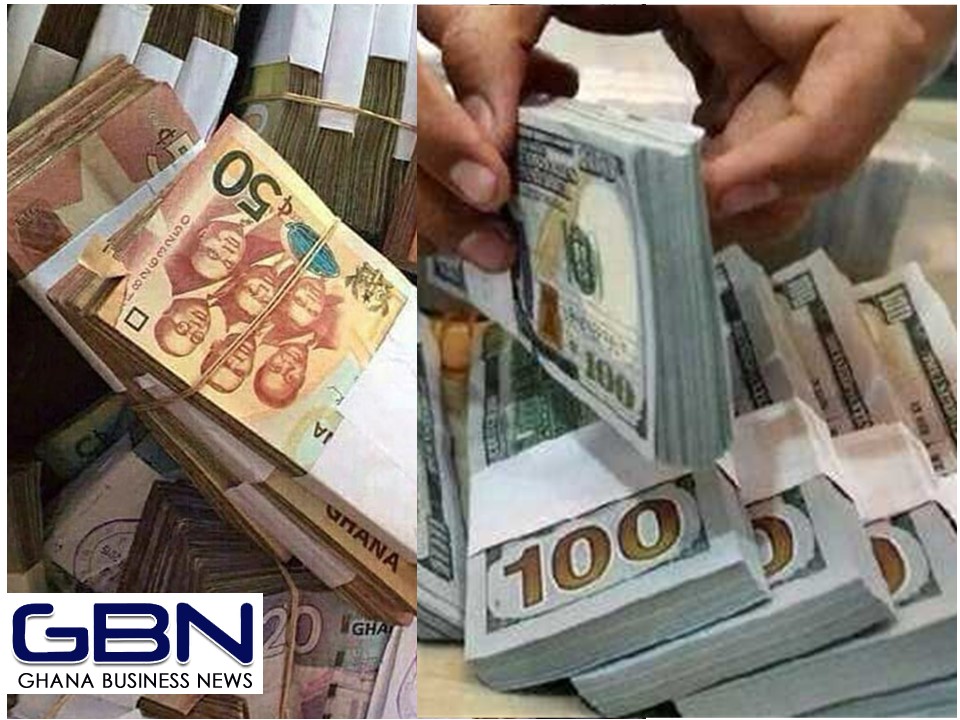
    During the raid, they seized critical evidence, including laptops, routers, mobile phones, bundles of fake US dollar notes, and tabletop printers or photocopier machines used in the execution of their illicit schemes.

    Authorities are currently holding the suspects in custody as investigations continue to unravel the full scope of their criminal network. Their nationalities, however, remain undisclosed, authorities have said.

    In a statement, the GIS commended the public for its unwavering support and called for heightened vigilance. Citizens are urged to report suspicious activities by foreigners in their communities promptly to law enforcement, fostering a collaborative front against crime.

    They, however, warned landlords and property owners to exercise caution when renting houses to foreigners, citing Section 52(1)(b) of Ghana’s Immigration Act, 2000 (Act 573) which makes it an offence for any person to knowingly make or cause to be made to an immigration officer any false statement, representation, or concealment of material fact for the purpose of obtaining an entry permit, residence permit, or other immigration facility.

    It noted that renting to people who are in the country illegally is against the law and comes with serious punishment.

    The Comptroller-General of Immigration and Service Management said the Service is fully committed to protecting Ghana’s borders and strictly enforcing immigration laws, with no tolerance for anything that could threaten public safety.

    Meanwhile, last year, GIS, Cyber Security Authority (CSA) and other authorities in charge of clamping down on illicit and illegal activities such as online fraud, money doubling schemes, among others, intensified their efforts, leading to several arrests.

    In late December 2025, forty-eight (48) suspected cybercrime operatives were arrested in a coordinated intelligence-led operation in Dawhenya, Ningo-Prampram Constituency, on Wednesday, December 24.

    The suspects, believed to be Nigerian nationals, include 46 males and two females.

    They were accused of cyber-related criminal activities, including romance scams, online investment fraud, impersonation schemes, and illegal online gold trading.

    Their apprehension follows a collaboration between the Cyber Security Authority (CSA), the National Security, and the Ghana Police Service.

    54 laptops, 39 mobile phones, one Starlink internet device, and eight MTN TurboNet routers were seized during the operation. This information was made public by the Minister for Communication, Digital Technology and Innovation, Sam George, through a Facebook post.

    “Once again, we have struck at the heart of cybercrime operations within our beloved homeland,” Mr George said. “We are committed to carrying out intelligence-led surgical strikes against these crime syndicates to ensure that we rid our cyber ecosystem of these criminals,” he wrote.

    In September, the Ministry for Communication, Digital Technology, and Innovations announced a decline in financial losses from cybercrime this year, despite rising online threats.

    Speaking at the launch of the 2025 edition of the National Cyber Security Awareness Month (NCSAM) on Wednesday at the Ghana Investment Promotion Centre (GIPC) Auditorium, Samuel Nartey George, disclosed that from January to June 2025, the country recorded GHS14.9 million in cybercrime compared to GHS23.3 million in the previous year.

    Online scams, fraud, blackmail, and unauthorised access contribute to the majority of cybercrime-related financial losses in Ghana, according to the Minister. The Minister cited statistics from the Cyber Security Authority to support his disclosure.

    The Minister added that the need for a safer and more accountable digital environment requires collective efforts.

    “Statistics from the Cyber Security Authority indicate that Ghana recorded cybercrime-related financial losses of GHS 23.3 million in 2024 and GHS 14.9 million in the first half of 2025, mainly through online fraud, blackmail, and unauthorised access,” he stated.

    This year’s campaign, themed “Building a Safe, Informed, and Accountable Digital Space,” focuses on countering misinformation, disinformation, and deepfake manipulation.

    The Minister noted that Ghana’s internet penetration stood at 70 percent, with 24.3 million users and 7.95 million active social media identities, placing the country 15th globally in social media adoption. He cautioned that “the same connectivity that drives innovation also provides an avenue for exploitation by cybercriminals.”

    Mr George disclosed that his Ministry was working to amend the Cybersecurity Act, 2020 (Act 1038) to strengthen regulations that balance innovation with user protection. He further commended the Criminal Investigations Department (CID) and the Cyber Security Authority (CSA) for recent joint operations, including a crackdown in Tema that led to 39 arrests, as well as earlier operations between May and July 2025 that netted 65 suspects linked to sophisticated fraud schemes.

    “Let me sound a warning to those exploiting foreign nationals to perpetrate cyber fraud: we are on your trail, and we will bring you to justice,” he declared.

    The Minister also underscored the role of the media in safeguarding Ghana’s digital ecosystem, urging journalists to raise awareness on issues such as cyberbullying, fraud, and online exploitation. “This campaign cannot succeed without your active participation,” he stressed.

    Adding to the discussion, the Director-General of the Cyber Security Authority, Mr. Divine Selase Agbeti, highlighted the scale of the threat. Reported cyber incidents rose from 1,317 cases in the first half of 2024 to 2,008 cases in the same period this year.

    Online fraud alone accounted for 36 percent of reported cases, cyberbullying for 25 percent, online blackmail for 14 percent, unauthorized access for 12 percent, and information disclosure for9 percent.

    He noted that financial losses increased by 17 percent year-on-year, reaching GHS 14.9 million in the first half of 2025, with fraud and impersonation responsible for more than 94 percent of the figure.

  • Ofori-Atta’s visa was revoked in June last year before its expiry – Dep’t AG clarifies

    Ofori-Atta’s visa was revoked in June last year before its expiry – Dep’t AG clarifies

    Deputy Attorney General, Dr Srem- Sai has clarified a widely reported narrative about the circumstances surrounding Ghana’s Former Finance Minister’s arrest and detainment by immigration authorities in the United States (US).

    On January 7, Ken Ofori-Atta’s lawyers, Menka-Premo, Osei-Bonsu, Bruce-Cathline and Partners issued a statement confirming their client’s arrest by US Immigration and Customs Enforcement (ICE) over his immigration status.

    While it was widely reported that he had been detained for overstaying his visa term, the Attorney General’s Department has clarified that his visa was revoked in June last year and he was given up to November 29 to leave the USA; however, he ignored the order, leading to his detention by ICE.

    “ICE will not come for you unless you have visa issues; that is what has happened. In June 2025, his visa was revoked; it’s not an expiration of the Visa. The information we have is that his visa was revoked. So he has been living in America without a visa,” he said on the KeyPoints on TV3 Saturday, January 10.

    According to reports, a US visa can be revoked if the holder becomes ineligible for it. This can happen if they violate their status, commit fraud, or otherwise fall under a ground of inadmissibility.

    Dr Srem-Sai also mentioned that Ghanaian authorities collaborated with the US law enforcement agencies on Ken’s arrest.

    “We are keenly involved in this matter. We collaborate with law enforcement agencies in this matter,” he said on the Key Points on TV3 Saturday, January 10.
    About Ken’s arrest and detention by ICE

    Meanwhile, Ken’s lawyers in their public statement explained that, “The United States Immigration and Customs Enforcement (ICE), as of yesterday, detained the former Minister for Finance, Mr Ken Ofori-Atta, regarding the status of his current stay in the United States. His US legal team is in contact with ICE and expects the matter to be resolved expeditiously.”

    Ken Ofori-Atta left Ghana for the United States on January 4, 2025, according to investigative reporting detailing his departure timeline and visa use. As of today, January 8, 2026, that places his time in the U.S. at approximately 1 year and 4 days, following which he has been detained.

    While his lawyers didn’t explicitly state whether he had overstayed his visa time, they noted that “Mr Ofori-Atta has a pending petition for adjustment of status, which authorises a person to stay in the US legally past the period of validity of their visa. Under US law, a change of status by this method is common.”

    His lawyers stressed that their client was a law-abiding individual and had cooperated with the authorities to resolve the issue.

    “The Public is therefore advised to note that Mr Ken Ofori-Atta, as a law-abiding person, is fully cooperating with ICE to have this issue resolved. Bruce Towers, 3 Enmanuto 20 Labone, Accra P. O. Box 14951, Accra, Ghana TEL: +233 (0)302 781624 alafo.atcra@mpb.com.”

    He was reported to have moved to the USA to seek medical care after suffering from post-COVID Multi-System Inflammatory Response Syndrome, diagnosed in 2021, requiring continued medical supervision.

    He has been receiving treatment for prostate cancer and previously underwent a radical prostatectomy at the Mayo Clinic in Rochester, Minnesota, following medical evaluations earlier in the year.

    This comes amid a legal tussle involving Ofori-Atta. The Special Prosecutor, for about eight months, has been making efforts to bring him to Ghana to face the law over some corruption-related issues.

    Ofori-Atta, who served as Ghana’s Finance Minister from 2017 to 2023, steered fiscal policy during the COVID-19 pandemic, debt restructuring efforts and IMF negotiations.

    His extended stay in the U.S. has coincided with ongoing legal proceedings in Ghana, including corruption-related charges filed by the Office of the Special Prosecutor in November 2025, currently at the case-management stage.

    The Attorney-General (A-G), Dr Dominic Ayine, would have a difficult time in getting former Finance Minister Ken Ofori-Atta back in Ghana to face corruption charges, private legal practitioner Austin Brako-Powers has noted.

    Speaking to the media, he explained that the Attorney-General has made public statements that appear biased or unfair, and that has turned the issue into a political matter. Because of this politicisation, he believes Ghana’s case will look weaker and less credible when it is considered by authorities in the United States.
    He added, “I am saying that the Attorney-General will not be successful in extraditing Ken Ofori-Atta to this country. Based on the public commentaries of the Attorney-General and the Special Prosecutor [Kissi Agyebeng], they will not,mark it,be able to extradite Ken Ofori-Atta.”

    “This is a high-profile extradition case involving a former finance minister, a central figure in the previous administration. It will attract significant attention, and key questions around motive, fairness, and political neutrality will arise.

    “Added to that are the prejudicial public statements by the Attorney-General and the Special Prosecutor [Kissi Agyebeng], which risk undermining Ghana’s credibility as a requesting state”.

  • President Mahama announces the establishment of 24 -hour Authority

    President Mahama announces the establishment of 24 -hour Authority

    The government is set to establish a 24-hour Authority for one of its flagship policies, the 24-Hour Economy policy.

    This was confirmed by President Mahama during his visit to the  Ghana Publishing Company (GPC) on Thursday, January 8.

    The 24-hour economy programme is to enhance economic productivity by encouraging businesses to operate continuously, creating more job opportunities, boosting revenue generation, and improving service delivery.

    His announcement comes after he lauded GPC for its integration of the 24-hour economy. According to the Board and Management of GPC, it has shifted from traditional working hours to a round-the-clock shift system.

    Obviously impressed, the President consequently announced the establishment of the Authority to serve as the central coordinating body for the 24-Hour Economy, with responsibility for registering participating businesses, setting operational guidelines, and administering incentives to encourage round-the-clock economic activity.

    President Mahama said the initiative is expected to boost productivity, unlock employment opportunities, and position Ghana as a competitive hub for continuous business operations.

    “I like the innovative thinking that you have brought into this establishment. Of course, the 24-Hour Initiative is one of the flagship economic policies of this government. I am happy to note that the committee has finished considering it, and it is supposed to go to the floor of parliament to set up the 24-Hour Authority, which would then open the way for implementation and registration of businesses that would be involved in the 24-Hour Economy. It will also spell out what kind of incentive can be given,” he stated.

    During his visit to GPC, he expressed excitement at what he described as the bold decision by the state-owned enterprise to begin 24-hour operations barely three weeks after a new Managing Director, Nana Kwasi Boatey, assumed office.

    “You are among the first to start the 24-hour economy here in Ghana Publishing, and it’s refreshing to see, the President said.

    On his part, the swift transformation and current standing of the state-owned firm prove that a company can see growth with the right leadership in the shortest possible time, describing GPCL as a forward-looking institution aligned with the government’s broader productivity and economic transformation agenda.

    He also mentioned that, “When you talk about State-Owned Enterprises, people’s attention often goes to a few well-known names. For a long time, Ghana Publishing did not have a perfect brand”..

    He added, however, that the situation has significantly improved, describing the current state of the Company as encouraging and deserving of recognition.

    “But that has changed, and it is refreshing to see,” he continued.

    Many have questioned the viability of the programmes, raising financial concerns, while others have called it a hoax; however, Minister of Youth Development and Empowerment, George Opare-Addo, has stated that the programme would be fully operational by the end of 2026.

    He made this known during an interview on Nhyira FM on Thursday, January 8. He emphasised the government’s commitment to ensuring the successful implementation of the policy.

    According to him, the implementation of the programme will be gradual and not a one-time event, as the long-standing eight-hour workday system will take some time to transition into the new round-the-clock shift arrangement.

    “Changing the entire structure of an economy that has been in place for years, from an 8-hour to a 24-hour system, cannot happen in less than 12 months. It requires legislative measures and directives, and those processes are underway,” he stated.

    He continued, “Everyone honest will see that progress is being made. Changing the structure of the economy is not a one-time event; it is a process that takes time to unfold. We are clearly on track, and by the end of this year, we expect to see the full impact of the 24-hour economy.”

    About the 24-hour economy

    The government’s 24-hour economy policy, a key promise during President John Mahama’s campaign in 2024, was launched today, Wednesday, July 2, 2025.

    The policy’s objective is to enhance economic productivity by encouraging businesses to operate continuously, creating more job opportunities, boosting revenue generation, and improving service delivery.

    Sectors such as manufacturing, transportation, retail, healthcare, hospitality, and financial services stand to benefit significantly from this model.

    Presenting the policy to the Speaker of Parliament, Kingsford Sumana Alban Bagbin, last year, July, Mr Goosie Tanoh, the Presidential Advisor on the 24-hour economy policy, mentioned the move is to officially inform ‘the people’s representatives’ about the government’s readiness to roll out the programme.

    On some details on the policy, Mr Goosie Tanoh said the programme is expanded into three anchors: “production transformation, supply chain and market efficiency, and human capital development.” The three anchors, according to him, are supported by eight sub-programmes.

    “Roll 24 – which is the agricultural component, Make 24 – which is the manufacturing component, Connect 24 – the supply chain component, Aspire 24 – which is the mindset change, the resetting of the Ghanaian and Ghanaian bureaucracy with a strong and powerful attitude to work and productivity,” he explained.

    According to him, the government was set to include strong digital technology training in the TVET curriculum to train and equip an employable workforce with the requisite skills for employment opportunities.

  • President Mahama hands over 100 new pickups to Ghana Police to ramp up operations

    President Mahama hands over 100 new pickups to Ghana Police to ramp up operations

    The Ghana Police Service (GPS) has received a boost as President John Mahama hands over 100 pickup vehicles to the service.

    Speaking during the handing over event held at the Police Headquarters in Accra on Thursday, January 8, President Mahama described the move as one of the many efforts by his outfit to strengthen capacity and improve the assets and equipment of the police force.

    According to President Mahama, this presentation marks the first batch of the many vehicles the government will present to the police force. This, he highlighted, will enhance police visibility and accessibility.

    He said, “These 100 pickups are the first batch of several pickups that we shall be presenting to the Police Service. These are operational necessities. They will improve patrols, reduce response time, extend policing to hard-to-reach areas, and strengthen police visibility nationwide,” the President said.

    He explained that the vehicles will enable officers to respond to emergencies more efficiently and operate more safely, particularly in remote and underserved communities.

    “In simple terms, they will get the police to where they are needed faster and safer,” President Mahama added.

    President Mahama also charged the Inspector-General of Police and the leadership of the Police Service to maintain the vehicles and ensure their proper use, promoting responsibility and professionalism while avoiding public waste, emphasising that his government will not tolerate any form of misuse.

    “To the Inspector-General of Police and the leadership of the Police Service, these vehicles are entrusted to you on behalf of the people of Ghana. They are instruments of service, not symbols of power. They must be properly deployed, professionally used, carefully maintained, and fully accounted for. This administration will not tolerate misuse, waste, or indiscipline. Every resource provided for national security must deliver real value to the Ghanaian people.
    “As we strengthen capacity, we are equally committed to professionalism and accountability. A strong police service must be lawful. Authority must always be exercised with restraint, and respect for human rights is non-negotiable. The uniform confers authority, but it also demands responsibility,” he said.

    Inspector General of Police, Christian Tetteh Yohuno, expressed deep appreciation to the President and reaffirmed the Police Service’s commitment to safeguarding the assets and using them effectively.

    “I wish to express the heartfelt appreciation of the Ghana Police Service to you,” the IGP said. “We assure you of our loyalty and our commitment to protect these assets, deploy them wisely, and use them relentlessly in the service of peace, safety, and national stability.”

    IGP Yohuno further assured that the Ghana Police Service remains committed to playing its role in national development and reform.

    “As we move forward, the Ghana Police stands to do its part in the national reset, firm in law enforcement, conduct, and in the defence of our nation,” he stated.

    In a related development, the government last year donated 40 armoured cars to the service. In a handing-over ceremony held at the Ghana Police Headquarters in Accra on Thursday, December 4, President Mahama, in his speech, commended the police for their hard work and efforts in bringing criminals to book, citing their resolve in tackling several cases of murder, armed robberies and other crimes in the country.

    He said, “And you have dealt with them, people who robbed banks and attacked people’s residences.

    You have chalked up many victories in bringing them to justice. Let me commend the CID, too.

    In the past, there were many unsolved murders. I’m happy to note that recently, many of the murders that occurred have been resolved. With good police intelligence, you’ve been able to bring the suspects to book”

    He noted that the 40 armoured vehicles given to the Service are only the first of many his government will hand over to the law enforcement agency, adding that two tow trucks and patrol pickups will also be supplied to police districts.

    “These 40 vehicles are just the first batch of what you will be receiving.

    By the end of this month, you will receive two tow trucks so that anytime any of these vehicles becomes immobilised anywhere, you can pick it up and bring it back to base. You will also get 10 covert operational vehicles, which I have been cautioned not to talk about. It is only you who will know you have them. In addition, we want to give every police district a normal pickup for patrol duties, the President said.

    Inspector-General of Police (IGP) Christian Tetteh Yohunu, in an acceptance speech, assured the president that with vehicles, his outfit will tear down any criminal syndicate and launch a “robust and targeted operation throughout the country.

    “Your Excellency, these vehicles are going to completely change the face and dynamics of police operations. With these vehicles, we are going to launch very bold, robust, and targeted operations throughout the country. We will dismantle any existing criminal networks, most of whom have gone into hiding due to our intensified activities against them”, he noted.

    He also sent a warning to individuals threatening national security, declaring that the Police Service will relentlessly pursue and apprehend anyone involved in criminal activities.

    “Let me use this opportunity to send a strong word of caution to persons who have decided to threaten the security of this country: we are coming for you. You can run all you want and hide wherever you wish, but we will surely get you,” taunting the police service’s achievements so far under his leadership.

    “We have made several breakthroughs. In addition to numerous robbery attempts that have been foiled through sustained intelligence operations, we have successfully arrested suspects who operated under the illusion that they could get away with crime. These include the suspect behind the rural bank robberies, the robbery of the Radiance Filling Station, the robbery at Enfasatia, attacks on mobile vendors, the Wire and Bullet serial murders, vehicle theft syndicates, and perpetrators behind fake online food-delivery platforms.

    IGP, Christian Tetteh Yohunu, also assured that the vehicles would be strategically deployed and properly maintained to achieve their intended objectives, commending the government for its intervention.

    “We wish to sincerely express our profound gratitude to the government for thinking about us and prioritising our welfare. Our assurance to you is that the vehicles will be well-maintained and strategically deployed to achieve the intended objectives,” he said.

  • ORAL to unlock fresh revenue for government – AG

    ORAL to unlock fresh revenue for government – AG

    Government is set to receive more cash in its coffers as President Mahama’s flagship anti‑corruption initiative Operation Recover All Loots (ORAL) pursue it’s asset and cash recovery efforts.

    This was announced by the Attorney-General and Minister of Justice, Dr Dominic Ayine, during an appearance on JoyNews Newsfile on Saturday, January 10. Dr Ayine revealed that preliminary checks have already been done on the amount of money that can realistically be recovered within the year.

    He said, “We have developed estimates of what is capable of being collected. Very soon, this year, I am sure things will start flowing into the government’s coffers. Money will start flowing into the government chest with respect to ORAL.”

    While he anticipates the cash and assets, he is unable to state mathematically whether the amount expected to be recovered in full under the ORAL initiative. GH¢21 billion is projected to be recovered under the anti-corruption drive.

    However, the Attorney-General cautioned that he could not state with absolute certainty whether the government would recover the full GH¢21 billion projected under the initiative.

    “The question of whether we will be able to get exactly the 21 billion projected is one that I cannot answer with mathematical certainty at this point,” he added.

    President Mahama officially launched ORAL on December 18, 2024, barely two-weeks after he won the 2024 elections. Ghanaians have received the Operation Recover All Loot (ORAL) initiative with a mix of optimism and scepticism. While many welcomed it as a bold anti‑corruption drive to reclaim billions in stolen assets, others criticised it as politicised, slow, and more of a performance than a genuine legal process.

    However, Dr Ayine clarified that his outfit, in collaboration with the Economic and Organised Crime Office (EOCO) and the National Intelligence Bureau (NIB) are working both locally and internationally to track and recover misappropriated state funds. 

    He noted that, very soon, their coordinated efforts would produce tangible results and the anticipated results Ghanaians want to see, and in turn draw some money into state coffers, reinforcing the government’s commitment to accountability and the protection of public resources.

    “Extensive work is currently underway, both locally and internationally, to track and recover misappropriated state funds. On the local front, my office is working closely with the Economic and Organised Crime Office (EOCO) and the National Intelligence Bureau (NIB). In addition, there is a special clandestine investigations team that reports directly to me. I am confident that the coordinated efforts of local agencies and foreign partners will soon translate into tangible financial recoveries for the state, reinforcing our commitment to accountability and the protection of public resources.”

    Meanwhile, President John Dramani Mahama in June last year, stated that in due course, 33 former government appointees have been implicated in corruption-related cases in the Operation Recover All Loot (ORAL) Team report will face prosecution.

    President Mahama, while addressing the African Union Advisory Board Against Corruption at the Jubilee House on Tuesday, 3 June, noted that the Attorney General (A-G), Dr Dominic Ayine, is preparing the cases for judicial proceedings.

    “We set up the ORAL Committee, and they have identified 33 cases, which were handed over to the Attorney General. We have created special investigative teams to investigate each of them,” he said.

    “Some of them have found a lot of evidence of the procurement of properties with illicit wealth. With many of them, they are just at the point of beginning prosecution. Some have also started the prosecution, and others are being lined up.”

    Operation Recover All Loot (ORAL)is an initiative set up by the president to gather information on corruption to the appropriate government institutions for further investigation.

    The committee is chaired by Samuel Okudzeto Ablakwa, who also serves as the Member of Parliament (MP) for North Tongu.

    The other members include former Auditor-General Daniel Domelevo, retired Police Commissioner Nathaniel Kofi Boakye, legal practitioner Martin Kpebu, and investigative journalist Raymond Archer — all renowned for their integrity and strong stance against corruption.Currently, the hundreds of issues presented by the ORAL team to President John Mahama are being investigated by the Attorney-General and Minister for Justice, Dr. Dominic Ayine.

    Additionally, its work has increased public awareness about the importance of protecting state resources.

    The committee’s report has revealed that approximately $21.19 billion in potential recoveries are from misappropriated state assets and undervalued land transactions.

    ORAL Chairman Samuel Okudzeto Ablakwa has indicated that “If we are successful in recoveries, we can retrieve as much as 20.49 billion United States dollars.”

    Among the key cases cited were the National Cathedral project, the Power Distribution Services (PDS) deal, and the Saltpond decommissioning project.

    Meanwhile, President Mahama has dismissed allegations that ORAL is being used for political vendettas, reassuring that the initiative is purely intended to strengthen Ghana’s anti-corruption efforts.

  • Dr Apaak meets UG management, other stakeholders over fee hike standoff

    Dr Apaak meets UG management, other stakeholders over fee hike standoff

    Management of the University of Ghana (UG) has two more days to present to the Ghana Tertiary Education Commission (GTEC) evidence of compliance with the over 25% academic fees hike.

    While the deadline nears, a high-level stakeholder meeting was convened in Accra, chaired by the Deputy Education Minister, Dr Clement Apaak, with the management of the University of Ghana made up of the Vice Chancellor, Professor Nana Aba Appiah Amfo, Pro VC Prof. Gordon Awandare, Governing Council Chair Marrita Brew, student leaders, and GTEC officials.

    The meeting had become necessary following the public outcry, particularly for students and parents, over the fee hikes to secure a legally compliant resolution to a dispute.

    According to Dr Apaak, his outfit had to intervene because the outcry was too loud to ignore. 

    “The level of public outcry from students and parents was such that we couldn’t have ignored it,” Dr Apaak stated.

    He emphasised that under the Fees and Charges Act, any adjustment requires Parliamentary approval, a step that was bypassed in this instance.

    “Given that we work with laws and there are processes and procedures, the best thing was to instruct GTEC to call the university to stop any increase,” he added.

    About the UG fees hike and management response

    On January 2, last week, the university announced an over 25% upward adjustment in academic fees. Following the backlash faced by the school, the management, represented by Pro Vice Chancellor Gordon Awandare, attributed the hike to increased third-party fees during an interview with Citi TV.

    He said management has limited control over third-party charges included in the overall academic fees.

    He explained that these fees are imposed by student leadership bodies, namely the Students’ Representative Council (SRC) and the Graduate Students’ Association of Ghana (GRASAG), to support their programmes and activities.

    According to him, the charges were approved through the students’ own governance structures and communicated to students more than two weeks ago.

    “What is being reported as fee increases relates to third-party fees imposed by student leadership. University management did not impose these charges. If students have concerns, they should direct them to their SRC or GRASAG leadership,” he stated.

    Professor Awandare further stressed that the university’s core academic fees remain modest and affordable, with no marginal increase, especially when viewed against current economic conditions.

    “When you consider fees of about GH¢2,000 for an entire academic year at Ghana’s premier university, it is difficult to describe them as excessive. Utilities and operational costs have risen significantly, yet university fees have largely remained unchanged since 2022. Even students acknowledge that the previous fee levels were no longer sustainable, which is why they adjusted their own components to reflect the cost of running their activities,” he added.

    Management maintains that the current adjustments reflect economic realities rather than unilateral decisions by the university.

    The increase, according to the document shared by the school management, freshmen of the Humanities College will pay GH¢3,110 for the 2025/26 academic year, representing a 34% hike from the GH¢2,319 charged in the 2024/25 academic year, while continuing students at the college will pay GH¢2,253, marking a 27 percent increase from the previous GH¢1,777.

    Similarly, at the University of Ghana School of Law, undergraduate freshers under the College of Humanities will pay GH¢3,226, a 33 percent increase from GH¢2,435 last academic year. Continuing law students will also see their fees rise from GH¢1,890 to GH¢2,396.

    Other colleges, including Health Sciences, Basic and Applied Sciences, and Education, have also recorded fee hikes ranging between 25 and 35%.

    According to management, one of the major drivers of the hike is a result of an increase in third-party fees. While third-party fees stood at GH¢255 during the 2024/25 academic year, they have increased to GH¢767 for freshmen and GH¢455 for continuing students for the 2025/26 academic year.

    A breakdown of these charges includes an SRC Hostel Development Levy of GH¢300, a GH¢100 contribution towards the university’s 75th Anniversary Legacy Project, SRC welfare dues of GH¢50, and reprographic fees of GH¢5. Fresh Level 100 and diploma students are also required to pay GH¢312 for a Telecel data package, while continuing students may opt into a Telecel data and airtime package at GH¢10.22 per month.

  • Ken Ofori-Atta’s arrest was a targeted operation, not part of a wider swoop – Manasseh Azure

    Ken Ofori-Atta’s arrest was a targeted operation, not part of a wider swoop – Manasseh Azure

    Investigative journalist Manasseh Azure Awuni has shed more light on the arrest and detention of Ghana’s former Finance Minister, Ken Ofori-Atta, by US Immigration and Customs Enforcement (ICE).

    Speaking during an interview on TV3’s Key Points program on January 10, Manasseh revealed that Ofori-Atta’s arrest was a targeted operation by ICE and wasn’t part of a general swoop.

    He mentioned that witnesses present at the scene claim that Mr Ofori-Atta was arrested right after he exited his residence, a luxury apartment complex in Washington DC, known as Westlight Apartments, located at 1111 24th Street, on the morning of Tuesday, January 6.

    “This wasn’t like those organised raids by ICE in specific places. They got in specifically for him. As soon as he emerged from the entrance of the building, they moved in, surrounded him, got him into a car and drove him away,” Mr Azure said on January 10.

    He continued, “This is a luxury apartment complex in the West End of Washington DC, about a 20-minute walk from the White House, adding that former Vice President Kamala Harris owned a two-bedroom condo in this same apartment complex.”

    Following his arrest in Washington DC, Mr Ofori-Atta was transferred to a detention facility in Virginia, where he is currently being held.

    Manasseh also affirmed the assertions made by the Attorney-General, indicating that Mr Ofori-Atta’s US visa was revoked in June 2025, contrary to claims that it merely expired. However, he clarified that, earlier, Mr Ofori-Atta’s visa was supposed to have expired in the coming month but was revoked, making his last six months and some days stay in the US illegal, hence his detention.

    “The update we got exclusively this morning is that the US visa was revoked as far back as June 2025. He’s been living in the US illegally for the past six months, and that is what landed him in trouble with ICE. It is possible to have a visa with a future expiration date, but the state can still take it back,” he noted.

    “Extradition comes with a whole lot of legal issues, but if you overstay your visa, that changes everything” he added.

    Mr Ofori-Atta has been on Ghana’s wanted list for months now, and all efforts to bring him down to Ghana appear to have proven futile.

    However, Manasseh believes that his detention may make it easier for the US authorities to comply with Ghana’s extradition request. However, in a turn around of events, while many expressed excitement at the news of his potential extradition by the US, Mannasseh also revealed that the former Minister held valid visas from both the UK and Canada. The UK visa is set to expire on April 21, 2032, and Canada’s is set to expire on May 31, 2031.

    On January 7, Ken Ofori-Atta’s lawyers, Menka-Premo, Osei-Bonsu, Bruce-Cathline and Partners issued a statement confirming their client’s arrest by US Immigration and Customs Enforcement (ICE) over his immigration status.

    It explained that, “The United States Immigration and Customs Enforcement (ICE), as of yesterday, detained the former Minister for Finance, Mr Ken Ofori-Atta, regarding the status of his current stay in the United States. His US legal team is in contact with ICE and expects the matter to be resolved expeditiously.”

    Ken Ofori-Atta left Ghana for the United States on January 4, 2025, according to investigative reporting detailing his departure timeline and visa use. As of today, January 8, 2026, that places his time in the U.S. at approximately 1 year and 4 days, following which he has been detained.

    While his lawyers didn’t explicitly state whether he had overstayed his visa time, they noted that “Mr Ofori-Atta has a pending petition for adjustment of status, which authorises a person to stay in the US legally past the period of validity of their visa. Under US law, a change of status by this method is common.”

    His lawyers stressed that their client was a law-abiding individual and had cooperated with the authorities to resolve the issue.

    “The Public is therefore advised to note that Mr Ken Ofori-Atta, as a law-abiding person, is fully cooperating with ICE to have this issue resolved. Bruce Towers, 3 Enmanuto 20 Labone, Accra P. O. Box 14951, Accra, Ghana TEL: +233 (0)302 781624 alafo.atcra@mpb.com.”

    He was reported to have moved to the USA to seek medical care after suffering from post-COVID Multi-System Inflammatory Response Syndrome, diagnosed in 2021, requiring continued medical supervision.

    He has been receiving treatment for prostate cancer and previously underwent a radical prostatectomy at the Mayo Clinic in Rochester, Minnesota, following medical evaluations earlier in the year.

    This comes amid a legal tussle involving Ofori-Atta. The Special Prosecutor, for about eight months, has been making efforts to bring him to Ghana to face the law over some corruption-related issues.

    Ofori-Atta, who served as Ghana’s Finance Minister from 2017 to 2023, steered fiscal policy during the COVID-19 pandemic, debt restructuring efforts and IMF negotiations.

    His extended stay in the U.S. has coincided with ongoing legal proceedings in Ghana, including corruption-related charges filed by the Office of the Special Prosecutor in November 2025, currently at the case-management stage.

    The Attorney-General (A-G), Dr Dominic Ayine, would have a difficult time in getting former Finance Minister Ken Ofori-Atta back in Ghana to face corruption charges, private legal practitioner Austin Brako-Powers has noted.

    Speaking to the media, he explained that the Attorney-General has made public statements that appear biased or unfair, and that has turned the issue into a political matter. Because of this politicisation, he believes Ghana’s case will look weaker and less credible when it is considered by authorities in the United States.

    He added, “I am saying that the Attorney-General will not be successful in extraditing Ken Ofori-Atta to this country. Based on the public commentaries of the Attorney-General and the Special Prosecutor [Kissi Agyebeng], they will not, mark it, be able to extradite Ken Ofori-Atta.”

    “This is a high-profile extradition case involving a former finance minister, a central figure in the previous administration. It will attract significant attention, and key questions around motive, fairness, and political neutrality will arise.

    “Added to that are the prejudicial public statements by the Attorney-General and the Special Prosecutor [Kissi Agyebeng], which risk undermining Ghana’s credibility as a requesting state”.

  • Understanding the exchange rate and Bank of Ghana’s role

    Understanding the exchange rate and Bank of Ghana’s role

    A common explanation for movements in the cedi is that the Bank of Ghana (BoG) “supplies dollars ” to influence the exchange rate. This phrase appears in commentary almost every week, yet it creates a misleading picture of how the exchange rate actually works.

    The basic fact is straightforward: the Bank of Ghana does not create U.S. dollars — it creates cedis.
    So when the Bank sells dollars on the market, it is not increasing the true supply of dollars in the economy. It is simply transferring part of its existing reserves to commercial banks in exchange for cedis.

    And here is the part that really matters: those cedis are removed from circulation.
    When the Bank sells USD, the amount of cedi liquidity in the system falls. With fewer cedis available, banks and businesses have less capacity to demand extra foreign currency. The pressure on the dollar eases not because more dollars suddenly exist, but because fewer cedis are chasing those dollars.

    This is the actual mechanism behind exchange-rate movements in Ghana and the BoG’s role.

    The idea that the cedi strengthens because the Bank “supplies more dollars” focuses on the wrong side of the market. It directs attention to the dollar when the decisive factor is the supply of cedis. The Bank of Ghana influences the exchange rate primarily by tightening or loosening cedi liquidity — not by expanding the supply of foreign currency.

    The data from 2025 makes this crystal clear. During the year, the growth of key monetary aggregates slowed dramatically. Reserve money growth, which was rising at over 60 per cent in March, fell into negative territory by September. Growth in total liquidity (M2+) also dropped sharply, falling from above 30 per cent early in the year to single digits by October. In simple terms, the supply of cedis was being squeezed.

    At the same time, the cedi appreciated strongly. The exchange rate moved from about 14.1 Ghana cedis to the dollar in April to around 10.5–11.4 between August and October — a gain of roughly 30 to 40 per cent. The timing was not a coincidence. As cedi liquidity tightened, demand for dollars eased, and the currency strengthened.

    This episode illustrates a broader lesson: exchange-rate stability in Ghana depends far more on domestic monetary conditions than on how many dollars the central bank can inject into the market. When the Bank tightens liquidity, the cedi firms; when liquidity expands too quickly, pressure on the exchange rate returns.

    In short, the phrase “BoG supplies dollars” survives because it reflects what traders see during FX auctions, but it misses the deeper truth. The central bank does not strengthen the cedi by supplying dollars. It strengthens the cedi by withdrawing cedis, which reduces demand for foreign currency.
    Understanding this distinction leads to a clearer view of exchange-rate dynamics — and ultimately, to better policy discussions.

    DISCLAIMER: Independentghana.com will not be liable for any inaccuracies contained in this article. The views expressed in the article are solely those of the author and do not reflect those of The Independent Ghana

  • SSNIT approves 10% increase in pension payments for 2026

    SSNIT approves 10% increase in pension payments for 2026

    Pensioners are set to enjoy higher monthly payments with the announced increase in the pension by the Social Security National Insurance Trust (SSNIT).

    The nation’s pension authority has approved a a 10% increase in the overall pensions, with the biggest gains going to those on the lowest pensions

    Speaking during a press conference in Accra, SSNIT’s Chief Actuary, Evelyn Adjei, highlighted, “SSNIT has also raised the minimum monthly pension for new retirees from GH¢300.00 to GH¢400.00, reinforcing the pension floor across the scheme.”

    She explained that in determining the 2026 indexation, factors such as salary growth among active contributors, projected inflation of 8 ± 2 per cent by the end of 2025, and the long-term sustainability of the fund were carefully considered.

    Every pensioner will automatically get a 6 per cent increase. The remaining 4 per cent will not be shared equally; instead, it will be used to give extra support to pensioners who currently receive lower amounts.

    While higher-income pensioners will see increases closer to the full 10 per cent, Ms Adjei noted that lower-income retirees are expected to benefit most from the flat redistribution and the strengthened minimum pension.

    Also, a new pensioner certificate renewal policy will be implemented from April 2026.

    The Social Security and National Insurance Trust (SSNIT) announced in a statement that the revised policy will introduce mandatory annual pensioner certificate renewal for all pensioners.

    “Instructively, once an individual retires, whether at the compulsory retirement age of 60 or the voluntary age of 55, the pensioner must renew their Pensioner Certificate every year during their birth month to guarantee continuous payment of their pensions,” SSNIT added in a statement.

    The new policy is designed to enhance the integrity of the SSNIT Pension Scheme by ensuring that pension payments go only to living and eligible beneficiaries.

    It explained that pensioners may renew their certificates through several channels, including the SSNIT Mobile App using facial verification for both resident and non-resident pensioners, the SSNIT Virtual Branch, and SSNIT partner banks through their co-location points.

    The state pension trust added that all SSNIT branches nationwide will assist in promoting accessibility and inclusion.

    It further indicated that arrangements have been made for pensioners with mobility challenges to undergo verification at home. Pensioners may also contact the SSNIT Contact Centre or book a home visit to complete their pensioner certificate renewal.

    “Pensioners will receive reminders at least one month before their birth month via SMS, email or other approved communication channels,” it stated.

    In October, SSNIT announced that it had made a payment of about five billion Ghana Cedis (GH¢5 billion) in pensions this year.

    SSNIT, Ghana’s statutory public trust responsible for administering the country’s basic national pension scheme, mostly make payments on the 20th of every month.

    The payment was confirmed by the Director-General of the Social Security and National Insurance Trust (SSNIT), Kwesi Afreh Biney, during an appearance on Citi TV’s Breakfast show on Thursday, October 30.

    He made these remarks in response to affirming the viability, capacity and commitment of the scheme to meet its obligations.

    “What I will say is that we have successfully paid pensions since 1965. In 1965, only three pensioners were being paid. Today, we pay over 257,000 pensioners each month. This year alone, we paid in excess of five billion cedis in pensions. Is it sustainable? The trust will continue to evolve, we will continue to make it stronger, and we’ll put in systems to ensure that we never fail,” he noted.

    Around October last year, multiple investigations and Right to Information (RTI) disclosures revealed that SSNIT had tied up over GH¢1.8 billion in underperforming or mismanaged real estate projects, which included commercial properties valued at GH¢1 billion, residential projects exceeding GH¢500 million, and land banks with questionable strategic value, sparking fears that poor returns could threaten the fund’s long-term sustainability. These fears, according to reports, still linger in the minds of some Ghanaians.

    But the SSNIT Director General has assured the public that the scheme remains strong, highlighting that pensioners’ pensions will not be in jeopardy.

    Mr Biney acknowledged the shortfalls in the scheme and the challenges he inherited from the previous administration; however, he revealed that his outfit has worked on a three-year strategy to address these issues.

    “The institution remains strong. There were challenges, but there were opportunities in there. I inherited challenges and positives, but we worked together to define a strategy for what the future will look like. This is a defined benefit scheme, so it’s one that we have to pay. It’s what the government even has to guarantee as well. So there’s nothing like the trust will fail, for which reason people’s pensions will be in jeopardy, ” he added.

    During the Trust’s 60th anniversary in July, Dr Afreh Biney highlighted that the time it takes to process a pension has significantly dropped from several weeks to under ten working days.

    He also touted the accessibility of SSNIT’s digital services, looking forward to rolling out its fully-fledged digital branch by September 2025.

    He asserted that institutions survive not because they are flawless, but because they reflect, reform, renew, and take feedback constructively.

    “The road ahead,” he said, “is challenging but also full of promise.” He added, “We must expand coverage, especially for the informal sector, because every worker deserves to retire in dignity. We must innovate with technology, deepen transparency, and strengthen public confidence, and we must do it with government, employers, labour, and civil society.”

    “SSNIT must not just be a system people contribute to; it must be a partner they believe in,” he continued. “So yes, if you are over 60 and still dancing at parties, remember social security is 60 and still standing, still serving, and still strong. If the walls of SSNIT could speak, they would whisper stories of service, of quiet sacrifice, of hard lessons, and of a deep, unwavering belief in simple promises.”

  • 24-hour economy to be fully operational by end of 2026 – Youth Minister hints

    24-hour economy to be fully operational by end of 2026 – Youth Minister hints

    The 24-hour economy was one of the major flagship programmes of  President John Mahama during his campaign in 2024. However, following his assumption of power, not much has been heard about the program’s roll-out, but in a few state-owned enterprises, such as the Ghana Publishing Company Limited (GPCL).

    Many have questioned the viability of the programmes, raising financial concerns, while others have called it a hoax; however, Minister of Youth Development and Empowerment, George Opare-Addo, has stated that the programme would be fully operational by the end of 2026.

    He made this known during an interview on Nhyira FM on Thursday, January 8. He emphasised the government’s commitment to ensuring the successful implementation of the policy.

    According to him, the implementation of the programme will be gradual and not a one-time event, as the long-standing eight-hour workday system will take some time to transition into the new round-the-clock shift arrangement.

    “Changing the entire structure of an economy that has been in place for years, from an 8-hour to a 24-hour system, cannot happen in less than 12 months. It requires legislative measures and directives, and those processes are underway,” he stated.

    He continued, “Everyone honest will see that progress is being made. Changing the structure of the economy is not a one-time event; it is a process that takes time to unfold. We are clearly on track, and by the end of this year, we expect to see the full impact of the 24-hour economy.”

    About the 24-hour economy

    The government’s 24-hour economy policy, a key promise during President John Mahama’s campaign in 2024, was launched today, Wednesday, July 2, 2025.

    The policy’s objective is to enhance economic productivity by encouraging businesses to operate continuously, creating more job opportunities, boosting revenue generation, and improving service delivery.

    Sectors such as manufacturing, transportation, retail, healthcare, hospitality, and financial services stand to benefit significantly from this model.

    Presenting the policy to the Speaker of Parliament, Kingsford Sumana Alban Bagbin, last year, July, Mr Goosie Tanoh, the Presidential Advisor on the 24-hour economy policy, mentioned the move is to officially inform ‘the people’s representatives’ about the government’s readiness to roll out the programme.

    On some details on the policy, Mr Goosie Tanoh said the programme is expanded into three anchors: “production transformation, supply chain and market efficiency, and human capital development.” The three anchors, according to him, are supported by eight sub-programmes.

    “Roll 24 – which is the agricultural component, Make 24 – which is the manufacturing component, Connect 24 – the supply chain component, Aspire 24 – which is the mindset change, the resetting of the Ghanaian and Ghanaian bureaucracy with a strong and powerful attitude to work and productivity,” he explained.

    According to him, the government was set to include strong digital technology training in the TVET curriculum to train and equip an employable workforce with the requisite skills for employment opportunities.

    Another component, dubbed ‘Show Ghana,’ is also set to focus on an intentional effort and approach by the government to give visibility to Ghana’s rich cultural heritage to the rest of the world, to attract more tourists and increase revenue generation through tourism.

    Speaker Alban Bagbin, in response, mentioned that the team’s arrival had been anticipated and his outfit would call on them for any clarity when the need be, urging the legislation to back the programme.

    Earlier, President John Dramani Mahama stated that the 24-Hour Economy Policy is a long-term goal that will keep the country productive on a 24/7 basis, alongside stabilising the economy through the creation of more jobs.

    According to him, the final draft of the policy has undergone review by him, and he is confident it will realise its objectives.

    Meanwhile, Speaker of Parliament, Alban Bagbin,  noted that the Parliamentary Service will begin operating under the 24-hour economy policy.

    This initiative, according to the Speaker, will enhance national productivity and address unemployment. He made this known during the presentation of the 24-hour economy policy document.

    He bemoaned the lack of time to tackle the numerous tasks in Parliament and expressed optimism in addressing this issue with the 24-hour economy policy.

    “This means they are going to work more hours; they will be reporting at 8:00 a.m. and may be going home at 10:00 p.m. or sometimes 11:00 p.m., particularly those in the official division of the House.

    This will allow more people to work here and will help reduce unemployment. I can assure you that the load of work here is unimaginable,” Bagbin stated.

  • My government will tolerate no violence against journalists – Mahama

    My government will tolerate no violence against journalists – Mahama

    Ghana has a troubling history of attacks on journalists. Over the years, journalists have been attacked in their line of duty, some by civilians and in other cases by some security officials who are mandated to protect them.

    A very recent case of assault on a journalist is that of some Ghana National Fire Service (GNFS) officers attacking a class media journalist during his follow-up coverage of a fire incident at the Kaso New Market last Sunday, sparking widespread concerns.

    President John Mahama speaking in reaction to it during a visit to the state media house, Ghana Broadcasting Corporation, yesterday, Thursday 8, January, stated that “Violence against journalists has no place in a democratic society.” 

    President John Mahama has revealed that personnel of the Ghana National Fire Service who assaulted a journalist with Class FM have been identified and interdicted.

    He made this revelation during his visit to the Ghana Broadcasting Corporation (GBC) as part of his tour to selected media houses.

    The President condemned the attack, highlighting that there is zero tolerance for violence against journalists in a democratic society.

    “I’m a journalist by training, and so there’s no way we can countenance the continued assault on journalists. The Minister of Government Communications has taken it up, and I think the officers have been identified and interdicted as investigations are going on, “President Mahama said.

    To avert future occurrences, President Mahama revealed that his administration has begun engagements with the Ghana Journalists Association and security agencies to address the matter and prevent future incidents, citing the need for the reorientation of some security personnel to respect the work of journalists while they are in the field carrying out their duties.

    President Mahama said there is a need for a change in attitude among some security personnel, noting that journalists and security officers play complementary roles in society.

    “We’ve been in touch with the Ghana Journalists Association on these issues. We’ve put them in touch with the security services. We need a reorientation of many of our security personnel to understand that just as they are doing their job of providing peace and safety, journalists are also doing their job of informing the people as to what is happening. They’re not antagonistic to each other. Indeed, they’re both serving the same public,” he explained.

    While acknowledging the occasional occurrence of such incidents, he insisted they must be handled decisively. “When they come, they must be dealt with as firmly as possible,” he said.

    About the assaulted journalist and the circumstances leading to his attack

    Meanwhile, the class media journalist, Samuel Addo, has officially filed a police report providing details on the attack.

    His assault happened during an official assignment for a follow-up coverage of a fire outbreak at the Kasoa New Market, which started on Sunday, January 4.

    According to him, he was overpowered by a group of fire officers when he made attempts to take a video of the officers beating a suspected thief at the fire scene. A lone officer first approached him. After Addo identified himself as a member of the media, the officer walked away, only to return minutes later with about ten colleagues, who he says,

    “… held my neck, pulled my hands behind my back, and assaulted me. They took my phone, tore my belt, and took both away,” he stated.

    According to him, his mobile phone was later returned following the intervention of the area’s Member of Parliament (MP), Phyllis Naa Koryor; however, more than half of the money he had been carrying before the incident was missing.

    Mr Addo stated that he arrived at the fire scene with GH¢20,000 but later realised that GH¢10,200 had gone missing, leaving him with just GH¢8,000.

    “The money is still missing. I have reported everything to the police,” he added.

    The journalist has been issued a police medical form and is seeking hospital treatment for his injuries.

    History of attacks on journalists 

    The cases of assaults, particularly during the by-elections in 2024, affected our ranking in press freedom on the global level, as confirmed by President Mahama.

    Some months ago, about three journalists were assaulted during the coverage of the Ablekuma North by-election held on July 11.

    During the election, a police officer deployed to one of the polling stations, Church of Pentecost, North Odorkor 4 polling station, slapped and pushed a GHOne TV journalist, Kwabena Agyekum Banahene. According to the journalist, the police officer singled him out during his coverage of the by-election. When he refused to leave, explaining that he was doing his duty to report the electoral process, the officer still went ahead to assault him without justification, even after presenting him with an ID card. He sustained mouth injuries and was treated at Cocoa Clinic.

    Another disturbing attack was that on ATV-Ghana’s journalists, Vida Wiafe, who was hit with pepper spray by police officers at St. Peter’s Society Polling Station while interviewing voters. She lost consciousness and required medical attention.

    Sally Martey, a JoyNews reporter, was assaulted on live TV by a masked thug who slapped her from behind and shoved her to the side while reporting at the same polling station. The incident was captured on video and widely condemned.

    Also, about two journalists who have faced repeated assaults in their line of duty are JoyNews’ Latif Iddrisu and galamsey reporter Erastus Donkor.

    Latif’s case is currently still being dragged in court. On  March 27, 2018, he was brutally beaten by police officers at the CID Headquarters in Accra, which nearly cost him his life.

    According to reports, this near-fatal assault occurred while he was covering a protest. During an engagement with some of the protesters, officers turned on him, striking him repeatedly. He suffered head injuries, including a fractured skull, with the trauma leading to long-term neurological complications.

    Latif underwent extensive medical treatment and therapy, including care in California, USA. Despite attempts to return to frontline reporting, he continues to struggle with pain and trauma. 

    The officers involved have not been publicly prosecuted to date.  In a separate incident this year, March 27, Latif was covering a protest at the Economic and Organised Crime Office (EOCO) in Accra related to the arrest of NPP’s Ashanti Regional Chairman, Bernard Antwi Boasiako (Chairman Wontumi) when he was physically assaulted by NPP supporters, threatened, and later received death threats via text message warning him to withdraw his police complaint. Latif was forced into hiding due to threats against him and his family. He requested police protection, but no tangible response was provided.

    However, one suspect, Theophilus Thompson, has since been arrested. On June 7, Theophilus was apprehended and is currently in police custody. On the other hand, investigations are ongoing to identify other perpetrators.

  • President Mahama lauds GPCL for effective adoption of 24-hour economy

    President Mahama lauds GPCL for effective adoption of 24-hour economy

    Ghana Publishing Company Limited (GPCL) has earned praise from President John Dramani Mahama for its reforms aimed at improving efficiency at the state-owned publishing firm, including the adoption of the 24-hour economy.

    During a visit to the decades-old firm on Thursday, January 8, the President commended the Board and Management for their growth and leadership after being briefed on the reforms implemented at the company. He was informed of a shift from traditional working hours to a round-the-clock shift system.

    He expressed excitement at what he described as the bold decision by the state-owned enterprise to begin 24-hour operations barely three weeks after a new Managing Director, Nana Kwasi Boatey, assumed office.

    “You are among the first to start the 24-hour economy here in Ghana Publishing, and it’s refreshing to see, the President said.

    On his part, the swift transformation and current standing of the state-owned firm prove that a company can see growth with the right leadership in the shortest possible time, describing GPCL as a forward-looking institution aligned with the government’s broader productivity and economic transformation agenda.

    He also mentioned that, “When you talk about State-Owned Enterprises, people’s attention often goes to a few well-known names. For a long time, Ghana Publishing did not have a perfect brand”..

    He added, however, that the situation has significantly improved, describing the current state of the Company as encouraging and deserving of recognition.

    “But that has changed, and it is refreshing to see,” he continued.

    About the 24-hour economy

    The government’s 24-hour economy policy, a key promise during President John Mahama’s campaign in 2024, was launched today, Wednesday, July 2, 2025.

    The policy’s objective is to enhance economic productivity by encouraging businesses to operate continuously, creating more job opportunities, boosting revenue generation, and improving service delivery.

    Sectors such as manufacturing, transportation, retail, healthcare, hospitality, and financial services stand to benefit significantly from this model.

    Presenting the policy to the Speaker of Parliament, Kingsford Sumana Alban Bagbin, last year, July, Mr Goosie Tanoh, the Presidential Advisor on the 24-hour economy policy, mentioned the move is to officially inform ‘the people’s representatives’ about the government’s readiness to roll out the programme.

    On some details on the policy, Mr Goosie Tanoh said the programme is expanded into three anchors: “production transformation, supply chain and market efficiency, and human capital development.” The three anchors, according to him, are supported by eight sub-programmes.

    “Roll 24 – which is the agricultural component, Make 24 – which is the manufacturing component, Connect 24 – the supply chain component, Aspire 24 – which is the mindset change, the resetting of the Ghanaian and Ghanaian bureaucracy with a strong and powerful attitude to work and productivity,” he explained.

    According to him, the government was set to include strong digital technology training in the TVET curriculum to train and equip an employable workforce with the requisite skills for employment opportunities.

    Another component, dubbed ‘Show Ghana,’ is also set to focus on an intentional effort and approach by the government to give visibility to Ghana’s rich cultural heritage to the rest of the world, to attract more tourists and increase revenue generation through tourism.

    Speaker Alban Bagbin, in response, mentioned that the team’s arrival had been anticipated and his outfit would call on them for any clarity when the need be, urging the legislation to back the programme.

    Earlier, President John Dramani Mahama stated that the 24-Hour Economy Policy is a long-term goal that will keep the country productive on a 24/7 basis, alongside stabilising the economy through the creation of more jobs.

    According to him, the final draft of the policy has undergone review by him, and he is confident it will realise its objectives.

    Meanwhile, Speaker of Parliament, Alban Bagbin, noted that the Parliamentary Service will begin operating under the 24-hour economy policy.

    This initiative, according to the Speaker, will enhance national productivity and address unemployment. He made this known during the presentation of the 24-hour economy policy document.

    He bemoaned the lack of time to tackle the numerous tasks in Parliament and expressed optimism in addressing this issue with the 24-hour economy policy.

    “This means they are going to work more hours; they will be reporting at 8:00 a.m. and may be going home at 10:00 p.m. or sometimes 11:00 p.m., particularly those in the official division of the House.

    This will allow more people to work here and will help reduce unemployment. I can assure you that the load of work here is unimaginable,” Bagbin stated.

  • GNFS officers who assaulted Class Media journalist  interdicted – President Mahama

    GNFS officers who assaulted Class Media journalist  interdicted – President Mahama

    President John Mahama has revealed that personnel of the Ghana National Fire Service who assaulted a journalist with Class FM have been identified and interdicted.

    He made this revelation during his visit to the Ghana Broadcasting Corporation (GBC) as part of his tour to selected media houses.

    The President condemned the attack, highlighting that there is zero tolerance for violence against journalists in a democratic society.

    “I’m a journalist by training, and so there’s no way we can countenance the continued assault on journalists. The Minister of Government Communications has taken it up, and I think the officers have been identified and interdicted as investigations are going on, “President Mahama said.

    To avert future occurrences, President Mahama revealed that his administration has begun engagements with the Ghana Journalists Association and security agencies to address the matter and prevent future incidents, citing the need for the reorientation of some security personnel to respect the work of journalists while they are in the field carrying out their duties.

    President Mahama said there is a need for a change in attitude among some security personnel, noting that journalists and security officers play complementary roles in society.

    “We’ve been in touch with the Ghana Journalists Association on these issues. We’ve put them in touch with the security services. We need a reorientation of many of our security personnel to understand that just as they are doing their job of providing peace and safety, journalists are also doing their job of informing the people as to what is happening. They’re not antagonistic to each other. Indeed, they’re both serving the same public,” he explained.

    While acknowledging the occasional occurrence of such incidents, he insisted they must be handled decisively. “When they come, they must be dealt with as firmly as possible,” he said.

    About the assaulted journalist and the circumstances leading to his attack

    Meanwhile, the class media journalist, Samuel Addo, has officially filed a police report providing details on the attack.

    His assault happened during an official assignment for a follow-up coverage of a fire outbreak at the Kasoa New Market, which started on Sunday, January 4.

    According to him, he was overpowered by a group of fire officers when he made attempts to take a video of the officers beating a suspected thief at the fire scene. A lone officer first approached him. After Addo identified himself as a member of the media, the officer walked away, only to return minutes later with about ten colleagues, who he says,

    “… held my neck, pulled my hands behind my back, and assaulted me. They took my phone, tore my belt, and took both away,” he stated.

    According to him, his mobile phone was later returned following the intervention of the area’s Member of Parliament (MP), Phyllis Naa Koryor; however, more than half of the money he had been carrying prior to the incident was missing.

    Mr Addo stated that he arrived at the fire scene with GH¢20,000 but later realised that GH¢10,200 had gone missing, leaving him with just GH¢8,000.

    “The money is still missing. I have reported everything to the police,” he added.

    The journalist has been issued a police medical form and is seeking hospital treatment for his injuries.

    Meanwhile, about four months ago, the government promised relief to victims of electoral violence, particularly those who suffered attacks during the 2020 and 2024 elections.

    Speaking during a courtesy call by the  Ghana Journalists Association (GJA) at the Jubilee House in Accra, on Friday, September 5,  President John Dramani Mahama revealed that, he has received a report from the Ghana Police Service with records of all victims of electoral violence citing that fater all the necessary review is completed on the report, victims will be rightly compensated.

    According to him, this comes after he tasked the Inspector-General of Police (IGP) to investigate the incidents upon assuming office, adding that the IGP has delivered on his mandate by presenting him with a comprehensive report detailing all those affected, including individuals who lost their lives and those who sustained various degrees of injury.

    His outfit has submitted the report to the Attorney General for perusal, to determine the rightful compensation package for the victims.

    “I wish to inform you that last week, I received the investigative report on the two incidents, and they have detailed and catalogued everybody who was affected by the violence and the circumstances that led to the violence.”

    “We have given him [the Attorney General] the terms of reference to look at what adequate compensation would be for people who have been the victims of violence, including those who died, their families are still there, and then those who were some have been injured and are living with injury.“What is the adequate compensation that we can give to people like that?”, President Mahama noted.

    He continued, “ We have handed it over to the Attorney General, and he’s going to go through, and if there’s the need to hold some people culpable and bring them to book, the Attorney General will do that”.

    Additionally, President Mahama has assured that the compensation package will also include journalists who, over the years, have been victims of electoral violence on multiple occasions.

    “…And so once that is done, I’m sure that if there were journalists involved, they would also be considered for compensation,” he added.

    His comments follow a reminder by the Ghana Journalists Association (GJA) President, Albert Kwabena Dwumfour, to President Mahama to fulfil his campaign promise of protecting and ensuring the safety of journalists. He appealed to the president to ensure that, 

    “Unwarranted attacks on journalists must end. We call on you to ensure that perpetrators of violence against media personnel are held accountable.”

    During a media engagement on August 16, 2024, President Mahama gave his word to journalists that, when he assumed power, the media would have their freedom to execute their mandate without intimidation. He said:

    “The best thing you can give the media is to give them the freedom to do their work. Unfortunately, that hasn’t happened under this government. Media people have been hounded, some have run into exile, some have been threatened, their lives have been threatened, and indeed some have paid the ultimate price like Ahmed Suale did.”

    He continued with a personal pledge:

    “You can trust that as a person who is a member of the Ghana Journalists Association (GJA) myself, I am not the kind of person who would hound the media, and so one gift I can give to you is the freedom to do your work without anybody intimidating and harassing you.”

  • 20% VAT to remain in force through 1st quarter of 2026 – GUTA-GRA announces

    20% VAT to remain in force through 1st quarter of 2026 – GUTA-GRA announces

    The Ghana Revenue Authority (GRA) and the Ghana Union of Traders’ Association (GUTA) have announced that, to ensure the effective rollout of the new VAT law (VAT Act, 2025, Act 1151), traders will continue to charge an effective 20 per cent Value Added Tax (VAT) in the first quarter of 2026.

    The new VAT law abolishes the 2.5 percent COVID-19 Health Recovery Levy, raises the VAT registration threshold for goods from GH¢200,000 to GH¢750,000, introduces digital invoicing and compliance systems, and sets a unified effective VAT rate of 20 per cent, comprising VAT, the National Health Insurance Levy (NHIL), and the Ghana Education Trust Fund (GETFund) Levy.

    According to both institutions, the move is intended to allow room for feedback and adjustments while ensuring compliance with the law.

    GUTA and GRA held a meeting in Accra on Wednesday, January 7, 2026, following widespread concerns raised over the possible impact of the implementation of the new VAT regime on thousands of traders, particularly those who previously operated under the VAT Flat Rate Scheme. The scheme was a simplified method of VAT collection and accounting, mainly applied to retailers of taxable goods with annual turnover above GH¢200,000 but not exceeding GH¢500,000. Under the system, traders charged a flat 4 per cent VAT/NHIL (plus the COVID-19 levy when it existed) instead of using the standard VAT system.

    However, under the new interim arrangements, all eligible taxpayers, including GUTA members, will charge and account for VAT at the applicable effective rate of 20 per cent until the end of the first quarter of implementation.

    Both GUTA and GRA also agreed to establish a collaborative technical team to address any potential challenges the new system may present. The team will focus on sector-level concerns such as VAT record-keeping, input VAT claims, and calculation methods, and will make recommendations for possible reviews based on practical challenges encountered on the ground.

    Another effort to ensure the effective implementation of the new tax system, as proposed by the two groups, is the intensification of education and sensitisation programmes nationwide to enlighten traders and enable them to comply with the revised VAT framework.

    The GRA pledged its readiness to provide the necessary technical assistance to traders, especially those transitioning from the flat rate scheme, and to adopt a collaborative approach to ensure a smooth transition. GUTA, on its part, urged members to comply with the law while engaging constructively with the tax authority.

    Both organisations reaffirmed their commitment to sustained dialogue, stressing that the successful implementation of the VAT reforms is critical not only for traders and consumers but also for national development.

    In December 2025, the GRA announced that the implementation of the value-added tax reforms was set to take effect from January 1, 2026.

    The new VAT Commissioner for the Domestic Tax Revenue Division, Dr Martin Kolbil Yamborigya, explained that customers will now be required to pay 20 per cent instead of 21.9 per cent on goods and services.

    “There will be a lot of benefits for the taxpayer because we have now recoupled the National Health Insurance Levy and the Ghana Education Trust Fund (GETFund). This will bring down the amount to be paid, resulting in savings for businesses, and the fact that it has become an input tax means it can be claimed at the end of the day,” he said.

    Following the passage and presidential assent of the VAT Bill 2025 in November, after it was presented to Parliament during the 2026 Budget Statement and Economic Policy presentation, the new law was set to simplify Ghana’s tax framework, consolidate existing regulations, abolish the COVID-19 levy, and enhance compliance through digitalisation.

    The reforms are aimed at promoting fairness and stimulating economic growth while strengthening domestic tax mobilisation. They also reflect recommendations from the International Monetary Fund (IMF) to reduce bureaucratic hurdles in revenue collection.

    Earlier this year, President John Dramani Mahama’s administration repealed the betting tax, emissions tax, and other levies. The Electronic Transaction Levy (E-Levy), introduced in 2022, imposed a 1.5 per cent tax on electronic transactions. Although it was later reduced to 1 per cent, the levy remained unpopular, drawing criticism from businesses, consumers, and political stakeholders who argued that it stifled digital transactions and disproportionately affected low-income earners. Many contended that it placed an unnecessary burden on citizens.

    The removal of the levy was a core pledge in the NDC’s manifesto, aimed at reducing the cost of living and encouraging business expansion. With the repeal bill now signed into law, many Ghanaians can breathe a sigh of relief.

    Supporters of the repeal argue that eliminating these levies will promote digital transactions, stimulate economic activity, and improve disposable income for households and businesses. Meanwhile, the government has officially scrapped the COVID-19 Health Recovery Levy introduced during the pandemic era.

    Introduced on March 31, 2021, under Act 1068 during the tenure of former President Nana Addo Dankwa Akufo-Addo, the levy imposed a 1 per cent charge on the supply of goods and services in Ghana, excluding certain items, as well as on imports of goods and services. According to the New Patriotic Party (NPP), the levy was intended to help the government raise funds to fight the pandemic and support recovery efforts.

    However, presenting the 2026 Budget Statement and Economic Policy to Parliament on Thursday, November 11, Finance Minister Cassiel Ato Forson disclosed that the government had abolished the levy with immediate effect.

    According to him, the move will save individuals and businesses GH¢3.7 billion in taxes—funds that can instead be invested back into businesses or personal ventures.

  • One Million Coders: Govt records 150,000 participants – Rashid Tanko

    One Million Coders: Govt records 150,000 participants – Rashid Tanko

    About 150,000 people have registered for the government’s One Million Coders youth development programme. This was confirmed by the CEO of the Ghana Investment Fund for Electronic Communications (GIFEC), who as revealed that the One Million Coders programme has now attracted nearly 150,000 registered participants across the country.

    The One Million Coders Programme is a Ghanaian government initiative launched in 2025 by President John Dramani Mahama to train one million Ghanaians in coding and digital skills by 2030.

    The programme began as a pilot with about 290 participants; however, Rashid Tanko revealed during an appearance on Channel One’s Breakfast Daily on Thursday, January 8, that it has since recorded about 149,710 participants, marking an increase of over 50 percent.

    Also, he mentioned that learners of all ages from 18 to 70 were currently enrolled on the programme.

    Speaking on Channel One TV’s Breakfast Daily on Thursday, January 8, Rashid Tanko said the initiative has already provided 20,000 high-speed laptops to support training, ensuring participants are equipped to benefit from the programme fully.

    Rashid also highlighted the renovation of community ICT centres, many of which had fallen into disrepair under the previous administration. The renovated centres, according to him, will be rolled out nationwide in the first quarter of this year, marking a major boost for digital learning infrastructure.

    “We have brought in 20,000 high-speed laptops for the training. When I took over the office, the NPP had run down all the community information centres and ICT centres. Some of the computers were covered with dusty rags when I went for inspection as the GIFEC CEO.

    “The centres are being renovated now. We have completed some, and we are going to roll them out in the first quarter of this year,” he said.

    One Million Coders Programme

    The Government of Ghana on April 16 officially launched the One Million Coders Programme at the Kofi Annan ICT Centre in a bid to position young Ghanaians for the digital economy through skills development in coding and digital technology.

    Interest in Ghana’s newly launched One Million Coders Programme surged beyond expectations, with over 91,000 applications received on that fateful day, far exceeding the initial target of 260 participants.

    Samuel Nartey George revealed the figures during the official launch of the programme.

    “We planned to do the pilot with 260 students but within the first four hours of announcing, we had over 4,000 applications. We decided to do a double track and do 520. As at this morning, the number of applications we have received is 91,847 applications,” he said.

    “This speaks to the visionary nature of your [President’s] plan and vision to transform our digital ecosystem,” the minister added, addressing the president at the event.

    The initiative began with a pilot phase across four regions—Greater Accra, Ashanti, Bono, and Upper East—bringing together over 500 participants from Accra, Kumasi, Sunyani, and Bolgatanga for the inaugural ceremony.

    The One Million Coders Programme is designed to train one million youth across the country in critical digital skills that will make them competitive in emerging sectors such as business process outsourcing (BPO) and knowledge process outsourcing (KPO).

    President John Dramani Mahama has encouraged young Ghanaians to take charge of the One Million Coders programme and use it as a stepping stone into the world of innovation, entrepreneurship, and digital opportunity.

    Speaking at the national launch of the initiative on April 16, Mr Mahama called on the youth to embrace the programme as their own, underscoring its potential to open doors in the fast-evolving global digital space.

    “To the youth of Ghana, I say this programme is for you. Take it and own it,” he urged. “Let this be your launchpad into innovation, entrepreneurship and global relevance. Let this be the bridge between your dreams and the opportunities of the digital age.”

    “You are not just participants in this initiative, you are the architects of Ghana’s digital future. In the next phase, we will activate training centres at community information centres across all metropolitan municipal and district assemblies,” he revealed.

  • Train your officers in the customs, traditions of the Ghanaian citizenry – Asantehene charges IGP

    Train your officers in the customs, traditions of the Ghanaian citizenry – Asantehene charges IGP

    Overlord of the Ashanti Kingdom, Otumfuo Osei Tutu, has admonished the Inspector General of Police (IGP) Christian Yohunu Tetteh to teach and train his officers in the customs and traditions of members of the society.

    Traditional rulers are custodians of land, tradition, and community discipline, while police enforce state laws.

    On his part, before policing structures were formed, Ghanaian communities historically relied on strong cultural norms to maintain order, hence the need for police officers to understand these customs to make them not just enforcers of rules, but protectors of people’s way of life.

    He made these remarks during a speech delivery at the guard of honour parade organised by the IGP, Christian Yohunu Tetteh, at the fore court Ghana Police Service Headquarters in Accra on Jan. 6, 2025.

    “Therefore, I have come to urge deeper, institutionalised collaboration between traditional authorities and the Ghana Police Service. Let chiefs serve as allies in community policing. Let officers be trained to understand the customs of the people they protect. Let dialogue precede deployment and mediation precede confrontation. This is not softness; it is intelligence. The future of public order lies not in louder force but in stronger values supported by competent, disciplined law enforcement,” he stated.

    Otumfuo Osei Tutu II, highlighted the need for tradition, culture and law to marry to ensure the sustainability of peace and serendipity in our societies.

    According to him, a society’s greatest victory of law enforcement is prevention, and these preventions begin in the homes where the conduct of people is shaped.

    Culture and tradition, he said, build the foundation of character and discourage wrongdoing before it becomes legally punishable.

    “So it should be obvious, therefore, that the alignment of cultural values with the values of law should be the first step towards crime prevention. Our visit today sets us on a journey towards crystallising this alignment of values and sends a powerful national message: tradition and modern law enforcement are not rivals struggling for relevance; they are collaborators safeguarding the same future.

    The greatest victory of law enforcement is prevention, and prevention begins long before police sirens sound. It begins in homes, where discipline is taught; in communities, where elders are respected; and in cultures where wrongdoing is socially discouraged before it becomes legally punishable. This is where culture performs its most important work,” highlighting the need for mutual respect between traditional and modern law enforcement agencies.

    “When traditional authority respects legal authority, communities stabilise. When the police respect local customs, cooperation deepens. When both communicate openly, crime loses its hiding place,” Otumfuo noted.

    Otumfuo continued to highlight the importance of values taught by culture and traditions, stressing that a society with shared values of responsibility and principles upholds and respects the Policeman, treats him as a partner and not an adversary. 

    “In a society where values are strong, the police officer is not viewed as an adversary but as a partner. The uniform commands respect not because it carries force but because it represents shared principles. Now imagine a society where values have collapsed. In such a place, the police officer becomes a symbol of oppression. The law becomes an external imposition, and crime becomes defiance masquerading as freedom. The difference between the two societies is not the number of laws on the books; it is the presence or absence of culture. If law alone could save society, then countries with the thickest law books would have no problems and no prisons at all. Yet even prisons have rules and still require values. The truth is simple, though uncomfortable: no society can outsource morality entirely to the state and expect peace. Together, we must raise citizens, not just enforce laws,” the Asantehene noted.

    At the same event, the Inspector-General of Police (IGP) eulogised the Asantehene as the modern-day embodiment of the biblical King Solomon, citing his wisdom and exceptional role in promoting peace and national cohesion.

    His praises follows his role in leading the resolution of some long-standing disputes in the country, such as the Otumfuo’s mediation efforts in the Dagbon chieftaincy dispute, as well as interventions in Yendi and the long-standing Bawku conflict, noting that these initiatives have significantly supported police operations and strengthened public confidence in security efforts.

    “Your exceptional mediation skills, which have restored peace in numerous conflicts across our nation, compel me to describe you as the King Solomon of our time,” the IGP stated.

    According to Mr. Yohuno, Otumfuo’s calm disposition, moral authority and patience have been instrumental in resolving some of the country’s most protracted conflicts, bringing stability where tension once prevailed.

    Otumfuo’s mediation role in Bawku conflict resolution efforts

    Otumfuo Osei Tutu II submitted his Bawku Peace Mediation Report to President John Dramani Mahama on Tuesday, December 16, 2025.

    Following the submission of the report, the Mamprusi-installed rival chief, Alhaji Seidu Abagre, from Bawku in the Upper East Region, was removed, the Ministry of Interior confirmed the development in a statement in late December 2025.

    According to a statement released by the Ministry, Alhaji Seidu Abagre was removed on on December 24.

    “This afternoon, personnel of the Ghana Armed Forces (GAF) removed Alhaji Seidu Abagre from Bawku, pursuant to the recommendations of the Otumfuo Asantehene Osei Tutu II mediation report regarding the Bawku affair,” the statement read.

    The Ministry has assured the public that “Alhaji Seidu Abagre is safe in the care of the security agencies.”

    Asantehene, Otumfuo Osei Tutu II, has urged the factions involved in the Bawku chieftaincy dispute to cease power struggles and work towards lasting peace.

    He made the call on Monday, December 1, at the Manhyia Palace Jubilee Hall in Kumasi while speaking to representatives of the Mamprugu and Kusasi.

    “Whatever the outcome of the mediation, you will still have to live together as brothers and sisters,” he added. Otumfuo’s engagement with the groups was to find lasting solutions to end the ongoing feud, which resurfaced in 2024 in Bawku, Upper East Region.

    The mediation talks began months ago. Bawku, which had remained relatively peaceful for a period, saw conflict erupt once more in late 2024. The resurgence of violence was largely sparked by the return of Alhaji Seidu Abagre, a Mamprusi chief who had been enskinned in 2022, only to be exiled later when his enskinment was ruled illegal.

    His return to Bawku followed the withdrawal of an arrest warrant against him by a Kumasi High Court in October 2024, reigniting tensions between the Kusasi and Mamprusi communities. The renewed violence has resulted in deadly confrontations, including attacks on both civilians and security forces.

    Otumfuo Osei Tutu II’s involvement in the peace process has been met with widespread approval, with many hopeful that his leadership will play a critical role in restoring peace and stability to the troubled Bawku region.

    Colonel Festus Aboagye (Retired), a distinguished security expert, has called for greater support for Otumfuo’s initiative, stressing the importance of embracing multi-track diplomacy to strengthen the peace process.

    Colonel Aboagye urged a more inclusive approach to the mediation, calling for the involvement of various national stakeholders such as diaspora leaders, youth advocates, and women’s peacebuilding networks.

    He believes that a broader, multi-dimensional strategy will result in a more sustainable and inclusive solution to the conflict.“Support Otumfuo Osei Tutu II’s mediation through multi-track diplomacy, incorporating diaspora leaders, youth influencers, and women’s peacebuilding networks,” he proposed.

    He also cautioned that traditional diplomatic efforts alone might not be enough to resolve the deep divisions that have fueled the protracted conflict.

  • Ken Ofori-Atta arrested and detained in U.S.

    Ken Ofori-Atta arrested and detained in U.S.

    Ghana’s embattled former Finance Minister has been arrested and detained by the U.S. Immigration and Customs Enforcement (ICE) over his stay in the country.

    This was confirmed by his lawyers in a public statement shared yesterday, December 7, detailing the circumstances leading to his arrest.

    They explained that, “The United States Immigration and Customs Enforcement (ICE), as of yesterday, detained the former Minister for Finance, Mr Ken Ofori-Atta, regarding the status of his current stay in the United States. His US legal team is in contact with ICE and expects the matter to be resolved expeditiously.”

    Ken Ofori-Atta left Ghana for the United States on January 4, 2025, according to investigative reporting detailing his departure timeline and visa use. As of today, January 8, 2026, that places his time in the U.S. at approximately 1 year and 4 days, following which he has been detained. 

    While his lawyers didn’t explicitly state whether he had overstayed his visa time, they noted that  “Mr Ofori-Atta has a pending petition for adjustment of status, which authorises a person to stay in the US legally past the period of validity of their visa. Under US law, a change of status by this method is common.”

    His lawyers stressed that their client was a law-abiding individual and had cooperated with the authorities to resolve the issue.

    “The Public is therefore advised to note that Mr Ken Ofori-Atta, as a law-abiding person, is fully cooperating with ICE to have this issue resolved. Bruce Towers, 3 Enmanuto 20 Labone, Accra P. O. Box 14951, Accra, Ghana TEL: +233 (0)302 781624 alafo.atcra@mpb.com.”

    He was reported to have moved to the USA to seek medical care after suffering from post-COVID Multi-System Inflammatory Response Syndrome, diagnosed in 2021, requiring continued medical supervision.

    He has been receiving treatment for prostate cancer and previously underwent a radical prostatectomy at the Mayo Clinic in Rochester, Minnesota, following medical evaluations earlier in the year.

    This comes amid a legal tussle involving Ofori-Atta. The Special Prosecutor, for about eight months, has been making efforts to bring him to Ghana to face the law over some corruption-related issues.

    Ofori-Atta, who served as Ghana’s Finance Minister from 2017 to 2023, steered fiscal policy during the COVID-19 pandemic, debt restructuring efforts and IMF negotiations.

    His extended stay in the U.S. has coincided with ongoing legal proceedings in Ghana, including corruption-related charges filed by the Office of the Special Prosecutor in November 2025, currently at the case-management stage.

    The Attorney-General (A-G), Dr. Dominic Ayine, would have a difficult time in getting former Finance Minister Ken Ofori-Atta back in Ghana to face corruption charges, private legal practitioner Austin Brako-Powers has noted.

    Speaking to the media, he explained that the Attorney-General has made public statements that appear biased or unfair, and that has turned the issue into a political matter. Because of this politicisation, he believes Ghana’s case will look weaker and less credible when it is considered by authorities in the United States.

    He added, “I am saying that the Attorney-General will not be successful in extraditing Ken Ofori-Atta to this country. Based on the public commentaries of the Attorney-General and the Special Prosecutor [Kissi Agyebeng], they will not—mark it—be able to extradite Ken Ofori-Atta.”

    “This is a high-profile extradition case involving a former finance minister, a central figure in the previous administration. It will attract significant attention, and key questions around motive, fairness, and political neutrality will arise.

    “Added to that are the prejudicial public statements by the Attorney-General and the Special Prosecutor [Kissi Agyebeng], which risk undermining Ghana’s credibility as a requesting state”.

    His comments are a reaction to a recent announcement by the A-G, disclosing that the office had concluded all the necessary processes in ensuring that the former minister is extradited from the United States (U.S.). On Thursday, December 18, the A-G indicated that the extradition of former Finance Minister Ken Ofori-Atta and an alleged accomplice, Ernest Darko Kore, from the United States has formally been submitted by the Attorney General (A-G), Dr. Dominic Ayine.

    Speaking at the government’s Accountability Series held on Thursday, December 18, Minister for Justice and Attorney-General, Dr Dominic Ayine, said the duo’s extradition processes were initiated by the Office of the Special Prosecutor (OSP) on November 19.

    He added that the Attorney General’s Department initially examined the documents related to the case; however, the International Cooperation Unit found that some parts of the paperwork were incomplete.

    Dr Ayine added, “As a result, we communicated our observations to the Office of the Special Prosecutor in a letter dated November 25 and requested additional documentation to ensure completeness.”

    He noted that, in response, the OSP finalised the extradition request package on December 9 by providing supplementary documents and addressing the issues raised by the International Cooperation Unit.

    Dr Ayine added that the completed extradition request was subsequently forwarded to the Ministry of Foreign Affairs on December 10 for onward transmission to the appropriate authorities in the United States, specifically the Department of Justice, to conclude the process.

    Adding, “At this point, it is left to the authorities of the United States, particularly the judicial authorities, to determine whether there is sufficient basis for the two accused persons to be extradited to Ghana to stand trial.”

    Ofori-Atta continues to be a central figure in a legal battle, despite his current health condition. Ofori-Atta appeared on Interpol’s website for “using public office for profit” after being declared wanted by the OSP.

    This followed his failure to appear before the Office of the Special Prosecutor (OSP) on Monday, June 2. His lawyers are said to have formally communicated the development to the OSP and the Human Rights Court, submitting medical reports that detail his current condition and outline scheduled surgical procedures.

  • Police confirm arrest of suspects who assaulted Kade SHTS teacher

    Police confirm arrest of suspects who assaulted Kade SHTS teacher

    The Cyber Security Unit of the Ghana Police Service, in collaboration with the Kade Police, has confirmed the arrest of five suspects linked to the assault of a teacher at Kade Senior High Technical School, Michael Quayson, in the Kwaebibirim Municipality.

    The suspects, some of whom are former and final-year students, attacked the teacher, Mr Quayson, on October 5 last year. They ambushed and beat him outside the school premises while he was invigilating the WASSCE examination and strictly enforcing the rules. The students slapped and struck him, allegedly using sticks and tree branches, while others recorded the attack.

    Earlier reports suggested that the suspects had been allowed to go free after the teacher accepted an out-of-court settlement, agreeing not to press charges after allegedly being compensated.

    However, the suspects were apprehended on Monday, January 5, 2026, after reportedly travelling from Accra to Kade.

    Awoonor Yevu Godwin, Eastern Regional Chairman of the National Association of Graduate Teachers (NAGRAT), confirmed the arrests to Accra-based Citi News, adding that the suspects are expected to be arraigned before the Kade Circuit Court on Wednesday morning.

    Their arrest comes at a time when President Mahama has pledged his support to teachers in their fight against rising attacks, which he attributes to what he describes as students’ sense of entitlement.

    Speaking on Monday, January 5, 2026, while addressing the Delegates Conference of the Ghana National Association of Teachers (GNAT) in Accra, President Mahama highlighted the need for the students to be prosecuted and not allowed to go scot-free. He described such acts as criminal and slammed the conduct of the students as an audacious “sense of entitlement”.

    “Disciplinary action. I saw that video of, I think, a math teacher being beaten because, when he was invigilating, he refused to allow our children to cheat. They had a sense of entitlement and asked, ‘Why did you not allow us to cheat?’ I mean, how is that? This is assault. It’s criminal,” the President said.

    President Mahama also expressed his displeasure over the case being settled outside the legal process.

    “The unfortunate thing is that the matter went to the police station, and the parents of the students went to the police and said they had settled the matter amicably. But when we inquired, the police also said that the teacher was compensated, so he didn’t want to press charges anymore,” he added.

    He recommended that the students should at least have been booked and taken through the legal process.

    “At the very least, they should have been bonded to be of good behaviour for a period of time. Then we would believe that justice had been done,” he said.

    According to him, this would have served as a deterrent to others, warning that merely paying compensation encourages similar behaviour.

    “But just for parents to come and pay a little compensation will encourage others to do the same. And so, as for assaults on teachers, I am with you 100 per cent. We will deal with it,” he stated.

  • Ghana ends 2025 with 5.4% in inflation rate

    Ghana ends 2025 with 5.4% in inflation rate

    Ghana’s inflation fell every month in 2025, from double-digit of 23.8% in December 2024 down to less than 6%  in December 2025, marking 12 consecutive months of decline.

    According to a report by the Ghana Statistical Service (GSS), Ghana ended the year with an inflation rate of 5.4 per cent, a 0.9 percentage decline from 6.3 per cent recorded in November 2025.

    The downward trend of inflation has been attributed to easing food prices. Food inflation fell to 4.9 per cent in December, down from 6.6 per cent in November, as price increases for several key food items slowed.

    Also, food inflation has been attributed as a major driver in the falling inflation rate, providing some relief to households after months of heightened cost-of-living pressures.

    Charcoal and staple foods such as plantains and bread have been identified as major contributors to the country’s cost-of-living pressures, which pushed up the November 2025 inflation rate.

    According to the last Consumer Price Index breakdown, other factors that affect inflation are basic household goods and utility-related expenses.

    The breakdown highlighted charcoal as the number one inflation driver after its year-on-year contribution increased to 9.2%. The second-largest contributor, smoked herrings, recorded a 7.6% increase in inflation. Unripe plantain, placed third, recorded 6.8%, making it the third biggest contributor to food inflation in November.

    The inflation rate for November 2025 saw a decrease from the 8.0% recorded in October to 6.3% in the same period, according to the Ghana Statistical Service (GSS). This marks the eleventh month in a row since October 2021.

    Addressing the media on Wednesday, December 3, the Government Statistician, Dr. Alhassan Iddrisu, mentioned that broad-based improvements in both food and non-food inflation, supported by stabilising market conditions, significantly caused the decline.

    In October, the GSS announced an 8.0% inflation rate, down from 9.4% recorded in September. The 1.4 percentage point drop from the previous month marks the lowest level since June 2021, sustaining ten consecutive months of consistent decline.

    It also indicates a sharp improvement from the 23.8% recorded in December 2024. Addressing the media in Accra, Government Statistician, Dr. Iddrisu Alhassan, attributed the continuous drop in inflation to the stringent fiscal measures adopted in efforts to stabilise Ghana’s economy.

    “For the first time since June 2021, Ghana has achieved single-digit inflation. This means that the rate at which prices of goods and services are increasing has slowed significantly. We’ve seen improvements across food, transport, and housing categories — key indicators of household welfare,” Dr. Alhassan noted.

    Last month, a report by the Bank of Ghana (BoG) indicated that the government spent less than budgeted between January and July. According to the Bank of Ghana’s September 2025 Monetary Policy Report, the government spent GH¢131.1 billion, which is below the planned amount of GH¢152.6 billion.

    Thus, government spending accounted for 9.4% of GDP, falling short of the target of 10.9%. The report noted that government spending was 14.1% below target but 9.3% higher than during the same period the previous year. The BoG attributed the gains to tighter fiscal discipline and improved expenditure control.

    It further stated that, except for compensation of employees, all major spending categories came in below target. Salaries and wages for public sector workers recorded GH¢44.9 billion from the projected amount, while spending on infrastructure and development projects stood at GH¢10 billion, much lower than expected.

    Ghana’s economy is expected to experience significant growth in 2026. Presenting the 2026 Budget Statement and Economic Policy on Thursday, November 11, the Finance Minister, Cassiel Ato Forson, projected a 4.8% increase in the country’s Gross Domestic Product (GDP) for 2026.

    He also forecasted that inflation would drop to 8% by the end of the year. “Right honourable Speaker, for the year 2026, we will achieve the following at a minimum: real GDP growth of at least 4.8%, driven by continued expansion in infrastructure, service sectors, and agriculture as well. … Mr. Speaker, at least 4.9%, and end the inflation for next year will be at least 8% ± 2,” he added.

    The Minister noted that the projected growth would be driven by continued development in infrastructure, the services sector, and agriculture. Ghana recorded a 6.3% Gross Domestic Product (GDP) in the second quarter of 2025.

    The IMF projects a decrease in global inflation while predicting slower economic growth in 2025 for the U.S. and other regions. The total value of all commodities bought and sold on Ghana’s Commodity Exchange (GCX) in 2024 amounted to GHS24.23 million, according to the Bank of Ghana’s (BoG) 2024 Financial Stability Review.

    The report attributed the gains to strong demand for maize and soybean contracts, which boosted overall market performance. “The Ghana Commodity Exchange (GCX) experienced remarkable growth, reinforcing its role in agricultural trade and market efficiency. Trading volume surged by 107.4 per cent to 5,161.03 metric tonnes in 2024. The total trade value soared by 114.8 per cent, from GH₵11.29 million in 2023 to GH₵24.23 million.

    This growth was driven by several factors, including increased market participation, the strategic use of commodity aggregation funds, a faster settlement cycle (T+1, a day after the transaction date), improved warehouse infrastructure, and enhanced trader confidence. Additionally, settlement values grew by 113.3 per cent to GH₵23.31 million, reflecting enhanced liquidity and improved transactional efficiency,” the report stated.

  • Livestream: President Mahama holds thanksgiving service to mark a year in office

    Livestream: President Mahama holds thanksgiving service to mark a year in office

    Today, Wednesday, January 7, marks exactly a year since President Mahama was sworn in as the 6th President of Ghana’s Fourth Republic.

    In light of this, a non-denominational Thanksgiving Service to commemorate the first anniversary of his administration is currently underway.

    The event, which is being held at the Forecourt of the Jubilee House in Accra, is dubbed “Resetting, Rebuilding, and Renewing.”

    Religious leaders, government officials, members of the diplomatic corps, and other invited guests are present to express gratitude to God for national stability over the past year, while reaffirming the government’s commitment to renewal and inclusive governance.

    President Mahama marked his second term as president on January 7, 2025 folowing his triumph in the 2024 elections against former Vice President Dr Bawumia of the opposition New Patriotic Party (NPP).

    In the past year, he has achieved some remarkable feats in his administration.In his New Year Message to the nation he listed about six significant achievements by his government.

    He stated, “We have accomplished a lot together in the past twelve months. Through prudent management and difficult but necessary reforms, we have reduced inflation from distressing levels of 23% and above by the end of 2024, and we are hopeful of ending 2025 with inflation in the single digits, just above 5%. We have achieved relative currency stability and are on track to be ranked among the world’s best-performing currencies in 2025. We are accelerating economic growth and creating more opportunities for our young people.

    We have restored business confidence and have seen a significant increase in both domestic and foreign direct investment. We have restored Ghana’s credibility with international partners, completed the renegotiation of our debt obligations on terms that protect our
    sovereignty while ensuring sustainability. We are beginning the process of exiting the IMF programme with dignity, not as supplicants, but as partners.”

  • Full speech of Asantehene during historic visit to IGP on Jan,6

    Full speech of Asantehene during historic visit to IGP on Jan,6

    Yesterday, Tuesday, January 6, marks a historic time in the history of Ghana as the Overlord of the Asahnti kingdom, Otumfuo Osei Tutu II, paid a visit to the Inspector General of Police (IGP) Christian Tetteh Yohunu at the Police headquarters in Accra.

    The event, dubbed the guard of honour parade in honour of Otumfuo, saw the presence of political leaders, chiefs and other traditional leaders. Otumfuo delivered a speech in nwhich he highlighted the essence of traditional and constitutional rules colloboration to ensure lasting peace and security in the country.

    Find the full speech below:

    The Inspector General of Police, Dr Christian Yohuno,
    the President of the Regional House of Chiefs of Greater Accra, my dear brother. Senior officers, men and women of the Ghana Police Service here assembled. Traditional rulers here assembled. Distinguished guests, fellow citizens of our beloved Republic, sir.

    Manhyia has been pleased to enjoy a productive working relationship with the Ghana Police Service over the years, but this is the first time we have had the opportunity of visiting what I will call the engine room or the heartbeat of the Service. Thanks to the initiative and kind invitation of our son, the Inspector General of Police. So, we are deeply humbled by the extraordinary courtesies extended to us this morning.

    Watching the ladies parade, I thought I should have worn my military or police dress to be here. I plead with the IGP to give me a police dress so next time when I come I can be a policeman.

    But this honour is not intended for me alone, but duly shared with the entire community of traditional rulers who are the guardians of culture. So, I am pleased to be joined by the new president and other traditional council members. I hope they share this honour with all of us.

    It is truly inspiring to survey the amazing lineup of the top brass who not only make up the entire command of the Ghana Police Service but represent over a century of dedicated and exceptional service to the nation. And whilst I was walking in, I saw former IGPs that I have dealt with, and I am glad that they are here today.

    Interestingly, as far back as 27 years ago, my first police ADC—I saw him now—he was my first ADC who was looking after me 26 years ago. I do not know what rank he has now, but he was my ADC at that time.

    This is not a routine or a mere ceremonial visit. It is intended to be a landmark event marking a moment in history where two ancient responsibilities meet to begin a momentous conversation: the guardianship of values and the enforcement of law. One institution draws its authority from ancestral memory. The other draws its mandate from the Constitution. Yet both exist for one sacred task—the preservation of order, dignity, and peace in society.

    Before we proceed upon this historic journey, let me, in the spirit of the New Year, convey a message of glad tidings to the gallant men and women who make up the Ghana Police Service. We come with abiding gratitude to each member of the Service, from the lowest constable to the top leadership gathered here today, for your selfless sacrifices to keep us safe over the years, and we bring you hope for progress and prosperity in the years to come.

    The Ghana Police Service is one of the institutional legacies bequeathed to us by our former colonial rulers. From the first Ghanaian who took over the mantle of leadership from the departing colonial commander, the highly distinguished Erasmus Ransford Majette, to the energetic leadership assembled here today, the Police Service has gone through many challenging eras. Changing political circumstances have impacted the Service in different ways. But it is fair to say that through it all, the Service has maintained a level of commitment and professionalism we should be proud of.

    Whenever and wherever you have been called upon to undertake international duties, you have acquitted yourselves with full credit. The greatest pride of Ghanaians today is that our nation is recognised in the world as an oasis of peace in an environment of turbulence. The international community widely acclaims us for the safety of our streets.

    If we take pride in our climate of peace and accept the plaudits of the world for the safety of our streets, we cannot fail to acknowledge the crucial role of the frontline protectors of our peace and security. When we snuggle in our comfortable beds at night, we cannot forget that there are thousands of our sons and daughters battling mosquitoes while dutifully protecting us from the snares of criminal minds.

    And while we travel along our motorways, whether in our shining limousines or the humble trotro, we cannot forget that there are again thousands of our sons and daughters keeping guard in the most inhospitable spots just to make sure we arrive safely at our destinations.

    The truth is not in us if we fail to acknowledge that we owe a huge debt of gratitude to the men and women in blue for the safety we cherish. So today we say “Ayekoo” to the Police for faithful service to the nation. Ayekoo for your selfless sacrifices in the most difficult terrains. Ayekoo for the safety of our streets, and Ayekoo for selflessly standing guard while we sleep.

    As I have already mentioned, the Ghana Police Service is one of the legacies of our colonial past. But long before the first police uniform was sewn, communities had learned how to live together. Before courts were built, disputes were settled. Before statutes were written, wrong was already understood. Custom was the first law. Culture was the first constitution.

    It taught restraint before punishment, responsibility before rights, and harmony before victory. It reminded people that their actions did not end with themselves, that every deed echoed through family, lineage, and memory.

    In those days, a child feared disappointing an elder more than facing authority. A man thought twice before wrongdoing, not because of arrest, but because shame would outlive him. Conduct was shaped long before crime could take root. That is the quiet power of culture.

    When culture is strong, crime struggles to breathe. When culture collapses, law enforcement is forced to compensate. No number of efforts, no matter how disciplined or well-equipped, can replace a society that has lost its moral compass. Law enforcement functions best where people already believe that order is worth protecting.

    This is why we have been pleased to join hands with Dr. Christian Yohuno, the Inspector General of Police, to initiate this conversation. It has been most useful at this point in time to engage with an IGP steeped in history and culture and able to appreciate the essential interplay between the two. So he is aware of the extent to which the colonial authorities relied on traditional authorities for the maintenance of law and order. Indeed, you know that the British were content to make domestic law and order a joint function between law enforcement and traditional rulers.

    When the Asante nation became part of the new nation-state of the Gold Coast, the Asantehene was allowed to keep and maintain his own police, and in fact, the police had all the authority of the colonial police well into the onset of independence. Along the original Gold Coast colony, one of the most eminent chiefs was Nene Azuma, the Konor of Manya Krobo, who in his lifetime played a key role in the preservation of law and order.

    It is no wonder that Kroboland gave us the first Ghanaian head of the Police, the eminent Sir Charles Erasmus Ransford Majette, who was to go on to serve as Leader of Opposition in Parliament. And it is no surprise that the seed of the past continues to flower in our incumbent IGP.

    The lessons of history suggest that we can build a safer, more peaceful society by a conscious effort to bring the guardians of culture and the protectors of law ever closer together, to create an interlocking mechanism based on the cardinal principle that culture cannot do without the Police and the Police cannot succeed without culture.

    Culture without law becomes nostalgia—beautiful stories with no teeth. Law without culture becomes force—effective but brittle. One shapes the heart; the other restrains the hand. A society that restrains only the hand while neglecting the heart merely postpones order.

    As the King and embodiment of one of Africa’s great enduring cultures, I have seen culture at its finest and I have also seen it at its worst. I have opened up the deliberations of Asanteman and our Traditional Council to the global media so the world can see how genuine custom resolves disputes peacefully, preserving relationships and dignity. I have also seen how distorted tradition may be used to justify violence and impunity.

    What we have seen and done reinforces my belief that when authority, traditional or otherwise, employs disorder as a tool, it has abandoned legitimacy. Custom was never designed to protect criminals; it was designed to prevent crime.

    Every culture in Ghana provides a formula for resolving disputes, and it is only when our fidelity to cultural values fails that disorder takes over. True traditionalism works with justice; it does not compete with it. This is why the role of the Ghana Police Service is indispensable.

    I recall that Christian only recently assumed the position of Inspector General of Police under a cloud, at a time when public expectations of the Police were high and patience was thin. Within this short period, the impact of leadership has been felt, and we see a style reflecting the essential elements in law enforcement—calm authority anchored in professionalism.

    The greatest victory of law enforcement is prevention, and prevention begins long before police sirens sound. It begins in homes, where discipline is taught; in communities, where elders are respected; and in cultures where wrongdoing is socially discouraged before it becomes legally punishable. This is where culture performs its most important work.

    In a society where values are strong, the police officer is not viewed as an adversary but as a partner. The uniform commands respect not because it carries force but because it represents shared principles.

    Now imagine a society where values have collapsed. In such a place, the police officer becomes a symbol of oppression. The law becomes an external imposition, and crime becomes defiance masquerading as freedom. The difference between the two societies is not the number of laws on the books; it is the presence or absence of culture.

    So it should be obvious, therefore, that the alignment of cultural values with the values of law should be the first step towards crime prevention. Our visit today sets us on a journey towards crystallising this alignment of values and sends a powerful national message: tradition and modern law enforcement are not rivals struggling for relevance; they are collaborators safeguarding the same future.

    When traditional authority respects legal authority, communities stabilise. When Police respect local customs, cooperation deepens. When both communicate openly, crime loses its hiding place.

    If law alone could save society, then countries with the thickest law books would have no problems and no prisons at all. Yet even prisons have rules and still require values. The truth is simple, though uncomfortable: no society can outsource morality entirely to the state and expect peace. Together, we must raise citizens, not just enforce laws.

    Therefore, I have come to urge deeper, institutionalised collaboration between traditional authorities and the Ghana Police Service. Let chiefs serve as allies in community policing. Let officers be trained to understand the customs of the people they protect. Let dialogue precede deployment and mediation precede confrontation.

    This is not softness; it is intelligence. The future of public order lies not in louder force but in stronger values supported by competent, disciplined law enforcement.

    We hope the conversation we begin today will culminate in some institutional arrangement that guarantees effective and respectful collaboration. You will no doubt be aware that among the guardians of tradition, we are fortunate to have eminent men like my own brother, who before his enstoolment was one of the highest-ranking police officers and even served in Ashanti.

    You can have every assurance of the presence of a vast community of guardians of culture ready to connect with you for a new era in nation-building.

    We have conveyed our message of hope and progress to the Ghana Police Service. We have assured you of our gratitude for your faithful service and selfless sacrifices for our protection and safety. But we cannot conclude without acknowledging persistent public disquiet that undermines discipline and engenders mistrust.

    We must admit, however attractive the arguments may be, that there is a mountain to climb if we ignore public concerns about police values. I have always believed that the discipline and values instilled during police and military training shape one for a lifetime. No one who goes through such training is ever in doubt about what the uniform represents and the values it professes when bearing the Coat of Arms.

    So it is puzzling, to say the least, when Ghanaians see men in uniform act publicly in a manner that compromises the integrity of the Service. This provides an escape route to detractors who argue that if members of the disciplined services cannot maintain their values, how can civil society be expected to do so?

    As we embark on this journey together, we urge you, IGP, and your devoted colleagues to seriously tackle issues affecting police integrity and public trust. It may well be necessary to reinforce or re-skill the values you instil in your men so they are left in no doubt that any action that compromises police integrity also dishonours the uniform and the Coat of Arms they bear.

    I also hope you will work towards making the Service politically neutral. There will always be one government responsible for the state of Ghana, and as a Police Service of the state, you are sworn to loyalty to the government. But there must be a clear line between government and political party. Law enforcement must be pursued without fear or favour, affection or ill will.

    When I survey the galaxy of able men and women assembled before me today, I am filled with confidence that you are up to any challenge the year may bring. I encourage you to stick together in continued dedication to the upliftment of the Service.

    To you, Dr. Christian Yohuno, the IGP, I commend your leadership and encourage you to continue steering the Service with firmness, fairness, and foresight. The work you have begun will outlive your tenure if anchored in values.

    Custodians of tradition, let us preserve our customs not as relics of nostalgia but as living systems that cultivate discipline, peace, and justice. And to every citizen, remember that the destiny of this nation is shaped not only by laws passed in Parliament but by conduct practised in homes.

    When culture stands upright, crime bends low. And when culture works with law, society works in peace.

    May the year 2026 bring all of us peace, charity, joy, and prosperity.

    Thank you very much.

  • We are collaborators and not rivals seeking relevance – Otumfuo on Ghana Police

    We are collaborators and not rivals seeking relevance – Otumfuo on Ghana Police

    Traditional rulers are custodians of land, tradition, and community discipline, while police enforce state law. Sometimes these roles overlap, for example, in land disputes or local conflicts. In Ghana’s history, there have been cases where both chiefs and police have complained that one party has overstepped its mandate.

    Consequently, speaking during a historic visit to the Ghana Police headquarters at the guard of honour parade in his honor organized by the Ghana Police service yesterday, Tuesday, January 6, the Asante Overlord, Otumfuo Osei Tutu II, highlighted the need for tradition, culture and law to marry to ensure the sustainability of peace and serendipity in our societies.

    According to him, a society’s greatest victory of law enforcement is prevention, and these preventions begin in the homes where the conduct of people is shaped.

    Culture and tradition, he said, build the foundation of character and discourage wrongdoing before it becomes legally punishable.

    “So it should be obvious, therefore, that the alignment of cultural values with the values of law should be the first step towards crime prevention. Our visit today sets us on a journey towards crystallising this alignment of values and sends a powerful national message: tradition and modern law enforcement are not rivals struggling for relevance; they are collaborators safeguarding the same future.

    The greatest victory of law enforcement is prevention, and prevention begins long before police sirens sound. It begins in homes, where discipline is taught; in communities, where elders are respected; and in cultures where wrongdoing is socially discouraged before it becomes legally punishable. This is where culture performs its most important work,” highlighting the need for mutual respect between traditional and modern law enforcement agencies.

    “When traditional authority respects legal authority, communities stabilise. When the police respect local customs, cooperation deepens. When both communicate openly, crime loses its hiding place,” Otumfuo noted.

    Otumfuo continued to highlight the importance of values taught by culture and traditions, stressing that a society with shared values of responsibility and principles upholds and respects the Policeman, treats him as a partner and not an adversary. 

    “In a society where values are strong, the police officer is not viewed as an adversary but as a partner. The uniform commands respect not because it carries force but because it represents shared principles. Now imagine a society where values have collapsed. In such a place, the police officer becomes a symbol of oppression. The law becomes an external imposition, and crime becomes defiance masquerading as freedom. The difference between the two societies is not the number of laws on the books; it is the presence or absence of culture.

    If law alone could save society, then countries with the thickest law books would have no problems and no prisons at all. Yet even prisons have rules and still require values. The truth is simple, though uncomfortable: no society can outsource morality entirely to the state and expect peace. Together, we must raise citizens, not just enforce laws,” the Asantehene noted.

    He made some recommendations as to how traditional rulers and law enforcements agencuies can work harmoniously together to ensure continued peace and security in the society. A regard for this recommendations, he highlighted, would be labelled as intelligence and not softness.

    “Therefore, I have come to urge deeper, institutionalised collaboration between traditional authorities and the Ghana Police Service. Let chiefs serve as allies in community policing. Let officers be trained to understand the customs of the people they protect. Let dialogue precede deployment and mediation precede confrontation. This is not softness; it is intelligence. The future of public order lies not in louder force but in stronger values supported by competent, disciplined law enforcement,” he stated.

    Otumfuo’s emphasis on police working together with traditional rulers in maintaining peace comes barely two months after he reiterated the same to the new Ashanti Regional Police Commander, DCOP Arthur Osei Akoto, when he paid a courtesy call on the Asantehene following his replacement of the former Commander, Commissioner of Police (COP) Emmanuel Teye-Cudjoe.

    During his visit to the Palace yesterday, the Asantehene charged him to remain within his jurisdiction, avoid interference in land and chieftaincy disputes, and resist intimidation from individuals who might misuse the King’s name.

    “I’m sure by now, your predecessor has briefed you about your jurisdiction. Ultimately, peace is what we all seek. In the Ashanti Kingdom, matters relating to land and chieftaincy disputes fall under my authority, not that of the police. If anyone, including a chief, brings such a case to you, simply tell them, ‘Hold on, let me consult the Asantehene. Whatever the case may be, once it reaches my attention, peace shall prevail. If anyone attempts to act arrogantly or remains unyielding, especially in land cases, report it to me; those issues are not part of your mandate”, he noted.

    He continued, “However, cases involving theft, robbery, and other social vices fall within your responsibility. Handle them diligently and ensure that peace is maintained throughout our region and kingdom.”

    The 1992 Constitution of Ghana affirms that all stool, skin, and family lands are vested in the appropriate stool or skin on behalf of, and in trust for, the subjects of that stool or skin. This gives chiefs a legally recognised role as custodians.

    This means that chiefs and other traditional authorities hold land in trust for their people. They cannot treat stool or skin lands as private property.

    Asantehene, since his enthronement in 1999, has been the primary arbiter of land conflicts in Asanteman 1999, handling countless cases through traditional structures and reinforcing his authority by warning chiefs against illegal practices like using land guards.

    During the new Commander’s visit to the Manhyia Palace, he reiterated his commitment to nipping in the bud the resurgence of land guards, warning dethronement for chiefs who employ the services of landguards.

    Otumfuo Osei Tutu II fumed at the actions of these land guards, adding that such conduct was against the traditional governance system of Asanteman.

  • Ghana exported 397.8 tons of ASM Gold worth US$25.8 bn between 2018 and 2025 – GoldBod

    Ghana exported 397.8 tons of ASM Gold worth US$25.8 bn between 2018 and 2025 – GoldBod

    Ghana’s Artisanal and Small-Scale Mining (ASM) gold export saw an exponential growth in 2025 from 2024, with approximately US$6.2 billion, a surge of nearly 135%, reflecting the sharpest year-on-year growth within the period.

    This was announced in an infographic shared by Gold Board (GoldBod) on its official X (formerly Twitter) page.

    According to the data shared, ASM gold export earnings rose from US$2.8 billion in 2018 to US$10.8 billion in 2025, representing an increase of about US$8.0 billion, or roughly 286%. The infographic also provided a year-on-year breakdown of exports, along with remarks on the exported commodity, stressing that the data covers exports made through official channels over the past seven years.

    Ghana’s artisanal and small-scale mining (ASM) gold exports stood at 75.7 tons valued at US$2.8 billion in 2018, despite a nationwide ban on small-scale mining, indicating strong underground or regulated output. 

    Exports declined to 53.4 tons worth US$2.2 billion in 2019 and further to 39.3 tons valued at US$2.0 billion in 2020, reflecting continued enforcement of mining restrictions and possible COVID-19 disruptions. In 2021, exports collapsed sharply to just 3.4 tons valued at US$185 million following the introduction of a 3% withholding tax on unprocessed ASM gold, which discouraged official exports. 

    Volumes recovered in 2022 to 22 tons worth US$1.1 billion after the tax was reduced to 1.5%, with growth continuing in 2023 when exports rose to 37.4 tons valued at US$2.1 billion. A major jump was recorded in 2024, with exports increasing to 63.6 tons valued at US$4.6 billion, driven by improved formalisation and high global gold prices.

    Ghana GoldBoard (GoldBod), the centralised gold regulator in the country, has received widespread praise for its remarkable achievements in the last year. The gold regulator declared a surplus of over GH₵960 million in 2025, with expenditures below GH₵120 million. This translates into a surplus of between GH₵700 million and GH₵800 million, according to unaudited accounts last year.

    However, questions and demands for transparency into their trading model and accounts emerged after the International Monetary Fund (IMF) reported a US$214 million loss linked to gold trading. According to the IMF’s report, the alleged losses could undermine Ghana’s efforts to stabilise the economy.

    These claims have been vehemently denied by the CEO of Gold, Sammy Gyamfi, who insists that his outfit is unaware of any losses as purported by the international financial institution.

    According to him, GoldBod runs as a non-profit organisation, with a very few who understand its trading module. He described the claims as inaccurate, adding that the IMF’s assertions are based on misconceptions and an inaccurate understanding of GoldBod’s operational framework.

    “Emphatically, no. GoldBod, even though it is not a profit-making public institution, has not made any losses,” Sammy Gyamfi stated.

    Reacting to his remarks, Honorary Vice President of IMANI Africa, Bright Simons, during an appearance on Joy News’ Newsfile on Saturday, January 3, refuted Sammy Gyamfi’s claims, detailing that the Fund has both the mandate and the right to describe the issue as “trading losses.”

    According to him, the Fund’s attribution of the US$214 million loss is coming from the results of its assessment of all member countries under its surveillance under Article IV consultations, which apply to all member countries, not only those on active IMF programmes.

    “The IMF insists that we should call it trading losses. We did not use that term arbitrarily,” Simons said, stressing that IMF reviews are grounded in treaty obligations Ghana voluntarily signed up to as a member of the Bretton Woods institution.

    Simons clarified that IMF surveillance is not optional, even for wealthy or non-borrowing countries. “The IMF is a treaty organisation. We are members. As long as you are part of that treaty, the IMF surveillance function applies,” he said.

    He believes the IMF’s conclusions were not arbitrary but were reached through fair and respectful engagement with the country’s leaders.

    He rejected suggestions that the issue could be reduced to a mere administrative or accounting problem. “You cannot all of a sudden convert a trading loss into something that’s a purely administrative matter. A trading loss means it’s a commercial loss,” Simons argued.

    In November, the Ghana Gold Board made significant strides in its operations during the third quarter of 2025, particularly in gold collection and export, reserve building, and regulatory compliance among miners.

    Its latest report shows that small-scale miners handed over 26,153.98 kilograms of gold, valued at approximately US$2.76 billion.

    According to the Chief Executive Officer of the Board, Sammy Gyamfi, “The Ghana Gold Board continued to demonstrate strong institutional performance and sectoral leadership during the third quarter of its operational year (July–September 2025). The period was marked by steady progress in regulatory enforcement, gold aggregation and export, licensing and compliance, and inter-agency collaboration aimed at formalising Ghana’s gold value chain.”

    “The GoldBod’s operational and financial performance reflects its growing institutional maturity and alignment with the objectives of the Ghana Gold Board Act, 2025 (Act 1140), which mandates it to regulate, promote, and ensure transparency in the purchase, assay, and export of gold and other precious minerals,” Sammy Gyamfi stated.

  • Students’ attack on teachers is criminal, they must be prosecuted – President Mahama

    Students’ attack on teachers is criminal, they must be prosecuted – President Mahama

    President Mahama has condemned the rising attacks on teachers by students. His remarks come after a video capturing a group of final-year students from Kade Senior High School (SHS) ambushing and beating the teacher outside the school premises.

    The teacher, identified as Mr Michael Quayson, was attacked by the students while he was invigilating the WASSCE exam and strictly enforcing rules. The students slapped and struck him, allegedly using sticks and tree branches, while others recorded the attack.

    Speaking on Monday, January 5, 2026, while addressing the Delegates Conference of the Ghana National Association of Teachers (GNAT) in Accra, Ghana, President Mahama highlighted the need for the students to be prosecuted and not allowed to go scot free. According to him, such acts are criminal, slamming the conduct of the students as an audacious “sense of entitlement”.

    “Disciplinary action. I saw that video of, I think, a math teacher being beaten because, when he was invigilating, he refused to allow our children to cheat. They had a sense of entitlement and asked, “Why did you not allow us to cheat?”.I mean, how is that? This is assault. It’s criminal, you know, the President mentioned.

    President Mahama expressed his disdain about the case being settled out of legal proceedings.

    “The unfortunate thing is that the matter went to the police station, and the parents of the students went to the police and said they had settled the matter amicably. But when we inquired, the police also said that the teacher was compensated, so he didn’t want to press charges anymore,” he added.

    He recommended, “But I said, at least the children should have been booked. They should have been taken through the legal process. And at least, if nothing else, they should have been bonded to be of good behaviour for a period of time. Then we would believe that justice had been done.”

    This, he believes, will serve as a deterrent to others, as an amicable settlement was the best resolution. 

    “But just for parents to come and pay a little compensation, it will encourage others to do the same, you know, adding that, “And so, as for assaults on teachers, I am with you 100%. We will deal with it.”

    Meanwhile, the West African Examinations Council (WAEC) released the provisional results of the 2025 West African Senior Secondary Certificate Examination (WASSCE) on Saturday, November 29.

    The results showed a massive surge in outright failure rates (Grade F9) across all four core subjects compared to the 2024 performance.

    Stakeholders and some experts attributed the massive failure of students to the intensified crackdown on examination malpractice. Exam malpractice among students during the WASSCE is a common trend in Ghana. There have been incidents where teachers allow students to cheat at a fee, and some headteachers of schools also bribe teachers to either assist students in the exam hall or allow them to assist each other. 

    On some occasions, some students enter exam halls with foreign materials despite being explicitly warned not to do so.

    The results of students in the 2025 WASSCE 

    According to the provisional results released by WAEC, the percentage of students who failed Social Studies increased steeply from 9.55% in 2024 to 27.50% in 2025, representing a 188% increase.

    The other core subjects, that is, Integrated Science and English Language, also saw a doubling of their previous failure rate.

    For Integrated Science, the failure rate increased by  8.93%; that is 2024 rate was 7.12%, and in 2025 it increased to 16.05%.

    The failure rate for the English Language also rose from 5.88% in 2024 to 12.86% in 2025. Core Mathematics recorded the sharpest decline, with the proportion of candidates who failed rising from 6.10% in 2024 to an alarming 26.77% in 2025, more than four times higher. 

    Consequently, only 48.73% of candidates achieved grades A1 to C6, a steep drop from the 66.86% recorded in 2024. In absolute terms, 209,068 candidates passed Core Maths, while 114,872 (26.77%) failed outright with an F9. Put simply, for every four students who sat for the exam, one failed Core Mathematics

    National Coordinator for the District Road Improvement Programme (DRIP), Nii Lante Vanderpuye, has attributed the decline in students’ performance in the 2025 West African Senior School Certificate Examination (WASSCE) to addiction to social media and poor reading culture.

    Speaking to the media on Thursday, December 4, Nii Lante Vanderpuye noted that reading culture and study habits among students have been compromised by the growing obsession with digital platforms.

    “I am not surprised by the result. As a nation, as parents and guardians, we have been taken in by modern trends and the technical innovations in our lives. Our children are not focusing enough on what will help them concentrate on their education. One of the things we must look at critically is how to reconcentrate their focus away from tablets and media, because it is making the children lazy,” he cautioned.

    Meanwhile, the Ghana Education Service (GES) has indicated that the results obtained by candidates who sat for the 2025 WASSCE reflect their true abilities. Speaking to the media on Monday, December 1, Daniel Fenyi of the GES Public Relations Unit noted that the West African Examinations Council (WAEC) cannot be blamed for the results, as they only assess what the candidates produce.

    According to him, “Indeed, we perfectly agree, and not that we just agree, but we work closely with WAEC. We monitor, we supervise, and we collaborate with them to conduct these examinations. And so it is not that we agree, that is actually the case, that the results you see are a true reflection of the competencies of our learners.

    “You wouldn’t train your learners for three good years, take them through all the lessons, teach them, expose them to all the nec

  • Class Media journalist reports assault by GNFS personnel to police

    Class Media journalist reports assault by GNFS personnel to police

    The class media journalist, Samuel Addo, who was assaulted by unidentified fire personnel of the Ghana National Fire Service (GNFS), has officially filed a police report providing details on the attack.

    His assault happened during an official assignment for a follow-up coverage of a fire outbreak at the Kasoa New Market, which started on Sunday, January 4.

    According to him, he was overpowered by a group of fire officers when he made attempts to take a video of the officers beating a suspected thief at the fire scene.  A lone officer first approached him. After Addo identified himself as a member of the media, the officer walked away, only to return minutes later with about ten colleagues, who he says,

    “… held my neck, pulled my hands behind my back, and assaulted me. They took my phone, tore my belt, and took both away,” he stated.

    According to him, his mobile phone was later returned following the intervention of the area’s Member of Parliament (MP), Phyllis Naa Koryor; however, more than half of the money he had been carrying prior to the incident was missing.

    Mr Addo stated that he arrived at the fire scene with GH¢20,000 but later realised that GH¢10,200 had gone missing, leaving him with just GH¢8,000.

    “The money is still missing. I have reported everything to the police,” he added.

    The journalist has been issued a police medical form and is seeking hospital treatment for his injuries. 

    About the Kasoa New Market fire

    Ghana recorded over 3,595 fire incidents nationwide in the first half of 2025, with regional breakdowns showing hundreds of cases across the Greater Accra, Ashanti, and Central Regions.

    Barely a week into the New Year, some Kasoa residents had their stalls completely burnt after a fire ravaged stalls in a major outbreak at the Kasoa New Market on Sunday, January 4, 2026.

    According to the Ghana National Fire Service (GNFS), a distress call was received around 4:50 p.m., after which the Kasoa Fire Station swiftly reached the scene, only to meet the fire at a very advanced stage.

    The fire was spreading so rapidly that fire tenders had to immediately call for reinforcement from Weija, Anyaa, Dansoman, Industrial Area, Flagstaff House, Madina, and Swedru fire stations.

    After about two hours of firefighting, the tenders managed to extinguish the flames at 6:52 p.m., brought the fire under control at 7:52 p.m., and fully extinguished it by 10:00 p.m.

    Although several metallic shops and wooden stalls were destroyed—along with food items such as maize, beans, shea butter, spices, and other merchandise—the swift response by firefighters prevented the blaze from consuming the entire market.

    Fire control officers explained that, despite the losses incurred, several stalls were salvaged. Among the challenges listed by the GNFS during the operation were poor accessibility within the market, long distances to reliable water sources, and interference from members of the public at various points during the operation. This fire marks the second major outbreak at the market in the last two years.

    A fire incident at Abuakwa Manhyia in the Atwima Nwabiagya South Municipality of the Ashanti Region has claimed the lives of a three-month-old baby and six others. The fire outbreak, which occurred at about 12:30 a.m. on Monday, December 22, swept through an apartment.

    This information was disclosed by the Assembly Member for Abuakwa Manhyia, Evans Opoku. Meanwhile, the cause of the incident is yet to be established. Ghana has recorded several fire incidents from January to November this year.

    Recently, a fire outbreak at Tsito–Awudome Gborkorpe in the Volta Region destroyed a two-bedroom self-contained apartment.

    No casualties were reported from the incident, which occurred on Monday, December 8. Several students at Kedjebi-Asato Senior High School (SHS) in the Oti Region were left unconscious after a fire gutted one of the boys’ dormitories on Tuesday morning, December 2.

    The students passed out from exhaustion as a result of smoke inhalation during the fire. Unfortunately, all their belongings were destroyed. Meanwhile, the Ghana National Fire Service (GNFS) successfully brought the blaze under control.

    Last month, a four-bedroom apartment at Aboabo Number 2 in the Asokore Mampong Municipality of the Ashanti Region was razed by fire on Wednesday, November 27. A young man in the community who attempted to help extinguish the fire was electrocuted in the process.

    The alleged attack has intensified scrutiny on the safety of journalists in the line of duty and the conduct of security personnel, prompting a formal police investigation into the events at the Kasoa fire station.

    Reports of his assault surfaced when a video capturing the incident was shared on social media yesterday, Monday, January 5.

    In reaction to the video, GNFS, in a statement, confirmed that the purported assault on the journalist, highlighting that the incident “is under police investigation, and GNFS will fully cooperate to establish the facts.”

    While it confirmed the assault on the journalist, it described the video as capturing its personnel engaged in an altercation with a suspected thief who had earlier attacked some firefighters at the scene. Consequently, a committee has been formed to probe the events surrounding the altercation.

    It stated that, “The video appears to capture an altercation between firefighters and a suspected thief, who had earlier attacked firefighters along with accomplices at the fire scene. GNFS management has constituted a committee to investigate the incident thoroughly and establish all relevant facts,” urging the public to remain calm and exercise restraint while investigations continue.

    The firefighting and rescue service, however, expressed its intolerance for assault on civilians by its personnel, no matter the provocation, stressing its professionalism and dedication to serving the country.

    “While GNFS condemns attacks on its personnel, it equally frowns upon any form of physical or verbal assault on civilians by its staff, regardless of provocation. The Service urges the public to remain calm and exercise restraint while the investigation continues.

    GNFS remains committed to professionalism, accountability, and transparency in its operations and will continue to cooperate with the media and relevant authorities to ensure accurate public information,” parts of the statement read with a pledge to update the general public on the outcome of investigations into the case.

  • GNFS sets record straight on assault on journalist

    GNFS sets record straight on assault on journalist

    A video that was making waves on social media yesterday, Monday, January 5, captures an alleged assault of a journalist by an unidentified Fire Service personnel during the dousing of the inferno that ravaged the Kasoa new market.

    In a statement shared by the Ghana National Fire Service (GNFS), the service confirmed that the purported assault on the journalist, highlighting that the incident “is under police investigation, and GNFS will fully cooperate to establish the facts.”

    While it confirmed the assault on the journalist, it described the video as capturing its personnel engaged in an altercation with a suspected thief who had earlier attacked some firefighters at the scene. Consequently, a committee has been formed to probe the events surrounding the altercation.

    It stated that, “The video appears to capture an altercation between firefighters and a suspected thief, who had earlier attacked firefighters along with accomplices at the fire scene. GNFS management has constituted a committee to investigate the incident thoroughly and establish all relevant facts,” urging the public to remain calm and exercise restraint while investigations continue.

    The firefighting and rescue service, however, expressed its intolerance for assault on civilians by its personnel, no matter the provocation, stressing its professionalism and dedication to serving the country.

    “While GNFS condemns attacks on its personnel, it equally frowns upon any form of physical or verbal assault on civilians by its staff, regardless of provocation. The Service urges the public to remain calm and exercise restraint while the investigation continues. GNFS remains committed to professionalism, accountability, and transparency in its operations and will continue to cooperate with the media and relevant authorities to ensure accurate public information,” parts of the statement read with a pledge to update the general public on the outcome of investigations into the case.

    “Further updates on this matter will be communicated as necessary.”

    The alleged assault on a Class Media journalist, identified as Samuel Addo, occurred after firefighters were making efforts to douse a fire at the Kasoa New Market, which broke out on Sunday, January 4, 2026. According to Mr Addo, as reported by the West Africa Editors Society (WAES), he returned to the market on Monday morning for follow-up coverage when about ten fire officers allegedly seized his phone and assaulted him, despite his identifying himself as a journalist.

    “I have lodged a complaint with the police and have been issued with a medical form to attend the hospital,” he said.

    About the Kasoa New Market fire

    Ghana recorded over 3,595 fire incidents nationwide in the first half of 2025, with regional breakdowns showing hundreds of cases across the Greater Accra, Ashanti, and Central Regions.

    Barely a week into the New Year, some Kasoa residents had their stalls completely burnt after a fire ravaged stalls in a major outbreak at the Kasoa New Market on Sunday, January 4, 2026.

    According to the Ghana National Fire Service (GNFS), a distress call was received around 4:50 p.m., after which the Kasoa Fire Station swiftly reached the scene, only to meet the fire at a very advanced stage.

    The fire was spreading so rapidly that fire tenders had to immediately call for reinforcement from Weija, Anyaa, Dansoman, Industrial Area, Flagstaff House, Madina, and Swedru fire stations.

    After about two hours of firefighting, the tenders managed to extinguish the flames at 6:52 p.m., brought the fire under control at 7:52 p.m., and fully extinguished it by 10:00 p.m.

    Although several metallic shops and wooden stalls were destroyed—along with food items such as maize, beans, shea butter, spices, and other merchandise—the swift response by firefighters prevented the blaze from consuming the entire market.

    Fire control officers explained that, despite the losses incurred, several stalls were salvaged. Among the challenges listed by the GNFS during the operation were poor accessibility within the market, long distances to reliable water sources, and interference from members of the public at various points during the operation. This fire marks the second major outbreak at the market in the last two years.

    A fire incident at Abuakwa Manhyia in the Atwima Nwabiagya South Municipality of the Ashanti Region has claimed the lives of a three-month-old baby and six others. The fire outbreak, which occurred at about 12:30 a.m. on Monday, December 22, swept through an apartment.

    This information was disclosed by the Assembly Member for Abuakwa Manhyia, Evans Opoku. Meanwhile, the cause of the incident is yet to be established. Ghana has recorded several fire incidents from January to November this year.

    Recently, a fire outbreak at Tsito–Awudome Gborkorpe in the Volta Region destroyed a two-bedroom self-contained apartment.

    No casualties were reported from the incident, which occurred on Monday, December 8. Several students at Kedjebi-Asato Senior High School (SHS) in the Oti Region were left unconscious after a fire gutted one of the boys’ dormitories on Tuesday morning, December 2.

    The students passed out from exhaustion as a result of smoke inhalation during the fire. Unfortunately, all their belongings were destroyed. Meanwhile, the Ghana National Fire Service (GNFS) successfully brought the blaze under control.

    Last month, a four-bedroom apartment at Aboabo Number 2 in the Asokore Mampong Municipality of the Ashanti Region was razed by fire on Wednesday, November 27. A young man in the community who attempted to help extinguish the fire was electrocuted in the process.

    Speaking to the media, the Assembly Member for the area, Haruna Abdul Rashid, disclosed that the victim is currently receiving treatment at the hospital.

    He added that officers from the Electricity Company of Ghana (ECG) arrived at the scene to turn off the transformer to prevent the fire from spreading further.

    In the early hours of Wednesday, November 26, an eight-year-old girl lost her life after a devastating fire swept through the Dansoman Market.

    The girl was trapped in the intense blaze and could not escape as the fire engulfed the area. Her charred body was handed over to the Police for preservation and further investigation.

    Several wooden structures and shops, along with their contents, were destroyed. However, adjacent structures were saved due to the prompt intervention of firefighters.

    According to an update by the Ghana National Fire Service (GNFS), a crew from the Dansoman Fire Station arrived at the scene within two minutes after receiving a distress call at 00:02 hours, but the fire was already at an advanced stage.

    Because of the intensity of the blaze, eight fire engines were deployed to support two private water tankers from the Accra Metropolitan Assembly.

  • Ayawaso East MP laid to rest: Photos, videos

    Ayawaso East MP laid to rest: Photos, videos

    The final funeral rites of the late Member of Parliament (MP) for Ayawaso East, Naser Toure Mahama has been completed, and he has been laid to rest.

    The MP passed yesterday, Sunday, January 4, at the Korle-Bu teaching hospital after a brief illness, and in accordance with Islamic rules, he is expected to be buried within 24 hours of his death.

    Consequently, he has been laid to rest following Islamic funeral rites at the National Mosque in Accra.

    The National Chief Imam, Sheikh Osman Nuhu Sharubutu, led the funeral prayers in asking Allah to grant mercy to the soul of the late MP, after which his remains were transported to the National Mosque to his final resting place, with family, party members and sympathisers gathered to offer their last respect to the MP.

    Among the prominent personalities who were present at the funeral were President John Dramani Mahama and the Minister for Communications, Digital Technology and Innovations, Samuel Nartey George, the Minister of Foreign Affairs, Samuel Okudzeto Ablakwa, and MP for Ayawaso West Wuogon, John Dumelo, were also among the dignitaries at the National Mosque to pay their respects to the late legislator.

  • Resetting Ghana’s Economy: The 20 reforms and achievements that defined 2025 – Raymond Acquah writes

    Resetting Ghana’s Economy: The 20 reforms and achievements that defined 2025 – Raymond Acquah writes

    The year 2025 will go down in Ghana’s economic history as the year the reset truly began.

    After inheriting an economy weighed down by inflation above 23 percent, interest rates north of 30 percent, a sharply depreciating cedi, battered investor confidence, and unsustainable debt dynamics, the Mahama Administration moved with speed and clarity to stabilise the fundamentals and rebuild trust. At the centre of this recovery drive was the Minister for Finance, Dr. Cassiel Ato Forson, backed by a President who provided stellar leadership and unwavering political support.

    What follows are the 20 key macroeconomic achievements and reforms implemented in 2025 that together reset Ghana’s economy.

    1–2. Growth Reignited

    1. GDP expanded by 6.1 percent in the first three quarters of 2025, up from 5.7 percent over the same period in 2024 — the fastest growth since 2019.

    2. Non-oil GDP growth surged to 7.5 percent, reflecting broad-based expansion in the real economy where most jobs are created.

    These figures signalled a decisive end to the stagnation of previous years.

    3–7. Inflation Brought Under Control

    3. Headline inflation collapsed from 23.8 percent in December 2024 to 6.3 percent by November 2025, the lowest since February 2019.

     4. Food inflation fell by 21.2 percentage points to 6.6 percent.

     5. Non-food inflation eased by 14.2 points to 6.1 percent.

     6. Inflation on locally produced items declined to 6.8 percent from 26.4 percent.

     7. Imported inflation dropped to 5.0 percent from 18.0 percent.

    For households, this meant restored purchasing power and relief at the market stalls.

    8. Interest Rates Collapse

    8. Treasury bill rates plunged from over 30 percent at end-2024 to about 11 percent in 2025, cutting government borrowing costs and unlocking credit to the private sector.

    9. Cedi Makes History

    9. For the first time in many years, the cedi recorded an annual appreciation against all major currencies:

     • 40.7 percent against the US dollar

     • 30.9 percent against the pound sterling

     • 24.0 percent against the euro

    This reversed the painful depreciation of 2024.

    10–12. External Position Strengthened

    10. Trade balance posted a surplus of US$8.5 billion by end-October 2025, up from US$2.8 billion a year earlier.

    11. Current account surplus widened to US$3.8 billion in the first three quarters, from US$0.6 billion in 2024.

    12. Gross international reserves rose to US$11.41 billion, covering 4.8 months of imports.

    13. Debt Turnaround

    13. Public debt fell from GH¢726.7 billion (61.8% of GDP) in December 2024 to GH¢630.2 billion (45.0% of GDP) by October 2025, one of the sharpest debt reductions in Ghana’s history.

    14. Investor Confidence Restored

    14. Fitch, Moody’s and S&P all upgraded Ghana’s credit ratings — the first triple upgrade in years and a powerful endorsement of fiscal credibility.

    15. Fiscal Discipline Returns

    15. A primary surplus of 1.9 percent of GDP was achieved by October 2025, tripling the initial target of 0.6 percent.

    16–19. Pro-Growth Reforms

    16. Major VAT reliefs including the abolition of the COVID-19 Levy, reduction of VAT to 20 percent, restoration of VAT input deductions, raising the VAT threshold to GH¢750,000, and zero-rating textiles to 2028.

    17. Strengthened fiscal rules, amending the PFMA to cap debt at 45 percent of GDP by 2034 and require a minimum 1.5 percent primary surplus annually.

    18. Abolished nuisance taxes such as the Betting Tax, Emission Tax and e-Levy to ease the cost of doing business.

    19. Redirected oil revenues, mining royalties and DACF transfers to priority infrastructure under The Big Push and empowered local governments with at least 80 percent direct transfers.

    20. Financial Sector Reset

    20. A sweeping reset of the financial system saw:

    • Recapitalisation of National Investment Bank with GH¢1.92 billion.

    • Total funds under management rising to GH¢85.53 billion.

    • GSE Composite Index delivering 27.82 percent return with volumes up 146 percent.

     • Fixed income trading jumping to GH¢108.23 billion, a 51 percent year-on-year increase.

    A Reset, Not a Pause

    These 20 achievements are not just statistics; they represent a restored belief in Ghana’s future. They reflect long nights at the Ministry of Finance, hard political choices, and a President and Finance Minister working in lockstep to rescue the economy.

    But 2026 is not a time for complacency. It is the year to deepen reforms, sustain discipline, and complete the reset — so that the gains of 2025 become a permanent foundation for growth, jobs and prosperity.

    DISCLAIMER: Independentghana.com will not be liable for any inaccuracies contained in this article. The views expressed in the article are solely those of the author’s, and do not reflect those of The Independent Ghana

  • Cancel 2025/2026 academic year fee hike immediately – GTEC orders UG management

    Cancel 2025/2026 academic year fee hike immediately – GTEC orders UG management

    The University of Ghana’s (UG) recent hike in academic fees and/or dues for the 2025/2026 academic year has sparked reactions from parents, students and several stakeholders in the education sector.

    Adding their voice to the increase is the tertiary education regulator, the Ghana Tertiary Education Commission (GTEC).

    In a statement issued on January 5, 2026, by Prof. Ahmed Jinapor Abdulai, Director-General of GTEC and addressed to the Vice Chancellor of UG, ordering the management of the school to reverse the over 25% increase.

    The tertiary education regulator referred to Fees and Charges (Miscellaneous Provisions) Act, 2022 (Act 1080), which states that any adjustment of publicly funded universities’ fees must be approved by Parliament before implementation. Institutions cannot unilaterally introduce new charges or increase existing ones.

    It ordered GTEC to credit all continuing students who have overpaid compared to last Academic Year’s fees for the next Academic Year.

    Again, the university is to refund the difference to final-year students who have paid in excess of the fees for last Academic Year and revert all dues, including SRC and GRASSAG dues, to last Academic Year’s rates and in addition suspend any new fees, such as the 75th Anniversary dues and Development Levy (if newly introduced), except for those that were already in place. 

    GTEC referred to an earlier letter dated November 3, 2025, where it explained that it had noted that public tertiary education institutions have, over the years, reviewed student fees without adhering to proper procedures, causing implementation difficulties.

    “Informed by this, the Ghana Tertiary Education Commission, by this letter, requests the University of Ghana to do the following:

    Reverse any fee increases and/or dues immediately.

    Credit all continuing students who have overpaid compared to last Academic Year’s fees for the next Academic Year. Refund the difference to final-year students who have paid in excess of the fees for the last academic year. Revert all dues, including SRC and GRASSAG dues, to last Academic Year’s rates. Suspend any new fees, such as the 75th Anniversary dues and Development Levy (if newly introduced), except for those that were already in place. The fees must be set at the last Academic Year’s rate”

    It further added that the school management provide a compliance letter in the next seven days, warning that failure to do so will attract sanctions.

    “You are hereby requested to provide GTEC with evidence of compliance not later than January 12, 2026. Failure will result in the Commission instituting SERIOUS REGULATORY SANCTIONS against the University of Ghana,” the letter added.

    UG last week announced an over 25% upward adjustment in academic fees. Following the backlash meted out to the school, the management, represented by the Pro Vice Cancellor Gordon Awandare, during an interview with Citi TV, attributed the hike to increased third-party fees.

    He said management has limited control over third-party charges included in the overall academic fees.

    He explained that these fees are imposed by student leadership bodies, namely the Students’ Representative Council (SRC) and the Graduate Students’ Association of Ghana (GRASAG), to support their programmes and activities.

    According to him, the charges were approved through the students’ own governance structures and communicated to students more than two weeks ago.

    “What is being reported as fee increases relates to third-party fees imposed by student leadership. University management did not impose these charges. If students have concerns, they should direct them to their SRC or GRASAG leadership,” he stated.

    Professor Awandare further stressed that the university’s core academic fees remain modest and affordable, with no marginal increase, especially when viewed against current economic conditions.

    “When you consider fees of about GH¢2,000 for an entire academic year at Ghana’s premier university, it is difficult to describe them as excessive. Utilities and operational costs have risen significantly, yet university fees have largely remained unchanged since 2022. Even students acknowledge that the previous fee levels were no longer sustainable, which is why they adjusted their own components to reflect the cost of running their activities,” he added.

    Management maintains that the current adjustments reflect economic realities rather than unilateral decisions by the university.

    The increase according to the document shared by the school management, freshmen of the Humanities College will pay GH¢3,110 for the 2025/26 academic year, representing a 34% hike from the GH¢2,319 charged in the 2024/25 academic year, while continuing students at the college will pay GH¢2,253, marking a 27 percent increase from the previous GH¢1,777.

    Similarly, at the University of Ghana School of Law, undergraduate freshers under the College of Humanities will pay GH¢3,226, a 33 percent increase from GH¢2,435 last academic year. Continuing law students will also see their fees rise from GH¢1,890 to GH¢2,396.

    Other colleges, including Health Sciences, Basic and Applied Sciences, and Education, have also recorded fee hikes ranging between 25 and 35%.

    According to management, one of the major drivers of the hike is a result of an increase in third-party fees. While third-party fees stood at GH¢255 during the 2024/25 academic year, they have increased to GH¢767 for freshmen and GH¢455 for continuing students for the 2025/26 academic year.

    A breakdown of these charges includes an SRC Hostel Development Levy of GH¢300, a GH¢100 contribution towards the university’s 75th Anniversary Legacy Project, SRC welfare dues of GH¢50, and reprographic fees of GH¢5. Fresh Level 100 and diploma students are also required to pay GH¢312 for a Telecel data package, while continuing students may opt into a Telecel data and airtime package at GH¢10.22 per month.

  • Parts of Kasoa’s new market ravaged by fire; GNFS salvages several stalls

    Parts of Kasoa’s new market ravaged by fire; GNFS salvages several stalls

    Ghana recorded over 3,595 fire incidents nationwide in the first half of 2025, with regional breakdowns showing hundreds of cases across the Greater Accra, Ashanti, and Central Regions.

    Barely a week into the New Year, some Kasoa residents had their stalls completely burnt after a fire ravaged stalls in a major outbreak at the Kasoa New Market on Sunday, January 4, 2026.

    According to the Ghana National Fire Service (GNFS), a distress call was received around 4:50 p.m., after which the Kasoa Fire Station swiftly reached the scene, only to meet the fire at a very advanced stage.

    The fire was spreading so rapidly that fire tenders had to immediately call for reinforcement from Weija, Anyaa, Dansoman, Industrial Area, Flagstaff House, Madina, and Swedru fire stations.

    After about two hours of firefighting, the tenders managed to extinguish the flames at 6:52 p.m., brought the fire under control at 7:52 p.m., and fully extinguished it by 10:00 p.m.

    Although several metallic shops and wooden stalls were destroyed—along with food items such as maize, beans, shea butter, spices, and other merchandise—the swift response by firefighters prevented the blaze from consuming the entire market.

    Fire control officers explained that, despite the losses incurred, several stalls were salvaged. Among the challenges listed by the GNFS during the operation were poor accessibility within the market, long distances to reliable water sources, and interference from members of the public at various points during the operation. This fire marks the second major outbreak at the market in the last two years.

    Fire tenders from Kasoa and Swedru have been left on standby to prevent any possible re-ignition, while investigations into the cause of the fire are ongoing.

    A fire incident at Abuakwa Manhyia in the Atwima Nwabiagya South Municipality of the Ashanti Region has claimed the lives of a three-month-old baby and six others. The fire outbreak, which occurred at about 12:30 a.m. on Monday, December 22, swept through an apartment.

    This information was disclosed by the Assembly Member for Abuakwa Manhyia, Evans Opoku. Meanwhile, the cause of the incident is yet to be established. Ghana has recorded several fire incidents from January to November this year.

    Recently, a fire outbreak at Tsito–Awudome Gborkorpe in the Volta Region destroyed a two-bedroom self-contained apartment.

    No casualties were reported from the incident, which occurred on Monday, December 8. Several students at Kedjebi-Asato Senior High School (SHS) in the Oti Region were left unconscious after a fire gutted one of the boys’ dormitories on Tuesday morning, December 2.

    The students passed out from exhaustion as a result of smoke inhalation during the fire. Unfortunately, all their belongings were destroyed. Meanwhile, the Ghana National Fire Service (GNFS) successfully brought the blaze under control.

    Last month, a four-bedroom apartment at Aboabo Number 2 in the Asokore Mampong Municipality of the Ashanti Region was razed by fire on Wednesday, November 27. A young man in the community who attempted to help extinguish the fire was electrocuted in the process.

    Speaking to the media, the Assembly Member for the area, Haruna Abdul Rashid, disclosed that the victim is currently receiving treatment at the hospital.

    He added that officers from the Electricity Company of Ghana (ECG) arrived at the scene to turn off the transformer to prevent the fire from spreading further.

    In the early hours of Wednesday, November 26, an eight-year-old girl lost her life after a devastating fire swept through the Dansoman Market.

    The girl was trapped in the intense blaze and could not escape as the fire engulfed the area. Her charred body was handed over to the Police for preservation and further investigation.

    Several wooden structures and shops, along with their contents, were destroyed. However, adjacent structures were saved due to the prompt intervention of firefighters.

    According to an update by the Ghana National Fire Service (GNFS), a crew from the Dansoman Fire Station arrived at the scene within two minutes after receiving a distress call at 00:02 hours, but the fire was already at an advanced stage.

    Because of the intensity of the blaze, eight fire engines were deployed to support two private water tankers from the Accra Metropolitan Assembly. The cause of the fire, however, is yet to be determined.

    On Saturday, November 22, a fire incident engulfed the Charkieh Plastics Factory site at Weija Junction in the Greater Accra Region. To contain the blaze, the Ghana National Fire Service (GNFS) dispatched a coordinated team from seven fire stations.

    Last month, the Kwapong Nursing Training College in the Asunafo South District of the Ahafo Region was gutted by fire. The incident, which occurred on Friday, October 31, forced students to flee to safety. Authorities are working to ascertain the cause.

    The newly opened China City Mall at Santasi in Kumasi, inaugurated in May 2025, was also destroyed by fire. No casualties were recorded, but the mall was completely ravaged, with no items salvaged. The cause has not yet been made public.

    Earlier this month, a fire ravaged parts of Kantamanto, at the Tazani Lane section in Accra. Several shops selling wooden planks and hardware were destroyed after the fire broke out near Aayalolo School at 1:17 a.m. on Saturday, September 13.

    The GNFS confirmed in an update on Sunday, September 14: “The flames were confined at 6:26 a.m., brought under control by 6:37 a.m., and fully extinguished by 11:44 a.m.”

    The Service added that two firefighters sustained injuries—one from an electric shock and another from burns to the left arm. Both were treated, discharged, and are in stable condition.

  • Ayawaso East MP Naser Toure to be buried today

    Ayawaso East MP Naser Toure to be buried today

    The Member of Parliament (MP) for the Ayawaso East constituency will be laid to rest today, Monday, January 5. Naser Toure Mahama was reported dead yesterday, January 4, following a short illness at the Korle Bu-Teaching hospital.

    As a Muslim, he is expected to be buried within 24 hours of his death; consequently, his final burial rites will be held, drawing thousands of mourners to Nima and Kanda, the heart of the constituency he served for years.

    Speaking on the preparations, the Member of Parliament for Ayawaso North, Yussif Jajah, disclosed that an intervention by President John Dramani Mahama helped fast-track coordination of the administrative processes at the mortuary.

    “As we speak now, we have brought the body home,” Mr Jajah said late Sunday evening, confirming that the remains had been released to the family for burial.

    Programme outline for the burial

    According to Yussif Jajah, Janazah prayers will begin at 10:00 a.m. at the Ayawaso East Constituency Office along the Kanda Highway. The National Chief Imam, Sheikh Osman Nuhu Sharubutu, is expected to lead the prayers. Following the prayers, the body will be conveyed to the Madina Cemetery for burial.

    “God willing, tomorrow morning at 10 o’clock, prayers will be observed at the Kanda Highway, where his constituency office is. His Eminence, the National Chief Imam, will lead the Janazah prayer,” Mr Jajah explained.

    Naser Toure Mahama was widely regarded as a grassroots politician whose parliamentary work focused on urban renewal in Nima and youth empowerment within Zongo communities.

    Last year, Ghana lost several people in power, with the last Ghana and other members of the world bid farewell to the late former first lady Nana Konadu Agyeman Rawlings.

    One of the biggest loss of the stte was the death of eight gallnt men who died in service to the nation. They met their untimely death in a helicopter crash at Adansi on the 6th of august enroute to a programme on galamsey, a menace that is eating deep into the cloths of Ghana.

    The deceased included Dr Edward Kofi Omane Boamah, Minister for Defence; Minister for Environment, Science, Technology and Innovation, Dr Ibrahim Murtala Mohammed; Acting Deputy National Security Coordinator in charge of Human Security, Alhaji Muniru Limuna Mohammed; Vice Chairman of the National Democratic Congress, Samuel Sarpong; and Deputy Director-General of NADMO, Samuel Aboagye.

    Others included Squadron Leader Peter Analaa of the Ghana Air Force, Flying Officer Tsum Ampadu of the Ghana Air Force, and Sergeant Ernest Addo of the Ghana Air Force.

    Ghana’s entertainment industry mourned the loss of several beloved figures this year. Highlife musician Dada KD passed away after a short illness. Legendary highlife musician, Daddy Lumba, born Charles Kwadwo Fosu, succumbed at the Ridge hospital, though the exact cause of his death was not publicly disclosed, but speculations attributed it to medical negligence. The film industry also suffered a blow with the death of Abdullai Tahiru, popularly known as Taidu from the Junka Town series, who died on February 9, 2025. His cause of death was not specified.

    The nation also bid farewell to Apostle Dr. Kwadwo Safo Kantanka, a revered cleric, inventor, and founder of the Kristo Asafo Mission. He died peacefully on September 11, 2025, shortly after celebrating his birthday. His passing marked the end of an era for Ghana’s innovation and spiritual leadership.

    The very recent death was that of rising Ghanaian boxer, Ernest Akushey aka Bahubali who passed just 11 days after a thrashing defeat to Jacob Dickson, his opponent.

  • BoG releases guidelines for IMTOs, mandates clear fees, customer protection and accountability

    BoG releases guidelines for IMTOs, mandates clear fees, customer protection and accountability

    Ghana’s remittances ecosystem is currently undergoing a rapid transformation, given its continued role contributing to the country’s socio-economic, the Bank of Ghana (BoG) has released a revised set of rules for the fast emergence of International Money Transfer Operators (IMTOs), who, through partnerships with licensed payment service providers and banks, play a critical role in facilitating the smooth and secure the flow of funds into Ghana.

    In a 16-page document shared on Friday, January 2, the central bank has outlined new rules to “foster a secure and enabling environment for remittance services ” in Ghana.

    The document outlines a set of guidelines on legality, transparency, accountability, consumer protection, and robust data security for all remittance services for IMTOs in Ghana.

    The guidelines include, “Legality and Enforceability where all IMTO activities must comply with relevant laws, directives and notices as prescribed by the Bank of Ghana. Transparency: An IMTO shall provide accurate, timely, and complete information on services, fees, charges, and exchange rates to promote accountability and consumer trust. Accountability: An IMTO, including its board, management, and agent, shall be responsible for ensuring compliance with regulatory obligations and the safe conduct of inward remittance operations. 

    Also on consumer protection, “an IMTO shall uphold fair treatment, privacy, and effective mechanisms for complaint resolution to safeguard customer rights. Technology neutrality: An IMTO may utilise any technology or delivery channel, provided they comply with regulatory standards for interoperability, security, operational efficiency, and consumer protection. Data protection and privacy: An IMTO shall safeguard customer information, ensuring confidentiality, integrity, and compliance with the Data Protection Act, 2012 (Act 843) and relevant international standards.”

    Ghana’s Data Protection Act, 2012 (Act 843) establishes the legal framework for protecting personal data, regulates how organisations collect, store, and use it, and creates the Data Protection Commission to enforce compliance.

    Additionally, parties interested in operating IMTOs in Ghana must apply for registration with the Bank of Ghana, providing detailed documentation including proof of licensing in their home country, company ownership and management profiles, transaction flow processes, internal controls, and consumer protection mechanisms. The BoG will assess applications for completeness and compliance, granting or rejecting approval within 90 days, and may request additional information or third-party assessments as part of the process.

    IMTOs, according to BoG, are to desist from engaging in any other financial activities outside the scope of their license or risks loosing it.

    BoG mandates that IMTOs stay away from “engaging in any other business other than those stipulated in (10.1) of these guidelines, and shall not engage in any activities beyond the defined scope. Engaging in any outbound international money transfer transactions, as well as engaging in deposit-taking, lending, or any other activities prohibited by the Bank of Ghana.”

    Other non-permissible acts stipulated by BoG in the new guiding principles include IMTOs,

    “Allowing the termination of inward remittances into business/corporate accounts, providing insurance, investment, or any other financial services unless expressly authorised by the Bank of Ghana or even act as authorised dealers in gold, precious metals, or any other commodities or even maintain current accounts or any other deposit accounts on behalf of customers,” among several others.

    These guidelines come at a time when remittances are expected to increase, as the world continues to celebrate the festive season. Families abroad often send money home to their loved ones to mark Christmas and the New Year.

    In an unrelated development, BoG The Bank of Ghana (BoG) on 9 December released its Exposure Draft of the Guideline for the Regulation and Supervision of Non-Interest Banking Institutions (NIBI).

    In the guidelines, the central bank announced a 60% convertible currency capital requirement for foreign banks under non-interest banking and deployed it strictly into Shariah-compliant financial instruments.

    The announcement was made publicly on the BoG’s official website.

    Parts of the guideline which are listed under the sub-topic, “Minimum Paid-Up Capital and Fees” in the 25-page document, read “In the case of foreign ownership of a NIBI, not less than 60% of the required capitalisation or contribution shall be brought into Ghana in convertible currency. The capital shall be invested in non-interest-bearing instruments,” while the central bank reiterated its authority to decide and announce, in an official notice, how much starting capital and what application fees Non-Interest Financial Institutions must have before they can operate.

    “Pursuant to its regulatory authority, the Bank shall determine and specify, through official notice, the requisite minimum paid-up capital and application fees for all Non-Interest Financial Institutions,” BoG added.

    Currently, Ghana has no operating non-interest bank. The first time an official proposal for the establishment of one was made was in 2017 by the then Governor of the Bank of Ghana, Dr Johnson Asiama. He announced that a proposal was being prepared for submission to Parliament to pave the way for implementation.

    Consequently, as the country moves to allow NIBIs, the central bank says this approach is to ensure stability, guard against currency and liquidity risks, and strengthen the resilience of operators within an industry that continues to attract new entrants.

    Also, before an entity can apply for a non-interest banking license, it is expected of it to write to the BoG governor indicating the type of license being requested.

    “An application for a NIB licence shall be made in writing to the Governor, Bank of Ghana. The application shall indicate the type of NIB licence being applied for (full-fledged or window). The application shall be accompanied by the documentation specified by the Bank. As part of the licensing procedure, NIBIs may have technical partners that shall be approved by the Bank.

  • The rise of barefoot shoes: Why ditching heels and soles can benefit your health and happiness

    The rise of barefoot shoes: Why ditching heels and soles can benefit your health and happiness

    For many centuries, Ghanaians had grown used to being barefoot. It permitted unrestricted foot movement across Ghana’s diverse landscape, which ranges from soft sandy beaches to rugged highlands and all points in between. But we’ve become disconnected from this history in recent decades, with modernization and as shoes in Western design have become increasingly popular.

    Proponents claim that because barefoot shoes allow for natural foot function, they could provide Ghanaians with major health benefits. According to a podiatrist, wearing barefootshoes encourages healthy biomechanics. “They help people land more mid-foot rather than on their heels, reducing impact on joints and discs over time.”

    Studies support this. Studies reveal that those who live barefoot or walk 20 minutes barefoot have reduced incidences of foot problems and back discomfort in comparison to those who wear shoes. Protective effects are produced by the natural motion and active foot muscles. Given how common back issues are in Ghana, this is really important. Wearing barefoot shoes could help stop these problems from happening.

    Supporters claim to have also observed psychological advantages. “Being barefoot feels very grounded for me,” says Kwame, a resident of Accra. “I feel connected to the earth and it makes me happy.” Given the stressors in Ghana, their sensory feedback helps to soothe the nervous system.

    Although traditional shoes are here to stay, experts advise breaking them in gradually by walking around the house in them to build up underused muscles. Daily time spent barefoot in shoes can pay off, even in tiny doses. They might provide Ghanaians looking to better their overall well-being, heritage, or health a worthwhile route forward.

    DISCLAIMER: Independentghana.com will not be liable for any inaccuracies contained in this article. The views expressed in the article are solely those of the author, and do not reflect those of The Independent Ghana

  • IMF is right to say GoldBod has made losses – Bright Simons

    IMF is right to say GoldBod has made losses – Bright Simons

    Ghana GoldBoard (GoldBod), the centralised gold regulator in the country, has received widespread praise for its remarkable achievements in the last year. The gold regulator declared a surplus of over GH₵960 million in 2025, with expenditures below GH₵120 million. This translates into a surplus of between GH₵700 million and GH₵800 million, according to unaudited accounts last year.

    However, questions and demands for transparency into their trading model and accounts emerged after the International Monetary Fund (IMF) reported a US$214 million loss linked to gold trading. According to the IMF’s report, the alleged losses could undermine Ghana’s efforts to stabilise the economy.

    These claims have been vehemently denied by the CEO of Gold, Sammy Gyamfi, who insists that his outfit is unaware of any losses as purported by the international financial institution.

    According to him, GoldBod runs as a non-profit organisation, with a very few who understand its trading module. He described the claims as inaccurate, adding that the IMF’s assertions are based on misconceptions and an inaccurate understanding of GoldBod’s operational framework.

    “Emphatically, no. GoldBod, even though it is not a profit-making public institution, has not made any losses,” Sammy Gyamfi stated.

    Reacting to his remarks, Honorary Vice President of IMANI Africa, Bright Simons, during an appearance on Joy News’ Newsfile on Saturday, January 3, refuted Sammy Gyamfi’s claims, detailing that the Fund has both the mandate and the right to describe the issue as “trading losses.”

    According to him, the Fund’s attribution of the US$214 million loss is coming from the results of its assessment of all member countries under its surveillance under Article IV consultations, which apply to all member countries, not only those on active IMF programmes.

    “The IMF insists that we should call it trading losses. We did not use that term arbitrarily,” Simons said, stressing that IMF reviews are grounded in treaty obligations Ghana voluntarily signed up to as a member of the Bretton Woods institution.

    Simons clarified that IMF surveillance is not optional, even for wealthy or non-borrowing countries. “The IMF is a treaty organisation. We are members. As long as you are part of that treaty, the IMF surveillance function applies,” he said.

    He believes the IMF’s conclusions were not arbitrary but were reached through fair and respectful engagement with the country’s leaders.

    He rejected suggestions that the issue could be reduced to a mere administrative or accounting problem. “You cannot all of a sudden convert a trading loss into something that’s a purely administrative matter. A trading loss means it’s a commercial loss,” Simons argued.

    In November, the Ghana Gold Board made significant strides in its operations during the third quarter of 2025, particularly in gold collection and export, reserve building, and regulatory compliance among miners.

    Its latest report shows that small-scale miners handed over 26,153.98 kilograms of gold, valued at approximately US$2.76 billion.

    According to the Chief Executive Officer of the Board, Sammy Gyamfi, “The Ghana Gold Board continued to demonstrate strong institutional performance and sectoral leadership during the third quarter of its operational year (July–September 2025). The period was marked by steady progress in regulatory enforcement, gold aggregation and export, licensing and compliance, and inter-agency collaboration aimed at formalising Ghana’s gold value chain.”

    “The GoldBod’s operational and financial performance reflects its growing institutional maturity and alignment with the objectives of the Ghana Gold Board Act, 2025 (Act 1140), which mandates it to regulate, promote, and ensure transparency in the purchase, assay, and export of gold and other precious minerals,” Sammy Gyamfi stated.

    This growth, according to the institution, demonstrates that more small-scale miners are operating formally and under improved supervision.

    GoldBod also purchased 119.78 kilograms of gold from large mining companies to support the Bank of Ghana’s reserves, valued at approximately US$11.82 million. This forms part of the government’s broader strategy to strengthen Ghana’s gold reserves and support the economy.

    The Ghana Gold Board (GoldBod) also reported strong export figures for both small-scale and large-scale miners. Small-scale miners exported 25,780.60 kilograms of gold, valued at about US$2.71 billion, while large-scale miners exported 24,911.21 kilograms, worth US$2.43 billion.

    According to the Board, these exports underscore the continued importance of mining in revenue generation and foreign exchange inflows into the country.

    The report further highlighted progress under the new tiered licensing system, which aims to streamline operations and ensure compliance across the sector.

    During the period, a total of 577 licences were processed, comprising 432 Tier 2 licences, 123 Tier 1 licences, and 22 self-financed aggregator licences. Two licences were suspended, while several others were revoked for non-compliance, demonstrating GoldBod’s commitment to sanitising the sector.

    A month ago, the Ghana Gold Board (GoldBod) reported significant revenue accrued from small-scale gold exports between January and October 15.

    According to data from GoldBod and the Precious Minerals Marketing Company (PMMC), the sector generated US$8 billion in foreign exchange within the ten months.

    The data showed that small-scale miners exported 81,719.23 kilograms of gold during the period, valued at US$8.06 billion. This represents a sharp increase from US$4.61 billion recorded in 2024 and nearly quadruples the US$2.19 billion achieved in 2023.

    Additionally, gold exports increased by 29% between 2024 and 2025, rising from 63,647 kilograms to 81,719 kilograms. When compared to 2023, GoldBod’s earnings have grown more than threefold.

    The data highlighted a consistent upward trend in both export volume and value over the three years, reflecting improved regulation, transparency, and compliance within Ghana’s small-scale mining sector.

    It also showed strong month-on-month growth in the second quarter of the year, with revenues of US$897.6 million in April, US$1.17 billion in May, and US$957.9 million in June.

    The country’s official gold buying and distribution authority has attributed these gains to its partnership with PMMC and strengthened oversight of small-scale gold exports and related purchasing regulations. The GoldBod–PMMC collaboration has proven effective since mid-April 2025, when GoldBod commenced operations and absorbed the functions of PMMC.

    The partnership has been instrumental in curbing illicit trade and ensuring that proceeds from gold sales are properly repatriated into the Ghanaian economy.

  • 6 achievements listed by President Mahama in New Year Message

    6 achievements listed by President Mahama in New Year Message

    In the next three days, Ghana will mark a year since President Mahama was sworn into office. In a New Year message to the nation, which the Presidency shared on Thursday, January 1.

    His message was that Ghana has begun its recovery under the “Reset Ghana” agenda, and he was confident that the economy, which he inherited, which was on its knees, is now stabilising, jobs are being created, infrastructure is improving, and governance is being strengthened.

    Consequently, he called for unity and collectiveeffort for national development in 2026. Ahead of his calls, he listed six key highlights of his one-year governance as president, he stated,

    “We have accomplished a lot together in the past twelve months. Through prudent
    management and difficult but necessary reforms: We have reduced inflation from distressing levels of 23% and above by the end of 2024, and we are hopeful of ending 2025 with inflation in the single digits, just above 5%. We have achieved relative currency stability and are on track to be ranked among the world’s best-performing currencies in 2025. We are accelerating economic growth and creating more opportunities for our young people.

    We have restored business confidence and have seen a significant increase in both domestic and foreign direct investment. We have restored Ghana’s credibility with international partners, completed the renegotiation of our debt obligations on terms that protect our
    sovereignty while ensuring sustainability. We are beginning the process of exiting the IMF programme with dignity, not as supplicants, but as partners.”

    On the targets for 2026, President Mahama added that, “We shall accelerate and expand, assuring Ghanaians that,

    “In 2026….Every child deserves a world-class education. We will continue digitalising our schools and
    ensure every classroom has the tools for 21st-century learning. We shall operationalise Universal Health Coverage through the Free Primary Health Care Programme, ensuring that no Ghanaian is denied care due to inability to pay. Through the Ghana Medical Trust Fund, we will stretch a hand of support to our people suffering from noncommunicable diseases. We shall make Ghana food self-sufficient and transform agriculture from subsistence to a thriving commercial enterprise through mechanisation, value addition, and market access.

    We are working to achieve a 30% share of renewable energy in our national energy mix, reducing costs and protecting the environment. We shall deliver social housing units through public-private partnerships. We shall intensify the fight against corruption with no sacred cows. Every cedi belongs to the people and must be accounted for. We will implement the recommendations of the Constitution Review Committee to make our 1992 Constitution an even greater guide for the consolidation of our democracy.”

    To attain these goals, he called for national unity and collective effort to consolidate these gains in 2026, positioning Ghana for sustained growth, social protection, and renewed global leadership.

    In a related development, flagbearer aspirant of the New Patriotic Party (NPP) and former Vice President of Ghana, Dr Mahamudu Bawumia, congratulated President John Dramani Mahama for his first year in office since his takeover following the December 2024 elections.

    The former vice president sent the congratulatory message in a New Year message shared on January 1, 2026, through his official social media platforms (Facebook and X/Twitter). He highlighted several other national issues, including the need to uphold the country’s democracy and called on President Mahama to deliver on his promise to the Ghanaian youth as far as employment and his flagship programme, the 24-hour economy, are concerned.

    According to him, the mandate the president has earned was given to him by the good people of Ghana to promote livelihoods and ensure safety and growth, hence the need for President Mahama to guard it jealously and deliver to the utmost satisfaction of the people.

    He said, “A lot has happened since 7th December 2024, and I know many of us continue to reflect on it every day. I congratulate President John Dramani Mahama on his first year in office, and I sincerely wish him well in the discharge of his mandate. The Ghanaian people have bestowed a sacred trust on him, and he cannot afford to fail them. I therefore urge him to continue to guard the peace, stability, and unity of our nation jealously. Ghana has always stood out as a beacon in a region that has seen too much turmoil and instability.”

    He went on to address the plight of some citizens over the last year, labelling it as a challenging one for some, particularly for youth and parents. Consequently, he urged President Mahama to fulfil his promise of providing jobs to the youth populace through the 24-hour economy.

    The NDC government’s proposed “24‑Hour Economy” is designed to expand economic activity beyond the traditional 8 a.m.–5 p.m. workday, to create millions of jobs and improve wages. It’s aimed at transforming Ghana’s labour market by creating 1.7 million employment opportunities and improving wages.

    The former vice president noted, “A new year gives us a pause, a moment to reflect on where we are coming from, the choices we have made, and the future we still hope to build together with quiet thought and renewed resolve. I know that for many Ghanaians, the past year has not been easy. Parents have worried about providing for their families, and unemployed young people have wondered when the 24-hour economy will provide the promised jobs.”

    According to him, the president is expected to deliver on his promise and promote stability and growth as he inherited a strong economy from the erstwhile government, of which he was a major part.

    “The foundation President Mahama inherited was solid in many ways. It is imperative that we build on it and not let it slip. I say this because this matters more now than ever,” he added.

    A major highlight in the presidential aspirant’s message was his concern about the country’s rank in terms of peace.

    Referring to the way the dismissal of the former Chief Justice Gertrude Torkonoo was handled, Dr Bawumia stated that Ghana, which has maintained a reputation as a beacon of democracy and peace, has now fallen six places in the 2025 Global Peace Index, a drop he labels as “gaping cracks.”

    “You may have heard about the results of the 2025 Global Peace Index. Ghana has dropped six places to 61st in the world, and from fourth to seventh in sub-Saharan Africa. These results point to growing security worries and pockets of unrest in the country. One of Ghana’s greatest strengths since the inception of the Fourth Republic has been the independence and credibility of our democratic institutions. The world looks at us and says, ‘This is how democracy should work.’ But in the course of the year, we have seen gaping cracks appearing.

  • In 2026, we shall accelerate and expand: Full text of President Mahama’s New Year message

    In 2026, we shall accelerate and expand: Full text of President Mahama’s New Year message

    Ghana’s president, John Dramani Mahama, has shared a new year message to the nation as he nears exactly a year after he swore an oath of allegiance to the citizenry.

    Assuming office with an anthem of resetting an economy he described as being on its knees and a nation in distress, he expressed confidence that his government has begun delivering the reset agenda, a covenant of change, whose results are evident for all to see.

    He taunted his administration’s achievements, after which he highlighted what he describes as the acceleration and expansion agenda set for 2026.

    On his government’s achievements, he stated, 

    “We have accomplished a lot together in the past twelve months. Through prudent

    management and difficult but necessary reforms: We have reduced inflation from distressing levels of 23% and above by the end of 2024, and we are hopeful of ending 2025 with inflation in the single digits, just above 5%. We have achieved relative currency stability and are on track to be ranked among the world’s best-performing currencies in 2025. We are accelerating economic growth and creating more opportunities for our young people. 

    We have restored business confidence and have seen a significant increase in both domestic and foreign direct investment. We have restored Ghana’s credibility with international partners, completed the renegotiation of our debt obligations on terms that protect our

    sovereignty while ensuring sustainability. We are beginning the process of exiting the IMF programme with dignity, not as supplicants, but as partners.”

    On the targets for 2026, President Mahama assured Ghanaians that,

    “In 2026….Every child deserves a world-class education. We will continue digitalising our schools and

    ensure every classroom has the tools for 21st-century learning. We shall operationalise Universal Health Coverage through the Free Primary Health Care Programme, ensuring that no Ghanaian is denied care due to inability to pay. Through the Ghana Medical Trust Fund, we will stretch a hand of support to our people suffering from noncommunicable diseases. We shall make Ghana food self-sufficient and transform agriculture from subsistence to a thriving commercial enterprise through mechanisation, value addition, and market access. 

    We are working to achieve a 30% share of renewable energy in our national energy mix, reducing costs and protecting the environment. We shall deliver social housing units through public-private partnerships. We shall intensify the fight against corruption with no sacred cows. Every cedi belongs to the people and must be accounted for. We will implement the recommendations of the Constitution Review Committee to make our 1992 Constitution an even greater guide for the consolidation of our democracy.”

    See full text below:

  • University of Ghana clarifies over 25% academic fees hike, cites increase in 3rd party charges, others

    University of Ghana clarifies over 25% academic fees hike, cites increase in 3rd party charges, others

    Management of the University of Ghana (UG) has clarified the over 25% increase in academic fees following the outcry from parents, students, and other stakeholders.

    This follows the release of a document by the university detailing an upward adjustment in fees for both freshmen and continuing students.

    The earlier document did not explicitly state the reason for the sharp increase; however, in response to public concerns, management has explained that the hike is largely due to increased third-party fees.

    Speaking on Citi News, the Pro Vice-Chancellor of the University, Professor Gordon Awandare, said management has limited control over third-party charges included in the overall academic fees.

    He explained that these fees are imposed by student leadership bodies, namely the Students’ Representative Council (SRC) and the Graduate Students’ Association of Ghana (GRASAG), to support their programmes and activities.

    According to him, the charges were approved through the students’ own governance structures and communicated to students more than two weeks ago.

    “What is being reported as fee increases relates to third-party fees imposed by student leadership. University management did not impose these charges. If students have concerns, they should direct them to their SRC or GRASAG leadership,” he stated.

    Professor Awandare further stressed that the university’s core academic fees remain modest and affordable, with no marginal increase, especially when viewed against current economic conditions.

    “When you consider fees of about GH¢2,000 for an entire academic year at Ghana’s premier university, it is difficult to describe them as excessive. Utilities and operational costs have risen significantly, yet university fees have largely remained unchanged since 2022. Even students acknowledge that the previous fee levels were no longer sustainable, which is why they adjusted their own components to reflect the cost of running their activities,” he added.

    Management maintains that the current adjustments reflect economic realities rather than unilateral decisions by the university.

    The increase 

    According to the document shared by the school management, freshmen of the Humanities College will pay GH¢3,110 for the 2025/26 academic year, representing a 34% hike from the GH¢2,319 charged in the 2024/25 academic year, while continuing students at the college will pay GH¢2,253, marking a 27 percent increase from the previous GH¢1,777.

    Similarly, at the University of Ghana School of Law, undergraduate freshers under the College of Humanities will pay GH¢3,226, a 33 percent increase from GH¢2,435 last academic year. Continuing law students will also see their fees rise from GH¢1,890 to GH¢2,396.

    Other colleges, including Health Sciences, Basic and Applied Sciences, and Education, have also recorded fee hikes ranging between 25 and 35%.

    According to management, one of the major drivers of the hike is a result of an increase in third-party fees. While third-party fees stood at GH¢255 during the 2024/25 academic year, they have increased to GH¢767 for freshmen and GH¢455 for continuing students for the 2025/26 academic year.

    A breakdown of these charges includes an SRC Hostel Development Levy of GH¢300, a GH¢100 contribution towards the university’s 75th Anniversary Legacy Project, SRC welfare dues of GH¢50, and reprographic fees of GH¢5. Fresh Level 100 and diploma students are also required to pay GH¢312 for a Telecel data package, while continuing students may opt into a Telecel data and airtime package at GH¢10.22 per month.

    Students are calling on university authorities to provide clearer justification for the sudden fee hikes, warning that the increases could place additional financial strain on students and their families.

    Meanwhile, the university recently announced a week extension for course registration.

    This was after the school initially announced December 8 as the registration date.

    In a notice signed by the Academic Affairs Directorate, course registration for undergraduate students entering the First Semester of the 2025/2026 academic year will officially begin on Monday, 15th December 2025.

    The revised date, according to the school, is to allow more time for administrative preparations and ensure smooth registration for both fresh and continuing students. The Director of Academic Affairs, Mrs Lydia Anowa Nyako-Danquah, “… encourages students to take advantage of this earlier start to secure their courses and complete registration promptly,” the statement read.

    Although the start date has been revised, the registration deadlines for all student categories remain unchanged. Students are advised to consult the university’s academic calendar, available online at https://www.ug.edu.gh/academics/calendar, for further details.

    Provision was also made for students who may need assistance during the registration process; they are to contact respective offices, including the finance office, among others.

    “Academic issues: Contact your respective College Academic Office. Financial issues: Contact the Students’ Accounts Office.

    Also, UG announced Monday, 29 December and Monday, 12 January as dates for bed allocation for continuing and freshers, respectively, urging students interested to take note.

    “Continuing students: Monday, 29th December 2025, Level 100 students: Monday, 12th January 202. “Fresh students interested in participating in the random bed assignment must opt in after completing their academic registration, the statement added.

    The Academic Affairs Directorate thanked students for their cooperation and expressed optimism for a smooth and successful registration period.

    Meanwhile, following the release of the provisional 2025 WASSCE results, the University of Ghana (UG) has informed prospective applicants to check and update their records on its admission portal.

    https://www.ug.edu.gh/sites/default/files/2025-12/2025-2026%20Academic%20Calendar%20-%20Undergraduate%20programme%20%28Main%20Campus%29%281%29.pdf

    After the WASSCE, some students buy admission forms before their WASSCE results are released. They apply using “awaiting results,” meaning they submit their details but leave the grades section blank.

    Consequently, following the release of the results, the University, in a statement dated November 29, which was signed by the institution’s Director of Academic Affairs, Lydia Anowa Nyako-Danquah, has advised that they revisit the portal and upload and do a final check for accuracy, particularly of their full names and date of birth, before the formal admission process begins.

    The statement read, “Following the release of the 2025 West African Senior School Certificate Examination (WASSCE) results, applicants for undergraduate admission to the University of Ghana (UG) are advised to log in again to the UG applications portal to: 1. Review the accuracy of entries, particularly: Full Name and Date of Birth; Examination records (Index Number, Exam Month, Exam Year)”.

    UG advised students to be guided in their selection of programmes so they do not choose options they don’t qualify for. It also added that admissions are still open for applicants who wish to apply.

    “Refer to the UG 2024/2025 entry cut-off aggregates for various programmes at https://admissions.ug.edu.gh/undergraduate/cut-off and make realistic choices. Please note that applications for 2025/2026 admissions are still open, and interested persons may purchase e-vouchers at designated banks or through the USSD code 8879# on all mobile telecommunication networks”, UG noted.

  • 25 per cent University Fees hike? What was the plan all along? – Kristy Sakyi writes

    25 per cent University Fees hike? What was the plan all along? – Kristy Sakyi writes

    They promised us a lifeline. In black and white, in their 2024 manifesto, they offered a covenant to Ghanaian youth: a “No-Fees Stress” policy. Free tertiary education for first-year students and persons with disabilities. Academic fees, they said, would be “fully covered by state funds.” As a student of International Relations, I recognise a diplomatic pledge when I see one. As a youth activist, I learned a harder lesson: to recognize a political bait-and-switch.

    Today, that covenant is in ashes. The University of Ghana has announced an academic fee increase of over 25%. Let’s be clear: this is not an isolated university decision made in a vacuum. This is the direct and shameful consequence of a government reneging on its core promise, leaving students to bear the brunt of a fiscal shell game.

    We were sold an illusion. The grand “free first year” was quietly, technocratically, downgraded to a 20% refundable arrangement. A discount, not a grant. A loan dressed in manifesto finery. And now, in our second year, the hammer falls. The question every student is asking is chillingly simple: What was the plan all along?

    The answer seems painfully obvious: Entice us with irresistible slogans. Get us through the gate, committed to our programmes and our dreams. Then, once we are locked in, a captive market, slam us with outrageous hikes to claw back the money. This is not a policy failure. This is calculated exploitation. It is a betrayal that treats the aspirations of Ghanaian youth as a line item on a balance sheet.

    This government has chosen to balance its books on the backs of students. It is a short-sighted and cruel strategy. They seem to have forgotten that we are not mere statistics or revenue streams. We are future engineers, doctors, teachers, and leaders. The message they are sending is corrosive: students are no longer citizens to be invested in; we are human ATMs to be drained.

    As a student of global affairs, I see how other nations invest feverishly in their youth, understanding that educated populations are the bedrock of sovereignty and economic power. Here, our own government constructs barriers. They dangle the carrot of opportunity, only to replace it with the stick of debilitating debt.

    This fee hike is more than a financial burden; it is a psychological breach. It tells every young Ghanaian that political promises are written in disappearing ink.

    We call on the government to look beyond the next fiscal quarter and into the eyes of a disillusioned generation. Reverse this punitive hike. Honour the spirit, not just the eviscerated letter, of your “No-Fees Stress” pledge. Provide a sustainable, transparent funding plan for public tertiary education.

    Our future is not a negotiating chip. Our education is not a scam. We are watching, we are organising, and we will remember. The cost of this deception will be far greater than any fee they can impose.

    DISCLAIMER: Independentghana.com will not be liable for any inaccuracies contained in this article. The views expressed in the article are solely those of the author and do not reflect those of The Independent Ghana

  • Constitution Day: Govt declares January 9 a public holiday

    Constitution Day: Govt declares January 9 a public holiday

    The government has declared Friday, January 9, 2026, as a statutory public holiday to be observed nationwide.

    This was announced in an official statement issued signed and signed by the Ministry of Interior, led by Muntaka Mohammed-Mubarak (MP) on Friday, January 2, 2026.

    The holiday is set to mark the celebration of Constitution Day on Wednesday, 7th January 2026.

    However, since it falls on a midweek, “His Excellency the President of the Republic of Ghana, acting by Executive Instrument (E.I.) and in accordance with Section 2 of the Public Holidays and Commemorative Days Act, 2001 (Act 601), as amended, has designated Friday, January 9, as the day to be observed as a public holiday.”

    The declaration of January 9th as a holiday instead of the original date, January 7, comes on the back of recent amendments to the Public Holidays and Commemorative Days Act, following the passage of the Public Holidays and Commemorative Days (Amendment) Bill, 2025, by Parliament under a certificate of urgency.

    Following the passage of the Bill, the list of holidays has been reviewed, with the introduction of a new holiday called Shaqq Day, which has been added for Muslims, and it will be observed one day after Eid-ul-Fitr.

    September 21, which also happens to be another holiday, earmarked to celebrate Founders’has been brought back as a public holiday, while August 4 is no longer a statutory holiday.

    The Interior Minister explained that the government reviewed all public holidays to reduce their number and keep only those that most people agree with. Holidays that caused disagreements were removed, while widely accepted ones were retained.

    Mr Muntaka said the government would maintain January 1 as New Year’s Day, January 7 as Constitution Day, March 6 as Independence Day, Good Friday and Easter Monday for Christians, May 1 as Labour Day and July 1 as Republic Day.

    Significance of Constitution Day

    Constitution Day marks the day Ghana’s 1992 Constitution officially started working, which led to the birth of the Fourth Republic. Although Ghanaians approved the Constitution in a referendum in April 1992, it officially took effect on January 7, 1993, and it is still the highest law in the country.

    January 7 is also important because it is the day newly elected Presidents are sworn into office during election years, making it a key date in Ghana’s democracy.

    People across the country are therefore asked to recognise and observe the holiday as declared.

    The January holiday marks the second holiday in 2026 and the third after the last holiday in December.

    The Interior Ministry declared Friday, December 5, a statutory public holiday. The announcement was made through an official statement dated Friday, November 28 and signed by the Minister of Interior, Mohammed Mubarak Muntaka.

    According to the statement, December 5th has been earmarked to celebrate farmers nationwide.

    It read, “The General Public is hereby informed that Friday, 5th December, 2025, which marks FARMERS DAY, is a Statutory Public Holiday and should be observed as such throughout the country”.

    In Ghana, Farmers’ Day is celebrated annually on the first Friday of December to acknowledge and celebrate farmers across the country for their significant contributions to national development, particularly in terms of food security and economic growth.

    It is also observed as a statutory public holiday nationwide, where the nation dedicates the day to the farmers. Members of Parliament, both government and private workers, all stay away from work as a sign to join the nation in celebrating farmers in the country.

    Consequently, Parliament announced it will not sit on that day, allowing MPs and citizens to join in honouring farmers.

    On the day of the celebration, a grand national durbar is held in a selected region, where outstanding farmers and fishers are awarded prizes ranging from cash rewards, farming equipment and tools, vehicles, and even houses. In some cases, awardees also receive sponsored trips to exciting destinations as part of efforts to celebrate their excellence in agriculture.

    Awards are given at district, regional, and national levels, with the national award being the most prestigious.

    Last year’s theme, according to reports, was “Eat Ghana, Grow Ghana, Secure the Future.” The national event will be hosted in Ho, in the Volta Region.

    Mostly, these farmers are awarded for productivity, innovation, environmental sustainability, and contribution to community development.

    Last year, Nana Owusu Achiaw (Sekyere Central District, Ashanti Region) was adjudged the 2024 National Best Farmer award because of his success in mixed farming, combining crops, livestock, plantations, and agro‑forestry. His winning the award was also influenced by his adoption of climate‑smart, innovative practices. His farms created employment for 150–168 workers in Sekyere. He received GH¢1 million cash prize sponsored by ADB.

    Ernestina Osei Tutu from the Akwapim North Municipality in the Eastern Region was adjudged the National Best Female Farmer.

    Ms Tutu received a cash prize of GH¢200,000 sponsored by the government, as well as a standard tractor and accessories provided by the Alliance for Green Revolution in Africa (AGRA). Also, for the female best farmer, she was also allowed to undergo a capacity building training and a study tour of the country.

  • UG increases school fees by over 25% for 2025/2026 academic year; parents,students cry out

    UG increases school fees by over 25% for 2025/2026 academic year; parents,students cry out

    Outcries have hit the University of Ghana (UG) after the school management released a document containing an upward adjustment in school fees for both freshmen and continuing students.

    Students are currently expected to brace themselves for a significant increase in academic fees for the 2025/2026 academic year, with increments exceeding 25 percent across all colleges.

    According to the document shared by the school management, freshmen of the Humanities College will pay GH¢3,110 for the 2025/26 academic year, representing a 34% hike from the GH¢2,319 charged in the 2024/25 academic year, while continuing students at the college will pay GH¢2,253,marking  a 27 percent increase from the previous GH¢1,777.

    Similarly, at the University of Ghana School of Law, undergraduate freshers under the College of Humanities will pay GH¢3,226, a 33 percent increase from GH¢2,435 last academic year. Continuing law students will also see their fees rise from GH¢1,890 to GH¢2,396.

    Other colleges, including Health Sciences, Basic and Applied Sciences, and Education, have also recorded fee hikes ranging between 25 and 35%.

    The unannounced hike has sparked reactions from both students and parents, many of whom say the changes were introduced without prior notice.

    The university management has yet to explain the reasons for the huge upward adjustment in academic fees for both freshmen and continuing students.

    According to management, one of the major drivers of the hike is a result of an increase in third-party fees. While third-party fees stood at GH¢255 during the 2024/25 academic year, they have increased to GH¢767 for freshmen and GH¢455 for continuing students for the 2025/26 academic year.

    A breakdown of these charges includes an SRC Hostel Development Levy of GH¢300, a GH¢100 contribution towards the university’s 75th Anniversary Legacy Project, SRC welfare dues of GH¢50, and reprographic fees of GH¢5. Fresh Level 100 and diploma students are also required to pay GH¢312 for a Telecel data package, while continuing students may opt into a Telecel data and airtime package at GH¢10.22 per month.

    Students are calling on university authorities to provide clearer justification for the sudden fee hikes, warning that the increases could place additional financial strain on students and their families.

    Meanwhile, the university recently announced a week extension for course registration.

    This was after the school initially announced December 8 as the registration date.

    In a notice signed by the Academic Affairs Directorate, course registration for undergraduate students entering the First Semester of the 2025/2026 academic year will officially begin on Monday, 15th December 2025.

    The revised date, according to the school, is to allow more time for administrative preparations and ensure smooth registration for both fresh and continuing students. The Director of Academic Affairs, Mrs Lydia Anowa Nyako-Danquah, “… encourage students to take advantage of this earlier start to secure their courses and complete registration promptly,” the statement read.

    Although the start date has been revised, the registration deadlines for all student categories remain unchanged. Students are advised to consult the university’s academic calendar, available online at https://www.ug.edu.gh/academics/calendar

    for further details.

    Provision was also made for students who may need assistance during the registration process; they are to contact respective offices, including the finance office, among others.

    “Academic issues: Contact your respective College Academic Office. Financial issues: Contact the Students’ Accounts Office”.

    Also, UG announced Monday, 29 December and Monday, 12 January as dates for bed allocation for continuing and freshers, respectively, urging students interested to take note.

    “Continuing students: Monday, 29th December 2025, Level 100 students: Monday, 12th January 202. “Fresh students interested in participating in the random bed assignment must opt in after completing their academic registration, the statement added.

    The Academic Affairs Directorate thanked students for their cooperation and expressed optimism for a smooth and successful registration period.

    Meanwhile, following the release of the provisional 2025 WASSCE results, the University of Ghana (UG) has informed prospective applicants to check and update their records on its admission portal.

    https://www.ug.edu.gh/sites/default/files/2025-12/2025-2026%20Academic%20Calendar%20-%20Undergraduate%20programme%20%28Main%20Campus%29%281%29.pdf

    After the WASSCE, some students buy admission forms before their WASSCE results are released. They apply using “awaiting results,” meaning they submit their details but leave the grades section blank.

    Consequently, following the release of the results, the University, in a statement dated November 29, which was signed by the institution’s Director of Academic Affairs, Lydia Anowa Nyako-Danquah, has advised that they revisit the portal and upload and do a final check for accuracy, particularly of their full names and date of birth, before the formal admission process begins.

    The statement read, “Following the release of the 2025 West African Senior School Certificate Examination (WASSCE) results, applicants for undergraduate admission to the University of Ghana (UG) are advised to log in again to the UG applications portal to: 1. Review the accuracy of entries, particularly: Full Name and Date of Birth; Examination records (Index Number, Exam Month, Exam Year)”.

    UG advised students to be guided in their selection of programmes so they do not choose options they don’t qualify for. It also added that admissions are still open for applicants who wish to apply.

    “Refer to the UG 2024/2025 entry cut-off aggregates for various programmes at

    https://admissions.ug.edu.gh/undergraduate/cut-off

    and make realistic choices. Please note that applications for 2025/2026 admissions are still open, and interested persons may purchase e-vouchers at designated banks or through the USSD code 8879# on all mobile telecommunication networks”, UG noted.

    Both existing and new applicants have until 5 pm on December 5 to complete their applications.

    “The application portal will be closed at 5:00 p.m. on Tuesday, December 2, 2025”, the statement added.

    The West African Examinations Council (WAEC) released the provisional results of the 2025 West African Senior Secondary Certificate Examination (WASSCE) on Saturday, November 29.

    The results show that a massive surge in outright failure rates (Grade F9) across all four core subjects compared to the 2024 performance.

    According to the provisional results released by WAEC, the percentage of students who failed Social Studies increased steeply from 9.55% in 2024 to 27.50% in 2025, representing a 188% increase.

    The other core subjects, that is, Integrated Science and English Language, also saw a doubling of their previous failure rate.

    For Integrated Science, the failure rate increased by 8.93%; that is 2024 rate was 7.12% and in 2025 it increased to 16.05%.

  • 17 heavily armed Burkinabè soldiers setting up combat position arrested in Wuru

    17 heavily armed Burkinabè soldiers setting up combat position arrested in Wuru

    Ghanaian security forces have arrested a group of heavily armed men who claim to be soldiers from Burkina Faso who were reported by residents in a community called Wuru in the Upper East Region.

    According to reports, the Burkinabè soldiers were spotted by residents setting up a combat position using sandbags.

    Responding to the distress call, the security forces in the Sissala East District of the Upper West Region arrested and detained the 17 heavily armed Burkinabè soldiers.

    The soldiers, aged between 20 and 30, were found in possession of dozens of military items, including firearms and explosive devices. They were reportedly arrested near the border community of Wuru, about a one-hour drive east of Tumu.

    “We received a distress call from community members about armed elements establishing a combat position. We responded swiftly, successfully ambushed them, and transported them together with their weapons to our office,” an official said.

    According to the official, these alleged soldiers claimed they had lost their way during a routine patrol. However, they were detained for several hours until about 9:00 p.m., until authorities at the national level ordered their release.

    Their weapons were released the following day after a delegation led by staff of the Ghanaian Embassy in Burkina Faso visited.

    The Wuru community lies within the Nazinga Forest range. Between 2022 and 2023, residents reported frequent sightings and movements of armed men suspected to be terrorists within farmlands inside the forest.

    Residents complained that these activities negatively affected farming, hunting, and other economic activities in the area.

    Intelligence reports indicating the return of these suspected terrorists began circulating in December 2025.


    Following this, netizens have expressed possible threats of terrorist attacks in Ghana, given the growing number of incidents in neighbouring countries, particularly Burkina Faso. Stakeholders, experts and security analysts, such as Dr Vladimir Antwi-Danso, have warned the government to take urgent measures as Ghana currently enjoys what is largely described as ‘relative peace’, with a possible risk of terrorist attacks from spillovers from the Sahel.

    Experts argue that Ghana’s intelligence agencies need better collaboration to detect and prevent extremist infiltration. Weak coordination is seen as a vulnerability.

    Consequently, in December last year, the Centre for Policy Scrutiny (CPS)held  a dialogue in Accra under the theme, “Fighting Terrorism in the Middle East and Africa.” Attendees included Ghanaian MPs and the Israeli Ambassador, highlighting the seriousness of the issue.

    Militant Islamist groups such as Jama’at Nusrat al Islam wal Muslimin (JNIM), Islamic State in the Greater Sahara (ISGS), Boko Haram, and Al Shabaab have sustained near-record levels of violence. The Sahel (Burkina Faso, Mali, Niger) and Somalia together account for 79% of terrorism-related deaths in Africa.

    The UN Secretary-General warned that terrorism in Africa is now a “growing global threat”. The Sahel alone represents 19% of terrorist attacks worldwide and more than half of global terrorism casualties. Around 4 million people are displaced across Burkina Faso, Mali, Niger, and neighbouring states.

    Meanwhile, Minister for Foreign Affairs, Samuel Okudzeto Ablakwa, has underscored the urgent need for stronger security frameworks to address critical global threats, including cybercrime, terrorism, and food insecurity.

    Speaking at a diplomatic gathering at Jubilee House during an annual New Year exchange hosted by President John Mahama, Mr Ablakwa emphasised the necessity of international cooperation in tackling these challenges.

    “Moreover, global economic uncertainties, cybercrime, terrorism, food insecurity, and pandemics are pressing challenges that need a unified response,” he stated.

    “These threats to global stability and security make it clear that comprehensive cooperation and stronger security frameworks are necessary,” he added, stressing that collective action was vital in navigating the evolving global landscape.

    To reinforce Ghana’s diplomatic strategy, Mr Ablakwa announced the introduction of a Comprehensive Foreign Policy, which will guide the country’s approach to international relations in a more proactive and strategic manner.

    He also revealed that the Ministry of Foreign Affairs had established a Delivery Unit to enhance efficiency and responsiveness in diplomatic affairs, ensuring Ghana remains adaptable in an ever-changing world.

  • ​An open letter to H.E. John Dramani Mahama: The audacity of the third shift

    ​An open letter to H.E. John Dramani Mahama: The audacity of the third shift

    ​Your Excellency,

    We stand at a crossroads where the ticking of the national clock has become the very pulse of our survival. The “Reset” you have championed is no longer a mere campaign refrain; it has become the oxygen of a gasping republic.

    As the sun rises in 2026, your 24-hour economy stands as the vital bridge between the Ghana that was, a colonial-era daylight casualty, and the Ghana that must be: a self-reliant, industrial titan.

    ​But let us speak with the intellectual honesty this crisis demands: a 24-hour economy is not a mere extension of opening hours. It is an emergency surgery on the nation’s soul. To move from the 14.7% unemployment abyss to the promised land of 1.7 million jobs, we must bridge the chasm between macro-optimism and micro-reality.

    A 24-hour economy cannot run on a 12-hour power grid. The recent tariff hikes are, in effect, a tax on your own ambition. You must insulate the pioneers of the 24H+ Programme through a “Time of Use” shield. Power consumed between 10:00 PM and 5:00 AM must be billed at a rate below $0.07/kWh.

    We cannot ask factories to choose between the bankruptcy of high costs and the “Dumsor” of the past. If the lights flicker in an industrial park in the Bono Region at 2:00 AM, the policy dies in the hearts of the people.

    We cannot build a high-speed economy on a low-trust labour foundation. You are asking the Ghanaian worker to trade the sanctity of sleep for the hope of a paycheck. This requires a 15% Night Premium, a mandatory wage boost for the “Third Shift.”

    Yet, do not let this burden the employer’s solvency. Make this premium tax-neutral; let the worker keep the full amount while the employer receives a corresponding rebate on their SSNIT contributions. A nation that treats its workers as mere cogs in a machine will soon find the gears of its economy grinding to a halt.

    The sun may set on the Ghanaian horizon, but it must never set on the Ghanaian factory floor. A woman finishing her shift in Kumasi or a logistics driver traversing the Afram Plains must feel the invisible but omnipresent shield of the state.

    We, thus, require a dedicated “Night-Shift Police Task Force” and the radical expansion of solar-powered street lighting. Security is the silent currency of this revolution; without it, the private sector will remain in a “wait-and-see” crouch.

    Efficiency at the factory is a hollow victory if the product stalls at a checkpoint. We must implement the “Green Lane” Digital Interface. Using AI-driven risk profiling, 24H+ certified cargo must be cleared-on-water, moving from the Tema Port to the plate of the consumer without the friction of the “midnight toll.” We must digitise the corruption out of our trade arteries.

    The current budget allocation of GH¢110 million is a seed, but it is not a harvest. To silence the critics who dismiss this as a “mirage,” you must leverage Public-Private Partnerships. Offer a 120% tax deduction for companies that upskill youth specifically for the “Third Shift.” Make the night cheaper than the day, and you will make the 24-hour economy inevitable.

    ​Mr. President, you know this better than I do, leadership is not just the ability to steer the ship in a storm, but the courage to tell the passengers the truth about the leaks.

    The first year of your return was about survival; this year must be about substance. The 24-hour economy is currently a bold architectural drawing. To make it a home for the masses, you must provide the electricity to light it, the capital to build it, and the law to protect it.

    ​History will not judge us by the slogans we shouted in the sun, but by the industries we kept alive in the dark.

    DISCLAIMER: Independentghana.com will not be liable for any inaccuracies contained in this article. The views expressed in the article are solely those of the author’s, and do not reflect those of The Independent Ghana

  • You inherited a solid foundation, don’t let it slip – Bawumia to Pres Mahama

    You inherited a solid foundation, don’t let it slip – Bawumia to Pres Mahama

    Former Vice President of Ghana and flagbearer aspirant of the New Patriotic Party (NPP) has shared a New Year message which includes some wake-up calls for the incumbent president, John Dramani Mahama.

    In his message shared on January 1, 2026, on his official social media platforms (Facebook and X), he noted that his government, which was led by the former President Akufo-Addo, handed over a solid foundation to the Mahama-led administration, hence the need to build on it and “not let it slip”

    He said, “The foundation President Mahama inherited was solid in many ways. It is imperative that we build on it and not let it slip. I say this because this matters more now than ever.”

    He highlighted several other national issues, including the need to uphold the country’s democracy and called on President Mahama to deliver on his promise to the Ghanaian youth as far as employment and his flagship programme, the 24-hour economy, are concerned.

    According to him, the mandate the president has earned was given to him by the good people of Ghana to promote livelihoods and ensure safety and growth, hence the need for President Mahama to guard it jealously and deliver to the utmost satisfaction of the people.

    He said, “A lot has happened since 7th December 2024, and I know many of us continue to reflect on it every day. I congratulate President John Dramani Mahama on his first year in office, and I sincerely wish him well in the discharge of his mandate. The Ghanaian people have bestowed a sacred trust on him, and he cannot afford to fail them. I therefore urge him to continue to guard the peace, stability, and unity of our nation jealously. Ghana has always stood out as a beacon in a region that has seen too much turmoil and instability.”

    He went on to address the plight of some citizens over the last year, labelling it as a challenging one for some, particularly for youth and parents. Consequently, he urged President Mahama to fulfil his promise of providing jobs to the youth populace through the 24-hour economy.

    The NDC government’s proposed “24‑Hour Economy” is designed to expand economic activity beyond the traditional 8 a.m.–5 p.m. workday, to create millions of jobs and improve wages. It’s aimed at transforming Ghana’s labour market by creating 1.7 million employment opportunities and improving wages.

    The former vice president noted, “A new year gives us a pause, a moment to reflect on where we are coming from, the choices we have made, and the future we still hope to build together with quiet thought and renewed resolve. I know that for many Ghanaians, the past year has not been easy. Parents have worried about providing for their families, and unemployed young people have wondered when the 24-hour economy will provide the promised jobs.”

    A major highlight in the presidential aspirant’s message was his concern about the country’s rank in terms of peace. Referring to the way the dismissal of the former Chief Justice Gertrude Torkonoo was handled, Dr Bawumia stated that Ghana, which has maintained a reputation as a beacon of democracy and peace, has now fallen six places in the 2025 Global Peace Index, a drop he labels as “gaping cracks.”

    “You may have heard about the results of the 2025 Global Peace Index. Ghana has dropped six places to 61st in the world, and from fourth to seventh in sub-Saharan Africa. These results point to growing security worries and pockets of unrest in the country. One of Ghana’s greatest strengths since the inception of the Fourth Republic has been the independence and credibility of our democratic institutions. The world looks at us and says, ‘This is how democracy should work.’ But in the course of the year, we have seen gaping cracks appearing.

    “For example, the manner in which Ghana’s third female Chief Justice was hounded out of office in fulfilment of a campaign pledge hurt many of us who believe in the independence of the judiciary. Let me stress unequivocally that when institutions are weakened, democracy is weakened. When institutions are politicised, trust is lost. Ghana’s democracy must never be sacrificed on the altar of short-term political advantage. There can be no turning back for our nation,” Dr Bawumia continued.

    He continued, “Many Ghanaians have expressed concern about the direction of our national cohesion and the strength of our democratic institutions. These concerns should not be dismissed. When citizens begin to worry about fairness, independence, and consistency, confidence is affected. And when confidence is shaken, progress becomes harder.”

    In light of these setbacks, Dr Bawumia stated, “I therefore respectfully advise President Mahama to focus on strengthening, not undermining, the institutions that underpin our democratic order.”

    The NPP presidential aspirant, who also happens to be the forerunner in the race, charge dhis party members to embrace unity as they gear up for the next elections. He acknowledged the different opinions that will be shared by various individuals; however, he urged that they should all focus on achieving a particular goal and purpose.

    On his part, the goal should be to choose a leader who prioritises integrity, selfless service and not a cronyist.

    “To my brothers and sisters in the New Patriotic Party, this is a defining moment in our journey. Ours is a party founded on the principles of freedom, justice, and opportunities for all. These ideals demand more than slogans. They demand unity, discipline, and leadership rooted in selfless service and unquestionable character.

    As a family, we may differ in opinions, but we must never differ in purpose. Division weakens us; unity strengthens us. And history will judge us not by how loudly we speak, but by how wisely we choose. This new year calls on us to rally together and to select a leader of integrity, dedication, and a genuine spirit of service, someone who understands that leadership is not about privilege, but about responsibility. It’s not about a few people prospering, but about every Ghanaian having a fair chance to succeed,” he added.

  • Fuel prices reduced as cedi gains, global prices fall

    Fuel prices reduced as cedi gains, global prices fall

    Motorists have started the New Year on a good note with less pressure on their pockets as several  Oil Marketing Companies (OMCs)  have effected a reduction in fuel prices at their respective pumps across the country in the January pricing window.

    The price cuts, which took effect in the early hours of the New Year, signify a continued downward trend in petroleum costs, offering much-needed breathing room for both commercial and private transport users.

    Among the first OMCs that effected the reduction was market leader Star Oil. It set the pace and a benchmark for other OMCs as it adjusted its digital displays. A marginal dip from previous prices.

    Petrol is now selling at GH¢10.86 per litre, diesel is priced at GH¢11.96 per litre, and RON 95 is selling at GH¢13.56 per litre.

    According to the Star Oil management, the reduction in oil prices is a result of a “favourable domestic and external cost environment,” citing the cedi appreciation and a dip in international refined product prices.

    It said the current reductions may only be the tip of the iceberg for January. The Chamber of Oil Marketing Companies (COMAC) projected a robust outlook for the month, suggesting that competitive pressures will force more OMCs to follow suit in the coming days.

    In its January pricing outlook, COMAC provided a breakdown of the expected percentage declines. It was projected that petrol would fall by up to 4.80%, and diesel was also estimated to drop by approximately 3.77%. LPG, on the other hand, was expected to see a reduction of roughly 2.19%.

    Industry analysts believe that if the cedi maintains its current trajectory and international crude prices remain below $80 per barrel, Ghanaians could see even more substantial relief by the second pricing window in mid-January.

    While the prices of fuel are dropping, Ghanaians have had to brace themselves for an increase in utility tariffs, which took effect on January 1, 2026.

    Following the announcement of the increase, there was widespread disapproval, particularly from stakeholders and the general public.

    On December 2, 2025, the Public Utilities Regulatory Commission (PURC) announced an imminent increase in tariffs, with the new rates set to take effect from January 1, 2026. The Commission said the increases, 9.86% for electricity and 15.92% for water, had become necessary to meet utility investment needs, respond to macroeconomic pressures, and ensure the long-term stability of the sector.

    Consequently, the Trades Union Congress (TUC), the labour umbrella body that represents workers’ interests and coordinates labour unions, engaged the Commission on two different occasions, first, about a week after the increase was announced, and later in a subsequent meeting nearing the end of December.

    Following these engagements, a joint statement released by the institutions revealed efforts to balance consumer concerns with the financial sustainability of utilities; however, the PURC’s stance remained unchanged.

    The Commission contended that any reversal of its 2026–2030 Multi-Year Tariff Order (MYTO) could have serious consequences for the stability of Ghana’s energy and water sectors, as well as the broader economy.

    The Multi-Year Tariff Order (MYTO) is a regulatory framework used by the Public Utilities Regulatory Commission (PURC) to set electricity and water tariffs over a fixed period, 2026 to 2030, in this case. It is intended to ensure predictable pricing, financial stability for utilities, and protection for consumers.

    The Commission reaffirmed this position during meetings with the Trades Union Congress (TUC) held on December 11 and 30, 2025, during which the new tariff schedule, which took effect on Thursday, January 1, 2026, was discussed.

    “…The PURC reaffirmed its position that any reversal of the tariff decision would have significant implications, not only for the Commission’s independence but, crucially, for the stability of the energy and water sectors and the broader Ghanaian economy,” parts of the statement said.

    According to the joint statement, discussions focused particularly on the implications of the tariff adjustments on the living conditions of workers, as well as on electricity stability and investments in the power and water sectors. The discussions also explored avenues for collaboration between the two institutions.

    While the PURC stressed the need to maintain the increases, it also acknowledged the concerns raised by the TUC and committed to addressing them during the next tariff review window.

    The TUC, on the other hand, in line with its mandate to advocate for workers’ interests, pledged to engage the government on wage levels, anticipating the financial impact the increases would have on workers. It added that it would continue to monitor the situation to determine its next course of action.

    The TUC said it would continue to monitor the impact of the tariff adjustments on salaries and wages, noting that the findings would inform Congress’s subsequent course of action. It further indicated that it would engage the government on current wage levels and their impact on the cost-of-living conditions of the Ghanaian worker.

    Meanwhile, the TUC had earlier warned that it would call a nationwide strike if the government failed to intervene to stop or adjust the new utility tariff increases announced by the PURC.

    In a statement signed by Secretary-General Joshua Ansah on Wednesday, December 3, the TUC argued that the 9% wage adjustment for 2026 was insufficient to cushion workers against a 9.86% increase in electricity tariffs and a 15.92% rise in water tariffs scheduled to take effect on January 1, 2026.

    “Workers cannot accept these increases unless the government returns to the negotiating table to top up the wage increase for 2026. Anything short of that, the TUC will mobilise workers to resist the implementation of these insensitive increases in utility prices,” the statement said.

    The union further described the tariff adjustments as an unpleasant “New Year’s gift,” deliberately targeting the 9% increase in the national minimum wage and base pay, an increment it said it was still struggling to accept due to the additional financial burden it would place on workers.

  • DStv tariffs remain unchanged – Committee hints as talks with satellite TV provider continue

    DStv tariffs remain unchanged – Committee hints as talks with satellite TV provider continue

    Minister for Communications, Digital Technology and Innovations, Samuel Nartey George, announced that enhanced value packages for DStv subscribers would be available on October 1, following engagements with the satellite TV provider to ensure fair pricing in Ghana.

    MultiChoice also announced that a review meeting would be held in December to assess the impact of the value upgrade. In a statement shared on Wednesday, December 31, 2025, the Communications Ministry confirmed that following the scheduled review, the upgraded packages remain in force.

    “The Ministry of Communications, Digital Technology and Innovations (MoCDTI) has continued to evaluate DStv pricing in Ghana after the October 1, 2025, implementation of increased value for subscribers. The Committee noted that the enhanced packages were duly implemented as announced and remain in force.”

    The statement further highlighted, “Ghanaians responded positively to the value increase, resulting in a significant growth in subscriptions.”

    In addition, a multi-agency committee is intensifying efforts to combat internet streaming piracy, a practice that threatens tax revenue, undermines the creative industry, and exposes consumers to malware and phishing attacks.

    “The Committee, comprising representatives from MoCDTI, the NCA, and MultiChoice, is collaborating with other agencies, including the Cybersecurity Authority (CBA), to curb internet streaming piracy of pay-TV content, which causes revenue losses to both the government and the creative industry and increases consumer security risks,” the statement read.

    Background

    MultiChoice, in a joint press briefing with the Minister, announced the value upgrade for its subscribers. On Wednesday, October 1, the company confirmed Minister Samuel Nartey George’s announcement, clarifying that the upgrades were part of a permanent, renegotiated arrangement.

    “Following the joint press conference with the Ministry of Communications, Digital Technology and Innovations, the National Communications Authority, MultiChoice Africa, and MultiChoice Ghana, we wish to clarify FAQs published on our website, which may have created an erroneous impression regarding the DStv value offering. Effective October 1, 2025, we fully support the joint media statement issued by Minister George, and implementation has already commenced.”

    The statement also noted that the Committee, chaired by the Minister, will reconvene in the last quarter of the year to review the impact of the upgrade as part of a periodic assessment.

    “As outlined in the joint media statement regarding the value offering, the Committee will reconvene in three months to evaluate the impact of this initiative. There is no restriction on subscribers’ choice of bouquets. This offer is available to existing, returning, and new customers from October 1, 2025.”

    The clarification came after criticisms directed at Sam George following the release of FAQs explaining the “We’ve Got You” promotion package. MultiChoice Africa’s adjustment followed calls by the Ningo-Prampram MP for a reduction in DStv subscription packages for Ghanaian customers. The Minister had earlier instructed the National Communications Authority (NCA) to suspend DStv broadcasts should MultiChoice fail to reduce package prices.

    Speaking at a press conference in Accra on Friday, September 5, Sam George said the government had established a joint committee with MultiChoice Ghana to reach a final agreement on price adjustments to benefit Ghanaian customers.

    “We have taken immediate steps to put together a committee comprising representatives from the ministry, the NCA, MultiChoice Ghana, and MultiChoice Africa. I will personally chair the committee. They have agreed to a reduction, and we are discussing the level of adjustment. As a Minister, I believe we do not need 30 days,” he stated.

    On Wednesday, September 24, the NCA announced a 7-day extension for the stakeholder committee, initially tasked to review DStv’s pricing model and present a report by September 29, 2025. The extension was granted following the committee’s request, which was approved by the Minister.

    “Whilst the Committee has made significant progress, it has requested a one-week extension to complete its work, which has been granted by the Honourable Minister for Communications, Digital Technology and Innovations. Consequently, the outcome is expected to be presented by September 29, 2025.”

    The stakeholder committee, established to evaluate DStv pricing in Ghana, commenced work on September 8, 2025, to achieve a shared understanding of DStv pricing for Ghana and develop structured, mutually acceptable, and commercially viable measures to address the Minister’s concerns regarding subscription costs.

  • Bawumia congratulates President Mahama but urges delivery of jobs under 24-hour economy in New Year message

    Bawumia congratulates President Mahama but urges delivery of jobs under 24-hour economy in New Year message

    Flagbearer aspirant of the New Patriotic Party (NPP) and former Vice President of Ghana, Dr Mahamudu Bawumia, has congratulated incumbent President John Dramani Mahama for his first year in office since his takeover following the December 2024 elections.

    The former vice president sent the congratulatory message in a New Year message shared on January 1, 2026, through his official social media platforms (Facebook and X/Twitter). He highlighted several other national issues, including the need to uphold the country’s democracy and called on President Mahama to deliver on his promise to the Ghanaian youth as far as employment and his flagship programme, the 24-hour economy, are concerned.

    According to him, the mandate the president has earned was given to him by the good people of Ghana to promote livelihoods and ensure safety and growth, hence the need for President Mahama to guard it jealously and deliver to the utmost satisfaction of the people.

    He said, “A lot has happened since 7th December 2024, and I know many of us continue to reflect on it every day. I congratulate President John Dramani Mahama on his first year in office, and I sincerely wish him well in the discharge of his mandate. The Ghanaian people have bestowed a sacred trust on him, and he cannot afford to fail them. I therefore urge him to continue to guard the peace, stability, and unity of our nation jealously. Ghana has always stood out as a beacon in a region that has seen too much turmoil and instability.”

    He went on to address the plight of some citizens over the last year, labelling it as a challenging one for some, particularly for youth and parents. Consequently, he urged President Mahama to fulfill his promise of providing jobs to the youth populace through the 24-hour economy.

    The NDC government’s proposed “24‑Hour Economy” is designed to expand economic activity beyond the traditional 8 a.m.–5 p.m. workday, to create millions of jobs and improve wages. It’s aimed at transforming Ghana’s labour market by creating 1.7 million employment opportunities and improving wages.

    The former vice president noted, “A new year gives us a pause, a moment to reflect on where we are coming from, the choices we have made, and the future we still hope to build together with quiet thought and renewed resolve. I know that for many Ghanaians, the past year has not been easy. Parents have worried about providing for their families, and unemployed young people have wondered when the 24-hour economy will provide the promised jobs.”

    According to him, the president is expected to deliver on his promise and promote stability and growth as he inherited a strong economy from the erstwhile government, of which he was a major part.

    “The foundation President Mahama inherited was solid in many ways. It is imperative that we build on it and not let it slip. I say this because this matters more now than ever,” he added.

    A major highlight in the presidential aspirant’s message was his concern about the country’s rank in terms of peace.

    Referring to the way the dismissal of the former Chief Justice Gertrude Torkonoo was handled, Dr Bawumia stated that Ghana, which has maintained a reputation as a beacon of democracy and peace, has now fallen six places in the 2025 Global Peace Index, a drop he labels as “gaping cracks.”

    “You may have heard about the results of the 2025 Global Peace Index. Ghana has dropped six places to 61st in the world, and from fourth to seventh in sub-Saharan Africa. These results point to growing security worries and pockets of unrest in the country. One of Ghana’s greatest strengths since the inception of the Fourth Republic has been the independence and credibility of our democratic institutions. The world looks at us and says, ‘This is how democracy should work.’ But in the course of the year, we have seen gaping cracks appearing.

    “For example, the manner in which Ghana’s third female Chief Justice was hounded out of office in fulfilment of a campaign pledge hurt many of us who believe in the independence of the judiciary. Let me stress unequivocally that when institutions are weakened, democracy is weakened. When institutions are politicised, trust is lost. Ghana’s democracy must never be sacrificed on the altar of short-term political advantage. There can be no turning back for our nation,” Dr Bawumia continued.

    He continued, “Many Ghanaians have expressed concern about the direction of our national cohesion and the strength of our democratic institutions. These concerns should not be dismissed. When citizens begin to worry about fairness, independence, and consistency, confidence is affected. And when confidence is shaken, progress becomes harder.”

    In light of these setbacks, Dr Bawumia stated that, “I therefore respectfully advise President Mahama to focus on strengthening, not undermining, the institutions that underpin our democratic order.”

    Meanwhile, the Ghana Statistical Service (GSS) in August 2025 revealed a downturn in Ghana’s unemployment rate, which currently stands at 13.1% as of the end of 2024.

    Government Statistician, Dr Alhassan Iddrisu, in a video shared on the Service’s Facebook page, said, “The national unemployment rate declined from 13.3% in quarter three of 2024 to 13.1% in quarter four.”

    The figures are captured in the latest Quarterly Labour Statistics Report of the Annual Household Income and Expenditure Survey (AHIES), which was released on Thursday, August 28, 2025.

    According to the report, 409,000 new jobs were created in the last quarter of 2024. Despite this growth, the Ghana Statistical Service has expressed concern about the expansion of the informal sector compared to the formal sector.

    “Employment is growing, but too many jobs remain informal and insecure. The disparities, especially among young people, are still stark,” Dr Iddrisu stressed.

    The report also acknowledged that youth unemployment remains a pressing concern, with 32% of those aged 15–24 jobless in 2024, 22.5% in the 15–35 bracket, and young people making up seven out of ten unemployed Ghanaians.

    To tackle the challenge, Dr Iddrisu proposed strengthening apprenticeship and placement schemes, tailoring TVET reforms to labour market demands, and widening access to affordable credit for small enterprises. He further appealed to the private sector to create structured internships and entry-level jobs and encouraged development partners to channel investments into rural employment and scalable youth-focused initiatives.

    “Addressing youth and long-term unemployment, bridging regional disparities, and formalising informal work must remain urgent national priorities,” he added.

    Unemployment and youth unemployment are among the major issues the incumbent government, led by President John Dramani Mahama, seeks to address to aid the recovery of the Ghanaian economy.

    In light of this, the government has introduced several initiatives, including the Adwumawura Programme, to fight youth unemployment and boost entrepreneurship. President John Dramani Mahama, on Monday, April 28, launched the programme at the Prempeh Assembly Hall in Kumasi.

    The Adwumawura Programme, according to its design, will “create, mentor, and support at least 10,000 businesses annually,” focusing specifically on young people aged 18 to 35. Participants will benefit from skills training, mentorship, start-up capital, and equipment to help them build sustainable businesses.

  • Tariff reversal risks destabilising power and water supply – PURC

    Tariff reversal risks destabilising power and water supply – PURC

    On December 2, 2025, the Public Utilities Regulatory Commission (PURC) announced an imminent increase in tariffs, with the new rates set to take effect from January 1, 2026. The Commission said the increases, 9.86% for electricity and 15.92% for water, had become necessary to meet utility investment needs, respond to macroeconomic pressures, and ensure the long-term stability of the sector.

    The announcement was met with widespread disapproval, particularly from stakeholders and the general public.

    Consequently, the Trades Union Congress (TUC), the labour umbrella body that represents workers’ interests and coordinates labour unions, engaged the Commission on two different occasions, first, about a week after the increase was announced, and later in a subsequent meeting nearing the end of December.

    Following these engagements, a joint statement released by the institutions revealed efforts to balance consumer concerns with the financial sustainability of utilities; however, the PURC’s stance remained unchanged.

    The Commission contended that any reversal of its 2026–2030 Multi-Year Tariff Order (MYTO) could have serious consequences for the stability of Ghana’s energy and water sectors, as well as the broader economy.

    The Multi-Year Tariff Order (MYTO) is a regulatory framework used by the Public Utilities Regulatory Commission (PURC) to set electricity and water tariffs over a fixed period, 2026 to 2030, in this case. It is intended to ensure predictable pricing, financial stability for utilities, and protection for consumers.

    The Commission reaffirmed this position during meetings with the Trades Union Congress (TUC) held on December 11 and 30, 2025, during which the new tariff schedule, which took effect on Thursday, January 1, 2026, was discussed.

    “…The PURC reaffirmed its position that any reversal of the tariff decision would have significant implications, not only for the Commission’s independence but, crucially, for the stability of the energy and water sectors and the broader Ghanaian economy,” parts of the statement said.

    According to the joint statement, discussions focused particularly on the implications of the tariff adjustments on the living conditions of workers, as well as on electricity stability and investments in the power and water sectors. The discussions also explored avenues for collaboration between the two institutions.

    While the PURC stressed the need to maintain the increases, it also acknowledged the concerns raised by the TUC and committed to addressing them during the next tariff review window.

    The TUC, on the other hand, in line with its mandate to advocate for workers’ interests, pledged to engage the government on wage levels, anticipating the financial impact the increases would have on workers. It added that it would continue to monitor the situation to determine its next course of action.

    The TUC said it would continue to monitor the impact of the tariff adjustments on salaries and wages, noting that the findings would inform Congress’s subsequent course of action. It further indicated that it would engage the government on current wage levels and their impact on the cost-of-living conditions of the Ghanaian worker.

    Meanwhile, the TUC had earlier warned that it would call a nationwide strike if the government failed to intervene to stop or adjust the new utility tariff increases announced by the PURC.

    In a statement signed by Secretary-General Joshua Ansah on Wednesday, December 3, the TUC argued that the 9% wage adjustment for 2026 was insufficient to cushion workers against a 9.86% increase in electricity tariffs and a 15.92% rise in water tariffs scheduled to take effect on January 1, 2026.

    “Workers cannot accept these increases unless the government returns to the negotiating table to top up the wage increase for 2026. Anything short of that, the TUC will mobilise workers to resist the implementation of these insensitive increases in utility prices,” the statement said.

    The union further described the tariff adjustments as an unpleasant “New Year’s gift,” deliberately targeting the 9% increase in the national minimum wage and base pay, an increment it said it was still struggling to accept due to the additional financial burden it would place on workers.

    As background, electricity tariffs for all consumer categories had earlier increased by 1.14 per cent in October. Water tariffs, however, saw no increase during the same period.

    According to a press statement issued at the time by Acting Executive Secretary Shafic Suleman, the Commission said the adjustment had become necessary due to factors including the Ghana cedi–US dollar exchange rate, domestic inflation, the electricity generation mix, and fuel prices, particularly natural gas.

    The review was conducted under the Commission’s Quarterly Tariff Review Mechanism, which tracks key economic indicators that affect the cost of delivering utility services.

    The PURC explained that the adjustments were intended to maintain the real value of tariffs and keep service providers financially stable, noting that it had not fully recovered some costs in the previous quarter (Q3) due to currency fluctuations and other factors.

    It added that the Commission recorded a shortfall of GHS0.3980 per US$1 in the third quarter and had therefore factored the deficit into the new tariff structure.

    Earlier in September, the PURC had received proposals from eight utility companies seeking significant adjustments in tariffs to enable them to operate at full capacity.

    The proposals, submitted by electricity distributors and the water provider for the 2025–2029 tariff period, cited rising operational costs and the need to sustain efficient service delivery.

    The eight companies included the Electricity Company of Ghana (ECG), Volta River Authority (VRA), Northern Electricity Distribution Company (NEDCo), Ghana Water Limited (GWL), the Ghana Grid Company (GRIDCo), and Ghana National Gas Limited, among others.

    ECG had pushed for a 225% increase in its distribution service charge. Under the proposal, a household consuming 150 kilowatt-hours (kWh) per month would pay an additional GHS64, while one using 100 kWh would pay about GHS43 more.

    As part of its request, ECG proposed raising the Distribution Service Charge from the existing 19 pesewas per kilowatt-hour to nearly 62 pesewas per kilowatt-hour.

    “The PURC will undertake the major adjustment in the fourth quarter of 2025 to reflect capacity charges, additional liquid fuel usage, and capital expenditure. The current charge is below industry benchmarks, and cedi depreciation has reduced its value. US$408 million has been spent on network upgrades and smart meters,” parts of ECG’s petition stated.

    ECG also noted that the adjustment had long been overdue, recalling that in 2022 it proposed a charge of 39.95 pesewas, but only 19.04 pesewas was approved.

    According to the company, it had invested US$48 million in network upgrades and smart metering systems to improve power reliability, reduce outages, and align tariffs with international standards, but these investments had not resulted in adequate cost recovery.

    ECG further projected annual revenue of GHS9.5 billion between 2025 and 2029 if the proposed charges were approved, explaining that the funds would be used to cover operational costs, asset depreciation, staff salaries, and recent capital expenditures.

    The Volta River Authority (VRA) also sought a 59% increase to cover rising electricity production costs. If approved, the Bulk Generation Charge would rise from 45.0892 pesewas per kilowatt-hour to 71.8862 pesewas.

  • Fifi Kwetey slams NDC members calling for President Mahama’s third term as ‘sycophants’

    Fifi Kwetey slams NDC members calling for President Mahama’s third term as ‘sycophants’

    News about a purported scheme by the ruling National Democratic Congress (NDC) to extend President Mahama’s term emerged in early May 2025, following his nomination of seven (7) justices to the Supreme Court. Minority Leader Afenyo-Markin stated that the move “reveals a deeper, more dangerous political ambition, a third-term agenda in disguise.”

    It followed a protest in Parliament on December 9, when the Minority began chanting “No Third Term, Mahama! We want peace, Mahama” citing concerns of calls by some NDC members for president to continue another term.

    Following these incidents, the General Secretary of the National Democratic Congress (NDC), Fifi Fiavi Kwetey, during the 44th Anniversary celebration of the 31st December Revolution in Accra labelled those calls as the height of sycophancy.

    He expressed his increasing discontent over what he sees as a growing culture of excessive praise and unquestioning loyalty within the party. On his path, some party members believe flattering leaders, and licking boots of leaders in position is a way to stay relevant or secure opportunities.

    “These days, it saddens me when I see sycophancy creep into our party. You see a group of people who believe that singing the praises of a leader is the only way they can survive. That is why you hear some of those people even urging statements like there should be a third term.”

    He dismissed such calls outright, describing them as “nothing but sycophancy, pure sycophancy and boot-licking of the highest order”.

    According to him, that trend violates the party’s principles and what it stands for. He said the NDC does not support the glorification of individuals at the expense of democratic principles citing the founder of the party, late Jerry John Rawlings who after transitioning from military rule to democratic rule never sought a third term. 

    He said this historical example highlights the contrast between the party’s founding values and the current behaviour of some supporters.

    “Jerry Rawlings, who founded this party, was never at any point urged by anybody to go for a third term,” he said stressing that, individuals making calls  for a third term as self-seeking, and not in the interest of the nation and democratic principles guided by the party.

    “You have a bunch of sycophants who think that singing praises will get them the opportunity they are looking for,” he remarked. “You don’t love our country, and you don’t love our party.”

    “It is important to appreciate that this party was grounded on the need to work for our people,” he said.

    It will be recalled that,  Speaking in reaction to this, Minister of State in Charge of Government Communications, Felix Kwakye Ofosu, during an appearance on Channel One TV’s Face to Face programme on Tuesday, December 9, rebuffed the claims, labelling them as“absurd” and unfounded. According to him, President Mahama, over the years, has proven himself as an ardent democrat.

    “It’s an absurd fantasy they’re getting themselves into. The NPP have whipped itself into needless frenzy. President Mahama has stated emphatically that he will respect the Ghanaian Constitution. Because he’s a consummate democrat, there’s no third term anywhere for him or any other person as far as the constitution is concerned. Anyone can say what they want.

    He continued that, even though some netizens have called for a third term, President Mahama has explicitly stated that he is not interested.

    “The fact that some people have gone on Facebook to say he should go for a third term doesn’t mean that will happen. The man himself has said he’s not interested.”

    He urged the opposition to stop what he described as “needless speculation,” adding, “So NPP should stop wasting their time and everybody’s time, and purporting to be angry. The President has not expressed any intent. Any talk about it is a complete waste of everybody’s time.”

    In late August, President Mahama reaffirmed his commitment to Ghana’s two-term presidential limit, making it clear that he has no intention of extending his tenure. He dismissed allegations that his government is plotting to stay beyond the constitutional limit and reiterated that he will not be on the ballot in 2028.

    President Mahama made these remarks during a bilateral meeting with Singaporean President Tharman Shanmugaratnam as part of his three-day state visit.

    He said this position places him in a stronger position to enforce fiscal discipline and curb the recurring election-year overspending that has contributed to Ghana’s cyclical economic crises.

    According to him, he has no reason to bend fiscal rules and embezzle state funds just to win elections, assuring that this is his last term as president.

    “I will not be a candidate in the next elections, and therefore I can hold the line when it comes to fiscal discipline,” he assured.

    Per the Constitution, a president has at most two terms to serve the country. A term comprises four years. 

    Article 66 of the 1992 Constitution indicates the following:

    (1) A person elected as President shall, subject to clause (3) of this article, hold office for a term of four years beginning from the date on which he is sworn in as President.

    (2) A person shall not be elected to hold office as President of Ghana for more than two terms.

    (3) The office of the President shall become vacant—

    (a) on the expiration of the period specified in clause (1) of this article; or

    (b) if the incumbent dies or resigns from office or ceases to hold office under Article 69 of this Constitution.

    (4) The President may, by writing signed by him, and addressed to the Speaker of Parliament, resign from his office as President. (1) A person elected as President shall, subject to clause (3) of this article, hold office for a term of four years beginning from the date on which he is sworn in as President.

    (2) A person shall not be elected to hold office as President of Ghana for more than two terms.

    The late President Atta-Mills, who won the 2008 elections, passed away in July 2012, and as such, his then Vice President, Mahama, became President due to the vacancy left.

    He completed Mills’ tenure and, in 2013, managed to win the elections to be elected President. He lost the seat to the now President Akufo-Addo in the 2016 elections. As such, he governed Ghana for one term, and per the constitution, he is entitled to another as he laces his boots for the 2024 elections.

    Mahama won the 2024 elections; as such, he would not be able to contest the 2028 elections.

  • Foreign Affairs Minister completes rollout of Passport Application Centres in all regional capitals

    Foreign Affairs Minister completes rollout of Passport Application Centres in all regional capitals

    In early October, Minister for Foreign Affairs Samuel Okudzeto Ablakwa reiterated his commitment to establishing a passport office in each of the sixteen regions nationwide.

    At a commissioning ceremony for the Damango Passport Application Centre, held on Wednesday, December 31, 2025, the Minister confirmed that the government has kept to its word. Currently, each region has a passport office.

    The ceremony marks a significant milestone in the government’s decentralisation agenda, aimed at expanding access to essential public services and easing the burden on citizens who previously had to travel long distances to apply for passports.

    Taunting his office’s efforts in establishing passport centres in the rest of the seven regions, which had no office, he highlighted that the Ministry deliberately worked towards ensuring that all regional capitals had fully operational centres before the end of 2025.

    “When I assumed office, only nine regions had passport application centres. Today, with the commissioning of this centre, we have fulfilled the government’s pledge to establish passport offices in all 16 regional capitals, ensuring that no Ghanaian has to travel long distances to access this essential service.

    “In pursuit of this vision, application centres were successfully opened in Bolgatanga, Dambai, Techiman, Damongo, Goaso, Nalerigu and Sefwi-Wiawso within the year,” the Minister noted.

    The North Tongu Member of Parliament also mentioned some stringent reforms that were currently underway to protect the integrity of Ghana’s passport.

    According to him, strict verification processes will be enforced to ensure that only eligible Ghanaian citizens are issued the travel document.

    In reaction to the Minister’s words, the Paramount Chief of the Gonja Traditional Area, Yagbonwura Bii-Kunuto Jewu Soale I, lauded the government’s efforts in fulfilling its promise, describing the initiative as timely and impactful.

    Savannah Regional Minister, Isifu Salisu Bi-Awurobe, pledged his administration’s support to ensure the smooth operation of the Damongo centre.

    He further announced plans to allocate a two-acre parcel of land for the construction of a permanent passport office in the region.

    Representing the Savannah Parliamentary Caucus, the Member of Parliament for Salaga South, Zuwera Mohammed Ibrahimah, expressed optimism that the facility would significantly reduce the challenges residents previously faced in accessing passport services outside the region.

    The event drew service commanders, traditional and religious leaders, as well as residents from across the Savannah Region.

    Earlier in the day, the Foreign Affairs Minister paid a courtesy call on the Yagbonwura at the Jakpa Palace, where he briefed the Overlord on the government’s passport reforms and decentralisation efforts.

    The commissioning of the Damango passport office comes just a few months after he reiterated his commitment to establishing new centres nationwide.

    Speaking at the ceremony organised to hand over diplomatic passports to five distinguished Ghanaians, the Minister disclosed that,

    “But we still have seven regions without passport application centres. I am delighted to announce that by December, we will make sure every region without a passport application centre has one, starting with Bolgatanga this month,” he said.

    He revealed that the first of the new centres will be commissioned this month in Bolgatanga, as part of efforts to decentralise passport services and improve accessibility across the country.


    The Minister disclosed during a ceremony to hand over diplomatic passports to five distinguished Ghanaians: travel vlogger Wode Maya, Grammy-nominated reggae artist Rocky Dawuni, broadcaster and entrepreneur Anita Erskine, contemporary visual artist Ibrahim Mahama, and British-Ghanaian entrepreneur Dentaa Amoateng MBE.


    Mr Ablakwa noted that ongoing reforms within the Foreign Affairs Ministry have already transformed the passport acquisition process, with applicants now receiving their passports in record time through courier services, eliminating the need for stressful trips to collection centres.

    “The Foreign Affairs Ministry has become very efficient, and Ghanaians are already confirming that now it is a smooth process. They are receiving their passports in record time and do not have to stress to pick them up at passport offices, because they are being delivered via courier services”, he noted.

    Meanwhile, Mr Samuel Okudzeto Ablakwa announced that beginning Thursday, November 13, ordinary Ghanaian passport fees will now be sold at GHC350 from GHC500.

    The Minister made the announcement on Sunday, November 9, stating, “New Passport Application Fee of GHS350 (a 30% reduction) comes into effect this Thursday, November 13, 2025. For God and Country”.

    According to the government, the decrease is to ensure citizens have access to essential public services, as well as to ease the financial burden on citizens. The reduction represents a more than 25% decrease.

    Appearing before the floor of Parliament in March, Samuel Okudzeto Ablakwa noted, “The government recognises concerns about the affordability of the new passport and is committed to ensuring that the cost remains reasonable while maintaining high security standards”.

    In our effort to make passports more accessible to all Ghanaians, and per the instruction I have received from the president, we are pleased to announce that the cost of the ordinary passport booklet, the 32-page, will be reduced from GH¢500 to GH¢350. We will, in the coming days, be presenting the amendment of the fees to ensure that this reduction is approved by the House.

  • Eddie Nketiah, Callum Odoi in squad to give Black Stars upper hand over England – Nii Lante Vanderpuye

    Eddie Nketiah, Callum Odoi in squad to give Black Stars upper hand over England – Nii Lante Vanderpuye

    About two months ago, discussions emerged about foreign-based Ghanaian players who have expressed interest in switching their allegiance to Ghana. Prominent among those reportedly interested are Eddie Nketiah and Callum Hudson-Odoi.

    Many people raised concerns, expressing discontent over their possible inclusion in the squad for the 2026 World Cup. Others believe that players who did not feature in the qualifiers should be excluded from the final squad. However, the former Sports Minister, who currently represents the people of Odododiodio Constituency,  Edwin Nii Lante Vanderpuye, stated during an interview on Onua TV has vouched for the players, stressing that the duo would be a good fit alongside players such as Jordan Ayew and Antoine Semenyo.

    Highlighting the importance of including Eddie and Callum, and citing their experience as former England internationals, he believes their presence would give Ghana an upper hand, especially since the Black Stars have been drawn in the same group as England.

    “The good thing is that we are going to play against England,” the former Member of Parliament for “It will rather give us a psychological advantage over them. They won’t have that overconfidence.

    “Imagine having Jordan [Ayew], [Antoine] Semenyo, Eddie Nketiah, and Hudson-Odoi in attack! It makes us stronger,” he added.

    Ghana’s head coach, Otto Addo, is expected to release the final squad list for the 2026 World Cup in June next year.

    This was confirmed by the Communications Director of the Ghana Football Association (GFA), Henry Asante Twum, in an interview with Accra-based radio station Asempa FM on December 15. He stated that ahead of the official squad announcement, a provisional list is expected to be released by all qualified nations on May 11, with the final squad to be released on June 1.

    “All qualified teams, including the Black Stars of Ghana, are mandated by FIFA to announce their provisional squad on April 11, 2026. The final squads for the tournament must be announced before midnight on June 1, 2026,” he said.

    He added that Ghanaian players performing well domestically or abroad will all be considered for selection.

    “Every Ghanaian player with a strong performance is closely monitored by the technical team, and regardless of where they play, they will be given a call-up,” Asante Twum noted.

    Drawn in Group L alongside Panama, England, and Croatia, Ghana will be looking to improve on previous campaigns at the global tournament, which will be co-hosted by the USA, Canada, and Mexico.

    The Black Stars will open their World Cup campaign against Panama on June 17 in Toronto, before facing England in Boston on June 23. Their final group match against Croatia is scheduled for June 27 in Philadelphia.

    Next year’s tournament will mark Ghana’s fifth appearance at football’s biggest stage, having previously competed in 2006, 2010, 2014, and 2022. The team’s most memorable run came in 2010, when they reached the quarter-finals in South Africa.

    Ghana’s World Cup campaign will begin against Panama on June 17 in Toronto, followed by a clash with England in Boston on June 23, before concluding the group stage against Croatia in Philadelphia on June 27.

    Ghana’s participation in the 2026 FIFA World Cup represents its 5th appearance at the global tournament, having previously competed in 2006, 2010, 2014, and 2022. The Black Stars’ most memorable run came in 2010, when they reached the quarter-finals in South Africa.

    GFA President’s takeon Ghanaian foreign based players

    Speaking on the issue and matters arising concerning it, the President of the Ghana Football Association (GFA), Kurt Okraku, during an interview with 3Sports, explicitly stated that Ghana will not make room for just talent but genuine commitment, respect and love for Ghana.

    Referring to his son, who was born and raised in the UK, the GFA President noted that his outfit has no intention to snub any talent, but these players must demonstrate they understand their roots and are committed to making a difference in the team.

    “To be honest, we treat these matters on a case-by-case basis. I often use my own son, Kurt Junior, as an example,” Okraku explained.

    “He was born and schooled in England, and if he were as talented as Abedi Pele, I wouldn’t deny him the chance to play for Ghana just because he was born abroad. But if he wants to represent Ghana, he must show that he loves, respects, and is committed to Ghana. Thankfully, he visits Ghana every year, so he understands his roots.”

    He also stressed that GFA will not entertain players who are suddenly showing interest in representing Ghana just because the squad made it to the tournament, adding that players who previously turned down opportunities to represent the Black Stars would not automatically be reconsidered.

    “I don’t want mercenaries coming to Ghana. I don’t want players jumping on board just because we’ve qualified for the Mundial. I want players who love Ghana, who play from the heart, with passion, and are proud to represent the nation in every competition.”

    “I’ve been very categorical; if you refused us in the past or showed disrespect to Ghana, I won’t open the door to you just because we’ve made it to the World Cup.

    “I don’t care about what the coach wants in that regard. You must prove beyond a reasonable doubt that you want to wear the national colours, that you’re proud to be Ghanaian, and that you’re fully committed to the flag,” he added.