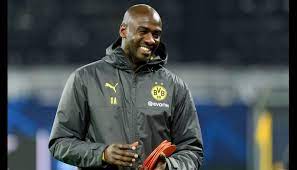
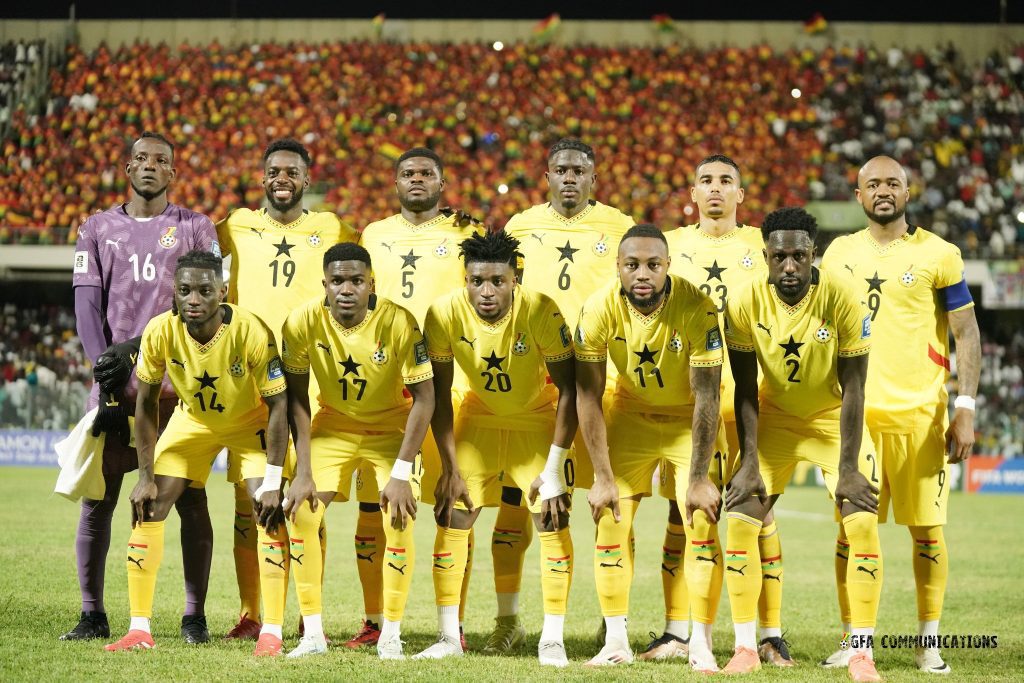
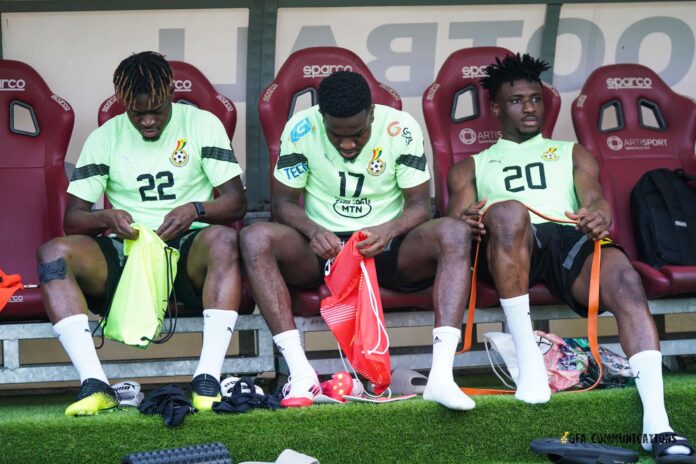
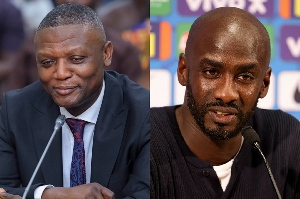
Ghana’s coach, Otto Addo, has advised his players to remain focused and not underestimate their opponents as they get ready to play Madagascar in an important 2026 FIFA World Cup qualifier on Monday.
Ghana currently leads Group I after defeating Chad, and another win against Madagascar could give them a five-point advantage. However, Addo has warned that this is not the time to become overconfident.
“It’s very, very important that we stay focused until we’ve made the job, and now it’s the whole focus about Madagascar,” he stressed as quoted by Ghana FA.
“We really, really want to win this match, we want to have a clean sheet, and this is what we’re looking for.”
Addo added that past results do not guarantee future success: “We could have won 10 games, and still we want to win the 11th. Statistics are good, but they don’t indicate that you will win or lose the next match.”
While Ghana has scored 11 goals in their last three matches, defensive lapses remain a concern.
“Football is a sport of mistakes, and who does more will lose. It’s very, very important that we have a positive mindset if we make a mistake,” Addo said.
Reflecting on the victory over Chad, the former Dortmund assistant coach said, “Everybody knew what this game was about, and I’m very, very happy that we used our chances especially in the first half, because this made the game easier in the second half.”
Now, his focus is on ensuring the team continues to push: “Nobody should take it easy, nobody should start thinking already about the World Cup because we need to take it step by step.”
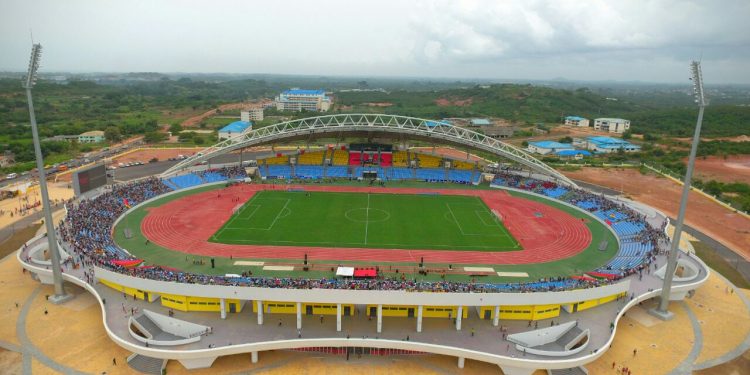
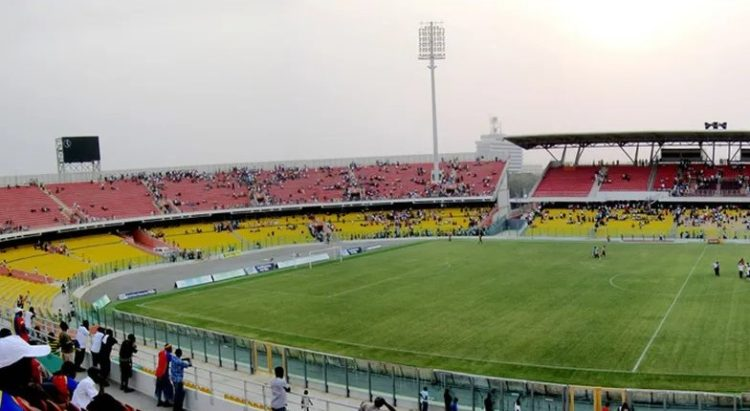
Ghana’s Black Stars will take on Madagascar today in a crucial 2026 FIFA World Cup qualifier, aiming to build momentum after their emphatic 5-0 victory over Chad last Friday, June 7, at the Accra Sports Stadium.
The Black Stars, who have struggled for consistency in recent months, delivered a dominant performance against Chad.
Originally set for Antananarivo, the game will now take place at the Grand Stade d’Al Hoceima in Al Hoceima on Monday, March 24, 2025, at19:00 hours (7:00 PM) GMT due to Madagascar’s national stadium not meeting approval standards.
A win against Madagascar today could further restore faith in the team and reshape public perception after months of disappointment.
With Ghana topping Group I after a win against Chad, a victory over Madagascar could see them open a five-point lead
Many Ghanaians were frustrated by the team’s poor performances in 2024, which saw them win just two out of 10 matches.
Nandi-Ndaitwah has been a dedicated member of the South West Africa People’s Organisation (Swapo), the party that has governed Namibia since it gained independence in 1990 after years of fighting against apartheid rule by South Africa.
She joined Swapo at just 14 years old when it was still a liberation movement fighting against white-minority rule.
Although the party has introduced reforms and improved the lives of many black Namibians, the effects of apartheid are still visible, especially in wealth distribution and land ownership.
“Truly, land is a serious problem in this country,” she told the BBC ahead of the inauguration. “We still have some white citizens and more particularly the absent land owners who are occupying the land.” From freedom fighter to Namibia’s first female president
Nandi-Ndaitwah says she fully supports the “willing-buyer, willing-seller” approach, meaning no one will be forced to sell their land.
Namibia is a large country with a small population of three million people. Government data shows that about 70% of the country’s farmland is owned by white farmers. The 2023 census recorded 53,773 white Namibians, making up just 1.8% of the total population.
Namibia is one of the most unequal countries in the world. According to the World Bank, its Gini coefficient was 59.1 in 2015, and poverty is expected to remain high at 17.2% in 2024. The country’s unemployment rate also increased from 33.4% in 2018 to 36.9% in 2023.
Nandi-Ndaitwah believes Namibia should focus on processing its minerals instead of exporting raw materials. She also wants the country to invest more in creative industries and adjust its education system to match current economic needs.
She is the second African woman to be directly elected as president, following Liberia’s Ellen Johnson Sirleaf. The only other female president in Africa today is Tanzania’s Samia Suluhu Hassan, who took office in 2021 after the former president passed away. Nandi-Ndaitwah wants to be judged on her merits, but she said that it was a “good thing that we as countries are realising that just as men [can do], women can also hold the position of authority”.
Former Black Stars captain Asamoah Gyan has called on Ghanaians to support the national team as they prepare for important 2026 World Cup qualifying matches.
This will be Ghana’s first time regrouping in 2025 after missing out on the next Africa Cup of Nations (AFCON), breaking a 20-year streak of appearances at the tournament.
The Black Stars are set to play Chad at the Accra Sports Stadium tonight before heading to Morocco for their next game against Madagascar in Matchday 5 and 6 of the qualifiers.
Ghana has struggled in 2024, winning only two of their last 10 games.
However, Gyan—who holds the record as the country’s all-time top scorer—has urged fans to set aside their disappointment and show their full support for the team.
“I will call on everyone to stay behind the team ahead of these games. I know people are angry, which is normal, but this is the World Cup. There is a new government, and we must stay together and support this team,” he told Asempa FM’s Ultimate Sports Show.
“People expect these players to match past generations, which must be possible, but what they need now is our support to get the needed wins.”
Gyan also called on fans to fill the stadium, believing that with their backing, the players will rise to the occasion.
“We should go to the stadium in our numbers and support them because our players are confident, and I believe with our support, they will deliver,” he added.
Ghana is hoping to qualify for the World Cup for the fifth time and needs to win these upcoming games to improve their position in Group I and stay in the race for qualification.
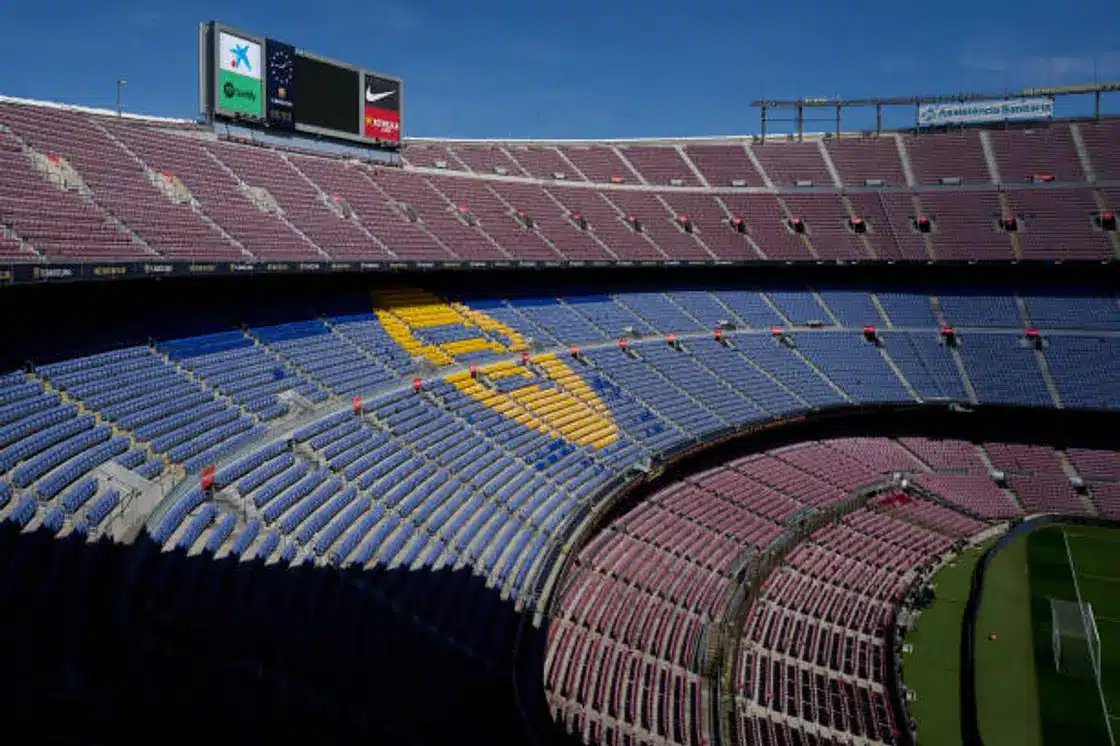
Barcelona has officially announced that the team will complete the season at the Olympic Stadium, as ongoing renovations at Spotify Camp Nou have been delayed.
The club had initially planned to return to their home ground sooner, but construction work on the stadium’s second tier has taken longer than expected. Due to these setbacks, all remaining LaLiga and Champions League home matches will be played at the Olympic Stadium.
Barcelona informed its members of this decision through an email on Thursday. Club president Joan Laporta had previously stated that the team aimed to return to Camp Nou by March, just in time for the Champions League knockout stages. However, UEFA rules prevent teams from changing venues once a knockout round has begun, meaning Barcelona must now finish their European campaign at the Olympic Stadium.
Following Thursday’s announcement, all of Barcelona’s remaining first-team home matches will be played at the Olympic Stadium in Montjuïc.
Barcelona moved out of Camp Nou in 2023 to allow for major renovations, which will expand the stadium’s capacity to about 105,000—the largest in Europe.
In January, the club extended its lease at the Olympic Stadium until the end of May, ensuring that their highly anticipated match against Real Madrid, scheduled for that month, can take place there.
The team faces a demanding schedule, with four matches in just nine days when club football resumes next week. They will play Osasuna at home on Thursday, followed by a home match against Girona on Sunday. On Wednesday, they travel to Atlético Madrid for the second leg of their Copa del Rey semifinal before returning home to face Real Betis on Saturday.
Barcelona will then host Borussia Dortmund in the Champions League, travel to Leganés for a LaLiga fixture, and head to Germany for the second leg of their Champions League quarterfinal.
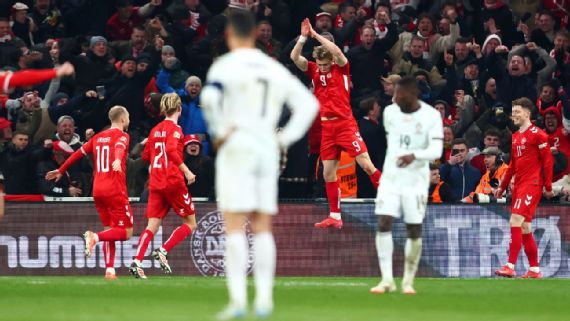
Rasmus Højlund has clarified that he did not mean to disrespect Cristiano Ronaldo when he performed the Portuguese star’s famous ‘Siu’ celebration after scoring Denmark’s winning goal against Portugal on Thursday in Copenhagen.
Højlund, who came on as a substitute, netted the decisive goal in the 78th minute to secure a 1-0 victory for Denmark in the first leg of the UEFA Nations League quarterfinal.
After scoring, the Manchester United forward ran to the corner and copied Ronaldo’s well-known celebration, while the Portuguese legend watched from the field.
“It’s for my idol,” Højlund told Danish broadcaster TV2 after the game. “It wasn’t to mock him or anything. He’s had such a huge impact on me and my football career. Maybe it’s a bit ambivalent, but to score against him and Portugal, it’s huge.
“I remember him scoring from a free kick in 2011 when I went to watch the match, and since then I’ve been a huge Cristiano fan.”
Højlund has struggled to score for Manchester United this season, the same club where Ronaldo won his first Ballon d’Or in 2008.
Denmark had an early chance to take the lead when Christian Eriksen stepped up for a penalty in the 24th minute. However, Portugal’s goalkeeper, Diogo Costa, guessed correctly and dived to his right to block the shot. Before this, Eriksen had successfully converted 12 penalties for Denmark and had not missed one since 2016.
Meanwhile, Ronaldo made his 218th international appearance, extending his record. However, he was unable to add to his impressive tally of 135 international goals.
Ghana Black Stars are set to take onChadtoday, Friday, March 21, 2025, in a crucial World Cup qualifying match. The encounter, scheduled to take place at the Accra Sports Stadium, is expected to draw thousands of fans eager to see the national team in action.
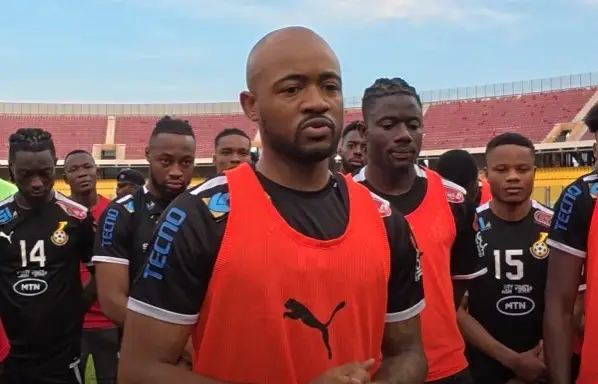
Ghana, under the leadership of newly appointed captain Jordan Ayew, will be looking to secure a vital win to boost their chances of qualifying for the 2026 FIFA World Cup.
The team has faced mixed results in recent matches, and head coach Otto Addo has emphasized the importance of a strong performance against Chad.
In a pre-match press conference, Ayew expressed confidence in the squad’s ability to deliver. “We are fully prepared and motivated. Every game is important, and we will give our best to make the nation proud,” he said.
Chad, regarded as underdogs in this fixture, will be aiming to cause an upset. Their coach, Mahamat Allamine, has promised a tough contest, insisting his team is ready to challenge Ghana.
Kick-off is scheduled for 7:00 PM GMT, with live coverage available on major sports networks. Fans are hopeful that the Black Stars will secure a convincing victory to strengthen their qualification bid.
Jordan Ayew believes his appointment as the Black Stars’ captain was inevitable.
The forward, who has been part of the national team since 2010, has earned over 100 caps and remained a consistent figure in Ghana’s squad.
Like his father, Abedi Pele, and his brother, Andre Ayew, Jordan has always shown commitment to the team, making himself available for selection whenever called upon.
In March, he was officially named the Black Stars’ captain, putting an end to ongoing debates about frequent leadership changes in the squad.
He took over from Andre Ayew, although Arsenal midfielder Thomas Partey had stepped in as captain in Andre’s absence.
Speaking to Joy Sports about his new role, Jordan said it was only a matter of time before he became captain, following in the footsteps of his father and brother.
“I believe in destiny. I believe [becoming Ghana captain] was probably written in the stars,” he said.
Jordancaptained Ghana against Angola in the Black Stars’ penultimate game in their underwhelming 2025 Africa Cup of Nations qualifiers.
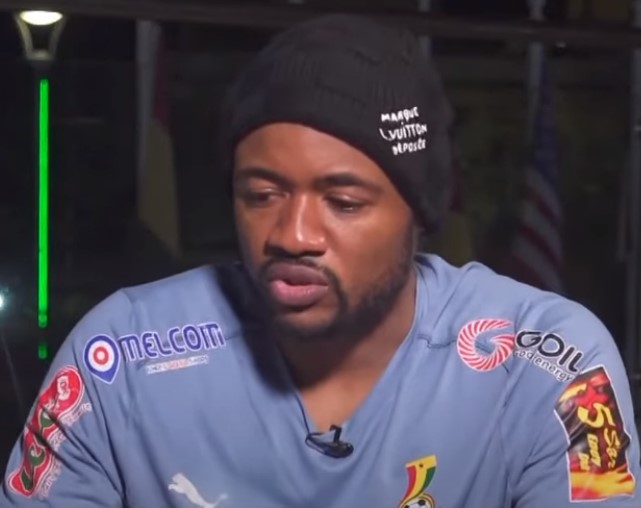
Ghanaian footballer Jordan Ayew has dismissed rumors of division among Black Stars players, insisting they share a strong bond like brothers.
Ayew was named captain of the team ahead of the World Cup qualifiers in March, having previously led Ghana in an AFCON qualifier against Angola last November.
The 33-year-old took over the leadership role from his older brother, Andre Ayew, who had worn the captain’s armband for years.
In 2024, Ghana’s captaincy became a hot topic, with different players, including Thomas Partey, Mohammed Kudus, and Jordan Ayew, taking turns leading the team. Reports suggested this led to internal conflicts.
However, Jordan Ayew has denied these claims, saying any disagreements within the squad are normal and similar to what happens in a family. He assured that there are no serious issues among the players.
“Obviously, we are both best friends because everyone is different and has who they’re closest to. But just like a family, the fact that you’re closer to your sister doesn’t mean you don’t love your brother. There’s no problem or friction. We are like brothers,” he told Joy Sports.
Ayew will lead the Black Stars out as captain for the first time when Ghana face Chad on Friday in the World Cup qualifiers.
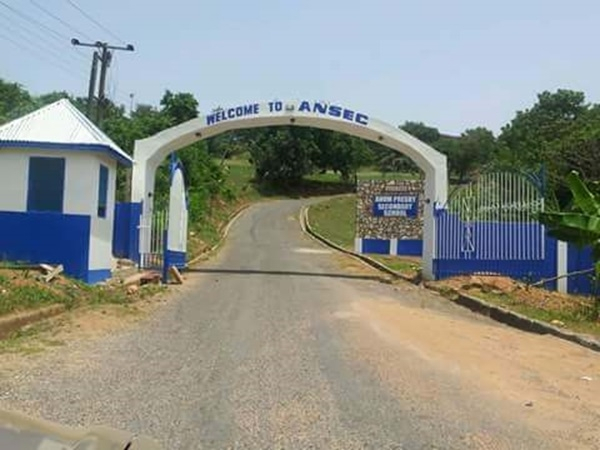
Anum Presby Senior High School in the Eastern Region is facing a serious teacher shortage after 21 teachers left, disrupting academic activities.
In a letter dated March 11, 2025, the Headmistress, Mrs. Stella Naa Enyo Atiase, informed the Regional Director of the Ghana Education Service (GES) through the District Director, stressing the urgent need for new teachers in key subjects.
The affected subjects include: The letter outlined the urgent need for teachers in key subjects, including:
Chemistry – 2 teachers
Physics – 2 teachers
Integrated Science – 4 teachers
Core Mathematics – 5 teachers
Government – 5 teachers
Physical Education – 2 teachers
Accounts Clerks – 2 personnel
The shortage occurred because several teachers left their jobs and traveled abroad, creating a major gap in the school’s academic structure.
The Headmistress has urgently appealed to the Ghana Education Service (GES) to step in and resolve the issue to prevent further disruptions to teaching and learning.
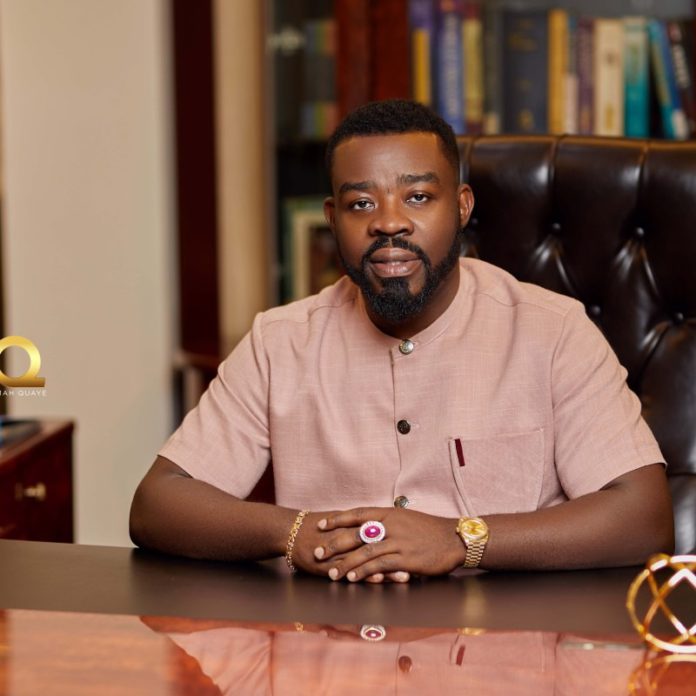
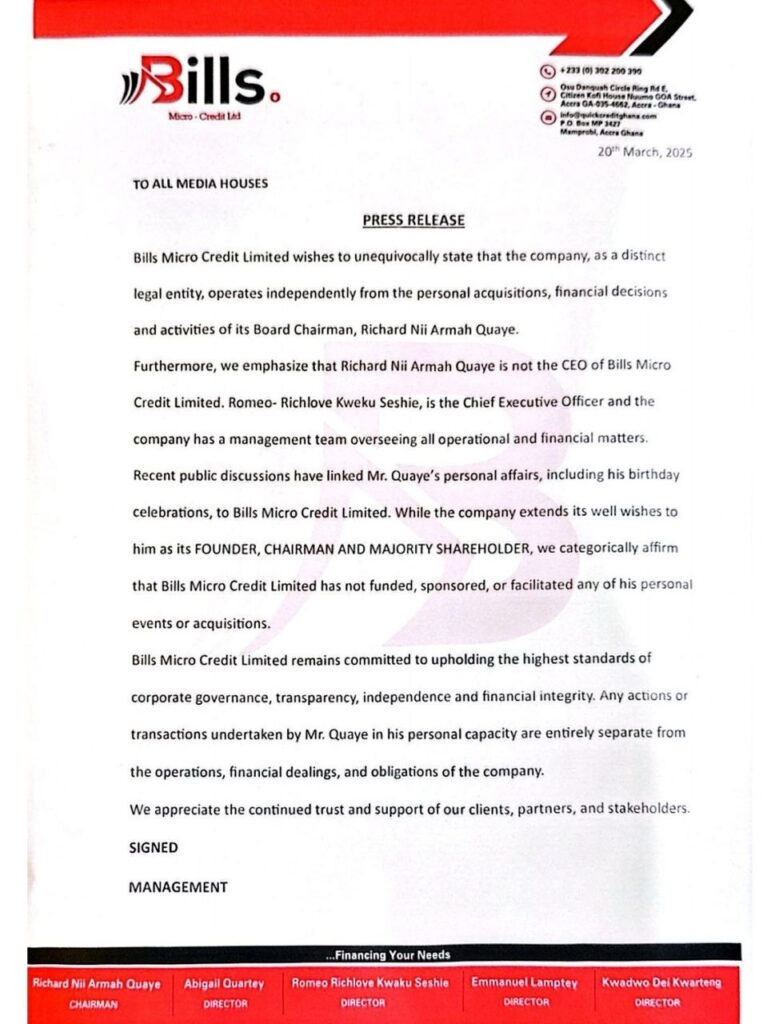
Bills Micro Credit Limited has released a statement to clear up any confusion regarding its operations. The company emphasized that it is a separate legal entity and should not be linked to the personal finances, purchases, or activities of its owner and Board Chairman, Richard Nii Armah Quaye.
The statement clarified that although Mr. Quaye is the Founder, Chairman, and Majority Shareholder, he does not serve as the Chief Executive Officer (CEO).
The day-to-day management of the company is handled by CEO Romeo-Richlove Kweku Seshie and his leadership team, who oversee all financial and operational matters.
This announcement follows recent public discussions that mistakenly associated Mr. Quaye’s personal affairs, including his upcoming birthday celebration, with Bills Micro Credit Limited.
“While the company extends its well wishes to him as its Founder, Chairman, and Majority Shareholder, we categorically affirm that Bills Micro Credit Limited has not funded, sponsored, or facilitated any of his personal events or acquisitions,” the statement read.
Bills Micro Credit Limited reiterated its dedication to good corporate governance, transparency, and financial integrity.
The company stressed that Mr. Quaye’s personal transactions have no connection to its operations, financial activities, or responsibilities.
“Bills Micro Credit Limited remains committed to upholding the highest standards of corporate governance, transparency, independence, and financial integrity,” the release stated.
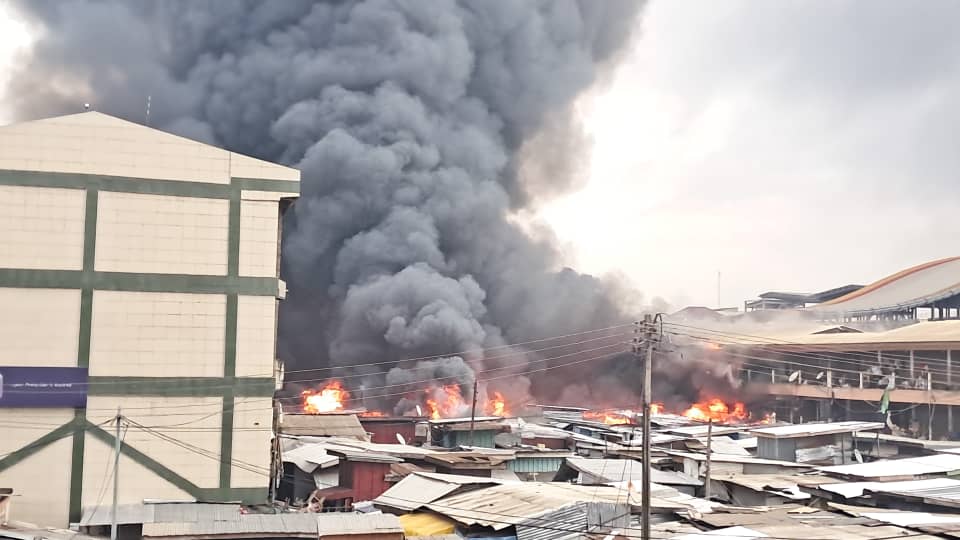
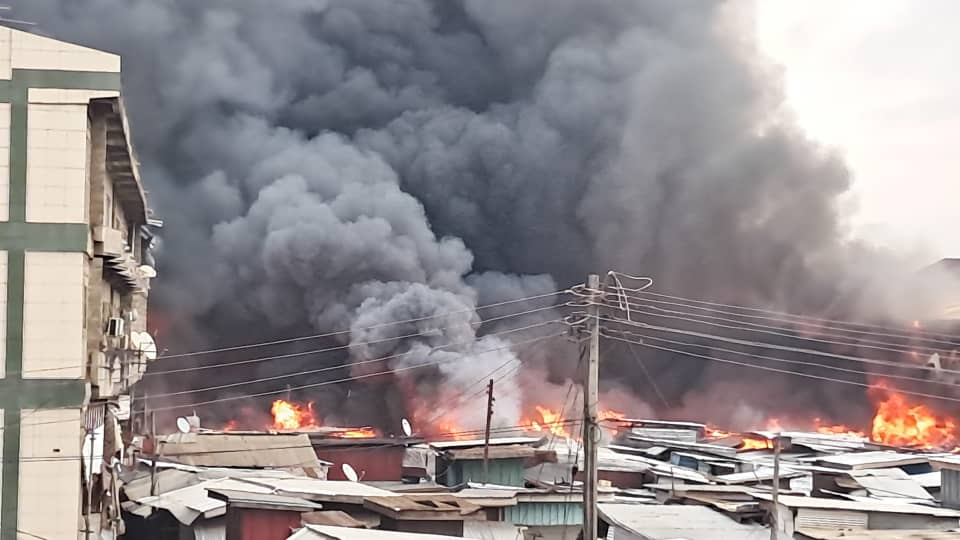
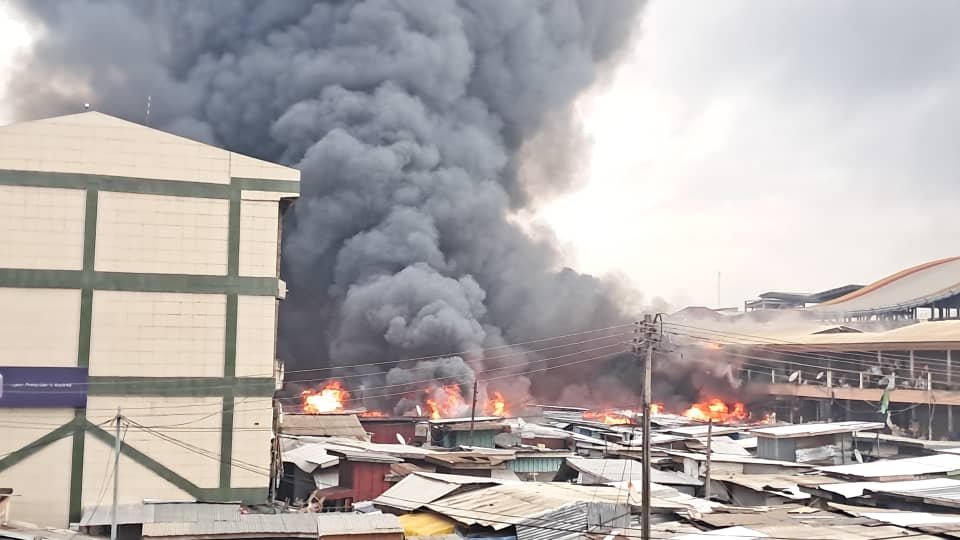
A massive fire broke out at the Adum Marketin Kumasi’s Central Business District, destroying several shops and properties.
The fire started early Friday morning, March 21, and quickly spread to nearby shops, causing heavy losses for business owners.
Many of the shops stored highly flammable materials, making it difficult for firefighters to bring the blaze under control.
The affected area of the market is known for selling second-hand clothes and housing seamstresses and watch repairers. Reports indicate that six fire trucks were sent to the scene immediately.
One of the biggest challenges for the Ghana National Fire Service (GNFS) was accessing the burning area. The market’s congestion and narrow pathways made it hard for fire trucks to get close. Firefighters had to maneuver through tight spaces while trying to put out the flames.
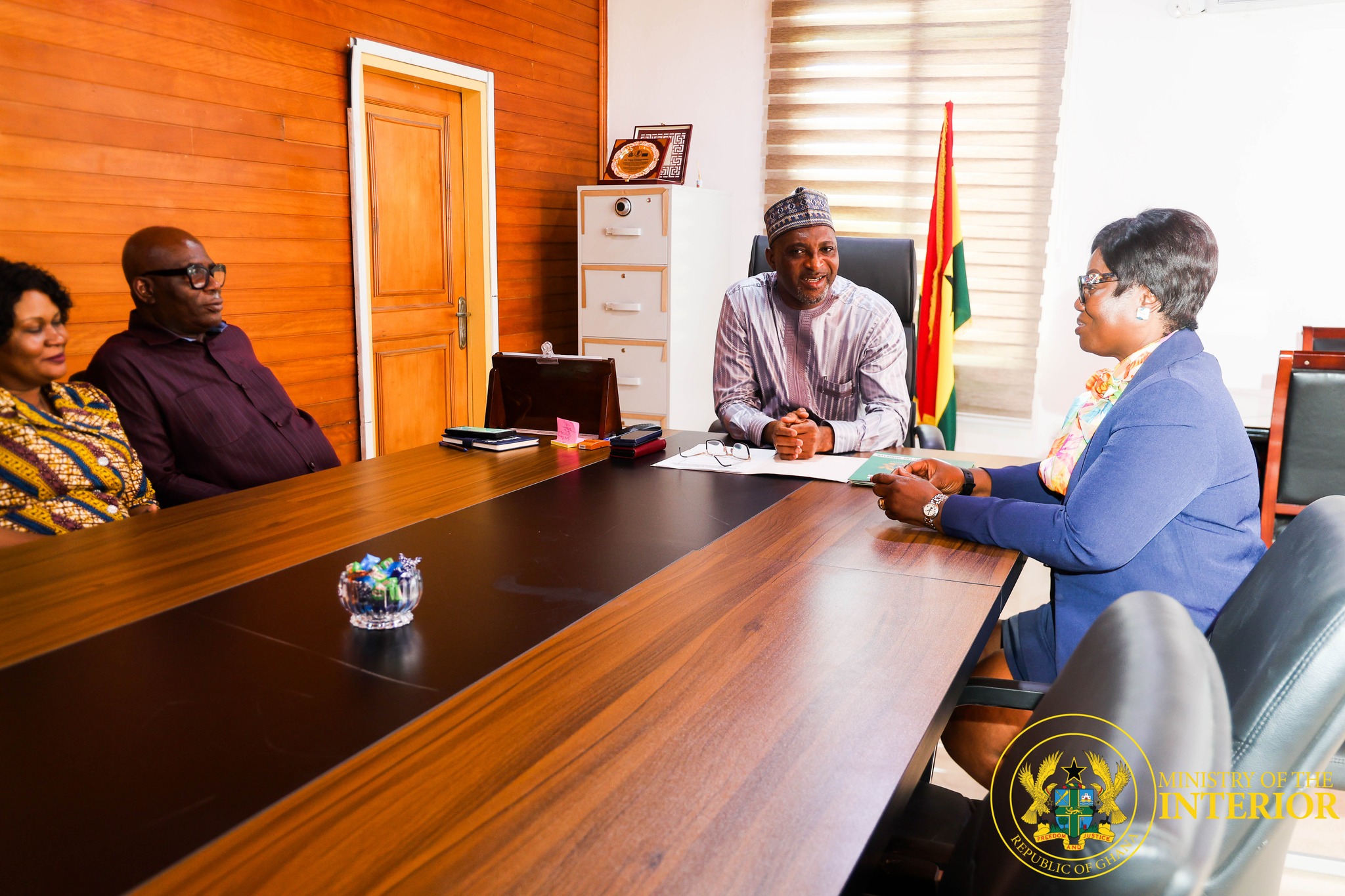
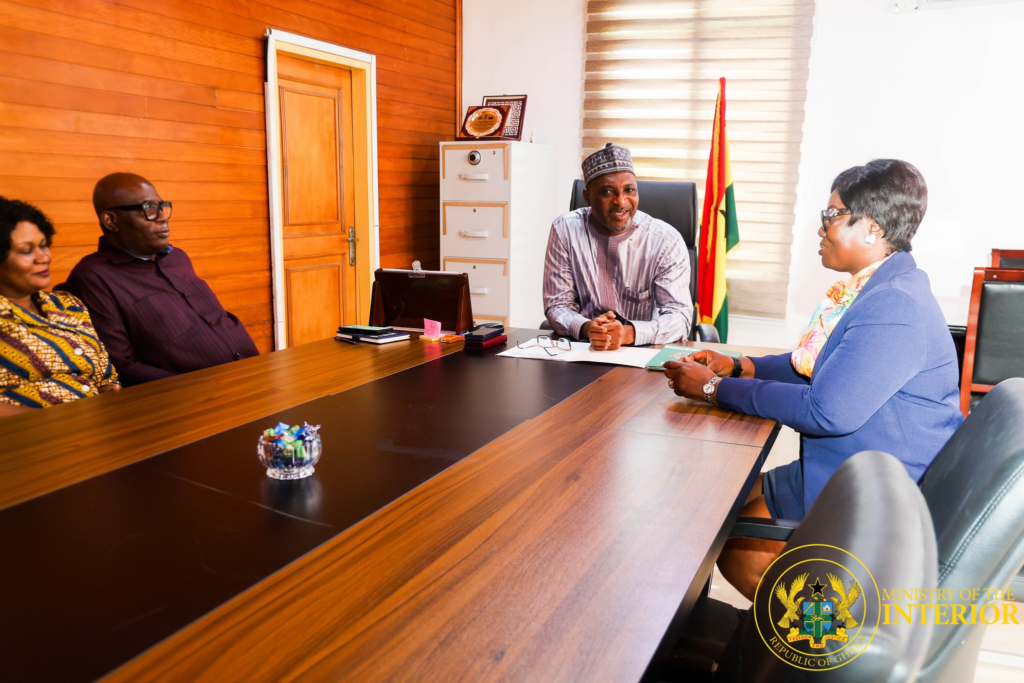
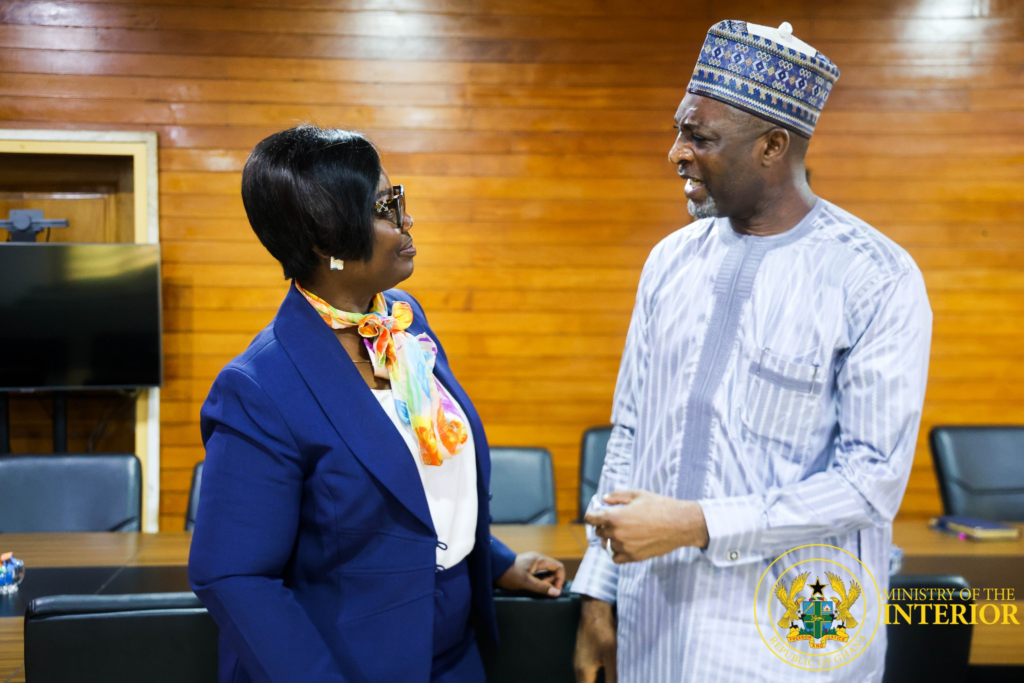
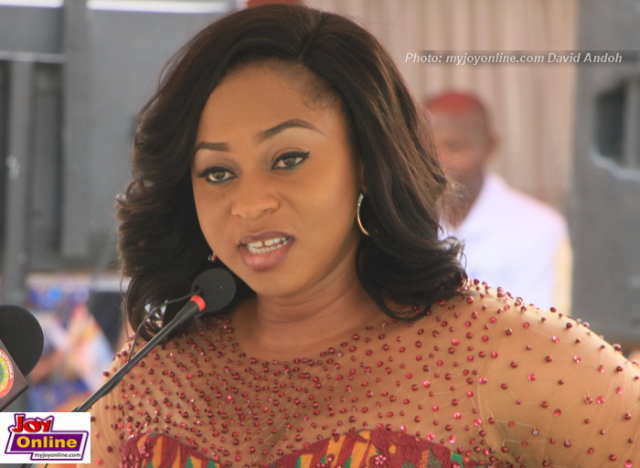
Commissioner of Police (COP) Maame Yaa Tiwaa Addo-Danquah has officially assumed her new role as Technical Advisor to the Minister for the Interior, Muntaka Mohammed-Mubarak.
Her appointment marks a significant addition to the Ministry’s leadership team, with expectations high for her to leverage her extensive experience in law enforcement and security management.
COP Maame Yaa Tiwaa Addo-Danquah was reassigned to the Ministry of the Interior, moments after she was appointed Director-General of Research & Planning at the Ghana Police Service by Inspector General of Police, Christian Tetteh Yohuno on March 19, 2025.
During a brief ceremony at the Ministry, the minister welcomed COP Tiwaa Addo-Danquah, emphasising the importance of teamwork and collaboration in achieving the Ministry’s mandate.
COP Tiwaa Addo-Danquah, in her response, expressed gratitude for the warm reception and assured the Minister of her unwavering commitment to supporting the Ministry’s objectives.
Former Education Minister, Dr. Yaw Osei Adutwum, shared that he would have been thrilled if the New Patriotic Party (NPP) had chosen him as Dr. Mahamudu Bawumia’s running mate for the 2024 elections.
In an interview with Asaasepa Radio, the Bosomtwe MP expressed his deep desire to serve both his party and the country in such a high position. However, he emphasized that he is in no hurry and will let God guide his political path.
“What I know is that God has His plans for man. When the time is up, nobody can stop what God has caused to happen. But I will not rush ahead of God; I will allow Him to do as He wishes. Whatever He asks me to do, I will obey. God’s time is the best. I have said that I would have been very happy if I was selected as the running mate.”
Many political analysts saw Dr. Osei Adutwum as a strong contender to be Dr. Mahamudu Bawumia’s running mate for the 2024 elections under the then-ruling NPP.
"I would have been very happy if they had given me the running mate position." – Former Education Minister, Dr. Yaw Osei Adutwum pic.twitter.com/MJkI2PJ0qH
He was widely respected for his hard work, calm nature, and broad appeal across different political groups in Ghana.
However, the party ultimately chose the former Energy Minister and Manhyia South MP as the running mate instead.
In the end, the NPP faced a heavy and humiliating loss in the 2024 elections, winning only 88 out of 275 parliamentary seats.
About 2024 elections
President John Dramani Mahama of the National Democratic Congress (NDC) was declared the winner after securing 56.55% of the votes. His main opponent, Vice President Mahamudu Bawumia of the NPP, received 41.61%.
The election saw a voter turnout of approximately 60.9%, and the process was largely peaceful, with the Economic Community of West African States (ECOWAS)
The Greater Accra Regional Health Directorate (GRHD) is facing challenges in achieving the global target of reducing maternal deaths to fewer than 70 per 100,000 live births, mainly due to inadequate skilled delivery services.
According to data from the directorate, health facilities in the region recorded 163 maternal deaths in 2024, a slight improvement from 170 in 2023.
The World Health Organization (WHO) has set a target for countries to reduce maternal deaths to 70 per 100,000 live births by 2030, as part of the Sustainable Development Goals (SDG) target 3.1.
During the 2024 Annual Performance Review meeting of the Greater Accra Regional Health Directorate, the Regional Director of Health, Dr. Akosua Agyeiwaa Owusu-Sarpong, explained that the high maternal mortality rate of 167 per 100,000 live births is partly due to difficulties in accurately tracking skilled deliveries across both public and over 600 private health facilities in the region.
The meeting, held under the theme “Improving Performance and Health Outcomes through Service Delivery, Partnerships, and Excellence in Health Service Delivery,” brought together senior managers, programme managers, unit heads, metro and municipal health directors, and medical directors to assess their 2024 performance.
Dr. Owusu-Sarpong emphasized the need to continue training healthcare workers in safe motherhood and life-saving skills. She also highlighted the importance of regular zonal meetings, led by obstetricians, gynecologists, and pediatricians, to help reduce deaths among mothers and newborns.
Over the next two days, health officials will assess their progress, celebrate achievements, identify challenges, and develop new strategies to improve healthcare services.
Looking ahead to 2025, Dr. Owusu-Sarpong said the directorate would focus on building strong partnerships, improving healthcare management, and ensuring better quality and safety in service delivery.
She also acknowledged issues with staff distribution but noted that the situation was improving, particularly in Ada East and Ada West, where healthcare workers had previously been reluctant to accept postings.
“The Region’s aggregate score for the holistic assessment in 2024 was 4.07, compared to 3.93 in 2023, making the region a high-performing one,” she said.
Dr. Owusu-Sarpong spoke about ongoing efforts to control cholera by strengthening disease monitoring and response systems.
Meanwhile, Dr. Caroline Reindorf Amissah, Deputy Director-General of the Ghana Health Service (GHS), called on health workers to stay dedicated despite challenges such as limited funding, an increase in diseases, staff leaving for other opportunities, and aging infrastructure.
In a speech delivered on her behalf, Greater Accra Regional Minister Madam Linda Ocloo encouraged healthcare professionals to stay committed to improving medical services.
She emphasised the need for transparency, accountability, and excellence in health facilities, adding, “Strengthening reporting mechanisms, particularly in the private health sector, will ensure more accurate data capture and informed decision-making.”
Maternal mortality refers to deaths due to complications from pregnancy or childbirth.
The leading causes include severe bleeding (postpartum haemorrhage), infections (including sepsis), high blood pressure disorders (pre-eclampsia and eclampsia), complications from delivery, and unsafe abortions.
Former Dome Kwabenya MP, Adwoa Safo, has made it clear that she has no plans to contest for the parliamentary seat again. She explained that the challenges she faced during her time in office have influenced her decision.
Speaking on The Pulse on JoyNews on Thursday, March 20, she stated that she would only reconsider if her father convinced her to run.
Looking back on her tenure as MP, Adwoa Safo admitted that the difficulties she encountered had discouraged her from seeking re-election.
“Considering what I have been through, considering how I have been treated in the constituency despite my devotions, despite my sacrifices, despite my hard work, how I have been treated, I don’t think so, I won’t. It will take my father to change my mind, I have done 12 years and I left a good legacy in the constituency, I will not contest Dome Kwabenya” she said.
The New Patriotic Party (NPP), with Mike Oquaye Jr. as its candidate, lost the Dome Kwabenya parliamentary seat to the National Democratic Congress (NDC) in the 2024 elections—an area that had long been considered an NPP stronghold.
Although the former Member of Parliament has made it clear that she will not be contesting for the seat again, she did not hold back on her political ambitions.
She expressed her desire to take on an even greater leadership role in Ghana, stating that her ultimate goal is to either become the country’s first female president or serve as Speaker of Parliament in the future.
“I am moving forward, I am looking at other bigger things,” she said.
“Like the presidency”? The Host, Elton John Brobbey asked. She responded, “Yes one day, not now, I am looking at speakership, yes. I am looking at higher challenges and opportunities” she emphasised.
Minister of Youth Empowerment and Development, George Opare Addo, has raised serious concerns about the rising cases of drug abuse in Ghana, particularly among young people.
He also claimed that some well-respected figures in society are secretly involved in distributing these substances, worsening the crisis.
“I am hearing names on this drug menace, and they are very alarming. We need to be very frank with ourselves if we want to tackle this issue head-on,” he said.
In an interview on Asempa FM’s Ekosii Sen show, Mr. Opare called on security agencies to be more alert and take stronger action.
To help tackle the problem, he revealed that the government plans to carry out lifestyle audits on individuals suspected of being involved in the drug trade. “Drug trafficking is a big business, and we need to be aware of how deep this issue runs. The time to act is now,” he stated.
Mr. Opare, who is also the National Youth Organizer of the National Democratic Congress (NDC), stated that everything affecting young people must be addressed.
“Everywhere in the world, if regulations are loose, people will find ways to exploit them. We must let intelligence guide us as a country in combating this problem.” The growing abuse of drugs, including marijuana, tramadol, cough syrup mixtures, and “wonim red,” shows that many young people are struggling with serious issues.
The Minister emphasized the need for immediate action to stop this problem from getting worse.
“We will soon launch an effective and massive campaign to combat drug abuse. We will educate the public, help those in need of rehabilitation, and provide alternative livelihoods. We won’t allow drugs to destroy our country,” Mr. Opare revealed. He also pointed out that while drug abuse was once largely confined to slums, it is now spreading rapidly, even in universities.
“This is a very bad trend and it is affecting the future of our youth. Our campaign will cover all of this—schools, churches, and even traditional authorities will be involved.”
Mr. Opare called on businesses in Ghana to back this initiative, emphasizing the need for the country to invest in programs that create positive and lasting change.
“We are not safe, considering how rampant this issue has become. We intend to go everywhere to ensure drugs don’t destroy our future.” The campaign will carry the message “Red means stop,” symbolizing the urgent need to put an end to the drug menace and protect the future of Ghana’s youth.
Deputy Attorney General Dr. Justice Srem Sai has confirmed that the National Security raid on the Roman Ridge residence of former Bank of Ghana (BoG) Governor Dr. Ernest Addison on March 19 was legally sanctioned by the Attorney General’s Office and conducted with proper warrants.
During a media engagement on Thursday, March 20, he affirmed, “Every search you see is part of the government’s framework to fight corruption, and we take responsibility for the searches that are happening.”
He also clarified, “Those searches and the mode in which they were done were carried out in accordance with the law. Warrants were procured, and warrants were used to conduct those searches.”
In response to concerns raised by the Minority in Parliament over recent raids, the Deputy Minister disclosed that such actions are part of an ongoing investigation into alleged corruption during the previous administration.
Following the raid, the Minority in Parliament accused operatives of stealing GH₵10,000 and jewelry belonging to Dr. Addison’s wife. They condemned the operation as a “Rambo-style approach” and warned that such actions could harm Ghana’s democratic image and deter investors.
In response, a National Security officer stated that the raid was conducted based on intelligence suggesting that Dr. Addison was in possession of funds belonging to the central bank. They maintained that the operation was lawful, backed by a search warrant, and executed in line with standard procedures.
As part of their investigative process, operatives also retrieved the hard drive from Dr. Addison’s CCTV system, a move they described as routine. Addressing allegations of theft, an official firmly dismissed the accusations.
“We did not take any money or jewelry from Dr. Addison’s home. We will, in due course, make public a full list of items retrieved during the search,” the official disclosed.
This is at least the second time Richard Jakpa has led a group of armed men to raid the home of a high-profile former official from the Akufo-Addo administration since President John Mahama took office on January 7, 2025.
The first incident involved Ken Ofori-Atta, Ghana’s longest-serving finance minister, whose home in Labone, Accra, was raided by over 15 armed men on February 10.
The entire operation was recorded by CCTV cameras at the property, and the footage was later released to the public.
The Majority in Parliament apologized to Ken Ofori-Atta following the raid on his residence by military and police officers.
According to the Majority, its investigation into the incident revealed that the operation was led by Richard Jakpa, an official at the National Security Coordinator’s office.
Addressing the issue on the floor of Parliament, Majority Leader Mahama Ayariga described the raid as regrettable, emphasizing that the Mahama government remains committed to protecting the rights of all citizens.
Deputy Attorney-General and Minister for Justice, Dr. Justice Srem Sai, has confirmed that the Attorney General’s Office is preparing to prosecute individuals flagged by the Operation Recover All Loot (ORAL) team.
Speaking on the government’s commitment to tackling corruption during a media engagement on Thursday, March 20, Dr. Srem Sai assured the public that the legal process is being handled with diligence to ensure due process is followed.
“We agree that most Ghanaians decided to vote for the NDC government because of the ORAL promise. Bear with us and be a little more patient. In a few weeks, you will see that ORAL is not just a campaign slogan but something President John Mahama is determined to make happen,” he noted.
Acknowledging public curiosity about when prosecutions will begin, he emphasized that the legal team is working meticulously to build solid cases.
“Every day, I see people on social media really asking when ORAL is going to start. I will take this opportunity to assure the public that President Mahama’s government is still committed to sternly fighting corruption, bringing culprits to book, and, most importantly, recovering the loot that we have all been seeing,” he continued.
Dr. Srem Sai stressed that while the demand for immediate action is understandable, the legal process must be thorough and fair.
“What we are doing at the AG’s department is what we call building the dockets for these prosecutions. As much as we know the public is eager to see what they call action, we must ensure it is done within the framework of the rule of law. We must respect the rights of individuals, even those we know are involved in corruption, let alone those we suspect,” he added.
About ORAL
Operation Recover All Loot (ORAL) is an anti-corruption task force established by President John Dramani Mahama following his electoral victory in December 2024. The initiative aims to combat corruption, recover stolen state funds, and restore public confidence in national institutions.
Chaired by Samuel Okudzeto Ablakwa, theORAL teamcomprises former Auditor-General Daniel Yao Domelevo, retired Commissioner of Police Nathaniel Kofi Boakye, legal expert Martin Kpebu, and investigative journalist Raymond Archer.
The team submitted its report to President Mahama on February 10, detailing findings from a 53-day investigation into corruption cases. According to the report, potential recoveries amount to $21.19 billion in misappropriated funds and assets.
The initiative has faced criticism from the opposition New Patriotic Party (NPP), which has questioned its impartiality. Richard Ahiagbah labeled it a “witch hunt,” while former Attorney-General Godfred Dame raised concerns about its legality, arguing that it bypassed established institutions. Minority Leader Alexander Afenyo-Markin has also threatened legal action should he be implicated, accusing the team of espionage.
To encourage public participation, ORAL has launched a toll-free hotline and an online reporting platform where Ghanaians can securely provide information on corrupt activities.
With the Attorney General’s office now preparing for prosecutions, the ORAL initiative is set to transition from investigations to legal action, reinforcing the Mahama administration’s pledge to fight corruption.
The Ghana Broadcasting Corporation (GBC) requires GH¢36 million to expand its operations into six newly created regions, according to the Minister of Government Communications, Felix Kwakye Ofosu.
Speaking in Parliament on Wednesday, March 19, the minister highlighted the financial challenges facing GBC, the Information Services Department (ISD), and the Ghana News Agency (GNA).
He emphasized that the GH¢78 million allocated to his ministry for the year is insufficient to support the operational needs of these three key agencies under his supervision.
“The Ghana Broadcasting Corporation alone needs GH¢36 million to establish a presence in the six regions that they [the previous administration] created,” Kwakye Ofosu stated.
The six regions—Oti, Ahafo, Bono East, North East, Savannah, and Western North—were created in 2019 to enhance governance and equitable development. The expansion followed a successful referendum on December 27, 2018, in which over 90% of voters endorsed the proposal.
Despite GBC’s existing presence in the country’s 10 former regions, the minister stressed that additional funds are necessary to establish operations in the new regions and effectively deliver public service broadcasting to all Ghanaians.
Beyond GBC, Kwakye Ofosu noted that the entire ministry is struggling with financial constraints, particularly in supporting the 2,537 civil servants employed across GBC, ISD, and GNA. He warned that the inadequate budget could hinder these institutions from fulfilling their mandate of government communication and public information dissemination.
He, therefore, called for increased financial support to enable these agencies to operate efficiently and meet the growing demands of public service media in the country.
The government has announced that GHS2.7 billion will be spent to cover wages and salaries for 11,657 Civil Servants in 30 agencies under the Office of Government Machinery.
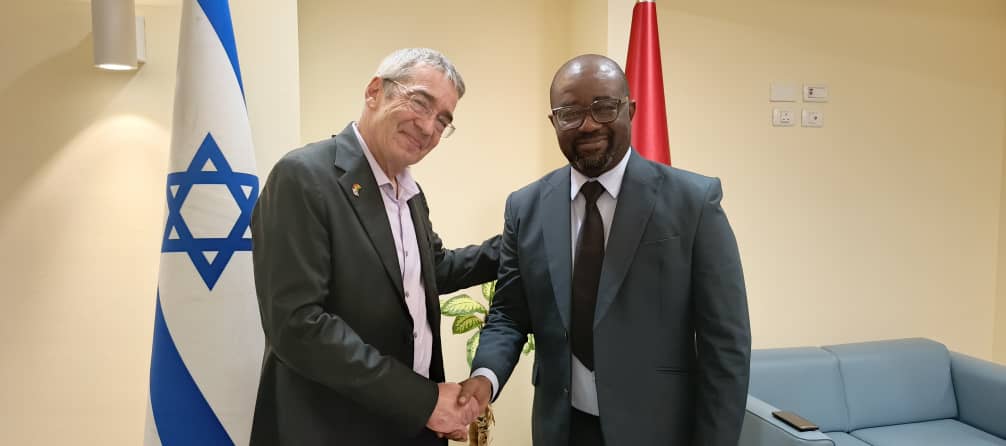
President of the Ghana Football Association (GFA), Kurt Edwin Simeon-Okraku, recently met with the Israeli Ambassador to Ghana, Roey Gilad, to discuss ways to strengthen football cooperation between the two countries.
The meeting, held at the Israeli Embassy in Accra on Wednesday, March 19, 2025, focused on deepening ties through various football initiatives.
Ghana and Israel already share a strong football connection, with many Ghanaian male and female players competing in Israeli clubs. The bond was further strengthened when Israeli coach Avram Grant led the Black Stars from 2015 to 2017, taking them to the final of the 2015 Africa Cup of Nations. Another Israeli, Eyal Lachman, also coached Ghanaian club Hearts of Oak.
During the meeting, both parties explored ideas for cultural and sporting events to celebrate their shared football history. They also discussed technical exchange programs to enhance the skills of Ghanaian coaches, medical staff, and marketing professionals by tapping into Israel’s expertise in sports science and football technology.
The meeting also included discussions about Ghana’s U-15 national team taking part in a tournament in Israel. This opportunity would give young players valuable international experience and help them develop their skills.
Additionally, the GFA is looking to partner with Israeli businesses in Ghana to support football development, including improving infrastructure and grassroots programs.
A key focus of the discussions was coaching exchange programs. Ghanaian coaches would travel to Israel to learn about modern football technology, while Israeli experts would visit Ghana to share their knowledge.
There were also plans to bring specialists to train local pitch managers, ensuring better playing conditions in the country.
GFA President Kurt Edwin Simeon-Okraku expressed confidence that this collaboration would greatly benefit Ghanaian football.
“This engagement with the Israeli Ambassador and his team is a great step towards strengthening our football ecosystem. By leveraging Israel’s expertise in sports science and technology, we can create more opportunities for Ghanaian footballers, coaches, and administrators.”
The GFA is dedicated to building strong international partnerships to improve football in Ghana. It will continue working with key stakeholders to put these plans into action in the coming months.
Also present at the meeting were Michael Osekre, Chief of Staff to the GFA President, and Janice Odonkor, Head of Business Development at the GFA.
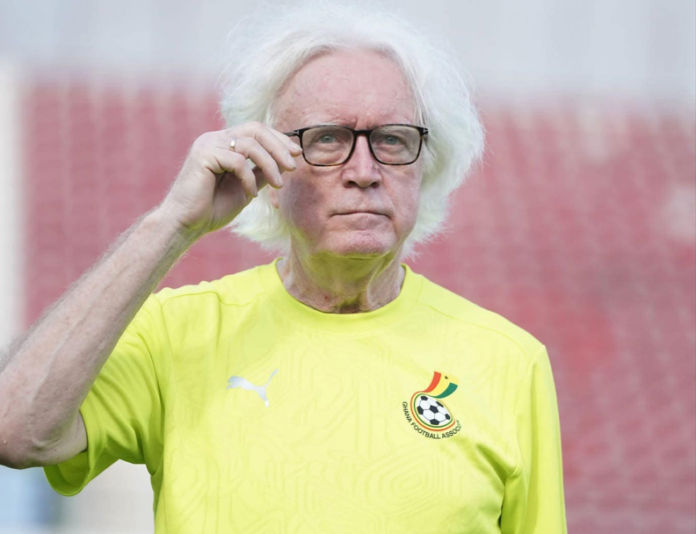
Black Stars head coach Otto Addo has spoken highly of technical advisor Winfried Schäfer, highlighting his skill in handling tough situations.
The veteran German coach joined Ghana’s technical team after the Black Stars failed to qualify for the 2025 Africa Cup of Nations (AFCON).
In an interview, Addo shared his confidence in Schäfer’s influence, calling his appointment a major boost for the team.
“Winfried Schäfer has big, big experience. He has won the African Cup with Cameroon. He knows how to deal with difficult situations,” he told 3Sports.
“We’ve been talking a lot. He’s been engaging from the first day with the players, and I am very, very happy that he’s on board,” he added.
Schäfer is widely known for leading Cameroon to win the 2002 AFCON title.
Meanwhile, Ghana will play against Chad at the Accra Sports Stadium on Friday, March 21, at 19:00 GMT. After that, they will travel to Morocco to face Madagascar on Monday, March 24.
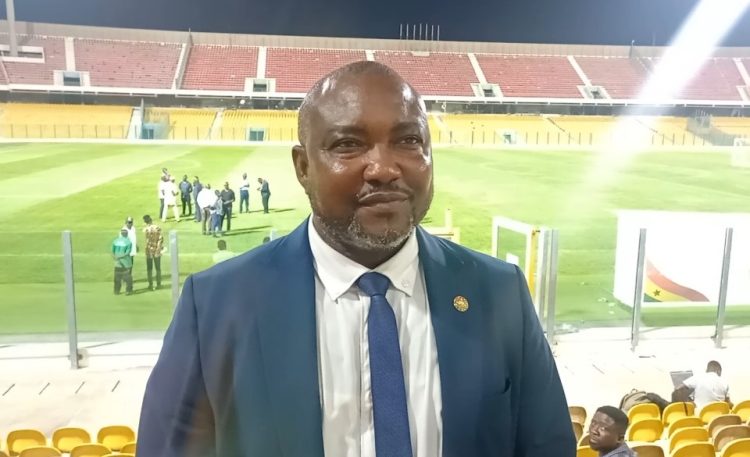
Berekum West MP,Dickson Kyere-Duah, is calling for regular maintenance of Ghana’s national stadiums instead of waiting until they deteriorate and require costly repairs.
His comments come as discussions on renovating the country’s five national stadiums gain attention, especially with the Cape Coast and Accra Sports Stadiums set for another round of renovations.
Speaking in an exclusive interview with Citi Sports after watching the Black Stars train, he urged Ghanaians to support the team despite their failure to qualify for the 2025 AFCON.
Berekum West Member of Parliament, Dickson Kyere-Duah
“We don’t do periodic maintenance. You don’t wait for the facility to deteriorate to the levels where cost of maintenance becomes so huge. You do it periodically, every month, every quarter, every year, continuous renovation will ensure that the stadiums will stay in very good condition all the time.”
“Government should have a dedicated fund through the National Sports Authority to ensure periodic maintenance of our facilities.”
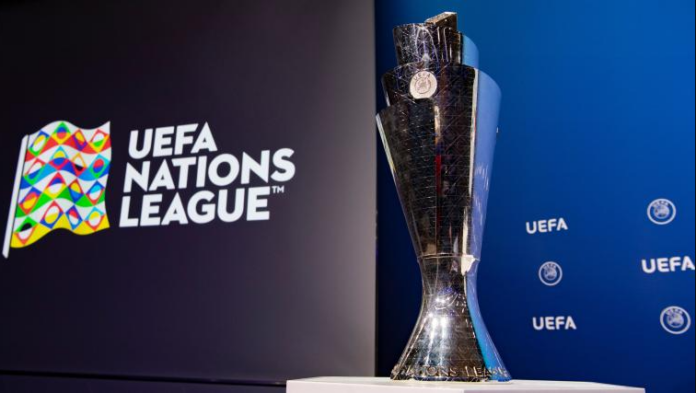
The Nations League is back this week, moving into the play-off and knockout rounds.
The group stage of the revamped tournament ended in November, and now eight teams are left in the main competition, battling for the title.
Meanwhile, the play-offs will decide which teams move up or down in their groups.
Not sure how it works? Here’s a simple breakdown:
Nations League Quarter-Finals
In League A, which is the highest level of the tournament, the top two teams from each of the four groups advanced to the quarter-finals.
These eight teams were paired up for two-legged matches, meaning each team will play home and away. The team listed first in the draw will host the first match.
The draw is as follows:
Netherlands v Spain Croatia v France Italy v Germany Denmark v Portugal
What about the home nations & Republic of Ireland?
England and Northern Ireland finished as group winners, earning them promotion to Group A and Group B respectively.
The Three Lions secured automatic promotion to League A after winning their group and are therefore not involved in the next round of the Nations League.
The same applies to Wales, who reached the top tier of the competition in November.
Scotland are the only home nation remaining in the tournament, while the Republic of Ireland are also in the play-offs.
The promotion/relegation play-off draw The play-offs will take place at the same time as the quarter-finals.
In these matches, the teams that finished third in League A will play two-legged games against the teams that finished second in League B. The winners will secure a spot in League A.
Similarly, third-placed teams in League B will face second-placed teams from League C, with the winners moving up to League B.
Lastly, the two lowest-ranked teams in League C with the best records will compete against the runners-up from League D for a chance to stay in League C.
Georgia v Armenia Slovenia v Slovakia Iceland v Kosovo Republic of Ireland v Bulgaria Serbia v Austria Scotland v Greece Hungary v Turkey Belgium v Ukraine
When is it?
The first matches of both the play-offs and quarter-finals will be held on March 20, with the second legs taking place on March 23.
The winners of the quarter-finals will move on to the semi-finals, which will be single matches played on June 4 and 5, 2025.
Four teams will have a chance to qualify for the World Cup through the Nations League. These will be the four highest-ranked group winners who do not finish in the top two of their World Cup qualifying group next year.
Since most of the top teams in League A and many in League B are expected to qualify directly for the World Cup, this system provides an extra opportunity for teams in Leagues B and C.
England, by winning Group B2, is almost guaranteed a World Cup play-off spot, and Wales, who won Group B4, is in a similar position. Northern Ireland, as leaders of Group C3, has a chance, but Scotland is unlikely to qualify through the Nations League route.
The four Nations League play-off teams will join 12 teams that finish second in their World Cup qualifying groups. Together, they will compete for four spots in the 2026 World Cup.
The seedings for the World Cup qualifiers will mostly be based on FIFA’s world rankings, not Nations League results. However, the highest-ranked teams will be chosen from those that finish in the top two of each League A group, along with the four best-ranked countries.
England, ranked fourth in the world and third in Europe, is almost certain to be among the top seeds, even though they were not in League A.
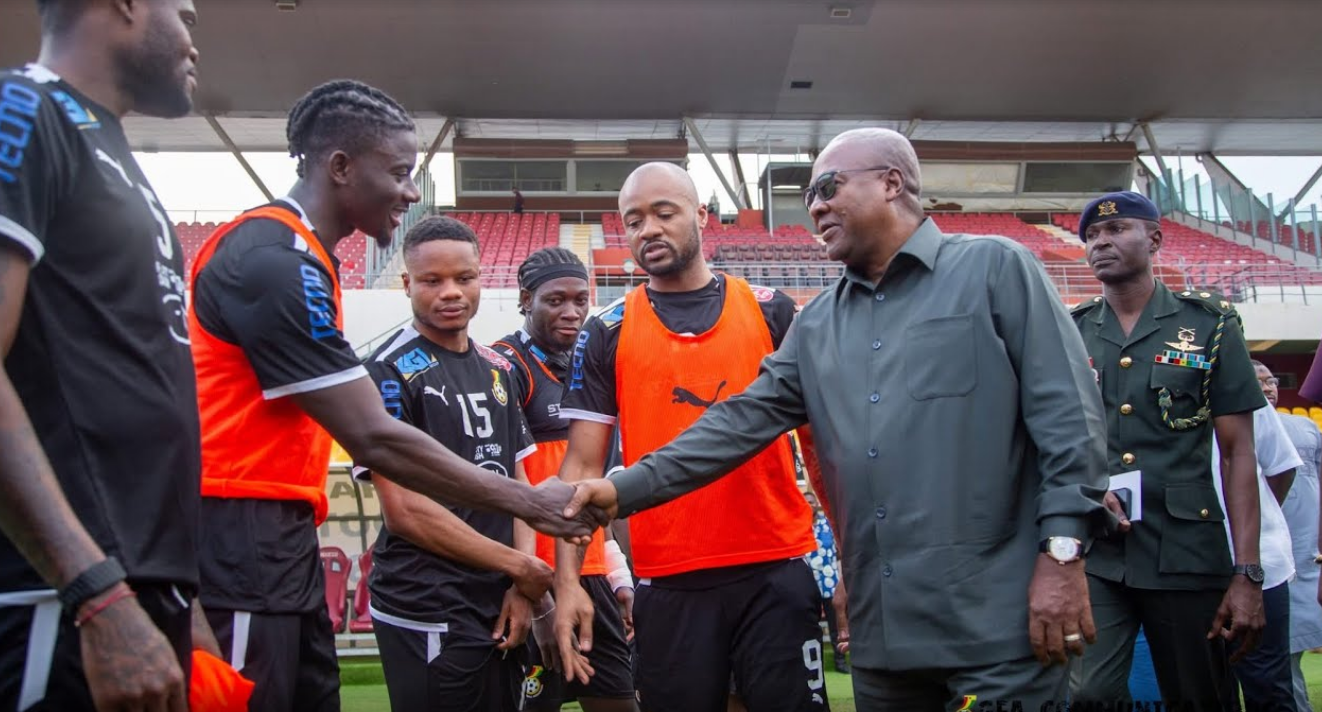
Former PresidentJohn Dramani Mahama made an unexpected visit to the Black Stars during their training at the Accra Sports Stadium on Wednesday.
His visit was meant to lift the team’s spirits ahead of their important 2026 World Cup qualifiers against Chad and Madagascar.
Speaking to the players and coaches, Mahama admitted the team had faced challenges recently but said he believed they could recover and perform well.
“We didn’t qualify for the AFCON. But even when we did, we crashed out early last time. We haven’t given up on you. We still believe the Black Stars can find its glory again, and that depends on you, the technical team, and the management committee,” he said.
Reaffirming the nation’s support, he emphasized that success depends on the team’s commitment and effort.
“The goals will come from these feet right here. It takes sacrifice and strength. We enjoy watching you play for your clubs, and we expect the same dedication for the national team,” he added.
The Black Stars will face Chad on March 21 before taking on Madagascar three days later in Morocco as they continue their quest for World Cup qualification.
Ghana’s journey in the Africa Cup of Nations(AFCON) has hit a rough patch recently. For the first time in over two decades, the Black Stars failed to qualify for the 2025 AFCON tournament, which will be held in Morocco later this year2. This marks a significant setback for a team that has historically been one of the continent’s football powerhouses, with four AFCON titles to their name.
The failure to qualify has sparked disappointment among fans, players, and officials alike. Former Ghanaian football star Michael Essien described the situation as “sad” but urged the nation to move forward and focus on future competitions. Similarly, President John Dramani Mahama encouraged the team to redeem themselves in upcoming matches, including the FIFA World Cup qualifiers.
Despite this setback, there is hope for a turnaround. The team is now focusing on rebuilding and performing well in their World Cup qualifying campaign
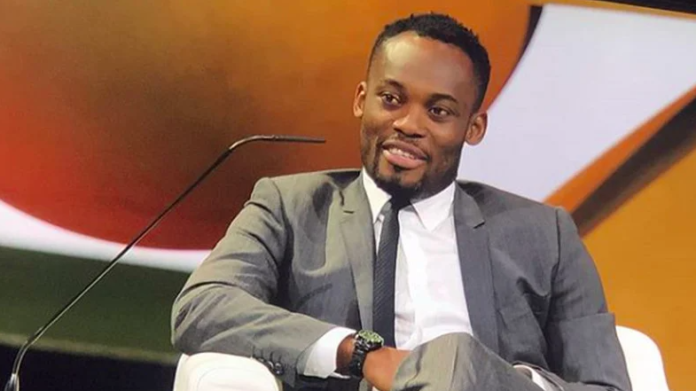
Former Ghana midfielder Michael Essien has explained why he turned down the chance to become the Black Stars’ assistant coach.
Before Otto Addo was reappointed on a three-year deal after Chris Hughton’s dismissal, reports suggested that the Ghana Football Association (GFA) had offered Essien the role.
However, he rejected the offer, and the GFA instead appointed John Paintsil and Joseph Laumann as Addo’s assistants.
Essien, who is currently an assistant coach at Danish club FC Nordsjaelland, said he did not feel ready for the job.
“I would not say I refused, but I was just not ready for that job,” he told Sporty FM.
“I was approached by Otto Addo and the president [Kurt Okraku], but I felt I was not ready,” he added.
Although Essien never won a major trophy with Ghana as a player, he is still hopeful that the team will achieve success in the future.
“It’s sad I couldn’t win any trophy during my time with the Black Stars, but I am convinced the team will win a trophy soon.”
Meanwhile, following Ghana’s failure to qualify for the 2025 Africa Cup of Nations (AFCON),Joseph Laumann has been replaced by Desmond Ofei as one of the assistant coaches.
Former President John Dramani Mahama has encouraged the Black Stars to regain the trust of Ghanaians by winning their 2026 FIFA World Cup qualifying matches against Chad and Madagascar.
He shared this message during a visit to the team’s training session at the Accra Sports Stadium on Wednesday, March 19.
Speaking to the players, he urged them to make up for their 2025 AFCON disappointment by securing victories in their next two games.
“If you win these two games, I’m sure Ghanaians will be ready to put the disappointment of AFCON behind them and rally behind you,” he said.
The Black Stars will continue their World Cup qualifiers with games against Chad and Madagascar on matchdays 5 and 6.
These will be their first matches since their disappointing 2025 AFCON qualifiers, where they finished last in Group F.
Ghana is currently third in the group with 9 points, having won three of their four qualifying matches.
They will play Chad, who are at the bottom of the table, in Accra on Friday, March 21, before traveling to Morocco to face group leaders Madagascar on March 24, 2025.
Ghana’s journey in the Africa Cup of Nations (AFCON) has hit a rough patch recently. For the first time in over two decades, the Black Stars failed to qualify for the 2025 AFCON tournament, which will be held in Morocco later this year. This marks a significant setback for a team that has historically been one of the continent’s football powerhouses, with four AFCON titles to their name.
The failure to qualify has sparked disappointment among fans, players, and officials alike. Former Ghanaian football star Michael Essien described the situation as “sad” but urged the nation to move forward and focus on future competitions.
Two people have been arrested in Sabonjida, a town in the Nanumba North Municipality of the Northern Region, after a violent attack on Fulbe communities.
Reports say an armed robbery took place on the night of Tuesday, March 18, along the Bimbilla-Chamba road, leaving one person dead and another injured with cutlass wounds.
Believing that Fulbes were behind the robbery, some community members launched a revenge attack on Wednesday, March 19. They killed over 200 cattle and burned more than 20 Fulbe huts.
To restore order, the Nanumba North Municipal Security Council sent military, police, and immigration officers to the area.
When the security forces arrived, some men, suspected to be Konkombas, ran away, leaving behind seven motorbikes, two guns, 21 live cartridges, and the carcasses of the slaughtered cattle.
Later, two people were caught carrying guns and cattle carcasses and were taken into custody. Authorities confirmed that apart from the robbery victims, no other casualties were recorded.
With tensions rising, some Fulbes in the area requested security escorts to help them leave, fearing for their safety.
Security forces have now restored calm, and the two arrested suspects are helping with investigations. Meanwhile, the police have not made any public statements about the incident.
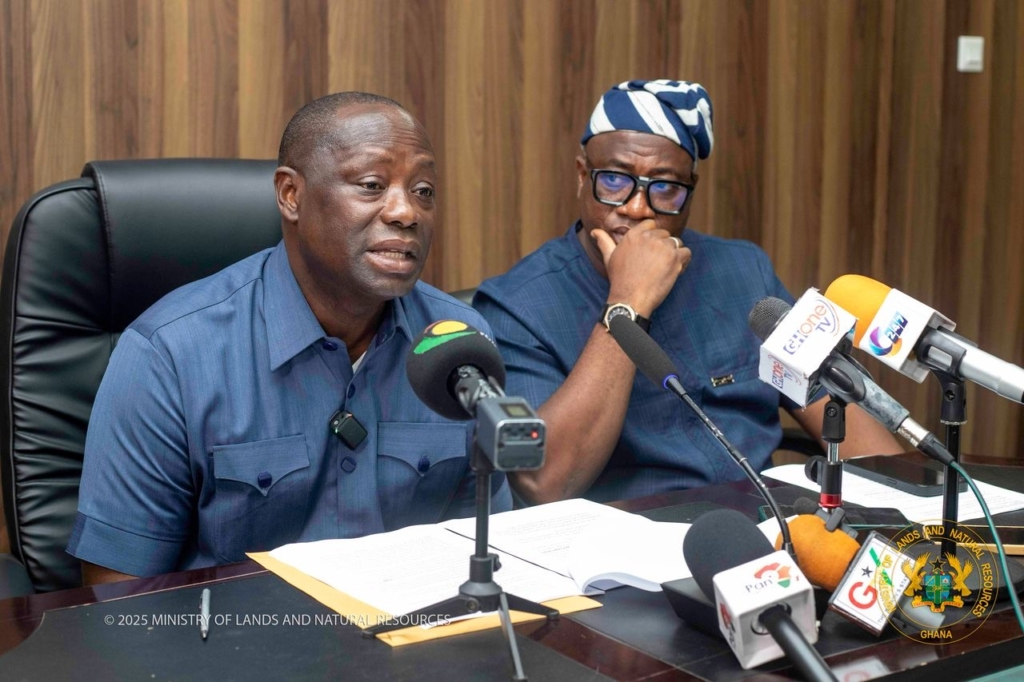
In 2024, Ghana imported excavators worth GH₵ 6.2 billion, making them the third most expensive item on the country’s import list, according to Lands and Natural Resources Minister, Emmanuel Armah-Kofi Buah.
He suspected that many of these excavators were being used for illegal mining and called on the Ministry of Transport and the Driver and Vehicle Licensing Authority (DVLA) to work together to regulate their importation.
The Minister also announced a ban on all floating platforms, known as “Changfans,” which illegal miners commonly use on rivers.
Speaking at a press conference in Accra on Wednesday, Mr. Armah-Kofi Buah announced new measures to fight illegal mining. He said that moving forward, small-scale mining licenses should be issued at the district level. This process will involve the District Security Command and district mining committees, who will carefully review applicants’ documents before approval.
This decision comes after an interim report from an 18-member Working Committee set up last month to review the mining license system and suggest ways to combat illegal mining.
The Minister also revealed that the military task force had seized 60 excavators over the past two months. These machines are currently being held by the Regional Ministers.
Instead of burning the seized excavators, he stated that they would be used for road construction.
The Minister announced that the government had successfully reclaimed seven out of the nine forest reserves that had been taken over by illegal miners.
He also revealed that steps were being taken to amend Legislative Instrument (L.I) 2462 to completely ban mining in forest reserves.
Additionally, the amendment would remove the President’s authority to approve mining licenses for operations in these protected areas.
Narcotics Control Commission (NACOC) has arrested Uchechukwu Chima, a long-time drug trafficking suspect, in an intelligence-led operation at Oyarifa, a suburb of Accra.
The 56-year-old Nigerian was captured on Tuesday, March 18, after a search of his hideout led to the discovery of 192kg of cocaine and 0.42kg of heroin.
NACOC confirmed in a statement that field tests identified the substances as illegal drugs, with an estimated street value of $2.1 million.
“The suspected narcotic substances, with a total weight of about 192kg of cocaine and 0.42kg of heroin, are estimated at a street value of Two Million, One Hundred and Twenty-One Thousand, Six Hundred and Sixty United States Dollars (US$2.1 Million),” it indicated.
Chima, who has been on NACOC’s red list for a while, is believed to be the mastermind behind several past drug seizures in the country.
“The suspect, Uchechukwu Chima who has been a target for NACOC for some time now, and noted the brain behind some seizures/arrests made by NACOC in the past. NACOC, by this seizure and arrest, has taken this substantial quantity of drugs from the street, saving millions of lives of people who would have otherwise perished from abusing these hard drugs.
“His arrest represents a major breakthrough in Ghana’s fight against drug trafficking,” the statement said.
NACOC has reaffirmed its commitment to making Ghana an unprofitable destination for drug cartels and ensuring public safety.
“NACOC remains committed to making Ghana an unprofitable destination for drug trafficking and thus protecting the safety and well-being of all Ghanaians and the international,” it added.
Majority Leader in Parliament, Mahama Ayariga, has strongly criticized his fellow leader, Alexander Kwamina Afenyo-Markin, for his behavior in the chamber.
Speaking in Parliament on March 18, 2025, during a session where the Minister of Interior answered questions about national security, Ayariga accused Afenyo-Markin of trying to use government discussions for political showmanship.
He said his side had been patient with Afenyo-Markin for a while, understanding his political tactics. However, they now feel he has gone too far and crossed the line.
“And coming from you the Minority Leader, who is supposed to offer leadership on this side is quite unfortunate. Don’t use this platform for political gimmicking when it’s not necessary. You have consistently tried to do that and we have accommodated you but we think you are overdoing it,” he said.
Ayariga raised his concerns when Afenyo-Markin, while questioning the Minister of Interior, Mohammed-Mubarak Muntaka, made serious claims about armed individuals.
He criticized Afenyo-Markin for making unverified allegations, arguing that this went against the rules of Parliament on how questions should be asked when ministers appear before the House.
The Bawku Central MP also expressed concern over what he saw as Afenyo-Markin misusing parliamentary privileges and authority.
“I continue to get worried about the manner in which the Minority Leader uses the facilities in this House [Parliament]. The opportunity to question ministers is closely governed by Order 86 with the type of questions you can ask.
“You cannot ask questions that contain charges which the member asking the question is not in the position to substantiate.
These are all matters that governs questions. You just made a statement about some people wielding guns, if we ask you to substantiate that claim with videos, can you do that now on the floor?” he questioned Afenyo-Markin.
He also accused Afenyo-Markin of trying to damage the reputation of the Minister of Interior with his remarks, calling them unlawful and unconstitutional.
“You just made a statement questioning the character and integrity of the minister, asking him not to condone unconstitutionality. Mr Speaker, this is inappropriate. You can ask him further questions after he gave answers to the earlier ones but to make a statement that condone unconstitutionality and illegality is totally out of place,” he concluded.
Education Minister Haruna Iddrisu has urged theBlack Stars to secure all three points when they face Chad on Friday, March 21.
Ghana will take on Chad in their fifth match of the 2026 FIFA World Cup Qualifiers at the Accra Sports Stadium, hoping to start the year with a victory.
The Black Stars have not won any of their last six games and recently disappointed fans by failing to qualify for the 2025 Africa Cup of Nations (AFCON) in Morocco.
“We need nothing but a win (against Chad). It is disappointing that the Black Stars couldn’t qualify for the 2025 AFCON. The Black Stars have failed to win in their last six matches,” the Member of Parliament for Tamale South said.
“That is not the Black Stars of Ghana. There is something fundamentally wrong.”
He also urged the Minister of Sports and Recreation, Kofi Adams, to limit the interference from the Ghana Football Association (GFA).
“Minister, [with regards to] interference with Association Football, there will be limitations, but you have to be firm. You have to be very firm in your dealings with it,” he added.
The Black Stars will play against Chad at the Accra Sports Stadium on Friday, March 21, before taking on Madagascar in Morocco three days later.
Ghana currently shares the top spot in the 2026 World Cup qualifiers with Comoros, as both teams have nine points.
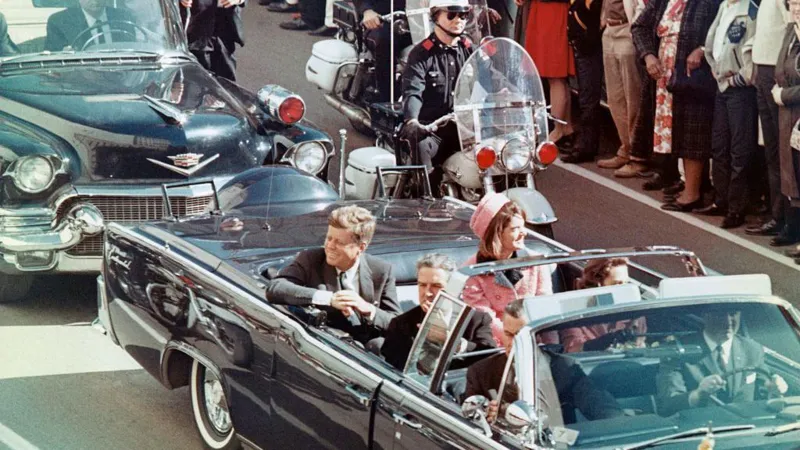
The U.S. government has published the final set of documents related to the assassination of President John F. Kennedy, a case that continues to spark conspiracy theories even after 60 years.
This release follows an executive order by former President Donald Trump, which required all remaining unedited files to be made public. Experts are now analyzing the documents, though not all have been uploaded online yet. They say reviewing them will take time and do not expect any major new discoveries.
Over the years, authorities have released hundreds of thousands of JFK-related files but kept some classified due to national security concerns. Many Americans still doubt that the accused gunman, Lee Harvey Oswald, acted alone.
Kennedy was assassinated in Dallas, Texas, on November 22, 1963. Before the release, Trump announced that 80,000 pages would be made public.
However, from the 1,123 documents published on Tuesday by the National Archives, it is unclear how much of the material is entirely new, as many had previously been shared with some redacted content.
“You got a lot of reading,” Trump told reporters on Monday, previewing the release. “I don’t believe we’re going to redact anything.”
Some of the newly released files still had sections blacked out, while others were difficult to read due to faded text, poor scanning, or content that seemed unrelated to the JFK case, experts noted.
David Barrett, a professor at Villanova University, said that ordinary readers might find the documents confusing. Speaking to CBS News, he described the release as “useful” but did not expect any groundbreaking revelations about Kennedy’s assassination or other matters.
Meanwhile, other JFK researchers believe the American public may continue to question whether more undisclosed files or hidden information still exist.
“I think there may continue to be more record releases,” historian Alice George told Reuters. But she went on to say the passage of time made investigations hard: “It’s much harder to find the truth when most of the people involved are dead.”
Nigeria is facing a growing political crisis after President Bola Tinubu declared a state of emergency in Rivers State, a major oil-producing region. He also suspended the governor, deputy governor, and all state lawmakers for six months.
In a televised address on Tuesday evening, Tinubu said he had received troubling security reports about militants vandalizing oil pipelines in the state. He claimed that Governor Siminalayi Fubara failed to act against these activities, making the situation too serious to ignore.
The crisis follows a major explosion on the Trans-Niger Pipeline, one of the country’s key crude oil pipelines. Such attacks, often carried out by criminal gangs or militants, have disrupted oil production and exports in the past. According to Africa Report, the pipeline carries crude oil worth about $14 million (£11 million) daily at current market prices.
However, beyond the pipeline attack, Rivers State has been struggling with deep political tensions. Governor Fubara is a member of the opposition People’s Democratic Party (PDP), which has been dealing with internal conflicts. Nationally, the PDP is the main rival to President Tinubu’s ruling All Progressives Congress (APC).
Despite the president’s decision, legal experts and opposition figures are questioning whether he has the power to remove an elected governor and lawmakers in this manner.
President Tinubu stated that political leaders in Rivers State have struggled to cooperate due to ongoing conflicts. He accused Governor Fubara’s supporters of making serious threats against their opponents and criticized the governor for not distancing himself from these remarks.
According to Reuters, some lawmakers in the state had even discussed removing the governor and his deputy from office. Tinubu described the situation as a deadlock, saying that governance in Rivers State had come to a halt. He defended his decision, claiming it was necessary to restore stability and order.
Governor Fubara, however, responded calmly to the declaration of a state of emergency.
He said there have been “political disagreements, but good governance has continued”. “Rivers state is safe, secure and peaceful under our watch,” he said.
With the state of emergency in place, the federal government will temporarily take over the administration of Rivers State and deploy security forces if necessary.
However, many groups believe President Tinubu’s decision is too extreme. The Nigerian Bar Association (NBA) condemned the move, calling it illegal to remove elected leaders from office.
The opposition People’s Democratic Party (PDP) also rejected the emergency rule, accusing Tinubu of trying to take full control of the state. They claimed this was an attempt to weaken democracy and turn Nigeria into a one-party system.
“It is the climax of a well-oiled plot to forcefully take over Rivers state,” it said. Peter Obi, a former presidential candidate for the Labour Party, criticised the move which he described as “reckless” on X. This is not the first time a state of emergency has been declared in Nigeria. Former presidents resorted to the action in a bid to curb insurgency and instability in different parts of the country.
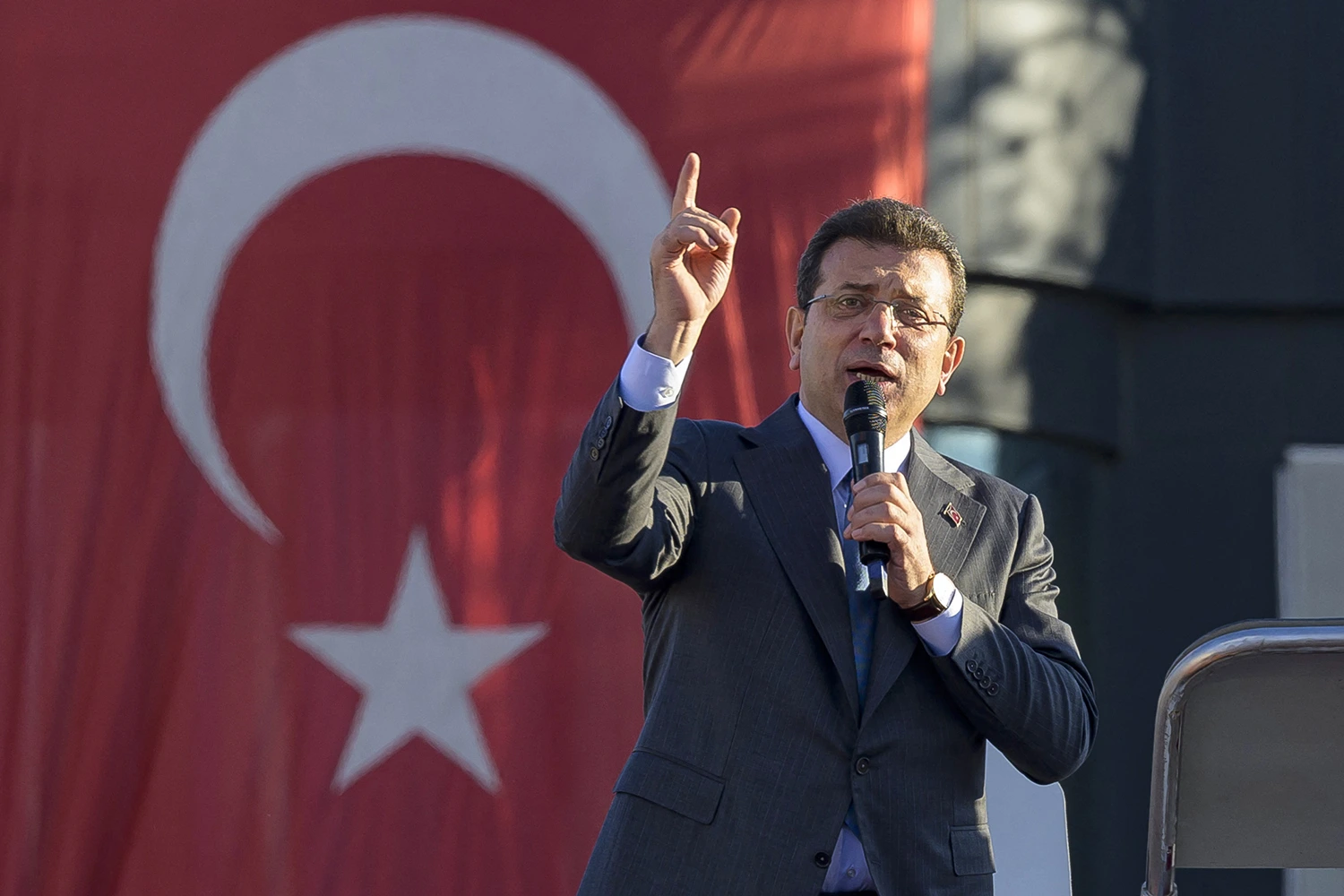
Turkish authorities have arrested the mayor of Istanbul, Ekrem Imamoglu, just days before he was set to be nominated as a presidential candidate.
Imamoglu, a member of the secular Republican People’s Party (CHP), is considered a strong opponent of President Recep Tayyip Erdogan. Prosecutors have accused him of corruption and links to a terrorist organization, labeling him a “criminal organization leader suspect.”
As part of the investigation, police have also detained 100 others, including politicians, journalists, and business figures. Meanwhile, the Istanbul governor’s office has imposed four days of restrictions across the city.
Reacting to the arrest, Imamoglu posted online, stating, “The will of the people cannot be silenced.”
In a social media video, he vowed to “stand resolute” for the people of Turkey “and all who uphold democracy and justice worldwide”. “I stand firm in my fight for the fundamental rights and freedoms,” Imamoglu added.
Protests have broken out across Turkey, including on the streets, university campuses, and subway stations, as people chant against the government. This level of public anger has not been seen in years.
In Istanbul, Turkey’s largest city, clashes have been reported between protesters and police. Footage from Reuters shows officers using pepper spray pellets to disperse crowds outside Istanbul University.
The government has banned public gatherings in the city as part of a four-day restriction, but more demonstrations are expected across the country. Opposition leaders, including Ekrem Imamoglu’s wife, are calling on people to “raise their voices.”
Authorities have also shut down several streets in Istanbul and suspended some metro services. Meanwhile, UK-based internet watchdog NetBlocks reported that Turkey has severely limited access to social media platforms like X, YouTube, Instagram, and TikTok.
The mayor’s arrest is part of a larger crackdown on opposition figures, journalists, and entertainers in recent months. Many people on social media are now expressing fears that Turkey is moving toward autocracy. Some are even calling for an election boycott, arguing that a fair and democratic vote is no longer possible.
Imamoglu’s party, the CHP, even condemned the arrests as “a coup against our next president,” a sentiment widely echoed by pro-opposition voices. But Turkey’s justice minister criticised those who linked Erdogan to the arrests. Yilmaz Tunc said it was “extremely dangerous and wrong” to suggest this was a political move, insisting that nobody was above the law in Turkey.
Erdogan and his party have also denied the claims, insisting that Turkey’s judiciary is independent. He has been in power for 22 years. Last year, Imamoglu won a second term as Istanbul’s mayor, when his CHP party swept local elections there and in Ankara. It was the first time since Erdogan came to power that his party was defeated across the country at the ballot box.
The elections were also a personal blow to the president, who grew up in and became mayor of Istanbul on his rise to power. Dozens of police officers were involved in the early-morning raid on Imamoglu’s house in Turkey’s largest city. The CHP’s presidential candidate selection, in which Imamoglu is the only person running, is set to take place on Sunday.
Manchester United will allow Ruben Amorim to decide Jadon Sancho’s fate if the England forward returns to the club, though that scenario remains unlikely, a source told ESPN.
Sancho is currently on loan at Chelsea, who are required to make the move permanent for £25 million ($32 million) if they finish above 14th place in the Premier League. With nine games left, Chelsea sit in fourth, making the condition likely to be met.
However, reports suggest Chelsea might try to withdraw from the agreement, even if the requirement is fulfilled.
Sancho has had a mixed season under Enzo Maresca, scoring just two goals in 28 matches across all competitions. If Chelsea decide to cancel the deal, they would still have to pay United a significant portion of the £25 million fee.
A source told ESPN that if Jadon Sancho returns to Manchester United, Ruben Amorim will have the final say on his future.
Sancho, who joined United from Borussia Dortmund for £73 million in 2021, is under contract until 2026. However, his relationship with former manager Erik ten Hag soured after a public dispute in September 2023.
Following the fallout, the 24-year-old was sidelined for four months, forced to train alone at Carrington, and was eventually loaned back to Dortmund in January 2024.
Sancho had been reintegrated into the United squad last summer after discussions with Ten Hag. He played a key role in the team’s U.S. preseason tour and made a substitute appearance in the Community Shield loss to Manchester City in August.
His last official game for United was against Nottingham Forest at Old Trafford in August 2023.
Sports Minister Kofi Adamshas revealed that the government plans to renovate the Cape Coast Stadium and make it the official home ground for the Black Stars.
This decision is aimed at addressing Ghana’s poor sports facilities, which previously led to a ban on hosting home games due to the absence of a CAF-approved stadium for top-tier matches.
Speaking to 3Sports on Sports Station, Adams confirmed that once the stadium is refurbished, it will no longer be available for club matches.
“If you look at the key stadium facilities we have, Cape Coast is the one that we will not spend so much refurbish it quickly, and not allow any club to play there; just keep it as a national stadium for Black Stars only, for the meantime.”
The Buem Member of Parliament revealed that the plan is to have the stadium match-fit for the September and October window, when the Black Stars take on their next qualifiers. After that, the ministry’s focus will shift to renovating the Accra and Kumasi stadia to bring them up to competition standards.
“So we would have prepared it for the September and October window when we play the next qualifiers. After that, we can close Accra and Kumasi as well and make sure they are refurbished for competitions,”
The Cape Coast Stadium, which can hold up to 15,000 spectators, was officially opened in 2016 by former President John Dramani Mahama.
Although it hosted the 13th African Games and was the venue for the Black Princesses’ gold-winning performance, it has not been used for senior international matches since Ghana’s 1-0 victory over South Africa in a 2022 FIFA World Cup qualifier in November 2021.
The stadium has been sidelined because it does not meet CAF’s licensing requirements.
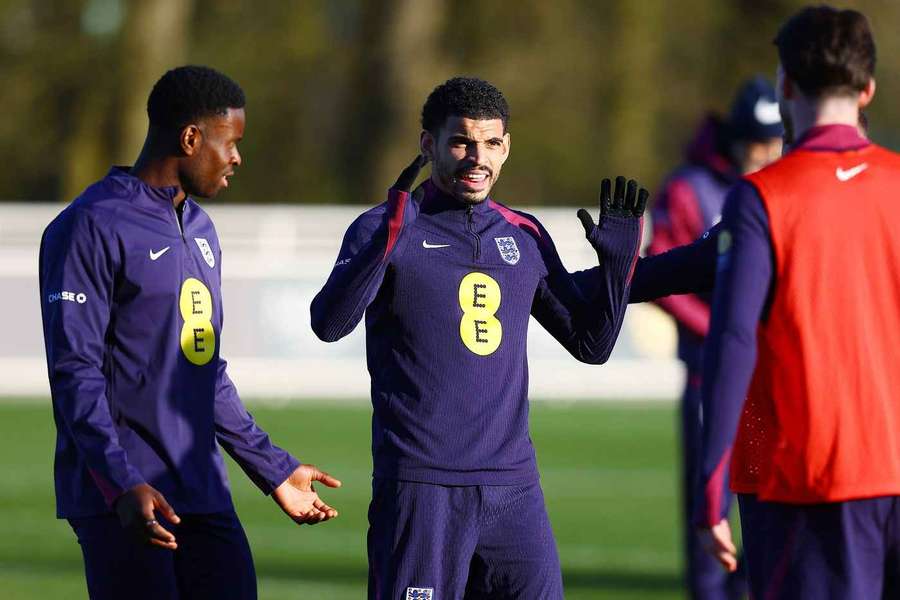
Nottingham Forest captain Morgan Gibbs-White made it clear to England’s new coach, Thomas Tuchel, that he deserved a place in the squad after initially being left out.
Many were surprised when Gibbs-White was not included in Tuchel’s first squad, especially considering his key role in helping Forest reach third place in the Premier League under Nuno Espirito Santo.
However, the 25-year-old got a second chance on Sunday when he was called up as a replacement following Cole Palmer’s injury.
“Obviously I was upset. Yeah, a little bit disappointed,” Gibbs-White told the BBC.
“I said to him back like ‘I feel like I’ve done enough to get the call-up, considering the form level that we were in, but obviously you’re the manager, you make the decisions, and I respect that totally’.
“So, obviously, it was disappointing but then Sunday I got the call, so I was straight here.”
Gibbs-White made his first two appearances for the Three Lions under caretaker manager Lee Carsley.
But he faces stiff competition to earn a place regularly in Tuchel’s team from the likes of Jude Bellingham, Phil Foden and Palmer.
“The standard of players is top level,” Gibbs-White said.
“He (Tuchel) phoned me up and said ‘Are you still upset with me, or do you want to come and join us and fancy training tomorrow?’
“Obviously, there’s no question there. I said I’d obviously love to come and join and train with the boys, so, yeah, found out Sunday late afternoon and I was just smiling from ear to ear.”
Tuchel’s reign begins with a World Cup qualifier against Albania on Friday followed by the visit of Latvia to Wembley on March 24.
Despite his initial snub, Gibbs-White has praised Tuchel’s approach in seeking to speak to the players before they met for the first time at England’s St.George’s Park training base this week.
“I feel like it was, for him, important to try and get that bond straight away with players because he’s used to club football, so he’s used to spending time every day with players,” he said.
“I felt like it was top from him, really good that he sort of started that relationship before even meeting us, which is really good.”
The Black Stars held their second training session on Tuesday, with all 23 invited players now in camp as they prepare for their 2026 World Cup qualifier against Chad.
Training began on Monday with an initial group of nine players, including Mohammed Salisu, Kamaldeen Sulemana, Razak Simpson, Gideon Mensah, Jojo Wollacott, Antoine Semenyo, Benjamin Asare, Lawrence Ati-Zigi, and Kamaradini Mamudu.
Since then, 14 more players have joined the squad, including Thomas Partey, Jordan Ayew, Lawrence Agyekum, Alexander Djiku, Jonas Adjetey, Bonsu Baah, Francis Abu, Jerry Afriyie, Jerome Opoku, Ebenezer Annan, Ernest Nuamah, Inaki Williams, Mohammed Kudus, and Kingsley Schindler.
The team will continue training on Wednesday and complete their final preparations on Thursday.
Ghana will take on Chad at the Accra Sports Stadium on Friday, March 21, with the match set to kick off at 19:00 GMT.
After that, the Black Stars will travel to Morocco to face Madagascar on Monday, March 24, as they push for a spot in the 2026 World Cup, which will be hosted in the USA, Canada, and Mexico.
Christian Eriksen is preparing to leave Manchester United at the end of the season and does not expect to join another club in the Premier League.
The 33-year-old Danish midfielder signed with United on a free transfer in July 2022, following a brief stint at Brentford. This move came after he made a remarkable return to football, having suffered a cardiac arrest during Euro 2020.
Since joining United, Eriksen has played 66 Premier League games, but his role has been significantly reduced this season, with only 16 league appearances.
With his contract set to expire in the summer, Eriksen has confirmed that there have been no talks about an extension.
“I haven’t heard anything from the club, and therefore I assume that the collaboration will stop – that’s how I interpret it,” said the Dane.
“I am prepared to find something new. I am fine with that. Where it will be, I haven’t decided yet.”
Eriksen began his football career at Ajax before spending seven years at Tottenham Hotspur.
Before he signed with Manchester United, Spurs had shown interest in re-signing him. He also had a spell at Inter Milan before making his move to Old Trafford.
Legendary striker and Ghana’s all-time top scorer, Asamoah Gyan, arrived at the stadium alongside Ghana Football Association (GFA) officials, including President Kurt Okraku on Tuesday March 18 when the Black Stars held their second training session at the Accra Sports Stadium.
After the training session, Gyan was seen having private discussions with Mohammed Kudus and Jordan Ayew on the field.
Dr. Randy Abbey, Chairman of the Black Stars Management Committee, along with committee members such as former captain Stephen Appiah, also attended the session. They engaged with the players and coaching staff to evaluate their readiness for the upcoming matches.
Additionally, GFA Executive Council member Gifty Oware-Mensah was spotted interacting with some of the players.
A large number of players participated in the training as the team ramped up preparations for their upcoming AFCON qualifiers. Ghana is set to take on Chad at the Accra Sports Stadium on March 21, 2025, before traveling to face Madagascar on March 24, 2025.
Currently, the Black Stars sit second in Group I with nine points, level with leaders Comoros. Madagascar follows in third with seven points, while Mali is fourth with five.
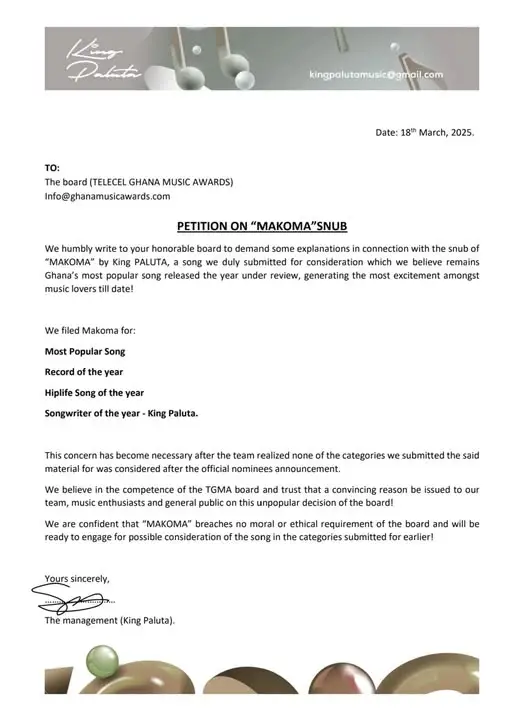
Ghanaian musician King Palutahas formally written to the Telecel Ghana Music Awards (TGMA) board, seeking answers over the exclusion of his song, Makoma, from certain award categories for the 26th edition of the event.
In a letter dated March 18, Paluta stated that he submitted Makoma for four categories: Most Popular Song, Record of the Year, Hiplife Song of the Year, and Songwriter of the Year.
However, when the official list of nominees was released, his song did not receive a nomination in any of these categories.
The rapper expressed confidence that Makoma met all the moral and ethical criteria set by the TGMA board. He believes the song deserves recognition and is seeking clarification on why it was overlooked.
“We humbly write to your honorable board to demand some explanations in connection with the snub of “MAKOMA” by King PALUTA, a song we duly submitted for consideration which we believe remains Ghana’s most popular song released the year under review, generating the most excitement amongst music lovers till date,” the letter said.
King Paluta’s management in the letter said “we believe in the competence of the TGMA board and trust that a convincing reason be issued to our team, music enthusiasts and general public on this unpopular decision of the board.”
King Paluta’s management noted that they will be ready to engage for possible consideration of the song in the categories submitted for earlier.
Former Dome Kwabenya MP, Sarah Adwoa Safo,has spoken out about the challenges she faced within her own party, the New Patriotic Party (NPP), during her final two years in Parliament.
In an interview with Asempa FM on March 18, 2025, she revealed that she was stripped of her role as Deputy Majority Leader and later assigned to the backbench, which she saw as an attempt to embarrass her.
Adwoa Safo claimed that some NPP members in Parliament, along with party leaders, intentionally worked to damage her reputation.
“Look, it got to a time, in Parliament, we have a certain rule and practice—it has become more like a custom. Someone who has served as a deputy leader before is usually seated right behind the leaders. You can take notice of where Haruna and Muntaka sit. But when I was removed, I was made to sit at the backbench like a newcomer in Parliament.”
Adwoa Safo shared that her relocation to a prominent position was orchestrated by the party’s General Secretary and Majority Whip. During the same discussion, she defended her choice to abstain from voting on the contentious E-Levy bill proposed by the NPP administration.
She clarified that her stance was rooted in her principles and feedback from her constituents, especially church members in Dome Kwabenya, who expressed concerns that the levy would intensify financial struggles.
“I made that principled decision because I knew the E-Levy would not benefit Ghanaians but rather impose more burdens on them.“
Her absence during the E-Levy vote contributed to the majority caucus’ struggle to pass the bill, a move that strained her relationship with the party leadership.
Adwoa Safo’s revelations shed light on the internal struggles within the NPP.
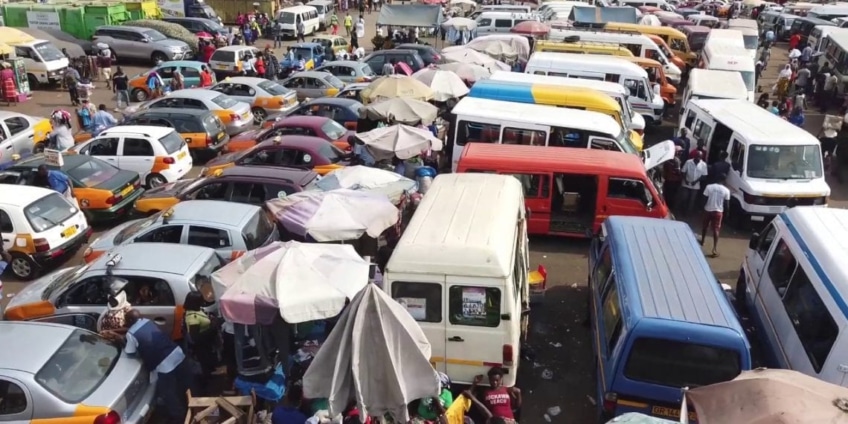
Transport operators in Ghana, including the Ghana Private Road Transport Union(GPRTU)and the Ghana Road Transport Coordinating Council (GRTCC), have withdrawn their decision to raise fares by 20% starting March 20, 2025.
In a statement released on March 18, the group explained that the decision was made after a meeting with the Minister of Transport to discuss issues affecting the transport sector.
They stated that there is currently no strong reason to justify an increase in fares since the key cost factors in their operations have not risen significantly.
“We have, therefore, agreed to maintain the existing fares and allow the Government to settle before any further negotiations,” the statement noted.
“We have, therefore, agreed to maintain the existing fares and allow the Government to settle before any further negotiations,” the statement noted. “We reaffirmed our commitment to providing reliable and safe services to all passengers and further agreed to reconvene to reassess the situation and make necessary adjustments should economic conditions change,” the statement added.
The Road Transport Operators informed the general public that only GPRTU and GRTCC are mandated to negotiate and announce public transport fares in the country. They urged the public to disregard any announcement on increase in public transport fares which is not emanating from them.
The World Health Organization (WHO) has raised concerns about a possible shortage of HIV medications in eight countries, including Nigeria, due to the U.S. government’s decision to pause foreign aid under the Trump administration.
According to the WHO, the funding freeze has severely impacted the supply of essential HIV drugs, putting millions of people at risk.
The affected countries—Haiti, Kenya, Lesotho, South Sudan, Burkina Faso, Mali, Nigeria, and Ukraine—could soon struggle to access life-saving treatments. The organization warned that this disruption could undo 20 years of progress in the fight against HIV/AIDS.
“The disruptions to HIV programs could undo 20 years of progress,” WHO Director-General Tedros Adhanom Ghebreyesus cautioned at a press conference.
Shortly after taking office in January, President Donald Trump halted U.S. foreign aid, a move that has affected efforts to fight several diseases, including polio, malaria, and tuberculosis.
The funding cuts have also put the WHO-led Global Measles and Rubella Laboratory Network in danger of shutting down. This network, which has over 700 sites worldwide, plays a crucial role in detecting and controlling measles outbreaks.
The situation is especially concerning as measles cases are rising again in the United States.
Dr. Ghebreyesus emphasized the need for a responsible approach to funding withdrawal, stating, “The United States has a responsibility to ensure that if it withdraws funding, it does so in an orderly and humane way that allows affected countries to find alternative resources.”
The impact of the U.S. funding freeze goes beyond HIV treatment shortages. In Afghanistan, 167 health centers have already shut down due to lack of funds, and over 220 more could close by June unless urgent help arrives. The WHO warns that 80% of its essential healthcare programs in the country are now at risk.
The situation has worsened with the U.S. withdrawing support from the WHO, an organization that used to receive about 20% of its budget from American contributions. As a result, the WHO has been forced to cut costs and freeze hiring.
The Trump administration’s decision to reduce funding for international health programs was aimed at cutting administrative expenses. However, experts have raised serious concerns about the negative effects on global health efforts.
This crisis highlights the importance of international funding in keeping healthcare systems running and stresses the need for new solutions to prevent a worldwide health emergency.
Bizzle Entertainment, a well-known events company, has announced a global tour to honor legendary Ghanaian musician Abrantie Amakye Dede’s 50-year journey in the music industry.
The tour will begin with a concert at the Dominion Centre in London on June 14, 2025. This special event will celebrate Amakye Dede’s long and successful career, featuring his greatest hits and energetic performances that have thrilled fans for decades.
Music lovers worldwide are encouraged to be part of this historic celebration, which will highlight timeless Highlife classics and unforgettable moments.
Speaking about the tour, Berny Sarfo, CEO of Bizzle Entertainment, stated that honoring Amakye Dede’s remarkable 50-year career not only showcases his achievements but also solidifies his place as one of Ghana’s most iconic musicians.
“We at Bizzle Entertainment are very excited to announce this world tour to be embarked on by one of Ghana’s greatest musicians, Amakye Dede.
“Spending over five decades in the music industry and still being relevant is no mere feat, so he has to be celebrated for contributing to the growth of Highlife music,” he said.
Mr. Sarfo, who is popularly known as Bizzle, also indicated that there would be a series of activities that would be held as part of celebrations for the Ghanaian music icon.
“The upcoming world tour is a significant event in recognising Amakye Dede as one of the pillars of Highlife music and his influence on both Ghanaian culture and international music landscapes.
“We will hold a series of activities during the tour to ensure that he is deeply appreciated, and it would be a landmark event that would forever be remembered in the annals of Ghanaian music,” he said.
Meanwhile, the countdown to June 14, 2025, has begun, and attendees can expect an evening filled with nostalgia and joy as they relive the iconic songs that have defined generations.
U.S. President Donald Trump has announced that his administration will release around 80,000 pages of documents on Tuesday about the assassination of John F. Kennedy.
Speaking at the Kennedy Center on Monday, Trump said the files would provide “a lot of reading” on the 1963 killing of the 35th U.S. president in Dallas, Texas. The assassination has been the subject of various conspiracy theories for more than 60 years.
“I don’t believe we are going to redact anything. I said, ‘just don’t redact, you can’t redact’,” Trump told reporters. “But we are going to be releasing the JFK files.”
Asked if he had seen what was in the files, Trump said he was aware of their contents.
“It’s going to be very interesting,” he said.
Trump’s remarks follow a January executive order calling for the release of all remaining records on the JFK assassination, as well as files related to the assassinations of Robert F Kennedy and the civil rights icon Martin Luther King Jr.
Under the order, Trump instructed the director of national intelligence, Tulsi Gabbard, to present a plan within 15 days for the “full and complete release” of files on the JFK assassination.
Last month, the FBI announced that it had found about 2,400 additional files related to the assassination of John F. Kennedy while conducting searches to meet a government order.
JFK’s assassination has fascinated Americans for decades, with many questioning the official explanation. A 2023 Gallup poll found that 65% of Americans do not believe the Warren Commission’s conclusion that Lee Harvey Oswald acted alone in killing the president. Among those surveyed, 20% suspected Oswald conspired with the U.S. government, while 16% believed he worked with the CIA.
During his first term, Donald Trump pledged to release all remaining documents on JFK’s assassination. However, after requests from the CIA and FBI, his administration only made about 2,800 records public, delaying the release of others. Later, under President Joe Biden, roughly 17,000 more documents were declassified, leaving fewer than 4,700 still partially or fully withheld.
According to the National Archives, over 99% of the nearly 320,000 documents reviewed under the 1992 JFK Records Act have now been made public.
The law mandated the disclosure of all remaining files by October 26, 2017, unless the president determined their release would cause “identifiable harm” to national defence, intelligence operations, law enforcement or foreign relations of such gravity that it “outweighs the public interest in disclosure.”
Nigerian gospel singer Pita has pointed out the differences in how gospel music is supported in Ghana and Nigeria.
Speaking with Doreen Avio on Daybreak Hitz, he praised Ghana for creating a welcoming and encouraging space for gospel musicians.
“That’s one of the things I love about Ghana. Ghana is a country that really supports the gospel. In Nigeria, it’s a little bit different to get corporate sponsorship for gospel stuff, because they keep saying it’s a secular nation, we don’t do this. But here, I see some brands put their names to gospel stuff for us in the gospel space. In Nigeria, it’s a challenge,” he said.
He emphasized the need for gospel artistes and Christians in the creative space to develop better structures for their work.
“Gospel artistes, Christians in the creative space, we need to put structures in what we do,” he stated.
Pita also compared the airplay of Christian music in both countries.
“You guys play Christian music throughout the day, but in Nigeria, you wait for Sunday. And some stations (in Nigeria), they can’t wait—once they play your music from 6 a.m. to 8 a.m., their body is shaking, they want to start playing their secular… they move on,” he noted.
Beyond music, Pita also shared his impressions of Ghanaian culture.
“Ghanaians are very polite people, well-mannered, and well-cultured. Ghana is expensive now o,” he asserted.
Meanwhile, Pita held The Gratitude Concert on March 16, 2025, at the Keepers House Chapel in Accra, Ghana.
Ghanaian TikTok star and businesswoman Aba Martin, known as Aba Dope, has surprised her fans by announcing the birth of her first child.
She shared the news on Instagram, leaving many in shock since most people did not know she was pregnant.
Aba Dope posted photos and videos showing different stages of her pregnancy.
She also reflected on how the experience has taught her valuable lessons about life, friendships, and relationships.
“This pregnancy opened my eyes to a lot, the good, the bad, the betrayal, the plotting, the least expected. I learnt a lot but all I could do was let it go and pray. I was so grateful I witnessed all these,” she shared.
Aba Dope also thanked Serwaa Amihere, Joselyn Dumas, and Emelia Brobbey for standing by her throughout her pregnancy.
She kept her pregnancy a secret for months, only informing a few close friends, trusted customers, and colleagues.
Rumors started spreading when she appeared on Nana Ama McBrown’s YouTube show, Great and Mighty, where it was casually revealed that she was five months pregnant.
Aba Dope is known for her strong and unique opinions on relationships and has always been open about her views on marriage.
In a previous interview, she stated, “I am not going to get married, never, because I am not interested. I want to focus on my business and maybe have the chance to have a child.”
Sports Minister Kofi Adamshas revealed that he initially questioned the Ghana Football Association’s (GFA) decision to keep Otto Addo as the head coach of the Black Stars.
However, after the GFA explained their reasons, he chose not to challenge the decision further. Instead, he is waiting to see how Otto Addo performs in the upcoming matches.
As the Member of Parliament for Buem, Adams acknowledged that with the World Cup qualifiers approaching, he had to respect the GFA’s choice, even though he had some doubts.
In an interview with TV3 on March 17, 2025, he stated that, given the ongoing qualifiers, removing Otto Addo is not currently a priority for the government.
“The GFA brought the coach and the other persons to introduce them to me. At that meeting, I raised all those issues. Am I satisfied? I would say time will tell, but I had my concerns, and those concerns, I registered them. But I think at this moment, and at the time that I became the minister, we were too close to these qualifiers.
“So, the issue of changes should not be on the table. That should be the last thing. The issue on the table now is how to prepare the team for the tasks ahead of us,” he said.
Despite calls for Addo’s dismissal, the GFA decided to allow him to lead Ghana in the 2026 World Cup qualifiers.
The Black Stars will face Chad on March 21, 2025, at the Accra Sports Stadium before facing Madagascar in an away fixture on March 24, 2025.