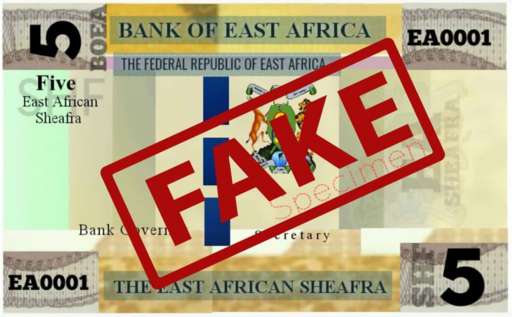
The East African Community (EAC) has refuted a viral post on X, formerly Twitter, claiming the launch of a common regional currency by member countries.
The post, originating from a fake X account titled “Government of East Africa,” asserted the introduction of the East African Sheafra as the unified currency, blending the shilling of East Africa and Franc.
Accompanying the claim was an image displaying a counterfeit banknote of the purported single currency.
Despite garnering significant attention with over half a million views and shares by prominent media outlets and online personalities in the region, the EAC secretariat denounced the announcement of a consolidated regional currency late Sunday.
Clarifying the situation, the secretariat stressed that the establishment of a single East African currency remains a work in progress.
In a statement released on social media, the EAC cautioned against believing any speculation surrounding the unveiling of new banknotes for the region.
Since 2013, EAC member countries have aimed for a single currency by 2024. However, missing this target has led to the postponement of the delivery time for the single regional currency to 2031.
Leader of the Republican Bloc for the Defence of the Constitution (BRDC), Crépin Mboli-Goumba, was detained at Bangui’s main airport as he attempted to leave the country, accompanied by his wife.
While his wife was released, Mr. Mboli-Goumba remains in custody, with the reason for his arrest undisclosed. Reports suggest they were heading to Douala, Cameroon, for medical reasons.
The arrest came amid tensions surrounding a property dispute involving Mr. Mboli-Goumba and the family of former president Andre Kolingba. Allegedly targeted by the judiciary, he had spoken out against a “legal mafia,” accusing Minister of State Arnaud Djoubaye Abazene of meddling in the dispute.
Known for his vocal criticism of President Faustin Archange Touadera’s government, Mr. Mboli-Goumba has also raised concerns about the presence of the Russian mercenary firm Wagner Group in CAR.
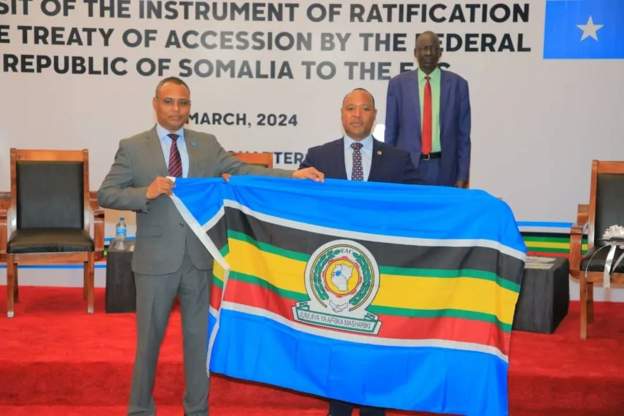
Somalia has officially joined the East African Community (EAC) as a full member, completing all necessary steps for membership in the regional bloc.
The EAC secretariat announced on X (formerly Twitter) that Somalia deposited its Instrument of Ratification with the Secretary General, marking its full membership in the EAC.
The Instrument of Ratification is a formal document through which a country agrees to be bound by the terms of a treaty or agreement.
Last November, the heads of state of the existing EAC member states unanimously agreed to admit Somalia into the bloc.
With its admission, Somalia becomes the eighth member of the EAC, joining Burundi, the Democratic Republic of Congo, Kenya, South Sudan, Tanzania, Rwanda, and Uganda.
This move is expected to stimulate economic growth in Somalia, which is still in the process of recovering from three decades of conflict and instability.
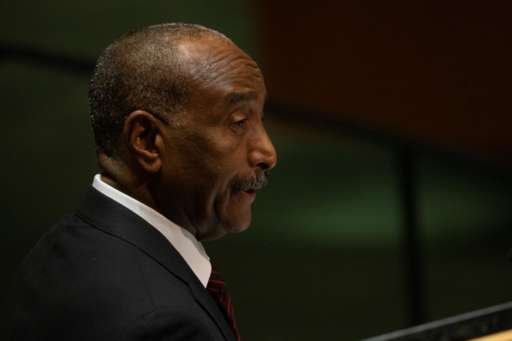
Sudan’s military leader, Abdel Fattah al-Burhan, asserts that Sudan will only engage with the African Union’s (AU) conflict resolution proposal if the AU reinstates its full membership status.
The AU suspended Sudan after a military takeover on October 25, 2021.
General Burhan met with members of the AU High-Level Panel on the Resolution of the Conflict in Sudan, led by Mohamed Ibn Chambas, on Sunday.
The three-member panel, established by the AU Commission in January, aims to facilitate dialogue, restore constitutional order, and collaborate with Sudanese stakeholders and the international community for lasting peace.
A statement on Sudan’s ruling Sovereign Council’s Facebook page cited General Burhan expressing Sudan’s confidence in the AU’s potential solutions to end the war, contingent upon the state’s full membership restoration and recognition by the organization.
Ibn Chambas reiterated the AU’s dedication to resolving the conflict and reinstating stability in
Health officials in South Africa’s KwaZulu-Natal province have raised concerns about a pinkeye outbreak, urging individuals showing symptoms to seek immediate treatment.
Nomagugu Simelane, the provincial health official, reported 161 confirmed cases in various areas of the eThekwini district since last week.
Simelane emphasized the importance of personal hygiene to prevent contracting the highly contagious eye infection and halt its transmission.
Pinkeye, or conjunctivitis, is characterized by inflammation of the eyelid and eyeball tissues, often caused by viral infections. Bacterial infections or allergic reactions can also trigger this condition.
Symptoms include redness or pinkness in the eyes, conjunctival swelling, and increased tear production.
The World Obesity Federation, in its latest World Obesity Atlas report, highlights the alarming surge in obesity rates among children and adolescents worldwide, urging immediate preventive actions to secure healthier future generations.
Rising obesity rates globally underscore significant disparities in healthcare and nutrition, disproportionately affecting the most economically disadvantaged populations.
According to statistics from the Atlas, 79% of adults classified as overweight or obese will reside in Low- and Middle-Income Countries (LMICs) by 2035, with 88% of overweight and obese children also expected to be in LMICs by the same year.
Furthermore, the number of adults living with obesity is projected to escalate from 0.81 billion in 2020 to 1.53 billion by 2035.
World Obesity Day, observed globally on March 4th, serves as a call to action to address the escalating global obesity crisis. It presents an opportunity for governments worldwide to reaffirm their commitment to combating this pressing issue and striving towards a healthier and more equitable future for all.
The media highlights that the World Obesity Federation stands as the sole global entity exclusively dedicated to addressing obesity.
This organization unites member bodies committed to tackling obesity-related challenges, comprising professionals from scientific, medical, research, and advocacy spheres across over 90 regional and national obesity associations.
As a leading collaborator with global agencies on obesity, including the World Health Organization, the Federation holds formal consultative status endorsed by the World Health Assembly.
In a statement preceding World Obesity Day, the Federation emphasized, “One of the key findings is that no area of the world is immune from the effects of obesity, and the poorest suffer the most, at ever younger ages.”
“Contrary to public perception, lower-income countries are increasingly leading the way in terms of early disability and death due to obesity and the diseases it is driving, including diabetes and heart disease,”
The Atlas highlighted a direct correlation between greenhouse gas emissions associated with a nation’s progress and the increasing prevalence of obesity, evident in both the Global South and the Global North. This underscores the profound connection between environmental variables and obesity.
Moreover, it presented convincing evidence demonstrating that the absence of obesity management within healthcare systems is fueling the prevalence of major noncommunicable diseases, such as cancer and diabetes.
The Chief Executive Officer of the World Obesity Federation, Johanna Ralston said, “The release of the 2024 Global Atlas highlights the imperative for a paradigm shift in our approach to tackling obesity. We need to stop false tradeoffs between food and health, young and old, developed and developing country, and recognize this is a serious, global challenge that calls for multisectoral solutions and coordinated action,”
The 2024 Atlas emphasizes the role of economic development drivers in shaping obesity patterns.
In terms of global deaths associated with high Body Mass Index, the Atlas reveals that 78% of cases occur among adults in Low- and Middle-Income Countries (LMICs), surpassing the 22% in high-income nations.
Furthermore, it highlights that 80% of Disability-Adjusted Life Years are linked to high BMI among adults in LMICs, contrasting with only 20% in high-income countries.
“It’s a common misconception that obesity – and its myriad health implications – are only limited to certain countries in the Global North,’ said Director of the Healthier Societies Programme at the George Institute for Global Health, Kent Buse.”
He added, “But the barriers to healthy and affordable foods, to active transport and much-needed medical support, are not limited to what people likely consider to be ‘rich’ countries and governments all over the world need to implement policies that help communities gain access to healthy food and responsive health systems now. The projections in the Global Atlas make very clear what the alternative is and it is a frightening prospect.”
Obesity and planetary health are directly correlated, according to the 2024 Atlas. BMI levels can rise in nations that are experiencing rapid economic growth, and this can have a variety of negative effects on the environment.
WOF President, Louise Baur, observed, “With increasing economic development, we see increased levels of high BMI. We also see a similar correlation between high BMI and GHG emissions, increased urban population, plastic waste usage and insufficient physical activity.
“Furthermore, obesity rates are rising—at a very concerning rate—among children and adolescents globally. Measures targeting this demographic are crucial to ensure healthier future generations.”
Dr. Akin Gabriel, a Clinical Psychologist at the Federal Neuropsychiatric Hospital in Yaba, Lagos, highlights that approximately four out of ten Nigerian women experience depression.
He emphasizes that about 25% of these depressed women eventually reach a point of breakdown, necessitating treatment.
During an interview with the News Agency of Nigeria in Lagos, Gabriel stated, “In this country, out of 10 women, four will have one form of depression or the other.”
Depression is identified as one of the numerous conditions linked to mental illness.
Gabriel elaborates that mental health encompasses the capacity to cope with life, achieve potential and goals, manage stress, interact with others, and overcome life challenges.
The psychologist emphasizes that psychological well-being is a crucial aspect of overall health, often overlooked, yet capable of leading to physical ailments.
He suggests that individuals can monitor their mental healthby paying attention to subtle changes in themselves.
Gabriel encourages Nigerians to reflect on their mental well-being and recognize any alterations they observe in themselves.
Gabriel said, “Humans will begin to observe the changes within themselves though they may not understand these changes.
“When an individual realises that things he or she does with ease were getting difficult to be done or realise that situations they were able to easily manoeuvre is becoming complex, they should begin to ask questions.
“When an individual begins to have strange feelings; responds spontaneously to situations without a thought; easy to anger, always on edge, misdirects aggression, something is wrong.”
The psychologist further mentioned that additional indicators of depression could involve disturbances in sleep patterns, changes in appetite leading to weight fluctuations, reactions to financial pressures, and recurrent illnesses.
Gabriel also informed NAN that depression manifests as a disruption in a person’s thoughts and self-image, characterized by persistent low moods, diminished self-esteem, and feelings of self-deprecation.
“Depressed people think they have fallen short of assumed benchmark of achievements when they compare themselves with others, making them withdraw from people. Such people sometimes feel hopeless and unloved, leading to suicidal thoughts and actions,” he added.
Gabriel added that the changes in a person suffering from depression can be mild, moderate, or severe, with subtle symptoms that become more obvious if left untreated.
He said, “A depressed person may not dress like he or she used to, but still passable under mild depression.
“By moderate, others are beginning to notice some differences; the person is not looking as well kept as he used to be.
“Maybe the mood has dropped; the person is not as spontaneous as he or she used to be; there may be sleep issues, attention, focus, appetite and weight issues.
“If not taken care of, the symptoms will affect the daily life of the depressed person and everyone begins to notice because it affects relationships,”
The psychologist observed that while fewer men experience depression, they tend to suffer from more severe emotional and mood disorders.
However, he noted that cultural expectations of male strength and resilience often lead many men to silently endure their struggles.
Gabriel outlined specific signs to watch for in men, including increased alcohol and substance consumption, extended absences from home, and displays of aggression towards family members.
He emphasized that timely intervention can effectively treat depression if individuals seek assistance for the condition.
A research conducted by the Oxford Africa Women Leadership Institute (OAWLI) reveals that 92% of women-led businesses in Ghana have never engaged in exporting.
Of the respondents surveyed, only 9.0% (31 out of 386) have exported their products, with 13 out of the 31 lacking export certificates.
Nearly half of those who exported did so through informal channels like family and friends.
Alarmingly, 92% (355 out of 386) of respondents without export experience were asked if they were aware of the necessary certifications for future exports, with only 20% (71 out of 355) indicating awareness.
Furthermore, 78% (260 out of 355) were found to be completely unaware of the required certifications, while 6% (22 out of 355) were uncertain.
The report underscores the necessity to enhance export readiness among women-led Small and Medium Enterprises (SMEs) and stresses the importance of determining export readiness accurately.
Women entrepreneurs are encouraged to proactively seek information to become export-ready.
In conclusion, the report advocates for support mechanisms to assist businesses in obtaining export certifications.
In response to MTN Ghana’s dominance in 2020, the National Communications Authority (NCA) gears up to regulate tariff adjustments in the telecom industry.
Historically, mobile network operators set their prices, but MTN’s significant market share triggered NCA intervention under Section 25 of Act 775.
NCA accused MTN of violating SMP rules, particularly with lower-priced data bundles, potentially leading to anti-competitive practices.
To address market imbalances, NCA aims to regulate tariffs, with draft guidelines open for public feedback.
Key points include:
Preventing Undercutting: Significant Market Power or dominant operator will be prohibited from offering the lowest prices for any service, preventing them from squeezing out competitors.
Capping Price Advantage: Significant Market Power or dominant operator prices cannot exceed those of other operators by more than 10%, ensuring fair competition and preventing exploitation of its dominant position.
Prior NCA Approval: Significant Market Power or dominant operator must seek NCA approval before changing tariffs, allowing for assessment of potential impact on other operators.
Limited Price Increases for Others: Non-SMP operators can adjust prices without prior approval but require NCA authorization if their proposed price exceeds Significant Market Power or dominant operator.
The NCA underscores that these guidelines adhere to global standards, promoting fair, reasonable, and non-exploitative pricing, especially for Significant Market Power (SMP) operators.
Public input is vital in finalizing regulations, with Ghanaians invited to submit feedback until March 8, 2024.
Despite NCA’s efforts to create a level playing field, uncertainties linger. Past initiatives, such as cost-saving measures for non-SMP operators, have yet to translate into tangible service improvements or market share gains.
The effectiveness of these regulations hinges on NCA’s enforcement capacity and non-SMP operators’ investments in network quality.
The Finance Ministry has raised apprehensions regarding the possible repercussions of President Akufo-Addo’s approval of the recently passed Anti-LGBTQ+ bill.
Just days following the bill’s passage, the Ministry highlighted the adverse effects the legislation could have on government expenditure, key plans, and projects.
The Ministry is urging President Akufo-Addo to refrain from enacting the bill into law, cautioning that it could lead to significant financial losses for the country.
Among the risks cited is the potential loss of $850 million in budgetary support from the World Bank for the current year alone.
In the 5-page document, the Ministry explained that “for 2024 Ghana will lose US$600 million Budget support and US$250 million for the Financial Stability Fund.”
“This will negatively impact Ghana’s foreign exchange reserves and exchange rate stability as these inflows are expected to shore the country’s reserve position.
Over the next six years, the Ministry explained that “Ghana is likely to lose US$3.8 billion in World Bank Financing.”
Below is the full text of the World Bank implications projected by the Ministry;
i. The expected US$300 million financing from the First Ghana Resilient Recovery Development Policy (Operation Budget Support) which is currently pending Parliamentary approval might not be disbursed by the Bank when it is approved by Parliament.;
ii. On-going negotiations on the Second Ghana Resilient Recovery Development Policy Operation (Budget Support) amounting to US$300 million may be suspended:
iii. On-going negotiations for US$250 million to support the Ghana Financial Stability Fund may be suspended;
iv. Disbursement of undisbursed amounts totalling US$2.1 billion for ongoing projects will be suspended; and
v. Preparation of pipeline projects and declaration of effectiveness for two projects totalling US$900 million may be suspended. Full details of the World Bank portfolio are attached as Appendix 1 & 2.
vi. In total, Ghana is likely to lose US$3.8 billion in World Bank Financing over the next five to six years. For 2024 Ghana will lose US$600 million in Budget support and US$250 million for the Financial Stability Fund. This will negatively impact Ghana’s foreign exchange reserves and exchange rate stability as these inflows are expected to shore up the country’s reserve position.
It comes in the wake of warnings by the United States of dire implications for the Ghanaian economy after Parliament enacted a Proper Human Sexual Rights and Ghanaian Family Values Bill.
Already, some human rights groups in Ghana have threatened to head to the Supreme Court if President Akufo-Addo gives assent to the Proper Human Sexual Rights and Ghanaian Family Values bill passed on Wednesday.
On the back of all these, the Finance Ministry is urging the President to engage stakeholders including faith-based organisations to communicate the bill’s implications.
Aside from that, it called for effective engagement with conservative countries including Arab countries and China.
“This could help trigger resources to fill in the potential financing gaps to be created.”
The Finance Ministry has raised apprehensions regarding the possible repercussions of President Akufo-Addo’s approval of the recently passed Anti-LGBTQ+ bill.
Just days following the bill’s passage, the Ministry highlighted the adverse effects the legislation could have on government expenditure, key plans, and projects.
The Ministry is urging President Akufo-Addo to refrain from enacting the bill into law, cautioning that it could lead to significant financial losses for the country.
Among the risks cited is the potential loss of $850 million in budgetary support from the World Bank for the current year alone.
In the 5-page document, the Ministry explained that “for 2024 Ghana will lose US$600 million Budget support and US$250 million for the Financial Stability Fund.”
“This will negatively impact Ghana’s foreign exchange reserves and exchange rate stability as these inflows are expected to shore the country’s reserve position.
Over the next six years, the Ministry explained that “Ghana is likely to lose US$3.8 billion in World Bank Financing.”
Below is the full text of the World Bank implications projected by the Ministry;
i. The expected US$300 million financing from the First Ghana Resilient Recovery Development Policy (Operation Budget Support) which is currently pending Parliamentary approval might not be disbursed by the Bank when it is approved by Parliament.;
ii. On-going negotiations on the Second Ghana Resilient Recovery Development Policy Operation (Budget Support) amounting to US$300 million may be suspended:
iii. On-going negotiations for US$250 million to support the Ghana Financial Stability Fund may be suspended;
iv. Disbursement of undisbursed amounts totalling US$2.1 billion for ongoing projects will be suspended; and
v. Preparation of pipeline projects and declaration of effectiveness for two projects totalling US$900 million may be suspended. Full details of the World Bank portfolio are attached as Appendix 1 & 2.
vi. In total, Ghana is likely to lose US$3.8 billion in World Bank Financing over the next five to six years. For 2024 Ghana will lose US$600 million in Budget support and US$250 million for the Financial Stability Fund. This will negatively impact Ghana’s foreign exchange reserves and exchange rate stability as these inflows are expected to shore up the country’s reserve position.
It comes in the wake of warnings by the United States of dire implications for the Ghanaian economy after Parliament enacted a Proper Human Sexual Rights and Ghanaian Family Values Bill.
Already, some human rights groups in Ghana have threatened to head to the Supreme Court if President Akufo-Addo gives assent to the Proper Human Sexual Rights and Ghanaian Family Values bill passed on Wednesday.
On the back of all these, the Finance Ministry is urging the President to engage stakeholders including faith-based organisations to communicate the bill’s implications.
Aside from that, it called for effective engagement with conservative countries including Arab countries and China.
“This could help trigger resources to fill in the potential financing gaps to be created.”
In February 2024, the government exceeded expectations by borrowing GH¢24.0 billion through treasury bills, marking a 29.3% increase over its target.
This surge in borrowing was propelled by strong investor interest and declining yield rates.
Investors submitted bids totaling GH¢24.1 billion, representing an 8.8% increase from the previous month, while accepted bids amounted to GH¢24.0 billion, an 8.9% increase month-on-month. This continued the government’s strategy of building a buffer for future auction shortfalls, aligning with the objectives outlined in the 2024 budget.
The government’s cumulative borrowing over the first two months surpassed its target by GH¢12.4 billion, positioning it well to achieve its 2024 buffer target of GH¢31.8 billion. Analysts note that this cumulative excess uptake in the initial months of 2024 is 23% higher than the excess uptake recorded during the same period in 2023.
Yields experienced a notable decline in February 2024, driven by robust money market liquidity despite concerns over the unexpected increase in January 2024 inflation.
The 91-day yield decreased by 131 basis points month-on-month to 27.3%, while the 182-day yield dropped by 135 basis points to 29.8%. Similarly, the 364-day yield fell by 150 basis points to 30.3%.
Analysts highlighted the tenor premium between the 91-day and 182-day bills at 247 basis points, indicating that the 182-day bill is more attractive, albeit with reinvestment risk, compared to the 364-day bill.
Women, just like everyone else, carry their own set of secrets. Within the complex web of human emotions, certain aspects often linger unspoken. Let’s explore the deeply personal secrets that women may keep close to their hearts, shaping their individual experiences.
The Beauty of imperfections
Every woman embraces imperfections with a silent strength. Behind closed doors, there’s a secret admiration for those flaws that society may deem as less than perfect. Scars, quirks, and idiosyncrasies tell stories that make them beautifully human.
The inner dialogue of self-comparison
Despite exuding confidence, many women engage in a silent dialogue of self-comparison. The world may see poise, but behind the scenes, there’s a comparison to societal standards. The journey to self-love is a personal triumph not often shared openly.
Unspoken Challenges of Balancing Roles:
– Women are adept multitaskers, effortlessly juggling various roles. Yet, the challenge lies in the silent struggle to balance career, family, and personal aspirations. The unspoken moments of exhaustion and resilience are the threads that weave their intricate life stories.
Insecurity in Vulnerability:
– Vulnerability is a part of the human experience, and women are no exception. The unspoken secret lies in moments of insecurity, masked by strength. Whether it’s in relationships or personal growth, admitting vulnerability is a silent battle fought within.
Longing for Authentic Connection
In a world filled with digital connections, the unspoken truth is the yearning for authentic human bonds. Behind social media profiles and curated images, there’s a woman desiring genuine connections – the kind that goes beyond filters and embraces the messiness of real life.
The secrets women hold close are not a testament to mystery but a reflection of the depth and complexity inherent in the human experience.
Imperfections, comparisons, role balancing acts, vulnerabilities, and the pursuit of authentic connections are shared human struggles.
As we acknowledge and appreciate these secrets, we inch closer to fostering empathy and understanding, bridging the gap between the unspoken and the shared aspects of our collective journey.
Ghanaian broadcaster and political pundit, Dr. Randy Abbey, voiced strong criticism against the government’s debt exchange program and alleged reductions on certain bonds.
On the Good Morning Ghana show on Metro TV on Thursday, February 29, 2024, Dr. Abbey accused the government of unfairness and dishonesty towards investors who had purchased bonds backed by the Energy Sector Levy Act (ESLA) and the Ghana Education Trust Fund (GETFund).
He argued that the tax revenue collected from these levies, which remains untouched, was meant to secure these bonds.
Furthermore, Dr. Abbey claimed that the government was implementing “haircuts,” or reductions, on both the principal and interest payments, in violation of its pledge to pay the full value of the bonds.
“You come to me and you tell me ‘look, I have a levy called ESLA. It brings in X amount of money every time. And so I want to use this to raise funds. I am selling ESLA bonds. Come and buy. Or there is a tax handle called the GETFUND levy, this is how much it rakes every month. I am creating a bond for you to come and buy. This is a tax handle, statutory funds are going in. Your money is safe and based on that, I invest.
“These tax handles have not been withdrawn. They have not been reduced. They have not been scrapped. And then you tell me that you won’t pay me what I’m entitled to. And then, after all that, you tell me you will reduce it?” he quizzed.
Randy Abbey views this as a breach of trust and a disrespectful action towards both the public and investors. He contends that the government showed little regard for the impact of its actions on people’s sentiments or behaviors.
“It’s like you’ve checked out. You don’t even care how people will feel. Because when you feel how they will feel, you will not act like that,” he said.
He declared that the government should stop interfering with the economy and fulfill its obligations.
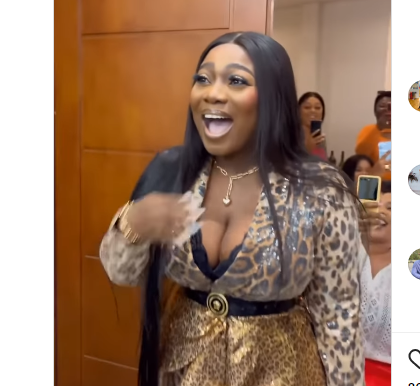
Media personality Stacy Amoateng was pleasantly surprised when a surprise birthday party was organized in her honor.
Celebrating her birthday over the weekend, Stacy was treated to a surprise gathering, a common occurrence among celebrities.
While it’s become somewhat customary for celebrities to act surprised during such events, despite often being involved in organizing them, Stacy was no exception.
She expressed massive shock at the surprise thrown for her.
Despite her surprise, Stacy looked stunningly dressed and was camera-ready for the occasion.
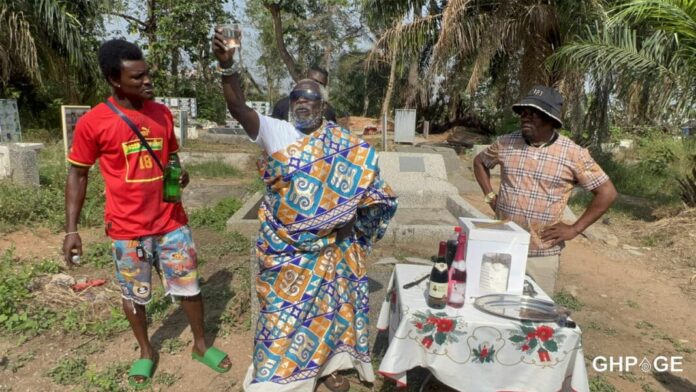
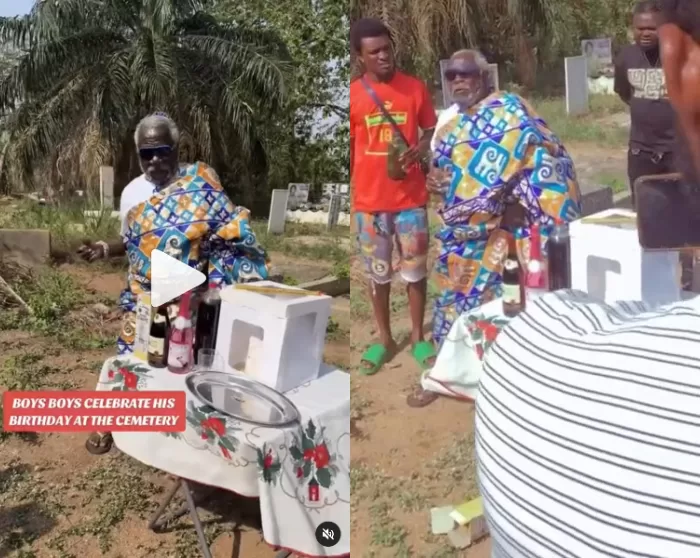
Kumawood actor Oboy Siki, also known as Boys Boys, faced heavy criticism from netizens after choosing to celebrate his recent birthday at a cemetery.
Despite adding another year to his age, Oboy Siki opted to mark the occasion at the cemetery, a decision that puzzled many.
In a viral video, Oboy Siki was spotted with two colleagues, Official Gunshot and Shifo, at the cemetery, sparking widespread condemnation on social media.
Social media users expressed shock and disapproval, labeling the actor’s actions as “pure madness” and questioning his relevance in the industry.
Some speculated that Oboy Siki may be seeking attention, while others suggested that he might be experiencing mental health issues and urged his family and close associates to intervene and seekmedical help promptly.
“This man is different, he likes trend paaaa”, a netizen said.
“He just need attention”, another netizen said.
“Them for check his mental health ooh”, a netizen suggested.
“Everybody is willing to do anything just to stay relevant these days”, another said.
Meanwhile, let us take a look at the video that generated these comments from social media users;
Recently, a transcript from the legal proceedings involving Ghanaian socialite and musician, Hajia4Real, has surfaced on various social media platforms.
According to the transcript, Hajia4Real disclosed that she had received money from an unidentified partner in connection with a criminal activity in the Bronx, New York.
Hajia4Real explained that she was instructed to deposit the money into her Ghanaian account and ensure its withdrawal, as her accomplices would later retrieve it.
While admitting that she was aware the money was acquired unlawfully, Hajia4Real claimed she was unaware it stemmed from fraudulent activities.
“Your Honor, between 2013 and 2019 in the Bronx, New York, and elsewhere, I conspired with others to receive 5,000 or more in stolen funds, knowing that the money had been unlawfully obtained,” she said.
“Did you know that the money had been unlawfully obtained,” the judge (THE COURT) asked.
THE DEFENDANT: Yes, your Honor.
THE COURT: What did you do with the money after you received it?
THE DEFENDANT: I was told to transfer it to Ghana and then take out the cash, and they would come for it.
THE COURT: Did you transfer some of the money
THE DEFENDANT: Yes, I did.
THE COURT: When you joined the conspiracy, did you know that the conspiracy was to obtain money unlawfully from other people
THE DEFENDANT: In the beginning, I didn’t know.
THE COURT: But later on you came to know that the purpose of this agreement was to obtain money?
Gospel musician from Ghana, Evangelist Diana Asamoah, has taken aim at media personality Abeiku Aggrey Santana in a caustic manner.
Diana Asamoah asserts that although Abeiku Santana constantly brags about being a media mogul, she believes he lacks common sense and is immature when it comes to doing television or radio interviews.
“Yesterday, I even said that Abeiku Santana, even though he brags of being a doctor, when it comes to the media does not make sense”, Diana Asamoah said.
During an interview on United Showbiz, as reported by Ghbase.com, Diana Asamoah expressed her dissatisfaction with Abeiku Santana’s actions during their discussion regarding Edward Akwasi Boateng.
Diana criticized Abeiku Santana for his approach, stating that it was inappropriate for him to invite someone on air without her prior knowledge or consent during their interview.
She emphasized that this wasn’t the first time Abeiku Santana had acted in such a manner, suggesting that it was time for her to confront him and demand more professionalism in their interactions.
“Abeiku Santana does not make sense at all when it comes to the media. He gave me the platform but that does not mean I should not say he does not have sense. If one sees something they must say it”, she said.
The controversial Gospel musician and a staunch member of the New Patriotic Party said “You will never understand me. The reason why I am saying that Abeiku Santana does not make sense is that even though I am not afraid of anyone or regret what I said, there was no sense in him calling Akwasi Boateng without my knowledge and consent”.
“I am not the first person he has done this to. If he does that and the person he is interviewing does not have sense they could get angry which could end in a fight”, she added.
On March 1st, Smallgod releases his highly anticipated 17-track album, ‘Bridging The Gap.’ The impressive lineup features collaborations with renowned artists including Black Sherif, King Promise, Ms Banks, Abra Cadabra, Odumodublvck, Haile (WSTRN), Crayon, Darkoo, Lojay, Suspect OTB, Projexx, Bien, Kelvyn Boy, S1mba, and Maleek Berry, among others.
Smallgod has generated excitement around the project, culminating in his latest single, ‘Kusuu Remix’ featuring UK rapper Abra Cadabra, Odumodublvck, and Kweku Flick. The track has received acclaim from DJ Target, Wonderland, and COLORS, solidifying Smallgod’s position in the global music scene.
The 17-track album showcases a dynamic evolution in Smallgod’s sound, embracing a celebratory vibe. From the infectious anthem ‘Wave’ featuring Maleek Berry, to the soulful ‘Fallen Angel’ with Black Sherif, approaching 7 million streams, the album demonstrates artistic versatility.
Lead single ‘Oh My Days’ featuring King Promise and Haile (WSTRN) sets a lively tone, with sublime vocal melodies. The album features a fusion of funk guitars and blissful drum and synth arrangements in ‘Bridging The Gap.’
The musical journey spans from sultry numbers like ‘All Mine’ featuring Ms Banks, to upbeat dance vibes of ‘Away’ featuring Crayon, and heartfelt ballads like ‘Ransom’ featuring Darkoo and ‘Automatic’ featuring Lojay. Executive produced by Smallgod, with production credits from Highlander, Joker, despecialist, D3an, and Smeez, the album is a masterpiece of uplifting music.
‘Bridging The Gap’ redefines contemporary music by showcasing diverse talents and perspectives from African, Caribbean, South African, and UK artists, proving music transcends borders as a universal language.
Smallgod, celebrated within Ghana’s vibrant party scene, commands the spotlight effortlessly. His collaboration with Warner Music Group (WMG) in late 2023 has propelled Small World Records into a new era of global music exploration. Ending 2023 with resounding success, Smallgod unveils ‘Bridging The Gap,’ boasting an impressive lineup of A-list features, solidifying his influence on the international cultural landscape.
Building on the triumph of his 2022 album, ‘Connecting The Dots,’ which featured collaborations with luminaries like Headie One, Darkoo Vibes, Oxlade, Majorleague DJz, and Vic Mensa, Smallgod continues to ascend as a prominent figure in the music realm. ‘Bridging The Gap’ not only leaves an indelible mark but also serves as a testament to Smallgod’s dedication to uniting diverse musical realms and pushing the boundaries of artistic expression.
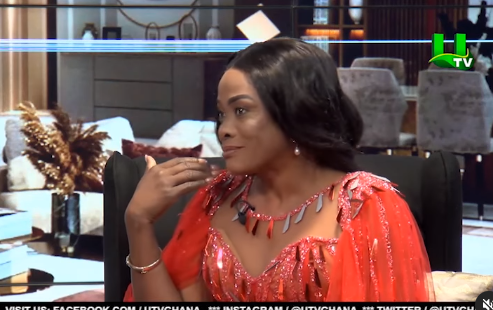
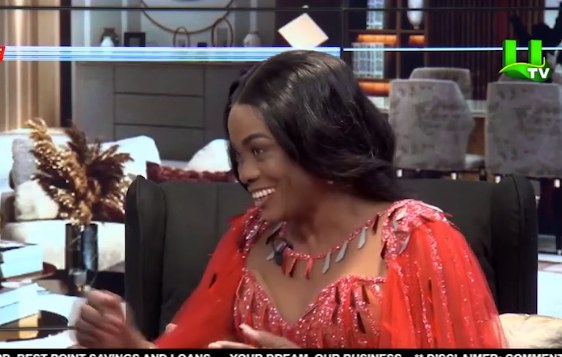
Ghanaian gospel icon Diana Asamoah has ignited excitement among Ghanaians with her playful announcement of aiming to break the Guinness World Record for the longest praying marathon.
During an appearance on UTV’s United Showbiz program, hosted by MzGee, Diana Asamoah shared her motivation behind this ambitious goal.
She highlighted the growing number of individuals engaging in breaking Guinness World Records, inspiring her to join the ranks and make her mark in record-breaking history.
Following the recent disqualification of two Ghanaian contenders by the Guinness World Records, including Afua Asantewaa’s attempt at the longest singing marathon and Chef Faila’s Cookathon endeavor, questions linger about the precise reasons behind their disqualification.
While concrete explanations for their disqualification remain undisclosed, the public eagerly awaits further clarification.
The Chamber of Independent Power Generators has revealed that the power sector is expected to face an increased debt of approximately $1.8 billion to Independent Power Producers by 2024.
This projection is attributed to the Public Utilities Regulatory Commission’s recent decision to decrease electricity tariffs by 6.56%. The Chamber warned of potential electricity supply shortages to the national grid due to this decision.
“The power sector is likely to experience an exacerbated debt of about $1.8 billion to the IPPs alone, by the end of the year 2024. This prediction is based on Public Utilities Regulatory Commission’s (PURC) decision to further reduce electricity tariffs by 6.56% amidst escalating variable costs of electricity production such as fuel, maintenance, idle capacity charges, as a result of commissioned generation capacities coming on-grid and off-grid generations. Natural gas, for instance, sells currently at an average high price of 8.8 US Cents/mmscf, continuous depreciation of the Ghana cedi etc”.
The Chamber also stated that the generation tariffs are adjusted upwards automatically to account for rising variable costs and other increased cost factors.
Moreover, it clarified that while tariff reductions are advantageous for consumers, they have not been accompanied by a corresponding decrease in production costs, resulting in substantial financial shortfalls. The Chamber added, “The sector faces inefficiencies, including high transmission and distribution losses, which worsen the financial difficulties.”
“This situation mirrors the repercussions of similar tariff actions by the PURC in 2018 by 17.5% and 30% for both residential and non-residential customers, which significantly contributed to the financial gap faced by the Electricity Company of Ghana (ECG). Since then, ECG has never met the revenue requirement of the sector. This has placed an avoidable strain on the ECG’s sustainability, resulting in a cycle of financial insolvency, operational and governance deficiencies”, it alluded.
It further stated that the root cause of ECG’s financial challenges stems from the disparity between revenue generation and operational expenses.
“Despite ECG’s commitment to a fixed $43 million monthly sum to IPPs, it continues to pile up about 70% of its monthly obligations to the Independent Power Producers alone. With this tariff reduction, the Government of Ghana renegotiation appeals to IPPs may hit the rock, as the risk of default on obligations going forward becomes high”, it concluded.
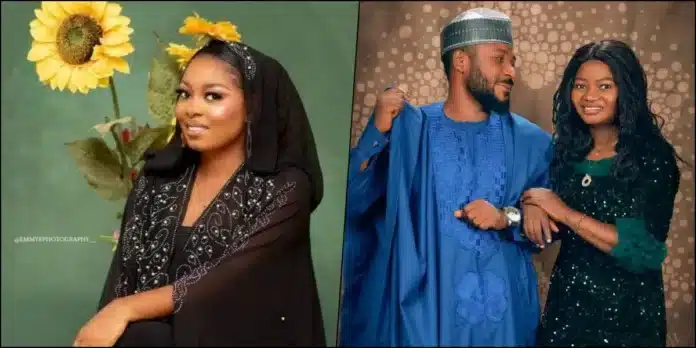
A Nigerian woman, identified as Florence Sudar Clement, has sparked online attention after vehemently cursing her former boyfriend who recently posted his pre-wedding photos on Facebook and tagged her despite their estrangement.
Florence, expressing her frustration, unleashed a barrage of curses on her ex-partner, expressing her resentment towards his actions.
Reports indicate that their relationship ended on a sour note, leaving Florence feeling betrayed by her ex-boyfriend’s behavior.
Allegedly, Florence had invested money into a business venture with her ex-boyfriend, only to discover he was romantically involved with another woman.
In a bid to express her displeasure, Florence publicly shared photos of her ex-boyfriend while wishing him misfortune and sorrow in his upcoming marriage instead of the happiness typically associated with matrimony.
She wrote;
“Congratulations on your shameless and useless marriage. May ur marriage taste the 5 rules of grief, May God punish u for the rest of ur life, from my heart I wish u nothing but pain till u rest in the bosom of devil.”
A Nigerian woman, identified as Florence Sudar Clement, has sparked online attention after vehemently cursing her former boyfriend who recently posted his pre-wedding photos on Facebook and tagged her despite their estrangement.
Florence, expressing her frustration, unleashed a barrage of curses on her ex-partner, expressing her resentment towards his actions.
Reports indicate that their relationship ended on a sour note, leaving Florence feeling betrayed by her ex-boyfriend’s behavior.
Allegedly, Florence had invested money into a business venture with her ex-boyfriend, only to discover he was romantically involved with another woman.
In a bid to express her displeasure, Florence publicly shared photos of her ex-boyfriend while wishing him misfortune and sorrow in his upcoming marriage instead of the happiness typically associated with matrimony.
She wrote;
“Congratulations on your shameless and useless marriage. May ur marriage taste the 5 rules of grief, May God punish u for the rest of ur life, from my heart I wish u nothing but pain till u rest in the bosom of devil.”
Executive Director of the African Centre for Energy Policy (ACEP), Benjamin Boakye, has urged both the government and the Electricity Company of Ghana (ECG) to implement strategies to combat power theft.
He emphasized that failing to tackle this issue could significantly impede meeting payment commitments to Independent Power Producers (IPPs).
“If you look at how much the government is supposed to put in cumulatively every month, it’s about GH₵250 million to be able to offset the inefficiencies in the energy sector. And all these payments are being made by the people of Ghana. So what that simply means is that once power is generated, transmitted and sent to the distribution company ECG, almost half of what they’re supposed to recover cannot be recovered,” Mr Boakye said on Newsfile on Saturday.
“Therefore, the Ministry of Finance has to intervene on a monthly basis to the tune of about GH₵250 million. That is the state of the energy sector. So what that means is that the money that we need to be able to pay other commitments like roads, health infrastructure, and education is being used to pay electricity bills. I don’t think that is a rosy situation that anybody should celebrate. And even that, paying has become a challenge because the money doesn’t even exist for the government to always respond to that commitment,” he added.
In order to ensure that the business can fulfill its obligation and protect the tax payers from this leakage, Mr. Boakye informed Emefa Apawu, the host of the sit-in, that the ECG is focusing more on optics than on finding workable solutions to the problem.
“We have people stealing power and we don’t have a solution to it to be able to address the theft and then you see the optics, you know, ECG goes to stand before Parliament and say that I’m disconnecting parliament. Even at one point they were at the Ministry of Finance to go and disconnect Ministry of Finance when people are stealing power.
“Look at the fact that the Ministry of Finance and Government is paying up to GH₵255 million a month. You should not even have the moral temerity to even go close to any government facility to disconnect power.”
Following recent recurrent power outages in the country and concerns raised by the Minority in Parliament on February 29th about the collapse of the energy sector, Mr. Boakye shared his views.
John Jinapor, the ranking member of Parliament’s Mines and Energy Committee, highlighted the worsening severity of load-shedding, even during significant events like the State of the Nation Address. He expressed concern that such occurrences indicate escalating power challenges.
Despite this, the Electricity Company of Ghana (ECG) has provided assurances of an imminent return to normalcy in power supply. ECG’s Managing Director, Samuel Mahama, attributed the current outages to undisclosed maintenance work.
Contrary to ECG’s explanation, Mr. Boakye identified a fundamental issue with electricity generation, citing an expanding demand surpassing generation capacity. He also noted that certain power plants undergoing maintenance contribute to the shortage of power supply.
“So we had a significant deficit that had to be accounted for. And the way to even manage it was to sacrifice the exports. So we’re exporting to Togo, Benin, and Burkina and GRIDCo has been cutting supply to those countries so that they can reduce the impact of the deficit.”
“And even if we discount that, we still have close to 300 megawatts of load that were being shed which needed proper communication to let the people know that we don’t have enough generation and therefore we’re going to be taking out power.”
Mr Boakye added, “We don’t know how this is going to pan out in the coming days. If we don’t get more gas from Nigeria, pay them on time for them to sustain supply and also get some liquid fuel, this situation will persist for some time to come,” he added.
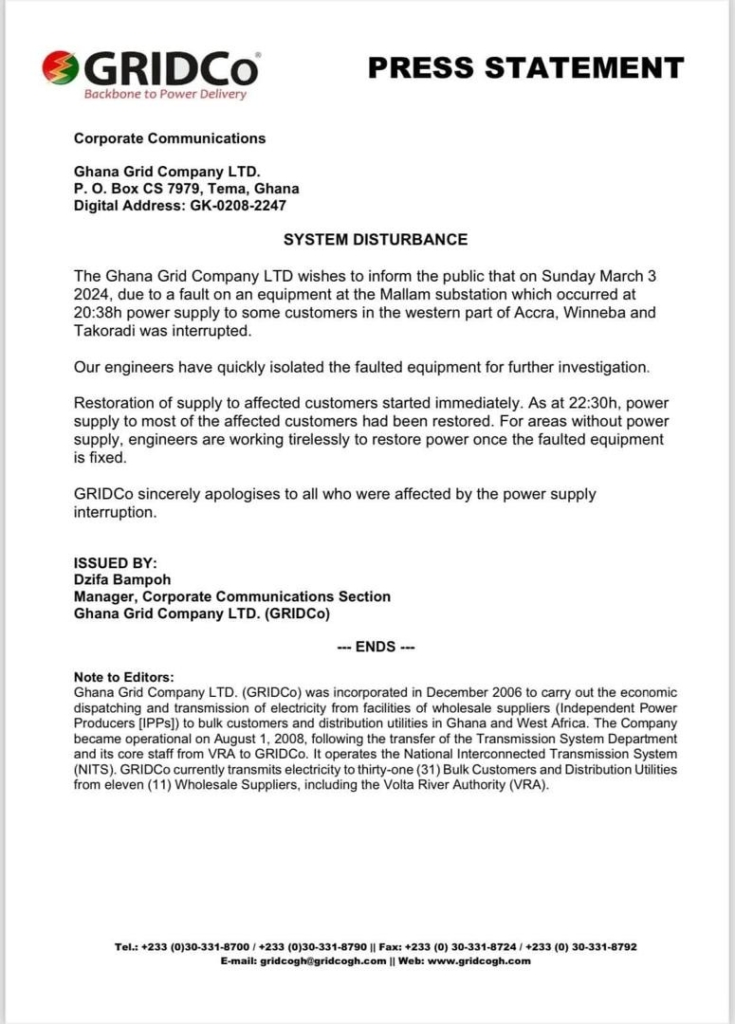
The power outage affecting numerous regions in western Accra, Winneba, and Takoradi on March 3rd was attributed to malfunctioning equipment at the Mallam substation, as stated by the Ghana Grid Company LTD (GRIDCo).
GRIDCo’s Corporate Communications Manager, Dzifa Bampoh, conveyed that the company’s engineers are actively engaged in rectifying the issue to resume power supply.
Assuring the public, GRIDCo emphasized its commitment to diligently address the situation and restore electricity to the remaining affected areas.
Additionally, the business apologized for any inconvenience the blackout may have caused.
“The Ghana Grid Company LTD (GRIDCo) wishes to inform the public that on Sunday, March 3, 2024, due to a fault in equipment at the Mallam substation which occurred at 20:38h power supply to some customers in the western part of Accra, Winneba and Takoradi was interrupted.”
“Our engineers have quickly isolated the faulted equipment for further investigation.”
“Restoration of supply to affected customers started immediately. As of 22:30h, the power supply to most of the affected customers had been restored. For areas without power supply, engineers are working tirelessly to restore power once the faulted equipment is fixed.”
“GRIDCo sincerely apologises to all who were affected by the power supply interruption,” the statement concluded.
Member of Parliament for Tamale North, Mr. Alhassan Sayibu Suhiyini, expressed concerns about the declining state of the education sector, stating that it would take many years to reverse despite the government’s investments.
He criticized President Nana Addo Dankwa Akufo-Addo’s portrayal of achievements in education during the recent State of the Nation Address (SONA), suggesting that they would not endure over time.
In his SONA speech on February 27, 2024, President Akufo-Addo praised the Free Senior High School (SHS) policy as transformative, highlighting its impact on enrollment rates and the construction of STEM schools.
However, Mr. Suhiyini, speaking on Citi FM, argued that such investments were expected given the government’s revenue from taxes.
He emphasized the challenges facing the education sector, describing it as one of the “triple jeopardy” issues alongside the environment and the economy.
Despite acknowledging the significant financial investments in education, Mr. Suhiyini raised concerns about the sector’s decay, citing research findings indicating unpaid capitation grants and inadequate infrastructure in some basic schools due to the focus on Free SHS.
He likened the education system to being “malnourished” and highlighted the struggles faced by parents despite the implementation of Free SHS.
“When you compare the Free SHS to investments at the tertiary level, you can clearly see a ‘Kwashiorkor’ education system, where the legs are so lean because of deprivation…”
“No preparation is done at the tertiary level to absorb the numbers that are supposed to be increasing at the Free SHS level; so much money goes there; bloating the tummy that is not healthy. “…If we want to go into the area of education and think that is how to whitewash a very bad performance of the President, even that too will not stand the test of time,” Mr Suhini stated.
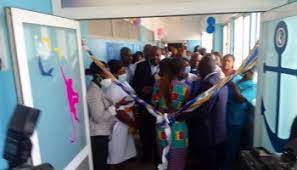
The West Africa Institute for Special Surgery (WAISS) has inaugurated a new facility located in Pantang.
The facility’s opening ceremony featured the unveiling of a logo symbolizing the commitment to delivering exceptional healthcare services to the community.
WAISS, a cutting-edge 46-bed special surgical hospital, aims to enhance access to high-quality and affordable surgical care across West Africa.
Situated on the same premises as FOCOS Orthopaedic Hospital, the facility boasts four state-of-the-art operating rooms, private patient accommodations, telemedicine capabilities, and spacious consultation rooms suitable for families.
Its specialized services encompass a wide range of medical areas, including minimally invasive urology, Andrology, men’s health, female urology, Plastic and Reconstructive surgery, Facial Paralysis, Bells Palsy, Ear, Nose, and Throat, Head and Neck cancer, and Pituitary Tumor Surgery.
Additional services include CSF (Brian Fluid) Leak Repair, Microvascular Reconstruction, Pediatric Craniofacial Surgery, Facial Trauma, Sleep Surgery, Aesthetic Medicine, Interventional Spine, and Pain Management, among others.
Professor Kofi Boahene, the Founder of WAISS and the Foundation for Special Surgery, expressed gratitude to the medical professionals, project team, donors, volunteers, and sponsors for their invaluable support in realizing the vision of establishing the facility.
He emphasized the strategic partnership between WAISS and FOCOS Orthopaedic Hospital, aiming to leverage each other’s expertise and avoid duplication of efforts.
Professor Boahene highlighted the need to alleviate the strain on healthcare facilities like the Korle-Bu Teaching Hospital and the Komfo Anokye Teaching Hospital, which are currently overburdened. He described the establishment of WAISS as his contribution to his homeland.
Anticipating a fruitful collaboration between WAISS and FOCOS in the future, Professor Oheneba Boachie-Adjei, the President and Founder of FOCOS Orthopaedic Hospital, praised Professor Boahene and his collaborators for their forward-thinking approach.
He identified the scarcity of skilled healthcare professionals, coupled with inadequate training facilities, as ongoing challenges that the new specialty facility aims to address.
“Above all the inadequate healthcare financing characterised by poorly funded National Health Insurance Scheme, has made it almost impossible for many households to have access to good quality health care. Instead of good healthcare becoming a right it is now a privilege most people can’t afford.
“It is for these reasons that FOCOS Orthopaedic Hospital sees the partnership with WAISS as crucial to help enhance Ghana’s healthcare system and Africa.”
To make sure that Professor Boahene’s labor was not in vain, Professor Boachie-Adjei asked everyone who signed up to work at the facility to cooperate by being watchful, trustworthy, and hardworking.
Board member and urologist Dr. Joseph William Akornor stated that the facility would assist in offering surgical services that are not currently provided in the nation.
“As a Urologist, I don’t think anybody is doing Robotic Surgery and Complete Urological Procedures so my goal is to bring all that technology and expertise to Ghana and West Africa,” he added.
In addition to treatment, Dr. Akornor stated that the hospital would train urologists of the future.
Afua Asantewaa Aduonum suggests that power outages during her Guinness World Record sing-a-thon attempt might have contributed to her disqualification.
She revealed that during the singing marathon in December 2023, a 45-minute power cut hindered her chances of breaking the record.
Nevertheless, she remained determined to pursue her goal, as aside from aiming to set a new record, she saw it as an opportunity to showcase Ghanaian music to a global audience.
“At Akwaaba village there was a plant, but it was taken away. But we had someone who sponsored us with a generator. There was a day when the light went off and when they were switching, it caught fire. It was ECG. The lights went off and I will say that it was 10 minutes. Honestly, if you ask me I think GTA and my team will be the best people to answer because at that time, I wouldn’t know the best period when it happened. Everything was off, the time, Dj, everything. The light went off in between an hour period. You asked that at the point when the lights went off, I believed the attempt had failed, right? The motive of this attempt was not to give up. Let me establish a point, even when my voice went off I could have stopped,” she said.
“As human as I am, I felt it but there are two sides to it. When I even lost my voice…It got to a point where my voice went off and I couldn’t talk at all. With that, I did more than five five-minute breaks, that was the first one I encountered. However, what I know is that regardless of the challenge I finished the attempt. Even those who entered the box…,” She said when Halifax Ansah Addo asked if she knew the power cuts played a role in her not breaking the record.
She continued “I remember my health team, the psychologist kept asking me do you remember why you started this and so when he asks I tell him I remember. Halifax, the main reason was to project Ghanaian music. Halifax, when we were done they asked for the videos because we even forgot to fastrack something to get a certificate. It wasn’t only the technical error, even kids that came there weren’t allowed.”
Reacting to this, Franklin Cudjoe in a post on Facebook said “Afua’s failed attempt at breaking the GWR singathon was primarily caused by DUM(power outage) and the genset that could have backed up took up to 45 minutes to kick in because it was faulty. Well Afua Asantewaa Aduonum believes even though the incident affected her attempt, she didn’t think the competition had to end because she needed to project Ghanaian music. Interesting discussion. Take a look as entertainment pundit Halifax grills Afua on your favourite United TV Showbiz programme. DUM is Evil.”
Nasir and his “lover” were assaulted by his childhood friends upon discovery, leading security officials to intervene with a warning shot, dispersing the enraged crowd.
Now stabilized at the hospital, Nasir tearfully considers reporting the incident to the police for protection and seeking justice.
“I was there for antenatal care when they brought him to the hospital reception. It was a really bad sight. I don’t know what could have happened if he had not been rescued early,” a pregnant woman who was an eyewitness recounted.
“Now that LGBQT has been declared illegal by the law, it is only right that we report any suspects to the police rather than continue this barbaric act of instant justice. It most often leads to attacking innocent people,” one of the doctors advised.
In Ghanaian society, homosexuality is considered an abomination, a sentiment exacerbated by the recent passage of the anti-gay bill.
However, Winnie Byanyima, the Executive Director of UNAIDS, has voiced serious apprehensions regarding Ghana’s endorsement of the anti-gay legislation.
In a statement, UNAIDS cautioned that if enacted, the bill could fuel violence, obstruct access to vital services, and undermine basic freedoms, potentially impeding Ghana’s developmental trajectory.
Byanyima underscored the detrimental effects on the fight against AIDS and public health in general.
The statement emphasized the potential infringement on individual liberties and the broader efforts to address health challenges.
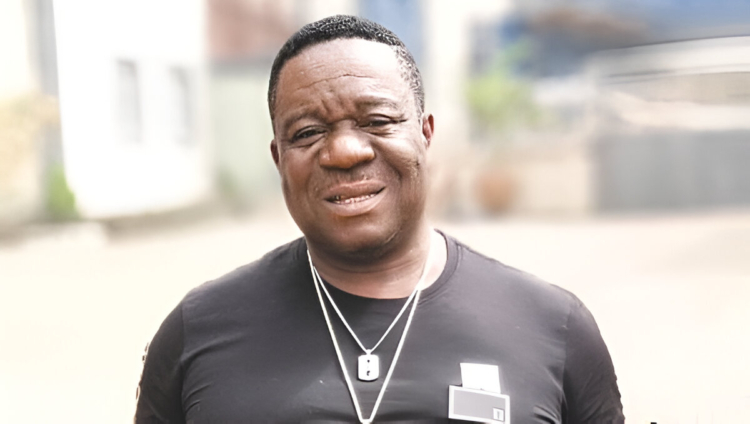
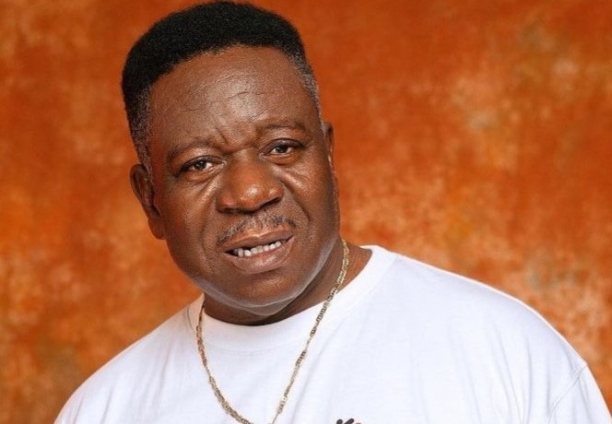
Just a day after the demise of veteran Nollywood actor John Okafor, better known as Mr. Ibu, his adopted daughter, Jasmine, has taken control of his personal TikTok account, which boasts over 1 million followers, and rebranded it with her own name.
A visit to the late actor’s TikTok page on Sunday by DAILY POST showed that the account has been renamed to @LadyJasminec_live.
Jasmine has also seemingly removed all of Mr. Ibu’s videos from the account, except those featuring herself.
This action has stirred controversy on social media, with fans of the late actor criticizing Jasmine for “interfering” with his legacy.
It’s worth noting that Mr. Ibu passed away on Saturday night, shortly after returning home from the hospital following successful surgeries that resulted in the amputation of one of his legs.
Confirming his passing, the President of the Actors Guild of Nigeria, Dr. Emeka Rollas, stated that Mr. Ibu died of cardiac arrest.
Leading advocate for the Proper Human Rights and Family Values Bill, Samuel Nartey George, recently explained his determination to criminalize same-sex activities in Ghana.
As the Member of Parliament for Ningo Prampram, he cited an incident involving an LGBT+ activist attempting to influence his children in school as his primary motivation.
During an interview with Bola on Starr Chat, Sam George expressed his outrage when musician and model Deborah Vanessa provided LGBT+ education during a visit to his children’s school.
“For those who say why is Sam George interested in this, I am absolutely not interested in what you do in the privacy of your bedroom. It is not my business… it is because these same people have taken what is their private perversion and are bringing it into my children’s classrooms; North Legon Little Angels.
“They take somebody who calls herself an influencer and a so-called social media celebrity. Takes her to the school, sit her with children aged 8 to 11 and tells them that it is okay as children for boys to love boys and for girls to love girls,” he stated.
Asked who he was referring to, Sam George responded saying “she calls herself Deborah Vanessah or whatever,” adding that she was engaged in the grooming of the schoolchildren.
After parliament’s endorsement of the Proper Human Rights and Family Values Bill, also referred to as the anti-gay bill, a video featuring Deborah Vanessa’s visit to Little Angels School has emerged on social media.
In the video, Deborah Vanessa is seen seated on a panel and addressing the students of the school. She explains the existence of various sexual identities beyond male and female, asserting that it is not incorrect to identify differently from these two genders.
“Some people will argue with you that we have only two terms; we have man and woman… we actually see that we have different types of humans. Am I lying? So no matter what you call a person, no matter what, sometimes you can see a boy two years or three years old being girly. We have different types of people and you have to accept because that is what you see. So I feel like we shouldn’t discriminate for how they’ve been created; how they were born, who they are. That’s the same as people being racist to us as black people because we are black. You didn’t ask to be black or you didn’t ask to be Asian. So for me that is my reasoning. You don’t have to judge especially if you are religious; if you are a Christian…” she told the students.
The Proper Human Rights and Family Values Bill prohibits activities related to lesbian, gay, bisexual, and transgender (LGBT+) individuals and criminalizes their promotion, advocacy, and financial support.
Individuals found engaging in these activities may face imprisonment ranging from six months to three years, while promoters and sponsors could be sentenced to three to five years in jail.
Having obtained parliamentary approval, the bill now awaits endorsement from President Nana Addo Dankwa Akufo-Addo to formally become law.
The passing of Nigerian actor John Okafor, known as Mr. Ibu, has saddened many across West Africa.
Mr. Ibu, as he was popularly known, died on Saturday, March 2, following a cardiac arrest.
Prior to his passing, Mr. Ibu had been battling illness for several months, undergoing multiple surgeries that ultimately led to the amputation of his leg.
Following the news of his death, numerous fans have expressed their farewells on social media, expressing gratitude for the joy and memories he brought through his movies.
Mr Ibu told me I had such a powerful voice and resorted to calling me woman on fire anytime he saw me.
Rest in peace Mr. Ibu (John Okafor)- one of my favorite actors of all time. You brought so much joy and laughter onto so many faces. You made childhood fun. You were a gem😎 Fare thee well. #RIPMrIbupic.twitter.com/Uefltd6Z60
— David Lewis Rubongoya (@DavidLRubongoya) March 3, 2024
The death of Mr Ibu just seems as though pawpaw just lost his dad and Charles Inojie just lost his best friend. The formed a part of our childhood. RIP Legend💔😪🕊️ pic.twitter.com/cTOqWDHdGk
Iwan has outlined some of the reasons why “A-list artistes don’t collaborate” frequently.
During an appearance on Accra 100.5 FM’s after-drive program, Akwaaba, the Reggae/Dancehall star shared that numerous musicians have turned down collaboration offers with him.
Speaking to host Summy Brown, he explained that often, artists who not only perform but also write their own songs, and are skilled lyricists, tend to have a sense of pride. As a result, they prefer collaborating only with individuals who possess similar qualities.
Additionally, Iwan highlighted that collaborations may not materialize due to concerns about a guest artist overshadowing the host. He noted that there is often worry about who will deliver “the sickest verse” and potentially take over the track.
The Thanks & Praise hitmaker expressed his dismay at this competitive mindset, which he emphasized is not characteristic of him.
“Samini, is one of the persons I’m talking about. In the beginning, he was one of those artistes we chased for a collabo and he never gave us [one] until I became big. He had then seen that, even without his collabo, I was determined and progressing,” Iwan divulged.
“Now see as someone has done it to him,” he noted, emphasising, also, it is only natural to reap what one sows “in this world.”
The singer recalled when he was entering into the music industry, he had an innocent mindset. However, he soon observed everyone was “fighting for power, authority, territory, domain, rulership, kingship”.
Doing the opposite, he noted, “I dispersed the energy, and didn’t keep my energy to myself and my fans know it.”
He bemoaned how “my own colleagues” sideline him even when they organise Reggae events, while “in my prime, I had them on my shows as guest artistes”.
“I have plenty posters on Facebook as witness,” Iwan added.
He said he is “open to work” with Samini and others like him, noting his name implies a clean heart.
“Suhuyini, it’s a Dagomba word. It means, one heart,” the artiste nicknamed Lyrical Gunshot explained.
The University of Ghana, Legon, alumnus asserted his longevity, noting the secret is his mindset to go the long haul, unlike others, and not just to reign for “just five years and fall off. I intend to sing till my voice is ruined”.
IWAN, previously known as “I Win Always Naturally,” made history as the first-ever winner of a Reggae/Dancehall award in Ghana. He now prefers to be called Iwan Suhuyini.
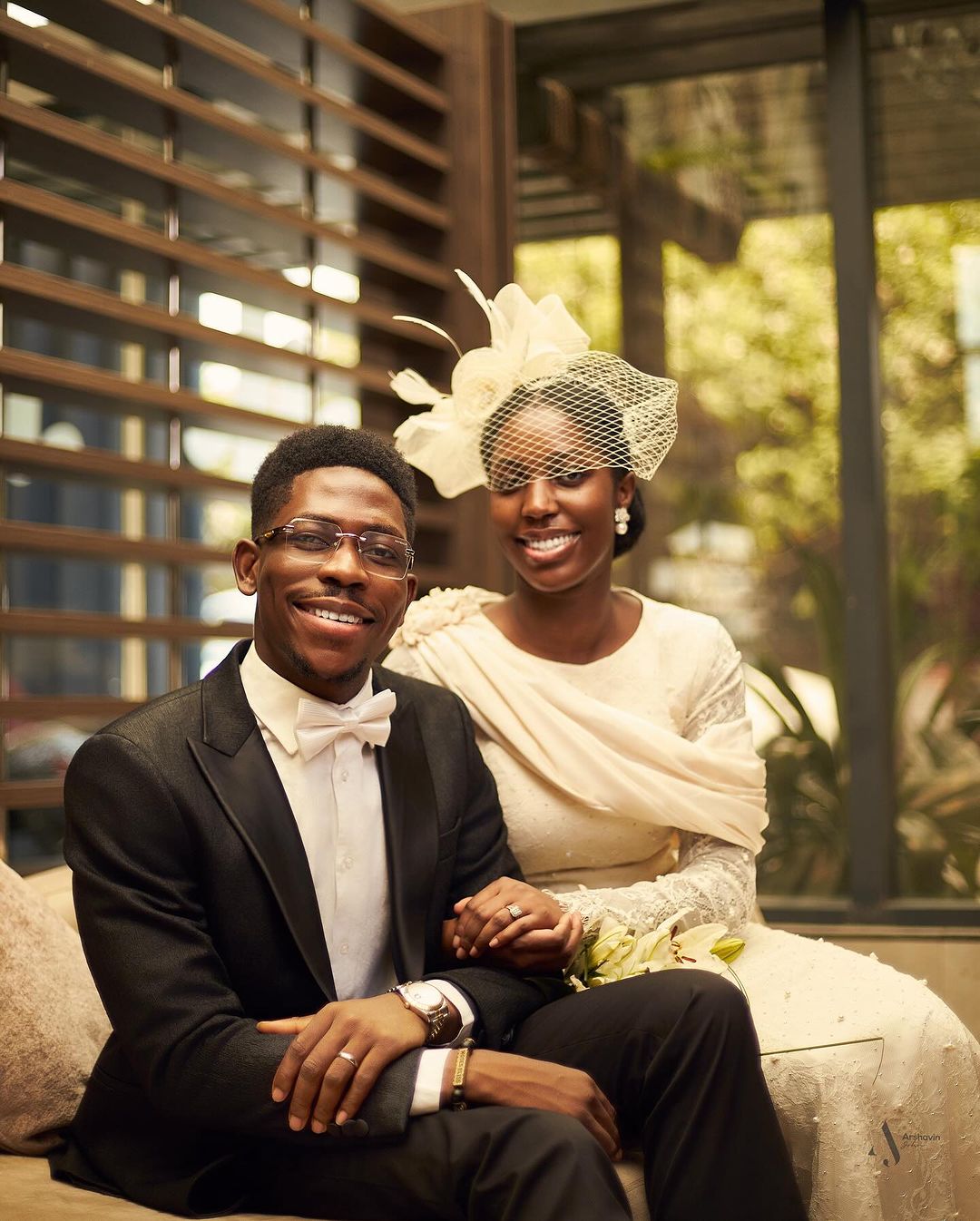
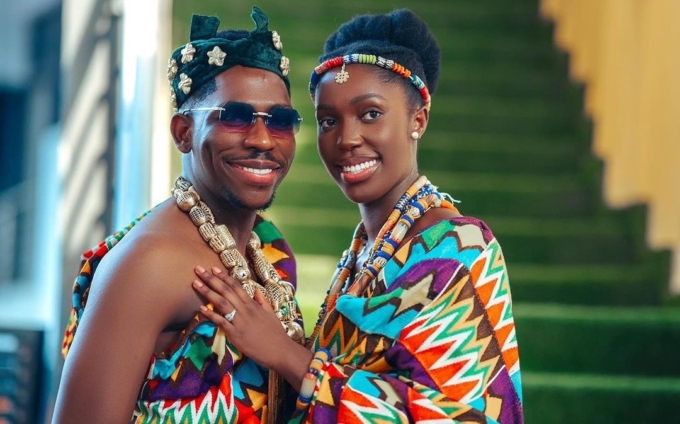
Marie Wiseborn, the newlywed spouse of Nigerian gospel artist Moses Enang, widely recognized as Moses Bliss, imparted relationship insights during a joyous gospel concert in Accra, Ghana.
The Ghanaian-born lawyer, trained in the United Kingdom, who recently celebrated her traditional and customary wedding, shared these thoughts at a gospel concert held at Perez Chapel International, Accra, Ghana, to commemorate their union.
The concert showcased performances by various Nigerian gospel artists, including Nathaniel Bassey, Joe Praize, Chioma Jesus, Sonnie Badu, Yadah, Yinka Okeleye, and Victor Thompson.
During her husband Moses Bliss’s performance, he invited Marie Wiseborn to join him on stage.
Seizing the moment, she took the opportunity to reminisce about their love journey, sparked by a viral video of her joyfully dancing to Moses’s hit song, “Miracle No Dey Tire Jesus,” on January 20, 2023, a year earlier.
Speaking to the audience, Marie advised against assuming that mimicking her dance would result in similar relationship outcomes.
She said, “I have seen a lot of people doing the same dance I did on Instagram; it’s not that you danced my dance that you will get my result (married).”
Moses and Marie’s love journey commenced with a single tag on social media. Upon viewing the video, Moses found himself mesmerized by Marie’s sincere worship and David-esque dance moves. Over the course of several months, they developed a friendship that blossomed into marriage.
Since their engagement, numerous Nigerians have taken to social media to create similar dancing videos featuring the song.
Marie revealed that she had never previously shared a dance video on social media. However, she felt compelled by the Holy Spirit to create and tag the singer in that particular video. Marie emphasized that their entire Instagram conversation was guided by the promptings of the Holy Spirit.
“We all have different destinations; we should allow God to drive the vehicle of our life; if you want to get my result, be sure that the right driver is in the driver’s seat”.
The love story of the couple began when Marie tagged Moses in a dance video, which caught his attention. Their friendship developed over several months, leading to a surprise engagement that delighted fans on social media.
Their journey continued with a civil ceremony followed by a lively traditional wedding in Ghana, themed “M & M” to symbolize the union of Marie and Moses.
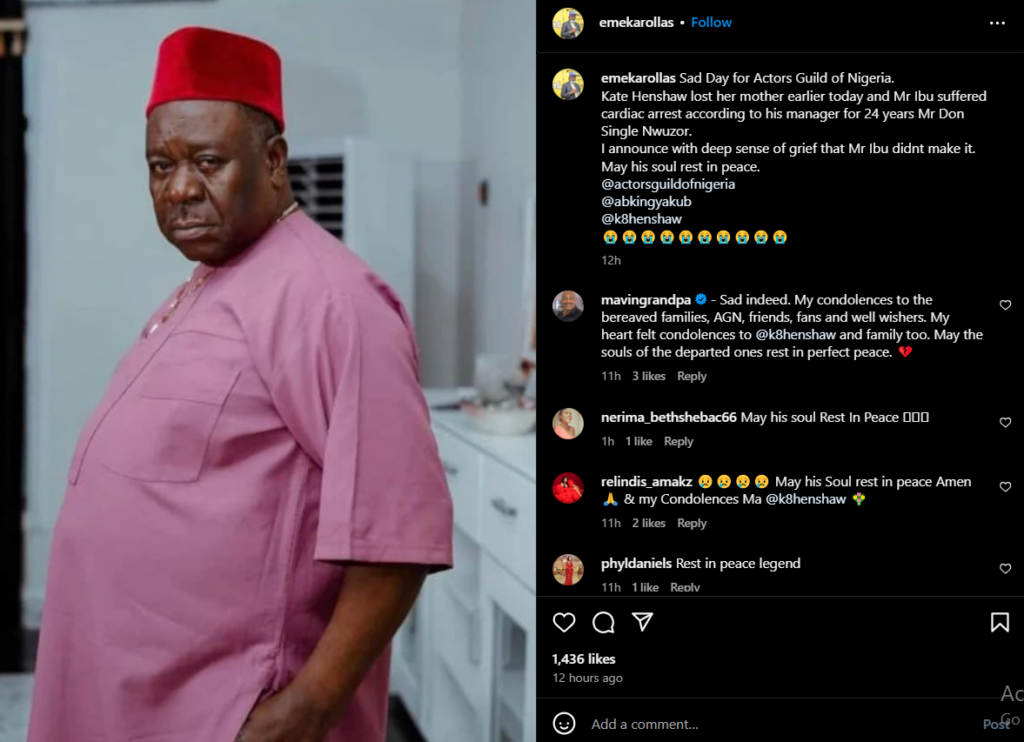
The Actor Guild of Nigeria (AGN) National President, Emeka Rollas, has confirmed the passing of actor John Okafor, also referred to as Mr. Ibu.
Mr. Rollas disclosed on Instagram that the actor, who had been ill for several months, passed away due to cardiac arrest.
On Saturday, March 2, the actor passed away after failing to survive. He was sixty-two.
“Sad day for Actors Guild of Nigeria. Kate Henshaw lost her mother earlier today and Mr Ibu suffered cardiac arrest according to his manager of 24 years, Mr Don Single Nwuzor. I announce with a deep sense of grief that Mr Ibu didn’t make it. May his soul rest in peace,” Mr Rollas’ post read.
The actor’s family disclosed in October 2023 that he had undergone numerous surgeries and had been dealing with health problems.
Previously, he had fervently appealed and launched a fundraiser to cover his medical expenses at a Lagos hospital.
Mr. Ibu revealed he had been hospitalized for two weeks due to a “strange and dangerous illness.”
Despite his health challenges, the actor marked his birthday with optimism, hopeful for a swift recovery.
However, on November 6, 2023, Mr. Ibu underwent a leg amputation, just a month after seeking prayers and financial support from his supporters.
The announcement of the leg amputation was made on the actor’s Instagram page by his family, who stated that the procedure was undertaken to enhance his chances of recovery.
They described the situation as intricate yet imperative.
On December 17, 2023, the family of the 62-year-old actor disclosed further details regarding his inability to seek additional treatment abroad.
In a statement, the family clarified that medical professionals had deemed him “Not Fit To Fly,” making it challenging to arrange his transfer for advanced medical care due to airlines refusing to transport him.
The family elaborated that the root cause of the illness was not diabetes but rather a persistent clotting of blood in Mr. Ibu’s leg, stemming from diseased blood vessels, along with other health complications posing a significant risk to his life.
Mr. Ibu was discharged in January and was seen with Nollywood actor Ken Erics, who visited him.
Prior to his passing, the Enugu-born actor had appeared in over 200 Nollywood films, including “Mr. Ibu” (2004), “Mr. Ibu and His Son,” “Coffin Producers,” “Husband Suppliers,” “International Players,” “Mr. Ibu in London” (2004), “Police Recruit” (2003), “9 Wives” (2005), “Ibu in Prison” (2006), and “Keziah” (2007).
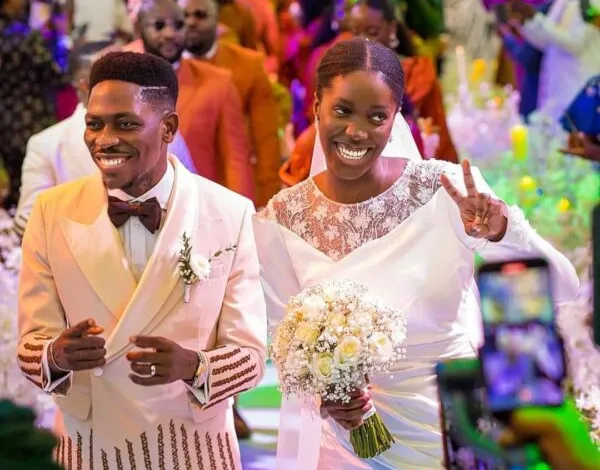
Nigerian gospel artist Moses Bliss Uyoh Enang recently tied the knot with his Ghanaian girlfriend, Marie Wiseborn, in a vibrant ceremony held in Accra.
The elegant white wedding was attended by loved ones and supporters from around the globe.
The joyful occasion was beautifully documented, capturing heartfelt moments of preparation, including tender prayers exchanged between Moses Bliss and his bride, before she was escorted down the aisle by her father.
Prior to the grand celebration, the couple had already solemnized their union with a civil wedding earlier in the week, followed by a traditional ceremony on Thursday, February 29, 2024.
Here are some captivating snapshots from the trio of events:
The Nigerian gospel artist, Moses Bliss, and his wife, Marie Wiseborn, have become the center of attention following their highly anticipated wedding on Saturday.
The couple exchanged vows in a private ceremony held in Accra, graced by the presence of close friends and family.
Notable celebrities including Juliet Ibrahim, Mercy Chinwo, Judy K, Chioma Jesus, Nathaniel Bassey, Apostle Iren, Real Warri Pikin, Vicky James, and many others came out to show their support for the newlyweds.
Moses and Marie’s wedding comes after approximately a year of courtship.
Binance, recognized as one of Nigeria’s most popular cryptocurrency platforms, has come under scrutiny from the Nigerian government.
The government claims to have demanded nearly $10 billion in compensation from Binance, alleging that the platform engaged in manipulation of foreign exchange rates through currency speculation and rate-fixing.
This alleged manipulation has purportedly contributed to the significant devaluation of the naira, with the currency losing nearly 70% of its value in recent months.
In response to these allegations, two Binance executives were reportedly arrested in Nigeria earlier in the week. Despite these developments, Binance has not provided any official comment in response to requests from the BBC.
Nigeria, being Africa’s largest economy, holds significant importance in the global cryptocurrency market. The central bank governor, Olayemi Cardoso, disclosed on Tuesday that Binance Nigeria had facilitated the movement of $26 billion worth of untraceable funds.
“These allegations are weighty,” Tilewa Adebajo CFG Advisory tells the BBC. “That’s a huge sum – even more than the annual Nigeria diaspora remittances of $24bn”.
“The government must have done their homework, hence the allegations.”
According to Reuters news agency, cryptocurrency transactions in Nigeria accounted for approximately 12% of the country’s total income or GDP in the year leading up to June 2023.
While cryptocurrencies are not prohibited in Nigeria, firms are required to register in order to operate legally, as stated by the government. A special adviser to Nigeria’s president informed the BBC that Binance, a prominent cryptocurrency platform, had failed to comply with this requirement.
Since assuming office last year, President Bola Tinubu has abolished the policy of pegging the naira to the dollar, allowing traders to engage in buying and selling the currency at rates determined by the market.
However, special advisor Bayo Onanuga expressed that the recent collapse in the currency’s value was not a result of typical market activity.
“All of a sudden the exchange rate went through the roof… and it was being caused by the people on Binance platform,” he told the BBC Newsday programme.
“The government could not just fold its hands and allow this thing to continue.”
Binance is widely recognized as one of the most popular cryptocurrency platforms in Nigeria. However, to the disappointment of Nigerian users, Binance and several other cryptocurrency firms have faced suspension in recent weeks, including Coinbase, Kraken, Forextime, OctaFX, Crypto, and FXTM. This move by the government aims to halt the decline of the naira.
In addition to concerns about the weakening naira, the government has cited the use of cryptocurrency for money laundering and funding terrorism. According to a recent report by the Nigerian Financial Intelligence Unit, the anonymity and privacy inherent in the cryptocurrency system attract individuals, particularly those with illicit intentions, to its use.
Central bank governor Mr. Cardoso revealed on Tuesday that “illicit flows” had been observed on some cryptocurrency platforms in Nigeria. However, no specific firms were named as culprits.
In another effort to regulate foreign currency trading, Nigeria has shut down thousands of bureaux de change.
The Central Bank of Nigeria has faced mounting pressure to stabilize the national currency, the naira, which currently exchanges at 1,595 naira to US$1, compared to about 460 a year ago.
The depreciation of the naira has exacerbated the cost-of-living crisis. High prices of food and commodities, including fuel and transportation, have sparked protests in recent weeks.
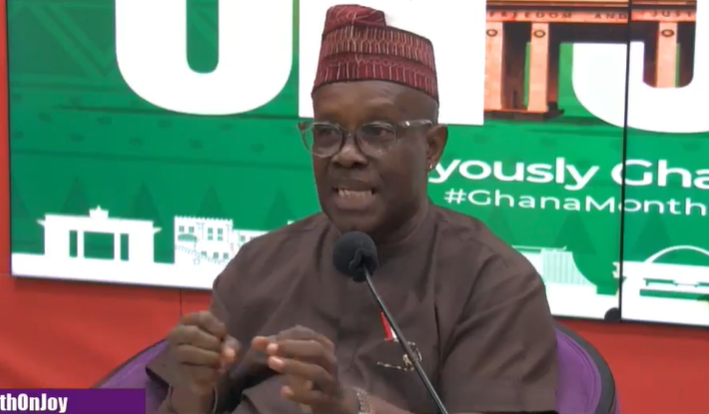
The Musicians Union of Ghana (MUSIGA) is set to host a concert for emerging musicians in Ghana on March 6, 2024. The announcement was made by the Union’s President, Bessa Simons, during the launch of Ghana Month on Joy FM.
“We are collaborating with the Akwaaba Festival to have a show at the forecourt of the National Theatre, providing a stage, lighting, and Facebook coverage for young, up-and-coming musicians who don’t normally have access to such platforms. This will give them the opportunity to showcase their talents,” noted Bessa Simons.
The aim of this initiative is to offer young talents a platform to exhibit their potential. “We are inviting managers and the corporate world to come and witness these talents, as they are the future of our industry. There might be potential business opportunities for them,” he added.
Additionally, on March 5, 2024, MUSIGA will organize a music and tourism workshop, as well as a health screening for musicians at the Accra Tourist Information Centre.
Furthermore, MUSIGA plans to launch a project called “Let’s Play Ghana Music” on March 11, 2024, to reignite people’s love for Ghanaian music. Another concert scheduled for March 30, 2024, at the Gold Coast Restaurant will focus on promoting highlife music.
Throughout the month of March, Joy FM will entertain its listeners with 99.7% local music across its various programs. This initiative is part of the efforts to showcase Ghana’s culture and heritage during the Ghana Month celebrations.
Listeners can expect to hear Ghanaian songs from various genres such as highlife, hiplife, reggae, dancehall, gospel, and folk music. This move aligns with the advocacy by various activists to promote more Ghanaian music.
Joy FM has also prepared a lineup of exciting and educational content for its listeners throughout the month.
Laduma Ngxokolo can vividly recall the transformative moment that marked his transition into manhood and served as a catalyst for his distinctive fashion sense.
In 2004, he embarked on a month-long journey into the wilderness alongside other young men from his community, as part of a traditional coming-of-age ceremony practiced by South Africa’s Xhosa ethnic group.
According to tradition, upon completing their initiation, Ngxokolo and his peers were expected to reintegrate into society wearing brand-new attire, symbolizing their passage into adulthood.
“It was a British-style, gentleman type of look. So your typical look would be a hunter cap or a hat and a jacket,” Ngxokolo tells the BBC.
However, Ngxokolo opted to craft his own garments from the ground up, ones that truly resonated with the essence of Xhosa culture.
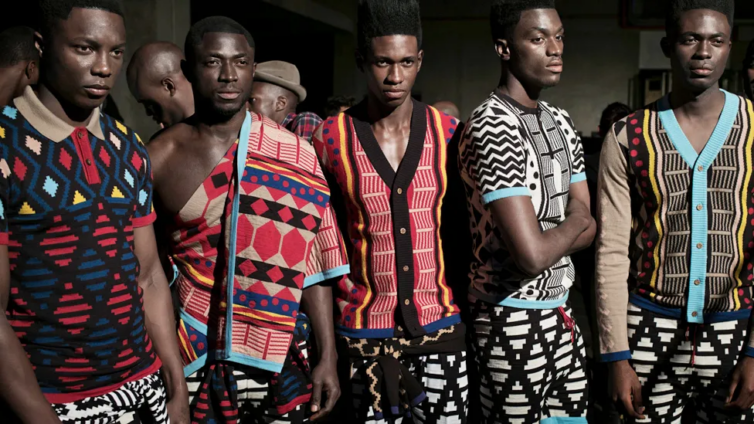
An outlier among his fellow “amakrwala”, as initiates are called, he emerged from boyhood donning “an accent colour around the calf, around the neck, around the chest… and lots of stripes”.
Having personally witnessed the lack of Xhosa-inspired high-end clothing companies, Ngxokolo began to develop MaXhosa Africa – a designer brand dominated by knitwear and colourful Xhosa patterns.
Since then, MaXhosa has garnered endorsements from Beyoncé, been worn by US musician Alicia Keys, featured prominently in Vogue, and is poised to debut a new collection at Paris Fashion Week this Sunday.
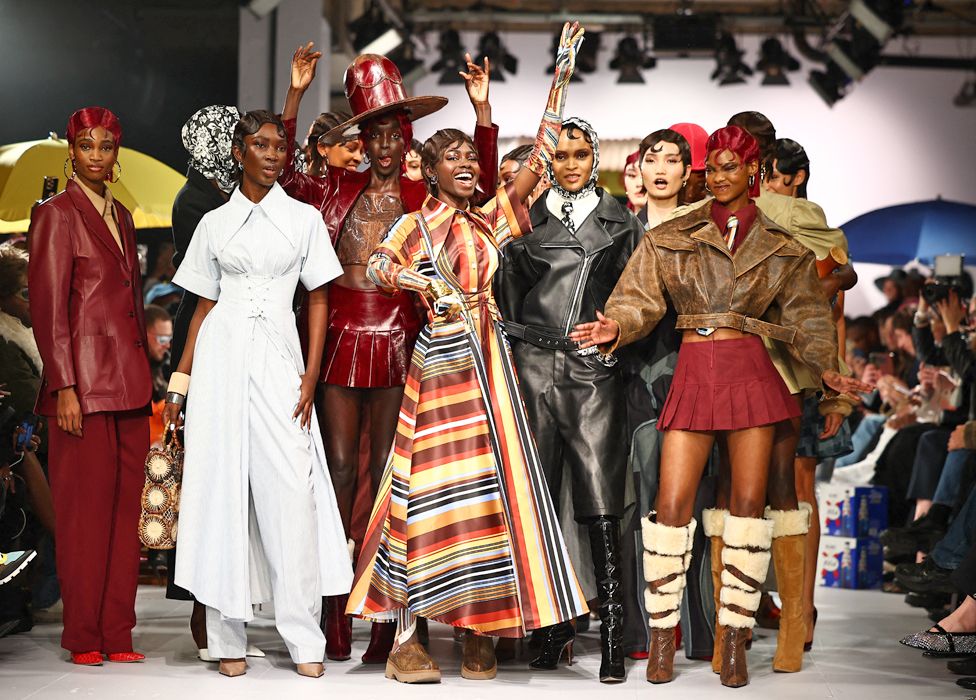
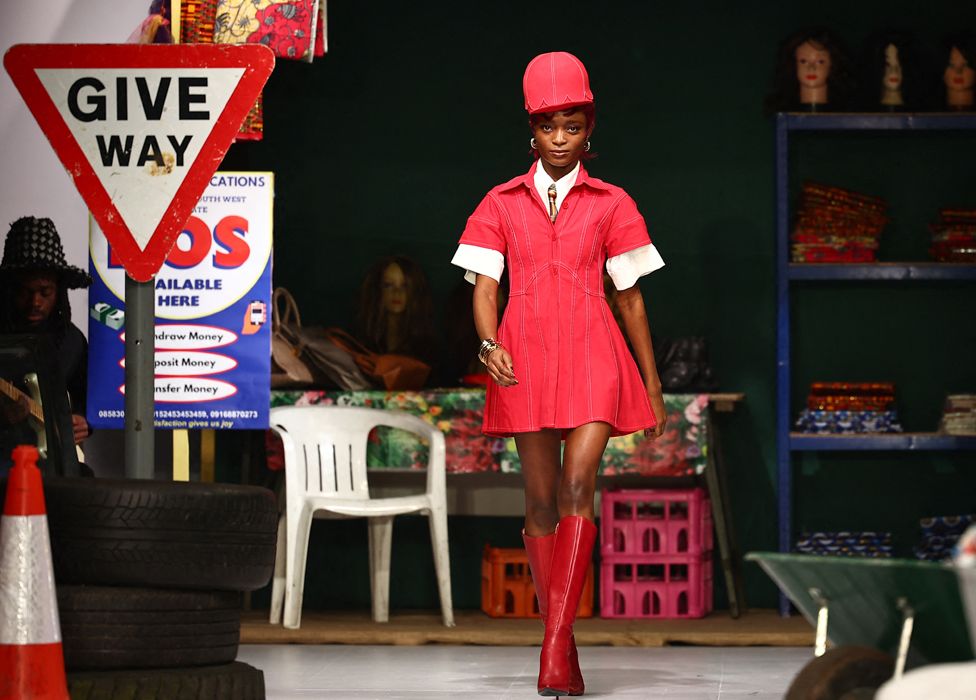
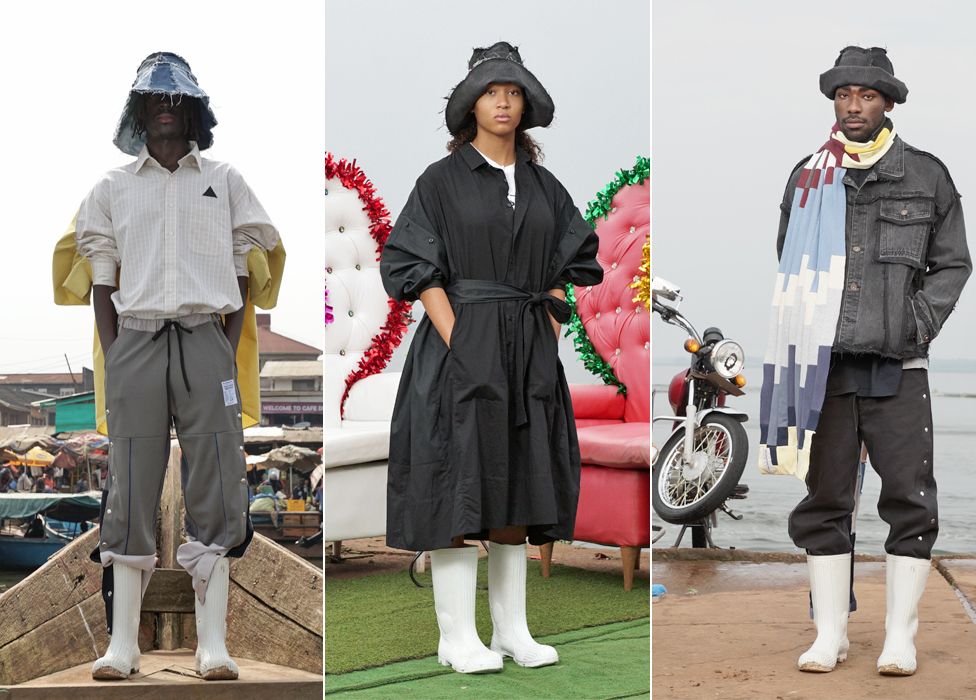
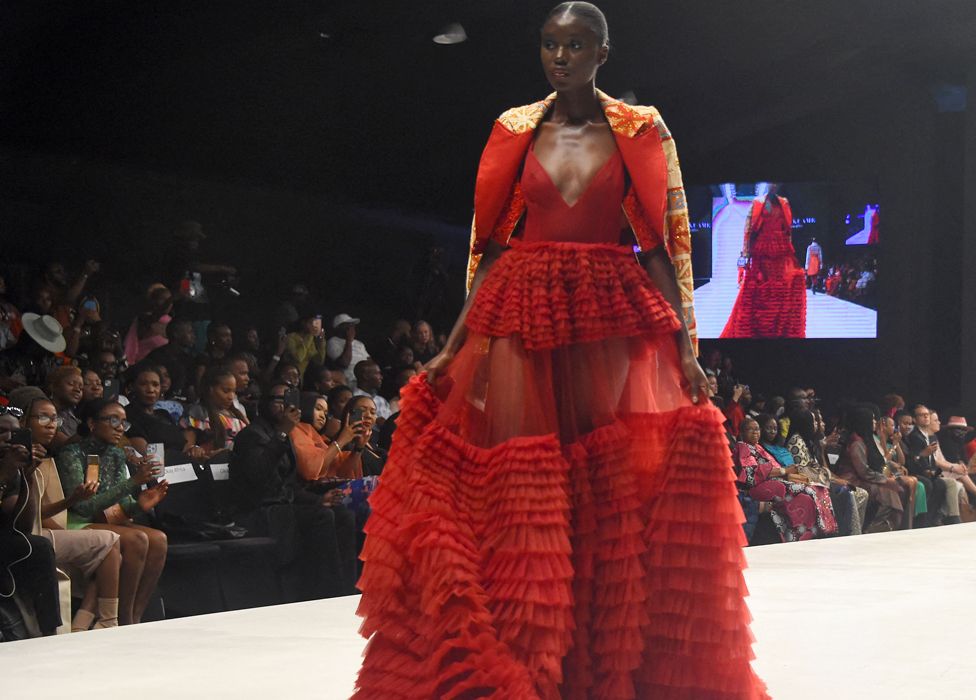
However, Ngxokolo is not the sole beneficiary of this surge in success. In recent years, numerous African luxury designers have made a significant impact on the global fashion landscape.
Starting from 2019, three South Africans—Thebe Magugu, Lukhanyo Mdingi, and Sindiso Khumalo—have clinched the prestigious LVMH Prize for emerging talent. Moreover, Beyoncé’s Africa-centric film, “Black Is King,” brought the continent’s top brands into the spotlight for Western audiences the subsequent year.
Vogue has also played a pivotal role in promoting African fashion. In 2022, a cover story shot in Ghana featuring actress Michaela Coel went viral, further shining a spotlight on the burgeoning fashion scene across the continent.
Africa “holds all the cards to become one of the next world fashion leaders”, according to a 2023 report from the UN’s cultural body Unesco.
Imane Ayissi founded his label in 2004 and his creations have been worn by Hollywood A-listers like Zendaya AFP
This past month goes some way to backing up Unesco’s forecast. Alongside MaXhosa, brands from Ghana, Nigeria and Cameroon have been launching new collections at the industry’s “big four” fashion weeks – Paris, Milan, London and New York.
After his show in Paris, ballet dancer-turned-designer Imane Ayissi tells the BBC “there’s been a “noticeable increase” in African showing at Europe’s fashion weeks.
“Six years ago, there were no designers from Africa in official Western fashion weeks,” he says.
Ayissi, the son of a Cameroonian champion boxer and a beauty queen, sent his models down the Paris runway wearing layers of taffeta and satin, into which he incorporated kente (a handwoven Ghanaian textile) along with traditional fabric from Burkina Faso.
Imane Ayissi’s latest collection juxtaposed materials like satin with traditional African fabric designs SHUTTERSTOCK
“The main inspiration is the way women, in a lot of different African countries, mostly in Western and Central Africa, use simple pieces of fabrics and drape them around their hips to create a kind of skirt, sometimes with several levels,” the designer says.
But why have African styles and textiles like this seen such a rise in popularity recently?
There are a variety of reasons, one being the 2020 coronavirus pandemic, says Frederica Brooksworth, chief executive of the Council for International African Fashion Education (CIAFE).
“For once, because everything was happening online and not many people were able to do things like fashion weeks, it was an amazing opportunity for Africa’s voice to actually be heard,” she tells the BBC.
She also points to the dizzying rise of the Afrobeats genre, the growth of successful fashion shows within Africa – like Lagos Fashion Week – and the impact of creatives in the diaspora.
Tolu Coker’s latest collection was a tribute to street vendors in West Africa AFP
Born in the UK to Nigerian parents, breakout designer Tolu Coker was among the handful of diasporans showcasing their heritage at London Fashion Week last month.
Her latest collection pays homage to the tenacity of West Africa’s street hawkers, who sell goods from kiosks or brave traffic to reach passing drivers.
“My mother used to hawk when she was younger… that’s a really big part of her story,” says Coker, whose fans include Rihanna and Afrobeats star Tiwa Savage.
A market stall was set up at the end of the runway for Tolu Coker’s London show AFP
Coker’s models marched down the Mayfair runway sporting razor-sharp tailoring, raffia bags and, in one instance a chic, multi-coloured suitcase – “a nod to the businesswoman”.
While championing Nigerian culture, Coker notes that diaspora designers like her are “privileged” and enjoy opportunities that their counterparts on the continent often cannot access.
Poor infrastructure, as well as a lack of formal education and investment, are among the challenges faced by designers working in Africa, Unesco says.
Laduma Ngxokolo
“Initially, I didn’t feel supported. I went to banks, I went to government funding agencies – most of the funding packages are for people that are into mining, the food business, farming.”
Bobby Kolade, founder of Ugandan brand Buzigahill, and who has presented his collections at Berlin Fashion Week, has similar gripes.
“I don’t think that our governments and our leaders see the value of small business. If we were creating 3,000 jobs at once, then they’d be on our side,” says Kolade, whose melding of fashion and activism piqued the interest of global media publications.
Buzigahill’s latest collection is inspired by workers in Kampala BUZIGAHILL
Africa does have an increasing market for luxury clothes at it has a growing middle-class – though its designer brands are currently only accessible to a “small, wealthy percentage”, Unesco says.
And some African governments are taking steps to support their designers. For instance, Kenya’s government helped to launch the Kenyan Fashion Council, while an initiative from the Central Bank of Nigeria funds some designers there.
There are also other upsides, Kolade stresses.
To him, Uganda’s capital, Kampala, is a wellspring of inspiration.
Buzigahill’s latest collection drew from the city’s security guards, tree surgeons and farmers who, according to Kolade, “don’t know how much swag they have”.
Fashion weeks from Lagos to Johannesburg show there is also a growing middle-class on the continent willing to spend on high-end brands AFP
His words reflect a common ethos among Africa’s designers – that of planting their cultures at the centre of their work, while still drawing the attention of the Western-led global fashion industry.
Two decades on from his amakrwala fashion debut, Ngxokolo is putting the final touches to his Paris Fashion Week show while also preparing to open his first New York store.
But, Ngxokolo insists, South Africa has always been his “priority”.
“The loyalty and the love that your people give you is great,” he says. “It’s a form of great sustainability for the business.”
Nigerian Gospel artist Moses Bliss shared a glimpse into the series of events that led to him crossing paths with his wife, Marie Wiseborn.
Moses recounted how he reached out to her via direct message (DM) after being impressed by her dance moves and requested her phone number.
However, Marie declined his request and suggested they continue their conversation on Instagram.
Undeterred, Moses turned to prayer, and eventually, he received a message from Marie herself, marking a pivotal moment in their journey together.
“I sent her a message and guess what, she answered. I now say [sic] ‘can you give me your number’ and she said ‘sorry, can we chat on Instagram,’ so I left her.
The gospel artist mentioned that he brought the matter to prayer. Upon his return online, he found a message from Marie saying, “Happy Sunday, Moses,” he revealed at the Bliss Experience 2024 on Friday, March 1st.
At the Bliss Experience 2024 on Friday, March 1st, the atmosphere was filled with love as Nigerian Gospel artist Moses Bliss opened up about the serendipitous events that led to him meeting his wife, Marie Wiseborn.
While the popular belief was that Marie caught Moses’s eye by dancing to his song “Miracle No Dey Tire Jesus,” Moses shared that there was more depth to their story.
Reflecting on the past year, Moses recounted how he believed that God had taken notice of his efforts in advancing the kingdom. In his view, celestial forces convened to determine the ideal partner to walk alongside him in his journey.
“And God just looked at me and God say Kai [sic] this boy has tried. This boy has been serving, I want to pamper him, I want to coordinate him, I want to give him direction,” Moses said amidst cheers from the crowd.
The gospel artist mentioned that it took some time for God to choose the perfect companion for him. However, once the decision was made, everything fell into place for his benefit.
“After the angels had walked through the earth, they said there is someone… Then the angel crossed Africa but could not find [her], entered Europe, and they now stopped at Birmingham, United Kingdom. They went and woke up the sister. They said ‘sister, wake up, do video and dance’,” he added amidst cheers.
He informed the audience that upon introspection, he was convinced that he must have been praying at that moment. After all, it would require a higher force for Marie to rise from bed at 1 am just to record a video of herself dancing.
“And God was on this other side saying ‘Sister Marie, you got to dance now’ and then she woke up, she did not want to dance but because I was still praying, she had to dance, and then when she danced she posted it. She now tagged everybody,” he added.
Moses went on to explain that shortly after he went online, he was utterly astonished by what he saw that he couldn’t help but exclaim “Jesus.” He further shared that for a solid two hours, he found himself continuously scrolling down, captivated by her beauty.
“And finally I sent her a message and guess what, she answered. I now say [sic] ‘can you give me your number’ and she said ‘sorry, can we chat on Instagram,’ so I left her.
The gospel artist mentioned that he brought the matter to prayer. Upon his return online, he found a message from Marie saying, “Happy Sunday, Moses.”
Sharing her perspective, Marie explained that the Holy Spirit prompted her not to ignore Moses’s message but to respond politely.
Although initially hesitant as she didn’t know how to respond, she felt compelled to reply with “Happy Sunday, Moses” as instructed. This simple exchange ultimately led to their union in marriage.
Opambour, also known as Prophet Ebenezer Adarkwa Yiadom, has responded to the tragic passing of Bernice Asare’s eldest child.
The actress’s first child reportedly succumbed to illness after a two-year battle.
Opambour’s involvement in the situation drew attention to a 2020 video where he placed curses on Bernice Asare and her reproductive abilities, in response to allegations made against him by someone named Dominic during an interview hosted by Bernice Asare.
Many speculate that these curses may have played a role in the child’s demise.
In his reaction to the news, Opambour mentioned being aware of the child’s illness and efforts by other pastors to counter the curses.
He ominously predicts that Bernice Asare will suffer a similar fate, with her other children facing a similar demise.
According to Opambour, only divine intervention can alter this outcome.
The United States conducts its inaugural air drop of aid for Gaza, delivering over 30,000 meals via three military planes.
A spokesperson for the US Central Command informed AFP news agency that the drop was carried out by three C-130 transport planes.
According to sources from the US, as reported by CBS, this air drop marks the beginning of a series of such deliveries.
President Joe Biden has pledged increased aid to the region following the tragic incident on Thursday, where over 100 individuals lost their lives while seeking assistance from a convoy.
This developing news story is continuously updated, and additional details will be provided shortly. Please refresh the page for the latest information.
Although John Mahama remains a prominent figure within the National Democratic Congress (NDC), key party stalwarts have expressed reservations about his bid for the presidency in Ghana this year.
Former Vice President Amisah Arthur has publicly expressed feeling undervalued by Mahama in the past.
Additionally, both Prof. Alabi and Spio Garbrah have made comments regarding the NDC flagbearer that do not bode well for his aspirations in the upcoming 2024 elections.
These sentiments highlight significant disagreement and criticism within the party regarding Mahama’s leadership.
Refer to the post below as it has more comments from other members of the NDC:
*Let's keep reminding ourselves of what NDC says about their Own Messiah John Mahama*
*Amisah Arthur* "John Mahama made me useless and armchair vice president and use his wife as vice President "
*Prof Alabi* "John Mahama has two groups of boys Those with sharp teeth and those… pic.twitter.com/n2Jq3qot3d
— Abdul Rauf Ibrahim (@AbdulRaufIbra20) March 2, 2024
A social media user is wondering why Health Minister Mr. Agyeman Babu is walking around freely when there are accusations that he caused the country to lose about $80 million.
The Auditor-General reported in Jan 2022 that $80m worth of vaccines paid for by the government have not been delivered.
It said government disbursed more than $120 million to the United Nations Children’s Fund (UNICEF) and the African Vaccine Acquisition Trust (AVAT), but only goods valued at $38 million were received.
In addition, the report revealed that out of the over US$2.5bn (¢21bn) raised for Covid-19 efforts, only 25% (¢5.5bn) was allocated to healthcare. The remaining funds were directed towards government initiatives like Free SHS and LEAP.
Furthermore, Health Minister Kwaku Agyemang Manu defended his decision not to seek Parliamentary approval for a contract with Sheik Maktoum to procure Covid-19 vaccines in 2021.
The Health Minister caused financial loss of about $80m without parliamentary approval and he’s walking about without any repercussions? Man. That’s crazy. pic.twitter.com/tCRZyATQXB
Australia observed a moment of silence at Sydney’s annual Mardi Gras Pride, a week following the tragic deaths of a gay couple, journalist Jesse Baird, 26, and Qantas flight attendant Luke Davies, 29, whose bodies were discovered at a rural property outside Sydney.
Beaumont Lamarre-Condon faces two counts of murder in connection with the incident.
While Mardi Gras organizers initially sought to exclude police presence from the event, negotiations led to the inclusion of plain-clothed officers.
During the parade, participants paused to honor the memory of Mr. Baird and Mr. Davies, described as an opportunity for collective reflection and solidarity.
Qantas, Mr. Davies’ former employer, paid tribute to him on its parade float, honoring his legacy as a former cabin crew member.
Image caption,More than 12,000 people are expected to march in the parade
Gil Beckwith, the CEO of Sydney Gay and Lesbian Mardi Gras, announced that this year’s parade theme is “Our Future,” emphasizing reflection on the past and recognizing the community’s progress over the past few decades.
Sydney’s Mardi Gras parade has a multifaceted history, intertwining LGBT activism and instances of police brutality. The inaugural march in 1978 witnessed numerous participants being subjected to violence and arrest by local law enforcement.
Despite the adversity faced, this event is now regarded as a pivotal moment of resistance, laying the groundwork for Australia’s contemporary LGBT rights movement. It also prompted reforms addressing homophobic legislation and law enforcement practices.
Image caption,The bodies of Jesse Baird, 26, and Luke Davies, 29, were found in Bungonia, New South Wales
Uniformed police have participated in Sydney’s Mardi Gras parade for the last two decades, but this year’s organisers said the decision to ban officers was essential to create a safe environment “to protest, celebrate” and “honour and grieve those we’ve lost”.
Police allege the killings were “of a domestic nature” and not a “gay-hate crime”.
On February 23rd, Mr. Lamarre-Condon, a senior constable with the New South Wales Police, faced charges of murdering Mr. Davies and Mr. Baird. Allegedly, he used his police-issued handgun in the incident.
The 28-year-old, who had a prior relationship with Mr. Baird, has not yet entered a plea.
The entertainment industry is reeling from startling news of Kumawood actor Papa Kumasi purportedly experiencing a decline in mental health following an altercation with a 13-year-old girl.
Reports indicate that Papa Kumasi is now seen wandering the streets of Asafo Labor Roundabout in Kumasi, displaying signs of mental distress.
While the specific details of the altercation are unclear, eyewitnesses suggest it involved the young girl.
Fans and colleagues of Papa Kumasiare increasingly worried about his well-being, expressing disbelief and sadness about the situation.
Prophet Ajagurajah, popularly known as “Chop Bar Sofo,” has issued a stern warning to Ghanaian musician Kwaw Kese, threatening to make the country unbearable for him.
The conflict arose after Kwaw Kese released a trending song featuring Kofi Mole titled “Awoyo Sofo,” in which neither artist directly mentioned Ajagurajah.
However, the prophet interpreted certain lyrics as veiled attacks on him, prompting him to respond with his own musical retort.
In retaliation, Kwaw Kese released a video mimicking the controversial religious figure, further exacerbating the situation.
Expressing his displeasure with Kwaw Kese’s actions, Ajagurajah took to social media in a viral video, condemning the musician’s behavior as disrespectful not only to himself but to all spiritual leaders.
Declaring that he has reached his limit with Kwaw Kese’s antics, Ajagurajah vowed to take action to rectify the situation, threatening to make Ghana unbearable for the musician as a consequence.