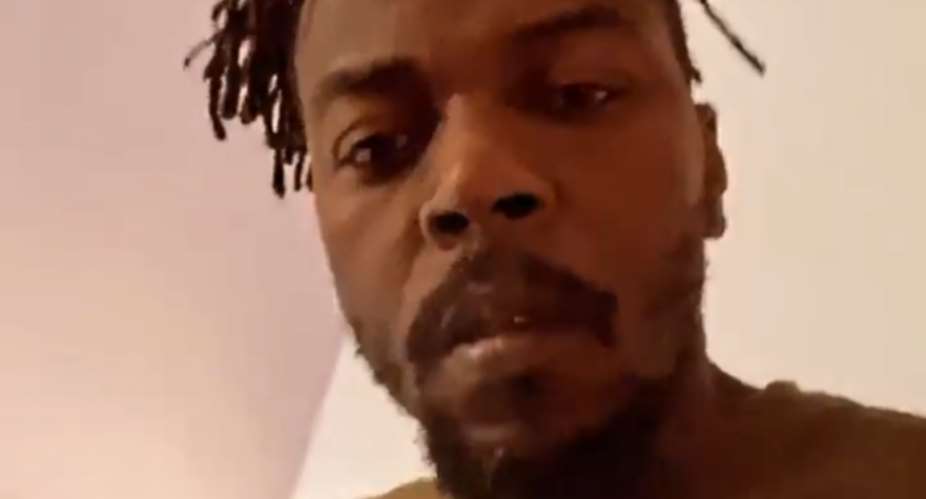
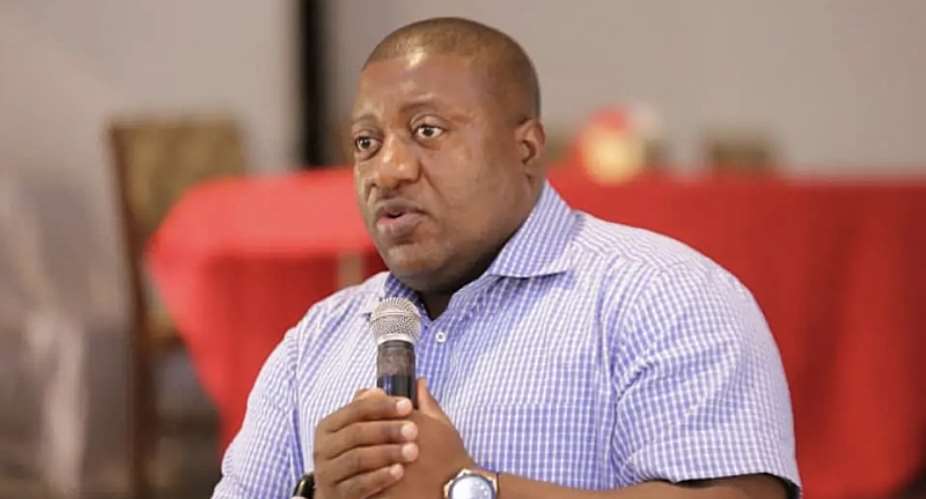
Rapper Kwaw Kese recently opened up about his ongoing battle with depression, revealing that it has plagued him for over a decade.
Speaking with 3Music, Kwaw Kese shared that his struggles with mental health began in 2014, following the tragic murder of his manager, Fennec Okyere. Fennec Okyere, the CEO of Madtime Entertainment, was brutally killed by unknown assailants who invaded his home in Accra on March 13, 2014.
The loss of his dear friend and colleague sent Kwaw Kese into a downward spiral of grief and emotional turmoil, marking the beginning of his enduring struggle with depression.
Reflecting on the traumatic event, Kwaw Kese disclosed the profound impact it had on his mental well-being, admitting, “It’s hard to say this but for like 10 years, I’ve been depressed.”
Despite receiving supportive messages from fans encouraging him to continue pursuing his music career, Kwaw Kese found himself grappling with inner turmoil and a profound sense of loss.
Adding to his anguish was the lack of societal support for those grappling with mental health challenges in Ghana. Afraid of facing stigma and ridicule, Kwaw Kese chose to deal with his struggles alone, resorting to solitary coping mechanisms such as travel and prayer.
“In Ghana, there’s this perception that when you tell your problems, you become a laughing stock,” Kwaw Kese lamented, shedding light on the pervasive stigma surrounding mental health issues in the country.
Despite the daunting obstacles he faced, Kwaw Kese resolved to embark on a journey of self-healing and renewal in 2024. Determined to honor the memory of his late manager and reignite his passion for music, the resilient rapper expressed his commitment to reclaiming his rightful place in the industry.
“This year, I finally said to myself that it’s enough. You have to make your brother proud and do things that would bring you back to the level you guys were when he was around,” Kwaw Kese affirmed, underscoring his resolve to overcome adversity and emerge stronger than ever before.
In Kenya, a company is exemplifying the adage, “one person’s waste is another person’s treasure,” by transforming plastic waste into valuable assets.
On a February morning, a team of women gathers on a Mombasa beach to collect plastic waste, which will be repurposed to construct freezers.
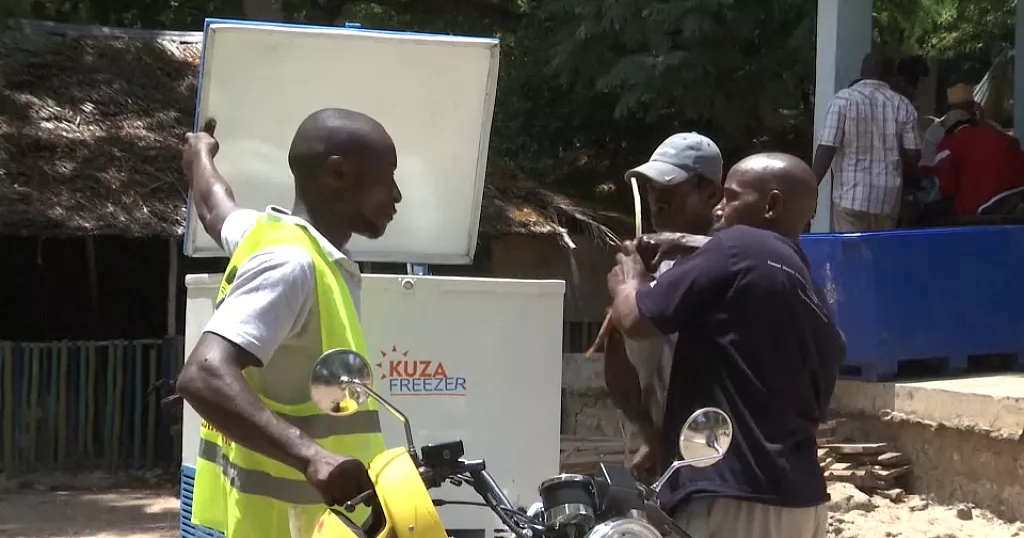
The collected waste is sold to Kuza Freezer, where workers process it into pellets before molding it into cold storage units.
Each freezer is equipped with a battery that can be recharged using a solar panel.
With just a two-hour charge, the freezers can operate for up to seven hours.
“Kuza Freezer is a youth-led company based in Mombasa, Kenya. And we are focused on providing cold storage solutions to small-scale businesses in the fish value chain and enabling them to sustainably improve their income and reduce post-harvest losses,” says Purity Gakuo, CEO Kuza Freezer.
Kuza Freezers, operational for three years, has distributed over 350 units to various customers, including fish traders, poultry and milk vendors, and ice vendors.
Gakuo, a representative of the company, highlights the diverse range of products available, from static freezers for fishing boats to units suitable for installation at premises. Additionally, they offer a motorbike-mounted freezer with a 70-liter capacity, facilitating efficient fish delivery.
The company provides complimentary installation and training to customers, along with fitting each unit with a tracking device for maintenance monitoring.
Priced at Ksh 100,000 ($700), the freezers are available with installment payment options, proving to be a worthwhile investment for many.
For customers like Abdalla Ali, adequate storage is critical. Ali emphasizes the challenges faced with storing fish, particularly during transportation, where ice depletion and hot weather can jeopardize the quality and result in losses.
Nickson Otieno, CEO of a Nairobi-based sustainability consulting firm, underscores the significance of the product in addressing two major challenges in Kenya: pollution and hunger.
“Number one is the issue of food security resulting from food losses.
Food losses come about because we produce food which are perishable, but then we do not have enough infrastructure to deliver that food to the end consumers in time while it is fresh,” says Otieno.
“Secondly, we have a lot of issues of waste and especially plastic waste, which is choking our environment. By them taking up this waste, recycling it, and using it to make the external body of the freezers, also addresses the challenge of this waste,” the CEO of Nikogreen concludes.
Ghanaian reggae/dancehall artist Abdul Razak, also recognized as Iwan, has voiced frustration over the media’s perceived lack of support for his songs, attributing it to the lyrical content he selects.
He asserted that despite his endeavors to promote his music, he feels overlooked by the media.
“The issue is always straightforward. The media is not promoting me. I am doing all I can, but I am not getting support. The media have sidelined me, making it appear as if some of us are not trying,” he expressed.
The “Who Is Bad” hitmaker claims that his talent is underappreciated and that people want him to sing about immoral subjects, which he will never do. He declared that he wants to sing about uplifting issues that society needs to hear about.
“Some people don’t understand how a talented artist like Iwan is not gaining traction. Perhaps, they want us to conform to the trend of singing about immoral subjects, but I will always decline that and speak about positive issues that urgently need attention in our society”, he added.
He also encouraged fellow musicians to leverage their art to address societal issues that hold significance for them, including homosexuality.
He emphasized that he will always uphold the truth through his music, acknowledging that many artists shy away from discussing such topics due to concerns about losing their audience.
“I will always speak about it because that is what our songs are supposed to do. Let us be bold and address these issues, as our songs are meant to help correct societal ills,” he said.
Ghanaian reggae/dancehall artist Abdul Razak, also recognized as Iwan, has voiced frustration over the media’s perceived lack of support for his songs, attributing it to the lyrical content he selects.
He asserted that despite his endeavors to promote his music, he feels overlooked by the media.
“The issue is always straightforward. The media is not promoting me. I am doing all I can, but I am not getting support. The media have sidelined me, making it appear as if some of us are not trying,” he expressed.
The “Who Is Bad” hitmaker claims that his talent is underappreciated and that people want him to sing about immoral subjects, which he will never do. He declared that he wants to sing about uplifting issues that society needs to hear about.
“Some people don’t understand how a talented artist like Iwan is not gaining traction. Perhaps, they want us to conform to the trend of singing about immoral subjects, but I will always decline that and speak about positive issues that urgently need attention in our society”, he added.
He also encouraged fellow musicians to leverage their art to address societal issues that hold significance for them, including homosexuality.
He emphasized that he will always uphold the truth through his music, acknowledging that many artists shy away from discussing such topics due to concerns about losing their audience.
“I will always speak about it because that is what our songs are supposed to do. Let us be bold and address these issues, as our songs are meant to help correct societal ills,” he said.
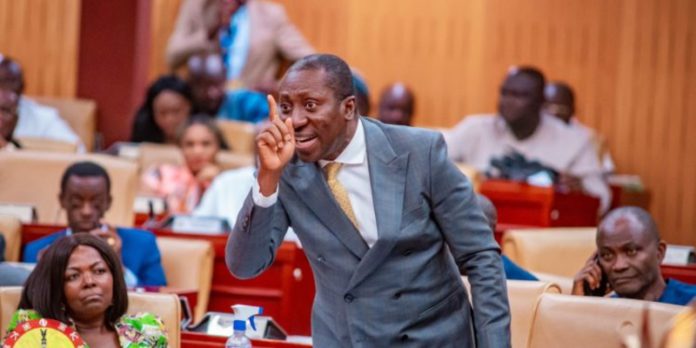
In a poignant speech addressed to his colleagues in Parliament, Alexander Afenyo-Markin conveyed profound gratitude as he assumed the prestigious role of Majority Leader, a position he once considered beyond reach.
“I never envisioned this day,” remarked Afenyo-Markin during the parliamentary session on Friday, February 23.
Sharing personal anecdotes, he recounted the trials he faced, particularly in Winneba, where his political journey commenced. Afenyo-Markin revealed that in 2004, he almost abandoned his parliamentary aspirations due to concerns about his youthfulness.
However, the tide turned in 2012 when he secured victory in the parliamentary elections, representing the people of Effutu in Parliament. His unwavering determination and commitment to public service propelled him past the obstacles that once seemed insurmountable.
Looking ahead, Afenyo-Markin pledged to foster unity between the Minority and Majority in Parliament.
Addressing the Minority Leader, he affirmed his dedication to bipartisanship, emphasizing the importance of cooperation for the well-being and harmony of the house.
In a poignant speech addressed to his colleagues in Parliament, Alexander Afenyo-Markin conveyed profound gratitude as he assumed the prestigious role of Majority Leader, a position he once considered beyond reach.
“I never envisioned this day,” remarked Afenyo-Markin during the parliamentary session on Friday, February 23.
Sharing personal anecdotes, he recounted the trials he faced, particularly in Winneba, where his political journey commenced. Afenyo-Markin revealed that in 2004, he almost abandoned his parliamentary aspirations due to concerns about his youthfulness.
However, the tide turned in 2012 when he secured victory in the parliamentary elections, representing the people of Effutu in Parliament. His unwavering determination and commitment to public service propelled him past the obstacles that once seemed insurmountable.
Looking ahead, Afenyo-Markin pledged to foster unity between the Minority and Majority in Parliament.
Addressing the Minority Leader, he affirmed his dedication to bipartisanship, emphasizing the importance of cooperation for the well-being and harmony of the house.
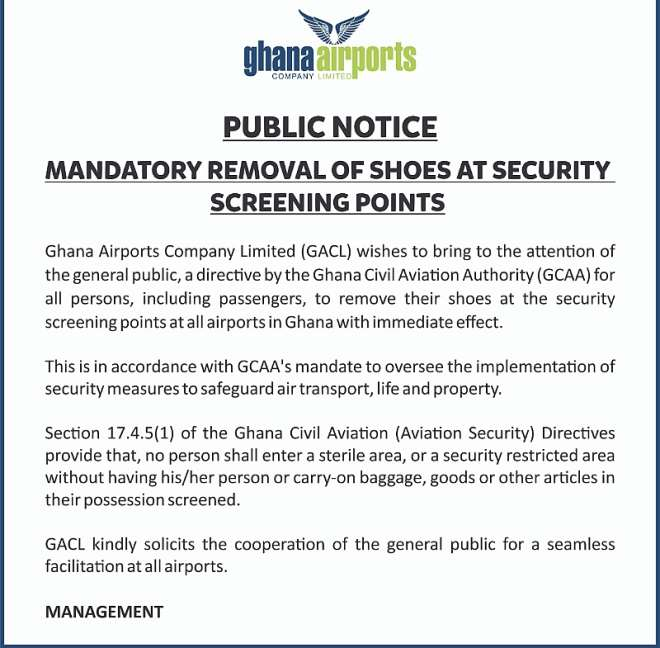
The Ghana Airports Company Limited (GACL) has formally declared the immediate enforcement of a compulsory shoe removal policy for all travelers at security screening points in the country’s airports.
This directive, mandated by the Ghana Civil Aviation Authority (GCAA), is in line with its responsibility to bolster security measures for air transport, as well as the protection of lives and property.
“Ghana Airports Company Limited (GACL) wishes to bring to the attention of the general public, a directive by the Ghana Civil Aviation Authority (GCAA) for all persons, including passengers, to remove their shoes at the security screening points at all airports in Ghana with immediate effect,” GACL said in a statement.
“Section 17.4.5(1) of the Ghana Civil Aviation (Aviation Security) Directives provide that no person shall enter a sterile area or a security restricted area without having his/her person or carry-on baggage, goods, or other articles in their possession screened,” the statement added.
Nonetheless, in order to guarantee smooth operations at airports across the nation, the GACL asked the general public to comply with the new directive.
“GACL kindly solicits the cooperation of the general public for a seamless facilitation at all airports,” it concluded.
The Delta State High Court has rejected Nigerian singer Davido’s request for a stay of proceedings in the two billion naira breach of contract lawsuit filed against him by Brownhill Investment Company Limited.
In the lawsuit, the claimant is seeking N2 billion in general damages against Davido, along with N150 million for legal and professional fees and an additional N30 million for the cost of filing the suit.
The defendants in the case are David Adeleke, also known as “Davido,” and his music label, Davido Music Worldwide Limited.
During the hearing, Davido’s counsel, Mr. Norrison Quakers, SAN, informed the court about a pending appeal and filed a motion for a stay of proceedings. However, he later withdrew the motion, stating that the Court of Appeal had jurisdiction over the matter.
The claimant’s counsel, Kelechi Onwuegbuchulem, did not oppose the withdrawal of the motion, and the court granted it accordingly.
In a bench ruling, the court agreed with the claimant’s argument, stating that proceedings would continue in the High Court until an order staying further proceedings is obtained from the Court of Appeal. The court also granted a motion seeking to regularize the claimant’s reply to the statement of defense and directed the filing of Pre-Trial Conference (PTC) forms within 14 days as per court rules. The case was adjourned to March 21, 2024, for a pre-trial conference.
It’s worth noting that Davido had previously challenged the court’s jurisdiction, arguing that the case should not be heard in Effurun. However, the court dismissed this preliminary objection in its ruling.
The New Patriotic Party (NPP) has denied claims that former Majority Leader in Parliament Osei Kyei-Mensah-Bonsu was forced out of his position.
According to the National Organizer of the NPP, Henry Nana Boakye, popularly known as Nana B, Kyei-Mensah-Bonsu voluntarily stepped down.
Speaking to journalists after a National Council meeting on Friday, Nana B said “He was not ousted. You notice that he voluntarily stepped down from his position.”
He explained, “Now he is taking another important position. Now he is the Chairman of NPP’s manifesto committee. And again, he will still be the minister in charge of parliamentary affairs.”
Nana B added that “So, for us, that is okay. It’s a new mandate. I mean, change is good. We have consensus building on this particular matter and he’s still there.”
The gathering confirmed Alexander Afenyo-Markin, Member of Parliament for Effutu, as the new Majority Leader in Parliament, effective from Friday, February 23.
The reconstituted majority caucus comprises Deputy Majority Leader Patricia Appiagyei, Majority Chief Whip Frank Annor Dompreh, and Deputy Majority Whips Habib Iddrisu and Alex Tetteh Djonobuah.
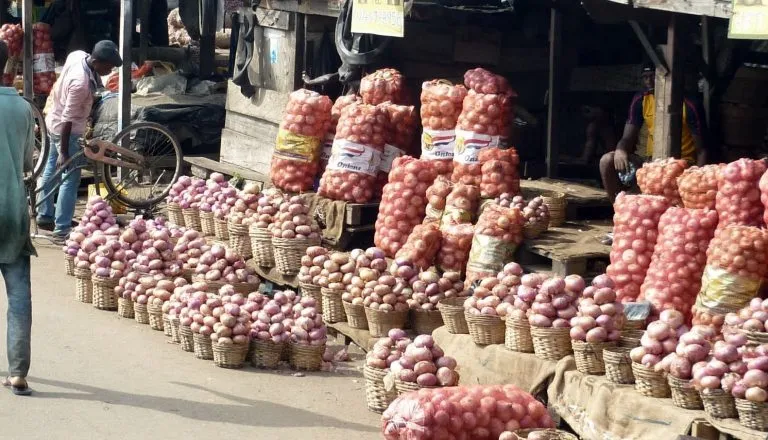
The Onion Sellers Association of Ghana has reassured the public regarding concerns over a potential increase in onion prices due to Niger’s withdrawal from the Economic Community of West African States.
Despite worries of price hikes and shortages, onion prices have remained stable. Mr. Ali Umar, Public Relations Officer for the association, emphasized in an exclusive interview with the Ghana News Agency (GNA) that onions continue to be sold at previous market prices across various outlets in Accra and nationwide.
“We want to assure Ghanaians that there has not been any blockade in Niger to necessitate a price increment or shortage. Right now, everything is going smoothly, and all is well.
“We have enough onions to supply the country right now, so there is no problem. We are fully aware of Niger’s exit from ECOWAS, but it has not affected onion supply in any way,” he said.
In a joint communiqué on January 28, 2024, Niger, Mali, and Burkina Faso announced their withdrawal from the sub-regional body, citing various reasons such as the bloc’s deviation from its core objectives and perceived influence from foreign powers.
Experts have cautioned about the possibility of a food crisis in nations dependent on exports from these three countries.
Mr. Umar provided assurance to Ghanaians that onion prices would remain steady, countering misleading claims of an imminent blockade. Last year, ECOWAS initially sanctioned Niger in July, resulting in increased prices of onions and other agricultural products imported from the country.
The Onion Sellers Association of Ghana has reassured the public regarding concerns over a potential increase in onion prices due to Niger’s withdrawal from the Economic Community of West African States.
Despite worries of price hikes and shortages, onion prices have remained stable. Mr. Ali Umar, Public Relations Officer for the association, emphasized in an exclusive interview with the Ghana News Agency (GNA) that onions continue to be sold at previous market prices across various outlets in Accra and nationwide.
“We want to assure Ghanaians that there has not been any blockade in Niger to necessitate a price increment or shortage. Right now, everything is going smoothly, and all is well.
“We have enough onions to supply the country right now, so there is no problem. We are fully aware of Niger’s exit from ECOWAS, but it has not affected onion supply in any way,” he said.
In a joint communiqué on January 28, 2024, Niger, Mali, and Burkina Faso announced their withdrawal from the sub-regional body, citing various reasons such as the bloc’s deviation from its core objectives and perceived influence from foreign powers.
Experts have cautioned about the possibility of a food crisis in nations dependent on exports from these three countries.
Mr. Umar provided assurance to Ghanaians that onion prices would remain steady, countering misleading claims of an imminent blockade. Last year, ECOWAS initially sanctioned Niger in July, resulting in increased prices of onions and other agricultural products imported from the country.
Ghana’s efforts to mitigate the escalating impacts of climate change on its agricultural sector face a significant challenge due to a widening climate finance gap, estimated at around US$14.25 billion annually.
Dr. Victor Antwi, Chief of Party at Feed the Future Ghana Mobilizing Finance in Agriculture (MFA) Activity, highlighted this concerning gap during the opening session of a three-day USAID Climate Finance Conference in Accra.
Dr. Antwi emphasized the urgency of bridging this gap to ensure the implementation of robust measures to safeguard Ghana’s agricultural sector.
He referenced a study by Pangea Global Ventures indicating that only five percent of Ghana’s annual US$15 billion climate finance requirements are currently met.
He stressed the need for stakeholders to share information on the effects of climate change on Ghana’s agriculture and facilitate sustained flow of climate capital to both public and private sectors.
The agricultural sector, according to Dr. Antwi, faces significant risks from climate change, including increased temperatures, changing precipitation patterns, and more frequent extreme weather events.
These challenges threaten global food security and the livelihoods of farmers if agricultural systems are not made more resilient.
Key barriers hindering the flow of climate finance include difficulties in designing bankable projects and challenges faced by smallholder farmers in accessing finance.
Dr. Antwi called for an integrated approach to climate finance and action on agriculture, stressing the importance of adapting agricultural systems to climate change impacts, adopting mitigation measures, and building resilience for the future.
The USAID Climate Finance Conference, hosted by the Feed the Future Ghana MFA Activity in collaboration with Policy LINK, Market Systems and Resilience, and Africa Trade and Investment Activities, aims to mobilize resources for adaptation and mitigation.
Over the course of the event, stakeholders from the public and private sectors, as well as development partners, will share information, resources, lessons learned, and best practices to attract investment and better manage climate risks.
USAID-Ghana Mission Director Kimberly Anne Rosen underscored the importance of responding effectively to the climate crisis to protect natural resources and provide opportunities for vulnerable populations. While Ghana has made strides in combating climate change, Madam Rosen acknowledged that the country requires additional resources to meet its Nationally Determined Contributions under the Paris Climate Agreement. She reaffirmed USAID’s commitment to supporting ambitious actions to address the climate crisis.
In the aftermath of quality test failures on a consignment of petrol produced by Sentuo Oil Refinery Limited (SORL), the National Petroleum Authority (NPA) of Ghana has imposed sanctions on the company.
In a statement dated February 22, the NPA confirmed that it has instructed SORL to cease sales and evacuation of the defective product. This action was taken after it was discovered that the petrol’s vapour pressure exceeded national standards.
In addition to the remedial actions taken, the National Petroleum Authority (NPA) has imposed further sanctions on Sentuo Oil Refinery Limited (SORL).
These sanctions follow criticism from Ghana’s Institute of Energy Security (IES) and Chamber for Petroleum Consumers (COPEC), who had accused the regulator of being too lenient with the new refinery.
“During NPA’s monitoring and verification exercise on the 16th of February 2024, the petrol consignment in question was noted to exhibit vapour pressure above the maximum requirement per the Ghana Standard for Petrol, GS 140:2022,” the statement reads in part.
In addition to the remedial actions taken, the National Petroleum Authority (NPA) has imposed further sanctions on Sentuo Oil Refinery Limited (SORL).
These sanctions follow criticism from Ghana’s Institute of Energy Security (IES) and Chamber for Petroleum Consumers (COPEC), who had accused the regulator of being too lenient with the new refinery.
“It is incorrect and alarmist for the IES and COPEC to allege that the NPA is ‘playing soft’ with SORL ‘to the detriment of consumers and the state’,” the NPA statement shoots back.
Given that the refinery only obtained authorization for a test run in October 2023, concerns concerning quality control are raised by SORL’s failure to meet national standards.
On Friday, February 23, Osei Kyei-Mensah-Bonsu, the Member of Parliament for Suame, formally announced his resignation as Majority Leader in Parliament.
Addressing the assembly, he clarified that his decision was entirely voluntary and not influenced by any external pressures, as suggested in certain media reports.
Mr. Kyei-Mensah-Bonsu urged members of the Majority Caucus to offer their full support to his successor, Alexander Afenyo-Markin, by providing him with all necessary assistance.
“On Wednesday, February 21, at a meeting with the caucus and the President, I formally announced my decision to resign as the Majority Leader in order to still the storm and facilitate the peace and unity for the party at this time,” he said.
Below is the new front bench of the Majority Caucus:
1. Majority Leader: Alexander Afenyo-Markin, MP for Effutu
2. Deputy Majority Leader: Patricia Appiagyei, MP for Asokwa
3. Majority Chief Whip: Frank Annoh Dompreh, MP for Nsawam/Adoagyiri
4. First Deputy Majority Chief Whip: Habib Iddrisu, MP for Tolon
5. Second Deputy Majority Chief Whip: Alex Tetteh Djornobuah, MP for Sefwi Akontombra
A former Convention People’s Party (CPP) General Secretary, James Kwabena Bomfeh, popularly known as Kabila has slammed Vice President of IMANI Africa, Kofi Bentil over his “attack” on the first Deputy Speaker of Parliament and Member of Parliament for Bekwai, Joseph Osei-Wusu, popularly known as Joe Wise.
In a press briefing, the Majority caucus in Parliament dismissed rumors of leadership changes, emphasizing confidence in the current leadership.
However, Kofi Bentil contended that the party’s flagbearer and Vice President, Dr. Mahamudu Bawumia, should have the opportunity to “run this show” and rearrange positions, suggesting that Parliamentary leadership be given to the now newly appointed Majority Leader in parliament, Afenyo-Markin, hailing from the Central Region.
“Let the Flagbearer run this show and don’t mess with Central Region. There is no better person to lead in Parliament than Alex Markin. Apart from his demonstrated competence and loyalty, he is from the strategic Central Region! It’s near impossible to lose CR and win the election!! I can’t understand why his ascent will be resisted by persons on their way out. I really thought uncle Kyei will be gracious about this, and leave in glory after his illustrious career in Parliament. It’s not too late. Uncle Kyei Please let Alex move up, be the one to hand your seat to him graciously!!. If as we suspect the VP slot will go to Ashanti then please give Parliament to Alex from Central. I don’t know what the Flagbearer thinks but I think this is the best way, and hope everyone will listen to him and let him steer this ship,” Kofi Bentil wrote on Facebook.
In response, Kabilla, asserted that questioning the Bekwai legislator’s Press Conference amounts to an attack on him.
Kabilla stated that Joe Osei Owusu’s press conference was prompted by speculations circulating on social media, a phenomenon he strongly condemns.
”Who in the NPP or majority caucus does not want to appoint Afenyo Markin as majority leader. So what is the basis for his text?”
‘I don’t think it is right. As much as I agree that the first deputy speaker ought not to have done that, I also do not think Kofi Bentil’s text is in good faith or right,” Kabilla said.
First Deputy Speaker of Parliament, Joseph Osei-Owusu, has stated that he has no interest in assuming the role of Majority Leader.
He expressed contentment with his current position as the First Deputy Speaker of Parliament when asked if he would consider becoming the new Majority Leader following the resignation of Osei Kyei-Mensah-Bonsu.
He mentioned that although he had come across potential candidates speculated in the media to succeed Mr. Kyei-Mensah-Bonsu, the Majority Caucus has not reached a decision yet.
Before Mr. Kyei-Mensah-Bonsu declared his resignation, the First Deputy Speaker had spearheaded the Majority caucus in convening a press conference.
During this conference, he emphasized that any assertions suggesting the Majority Caucus intended to alter its leadership should be dismissed.
However, after Mr Kyei-Mensah-Bonsu’s resignation, the Bekwai MP said, “I am personally disappointed that Kyei decided to stand down; he has been a fantastic leader who is extremely hardworking and I would have wished that he stayed on to the end.”
Speaking to the press, Mr Osei-Owusu said, “Kyei’s resignation got to me as a surprise. As to what got to him, I am sure we better let him explain.”
The National Petroleum Authority (NPA) refuted claims made by the Institute of Energy Security (IES) and the Chamber for Petroleum Consumers (COPEC) accusing the regulator of being lenient with Sentuo Oil Refinery Limited (SORL).
In response to a report from IES and COPEC alleging that the refinery had supplied fuel that didn’t meet regulatory specifications, the NPA issued a statement. The NPA has since withdrawn approval for Sentuo Oil Refinery to supply the product in question.
The NPA emphasized that it has consistently enforced industry regulations fairly and impartially.
“It is therefore incorrect for the IES and COPEC to allege that the NPA is “playing soft” with SORL “to the detriment of consumers and the state. Beyond the construction permit, the NPA, issued SORL with a test-run authorisation in October of 2023, based on a report by its technical teams and external inspectors. The test-run authorisation expires on the 31st of March 2024. It is therefore, incorrect for IES and COPEC to state that SORL has only a construction permit”, the statement said.
It made it clear that a refinery can release goods based on national standards onto the market with a test-run permit.
“During NPA’s monitoring and verification exercise on the 16th of February 2024, the petrol consignment in question was noted to exhibit vapour pressure above the maximum requirement per the Ghana Standard for Petrol, GS 140:2022. The NPA immediately directed the suspension of sale of the consignment at the refinery and further directed the evacuation of the product from the affected stations”.
Denying that the situation caused damage to drivers’ vehicles, the NPA described the claims made by the IES and COPEC as false and alarmist.
“No such damage to vehicles has occurred as the defect has to do with high vapour pressure”.
The NPA however said “beyond the remedial actions taken, sanctions have also been imposed on Sentuo Oil Refinery Limited.
“The NPA remains dedicated to ensuring the integrity and quality of petroleum products made available to the public. The NPA also wishes to assure the public that it enforces the rules without bias and in the interest of the consuming public”, the stamen ended.
Zambia continues to grapple with nearly $7 billion in debt, despite a previous agreement with bilateral lenders last year that addressed over $6 billion of the debt.
The remaining $7 billion is owed to bondholders and commercial banks.
The country’s efforts to secure debt relief have been arduous, with a deal to restructure approximately $3 billion of debt with bondholders being rejected by official creditors in October.
Led by France, China, and South Africa, these creditors argued that the terms agreed upon by Zambia with bondholders did not align with the concessions granted by the official lenders.
Zambia’s journey through these challenges is closely monitored by Ethiopia and Ghana, who are next in line for debt restructuring.
Andrew Chibuye, the Country Senior Partner at PWC in Zambia, joins our show to shed light on the lengthy pursuit of debt relief by the copper-producing nation.
In other news, trade between China and Africa reached $282 billion in 2023, marking the 15th consecutive year that Beijing has been the continent’s largest trading partner.
Chinese exports to African nations increased by 7.5% to $173 billion, while imports from Africa saw a 6.7% decline to $109 billion, resulting in a trade surplus of $64 billion for China.
Meanwhile, Cameroon recently hosted a ‘Made in Africa’ expo, highlighting efforts by African countries to reduce reliance on the export of raw materials and commodities.
The event showcased manufacturers exploring opportunities presented by the African Continental Free Trade Area (AfCFTA) and foreign markets as they work towards industrialization amidst global challenges such as pandemics and conflicts.
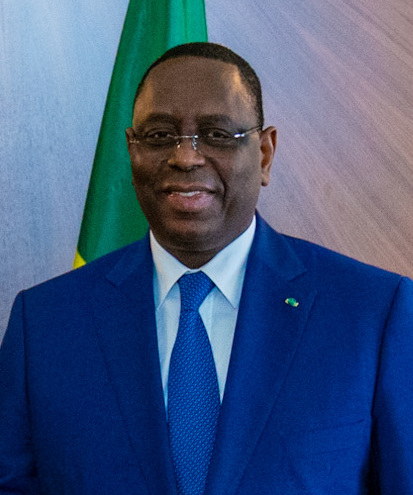
Senegal’s president, Macky Sall, has pledged to uphold the law and refrain from extending his mandate beyond April 2nd.
Despite postponing the presidential election for 10 months due to unresolved disputes over eligible candidates, his decision was deemed illegal by the Constitutional Court.
Sall addressed the nation on live television on Thursday, February 22nd.
“Having been sworn in on 2 April 2019, 2 April 2024 completes the five-year calendar, so that’s the end of the Mandate. And I intend to stop at this mandate. After April 2, I intend to step down as President of the Republic.”
Sall’s statements follow the ruling coalition’s decision to prolong his tenure in early February.
During the session, certain opposition lawmakers departed as the national assembly rearranged the election date for December.
Opposition factions continue to exert pressure on Sall, who announced plans to engage in discussions next week.
“The country cannot remain without a President of the Republic. The forthcoming dialogue will certainly have to decide or propose whether a consensus can be reached on the way forward. I hope that the [political] players who are to gather around me to look at the nation’s best interests […] I’ll listen to what the dialogue has to say, and after the dialogue, the Constitutional Council will certainly be able to clarify things.”
Fifteen out of the twenty candidates endorsed to participate in the postponed presidential elections have joined together to demand that the vote take place by April 2nd at the latest.
While Senegal has long been regarded as one of West Africa’s most stable democracies, disagreements surrounding the election have triggered a political crisis, leading to violent protests.
Security forces have reportedly killed at least three individuals and injured dozens in the unrest.
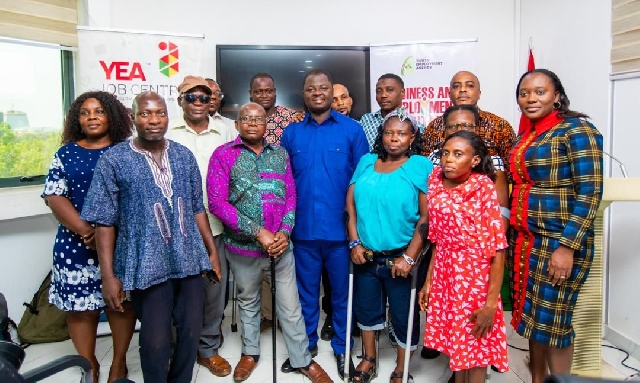
The Youth Employment Agency (YEA) has embarked on a pioneering employment initiative aimed at assisting 282 former tollbooth workers, predominantly persons with disabilities (PWDs), who were displaced due to the suspension of road toll collection in Ghana.
This initiative reflects YEA’s overarching commitment to promoting inclusivity and empowerment in the workforce.
During a press briefing held at the agency’s headquarters in Accra, Kofi Agyepong, the CEO of YEA, emphasized the agency’s crucial role in providing job opportunities for Ghanaian youth amidst economic uncertainties.
He highlighted the specific difficulties faced by former tollbooth workers following the government’s decision to halt road toll collection, resulting in the loss of employment for hundreds of individuals.
“While this decision elicited widespread enthusiasm, we must acknowledge its consequential impact on a segment of our society that found itself in a precarious situation. Specifically, over 200 Persons with Disabilities (PWDs) experienced a loss of livelihood as a direct result of this policy shift. These individuals, previously employed as breadwinners for their families, were now faced with unemployment and its accompanying hardships,” he said.
Acknowledging the necessity of preemptive action, YEA launched an extensive recruitment campaign in association with government agencies and advocacy groups.
As a consequence of this effort, YEA was able to successfully hire 282 former tollbooth employees.
“Rather than lamenting the circumstances, we viewed this as an opportunity to demonstrate our commitment to effecting positive change,” he said.
These people have been thoughtfully assigned to positions like District Disability Desk Officers and Regional Disability Desk Officers, which cover all 262 operational districts and all regions of the organization.
“This brings me immense joy,” Agyepong said, adding that: “This employment affords them not only a sense of pride and financial stability but also positions of influence where they can contribute meaningfully to policy formulation and implementation concerning disability rights.”
In addition to meeting the immediate needs of former tollbooth workers, YEA has devised alternative avenues through impactful programs such as the Business and Employment Assistance Programme (BEAP), Youth in Skills training, and the garment and textile training initiative under the Garment and Textile module, ensuring fair opportunities for all individuals.
Agyepong emphasized that the agency has prioritized the welfare and social security of its newly employed PWDs, ensuring they receive fair treatment and access to the same benefits as other government employees.
He expressed sincere appreciation to all partners and collaborators, including the Ministry of Employment and Labour Relations, Ministry of Roads and Transport, Ghana Federation of Disability Organizations (GFD), and the Centre for Employment of Persons with Disabilities (CEPD), for their contributions to the success of this endeavor. This reaffirms YEA’s steadfast commitment to advocating for the rights and dignity of persons with disabilities in Ghana.
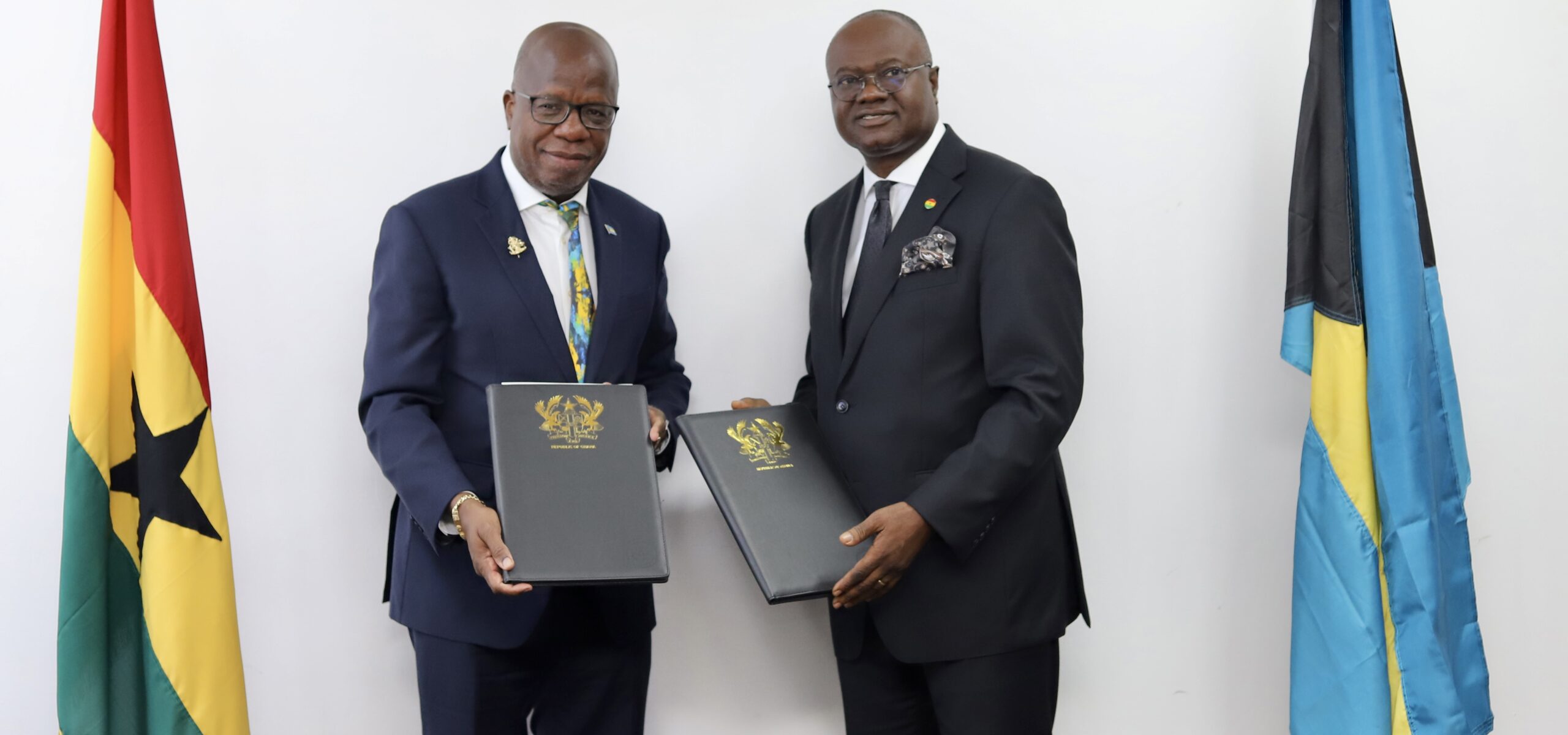
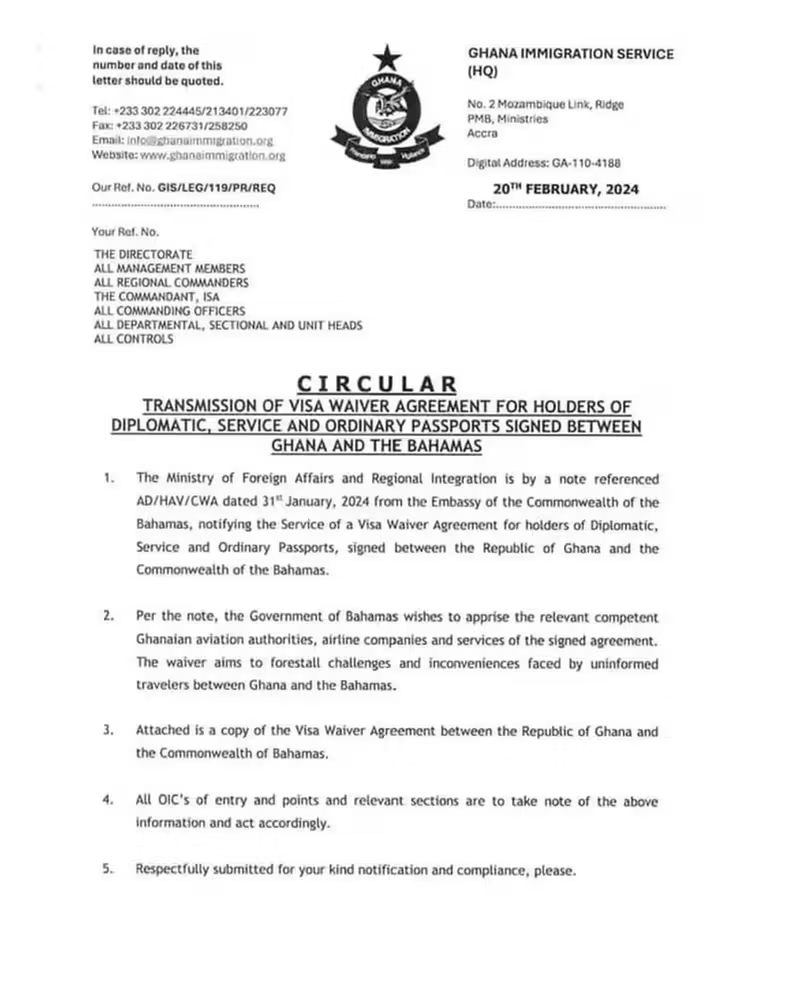
The Ministry of Foreign Affairs and Regional Integration has made public the signing of a Visa Waiver Agreement between Ghana and the Bahamas.
A memorandum, issued by the Embassy of the Commonwealth of the Bahamas and dated January 31, 2024, conveyed this significant development to the general public, as well as to key Ghanaian aviation authorities, airline companies, and services.
This Visa Waiver Agreement encompasses holders of Diplomatic, Service, and Ordinary Passports, with the aim of facilitating smoother travel between the Republic of Ghana and the Commonwealth of the Bahamas.
The government of the Bahamas, through their communication, expressed their commitment to ensuring a seamless travel experience and alleviating challenges and inconveniences faced by uninformed travelers.
All relevant entry points and departments have been duly instructed to acknowledge and comply with this information.
In a culture where discussions about sexual activity are commonplace, opting for abstinence may appear as a less conventional path.
Nevertheless, for diverse reasons, some men opt to abstain from sexual activity for periods in their lives.
This decision, deeply personal and occasionally intricate, can impact a man’s body in various ways. Let’s delve into what occurs when a man chooses to take a break from sexual activities.
Emotional and psychological well-being
Initially, abstinence can deeply influence a man’s emotional and psychological welfare. Contrary to popular belief, consciously choosing abstinence can foster heightened self-esteem and a sense of command over one’s life decisions.
Moreover, it can alleviate the stress linked with sexual relationships, including concerns regarding sexually transmitted infections (STIs) and unplanned pregnancies.
However, it’s crucial to acknowledge that this experience varies significantly among individuals. Some may find abstaining challenging and experience sensations of solitude or frustration, underscoring the significance of a supportive social network and healthy outlets for emotional expression.
Physical health alterations
On the physical front, abstinence does not induce any severe health complications. In fact, it eliminates the risk of STIs, which constitutes a notable advantage.
Nevertheless, some men may encounter physiological alterations, such as fluctuations in libido or changes in erectile function due to the absence of sexual activity.
It’s imperative to recognize that these changes are generally transient and resolve over time or upon resuming sexual activity.
Impact on prostate health
The influence of abstinence on prostate health has been a subject of discourse among healthcare practitioners.
Certain studies propose that regular ejaculation might diminish the risk of prostate cancer, although the evidence remains inconclusive.
Nonetheless, it’s essential to note that abstinence does not directly precipitate poor prostate health. Maintaining a healthy lifestyle, which includes regular exercise and a balanced diet, remains crucial for prostate and overall well-being.
Choosing abstinence is a deeply personal decision that can elicit diverse effects on a man’s body and psyche.
While it may lead to specific physical and emotional changes, it also offers advantages such as a reduced risk of STIs and opportunities for personal development.
Similar to any lifestyle choice, it’s imperative to contemplate the motivations behind this decision and ensure that it aligns with one’s values and life circumstances.
Evangelist Diana Asamoah has addressed rumors circulating that the New Patriotic Party (NPP) bestowed upon her a car and a house.
During an interview with Nana Romeo on Accra 100.5 FM’s midmorning program, Ayekoo Ayekoo, on Thursday, February 22, 2024, Diana Asamoah tackled the speculation head-on.
Initially, she firmly stated that such matters are “private” and should be treated as such. Diana Asamoah then argued that the outcomes of one’s work are the rightful fruits of their labor and, therefore, theirs to enjoy. She encouraged others to concentrate on their constituencies and relish the rewards of their endeavors.
“Why don’t you mind your constituency and eat from there while I also do the same in mine?” she asked to emphasize her point. Quoting a Bible passage from Prophet Isaiah (65:21-24), she highlighted the principle that individuals should enjoy the results of their labor.
Addressing the rumor, the Munumkum hitmaker raised questions about the inconsistency of labeling the NPP as both malicious and supportive towards her.
She directed her remarks towards those circulating such claims, proposing that if they truly believe the NPP is a party that offers assistance, they should contemplate joining it instead of criticizing.
In her perspective, if the party proves beneficial, there should be no reluctance in joining to contribute to its advancement.
In essence, Diana Asamoah dismissed the rumors surrounding gifts from the NPP and urged detractors to concentrate on their own contributions rather than speculating about her activities.
A coalition comprising 18 distinct satellite groups within the ruling New Patriotic Party (NPP) is pushing for the nomination and appointment of Lawyer, John Apontuah Kumah, currently serving as Deputy Finance Minister, as the running mate to Vice President Dr Bawumia in the upcoming elections.
Hailing from various constituencies across the nation, these NPP groups collectively assert that the incumbent Deputy Minister of Finance is the most fitting candidate to join forces with Dr Bawumia in securing another term for the party.
Following a comprehensive survey conducted nationwide, the groups maintain that after extensive research and consultations with Ghanaians and party members, Lawyer John Apontuah Kumah emerged as the preferred choice to complement Dr Bawumia and bolster the party’s electoral prospects.
Underlining their dedication to grassroots involvement, the groups recalled a similar research initiative conducted before the NPP national super delegate elections, where they threw their support behind Dr Bawumia as the popular choice. Now, based on their latest findings, they advocate for Lawyer John Apontuah Kumah as the favored running mate.
They underscored the candidate’s economic prowess, legal expertise, specialization in entrepreneurship and job creation, loyalty, integrity, and diplomatic finesse.
The groups argue that these attributes make him an ideal candidate aligned with the NPP’s vision and capable of helping break the eight-year cycle.
In their appeal to the NPP leadership and Dr Bawumia, the groups utilize this platform to press for the selection of Lawyer John Apontuah Kumah as the running mate, believing it to be the party’s strongest strategy to secure victory in the 2024 elections.
They posit that a partnership between Lawyer John Kumah’s focus on entrepreneurship and job creation and Dr Bawumia’s digitalization initiatives will pave the way for a more prosperous Ghana, creating employment opportunities for the youth.
These grassroots groups, such as “I am 4 DMB,” “Zongo Youth 4 DMB,” “Give Bawumia a Chance,” “Gao 4 DMB,” “Northern Youth 4 DMB,” “DMB V24,” “ASUNAFO YOUTH for DMB,” “Ashanti Youth for DMB,” “Western Youth 4 DMB,” “Obuase Youth for DMB,” “Furniture/Woodwork Association for DMB,” “Muslims for DMB Caucus,” and others, collectively advocate for the fulfillment of the people’s desire to see Lawyer John Apontuah Kumah as the running mate in the upcoming elections in letter dated February 19, 2024 and addressed to the National leadership of the party.
Fameye, speaking on Accra 100.5 FM’s midmorning show, Ayekoo Ayekoo, underscored the significance of the Ghana Music Awards trophy, asserting, “Having received a Ghana Music Awards trophy, I believe it holds more value than a Grammy or BET award.”
Reflecting on his past aspirations, Fameye recounted a time when he prioritized Grammy and BET awards, as highlighted in his song “Destiny,” especially during his earlier days when he was relatively unknown.
However, he revealed a shift in perspective after witnessing Ghanaian music icons like Kwaadee, Ofori Amponsah, and Kwaw Kese being honored with Ghana Music Awards, which he deemed as pivotal moments shaping his outlook.
“This is where I was born and raised. This is where I work, and this where when I perform in my native language, my fans are excited. The support that has made me who I am came from this country. And it is when you have massive support from your home country that you can rise to those desired heights,” he said.
Recognizing the prestige associated with winning a Grammy or BET award Fameye emphasized the crucial role of the Ghana Music Awards in strengthening the pride and backing of his fan base.
He envisioned a scenario where Ghanaian artists, honored by domestic awards, would leave a lasting impression on officials from the Recording Academy during their visits to Ghana.
“If I get a Grammy or BET, I’d be glad, but from now on, I’m saying Ghana Music Awards is heavier than the Grammys,” Fameye said, elaborating on his position.
He also emphasized that he is satisfied with his Ghana Music Awards, whether or not he receives a Grammy in his lifetime.
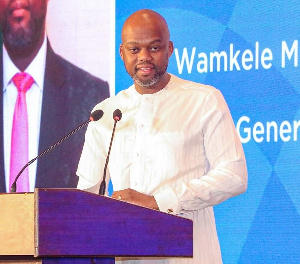
Mr. Wamkele Keabetswe Mene has been reappointed as Secretary-General of the Secretariat of the African Continental Free Trade Area (AfCFTA) by the Authority of Heads of State and Government of the African Union (AU).
His re-election for another four-year term took place during the AU’s 37th Ordinary Session of the Assembly of Heads of State and Government held in Addis Ababa, Ethiopia.
The AU expressed its confidence in Mr. Mene by reappointing him, highlighting its pride in working with him towards achieving the goals outlined in the “Africa we want,” as part of the AU’s Agenda 2063.
As the first Secretary-General of the AfCFTA Secretariat since 2020, Mr. Mene has been instrumental in overseeing and facilitating the implementation of the largest free trade area by membership in the world.
To date, 47 countries have ratified and deposited their instruments of ratification for the free trade agreement.
In efforts to expedite the implementation of the trade agreement, the Secretariat introduced the Guided Trade Initiative (GTI), enabling Ghana and seven other nations to meet trade requirements.
The GTI serves as a pilot phase aimed at accelerating the implementation of the AfCFTA by assessing the institutional, legal, and trade policy environment for intra-continental trade.
Collaborating with the African Export-Import Bank (Afreximbank), the Secretariat also launched the Pan-African Payment and Settlements System (PAPPS) to simplify transactions across the continent.
Additionally, negotiations for 88.3% of the Rules of Origin, a critical framework for determining goods eligible for preferential tariff treatment under the AfCFTA, have been completed.
Prior to his role as Secretary-General, Mr. Mene served as Chief Director of Africa Economic Relations at the Department of Trade and Industry, South Africa. He played a key role as a negotiator in the AfCFTA and Tripartite FTA negotiations.
He also held positions such as Director for International Trade and Investment Law at the Department of Trade and Industry and represented South Africa at the World Trade Organization (WTO) in Geneva, Switzerland, where he was elected Chairman of the WTO’s Committee on International Trade in Financial Services.
Mr. Mene holds a Bachelor of Arts degree in Law from Rhodes University, a master’s degree in international studies and diplomacy from the School of Oriental and African Studies, London, and a Master of Laws (LL.M) degree in Banking Law and Financial Regulations from the London School of Economics and Political Science.
Following the execution of the revenue assurance contract between Strategic Mobilisation Ghana Limited (SML) and the Ghana Revenue Authority (GRA), details have emerged showcasing favorable outcomes for the country’s revenue.
The contract, inked in December 2019, saw operations kick off in June 2020 following a one-month pilot phase, resulting in a noticeable uptick in revenue. Documents accessed by Joy Business from the Ghana Revenue Authority indicate that revenue has soared to GH¢12,981,376,688.
This substantial revenue surge suggests that the contract has been advantageous for Ghana’s financial well-being. However, amidst these positive developments, SML has initiated legal action against the media outlet responsible for the release of “The GH¢3bn Lie Documentary.”
In a lawsuit filed on Thursday, February 15, SML alleges that the publication has inflicted irreparable harm to its reputation in the public sphere, leading to adverse repercussions for its operations. Consequently, SML is seeking compensation amounting to ¢10 million.
“Plaintiff says that the onslaught of backlash from the public which has arisen from the Defendants’ false reportage has adversely impacted Plaintiff’s operations.”
“Plaintiff says that although it published rejoinders to the Defendants’ false reportage, the Defendants have failed and/or refused to retract and apologise to the plaintiff for the false information they have consistently peddled.”
In addition to seeking compensation, Strategic Mobilisation Ghana Limited (SML) is petitioning for a perpetual injunction against the publication of further defamatory material, a retraction and apology, and any other orders deemed appropriate by the High Court.
The Fourth Estate, in a December 2023 investigative report, implicated Strategic Mobilisation Ghana Limited (SML), the Ghana Revenue Authority (GRA), and the Ministry of Finance, alleging irregularities. The report claimed that GRA granted SML a purported 10-year contract with an annual payment of $100 million, sparking concerns about possible improprieties. SML countered the claim, asserting that it had a five-year contract instead. In response, GRA, in a statement on December 20, 2023, maintained that proper procurement procedures were followed.
On January 3, 2024, SML welcomed President Akufo-Addo’s directive to suspend its ongoing revenue assurance operations and undergo an audit of its contract with the GRA and the Ministry of Finance. President Akufo-Addo appointed KPMG, an audit, tax, and advisory services firm, to conduct the immediate audit. SML expressed confidence that the audit would provide a clear and accurate depiction of its operations.
However, President Akufo-Addo granted an extension to audit firm KPMG to complete its audit following its request. Following the extension, KPMG is expected to submit its report on Friday, February 23.
Regarding the deal, the revenue collection and administration body contracted SML to perform revenue audits and assurance control measures in the petroleum downstream sector.
With over 40 years of musical experience, iconic Ghanaian highlife musician Abrantie Amakye Dede shares his optimism about the future of Ghanaian music, crediting hip-hop sensation Sarkodie and Afro-dancehall maestro Stonebwoy.
Amakye Dede applauds Sarkodie and Stonebwoy for their exceptional songwriting abilities, noting their dedication to creating thoughtful and environmentally conscious music.
During a recent interview on Prekese Radio, he emphasized the significance of these artists in propelling Ghanaian music to new heights.
“I think Stonebwoy and Sarkodie are talented people who will succeed,” he said, acknowledging their current dominance in the music industry.
The highlife maestro, celebrated for his timeless classics, expressed his admiration for the musical talents of Sarkodie and Stonebwoy, predicting that their music will resonate with audiences for years to come.
Amakye Dede also hinted at his daughter Jenessa Amakye Dede’s emerging music career in the UK, envisioning her eventual ascent to stardom in the industry.
As one of Ghana’s most esteemed musical figures, Amakye Dede’s impact on the country’s music scene is unparalleled. His captivating stage presence and extensive discography, including hits like ‘Brebrebe Yi’, ‘Mensuro’, ‘Mabre’, ‘Broken Promises’, ‘Sokoo Na Mmaa Pe’, ‘To Be A Man Na War’, and ‘Iron Boy’, have solidified his status as a national treasure.
Throughout his illustrious career, Amakye Dede has transcended various musical genres, spanning soca, calypso, lovers rock, and pop, leaving an enduring mark on the global music landscape. His catalog of over 30 albums attests to his enduring legacy and innovative spirit, firmly establishing his place in the annals of Ghanaian music history.
Ghanaian artist Black Sherif is confirmed as a headline act for Rolling Stone’s highly anticipated 2024 Future of Music festival.
The festival boasts a stellar lineup including Teezo Touchdown, Young Miko, Pheelz, Flo Milli, Uncle Waffles, Faye Webster, Peso Pluma, and more.
Set to unfold at the SXSW stage in Austin, Texas, United States, from March 12 to 15, Black Sherif is scheduled to deliver an electrifying performance on Day 3, promising attendees an unforgettable musical journey.
For the 22-year-old sensation, the year has begun on a high note, with his recent singles ‘January 9’ and ‘Zero’ receiving widespread acclaim and igniting fervent responses from fans worldwide.
In a surprising twist earlier this week, the artist, born Mohammed Ismail Sherif, showcased his passion for fashion by gracing the runway at the 2024 London Fashion Week.
Black Sherif presented designs for Labrum London, a British African heritage brand dedicated to sharing the untold stories of West Africa and fostering cultural exchange between Western and West African societies.
Labrum London’s designer, Foday Dumbuya, notably received the prestigious Queen Elizabeth II Award for British Design last year, highlighting the brand’s commitment to innovation and cultural representation.
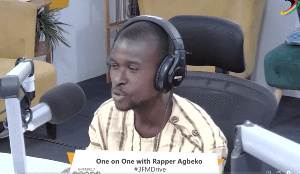
Voltarian rapper Bismark Agbeko Yankah, widely recognized as Agbeko and formerly associated with the renowned producer Hammer Last Two, has opened up about the obstacles that caused his music career to come to a halt.
During an interview with Giovani Caleb on 3FM, Agbeko revealed that spiritual attacks three years ago signaled the start of his music career’s decline, leading to a subsequent 20-year hiatus from music.
“It all started three years ago, I started experiencing some spiritual attacks and all that that is how come I lost my locks and all that. I have to start going to spiritual churches. I go for prayers and all so I have to take off my locks as directed by my spiritual pastor,” he shared during the interview on 3FMDrive.
Agbeko acknowledged that he had previously struggled with drug abuse, but he also acknowledged that he was clean now and that he needed help in his recovery.
“I know I was on drugs and all that but as long as the street is concerned when I do not have anywhere to lay my head, I find myself sleeping on the street every time so people thought I was still doing drugs,” Agbeko confessed. “Few months ago, I started staying away from it I still need help with my rehabilitation. I have been homeless for one and a half year now.”
Agbeko emphasized his determination to revive his music career and shared that he is currently working on a project, hoping for the necessary support to bring it to fruition.
Songwriter and rapper, Tulenkey, has called upon his fellow artists to give precedence to the lyrical substance of their songs.
During an interview on Daybreak Hitz with Andy Dosty, the creator of the hit track “Proud F Boys” voiced his apprehension regarding the prevailing trend in which artists prioritize commercial viability over conveying meaningful messages through their music.
“What we normally do is, especially the rappers, we are bent on being a hit. Right now all the songs are focused on being a hit so we don’t touch on the important we need to touch on. Right now, if you listen to rap music, it’s all about I have money, I get money pass you, wey me I do this,” Tulenkey said.
He cautioned both artists and the public to exercise caution regarding the content shared on social media platforms, highlighting the propensity for negativity to spread more rapidly than positivity.
Tulenkey underscored the importance of authenticity and originality in music, drawing inspiration from past rap legends such as JAY-Z and 2Pac, who adeptly tackled various subjects in their songs.
While acknowledging the allure of commercial success, Tulenkey stressed the necessity for a harmonious blend of trends and originality in music. He commended artists like Stonebwoy for seamlessly merging commercial appeal with authenticity, citing examples such as Sarkodie and Shatta Wale, who maintain their uniqueness despite commercial pressures.
Tulenkey concluded by urging individuals to pay attention to musical patterns, as they often play a significant role in shaping audience expectations, even if not explicitly conveyed in the music itself. His remarks underscore a growing concern within the music industry regarding the delicate balance between commercial viability and artistic integrity.
Osei-Kyei-Mensah Bonsu has represented the Suame Constituency in Parliament for seven consecutive terms since January 1997. He holds an A Level certificate and has held several positions since he first entered parliament during the 2nd parliamentary session.
These positions include Majority Leader and Minister of Parliamentary Affairs, Deputy Majority Leader, Majority Chief Whip, Deputy Whip, and Minority Leader. Additionally, he has served as the Leader of Government Business.
Osei-Kyei-Mensah Bonsu has also been a member of various committees during his tenure, including the Special Budget Committee, House Committee, Business Committee, Standing Order Committee, Finance Committee, Mines and Energy Committee, and Committee of Selection committee.
He currently serves as the Minister for Parliamentary Affairs in Ghana and is one of the longest-serving lawmakers in the country. He commenced his parliamentary journey on January 7, 1997, representing the Suame Constituency under the ticket of the New Patriotic Party (NPP).
He is the chairperson for the Special Budget, House, and Business Committees.
He is also a member of the Finance, Mines and Energy Standing Orders and Selection Committees.
He was born on Sunday, February 3, 1957. He hails from Bremang-Afrancho, a town in Kumasi, Ashanti Region.
In 1982, he graduated from the Kwame Nkrumah University of Science and Technology with a Bachelor of Science degree in Urban Planning.
He is a development planner, an architect, and quantity surveyor.
Osei Kyei-Mensah-Bonsu was elected by the Executive Committee of the Commonwealth Parliamentary Association (CPA) as its new acting Vice-Chairperson.
He assumed the position after winning an election in which he competed against Garry Brownlee from New Zealand.
Parliamentary duties
He has held multiple leadership roles in parliament, including serving as the secretary to the Minority Caucus in his initial term.
Throughout his parliamentary career, Osei Kyei Mensah Bonsu, MP for Suame Constituency, held positions such as Deputy Majority Whip (2001-2002), Majority Chief Whip (2002), Deputy Majority Leader, and Minister of State for Parliamentary Affairs (2007-2009).
He also served as the Minority Leader from 2009 to 2017, securing re-election in the same role from 2013 to 2017.
During his tenure, he actively participated in various parliamentary committees.
Marriage life
He married to Mrs. Irene Kyei-Mensah Bonsu and has eight children.
Osei is a Christian and fellowships with the Assemblies of God Church.
CEO STC and Spokesman for the Bawumia campaign, Nana Akomea, has justified his actions towards NDC General Secretary, Fiifi Kwetey, after his bais tribal comment.
Fiifi Kwetey, characterized the NPP flagbearer and Vice President of the Republic, Dr. Mahamudu Bawumia, as a disgrace to northerners.
In response, Nana Akomea, not typically known for aggressive rhetoric against opponents, decided to confront the NDC Chief secretary head-on.
“If Fiifi Kwetey is looking for a politician who has been a “disgrace” to the North, he need not look further than in his party, as testified by a Northern NDC politician.”
Justifying this unusual reaction, Nana Akomea explained that it was just necessary for him to correct Fiifi Kwetey to do better next time regarding his choice of words.
“I am a Tiger, and the like of these must be straightened….and the only way to straighten them is to show them that where they are headed to is not the best,” he clarified.
Ghanaian rapper Agbeko, who was previously associated with ‘The Last Two’, has reached out to the public for financial assistance. He revealed that he has been struggling with homelessness for over a year and a half.
During an interview on 3FM, the artist, well-known for his hit track ‘Wotome’, attributed his dire situation to a combination of factors. These include drug abuse, negative peer influences, failed business ventures, personal missteps, and what he perceives as spiritual attacks on his life.
Agbeko recounted instances where Hammer, the founder of The Last Two, came to his aid during encounters with law enforcement. These situations often arose from seeking refuge in marginalized areas subject to frequent police scrutiny.
Despite facing numerous challenges, Agbeko expressed accountability for his circumstances. He stated that he is determined to make positive changes in his life.
“I wouldn’t blame my situation on anyone or industry. I do have issues with people but those are my personal issues to deal with.”
He acknowledged that he had been sober for short periods of time in recent months, but he also acknowledged that his current living situation makes it difficult for him to kick drug abuse and pursue a better life.
Agbeko highlighted his willingness to embrace a positive transformation and his commitment to change, while pleading for public support for his rehabilitation.
“I need rehab. I need to stay off the street, find where I can stay and then work on myself,” he said.
In addition, he was upbeat about his chances of breaking back into the music industry, pointing to a back catalog of unheard songs that would be ready for recording as soon as his financial situation improved.
Actress Akofa Edjeani has countered the notion that seasoned professionals in Ghana’s creative sector are hesitant to extend assistance or share their expertise with the next generation.
Speaking in an interview with Kwame Dadzie on Showbiz A-Z on JoyFM, Edjeani emphasized that while it is commendable for experienced professionals to offer mentorship, younger creatives often fail to seek guidance or take advantage of educational opportunities.
“…there’s nothing wrong with them also approaching you and saying ‘sister show me the ropes, how did you get here? How did you do it? Can you show me? Can you teach me? There’s nothing wrong with them doing that but they don’t they don’t,” the actress said.
Akofa Edjeani further elaborated, stating, “in fact most times I’ve had situations where they talk behind my back and say I’m too known and ‘we also know’. And so how do you teach somebody like that?
The seasoned actress claims that many young actresses already view themselves as “superstars” after a few roles or when they start to get recognition.
Once they think they’re superstars what are you going to teach a superstar?
“So those people themselves think they’ve already reached so there’s no room for you to teach them.
“We have to look at it – some are not reaching out but those down there should also come up to you and say ‘teach me’.”
In January 2024, the Producer Price Inflation (PPI) edged up to 17.4%, a modest increase from the 16.6% recorded in December 2023. This signifies a year-on-year rise of 0.8 percentage points compared to the previous month.
The month-on-month change in PPI between December 2023 and January 2024 stood at 1.7%.
PPI reflects the average prices of goods and services received by domestic producers for their production activities.
Data from the Ghana Statistical Service indicates that sectors like electricity and gas, construction, mining and quarrying, and accommodation and food services recorded rates surpassing the national average.
Conversely, manufacturing activity reported the lowest rate at 9.7% in January 2024.
Meanwhile, the services sector experienced a slight dip of 0.7%, registering a rate of 16.9% in January 2024.
Additionally, inflation for January 2024 ticked up marginally from 23.2% to 23.5%.
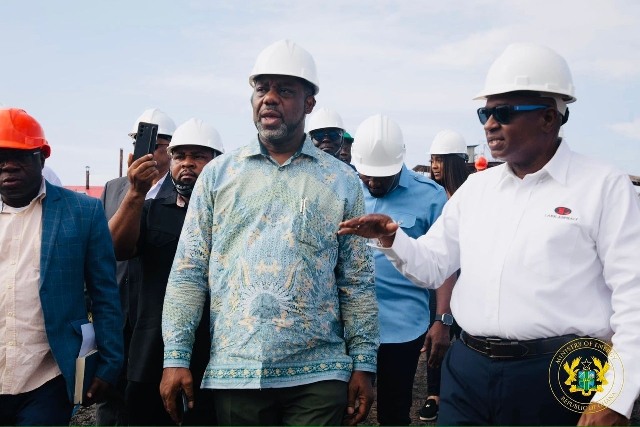
President of the African Refiners and Distributors Association (ARDA), Dr. Mustapha Abdul-Hamid, reaffirmed their dedication to collaborating with the Organization of the Petroleum Exporting Countries (OPEC) and other entities to foster a sustainable oil and gas sector.
He cited the African Petroleum Producers’ Organization (APPO) and the African Union Commission (AUC) as additional partners in this endeavor. Their collective focus is on delivering cleaner fuels and value-added petroleum products with a reduced carbon footprint.
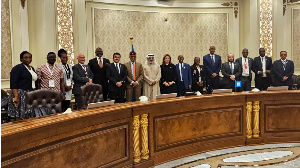
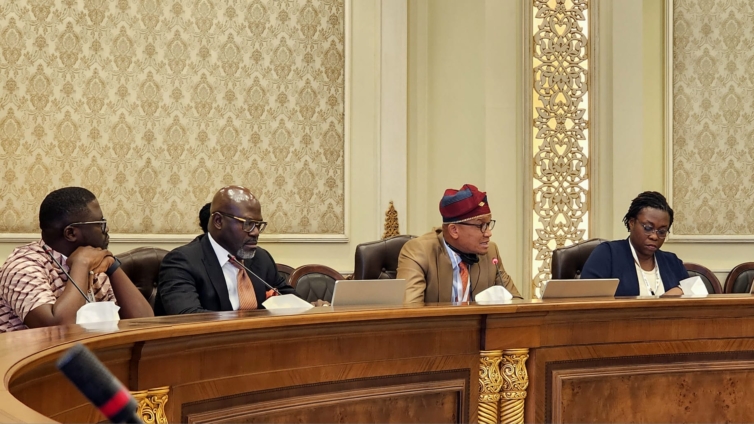
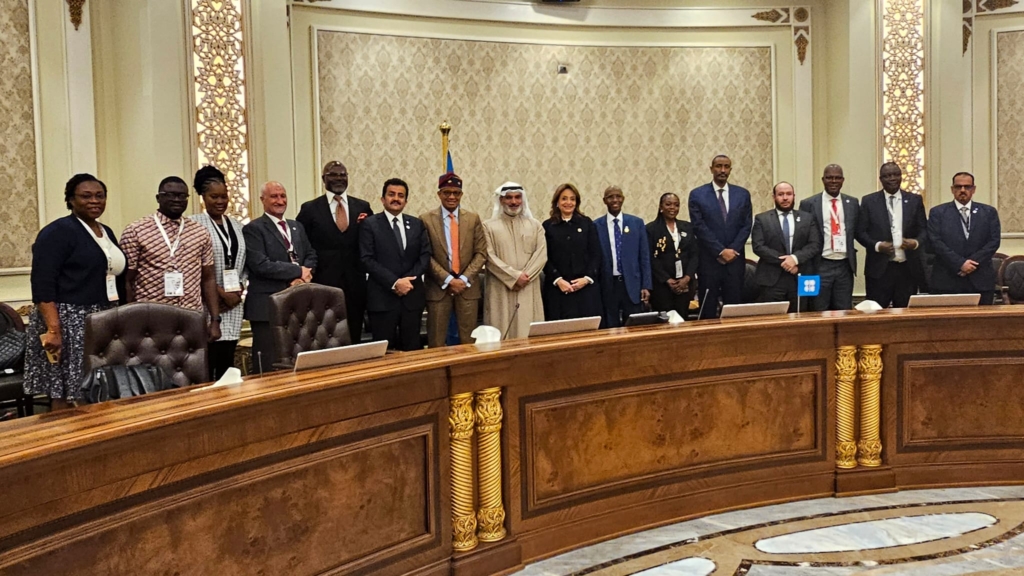
Dr. Abdul-Hamid made these remarks while co-chairing the third High-Level Meeting of the OPEC-Africa Energy Dialogue on February 19, 2024, in Cairo, Egypt.
The meeting, co-chaired by Haitham Al Ghais, Secretary General of OPEC, Dr. Amani Abou-Zeid, Commissioner for Infrastructure and Energy of the AUC, and Dr. Omar Farouk Ibrahim, Secretary General of APPO, aimed to facilitate open and transparent discussions on various energy-related topics.
Building upon the successes of previous meetings, participants engaged in discussions covering energy security, underinvestment risks, climate change, and energy transitions.
Dr. Abdul-Hamid also disclosed ARDA’s objective of establishing a consolidated register of investable energy infrastructure projects, to be shared at the inaugural ARDA Investment Forum during the 2024 ARDA Week in Cape Town from April 22 to April 26, 2024.
Furthermore, he expressed eagerness to collaborate with APPO in supporting the Africa Energy Bank (AEB) launch this year and providing viable downstream projects for the initiative to meet Africa’s growing petroleum products demand sustainably.
Dr. Abdul-Hamid commended OPEC for its continuous leadership in advancing the OPEC-Africa Energy Dialogue. In response, Al Ghais highlighted Africa’s pivotal role in OPEC’s global energy dialogue program, emphasizing ongoing dialogue with the continent as a key aspect of their engagement with various regions, countries, and international organizations.
“We at OPEC firmly believe that cooperation and dialogue among all energy stakeholders are absolutely essential factors in effectively addressing our common energy challenges,” he said.
He observed that, concerning climate change and energy transitions, developing nations worldwide, including those in Africa, faced the challenge of balancing the imperative to bolster their national economies with the evolving demands of climate change.
Dr. Amani Abou-Zeid emphasized the significance of considering Africa’s unique circumstances, citing analyses projecting a potential 30% increase in African energy demand by 2040, in contrast to a 10% global rise.
Dr. Farouk provided updates on the progress toward establishing the Africa Energy Bank (AEB), highlighting the APPO Ministerial Council’s approval for the Bank’s launch in the first half of 2024. The AEB aims to address the funding constraints faced by oil and gas projects, particularly in Africa.
They concluded the gathering by underscoring Africa’s pivotal role in the energy sector, particularly in the oil industry, in the foreseeable future. They emphasized the importance and advantages of fostering ongoing cooperation between OPEC and African energy organizations, especially through the OPEC-Africa Energy Dialogue framework. Additionally, they agreed to convene the 4th High-Level Meeting of the OPEC-Africa Energy Dialogue in 2025.
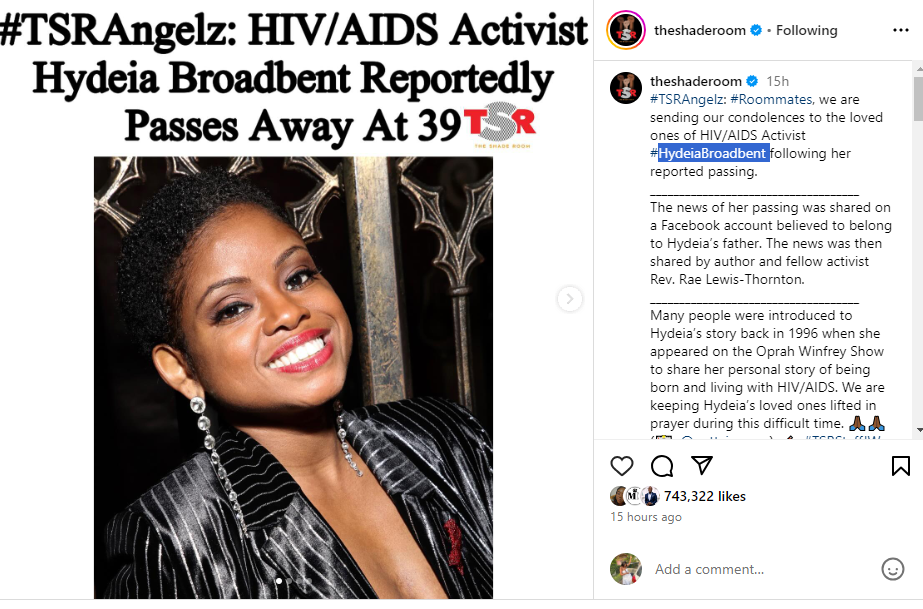
Hydeia Broadbent, a prominent advocate for HIV awareness who bravely shared her journey of living with the virus from a young age, passed away at her residence in Las Vegas on Tuesday. She was 39 years old.
Her father, Loren Broadbent, confirmed her passing. No specific cause was provided.
Broadbent began her advocacy at the tender age of 6, courageously discussing her experiences with HIV on various television platforms. Her aim was to combat the panic and stigma surrounding AIDS during an era marked by an HIV epidemic, as stated on her website.
In 1992, at the age of 7, Broadbent was interviewed alongside Magic Johnson, the renowned basketball player who had become a prominent figure in the fight against HIV and AIDS following his own diagnosis.
“I want people to know that we’re just normal people,” Broadbent, her face crumpling as she fought through tears, told Johnson. “We are normal people,” he gently reassured her. Johnson posted a clip of the conversation online in a tribute Wednesday.
“I think it just opened a lot of people’s eyes that HIV can happen to anybody, with me being so young,” Broadbent told The New York Times in 2006 about the interview with Johnson.
“My daughter didn’t have a formal education because of her illness,” her mother, Patricia, told the Times in 2001 for an article about teenagers living with AIDS. “My priority was not school, but keeping her healthy for the time she had.”
Broadbent persisted in her public advocacy for HIV and AIDS well into adulthood. Her efforts garnered significant recognition, particularly within the African American community. Ebony magazine acknowledged her influence by including her twice in their list of the “Most Influential 150 African Americans,” in both 2008 and 2011, as outlined in her biography.
As she matured, Broadbent dedicated herself to combating the stigma and dispelling misinformation surrounding AIDS. She worked tirelessly to educate the public about prevention
“I have dedicated my whole life to this fight,” she told CNN in 2012. “I don’t hate my life. I feel like I’m really blessed. But at the same time, my life doesn’t have to be their life. I didn’t have a choice when it came to HIV/AIDS, and people do have a choice.”
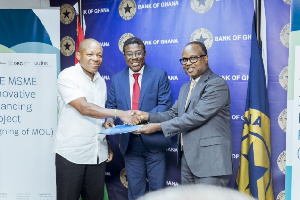
The Bank of Ghana and the Development Bank Ghana have joined hands in a Memorandum of Understanding (MoU) to delve into the realm of “Innovative Financing for Micro, Small, and Medium Enterprises (MSMEs) in Ghana.”
Their mission is clear: to unravel the financing hurdles that MSMEs encounter in Ghana, pinpoint the gaping holes in funding, and craft innovative remedies to bridge this divide.
Dr. Maxwell Opoku-Afari, the First Deputy Governor of the Bank of Ghana, underscored the pivotal role of credit in driving economic growth, especially in burgeoning economies like Ghana.
While keeping price stability at the forefront, he stressed the significance of policies influencing the real sector, fostering economic expansion through amplified lending.
This study, a collaborative venture between the Bank of Ghana, DBG, and the University of Ghana Business School (UGBS), holds promise to shed light on the financial tribulations of MSMEs.
Its findings will serve as a compass for regulators, guiding them towards inventive approaches to tackle the funding void, with a keen eye on harnessing financial technology firms to funnel resources to MSMEs.
Dr. Opoku-Afari radiated enthusiasm about this collaboration and the potential ripple effects of the study. He reaffirmed the Bank of Ghana’s unwavering commitment to honor the MoU in earnest and throw its weight behind the project to fulfill its aims.
This partnership is hailed as a noteworthy endeavor that could chart the course for future collaborations aimed at tackling hurdles within the financial sector and the wider economy.
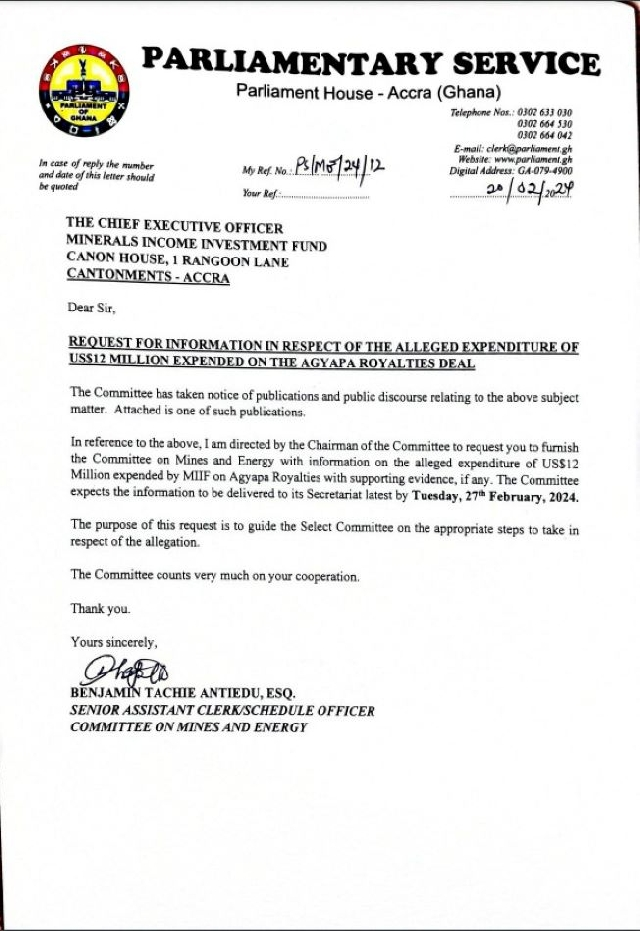
The Mines and Energy Committee in Parliament has issued a stern ultimatum to Edward Nana Yaw Koranteng, Chief Executive Officer of the Minerals Income Investment Fund (MIIF), regarding the expenditure of $12 million related to the halted Agyapa royalties deal.
Mr. Koranteng has been given a seven-day deadline, expiring on February 27, 2024, to provide comprehensive documentation to the committee.
President Nana Addo Dankwa Akufo-Addo had previously suspended the Agyapa deal in response to public outcry in 2021. However, during a recent session of the Public Accounts Committee (PAC) on Tuesday, February 13, 2024, Mr. Koranteng revealed that $12 million had already been expended on the deal before its suspension. He clarified that these funds were utilized during the process of initiating the public offering on the London Stock Exchange.
This revelation has sparked public outrage, particularly from the National Democratic Congress (NDC), which has vehemently opposed the deal. The NDC has vowed to pursue legal action against government officials and other individuals implicated in the controversial deal if they secure victory in the upcoming December elections.
In a statement dated Tuesday, February 20, 2024, and signed by Senior Assistant Clerk/Schedule Officer Benjamin Tachie Antiedu, the Committee stressed that their request for further information is essential for guiding their decision-making process concerning the allegations surrounding the Agyapa royalties deal.
Parliament Issues Ultimatum for Details on Agyapa Royalties Deal Expenditure
The Mines and Energy Committee in Parliament has issued a stern ultimatum to Edward Nana Yaw Koranteng, Chief Executive Officer of the Minerals Income Investment Fund (MIIF), regarding the expenditure of $12 million related to the halted Agyapa royalties deal.
Mr. Koranteng has been given a seven-day deadline, expiring on February 27, 2024, to provide comprehensive documentation to the committee.
President Nana Addo Dankwa Akufo-Addo had previously suspended the Agyapa deal in response to public outcry in 2021. However, during a recent session of the Public Accounts Committee (PAC) on Tuesday, February 13, 2024, Mr. Koranteng revealed that $12 million had already been expended on the deal before its suspension. He clarified that these funds were utilized during the process of initiating the public offering on the London Stock Exchange.
This revelation has sparked public outrage, particularly from the National Democratic Congress (NDC), which has vehemently opposed the deal. The NDC has vowed to pursue legal action against government officials and other individuals implicated in the controversial deal if they secure victory in the upcoming December elections.
In a statement dated Tuesday, February 20, 2024, and signed by Senior Assistant Clerk/Schedule Officer Benjamin Tachie Antiedu, the Committee stressed that their request for further information is essential for guiding their decision-making process concerning the allegations surrounding the Agyapa royalties deal.
Parliament Issues Ultimatum for Details on Agyapa Royalties Deal Expenditure
The Mines and Energy Committee in Parliament has issued a stern ultimatum to Edward Nana Yaw Koranteng, Chief Executive Officer of the Minerals Income Investment Fund (MIIF), regarding the expenditure of $12 million related to the halted Agyapa royalties deal.
Mr. Koranteng has been given a seven-day deadline, expiring on February 27, 2024, to provide comprehensive documentation to the committee.
President Nana Addo Dankwa Akufo-Addo had previously suspended the Agyapa deal in response to public outcry in 2021. However, during a recent session of the Public Accounts Committee (PAC) on Tuesday, February 13, 2024, Mr. Koranteng revealed that $12 million had already been expended on the deal before its suspension. He clarified that these funds were utilized during the process of initiating the public offering on the London Stock Exchange.
This revelation has sparked public outrage, particularly from the National Democratic Congress (NDC), which has vehemently opposed the deal. The NDC has vowed to pursue legal action against government officials and other individuals implicated in the controversial deal if they secure victory in the upcoming December elections.
In a statement dated Tuesday, February 20, 2024, and signed by Senior Assistant Clerk/Schedule Officer Benjamin Tachie Antiedu, the Committee stressed that their request for further information is essential for guiding their decision-making process concerning the allegations surrounding the Agyapa royalties deal.
The Mines and Energy Committee in Parliament has issued a stern ultimatum to Edward Nana Yaw Koranteng, Chief Executive Officer of the Minerals Income Investment Fund (MIIF), regarding the expenditure of $12 million related to the halted Agyapa royalties deal.
Mr. Koranteng has been given a seven-day deadline, expiring on February 27, 2024, to provide comprehensive documentation to the committee.
President Nana Addo Dankwa Akufo-Addo had previously suspended the Agyapa deal in response to public outcry in 2021. However, during a recent session of the Public Accounts Committee (PAC) on Tuesday, February 13, 2024, Mr. Koranteng revealed that $12 million had already been expended on the deal before its suspension. He clarified that these funds were utilized during the process of initiating the public offering on the London Stock Exchange.
This revelation has sparked public outrage, particularly from the National Democratic Congress (NDC), which has vehemently opposed the deal. The NDC has vowed to pursue legal action against government officials and other individuals implicated in the controversial deal if they secure victory in the upcoming December elections.
In a statement dated Tuesday, February 20, 2024, and signed by Senior Assistant Clerk/Schedule Officer Benjamin Tachie Antiedu, the Committee stressed that their request for further information is essential for guiding their decision-making process concerning the allegations surrounding the Agyapa royalties deal.
The Ministry of Finance has an outstanding electricity debt of GH¢1 million that has accrued over ten months, which could result in its disconnection from the national grid.
The Electric Company of Ghana (ECG) is grappling with a mounting issue as it seeks to address a significant debt owed by the Ministry of Finance, totaling GH¢1,025,918.
To resolve the matter and underscore the importance of timely bill payments, ECG plans to engage with Finance Minister Dr. Amin Adam.
The ministry’s failure to settle electricity bills over the past ten months has exacerbated the situation, straining ECG’s operational capabilities and impacting its ability to meet the demands of power producers.
In response to the mounting debt, ECG has intensified its debt collection efforts, leading to the disconnection of numerous private and public entities from the national grid. One notable case occurred on Monday, February 19, 2024, when Accra Academy Senior High School experienced a sudden power outage due to outstanding debts.
The abrupt disconnection plunged the esteemed educational institution into chaos, disrupting both academic and residential activities. Teachers and students faced significant challenges amid the blackout, with no immediate resolution in sight.
However, after settling approximately GH¢500,000 in post-paid bills dating back to July 2023, power has been restored to Accra Academy SHS, offering a temporary reprieve from the crisis.
In a recent broadcast on The Citizen Show aired by Accra 100.5 FM, the National Democratic Congress (NDC) voiced its frustration over the pervasive corruption within the ruling New Patriotic Party (NPP).
Abigail Elorm Mensah, Deputy Women’s Organiser of the NDC, shed light on the party’s struggles in tackling the rampant corruption plaguing the government.
Ms. Mensah underscored the overwhelming influx of corruption reports inundating the NDC from the NPP administration on a daily basis. She elucidated the party’s reluctance to push further on some corruption issues, attributing it to the daunting scale of corruption within the NPP ranks.
During the discussion, Ms. Mensah didn’t mince words in highlighting the alarming levels of corruption proliferating under the leadership of President Akufo-Addo and Vice President Mahamadu Bawumia. She emphasized the normalization of corruption under their tenure, with new scandals surfacing regularly.
Citing instances such as the controversial Agyapa Deal, GRA-SML deal, and accusations of nepotism involving the Vice President’s immediate family, Ms. Mensah painted a grim picture of the pervasive corruption corroding the government’s integrity.
Despite the uphill battle, Ms. Mensah praised the NDC Minority for their unwavering commitment to combatting corruption amidst the challenges posed by the Akufo-Addo administration.
Energy Minister, Dr. Matthew Opoku Prempeh, accompanied by officials from the Petroleum Commission (PC), Bulk Energy Storage and Transportation Company (BEST), and GOIL PLC, embarks on a mission to Trinidad and Tobago. The aim is to learn from industry best practices, assess advanced technologies, and forge potential partnerships.
This initiative seeks to strengthen the connection between Ghana’s upstream and downstream petroleum sectors, with a focus on maximizing and retaining value. Dr. Opoku Prempeh, also Member of Parliament for Manhyia South, views Trinidad and Tobago’s extensive experience in hydrocarbon exploration, production, refining, and transportation as invaluable to Ghana’s industrialization agenda.
The visit involves tours of oil refineries, storage terminals, and transportation facilities, alongside discussions with government officials, industry leaders, and technical experts. The delegation’s recent stop at Lake Asphalt of Trinidad and Tobago (1978) Limited highlighted opportunities for collaboration, particularly in the manufacturing of bitumen emulsions.
Dr. Opoku Prempeh emphasized the goal of fostering knowledge exchange and collaboration for mutual benefit. The management of Lake Asphalt expressed eagerness to engage in a longstanding commercial partnership with Ghana for collective growth.
Beyond exploring advanced technologies, this visit aims to strengthen ties and collaboration between Ghana and Trinidad and Tobago’s energy sectors, paving the way for future cooperation and development.
President of the African Refiners and Distributors Association (ARDA) and Chief Executive of the National Petroleum Authority (NPA), Dr. Mustapha Abdul-Hamid, reaffirmed ARDA’s dedication to partnering with key organizations like the Organization of the Petroleum Exporting Countries (OPEC), the African Petroleum Producers’ Organization (APPO), and the African Union Commission (AUC) to foster a sustainable intra-African oil and gas sector.
Emphasizing the industry’s commitment to providing cleaner fuels and enhancing the value of petroleum products while reducing carbon emissions, Dr. Abdul-Hamid spoke in his capacity as a co-Chairman during the third High-Level Meeting of the OPEC-Africa Energy Dialogue convened on February 19, 2024, in Cairo, Egypt.
The meeting, jointly presided over by Haitham Al Ghais, Secretary General of OPEC; Dr. Amani Abou-Zeid, Commissioner for Infrastructure and Energy of the AUC; and Dr. Omar Farouk Ibrahim, Secretary General of APPO, aimed to foster collaboration and strategic planning towards achieving sustainable energy objectives across the African continent.
Building upon the fruitful discussions of previous years, participants engaged in transparent and comprehensive deliberations during the latest installment of the OPEC-Africa Energy Dialogue, covering vital energy and oil-related topics such as energy security, investment risks, climate change, and energy transitions.
Dr. Mustapha Abdul-Hamid, representing ARDA, outlined the organization’s goal of establishing a consolidated register of viable energy infrastructure projects. This register will be unveiled at the inaugural ARDA Investment Forum scheduled to coincide with the 2024 ARDA Week in Cape Town, taking place from April 22 to 26. Additionally, Dr. Abdul-Hamid expressed ARDA’s commitment to collaborating with APPO to facilitate the successful launch of the Africa Energy Bank (AEB) this year, aiming to contribute bankable downstream projects towards meeting Africa’s escalating demand for petroleum products sustainably.
Commending OPEC for its steadfast leadership in advancing the OPEC-Africa Energy Dialogue, the NPA Boss extended his congratulations. In response, Haitham Al Ghais highlighted Africa’s significance in OPEC’s broader energy dialogue agenda, emphasizing the organization’s commitment to fostering dialogue with various regions, nations, and international bodies as part of its global energy dialogue program.
“We at OPEC firmly believe that cooperation and dialogue among all energy stakeholders are absolutely essential factors in effectively addressing our common energy challenges”, he said.
During the recent dialogue, Haitham Al Ghais highlighted the delicate balance that developing countries, including those in Africa, must strike between supporting national economic development and addressing the challenges posed by climate change and energy transitions.
Dr. Amani Abou-Zeid underscored Africa’s unique context, emphasizing projections indicating a potential 30% increase in energy demand on the continent by 2040, compared to a global increase of 10%.
HE Dr. Farouk provided updates on the establishment of the Africa Energy Bank (AEB), approved for launch by the APPO Ministerial Council in the first half of 2024. The AEB aims to address funding restrictions for oil and gas projects in Africa.
The leaders concluded by highlighting Africa’s pivotal role in the energy industry, particularly in oil, in the years to come. They emphasized the benefits of continued cooperation between OPEC and African energy organizations through initiatives like the OPEC-Africa Energy Dialogue, announcing plans to convene the 4th High-Level Meeting in 2025.
Media personality Nana Romeo has confronted Dancehall artiste Shatta Wale regarding his choice to utilize the media to promote his newly released album “Konekt.”
He pointed out Shatta Wale’s past remarks where he dismissed the need for media support in his music career.
Nana Romeo directed questions to Sammy Flex, Shatta Wale’s manager, questioning the inconsistency of promoting the album through media appearances after previously neglecting such platforms.
Shatta Wale defended his decision, attributing his past stance to perceived bias against him fueled by media influence.
“You came nicely but most of you [Shatta Movement fans] were brainwashed with the media so you didn’t see when the ship capsized and how I brought it back on this water and still have it moving to date.”
Sammy Flex, the manager of Shatta Wale, recently visited Asempa FM to promote the artist’s “Konekt” album and do an interview. Nana Romeo criticized the Dancehall artist as a result of this.
Speaking on Accra FM, GhanaWeb observed, Nana Romeo attacked Shatta Wale for his hateful statement about the media, stating that he finds a lot of what he does puzzling.
“Shatta Wale once said he does not need the media because they have not helped him. If that is the case, then why is his manager embarking on a media tour to market his project?
“Shatta has insulted the media on several occasions so why is he using the same media to sell his project [promotion of his Konekt album]? It baffles me,” he said.
“I think his manager should talk to him to apologize to the traditional media for his misconduct.”
Additionally, Nana Romeo urged Sammy Flex, Shatta Wale’s manager, to confront his artist about apologizing to the media for his impolite conduct.
He disclosed that within the two years since the NPP took office, he had been arrested on 39 occasions.
Captain Smart further revealed that he refrained from dining at various establishments because their owners had allegedly accepted money from the NPP to sabotage his meals.
Additionally, he mentioned undergoing three reincarnations, asserting his invulnerability.
Despite being the target of numerous attacks, Captain Smart asserted that their sinister plots had failed due to his distinctiveness.
Media personality Captain Smart made startling allegations against the current NPP administration during his morning broadcast on Onua TV, suggesting that they were contemplating taking his life out of fear that he might disclose sensitive information to the public.
He disclosed that within the two years since the NPP took office, he had been arrested on 39 occasions. Captain Smart further revealed that he refrained from dining at various establishments because their owners had allegedly accepted money from the NPP to sabotage his meals.
Additionally, he mentioned undergoing three reincarnations, asserting his invulnerability. Despite being the target of numerous attacks, Captain Smart asserted that their sinister plots had failed due to his distinctiveness.
Transport Minister, Kwaku Ofori Asiamah, has noted that there have been several meetings between Ghana Civil Aviation Authority (GCAA) and Delta Airlines over the usage of its faulty aircraft in Accra.
According to him, the meetings were aimed at compelling the airline to adhere to the approved aircraft by GCAA to replace the Boeing 767-300.
Disclosing this in parliament on Tuesday, February 20, 2024, Mr Asiamah pointed out that GCAA had already banned the airline from operating its aircraft with the number N-195DN in Ghana.
“The Ghana Civil Aviation Authority has authorized Delta Airlines to operate two different types of long-range aircraft, the Boeing 767 and Airbus 8350.”
The airline was queried when their Boeing 767-300 flight diverted to Accra in August 1, 2022, which was blamed on a technical problem. The GCAA adjudged the situation as reoccurring on that particular route.
Following a myriad of complaints from Ghanaian travelers, GCAA wrote to Delta Airlines to desist from using its aircraft with registration number N-195DN for flights to Accra.
The caution, contained in a letter dated August 19, 2022, was addressed to Delta Airlines’ Accountable Manager.
The Authority noted that the investigation revealed that the crew reported a fuel imbalance with the left main tank and the inbound crew experienced this same issue on the flight leg to Accra on July 31, 2022.
This was the same aircraft [N-195DN] that had to return to JFK on July 25, 2022 a few hours after take-off from JFK.
Ghanaian singer, songwriter, and actress, has addressed the reasons for her hiatus from music, clarifying that her marriage did not influence her decision.
Speaking in an interview with MX24 TV, the Afropop star revealed that she had already planned to take a break from music before marrying Nigerian businessman Tobi Sanni-Daniel in 2018.
“It was not about marriage. That’s the mistake people are making. It just coincided, sort of, because it was a decision I’d already made, that I wanted to take some time. I’d (been active) for eleven years almost. And I just thought to a little break,” she said.
She stated that, after more than ten years as her primary source of income from music, she wanted to investigate and earn money from other endeavors.
“I wanted to get into real estate because that’s where I wanted to make money elsewhere. I wanted to concentrate on my spa, which is one of the biggest spas in Ghana right now. I wanted to do other things,” she added.
Becca, denied that marriage and childbirth had forced her off the scene.
“And then, of course, children come in, and then you’re like, okay, and then you have your husband. But that wasn’t the focus. I wanted to explore other avenues as well,” she said.
She assured her fans that she still loves music and would not leave it.
“Music is always going to be my first. I can’t run away from that, no matter what,” she said.
Becca, who rose to fame after participating in the second season of TV3’s Mentor, has released three studio albums and several hit songs, such as “You Lied to Me”, “I’m Alive”, “African Woman” and “Yes I Do”.
She has also collaborated with artists such as Hugh Masekela, MI Abaga, 2face Idibia, and Shatta Wale.
Henry Antwi, a Mining Engineer, stresses the pressing need for Ghana to update its mining laws and policies to attract investments and maintain global competitiveness.
He suggests that Ghana should draw inspiration from neighboring countries like Burkina Faso and Ivory Coast, which continually refine their mining policies to maximize benefits from mineral resources.
Antwi points out that Burkina Faso and Ivory Coast have taken cues from Ghana’s mining policies and improved upon them to entice investors.
Speaking at a public lecture in Kumasi, Antwi highlights the aspirations of many students studying in Ghana’s mining universities to develop human resources in the sector.
The public lecture, themed “Harnessing the Transformative Power of Ghana’s Mineral Wealth for Human Development and Sustainable Economic Growth,” was organized by the College of Engineering at KNUST.
Antwi underscores the significant role of mining in powering the global economy, creating employment opportunities, and influencing livelihoods.
According to the Chamber of Mines’ 2022 Report, mining contributes about 19% to Ghana’s domestic tax receipts and approximately $6.8 billion in exports, with minerals accounting for 39%. Despite its significant contributions, the mining industry in Ghana faces challenges such as price fluctuations, declining ore quality, and exploration risks.
Antwi emphasizes the importance of developing robust infrastructure, including efficient energy, ports, railways, and improving mineral governance to enhance transparency.
Explaining that exploration is paramount in mining, Antwi suggests initiating tax credits to attract investors and streamlining the process of granting mining licenses. He proposes collaboration between academia and the Ghana Geological Survey Authority to create a comprehensive atlas of mineral sites to attract mining investors. Antwi urges Ghana to minimize administrative bottlenecks in granting mining licenses, which he believes are often influenced by political factors.
Senegal’s Justice Minister Aissata Tall Sall has announced the release of nearly 400 protesters from prison.
They were arrested and imprisoned during the political demonstrations of March 2021 and June 2023.
Ms Sall did not indicate whether opposition leader Ousmane Sonko and presidential candidate Bachirou Diomaye Faye would be released.
“The only thing I can say is that this is not a mass release; these are cases that are studied on a case-by-case basis according to the elements in the files,” she added.
The minister said the release of the political prisoners was aimed at easing tensions in the country.
Political demonstrations in Senegal have often resulted in arrests and deaths.
Most recently, three people died during protests over the cancellation of the country’s 25 February elections.
The justice minister said investigations were ongoing to determine those responsible.