Grammy-winning Nigerian RnB singer and songwriter Tems has revealed that she struggled with recognition as a producer and singer in the early stages of her music career.
According to her, experiences made her feel unsafe, overlooked and unsupported.
In a recent interview with CNN, Tems shared, “It was really hard to get people to take me seriously, not just as a producer, but as a singer. I didn’t feel safe, and I didn’t feel seen, and I didn’t feel supported for a very long time.”
It was tough for her at the time due to her belief that authenticity was the foundation for her to excel,
“Authenticity is everything to me. That’s the only thing I cannot compromise on because that’s all that I have, who I really am,”the singer said.
Nonetheless, she has now grown to a point where she channels her influence through the Leading Vibe initiative, aimed at supporting women behind the scenes in the music industry.
The project provides them with the skills, resources, and networks they need to grow in their careers. It also seeks to reduce the gender imbalance in the industry by helping women rise and earn the recognition they deserve.
Tems revealed that she intends to expand The Leading Vibe to Kenya as part of efforts to empower more women and change the story of women in musice next destination, to empower more women and redefine the narrative of women in music.
Nigerian Grammy Award-winning singer Temilade Openiyi, affectionately addressed as Tems, has set a record as the first African artist to perform at the inaugural FIFA Club World Cup Final Halftime Show.
The tournament held on Sunday night at the MetLife Stadium in East Rutherford, New Jersey, in the US, saw Tems offer a stunning display while singing her hit track “Love Me JeJe” alongside a group of yellow- and white-clothed choreographers.
She performed alongside global stars like Doja Cat and J Balvin, with surprise appearances from Coldplay and Emmanuel Kelly.
The show was co-produced by FIFA and Global Citizen. The performance opened with J Balvin’s hits “Mi Gente” and “Reggaeton,” followed by Tems’ Grammy-winning track.
The conclusion of the revamped, expanded Club World Cup was attended by 81,118 people at MetLife Stadium.
This year’s Club World Cup is the first to feature 32 teams and 48 games.
The expansion featured four African countries: Al-Ahly of Egypt, Mamelodi Sundowns of South Africa, Tunisia’s Esperance Sportive de Tunis, and Morocco’s Wydad Casablanca.
Chelsea played against PSG in the finals and triumphed by 3-0, which was a surprise to many given the French club’s heavy win against Spanish giants Real Madrid.
The Blues secured their second Club World Cup title following Palmer’s brace, and the other goal came from the 43rd minute, João Pedro.
Palmer was awarded the best player of the night, winning the Golden Ball, and Robert Sanchez won the Golden Glove for best keeper.
Chelsea earned a record-breaking $123 million in total, including a $40 million bonus for winning the final.
She drew global attention to the vast and diverse world of African music, urging fans and listeners to explore beyond just Afrobeats.
Speaking during an interview with Fashion Bomb Daily at the 2025 Met Gala held on May 5, Tems emphasized that while Afrobeats has gained massive international recognition, it only scratches the surface of Africa’s musical landscape.
“I feel like we can go further in every single aspect of sound. We’re not just like Afrobeats,” Tems said. “There’s Amapiano, there’s Afrosoul, there’s R&B, there’s Afro Jazz. There are so many genres in Africa that people have not fully tapped into yet.”
Tems, known for her soulful and genre-blending music, has often infused elements of R&B and Afrosoul in her work—demonstrating the musical richness she speaks of. Her call to action highlights the need for global audiences to open up to the broader spectrum of African sounds that reflect different emotions, cultures, and stories across the continent.
She added that Africa’s musical identity is not monolithic and deserves a deeper appreciation that goes beyond what’s trending on global charts.
Tems’ comments come at a time when more African artists are gaining international exposure and redefining the soundscape of world music. Her words serve as a reminder that Africa is not just a contributor to global music trends but a wellspring of original, evolving genres waiting to be discovered and celebrated.
Her statement has sparked renewed conversations online, with many music lovers echoing the need to explore and support the diversity within African music.
Months ago, Tems, grew weary of unsolicited comments about her body over the past seven years in the public eye.
She shared an unapologetic message on X, addressing the constant critique of her physical appearance, particularly her curves.
“I never thought I’d need to say it but you are all weird. “It’s small, it’s flat, it’s fat.” Dog ITS MINE,” the singer wrote.
Fans have frequently demanded to see her body, with phrases like ““Show us your bumbum” becoming a common request.
Tems responds with a playful defiance saying, “So me too, I will turn and say ‘see Nah show ME yours first?? See how that feels?”
Despite the pressure, the “Love Me Jeje” hitmaker makes it clear that her body is just what it is.
Stressing that, “it is just a body, I will add and lose weight.” Adding that her freedom to exist is her topmost concern.
She has never hidden her body, but she is no longer willing to justify anything to anyone.
“The more you don’t like my body, the better for me actually. But it is enough now, move on from my bum.”
Adding his voice to the matter, Tems’ manager, Muyiwa Awoniyi, warned critics against disrespecting his artistes, Tems, Omah Lay (Stanley), and Lekan.
According to him, he is not perturbed by personal attacks, however, he will not hesitate to deal with anyone who disrespects his clients.
“Said it before and I’ll say it again. Insulting me? I’m fine with it. But if you insult Temi, Stanley or Lekan? We will have a problem. ‘Till next time, bye for now,” he wrote.
Radio and Television broadcaster Serwaa Amihere has shared that being called to the BAR has been the most joyful experience of her life in the past 35 years.
She was speaking at her graduation lunch yesterday in Accra in a beautifully decorated space filled with her loved ones.
“I tweeted that today is the happiest day of my life yet. I am hopeful that I will have happier days, but in my thirty-five years, today is my happiest day. And I have invited carefully people that I love that I know that love me back as well to celebrate this day with me.”
At lunch, she also mentioned that the feat, even though a reality, it feels incredible to her.
“Today I have become a lawyer, and I still can’t believe it,” ESQ SerwaaAmiherwe mentioned.
Serwaa Amihere was called to the BAR yesterday, October 10, 2025.
Sharing a glimpse of her journey on social media, the now barrister indicated that she deliberately kept the news away from the public over the past 5 years.
“Making this known in a post shared via social media, she said “40 subjects. 40 exams. Over 2,500 lecture-hours. More than 8,000 hours of private studies and group discussions. A thousand plus judicial decisions. Several volumes of textbooks and monographs.”
“Dozens of enactments, and many more dozens of pens, pencils, markers, highlighters, and sticky notes. Sleepy days and sleepless nights. This is the aspect of my life which I’ve carefully kept away from the public in the last 5 years. Thanks to God, my beloved family and you, wonderful individuals, who supported me through it all. To a new chapter,” Serwaa wrote in a post.
The Ghana School of Law admitted 824 lawyers-in-waiting to the Bar on October 10, 2025.
The ceremony signified the end of years of perseverance, commitment, and determination by the prospective lawyers.
Announcing the call to the Bar, the Ghana School of Law stated, “A new generation of lawyers is ready to serve with integrity and excellence.”
In 2023, Kennedy Osei, son of Dr Osei Kwame Despite, was also called to the bar.
He joins the tall list of graduates called to the bar, clad the black and white attire matching it with a peruke that brought a sense of formality and solemnity to their graduation ceremony, Friday, November 11, 2022.
In a post he shared on his Instagram, he posed wearing his graduation gown while seated with one leg crossed on the other.
His caption that accompanied the post read, “The Time Is Here: KENNEDY ASANTE OSEI ESQ. #GODFIRST. Thank you.”
His post has attracted many social media users and some stars to congratulate the businessman on achieving a higher milestone.
Reacting to his post, netizens shared many clapping emojis with others who expressed joy and shock after the post was shared barely one hour ago.
So far, his post has amassed close to seven thousand likes with over a hundred comments.
A social media reaction shared by Afia Schwarzenegger read, “Eishhhhhhh my learned colleague…[with five clapping emojis].”
Clemento Suarez also added, “Congratulations my fellow atta papa” while Selassie Ibrahim kept it simple with a warm “Congratulations.”
In the same year, the wife of actor turned politician John Dumelo, Gifty Mawunya Nkornu, was called to the bar.
She was called to the bar on Friday, May 5, 2023.
This was made public by her husband in Facebook post.
A proud husband took to his social media handles to celebrate his wife for her achievement.
John Dumelo shared a photo of his wife in her judicial gown and wig, plus another picture taken with their kids.
“Congratulations my love for being called to the Ghana Bar today. You are now Mrs Gifty Mawunya Dumelo Esq. I have cases for you already lol. Love you,” he wrote.
The couple got married in 2018 and share two children.
The General Legal Council (GLC) reversed its decision to admit Ms. Elorm Ababio, who is widely recognized on social media as Ama Governor, to the bar.
This change was communicated in a letter dated October 18, 2023, signed by Justice Cynthia Pamela Addo, the Secretary to the GLC.
The GLC explained that although Ms. Ababio had submitted the appropriate application and was initially scheduled to be called to the bar on October 20, 2023, the council has now reconsidered its decision.
According to the letter, upon receiving her application, Ms. Ababio had been informed that her conduct would be closely monitored by the Council, in adherence to the regulations governing the legal profession.
“In line with the General Legal Council’s letter dated 13th March, 2023, Council was to observe and monitor your conduct during the time leading up to the submission of your application to be called to the bar” the GLC stated.
The letter indicated that Ms Ababio couldn’t meet the criteria, hence her application to be called to the Ghanaian bar has been declined.
“At the meeting of the General Legal Council held on Tuesday, 17th October, 2023, your application to be called to the bar was declined on account of elements noted in your public conduct prior to the application,” the Council explained.
The General Legal Council (GLC) has allowed Ms. Elorm Ababio, popularly known as Ama Governor, to re-apply for admission to the bar any time after October 20, 2023.
The GLC will continue to monitor Ms. Ababio’s conduct until it is satisfied that she meets the standards required for admission to the bar.
Elorm Ama Ababio, also known as Ama Governor, is a Ghanaian YouTuber, social media influencer, and aspiring lawyer. In November 2022, a complaint was filed against her for behavior on social media that was deemed unsuitable for the legal profession. The complainant argued that Ama had been featured in viral videos that were not in line with the conduct expected of a prospective lawyer.
As a result, she was denied admission to the bar, despite having completed her legal studies, passed her exams, and successfully completed her interview. Ama, along with the support of various Ghanaians on social media, engaged in legal battles and online petitions against the General Legal Council.
In September, Ama publicly asserted that her sexual orientation should not be a barrier to her admission to the bar. She claimed victory in her legal battle against the Council and was set to be called to the bar in October 2023. However, with only a few days remaining before her enrollment ceremony, she has been informed that she must re-apply.
Ghanaian Dancehall musician Charles Nii Armah Mensah, popularly known as Shatta Wale, rendered apologies to Rapper Sarkodie and his wife Tracy for failing to withhold what was meant to be a secret.
According to him, Sarkodie bought eight cars to support his transport business, called Shaxi, and the rapper trusted him to keep the information away from the public.
Unfortunately, Shatta Wale appeared on TikTok live on October 10, to disclose the information to Ghanaians while hailing the rapper as a “genuine industry player.”
“When he bought the car, he told me not to tell anybody, but I told him we all have to support each other. I know he won’t be happy that I have said this on live.
“Tracy is my baby. We are sorry for entering his (Sark) account. I am sure Tracy would ask why he didn’t inform her that he wanted to purchase cars for me. Shoutout to the Sark natives,” he added.
“ Sarkodie Bought Eight Cars To Support My Shaxi Transport Business, But He asked Me Not To Reveal it To Anyone “
In 2024, Shatta Wale revealed that he invested over $2 million into his ride-hailing service, Shaxi, which was launched in 2023.
His decision, he explained, was driven by a desire to create jobs and support individuals rather than spending on personal luxuries.
“I wanted to make extra money to support people. Why else would I start a business?” Shatta Wale stated, reflecting on his motivation.
He highlighted that instead of indulging in personal luxuries like Lamborghinis or Rolls Royces, he directed $2.2 million into Shaxi. This investment covered app development, acquiring a fleet of mini cars, and promotional activities.
Despite his public persona, Shatta Wale emphasized his compassionate nature and underscored the importance of community support. Shaxi, a portmanteau of “Shatta” and “taxi,” aims not only to compete with other ride-sharing services but also to contribute positively to Ghanaian society by providing employment opportunities, particularly for youth and fans of his music.
In May this year, the Chief Executive Officer (CEO) of the Youth Employment Agency (YEA) met with the Shatta Wale, the CEO of SHAXI—a ride-hailing platform established in 2021—for a youth employment partnership.
This strategic partnership with SHAXI will create thousands of jobs for Ghanaian youth who remain unemployed or seek better job opportunities.
As part of this collaboration, YEA will support the first 2,000 vehicles that subscribe to the SHAXI platform with GHC500 worth of fuel coupons every month for six months.
“This bold move is designed to ease the operational cost for drivers and encourage more youth participation in the transport business,” YEA noted.
SHAXI vehicles that operate on a 24-hour basis will receive additional incentives. This ensures that at least two young people can be employed per vehicle, working in shifts, and maximizing both income and job creation potential.
YEA noted that “this is a true game-changer in public-private collaboration where innovation and star power are used to drive real impact in youth employment!”
On his part, Shatta Wale noted that he is open to making more investments in the tech industry to provide more jobs to the youth.
This is not the first initiative being taken by YEA; in April this year, the agency entered a one-year agreement with SoccaBet Ghana to create 500 job placements.
Also, the agency, in partnership with the Ghana Fire Service, will recruit 5,000 young Ghanaians as fire assistants across the country.
The Youth Employment Agency (YEA) and the Ghana Police Service have signed a Memorandum of Understanding (MoU) to recruit 12,000 young individuals across the country to serve as Community Police Assistants (CPAs).
Speaking at the signing ceremony on Monday, May 19, at the Ministry of Interior, the Chief Executive Officer (CEO) of YEA, Malik Basintale, noted that the government’s priority is not solely about creating job opportunities but “involving our youth in building safer communities.”
“We are here today because we have found some 12,000 jobs within the Ghana Police Service. Every day and anytime I wake up, the first thing that comes to mind is where I can find jobs for young people out there.”
“His Excellency the President is always willing to hear the number of jobs that have been found and delivered to young people. Today, we have found 12,000 more jobs for young people out there, and we are ready to exhibit in the coming days,” he added.
About 70 percent of medical doctors in Ghana who secure loans from local banks reportedly fail to repay them, according to the Chief Executive Officer of the Ghana Association of Banks (GAB), John Awuah.
Speaking on PM Business Edition on JoyNews, as monitored by GhanaWeb Business, Mr. Awuah described the situation as a growing challenge for the banking sector.
He explained that despite being viewed as credible professionals, many doctors take personal loans from banks and later travel abroad without settling their debts.
Mr. Awuah noted that the problem is largely linked to medical practitioners who relocate overseas for work after acquiring loans locally.
“Let me tell you, we have heard of doctors. These are on the moral pecking order. When you see a medical doctor, you almost 100% assume that they are not fallible. They don’t make mistakes, and things like borrowing and payment will come to them naturally,” he said.
“Do you know what doctors are doing to the banking system, particularly those who are offshoring their services, like migrating to other jurisdictions to work? They have bank accounts. They use your bank statements,” he added.
He further mentioned that the Ghana Association of Banks has initiated talks with the Ministry of Foreign Affairs to address the matter through diplomatic engagement.
“Wherever they are going, they are working there and earning, and one would think that as medical practitioners, they will just say, ‘I have a liability in Ghana, which enabled me to demonstrate that I can fund my travel, so let me come and settle. About 70% of them are not paying,” he stated.
He concluded by saying, “There are processes we are going through with the Ministry of Foreign Affairs to contact the diplomatic corps, since you don’t just wake up and write to them. We have started already, there is a letter logged at the ministry.”
The latest Ghana Human Development Report, titled “The Future Value of Work in Ghana,” has raised alarms about the potential deterioration of the country’s health system if urgent measures are not taken to address the significant outflow of locally trained doctors and nurses.
The report highlights a troubling trend: 24 percent of nurses trained in Ghana are currently employed abroad due to unfavorable working conditions. The situation is even more severe for doctors, with half of the country’s trained physicians having left for better opportunities overseas.
Authored by the United Nations Development Program (UNDP) in collaboration with the Statistical Service and the National Development Planning Commission, the report emphasizes that the Ghanaian health sector is in a precarious state.
It calls for immediate policy and pragmatic interventions to prevent a total collapse of the healthcare system.
During the COVID-19 pandemic, Ghana’s health system showcased its ability to handle emergencies effectively. However, the sector continues to face significant challenges, including shortages of essential materials such as personal protective equipment (PPE) and a dwindling workforce due to the emigration of qualified health personnel.
The Global Partnership Network’s 2024 data underscores the gravity of the situation, estimating that 50 percent of doctors and 24 percent of nurses trained in Ghana are working abroad.
This migration is attributed to poor working conditions for healthcare professionals within the country. The report stresses that without prompt intervention, the already fragile health system could deteriorate further.
To address these issues, the Future of Work report outlines several strategies to make the healthcare system more responsive to the nation’s evolving health needs. As the disease burden grows more complex due to factors like environmental issues, changing age structures, and lifestyle shifts, the healthcare system must adapt accordingly.
The report identifies 11 critical areas within Ghana’s health policy that require strengthening, including health promotion, palliative care, and rehabilitative care, which have traditionally lagged behind preventive and curative care. It advocates for a greater focus on health promotion, particularly primary healthcare and environmental health, to enhance both direct and indirect impacts on human capital development.
Furthermore, the report suggests adopting a life course approach to health delivery. This approach would address the needs of various population groups, such as the elderly, individuals with disabilities, and marginalized communities in urban slums, who often cannot fully benefit from existing curative and preventive care services.
A new joint research by the United Nations Children’s Fund (UNICEF) and the Food and Drugs Authority (FDA) has revealed disturbing levels of lead contamination in many products used daily by Ghanaians, posing serious health threats, particularly to children and pregnant women.
The report according to Class Fm explains that lead, a toxic heavy metal, can cause lasting harm to a child’s health and development even in small quantities.
Prolonged exposure, it said, may lead to brain damage, poor growth, learning difficulties, and a reduction in intelligence quotient (IQ).
The study, which covered all sixteen regions of Ghana, found multiple sources of lead exposure in common household materials. It discovered that 80 percent of traditional eyeliners, locally referred to as kaji kaji or kholi, contained extremely high levels of lead. It also revealed that 25 percent of white baked clay, known as shire, ayilor, or farinkasa and commonly eaten by pregnant women, were contaminated. In addition, 42 percent of turmeric powder and 4 percent of corn-based “Tom Brown” samples contained traces of the toxic metal.
The research further identified outdated plumbing systems and certain cooking utensils as potential contributors to the problem. In some cases, lead was found to leach into drinking water or be released during food preparation.
UNICEF emphasized that lead poisoning is completely preventable and called for collective national action to protect children and families. The agency urged the government to intensify public education, strengthen product safety regulations, and promote widespread screening to enable early detection and treatment.
“Every child deserves a healthy start in life,” UNICEF stated, reaffirming its commitment to collaborate with the Government of Ghana, the FDA, and other partners to eliminate lead exposure and safeguard public health.
The findings serve as a wake-up call for stronger regulatory enforcement, increased consumer awareness, and urgent measures to reduce the presence of lead in homes and the environment across Ghana.
Research conducted by the Environmental Protection Agency (EPA), in 2024 indicates that a significant number of fish and water bodies in the country have been contaminated with mercury due to its use in gold refining by illegal miners.
Dr. Jackson Adiyiah Nyantakyi, the Ashanti Regional Director of the EPA and a researcher, stated, “Mercury has infiltrated a considerable number of fish in our water bodies,” emphasizing that this poses a serious public health risk.
He urged everyone to support the government in curbing illegal mining practices before the situation escalates.
In addition to its environmental implications, Dr. Nyantakyi highlighted in an interview with the Ghana News Agency (GNA) in Sunyani that mercury remains a poisonous chemical harmful to human health and well-being.
He pointed out that abnormal skin rashes, body discoloration, rough skin, and other physical defects in infants could be linked to the effects of mercury absorption in the body.
Dr. Nyantakyi warned that research has indicated widespread mercury contamination in many water bodies, leading to the poisoning of numerous fish, and expressed concerns that the situation could deteriorate further if illegal mining activities (galamsey) are not effectively controlled in the country.
“My fears are that many Ghanaians eat lot of kenkey and fishes and who might tell if the fish you are eating is contaminated and so it is imperative for everybody to contribute his or her quota towards fighting illegal mining in the country”, he explained.
In Ghana, Dr. Nyantakyi explained that gold refiners primarily use either Cyanidation (cyanide) or Amalgamation (mercury). Since the use of cyanide is illegal, illegal miners predominantly use large quantities of mercury for gold refining purposes.
He said because their activities were illegal, the miners “use mercury anyhow and thereby pollute our environment and water bodies which is a serious public health concern that threatens human existence.”
He emphasized that combating illegal mining was not solely the government’s responsibility, urging everyone, particularly those in mining communities—assembly members, traditional authorities, youth groups, and associations—to stay vigilant and assist in combating the problem.
Dr. Nyantakyi explained that mercury, being a toxic chemical, can enter the human bloodstream through skin absorption, inhalation into the lungs and digestive system, and uptake by fish and microorganisms.
He noted that sources of mercury emissions include volcanic activity, rock weathering, movement of water bodies, forest fires, biological processes, and deliberate use of the chemical.
“Mercury easily infiltrates water bodies, the sediment and fishes and that is why we must all contribute to the national fight against illegal mining”, Dr Nyantakyi stated.
Ashanti Regional Chairman of the New Patriotic Party (NPP), Bernard Antwi Boasiako, widely known as Chairman Wontumi, has been released from police custody after spending three nights in detention.
His release followed the fulfillment of bail requirements totaling GHS25 million, imposed in connection with two separate illegal mining cases currently before the court.
On October 7, he was unable to meet the bail conditions set by the Criminal Division of the High Court in Accra.
In one of the cases, the court granted him GHS15 million bail with two sureties, while in the other, an additional GHS10 million bail was set, also with two sureties—one of whom must justify with landed property.
The court further directed Wontumi to report to investigators once every week for the first month and prohibited him from traveling outside the country without explicit approval.
The NPP regional chairman is facing several mining-related charges, including engaging in illegal mining activities and aiding environmental degradation within the Tano Nimire Forest Reserve.
A bail of GHS1 million with two sureties has been granted to the Ashanti Regional Chairman of the New Patriotic Party (NPP), Bernard Antwi Boasiako, popularly known as Chairman Wontumi.
This development comes after Chairman Wontumi appeared before the Criminal Investigations Department (CID) of the Ghana Police Service on Monday, October 6, over alleged involvement of Akonta Mining in illegal mining (galamsey) activities.
A week ago, Chairman Wontumi, who is said to be the owner of Akonta Mining, appeared at the CID with his lawyer, Andy Appiah-Kubi, following an order from the Attorney General (A-G), Dr. Dominic Ayine.
Speaking to the media, Wontumi’s legal counsel, Andy Kwame Appiah-Kubi, revealed that his client had been charged with mining-related offences.
“The charges are related to mining. Wontumi has been charged with mining without a license and other related offenses,” he disclosed.
On Friday, October 3, Dr. Ayine had threatened to arrest him if he failed to surrender to the CID. According to the Attorney General, little progress had been made in investigating the allegations as key documents were withheld by some officials of the previous administration.
In April, the Minister for Lands and Natural Resources, Emmanuel Armah-Kofi Buah, revoked Akonta Mining’s license for illegally mining within the Tano Nimiri Forest Reserve in the Western North Region.
The Minister noted that the company had extended its illegal activities to both the Aboi and Tano Nimiri Forest Reserves, despite possessing a valid license to operate outside forest reserves.
In response, the company refuted the claims, stating in a press release: “We are not responsible for the activities in the Tano Nimiri Forest Reserve. That responsibility lies solely with the Forestry Commission and the Ministry of Lands and Natural Resources.”
The company added that the accusations were “a deliberate attempt by the Minister to tarnish the reputation of the company. The decision by the Minister to publicly accuse us and call for the revocation of our license without any investigation or hearing is not just unfair, it is a clear breach of natural justice and a politically motivated act.”
Chairman Wontumi’s expected reappearance comes amid mounting pressure on the Mahama-led administration to end illegal mining activities in the country. The menace continues to threaten Ghana’s water bodies, food crops, forest reserves, and energy infrastructure.
In a meeting with Civil Society Organisations (CSOs) on Friday, October 3, President John Dramani Mahama noted that he can only declare a state of emergency over the issue when his government’s advisors approve it.
According to him, the advisors believe the country can overcome galamsey by adopting best practices in small-scale mining, including technologies that help neutralize or remove harmful chemicals from water bodies.
President Mahama added that the country could eradicate the long-term problem if it deployed more troops and invested more resources in the fight. “While we are fighting the menace, I am also saying we should uptake technology in order to protect the environment. So yes, let’s fight illegal mining, but at the same time, let’s bring the new technology that will help us protect our environment.
“Now with the elephant in the room, state of emergency, yes, I have the power to do it, but the president acts on the advice of the National Security Council. As of now, this moment, the National Security Council believes that we can win the fight against galamsey. Declaring a state of emergency… I want to assure you that the day they advise me otherwise, that boss, now we need a state of emergency, I won’t hesitate,” he said.
Meanwhile, the Parliamentary Select Committee on Energy has issued a stern warning about the potential future repercussions of galamsey if the country fails to find a lasting solution. During a visit to the Anwomaso Thermal Power Station in Kumasi on Wednesday, October 1, Deputy Ranking Member Collins Adomako-Mensah revealed how Ghana’s power installations are being tampered with by illegal miners.
According to him, electricity generation authorities—including the Ghana Grid Company (GRIDCo), the Bui Power Authority (BPA), WAPCO Gas Pipeline, and the Volta River Authority—risk shutting down due to attacks on their infrastructure.
“When we were engaging the other participants, two things came up—one has to do with galamsey, and it is having a heavy, heavy toll on the energy sector, not just about water. GRIDCo complained about galamsey.
“Their pylons, people are digging where they have a lot of their pylons. Yesterday we were at Bui, and the Bui water situation is deteriorating because of the galamsey situation surrounding their water bodies,” he said.
In September, GRIDCo expressed grave concern over the encroachment on its transmission tower sites by galamsey operators, who are digging dangerously close to the foundations.
Acting Deputy Chief Executive Officer of Engineering and Operations Frank Otchere stated that maintenance teams now face attacks when attempting to access certain areas.
“Unfortunately, there are some areas that even when our maintenance teams go there, they get shot at. And some of them have had to run away,” he disclosed, adding that the situation has made it impossible for GRIDCo to operate in certain locations without security support.
He added that galamseyers are weakening the towers, which are carefully engineered to withstand immense weight and pressure, and appealed for urgent assistance from national security agencies to protect transmission corridors and avert potential collapses.
“This engagement aims to provide a platform for frank and constructive dialogue between the Government and civil society on the menace of illegal mining, with a view to harnessing collective expertise, perspectives, and solutions to address this national challenge,” the letter stated.
Ongoing research by a forensic histopathologist and former Head of Pathology at KNUST and Komfo Anokye Teaching Hospital (KATH), Prof. Dr. Paul Poku Sampene Ossei, has revealed alarming trends in rising cases of spontaneous abortions among pregnant women in Ghana.
Approximately 500 cases have been recorded, linked to severe contamination of placentas and the presence of heavy metals, such as lead and mercury, resulting from galamsey activities.A spontaneous abortion is the unintentional expulsion of an embryo or fetus from the uterus before it is viable.
Speaking on JoyNews’ Newsfile on Saturday, September 27, Prof. Sampene warned that galamsey is poisoning unborn babies and endangering mothers. “I have about 500 cases where women go to the hospital and abort their babies because of the concentration of these heavy metals in their placenta,” he disclosed.
According to him, his research involved over 4,000 placentas examined from different regions across Ghana. The results showed dangerous levels of heavy metal contamination on both the maternal and fetal sides. “The placentas are all contaminated, polluted with heavy metals,” he said.
The dangers extend beyond pregnancy losses. Another effect of galamsey is the excessive use of alum to address the increasing turbidity of water. Ghana Water Company Limited, the nation’s largest water supplier, has resorted to using higher concentrations of alum. Prof. Sampene cautioned that high levels of aluminium hydroxide pose serious health risks.
“One of the consequences of excessive alum use is kidney disease, which is already on the rise. Of course, people are talking about turbidity, and then the Water Company is saying that they are using more alum.
“Alum is aluminium hydroxide. When taken at higher concentrations over a long period, it can cause kidney problems, irritate the respiratory tract, and lead to neurological defects. All these things have been proven, and we have to be very careful about them now. This goes apart from the effects we are seeing around,” he explained.
Among recent measures to protect water bodies from illegal miners is the deployment of the National Anti-Illegal Mining Operations Secretariat (NAIMOS).
The Secretariat includes the Ghana Armed Forces, the Ghana Police Service, the Ghana Immigration Service, the National Intelligence Bureau (NIB), the Narcotics Control Commission, and the National Security Secretariat.
Addressing the security forces, the Minister for Lands and Natural Resources, Emmanuel Armah Kofi-Buah, directed the team to ruthlessly counter galamsey operators as they are enemies of the state.
“Any recalcitrant entering into these zones is not merely a trespasser. They are an enemy of the state. You are to be firm. You are to be resolute. You are to be ruthless. And please, take it from me, you will take no obstructionist instruction from any big man. Remember, the biggest man in Ghana is the President of the Republic, and he’s the one who has sent you,” Mr. Kofi-Buah ch
Renowned Ghanaian Hiplife rapper, Kwaw Kese, has stated that Ghana’s numerous music award schemes have become tainted by “politicization,” with favoritism and financial influence undermining genuine recognition.
The rapper reflected on his experience at the 2023 Telecel Ghana Music Awards (TGMA), where his track “Awoyo Sofo” earned a nomination for Hip-Hop song of the Year but did not win.
“That award was supposed to be mine,” Kwaw insisted. “Awoyo Sofo was bigger than all the songs in that category. Little kids were even playing it. But this industry is politics. If you don’t play along, they cut you off.”
He argued that the current award system values popularity and votes over artistic excellence.
“People can buy votes. I’ve seen it happen. Someone can buy 10,000 votes and win. So what happens to the artist who deserves it but doesn’t have money to buy votes?” he questionedDuring his Hitz FM interview which was monitored by MyNewsGh.
The “Abodam” star called for reforms to ensure fairness, hinting that some board members have conflicts of interest.
“Some people on the board are managers of artists. How do you expect transparency in such a setup?” he asked.
Despite the alleged politics, Kwaw said he remains unshaken and proud of his influence on the streets.
“They can keep Accra and their awards. When we go to the hinterlands, that’s where you’ll see who really commands the crowd,” he said.
“I still charge higher than most of the new guys because I perform for two hours straight — that’s real artistry.”
At the Telecel Ghana Music Awards (TGMAs) in 2024, DJ Black stirred up a storm by playing a medley of Shatta Wale’s hits during the jam session, leading to a divided reaction among fans of Shatta Movement.
Songs like “Hosanna,” “Dancehall King,” “Shatta City,” and “Ayoo” resounded through the venue, triggering a wave of responses on social media, including from Shatta Wale himself.
Some viewers found it contradictory for Charterhouse to feature Shatta Wale’s music after his withdrawal from the event, seeing it as a conflicting move.
However, others argued that Charterhouse inadvertently acknowledged Shatta Wale’s significance by including his music, hinting at his indispensable role despite past disagreements.
Adding to the discussion, Captain Smart suggested Shatta Wale should take legal action against Charterhouse for playing his songs if he was barred from participating.
He emphasized the crowd’s enthusiastic response to Shatta Wale’s tracks compared to others, implying Charterhouse’s reliance on his music for the event’s success.
Captain Smart also criticized Charterhouse, highlighting foreign influences, particularly from Nigeria, in Ghana’s entertainment industry. He pointed out the frequent awarding of Best African Artiste accolades to Nigerian artists as evidence of biased decision-making.
The 25th edition of the Telecel Ghana Music Awards, held at the Grand Arena, Accra International Conference Center on June 1, 2024, showcased captivating performances from Ghanaian musicians. Stonebwoy emerged as the ‘Artiste of the Year,’ adding to the event’s memorable moments.
Media personality Deloris Frimpong Manso, popularly known as Delay, expressed her disappointment over the exclusion of King Paluta’s hit song Makoma from the 2025 Telecel Ghana Music Awards (TGMA) nominations.
Taking to her X page on Tuesday, March 18, Delay questioned the fairness of the selection process, stating that such incidents reinforce the need for constant prayer.
“How King Paluta’s ‘Makoma’ wasn’t nominated is why I keep praying without ceasing. Under your very eyes, what belongs to you will be snatched away if you cease praying,” she wrote.
Her comment has sparked widespread discussion, with fans and industry stakeholders echoing similar sentiments. Many believe Makoma was one of the most popular and impactful songs of the year and deserved recognition.
Meanwhile, King Paluta and his team have officially petitioned the TGMA organizers, seeking an explanation for the omission. They revealed that the song was submitted for four major categories: ‘Most Popular Song of the Year,’ ‘Record of the Year,’ ‘Hiplife Song of the Year,’ and ‘Songwriter of the Year.’
According to the team, Makoma not only gained massive airplay and public appeal but also met all ethical and moral standards required by the awards scheme.
As reactions continue to pour in, many are calling on the TGMA board to ensure transparency and fairness in the nomination process.
Radio and Television broadcaster Serwaa Amihere has been called to the BAR today, October 10, 2025.
Sharing a glimpse of her journey on social media, the now barrister indicated that she deliberately kept the news away from the public over the past 5 years.
“Making this known in a post shared via social media, she said “40 subjects. 40 exams. Over 2,500 lecture-hours. More than 8,000 hours of private studies and group discussions. A thousand plus judicial decisions. Several volumes of textbooks and monographs.”
“Dozens of enactments, and many more dozens of pens, pencils, markers, highlighters, and sticky notes. Sleepy days and sleepless nights. This is the aspect of my life which I’ve carefully kept away from the public in the last 5 years. Thanks to God, my beloved family and you, wonderful individuals, who supported me through it all. To a new chapter,” Serwaa wrote in a post.
The Ghana School of Law is set to admit 824 lawyers-in-waiting to the Bar today, October 10, 2025.
The ceremony signifies the end of years of perseverance, commitment, and determination by the prospective lawyers.
Announcing the call to the Bar, the Ghana School of Law stated, “A new generation of lawyers is ready to serve with integrity and excellence.”
In 2023, Kennedy Osei, son of Dr Osei Kwame Despite, was also called to the bar.
He joins the tall list of graduates called to the bar, clad the black and white attire matching it with a peruke that brought a sense of formality and solemnity to their graduation ceremony, Friday, November 11, 2022.
In a post he shared on his Instagram, he posed wearing his graduation gown while seated with one leg crossed on the other.
His caption that accompanied the post read, “The Time Is Here: KENNEDY ASANTE OSEI ESQ. #GODFIRST. Thank you.”
His post has attracted many social media users and some stars to congratulate the businessman on achieving a higher milestone.
Reacting to his post, netizens shared many clapping emojis with others who expressed joy and shock after the post was shared barely one hour ago.
So far, his post has amassed close to seven thousand likes with over a hundred comments.
A social media reaction shared by Afia Schwarzenegger read, “Eishhhhhhh my learned colleague…[with five clapping emojis].”
Clemento Suarez also added, “Congratulations my fellow atta papa” while Selassie Ibrahim kept it simple with a warm “Congratulations.”
In the same year, the wife of actor turned politician John Dumelo, Gifty Mawunya Nkornu, was called to the bar.
She was called to the bar on Friday, May 5, 2023.
This was made public by her husband in Facebook post.
A proud husband took to his social media handles to celebrate his wife for her achievement.
John Dumelo shared a photo of his wife in her judicial gown and wig, plus another picture taken with their kids.
“Congratulations my love for being called to the Ghana Bar today. You are now Mrs Gifty Mawunya Dumelo Esq. I have cases for you already lol. Love you,” he wrote.
The couple got married in 2018 and share two children.
The General Legal Council (GLC) reversed its decision to admit Ms. Elorm Ababio, who is widely recognized on social media as Ama Governor, to the bar.
This change was communicated in a letter dated October 18, 2023, signed by Justice Cynthia Pamela Addo, the Secretary to the GLC.
The GLC explained that although Ms. Ababio had submitted the appropriate application and was initially scheduled to be called to the bar on October 20, 2023, the council has now reconsidered its decision.
According to the letter, upon receiving her application, Ms. Ababio had been informed that her conduct would be closely monitored by the Council, in adherence to the regulations governing the legal profession.
“In line with the General Legal Council’s letter dated 13th March, 2023, Council was to observe and monitor your conduct during the time leading up to the submission of your application to be called to the bar” the GLC stated.
The letter indicated that Ms Ababio couldn’t meet the criteria, hence her application to be called to the Ghanaian bar has been declined.
“At the meeting of the General Legal Council held on Tuesday, 17th October, 2023, your application to be called to the bar was declined on account of elements noted in your public conduct prior to the application,” the Council explained.
The General Legal Council (GLC) has allowed Ms. Elorm Ababio, popularly known as Ama Governor, to re-apply for admission to the bar any time after October 20, 2023.
The GLC will continue to monitor Ms. Ababio’s conduct until it is satisfied that she meets the standards required for admission to the bar.
Elorm Ama Ababio, also known as Ama Governor, is a Ghanaian YouTuber, social media influencer, and aspiring lawyer. In November 2022, a complaint was filed against her for behavior on social media that was deemed unsuitable for the legal profession. The complainant argued that Ama had been featured in viral videos that were not in line with the conduct expected of a prospective lawyer.
As a result, she was denied admission to the bar, despite having completed her legal studies, passed her exams, and successfully completed her interview. Ama, along with the support of various Ghanaians on social media, engaged in legal battles and online petitions against the General Legal Council.
In September, Ama publicly asserted that her sexual orientation should not be a barrier to her admission to the bar. She claimed victory in her legal battle against the Council and was set to be called to the bar in October 2023. However, with only a few days remaining before her enrollment ceremony, she has been informed that she must re-apply.
Ghanaian rapper Thorsten Owusu Gyimah, popularly known as Yaw Tog, has highlighted some drawbacks artistes face when they are signed to record labels.
Yaw Tog was discussing his life following his discision to become an independent artiste.
In an interview on 3Music on October 9, 2025, the rapper said signing up with a record label was great, but he was displeased with occasions where steps were taken without his consent.
A situation he described as one of the downsides of being signed to a record label.
“For me I like to be independent and I also like to go into deals, not 360 deals but partnership deals. It has been a great journey since I wanted to be an independent artiste.”
He continued, “I think being independent is calm but the pressure is too much. You have to have your team and control everybody to make sure everything is set. With labels, they run everything for you and sometimes, you don’t even get to know what they are doing and that’s the bad side of it,” he said.
Meanwhile, Ghanaian highlife star Kwabena Kwabena sparked debate over the existence of true record labels in Ghana.
Speaking on Joy FM’s Showbiz A-Z with Kwame Dadzie, the Adult Music hitmaker questioned the widely held belief that the Ghanaian music industry operates with established record labels.
When asked if he would accept to sign to a Ghanaian record label if the terms are favourable, he replied: “are there record labels in Ghana?”
“No, no, no. I am sorry there is no record label in Ghana,” he said.
Like Kwabena Kwabena, some people argue that many so-called record labels in the music industry are, in reality, just management and promotional firms.
He believes that while these entities offer label services, they do not function as traditional record labels in the true sense of the term.
On the other hand, some argue that the size of a record label does not define its legitimacy, as businesses worldwide vary in scale but often perform similar roles.
Several music companies in Ghana are commonly referred to as record labels, including RuffTown Records, Highly Spiritual Music, Lynx Entertainment, Black Avenue Musik, Mimlife Records, SarkCess Music, MicBurnerz Music, and Flip the Music, among others.
Ghanaian artist Mr. Drew also opened up about how working at Kaywa’s Highly Spiritual Music record label prepared him for the challenges ahead in his career.
According to him, because he got involved in various activities embarked on by the label, he did not encounter problems when he left the record company.
He told Kwame Dadzie on Joy FM’s entertainment analysis programme, Showbiz A-Z that he even had to pay for some of the projects.
“I did fund some of the stuff while I was on the label,” he noted.
Asked if that was the initial agreement, he said “no.”
He mentioned that he wasn’t worried about using his own money to foot some of the bills because he felt he had a vision so he needed to make things work for himself even though he had a record label.
He added that there were certain things he wished her knew earlier before getting into the music industry seven years ago.
“I think the business side of it. You actually need to learn a lot. The paper work side of it. Yea, you have to work a lot. From clearance to even how your money is going to trickle in from different places, even after you are done working with somebody, how you are going to get your earnings, you know there is a lot that you have to learn,” he told Kwame Dadzie.
He also indicated that because his contract with Highly Spiritual was supposed to have been the 360 type, he initially didn’t think it was necessary for him to know much about the business side of the craft.
However, he stated that going independent as an artiste has been a learning experience for him.
“Once you get off the label you learn a lot,” he said.
Known for hit songs such as ‘Dwe’, ‘Mood’, ‘This Year’, ‘Case’ and ‘Sneaky’, Mr. Drew is currently out with a new EP titled ‘The Loverboy.’
The National Service Authority (NSA) has responded to concerns raised by prospective national service personnel over data mismatch issues that have hindered some from completing their registration on the National Service Portal.
In a press release issued on Thursday, October 9, 2025, and signed by the Director-General, Ruth Dela Seddoh, the Authority confirmed that since the opening of the National Service Portal on Wednesday, October 8, 2025, for the 2025/26 service year, management’s attention had been drawn to a number of challenges affecting applicants’ registration.
The NSA noted that the main issue identified was the inability of some applicants to register due to discrepancies in their Date of Birth (DOB) and Name details submitted by their tertiary institutions compared to what appears on their Ghana Cards.
Consequently, the Authority asked prospective personnel to strictly comply with a set of rules to address their concerns.
“That where the details of a prospective national service personnel, as submitted by his/her tertiary institution, do not match with his/her Ghana Card, the person in question must swear an affidavit, gazette it, and submit the same to the school. The school will then forward the details to the Authority to amend its records, thereby allowing the personnel to register.”
“In the event that the details of a prospective national service personnel as submitted by his/her tertiary institution were wrongly captured by the said institution, the prospective personnel must notify the institution of the error. The tertiary institution shall rectify the error and communicate same to the Authority.”
Additionally, all tertiary institutions are to submit corrected data to classlist@nss.gov.gh with a copy to tweneboah.kodua@nss.gov.gh.
“The Authority is committed to ensuring that all eligible prospective personnel duly register to undertake their mandatory national service in areas of national priority for national development,” the statement emphasized.
The NSA further urged applicants to seek assistance from its district and regional offices or reach out to the Head Office for clarification and support.
“In case of further clarification, please do not hesitate to contact our District and Regional offices for the necessary support. Alternatively, you may please contact our support services at the Head Office,” the Authority advised.
The Authority reassured the public that all eligible applicants will be duly registered to serve in key areas that contribute to Ghana’s development goals.
Meanwhile, a new posting and management system designed to automate allowance payments and eliminate ghost names from the national service payroll has been introduced by the National Service Authority (NSA).
Acting Chief Executive Officer of the Authority, Ruth Dela Seddoh, said, the enhanced digital platform integrates directly with Ghana’s national identification database to verify personnel identities and ages against tertiary institution records, effectively eliminating ghost names and duplicate entries.
He told the media on Tuesday, October 7, the system introduces end-to-end automation, from posting to allowance processing, to ensure only verified personnel are paid.
“The payroll is automatically generated from verified and appraised personnel data, ensuring that only eligible and validated service personnel receive their allowances.
“The system checks, cross-checks, and confirms all records before processing payments,” she explained.
Ruth Dela Seddoh disclosed that attendance monitoring has been upgraded through geofencing technology, which ensures personnel can only check in when they are physically at their designated workplaces, an initiative designed to curb absenteeism and eliminate proxy attendance.
Apart from payroll improvements, the upgraded system incorporates a smart placement algorithm that automatically assigns personnel to institutions based on their qualifications, regional choices, and institutional requirements.
The platform also simplifies approval processes, attendance validation, and report submission, minimizing delays and the need for manual handling.
Every service personnel will now have access to a customized dashboard showing their posting information, institution details, duty records, and a digital certificate with a QR code for instant authentication.
Institutions, on the other hand, will benefit from a new interface that enables them to request, supervise, and assess personnel with greater ease.
Madam Seddoh emphasized that the redesigned platform marks a significant stride toward promoting transparency, accountability, and digital efficiency in the administration of national service.
“Every click, every activity, and every approval is digitally recorded. It’s a complete audit trail that protects everyone and ensures consistency, transparency, and trust,” she said.
The new system will link with the NSS Connect mobile app to deliver instant updates, alerts, and access to official information.
A couple of months ago, Attorney-General (A-G) and Minister for Justice, Dr. Dominic Ayine, revealed that eight individuals, including three former officers of the National Service Authority (NSA), had admitted to their involvement in the misappropriation of funds at the National Service Scheme (NSS).
Providing an update on the case as part of the Government Accountability Series on Monday, July 28, Dr. Ayine disclosed that eight individuals want to plead guilty in exchange for lighter punishment in this regard.
He explained that the office intended to file formal charges last week; however, it has been postponed following new revelations regarding the ongoing case.
The new evidence, he noted, is tied to a Bank of Ghana account linked to former NSA Director-General, Mr. Osei Assibey, suggesting potential embezzlement involving public funds.
According to him, a total of GH¢189 million was deposited into the account of Mr. Osei Assibey; however, GH¢80 million can not be accounted for.
Furthermore, nearly GH¢2 million was allegedly withdrawn using two cheques that carried Mr. Assibey’s name and account information.
The A-G has stated that the office has reached out to the Bank of Ghana, the Ministry of Finance, and the Controller and Accountant-General’s Department for further information and documentation.“The National Service Authority scandal case was due to be filed last week. However, we stumbled upon evidence of malfeasance involving an account at the Bank of Ghana.“Out of the GH¢189 million transferred, GH¢80 million cannot be traced. Two cheques linked to the former Director-General were used to withdraw just under GH¢2 million,” Dr. Ayine stated.
He added that some of the accused have shown readiness to provide testimony against their fellow accused, with several vendors and service providers also reportedly willing to support the prosecution as witnesses.Earlier this year, a non-profit investigative body, The Fourth Estate, released a report into the payroll records from 2017 to 2023 and the 2024 National Service Year.
The finding revealed serious irregularities within the NSA, uncovering how a 72-year-old Kenyan, Kwame Donkor, was wrongly listed as a beneficiary. Mr Donkor was enlisted on the payroll with a photo and not an official ID card, which is unusual.
However, the photo belonged to Emmanuel Mutio, a Human Resource Manager at a private IT company in Kenya. The 72-year-old Kenyan had his name appear on the payroll 226 times as a registered beneficiary.
The Fourth Estate initially uncovered the issue in November 2024, but the NSA obtained a court order preventing them from publishing the findings.
After the court lifted the injunction, the report was finally released. In response, President John Dramani Mahama ordered a probe into the matter.
The NIB, upon the President’s directive, interrogated the former Deputy Director of the National Service Authority (NSA), Gifty Oware-Mensah, and Kwaku Ohene Djan, who is also a former Deputy Executive Director of the National Service Authority.
The payroll fraud reportedly cost Ghana GHȼ50 million monthly. In May, the Authority interdicted two of its officials in the Brim North District, Eastern Region.
During a press briefing on Monday, March 24, the AG provided an update on the progress of the investigations, revealing significant findings, particularly regarding financial irregularities within the National Service Scheme.
He disclosed that investigators had gathered substantial evidence pointing to corruption and financial mismanagement within the scheme.
“I can confirm that investigation will conclude in the National Service and Sky Train scandals by the middle of April for prosecutions to proceed,” he said during a briefing.
Dr. Ayine further indicated that authorities had traced suspicious financial transactions involving senior officials.
“In the National Service scandal, eight suspects have been interrogated, and a good number of them have started ‘singing’ literally. We will give you details of their songs at the appropriate time,” he stated.
Also in June, the office of the A-G revealed that a whopping GHC548,333,542.65 was lost to the criminal enterprise perpetrated by executives, directors, and staff at NSA.
Providing a breakdown during a press briefing today, June 13, the A-G stated that “In the 2022/2023 service year, 350,926,977.12 was lost to the state. For the 2023/2024 service year, 32,881,157.07 was lost to the republic.”
He further added, “The criminal enterprise that resulted in the loss of this colossal loss of sum of money involved the creation of ghost names in the NSA payroll system by some directors and staff, which was subsequently exploited to misappropriate state funds for their gain.”
Former Deputy Executive Director of the National Service Authority (NSA), Gifty Oware-Mensah, has been named as one of the suspects who will be charged and prosecuted.
In May, two NSA officials in the Brim North District, Eastern Region, were interdicted by the Authority.
An official release by the NSA on Wednesday, May 14, found the culprits guilty of their involvement in a “well-orchestrated act of systemic fraud” within the area.
The NSA explained that the culprits falsified records to approve and process monthly allowances for 78 personnel: at least 29 in the 2024/2025 service year and 49 in the 2023/2024 service year.
The Authority has noted that the suspension of the district manager and the MIS manager remains in effect pending the outcome of investigations.
“The Management of the National Service Authority (NSA), through a collaboration with a whistleblower, has uncovered a well-orchestrated act of systemic fraud involving the District Manager and the MIS Manager in the Birim North District of the Eastern Region.
“During a meeting convened this morning, both individuals were presented with substantial evidence of their misconduct. In further discussions the two officers admitted to their direct involvement in the fraudulent activity. As a result, the Management of the Authority has interdicted the two officers, pending further investigations,” parts of the release read.
The Attorney-General has pledged to uphold justice by ensuring that all individuals involved are held accountable and made to answer before the law.
“No individual found culpable will be shielded from accountability,” he assured.
Reports that three hundred (300) staff of the Youth Employment Agency (YEA) have not been paid their ten (10) months’ salary have been debunked by the agency.
According to the agency, the Chief Executive Officer (CEO) of YEA, Mr. Malik Basintale, assumed office in February 2025, therefore, it is factually inaccurate for any group to allege that the CEO has failed to pay them for ten months when he has been in office for only eight months.
Upon assumption of office, the CEO inherited the existing payroll, which was presented to the Board of YEA and duly approved. Since February 2025, all staff members captured on the official payroll have been paid consistently up to September 2025. No individual whose name was duly verified and approved has been left out of the payroll,” the agency wrote in a statement signed by the Director of Corporate Affairs, Suadique Musah.
The statement further shared that, in keeping with transparency, the YEA management undertook a comprehensive staff audit earlier this year to ensure that only legitimate employees are maintained on the payroll.
“This exercise, far from being punitive, was to protect the integrity of the Agency and safeguard public funds. All staff who participated in the audit have been paid accordingly and continue to receive their entitlements.”
However, the YEA emphasised that certain categories of staff had their contracts expire before the CEO assumed office.
In such cases, management directed that they reapply for renewal through their respective directors.
As such, those whose contracts were renewed have since been placed on the payroll.
The Youth Employment Agency assures the public and all stakeholders that the Agency remains committed to protecting the interests of its staff, ensuring accountability, and delivering on its mandate to create sustainable employment for Ghanaian youth.
In May this year, the Youth Employment Agency (YEA) announced a fully sponsored employment opportunity for eligible Ghanaians to work in Abu Dhabi, United Arab Emirates, as factory hands.
According to details released by the agency, the programme is entirely free of charge, with no application fees, intermediary charges, or hidden costs. Selected candidates will be placed in well-paying roles, with all recruitment facilitated directly by YEA.
Applicants must meet specific criteria to qualify. Interested individuals should be between the ages of 22 and 35 years, stand at least 1.65 meters tall, and weigh between 65 and 75 kilograms. While a Higher National Diploma (HND) or higher qualification is considered advantageous, it is not a strict requirement.
The agency is particularly encouraging women to take advantage of this international job opportunity, as part of efforts to promote gender inclusivity in the workforce.
This initiative forms part of YEA’s broader goal of creating sustainable employment pathways for Ghanaian youth, both locally and abroad.
In the same month, the Agency signed a one-year Memorandum of Understanding (MoU) with the Ghana National Fire Service (GNFS) to recruit 5,000 young people as Fire Assistants nationwide to address youth unemployment and boost emergency response capacity.
The partnership, led by YEA’s Chief Executive Officer, Malik Basintale, is expected to create thousands of job opportunities for the youth while supporting the Ghana Fire Service in its mission to protect lives and property.
The signing ceremony, held in Accra, attracted high-level government officials including the Minister for the Interior and the Minister for Youth Development and Empowerment, signalling a strong endorsement of the initiative by the state.
This collaboration reflects a broader national strategy aimed at equipping young Ghanaians with practical roles in public service, while also enhancing the country’s capacity to respond to fire and related emergencies effectively.
When he first assumed office Malik Basintale, issued a bold message to staff, emphasizing the need for selfless service over personal gain.
Addressing employees during an engagement at the agency, Basintale cautioned against prioritizing personal enrichment over the mission of the organization.
“If your intention is to make money and look for money, then today, you better resign and go home. We are not here to look for money; we are here to work and make His Excellency President of the Republic of Ghana, John Mahama, proud,” he declared.
He reassured staff of a supportive and collaborative work environment, urging them to remain focused on the core objective of creating jobs for Ghanaian youth.
“I feel the environment is safe and conducive for all of us to cohabitate. There shouldn’t be any fear. I have one mandate: to achieve in delivering jobs to the unemployed youth. It is very dear to my heart,” he added.
The appointment of Basintale, who also serves as the Deputy National Communications Officer for the National Democratic Congress (NDC), has drawn significant attention. On January 26, he invited all well-wishers to join him as he officially assumed his new role at YEA.
A group of supporters believed to be affiliated with Basintale was seen at the agency’s premises to celebrate his appointment.
This leadership change follows the resignation of Kofi Baah Agyepong, who stepped down after two years at the helm, citing personal commitments and future aspirations. President John Dramani Mahama subsequently appointed Basintale to steer the agency toward its mission of tackling youth unemployment in Ghana.
In a message shared on X (formerly Twitter), Malik Basintale expressed his gratitude to President Mahama and vowed to fulfill the responsibilities of his new role. “Thank you, Mr President, H.E John D. Mahama. We shall not fail you❤️🙏🏽🇬🇭,” he wrote.
Government has announced its fifth bilateral restructuring agreement with the Kingdom of Spain as the latest.
This was announced by the Finance Minister Cassiel Ato Forson on Wednesday October 8 after signing the agreement with Spain’s Ambassador to Ghana, H.E. Ángel Lossada Torres-Quevedo.
“On behalf of the Republic of Ghana, I signed a Bilateral Debt Restructuring Agreement with the Kingdom of Spain, represented by their Ambassador to Ghana, H.E. Ángel Lossada Torres-Quevedo. To date, we have concluded five bilateral restructuring agreements with France, Finland, the United Kingdom, China EXIM Bank, and now Spain, “ He shared on his X page.
Adding that this signing marks another important milestone in Ghana’s debt restructuring journey.
Mr Ato Forson is optimistic that Ghana will complete the process and close this challenging chapter in our economic management history by the end of this year, considering valuable lessons learnt from this experience.
He said, government is determined to maintain sound fiscal discipline and never again “allow ourselves to reach such unsustainable levels of debt.”
“I remain confident that the measures we are implementing will safeguard our recovery and strengthen Ghana’s resilience,” Ato Forson expressed.
On behalf of the Government and people of Ghana, Ato Forson expressed deep appreciation to Spain for their cooperation, understanding, and unwavering support throughout this process.
On behalf of the Republic of Ghana, I signed a Bilateral Debt Restructuring Agreement with the Kingdom of Spain, represented by their Ambassador to Ghana, H.E. Ángel Lossada Torres-Quevedo.
This signing marks another important milestone in Ghana’s debt restructuring journey.
Meanwhile, the government formally signed a bilateral debt restructuring agreement with the United Kingdom (UK) as part of efforts with the External Creditor Committee to unlock funds for ‘The Big Push’ initiative and other government programs.
Taking to the X platform on Wednesday, September 24, the Finance Minister Dr. Cassiel Ato Forson revealed that the US$256 million deal signed between the two countries is a key step in managing Ghana’s debt better.“On behalf of the Republic of Ghana, I signed a Bilateral Debt Restructuring Agreement with the United Kingdom, represented by His Majesty’s Trade Commissioner for Africa, Mr. John Humphrey. The agreement covers about US$256 million and represents another important step in Ghana’s debt restructuring efforts,” he wrote.
According to the Finance Minister, the UK’s participation will motivate other lenders to act fast and finalize their part of the debt restructuring.
In addition, Ghana is working with UK Export Finance (UKEF) to reinstate financing for several priority projects, including the Bolgatanga–Bawku–Pulimakom Road Project, the Modernisation of the Komfo Anokye Teaching Hospital (KATH), the Obetsebi Lamptey Interchange and Ancillary Works Project Phase II, the construction of Phase 1 of the Tema–Aflao Road Project and the Redevelopment and Modernisation of Kumasi Central Market.
The deal was sealed in Accra on Wednesday, September 24, after UK Export Finance, and His Majesty’s Trade Commissioner to Africa, John Humphrey paid an official visit to Ghana. Also present at the signing ceremony were the UK High Commissioner to Ghana, H.E. Christian Rogg; the Chief Director of the Ministry of Finance, Mr. Patrick Nomo; and other officials.
A couple of months ago, the Government also brought to an end the series of engagements with China geared towards enhancing the debt restructuring efforts.
Minister for Finance, Dr Cassiel Ato Forson, who described the meetings as helpful and a big step forward in solving the country’s debt problems, revealed this information in a post on social media on Tuesday, July 1.
According to him, these talks are part of the government’s efforts to fix the economy, reduce the country’s debt burden, and ensure that the lives of ordinary Ghanaians are protected.
Dr. Forson added that the progress made in China puts Ghana in a stronger position to complete this difficult process and build a more stable and inclusive economy.
In April this year, the sector minister announced Ghana’s preparedness to conclude bilateral agreements for the restructuring of its $5.1 billion official bilateral debt by June, a goal that Finance Minister Dr. Cassiel Ato Forson had described as “ambitious.”
This followed the signing of a Memorandum of Understanding (MoU) with the Official Creditor Committee (OCC) on January 28.
This information is outlined in the 2025 Budget Statement and Economic Policy, which highlights Ghana’s fiscal strategies, including debt restructuring efforts aimed at stabilizing the economy.
Highlighting the importance of this process, the Finance Minister stated, “We look forward to the support of this august House in achieving this objective within the established timeframe.”
The agreement formalizes the key terms of the restructuring, which were outlined in an Agreement in Principle (AIP) reached on January 12, 2024. It includes an extension of debt service repayments and provides approximately $2.8 billion in debt relief. Additionally, the MoU establishes a cut-off date of December 31, 2022, and imposes limits on disbursements during Ghana’s IMF-supported program from 2023 to 2026.
The signing of the MoU paves the way for negotiations with individual OCC member countries. As part of the process, Ghana has commenced data reconciliation and validation exercises with several creditors in preparation for the bilateral agreements.
In addition to official bilateral debt restructuring, the government is engaging commercial creditors, including Chinese commercial lenders, plurilateral institutions, and private banks, to restructure approximately $2.7 billion in commercial debt. Discussions on draft Non-Disclosure Agreements (NDAs) are already underway, with a financial proposal for restructuring expected to be presented soon.
Furthermore, Ghana’s Domestic Debt Exchange Programme (DDEP), launched in December 2022, has significantly influenced the domestic debt market. The government has relied on short-term securities to finance the budget, raising GH¢45.4 billion in net proceeds from treasury bill issuances.
The government remains committed to honoring its debt obligations, having successfully paid GH¢19.0 billion in DDEP bond coupons in 2024 and an additional GH¢9.5 billion in February 2025. The Finance Ministry believes these efforts, coupled with effective engagement with market participants, will enhance transparency, restore investor confidence, and stabilize the financial market.
The Ghana Health Service is set to earmark papillomavirus (HPV) vaccination, targeting 2.5 million girls aged between nine and fourteen.
The exercise which was launched on Wednesday, October 8, and attended by religious and traditional leaders, schoolchildren and other partners will be carried out in schools, health facilities and community outreaches following its successful piloting in the country from 2013 to 2018.
Speaking at the ceremony held at Osu in Accra and chaired by the Deputy Director-General of Ghana Education Service, Professor Smile Gavua Dzisi, Health Minister Kwabena Mintah Akandoh stated that the mortality rate for HPV was very high and the country needed to fight in unity against cervical cancer.
“And this Vaccine has been approved by our Food and Drugs Authority( FDA) and the Wealth Health Organization (WHO). This is just the beginning of His Excellency Mahama’s free primary healthcare initiative to give preventive health care its real meaning. Many times, we go to the hospital when we are sick, but most of these diseases can be prevented.”
“Today, I’m excited to tell you that HPV is preventable, and we are ready to fight it. It is going to be part of our routine immunization program. After today, we are targeting not less than 2.5 million girls, and subsequently, it will be part of our routine immunization,” Mr Akandoh explained.
The Health Minister noted that the rollout of new vaccines in the country has been met with widespread rumours and conspiracy theories questioning their safety.
“Let me assure you that this HPV vaccine is safe, effective, and Ghana is not the first country to administer the vaccine. At best, we are joining other African countries like Rwanda, South Africa and Botswana,” he said.
He noted that getting the vaccine privately without government support could cost between GH¢1,000 and GH¢3,000, a price that would make it difficult for vulnerable and low-income Ghanaians to afford.
“Therefore, let us all support it because it is going to be part of our routine programme,” he appealed.
Adding that the vaccine would not be forced on anybody as consent forms had been distributed in the various schools.
The Health Minister noted that the initiative marked the beginning of President John Dramani Mahama’s free primary healthcare programme, aimed at giving true meaning to preventive health care.
Mr. Akandoh urged all caregivers to support the campaign and ensure that girls between the ages of nine and fourteen receive the HPV vaccine, describing the disease as preventable and stating, “and we are ready to fight it.”
Representing the Director-General of the Ghana Health Service, the Director of Public Health, Dr. Franklin Asiedu-Bekoe, described the vaccine as more than just a medical measure, a pledge to protect the health, aspirations, and future of Ghanaian girls.
He explained that although the HPV vaccine has been available worldwide since 2006 and in parts of Africa for several years, this launch marks the first time it is being introduced nationwide in Ghana, free of charge, to guarantee equal access for all girls aged nine to fourteen.
Dr. Asiedu-Bekoe also emphasized the need for unity and dedication to eliminate preventable cancers and secure a healthier, brighter future for the nation’s young women.
Cervical cancer is one of the leading causes of death among women in Ghana claiming the lives of mothers, daughters, sisters and friends every year.
HPV on the other hand is also a small, non-enveloped DNA virus that infects skin or mucosal cells, according to the World Health Organization (WHO). The virus is highly transmissible, with most individuals acquiring an infection at some point in their lives, particularly soon after the onset of sexual activity.
More than 3,000 women are diagnosed annually, and over half do not survive, although it is preventable.
The UNICEF Representative, Pauliina Sarvilahti, stated that the introduction of the vaccine signified a shared dedication to safeguarding the health, dignity, and future of every girl in Ghana.
She explained that the HPV vaccine is a reliable, safe, and effective measure capable of preventing most cases of the disease, saving an estimated 17.4 lives for every 1,000 girls immunized.
Ms. Sarvilahti further noted that Ghana’s decision to adopt a single-dose schedule has made access to protection easier than ever before.
“UNICEF is proud to stand alongside the Ghana Health Service, the Ghana Education Service, GAVI, WHO, and our many other partners in this effort. Together, we have secured over 2.5 million doses to ensure no eligible girl is left behind,” and in principle, averting about 40,000 deaths caused by cervical cancer,” Ms Sarvilahti stated.
However, she emphasized that vaccines on their own are not sufficient; they must be supported by public education, the building of trust, and efforts to promote broad acceptance.
“To every parent and caregiver across Ghana, especially mothers and fathers of girls aged 9 to 14, this is your moment to act. By ensuring your daughter receives this vaccine, you are giving her the gift of protection, of health, and of opportunity. Every girl deserves a future where her health is not a barrier to her dreams,” Ms Sarvilahti said.
In June this year, Ghana received its first shipment of the human papillomavirus (HPV) vaccine to protect the health of girls and women against cervical cancer.
The information was made known by the lead agency responsible for procuring and shipping the vaccines, the United Nations Children’s Fund (UNICEF) Ghana, on Tuesday, June 18.
According to UNICEF, over 2.5 million additional doses of the HPV vaccine will arrive in the coming weeks, following the initial batch of 441,860 doses.
The Ghana Health Service (GHS) embarked on a campaign exercise in September this year spanning five days.
It added, “By including the HPV vaccine in the national Expanded Programme on Immunization (EPI) routine vaccines, Ghana is taking a significant step to protect future generations from cervical cancer.”
The Musicians Union of Ghana (MUSIGA) have gained full support from the Ga Mantse, His Royal Majesty Nii Teiko Tsuru II, as the association marks its golden jubilee.
According to reports by Myjoyonlineline.com Nii Teiko Tsuru II urged artistes to be mindful of their lyrics and the influence their music wields on society.
Adding the MUSIGA was encouraged to take the lead in advancing the local music industry, ensuring it remains a force for cultural preservation and socio-economic growth.
In response, MUSIGA President Bessa Simons appreciated the Ga Mantse for making room for them in his royal abode.
“We are deeply honoured by the Ga Mantse’s trust and support. MUSIGA remains committed to nurturing our artists and the industry, ensuring our music not only entertains but also inspires positive change and reflects the rich cultural heritage of Ghana,” Bessa Simons said.
Meanwhile, Myjoyonlin.com announced that the Ga Mantse has been formally named as Chief Patron of MUSIGA.
The Musicians Union of Ghana (MUSIGA) has extended an invitation to the launch of its Golden Jubilee celebrations on Thursday, 7th November 2024.
According to a statement on their website, it is a momentous event marking 50 years of unity, advocacy, and transformation in the Ghanaian music industry.
It indicates that MUSIGA was founded in 1975, and has championed the growth of Ghana’s music community, advocating for musicians’ rights and fostering solidarity among artists.
According to the General Secretary of the union Samuel Kofi Agyemang, this launch will take place at the Accra Tourist Information Centre (ATIC) at 11 a.m., where MUSIGA will unveil its New Digital Management System, a step forward that positions the Union at the forefront of the digital era.
The event will bring together MUSIGA’s national and regional executives to reflect on the Union’s five-decade journey while sharing their vision for a dynamic future. The new digital platform promises streamlined membership services, enhanced industry insights, and greater visibility for Ghanaian music on local and global stages.
This Golden Jubilee is a tribute not only to MUSIGA’s rich legacy but also to its continued dedication to progress. “Together in Rhythm,” MUSIGA’s powerful slogan, captures the spirit of unity and resilience that has defined the Union since its inception.
As MUSIGA celebrates its past, it also looks forward with a pledge to innovate, inspire, and impact Ghana’s music industry for generations to come. This launch is a call to all members, partners, and music lovers across the nation to celebrate with MUSIGA as it embarks on its next 50 years—stronger and more unified than ever, “Together in Rhythm.”
Months ago, British actor and filmmaker Idris Elba received royal backing from the Ga Mantse, King Tackie Teiko Tsuru II, for his ambitious plan to establish a world-class film studio in Ghana.
During a grand ceremony at the Ga Mantse Palace in Accra on Tuesday, March 25, 2025, Elba was honoured as a son of the Ga land in recognition of his contributions to the African diaspora and his commitment to Ghana’s creative industry.
The event featured traditional drumming, dancing, and cultural displays, underscoring the significance of the occasion. Elba was welcomed by Justice Naa Yaale, Chief of Staff to the Ga Mantse and daughter of Ghana’s independence hero, Ako Adjei.
Speaking at the gathering, the award-winning filmmaker reaffirmed his dedication to strengthening Africa’s film industry. He announced that 22 acres of land near Osu Castle have been secured for the development of a film studio and school aimed at training and employing young Ghanaian creatives.
“One of the goals I have tried to achieve is to bring the industry back to Africa,” Elba stated. “We have earmarked 22 acres of land beside Osu Castle for a fantastic studio and school that will serve our community in Accra.”
His vision is to establish a globally recognized production hub in Ghana, enabling local filmmakers to thrive while attracting international collaborations.
King Tackie Teiko Tsuru II praised the initiative, describing it as a step in the right direction for Ghana’s creative industry. He highlighted the importance of equipping the youth with the right tools to succeed.
“Our children lack direction, our youth lack direction, and we need these tools,” the Ga Mantse said. “So, coming in to put up a studio and to partner with us is the way forward. That is why we will support it absolutely so that the creative arts industry, especially, creating Ga content, can move to its next step.”
Elba’s film studio project is expected to boost Ghana’s film and entertainment industry, providing new opportunities for aspiring filmmakers, actors, and production crews. The royal endorsement further strengthens his mission to position Ghana as a major player in African cinema.
Rapper Kojo Cue has shared his opinion about musical concerts that line up too many artists for performance.
According to him, the practice makes it challenging for fans as they barely recall the impact made by each performer.
Responding to a question regarding his absence from Sarkodie’s Rapperholic Homecoming concert, which took place on September 27, 2025, at the Baba Yara Sports Stadium, Kojo told Hitz FM, “I have a love-hate relationship with shows that have everyone on it. It’s not helping our show culture, because every artist is on every show, so why won’t one save their money to attend Rapperholic instead?”
He added that the artists who are the headliners of shows are overshadowed because too many artists are allowed to mount the stage.
“There are too many people billed on a show. I think a Sark show should have about two more artistes and himself and that’s it. So that when people go for other shows, they know it’s different and have more experiences,” he said.
Talking about concerts featuring too many artistes, Sarkodie thrilled fans with a unique, exciting entry at his Rapperholic concert in Kumasi weeks ago.
Despite the delays in the commencement time of the concert, his legendary entrance to the stage melted any possible disappointment or anger.
It began with a poetic prelude where the poet praised Sarkodie as one whose glory cannot be boxed or hidden, a reference to his kingship, his heritage as the son of the Ashanti Kingdom, highlighting his well-known title “Landlord”, positioning not just a rapper, but a voice of heritage.
The speaker invoked the spirit of Kumasi and the Ashanti Kingdom, framing Sarkodie’s homecoming as a symbolic return to the source of his strength. One of the lines of the poet was her praise for Sarkodie as one who “ does not just rhyme, but remembers. He does not just perform, he preserves,” she delivered her rich culture and praise-loaded poem for Sarkodie, with the Ashanti Flag projected on the huge LED screens behind her.
As the poem ended, Sarkodie’s nickname “Obidi” blazed across the stage in flaming letters, followed by a glowing crown that hovered above, symbolising his reign in Ghanaian rap.
Following the grand display before the ‘landlord’s’ appearance on stage, it began to rain; however, the downpour didn’t dampen the fans’ energy, and they stayed put until Sarkodie appeared.
He finally showed, opening the stage with his “Original” song in which he addresses critics, cementing his reputation as a pioneer and not a product of hype. His journey through the rap journey with a line in the song which says, “I didn’t come to fit in, I came to stand out.”
He was surprised on stage by dancehall artist Shatta Wale, whose appearance was welcomed with loud and explosive cheers by fans. The duo performed their decade-old song “Megye Wo Girl”.
Sarkodie playfully shoved Shatta Wale as he joined him on stage, and their chemistry was electrifying, making it a highlight of the night.
Then followed Sarkodie’s performance with legendary rapper Obrafour. The landlord had to pause the high-energy flow to introduce Obrafour, calling him “the reason I rap”. As a sign of respect, he knelt before Obrafour on stage, a deeply emotional moment that drew cheers and chants of “legend, legend!” from the crowd. They performed a remix of “Oye Ohene”.
Kweku Flick joined Sarkodie on stage while they performed their song “Yɛbɛyɛ Fine”, which translates to “We’ll be fine” in Twi. They both moved in sync with dancers dressed in streetwear fused with traditional prints.
The current Kumasi star, King Paluta, thrilled fans with their “Africa We Dey” song. Sarkodie opened with a verse on unity and struggle, then passed the mic to Paluta, who unleashed rapid-fire Twi bars.
Other artists that showed up at the concert were Medikal, who did a solo performance marked with a playful moment chasing Shatta Wale on stage.
Efya, Gyakie, Kofi Kinaata, Olive The Boy, Donzy, Oseikrom SikaniJay Bahd, Ypee, Beeztrap KOTM, Skyface SDW, Kwesi Amewuga, Lalid, Kofi Jamar, among other acts. Some fans were also invited on stage to freestyle live.
About Rapperholic 2025
The concert was held on Saturday, 27, at the Baba Yara Sports Stadium in Kumasi. When the stadium was announced as the venue to host the concert, concerns were raised by football enthusiasts and stakeholders about the authority approving the concert to be held at the stadium when Ghana is preparing for an international match. Ghana has a mixed history when it comes to the quality of our pitches, with rare cases of consistent maintenance often from hosting football, concerts, and rallies. Lack of pitch covers, among others.
The Baba Yara pitch is undergoing renovations to meet CAF and FIFA standards, including turf upgrades and drainage improvements.
Hence, to address these concerns, the Director General of the National Sports Authority (NSA), Yaw Ampofo Ankrah, clarified that while his outfit has given the rapper the green light to host the concert at the stadium, he has been banned from extending his activities to the pitch itself.
Acknowledging the poor state of pitches in the Ghana government’s efforts to renovate and add to the number of stadiums nationwide, he explained that, “Sarkodie is prohibited from using the pitch to host the Rapperholic event. The pitch is important to us, and there is no way the event will be hosted on the pitch,” he said during an appearance on Asempa FM’s Ultimate Sports Show.
He continued that, while Sarkodie has explicitly been told to stay away from the pitch itself, he cautioned that sanctions would be applied if the arrangements were violated.
“We are aware that there is an agreement in place stating that a penalty or fine will be incurred should that happen, but we are not interested in pursuing that. There are no pitch covers, so we have to put measures in place to ensure that the pitch is safe,” he noted.
Sarkodie, responding to the NSA’s directive, took to his social media platform X (formerly Twitter) to assure fans that, as he had been explicitly directed from the outset, he expressed his intention to host the concert at the stadium and would not break any rules.
“The rules were set from day 1, and we are not ready to break it (sic),” he said.
When did Rapperholic start
The Rapperholic Concert was founded in 2012 to showcase Sarkodie’s music, celebrate Ghanaian rap, and thrill fans with exciting performances from both local and foreign artists. The concert is usually headlined by Sarkodie, who mostly gives opportunities to emerging rappers to perform. Rapperholic is mostly nothing short of an actual display of fashion and culture, with fans dressing in streetwear, among others.
Sarkodie visits Otumfuor
Sarkodie visited Otumfuo Osei Tutu II at Manhyia Palace to formally seek royal blessing for the Rapperholic Kumasi Edition. During the meeting, Otumfuo warmly welcomed Sarkodie’s initiative and said:
“They don’t allow me to go out often, but this one, I would like to attend and watch the event myself.”Sarkordie was there with his team to officially inform the King about the upcoming concert and also seek his blessings and consent.
After advising the rapper and his team to stay humble, he said he’s happy to attend the event if invited.
The Asante Overlord’s comments show his regard for the rapper’s craft. Months ago, he also expressed his admiration for celebrated Ghanaian musician Kofi Kinaata. He was honoured by the Asantehene Otumfuo Osei Tutu II for his contribution to youth development through music.
A new posting and management system designed to automate allowance payments and eliminate ghost names from the national service payroll has been introduced by the The National Service Authority (NSA).
Acting Chief Executive Officer of the Authority, Ruth Dela Seddoh, said, the enhanced digital platform integrates directly with Ghana’s national identification database to verify personnel identities and ages against tertiary institution records, effectively eliminating ghost names and duplicate entries.
He told the media on Tuesday, October 7, the system introduces end-to-end automation, from posting to allowance processing, to ensure only verified personnel are paid.
“The payroll is automatically generated from verified and appraised personnel data, ensuring that only eligible and validated service personnel receive their allowances.
“The system checks, cross-checks, and confirms all records before processing payments,” she explained.
Ruth Dela Seddoh disclosed that attendance monitoring has been upgraded through geofencing technology, which ensures personnel can only check in when they are physically at their designated workplaces, an initiative designed to curb absenteeism and eliminate proxy attendance.
Apart from payroll improvements, the upgraded system incorporates a smart placement algorithm that automatically assigns personnel to institutions based on their qualifications, regional choices, and institutional requirements.
The platform also simplifies approval processes, attendance validation, and report submission, minimizing delays and the need for manual handling.
Every service personnel will now have access to a customized dashboard showing their posting information, institution details, duty records, and a digital certificate with a QR code for instant authentication.
Institutions, on the other hand, will benefit from a new interface that enables them to request, supervise, and assess personnel with greater ease.
Madam Seddoh emphasized that the redesigned platform marks a significant stride toward promoting transparency, accountability, and digital efficiency in the administration of national service.
“Every click, every activity, and every approval is digitally recorded. It’s a complete audit trail that protects everyone and ensures consistency, transparency, and trust,” she said.
The new system will link with the NSS Connect mobile app to deliver instant updates, alerts, and access to official information.
A couple of months ago, Attorney-General (A-G) and Minister for Justice, Dr. Dominic Ayine, revealed that eight individuals, including three former officers of the National Service Authority (NSA), had admitted to their involvement in the misappropriation of funds at the National Service Scheme (NSS).
Providing an update on the case as part of the Government Accountability Series on Monday, July 28, Dr. Ayine disclosed that eight individuals want to plead guilty in exchange for lighter punishment in this regard.
He explained that the office intended to file formal charges last week; however, it has been postponed following new revelations regarding the ongoing case.
The new evidence, he noted, is tied to a Bank of Ghana account linked to former NSA Director-General, Mr. Osei Assibey, suggesting potential embezzlement involving public funds.
According to him, a total of GH¢189 million was deposited into the account of Mr. Osei Assibey; however, GH¢80 million can not be accounted for.
Furthermore, nearly GH¢2 million was allegedly withdrawn using two cheques that carried Mr. Assibey’s name and account information.
The A-G has stated that the office has reached out to the Bank of Ghana, the Ministry of Finance, and the Controller and Accountant-General’s Department for further information and documentation.“The National Service Authority scandal case was due to be filed last week. However, we stumbled upon evidence of malfeasance involving an account at the Bank of Ghana.“Out of the GH¢189 million transferred, GH¢80 million cannot be traced. Two cheques linked to the former Director-General were used to withdraw just under GH¢2 million,” Dr. Ayine stated.
He added that some of the accused have shown readiness to provide testimony against their fellow accused, with several vendors and service providers also reportedly willing to support the prosecution as witnesses.Earlier this year, a non-profit investigative body, The Fourth Estate, released a report into the payroll records from 2017 to 2023 and the 2024 National Service Year.
The finding revealed serious irregularities within the NSA, uncovering how a 72-year-old Kenyan, Kwame Donkor, was wrongly listed as a beneficiary. Mr Donkor was enlisted on the payroll with a photo and not an official ID card, which is unusual.
However, the photo belonged to Emmanuel Mutio, a Human Resource Manager at a private IT company in Kenya. The 72-year-old Kenyan had his name appear on the payroll 226 times as a registered beneficiary.
The Fourth Estate initially uncovered the issue in November 2024, but the NSA obtained a court order preventing them from publishing the findings.
After the court lifted the injunction, the report was finally released. In response, President John Dramani Mahama ordered a probe into the matter.
The NIB, upon the President’s directive, interrogated the former Deputy Director of the National Service Authority (NSA), Gifty Oware-Mensah, and Kwaku Ohene Djan, who is also a former Deputy Executive Director of the National Service Authority.
The payroll fraud reportedly cost Ghana GHȼ50 million monthly. In May, the Authority interdicted two of its officials in the Brim North District, Eastern Region.
During a press briefing on Monday, March 24, the AG provided an update on the progress of the investigations, revealing significant findings, particularly regarding financial irregularities within the National Service Scheme.
He disclosed that investigators had gathered substantial evidence pointing to corruption and financial mismanagement within the scheme.
“I can confirm that investigation will conclude in the National Service and Sky Train scandals by the middle of April for prosecutions to proceed,” he said during a briefing.
Dr. Ayine further indicated that authorities had traced suspicious financial transactions involving senior officials.
“In the National Service scandal, eight suspects have been interrogated, and a good number of them have started ‘singing’ literally. We will give you details of their songs at the appropriate time,” he stated.
Also in June, the office of the A-G revealed that a whopping GHC548,333,542.65 was lost to the criminal enterprise perpetrated by executives, directors, and staff at NSA.
Providing a breakdown during a press briefing today, June 13, the A-G stated that “In the 2022/2023 service year, 350,926,977.12 was lost to the state. For the 2023/2024 service year, 32,881,157.07 was lost to the republic.”
He further added, “The criminal enterprise that resulted in the loss of this colossal loss of sum of money involved the creation of ghost names in the NSA payroll system by some directors and staff, which was subsequently exploited to misappropriate state funds for their gain.”
Former Deputy Executive Director of the National Service Authority (NSA), Gifty Oware-Mensah, has been named as one of the suspects who will be charged and prosecuted.
In May, two NSA officials in the Brim North District, Eastern Region, were interdicted by the Authority.
An official release by the NSA on Wednesday, May 14, found the culprits guilty of their involvement in a “well-orchestrated act of systemic fraud” within the area.
The NSA explained that the culprits falsified records to approve and process monthly allowances for 78 personnel: at least 29 in the 2024/2025 service year and 49 in the 2023/2024 service year.
The Authority has noted that the suspension of the district manager and the MIS manager remains in effect pending the outcome of investigations.
“The Management of the National Service Authority (NSA), through a collaboration with a whistleblower, has uncovered a well-orchestrated act of systemic fraud involving the District Manager and the MIS Manager in the Birim North District of the Eastern Region.
“During a meeting convened this morning, both individuals were presented with substantial evidence of their misconduct. In further discussions the two officers admitted to their direct involvement in the fraudulent activity. As a result, the Management of the Authority has interdicted the two officers, pending further investigations,” parts of the release read.
The Attorney-General has pledged to uphold justice by ensuring that all individuals involved are held accountable and made to answer before the law.
“No individual found culpable will be shielded from accountability,” he assured.
American rapper and ex-husband of Cardi B, Offset has reflected on some past mistakes that contributed to the collapse of his marriage to American rapper Cardi B
According to him, he found himself in an imperfect situation, however, he also made mistakes.
Speaking on Baby, This Is Keke Palmer on Tuesday, Oct. 7, the Migos rapper admitted that he failed to adequately present himself as the husband he ought to be.
“I was definitely not perfect in the situation. I made a lot of mistakes.
There’s a lot of things that I did wrong. She did things that were wrong too.”
Offset, 33, said watching their divorce unfold in public has been particularly tough. When host Keke Palmer asked if he would have done anything differently, he responded, “I should’ve respected her way more. I made bad decisions as a man, like stepping out.”
Accepting accountability for his actions, Offset added, “That’s why when she left, I had to take that on the chin. I was being selfish. And I can say that as a man. I’m a grown man.”
Despite their split, the rapper emphasized that he and Cardi share a lasting bond through their three children, Kulture, 7, Wave, 4, and Blossom, 13 months, and must continue to co-parent. He also criticized social media for pushing “nasty” narratives about their breakup.
Cardi B, 32, who is now expecting her fourth child , her first with NFL player Stefon Diggs, recently told Jay Shetty on his On Purpose podcast that she had emotionally detached from the marriage long before it ended.
“I felt the love dying,” she said. “It took months for the heart to say, ‘You’re done.’”
The Bongos rapper filed for divorce from Offset in July 2024 after seven years of marriage. Their divorce has not yet been finalized.
a couple of years ago, Cardi Brevealed in an Instagram Live that she had been dropping hints that she and her partner Offset, were no longer together on social media.
“I’ve been single for a minute now, but I have been afraid to like… not afraid, I just don’t know how to tell the world. But I feel like today has been a sign,” she said. “The last time I got on Live, I kind of wanted to tell you guys. But I didn’t know how to tell you, so I changed my mind. But it has been like this for a minute now. I just took it as a sign.”
The “sign” she was referring to was some online messiness in which Offset’s name was part of an allegation of infidelity that he has denied on social media.
“I don’t think it’s true, I don’t care to find out,” Cardi B said of the chatter.
It appeared she prefered to concentrate on the future.
“I want to start 2024, like, fresh, open,” she said during the IG Live. “I don’t know. I’m curious for a new life, for a new beginning. And yeah, I’m excited.”
In October 2017, the pair publicly announced their engagement when he proposed to her onstage. Subsequently, it was disclosed that they had privately tied the knot in his hometown of Atlanta in September of the same year.
Together, they share a daughter named Kulture, aged 5, and a son named Wave, aged 2.
Cardi B and Offset have experienced multiple separations in the past, notably in 2018 when he made a grand gesture by crashing her performance at the Rolling Loud Festival in Los Angeles to plead for her reconciliation.
Meanwhile, the Grammy-winning rapper Cardi-B has revealed that the process to divorce her estranged husband, Offset has stalled because of his demands from her, such as money and properties.
During a livestream on X spaces on Monday, the 32-year-old confidently stated that she will not succumb to those demands.
“The only reason why I’m still married is because somebody wants me to pay for their taxes,” the Grammy-winning rapper stated without mentioning Offset’s name. “Y’all wanna know the tea? The only way I can get out of my marriage is if I pay for somebody else’s taxes, even though I pay for my own, and give them one of my properties. I’mma fight for that. This is no love shit. I’m not gonna stop living my life,” Cardi B stated.
It is alleged that Cardi B spilled the tea over backlash from netizens because she has already moved on with another man, Stefon Diggs and is expecting a baby with him.
In 2023, Cardi B responded to public accusations of adultery made by her husband, Offset. The situation garnered attention as both parties navigate the challenges within their relationship.
Offset stated in an Instagram post uploaded on his official Instagram account that his wife slept with a man behind his back.
“My wife fcked a nigga on me gang yall nigga know how I come,” Offset said.
Cardi B fashioned a song out of her answer on Twitter, implying that her husband was accusing her of the same thing he does.
The couple’s relationship has been rocky in the past, with multiple public breakups and reconciliations.
Cardi B had stated that if she ever divorced her spouse, she would write hit songs about the event. She further stated that if they divorced, she would marry another wealthy man.
Cardi B went on to advise her fans not to lend their ears to Offset’s words. She emphasized that he was attempting to shift blame onto her for actions he knew he was guilty of. Urging her followers not to pay attention to Offset’s words, she dismissed him as a mere “country man.”
She asserted her identity as Cardi B and reminded everyone that she was not just anybody.
Cardi B confidently stated that if she were involved with anyone intimately, she would make it known, highlighting her refusal to engage in clandestine amorous affairs.
In her words:
“You can’t accuse me of the things you know you are guilty of and I see that it’s easy for you to blame everything on me.
“Don’t pay attention to that country man you all.
“Come on now, I’m Cardi B and I think motherfuckers forget I’m Cardi B. If I was giving out my body to anybody, it would be out. I’m not just anybody.”
Netizens have reacted to the incident, with many expressing sympathy for Cardi B and condemning her husband’s actions.
Others said Offset can’t handle everything he throws at her and that he should be more understanding of his wife’s career.
authentik_fitwears said: “She said she’s gon upgrade dude.”
callmedamy said: “Let the divorce begins.”
captain__linda said: “Did I hear her say upgrade.”
ndukauba_anthonia commented: “So he can’t work it out with her? Seek counselling, maybe he’s gained extra weight or maybe doesn’t know better ways of satisfying her…”
king_mayorblack reacted: “Man had a taste of his medicine.”
iam_veekee_ reacted: “Most Nigerian men deserves a character like cardi B.”
evelyn_ xX said: “Pray for your wife. Be a good husband.”
worha sonia said: “The day offset married Cardi B he married both gold and thorn, he should pick which one he wants to live with.”
In 2023, Cardi B announced she had broken up with her spouse, rapper Offset.
She revealed in an Instagram Live that she had been dropping hints that she and her partner are no longer together on social media.
“I’ve been single for a minute now, but I have been afraid to like… not afraid, I just don’t know how to tell the world. But I feel like today has been a sign,” she said. “The last time I got on Live, I kind of wanted to tell you guys. But I didn’t know how to tell you, so I changed my mind. But it has been like this for a minute now. I just took it as a sign.”
The “sign” she was referring to was some online messiness in which Offset’s name was part of an allegation of infidelity that he has denied on social media.
“I don’t think it’s true, I don’t care to find out,” Cardi B said of the chatter.
It seems like she would prefer to concentrate on the future.
“I want to start 2024, like, fresh, open,” she said during the IG Live. “I don’t know. I’m curious for a new life, for a new beginning. And yeah, I’m excited.”
In October 2017, the pair publicly announced their engagement when he proposed to her onstage. Subsequently, it was disclosed that they had privately tied the knot in his hometown of Atlanta in September of the same year.
Together, they share a daughter named Kulture, aged 5, and a son named Wave, aged 2.
Cardi B. and Offset have experienced multiple separations in the past, notably in 2018 when he made a grand gesture by crashing her performance at the Rolling Loud Festival in Los Angeles to plead for her reconciliation.
Kumawood actress Clara Benson, popularly known as Maame Serwaa has revealed that traveling to settle abroad is far away from her plans.
According to her, there is so much business going on for her in Ghana, thus, settling abroad will only crash her endeavors and not do her any good.
The only reason she travels abroad now is strictly for work and she returns when she is done.
“I only travel abroad for work and then return. But relocating there permanently is not part of my plans. It would be difficult for me to move abroad to work because there are many Ghanaians there. And for me, if I relocate and it’s not for school, I wouldn’t want to be idle, I would definitely want to work. But if a Ghanaian sees you working at McDonald’s, they would mock you.”
“It’s not wrong to work at McDonald’s, but you know how our people are, they would start talking. Some would say, ‘When she was in Ghana, she spent all her money on lifestyle and slayqueening,’ even when that’s not the case,” she told Nana Romeo on Okay FM during an interview.
Earlier this year, Maame Serwa revealed her plans to establish her own film production company aimed at nurturing young talent in Ghana’s movie industry.
Speaking in an interview on Onua FM on March 6, 2025, the actress expressed her long-standing desire to explore the production side of the film industry.
“I’ve had the idea of being a producer when I decided to experience more, even though I’m an actress and I know a lot about the job. I want to understand how directors and producers operate and gain that experience as well. When I completed school, I met with my management and told them I wanted to start my own production and also audition young talents,” she stated.
Maame Serwaa lamented that misconceptions about the Ghanaian movie industry, particularly claims of producers demanding sexual favors in exchange for roles, have discouraged many aspiring actors from pursuing their dreams.
“People in Ghana have talent, but they are scared to put themselves out there because of the things they’ve heard. Many ask if it’s true that producers demand sex in return for roles. Due to this, some parents are hesitant to allow their children to pursue acting,” she said.
The actress, however, dismissed such claims based on her personal experience, stating that the producers she has worked with uphold professional standards.
“The producers I’ve worked with are all big names, and they have never and will never ask for sex in exchange for roles. I don’t know what’s going on or which producers have come into the industry that have changed things,” she added.
Maame Serwaa emphasized her commitment to proving that young talents can be groomed into successful actors based solely on their abilities.
“This is the time to prove to people that their fears are unfounded. If you have the talent, why not? We can help develop that talent and make you one of the stars we see on screen,” she affirmed.
Her initiative aims to create a safe and professional environment for budding actors, ensuring that their skills and passion for the craft are the only criteria for success in the industry.
She has shared insights into her financial journey after spending over a decade in the movie industry.
In an interview on Accra FM, the renowned Kumawood star revealed that despite her years of hard work, she has yet to buy a car of her own.
However, she noted that her earnings have been invested wisely, allowing her to acquire land in both Kumasi and Accra, where she has already begun building a house.
“As I sit here, I don’t have a car after working all my life. My dream car is a G-Wagon but I have a plot of land in Accra which I have started building. I have completed my building in (sic) Kumasi,” she said.
The actress added that she is open to receiving a car as a gift from her fans, although she expects her first vehicle to be purchased with her own money.
“I know how to drive but I won’t go and borrow a car because I don’t feel comfortable with that. I want my first car to be from my pocket so I can brag that I bought it myself. However, if someone wants to gift me a car, it shouldn’t be because of my beauty but because I am talented and hardworking,” she established.
Maame Serwaa also addressed the issue of cyberbullying.
She urged netizens to refrain from hiding behind the internet to verbally abuse others without empathy.
“Just be nice to people because it doesn’t cost much to be nice. Don’t be fake… Don’t think about yourself always, think about people too,” she added.
Some musicians made sacrifices at the early stages of their music career in other that their dreams could see the light of day.
As such, Ghanaian Afrofusion artiste, McDonald Adotey Braide, popularly known as Kojo Blak, said he had to drop out of two universities to focus more on his career as a circular musician.
In an interview on Asempa FM’s Showbiz Review with host Adu Kumi, the musician revealed that he was certain music was his true calling.
He therefore made the tough decision to drop out of school and pursue it, even without any support from his father.
“I was a science student, but I dropped out of two universities, Legon and UPSA. It was not financial; I knew music was the thing for me,” he said.
Rapper Thorsten Owusu Gyimah popularly known as Yaw Tog has revealed he has no immediate plans to continue his education.
According to him, he does not currently have any plans to return to school because he does not have enough money saved.
“I am doing music, I’m working so that’s what I’m focused on. University does not pay, university won’t give me money to survive in life so I’ve planned my life that I have to make money before I go back to school. If I go back to school, how will I fend for myself and what money will I use to pay my fees?
“I’ve made plans on when I will be going to school but right now I’m gathering the money,” he said on Kumasi-based Hello FM.
The ‘Sore’ hitmaker acknowledging his parents’ efforts said that he does not want to burden them with school fees.
“Yeah everyone is supporting me. At my level, I cannot ask my old lady for money. I’m now the man of the house. It’s not like they have no control over me anymore but now I also contribute to take care of the family,” he said.
Meanwhile, some have succeeded in balancing their education with their music career.
Fast-rising Ghanaian juvenile singer and songwriter, Fotocopy, who performed at the just-ended Free Wave Concert, disclosed in 2022, how he manages school and music.
Speaking with GhanaWeb’s Paula Amma Broni, he mentioned that he focuses on music on the weekend while doing school on the weekdays.
“I do music on weekends, and from Monday to Friday, I go to school. Right now, I am on vacation, so it’s all music,” he added.
The young musician stated that he feels blessed due to the success he has chalked up as a child.
Fotocopy pointed out that some artistes have been in the business for close to a decade but haven’t featured prominent artistes, while he has been able to do so.
“I feel so great because not every artiste could get what I am getting. Having a song with Shatta Wale makes me feel so good because some people can stay in the industry for five years, or ten years but they couldn’t get even Kofi Kinaata to get on their song,” he shared.
At the Freedom Wave Concert, the young musician dazzled patriots with his performance.
He was among some of the top artistes, like Wendy Shay, and Medikal, who were present at the concert.
Ghana’s top live performance painter, popularly known as Chukwu the Painter, also disclosed that he always trailed in exams despite being at Alpha Beta school.
According to him, he never paid a dime as a student in Alpha Beta because his parent were among those who set the school running from the begining.
Due to this, it was very troubling for his parents when he trailed consistently in class.
“The sad thing for my parents was that I was not academically good. So my dad used to always beat me because “you have been very fortunate you’ve gotten into a good school, you are not paying any cedi, and you are failing, like why? And we were 31 in class. And you know when we are writing exams, we are arranged according to names. And my last name is U. So if you arrange us alphabetically in the exam hall, I am part of the last. If we write the exams and finish, Ebi me I dey chop last,” he told Derick Elorm Ashilevi on the Talk No Dey Cook Rice Podcast show.
It may interest you to know that even though Chukwu Ude partly hails from Nigeria, he has never visited Nigeria and cannot speak his Igbo language.
“Right now, growing up, I even feel very embarrassed to even say it. I feel very sad I can’t even speak the language. I am a full Igbo boy,” he said.
Talking about some challenges faced by some celebrities regarding their education, popular Ghanaian actress, whose real name is Belinda Naa Ode Oku, but known by many as Adwoa Smart revealed that relentless teasing and bullying forced her to abandon her education.
Her colleagues were making fun of her appearance and stature.
In a recent interview, Adwoa Smart opened up about her painful past, sharing how constant mockery from her classmates led her to lose interest in school.
“I stopped going to school because my mates were laughing at me because of my size… It got so bad that I lost interest in going to school so I dropped out,” she disclosed.
She further expressed her disappointment in the school authorities for failing to intervene and address the bullying she endured. “The teachers didn’t help me at all. They were supposed to protect me, but they didn’t,” she said, her voice filled with frustration.
When asked why she didn’t consider transferring to another school, Adwoa explained, “It was beyond me… I was very young and couldn’t make decisions on my own… If it were to be now I would’ve continued.”
Despite these early challenges, Adwoa Smart has overcome her struggles to become a celebrated figure in Ghana’s entertainment industry. Her story sheds light on the damaging effects of bullying and underscores the importance of fostering a supportive and inclusive atmosphere in schools.
The actress, is best known for her role in the popular Akan Drama TV series, Obra.
Highlife musician Charles Kojo Fosu, popularly known as Daddy Lumba’s final funeral rite has been slated for Saturday, December 6, 2025.
The event will be held at the Baba Yara Sports Stadium, as thousands of mourners, including family, friends, industry colleagues, and fans from across the country and beyond, are expected in attendance.
In July this year, a statement by the counsel for the Fosu family confirmed that the music veteran passed on July 26, after a short illness.
He succumbed to the illness at the Bank Hospital in Accra, per reports.
The statement reads: “With profound sorrow and deep grief, the Fosu family announces the passing of Ghana’s beloved musical icon, Charles Kojo Fosu, popularly known as Daddy Lumba, who passed away earlier today, Saturday, July 26, 2025, after a short illness.”
“Daddy Lumba was more than a musician; he was a cultural icon whose music touched countless lives. His soulful voice provided the soundtrack to our love stories, and his poignant lyrics captured the poetry of our struggles, dreams, and resilience.”
The bereaved family has respectfully requested privacy as they navigate this profound grief. Details of funeral arrangements will be shared in the coming days.
Profile of the late veteran musician
Daddy Lumba was renowned for his incredible talent as a singer, composer, songwriter, recording artist, and producer.
With an illustrious career that has spanned over three decades, Daddy Lumba was widely regarded as the greatest and most influential musician in Ghanaian history.
Many artists in Ghana, including Ofori Amponsah, Sarkodie, Kuami Eugene, Paa Solo of Sibo Brothers, Oheneba Kissi, KiDi, and others, consider him their major inspiration in the music industry.
Daddy Lumba was born 60 years ago to Mr. Johnson Kwadwo Fosuh and Madam Comfort Gyamfi, also known as Ama Saah, in Nsuta, near Mampong in the Ashanti Region of Ghana. Both of his parents were teachers, and he was the second of three siblings.
His educational journey began in Nsuta Kyebi, and he completed junior high school at Suame Methodist, Kumasi in 1979. Subsequently, he attended Adu Gyamfi Senior High School in Jamasi, but later transferred to Juaben Senior High School, where he completed his secondary education in 1984.
Daddy Lumba’s music career took off in the early 80s when he formed the Nkwanta Wesley Singers, gaining fame at the Anokye Krom Cultural Center.
During his time at Juaben Senior High School, he led the school choir and composed the song “Lumba Lumba,” dedicated to the freedom fighters in South Africa. This song’s popularity earned him the nickname “Daddy Lumba”, which later became his stage name. He also formed the Lumba Brothers band during his school days, which included his girlfriend at the time, Theresa.
After completing school, Daddy Lumba, with the help of his high school sweetheart Theresa Abebrese, traveled to Germany. There, he met Ernest Nana Acheampong, and they formed another Lumba Brothers group, recording their debut album, “Yee Ye Aka Akwantuom,” in 1986. Financial constraints delayed the album’s release until 1989, and eventually, the duo split.
Daddy Lumba then launched his solo career and released his debut solo album, “Obi Ate Meso Buo,” in 1990. The album received immense popularity and critical acclaim, featuring classics like the title track and “Theresa,” dedicated to his ex-lover. He has since released 33 albums, including notable ones like “Sika Asem,” “Aben Wo Ha,” “Wo Ho Kyere,” “Awosoo,” “Give Peace A Chance,” and “Ahenfo Kyiniye.” His latest project, “Ofon Na Edi Asem Fo,” was released in December 2022, reuniting him with longtime collaborator Kweku Mensah.
In addition to his own success, Daddy Lumba is renowned for nurturing the careers of budding artists who went on to become legends in their own right.
Some of these artists include Felix Owusu, for whom he produced the debut album “Vida” in 1992, Afia Ampofowaa, Kwabena Sunkwa, Ofori Amponsah with the “Woho Kyere” album in 1999, Selina Orleans, Akua Serwaa Bonsu, Borax, Ateaa Tina, and many others.
His contributions to Ghanaian music and the support he provides to upcoming talents have solidified his status as an iconic figure in the country’s music industry.
With his passion, talent, and dedication to the craft, Daddy Lumba continues to be a role model for aspiring musicians, leaving an indelible mark on the rich musical landscape of Ghana.
The National Service Authority (NSA) has announced the commencement of registration for the 2025/2026 service year, beginning today, Wednesday, October 8, 2025. The registration exercise will close on Wednesday, October 15, 2025.
In a statement, the Authority explained that the new registration process follows President John Mahama’s directive to overhaul the previous Central Service Management Platform (CSMP), which was found unsatisfactory after a Technical and Forensic Audit.
The NSA said it has since developed a more secure and efficient digital system designed to promote transparency, strengthen data protection, and allow real-time verification of applicants’ information.
It noted that all registrations completed in June 2025 have been rendered invalid due to data integrity concerns, including inconsistencies in age and identity details. As such, all prospective National Service Personnel are required to re-register on the new platform.
The Authority assured that individuals who legitimately registered during the earlier exercise will receive full refunds of their service fees.
“All previous registrations from June 2025 have been declared null and void. Every prospective service personnel must re-register on the new platform,” the statement emphasized.
Meanwhile, the NSA announced that all National Service Personnel are expected to report to their assigned postings on Saturday, November 1, 2025, ahead of the official start of the service year on Monday, November 3, 2025.
Months ago, the National Service Authority (NSA) revealed that 3,500 graduates risk not participating in the 2025/2026 national service programme over invalid accreditation by 22 tertiary institutions.
According to the Authority in a press release dated Tuesday, June 17, it received 135,990 submissions for this year from 122 tertiary institutions; however, “3,597 of these submissions, representing graduates from 22 institutions, have not been processed, as those institutions are currently not accredited and remain unknown to the Ghana Tertiary Education Commission (GTEC).”
The Authority has therefore issued a 30-day ultimatum to the tertiary institutions that are yet to renew their licenses.
NSA cautioned that unaccredited tertiary institutions that miss the deadline to regularize their status will negatively impact their students’ chances of participating in the 2025/26 national service.
“This is part of broad efforts to clean up the national service system and safeguard public resources,” the NSA said in a statement.
The NSA is yet to give details of the tertiary institutions that currently possess expired accreditation.
The Ghana Tertiary Education Commission has been working to ensure that all tertiary institutions in the country meet the required accreditation standards.
In 2024, it announced a temporary halt to the processing of new accreditation applications for academic programs in all public universities, including technical universities.
Meanwhile, PIN codes for 132,393 prospective national service personnel ahead of the 2025/2026 service year have been released.
The NSA indicated that this year’s intake dropped by an average of 26% compared to the past three years, with a 36% decline in 2022/2023.
908 PIN codes for private applicants are currently awaiting final verification from the related institutions to be released.
In a related event, Deputy Director of the National Service Scheme (NSS), Fuseini Donkor, has explained that personnel under the scheme will undergo a military orientation programme, not full military training.
This is due to a newly introduced module by the incumbent government aimed at building discipline and preparedness among Ghanaian youth.
In March this year, the National Service Authority (NSA) deployed the first batch of trained teachers for the 2025/2026 national service year.
A total of 13,700 graduates from accredited teacher training colleges will begin their service in various educational institutions across the country.
In an announcement, the NSA directed all assigned personnel to verify their placements and complete necessary documentation. “All deployed Service Personnel MUST log onto the Authority’s website at www.nsw.gov.gh to check their placements and print their appointment letters for endorsement from their designated User Agencies,” the statement read.
The newly deployed teachers are expected to begin service on April 2, 2025, while the regional validation process will take place from March 26 to April 11, 2025, at all NSA regional centers nationwide.
Reaffirming the mandatory nature of national service, the Authority cited the governing law: “Per the National Service Authority (Act 1119) 2024, every Ghanaian citizen who has attained the age of eighteen (18) years or more and has completed an Accredited Tertiary Institution is MANDATED to undertake national service to the State.”
Banks have recorded a 48.5% surge to GH¢48.0 billion in shareholder funds in the first half of 2025.
This is according to the Bank of Ghana’s July 2025 Banking Sector Development report as reported by myjoyonline.com.
It marks an improvement from the 44.9% growth recorded during the same period last year.
The central bank attributed the increase to stronger profit performance across the sector and ongoing recapitalization measures by banks that had previously fallen below capital requirement.
The report also indicated that short-term debt instruments, or bills, made up the largest share of banks’ investment portfolios, accounting for 60.3% in June 2025 up from 39.9% a year earlier.
On the other hand, the share of long-term securities fell to 39.4% from 59.8% over the same period, while equity investments remained minimal and unchanged at 0.3%.
On the other hand, the International Monetary Fund (IMF), reported in July this year that five banks, including National Investment Bank (NIB), were struggling to meet their recapitalisation requirements.
This was contained in the IMF’s July 2025 Country Report, which shared findings from the country’s Fourth Review under the Extended Credit Facility, along with assessments of Ghana’s banking sector, fiscal performance, and debt sustainability.
“…a few banks (including one state-owned) are materially behind on their recapitalisation schedule due to slow progress against shareholder capital commitments, higher NPLs, and/or delayed booking of credit impairments and required provisioning identified under the BoG’s 2023 asset quality assessments” parts of the report revealed.
Recapitalisation requirements refer to the minimum amount of money (capital) that a bank is required to have to stay financially strong and stable to avert a collapse despite incurring losses.
The report also noted that banks that were still struggling with recapitalisation requirements were under intensified monitoring by the Bank of Ghana (BoG) and were subject to corrective measures aimed at accelerating their recapitalisation plans to achieve a CAR of 13% by the end of March 2025.
“Parliamentary approval and implementation of the World Bank-funded segment of the GFSF could help some banks achieve CAR targets by end-2025, provided that they secure capital injections sufficient to reach capital levels eligible for access,” the Fund projected.
The IMF further emphasized that “stepped-up efforts to improve the crisis management and resolution framework, enhance financial-sector safety nets, and address legacy issues at the specialised deposit-taking institutions were also important.”
According to the reports, about 13 banks that faced capital deficits after the implementation of the Domestic Debt Exchange Programme (DDEP) by the erstwhile government have now met their requirements, with some even exceeding their recapitalization requirements as of the end of 2024.
The IMF believes that these banks are performing well and on track due to increased profits and support from the Ghana Financial Stability Fund (GFSF)—a net fund that was set up in August 2023 under the Akufo-Addo-led administration to support financial institutions affected by Ghana’s DDEP.
It also says these banks are likely to reach the required safety level of 13% (called the Capital Adequacy Ratio, or CAR) on their own—without needing extra help—by the end of 2025.
“The Bank of Ghana has implemented risk containment measures to support banking system stability. It appropriately intensified monitoring and escalated measures at weak, undercapitalised banks to promote timely recapitalisation. The Ghana Financial Stability Fund (GFSF), established in August 2023, has provided targeted support to banks, contributing to improved profitability and recapitalisation progress,” the report noted.
The IMF stated that the government is working to support the struggling banks as part of efforts to strengthen the country’s financial stability.
“The authorities have taken intensified actions to address undercapitalised banks. Looking ahead, further strengthening financial sector stability requires fully implementing the plan to strengthen NIB, finalising the reform strategy to support state-owned banks’ viability and sustainability, and developing contingency plans to address weak banks that fail to recapitalise,” the report stated.
Earlier reports indicated that 15 out of 21 banks had recorded losses as a result of the Domestic Debt Exchange Programme.
Finance Minister Dr Cassiel Ato Forson has announced the government’s decision to recapitalize National Investment Bank (NIB), Agricultural Development Bank (ADB) and Consolidated Bank Ghana Limited (CBG).
Fuller details of this comprehensive recapitalization plan will be unveiled during the upcoming mid-year review, Dr Forson noted in a post on X on July 9.
In May last year, the erstwhile government earmarked GH¢2.3 billion for the recapitalization of the National Investment Bank (NIB).
“As part of the implementation of the Post Covid-19 Programme for Economic Growth (PC-PEG), Cabinet has approved the plan for restructuring and recapitalization of the National Investment Bank (NIB),” the former Finance Minister Dr. Mohammed Amin Adam said.
The recapitalization plan was to involve a programmed equity injection of about GHS2.3 billion over a year, with the first tranche of GHS400 million expected to be transferred to NIB before the end of May last year.
This initiative was critical to strengthening the governance structure, enhancing operational efficiency, and improving risk management to ensure the financial viability of NIB.
The Bank of Ghana has projected that headline inflation will fall within its medium-term target of 8 ± 2% by the end of 2025.
The Central Bank attributed this expected decline to tighter monetary policy, the strengthening of the cedi, and continued fiscal consolidation efforts.
It added that supply-side pressures have eased, resulting in lower food and overall inflation, with risks now tilted to the downside.
Nonetheless, the Bank warned that some upward risks persist, including supply chain disruptions, global trade tensions, a 2.5% increase in utility tariffs, and a new 1.0% energy levy on ex-pump prices, which could push inflation up.
Looking ahead, the Bank expects exchange rate stability to continue, supported by a stronger external sector and a buildup of international reserves that have exceeded program targets under the IMF’s Extended Credit Facility.
It noted that a tight monetary policy stance, fiscal discipline, and stable crude oil prices are likely to cushion the economy against inflationary pressures.
Meanwhile, Inflation dropped to 9.4% in September 2025, marking the ninth consecutive monthly decline, driven mainly by a fall in food prices.
Ghana Statistical Service attributed the development to the slowdown in food price increases. As of June, the country recorded a 13.7 percent rate, a 4.7 percent decline from the 18.4 percent rate reported in May.
Food inflation fell by 6.5 percentage points to 16.3 percent, down from 22.8 percent in May, whereas non-food inflation dropped by 3 percentage points to 11.4 percent.
The Upper West Region recorded the highest regional inflation of 32.3%, largely due to food inflation and utilities. The Bono region recorded the lowest of 8.4%.
On a regional level, the Upper West Region once again recorded the highest inflation at 24.8%, though this was down from 32.3% in June. This figure is more than twice the national average of 12.1%. In contrast, the Central Region posted the lowest rate at 7.7%.
Before the release of GSS’s recent data, an economic research firm, IC Research, projected that Ghana’s inflation rate would experience a significant decline, dropping to 16% by the end of June.According to IC Research, the projected improvement is partly driven by the appreciation of the local currency and a reduction in fuel prices, both of which are easing inflationary pressures.
“The June 2025 CP [Consumer Price Index]I data window recorded a 29.5% month-on-month and 35.3% year-on-year appreciation of the Ghanaian cedi against the US dollar. This exerted downward pressure on prices of imported items, with notable declines in petroleum prices and transport fares.The announced 15.0% reduction in commercial transport fares will continue to restrain transport inflation with downside spillovers for other items.
“Additionally, we estimate that the lower transport cost likely eased the month-on-month pressure observed for vegetables & tubers last month, potentially sustaining food disinflation in June [2025]. Consequently, we forecast a 240 basis points decline in the June 2025 annual inflation to 16.0% with the month-on-month rate at 0.8%”, IC Research added.
Ghana ended the year 2024 with 23.8% inflation. In January 2025, inflation slightly declined to 23.5%. And since then, it has continued to ease. In February, inflation declined to 23.1%; it saw another decrease in March to 22.4% and declined again in April to 21.2%.
Due to the consistent decline in the inflation rate and recorded progress with other macroeconomic variables, the Bank of Ghana’s (BoG) Monetary Policy Committee has reduced the monetary policy rate from 28 percent to 25 percent.
Governor of the Bank of Ghana, Dr Johnson Asiama, noted that the deceleration was underpinned by the tight monetary policy stance, fiscal consolidation, easing food supply constraints, as well as the strong recovery of the cedi.
In line with the easing underlying inflation pressures, the Bank’s main core inflation measure, which excludes energy and utility items, has declined markedly.
“Similarly, inflation expectations by banks, consumers, and businesses are broadly anchored,” he added.
He further revealed that “growth in monetary aggregates remained subdued during the first half of the year, primarily due to the tight monetary policy stance, strong liquidity management, and reduced government borrowing.”
“In line with the disinflation process and easing inflation expectations, interest rates at the short end of the money market have declined sharply, and in turn, reduced the cost of government borrowing”.
According to Dr Asiama, data on budget execution indicated a strong commitment to fiscal consolidation as expenditures adjusted within set targets to accommodate the revenue shortfalls during the first half of 2025.
As a result, the overall fiscal deficit on a commitment basis was 0.7 percent of GDP, outperforming the budget target of 1.8 percent of GDP.
“The external sector has improved markedly, with a record current account surplus of US$3.4 billion in the first half of 2025, supported mainly by higher prices and increased production volumes of gold and cocoa.
“The current account surplus, together with the outturns in the capital and financial accounts, culminated in an overall balance of payment surplus of US$2.2 billion, significantly higher than the US$588.5 million recorded in June 2024. On this score, Gross International Reserves stood at US$11.1 billion at end-June 2025, equivalent to 4.8 months of import of goods and services, compared to US$8.9 billion (4.0 months of import cover) as at end-December 2024,” he added.
Overall, the Committee noted that macroeconomic conditions have significantly improved, “inflation expectations are broadly anchored, external buffers have strengthened, and confidence in the economy is returning.”
The cedi has rebounded strongly against the major trading currencies. The cedi has recorded a remarkable turnaround in the first six months of 2025, appreciating by 42.6% against the US dollar.
The cedi also appreciated by 30.3% against the British pound and 25.6% against the euro during the same period. Meanwhile, the Bank of Ghana has projected that inflation is likely to decline further and fall within the medium-term target range of 6 to 10 percent during the third quarter of 2025, ahead of earlier expectations.
“The July forecast also shows that headline inflation is expected to decline further in the third quarter of 2025 and trend within the medium-term target of 8±2 percent by the end of 2025, earlier than initial projections,” the Governor noted.
The National Anti-Illegal Mining Operation Secretariat ( NAIMOS) has destroyed a well-known illegal mining base at Aboso in the Western Region, referred to as ‘Gunway.’
‘Gunway’ is a neighbourhood known for harboring hardened illegal miners. It was raided through an intense intelligence effort on Monday, October 5, 2025.
The operation resulted in the demolition of several makeshift structures that served as drug dens and hideouts within the crime-infested enclave at Aboso in the Prestea-Huni Valley District.
Beyond the demolition, the taskforce confiscated multiple pieces of mining equipment used for illicit operations that have been destroying the environment.
During the raid, some residents engaged in illegal mining, gambling, drug use, and narcotics trading surrendered to the NAIMOS officers on site.
Authorities also recovered quantities of hard drugs from the suspects, including seven parcels of Indian hemp.
A similar operation was conducted by NAIMOS in June this year, during which criminal groups were warned to vacate the ‘Galamsey’ area.
However, despite persistent appeals from traditional leaders and locals, the offenders continued their illegal activities.
Last week, the Commanding Officer in charge of Ghana’s National Anti-Illegal Mining Operations Secretariat (NAIMOS), Colonel Dominic Buah, signaled an imminent and aggressive crackdown on illegal miners in the country.
According to him, they are the most wanted offenders in the country. Thus, his outfit would support the exposure of individuals destroying the country’s water bodies.
“I would like to send this warning to illegal miners, their assignees and financiers that they are the first or prime enemies of the state, and they will be dealt with as such.
“There will be no room for them to escape or to hide. NAIMOS will smoke them out very soon. There’s no resting place for them,” he said at a stakeholder engagement with Civil Society Organisations (CSOs) at the Jubilee House on Friday, October 3, 2025.
Meanwhile, President John Dramani Mahama has disclosed that scientific tests are being carried out on new chemicals that could help restore polluted waterbodies and rivers due to illegal mining, popularly known as galamsey.
Speaking at a high-level stakeholder engagement on Galamsey in Accra on Friday, October 3, with members of the Civil Society Organisations (CSOs), President Mahama said, “There are new chemicals that have come that allow you to treat water and take out the toxins and the heavy metals. One of them is called dowtine. The people came, and we sent them there. They took samples, tested. We are waiting for them to bring the results back.”
He has asked Ghanaians to exercise patience regarding the longstanding battle against illegal mining (galamsey) activities. During a meeting with Civil Society Organisations (CSOs), President Mahama said declaring a state of emergency will not end the menace.
According to him, government advisors believe the country can overcome galamsey by adopting best practices in small-scale mining, including technologies that help neutralize or remove harmful chemicals from water bodies. Additionally, the President pledged to honor scores of Ghanaians’ calls by declaring a state of emergency when his advisors give him the nod to do so.
President Mahama believes that the country can eradicate the long-term canker if it deploys more troops as well as invests more resources in the fight. He concluded that the battle seems to be a long one, but his administration is committed to fighting it.
“While we are fighting the menace, I am also saying we should uptake technology in order to protect the environment. So yes, let’s fight the illegal mining but at the same time, let’s bring the new technology that will help us protect our environment.
“Now with the elephant in the room, state of emergency, yes, I have the power to do it, but the president acts on the advice of the National Security Authority, and as at now, this moment, the National Security Authority believes that we can win the fight against galamsey without declaring a state of emergency. I want to assure you that the day they advise me otherwise, that boss, now we need a state of emergency, I won’t hesitate,” he added.
Individuals present at the meeting included government officials and civil society leaders. The engagement comes at a time when there is mounting pressure on the Mahama-led administration to declare a state of emergency regarding the issue, due to its adverse effects on the environment.
The menace continues to threaten not only Ghana’s waterbodies, food crops, and forest reserves but also the country’s energy infrastructure.
The Parliamentary Select Committee on Energy has given a stern warning about the potential future repercussions of galamsey if the country fails to find a lasting solution to the menace.
During a visit to the Anwomaso Thermal Power Station in Kumasi on Wednesday, October 1, Deputy Ranking Member, Collins Adomako-Mensah, made a startling revelation about how Ghana’s power installations are being tampered with by illegal miners.
According to him, the country’s electricity generation authorities, including the Ghana Grid Company (GRIDCo), the Bui Power Authority (BPA), WAPCO Gas Pipeline, and the Volta River Authority, risk shutting down over attacks on their infrastructure.
“When we were engaging the other participants, two things came up—one has to do with galamsey, and it is having a heavy, heavy toll on the energy sector, not just about water. GRIDCo complained about galamsey. Their pylons, people are digging where they have a lot of their pylons. Yesterday we were at Bui, and the Bui water situation is deteriorating because of the galamsey situation surrounding their water bodies.
He added, “GRIDCo complained about galamsey. Their pylons, people are digging where they have a lot of their pylons. Yesterday we were at Bui, and the Bui water situation is deteriorating because of the galamsey situation surrounding their water bodies.”
In September, GRIDCo expressed grave concern over the encroachment on its transmission tower sites by galamsey operators, who are digging dangerously close to the foundations.
Acting Deputy Chief Executive Officer of Engineering and Operations, Frank Otchere, made this known at GRIDCo headquarters in Tema on Thursday, September 25.
Mr. Otchere stated that maintenance teams now face attacks when they attempt to access certain areas.
“Unfortunately, there are some areas that even when our maintenance teams go there, they get shot at. And some of them have had to run away,” he disclosed, adding that the situation has made it impossible for GRIDCo to operate in certain locations without security support.
He added that the galamseyers are weakening the towers, which are carefully engineered to withstand immense weight and pressure. He appealed for urgent assistance from national security agencies to protect transmission corridors and avert the potential collapse of towers.
“This engagement aims to provide a platform for frank and constructive dialogue between the Government and civil society on the menace of illegal mining, with a view to harnessing collective expertise, perspectives, and solutions to address this national challenge,” the letter stated.
Ongoing research by a forensic histopathologist and former Head of Pathology at KNUST and Komfo Anokye Teaching Hospital (KATH), Prof. Dr. Paul Poku Sampene Ossei, has revealed alarming trends in the rising cases of spontaneous abortions among pregnant women in Ghana.
Approximately five hundred cases of spontaneous abortions (miscarriages) have been recorded in research that links these cases to severe contamination of placentas and the presence of heavy metals, such as lead and mercury, resulting from galamsey activities.
A spontaneous abortion is the unintentional expulsion of an embryo or fetus from the uterus before it is viable. Speaking on JoyNews’ Newsfile on Saturday, September 27, Prof. Sampene warned that galamsey is poisoning unborn babies and endangering the lives of mothers.
“I have about 500 cases where women go to the hospital and abort their babies because of the concentration of these heavy metals in their placenta,” he disclosed.
According to him, his research involved over 4,000 placentas examined from different regions across Ghana. The results showed dangerous levels of heavy metal contamination on both the maternal and foetal sides. “The placentas are all contaminated, polluted with heavy metals,” he said.
The dangers of these metals extend beyond pregnancy losses. Another effect of galamsey is the excessive use of alum to address the increasing turbidity of water.
Ghana Water Company Limited, the nation’s largest water supplier, has resorted to using higher concentrations of alum. Prof. Sampene cautioned that high levels of aluminium hydroxide pose serious health risks.
According to him, one of the consequences of excessive alum use is kidney disease, which is already on the rise. He warned that if left unchecked, “Ghana will be in big trouble.”
“Of course, people are talking about turbidity, and then the Water Company is saying that they are using more alum. Alum is aluminium hydroxide, that is the full name, aluminium hydroxide, and this aluminium hydroxide, when taken for a long period, in fact at higher concentration, has a lot of what you call health effects. One of them is kidney problems.
“When you use alum, that’s aluminium hydroxide, which is used to purify the water, especially when they are using that concentration, which I believe is so high, it’s going to cause kidney problems, it’s going to irritate the respiratory tract, and it’s going to cause what we call neurological defects.
“All these things have been studied and proven to be important, and we have to be very careful about them now. This goes apart from the effects that we are seeing around,” he explained.
Among the recent measures taken to protect water bodies from illegal miners is the deployment of the National Anti-Illegal Mining Operations Secretariat (NAIMOS).
The Secretariat includes the Ghana Armed Forces, the Ghana Police Service, the Ghana Immigration Service, the National Intelligence Bureau (NIB), the Narcotics Control Commission, and the National Security Secretariat.
Addressing the security forces, the Minister for Lands and Natural Resources, Emmanuel Amarh Kofi-Buah, directed the team to ruthlessly counter the activities of galamsey operators as they are the enemies of the state.
“Any recalcitrant entering into these zones is not merely a trespasser. They are an enemy of the state. You are to be firm. You are to be resolute. You are to be ruthless.
“And please, take it from me, you will take no obstructionist instruction from any big man. Remember, the biggest man in Ghana is the President of the Republic, and he’s the one who has sent you,” Mr. Kofi-Buah charged.
The Nursing and Midwifery Council of Ghana has warned that nurses who conduct themselves unprofessionally on social media risk losing their licenses.
A release shared by the Council and sighted by The Independent Ghana states that its attention has been drawn to several issues involving the misuse of the Nursing and Midwifery uniform in the creation of social media content that purports to educate the public or fellow practitioners without due authorization, the use of abusive, derogatory, and offensive language directed at leadership and other stakeholders, as well as the dissemination of misleading or unverified health information under the guise of professional advice.
In view of these concerns, the Council stated, “all Students and Practitioners are hereby cautioned to desist from engaging in any form of unprofessional conduct, particularly on social media. The Council will not hesitate to invoke its legal and regulatory measures, including suspension or revocation of licenses, against any individual who breaches the Code of Conduct.”
The statement further reminded all students and practitioners that the Nursing and Midwifery professions are grounded in the principles of integrity, respect, professionalism, and ethical responsibility.
Thus, any conduct that undermines these values not only tarnishes the image of the profession but also erodes public trust in the healthcare system.
It urged all stakeholders to uphold the dignity and integrity of the Nursing and Midwifery professions and to report any such misconduct to the Council for appropriate action.
Meanwhile, members of GRNMA on June 2 withdrew from their posts over delays in their 2024 Collective Agreement.
To ensure that the general public continued to access quality healthcare, the Health Ministry instructed all hospital managers, particularly Directors of Nursing Services and their deputies, to be present at work at all times during the period of the industrial action.
The ambulance service was directed to remain on standby in every district to support emergencies promptly.
Additionally, all health facilities were to establish coordinating structures that could effectively manage emergencies and maintain continuous communication with ambulance services to ensure a swift response when needed.
Furthermore, the Director-General of the Ghana Health Service, along with Chief Executive Officers and Medical Directors of Teaching Hospitals, was required to provide daily reports to the Acting Chief Director on the status of healthcare service delivery within their respective institutions.
To manage the anticipated surge in patient numbers due to the ongoing industrial action, the Ministry of Health pledged to collaborate with quasi-government health facilities. This partnership aimed to ease the pressure on public health institutions and ensure continuous care delivery.
The ministry also advised rotational nurses and those currently undergoing mandatory clinical training to refrain from participating in any form of industrial action. Their cooperation was crucial in maintaining essential services during the period of the strike.
Ongoing monitoring of the situation would be conducted by the ministry to ensure that all necessary logistics and resources were made available to mitigate the impact of the strike.
Despite these interventions, the GRNMA strike had a significant impact. In public health facilities, nurses withdrew their services, leaving many patients stranded.
In response to the strike action, the National Labour Commission (NLC) filed an ex parte application on Thursday, June 5.
A 10-day injunction was placed on the nationwide strike after the Industrial and Labour Division of the High Court in Accra described the protest as illegal.
However, the GRNMA disclosed that it had yet to formally receive a court order restraining the strike.
Public Relations Officer of the GRNMA, Joseph Krampah, insisted that the group would continue its strike until an official injunction notice was served.
According to him, although the association is law-abiding, it could not obey unofficial reports.
“They think that they should serve us a letter; we can’t prevent them, but what constitutes an illegal strike? When in Ghana has the Labour Commission said that this strike is legal? It is only illegal when they don’t inform your office about the intended strike, and we did—you had the letter,” Krampah said.
He added: “If you are declaring it as illegal or whatever and you are bringing injunction, that is your job to do, and we respect the court and the NLC very much. We are law-abiding people. But just things that we have not seen, we cannot act on them. I am saying that we haven’t received any letter. None of the executives have been served any letter about that. So till we know that, aluta continua.”
During the period, the Health Minister, Mintah Akandoh, revealed that the government was incapable of meeting the conditions of service for the Ghana Registered Nurses and Midwives Association (GRNMA), who were striking.
The sector minister announced that the conditions of service being requested were not captured in the 2025 budget statement; hence, implementing them “would completely throw the economy off gear if implemented in the manner it currently exists.”
Ghanaian music executive Richie Mensah has been selected as a voting member of the Recording Academy, the body behind the Grammy Awards.
He revealed the news by posting an artwork from the Academy confirming his appointment.
Richie captioned the artwork, “thank you Recording Academy for the honour.”
Ghanaians have expressed excitement towards him, viewing it as a significant stride for the music industry.
In Nigeria, Nigerian Superstar Davido also officially secured a place in the Recording Academy as a Grammy voting member.
He joined the team responsible for vetting entries, nominating and ultimately selecting Grammy winners.
Davido’s induction was announced in a video shared on Instagram by The Academy on Tuesday September 23.
The Academy, which organizes the prestigious Grammy Awards will hold its 68th Annual Grammy Awards on February 1, 2026, at the Crypto.com Arena, Los Angeles.
Meanwhile, Pastor Nana Yaw Boakye of Royalhouse Chapel International, popularly known as MOGmusic, a Ghanaian gospel musician, also achieved a significant milestone by becoming a member of the Recording Academy in 2023.
MOGmusic’s admission into the Recording Academy makes him the first Ghanaian gospel artist from Ghana to receive this honor. His application was approved by the Grammy Board, granting him membership into the esteemed organization.
Upon receiving the news, MOGmusic expressed his elation, describing it as a dream come true.
This is the pinnacle every musician wishes to get to,” he said. “I am glad to be putting Ghana on the map once again.”
He further noted that his admission into the academy is motivation for him to do more as a gospel musician.
MOGmusic has taken his music career to new heights with the release of his latest album, ‘Koinonia Phase II.’
This follows the success of his previous album, ‘Koinonia Phase I,’ which garnered international acclaim with hit songs like “Grace,” “Mala,” “Your Presence,” “Almighty God,” “Choral Praise,” “Glory to the Lamb,” and “There’s Power.”
The highly anticipated new album features eight tracks and includes collaborations with esteemed gospel musicians such as Pastor Donnie McClurkin, Pastor Kojo Frimpong, Ps Shadrack Mensah Kwesi, Joey Saff, and Kobby Salm.
The songs on the album include “Nyankopong,” “Glorious,” “Holy Chant,” “We Cry Yahweh” featuring Pastor Kojo Frimpong, “Be Lifted Medley” featuring Donnie McClurkin, “Covenant Keeper,” “Yesu” featuring Joey Saff and Kobby Salm, and “African Praise” featuring Ps Shadrack Mensah Kwesi.
MOGmusic, a two-time winner of the VGMA Male Vocal Performance category, has gained global recognition for his soul-stirring music.
His notable tracks, including the award-winning “Be Lifted,” “Elohim,” and “Living God,” have solidified his position as a prominent figure in the gospel music industry.
Highly acclaimed multi-instrumentalist, Kwame Yeboah, has recently become a member of the Recording Academy of the Grammy Awards, further solidifying his international recognition.
This news follows closely after gospel musician MOGMusic also shared his invitation to join the Academy.
Previous Ghanaian musicians who have been members of the Recording Academy include Rocky Dawuni, Stonebwoy, and Wiyaala.
“I am honoured to be a Member of this years @recordingacademy.
I’ll be joining an amazing team of professional Musicians, Artists and Creators to serve and to celebrate music in all its creative form.
Thank you for your support and looking forward to contributing with this new opportunity,” Kwame wrote on his Facebook page.
Kwame Yeboah, a talented musician hailing from Ghana, is renowned for his skills as a guitarist, keyboardist, producer, and recording engineer.
As the leader of the Ohia Beyeya Band, he has collaborated with acclaimed artistes like Stevie Wonder, Shaggy, and Ms Dynamite.
In Ghana, he has also collaborated with notable names such as Kojo Antwi, Becca, and Osibisa. Kwame Yeboah’s impressive portfolio speaks to his versatility and the caliber of his musical prowess.
On a different matter regarding the Grammy Awards, Ghanaian musician Kofi Kinaata has addressed his stance on the pursuit of GRAMMY awards, emphasizing the importance of hard work and dedication over mere ambition.
In an interview with Nana Romeo on Accra FM on May 16, 2024, Kinaata explained why he doesn’t often talk about winning GRAMMYs, unlike many of his peers.
“It’s not like I don’t want GRAMMYs. It’s not won by words; it’s rather won by your works. We all play shows abroad… It’s a process. There’s more work to be done at home before we aim for such an award,” he said.
Kinaata’s comments highlight his belief in tangible accomplishments and consistent effort as the true path to achieving such recognition.
He urged the music community to continue working hard, stating, “A lot of musicians are playing shows; let’s keep working. Those who are ripe for GRAMMYs, we will support them, those who are not there yet, we shall get there.”
The GRAMMY Awards, presented by the Recording Academy since 1959, are one of the most prestigious accolades in the music industry, recognizing artistic and technical excellence across various genres and categories.
Winners are selected by voting members of the Recording Academy, comprising musicians, producers, and other industry professionals.
Gospel musician Grace Ashly has revealed that her support for the Black Stars dwindled after their captain, Stephen Appiah hurled discouraging words at her.
She recalled in a video shared on X on October 6, 2025, that, years ago, while she was in the company of Stephen Appiah, a fan urged him to appreciate her for the role she has played in helping the Black stars gain the attention of Ghanaians.
However Stephen rubbish the fan’s suggestion.
“Wherever Stephan Appiah is right now, I want him to remember an incident that happened between us at the airport. There was a time when the Black Star team wasn’t performing, so they weren’t attracting support from Ghanaians… We went to Kumasi during a game between Black Stars and Gambia to mobilise people to the stadium.
“On our way, Stephen Appiah was part of our team, but we didn’t know. We found out when we got to the airport. It was then that one man told him to support me for my efforts with the Black Star, because through me, Ghanaians are supporting football. What Stephen told him was that I am working for the state; therefore, if I think the state is not supporting me, I should stop,” she said.
Months ago, the gospel musician expressed her belief that Ghana’s national football team, the Black Stars, performs better under National Democratic Congress (NDC) administrations.
Speaking in an interview with Nana Romeo, the singer, known for her patriotic football anthems, highlighted her preference for the NDC’s leadership when it comes to sports development in Ghana.
“When the NDC is in government, many aspects of life in Ghana, especially in sports, tend to improve. Also, I have the freedom to pursue my goals for the Black Stars when the NDC is in power. Let’s pray for the NDC’s success,” she said.
Grace Ashly, who has composed several songs for the Black Stars, also reaffirmed her readiness to contribute more to the national team if given the chance.
“I am always ready to do more songs for the Black Stars if I am given the opportunity by the leaders,” she added.
The gospel singer has played a major role in boosting national team spirit with her music. Her 2014 World Cup song, Yenie, was widely embraced by football fans and became a nationwide hit.
Her comments have sparked debate, with some sports fans supporting her stance, while others argue that football success is not tied to political leadership.
Photos show posters circulating for an independent parliamentary bid by a major figure in the gospel music industry.
Madam Grace Ashly, known for her public support of the governing New Patriotic Party (NPP), is rumored to be seeking to become the lawmaker for the Anyaa-Sowutuom Constituency in the Greater Accra Region.
Bright posters featuring her face have been placed at strategic locations in the constituency, which is currently represented by outgoing NPP MP Dickson Adomako-Kissi.
The posters display her name prominently, along with the tagline “Opportunities for All.” Her emblem, a local lantern, appears in the top left corner of the poster, set against a dominant orange background.
Ashly’s last known political affiliation was with the Movement For Change, led by former NPP minister Alan Kyerematen.
If her candidacy is confirmed, she will join two other showbiz industry figures running for Parliament as independent candidates: Kwame Asare Obeng, also known as A Plus, for the Gomoa East seat in the Central Region, and Kwadwo Nkansah, also known as LilWin, for the Afigya Kwabre South seat in the Ashanti Region.
Meanwhile, Photos show posters circulating for an independent parliamentary bid by a major figure in the gospel music industry.
Madam Grace Ashly, known for her public support of the governing New Patriotic Party (NPP), is rumored to be seeking to become the lawmaker for the Anyaa-Sowutuom Constituency in the Greater Accra Region.
Bright posters featuring her face have been placed at strategic locations in the constituency, which is currently represented by outgoing NPP MP Dickson Adomako-Kissi.
The posters display her name prominently, along with the tagline “Opportunities for All.” Her emblem, a local lantern, appears in the top left corner of the poster, set against a dominant orange background.
Ashly’s last known political affiliation was with the Movement For Change, led by former NPP minister Alan Kyerematen.
If her candidacy is confirmed, she will join two other showbiz industry figures running for Parliament as independent candidates: Kwame Asare Obeng, also known as A Plus, for the Gomoa East seat in the Central Region, and Kwadwo Nkansah, also known as LilWin, for the Afigya Kwabre South seat in the Ashanti Region.
Gospel musician, Grace Ashley has painstakingly recounted how a single statement made by Ghanaian football legend, Stephen Appiah killed her spirit to support the Blackstars. pic.twitter.com/r06kt8XnC7
The commencement of the Third Meeting of the First Session of the Ninth Parliament of the Fourth Republic has been postponed.
Speaker of Parliament, Alban Sumana Kinsfor Bagbin, announced in a release that, Parliament was initially scheduled to reconvene on Tuesday, October 14, for the start of the new meeting.
However, circumstances beyond control have led to the new decision.
“I, Alban Sumana Kingsford Bagbin, Speaker of Parliament, hereby give notice that the commencement of the Third Meeting of the First Session of the Ninth Parliament of the Fourth Republic is deferred until further notice due to circumstances beyond my control,” the notice dated October 6, stated.
The notice was issued pursuant to a Notice to Summon Parliament that was earlier dated September 29.
The Speaker, however, assured that further communication will be made once the circumstances necessitating the delay are resolved.
Meanwhile, Members of Parliament (MPs) were expected to reconvene in October, following their recess for the Second Meeting of the First Session of the Ninth Parliament of the Fourth Republic.
This information was made known by the First Deputy Speaker, Honourable Bernard Ahiafor, on Friday, July 31. The legislators on Tuesday, May 17, began their official work following a recess for Easter celebrations last year.
Parliament, from May to August this year, convened a total of 43 sittings; during this period, the legislative body passed several key bills, endorsed certain proposals, and debated several matters of national importance.
Just a few days ago, Parliament wrapped up its debate on the Mid-Year Review Budget Statement and Economic Policy of the Government of Ghana for the 2025 financial year, which was presented by Finance Minister Dr Cassiel Ato Forson.
In the course of the debate, the Deputy Majority Leader and Member of Parliament (MP) for Cape Coast South, George Kweku Ricketts-Hagan, acknowledged the government’s efforts while describing the budget’s content as commendable.
According to him, Ghana now fully controls its gold resources. This, he described as a major and transformative achievement for the country.
In his submission on the floor of the House, Minority Leader Alexander Afenyo-Markin contested the government’s celebratory claims regarding the performance of the local currency. He added that “2022 was a storm for the cedi, but I dare argue, despite all of this, the NPP government stabilized the cedi in 2023.”
Also from the Minority side, Hon. Michael Kwesi Aidoo, Member of Parliament for Oforikrom, criticised the incumbent government for failing to address the real concerns of Ghanaians despite its claims of restoring the value of the cedi.
He stressed, “Whenever you say anything about the issues of the economy, our colleagues will refer you to the dollar, that the dollar has reduced. Mr. Speaker, as I speak to you today, it has not reflected in our pockets.” To him, the Mid-Year Budget Review had nothing new except repetition of words.
Also from the Minority Caucus, Member of Parliament for Takoradi, Kwabena Okyere Darko-Mensah, pushed back against the government’s assertion that its homegrown policies are fueling economic growth.
He argued that the previous New Patriotic Party (NPP) administration’s policies have driven growth in agriculture and fisheries, hence boosting Gross Domestic Product (GDP).
On Thursday, July 24, Finance Minister Dr. Cassiel Ato Forson delivered to Parliament the 2025 Mid-Year Budget Review. This was in accordance with Section 28 of the Public Financial Management Act, 2016 (Act 921), to inform the country on its economic performance and fiscal strategy halfway through the year.
In his delivery, the sector minister noted that in less than 200 days the incumbent government has brought back clarity, certainty, stability, and purpose to the country’s economic policy direction. Dr. Cassiel Ato Forson revealed that in the first six months of the year, the government’s expenditure stood at GH¢109.7 billion, equivalent to 7.8% of the GDP.
He noted that the current expenditure was 14.3% below the programmed amount of GH¢128.0 billion, equivalent to 9.1% of GDP. According to the sector minister, this reflects the government’s strong expenditure control.
During the presentation of the 2025 budget statement, the minister noted that total expenditures (commitment) for 2025 have been programmed at GH¢270.9 billion, down from GH¢279.2 billion in 2024.
Primary expenditure on a commitment basis (expenditures net of interest payments) is projected at GH¢206.8 billion in 2025 (14.8% of GDP), presenting a significant decline from 19.8% of GDP in 2024 and lower than the 2023 level of 15.6% of GDP.
Providing a breakdown of the total expenditure in six months, the minister said that primary expenditure, or non-interest expenditures on a commitment basis, amounted to GH¢84.3 billion, or 6.0% of GDP. This is an improvement of about GH¢13.3 billion over the target of GH¢97.5 billion, which is 7.0% of GDP.
The Finance Minister noted that although Ghana is relying on the domestic market for financing, “We have borrowed less than we planned, signifying strong expenditure control and fiscal discipline.”
Presently, the government is revising both revenue and expenditure projections to reflect the impact of the additional revenue from the Energy Sector Levies (Amendment) Act, 2025 (Act 1141).
Total expenditure on a commitment basis has been revised downward to GH¢269.5 billion from the original budget projection of GH¢270.9 billion. However, primary expenditure has been revised upwards to GH¢209.6 billion from the original budget projection of GH¢206.8 billion.
Total revenue and grants have been revised upwards from the 2025 budget target of GH¢227.1 billion to GH¢229.9 billion, or from 16.2% of GDP to 16.4% of GDP, representing a nominal increase of 1.3%. “The additional revenue of GH¢2.9 billion will come from the increase in revenues from the amendment to the Energy Sector Levies Act,” the minister added.
Interest payments have been revised downwards by GH¢4.3 billion, from the original budget projection of GH¢64.1 billion to GH¢59.9 billion. Domestic interest, on the other hand, has been revised downward by GH¢5.1 billion, mainly on account of gains from the reduction in the treasury bill rates as a result of the implementation of our prudent debt management policies.
However, external interest payments have been revised upward by GH¢795 million to make additional provision for debt service due on post cut-off date disbursements made by our bilateral creditors since 2023. Energy sector payments have also been revised upwards by GH¢2.9 billion to provision for fuel purchases for power generation.In June, Parliament gave the nod to the reinstatement of July 1 as a statutory public holiday following the amendment of the Public Holidays and Commemorative Days (Amendment) Bill, 2025, which amends Act 601.
The amended Act grants an additional holiday for the Muslim community, Shaqq Day, a statutory public holiday to be observed the day after Eid-ul-Fitr. In the same vein, August 4 has been removed from the list of public holidays as Founders’ Day, and instead, September 21 will now be observed as Founder’s Day.
In the same period, Parliament vetted and approved seven (7) justices of the Supreme Court nominated by President John Dramani Mahama.
Parliament prior to its recent recess passed the following bills: the Fisheries and Aquaculture Bill 2025, the University for Development Studies Bill 2025, the Ghana Medical Trust Fund Bill 2025, also known as MahamaCares, and the Social Protection Bill 2025.
The first two bills were approved by the House on July 19. Minister for Fisheries and Aquaculture Hon. Emelia Arthur was present in Parliament for the approval of the Fisheries and Aquaculture Bill 2025.
The sector minister revealed to the House that the bill has been revised to reflect Ghana’s commitment to the Blue Economy agenda by harnessing marine and aquatic resources sustainably to support economic growth, social inclusion, food security, and environmental protection.
Chairman of the Parliamentary Select Committee on Food, Agriculture, and Cocoa Affairs, Hon. Jasaw Seidu Godfred, while presenting the committee’s report, noted that the sustainable management, utilization, and exploitation of the fisheries and aquaculture resources require the existence of a robust legal framework that governs fishing activities, regulates resource extraction, and ensures compliance with international and national environmental standards.
He indicated that the fisheries and aquaculture sectors contribute significantly to national development in areas such as job and wealth creation, poverty reduction, gross domestic product contribution, and foreign exchange.
Minister of Education, Honourable Haruna Iddrisu, also appeared before Parliament for the approval of the University for Development Studies Bill 2025. Explaining the purpose of the bill to the House, Honourable Haruna Iddrisu noted that the bill seeks to establish the University for Development Studies (UDS) through the re-enactment of P.N.D.C.L. 279.
This, he said, will help to restructure and empower the University for Development Studies to provide quality and higher education to meet the diverse and developmental needs of the country.
On his part, Chairman of the Education Select Committee of Parliament, Honorable Peter Nortsu-Kotoe, acknowledged the significant structural changes that have taken place since the establishment of the UDS over the past 32 years of its existence.
He highlighted the need to review P.N.D.C.L. 279 to bring the law into conformity with current policy and best practices adopted in public universities in Ghana to enhance the effectiveness of tertiary institutions in achieving their mandate.
The Ghana Medical Trust Fund Bill, 2025, also known as MahamaCares, which was laid before Parliament on Monday, July 21 and subsequently approved, was opposed by the Minority. The caucus warned that it could put a strain on the National Health Insurance Scheme (NHIS) budget and its operations.
The Mahama Cares fund is expected to play a pivotal role in enhancing healthcare access for many Ghanaians, particularly those battling chronic diseases and unable to afford the necessary medical treatment. The Bill seeks to end favoritism in awarding scholarships, ensuring allocations are based on merit and need.
The Social Protection Bill 2025 will provide a legal framework for social protection programmes that will enhance accessibility and equity in the delivery of social services to the impoverished communities.
“This bill will give legal backing and strengthen regulations of many social intervention initiatives in the country,” the Minister for Gender, Children, and Social Protection, Agnes Naa Momo Lartey, said on the floor of Parliament on Thursday, July 31.
The Bill was passed after it faced strong opposition from the Minority in Parliament on Wednesday, July 30, who claimed that the proceedings lacked the required quorum. However, it has paved the way to set up the Social Protection Fund aimed at providing financial resources to tackle emergencies and the mobilisation of funds for social protection delivery.
The programmes include the Livelihood Empowerment Against Poverty (LEAP), the Ghana School Feeding Programme, Basic Education Capitation Grants, and the National Health Insurance Exemption, among others.
Parliament, however, halted the consideration of the Ghana Scholarships Authority Bill, 2025, to allow for further consultations with stakeholders.
Meanwhile, Parliament is set to introduce the Ghana Investment Promotion Authority (GIPA) Bill, which aims to amend the Ghana Investment Promotion Centre (GIPC) Act. Among the key changes is the proposed renaming of the institution from “Centre” to “Authority,” along with revisions to other core provisions.
The Ghana Deposit Protection (Amendment) Bill is next on Parliament’s agenda. The Bill proposes to change or improve certain parts of the order that protects people’s savings in case a bank fails.
The Exemptions (Amendment) Bill is a proposed law that intends to enhance how tax and duty exemptions are given in Ghana, ensuring that benefits are given to individuals who deserve them.
The other Bills yet to be deliberated by Parliament include the Customs (Amendment) Bill, the Income Tax (Amendment) Bill, the Revenue Administration (Amendment) Regulations, the Public-Private Partnership Regulations, Fees and Charges (Miscellaneous Provisions) Amendment Regulations, the Exemptions Regulations, and the Conduct of Public Officers Bill.
Also, the Criminal and Other Offences Procedure (Amendment) Bill, Economic and Organised Crime Office Bill, Ghana Industrial Property Office Bill, Intestate Succession Bill, Legal Education Reform Bill, Legal Profession Bill, Notaries Public (Amendment) Bill, Presidential Transition (Amendment) Bill, State Property and Contract (Amendment) Bill, and Tribunals Bill are set to receive Parliament’s attention.
The Bono Regional House of Chiefs has raised concerns over what it describes as an illegitimate process leading to the registration of Nana Samgba Gyafla III into the National Register of Chiefs, deepening tensions surrounding the Sampa chieftaincy dispute.
In a statement issued after an emergency meeting on October 3, 2025, the House accused the National House of Chiefs of “unilaterally entering the name of Nana Samgba Gyafla III into its register” despite procedural irregularities and unresolved legal matters.
According to the Bono Regional House of Chiefs, it had earlier rejected the chieftaincy declaration forms submitted for the said chief, citing non-compliance with required standards. However, following a High Court order in Kumasi, the House was compelled to receive, process, and forward the forms to the National House of Chiefs.
The statement added that the House’s President and Registrar were later cited for contempt for their initial refusal to comply with the court directive.
“What is more troubling is that, when the said order was eventually complied with, the President and the Registrar of the National House of Chiefs purportedly entered the name of Nana Samgba Gyafla III into the register unilaterally,” the statement noted.
The Bono Regional House of Chiefs has expressed dismay over the development, suggesting that the decision to register the name without broader consultation has contributed to renewed tensions in Sampa.
The House said it remains committed to ensuring that due process is followed in resolving the dispute and maintaining the integrity of the chieftaincy institution.
In 2024, the Sofoase Yefere Royal Family of Wenchi, connected to the Busia family, submitted a judicial review request to the High Court in Sunyani.
This application, filed on July 25, 2024, seeks a Mandamus order to compel the Judicial Committee of the Bono Regional House of Chiefs to assemble a panel to address a longstanding chieftaincy dispute.
The original petition, lodged on July 24, 2019, challenges the selection of Mr. Abrefa Damoah as Wenchihene, arguing that it violates the constitution and the Chieftaincy Act, 2009 (Act 759).
Initially, the Bono Regional House of Chiefs issued an injunction preventing Damoah from assuming the role of Wenchihene.
However, this injunction was later overturned by the National House of Chiefs, which instructed the Bono Regional House of Chiefs to swiftly address the underlying case.
Despite this directive, the Bono Regional House of Chiefs, under the leadership of Dormahene Nana Agyeman Badu II, has yet to form a panel to hear the matter.
This delay has led the Sofoase Yefere Royal Family to pursue legal action. The High Court in Sunyani has scheduled the next hearing for October 4, 2024.
The application was filed by Dr. Obeng Gyan Busia, the head of the Sofoase Yefere Royal Family, through his lawyer, Kwabena Asare Atuah of Asamoah-Cheremeh Chambers.
In the same year, President of the Bono Regional House of Chiefs, Osagyefo Oseadeyo Agyemang Badu II, gave the government a one-month deadline to put an end to illegal mining, commonly known as galamsey, throughout the country.
In a stern warning, Oseadeyo Agyemang Badu II indicated that if the government fails to take action within the specified time frame, the chiefs will be compelled to take matters into their own hands and reclaim their lands from the encroaching illegal mining activities.
This ultimatum was delivered during a courtesy visit by John Dramani Mahama, the flagbearer of the National Democratic Congress (NDC), who was touring the region as part of his campaign.
“We’re giving this incumbent government one month to use legal means to stop people involved in this Galamsey. The government should deploy police and soldiers into the forests to stop them.
“If the government fails to do this, the land is ours, we will just reclaim it and we won’t allow any sort of mining to take place,” he said.
The University Teachers Association of Ghana (UTAG) on the other hand has demanded an immediate prohibition on gold prospecting in rivers, forests, and other vulnerable areas.
In a statement released on September 9, 2024, and endorsed by nine UTAG presidents, the association called for a complete ban on illegal mining activities, commonly known as galamsey.
Similarly, the Ghana Bar Association (GBA) has issued a critical assessment of the illegal mining situation, asserting that the crisis is worsening.
The GBA criticized the government’s lack of effective action and condemned the politicization of the issue, labeling it as irresponsible, shocking, and regrettable.
Ghanaian Reggae and Dancehall musician, Ras Kuuku, has expressed confidence in Ghanaian Raggae/Dancehall artistes, describing them as incomparable among artistes in Africa.
According to him, the Raggae/Dancehall genre can be attributed to some powerful voices who have consistently produced songs with depth in lyrics, stage craft, and international appeal that is envied by other African countries.
“If you study the scene well, you will realise that Ghanaian Reggae/Dancehall artistes are the real leaders on the continent. From our lyrics to our stage presence, from the messages in our music to how we are projecting on international platforms, no African country can challenge what we are doing right now,” Ras Kuuku said.
He, however, asserted that Ghanaians fail to acknowledge the depth of impact made locally and internationally through Reggae/Dancehall songs.
“The sad part is that it is our own people who fail to see it. Instead of celebrating what we have, they waste time comparing us to others or pushing beef culture, which does not help anybody,” he added.
Ras Kuuku criticized the ongoing comparisons among Ghanaian musicians, saying they hinder unity and global progress.
He urged fans, stakeholders, and the media to support local artists rather than fuel divisions, while reminding fellow musicians that Reggae and Dancehall are rooted in activism and social awareness.
“Reggae/Dancehall was never just about dancing and hype. It is music that speaks to the realities of the people, especially those in the ghettos. It has always been about rebellion against oppression, standing up for justice, and giving a voice to the voiceless,” he said.
On the other hand, Nigeria is often recognized as having the most thriving entertainment industry in Africa, positioning it as a significant rival to other nations, including Ghana.
This perception sparked numerous debates among industry players and stakeholders, with some Ghanaian entertainers openly acknowledging Nigeria’s dominance.
However, comedian OB Amponsah holds a contrasting view on the matter.
Speaking on Joy Prime’s Changes show, he dismissed the idea that Nigeria is a competitor for Ghanaian comedians.
According to him, the African continent is vast, with countless opportunities in different countries. He encouraged Ghanaian entertainers to broaden their horizons and explore markets beyond Nigeria.
“The space is big and Africa is huge, and when you travel outside Ghana, you would realise that there’s a lot of common stuff that we all share as Africans. So, I feel like the space is broad and we should explore beyond the Nigerian mentality because even between us and Nigeria, there’s Togo.”
He further told Roselyn Felli that the majority of Ghanaian comedians, including himself, have performed in other international countries in the same way as their Nigerian counterparts.
According to him, attention has been shifted from Nigerians, although their entertainers are usually invited to perform on platforms together with Ghanaians.
“I feel like our focus is too much on Nigeria. I’ve performed in Rwanda, Zambia, and South Africa. Oh Joo and Ebenezer Dwomoh went to Kenya to do shows; Jacinta has performed at Apollo. So, Nigerians are not like our competition,” he cleared.
OB Amponsah emphasized that Ghanaian comedians have successfully ingrained stand-up comedy into the fabric of the local entertainment scene, giving them a competitive edge over their Nigerian counterparts when performing on Ghanaian stages.
He further suggested that instead of seeing Nigerian entertainers as rivals, Ghanaian performers should focus on penetrating the Nigerian market to make a mark in their industry.
The comedian also highlighted a growing trend among Ghanaian comedians to collaborate with international acts beyond Nigeria. This approach, he noted, is aimed at expanding their reach and establishing a stronger presence on the global stage.
Also, George Britton, CEO of GB Records, discussed the potential benefits of Sarkodie partnering with a major label.
During an interview on ClassFM’s Morning Show with Prince Benjamin, Britton reflected on Sarkodie’s accomplishments and considered whether his global recognition matched that of Burna Boy.
Britton noted that Burna Boy’s name is widely recognized, even on the streets of London, and expressed a desire for Ghanaian artists to reach similar levels of fame. He emphasized that international collaborations are crucial for Ghanaian artists to break into global markets and media.
With 15 years of experience in talent management, Britton highlighted the necessity for Ghanaian artists to negotiate deals with international labels. He warned that without these partnerships, the country could miss out on significant revenue and opportunities in music tourism.
Sarkodie, on the other hand, has taken pride in his independent success. In his 2024 Hennessy Cypher, he criticized traditional record deals, comparing them to being “caged in a zoo.” This highlights his preference for maintaining artistic freedom and control over his career.
Controversial Nigerian broadcaster and media personality, Daddy Freeze has opened up about the collapse of his first marriage.
According to him, he feared criticism from his church and notable figures in his life which made him maintain appearances rather than reveal the failing state of his marriage to the public.
In an interview with Chude Jideonwo on the “With Chude Show,” Daddy Freeze noted that he and his wife at the time weren’t even sleeping in the same room anymore, but they attended church services together.
“The day she packed her load, the first thing that came to my mind was, ‘Ah, my pastor is going to hear about this, ,” Freeze confessed.
At this point Daddy Freeze said he realized he was staying in the marriage because of the fear of being demoted from his position in church.
“I used to introduce my pastor in church. I used to go to MC church events. And I was afraid, can we manage this in such a way that nobody hears? Then I realised that I was the one putting myself in trouble,” he said.
According to him, by the time his wife finally left, their marriage had been dead for a while.
“This union was gone,” he admitted. “We were living in a Cool FM house.
In Ghana, Cynthia Appiah-Kubi of Mentor II fame, known in showbiz as Cee, opened up about her status as a divorcee after several years.
She emphasized that her decision was not influenced by instructions from God as some gospel musicians claim.
Cee said she left her marriage because she could not endure it anymore.
“I was married to a pastor, but I left because of certain issues and circumstances that I could not stand. He is aware of those issues. God did not tell me to leave my husband; I left because I could no longer take certain things,” she said.
The mentor star revealed that, she had always resisted proposals to marry a man of God.
Unfortunatley, she ended up with one and it did not last forever.
Meanwhile, Ghanaian playwright, author, and motivational speaker, Uncle Ebo Whyte, has advised bachelors and bachelorettes not to allow themselves to be forced into marriage to satisfy societal, family, or peer pressure, emphasizing that marriage is not a requirement in life.
“Marriage is not given to everybody. Not everybody needs to marry. Not everybody will marry. Marriage is not a magic wand. It may not deliver half of what you expect.
So if you do choose to marry, do so because you’ve found someone with whom you genuinely want to build a life, not because society says you must,” he noted.
Taking to his social media (Instagram) yesterday, the playwright in a video boldly challenged the longstanding norm, which asserts the need for everyone to marry, citing evolution and the growth surrounding the purpose of marriage.
“There was a time when everybody needed to marry. That time has changed. There was a time when there was a purpose of marriage. That time has changed. There was a time when we needed to marry. That time has changed. It’s not now,” he said.
He affirmed his stance, drawing biblical references to the teachings of Apostle Paul, which admonished that “He who marries does well. He who does not marry does even better.”
In Ghanaian society and beyond, procreation is often emphasised to ‘pressure’ people into marriage, but Uncle Ebo Whyte argues that population control, coupled with family planning, has shifted that cultural expectation.
“Because now we are saying there are too many people. Let’s control the population, citing his 42-year-old marriage as companionship as well. Then there’s the issue of companionship. I’ve been married for 42 years. Companionship,” he said.
He also warned against entirely romanticising marriage, saying that it’s a commitment that requires “hard work, patience, humility, and respect,” not just love.
Uncle Ebo reminded his audience that people can live happy lives without being married and that marital status does not define one’s values.
“You are complete with or without marriage. Some of the most fulfilled people I know never married, and that’s perfectly okay,” he said.
In contrast, Ghanaian actress Sandra Ababio candidly shared her concerns about settling down, revealing that although she desires to get married by December 2025, she still harbours fears towards the demands of marriage.
Speaking during an interview on ‘Ucook’ with gospel singer Empress Gifty on May 4, 2025, Sandra admitted that the idea of tying the knot feels overwhelming despite her openness to finding a life partner.
“I wish to marry in December but I haven’t found anyone yet. I’m a bit scared of marriage. The problems that come with it are too much—the instructions and responsibilities are overwhelming,” she said.
Sandra also disclosed that she is currently single, noting that she’s had her fair share of breakups and is still searching for the right man. “For now, I’m all alone, so if anyone wants to marry me, I’m available. I’ve broken up with the one I was with. I can date you today and break up with you the next day. I’m a bit difficult,” she added.
Contrary to public assumptions about her having a relationship abroad, the actress clarified that she has no romantic ties outside Ghana.
“I’m not married yet. If I were, I would have told you I was getting married. I don’t have any man in the U.S, I don’t want any trouble. I’m in Ghana, so I can’t have a man outside the country,” she stated.
While she embraces travel, Sandra emphasized that it’s purely for exposure and inspiration—not romance. “I travel a lot, but it’s just to explore and return with new ideas,” she explained.
Beyond her personal life, Sandra is making strides in business. She now owns and manages a real estate company, SA Properties, which focuses on helping foreigners navigate Ghana’s land and housing market.
“Many people get scammed trying to acquire land, but estate agencies like ours make it easier. We offer installment plans and once the house is ready, clients can come to Ghana to inspect their properties. It’s very simple and we’re legit,” she noted.
As Sandra looks forward to what the future holds—both in love and business—she remains hopeful, yet honest about the challenges of settling down.
Dancehall artiste Shatta Wall has announced plans to organize a concert dubbed Shattafest at Independence Square to mark his birthday this year.
According to a post shared on social media page, Shatta desires to involve his fans in celebrating his birth anniversary, slated for October 18.
“SHATTAFEST 2025 x SHATTABRATION — THE KING CALLS! “
“This year, it’s double the energy, double the celebration! “
“Join me, Shatta Wale, on 18th October at Independence Square for the ultimate SHATTAFEST — my birthday SHATTABRATION with the loyal fans who made it all possible! “
“Come dressed in white and let’s celebrate life, love, and the unstoppable Shatta Movement together.
From music to business, to every victory and challenge — thank you to all my fans for your endless support in every aspect of my life.
“Let’s make this one for the history books — FREE ENTRY,” the announcer on social media indicated.
IT’S HERE FOR YOU !! SHATTA MOVEMENT!!! -SHATTA FEST- 2025 🎉
THIS IS THE CELEBRATION OF THE KING AT THE INDEPENDENCE SQUARE!! 📍 ON 18TH OCTOBER, 2025! 📅
WE’RE ABOUT TO PARTY WITH THE AFRICAN DANCEHALL KING!! @shattawalegh 👑 🌎🇬🇭🔥🔥🔥🔥
— Shadrack Amonoo Crabe 👁🗨 (@ShadrackAmonooC) October 5, 2025
Talking about concerts this year, Sarkodie thrilled fans with a unique, exciting entry at his Rapperholic concert in Kumasi weeks ago.
Despite the delays in the commencement time of the concert, his legendary entrance to the stage melted any possible disappointment or anger.
It began with a poetic prelude where the poet praised Sarkodie as one whose glory cannot be boxed or hidden, a reference to his kingship, his heritage as the son of the Ashanti Kingdom, highlighting his well-known title “Landlord”, positioning not just a rapper, but a voice of heritage.
The speaker invoked the spirit of Kumasi and the Ashanti Kingdom, framing Sarkodie’s homecoming as a symbolic return to the source of his strength. One of the lines of the poet was her praise for Sarkodie as one who “ does not just rhyme, but remembers. He does not just perform, he preserves,” she delivered her rich culture and praise-loaded poem for Sarkodie, with the Ashanti Flag projected on the huge LED screens behind her.
As the poem ended, Sarkodie’s nickname “Obidi” blazed across the stage in flaming letters, followed by a glowing crown that hovered above, symbolising his reign in Ghanaian rap.
Following the grand display before the ‘landlord’s’ appearance on stage, it began to rain; however, the downpour didn’t dampen the fans’ energy, and they stayed put until Sarkodie appeared.
He finally showed, opening the stage with his “Original” song in which he addresses critics, cementing his reputation as a pioneer and not a product of hype. His journey through the rap journey with a line in the song which says, “I didn’t come to fit in, I came to stand out.”
He was surprised on stage by dancehall artist Shatta Wale, whose appearance was welcomed with loud and explosive cheers by fans. The duo performed their decade-old song “Megye Wo Girl”.
Sarkodie playfully shoved Shatta Wale as he joined him on stage, and their chemistry was electrifying, making it a highlight of the night.
Then followed Sarkodie’s performance with legendary rapper Obrafour. The landlord had to pause the high-energy flow to introduce Obrafour, calling him “the reason I rap”. As a sign of respect, he knelt before Obrafour on stage, a deeply emotional moment that drew cheers and chants of “legend, legend!” from the crowd. They performed a remix of “Oye Ohene”.
Kweku Flick joined Sarkodie on stage while they performed their song “Yɛbɛyɛ Fine”, which translates to “We’ll be fine” in Twi. They both moved in sync with dancers dressed in streetwear fused with traditional prints.
The current Kumasi star, King Paluta, thrilled fans with their “Africa We Dey” song. Sarkodie opened with a verse on unity and struggle, then passed the mic to Paluta, who unleashed rapid-fire Twi bars.
Other artists that showed up at the concert were Medikal, who did a solo performance marked with a playful moment chasing Shatta Wale on stage.
Efya, Gyakie, Kofi Kinaata, Olive The Boy, Donzy, Oseikrom SikaniJay Bahd, Ypee, Beeztrap KOTM, Skyface SDW, Kwesi Amewuga, Lalid, Kofi Jamar, among other acts. Some fans were also invited on stage to freestyle live.
About Rapperholic 2025
The concert was held on Saturday, 27, at the Baba Yara Sports Stadium in Kumasi. When the stadium was announced as the venue to host the concert, concerns were raised by football enthusiasts and stakeholders about the authority approving the concert to be held at the stadium when Ghana is preparing for an international match. Ghana has a mixed history when it comes to the quality of our pitches, with rare cases of consistent maintenance often from hosting football, concerts, and rallies. Lack of pitch covers, among others.
The Baba Yara pitch is undergoing renovations to meet CAF and FIFA standards, including turf upgrades and drainage improvements.
Hence, to address these concerns, the Director General of the National Sports Authority (NSA), Yaw Ampofo Ankrah, clarified that while his outfit has given the rapper the green light to host the concert at the stadium, he has been banned from extending his activities to the pitch itself.
Acknowledging the poor state of pitches in the Ghana government’s efforts to renovate and add to the number of stadiums nationwide, he explained that, “Sarkodie is prohibited from using the pitch to host the Rapperholic event. The pitch is important to us, and there is no way the event will be hosted on the pitch,” he said during an appearance on Asempa FM’s Ultimate Sports Show.
He continued that, while Sarkodie has explicitly been told to stay away from the pitch itself, he cautioned that sanctions would be applied if the arrangements were violated.
“We are aware that there is an agreement in place stating that a penalty or fine will be incurred should that happen, but we are not interested in pursuing that. There are no pitch covers, so we have to put measures in place to ensure that the pitch is safe,” he noted.
Sarkodie, responding to the NSA’s directive, took to his social media platform X (formerly Twitter) to assure fans that, as he had been explicitly directed from the outset, he expressed his intention to host the concert at the stadium and would not break any rules.
“The rules were set from day 1, and we are not ready to break it (sic),” he said.
When did Rapperholic start
The Rapperholic Concert was founded in 2012 to showcase Sarkodie’s music, celebrate Ghanaian rap, and thrill fans with exciting performances from both local and foreign artists. The concert is usually headlined by Sarkodie, who mostly gives opportunities to emerging rappers to perform. Rapperholic is mostly nothing short of an actual display of fashion and culture, with fans dressing in streetwear, among others.
Sarkodie visits Otumfuor
Sarkodie visited Otumfuo Osei Tutu II at Manhyia Palace to formally seek royal blessing for the Rapperholic Kumasi Edition. During the meeting, Otumfuo warmly welcomed Sarkodie’s initiative and said:
“They don’t allow me to go out often, but this one, I would like to attend and watch the event myself.”Sarkordie was there with his team to officially inform the King about the upcoming concert and also seek his blessings and consent.
After advising the rapper and his team to stay humble, he said he’s happy to attend the event if invited.
The Asante Overlord’s comments show his regard for the rapper’s craft. Months ago, he also expressed his admiration for celebrated Ghanaian musician Kofi Kinaata. He was honoured by the Asantehene Otumfuo Osei Tutu II for his contribution to youth development through music.
Hip-hop mogul Sean “Diddy Combs” attorneys have announced that their client will appeal his federal conviction and over four-year prison sentence.
On Friday October 3, the 55-year old was slapped with a four year two months prison sentence including a fine of $500,000 after being found guilty of moving people from one state to another for sexual purposes.
“Both the guidelines calculation and the sentence took account of conduct for which Mr. Combs was acquitted by a jury. We contend this amounts to legal error,” the lawyer said.
The defence attorney Marc Agnifilo says plans are underway by the team to file the notice appeal within the next few days.
The music producer and rapper was convicted on prostitution-related charges involving his two ex-girlfriends.
Reports say, Diddy’s attorney requested a 14-month sentence, arguing that the life of their client transformed after serving 13 months in New York jail.
Nonetheless prosecutors wanted 11 years, citing his history on domestic violence.
Combs has specifically rendered apologies to Casandra Ventura, and “Jane”, his two ex-girlfiends who gave testimony using a fake name (testified under a pseudonym.)
“My actions were disgusting, shameful, and sick,” he said. “I got lost in excess, I got lost in my ego.”
He further apologized to his mother and children, “I’m so sorry. They deserved better,” he said, referring to his seven children, most of whom were in the courtroom.
Diddy also pleaded with the judge to give him another opportunity, promising not to risk losing time with family again.
“I ask your honour for mercy. I beg your honour for mercy,” Combs said.
“I don’t have nobody to blame but myself. I know that I’ve learned my lesson.”
In August, a member of Sean “Diddy” Combs’ all-star defense team, Nicole Westmoreland revealed that the music mogul’s team has reached out to the Trump administration about a potential pardon.
Meanwhile, President Trump already indicated in an interview with Newsmax last week that there was no probability of pardoning “Diddy.”
“I was very friendly with him, I got along with him great and he seemed like a nice guy. I didn’t know him well. But when I ran for office, he was very hostile.”
Adding that, this makes it “more difficult to do.”
Nonetheless, Diddy’s Attorney says, their client “is a very hopeful person, and I believe that he remains hopeful.”
The verdict came on Tuesday, July 2, in New York after a high-profile trial that started in May.
The jury spent three days and over 13 hours discussing the case before agreeing on all five charges.
The jury found Combs not guilty of being part of a criminal group (racketeering) and not guilty of sex trafficking singer, Cassie Ventura.
However, he was found guilty of transporting Cassie and other women for ptrostitution.
He was also cleared of sex trafficking another woman referred to as “Jane,” but was found guilty of transporting her and others for prostitution.
The charges came from the testimonies of Cassie and Jane, both of whom had romantic relationships with Combs.
They spoke in Court about being taken to hotels where Combs allegedly arranged for other men to have sex with them while he watched, filmed or gave directions, calling these events “freak-offs” or “hotel nights.”
Before the verdict was announced, Combs was seen praying with his children and hugging his lawyers.
In the room where many were watching, emotions were high and people reacted audibly as each decision was read, even though the judge had asked for silence.
Combs has been in jail since his arrest in September 2024.
Although he was cleared of the most serious charges, his lawyers believe the guilty verdicts shouldn’t stop him from being granted bail.
Defence attorney and former prosecutor Neama Rahmani has described the sex-trafficking case against Sean “Diddy” Combs as the “most expensive prostitution trial in American history.
He made these comments during an interview with The New York Post, just before the jury delivered its verdict on Wednesday, July 2, in Manhattan federal court.
The court ruled that Diddy was not guilty of charges that accused him of forcing his ex-partners to take part in humiliating sexual acts as well as racketeering.
However, he was still found guilty of less serious prostitution-related charges.
According to him, Rahmani said that since the court didn’t find the person guilty of the more serious crime (racketeering), the whole case seemed like an expensive effort just to punish less serious crimes.
“As I’ve said all along, this case will come down to racketeering,” Rahmani said as jurors were still weighing the case against the disgraced hip-hop mogul.
“If the government doesn’t get a RICO conviction, this will be a huge loss and the most expensive prostitution trial in American history.”
Rahmani had speculated that if the feds ultimately didn’t secure a guilty verdict on the racketeering count, the case would only boil down to two prostitution charges.
Also, before the verdict, he predicted that it would be difficult to prove the sex trafficking charges against Diddy because his defence attorneys took advantage of a barrage of text messages from the rapper’s alleged victims and accusers.
Some whose messages suggested their keenness to participate in “freak-offs” i.e. sex marathons with male prostitutes.
He predicted, too, the outcome of the jury’s verdict.
“What a tremendous loss for the prosecution. And a huge win for the defence,” Rahmani said just moments after the verdict was handed down.
The Bad Boy Records founder was ultimately found guilty of two counts of transportation to engage in prostitution and was acquitted on two sex trafficking charges and one racketeering charge.
The mixed result, which came on the third day of deliberations, capped a two-month trial that revealed twisted details about the mogul, including his insatiable taste for the “freak-offs.”
The acquittals on the sex trafficking counts mean he will avoid a 15-year mandatory minimum sentence.
Combs now faces a maximum 10-year prison sentence on each of the two prostitution counts.
The judge will determine Combs’ sentence at a later date and will decide later Wednesday whether he can walk free until then.
The beginning of Diddy’s legal woes
Diddy’s legal troubles began when his former decade-long girlfriend Cassie Ventura, filed a sued him for rape, physical abuse, and sex trafficking during their relationship.
In the suit, she noted that the rapper coerced her into partaking in drug-induced sexual encounters with male escorts—some of which he filmed—and claimed he once threatened to blow up rapper Kid Cudi’s car after she moved on with him.
The lawsuit was filed under New York’s Adult Survivors Act, which temporarily allowed survivors to sue regardless of when the abuse occurred.
Shockingly, the case was settled just one day later for an undisclosed amount.
But that opened the floodgates of many other lawsuits against the rapper. After several months of investigations, Diddy was arrested on September 16, 2024, at a New York City hotel by federal agents acting on a sealed indictment.
The Ashanti Regional Chairman of the opposition New Patriotic Party (NPP), Mr. Bernard Antwi Boasiako, popularly known as Chairman Wontumi, risks arrest if he fails to report to the authorities in Accra on today, October 6, 2025.
This was announced by the Minister of Justice and Attorney General, Dr. Dominic Akuritinga Ayine.
Chairman Wontumi faces prosecution over his alleged involvement in illegal mining activities linked to Akonta Mining, a company he owned.
According to the Attorney General, his office has completed processes to formally charge Chairman Wontumi, Akonta Mining, and five others following investigations that revealed encroachment on forest reserves without the necessary permits.
Addressing civil society organisations at a meeting convened by President John Dramani Mahama at the Flagstaff House in Accra on Friday, October 3, 2025, Dr. Ayine disclosed that the case had been delayed because crucial dockets were concealed under the previous administration.
“I am happy to announce that in 2022, the police conducted a very diligent investigation in terms of Akonta Mining, but the dockets were hidden until we came to power.
It was when I came in and began the investigation with the Minister for Lands and Natural Resources and the Forestry Commission, we were finding it difficult to get information on the case.
It was then that the police themselves owned up and presented that docket to my office two months ago,” he revealed.
Dr. Ayine explained that while Chairman Wontumi’s lawyers requested a Tuesday appearance, he had directed that the accused appear on Monday instead.
“As we speak, the charges against Chairman Wontumi and Akonta Mining and five others have been signed.
Currently, we are waiting for his rights to be read to him, and he has the right to remain silent before he is brought from Kumasi.
“His lawyers asked that he be brought on Tuesday, October 7, 2025, but I insisted that he be here on Monday, October 6, 2025.
If he does not come on Monday, I am going to order his arrest so that he is brought to Accra and then we can start the prosecution,” Dr. Ayine stated.
On April 21, 2025, the John Mahama-led government revoked Akonta Mining’s license after revelations by Lands Minister, Mr. Emmanuel Armah-Kofi Buah, that the company, though licensed to operate off-reserve, had been engaged in galamsey operations within the Aboi and Tano Nimiri Forest Reserves in the Western North Region.
Officials of the Economic and Organised Crime Office on May 27 arrested the New Patriotic Party (NPP)’s Ashanti Regional Chairman on , Bernard Antwi Boasiako, popularly known as Chairman Wontumi, after he appeared before the Criminal Investigations Department (CID) of the Ghana Police Service at 3pm.
He was apprehended after leaving the CID headquarters in Accra.
Presently, supporters of the opposition party have massed up at the EOCO office, demanding the release of Wontumi.
The Ashanti Regional Chairman voluntarily made an appearance at the CID headquarters on 26th May alongside his legal team, including former Attorney General Godfred Dame, after an invitation from the Criminal Investigations Department (CID) of the Ghana Police Service.
He was cautioned on the following allegations: undertaking mining operations without a license, entering a forest reserve without authorisation and pollution of water bodies.
However, according to sources, Chairman Wontumi denied these claims during his interrogation, presenting documents to authenticate his claims.
He insists he was not involved in any illegal mining activities or operating in any forest reserve.
Following the interrogations, the CID granted him bail with two sureties, though the exact amount has not yet been disclosed.
This followed a failed attempt by a joint team of national security operatives and police officers to arrest him at his residence on May 23.
After the failed search attempt, Mr Boasiako expressed his displeasure over a search that was orchestrated by national security operatives at his residence.
The Ashanti Regional Chairman of the New Patriotic Party, Bernard Antwi Boasiako better known as Chairman Wontumi has arrived at the CID headquarters, following an invitation by the police.
The search comes after Minister for Lands and Natural Resources, Emmanuel Armah Buah, ordered the immediate revocation of Akonta Mining’s licenses, citing allegations of illegal mining and other violations.
During the press briefing, he accused the company of being involved in galamsey operations and breaching mining regulations.
Buah also claimed that Akonta Mining was illegally selling mining concessions within the Aboi Forest to unauthorized miners, charging up to GH₵300,000 per concession, with some payments reportedly made in gold royalties.
Akonta Mining Company Limited, owned by Chairman Wontumi, has taken legal action against the Minerals Commission and the Minister of Lands, Emmanuel Armah Kofi Buah, claiming GH₵20 million in damages.
The company alleges that during a press conference on April 22, Minister Buah made defamatory remarks, accusing Akonta Mining of illegal mining activities within the Tano Nimiri Forest Reserve.
The company has strongly denied these accusations, asserting that its mining leases, which were granted in 2021, cover areas outside of the protected reserve.
The lawsuit, filed at the Accra High Court on April 24, 2025, argues that the minister’s statements were false and damaging to its reputation.
The government’s decision to repeal the LI 2462, which allows mining in forest reserves, has been downplayed by private legal practitioner Martin Kpebu.
According to him, the move will not introduce anything new in the fight against illegal mining, also known as galamsey.
“This repeal is not as if it’s going to bring anything new. Even before this, the president had announced on more than three occasions that there would be no more mining in forest reserves. That, for me, is the big-ticket item. That is what stops the bleeding,” he said on TV3’s KeyPoints on October 4 in response to the government’s engagement with civil society organizations (CSOs) on the matter.
Mr Kpebu mentioned that many of the commitments highlighted by President John Mahama were already in motion before the recent meeting.
He said the President’s consistent assurance to end mining in forest reserves signals a major policy change within the country’s mining industry.
He described the move as “huge,” especially given past instances where mining licenses were freely issued in restricted areas.
“From the very beginning, there were nine forest reserves invaded by illegal miners. Now, we have security forces stationed there permanently. For me, this is commendable, and it shows government is responding to citizen advocacy,” he noted.
He explained that maintaining a permanent police presence in the forest offers more effective and lasting solution than deploying the military.
Referring to Ghana’s Constitution, he emphasized that the 5responsibility for maintaining internal law and order lies with the police, not the army.
Although several activists have welcomed the repeal of the law, Kpebu maintained that it should be viewed as “icing on the cake” rather than the main core solution to the problem.
“The repeal is not the beginning of action. It’s not a magic wand. What matters more is enforcement of existing laws and sustained monitoring. As we speak, government has already reclaimed two more forest reserves, bringing the total number secured to 11. That’s progress,” he said.
He added that instead of completely abolishing existing laws, efforts should focus on refining them to enhance regulation and close existing gaps.
Kpebu also rejected ongoing demands for a state of emergency, insisting that the government already possesses the necessary legal instruments to take action.
“Some people speak as if until we declare a state of emergency, nothing can be done. But as we’ve seen, without such a declaration, police and security officials are already stationed in the forests, and illegal mining has been pushed back. The laws we have are enough to act decisively,” he said.
To drive home his argument, Kpebu drew an analogy from a well-known incident during university days, where a rule banning nighttime visitors sparked protests. However, once officials clarified that daytime visits were still permitted, the agitation quickly subsided.
“It’s the same here—we don’t need a state of emergency before we take action. The laws already empower us,” he explained.
Despite acknowledging progress, Kpebu emphasized the need for ongoing citizen vigilance and periodic engagement with the presidency to sustain pressure and ensure accountability.
“Maybe in the next three months, CSOs should meet the president again. That way, he will be compelled to seek updates and refine strategies. Vigilance, vigilance, vigilance, that’s what will keep this fight alive,” he concluded.
The Minister for Environment, Science, Technology, and Innovation, Dr. Murtala Mohammed, has confirmed that steps are in progress to nullify Legislative Instrument (LI) 2462, which permits mining in forest reserves.
This revocation, pledged by President John Mahama, is expected to be completed within the stipulated 120-day period.
In an interview on Joy FM’s Top Story on Monday, March 17, Dr. Mohammed revealed that consultations with parliamentary leadership and relevant stakeholders have already been conducted.
He emphasized that these discussions have laid the foundation for the repeal process, which is anticipated to be concluded soon.
“We have actually started the process. I engaged the Ranking Member on Subsidiary Legislation, Hon Patrick Boamah, and other leadership members. We have agreed to lay it very soon. One thing I can assure the public is that we will meet the 120-day promise made by the President,” Dr. Mohammed stated.
He noted that, in light of the ongoing budget negotiations, the choice was made to bypass the pre-laying process to accelerate the amendment.
“Hopefully, we will have it laid tomorrow (Tuesday) or by Wednesday at the latest,” he added.
In response to whether the government should declare a state of emergency over the devastating effects of illegal mining on water bodies, Dr. Mohammed stated that the decision rests with security agencies.
However, he reaffirmed the government’s dedication to combating environmental degradation.
“I am not in a position to determine whether the security situation warrants a state of emergency—that decision lies with the leadership of the security agencies. However, if they deem it necessary, why not? What I can say is that this is a fight we will not relent on. We will not spare anyone, whether directly or indirectly involved in the destruction of our water bodies, habitats, and environment,” he declared.
Vice President Professor Jane Naana Opoku-Agyeman has revealed that the government will soon engage five thousand (5,000) graduates in agriculture and veterinary science to support farmers nationwide.
The initiative is aimed at closing the gap between research findings and practical application in the agricultural sector.
She made this known at the 2025 Asogli Yam Festival held in the Volta Region on October 4, 2025.
The annual festival, also called Asogli Te Za, began on July 14 and concluded on October 5, under the theme “Together in Honesty and Purpose, We Build a Just, Peaceful and Prosperous Nation.”
The celebration highlighted the importance of Unity, transparency and national growth.
It featured lively cultural performances, drumming and traditional dances.
It sought to foster peace and togetherness, preserve cultural values, and boost tourism and local business growth in the Volta Region.
It brought Asogli people together to honour the yam harvest and highlight their enduring culture.
A colourful durbar took place on October 4, to climax the entire festival.
“Indeed, the Volta Region is showing her potential to be our agricultural backbone under the Feed Ghana Programme. With an irrigation system that is underutilized and ready to be rehabilitated, the region is ideally placed to scale up crop production, especially rice and yam”.
The Agbogbomefia of the Asogli state, Togbe afede XIV urged leaders including chiefs and politicians to show commitment to the development of the country. He says corruption is a bane of the country’s underdevelopment and wants people to embrace honesty for a United Ghana.
Meanwhile, in July this year, Minister for Foreign Affairs, Honourable Samuel Okudzeto Ablakwa, and the Ambassador of the Kingdom of Morocco, Her Excellency Imane Ouaadil, on July 28, handed over two thousand (2,000) tons of fertilizer, equivalent to 40,000 bags of fertilizer, to the Ministry of Food and Agriculture.
According to the Foreign Ministry, the fertilizer was donated to the West African country by the Kingdom of Morocco during the official visit of Mr Okudzeto Ablakwa to Morocco last month as part of the two countries’ commitment to sustainable agriculture to enhance food security.
Deputy Minister for Food and Agriculture, John Setor Dumelo, received the donated fertilizers on behalf of the Minister for Food and Agriculture, Eric Opoku. He expressed gratitude to the Morrocan government for the donation. He assured that farmers will receive the fertilizers to aid crop production.
“Yesterday, 40,000 bags of fertilizer was donated to Ghana by the Kingdom of Morocco through the Ministry of Foreign Affairs. On behalf of my boss Hon Eric Opoku, I want to say a big thank you to Hon Ablakwa and Her Excellency Ouaadil for this kind gesture. We at the Ministry of Agriculture will ensure the fertilizers get straight to the deserving farmers as soon as possible,” he wrote in a post on the X platform on July 29.
Stakeholders in the agricultural sector have bemoaned the absence of a single chemical fertiliser plant in the country. The Institute for Fiscal Studies noted that the absence of such a plant is having an adverse impact on crop production and the contribution of the agricultural sector to the country’s economy i.e. the Gross Domestic Product (GDP). The sector’s contribution to the country’s GDP declined from 26.9% in 2010 to 22.7% in 2023.
In March this year, Senior Research Fellow at the Institute for Fiscal Studies, Dr. Said Boakye said, “We need to establish several fertiliser manufacturing plants to ensure that adequate and affordable fertiliser is available to farmers, which will help boost agricultural productivity.”
“The sad reality is that Ghana lacks a single chemical fertiliser plant. In our rice studies, we have been comparing with Vietnam, where they have more than 7,000 plants. Vietnam’s success in achieving high agricultural productivity is largely due to fertilisers being readily available to farmers at no cost, along with incentivized prices,” he added.
The Institute for Fiscal Studies has entreated the government to allocate significant funding to establish a fertiliser manufacturing plant.
Ghana’s engagement with Morocco
Foreign Affairs Minister Samuel Okudzeto Ablakwa, who also doubles as the Member of Parliament for North Tongu, was in the Kingdom of Morocco from 5th to 6th June for a visit aimed at strengthening the longstanding bilateral relations between Ghana and Morocco and identifying new opportunities for economic cooperation and strategic partnerships.
During the visit, the Ministries of Foreign Affairs of Ghana and Morocco signed a Memorandum of Understanding (MoU) on political consultations during the Ministerial Session with Moroccan Minister H.E. Mr. Nasser Bourita, which is expected to facilitate regular diplomatic dialogue and promote mutual understanding on regional and international issues.
Another outcome of the visit was the commitment to the signing of a bilateral visa waiver agreement for holders of ordinary passports to facilitate trade and tourism and deepen people-to-people engagements between both countries. Pending the finalisation of the agreement, the immediate implementation of an Electronic Travel Authorisation (ETA) in favour of Ghanaian travellers to Morocco was announced.
The Ghanaian minister also paid courtesy calls on the Minister for Industry and Trade, H.E. Mr. Ryad Mezzour; Minister for Transport and Logistics, H.E. Mr. Abdessamad Kayouh; Director-General of the Moroccan Agency for International Cooperation, Amb. Mohamed Methqal; as well as the Vice-President of the General Confederation of Moroccan Entreprises (CGEM), Mr. Mehdi Tazi.
The discussions with the Moroccan Government officials focused on enhancing cooperation in key sectors such as maritime and air transport, trade and investment, and human resource development, among others. Both sides reaffirmed their commitment to promoting stronger institutional collaboration and private sector engagement.
Mr Okudzeto Ablakwa also had fruitful discussions with the Ghanaian community in Morocco and briefed them about developments back home.
Following the minister’s meeting, the Foreign Affairs Ministry announced Ghanaian citizens who wish to visit Morocco will not need traditional visas to do so.
He revealed that a streamlined online travel authorisation has replaced the previous application process for Ghanaian citizens.
According to him, the latest move will grant the application within 24 hours without the need to visit the Moroccan embassy.
“With immediate effect, Ghanaians will no longer require traditional visas to travel to Morocco. An online authorization which will be granted within 24-hours without embassy appointments is all that’s needed,” he wrote.
The visa waiver to Morocco is expected to increase tourism, improve trade, and strengthen the relationship between Morocco and Ghana.
“With existing direct flights which would be increased following this new agreement, we expect this bilateral visa waiver policy to greatly facilitate trade, tourism and deepen people to people engagements between both countries,” he added.
The Moroccan government is also investing in the education of Ghanaians. In March this year, the government of Morocco announced an increase in scholarships for Ghanaian students, raising the number from 90 to 180 starting this year.
This development follows high-level discussions between Ghana’s Minister of Foreign Affairs, Samuel Okudzeto Ablakwa, and the Moroccan Ambassador to Ghana, Her Excellency Imane Ouaadil.
During their engagement, Ambassador Ouaadil reassured that Ghanaians and other Africans residing in Morocco remain safe, dispelling social media claims that 700 Africans were being massacred.
She clarified that the circulated footage was from a border incident on June 24, 2022, which resulted in the deaths of 23 individuals. The incident was investigated by Moroccan and Spanish authorities, with no Ghanaian casualties recorded.
Beyond education, Morocco and Ghana have agreed to establish a visa waiver for all categories of travelers between the two nations. The agreement is expected to be presented to both parliaments for ratification soon.
“We have both additionally pledged to deepen collaboration in Agribusiness, Tourism, and Security,” Ablakwa stated.
Government has secured a ¥ 3 billion (Japanese Yen) grant agreement with Japan International Cooperation Agency (JICA) for the improvement of the Inner Ring Road in Kumasi.
This was announced by the Minister of Finance Cassiel Ato Forson on his X page last week after he signed the agreement on behalf of the government.
According to him, the Inner Ring Road is a critical artery, linking the N6 and N8 within Kumasi and forming part of the Takoradi/Tema Ports–Ouagadougou Corridor.
However, the rapid growth in traffic has turned sections of this road into bottlenecks, with congestion, delays, and safety risks for road users.
Thus, the signed agreement will significantly boost efficiency and mobility within the Kumasi metropolis.
“I had the privilege of signing a ¥ 3 billion (Japanese Yen) grant agreement with JICA for the improvement of the Inner Ring Road in Kumasi. This project directly tackles those challenges. It will widen 3.2 km of road between Santasi and Ahodwo Roundabouts, upgrade intersections with modern traffic signals, improve pedestrian facilities and drainage systems, and enhance connectivity between Santasi Roundabout and the N8.”
He further noted that the transformation “will be remarkable as travel speeds will more than triple, journey times will be cut drastically, and both passenger and freight movement will become far more efficient.”
The Finance Minister expressed his profound appreciation to JICA for their generous support and continued partnership with Ghana.
He describes the move as one that is only part of his government’s wider agenda for Kumasi(Ashanti), including ongoing and upcoming works such as the Suame Interchange and Local Roads, the Sunyani Road (Phase 2), the Konongo Bypass, and the forthcoming 45km Kumasi Outer Rin.
Meanwhile, the Minister for Roads and Highways, Governs Kwame Agbodza, has projected a two-year timeline for the completion of all current and upcoming road projects under the government’s “Big Push” initiative.
President John Dramani Mahama’s Big Push Programme is a $10 billion infrastructure investment initiative aimed at accelerating Ghana’s development by completing abandoned projects and initiating new ones across all 16 regions
In an interview with the media on Friday, July 31, Mr Agbodza stated that the day when road projects were abandoned midway are over, as the government is committed to completing all ongoing and future works within the stipulated time frame.
According to him, all “Big Push” projects began at the end of the month August, excluding the Dambai Bridge, which will commence once its structure has been finalized.
“The average Ghanaian has come to accept something that is completely unacceptable, because they see road projects start around their backyard, and no one can tell them when it will be completed. We want to reset. ‘Reset’ means we need to change that narrative.”
“All the projects have been deliberately structured to span two years, 24 months, and we will not go beyond that,” he said. “Sometimes, a contractor is awarded 100 kilometers of road. People forget that constructing 100 kilometers is not a small undertaking. There may be people who are more interested in how much it costs — they focus on the money involved. So contractors take the job, and for seven or eight years, they do nothing. We want to avoid that,” he added.
Furtherance of the measures set in place to tackle the project, Parliament on July 30 unanimously endorsed the government’s proposal to divert all royalties that will be received from oil revenues and mineral royalties to support the implementation of the Big Push Programme.
This came after the government requested Parliament approve committing funds to assist in the construction of certain road projects. Mr Isaac Adongo, the Chairman of the Parliament’s Finance Committee, while presenting the report by the Budget and Finance joint committee to the plenary, said, “the Committee has carefully considered the Referral, and it is of the opinion that the request is in the right direction.”
The Committee also noted that Parliament had already approved the policy and the allocation to the “Big Push” Programme in the 2025 Budget Statement. Granting the request would enable the Government to enter into multi-year contracts to execute the road infrastructure projects under the Programme.
“The Committee accordingly recommended to the House to approve the request for the multi-year commitments for the selected road projects under the “Big Push” Programme contained in the Mid-Year Fiscal Policy Review of the 2025 Budget Statement and Economic Policy of the Government of Ghana, in accordance with Section 33 of the Public Financial Management Act, 2016, (Act 921),” Mr Adongo said.
The initiative aimed at improving road infrastructure across the country was estimated at GHC 13.8 billion, and it is expected to be completed by 2028 with support from the country’s own financial resources. According to the 2025 budget, GH¢5.75 billion is owed by the Road Fund, with an allocation of GH¢2.81 billion programmed for road maintenance.
This represents a 155.5% increase from the 2024 allocation of GH¢1.1 billion, underscoring the government’s emphasis on sustaining Ghana’s road network. The Minister for Roads and Highways, Kwame Governs Agbodza, on Wednesday, July 30, revealed that his ministry has undertaken studies and prepared comprehensive engineering interventions and cost estimates for road projects under the Big Push Programme.
The Ministry of Finance has since issued commitment authorizations for some twenty-nine (29) road infrastructure projects under the Big Push Programme which include: Upgrading of Akosombo-Gyakiti-Kudikope Road, Road Dualization of Winneba-Mankessim Road, Rehabilitation of Mankessim-Ajumako-Breman Asikuma-Agona Swedru, Construction of nchi-Elubo Road, and Rehabilitation of Atimpoku-Asikuma Junction Road.
The government has also selected a number of abandoned road projects, for which no dedicated funding was allocated by the previous administration. They include rehabilitation and upgrading of Kasoa-Winneba Road, construction of Suame Interchange and Local Roads, reconstruction of Navrongo-Chuchuliga-Sandema Road, and upgrading of Tumu-Chuchuliga-Navrongo, including construction of a 36m span reinforced concrete bridge over the Kanyibie River and a 24m span reinforced concrete bridge over the Bechelihu river.
The government promised to settle GHC4 billion out of the large debt owed to road contractors by the end of July, Currently, the government owes road contractors GHC21 billion, according to the Roads Minister. President John Mahama emphasized his government’s commitment to infrastructure development under his administration’s 24-hour economy agenda. On his part, prioritising road construction and the swift resumption of stalled road projects holds the key to promoting economic growth and productivity by ensuring adequate regional connectivity.
The announcement has been met with excitement and optimism by many stakeholders in the construction sector. The Ghana Institute of Engineers and the Association of Road Contractors have largely welcomed the president’s announcement, but they have called for transparency. They have called on the government to publish clear timelines and payment schedules to ensure that contractors can plan and mobilize resources effectively.
In March this year, Deputy Minister for Roads and Highways Alhassan Suhuyini acknowledged the significant financial burden facing the government to clear outstanding debts owed to contractors and suppliers. His remarks followed the presentation of the 2025 budget by Finance Minister Dr. Cassiel Ato Forson, who disclosed that the government’s total commitments to contractors stand at a staggering GH¢67.5 billion.
He emphasized the importance of prioritizing road maintenance, a sector that has suffered due to poor upkeep. “The minister has stressed that a significant portion of these funds will be directed toward road maintenance. This is a smart move because our poor maintenance culture has resulted in roads deteriorating within 8 to 10 years instead of lasting longer,” he explained.
Mr Suhuyini noted that, in addition to paying off some existing road maintenance debts, the government is looking at a broader infrastructure push. “With GH¢10 to GH¢13 billion allocated under the ‘Big Push’ initiative, several new road projects will commence, while some outstanding debts will also be retired,” he added.
The Western Railway Corridor in the Tarkwa-Nsuaem Municipality, specifically the Bonsawere railway line, has been ravaged by illegal mining activities, also known as galamsey.
According to a video shared on X, parts of the rail line have collapsed, with deep pits created by illegal mining spreading dangerously close to the remaining sleepers.
Its tracks now lie rusted and covered by layers of sand and gravel left behind after years of illegal mining.
The once-vibrant Bonsawere railway line, a symbol of progress under the colonial-era transport network, now stands in ruins.
The abandoned Western Railway Corridor has left the Bonsawere stretch in Tarkwa-Nsuaem at the mercy of illegal miners. With over a year of no manganese haulage from Nsuta to Takoradi, galamsey operators have devastated the railway line in search of gold.
In a bid to crack down on illegal miners, Government has announced that 600 suspects are currently standing trial for their alleged involvement in illegal mining, popularly known as galamsey.
According to the Attorney-General (A-G) and Minister for Justice, Dr. Dominic Ayine, his department is currently managing court cases from 65 different files, several of which include more than one accused person.
While addressing a high-level stakeholder forum on illegal mining in Accra on Friday, October 3, Dr. Ayine disclosed;
“Currently, we have initiated prosecutions in 65 dockets, and there is a difference. When we say 65 dockets, it is not 65 individual persons who are being prosecuted,” Dr. Ayine clarified, highlighting the scale and complexity of the cases before the courts.
The Attorney General further revealed that some files cover over 10 accused persons.
Adding that one notable case in the Western North Region involves the prosecution of 28 suspects under a single charge sheet.
“By my calculation, the 65 dockets contain about 600 illegal miners that are being prosecuted,” he stated.
Meawhile President Mahama has responded to calls, urging him to declare a state of emergency over the grave damages illegal mining has brounght to the nation’s water bodies.
The President noted that he can only declare a state of emergency when his government’s advisors give him the approval.
During a meeting with Civil Society Organisations (CSOs)on Friday, October 3, President Mahama said he cannot act ahead of his advisors, as that would go against established governance procedures.
President Mahama pledged to honor scores of Ghanaians’ calls by declaring a state of emergency when his advisors give him the nod to do so.
According to him, government advisors believe the country can overcome galamsey by adopting best practices in small-scale mining, including technologies that help neutralize or remove harmful chemicals from water bodies.
“While we are fighting the menace, I am also saying we should uptake technology in order to protect the environment. So yes let’s fight the illegal mining but at the same time, let’s bring the new technology that will help us protect our environment.
“Now with the elephant in the room, state of emergency, yes, I have the power to do it, but the president acts on the advice of the National Security Council, and as at now, this moment, the National Security Council believes that we can win the fight against galamsey, declaring a state of emergency. I want to assure you that the day they advise me otherwise, that boss, now we need a state of emergency, I won’t hesitate,” he added.
President Mahama believes that the country can eradicate the long-term canker if it deploys more troops as well as invests more resources in the fight. He concluded that the battle seems to be a long one, but his administration is committed to fighting it.
“While we are fighting the menace, I am also saying we should uptake technology in order to protect the environment. So yes let’s fight the illegal mining but at the same time, let’s bring the new technology that will help us protect our environment.
“Now with the elephant in the room, state of emergency, yes, I have the power to do it, but the president acts on the advice of the National Security Authority, and as at now, this moment, the National Security Authority believes that we can win the fight against galamsey, declaring a state of emergency. I want to assure you that the day they advise me otherwise, that boss, now we need a state of emergency, I won’t hesitate,” he added.
Individuals present at the meeting include government officials and civil society leaders. The engagement comes at a time when there is mounting pressure on the Mahama-led administration to declare a state of emergency regarding the issue, due to its adverse effects on the environment.
The menace continues to threaten not only Ghana’s waterbodies, food crops and forest reserves but also the country’s energy infrastructure.
Parliamentary Select Committee on Energy has given a stern warning about the potential future repercussions of galamsey if the country fails to find a lasting solution to the menace.
During a visit to the Anwomaso Thermal Power Station in Kumasi on Wednesday October 1, Deputy Ranking Member, Collins Adomako-Mensah, starling revelation about how Ghana’s power installations are being tempered with by illegal miners.
According to him, the country’s electricity generation authorities including the Ghana Grid Company (GRIDCo), the Bui Power Authority (BPA), WAPCO Gas Pipeline and the Volta River Authority risk shutting down over attacks on their infrastructure.
“When we were engaging the other participants, two things came up- one has to do with galamsey and it is having a heavy, heavy toll on the energy sector, not just about water. Gridco complained about galamsey. Their pylons, people are digging where they have a lot of their pylons. Yesterday we were at Bui and the Bui water situation is deteriorating because of the galamsey situation surrounding their water bodies.
He added, “Gridco complained about galamsey. Their pylons, people are digging where they have a lot of their pylons. Yesterday we were at Bui and the Bui water situation is deteriorating because of the galamsey situation surrounding their water bodies.”
In September, GRIDCo expressed grave concern over the encroachment on its transmission tower sites by galamsey operators, who are digging dangerously close to the foundations.
Acting Deputy Chief Executive Officer of Engineering and Operations, Frank Otchere, made this known at GRIDCo headquarters in Tema on Thursday, September 25.
Mr. Otchere stated that maintenance teams now face attacks when they attempt to access certain areas.
“Unfortunately, there are some areas that even when our maintenance teams go there, they get shot at. And some of them have had to run away,” he disclosed, adding that the situation has made it impossible for GRIDCo to operate in certain locations without security support.
He added that the galamseyers are weakening the towers, which are carefully engineered to withstand immense weight and pressure. He appealed for urgent assistance from national security agencies to protect transmission corridors and avert the potential collapse of towers.
“This engagement aims to provide a platform for frank and constructive dialogue between the Government and civil society on the menace of illegal mining, with a view to harnessing collective expertise, perspectives, and solutions to address this national challenge,” the letter stated.
Ongoing research by a forensic histopathologist and former Head of Pathology at KNUST and Komfo Anokye Teaching Hospital (KATH), Prof. Dr Paul Poku Sampene Ossei, has revealed alarming trends in the rising cases of spontaneous abortions among pregnant women in Ghana.
Approximately five hundred cases of spontaneous abortions (miscarriages) have been recorded in research that links these cases to severe contamination of placentas and the presence of heavy metals, such as lead and mercury, resulting from galamsey activities.
A spontaneous abortion is the unintentional expulsion of an embryo or fetus from the uterus before it is viable.Speaking on JoyNews’ Newsfile on Saturday, September 27, Prof. Sampene warned that galamsey is poisoning unborn babies and endangering the lives of mothers.
“I have about 500 cases where women go to the hospital and abort their babies because of the concentration of these heavy metals in their placenta,” he disclosed.
According to him, his research involved over 4,000 placentas examined from different regions across Ghana. The results showed dangerous levels of heavy metal contamination on both the maternal and foetal sides. “The placentas are all contaminated, polluted with heavy metals,” he said.
The dangers of these metals extend beyond pregnancy losses. Another effect of galamsey is the excessive use of alum to address the increasing turbidity of water.
Ghana Water Company Limited, the nation’s largest water supplier, has resorted to using higher concentrations of alum. Prof. Sampene cautioned that high levels of aluminium hydroxide pose serious health risks.
According to him, one of the consequences of excessive alum use is kidney disease, which is already on the rise. He warned that if left unchecked, “Ghana will be in big trouble.”
“Of course, people are talking about turbidity, and then the Water Company is saying that they are using more alum. Alum is aluminium hydroxide, that is the full name, aluminium hydroxide, and this aluminium hydroxide, when taken for a long period, in fact at higher concentration, has a lot of what you call health effects. One of them is kidney problems.
“When you use alum, that’s aluminium hydroxide, which is used to purify the water, especially when they are using that concentration, which I believe is so high, it’s going to cause kidney problems, it’s going to irritate the respiratory tract, and it’s going to cause what we call neurological defects.
“All these things have been proven, have been studied and proven to be important, and we have to be very careful about them now. This goes apart from the effects that we are seeing around,” he explained.
Among the recent measures taken to protect water bodies from illegal miners is the deployment of the National Anti-Illegal Mining Operations Secretariat (NAIMOS).
The Secretariat includes the Ghana Armed Forces, the Ghana Police Service, the Ghana Immigration Service, the National Intelligence Bureau (NIB), the Narcotics Control Commission, and the National Security Secretariat.
Addressing the security forces, the Minister for Lands and Natural Resources, Emmanuel Amarh Kofi-Buah, directed the team to ruthlessly counter the activities of galamsey operators as they are the enemies of the state.
“Any recalcitrant entering into these zones is not merely a trespasser. They are an enemy of the state. You are to be firm. You are to be resolute. You are to be ruthless.
“And please, take it from me, you will take no obstructionist instruction from any big man. Remember, the biggest man in Ghana is the President of the Republic, and he’s the one who has sent you,” Mr Kofi-Buah charged.
The Ghana Police Service has urged the public to ignore circulating media reports alleging that the intercepted Kia truck containing 36 sacks of substances suspected to be Indian hemp on the Sekesua road in the Eastern Region had turned into sawdust.
Describing such claims as “false,” the police say the intercepted vehicle and the suspected narcotics have been secured at the Eastern Regional Command.
According to a police statement, the incident occurred on September 30, 2025, when officers from the Eastern Regional Police Headquarters in Koforidua stopped the truck, registered ER-760-23, which was transporting goods concealed under a layer of sawdust.
The vehicle and its contents were moved to the Sekesua Police Station; however, the driver and his mate managed to escape custody, abandoning the truck.
Nonetheless, efforts are underway, according to the police, to track down and apprehend the two suspects who fled, while the Police Professional Standards Bureau begins an internal investigation into the handling of the case.
The Police Administration reaffirmed its commitment to ensuring that the case is thoroughly investigated and the law applied.
Last month, 1,195 boxes of Tramadol Hydrochloride 120mg, locally known as ‘Red’ were confiscated, with six individuals arrested, following a joint operation by the Ghana Police Service and the Narcotics Control Commission (NACOC).
The seizure took place at Gbintri, near Nalerigu in the North East Region on Thursday, September 18.
This information was contained in a statement signed by Deputy Superintendent of Police (DSP) Robert Anabiik Anmain of the Public Affairs Unit and issued by the North East Regional Police Command on September 21.
The trucks with registration numbers GR 1712-16 and AW 4417-14 were loaded with Tramadol en route to Gbintri from Sankase in the Republic of Togo. The suspects, have been identified as Alhassan Braimah, Yakubu Muntaka, Abdulai Shakur, Mumuni Iddrisu, Mumuni Yakubu, and Moses Ayorik.
“The North East Regional Police Command in collaboration with the Narcotics Control Commission (NACOC) in Nalerigu, has intercepted 1,195 boxes of Tramadol Hydrochloride 120mg, popularly known as “Red,” a restricted drug concealed in a truck and arrested six suspects at Gbintri near Nalerigu in the North East Region.
“A search of the trucks uncovered the 1,195 boxes of Tramadol Hydrochloride 120mg, popularly known as “Red,” concealed among other goods in the truck with registration number GR 1712-16. The exhibits have since been secured for evidential purposes.During interrogation, the suspects admitted that the consignment was destined for Moses Ayorik at Gbintri for onward delivery to another individual at Gushegu,” part of the statement read.
According to the statement, the apprehended individuals were locked up in custody to assist investigations. In addition, efforts are still underway to trace and arrest other individuals connected to the case.
Also, officials of the Ghana Revenue Authority (GRA) at the Transit Terminal on Thursday, June 19, intercepted a shipment disguised as general merchandise and headed for Niger.
The officials uncovered 100 cartons of Tramadol (50 of 250mg, 50 of 120mg), also known on the streets as “red.”
The operation, led by CRO William Kpodo and the monitoring team, has now been escalated to the Tema Collection’s investigation unit in collaboration with Narcotics Board, Port Security and JPCU.
In March, the Ghana Revenue Authority (GRA) Customs Division intercepted contraband goods at Tema Port.
Boxes containing opioids were confiscated before noon today. There were 26 cartons of Rahol Tapentadol 250 mg, 160 cartons of Tafradol Tapentadol 120 mg, 40 cartons of Timaking Tapentadol 120 mg, 4 cartons of Timaking Tapentadol 250 mg, 190 cartons of Diazole Loperamide 2 mg, and 320 cartons of Chlorpheniramine Maleate.
The drugs were worth approximately GH₵20 million. The shipment was en route to Niger, its final destination.
Engaging the media, Health Minister Mintah Akandoh condemned the use of land borders to smuggle drugs and announced that the impounded consignment would remain in the safe custody of the Authority.
“There are only two designated areas for the import and export of medication—Tema Port and Kotoka International Airport. Drugs are not imported through our land borders,” he said.
He called on stakeholders and security agencies to confiscate any drugs brought in through the land borders.
The Health Minister indicated that authorities would swiftly seek a court order for the proper disposal of the consignment. Following the court order, the consignment were disposed of.
Ghana is witnessing a surge in drug consumption and addiction among young people.
As such, the Ministry of Youth Development and Empowerment, led by George Opare Addo, has introduced an initiative to address the rising issue of substance abuse among young people through a campaign called “Ghana against Drugs (GAD) – Red Means Stop,” which aims to combat the problem effectively.
In a recent interview, Minister for Youth Development and Empowerment, George Opare Addo, revealed that a survey conducted on tertiary students discovered that about 28 out of every 100 university or college students abuse codeine and cough syrup.
On Thursday, August 28, he indicated that 12 in every 100 tertiary students are involved in cocaine abuse. The Minister for Youth Development and Empowerment further reported that 11% of the participants admitted to overusing heroin.
“Codeine and cough syrups stand at 28%. And then you will be amazed to know that 12% of our university and tertiary students are abusing cocaine and 11% heroin,” he added.
According to him, more than half of the respondents have admitted to consuming marijuana-infused products. In July, Minister for Health, Hon. Kwabena Mintah Akandoh, declared Opioid abuse a national emergency.
During the induction of a new cohort of pharmacists who join the Pharmacy Council of Ghana, the inductees were charged to aid the government’s efforts in combating the opioid crisis, particularly the misuse of tramadol.
Hon. Akandoh reminded the new pharmacists of their motto, “Amicus Humanis Generis” Friends of the Human Race, urging them to uphold it with compassion, ethics, and excellence.
The ceremony, held under the theme “The Future is Now: Young Pharmacists at the Forefront of Preventing Opioid Misuse in Ghana”, highlighted both the promise and responsibility that lie ahead for the nation’s newest healthcare professionals.
Hon. Akandoh described the event as a “special day” marking the beginning of a crucial professional journey. “You have reached this milestone through dedication, hard work, and perseverance,” he said.The Minister emphasised the critical and evolving role of pharmacists in Ghana’s healthcare landscape, describing them as “frontline healthcare providers, educators, patient advocates, and guardians of public health.”
He noted that pharmacists’ work has a direct impact on health outcomes and the well-being of the public. The Minister highlighted how pharmacists are central to the government’s broader health agenda, including the MahamaCares and Free Primary Health Care initiatives.
These programs, he said, rely on pharmacists to deliver accessible, quality healthcare and manage chronic diseases at the community level.
The Ministry of Health has extended its heartfelt congratulations to all newly inducted pharmacists and commends the Pharmacy Council for its unwavering commitment to excellence in healthcare delivery.
In April, the Ministry of Health destroyed a significant consignment of illicit opioid-containing drugs that had entered Ghana under questionable circumstances.
The consignment, which consisted of 128 boxes of Tafrodol, 92 boxes of Timaking Tapertado, and 10 boxes of Rahol Tapentadol, totaling 230 boxes, posed serious risks to public health, particularly due to the potential for widespread misuse and addiction among the youth.
The destruction of the drugs took place at Vigour-DW Enterprise, a waste management company based in Ashaiman, and was supervised by key regulatory and legal authorities.The operation was carried out in strict compliance with a court order. In a rare and highly symbolic gesture, the Ministry chose to publicly incinerate the drugs, sending a strong message to those involved in the illegal drug trade.
Minister for Health, Hon. Kwabena Mintah Akandoh, emphasized that this action was only the beginning in the fight against illicit drug trafficking.
“We will not stop here. After the safe disposal of this consignment, we will further investigate the clearing agent and the importer, and hand them over to the Attorney General for prosecution,” he stated firmly.
A BBC Africa Eye investigation uncovered that Aveo Pharmaceuticals, based in Mumbai, has been producing unlicensed, highly addictive opioids that are illegally exported to West Africa.
These drugs, packaged to resemble legitimate medications, contain a dangerous combination of tapentadol, a powerful opioid, and carisoprodol, a muscle relaxant banned in Europe due to its addictive properties.
This combination, which is not licensed for medical use anywhere in the world, can cause severe side effects, including respiratory distress, seizures, and fatal overdoses. Despite these risks, the drugs have gained popularity as cheap, readily available street substances in Ghana, Nigeria, and Côte d’Ivoire.
The Pharmaceutical Society of Ghana (PSGH) has condemned the illegal importation of dangerous opioids and called for a thorough investigation into the matter.
The Society has urged multiple agencies—including the FDA, the Pharmacy Council, the Ghana Revenue Authority (GRA) Customs Division, the Criminal Investigation Department (CID) of the Ghana Police Service, the Narcotics Control Authority, and the National Intelligence Bureau—to probe the issue and hold those responsible accountable.
“If any local pharmaceutical company is found to have breached regulatory protocols, appropriate sanctions should be enforced to maintain the integrity of the pharmaceutical supply chain in Ghana,” PSGH stated in a press release issued on February 24.
Ghana’s Food and Drugs Authority (FDA) has revoked the Good Manufacturing Practices (GMP) certification of Aveo Pharmaceuticals, an Indian pharmaceutical company, after investigations linked it to the illegal distribution of opioid-based medications in West Africa.
As part of the crackdown, the FDA has also directed Samos Pharma, a Ghana-based importer, to terminate all business relations with Aveo Pharmaceuticals and Westfin International. Additionally, the registration of six products from Masters Pharmaceutical Limited, which intended to use Aveo as a contract manufacturer, has been suspended.
My govt is piloting solutions to treat galamsey-polluted water bodies – President Mahama
By Amanda Cartey
President John Dramani Mahama has disclosed that scientific tests are being carried out on new chemicals that could help restore polluted water bodies and rivers due to illegal mining, popularly known as galamsey activities.
Speaking at a high-level stakeholder engagement on Galamsey in Accra on Friday October 3, with members of the Civil Society Organisations (CSOs), President Mahama said, “there are new chemicals that have come that allow you to treat water and take out the toxins and the heavy metals. One of them is called dowtin. The people came, and we sent them there. They took samples, for testing. We are waiting for them to bring the results back.”
He has asked Ghanaians to exercise patience regarding the longstanding battle against illegal mining (galamsey) activities. During a meeting with Civil Society Organisations (CSOs), President Mahama said declaring a state of emergency will not end the menace.
According to him, government advisors believe the country can overcome galamsey by adopting best practices in small-scale mining, including technologies that help neutralize or remove harmful chemicals from water bodies. Additionally, the President pledged to honor scores of Ghanaians’ calls by declaring a state of emergency when his advisors give him the nod to do so.
President Mahama believes that the country can eradicate the long-term canker if it deploys more troops as well as invests more resources in the fight. He concluded that the battle seems to be a long one, but his administration is committed to fighting it.
“While we are fighting the menace, I am also saying we should uptake technology in order to protect the environment. So yes let’s fight the illegal mining but at the same time, let’s bring the new technology that will help us protect our environment.
“Now with the elephant in the room, state of emergency, yes, I have the power to do it, but the president acts on the advice of the National Security Authority, and as at now, this moment, the National Security Authority believes that we can win the fight against galamsey, declaring a state of emergency. I want to assure you that the day they advise me otherwise, that boss, now we need a state of emergency, I won’t hesitate,” he added.
Individuals present at the meeting included government officials and civil society leaders. The engagement came at a time when there has been mounting pressure on the Mahama-led administration to declare a state of emergency regarding the issue, due to its adverse effects on the environment.
The menace continues to threaten not only Ghana’s waterbodies, food crops and forest reserves but also the country’s energy infrastructure.
Parliamentary Select Committee on Energy has given a stern warning about the potential future repercussions of galamsey if the country fails to find a lasting solution to the menace.
During a visit to the Anwomaso Thermal Power Station in Kumasi on Wednesday October 1, Deputy Ranking Member, Collins Adomako-Mensah, starling revelation about how Ghana’s power installations are being tempered with by illegal miners.
According to him, the country’s electricity generation authorities including the Ghana Grid Company (GRIDCo), the Bui Power Authority (BPA), WAPCO Gas Pipeline and the Volta River Authority risk shutting down over attacks on their infrastructure.
“When we were engaging the other participants, two things came up- one has to do with galamsey and it is having a heavy, heavy toll on the energy sector, not just about water. Gridco complained about galamsey. Their pylons, people are digging where they have a lot of their pylons. Yesterday we were at Bui and the Bui water situation is deteriorating because of the galamsey situation surrounding their water bodies.
He added, “Gridco complained about galamsey. Their pylons, people are digging where they have a lot of their pylons. Yesterday we were at Bui and the Bui water situation is deteriorating because of the galamsey situation surrounding their water bodies.”
In September, GRIDCo expressed grave concern over the encroachment on its transmission tower sites by galamsey operators, who are digging dangerously close to the foundations.
Acting Deputy Chief Executive Officer of Engineering and Operations, Frank Otchere, made this known at GRIDCo headquarters in Tema on Thursday, September 25.
Mr. Otchere stated that maintenance teams now face attacks when they attempt to access certain areas.
“Unfortunately, there are some areas that even when our maintenance teams go there, they get shot at. And some of them have had to run away,” he disclosed, adding that the situation has made it impossible for GRIDCo to operate in certain locations without security support.
He added that the galamseyers are weakening the towers, which are carefully engineered to withstand immense weight and pressure. He appealed for urgent assistance from national security agencies to protect transmission corridors and avert the potential collapse of towers.
“This engagement aims to provide a platform for frank and constructive dialogue between the Government and civil society on the menace of illegal mining, with a view to harnessing collective expertise, perspectives, and solutions to address this national challenge,” the letter stated.
Ongoing research by a forensic histopathologist and former Head of Pathology at KNUST and Komfo Anokye Teaching Hospital (KATH), Prof. Dr Paul Poku Sampene Ossei, has revealed alarming trends in the rising cases of spontaneous abortions among pregnant women in Ghana.
Approximately five hundred cases of spontaneous abortions (miscarriages) have been recorded in research that links these cases to severe contamination of placentas and the presence of heavy metals, such as lead and mercury, resulting from galamsey activities.
A spontaneous abortion is the unintentional expulsion of an embryo or fetus from the uterus before it is viable.Speaking on JoyNews’ Newsfile on Saturday, September 27, Prof. Sampene warned that galamsey is poisoning unborn babies and endangering the lives of mothers.
“I have about 500 cases where women go to the hospital and abort their babies because of the concentration of these heavy metals in their placenta,” he disclosed.
According to him, his research involved over 4,000 placentas examined from different regions across Ghana. The results showed dangerous levels of heavy metal contamination on both the maternal and foetal sides. “The placentas are all contaminated, polluted with heavy metals,” he said.
The dangers of these metals extend beyond pregnancy losses. Another effect of galamsey is the excessive use of alum to address the increasing turbidity of water.
Ghana Water Company Limited, the nation’s largest water supplier, has resorted to using higher concentrations of alum. Prof. Sampene cautioned that high levels of aluminium hydroxide pose serious health risks.
According to him, one of the consequences of excessive alum use is kidney disease, which is already on the rise. He warned that if left unchecked, “Ghana will be in big trouble.”
“Of course, people are talking about turbidity, and then the Water Company is saying that they are using more alum. Alum is aluminium hydroxide, that is the full name, aluminium hydroxide, and this aluminium hydroxide, when taken for a long period, in fact at higher concentration, has a lot of what you call health effects. One of them is kidney problems.
“When you use alum, that’s aluminium hydroxide, which is used to purify the water, especially when they are using that concentration, which I believe is so high, it’s going to cause kidney problems, it’s going to irritate the respiratory tract, and it’s going to cause what we call neurological defects.
“All these things have been proven, have been studied and proven to be important, and we have to be very careful about them now. This goes apart from the effects that we are seeing around,” he explained.
Among the recent measures taken to protect water bodies from illegal miners is the deployment of the National Anti-Illegal Mining Operations Secretariat (NAIMOS).
The Secretariat includes the Ghana Armed Forces, the Ghana Police Service, the Ghana Immigration Service, the National Intelligence Bureau (NIB), the Narcotics Control Commission, and the National Security Secretariat.
Addressing the security forces, the Minister for Lands and Natural Resources, Emmanuel Amarh Kofi-Buah, directed the team to ruthlessly counter the activities of galamsey operators as they are the enemies of the state.
“Any recalcitrant entering into these zones is not merely a trespasser. They are an enemy of the state. You are to be firm. You are to be resolute. You are to be ruthless.
“And please, take it from me, you will take no obstructionist instruction from any big man. Remember, the biggest man in Ghana is the President of the Republic, and he’s the one who has sent you,” Mr Kofi-Buah charged.
President John Dramani Mahama has intensely dismissed claims that he is benefiting from illegal mining, also known as galamsey.
His comment comes to rebuild public trust and counter political narratives that accuse the ruling administration of serving as a cover-up for illegal mining kingpins.
During a critical stakeholder engagement with Civil Society Organisations (CSOs) at the Jubilee House in Accra yesterday, October 3, the President sought to calm public doubts and reassure civil groups of his full dedication to tackling the issue, even as calls grew for him to declare a state of emergency.
“We will continue to fight. I believe we will win the fight against galamsey. We have nothing to hide; I don’t gain anything from galamsey. I’m not personally involved in galamsey. I have no interest in galamsey continuing,” the President stated emphatically.
Meanwhile, the Government has announced that 600 suspects are currently standing trial for their alleged involvement in illegal mining mining popularly known as galamsey.
According to the Attorney-General (A-G) and Minister for Justice, Dr. Dominic Ayine, his department is currently managing court cases from 65 different files, several of which include more than one accused person.
While addressing a high-level stakeholder forum on illegal mining in Accra on Friday, October 3, Dr. Ayine disclosed;
“Currently, we have initiated prosecutions in 65 dockets, and there is a difference. When we say 65 dockets, it is not 65 individual persons who are being prosecuted,” Dr. Ayine clarified, highlighting the scale and complexity of the cases before the courts.
The Attorney General further revealed that some files cover over 10 accused persons.
Adding that one notable case in the Western North Region involves the prosecution of 28 suspects under a single charge sheet.
“By my calculation, the 65 dockets contain about 600 illegal miners that are being prosecuted,” he stated.
Meawhile President Mahama has responded to calls, urging him to declare a state of emergency over the grave damages illegal mining has brounght to the nation’s water bodies.
The President noted that he can only declare a state of emergency when his government’s advisors give him the approval.
During a meeting with Civil Society Organisations (CSOs)on Friday, October 3, President Mahama said he cannot act ahead of his advisors, as that would go against established governance procedures.
President Mahama pledged to honor scores of Ghanaians’ calls by declaring a state of emergency when his advisors give him the nod to do so.
According to him, government advisors believe the country can overcome galamsey by adopting best practices in small-scale mining, including technologies that help neutralize or remove harmful chemicals from water bodies.
“While we are fighting the menace, I am also saying we should uptake technology in order to protect the environment. So yes let’s fight the illegal mining but at the same time, let’s bring the new technology that will help us protect our environment.
“Now with the elephant in the room, state of emergency, yes, I have the power to do it, but the president acts on the advice of the National Security Council, and as at now, this moment, the National Security Council believes that we can win the fight against galamsey, declaring a state of emergency. I want to assure you that the day they advise me otherwise, that boss, now we need a state of emergency, I won’t hesitate,” he added.
President Mahama believes that the country can eradicate the long-term canker if it deploys more troops as well as invests more resources in the fight. He concluded that the battle seems to be a long one, but his administration is committed to fighting it.
“While we are fighting the menace, I am also saying we should uptake technology in order to protect the environment. So yes let’s fight the illegal mining but at the same time, let’s bring the new technology that will help us protect our environment.
“Now with the elephant in the room, state of emergency, yes, I have the power to do it, but the president acts on the advice of the National Security Authority, and as at now, this moment, the National Security Authority believes that we can win the fight against galamsey, declaring a state of emergency. I want to assure you that the day they advise me otherwise, that boss, now we need a state of emergency, I won’t hesitate,” he added.
Individuals present at the meeting include government officials and civil society leaders. The engagement comes at a time when there is mounting pressure on the Mahama-led administration to declare a state of emergency regarding the issue, due to its adverse effects on the environment.
The menace continues to threaten not only Ghana’s waterbodies, food crops and forest reserves but also the country’s energy infrastructure.
Parliamentary Select Committee on Energy has given a stern warning about the potential future repercussions of galamsey if the country fails to find a lasting solution to the menace.
During a visit to the Anwomaso Thermal Power Station in Kumasi on Wednesday October 1, Deputy Ranking Member, Collins Adomako-Mensah, starling revelation about how Ghana’s power installations are being tempered with by illegal miners.
According to him, the country’s electricity generation authorities including the Ghana Grid Company (GRIDCo), the Bui Power Authority (BPA), WAPCO Gas Pipeline and the Volta River Authority risk shutting down over attacks on their infrastructure.
“When we were engaging the other participants, two things came up- one has to do with galamsey and it is having a heavy, heavy toll on the energy sector, not just about water. Gridco complained about galamsey. Their pylons, people are digging where they have a lot of their pylons. Yesterday we were at Bui and the Bui water situation is deteriorating because of the galamsey situation surrounding their water bodies.
He added, “Gridco complained about galamsey. Their pylons, people are digging where they have a lot of their pylons. Yesterday we were at Bui and the Bui water situation is deteriorating because of the galamsey situation surrounding their water bodies.”
In September, GRIDCo expressed grave concern over the encroachment on its transmission tower sites by galamsey operators, who are digging dangerously close to the foundations.
Acting Deputy Chief Executive Officer of Engineering and Operations, Frank Otchere, made this known at GRIDCo headquarters in Tema on Thursday, September 25.
Mr. Otchere stated that maintenance teams now face attacks when they attempt to access certain areas.
“Unfortunately, there are some areas that even when our maintenance teams go there, they get shot at. And some of them have had to run away,” he disclosed, adding that the situation has made it impossible for GRIDCo to operate in certain locations without security support.
He added that the galamseyers are weakening the towers, which are carefully engineered to withstand immense weight and pressure. He appealed for urgent assistance from national security agencies to protect transmission corridors and avert the potential collapse of towers.
“This engagement aims to provide a platform for frank and constructive dialogue between the Government and civil society on the menace of illegal mining, with a view to harnessing collective expertise, perspectives, and solutions to address this national challenge,” the letter stated.
Ongoing research by a forensic histopathologist and former Head of Pathology at KNUST and Komfo Anokye Teaching Hospital (KATH), Prof. Dr Paul Poku Sampene Ossei, has revealed alarming trends in the rising cases of spontaneous abortions among pregnant women in Ghana.
Approximately five hundred cases of spontaneous abortions (miscarriages) have been recorded in research that links these cases to severe contamination of placentas and the presence of heavy metals, such as lead and mercury, resulting from galamsey activities.
A spontaneous abortion is the unintentional expulsion of an embryo or fetus from the uterus before it is viable.Speaking on JoyNews’ Newsfile on Saturday, September 27, Prof. Sampene warned that galamsey is poisoning unborn babies and endangering the lives of mothers.
“I have about 500 cases where women go to the hospital and abort their babies because of the concentration of these heavy metals in their placenta,” he disclosed.
According to him, his research involved over 4,000 placentas examined from different regions across Ghana. The results showed dangerous levels of heavy metal contamination on both the maternal and foetal sides. “The placentas are all contaminated, polluted with heavy metals,” he said.
The dangers of these metals extend beyond pregnancy losses. Another effect of galamsey is the excessive use of alum to address the increasing turbidity of water.
Ghana Water Company Limited, the nation’s largest water supplier, has resorted to using higher concentrations of alum. Prof. Sampene cautioned that high levels of aluminium hydroxide pose serious health risks.
According to him, one of the consequences of excessive alum use is kidney disease, which is already on the rise. He warned that if left unchecked, “Ghana will be in big trouble.”
“Of course, people are talking about turbidity, and then the Water Company is saying that they are using more alum. Alum is aluminium hydroxide, that is the full name, aluminium hydroxide, and this aluminium hydroxide, when taken for a long period, in fact at higher concentration, has a lot of what you call health effects. One of them is kidney problems.
“When you use alum, that’s aluminium hydroxide, which is used to purify the water, especially when they are using that concentration, which I believe is so high, it’s going to cause kidney problems, it’s going to irritate the respiratory tract, and it’s going to cause what we call neurological defects.
“All these things have been proven, have been studied and proven to be important, and we have to be very careful about them now. This goes apart from the effects that we are seeing around,” he explained.
Among the recent measures taken to protect water bodies from illegal miners is the deployment of the National Anti-Illegal Mining Operations Secretariat (NAIMOS).
The Secretariat includes the Ghana Armed Forces, the Ghana Police Service, the Ghana Immigration Service, the National Intelligence Bureau (NIB), the Narcotics Control Commission, and the National Security Secretariat.
Addressing the security forces, the Minister for Lands and Natural Resources, Emmanuel Amarh Kofi-Buah, directed the team to ruthlessly counter the activities of galamsey operators as they are the enemies of the state.
“Any recalcitrant entering into these zones is not merely a trespasser. They are an enemy of the state. You are to be firm. You are to be resolute. You are to be ruthless.
“And please, take it from me, you will take no obstructionist instruction from any big man. Remember, the biggest man in Ghana is the President of the Republic, and he’s the one who has sent you,” Mr Kofi-Buah charged.
Government has announced that 600 suspects are currently standing trial for their alleged involvement in illegal mining, popularly known as galamsey.
According to the Attorney-General (A-G) and Minister for Justice, Dr. Dominic Ayine, his department is currently managing court cases from 65 different files, several of which include more than one accused person.
While addressing a high-level stakeholder forum on illegal mining in Accra on Friday, October 3, Dr. Ayine disclosed;
“Currently, we have initiated prosecutions in 65 dockets, and there is a difference. When we say 65 dockets, it is not 65 individual persons who are being prosecuted,” Dr. Ayine clarified, highlighting the scale and complexity of the cases before the courts.
The Attorney General further revealed that some files cover over 10 accused persons.
Adding that one notable case in the Western North Region involves the prosecution of 28 suspects under a single charge sheet.
“By my calculation, the 65 dockets contain about 600 illegal miners that are being prosecuted,” he stated.
Meawhile President Mahama has responded to calls, urging him to declare a state of emergency over the grave damages illegal mining has brounght to the nation’s water bodies.
The President noted that he can only declare a state of emergency when his government’s advisors give him the approval.
During a meeting with Civil Society Organisations (CSOs)on Friday, October 3, President Mahama said he cannot act ahead of his advisors, as that would go against established governance procedures.
President Mahama pledged to honor scores of Ghanaians’ calls by declaring a state of emergency when his advisors give him the nod to do so.
According to him, government advisors believe the country can overcome galamsey by adopting best practices in small-scale mining, including technologies that help neutralize or remove harmful chemicals from water bodies.
“While we are fighting the menace, I am also saying we should uptake technology in order to protect the environment. So yes let’s fight the illegal mining but at the same time, let’s bring the new technology that will help us protect our environment.
“Now with the elephant in the room, state of emergency, yes, I have the power to do it, but the president acts on the advice of the National Security Council, and as at now, this moment, the National Security Council believes that we can win the fight against galamsey, declaring a state of emergency. I want to assure you that the day they advise me otherwise, that boss, now we need a state of emergency, I won’t hesitate,” he added.
President Mahama believes that the country can eradicate the long-term canker if it deploys more troops as well as invests more resources in the fight. He concluded that the battle seems to be a long one, but his administration is committed to fighting it.
“While we are fighting the menace, I am also saying we should uptake technology in order to protect the environment. So yes let’s fight the illegal mining but at the same time, let’s bring the new technology that will help us protect our environment.
“Now with the elephant in the room, state of emergency, yes, I have the power to do it, but the president acts on the advice of the National Security Authority, and as at now, this moment, the National Security Authority believes that we can win the fight against galamsey, declaring a state of emergency. I want to assure you that the day they advise me otherwise, that boss, now we need a state of emergency, I won’t hesitate,” he added.
Individuals present at the meeting include government officials and civil society leaders. The engagement comes at a time when there is mounting pressure on the Mahama-led administration to declare a state of emergency regarding the issue, due to its adverse effects on the environment.
The menace continues to threaten not only Ghana’s waterbodies, food crops and forest reserves but also the country’s energy infrastructure.
Parliamentary Select Committee on Energy has given a stern warning about the potential future repercussions of galamsey if the country fails to find a lasting solution to the menace.
During a visit to the Anwomaso Thermal Power Station in Kumasi on Wednesday October 1, Deputy Ranking Member, Collins Adomako-Mensah, starling revelation about how Ghana’s power installations are being tempered with by illegal miners.
According to him, the country’s electricity generation authorities including the Ghana Grid Company (GRIDCo), the Bui Power Authority (BPA), WAPCO Gas Pipeline and the Volta River Authority risk shutting down over attacks on their infrastructure.
“When we were engaging the other participants, two things came up- one has to do with galamsey and it is having a heavy, heavy toll on the energy sector, not just about water. Gridco complained about galamsey. Their pylons, people are digging where they have a lot of their pylons. Yesterday we were at Bui and the Bui water situation is deteriorating because of the galamsey situation surrounding their water bodies.
He added, “Gridco complained about galamsey. Their pylons, people are digging where they have a lot of their pylons. Yesterday we were at Bui and the Bui water situation is deteriorating because of the galamsey situation surrounding their water bodies.”
In September, GRIDCo expressed grave concern over the encroachment on its transmission tower sites by galamsey operators, who are digging dangerously close to the foundations.
Acting Deputy Chief Executive Officer of Engineering and Operations, Frank Otchere, made this known at GRIDCo headquarters in Tema on Thursday, September 25.
Mr. Otchere stated that maintenance teams now face attacks when they attempt to access certain areas.
“Unfortunately, there are some areas that even when our maintenance teams go there, they get shot at. And some of them have had to run away,” he disclosed, adding that the situation has made it impossible for GRIDCo to operate in certain locations without security support.
He added that the galamseyers are weakening the towers, which are carefully engineered to withstand immense weight and pressure. He appealed for urgent assistance from national security agencies to protect transmission corridors and avert the potential collapse of towers.
“This engagement aims to provide a platform for frank and constructive dialogue between the Government and civil society on the menace of illegal mining, with a view to harnessing collective expertise, perspectives, and solutions to address this national challenge,” the letter stated.
Ongoing research by a forensic histopathologist and former Head of Pathology at KNUST and Komfo Anokye Teaching Hospital (KATH), Prof. Dr Paul Poku Sampene Ossei, has revealed alarming trends in the rising cases of spontaneous abortions among pregnant women in Ghana.
Approximately five hundred cases of spontaneous abortions (miscarriages) have been recorded in research that links these cases to severe contamination of placentas and the presence of heavy metals, such as lead and mercury, resulting from galamsey activities.
A spontaneous abortion is the unintentional expulsion of an embryo or fetus from the uterus before it is viable.Speaking on JoyNews’ Newsfile on Saturday, September 27, Prof. Sampene warned that galamsey is poisoning unborn babies and endangering the lives of mothers.
“I have about 500 cases where women go to the hospital and abort their babies because of the concentration of these heavy metals in their placenta,” he disclosed.
According to him, his research involved over 4,000 placentas examined from different regions across Ghana. The results showed dangerous levels of heavy metal contamination on both the maternal and foetal sides. “The placentas are all contaminated, polluted with heavy metals,” he said.
The dangers of these metals extend beyond pregnancy losses. Another effect of galamsey is the excessive use of alum to address the increasing turbidity of water.
Ghana Water Company Limited, the nation’s largest water supplier, has resorted to using higher concentrations of alum. Prof. Sampene cautioned that high levels of aluminium hydroxide pose serious health risks.
According to him, one of the consequences of excessive alum use is kidney disease, which is already on the rise. He warned that if left unchecked, “Ghana will be in big trouble.”
“Of course, people are talking about turbidity, and then the Water Company is saying that they are using more alum. Alum is aluminium hydroxide, that is the full name, aluminium hydroxide, and this aluminium hydroxide, when taken for a long period, in fact at higher concentration, has a lot of what you call health effects. One of them is kidney problems.
“When you use alum, that’s aluminium hydroxide, which is used to purify the water, especially when they are using that concentration, which I believe is so high, it’s going to cause kidney problems, it’s going to irritate the respiratory tract, and it’s going to cause what we call neurological defects.
“All these things have been proven, have been studied and proven to be important, and we have to be very careful about them now. This goes apart from the effects that we are seeing around,” he explained.
Among the recent measures taken to protect water bodies from illegal miners is the deployment of the National Anti-Illegal Mining Operations Secretariat (NAIMOS).
The Secretariat includes the Ghana Armed Forces, the Ghana Police Service, the Ghana Immigration Service, the National Intelligence Bureau (NIB), the Narcotics Control Commission, and the National Security Secretariat.
Addressing the security forces, the Minister for Lands and Natural Resources, Emmanuel Amarh Kofi-Buah, directed the team to ruthlessly counter the activities of galamsey operators as they are the enemies of the state.
“Any recalcitrant entering into these zones is not merely a trespasser. They are an enemy of the state. You are to be firm. You are to be resolute. You are to be ruthless.
“And please, take it from me, you will take no obstructionist instruction from any big man. Remember, the biggest man in Ghana is the President of the Republic, and he’s the one who has sent you,” Mr Kofi-Buah charged.
Commanding Officer in charge of Ghana’s National Anti-illegal Mining Operations Secretariat (NAIMOS), Colonel Dominic Buah, has signaled an imminent and aggressive crackdown on illegal miners in the country.
According to him, they are the most wanted offenders in the country, thus, his outfit would support the exposure of individuals destroying the country’s water bodies.
“I would like to send this warning to illegal miners. Their assignees and financiers. That they are the first or prime enemies of the state, and they will be dealt with as such.
“There will be no room for them to escape or to hide. NAIMOS will smoke them out very soon. There’s no resting place for them,” he said at a stakeholder engagement with Civil Society Organisations (CSOs) at the Jubilee House on Friday, October 3, 2025,
Leader of NAIMOS, Commander Colonel Dominic Buah, has issued a strong warning to illegal miners, whom he referred to as the state's primary enemies, urging them to stop their activities.
He emphasized that there will be no place for them to operate, as NAIMOS will hunt them… pic.twitter.com/S35yzBPJOQ
Meanwhile, President John Dramani Mahama has disclosed that scientific tests are being carried out on new chemicals that could help restore polluted waterbodies and rivers due to illegal mining, popularly known as galamsey.
Speaking at a high-level stakeholder engagement on Galamsey in Accra on Friday October 3, with members of the Civil Society Organisations (CSOs), President Mahama said, “there are new chemicals that have come that allow you to treat water and take out the toxins and the heavy metals. One of them is called dowtine. The people came, and we sent them there. They took samples, tested. We are waiting for them to bring the results back.”
He has asked Ghanaians to exercise patience regarding the longstanding battle against illegal mining (galamsey) activities. During a meeting with Civil Society Organisations (CSOs), President Mahama said declaring a state of emergency will not end the menace.
According to him, government advisors believe the country can overcome galamsey by adopting best practices in small-scale mining, including technologies that help neutralize or remove harmful chemicals from water bodies. Additionally, the President pledged to honor scores of Ghanaians’ calls by declaring a state of emergency when his advisors give him the nod to do so.
President Mahama believes that the country can eradicate the long-term canker if it deploys more troops as well as invests more resources in the fight. He concluded that the battle seems to be a long one, but his administration is committed to fighting it.
“While we are fighting the menace, I am also saying we should uptake technology in order to protect the environment. So yes let’s fight the illegal mining but at the same time, let’s bring the new technology that will help us protect our environment.
“Now with the elephant in the room, state of emergency, yes, I have the power to do it, but the president acts on the advice of the National Security Authority, and as at now, this moment, the National Security Authority believes that we can win the fight against galamsey, declaring a state of emergency. I want to assure you that the day they advise me otherwise, that boss, now we need a state of emergency, I won’t hesitate,” he added.
Individuals present at the meeting include government officials and civil society leaders. The engagement comes at a time when there is mounting pressure on the Mahama-led administration to declare a state of emergency regarding the issue, due to its adverse effects on the environment.
The menace continues to threaten not only Ghana’s waterbodies, food crops and forest reserves but also the country’s energy infrastructure.
Parliamentary Select Committee on Energy has given a stern warning about the potential future repercussions of galamsey if the country fails to find a lasting solution to the menace.
During a visit to the Anwomaso Thermal Power Station in Kumasi on Wednesday October 1, Deputy Ranking Member, Collins Adomako-Mensah, starling revelation about how Ghana’s power installations are being tempered with by illegal miners.
According to him, the country’s electricity generation authorities including the Ghana Grid Company (GRIDCo), the Bui Power Authority (BPA), WAPCO Gas Pipeline and the Volta River Authority risk shutting down over attacks on their infrastructure.
“When we were engaging the other participants, two things came up- one has to do with galamsey and it is having a heavy, heavy toll on the energy sector, not just about water. Gridco complained about galamsey. Their pylons, people are digging where they have a lot of their pylons. Yesterday we were at Bui and the Bui water situation is deteriorating because of the galamsey situation surrounding their water bodies.
He added, “Gridco complained about galamsey. Their pylons, people are digging where they have a lot of their pylons. Yesterday we were at Bui and the Bui water situation is deteriorating because of the galamsey situation surrounding their water bodies.”
In September, GRIDCo expressed grave concern over the encroachment on its transmission tower sites by galamsey operators, who are digging dangerously close to the foundations.
Acting Deputy Chief Executive Officer of Engineering and Operations, Frank Otchere, made this known at GRIDCo headquarters in Tema on Thursday, September 25.
Mr. Otchere stated that maintenance teams now face attacks when they attempt to access certain areas.
“Unfortunately, there are some areas that even when our maintenance teams go there, they get shot at. And some of them have had to run away,” he disclosed, adding that the situation has made it impossible for GRIDCo to operate in certain locations without security support.
He added that the galamseyers are weakening the towers, which are carefully engineered to withstand immense weight and pressure. He appealed for urgent assistance from national security agencies to protect transmission corridors and avert the potential collapse of towers.
“This engagement aims to provide a platform for frank and constructive dialogue between the Government and civil society on the menace of illegal mining, with a view to harnessing collective expertise, perspectives, and solutions to address this national challenge,” the letter stated.
Ongoing research by a forensic histopathologist and former Head of Pathology at KNUST and Komfo Anokye Teaching Hospital (KATH), Prof. Dr Paul Poku Sampene Ossei, has revealed alarming trends in the rising cases of spontaneous abortions among pregnant women in Ghana.
Approximately five hundred cases of spontaneous abortions (miscarriages) have been recorded in research that links these cases to severe contamination of placentas and the presence of heavy metals, such as lead and mercury, resulting from galamsey activities.
A spontaneous abortion is the unintentional expulsion of an embryo or fetus from the uterus before it is viable.Speaking on JoyNews’ Newsfile on Saturday, September 27, Prof. Sampene warned that galamsey is poisoning unborn babies and endangering the lives of mothers.
“I have about 500 cases where women go to the hospital and abort their babies because of the concentration of these heavy metals in their placenta,” he disclosed.
According to him, his research involved over 4,000 placentas examined from different regions across Ghana. The results showed dangerous levels of heavy metal contamination on both the maternal and foetal sides. “The placentas are all contaminated, polluted with heavy metals,” he said.
The dangers of these metals extend beyond pregnancy losses. Another effect of galamsey is the excessive use of alum to address the increasing turbidity of water.
Ghana Water Company Limited, the nation’s largest water supplier, has resorted to using higher concentrations of alum. Prof. Sampene cautioned that high levels of aluminium hydroxide pose serious health risks.
According to him, one of the consequences of excessive alum use is kidney disease, which is already on the rise. He warned that if left unchecked, “Ghana will be in big trouble.”
“Of course, people are talking about turbidity, and then the Water Company is saying that they are using more alum. Alum is aluminium hydroxide, that is the full name, aluminium hydroxide, and this aluminium hydroxide, when taken for a long period, in fact at higher concentration, has a lot of what you call health effects. One of them is kidney problems.
“When you use alum, that’s aluminium hydroxide, which is used to purify the water, especially when they are using that concentration, which I believe is so high, it’s going to cause kidney problems, it’s going to irritate the respiratory tract, and it’s going to cause what we call neurological defects.
“All these things have been proven, have been studied and proven to be important, and we have to be very careful about them now. This goes apart from the effects that we are seeing around,” he explained.
Among the recent measures taken to protect water bodies from illegal miners is the deployment of the National Anti-Illegal Mining Operations Secretariat (NAIMOS).
The Secretariat includes the Ghana Armed Forces, the Ghana Police Service, the Ghana Immigration Service, the National Intelligence Bureau (NIB), the Narcotics Control Commission, and the National Security Secretariat.
Addressing the security forces, the Minister for Lands and Natural Resources, Emmanuel Amarh Kofi-Buah, directed the team to ruthlessly counter the activities of galamsey operators as they are the enemies of the state.
“Any recalcitrant entering into these zones is not merely a trespasser. They are an enemy of the state. You are to be firm. You are to be resolute. You are to be ruthless.
“And please, take it from me, you will take no obstructionist instruction from any big man. Remember, the biggest man in Ghana is the President of the Republic, and he’s the one who has sent you,” Mr Kofi-Buah charged.
Music producer and rapper, Sean “Diddy” Combs, has been sentence to a little over 4years in prison.
He was convicted on prostitution-related charges involving his two ex-girlfriends.
Reports say, Diddy’s attorney requested a 14-month sentence, arguing that the life their client transformed after serving 13 months in New York jail.
Nonetheless prosecutors wanted 11 years, citing his history on domestic violence.
Combs has specifically rendered apologies to Casandra Ventura, and “Jane”, his two ex-girlfiends who gave testimony using a fake name (testified under a pseudonym.)
“My actions were disgusting, shameful, and sick,” he said. “I got lost in excess, I got lost in my ego.”
He further apologized to his mother and children, “I’m so sorry. They deserved better,” he said, referring to his seven children, most of whom were in the courtroom.
Diddy also pleaded with the judge to give him another opportunity, promising not to risk losing time with family again.
“I ask your honour for mercy. I beg your honour for mercy,” Combs said.
“I don’t have nobody to blame but myself. I know that I’ve learned my lesson.”
In August, a member of Sean “Diddy” Combs’ all-star defense team, Nicole Westmoreland revealed that the music mogul’s team has reached out to the Trump administration about a potential pardon.
Meanwhile, President Trump already indicated in an interview with Newsmax last week that there was no probability of pardoning “Diddy.”
“I was very friendly with him, I got along with him great and he seemed like a nice guy. I didn’t know him well. But when I ran for office, he was very hostile.”
Adding that, this makes it “more difficult to do.”
Nonetheless, Diddy’s Attorney says, their client “is a very hopeful person, and I believe that he remains hopeful.”
The verdict came on Tuesday, July 2, in New York after a high-profile trial that started in May.
The jury spent three days and over 13 hours discussing the case before agreeing on all five charges.
The jury found Combs not guilty of being part of a criminal group (racketeering) and not guilty of sex trafficking singer, Cassie Ventura.
However, he was found guilty of transporting Cassie and other women for ptrostitution.
He was also cleared of sex trafficking another woman referred to as “Jane,” but was found guilty of transporting her and others for prostitution.
The charges came from the testimonies of Cassie and Jane, both of whom had romantic relationships with Combs.
They spoke in Court about being taken to hotels where Combs allegedly arranged for other men to have sex with them while he watched, filmed or gave directions, calling these events “freak-offs” or “hotel nights.”
Before the verdict was announced, Combs was seen praying with his children and hugging his lawyers.
In the room where many were watching, emotions were high and people reacted audibly as each decision was read, even though the judge had asked for silence.
Combs has been in jail since his arrest in September 2024.
Although he was cleared of the most serious charges, his lawyers believe the guilty verdicts shouldn’t stop him from being granted bail.
Defence attorney and former prosecutor Neama Rahmani has described the sex-trafficking case against Sean “Diddy” Combs as the “most expensive prostitution trial in American history.
He made these comments during an interview with The New York Post, just before the jury delivered its verdict on Wednesday, July 2, in Manhattan federal court.
The court ruled that Diddy was not guilty of charges that accused him of forcing his ex-partners to take part in humiliating sexual acts as well as racketeering.
However, he was still found guilty of less serious prostitution-related charges.
According to him, Rahmani said that since the court didn’t find the person guilty of the more serious crime (racketeering), the whole case seemed like an expensive effort just to punish less serious crimes.
“As I’ve said all along, this case will come down to racketeering,” Rahmani said as jurors were still weighing the case against the disgraced hip-hop mogul.
“If the government doesn’t get a RICO conviction, this will be a huge loss and the most expensive prostitution trial in American history.”
Rahmani had speculated that if the feds ultimately didn’t secure a guilty verdict on the racketeering count, the case would only boil down to two prostitution charges.
Also, before the verdict, he predicted that it would be difficult to prove the sex trafficking charges against Diddy because his defence attorneys took advantage of a barrage of text messages from the rapper’s alleged victims and accusers.
Some whose messages suggested their keenness to participate in “freak-offs” i.e. sex marathons with male prostitutes.
He predicted, too, the outcome of the jury’s verdict.
“What a tremendous loss for the prosecution. And a huge win for the defence,” Rahmani said just moments after the verdict was handed down.
The Bad Boy Records founder was ultimately found guilty of two counts of transportation to engage in prostitution and was acquitted on two sex trafficking charges and one racketeering charge.
The mixed result, which came on the third day of deliberations, capped a two-month trial that revealed twisted details about the mogul, including his insatiable taste for the “freak-offs.”
The acquittals on the sex trafficking counts mean he will avoid a 15-year mandatory minimum sentence.
Combs now faces a maximum 10-year prison sentence on each of the two prostitution counts.
The judge will determine Combs’ sentence at a later date and will decide later Wednesday whether he can walk free until then.
The beginning of Diddy’s legal woes
Diddy’s legal troubles began when his former decade-long girlfriend Cassie Ventura, filed a sued him for rape, physical abuse, and sex trafficking during their relationship.
In the suit, she noted that the rapper coerced her into partaking in drug-induced sexual encounters with male escorts—some of which he filmed—and claimed he once threatened to blow up rapper Kid Cudi’s car after she moved on with him.
The lawsuit was filed under New York’s Adult Survivors Act, which temporarily allowed survivors to sue regardless of when the abuse occurred.
Shockingly, the case was settled just one day later for an undisclosed amount.
But that opened the floodgates of many other lawsuits against the rapper. After several months of investigations, Diddy was arrested on September 16, 2024, at a New York City hotel by federal agents acting on a sealed indictment.
President of the Ghana Medical Association (GMA), Dr Frank Serebour, has disclosed that approximately 800 doctors are jobless because they are waiting to be posted to various institutions to commence work.
Dr Frank Serebour, told Channel One TV in an interview sighted by GhanaWeb on Friday, October 3, 2025, that failure to resolve the situation could compel these yet to be posted doctors to seek opportunities abroad.
“We still have about 800 doctors who are also at home who need to be posted, because if we don’t post them, this is the avenue we create, and then people begin to look for other areas to go.
“If we are not careful before we want to employ them, we won’t find them. So, I think it’s also a call for these doctors to be posted,” he said.
The GMA president appealed to the government to process the salaries of newly posted doctors promptly, emphasizing that further delays could worsen their discontent.
“Once you finish school and you start work, everybody knows that you are supposed to be on salary. So, I believe we will be able to resolve this matter amicably without the nuances of the strike action kicking off,” he added.
Meanwhile, a nationwide withdrawal of services by the Junior Doctors’ Association of Ghana (JDA-GH) was declared on Tuesday, October 7, 2025, over unpaid salaries and stalled postings.
A statement signed by its President, Dr. Louisa Afia Nkrumah, and General Secretary, Dr. Rhoda Wun-nam Amadu, disclosed that on Friday, October 10, emergency services will be withdrawn until further notice. It noted that all patients who are currently in the hospital will continue to receive treatment until they are discharged.
Explaining further, the statement said over 200 junior doctors have been left unpaid for 10 to 14 months. The statement added that some medical officers have been suspended without explanation, although they were previously on the government payroll.
“Despite goodwill shown towards the government, no solutions have been offered. The continued exploitation of junior doctors will no longer be tolerated,” the statement read.
Meanwhile, the Coalition of Unpaid Nurses and Midwives staged a protest on Thursday, October 2, to register similar sentiments. Over 7,000 nurses and midwives who gathered at the Ministry of Finance and the Ministry of Health lamented over working without salaries for nine to ten months.
Convenor of the coalition, Stephen Kwadwo Takyiah, described the situation as unfair and unsustainable. Adding, “We are not comfortable hitting the streets, but it has become necessary. We are citizens, trained as professional nurses and midwives from nursing training colleges and universities.
“We graduated in 2020, completed our rotations, and waited at home for three years. In July 2024, the Ministry of Health announced it had secured financial clearance from the Ministry of Finance for our employment.
“The portals were opened, we registered, and by October 2024, we received postings and reported to work in December. Out of the 15,000 announced, about 13,000 took up postings.
“But in April 2025, only some of our colleagues started receiving salaries. As we speak, just over 6,500 have been paid, while nearly 7,000 of us have worked for close to 10 months without pay”.
In response, the Minister for Health, Hon. Kwabena Mintah Akandoh, urged the group to exercise patience, as the government has taken steps to address their displeasure.
Addressing the aggrieved group on Thursday, October 2, the Minister disclosed that the government will include funds to settle their unpaid salaries in next year’s budget.
On June 2 members of The Ghana Registered Nurses and Midwives Association (GRNMA) withdrew from their posts over delays in their 2024 Collective Agreement. In response, the National Labour Commission (NLC) filed an ex parte application on Thursday, June 5.
A 10-day injunction was placed on the nationwide strike after the Industrial and Labour Division of the High Court in Accra described the protest as illegal.
The GRNMA disclosed that it had yet to formally receive a court order restraining its ongoing strike. Public Relations Officer of the GRNMA, Joseph Krampah, insisted that the group was proceeding with the strike until an official injunction notice was served.
Health Minister Mintah Akandoh, on the matter, revealed that the government was unable to meet the conditions of service for the Ghana Registered Nurses and Midwives Association (GRNMA), currently on strike, this year.
Engaging the press, the sector minister announced that the conditions of service being requested to be implemented were not captured in the 2025 budget statement; hence, it will “completely throw the economy off gear if implemented in the manner it currently exists.”
“We are mindful of the serious economic consequences of unbudgeted expenditure and want to avoid the economic slippages that have led to the hardship in the recent past,” the Health Minister revealed.
The Minority in Parliament entreated the government to put in the necessary measures to ensure the strike action was called off.Dr Afriyie Ayew told the government to work towards providing the conditions of service worked on by the previous government.
“It is our belief that governance is a continuous process regardless of which party is in government public servants are paid, collective bargaining rights which are agreed on remain their rights regardless of which government takes over after elections.”The nationwide strike by the Ghana Registered Nurses and Midwives Association (GRNMA) took a heavy toll on the delivery of healthcare services, with many lives being lost due to patients being stranded.
The Mortuary Workers Association of Ghana (MOWAG) bemoaned the evident rise in mortality cases amid the ongoing strike by nurses and midwives in the country.
General Secretary of MOWAG, Richard Kofi Jordan, noted that the death rate has increased by approximately 100% to 150% due to nurses not being at post.
“Looking at the [number] of deaths compared to the past and now, the death toll has increased significantly, and it is not surprising because of the impact of the nurse’s absence. On average, where we are to record about 10 a day, we are recording about 20 to 25. This tells you that the absence of our nurses is becoming so severe,” he said.Making reference to Korle-Bu Teaching Hospital, he mentioned that “we know the average in Korle Bu, you can have about 50 this time. It has risen above that. Other facilities (like) KATH and all that, we are hearing it.”According to him, the nurses who are no longer at their posts were mitigating the daily death rate across medical facilities in Accra.Referring
Former President Nana Akufo-Addo has considered Ghana’s debt restructuring under the G20 Common Framework as “one of the darkest and most painful episodes” of his time as President.
He made these remarks at the AU-EU High-Level Seminar in Brussels on Thursday, October 2, 2025, ahead of the of the AU-EU Summit.
The former President conceded that although the initiative offered a short-term economic relief, it came with harsh human and social consequences.
“I witnessed the suffocating grip of debt on our economy and on our citizens. This deeply troubled me and still does,” he told African and European leaders.
In 2023, Ghana turned the Common Framework, restructuring $13 billion in Eurobonds and obtaining commitments that delivered $10.5 billion in debt service relief up to 2026.
The move lowered the debt-to-GDP ratio from the mid-80s to 70.5 per cent, reviving investor confidence and supporting the IMF programme.
However, the former President observed that these gains masked severe human cost, as the slow and sequential process bred uncertainty, eroded public trust, and left citizens with painful scars.
“The most painful part was the impact on ordinary people. Pensioners, young people, and small investors saw their lives and livelihoods shattered,” he said.
Africa’s $1 trillion debt burden reflects a global financial system “not built to free us, but to bind us.”
The former President also noted that over 30 African countries are channeling more funds into interest payments than into healthcare.
“Every dollar diverted to creditors is a dollar taken from a hospital, from a child’s vaccination, from a community’s future. This is not economics, it is inequity.”
Akufo-Addo reiterated his demand for bold reforms, calling for debt service suspension, thorough restructuring and concessional financing.
“Debt relief for Africa is not an act of generosity. It is an act of justice,” he declared.
He also proposed linking debt cancellation to climate resilience through a “Debt Relief for Green Investment and Resilience” framework.
He reminded leaders that even though Africa produces less than 4% of global emissions, its exposure to climate shocks leaves it facing damages worth trillions.
“To our European partners, I say this: hear the voice of your neighbouring continent. Stand with the AU and South Africa’s G20 Presidency to advance ambitious reform of the Common Framework,” he pleaded.
While noting Africa’s responsibility to build institutions, diversify its economies, and take advantage of the African Continental Free Trade Area (AfCFTA), Akufo-Addo cautioned that without global reforms, even the most bold local efforts will be eroded by “predatory lending and punitive trade terms.”
“The sacrifices we make today, the compromises, the collaborations we engage in today can only inure to the benefit of our world. When Africa rises free from the weight of debt, the whole world rises with it,” he concluded.
Meanwhile, the government of Ghana has brought to an end the series of engagements with China geared towards enhancing the debt restructuring efforts.
Minister for Finance, Dr Cassiel Ato Forson, who described the meetings as helpful and a big step forward in solving the country’s debt problems, revealed this information in a post on social media on Tuesday, July 1.
According to him, these talks are part of the government’s efforts to fix the economy, reduce the country’s debt burden, and ensure that the lives of ordinary Ghanaians are protected.
Dr. Forson added that the progress made in China puts Ghana in a stronger position to complete this difficult process and build a more stable and inclusive economy.
In April this year, the sector minister announced Ghana’s preparedness to conclude bilateral agreements for the restructuring of its $5.1 billion official bilateral debt by June, a goal that Finance Minister Dr. Cassiel Ato Forson had described as “ambitious.”
This followed the signing of a Memorandum of Understanding (MoU) with the Official Creditor Committee (OCC) on January 28.
This information is outlined in the 2025 Budget Statement and Economic Policy, which highlights Ghana’s fiscal strategies, including debt restructuring efforts aimed at stabilizing the economy.
Highlighting the importance of this process, the Finance Minister stated, “We look forward to the support of this august House in achieving this objective within the established timeframe.”
The agreement formalizes the key terms of the restructuring, which were outlined in an Agreement in Principle (AIP) reached on January 12, 2024. It includes an extension of debt service repayments and provides approximately $2.8 billion in debt relief. Additionally, the MoU establishes a cut-off date of December 31, 2022, and imposes limits on disbursements during Ghana’s IMF-supported program from 2023 to 2026.
The signing of the MoU paves the way for negotiations with individual OCC member countries. As part of the process, Ghana has commenced data reconciliation and validation exercises with several creditors in preparation for the bilateral agreements.
In addition to official bilateral debt restructuring, the government is engaging commercial creditors, including Chinese commercial lenders, plurilateral institutions, and private banks, to restructure approximately $2.7 billion in commercial debt. Discussions on draft Non-Disclosure Agreements (NDAs) are already underway, with a financial proposal for restructuring expected to be presented soon.
Furthermore, Ghana’s Domestic Debt Exchange Programme (DDEP), launched in December 2022, has significantly influenced the domestic debt market. The government has relied on short-term securities to finance the budget, raising GH¢45.4 billion in net proceeds from treasury bill issuances.
The government remains committed to honoring its debt obligations, having successfully paid GH¢19.0 billion in DDEP bond coupons in 2024 and an additional GH¢9.5 billion in February 2025. The Finance Ministry believes these efforts, coupled with effective engagement with market participants, will enhance transparency, restore investor confidence, and stabilize the financial market.
The 2025 Budget Statement also notes an improvement in investor sentiment, reflected in declining interest rates on treasury bills. By the end of December 2024, the 91-day, 182-day, and 364-day treasury bill rates stood at 28.04%, 28.68%, and 30.07%, respectively—lower than the corresponding rates in 2023.
The government has also updated its 2024 Debt Sustainability Analysis (DSA) to align with the revised medium-term fiscal framework and the third IMF Review macro-framework. The DSA assessed Ghana’s public debt distress by evaluating macro-fiscal developments and agreements reached with the OCC and Eurobond holders. It examined Ghana’s solvency and liquidity status, considering current and future debt service obligations and their impact on the country’s debt dynamics in the medium- to long-term.
According to the analysis, Ghana’s external and public debt risk rating remains at ‘high risk’ of debt distress. The Present Value (PV) of the total debt-to-GDP ratio and the external debt service-to-revenue ratio are still above DSA thresholds in the near term but are projected to return to sustainable levels by 2028.
Beyond bilateral debt, Ghana is actively engaging commercial creditors, including Chinese commercial lenders, plurilateral institutions, and private banks, to restructure approximately $2.7 billion in commercial debt. Discussions on draft Non-Disclosure Agreements (NDAs) are underway, with a financial proposal for restructuring expected to be presented soon.
Additionally, the Domestic Debt Exchange Programme (DDEP), launched in December 2022, continues to impact Ghana’s debt landscape. In 2024, the government honored DDEP bond coupon payments totaling GH¢19.0 billion, including GH¢12.1 billion in cash payments and GH¢6.9 billion in payment-in-kind (PIK) payments. In February 2025, the fourth coupon payment of GH¢9.5 billion (including GH¢3.5 billion in PIK payments) was successfully honored. To finance the budget, the government issued short-term securities, raising GH¢45.4 billion in net proceeds from treasury bill issuances.
Ghana’s domestic debt market has shown signs of improvement, with a gradual decline in interest rates due to improved investor confidence. By the end of December 2024, the 91-day, 182-day, and 364-day treasury bill rates stood at 28.04%, 28.68%, and 30.07%, respectively—lower than the corresponding rates in 2023, which were 29.36%, 31.95%, and 32.49%.
The government remains committed to ensuring effective communication with market participants, increasing transparency, and restoring investor confidence, which will be crucial in sustaining economic stability.
President John Dramani Mahama has disclosed that scientific tests are being carried out on new chemicals that could help restore polluted waterbodies and rivers due to illegal mining, popularly known as galamsey.
Speaking at a high-level stakeholder engagement on Galamsey in Accra on Friday October 3, with members of the Civil Society Organisations (CSOs), President Mahama said, “there are new chemicals that have come that allow you to treat water and take out the toxins and the heavy metals. One of them is called dowtine. The people came, and we sent them there. They took samples, tested. We are waiting for them to bring the results back.”
He has asked Ghanaians to exercise patience regarding the longstanding battle against illegal mining (galamsey) activities. During a meeting with Civil Society Organisations (CSOs), President Mahama said declaring a state of emergency will not end the menace.
According to him, government advisors believe the country can overcome galamsey by adopting best practices in small-scale mining, including technologies that help neutralize or remove harmful chemicals from water bodies. Additionally, the President pledged to honor scores of Ghanaians’ calls by declaring a state of emergency when his advisors give him the nod to do so.
President Mahama believes that the country can eradicate the long-term canker if it deploys more troops as well as invests more resources in the fight. He concluded that the battle seems to be a long one, but his administration is committed to fighting it.
“While we are fighting the menace, I am also saying we should uptake technology in order to protect the environment. So yes let’s fight the illegal mining but at the same time, let’s bring the new technology that will help us protect our environment.
“Now with the elephant in the room, state of emergency, yes, I have the power to do it, but the president acts on the advice of the National Security Authority, and as at now, this moment, the National Security Authority believes that we can win the fight against galamsey, declaring a state of emergency. I want to assure you that the day they advise me otherwise, that boss, now we need a state of emergency, I won’t hesitate,” he added.
Individuals present at the meeting include government officials and civil society leaders. The engagement comes at a time when there is mounting pressure on the Mahama-led administration to declare a state of emergency regarding the issue, due to its adverse effects on the environment.
The menace continues to threaten not only Ghana’s waterbodies, food crops and forest reserves but also the country’s energy infrastructure.
Parliamentary Select Committee on Energy has given a stern warning about the potential future repercussions of galamsey if the country fails to find a lasting solution to the menace.
During a visit to the Anwomaso Thermal Power Station in Kumasi on Wednesday October 1, Deputy Ranking Member, Collins Adomako-Mensah, starling revelation about how Ghana’s power installations are being tempered with by illegal miners.
According to him, the country’s electricity generation authorities including the Ghana Grid Company (GRIDCo), the Bui Power Authority (BPA), WAPCO Gas Pipeline and the Volta River Authority risk shutting down over attacks on their infrastructure.
“When we were engaging the other participants, two things came up- one has to do with galamsey and it is having a heavy, heavy toll on the energy sector, not just about water. Gridco complained about galamsey. Their pylons, people are digging where they have a lot of their pylons. Yesterday we were at Bui and the Bui water situation is deteriorating because of the galamsey situation surrounding their water bodies.
He added, “Gridco complained about galamsey. Their pylons, people are digging where they have a lot of their pylons. Yesterday we were at Bui and the Bui water situation is deteriorating because of the galamsey situation surrounding their water bodies.”
In September, GRIDCo expressed grave concern over the encroachment on its transmission tower sites by galamsey operators, who are digging dangerously close to the foundations.
Acting Deputy Chief Executive Officer of Engineering and Operations, Frank Otchere, made this known at GRIDCo headquarters in Tema on Thursday, September 25.
Mr. Otchere stated that maintenance teams now face attacks when they attempt to access certain areas.
“Unfortunately, there are some areas that even when our maintenance teams go there, they get shot at. And some of them have had to run away,” he disclosed, adding that the situation has made it impossible for GRIDCo to operate in certain locations without security support.
He added that the galamseyers are weakening the towers, which are carefully engineered to withstand immense weight and pressure. He appealed for urgent assistance from national security agencies to protect transmission corridors and avert the potential collapse of towers.
“This engagement aims to provide a platform for frank and constructive dialogue between the Government and civil society on the menace of illegal mining, with a view to harnessing collective expertise, perspectives, and solutions to address this national challenge,” the letter stated.
Ongoing research by a forensic histopathologist and former Head of Pathology at KNUST and Komfo Anokye Teaching Hospital (KATH), Prof. Dr Paul Poku Sampene Ossei, has revealed alarming trends in the rising cases of spontaneous abortions among pregnant women in Ghana.
Approximately five hundred cases of spontaneous abortions (miscarriages) have been recorded in research that links these cases to severe contamination of placentas and the presence of heavy metals, such as lead and mercury, resulting from galamsey activities.
A spontaneous abortion is the unintentional expulsion of an embryo or fetus from the uterus before it is viable.Speaking on JoyNews’ Newsfile on Saturday, September 27, Prof. Sampene warned that galamsey is poisoning unborn babies and endangering the lives of mothers.
“I have about 500 cases where women go to the hospital and abort their babies because of the concentration of these heavy metals in their placenta,” he disclosed.
According to him, his research involved over 4,000 placentas examined from different regions across Ghana. The results showed dangerous levels of heavy metal contamination on both the maternal and foetal sides. “The placentas are all contaminated, polluted with heavy metals,” he said.
The dangers of these metals extend beyond pregnancy losses. Another effect of galamsey is the excessive use of alum to address the increasing turbidity of water.
Ghana Water Company Limited, the nation’s largest water supplier, has resorted to using higher concentrations of alum. Prof. Sampene cautioned that high levels of aluminium hydroxide pose serious health risks.
According to him, one of the consequences of excessive alum use is kidney disease, which is already on the rise. He warned that if left unchecked, “Ghana will be in big trouble.”
“Of course, people are talking about turbidity, and then the Water Company is saying that they are using more alum. Alum is aluminium hydroxide, that is the full name, aluminium hydroxide, and this aluminium hydroxide, when taken for a long period, in fact at higher concentration, has a lot of what you call health effects. One of them is kidney problems.
“When you use alum, that’s aluminium hydroxide, which is used to purify the water, especially when they are using that concentration, which I believe is so high, it’s going to cause kidney problems, it’s going to irritate the respiratory tract, and it’s going to cause what we call neurological defects.
“All these things have been proven, have been studied and proven to be important, and we have to be very careful about them now. This goes apart from the effects that we are seeing around,” he explained.
Among the recent measures taken to protect water bodies from illegal miners is the deployment of the National Anti-Illegal Mining Operations Secretariat (NAIMOS).
The Secretariat includes the Ghana Armed Forces, the Ghana Police Service, the Ghana Immigration Service, the National Intelligence Bureau (NIB), the Narcotics Control Commission, and the National Security Secretariat.
Addressing the security forces, the Minister for Lands and Natural Resources, Emmanuel Amarh Kofi-Buah, directed the team to ruthlessly counter the activities of galamsey operators as they are the enemies of the state.
“Any recalcitrant entering into these zones is not merely a trespasser. They are an enemy of the state. You are to be firm. You are to be resolute. You are to be ruthless.
“And please, take it from me, you will take no obstructionist instruction from any big man. Remember, the biggest man in Ghana is the President of the Republic, and he’s the one who has sent you,” Mr Kofi-Buah charged.
Celebrated Ghanaian filmmaker, Leila Djansi, has shared an unpleasant experience she had with people who did not initially recognize her.
According to her, in 2012, she chose to keep her appearance simple while attending the Africa International Film Festival (AFRIFF), which was opened by her film.
Leila said she wore no makeup and adorned herself in comfortable clothes, with looks just like “an ordinary girl passing by.”
“At the hotel sign in table the staff were laughing and chatting. I greeted. No one looked at me. I stepped back and waited until they were done. Ten minutes later one of them finally looked up. ‘Ehe, what?’” she recalled.
It wasn’t until she gave her name that the staff realized who she was. “She leapt up. ‘Our guest of honor. Madam.’ I just shook my head. She tried to be nice the rest of the festival but that door was already closed.”
Meanwhile, the renowned filmmaker sparked a debate among industry players, questioning whether they will continue making excuses for the state of Ghana’s film industry or take action to improve it.
“Good and bad can coexist in anything. But at what point do we stop excusing the bad and start fixing it?” she asked in a Facebook post, calling for a shift from complacency to progress.
Djansi criticized the industry’s reluctance to embrace constructive criticism, urging filmmakers to compare their work with productions from other African countries such as Nigeria, Zambia, Kenya, and South Africa.
“Take two of your most recent critically acclaimed films from the previous three years and compare them to two from Nigeria, Zambia, Kenya, and South Africa. Look at them side by side and ask yourself if we are actually gaining any momentum,” she challenged.
She lamented that since Azali’s Oscar submission in 2018, Ghana’s subsequent entries have not been up to standard.
“In 2018, we got Azali for the Oscars, and since then, every single submission has been a joke. A literal joke. Some of the films would convince you to burn your Ghana card,” she stated.
Djansi stressed that the problem is not a lack of talent but an unwillingness to elevate the industry through hard work and innovation.
Sharing a personal experience, she recalled how a Creative Artists Agency (CAA) agent once critiqued her storytelling approach. Instead of dismissing the feedback, she took it as an opportunity to grow.
“What he actually said to me was, ‘Go take risks with your storytelling.’ I grew up,” she revealed.
She urged filmmakers to stop dismissing criticism as hate or jealousy and instead use it as a tool for improvement.
“Stop enduring mediocrity, please. Instead of these knee-jerk reactions, instead of acting like people just want to hate, forget the who and the how and actually listen. Sit with the criticism. Use it to rise,” Djansi advised.
With her bold remarks, Djansi hopes to ignite a mindset shift in the Ghanaian film industry, pushing creatives to move beyond excuses and take the necessary steps to compete on the global stage.
Responding to a different matter last year, Leila Djansi passionately called for Chef Smith’s cancellation following his admission of fabricating a Guinness World Record. Taking to Facebook, Djansi expressed dismay at the public’s forgiving response to Chef Smith’s apology, arguing that it undermines accountability.
Describing him as a ‘psychopath’, Djansi criticized the way Chef Smith’s actions have diminished the achievements of genuine record holders. She voiced her frustration with social media’s leniency towards him and urged for stronger consequences, likening the situation to biblical principles where mere apologies should not absolve someone from facing repercussions.
Djansi emphasized the importance of holding individuals accountable for deceitful behavior to maintain integrity and prevent future incidents.“I am appalled at how the majority of folks on Ghana social media are comforting and pampering this Chef Smith guy because he apologized! What’s wrong with y’all? Worried about your own skeletons, huh? This is why there’s zero accountability. Cancel this man… How do you fake a Guinness World Record? Trivializing the likes of Wally Funk, Zion Clark, Malala Yousafzai.
“He is a psychopath. How do you make a fool of an entire nation? And I am hearing he is also some sort of sexual deviant. No surprises there. He apologized, so what?
“Someone tarnishes your entire image and gets away with it because they apologized. What on earth! David sinned, confessed, and apologized, yet the child DIED. God took the child,” Leila Dzansi stated
Actress and daughter of billionaire businessman Femi Otedola, Temi Otedola, who is now Temi Ajibade, has indicated that being the daughter of a wealthy man does not automatically hand her an advantage in life.
Temi’s father made his first fortune in commodities before selling his shares in Forte Oil to invest in the energy business.
Despite the wealth her father, Femi Otedola, has amassed Temi has revealed in an interview with the BBC that life is not necessarily a bed of roses for her.
“I would highly disagree with that. And I don’t think it’s fair for people to hear that because it kind of… it makes you actually ungrateful for your privilege and the opportunities you’ve been given. Maybe the caveat I would add is that, you know, you could give somebody a leg up in life and it’s what they do with it,” she said in a candid interview with BBC.
According to Temi, her father encouraged her and her sisters to chart their own paths rather than simply emulate him.
“It ends up being a blessing because he encouraged us to forge our own paths. He was not that father who was like, ‘Okay, this is the family business you’re going to take after me.’ He actually allowed us to come out of his shadow in many different ways, which is fantastic,” she said.
Nonetheless, his father’s resilience and determination have been a great inspiration in navigating her endeavours.
“The thing that inspires me most about my father, and he touched on heavily in the book, is that even when you feel like you’re at the end or you’ve fallen so low that you don’t think you can get back up… he’s very honest about when he was at the lowest of his life and how he thought there was actually no way out at that time.
“But it is his resilience. It’s that faith that if you pick yourself back up and you kind of recentre yourself on your dreams, there’s always a way back,” she shared.
Temi Otedola walked down the aisle in Iceland to say “I do” to singer and music executive, Mr Eazi, on August 8, 2025 in a simple but classy wedding ceremony.
In a conversation with BBC News Pidgin, Temi shared with joy that she has numerous reasons to have said Ido Mr Eazi.
“Too many…as she burst into laughter. First and foremost he is my best friend, that’s my person, And i think when you meet your persn you know, I cant imaging spending the rest of my life with anybody else. Heisthe person I am excited and can’t wait to spend everyday with and build our lives together and work through our ups and downs together, celeberate togtherband solve problems tiogwether. He is simply my person so we are just excited for what is to come,” the billionaire’s daughter shared.
She commented on the upcoming release of her father’s book, stating that the time has come for the world to glean from his father’s business experiences.
In an interview with the BBC, Temi said, “My dad has a wealth of wisdom and I’ve been very fortunate as his daughter that I’ve been able to, gleam and learn all of this information growing up with him,” she said
“But I believe he thought it was time that the public learn and understand his journey as an entrepreneur and as a businessman.”
Actress and fashion entrepreneur Temi Otedola has shared reason behind her decision to keep details of her life away from the public.
She and Mr Eazi maintained a low profile throughout their courtship, engagement, and marriage, only to surprise the public with the news of their union solemnization.
Temi shared in an interview with the BBC that, it’s not necessarily about privacy. “I think it’s more about owning your own narrative.”
According to her, there is power in living a quiet life as it gives one the power to control narratives.
“And there’s something about, you know, moving in silence that allows you to, to have certain control over things. It allows you to, yeah, to build the narrative you want,” Temi stated.
For her, it’s empowering to choose when and how to share personal details of life.
“And also you’re able to share when you feel you’re ready to share, when you want to share and share it in the way you want to share it.”
“So I think all of those things are kind of why I’ve always been someone to, to share, whether it’s a work project or personal news, I share it in my own time,” Temi Otedola shared..
Nigerian singer Oluwatosin Ajibade, popularly known as Mr Eazi, officially tied the knot with actress and daughter of billionaire businessman Femi Otedola Temi Otedola, in a private and intimate ceremony in Iceland after their near decade relationship.
News of their marriage ceremony emerged after Nigerian comedian Broda Shaggi shared clips on his Instagram Story which captured the musician having a good time with Africa’s richest man, Aliko Dangote, in Iceland.
The wedding was held at the iconic Hallgrímskirkja Church in Reykjavík, with just a few friends and family in attendance.
Adorned with flowers and closed to the public, the venue reflected the couple’s enduring wish to keep their love story — and the details surrounding it — away from the public eye
The second daughter of the Nigerian millionaire was wore a sleek white satin gown with a square neckline, delicate straps, and a modest train. She paired it with minimal jewelry, just diamond studs and a simple bracelet with a soft and natural makeup, and her hair styled in a low, elegant chignon.
Her partner, Mr Eazi also rocked a crisp white shirt paired with a classic black tuxedo jacket and matching trousers. His look was clean, tailored, and understated, with no flashy accessories.
Mr Eazi first publicly confirmed his relationship with Temi Otedola in a 2017 Channel 4 News interview titled “Stories of My Life on African Instrumentals”.
In that conversation, he spoke about his music journey and casually acknowledged his relationship with Temi.
This was after rumours had began about their relationship following their chemistry in public and frequent appearances together.
Temi later confirmed the relationship herself, through her lifestyle blog and social media posts. Their bond became more visible when she featured Mr Eazi in her YouTube series.
Subsequently, Temi confirmed that they met at a DJ Cuppy event, which she had hosted for her sister.
It got official when the duo announced their engagement in April 2022, when the actress posted a 38-second video of the proposal on Instagram.
Social media buzzed after . Also in attendance were Temi’s sister, DJ and music producer Florence Otedola—popularly known as DJ Cuppy, their mother, Nana Otedola and Africa’s richest man Aliko Dangote.
Following the emergence of their wedding photos and videos, the couple have received congratulatory messages from fans and celebrities across Africa, celebrating not only the love story between two stars but also the blending of music, film, and high-profile business worlds.
Profile of Temi
Temiloluwa Elizabeth Otedola was born on March 20, 1996, into one of Nigeria’s most prominent families. She is the youngest daughter of billionaire businessman Femi Otedola and his wife Nana Otedola. Her siblings include Tolani, a singer; DJ Cuppy, a DJ and music producer; and Fewa, her younger brother.
Temi spent much of her childhood in London, where she attended boarding school in Kent and later studied Art History at University College London.
In 2014, she launched her fashion and lifestyle blog JTO Fashion, which documents her travels, style, and beauty inspirations. The blog quickly gained popularity and helped establish her as a fashion influencer.
Temi made her acting debut in 2020 in the Nollywood film Citation, directed by Kunle Afolayan. She played the lead role of Moremi Oluwa, a university student navigating a sexual harassment case. Her performance earned her the Best Actress award at the Ghana Movie Awards in 2021.
She later starred in The Man for the Job (2022) and is set to appear in Ms. Kanyin (2025), a supernatural thriller. Despite not attending formal acting school, Temi has been praised for her natural talent and screen presence.
Temi is also a podcaster, co-hosting How Far with her now-husband Mr Eazi, a Nigerian singer and entrepreneur.
In 2024, she became the first Nigerian Digital Brand Ambassador for L’Oréal Paris.
She currently lives between Lagos and London, balancing her work in fashion, film, and media.
Profile of Mr Eazi
Oluwatosin Oluwole Ajibade, professionally known as Mr Eazi, was born on July 19, 1991, in Port Harcourt, Nigeria. He grew up in Lagos in an entrepreneurial household—his father is a pilot and aviation consultant, and his mother ran a small business. From a young age, Mr Eazi was surrounded by music, often listening to records his father played during family breakfasts.
At age 16, he moved to Ghana to study Mechanical Engineering at Kwame Nkrumah University of Science and Technology (KNUST). While at university, he founded Swagger Entertainment, a party and promotion company, and began dabbling in music. His first notable appearance was on the track My Life, which became popular on campus.
In 2013, he released his debut mixtape About to Blow, followed by Life Is Eazi, Vol. 1 – Accra to Lagos in 2017, which featured hits like Skin Tight and Leg Over. Mr Eazi pioneered a genre he calls Banku Music, a fusion of Ghanaian highlife and Nigerian chord progressions, which helped him stand out in the Afrobeats scene.
Beyond music, Mr Eazi is a savvy entrepreneur. He launched emPawa Africa, a talent incubator that has supported rising African artists like Joeboy. He’s also ventured into tech, e-commerce, and even gold mining. In 2022, he graduated from Harvard University, further cementing his reputation as a multifaceted creative and businessman.
Mr Eazi is signed to Mad Decent and Universal Music Group, and his music has earned him awards including the Next Rated award at The Headies and recognition at the WatsUp TV Africa Music Video Awards.
Reports coming in has it that Nollywood actor Duro Micheal is dead.
The news was shared in a social media post by Nigerian film producer Stanley Ontop.
The deceased is said to have been bedridden for a period of time before his demise.
Details of the exact cause of his death are not yet known; however, his colleagues have confirmed that he had struggled with his health in recent months.
“Nollywood actor Duro Michael has kicked the bucket. He died a few days ago after battling a terminal illness. May his soul rest in peace,” Stanley Ontop, in his tribute, stated.
Months ago, renowned Nollywood actor and distinguished academic, Dr. Columbus Irosanga, sadly passed away.
Actress Hilda Dokubo announced the news on her Instagram account on Thursday.
In her heartfelt message, she wrote, “There can’t be a shortage of Angels in heaven that the few here are called home like this na! This one is heavy on Uniport, Rivers State, Nollywood.”
She continued, “Our uncle Coli @colu_mbusirisoanga has gone to be with the Lord. Ikoli eh dein na mu.”
Originating from Okrika in Rivers State, Dr. Irosanga became a household name for his compelling performances as chief priests in Nollywood films.
He is especially remembered for his unforgettable portrayal of “Igbudu” in the 2001 hit film, Isakaba.
His extraordinary acting skills garnered him numerous prestigious awards, such as Best Actor in a Supporting Role at the Africa Movie Academy Awards (AMAA), Best Actor in a Drama at the City People Entertainment Awards, Most Promising Actor in Nigeria at the Africa Magic Viewers’ Choice Awards (AMVCA), and Best Actor in a Leading Role at the Best of Nollywood Awards.
Beyond his film career, Dr. Irosanga was a respected senior lecturer in the Department of Theatre Arts at the University of Port Harcourt, where he played a pivotal role in mentoring many budding actors.
He is survived by his spouse and children, though the circumstances surrounding his death remain undisclosed. His passing represents a profound loss to both the academic and entertainment sectors in Nigeria.
In 2024, veteran Nollywood actor Emmanuel France passed away at the age of 80, leaving a void in the entertainment world.
The circumstances surrounding his death were not disclosed at the time.
The sad news was confirmed by filmmaker Femi Ogedengbe, who honored France’s memory in a heartfelt social media tribute.
Ogedengbe reflected on the joy of collaborating with him on various projects, including a notable trip to Tanzania in 2006.
Together, they worked on several films, such as Cross My Sin, She is My Sister, and The Director.
Born in Ghana, France was widely admired for his gentlemanly nature, humility, and respect for others.
His infectious warmth and vibrant personality endeared him to both colleagues and fans alike, making him a cherished figure in Nollywood.
One of his lifelong aspirations was to produce the film Ghana Must Go, a project that remained close to his heart but sadly never materialized.
Throughout his prolific career in Nollywood, France’s wit, charisma, and immense talent made him a beloved actor.
His passing represents a great loss to the Nigerian film industry, and he will be sorely missed by all who were fortunate enough to know and work with him.
France leaves behind a lasting legacy of elegance, professionalism, and invaluable contributions to African cinema.
Right around the same year, the legendary Joe Zulu Adigwe, a titan of the Nigerian film industry, reportedly bid adieu to this mortal coil, leaving behind a legacy that’ll be remembered as long as there are screens to watch movies on.
The exact cause of his departure from this world remained a mystery, with his family keeping tight-lipped on the matter. But one thing’s for sure: his absence has left a Zulu-shaped hole in the hearts of fans and fellow actors alike.
From the silver screen to the small screen, Zulu Adigwe made his mark with his unforgettable performances in countless Nollywood flicks. Whether he was making us laugh, cry, or sit on the edge of our seats, he knew how to command attention and steal the show.
But it’s not just his acting chops that’ll be sorely missed; it’s the warmth, the charisma, and the sheer presence he brought to every role. The outpouring of love and tributes flooding in from fans and colleagues is a testament to the impact he had on so many lives.
As we bid farewell to this Nollywood icon, we can’t help but reflect on the other stars who’ve left us too soon. Since the dawn of 2024, the stage lights have dimmed for several other beloved actors, each leaving behind a trail of memories and a profound sense of loss.
So, let’s take a moment to remember those who’ve taken their final bow, leaving us with nothing but their cinematic legacies to cherish. The list includes the venerable Olofa Ina [Deji Aderemi], the radiant Ethel Ekpe, the vibrant Sisi Quadri, and the ever-comical Mr. Ibu, and most recently, the strong and fierce Junior Pope. Their names may have left the credits, but they’ll forever remain etched in the annals of Nollywood history.
Osagyefo Oseadeeyo Agyeman Badu II, President of the Bono Regional House of Chiefs and Paramount Chief of the Dormaa Traditional Area has taken the Oath of office as a Justice of the Court of Appeal.
President John Dramani Mahama, on Thursday, October 2, swore in twenty-one (21) High Court Judges as Justices of the Court of Appeal. The swearing-in ceremony took place at the Jubilee House in Accra.
Speaking at the ceremony, President Mahama charged them to be transparent in the execution of their duties despite negative perceptions about the judiciary.
“What we must guard against is cynicism, the corrosive belief that the courts no longer serve the people but only the powerful in society. In recent times, our courts have not escaped criticisms. Citizens have openly and sometimes harshly questioned judicial decisions.
“But I want to say clearly criticism of judgments is not the end of hope; it is the evidence of hope. It shows that Ghanaians still believe in the courts, that justice still matters, and that verdicts have meaning in their lives,” he added.
The appointees include Dormaahene Osagyefo Oseadeeyo Agyeman Badu II, Mr Justice Senyo Amedahe, a Koforidua High Court Judge, Justice Justin Dorgu, Justice George Boadi, Justice Ayitey Armah-Tetteh, Justice Olivia Boeng Owusu, Justice Douglas Seidu, Justice Ali Baba Bature, Justice Mariama Samo, Justice Abena Adzin Doku, Justice Mary Maame Akua Yanzu, and Justice Jennifer Anne Myers Ahmed.
The rest are Justice John Bosco Nabarese, Justice Kwasi Anokye Gyimah, Justice Richmond Osei Hwere, Justice Apangano Achibonga, Justice Charity Akosua Asem, Justice Enyonam Adinyira, Justice Shiela Minta, Justice Bridget Kafui Antonio, and Justice Franklina Gesila Adanu.
In September, President John Dramani Mahama announced the removal of the Chief Justice from office on Monday, September 1, after receiving recommendations from the committee probing petitions seeking the removal of Chief Justice Gertrude Araba Esaaba Sackey Torkornoo.
Having violated Article 146 (9), as mentioned in the Committee’s report and recommendations, President Mahama dismissed Madam Torkornoo not only from her position as Chief Justice but also as a Supreme Court Judge.
In a statement dated September 1, the Presidency justified the dismissal of Gertrude Torkornoo as being in accordance with Article 146 (9) of the 1992 Constitution.
“NOW THEREFORE, KNOW YE ALL MEN that I, JOHN DRAMANI MAHAMA, President of the Republic of Ghana, in pursuance of the said Article 146(9), do hereby REMOVE the said Chief Justice, Justice Gertrude Araba Esaaba Sackey Torkornoo, from the office of Chief Justice and Justice of the Supreme Court, with effect from the date hereof,” parts of the statement noted.
According to Article 146 (9), “A Justice of a Superior Court or a Chairman of a Regional Tribunal shall not be removed from office except for stated misbehaviour or incompetence or on grounds of inability to perform the functions of his office arising from infirmity of body or mind.”
In the case of Madam Torkornoo, the committee found her guilty of stated misbehaviour, including unlawful expenditure of public funds, abuse of discretionary power, and interference in judicial appointments. These findings were tied not just to her role as Chief Justice, but also to her conduct as a Justice of the Supreme Court. Therefore, the committee recommended her complete removal from both roles, and President Mahama was constitutionally obligated to act on that recommendation.
Outlining the charges of unlawful expenditure of public funds, the Committee’s report suggested that, “In the opinion of the committee, the travel expenses which the Chief Justice heaped on the Judicial Service when she travelled on holidays in September 2023, first to Tanzania with her husband and second, to the United States of America with her daughter, together with the payment of per diem to the spouse and daughter of the Chief Justice, constituted unlawful expenditure of public funds.”
“Those acts… constitute avoidable and reckless dissipation of public funds and, in the view of the committee, to have been occasioned by the overall head of the Judiciary and the Judicial Service, whose duty is to guard public resources allocated by the Government, is caught within the spectrum of stated misbehaviour.”
According to the Committee, she also abused her powers as Chief Justice in the transfer of one Mr. Baiden, adding, “The committee also stated without fear or favour that the Chief Justice unjustifiably breached the provisions in Article 295 (a) and (b) of the Constitution, 1992, in the way and manner that she transferred Mr. Baiden. It said her conduct amounted to misbehaviour.”
On interference in judicial appointments, the Committee highlighted the Chief Justice’s deliberate actions of bypassing the designated system of selecting Supreme Court Judges. Hence, the Committee labelled her conduct as unacceptable and counted it as misconduct.
“Justice Torkornoo… cannot lay claim to ignorance of the nomination process and procedure, notwithstanding the fact that the process and procedure are not spelt out in the Constitution but case law.”
“Therefore, to seek, wittingly, to outwit this known process and procedure for appointing Supreme Court Justices amounts to misbehaviour in the eyes of the Committee and the Committee finds it as such,” excerpts of the report read.
The committee, chaired by Supreme Court Justice Gabriel Scott Pwamang, also included Justice Samuel Kwame Adibu Asiedu, former Auditor-General Daniel Yaw Domelevo, Major Flora Bazwaanura Dalugo of the Ghana Armed Forces, and Professor James Sefah Dzisah of the University of Ghana.
In July, an application for review regarding an ‘abuse of court processes’ by the embattled Chief Justice, Justice Gertrude Torkornoo, was dismissed by the Human Rights Division of the Accra High Court.
The court, presided over by Justice Amoako on Thursday, July 31, ruled that several claims, such as the illegal composition of the committee and wrongful conduct of adversarial proceedings, were already before the Supreme Court.
Justice Amoako argued that relitigating these issues would result in duplication of litigation and abuse of court processes. As such, the claims were dismissed. The judge also dismissed reliefs such as an order of certiorari to quash the committee’s proceedings and nullify its sittings on the basis that the Chief Justice did not receive a fair hearing, citing jurisdictional grounds.
The judicial review application filed on June 9 this year sought nine reliefs, including a series of declarations that the Article 146 committee set up to probe her removal from office had acted unlawfully. She wanted the court to prevent the committee from proceeding with its work without providing her with authenticated copies of the petitions seeking her removal and the subsequent responses.
The Chief Justice argued that the President’s prima facie determination contained no reasons or justification and was devoid of the judicial or quasi-judicial reasoning expected under the Constitution.
As the proceedings of the Article 146 committee are to be held in-camera in accordance with Article 146(8) of the Constitution, the court noted that it could not inquire into matters raised by the suspended Chief Justice.
In response, Justice Gertrude Torkornoo proceeded to the ECOWAS Community Court in Abuja, Nigeria, seeking compensation worth $10 million over her suspension from office by President Mahama.
This forms part of the 10 reliefs being requested. The Chief Justice’s recent suit follows several unsuccessful cases at the Supreme Court this year after her suspension.
The suspended Chief Justice also wants the court to ensure she continues to enjoy the paraphernalia and entitlements of her office as Chief Justice of Ghana pending the hearing and determination of the case.
The measures requested are: “That the Republic of Ghana suspend the disciplinary removal from office as Chief Justice process against the Applicant, pending the hearing and determination of the complaint on the merits.
“That Ghana refrains from taking any other measures that may harm the rights claimed by the Applicant and/or aggravate or extend the dispute submitted to the Court, or compromise the implementation of any decision that the Court may render.
“Given the urgency of the situation, the Applicant respectfully requests the Court to hold a hearing on this request as soon as possible, and that the President of the Court ask Ghana to act in order to allow any order that the Court may issue on the Request for Assignment of Precautionary Measures to have its appropriate effect.”
The other reliefs are as follows: “A declaration that the panel instituted by the Respondent (Ghana) to investigate and determine the allegations of misconduct against the Applicant was not constituted to guarantee its independence and impartiality and as such has violated the Applicant’s human right to fair hearing guaranteed by Article 7 of the African Charter on Human and Peoples’ Rights.
“A declaration that the purported suspension of the Applicant as the Chief Justice of the Republic of Ghana by the President of the Respondent State on 22 April 2025 constitutes a violation of her human right to fair, equitable and satisfactory conditions guaranteed by Article 15 of the African Charter on Human and Peoples’ Rights.
“A declaration that the purported suspension of the Applicant as the Chief Justice of the Republic of Ghana by the President of the Respondent State on 22 April 2025 has exposed her to public ridicule and odium locally and internationally and the said act constitutes a violation of her human right to dignity guaranteed by Article 5 of the African Charter on Human and Peoples’ Rights.
“A declaration that by subjecting the Applicant to an illegal and unfair investigation and trial since April 2025, the Respondent has inflicted injuries on her professional standing and image, thereby exposing her and her family to immeasurable public ridicule.
“An order to the Respondent Republic to act immediately to prescribe the rule of procedure to govern the investigation of allegations of misconduct against the Chief Justice of the Republic of Ghana in conformity with the right to fair hearing guaranteed by the Constitution of Ghana and the African Charter on Human and Peoples’ Rights.
“An order directing the Respondent to immediately lift the suspension and restore the Applicant to full office until the conclusion of fair constitutional proceedings.
“An order restraining the Respondent from continuing with the purported inquiry for the removal of the Applicant as the Chief Justice of the Republic of Ghana in its current form, until it conforms to fair hearing guarantees.
“An award of USD 10 million as compensation for moral and reputational damages suffered by the Applicant as a result of her illegal suspension and unfair investigation, and lastly, any other relief(s) as the Honourable Court deems just.”
On Thursday, August 14, the Bar Council of England and Wales and the Commonwealth Lawyers Association called for the immediate reinstatement of Ghana’s Chief Justice by President John Dramani Mahama and the Executive arm of government.
“Immediately and without delay, reinstate the Chief Justice of Ghana to her Office, consistent with both the hitherto strong attachment to the rule of law demonstrated by Ghana and also the constitutional duties incumbent upon it.
“And afford the Chief Justice due and fair process in the investigation and determination of the disciplinary matters brought against her, including but not limited to full and transparent access to that process by her legal representatives,” the group demanded in a joint statement issued on August 14.
Additionally, the group asked the government for a proper and impartial investigation of the disciplinary charges against her, with her lawyers given full and transparent access to the proceedings.
Both groups further demanded the establishment of transparent procedural rules to guide the disciplinary process, including a definite timeframe within which the investigative committee must conclude its work and communicate its decision.



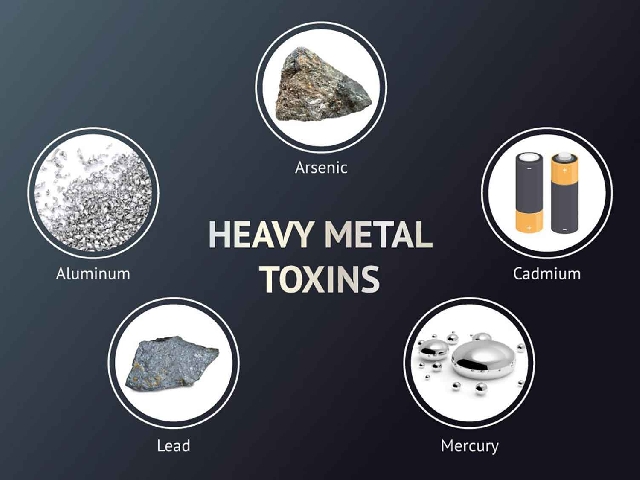

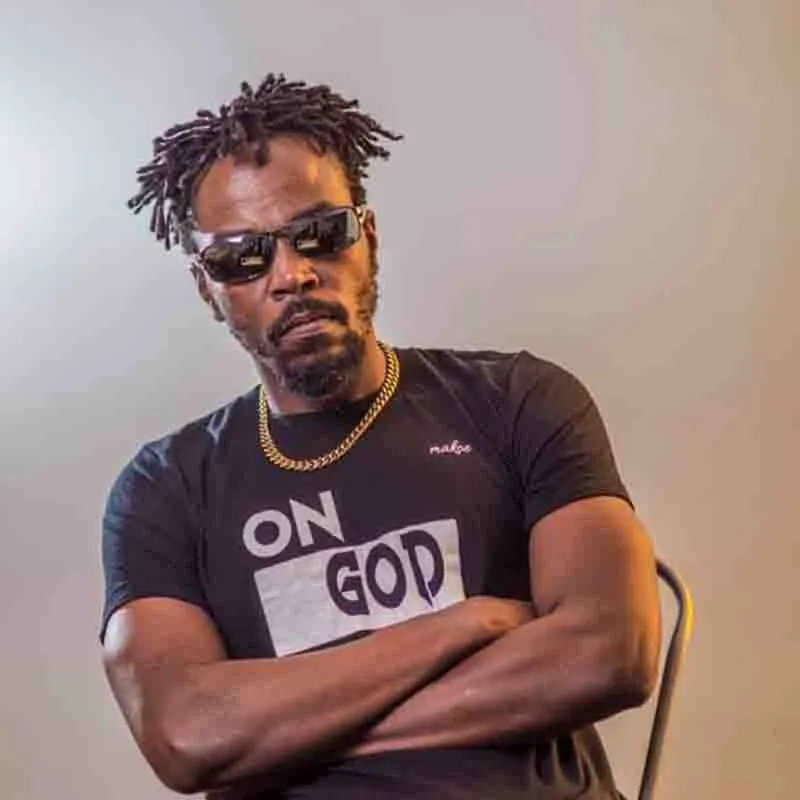


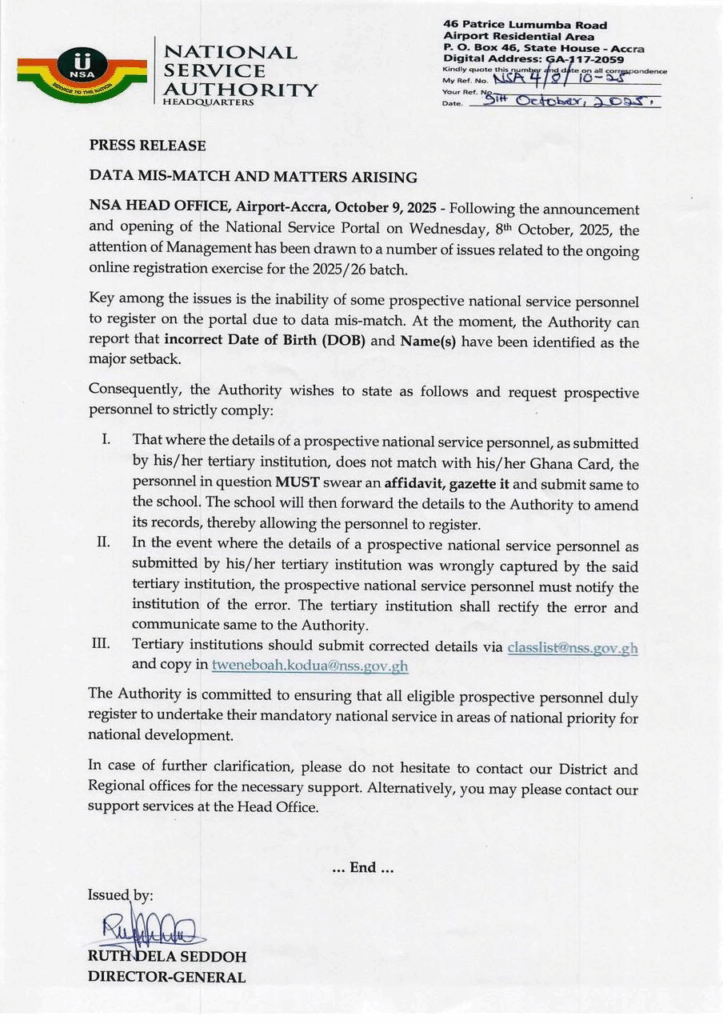

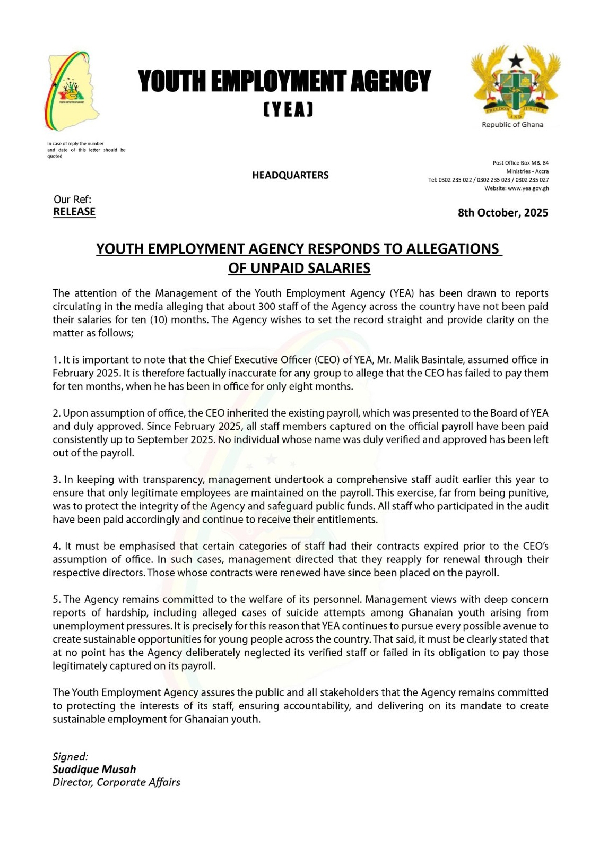
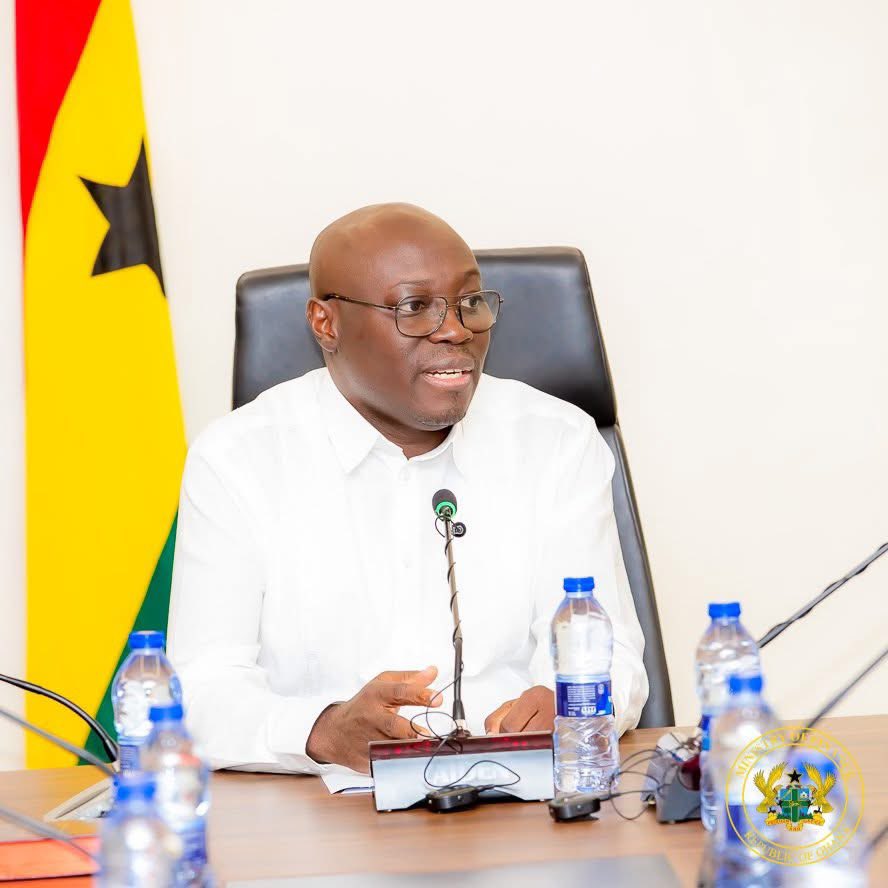
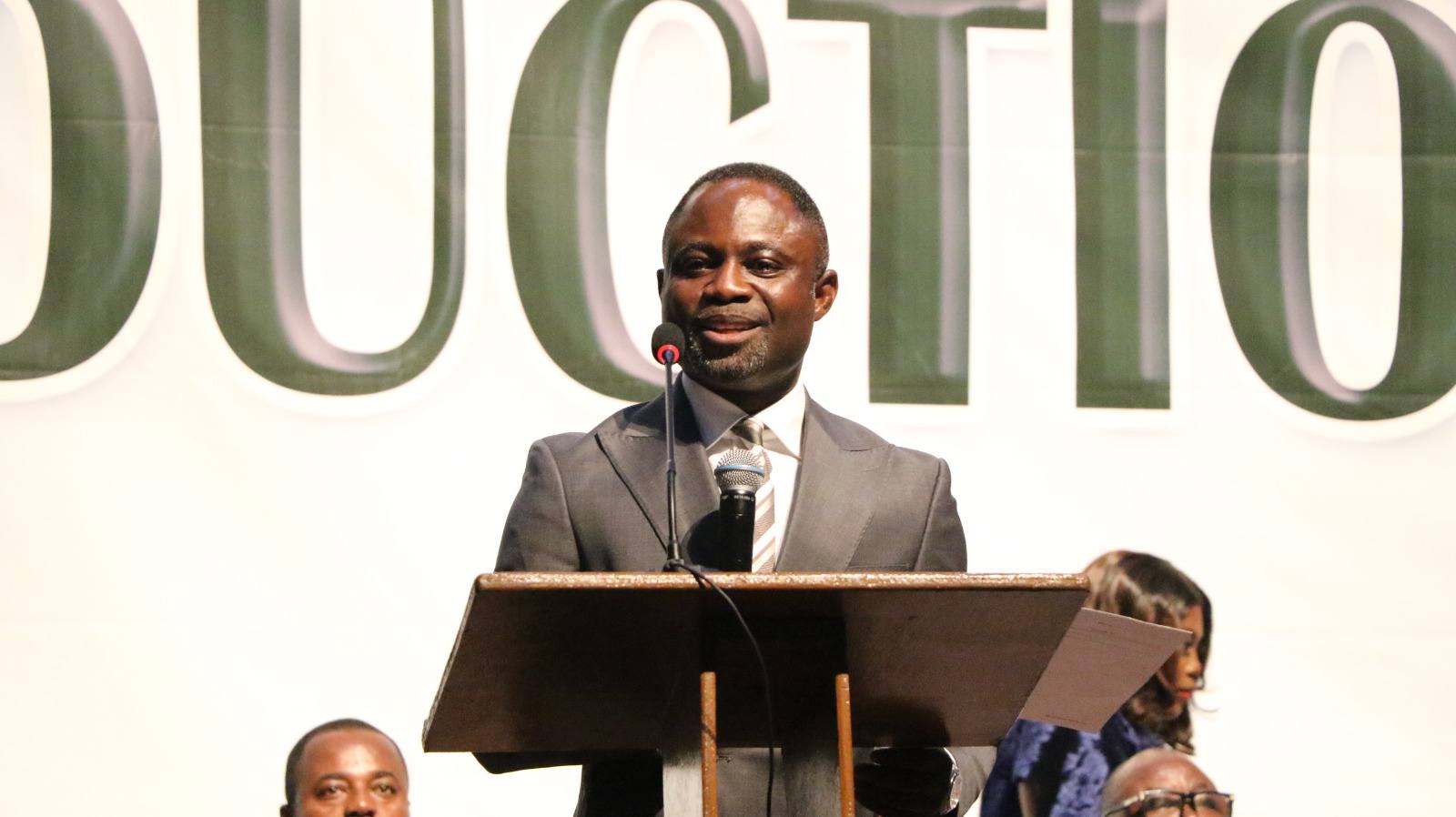
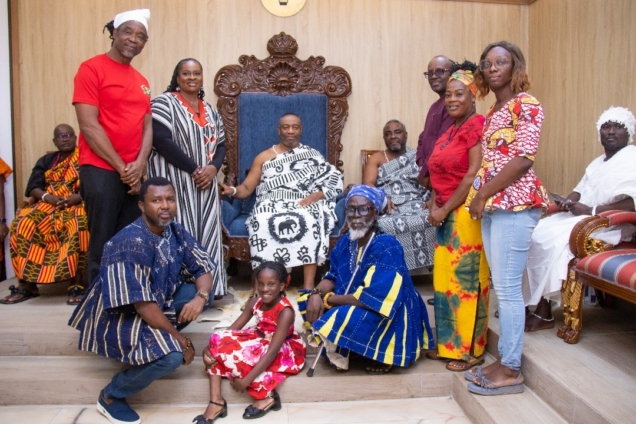
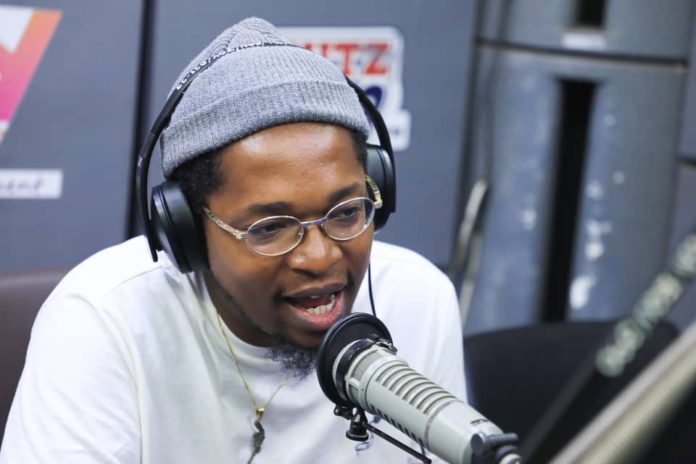



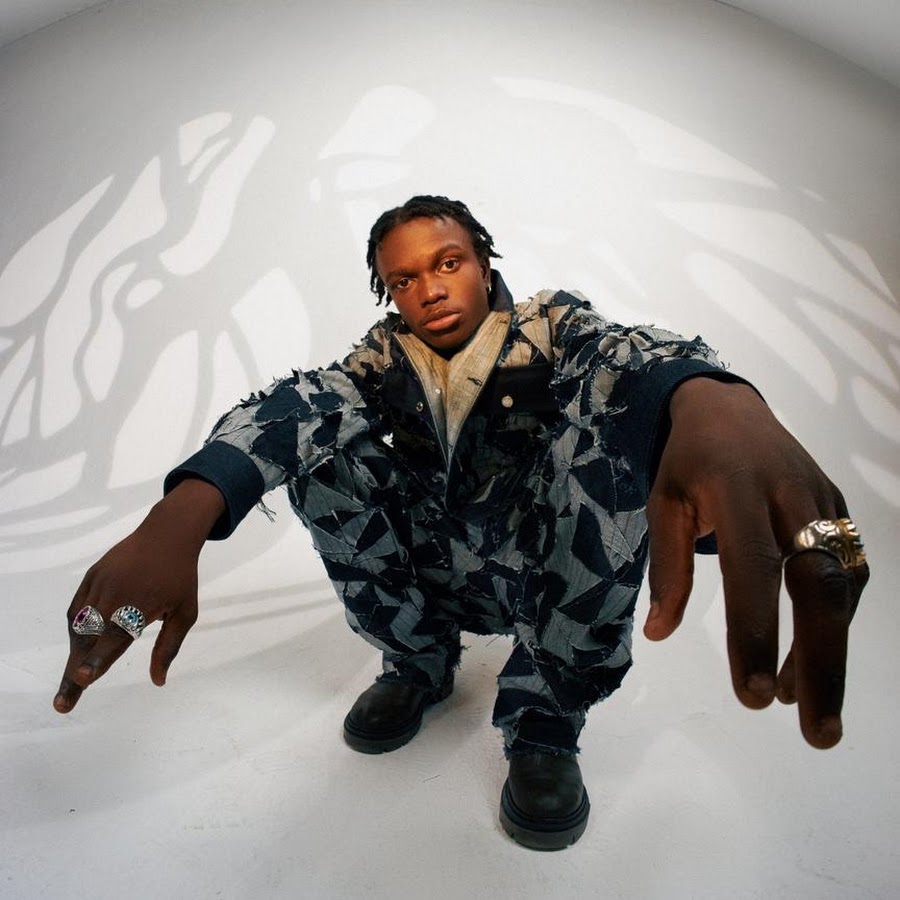





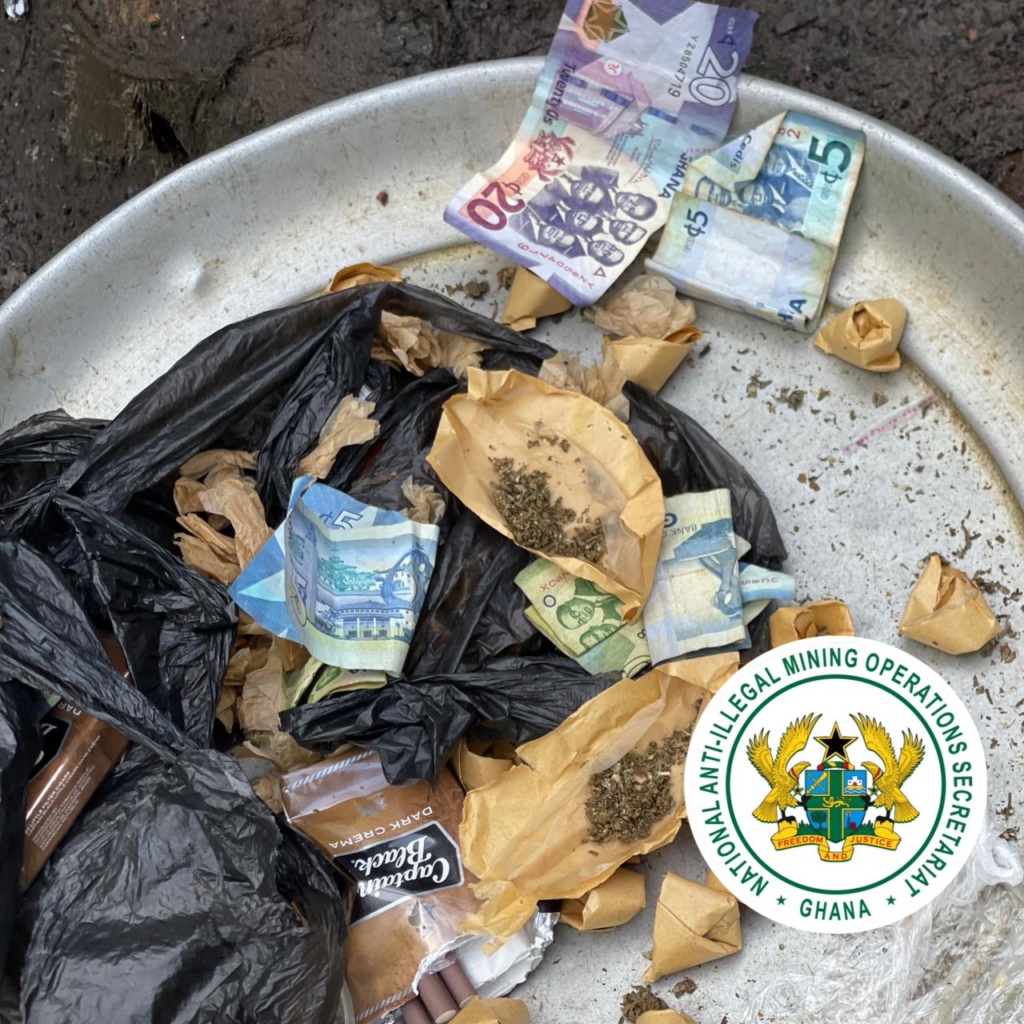
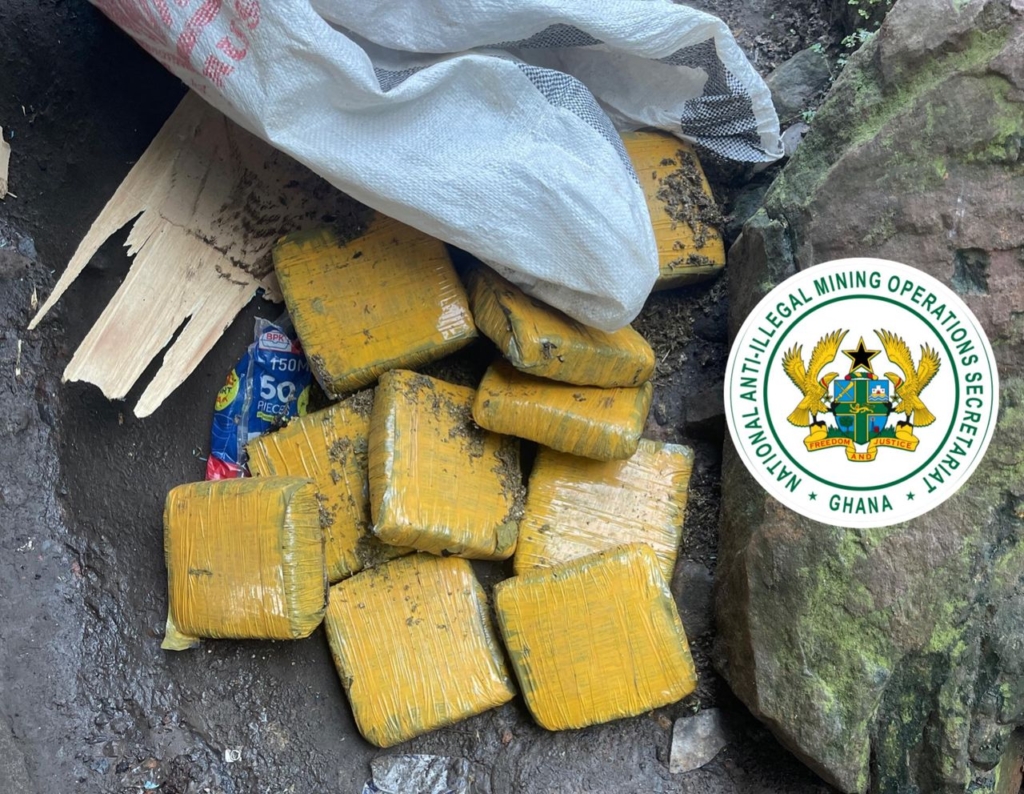
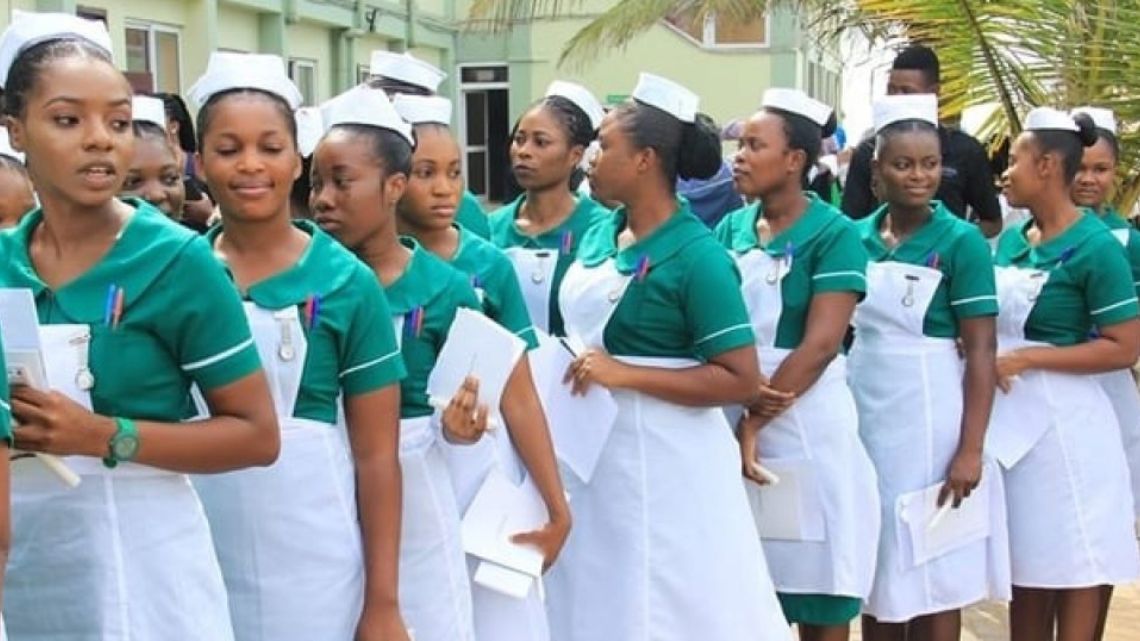

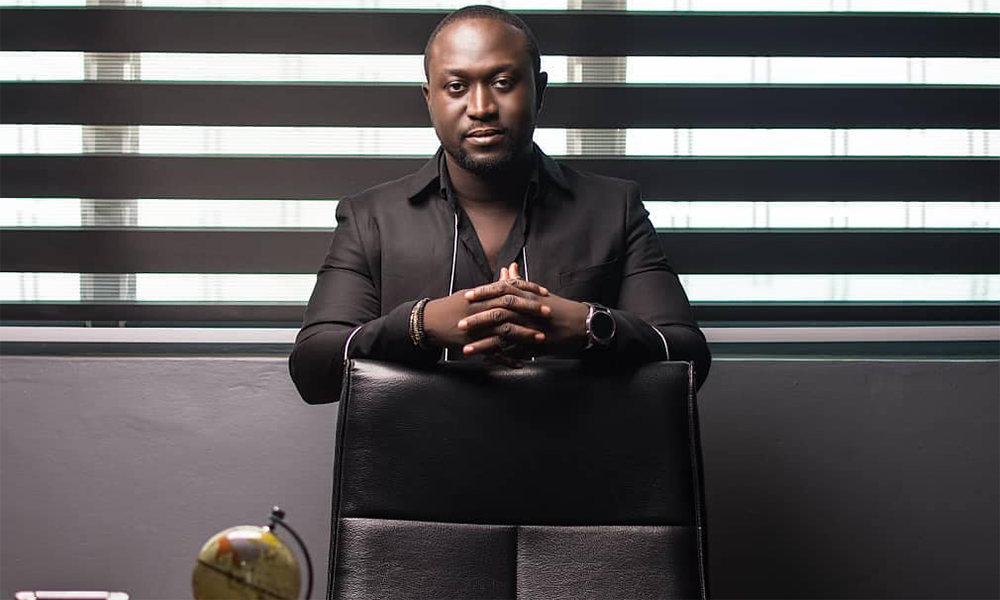


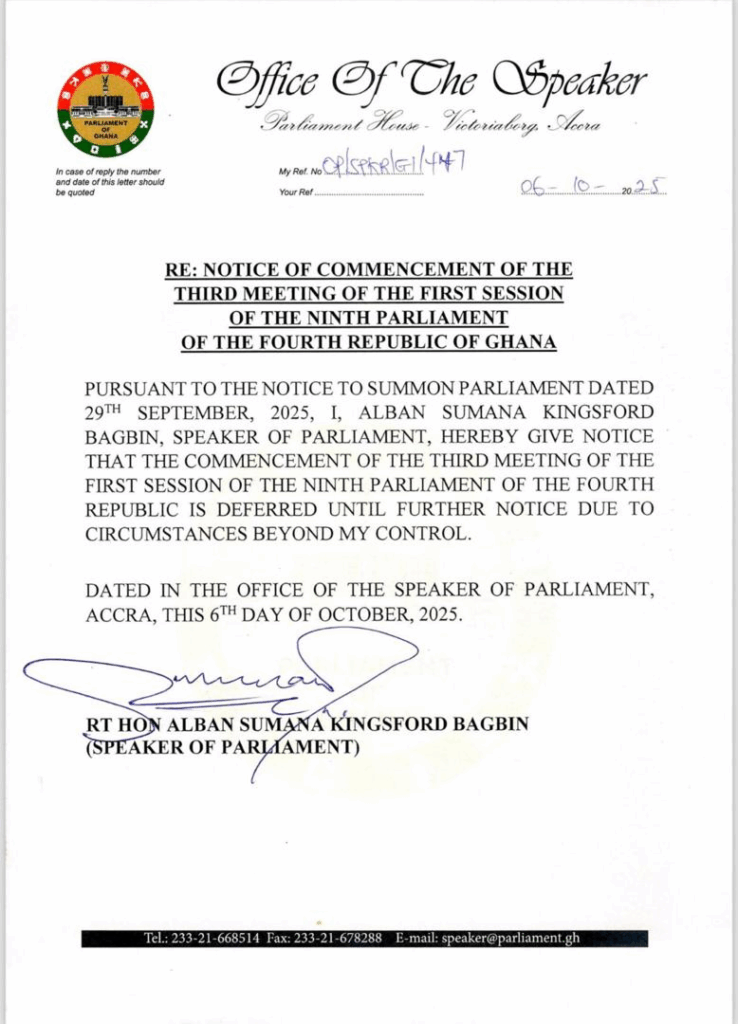
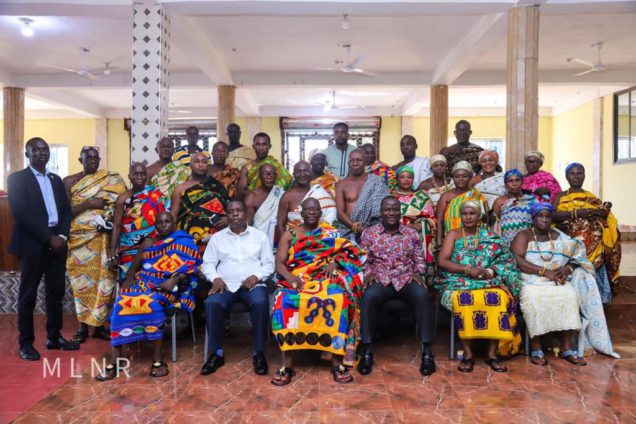

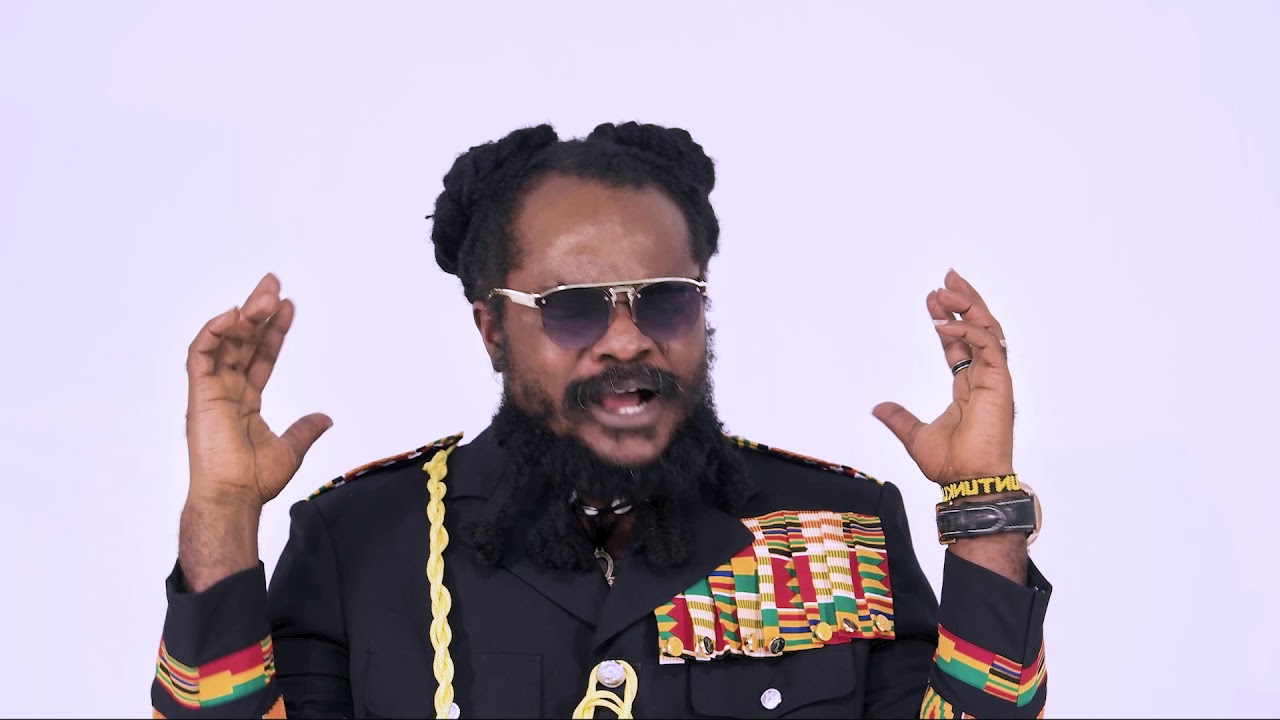

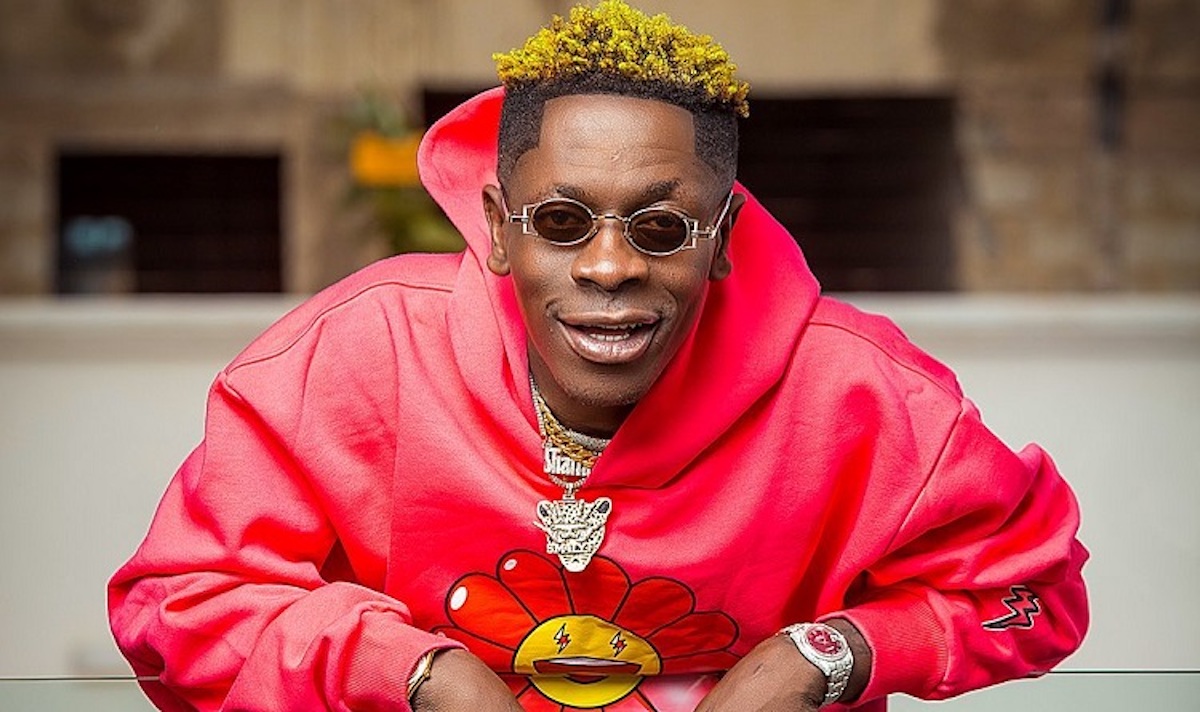
 “
“
 “
“ “
“