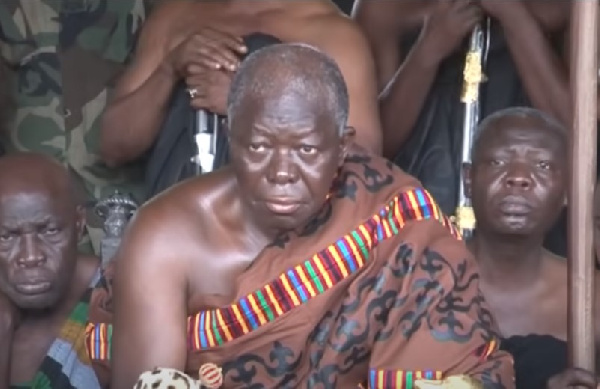
Author: Amanda Cartey

  • SOCO project launched by Bawumia to boost infrastructure development in Ghana

    SOCO project launched by Bawumia to boost infrastructure development in Ghana

    Vice President Alhaji Dr. Mahamudu Bawumia has emphasized that the implementation of the Social Cohesion Projects (SOCO) will greatly boost infrastructural development in the operational areas.

    During the symbolic groundbreaking ceremony held in Yendi, the project, part of the Gulf of Guinea Northern Regions Social Cohesion (SOCO) initiative, is set to execute 582 sub-projects across six regions.

    This endeavor, supported by a $150 million World Bank facility secured by the Government, aims to deliver resilient community infrastructure and assets through a Community Driven Development approach (CDD).

    The project falls under the Ministry of Local Government, Decentralization, and Rural Development (MLGDR) and covers 48 Metropolitan, Municipal, and District Assemblies (MMDAs) within the Northern, North East, Upper East, Upper West, Savannah, and Oti Regions.

    The SOCO intervention is expected to contribute to preventing the spread of conflict from the Sahel region, reduce vulnerability to climate change, strengthen local institutions, improve economic opportunities, build public trust, and enhance regional dialogue among Gulf of Guinea countries.

    The allocation of projects is as follows: eight MMDAs in the Northern Region, 15 in the Upper East Region, 11 in the Upper West Region, six in the North East Region, and four in the Oti Region. These initiatives will result in the development of various infrastructure in peaceful communities, including roads, schools, and other essential facilities.

    Vice President Bawumia noted that 2023 marks phase one of the SOCO project, which will include training for women and youth, creating additional employment opportunities for communities. He praised Mr. Daniel Botwe, the Minister for MLGRD, for his dedication to the project’s achievement and urged implementation agents to avoid project delays.

    Ya-Na Abukari II, the Over Lord of Dagbon, expressed optimism that the SOCO project would enhance people’s livelihoods when well executed. He urged supervisors and consultants to exercise prudence and diligence. Ya-Na Abukari II emphasized the importance of the SOCO project in protecting the region from being drawn into conflicts in the Sahel regions of West Africa and the impact of climate change.

    Alhaji Shani Alhassan Shaibu, the Northern Regional Minister, highlighted the project’s objective to finance initiatives such as schools, market infrastructure, and roads to enhance community life. He called on local chiefs to support the SOCO team in implementing these projects effectively.

    Mr. Daniel Botwe, the Minister for MLGRD, mentioned that Vice President Alhaji Dr. Mahamudu Bawumia had launched the project in the Upper East Region in Bolga in November 2022. He emphasized that SOCO projects were selected and owned by the communities, thanking Ya-Na for releasing land for these initiatives and assuring timely completion.

    Alhaji Farouk Aliu Mahama, MP for Yendi Constituency, expressed gratitude to the Government for infrastructure projects in Yendi, including town roads and the Yendi to Tatale road. He highlighted the potential for SOCO projects to provide employment opportunities for the youth and praised the MLGRD for extending these initiatives to his constituency.

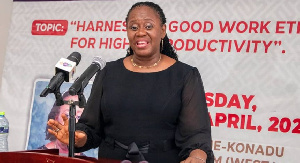
  • MTN reaffirms commitment to reduce carbon emissions by 50% at the end 2030

    MTN reaffirms commitment to reduce carbon emissions by 50% at the end 2030

    MTN has restated its dedication to reducing carbon emissions by 50% by 2030 as part of its strategic initiatives aligned with the Sustainable Development Goals (SDGs) related to environmental and climate action.

    Mrs. Adwoa Wiafe, Chief Corporate Services Sustainability Officer at MTN Ghana, conveyed this commitment during a presentation of the company’s performance and strategic direction at a forum organized for News Editors in Bolgatanga, in the Upper East Region.

    She emphasized MTN’s strong belief in the sustainability of its business, emphasizing that success should not be measured solely by the benefits to the company, but also by its impact on the environment, society, governance systems, and the broader economic benefits it provides to society.

    Mrs. Adwoa Wiafe highlighted the significance of Environment, Social, and Governance (ESG) systems as a fundamental aspect of shared value. She underlined that MTN’s focus extends beyond its own interests to include contributions to the community and environmental protection.

    “So as we receive, we give back to protect our environment for future generations to benefit”, she stressed.

    Regarding the environmental aspect, Mrs. Adwoa Wiafe mentioned MTN’s initiative known as “Project Zero.” This project is aimed at achieving a carbon footprint of zero by 2040. The company is actively working to implement this plan by gradually transitioning to solar energy sources by 2030 and targeting a 50% reduction in its carbon emissions.

    To this end, she added in promoting efficiencies; “if we cannot convert to solar at all, what MTN is doing is replacement of outdated facilities to new ones that are more efficient and conserving its water use as much as possible and waste management in all its places of work“. The Chief Corporate Services Sustainability Officer said.

    In the realm of societal impact, Mrs. Adwoa Wiafe emphasized that MTN is committed to fostering diversity, inclusion, and equality across the spectrum to promote generational equity.

    MTN is actively engaging with various segments of society, including traditional leaders, marginalized communities, individuals with physical challenges, and those traditionally underprivileged.

    This outreach aims to provide these groups with reduced communication costs, promote financial inclusion through MoMo (Mobile Money), and contribute to ICT development.

    Mrs. Adwoa Wiafe highlighted MTN’s dedication to corporate governance, ensuring that robust policies are in place to govern its operations.

    These policies not only protect individuals online but also support MTN’s services, whether in the virtual sphere or within supply chains, conforming to the highest standards.

    Additionally, she mentioned the establishment of a $25 million facility in Accra aimed at teaching digital skills to the youth and providing a platform for businesses to leverage digital tools for their growth.

  • Chief Justice urges engineers to stop losing money on infrastructure development

    Chief Justice urges engineers to stop losing money on infrastructure development

    Ghana’s Chief Justice, Gertrude Torkornoo, has issued a challenge to engineers to prioritize ethical principles in their work to prevent the nation from losing money on infrastructure development.

    Although engineers had played a significant role in fostering excellence and moral behavior, she pointed out that concerns had been raised regarding the enormous amounts of money the nation loses when large government projects are built.

    “It has been acknowledged that discussions on values and ethics are relevant within the context of how Ghana leaks so much money from the way infrastructural development is done.

    “Issues such as corruption, safety concerns, and adherence to code of conduct have always docked the pristine nobility of your profession,” the Chief Justice noted.

    She made this statement at the Ghana Institution of Engineers’ (GhIE) 9th Annual Ethics and Leadership Lecture, which was held in Accra.

    The lecture was on the theme: “Improving national values, professional practice, and engineering ethics”.

    Engineers design budgets for projects, plan improvements to already-existing infrastructure or build new ones, and analyze and solve problems like transportation, water leaks, and power outages.

    Speaking on their importance in national development, Justice Torkornoo said: “Engineers shape our infrastructure, propel technological advancement, and drive innovation, which is pivotal to the progress and prosperity of the nation.”

    She noted that executing such a role required adherence to high ethical values, saying, “Without an ethical anchor, the economy flails or breaks in the hands of its infrastructure developers.”

    Engineers design budgets for projects, plan improvements to already-existing infrastructure or build new ones, and analyze and solve problems like transportation, water leaks, and power outages.

    “The danger to national survival cannot be overestimated in this cacophony. There’s a pressing imperative to my mind to restore, at least, an overview of national values and to recognise that national good is greater than individual grasp, and to make ethics, our lone star,” the Chief Justice said.

    Because of this, she urged GhIE to start a national dialogue on ethics, which she claimed was essential for people’s wellbeing.

    The president of the Ghana Institution of Engineering, Mr. Kwabena Bempong, emphasized the importance of moral behavior as well as the advancement of the country’s infrastructure and economy.

    “Any lack of ethical behaviour on our part, will have disastrous trust, safety, financial and economic implications on our beloved country, and our professional reputation will thus be irredeemably damaged,” he said.

    “It is, therefore, important that as professionals, we constantly remind ourselves of our moral duty and calling to strive for excellence in every aspect of our work and be aware of the need to be ethical,” he encouraged.

    To ensure the ethical conduct of engineers, Mr. Bempong has emphasized that the Institution has published a code of ethics, which includes the Engineer’s Oath, as a guiding framework for their professional practice. Additionally, an annual ethics and leadership lecture is held to reinforce these principles.

    A study conducted in Ghana from 2014 to 2017 highlighted a significant issue: the country incurs annual losses of up to $25 million due to unfinished projects. This sum is equivalent to the construction of approximately 667 three-unit classroom blocks each year, capable of accommodating around 70,000 students.

    Conducted by Dr. Martin Williams, an Associate Professor in Public Administration at the Blavatnik School of Government, University of Oxford, in collaboration with the National Development Planning Commission (NDPC) and the Local Government Service Secretariat (LGSS), the study examined approximately 14,000 projects funded by various sources, including the District Assemblies Common Fund (DACF), Ghana Education Trust Fund (GETFund), Internally Generated Funds, and central government funding.

  • NMC sounds alarm on challenges in nursing, midwifery training amid soaring student numbers

    NMC sounds alarm on challenges in nursing, midwifery training amid soaring student numbers

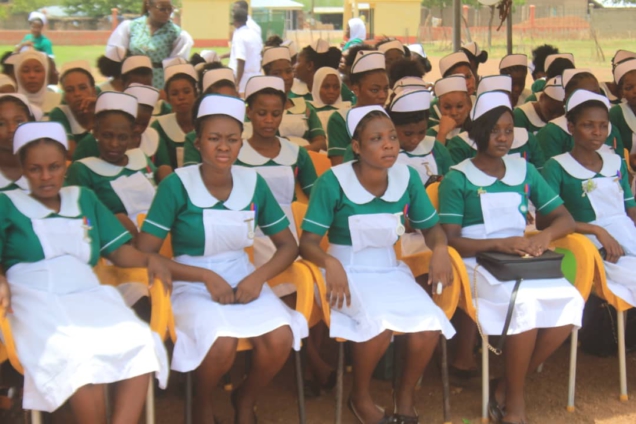
    The Nursing and Midwifery Council (NMC) of Ghana’s Acting Registrar has highlighted a critical juncture in the professional training system for nurses and midwives. This situation arises due to the increasing student population and the challenges faced by educational institutions and programs in maintaining quality standards.

    Madam Philomina Woolley emphasizes the pivotal role of the interaction between students and lecturers in assessing the effectiveness of the teaching and learning process. She also underscores the importance of implementing quality assurance measures, such as accreditation, support, and supervision, to ensure that the educational process is closely monitored and maintained at the desired standards.

    “We are at a crossroads in the training of nurses and midwives in Ghana because the Nursing and Midwifery Training institutions are busting at themselves with an increasing student population. 

    “The increase in student population has not seen a commiserate increase in infrastructure and human resources,” Madam Woolley said at an ongoing Annual General Meeting (AGM) of the Conference of Heads of Health Training Institutions (COHHETI) in Bolgatanga. 

    Speaking on the theme: “Quality assurance and accreditation in the training of healthcare professionals: The anchor for quality education,” the Acting Registrar said training institutions overadmitted students to the extent that some did not have spaces to sit. 

    “I know that in some of the schools, a whole class says they are having online education in nursing. And I heard someone say that we are praying that one day, the NMC will understand that we are in the 20th Century, so we should do online nursing. 

    “We the stakeholders, therefore, cannot assure the public we serve, of the quality of some of our training institutions and programmes,” Madam Woolley said. 

    According to her, clinical attachment students at different hospitals were more than just the patients they cared for.

    “When you go to some of the hospitals, the trainee nurses and midwives are even more than the patients.”  

    The Acting Registrar stated that nursing and midwifery training could not be exceptional and that strict adherence to educational program accreditation requirements and standards was necessary for quality assurance in education and the accreditation of educational programs.

    “Commencing nursing and midwifery training programmes without the due professional accreditation from the regulatory body which is statutorily mandated to undertake the accreditation is tantamount not only to being an enemy to the core tenets of quality assurance in nursing and midwifery education but also an enemy to the State,” she said.  

    Madam Woolley added that quality in nursing and midwifery education was a multi-faceted phenomenon that called for the joint efforts of all key stakeholders, insisting that “We need the quality.” 

    In a world where people’s health depends on the knowledge and abilities of healthcare professionals, Professor Ahmed Abdullai Jinapor, Acting Director-General of the Ghana Tertiary Education Commission (GTEC), stated that maintaining the highest standards of education and training is not only a moral requirement but also a matter of choice.

    “The quality of healthcare education is the cornerstone upon which the foundation of any nation’s healthcare system rests. It doesn’t only affect the lives of individuals, but also determines the overall health and well-being of a society. 

    “In developing countries such as ours, where healthcare resources are often limited, the need for high-quality training of healthcare professionals is even more critical since it solves the human resource challenge of our healthcare system,” he said. 

    The Acting Director-General of GTEC expressed that the healthcare sector holds great significance, as it pertains to the health and welfare of both individuals and communities, making it a noble and essential field.

    “It is imperative that those who aspire to become healthcare professionals receive education of the highest quality to ensure that they are prepared to meet the challenges and complexities of modern healthcare,” he said. 

  • Power sector may face impending crisis as debt soars – Randy Abbey hints

    Power sector may face impending crisis as debt soars – Randy Abbey hints

    Host of Metro TV’s “Good Morning Ghana,” Dr. Randy Abbey, has issued a caution about a potential power sector crisis if the government does not promptly address the substantial debt burdening the industry.

    Dr. Randy Abbey’s warning centers on the government’s focus on supplying electricity to the people while neglecting to tackle the escalating costs associated with power generation.

    He expresses concern that if the power sector debt continues to grow at its current rate, it could eventually spiral out of control, leading to an unprecedented crisis.

    Drawing parallels between the government’s handling of the economic crisis and the looming power crisis, Dr. Randy Abbey notes that rather than acknowledging the issue and taking measures to mitigate it, the government has delayed action until the situation becomes untenable.

    “If we say that with all the refrain that we’ve kept the lights on, at what cost have we kept the light on? I worried about this because prior to us going to the IMF we had the same refrain about Free SHS, teacher and nursing trainee allowance, we were paying salaries, economy was still going on. The question was at what cost? We didn’t answer that question until it became so debilitating that we had to go to the IMF in the situation that we went through. We had to declare ourselves bankrupt.

    “Same with this energy crisis, we are currently at $ 3 billion debt. We don’t have the money to pay but the companies keep producing and we keep increasing this debt. We are told that it makes sense for the companies to produce for us to owe than for them to shut down but is it sustainable?

    “At certain point in time, they will have no choice than to stop. Are we waiting for the time to realize that despite having the lights on, if we don’t deal with this issue we could have a situation where what we could get into will be worse than ever?, he said.

    Dr. Abbey has expressed his concerns on his show on several occasions. These concerns stem from the nationwide power outages that occurred on Thursday, October 26, and Friday, October 27.

    Major power outages occurred in most of the nation; the GRIDCO blamed the low gas supply from WAPCO for the outages.

    “This will affect power supply to consumers in some parts of the country. The inconvenience caused is deeply regretted,” the statement added.

    Recently, there have been worries about unannounced outages, or dumsor as they are called locally.

    Even though the outage was announced, there was no timeline detailing the affected areas or the estimated time frame for the return of regular supply.

  • New Juaben South anticipates 990 to cast vote during NPP Primaries

    New Juaben South anticipates 990 to cast vote during NPP Primaries

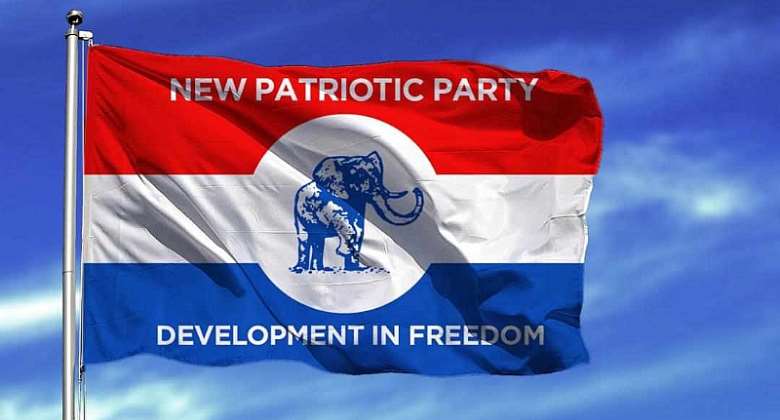
    Nearly 990 delegates in the New Juaben South constituency are ready to cast their votes in the upcoming New Patriotic Party (NPP) presidential primary scheduled for November 4, 2023.

    These delegates include a mix of individuals, such as constituency party executives, polling station election coordinators, and polling station executives.

    Alhaji Abubakar Alhassan (B Wassa), the constituency secretary of the party, provided an update on the proceedings.

    He mentioned that the 10 council of elders are currently not among the 990 delegates and indicated that a decision regarding their inclusion would be determined at the national level.

    The election venue selected for this important event is the Koforidua Secondary Technical Senior High School, where all delegates and party supporters are expected to convene for the voting process.

    The constituency secretary stressed the significance of maintaining a peaceful and respectful atmosphere during campaign activities and the primary itself.

    “Let us all go and speak our minds as to who will lead us and let us understand that this election is an internal and civil exercise that must not divide our ranks,” he said. 

    Adding, “After all is said and done, we will need every party member to rally behind the elected flagbearer to execute the 2024 agenda.” 

    He emphasized that elections provide delegates with a platform to express their preferences for leadership through their votes. He also advised delegates to exercise caution in their words and behavior.

    He called upon both delegates and party officials to refrain from any actions that might jeopardize the unity and cohesion essential for the upcoming 2024 presidential and parliamentary elections.

  • Lover of police commander discovered dead in her bedroom

    Lover of police commander discovered dead in her bedroom

    On Thursday, October 26, 2023, in Kpetoe, located in the Volta Region, residents made a grim discovery in the residence of a high-ranking police official. They found the lifeless body of a man named Billy Bless, estimated to be in his mid-40s, as reported by Graphiconlie.com.

    The official in question is a Superintendent of Police who also serves as the Kpetoe District Police Commander. At this point, her identity remains undisclosed.

    Notably, during the incident, the Superintendent of Police was away in Ho, leaving her official residence unoccupied. Tragically, it was in this vacant home that Billy Bless, identified as the fiancé of the police officer, was found lifeless. This discovery prompted an immediate response, and his body has been transported to the morgue at the Ho Teaching Hospital (HTH) for preservation and an autopsy.

    The sequence of events leading to this distressing discovery unfolded as follows: On October 25, 2023, Billy Bless visited the Superintendent of Police in Ho, where she was visiting her ailing father. After his visit, Billy left Ho without disclosing his whereabouts to the police officer and her father. Subsequently, he traveled to Kpetoe and informed the police commander’s driver of his intention to stay overnight in her official residence, who then entrusted him with the house keys.

    The following day, when the police driver noticed that the key had not been returned to its usual location, he reached out to the police commander, who was still in Ho. She was informed of the unusual situation and directed the driver to seek the assistance of a carpenter to gain access to the residence.

    However, upon gaining entry, the bedroom presented an unexpected and unsettling scene: it was locked from the inside. It required the combined efforts of the carpenter and law enforcement to force the door open, revealing the tragic fate of Billy Bless.

    Alberto Mario Noretti of Graphic Online delved into the backstory, uncovering that Billy and the police commander had been planning to marry. Their relationship took a painful turn when it was revealed that Billy had another girlfriend and a child with her, leading to their separation. This unexpected development may have deeply affected him and could be linked to the tragic outcome.

    While initial investigations are underway, sources indicate that the incident is currently being treated as a case of suicide.

  • Yvonne Nelson encourages fans to harness hate as motivation for achieving greatness

    Yvonne Nelson encourages fans to harness hate as motivation for achieving greatness

    Prominent actress, Yvonne Nelson, has shared a motivational message with her followers, urging them to draw inspiration from those who may hold negative feelings towards them.

    In her perspective, rather than being disheartened by hate, individuals should channel it as a driving force towards achieving greatness.

    While the specific reason for her recent tweet remains unclear, Nelson’s words encourage a positive and resilient outlook on the path to realizing one’s dreams.

    Her tweet read, “Charley, sometimes do it for the haters. Let them motivate you……to never stop”.

    Yvonne Nelson is renowned for her outspoken stance against poor governance. She gained recognition for her involvement in the “Dumsor Must Stop” protest during John Dramani Mahama’s presidency.

    Her activism extends to the present government, where she consistently addresses issues such as corruption and governance failures, which have adversely impacted the lives of Ghanaians, making their circumstances increasingly challenging.

  • Femi Otedola experiences a $171m wealth increase in just 72 hours

    Femi Otedola experiences a $171m wealth increase in just 72 hours

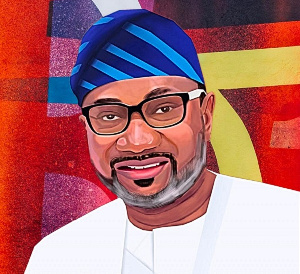
    Nigerian billionaire Femi Otedola has recently witnessed a substantial increase in his wealth.

    The value of his stake in Geregu Power Plc, a prominent player in Nigeria’s power industry, has surged by over $170 million in just three days, as reported by billionaires.africa.

    Otedola, one of Nigeria’s wealthiest individuals, has experienced a notable boost in the market value due to renewed investor interest in the power company following Geregu Power’s impressive financial performance in the first nine months of 2023.

    Geregu Power operates three natural gas-fired power plants with a total capacity of 435 megawatts and plays a significant role in Nigeria’s energy generation sector, contributing 10 percent to the country’s total power generation capacity.

    Femi Otedola holds a commanding 95.56-percent stake in Geregu Power through his company, Amperion Power Distribution Company, totaling 2,388,921,063 shares, according to data tracked by Billionaries.Africa.

    The recent surge in Geregu Power’s share price, leading to Otedola’s wealth increase, is attributed to investors’ positive response to the company’s strong financial performance.

    In an unaudited interim financial statement, the company reported a remarkable 43-percent growth in revenue and a 52-percent increase in gross profit for the first nine months of 2023.

    Otedola’s strategic leadership has contributed to the company’s success across all its segments, with energy revenues surging from N24.78 billion ($32.3 million) to N34.8 billion ($45.3 million). Capacity charges also increased from N14.23 billion ($18.54 million) to N20.95 billion ($27.23 million) during the period.

    This significant boost in Geregu Power’s share price underscores the company’s resilience and its capacity to make a substantial contribution to Nigeria’s power generation sector. It also solidifies Femi Otedola’s standing as one of the wealthiest businessmen on the continent.

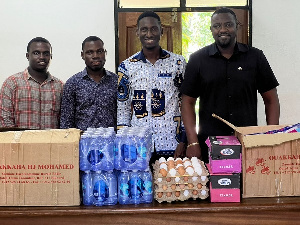
  • John Dumelo provides relief items to tertiary students affected by Akosombo Dam Spillage

    John Dumelo provides relief items to tertiary students affected by Akosombo Dam Spillage

    Actor and politician John Dumelo gave food supplies to University of Ghana students from Mepe, a severely affected town in the Volta Region, in response to the recent Akosombo Dam spill, which resulted in 40,000 people being displaced and substantial property damage.

    John Dumelo announced this on his official Twitter account.

    He gave a variety of goods, such as rice, oil, canned fish, milk, eggs, and more. Additionally, he revealed that he had paid their school year’s tuition.

    “On Friday 27th October, I donated various food items to Legon students who hail from Mepe and have been affected by the dam spillage back home. The items included rice, oil, fruit juices, Milo, canned fish, t-roll, powdered milk, fresh eggs etc. I also paid their tuition fees in addition. I want to thank the Legon SRC for their tremendous effort. Together we can all change lives. God bless us all. #idey4u” he posted.

    This is his second donation; in the past, he gave affected Volta Region residents relief supplies.

    The Lower Volta Basin experienced severe flooding as a result of the spillage caused by rising water levels in the Akosombo and Kpong hydro dams, necessitating such donations.

    The Volta Region’s many districts are feeling the effects, with Battor, Tefle, Mepe, Sogakope, Adidome, and Anlo being particularly hard hit.

    Residents were forced to evacuate, and numerous individuals and organizations are helping with relief efforts.

  • Ministry of Trade and Industry launches Quality Infrastructure Initiatives to propel Ghana’s industrial transformation

    Ministry of Trade and Industry launches Quality Infrastructure Initiatives to propel Ghana’s industrial transformation

    The Ministry of Trade and Industry has introduced the Quality Infrastructure Initiatives, which are poised to have a significant impact on Ghana’s industrial transformation agenda.

    These initiatives encompass three crucial documents: the Ghana National Quality Policy, the Ghana Standards Authority (GSA) Act (2022), and the Ghana Standards Authority’s five-year Strategic Plan Document.

    Kobina Tahir Hammond, the Minister of Trade and Industry, emphasized the importance of these documents in conjunction with the recently enacted Ghana National Accreditation Service Act and the forthcoming establishment of the Ghana National Quality Committee.

    Together, they are expected to steer Ghana towards becoming a world-class industrial hub renowned for high-quality goods and services in Africa.

    Mr. Hammond, speaking at the launch of the Quality Infrastructure Initiatives under the Ghana Economic Transformation Project (GETP), underlined that to achieve the nation’s development and growth objectives, a robust quality infrastructure is imperative.

    He stressed that all goods and services, including hospitality services, must meet the highest international standards to enable Ghana to command premium rates for its offerings.

    “Our factories should produce goods that will be known for quality, durability, and fitness for purpose. Our hotels and restaurants should offer world- class services and our IT firms must come up with software solutions that are interoperable globally and that make life easy,” he added.

    According to him, the nation’s mines and extractive industries need to follow international guidelines for environmental, health, and safety. All extractive industries must be bound by environmental standards and occupational health and safety regulations.

    Mr Hammond said by the powers given to the Minister for Trade and Industry under the GSA Act to declare mandatory standards, “I am determined to make it mandatory for every company in the extractive industries to be certified to ISO standards in environmental protection and occupational health and safety.”

    This will be the most transparent and long-lasting method of proving that companies operating in the mining and oil and gas sectors are adhering to the strictest international guidelines for the preservation of the environment, human health, and safety.

    A strong, globally recognized quality infrastructure was required for Ghana’s industrial transformation agenda.

    “This is what the Ministry of Trade and Industry has developed according to international best practice,” he added.

    Mr. Hammond underscored the vital role played by Ghana’s development partners in establishing the foundational elements of the nation’s industrial transformation agenda. He expressed gratitude to the World Bank Group, in particular, for its collaboration with the Ministries of Finance and Trade & Industry, making these achievements possible through the Ghana Economic Transformation Project.

    Professor Alex Dodoo, Director-General of the Ghana Standards Authority (GSA), highlighted the objective of these initiatives to stimulate private investments and foster growth in non-resource-based sectors, which are anticipated to shape the country’s future in the years to come.

    He elucidated that a quality infrastructure system encompasses a multitude of components, including initiatives, institutions, organizations, activities, and individuals. This system incorporates a National Quality Policy and the institutions responsible for its implementation, a regulatory framework, quality service providers, enterprises, customers, and consumers.

    The National Quality Policy is designed to ensure that products traded within the country are designed, manufactured, and supplied in accordance with the needs, expectations, and requirements of consumers. The GSA Act establishes the GSA as the governing body responsible for formulating and enforcing standards in the nation.

    As for the Strategic Plan, its aim is to consolidate the progress achieved in the past and construct a sophisticated quality infrastructure institution that is competitive, safeguards consumers, and bolsters the country’s industrialization drive.

    He emphasized that the implementation of the National Quality Policy and the GSA Strategic Plan serves the paramount purpose of safeguarding society and preserving lives.

    “Without adhering to international standards, Ghana may not be able to enjoy the benefits of the African Continental Free Trade Area (AfCFTA) as products from the country will continue to suffer rejection due to non-conformity with standards,” he added.

    According to Prof. Dodoo, the measures implemented in Ghana have a significant role in promoting economic expansion, guaranteeing consumer safety, and building a sustainable future.

    The GSA will be assisted by these initiatives in promoting standardization, conformity assessment, and metrology for the enhancement of the caliber of goods, services, and sound business practices in Ghanaian industries and public institutions.

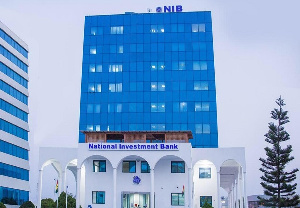
  • NIB remains solvent and not for sale – Majority Caucus

    NIB remains solvent and not for sale – Majority Caucus

    The majority caucus in parliament has emphatically rejected the minority’s assertion that the National Investment Bank (NIB) is on the verge of bankruptcy and up for sale.

    According to Frank Annoh-Dompreh, the Majority Chief Whip, the bank is currently in a stronger financial position than it was during the previous National Democratic Congress government’s tenure.

    During a press conference held by the minority on September 28, they claimed that the government’s failure to repay loans it had guaranteed for contractors had pushed the bank into financial distress, despite the contractors having raised certificates for their development projects.

    Mr. Annoh-Dompreh, Member of Parliament for Nsawam/Adoagyiri, contended that the minority’s “baseless” allegations only served to undermine public confidence not just in the bank but in the entire financial sector.

    “It is not true that the treasury of the bank is gone bankrupt. All documentations prove otherwise.

    “Yes, NIB needs recapitalisa­tion but the treasury of NIB is not bankrupt. The treasury of the NIB is not being run like it used to be under their reign where over GH¢500 million was given to the non-banking sector against the code of ethics of the banking sector,” he said.

    Mr. Annoh-Dompreh, speaking on behalf of the majority, expressed their readiness to collaborate with the minority to advocate for government support in recapitalizing the bank and fulfilling its primary role of supporting industry.

    Rather than undermining the bank, the chief whip commended the current management for successfully rejuvenating the bank’s prospects. He noted that the NIB, as inherited from the previous government, had a high concentration of loans in the construction sector, with a substantial portion of its treasury allocated to construction projects at the expense of other sectors.

    The bank also grappled with weak information technology infrastructure, a high cost of service contracts, and a daily financial requirement of GH¢160 million from the Bank of Ghana for operations.

    In 2019, a government guarantee resulted in a recapitalization injection of GH¢857 million from the Ghana Amalgamated Trust. With effective management, the bank has made remarkable progress, leading to its improved financial standing.

    Due to the sound management exhibited by the current leadership, the majority chief whip highlighted that 60 policies have been implemented to cater to customers from all walks of life.

    “I don’t know if any bank in our country has become more relevant and become more inno­vative than the NIB.

    “Government has put in some good efforts in recapitalising the bank but it still stands to reason that because of the challenges in the financial sector, the bank needs some recapitalisation to remain relevant (and that is what we all should be championing as members of parliament)”, he stated.

    In his view, anything contrary to that would be unnecessary politicisation of the bank for parochial partisan interest as the 2024 general elections beckon.

    “Our colleagues should stop the politicisation of all mat­ters, especially if they relate to the financial sector. It is most unfortunate. I think they have to be more patriotic in matters of this nature which can affect the well-being of the nation.”

  • Yahoo boys expose use of ‘juju’ in online fraud

    Yahoo boys expose use of ‘juju’ in online fraud

    The Cyber Security Authority and the Ghana Police Service are actively combatting the pervasive issue of online fraud in Ghana.

    According to recent data released by the Cyber Security Authority, the country has suffered significant losses, with a reported loss of GH¢49.5 million in the first nine months of 2023 due to cybercriminal activities.

    Although the police have conducted numerous operations and apprehended many individuals involved in online fraud, it appears that these actions have not deterred others from engaging in this illicit activity.

    In a revealing GhanaWeb documentary titled “Escaping the Crime,” the spotlight is cast on the experiences of young Nigerian men who were enticed to come to Ghana and participate in online fraud rings.

    They provide insights into the inner workings of these criminal networks, shedding light on the harsh conditions they endured while confined to houses rented by their handlers for conducting their unlawful operations.

    These individuals also share their stories of how they managed to escape when they could no longer tolerate the circumstances.

    Moreover, the documentary affirms the suspicions of many that mystical practices, often referred to as “juju,” play a significant role in the operations of these criminal rings.

    This ongoing issue of online fraud in Ghana underscores the importance of continued efforts by both law enforcement agencies and authorities to combat cybercrime effectively.

    “These things we’re doing, there’s something we call grace, you can just jam a helper he’ll come and just help you and some that are forming stubborn and you see they have money, you can’t just let them go like that, you can just go and tie them… anything juju we’re not doing it for our own self, we’re using it lock those people to favour us,” one of them said.

    A second also revealed that “it dey work oo it depends and wetin will make am work na based your chairman, if he go that juju then that baba go give am condition and the general condition they mostly give to all the chairmen in this Ghana na to stay away from sex… but most of the chairmen they won’t and that is the reason why boys are not collecting money from the office like my chairman, he changes women like boxers.”

    The frequency of this renewal remains uncertain, but it was noted that their leaders renew the mystical practice, known as “juju.”

    Another individual shared that their leader conducts a ritual involving the use of fetish items. These items are placed in a pot and set on fire. Participants are instructed to speak their intentions as the smoke billows out and surrounds them, although they often find themselves unable to articulate their thoughts.

  • Abu Salami accuses Davido of debt, secret cult involvement, and threats

    Abu Salami accuses Davido of debt, secret cult involvement, and threats

    The ongoing social media drama between Abu Salami and music sensation David Adeleke, known as Davido, has continued to captivate online audiences.

    Business mogul, Abu Salami, has persistently called out the music star for a purported debt exceeding N500 million.

    In a recently circulated video that quickly went viral on social media, Abu Salami boldly asserted his refusal to be intimidated. He alleged that Davido is affiliated with a secret cult and had attempted to recruit him into the group, an offer he vehemently declined. Additionally, Abu accused Davido of employing threats involving his wealthy father, Deji Adeleke.

    Furthermore, Abu Salami claimed that he had incurred debt due to Davido’s actions, contending that the boss of the DMW (Davido Music Worldwide) label had a history of swindling individuals and living a fabricated lifestyle to impress the public.

    To compound the situation, Abu Salami noted that negotiations to recover the debt from Davido had reached a standstill, as the singer purportedly lacked the financial means to settle the outstanding amount. The ongoing social media feud between these two figures has left the online community eagerly awaiting further developments and responses.

    To impress everyone, he is robbing people and leading a false life.

    Because he lacks the funds to repay his debts, negotiations with him have failed, Abu said in part.

    Some of the responses that followed the video are shown below.

    Davido belongs to a cult and wanted to introduce me to it, I refused.

    official_dabebe: “Is this even possible? 001 cannot be owing someone na.”

    just_kanyin: “He is voicing out now,I don’t want to hear justice for kini kan! He is voicing out now o!”

    selflovevick: “Is not same davido that just bought chi a house.”

    posh_orla: “I like David yeah, but I’m not cool with the fact that he collects money for shows/businesses and doesn’t play his part. Let’s call a spade a spade, this is really not a good attitude.”

    pathezy4l: “500m debt and na online you day? You never wipe law suit? Weldone.”

  • Dr. Antwi-Boasiako urges public, institutions to safeguard their cybersecurity space

    Dr. Antwi-Boasiako urges public, institutions to safeguard their cybersecurity space

    Director-General of the Cyber Security Authority, Dr. Albert Antwi-Boasiako, has emphasized the importance of public, particularly institutions, taking responsibility for their cybersecurity through the adoption of antivirus software.

    He highlighted that investing in antivirus software is one of the most effective measures to safeguard sensitive data from malicious programs. Speaking at a cybersecurity awareness symposium organized by the Accra Technical University (ATU), Dr. Antwi-Boasiako underscored that the evolving cyber landscape exposes both individuals and organizations to heightened risks.

    The symposium was part of the school’s activities to commemorate this year’s Cybersecurity Awareness Month, a global campaign designed to remind individuals to protect themselves, their families, and their businesses from online threats.

    Their local theme was “Strengthening the Weakest link in the Cyber Security Ecosystem to protect the crown Jewels of Tertiary education Infrastructure.”

    Dr. Antwi-Boasiako emphasized that individuals’ limited ability to protect their personal information even to a minimal extent represents the most vulnerable aspect of cybersecurity.

    He advised businesses, with a particular focus on educational institutions, to implement the essential measures required to secure sensitive data, including test results, bank account details, and student information.

    “It is not enough to invest in technologies to protect sensitive information, but it is important to build the capacity of the people to man the systems,” he said.

    The need for cybersecurity has increased, according to Professor Amavi Acakpovi, Acting Vice-Chancellor of ATU, as a result of the emergence of COVID-19 and the rise in the use of the internet for a variety of purposes, such as conducting meetings and exams online.

    “Today we run many information technology systems in the University, such as academic records management, human resource records, financial records, admission and certification,” he said.

    According to Prof. Acakpovi, the university has made efforts to be a hub of innovation and knowledge, and it is at the forefront of technological education.

    “We recognise that, in the 21st century, our students, faculty, and the community at large must be well-versed in the art of cyber defence,” he said.

    He claimed that cooperation was essential to the nation’s digital society’s future, the security of sensitive data, and the preservation of vital infrastructure.

    According to Prof. Acakpovi, the School has strengthened its defenses by establishing cutting-edge cybersecurity programs, investing in cutting-edge technology, and collaborating with government agencies and industry experts.

    He said, “The threats we face today may pale in comparison to those of tomorrow, hence, the need for continuous dialogue, the dissemination of knowledge, the exploration of emerging trends, and the sharing of best practices are not just a necessity; it is our moral and ethical obligation to future generations.”

  • GIPC works with Bono East stakeholders to bring in investors

    GIPC works with Bono East stakeholders to bring in investors

    In order to meet stakeholders and discuss strategies for luring in both domestic and foreign investors to spur regional development, a team from the Ghana Investment Promotion Centre (GIPC) has started a sensitization tour at Techiman in the Bono East Region.

    Tour Promotes Local Investments and Empowers SMEs Across Multiple Ghanaian Regions”

    A tour themed “Grow in Ghana, grow with Ghana” is set to traverse the Bono East, Bono, Ahafo, Volta, Oti, Eastern, and Greater Accra Regions. The tour’s primary objectives are to raise awareness about the functions of the Ghana Investment Promotion Centre (GIPC), bolster local investments, and aid Small and Medium Enterprises (SMEs) in scaling up to attract investments.

    During this tour, the team will engage with processors, local investors, and small-scale enterprises. They will also hold discussions with the Metropolitan, Municipal, and District Assemblies (MMDAs) and traditional authorities to emphasize the importance of making land available for investment purposes. Additionally, they will visit businesses with investment potential to educate them on creating opportunities to attract both local and foreign investors in the sector.

    Dr. George Asafo-Adjei, the Director for Monitoring and Evaluation at GIPC, noted that the World Bank supports this tour under the Ghana Economic Transformation Project (GETP) in the second phase of its annual Regional Sensitization.

    The team has already collaborated with Regional Ministers, Regional Coordinating Directors, and staff of the Regional Coordinating Council (RCC), as well as representatives from various government organizations and authorities related to business development.

    Over 1000 participants from both the public and private sectors, including members of organizations like the Association of Ghana Industries (AGI), Ghana National Chamber of Commerce and Industry (GNCCI), and the Association of Small-Scale Industries (ASSI), are expected to participate in the regional business forums and clinics. These events will focus on specific initiatives under the African Continental Free Trade Agreement (AfCFTA) and guide participants on accessing finance for their projects.

    Mr. Kwasi Adu-Gyan, the Bono East Regional Minister, encouraged the MMDAs to identify development projects suitable for marketing by the GIPC, thereby enhancing the overall development of their respective districts and regions.

    One participant, Madam Ellen Okain Feuku, a processor, expressed her appreciation for the enlightening forum and indicated her intention to utilize the knowledge gained to attract investors to her area.

  • High-net-worth investors inject $2m into 7 women-led MSMEs

    High-net-worth investors inject $2m into 7 women-led MSMEs

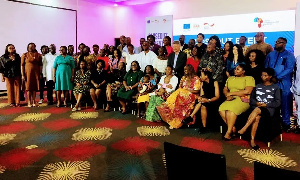
    Private high net worth individual (HNI) investors have successfully provided US$2 million in funding to seven female-led micro, small, and medium-sized enterprises (MSMEs).

    Juanita Addo, CEO of Hyma Academy, made this announcement during the Women Entrepreneurship for Africa (WE4A) project’s conclusion in Accra.

    She said that ten more SMEs received grants of €50,000 for equipment to help them grow, while four more businesses were awarded grants of €120,000.

    Held under the theme ‘Leveraging the Untapped Potential of Female Entrepreneurs for Job Generation’, the concluding event offered a platform for women entrepreneurs to exchange insights, recount their journeys, discuss opportunities and obstacles, and impart valuable lessons learned throughout implementation of the WE4A project.

    It also emphasized their growth, accomplishments, and important contributions within their fields; it fostered networking, sparked discussions about upcoming projects, and provided assistance for businesses run by women.

    The need for WE4A project

    In Ghana, women play a significant role in the Micro, Small, and Medium-sized Enterprises (MSMEs) sector, owning approximately 44% of these businesses, according to data from the World Bank. The nation also stands out for its high number of women entrepreneurs on the African continent, with exceptions being Uganda and Botswana, as reported in the MasterCard Index of Women Entrepreneurs for the year 2021.

    However, despite these impressive statistics, women-led MSMEs in Ghana encounter numerous challenges that hinder their growth and success. These obstacles encompass difficulties in accessing financial resources, outdated customary laws related to inheritance and land rights, and deep-seated social norms that discourage women from venturing into entrepreneurship.

    In response to these challenges, a two-year project was initiated with the goal of empowering African women entrepreneurs, stimulating economic growth, and advancing gender equality within the entrepreneurial landscape. This initiative aimed to achieve these objectives through targeted training, financial support, and strategic partnerships with the private sector.

    Implemented as a collaboration between the Deutsche Gesellschaft für Internationale Zusammenarbeit (GIZ) GmbH and the Tony Elumelu Foundation, this project has yielded positive outcomes for women entrepreneurs in Ghana. Approximately 40 women have been equipped with the skills, resources, and support necessary to establish and operate successful businesses in the country.

    This project not only celebrates the significant contributions of women to the business sector in Ghana but also highlights the importance of addressing the multifaceted challenges they face. By empowering women entrepreneurs and promoting gender equality, Ghana takes substantial steps toward a more inclusive and economically vibrant future.

    “We achieved this through comprehensive training in capacity building, book-keeping, investor readiness among others,” explained the Team Leader-Employment for Skills and Development in Africa (E4D) at GIZ Ghana, John Duti. “The programme also equipped the 40 businesses with various tools to enhance their growth; these businesses have now collectively secured 217 jobs and created 103 new jobs,” he added.

    Economic inclusion

    Gerald Guskowski, the Cluster Coordinator for Sustainable Economic Development at GIZ, expressed that the project’s overarching goal is to enhance the economic inclusion and empowerment of women, ultimately leading to the generation of better employment opportunities in African economies.

    “Specifically, it is targetted to increase the number of African women entrepreneurs who have enhanced business capacities, have access to formal financial services, are integrated into local and regional value chains, and contribute to employment creation in their communities,” he said.

    “And this programme has significantly boosted efforts toward economically empowering women in Ghana and on the continent; and I therefore encourage all stakeholders to continue joining hands to empower women-led enterprises even after the programme’s closure,” he added.

    He congratulated the 40 women entrepreneurs for successfully completing this phase of the programme, and encouraged them to: “Make the most of everything you have learnt through this intervention, so that you will continue to be shining examples of economically empowered women for your communities”.

  • Ghana extends invitation to Danish, Swedish investors for access to African market

    Ghana extends invitation to Danish, Swedish investors for access to African market

    In a bid to entice foreign investors and facilitate economic globalization, the Ghanaian government is placing significant emphasis on the nation’s strategic position as a launchpad to the expansive African market.

    This appeal for investors to view Ghana as a gateway to Africa took center stage at a business seminar hosted in Accra.

    The event brought together key government officials and delegates from Denmark and Sweden to explore collaborative economic opportunities.

    During the seminar, Minister for Information, Kojo Oppong Nkrumah highlighted Ghana’s strategic importance as a gateway to the vast African market, underlining the potential for international businesses to expand their presence throughout the continent.

    Mr. Nkrumah stated, “Our focus in Ghana today is to open up the Ghanaian economy to the world so that we can build partnerships that can serve Africa and the world.” He continued, “Today, we are boasting of the continental free trade agreement secretariat, and working from a place like Ghana is only a launchpad to be able to reach the over a billion people in the African market.”

    Highlighting the alignment of interests between the Danish/Swedish business delegation and Ghana, Mr. Nkrumah expressed his enthusiasm for the potential collaboration.

    “I was reading this morning the profiles of some of the businesses that are here, and I was excited to note that they coincide pretty well with our areas.”

    Furthermore, Mr. Nkrumah emphasized the government’s commitment to resolving any challenges faced by the Danish and Swedish businesses. “Our doors are open to help you resolve them, so it’s easier for you to do business in Ghana. Your success is our success, and our success is your success,” he said.

    Her Excellency, Mrs. Sylvia Naa Adaa Annor, Ghana’s Ambassador to Denmark, addressed the delegation, underscoring the significance of their visit to Ghana. She referred to the Danish Foreign Minister’s earlier announcement in the year, which highlighted Africa as a key focus for Denmark in 2023.

    Ms. Annor’s enthusiasm was palpable as she recounted how this declaration had motivated the Ghanaian Embassy in Copenhagen to enhance economic bilateral relations between the two nations, paving the way for the business delegation’s journey.

    She acknowledged the crucial sectors of health, clean water technology, and agro-processing as areas ripe for investment and growth. Ms. Annor emphasized that these sectors were in alignment with the interests of the Danish and Swedish businesses in the delegation.

    In her speech, Ms. Annor recognized the presence of numerous Danish companies in Ghana, including Maersk, Alumichem, Arla Foods, Grundfos, FOSS Analytics, Cimbria, and FLSmidth, operating across various sectors in the country. She also highlighted the Sweden-Ghana Cancer Medical Center, established with the support of the Swedish Government, serving not only Ghana but the entire West African sub-region.

    Ms. Annor encouraged Danish and Swedish businesses to establish local partnerships and collaborate with relevant government agencies and local enterprises in Ghana. She emphasized the significance of the scheduled B2B meetings later in the day as a platform for interaction and partnership development.

    Given Ghana’s role as the host of the African Continental Free Trade Area, Ms. Annor pointed out that the opportunity for Danish and Swedish businesses to leverage the competitive business environment and serve the broader African market was unparalleled. She expressed confidence that the companies in the delegation would find their place in the Ghanaian market.

    The business seminar and the warm reception by Ghanaian authorities underscore the country’s commitment to attracting foreign investment and promoting economic development. As Ghana positions itself as a gateway to access the African market and achieve global success, the visit by Danish and Swedish businesses represents a significant stride in realizing these aspirations.

  • Ken Agyapong’s campaigners stage bold entry to Assin police station for fellow supporter’s release

    Ken Agyapong’s campaigners stage bold entry to Assin police station for fellow supporter’s release

    A group of individuals, perceived as supporters of Kennedy Agyapong, a hopeful candidate for the New Patriotic Party (NPP) flagbearer position, forcefully entered a local police station in Assin on Friday, October 27, 2023.

    As reported by Angel FM, the incident occurred at the Central North Police Headquarters, where they were attempting to secure the release of one Apostle Iddrisu, also known as Reverend Shammah.

    Interestingly, even though the detainee is not an NPP supporter, he has publicly expressed his endorsement of Ken Agyapong and was arrested recently for making threats against NPP delegates who do not support his favored candidate.

    In a video shared from the police headquarters, several supporters of Kennedy Agyapong are seen engaged in a scuffle as they attempted to access the cells to release the detainee.

    The Angel FM reporter mentioned that a sense of cam was eventually restored with the arrival of additional law enforcement personnel.

    The arrest of the detainee came after a video went viral in which he threatened to cause unrest during the November 4 presidential primaries in Assin Central.

    An official police statement on October 25 confirmed the arrest of the suspect, identified as Ibrahim Iddrissu Shummah, who was in their custody, assisting with the ongoing investigation.

    “The Police have today Thursday 26th October, arrested suspect, lbrahim Iddrissu Shummah, who was seen in a viral video threatening to attack and prevent people from voting in the upcoming Flag bearer Elections of the New Patriotic Party in the Assin Central Constituency.

    “The suspect is in custody assisting investigation,” the statement concluded.

    Watch the Angel FM report below:

  • Video footage of General Ankrah’s arrival at a radio station to declare Nkrumah’s ousting in 1966

    Video footage of General Ankrah’s arrival at a radio station to declare Nkrumah’s ousting in 1966

    On February 24, 1966, Ghanaians awoke to the stunning news that the Convention People’s Party (CPP) had been abolished as a political entity, and Dr. Kwame Nkrumah had been removed from his position as the President of Ghana.

    Dr. Nkrumah, who was on a peacekeeping mission in Hanoi, Vietnam, was deposed from power upon leaving a three-member presidential commission in charge of the nation.

    Following this ousting, famously known as ‘Operation Cold Chop,’ the National Liberation Council (NLC), led by General Joseph Arthur Ankrah, brought the entire country to a halt.

    Prior to his overthrow, Dr. Nkrumah’s popularity had dwindled significantly in the mid-1960s due to factors such as tax increases, the introduction of a mandatory savings system, wage and salary freezes, excessive government spending, and other challenges plaguing the nation.

    Unsealed CIA documents also revealed that the United States government had begun withholding loans to Ghana, impacting foreign exchange reserves, and lowering world cocoa prices through stockpiling measures to deprive Dr. Nkrumah of crucial financial support.

    In light of the events in Accra, video footage has emerged depicting General Ankrah, the leader of the NLC and the coup plot, entering a radio station to address the nation regarding Nkrumah’s removal from power. Accompanied by fellow NLC members, General Ankrah laid blame on Dr. Nkrumah for the country’s state of affairs and went so far as to label him Africa’s top ‘tyrant’ and dictator.

    The NLC leader also issued a warning that if Nkrumah were to ever return to Ghana, he would be subject to trial by the state.

    The day’s events were marked by widespread jubilation and mockery directed at Dr. Kwame Nkrumah and his government. You can watch the video of General Ankrah entering the radio station to announce Nkrumah’s overthrow in 1966.

  • Temporary fishing ban in Keta due to rising water levels

    Temporary fishing ban in Keta due to rising water levels

    The Keta Municipal Security Council has issued a temporary ban on fishing activities in the region.

    This directive has been prompted by the elevated water levels resulting from the opening of the flood control gate at the Havedzi-Kedzi estuary, which allowed the Keta Lagoon to discharge into the sea.

    According to Emmanuel Gemegah, the Municipal Chief Executive of Keta, this measure has been taken to safeguard the lives of the fishermen.

    He explained that the spillage from the Akosombo Dam now flows into the Keta Lagoon because the usual pathway into the sea has been affected, leading to a rise in water levels.

    “Apart from the River Volta, we also have other water bodies in addition to rainfall and so there is high pressure in the Keta Lagoon, and we feel if we should allow anybody to get close, we may lose lives and properties,” he added.

  • Former MP criticizes Ken Agyapong’s unwarranted govt attacks, threats in NPP flagbearer race

    Former MP criticizes Ken Agyapong’s unwarranted govt attacks, threats in NPP flagbearer race

    Former Member of Parliament for Suhum, Frederick Opare-Ansah, has voiced his criticism of the New Patriotic Party (NPP) flagbearer hopeful, Kennedy Agyapong, for what he views as unjustified attacks on the government.

    The ex-lawmaker has taken issue with Agyapong’s assertions that he played a significant role in the appointment of numerous government ministers, deeming these claims as unfounded. Opare-Ansah further pointed out that even if these claims were accurate, it would indicate that Agyapong wields considerable influence within the government he is currently criticizing.

    During an interview on Wontumi FM on October 27, 2023, Opare-Ansah suggested that Ken should refrain from complaining about economic shortcomings, as he had a role in the administration, particularly in appointments.

    Opare-Ansah also raised questions about whether Kennedy Agyapong carefully considers the repercussions of his public statements before making them.

    “So, what is his problem? If the government belongs to you, and you made all the appointments, then why are you complaining? Does it mean that he doesn’t think about what he says? Some of us can listen to you and know that what you are saying doesn’t make sense,” he submitted.

    He drew attention to a particular comment made by Agyapong, in which the aspirant flagbearer threatened to take legal action against Central Regional executives should they choose not to endorse him.

    Opare-Ansah claimed that this sparked questions about Agyapong’s methods and motivations within the party.

    “Kennedy should have taken his time, I want him to understand clearly that the NPP has men and nobody is afraid of him and he shouldn’t think he can destroy the party. That is why others are telling him that if he feels he has gotten enough he can leave.

    “Your thinking always is that if it will not benefit me then nobody else…haven’t you heard him saying that Central Regional executives if they don’t vote for him will see after the election?

    “If he jokes with me, I will sack him from his region in this election. I am telling him, I will let him run from his own constituency. I will be in Assin Central on November 4; if he is a man, he should meet me there.”
    It may be recalled that Kennedy Agyapong threatened the party if Vice President Bawumia wins the Central Region in next month’s flagbearership election.

    “If Bawumia wins in Central Region, you’ll see what will happen in 2024,” Kennedy Agyapong said in a radio interview.

    “I dare them. I am daring Chairman Kutin and the Regional Executives that if they are men, if they fool, what will happen in Central Region, they should try,” he threatened.

    “What I will do to them in Central Region, and if they know what is coming, they better give Kennedy Agyapong 100% in Central Region.”

    Kennedy is one of three candidates vying for the flagbearership position: Dr. Bawumia, Dr. Owusu Afriyie Akoto, and Francis-Addai-Nimoh.

    November 4, 2023 is the date set by the NPP to elect President Nana Addo Dankwa Akufo-Addo’s replacement as the party’s leader.

  • 6,668 tonnes of illicit substances withheld by NDLEA 2 years

    6,668 tonnes of illicit substances withheld by NDLEA 2 years

    The Chairman of the National Drug Law Enforcement Agency (NDLEA), Brigadier-General Buba Marwa (retd.), has revealed that the agency has confiscated more than 6,668 tonnes of illicit substances in the span of two years.

    Marwa made this announcement while responding to a request from Governor Dikko Radda for a partnership and the deployment of additional NDLEA personnel throughout Katsina.

    The statement was released by Mr. Femi Babafemi, the Director of Media and Advocacy at NDLEA, on Friday in Abuja.

    During the same period, over 36,096 suspects have been arrested, with more than 6,043 successfully prosecuted and convicted. Marwa emphasized the severity of the drug problem, which has adversely impacted the lives of numerous Nigerian youths and communities.

    He described it as “public enemy number one,” particularly concerning its contribution to criminal activities. Marwa noted that 99 percent of criminals must first have access to drugs and be under the influence to commit some of their unlawful acts.

    “That is why the NDLEA under the collective support of the directorates and management, has put all efforts towards operation ‘offensive action’.

    “This operation involves going out to seize all drugs cultivated, imported, or on the verge of being exported out of the country.

    “More than 6,668 tonnes of illicit substances have been seized in two years, and this is the drug supply reduction aspect.

    “We have also arrested the perpetrators of the act, and more than 36,096 suspects have been arrested and more than 6,043 already prosecuted and convicted within this period.”

    Marwa stressed that another side of the fight was drug demand reduction, which focused on the prevention, treatment, and aftercare of drug-dependent persons.

    “The preventive measure targets those who have not started or are about to start drug use.

    “They are targeted through advocacy and sensitisation across all levels.

    “It is for this reason we structured the War Against Drug Abuse initiative from the National to Local Government Area levels,” he said.

    He promised that the agency would keep working nonstop until all drugs were removed from the streets.

    Radda had stated earlier that the state needed and valued the synergy.

    He claims that the NDLEA has been working very hard to support the government, and that is acknowledged by the Katsina State Government.

    “But we still need more support from the chairman to stop the movement of drugs and ensure the arrest and prosecution of dealers in the state.”

    The governor appealed for better partnership and synergy to reduce the abuse of drugs, the activities of banditry and trafficking in the state.

    “We appeal to the NDLEA for support, and on behalf of the Katsina State Government, we appreciate the NDLEA for the work you are doing.

    “We hope this visit enhances a better working relationship between the NDLEA and the state,” he said.

  • Nigerian coffee producers hope to make $2b by the end of 2023

    Nigerian coffee producers hope to make $2b by the end of 2023

    The coffee industry in Nigeria is seeing a bright future with hopes of reaping $2 billion in the coming two to three years.

    This optimistic outlook is based on the increasing demand for coffee from developed countries, a trend that industry insiders are eager to seize upon.

    Data from the United Nations COMTRADE international trade database revealed that Nigeria’s exports of coffee, tea, mate, and spices reached $38.63 million in 2021.

    Given this backdrop, leaders in the coffee industry are strategically positioning themselves to tap into the growing global appetite for coffee products.

    Africa, as a continent, plays a significant role in satisfying the world’s desire for coffee, providing an impressive 80 percent of the United States’ coffee imports.

    “In the next 2 to 3 years, by aggregating our cultivation capacity, we aim to generate $2bn in coffee revenue,” the President of the West Africa Specialty Coffee Association, Larry Segun-Lean, told The PUNCH at the World Coffee and Tea Expo in Lagos.

    According to Segun, the enormously promising industry is preparing for growth by leveraging the demand for Nigerian coffee abroad, particularly in markets like Japan.

    The President said, “There is significant international interest in Nigerian coffee; currently, some are exporting to countries like Japan and Canada. Africa supplies 80 per cent of the US coffee imports, and Nigeria can tap into this market.

    However, Segun said to achieve this, Nigeria must stimulate interest among Nigerians in coffee cultivation.

    According to him, proper dissemination of information is crucial. “Many people confuse coffee with cocoa, and some even consider coffee a byproduct of cocoa. Securing land is a key challenge.”

    In addition, he pleaded with states that grow coffee to give farmers ample access to land. He pointed out that clearing farmland is a significant challenge that calls for equipment and the right training to increase productivity.

  • Absolute poverty experienced by one in 12 Italians – Report

    Absolute poverty experienced by one in 12 Italians – Report

    A recent report has revealed that nearly one in every 12 Italians is grappling with absolute poverty, a consequence of soaring inflation in the country, according to Euro News. The report, published by the country’s National Statistics Institute (ISTAT) on Friday, highlights a distressing scenario where over 5.6 million Italians are unable to afford basic necessities such as food, shelter, education, and healthcare.

    Over the past decade, the number of Italians living in “absolute poverty” has witnessed a dramatic surge, with 5.67 million individuals and 2.18 million families falling below the income threshold required to meet their fundamental needs. This increase has been particularly sharp over the last few years.

    ISTAT underscores that the primary reason for this spike in the poverty rate is the significant inflation in Italy. In 2022, inflation surged to an estimated 8.7%. While it has moderated to 5.3% as of September 2023, this figure remains considerably higher than the European Central Bank’s target of close to, but below, 2%.

    Of crucial note is that the rising cost of living has disproportionately affected lower-income families when compared to their wealthier counterparts. The government’s assistance to families struggling to pay their energy bills last year is believed to have mitigated the poverty rate’s increase, keeping it from reaching even more alarming levels.

    Italian economist Tito Boeri commented on the recent statistics, expressing his concerns about the situation.

    “‘Absolute poverty’ in Italy can be calculated to mean earning less than €817.56 per month after taxes if you live in a city in the north; earning less than €733 each month after taxes if you live outside of a city in the north; and earning less than €554 per month after taxes if you live outside of a city in the south.

    “Italians in the south are also among the majority of the country’s poor. According to the ISTAT’s latest report, 10.7% of all poor families in Italy live in the south, with a total of 2,038,000 poor individuals and 699,999 poor families considered to be in absolute poverty.

    “By contrast, some 1,832,000 poor individuals and 609,000 poor families live in the north (7.5% of all poor families) and 871,000 poor individuals and 311,000 poor families live in the centre of the country (6.4% of all poor families),” he maintained.

  • Africa makes only 3% contribution  to global trade – AfreximBank

    Africa makes only 3% contribution to global trade – AfreximBank

    Heads of Mansa Digital Initiative at the African Export and Import Bank, Maureen Mba, has pointed out that Africa’s contribution to global trade stands at a mere 3%.

    This revelation came during her presentation at the Mansa initiative launch, which took place during a webinar organized by the Lagos Chamber of Commerce.

    The webinar focused on the challenges faced by Small and Medium Enterprises (SMEs) in Nigeria and sought solutions to address these issues.

    Mba emphasized the urgent need to bolster trade within the African continent as she outlined the objectives of the Mansa Digital Initiative. The initiative aims to facilitate trade and overcome trade barriers, particularly for SMEs, to promote economic growth and development within Africa.

    She said, “Africa contributes only 3 per cent to global trade, and those are just manufactured products. We need to change the narrative. We need to support our SMEs to do better.”

    Michael Olawale-Cole, the president of the Lagos Chamber of Commerce and Industry, emphasized in his welcome speech how crucial it is for the government to assist SMEs because of their strategic significance to the country’s economy.

    He pointed out that small and medium-sized businesses in Nigeria have historically served as the backbone of the country’s economy, making a substantial contribution to job creation, economic growth, and the fight against poverty.

  • Tragic boat accident claims lives of 2 teenage girls in Lagos

    Tragic boat accident claims lives of 2 teenage girls in Lagos

    Two tragic deaths occurred in the Ikorodu area of Lagos State on Thursday evening when a boat capsized, leading to the drowning of two young females, Misturat Okunbanjo, 18, and Azeezat Amoo, 16. Four other passengers were fortunate enough to be rescued from the incident, which took place around 8 pm.

    The ill-fated passengers were en route from Olorunsogo to Isawo within the community when the unfortunate accident transpired.

    The Lagos State Fire and Rescue Service confirmed the incident the following day.

    According to Ololade Agboola, the agency’s Deputy Director of Public Affairs, a search and rescue operation was executed by the fire service personnel, aided by local residents, ultimately leading to the recovery of the two deceased bodies.

    The statement read, “The Lagos State Fire and Rescue Service conducted overnight operations and successfully rescued four female adults while recovering two others in the Isawo community of the Ikorodu area of Lagos.

    “The accident was reported at 8:16 pm on Thursday, prompting the deployment of the Search and Rescue Crew from the agency. The crew collaborated with locals who were familiar with the terrain. “Despite the darkness, the search continued until late at night when it was suspended. Four of the six victims on board the capsized boat crossing from Olorunsogo to Isawo were rescued.

    “The crew resumed their efforts in the early hours of Friday to continue the search. Unfortunately, they recovered the bodies of two females, identified as Misturat Okunbanjo, 18, and Azeezat Amoo, 16. The recovery operation concluded at approximately 10:10 pm.”

  • McBrown and husband seen together at Canadian visa application center amid divorce speculations

    McBrown and husband seen together at Canadian visa application center amid divorce speculations

    Nana Ama McBrown and Husband Seen Together at Canadian Visa Application Center Amid Divorce Rumors

    Amidst ongoing rumors about their marriage facing challenges, Nana Ama McBrown, a renowned media personality and TV presenter, was spotted at the Canadian visa application center in Accra, accompanied by her husband, Maxwell Mawu Mensah.

    Speculations about their marriage have been circulating, with claims of Maxwell Mensah being involved with another person potentially threatening their relationship.

    Unverified reports on social media suggested that McBrown and her husband have been living separately for some time, and another woman has allegedly entered the picture.

    It was also reported that despite efforts by family elders to resolve the situation between Maxwell and the other woman, no resolution has been reached, as both parties are seemingly unwilling to give up.

    Nana Ama McBrown and Maxwell have not officially addressed these rumors.

    A video circulating on social media shows the couple leaving the Canadian visa application center, but the exact date of the video remains uncertain.

    click on link below to watch video:

    https://www.instagram.com/reel/Cy5zY1hsRNL/?utm_source=ig_web_copy_link

  • Prince Tsegah makes official entry to Zed fM

    Prince Tsegah makes official entry to Zed fM

    Renowned media personality Prince Tsegah has made a significant career move by joining Zed Multimedia as a broadcaster at Zed FM, marking his return to the airwaves after a two-month hiatus.

    The celebrated radio presenter, fondly known as “The Don,” announced this exciting development through a post on his social media platform.

    Before his current role with Zed Multimedia in East Legon, Prince Tsegah served as the Programs Manager at Hitz FM.

    During his tenure at the Kokomlemle-based media organization, he also hosted the popular gossip segment “U Sey Wetin” on the drive-time show “Cruise Control” until his departure in August 2023.

    In April 2021, Prince Tsegah assumed the position of Programs Manager at Hitz FM, succeeding Mark Okraku-Mantey, who had stepped down to pursue his political ambitions. Mr. Okraku-Mantey was appointed as the Deputy Minister of Tourism, Arts, and Culture.

    With over a decade of experience as a presenter at Choice FM, TV3, and the Ghana Broadcasting Corporation (GBC) Limited, Prince Tsegah brought a wealth of industry expertise and leadership to his role.

    He also held the positions of General Manager at Soul Records and Gollywood Productions Limited.

    Prince Tsegah’s educational background includes an LLB (Law) Degree from the University of London and a Bachelor of Arts Degree in Theatre Arts and Political Science from the University of Ghana, Legon.

    As he embarks on this new journey with Zed Multimedia, Prince Tsegah is expected to leverage his extensive experience and expertise to contribute to the growth and advancement of the organization.

  • Inflation could reach 30% by December – Stears warns

    Inflation could reach 30% by December – Stears warns

    While unveiling its Pan-African inflation forecasts, the data-driven insights provider made a noteworthy announcement.

    According to their projections, Nigeria’s annual inflation rate is expected to steadily increase, reaching approximately 30 percent by the end of the year, a level not seen since the country’s modern democratic era.

    Stears revealed that these forecasts rely on reliable econometric tools that take into account a wide range of factors influencing inflation, encompassing both general and country-specific dynamics.

    Fadekemi Abiru, Head of Insights at Stears, stated, “In September, we observed a substantial rise in the exchange rate premium, which represents the difference between official and parallel exchange rates, reaching 25.2 percent, a significant increase from the previous month of August.”

    “We expect this gap to keep widening and exerting further inflationary pressures unless we see significant dollar inflows into the economy. We have also had heavy and prolonged rainy season, which has affected harvests. Following the recent release of Nigeria’s September 2023 inflation data, the country’s forecasts have been prioritised, with Kenya’s projections scheduled for early November and forecasts for other African nations coming in early 2024.”

    The company emphasized that its forecasts are intended to provide guidance for businesses, professionals, and policymakers when making pricing, investment, and policy decisions in the short to medium term. They specified that these inflation forecasts encompass the period from October 2023 to December 2024 and encompass both average and year-end predictions for both 2023 and 2024.

    Nigeria currently grapples with one of the highest inflation rates globally, and between January and May 2023, an estimated four million individuals were pushed into poverty due to the deteriorating cost of living.

    According to the World Bank, the removal of fuel subsidies, as well as the devaluation and unification of the exchange rate system, are expected to sustain inflationary pressures in the country in the near future, further eroding the purchasing power of the average Nigerian.

    In its recent Africa Pulse report, the World Bank noted, “The incoming Tinubu administration implemented a series of reforms that included the removal of fuel subsidies and the devaluation and unification of the exchange rate system.

    “Petroleum prices have more than tripled since the subsidies were lifted at the end of May. The naira has weakened by nearly 40 percent against the US dollar since the mid-June devaluation. Although these measures are intended to improve the fiscal and external accounts of the nation, their inflationary effects in the near term can erode the purchasing power of households and weigh on economic activity.”

    The World Bank has projected a 25 percent inflation rate for 2023, but the country’s current inflation rate is far higher.

  • Increase focus on sustainable Agricultural practices – Ghana Federation of Labour

    Increase focus on sustainable Agricultural practices – Ghana Federation of Labour

    The Ghana Federation of Labour (GFL) has underscored the importance of sustainable agricultural practices in ensuring the enduring viability of agricultural labor and enhancing working conditions.

    The GFL has recommended that the government should promote the adoption of organic and/or regenerative farming methods, advocate for integrated pest management, and make investments in irrigation, soil fertility, and other essential inputs.

    In a document addressed to the Minister of Finance titled “GFL Inputs for the Preparation of the 2024 Budget Statement and Economic Policy,” jointly signed by Mr. Caleb Nartey and Mr. Abraham Koomson, President and Secretary-General of the GFL, respectively, and shared with the Ghana News Agency in Tema, the following points were highlighted:

    The GFL further proposed a focus on rural infrastructure and services, as these are integral to creating a supportive environment for agricultural labor. This entails ensuring access to affordable housing, basic services like water, sanitation, and electricity, and improvements in road and transportation networks.

    The Federation of Labour stressed the importance of reinforcing labor rights and protections to guarantee the adequate safeguarding of agricultural labor, which is fundamental for establishing a safe and secure working environment.

    “This includes ensuring that workers have access to collective bargaining rights and that labour laws are properly enforced,” the Federation stated.

    The federation also called for improved access to credit and financing, which it described as essential for agricultural workers to invest in their operations and increase their productivity, by providing access to small loans, subsidies, and other forms of financial support.

    The GFL also called for enhanced support for training and education to improve the skills of agricultural labour and ensure that they have the necessary knowledge and expertise too.

    The Federation also called for a review of the current Pensions Act, Act 766, Act 2008, as pensioners receive reduced lump sum benefits as compared to lump sum benefits under PNDC Law 247.

    The GFL stressed that an estimated 80 percent of retirees were made worse off in 2020 alone, adding that the numbers were expected to rise this year and subsequent years if urgent steps were not initiated to reverse the trend.

    The GFL reminded the President to redeem to top up the deficit for those who received reduced pensions in 2020.

    As part of the preparation for the presentation of the 2024 budget and in line with Section 21(1) of the Public Financial Act 2016 (Act 921), the Ministry of Finance requested that labour unions and identifiable groups submit inputs for consideration in the 2024 Budget and Economic Policy.

  • Ghana to partner China for mining industry enhancement – Abu Jinapor

    Ghana to partner China for mining industry enhancement – Abu Jinapor

    Ghana’s Minister of Lands and Natural Resources, has indicated, Samuel Abu Jinapor, the Chinese government and Ghana’s government will continue to work together to maximize the nation’s mining sector.

    giving a speech on the topic of “Innovation promotes high quality development of mining” at the China Mining Conference in Tianjin, China, on Thursday, October 26, 2023.

    The minister underscored the significance of technology and innovation in the mining sector, specifically in Africa, to guarantee the industry’s continued existence.

    “ Africa holds about 30% of the world’s mineral reserves and will be enjoined by the Africa mining vision to promote optimal exploitation of these mineral resources to underpin broad sustainable growth and socio-Economic development’’.

    This he said requires that “ we develop the right tools and technology through innovation. It is by harnessing the power of innovation that we can maximize efficiency, reduce waste and create a lawless driven mining sector. It is by the power of technology that we can address the historical environmental degradation and social challenges associated with mining to promote mining efficiency and build a secular economy’’ he stressed.

    The minister underlined that mining nations can boost output and increase the value of their produced minerals by utilizing innovation and technology effectively.
    He claimed that the conference offers a significant chance for global mining industry participants, especially with regard to the role that innovation and technology play in creating a safe, green, and sustainable mining sector.

    “ Its is an invitation for all of us governments, investors and other industry players to access president and past mining practices visa-vie the industry the industry we seek to build and more importantly it is a call to scale up investment in the mining industry to develop affordable and innovative technologies sustainable mining as well as to adopt innovative approaches to key financial issue’’.
    The minister disclosed that modern day life today largely depends on minerals and mining which provide the component for the manufacturing industry.

    “This has become more profound as the world works toward a green energy transition and the need to promote high quality development of mining is therefore nonnegotiable. And we therefore must seize every opportunity presented to us to improve technology to ensure a responsible and sustainable mining industry but above all we must be innovative and invest in value addition for the benefit of our people ’’ he lamented.

    The minister described Africa as home to the green minerals required for the green energy transition. ” available statistic show that African Continent host about 91% of a platinum group of metals, 79% of phosphate rock, 53% of carbons, 46% of Manganese, 35% of chromite, 25% of bauxite, 21% of graphite, 6% of copper, and substantial deposit of other minerals like lithium, iron odd and real earth element’’.

    Samuel Jinapor emphasized Ghana’s mineral resources in particular, saying, “Ghana is currently the leading producer of Gold in Africa with a very robust linkages in the mining industry and have already been mining Gold, Bauxite and Manganese for well over 80years.”

    “We have just signed an agreement for our first lithium project amidst extensive work for the development of our iron odds and other resources but to realize the benefits of these critical minerals we must add value to them. Blumberg for example estimates that the global lithium industry at the mining stage is about $11 billion dollars but the value of the industry at the highest end of the value chain is over 7 trillion US dollars. Unfortunately, because of our dependence on export of raw materials and raw minerals African countries currently involved in the exploitation of lithium are said to be making only 10-15% of the full value chain. Clearly we cannot benefit optimally from these resources if we continue to depend on export of raw material’’ he bemoaned

    The minister of lands and natural resource disclosed to the captains of the global mining sector, that the government of Ghana led by President Nana Akufo Addo has taken a policy decision to promote value addition mineral resources and doing so with strong state participations through vehicle such as minerals investment found, the Ghana Integrated Aluminum Corporation and Ghana Integrated Iron and Steel Corporation’’ he assured.

    He said, the government focus is to promote state investment and development in the mining industry and the development of integrated aluminum and Iron and Steel industries which cannot be achieved without innovations and technology.

    As Ghana began the mining of Lithium the sector minister Samuel Abu Jinapor disclosed government commitment to partner with the Government of China and other Chinese mining private companies and investors to promote value addition to the Ghanaians green minerals.

    “ Our ultimate aim in Ghana is to ensure that exploitation, management and use of our natural resources ileus to the benefit of the people of Ghana while ensuring optimal returns for investors’’ Jinapor said.

  • Video: Customs officials dismantle ‘prohibited’ refrigerators at Ghana Port

    Video: Customs officials dismantle ‘prohibited’ refrigerators at Ghana Port

    A viral video has captured customs officials from the Ghana Revenue Authority taking action to destroy fridges and electrical appliances with high power consumption that have been restricted from entering the country.

    The video, widely shared on social media, shows these officials using hammers to break the fridges, rendering them unusable.

    While some individuals expressed surprise at this course of action, others commended the government for ensuring that these restricted products did not find their way into the market.

    In January of this year, the Energy Commission made a public announcement, citing its authority under Act 541, that it had successfully pushed for the passage of nineteen (19) laws in Parliament to regulate the markets for electrical appliances and renewable energy products.

    The primary objectives of these regulations are as follows:

    a. To prevent Ghana from becoming a desirable destination for both new but substandard and used appliances;

    b. To save the economy by reducing electricity demand which necessitates additional generation capacity with its associated fuel cost;

    c. To protect the environment and safeguard the health of citizens from air pollution caused by increased power generation; and

    d. To protect the consumer from purchasing unsuitable appliances and the payment of unnecessarily high electricity bills.

    The public is urged to take notice by the Commission, especially importers of renewable energy products and electrical appliances, as well as potential manufacturers.

    https://twitter.com/MaameAmaAdoma/status/1716728813642465551?ref_src=twsrc%5Etfw%7Ctwcamp%5Etweetembed%7Ctwterm%5E1716728813642465551%7Ctwgr%5Ec37ec102ceb1e8342a9e4061ac76d0f48a814050%7Ctwcon%5Es1_&ref_url=https%3A%2F%2Fwww.ghanaweb.com%2FGhanaHomePage%2Fbusiness%2FWatch-as-Customs-officials-destroy-banned-fridges-at-the-ports-1870238
  • Zambia strikes a $4 billion debt relief agreement with bondholders

    Zambia strikes a $4 billion debt relief agreement with bondholders

    Zambia has made significant progress in its efforts to restructure its debt, with a recent agreement reached with private bondholders.

    The deal offers relief on nearly $4 billion of debt, raising hopes that Zambia’s debt restructuring process is approaching its conclusion.

    A committee of bondholders has approved the agreement, which includes extending maturities and reducing interest payments. These terms align with recent agreements made with China, Zambia’s largest lender, and other official creditors. The bondholder agreement is a crucial step in Zambia’s ongoing efforts to manage its external debt, which currently stands at $13 billion, including $3 billion in foreign currency bonds. This restructuring process began after Zambia defaulted on its debt in 2020, during the presidency of Hakainde Hichilema’s predecessor.

    The delay in restructuring Zambia’s debt has been prolonged due to disagreements between Chinese and other official creditors over the distribution of losses. Zambia’s restructuring has been closely watched as it sets a precedent for other developing countries with significant debt to China. Additionally, it serves as a test case for the G20’s “common framework” for sovereign debt restructuring.

    The recent agreement with private bondholders follows earlier successful negotiations to restructure $6.3 billion of official debts. These agreements have enabled Zambia to proceed with a $1.3 billion bailout from the International Monetary Fund (IMF). While these deals provide immediate relief, they also include provisions for additional debt repayment if Zambia’s economic performance exceeds expectations.

    The criteria for such repayments will be based on data related to exports, tax revenue, and an IMF assessment of Zambia’s debt sustainability. Situmbeko Musokotwane, Zambia’s finance minister, sees the bondholder deal as a significant step toward completing Zambia’s debt restructuring, which will free up resources for the country’s developmental goals.

    “We hope for the swift implementation of this agreement in principle by the end of the year,” Musokotwane said. Asset managers represented on the bondholder committee include Amundi, Greylock Capital Management and RBC BlueBay.

    The agreement will lead to an 18% reduction in the face value of the bonds. Bondholders, surpassing official creditors, have committed to a direct write-off of $700 million from their claims. These claims had expanded to $3.8 billion due to post-default interest accrued on bonds initially scheduled for maturity in 2022, 2024, and 2027.

    Notably, Chinese creditors have not undergone any face-value reductions on their loans to Zambia.

    The Ministry of Finance in Zambia has acknowledged that the reduction in future cash flows on the private bonds will be “significant,” although the precise terms have not been disclosed. The extent of debt relief will be contingent on the country’s economic performance over the next three years, which could lead to increased payments on one-third of the newly restructured bonds. These bonds are slated to mature in 2035, with the possibility of repayment postponed until 2053 if Zambia fails to meet IMF targets.

     “The proposal represents an innovative and sustainable solution that we hope will set a positive precedent for future sovereign restructurings under the Common Framework,” the bondholder committee said.

  • Shettima calls for leveraging domestic capital market for infrastructure financing

    Shettima calls for leveraging domestic capital market for infrastructure financing

    The Vice President of Nigeria, Senator Kashim Shettima, emphasized the importance of utilizing the domestic capital market to address infrastructure deficits in Nigeria and the broader West African sub-region. He stressed that foreign borrowing alone is insufficient in tackling these challenges effectively.

    Similarly, Mr. Babajide Sanwo-Olu, the Executive Governor of Lagos State, acknowledged the vital role of the capital market in providing long-term financing, with Lagos State being a significant beneficiary. He recognized the ongoing efforts by governments to bridge the substantial infrastructure gaps.

    The remarks were made during the opening ceremony of the 3rd West Africa Capital Market Conference (WACMaC), held in Lagos. The conference revolved around the theme “Infrastructural Deficit and Sustainable Financing in an Integrated West African Capital Market.”

    Senator Shettima, represented by Mr. Tope Fasua, Special Adviser to the President on Economic Affairs in the Office of the Vice President of Nigeria, highlighted the central role of the capital market in Nigeria’s development journey. He emphasized its significance in fostering the growth of the corporate sector, industries, and, most notably, infrastructure development.

    “In this era of intense competition for resources among nations and advancements in technology,” Senator Shettima explained, “nations can reach each other with their products, and businesses have a global presence.” He stressed that innovation has become a potent force, offering both advantages and disadvantages, depending on a nation’s readiness to engage.

    The Vice President urged a proactive approach, noting that preparing for the future requires creating it. He recognized the challenges of developing and sustaining a capital market but stressed its importance in the nation’s growth and development.

    “We must commend the efforts of entities, governments, corporates and individuals across West Africa who have over the time come together to put in the shift that got us here. There are three exchanges in the sub region, Nigeria, Ghana and Cote I’voire with others coming up. The question is why have other West African nations not developed their exchanges? How do they hope to leverage the advantage of capital formation, corporate governance and also to get companies fund in them to someday play big on the global stage?”

    In a speech, Mr. Babajide Sanwo-Olu, the Executive Governor of Lagos State, stated that governments in the area are cognizant of the necessity of tackling the infrastructure deficit and finding sustainable financing sources. According to him, the conference’s theme is particularly appropriate at this time because modern infrastructure, such as ports, railroads, highways, fiber optic connectivity, and electricity, is mostly lacking throughout the subregion.

    “These perennial inadequacies have hindered the economic growth of our various nations and economic development of our people.  It behoves therefore on us to deliberate on ideas, financial strategies that can bridge these infrastructural gaps, enhancing the quality of life of our people and propelling our economy to greater heights. 

    “While governments like ours continues to make efforts at plugging the huge infrastructural deficits, we cannot do it alone and that is why we are collaborating with you and say we are waiting to see the types of innovative instruments and ideas that you can bring forward for us to be able to do the quick and very difficult work that you have asked us to do.”

  • Ghana has 110 multimillionaires with more than $10m – NDPC study

    Ghana has 110 multimillionaires with more than $10m – NDPC study

    Ghana has been confronted with a formidable economic challenge, with a recent study conducted by the National Development Planning Commission (NDPC) in collaboration with the University of Massachusetts shedding light on a significant issue.

    According to the study, titled “Capital Flight and natural resources in Ghana: the cases of gold and cocoa,” the nation lost a staggering $50 billion through capital flight between 1970 and 2021.

    Understanding Capital Flight

    Capital flight refers to the extensive transfer of financial assets and capital out of a country, typically due to various factors such as economic instability, political uncertainty, or unfavorable financial conditions.

    Growing Private Wealth

    Intriguingly, the study unveiled another pertinent issue within Ghana. It revealed that private wealth in the country is surging at a rapid pace, surpassing the growth of per capita income. Currently, individuals in Ghana collectively possess $5 billion in private wealth, highlighting significant disparities in wealth distribution.

    The Rise of Multimillionaires

    The research also identified the presence of 110 multimillionaires in Ghana, each owning over $10 million in private wealth. This revelation underscores the importance of equitable wealth distribution and economic inclusivity in the country.

    A Multifaceted Study Team

    The comprehensive study was led by a team of researchers, including Professor Léonce Ndikumana from the University of Massachusetts, Dr. William Godfred Cantah from the University of Cape Coast in Ghana, and Dr. Kwame Adjei-Mantey from the University of Environment and Sustainable Development, Ghana.

    Predominance of Natural Resources in Exports

    The study’s findings spotlighted the dominance of natural resources, particularly gold, oil, and cocoa, in Ghana’s export sector. However, it highlighted a concerning trend where foreign exchange earnings from these exports are predominantly repatriated rather than reinvested within Ghana.

    Challenges in the Gold and Cocoa Sectors

    In the gold sector, foreign companies are permitted to retain up to 95% of their export earnings. This practice, as the research pointed out, has a detrimental effect on the stability of the local currency. Similarly, in the cocoa sector, farmers only receive a mere four percent of the product’s price, with a significant portion of the proceeds going to distributors and processors.
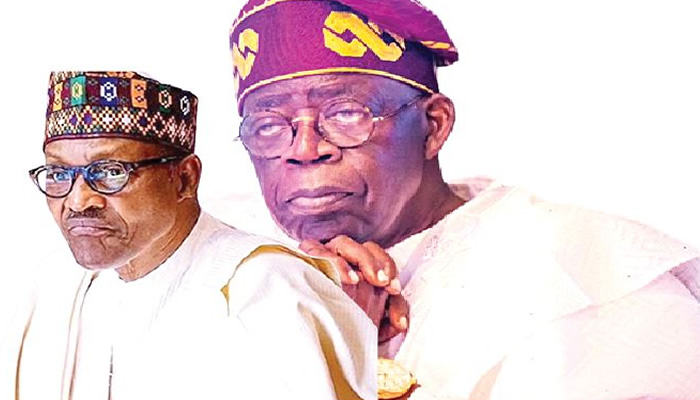
    The Warning of Capital Flight

    Professor Ndikumana underscored the growing trend of capital flight in Africa and cautioned against the potential consequences for the continent’s economic growth. He emphasized the need for African countries to have control over their resources, make democratically informed policy decisions, and ensure citizens have a say in resource management.

    A Troubling Issue for Local Currencies

    The repatriation of foreign exchange earnings was identified as a critical issue that negatively impacts the strength of local currencies. Prof. George Gyan-Baffour, Chairman of the NDPC, labeled this phenomenon a major constraint to the development of several African nations and urged concerted efforts to mitigate its impact on their economies.

    The Call for Action

    Dr. Said Boakye, the Acting Executive Director of the Institute for Fiscal Studies, urged the Ghanaian government to explore the implementation of production sharing agreements in the mining sector. This approach could offer a means to generate significant revenue while addressing the challenges posed by capital flight. The study’s findings emphasize the importance of equitable wealth distribution and collective action to safeguard Ghana’s economic future.

  • SMBLF urges Tinubu to halt naira depreciation escalating hardship

    SMBLF urges Tinubu to halt naira depreciation escalating hardship

    After analyzing Nigeria’s current situation, ELDERS, Middle Belt and southern Nigerian leaders have come to the somber conclusion that the country’s standard of living is rapidly declining and needs to be stopped.

    They have called upon President Bola Tinubu to take action to stabilize the rapidly depreciating Naira, initiate efforts to restructure Nigeria towards full fiscal federalism, put an end to the marginalization of certain regions in terms of appointments, state and local council creation, and to secure the release of Mazi Nnamdi Kanu, the detained leader of the Indigenous People of Biafra (IPOB).

    These resolutions were reached during a meeting of the elders and leaders under the banner of the Southern and Middle Belt Leaders Forum (SMBLF) held in Abuja on Thursday.

    The meeting was attended by leaders and elders representing the South-East, South-West, South-South, and Middle Belt regions, with the participation of Ohanaeze Ndigbo Worldwide, Afenifere, Pan Niger Delta Forum (PANDEF), and the Middle Belt Forum (MBF).
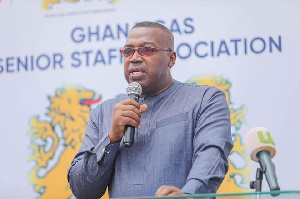
    Chaired by Chief E. K. Clark, the parley was attended by  Chief Ayo Adebanjo – Leader, Afenifere; Chief Dr. Emmanuel Iwuanyanwu, President-General, Ohanaeze Ndigbo; Dr. Pogu Bitrus – President, Middle Belt Forum; Senator Cornelius Adebayo, former Governor of Kwara State; Obong Victor Attah, former Governor of Akwa Ibom State; and Senator Emmanuel Ibok-Essien – National Chairman, PANDEF.

     Others include General Zamani Lekwot Retd., former Military Governor of Rivers State; General Lawrence Onoja Retd., former Military Governor of Katsina State; Lt. General Ishaya Bamaiyi, retd., former Chief of Army Staff; Dr. Chukwuemeka Ezeife, former Governor of Anambra State; Chief S.N. Okeke, former Chairman, Police Service Commission; Chief Onyema Ugochukwu, former Chairman of NDDC; Chief Sola Ebiseni, National Secretary, Afenifere; Amb. Godknows Igali; Amb. Okey Emuchay, Secretary General, Ohanaeze Ndigbo; Senator Nimi Barigha-Amange; Senator Musa Adede; Prof. G. G. Darah; and Chief Solomon Asemota SAN.

    The rest include DIG. Potter L. Dabup, retd; Engr. Marcus Gundiri; Chief Akin Oshuntokun; Dr. Akin Fapohunda; Prof Charles Nwakeaku; Dele Farotimi; Prof. Echefuna Onyebeadi;  Jonathan Tsaku; Mr. Mac Emakpore; Dr. Chiedozie Alex Ogbonnia; Prince Maikpobi Okareme; Jonathan Asake; Mrs. Elizabeth Jibrin; Chief Hon. Olivia Agbajoh; and Dr. Ken Robinson.

    Resolutions

    A communiqué signed by Adebanjo, Iwuanyanwu, Lekwot, Pogu, Ibok-Essien, EK Clark, and other leaders and elders stated that they had a thorough discussion about the current state of affairs in the nation and urged the Federal government to, “as a matter of urgency, and priority, work towards the Restructuring of the country and enthrone True Federalism as was originally entrenched in the 1960 and 1963 constitutions.”

    According to them, “Without restructuring, the future of Nigeria and democracy remain bleak and must, therefore, be carried out immediately.”

    They expressed “great concern and total rejection of the trend where certain sections of the country are continually marginalized in the number of states, local governments, and even appointments into the Federal Executive Council,” and  “particularly request that the South-East be appropriately represented on the Federal Executive Council, similar to other geo-political zones.”

    They insisted that “Nigeria must always remain a country where all citizens and sections enjoy a full sense of belonging and equality.”

    Regarding the results of the 2023 general elections, they expressed their appreciation for the political leaders, particularly the primary presidential candidates, for adhering to constitutional procedures to address their concerns.

    They acknowledged that the recent Supreme Court ruling on the 2023 presidential election conclusively marked the conclusion of the legal proceedings concerning the conduct and results of the February 25, 2023, presidential election. They further announced their intention to make a significant statement in the near future concerning the judgment.

    Improve living standard

    The leaders urged that “efforts be redoubled to assuage the daily depreciating living standard of Nigerians,” and called on the Federal Government “to urgently salvage the Naira, which continues to depreciate daily.”

    https://www.youtube.com/watch?v=HZgRqvyqHkI
  • 15 firefighters, others injured in Kaduna fuel tanker explosion

    15 firefighters, others injured in Kaduna fuel tanker explosion

    On Wednesday Oct 25, a fuel tanker explosion in the Rigasa community of Kaduna left no fewer than 20 people injured. Among the injured were firefighters and members of the vigilante group, who sustained injuries while attempting to extinguish the fire.

    The incident occurred while the tanker was offloading fuel at a filling station, causing a sudden explosion that sent shockwaves of fear and confusion throughout the community.

    The injured individuals comprised five firefighters and Kaduna State Vigilante Service personnel, as well as onlookers who had gathered near the fuel station to witness the inferno.

    Mr. Paul Aboi, the Director of the Kaduna State Fire Service, reported that his injured personnel were promptly taken to a specialist hospital for treatment.

    He attributed the incident to the negligence of the fuel station management, noting that offloading petrol during the afternoon was a wrong practice.

    The appropriate procedure, according to him, was to perform fuel offloading at night to prevent endangering people’s lives in the process.

    A woman lamented that the fire had caused damage to their family home located near the filling station. She further revealed that her brother and his son were in critical condition due to severe burns sustained in the explosion. As of the report, the Kaduna Police Command had not issued a response to the incident.

    https://www.youtube.com/watch?v=JGeRMM4RFhI
  • Over 200,000 children in Spain sexually abused by clergy

    Over 200,000 children in Spain sexually abused by clergy

    An estimated 200,000 minors in Spain have experienced sexual abuse by Roman Catholic clergy since 1940, according to an independent commission’s report published on Friday.

    The report, based on a poll of over 8,000 people, found that 0.6 percent of Spain’s adult population (approximately 39 million people) reported suffering sexual abuse by clergy members during their childhood.

    When including abuse by lay members, the percentage increases to 1.13 percent, or more than 400,000 individuals, according to Spain’s national ombudsman, Angel Gabilondo, who presented the report’s findings during a news conference.

    These revelations in Spain are the latest in a series of scandals that have affected the Roman Catholic Church worldwide over the past two decades, often involving children. In Spain, however, where the population has become increasingly secular, allegations of clerical abuse are only now gaining momentum, leading to accusations by survivors of institutional resistance.

    “Unfortunately, for many years there has been a certain desire to deny abuses or a desire to conceal or protect the abusers,” said Gabilondo, a former education minister.

    The report labels the Catholic Church’s response to child abuse cases involving clergy as “insufficient,” criticizing the church’s attitude. It suggested setting up a state fund to compensate the victims.

    Child protection offices 

    The Spanish Bishops Conference announced that it would hold an extraordinary meeting on Monday to discuss the report’s findings, just prior to it being presented in parliament.

    In March 2022, Spain’s parliament overwhelmingly approved the establishment of an independent commission, led by the country’s ombudsman, to investigate allegations of sexual abuse involving “vulnerable boys and girls” within the Catholic Church.

    While Spain’s Catholic Church had long resisted conducting its own investigation, it chose not to participate in the independent inquiry. However, it cooperated by providing documents related to cases of sexual abuse gathered by dioceses.

    Under mounting political pressure, the Church commissioned a private law firm in February 2022 to conduct an “audit” of historical and ongoing cases of sexual abuse involving clergy, teachers, and other individuals associated with the Church. This audit is expected to conclude by the end of the year.

    In June, the Spanish Church announced the discovery of 927 cases of child abuse through a complaints procedure initiated in 2020. The Church asserts that it has established protocols for addressing sexual abuse and has created “child protection” offices within dioceses.

    ‘Tip of iceberg’ 

    However, an investigation initiated by the widely circulated newspaper El Pais back in 2018 has revealed a staggering 2,206 victims and 1,036 alleged abusers with cases dating as far back as 1927.

    “According to experts, this is just the beginning,” the newspaper noted on Friday before the report’s release.

    The Church’s abuse crisis gained international prominence in 2002 when the Boston Globe newspaper exposed decades of child sexual abuse by priests and subsequent cover-ups by church leaders.

    Subsequently, reports of widespread child abuse emerged in the United States, Europe, Chile, and Australia, eroding the moral authority of the Church with its 1.3 billion members and leading to a decline in its membership.

    In neighboring France, an independent commission determined in 2021 that approximately 216,000 children, mostly boys, had suffered sexual abuse by clergy since 1950.

    In Germany, a study uncovered 3,677 abuse cases between 1946 and 2014, while in Ireland, over 14,500 individuals received compensation through a government program for those who had experienced abuse at Catholic Church-run juvenile facilities.

  • Ghana Gas CEO urges African leaders to harness resources in tackling energy poverty

    Ghana Gas CEO urges African leaders to harness resources in tackling energy poverty

    CEO of Ghana National Gas Company Limited, Dr. Ben K.D. Asante, has issued a call to African leaders to harness the continent’s abundant resources in order to combat persistent energy poverty. He stressed the need for a strategic balance between resource exports and local utilization to establish a sustainable, affordable, and accessible energy platform.

    Dr. Asante made these remarks during his participation in the 14th Multi-year Expert Meeting of the United Nations Conference on Trade and Development in Geneva, Switzerland.

    He emphasized that prudent resource management, the creation of a conducive fiscal environment to facilitate access to capital, and the development of local intellectual capacity are pivotal factors in driving development across the continent. Dr. Asante highlighted that Africa’s share of the global gas market was 6% in 2021, with expectations of it rising to over 11% by 2050, accompanied by an increase in production from 260 billion cubic meters in 2021 to 585 billion cubic meters in 2050.

    Despite these projections, he acknowledged the challenges associated with the development and utilization of Africa’s energy resources. These challenges encompass a lack of access to capital for projects, insufficient infrastructure, unattractive fiscal regulations, unclear institutional and regulatory frameworks, limited intellectual capacity, inadequate local/private sector participation in the energy sector, and non-cost-reflective commodity prices.

    Dr. Asante also discussed Ghana’s oil and gas industry, specifically mentioning policies aimed at using gas for power generation, particularly to enhance electricity penetration in rural areas. He stressed the importance of formulating country-specific policies to meet the unique needs of citizens.

    Furthermore, Dr. Asante promoted Ghana as an ideal investment destination and encouraged attendees to consider investment opportunities in the country.

    The 14th expert meeting serves as a neutral platform for sharing successful strategies and policies at national, regional, and international levels to effectively manage commodity price volatility. It particularly evaluates the connections between commodity price fluctuations and key macroeconomic indicators in commodity-dependent and developing countries (CDDCs), as well as their impact on food security in net-food-importing countries. The session in Geneva also explored market and technology-based instruments for managing price risks. The next session, for which the Ghana Gas CEO has been invited, is scheduled to take place in Belgium.

  • Web4Africa: Empowering Ghana’s digital transformation with superior web hosting

    Web4Africa: Empowering Ghana’s digital transformation with superior web hosting

    In the era of digitalization, Ghana finds itself on the brink of a substantial transformation. With businesses in the country steadily shifting to the online realm, web hosting stands as the foundation upon which this digital ecosystem prospers. Superior hosting isn’t just a nicety; it’s an essential requirement.

    Amid Ghana’s digital renaissance, Web4Africa takes center stage as the leading provider of top-tier web hosting services. It is bolstered by its enterprise-class servers located in Ghana and a strategic linkage to the local internet exchange point, positioning it as a guiding light in the field of web hosting.

    The need for quality web hosting in a digital Ghana

    A website’s performance becomes the differentiator as businesses vie for online visibility. This is the reason why having a reliable hosting provider is essential:

    1. Speed: In the online world, speed is of the essence. Slow-loading websites deter potential customers and rank lower on search engine results. High-quality web hosting ensures your website loads swiftly, offering an optimal user experience.
    2. Uptime: A website that’s frequently down is akin to a shop that’s often closed. Reliable hosting guarantees high uptime, ensuring your business is always accessible.
    3. Security: With the rise of cyber threats, robust hosting solutions are critical to protect sensitive data and maintain website integrity.
    4. Scalability: As businesses grow, their digital requirements evolve. A premier hosting service allows for effortless scaling, accommodating the business’s expanding needs.

    Web4Africa: Pioneering excellence in web hosting

    Web4Africa isn’t just another name in the vast sea of web hosting providers. Here’s why it stands apart in bolstering Ghana’s digital growth:

    1. NVMe driven speed: The NVMe (Non-Volatile Memory Express) drives are the future of storage technology. Offering speeds multiple times faster than conventional storage, NVMe ensures lightning-fast data retrieval and processing. With Web4Africa’s servers equipped with NVMe drives, Ghanaian businesses can offer blazing-fast websites, outpacing competitors and ensuring customers enjoy a seamless digital experience.
    2. Local server presence: Web4Africa’s strategic decision to host servers in Ghana drastically reduces the data transfer time. The result? Faster website load times, lower latency, and a marked improvement in overall website performance.
    3. Connection to local internet exchange point: This connection ensures that local traffic remains within Ghana, further enhancing speed and reducing costs. It’s a testament to Web4Africa’s commitment to providing the best for Ghanaian businesses.
    4. Robust security measures: In addition to speed, Web4Africa also prioritises security. By understanding global and local cyber threats, they’ve curated strong security measures, ensuring that Ghanaian businesses operate in a secure digital environment.
    5. Tailored solutions: Every business and its digital needs are unique. Web4Africa recognises this diversity and offers bespoke hosting solutions tailored to suit the specific requirements of Ghanaian businesses, be it a bustling e-commerce platform or a budding blog.

    Ghanaian Businesses: The time is now!

    The trajectory of Ghana’s digital landscape is clear: upward and forward. As the nation embarks on this exciting digital journey, businesses must ensure they’re not left behind. Quality web hosting is no longer just a technical requirement; it’s a strategic investment—an investment in speed, reliability, security, and scalability.

    Web4Africa, with its world-class services, localised solutions, and pioneering technology, offers Ghanaian businesses the perfect launchpad. By choosing Web4Africa, businesses aren’t just selecting a hosting provider but partnering with a stakeholder invested in their digital success.

    As Ghana continues its digital surge, the need for quality web hosting becomes more critical. And in this domain, Web4Africa emerges as the undisputed leader. For Ghanaian businesses eyeing digital dominance, the message is clear: Invest in quality web hosting. Choose Web4Africa. Embrace the future.

  • High taxes, GHS400m locked-up funds negatively impacting rural banks – ARB Apex Bank

    High taxes, GHS400m locked-up funds negatively impacting rural banks – ARB Apex Bank

    Rural and Community Banks in Ghana are grappling with challenges stemming from increased taxes and the issue of locked-up funds totaling GH¢400 million.

    Speaking at the 22nd Annual CEOs Conference of Rural and Community Banks (RCBs) in Ho, the Volta Regional capital, Mr. Alex Kwasi Awuah, Managing Director of the Association of Rural Banks (ARB) Apex Bank, shed light on the difficulties these banks face in fulfilling their corporate social responsibilities in rural areas.

    The primary obstacle, according to Mr. Awuah, is the imposition of high taxes by the current government. Rural and Community Banks, which play a crucial role in the economic development of rural regions, have been significantly hampered by a substantial increase in tax rates.

    The government has raised the corporate tax rate on these banks from 8% to a considerable 25%. This dramatic tax hike has made it increasingly challenging for Rural and Community Banks to carry out their corporate social responsibilities in essential sectors such as education, healthcare, water and sanitation, police stations, and infrastructure development.

    These projects are vital for the well-being and progress of rural areas, and the tax increase has significantly impacted their ability to support such initiatives.

    Mr. Alex Kwasi Awuah, Managing Director of the Association of Rural Banks (ARB) Apex Bank, recognized the substantial operational costs faced by Rural and Community Banks as they serve their catchment areas, particularly in rural regions and communities where universal banks are often hesitant to provide services to the unbanked, small traders, and impoverished farmers.

    In light of their distinct mission, he urged the government to consider reducing taxes for RCBs. Such tax incentives would not only motivate RCBs to continue their essential work but also promote financial inclusion and rural development.

    Mr. Awuah also highlighted another pressing issue faced by RCBs, which is the Domestic Debt Exchange Program (DDEP), inadvertently burdening the banks’ capital and profitability. Consequently, more than GHC 400 million owned by Rural and Community Banks is locked up with the Securities and Exchange Commission and Regulated Financial Houses, further impacting their financial stability.

    Building on this viewpoint, Dr. Toni Aubynn, the Chairman of the Board at ARB Apex Bank, emphasized that while the Domestic Debt Exchange Program (DDEP) has indeed affected the financial health and profits of Rural and Community Banks, it also presents an opportunity for these banks to innovate and expand their deposit networks.

    In the face of these financial challenges, Dr. Aubynn underscored the importance of Rural and Community Banks adapting and devising new strategies to prosper within the evolving financial landscape.

    The 22nd Annual CEOs Conference of Rural and Community Banks, hosted in Ho in the Volta region, served as a platform for addressing these critical issues, with a focus on finding solutions that strike a balance between the financial sustainability of rural banks and their dedication to corporate social responsibility. Ultimately, these efforts aim to contribute to the growth and development of rural areas throughout the country.

  • GIPC CEO emphasizes Ghana’s strategic positioning to attract foreign investors amid Global hardships

    GIPC CEO emphasizes Ghana’s strategic positioning to attract foreign investors amid Global hardships

    Despite the current global economic challenges, Chief Executive Officer of the Ghana Investment Promotion Centre (GIPC), Yofi Grant, has emphasized Ghana’s strategic positioning in attracting foreign investments.

    Speaking on JoyNews’ PM Express, Mr. Grant pointed out that although many nations are still dealing with the aftermath of the Covid-19 pandemic and political unrest in different parts of the continent, Ghana and Africa as a whole are able to take advantage of these difficult times.

    “There are challenges globally. I don’t think the world recovered fully from the pandemic and then suddenly political disruptions and turmoil across various regions have amplified some of the problems that countries have, and therefore these are truly trying times,” he told host George Wiafe on Thursday.

    He emphasized how these difficulties have made the economic environment more complicated.

    However, the CEO also underlined the potential for growth and investment in these circumstances, stating, “But for me, I see trying times as an opportunity for us for various reasons.”

    He pointed out that in the wake of the pandemic and the Russian-Ukrainian conflict, numerous nations are actively exploring fresh possibilities and new locations for their operations.

    Recognizing these global shifts, Mr. Grant highlighted that this has created new prospects for Africa, with Ghana standing out as a particularly promising choice. He emphasized that Ghana has purposefully positioned itself as a preferred destination for investors, owing to its continuous endeavors in establishing a welcoming business environment.

    Ghana has made substantial progress in terms of political stability, infrastructure development, and business-friendly policies, rendering it an appealing hub for foreign investments.

    “Ghana has positioned itself as a spearhead of African Economic Emancipation and Empowerment in a very creditable way,”

    He expressed the nation’s dedication to fostering a business-friendly environment and underscored the significance of fostering collaborations and partnerships between the public and private sectors to propel economic growth and development.

  • Shortage of gas supply responsible for recent power outages – GRIDCo

    Shortage of gas supply responsible for recent power outages – GRIDCo

    A significant power outage has affected various regions of the country since approximately 6 pm on October 26, 2023.

    The Ghana Grid Company Ltd (GRIDCo) has attributed this outage to challenges arising from a restricted gas supply in Tema.

    In their statement issued on Thursday, October 26, GRIDCo expressed that the constrained gas supply situation is expected to result in “a supply deficit of 550MW during peak hours.”

    “This will affect power supply to consumers in some parts of the country. The inconvenience caused is deeply regretted,” the statement added.

    Read the full statement from GRIDCo below

    POWER SUPPLY CHALLENGE

    The Ghana Grid Company Ltd, (GRIDCo), the “Operator” of the National Interconnected Transmission System (NITS) informs the general public that due to limited gas supply to Tema, there will be a supply gap of 550MW at peak time.

    This will affect power supply to consumers in some parts of the country.

    The inconvenience caused is deeply regretted.

    ISSUED BY:
    Corporate Communications Section
    Ghana Grid Company LTD. (GRIDCo)

  • 100,000 pollinators receive training from COCOBOD in Tepa

    100,000 pollinators receive training from COCOBOD in Tepa

    In an effort to enhance cocoa yields, COCOBOD has provided training to 100,000 individuals for the purpose of artificially pollinating cocoa trees.

    These individuals are tasked with supplementing the work of dwindling insect populations responsible for pollination in cocoa farms. The decline in insect populations, as stated by COCOBOD, is a result of certain farming practices.

    One of the primary culprits in this issue is the improper use of unapproved weedicides and insecticides by some farmers.

    During a local gathering in Tepa, where he addressed community leaders, farmers, and residents of the Ahafo Ano North Municipal in the Ashanti Region, Joseph Boahen Aidoo, CEO of COCOBOD, encouraged farmers to make use of these trained pollinators.

    He emphasized that when artificial or hand pollination is effectively carried out, farmers can expect to harvest no less than 20 bags of cocoa per acre.

    Mr. Aidoo cautioned against the use of unapproved agricultural practices that negatively impact cocoa yields. He highlighted pruning as a highly effective method and encouraged farmers to adopt it, as it has consistently proven to increase yields.

    He explained that pruning enhances farm ventilation, significantly contributing to cocoa farm health.

    Regarding cocoa pod disease, Mr. Boahen Aidoo advised affected farmers to reach out to COCOBOD district offices for guidance.

    In terms of disease management, the CEO mentioned that COCOBOD’s initial intervention step is to cut down all cocoa trees on affected farms.

    “After cutting down these trees, COCOBOD will then plant new cocoa trees in addition to plantain trees at no cost to the farmer. Again, COCOBOD will then manage the new farm for two years before handing it over to its owner.

    This initiative aims to motivate farmers to report and assist in controlling cocoa pod disease, which is incurable and can have a detrimental impact on cocoa production, as stated by the CEO of COCOBOD.

    The CEO mentioned that areas affected by the disease in the Ahafo Ano region of the Ashanti Region include Betsiako, Tebrikrom, Wioso, Pobiso, and Jepp Nkwanta.

    Regarding the pension scheme for farmers, he made an appeal for farmers to enroll in the program. The scheme, currently in a pilot phase in New Edubiase within the Adansi South District of the Ashanti Region, is designed to improve the lives of cocoa farmers in their later years.

    He noted that the government has allocated a fund from cocoa bean sales for the scheme, with each farmer indirectly contributing. The CEO strongly recommended that every cocoa farmer participate in the scheme to enjoy its benefits.

    During the gathering, Nana Atwenewa Ampem II, the Omanhene of the Tepa Traditional Council, expressed gratitude to the government for its various social interventions aimed at enhancing the lives of Ghanaians.

    He specifically cited the cocoa roads initiative, which has improved rural road networks, and requested its expansion to cover more areas. He also called on COCOBOD to monitor the activities of Produce Buying Companies, as there have been reports of some companies cheating farmers.

    The durbar was attended by over 800 farmers from the Ahafo Ano North municipality, and several dignitaries, including heads of departments and agencies in the region.

  • A dollar goes for GHS12.20 at forex, BoG interbank rate at GHS11.46 

    A dollar goes for GHS12.20 at forex, BoG interbank rate at GHS11.46 

    The Bank of Ghana’s Interbank forex rates for October 27, 2023, indicate that the Ghana Cedi is trading against the dollar at a purchase price of 11.4579 and a sale price of 11.4693.

    Meanwhile, at a Forex bureau in Accra, the dollar is being bought at a rate of 11.90 and sold at 12.20.

    In the case of the Pound Sterling, the Cedi is trading at a buying price of 13.8881 and a selling price of 13.9031, with the Forex Bureau in Accra offering a buying rate of 14.25 and a selling rate of 14.75.

    For the Euro, it is trading at a buying price of 12.0755 and a selling price of 12.0865, while the Forex Bureau in Accra quotes a buying rate of 12.40 and a selling rate of 12.80.

    The South African Rand is trading at a buying price of 0.6033 and a selling price of 0.6039, with the Forex bureau in Accra buying it at 0.35 and selling at 0.95.

    As for the Nigerian Naira, it is trading at a buying price of 69.9824 and a selling price of 71.5761. At the Forex bureau in Accra, you can buy it at a rate of 8.00 Naira for every 1 Cedi and sell it at a rate of 14.00.

    Finally, the CFA is trading at a buying price of 54.2719 and a selling price of 54.3213. In Accra’s Forex bureau, it’s available at a buying rate of 17.00 CFA for every 1 Cedi and a selling rate of 19.50 CFA for every 1 Cedi.

    These forex rates are sourced from Afriswap Bureau De Change in Osu, Accra.

    Note that these rates may be different at a forex bureau near you. Our forex bureau rates are provided by Afriswap Bureau De Change in Osu, Accra.

    Our forex bureau rates are provided by Afriswap Bureau De Change in Osu, Accra.

  • More than US$950,000 donation made to 750 students at Lagos University by wealthy Nigerian

    More than US$950,000 donation made to 750 students at Lagos University by wealthy Nigerian

    On Thursday, October 25, Nigerian billionaire Femi Otedola marked his inauguration as the chancellor of a private university in Lagos with a generous contribution of nearly a million dollars.

    He pledged one million naira to each of the 750 students at Augustine University, emphasizing his commitment to supporting institutions he is affiliated with.

    The cumulative amount of 750 million naira exceeds US$950,000.

    Femi Otedola, an entrepreneur and philanthropist who serves as the Executive Chairman of Geregu Power PLC, underscored that this donation would not only benefit the students but also provide relief to parents during these challenging times.

    “Today, I was inaugurated as the Chancellor of Augustine University. I strongly believe in transforming establishments that I am associated with. I gave a gift of One Million to each of the Seven Hundred and Fifty Students. I hope this donation of Seven Hundred and Fifty Million Naira assists the plight of the parents of our students in this difficult time…” he posted on Twitter (now X).

    Pictures from his inauguration ceremony, where he first saw his gown and carried out his new duties, were posted with the post.

  • Second phase of PFJ aims at bringing in Agric investments – Akufo-Addo

    Second phase of PFJ aims at bringing in Agric investments – Akufo-Addo

    President Nana Addo Dankwa Akufo-Addo stated that the successful implementation of the second phase of the Planting for Food and Jobs (PFJ) initiative will highlight Ghana’s agricultural potential and encourage vital investments. This achievement, he believes, will bolster food security and economic progress.

    During a presidential roundtable discussion with development partners on the PFJ, President Akufo-Addo also offered assurance to investors, promising to foster a conducive business environment for their prosperity.

    He said, “I am firmly convinced that the second phase of the Planting for Food and Jobs programme will raise awareness about the potential of Ghana’s agriculture and attract the necessary investments so that we can achieve food security and economic growth in Ghana.”

    “On behalf of the government, I wholeheartedly acknowledge our responsibility to create a conducive environment, and we are resolutely committed to meeting this expectation through regulatory measures and other incentives,” he added.

    The second phase of the Planting for Food and Jobs project represents a comprehensive five-year strategy aimed at revolutionizing agriculture in Ghana. This phase prioritizes modernization, emphasizing the advancement of specific commodity value chains and active involvement of the private sector.

    According to details provided by the Ministry of Trade and Industry, the Planting for Food and Jobs program is a prominent government agricultural initiative, officially initiated on April 19, 2017.

  • Capital flight cost Ghana’s gold, cocoa sectors $50b for the past 50years

    Capital flight cost Ghana’s gold, cocoa sectors $50b for the past 50years

    A report by Professor Léonce Ndikuma from the University of Massachusetts Amherst reveals that Ghana suffered a massive $50 billion loss over the past five decades due to capital flight.

    This research focused on several African countries rich in natural resources, including Ghana, Cameroon, and Zambia.

    The $50 billion loss primarily stems from companies in the gold mining and cocoa industries misreporting trade values.

    In the case of gold, Ghana’s reported export values didn’t match the actual value received by the destination country, exemplified by a $15 billion discrepancy in 2020-2021 when exporting gold to South Africa.

    Concerning cocoa, losses were relatively low due to the government’s significant involvement in the trade. Nonetheless, Ghana only controls 4% of the cocoa value chain, while the processing and distribution sector holds a substantial 79%.

    The report also revealed a combined private wealth of approximately $56 billion, with 110 wealthy Ghanaians possessing over $10 million each. As a solution, the report recommended that Ghanaian business owners invest in developing these sectors’ value chains.

    Overall, the report sheds light on a staggering total capital flight of $2 trillion from Africa between 1971 and 2018. The report, titled “Capital Flight from Africa and Perverse Global Connections: Analysis and Possible Solutions,” underscores the need for action on this critical issue.

  • Drama unfolds at Manhyia Palace as Asantehene settles chieftaincy dispute

    Drama unfolds at Manhyia Palace as Asantehene settles chieftaincy dispute

    On Wednesday, October 25, 2023, a dramatic scene played out at the Manhyia Palace as the Asantehene, Otumfuo Osei Tutu II, presided over a chieftaincy dispute involving the Anyeneyere stool in Atwima.

    One of the parties involved, a woman, asserted her status as the queen mother of Anyenyere, arguing that she inherited the stool and lands from her late husband.

    She alleged that the other party, Ofori, who is a descendant of the Otumfuo, was wrongfully taking over the lands she had given him.

    The Asantehene and his sub-chiefs did not take kindly to her claims, prompting them to question her account. The Asantehene, visibly angered, accused the woman of fabricating lies and denied her any right to the land.

    When the queen mother attempted to provide further explanations, the Asantehene’s irritation escalated. He sternly declared, “Stop acting foolishly because you are no queen. What kind of falsehoods are these?”

    “You came here to lie; leave my face. You are not a queen,” he added.

    Following this confrontation, the woman was escorted out of the Asantehene’s presence, and her slippers were removed, symbolizing her removal from the situation.