Ever since rumors began circulating in the public domain about the strained state of media personality and actress Nana Ama McBrown’s marriage, various celebrities have voiced their views on the matter.
Popular Kumawood actor ‘Sean Paul’ has advised McBrown to take a stand concerning her marital issues, particularly if the reports about her husband, Maxwell Mensah, being labeled a ‘cheat’ hold true. He emphasized that McBrown should have control over her husband, especially in terms of his behavior, to ensure her peace of mind.
During an interview with GHPage TV, which was monitored by GhanaWeb, Sean Paul encouraged McBrown to maintain her resolve and make a decision about her marriage as promptly as possible.
“With rumors like this, we have to be careful because we don’t have enough facts. But McBrwon should be cautious in this situation. As a woman, if your husband is disturbing you have to make your own decision. If it’s true [that Maxwell cheats], as a colleague, what I can tell her is to advise herself. I am not saying she should divorce but she should be able to control her husband in certain ways.”
Since the divorce rumors have gained traction on social media, he also hinted that there might be some truth to them. However, he emphasized that McBrown’s older age than Maxwell cannot be the cause of the issues surrounding their marriage.
“Age is just a number so I don’t buy the idea that the guy is young. From reports that have come out about him, he would be a womanizer, if not why would he break McBrown’s heart?
“This is a problem because why would a report come out that McBrown has left her husband’s house? Probably because they are fighting. McBrown’s issue is different due to the fact that she is the eye of the people so with little rumors it becomes known to the public,” said Sean Paul.
Background
Social media has been abuzz with rumors claiming that Nana Ama McBrown and her husband, Mr. Maxwell Mensah, are presently living separately.
The rumors have also suggested that Maxwell is deeply involved with another woman who has assumed the role of his wife, potentially jeopardizing their marriage.
In an extraordinary display of family achievement, all three children of renowned legal practitioner Ace Anan Ankomah have been officially admitted to the Ghana Bar.
Their son, Papa, had previously achieved this milestone, and now their daughters, Ohemaa and Niakoaa, have joined the ranks of legal professionals at the 60th Call to the Bar ceremony on October 20, 2023.
Social media platforms were flooded with congratulatory messages, commending Ace and his wife, Mrs. Josephine Anan-Ankomah, for their exceptional parenting and the children for realizing their dreams.
Ace Anan Ankomah, the Senior Partner at Bentsi-Enchill, Letsa & Ankomah, brings over 29 years of legal expertise to this remarkable family accomplishment.
Their achievements not only reflect their success but also underscore their dedication, hard work, and commitment to the legal profession.
This significant milestone stands as a testament to the Anan Ankomah family’s legacy, reinforcing their reputation as a family deeply devoted to upholding the law. The Ghanaian legal community and well-wishers extend their heartfelt congratulations to the Ankomah family, celebrating their collective achievements and recognizing the bright future ahead for these accomplished legal professionals.
Their accomplishments serve as an inspiration to aspiring lawyers and emphasize the significance of strong family values and unwavering determination in pursuing legal careers.
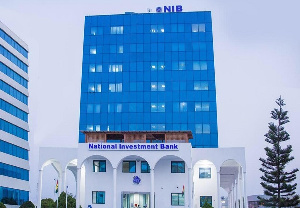
Based on the need for recapitalization to strengthen the National Investment Bank (NIB), the Finance Minister has raised GH¢ 857 million to support the Bank’s operations and boost profit.
The Majority Chief Whip, Frank Annoh-Dompreh, stated that in order for the Government to stay relevant in the ongoing industrial drive, it has implemented certain measures to improve the Bank’s recapitalization process.
“I think that the Government has done some good efforts, but it still stands to reason that because of the challenges in the financial sector, the Bank is still demanding some recaptilisation,” he said.
“Some more efforts, some more oxygen must be given so it will be able to work and remain relevant in our industrial derive,” he said at a press conference on Wednesday at Parliament House in Accra.
The Majority Caucus organized a press conference in response to a previous one held around three weeks ago. This earlier event, led by Isaac Adongo, the Minority Ranking Member on the Finance Committee and NDC Member of Parliament for Bolgatanga Central, focused on the state of the NIB.
During the previous conference, the Ranking Member called on the Government to initiate a restructuring of the NIB to avert potential liquidation, portraying a rather pessimistic picture of its current condition.
Frank Annoh-Dompreh, who is also the NPP MP for Nsawam-Adoagyiri, disputed some of the claims made by the minority. He explained that following a financial statement audit for 2017/2018, it was determined that the NIB required approximately GH¢2.2 billion for recapitalization.
Highlighting some of the challenges faced by the bank, he noted that the NIB had a significant concentration of loans in the construction sector, even though its primary purpose was to support the industrial sector of the economy.
“The situation had been that the NIB Management inherited the situation where loan portfolios had been high; more than 90 per cent of the Treasury had been concentrated in the area of construction,” Mr Dompreh said.
He pointed out that more than GH¢ 500 million had been extended as loans to non-banking financial institutions. The bank incurred losses due to discrepancies in the foreign exchange balance sheet, leading to significant daily revaluation losses, mainly attributed to inadequate IT infrastructure and high service contract costs.
Furthermore, the bank had an unusually high staffing ratio, with 18 staff members per branch, compared to the industry norm of 10 staff per branch. NIB Management has taken measures to rectify this, now adhering to the standard of 10 staff per branch.
Regarding the lawsuit by Eland International against NIB, he clarified that it was filed for various reasons. The matter was heard in the highest court, which ruled in favor of NIB. Eland subsequently sought legal remedies and took the case to a court in London, where the NIB Board and Management successfully litigated the matter.
“As we speak they have been able to extinguish this matter; Eland was demanding an amount of $100 million dollars from the Bank,” he said.
“The financial sector has its own variabilities, so when one wants to make a statement on it, one needs to get his facts right.”
“It is never true that the Treasury of the NIB Bank is not functioning,” he said.
He said some GH¢500 million under the NDC regime was given out as loans to some non-financial sector institutions of which a lot had not been recovered.
“And so, the least our colleagues can do is at least be careful when you are commenting about a bank that is mandated by law to shore up and develop our industries,” Annoh-Dompreh said.
The Bank of Ghana Governor, Dr. Ernest Addison, emphasized that the introduction of the e-Cedi digital currency is a vital step in enhancing financial inclusion and extending financial services to remote regions within the country.
Additionally, he stated that the digital currency will bolster Ghana’s position in international transfers, particularly in the field of remittances.
Speaking at the recent IMF/World Bank meetings in Marrakech, Morocco, Dr. Addison also highlighted the currency’s cost-effectiveness and security.
He further explained that the central bank collaborated with technology partners to explore the digitalization of the Ghanaian Cedi, potentially introducing a digital version of the national currency.
“This ambitious project culminated in a pilot programme launched approximately one year ago, which Dr. Addison described as highly successful. One key aspect that made the pilot programme thrive was the enthusiastic participation of Ghana’s vibrant and youthful population.
The youth’s engagement in digital innovations served as a catalyst, motivating the central bank to champion a domestic form of digitalisation – and their trust in the institution played a pivotal role.” Dr Addison noted during a panel discussion at the high-profile event.
The Governor emphasized that the digital currency was not privately issued but is part of the Central Bank’s commitment to transparent and trustworthy innovation. Dr. Addison firmly positioned the e-Cedi as a tool for financial inclusion, highlighting its potential to provide financial services to remote areas where traditional banks are unavailable.
Regarding the e-Cedi ‘hackathon’ initiative, he explained that it will invite creative young minds to devise various use-cases for e-Cedi, encompassing applications in merchant payments, government transactions, trade, and remittances. This three-month initiative aims to showcase potentially groundbreaking use-cases developed by young innovators in Ghana.
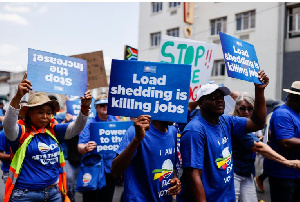
The World Bank is providing South Africa with a $1 billion loan to aid in addressing the country’s energy crisis, which has worsened due to its most severe power cuts.
The country has been grappling with power outages since 2007, and these disruptions have intensified in recent years, leading to daily blackouts lasting as long as 16 hours.
These frequent power cuts have had a detrimental impact on South Africa’s economy, causing a slowdown in its GDP growth, as noted by the World Bank.
“The loan endorses a significant and strategic response to South Africa’s ongoing energy crisis and the country’s goal of transitioning to a just and low carbon economy,” the World Bank said in a statement on Wednesday, after its board approved the loan.
Burning coal produces more than 80% of the electricity used in South Africa. The nation is therefore listed as the 14th largest carbon dioxide emitter in the world.
According to the World Bank, the loan will enable South Africa to restructure its state-owned electricity company, Eskom, which is in debt totaling more than $26 billion.
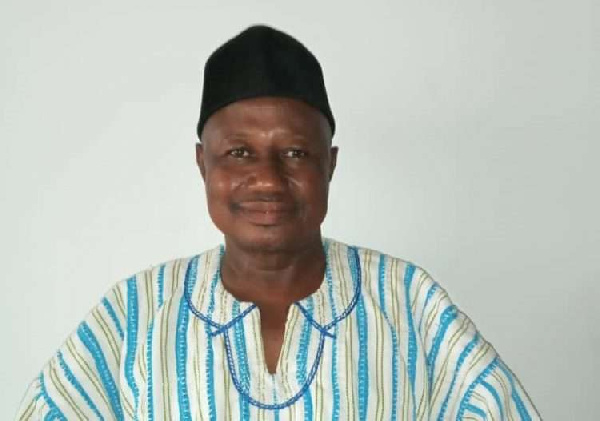
Shortly after it was reported that the People’s National Convention (PNC) had filed a petition with the Police CID to arrest and prosecute its 2020 Presidential Electionsflagbearer, internal conflicts within the party have intensified.
News began to circulate on Wednesday that the party was taking David Apasera to court, alleging that he had taken possession of a land cruiser vehicle owned by the party.
In an interview, the General Secretary of the PNC, Janet Asana Nabla, claimed that the vehicle in question had been donated by the former party flagbearer, Dr. Edward Mahama, to assist Mr. Apasera with his campaign in the lead-up to the 2020 elections. She further stated that despite multiple attempts to recover the vehicle after the elections, Mr. Apasera had not returned it to the party.
In response to this news, Mr. Apasera argued that the person identifying herself as the General Secretary had been suspended from the party, and therefore, lacked the authority to take such action.
“This is a lady who told everybody that I stole 1.7 million of the party’s money. I am in the court now for defamation. The Good Lord will guide us all and the truth will be known,” he added.
Additionally, Mr. Apasera emphasized that the accusations were conscious attempts to damage his reputation and damage his image.
“It is a game plan and the game plan is to use every means to soil my name. I have risen from grassroot level to this level. From an assemblyman to this level. I have never stolen anything and I will never steal anything. Whatever is mine is mine and I am prepared for whatever it takes.
“They know what they are saying and what they are doing. They know that they are telling lies. They are trying to tarnish my image.”
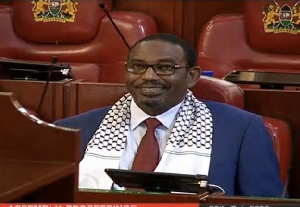
In the course of a parliamentary proceedings on Wednesday, Kenyan Member of Parliament, Farah Maalim, was instructed to remove a traditional Palestinian scarf he was wearing.
He had donned the scarf in a show of solidarity with Palestinians in Gaza amidst the conflict between Israel and Hamas.
The Speaker of the National Assembly ordered him to take off the scarf, citing a violation of parliamentary rules. Fellow MPs also criticized him for not adhering to House rules.
This incident occurred shortly after Kenyan police briefly detained three individuals for participating in a pro-Palestinian gathering in Nairobi. President William Ruto has expressed full support for Israel in the ongoing conflict.
CEO of the Ghana Chamber of Mines, Sulemanu Koney, has emphasized the need for the government to eliminate taxes on mineral exploration, citing it as being in the country’s best interests.
During a discussion series titled ‘What would Ghana forfeit without mining,’ Dr. Koney raised concerns, stating, “We have a fiscal regime which requires companies to make some payments even before digging the ground and that is the challenge that we have.”
As an example, he illustrated that if an exploration company invested $10 million, approximately 22 percent of that amount would be allocated to taxes and levies.
He illustrated, for example, how roughly 22% of the $10 million in capital raised by an exploration company would go toward paying taxes and levies.
“We need to lower the barrier to entry for exploration because it serves our interest as a country”, Dr Koney insisted.
“Ideally, we should do the exploration ourselves before we invite exploration firms to come and mine but because the resources are not there, we do it the other way round”, he observed.
“When companies outsource drilling services, it comes with Value Added Tax (VAT)”, he mentioned.
Also, he added, “When they outsource assaying services, they also pay VAT on them and we believe this is not too good for exploration”.
He highlighted that the mining sector significantly contributes to the nation’s economic development through tax revenues.
In 2022, as reported by the Ghana Revenue Authority (GRA), the mining industry, along with the quarrying sub-sector, including dividend payments, contributed GH¢6.82 billion. Furthermore, the minerals sector solidified its position as the primary source of foreign exchange for the country in 2022.
Data from the Bank of Ghana reveals that mineral exports generated 39 percent of gross merchandise receipts, surpassing the revenues from crude oil, cocoa, and other export commodities.
Dr. Koney stated that without mining in Ghana, the country would have lost $1.41 billion in mineral export revenue channeled through the Bank of Ghana and $2.73 billion that passed through commercial banks.
The National Road Safety Authority (NRSA) in Ghana is set to introduce technological regulation in the commercial road transport sector. In a statement released by the Authority, it announced the development of an integrated automated system aimed at ensuring high-quality road transport services for the benefit and satisfaction of all road users.
According to the statement, the NRSA, in accordance with the NRSA Act, 2019 (Act 993) and NRSA Regulation, 2022 (L.I 2468), is legally responsible for regulating and enforcing standards and regulations related to road transport services. This initiative activates Regulation 49 of L.I 2468, making it mandatory for commercial road transport operators to register and obtain an operator’s license from the NRSA.
The regulatory process requires fleet operators to meet specific criteria for Registration and Entry License, including the presence of a technical or operational head, the existence of an operational policy and safety management plan, unique identifying symbols or colors, among other requirements. Operators are expected to complete the registration online by providing their company documents and meeting other specified requirements.
The obtained license will be a crucial requirement for obtaining operators’ permits through the Metropolitan Municipal and District Assemblies (MMDAs). The integrated automated system will enable the NRSA to monitor and track the operations and behavior of individual drivers on the roads.
“This will in effect improve driver discipline and increase passenger safety,” it added.
Mr. David Osafo Adonteng, the Acting Director General of the NRSA, emphasized that this endeavor would enhance passengers’ perception of the road transport system and reduce the risk of road traffic accidents. He commended those operators who had already taken steps to automate their operations and advised others to do the same.
As per the statement, Mr. Adonteng stressed that all transport operators were required to complete the registration process and obtain their operator’s licenses. He noted that the NRSA was collaborating on this initiative with the Ministry of Local Government and Rural Development (MLGRD) and the Greater Accra Passenger Transport Executive (GAPTE).
Furthermore, they are currently conducting awareness workshops involving stakeholders and beneficiaries in preparation for the pilot program scheduled for November 2023. Mr. Adonteng urged all stakeholders, particularly the media and the traveling public, to embrace this initiative to promote passenger safety.
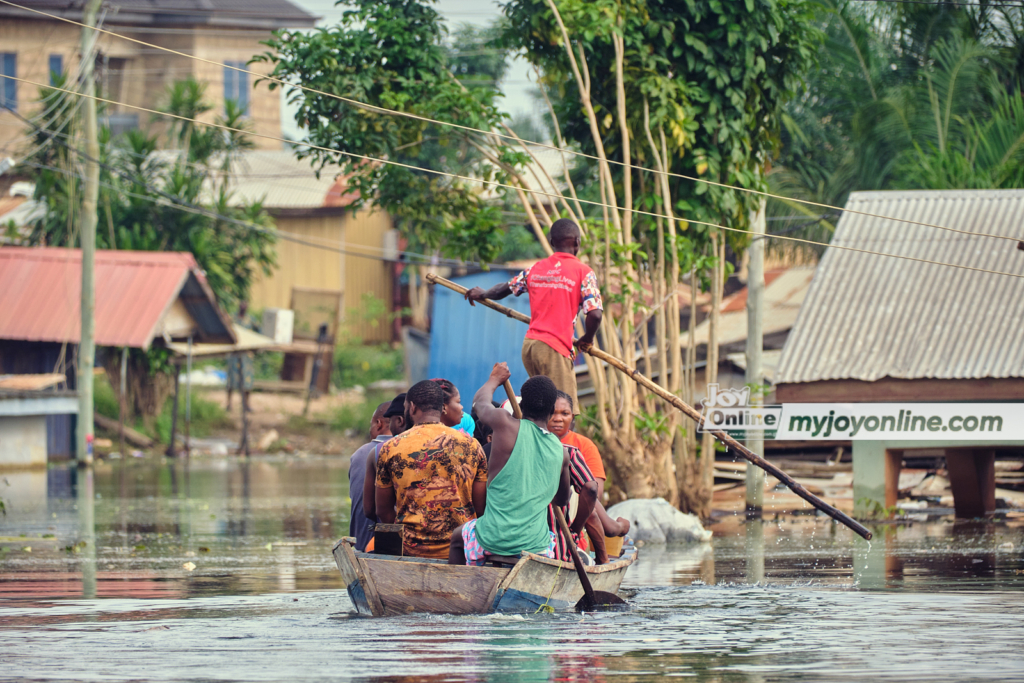
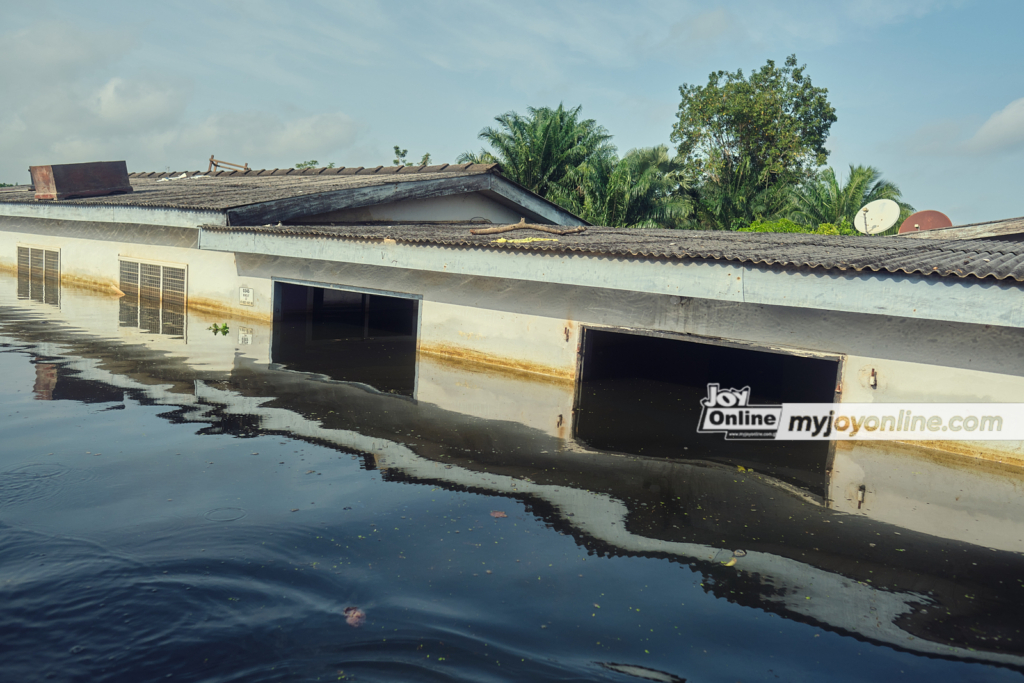
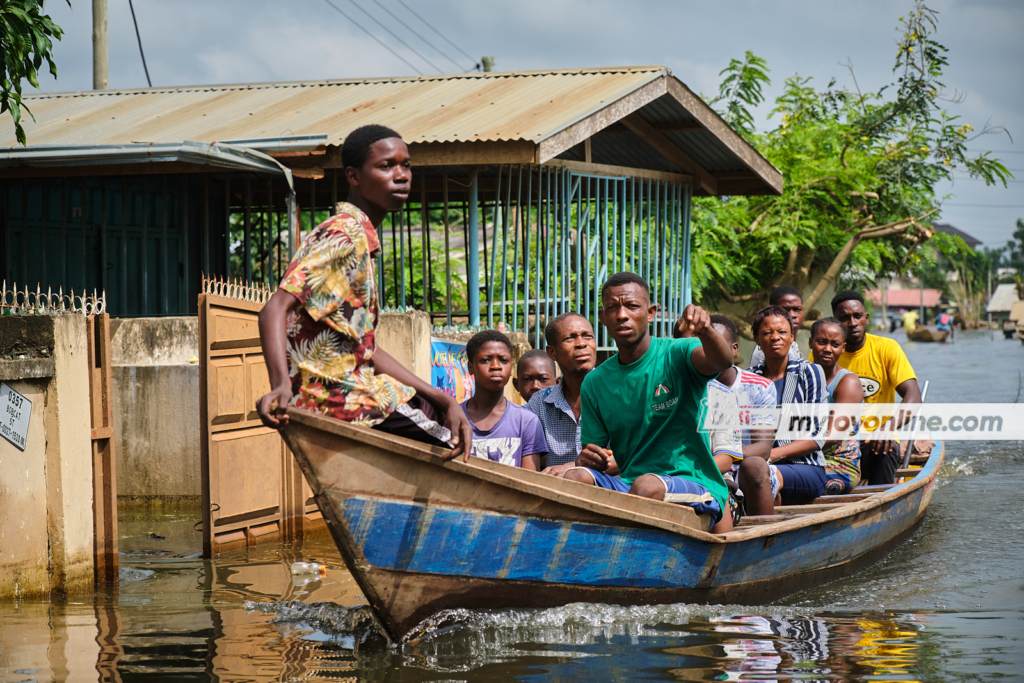
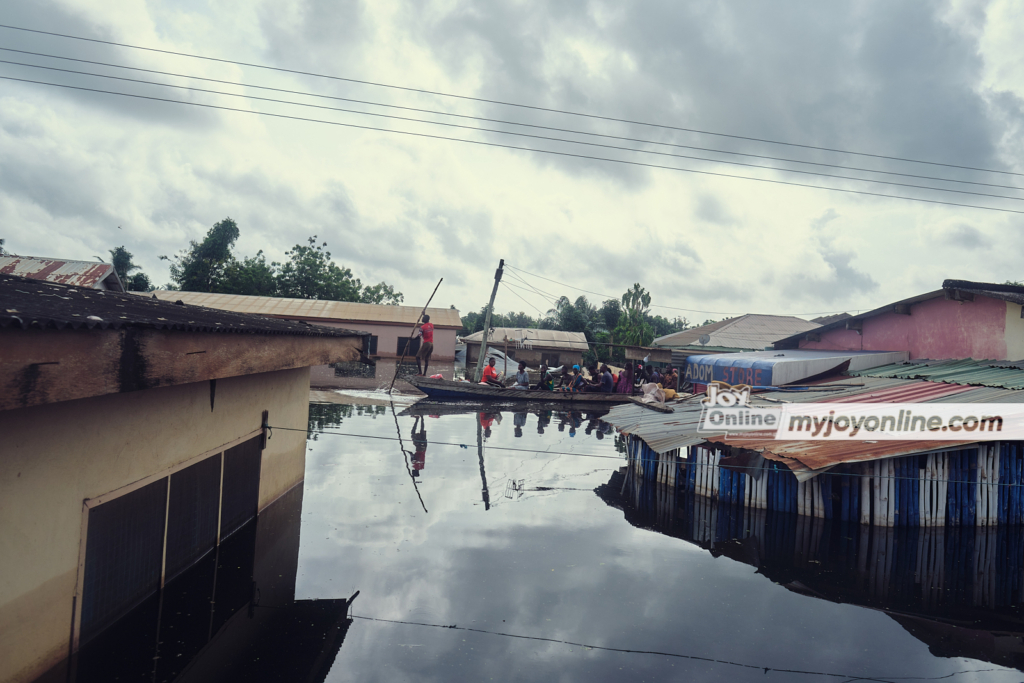
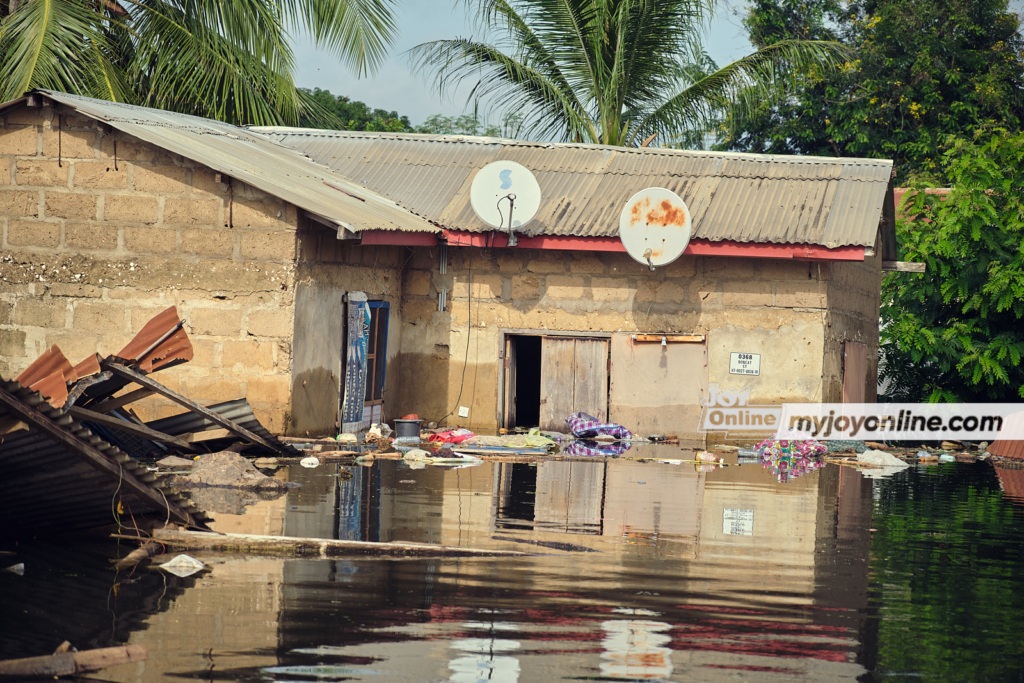
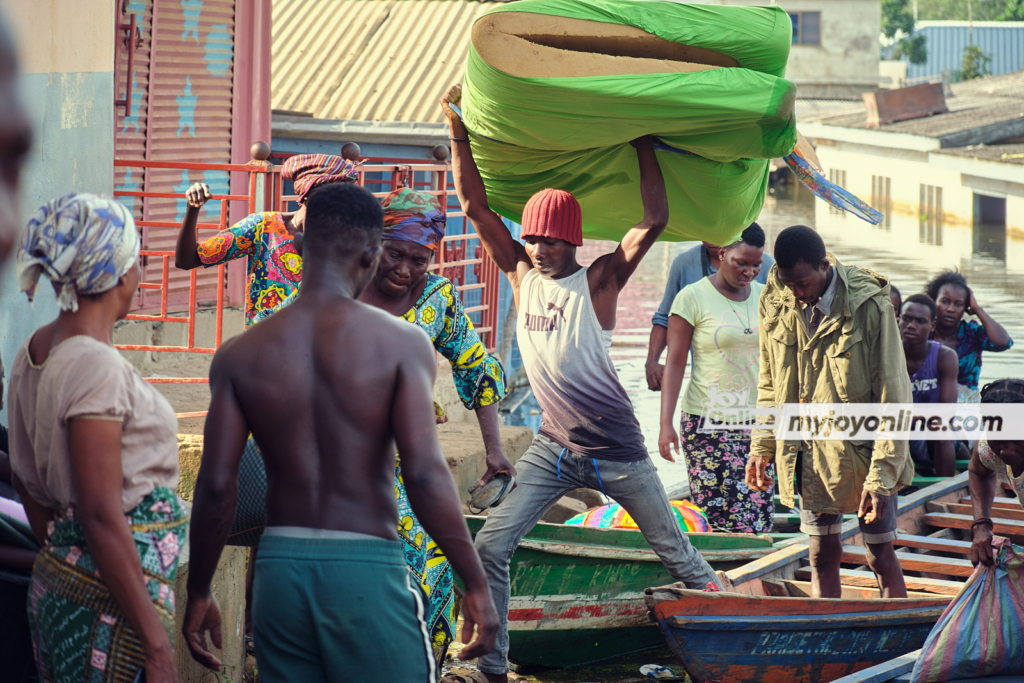
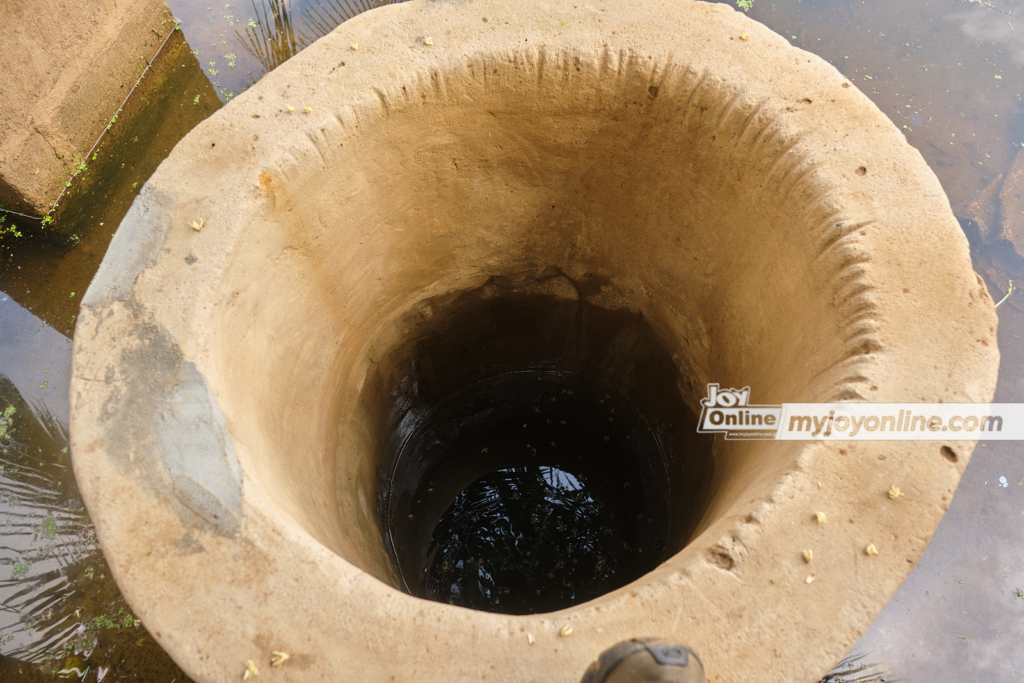
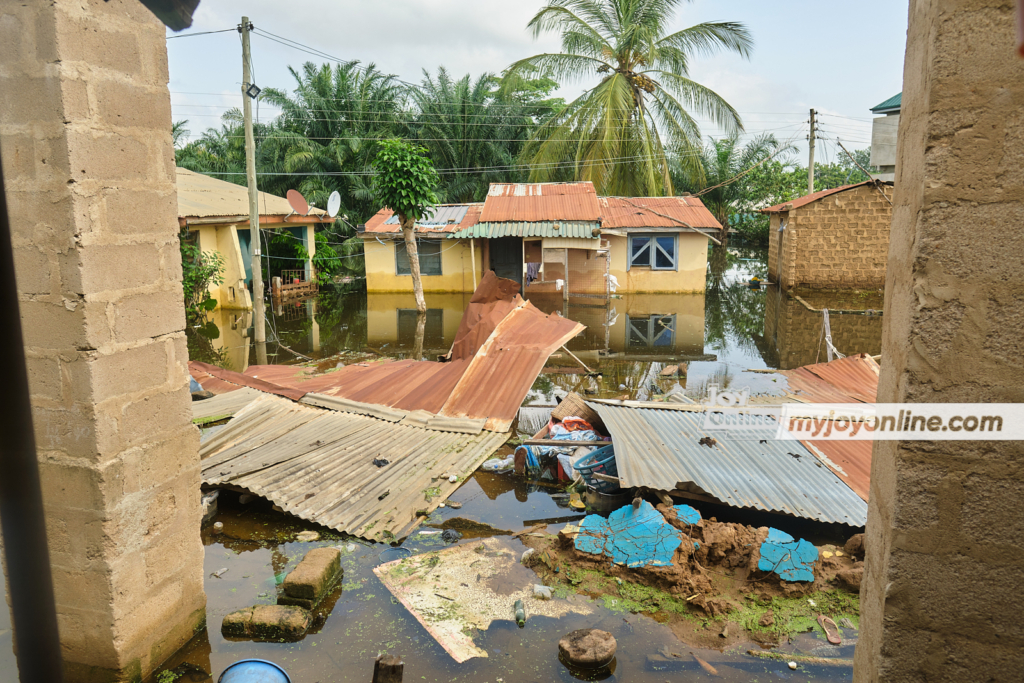
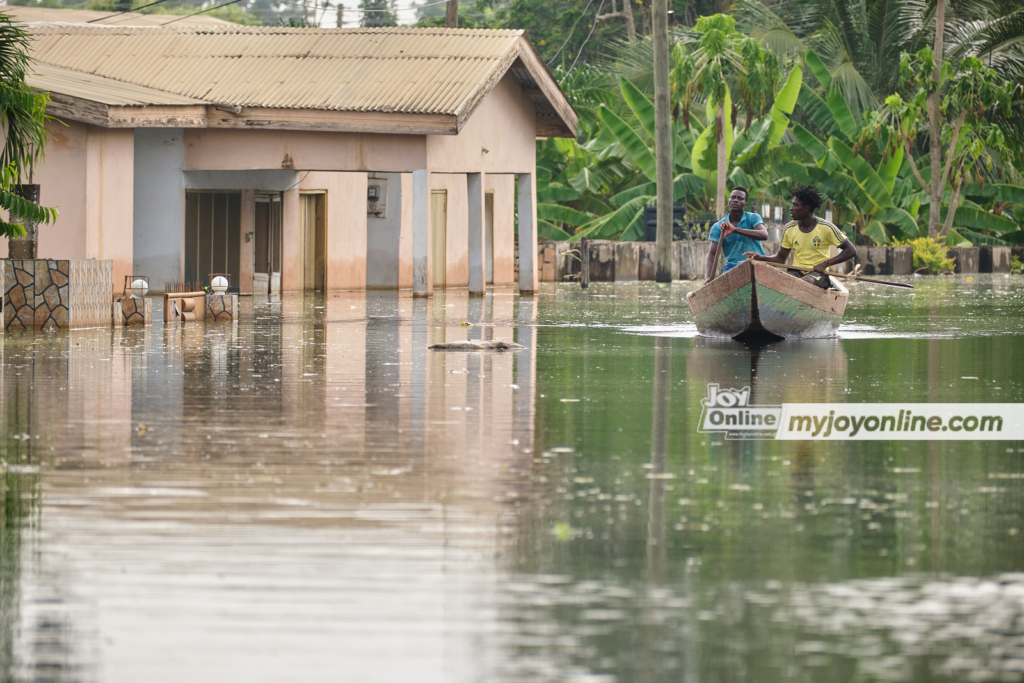
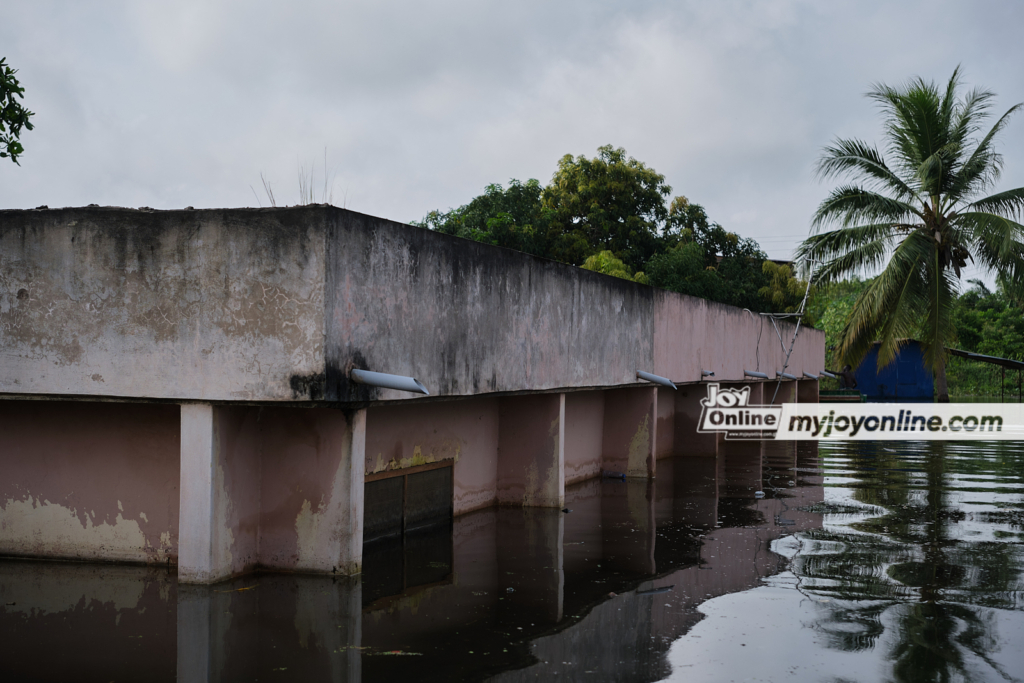
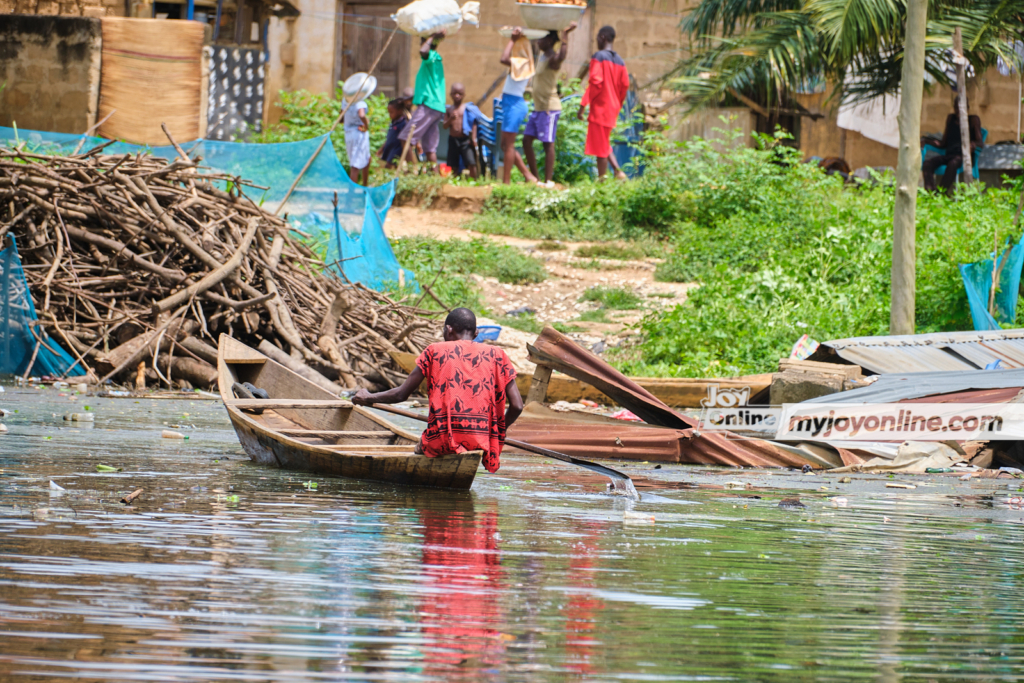
Ho, a town located in the Volta Region, stands out as one of the communities grappling with these severe circumstances.
It is counted among the towns significantly affected by the flooding in the Volta Region, which is one of the eight districts most severely impacted by this human-induced catastrophe.
According to the National Disaster Management Organization (NADMO), the flooding in Mepe and other parts of the North Tongu district has resulted in the displacement of over 26,000 individuals.
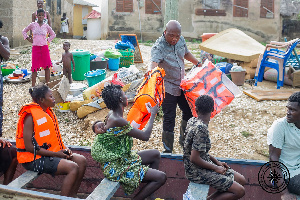
Several weeks following the disaster, photojournalist Samuel Moore made his way into the submerged community to capture the persisting challenges and the living conditions experienced by the residents.
85 customers of the Ghana Water Company Limited (GWCL) in Tamale are facing legal action in the District Court for failing to pay their water bills.
The accused parties, including both individuals and institutions, collectively owe a total of GH¢679,765 in outstanding bills.
The GWCL asserts that despite disconnections and attempts to collect payment, these accused customers have not settled their bills.
“Some of the customers who appeared before the court last Tuesday had showed proof of part payment, while others negotiated for paying in instalments from three to six months,” Graphic reported.
Douglas Kwame Adjei, the counsel for GWCL, stated in a Daily Graphic article seen by GhanaWeb Business that the debts must be recouped in order to keep the business from failing.
““The company is really under these debts because they pay electricity bill, salaries and other production cost, so if these monies are locked up it means that it is being crippled,” he stated.
Under the direction of Derick Annan, the court fined the defaulters between GH¢1,000 and GH¢1,500 for not paying their debts.
The case has been postponed until November 14, 2023 in the interim.
Former Botswana Trade Minister and Special Advisor to UN Climate Change Champions, Bogolo Kenewendo, has expressed concerns regarding the trade agreements between Africa and the Western world. She has called for increased advocacy among Africans when it comes to trade negotiations, expressing disappointment in trade agreements that appear to be unfairly tailored for African nations.
During an interview on The Point of View, Bogolo Kenewendo emphasized the importance of Africans adding value to their exported products for the Western world, thereby enabling the generation of higher incomes.
She firmly believes that value addition not only creates job opportunities for the youth within the value chain but also offers significant advantages to economic systems.
“There’s still a little bit of unfairness in the way our trade agreements were tailored, and we need to change that. We need to advocate for ourselves and not just add value. Adding value is a step in the right direction to ensure that we capture more value, not only the more value that is captured.
There’s an opportunity that arises when you add value, as well as employment and an improvement in the balance of payments. All economic systems benefit from a strong and concerted effort on beneficiation. For example, cocoa that is raw or semi-processed can be transformed into chocolate, which commands a higher price.”
The former Trade Minister of Botswana underlined the necessity of investing in the trade sector, emphasizing the potential advantages for Africans.
Additionally, she conveyed her optimism that significant transformations in Africa’s economies could be achieved through investments in human capital.
“I’m confident that money is the pathway to Africa’s transformation. To get money, we need money to trade. There’s more money to be made when you go further up the value chain. There’s less money in selling raw materials, and the more value you add, the more money you can unlock in a product.
“I remain confident that the more we invest in this and in human capital, which can boost our ability to trade both goods and services, the more we will be able to transform our economies. I’m confident that if we work much more concertedly on the Africa free trade area and start trading among ourselves,” she opined.
Asked what can be done to improve intra-trade in Africa, she said, “First is the facilitators of trade, infrastructure, roads, trains that go from the North to the East to the West and so forth. But also our policies being friendlier. We must recognize that no one will be more successful than the other if we do not cooperate. We should be more accepting of each other. Intra-industry trade is the reason why the European market survived.”
Managing Director of the IMF, Kristalina Georgieva, has noted that African economies faced multiple challenges throughout the year.
She highlighted that these economies were still recovering from the impact of the global pandemic, COVID-19, while simultaneously grappling with high borrowing costs and the rising cost of living.
As African nations strive to overcome their economic difficulties, the IMF remains optimistic that these economies will regain their footing in the upcoming year.
Kristalina Georgieva emphasized that the outlook for 2024 is promising, indicating a gradual strengthening of economic activity and notable growth. Additionally, there’s a positive trend of decreasing high inflation rates and narrowing fiscal imbalances.
“We had very productive discussions on Africa’s economic prospects. This year has been a difficult year for Africa. The region is still emerging from the Covid-19 pandemic and African countries have been hit by high borrowing costs (“funding squeeze”) and a cost-of-living crisis,” She said.
In Ghana, the local economy faced a significant downturn in 2020 due to the outbreak of the COVID-19 pandemic. It remained in a fragile state for an extended period, and the situation was further exacerbated by the Russia-Ukraine war.
In an effort to combat high inflation and stabilize the economy, the government announced on July 1, 2022, its decision to seek a $3 billion financial bailout program from the International Monetary Fund (IMF). Subsequently, an IMF team visited the country from July 6 to July 13, 2022, to engage with Ghanaian authorities regarding potential economic support.
A staff-level agreement between the Government of Ghana and the IMF was successfully reached in December 2022. On May 17, 2023, the IMF’s executive board granted approval for Ghana’s $3 billion loan facility.
The first installment of $600 million was received by the Bank of Ghana (BoG) on Friday, May 19, 2023. The government’s objective with the IMF program is to restore macroeconomic stability and ensure debt sustainability, among other objectives.
In a live television confrontation, the former Deputy Minister of Youth and Sports, Pius Hadzide, found himself got very angry when National Democratic Congress’ Deputy National Communications Officer, Malik Basintale, mentioned the visa racketeering scandal that disrupted Ghana’s 2018 Commonwealth Games.
Basintale accused Hadzide of being the scandal’s mastermind, which left Hadzide furious.
Pius Hadzide was left seething with rage after Basintele accused him of allegedly being the mastermind of the scandal that courted Ghana international disgrace.
Pius Hadzide who is now the Chief Executive Officer of the National Youth Authority was empanelled with Basintele on the Wednesday, October 25 edition of TV3’s breakfast show.
He had raised some points relative to the alleged involvement of former president John Dramani Mahama in some corruption activities during his tenure as president.
In response to the submission by his co-panel, Malik Basintale resurrected the issue of the Australian visa scandal which had Pius Hadzide investigated and cleared by the Criminal Investigations Department of the Ghana Police Service.
Basintale, who considers the former Sports Minister to be a “colossus of corruption,” was taken aback by Pius Hadzide’s mention of John Mahama as a person of interest in certain corruption-related activities.
“The discussion has to do with the fact that you are a walking colossus of corruption. You turned yourself into a goro boy and took over 200 persons to Australia. You thought because you had beaten the immigration in Ghana, Australian authorities would allow them to pass. They deported over 200 of them in the name of journalists. When one of the persons was asked what record is, he didn’t know. They realized that a deputy minister like you had reduced yourself to a corruption man. An investigation was done…”
While Basintale was making his submissions, Pius Hadzide charged in “I’m not going to sit here for this ignorant narrative to be spilled across. I’m not going to take it.”
Basintale jabbed again, saying, “You think you can say anything and get away with it. You are crying. You want to cry.”
Pius Hadzide directed his rage at Naa Ashorkor, the host, fuming that, “I cannot take that.”
Basintale then mocked him more: “Your eyes are red. You want to cry. An investigation was conducted and the president went to your congress in Ho to clear you. Have you seen the report of the CID?”
Hadzide directed him to get the report that cleared him stating, “Go and get the report”.
About the Australia Visa Scandal
In April 2018, more than sixty individuals were deported from Australia for entering the nation under false pretenses of being journalists.
The scandal resulted in the suspension of Pius Enam Hadzide, the deputy minister for youth and sports, and Robert Sarfo-Mensah, the National Sports Authority’s then-director general.
President Akufo-Addo later cleared Hadzide based on the findings of the Bureau of National Investigation’s probe into the purported fraud, but Sarfo-Mensah’s suspension persisted.
The goro boy Pius Enam Hadzide will never forget these punchlines from Malik😂
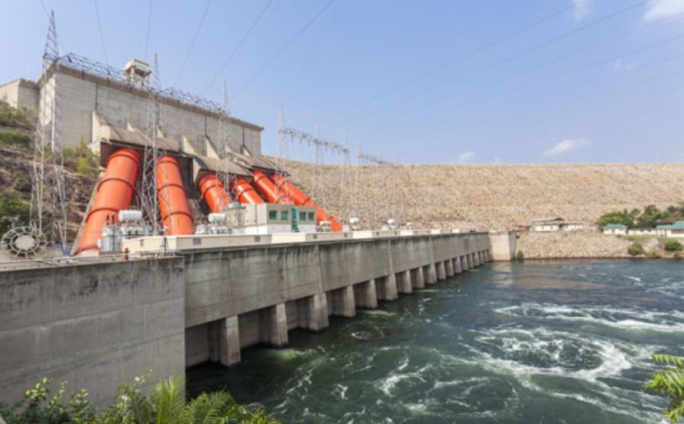
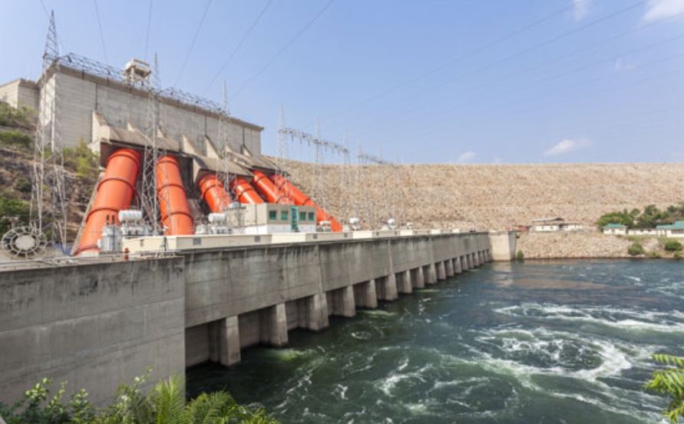
In recent weeks, Ghana has been hit by a devastating flood crisis, causing distress for thousands of its citizens. The heart of this predicament lies in the controlled spillage of excess water from the Akosombo and Kpong hydroelectric dams, nestled near Lake Volta’s southern end. This article delves into the dual role of the Akosombo Dam in Ghana as a vital energy source and a force behind flooding disasters.
The construction of large dams gained momentum from the 1930s to the 1970s, with thousands of such projects worldwide by 1949. Dams were seen as symbols of modernization and economic growth, particularly through hydroelectric power generation. Electricity access is a crucial element for economic development, touching everything from industry to security and public services.
Ghana, the first Sub-Saharan African country to gain independence, saw its early access to electricity limited to colonial-era diesel generators. The idea of harnessing hydroelectric power from the Volta River, leading to the construction of the Akosombo Dam, emerged as a way to foster industrialisation.
Constructed in the 1960s, the Akosombo Dam stands as a testament to Ghana’s pursuit of industrialisation and energy security. This ambitious project was the brainchild of Ghana’s first President, Kwame Nkrumah, and aimed to catalyze the country’s development. The dam project attracted the interests of both the UK and US governments, albeit for different reasons. While the UK saw it as a way to secure cheap aluminium for its industries, the US aimed to counter Soviet influence in Africa.
The World Bank also got involved, providing substantial financial support for the project. Akosombo and its sibling, the Kpong Dam, contribute a significant portion of Ghana’s energy supply, generating about one-third of the nation’s electricity. The dams provide electricity to not only the citizens of Ghana but also neighbouring countries such as Togo, Benin, and Burkina Faso.
Ghana’s recent flooding predicament can be attributed to a confluence of factors. Unpredictable rainfall patterns, likely exacerbated by climate change, have swelled the water levels in both dams. As a result, officials from the Volta River Authority (VRA), responsible for managing these dams, initiated controlled spillage to prevent the dams from reaching their maximum safe operational levels, which could lead to catastrophic breaches. Despite the necessity of such measures, the flooding’s consequences are far-reaching.
The flood crisis has affected at least Nine Districts in the Volta, Eastern and Greater Regions leaving countless homes submerged and entire communities grappling with the aftermath. The worst hard-hit districts have however been the Central, South, and North Tongu Districts in the Volta Region of Ghana. It’s estimated that around 40,000 individuals have been displaced by the flood, caught unaware and struggling to save their possessions.
The impacts extend to crucial infrastructure including toilets, cemeteries, and refuse dumps. The fear of disease outbreaks looms large, and essential services such as water and electricity are disrupted with schools closed thereby affecting access to education for thousands of school-going children.
This is not the first time the dam has flooded and destroyed lives and properties. There was a similar situation in the 1960s and just as it is happening currently, the flood in the 1960s not only flood and dislocated homes and livelihood of the mainly rural and tribal people but also affected the environment, submerging the rich forest, tributaries, animals and cultural heritage of the people. This physical and livelihood displacement affected over 739 villages and 80,000 people in the process.
These communities who lived together for decades were socially, economically, and geographically excluded from existing social networks, lived desperately in fear with damaged dignity, and underwent mental psychological stress leading to untold hardships. Women and children were the most affected. The subsequent resettlement efforts have left much to be desired, with limited focus on the economic and social development of the displaced populations.
Generally, the problems associated with the dam were caused by the lack of adequate social and environmental impact assessments with the ecological concerns being an afterthought and only taken up when they started to manifest in the affected communities. The resettlement planning and execution reflects a top-down socio-technical engineering effort, which accorded very little consideration to the agential capabilities of the people displaced and their host populations.
To deal with the current situation caused by the spillage of the Akosombo dam, the government, civil society, development organizations, and individuals must intensify the provision of relief items to affected communities by offering shelter, food, clean water, and medical assistance to the victims. The Volta River Authority (VRA) must up its communications and warning systems to alert communities about imminent flood threats and advise them on necessary precautions. The government must implement well-organised evacuation plans for at-risk areas, ensuring that people can move to safer locations swiftly.
The government must also as a matter of urgency utilize the Ghana Armed Forces and the Ghana Police Service to deploy temporary flood barriers and sandbags to help protect critical infrastructure, vulnerable areas, and lives. The Ministry of Health and the Ghana Health Service must implement disease control measures, such as vaccination campaigns and water purification efforts, to mitigate health risks in the flooded communities and regions.
In the medium term, the government must invest in infrastructure improvements, such as building better drainage systems, and flood protection structures, and reinforcing critical facilities to withstand floods. The VRA and government must conduct public awareness campaigns on flood preparedness, including educating residents about safety measures, evacuation routes, and early warning signals.
The Environmental Protection Agency and Land Use and Spatial Planning Authority (the Town and Country Planning Department) at the various Metropolitan, Municipal and District Assemblies (MMDAs) must implement strict land-use planning and zoning regulations to discourage construction in flood-prone areas and to manage urban expansion. The National Insurance Authority and Insurance companies must encourage the availability of affordable flood insurance for residents to protect their homes and belongings.
In the long term, it is recommended that government takes conscious measures to address the impacts of large dams on the livelihood of local resettled people, downstream communities, and the ecosystem, and ensure that the costs associated with these impacts are internalised in the project accounting and planning processes. The ongoing challenge underscores the need for more comprehensive social and environmental impact assessments and a bottom-up socio-technical engineering approach. Government must formulate and implement robust Water Resource Management and Governance Strategies with a designated institution which can develop, coordinate and implement frameworks to ensure broader water and energy sustainability.
To ensure the effectiveness of post‐dam construction programmes, people affected by dams, members of civil society, and the authority operating the dams should set up an independent monitoring group outside the ambit of the central government to report on and evaluate the implementation process and effectiveness of the programmes. The government should consider undertaking large-scale ecosystem restoration projects to improve natural water retention, reduce flooding, and enhance biodiversity.
The government should implement integrated river basin management plans to coordinate activities across the entire watershed, which can help balance water needs, flood control, and environmental conservation. Finally, and most importantly, the government must invest in rural development programs to reduce poverty and provide alternative livelihoods for vulnerable communities, reducing their dependence on flood-prone areas. It’s high time the Resettlement Trust Fund enjoined the VRA to allocate a non-adjustable $500,000 annually to the Trust Fund, i.e., $6 per household was utilized to help the victims of the flood caused by the spillage of the dam.
In conclusion, there is no doubt that the Akosombo Dam has been an asset contributing to energy accessibility and structural transformation of Ghana without which the country might have been worse off. But it equally poses a development disaster and has a very disturbing tyrannical impact on the livelihood of the local people, altering the ecosystem and biodiversity of the environment and throwing the people into a development dilemma.
******
The writer is an International Development Specialist. He holds a Master’s degrees in Africa and International Development from the University of Edinburgh, UK and Economics from the Kwame Nkrumah University of Science and Technology (KNUST).
The Federal Government, represented by the Nigerian Shippers Council (NSC), has announced a significant reduction in port terminal charges, cutting them by 33 percent from the initial proposal of 400 to 600 percent of storage charges.
However, bulk cargo charges have been increased by 100 percent, rising from 125 to 250 percent.
These adjustments were the primary outcomes of a meeting that brought together the leadership of the Council, seaport terminal operators, shipping companies, freight forwarders, and various stakeholders.
One notable change that emerged from the meeting is the extension of the number of free days for cargo storage at the terminals.
This extension sees the free storage period increase from three days to five days, a move intended to provide greater flexibility for shippers and reduce overall costs.
Rekiya Dhikru-Yagboyaju, the Director of the Public Relations Unit of the Nigerian Shippers Council, confirmed these developments, emphasizing that the proposed 600 percent increase in terminal charges was scaled back to 400 percent.
The adjustments aim to strike a balance between the needs of terminal operators and the interests of shippers.
“All complaints regarding inefficiencies by the terminal operators will be addressed immediately. This commitment aims to improve overall operations and enhance customer satisfaction.
Deputy Defence Minister, Kofi Amankwa-Manu, has criticized the NPP’s fractious state, where members are constantly at odds, engaging in internal disputes, and hurling insults at each other.
He confidently attested to this claim based on his significant involvement in the NPP during his time as a student at the Kwame Nkrumah University of Science and Technology.
” It has become pretty chaotic when I listen to some of the things going on. My entire adult life has been dedicated to the NPP. I was once the youth wing president back in school. So all that is going on is very un-NPP,” Mr Kofi Amankwa-Manu told the media.
As of the latest reports, the New Patriotic Party (NPP), one of Ghana’s leading political parties, finds itself in a state of internal turmoil and division.
The party, which had previously been known for its strong unity and cohesion, is now grappling with a multitude of challenges that threaten its stability. Key among these issues is the deepening factionalism within the party, with prominent members openly at odds, engaging in internal disputes, and even hurling insults at each other.
This internal strife has not only led to a fractured party but has also eroded public confidence in the NPP’s ability to govern effectively.
Additionally, the NPP is facing criticism over its handling of the country’s economic challenges. The government’s management of public debt and fiscal policies has come under scrutiny, leading to concerns about the country’s financial stability.
International rating agencies have projected that Ghana’s public debt may rise to alarming levels, further undermining the party’s credibility.
Moreover, the NPP has been accused of failing to address critical issues affecting the country, such as unemployment, inflation, and social inequality.
These challenges have contributed to growing dissatisfaction among the populace and have put pressure on the party to take decisive action.
As the NPP grapples with these internal and external challenges, its leadership faces the daunting task of rebuilding trust, fostering unity, and implementing effective policies to address the nation’s concerns. The party’s ability to navigate these turbulent waters will significantly influence its future in Ghana’s political landscape.
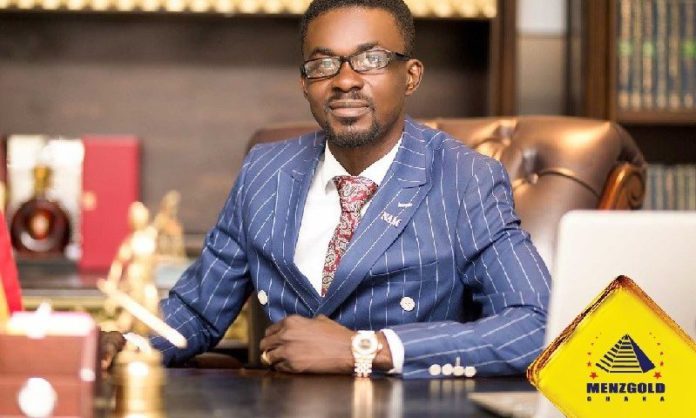
The Western Regional Chairman of Menzgold’s distressed customers, Samuel Agyarko, has voiced doubts regarding the recent actions of the company’s CEO, Nana Appiah Mensah, widely known as NAM1.
Agyarko expressed his mistrust, particularly in light of NAM1’s addition of 108 customers to the disbursement list.
“When NAM1 deposited the money, he attached a list made up of names of some 108 people supposed to be customers and seeking to be paid,” he was quoted by 3news.com.
“Past events have proven that NAM1 cannot be trusted and so we doubt the authenticity of the names of the people on that list. It is possible that he just made those names up so that when the monies are paid, the money will eventually go back to him” and therefore he “does not trust the list.
“Even in the statement he released announcing the deposit of the money, he said 5 million which is not the case. He rather deposited 2.5 million,” he said.
The Office of the Special Prosecutor (OSP) has requested that Justice Edward Twum be removed from the Cecilia Dapaah case; however, Chief Justice of Ghana, Justice Gertrude Torkornoo, has rejected this request.
The OSP had petitioned to have Justice Twum removed from all cases involving Cecilia Dapaah because they claimed he had shown bias against them. The Chief Justice, however, rejected the petition.
The OSP revealed that in a post on X, the former Twitter, “by a letter dated 25 October 2023, the Judicial Secretary informed The Special Prosecutor that, the Chief Justice is unable to accede to the Office of the Special Prosecutor’s (OSP) request for his lordship Justice Edward Twum to be recused and removed from all cases involving the OSP pending before him.”
The OSP made the request because they thought Justice Edward Twum seemed to have strong biases against both the OSP and the Special Prosecutor.
Attorneys for Ms. Dapaah pushed for a hearing on the OSP’s motion to confirm the freezing and seizure order at the most recent postponed date.
They hinted that OSP had withdrawn its request to the Chief Justice to have the judge saved and removed, based on what they had heard in the media.
Justice Twum informed the court that he had received instructions to proceed with the cases as the OSP had withdrawn its previous request. However, the Prosecutors from the OSP contested this claim, asserting that their request had not been officially withdrawn.
Additionally, the Prosecutors revealed to the court that they had filed a certiorari application and a stay of proceedings in response to the judge’s decision not to consider a supplementary affidavit from the OSP, which presented new facts and evidence.
Consequently, the court decided to adjourn all cases involving Ms. Dapaah under the jurisdiction of the OSP indefinitely, awaiting further instructions from the Chief Justice.
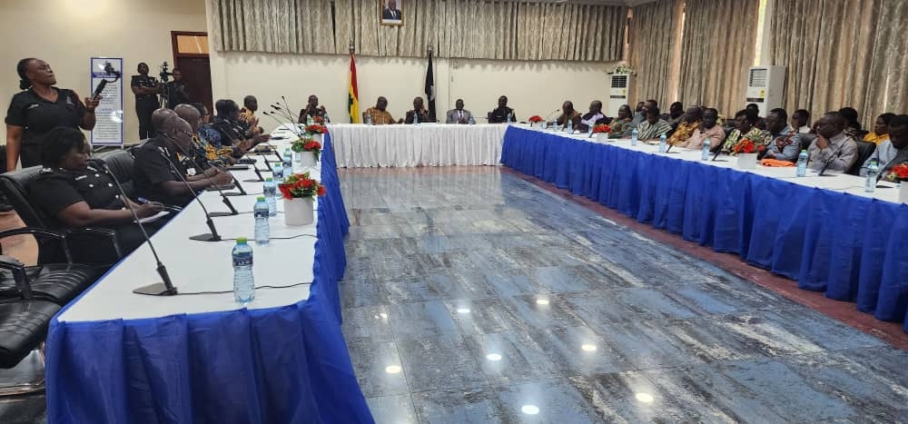
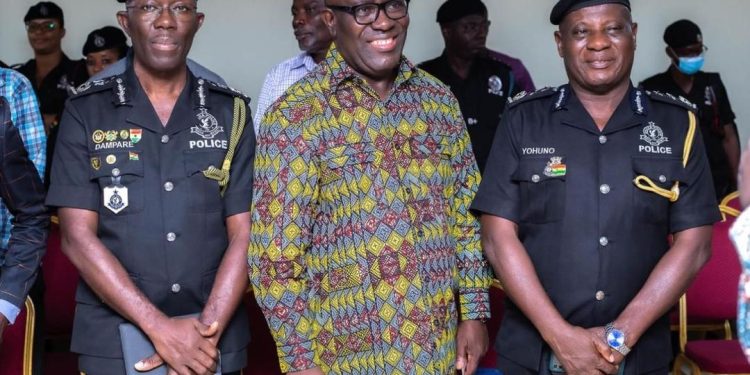
Secretary General of the Trades Union Congress, Anthony Yaw Baah, has lauded Inspector General of Police (IGP) Dr. George Akuffo Dampare and the police leadership for their ongoing collaboration with essential stakeholders in the nation.
He stated that the police’s fresh approach to leadership truly embodies the institution’s motto, “service with integrity.”
“Road safety data suggest things are improving under you Mr IGP.
“The approach that the new police leadership has adopted is giving real meaning to service with integrity motto of the police. With this approach, everyone will see the Ghana Police Service as a service with integrity.
“We are happy that you keep engaging all stakeholders. We are informing our members of the relationship you’re building with us,” Mr Yaw Baah noted at a meeting with the leadership of the police at the police headquarters on Wednesday.
The IGP stated that the police will keep collaborating with all relevant parties to make sure that everyone has a peaceful Christmas this year.
“We want to assure you that this Christmas will be awesome. I assure you that the police will give you a double overdose of security.
“So Ghana is ready, to all the tourists I want to assure you that Ghana is ready, the police is ready, come and enjoy our hospitality. We will protect you and all your belongings”.
The police have met with the TUC, the GPRTU, the creative arts industry, and a few Muslim leaders in the past three days.
International credit rating agency Fitch predicts that Ghana’s public debt is on track to reach 99% of its Gross Domestic Product by the end of 2023, compared to 88% in 2022.
This projection is attributed to the continuous depreciation of the cedi against the US dollar. Fitch anticipates a gradual reduction in public debt to 95% in 2024 and 94% in 2025.
These estimates consider the ongoing debt restructuring efforts and the current fiscal consolidation measures in response to the country’s economic situation.
As of June 2023, Ghana’s public debt surged to GH¢575.5 billion, constituting 71.9% of the national Gross Domestic Product.
This increase represents a marginal rise of GH¢6.3 billion compared to the GH¢569.2 billion in public debt recorded in April 2023. Data from the Bank of Ghana’s September 2023 Summary of Economic and Financial Data reveals that Ghana’s public debt has grown by GH¢27.7 billion since January 2023.
The report indicates that Ghana’s external debt amounted to GH¢328.6 billion (US$29.9 billion), while domestic debt stood at GH¢246.9 billion ($30.8 billion).
Notably, external debt has increased by GH¢7.3 billion compared to April 2023 when it was at GH¢321.3 billion. Conversely, domestic debt decreased from GH¢247.9 billion to GH¢246.9 billion during the same period.
Although the Nominal GDP remained stable at GH¢800.9 billion as of June 2023, maintaining the same level as in January 2023, it represents a significant increase from the GH¢610.2 billion reported in June 2022.
Secretary General of the Trades Union Congress, Anthony Yaw Baah, has expressed his appreciation for the Inspector General of Police, Dr. George Akuffo Dampare, and the police service’s leadership.
He commended their ongoing efforts to engage with various stakeholders in the country. Baah noted that this new leadership approach within the Police Service aligns with their motto, “Service with Integrity,” and gives it tangible significance.
“Road safety data suggest things are improving under you Mr IGP. The approach that the new police leadership has adopted is giving real meaning to the service with the integrity motto of the police. With this approach, everyone will see the Ghana police service as a service with integrity.
In the past three days, the police have convened meetings with various groups, including Muslim leaders, the GPRTU, representatives from the Creative Arts industry, and the TUC.
“We are happy that you keep engaging all stakeholders. We are informing our members of the relationship you’re building with us,” Mr Yaw Baah noted at a meeting with the leadership of the police at the police headquarters on Wednesday.
Assemblyman for Ketu South Constituency, Mawufemor Kofi Folivi, has accused the National Disaster Management Organization (NADMO) officer in the constituency, Paul Alosode, of withholding relief items meant for flood victims in the area.
Allegedly, this decision was prompted by the fact that other organizations had directly donated items to community leaders without involving the NADMO office.
In a phone interview with GhanaWeb, the Assemblyman claimed that Paul Alosode, the NADMO officer, withheld the aid as a form of punishment.
According to Kofi Folivi, when the flooding crisis began, some relief items were brought to the NADMO office, but not all affected individuals received assistance.
Upon addressing this issue with the NADMO officer, Alosode explained that the initial items were insufficient and that he intended to distribute more once additional relief supplies arrived.
However, Ghana Gas Company Limited and the Member of Parliament for the area delivered additional aid. The Assemblyman suggested combining these new items with the existing ones at the NADMO office to provide relief to everyone in the affected communities.
Nevertheless, NADMO officer Alosode refused, stating that since the donations from Ghana Gas and the Member of Parliament had not passed through his office, he could not allocate them.
“His claim is that they were supposed to pass the items through his office and once they didn’t do that, those of us who received the times, he said he is punishing us. He read to me the things he wanted to give me at the time he called me. Those were 10 plastic bowls, 10 pieces of rubber cups for two communities. Also , there are some wellenting boots for the Sukoladzi community and some for the Zongo community as well. Those were the same items I went back to him to ask for, I didn’t request any other things from him,” the assemblyman stated.
The assemblyman representing Ketu South Constituency also voiced his dissatisfaction with this decision, pointing out that the relief goods were supposed to come from the NADMO office and that their distribution of the goods under their control would have supplemented the assistance from other organizations.
He clarified that he attempted to bring the Municipal Chief Executive (MCE) into the situation, but the MCE said he was not sure how to handle it.
“This is something that was supposed to come from your office, and is it my fault the MP and Ghana Gas came to donate the affected people. Even though what they brought were not enough, if you added the ones that the NADMO office was supposed to give us, it would have complimented whatever we are doing and people would have felt a bit relieved. He said no, I can’t decide for him what he should do.
“I called the MCE [Maxwell Kopelugudor] and told him that this is what the NADMO officer is doing, he also told me he doesn’t know how to deal with the issue now but he will give him a call and get back to me. I tried reaching out to the MCE for an update on the issue but he didn’t pick my calls,” he added.
He continued “If your office is supposed to help and you are refusing to do that and other people are helping, it is necessary that they pass it through you, is it for you to keep them?” he asked.
Member of Parliament (MP) for Pru East, Dr. Kwabena Donkor, has forecasted that there might be a food scarcity in Ghana in 2024.
This comes after communities near the Volta Lake’s bank were inundated due to the lake’s bank being broken by an excessive amount of water entering it.
During a Monday Eyewitness News on Citi FM interview with Umaru Sanda Amadu, Dr. Donkor stated,
“The flooding is so severe, whole communities are under the lake. Health infrastructure, clinics, schools, etc. have all been flooded. And so there is not just the humanitarian end of it; there is also the medical, public health end of it, and the educational end of it. In my constituency, schools have had to shut down because they have been submerged.”
“What exacerbates the situation is that in Pru, Oti, Bono East, Savannah, and Northern, farmlands have also been flooded, so there is a possibility of a serious food inadequacy and food insecurity going forward next year [2024] because farmlands have been flooded and the crops have not survived.”
Dr. Donkor disclosed that the flooding of the communities bordering the lake commenced as early as June and July 2023 but had not been taken seriously due to a lack of media coverage.
He added that the flood victims had so far received only communal aid.
In the Pru East District of the Bono East Region, nine communities have been submerged as a result of the Volta Lake overflow, displacing more than 2,500 residents.
The worst-affected communities include Kobre Nsuano, Pentecost Nsuano, Adiembra, Fanteakura, Tokobikope, Tonka, Agokope, Logakope, and others.
This information was relayed by Fredrick Ndila Ntana, the Pru East District Director of the National Disaster Management Organization (NADMO), during an interview with Citi News on Monday.
“So far we have about over nine communities which are affected by the floods. These are Fanteakura, Birikente, Tokobikope, Accra Town, Kobre Nsuano, Who Are You, and many others.”
“And so now we have about 2554 people displaced, and these are the breakdowns. The males are 1,302 and the females are 1,252…we have relocated them to the highest grounds,” he stated.
In the meantime, more than 30,000 individuals have been forced to leave their homes as a result of the Akosombo Dam spillage, affecting various communities in the Volta and Eastern regions.
The controlled spillage from the Akosombo and Kpong Dams, initiated by the Volta River Authority (VRA), began on September 15, 2023, in response to a consistent increase in the inflow pattern and water level of the Akosombo reservoir.
As a consequence of the spillage, a large number of residents in areas including South Tongu, North Tongu, Central Tongu, Asuogyaman, and numerous other regions have experienced flooding and property damage.
Majority in Parliament is calling on the Minority to refrain from politicizing issues concerning the National Investment Bank (NIB) and, instead, encourage the government to inject capital into the bank.
The Minority in Parliament has been fervently advocating for substantial restructuring measures to rescue the struggling NIB from possible insolvency.
There have been reports suggesting that the Agricultural Development Bank (ADB) might acquire NIB, which currently grapples with liabilities surpassing GH¢2 billion.
Addressing the press in Accra on Wednesday, Frank Annoh-Dompreh, the Majority Chief Whip, stated:
“What the government should be encouraged and urged to do is to help in the recapitalization but not to run down the bank. So, our colleagues in the Minority should stop this politicization of all matters, especially matters related to the financial sector.”
“If they don’t have the facts, they should just be patient, investigate, and get the facts before they come out.”
Conversely, the Minority in Parliament has issued a warning of legal action against the government should it proceed with finalizing the acquisition deal involving the Agricultural Development Bank (ADB) and the National Investment Bank (NIB).
Isaac Adongo, the Ranking Member of Parliament’s Finance Committee, voiced these concerns during an interview on the Point Blank segment of Eyewitness News on Citi FM on September 29, 2023.
He accused the government of harboring undisclosed motives behind the liquidation of NIB.
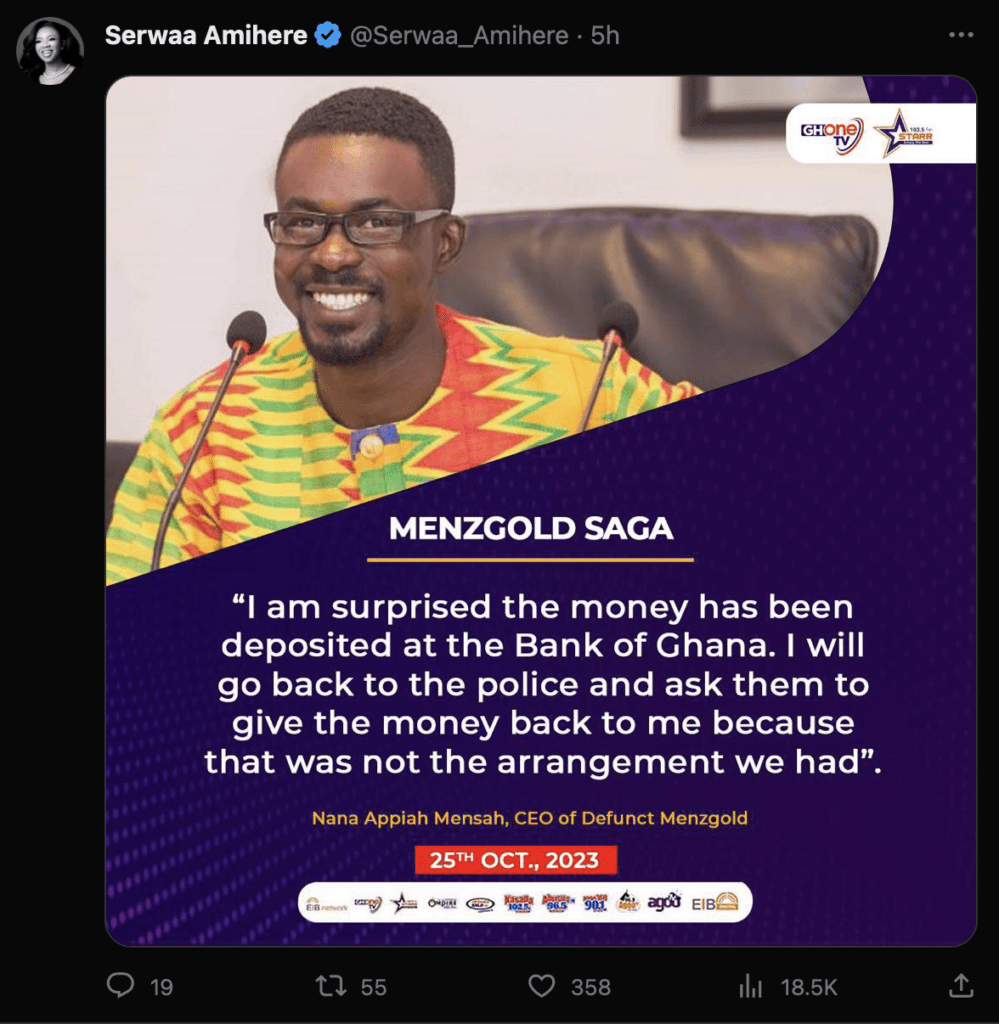
Nana Appiah Mensah, the former Chief Executive Officer of the now-defunct Menzgold, has declared his intention to revisit the police in order to reclaim the money he had entrusted to them.
His surprise stemmed from the revelation that the GH¢5 million, designated for distribution to verified customers, had been placed in the Bank of Ghana with the Court’s attention.
This arrangement contradicted the understanding he had with the police, prompting his decision to pursue the return of his funds.
In a tweet shared by broadcast journalist Serwaa Amihere, he expressed, “I am surprised the money has been deposited at the Bank of Ghana. I will go back to the police and ask them to give the money back to me because that was not the arrangement we had.”
NAM1’s statement follows the police’s announcement that the GH¢5 million has been placed in the police exhibit account at the Bank of Ghana for the court’s attention.
The police have made it clear that the court will determine the allocation of the GH¢5 million to the affected customers.
Nana Appiah Mensah faces 39 charges, including allegations of defrauding by false pretense, conducting gold trading without proper licensing, and money laundering.
Meanwhile, the Attorney-General and Minister of Justice, Godfred Yeboah Dame, has assured that justice will be delivered to all Menzgold customers.
It’s worth noting that in 2018, the Securities and Exchange Commission (SEC) directed Menzgold to halt its gold trading activities with the public.
The reason for this directive was Menzgold’s involvement in the acquisition and deposit of gold collectibles from the public, along with the issuance of contracts promising guaranteed returns to clients, all without a valid license from the Commission.
This was in contravention of “section 109 of Act 929 with consequences under section 2016 (I) of the same Act,” according to the SEC.
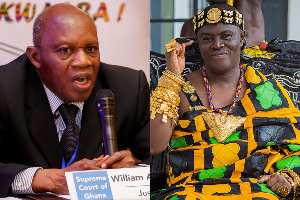
A former and highly respected Justice of the Supreme Court of Ghana, William Atuguba, has recounted an episode from his career when he found himself off the Bench for a duration of six months due to his dissenting stance against a government decision.
Under the leadership of a Chief Justice at that time, Justice Atuguba recollected that he had expressed a solo dissenting opinion in a case related to Tsatsu Tsikata v The Republic. This dissenting opinion led to his suspension by the head of the judiciary at the time.
Remarkably, this incident transpired when Justice Atuguba held the most senior position on the Bench.
He recalled these events during his address at a public lecture organized by Solidare Ghana and the Department of Political Science at the University of Ghana.
Justice Atuguba emphasized that his intention was solely to ensure that the proper legal procedures were adhered to in a case concerning the alleged unfair termination of a colleague’s tenure on the Supreme Court Bench.
“Despite the clear provisions of article 146, a very knowledgeable chief justice of Ghana wrote on two occasions to a justice of the supreme court terminating his tenure as a supreme court judge on the ground of ill health without complying with the said article 146. On being shown the letters by the judge concerned I strongly exhorted him to reply them raising the contravention of article 146. The same chief justice indirectly suspended me for 6 months by not empanelling me on any case immediately after I maintained my solo dissent in Tsatsu Tsikata v. The Republic when it came up for review by the Supreme Court.
“Before I curtail this issue, the same Chief Justice sidelined me as the then realistic most senior justice of the Supreme Court contrary to article 144 (6) who should act as the Chief Justice in his absence. I felt that since the Supreme Court is the custodian of the constitution, I could not condone its infractions. I therefore assumed the functions of the Chief Justice with clearance from the then most senior justice who was then very seriously indisposed and handicapped until I got to know from him very shortly afterwards that he had become fit enough to act as Chief Justice upon the death of the then incumbent Chief Justice. It is this event which led Kweku Baako, a very prominent journalist, to state on a radio program that in the bid for the post of Chief Justice, I declared myself as the acting Chief Justice, but when the said most senior justice of the supreme court got wind of it, he said ‘You lie, I can act.’ When I heard that allegation I was gravely hurt since I have never in my life made any move to be appointed the Chief Justice of Ghana because I consider lobbying for a position as a corrupt act since it involves compromising one’s conscience,” he stated.
The public forum was on the theme, “Protecting Ghana’s Democracy: The Role of the Judiciary.”
President of the Concerned Cocoa Farmers Association, Nana Boateng Bonsu, has stated that Ghana Cocoa Board (COCOBOD) needs to be dissolved because it is failed.
Following concerns raised by the International Monetary Fund (IMF) that the state-owned company’s enormous annual losses posed a serious threat to the industry and government’s fiscal efforts, Finance Minister Ken Ofori-Atta announced last week that his office and the Bank of Ghana were in contact to set up a monitoring desk at COCOBOD to ensure discipline in the company’s expenditure.
“Both the Governor of the Central Bank and the Minister of Finance – myself, will now be on the Board and we are also setting up a desk at the Finance Ministry that will interact with the finance division of COCOBOD to make sure the issues of fertilizers, cocoa road are all brought into an ambit of discipline. Those begin to tell you how we are getting into the issue of expenditure,” Mr Ofori-Atta said.
Mr Bonsu, in response to that move, however, said: “Cocobod is a collapsed institution”, insisting: “We know it, we foresaw it and said it several times but they never listened”.
“So, for this situation, we don’t need Ken Ofori-Atta and his people. What are they coming to do?” he wondered.
“If they had something better to offer, by now, Ghana’s economy would have shot up”, Mr Bonsu noted.
He said: “They have nothing to offer. Cocoa farmers are capable of doing their own things” and demanded that “they should forget about Ken Ofori-Atta and his people”.
“If they know COCOBOD has collapsed, we should know so that cocoa farmers can sell their products directly to the buyer to make our money rather than relying on the government, because the government has nothing better to offer the farmers,” he said.
“Right now, a lot of farmers are cutting down their cocoa trees and shifting to different crops all because they’ve realised that they have been enslaved for so many years”, Mr Bonsu revealed.
In his view, “COCOBOD has put wax in their ears and are not listening to the farmers”.
He complained that COCOBOD takes decisions willy-nilly without the input of the farmers.
“There’s nothing happening on the ground. There is no dialogue between farmers and COCOBOD. Anything that comes to them and they think it is beneficial to them or us, they just implement. There is nothing like an engagement or ‘let’s sit down with the farmers since they are those on the ground and see what they want’”, he told Joy News on Monday, 23 October 2023.
COCOBOD was established through an ordinance in 1947 with the primary objective of promoting and facilitating the production, processing, and marketing of high-quality cocoa, coffee, and sheanut products in the most efficient and cost-effective manner.
Initially, COCOBOD was provided with ¢27 million, which represented Ghana’s share of the net profit from the West African Produce Control Board, serving as its initial working capital.
The roots of COCOBOD can be traced back to the cocoa crisis of 1937. The Board initially operated from rented premises, utilizing the old facilities of the Export Produce Control Board on 28th February Road in Accra. Subsequently, it leased a portion of the Swan Mill, constructed by the United Africa Company Limited, at an annual cost of approximately ¢4,500. Afterward, COCOBOD acquired its own building.
In 1957, Ghana’s first President, Dr. Kwame Nkrumah, laid the foundation stone for Cocoa House at 41 Kwame Nkrumah Avenue in Accra, which was intended to serve as office space for the Board. The construction of Cocoa House was not only aimed at eliminating rental expenses but also stood as a tangible symbol of the Board’s confidence in the future of the cocoa industry, serving as a living tribute to the dedication of Ghanaian farmers.
Cocoa House, a six-story building constructed at a cost of nearly ¢2 million, was officially commissioned in November 1960 by the late President. Besides housing COCOBOD, Cocoa House also accommodated offices for various foreign and local organizations, including Ethiopian Airlines and ARB Apex Bank.
Owner of Default Menzgold, Nana Appiah Mensah, also referred to as NAM1, is disputing the legitimacy of those calling him derogatory names.
In response to allegations against him and his decision to pay some customers, Francis Abban, NAM1, said he could forgive the reliable people and organizations when he was interviewed on Morning Starr.
However, he only laughs over some of the names they call him, “it’s hilarious to me when people call me names.”
“Who are those calling me those names, what credibility do they have, what have they done with their lives? What kind of life do they have in this country?
He stated that those who hide and are unidentified may be excused.
“Those that we can identify in society who speak from ignorance, they don’t even understand the issue. They don’t know what the issue is about, they don’t know what goes in and out and they just come out there and make any remarks just so they will be hailed,” NAM1 stated.
In a development advised by the Office of the Attorney-General, the Ghanaian police received GH₵2.5 million from the individual in question, Nana Appiah Mensah, more widely recognized as NAM1, on Friday, October 20, 2023.
The police administration officially stated that this particular sum has been duly placed within the Police Exhibit account at the Bank of Ghana (BoG), and it has been designated for the attention of the Court.
This action has transpired within the framework of ongoing investigations regarding complaints lodged by customers of MenzGold Ghana Company Limited and Brew Marketing Consult Limited.
These cases are currently being adjudicated at the Accra High Court, with the central figure being Nana Appiah Mensah, who goes by the moniker NAM1.
“We would like to state that the decision on the disbursement of the money would be determined by the court,” the statement concluded.
Former Ghanaian Supreme Court Justice, William Atuguba, has argued that the practice of allowing presidents to appoint ministers of state from Ghana’s Parliament lacks coherence.
He contends that this undermines the independence and authority of the Parliament, which should serve as a check on the executive branch, including the president and their ministers. Justice Atuguba made these comments during a public lecture titled ‘Protecting Our Democracy: The Role of the Judiciary’ held on October 24, 2023, and criticized the notion that Ghana’s Parliament is truly independent as a deception.
“For example, why should the president be allowed to still be appointing ministers from parliament? People (the parliamentarians) who are to oversee the executive, including the ministers.
“And then a lot of them go and sit there and say this is an independent parliament. Nonsense. Fraud!” he said while answering a question on the independence of state institutions, including parliament.
As a result, the retired judge of the Supreme Court demanded that the 1992 Ghanaian Constitution be revised, particularly with regard to the president’s appointment power.
“We have to look at this constitution properly. The problem is how to get the amendment done,” he added.
At a public lecture hosted by Solidare Ghana and the University of Ghana’s Department of Political Science on October 24, 2023, one of Ghana’s highly respected former Supreme Court Justices, William Atuguba, voiced his disappointment regarding the transfer of the Paramount Chief of the Dormaa Traditional Area, Osagyefo Oseadeeyo Agyeman Badu II.
Atuguba suggested that the transfer of the Dormaahene, who also serves as a High Court judge, is problematic, mainly because of the chief’s outspoken nature.
He emphasized this point to highlight his concern that the Ghanaian populace might not be adequately vocal about the current state of affairs in the country, which is influenced by the actions of the ruling government.
“I heard for talking too much, the Paramount Chief of Dormah Traditional Council and a High Court Judge, Osagyefo Agyeman Badu II has been transferred from the Greater Accra to the Volta Region. (Ghanaians are not angry enough),” he said in his speech.
In his speech, Justice William Atuguba also discussed the necessity of significant changes to the nation’s political system. He warned that if these changes are not made, future administrations would face difficult circumstances.
“When the Executive needs a reform, the President is changed. When the Legislative needed reform, the Speaker was changed. When the Judiciary needs a reform, the Chief Justice needs to be changed. If Nana Addo could remove the Electoral Commissioner, the Auditor General and it was good, so should John Mahama be able to remove the Chief Justice.
“We need serious reforms in every institution including the NPP. This is one of the reasons Ghanaians want him to be President again,” he added.
The public forum was on the theme, “Protecting Ghana’s Democracy: The Role of the Judiciary.”
The Ghana Civil Aviation Authority (GCAA) has approved an initial license for the much anticipated national carrier, according to the deputy minister of transportation, Hassan Tampuli.
On the fringes of an event celebrating Air France’s 90th anniversary in Accra, the deputy minister informed reporters that this approval came about as a result of the government entering into an agreement with a private group. The minister further stated that the government had “already signed a shareholders’ agreement with them.”
“We have incorporated the company, and the Ghana Civil Aviation Authority has granted them the first level of licence,” Mr. Tampuli stated.
“We are currently waiting for the company to identify the type of aircraft they will use, and the final licence will be awarded after the Ghana Civil Aviation Authority inspects those aircraft. At present, we are still in the incubation stage,” he added.
Need for due diligence
He replied that it is difficult to give an exact timeline because there is a significant amount of due diligence that needs to be done on the private company when questioned about when the final licence will be issued and the carrier will be exposed.
Furthermore, Mr. Tampuli, the Gushegu Member of Parliament, stated:
“We need to assess our bilateral air service agreement (BASA) to determine which routes are available to Ghana. These considerations and calculations are crucial for understanding the business model that they [the private group] will be applying in partnering with government”.
Two more carriers seek entry into Ghana
The government has received formal applications from two airlines, one based in Italy and the other in Spain, requesting permission to start direct services to Kotoka International Airport (KIA), according to the deputy minister of transportation.
“So, yes, Ghana is open for business. Airlines are coming. They keep knocking on our door and we are ready; we have the infrastructure to accommodate them and give an experience that will make them come again,” he stated.
There are currently 23 scheduled and non-scheduled domestic flights from Africa World Airlines (AWA), PassionAir, and GIAN AIR, as well as 23 international and regional flights that serve KIA.
Nana Appiah Mensah, the Chief Executive Officer of the now-defunct gold dealership firm Menzgold, commonly referred to as NAM1, has expressed his intention to return to the police to request a refund of the money he had entrusted to them.
He revealed his surprise upon learning that the GH¢5 million intended for disbursement to verified customers had been placed in the Bank of Ghana under the jurisdiction of the Court, contrary to the original agreement he had with the police.
As a result, Nana Appiah Mensah has indicated his intention to reclaim his funds.
In a tweet shared by the broadcast journalist Serwaa Amihere, he stated, “I am surprised the money has been deposited at the Bank of Ghana. I will go back to the police and ask them to give the money back to me because that was not the arrangement we had.”
NAM1’s statement comes in response to the police’s announcement that the GH¢5 million has been placed in the police exhibit account at the Bank of Ghana, with the court’s attention in mind. It has been stated that the court will determine how the GH¢5 million will be distributed to customers.
NAM1 is currently facing 39 charges, including allegations of defrauding by false pretense, unauthorized gold trading, and money laundering.
Meanwhile, the Attorney-General and Minister of Justice, Godfred Yeboah Dame, has assured that justice will be delivered to all Menzgold customers.
It’s worth noting that in 2018, the Securities and Exchange Commission (SEC) directed Menzgold to halt its gold trading activities with the public.
The SEC’s reasoning was that Menzgold had been involved in acquiring and receiving deposits of gold collectibles from the public while offering contracts with guaranteed returns to clients without possessing a valid license from the Commission.
This contravened “section 109 of Act 929 with consequences under section 2016 (I) of the same Act,” according to the SEC.
The latest Interbank forex rates published by the Bank of Ghana on October 25, 2023, indicate that the Ghana Cedi is exchanging against the US Dollar at a buying rate of 11.4522 and a selling rate of 11.4636.
In a Forex bureau located in Accra, the US Dollar is being purchased at 12.00 and sold at 12.25.
Regarding the Pound Sterling, the Cedi is trading at a buying rate of 13.9350 and a selling rate of 13.9501.
At an Accra-based Forex Bureau, the Pound Sterling is available for purchase at 14.45 and can be sold at 14.85.
The Euro is listed at a buying rate of 12.1332 and a selling rate of 12.1453.
At a Forex Bureau in Accra, the Euro can be acquired at a rate of 12.50 for buying and sold at a rate of 12.95.
The South African Rand has a buying rate of 0.6011 and a selling rate of 0.6014.
In an Accra-based forex bureau, the South African Rand can be bought for 0.35 and sold for 0.95.
The Nigerian Naira is quoted at a buying rate of 71.2644 and a selling rate of 72.6835.
At an Accra forex bureau, the Nigerian Naira can be bought at a rate of 8.50 Naira for every 1 Cedi and sold at a rate of 14.00.
As for the CFA, it is trading at a buying rate of 54.0091 and a selling rate of 54.0630.
In a forex bureau located in Accra, the CFA is obtainable at a rate of 17.50 CFA for every 1 Cedi for buying and can be sold at a rate of 20.00 CFA for every 1 Cedi.
Note that these rates may be different at a forex bureau near you. Our forex bureau rates are provided by Afriswap Bureau De Change in Osu, Accra.
Our forex bureau rates are provided by Afriswap Bureau De Change in Osu, Accra.
The government has been urged to eliminate the COVID-19 and special import levies from the 2024 budget by the Ghana Union of Traders Association (GUTA).
Speaking on JoyNews from Accra, Association President Dr. Joseph Obeng also demanded a review of Value Added Tax (VAT) collection.
According to him, businesses would become more productive if operating expenses were reduced.
“We are talking about the 1% COVID-19 levy to be removed. We also talk about the special import levy of 2% that has been imposed on us since the previous administration, we also are talking about the VAT, the complex nature of VAT,” Dr Obeng stated.
The government imposed a levy on supplies of goods and services under the Standard Rate and VAT Flat Rate Schemes in 2021, known as the COVID-19 Health Recovery Levy.
Ghanaians, particularly companies, have urged the government to abolish the tax since it serves no purpose in the post-COVID-19 era.
In the meantime, the 2024 budget will be presented to parliament in November of this year by Finance Minister Ken Ofori-Atta.
At a reception at Buckingham Palace, Kenyan expatriates in the UK are greeted by King Charles III and Queen Camilla. From October 31 to November 3, the royal couple will travel to the East African nation.
This will be Charles’s fourth official visit to Kenya and his first trip to a Commonwealth nation since ascending to the throne last year.
The royal couple was invited by Kenyan President William Ruto to the country, which is gearing up to commemorate its 60 years of independence from Britain in December.
The King and Queen will undertake a State Visit to Kenya, from Tuesday 31st October to Friday 3rd November 2023, to celebrate the warm relationship between the two countries and the strong and dynamic partnership they continue to forge,” said the palace.
“The King and Queen will visit Nairobi City County, Mombasa County and surrounding areas,” said the palace.
Charles III will be making his first trip to a Commonwealth country since ascending to the throne in September of last year.
The statement went on to say that the program will showcase the various areas of cooperation between the two nations.
These objectives encompass endeavors such as enhancing economic well-being, addressing climate change, fostering youth empowerment and employment, promoting sustainable development, and contributing to the overall stability and security of the region, as stated in the communication.
The King is scheduled to engage with various stakeholders during his visit to Kenya, including government officials, United Nations personnel, religious leaders, young individuals, and Kenyan Marines involved in joint training with the UK Royal Marines. Additionally, he will participate in an event celebrating Nobel laureate Wangari Maathai.
Lingering tensions
In addition, Charles plans to address “the more painful aspects” of the relationship by examining the time frame surrounding the end of British colonial rule in 1963.
This will include examining the “Emergency” of 1952–1960, when the Kenyan Kikuyu tribe, known as the Mau Mau, launched a guerrilla campaign against European settlers, leading to the declaration of a state of emergency.
“His Majesty will take time during the visit to deepen his understanding of the wrongs suffered in this period by the people of Kenya,” said the palace.
The police have stated that the court will be responsible for deciding the disbursement of the GH¢5 million provided to the service by Nana Appiah Mensah, also known as NAM1, the CEO of the now-defunct Menzgold.
The police further explained that this sum has been placed in the police exhibit account at the Bank of Ghana, specifically earmarked for court proceedings. According to a press statement reported by GhanaWeb Business, the police mentioned that, “the amount is part of investigations into petitions received from some customers of MenzGold Ghana Company Limited and Brew Marketing Consult Limited, currently before the Accra High Court against suspect Nana Appiah Mensah, popularly known as Nam 1.”
“We would like to state that the decision on the disbursement of the money would be determined by the court,” the police added.
Menzgold, in an official statement regarding the transfer of funds to the police, stated that this action is intended to expedite the disbursement of funds to clients who have undergone the verification process in the settlement.
In 2018, the Securities and Exchange Commission (SEC) directed Menzgold to cease its gold trading activities with the general public.
The SEC’s rationale for this decision was that Menzgold had engaged in the acquisition and deposit of gold collectibles from the public and issued contracts with promised returns to clients without possessing a valid license from the Commission.
This was in contravention of “section 109 of Act 929 with consequences under section 2016 (I) of the same Act,” according to the SEC.
An activist and the convener of the Concerned Nigerians group, Comrade Deji Adeyanju, has made a plea to Peter Obi, the Labour Party (LP) presidential candidate, to utilize a portion of the N6.5 billion campaign funds he received during the 2023 elections to assist the ailing veteran Nollywood actor, John Ikechukwu Okafor, who is widely known as Mr. Ibu.
Furthermore, Adeyanju has urged Nigerian President Bola Tinubu to extend his support to the Nollywood actor and help him overcome his current health challenges.
Earlier, Mr. Ibu had publicly requested assistance from his fans, disclosing that an undisclosed ailment had left him bedridden for weeks and at risk of having his legs amputated.
In a subsequent video message on Wednesday, the prominent social media figure appealed to politicians and other fans to contribute any amount to help save the life of the beloved comic actor.
“Hello everyone, this is an appeal to every Nigerian to kindly help Mr Ibu, who is currently sick. It does not matter how much you can contribute. Let us help him. I also want to appeal to President Tinubu to kindly reach out to him and his family and help him and also to Peter Obi, who was aggressively supported during the last election to kindly support him.
“It’s not when something bad happens that people would start showing that ‘Oh Mr Ibu was a good man’. This is the time to really help Mr. Ibu. I hear that there’s about N6.5bn in the Labour Party presidential confers from the contributions we made in the last election. This is the time to use such money. Also, we can use from the EndSARS money, which is about $500,000 USD for good causes like this. God bless everyone. Amen,” Adeyanju said.
A total of 184 individuals from the hospitality and tourism sector in the Upper West Region have successfully completed the Ghana Cares Obatampa program, an initiative by the government through the Ministry of Finance aimed at post-COVID-19 recovery.
These graduates underwent comprehensive and hands-on skills training provided by the Tamale Technical University (TaTU), an implementing institution for the Ghana Cares Obatampa program in the northern region of Ghana.
Among the graduates, 49 completed their training in Front Office Operation, 71 in Conferencing, Banqueting, and Event Management, and 64 in Food Processing and Preparation.
During the graduation ceremony in Wa, Dr. Michael Akurugu Brigandi, Chairman of the Project Implementation Committee at TaTU, emphasized that this training was an integral component of the government’s post-COVID-19 measures to mitigate the pandemic’s impact on businesses in the country.
He lauded the government’s responsiveness to the challenges faced by young entrepreneurs in the wake of the COVID-19 outbreak and its associated consequences on businesses throughout the nation. Dr. Brigandi expressed optimism that the skills acquired by these young entrepreneurs would enhance their business operations, improve product and service quality, and ultimately boost the profitability of their enterprises.
“I have always said the certificate is like a taxi, it will carry you to wherever you are going but what will keep you there are your skills, knowledge, competence, and dedication.
I would, therefore, like to urge you all not to be content with the certificates you will be taking today but also the training that the government has spent money on to train you is something that has added value to your life and to your work as professionals in your various areas of operation,” Dr. Brigandi explained.
The Chairman of the Committee, who stood in for the Vice Chancellor of TaTU, encouraged the graduates to share the knowledge and skills they acquired during their training with their apprentices and those in their communities.
Mr. Abdul-Rahaman Mei-goro, the Personal Assistant to the Upper West Regional Minister, representing the Minister, emphasized that this training showcased the President’s determination to rejuvenate businesses in the country in the wake of the COVID-19 pandemic. He commended the graduates, stating that they were “living proof” of the government’s commitment to reviving businesses affected by the pandemic.
In her valedictory speech, Umu Salwa Mu-awia expressed gratitude to the government for the valuable training they had received, acknowledging that the skills acquired would have a positive impact on their businesses.
“We are ambassadors of change, custodians of wisdom imparted to us, and champions of a revitalised hospitality and tourism industry.
“Let us redefine standards, embrace diversity, and foster a culture of continuous learning,” she intimated.
Mu-awia inspired her coworkers to work toward turning their “dreams into tangible realities and challenges into opportunities.”
The Finance Minister of Ghana, Ken Ofori-Atta, has emphasized the necessity of securing approximately $12.2 billion to effectively combat the impact of climate change within the country.
He clarified that these funds are essential to cover the expenses associated with implementing Ghana’s climate change mitigation and adaptation strategies.
During his speech at the 19th International Conference on Inclusive Insurance (ICII) in Accra on October 24, Minister Ofori-Atta also underscored the country’s need to generate around $4.1 billion as part of the overall $12.2 billion financial requirement.
Furthermore, he stressed the vital role of insurance protection in addressing Ghana’s vulnerability to climate change and other disasters, particularly through inclusive insurance solutions.
“Climate change impact have adversely affected the country’s poor and vulnerable and we need to ensure that insurance, particularly inclusive insurance is integrated into all that we do. Since 2017 our policy approach has been to provide an environment that ensures that people are protected particularly the poor and the National Financial Inclusion Strategy is an example of the Government’s commitment to financial inclusion for the poor,” Ofori-Atta said.
“Insurance will continue to play a critical role in the socioeconomic growth of the country and it serves as the umbrella that protects the poor from crisis and disasters that occur,” he added.
Nonetheless, the Finance Minister urged the government and key stakeholders in the insurance sector to collaborate and work on strategies aimed at guaranteeing the protection of Ghanaians, especially those in lower income brackets, through inclusive insurance.
The 2023 International Conference on Inclusive Insurance was jointly organized by the National Insurance Commission of Ghana (NIC), the Ghana Insurers Association (GIA), and the Insurance Brokers’ Association of Ghana (IBAG), in partnership with the Munich Re Foundation and the Microinsurance Network.
This conference brought together global insurance experts to brainstorm innovative and progressive approaches to developing micro-insurance products that cater to the needs of the low-income population.
The Accra High Court presiding over the trial of Mr. Michael Nyinaku, the former Chief Executive Officer (CEO) of the now-defunct Beige-Bank, has instructed both the prosecution and defense lawyers to submit their arguments by November 10, 2023.
This development comes following the prosecution’s declaration that it has concluded its case against the accused.
The Court, under the leadership of Justice Mrs. Afia Serwaa Asare-Botwe, a Court of Appeal Judge with additional High Court responsibilities, is scheduled to deliver its ruling on November 30, 2023.
This ruling will determine whether Mr. Nyinaku must provide a response to the charges brought against him.
Mrs. Evelyn Keelson, the Chief State Attorney, explained to the Court that with the prosecution having completed its case, it is now incumbent upon the accused, Mr. Nyinaku, to present his side of the story. However, this can only occur once the respective lawyers have submitted their arguments.
Based on these submissions, the Court will decide whether Mr. Nyinaku must address all the charges or not.
Mr. Nyinaku faces charges that include fraudulent breach of trust and money laundering, all of which he has pleaded not guilty to.
Emmanuel Owusu emerges victorious in GRASAG National Presidency election during the 28th Annual Delegates’ Congress in Tamale on October 21, 2023.
Securing 302 votes, Owusu’s landslide win reflects his commitment to graduate students’ welfare. His competitor, Akudugu Issaka, garnered 216 votes in this closely monitored race.
Owusu’s victory underscores his values and capabilities, with a campaign centered on visionary leadership, effective communication, problem-solving skills, and unwavering dedication to the graduate student community.
Throughout his campaign, he laid out a strategic path for GRASAG, emphasizing advocacy, empowerment, and positive impact.
His commitment revolves around creating more equitable and supportive opportunities for postgraduate students in Ghana.
In his media statement, Owusu expresses gratitude to the student body and pledges to fulfill his campaign promises, aiming to usher in a transformative era where every graduate student feels valued, empowered, and well-prepared for their future endeavors.
Emmanuel Owusu’s resounding victory heralds a new era for GRASAG. Graduate students in Ghana can anticipate a future marked by opportunities, support, and inclusive and visionary leadership.
As he takes on the role of GRASAG National President, the aspirations and goals of graduate students nationwide will receive the attention and dedication they deserve.
Director of communications for the Ghana Union of Traders Association, George Kwenning, has characterized the Makola market as an unorganized, ghetto-like structure.
He claimed that SSNIT failed to consciously try to properly organize the market.
His remarks follow the October 21, 2023, fire that destroyed the Makola Shopping Makola mall.
“As GUTA we are going to support our members but we expect the government to come to the aid of these business communities as a matter of urgency because they have lost everything.
“We will be meeting those who own the facility, we will also be meeting the Accra Metropolitan Assembly (AMA) and see the way forward. Most of our markets our custom-made markets, which are built by the people themselves. We only have a few markets that have been put up by the authorities like the Kaneshie Market is well-organized,” he said on Accra-based TV3.
Kwenning added that the layout of the market impedes movement and makes it hard
“This [Makola] market was put up by SSNITso it is not part of the custom-made markets, this is [supposed to be] a well-structured market but we can’t say that, it is like a ghetto, and for SSNIT to put up such a structure, it is unfortunate, we don’t know what informed them to put up such a structure.
“I was even surprised that the fire service was able to come here to put the fire off because there is no space. We expect SSNIT to, as a matter of urgency, relocate these people to engage in their trade and we want the government to support them to engage in their trade,” he added.
CEO of the Ghana Cocoa Board, Joseph Boahen Aidoo, is urging cocoa farmers to adopt organic production practices to ensure the cocoa industry’s long-term sustainability. He highlights the importance of organic methods, emphasizing their role in producing healthier cocoa, increasing yields, and contributing to environmental friendliness.
Aidoo also calls on the media to encourage the use of poultry manure among farmers, which helps stabilize soil without causing harm to the environment. These recommendations were made during a media engagement in Sunyani, following Aidoo’s four-day visit to cocoa farms in the Bono, Bono East, and Ahafo regions.
His visit aimed to gather information, address farming issues, and ensure the recovery and long-term sustainability of the cocoa industry. During this visit, Aidoo interacted with cocoa farmers in various areas, including Bechem Cocoa District, Duayaw Nkwanta, Techiman, Bamreh, Sunyani Cocoa District, Goaso, Sankore, Larbikrom, and Mim.
Aidoo explains that the Ghana Cocoa Board (COCOBOD) has introduced various interventions and productivity enhancement programs over the years, such as hand pollination and pruning. These initiatives focus on achieving a sustainable cocoa industry. Since their introduction in 2017, these interventions have significantly improved cocoa production in growing areas.
The CEO notes that some farmers in other regions struggle to achieve high yields, often due to the failure to follow productivity enhancement programs. Aidoo emphasizes the importance of practicing pruning, which reduces the need for chemicals in cocoa tree maintenance.
In the three regions visited, Aidoo observes a competition between cocoa and cashew farming, with some cocoa farmers transitioning to cashew production. However, he’s pleased to note that many farmers are returning to cocoa farming.
Aidoo underscores cocoa’s significance in Ghana’s national economy, emphasizing the need to sustain its growth and its role as a renewable source of income for the country.
He expresses satisfaction with ongoing rehabilitation efforts in the three regions, particularly the initiative introduced in 2017 to combat the cocoa swollen shoot virus disease. A survey reveals that 17% of cocoa land area nationwide has been affected by the disease. Aidoo assures that COCOBOD remains committed to recovering all lost farms and promoting the long-term sustainability of cocoa productivity.
By the end of 2023, the Ghanaian government, the Official Creditor Committee, and the Paris Club are expected to reach a consensus on an external debt restructuring plan, according to predictions made by global rating agency Fitch.
However, Fitch believes that by mid-year [2024], the government and private creditors will have reached a comparable debt swap agreement.
“We expect the OCC and authorities to agree on the debt treatment parameters by end-2023, before an agreement with private creditors on comparable terms is expected for mid-2024, paving the way for Ghana moving out of default,” Fitch pointed out in its comprehensive analysis of Frontier Markets.
Fitch also noted that these agreements with external creditors will be instrumental in helping Ghana exit its default status and taking steps to tackle its unsustainable debt burden.
A recent example of such a resolution is Zambia’s agreement with its external creditors on a debt restructuring plan. Currently, Ghana is in the process of obtaining approval from the IMF’s Executive Board for the second portion of a $3 billion bailout package, including $600 million.
This extended credit facility aims to restore macroeconomic stability over a three-year period.
Member of Parliament for North Tongu, Samuel Okudzeto Ablakwa, has announced his intention to submit a motion in parliament, requesting a comprehensive inquiry into the causes of the flooding in certain areas of the Volta Region.
He also emphasized that this investigation should be broadcast live, allowing the public to witness the circumstances surrounding the Akosombo Dam spillage.
These remarks came in response to a statement by the Minister of Sanitation and Water Resources, Freda Prempeh, which implied that residents in Mepe and other affected areas had declined evacuation.
Ablakwa criticized this statement as false and disrespectful and pledged to ensure a public investigation into the matter.
“We are filing a motion for a full-scale probe. It will be live on television, and we will know exactly what happened. All these blatant lies will be exposed. The officials who caused this will face the law and we will demand full compensation,” he said, as the report indicated.
The North Tongu MP further challenged the sanitation minister to show him the locations the government had designated before the Akosombo Dam began to leak water.
“These Akufo Addo ministers should stop adding insults to injuries; we are pained, depressed, and devastated. They should stop these things. We have had enough of their blatant lies; she should tell us when and the date. When did they come here? She herself—has she come here before? The people should move to where?
“She should show us where it was constructed for my people to move to; they refused to go. Was it the military, NADMO, or who?” he said.
In contrast to previous accounts, the Ghana Police Service has officially acknowledged the receipt of GH¢2.5 million from the Chief Executive of the troubled gold dealership firm, Menzgold.
The money has been sent to the Bank of Ghana, according to the police.
“The Police, on the advice of the Office of the Attorney-General, on Friday 20th October 2023, received an amount of GH₵2.5 Million from suspect Nana Appiah Mensah, popularly known as Nam 1.
“The said amount has been deposited in the Police Exhibit account at the Bank of Ghana (BoG) for the attention of the Court.
“The amount is part of investigations into petitions received from some customers of MenzGold Ghana Company Limited and Brew Marketing Consult Limited, currently before the Accra High Court against suspect Nana Appiah Mensah, popularly known as Nam 1,” a post by Ghana Police Service on X read.
As per previous reports, the funds were earmarked for distribution to customers who had complied with the company’s procedures and validation requirements during the settlement phase.
Qualified customers are strongly advised to follow the specified dates established during the submission of required documentation to facilitate a seamless and effective disbursement of their funds.
Menzgold is reportedly preparing to provide the police with a list of customers slated to receive payments.
A member of the Bawumia campaign team and presidential staffer, has strongly disputed remarks made recently by Professor Kwabena Frimpong-Boateng, a former minister of the environment, science, technology, and innovation.
According to the professor, Vice President Dr. Mahamudu Bawumia’s previous statements may jeopardize his chances of leading the New Patriotic Party (NPP) and winning the presidency of Ghana in 2024.
Dennis Miracles Aboagye strongly disagreed with Professor Frimpong, claiming that it was clear from the professor’s remarks that he was biased against Vice President Bawumia.
He remarked, “we completely disagree with the Professor. Of course, we are not surprised because it is an internal contest, he has already declared his stance when it comes to this internal contest.
“He is not a fan of the vice president, he doesn’t support him in this particular contest and so you should expect that his views will be one that will not in any way promote the vice president“, 3newsonline.com quotes Dennis Miracles Aboagye.
Aboagye continued, saying that since the professor is a well-known opponent of the vice president’s aspirations, these remarks shouldn’t be taken too seriously.
Former head of the Korle-Bu Cardio Center Professor Frimpong-Boateng said, “the thing is, it is not his fault that he wanted to maybe deceive people. But then you’ve made a pronouncement, and now you’ve been charged by those pronouncements. This is what I am saying, because he is the vice president, he has been exposed for eight years, he is bound to have done certain things that will come back to haunt him.”
Furthermore, the former Minister argued that the vice president is “more vulnerable than the rest because the rest didn’t have that exposure.”
In an even-handed assessment, Frimpong-Boateng also touched on another flagbearer aspirant, Kennedy Agyapong, saying, “I think he is straightforward, he fights against corruption. His baggage is his utterances in the past, just like the vice president.”
In his reaction on this, Dennis Miracles Aboagye brushed aside Frimpong-Boateng’s criticisms.
“He is not an authority on this matter and so he cannot be taken seriously on this, his utterances in the past few days have been one that does not promote his party in any way, he has been one that seeks to divide the front of the party and for that matter, we do not want to place much premium on it.
“Every politician makes utterances and statements and so if you say that the vice president made certain utterances that are haunting him from becoming the president, the question is, what about the former president who has been president before? And not just utterances but the people have realized him and know what he can do and what he cannot do and yet is staging a comeback,” he added.
South Africa’s parliamentary ethics committee has initiated an investigation into Deputy Health Minister Sibongiseni Dhlomo following a sexual assault complaint filed against him.
The allegations were made by a male parliamentary staffer, detailed in a report by The Sunday Times.
The complainant stated that Dr. Dhlomo had sexually assaulted him after inviting him to his Cape Town residence. Dr. Dhlomo has vehemently denied the accusations, asserting that the staffer was asked to leave his home for taking a banana from a fruit basket without permission, suggesting the staffer’s motives may be revenge.
A subcommittee will convene in November to address the allegations, with Western Cape police also commencing their investigations.
Nestlé Ghana celebrated International Chef’s Day in partnership with the Chef’s Association of Ghana to bring an unforgettable experience to the younger generation.
They turned up the heat to cook a thing!! The Nestlé professional team in collaboration with a team of over 50 expert Chefs from the Chefs Association Ghana were actively involved in this year’s celebration where they shared their knowledge and expertise with the children from Kaneshie Presbyterian School, on October 20th in Accra.
Over 100 children with the support of the Chefs engaged in activities to showcase their culinary skills in cooking competitions, games on recipes and cooking demonstration which aimed to make a sizzling impact on the lives of the children by equipping them with the knowledge and skills to embrace healthy eating habits.
Nestlé believes in encouraging children to be creative and try out new things; cooking demonstration was one way to showcase this.
Speaking at the event, Mark Okyere-Mensah, Nestlé Professional Manager, highlighted the significance of investing in the next generation of chefs through various culinary programs including workshops, and partnerships with relevant professional groups.
“We firmly believe that by nurturing their passion and providing them with a solid foundation, we can help them become exceptional chefs who will shape the future of food.”
Chef Micheal Quainoo Representing the Chefs Association of Ghana said,” Chefs today are among the actors who shape public opinion and influence the general population.” He called on government to equip the technical and vocational educational institutions within the country to encourage more youth to pursue careers within the profession.
This year’s International Chef’s Day celebration themed, “Growing Great Chefs” aims to ignite the imaginations of children, encouraging them to explore the different types of flavors, textures and cultures found in culinary arts through cooking.
The event was also to showcase the impact of Nestlé for Healthier Kids Program and its contribution to nutrition, health and wellness education globally.
The event was also replicated in some other parts of the country to mark the celebration.