Algeria’s football federation, in a show of solidarity with the Palestinian people during the Israel-Gaza conflict, announced the suspension of all football competitions and matches.
They had previously agreed to host the Palestinian national team’s upcoming matches at the Palestinian FA’s request.
Algeria’s international footballer Riyad Mahrez, formerly with Manchester City and now playing for Saudi Arabian club Al-Ahli, posted a photo on social media holding the Palestinian flag after a 5-1 friendly win against Cape Verde.
His teammates Said Benrahma and Ahmed Touba joined him in holding the flag with a caption: “We want peace.”
Meanwhile, Algeria and Egypt, captained by Liverpool forward Mohamed Salah, drew 1-1 in Abu Dhabi, with Salah urging world leaders to prevent further harm to innocent lives.
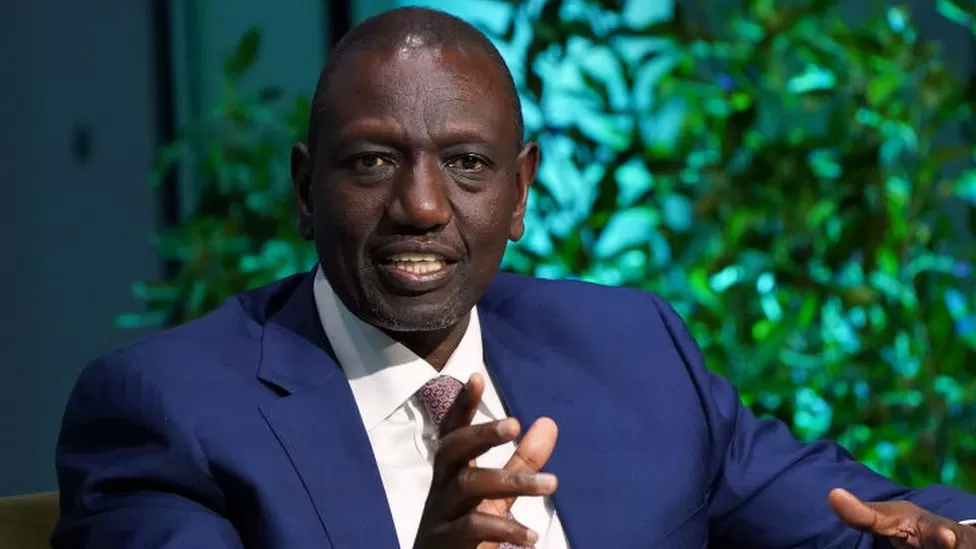
Kenya’s President William Ruto has given his approval to a contentious healthcare reform, marking the most significant transformation of the country’s health sector in over two decades.
The reform aims to promote universal healthcare and necessitates a 2.75% monthly salary deduction from all employees to fund a new health fund.
The government asserts this will enhance healthcare affordability and accessibility for less privileged Kenyans.
However, many Kenyan citizens view it as a burdensome tax and part of a series of measures exacerbating the cost-of-living crisis, despite President Ruto’s election promise to alleviate financial challenges for families.
Concerns also exist regarding potential corruption within the new healthcare fund, as with the existing one, hindering access to entitled health services.
Despite public opposition, parliament has passed the Social Health Insurance Bill and three other health bills to support President Ruto’s initiative, replacing the National Health Insurance Fund with a new fund that increases minimum contributions and requires most salaried workers to contribute a higher portion of their income.
Kenya’s Health Minister, Susan Nakhumicha, defends the new plan, asserting that it offers a fairer system in which Kenyans contribute based on their income. She highlights that the current system burdens lower earners with a higher percentage of their income compared to wealthier individuals. Employers, mandated to match their employees’ contributions, oppose the 2.75% deduction, contending that it will negatively impact businesses and exacerbate the existing cost-of-living crisis, which triggered widespread protests earlier this year.
The Finance Act, signed by President Ruto in June, introduced a 1.5% housing levy, another unpopular measure aimed at financing affordable housing during a time when housing prices have surged beyond the means of many urban Kenyans.
Several health and civil society organizations criticize the health plan, citing the significant 2.75% deduction in the context of rising fuel prices and living costs. The Kenya Faith Based Health Services Consortium, for example, argues that this rate disproportionately affects salaried citizens who support large households and various services.
Under the new system, Kenyans must register with the proposed National Social Health Insurance Fund to access public health services. Failure to enroll will result in service denial. For Kenyans unable to contribute to the fund, the government has allocated 26 billion shillings to provide assistance.
The replacement of the current NHIF with the new fund raises concerns about the potential for increased corruption despite greater financial resources. Critics also worry that the new social healthcare body may allocate a significant portion of collected funds to administrative expenses, leaving limited resources for direct healthcare costs.
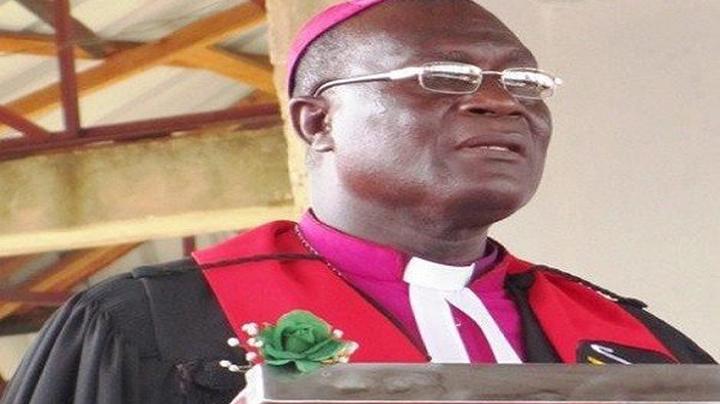
Former Methodist Bishop of Obuasi Diocese, Bishop Stephen Bosomtwe Ayensu, responded to questions regarding his and other religious leaders’ reluctance to criticize the Nana Addo-led administration for its shortcomings, as they did during the tenure of former President John Mahama.
He stated that President Akufo-Addo’s government has been doing its best to manage the country despite the challenges and that global factors, including the COVID-19 pandemic, have contributed to the difficulties.
Bishop Ayensu also defended his previous criticisms of former President Mahama, citing economic challenges during that time, and expressed his view that the current administration has performed better compared to the previous NDC government.
“Thank you for making reference to such stories where I gave it to Mahama. It is good to reference such records. It helps by giving us an opportunity to recollect the past.
“When you go into an examination hall, you answer the questions with the expected answers and not different answers. When journalists call me for an interview, I provide answers based on the questions they ask me. If you have good intentions or bad ones and you ask your questions, I will respond with my answers.”
Under Mahama, I responded by providing answers to the kinds of questions I was asked. Those who conduct the interviews also have their agenda.”
In regard to the Akufo-Addo administration’s performance, Bishop Ayensu pointed out that the indicators and government’s overall performance should be assessed truthfully. He acknowledged that the outbreak of COVID-19 was devastating and had severe repercussions, emphasizing the importance of focusing on the handling and impact of such crises. Bishop Ayensu noted that, when examining the records, it becomes evident that President Akufo-Addo’s government had performed well until the onset of COVID-19.
He also highlighted that even sex workers experienced reduced income during this challenging period, yet the Akufo-Addo government maintained worker salaries without reductions.
“Things became so difficult that even commercial sex workers had their payments reduced. But the government did not reduce the salaries and wages of workers. Those who did not even go to work were paid their salaries. We were provided with free water and electricity. From the perspective I am speaking from, I believe things were going well until the global crisis came in,” he said
He continued by saying that the president has told us that he is working to fix the issues and has openly acknowledged that things were challenging.
Prominent legal expert, Martin Kpebu, has strongly criticized broadcaster Paul Adom-Otchere for alleging that he stole a book co-authored with lawyer Fred Kusim Awindaogo, titled the ‘Annotated Evidence Act of Ghana.’
During an interview with the media on October 18, 2023, Kpebu vehemently refuted Adom-Otchere’s baseless accusations and asserted that the broadcaster displayed a lack of understanding by making such theft claims on live television.
“He said I have stolen somebody’s intellectual property; that is false. Look, I have not stolen anybody’s intellectual property. He (Adom-Otchere) didn’t understand what he was saying. When you say stealing, stealing is a criminal offence.
“To accuse somebody of a crime when there is no crime at all, itself is a big problem. It shows that he doesn’t understand what he was dealing with. That case is a civil case, so there is no element of stealing there,” he said.
Kpebu clarified that the reason he brought a complaint against Fred was because he believed Fred had not written the correct portion of the book, forcing Kpebu to rewrite almost everything.
He continued by saying that the court decided that the two of them possessed rights to the book and that Adom-Otchere was merely spreading misinformation.
“We went to court and the court said no; he has also written some so it is sufficient… the court decided that Fred has also contributed, so in that case, Fred can use the manuscript, and I can also use it. I have not stolen; it is not like he wrote the book and I’m going away with it.
“…the plaintiff went to court that they should collect the books from me and give him the manuscript. He lost that one. The court said no, Fred; you can use it, Martin too can use it. So, it is just propaganda Paul is interested in… Did the court say, Martin, you stole the boy’s book and so give it back to him? No!” he exclaimed.
Background:
High Court Judge Justice Kwaku Ackaah-Boafo, who holds a position as a Justice of the Court of Appeal, rendered a significant ruling that prohibits private legal practitioner and political commentator Martin Kpebu from claiming exclusive ownership of an unpublished book entitled “Annotated Evidence Act of Ghana.”
The court decision, reported by Asaaseradio.com, favored the applicant in the case, Fred Kusim Awindaogo, also a private practice lawyer. The case, bearing number GJ 429 2020, is titled “Fred Kusim Awindaogo (plaintiff) versus Martin Luther Kpebu (1st defendant) and Josephine Tekpertey (2nd defendant).”
In a judgment delivered on April 5, 2023, Justice Ackaah-Boafo highlighted the central dispute between the plaintiff and the 1st defendant, both lawyers, concerning the ownership and copyright of the book, “Annotated Evidence Law of Ghana.”
Although the plaintiff initiated the project and invited the 1st defendant to participate, Martin Luther Kpebu, the 1st defendant, contended that the plaintiff lacked the intellectual capacity to be the book’s author. Kpebu claimed that he had essentially rewritten the entirety of the plaintiff’s work, asserting that the final book was his exclusive creation rather than a collaborative effort.
Justice Ackaah-Boafo elucidated the key concerns, emphasizing:”In my view, this court is called upon to deal with such issues as copyright and the allegation of breach of the agreement executed by the parties, and the allegation of bad faith by the 1st defendant (Martin Luther Kpebu).”
The plaintiff, Fred Kusim Awindaogo, presented 12 claims to the court in his lawsuit, including:
A declaration affirming that the plaintiff and the 1st defendant are joint or co-authors of the book, tentatively titled “Annotated Evidence Act of Ghana,” based on their agreement.
A declaration asserting that the 1st defendant’s effort to exclude the plaintiff’s name from the work is unfair, dishonest, and in bad faith, constituting a breach of their agreement.
An order of perpetual injunction preventing the 1st defendant from claiming exclusive authorship of the book.
An order of perpetual injunction preventing the 1st and 2nd defendants from publishing the book without recognizing the plaintiff as a co-author.An order of perpetual injunction preventing the defendants from distributing the book without acknowledging the plaintiff’s co-authorship.
Justice Ackaah-Boafo’s court granted all five of these claims as requested by the plaintiff. The court determined that the book, “Annotated Evidence Act of Ghana,” is a collaborative work of both the plaintiff and the 1st defendant, and they are co-owners and co-authors of the book, with the final manuscript to be published under their joint names in accordance with the terms of their agreement; furthermore, if the 1st defendant chooses not to publish the book jointly, the plaintiff is free to publish it independently.
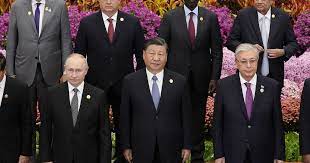
Despite Kenya’s public debt reaching $70 billion, President William Ruto joins other global leaders in Beijing for the tenth-anniversary meeting of China’s Belt and Road Initiative (BRI), which strives to link Africa, Asia, and Europe through extensive infrastructure and energy projects.
President Ruto seeks an additional $1 billion in loans from China.
Several infrastructure projects in Kenya have been developed as a result of the Belt and Road Initiative (BRI), one of which is the Standard Gauge Railway line that connects Nairobi, the country’s capital, to the Rift Valley via the port city of Mombasa.
Despite being built at a cost of $4.7 billion, it has had many difficulties, including as delays and limited freight service uptake.
The SGR, which began operations in 2017, was initially designed to serve other landlocked nations in eastern and central Africa as well as the neighboring country of Uganda to the west.
But Uganda withdrew, choosing instead to collaborate with a Turkish company to build its main line.
The majority of the line was built last week with loans from Chinese banks.
Based on government data, Kenya owes China $6 billion at the moment.
Met Chinese President Xi Jinping; agreed to open Chinese markets to Kenyan agricultural produce and ensure completion of infrastructure programmes. pic.twitter.com/lk6NFPFMxb
Karuti Kanyinga, a research professor at the Institute for Development Studies at the University of Nairobi, said Kenya’s “largest creditor today is China.”
“We are paying through the nose and most of our earnings are actually going to paying Chinese loans and that is not going to be sustainable,” he said.
Ruto has taken steps to cut back on government spending, including requesting that all ministries cut their budgets by more than 10%, as several of its Chinese loans are due to mature in the current fiscal year.
Critics counter that by continuing to take on large debt, he has broken his pledges.
Farmers impacted by the Akosombo and Kpong dam spillage will receive support from a $40 million food systems resilience program funded by the World Bank.
Agriculture Minister Bryan Acheampong made this announcement in Accra, emphasizing that the funds will aid the most affected farmers.
During the launch of the Youth in Agric initiative under the job module of the Youth Employment Agency, Mr. Acheampong assured that farmers would receive comprehensive assistance.
“To our friends, brothers, and family on the Volta and eastern stretch of the Akosombo Dam’s path, we have all witnessed the devastation as a result of the necessary action the VRA had to take to save the Akosombo Dam. As a result, several farmers have been affected and a lot of them have had their crops completely wiped out.”
“I have directed that due to this emergency, $40 million of the World Bank-funded Food Systems Resilience Programme be restructured to restore farmers whose farms have been wiped out due to the necessary action taken by the VRA to save us all.”
President Nana Addo Dankwa Akufo-Addo conducted a visit to flood-affected regions in the Volta Region and declared that the Ministry of Food and Agriculture (MoFA) would initiate a comprehensive, long-term relief plan for farmers impacted by the floods.
The President acknowledged the substantial damage caused to numerous farms along the Volta River due to the flooding. As a result, he emphasized the necessity of establishing a relief program to help restore the affected people’s livelihoods.
Additionally, the President noted that an inter-ministerial committee, comprised of organizations such as the National Disaster Management Organization (NADMO) and the Volta River Authority (VRA), was offering immediate relief items to aid the flood victims while the long-term relief program is developed.
The Rivers State Police Command reported the arrest of a 42-year-old man, identified as Kolowale, for allegedly sexually assaulting his 13-year-old female house help on Ejekwu Street, Eneka, in the state’s Obio/Akpor Local Government Area.
The arrest was made by officials from the command’s Human Rights Desk following a complaint from concerned neighbors.
According to an anonymous source, the suspect, a father of three and a rig worker, had been engaging in the illicit act with the girl whenever he was in town, unbeknownst to his wife.
The source said, “The man is married with three children and the girl has been staying with them. He is a rig worker and not usually around. He comes on break and goes back to work where he spends weeks.
“Whenever he is in town and when his wife is not around, he usually has his way with his house help who is 13 years old. The girl has been staying with them for some months.
“This time when he returned from work, he wanted to sleep with her, but the girl refused. She resisted him, ran out of the compound and informed some residents of what she had been going through.”
She continued by saying that the girl was brought to the State Ministry of Justice by her worried neighbors, who lodged a complaint.
“It was the Ministry of Justice that reported to the Human Rights Desk at the police headquarters on Moscow Road. After receiving the report, the police have been monitoring the man.
“On receiving information that he came back on Sunday, they (police) moved in and arrested him,” the source added.
The man’s detention and the event were confirmed by Grace Iringe-Koko, the state police command spokesman, who stated that an investigation was still underway.
Inspector Iringe-Koko of the Police Department said, “Yes I can confirm the incident. The suspect has been arrested and he is in our custody. An investigation is ongoing.”
The recent Accra High Court decision to impose a GHS2400 fine on New Patriotic Party (NPP) members who stormed UTV, an Accra-based TV station, has led to intense scrutiny of the courts, Ghana Police Service, and the Office of the Attorney General.
Some members of the public have criticized this fine, alleging that it is too low and suggesting that it’s influenced by the offenders’ affiliation with the ruling NPP.
However, prominent lawyer Martin Kpebu has offered an explanation for the court’s decision to levy a GHS2400 fine on the intruders.
In an interview with the media, Private legal practitioner, Martin Kpebu discussed the factors that may have contributed to this specific fine.
He emphasized that the UTV trespassers’ admission of guilt and their avoidance of prolonging court proceedings and wasting resources were significant factors that contributed to the judge’s decision to impose a fine of 20 penalty points, equivalent to GHS 2400.
“When an accused person comes to court and admits his guilt straight away on day one, when the charges are read, the punishment is usually far lower than if he says I’m not guilty and the court spends years in determining the case… If the accused says he is not guilty and the case is dragged through a full trial to the end, then the sentence is usually much, much higher.
“The next thing you need to look at is that when you take this particular case, these are first-timers, and that is another factor the court considers in coming up with sentences. As far as I am aware, these are first-timers, and first-timers are not dealt with in a deterrent fashion like a repeat offender,” he said.
The lawyer further explained that the accused individuals faced charges related to a misdemeanor, including conspiracy to commit a crime and rioting, typically resulting in fines and a maximum prison sentence of 3 years.
He pointed out that the conviction of the NPP members who stormed the TV station is a noteworthy development. This conviction will have long-lasting consequences, potentially affecting their future opportunities and casting a shadow over them wherever they go.
“…the positive is that these young men are now convicts; they have been convicted of a criminal offence. So, today, if they are filing a visa form to go to the US or the UK, there is a portion that they would ask, ‘Have you ever been convicted of a criminal offense?”
“They (the UTV invaders) have to tick yes and sometimes there would be penalties for it. They are even likely to be denied visas and other important services,” he said.
Hydrological engineer, Ing. Wise Ametefe, refuted assertions that Akosombo and Kpong dam spillage resulted from engineering flaws.
He attributes the incident to inadequate coordination among Volta Basin agencies responsible for dam operation.
Speaking on Citi TV’s The Point of View on October 18, 2023, Ing. Ametefe emphasized the purely hydrological nature of the situation.
The former registrar of the Engineering Council said, “What is happening is not an engineering failure, it is a lack of coordination among agencies operating within the Volta Basin because information must be passed from one part to the other and the Volta River Authority happens to be at the receiving end of the whole Basin so whatever happens at the upstream part of the river affects us here. What is happening is purely hydrological.”
“I have a problem with the way the dam has been designed with respect to the height. The walls appear to be too high thereby trapping a lot of water. It could have been made lower. High means that even if there is a fault at Akosombo, the level at which the flood height will spread and the speed with which it will go will be bad for us. We could have had a lower dam and even this volume of water could have been stored in other downstream or upstream reservoirs,” he added.
The VRA initiated controlled water release from Akosombo and Kpong Dams on September 15, 2023, due to consistent inflow and rising water levels in the Akosombo reservoir.
As a result, numerous communities in the Volta region have experienced flooding due to the Volta River Authority’s excess water discharge from the Akosombo dam.
Although the current reservoir inflow stands at 400,000 cubic feet per second, the authority is releasing approximately 183,000 cubic feet per second.
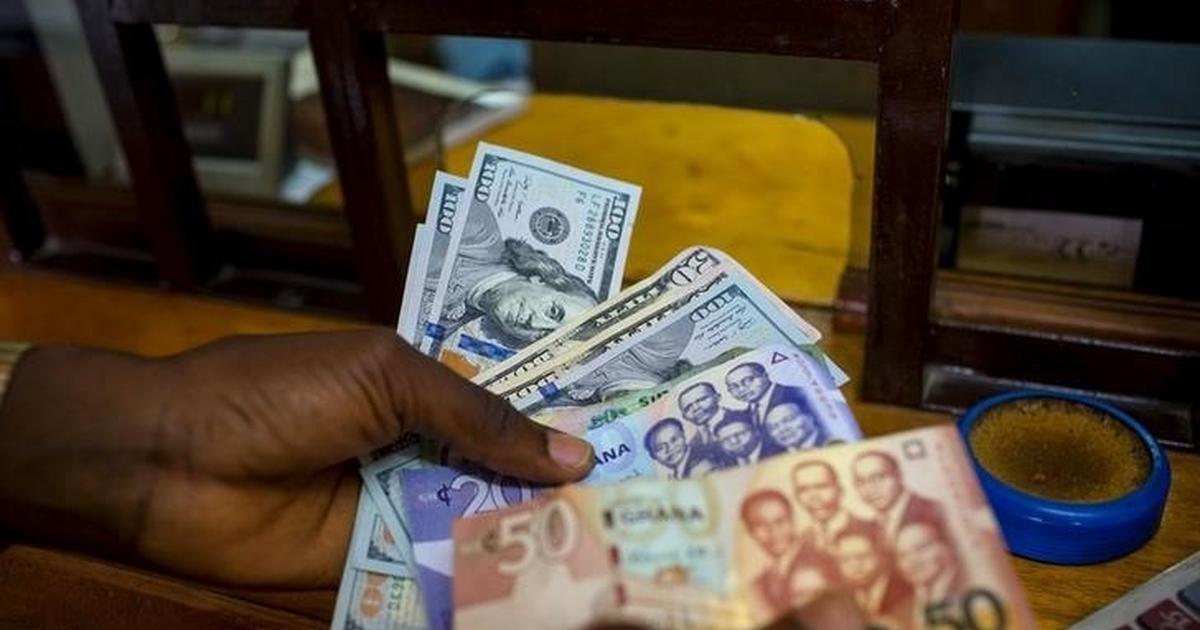
As of October 19, 2023, the Bank of Ghana’s interbank forex rates indicate that the Ghana Cedi is trading against the US Dollar with a buying price of 11.3548 and a selling price of 11.3662.
In Accra’s Forex bureaus, the Dollar is being purchased at 11.90 and sold at 12.20.
Regarding the Pound Sterling, the Cedi has a buying rate of 13.7916 and a selling rate of 13.8065.
Accra’s Forex Bureaus offer the Pound Sterling at a buying rate of 14.40 and a selling rate of 14.80.
The Euro is traded with a buying price of 11.9563 and a selling price of 11.9682.
In Accra’s Forex Bureaus, the Euro is acquired at a buying rate of 12.35 and sold at 12.75.
The South African Rand can be obtained with a buying price of 0.5961 and a selling price of 0.5967.
Accra’s Forex Bureaus deal with the South African Rand, buying it at 0.35 and selling it at 0.95.
The Nigerian Naira’s buying rate is 68.1695, and the selling rate is 68.2576.
In Accra’s Forex Bureaus, the Nigerian Naira is purchased at 9.50 Naira for 1 Cedi and sold at 14.50 Naira for 1 Cedi.
As for the CFA, it has a buying price of 54.8083 and a selling price of 54.8629.
In Accra’s Forex Bureaus, the CFA is bought at a rate of 16.50 CFA for 1 Cedi and sold at a rate of 19.00 CFA for 1 Cedi.
Note that these rates may be different at a forex bureau near you. Our forex bureau rates are provided by Afriswap Bureau De Change in Osu, Accra.
Our forex bureau rates are provided by Afriswap Bureau De Change in Osu, Accra.
The Ghana Anti-Corruption Coalition (GACC) criticizes Ghana’s utilization of oil funds, citing inefficient allocation to projects that fail to address people’s needs.
GACC’s analysis of petroleum revenue-funded projects (ABFA-funded projects) reveals that Ghana expended over GHC 1,303,419,796.26 on more than 500 projects spanning 17 thematic areas.
Madam Beauty Emafa Narteh, the GACC’s Executive Secretary, shared this during an interview with the Ghana News Agency regarding the “From disclosure to impact: mobilizing local civil society to verify published extractive data and advocate for equitable, accountable spending of funds” project.
This initiative, supported by the Africa Centre for Energy Policy (ACEP), ran from September 2022 to September 2023. Its core premise was that informed citizens could demand accountability, transparency, and improved processes for extractive revenue utilization.
Mrs. Narteh noted that the Coalition’s Local Accountability Networks (LANets) conducted pre-monitoring, mid-term, terminal, and post-monitoring activities for these projects, some of which began as early as 2011. Unfortunately, these projects often failed to meet the intended community needs, primarily because the local communities were unaware of their existence.
She added that LANets monitored 33 petroleum-revenue-funded projects across 18 districts in six regions, employing a monitoring tool devised by the GACC Project Implementation Team.
“Compared to other oil-rich countries in Scandinavia and the Gulf region, Ghana’s expenditure of its oil funds could be more efficient and strategic,” she said
Mrs. Narteh revealed that citizens residing in areas where petroleum-revenue-funded projects were underway lacked information about project specifics, including cost, duration, and contractor details. This information gap stemmed from minimal engagement between the government, contractors, and the local population concerning these projects.
Furthermore, the GACC identified a phenomenon referred to as “protocol or parachute projects.” These were projects and contracts initiated at the national level but intended for execution at the district level. Frequently, neither the district assemblies nor the local communities were informed about these projects, which were purportedly awarded for political gain.
“The district assemblies do not have any project documents and do not have any authority to oversee project construction. Furthermore, they are unable to hold the contractors accountable in the event of any mishap,” she added.
The GACC Executive Secretary explained that project implementation encountered significant delays due to various challenges. Although the project commenced in September 2022, monitoring activities didn’t begin until April, approximately eight months later. These delays primarily resulted from difficulties in accessing information about oil-funded projects and obtaining introductory letters from relevant state agencies.
These letters were intended for presentation by the LANets to their respective Municipal, Metropolitan, and District Assemblies (MMDAs) before conducting monitoring. Despite substantial efforts by the GACC, formal acquisition of the list of ABFA-funded projects from the Ministry of Finance proved unattainable.
The GACC also faced challenges in obtaining technical input from the Contractors’ Association and the Chamber of Construction, as they did not respond to GACC’s requests.
Another challenge pertained to the lack of cooperation from the Ellembele District Assembly in the Western Region, which cited prior monitoring by the Public Interest and Accountability Committee (PIAC) as a reason not to provide the needed information to the LANet.
As a recommendation for future projects, the GACC suggested that implementers initiate projects with monitoring of the procurement process and involve the Public Procurement Authority (PPA) in initial data collection.
Additionally, they stressed the importance of regular monitoring of oil-funded projects to ensure the collection of up-to-date information, which can be used to support monitoring efforts and policy advocacy.
Lecturer at the University of Education Winneba’s Kumasi campus, Aaron Kuma, has stated that the COVID-19 pandemic and the Russia-Ukraine conflict are not the root reason of Ghana’s current economic problems.
A university lecturer claims that the 2017 banking sector crisis significantly affected Ghana’s economy and was a major factor in the financial situation of the nation about six years later.
“It is not COVID and the Ukraine war that has got as to this point as a nation. The banking crisis is one of the major critical issues because a whooping amount of close to about 27 billion was used for bailout,” he stated on Kumasi-based Hello FM.
He pointed out that the Bank of Ghana, which had the last say over how to clean up the banking industry in 2020, had failed to adequately address the problem by forcing the closure of multiple banks without carefully examining each one individually.
“If I was the finance minister or the governor of the Bank of Ghana, I am not sure that is how I would have handled it. I would’ve done it on a case-by-case basis,” he noted.
The 650-meter Lower Volta Bridge, or Sogakope Bridge, links Sogakope and Sokpoe.
Before President Nkrumah inaugurated Ghana’s longest bridge in 1964, residents and travelers depended on a ferry for commuting.
The bridge promoted commerce and easy travel, enhancing the local economy.
Despite Nkrumah’s overthrow in 1966, General J.A. Ankrah opened the bridge in 1967.
In a video posted by Ghana Facts and History and sighted by GhanaWeb Business, it said, “Footage of Kwame Nkrumah as he turned the first sod to initiate the construction of the Lower volta bridge in 1964 which will link Tefle and Sogakofe and the official opening of the bridge (1967) by General J. A. Ankrah, chairman of the NLC, since Nkrumah was overthrown in 1966. Before, The volta river was crossed by a ferry.”
The construction of the Sogakope Bridge commenced in January 1965, concluding in January 1967.
A suspected thief faced a fatal end as enraged residents of Tafo Four Miles in the Ashanti Region assaulted him. The deceased was believed to be part of a gang of thieves that had targeted the area for theft.
Regrettably for him, he was apprehended by an angry crowd in pursuit of the group. Confirming the incident, Brother Emmanuel, a committee member, recounted that locals heard cries as the mob chased the thieves.
He reported that the individual passed away shortly after being attacked by the furious crowd. When he arrived at the scene, he found the deceased’s body concealed with plantain leaves. The irate mob did not disclose the specifics of what the young man and his fleeing gang had stolen.
”They couldn’t say what the young man and his associates stole, but residents said they heard screams of thieves being pursued. Three of them were able to flee, but the one who was assaulted was unlucky. He was beaten to a pulp. He was not dead when I was informed, but he was dead when I arrived on the scene.”
When asked if thievery was prevalent in the area, he said yes.
“Just this morning, when the incident occurred, a resident who was attending to nature’s call returned to find her room broken into and a young man with her television and decoder,” he said.
“The suspected thief shoved her aside and fled before she could say anything,” he added.
The Tain District Hospital, located in Nsawkaw within the Bono Region, faces a shutdown tendency due to the termination of its electricity supply by the Volta River Authority (VRA).
Accumulating a debt of over GHC2 million owed to the VRA over a span of four months, from May to September 2023, the hospital experienced power disconnection on Friday, October 13, 2023. This action was a result of the outstanding debt related to the $36.6 million 60-bed hospital.
Subsequently, the hospital’s management has been forced to utilize a power plant, incurring a cost of GHC 15,000 for fuel as of Tuesday, October 17, 2023. This financial burden is proving to be unsustainable and exacerbates the hospital’s existing financial challenges.
Dr. Philip Taah-Amoako, the Medical Superintendent of the hospital, laments that this ongoing situation severely hampers their ability to efficiently provide high-quality healthcare services to the community.
“As it stands now, electricity to the hospital has been disconnected because we are indebted to VRA and this is having a negative impact on us because we are unable to discharge on our core mandate”.
Dr. Taah-Amoako further states that if the current circumstances persist, the hospital’s management will be forced to initiate the closure of the facility in the upcoming days.
“If the situation remains like this, we will have to close the hospital down within the next 48 hours because the pressure is unbearable”. Two newborns lost.
He expresses distress that apart from having to refer cases elsewhere, the hospital has tragically lost two newborns since the disconnection occurred last week.
The way forward
He urgently calls for authorities to step in and facilitate the swift restoration of power to the hospital, enabling the provision of essential healthcare services to the residents of Nsawkaw and its environs.
In the meantime, investigations by GhanaWeb reveal that the hospital has been in debt to the VRA, accumulating an amount of GHC6.4 million since 2021.
National Patriotic Party chairman (NPP) for Bia West Constituency in the Western Region, Frank Cudjoe, faces allegations of defrauding a financially challenged young Ghanaian man of GHC8,000.
The young man expressed his interest in venturing into the cement business. Consequently, he entrusted a GHC8,000 check to the Member of Parliament (MP), aspiring to obtain the cement for resale.
However, he stated that from 2022 till this present day, the NPP MP has been continually evasive, showing no indication of refunding his money or fulfilling his promise to supply the cement.
“I expressed interest in selling cement. So a company I was working with instructed me to liaise with a cement vendor to obtain an invoice, which I would present to them for a check to purchase the cement.”
“Following their instructions, I acquired the invoice and submitted it to them in Accra, after which they issued a check made payable to the vendor. The vendor initially promised to provide the goods within three days but repeatedly postponed the agreed-upon dates, never delivering the items for me to sell. Despite my company’s attempts to contact the vendor, he continually claimed that the items were on it way, a situation persisting from 2022 up to this present time,” the young man explained to the media.
Responding to a question by the host to mention the name of the cement vendor, the young man opened up to mention the Frank Cudjoe’s name.
He also mentioned all the attempts he made to get the attention of some NPP members to help retrieve his money but it yielded no results.
“Frank Cudjoe, the NPP chairman for Bia West, is the individual in question. I engaged in a conversation with the district women’s organizer of Bia West, seeking her assistance. She reached out to Frank to discuss the matter on my behalf, yet he has not reimbursed the money.”
Campaign manager for Kennedy Agyapong, Kwame Owusu, has expressed determination to oust Bernard Antwi Boasiako, popularly known as Chairman Wontumi, from his role as the party’s Ashanti Regional Chairman in the upcoming elections.
During an interview on Akoma FM on October 16, 2023, Kwame Owusu emphasized that Chairman Wontumi’s conduct indicates his inadequacy to lead the NPP within the region. He levied accusations against the Ashanti Regional chairman, asserting that his actions displayed bias in a position that mandates impartial treatment for all.
“We don’t want somebody who is biased… we are going to ensure that someone like Wontumi (is removed).
“We will campaign against him (Wontumi) because I don’t want a biased person in a position that requires fairness. How can we allow that to happen? We are saying that he (Wontumi) has not demonstrated what it takes to be a chairman of a region,” he said in Twi.
“I’m saying this from the standpoint of his behaviour. I’m not talking about any animosity between us. But if someone is a chairman in our party, he must act as one, he must remain neutral,” he clarified.
In addition, he said, they would fight to remove other party leaders who have behaved in a similar manner from office, in addition to the NPP Ashanti Regional Chairman.
The capital of Guinea-Bissau, Bissau, is experiencing a power outage due to an outstanding electricity bill.
The Turkish utility company, Karpowership, has disconnected the power supply, citing a debt of $17 million (£14 million) owed by the West African government.
Economy Minister Suleimane Seidi has assured that a significant portion of the bill will be settled within two weeks.
Karpowership, a major operator of floating power plants globally, holds a five-year contract to provide almost all of Guinea-Bissau’s electricity.
In a similar move last month, the Turkish company suspended power to Sierra Leone’s capital due to a substantial unpaid debt.
National Democratic Congress (NDC) National Chairman Johnson Asiedu Nketiah expresses his lack of surprise at the resignations of Archbishop Nicholas Duncan-Williams and Rev. Eastwood Anaba from the Board of Trustees responsible for overseeing the construction of Ghana’s National Cathedral.
In a jointly signed statement by Archbishop Duncan-Williams and Reverend Anaba, they clarified that their decision to resign stemmed from the government’s failure to designate an impartial accounting firm to conduct an audit of all public funds directed towards the National Cathedral.
“Despite our prayers, best hopes, and wishes, unfortunately, a needed audit to help restore public confidence and trust in this consequential project has not been enacted to the best of our knowledge. Since January 2023, we awaited news to no avail, regarding the finding of the audit.
“We, therefore, regret that as a matter of conscience and faith, we hereby submit to you our resignation from the Board of Trustees of the National Cathedral.”
In January 2023, the two well-respected clerics demanded that the National Cathedral’s construction be put on hold indefinitely in order to conduct a project audit.
The pair also said in a letter to the Board of Trustees that the project cannot be completed on schedule due to Ghana’s current economic situation, which is why they are calling for its suspension until the nation’s economic situation improves.
“The current economic climate in Ghana presents obstacles to the timely construction and completion of the National Cathedral… We, therefore, resolve: That in the spirit and cause of transparency and accountability to the Ghanaian people, the current Board of Trustees of the National Cathedral shall appoint an independent, nationally recognized accounting firm to audit all public funds contributed to and spent by the National Cathedral,” the two clergymen said in a memo.
In an interview on Kasapa 102.5FM/Agoo TV on Wednesday, Mr. Asiedu Nketiah discussed the two clergymen’s resignations and stated that, given the rot found in the cathedral’s construction, it was only a matter of time for them to leave the Board of Trustees.
“Their resignation from the Board of Trustees is not surprising, we knew it would happen and it was just a matter of time. Well, I congratulate them, it is better late than not at all. Their resignation is not too late, but I would have wished that they would not have accepted the appointment from the beginning. But sometimes, when somebody is deceiving you, it is not everyone who’s able to see through the deception.”
Since its first proposal as a national place of worship and a symbol of Ghanaians’ pride and unity, the National Cathedral has been the subject of debate and controversy.
The Ghana Statistical Service reported a decrease in the Producer Price Inflation to 25.1% for September, reflecting a 3.1% decline.
Additionally, the month-on-month change in PPI between August 2023 and September 2023 was 2.7%.
Within the manufacturing sector, the PPI for September was recorded at 16.0%.
Thirteen sub-sectors, including textile manufacturing (68.9%), pharmaceutical production (66.1%), and non-metallic mineral products manufacturing (50.1%), exhibited inflation rates surpassing the manufacturing average.
In the Services sector, the rate rose from 15.5% in August 2023 to 16.1% in September 2023.
In the construction sector, the PPI declined to 26.6% in September 2023 from 30.4% in August 2023.
Inflation in ten subsectors was higher than the 16.1% national average.
Activities related to information services had a PPI of 24.1%, air transportation 64.0%, and postal and courier 47.3%.
The following industries had rates higher than the national average: water supply, sewerage, and waste management (27.6%), mining and quarrying (33.5%), transportation and storage (28.8%), and electricity and gas (50.9%).
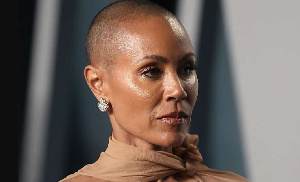
The mystery surrounding the motivations behind Will Smith’s unexpected slap on comedian Chris Rock during the 2022 Academy Awards continues to deepen.
In a recent revelation, Jada Pinkett Smith, Will Smith’s wife, has firmly denied any involvement in the infamous incident.
Contrary to speculation, Jada clarified that she had no role in Will Smith’s actions at the Oscars, specifically in response to a joke by Rock about Jada’s appearance due to her alopecia. The joke compared her to “G.I. Jane” due to her bald head, a result of her alopecia battle.
During an appearance on Steven Bartlett’s podcast, Jada debunked the notion that she signaled disapproval to Will, asserting that she played no part in the incident and even humorously remarked, “Even if it was [a signal], I can’t force Will to do anything!”
Anticipating blame for the incident, Jada acknowledged that she expected the controversy but stressed that the Oscars incident was not about her.
She mentioned the involvement of broader factors and emotions, including the release of Will’s film “Emancipation” and the complex history between him and Chris Rock.
In a candid revelation, Jada disclosed that she and Will had quietly separated seven years ago, shedding light on her feelings of resentment during their separation.
She attributed relationship issues to differing love languages, highlighting her desire for emotional connection and presence over material security, which aligned with Will’s love language. Their dynamics were influenced by these contrasting expressions of love.
The unfolding narrative continues to shed light on the complexities surrounding the incident, painting a nuanced picture of the circumstances and emotions at play during that night at the Oscars.
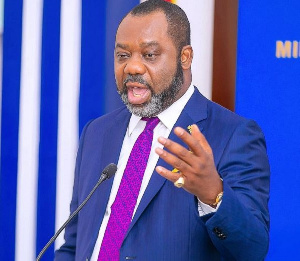
Dr. Matthew Opoku Prempeh, Minister of Energy, states that the creation of an African Energy Bank has become imperative.
Following the energy transformation, the Minister claims that the bank would serve as the financial hub for financing energy-related initiatives throughout Africa.
Speaking at the opening panel session at the 2023 African Energy Week on the theme “Global Energy Security; The imperative of African Energy Development” the Minister said the energy transition conversation from an African perspective is confronted with militating factors including; limited technological capacities, low productivity, weak capital markets and high input costs and therefore an African Energy Bank will be in a pole position to address these challenges.
“The Bank will understand the peculiar circumstances of the African continent and will, therefore, support our efforts,” he said.
He added that Africa is disproportionately affected by a huge energy deficit, a lack of human capital, and a lack of infrastructure for green energy. He hinted that deliberate measures needed to be taken to deal with these issues.
“Currently, about 600 million people are without access to electricity in Africa. Without a clear and purposeful drive towards cheaper electricity, the figure will rise to 800 million by 2030, whilst the continent sits on what shall effectively become stranded assets. Our position is that we cannot starve in the midst of plenty,” he said.
He continued “Ghana is of the uncompromising view that an energy transition plan worth its salt must take into perspective all the sectors of our economies with deliberate efforts channeled at achieving decarbonisation, energy security, access and efficiency to accelerate industrialization and yet lower carbon dioxide emissions and energy demand”
The Minister said continues to pitch a narrative for the linkages between upstream and downstream to established on the continent to ensure value maximisation and retention.
“Expanding the refining capacity and storage for crude oil and petroleum products and providing the appropriate infrastructure for petrochemical production and transportation of gas and petroleum products will to all intents and purposes provide these linkages”
The Manhyia South lawmaker stressed that oil and gas exploration and production will be continued in the next few decades to ensure the availability of natural gas for these purposes.
“We are cognisant of the implications of hydrocarbons on the environment and have already included Carbon Capture and Storage and other green interventions in our Energy Transition Framework to duly take care of emissions,” he added.
At the 2023 IMF/WBG Annual Meetings in Marrakech, Ghana secured funding boost for climate action efforts.
During the recent gathering in Marrakech, Ghana succeeded in securing additional financial backing for its climate adaptation and mitigation programs at the 2023 IMF/World Bank Group Annual Meetings.
The International Finance Cooperation (IFC) of the World Bank has committed to providing funding support to Ghana’s various climate change initiatives, aiming to drive sustainable growth, foster a habitable planet, and generate employment opportunities.
Finance Minister Ken Ofori-Atta shared this development in an exclusive interview with the Ghana News Agency on Sunday, October 15, 2023, following his chairmanship of the Vulnerable Twenty Group of Finance Ministers meeting in Marrakech.
“We’ve had very good meetings with the World Bank and IFC and those will come with some potentially good resources, including innovative financing schemes for climate mitigation and adaptation,” he said.
“We have a huge sit at the table [of V20] now, and that will reflect on the whole of Africa, which will also enable us help design and know where financing is going, especially carbon credit financing,” he added.
The successful conclusion of Ghana’s negotiations with Official Creditors and Eurobond holders, which is expected to happen shortly, would initiate some additional financial obligations that were required, the Minister stated.
He restated that Ghana would become a leader in the country’s climate change agenda by serving as the host of the V20 headquarters and by having access to fresh ideas and international technologies.
Ofori-Atta stated that tackling climate change concerns will be the main emphasis of Ghana’s economic growth, and that stability would be translated into more sustainable jobs for the populace.
“Beyond the stability that you bring with an IMF programme, you need to look at growth, and growth also means, trying to crowd in private investment and making your system stronger,” he said.
“The climate agenda also puts us inline to get the type of resource for electronic vehicles, and solar energy and things that will make the growth more effective and sustainable,” he added.
Degradation in Ghana’s Forests: Addressing Climate Change and Sustainable Growth
Destructive activities such as deforestation, illegal logging, and unsustainable land-use practices, notably illegal mining (locally termed “galamsey”), have significantly diminished Ghana’s once lush forest cover. Initially boasting eight million hectares of tropical forest in 1900, the nation’s forested land has dwindled to a mere 2.7 million hectares today.
The repercussions of this decline are grave, as Ghana finds itself vulnerable to the adverse impacts of climate change. Consequences include bush fires, droughts, alterations in rainfall patterns, rising sea levels, and heightened salinity of coastal waters.
In response to this environmental crisis, the government has instituted several initiatives, notably the Green Ghana Day, aiming to motivate Ghanaians to actively partake in reforestation efforts and help reclaim lost forest cover.
Additionally, Ghana has established a National Climate Change Policy, charting a strategic course for coordinated actions and responses to enhance adaptation, mitigation, and social development. This policy emphasizes five key areas: agriculture and food security, disaster preparedness and response, natural resource management, equitable social development, and energy, industrial, and infrastructural development.
The overarching goal of policy implementation is to fortify the nation’s resilience, foster a climate-compatible economy, and achieve sustainable development through equitable, low-carbon growth.
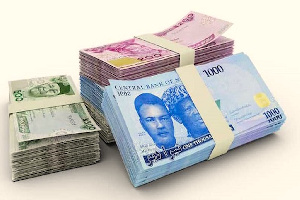
The Nigerian government has unveiled a plan to distribute $1.5 billion (£1.2 billion) in cash to support 15 million vulnerable households.
This initiative aims to ease the impact of soaring prices for essential items such as food, fuel, and commodities.
Under this program, each eligible household will receive $32 in cash over a three-month period starting this month, as stated by the Finance Minister. The specific commencement date, however, was not provided during the press conference held in the capital, Abuja, on Tuesday.
The government estimates that these vulnerable households encompass approximately 62 million Nigerians, out of a total population exceeding 200 million.
Initially, the scheme was announced in July with the intention to provide $10 to each of the 12 million households. However, this drew public criticism, with many expressing concerns that the amount was insufficient.
In response to these concerns, President Bola Tinubu introduced a revised plan during the Independence Day celebrations earlier this month.
Nonetheless, questions persist regarding the criteria for eligibility and the selection process for households.
The economic challenges faced by many Nigerians stem from the removal of fuel subsidies by the government in May, coinciding with Mr. Tinubu’s assumption of office.
According to Nigeria’s National Bureau of Statistics, approximately 63% of Nigerians are classified as “multidimensionally poor,” experiencing various forms of deprivation.
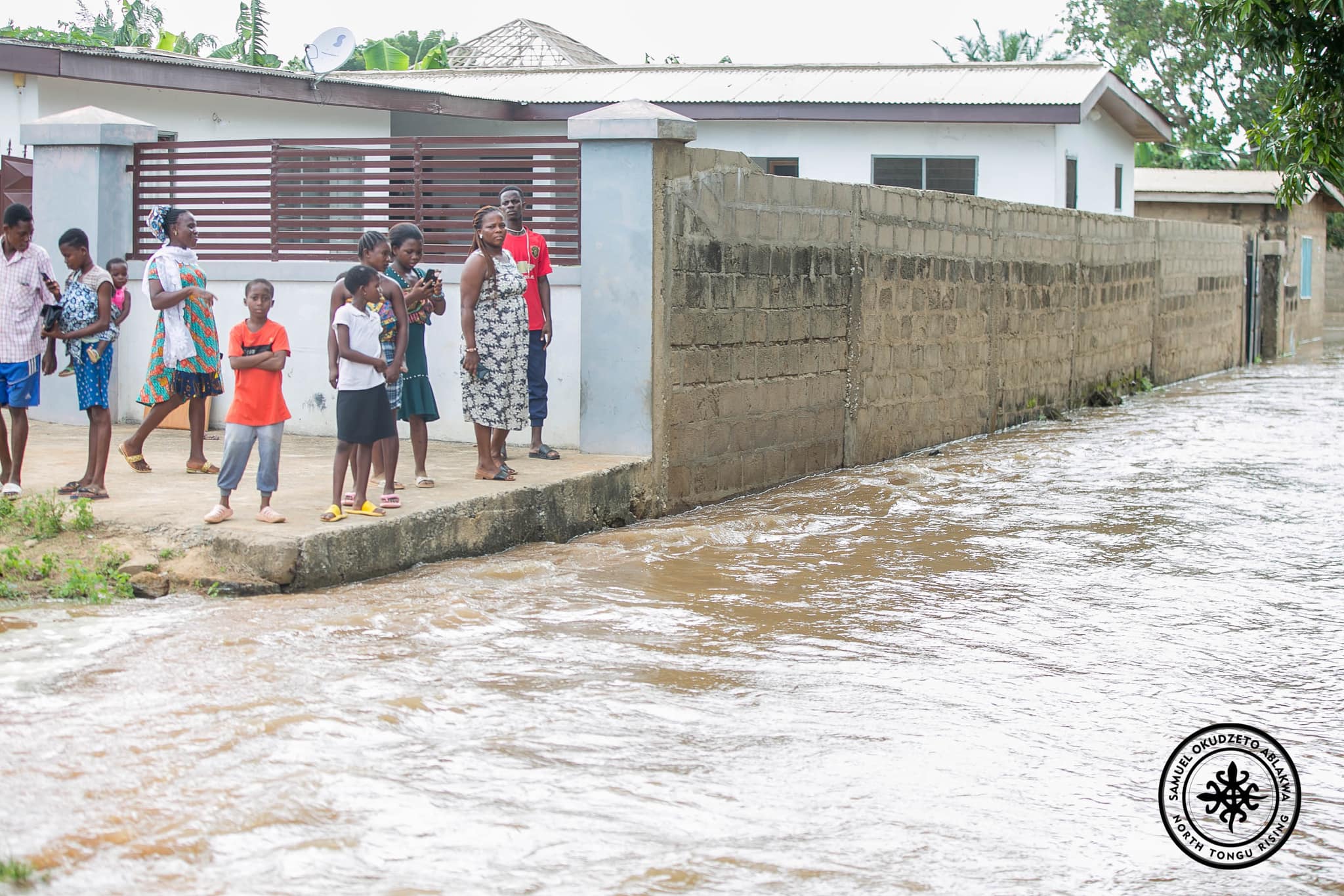
Many houses have been flooded and money wasted as a result of the Volta River Authority’s (VRA) water leak from the Akosombo Dam.
The’scarcity’ of food that has ravaged North, South, and Central Tongu has left these displaced citizens homeless.
In an effort to lessen their hardship, the Tanker Owners Union has given these impacted residents of Aveyime, Adidome, and Mepe goods valued at GH¢500,000.
Ignatius Koku Doe, the executive secretary of the Tanker Owners Union, claims that the action was taken to uplift and encourage the group.
“Our hope is that we have been able to alleviate part of their suffering because in the midst of all these, there will be hunger. People don’t have access to food now…so we believe that this is a small token that the Tanker Owners Union, as well as, our drivers who are supportive of our job to present to our brothers and sisters, mothers, chiefs, elders and all of North Tongu, Central Tongu and South Tongu,” he said.
He added that, “We pray that this kind of disasters which we sometimes create on our own…at least, an amount of care should have be taken to avert some of this kind of thing. Especially when they have been informed ahead of it.”
Ignatius Koku Doe urged the government to make sure that organizations were alert to prevent similar tragedies in the future.
“We want to appeal to government so that they prevail upon all institutions to do their work…we can say that somebody somewhere have not done their part of the work,” he stated.
In the meantime, the villagers received relief supplies including 100 boxes of cooking oil, 600 bags of rice, 60 sardine boxes, and 3,000 packs of water.
When the Akosombo dam was finished in 1965, it produced hydroelectric power and gave farmers access to water for irrigation.
The dam, which is 660 meters long and 124 meters tall, keeps Lake Volta’s water at bay. Because of this, the spill gates are opened when the water level exceeds the minimal necessary level to prevent the dam from collapsing.
However, the spilled caused more than 80,000 people’s lives to be disturbed in 1965.
The displaced people were relocated to a township for re-settlement, according to a video that Ghana Facts and History released and GhanaWeb Business saw.
According to the article, the government launched an agricultural development initiative to assist the communities impacted by the Akosombo dam leak.
Increases in cotton, tobacco, vegetable crops, fish, poultry, and pig farming were the results of this new venture.
As per Ghana Facts and History, in 1972, the importation of food produce decreased as a result of the change.
The film caught every moment, including children cultivating and slanting the ground for planting, feeding pigs, fishmongers, and people waiting to purchase fish from shoreline fisherman.
In the meantime, many more have been displaced as a result of the recent overflow of water in the hydro dams at Akosombo and Kpong on September 15, 2023.
Numerous communities in the Volta Region’s north, south, and Central Tongu districts have been forced to flee due to the leakage.
Due to the spill, the hotel sector in the Eastern and Volta Regions has also been severely hit.
An American economist, Dr. Sa-ad Iddrisu, has urged President Nana Addo Dankwa Akufo-Addo and his administration to create a workable and encouraging environment that would allow banks to finance the private sector and promote economic growth and development.
Following President Nana Addo’s recent participation in the Breakfast Meeting on Agriculture and Agribusiness Financing in Accra on Monday, October 16, he issued this call in a release on October 17, 2023.
The President urged financial institutions across the country to increase lending to the private sector at that interaction.
Dr. Iddrisu, in his statement stated that, “I acknowledge the President’s calls to banks to invest in the private sector. However, there might be a disconnect between the President’s aspirations and the economic realities shaped by his administration. A closer examination reveals that the challenges banks face in meeting these expectations stem from the president’s and his government’s policies.”
He added, “One notable instance is the banking cleanup in 2017, where the government allocated substantial funds to address issues within the banking industry. The government used over $3 billion to clean the banking industry and collapse a sector that needed less than $1 billion to survive. The approach adopted by the government led to the collapse of banks that could have been sustained with a more strategic allocation of resources. This decision significantly contributed to the ongoing banking crisis in the country.”
Dr. Iddrisu further blamed the government’s recent DDEP initiative for the banks’ incapacity to extend loans to the private sector.
“Additionally, the introduction of the DDEP program in 2022 resulted in significant losses for several banks, impairing their ability to provide credit facilities.”
The largest lender in the nation by asset value, GCB Bank Plc, reported a net loss of 593.4 million cedis ($50.5 million) for the year that concluded in December 2022, which represents the bank’s first deficit since 1993, according to Bloomberg News.
By the end of December 2022, Standard Chartered Bank Ghana Ltd.—the biggest by market value—reported a 297.8 million cedi loss. 1.08 billion Ghanaian cedis and 2 billion Ghanaian cedis were lost by Calbank and CBG bank, respectively.
By the end of December 2022, a number of other banks had also suffered losses, notably the Central Bank of Ghana (BOG), which reported a loss of 60.81 billion GH cedis.
This raises concerns about how banks incurring such significant losses can provide credit facilities to the private sector to stimulate business growth,” Dr. Iddrisu added.
He also mentions the Ghana Financial Stability Fund, “Despite government promises to establish a $1.5 billion Ghana Financial Stability Fund by the end of July 2023, the government has yet to fulfill this commitment. Even with the World Bank’s $250 million loan assurance, the delay in raising the $1.5 billion funds has further undermined the financial stability of banks operating in the country.”
The increasing monetary policy rate wasn’t left out in Dr. Iddrisu’s release’ “The consistent increase in the Monetary Policy rate by the Bank of Ghana, from 25.5% at the end of 2016 to 30% by August 2023, has resulted in higher lending costs. Calls from myself and other Economists and Bankers for the BOG to reduce the policy rate have been ignored, making it difficult for banks to offer affordable loans to businesses.”
He concluded by admitting that these government policy failures had led to many distressed banks in the country.
“Given these circumstances, President Nana Addo and his government must reassess their approach. A recalibration of policies and a genuine commitment to supporting financial institutions are imperative. Only by establishing a realistic and supportive framework can these banks be empowered to provide the needed financial support to the private sector, fostering economic growth and development. The President, therefore, must address these fundamental issues before expecting distressed banks to perform wild magic and miracles,” he said.
A report from the Global Arbitration Review indicates that Ghanaian state properties in London could face confiscation by a Trafigura subsidiary to settle a US$140 million judgement debt.
This follows a court ruling that exempted the state from being served with interim charging orders through diplomatic channels.
In the United Kingdom, the High Court dismissed the Government of Ghana’s objection regarding the procedures used to serve proceedings related to a judgment debt claim by GPGC, a subsidiary of the international commodities company, Trafigura.
A UK court handed the corporation a judgment debt of US$140 million after it sued the Ghanaian government over the cancellation of two power transactions.
Ghana argued, however, that despite a decision allowing them to employ other services, the corporation was still required by law to serve the government through diplomatic channels.
Ghana’s attempt to use the State Immunity Act’s provisions as justification for not allowing Trafigura to serve them with judgment debt documents by mail and email was rejected by the High Court as unworkable.
As GoG requested that its lawyers speak with the corporation, Trafigura served the court documents through email, going through the finance ministry to ensure that all correspondence was properly acknowledged and that court dates were set.
“Trafigura, a multinational commodities-trading company based in Singapore, is the majority owner of GPGC, a power company which secured the award in January 2021 after an arbitral tribunal found that Ghana had unlawfully terminated a contract for the installation and operation of two power plants,” Global Arbitration Review wrote in an October 13 publication.
GPGC was represented in GPGC v. The Government of the Republic of Ghana by Stephenson Harwood-trained attorneys James Willan KC and Catherine Jung of Essex Court Chambers.
Stephen Houseman KC and Luke Tattershall, both from Essex Court and under the guidance of White & Case, represented Ghana.
Dismissing Ghana’s challenge:
In dismissing Ghana’s application, Master Davison considered the wording of section 12 of the SIA which specifies that the “document(s) requiring service through diplomatic channels are ‘any writ or other document required to be served for instituting proceedings against a State’” (judge’s italics) and therefore whether serving documents post-arbitration could fall with the “instituting proceedings” definition.
GPGC argued that the documents to be served were part of a continuing process and were therefore not instituting proceedings; rather, the applications being made “were simply steps in the enforcement proceedings so instituted and could therefore be served by one of the ordinary methods of service, or by alternative service”.
The case The European Union v. The Syrian Arab Republic [2018], in which Mr. Justice Bryan determined that the pertinent clause in the Civil Procedure Rules (6.44), which has been determined to be coterminous with section 12 of the SIA on multiple times, is possibly the best example of this.
“is not concerned with service of documentation once proceedings have been served upon a State”.
Aside from the definition of “instituting proceedings” the SIA also allows for service outside diplomatic channels if there is “good reason” for an alternative method of service; in this respect, Master Davison decided that the “good reason” test had been passed, because “this is a case where to require service through diplomatic channels would generate multiple periods of serious delay”.
Furthermore, since Regina House’s lease was about to expire, any delay could be crucial to the enforcement process.
By the end of 2024, President Nana Addo Dankwa Akufo-Addo has promised that the government will make every effort to bring inflation down to 15%.
He also expressed hope about the possibility that inflation will decline by the end of 2023.
As of September 2023, the current inflation rate is 38.1 percent.
The President said this during a meeting at Jubilee House with the Christian Council of Ghana.
“The signs are becoming clearer and clearer, the very high rate of inflation that we suffered last year is coming down. By the end of this year, we will be looking at 26.7 percent. By the end of next year, we will bring it down to 15. We have to go down to the single digits,” he stated.
Earlier this week, the President mentioned that despite the nation’s present difficulties, Ghana still has the second-largest economy in West Africa.
Speaking on October 16, 2023, at the presidential breakfast meeting on finance for agriculture and agribusiness in Accra, the president urged banks to expand their lending to the private sector.
He said “The poor credit culture is something we need to look at very seriously in Ghana. To hear the statement that the level of credit that has come from our financial system to our price sector is one of the lowest in West Africa is also a very disturbing phenomenon. We are lower than Senegal, Cote d’Ivoire, and others, all of this is against the background that we are still the second biggest economy in West Africa.”
He noted that although Ghana’s credentials are often forgotten in the continent, the country would fare better if the present rate of credit rose even little.
Akufo-Addo added “There is a tendency for a lot of people to forget that in spite of all the challenges before the Ghanaian economy, we are the second biggest economy in West Africa. Even with that situation if the amount of money that goes from the banks to the private sector is the lowest in West Africa, my mind boggles, that if these figures were to rise a little bit the transformation that it would bring to our GDP growth, so we need to look at that.”
The Energy Commission’s Executive Secretary, Ing. Oscar Amonoo-Neizer, recently announced that his organization is prepared to impose the national ban on the importation of renewable energy goods and inferior electrical equipment starting on November 1, 2023.
According to him, every electrical device entering Ghana has to have a minimum energy efficiency performance system that satisfies the requirements outlined in the law passed by parliament.
According to Ing Amonoo-Neizer, the action was taken to manage and restrict the entry of certain electrical products into Ghana.
Additionally, he stated Ghanaians would get value for their money while buying things.
On Tuesday, October 17, 2023, during the Energy Commission Senior High Schools Renewable Energy Challenge, he spoke with GhanaWeb Business and stated, “We were able to come up with a legislative instrument passed by parliament where standards and labels have been prescribed for these electrical appliances. From 1st November this year, all electrical appliances coming into Ghana must have certain minimum energy efficiency performance systems that’s meeting those prescribed standards and then you have the stars showing the level of efficiency of that appliance.”
“It’s basically to bring that sort of control and regulation in the importation of some of these electrical appliances such that we no longer want sub-standard electrical appliances coming into the system but standards that meet the prescribed minimum energy efficiency performance set out so that all Ghanaianswho go to purchase their electrical appliances have value for money.”
According to Ing Amonoo-Neizer, there is a significant reduction in electricity expenses when an item is efficient.
“It goes a long way to help us as citizens of Ghana and as a nation where we don’t end up wasting electricity to add up more to thermal plants to be able to meet the balance, demand and supply,” the Executive Secretary of Energy Commission told GhanaWeb Business.
In the meantime, the Energy Commission has outlawed a number of items, including air conditioners, rice cookers, televisions, comfort fans, and clothes washers.
Director-General of State Interests and Governance Authority (SIGA), Ambassador Edward Boateng, has expressed his appreciation for the media, particularly editors, for their steadfast support since the inaugural forum in January.
During the Second SIGA Editor’s Forum in Accra, Ambassador Boateng underscored the vital role of the media in the development of the nation.
He emphasized how the media plays a crucial role in disseminating information and educating the public about the operations of SIGA and the Specified Entities under its jurisdiction.
He said, “SIGA has been leading a number of activities since the inaugural forum in January. We want to share them with you today and rely on your generosity to spread the news. SIGA is supervising the preparation of the State Ownership Report for 2021 and 2022, has organized the second edition of the Public Enterprises League Table (PELT) Awards, and has recently undertaken a study tour to China with some SOEs under its supervision. Specified Entities also have their success stories to tell, despite their challenges, and we would appreciate your ongoing collaboration in this area.”.
SEs’ contribution to GDPM
The Controller and Accountant-General’s Department’s Head of National Accounts, Mac-Effort Adadey, also gave a perceptive talk on how SEs affect Ghana’s GDP.
In his speech, he outlined some of the accomplishments SIGA has made in the areas of compliance and the impact of SEs on the nation’s economic production since its founding.
The speaker elucidated that the increase in the number of SEs included in the consolidated National Account from 19 in 2020 to 62 in 2022 can be attributed to collaborations between SIGA and other supervisory agencies, including the Auditor General, Internal Audit Agency, Controller and Accountant General, among others.
Additionally, during the period from GHS10 billion in 2020 to GHS58.27 billion in 2022, SEs’ contribution to GDP rose.
SEs’ contribution to GOG Assets
Similarly, from GHS51.8 billion in 2020 to GHS 419.2 billion in 2022, the total assets of SEs included in the consolidated National Account grew as more organizations complied with financial reporting requirements.
With the addition of entities recorded in the National Accounts, the overall GOG assets are anticipated to rise. SIGA DG stated, “We will keep working with other oversight bodies to ensure the inclusion of all entities under our purview.”
The Director-General’s welcome message was followed by detailed presentations of the various initiatives by Mr. Stephen Asiedu, Head of Corporate Affairs, and Mr. Joseph Sarpong, Manager for the Regulatory Sector of the Performance Monitoring and Evaluation (PME) Division.
“We are on standby to give further clarification on all SIGA-related discussions and ready to corroborate any news regarding our Specified Entities,” Mr. Stephen Asiedu said.
The forum was also attended by the management and staff of SIGA.
The belief that the majority of elected officials are corrupt has been condemned by President Nana Addo Dankwa Akufo-Addo.
He called on the Christian Council of Ghana to pray for the country, saying that such a belief among Ghanaians is concerning.
According to a report by Myjoyonline.com, the President stated that since not every person elected to office is a thief, the Christian Council should pray for the people’s understanding.
He says that in order for those who understand that to have some hope in leaders, this prayer is required.
When the Right Rev. Dr. Hilliad Della Dogbe, the newly appointed Chairman of the Christian Council, brought a delegation to the Jubilee House to pay him a courtesy call, the President made the call.
He expressed his disappointment with this perception, emphasizing that certain individuals could have achieved more success in the private sector.
President Akufo-Addo also emphasized the importance of instilling hope in the people, reassuring them that there are anti-corruption institutions and agencies working diligently to hold the government accountable.
On the other hand, Right Rev. Dogbe pledged the Christian community’s readiness to pray for God’s guidance and protection for the nation.
In Nigeria, customs around making money have been fueled by high rates of unemployment and poverty.
After being found guilty of excavating a human skull, five men in Nigeria were given 12-year prison sentences apiece.
The traditional physician they intended to consult indicated they would need it for ceremonies that would bring them wealth.
Upon discovering that the skull was inside a bag, the men entered a guilty plea.
A body buried three years earlier at a Muslim cemetery in the north-central Niger state was unearthed, the prosecutor informed the court.
“They said the herbalist informed and promised all of them that they would share the wealth from the said criminal activity and directed them to look for the human skull,” the prosecutor was quoted as saying by the privately owned Daily Punch newspaper.
Early in September, as the young men, who are between the ages of 18 and 28, were moving the remains to a third party per a conventional doctor’s orders, security guards had apprehended them.
The guys were found guilty of criminal conspiracy, trespassing on burial grounds, and unlawfully possessing a human skull by a court in Minna, the capital city of Niger state.
The conventional physician was not detained or accused.
According to a 2010 Pew Research Center report, “juju” belief—also referred to as voodoo or magic—is extremely common in Nigeria, with many people fusing it with either Islam or Christianity.
These beliefs—particularly the idea that charms and human body parts may make money out of a clay pot—have contributed to a recent upsurge in violent killings in Nigeria, where the victims are frequently thought to be weaker members of society, such as children, unmarried women, and those with disabilities.
Additionally, according to local officials, body parts are traded and utilized in ceremonies thought to bring prosperity.
In Nigeria, where four out of ten people live in poverty, money-making rituals have also been fueled by growing economic desperation, according to World Bank data.
Nigerians took to Twitter (now X) to criticize their government over a recent agreement between Ghana and South Africa to abolish visa requirements.
While widely disseminating the foreign ministry’s release announcing the agreement with South Africa, the “aggrieved” populace questioned how their government had not been able to secure such agreements.
While some Nigerians on the internet poked fun of it, others blamed the situation on the Bola Ahmed Tinubu government’s lack of seriousness.
Some Nigerians took this upon themselves in response to crimes they were said to have committed, particularly in South Africa, the continent’s most industrialized country.
The Ghana-South Africa waiver
Last Thursday, the Ministry of Foreign Affairs and Regional Integration declared that citizens of South Africa and Ghana with regular passports would not need a visa.
The government stated in a statement that travelers between these two countries will see major changes as a result of the agreement.
“The Ministry of Foreign Affairs and Regional Integration wishes to inform the general public that the Republic of Ghana and the Republic of South Africa have entered into an Agreement on a visa waiver regime for holders of ordinary passports,” part of the statement read.
The Visa Waiver Agreement is scheduled to take effect from November 1, 2023.
“Travellers may transit through, depart from and stay in the territory of both countries for a cumulative period of up to ninety (90) recourse to work. The travelling public is thereby advised to take note,” the statement concluded.
See some reactions below:
Ghana and South Africa have concluded agreement so that their citizens can inter-travel VISA-free . Nigeria is concentrating on mass weddings pic.twitter.com/Hqi8HA9l5e
Nigeria should asked itself, why is South Africa not extending this same visa regime to Nigeria? What has our fellow country done in the past that South Africa is not extending this 90 days free entry visa to Nigeria. We need to look at the mirror to answer this question. https://t.co/XlQlLxdVY5
Most Nigerians don't know or have an mind how gone their beloved ex"Giant of Africa" is,Like no country takes Nigeria serious. The world even sees the citizens as criminals or drug dealers
Do you know what it means for South Africa to grant Ghana visa free & kicking out Nigeria?
I support South Africa on this. If they give Nigeria free visa, millions of Nigerians would pour into their country and become nuisance doing drugs and other illegal businesses. We love other peoples countries too much while cursing our own country. https://t.co/JQ3RV6KWNc
Former Special Prosecutor, Martin Amidu, has criticized his former office for its handling of the unfreezing of five bank accounts associated with former Minister for Sanitation and Water Resources, Cecelia Dapaah.
He has accused the Office of the Special Prosecutor (OSP) of misleading the public in its handling of the investigation into the source of the former sanitation minister’s wealth.
Amidu, a former Minister of Justice and Attorney General, expressed his perplexity over the OSP’s decision to unfreeze certain bank accounts belonging to Cecilia Dapaah and publicly announce this action. In his view, the appropriate approach should have been for the OSP to disclose the reasons for revoking the freezing order rather than simply making an announcement.
“Kissi Agyebeng is running away with his tail between his legs from the adversarial process of the High Court even in matters which are subjudice. The proper forum for a competent and an experienced Special Prosecutor to state why the five (5) bank accounts should be de-frozen when the matter is already in court, is before the High Court and not in the media to con the unsuspecting public,” he stated.
Martin Amidu urged that Cecilia Dapaah’s attorneys discuss what he believes to be the Special Prosecutor’s abuse of the legal system in an open court.
“Cecilia Abena Dapaah’s lawyers should pursue the abuse of the process of the court entailed in the Special Prosecutor’s conduct to hold him accountable in open court after the petition has been dealt with by the Chief Justice’s directives and the substantive case filed on September, 11, 2023, comes on for hearing,” he stated.
Martin Amidu added “the issue of whether the frozen bank accounts should or should not be de-frozen has also become subjudice before the High Court. The proper procedure for the Special Prosecutor to have followed to have the five (5) bank accounts de-frozen at this stage of the proceedings was to apply to the court to order the de-freezing of those five (5) bank accounts and to order the hearing on the remaining bank accounts to continue.”
The former Special Prosecutor further warned the OSP against carrying on his anti-corruption business as Tiger Eye PI’s legal counsel while working at the office.
Background
Cecilia Dapaah is currently facing an OSP investigation for alleged corruption and related offenses, stemming from thefts exceeding $1 million, €300,000 in cash, and valuable items by two of her house helps at her residence in Abelemkpe.
The OSP, after an initial freeze order, once again froze the accounts of the embattled former minister on September 5, 2023, following a court directive to unfreeze her accounts and investments and return her seized funds.
GhanaWeb reported on August 9, 2023, that the assets and bank accounts of former Minister Cecilia Dapaah, containing significant sums in both dollars and cedis, had been frozen by the Office of the Special Prosecutor.
On October 16, 2023, the OSP lifted the freeze order on five of Cecilia Dapaah’s bank accounts. However, the freezing order remains in effect for her other bank accounts and financial assets.
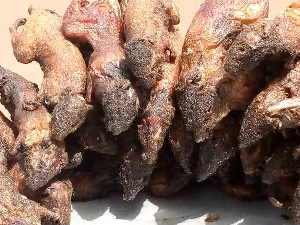
On October 16 and 17, the Forestry Commission stationed at the Achimota Police sold seized bush meat from chop house owners and traders.
The choice to auction the confiscated meat was motivated by the belief, as reportedly stated by PRO Ernestina Adumia Anning in a UTV report, that returning it to the traders would negate the initial enforcement action.
She claimed that the government would receive the earnings as a warning and deterrence to the vendors.
The PRO went on to say that it was inaccurate what was initially reported about the team seizing meat that was on fire, in customers’ food, and bush meat that was kept in the refrigerator.
Ernestina Adumia Anning observed that only meat that was not being used was taken.
Chop bar owners in Awutu Senya were left in a state of annoyance after wildlife officers in some areas of the Central Region seized their assortment of bush meat.
According to a post on myjoyonline.com, the officers on Wednesday, October 11, 2023, seized bush meat that was being kept in the refrigerator, as well as meat that was on fire and hiding in customers’ food.
Chop bar operators from the Central Region’s Awutu Senya West District, Gomoa East and West District, and Effutu Municipality were impacted by this operation by the wildlife officials.
Chop bar owners who talked to Adom News also revealed that the officers from the Forestry Commission’s Wildlife Division barged into their establishments armed with firearms and other deadly weapons.
The Wildlife Division’s Public Relations Officer, indicated that the officers’ action was intended to ensure that the rules governing the prohibition on hunting in the bush were followed.
Agriculture they is the foundation of every economy, however there are several difficulties in Ghana.
Samira Bawumia, the Second Lady of the Republic, has pleaded with farmers to adopt the usage of renewable energy technologies in farming as a way to assist address this problem.
The way farmers plant, harvest, and process their agricultural output can change, in her opinion, with the adoption of renewable energy technologies.
She claimed that as a result, the environment will become more efficient, eco-friendly, and sustainable.
Samira Bawumia remarked on Tuesday, October 17, 2023 at the Energy Commission Senior High Schools Renewable Energy Challenge in Accra, “We find ourselves at a pivotal time in history where the need to balance the demands of agriculture, food security and environmental sustainability…We are witnessing a critical shift in our approach to agric and the advent of mechanized small-scale agriculture using renewable technologies marks a significant step towards ensuring sustainable and efficient agricultural practices.”
She added that, “Our world is facing unprecedented challenges of climate change, food insecurity, scarcity of resources and growing populations and therefore, it is imperative that we harness the power of innovations to find sustainable solutions.”
“We must seize the opportunity to use renewable energy technologies to transform the way we cultivate, harvest and process our agricultural products making these processes more sustainable, efficient and eco-friendly,” Samira Bawumia pointed out.
The renewable energy challenge, according to the Second Lady of the Republic, is a positive step in preparing pupils for the workforce.
The competition will boost youngsters’ inventiveness across the nation.
Zimbabwe Teachers’ Association, have indicated that there is a considerable teacher outflow from Zimbabwe, with some 300 teachers departing the nation each month.
The main reason for this exodus is Zimbabwe’s relatively low wages as compared to other countries in southern Africa.
The nation must discover strategies to retain and attract teaching talent, even though wage increases are difficult owing to financial limitations.
Zimbabwe’s typical teacher makes a maximum of $350 per month, which results in a loss of qualified teachers who are essential for guiding the country’s kids, and budget restrictions make it difficult to hire extra teachers who are required to support the students of the nation.
For many years, the education system in Zimbabwe was regarded as one of the greatest on the continent. This was one of the few successes under the rule of former president Robert Mugabe.
One of the most prestigious organizations in the world, Mastercard Foundation, claims it is dedicated to its goal of assisting three million young men and women in Ghana to find respectable and meaningful employment by 2030.
The leadership of the foundation stated that this goal is connected to their big aim to develop possibilities for Ghana and Africa’s expanding young population at an Editors’ Roundtable Forum held at the Marriott Hotel in Ghana on September 26.
By 2030, Africa will have the greatest labor force in the world, with 375 million young people joining the workforce. These young people will enhance their communities and lifestyles by contributing to Africa’s global competitiveness with the appropriate skills.
A diagnostics exercise was initiated, involving a variety of stakeholders, including young people, academia, the government, and the private sector, in order to help the Foundation realize its audacious goal of enabling 3 million young Ghanaian women and men to access dignified and fulfilling work by 2030. The industry with the most realistic potential for employment generation and youth development, particularly for young women, was found to be agriculture and industries closely related to it.
According to Mastercard Foundation, a lot of work has been done to make sure this goal is successful. It is known as the Young Africa Works project.
“The Foundation’s vision in Ghana is that by 2030, the country will be a continental demonstration of young people, especially women, harnessing opportunities to shape the future of work and to create an inclusive economy with enhanced resilience for the most vulnerable.
The Young Africa Works in Ghana is aligned with An Agenda for Jobs: Creating Prosperity and Equal Opportunity for All and the government’s commitment to positioning the country as a global entrepreneurship and technology hub. It also aligns with the Ministry of Agriculture’s flagship programs, including Planting for Food and Jobs.”
The plan also seamlessly dovetails into the mission of the foundation which states unequivocally that “Everyone should have an equal chance to succeed regardless of their starting point in life. With access to education, financial services, and skills training, young people can have that chance.”
The Foundation, which has been active in Ghana since 2009, has recognized agriculture and industries closely related to it as having a strong potential for generating employment possibilities for young Ghanaian women and men.
In Ghana, the foundation has 80–90% of its collaborations in the agriculture sector. Up to 10–20% of their partnerships are contributed by innovation and emerging areas.
Top management from the Foundation, including Rica Rwigamba, the country director for Ghana, attended the Editors’ Roundtable Forum.
The Mastercard Foundation in Ghana
Since 2009, the Foundation has been actively leading initiatives to offer young Ghanaians options for training, education, and a living.
The establishment of a regional office in Ghana to oversee the implementation of the Young Africa Works strategy across the sub-region was approved by the Foundation’s Board in 2019 after the organization had made an impact in the nation for more than ten years. Other offices have now opened in several African nations.
About Mastercard Foundation
One of the biggest foundations in the world, the Mastercard Foundation seeks to promote financial inclusion and education. It collaborates with forward-thinking groups to provide young people in Canada’s Indigenous communities and Africa with access to meaningful employment.
When Mastercard went public in 2006, it generously donated money to start the Foundation. The Foundation is a distinct entity from the firm and operates independently. The Board of Directors and executive team of the Foundation decide on its policies, operations, and programs.
Nigeria’s budget for 2024, which amounts to $26.11 trillion naira ($34 billion), has been made public.
According to Budget Minister Atiku Bagudu, the budget is predicated on an oil price of $73.96 per barrel and an exchange rate of 700 naira to the dollar.
The plan also allots 7.78 trillion naira for civil servant wages and pensions and 8.25 trillion naira for debt payment.
Bagudu further mentioned that in the upcoming year, the economy is predicted to expand at a rate of 3.76%. However, the nation is currently dealing with inflation that is at a 20-year high of 27.72%; it is predicted that this rate will decline to 21% in 2024.
Since 2016, Nigeria has struggled with double-digit inflation, which has prompted the central bank to drastically boost interest rates.
President Bola Tinubu is under increasing pressure to address the country’s economic problems, which were made worse after the removal of a long-standing gasoline subsidy, which led to a 50% depreciation of the naira and a tripling of fuel prices in Africa’s top oil producer and most populous country.
Controversial socialite and media figure from Ghana, Afia Schwarzenegger has voiced her worries regarding a police report on the passing of Mr. Bennet Adomah, the late CEO of Kikibees and Noire Lounge.
She claims that the late Bennet Adomah was not a drug user previous to his passing, therefore the police report’s assertion that she used drugs and became hyperactive is dubious.
The media celebrity also criticized the police for not doing an autopsy to see whether their statements were credible enough for the court to accept in handling the case before submitting a report.
Afia Schwarzenegger repeated her call for justice for the passing of the late Bennet Adomah, who perished in peculiar circumstances that have drawn questions from the public.
“The Ben I know doesn’t do drugs…That’s all I’m saying…And how do you make this claim without an autopsy? We demand justice #Justice4Kikibee” she wrote on her Instagram page in reaction to the poster of the one-week observation of the late Bennet Adomah.
Even though Ben was at his lover’s house the night he passed away, it is incorrect, according to the police report that was produced in court, that she shot or stabbed him.
According to the reports, Ben used drugs before seeing his girlfriend, which caused him to become hyperactive and cause an argument when he got to her house.
According to the sources, their argument became heated and the dead began damaging everything within the home, which forced the girlfriend to even flee the scene.
“According to the facts the police gathered, the lady did not harm the deceased. Per Police findings, he took in some substances and became very high. So, because he was in a hyperactive state, he tried to harm the lady when he got to the house. This caused him to smash a glass on the floor and the lady managed to escape from the room.
“They said he started destroying things in the room and it appears that he slumped and fell to the ground, hitting his head on the ground in the process. The only marks on his body were on his arms and his thumb. His nose was bleeding and it somehow proves that he slumped and fell on the tiles.”
Additionally, it was reported that the suspect’s attorney denied allegations that his client fatally stabbed the victim.
He maintained that the’murder’ allegation that had been brought against his client was unwarranted.
“Because it is a murder case, she has not been asked to plead guilty or not. Her lawyer is even saying that the murder charges being leveled against her are inappropriate. They said they would go to every length to prove that their client is not guilty. He wasn’t killed by his side chick. Also, news that his side chick’s other boyfriend confronted and killed him is false,” the reports added.
The Ghana Revenue Authority (GRA) has advised taxpayers to exercise caution when using the “Pepsi App” software to pay taxes.
A number of taxpaying citizens have complained to GRA about being asked to pay their taxes, particularly their income taxes, through the financial app known as “PEPSI,” according to GRA.
“GRA wishes to inform the general public, especially our cherished taxpayers and customers that, the only platform designated for payment of taxes is the GRA’S TAXPAYERS PORTAL which is directly linked to the http://ghana.gov PORTAL. Taxpayers can download any of these apps using an Android or IOS device,” the authority said in a post on Twitter on October 16, 2023.
The GRA has not hired a third party to collect taxes on its behalf, therefore all taxpayers should be aware of that fact as well. This is an intentional attempt to deceive taxpayers and clients, the GRA said.
“Anyone who makes tax payment via PEPSI does so at their own risk. All should therefore take note and be guided accordingly” the authority added.
“Kindly report any incidence and persons involved in these fraudulent acts to the nearest Police Station or GRA Head office, Off Starlets 91 Road, near Accra Sports Stadium, Ministries, or call toll free number 0800 900 110 or email information to mailto:info@gra.gov.gh,” it concluded.
The Fair Wages and Salaries Commission (FWSC) has stated that after the payroll discrepancies are corrected, the Government will save GH36.1 million cedis.
The report claimed that the irregularities could be fixed and urged everyone to help clean up the payroll.
This was stated by Mr. Benjamin Arthur, Chief Executive of FWSC, on Monday in Accra following the Commission’s nationwide Payroll Monitoring Exercise, which began on April 3, 2023.
As of August 2023, he claimed that 5,759 staff from 17 universities had been included in the program.
The Payroll Monitoring Exercise seeks to sanitize the Public Sector Payroll by identifying and removing any current fraud and anomalies on the payroll.
To ensure that only valid pay and benefits are delivered to deserving recipients, this is done.
Phase one of the preparatory exercise involved 17 educational institutions and agencies in the Greater Accra Region.
The National Accreditation Board, National Council for Tertiary Education, Ghana Tertiary Education Commission, Ghana Academy of Arts and Sciences, and National Commission for Civic Education are a few of these.
The National Service Secretariat, the Ghana Library Authority, the University of Professional Studies, the Ghana Institute of Languages, and the Ghana Communication Technology University are further organizations.
Several irregularities were found throughout the exercise, Mr. Arthur stated.
He said some employees continued to change their date of births leading to cases where one person had “different dates of birth—one on the payroll, one on their management data, one communicated by the individual himself or herself and another one from SSNIT”.
According to him, some validation officers were being transferred while still validating for workers in their previous districts.
The Chief Executive further stated that some people who had official housing continued to get housing benefits.
He claimed that a lot of times, vehicle maintenance allowances were discovered on the payroll when they shouldn’t have been.
He also expressed concern about certain employees who were receiving vehicle maintenance benefits while still using company vehicles.
He urged the administration of institutions in the public sector to act right away to fix all of those inconsistencies.
The overall wage bill of employees on the payrolls of Single Spine and the Controller and Accountant General decreased steadily from April to August, according to Mr. Arthur, despite a rise in the number of employees during that time.
He ascribed some of that to the Commission’s monitoring effort.
He praised the administration of other institutions, the Internal Audit Agency (IAA), and the Controller and Accountant General’s Department for their cooperation.
“We use this occasion to say that all the collaborating institutions have helped, and they should keep on collaborating.”
Mr. Arthur stated that the Greater Accra and Western Regions would begin the second phase of the exercise on October 17 with assistance from the Local Government Services.
Exercises for verification would be conducted after that, he said.
In order to maintain equity and fairness for everyone, Madam Baaba Anquandah, Director, Salary Administration, FWSC, emphasized that the monitoring exercise was not intended to be a witch-hunting exercise.
Former minister for environment, science, technology, and innovation, has purportedly provided details about events that took place during his arrest by the Office of the Special Prosecutor earlier this year.
The former minister, who served as the chairman of the disbanded Inter-Ministerial Committee on Illegal Mining (IMCIM), claimed that Kissi Agyebeng, the Special Prosecutor, lied when he claimed that Prof. Frimpong-Boateng was detained after confessing to the crime while being questioned.
He claimed that after receiving an invitation, he went to the OSP only to learn that he had been taken into custody without being given a reason or charge and that he had just been interrogated after the arrest.
“Let me tell you exactly what happened. I received a letter from the special prosecutor that I should appear before him because they were conducting an investigation into corruption and corruption-related activities of the Inter-Ministerial Committee on Illegal Mining. I went to his office. I was given a seat, and as soon as I sat down, an officer came to me, put his left hand on my right shoulder and said you are under arrest. I was surprised.
“They had not said anything to me, and they had not asked me any questions. My lawyer asked them why they had put me under arrest, and what were the specific charges. They said ‘no, no, we don’t have any specific charges, but we are investigating corruption and corruption-related activities of the committee,’ and that I would need somebody to bail me,” he is quoted to have said in an interview with the magazine.
“Right there, I suspected that they were trying to humiliate or intimidate me. I kept my cool… Then they asked me a series of questions related to the committee, and at the end of the interrogation, they asked me to write a statement which I did, a very short one,” he added.
Even though he had never been convicted of a crime in the country, according to Prof. Frimpong-Boateng, the OSP denied him a self-recognized bail. His companion, who was waiting in the lobby, had to sign the bail documents in order for him to be released.
“They took my friend to his house to see where he was living so that in case I defaulted, they would be able to find him. I have never ever had any brush with the law and have so much at stake in the country. So why would I flee, and for what? I am not a flight risk, but the special prosecutor would not give me a self-recognized bail. I found his actions very ridiculous,” he added.
Professor Kwabena Frimpong-Boateng, the former minister of science and technology, was detained on May 16, 2023, for crimes related to corruption after accepting an invitation to appear before the OSP.
He was freed after posting a $2 million bond.
In response to criticism following the former minister’s detention, Special Prosecutor Kissi Agyebeng stated that no one is an angel or a saint when it comes to corruption-related allegations brought before him.
He emphasized that he treats everyone equally and frees those who are the target of inadmissible evidence.
Minister of Information, Kojo Oppong-Nkrumah, has provided assurance that once the external debt restructuring in Ghana is completed, projects that have been halted due to the country’s debt crisis will recommence.
He stated that the government has a strategy in place for the resumption of these projects, pending the finalization of debt negotiations with external creditors.
During an interview on Asaase Radio in Accra on October 16, 2023, Oppong-Nkrumah made this announcement,
“Yes there is a plan; the first part of the plan is to conclude the external debt restructuring. When you conclude the external debt restructuring then you have clarity on how much you can pay on an annual basis on external debt and then you resume servicing.
When you resume servicing the banks that are financing those projects will now resume releases to the contractors for them to get back to work.”
He continued, “Remember that those projects were stalled because the government announced the suspension of external debt servicing in pursuance of the external debt restructuring…”
In order to reach levels of debt that are manageable, the information minister added, certain agreements with creditors were required.
“It was important to sit at the table with external debt creditors and come to a certain understanding of what the new payment terms should be. Once you are able to do that then you can resume service and then you would expect new releases and those projects can get back on track.
… the president is very keen that these projects get back on track so that we are able to achieve the full benefit for our people,” Oppong Nkrumah said.
With plans to continue working with bilateral creditors on an external debt restructuring program, Ghana hopes to secure the second tranche of the $600 million package in November of this year.
For its part, the Ministry of Finance has urged its bilateral creditors to quickly reach a settlement in order to give Ghana access to the $3 billion Extended Credit Facility’s second bailout package.
On Tuesday morning, more than 30 companies in the Ile-de-France region witnessed a coordinated strike by hundreds of undocumented workers, condemning their alleged overexploitation and demanding their regularization.
Approximately 500 individuals, primarily of African origin, took part in this action, occupying 33 companies in various sectors such as construction, logistics, cleaning, and distribution, primarily in Paris and Seine-Saint-Denis.
Notably, 34 of these workers entered the headquarters of a temporary employment agency in Saint-Denis, near the Stade de France.
They were employed in roles such as garbage collection and construction work, especially for projects related to the Olympic Games and Greater Paris.
Accompanied by union activists, they displayed a banner from the CGT (General Confederation of Labor) and pledged to remain on the premises until their regularization is achieved.
The majority of the striking workers are employed as temporary laborers for subcontractors, working on behalf of major companies like Veolia, Chronopost, and Carrefour. The CGT, which is supporting their action, has accused these companies of masking the overexploitation of these undocumented immigrants.
“We are on strike in our companies to win our regularization and our rights,” assure those concerned in this text.
“We want to make things happen,” explained Mamadou Kébé, who obtained his regularization after a year of strike between October 2008 and 2009.
“These workers must be able to enjoy the rights for which they contribute and pay taxes,” judged the man who now leads the immigration collective of the CGT 93.
Every year, between 7,000 and 10,000 workers are regularized. For the CGT, who pegs this workforce’s size at a few hundred thousand individuals, this number is insufficient.
According to the union’s press release, immigrants make up “40 to 62% of workers in the home help, construction, hotel and catering, cleaning, security, and agri-food sectors” in Ile-de-France.
A 19-year-old second-year law student from the University of Ghana, Nana Obeng Owusu Junior, reportedly lost his life within two minutes of receiving an injection containing an unidentified medication administered by a nurse identified only as Michael at the Ewim Polyclinic in the Cape Coast Metropolis.
According to the Ghana News Agency (GNA), the incident occurred around 19:00 hours on a Monday, with the student allegedly passing away immediately after the administration of the injection.
In an attempt to investigate the circumstances surrounding the student’s mysterious death, the news agency visited the Ewim Polyclinic. During the visit, they met with a Nursing Manager and a senior administrator on duty, but both officials declined to comment on the allegation.
“I’m not authorized to speak on issues like this. The right person to answer these claims is not around.
“By the way, who told you? You can come later, I won’t comment,” the GNA quotes the Nursing Manager and a senior administrator as saying amid surprise and discomfort.
Nelly Mills, the deceased’s mother, told the GNA that on the fateful day, she brought her asthmatic son to the facility to receive a nebulizer (a small device that turns liquid medication into a mist that can be easily inhaled), but she had no idea he would pass away so suddenly.
Here is what she told the media about what transpired:
When they arrived at the facility, they proceeded to the pharmacy section but were told to go to the emergency ward instead, which they did.
The deceased and Michael misunderstood each other at the emergency room, and Michael yelled at them when they were interrogating the deceased.
“What you want, what do you want,” as if they were not allowed to visit the facility.
She said “Michael, in a seemingly unhappy voice, as if he was tired of caring for patients, shouted at us, something my son did not take kindly”.
Mrs. Mills claimed that she afterwards left the hospital room to buy a prescription that Michael had approved, entrusting the deceased to a younger relative they had brought along.
Mrs. Mills claimed that as soon as she was gone, Michael gave the dead an unknown injection without first checking his vital signs, which caused him to pass away in less than two minutes, and then he fled the scene.
Before the injection, according to Mrs. Mills, the deceased was laughing loudly with his brother; but, after receiving the injection, he abruptly went asleep, and the younger brother believed he was asleep until she arrived and discovered he had passed away.
“I shouted for help repeatedly and called for help, but my son was long dead. Within two minutes after stepping out to buy his medication, my son died, and Michael confirmed he injected him.
“We only needed a nebuliser and not an injection which was written for me to buy, so why the injection? Besides, my son was not seriously ill but suffering from his routine asthma attack,” Mrs Mills said.
She added that the institution refused to give her the body, but quickly organized a hearse to transport it to the University of Cape Coast morgue, where it was embalmed without any family members’ interference.
She alleged, “We followed up to the morgue right after only to find out my son has been embalmed without my concern.
“The arrangement made by the hospital makes the death of my son a subject of investigation, and we will not relent to get to the bottom of this matter,” she stated.
Mrs. Mills urged the Ghana Health Service and the security services to fully examine the death’s cause and see that the bereaved family was given justice.
Professor Alex Dodoo, the Director General of the Ghana Standards Authority, has urged both Ghana and Zimbabwe to make use of the trade and investment opportunities provided by the General Cooperation Agreement.
This agreement, signed between the two countries in June of this year, aims to leverage the favorable trade conditions facilitated by the African Continental Free Trade Area (AFCFTA).
During the 2023 World Standards Day Celebrations in Zimbabwe last week, Professor Alex Dodoo emphasized that the GCA offers a unique chance to generate wealth and enhance the quality of life.
He further mentioned that the GCA is expected to lay the foundation for the establishment of a Ghana-Zimbabwe Permanent Joint Commission for Cooperation, which will focus on key areas of development.
“The areas of collaboration include Trade; Transport; Agriculture; Fisheries; Livestock Breeding; Industry; Mining; Culture; Education; Health; Environmental Protection; Water Engineering; Sports; ICT among others,” the GSA boss explained.
As a result, he emphasized the need for robust trade connections between Ghana and Zimbabwe to drive economic growth and improve the lives of their respective populations.
This year’s World Standards Day theme was “Shared Vision for a Better World: Incorporating SDG3 – Good Health and Well-being.” This annual event, observed on October 14th, serves as a tribute to the collaborative work of numerous global experts who create voluntary technical agreements published as International Standards.
GCA signing
The General Cooperation Agreement was signed in June of this year in the presence of Presidents Emmerson Dambudzo Mnangagwa and Nana Addo Dankwa Akufo-Addo.
Deputy Minister of Foreign Affairs and Regional Integration Kwaku Ampratwum Sarpong and Zimbabwe’s Minister of Finance and Economic Development Professor Mthuli Ncube signed the agreement on behalf of Ghana.
Kenya’s President, William Ruto, is preparing for a potential electoral showdown with former Vice President Kalonzo Musyoka in the 2027 elections, particularly if opposition leader Raila Odinga decides not to run.
Ruto, who has faced accusations of early campaigning, openly mentioned Musyoka as a possible main rival during a recent address in Homa Bay County.
This statement came as part of a series of meetings held during Ruto’s four-day tour of four counties in the Nyanza region. Although officially termed a development tour, these gatherings were dominated by political discussions related to the upcoming elections.
Ruto’s early campaign activities are perceived as an effort to broaden his support base and address concerns about the legitimacy of his presidency.
The Nyanza region, consisting of Homa Bay, Kisumu, Siaya, and Migori counties, has traditionally been a stronghold of opposition politics, with strong support for Odinga in his previous five unsuccessful presidential campaigns.
Odinga, a veteran opposition leader, has not publicly ruled out a potential sixth run for the presidency. However, given his advancing age (he will be 82 in 2027), there is growing speculation about his participation in the upcoming elections.
Some close allies of President Ruto, unhappy with Odinga’s following and his ability to mobilize recent anti-government protests, have expressed their desire to see Odinga exit the political scene.
Earlier this year, six Members of Parliament threatened to petition the Treasury to withhold Odinga’s retirement benefits if he continued his political involvement.
Within the opposition, there is also a push for a succession plan in which Odinga steps aside and endorses another candidate to challenge Ruto.
In July, a senator and a Member of Parliament from Kalonzo Musyoka’s Wiper Party called on Odinga to publicly support Musyoka’s candidacy in 2027, citing the need to reciprocate Musyoka’s past support for Odinga. Musyoka, aged 69, backed Odinga in his last three presidential campaigns, twice as a running mate.
He also ran for the presidency in 2007 and served as vice president in the Kibaki administration from 2008 to 2013.
If the 2027 election comes down to a race between Dr. Ruto and Musyoka, both will likely seek Odinga’s endorsement, invoking past political debts from previous campaigns.
During his Nyanza tour, President Ruto appealed to Odinga’s supporters in the region, highlighting his role in Odinga’s 2007 presidential campaign and Odinga’s tenure as prime minister following the post-election conflict, which was resolved through mediation by former UN Secretary-General Kofi Annan.
While other leaders have been mentioned as potential successors in the opposition’s Azimio One Kenya Alliance, Musyoka’s allies view him as a top contender.
A Bloomberg report has it that, holders of Eurobonds are expected to face a potential reduction in the principal amount of their debt, with estimates ranging from 30 to 40 percent in the upcoming external debt restructuring program.
This development follows Ghana’s decision to suspend Eurobond debt payments in December 2022, driven by a series of economic challenges that led the country to seek an IMF bailout package.
During an investor meeting in London on October 16, 2023, the Minister of Finance, Ken Ofori-Atta, disclosed that two creditor groups, one regional and one international, had submitted their respective debt restructuring proposals to the government.
“In our indicative scenario, the restructuring terms for bondholders involve a nominal haircut between 30% and 40%, looking at coupons of no more than 5% and final maturities of no more than maybe 20 years,” Ken Ofori-Atta is quoted by Bloomberg.
“We expect to accelerate a constructive dialogue in the coming weeks,” he added.
The administration hopes to strike a deal with external creditors by the end of this year, according to Ken Ofori-Atta, who was speaking on October 6, 2023 during a joint press conference with the IMF, BoG, and the Finance Ministry.
With plans to continue working with bilateral creditors on an external debt restructuring program, Ghana hopes to secure the second tranche of the $600 million package in November of this year.
For its part, the Ministry of Finance has urged its bilateral creditors to quickly reach a settlement in order to give Ghana access to the $3 billion Extended Credit Facility’s second bailout package.