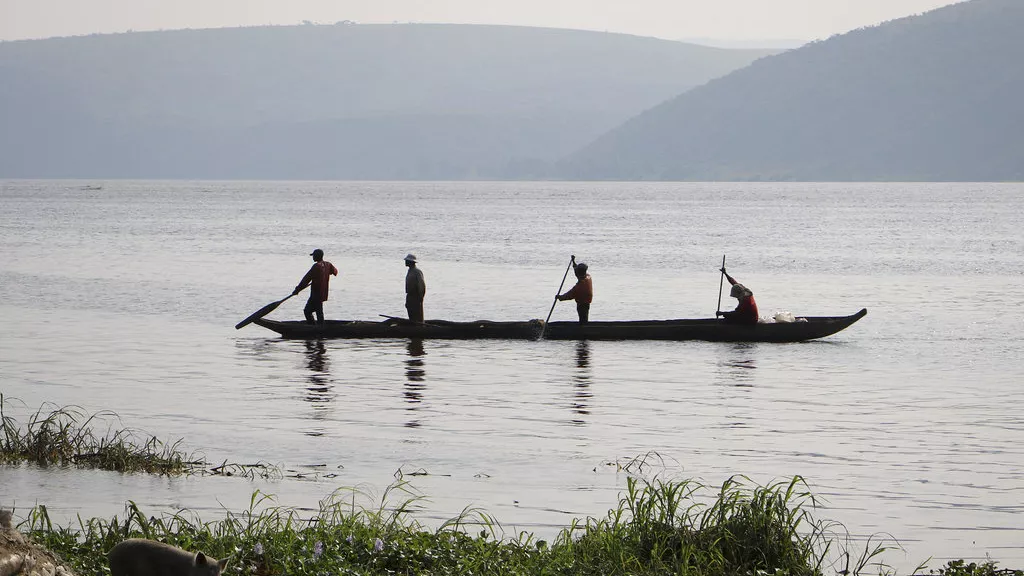
On Friday, a boat referred to as a “whaler” sank on the Congo River, resulting in a tragic incident. The Minister of Transport of the Democratic Republic of Congo revealed on Monday evening that the incident had claimed the lives of at least 47 people, with an unknown number of individuals still missing.
The initial report provided on Sunday by the authorities of the Equateur province in the northwest had indicated at least 28 fatalities and numerous individuals unaccounted for.
During a press briefing held in the early hours of Monday afternoon, Minister of Transport Marc Ekila, along with the government’s spokesperson Patrick Muyaya, shared information obtained from the river commissioner on-site, stating, “We have recovered 47 bodies.”
“As the boat was in an irregular situation, we were unable to have the manifest to determine exactly the number of passengers who were on board,” he added.
The minister said that “overloading” was to blame for the incident and noted that “wooden boats” were not permitted to travel at night.
The “whaler” capsized overnight on Friday into Saturday as it was sailing from Mbandaka to the region of Bolomba in the province of Équateur.
“We have asked the provincial authorities to set up a commission of inquiry,” added the Minister of Transport.
Waterway
The Democratic Republic of Congo is a sizable country in Central Africa, yet it has relatively few highways that may be used for transportation. Instead, people frequently travel on lakes, the Congo River, and its tributaries.
There, shipwrecks are frequent and frequently expensive.
President Félix Tshisekedi requested that the government “do everything possible to avoid shipwrecks (…) the main causes of which are in particular the overload of passengers and goods, the poor marking of waterways, night navigation, as well as non-compliance of boats with regulations,” according to the report of Friday’s council of ministers.
According to him, “an action plan” is needed so that the Congo River plays a “driving role in economic development” as a waterway.
Félix Tshisekedi, who has been in office since early 2019, is running for re-election in December.
The attorney for 184 former Facebook content moderators stationed in Kenya who sued the parent business of the website, Meta, over salary and working conditions, claimed Monday that Meta has not been honest in trying to achieve a settlement outside of court as promised in the previous court session.
The former moderators want to move on with a contempt of court case against Meta, according to lawyer Mercy Mutemi, who claimed that the talks have broken down.
“The petitioners gave it their best effort. They attended every mediation. The respondents asked for information which we gave them. They kept saying they would get back to us by a certain date but only got back to us at the end of last week with a very small amount that cannot even take care of the petitioners’ mental health,” she told the court. She described Meta as “not genuine.”
The moderators were hired through Sama, a San Francisco subcontractor, which presents itself as an ethical AI company, to work at its Nairobi hub. Their role involved reviewing user-generated content in 12 different African languages and removing any uploads that violated Facebook’s community standards and terms of service.
According to some of the individuals petitioning the case, their job required them to watch distressing content for eight hours a day, which took a significant toll on them, all while being compensated at 60,000 Kenyan shillings, equivalent to $414 per month. They accused Sama of inadequately addressing the need for post-traumatic professional counseling. Their demand is for $1.6 billion in compensation.
Meta and Sama’s legal teams had initially believed that the mediation was progressing well and required extensive hours, until the moderators’ attorney expressed objections.
Justice Nduma Nderi characterized the breakdown in negotiations as a “missed opportunity” for the parties to reach a mutually acceptable resolution, rather than the court having to issue an order.
The parties will reconvene for a hearing on October 31st regarding the moderators’ application to hold Meta and Sama in contempt of court.
This lawsuit marks the first publicly known legal challenge against Facebook outside of the United States. In 2020, Facebook agreed to a $52 million settlement with U.S. content moderators who had filed a class action lawsuit due to repeated exposure to graphic and disturbing content, including beheadings, child abuse, animal cruelty, terrorism, and more.
Both Facebook and Sama have defended their employment practices.
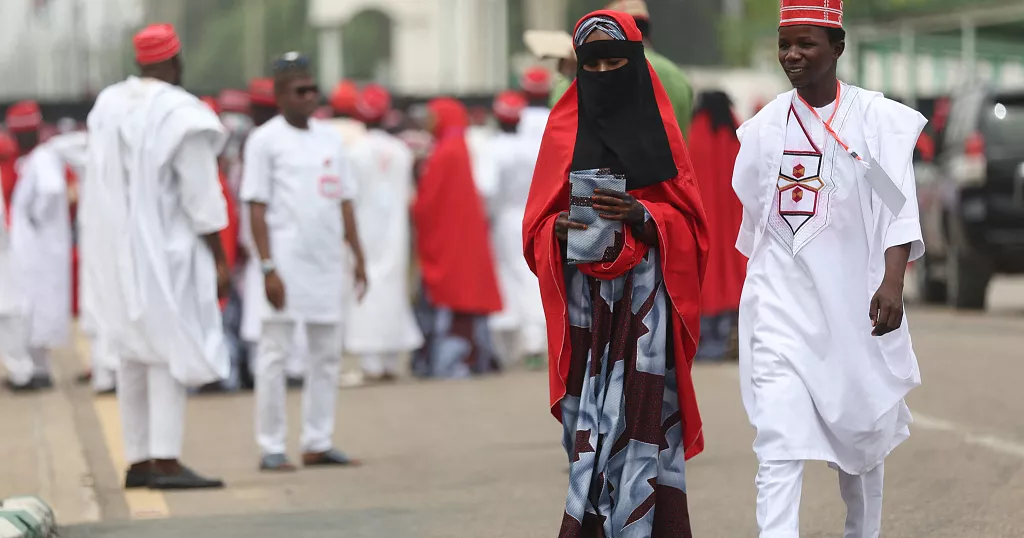
Local officials officiated the mass wedding of hundreds of couples in Kano State, northern Nigeria.
The mass wedding program for the underprivileged, sponsored by the local government, took place on Friday, October 13.
Many couples couldn’t afford to plan the wedding on their own in a nation where the economy is struggling.
“Life is really tough, this is why I could not get married untill now, though I wanted to. I pray my marriage becomes the key to my prosperity,” Yusuf Abdullahi, a textile trader said.
The government also planned a professional training session in addition to paying the dowry, purchasing furnishings, giving future brides trousseau gifts and a 26 dollar start-up capital. The state’s motivation was explained by trainer Naisa Ahmad.
“The wisdom behind teaching the brides some vocational skills is to make them self-reliant. Life has become so expensive. But if a woman has a trade she will be of help to herself, her husband, and the society as a whole.”
Rising inflation has compelled authorities to promote women’s employment, but in Nigeria’s traditional north, the husband is generally responsible for handling the household’s finances.
“These small trades will prevent us from constantly making demands on our husbands,” Maimuna Yakubu Yakasai said. “We have learnt a lot. If you have a trade that fetches you some little money you can pay for little ‘cash expenses which is a relief to your husband.”
As per the Sharia law enforcement leader in Kano state, arranging the mass wedding incurred an expense of around $1 million for the state. The wedding of the 1,800 couples was conducted in a decentralized manner, with ceremonies held across different local governments.
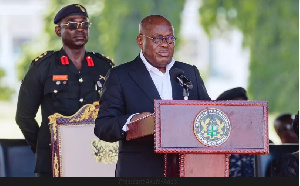
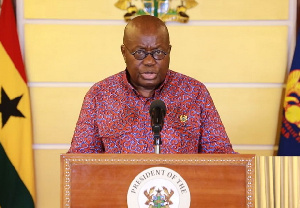
Ghana, according to President Nana Addo Dankwa Akufo-Addo, continues to have the second-largest economy in West Africa.
The president claimed that in spite of the nation’s low credit rates and other problems that contributed to the present economic crisis, this was the case.
On October 16, 2023, the president called on banks to enhance their loans to the private sector during his remarks at the presidential breakfast meeting on agriculture and agribusiness financing in Accra.
He said “The poor credit culture is something that we need to look at very seriously in Ghana. To hear the statement that the level of credit that has come from our financial system to our price sector is one of the lowest in West Africa is also a very disturbing phenomenon. We are lower than Senegal, Cote d’Ivoire, and others, all of this is against the background that we are still the second biggest economy in West Africa.”
The president emphasized the fact that people tend to forget Ghana’s credentials on the continent, however, if the current rate of credit increased even marginally, Ghana will do better.
Akufo-Addo added “There is a tendency for a lot of people to forget that in spite of all the challenges before the Ghanaian economy, we are the second biggest economy in West Africa. Even with that situation if the amount of money that goes from the banks to the private sector is the lowest in West Africa, my mind boggles, that if these figures were to rise a little bit the transformation that it would bring to our GDP growth, so we need to look at that.”
2009 was a year that heralded a time of optimism and the joy of feeling like global winners.
In 2009, the “golden team” swept to victory, first dominating Africa and then the entire world before defeating Brazil in the championship game.
In Cairo, Egypt, Andre Dede Ayew emerged from the shadow of his illustrious father, Abedi Pele, to help Ghana win its sole U-20 World Cup championship.
The team’s adventure began with the preliminary qualifications, where they defeated Angola and the Gambia to qualify for the 2009 Africa Youth Championship in Rwanda.
Stunning Rwanda and qualifying to the semi-finals
The Black Satellites needed a victory to clinch first place and advance to the tournament’s second round after defeating Mali in the first game and drawing 1-1 with Cameroon on the first day.
Ransford Osei beat Rwanda admirably to secure a date with South Africa in the semifinals.
Ransford Osei of Ghana led the competition in goals scored at this stage with three.
Goal Frenzy vs South Africa
One of the team’s standout assets was its offensive threat; prior to the semifinal match, they had scored five goals.
Ghana prevailed in the goal-fest contest, with the score ending 4-3 in favor of the West Africans.
Osei scored twice, while Dominic Adiyah and Andre Ayew both scored one.
South Africa battled back from a 3-1 deficit to nearly force extra time, giving the Satellites a tense finale to the encounter.
Rematch against the Young Lions
Cameroon saw off Nigeria in the other semi-final clash with a 2-0 victory to set up a rematch with Ghana after both teams drew 1-1 in the group stages.
Striker Ransford Osei was again the difference as Ghana lifted their third Africa Youth Championship title.
His brace ensured a 2-0 victory against the Central Africans in Kigali, which put them through to the FIFA U-20 World Cup as champions of Africa.
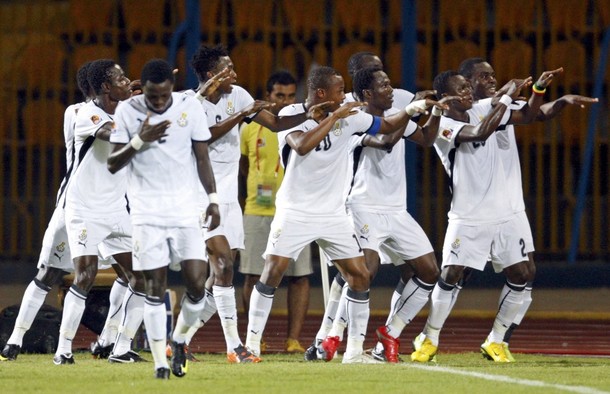
Dominic Adiyiah of Ghana (2nd L) celebrates his goal against England with team mates during their FIFA U-20 World Cup group D soccer match in Ismailia September 29, 2009. REUTERS/Marko Djurica (EGYPT SPORT SOCCER)
The World Cup, Egypt 2009
The third FIFA U-20 globe Cup, which was created in Africa for the rest of the globe, was held there in 2009.
As champions from the six confederations, the United Arab Emirates, Costa Rica, Ghana, Brazil, Tahiti, and Germany took part in the competition.
A total of 24 nations traveled to Egypt to compete for honor and glory.
Group D and the clash with Uruguay
On the back of their success in Rwanda, the Black Satellites were placed in Group D to face the likes of Uzbekistan, who entered the championship as runners-up in the Asian U-19 Championship.
England and then Uruguay completed the group.
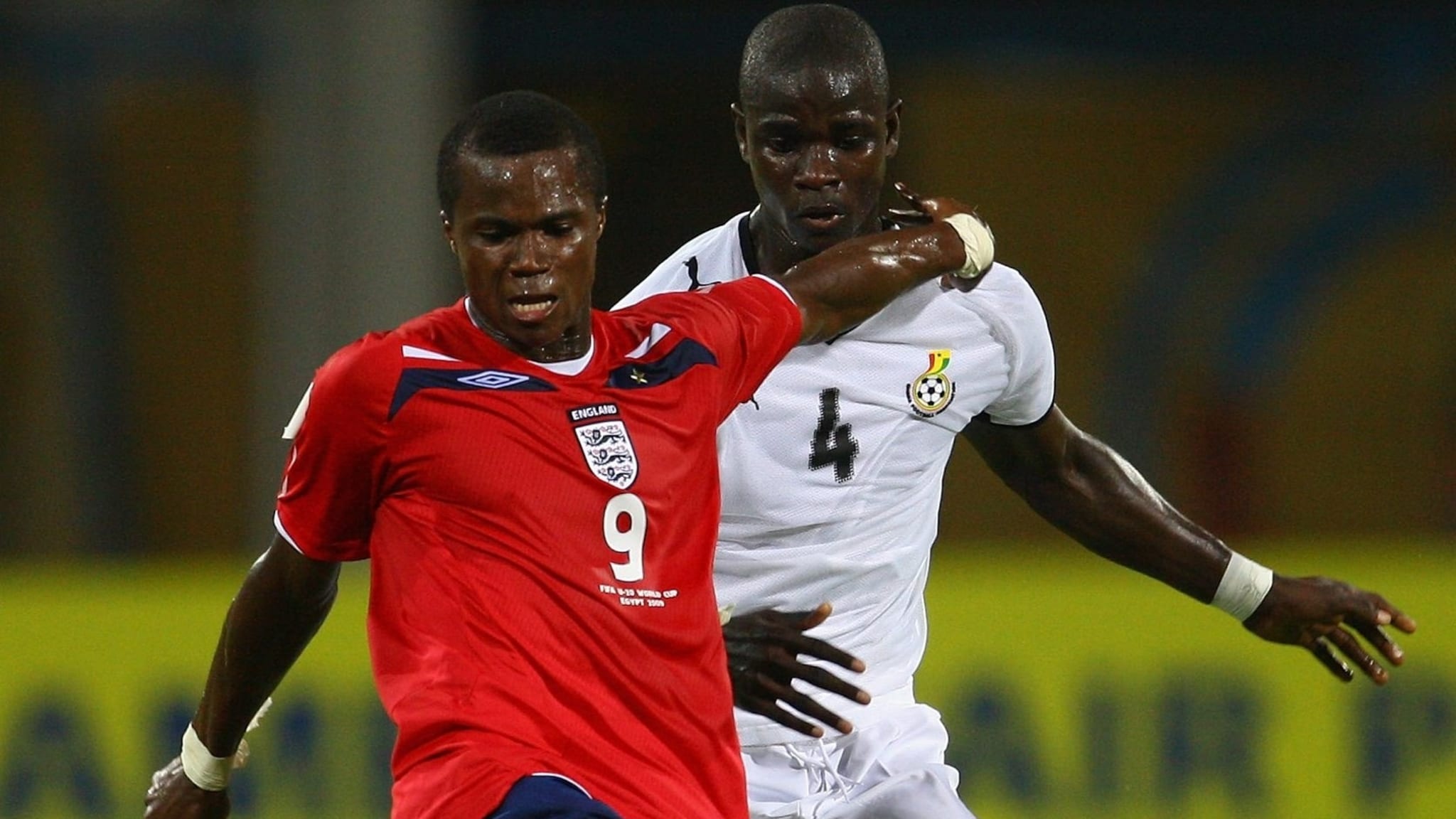
Ghana kick-started the tournament with a 2-1 victory against Uzbekistan and then went on to demolish the Young Three Lions by 4-0, with Dominic Adiyiah stealing the show with his brace.
A draw or win against Uruguay was all Ghana needed to top the group, but a defeat would have meant a tougher opponent in the round of 16.
The Black Satellites took a two-goal lead, but a spirited Uruguayan side fired two goals to salvage a draw.
South Africa again and the challenge from Asia
Topping Group D, Ghana was drawn against African compatriots, South Africa, a team they beat 4-3 in the African Youth Championship months earlier in Rwanda.SUEZ, EGYPT – OCTOBER 09: Dominic Adiyiah of Ghana scores the opening goal past Kim Seung Gyu of Korea Republic during the FIFA U20 World Cup Quarter Final match between Korea Republic and Ghana at the Mubarak Stadium on October 9, 2009 in Suez, Egypt. (Photo by Alex Livesey – FIFA/FIFA via Getty Images)
The West African side emerged victorious yet again, with Adiyiah on the mark, netting his fourth goal of the competition in extra time after the game ended 1-1 in regular time.
Ghana then dispatched South Korea 3-2, highlighted by another brace from Adiyiah. The then Heart of Lions striker was on fire.
The clash with Hungary
Ghana now had only the European side, Hungary, between them and the final game.
The Black Satellites beat Hungary 3-2, with Dominic Adiyiah again hitting a brace, his third of the campaign and his eighth goal overall.
The dramatic finale against Brazil
Thirty-seven minutes into the game, Daniel Addo was sent off, giving Brazil a man advantage.
Ghana repelled the Brazilians and their sharp attack and held on to a goalless game in regular time and subsequently in extra time.
The game was settled on penalties as Ghana triumphed against the South American giants.
Andre Ayew and Samuel Inkoom converted their spot-kicks before Jonathan Mensah and Bright Addae missed theirs.
Although Alan Kardec, Douglas Costa, and Giuliano made the most of their penalties, Daniel Adjei saved from Souza and Alex Teixeira, with Maicon missing his as well.
Ghana had the advantage now after the top scorer of the tournament, Dominic Adiyiah scored his penalty kick, and it was down to Emmanuel Agyemang Badu to settle the match.
And he did with a calm head amidst enormous pressure from a packed-to-capacity crowd inside the Cairo International Stadium.
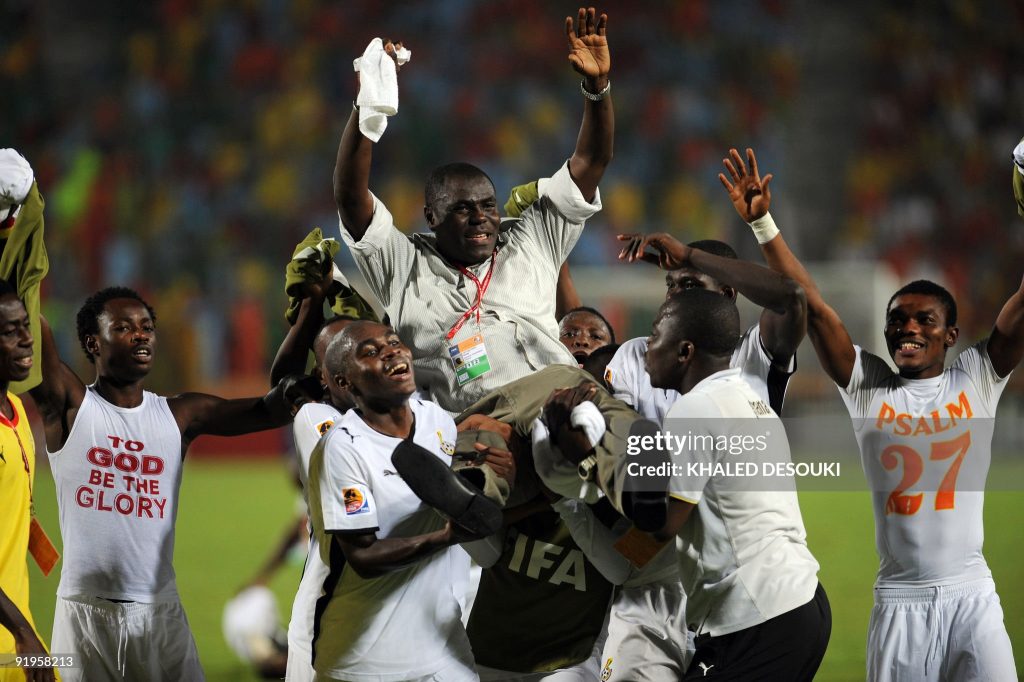
With a jog, a stutter, and a clean stroke of the ball past a rooted Rafael in goal for Brazil, Agyemang Badu gave Ghana and the rest of Africa boundless joy.CAIRO, EGYPT – OCTOBER 16: Emmanuel Agyemang-Badu of Ghana scores the winning penalty during a penalty shoot out against Brazil in the FIFA U20 World Cup Final between Ghana and Brazil at the Cairo International Stadium on October 16, 2009 in Cairo, Egypt. (Photo by Alex Livesey – FIFA/FIFA via Getty Images)
The Black Satellites were the new kings of youth football in the world, and the trophy completed a unique treble that included the West African and African titles won earlier that year.
The Dominic Adiyiah World Cup
Ghanaian striker Dominic Adiyiah had an amazing World Cup, scoring eight goals in the tournament.
He picked up both the Golden Boot and Golden Ball Awards, the awards given to the top scorer and the best player in the competition.CAIRO, EGYPT – OCTOBER 16: Dominic Adiyiah of Ghana wins the adidas Golden Ball Award for outstanding player of the competition, Alex Teixeira of Brazil wins the adidas Silver Ball and Giuliano of Brazil wins the adidas Bronze Ball after the FIFA U20 World Cup Final between Ghana and Brazil at the Cairo International Stadium on October 16, 2009 in Cairo, Egypt. (Photo by Alex Livesey – FIFA/FIFA via Getty Images)
The triumph fourteen years ago, to this day, remains the only time an African team has ever won the FIFA U-20 World Cup. It’s a special achievement that Ghana, befittingly, has beautifully etched into the history books.
Antiretroviral medications that had been held up at the Tema port due to tax-related concerns have now been released by the Ministry of Health.
This comes after the population of Ghana expressed anger at the government for not providing the medications that HIV/AIDS sufferers require.
The prescriptions were cleared on Friday, October 13, according to a statement from the ministry released on Monday, October 16, 2023, and distribution to the numerous hospitals experiencing the scarcity has begun.
“The Ministry of Health is pleased to inform the general public that the antiretroviral medications which delayed at Tema port was cleared on Friday, October 13, 2023, as was assured by the Ministry in relation to the rejoinder published on Saturday, October 7, 2023, on the aforementioned subject matter.
“The distribution of the medications to all affected facilities has begun in earnest.
“The Ministry is working in close collaboration with the Ghana Supply Commission to ensure seamless clearance of such drugs and related ones in future,” the statement signed by Public Relations Officer of the Health Ministry, Isaac Ofei-Baah said.
The Ministry had promised last week to clear the tax waivers that had hindered the release of the drugs.
“The Ministry of Health has taken note of some media headlines suggesting that donated antiretroviral drugs have been abandoned at ports since July, supposedly due to the government’s failure to waive taxes.
“The Ministry categorically states that these headlines are misleading and do not accurately reflect the truth.
“Having brought this to the attention of the commission, steps have been taken to secure the needed extra funds to ensure clearance by Friday, October 13, 2023,” the statement said.
Antiretroviral medications being readily available now would be a big comfort for the patients and the hospitals.
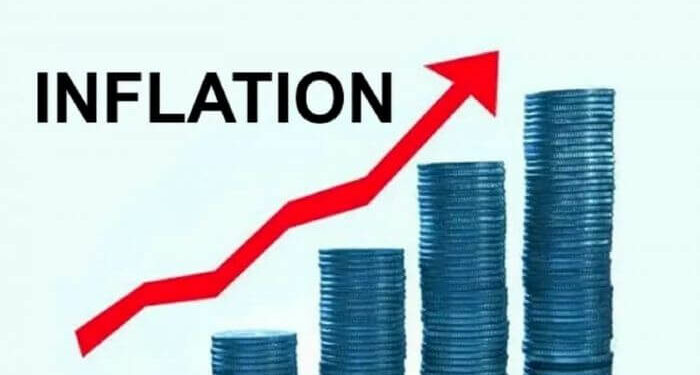
The inflation rate in Nigeria has increased to 26.72 percent, up 0.92 percent from 25.80 percent the previous month.
This was announced on Monday by the National Bureau of Statistics in its most recent Consumer Price Index data for September 2023. It was distributed over NBS’s X handle.
The elimination of gasoline subsidies and the depreciation of the official currency rate, both of which had a significant impact on consumer prices, are mostly to blame for the increase in inflation.
According to the statement, “September 2023 saw an increase in the headline inflation rate from 25.80% in August to 26.72% in September.
“ Looking at the movement, the September 2023 headline inflation rate showed an increase of 0.92 percentage points when compared to the August 2023 headline inflation rate.
“On a year-on-year basis, the headline inflation rate was 5.94 per cent points higher compared to the rate recorded in September 2022, which was 20.77 per cent.
” This shows that the headline inflation rate (year-on-year basis) increased in September 2023 when compared to the same month in the preceding year (i.e., September 2022).”
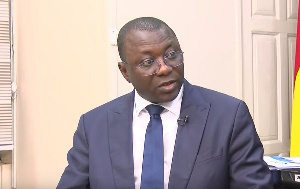
The Volta River Authority (VRA) has explicitly stated that it never attributed the regrettable flooding that resulted from the release of water from the Akosombo and Kpong Dams to the Ghana Meteorological Agency (GMA).
Deputy Chief Executive for Engineering and Operations, Edward Obeng-Kenzo, emphasized that the VRA has been collaborating with and depending on GMA’s data for the past six decades.
“We can never ever blame GMA. It’s never possible. As I’ve always been saying, for the past 60 plus years we’ll be working with Ghana Meteorological Agency, they tell us how the rains will come how the weather will behave, and allows us to predict and project the water level,” he said.
He said the GMA predicted more rains from August onwards and “that is what we are seeing and we also adjusted upon the data that is given so we can never blame them for it.”
On September 15, 2023, the Volta River Authority began a controlled release of water from the Akosombo and Kpong Dams. This release was necessary because to the high amounts of rainfall in the Volta river catchment area, which caused the dam’s water levels to rise quickly.
The VRA said that the overflowing was required to stop the dam from overtopping and to keep it from collapsing after it exceeded its 276-foot normal operational level.
Communities downstream in the North, Central, and South Tongu districts were impacted by the leak.
The National Disaster Management organization, the municipal and district assemblies, and the downstream villages were informed in accordance with the VRA disaster preparedness plan, and the officials were instructed to monitor the situation.
The Information Minister, Kojo Oppong Nkrumah, has confirmed that Ghana has completed the requisite steps to access the second portion of the $3 billion extended credit facility provided by the International Monetary Fund.
He explained that the country’s approval for the second tranche is based on the positive assessment of the Fund regarding the utilization of the first tranche received in May 2023.
He made this announcement during an interview on AsaaseRadio on October 16, 2023, “I think it is important to correct that, yes, we have signed off the agreement for the next US$600 million based on the way we passed the first review…but we are not required to complete the external credit exchange before assessing the second tranche.”
He added, “We are required to demonstrate progress, and that progress will be indicative at least in reaching an understanding with the bilateral creditors and we are hopeful that we will be able to do that before the IMF board meets.”
The finance minister has guaranteed that the government is on track to “receive assurances from external creditors” about the restructuring of external debt.
“We have met the Central Bank Governor of China and we don’t perceive any opposition or reluctance in participating positively when it comes to the Memorandum of Understanding on restructuring of our external bilateral debts,” the finance minister said.
“The Chinese government within the past months is close to reaching a similar deal with Zambia, Sri Lanka, and Suriname, so following that trend, we expect some similar cooperation from them when it comes to Ghana,” he added.
However, starting on October 16, 2023, the Minister is anticipated to meet with Eurobond creditors to discuss the conditions of the debt discussions.
Minister of State at the Finance Ministry, Dr. Mohammed Amin Adam, has expressed confidence in the country’s ability to attain its growth objectives, including achieving single-digit inflation by 2028.
He pointed out that the economy is progressing at a rate exceeding the projections made by the International Monetary Fund.
Dr. Adam also highlighted the reduction in inflation from 54% to 40% in recent months as a positive indicator of the attainability of the growth targets.
“The IMF actually projected that we would grow at 1.5% this year, and if half into the year we are already growing at 3.2%, with some of the recovery policies yet to mature, it’s indicative of the fact that by the end of the year, we should be doing far more than what the IMF projected. And that is a great sign of recovery,” Dr. Amin Adam said on Accra-based Citi TV’s Point of View.
“Inflation which is a very important indicator for attracting investments and for improving domestic investment has also been decelerating from 54% in December 2022 to date. It is about 40% and it’s going to continue because 40% is still high and so we will expect that this disinflationary path we have been following will continue until we reach single-digit inflation by 2028 as per the IMF programme,” he added.
Apart from the growth metrics and inflation, the minister also noted that the exchange rate has exhibited a degree of stability this year. Consequently, he holds a positive outlook that Ghana’s rebound will surpass initial expectations.
The UK court, serving as the ultimate appellate authority for Mauritius, has affirmed the 2019 election results that led to Pravind Jugnauth’s appointment as Prime Minister.
The Judicial Committee of the Privy Council (JCPC), acting as the final court of appeal for 27 countries and territories formerly under British rule, dismissed an appeal from an opposition candidate who raised concerns about the election’s legitimacy.
In 2021, the Supreme Court of Mauritius had already upheld the election results. The appellant, Surendra Dayal, had contested for a parliamentary seat in the same constituency where Mr. Jugnauth was elected.
Mauritius, an affluent island nation in the Indian Ocean, gained independence from Britain in 1968.
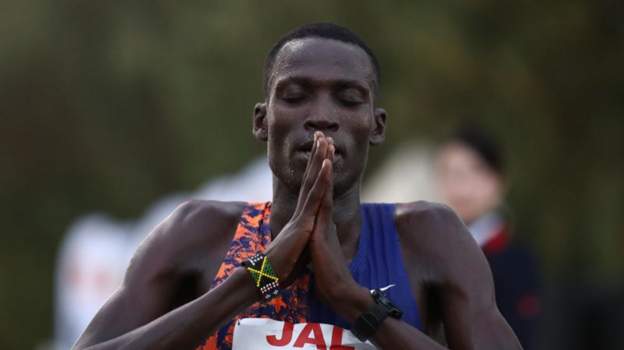
A Kenyan marathon runner, Titus Ekiru, has been given a 10-year suspension for doping and interference.
At the Milan Marathon in 2021, which he won in a time of two hours, two minutes, and 57 seconds, he underwent one of his positive tests.
With that time, he would currently be the seventh-fastest marathon runner in history.
Following his victory at the Abu Dhabi Marathon on November 26, Ekiru also tested positive.
According to an investigation, the 31-year-old used fake information and paperwork to obstruct the Athletics Integrity Unit’s (AIU) examination into two adverse analytical findings (AAFs).
He was provisionally suspended on June 28, 2022, and his ban will be in effect until June 27, 2032. During the period from 2017 to 2021, Ekiru achieved victory in a minimum of 10 marathons or half-marathons.
As a consequence of his suspension, all of his results since May 16, 2021, have been nullified, and he has been instructed to surrender any race prizes and earnings
Due to the Ghana Revenue Authority’s (GRA) insistence that full taxes be paid for the two pieces of non-flyable equipment, the Kwame Nkrumah University of Science and Technology’s (KNUST) aerospace engineering department may not be able to use two helicopters donated by PHI Century Ltd for practical lessons to improve their capacity to train young aeronautical engineers.
To support the need for transportation to offshore drilling rigs and production platforms offshore at Cape Three Points in the Western Region, PHI Century Limited, a joint venture between PHI Aviation and Century Aviation Company Limited, initially imported the two old helicopters into the nation.
Since they will be exported after completing their allotted tasks, they were classified as tax-free at the time of importation.
PHI Century offered to donate the two aging pieces of equipment to KNUST in order to train aerospace engineers rather than moving them back to the US and giving them to an aviation school there for practical use.
However, in order to obtain the two helicopters for academic usage and for the benefit of KNUST’s new School of Aeronautical Studies, the Ghana Revenue Authority wants KNUST to pay thousands of cedis in taxes.
“These are equipment that the aerospace engineering unit of KNUST lack and would greatly help them, instead of going to gift them to a school in the US,” an aviation expert with knowledge of the issue confirmed this to AviationGhana.com
Some alleged National Patriotic Party (NPP) thugs with hostile intentions invaded the studios of UTV on Saturday, October 7, 2023, abruptly halting the live broadcast of the weekly United Showbiz program.
Their presence and agitated voices in the studio caused the production to come to a halt shortly after the host of the show MzGee’s introduction of the program.
Some guests like minister Sonnie Badu who had prepared to be on the show had to return back home immediately to save his life from any possible Mayhem.
“However, a video featuring one of the show’s well-known guests, talent manager and entertainment pundit, Mr. Logic, has gone viral on social media, revealing him as he hurriedly sought refuge under a table in a control room.
“The video was aired on the show following the intrusion, and his fellow colleagues in the studio could be heard teasing him.
Despite being in the midst of it all, Mr. Logic asserted that he would continue criticizing the NPP unless they compensate him for enduring such a state of fear.
“I have said that if the NPP does not compensate me, I will speak against them continually until they arrest me. I will say things against them they cannot handle, Mr Logic stated “
Meawhile the video below has more captured by the UTV’s CCTV camera.
Following contentious remarks from Addis Ababa, authorities in Eritrea declared they would not “enter” discussions concerning Ethiopia’s access to the Red Sea.
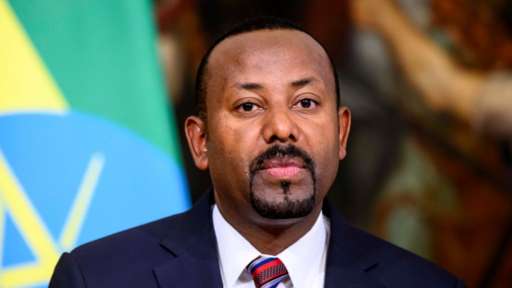
The Red Sea is “a matter of existence” for Ethiopia, according to Prime Minister Abiy Ahmed, who was speaking to MPs.
“The Red Sea and the Nile River define Ethiopia; They are the foundations for Ethiopia’s development or its demise,” Mr Abiy said, in remarks some commentators said could cause friction with Eritrea.
Eritrea’s independence from Ethiopia in 1993 resulted in Ethiopia becoming Africa’s largest landlocked nation. Since then, more over 85% of its imports and exports have been dependent upon its little neighbor Djibouti.
A few years ago, Ethiopia had plans to reestablish its navy public. Ports in Eritrea, Djbouti, and Somaliland were mentioned by Mr. Abiy as facilities that could be acquired peacefully.
A brief statement by Eritrea’s Ministry of Information on Monday said “discourses” about access to sea and related topics “floated in recent times” were “excessive” . It said the matter “has perplexed all concerned observers”.
During a recent bloody war in the Ethiopian state of Tigray, Eritrea supported the Addis Ababa administration.
In 2018, Prime Minister Abiy also collaborated with Isias Afeworki, the leader of Eritrea, to put an end to their violent, two-decade-long war.
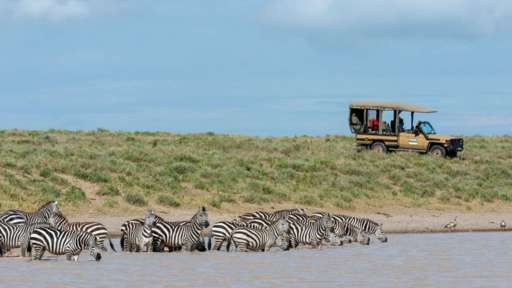
For the seventh time in a row, Tanzania’s Serengeti National Park has been named the best in all of Africa.
In this year’s World Travel Awards (WTA), a global organization that seeks to honor excellence in travel and tourism, it triumphed over six other parks on the continent.
Since 2019, the Serengeti, which is well-known for the annual migration of wildebeests, has won the honor each year.
The Serengeti’s “stunning five-time victory” was acknowledged by the Tanzania National Parks Authority (Tanapa).
Other competitors from Africa included the Central Kalahari Game Reserve in Botswana, the Etosha National Park in Namibia, the Kidepo Valley National Park in Uganda, the Kruger National Park in South Africa, and the Masai Mara National Reserve in Kenya.
A fugitive accused of posing as a doctor, has reportedly been re-arrested, according to South African police.
As we previously reported, the police claimed to have started a manhunt for the defendant who escaped from custody the previous week.
They called him a “Facebook con artist” who preyed on female users.
He was allegedly detained once more early on Monday in Vosloorus, a town close to Johannesburg, as a result of a tip from a media outlet.
“[The] police in Gauteng appreciates the role played by the media in particular and the community in general in the fight against crime,” a police statement said.
The suspect, whose birthplace has not yet been made public by the police, was supposed to appear in court in Pretoria on Tuesday but managed to flee.
He was already charged with several offenses, but now he also faces the allegation of evading arrest.
He is said to have posted on Facebook that he was looking for investors before defrauding health professionals in two separate instances.
The CEO of Ghana National Gas Company Limited, Dr. Ben KD Asante, has revealed that the government’s current policy direction is geared towards expanding electricity accessibility through sustainable and environmentally responsible power generation methods.
Despite Ghana’s commendable status as one of Africa’s leaders in electricity access, the government is actively pursuing the goal of reaching a significant milestone of 100% accessibility.
To achieve this, the government is focusing on utilizing eco-friendly power generation sources.
“Our policy basically is to look power generation. The direction the government wants to take is increasing power penetration even in rural areas. As things stand we are one of the highest in terms of electricity coverage in Africa. We also want to use it for secondary industries,” he said.
The statement was given by Dr. Ben Asante during the UNCTAD’s 14th Multi-year Expert Meeting.
The gathering took place at the Palais des Nations in Geneva, Switzerland, from Monday, October 9, to Wednesday, October 11.
The expert meeting’s 14th session provides a neutral forum for the exchange of national experiences about the implementation of successful methods and policies at the national, regional, and international levels to successfully manage commodity price volatility.
The expert meeting examines the relationships between commodity price volatility and important macroeconomic indicators in commodity-dependent and developing countries (CDDCs) as well as the relationships between commodity price volatility and food security in net food importers.
The Geneva meeting also covered market- and technology-based tools for controlling price concerns.
The head of Ghana Gas has been invited to the upcoming meeting, which will take place in Belgium.
Government has reaffirmed its commitment to preserving the current economic achievements and ensuring their positive impact on the well-being of its citizens in the upcoming months.
To achieve this goal, the government plans to implement further cost-cutting measures in the 2024 budget, along with policies aimed at solidifying macroeconomic advancements, thereby maintaining control over inflation and exchange rates.
Finance Minister Ken Ofori-Atta and Information Minister Kojo Oppong Nkrumah shared these assurances on a Friday evening, setting the stage for the budget presentation scheduled for November.
Their comments were made during the 2023 International Monetary Fund (IMF)/World Bank Group (WBG) Annual Meetings in Marrakech.
Mr. Ofori-Atta emphasized, “You’ll see more prudent fiscal measures in the 2024 budget to keep the macroeconomy stable so that inflation continues to go down, and the currency remains stable. That’s an assurance from the government that will surely happen.”
Furthermore, Mr. Oppong Nkrumah pledged, “We’ll also channel various incentives and resources into the growth agenda, catalyzing the private sector’s ability to thrive,” as he spoke during a press briefing.
In the 2023 budget, the government introduced several cost-cutting measures, including a freeze on public sector employment and reduced salaries for some government officials, all designed to support macroeconomic stability.
According to Mr. Nkrumah in an interview with the Ghana News Agency, these measures have already started yielding positive results, but the government intends to undertake more specific actions outlined in the 2024 budget.
“Although we don’t have the final figures, one of the clearest ways to examine the performance of the measures to reduce expenditure is to look at the primary balance, and there’s a clear indication that we’re doing well to stay within the revenue envelope that we have,” he said.
The primary balance of Ghana was 1.3 as of the first half of 2022, compared to 0.6 during the same time in 2023. The primary balance is the difference between the amount of money the government collects and spends on delivering public goods and services, excluding debt payment.
Reiterating the government’s commitment to fiscal discipline, Mr Nkrumah said: “Going forward, our focus is to stay on that path to ensure that we don’t blow the fiscals out of gear.”
In the country, several Civil Society Groups, Economists, and Governance experts have consistently advocated for a reduction in the number of ministers and government officials as a means of promoting fiscal discipline. However, this recommendation has not been implemented thus far.
Additionally, they have urged the government to take a more proactive approach to collecting property taxes, provide incentives to include the informal sector in the tax system, and consider reducing the Electronic Transactions Levy (E-levy) rate from one percent to approximately 0.5 percent.
These stakeholders have expressed their belief that by enhancing domestic revenue generation and implementing expenditure reduction measures, the economy can become more resilient and stable.
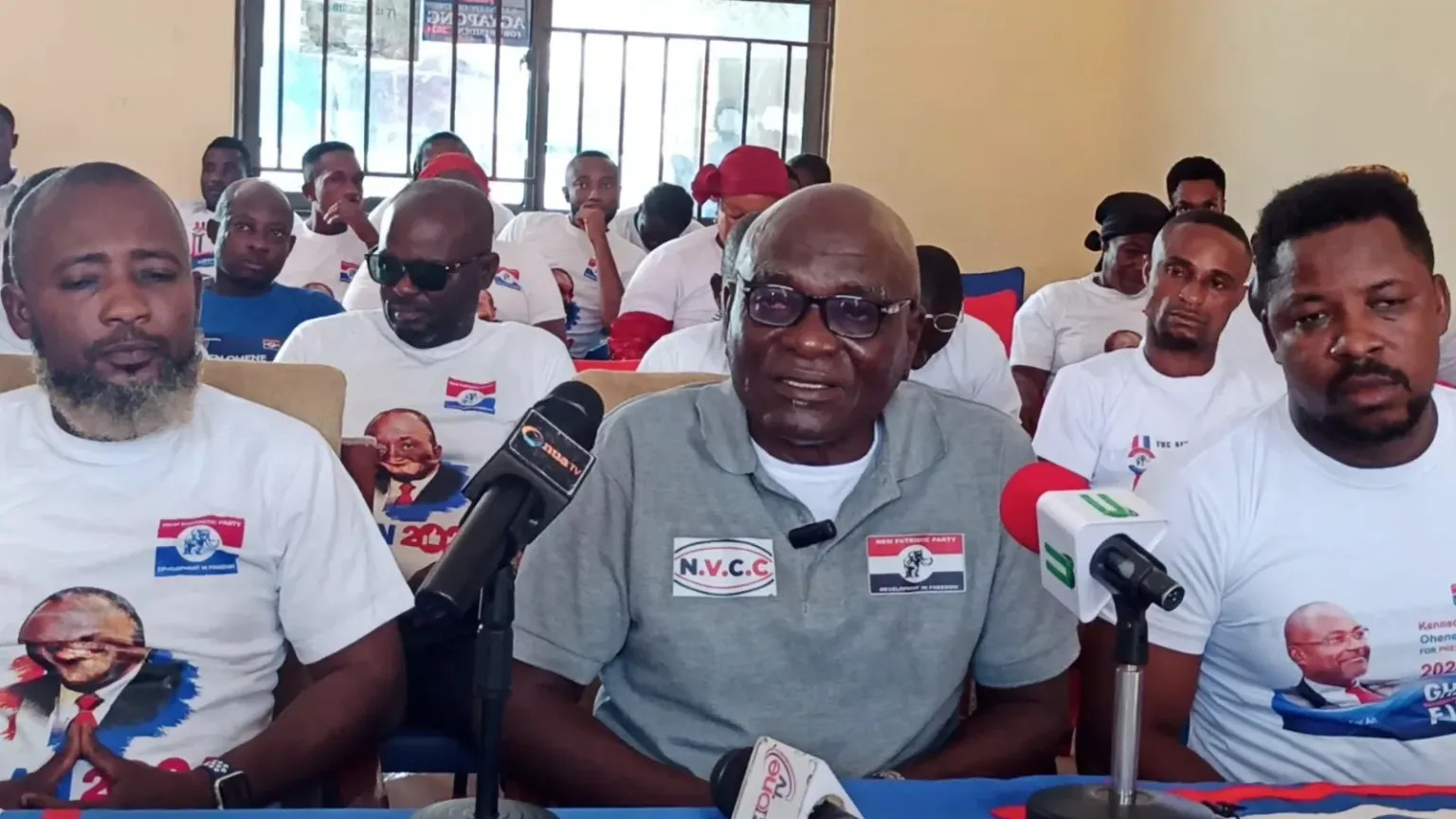
In the Offinso North, Offinso South, and Afigya Kwabere Constituencies in the Ashanti region, supporters of Alan Kwadwo Kyeremanten and NPP flag bearer candidate Kennedy Agyapong have expressed their support for Vice President Dr. Mahammadu Bawumia.
Spokesperson for the group and Vice chairman of the Offinso North Constituency, said during a news conference that “although they believed in the brand Alan Kyerematen vision for Ghana, however, Alan’s resignation from the NPP ahead of the November 4th 2023 presidential primaries has compel them to work and vote for a credible candidate who is equally competent to lead NPP and Ghana’’.
He described Alan’s resignation as shocking “I was shocked when I heard the resignation by Alan from the NPP. That’s past now and I have moved on. I was responsible for coordination of his campaign activities in 15 constituencies. I was earlier invited to work for Kennedy Ohene Agyapong but I declined to join the winning team. We are very few here now but trust me there are a lot of people I’m bringing to the camp of Dr. Bawumia from Alan’s Camp within the NPP.’’
He also urged all supporters of Alan Kyerematen and Kennedy Agyapong to follow the example of openly supporting Vice President Dr. Mahamadu Bawumia and throw their support behind him in preparation for the November 4th election.
During a press conference, New Patriotic Party supporters wearing Alan Kyerematen campaign T-shirts removed them and displayed Dr. Bawumia’s campaign T-shirt, affirming their complete shift from their previous allegiance.
Campaign activities led by Kennedy Ohene Agyapong and Vice President Dr. Mahamadu Bawumia have intensified throughout the region.
Kennedy Agyapong has been notably influential at the grassroots level, potentially affecting Dr. Bawumia’s target vote in the Ashanti region.
The Second Lady, Samiratu Bawumia, is set to embark on a 3-day campaign tour in the Ashanti region starting on Monday, October 16, 2023.
Her tour will involve meetings with regional executives, constituency executives, polling station executives, coordinators, and party delegates.
The Second Lady’s campaign tour aims to shed more light on why party delegates should consider her husband, Dr. Bawumia, as the best candidate to lead the NPP into the 2024 elections.
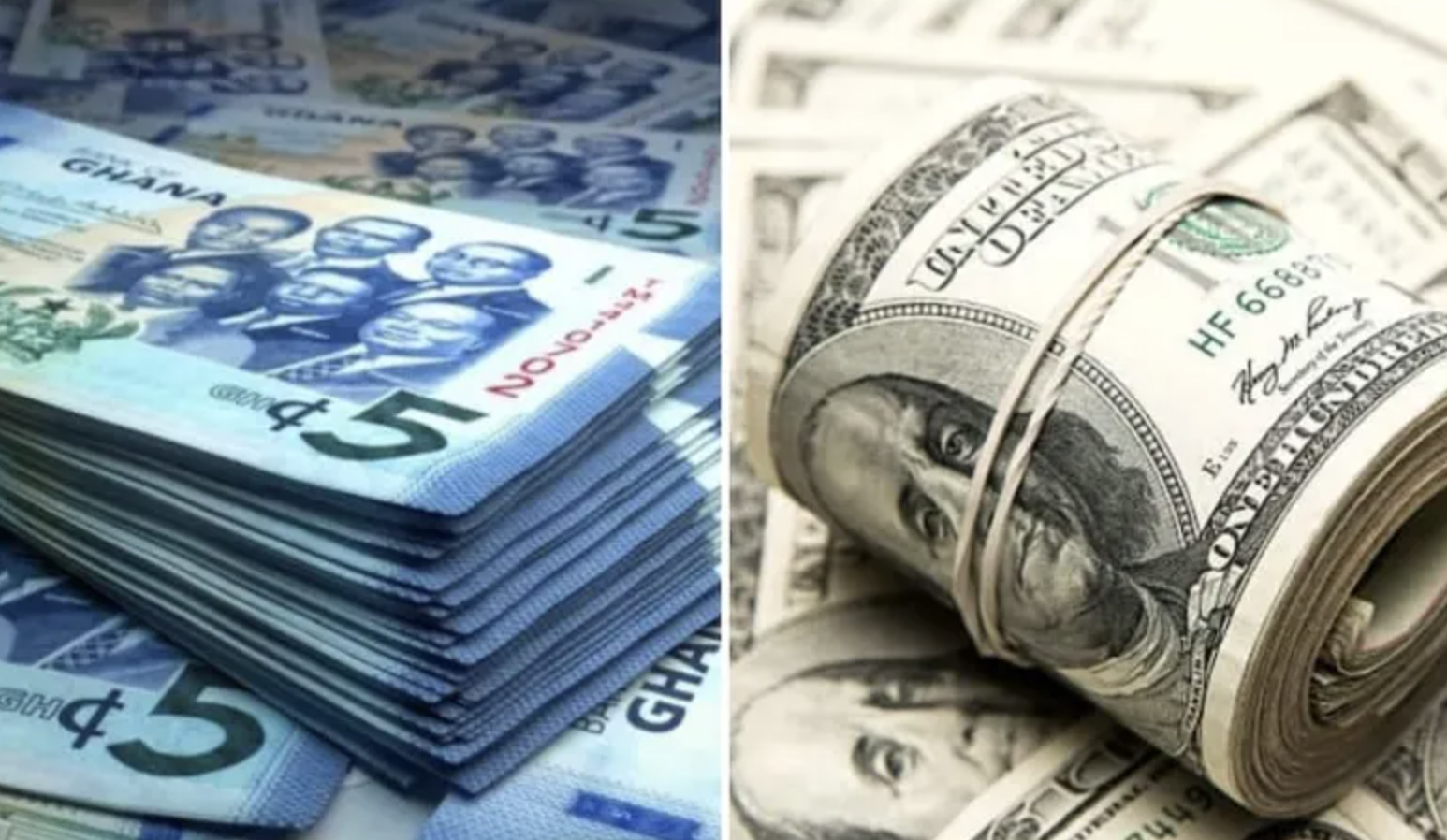
On October 16, 2023, the Interbank forex rates from the Bank of Ghana indicate that the Ghana Cedi is trading against the US Dollar at a buying price of 11.3057 and a selling price of 11.3171.
In Accra’s Forex bureau, the Dollar is bought at 11.75 and sold at 11.95 Cedis. Against the Pound Sterling, the Cedi is bought at 13.7252 and sold at 13.7400.
In the same Forex bureau, the Pound Sterling is bought at 14.30 and sold at 14.70 Cedis.
The Euro is bought at 11.8843 and sold at 11.8951.At the Forex Bureau in Accra, the Euro is bought at 12.20 and sold at 12.60 Cedis.
The South African Rand is bought at 0.5950 and sold at 0.5955.
In the Forex bureau, the Rand is bought at 0.35 and sold at 0.95 Cedis. The Nigerian Naira is bought at 68.0296 and sold at 68.1180.
At the Forex bureau, 1 Cedi can be exchanged for 10.00 Naira when buying and 15.00 Naira when selling.
For the CFA, it is bought at 55.1451 and sold at 55.1953.
In Accra’s Forex bureau, 1 Cedi can be exchanged for 16.50 CFA when buying and 19.00 CFA when selling.
Our forex bureau rates are provided by Afriswap Bureau De Change in Osu, Accra.
Note that these rates may be different at a forex bureau near you. Our forex bureau rates are provided by Afriswap Bureau De Change in Osu, Accra.
The Institute of Energy Security has forecasted a slight decline in fuel prices at gas stations starting from October 16, 2023, as the second pricing window for the month commences.
The projections indicate that both petrol and diesel, along with Liquified Petroleum Gas (LPG), are likely to experience reductions ranging from 2% to 6%.
This anticipated decrease is attributed to international market factors.
“Following the fall in the price of refined products prices on the World Fuel Market by 13.06%, 6.40%, and 9.67%, for Gasoline [petrol], Gasoil [diesel], and LPG respectively, and taking into consideration the 1.42% depreciation of the Ghana cedi against the greenback [dollar] currency on the forex market”.
The price of gasoline, diesel, and LPG traded at $848.30, $929.36, and $530.64 per metric tonne, respectively, on the global market during the first pricing window of October [2023], according to data tracked from the Global Standard & Poor’s (S&P’s) Platt averages.
Additionally, starting on October 16, the Chamber of Petroleum Consumers (COPEC) forecasts a small drop in fuel prices at the nation’s gas stations.
According to Duncan Amoah, the Executive Secretary of COPEC, the decrease in fuel prices can be ascribed to both the apparent strengthening of the Ghanaian cedi versus the US dollar and a significant down in the pricing of fuel goods on the international market.
Currently, the average cost of gasoline in Ghana is GH12.63 a liter, while the cost of diesel is GH13.40.
COPEC anticipates that during the second pricing window of October, which starts on October 16, 2023, gasoline prices might fall to GH12.098 per liter and diesel prices could fall to GH12.694 per liter.
“The second pricing window for the month of October under the National Petroleum Authority’s price deregulation program on petroleum pricing is set to commence from Monday the 16th of October. Indications of prices based on international price movements and the forex performance over the past fortnight point to some marginal reductions across pumps for the coming window, as confirmed by CBOD petroleum pricing outlook for the window,” COPEC’s statement noted.
Ghana and Africa at large has a rich history of traditional palaces and chiefdoms, some of which are quite famous.
Believed to be the biggest among them in West Africa is the magnificent Assin Kushea Palace.
Situated in Ghana’s Central Region, this grand palace can be found on a vast expanse of land, covering approximately 7.4 acres. It is believed to be the property of the paramount chief of the Owirenkyi, Nana Prah Agyensaim VI,
A video, discovered by The Independent Ghana on YouTube and shared by EfyaKimora, showcases the Assin Kushea Palace boasting a splendid botanical garden, a zoo, extensive courtyards, and numerous rooms adorned with regal artifacts.
One notable feature in the viral video is the display of various dog statues positioned throughout the courtyard. These statues are said to symbolize the Chief’s Aduana Clan, whose totem is the dog.
It’s worth noting that Nana Prah Agyensaim VI is constructing this magnificent edifice with the aim of boosting tourism in the region and town.
Interestingly, upon its completion, the Chief himself does not intend to personally inhabit the palace.
Based on the magnificent pillars used and the size of the site, the Assin Kushea Palace in Ghana’s Central Region may end up being the largest in Africa when finished.
The palace walls also feature several African proverbs, diverse artifacts, animals, and birds, among other things.
In Liberia’s presidential election, President George Weah and opposition candidate Joseph Boakai are in a tightly contested race.
With nearly three-quarters of the vote results now available, Mr. Weah holds a slim lead at 43.8%, while Mr. Boakai follows closely at 43.5%.
These results were announced by Liberia’s National Elections Commission on Sunday, with outcomes from 4,295 of the country’s 5,890 polling places released by that point.
At the same time, the West African regional bloc Ecowas cautioned against the premature declaration of victories and urged all parties to maintain peace as they awaited the final results.
Ecowas emphasized that any actions leading to violence and instability would be subject to accountability.
President Weah is seeking re-election for a second term, while Mr. Boakai, who finished second in the previous elections, previously served as deputy to President Ellen Johnson Sirleaf.
It is important to note that the winning candidate must secure at least 50% of the vote to avoid a runoff election.
On October 10, Liberians cast their votes in the presidential election, as well as for members of the House of Representatives and half the Senate.
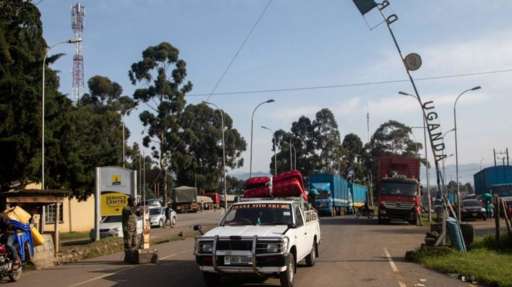
Uganda and the Democratic Republic of Congo have reached a mutual accord to eliminate visa requirements, enabling visa-free travel between the two nations.
This agreement is designed to facilitate the movement of individuals and enhance trade relations.
The decision comes after recent negotiations held in Kinshasa, the capital of the Democratic Republic of Congo, involving officials from both countries.
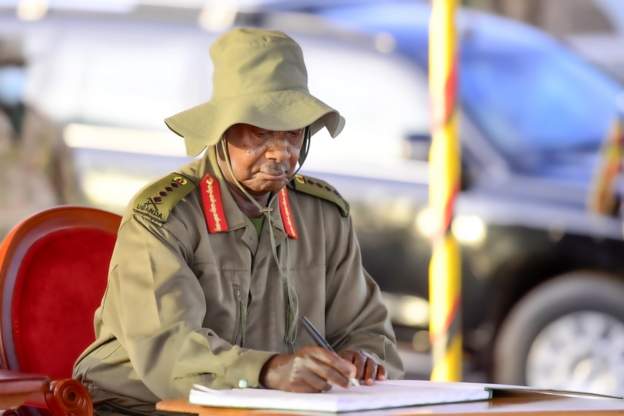
President Yoweri Museveni of Uganda has been advocating for visa-free entry between the two nations for several months.
“Crossing in East Africa should be cost-free. You pay for a visa when going to America, or Europe, but a visa to DR Congo?! That is rubbish. If that is the case, I have removed it,” President Museveni said last December when he launched the Mpondwe one-stop border post at Uganda’s border with DR Congo.
He requested that the introduction of visa-free travel proceed more quickly in May.
The exorbitant cost of visas at border crossings has previously been criticized by both Congolese and Ugandan people.
A devastating accident unfolded on the Congo River, claiming the lives of at least 30 individuals when a boat capsized near Mbandaka in north-western Democratic Republic of the Congo.
There are grave concerns that the casualty count could surge as search and rescue operations persist.
The incident, which transpired on a Friday, left more than 160 people unaccounted for. Preliminary reports indicate that the boat was navigating at night in violation of regulations and may have been excessively laden.
Authorities disclosed that it was transporting over 300 passengers and a cargo load encompassing cement, fuel, and iron bars.
With the absence of a comprehensive national road network, river transportation is a prevailing mode of travel in the Democratic Republic of the Congo, often accompanied by frequent accidents.
Ugandan police successfully thwarted a planned attack on churches by a well-known Islamist militant group, as disclosed by President Yoweri Museveni.
The Allied Democratic Forces (ADF) had intentions to plant two explosive devices within churches in Kibibi, located approximately 50 km (30 miles) from the capital city, Kampala, as conveyed by Mr. Museveni on X, formerly known as Twitter.
However, these devices, cleverly disguised as PA systems and gifted to local pastors, were detected and subsequently rendered harmless by the authorities due to vigilant members of the public who reported them.
Earlier on the same day, President Museveni announced that Ugandan forces had conducted air strikes on four ADF positions situated in the neighboring Democratic Republic of Congo.
He noted that a substantial number of terrorists were likely eliminated during these strikes.
President Museveni issued a warning, expressing concern that escaping ADF members were re-entering Uganda with intentions of carrying out sporadic acts of terrorism.
In June, the ADF carried out one of the deadliest attacks in Uganda, resulting in the loss of 42 lives, including 37 students in a high school located in western Uganda near the border with the Democratic Republic of Congo.
A report from Peking University in China, has it that Chinese loans to African countries have made a favorable contribution to the continent’s economic expansion, enhancements in infrastructure, and the development of human capital.
The report indicated that Chinese loans have had a positive impact on African economic growth, with a range of 0.176% to 0.300%. Furthermore, it noted a beneficial influence on infrastructure development, with a range of 0.027% to 0.084%.
The study, titled “A Study on the Effectiveness of China’s Sovereign Financing in Africa,” was carried out by the Department of International Department Cooperation at Peking University’s Institute of New Structural Economics (INSE) in China.
China has been a major lender, providing $160 billion in financial commitments to African countries, which accounts for 56% of loans issued over the last two decades. The objective of China’s financial support for African nations aligns with the United Nations’ 2030 Sustainable Development Goals.
The report utilized regression analysis, using Chinese loan data from Boston University, covering 49 African countries from 2000 to 2020. It employed regression methods to estimate the causal relationship between Chinese loans and six key dimensions: economic growth, job creation, infrastructure enhancement, export earnings, foreign direct investment, and school enrollment rates.
The report revealed a positive impact on export earnings, ranging from 0.244% to 0.33%, and on inflows of foreign direct investment, from 0.293% to 0.533%.
Furthermore, the report found that a 1% increase in loans led to a 0.118% to 0.212% increase in enrollment rates and a 0.143% to 0.167% increase in industrial job creation.
The report also included case studies, such as the Mombasa-Nairobi Railway in Kenya, which indicated that railway projects in the transport sector were associated with the highest average cost. Although these projects contributed to reducing carbon emissions by replacing road transportation, they were found to be less ideal for financial credibility.
The report highlighted the success of projects like the Soubre Hydropower Plant in Cote d’Ivoire and the Adama Wind Farm in Ethiopia, as they harnessed natural resources to overcome electricity shortages and reduce carbon emissions.
Additionally, projects like the Bole International Airport in Ethiopia and the Tanzania National Fiber Optic Backbone were credited with fostering regional public good growth.
A well-drilling project in rural Senegal improved basic hygiene conditions and offered alternative water purification methods.
In the education sector, the report commended the University of Ghana for developing a distance learning system, narrowing the digital divide, and enhancing human capital through digital capacity.
China has supported 33 training and education programs, totaling $1.6 billion, which encompass vocational training and the construction of public schools.
In terms of recommendations, the report advised African countries to establish systematic and long-term data collection at the project level of sovereign financing and implement a growth-oriented evaluation mechanism. For the international community, it called for advanced economies and industrialized countries to focus strategically on infrastructure projects in Africa.
At the macro level, the report recommended that Chinese creditors promote future financing for Africa, build a multilayer Chinese financial system, and enhance support for Africa to bolster global economic prosperity.
Mr. Wu Peng, Director-General of the Department of Africa Affairs at China’s Foreign Affairs, reiterated China’s commitment to honoring all promises made at the G20 summit to ensure sustainable infrastructure development in African countries.
Mr. Ibrahima Sory Sylla, the Senegalese Ambassador to China, welcomed the report for providing valuable guidance to African countries in evaluating projects accurately.
Mr. Ivan Zyuulu, the Zambian Ambassador-Designate to China, expressed appreciation for China’s support of Africa’s development and appealed for an extension of loan repayment periods.
Mr. Allan Joseph Chintedza, the Ambassador of Malawi to China, called on the International Monetary Fund, the World Bank, and the Chinese government to support Malawi’s transition from an agriculture-based economy to an industrialized nation.
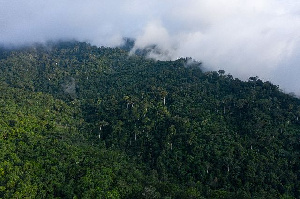
Head of Technical Services at Rocksure International Limited (a mining company), Godfried Addo Ayisi, has emphasized that Ghana’s bauxite reserves can be responsibly mined without causing harm to forest reserves.
This can be achieved through the adoption of best mining practices and environmental protection measures, including reclamation and reforestation. He highlighted that Ghana possesses over two billion metric tonnes of untapped bauxite resources in various locations, except for Awaso.
Mr. Ayisi stressed the importance of employing surface mining techniques that safeguard the biodiversity of the forest reserves housing these mineral resources.
He shared these insights during a lecture titled “Overview of Ghana’s Integrated Aluminium Industry (IAI)” at the 11th Annual Lecture of the Alumni Association of the University of Mines and Technology (ALUMat).
This lecture, held at the UMaT School of Railway and Infrastructure Development in Essikado, Sekondi-Takoradi Metropolis, was sponsored by Anglogold Ashanti Iduapriem Mine, Quantum LC Company Limited, Rocksure International Limited, and Impa Marine and Offshore Logistics Limited.
Mr. Ayisi underscored that Ghana could fully benefit from bauxite mining by implementing appropriate strategies to manage and add value to this natural resource.
He pointed out that while Ghana has been exporting bauxite ore since the 1940s, it has only benefited from the mining aspect, whereas countries like Ukraine, China, and Brazil have capitalized on the upstream aspects, including refining alumina and smelting it into aluminum.
Mr. Ayisi also mentioned that from May to March 2022, the price of bauxite in Ghana stood at $29 per metric ton.
“This represented a decrease of $3 compared to the prices between February 2018 and April 2020, except for July and October 2018 each which recorded prices of $31.97 per metric ton”, he added.
Mr Ayisi said the world market price of the bauxite ore, alumina and the aluminum showed that the prices increase about tenfold from bauxite ore to alumina and about eight-fold from alumina to aluminium, saying, “Indeed, from bauxite ore to aluminium the prices increase about 70 times”.
A lot more work had to be done to ensure a globally competitive aluminum industry across the entire value chain, he claimed, despite the government’s attempts to improve the IAI through the establishment of the Ghana Integrated Aluminium Development Corporation (GIADEC) in 2018 and other initiatives.
“Through a series of engagements with the Government of Ghana stakeholder organisations, GIADEC has developed a Strategic Outline Master plan for Ghana’s IAl which includes, supporting infrastructure projects such as the Western Rail Line to facilitate bauxite transportation and expansion of the Takoradi Port to facilitate bauxite ore and alumina export among others”, he noted.
Mr. Ayisi pointed out the abundance of prospects for enhancing domestic aluminum product manufacturing. He stressed that this could be realized by fostering inter-agency cooperation aimed at diminishing the need for imports of such goods.
The Western Regional Minister, Mr. Kwabena Okyere Darko-Mensah, emphasized the importance of adding value to bauxite processing within Ghana. He highlighted that this approach would contribute significantly to the country’s GDP, in contrast to the present practice of exporting raw bauxite from the nation.
Professor Richard Amankwah, UMaT Vice-Chancellor, commended the ALUMaT for organising the lecture, saying “These lectures have been helpful in growing the brand and reputation of UMaT, and have supported the University in implementing its mandates.”
Dr. Stephen K. Ndede, the National President of ALUMaT, highlighted that the annual lecture serves as a platform for uniting former and current students to engage in discussions about industry-related matters, with the goal of reshaping the University into a center of excellence and contributing to the overall development of the nation.
Conducted every October, this event attracts the participation of alumni, current students, faculty members, former Vice-Chancellors, and other individuals connected to the University.
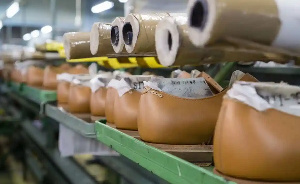
In a significant development, a state-of-the-art $20 million shoe factory aimed at producing shoes for both the local Ghanaian and international markets has been officially inaugurated on Tuesday.
The project, initiated and financed by World Shoe Inc, an American business organization, is situated on the premises of Akosombo Industrial Company Limited (AICL), formerly known as Akosombo Textiles Limited (ATL), located in the Asuogyaman District within the Eastern Region.
This cutting-edge factory boasts the capacity to manufacture five million EVA plastic shoes annually and is expected to provide employment opportunities for approximately 1,050 individuals.
The inauguration of this factory was a milestone event, attended by the Paramount Chief of the Akwamu Traditional Area, Odeneho Kwafo Akoto III.
He expressed the belief that the establishment of this factory would significantly contribute to job creation, ultimately leading to improved socio-economic conditions within the traditional area and an enhanced standard of living for its people.
Odeneho Kwafo Akoto III underscored how this factory aligns with his vision to address illiteracy and poverty in the Akwamu Traditional Area. He emphasized that economic empowerment would play a vital role in accelerating the development of the region.
The President and Chief Executive Officer (CEO) of World Shoe Ghana Factory, Dr. Emmanuel Manny Ohonme, revealed that a substantial investment of about $20 million had been made in the factory. The factory is anticipated to produce five million plastic shoes annually, catering to both the domestic and international markets, including the United Statesand Europe.
Dr. Ohonme highlighted the health and anti-microbial properties of the EVA plastic used in the shoes, promoting the well-being of users. Additionally, he emphasized that these shoes were crafted from biodegradable materials designed to degrade within fifteen years after use, contributing to environmental sustainability.
Dr. Benjamin Kojo Taylor, President of World Shoe Limited, emphasized the potential of Ghana to achieve its vision of industrialization through manufacturing.
He pointed out the significant opportunities Ghana holds with its educated workforce, youthful population, and cost-effective labor. Dr. Taylor highlighted the lucrative global shoe industry, emphasizing that Ghana could emulate the successes of countries like China, India, and Vietnam by leveraging this sector to boost the economy and create jobs for the youth.
In conclusion, he appealed to the government to utilize its purchasing power to support the thriving success of the company.
Dr. Philip Osafo-Kwaako, Director of AICL, noted the company’s diversification from textiles into other manufacturing products as part of its strategy to ensure profitability and sustainability.
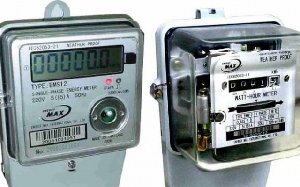
In an effort to combat the sale and use of unapproved meters in the country, Dr. Ishmael Ackah, the Executive Secretary of the Public Utilities Regulatory Commission (PURC), has urged the Electricity Company of Ghana (ECG) to ensure that meters, an essential commodity, are readily available to customers.
He pointed out that some Ghanaians resort to illegal connections for electricity and water services because they believe that ECG and the Ghana Water Company Limited are unresponsive to their requests for meters or assistance when they encounter issues.
During an interview with Joy News, Mr. Ackah stated, “When it comes to illegal activities, some individuals even resort to illegal water connections.
Such actions are in violation of the criminal code as they amount to theft. However, we also encourage the ECG and Ghana Water to make meters accessible to consumers, as this is a common challenge raised by consumers.
They should expedite the process of connecting consumers.”
Regarding water treatment, the PURC Executive Secretary highlighted that the cost of production has increased significantly due to the use of polymer in the water treatment process.
He mentioned that polymer is four times more expensive than the alum previously used by the Ghana Water Company Limited (GWCL).
“Ghana water was using alumbut now they have moved to use polymer, but it is four times more expensive than alum. It means the cost of production has gone up and it will cost four times more to treat water. And this is all because of the Galamsey. In some areas, we have to treat muddy waters to make it clean for consumers,” Mr Ackah said.
The Electricity Company of Ghana reportedly incurred a revenue loss of GH¢2.8 billion, primarily as a result of unauthorized power connections made by certain individuals in the country.
Minister of Information Kojo Oppong Nkrumah has announced that President Nana Addo Dankwa Akufo-Addo has instructed the Ministry of Food and Agriculture to implement measures aimed at keeping food prices affordable.
He also highlighted that efforts would be made to reduce the transportation costs associated with delivering food to various markets, with the goal of curbing the rising food prices that consumers are currently grappling with.
During an interview with the Daily Graphic, Oppong Nkrumah stated that these actions were intended to lower the inflation rate, thus contributing to a more robust local economy.
In September 2023, Ghana’s inflation rate decreased from 40.1% in August to 38.1%, indicating a decline in the general price level compared to the previous month, which had increased the cost of living for Ghanaians.
Data from the Ghana Statistical Service reveals that both food and non-food inflation rates decreased in September.
Food inflation dropped from 51.9% in August 2023 to 49.4%, while non-food inflation decreased from 30.9% in August 2023 to 29.3%. Locally produced items had an estimated inflation rate of 37.3%, while imported products stood at 39.9% while that of imported products was 39.9%.
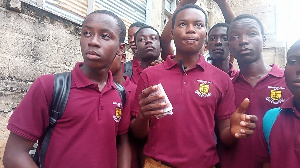
Students affected by a recent fire outbreak at SIMMS Senior High School on Friday have voiced their opposition to the school authorities’ decision to have them sleep in classrooms.
The students expressed concerns that their difficulties would intensify if they were compelled to sleep in classrooms infested with mosquitoes and other unfavorable conditions.
During an exclusive interview with GhanaWeb, the distressed students appealed to the school authorities, teachers, and other stakeholders to allow them to leave the campus for a period before returning to school.
This directive was issued after the visit of the Kwabre East Municipal Director of Education, Baffour Adu Asare, who encouraged the school authorities to temporarily permit students to use the classrooms.
The director of education visited the scene to offer support and consoled both teachers and affected students. He also urged teachers to compile a list of all affected students and document the items they lost.
While encouraging teachers to provide psychological support to the affected students, he reminded the students that they were not facing this challenge alone.
However, in response to the directive to use the classrooms for a temporary period, the concerned students vehemently opposed the decision, fearing that it would only exacerbate their difficulties.
“How can we sleep in classrooms which are full of mosquitoes?”
“We are going to use these classrooms in the night, and the next morning, we may be forced to park our things to pave the way for classes. That is very stressful, isn’t it? We are begging them to allow us go home for some time,” the students justified.
During the fire outbreak at SIMMS Senior High School on Friday, several items, including mattresses, chop boxes, bedsheets, trunks, and an undisclosed amount of cash, were consumed by the flames.
Despite the quick response of fire officers to the scene, the cause of the outbreak has not yet been determined.
Several students who shared their thoughts with GhanaWeb attributed the incident to the outdated wiring system in the dormitory.
“We had been complaining severally about the wiring system that had become very old and a death trap,” they said.
Iran has issued a warning that an Israeli ground incursion into Gaza could lead to an escalation of conflicts throughout the Middle East.
These statements were made during a meeting between Iran’s Foreign Minister, Hossein Amirabdollahian, and Qatar’s Emir, Sheikh Tamim bin Hamad Al-Thani, according to the AFP news agency.
“No-one can guarantee the control of the situation and the non-expansion of the conflicts,” he said, according to an Iranian foreign ministry statement.
Amirabdollahian said anyone who is interested in preventing the current crisis from growing must prevent the “current barbaric attacks” by Israel against “citizens and civilians in Gaza”.
The Iranian official further expressed disapproval of the United States for its unwavering support of Israel.
Iran’s chief diplomat visited Qatar over the weekend as part of a regional tour that encompasses trips to Iraq, Lebanon, and Syria.
During his visit to Qatar on Saturday, he also held a meeting with Hamas’s leader, Ismail Haniyeh, who is currently based in the country.
Despite the economic challenges besetting Ghana, resulting in significant hardships across the country, certain enterprises have nonetheless achieved success, witnessing unprecedented levels of patronage.
These businesses, though not falling under the formal sector, are thriving, yielding considerable benefits for those involved.
The swell in customer support for these businesses, culminating in substantial profit margins, is due to a variety of factors.
The media spotlight five such businesses, exploring the reasons for their newfound prosperity.
Kosua ne Meko (Egg with Pepper)
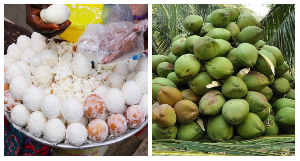
Unquestionably the burgeoning favourite, boiled eggs served with a pepper sauce have surfaced as the most cherished delicacy among Ghanaians lately.
Rarely can one traverse 200 metres without spotting a vendor peddling this celebrated dish of egg and pepper sauce.
Its popularity has soared to such heights that it attracted the New York Times’ interest, prompting a feature dedicated solely to it.
The escalating appeal and demand for “kosua ne meko” are predominantly due to its mouth-watering flavour. It’s so irresistibly tantalising that one serving might leave you yearning for more.
Prices currently fluctuate, ranging from GHC2.50 to GHC4, subject to your location.
Fresh Coconut
Amid the expanding awareness of the health benefits tied to coconuts, their popularity has ascended steadily. Coconuts are lauded for their beneficial effects on weight management, cholesterol, and sugar levels, resulting in heightened patronage.
This upsurge in the demand for fresh coconuts has fostered a flourishing market, especially in metropolitan areas.
Courier Businesses
A derivative of the Covid-19 economy, the courier sector is undergoing swift expansion. This surge is fuelled by the growing tendency of consumers to opt for home deliveries of their acquisitions, sidestepping the inconvenience of physical travel for shopping.
Moreover, strenuous economic circumstances have compelled numerous formal sector workers to seek remote and supplementary sources of income. Due to their packed schedules, they frequently cannot manage personal deliveries to their clientele, precipitating a dependence on delivery services. This pattern has catalysed a booming market for the courier industry.
Social Media Influencing/Content Creation
In the current digital realm, virtually everyone has evolved into a content creator. The array of benefits offered by social media firms, encompassing financial incentives, fame, enhancement of personal reputation, and self-marketing, has spurred a massive wave of individuals to initiate their journeys in content creation.
They produce content over a spectrum of social media outlets, aiming to secure audience engagement, which subsequently may translate into lucrative brand influencer contracts and remunerations from the platforms themselves.
Currency Traders
With a mounting tally of forex bureaus ceasing operations, the informal currency exchange enterprise is prospering.
The intensifying allure of international travel has spurred a need for currency exchange services. Rather than choosing established banks and authorised forex bureaus, numerous individuals now prefer informal, unlicensed currency exchangers, believing their rates present superior value compared to the formal sector.
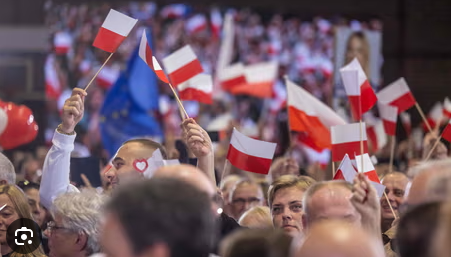
Poland’s parliamentary election is underway, with the ruling Law and Justice (PiS) government vying for a third term while facing off against an opposition led by former prime minister and European Council president, Donald Tusk.
Pre-election polls indicate a tightly contested race, where the ability to form a government may hinge on smaller parties’ results. Both sides frame the vote as vital for Poland’s future.
PiS, which has governed for eight years, has made significant changes, including controlling public television, limiting abortion rights, and targeting LGBTQ+ individuals, migrants, and refugees. They have also clashed with the European Union over rule of law issues, leading to frozen European funding.
PiS’s campaign plays on populism, emphasizing their ability to protect Poland from a perceived refugee “invasion.” They have consistently criticized Tusk as a foreign puppet. Jarosław Kaczyński, PiS’s leader, framed the election as a choice between Polish governance or foreign influence from Berlin or Brussels.
Long lines formed in Warsaw, where the opposition holds strong support, while PiS’s base is in smaller towns and rural areas. In the Wola district, opposition voters expressed confidence in their chances of unseating PiS.
“I saw a lot of young people, more than four or eight years ago, which makes me optimistic,” said Pawel, 46, who had voted for Tusk’s Civic Coalition. At the same polling station Maciej, 78, said the stereotype that older people supported PiS was not true. “There are plenty of us who know how to think,” he said, tapping his forehead.
In the Gocław district, Grażyna, aged 77, cast her vote for PiS, believing it to be the “fairest” among all parties. She expressed hope that PiS would continue improving Poland, following a 20-minute wait in line.
In addition to the election, the government is conducting a referendum with four key questions, two of which pertain to migration. One question queries people’s agreement with “the admission of thousands of illegal immigrants from the Middle East and Africa.”
The referendum is seen as a means to increase PiS’s voter turnout and potentially bypass electoral funding restrictions. The opposition has advised its supporters to request only an election ballot and abstain from the referendum, which requires a 50% turnout to be valid.
The final election outcome may hinge on the performance of three smaller political groupings. The left-wing Lewica and center-right Third Way are expected to form a coalition with Tusk’s Civic Coalition, provided they can collectively secure the 231 seats required for a majority in the lower house of parliament.
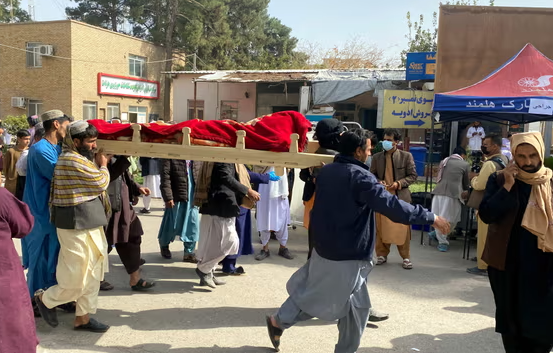
A potent 6.3-magnitude earthquake has struck western Afghanistan, occurring just over a week after a series of strong earthquakes and aftershocks caused significant casualties and flattened entire villages in the same region.
According to the US Geological Survey, the latest earthquake had its epicenter approximately 21 miles (34km) outside Herat, the provincial capital, with a focus 5 miles beneath the surface.
Doctors Without Borders, an aid organization, reported two fatalities, and Herat regional hospital received over 100 individuals injured in Sunday’s earthquake.
Mohammad Zahir Noorzai, the head of the emergency relief team in Herat province, indicated that one person had lost their life, and nearly 150 others were injured. He also mentioned that casualty numbers might increase as they were yet to reach all affected areas.
Sayed Kazim Rafiqi, a 42-year-old resident of Herat city, described the unprecedented devastation, with most houses damaged and the population gripped by fear. In response, Rafiqi and others rushed to the hospital to donate much-needed blood.
“We have to help in any way possible,” he said.
On October 7th, a series of earthquakes decimated entire villages in Herat, constituting one of the most devastating seismic events in the country’s recent history.
UN officials disclosed that over 90% of the casualties a week ago were women and children.
Taliban representatives stated that the prior quakes resulted in more than 2,000 fatalities throughout the province. The epicenter was located in Zenda Jan district, where UN statistics indicate that 1,294 people lost their lives, 1,688 sustained injuries, and every residence was razed.
The initial earthquake, coupled with numerous aftershocks and a subsequent 6.3-magnitude quake on Wednesday, laid waste to villages, reducing hundreds of mud-brick homes to rubble. Additionally, schools, healthcare facilities, and other vital structures in the villages succumbed to the powerful forces.
Following this devastation, little remained of the villages nestled in the region’s arid hills aside from debris and the somber proceedings of funerals. Survivors are grappling with the profound loss of family members, and in many locations, those who remain are outnumbered by volunteers who have arrived to assist in sifting through the wreckage and organizing mass burials.
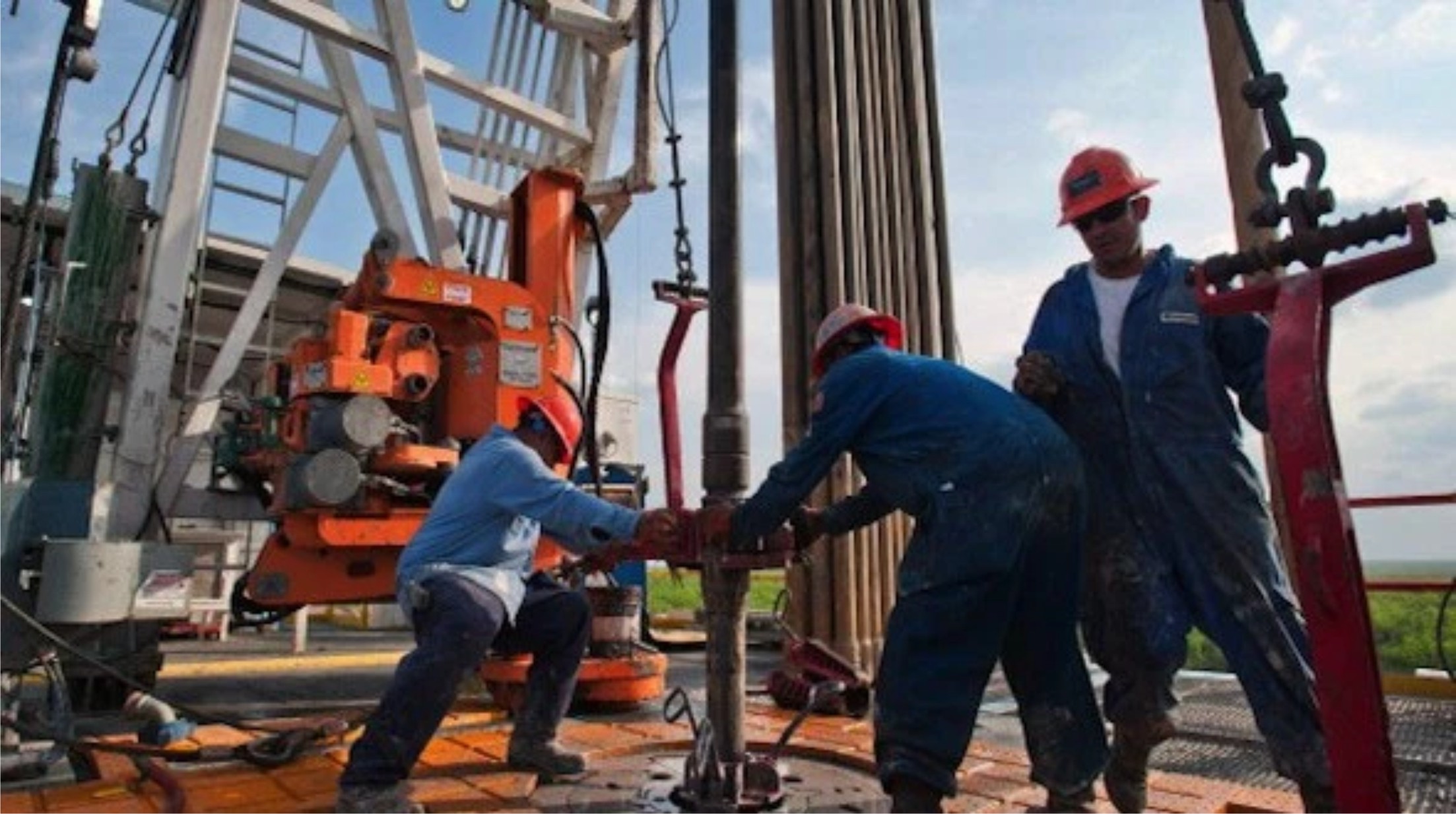
On Friday, the Federal Government disclosed that Nigeria’s oil production has risen to approximately 1.7 million barrels per day, marking a significant increase from the 1.1 million barrels per day recorded in August 2023.
Heineken Lokpobiri, the Minister of State for Petroleum Resources (Oil), made this announcement during a media briefing at his office in Abuja on the same day.
He said, “We have a sole agenda and it is to increase crude oil production. Once you increase production there will be more revenue for Nigeria and that is the recipe to virtually all the problems we have in this country.
“You know that Nigeria is very dependent on oil, even our budget is always predicated on how many barrels of oil we produce. Although the non-oil sector is thriving, for us to solve our problems we need to earn enough forex.
“And substantial part of our forex comes from the oil sector. So my ambition is to see how I can lead the sector to increase production and how we can get more revenue to be able to fund strategic national projects.
“We are already increasing production steadily. As at August it was about 1.1mbpd, but as at today it has increased to between 1.3 and 1.4mbpd exclusive of condensates, if you include condensates it will be about 1.7mbpd.”
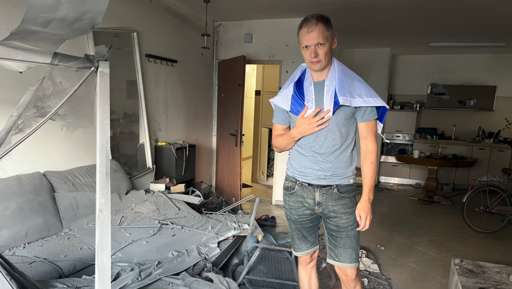
The air raid sirens in Ashkelon sometimes seem to never end. Rami Safon discovered to take them all seriously.
“There were about 10 sirens so I decided to leave our safe room for a coffee, but my wife pulled me back.”
A rocket struck their sixth-floor apartment, causing extensive damage. The impact blew a hole in the balcony and shattered glass from the front picture window to the kitchen cabinets in the rear.
The rocket fire from nearby Gaza is haphazard and non-discriminatory. Remarkably, Rami’s apartment is the sole one struck in this cluster of modern high-rises in an Ashkelon neighborhood.
A drive through other areas reveals the effects on a few additional blocks. The city of Ashkelon, with a population of nearly 150,000, has seen over two-thirds of its residents leaving. In this charming coastal city in southern Israel, about half of the population, including Rami’s family, hails from Russia and former Soviet-bloc states.
When asked about the fatalities and destruction on the other side of the border in Gaza, Rami’s voice takes on a more stern tone.
“Of course I am very sorry. Unfortunately, the war inflicted on us cannot be fought with silk gloves. Hamas is the new ISIS.”
The United States has issued a caution that an intensification of the conflict between Israel and Hamas may open the door to direct involvement by Iran.
In an interview with the BBC’s American affiliate, CBS News, White House National Security Advisor Jake Sullivan expressed concerns about the potential creation of a new theater of conflict on Israel’s northern border with Lebanon.
“We can’t rule out that Iran would choose to get directly engaged some way. We have to prepare for every possible contingency,” he said.
Incidents of cross-border gunfire have occurred involving Israeli forces, Palestinian militant groups, and the Iranian-backed militia group Hezbollah in southern Lebanon.
The Israel Defense Forces (IDF) has confirmed that there are currently 126 Israeli hostages in Gaza.
Hamas had previously asserted that 13 hostages were killed in Gaza due to Israeli airstrikes, noting that among the casualties were foreigners, without specifying their nationalities.
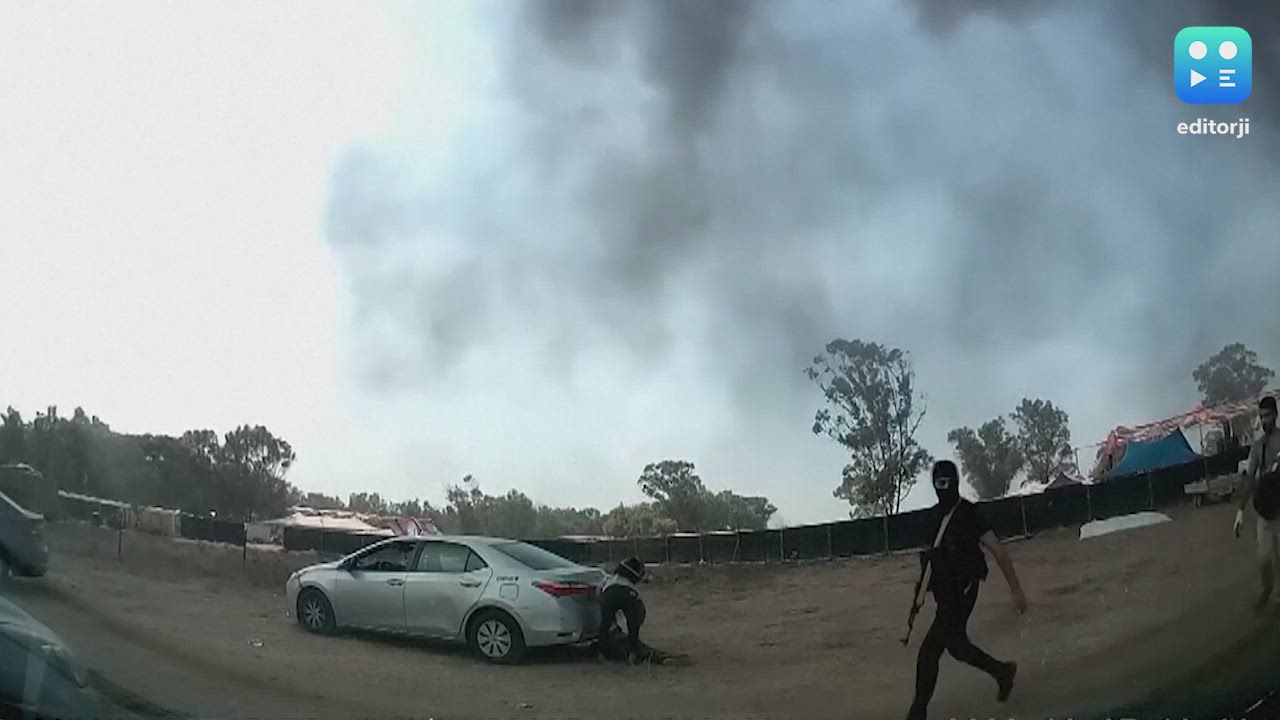
According to Reuters, the Israeli military has reported that at least 279 of its soldiers have been killed since October 7, when Hamas initiated its attack on southern Israel.
The total number of Israeli casualties has been cited as over 1,300 fatalities.
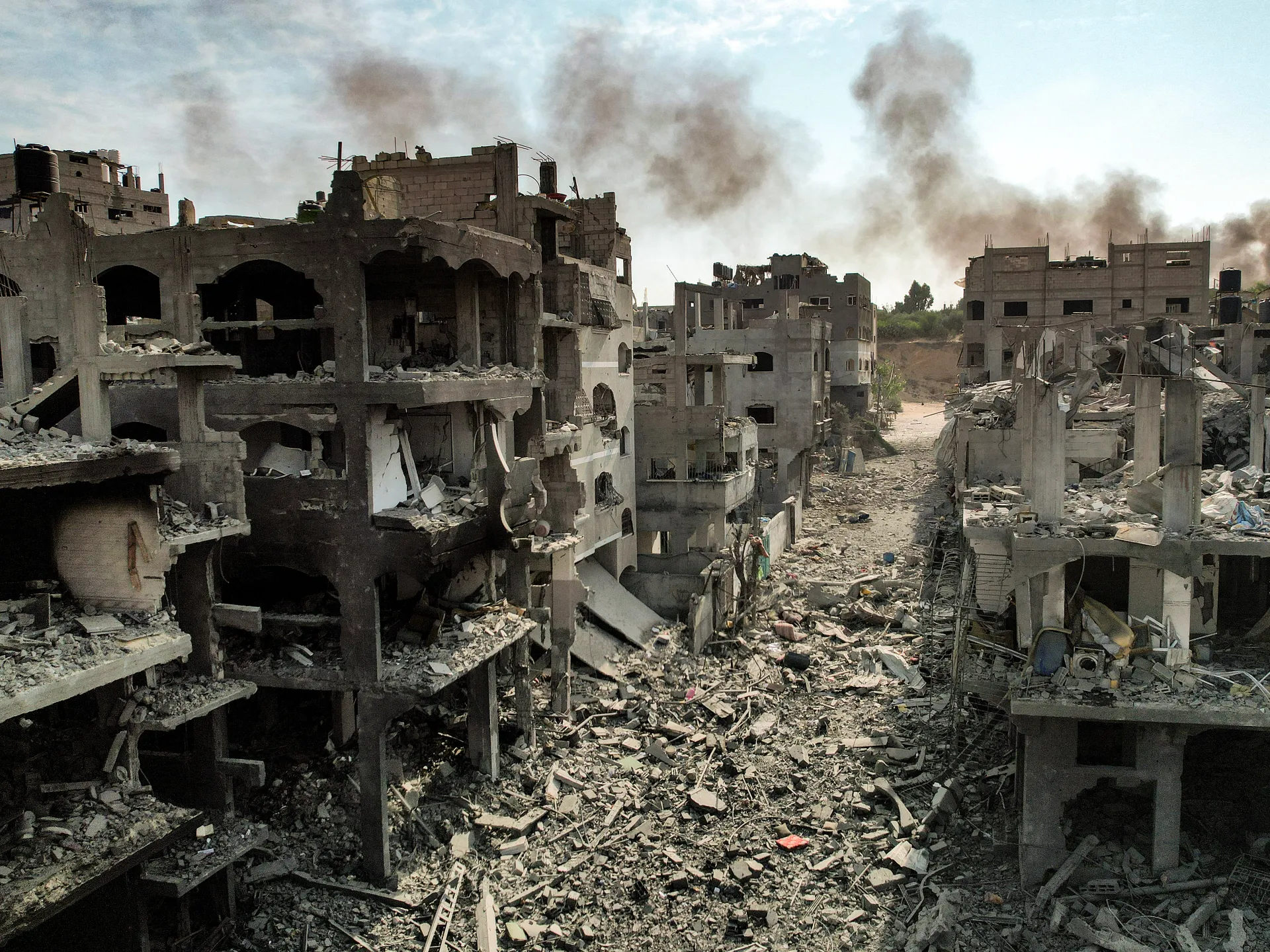
Gaza’s health ministry has stated that more than 2,300 people have lost their lives in Israel’s bombing campaign in the Gaza Strip since the Hamas attack.
Doctors have raised concerns about the potential for thousands more deaths as medical facilities in the territory face shortages of fuel and supplies.
National Media Commission (NMC) has stressed the need for a different approach in addressing the persistent attacks on media and journalists in Ghana if the issue is to be effectively eradicated.
The commission claims that the current method, which involved mediating between victims and perpetrators, was counterproductive and had, in fact, emboldened further attacks on journalists. Mr. George Sarpong, the Executive Secretary of the NMC, speaking on Joy FM’s Newsfile, advocated for a more direct approach to combat this problem.
He stated, “I think that we’ve reached a point where a more direct approach should be our strategy. At the NMC, we’ve concluded that mediation in these matters hasn’t benefited individuals, society, the journalism profession, or changed behaviors. Thus, all of us need to change our approach.”
Mr. Sarpong addressed the recent assaults on the media perpetrated by supporters of both the New Patriotic Party (NPP) and the National Democratic Congress (NDC).
On Saturday, October 7, 2023, around 30 NPP supporters stormed the studios of United Television (UTV), disrupting a live program. This incident resulted in the arrest of 16 of the intruders by the Ghana Police Service.
In a similar occurrence barely a week later, on Friday, October 13, 2023, a group of enraged NDC youth attacked the Greater Accra Regional Office of the party to express their dissatisfaction with an intraparty electoral process in the Odododiodio Constituency. Their actions resulted in damage to the party’s office and an assault on a journalist from Accra-based Citi FM/TV.
Mr. Sarpong observed that these attacks on the media persist due to the lenient approach with which such incidents have been managed.
“If you recall, one of the most dastardly attacks on media under the fourth republic, very early in the life of the Constitution was what we all referred to as ‘shit bombing’ of Kweku Baako’s offices. At the time, all of us were outraged because of the dirtiness of it and the attack, but even then, the perpetrators strode through the night to do so because they were afraid to own up to this really terrible behaviour. “So, if people walk through a studio broad day light, I mean, in broad light, but also know that the cameras are on and did not fear to be captured on television and also make the case of claim that they made, it suggests to you that we are getting into an area that perhaps, we need to change tactics in terms of how we address these issues. “I strongly believe that anybody who is involved in these things ought to be punished, but beyond that there is also the bigger question about how do we address the peculiar needs of victims of attacks,” he said.
During the same program, Investigative Journalist Mr. Manasseh Azure Awuni emphasized the necessity of channeling all efforts into the prosecution of those responsible for the attacks. He stressed that such legal action would serve as a strong deterrent to individuals with similar intentions.
President of the Ghana National Association of Private Schools (GNAPS), Professor Damasus Tuurosong, has urged the Ministry of Education to eliminate the 30% priority placement policy for public schools.
He criticized the policy, labeling it as discriminatory and a means to prevent private secondary schools from admitting high-achieving Basic Education Certificate Examination (BECE) candidates.
Speaking at the 29th General Conference of the Association in Bibiani, Western North Region, themed “Quality, Equity, and Access: the Right of the Private School Child,” Prof. Tuurosong emphasized that this policy was detrimental to private schools, leading to declining enrollments.
He highlighted the vital role of private schools in providing education in communities lacking access to quality education.
Prof. Tuurosong also underscored the contribution of private schools in reducing unemployment by employing young graduates and qualified personnel as teachers.
He called for equal government support for private schools, similar to what public schools receive, to ensure their sustainability.
Nana Kwadwo Somiah II, the Chief of Sefwi Ntakamu and event chair, emphasized the importance of government support for private schools to enable them to continue delivering quality education in the country.
The two-day annual general conference aimed to assess members’ performance and strategize for the upcoming year, drawing participation from private school heads across all 16 regions.
Husam Zomlot, the head of the Palestinian Mission to the UK, characterizes the present situation in Gaza as one marked by “horrors” and a high level of violence.
Zomlot officially represents the Palestinian Authority (PA), which administers certain areas of the Israeli-occupied West Bank, while Hamas maintains control over the Gaza Strip.
During an interview on the BBC’s “Sunday with Laura Kuenssberg” program, he calls on the UK government to adhere to its historical, legal, and political obligations and to cease granting implicit approval to the Israeli government.
When repeatedly questioned about support for Hamas in Gaza, Zomlot asserts that most people do not align themselves with a particular political faction. For those who do, he contends that the majority align with Fatah, which governs the PA.
Senior adviser to the Israeli Prime Minister, Mark Regev, has dismissed criticisms from humanitarian organizations regarding Israel’s actions possibly constituting war crimes.
Amidst Israel’s military offensive in the Gaza Strip, where more than 2,300 people have lost their lives, Israel made the decision to cut off power and water to Gaza. The airstrikes came in response to a recent attack by Hamas, which resulted in over 1,300 casualties in Israel.
When questioned about the casualties in Gaza, Regev disputed the reported numbers, attributing them to Hamas. He argued that there was no clear differentiation between combatants and civilians.
Recently, the BBC corroborated a video displaying the aftermath of an attack on a convoy of civilians attempting to escape northern Gaza.
The footage showed at least 12 bodies. While Gaza authorities claim it was an Israeli airstrike, Regev maintained that Israel does not intentionally target innocent civilians who are not involved in combat.
He suggested that some footage emerging from Gaza might be manipulated, though he did not delve into specifics.
Hamas, recognized as a terrorist organization by various countries, including the UK and the US, has urged Palestinians to disregard Israel’s evacuation directives for northern Gaza.
28-year-old Dr. Muhammad Ghuneim, serves as an emergency physician at the Al-Shifa medical complex, which stands as the largest hospital in the Gaza Strip.
He reveals that, much like nearly all the hospital staff, he has been unable to leave the premises since the bombardment commenced a week ago.
“All the staff need to go home to see their families, but they can’t because of the number of people coming in that need help. They are checking every single ambulance to see if anyone from their neighbourhood.”
He mentions that roughly 60% of the incoming casualties at the hospital are women, children, and the elderly. Furthermore, the hospital is facing a critical shortage of medical supplies, and they anticipate that the fuel to power the generators will be depleted today.
“That means no surgeries, no oxygen for patients. We feel so helpless, like we can’t do anything.”
Dr. Ghuneim, who pursued his medical studies in Aberdeen, Scotland, but has spent his entire life in Gaza, expresses a complete lack of desire to depart.
“We don’t need a path to leave Gaza. We just need a humanitarian path to support Gaza with medical supplies and humanitarian aid.”
“I am calling every single human in the world – to protest in the street, and ask your government to help stop this aggression,” he says.
The Federal Government’s decision to persist with borrowing funds, despite the escalating and unsustainable debt burden, is causing apprehension among financial experts and various stakeholders.
According to the Debt Management Office (DMO), Nigeria’s total public debt had surged to N87.38 trillion by the end of the second quarter of the current year.
This signifies a significant increase of 75.29 percent, or N37.53 trillion, when compared to the N49.85 trillion recorded at the end of March 2023.
Further data from the DMO reveals that Nigeria’s total domestic debt stands at N54.13 trillion, while its total external debt is N33.25 trillion. Domestic debt accounts for 61.95 percent of the total debt, with external debt making up the remaining 38.05 percent.
The DMO, in its 2022 Debt Sustainability Analysis Report, cautioned that the Federal Government’s projected revenue of N10 trillion for 2023 would not be sufficient to support additional borrowings.
It expressed concern that the projected government debt service-to-revenue ratio of 73.5 percent for this year is exceedingly high and poses a threat to debt sustainability. The report emphasized that the government’s current revenue profile cannot sustain higher borrowing levels.
“Of course, this is true, the debt burden of Nigeria is clearly unsustainable right now and the government needs to slow down on borrowing,” the Chief Executive Officer, Centre for the Promotion of Private Enterprise, Dr Muda Yusuf, stated.
However, in spite of the apprehensions voiced by both the DMO and analysts regarding the nation’s debt, a recent October report by the local media, revealed that the Federal Government is presently in discussions with the World Bank for a new $1.5 billion loan.
According to the report, this loan, referred to as HOPE (Nigeria Human Capital for Opportunities and Empowerment), derives its name from information acquired from the website of the Washington-based institution.
It stated that the objective of the loan was “to strengthen systems for improved delivery of basic education and primary health services in participating states.”
The loan is meant to be implemented in 2024 pending approval by the board of the World Bank Group. The report also stated that there was another loan titled, ‘Nigeria Macro-Fiscal Reforms for Economic Stability and Economic Transformation’.
The report mentioned that there are additional loan projects currently under discussion. These encompass a $300 million project aimed at addressing the needs of internally displaced persons and host communities, a $500 million project to expand rural access and agricultural marketing, a $750 million project focused on increasing distributed access to renewable energy in Nigeria, a $700 million project designed to support sustainable power and irrigation in the country, and a $500 million project for accelerating resource mobilization for reforms (PforR).
The outcome of these discussions will determine whether these loans will be approved or rejected. According to the report, Nigeria has secured a total of $1.95 billion in loans from the World Bank during the first four months of President Bola Tinubu’s administration.
These loans include, a $750 million loan approved on June 9, 2023, to enhance Nigeria’s power sector, a $500 million loan approved on June 22, 2023, to support women’s empowerment initiatives in the country and a $700 million loan approved on September 21, 2023, to improve adolescent girls’ education and empowerment.
Commenting further on the development, Yusuf said, “We cannot continue like this. Our debt level has reached a point now that is clearly unsustainable. You know our debt profile now is over N87tn, and the DMO has added the Ways and Means advances that were securitised. So, the thing has jumped to over N87tn.
“And the debt service burden is still extremely heavy; almost 100 per cent of our revenue. So, the debt situation is extremely bad. Therefore, this is not the time to borrow for projects that cannot significantly add value to productivity.”
Yusuf pointed out that the administration of former President Muhammadu Buhari negotiated some loans with the World Bank before he left office. He, however, stated that if the current government must borrow, it should not be for servicing recurrent expenditures, but must be targeted on capital projects that would attract income.
“Personally I don’t think this is the right time to be borrowing that kind of money (the $1.5bn loan). We need to be very careful about the way we go about borrowing, given the enormity of the debt service burden, the current size of our debt, and our very limited capacity to service both domestic and external debts.
“If we must borrow, it should be something that can support real productivity in the economy. I’m not saying education is not important, but we should be looking at more structural issues. You are dealing with an infrastructure deficit and a problem of logistics, these things make productivity to be extremely low, thereby affecting the competitiveness of our economy. So, they are much more fundamental,” the CPPE boss stated.
On Ways and Means financing of fiscal deficit, he said, “Ways and Means finances of the Central Bank of Nigeria must be kept within statutory limits to avoid the damaging impacts of high-powered money on the macroeconomic environment. The experience of the last few years must not be allowed to repeat itself.”
Also commenting on the issue, a former President of the Association of National Accountants of Nigeria, Dr Sam Nzekwe, wondered how the government would be able to raise funds to pay the additional N35,000 that it promised civil servants.
“The Tinubu government has not settled down to actually see the direction the economy is going. They have promised to pay an additional N35,000 to each civil servant. But the question is where will they get the money? That announcement has no backing of any appropriation. So, one may think that maybe they will come up with an appropriation to cover that. Several other pronouncements had been made as well, without any appropriation backing them.
“Now all these things require money, but where are they going to get money to finance them? Is it by borrowing? If you borrow to finance all these things, it means you are now financing recurrent expenditure, which is too bad because it is not taking us anywhere,” Nzekwe stated.
The former ANAN president stated that though he was not totally against the act of borrowing by the government when such funds were acquired, they should be deployed into capital projects.
“I am not totally against borrowing, but it should be for capital development. Is it to finance roads, infrastructure, or which capital project? But if the money goes to recurrent expenditure, then it is too bad,” he stated.
On his part, the Secretary of the Independent Petroleum Marketers Association of Nigeria, Abuja-Suleja, Mohammed Shuaibu, said the government would have reduced its borrowings had it been Nigeria’s refineries were working.
“Recently, the NNPCL said it secured a $3bn loan to help the local currency and boost activities in the oil sector. There wouldn’t be a need for such a level of borrowing if our refineries were working. The government should work hard to get our refineries working. It will save Nigeria a lot of funds. It will reduce the pressure on our forex. It will create jobs and guarantee the supply of refined products. Marketers will stop chasing dollars for imports.
“The gains are enormous. So, if they really want to reduce the level at which they go about borrowing billions of dollars, one sure way to help in doing that is by ensuring that our refineries are brought back on stream fast,” Shuaibu stated.
He said it was high time the Federal Government realised that the huge foreign exchange expended in importing refined petroleum products was not only depleting the country’s forex but was affecting revenues accruable to both investors and the government.
“So as we strive to cut down on our excessive borrowing as a country, we must also strive to reduce the amount of forex that we send out to other nations through the imports of petroleum products,” the IPMAN official stated.
Offering his perspective on the issue, Chief Chinedu Ukadike, the National Public Relations Officer for IPMAN, highlighted that the government’s failure to address certain critical issues in the oil sector has had adverse effects on the country’s income.
He further noted that this situation has been a contributing factor to the ongoing borrowing by the government and emphasized the importance of addressing these challenges to enhance the government’s financial stability.
“Had it been our oil industry is doing well and supplying the required revenue, I don’t think the government would be borrowing that much. We import refined petroleum products and spend billions of dollars on them when we have refineries.
“I remember that in one of my interviews, I encouraged the President to declare a state of emergency in the refineries, so as to ensure that our four refineries in Nigeria begin to work. Nigeria is heavily dependent on the importation of petroleum products.
“You will also agree with me that petroleum products drive the economic activities of this country and any little increase in petroleum product prices leads to galloping inflation, which ultimately affects domestic production and the prices of goods,” he stated.
Ukadike added, “Nigeria has spent trillions of naira on subsidy, billions of naira on logistics, etc. It is very unfortunate that up till now, we’ve not been able to deliver at least one refinery. So, why won’t the government borrow, when we spend trillions importing petroleum products?”
Nonetheless, he encouraged the government to address the issues within the oil sector, as doing so would not only bolster revenue but also result in a decreased reliance on borrowing by Nigeria.
“In the domestic distribution of petroleum products, we’ve lost all the pipelines. We lost those along the waterways; we lost those in the hinterland. It is becoming increasingly difficult for Nigeria to meet its crude oil production quota, which is due to the vandalism of pipelines.
“When you come internally, all our 21 depots are networked to our refineries. We have lines that pump products from refineries to various depots. The way it was designed, pipelines are supposed to send products from the Port Harcourt refinery even up to Makurdi. But now, all those pipelines are obsolete.
“Many of them cannot even pump up to 3km, while these are pipelines that are supposed to supply petroleum products to between 400 and 500km. But right now, they cannot supply to 1km even within the radius of the refineries because of lack of production. All these should be fixed to help increase revenue to both government and private businesses,” Ukadike stated.
In the meantime, the head of CPPE emphasized that the inherent instability in the foreign exchange market has been a source of concern, significantly influencing the difficulties that have led to the government’s heightened borrowing activities.
“But it is not unexpected, given the long period of distortions in the foreign exchange market. Correcting the entrenched distortions would take some time. But in the meantime, the monetary authorities should come up with a sustainable intervention framework to ensure the moderation of current volatility in the forex market.
“We recognise the forex supply limitations, but the system needs to be managed in a way that it will not undermine investors’ confidence. The erosion of confidence triggers speculation and influences expectations which in turn trigger diverse responses among economic players,” Yusuf stated.
Nevertheless, given the array of economic policies pursued by the government, only time will reveal whether it will come to recognize that engaging in further borrowing may ultimately prove detrimental to the nation. Additionally, leadership should remain mindful of the fact that resorting to borrowing to cover recurring expenses can be deleterious to any economy.
African governments and stakeholders are confronted with the harsh realities of climate change variations, unsustainable energy supply, and escalating unemployment as they seek economic solutions.
Climate change and its devastating consequences for livelihoods have taken the forefront in the agendas of governments and development partners. The cost of mitigating, adapting to, and responding to climate change’s devastating impacts is in the billions of dollars. Out of the 20 most vulnerable countries to climate change worldwide, 16 are situated in Africa. Paradoxically, Africa is the least contributor to greenhouse emissions responsible for climate change.
Presently, nearly 600 million Africans still lack access to electricity, which is more than 1.3 times the population of the European Union. As Africa’s economic growth continues and more people connect to the national grid, the demand for energy will inevitably increase, along with carbon dioxide (CO2) emissions linked to energy production.
Hence, while addressing the pressing energy needs remains a top priority, it is crucial to incorporate environmental and climate change considerations. This approach will enable the continent to make a gradual shift toward sustainable, low-carbon economic growth and embrace a greener economy.
Green technology provides policymakers with a sustainable pathway for growth, simultaneously creating employment opportunities, particularly for the youth. Deloitte’s estimates project that by 2050, over 300 million additional “Green Collar” jobs could be generated. Given that green technologies span across multiple sectors, integrating them into national growth policies would open up numerous job prospects. Sectors like renewable energy, transportation, smart agricultural systems, and eco-friendly construction rely on green technologies to promote climate resilience and adaptation.
Promisingly, both government and private sector stakeholders are increasing their investments in addressing climate change. For instance, during the recent Cop27 conference, pledges exceeding US$230 million were made to the Adaptation Fund, and the African Development Bank Multi-donor Trust fund stands at US$25.71 million. Furthermore, private companies are actively financing clean technology and climate resilience initiatives.
Seizing the green technology opportunity in Africa: the policies needed
Policymaking assumes a pivotal role in positioning Africa as a frontrunner in green technology. By embracing the provided policy recommendations, Africa can harness both existing and emerging green technologies to address its challenges related to climate, energy, and unemployment.
One crucial step is to introduce green budgeting practices for both government and donor funding, thereby supporting innovative green growth. Governments, as the primary spenders in many developing nations, have the potential to drive sustainable change by adopting green budgeting and financing strategies.
This entails prioritizing investments in green projects and integrating environmentally friendly considerations into infrastructure and program financing.
This approach can create a heightened demand for green technologies, prompting both established companies and new entrants to develop the necessary expertise to meet this demand.
Furthermore, development partners play a significant role in financing government budgets and development projects. These partners are recommended to support projects with green growth as their foundation directly. This approach addresses climate challenges and creates direct and indirect opportunities for the youth. Donor partners should invest in and support green growth technologies and initiatives, particularly in priority sectors. By doing so, governments and development partners can drive the demand for green technologies and guide the private sector on required skills and projects to pursue.
Design new investment tools and mechanisms for innovators of green technologies
To stimulate the adoption of eco-friendly and climate-resilient solutions, there is a critical need for an ample supply of cost-effective, context-appropriate green technologies. Policymakers can facilitate this by forging partnerships with the private sector to create green innovation funds that promote research and development, aiding innovators in introducing their products to the market.
An illustrative example of such collaboration is the Rwandan Innovation Fund, which operates as a joint effort between the public and private sectors. This fund is dedicated to investing in innovations with a specific emphasis on sustainability. Notably, it has supported companies like Metro Mobility, facilitating the expansion of their low-to-zero vehicle subscription service across Africa.
By developing new investment initiatives targetting green solutions, companies operating in this sector can experience growth and generate both direct and indirect employment opportunities. Additionally, employees within these companies can acquire valuable on-the-job experience and develop their skills for future employment prospects.
Develop and expand climate change toolkits for training, fellowships and internship
While many governments may express their commitment to promoting green climate policies and technologies, there is a pressing need for enhanced technical expertise. The capacity to draft climate project proposals, develop training curricula, and establish fellowships demands a specific skill set that policymakers may still need to acquire. Therefore, it is imperative to create toolkits that can aid in conceptualizing climate-related outcomes and formulating policies geared towards job creation.
Policymakers should prioritize the provision of technical support in the planning and execution of green growth initiatives. This entails connecting these initiatives with skill development programs to generate employment opportunities. This approach enables the cultivation of the technical expertise necessary to access funding for green technology projects.
Furthermore, it’s essential to equip educators with the knowledge and tools required to design educational programs that effectively prepare young individuals to meet the demands of the growing green job market.
Realigning Technical and Vocational Education and Training (TVET) with Green Technology
The field of climate change and sustainability jobs is expanding rapidly, yet there is room for improvement in the skills required. The battle against climate change presents a multitude of career opportunities and attracts investments for startups and projects that address this global challenge.
However, only a fraction of individuals possess the necessary skill set to fully exploit these opportunities. The deployment of green technologies encompasses various fields, calling for the involvement of professionals from diverse backgrounds. This includes financial analysts, construction engineers, economists, and many others, each playing a vital role.
To tackle this issue, policymakers and donor partners should consider reorienting Technical and Vocational Education and Training (TVET) programs. These programs can offer short certification courses in green technologies, covering areas such as solar panel installations and repairs, smart home designs, and solar and electric mobility. By enhancing the skills of the existing blue-collar workforce in green technologies, we can effectively meet the surging demand for skilled labor.
Furthermore, the establishment of regional standards for training and certification would facilitate labor mobility across the African market. Leveraging existing knowledge through TVET programs for retooling could not only enhance labor skills for domestic use but also create opportunities for exporting labor to global markets.
Conclusion
African leaders should make investments in and bolster the capabilities of the youth to create innovative green technology solutions that cater to both local and international markets. With an increasing number of countries placing emphasis on green growth for climate and energy sustainability, Africa has the potential to convert its growing youth population into a hub of expertise for the development, implementation, and upkeep of green technologies.
The Chartered Institute of Supply Chain Management (CISCM) has called on the government to take legal action against those who mismanage and embezzle state funds, with the intention of discouraging misconduct in the public sector.
The institute emphasizes the necessity for the government to fully enforce existing laws to deter corruption in the public sector, especially given the economic challenges the country is facing in the aftermath of the global Covid-19 pandemic.
Mr. Richard Asante-Amoah, the Lead Executive of CISCM, made these remarks during the press launch of the 2023 CISCM recognition and dinner event held on Monday. He also advised members of the institute to uphold high standards of professionalism in their work.
The event is scheduled for January 13, 2024, and nominations are now open for individuals and institutions to submit their entries to the award committee.
Mr. Asante-Amoah stressed that members should adhere to the ethics and principles of their profession and distance themselves from any fraudulent activities that could tarnish the Institute’s reputation. He encouraged institutions to hire members of the institute, as they have undergone training to become professionals and are guided by the profession’s ethics.
He further emphasized that Ghana could overcome its economic challenges by setting aside political differences and allowing individuals with the necessary professional background to assume positions they are capable of managing.
Mr. Paul Victor Avudzivi, the Planning Committee Chairman of the 2023 CISCM recognition and award night, announced that outstanding individuals, personalities, and institutions from the past year would be acknowledged. This recognition aims to serve as mentors and motivate others in the industry.