Author: Amanda Cartey

  • CEO of GhIPSS honored as ‘Most Inspiring Leader in Payments across West Africa’

    CEO of GhIPSS honored as ‘Most Inspiring Leader in Payments across West Africa’

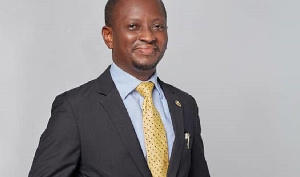
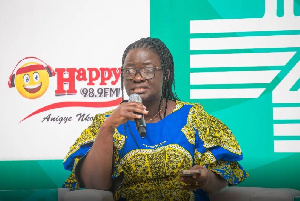
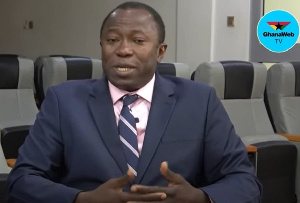
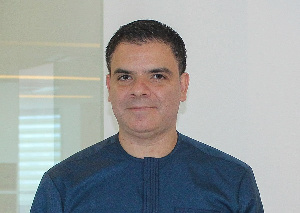
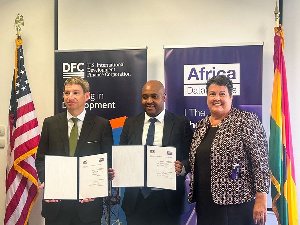
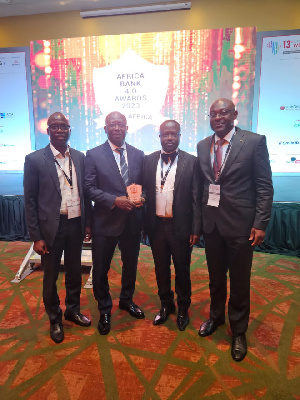
    CEO of the Ghana Interbank Payment and Settlement System (GhIPSS), Archie Hesse, has been bestowed with the distinction of “Most Inspirational Payments Business Leader in West Africa.”

    This award acknowledges his outstanding contributions to the payments sector, advocacy for digital payment solutions, and dedication to enhancing financial inclusivity across West Africa.

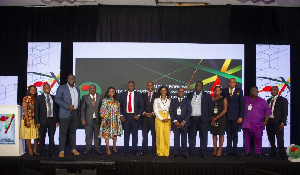
    The esteemed accolade was presented during the recent Africa Bank 4.0 Summit hosted in Lagos, Nigeria. The Africa Bank 4.0 Awards were established to honor and commend the commitment of various entities, associations, and service providers in the financial services domain. These awards are designed to spotlight trailblazers and forward-thinkers who transcend conventional boundaries in the Fintech sector, rendering access to finance across Africa more accessible, innovative, convenient, and affordable.

    Mr. Hesse’s journey with GhIPSS commenced when he assumed the role of General Manager in charge of Projects and Business Development shortly after its inception as a wholly-owned subsidiary of the Bank of Ghana. Over time, he ascended to the position of Chief Executive Officer, succeeding the company’s inaugural CEO, Mr. Fred France.

    As CEO, Mr. Hesse has overseen the remarkable metamorphosis of GhIPSS, collaborating closely with banks and non-bank financial institutions to introduce a diverse range of electronic payment channels to the public. Noteworthy innovations include Mobile Money Interoperability, GhQR, and GhanaPay.

    His central mission has consistently revolved around advancing financial inclusion and broadening the spectrum of instant electronic payment alternatives available to the public. Under his stewardship, GhIPSS has achieved several industry milestones and has received international acclaim for its achievements.

    In response to receiving the award, Mr. Hesse conveyed his humility at the recognition and emphasized the vital importance of continually pushing the industry’s frontiers. He extended his gratitude to the dedicated staff, management, and board of GhIPSS for their unwavering support, underscoring the pivotal role they played in this achievement.

    “Without a great team, this wouldn’t have been possible. So, I want to celebrate the staff, the management, and the board for their respective roles and particularly encourage the staff and management to aim to even exceed their current performance,” he noted.
  • Why Mensa Otabil was exempted from prosecution in Capital Bank collapse

    Why Mensa Otabil was exempted from prosecution in Capital Bank collapse

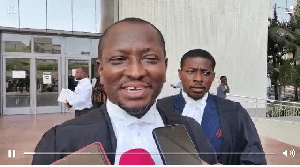
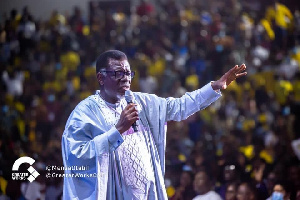
    Deputy Attorney-General Alfred Tuah-Yeboah has clarified why Dr. Mensa Otabil was exempted from prosecution in the Capital Bank collapse, even though he was a board chairman.

    Criticism arose after Ato Essien’s imprisonment, with some suggesting Otabil’s political ties shielded him. Legal expert Martin Kpebu urged accountability for Otabil’s alleged involvement.

    “People are wondering what happens to Mensa Otabil,” Kpebu said on the Key Points on TV3 on Saturday, October 14.

    He added “The truth of the matter is that he is a powerful person so somehow there are biases. This amount is too colossal that we can’t say the board chair doesn’t have questions to answer.”

    In response to Martin Kpebu’s concerns, the Deputy Attorney-General revealed that Dr. Mensa Otabil underwent a thorough investigation and questioning.

    Nevertheless, the Attorney-General couldn’t pursue prosecution since no wrongdoing emerged from the investigations.

    “They were questioned but I will need to check when it was done”, he said on TV3’s KeyPoints program.

    When the show’s host inquired whether the Attorney-General chose not to prosecute Dr. Mensa Otabil due to insufficient evidence, Tuah-Yeboah responded, “based on the investigations and evidence available way back in 2017, that was what we had but it’s not closed as long as it’s a criminal case.”

    Ato Essien was found guilty of embezzling a staggering GH¢90 million from the bank. The judge’s decision followed a thorough evaluation of the detrimental effects of Essien’s actions on the bank’s depositors and the country.

    The judge stated, “The convict demonstrated sheer greed in his desire to own another bank besides Capital Bank Ltd and left no stone unturned through subterfuge and deceit with pure criminal intent to set up Sovereign Bank Ltd. Being in a position of trust, he was expected to have demonstrated a sense of responsibility and true fidelity. He had no cause, whatsoever, to steal such gargantuan sums of money.”

    Justice Kyei Baffour, serving as both a Justice of the Court of Appeal and a High Court judge, underscored the severe hardships inflicted upon numerous individuals as a result of Essien’s actions during the Capital Bank’s collapse.

  • Ghanaians to be able to apply for South African visas online starting November 1 – MFA

    Ghanaians to be able to apply for South African visas online starting November 1 – MFA

    The Ministry of Foreign Affairs and Regional Integration (MFA) has announced that, starting from November 1, 2023, Ghanaians interested in traveling to South Africa can now apply online. This development follows Ghana’s formal inclusion in South Africa’s e-Visa program.

    In a statement released on October 13, the Ministry of Foreign Affairs affirmed that Ghana had reached an agreement regarding a visa waiver program for individuals holding regular passports. The Ministry also clarified that applicants are permitted to stay for a total of 90 days without seeking employment.

    “Travelers may transit through, depart from and stay in the territory of both countries for a cumulative period of up to ninety (90) days without recourse to work,” the MFA noted.

    In the meantime, the South African High Commission, in a statement released on September 29, 2023, expressed optimism that this advancement will lead to an improved visa application process.

    Furthermore, it emphasized that the implementation of the e-Visa program will optimize and simplify the visa application procedure, offering increased convenience for Ghanaian travelers.

    The commission also directed Ghanaian travelers to access comprehensive information on the Department of Home Affairs of the Republic of South Africa’s portal.

    “The information is available on the portal of the Department of Homes Affairs of the Republic of South Africa. The Ghanaians are urged to visit the following website https://www.dha.gov.za to obtain more information.

    “It should be noted that the normal requirements such as passport details, letter of invitation/ proof of accommodation and bank statement would be verified on arrival at a point of entry,” the commission earlier said.

    The announcement also stated that anyone who have been waiting longer than three months for their passports because of this modification can now pick them up at the VFS Global Office.

    “Passports that have been more than 3 months at the High Commission could be collected at the VFS Global Offices,” it stated.

  • Slow rate of price increase might extend to end of 2023

    Slow rate of price increase might extend to end of 2023

    GCB Capital Research anticipates a potential decline in inflation that may continue into the fourth quarter of 2023.

    Despite inflationary pressures, increased fuel prices, and currency instability, the research division suggests that the country’s inflation could move in a downward direction.

    Nonetheless, the report emphasizes the existence of certain factors that could mitigate the expected downward trajectory in inflation. These factors encompass adjustments in utility tariffs, seasonal pressures associated with festive periods, heightened corporate demand for foreign exchange (FX), and potential increases in petroleum prices.

    “Accordingly, we expect a favourable base drift in quarter 4, 2023 to trigger a more moderate decline in headline inflation in October 2023, followed by a potentially sharper decline in November. Headline inflation could print 32% by November 2023 if the anticipated upside risks to inflation from the seasonality effects and petroleum price pressures soften sufficiently,” GCB Capital Research said.

    In the same vein, the country’s inflation rate in September 2023 decreased to 38.1%, down from the 40.1% reported in August 2023.

    As per data provided by the Ghana Statistical Service, both food and non-food inflation exhibited declines, reaching 49.4% and 29.3% respectively for September 2023.

    Moreover, inflation for domestically produced goods was at 37.3%, while that for imported items hovered around 39.9%.

  • Senegal: Judge reinstates opposition leader Ousmane Sonko on electoral roll

    Senegal: Judge reinstates opposition leader Ousmane Sonko on electoral roll

    On Thursday evening, a judge in the southern town of Ziguinchor reversed the exclusion of imprisoned opposition politician Ousmane Sonko from Senegal’s electoral rolls, thus allowing him to run as a presidential candidate.

    This decision was confirmed by Mr. Sonko’s legal team and his dissolved political party.

    Mr. Sonko’s lawyers, who successfully challenged his disqualification, asserted that their client was now eligible to participate in the February 2024 elections.

    However, in a statement released by the State’s legal representative, it was indicated that the State would appeal the judge’s ruling and that Mr. Sonko’s candidacy was still in question.

    The legal proceedings took place in Ziguinchor, where Mr. Sonko serves as mayor and is registered, and were seen by some as the opposition’s final opportunity for him to stand as a candidate.

    The court “declared Mr. Ousmane Sonko’s removal from the electoral rolls null and void and ordered his reinstatement, which should take immediate effect”, one of his defenders, Me Ciré Clédor Ly, said in a message on Friday.

    “The Ziguinchor district court ruled on the law and only on the law (…) There was no justification for removing President Ousmane Sonko from the electoral rolls,” said El Malick Ndiaye, a leading figure in Mr. Sonko’s dissolved party.

    On June 1, Mr. Sonko was convicted guilty of defiling a minor and given a two-year prison term. He declined to show up for the trial, which he claimed was an attempt to prevent him from running for office. As a result, he was found guilty in absentia.

    At the end of July, Mr. Sonko was detained on additional allegations, including inciting rebellion, criminal involvement with a terrorist organization, and damaging national security.

    The authorities are examining his involvement in a string of violent protest outbursts since 2021, the most significant of which occurred in June and left many people dead.

  • GNPC recognized as Ghana’s ‘Most Compliant State-Owned Enterprise’

    GNPC recognized as Ghana’s ‘Most Compliant State-Owned Enterprise’

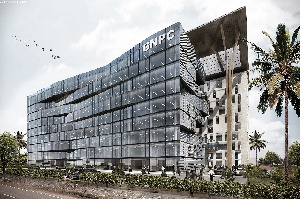
    The Ghana National Petroleum Corporation (GNPC) has been recognized as the “Most Compliant State-Owned Enterprise” in Ghana, as acknowledged by the Ministry of Public Enterprises.

    This honor was presented at the Public Enterprises League Table (PELT) Awards held in Accra on October 11, 2023, organized in collaboration with the Ministry of Finance and the State Interests and Governance Authority (SIGA).

    The organizers praised GNPC for its steadfast dedication to maintaining the highest standards of regulatory compliance and ethical business conduct, deeming it deserving of the title “Most Compliant State-Owned Enterprise (SOE).”

    This recognition, along with GNPC’s ranking as the third Best Performing Entity on the PELT, resulted from an impartial assessment conducted by the multinational Accounting and Auditing firm, PricewaterhouseCoopers (PwC).

    The award ceremony aimed to foster healthy competition among State Owned Enterprises (SOEs), Joint Venture Companies (JVCs), and State Entities, and it garnered attendance from industry leaders, government officials, and other distinguished guests.

    “This achievement is a testament to the hard work of our staff whose efforts have now positioned GNPC as a trailblazer in the realm of corporate compliance, setting an inspiring example for other state-owned enterprises and businesses across the nation,” he remarked.

    The outstanding compliance culture at GNPC has not only brought the company praise from the business community, but it has also fostered confidence and trust among partners and stakeholders.

    Mr. Albert Akowuah, Manager of Corporate Strategy, and Mr. Albert Longdon Nyewan, Deputy Manager, Compliance at GNPC, attended the ceremony on behalf of the Corporation.

  • Nigeria’s dollar supply surges as Central Bank eases restrictions

    Nigeria’s dollar supply surges as Central Bank eases restrictions

    The supply of dollars in Nigeria experienced a significant surge following the central bank’s decision to remove restrictions on the purchase of foreign currency necessary for importing 43 specific items. This move aimed to curb the 40% depreciation of the naira this year.

    As per Chapel Hill Denham, an investment bank based in Lagos, liquidity at the official foreign exchange market for investors and exporters increased by over five times, reaching $407.7 million on Thursday after the central bank’s announcement. According to Umar Salisu, a data-compiling trader, the naira saw an increase in value for the first time in three weeks in the parallel market on Friday.

    “The supply was mainly from sources outside the central bank but I expect central bank supply to increase,” Tajudeen​​​​ Ibrahim, head of research at Chapel Hill said. The announcement on Thursday “is an indication that the central bank wants to be more frequent in its intervention,” which will moderate the rate in the parallel market, he said.

    Nigeria, the largest crude oil producer in Africa, has faced persistent challenges in bolstering its supply of dollars, primarily due to declining oil revenues that have left its foreign exchange reserves in a precarious state. In response, authorities ceased selling foreign currency to importers of items like rice, vegetables, and chicken, with the aim of promoting local production.

    However, this action only exacerbated the demand for dollars in the unofficial market. On Friday, the naira rose by 0.3% to 1,042 against the dollar in the parallel market, according to Salisu.

    President Bola Tinubu’s decision to allow the currency to trade with greater flexibility temporarily narrowed the gap between the official and parallel-market exchange rates. Nonetheless, the spread began widening again in August, driven by an insufficient supply of official dollars and heightened demand in the parallel market.

    The central bank’s objective is to eliminate the 27% premium in the parallel market concerning the official rate of 759.20 naira to a dollar. This effort is intended to boost the confidence of foreign investors.

    The central bank’s ability to win investor confidence and stabilize the market will depend on the country’s capacity to amass dollars, Ibrahim said. “If there is no inflows to the central bank and to the government from crude oil sales and borrowing, then we may see the intervention dissipate faster than expected.”

  • Deputy A-G tells CEOs of defunct banks to reach out for repayment negotiation

    Deputy A-G tells CEOs of defunct banks to reach out for repayment negotiation

    Directors of collapsed banks, such as UniBank, UT, and Beige Bank, have the option to negotiate for settlements outside of court before the trial commences, as stated by Deputy Attorney General Alfred Tuah-Yeboah.

    While the state remains committed to prosecuting the directors of these financial institutions, this approach offers an avenue for resolution.

    This announcement follows the recent imprisonment of William Ato Essien, the former Chief Executive Officer of the now-defunct Capital Bank, who was convicted of embezzlement.

    “We were expecting that he would go by the agreement that we had but unfortunately on his part, he could not fulfill his part of the bargain. As we speak, he has been able to pay close to about 37 million cedis and because of his inability to pay the rest, per the agreement that we had, the court had the right to sentence him to a prison term and the court just did that. I am yet to get the full complement of the orders of the court, now that he has been imprisoned if he gets the money to pay that is another ballgame to look at because after a court has given its ruling or judgment the court becomes functus officio, so my expectation is that when he pays then he goes into mitigation when he wants to appeal the sentence.

    “Let’s hope that he gets the money to pay. Let us also add that even if he is going to serve the 15 years Ghanaians have also benefited somehow because at least 37 million cedis has been paid to the state. If he had been sentenced last year, we wouldn’t have even recovered this.

    “As we speak, we have other cases in court, Beige bank is in court, we are hearing the matter. UT is also in court, we have other banks, like Duffuor’s bank (Unibank) all in court, and we are doing them one after the other. If the money that we have lost they are ready to refund the money we will look at section 35 and go by that and we can have the same agreement,” he is reported to have said.

    The Bank of Ghana revoked the licenses of UT Bank, Unibank, and Beige Bank as part of the financial sector cleanup between 2017 and 2019.

  • CEOs of RCBs prompted to innovate and cooperate for post-DDEP prosperity

    CEOs of RCBs prompted to innovate and cooperate for post-DDEP prosperity

    CEOs leading Rural and Community Banks (RCBs) are encouraged to embrace innovation in their strategies and foster collaboration with stakeholders to secure prosperity and progress in the aftermath of the Domestic Debt Exchange Programme (DDEP).

    During a speech delivered at the 22nd Annual National CEOs’ Conference of Rural and Community Banks (RCBs) held in Ho yesterday, Dr. Toni Aubyn, the Chairman of the ARB Apex Bank’s Board, emphasized that the DDEP, designed to restructure the national debt and bolster the government’s capacity for economic development, has brought about significant consequences for RCBs.

    Consequently, addressing these transformations demands a multifaceted approach.

    Dr. Aubyn speaking on the theme: “Expanding the Frontiers of Business for Rural and Community Banks Post DDEP – Role of CEOs” laid out measures the CEOs can navigate to ensure growth at their various banks.

    He underscored the necessity for a collective effort to expand the horizons of business for RCBs in the post-Domestic Debt Exchange Programme (DDEP) era, emphasizing that this endeavor demands visionary leadership, innovation, collaboration, and a strong commitment to social responsibility.

    In his call to encourage CEOs to embrace innovation and technology as a key strategy for business growth, Dr. Aubyn highlighted digital banking solutions, mobile payment platforms, and online lending services as tools to bridge the gap between rural communities and financial services.

    The overarching aim is to empower individuals and businesses by enhancing the efficiency and effectiveness of RCB operations.

    He further stressed that CEOs should foster strategic partnerships and collaborations by working alongside other RCBs, government agencies, and development organizations to ensure continuous development in their banking operations. This approach would harness collective strengths and resources, ultimately creating a more inclusive and sustainable financial ecosystem that unlocks new potential and opportunities for meaningful change.

    Additionally, CEOs were advised to focus on nurturing their human capital, recognizing that employees form the backbone of their banks. Dr. Aubyn added that investing in their training and support is essential to delivering quality financial services.

    Furthermore, Dr. Aubyn highlighted the importance of fulfilling their social responsibility obligations and integrating sustainable practices and standards into their business models, which can contribute to the well-being of society and the preservation of natural resources.

    He praised the CEOs for their unwavering commitment and dedication in steering these institutions forward despite recent disruptions.

    In conclusion, Dr. Aubyn charged the CEOs to seize the opportunity to drive positive change, empower individuals and businesses, and create a more inclusive and sustainable financial sector.

    “Accordingly, we expect a favourable base drift in quarter 4, 2023 to trigger a more moderate decline in headline inflation in October 2023, followed by a potentially sharper decline in November.

    Headline inflation could print 32% by November 2023 if the anticipated upside risks to inflation from the seasonality effects and petroleum price pressures soften sufficiently,” GCB Capital Research said.

  • BoG Governor calls for a more robust global debt settlement system

    BoG Governor calls for a more robust global debt settlement system

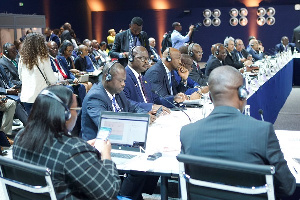
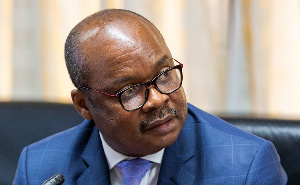
    Governor of the Bank of Ghana, Dr. Ernest Addison, has highlighted the need for a strong Global Sovereign Debt Roundtable (GSDR) to enhance multilateral coordination and regulatory efficiency for sovereign debt resolution in low-income countries (LICs).

    He emphasized this during the IMF-African Caucus Meeting at the World Bank/IMF Meetings in Marrakech, Morocco.

    “We call for a carefully designed debt resolution mechanism, especially for vulnerable members with large domestic creditors – such as Ghana, to help avert domestic financial market instability,” Dr. Addison stated in his address to attendees at the conference.

    He also emphasized the necessity of overhauling the G20 Common Framework (CF) to guarantee a debt restructuring process that is more timely, orderly, equitable, inclusive, and transparent for distressed member nations in the region. These countries include Ghana, Ethiopia, and Malawi.

    Dr. Addison underscored the significance of these reforms as African economies confront acute debt challenges, aggravated by various factors such as the COVID-19 pandemic, the Ukraine conflict, tightening global financing conditions, and climate-related disasters. Public debt levels in sub-Saharan Africa (SSA) have now surged to levels not witnessed since the early 2000s, imposing a substantial burden on member countries.

    In this challenging environment, Dr. Addison urged the IMF to play a crucial role in providing support to vulnerable African economies. “A much stronger IMF support would be crucial amid the current challenging global environment,” he emphasised.

    Dr. Addison offered numerous suggestions for consideration to address these urgent problems, such as the IMF modifying its lending toolkits to shifting global conditions and aligning PRGT access standards with those of the GRA to ensure consistency of treatment. This action would make it simpler for vulnerable members who are experiencing severe debt problems to get the support they need from the Fund.

    The Governor requested that the Fund modify the requirements for PRGT eligibility to make it simpler for vulnerable PRGT-eligible members to get assistance. Additionally, he advocated for lowering, suspending, or completely getting rid of surcharges for these members.

  • Zambia debt deal nearing completion, not yet officially signed – IMF

    Zambia debt deal nearing completion, not yet officially signed – IMF

    An IMF spokesperson said on Thursday that Zambia, which signed a preliminary agreement in June to restructure a portion of its debt, is close to finalizing a memorandum of understanding with its creditors but it is not yet fully finalized.

    “An agreement on the memorandum of understanding is almost finalized and signing is expected soon. “, said this spokesman for the institution, whose Managing Director Kristalina Georgieva had previously prematurely announced a signature.

    At an earlier round table discussion organized in conjunction with the annual meetings of the International Monetary Fund (IMF) and the World Bank, which are taking place till Sunday in Marrakech (Morocco), Mrs. Georgieva announced that the deal “has finally been signed.”

    The agreement had not yet been finalized, and the signature was anticipated for next week, according to a source familiar with the situation who spoke to AFP.

    The G7 finance ministers urged for “the finalization of the memorandum of understanding on the restructuring of Zambia’s debt as quickly as possible” in the communiqué that concluded their talks on Thursday in Marrakech.

    This marks the final step in validating the agreement in principle inked in June for the restructuring of $6.3 billion in external debt. This restructuring was one of the stipulations outlined by the IMF in its agreement detailing the aid program with Zambia, aimed at unlocking all disbursements.

    Zambian Finance Minister Situmbeko Musokotwane expressed gratitude to all creditors, saying, “All our creditors have been wonderful; thank you all for giving us this opportunity.” He also reflected on the embarrassment of being mired in a debt crisis situation.

    Nonetheless, he stressed that such an agreement alone is insufficient to provide the quality of life that young Africans aspire to. He emphasized the need for “better growth that creates jobs, so that we no longer have young people attempting perilous journeys across the Sahara and the Mediterranean.”

    Zambia’s debt, which has ballooned in recent years, is estimated at $32.8 billion, with $18.6 billion owed to foreign creditors, particularly China, its primary lender.

    In 2020, Zambia became the first African nation to default on its debt, triggered by the onset of the Covid-19 pandemic.

    The former president of Zambia, Edgar Lungu, is accused of embarking on substantial infrastructure projects and overextending the country’s indebtedness to China (amounting to $4.1 billion). These projects include airports, roads, schools, factories, and even police stations in the country.

    Finance Minister Musokotwane explained, “If you combine what we spend on salaries for our public servants and the servicing of this debt, it represents over 90% of the taxes collected. Now that we’ve got help, we can concentrate the money on the most vulnerable.”

    Zambia had secured a $1.3 billion aid program with the IMF in August 2022 and successfully completed the first review in July, allowing the IMF to monitor the implementation of the reforms outlined in the program.

  • Military in Nigeria kills 100 people after launching airstrikes in northwest

    Military in Nigeria kills 100 people after launching airstrikes in northwest

    Nigerian military jets have conducted airstrikes on a gathering of bandit militias in the country’s northwest, resulting in the reported death of approximately 100 gunmen, as stated by two army sources and local residents on Friday.

    Nigeria’s air force confirmed conducting bombardments in northwestern Zamfara State on Tuesday; however, a spokesperson noted that specific casualty figures were not available at that time.

    For years, the northwestern and central Nigerian states have grappled with armed groups that raid villages, targeting residents for ransom and engaging in violence in areas with limited state presence.

    These criminal groups, known for large-scale kidnappings in recent years, operate from concealed camps within a vast forest spanning Zamfara, Katsina, Kaduna, and Niger states.

    “Fighter jets conducted air strikes on bandits, I’m sure more than 100 were killed and almost twice that number were badly injured,” one of the military officers involved in the operation said.

    A similar amount was also confirmed by another military official. Because they were not authorized to talk about the operation, both talked anonymously.

    Prior to the attacks, the military got information indicating that multiple gangs had gathered in a region along the borders of the states of Zamfara, Kebbi, and Niger with the intention of targeting local towns and a military post.

    Since the military arrived in 2015 to combat the gangs, the air strike on Tuesday was the second most intensive aerial operation against bandits in Zamfara.

  • Ghana yielded $6m from COVID-19 testing at KIA, while Frontiers earned $84m – Report

    Ghana yielded $6m from COVID-19 testing at KIA, while Frontiers earned $84m – Report

    A disclosed data from the Ghana Airports Company Limited (GACL), indicates that, the controversial entity, , Frontiers Healthcare Services Limited, garnered a staggering $84 million from COVID-19-related arrival testing at the Kotoka International Airport (KIA).

    Additionally, the company generated an extra $3.5 million (equivalent to GH¢29 million) from departure testing at KIA during the same period.

    This disclosure follows a year-long legal dispute between Accra-based JoyNews and the GACL. The media organization had employed the Right to Information Act to investigate the revenue generated by Frontiers, which had been awarded a contract at KIA under somewhat opaque circumstances.

    Initially, the GACL claimed it could not provide the requested information, citing that “passengers paid directly to Frontiers Healthcare, providers of the service.”

    Subsequent revelations indicate that Ghana received under $6 million from COVID-19 arrival testing and $180,000 (equivalent to GH¢1.5 million) from departure testing during the same period.

    This stark disparity in revenue distribution demonstrates that Frontiers earned over 90 percent of the total revenue and retained 92 percent of the income generated from arrival testing at KIA. Frontiers also earned 94 percent of the revenue from departure testing within the period of its contract with the GACL.

    Consequently, Ghana’s share of the contract earnings represents less than 10 percent of the total revenue, with the country receiving just 7 percent from arrival testing and 6 percent from departure testing.

    Despite these revelations, senior government officials, including Foreign Affairs Minister Shirley Ayorkor Botchwey and Health Minister Kwaku Agyeman-Manu, disclaim any knowledge of how Frontiers Health Services obtained the contract for COVID-19 testing at the airport.

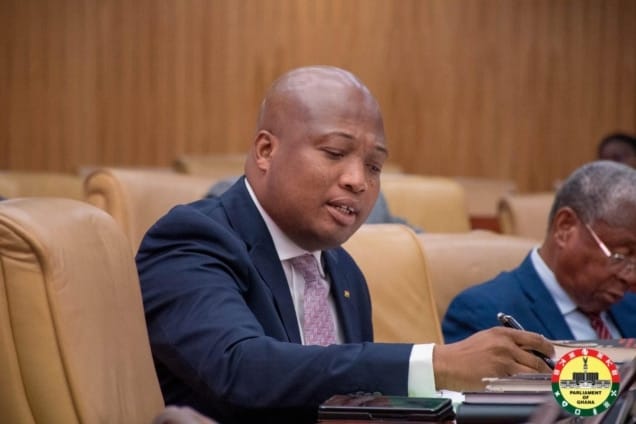
    North Tongu MP Samuel Okudzeto Ablakwa has called for an impartial audit of the COVID-19 testing agreement between Frontiers Health Services and the Ghana Airports Company Limited.

  • Food security: 14 commodity exchanges collaborate within AfCFTA

    Food security: 14 commodity exchanges collaborate within AfCFTA

    Fourteen commodity exchanges across the African continent have joined forces to leverage their collective potential within the framework of the African Continental Free Trade Area (AfCFTA), marking a significant achievement in the AfCFTA’s progress.

    The AfCFTA Association of Commodities Exchanges (ACX) is prioritizing food security and enhancing market efficiency through knowledge sharing and the adoption of modern trading practices.

    These practices include electronic trading platforms, standardized contracts, and improved market information dissemination, all aimed at boosting market efficiency, reducing transaction costs, and attracting broader participation from domestic and international traders.

    The Association is also committed to advocacy efforts by collaborating with key stakeholders, including government agencies and industry experts, to raise awareness about the role of commodity exchanges in price discovery, risk mitigation, and market access. This will drive policy reforms supporting the growth of efficient and transparent commodity trading platforms across the region.

    This initiative is especially significant because, in most AfCFTA markets, formalized commodity trading is in its early stages, with the exception of South Africa.

    The ACX initiative is led by the Ghana Commodity Exchange (GCX) and is crucial for promoting cross-border trade. Under this initiative, ACX aims to collaborate closely with AfCFTA to harmonize trade regulations, simplify customs procedures, and expedite cross-border transactions.

    During an event in Accra, named the ‘Maiden Forum: AfCFTA Association of Commodities Exchanges’ with the theme ‘Connecting Africa: advancing regional trade through commodities exchanges,’ Tucci Ivowi, the CEO of GCX and the convener of the gathering, emphasized that there is no better time for African commodity exchanges to contribute to the realization of a unified African market than now.

  • Future of overthrown president Bazoum in shambles after 80 days in detention

    Future of overthrown president Bazoum in shambles after 80 days in detention


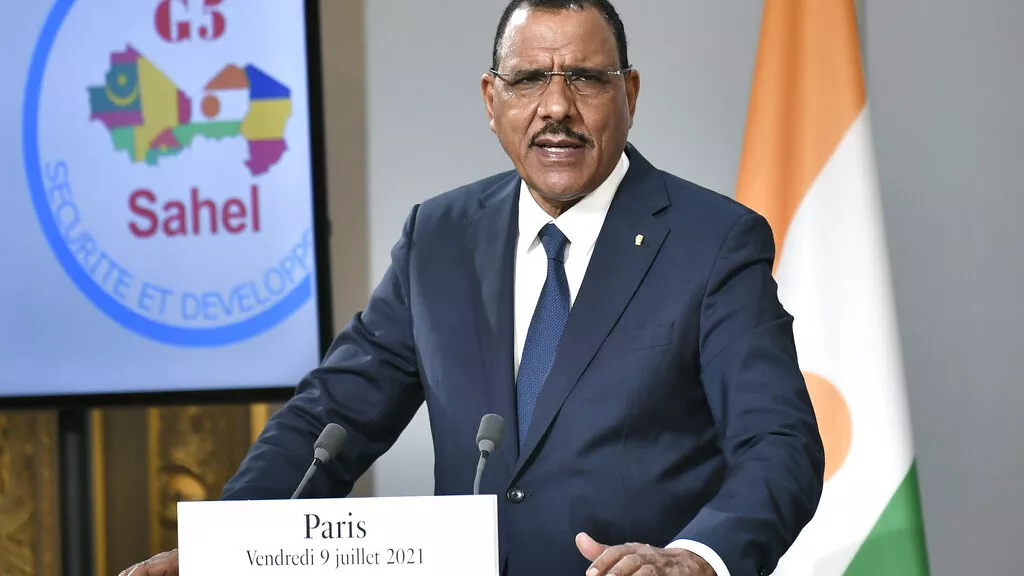
    Niger’s President Mohamed Bazoum, who was ousted in a coup on July 26, is now entering his 80th day in detention alongside his wife and son.

    He continues to refuse to resign and hopes for a favorable outcome in court. Despite international calls for his release, the ruling military regime remains steadfast for the time being.

    Since the coup, Bazoum has been confined to his residence in the presidential palace, along with his wife and son, living without electricity and intermittent access to water.

    He receives food supplies every other day and regular medical visits, and is reportedly in good health. He remains resolute in not resigning.

    In early August, Bazoum described himself as a “hostage” and condemned the treatment of his family as “inhuman and cruel.”

    On September 18, he decided to take his case to West African courts to seek his release and the restoration of constitutional order in Niger.

    The coup was swiftly denounced by Western partners, including France, the United States, and the UN, which demanded Bazoum’s release. ECOWAS also took a similar stance and threatened Niger with armed intervention, although it has not been implemented yet.

    France began withdrawing its troops from the anti-jihadist campaign in Niger and recalled its ambassador to Paris, adhering to the demands of the regime.

    The key issue remains Bazoum’s release and the restoration of civilian authority in Niger, necessitating coordinated international pressure on the de facto authorities.

    Secretary of State Antony Blinken expressed support for Bazoum’s return to power, and the US suspended aid to Niger. Bazoum is the fifth Nigerien president to be overthrown by a coup since the country’s independence in 1960.

  • Customs officer allegedly charges woman GHC1,058 for not using ‘goro boys’ to retrieve items

    Customs officer allegedly charges woman GHC1,058 for not using ‘goro boys’ to retrieve items

    Efforts to combat corruption and streamline services for the benefit of Ghanaians remain ongoing.

    Nonetheless, despite the extensive efforts, it appears that certain officials at the Airport Customs Office in Accra persist in pressuring individuals to utilize the services of intermediaries known as ‘Goro Boys.’

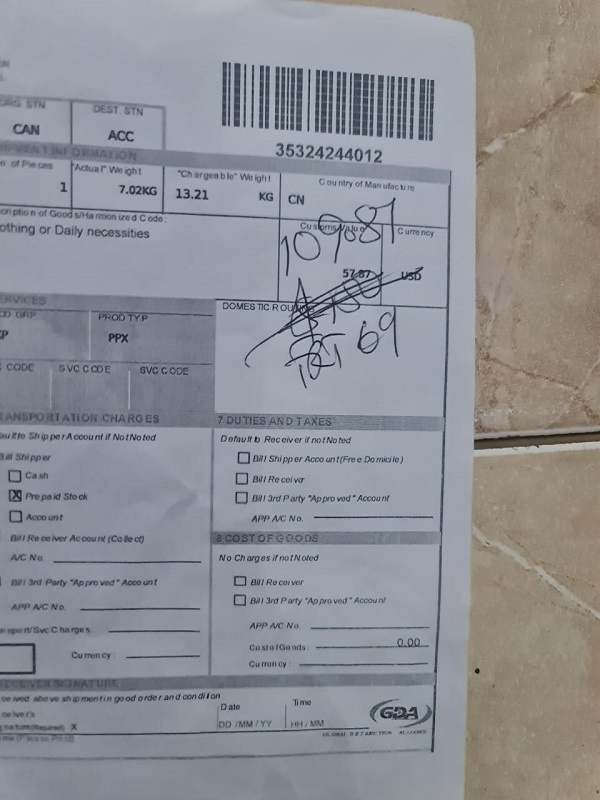
    On October 10, 2023, a woman named Madam Gifty found herself facing a double tax charge on her parcel after she refused to employ the services of a “goro boy,” as suggested by a customs officer at the Airport Customs Office in Accra.

    Madam Gifty, who exclusively shared her account with GhanaWeb, detailed how she had imported an item worth GH¢1,200, weighing 6.9 kilograms, from Shein, which arrived in Ghana through Aramex.

    However, upon her visit to the Airport office, an officer named Kodjo informed Gifty that she needed to enlist the services of a goro boy (agent) to clear her item.

    Madam Gifty declined and insisted on adhering to the proper procedure to pay for her parcel, originally priced at $57, equivalent to over GH¢500.

    The customs officer proceeded to take her document, which indicated a payment of $57, and crossed out the printed price. He then manually wrote GH¢1,058 as the new amount using a pen, effectively increasing the fee.

    Despite Gifty’s insistence on paying the stated amount and receiving an official receipt rather than making an off-the-record payment, she was still charged for both the item’s value and weight, contrary to the established requirements.

    Below is how she shared her frustration with the media

    “I went to the office to clear my parcels, and the officer told me to use an agent, which I refused.

    “Knowing very well that I had declined to use the agent, I proceeded to pay my taxes based on the invoice ($57).

    “However, the officer ignored the item’s value on the invoice, canceled it with a pen, and charged $109 plus an additional $69, totaling $178.

    “This was done to pressure me into using ‘goro boys’ or engaging in an off-the-record deal with him. I refused and paid as per the official procedure.”

  • Shocking! Leaked audio about Kikibees Owner’s death with Gambian girlfriend

    Shocking! Leaked audio about Kikibees Owner’s death with Gambian girlfriend

    More details are emerging on social media regarding the murder of the former CEO of Kikibees and Noire Lounge, Bennet Adomah Agyekum.

    A chilling audio recording, recently revealed by Kofi TV, captures a harrowing phone conversation between a close friend of Kikibees’ owner and his girlfriend, Yandeh Joofis, believed to be from Gambia.

    In the audio, Joofis urgently implores her friend to come to her aid at their residence. The reason? A mysterious key that seemed to be at the heart of a heated dispute. In the background, a frantic voice, allegedly Adomah’s, can be heard saying incomprehensible words.

    The rumour mill suggests that the couple was locked in a fierce battle over this elusive key, ultimately leading to a tragic slip and fall by Adomah, which proved fatal.

    Amidst the chaos, the audio captures Joofis’ distressed voice, tearfully pleading for forgiveness, her words mirroring the immense turmoil of the situation. “Forgive me, forgive me,” she mumbles, her voice trembling with fear.

    According to Kofi TV, the girlfriend claimed that when Adomah returned home, he was in a highly agitated state, throwing objects around the house and making frantic claims that people on his phone were plotting to kill him.

    Parts of the audio has the following:

    Voice (believed to be Girlfriend): “Where are you…are you here? ..
    Voice (believed to be Bennet’s friend): I am at American House.”
    Voice (believed to be Bennet’s friend): “He says you set him up, why is he saying that?”
    Voice (believed to be Girlfriend): “I have found the key.”
    Voice (believed to be Girlfriend): “Oh my God, I am young… Is there a key here? Forgive me, I beg you, forgive me.”
    Voice (believed to be Bennet’s): “I am dying, I am dying.”

    As the police arrived at the scene, chaos had erupted within the house. Furniture was reportedly scattered, hinting at a violent struggle.

    Additionally, KOFI TV reported that Bennet may have sustained injuries while tossing a flower pot during the tumultuous altercation.

    In the wake of Bennet Adomah’s sudden and mysterious death, Yandeh Joof was taken into police custody for questioning.

    The incident has sparked an outpouring of grief from Adomah’s supporters, prompting a thorough police investigation into the circumstances surrounding his demise.

    While some believe the tragedy is linked to the altercation over the key, others claim it is a consequence of Bennet’s alleged involvement with hard drugs, as suggested by KOFI TV.

    Law enforcement authorities have disclosed that on Sunday, October 8, 2023, Adomah was found in critical condition at a residence in Madina-Ogbojo, surrounded by a pool of blood. Rushed to the hospital, he was sadly declared dead upon arrival.

    The deceased’s body has been placed in the Police Hospital morgue for preservation and autopsy, while the investigation into this perplexing case continues.

    The video below has more details:

  • Israel issues a rare order for mass exodus from northern Gaza

    Israel issues a rare order for mass exodus from northern Gaza

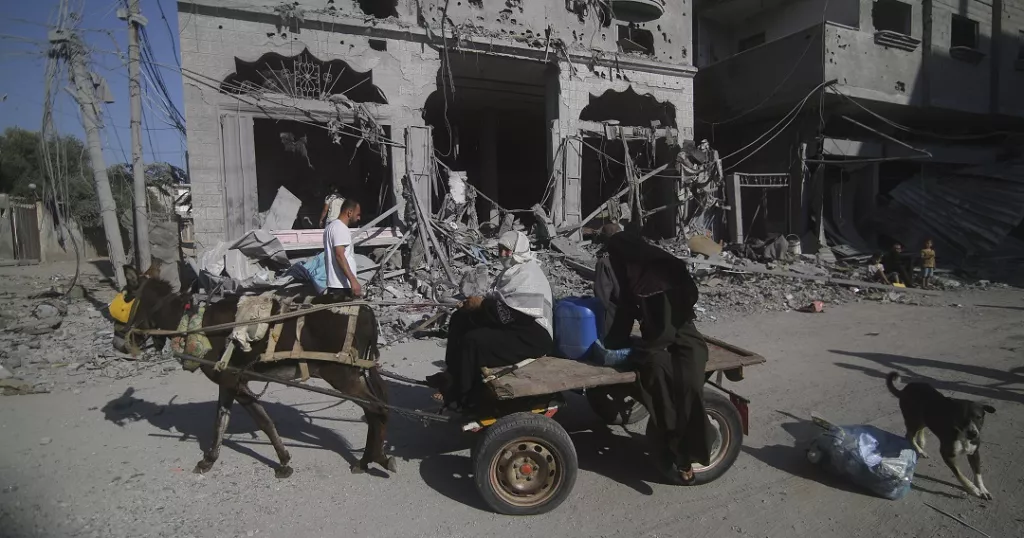
    As reported by a U.N. spokesperson, Israel’s military has issued a directive for the evacuation of northern Gaza, a territory inhabited by 1.1 million individuals, to be carried out within the next 24 hours.

    The population, residing in one of the most densely packed areas globally, is in dire need of relief following days of intense bombing.

    “Today we do not know where to go. There is no safe place. We have turned to UNRWA and to the United Nations,” Mohamed said.

    “Today Israel is committing massacres against civilians and our children are now under the rubble. We do not know where our children are and we do not know what to do. We have no food or water. I am appealing to the United Nations in front of UNRWA building. Where do we go?”

    U.N. spokesman Stéphane Dujarric called the evacuation order “impossible” without “devastating humanitarian consequences.”

    Hamas terrorists have retaliated with thousands of rockets as Israel bombs Gaza from the air.

    The majority of the war’s toll has been borne by innocent bystanders.

    “There was an evacuation from the beach camp to here in the UNRWA schools and UNRWA clinics, and they were safe in a shelter. Suddenly a missile hit here between the school and the UNRWA clinic to intimidate the people and destroy them, there is more than one martyr here,” Masad, another Gaza resident said.

    Panic and bloodshed

    The evacuation order has instilled panic among civilians and aid workers, who were already fleeing from Israeli airstrikes and grappling with a complete blockade, which provides no escape, and a territory-wide power outage.

    Israel’s rationale for this action is its necessity to target Hamas’ deeply buried military infrastructure.

    Conversely, Hamas has urged residents to remain in their homes, asserting that Israel is attempting to sow confusion among citizens and disrupt the internal unity.

    A new war Cabinet was inaugurated on Thursday, October 11.

    Secretary of State Antony Blinken’s visit, coupled with the delivery of U.S. weaponry, effectively gave Israel the green light to proceed with its military response, despite warnings from international aid organizations about an escalating humanitarian crisis.

    Israel has suspended the delivery of essential goods and electricity to Gaza’s 2.3 million residents, and it has barred the entry of supplies from Egypt.

    Prime Minister Benjamin Netanyahu has pledged to “crush” Hamas following their incursion into the country’s south on October 7, which resulted in the brutal killing of hundreds, including children in their homes and young people at a music festival.

    Hamas’ attack on Saturday and subsequent smaller assaults have resulted in over 1,300 casualties in Israel, including 247 soldiers, a level of loss not seen in decades, while the Israeli bombardment has claimed more than 1,530 lives in Gaza, according to authorities on both sides. Israel asserts that roughly 1,500 Hamas militants were killed within its borders and that many of those killed in Gaza were Hamas members. Numerous Palestinian and Israeli families are mourning, and many have sustained injuries on both sides.

    Hamas has reported that Israel’s airstrikes have killed 13 hostages, including foreign nationals. It has not disclosed the nationalities of the foreigners, indicating that they were killed within the last 24 hours, and there has been no immediate Israeli response.

    Analysts are concerned that Israel’s evacuation order may signal an impending ground offensive.

  • Photos: Gazans escape their homes over warning from Isreal

    Photos: Gazans escape their homes over warning from Isreal

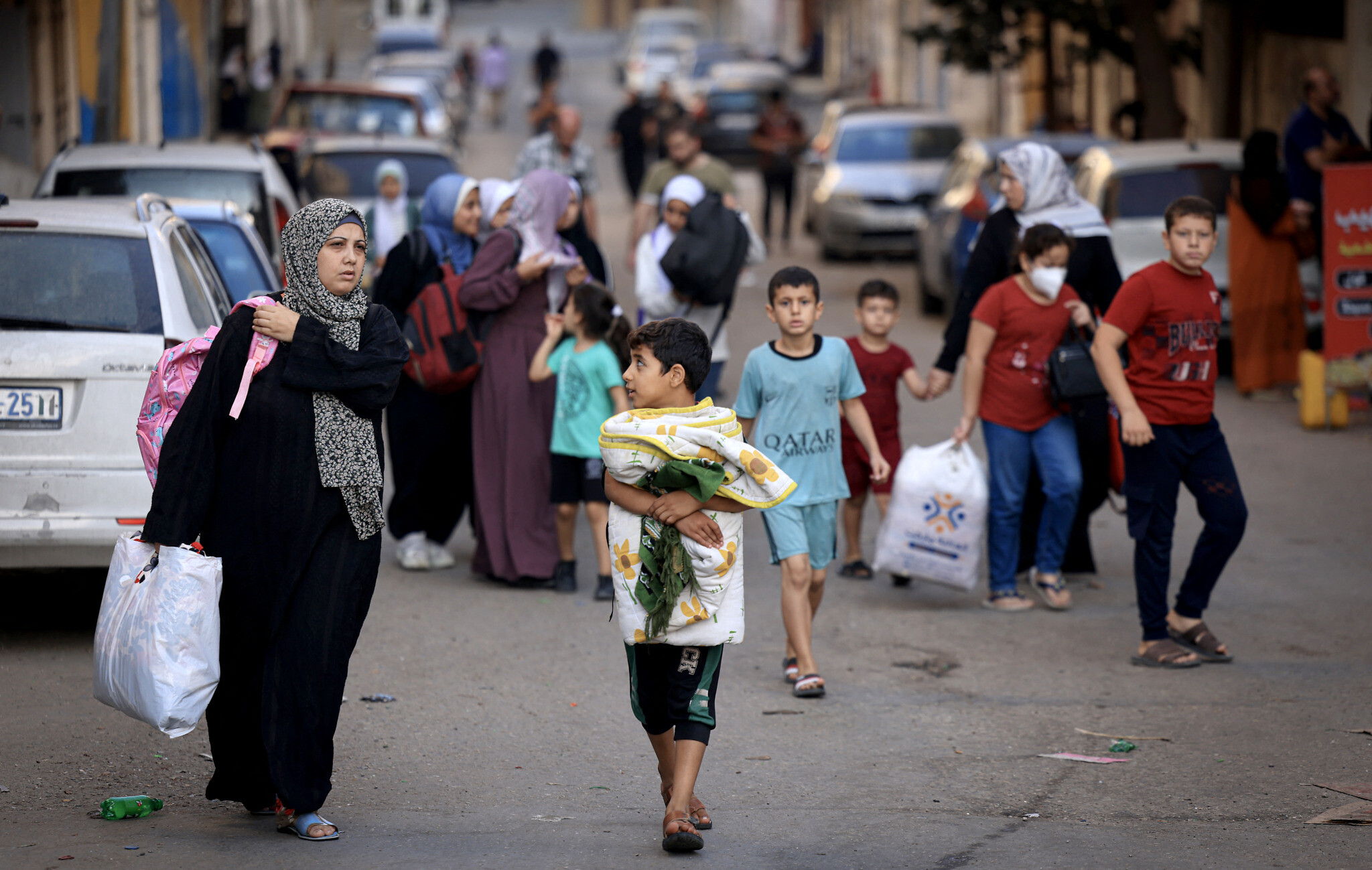
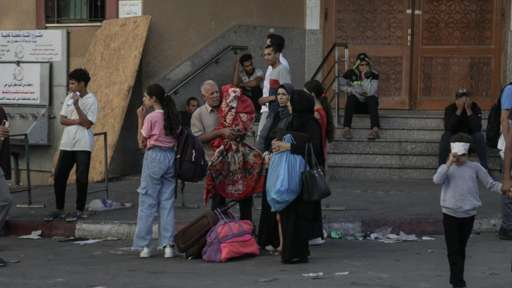
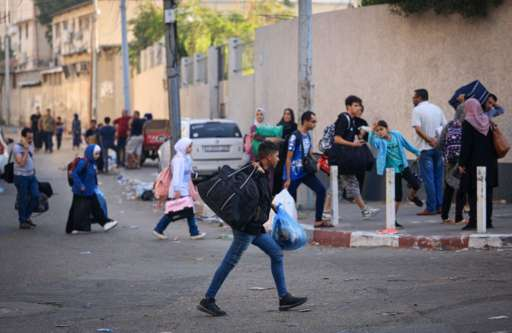
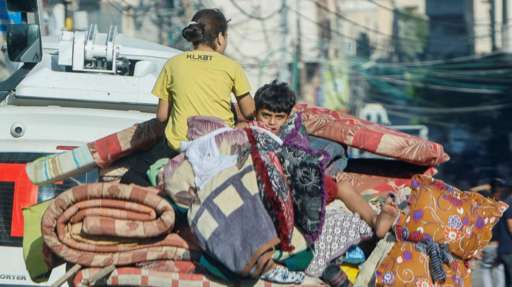
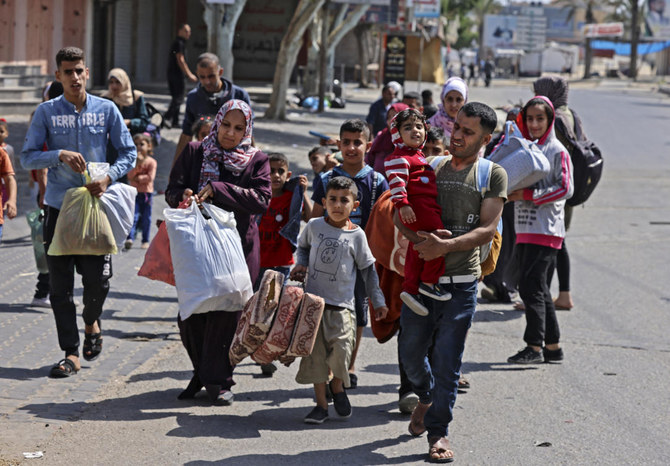
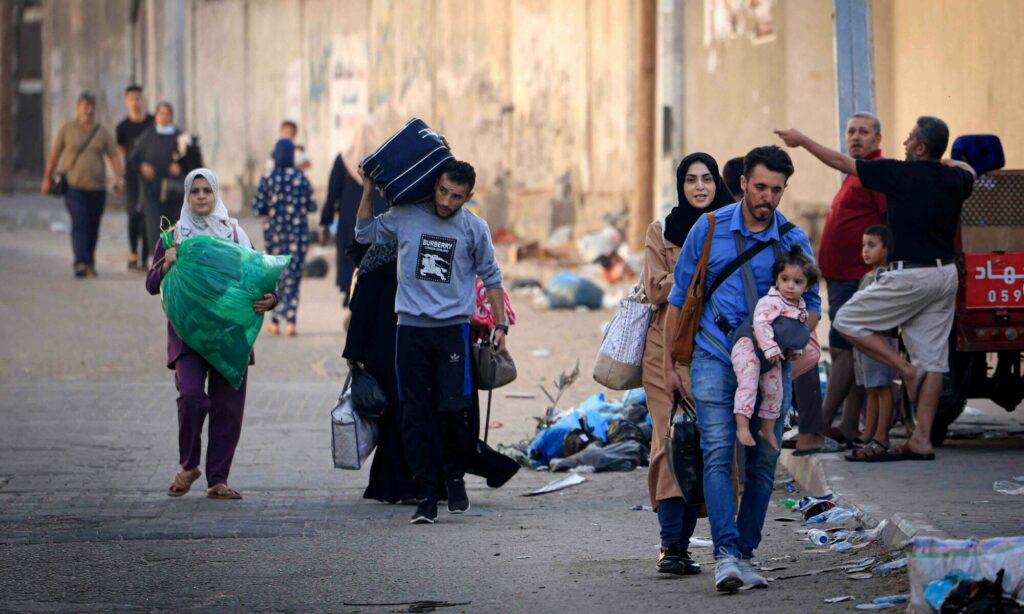
    After receiving a warning from Israel to relocate south, new images are starting to surface showing residents of Gaza City packing up and leaving their houses.

    Children are among those making their way to safety. The age of the majority of people in Gaza is under 18.

  • Youth empowerment is vital for sustainable growth –  GFZA’s deputy CEO

    Youth empowerment is vital for sustainable growth –  GFZA’s deputy CEO

    Youth empowerment, as emphasized by Kate Djankwei Abbeo, Deputy Chief Executive Officer of the Ghana Free Zones Authority (GFZA), is the most reliable strategy for ensuring sustainable economic development.

    Recognizing that the youth represent the nation’s future, she underlined that genuine economic growth can only be achieved by enabling young people to seize opportunities within the economy.

    Speaking at the 2023 Ghana Economic Forum (GEF) in Accra during a panel discussion on the topic of ‘Looming global recession?

    A myth or an awakening reality considering present challenges facing the financial sector and the business environment,’ Ms. Abbeo called for comprehensive policy measures and interventions aimed at harnessing the productive potential of the country’s youthful population.

    “We have a very skillful, trainable, agile and youthful population. And it is truly a rich resource that we have not actually exploited,” she said.

    “I think for a long time our economy has been carried to where it is by cocoa farmers. We need to have innovative ways of earning the hard currencies,” Mrs. Djankwei Abbeo stated, emphasising that the country’s future rests on intentionally supporting youth-led ideas.

    Importance of SMEs

    Mrs. Djankwei Abbeo also emphasized the pivotal role of robust small and medium-sized enterprises (SMEs) in capitalizing on the opportunities arising from the African Continental Free Trade Area (AfCFTA).

    Over 90 percent of the country’s private sector enterprises fall under the SME category.

    In light of this, she stressed the need for authentic engagement with these enterprises, understanding their specific requirements, and acknowledging that funding isn’t the sole solution for all.

    Some SMEs may simply require improved access to markets.

    She underscored the importance of recognizing that Ghana has made a commitment to the African Continental Free Trade Agreement, which has its headquarters in the country.

    “How are we taking advantage of this new-found market access? We should leverage this position by actively engaging with our SMEs to understand their real needs. Some will indeed require funding, while others may need guidance and support to capitalise on the available market opportunities,” she added.

    The initiation of AfCFTA establishes the largest global free trade zone, connecting 55 nations with a combined population of 1.3 billion people and a total gross domestic product (GDP) valued at US$3.4 trillion.

    Furthermore, it carries the potential to elevate 30 million people out of extreme poverty. Yet, unlocking its complete potential relies on the execution of significant policy adjustments and the facilitation of trade.

    2023 Ghana Economic Forum

    This year’s GEF included three sessions with the themes “Building Back Better: IMF Support, Strategies to Build a Sustainable Economy, and Dynamic Business Environment,” each intended to emphasize the important areas of focus in the country’s efforts to restore economic development and stability.

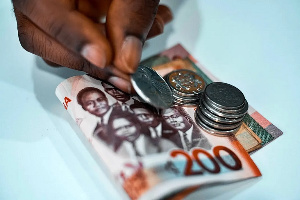
  • A dollar goes for GHS11.90 at forex, BoG interbank rates GHS11.30

    A dollar goes for GHS11.90 at forex, BoG interbank rates GHS11.30

    On October 13, 2023, the Bank of Ghana’s Interbank forex rates reveal the following exchange rates indicating that, the Ghana Cedi is trading against the dollar at a buying price of 11.2952 and a selling price of 11.3066, while in a Forex bureau in Accra, the dollar is being bought at a rate of 11.70 and sold at 11.90.

    Against the Pound Sterling, the Cedi is trading at a buying price of 13.7949 and a selling price of 13.8098, with the pound sterling being bought at a rate of 14.25 and sold at a rate of 14.70 in an Accra Forex Bureau.

    The Euro is trading at a buying price of 11.9199 and a selling price of 11.9307, whereas at a Forex Bureau in Accra, the Euro is being bought at a rate of 12.20 and sold at a rate of 12.60.

    The South African Rand is trading at a buying price of 0.5974 and a selling price of 0.5979, with a Forex bureau in Accra buying the South African Rand at a rate of 0.35 and selling it at a rate of 0.95.

    The Nigerian Naira is trading at a buying price of 68.0477 and a selling price of 68.0477, while at a Forex bureau in Accra, it’s being bought at a rate of 10.00 Naira for every 1 Cedi and sold at a rate of 15.00.

    For the CFA, it is trading at a buying price of 54.9806 and a selling price of 55.0304, with a Forex bureau in Accra buying it at a rate of 16.50 CFA for every 1 Cedi and selling it at a rate of 19.00 CFA for every 1 Cedi.

    Our forex bureau rates are provided by Afriswap Bureau De Change in Osu, Accra.

    Note that these rates may be different at a forex bureau near you. Our forex bureau rates are provided by Afriswap Bureau De Change in Osu, Accra.

  • Directors of failed UT, Beige banks face ongoing prosecution

    Directors of failed UT, Beige banks face ongoing prosecution

    Deputy Attorney-General, Alfred Tuah-Yeboah, has noted ongoing prosecutions of financial institution directors closed during Bank of Ghana’s cleanup.

    If defendants return funds, Section 35 can prevent imprisonment. Prosecution’s goal is justice and accountability.

    Recently, Capital Bank’s CEO, William Ato Essien, was sentenced to 15 years with hard labor for violating a payment agreement.

    Speaking in an interview with TV3, the Deputy Attorney-General said, “As we speak, we have other cases in court, Beige bank is in court, we are hearing the matter. UT is also in court, we have other banks, like Duffuor’s bank (Unibank) all in court, and we are doing them one after the other.”

    “If the money that we have lost they are ready to refund the money we will look at section 35 and go by that and we can have the same agreement,” he stated.

    Alfred Tuah-Yeboah further said, “Our preoccupation is to ensure that justice is done. This can be done either we get the money or if we don’t get we go to the full hog and get the judgment and if they are convicted so be it. So if any of the others facing trial are of the opinion that they want to use section 34, nobody stops them because it is not limited to Ato Essien, it is limited to all other people but we are still prosecuting our cases in court.”

    On August 14, 2017, the Bank of Ghana revoked Capital Bank‘s license due to insolvency.

    UT Bank, Unibank, and Beige Bank also had their licenses revoked by the central bank during the financial sector cleanup from 2017 to 2019.

    The Bank of Ghana initiated this cleanup exercise in August 2017, spending over GH¢20 billion to restore confidence in the banking and specialized deposit-taking sector.

    The central bank’s actions aimed to address insolvent financial institutions that posed risks to depositors’ interests.

  • Your achievements are overshadowed by mountains of debt – Seth Terkper to Akufo-Addo

    Your achievements are overshadowed by mountains of debt – Seth Terkper to Akufo-Addo

    Former Finance Minister Seth Terkper has strongly criticized President Nana Addo Dankwa Akufo-Addo’s claims about his government’s unparalleled achievements and investments in the education sector during the fourth republic.

    In a tweet spotted by GhanaWeb Business, Mr. Terkper countered by highlighting that what truly stands out in the fourth republic is the debt restructuring carried out by the ruling New Patriotic Party under President Nana Addo Dankwa Akufo-Addo’s leadership.

    Mr. Terkper pointed out that the accumulation of domestic and external debt would place a substantial burden on both current Ghanaians and future generations.

    He argued that Akufo-Addo’s perceived success can be largely attributed to the substantial amount of loans acquired by his administration.

    “With all due respect, assets match liabilities, with the apparent success sitting on a pile of loans. In reality, what seems unmatched in the 4th Republic is a default & exchange/restructuring of our domestic/external debt that could burden present & future generations beyond 2040,” Seth Terkper wrote in his tweet.

    During the 61st Annual Conference of Heads of Assisted Secondary Schools (CHASS) at Achimota School in Accra on October 11, 2023, President Akufo-Addo highlighted his administration’s accomplishments in the education sector. He emphasized his government’s steadfast dedication to education, which has resulted in substantial advancements in terms of accessibility, quality, and pertinence, positioning Ghana as a leading example of progress in the region.

    Furthermore, President Akufo-Addo asserted that his government’s achievements and investments in the education sector have set an unparalleled standard within the context of the fourth republic.

  • Partey accompanied to Black Star camp in US by Arsenal physio, Simon Murphy

    Partey accompanied to Black Star camp in US by Arsenal physio, Simon Murphy

    Thomas Partey and Arsenal physiotherapist Simon Murphy have traveled to Ghana’s training facility in America as the Black Stars get ready for friendlies against Mexico and the USA.

    On Thursday, Murphy was seen in training alongside Ghana’s in-house medical staff and Dr. Prince Pambo, the Black Stars’ team doctor.

    His presence is believed to be associated with monitoring Thomas Partey, who has recently recovered from a groin injury.

    Partey had been sidelined for six weeks between late August and early October, and he made his comeback as a substitute in Arsenal’s 1-0 victory against Manchester City the previous Sunday.

    This isn’t the first time that Murphy has accompanied Partey to the Ghana camp for international duty. In March 2022, the Arsenal physiotherapist also joined the midfielder for the World Cup playoffs against Nigeria.

    In the upcoming fixtures, Partey will take on the role of captain for Ghana, filling in for Andre Ayew.

    The Black Stars will face Mexico at the Bank of America Stadium in Charlotte on Saturday, October 14, and then take on the USA on Tuesday, October 17, 2023, in Nashville, Tennessee.

  • Stakeholders convene to explore technological solutions to combat illegal mining

    Stakeholders convene to explore technological solutions to combat illegal mining


    The United States (US) Department of State, in collaboration with the US Embassy in Ghana and the University of Mines and Technology (UMaT) in Tarkwa, has convened key stakeholders in the mining sector for “TechCamp Takoradi.”

    This three-day workshop gathers approximately 50 participants, including representatives from mining communities and companies, scientists, innovators, policymakers, environmental advocates, public health professionals, and the media.

    During the workshop, technology experts from both Africa and the United States will address the public policy dimensions of illegal mining.

    They will also explore potential solutions leveraging cutting-edge technologies, including artificial intelligence, remote sensing, geographic information systems, and satellite data and tools provided by projects such as SERVIR-West Africa, a joint initiative of the U.S. Agency for International Development and U.S. National Aeronautics and Space Administration (NASA).

    Mr. Kevin Brosnahan, U.S. Embassy Public Diplomacy Officer, expressed at the workshop’s launch in Takoradi that illegal mining in certain communities poses one of the most severe environmental threats in Ghana. He highlighted its significant role in deforestation, water, air, and soil pollution, as well as its adverse impact on farmlands.

    “It has also contributed to serious health challenges and an increased number of school dropouts in mining communities, posing challenges to sustainable development,” he added.

    Although illegal mining activities harmed all Ghanaians, Mr. Brosnahan said there was no general agreement on how to best address the problem, and that finding a long-term sustainable solution would require inventive approaches.

    “That is why we are pleased to bring international technology experts to help Ghanaian stakeholders find a sustainable path that supports mining communities, while protecting the environment,” he said.

    He emphasized the United States’ dedication to bolstering Ghana’s endeavors to promote sustainable small-scale mining and tackle the environmental consequences associated with both large and small-scale mining operations.

    Mr. Brosnahan pointed out that the U.S. Embassy in Ghana has been actively involved in various initiatives aimed at improving the mining sector within the country. This involvement includes collaborating with regional development partners to encourage mercury-free gold production.

    He also highlighted that the Embassy has allocated funding for piloting mercury-free processing technologies and educating miners about the business advantages of responsibly sourced gold in Ghana.

    “We sponsor capacity-building for law enforcement to crack down on transnational criminal networks in the sector, empower journalists to report on nature crimes such as illegal mining, illegal fishing and wildlife trafficking among others,” he noted.

    Professor Richard Amankwah, Vice-Chancellor of UMaT, emphasized the significance of small-scale mining in contributing to the socio-economic development of the nation by generating employment opportunities for the youth in this sector.

    Nonetheless, he acknowledged the troubling issue of illegal and irresponsible mining practices among certain individuals. Addressing this problem, he stressed the need for unwavering commitment from all stakeholders.

    He expressed optimism that workshop participants would propose technology-driven solutions that could bring about positive transformations in the mining industry, ultimately aiding in the battle against illegal mining activities in the country.

  • Peacekeepers removed off duty over DR Congo sex assault allegations

    Peacekeepers removed off duty over DR Congo sex assault allegations

    The United Nations peacekeeping mission in the Democratic Republic of Congo has announced the suspension of some of its peacekeepers due to reports of significant misconduct.

    The mission emphasizes its policy of zero tolerance for sexual exploitation and abuse.

    According to AFP news agency, the allegations involve eight South African peacekeepers. The Monusco mission has previously faced accusations of sexual abuse.

    It maintains a force of over 14,000 troops stationed in eastern DR Congo.

    In recent years, there have been multiple protests against the UN, with critics accusing it of failing to adequately protect civilians from attacks by various armed groups.

  • Egypt uses Sinai airport to provide assistance to Gaza

    Egypt uses Sinai airport to provide assistance to Gaza

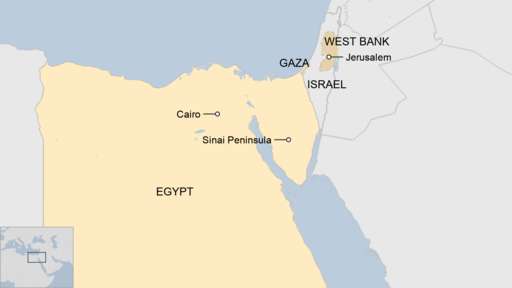
    Egypt has revealed that it is routing international aid flights for Gaza through an airport in northern Sinai.

    Egypt, a significant mediator between Israel and the Palestinians, has urged Israel to refrain from targeting the Rafah crossing between Egypt and Gaza, which was subjected to multiple bombings earlier in the week.

    Several nations, including South Africa, have extended offers to assist in resolving the crisis. Multiple sources indicate that Egypt had alerted Israel to a looming attack days before Hamas initiated a deadly cross-border raid into Israel.

    However, Israeli leader Benjamin Netanyahu dismissed these reports as “absolutely false.”

  • Prophet Oduro slams road ministry over patches on Tema Motorway

    Prophet Oduro slams road ministry over patches on Tema Motorway

    Founder and leader of the Alabaster International Ministry, Prophet Kofi Oduro, has criticized the Ministry of Roads and Highways for its approach to renovating the Tema Motorway.

    In a viral video addressing his congregation, Prophet Oduro expressed astonishment at the ministry’s choice to repair the Tema Motorway, a concrete road, with asphalt.

    He stated that this decision reflects a significant lack of competence within the ministry, as it is widely understood that materials used in road construction should also be used for repairs.

    “… I spoke about the Tema Motorway last week and I’m going to do it again. Can you patch a concrete road with asphalt? Even if you are stupid, can’t you use the same material that was used for the construction of the road must be used to patch it?

    “You have a whole institution for roads and highways. Where are the engineers? …. Concrete roads have expiry dates. When the expiry dates are due you need to strip the surface and do an overlay on it again,” he said.

    The pastor accused government officials of being only interested in living lavishly.

    “They only know how to bus houses for girls and boast because they have become successful because of cheap money,” he said.

  • CEO of Korle-Bu Teaching Hospital advocates for funding for renal patients

    CEO of Korle-Bu Teaching Hospital advocates for funding for renal patients

    Chief Executive Officer of Korle-Bu Teaching Hospital, Dr. Opoku Ware Ampomah, has expressed the need for a sustainable source of funding to support renal patients who require dialysis. He emphasized the importance of addressing critical issues related to dialysis treatment.

    This call comes in the midst of a controversy over dialysis prices, particularly in light of Korle-Bu Teaching Hospital’s proposed 100% price increase.

    Dr. Ampomah further mentioned that the hospital is awaiting the new dialysis price to be approved by parliament in the coming days.

    “The proposal is going to be considered to the Ministry, and then to Parliament, and at the right time when Parliament sits on it, we will be given what figure has been approved. And we will announce it to the public. As a nation, we need to look at sustainable financing for people with chronic kidney disease, especially those who have progressed to the end stage.”

    “The discussion has to centre around prevention, screening, and early detection and monitoring of these patients so that they do not progress to end-stage renal disease, where they will need dialysis to survive,” the Chief Executive Officer for Korle-Bu Teaching Hospital said.

    The Korle-Bu Teaching Hospital’s administration came under fire for raising the price of renal dialysis from GHS 380 to GHS 765.42.

    Although the new fee’s implementation has been put on hold, patient concerns about its effects still exist.

  • Tips for making smoothie with oats, soy milk for healthy weight gain

    Tips for making smoothie with oats, soy milk for healthy weight gain

    You can increase your calorie intake and gain weight in a healthy way by drinking a smoothie that is high in nutrients and calories.

    For such a smoothie, the ingredients peanut butter, banana, soy milk, and oats make sense.

    Here is a quick recipe that will help you acquire weight, especially around your chest and bottom:

    Ingredients:

    • 1 ripe banana
    • 2 tablespoons of natural peanut butter (unsweetened)
    • 1 cup of unsweetened soy milk (or any other milk of your choice)
    • 1/4 cup of rolled oats
    • 1 tablespoon of honey (optional for sweetness)
    • 1/2 teaspoon of vanilla extract (optional for flavor)

    Instructions:

    1. Start by adding the rolled oats to the blender. This will help break them down into a smoother consistency.

    2. Add the ripe banana to the blender. Bananas provide natural sweetness and a creamy texture.

    3. Scoop in the peanut butter. Make sure to use natural peanut butter without added sugars or hydrogenated oils for a healthier option.

    4. Pour in the soy milk. You can adjust the amount of milk to achieve your desired thickness.

    5. If you want a touch of sweetness, you can add honey to taste.

    6. For extra flavor, consider adding a bit of vanilla extract.

    7. Blend all the ingredients until the mixture is smooth and creamy.

    8. Taste the smoothie and adjust the sweetness or thickness by adding more honey or soy milk as needed.

    9. Pour the smoothie into a glass and enjoy. You can also garnish it with sliced bananas or a sprinkle of oats if desired.

    This smoothie is a well-balanced combination of healthy fats from peanut butter, complex carbohydrates from oats and bananas, and protein from soy milk, making it a great option for weight gain.

    Additionally, it provides essential vitamins and minerals, including potassium, fiber, and good sources of healthy fats, which are crucial for a balanced diet when trying to gain weight.

  • Pay attention to these signs in your breast and seek medical attention

    Pay attention to these signs in your breast and seek medical attention

    When you notice certain symptoms in your breast, they demand your quick care.

    Being constantly aware of and attentive to your body will help you avoid potentially fatal situations.

    Here are five breast symptoms that, if present, demand rapid medical treatment.

    1. Dimpling: Also known as “peau d’orange” (French for “orange peel skin”), dimpling refers to the appearance of small, dimpled, or pitted areas on the skin of your breast.

    This can be a sign of an underlying issue, so it’s essential to consult a healthcare professional if you notice this change in texture.

    2. Unusual rash and sore: An unusual rash on your breast can manifest as redness, irritation, or changes in skin texture.

    It may not necessarily be itchy, but if you notice any persistent, unexplained changes in your breast skin, it’s crucial to have it evaluated by a healthcare provider.

    3. Detected lump: The most well-known sign of breast abnormalities is the presence of a lump. These lumps can vary in size, shape, and tenderness.

    While not all lumps are cancerous, any new or unusual lump in your breast should be assessed by a medical professional to determine its cause and, if necessary, to rule out breast cancer.

    4. Changes in skin color: Changes in skin color can manifest as redness, inflammation, or darkening of the skin on or around your breast.

    These changes can be subtle but might indicate an underlying issue that requires medical attention.

    5. Inverted nipples: An inverted nipple is one that appears pulled inward rather than pointing outward.

    While some individuals have naturally inverted nipples, if you notice a recent change in the position of your nipple or if it becomes inverted when it was not before.

    It’s important to consult a healthcare provider to rule out any underlying concerns, including breast cancer.

    6. Thick area: if some parts of the breast thicken up it could be as a result of breastfeeding or menstruation.

    But if thickness does not disappear after breastfeeding or menstruation, seek medical attention immediately.

    Nipple discharge: Nipple discharge can vary in color, consistency, and frequency.

    It may be clear, bloody, green, yellow, or milky, and it can occur spontaneously or with pressure applied to the breast or nipple.

    While nipple discharge can have benign causes, it can also be a sign of an underlying health issue.

    These signs can be indicative of various breast conditions, not just cancer.

    However, early detection is crucial, so if you notice any of these signs or have

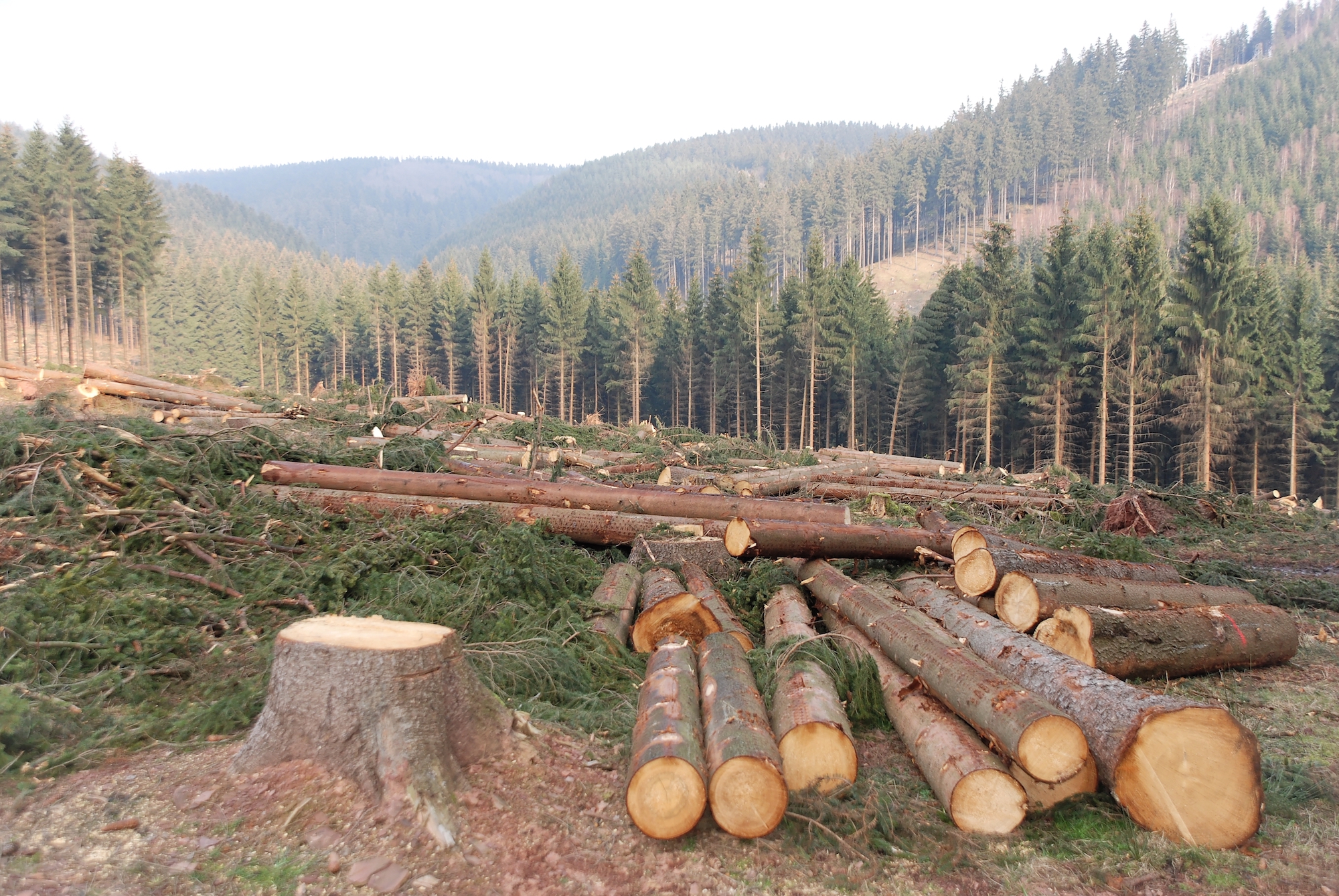
  • Environmental court in Kenya blocks removal of  prohibition on logging

    Environmental court in Kenya blocks removal of prohibition on logging

    On Thursday, a Nairobi court temporarily halted Kenyan President William Ruto’s decision to reopen state forests for logging, ending a ban that had been in effect for over five years.

    The ban was initially instituted by the previous government in 2018 to combat illegal logging and increase Kenya’s tree cover to 10%.

    However, in July, President Ruto lifted the ban, citing job creation and economic development in sectors reliant on forest products as the reasons behind the decision.

    Nonetheless, the Environment and Land Court ruled on Thursday that the decision was “null and void” due to the absence of public deliberation on the matter. The judge emphasized that petitioners and the public had the right to participate in shaping the legislation, regulations, and guidelines related to forestry activities.

    Legal representatives for environmental conservation organizations argued that the government did not seek input from the scientific community regarding the environmental consequences of resuming logging. They contended that this lack of consultation was in “complete disregard for the critical role forests play in mitigating climate change, preserving biodiversity, and safeguarding essential ecosystems.”

    During his presidential campaign in 2022, Ruto had identified the planting of 15 billion trees as a crucial component of his climate change mitigation agenda.

    Official statistics indicate that the forestry industry contributed 1.6 percent to Kenya’s GDP last year.

  • 1.2% growth rate was based on older data, not recent positive economic performance – IMF on Ghana’s economic growth

    1.2% growth rate was based on older data, not recent positive economic performance – IMF on Ghana’s economic growth

    The IMF’s Resident Representative in Ghana, Dr. Leandro Medina, has clarified that Ghana’s economic growth projection for 2023 has not been reduced to 1.2%, contrary to previous reports.

    Dr. Medina explained that the 1.2% figure relied on older data and did not consider recent positive economic performance, where the country has achieved an average growth rate of 3.2% in the first two quarters of the year.

    He further pointed out that based on the findings of the IMF’s first ECF review mission, the growth projection for 2023 is anticipated to be revised upwards from the previous assumption of 1.5%.

    “The latest IMF World Economic Outlook projection (1.2 percent growth for 2023) is based on an old vintage of Fund staff projections. In particular, it does not take into account the recent data releases that showed a higher growth rate than expected at the beginning of the program (averaging 3.2 percent for the first two quarters).

    “At the current juncture, and based on the findings of the first ECF review mission that just ended last week, the IMF staff assessment is that the growth projection for 2023 will be revised up from the 1.5 percent previously assumed,” he said.

    During an interview with Bernard Avle on CitiTV’s Point of View on October 9, Stéphane Roudet, the IMF’s Mission Chief to Ghana, praised Ghana’s strong economic recovery.

    Initially, the IMF had projected Ghana’s economy to achieve a growth rate of 1.5% by the end of 2023. However, data from the first half of the year suggests that the country’s economy is expanding at a significantly higher rate, approximately 3%.

    Roudet noted that this substantial outperformance is encouraging and is likely to facilitate the smooth disbursement of the second tranche of the $3 billion credit facility from the IMF to Ghana.

    “Ghana’s economic activities, I have to say, have surprised us on the outside. You will remember that in the programme, we were projecting economic growth of 1.5 percent for this year, and now we have the outcome for the first half of the year, and we are about 3 percent, so you can see that there are signs that are encouraging,” he said.

  • IMF cuts North Africa’s 2023 real GDP growth forecast

    IMF cuts North Africa’s 2023 real GDP growth forecast

    The annual IMF-World Bank meetings are currently taking place in Morocco, but the conflict between Israel and Hamas has put a shadow over them and soured the outlook for an already weak global economy.

    For the first time in 20 years, the meeting of the international lenders, which includes finance ministers and central bankers from all over the world, is taking place in an Arab nation.

    “In the Middle East and North Africa, we have lowered our real GDP growth forecast to 2 per cent for 2023, a downgrade by 1,1 percentage point from our last projections in April,” said Jihad Azour, director of the IMF’s Middle East and Central Asia department.

    He emphasized that persistent structural challenges would hinder medium-term growth.

    “Crucially, the projected growth is not expected to be robust or comprehensive enough to generate sufficient employment opportunities for the hundred million Arab youth entering the workforce in the next decade,” Azour stated.

    The slowdown is also influenced by reduced oil production, stringent policies in emerging market and middle-income economies, the Sudan conflict, and other nation-specific factors.

    This projection occurred before the conflict, and Azour acknowledged that it was challenging to gauge its economic impact, describing the situation as a significant and seismic event.

    Nonetheless, the IMF anticipates that economic growth in the Middle East and North Africa region will accelerate to 3.4 percent in 2024.

  • Kenyan publisher pulls down contentious textbook featuring Muhammad

    Kenyan publisher pulls down contentious textbook featuring Muhammad

    A Kenyan publishing company has taken the decision to recall a textbook that featured an image of Prophet Muhammad following protests by Muslim leaders and parents.

    The Muslim community expressed concerns about the blasphemous nature of depicting the Prophet and the request for students to color in the illustration.

    Mentor Publishing Company acknowledged the gravity of their mistake and expressed regret over the inclusion of the controversial drawing in their book on Islamic studies designed for second-year primary school pupils.

    In Kenya, where approximately 11% of the population adheres to Islam, this move carries significant importance as it addresses a sensitive religious matter.

    Depictions of the Prophet Muhammad are a deeply sensitive issue for Muslims, as they contravene traditional Islamic beliefs that explicitly forbid visual representations of both the Prophet and Allah (God).

    Sheikh Rishard Rajab Ramadhan, a Muslim scholar from the coastal city of Mombasa, described the book’s content as “dangerous” for young children and emphasized that such depictions could even lead to conflict.

    In a letter addressed to the Muslim community, Mentor Publishing Company acknowledged the sacrilegious nature of the content in their book, known as the “Mentor Encyclopedia Grade 2.” The drawing in question had been inadvertently inserted into the book and mistakenly identified as an image of Prophet Muhammad.

    Josephine Wanjuki, the director of Mentor, offered a sincere and wholehearted apology for this error and pledged to prevent such mistakes from recurring. Additionally, the publisher confirmed that the offensive drawing would be removed from all future editions, and they have committed to collaborating with the Muslim Education Council to review their entire catalog of books.

    All teachers, students, and school administrators in possession of the book have been advised to return it to the publisher. Sheikh Ramadhan praised this decision to recall the books but urged publishers to consult with Muslim leaders before releasing any materials related to Islamic studies.

  • Alert: Malawi faces an impending heatwave with soaring temperatures

    Alert: Malawi faces an impending heatwave with soaring temperatures

    Malawians are on high alert as they face the looming threat of an extreme heatwave, set to push temperatures to a scorching 44°C.

    Authorities urge citizens to exercise caution, avoiding alcohol and caffeine as these beverages can lead to dehydration in such extreme conditions.

    The country’s meteorological service has issued a warning, indicating that, while high temperatures are not uncommon for October, they are expected to become both more frequent and severe due to climate change impacts.

    This situation mirrors intense heatwaves witnessed in North Africa, Europe, the United States, and Mexico in July. Climate experts predict that 2023 will be a record-setting year for warmth due to ongoing emissions of warming gases and El Niño weather events.

    Malawi’s Department of Climate Change and Meteorological Services has released an advisory, cautioning citizens to prepare for an extended period of sweltering and uncomfortable weather, forecasted to persist until Saturday.

    The projected maximum temperatures are a scorching 44°C in the southern Shire Valley and 40°C in northern areas along Lake Malawi.

    Yobu Kachiwanda, Malawi’s chief meteorologist, explained that a continual daily temperature rise is responsible for this exceptional heatwave, attributing it to direct heat energy from the sun positioned directly above Malawi.

    Vulnerable populations, including the elderly, children, and individuals with pre-existing health conditions, are at significant risk of heat-related illnesses when exposed to such extreme conditions over an extended period. The weather bureau has highlighted concerns about conditions like heat exhaustion and heatstroke.

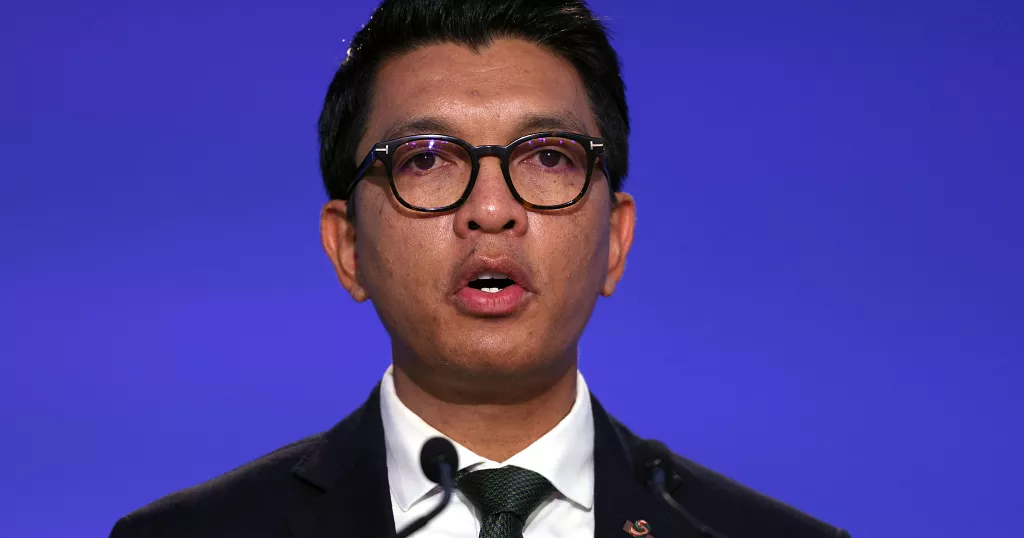
  • Presidential election in Madagascar adjourned

    Presidential election in Madagascar adjourned

    Madagascar’s first-round presidential election, originally set for November 9, has been postponed by a week due to a candidate’s injury during an opposition protest, as declared by the High Constitutional Court on Thursday.

    “The High Constitutional Court, using its regulatory authority, orders the first-round presidential election’s postponement to November 16, 2023,” announced the island’s highest court in a decision posted on its website.

    The second round of voting on December 20 remains unchanged, but the official electoral campaign, which commenced on Monday, has been extended by one week.

    This election, featuring incumbent president Andry Rajoelina as a candidate, has been marred by an increasingly deteriorating political climate for several weeks.

    Former president Marc Ravalomanana reported sustaining a leg injury in early October when police and soldiers deployed tear gas to disperse a gathering of his supporters and those backing other candidates challenging the incumbent president.

    The opposition claims that the authorities are conspiring to favor Rajoelina. Last month, both the European Union and the United States asserted their close monitoring of election preparations.

    Thirteen candidates are competing for the presidency.

    The majority of those opposing Mr. Rajoelina at the polls, under an alliance known as the “Collective of Eleven,” have called for almost daily demonstrations since the start of the month.

    However, these rallies have been consistently thwarted by the police’s use of tear gas.

  • Africa Data Centres and DFC partner to build $50M data center in Ghana

    Africa Data Centres and DFC partner to build $50M data center in Ghana

    The USA’s International Development Finance Corporation (DFC) has designated a $300 million investment to facilitate the establishment of data centers in Africa, including Ghana.

    The Africa Data Centres (ADC) project aligns with the US government’s efforts to support Ghana’s digital transformation and government’s digitalization agenda.

    During the signing of a Memorandum of Understanding (MoU) involving ADC, Cassava Technologies, and DFC in Accra on October 12, the CEO of DFC, Scott Nathan, emphasized that the establishment of a data center in Ghana will serve as a crucial hub for secure, reliable, and trusted ICT networks and infrastructure.

    He revealed that Ghana, South Africa, and Kenya will be the main locations for the data centers.

    “Data centres can help attract data-driven companies looking for a foothold or to expand their operations in growing African economies. Markets with trusted technology and dependable data storage are magnets for businesses that create jobs and opportunity,” Nathan said.

    “When the data centre becomes operational, it will help enable development and economic growth here in Accra, for communities, across the country and in the wider region of Africa,” he added.

    Additionally, Scott Nathan underlined the significance of open, safe, and secure information technology networks as the cornerstone for the growth of any thriving economy.

    “They are a vital part of the infrastructure that allows a dynamic private sector to grow and thrive,” the DFC CEO concluded.

    According to Finhai Munzara, chief financial officer of Africa Data Centres, the project will leverage up to 15%, or US$50 million, for the data center in Ghana to further support the government’s objective to fully utilize the potential of the nation’s technological industry.

    “We have secured a site in Ghana within the Trade Fair which is also around the landing stations. We know from internet statistics that Ghana is becoming a hub for internet connectivity and we are seeing today that Ghana is using 20 percent of the West Africa regions internet and we believe that will continue to grow further upwards”.

    Following the recent visit to Ghana by US Vice President Kamala Harris, US Ambassador to Ghana Virginia Palmer reaffirmed the US government’s commitment to assisting Ghana in its attempts to undergo a digital revolution.

    “Ghana is harnessing the potential of the digital economy and we applaud its vision and commitment to building a strong digital ecosystem,” Ambassador Palmer noted.
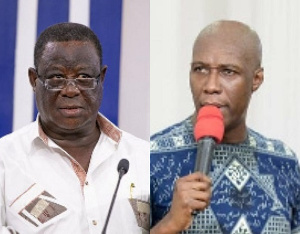
    The Memorandum of Understanding (MoU) also emphasizes their shared commitment to enhancing the ICT infrastructure in Africa.

    Additionally, it enables ADC to leverage a portion of its current $300 million DFC finance commitment to build Ghana’s first data center of its sort.

  • 600 people in Nigeria die from diphtheria outbreak

    600 people in Nigeria die from diphtheria outbreak

    Nigeria faces a severe diphtheria outbreak, claiming 600 lives, mostly children, surpassing the 2011 incident with only 98 cases.

    Kano state, in the north, is at the heart of this crisis, reporting over 500 deaths, but active cases are now decreasing.

    Diphtheria is highly contagious, impacting the nose, throat, and skin, often fatal, transmitted through coughs, sneezes, and close contact.

    Tragically, many affected children were unvaccinated. Dr. Faisal Shuaib, head of the National Primary Health Care Development Agency, stressed diphtheria’s preventable nature during a visit to a Kano isolation center.

     “Witnessing the young children suffering from this entirely preventable disease at the center today was profoundly heart-wrenching.”

    As of September 24, the Nigeria Centre for Disease Control and Prevention (NCDC) has recorded 453 fatalities and 11,587 suspected cases. The World Health Organization (WHO) warns that the actual fatality and infection rates may be higher due to limited testing and unreported symptoms, but measures like contact tracing have led to a drop in case numbers.

    This dire outbreak has impacted 19 out of Nigeria’s 36 states and the federal capital, Abuja, hitting northern states the hardest, including Kano, Yobe, Katsina, Borno, Jigawa, and Kaduna.

    Health authorities are urging parents to ensure unvaccinated or partially vaccinated children receive immunization, emphasizing its vital role in managing the crisis.

    The WHO points out that only 57% of Nigerians have received the pentavalent vaccine, which protects against five life-threatening diseases, including diphtheria. To prevent future diphtheria outbreaks, Nigeria must increase vaccination coverage to reach at least 80% of the population, according to the WHO.

    The last significant diphtheria outbreak in the country occurred in 2011, with 21 deaths and 98 infections in Borno state, as reported by the WHO.

  • World Bank allocates $70b for digital development in Ghana and other nations

    World Bank allocates $70b for digital development in Ghana and other nations

    The World Bank has allocated approximately $70 billion to support digital infrastructure development in Ghana and other developing nations.

    The Bank is actively engaging in research and communication with African and other developing countries to identify investment needs and provide necessary assistance.

    During a panel discussion at the WBG/International Monetary Fund (IMF) Annual Meetings in Marrakech on the topic “Building foundations for an inclusive digital future,” Mr. Axel Van Trostsenburg, Senior Managing Director, Development Policy and Partnership at the World Bank, emphasized the importance of bridging the digital divide between advanced and low-income countries. He stressed that a financial commitment is essential, as digital infrastructure cannot be built on hope alone.

    In response to this need, the International Development Association (IDA), a subsidiary of the World Bank, is making $70 billion of its $93 billion replenishment available to Africa to support digital infrastructure and other developmental projects.

    Trostsenburg highlighted the importance of developing physical digital infrastructure and connecting it to the objectives of the African Continental Free Trade Area (AfCFTA), emphasizing the potential for significant economic growth through regional integration under AfCFTA.

    He called for a multifaceted approach, including regulatory support, infrastructure development, and mobilizing private sector finance to foster digital development.

    Ursula Owusu-Ekuful, Ghana’s Minister of Communications and Digitalisation, shared Ghana’s challenges in digital acceleration, citing insufficient access to finance due to global economic difficulties. The government is exploring Private-Private Partnerships (PPPs) to increase high-speed internet access.

    Despite challenges, Ghana has launched various programs to benefit people of all backgrounds, from students to the working population, including farmers and individuals with disabilities. These initiatives have led to remarkable progress, with individuals who had never encountered computers now becoming software and robotic engineers.

    Ghana is set to host the first global cybersecurity capacity-building conference in November 2023, aimed at strengthening capacities in the global south and reducing reliance on costly consultants for managing digital infrastructure.

  • South Africa’s president calls for ceasefire in Israel-Gaza conflict

    South Africa’s president calls for ceasefire in Israel-Gaza conflict

    South Africa offers to mediate in Israel-Palestine conflict.

    President Cyril Ramaphosa calls for a prompt ceasefire, drawing on the nation’s conflict resolution expertise.

    He expresses concern about civilian casualties and urges the immediate and unconditional opening of humanitarian routes.

    Israeli authorities have suspended Gaza’s essential services, demanding the return of Israeli hostages to lift the blockade.

  • Economist opposes merging large banks like ADB-NIB

    Economist opposes merging large banks like ADB-NIB

    Head of the business school at the University of Ghana, Professor Lord Mensah, has indicated that it is not economically sensible for the government to combine ADB and NIB financial institutions.

    He believes that these state-owned businesses are important banks that can continue to run independently.

    Professor Mensah discussed the ADB-NIB merger on ClassFM and stated,  “You cannot put two big banks together…Prudent economic management will not allow merging two state-oriented banks.”

    The economist expressed concerns that combining these entities could potentially disrupt the balance sheet of NIB.

    He suggested that an external investor is crucial to infuse capital into the financially challenged NIB for its revitalization.

    In the meantime, the Minority Leader in Parliament cautioned that the government’s move to merge the National Investment Bank with the Agricultural Development Bank might result in approximately 800 job losses.

    Isaac Adongo, Member of Parliament for Bolgatanga Central, characterized this decision as unwise, hinting at a government strategy to assume full control of the bank.

    He further argued that alternative measures could enhance the bank’s sustainability without transferring it to ADB.

  • BoG tells IMF to adapt lending toolkits to address global financial architecture for Sub-Saharan Africa

    BoG tells IMF to adapt lending toolkits to address global financial architecture for Sub-Saharan Africa

    Governor of the Bank of Ghana, Dr. Ernest Addison, has proposed several actions to the International Monetary Fund (IMF) in response to the disintegrated global financial framework that is affecting countries in Sub-Saharan Africa.

    During his address at the IMF-African Caucus gathering in Marrakech, Morocco, Dr. Addison urged the IMF to maintain its resolve and modify its lending strategies to align with evolving global circumstances, with the aim of better serving its susceptible member nations.

    “In this context, we restate our earlier request for increased concessional financing by aligning PRGT access thresholds with those of the GRA to ensure uniformity of treatment,“ Dr Addison said.

    “In addition, we call on the Fund to relax the Poverty Reduction and Growth (PRGT) eligibility criteria to foster access to adequate Fund support while reducing, suspending, or eliminating entirely surcharges for most vulnerable PRGT-eligible members facing acute debt challenges,” he added.
    The Governor of the Bank of Ghana reiterated the appeal to the IMF for additional commitments from willing donors to address the shortfalls in PRGT resources.

    He emphasized the vital importance of successfully concluding the ongoing 16th General Review of Quotas (GRQ) to strengthen the IMF’s financial standing while safeguarding the quota share of more vulnerable member nations.

    In response to the present economic difficulties, countries in Sub-Saharan Africa have been advocating for a transformation in the global financial structure to enable greater access to international markets and increased concessional funding.

  • 7 OMCs charged by NPA for illegal distribution of fuel

    7 OMCs charged by NPA for illegal distribution of fuel

    The National Petroleum Authority (NPA) has imposed sanctions on seven Petroleum Products Marketing Companies (PPMCs) for engaging in the illicit distribution of petroleum products.

    These companies are now required to pay fines for multiple violations, including contravention of Unified Petroleum Pricing Fund (UPPF) regulations, providing false UPPF information to the Authority, and partaking in third-party supplies.

    Failure to settle the fines will result in a three-month suspension of their operations.

    Specifically, Andev Co. Ltd is liable for a total fine of GHS90,000.00, comprised of GHS10,000.00 for UPPF regulation breaches and GHS10,000.00 for each of eight counts of making false UPPF representations to the Authority.

    Beap Energy is obligated to pay a total fine of GHS20,000.00, including GHS10,000.00 for UPPF regulation violations and GHS5,000.00 for each of two counts of third-party supplies.

    BF Petroleum will be required to pay a total fine of GHS95,000.00, encompassing GHS10,000.00 for breaching UPPF regulations, GHS5,000.00 for each of ten counts of third-party supplies, and GHS5,000.00 for each of seven counts of lifting petroleum products without cross-zonal authorization.

    Anasset Co. Ltd is subject to a total fine of GHS50,000.00, composed of GHS10,000.00 for contravening UPPF regulations and GHS10,000.00 for each of four counts of providing false UPPF information to the Authority.

    Cost Energy must pay a total fine of GHS665,000.00, which includes GHS10,000.00 for engaging in third-party supplies and GHS5,000.00 for each of the one hundred and thirty-one counts of third-party supplies.

    Compass Oleum Ltd is to settle a total fine of GHS350,000.00, covering GHS10,000.00 for UPPF regulation violations, GHS5,000.00 for each of the fifteen counts of lifting petroleum products without cross-zonal authorization, and GHS5,000.00 for each of the fifty-three counts of engaging in third-party supplies.

    Concord Oil Ltd is obligated to pay a total fine of GHS65,000.00, consisting of GHS10,000.00 for contravening UPPF regulations, GHS5,000.00 for each of four counts of engaging in third-party supplies, and GHS5,000.00 for each of seven counts of lifting petroleum products without cross-zonal authorization.

    The NPA has issued a warning that any company failing to adhere to the rules and regulations established by the Authority will be subject to additional penalties.

    The UPPF is instrumental in maintaining uniform prices for petroleum products throughout the country.

  • A dollar goes for GHS11.90 at forex, BoG interbank rates at GHS11.27 

    A dollar goes for GHS11.90 at forex, BoG interbank rates at GHS11.27 

    Today, October 12, 2023, the Ghana Cedi is trading versus the dollar at a purchasing price of 11.2603 and a selling price of 11.2715, according to the Interbank exchange rates provided by the Bank of Ghana.

    At Forex bureaus in Accra, the US Dollar is bought at a rate of 11.70 and sold at 11.90.

    Against the British Pound Sterling, the Cedi is traded at a buying price of 13.8389 and a selling price of 13.8538. In Accra’s Forex Bureaus, the Pound Sterling is bought at 14.25 and sold at 14.65.

    The Euro’s exchange rate stands at a buying price of 11.9404 and a selling price of 11.9522. In Accra’s Forex Bureaus, the Euro can be bought at 12.20 and sold at 12.60.

    The South African Rand is trading at a buying price of 0.5974 and a selling price of 0.5979. In Accra’s forex bureaus, the South African Rand is bought at a rate of 0.35 and sold at a rate of 0.95.

    The Nigerian Naira is trading at a buying price of 67.9928 and a selling price of 68.0816. At forex bureaus in Accra, the Nigerian Naira can be bought at a rate of 10.00 Naira for every 1 Cedi and sold at a rate of 15.00.

    For the Central African CFA Franc (CFA), the exchange rate is at a buying price of 54.8817 and a selling price of 54.9359. In Accra’s forex bureaus, the CFA can be bought at a rate of 16.50 CFA for every 1 Cedi and sold at a rate of 19.00 CFA for every 1 Cedi.

    Note that these rates may be different at a forex bureau near you. Our forex bureau rates are provided by Afriswap Bureau De Change in Osu, Accra.

    Our forex bureau rates are provided by Afriswap Bureau De Change in Osu, Accra.

  • Steve Scalise nominated as House Speaker by US Republicans

    Steve Scalise nominated as House Speaker by US Republicans

    Republicans have officially selected Rep. Steve Scalise as their nominee for the next House speaker.

    However, they now face the challenging task of reconciling their deeply divided majority to secure a floor vote in favor of the conservative Scalise, after the removal of Rep. Kevin McCarthy from the role.

    In a private ballot held at the Capitol, House Republicans narrowly favored Scalise over Ohio Rep. Jim Jordan, the Judiciary Committee chairman.

    Nonetheless, tensions persist among Republicans, who have been embroiled in bitter infighting, resulting in a gridlocked House.

    A full House floor vote is anticipated, but on Wednesday afternoon, the House convened briefly before adjourning indefinitely, leaving the next steps in this process uncertain.

  • MD of Ghana Airports Company Limited to be fired by December 2023 – Ablakwa

    MD of Ghana Airports Company Limited to be fired by December 2023 – Ablakwa

    Member of parliament representing the North Tongu constituency, Samuel Okudzeto Ablakwa, has predicted that the current Managing Director of the Ghana Airports Company Limited (GACL), Pamela Djamson-Tettey will be fired by the end of the year 2023.

    According to him, some influential persons in parliament are working around the clock to make that happen.

    “Do you know, I can probably reveal for the first time that efforts are underway to do away with the Managing Director of Ghana Airports Company Limited,” Okudzeto Ablakwa stated.
    He said, “What I am tracking, I don’t think she will be there beyond December.”

    During a time of media engagement on TV3’s New Day program, which was monitored by GhanaWeb Business on Wednesday, October 11, 2023, the Member of Parliament for North Tongu made the assertion that the Managing Director of GACL stands accused of delaying the approval of a contract with Heaven Builders Limited.
    Heaven Builders Limited, a private company, had initially been granted a lease for 38.14 acres of land around the Kotoka International Airport for a total of US$85,021,340. However, they countered with a proposal for 62.14 acres and requested an extension of the lease period from 45 years to 99 years.

    According to Okudzeto Ablakwa, separate assessments conducted by independent institutions such as the Ghana Institution of Surveyors and Brightwater Property Investments Limited have revealed that the ‘Heaven’ deal is economically unfavorable.

    In his perspective, the Heaven Builders Limited scandal appears to be a ploy to acquire state land for personal purposes.

    “This whole scheme is state capture…Let Heaven Builders take the lead, go and front, take the lands and then they will just distribute it among cronies. That’s what this is about,” the lawmaker asserted.

    He claimed that the individuals behind Frontier Healthcare Service were also those attempting to negotiate with the government on behalf of Heaven Builders Limited.

  • FULL TEXT: BoG Governor’s speech at IMF-African Caucus Meeting

    FULL TEXT: BoG Governor’s speech at IMF-African Caucus Meeting

    I appreciate the opportunity today to speak on behalf of my fellow Governors about making public debt useful for sustainable growth in Africa. But let me first express my deepest commiserations to the authorities and the peoples of Morocco and Libya for the recent devastating tragedies that have claimed many lives, displaced many people, and destroyed properties, while appealing for urgent support from the international community.

    Madam Managing Director, African economies are faced with acute debt challenges underscored by rising social and infrastructural needs, amid spillovers from the Covid-19 pandemic, the war in Ukraine, tightening of global financing conditions, and climate-related disasters. Public debt in sub-Saharan Africa (SSA) has now reached levels last seen in the early 2000s.

    The resultant increased debt service burden, together with complex creditor composition, has heightened risks to debt sustainability, to the extent that more than half of the SSA members are now in or at high risk of debt distress. Simultaneously, protracted high inflation has constricted the policy space, posing difficult policy trade-offs for many members in the region.

    This challenging environment has led to another year of moderated pace of economic recovery, as SSA growth is projected to further decelerate in 2023. While members remain committed to implementing relevant policies and reforms towards enhancing fiscal discipline with the aim of restoring debt sustainability and fostering inclusive and sustainable growth in the continent, a much stronger IMF support would be crucial, amid the current challenging global environment.

    Against this backdrop, I would suggest the following for consideration, Madam Managing Director:

    ▪ Given the fragmented global financial architecture, we urge the IMF to remain steadfast and adapt its lending toolkits to changing global conditions to serve its vulnerable membership better. In this context, we restate our earlier request for increased concessional financing by aligning PRGT access thresholds with those of the GRA to ensure uniformity of treatment.

    In addition, we call on the Fund to relax the PRGT eligibility criteria to foster access to adequate Fund support while reducing, suspending, or eliminating entirely surcharges for most vulnerable PRGT-eligible members facing acute debt challenges. We also reiterate our call for additional pledges from willing donors to close the gaps in PRGT resources. We further stress the criticality of a successful completion of the ongoing 16th GRQ to reinforce IMF finances while protecting the quota share of the vulnerable members.

    ▪ Strengthening multilateral coordination and efficiency of regulatory framework for debt resolution in LICs, through a formidable Global Sovereign Debt Roundtable (GSDR), is paramount. While welcoming the latest developments on Zambia and Chad, we underscore the need to revamp the G20 Common Framework (CF) to ensure timely, orderly, equitable, inclusive, and transparent debt restructuring for distressed members in the region (including, Ghana, Ethiopia, and Malawi). In this regard, we call for a carefully designed debt resolution mechanism, especially, for vulnerable members with large-domestic creditors (as in the case of Ghana) to help avert domestic financial market instability.

    In addition, improving debtor-creditor engagements through an enhanced GSDR while strengthening technical support to foster common understanding of all debt issues is macro-critical to bolster a swifter, proactive and systematic restructuring. We also reaffirm the request for debt standstill during times of negotiations to offer immediate relief to debtors and restate our request for multilateral debt cancellation for the most vulnerable members facing acute debt challenges.

    • Furthermore, an enhanced IMF’s cooperation with MDBs/RDBs is necessary to facilitate timely provision of MDBs/RDBs’ financial assistance for members facing significant debt and growth challenges. In this context, we restate the call for new SDR allocation through the MDBs/RDBs’ (including AfDB), given their multiplier effects in achieving climate and development goals. We also request that the Fund leverages its close engagements with G20 members to advocate for better lending terms from the ongoing design and implementation of the G20 Capital Adequacy Framework (for MDBs) to avert inadvertent financing ramifications on vulnerable members in Africa.

    ▪ Finally, deepening the Fund’s tailored capacity development and surveillance support, in collaboration with other international partners, is crucial to addressing member-specific bottlenecks for restoring public debt sustainability, and bolstering inclusive and sustainable economic growth and development in the region.

    Thank you, Chair and Madam Managing Director

  • Akufo-Addo makes claim of spending over GHS100 billion on education

    Akufo-Addo makes claim of spending over GHS100 billion on education

    President Nana Addo Dankwa Akufo-Addo has disclosed that an expenditure of GH¢114,500,612,135 has been directed towards the education sector over the course of the past seven years.

    Notably, GH¢12,961,284,58 from this sum was allocated to senior high schools.

    President Akufo-Addo emphasized that this substantial financial commitment to the education sector facilitated the initiation of 1,105 projects within senior high schools.

    These projects encompassed the construction of economics blocks, dormitories, science laboratories, classroom blocks, and various other essential developments.

    “I am pleased to report that a substantial number of these projects are nearing completion, and by early 2024, they will be fully operational,” President Akufo-Addo said.

    He remarked that the establishment of 11 model schools nationwide represented a strategic endeavor to revolutionize the education sector.

    President Akufo-Addo further elaborated that the Ghana National Digital Literacy Project is designed with the objective of equipping every student with the necessary skills to excel in the global digital economy.

  • Former first lady of Gabon, Sylvia Bongo jailed

    Former first lady of Gabon, Sylvia Bongo jailed

    Franco-Gabonese wife of former president Ali Bongo Ondimba of Gabon, Sylvia Bongo Ondimba Valentin, has been arrested on Thursday October 12, according to her attorney.

    She had been under house arrest since a military coup at the end of August for allegedly embezzling state fund.

    Her French attorney, François Zimeray, responded when asked by AFP about his client’s detention late on Wednesday night, “I can confirm this.”

    He condemned a “arbitrary” and “illegal” process. The central prison in Libreville reportedly issued a committal order for Mrs. Bongo late on Wednesday night after a protracted re-hearing by an examining magistrate, according to Gabonese media reports.

    On September 28, Mrs. Bongo was officially charged with “money laundering and forgery” and placed under house arrest in Libreville, a situation that had persisted since the aftermath of the August 30 coup that ousted her husband.

    The military forces responsible for overthrowing her husband, citing allegations of election manipulation within his inner circle, publicly expressed suspicions regarding the former First Lady.

    They believed she had exercised significant influence over her husband, who had been dealing with the repercussions of a severe stroke in 2018.

    Furthermore, they accused her, along with their son Noureddin Bongo Valentin, of effectively leading the country since that time and engaging in extensive misappropriation of public funds.

    Noureddin Bongo had also been incarcerated since the inception of the coup, facing charges of “corruption” and “embezzlement of public funds.”