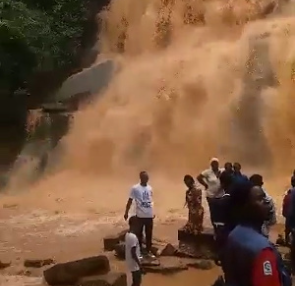
The Kintampo Waterfalls (KWF) management has addressed concerns about the recent alteration in the waterfall’s color at the well-known tourist attraction.
They clarified that the change in appearance is not due to illegal mining activities but is a consequence of substantial rainfall in the region.
This shift in the waterfall’s hue became a topic of public discussion after a video circulated on social media, implying that illegal mining was the cause behind the change in color.
However, the management, through an official statement, has attributed the phenomenon to a period of exceptionally heavy rainfall in the region over the past few weeks.
“Over the past weeks, the region has experienced unusually heavy rainfall, resulting in a significant increase in water inflow to the area. As a result, the river has exceeded its normal banks, causing an overflow. This overflow carries with it a substantial amount of sediment and debris from upstream, leading to a temporary change in the colour of the water.
“This phenomenon is not uncommon in natural systems and happens annually when heavy rainfall washes soil and sediment into the river, resulting in a brief change in water appearance. Additionally, increased water flow can disturb the natural sediment on the riverbed, which can also affect the water’s appearance,” part of the statement added.
The management of KWF further confirmed that they were made aware of the issue after two tourists went to the location on Thursday, October 5, 2023.
They were very clear that there was no relationship at all between the change in water color and the unlawful mining taking place nearby.
“This was the case when two tourists visited our facility on Thursday, October 5, 2023. We want to state emphatically that this has no connection whatsoever with Illegal mining activities.”
“We would like to reassure all prospective visitors and tourists that our facility remains in impeccable condition, and we are unwavering in our commitment to providing you with the exceptional experiences we have consistently promised,” the statement added.
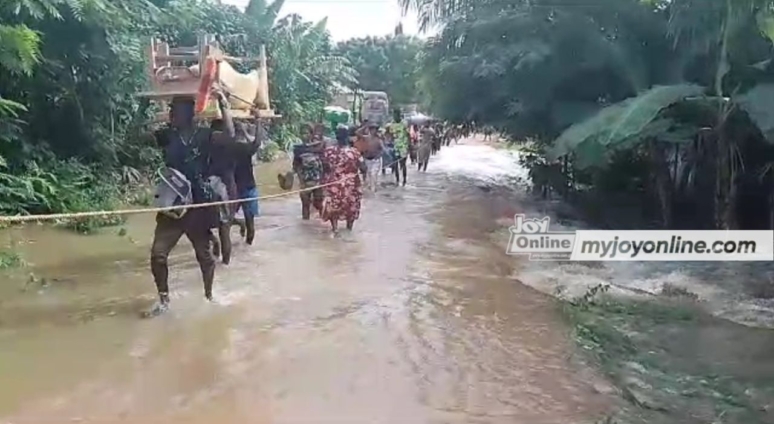
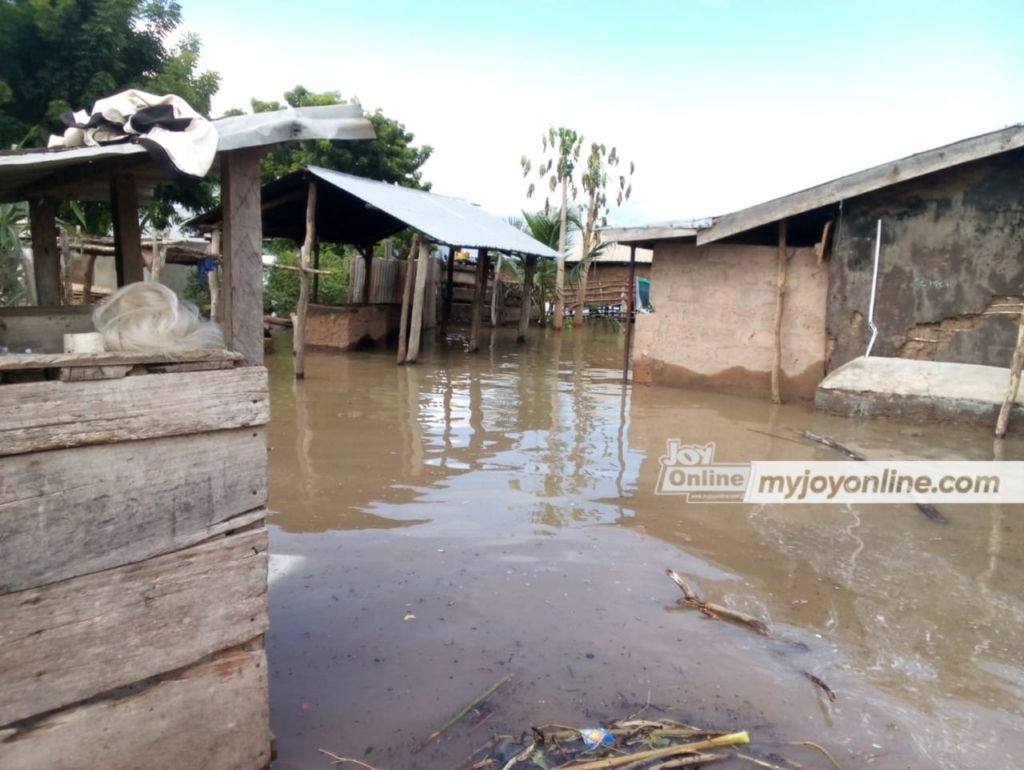
Residents in the three Tongu Districts and Anlo in the Volta Region are tallying the damages they’ve incurred after heavy rains. Many have seen their homes and businesses inundated due to the Akosombo Dam’s spillage.
The Volta River Authority (VRA) initiated this spillage in response to the consistent increase in the inflow pattern and water level of the Akosombo Dam.
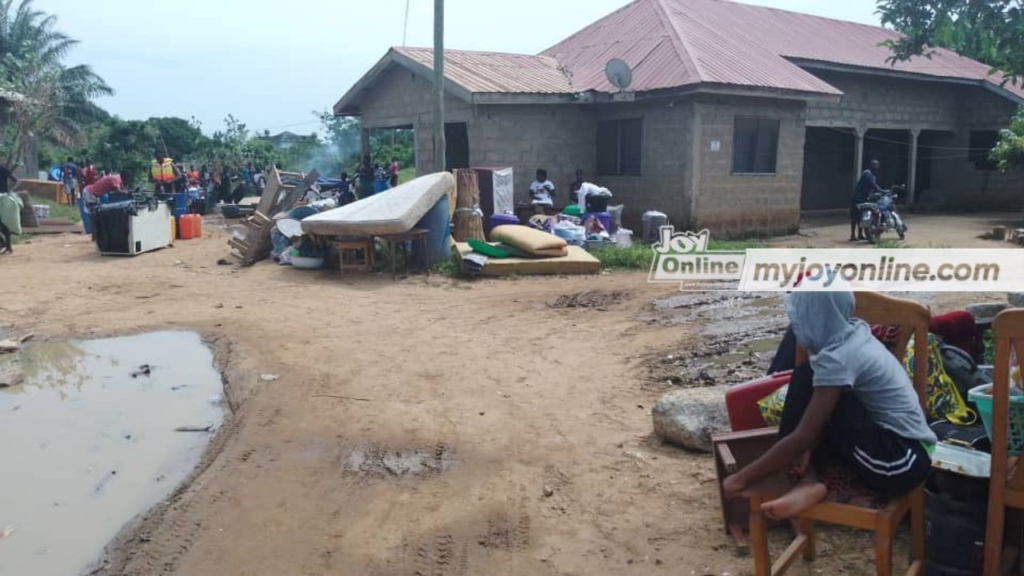
Those affected, who have lost their possessions, are currently without shelter and are requesting government assistance.
On September 12, the VRA stated that it had properly informed its key stakeholders about this situation.
However, residents living in proximity to the river are packing up salvageable items, while those whose properties have been submerged are appealing for assistance.
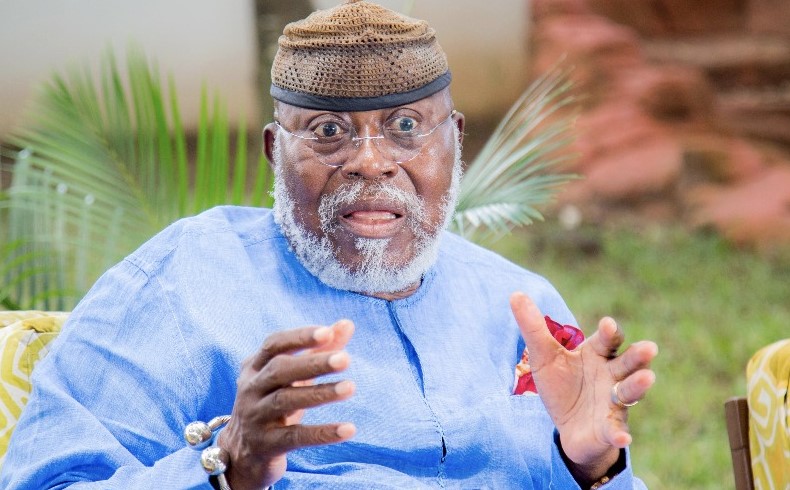
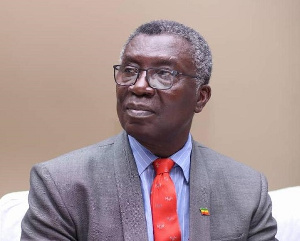
A well-known figure in Ghana’s political arena and a prominent member of the Ghana Today Coalition, Dr. Nyaho-Nyaho Tamakloe, delivered an impassioned press conference on Wednesday, October 11, 2023, at the Ghana Journalists Association (GJA) Headquarters.
During the conference, he emphasized the need for citizens to courageously speak truth to those in authority.
He also raised questions about the silence of influential individuals and organizations in the country. Dr. Tamakloe expressed his worries about the current condition of Ghana and the apparent absence of those who had previously been known for speaking truth to those in power.
“Individuals who constantly spoke truth to power some years ago to emerge from the self imposed excise to speak to the government we have now. Where are the Otabil’s, Duncan Williams, Rev. Martey and, Dag-Heward Mills and the many civil society organizations and critical journalists,” he bemoaned.
He emphasized the necessity for these powerful voices to speak out and confront the issues Ghana is currently facing.
“We need to speak truth to power to help maintain the peace we have in this country. Anything to go by the tenets of our wavering democratic principles would turn this country upside down,” Dr. Tamakloe emphasized.
Dr. Tamakloe underscored the significance of holding government appointees accountable to the electorate. He emphasized the role of the Electoral Commission of Ghana in supervising public elections and referenda since its establishment in 1992.
Nevertheless, he voiced apprehensions about the recent performance of the Electoral Commission, which has raised doubts regarding the integrity of Ghana’s electoral procedures.
Subscribe to receive notifications each time a new post is published. Rest assured, your privacy will be respected.
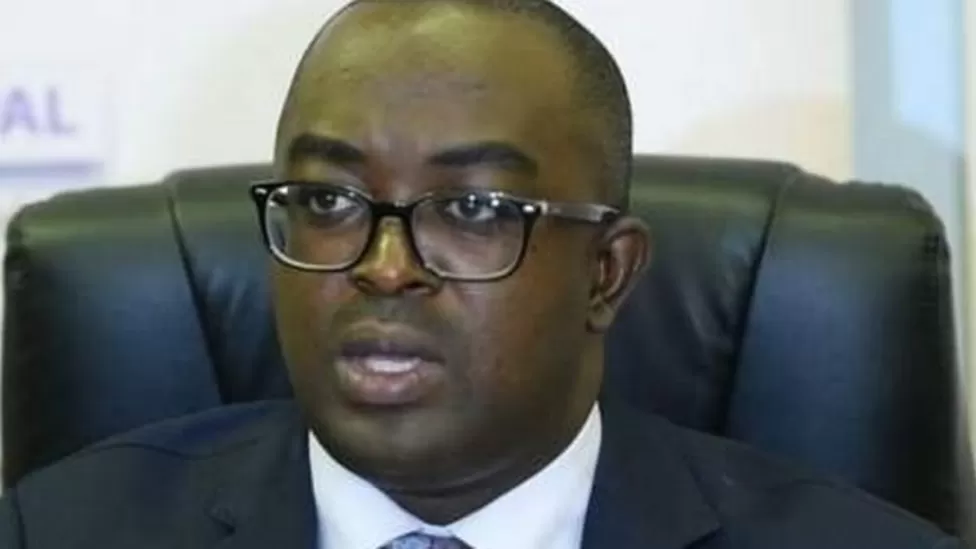
Ranking Member of Parliament’s Finance Committee, Isaac Adongo, has responded to the announcement made by the Minister of Finance, Ken Ofori-Atta, regarding his inclusion, along with the Governor of the Bank of Ghana (BoG), Dr. Ernest Addison, on the board of the Ghana Cocoa Board (COCOBOD) as an effort to rescue the financially troubled institution.
Ofori-Atta explained that a special team would also be established to oversee the future operations of the cocoa sector regulator, which has been burdened by substantial debts in recent times.
Isaac Adongo, in his response, dismissed the move and expressed skepticism when speaking to journalists. He asserted that this action would likely exacerbate the challenges already faced by COCOBOD.
“For instance, the BoG Governor instead of returning profit in 2022 only returned with a negative equity of GH¢55 billion and as if that is not enough, Governor Addison returned with a negative reserves of GH¢70 billion, wiping of the entire monetary base of our country,” he lamented.
“He (Governor Addison) has succeeded in creating the Central Bank into a policy insolvent institution which is now bankrupt and needs recapitalization,” he added.
Dr. Adongo went on to suggest that the combination of “Ken Ofori-Atta and Dr. Addison is like a poisoned chalice,” raising doubts about whether providing such a challenge to COCOBOD, which is already ailing, is a viable solution.
On a related note, Dr. Ernest Addison, the Governor of the Bank of Ghana, has indicated that the size of this year’s Cocoa Syndicated Loan is expected to decrease to approximately $800 million, a reduction from the initial figure of $1.2 billion. He clarified that this reduction is part of the debt sustainability measures outlined in the IMF program aimed at improving the macroeconomic conditions throughout the cocoa value chain.
Speaking during a joint press briefing by the IMF and the Ministry of Finance in Accra on October 6, 2023, Dr. Addison confirmed that the cocoa regulator, COCOBOD, will still receive the syndicated loan facility for the current year.
“I think that they’re still getting the syndicated loan this year but it’s just that the size of the syndication is gone from I think $1.2 billion to $800 million,” he noted.
Nonetheless, this development is anticipated to have an influence on Ghana’s cocoa production during the 2023/2024 crop season. It comes at a time when the government has reorganized cocoa-related financial obligations as part of the ongoing IMF program to attain a certain level of stability in managing the debt.
The Cocoa Syndicated loan serves as a means to enhance operations within the cocoa sector, which is among the nation’s most significant export commodities.
The Nigerian naira has reached fresh lows on the parallel market due to declining reserves and limited dollar inflows, posing challenges for the Central Bank of Nigeria in meeting the demand for the greenback from both corporate entities and individuals.
The local currency slipped to 1,030 naira per dollar on Wednesday, down from 1,015 naira the previous day. These figures were reported by Abubakar Mohammed, the CEO of Forward Marketing Bureau de Change Ltd., which compiles data on the informal market in Lagos, Nigeria’s commercial hub.
This rate has further diverged from the official rate, which stood at 765.8 naira per dollar on the FMDQ OTC trading platform.
The widening gap signals continued pressure to devalue the currency after Nigeria, the most populous nation in Africa, adopted a more flexible exchange rate system in June as part of economic reforms aimed at attracting foreign investment and bolstering the economy.
In addition, the country has experienced a 33% drop in capital inflows in the three months through June, with foreign investors expressing concerns about capital controls and the country’s economic stability.
Nigeria’s external reserves have also fallen to a two-year low, amounting to $33.2 billion, as reported by data from the central bank.
“People are looking for dollars, both the seller and the buyer,” said Umar Salisu, a foreign-exchange operator in Lagos. “Until there’s enough supply, you can’t predict the exchange rate.”
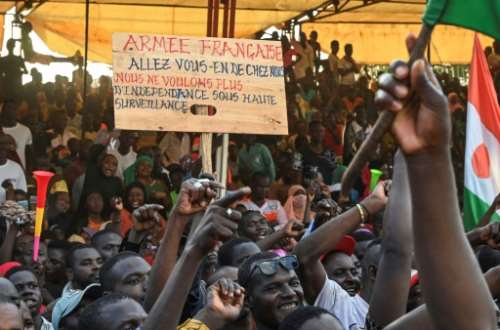
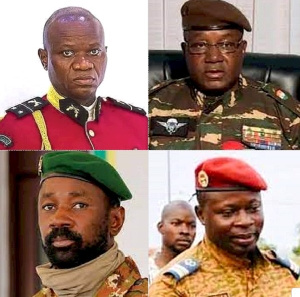
Niger’s military leaders have issued an ultimatum, requiring the head of the United Nations’ diplomatic mission in the country to depart within 72 hours.
In an official statement from the West African nation’s foreign ministry, the UN is accused of employing deceptive tactics, allegedly initiated by France, to hinder Niger’s complete participation in various international forums, including the recent UN General Assembly.
This military junta, which took power after ousting Niger’s democratically elected president in July, has additionally expelled French troops and the French ambassador.
The International Monetary Fund (IMF) predicts a decrease in Ghana’s debt-to-Gross Domestic Product (GDP) ratio, which is projected to decrease from 92.4% in 2022 to 84.9% in 2023, as indicated in its October 2023 Fiscal Monitor.
This trend is anticipated to persist over the next five years, with the debt-to-GDP ratio forecasted to be 81.5% in 2024, and subsequently at 78.8% in 2025, 75.8% in 2026, 72.8% in 2027, and 70.0% in 2028.
This shift is anticipated to occur following the expected external debt restructuring, which is expected to result in a decrease in the country’s debt.
However, the exact amount saved from the domestic debt restructuring remains unknown at this time.
Revenue-to-GDP ratio to exceed 16% in next five years
The IMF is also anticipating a steady increase in Ghana’s revenue-to-Gross Domestic Product (GDP) ratio through 2028.
In 2023, the government’s revenue-to-GDP ratio is projected to be 15.7%, slightly lower than the 15.8% recorded in 2022.
Subsequently, from 2024 to 2028, the revenue-to-GDP ratio is estimated at 16.6%, 17.3%, 18.2%, 18.2%, and 18.1%, respectively.
This represents a significant improvement compared to the rates observed over the past decade.
However, in 2023 and 2024, the country’s revenue-to-GDP ratio is expected to dip to 16% and 16.2%, respectively.
Expenditure to remain within 20-21% bracket
In contrast, the expenditure-to-Gross Domestic Product (GDP) ratio is expected to decrease from 27% in 2022 to 20.3% in 2023. Subsequently, from 2024 to 2028, the expenditure-to-GDP ratio is forecasted to be 20.7%, 20.8%, 21.2%, 20.8%, and 20.9%, respectively.
Ghana’s public debt up ¢6.3bn within 2 months to reach ¢575.5bn in June 2023
Ghana’s public debt increased by approximately ¢6.3 billion from April to June 2023, reaching ¢575.5 billion by June 2023, as reported by the Bank of Ghana. This amount is equivalent to $52.3 billion, constituting approximately 71.9% of the Gross Domestic Product (GDP). The marginal rise in the country’s total debt was primarily attributed to a slight depreciation of the cedi against the dollar during that period.
According to the September 2023 Summary of Economic and Financial Data, the debt stock was ¢473.2 billion in December 2022, accounting for about 77.5% of GDP. Subsequently, it increased to ¢547.8 billion ($50.7 billion) by the end of January 2023, followed by ¢564.1 billion ($51.2 billion) and ¢569.5 billion ($51.7 billion) in February and March 2023, respectively.
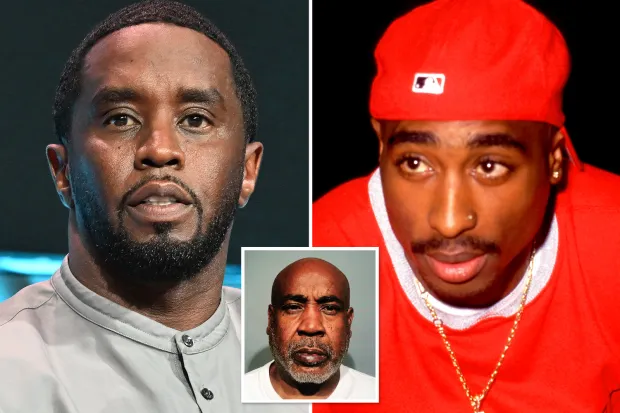
The man accused of Tupac Shakur’s murder, Keefe D, has made startling allegations that hip-hop star Diddy orchestrated and paid $1 million for the assassination.
Keefe D, also known as Duane Davis, appeared in a Las Vegas court regarding the killing and has repeatedly claimed that Diddy, whose real name is Sean Combs, instructed him to eliminate Tupac and record label executive Suge Knight.
Diddy’s representatives declined to comment when questioned about these allegations, and Diddy himself has previously dismissed any involvement in Tupac’s death as “nonsense.”
The U.S. Sun has learned that Keefe D has made this accusation in his book, during social media interviews, and even in a confidential police interview with the LAPD.
Another former gang member from that era, James McDonald (formerly known as Mob James), has also confirmed to The U.S. Sun that he heard rumors about Diddy and others at Death Row Records offering a reward for Suge and Tupac’s deaths. Tupac was reportedly apprehensive of the record label boss.
In an exclusive interview, James, who previously worked as a security enforcer for Death Row Records, disclosed that “everyone had a price on their head” during that period, as tensions between Bad Boy Records on the East Coast and Death Row Records on the West Coast escalated.
He said: “Diddy was scared of Suge.
“New York wasn’t going to come down there and try to find Suge. That wouldn’t have never happened.
“So when … it happened with Tupac, our side had to feel like, ‘Okay, we can’t just let that one go’…..
“They was going back and forth tit for tat. So I believe that it got too big for Pac and Biggie because not one of them seen it coming. Not one of them thought it was going to come that way. And like I said before, Puffy was so scared of Suge, he had to put something, somewhere to get Suge out the way.”
James, now a reformed mentor aiding youth to exit gangs, said: “Many of us had bounties on our lives. Given our circumstances and the ongoing conflict, we had to retaliate. Taking a life or causing harm didn’t hold weight. Nothing did. We acted as required at that time.”
Nigeria has declared the suspension of all pilgrimages to Israel in response to the recent outbreak of deadly violence over the weekend.
An organized group of Easter pilgrims, initially scheduled to travel to Israel and Jordan on Tuesday, had their trip canceled until further notice, as stated by the government’s Christian Pilgrim Commission.
Sunny Udeh, the commission’s director for mobilization and sensitization, expressed concerns about the ongoing war creating uncertainties regarding the main pilgrimage planned for December, hoping that hostilities would cease by the end of the year.
On average, approximately 18,000 Christian pilgrims from Nigeria embark on journeys to religious sites in Israel and Jordan each year.
The commission also emphasized its commitment to closely monitor the situation in Israel, with the safety of Nigerian pilgrims being a top priority.
The recent violence emerged when the Palestinian militant group Hamas launched an attack on Israel. During the ongoing hostilities, at least 1,200 Israelis lost their lives, while at least 1,000 Palestinians perished due to retaliatory strikes in the Gaza Strip by Tel Aviv.
The Nigerian government has called for the de-escalation of hostilities and a ceasefire between Israeli forces and Hamas fighters, advocating for a peaceful resolution of the conflict through dialogue.
Remarkably, despite the chaos, commercial flights between Nigeria and Tel Aviv have remained uninterrupted.
Ugandan legislators have rejected a government proposal to permit 15-year-old girls to access birth control pills in an effort to reduce the high rates of teenage pregnancy.
Deputy Speaker Thomas Tayebwa strongly criticized the idea, describing it as “devilish” and suggesting that it would essentially condone the exploitation of girls.
A senior official from the health ministry argued that the societal stigma surrounding young people using contraceptives needed to be overcome.
According to a survey, nearly one-fourth of girls aged 15 to 19 in Uganda are either pregnant or already mothers. This rate saw a significant increase during the COVID-19 lockdown when schools were closed for nearly two years.
During a contentious parliamentary debate on Tuesday, Member of Parliament Lucy Akello raised concerns about whether the age of consent was being reduced from the current 18 years to 15 years, as reported by the state-owned New Vision newspaper.
She called the idea of providing contraception to girls in their teens “scary.”
Ms. Akello claimed she did not utilize birth control. “I use the natural method, the one God gave me.”
In response to the debate, Primary Healthcare Minister Margaret Muhanga clarified that the government had not endorsed the proposal; rather, it had been put forward by a senior medical officer, Dr. Charles Olaro.
She questioned whether it was preferable for a child to become pregnant and potentially risk her life during childbirth, emphasizing the prevalence of “so many teenage pregnancies.”
Dr. Olaro, speaking to the privately owned Daily Monitor newspaper, stressed that access to reproductive health information is not merely a matter of personal choice; it is a fundamental right. He argued that creating an environment where young individuals can access information about sexual and reproductive health and contraception without facing stigma, discrimination, or judgment is essential.
Despite these arguments, the deputy speaker firmly stated that the proposal “should never see the light of day.”
Uganda, known for its deeply religious society, has also faced opposition from a group of religious leaders who advocate abstinence for teenagers.
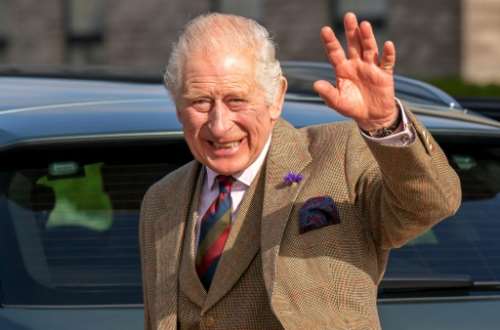
King Charles is set to address the “painful aspects” of the UK’s historical relationship with Kenya during an upcoming state visit to the East African nation next month.
His office has confirmed that Camilla will be accompanying him on this visit, which comes in response to an invitation from President William Ruto.
The occasion for the visit is Kenya’s celebration of the 60th anniversary of its independence from Britain.
Kenya gained independence from the UK in 1963, and the two countries have maintained a strong and cooperative relationship ever since.
However, the historical legacy of the violent colonial era, particularly the Mau Mau uprising and the subsequent Emergency period, continues to be a significant part of their shared history.
Chris Fitzgerald, the deputy private secretary to the King, shared this information: “The King and Queen’s programme will celebrate the close links between the British and Kenyan people in areas such as the creative arts, technology, enterprise, education and innovation.
“The visit will also acknowledge the more painful aspects of the UK and Kenya’s shared history, including the Emergency (1952-1960).
“His Majesty will take time during the visit to deepen his understanding of the wrongs suffered in this period by the people of Kenya.”
Three individuals involved in the case of a rapist and murderer who escaped from prison have had their charges dismissed.
Thabo Bester managed to break out of a South African prison last year by simulating his own death through a cell fire.
This escape triggered significant outrage in South Africa, where he was widely referred to as the “Facebook rapist” because he used the social media platform to deceive women with promises of job opportunities before assaulting them.
On Wednesday, Bester and nine other individuals had their charges related to the escape officially confirmed, paving the way for the trial to proceed.
Initially, twelve people, including Bester, were charged in connection with the prison break, but three of them had their charges dropped on Wednesday.
The state did not provide an explanation for the dropped charges, but it is believed that Nastaja Jansen, Thabang Mier, and Moeketsi Ramulula had their charges withdrawn due to insufficient evidence.
During the court proceedings, Bester’s legal team alleged that his telephone conversations had been recorded by the Department of Correctional Service, an allegation that the state denied.
The court was informed that the case would be ready for transfer to the high court for pre-trial proceedings on February 21 of the following year.
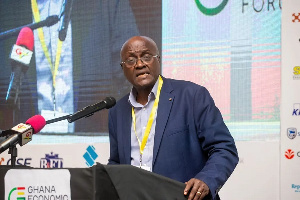
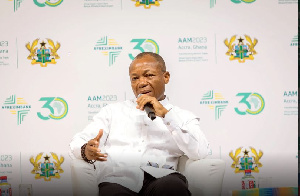
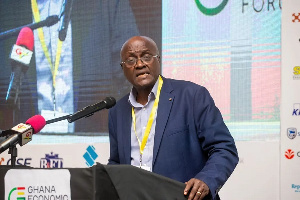
Banking Consultant, Dr. Richmond Atuahene, has expressed his concern that Ghanaians are bearing an excessive financial burden when it comes to repaying government loans.
He pointed out that this situation arises because the government borrows primarily for expenditure rather than strategic investment in projects.
Dr. Atuahene emphasized the importance of the government maintaining prudent borrowing practices to ensure it stays within its fiscal limits.
During his presentation at the Ghana Economic Forum in Accra on Tuesday, October 11, 2023, he also called for a revision of the 1992 Constitution to establish a ceiling on the government’s borrowing capacity.
Mr Atuahene said, “Ghana as a country, must from today, begin to look at the constitution. Inside the constitution, according to literature from IMF, the United Nations in 2014, the debt to GDP of any developing country should not exceed 50 percent and developed countries are given a leeway of 60 percent.”
“We find ourselves in this position because we have a constitution that has no business of setting a debt cap like the Americans have it. When the Americans had the cap and they had trouble they had to go to Congress and when they go to Congress you will see how they suffer. So we need to come to the constitution and amend it as soon as possible,” he stated.
Mr Atuahene added that, “This is one of the shortest strategies that I will recommend so that we don’t find ourselves in such a situation ever again, borrowing and borrowing for consumption. As I have always said, you will pay through the nose, and Ghanaians repaying through the nose.”
As of June this year, Ghana’s public debt reached GH¢575.5 billion, equivalent to 71.9% of the Gross Domestic Product (GDP). This marked a slight increase of GH¢6.3 billion compared to the GH¢569.2 billion reported in April 2023.
The Bank of Ghana’s Summary of Economic and Financial Data for September 2023 reveals that the country’s public debt has expanded by GH¢27.7 billion since January 2023.
In terms of US dollars, the total debt amounted to US$52.3 billion as of June 2023. External debt accounted for GH¢328.6 billion (equivalent to US$29.9 billion), while domestic debt accounted for GH¢246.9 billion (approximately $30.8 billion).
Chief Executive Officer of the National Health Insurance Authority (NHIA), Dr. Bernard Okoe Boye, has averred that a whopping GH¢150 million is paid monthly as financial assistance to various health facilities in the country.
According to him, the National Health Insurance scheme aims at providing equitable access and financial coverage for basic healthcare services to Ghanaian citizens.
Speaking on Peace FM’s Kokrokroo morning show, Dr Okoe-Boye said, “We pay an average of GHC150 million every 30 days.”
According to him, the Health Finances Summit in Africa, “is the first time that over 60 countries in Africa are coming to Ghana to discuss ways to achieve universal health coverage which is one of the key pillars of the Sustainable Development Goals.”
Meanwhile, there have been calls for the government to include the expense of dialysis in the National Health Insurance Scheme from some Ghanaians and experts.
This follows the administration of the Korle-Bu Teaching Hospital raising the price of renal dialysis from Ghana Cedi (GH) 380 to Ghana Cedi (GH) 765.42.
Although the new fee’s implementation has been put on hold, patient concerns about its effects still exist.
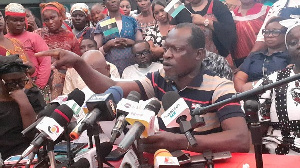
Several traders at Kumasi’s Kejetia Market have expressed their disappointment and dissatisfaction with the current New Patriotic Party (NPP) government, citing a blatant disregard for the region’s development.
During a press conference held on October 10, 2023, these visibly agitated traders criticized the NPP government for its perceived lack of consideration for the region’s development needs.
They contended that all indications point to a deliberate agenda to neglect the region in terms of progress.
To underscore their concerns further, the traders lamented the suspension of various projects in the region, including Kejetia Phase 2 and 3 markets, the Krofrom market, the Komfo Anokye Maternity Block project, the Afari Military Hospital project, the Sewua Regional Hospital, the Kumawu Hospital project, the Boankra Inland Port, the Kumasi International Airport project, and numerous road projects like the Suame Interchange, Kwabre East District roads, Manso district roads, Bosome Freho roads, Atwima Kwanwoma District roads, and more.
They expressed frustration at the common explanation they hear, which is that these projects have been halted due to the impact of the coronavirus and the Russian-Ukraine war.
“Why do they give these flimsy excuses when it comes to the Ashanti Regional projects, but, when you go to the other regions, they keep enjoying projects?”, they quizzed.
An executive member of the Kejetia traders association, Sarfo Kantanka, said they were extremely disappointed in the NPP party for constantly treating them like fools and for deceiving them during a press conference at the New Kejetia market.
He claimed that since the first of the project’s three phases, which had electrical connectivity issues, was finished, the other two phases had not received any attention.
“Several days ago, when work on phase 2 of the project was halted, some government officials said it was just for holiday break. Several months down the line, the purported holiday hasn’t come to an end. Now that the reality has caught up with us, all we are been told is that Covid 19 and the Russian-Ukraine war have affected the Ghanaian economy badly, hence the IMF”, he said.
The discontented traders, dissatisfied with the prevailing state of development, express their bewilderment regarding why ongoing projects are consistently allocated to other regions while the Ashanti Region is seemingly left with excuses related to Covid-19, the Russian-Ukraine war, and the like.
In response, they issue a stern warning, asserting that unless there are tangible projects executed in the Ashanti Region, the NPP government will face significant obstacles.
Puzzled by the multitude of suspended projects in the region despite having 47 Members of Parliament and numerous ministers of state, the disillusioned traders question the significance and effectiveness of these officials.
“Why are our representatives in government? Why are the 47 MPs from the Ashanti region? Do these officials feel our pain for them, they are so much okay and comfortable. Are the MPs and government officials aware of the plight of the traders who have been displaced due to the phase 2 project? Lots of these traders have even lost their business capital and are pinned down at homes with various ailments”
“Why is it that when it is about the Ashanti region’s major project, this lackadaisical approach is attached to it? We have been quiet for too long. Time to speak is now”, the traders said.
Private legal practitioner, Martin Kpebu, has requested for the identification of the company that fired Nasiba Bawa, protester involved in the #OccupyJulorbi protest, in order to take up appropriate legal actions.
He commended Nasiba for speaking out after her contract was terminated while he charged the media to undergo investigations to point out the employer who fired her.
“She said a lot that she hasn’t said expressly by granting the interview. The most important fact that she has given is having been terminated within 48hrs of the demonstration. So the rest is left for us to deduce. So what we are left with is that, Joy fm, please Kojo, we beg you you must do this for us. You have to go under and bring us the name of the company. The Company has to pay for this,” Mr Kpebu charged.
The private legal practitioner further criticized the unidentified organization for making it obvious that Nasiba was sacked due to the stance she took during the #OccupyJulorbi protest.
“Look, I am being charitable by saying that management acted very childishly. You can’t do so proximate to the demonstration. It can’t happen. Not for anything under this sun. Even if she stole, the management is so childish,” he stated.
Nasiba Bawa gained widespread attention following her interview with JoyNews’ Maxwell Agbagba during the #OccupyJulorbiHouse protest three weeks ago.
During the final night of the demonstration, she passionately addressed the inadequacies of Ghana’s healthcare system in front of the police.
Ms. Bawa expressed her frustration over the loss of a 24-year-old patient’s life due to the inability to cover medical treatment expenses.
Subsequently, another sign displaying the costs of dialysis for kidney disease patients at the Korle Bu Teaching Hospital also became viral, contributing to the heightened discussion regarding the state of kidney care.
However, JoyNews has reported that 48 hours after the protest, Nasiba was terminated from her job by her private employers.
While the Masters degree holder does not wish to directly link her termination to the protest, she believes that there are consequences for speaking out.
Business Consultant and Director of Operations at Dalex Finance, Joe Jackson, has characterized the state of the Ghanaian economy as critically ill, akin to being in the Intensive Care Unit (ICU).
This perspective contradicts claims that the economy has achieved stability.
Last week, Ghana achieved a staff-level agreement with the IMF, paving the way for the release of an additional $600 million as part of the $3 billion IMF bailout package.
Finance Minister Ken Ofori-Atta had portrayed this development as a sign of economic recovery and resurgence. However, during an interview with Francis Abban on GHOne TV’s State of Affairs, Joe Jackson expressed his dissenting view on the matter.
“The best analogy I can give was that somebody had a road crash, entered into a coma, was rushed to the hospital and was given some blood transfusion and now his condition is described as stable. But the person is still very sick, let’s be clear”, he said.
“Last year, we suffered bad crash and in December last year we raised up our hands and said we cannot pay [our debts] and everything was going south with us going downhill at a horrendous rate. In March we signed bailout agreement with the IMF which gave us some blood transfusions and gave us some life, but we are still in intensive care let nobody be deceived”, he added.
In response to claims that there have been improvements in macroeconomic indicators since the initiation of the IMF program, Joe Jackson contends that the extent of these improvements falls short of being deemed a significant turnaround.
“It’s like I had a BP of 180/140 and today I have come down to 160/120. The numbers are looking better than they did, but my BP is still high. That is the situation now. It is an economy with high taxation, high interest rate and high inflation with some semblance of foreign exchange stability”, he argued.
Joe Jackson adds that any level of complacency could result in a deterioration of the nation’s poor economic circumstances.
“This economy needs careful management, this economy is still in intensive care, and you cannot take your eye of the monitors for a minute. If we do, things could go south very very quickly”, he concluded.
A board approval for the distribution is contingent on the government’s ability to negotiate an MOU on the restructuring of its external obligations with creditors, according to Stephane Roudet, the head of the IMF team in Ghana.
Burundi’s recently dismissed central bank governor has been apprehended on suspicion of money laundering and the misappropriation of public assets.
The charges against Dieudonné Murengerantwari are considered “temporary” pending the results of ongoing investigations, as stated by the justice ministry.
Mr. Murengerantwari has not yet provided a response to these allegations.
On Sunday, President Évariste Ndayishimiye of Burundi relieved him of his duties, just a little over a year after assuming the position.
Burundi’s economy is facing a severe crisis, characterized by a shortage of foreign currency, which has hindered the importation of goods. Additionally, the country is grappling with fuel shortages and escalating prices.
According to the World Bank, approximately 65% of the nation’s 12 million inhabitants live in poverty.
In a statement, the justice ministry accused Mr Murengerantwari of “undermining the proper functioning of the national economy, passive corruption, money laundering and misappropriation of public assets”.
The justice ministry did not provide further details, but Attorney General Leonard Manirakiza stated that the former governor would be held in custody while investigations continued.
Mr. Murengerantwari had initially been appointed to the role, which plays a crucial role in achieving economic stability, for a five-year term but was removed from office during his second year.
Previously, he served as the managing director of Burundi’s state-affiliated development bank.
His position has since been filled by Édouard Normand Bigendako, a member of the bank’s board.
It is noteworthy that Mr. Murengerantwari is the second central bank chief in Africa to encounter legal issues this year. In June, Nigeria’s central bank governor, Godwin Emefiele, was suspended and later charged with illegal possession of a shotgun and cartridges, which he denied.
Development Bank Ghana (DBG) is set to broaden its financial offerings by introducing an equity fund to supplement its lending operations.
DBG’s Chief Executive Officer, K. Duker, disclosed that the bank is in the advanced stages of establishing the equity fund, with the objective of offering a more extensive array of financial products to cater to the needs of both organizations and borrowers at different development stages.
“We’re in the closing stage of providing an equity fund. It’s going to be small to start off with; but again, when the only thing you can do is lend, guess what? everything looks like a loan, and that’s not the case. So, we need to have other products,” Mr. Duker stated, emphasising the importance of diversifying DBG’s offerings.
“At the moment, we are in the closing stage with the regulators to set up an equity fund, which will then allow us to have even more patient-capital. So, we can have equity, we can have loans among others., and the other products that we’re coming to the market with. But they’re all intended to provide a virtuous circle of different products that are applicable at different times of an institution’s life or a borrower’s life.”
DBG has been committed to fostering Ghana’s economic growth and development since its founding in June 2022, and has already distributed an astounding GH731 million across several industries. Mr. Duker described the bank’s future goals, saying:“Our vision is clear, and our processes streamlined. With our enhanced lending system we’ve become more efficient, enabling swifter disbursements to our partners. By the end of 2023, we aim to have disbursed a staggering GH¢1billion”.
DBG’s focus extends beyond becoming the largest lender in Ghana, Mr. Duker stressed; their commitment is to transforming the private sector. “If I become the largest lender without transforming the private sector, I would have failed,” he added.
Established by the government, Development Bank Ghana (DBG) functions as a Development Finance Institution, primarily dedicated to facilitating and reinforcing long-term financing for Ghanaian businesses. Beyond its financial services, DBG is committed to providing relevant non-financial support to enhance the country’s business environment, all while adhering to sustainable and global best practices.
Mr. Duker has reiterated DBG’s commitment to supporting the growth of small and medium-sized enterprises (SMEs), job creation, and promoting inclusive and sustainable development in Ghana. To achieve this, the bank has plans to expand its network of Participating Financial Institutions (PFIs) by identifying and bringing on board new PFIs. The objective is to have a minimum of ten PFIs by the end of the year, with Sinapi Aba being the latest addition to the network, alongside existing partners such as Ecobank, Absa, and Zenith Bank.
In April of this year, DBG gained attention when it announced a seed fund of US$70 million for its partial credit guarantee scheme. This scheme is designed to offer additional support to Participating Financial Institutions (PFIs) in managing risks associated with loan defaults. The scheme’s aim is to stimulate more investments in high-risk sectors of the economy, bolstering the PFIs’ capacity to effectively serve the SME sector while sharing the investment risk with DBG.
“As we move forward, we will rely on the support of all our banking partners in our initiative to digitally transform financial services,” Mr. Duker emphasised, highlighting DBG’s commitment to innovation. “We seek your continued support as we aim to be a conduit for financial institutions to collaborate on innovations, such as common underwriting standards and co-creating robust alternative credit scoring models. These joint efforts will allow us to better-serve the needs of businesses while also promoting prudent lending practices and risk management within our industry.”
A major step toward the bank’s goal of promoting economic growth, encouraging innovation, and aiding in the transformation of Ghana’s private sector is the DBG’s entry into equity funding. DBG is well-positioned to play a significant role in influencing the future of Ghana’s financial sector because to its clear vision and strategic plans.
Over a year has passed since Ashanti Airlines, in partnership with the Government of Ghana (GoG), won the bid to establish a new domestic carrier for Ghana. However, Ashanti Airlines, along with its financial partner, Zotus Group, has made little tangible progress in bringing this project to fruition.
Despite missed target dates in 2022, the government had provided assurances that the new airline, named Ghana Airlines, would initiate ticket sales in April and May 2023, with commercial flights commencing by June or July of the same year.
Ashanti Airlines, initially holding an Air Carrier License (ACL) but not yet a full-fledged airline at the time of the bid, secured the contract ahead of strong competitors such as Ethiopian Airlines, EgyptAir, and JNH Group, a company with a group net worth exceeding $1.5 billion but lacking an Air Carrier License (ACL) and an Air Operator’s Certificate (AOC).
Although Ashanti Airlines had demonstrated early enthusiasm in the acquisition of an AOC from the aviation sector regulator, the Ghana Civil Aviation Authority (GCAA), it has faced prolonged delays in the process, stretching back to the previous year, according to a well-informed source cited by Aviationghana.com.
With just around 14 months remaining in the Nana Akufo-Addo-led government’s tenure, there is a growing urgency to address the nearly seven-year-long pursuit of a new national flag carrier.
Kwame Governs Agbodza, the Minority Chief Whip and Member of Parliament for Adaklu Constituency in the Volta Region, feels his earlier skepticism is justified: “When it was awarded to Ashanti Airlines, I warned them that this would not succeed because they lack the expertise. Running an airline is not akin to buying an expensive car and parking it in your driveway.”
Ghana has been without a national airline since the collapse of Ghana International Airlines in 2010, following the earlier demise of Ghana Airways in 2004. Successive governments since 2010 have attempted, albeit unsuccessfully, various approaches to establish a new flag carrier.
Given Ghana’s reputation as one of Africa’s stable democracies and business-friendly nations, the quest for potential partners in this venture has garnered interest from some of the industry’s most reputable names over the past decade.
Lufthansa, Qatar Airways, Ethiopian Airlines, EgyptAir, Airbus, Boeing, South Africa Airways, Embraer, and others have all, at one point or another, expressed interest in collaborating with the GoG on this project.
Ethiopian Airlines, set to become the largest international carrier servicing Accra’s Kotoka International Airport with 14 weekly flights starting from October 29, 2023, may offer a mutually beneficial solution to Ghana’s quest for a new flag carrier. Mr. Lemma Gudeta, the Chief Commercial Officer of Ethiopian Airlines, indicated in an interview with AviationGhana.com in Accra, Ghana, that his company would be open to revisiting discussions about the project if the Government of Ghana invites them back to the table.
“Yes, we used to engage with the Government of Ghana for the establishment of a national carrier here. We participated in a bid and we were one of the companies shortlisted to go for further discussion. There were issues that happened in between, but Ethiopian Airlines feels that it is our national obligation as an African carrier to support any start-up national carriers in Africa.
Therefore, whenever the Ghanaian government is ready, and if they believe that Ethiopian Airlines can make a difference, we will be more than happy to assist, because it’s not about business or commercial venture. It is all about making Africa self-sufficient in air transport, therefore it is strongly our obligation, and we will be more than happy to be part of the journey that the Ghanaian government is going to do in establishing the national carrier.”
The United States has officially acknowledged that a military coup took place in Niger, resulting in the suspension of over $500 million in aid.
In July, the military ousted President Mohamed Bazoum, who had been a Western ally in the fight against jihadist insurgents.
According to U.S. law, a formal designation of a coup mandates the suspension of aid. The U.S. State Department indicated that assistance to Niger would only be reinstated if the coup leaders establish a democratic government.
It is understood that Washington will maintain its troops in Niger for the time being. A U.S. official noted that these troops are no longer actively assisting Nigerien forces but will continue to monitor threats from jihadists.
Additionally, France has commenced the withdrawal of its troops from the region.
A banking consultant, Dr. Richmond Atuahene, has proposed the inclusion of a debt limit or cap through a constitutional amendment.
He argued that this step is essential to maintain economic stability and effectively manage debt, thereby preventing a financial crisis, especially in the aftermath of an IMF program.
Regarding Ghana’s concerning debt levels, which have led the country to request its 17th bailout program from the IMF, Dr. Atuahene emphasized the need for Ghana to implement rigorous measures to increase domestic revenue.
He also recommended innovative approaches to broaden the tax base and reduce excessive borrowing.
“To prevent future debt crisis, the government and the legislature must ensure that the 1992 Constitution is duly amended and the Debt-to-GDP Ratio is explicitly enshrined,” the Banking Consultant suggested.
He continued, “To build back better post-IMF, the country would require aggressive agricultural development strategies with the private sector, over the medium-term, with view to accelerate the modernization of agriculture and ensure its linkage with industry through the application of science, technology and innovation.”
Meanwhile, the debt ceiling represents a cap on the overall borrowing capacity of the government.
The 12th edition of the Ghana Economic Forum occurs during one of the most challenging macroeconomic periods in over a decade. This situation is characterized by Ghana’s utilization of a $3 billion Extended Credit Facility (ECF) from the International Monetary Fund and the consequences of the Domestic Debt Exchange Programme (DDEP).
The theme for this year’s forum is; “Build back better: IMF support, strategies to build a sustainable economy and dynamic business environment.”
The GEF convened a gathering of financial sector experts and influential thinkers to deliberate on pivotal subjects influencing the nation’s economic terrain.
Sub-Saharan Africa’s economic recovery exhibits significant variations, with some subregions outperforming the regional average while others lag behind. The World Bank conveyed this information in its semi-annual report, “Africa’s Pulse,” assessing the continent’s economic performance based on regional dynamics.
According to the report, regions like the East African Community and the West African Economic and Monetary Union (WAEMU) are surpassing the regional average in 2023, while the Economic and Monetary Community of Central Africa (CEMAC) and major economies like Nigeria and South Africa are underperforming.
This diversity in growth is closely linked to economic and political stability or instability in different areas, with pockets of high development coexisting with regions of slower growth. Notably, more than three-quarters of Sub-Saharan Africa’s GDP is generated by its ten largest economies, but seven of them are currently growing below their long-term average rates. Countries like Sudan, Ghana, and Angola are expected to experience slower growth in 2023 compared to their performance from 2001 to 2019.
However, there is optimism for most nations, as the report forecasts an increase in development for the majority of countries in the region, with the projected annual average growth rate for 2024-25 exceeding that of 2023 for 39 out of the 47 countries in the region.
Furthermore, the report highlights a decline in growth for Nigeria, the largest economy in West Africa, from 3.3 percent in 2022 to 2.9 percent in 2023.
Nigeria’s “oil production remains below the OPEC+ quota amid capacity issues and lower international oil prices. Non-oil economic activity—particularly industry and services—still supports growth, although policy actions to remove fuel subsidies and unify the exchange rates might be weighing on these activities in the short term,” the report reads in part.
Fasting entails abstaining from both food and water for a specified duration.
This practice can have diverse physical and medical consequences, and it may not be advisable for everyone.
Below, we outline four categories of individuals who should typically refrain from fasting or exercise caution when considering it:
Pregnant or breastfeeding women: Women who are pregnant or breastfeeding have elevated nutritional needs to ensure the well-being of both themselves and the healthy growth and development of their infants.
Engaging in fasting while pregnant or breastfeeding can lead to a deficiency of vital nutrients, which could potentially harm both the mother and the baby.
It is of utmost importance for expectant and nursing mothers to uphold a well-balanced and nutrient-rich diet.
Children and adolescents: Adequate nutrient intake is crucial for the healthy growth and development of children and adolescents. Fasting can disrupt their nutritional requirements, potentially causing deficiencies in vital vitamins and minerals.
In most cases, it is advisable for children and teenagers to avoid extended fasting without appropriate medical oversight.
Individuals with certain medical conditions:Individuals with certain medical conditions should exercise caution when considering fasting, and in some cases, it may be necessary to completely abstain from it. These conditions may encompass:
· Diabetes: Fasting can affect blood glucose levels, making it risky for individuals with diabetes. They should consult their healthcare provider before attempting any fasting regimen.
· Eating disorders: Fasting can exacerbate eating disorders like anorexia nervosa or bulimia. Individuals with a history of eating disorders should not engage in fasting without guidance from a mental health professional.
· Heart conditions: People with heart problems or a history of heart disease may need a specialized approach to fasting, as it can affect blood pressure and cardiovascular function.
Consultation with a cardiologist is essential in such cases.
4. Elderly individuals: Older adults may have specific nutritional requirements and health concerns that make fasting potentially risky.
Malnutrition and muscle loss can be more pronounced in elderly individuals, and fasting could exacerbate these issues.
Before attempting any fasting regimen, older adults should discuss it with their healthcare provider.
The October 2023 World Economic Outlook, has it that, future markets indicate a projected 16.5% year-on-year decline in crude oil prices, averaging $80.5, compared to the 2022 average of $96.4.
These prices are expected to continue decreasing to $72.7 by 2026. If this trend holds, it suggests that fuel prices at the pumps may remain relatively stable for the remainder of the year.
The International Energy Agency anticipates an increase in oil demand by 2023, surpassing supply levels in the latter half of the year. However, the report notes that there is significant uncertainty surrounding the price outlook.
Potential upside price risks include further production cuts by OPEC+, military tensions in the Black Sea, and insufficient investment in fossil fuel extraction.
Conversely, downside price risks could result from a global economic downturn, reduced Chinese oil demand, and a faster adoption of electric vehicles.
While fuel prices experienced a marginal increase at the beginning of the month, it is unlikely that prices will rise in the second pricing window starting on October 16, 2023. Crude oil prices saw a 4.4% increase between February and August 2023, primarily due to a rebound in July and August.
However, these prices remain well below their peak of $115 in June 2022.
On the demand side, factors such as a slower-than-expected recovery in China’s oil consumption, concerns over temporary economic downturns due to banking issues, and tighter monetary policies in major economies contributed to downward price pressures, especially in the second quarter of 2023.
Regarding supply, OPEC+ announced output cuts of 1.2 million barrels per day (mb/d) in April, along with additional voluntary cuts of 1 mb/d by Saudi Arabia and 0.3 mb/d by Russia.
These reductions were only partially offset by significant oil output growth in non-OPEC countries, notably the United States, where oil production is expected to increase by 1.1 mb/d this year.
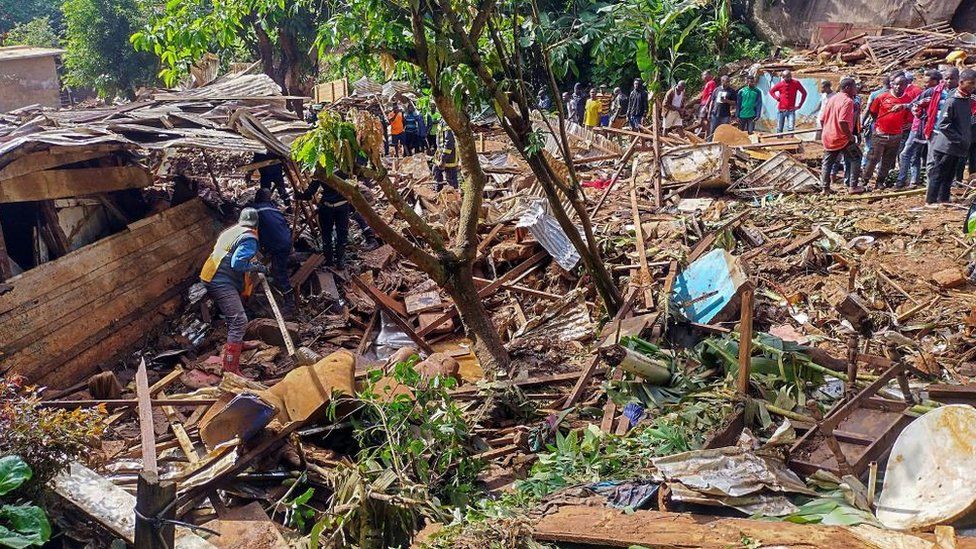
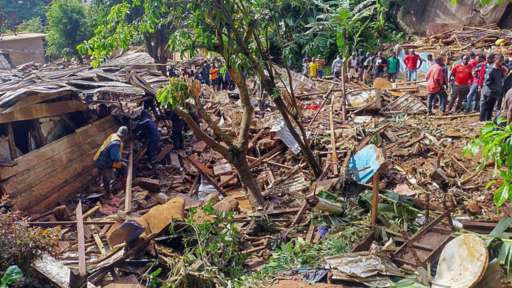
A man, whose child was among the 30 or more individuals tragically killed in landslides in Yaoundé, the capital of Cameroon, found himself spending a cold night outdoors.
He and his family were unable to secure alternative shelter after their home was lost.
Ymele Guy resides in the impoverished Mbankolo neighborhood, where numerous houses perched precariously on a hillside were obliterated due to heavy rains on Sunday.
He, along with his wife and three surviving children, received a mattress from visiting officials who conveyed the news that all remaining houses in the area would be demolished.
Housing Minister Célestine Ketcha Courtès, during her visit on Monday, had pledged to provide temporary accommodation in community halls and other public spaces for those who had nowhere else to stay.
“We have lots of problems, we are sleeping outside because they [the authorities] said they must demolish everything… I didn’t have anyone in whose place I could sleep,” Mr Guy said.
The community is home to many people who move to the capital from rural areas to find work.
A local administrator “clearly told me that if it were up to him, I should return to my village”, Mr Guy said
“He told me if it’s possible to return home, I can go to his office and get transport fare to go to the village.”
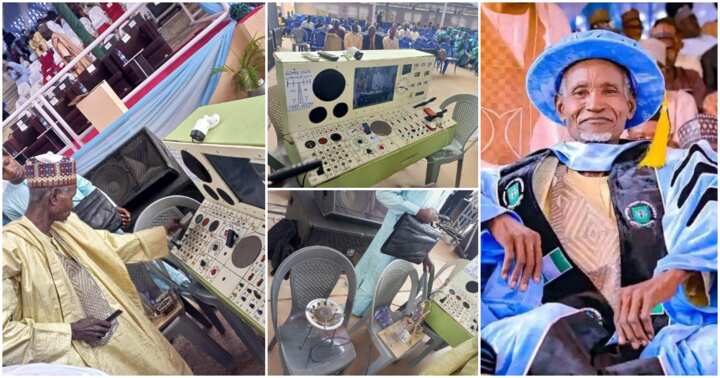
An accomplished Nigerian inventor, Hadi Usman, who did not receive formal education, has been bestowed with an honorary doctorate degree.
At the age of 70, this remarkable individual has designed a fuelless generator, a water-powered stove, and even a Vespa engine helicopter.
His remarkable achievements have garnered widespread praise on social media, with many emphasizing the importance of wealthy and philanthropic individuals taking an interest in his work.
Usman has been honored with an honorary Doctorate degree in Science by Gombe State University. Safianu Danladi Mairiga, the Senior Special Assistant on Media to the Governor of Gombe State, announced this achievement.
The award was presented to Usman during the recent combined convocation of the 10th, 11th, 12th, and 13th convocation ceremonies of Gombe State University.
According to a report by Legit.ng, Usman’s remarkable inventions include a water-powered stove, a radio station, a radio transmitter, a Vespa engine helicopter, and even a telephone handset.
Notably, he created a generator that operates without the need for fuel, all while lacking any formal education.
Danladi also shared that Usman, originally from Jekadafari Ward in Gombe LGA, Gombe State, achieved the remarkable feat of memorizing the Holy Qur’an at the age of 12. He shared a picture of Usman donning an academic robe during the ceremony.
Meet 70-Year Old Inventor Who Never Attended Formal Education
Engr Hadi Usman, an inventor who established a radio station, Radio transmitter, Vespa engine helicopter, telephone (handset) etc in 1970s,
The inventor also recently invented a generator that doesn't use any form of… pic.twitter.com/qF25810rVF
@YusufNasir_Ahmd said: “Actually, that water generator and water stove will never reach the market. “A free energy innovation will never reach the market.”
@Dammyjah2040 said: “Guess what he doesn’t flaunt nu.des or six packs… Big company won’t invest in him.”
@gboladeogundele said: “Very amazing. Wow. “I hope the concerned government MDAs can improve on it and produce it on larger scale for sale in Nigeria and export. Of course, the trademark should be for the inventor.
A section of Ghanaian residents currently living in Israel have expressed their reluctance to return home, even amidst the escalating conflict between Ghana and Palestine.
Seth Cudjoe, a Ghanaian residing in Israel, conveyed in an interview on JoyNews’ The Pulse that pursuing repatriation would be his final resort. This decision is driven by the fact that he has a newborn child who requires utmost care and stability.
He further noted that the Ghanaian community within his vicinity shares a similar sentiment and is unwilling to leave unless there are no viable alternatives.
“I am not planning to come back to Ghana … I can’t also leave my wife and jump to Ghana and the Ghana community is not ready to leave unless the worst confronts us,” Mr. Cudjoe.
He mentioned that he maintains regular contact with officials from Ghana and consistently receives updates on how to stay out of harm’s way amidst the ongoing conflict.
“The Ghanaian community in Israel feels safer in Israel. With the help of the Embassy, they’ve communicated to us – given us instructions, basically what to do and what not to do. They’ve made us understand that if they don’t have anything to do outside, then no need to go out .. to be at a safer place.”
A deadly assault by Hamas militants in Southern Israel has reignited tensions between Israel and Palestine over the Gaza Strip. Reportedly, Hamas militants from Gaza infiltrated Southern Israel, targeting innocent Israeli civilians.
Israel has reported over 600 casualties and 100 abductions as a result of these attacks. In Gaza, at least 313 individuals have lost their lives due to retaliatory Israeli airstrikes, as confirmed by Palestinian authorities.
Despite these developments, the Israeli Mission in Ghana believes it is premature to initiate a hasty evacuation. They have committed to ensuring the safety of all individuals, including Ghanaian citizens residing in the affected region.
“Israel is ready to guard the safety of all the people in Israel.”
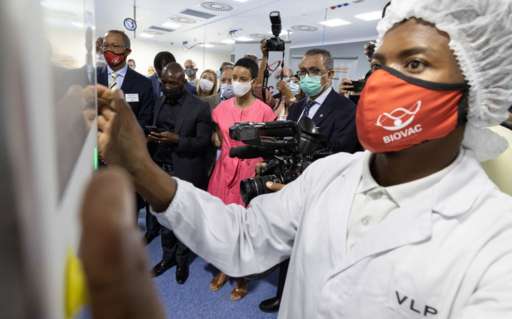
The Bill & Melinda Gates Foundation has awarded a combined sum of $40 million (£32 million) to support the endeavors of two African vaccine manufacturers and a Belgian biotechnology company in the creation of innovative mRNA vaccines.
This initiative encompasses the prestigious Institut Pasteur de Dakar in Senegal and the South African-based biopharmaceutical firm, Biovac.
Each of these entities will be granted $5 million to procure mRNA vaccine research and manufacturing technology developed by the Belgian company Quantoom Biosciences.
This technology is designed to enhance the efficiency and cost-effectiveness of mRNA vaccine production.
Quantoom Biosciences itself has been allotted $20 million to further advance its research and manufacturing technology for vaccines, with the potential to further decrease the production costs of mRNA vaccines.
The remaining $10 million is expected to be allocated to other vaccine manufacturers.
As part of this funding arrangement, these organizations will engage in research and development efforts focused on vaccines for global diseases, including those that are prevalent in Africa.
Dr. Amadou Sall, the Head of Institut Pasteur, has stressed that this funding marks a crucial and essential stride toward achieving vaccine self-sufficiency in the region.
Recent findings have brought to light a troubling statistic: between 2019 and 2021, a staggering 51.9% of female students in Ghanaian Senior High Schools endured instances of sexual assault.
This revelation stems from a report jointly produced by the United Nations Children’s Fund (UNICEF) and the Girls Excellent Movement (GEM), titled “Sheltered yet Exposed.”
According to the report, a majority of the assaulted girls, specifically 54.3%, were between the ages of 17 and 22, while the remaining 45.7% fell within the 11 to 16 age range.
The perpetrators of these assaults included friends, family friends, schoolmates, teachers, and strangers.
The breakdown of the perpetrators revealed that friends accounted for 24%, family friends 12%, schoolmates 12%, teachers 10%, and strangers 9%.
Juliana Ama Kplorfia, the Founder and Executive Director of GEM, expressed her concern during an event organized by the Center for Social Justice (CSJ) with support from the Friedrich Ebert Stiftung, Ghana.
She cited uncles, cousins, neighbors, fathers, and fathers-in-law as additional groups responsible for sexually assaulting SHS girls.
Kplorfia attributed these distressing incidents to a range of challenges, including academic, financial, and mental stressors, which left some victims grappling with depression, trauma, bipolar disorder, anxiety, and panic attacks. Tragically, some of these girls ended up dropping out of school.
Kplorfia called upon the Ministry of Education and the Ghana Education Service to allocate resources to counseling units within schools, emphasizing the importance of effective support systems to protect vulnerable girls from predators.
She also stressed the need to make reporting rape and sexual harassment incidents free of charge and eliminate taxes on sanitary pads, making them freely available to female students.
Furthermore, she urged parents to maintain vigilant oversight of their children to prevent them from becoming targets of sexual predators.
A political historian and Research Fellow at the African Studies Department of the University of Ghana, Dr. Ebenezer Ayesu, has voiced his disapproval of Ghanaians who advocate for the military to seize control of the democratic government.
Dr. Ayesu contends that coups have had detrimental effects on the well-being of numerous nations currently under military governance.
He further asserts that coup d’états hold no allure, and those advocating for them may not have the country’s best interests at heart.
“If you know the history of Ghana, if you love the country and you know where we are coming from, you will never about the presence of coup in the country. Ever since Kwame Nkrumah was overthrown, all the progress the country was making in development has stalled. Even those who started coups in this country allowed some space because of how it was destroying the country,” Dr. Ayesu said in Twi during an interview on Neat FM and monitored by GhanaWeb.
He also elucidated that some individuals might be advocating for a coup in Ghana because they believe it’s a means to accumulate substantial wealth and attain recognition.
“For some, they are able to speak in Ghana because of coups. It is through the coups they have properties and names. Some people don’t even deserve to be in parliament but they are there because of coups. Those are the people who want a coup in this country at all costs,” Dr. Ebenezer added.
The research fellow additionally contended that when a coup d’état occurs in a country, the progress and welfare of the population come to a standstill.
“As journalists, you can testify that when you go around the country, all the government projects that were started during Kwame Nkrumah and Busia’s reign have all stalled because of coup d’états. All these things would not have seen the light of day if not because of coups,” he concluded when he was speaking to journalists at the University of Ghana.
A jobless man named Dela Anim is currently searching for a passenger who inadvertently left behind an amount exceeding GH¢100,000 in a taxi that he had hailed.
This incident occurred nearly a year after another taxi driver, Akwasi Ackon, earned widespread praise for returning ¢8,400 to a fishmonger who had left it in his vehicle.
According to Dela, he had boarded a taxi at the Mobile filling station in Nima, with his destination being Abossey Okai. During the course of the journey, he stumbled upon a blue-black polythene bag in the back seat of the car.
Upon opening it, he was surprised to discover a substantial sum of money.
However, Dela made the decision not to inform the taxi driver about the money but instead brought it to the studios of Adom FM.
“I didn’t trust the taxi driver to return the money if I had told him about it. Also, I didn’t want any stories from him so I just kept it to myself. I checked the money at the reception and realised it was GH¢105,000.00,” he narrated.
In addition to the substantial sum of money, Dela mentioned that he came across a key, a list, and an identification card inside the bag. He believes that these items could potentially aid in identifying the rightful owner.
When questioned about why he chose not to retain the money, especially considering the ongoing economic challenges and his own unemployment status, Dela explained that his decision was guided by his personal principles and values.
“I owned a transport business but it has collapsed so I’m unemployed and depend on the benevolence of my family to survive. Growing up as a Christian and Presbyterian, my parents taught me not to take what is not mine and that has guided my siblings and I throughout life,” he said.
Dela mentioned that he does not anticipate any form of compensation for his act of kindness but would graciously accept any token of appreciation once the rightful owner is located.
Furthermore, upon hearing Dela’s story, several Ghanaians have expressed their admiration and approval of his commendable actions.
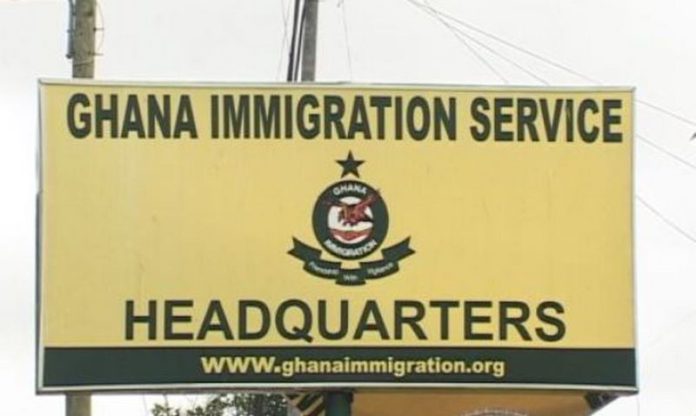
The Ghana Immigration Service (GIS) has issued a warning to the Motor Riders Association in the Ketu South Municipality of the Volta region, cautioning them against participating in potential human trafficking activities originating from neighboring countries.
This alert comes in the wake of multiple arrests made by Aflao Immigration officers concerning human trafficking cases within the Ketu South Municipality.
Assistant Superintendent of Immigration Justice Kudzo Normesi, who oversees Immigration Professional Standards and Ethics at the Aflao Sector Command, emphasized the importance of motor riders cooperating with immigration checks and refraining from using unauthorized routes to enable the illegal entry of foreigners into the country.
Pascal Quarshie Setsoafia, the National Public Relations Officer (PRO) of the Motor Riders Association, called on the government to establish proper measures for the regularization of the okada (motorcycle taxi) business, which he believed could generate significant revenue for the government. Some motor riders also appealed for permits to operate legally.
While acknowledging that the okada business remains illegal, Acting Director General of the National Road Safety Authority (NRSA), David Osafo Adonteng, emphasized the NRSA’s commitment to ensuring the safety of both riders and passengers.
He stated that the NRSA would work to ensure thatmotorriders adhere to the traffic rules of the country.
Furthermore, Assistant Superintendent of Immigration Justice Kudzo Normesi disclosed that Aflao Immigration officers had intercepted five trafficking cases in the Aflao area.
The United States Government, in collaboration with the U.S. Agency for International Development (USAID), has introduced a $60 million initiative aimed at enhancing educational accountability in Ghana.
Referred to as the “Strengthening Accountability in Ghana’s Education System” (SAGES) initiative, this program aims to enhance the provision of primary education services throughout a new five-year duration.
The official launch of this initiative took place in Accra and was led by Kimberly Rosen, the Director of USAID Ghana Mission, and Rev John Ntim Fordjour, the Deputy Minister for Education.
Its primary objective is to assist the Ministry of Education, its associated bodies, and collaborators in reinforcing the framework for educational accountability within the primary education sector.
“It would also improve the performance of education system actors and improve the effectiveness of their interactions with each other, in support of education accountability,” the statement said.
Madam Rosen said: “A strong educational foundation opens doors for young people. Education is the cornerstone of progress and development, and it is with immense pride that we join hands with our Ghanaian partners to enhance accountability within the educational system,” she said.
The SAGES initiative will also enhance education management and community engagement in 17 districts spanning the Northern, North East, Upper East, and Upper West regions.
This comprehensive SAGES effort comprises two interrelated components that center on accountability. The $60 million grant, spanning five years, includes $10 million in direct assistance to the Ministry of Education for the implementation of Ghana’s Education Accountability for Learning Framework.
CARE Ghana, with financial backing from the United States Agency for International Development (USAID), will offer technical support to the Ministry of Education, its affiliated organizations, and partners to ensure effective accountability and improved learning outcomes in Ghana’s primary schools.
The implementation of the SAGES System Strengthening Activity by CARE Ghana involves collaboration with five sub-awardees: AfriKids, Community Development Alliance (CDA), Crown Agents (CA), Ghana National Education Campaign Coalition (GNECC), and School for Life (SfL).
Chief Executive Officer of Vodafone Ghana, Patricia Obo-Nai, has encouraged Small and Medium-sized Enterprises (SMEs) to develop practical strategies for thriving in the challenging economic environment.
She emphasized the importance of SMEs harnessing technology and innovation to grow and minimize operational expenses, thus ensuring the longevity of their businesses.
During her address at the Vodafone Ghana Business Runway event in Accra, Patricia Obo-Nai made these remarks.
“In these turbulent times, survival has become difficult but important. We believe merely being good is no longer enough. Businesses must fall on innovation, expansion and compliance.”
“Innovation is also about doing the same thing differently and better so that you can compete with and compete effectively and also have some unique selling proposition which may not be that easy to replicate or actually in our case to help you to reduce your operational costs,” she added.
Obo-Nai spoke on the theme: “Good to Great with Vodafone: Innovate, Comply and Expand.”
The event convened specialists in finance, brand innovation, and tax compliance, providing SMEs with essential strategies for efficient business growth.
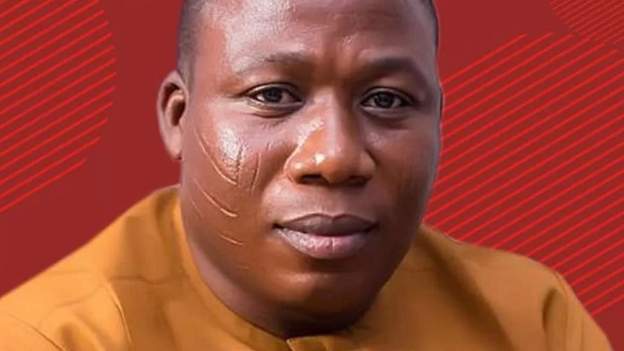
Separatist from Nigeria, known for his advocacy for an independent Yoruba nation, Sunday Igboho Adeyemo, has been released in Benin, where he had been detained after fleeing Nigeria in 2021, according to his lawyer as reported by AFP news agency.
“He has been freed and he has left Benin,” said his attorney Ibrahim Salami.
There has been no official statement from Benin authorities. Adeyemo gained attention in Nigeria in October 2020 when he called for an independent Yoruba republic, although he faced ridicule initially.
He later became a focal point for grievances related to land rights. After authorities raided his home in Ibadan in 2021, he fled Nigeria, leading to his detention in Benin.
Adeyemo has expressed gratitude to Benin’s President Patrice Talon in a social media video, as per AFP reports.
The Health Facilities Regulatory Agency (HeFRA) has revealed that there are only 14 registered dialysis centers in the country. Out of these, seven are publicly owned, and the remaining seven are privately operated.
These facilities include Riverwoods Medical Equipment and Dialysis Company, Accra Kidney Clinic Limited, Sahel Health Ghana Limited, Kidney Specialist Center LTD, Eastern Regional Hospital, Effia Nkwanta Regional Hospital, Central Dialysis, Komfo Anokye Teaching Hospital, Korle-Bu Teaching Hospital, Tamale Teaching Hospital, Maritime Hospital Ghana Limited, First Dialysis, Sage Medic Center, and Peace & Love Hospitals.
Among these, eight are located in the Greater Accra Region, three in the Ashanti Region, and one each in the Northern, Eastern, and Western Regions.
Dialysis is a medical procedure that helps remove excess fluid and waste products from the blood when the kidneys are unable to do so.
Patients typically require three dialysis sessions per week for a normal life. Ms. Christabel Nuhoho, the Head of Public Relations at HeFRA, confirmed that these licensed facilities provide dialysis services in the country.
“We have some facilities that are registered, but yet to be licensed. It is also possible some are not known to us at all,” she added.
Ghana reportedly has approximately 15,400 patients in need of dialysis treatment. However, only about 1,195 individuals, which accounts for 7.8 percent of the estimated number, are currently receiving this critical medical treatment. Despite the significant number of individuals suffering from End Stage Renal Disease (ESRD) or kidney failure in the country, there are only ten nephrologists—medical specialists who diagnose and treat kidney conditions—in Ghana, according to Medpages online, a research platform.
Ms. Nuhoho further explained that to obtain a license for operating dialysis services, a facility is required to meet specific minimum requirements.
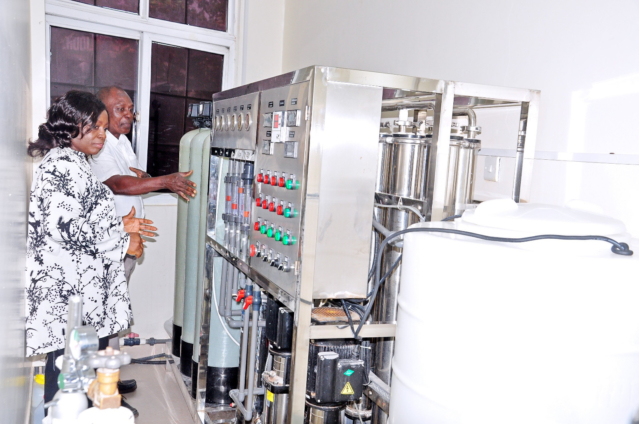
These include having a minimum of two dialysis machines, two dialysis beds, a water treatment plant, a blood pressure apparatus per machine, and an emergency trolley equipped with essential emergency medications.
A Kenyan high court has issued an interim order blocking the government’s plans to deploy police officers to Haiti or any other country while awaiting the hearing of a petition.
The judge has considered the issues raised in the application as being of national importance and public interest.
One of the petitioners, former presidential candidate Ekuru Aukot, argued that the proposed deployment was unconstitutional.
Questions were raised regarding whether regular police officers could be deployed for international assignments.
Mr. Aukot also emphasized that the country could not afford to send 1,000 officers abroad while facing ongoing security challenges at home, including recent ethnic clashes in western Kenya that resulted in seven fatalities.
The coastal region of Lamu has also experienced attacks from the Somalia-based al-Shabab militant group, leading to the imposition of a curfew.
The Interior Minister assured that the deployment would not compromise the nation’s safety and security. Further directions from the court on this matter are expected at the end of October.
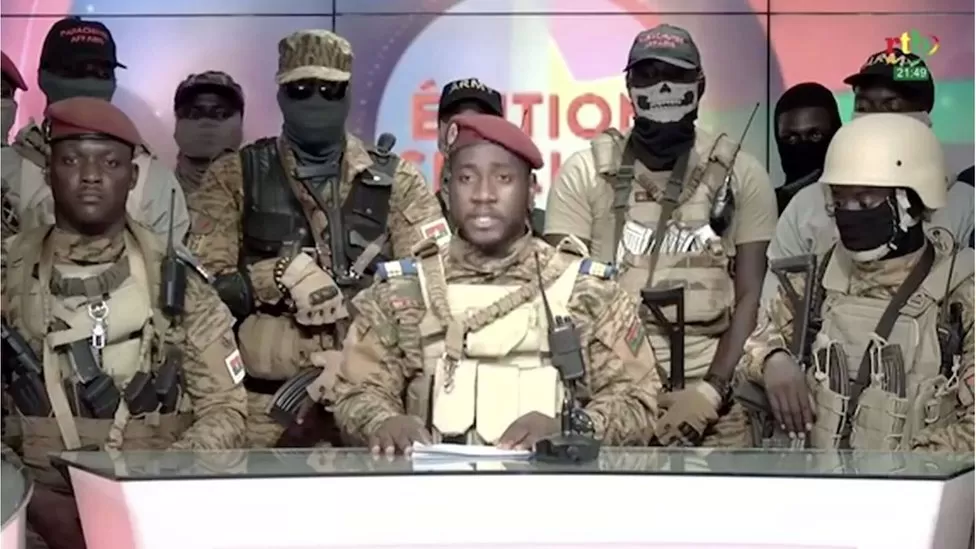
Burkina Faso’s security forces have reportedly eliminated a wanted fugitive commander, Ismael Tohobougou, who was implicated in last month’s alleged coup attempt.
Tohobougou had evaded capture after being summoned for questioning by the military prosecutor. He was among several military officers accused of involvement in the failed coup against Captain Ibrahim Traoré.
The coup reports led to nationwide pro-junta protests.
Recently, the country’s defense ministry suspended multiple army officers connected to the coup attempt, and Lt Col Evrard Somda, the chief of staff of the national gendarmerie, was dismissed and replaced by Lt Col Kouagri Natama.
Burkina Faso has been embroiled in a political crisis since the military ousted elected President Roch Marc Kaboré in early 2022.
The death toll from the landslide that occurred on Sunday in Yaoundé, the capital of Cameroon, has climbed to 30, and 17 others have been injured.
The country’s interior minister, who visited the site to evaluate the extent of the damage, provided this update.
In the impoverished neighborhood of Mbankolo, heavy rains caused numerous homes to collapse into rubble. Concerns persist that several individuals may still be trapped beneath the debris.
“We just put a team that will work all day long to continue finding people,” Housing Minister Celestine Ketcha Courtès told the BBC.
One of the individuals rescued was a three-month-old baby. In light of the ongoing risk, authorities have requested that residents evacuate the neighborhood, which is classified as a hazardous area, to prevent another landslide.
According to local residents who spoke to the BBC, the incident happened due to heavy rains causing an overflow from a nearby reservoir. Some individuals who lost all their belongings in the event expressed that they have no alternative housing options.
Faculty member at the University of Ghana Business School, Professor Godfred Bokpin, has expressed concerns that the nation is on a perilous course under the current leadership managing the Central Bank.
He pointed out that despite the clear economic warning signs in 2019, the Bank of Ghana, under the leadership of Governor Dr. Ernest Addison, failed to caution the government about the impending economic risks.
He emphasized that the decisions made by Dr. Ernest Addison and his team during this period, while ignoring these warning signs, are indicative of the challenges that lie ahead for the country.
Professor Bokpin urged Ghanaians to be deeply concerned about the state of their nation.
He made these remarks during an appearance on TV3’s The Keypoints program on Saturday, September 7, 2023.
“If as at 2019, Bank of Ghana’s own projections and the rest of them could not have warned us that this is where we were heading towards, then I feel we should feel sorry for this country.”
His remarks were prompted by a recent protest organized by the Minority in Parliament, demanding the resignation of the Governor of the Bank of Ghana (BoG) and his two deputies.
The demonstrators alleged that Dr. Ernest Addison mismanaged the central bank, leading it into financial distress.
They also criticized him for overseeing extravagant spending, including the construction of the new $250 million Bank of Ghana headquarters.
Despite the calls for his resignation, Dr. Addison firmly stated that he had no intention of stepping down and referred to the protesters as troublemakers.
The Minority in Parliament is calling for the immediate removal of the Managing Director of the state-owned National Investment Bank (NIB) in order to rescue the financially troubled institution.
NIB is presently undergoing a strategic review with the intention of selling its majority shares to the Agricultural Development Bank (ADB), effectively leading to a takeover. The government is reported to have concluded talks and is awaiting approval from the Finance Ministry to finalize the takeover process.
Isaac Adongo, the Ranking Member of Parliament’s Finance Committee, contends that the current Managing Director of NIB, Samuel Sarpong, has exceeded the mandatory retirement age and should vacate the position to allow for a more dynamic individual to address the bank’s financial challenges.
During a press briefing in Parliament on October 9, Isaac Adongo highlighted that despite its precarious financial state, NIB has been involved in questionable transactions.
“I am surprised that a sick bank requiring around-the-clock 24-hour attention by an energetic young man is now being managed by an over-aged man…I call on the President to in the interest of NIB and national interest to sack Samuel Sarpong to go and continue his retirement and get a very young, energetic mature person who has the energy and drive to turnaround the NIB,” Adongo said.
“NIB has renewed its banking software for seven years at the expense of the banks’ resources…so to now let somebody else acquire it means that the bank will run two banking software’s while crediting and debiting in two separate banks? This is a joke!” the Bolgatanga Central lawmaker lamented.
The Minority MP further cited verifiable documents in his possession over what he termed as ‘sleazy deals’ with regards to NIB and its current head office.
“We are aware of the sleazy deals with regards to NIB and its current head office and some developments that should have happened at the airport residential area close to the National Service Secretariat and I am in possession of very verifiable documents to that effect and we will pursue them at some point in time”
Member of Parliament for North Tongu, Samuel Okudzeto Ablakwa, has exposed what he describes as the “corrupt frontiers cover-up” in the country.
According to him, the ” irredeemably corrupt” Akufo-Addo/Bawumia government believes it has successfully blocked access to all information on its “criminal” Frontiers COVID-19 Airport Testing deal.
He revealed that not even a directive and a GHS200,000.00 fine imposed by the RTI Commission following a Joy News petition has been helpful in compelling Akufo-Addo’s appointees at the Ghana Airport Company Limited and the “larger Akufo-Addo/Bawumia administration to disclose the requested information on the Frontiers contract in the interest of transparency and accountability”.
However, he expressed “bad news for this buccaneer government”. He explained that in the supreme national interest, he has by the “Grace of God intercepted all the relevant documents on this dubious Frontiers heist, notwithstanding government’s desperate efforts at a shameless cover-up”.
“SOA Oversight shall ensure that this grand Frontiers create, loot and share; together with all those who FRONTED for FRONTIERS are duly exposed and sanctioned for God and Country…”
Expanding on his revelation, Mr. Ablakwa emphasized that his focus would be on the “explosive” offer letter dated August 31, 2020, from the Ghana Airport Company Limited to Frontiers Healthcare Services Limited. This letter, he pointed out, was signed by the former Managing Director, Mr. Yaw Kwakwa.
He highlighted that this letter exposes how Frontiers was selected in what he termed an “opaque sweetheart deal” after secretive discussions. He asserted that Ghana’s procurement regulations were openly disregarded and suspended in this process.
Furthermore, he clarified that it was not a competitive procedure, as reputable institutions like the Noguchi Memorial Institute for Medical Research, Kumasi Centre for Collaborative Research, Korle Bu Central Laboratory, and others, which played significant roles in COVID containment, were sidelined while the government chose the “suspiciously hastily incorporated” Frontiers.
Expanding on his disclosure, Mr. Ablakwa emphasized that his investigation will shine a spotlight on a significant “bombshell” – the offer letter issued by the Ghana Airport Company Limited to Frontiers Healthcare Services Limited. This letter, dated August 31, 2020, and signed by the former Managing Director, Mr. Yaw Kwakwa, serves as a pivotal piece of evidence.
He pointed out that this letter unveils the non-competitive nature of Frontiers’ selection, emphasizing that it was a result of a secretive and non-transparent arrangement, characterized as an “opaque sweetheart deal.” Mr. Ablakwa underscored that Ghana’s procurement laws were openly flouted and set aside during this process.
Furthermore, he highlighted that the selection did not involve a competitive bidding process.
He expressed concern that reputable institutions such as the Noguchi Memorial Institute for Medical Research, Kumasi Centre for Collaborative Research, Korle Bu Central Laboratory, and others, which played a crucial role in COVID containment, were deliberately excluded.
Instead, the government chose to engage with the hastily incorporated Frontiers, which raised suspicions.
“This letter incredibly reveals how an offer was made to Frontiers on 31st August, 2020 and how actual testing magically commenced the next day, September 1, 2020. Something to soon feature in Guinness World Records. In a total rip off, the government per the offer letter asked for a fixed share of a measly and wickedly unpatriotic $10 per test as Frontiers keeps $140 per test considering that Frontiers was charging each passenger $150…”
Furthermore, Mr Ablakwa indicated that Frontiers was asked according to the offer letter to make a “paltry and insulting” payment of only $97,109.00 as proof of acceptance of the offer for an exclusive control of the Upper Arrival, Terminal 3, KIA.
He noted that this was made regardless of the fact that Frontiers stood to make and has indeed made profits worth hundreds of millions of dollars.
Despite the “outrageous giveaway”, Mr Ablakwa explained that Frontiers was exempted from paying water bills.
“The offer letter did not provide technical specifications; standards and the specific amount of investment Frontiers was obliged to make in setting up the testing facility which actually exposes how everything was skewed by government officials to collude with Frontiers in raping Ghanaians.”
Frontiers deal unpacked
Furthermore, the Member of Parliament for North Tongu emphasized that the offer letter did not include any requirement for mandatory authorization from the Health Facilities Regulatory Authority (HeFRA) as a prerequisite.
He pointed out that this omission clarifies why Frontiers began its operations several months before submitting an application to HeFRA for licensing, a fact he previously revealed in his initial exposé.
“From the intercepted offer letter, Frontiers was granted an unfathomable long duration of 2 years to loot, create and share; and that was regardless of whether Covid is defeated in a few weeks or not. This also explains why Ghana was basically the only country still testing at the airport many months after airport authorities in many other jurisdictions had stopped and dismantled their testing systems.”
Characterizing the evidence as overwhelming, Mr. Ablakwa asserted that the Frontiers deal represented a significant collaboration between what he described as a “buccaneer government” and profit-driven entrepreneurs, all while a devastating pandemic was causing casualties and hospitalizations.
He highlighted that a conservative analysis of passenger traffic data available on the Ghana Airport Company’s website revealed that during Frontiers’ two-year fraudulent operations, approximately one million arrivals occurred at Kotoka International Airport (KIA).
Considering the subsequent reduction in fees from $150 to $50, specifically for ECOWAS nationals, Mr. Ablakwa estimated that Frontiers and its associates, who acted as intermediaries, would have amassed profits of no less than $130 million in what he referred to as “killer” gains. In response, he pledged to release additional documents related to this “unconscionable killer” Frontiers scandal in forthcoming publications.
Furthermore, Mr. Ablakwa called upon all Ghanaians who have grown weary of what he described as “blatant stealing, impunity, lawlessness, fraudulent deals” to participate in the minority’s #OccupyBoGProtest scheduled for Tuesday.
The International Monetary Fund said that Ghana will need a debt relief agreement from its official creditors to qualify for further disbursements under a $3 billion extended credit facility program.
The Washington-based lender reached a staff-level deal with Ghana on the first review of the program that started in May, Stéphane Roudet, IMF mission chief, said in a statement Friday.
Ghana’s dollar bonds rose and were among the best performers in emerging markets. Notes maturing in 2049 gained 0.2 cents to 41.07 cents on the dollar by 2:14 p.m. in London.
To complete the review, which will give the West African nation access to another $600 million disbursement, bilateral creditors must agree on specific terms of debt treatment, in line with the financing assurances they provided five months ago, he said.
The financing assurance enabled IMF to approve Ghana’s program, with an initial $600 million disbursement.
“We’re now in the first review so we’re moving from a general commitment to a specific credit commitment on terms of debt restructuring,” Roudet said at a press conference in the capital, Accra. This will also inform the specific terms for external commercial creditors, he said.
The lender is treating Ghana like Zambia, which also has an IMF program.
Earlier this year, the IMF insisted that Zambia’s official creditor committee sign a memorandum of understanding to unlock the next disbursement, but later backed down and approved the payment after the bilateral lenders in June announced an agreement in principle to restructure $6.3 billion of debt.
“We are confident that the official creditor committee agreement will come through in time for the executive board’s approval in November,” Minister of Finance Ken Ofori-Atta said in an interview, on the sidelines of the press conference.
Ghana’s policy reform commitment under the program is bearing fruit, Roudet said. Economic growth has proven more resilient than earlier thought, fiscal and external positions have improved, the exchange rate has stabilized and the inflation rate has declined, he said.
Ghana’s inflation slowed to 40.1% in August, its lowest level in 10 months. The cedi, which weakened as much as 21% earlier this year has pared its losses against the dollar to 13%.
The country is restructuring almost all of its $50 billion debt to make it sustainable under the IMF program. It has successfully completed its domestic debt rework. The next step is to revamp about $13 billion in Eurobonds.
Ghana sought IMF help in July 2022 after its dollar bonds plunged and spending cuts failed to convince investors it will be able to repay debt.
Sub-Saharan Africa is set to gain a “more influential representation” at the International Monetary Fund (IMF), as it is being allocated a third seat on the global lender’s executive board, according to IMF Chief Kristalina Georgieva in an announcement made to AFP.
This development comes in advance of the IMF and World Bank meetings taking place in Marrakesh, Morocco, marking the first such gathering on the African continent since 1973.
The IMF’s executive board, overseen by Georgieva, oversees the institution’s daily operations and currently comprises 24 directors.
The United States, as the world’s largest economy, holds the largest share of votes, followed by economic powerhouses Japan, China, and Western Europe, which are ahead of other regions and developing nations in terms of representation.
“I have some good news for Africa. We are advancing a preparation to have a third representative of sub-Saharan Africa in our executive board,” Georgieva told AFP in Abidjan, Ivory Coast, last week Thursday.
“Ultimately, what it will mean is (a) stronger voice for Africa,” the IMF’s managing director added.
The World Bank has additionally declared its intention to establish a third seat for African nations on its board, with the official decision set to be made during the October 9-15 meetings in Marrakesh.
During the meetings in Morocco, both the IMF and World Bank will address the challenging matter of institutional reform, responding to increasing demands for more effective solutions to address debt and climate change issues in less affluent countries.
‘Brighter prospect’
Georgieva noted that economic growth in sub-Saharan Africa has slowed down this year to a rate of three percent.
“The impact of war (in Ukraine) was devastating, especially coming on top of COVID-19,” she said.
“Countries with limited fiscal capacity were particularly severely impacted.”
Inflation, which soared in the wake of Russia’s full-scale invasion of Ukraine, caused “additional hardship on people”, Georgieva added.
Moscow’s invasion sent food prices soaring as both Russia and Ukraine are major exporters of agricultural goods.
Georgieva praised countries “for being very prudent in dealing with inflation”, which has gone down in many nations, and prioritising public spending in a way that allows them to lower deficits.
“We expect some brighter prospects for sub-Saharan Africa in 2024,” the Bulgarian economist and former European Commission vice-president said.
“But it is hard. We still see that food prices are particularly high, and that translates into (a) terrible fate for 144 million people having difficulty in feeding themselves and/or their families,” she said.
She warned against measures such as price caps or subsidising fuel to help people cope with inflation, as they “ultimately benefit rich people even more than poor people”.
“What we want is countries to win the fight against inflation,” Georgieva said.
“It’s not going to happen if we throw in more money without good fundamentals for the economy to run efficiently,” she added.
Instead of subsidies, she said, “What we are strongly recommending is to give direct support to the poorer part of the population”.
Despite the IMF’s ongoing provision of special assistance, including zero-interest loans, in response to the COVID-19 pandemic, Georgieva expressed her intention to urge both nations and the private sector to increase their contributions to aid developing countries. She emphasized the need for greater support in light of the ongoing challenges.
‘Lost decade’
The World Bank warned in a report on Wednesday that sub-Saharan Africa’s economic outlook “remains bleak”.
The institution warned that the region could face “a lost decade of growth”, pointing to “rising instability” with “increased incidences of attempts to destabilise governments by unconstitutional or violent means in recent years”.
The Sahel region in particular has been the scene for more than a decade of jihadist insurgency that has fuelled military takeovers in Niger, Mali and Burkina Faso.
Despite the coups, Georgieva defended the IMF’s decision to maintain aid to those countries due to “humanitarian concerns”.
“We have a responsibility to make sure there is at least minimum financial capacity,” she said.
“Because the regimes are not there sufficiently for their people, it’s not an excuse for us to forget about the men, women and children who need us.”
Former Minister of Environment, Science Technology, and Innovation, Professor Kwabena Kwabena Frimpong-Boateng, has issued a warning that the upcoming year, 2024, is poised to bring significant economic challenges to Ghana.
In an opinion piece authored by the distinguished cardiologist and member of the ruling New Patriotic Party, he emphasized that, “prominent and credible economists have predicted that considering the miserable and near hopeless state of the national economy, it might take Ghana at least 30 years to witness any semblance of recovery”.
He further noted that given the current challenges posed by the economic crisis, other knowledgeable and equally credible economists have suggested “no country has witnessed an economic recovery from a malaise similar to what the NPP has visited on the country.”
“The year 2024 will be turbulent economically, I am told,” he added.
He however bemoaned the posture of the current government [NPP] which seems certain it will be given the nod in the upcoming general elections in 2024 despite the economy in disarray.
“Instead of addressing the challenges confronting us, the government appears to have resigned itself as if it had finished its job and Ghanaians should wait for the next administration to address the myriad of problems facing the country. NPP, HOW DID WE GET HERE?” he questioned.
Meanwhile, Ghana’s economy is presently operating within the framework of a three-year IMF-supported program known as the Extended Credit Facility.
Additionally, the ruling NPP has been facing extensive protests regarding living conditions and has been contending with demands from labor unions, civil society organizations, and a broad spectrum of Ghanaian citizens.
Global oil prices surged by more than 3% per barrel in the Asian trade market on Monday due to the ongoing military clashes between Israel and the Palestinian Islamist group, Hamas.
The political tensions in the Middle East region have created uncertainty, and investors are expressing concerns about oil supply and demand.
As of Monday, October 9th, Brent crude prices rose by $3.10 or 3.67% per barrel, and U.S. West Texas Intermediate (WTI) crude was selling at $86.05 a barrel, marking an increase of $3.26 or 3.94%. Reuters reported that both benchmarks had initially surged by more than $4 a barrel before slightly easing.
Market analysts at ANZ Bank, in a note to clients, mentioned that “increasing geopolitical risk in the Middle East should support oil prices… higher volatility can be expected.”
The recent rise in oil prices has reversed the previous week’s downtrend, during which Brent crude had dropped by approximately 11%, and WTI had decreased by more than 8%. These declines were driven by concerns about high interest rates and their impact on global demand.
Israel, in response to Palestinian fighters’ attacks on Saturday, October 7, 2023, declared a state of war. Hamas senior military commander Mohammed Deif later announced the start of a military operation, naming it “Operation Al-Aqsa Storm” in a broadcast on Hamas media.
Deif urged Palestinians worldwide to join the fight against Israel.
Meanwhile, Israel’s Defense Minister criticized Hamas for its actions, stating that the group had “made a grave mistake” by attacking the Middle East nation.
According to The Spectator Index, Hamas is reported to have taken some captured Israelis into the Gaza Strip and is also believed to have killed the Mayor of Israel’s Sha’ar Hanegev region, Ofir Libstein.
The Bank of Ghana’s Interbank forex rates on October 9, 2023, reveal that the Ghana Cedi is exchanging against the US dollar at a purchase rate of 11.2231 and a selling rate of 11.2343.
In an Accra-based Forex bureau, the Dollar is being purchased at a rate of 11.65 and sold at 11.95.
Against the Pound Sterling, the Cedi has a buying rate of 13.7326 and a selling rate of 13.7486.
At a Forex Bureau in Accra, the Pound Sterling is being acquired at a rate of 14.10 and sold at 14.60.
The Euro is currently trading at a buying rate of 11.8753 and a selling rate of 11.8870.
In an Accra-based Forex Bureau, the Euro can be purchased at a rate of 12.00 and sold at a rate of 12.50.
The South African Rand has a buying rate of 0.5811 and a selling rate of 0.5815.
At a Forex bureau in Accra, the South African Rand is being bought at a rate of 0.35 and sold at a rate of 0.95.
The Nigerian Naira has a buying rate of 68.3739 and a selling rate of 68.4184.
In an Accra-based Forex bureau, the Nigerian Naira is being bought at a rate of 10.00 Naira for every 1 Cedi and sold at a rate of 15.00.
Regarding the CFA, it is trading at a buying rate of 55.1827 and a selling rate of 55.2371.
In a Forex bureau in Accra, the CFA can be bought at a rate of 16.50 CFA for every 1 Cedi and sold at a rate of 20.50 CFA for every 1 Cedi.
Our forex bureau rates are provided by Afriswap Bureau De Change in Osu, Accra.
Note that these rates may be different at a forex bureau near you. Our forex bureau rates are provided by Afriswap Bureau De Change in Osu, Accra.
Assistant Commissioner, who heads the Accra Central Enforcement Unit of the Ghana Revenue Authority (GRA), Joseph Annan, has identified a tax system loophole.
Efforts are being made to address this issue, which has become evident during the ongoing Value Added Tax (VAT) enforcement operation in Accra.
Annan noted that many businesses were found to be in violation of tax laws. Some registered entities either failed to issue VAT invoices or were selectively issuing them. In response, the revenue collection authority will conduct additional compliance checks to compel tax defaulters to settle their obligations and hold them accountable.
Assistant Commissioner Joseph Annan shared these insights with journalists in Accra following one of the enforcement exercises.
“What it means is that, we have to do a lot more compliance checks.
“Businesses operating in the country that have failed to register with the authority or comply with tax laws will be compelled to do the right thing,” he stated.
Since June of this year, the Ghana Revenue Authority has intensified its initiatives for tax compliance and enforcement with the aim of achieving its collection target of GH¢106 billion.
This objective signifies a 40% year-on-year growth.