Author: Amanda Cartey

  • When rubber hits the road: how to execute your strategy successfully

    When rubber hits the road: how to execute your strategy successfully

    How successful was your organisation in accomplishing its last strategic plan? The statistics are grim and unsurprising because the situation is known to many leaders.

     Research shows that 60 to 90 per cent of organisations fail to execute their strategies successfully. Once, I was called to support an organisation to prepare a new strategy.

    I wanted some context, so I asked what happened to the previous strategy. The leader admitted that they did nothing after the ink dried on the document.

    They continued business as usual despite the new strategy. If organisations could execute half of the plans they develop, their stakeholders would be much better off.

    There have been so many unsuccessful attempts at strategy execution that some leaders believe committing resources to developing strategy is useless.

    The above posture has compounded an already dire situation as many organisations do not commit meaningfully to the strategy development process.

    One leader told me, “Folks tend to forget the outcome of the strategy retreat after a week of work”. It’s a sobering reality of many organisations’ ineffective strategy development processes. We must get better at developing strategies and executing them.

    Since I have shared extensively on the strategy development process in my previous articles, I will focus this article on execution. I want to address two main obstacles to execution and end with three leadership practices that accelerate execution:

    Do not celebrate success too early

    There can be several reasons why the team would like to celebrate a successful strategy retreat.

    Possibly, the team finally made time to discuss critical issues they had swept under the carpet for a long time.

    Or the team regained its focus by agreeing on the essential outcomes it must pursue.

    Sometimes, the conversations addressed the tension that was mounting or broken relationships between internal stakeholders that had affected teamwork and the delivery of critical outcomes.

    These are worth celebrating, but we must also recognise that a successful strategy retreat is the beginning of the strategy journey.

    The strategy document does not mean anything until leader take the strategy to the frontline where execution happens.

    The retreat is not the outcome; it’s a step in the journey.

    Do not ignore the organisational context for strategy execution

    Leaders who develop strategies without considering the context for execution make their plans prone to challenges during execution.

    Anytime a leader says: “We are good at developing strategy, but our challenge is the execution”, it’s evident that this leader does not fully appreciate what strategy is.

    Suppose execution is the challenge within your organisation.

    In that case, your plan should be to develop actions that enable your organisation to overcome this obstacle and achieve better execution.

    Your strategy development process must recognise the “elephant in the room”, especially if the issues are within the organisation’s influence and control.

    The strategy development process must consider the leadership and management practices required for effective execution.

    Embrace Change and Accountability

    Implementing a new strategy is a change effort. A new plan requires the organisation to make different choices to accomplish its mission.

    The new strategy affects organisational design, product and service offerings, resource allocation, measures of performance, management practices, capabilities required, etc.

    Changing behaviour and ways of working is always difficult, so leaders must not assume that the team will make the necessary changes as quickly as possible.

    Leaders must create the conditions for the transition to be successful and provide support to help team members adjust and thrive in the new circumstances. 

    A study by Robert Kaplan and David Norton suggests that only a few employees understand company strategy. 85% of leadership teams spend less than one hour monthly on strategy, and 50 per cent spend no time.

    Tom Peters, the celebrated management guru and author, noted two decades ago that many leaders spend time fighting fires and may only come upon critical issues late in the day.

    Successfully executing a strategy requires discipline and focus. Taking these three simple (though not easy) actions below accelerates the execution process for every leader. 

    Help team members to appreciate the new strategy and apply it in their context; 

    Leaders must find opportunities to communicate the reasons for the changes within the organisation continuously.

    Leaders must communicate more effectively when sharing a new strategy with the team.

    Take the time to explain to as many team members as possible how the new strategy affects their work and actions.

    Great leaders enable team members to link their efforts and daily tasks back to the mission by giving examples of the changes required at every level and how they support the new strategy.

    Communicate using various mechanisms so that team members at the frontline appreciate why the plan is essential and how their efforts contribute to the organisation’s success. 

    Focus every leadership meeting on the new strategy;

    Use all leadership team meetings across the firm to discuss progress on the strategy and identify issues that must be addressed.

    Regularly discussing the actions and strategies keeps them front of mind and allows for mid-course corrections before a problem becomes a crisis.

    Leadership must focus the usual monthly meetings on the new strategy and use it as an example of how to review the performance and progress of activities within the organisation.

    Leaders must build the capacity of managers to run effective meetings and demand that managers at all levels demonstrate how their actions, activities and projects support the achievement of the strategy. 

    Provide regular updates and celebrate progress across the organisation;

    By providing frequent public reports on progress, sharing and celebrating accomplishments, and discussing issues that disrupt the plan, team members can see their progress and what further changes they need to make.  

    Providing accountable leadership that makes the organisation agile and responsive to changes accelerate strategy execution in many organisations.

    …..be of good cheer!

    The writer is a Leadership Development Facilitator, Executive Coach and Strategy Consultant, Founder of the CEO Accelerator Program, and Chief Learning Strategist at TEMPLE Advisory.

    The mission of The Leadership Project is to harvest highly effective leadership practices and share them in a manner that other leaders can easily incorporate into their leadership practice.

    If you have an idea or leadership practice to share, kindly write to programs@thelearningtemple.com.

    Until you read from us again, keep leading…..from leader to leader, one practice at a time.

    DISCLAIMER: Independentghana.com will not be liable for any inaccuracies contained in this article. The views expressed in the article are solely those of the author’s, and do not reflect those of The Independent Ghana
  • 12 people arrested as police restore order in Godenu

    12 people arrested as police restore order in Godenu

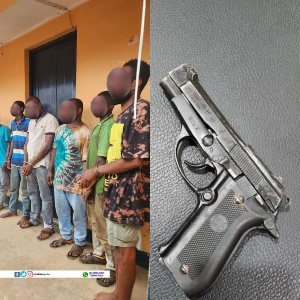
    The Ghana Police Service have restored calm in Gordenu, a community near Hohoe in the Volta Region, following a violent clash with community members which resulted in the setting of a police patrol vehicle on fire.

    According to the police, the disturbance occurred on Wednesday, August 30, 2023, after a patrol vehicle was involved in an accident with a motorbike rider.

    The incident claimed the lives of two individuals, and the injured motorbike rider is currently under medical care for sustained injuries.

    “The Police have restored calm at Gordenu near Hohoe in the Volta Region following a violent disturbance in which a Police patrol vehicle which was involved in an accident with a motorbike rider was set on fire by some members of the community.

    “Two people lost their lives in the violence and the motor rider who sustained injury during the accident is currently receiving medical attention,” part of the statement by the police read.

    The police added that so far, twelve people have been arrested and one bruni pistol retrieved.

    As a measure to reinforce security and ensure law and order, authorities have heightened security protocols in the Hohoe township and its adjacent communities.

    “Twelve people have so far been arrested and one Bruni pistol retrieved. Police continue investigation into the incident including the circumstances under which the two people lost their lives.

    “Security has since been deepened in Hohoe township and its surrounding communities to ensure law and order,” the police added.

  • Examine, benefit from international agreements, the Trade Ministry advises enterprises

    Examine, benefit from international agreements, the Trade Ministry advises enterprises

    Businesses are being urged to foster an interest in understanding international business treaties, as this will provide them with a broader perspective of global business dynamics.

    The Ministry of Trade and Industry highlights that such understanding will enable local businesses to harness trade financing opportunities embedded within these treaties.

    Ghana is a signatory to numerous international treaties aimed at enhancing economic and trade relationships.

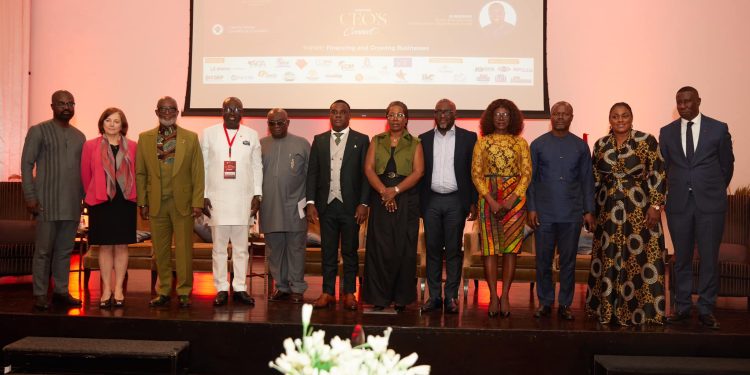
    Addressing the 2023 CEOs Connect event, organized by the Canada Ghana Chamber of Commerce in Accra under the theme “Financing and Growing Businesses,” Nana Ama Dokua Asiamah-Adjei, Deputy Minister of Trade and Industry, encouraged Ghanaian enterprises to explore the trade finance options facilitated by the various international treaties.

    “As leaders in the trade and industry sector, I would like to use this opportunity to encourage you to take keen interest in these international agreements and flagship programmes and explore them to benefit our businesses,” he impressed.

    Nana Ama Dokua Asiamah- Adjei further rallied support for Small and Medium Scale Enterprises: “I also want to urge the medium and the large-scale businesses to serve as an anchor Industry to pull along the micro and the small businesses by contracting them and sub-contracting them with some business processes to them.”

    The Canadian High Commissioner to Ghana, Her Excellency Martine Moreau, revealed that the Canadian Government is developing an economic strategy that will help the continent of Africa’s economic viability.

    “The Canadian Government is developing a Canada Africa Cooperation Strategy in order to support the advancement of a robust broad ranging and long-lasting economic partnership with Africa,” she disclosed.

    “To some extent the Strategy will be a reflection of the rapid changes we are experiencing globally; changes driven by advancement in technology including artificial intelligence,” she added.

    Meanwhile, businesses in Ghana have been cautioned to avoid falsifying paperwork, especially those looking to into the international market.

    According to the Chief Executive Officer of the licensed immigration consultant Askia Immigration Consulting Services, this is the case.

    “They should be truthful and provide their information with accuracy. For example, if you are going for a mining conference and you are in the food processing business, you have to clearly state your purpose and how it connects with your presence,” she said.

    Yofi Grant, the Chief Executive Officer of the Ghana Investment Promotion Centre, also spoke about the different funding options available for businesses at different stages and how companies should look into partnerships to find solutions to their financial problems.

  • Businesses are cautioned to avoid faking immigration documents

    Businesses are cautioned to avoid faking immigration documents

    Businesses, particularly those aiming to establish a global market presence, have been strongly advised to refrain from document falsification.

    Askia Immigration Consulting Services, a regulated Immigration Consultant, emphasizes that this practice is crucial for facilitating a seamless visa acquisition process.

    During the CEOs Connect Business Conference hosted by the Canada Ghana Chamber of Commerce in Accra, Madam Marie Keita Amarteifio, the Founder and CEO of Askia Immigration Consulting Services, underscored the importance of accurate data maintenance by business enterprises to protect the progression of their growth.

    “They should be truthful and provide their information with accuracy. For example, if you are going for a mining conference and you are in the food processing business, you have to clearly state your purpose and how it connects with your business,” she explained.

    “This is where Askia Immigration Consulting Services comes in to help you to reduce the instances of immigration difficulties,” she added.

    Professional immigration services are offered by Askia Immigration Consulting Services, a licensed immigration consultancy situated in Accra, Ghana, to clients all over West Africa and beyond.

    Electronic travel permission, temporary resident visas, interview practice, business visitor visas, super visas, and aid with prior denial are just a few of the exclusive services offered.

  • Sudan delays sending a suspect in the Rwandan massacre to the UN

    Sudan delays sending a suspect in the Rwandan massacre to the UN

    The effort to bring Rwandan genocide suspect Fulgence Kayishema to trial at a UN court encountered a setback on Wednesday when a transfer hearing was postponed by a judge in South Africa.

    Kayishema, accused of involvement in one of the bloodiest episodes of the 1994 genocide, was apprehended in May on a wine farm near Cape Town after evading capture for over two decades.

    In June, he sought asylum in South Africa to potentially delay any extradition request for a trial abroad. The United Nations International Residual Mechanism for Criminal Tribunals eventually requested his transfer to its Tanzanian branch.

    However, the legal procedure, distinct from a standard extradition process, led to some confusion, as prosecutors failed to submit an application to initiate the transfer process on Wednesday.

    “This is not a criminal case nor a civil case. So, we are treading new terrain,” said Eric Ntabazalila, a spokesman for South Africa’s National Prosecuting Authority.

    “Our understanding was that the matter was postponed to today so that he’ll have his own legal representative coming on board and then we’d plan a way forward.”

    Kayishema, who was absent from the court, is charged with supervising the massacre of over 2,000 men, women, and children during the peak of the 1994 genocide.

    During a period of around 100 days marked by sectarian violence, approximately 800,000 individuals, primarily ethnic Tutsis, were killed by Hutu extremists.

    Associates of the 62-year-old former police chief maintain their belief in his innocence.

    “We have proof that is a mistaken identity. The Kayishema they have here, Fulgence, is not the Kayishema who was wanted by the justice,” said family friend, Joseph Habinshuti outside the court.

    The judge has not promptly scheduled a fresh date for the subsequent hearing.

    In a separate matter, Kayishema is confronting 54 charges related to fraud and immigration in South Africa.

  • Ghana would turn into a net exporter of salt – Akufo-Addo

    Ghana would turn into a net exporter of salt – Akufo-Addo

    President Nana Addo Dankwa Akufo-Addo emphasized that the establishment of the Ada Songor Salt project exemplifies the outcomes achievable through government policies partnered with private sector involvement in Ghana’s pursuit of self-sufficiency in its resources.

    He noted that the project’s objective is to enable the nation to attain self-sufficiency in the salt commodity while positioning itself to potentially become a net exporter.

    During the inauguration of the Electrochem Salt Mine and Processing Plant at Ada-Sege on August 30, 2023, President Akufo-Addo highlighted that over the course of about 64 years, various administrations have endeavored, albeit unsuccessfully, to fully harness the value and advantages of the Ada-Songor Lagoon.

    He expressed his elation that such a project has been initiated during his tenure, particularly for the well-being of Ada area residents and the broader Ghanaian populace.

    “This is the first time in recent history that an indigenous Ghanaian businessman owns one of the biggest extractive industries in Africa. He [McDan] is a shinning an example of what determination and perseverance can produce,” Akufo-Addo praised.

    “In the run-up to the 2008 elections, I was startled by the news reports that Nigeria was in the process of importing US$2 billion worth of salt from Brazil and you can imagine the thoughts that were running through my mind,” he recounted.

    President Akufo-Addo noted that the ongoing Ada Songor project, currently with a capacity to yield around 650,000 metric tons of salt products annually, is set to increase to 1 million metric tons in 2024 and further elevate to 2 million metric tons by 2027. Ultimately, this endeavor is poised to transform it into the largest salt mining facility on the African continent.

    “As an advocate for value addition since I assumed office in 2017, it has been evident in the implementation of the 1D1F policy which I am delighted that Electrochem is in the process of constructing a salt refinery in addition to a port for the purpose of exporting refined salt products to wider African markets,” Akufo-Addo stated.

    He continued, “With Accra serving as the host secretariat of the Africa Continental Free Trade Area, I am confident that the expected revenues of some US$1 billion to the company will be considerably surpassed.”

    However, President Akufo-Addo requested assistance from the chiefs and residents of Ada to help ensure the project’s success.

  • Salt project in Ada Songor to hit a capacity of 2m metric tons by 2025 – McDan

    Salt project in Ada Songor to hit a capacity of 2m metric tons by 2025 – McDan

    Founder of the fully Ghanaian-owned salt mining enterprise Electrochem Ghana, Dr. Daniel McKorley, has outlined that the initial phase of the Electrochem Salt Mining and Processing project aims to elevate its capacity to 2 million metric tons annually by 2025.

    Presently, the salt mining initiative, which has generated employment opportunities for around 3,000 young individuals in the Ada region, yields approximately 650,000 metric tons of salt products annually. The goal is to further amplify its production capacity to 1 million metric tons per year by 2024.

    During the inauguration of the Electrochem Salt Mine and Processing Plant in Ada-Sege on August 30, 2023, McDan emphasized the need for the government to facilitate vital road infrastructure development, specifically the Bone Korpey Road to Koluedor Road, for the local community.

    “We are asking the government to connect the Ada West to Ada East so that when we produce the salt, we can gain easy access to the port. We also call on government to build a jetty for the Ada Songor area like that one that is sent to Keta in the Volta region,” he said.

    McDan added that the corporation intends to construct a port in the Ada East region to increase supply to the locals and export markets while also opening up employment opportunities.

    “As we move to Ada East, we will employ 3,000 youth more and by the end of this project, we are looking at employing about 7,000 youth and if we are able to build the port of Ada, we will be employing 700 people. We want to change lives in Ghana and touch the pockets of everyone that has something to do with the project.

    “Our commitment to the environment and community development has been at the core of our journey and we have embraced this responsibility by sewing the seed of progress and have grown into abundance of opportunity,” he added.

    Yet, Dr. Daniel McKorley expressed his appreciation towards President Nana Addo Dankwa Akufo-Addo for steadfastly supporting private sector development to drive economic progress and champion job formation in Ghana.

    In parallel, President Akufo-Addo commended Electrochem Ghana for their endeavors in establishing Africa’s largest salt mine and processing facility. He highlighted that this initiative will position Ghana to achieve self-sufficiency in salt production and even become a potential net exporter of the commodity.

    Furthermore, he assured his commitment to entrust the Minister for Roads and Highways with the responsibility of fulfilling McDan’s request to construct two vital roads linking the Bone Korpey and Koluedor communities.

  • Gabon: Here is why the military felt authorized to oust Bongo

    Gabon: Here is why the military felt authorized to oust Bongo

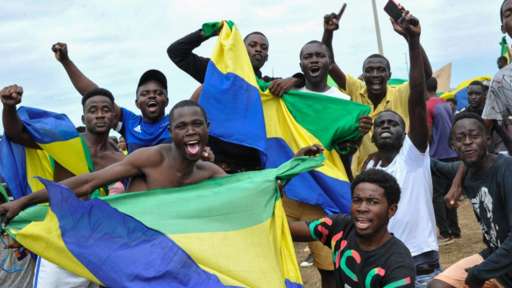
    The military assumed control in Gabon shortly after election results were declared, asserting that President Ali Bongo’s re-election occurred despite allegations of fraud from the opposition.

    The coup’s aftermath reflects a widespread discontentment with the enduring rule of the Bongo family.

    The military’s decision might also be influenced by France’s perceived vulnerability in the region, judging that the former colonial power would likely not intervene to support their long-standing ally, Bongo.

    Domestic divisions further bolstered the military’s position, with even the Bongo family divided, as one of the president’s uncles was vying for office in the recently held election.

    Similar to other places, concerns about the rising cost of living have arisen, although Gabon has benefited from climate change initiatives tied to its rainforests.

    However, as the Bongo clan maintains a stronghold across various spheres, discontent has grown due to limited opportunities for an independent private sector to thrive.

  • President of Nigeria is concerned about ‘contagion’ in West Africa

    President of Nigeria is concerned about ‘contagion’ in West Africa

    The leader of Ecowas, an alliance of West African countries, is closely monitoring the situation with “profound apprehension,” as reported by Reuters.

    Bola Tinubu, also Nigeria’s president, is collaborating with regional counterparts to determine their course of action in response to the ongoing events.

    Tinubu’s remarks allude to the recent military coups in the vicinity, expressing his worry that the continent might be caught in a “contagion,” a term earlier employed by our correspondent Hugh Schofield on this page.

  • Gabon Opposition express joy over Bongo’s fall

    Gabon Opposition express joy over Bongo’s fall

    The head of a Gabonese opposition party has expressed his “elation” over the military’s removal of President Ali Bongo, whose family held dominion over Gabon for over half a century.

    Nicolas Nguema, leader of Pour Le Changement (PLC), conveyed his satisfaction to the BBC, stating that the Bongo family’s extended tenure in power necessitated change.

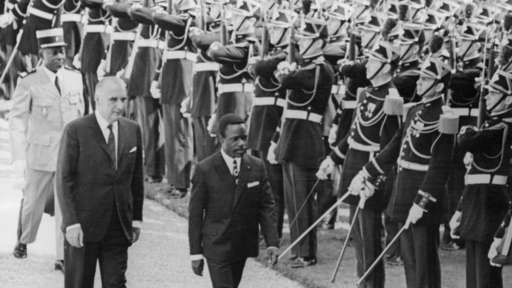
    He asserted that military intervention stood as the sole means to transform the existing “regime,” highlighting that Ali Bongo’s father, Omar, commenced his rule over Gabon in 1967, with his son succeeding him in 2009.

    “I am delighted with the situation, I am delighted that we have been able to put an end to this dictatorial regime which imprisons the youth,” Nguema said.

    “The popular jubilation that we have been hearing in the streets since this morning shows that I am in line with history, with my time, with this thirst for change that we have all had for so long, if not forever,” he added.

  • Here are 5 things about Gabon you may not know

    Here are 5 things about Gabon you may not know

    As we conclude our coverage, we understand that the unfolding events in Gabon have attracted a broader readership.

    For those who may be less acquainted with the nation, here are some lesser-known facts about this resource-abundant former French colony, which has largely been under the influence of the Bongo family since gaining independence.

    Nicknamed “Central Africa’s petite emirate” due to its discovery of oil in the 1970s. Despite a modest population, this discovery has facilitated the growth of a robust middle class, with oil constituting 60% of the country’s revenues.

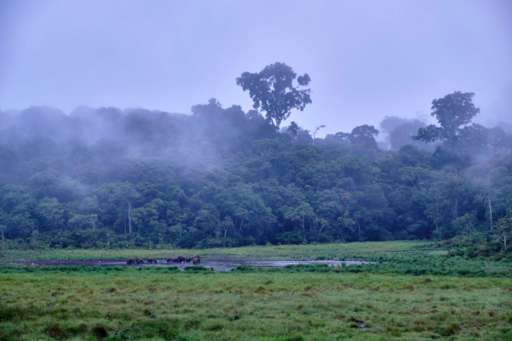
    Almost 90% of Gabon’s land is enveloped by tropical rainforest, which absorbs more carbon than the nation emits. Within this vast expanse, thriving populations of forest elephants, chimpanzees, and diverse wildlife coexist 2019, British environmentalist Lee White assumed the role of Minister of Forestry, Environment, and Climate Change.

    This move paved the path for Gabon to achieve the distinction of being Africa’s initial country to receive compensation for carbon emission reduction through rainforest preservation.

    Pierre-Emerick Aubameyang, the renowned footballer and former Arsenal striker who currently represents Marseille, holds the distinction of being Gabon’s highest-ever goal scorer. Despite his birth in France, his Gabonese heritage is rooted in his Gabonese father’s background, who was a former professional player.

    In his youth, President Bongo aspired to become a pop star. He even released a funk album in 1978 under the name Alain Bongo. Here’s a link to one of his tracks, “I Wanna Stay with You,” where he croons: “Thought that it was cool, breaking all the rules.”

  • Bond restructuring has  92% participation rate in dollars

    Bond restructuring has  92% participation rate in dollars

    he government has declared an accomplishment of a 92% participation rate in the restructuring of its U.S. dollar-denominated bonds.

    The exchange offer concluded at 4:00 p.m. on August 25, 2023.

    A statement released by the Ministry of Finance on August 29, 2023, confirmed that nearly 92% of eligible holders, as identified by the Central Securities Depository, submitted their Eligible Bonds in response to the Invitation to Exchange.

    The Finance Ministry’s statement expressed contentment with the outcome, highlighting that a significant majority of eligible holders had participated. This result stands as a substantial achievement for the government in executing the economic strategies of the Post-COVID-19 Programme for Economic Growth (PC-PEG) amidst the current economic challenges.

    In order to facilitate a smooth settlement process for the Exchange Bonds, the government has extended the Settlement Date of the alternative offer exchange from the previously announced September 1, 2023, to September 4, 2023.

    Subsequently, the issue date, interest accrual schedules, and payment schedules for the Exchange Bonds will be adjusted to align with the actual Settlement Date.

    Consequently, the payment initially scheduled shortly after the settlement date (which was intended to be made as if the Exchange Bonds had been issued on February 21, 2023, and held by participating Eligible Holders as of August 22, 2023, marking the first interest payment date within the Existing Exchange Series) will now occur around September 5, 2023.

    The terms and conditions of the alternative offer for the pension fund exchange remain unaltered, except as indicated in this paragraph. The Ministry emphasized that with the expiration of the Invitation Period, no new tenders will be accepted, and no revocations or withdrawals are permitted.

  • Ethiopia’s entrance into Brics is expected to help East Africa

    Ethiopia’s entrance into Brics is expected to help East Africa

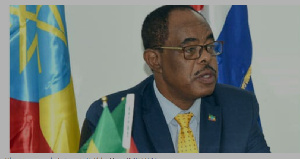
    Ethiopia’s ambassador to Tanzania, Shibru Mamo Kedida, has said that the country’s membership in Brics will likely result in stronger business ties with the East African Community (EAC) region.

    In sub-Saharan Africa, the country in the Horn of Africa has the second-highest population, and its economy is currently one of the continent’s fastest-growing.

    According to Mr. Shibru East Africa’s and the Horn of Africa’s economies would benefit from Ethiopia’s membership in Brics.

    “It would serve as a catalyst for increased business relations. Ours is the continent’s fastest growing economy which can have a trickle effect on the neighbours,” he told The Citizen in an interview.

    Mr. Shibru emphasized that Ethiopia retains its significance as a crucial market for the EAC bloc, boasting a population of 120 million, with 70 percent being youth.

    During a recent summit held in South Africa, Ethiopia, Egypt, Saudi Arabia, Iran, United Arab Emirates, and Argentina were introduced as new members of Brics.

    These six nations joined the five original Brics members – Brazil, Russia, India, China, and South Africa – who founded the group in 2001 to counterbalance the dominance of western economies in the global economic landscape.

    Brics nations also emerge as geopolitical competitors to the G7 of advanced economies, including the US, UK, Japan, Germany, France, Canada, and Italy.

    Prior to these new additions, Brics encompassed 27 percent of the world’s land area and population.

    The initial five founding members of the bloc also constituted members of the wealthy G20, which boasts a combined nominal GDP of $28 trillion or 27 percent of the world’s gross product.

    These founding members had a combined GDP (PPP) of around $56.6 trillion (32.5 percent) of global GDP (PPP), along with an estimated $4.46 trillion in collective foreign reserves.

    Full membership for Ethiopia and the other five new entrants into the bloc is set to commence on January 1st of the coming year.

    With three African countries onboard – South Africa as a founding member, Ethiopia, and Egypt as the second-strongest economy on the continent – the African continent’s representation is solidified.

    Mr. Shibru expressed his country’s pride in joining Brics, as it enhances Ethiopia’s role in Africa’s economic progress and geopolitical landscape.

    He highlighted Ethiopia’s status as an uncolonized nation, the origin of humanity, the birthplace of coffee, and the headquarters of the African Union.

    In light of the recent inauguration of the Grand Hydropower Dam on Ethiopia’s Blue Nile, he noted that the country would export power to other nations within the EAC and the Horn of Africa.

    Mr. Shibru acknowledged that trade and investment ties between his country and Tanzania were currently limited, but he expressed optimism for their future enhancement.

    He mentioned that the joint ministerial commissions on various sectors would be revitalized soon to bolster their partnership.

    Mr. Shibru also shared that the Ethiopian Chamber of Commerce and Industry would be initiating communication with its Tanzanian counterparts to explore strategies for promoting bilateral trade and investments.

  • BoG’s net equity is anticipated to increase over time.

    BoG’s net equity is anticipated to increase over time.

    IMF Resident Representative in Ghana, Dr. Leandro Medina, has stated that the involvement of the Bank of Ghana in the government’s Domestic Debt Exchange Programme (DDEP) has played a role in reducing its net equity to a negative figure.

    He explained that the Central Bank’s participation in this debt exchange is part of an initiative to distribute some of the responsibilities that the DDEP places on government debt holders, including banks, financial institutions, pension funds, and individuals.

    During an interview with the B&FT newspaper, Dr. Medina pointed out that an analysis conducted by the Fund revealed that “this situation does not hinder the BoG from effectively executing its policy mandates, including the vital task of guiding inflation back to its 8-percent target in a gradual manner”.

    “Fundamentally, the BoG’s net equity is expected to improve over time, ultimately resulting in a return to positive territory,” the IMF resident representative for Ghana added.

    In the meantime, the Central Bank has periodically clarified that it was compelled to absorb the larger portion of the reductions linked to the government’s debt exchange initiative introduced in December 2022.

    The Bank specified that it bore nearly 50 percent of the adjustments, resulting in a substantial segment of the GH¢60 billion impairment loss documented in the 2022 fiscal year.

    Nonetheless, the Central Bank has assured that its financial standing will remain unaffected during the subsequent phase of the DDEP, which aims at addressing US dollar-denominated bonds, pension funds, and cocoa bills.

  • Friends, family grieve for Nigerian bride-to-be who collapsed at her bridal shower and died

    Friends, family grieve for Nigerian bride-to-be who collapsed at her bridal shower and died

    A young woman set to be married from Oyo State, Nigeria, tragically passed away after collapsing during her bridal shower event.

    The 28-year-old, named Rebecca Oyedotun, and her fiancé, Abiodun Oluwadamilare, had been preparing to tie the knot on Saturday, August 19. However, she spent what was meant to be her wedding day in the hospital and sadly passed away the following day.

    Local media sources reported that Oyedotun suffered the collapse during her bridal shower celebration with friends on Friday. Evangelist Oyedotun, her father associated with C&S Reformed Church, Isale-High School, recounted the heartbreaking incident.

     “Everything was going on perfectly until about 10:30 p.m. Friday when she with her friends were having the bridal shower ceremony and she reportedly slumped.

    “We quickly took her to LAUTECH Teaching Hospital in Ogbomoso. After some time she was revived and she appeared stable and by dawn of Saturday, a nurse told us quoting a doctor that she would be briefly discharged to attend the ceremony to sign the marriage documents and be returned to continue the treatment.”

    Oyedotun’s condition however worsened and so she was confined to the bed, her father said. “We even were required to take her to Bowen University Teaching Hospital for some tests which we promptly did.”

    Upon learning about her condition, her husband collapsed in shock. Throughout the day of what was meant to be their wedding, both the bride’s and groom’s families remained at the hospital. Unfortunately, Oyedotun’s life came to an end on Sunday morning.

    Speaking on behalf of the groom’s family, his sister conveyed that all arrangements for the wedding had been finalized by Friday. “We had prepared Ewedu, ground the ingredients, and in the morning of Saturday, amala (yam flour paste) was cooked, rice was ready, the venues were prepared, but the ceremony couldn’t take place as the bride was unavailable,” she shared.

  • Largest ‘gold’ nugget discovered by galamseyers in Ghana (Video)

    Largest ‘gold’ nugget discovered by galamseyers in Ghana (Video)

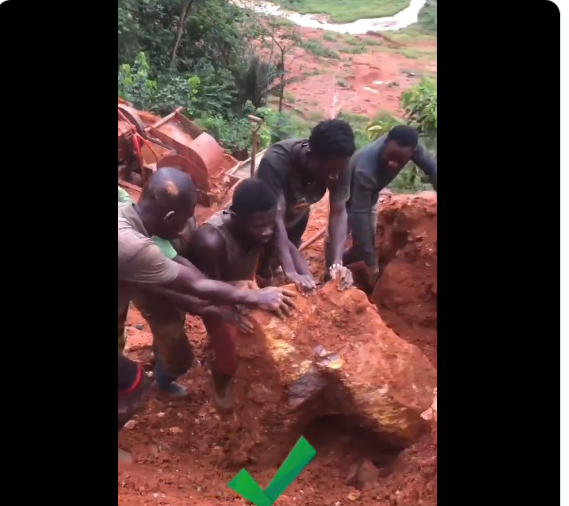
    A viral video circulating on social media depicts a group of seven unlicensed miners in Southern Ghana who claim to have unearthed what is being touted as the largest gold nugget in the history of Ghana.

    The group uncovered the mineral while excavating a mining site in an area believed to be situated in the Ashanti Region.

    It was an exceedingly large mineral that required more than one person to transport. In the video, the young individuals helped each other with enthusiasm as they successfully lifted the ‘gold’ from the mining pit.

    The menace of illegal mining also known as galamsey has been a concern to many as it has over the years destroyed valuable lands and water bodies.

    Government has also embarked on several initiative to fight through constant awareness programs. While some culprits got arrested, several lives has been lost after being trapped in mining pits.

    In Ghana, widespread poverty and a lack of alternative income-earning opportunities has influenced the decision by some citizens to work as illegal miners.

    Families are often torn between needing the income while simultaneously suffering from the environmental and health consequences of such activities.

    Nevertheless, some individuals have decided to abandon the practices while others seem to be making great fortunes from it.

    Source: The Independent Ghana | Amanda Cartey

  • China demands President Bongo’s safety

    China demands President Bongo’s safety

    In response to a group of military officers declaring they were “putting an end to the current regime” in the Central African country, China on Wednesday called for “all sides” in Gabon to ensure the safety of President Ali Bongo Ondimba.

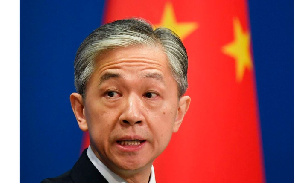
    According to Wang Wenbin, a spokesman for the foreign ministry, “China is closely monitoring the evolving situation in Gabon.”

    “China is closely following the developing situation in Gabon,” Foreign Ministry Spokesman Wang Wenbin said.

    “We call on all sides in Gabon to proceed from the basic interests of the country and the people, resolve differences through dialogue, (and) restore normal order as soon as possible,” he added, urging parties to “guarantee the personal safety of President Bongo, and uphold national peace and stability”.

    In the oil-rich Central African nation, Bongo has been in power for 14 years. After the passing of his father, Omar Bongo Ondimba, who had controlled the nation for 41 years, he was first elected in 2009.

    His meeting with President Xi Jinping in Beijing in April earned him the title of “an old friend” of the Chinese people.

    Xi also hailed Bongo’s “significant achievements” in development.

    Bongo, in turn, thanked China for its “valuable assistance in promoting Gabon’s economic diversification and industrialisation”, a readout from state news agency Xinhua said.

    Beijing has long aimed to increase its influence in Africa; last year, the former foreign minister Qin Gang made his first overseas trip while serving in that capacity.

  • 167% tariff hike renders hotels in debt

    167% tariff hike renders hotels in debt

    President of the Ghana Hotels Association, Dr Edward Ackah-Nyamike Jnr, has stated that the initial tariff adjustments by the Public Regulatory and Utilities Commission in February have had adverse effects on their operations.

    According to him, the association does not have an issue with the current adjustments to be implemented on September 1, 2023.

    PURC announced an initial increment in water tariffs by almost 167% at the beginning of the year.

    His comments come after a planned protest by the association to highlight their concerns.

    The intended protest was called off due to the absence of the police.

    Ackah Nyamike said: “Our particular issue is with the adjustment that was done for February that increased the tariff that is our focus and that has created debts for the hotels. So, we want that one to be reversed to what it was. Reverse it first and then do the 8.3 percent and if you can now talk about new rates, that’s a whole different ball game.

    “Our focus is not on the new adjustment that is starting from the 1st even though that is a discussion for another day because it means that the rates are high. So, either way, there is an issue,” he noted.

    However, the demonstration has been momentarily suspended.

    The Association thus indicated that attempts to contact the PURC had been unsuccessful.

  • Bonds Turnover dips by 80.81% to GHS17.34 Million

    Bonds Turnover dips by 80.81% to GHS17.34 Million

    There was a significant 80.81% decline in activity within the secondary bond market during the previous week, resulting in a total transaction volume of GH¢17.34 million.

    This reduction was primarily associated with the cautious approach of investors, who demonstrated hesitancy in evaluating cash coupons linked to new bonds.

    The drop in activity was partly attributed to decreased trading volumes observed across the 2027-2030 maturity periods of the recent bond issues.

    Simultaneously, bond prices experienced consistent upticks, driven by the latest coupon disbursements made by the government.

    In light of these developments, it is anticipated that the end-of-month portfolio adjustments conducted by pension funds and other asset managers will contribute to increased activity within the bond market.

  • Video: I beg you, make noise – Gabon’s ousted president pleads with friends

    Video: I beg you, make noise – Gabon’s ousted president pleads with friends

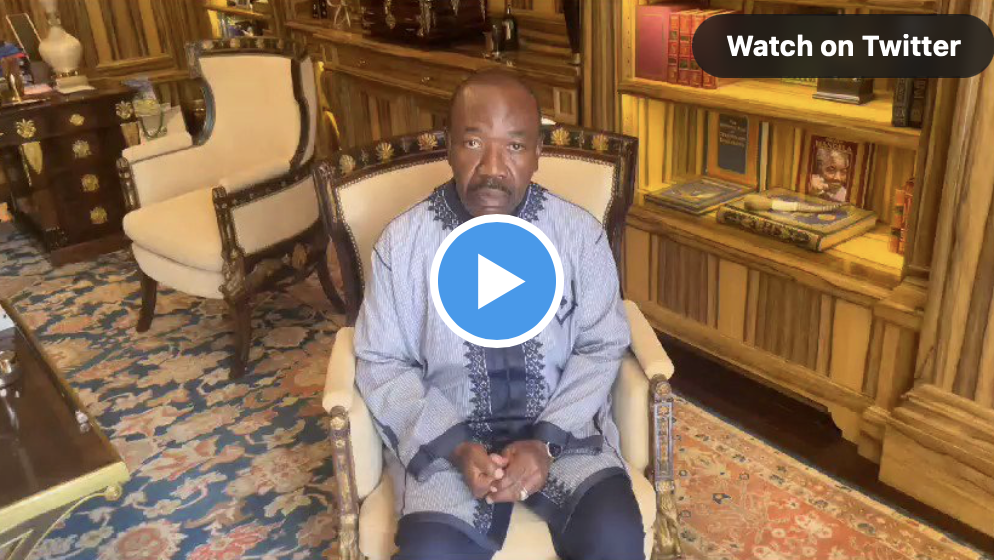
    Former president of Gabon, Ali Bongo, has officially acknowledged the occurrence of a coup within the nation in an informal communication directed at his global allies.

    Through a 51-second video disseminated on social media platforms, Bongo can be observed within a room at the presidential palace, urging his international friends to vociferously protest his apprehension. This development followed the military’s announcement of his removal in the early hours of Wednesday, August 30.

    Furthermore, he verified that he is currently sequestered at the presidential residence, noting that his son had been taken into custody and his wife was being held at a different location.

    “My name is Ali Bongo Ondimba, president of Gabon. I am sending a message to all the friends of all the friends that we have all over the world, to tell them to make noise, to make noise.

    “The people here have arrested me and my family, my son is somewhere, my wife is in another place and I am at the residence. Nothing is happening. I don’t know what is going on.

    “So I am telling you to make noise, to make noise, to make noise really. Thank you,” his address read.

    Reports indicate that his well-known son, Valentin Bongo Ondimba, has been apprehended by the junta on allegations of embezzlement. Other sources suggest that he is also facing charges of treason.

    Following the junta’s declaration of Bongo’s removal from his 14-year tenure, hundreds of people crowded the streets of the capital city, Libreville, to join in the celebrations.

  • GPHA to spend GHC3m on revamping Tema Fish Market Hall

    GPHA to spend GHC3m on revamping Tema Fish Market Hall

    The Tema Fishing Harbour, under the Ghana Ports and Harbours Authority (GPHA), has allocated a sum of GH¢3 million for the comprehensive rejuvenation of the Fish Market Hall.

    This extensive restoration endeavor, spanning a duration of seven months, is a fundamental component of GPHA’s mission to fulfill its mandate of furnishing appropriate, secure, and sanitary amenities for fishing endeavors and fish handling undertakings.

    Mr. Kwabena Asamoah, the General Manager of the Tema Fishing Harbour, remarked during the official unveiling of the upgraded fish hall that GPHA’s financial commitment was perfectly aligned with its aspiration to ensure that the processing of fish within the harbor takes place in a sanitary and favorable setting.

    Mr. Asamoah emphasized that the fish market had been in a dilapidated condition before its revitalization, characterized by leaky roofs that compromised the overall hygiene of the hall.

    Management, he said, therefore thought it wise to invest some money into it by renovating the whole market to uplift its standard, adding that “We used 0.8mm aluminium roofing sheet, which is difficult to find on the market, and that prolonged the project a little bit.”

    Ms. Adlina Amoyaw, currently serving as the Operations Manager at the Tema Fishing Harbour, asserted that her division is dedicated to upholding the established rules and regulations governing the utilization of the facility.

    She pointed out the creation of a task force, comprising representatives from the fishing community’s leadership, who will collaborate with the operations unit and security department.

    Mr. Joe Kramo, holding the position of Tema President within the Ghana Inshore Fisheries Association, conveyed the association’s unwavering commitment to effectively fulfill its responsibilities. Their aim is to ensure that the activities of their members align harmoniously with the expectations set forth by the GPHA.

    He reassured that they would conduct thorough clean-up activities after each work session, aiming to maintain the facility in a state conducive to fish-related endeavors while also drawing in potential tourists.

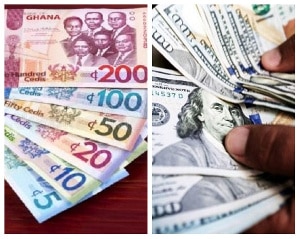
  • Dollar going for GHS11.65 at forex, BoG interbank rates at GHS11.02

    Dollar going for GHS11.65 at forex, BoG interbank rates at GHS11.02

    Bank of Ghana’s Interbank forex rates for today, August 30, 2023, shows that the Ghana Cedi is currently being traded against the US Dollar with a buying price of 11.0097 and a selling price of 11.0207.

    In Accra’s forex bureaus, the US Dollar is being purchased at a rate of 11.40 and sold at a rate of 11.65.

    Against the Pound Sterling, the Cedi’s exchange rate is 13.8733 for buying and 13.8894 for selling.

    At forex bureaus in Accra, the Pound Sterling is bought at 14.50 and sold at 15.00.

    For the Euro, the buying price stands at 11.9392 and the selling price is 11.9520.

    In Accra’s forex bureaus, the Euro is being bought at 12.20 and sold at 12.70.

    The South African Rand’s exchange rates are 0.5959 for buying and 0.5963 for selling.

    In Accra, the South African Rand is purchased at 0.35 and sold at 0.95.

    Regarding the Nigerian Naira, the buying price is 70.1748, and the selling price is 70.2202.

    At forex bureaus in Accra, the Nigerian Naira is bought at a rate of 11.00 Naira for every 1 Cedi and sold at a rate of 16.00.

    As for the CFA Franc, it is being traded at a buying price of 54.8826 and a selling price of 54.9415.

    In Accra’s forex bureaus, the CFA Franc is bought at 16.50 CFA for every 1 Cedi and sold at 20.50 CFA for every 1 Cedi.

    Note that these rates may be different at a forex bureau near you. Our forex bureau rates are provided by Afriswap Bureau De Change in Osu, Accra.

    Our forex bureau rates are provided by Afriswap Bureau De Change in Osu, Accra.

  • 95% successfully subscribed to an alternative DDEP offer for pension funds

    95% successfully subscribed to an alternative DDEP offer for pension funds

    The government has declared the accomplished fulfillment of the pension funds’ invitation to engage in its alternative debt restructuring proposal.

    On August 29, 2023, the government released the outcomes of the alternative proposition, revealing that around 95% of qualified holders who were entitled to partake in the Invitation to Exchange (as established by the Central Securities Depository) submitted their Eligible Bonds.

    The pension fund exchange opportunity concluded at 4:00 p.m. on August 25, 2023.

    The statement issued by the Finance Ministry noted that “The Government is pleased with the results, as a substantial majority of the Eligible Holders have tendered. This result is a significant achievement for the Government to implement fully the economic strategies in the post-COVID-19 Programme for Economic Growth (PC-PEG) during this current economic crisis.”

    Furthermore, the government has decided to extend the Settlement Date for the alternative exchange offer to facilitate a smooth processing of the Exchange Bonds. The Settlement Date will now be shifted from the initially announced date of September 1, 2023, to September 4, 2023.

    This adjustment in the Settlement Date will necessitate corresponding modifications to the issue date, interest accrual schedules, and payment schedules for the Exchange Bonds, aligning them with the actual Settlement Date.

    Consequently, the payment for the Exchange Bonds, which was initially slated for a short period after the settlement date (a payment that would have been executed as if the Exchange Bonds were issued on February 21, 2023, and held by the participating Eligible Holders as of August 22, 2023, marking the first interest payment date within the Existing Exchange Series), will now take place approximately on September 5, 2023.

    “Except for the changes detailed in this paragraph, the terms and conditions of the alternative offer for the pension fund exchange remain unaltered,” it further included.

    Nonetheless, the Ministry highlighted that with the culmination of the Invitation Period, no fresh tenders will be entertained, and no alterations or withdrawals are permissible.

  • GRA shuts down 10 establishments and refers tax evaders to the CID

    GRA shuts down 10 establishments and refers tax evaders to the CID

    As part of the Value Added Tax (VAT) invoice issuance initiative, the Ghana Revenue Authority (GRA) has referred ten shop managers to the Criminal Investigation Department of the Ghana Police Service for a thorough inquiry.

    These managers are under investigation for breaching the nation’s tax statutes and engaging in tax-related transgressions.

    The implicated establishments are VK & J Trading Enterprise, Frimako Ventures, Molla Ventures, Yamiz Ventures, Jomilet Tiles, and Abi Ventures.

    Additionally, Delcam FB Limited Books & Stationery, Tiwalet Whosales, Klelon Mall, and Regal Enterprise, all situated within the Ablekuma North Municipal District in the Greater Accra Region, are involved.

    Mr. Joseph Annan, the Area Enforcement Manager of GRA overseeing Accra Central, clarified that during a test-purchase operation, these businesses were found to be issuing their own VAT invoices instead of the designated Commissioner-General’s invoice. Consequently, they have contravened the VAT regulations.

    He elaborated that this undertaking forms part of an ongoing nationwide VAT Invigilation campaign by the Authority, aimed at recuperating outstanding taxes owed to the state.

    He mentioned that the police would conduct their investigations, while their role as tax administrators involves scrutinizing the financial records of the implicated parties. “We will enforce all pertinent penalties and interest,” he emphasized.

    He further highlighted that failing to provide the VAT invoice was a legal violation and that the appropriate legal procedures would be followed.

    Mr. Annan underscored that as part of the ongoing nationwide VAT Invigilation initiative, the GRA would persist in conducting mystery shopping operations nationwide to apprehend individuals avoiding tax responsibilities.

    He outlined that the GRA’s test-purchase endeavors aim to secure the willing adherence of all parties to tax obligations.

    “We will continue this exercise until our taxpayers do the needful. We are adding night test-purchase for the shops who operate at night,” he added.

    When asked about consumer awareness, he responded that clients are aware of tax compliance because the Authority announces its tax payment regulations each month on radio, TV, and all GRA social media platforms.

    “They are just not complying with the tax laws”, he said.

    He recommended all clients to make sure they received VAT invoices in order to act honorably as citizens.

    He stated that the Authority would undertake a proactive assessment as part of their auditing process, requiring them to make payment right away, but that they would then propose carrying out a thorough audit.

    Even though they would audit their records, Mr. Annan stated that the CID would handle the legal part and prepare their docket for potential prosecution.

  • Gabon president Ali Bongo ousted by Military

    Gabon president Ali Bongo ousted by Military

    In Gabon, military officers have made an appearance on national television to announce their assumption of control.

    They declared the nullification of the outcomes from Saturday’s election, wherein President Ali Bongo had been announced as the victor.

    The electoral commission reported that Mr. Bongo had secured just shy of two-thirds of the votes in a contest that the opposition claimed had been marked by deception.

    If successful, this move would put an end to the 53-year dominance of power by the Bongo family in Gabon.

    Gabon, a significant oil producer in Africa, boasts expansive forest coverage spanning almost 90% of its territory.

    In June 2022, the nation joined the Commonwealth, distinguishing itself as one of the few members without a history of British colonial rule.

    At the dawn of Wednesday morning, a dozen soldiers took to television to declare the invalidation of the election results and the dissolution of “all republican institutions.”

    They further conveyed the closure of the nation’s borders “until further notice.”

    If verified, this occurrence would mark the eighth coup within the former French colonies of Africa within the last three years.

    However, the majority of the other instances have occurred farther north in the Sahel region, where an Islamist insurgency has given rise to growing grievances about the failure of democratically elected governments to safeguard civilian populations.

    Elisabeth Borne, the Prime Minister of France, remarked that her nation was closely monitoring the situation, while the European Union’s chief of foreign policy expressed concerns that a military seizure of power would exacerbate instability in Africa.

    Josep Borrell stated, “This poses a significant challenge for Europe.”

    Meanwhile, Eramet, a French mining conglomerate employing numerous individuals in Gabon, revealed it had halted all operations in the country due to security considerations.

    The soldiers who proclaimed this apparent coup identified themselves as members of the Committee of Transition and the Restoration of Institutions, representing the nation’s security and defense forces.

    One of the soldiers conveyed on Gabon 24 TV channel, “We have chosen to protect peace by terminating the current regime.”

    He attributed this decision to “reckless and unpredictable governance, which has led to an ongoing erosion of social cohesion that jeopardizes pushing the country into turmoil.”

    Gunfire resounded loudly in the capital city, Libreville, following the broadcast.

    A resident in the western city of Port Gentil shared with BBC World Service’s Newsday program that a friend had awakened them to the soldiers’ announcement.

    “They kept replaying a communique on both national TV channels,” they recounted, noting that it appeared that all branches of Gabon’s defense and security forces were involved.

    BBC World Service Africa editor Will Ross suggested that this indicates the coup might not be entirely resolved, and there could be some resistance ahead.

    As of now, there has been no immediate response from the government to the soldiers’ declaration, and the whereabouts of Mr. Bongo remain unknown.

    Internet access, suspended since Saturday’s election due to security reasons, was reinstated shortly after the apparent takeover. Additionally, a curfew has been put in place.

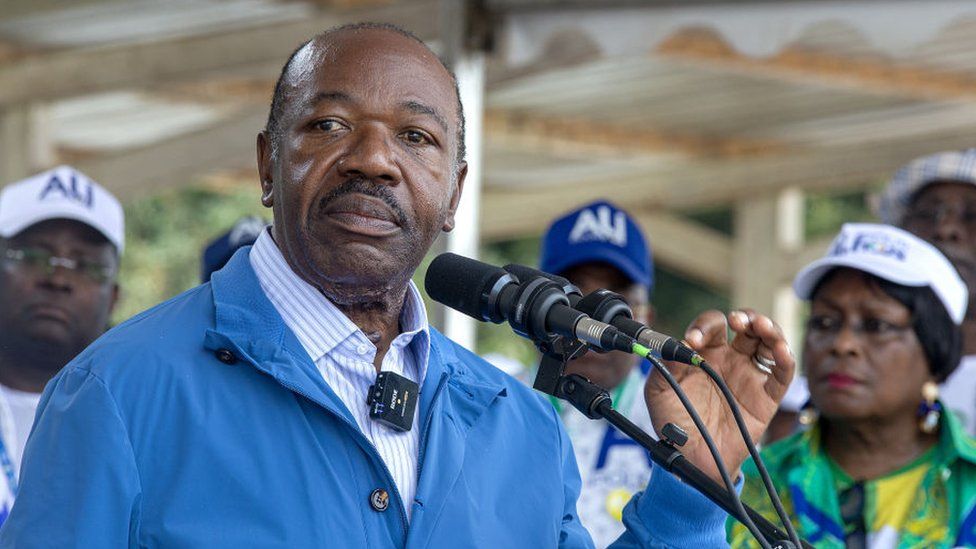
    Ali Bongo speaks at a recent campaign rally
    Image caption,Ali Bongo was declared the winner of Saturday’s election, which the opposition argued was fraudulent

    As in previous general elections in Gabon, there were serious concerns about the process in Saturday’s vote.

    Main opposition candidate Albert Ondo Ossa complained that many polling stations lacked ballot papers bearing his name, while the coalition he represents said the names of some of those who had withdrawn from the presidential race had still been on the ballot sheet.

    Campaign group Reporters Without Borders said foreign media had been banned from setting foot in the country to cover the vote.

    Both of Mr Bongo’s previous wins were disputed as fraudulent by opponents. This time, controversial changes were made to voting papers just weeks before election day.

    Mr Bongo came to power when his father Omar died in 2009.

    In 2018, he suffered a stroke which sidelined him for almost a year and led to calls for him to step aside.

    The following year, a failed coup attempt saw mutinying soldiers sent to prison.

  • GNPC is asked to commit even more to the energy transition

    GNPC is asked to commit even more to the energy transition

    The Natural Resource Governance Institute (NRGI) has recommended that the Ghana National Petroleum Corporation (GNPC) undertake a comprehensive risk assessment of its operations and undertakings, aligning them with the global energy transition process.

    The NRGI highlighted the necessity for a comprehensive approach to navigate the effects of the energy transition on diverse stakeholders. In line with this, the NRGI emphasized that GNPC, as a national oil company (NOC), should identify potential risks, evaluate and analyze these risks, and institute a robust mitigation strategy.

    Additionally, GNPC should formulate an investment strategy that encompasses energy transition-related concerns, encompassing the business’s sustainability and governance aspects, according to Dennis Gyeyir, the Senior Africa Programme Officer at NRGI.

    Speaking in Accra during a stakeholder meeting to discuss the outcomes of a survey on how national oil companies (NOCs) are addressing the energy transition, Mr. Gyeyir noted that numerous companies well-prepared for the transition are situated in Latin America, including Ecopetrol in Colombia, Amex in Mexico, and YPF in Argentina.

    He further emphasized the importance of having prepared scenario plans that would allow the company to strategically respond to emerging market dynamics.

    Findings

    The survey encompassed 15 National Oil Companies (NOCs) across sub-Saharan Africa, Latin America, the Middle East, and North Africa. Among its findings, the survey revealed that a limited number of surveyed NOCs acknowledged the risks posed by the energy transition, with even fewer conducting risk assessments and making these evaluations publicly available.

    Moreover, the survey identified that some NOCs possess mitigation plans, yet the connection between these plans and risk assessments remains unclear.

    Given these observations, Mr. Gyeyir emphasized that by embracing the energy transition and strategically adapting their operations, entities like GNPC can contribute not only to global climate objectives but also to securing their own long-term viability.

    He asserted that companies aiming for sustainable long-term success, alongside their investors, must expand their focus beyond traditional oil and gas and towards low carbon emissions and other strategic anchors for ensuring sustainability.

    Recognizing the crucial role NOCs play in the global energy landscape due to their control over substantial oil and gas reserves, the NRGI highlighted that new producers, including Ghana, face significant challenges and opportunities as the world moves towards a more sustainable and low-carbon future.

    The NRGI’s survey recommendations for NOCs encompass diversifying their portfolios, investing in research and development, enhancing resource management efficiency, and improving transparency and reporting to achieve operational sustainability.

    The NRGI’s study aims to underscore planning gaps related to the global energy transition’s risks for specific NOCs in various countries. It serves as a foundation for advocacy initiatives, sharing knowledge about different NOCs’ approaches and strategies, as well as potential challenges.

    Furthermore, the study seeks to present ideas on how to manage transition risks more effectively, drawing lessons from other NOCs’ practices. It also highlights areas where further understanding can be achieved through comprehensive case studies.

  • Ghanaian women comes second in terms of beauty after Nigerian women

    Ghanaian women comes second in terms of beauty after Nigerian women

    A 2022 survey undertaken by Sagaci Research has disclosed that among African women who uphold high beauty standards, Ghanaians rank second.

    This comprehensive survey, spanning various African nations, highlighted Nigerian women as having the most elevated beauty and aesthetic standards on the continent.

    The survey findings unveiled that 74% of Nigerian women aged 18 to 25 invest considerable time and resources in maintaining their appearance.

    Among the survey participants, 59% revealed that they adhere to a daily skincare regimen, attributing significance to appearing well-groomed in public. Ugandans and Ghanaians followed suit, both tallying a score of 68%.

    Ghana and Uganda were closely trailed by Kenyans and South Africans, who each garnered a score of 66%.

    In contrast, Senegalese women showed a lesser emphasis on public appearance, with 64% of respondents indicating that adhering to a daily skincare routine was essential for presenting themselves well.

    Conversely, women in Benin appeared to prioritize beauty standards less, with only 30% reporting a daily skincare regimen.

    The survey also unveiled that 85% of young women across Africa perceive a well-executed hairstyle as a means of empowerment for women. While male respondents expressed slightly more indecision, the majority still concurred with this sentiment.

    The rankings are as follows

    Nigeria – 74%
    Uganda – 68%
    Ghana – 68%
    Kenya – 66%
    South Africa – 66%
    Egypt – 64%
    Angola- 59%
    Zambia – 59%
    Mozambique – 54%
    Senegal – 54%

  • Over one hundred ‘homosexual suspects’ detained by police in Delta

    Over one hundred ‘homosexual suspects’ detained by police in Delta

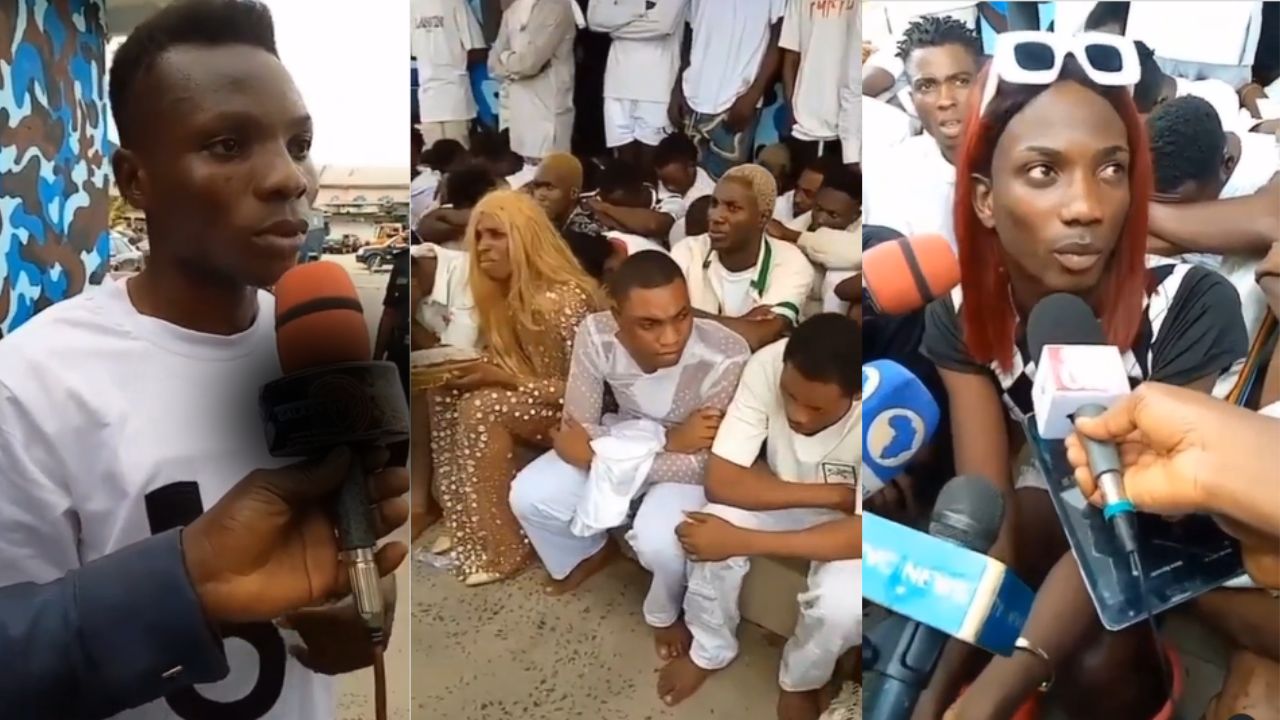
    On Tuesday, the Delta State Police Command reported that it had detained over 100 people who were allegedly performing a gay wedding in a Delta State hotel.

    The state police announced that the suspects would be paraded soon in a post on its official X (formerly Twitter) account.

    “Delta State Command has arrested over a hundred gay suspects in a hotel carrying out a gay wedding ceremony. We will be going live shortly on Facebook to parade the said suspects.”

    According to a report by The PUNCH, ever since enacting the anti-gay law in 2014, individuals suspected of being homosexual have faced arrest and public exposure by law enforcement agencies.

    In December 2020, the Lagos State Police Command apprehended ten individuals on suspicion of engaging in homosexual activities within a brothel situated in the Okota region of the state.

    Similarly, in an earlier incident in 2018, the police in the same state paraded 57 men who were accused of partaking in alleged homosexual activities at the Kelly Ann hotel in Egbeda.

    Another occurrence took place in January 2022, when eight individuals believed to be homosexuals were arrested at a hotel in Isolo, Lagos, on charges of engaging in gay activities.

    The PUNCH notes that the 2014 anti-gay legislation mandates a prison sentence of up to 14 years for individuals found guilty of engaging in sexual activities with members of the same sex.

  • A live worm discovered within the brain of a woman in Australia

    A live worm discovered within the brain of a woman in Australia

    BBC, researchers announced on Monday that they discovered a live 8cm (3in) worm within the brain of an Australian woman, marking a global first.

    The 64-year-old woman had been experiencing symptoms such as stomach pain, cough, night sweats, and subsequently, forgetfulness and depression over the course of several months.

    She was admitted to the hospital in late January 2021, and a subsequent scan revealed an “unusual lesion within the right frontal lobe of the brain.”

    However, the true cause of her condition only became evident during a biopsy performed in June 2022.

    Dr. Hari Priya Bandi, the surgeon who conducted the procedure, explained that a “string-like structure” was extracted from the patient’s affected frontal lobe during the surgery in Canberra in 2022.

    She said, “It was definitely not what we were expecting. Everyone was shocked.”

    According to a report from the BBC, her situation is believed to mark the inaugural occurrence of larvae infiltration and growth within the human brain. This revelation comes from research published in the Emerging Infectious Diseases journal, which documented the case.

    Additionally, the doctor noted that the crimson-hued parasite may have resided within her brain for approximately two months.

    Residing in an area near a lake in the southeastern region of New South Wales state, the woman is on a steady path to recovery.

    The neurosurgeon responsible for identifying the worm mentioned that she had just started interacting with the peculiar brain region that had appeared unusual on the scans when she sensed something different.

    She recounted, “I thought, gosh, that feels funny, you couldn’t see anything more abnormal.”

    “And then I was able to really feel something, and I took my tweezers and I pulled it out and I thought, ‘Gosh! What is that? It’s moving!”

    “Everyone was shocked. And the worm that we found was happily moving, quite vigorously, outside the brain,” Dr Bandi said.

  • Mother-in-law, daughter, attempts to beat up man after DNA test proved he’s not the father of his children

    Mother-in-law, daughter, attempts to beat up man after DNA test proved he’s not the father of his children

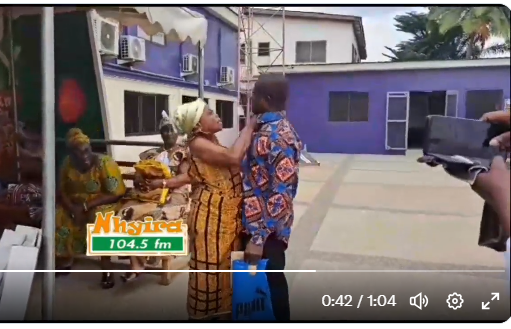
    A physical altercation has unfolded between a mother-in-law, her son-in-law and his wife, after an alleged DNA test revealed that the children born during the marriage do not belong to the man.

    In a viral video shared by SIKAOFFICIAL on twitter, the man’s mother-in-law was seen with her daughter at the beginning of the video attacking the man by hurling insults on top of their voices against the man.

    But before the video ended, the man’s mother-in-law was seen challenging the young man’s ability to beat her up.

    It is assumed that the man got provoked and attempted beat up his mother-in-law.

    At this point eyewitnesses intervened to stop them from coming to blows.

    But the wife of the man came from no where to throw a hard blow on the man, fortunately, she was held up by neighbours an carried away from the scene of the incidence.

    Watch video below:

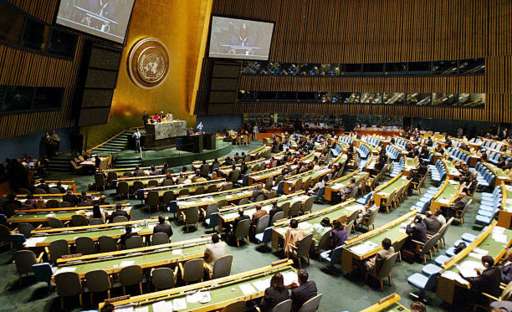
  • Number of delegates to attend UN General Assembly reduced by Tinubu

    Number of delegates to attend UN General Assembly reduced by Tinubu

    As part of an initiative to curtail government expenditure, Nigeria’s President Bola Tinubu has taken steps to streamline the Nigerian delegation for the forthcoming UN General Assembly.

    President Tinubu issued a directive on Monday to the US mission in Nigeria, requesting that visas be granted exclusively to Nigerian government officials who have direct involvement in the upcoming UN event, set to be held in New York next month.

    Furthermore, Mr. Tinubu specified that Nigeria’s mission in New York should only accredit government officials who hold clearly defined roles at the General Assembly.

    In addition to this, the president mandated that officials traveling to the United States limit the number of aides and support staff accompanying them to the UN event. He cautioned that individuals who fail to adhere to these guidelines will be excluded from the delegation.

  • International newspapers are yet to publish on Akufo-Addo for corruption – George Ayisi

    International newspapers are yet to publish on Akufo-Addo for corruption – George Ayisi

    A member of the New Patriotic Party, has firmly denied allegations suggesting that President Nana Addo Dankwa Akufo-Addo is engaged in corrupt activities.

    According to George Ayisi, despite hearing various accusations, he is yet to come across any reports in local or international media linking the President of the Republic to a corruption scandal.

    However, there is one individual among the former presidents he has encountered in an international newspaper associated with corruption.

    Speaking on a panel alongside Edem Agbana and Bernard Mornah on TV3 Newday, George Ayisi advised individuals who are quick to label Akufo-Addo as corrupt to reconsider their stance.

    “ I’m yet to see any international or local newspaper splash on their front page the ‘corrupt President Nana Addo Dankwa Akufo-Addo.’ he defended.

    Meanwhile, in the April 2023 release of Al Jazeera’s investigative film “Gold Mafia,” the identities of six African leaders, including President Akufo-Addo, were disclosed by a notorious gold smuggler.

    Alistair Mathias, the self-proclaimed gold dealer, implicated the six leaders in various roles. He openly confessed in the documentary to his involvement in money laundering and the retention of illicit payments on behalf of prominent African politicians, which included sitting presidents.

    The majority of the mentioned presidents are from the Southern African region. The documentary named King Mswati of eSwatini, along with the presidents of Zimbabwe (a country where much of their fraudulent activities are centered), South Africa, Zambia, DR Congo, and Ghana.

    When undercover agents met him in South Africa and asked about his continental connections, he spoke up: “Next door Swaziland, the king is a close friend of mine. Zambia’s president is a close friend of my friend.

    “DRC Congo, the president is inviting me several times to come and build a refinery. Ghana’s president is a good friend of mine, in fact, he was my lawyer. Cyril Ramaphosa here, I know his kids,” he said while a close ally added: ”Zimbabwe is easy.”

    Nevertheless, President Akufo-Addo countered the claim by clarifying to Al Jazeera via email that he had no memory of having represented the gold mafia in any legal capacity during his time as a lawyer.

  • More organ storage facilities needed to save lives – Mintah Akandoh

    More organ storage facilities needed to save lives – Mintah Akandoh

    Ranking Member on Health in Parliament, Kwabena Mintah Akandoh, is advocating for the comprehensive development of facilities and infrastructure capable of supporting and preserving donated organs within the country.

    The Member of Parliament for Juaboso, Mintah Akandoh, shared his perspective during an interview with Daniel Oduro on the latest episode of The Lowdown, which aired on GhanaWeb TV. He emphasized the importance of establishing facilities that can facilitate a seamless process of organ donation and transplantation in Ghana.

    Mintah Akandoh’s remarks were grounded in the notion that Ghana should establish robust systems to ensure the secure practice of organ donation and transplantation within the nation.
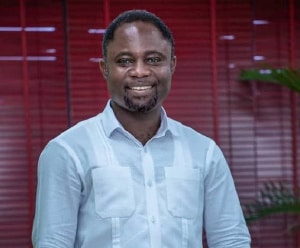
    He further highlighted that Ghana currently lacks even a sperm bank to store sperm donations, illustrating the scarcity of facilities available for organ preservation and underscoring the need for urgent attention to this aspect.

    “We must even be talking about the infrastructure, okay? Sperm donation; how many days, how many weeks can we store it? Who is there to play that oversight role? These are all great areas,” he said.

    Additionally, Akandoh suggested that establishing a registry in Ghana where individuals can formally express their willingness to donate their organs after their demise would be a prudent step. He pointed out that numerous individuals pass away with potentially viable organs that could be utilized to rescue the lives of others.
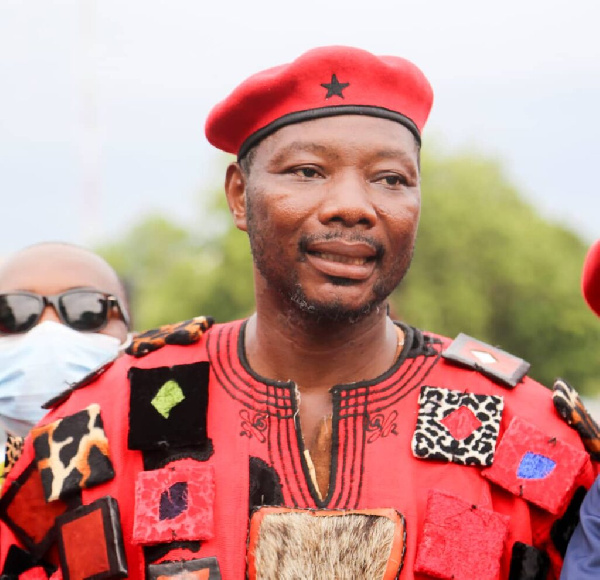
    He added, “For example, if somebody is engaged in an accident, some of the organs may be viable and so, we can use those organs to save other lives.”

  • Nkwatia Presby SHS student recounts being reportedly assaulted by the headmaster

    Nkwatia Presby SHS student recounts being reportedly assaulted by the headmaster

    The Nkwatia Presby Senior High School (SHS) female student, who is said to have been assaulted by an assistant headmaster of the school, has shared her harrowing experience. The alleged assault has left her partially blind.

    According to Diana Mensah, the victim, she reported the incident to her house mistress right after the assault occurred. However, asaaseradio.com’s account reveals that her house mistress merely provided her with painkillers in response.

    Subsequently, Diana Mensah followed her relative’s advice and reported the incident to the Ghana Police Service. It was during this process that she revealed that the accused assistant headmaster had gone into hiding as soon as she was accompanied by the police to effect his arrest.

    “I went to my house mistress to report the incident, after the assistant headmaster slapped me. But she only gave me paracetamol and asked me to report back after assembly the next day. So, the following day, I went back and told her I had a sleepless night but she gave me paracetamol again.

    “There wasn’t any improvement in my condition, so I had to call my uncle and he asked me to report to the police. When I reported to the police, they assigned an officer to accompany me to the school, but the assistant headmaster was not around, immediately the police left, he also came back,” she is quoted to have said on the Asaase Breakfast Show on Tuesday (August 29, 2023).

    The student added that the school’s headmistress had reprimanded her for calling the police after the event.

    “My house mistress subsequently called me that the headmistress wanted to see me. When I got there, she asked me the ages of my parents, and further asked me whether I could arrest my father if he scolds me, saying that what I did was not right,” Mensah said.

    She stated that she is recovering from the assault, adding that she is still having sleepless nights after the incident.

    Meanwhile, the Ghana Education Service (GES) has suspended the assistant headmaster pending further investigation into the matter.
    In a statement issued on Monday, August 28, 2023, the service condemned the attack on the student.

    It added that the student is being provided with the necessary medical attention and counselling.

    She stated that she is recovering from the assault, adding that she is still having sleepless nights after the incident.

    Meanwhile, the Ghana Education Service (GES) has suspended the assistant headmaster pending further investigation into the matter.
    In a statement issued on Monday, August 28, 2023, the service condemned the attack on the student.
    It added that the student is being provided with the necessary medical attention and counselling.

    Background:

    A video emerged online of a young woman believed to be a student of the Nkwatia Presby Senior High School, who was allegedly slapped and beaten by her headmaster.

    This has left the young lady partially blind, online accounts have indicated.

    According to a tweet shared by SIKAOFFICIAL on Twitter, the lady, named only as Diana, was assaulted after her headmaster in charge of academics, refused to hear her out when she tried to explain that she had permission to leave campus.

    The tweet also explained that with this, the headmaster (unnamed) asked the student to kneel until she (the student) started complaining that she was not feeling well.

    In response, the headmaster is said to have threatened her with more punitive measures, leading to what prompted him (the headmaster) to physically assault her.

    In one of the photos shared along with the images of Diana, it showed a snipped comment of someone who narrated another side of the matter.

    In the post, the Facebook user claimed that her sister is also a student at the Nkwatia Presby Senior High School and that the maltreatment did not only end there with the headmaster.

    She claimed that her sister (who is also a student), told her that Diana (the student who was allegedly assaulted) was further maltreated by some teachers in the school.

  • IGP in big trouble as his own people fight against his professional work – Bernard Monarh

    IGP in big trouble as his own people fight against his professional work – Bernard Monarh

    The recent difficulties the Inspector General of Police (IGP), Dr. George Akuffo-Dampare, has had are a result of his dedication to bringing professionalism to the Ghana Police Service, according to Bernard Monarh, a former chairman of the Peoples National Convention (PNC). Bernard Monarh’s remark highlights the IGP’s reform attempts facing resistance within the police department. The New Patriotic Party (NPP)’s former Northern regional chairman, Bugri Naabu, acknowledged to recording a conversation he held with a number of senior police officers who were reportedly trying to have the IGP removed from office.

    According to Bernard Monarh, a former PNC chairman, the difficulties the Inspector General of Police (IGP), Dr. George Akuffo-Dampare, has had recently are due to his commitment to professionalizing the Ghana Police Service.

    The comment made by Bernard Monarh emphasizes how the police department is resisting the IGP’s reform initiatives.

    Bugri Naabu, the former Northern regional chairman of the New Patriotic Party (NPP), admitted to recording a conversation he had with many high-ranking police officials who allegedly wanted the IGP removed from office.

    “IGP Dampare is in big trouble. The ants are within his dress, biting him. The police don’t like him. His own officers are there, cutting him so that they can remove him.

    “What is his crime? That is, he wants to introduce professionalism into the Ghana Police Service,” he said.

    Bernard Monarh continued by saying that since the IGP started working, he has won support from the general public due to the improvements he has made to the police force.

    He thinks that the Inspector General of Police is merely following the directives that President Nana Addo Dankwa Akuffo Addo gave him when he was appointed to that position.

    Bernard Monarh continued by saying that since the IGP started working, he has won support from the general public due to the improvements he has made to the police force.

    He thinks that the Inspector General of Police is merely following the directives that President Nana Addo Dankwa Akuffo Addo gave him when he was appointed to that position.

    “Even if you didn’t like Dampare, what’s happening now has made you feel sorry for him. Because the NPPs themselves want a just person.

    “And I recall President Akufo-Addo telling the IGP to go do your job as a police officer when he was about to oust him. He emphasized, “Don’t come here and take orders from above; that’s presumably what he’s doing.

  • Low productivity stifles Nigeria’s economic expansion

    Low productivity stifles Nigeria’s economic expansion

    The Centre for the Promotion of Private Enterprise and the Lagos Chamber of Commerce and Industry have identified declining productivity as a detrimental factor affecting economic growth within the country.

    Both the economic think-tank and the commerce chamber expressed this concern in response to the National Bureau of Statistics’ Gross Domestic Product report for the second quarter of the year.

    According to a statement provided to The PUNCH, the CPPE noted that the adverse impacts of recent economic reforms were more significant than anticipated. The Chief Executive Officer, in the statement, emphasized that while the current disruptions in the economy are addressed, a resurgence is expected in the medium to long term.

    The statement elaborated, “The existing vulnerabilities in the economy’s structure persist, particularly pertaining to challenges related to productivity and competitiveness within the real economy.”

    “The Q2 GDP growth fell short of the sub-Sahara projected average of 3.1 per cent for 2023; but better than projections for the Euro Zone of 1 per cent and the United States of 1.8 per cent.”

    Yusuf further pointed out that a number of industries, including oil refining, livestock, crude oil and gas, and textiles, are all experiencing a downturn as a result of macroeconomic, structural, or policy concerns.

    He added, “Growth in these sectors continued to be subdued by heightened inflationary pressures, exchange rate volatility, spiking energy cost, insecurity and the political economy of the oil and gas sector.”

    The Deputy-President of the Lagos Chamber of Commerce and Industry, Gabriel Idahosa, blamed the recent economic changes for the drop in productivity in the nation’s real economy in an exclusive interview with The PUNCH.

    He continued by saying that the circumstance had contributed to the nation’s currency issue, which had made things challenging for the business community.

    Idahosa said, “It’s unsurprising that trade isn’t at the level it should be. These economic reforms have been pushing the economy in one direction. The value of any currency is export minus imports. So, if we manage to push exports up, over time the trend will reverse.”

  • 18 institutions, banks fined N125m for late filings of 2022 audited financial statements

    18 institutions, banks fined N125m for late filings of 2022 audited financial statements

    An investigation from a local media has indicated that a total of eight banks and 18 other listed companies have incurred fines totaling N125 million for failing to meet the requirement set by the Nigerian Exchange (NGX) to file their 2022 audited financial statements and quarterly reports for the first half of 2023.

    Among the penalized banks are Unity Bank, FBN Holdings, Access Holdings, Fidelity Bank, Jaiz Bank, Wema Bank, Guaranty Trust Holdings Plc, and Ecobank Transnational Incorporated.

    Notable among the companies facing penalties are John Holt, PZ Cussons, Notore Chemical, Glaxo SmithKline Consumer Nigeria, Industrial Medical and Gases Nigeria, and Juli Plc.

    The NGX’s post-listing rules dictate that quoted companies must submit their audited results within 90 calendar days (or three months) following the end of the period. Additionally, interim reports should be submitted within 30 calendar days after the relevant period concludes.

    According to the latest X-Compliance Report released by the regulatory arm of the NGX, FBN Holdings faced fines for the delayed submission of its 2022 financial results and its Q1 2023 report. The bank was charged N6.3 million for the former and N3.3 million for the latter.

    Unity Bank was fined N6.4 million for failing to submit its 2022 results on time and an additional N3.4 million for the delay in submitting its Q1 2023 interim reports.

    Other banks like Fidelity Bank, GTCO, Wema Bank, Access Holdings, Jaiz Bank, Ecobank, and John Holt faced penalties ranging from N600,000 to N3.2 million.

    Several other companies, including PZ Cussons, Notore Chemical, GSK, Industrial Medical and Gases Nigeria, Juli Plc, and NPF Microfinance Bank, also faced fines ranging from N120,000 to N4.8 million for failure to meet the filing deadlines.

    Regency Alliance Insurance, Thomas Wyatt Nigeria, Presco Plc, Ardova, Universal Insurance Plc, Conoil, Caverton Offshore Support Group, and Briclinks Africa Plc were among the other companies fined for violating filing regulations.

    David Adonri, Vice-chairman of Highcap Securities, noted that the fines are necessary to uphold the integrity of the market.

    “A lot of them relate to corporate disclosures. The capital market is information-driven. There is certain information that the listed companies must disclose at the appropriate time. If a company realised that it may not be able to disclose such information, the company can send a request to the exchange requesting additional time.”

  • Dangote responds to criticisms over hikes in cement prices

    Dangote responds to criticisms over hikes in cement prices

    Dangote Cement Plc has asserted that its cement prices are in alignment with or even lower than prices observed along the West African coastline.

    In response to viral reports circulating in various media outlets, the company clarified that the cost of a cement bag from its Nigerian factories has not risen.

    Criticism had arisen regarding the disparity in cement prices between Nigeria and other West African nations.

    In an official statement, the company outlined that as of Monday, the price of Dangote Cement stood at N4,010 in Okpella and N4,640 in Ibese, Objana, and Gboko. The statement indicated that accounting for transportation expenses and delivery locations, prices could range from N5,000 to N5,300 per bag.

    This clarification was issued to counter recent misinformation suggesting that Dangote Cement was selling cement in Nigeria at significantly higher rates compared to other countries, particularly the Republic of Benin and neighboring nations.

    Dangote Cement’s Group Managing Director, Mr. Arvind Pathak, emphasized the need to differentiate between the company’s ex-factory prices and the rates at which retailers sell cement in the market.

    An evaluation conducted by the company in Cotonou, the commercial hub of the Republic of Benin, revealed that cement was priced between CFA 3,495 and CFA 4,500. At the current exchange rate of CFA 1 to NGN 1.43, this equated to approximately N4,997 to N6,435 per bag.

    Pathak said, “We continue to innovate new ways to deliver quality products to millions of our customers across Africa, while providing top-notch customer services.

    At Dangote Cement, we are committed to building an inclusive and sustainable business for all stakeholders across the value chain.”

  • Sudan’s army head travels to Egypt while Darfur is gripped by deadly violence

    Sudan’s army head travels to Egypt while Darfur is gripped by deadly violence

    Sudan’s army chief embarked on his inaugural foreign trip to Egypt on Tuesday since the outbreak of war in April. The recent surge in violence has led to the tragic deaths of numerous civilians in conflict-stricken Darfur.

    As Abdel Fattah al-Burhan set off, reports from medics and eyewitnesses revealed that 39 civilians, predominantly women and children, were killed due to shelling in Nyala, South Darfur state’s second-largest city. The escalation of clashes between the army and paramilitary forces has intensified tensions in the region.

    The Sudanese general’s purpose was to engage in discussions with Egyptian President Abdel Fattah al-Sisi, a significant ally, regarding the developments in war-torn Sudan and bilateral relations. The Sudanese Sovereign Council, responsible for governance, shared this information.

    In a departure from his usual military attire, Burhan was spotted in civilian clothes as he boarded a plane in Port Sudan. Video footage released by the council depicted his arrival at El Alamein airport, where he was greeted by President Sisi.

    The conflict, pitting Burhan against his former deputy turned rival, Mohamed Hamdan Daglo, who leads the paramilitary Rapid Support Forces (RSF), has been ongoing since April 15. Its impact has spread from Khartoum and Darfur to Kordofan and Jazira state, causing significant loss of life and prompting millions to flee their homes.

    After months of being besieged within military headquarters in Khartoum by the RSF, Burhan ventured out last week to inspect troops in various parts of the war-affected nation.

    “We are mobilising everywhere to defeat this rebellion, defeat this treason, by these mercenaries who come from all over the world,” Burhan told cheering troops.

    “There is no time for discussion now. We are concentrating all our efforts on the war, to put an end to the rebellion,” he said.

    His comments came a day after Daglo released a statement detailing a 10-point “vision” to end the war and build “a new state”.

    The plan calls for “civilian rule based on democratic norms” and “a single, professional, national military institution” — the very sticking point which turned the former allies into rivals.

    At least 39 civilians were killed during fighting in Nyala on Tuesday when shelling struck their homes, according to witnesses and a medical source.

    “The entire members of five families were killed in a single day,” said Gouja Ahmed, a human rights activist originally from Nyala.

  • Cost of fuel will not change in September’s first pricing window

    Cost of fuel will not change in September’s first pricing window

    The first two weeks of September should see no rise in fuel costs, according to the Institute for Energy Security. The Institute claims that this is a result of the drop in the price of petroleum products on a global scale.

    Another major factor mentioned was the Ghana cedi’s recent appearance of stability in the second pricing window of August 2023.

    “The various finished petroleum products as monitored on the Standard & Poor (S&P) Platt platform within the past window exhibited the following dynamics; Gasoline [petrol] traded at $989.48 per metric tonne against the previous $967.29 per metric tonne.

    “Gasoil [diesel] also moved from $901.73 per metric tonne to $912.68, and Liquid Petroleum Gas price moved to $557.05 per metric from $547.52 per metric tonne. These changes led to price effect of 2.29%, 0.13%, and 1.7% increase in all 3 product prices; Gasoline, Gasoil, and LPG respectively,” it said.

    Also, the IES Economic Desk’s analysis of the “foreign exchange (forex) market, over the last two weeks claimed that the Ghana cedi depreciated against the U.S. dollar moving from ¢11.39 to ¢11.45, representing 0.52% depreciation of Ghana cedi over the period”, it added.

    Fuel prices increased by the following margins during the second pricing window of August: 5% for diesel and 3.90% for gasoline.

    Currently, the national average price for a litre of gasoline is 13.02, for a kilogram of LPG it is 13.14, and for a liter of diesel it is 12.85.

    As of August 28, 2023, Brent Crude was selling for $84.48 per barrel, with a $84.16 average price per barrel.

  • GAB Research confirms strong recovery of banking sector in 2023

    GAB Research confirms strong recovery of banking sector in 2023

    During the first quarter (Q1) of 2023, the release of prudential financial data by several universal banks in the country affirmed the impressive and resilient performance of the industry. This was notable despite challenges in the last quarter (Q4) of the previous year, mainly due to the government’s debt restructuring program, particularly the domestic debt exchange program (DDEP).

    Comparing Q1 2023 to Q4 2022, the industry’s balance sheet displayed remarkable growth. This growth was underpinned by sustained increases in deposits and capital levels, leading to robust expansion in total assets.

    The income statement of the industry demonstrated considerable strength in the reviewed period. Profit after tax (PAT) experienced a significant surge, attributed to substantial revenue growth relative to operating expenses. Private sector credit received a boost, resulting in a 7.31% increase from around GHȼ47.07 billion in 2022 to GHȼ50.51 billion in Q1 2023.

    Key indicators highlighted the industry’s strength and resilience within the broader financial system. These indicators encompassed asset quality, capital adequacy ratio (CAR), return on equity (ROE), liquidity, non-performing loans (NPLs), and market risk sensitivity.

    The capital adequacy ratio exceeded 21.96% in Q1 2023, surpassing the Bank of Ghana’s regulatory requirement of 16.60% as of December 2022. This substantial ratio indicated robust capitalization and enhanced financial resilience, ensuring that banks could maintain regulatory capital requirements even during credit risk concentration shocks.

    The industry’s overall financial stability was reflected in the quality of its assets, highlighting effective risk mitigation measures for both capital and loan formation. The average return on equity for Q1 2023 indicated efficient profit generation from shareholder investments.

    Liquidity coverage ratio (LCR) remained above 92.98% during the review period, reflecting ample high-quality liquid assets to address short-term cash outflows. This indicated banks’ preparedness to counter potential market-wide shocks and liquidity disruptions.

    Profitability indicators, including profit-before-tax (PBT), profit-after-tax (PAT), return on assets (ROA), return on equity (ROE), earning assets, and net interest income, showed substantial improvements in Q1 2023 compared to the end of 2022.

    The industry’s resilience, exemplified by high ROE and other factors, is projected to continue in the current financial year and beyond, making it an attractive investment for the financial sector and broader Ghanaian economy.

    Ghanaian banks have taken proactive steps to strengthen risk management and internal controls, positioning themselves to handle potential solvency challenges. Their collaboration with the Bank of Ghana and other stakeholders ensures continued industry stability.

    In conclusion, Ghanaian banks are prepared to engage with individuals, households, and businesses as the economy recovers. Their resilience, supported by improved operational performance, capitalization, and government policies, positions them to withstand shocks and contribute to economic growth through responsible lending.

    The sustained growth in deposits and capital levels suggests potential for financial deepening and credit expansion. The industry projects a positive outlook, supported by ongoing reforms and strategies to provide sound financial services and facilitate economic growth. The impressive performance of the first quarter of 2023 highlights the robustness of banks within the industry.

  • EPA impressed with GPHA’s readiness for oil spillage

    EPA impressed with GPHA’s readiness for oil spillage

    The Ghana Ports and Authority (GPHA) has earned praise from the Environmental Protection Agency (EPA) and its Norwegian partners for its commendable oil spill response readiness.

    This recognition followed the GPHA’s participation in the National Oil Spill Equipment Inventory Exercise, an initiative enabling the EPA and Norwegian technical collaborators to evaluate the country’s on-shore and off-shore facilities and resources in handling oil spills.

    After the assessment, both the EPA and its partners lauded the GPHA for its substantial human and technical resources geared towards addressing oil spill incidents. This positive evaluation underscores the GPHA’s capacity not only to prevent such disasters but also to effectively manage and contain oil spill incidents within the port environment.

    Mr. Larry Koteo, Deputy Director of the EPA, expressed deep satisfaction with the GPHA’s capabilities. He noted that the EPA regularly conducts national exercises at the Tier One and Tier Two levels in collaboration with the Port Authority. Mr. Koteo further highlighted that the GPHA’s efforts to enhance its response equipment were notably impressive, emphasizing its role as a valuable asset for the country.

    “EPA is happy about it because once there is any oil spill anywhere within our marine waters, we can fall on GPHA to support us,” he said.

    Expressing their satisfaction, Mr. Helge Andersen, a Special Advisor for Environment Emergency Response at the Norwegian Coastal Administration, acknowledged the seriousness with which environmental threats in Ghana’s maritime sector are being approached.

    He emphasized the critical nature of this approach, especially considering the congestion of ships at the port. This congestion increases the likelihood of accidents such as grounding, collisions, and subsequent oil spills into the sea.

    Andersen highlighted the significance of swiftly accessible equipment to address such situations effectively.

    Captain Daniel Quartey, the Deputy Harbour Master and on-scene commander at GPHA, affirmed the company’s commitment to enhancing its capabilities to ensure its continuous role as a dependable resource for Ghana’s oil spill response. He explained that GPHA undertakes regular in-house inspections and conducts necessary drills every quarter to maintain a consistently high level of preparedness.

  • Ten countries in Africa with highest GDP per capita in 2022

    Ten countries in Africa with highest GDP per capita in 2022

    Gross Domestic Product (GDP) per capita serves as a fundamental measure in economics, providing crucial insights into a nation’s economic health and the well-being of its population.

    It facilitates comparisons of living standards, economic development, and wealth distribution within a country.

    GDP per capita is derived by dividing a nation’s total GDP by its population, offering an average economic output per person. This metric enhances economic assessment beyond overall GDP, accounting for population size.

    Across countries, and even within a continent, GDP per capita varies significantly. This diversity is evident in Africa, where resource abundance, both natural and human, intersects with developmental disparities.

    Some nations experience high GDP per capita, like Seychelles and Mauritius, benefiting from thriving tourism and service sectors. This could stem from substantial GDP revenue against a controlled population or effective governance.

    Conversely, Sub-Saharan African countries such as Chad and Central African Republic struggle with low GDP per capita due to factors like political instability, insufficient infrastructure, and limited access to education and healthcare.

    Highlighted below are African countries with strong GDP per capita figures, reflecting the top ten performers.

    This list is sourced from TradingEconomics, a data platform offering precise economic data for 196 nations, including historical records and projections for over 20 million economic indicators, currency rates, stock market indices, government bond yields, and commodity prices.

    The provided figures represent GDP per capita as of December 2022.

  • Here are Africa’s top 10 busiest Airports

    Here are Africa’s top 10 busiest Airports

    In 2022, over 7 billion air passengers traveled through the world’s 41,700 commercial airports, marking a 53.5% increase from 2021. The Airports Council International (ACI) reported that 178,662,326 travelers used Africa’s 477 airports in the past year.

    Breaking down the load factor by quarter, Q1 saw 35,501,890 travelers within the continent, Q2 recorded 41,955,767 movements, Q3 had 51,696,274 travelers, and Q4 reached 49,508,395 travelers. The total number of travelers on the continent for the year was 178,662,326.

    This edition focuses on the Top 10 busiest airports in Africa in 2022, determined by the percentage of passengers departing and arriving within the same period.

    Top 10 Airports in Africa

    1. Cairo International Airport (Egypt)

    The busiest airport in Africa in 2022 was Cairo International Airport, which ferried 20,009,336 within the period.

    The figure indicated a 76% increase when compared to the same period in 2021.

    On average weekly, the terminal handled approximately 115 flights, with a total yearly usage capacity of 20 million passengers to approximately 84 destinations across the world.

    2. O. R. Tambo International Airport (South Africa)

    With about 190 scheduled flights weekly and a capacity of up to 25 million passengers per year, O. R. Tambo International Airport was the second busiest airport and the primary airport for domestic and international travel to and from South Africa in 2022 with 14,789,508.

    The airport was opened in 1952 and was known as Johannesburg International Airport until 2006 when it was renamed after anti-apartheid leader Oliver Reginald Tambo.

    3. Cape Town International Airport (South Africa)

    Cape Town International Airport was South Africa’s second busiest airport and Africa’s third busiest in the past year.

    The airport is regarded as the continent’s most beautiful airport with state-of-the-art facilities and an automated baggage processing system that can handle 30,000 bags per hour.

    The airport in the past year processed 7,876,183 travellers to various destinations and primarily welcomed tourists from all over the world.

    4. Mohammed V International Airport (Morocco)

    The fourth busiest airport in Africa according to the Airports Council International (ACI) was Mohammed V International Airport, based in Casablanca, Morocco.

    The statistics revealed that the airport welcomed 7,637,643 passengers within the year, slightly lower than Cape Town International Airport, Cape Town, which equally had the same 7 million figure within the period.

    Casablanca is Morocco’s most populous and influential city and a point of departure and arrival for Moroccans travelling to and from Europe, an advantage, which further increased the number of air travellers to it. The airport also serves as the primary hub for the popular Royal Air Maroc airline, which flies the Moroccan flag.

    5. Hurghada International Airport, which is based in Egypt is emerged as the fifth busiest airport in Africa in the past year with 7,164,088.

    The airport was also the second busiest in Egypt after Cairo International Airport (Egypt), which topped the list in Africa in the past year. Hurghada Airport is located 5 kilometres southwest of El Dahar and currently has only one terminal. The airport connects Egypt to international destinations in Europe, North America, and Asia.

    6. Bole International Airport, Addis Ababa (Ethiopia)

    The airport, which is the major hub of Ethiopian Airlines emerged as the sixth busiest in last year with 6,656,516 air travellers. Ethiopian Airlines is the continent’s largest airline in terms of passengers carried, and it is also the world’s fourth-largest airline in terms of nations served.

    7. Jomo Kenyatta International Airport, Nairobi (Kenya)

    The airport, which is based in the capital of Kenya, the East African country, processed 6,556,569 travellers in the past year and emerged as the busiest in that country.

    The airport has scheduled flights to more than 50 different countries. on average, the airline welcomes about 6 million travellers yearly and has been consistent in the past years.

    8. Murtala Muhammed International Airport, Lagos (Nigeria)

    The Murtala Muhammed International Airport (MMIA), Lagos, emerged as the busiest airport in Nigeria for the umpteenth time with 6,526,023, according to the ACI statistics, which corroborated with the data released by the Nigeria Civil Aviation Authority (NCAA) earlier in the year. The airport was the eighth in Africa in the past year.

    This figure indicates a 15 per cent growth when compared to the same period in 2021.

    The airport currently has 78 weekly frequencies. The over 40-year-old terminal services both domestic and international flights and is located at Ikeja, the capital of Lagos State.

    9. Houari Boumediene Airport, Algiers (Algeria)

    The ninth busiest airport in Africa in 2022 was Houari Boumediene Airport, located in Algiers, Algeria with 6,317,793 travellers within the period.

    The airport is named after Houari Boumediene, a former President of Algeria. Dar El Beïda, the area where the airport is located, was known as Maison Blanche.

    10. Nnamdi Azikiwe International Airport, Abuja (Nigeria

    The Nnamdi Azikiwe International Airport (NAIA), Abuja is Nigeria’s second busiest airport and 10th on the continent in the year under review.

    The airport, which is in the Federal Capital Territory (F.C.T) of Nigeria processed no fewer than 5,985,596 passengers in the last year. This shows an improvement of 11 per cent when compared with the previous year.

    The airport has a total of 59 weekly frequencies making use of its facilities.

  • CEO of Kenya Airports Authority fired over power outage at Jomo Kenyatta Airport

    CEO of Kenya Airports Authority fired over power outage at Jomo Kenyatta Airport

    The Managing Director of the Kenya Airports Authority (KAA), Alex Gitari, found himself at the center of attention as operations came to a halt at Nairobi’s Jomo Kenyatta International Airport (JKIA) due to a sudden power outage, causing inconvenience to stranded travelers.

    In response, Kenya’s Roads and Transport Cabinet Secretary, Kipchumba Murkomen, made a significant announcement. He declared the termination of Alex Gitari’s contract as the Managing Director of KAA. The decision came in the wake of a nationwide power blackout that left the Jomo Kenyatta International Airport, the busiest airport in East Africa, embarrassed and inoperable. Fred Odawo, the Engineering General Manager, also faced the consequences of the blackout, losing his position in the aftermath.

    Despite having commissioned two backup generators for the airport, the blackout persisted for several hours, revealing a critical failure in the power supply system.

    Jomo Kenyatta International Airport, renowned as East Africa’s busiest and a prominent gateway to other African nations, plays a pivotal role in attracting tourists and businesses to Nairobi.

    Taking over from Alex Gitari is Henry Ogoye, who currently holds the position of Head of Corporate Planning. He steps in as the Acting Managing Director of KAA. Meanwhile, Eng Samuel Mwochache assumes the role of General Manager, Engineering, on an interim basis.

    Minister Murkomen emphasized that the termination of contracts was a result of mutual agreement. Further adjustments were made as part of the reshuffling. JKIA airport manager Alex Gogo was relocated to Moi International Airport in Mombasa, replacing Peter Wafula, who, in turn, was reassigned to Kisumu International Airport. Ms. Selina Gor, formerly the Airport Manager at Kisumu International Airport, was appointed to oversee operations at JKIA.

    “I wish to issue unreserved apology to all travellers and airport users who were affected in one way or the other by the power disruption at JKIA,” Mr. Murkomen said.

    The largest and “the jewel” of this busy hub, Terminal 1A, was hit by the outage, according to Mr. Murkomen.

    He stated that the runways and the control tower were unaffected.

    “For the avoidance of doubt, the incident though regrettable did not pose any danger to our incoming and outgoing flights and passengers considering that the backup generator lighting the runway and control tower was seamlessly deployed when the blackout occurred and at no time did we have an iota of darkness on the runway and the tower,” he said.

    The incident, the minister said, was inexcusable and “we should have prepared for this, and we are not allowed to give any excuses.”

    According to Mr. Murkomen, KAA has started the process of hiring permanent employees to fill these posts, and the process will be finished in the next two weeks.

    “In order to ensure that a similar incident is not replicated, it has been decided that the two generators that were procured more than two years ago be immediately commissioned,” said Mr. Murkomen.

    He went on: “I assure the country and the world that we have taken measures to enhance capacity of technical experts in the engineering department to ensure this incident does not recur.”

  • GRA must intensify tax collection from “night market” vendors – Coalition

    GRA must intensify tax collection from “night market” vendors – Coalition

    Vitus Azeem, who holds the position of Chairman at the Tax Justice Coalition (TJC), has urged the Ghana Revenue Authority (GRA) to include businesses operating in “night markets” in their tax structure.

    The category of these operators encompasses establishments like nightclubs, lounge bars, nighttime shopping centers, artisans, and late-night grocery shops.

    This initiative is a crucial component of the coalition’s proposals to the Authority, with the primary goal of expanding the range of tax revenue collection.

    Azeem has put forward a series of recommendations, which encompass revisiting the elements of vehicle taxation, enhancing the collection of taxes in the extractive industry, and bolstering public awareness campaigns.

    Speaking at a news conference on the topic: “An analysis of the 2023 Mid-year Budget and Economic Policy” he said: “We call on [the] government to amend the vehicle tax component to include the accommodation of public officers, as accommodation is also a benefit in kind.

    “We urge GRA to take necessary steps to collect all capital gains tax, especially from the extractive sector which enjoys exemptions on imports; intensify its public education programmes on their digital platforms to enhance compliance,” Azeem said.

    He added, “Intensify efforts to collect taxes on additional oil entitlement from companies operating in the upstream petroleum sector, and take steps to rope “night market operators into the tax net.”

  • Army chief delivers a rare public address in Port Sudan

    Army chief delivers a rare public address in Port Sudan

    As the violent battle in the nation of Sudan approaches its fifth month, the army chief declared on Monday that he evacuated the city during a significant military assault.

    General Al-Burhan affirmed that no arrangement with adversary Daglo to facilitate his exit from the capital had been made.

    “I confirm that my exit from the General Command took place without any help, and I did not leave with a deal or by arranging any agreement. This was a military action carried out by the armed forces, and anyone who says that there is an agreement or that there is a party that helped or that there

    eople (traitors referring to Rapid Support Forces and those outside Sudan meaning Americans),” declared General Abdel Fattah Al-Burhane.

    Burhane said that navy and aviation troops were involved in the military operation that allowed him to escape Khartoum’s army headquarters during this infrequent public appearance in the coastal port of Port Sudan.

    One of the conflict’s main hotspots has been the military command.

    According to the general of the Sudanese army, the operation resulted in armed conflicts that resulted in the deaths of two people.

    “We are proud that our brothers in the Navy were part of this operation (his exit from Khartoum) and there are two martyrs in the operation of the general’s commander (referring to himself) exit from the General Command, and the Air Force, the Land Forces and the Navy participated in this operation, and it was an operation in which there was fighting, and we offered martyrs in it,” Added the army chief.

  • Domestic gas is the solution to Ghana’s woes

    Domestic gas is the solution to Ghana’s woes

    Prior to the extravagant kickoff of the 2022 FIFA World Cup in Qatar, the world had witnessed the transformative impact of well-managed oil and gas reserves on a nation.

    Qatar, having invested an astounding $200 billion in hosting the planet’s premier sporting event, has earned global attention.

    The Gulf country’s discovery of natural gas in the mid-20th century catalyzed a paradigm shift. Today, nearly 99% of its economy thrives on gas, earning it the distinction of being the “world’s largest exporter of Liquefied Natural Gas” (LNG).

    With its exceptional airline, prominent air transport hub, remarkable corporate and tourist infrastructure, one could understandably contemplate harnessing our own development ambitions through domestic gas resources.

    This prompts a question: Why isn’t Ghana taking more substantial steps to harness the substantial benefits of its domestic gas reserves?

    The Transformative Potential of Gas

    While Ghana’s gas reserves might not match the scale of neighboring regions, its current domestic gas capacity surpasses the nation’s present consumption by over 10 times. With an estimated 1.5 trillion cubic feet (tcf) of gas reserves, though not as vast as Nigeria’s (around 200 trillion tcf) or Mozambique’s (over 100 trillion tcf), it still provides ample potential to drive the country’s energy goals.

    Throughout Africa, natural gas has been a catalyst for substantial economic growth. Algeria, abundant in gas reserves, serves as a net exporter of natural gas to Europe, much like Egypt.

    The Algiers Metro, including its subterranean segments, and the newly developed Cairo capital are projects financed by the abundance of hydrocarbon resources in these countries.

    Drawing parallels, Nigeria’s Lagos-Calabar railway might resemble a contemporary train service connecting Accra to Paga, given their approximate straight-line distance of just over 500km. If gas revenues are fueling similar ventures in neighboring African nations, Ghana cannot afford to overlook such opportunities for its own development.

    Ghana’s Gas Resources

    In August 2023, Tullow Ghana Limited and the Jubilee Partners – Kosmos Energy, Petro SA, Ghana National Petroleum Corporation (GNPC), and Jubilee Oil Holdings – confirmed their endorsement of an amendment to the Interim Gas Sales Agreement in Ghana. This amendment ensures that gas is sold at the cost-effective rate of $2.90 per Metric Million British Thermal Unit (MMBtu), a price consistent with the 2017 Jubilee Plan of Development referencing Jubilee gas.

    Commendation for its foresight particularly goes to the Government of Ghana, as this significant step holds profound implications for financing national development initiatives. The recognition that substantial industrialization necessitates a consistent supply of affordable energy sources is indeed commendable.

    While this short-term agreement concludes prior to the end of the fourth quarter of 2023, it serves as an encouraging indicator that Ghana is committed to leveraging domestic gas as a dependable and sustainable energy source to drive its industrialization ambitions.

    Among Ghana’s oil and gas stakeholders, optimism prevails that equitable commercial terms for the export of future long-term volumes of locally extracted gas will be established prior to the expiration of this interim agreement, set to conclude by the end of September 2023. This strategic direction underscores a readiness to prioritize the domestic gas value chain in the long run.

    Simultaneously, strides are underway for Ghana’s industries to be fueled by imported LNG. Currently, a terminal exceeding $400 million is under construction with the intention of importing LNG from industry giant Shell. While this endeavor could enhance gas availability, the associated costs of importing gas entail lasting implications.

    Recently, The UK Guardian published a story titled “Will Ghana’s gas gamble perpetuate a cycle of fossil-fuel-related debt?” by Chloé Farand, highlighting the less apparent ramifications of what initially seemed advantageous for the government’s industrialization plans.

    The import agreement commits Ghana to a 17-year contract with Shell, raising concerns of future fossil fuel-linked debt due to the high cost of imports. This is a burden Ghana cannot afford, especially in light of global events exacerbating economic challenges, from the COVID-19 pandemic to the Ukraine conflict. Under this agreement’s terms, taxpayers remain liable even if Ghana cannot effectively utilize the imported gas. Such contracts are notorious for constraining African governments and intensifying the cycle of poverty that many already grapple with.

    It’s noteworthy that the imported gas would arrive in liquefied form, necessitating regasification with its attendant environmental implications.

    In an article titled “Does Ghana Need LNG?” authored for The Oxford Institute for Energy Studies (OIES), Mike Fulwood argues, “The risk is that a variable supply of LNG to Ghana and potential problems relating to the chain of contractual arrangements could mean that the importation of LNG is seen as less than a success, sending a message to other countries that LNG is not reliable when the real lesson is that Ghana probably doesn’t need the LNG in the first place.”

    Leveraging Domestic Gas

    At the core of Ghana’s industrialization vision lies its gas fields, which can fuel the existing Aboadze and Sanzule thermal plants at significantly lower costs than the present expenditure.

    The gas-rich Sankofa field, a joint venture involving Eni, Vitol, and GNPC, primarily yields non-associated gas, offering a dedicated supply of domestic natural gas.

    Additionally, the Tweneboa, Enyenra, and Ntomme (TEN) fields, along with the Jubilee fields operated by Tullow on behalf of its Partners, harbor substantial reserves of both associated and non-associated gas resources.

    The anticipated long-term gas sales agreement holds the potential to catalyze future investment, ensuring that Ghana harnesses and exports natural gas instead of flaring it—an activity with severe environmental consequences.

    Contributions to the West Africa Gas Pipeline (WAGP) won’t just increase energy availability in the sub-region; they will also serve as an additional source of foreign exchange.

    Furthermore, utilizing gas as an energy source is cost-effective, resource-maximizing, and revenue-boosting, enhancing the nation’s economic prospects. Additionally, anticipated gas-related savings exceeding $1 billion and annual revenue of over $400 million from domestic gas export can expedite economic growth, offering the government a unique opportunity to allocate resources for strategic development projects.

    This is even before considering the hundreds of direct and indirect jobs arising from the emerging domestic gas industry. Whether channeled into flagship projects like One District, One Factory (1D1F) or nationwide road infrastructure, domestic natural gas has the capacity to alter the trajectory of the economy.

    Government’s Role

    Nevertheless, realizing optimal gas production demands concerted efforts and substantial investments in developing gas resources from Ghana’s oil and gas fields.

    The vital TEN Enhancement Plan, formulated under a revised plan of development for the TEN field, is crucial in halting the field’s decline. Tullow officials recently informed Ghana’s parliament that potential exists for supplying cost-competitive gas over the long term.

    This plan aims to unlock untapped hydrocarbon reserves and intensify domestic exports. It will also yield additional gas resources from both the TEN and Jubilee fields for power generation and energy security.

    The World Bank’s 2020 “Ghana – Sankofa Gas Project” Report highlighted the Eni and Sankofa Partners’ gas project, asserting that it “is enabling natural gas usage to its full capacity of 171 mmscf/d, and contributing to Ghana’s energy security, reduction of pollution by limiting Heavy Fuel Oil consumption and saving more than $100 million of the budgetary spending every year due to the substitution of more expensive fuels with natural gas.”

    Central to these aspirations is the advancement of production, storage, and transportation infrastructure for natural gas processing, export, and delivery.

    The nation requires additional midstream infrastructure projects, such as the Western Corridor Gas Infrastructure Development Project (WCGIDP), elevating the current gas processing plants’ capacity beyond 300 mmscf/d, constructing gas pipelines to transport gas from the western corridor to the middle belt of the nation, and other midstream gas infrastructure.

    The recent report by the Parliamentary Select Committee on Mines and Energy regarding an inquiry into the multi-year gas sales agreement between GNPC and Genser Energy Ghana Limited (GEGL) underscores that Ghanaian lawmakers are attuned to the nation’s energy challenges and poised to act in the state’s best interests.

    We stand at the threshold of a monumental decision with implications for future generations. Do we opt for debt or development? The answer lies in domestic gas, not imported LNG, and it is imperative that we seize this opportunity.

  • Tax Justice Coalition emphasizes on the need for govt to streamline regressive tax measures

    The Tax Justice Coalition (TJC), a group advocating for tax and policy reform, has called on the government to promptly review and streamline the country’s “regressive” tax measures.

    The TJC has pointed out that the current structure of various tax measures, including the Value Added Tax (VAT) and other indirect taxes, is negatively affecting disadvantaged individuals in Ghana and exacerbating poverty rates.

    During a session in Accra to analyze the 2023 mid-year budget review and propose policy recommendations for improved revenue collection, the coalition emphasized the need for the government to take immediate action. They stressed the importance of ensuring that tax policies do not disproportionately burden the poor, who are often hit hardest by regressive taxes and are more vulnerable during economic downturns.

    Amid Ghana’s recent economic challenges, such as significant inflation, the World Bank has projected that around 850,000 Ghanaians could fall into poverty by 2022.

    Vitus Azeem, Chairman of the TJC, highlighted that a fair and progressive tax system would encourage voluntary compliance and ultimately lead to increased domestic revenue generation for funding public goods and services.

    “Much as we are facing an economic crisis, which hits hard on the ordinary Ghanaian, there is the need for adequate measures to protect the welfare of vulnerable Ghanaians.

    “That is why we oppose excessive reliance on regressive taxes. VAT is already high, and when paired with petroleum and other taxes, it raises the entire cost of fuel, which raises transportation fares and food prices. This is detrimental to the welfare of the average citizen,” he stated.

    The Anti-Corruption Campaigner urged the government to enact a more progressive and consumer-friendly tax code and to be zealous in pursuing tax revenue on property, wealth, and income.

    Indirect taxes, including VAT, are by their very nature regressive, according to Mr. Benedict Doh, Finance Manager at the Ghana Integrity Initiative (GII).

  • Supporters of Zimbabwean President Mnangagwa rejoice in his re-election

    Supporters of Zimbabwean President Mnangagwa rejoice in his re-election

    In Zimbabwe, exuberant celebrations erupted primarily among supporters of the ZANU-PF party following the announcement of President Emmerson Mnangagwa’s victory in the recently concluded election.

    At 80 years old, Mnangagwa secured 52.6 percent of the votes, surpassing the 44 percent garnered by his primary rival, 45-year-old Nelson Chamisa, as declared by the Zimbabwe Electoral Commission.

    The announcement of the presidential results was met with joyful cheers from a handful of supporters of the ruling party at the venue of the news conference.

    Notably, this week’s voting extended into an unprecedented second day due to ballot paper printing delays in key districts, including the opposition stronghold of Harare.

    Nelson Chamisa criticized these delays as “a clear case of voter suppression, a classic case of Stone-Age… rigging.”