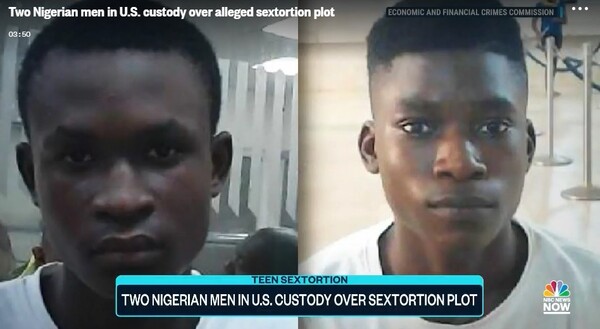
On Thursday, two Nigerian siblings entered a plea of not guilty in relation to charges connected with their involvement in an international sexual extortion ring that led a 17-year-old boy in Michigan, US, to tragically take his own life.
Samuel Ogoshi, 22, and Samson Ogoshi, 20, were extradited to the US on August 13th.
The FBI and the Nigerian Economic and Financial Crimes Commission jointly conducted investigations that implicated them in a sextortion network targeting over 100 minors and adults.
During a press briefing on August 13th, Mark Totten, the US attorney for the Western District of Michigan, unveiled plans to extradite a third suspect, Ezekial Ejemeh Robert, aged 19.
Both Robert and the Ogoshi brothers are confronting three charges, including conspiracy to exploit minors sexually, conspiracy to disseminate child pornography, and conspiracy to engage in internet-based stalking.
Samuel Ogoshi faces an additional fourth charge for sexual exploitation and attempted sexual exploitation of a minor, which resulted in the tragic death of the teenager.
According to prosecutors, Samuel, masquerading as a young woman on the Instagram social media platform, manipulated the teenage boy into sending a sexually explicit photo.
He is then alleged to have coerced the boy into giving him $1,000 and persisted in blackmail even after receiving $300. Samuel stands accused of inciting the boy to carry out his threat of suicide due to the blackmail, ultimately leading to the young boy’s untimely demise in March 2022.
Amidst a worsening economic crisis in Tunisia, a widely recognized Tunisian rapper has illicitly relocated to Italy.
Junior Hassen, whose music videos on YouTube have gathered almost 15 million views, embarked on the risky journey across the Mediterranean to Sicily just last week.
As per reports from Mosaique FM, a news outlet, the rapper successfully arrived in Palermo, a city in southern Italy, having undertaken the voyage alongside a group of fellow migrants from his hometown, Sousse.
Footage circulating on social media platforms suggests that Hassen, using his real name Hassen Sassi, traversed the sea with other Tunisian migrants on a small boat. However, the credibility of the video has not been independently verified.
The acute economic crisis in Tunisia has pushed numerous individuals to take drastic measures in the hope of securing better opportunities abroad. Earlier this year, a Tunisian football club suspended its operations after 32 of its players migrated to Europe.
Tunisia has now emerged as a primary departure point for African migrants aiming to cross the Mediterranean and reach Europe. Increasing numbers of Tunisians are also choosing perilous sea voyages, contributing to the world’s deadliest migration route.
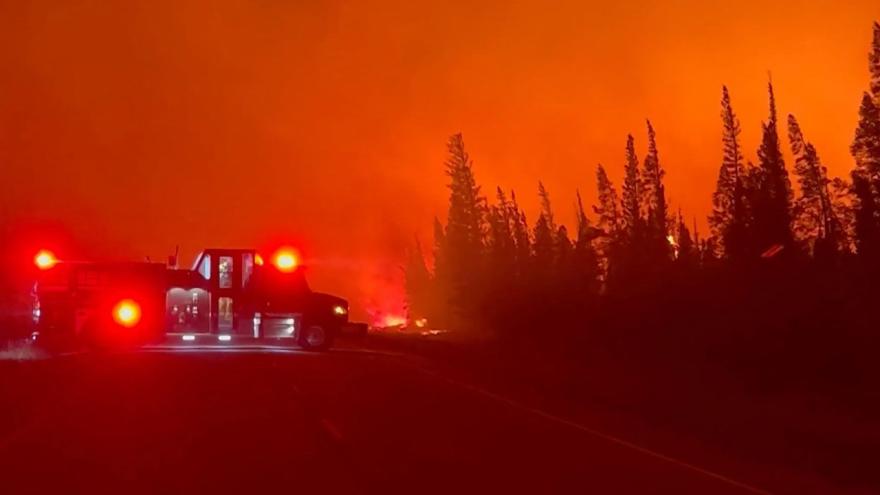
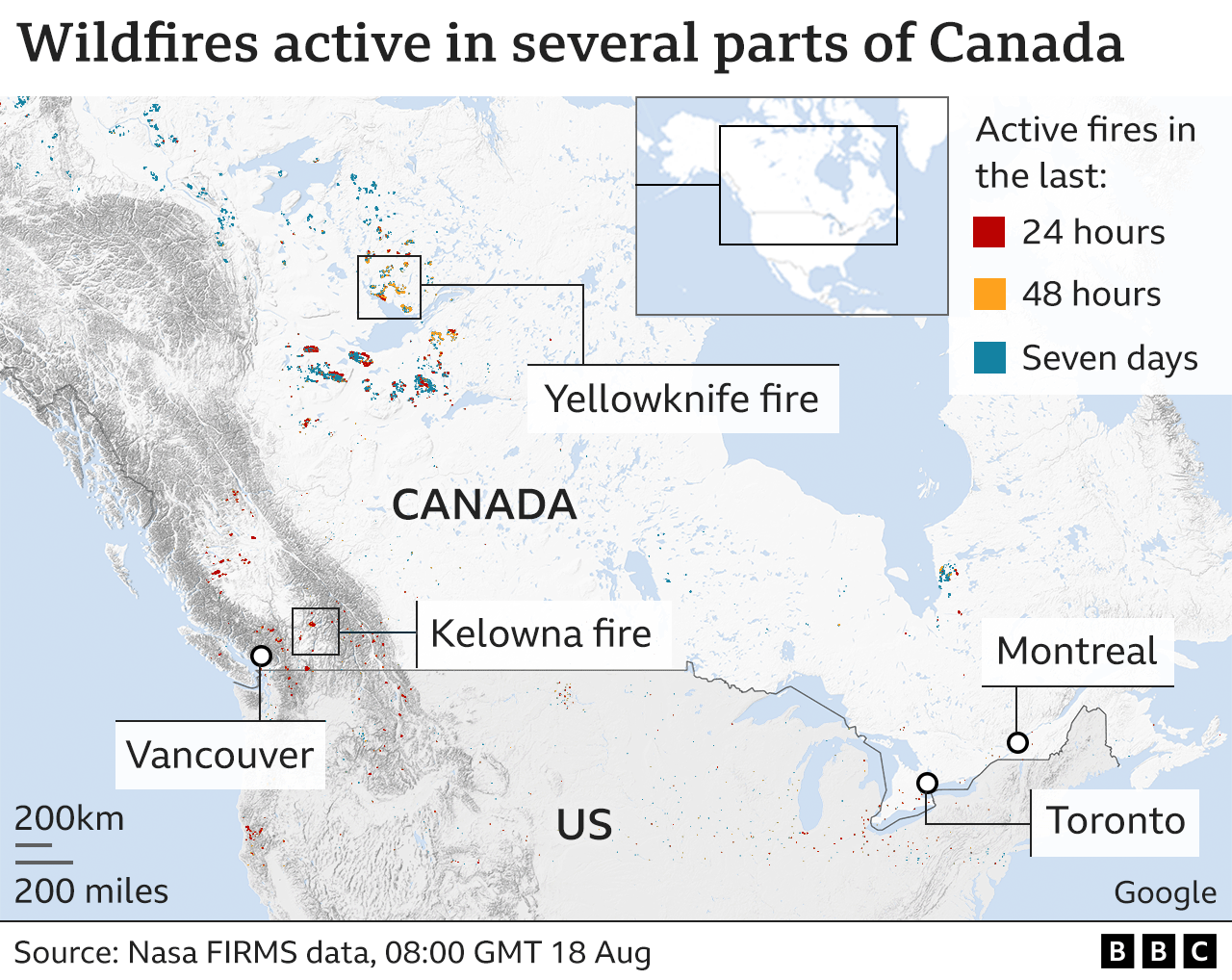
“Some are choosing to shelter in place. If you are still in Yellowknife and you are not essential to the emergency response, please evacuate,” Thompson said.
Mr Thomson warned that the highways and airport could be impacted by the wildfires.
In British Columbia, evacuation orders grew from covering 4,000 homes on Friday afternoon to about 15,000 in the space of an hour. Another 20,000 homes are under alert.
Premier of the province, David Eby, said that the situation “evolved rapidly” and officials were braced for “an extremely challenging situation in the days ahead”.
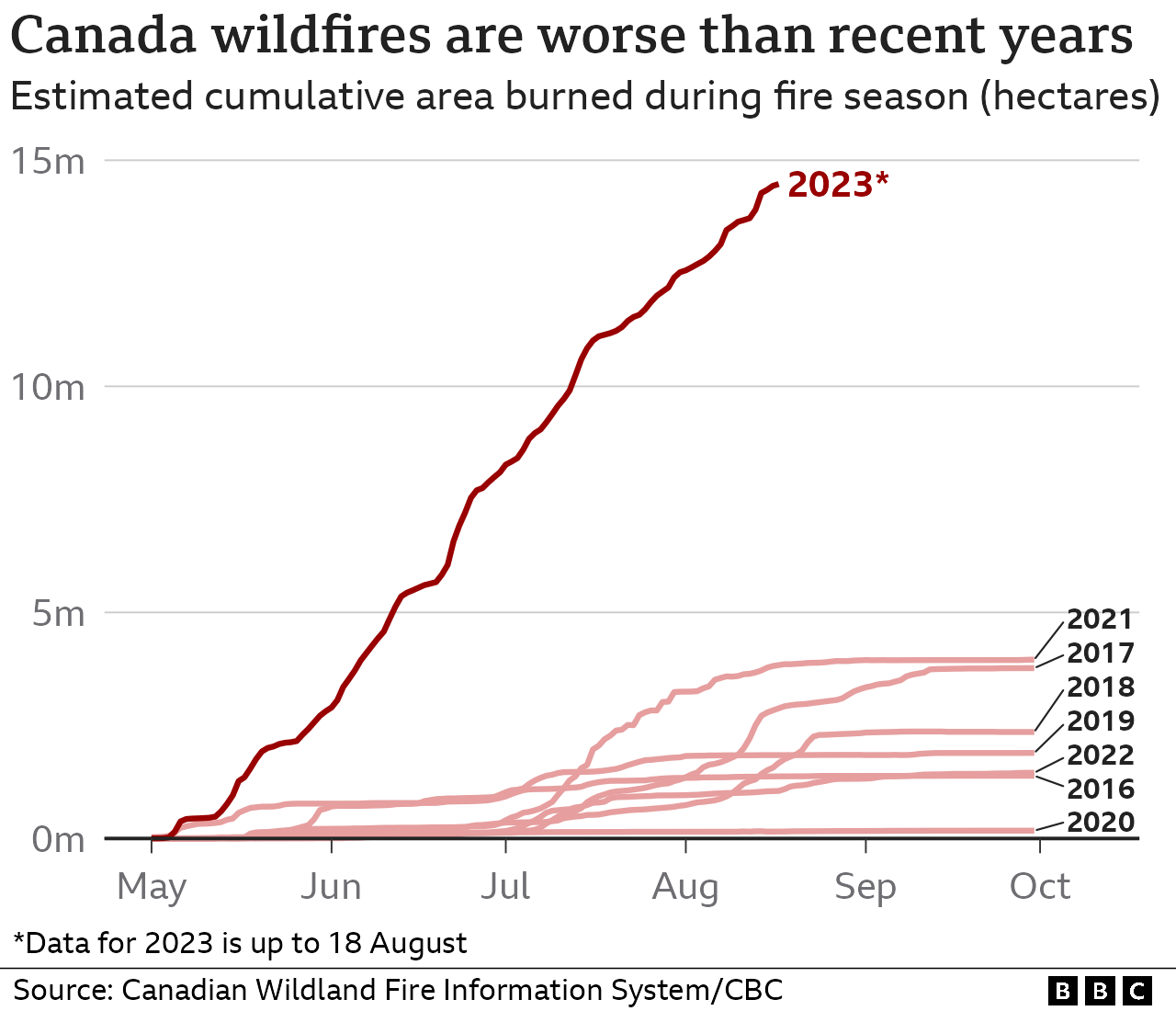
The numbers behind Canada’s worst wildfires season
“This year, we’re facing the worst #BCWildfire season ever,” Mr Eby wrote on Friday in a post on X, formerly known as Twitter. “Given these fast-moving conditions, we are declaring a provincial state of emergency.”
The premier said this would ensure “that we’re in a position to rapidly access any tools we need to support communities”.
He said that more and more people were being evacuated, warning that “emergency orders could include travel restrictions to specific areas if people do not respect our calls to avoid non-essential travel”.
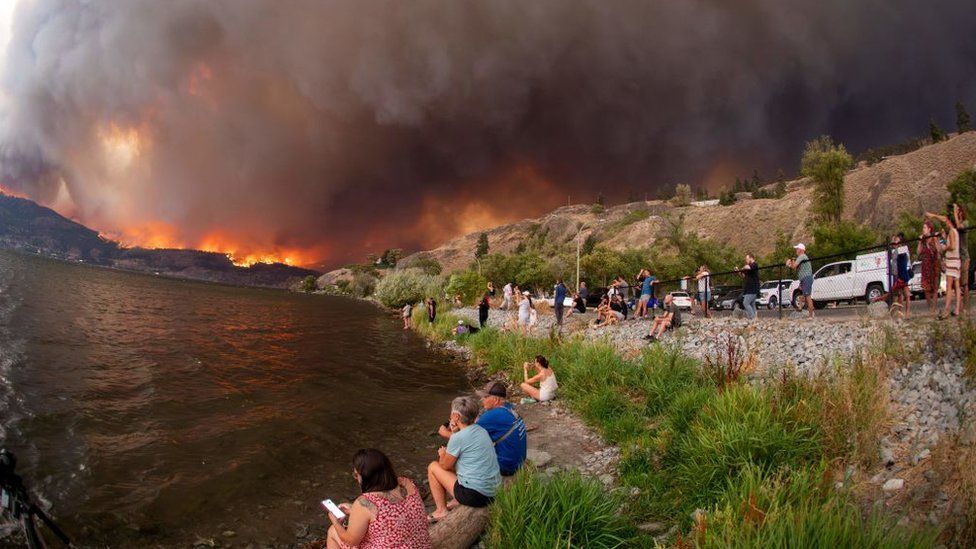
Image caption,One Kelowna resident told the BBC the fires came over the mountainside like an ‘ominous cloud of destruction’
Canada is having its worst wildfire season on record, with at least 1,000 fires burning across the country, according to the Canadian Interagency Forest Fire Centre.
Experts say climate change increases the risk of the hot, dry weather that is likely to fuel wildfires.
Extreme and long-lasting heat draws more and more moisture out of the ground, which can provide fuel for fires that can spread at an incredible speed, particularly if winds are strong.
Earlier, West Kelowna fire chief Jason Brolund described the wildfire as “devastating”.
“We fought hard last night to protect our community. We fought 100 years worth of fires all in one night,” he added.
Local officials have already reported “significant structural loss” in the area, including in Trader’s Cove, just north of West Kelowna.
No deaths have been reported so far.
Juliana Loewen lives in Kelowna – a larger twin city of West Kelowna on the eastern shore of Okanagan Lake.
She told the BBC how locals had watched a plume of smoke coming over the mountainside like an “ominous cloud of destruction” and how some on the Trader’s Cove side jumped into the lake as the fire spread and exit routes were blocked.
Her brother and grandmother fled to her house after “the fire jumped very quickly from one tree to an entire area, threatening an entire residential community”.
Local residents are used to the fires because of a “California-style climate” in the area – but the heat, dryness and wind seen in recent days had created the “perfect conditions for a firestorm”, Ms Loewen added.
The airspace around Kelowna International Airport has now been closed to everything other than aerial firefighters.
Amid an escalating economic crisis in Tunisia, a well-known Tunisian rapper has illicitly migrated to Italy.
Junior Hassen, whose YouTube music videos have accumulated nearly 15 million views, undertook the perilous journey across the Mediterranean to Sicily just last week.
According to reports from news outlet Mosaique FM, the rapper successfully reached Palermo, a city in southern Italy, after embarking on the journey with a group of fellow migrants from his hometown, Sousse.
Social media platforms have been circulating footage purporting to show Hassen, known by his real name Hassen Sassi, making the sea crossing with other Tunisian migrants on a small boat. However, the authenticity of the footage has not been independently confirmed.
The severe economic crisis in Tunisia has driven numerous individuals to take drastic steps in pursuit of improved prospects overseas. Earlier this year, a Tunisian football club suspended its operations due to 32 of its players migrating to Europe.
Tunisia has now become a primary departure point for African migrants attempting to traverse the Mediterranean en route to Europe.
An increasing number of Tunisians are also opting for treacherous sea journeys, contributing to the world’s deadliest migration route.
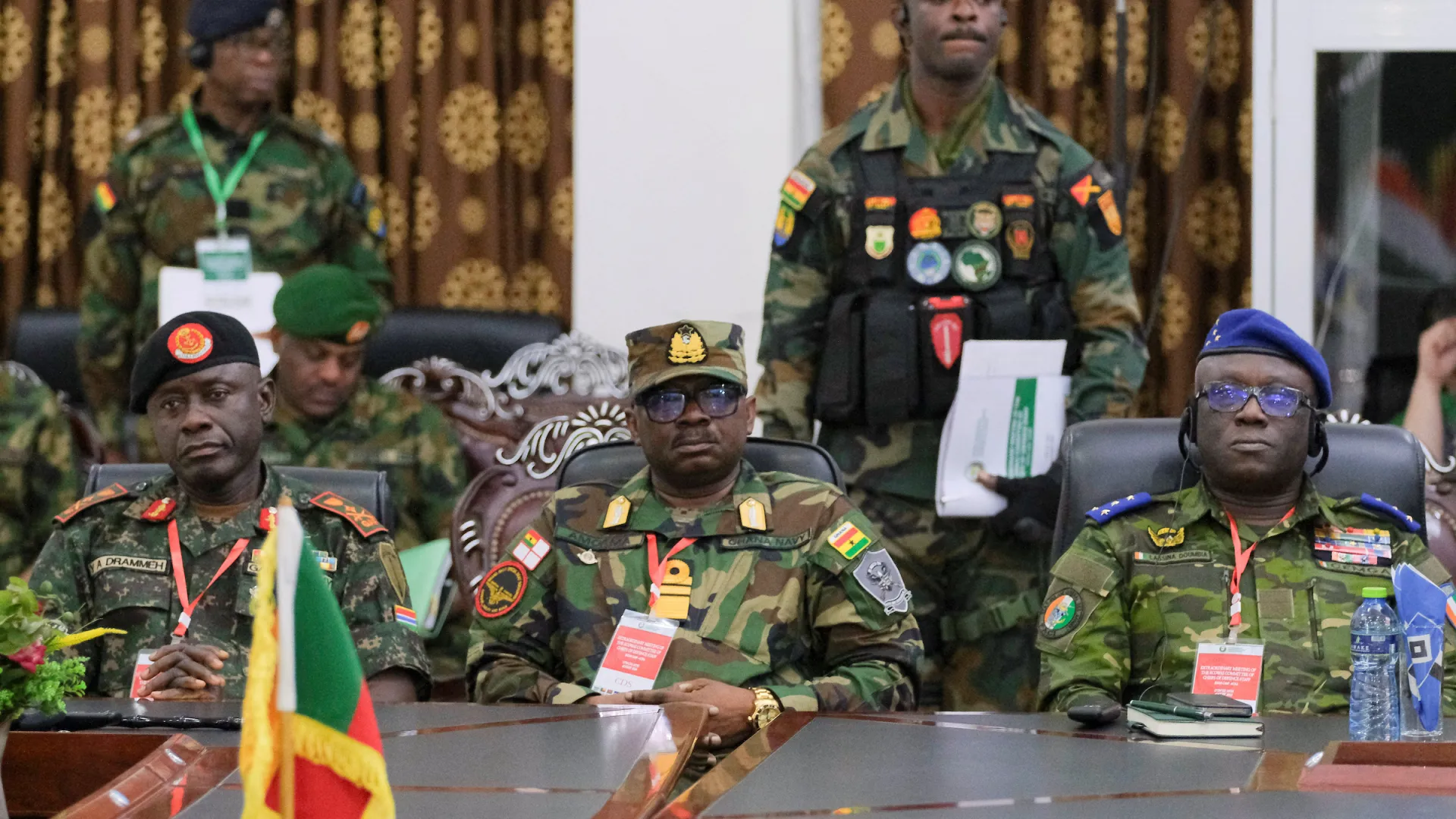
West African military leaders have demanded the immediate and unconditional release of President Mohammed Bazoum of Niger, who is currently detained.
This appeal was made during the recently concluded two-day 48th Extraordinary Meeting of the Economic Community of West African States (ECOWAS) Committee of Chiefs of Defence Staff, held in Accra.
The ECOWAS Committee of Chiefs of Defence Staff also advocated for the liberation of President Bazoum’s family and the detained members of his cabinet.
Since Monday, July 26, the military junta in Niger has been holding President Bazoum, along with his family and several cabinet members, in detention.
Ambassador Abdel-Fatau Musah, Commissioner for Political Affairs, Peace and Security, ECOWAS, who made the call in Accra said: “ECOWAS was ready to go to Niger anytime the order is given.”
“The troops across the region are ready to respond to the call of duty. “Operational troops are not disclosed but they are ready equipment-wise, with political will and resources,” he said.
According to Ambassador Musa, ECOWAS was not against the Republic of Niger, however, it was working on Niger coming back to a constitutional rule.
“We have not shut any door, sanctions are on the table, ready to accept dialogue but not any fruitless one.
“We are doing it ourselves. The coup in Niger is one coup too many for the region and we are putting a stop to it,” he said.
The second and final CDS meeting before to the ECOWAS standby force’s deployment in the Republic of Niger, according to Ambassador Musa.
Military leaders from ECOWAS nations used the two-day Meeting as a forum to plan a potential military intervention in Niger.
The military seizure represents the ninth coup or attempted power acquisition within a span of slightly over three years in West and Central Africa. These regions had previously been striving to distance themselves from their image as a “coup belt.”
Just last week, leaders of the Economic Community of West African States (ECOWAS) decided to activate a standby force for potential intervention in response to the junta’s takeover.
The Military Chiefs, among their responsibilities, are anticipated to formulate a tactical structure and a plan of action for potential intervention in Niger, contingent on approval from ECOWAS leaders.
Meanwhile, ECOWAS has directed its standby force to reinstate constitutional order in Niger, a directive voiced by Mr. Omar Alieu Touray, the President of ECOWAS. This proclamation was made while reading ECOWAS’ resolution on the Niger coup during the ECOWAS Extraordinary Meeting held on Thursday, August 10, 2023, in Abuja.
Mr. Touray further urged the African Union (AU), partner nations, and institutions to back the resolution endorsed by the sub-regional organization.
He noted that all attempts to engage in dialogue with the Nigerien military junta had been met with obstinate rejection from the coup leaders.
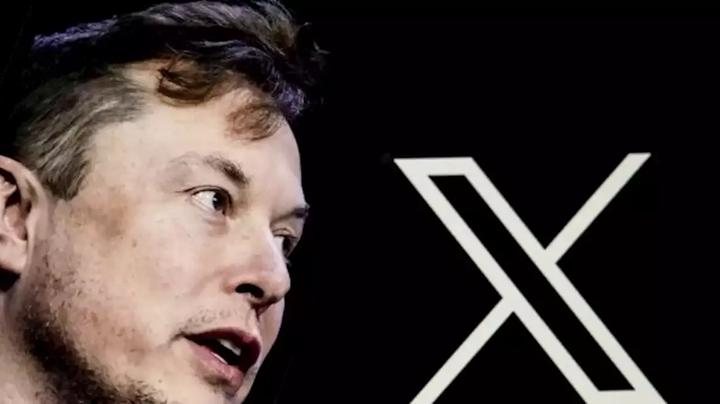
Elon Musk has introduced a significant alteration to the X platform, previously recognized as Twitter, revealing that users will no longer have the option to employ the “block” feature on other accounts.
Musk clarified that this functionality appears illogical and will be eliminated, except when it pertains to direct messages.
The block attribute on X permits users to restrict specific accounts from initiating contact, viewing their tweets, or following them.
Musk has suggested that users adopt the “mute” feature as an alternative, which conceals an account’s posts from their timeline without necessitating unfollowing or blocking.
On the contrary, blocking prevents an account from accessing a user’s public posts. Musk, who holds the position of CEO at Tesla and SpaceX, gained ownership of X in 2022 through a $44 billion acquisition deal.
He has been implementing several modifications to the platform, including the dismissal of top executives and staff downsizing.
Linda Yaccarino, formerly an executive at NBCUniversal, assumed the role of X’s CEO earlier this year, with Musk overseeing the product and technology divisions.
Four young women are currently receiving celebratory messages across social media platforms for their exceptional performance in their School of Law program at the University of Ghana.
This quartet has achieved First Class Honours, a distinction clearly indicated in the Class of 2023 list, which has recently been made available.
The accomplished individuals are as follows: Jasmine Kukua Tekyi Acheampong, Ohenewaa Asantewaa Armoh, Abigail Nakuor Wowolo, and Elenor Wesom Mogeri.
The University of Ghana Law Students’ Union has taken to posting concise profiles of these four exceptional ladies, sharing details that encompass their educational background, aspirations, inspirations, and hobbies.
Among them, Abigail and Jasmine are both alumni of Achimota School, while Kukua and Elenor are proud graduates of Accra Girls Senior High School and Holy Child Senior High School respectively.
The University of Ghana’s School of Law occupies a preeminent position as the foremost institution for legal education in Ghana. Its commitment to equipping students for the legal profession remains unwavering, thus setting a benchmark in this domain.
This institution’s journey commenced as a department within the Faculty of Social Studies during the academic year 1958/59. Subsequently, it advanced to the status of a Faculty in the academic year 1960/61, culminating in its elevation to a fully-fledged school during the academic year 2014/15.
Chief Executive of the policy think-tank IMANI-Africa, Franklin Cudjoe, has remarked that the attention surrounding the ECOWAS court’s decision, where certain civil society organizations lodged a complaint against the government’s controversial Agyapa Royalties deal, is merely “noise.”
In July 2023, the regional court dismissed a legal action against the Agyapa deal, filed by the Ghana Integrity Initiative and Transparency International Ghana.
The verdict from the ECOWAS Court of Justice essentially indicated that there was no valid basis for the plaintiffs’ plea to halt the sale of the nation’s gold royalties through the Agyapa deal.
However, Cudjoe pointed out that there were economically grounded arguments that were not presented in court, which he deemed as technically sound. He further noted that these arguments have remained unanswered, even three years after the fact, without any response from the government.
He wrote on his Facebook page: “Ignore the noise over some ECOWAS court ruling over Agyapa. Here are technically sound economic arguments advanced by CSOs against Agyapa. None were before the ECOWAS court and none has been adequately responded to by promoters of the deal 3 years on!”
Here are the ‘technically sound’ economic arguments the CSOs made in 2020.
A more intensive treatment of these issues are found in the briefing document used during our consultative forum (available here: ).
1. The government arrived at the valuation of the deal by assuming that the average annual production volume of gold across the 48 lease areas shall be 2.9 million ounces during the term of the agreement. This is woefully undervalued. A careful review of the 2019 data submitted by the Ministry of Finance to the CSOs to back this position reveals alarming omissions, missing numbers, and a poor appreciation of the fact that since 1990, gold production in Ghana has grown at an average of about 7% per year.
More careful analysis show that gold production in the 48 lease areas is already heading towards the 4.2 million ounces mark in the near-term. Over the 21-year conservative life of the agreement (the agreement has no definite term as any renewal of the leases covering the relevant areas automatically extends the tenure), output shall average 4.9 million ounces a year using a conservative growth figure of 4% a year over the next two decades.
2. The government conveniently argues that the agreement will terminate when the last of the 48 mining leases expire. This betrays a weak understanding of the mining sector in Ghana, where extant agreements are crafted to enable continuous renewal so long as gold is being discovered and commercially mined. Anglogold’s Obuasi operations have leases that have been effectively active for over 100 years.
The Government is thus seriously underestimating the amount of gold that can be found in the vast tracts of land that makes up these leases. Until recently, AngloGold’s lease areas exceeded 400 square kilometers. Some of the leaseholders are currently only impacting less than 10% of their concessions. As the price of gold increases, they shall aggressively a) expand development of deposits and b) start mining lower grade deposits. The government’s low “reserve life” estimates are based on a misunderstanding of how pricing helps convert mere “measured resources” into new reserves.
3. Some of the reserve estimation work is completely confused. Take AngloGold, for instance. The government limited its calculation of output in terms of 2019 reserves and duration of the output of 15 years, forgetting that it was the same government that went to Parliament in 2018 to seek considerable reliefs for the mining giant on the basis that the company shall be extending mine life by an additional 22 years, and that after 10 years the company expects to hit much higher grades of ore. The reliefs granted to Anglogold were premised on lower output today and higher production beyond 10 years. The government’s calculations are clearly muddled.
4. The Government’s use of $1300 as the average price of gold over the long-term is quite frankly reckless. Gold has moved from $393 in January 2001 to over $1900 today. Between that period, its trajectory has been mostly upwards except for a few retreats. The long-term picture of gold has thus been generally upwards. Every analyst worth its salt is predicting a long-term average above a new support of $1800. When you combine this fact with the proper treatment of the production forecasts available in the mining company’s own disclosures, you arrive at a present value calculation of more than $3 billion. The attempt to dump this valuable resource for $1 billion is unconscionable.
5. The government is misguided on multiple fronts when it says that “it is the market that shall value” the royalties it is giving away. There are two levels of analysis here. First, government is investing Ghana’s future gold earnings into a company. Second, it is trying to sell half of that company for cash upfront today through an IPO. There must thus be an initial valuation of how much exactly Ghana is investing before we talk about anything else. Only then can the returns: upfront cash and shares that entitles Ghana to future dividends be valued.
Ghana is investing a total of at least 5 million ounces of gold over a 21-year period (or more gold over a longer period). How much is this gold worth for how much return exactly? Government wants $500 million upfront for 2.5 million ounces of this quantity. These numbers are fixed in the agreement and have nothing to do with any “market”. The CSOs believe that by selling forward less than 1 million ounces, Ghana can get more than $500 million. The government’s current structuring means that it is selling Ghana’s gold forward at a price of $200 an ounce, when current prices are at $1900 and similar sell-forward deals have recently priced gold at $500 on average (taking time value of money into account).
It is the next stage of the analysis that involves valuing the shares in the company in which Ghana intends to invest another $100 million (as working capital) and an extra 2.5 million ounces of gold (minimum) over a 21 year period in exchange for 51% of shares. The price of these shares has already been decided by the underwriters that government has been working with for more than 2 years and set at $500 million. That is the whole point of a bookbuilding IPO. The bookrunners set a final price and offer the shares to the market. There is no planned auction for the “general market” to decide, and Government cannot make any gains on the secondary market because it must hold the 51% of shares for the long haul.
6. The government is confused about the short-term price rises that will follow the debut of the stock on the public market. These do not translate into capital gains unless government sells a big chunk of the 51% stake in a few days following the debut. Government is barred from doing this by market rules and its own policy. The people who will thus cash in are the underwriters, the investors they allocate some of the shares during bookbuilding to, and the brokers/dealers. We expect a cool $350 million could easily be made by these people due to the deliberate underpricing of the asset. After the price surge in the first few days, the stock will return to its mean. All this is on top of the massive fees they shall be earning (about 10% of total funds raise, making this method of raising upfront cash far more expensive than any debt government has raised in the last decade on the international markets).
7. Government’s expectation of 50% of retained earnings being paid out as dividends is founded on nothing. This is a company that is starting life with just $100 million of working capital, a lack of experienced management, and a non-existent operating history; and is furthermore seeking to invest in the heavily capital-intensive gold mining sector. It will need to borrow massive amounts of money at relatively high-interest rates to be competitive, and invest all the Ghana gold royalties it receives. It will have no latitude to be handing large dividends to anyone for a long time. So, future governments are being “robbed” of the highly reliable royalty income stream, which accounts for more than 90% of mineral revenues (besides oil) that government can use to support the budget. In fact, a low initial valuation means a weak starting balance sheet which more or less guarantees this outcome.
8. More worryingly, because the government also agreed to hand over effective control of the company to the minority shareholders and their appointed independent directors, it cannot dictate a dividend policy or push the company to even invest in Ghana. The government was happy to agree to this as part of the process of admission to the standard listing of the Main Market of the London Stock Exchange despite there being an option for the company to list as a “sovereign controlled commercial company”, which would have allowed government to retain significant control.
The strategy at work here is the same one that was used to push Ghana to abandon its golden share in what became AngloGold on the basis that this will unlock more value. In 1994, before the listing of the then Ashanti Goldfields, Ghana had a 55% stake in the entity worth $880 million as share of bullion. Today, it owns 0.01% (having given up even the standard 10% it owns in all local gold companies) worth a paltry $110 million in equity value. Actual earnings come just from royalties, a measly $22 million, whereas in 1996, dividends and royalties together amounted to $115 million. Poor “internationalisation” strategies have never served Ghana’s sovereign commodity interests well.
9. The government, on top of selling gold going for $1900/oz today at $200 an ounce, then added a highly valuable option to the package. Agyapa has right of first refusal to any future royalties deal Ghana enters into. A simple rule of basic finance is that options are always valuable and must be priced. Ghana gave away this powerful bargaining chip for FREE.
10. The argument that the listed vehicle (Agyapa Royalties) had to be incorporated in the tax haven of Jersey to mirror the tax efficiency rules in the MIIF Act is untenable. Whilst returns to the SPV itself need not be taxed, investors who profit from buying shares in the SPV during the book-building period need to be KNOWN and TAXED. Even if we must go the IPO route, many jurisdictions with far better transparency standards exist, some of which have double-taxation treaties with Ghana. The same tax-efficient outcome could have been reached by using a BEPS strategy in one of these other places.
By incorporating in Jersey, where the laws permit notoriously impenetrable trusts, it has become all too easy for the underwriters to underprice the vehicle (and by implication, Ghana’s gold royalties), allot the shares to investors hiding behind trusts, and when the stock debuts, join these crony investors to pocket hundreds of millions of dollars without any of us being any wiser since such trusts would usually be “trusts of trusts”, and effectively impossible to unveil. Regardless of the government’s protestations, they have no tool to stop the underwriters from doing this. Can Ghana tolerate this risk?
International research agency, Fitch Solutions has projected that Ghana will record a current account surplus in 2023.
It also noted that the country’s trade surplus will remain high however, the current account will run into a deficit in 2024.
Read Fitch’s full release on August 15, 2023, below
Key View
We forecast that Ghana will record a current account surplus of 1.3% of GDP in 2023, from a deficit of 2.1% of GDP in 2022.
The trade surplus will remain large by historical standards in H223, as imports will contract more sharply than exports due to weak domestic demand.
In 2024, we project that the current account balance will slip back into deficit, to a shortfall of 0.2% of GDP, as imports recover while exports will record sluggish growth due to a projected moderation in global gold and cocoa prices.
We forecast that Ghana will record a current account surplus of 1.3% of GDP in 2023, from a deficit of 2.1% of GDP in 2022. It will be the first time in 20 years that Ghana records a full-year current account surplus. Our 2023 forecast, which marks a revision from our previous projection that Ghana’s current account balance would post a deficit of 0.9% of GDP, follows weaker-than-anticipated import growth in H123.
Indeed, merchandise imports contracted by 13.0% y-o-y in H123 as a result of weak domestic demand and lower global commodity prices. Meanwhile, exports fell by 7.2%, pushing up the trade surplus to USD299.6mn, from USD245.7mn in H122. Data released by the Bank of Ghana (BoG) shows that the overall current account balance posted a surplus of USD0.8bn in H123, compared to a deficit of USD1.1bn in the corresponding period of 2022.
Current Account Set To Record First Surplus In 20 Years
Ghana – Current Account Balance, % Of GDP (LHS); Quarterly Current Account Balance, USDbn (RHS)
We expect that the trade surplus will remain large by historical standards in H223. Imports will continue to contract as domestic conditions remain weak. Indeed, inflation – which averaged 46.2% y-o-y in H123 – will remain elevated over the coming months, averaging 40.6% through 2023, the highest annual rate since 1996. This will weaken purchasing power of households and constrain demand for imported consumer products.
Meanwhile, restrictive monetary conditions will curtail the ability of businesses to fund their growth initiatives and will lead to a delay in corporate expansion plans, limiting demand for imported capital inputs. Furthermore, we believe that global oil prices will average roughly USD80 per barrel (/bbl) in H223, below the USD93/bbl in H222, deflating Ghana’s import bill (mineral fuels account for 5-10% of total imports). All told, we project imports to contract by 10.0% in 2023, from growth of 7.3% in 2022.
Weak Domestic Demand And Lower Oil Prices To Weigh On Imports
Ghana – Growth In Total Domestic Demand, % (LHS); Global – Brent Crude Price, USD/bbl (RHS)
While export growth will also remain in contractionary territory in H223, the decline will be less pronounced than imports. The moderation in global energy prices will weigh on Ghana’s crude exports (which account for roughly 30% of total exports), but this will be partially offset by healthy growth in gold and cocoa exports. Indeed, efforts to integrate artisanal miners into the official production figure as well as Asante Gold’s recommissioning of the Bibiani gold mine in mid-2022 will keep growth in gold production solid at a projected 8.1% in 2023, providing tailwinds to exports.
Meanwhile, the value of Ghana’s cocoa exports will be inflated by a significant rally in cocoa prices due to adverse weather conditions in neighbouring Côte d’Ivoire (the world’s largest cocoa producer) and concerns about El Niño, which is typically associated with drier weather conditions in West Africa and can weaken cocoa production. Taking these various dynamics into account, we project export growth to contract by 8.7% in 2023, from growth of 18.7% in 2022.
High Cocoa & Gold Prices Will Limit The Decline In Exports
A collapse in external interest payments will more than halve the primary income deficit in 2023. After Ghana defaulted on its external debt in December 2022, primary income outflows fell to USD0.7bn in Q123 (latest available data) from USD1.4bn in Q422. Given our expectation that Ghana will only reach a debt deal with its external creditors under the G20 Common Framework in H224, most external interest payments will remain on hold over the coming months. This informs our forecast that the primary income deficit will shrink to 2.8% of GDP in 2023, from 6.1% of GDP in 2022.
Income Balance Narrows On Suspension Of External Debt Servicing
Ghana – Primary Income Balance, USDbn
Current Account Deficit Returns In 2024
We believe that the current account balance will slip back into deficit in 2024, to a shortfall of 0.2% of GDP. This will be primarily driven by a sharply narrowing trade surplus.
Indeed, we expect that imports will start to recover in 2024. Inflation will continue on a downward trend to an average of 18.2% next year, gradually improving household spending and increasing demand for imported consumer items. Meanwhile, we expect that the Bank of Ghana will cut interest rates by 600 basis points to 22.00% through 2024. This will boost business activity from H224, and thus increase demand for imported capital products. Furthermore, our Oil & Gas team projects that the price of Brent crude will average USD83.0/bbl next year – from an average of USD80.0/bbl in 2023 – putting upside pressure on import growth. Overall, we forecast imports to expand by 12.0% in 2024.
The recovery in exports will be much slower. While we project healthy growth in hydrocarbon exports due to rising energy prices and increasing crude production, this will be offset by a weak outlook for gold and cocoa exports. As growth in developed markets picks up in 2024 and risk sentiment improves, our Commodities team projects gold prices to fall by 5.1%, weakening the value of Ghana’s gold exports next year. Meanwhile, as concerns surrounding El Niño fade through 2024, our Commodities team also forecasts a weakening of 7.4% in global cocoa prices, reducing the value of Ghana’s cocoa exports. All told, we forecast exports to grow by just 0.8% next year, and therefore expect the trade surplus to decline from 3.7% of GDP in 2023, to 1.4% in 2024.
Capital Inflows To Gradually Improve
Ghana – Capital & Financial Account Balance, USDbn (LHS) & Direct Investment, USDbn (RHS)
We expect that Ghana’s overall balance of payments will return to surplus in 2023 and 2024, following a record-wide deficit of USD4.6bn in 2022. In 2022, Ghana recorded its first full-year capital and financial account shortfall (of USD3.1bn) in 20 years, as a result of rising investor concerns about Ghana’s debt dynamics and monetary tightening in developed markets. However, the capital and financial account will likely turn positive again in 2023 as the country receives two IMF disbursements of USD0.6bn each under its Extended Credit Facility. The overall balance of payments will be strengthened in 2024 due to an expected improvement in investor sentiment as Ghana makes progress regarding the restructuring of its external debt. This will boost capital inflows and largely offset the small current-account deficit in 2024.
Risks to Ghana’s external position remain significant, however. If negotiations between Ghana and its external creditors stall, investor confidence would weaken, likely triggering another round of capital flight. This would lead to greater pressure on the country’s foreign exchange reserves and the Ghanaian cedi, keeping inflation higher for longer – which would have negative implications for economic growth and social stability.
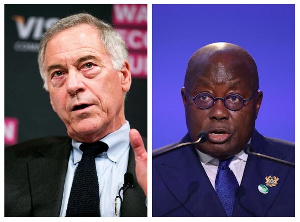
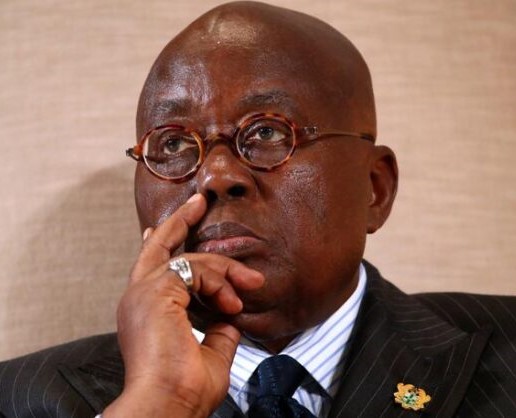
Expressing apprehension about Ghana’s economic condition during President Nana Addo Dankwa Akufo-Addo’s tenure, Professor Steve Hanke, an economist at Johns Hopkins University in the United States, has raised his concerns.
Hanke highlights that the president’s limited grasp of economic principles has played a role in the nation’s challenges with inflation, a matter that had initially aimed for an 8% target.
Hanke posted his views on Twitter, stating, “Pres. Akufo-Addo is quite unfamiliar with the science behind economics. No surprise that Ghana is MILES from its 8% inflation target.”
Furthermore, he put forth an alternative remedy to tackle the prevailing economic difficulties.
Highlighting Ghana’s past implementation of a currency board between 1912 and 1958, he recommended that the nation contemplate reintroducing a currency board system as a means to navigate the current situation.
The currency board system involves the rigorous pegging of a country’s currency to that of a prominent and stable currency. This linkage typically relies on a substantial reserve of foreign currency.
This mechanism is designed to establish a dependable commitment to maintaining price stability and restraining inflation.
#GhanaWatch: Pres. Akufo-Addo is quite unfamiliar with the science behind economics. No surprise that Ghana is MILES from its 8% inflation target. It’s time for Ghana to install a currency board, like the one it had from 1912-58. pic.twitter.com/ZTNNdOn8KB
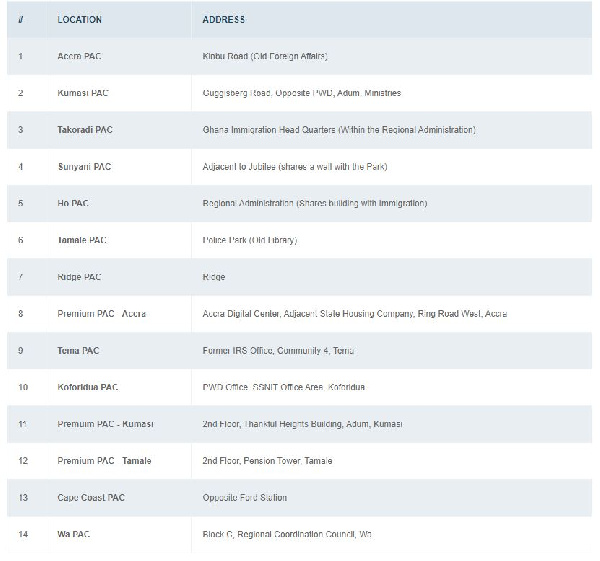
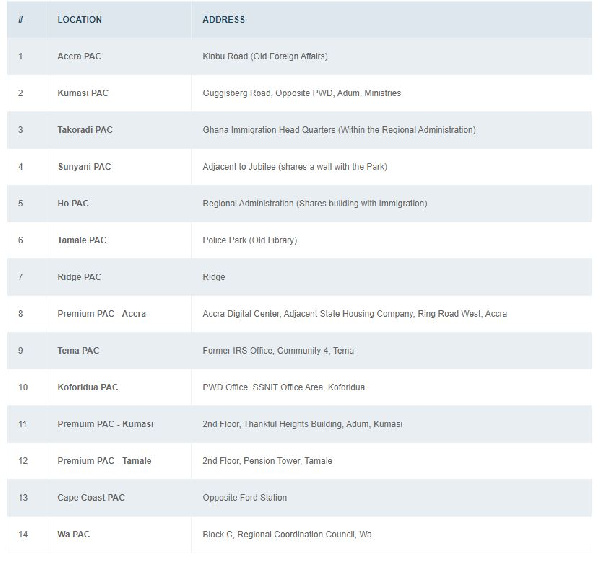
Applicants facing emergency situations are advised by the Ministry of Foreign Affairs and Regional Integration to reach out to the department for expedited passport printing.
This initiative is part of the Ministry’s endeavor to address the backlog of passport requests and streamline the overall passport application procedure.
In an official statement dated August 17, 2023, the Ministry furnished the subsequent contact information and requested that individuals facing urgent situations reach out to the Ministry’s Client Service Unit. They are encouraged to use the provided email address and phone numbers, along with their contact particulars and transaction IDs, to seek assistance.
The contact information is outlined below:
Email: mailto:ipab@mfa.gov.gh
Mobile numbers 024-091-3284 024-079-3072 020-455-2056 020-455-2750 026-804-9031 026-979-4871
The Ministry has additionally communicated that the maximum fee an applicant should pay for a Ghanaian passport is GH¢300, reserved for the premium service.
The minister in charge of the sector recently conducted an unannounced visit to the passport office in Accra. During this visit, she primarily announced the discontinuation of contracts with all contract staff. This decision was undertaken to streamline and enhance the passport application process.
Expressing concern, the minister questioned the rationale behind citizens being required to pay upwards of GH¢2,000 and sometimes even GH¢3,000 to obtain a passport.
The Ministry has now released the official pricing for applicants seeking to obtain the travel document.
In its press release dated August 17, 2023, which also provided an email address and hotline for reporting unsatisfactory service at Passport Application Centers (PACs), the following was stated:
“The Ministry also wishes to remind the general public that passport applications are exclusively processed through the passport application portal at passport.mfa.gov.gh. Payment for the approved processing fees is conducted on the ghana.gov.gh platform, as per the following guidelines:”
Chairperson of the Electoral Commission (EC), Jean Mensa, has declared that individuals who vouch for more than ten people are in violation of their regulations and will face legal action.
Mensa clarified that in order to ensure the registration of eligible individuals on the new voters register, it is advisable to set a maximum limit of ten people per vouching individual.
The EC Chairperson pointed out that those who vouch for non-citizens are also contravening the laws and will face appropriate consequences.
During a press briefing on August 17, 2023, Jean Mensa revealed the necessary documents for voter registration and cautioned that those who neglect their guidelines will be held accountable.
“All applicants are to show proof of eligibility by tendering any of the following identification documents on the National Identification Card, also known as the Ghana Card and the Ghana Passport. Applicants who do not have any of the identification documents listed above are required to present two persons who are already registered voters to vouch for their citizenship and age. Per law, a guarantor can guarantee for up to ten applicants.
“It is important to emphasize that it is a criminal offense to guarantee for more than ten applicants and a person who guarantees for more than ten applicants will be prosecuted. It is also a criminal offense for a guarantor to guarantee for non-citizens and minors. I like to call on our media partners to assist us in educating our citizenry on this specific section of the law,” she said.
“They were both conducted in April 2021. As such, their elections would not be held in both districts until 2025. The Commission has developed a comprehensive program of activities for the 2023 district-level elections, and this will be made available to the public shortly.
“As a commission, we encourage voters to take advantage of the voter registration exercise and register to vote. We also entreat the citizenry to participate actively in the district-level elections, which would be held on December 19, 2023,” Jean Mensa said.
The African Development Bank (AfDB), has reported that around 15 million individuals in Africa were plunged into poverty in 2022 as a result of elevated food and energy costs.
Nevertheless, the AfDB noted that the influence of rising energy prices on poverty was more pronounced than that of food prices.
This disparity arose because the escalation in energy costs directly impacted household earnings, whereas the adverse effect of elevated food prices was somewhat counteracted by augmented household income from net sales.
“In Africa, the additional number of people falling into extreme poverty due to energy price inflation is estimated at 10.2 million, bringing the combined poverty effect of soaring food and energy prices to about 15 million people,” the bank noted.
This information was detailed within the African Development Bank’s (AfDB) 2023 West Africa Economic Outlook report, which highlighted a notable 10% surge in the region’s average poverty rate from 2019 to 2022.
The report also identified that, in comparison to a counterfactual scenario, the international poverty rate, defined by the US$2.15-a-day poverty line, saw an upturn in nine West African countries.
Among the observations, it was noted that the average household well-being diminished in 12 out of 14 countries, collectively resulting in an average actual income decline of 0.82%. The AfDB underscored that this decline disproportionately affected the more economically disadvantaged households.
“The fall in real household per capita income due to high global food and energy prices has impacted household welfare and exacerbated poverty and inequality in African countries,” AfDB reported.
The report cautioned that prolonged increases in the prices of food and energy could yield lasting ramifications for prosperity in numerous African nations, further exacerbating issues of poverty and inequality.
In response, the Bank urged African governments to adopt proactive measures encompassing monetary, fiscal, and structural policies to counter the repercussions of mounting inflation and subdued economic growth.
The AfDB also advocated for heightened support towards fostering a pro-growth structural transformation, which is crucial for sustaining rapid, sustainable, and inclusive economic expansion.
As Russia initiated its invasion of Ukraine from February to March 2022, crude oil prices escalated by approximately 20%, surging from $93.5 per barrel per day (bpd) to $112.4 bpd. Throughout the period from March to October 2022, the average stood at $102.8 bpd in Africa.
In a similar trajectory, wheat prices experienced a surge of approximately 28%, climbing from $364.9 per metric ton (mt) in February 2022 to $446.5 per mt in March 2022. Between March and October 2022, the average price was $427.2 per mt.
Similarly, fertilizer prices also underwent an increase of around 22%, soaring from $547.1 per mt in February 2022 to $668.9 per mt in March 2022. The average price from March to October 2022 settled at $624.9 per mt.
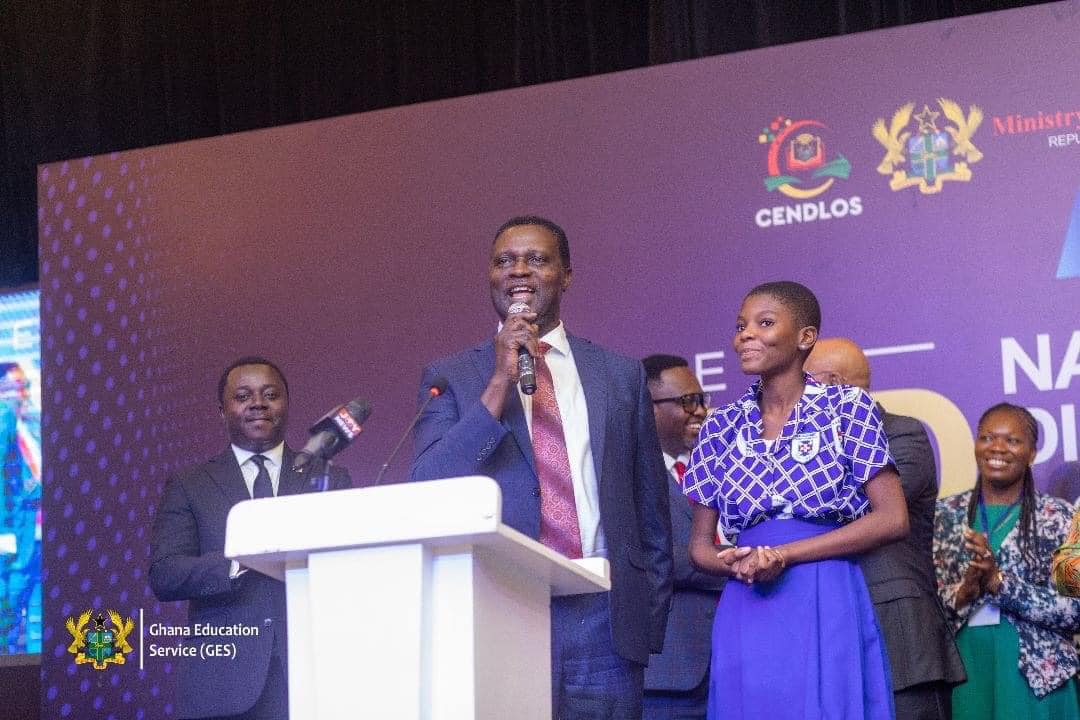
Minister for Education, Dr Yaw Osei Adutwum, has disclosed a significant strategy in the offing to transform Ghana’s fortunes through the education system.
He is leveraging some technological inventions by students of Afua Kobi Apem Girls Senior High School to establish 16 aerospace & Aviation Academies across the country.
The students, who are members of the school’s engineering club have invented a 2.5 meter autonomous watercraft that can fly into the air and other crafts that can travel on water to detect drowned dead bodies.
These innovations mark the starting point for Dr Yaw Osei Adutwum to transform the engineering club into 16 Aerospace and Aviation centres in the country.
“What begun as a club, has become an inspiration to many young ladies across the country. And we are going to transition from being an engineering club to an aerospace and aviation academy. We are creating about 16 of them across the country. Every region is going to have one at minimum. So there will be about 20 aerospace and aviation academies,” the minister explained.
According to the minister, Ghana will see a phenomenon from the education ministry that will attract foreigners to acquire certain skills in Ghana.
“To begin to look at how best we can develop the aerospace & aviation industry or man made aircraft. We got an interest expressed by the Minister for defence. We are going to be working with the Ghana airforce, Zipline has also expressed interest,”
“We are working with DuVal High School (DHS), United states, We have looked at the aviation program and its something that we will be able to build on. We are going to begin something that will bring students from West Africa to come to High School here in Ghana. To begin to look at how best we can develop the aerospace & aviation industry or man made aircraft. We got an interest expressed by the Minister for defence. We are going to be working with the Ghana airforce, Zipline has also expressed interest,” Mr. Osei Adutwum explained to the media on Monday August 14, 2023.
He assured Ghanaians that innovation is pivotal to the transformation of Africa.
GES to establish 16 aerospace & Aviation academies across Ghana.#INDNews#INDViral#TheChi📷 Ghana Commercial Bank |Burkina Faso | Philippe Coutinho | KiDi | Messi | Niger | Davido | Ghanaians pic.twitter.com/QqQqwiKqSc
A coalition consisting of seven political parties in South Africa has formalized an agreement in their endeavor to dislodge the governing African National Congress (ANC) in the upcoming 2024 election.
Termed the Multi-Party Charter for South Africa, this pact outlines that in the event of their assumption of power, the coalition members will collaborate to assign ministerial roles and parliamentary seats.
Additionally, a significant aim of this alliance is to prevent the Economic Freedom Fighters (EFF) party, led by Julius Malema, from gaining ascendancy.
The initiative, spearheaded by the primary opposition party, the Democratic Alliance (DA), comes at a juncture when the nation grapples with challenges such as a struggling economy, corruption, crime, unemployment, and an unprecedented energy crisis.
Among the signatories are the Inkatha Freedom Party, Freedom Front Plus, ActionSA, United Independent Movement, Independent SA National Civic Organisation (Isanco), and the Spectrum National Party.
The coalition intends to expand its inclusivity by extending invitations to other parties in due course.
Observers suggest that the ANC faces the potential of relinquishing its parliamentary majority for the first time since South Africa’s transition to democracy in 1994.
However, the newly formed bloc has yet to determine the identity of the elected president in the event of a successful outcome in the election.
The Nigerian government has granted approval for the allocation of 5 billion naira ($6.5 million; £5.1 million) to each of the country’s 36 states and the federal capital city. This funding is earmarked for procuring food items intended for distribution among the impoverished.
Governor Babagana Zulum of the north-western Borno state shared this information with the media following a National Economic Council meeting held at the presidential villa in Abuja, the capital.
This decision is part of a broader strategy to alleviate the mounting cost of living, a consequence of President Bola Tinubu’s decision to eliminate fuel subsidies after assuming power in May.
Subsequent to the subsidy removal, fuel prices have escalated by 200%, while food prices have more than doubled. These developments prompted the president to declare a state of emergency concerning food insecurity last month. He also announced measures aimed at enhancing food security, bolstering small businesses, fortifying manufacturing, and establishing affordable transport options.
President Tinubu emphasized that the removal of subsidies facilitated the government in saving over 1 trillion naira ($1.2 billion).
Ghana is among the 25 nations earmarked to receive a share of £210 million in funding from the United Kingdom Government over the next three years to combat the critical issue of antimicrobial resistance (AMR).
The UK Government intends to collaborate closely with countries in Asia and Africa in a unified effort to address antimicrobial resistance and mitigate the menace it poses to both the UK and the global community.
This funding marks the most substantial investment ever made by any nation towards global AMR surveillance.
The Foreign, Commonwealth & Development Office of the UK High Commission in Ghana released a statement on Wednesday, conveying this information. The statement was also shared with the Ghana News Agency in Accra.
This announcement coincides with the UK’s Health Secretary of State, Steve Barclay, traveling to India for his inaugural participation in a G20 Health Ministers’ meeting.
The financial allocation from the UK Government’s aid budget will support the endeavors of the Fleming Fund in tackling AMR across various Asian and African countries. This support aims to alleviate the threat AMR poses to these nations.
The initiative will strengthen surveillance capabilities in approximately 25 countries with the highest levels of AMR impact and concern. These include countries such as Indonesia, Ghana, Kenya, and Papua New Guinea. The plan involves upgrading over 250 laboratories, equipping them with cutting-edge facilities.
The investment will encompass novel genome sequencing technology, aiding in the monitoring of bacterial transmission among humans, animals, and the environment, as mentioned in the statement.
“It will also strengthen the international health workforce by supporting 20,000 training sessions for laboratory staff, pharmacists and hospital staff, and over 200 Fleming Fund scholarships to boost expertise in microbiology, AMR policy and One Health – which recognises the connection between humans, animals and the environment.”
The UK’s Secretary of State for Health and Social Care, Steve Barclay, was quoted as saying: “Antimicrobial resistance is a silent killer, which poses a significant threat to people’s health around the world and here in the UK, and will be an important topic here at the G20 in India.”
“It’s vital it is stopped in its tracks and this record funding will allow countries most at risk to tackle it and prevent it from taking more lives across the world, ultimately making us safer at home.”
“It also builds on work the Government is doing to incentivise drug companies to develop new antibiotics – a model which some G20 countries are looking to implement.”
Antimicrobial resistance, in which bacteria have changed so much that antibiotics and other conventional treatments are no longer effective against infections, causes around 1.27 million fatalities worldwide annually, with one in five of these deaths occurring in children under the age of five.
Between 7,000 and 35,000 deaths were attributed to AMR in the UK alone in 2019.
The UK’s Special Envoy on AMR, Dame Sally Davies, said: “I am proud and delighted that the UK’s Fleming Fund will continue to create real impact to tackle AMR and build pandemic preparedness on the ground across the world, using data to drive action and catalyse investment.”
“This world-leading investment in AMR laboratories, workforce and systems is a vital contribution to realise our vision of a world free of drug-resistant infection.”
This investment is poised to usher in the second phase of the UK-India Fleming Fund collaboration, working in conjunction with India’s Ministry of Health and Family Welfare.
Valued at up to £3 million, this allocation will expedite cooperative efforts in antimicrobial resistance (AMR) surveillance across healthcare domains, aiding both nations in fulfilling their respective 2030 agendas.
As part of his official visit to India, the Secretary of State will visit India’s National Centre for Disease Control, where the Indian Government and the Fleming Fund are forging an alliance to combat antimicrobial resistance.
Additionally, he will participate in an exhibition showcasing cutting-edge health technology, featuring participants from artificial intelligence and digital health enterprises in both the UK and India. This exhibition is intended to further bolster the technological partnership, which is already revolutionizing healthcare in both nations.
Minister for Energy, Dr. Matthew Opoku Prempeh, has noted that State-Owned Enterprises (SOEs) can produce revenues, distribute dividends, and significantly contribute to the government’s fiscal objectives.
However, he emphasized the importance of having the appropriate leadership, attitude, and balance to make sure that these SOEs significantly advance in their respective areas.
The Minister said during the Bulk Oil Storage and Transportation Company’s (BOST) 2023 Annual General Meeting (AGM).
“I expressed satisfaction and admiration for the company’s financial accomplishments; moving from a negative equity position in 2021 to a positive one in 2022. This has put the company on a sound footing to pay dividends to the government”.
“This, indeed is a testament that, with the right leadership, attitude, and balance, State-Owned Enterprises (SOEs) can generate profits, pay dividends and make significant contributions to support the government’s fiscal policies. I congratulate the Board and Management of BOST for this remarkable feat”.
In order to ensure that BOST and, in fact, all SOEs in the energy sector live up to expectations, he announced that the Ministry of Energy would continue to work productively with stakeholders like SIGA and the Ministry of Public Enterprises.
A massive profit of GH342m was made by the Bulk Oil Storage and Transportation Limited Company (BOST) in 2022. So, from GH161 million in 2021 to GH342 million in 2022, BOST’s net profit margin improved.
The GH181m difference represents an increase in percentage of 112%.
“The transformation that BOST has undergone over the past three years is truly remarkable. The company has been turned from a heavily indebted one to a highly profitable one. In 2022, BOST increased its net profit by 112% to GH₵342 million from GHS161 million in 2021. This performance should be viewed in the context of a miserable run of losses which had been recorded for more than a decade until 2021,” the board chairman of BOST, Ekow Hackman, disclosed at the 2nd annual general meeting held in Accra on Thursday, August 17.
Hackman attributed the achievement to its strategic decision to revamp its business model.
“Central to our transformation has been the restoration of our business model, which involves the effective utilization of our strategically located fuel depots connected by a network of pipelines and barges. The revival of these assets has enabled us to deliver fuel products securely and cost-effectively to consumers across the country. Through the dedicated efforts of our management and workforce, we have significantly increased the revenue-generating assets of the company to 97% from a trough of 34% in 2017. We are committed to ensuring that 100% of our assets are generating revenue by the end of 2023.”
He added, “The increase in the BOST margin from 7 pesewas to 9 pesewas in December 2022 provided them with the necessary resources to repair and maintain BOST’s facilities, many of which are situated in areas where the private sector is absent.”
African nations have been pushed to use the African Continental Free Trade Area (AfCFTA) to free themselves from the economic restraints placed on them by colonialism, neocolonialism, and imperialism.
It must flee from the subtle recolonisation tactics being pursued through the “honeyed policy shackles” of the International Monetary Fund, World Bank and the United Nations (UN) dogma.
Former Nigerian President Matthew Okikiola Ogunboye Aremu Obasanjo declared that the treaties and conventions on trade and commerce that imperialist institutions agreed to and signed before and after independence were not intended for the development of Africa.
“The restructured socio-economic and political neocolonialism characterised by its underlining capitalism, neoliberal globalisation, and cultural subjugation of Africa by the Britain Wood institutions is a recipe for continental failure,” he said.
“Thus, if African countries continue to depend on these instruments as the launch pad for their development, the Continent will at last fail regardless of its endowments.”
“The rippling dividend is the mocking economic growth, abject poverty, starvation, joblessness and youth hopelessness.”
Former President Obasanjo, an Honored Fellow of the African Youth and Governance Convergence (AYGC), conveyed this message during the 25th Session of AYGC, held in Mankessim within the Central Region.
Commencing on Saturday, August 12, the seven-day gathering brought together 65 delegates from 27 African nations, along with participants from the United States of America and Canada.
The objective of the forum is to unify the youth, cultivating a shared African identity while harnessing their potential to encourage responsible behavior and active participation in advancing sustainable development.
The event also aims to provide them with the necessary tools, platforms, and responsiveness to assert their rights, thus fostering social accountability, transparency, and fairness.
The Youth Bridge Foundation and partners put the programme together on the theme: “Advancing Youth Inclusive Governance, Peace, and Security: The Digital Innovation Factor.”
The ex-President emphasized that the AfCFTA offers a chance to boost trade and thereby enhance the economic prosperity of individual nations.
The establishment of this trade area is projected to elevate intra-African trade by $35 billion annually while curbing external imports by $10 billion.
Moreover, it holds the promise of opening doors for the expansion of small businesses, potentially elevating around 30 million individuals from the grips of extreme poverty.
Despite these significant advantages, he expressed his concern about African nations’ excessive reliance on the Bretton Woods Institutions. This dependence involves combining loans with specific conditions, which in turn promote the ‘Washington Consensus’ principles of a ‘free market’ doctrine.
Similarly, he lashed at leadership across the continent, saying: “The greatest failure of African leaders is the lack of full understanding of what being independent means and what it entails.
“The reason the colonial powers were here and why they committed all those atrocities even matter. Independence meant hard work to serve ourselves and our interests better than the colonial power.”
Early African leaders had the incorrect ideas, according to former president Obasanjo, by restricting independence to the right to free speech, the raising of national flags, leisure, and enjoyment.
Early African leaders were unaware of the unfairness of the newly established political, judicial, and neo-political systems.
“It is important to rebrand and turn Africa around for the world to know that Africans are one and good people with natural resources and diverse culture and we need strong partnerships with the diaspora to do this.”
“Let us build the human resources of Africa by extending a hand of friendship to them so that together we can help change the narrative of the continent, now and in the future.”
The 8th Devolution Conference is currently taking place in Eldoret, and remarks made by US Ambassador to Kenya Meg Whitman have alarmed Azimio One Kenya Alliance. Senators and the leader of the opposition, Raila Odinga, have urged her to stay out of domestic affairs.
Odinga, who was greeted at the conference location by Council of Governors (CoG) Chairperson Ms. Anne Waiguru and a number of governors, including Uasin Gishu Governor Jonathan Bii, started his remarks with the Swahili phrase: ‘nyani haoni kundule,’ translated to ‘the monkey does not see his ass,’ pointing at insincerity on Ruto’s government.
A day after Whitman pledged her support for President William Ruto’s administration, recognizing his victory in last year’s presidential elections as legitimate and promising the current administration complete support and closer ties with the US government, Odinga reprimanded the ambassador on Thursday. Senators from the Azimio political party described the envoy’s remarks as insensitive to Kenyans in light of the current situation in the nation.
“I want to tell the rogue ambassador, leave Kenyans alone,” Odinga said in his parting shot while delivering a keynote address at the Devolution conference on Thursday afternoon.
“If ‘maandamano’ (demos) can lead to dialogue between Ichungwah and Kalonzo, then everything is good in ‘maandamano’ (demos),” he stated, cheering from a section of the delegates.
“Tell the rogue ambassador, Kenya is neither the US nor is it a colony of the United States. Keep your mouth shut while you are here. Otherwise, we will call for your recall back to your country,” he added.
The response from the opposition leader came shortly after his contingent of senators from the Azimio brigade criticized the US envoy’s statements during a press conference at the Devolution conference. In her comments at the conference, the US envoy openly endorsed President William Ruto’s election, a move that drew strong rebuke from the Azimio senators.
The outcome of the 2022 General Election was fiercely disputed by the Azimio la Umoja – One Kenya coalition. The disagreement escalated to the Supreme Court, which ultimately upheld Ruto’s victory, much to the Opposition’s dissatisfaction.
In her speech, while advocating for Kenya as a prime investment destination for the global community, Whitman did not shy away from expressing her optimism about the nation’s investment potential and climate. She noted that the Ruto administration had made significant advancements and was dedicated to cultivating a business-friendly atmosphere.
Having assumed her role in Kenya in July 2023, just prior to the last general election, the US envoy indicated her focus on strengthening the US-Kenya trade relationship in conjunction with the government.
“I arrived in Kenya days before the August 2022 General Election. What I witnessed was nothing short of remarkable. Kenya held what many analysts said was the freest, fairest, and most credible election in Kenyan history,” she stated.
She continued, “The elections were observed by international organizations and upheld by the Supreme Court, and power was peacefully and normally transferred at that time.”
These remarks struck a sensitive chord with the Azimio brigade of the opposition, as they had vehemently contested the 2022 General Election results. Azimio perceived the envoy’s comments as intrusive into Kenya’s internal affairs, and their discontent with her statements was palpable.
On a separate note, Raila commended the governors for setting aside their differences “and taking a break from our divisive politics to chart a path forward for Kenya.”
Prior to Raila’s attendance at the devolution forum, the Azimio senators had also convened a press conference to criticize Whitman’s comments. They described her remarks as unfortunate and expressed the hope that they reflected her personal stance rather than the official position of the American government.
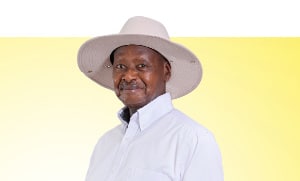
Uganda’s President Yoweri Museveni has once again criticized the World Bank for withdrawing funding, asserting that the organization is mistaken if it believes this action will intimidate the Ugandan people.
In a statement shared on his former Twitter account, Mr. Museveni characterized the World Bank as “superficial and intolerable imperialist agents who lack restraint.”
Last week, the World Bank suspended financial assistance to Uganda due to a controversial anti-homosexuality law enacted in May, which contradicted the organization’s principles.
This law has drawn widespread international criticism due to its severe penalties, including imprisonment or even death for individuals engaging in certain same-sex activities.
In response to the World Bank’s actions, President Museveni accused the institution of attempting to pressure Uganda into reversing the law by ceasing funding. However, he also affirmed that Uganda would continue to progress even without the World Bank’s support.
Reiterating his stance on Thursday, President Museveni emphasized that the discontinued funding would not hinder Uganda’s economic advancement. He suggested that the World Bank’s drastic decision could paradoxically aid Uganda’s efforts to diminish external debt and foster self-sufficiency.
President Museveni further noted that Uganda maintains several Western allies but claimed that these allies were hesitant to continue supporting the country.
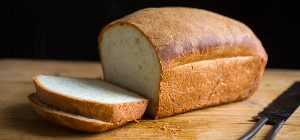
The recent establishment of a new bread factory along the Tema motorway has stirred significant apprehension within Ghana’s local baking sector.
Local industry participants have voiced concerns over potential unwarranted competition this development might pose to the pre-existing bread brands within the nation.
Reportedly under the ownership of Chinese investors, the factory named “Amigo Bread” is visibly designed for large-scale bread production.
A significant aspect of the concerns raised revolves around the potential impact on small-scale bakers who currently serve their local communities while sustaining their livelihoods through this occupation.
GhanaWeb Business investigations have also revealed that the new bread product is comparatively more cost-effective than established local brands. Amigo Bread is priced at 10 cedis per loaf, whereas other known local brands are marketed at 13 cedis and 15 cedis respectively.
Offering his perspective on the matter via Twitter, Economist Theophilus Acheampong highlighted that a nation’s focus should not solely revolve around foreign direct investments, drawing attention to the broader considerations at hand.
He stated that as a country, “We must be DELIBERATE about protecting certain industries. Even America, China, the EU, and others do the same!!!! We’ve over liberalised the Ghanaian economy. Too much neoliberalism! FDI is not everything!”
Other Twitter users also shared varied opinions on the subject.
Mista Darko said: “I think govt needs to consider taking steps to build the capacity of local entrepreneurs to scale their business so there will be no need for some of these FDIs.”
Nick wrote “Spot on bro! You can’t enter China today and start a bakery.”
Thinker said: “The govt should protect local industries for once. We can’t open our economy to everybody just like that.”
Kiko also said: “The impact of these kinda of investments are grossly overstated. The amount of jobs it creates vs the mom&pop outfits that are going to go out of business, doesn’t offset. That being said, will connoisseurs of real Ghana made bread patronize a commercially made bread? I won’t!”
You’re right.
FDIs should not be robbing the common folk off their daily bread by competing for the same opportunities.
It’s easier for them to make incursions because local businesses do not look out for each other’s welfare through cooperative regulation.
The impact of these kinda of investments are grossly overstated. The amount of jobs it creates vs the mom&pop outfits that are going to go out of business, doesn’t offset. That being said, will connoisseurs of real ghana made bread patronize a commercially made bread? I won’t!
A lot of the smalls shops around the corner and the minimarts will abandon their old customers for such brands because they have big branded vans for delivery. Another thing is that such big brands tend to add banned substances to their bread to make their loaves heavier.
I am confused whether the problem is the Scale or the Foreign ownership ? Either way, what will happen to the small scale bakery is a natural order of capitalism, the efficient ones will survive AND transform while the inefficient ones will perish OR transform. Best for everyone.
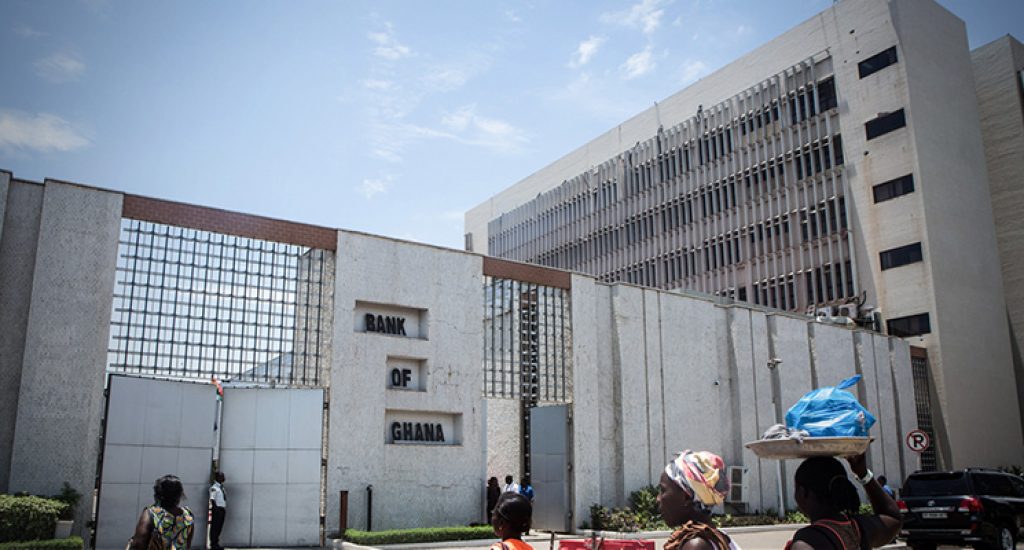
Dormaahene, Osagyefo Oseadeeyo Agyemang Badu II, has urged President Nana Addo DankwaAkufo-Addo to intervene on behalf of the Ghanaian populace and put a stop to the Bank of Ghana’s intentions to construct a new headquarters valued at US$250 million.
He emphasized that this US$250 million sum constitutes roughly a quarter of the amount the government is seeking from the International Monetary Fund (IMF).
According to his perspective, the pursuit of a new central bank headquarters is a misguided priority, particularly during a period when the local economy remains in a state of disarray.
“We heard that the BoG is building a new headquarters at a cost of 250 million dollars. That is about a quarter of the money we are seeking from the IMF. We want the President to intervene. He should meet with them and rescind that decision and communicate same to us,” he said.
On Thursday, August 17, 2023, a delegation paid him a courtesy visit at his palace in Dormaa, in the Bono Region, and the Dormaahene made these remarks.
The Bank of Ghana stated in a release that they needed a new office building because their current structure was no longer functional.
Additionally, it stated that the BoG’s structural integrity examination showed the current head office building, constructed in the early 1960s, could not withstand any significant earth earthquakes.
The Bank of Ghana has asserted that its construction of a new headquarters building at Ridge received full endorsement and approval from the Public Procurement Authority (PPA).
Director of Research at the Bank, Dr. Philip Abradu-Otoo, clarified that all essential processes and documentation were greenlit by the Authority before the initiation of the ongoing construction project.
In an interview with JoyFM, a radio station based in Accra, Dr. Abradu-Otoo emphasized that the Bank has adhered to all required protocols and obtained the necessary authorizations from the Authority prior to proceeding with the construction.
This statement comes as a response to concerns raised by Samuel Okudzeto Ablakwa, the Member of Parliament for North Tongu, who had suggested that the Bank might have violated public procurement laws. The Bank’s Director of Research aims to dispel any notion of wrongdoing by confirming the legitimacy of the approvals obtained from the Public Procurement Authority.
“The BoG has not broken any public procurement laws as the necessary public procurement approvals were obtained at every stage of the project. This project even started before the COVID-19 pandemic began and the necessary appropriation had been made over the past year when the Central Bank recorded significant profit”.
“The quest for a new head office started as far back in 2012 or even earlier if my memory serves me correct and the full details of the components of this special Central Bank headquarters, which is line with international standards, will be made available to the public at the appropriate time,” Dr Abradu-Otoo added.
He stressed that the Bank of Ghana (BoG) upholds transparency and lawful practices, affirming that no breaches of procurement laws have taken place. The institution remains committed to operating within the legal framework of the country.
Regarding the value-for-money aspect of the Restricted Tendering Procurement process, Dr. Abradu-Otoo noted that the decision was justifiable as it underwent evaluation and received approval from the Public Procurement Authority (PPA).
In the meantime, the Minority in Parliament has issued a 7-day ultimatum to the Central Bank, urging them to furnish the required particulars and rationale for the construction of their new headquarters.
Conversely, a structural integrity assessment conducted by the BoG has established that the current headquarters lacks the resilience to withstand significant shocks, such as earthquakes or earth tremors.
In response, the BoG issued a statement arguing that the existing building, constructed during the 1950s era, is presently inadequate for its intended purpose.
The leadership of the staff union at the Ghana Airport Company Limited has issued a cautionary message to Board Chair Paul Adom Otchere, urging him to distance himself from the Managing Director, Pamela Djamson-Tettey.
According to the union, there is growing unrest among staff members due to circulating reports suggesting that the board Chair is actively involved in efforts to oust the MD. This purported action stems from her resistance to participating in certain decisions that are believed to be detrimental to the organization’s advancement.
The atmosphere of harmony and tranquility that has characterized the Ghana Airport Company Limited in recent years now appears to be under threat.
A memorandum addressed to the staff, which has been obtained by Starr News, originates from the Ghana Airport Company Division of the Public Services Workers Union of the Trades Union Congress (TUC). In this memo, credit is given to the current MD for fostering stability within the organization.
Chairman of the union, Abdul Issaka Bamba, cautioned that any endeavor to remove the MD could lead to disruptions in the smooth operations of the airports.
Sources suggest that the board chairman, Paul Adom-Otchere, is scheduled to meet with union leaders tomorrow to discuss this unfolding situation.
However, Paul Adom Otchere, the Board Chair, has refuted any involvement in orchestrating the removal of the MD.
“I’m also seeing it for the first time, I have to go to the company and find out, if you want to quote me that’s what you can say, I’m also seeing for the first time and I have to go to the company and find out from the union people, that I’ve seen this document what is it about? Because I have engagements with them every now and then so if they have written something, I’ve seen it. So maybe by the time I finish with them, they’ll realize that there is nothing like that or it’s not like that. So I have to go and engage with them.”
Asked whether he has a frosty relationship with the MD, Mr. Adom-Otchere expressed shock at such a claim given the good relationship between the board and management of the GACL.
“I don’t know where that is coming from. We have a board meeting on Monday so you can ask some of the board members. I don’t know where this is coming from.”
According to information obtained by Starr News, board chairman Paul Adom-Otchere will meet with union leaders tomorrow to discuss the situation.
The media celebrity admitted to Ibrahim Alhassan of Starr News that the memo’s contents are not entirely obvious to him and that he has approached the union leaders for clarifications.
However, he acknowledged that he and the MD, who will meet tomorrow [August 18] at a scheduled board meeting, have a friendly connection.
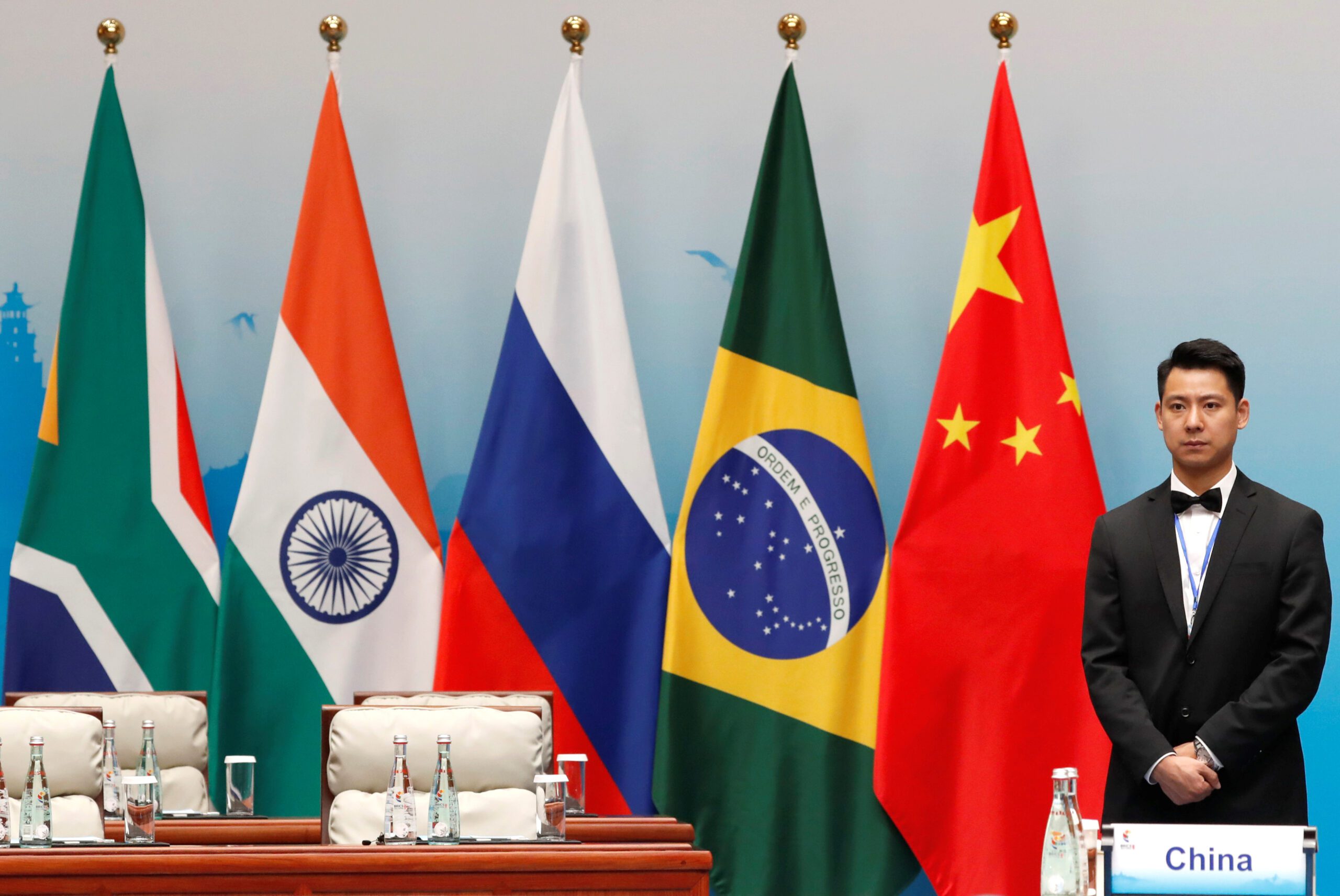
South African officials have verified that Chinese President Xi Jinping is scheduled to conduct a state visit to South Africa in the coming week. During this time, he will also participate in the Brics summit, which is to be hosted in the same country.
The acronym “Brics” represents the nations of Brazil, Russia, India, China, and South Africa. For some, this grouping is seen as a potential alternative to the G7, a collection of developed countries.
This upcoming journey will mark President Xi’s second international excursion this year, following his official state visit to Russia in March.
These developments coincide with an imminent meeting of Brics leaders, where one of the agenda items will involve discussions on potentially expanding the group’s membership. Various African countries, including Algeria, Egypt, and Ethiopia, have previously expressed their desire to become part of this bloc.
Initially, uncertainty surrounded the participation of Russia’s president in the summit. Subsequently, South Africa’s presidency clarified that he would not be in attendance.
It’s worth noting that there were concerns about the implications if Russia’s president had left the confines of his country. Specifically, he would have been susceptible to an arrest warrant issued by the International Criminal Court (ICC) due to matters related to the conflict in Ukraine.
Given South Africa’s status as an ICC signatory, the country would have been obligated to assist in executing the arrest had he set foot on South African soil.
The Nigerian people, he added, would endure even more hardship as a result of last month’s coup, have drawn the utmost concern of the UN’s human rights chief.
Volker Türk urged the military leaders to reestablish the rule of law right away.
He claimed that with borders closed, trade at a halt, power outages, and rising food costs, the situation in a nation where over half of the population lives in abject poverty was getting worse.
His remarks come as West African army chiefs are gathering in Ghana for a second day to plan potential military action should diplomatic efforts to overthrow the coup prove unsuccessful.
The Ghana Federation of Labour (GFL) has emphasized the importance of prudent economic management to navigate the nation through its current challenges, whether they stem from domestic issues or external factors. This approach is seen as crucial for improving living standards.
Mr. Abraham Koomson, the Secretary General of the GFL, highlighted the need to reinforce the foundational elements of the country by implementing wise economic strategies supported by fiscal responsibility.
He advocated for an impartial inquiry into the circumstances surrounding the substantial loss of 60 billion cedis by the Bank of Ghana. This loss, according to him, cannot be dismissed as an ordinary occurrence.
Mr. Koomson expressed his concerns during an interview with the Ghana News Agency in Tema, stating that labor unions were urging an unbiased investigation and a complete overhaul of the management team and senior officers at the Bank.
He called upon these officials to address the issues pragmatically, as it was deemed unacceptable for the national banking regulatory body to incur such a significant loss, especially at a time when the Government was seeking three billion dollars from the International Monetary Fund to tackle economic difficulties.
Furthermore, Mr. Koomson reiterated the labor unions’ plea to unite for a proactive labor movement. This unified front would be instrumental in effectively advocating for and safeguarding the interests of the nation’s workforce.
“The labour front must unite and confront anyone, including the Government and the management of establishments, whose actions or inactions are not in the interest of the worker,” he said.
Mr Koomson called for unity on the labour front as disunity had paved the way for successive governments to exploit the divisions for their political interests.
The Motor Transport and Traffic Directorate (MTTD) of the Ghana Police Service has unveiled plans to implement an advanced automated system known as “Traffitech-GH,” aimed at bolstering the enforcement of road traffic regulations.
This innovative system will harness the capabilities of cameras and sensors to autonomously capture images and videos of vehicles found in violation of road traffic laws, including instances of speeding and running red lights.
COP Francis Ebenezer Doku, the Director-General of MTTD, elaborated on the Traffitech-GH system, indicating that it will leverage a combination of fixed, mobile, and radar gun devices to detect a range of infractions, encompassing speeding and disregarding red lights. The images or videos depicting these transgressions will be forwarded to the MTTD office for validation, subsequently triggering SMS notifications to vehicle owners regarding the required penalty payments.
Beyond addressing speeding and red-light violations, the Traffitech-GH system will extend its enforcement to other transgressions such as expired roadworthiness certificates, improper overtaking, failure to wear seat belts, utilization of expired driving licenses, operation of uninsured vehicles, distracted driving involving mobile devices, and misuse of sirens.
COP Francis Doku conveyed that the notifications from the Traffitech-GH system will furnish recipients with comprehensive details, including the precise location, date, and time of the infraction, the vehicle’s registration number, a description of the offense, the payment amount, and the due date. Offenders will have a 14-day window from the issuance of the notification to settle fines via Mobile Money, an exclusive online platform, or a designated bank.
Should the fine remain unpaid after the initial 14-day period, defaulters will incur an additional 1% penalty on the original fine for each day of delay.
The introduction of the Traffitech-GH system forms part of a concerted effort to fortify the enforcement of road traffic laws in Ghana and enhance overall road safety. The MTTD encourages the public to embrace and adhere to this innovative automated approach, recognizing its potential to contribute significantly to the reduction of road accidents.
Dr. John Kumah, a deputy finance minister, has encouraged the Public Interest Accountability Committee (PIAC) to take the lead in pushing for a modification of current petroleum agreements so that Ghana might gain more from its oil production.
He claimed that although the government was eager to increase the nation’s involvement in the extractive industry, it was difficult to change the conditions of agreements due to its “interests and limitations”.
“Some people have questioned why our interest in the extractive industries is limited to 10 per cent or 20 per cent of the resources and not 55 per cent or 60 per cent.
“When such issues are pushed vehemently and raised by PIAC, I believe as a nation we can see changes in the terms. It is not easy based on the contract we have signed but everything is possible once there is a will,” he said.
During the unveiling ceremony of a new logo for PIAC, as well as the introduction of a revamped website and a data dashboard, Dr. Kumah emphasized the significance of these initiatives.
The freshly designed logo incorporates elements such as an oil rig, a symbol of an oil droplet, and the Ghana Cedi sign, all strategically chosen to depict the essence and functions of PIAC. The incorporation of the Committee’s corporate colors, black symbolizing crude oil, and gold representing wealth, further reinforces its identity.
The renewed website is a reflection of PIAC’s commitment to bolstering its public outreach, enhancing its visibility, and creating avenues for feedback. Additionally, the Data Dashboard has been developed to offer the public user-friendly access to information concerning Ghana’s petroleum sector.
The Data Dashboard serves as an interactive platform showcasing pertinent statistics on oil and gas production, receipts, as well as the allocation and distribution of associated revenues.
Mr. Kumah underscored that the Government recognizes the complementary role of PIAC’s endeavors in the nation’s development journey, particularly in the effective utilization and management of oil revenue.
“I do not think that government sees your contribution as a tango between what government does and what you say. In the end, the objective is for the nation to do better with our oil resources. Every criticism we make should be aimed at making the system better,” he said.
In an interview, PIAC Chairman Professor Kwame Adom-Frimpong urged the government to finance the committee’s statutory activities to enable it to lead the push for expanding Ghana’s oil stake.
“Once it is coming from him (Deputy Minister), from here I will follow up to ensure what he wants us to do is done with the needed resources,” he said.
Prof. Adom-Frimpong also said the committee hoped to be granted prosecutorial powers through the review of the Petroleum Revenue Management Act (PRMA) to ensure that it could enforce compliance with the PRMA laws.
An aspirant for the position of flagbearer within the New Patriotic Party (NPP) and a Member of Parliament representing Assin Central, Kennedy Ohene Agyapong, has expressed his dissatisfaction with the disregard for his counsel and expertise within Ghana’s Parliament.
He attributes this lack of attention to his background and financial status.
With a parliamentary tenure spanning 35 years, Agyapong has conveyed his frustrations during an interview. He highlighted that despite his extensive practical experience and meaningful contributions, his input is often dismissed.
He attributes this dismissive attitude to his educational background, having attended a public school in his hometown of Assin.
Mr. Agyapong believes that his suggestions, rooted in practicality, are overlooked by the Finance Minister, who leans more toward theoretical approaches in economic matters.
He provided instances where his advice was overlooked, including his counsel on agricultural and fisheries matters. Agyapong pointed out that he had recommended specific cold storage conditions for fish preservation and had also highlighted the potential for yam exports. Despite these suggestions, he believes they were disregarded primarily due to his perceived lack of financial influence that might draw more attention.
Agyapong underscored his determination to demonstrate the efficacy of practical strategies in reshaping the country’s prospects. He expressed his aspiration to assume the presidency with the goal of effecting change through a pragmatic approach, challenging the prevailing notion of exclusively relying on theoretical knowledge.
As a part of his campaign to secure the NPP flagbearer position, Agyapong is embarking on a nationwide tour across all 16 regions of Ghana to garner support from party delegates.
He firmly believes that his business acumen and parliamentary experience position him favorably to generate employment opportunities and instigate positive transformation within Ghana.
The NPP has scheduled a Super Delegates Conference for August 26, during which the final candidate will be elected from a pool of 10 aspirants contending to lead the party in the 2024 general elections.
The incident involving the fetish priest and the demolition operation in Nima has garnered considerable attention due to its unconventional and somewhat amusing character.
According to the account, a demolition exercise conducted in Nima elicited protests among the affected residents. Seeking to mediate the situation, the locals brought in a fetish priest to intervene at the site.
However, the arrival of the fetish priest was swiftly met with his arrest by the police, preventing him from performing any rituals.
During an interview, he explained his decision not to showcase his powers, citing compassion for the officials and a desire to avoid causing a spectacle.
This narrative sheds light on the intricate blend of diverse cultural beliefs and practices found within various communities.
It demonstrates how these traditions can intersect with contemporary issues like urban development and demolition.
Furthermore, it provides a glimpse into the interactions between traditional practices and law enforcement, particularly within unique scenarios.
The incident’s intrigue arises from the fusion of traditional beliefs, community protests, and the unforeseen twist involving the apprehension of the fetish priest.
A tragic incident unfolded on a LATAM Airlines flight from Miami, U.S., to Chile, where an airline pilot lost his life after collapsing in the aircraft’s restroom. The flight, bearing 271 passengers, was in the hands of Captain Ivan Andaur, aged 56.
Captain Andaur’s discomfort emerged approximately three hours into the journey. Despite receiving immediate emergency aid from the crew after collapsing in the restroom, his condition rapidly deteriorated.
The flight promptly altered its course, diverting to Panama City’s Tocumen International Airport.
Tragically, the skilled veteran pilot’s life could not be saved, and he was pronounced deceased by first responders upon the plane’s arrival.
The flight, identified as LA505 and utilizing a Boeing 787-9 Dreamliner, had embarked from Miami at 10:11 pm on Monday, August 14.
It’s notable that the flight roster included a relief captain and a first officer when this unfortunate event transpired.
Following the incident, the flight left Panama City on Tuesday and continued on to Chile.
Highlighting the remarkable strides achieved in the realm of education, he underscored the transformative influence of the Free Senior High School (SHS) policy championed by Dr. Opoku Prempeh and President Akufo-Addo.
Backing his assertion with pertinent data, he pointed out that student enrollment had surged from a modest 6,000 students in 2016 to an astonishing 1.2 million students today. He highlighted that this remarkable expansion isn’t solely a result of political maneuvering but stands as a testament to President Akufo-Addo’s visionary leadership.
In light of this, he emphasized the profound impact of the Free SHS policy in narrowing the divide between privileged and underprivileged students. He commended President Akufo-Addo’s forward-looking leadership in democratizing education, ensuring access for all, regardless of their socio-economic backgrounds.
“BRICS AND AFRICA”
China, seeking to expand its geopolitical influence as its tussles with the United States, wants to enlarge BRICS quickly, while Brazil is resisting expansion, fearing the already unwieldy club could see its stature diluted by it.
In a written response to Reuters questions, China’s foreign ministry said it “supports progress in expanding membership, and welcomes more like-minded partners to join the ‘BRICS family’ at an early date.”
Russia needs friends to counter its diplomatic isolation over Ukraine, and so is keen to bring in new members, as is its most important African ally, South Africa.
India is on the fence.
In a nod to the bloc’s African hosts, the theme of its 15th summit is “BRICS and Africa”, emphasising how the bloc can build ties with a continent increasingly becoming a theatre for competition between world powers.
South Africa’s foreign minister Naledi Pandor in a statement last week said BRICS nations wanted to show “global leadership in addressing the needs … of the majority of the world, namely … development and inclusion of the Global South in multilateral systems,” in a veiled swipe at Western dominance.
BRICS nations are keen to project themselves as alternative development partners to the West. China’s foreign ministry said BRICS sought to “reform global governance systems (to) increase the representation … of developing countries and emerging markets.”
The bloc’s New Development Bank (NDB) wants to de-dollarise finance and offer an alternative to the much-criticised Breton Woods institutions.
But it has approved only $33 billion of loans in nearly a decade — about a third of the amount the World Bank committed to disbursing just last year — and has recently been hobbled by sanctions on member Russia.
South African officials say talk of a BRICS currency, mooted by Brazil earlier this year as an alternative to dollar-dependence, is off the table.
With 40% of global population, the BRICS carbon-intensive nations also make up about the same share of greenhouse gas emissions. Officials in Brazil, China and South Africa said climate change may come up but indicated it wouldn’t be a priority.
BRICS countries blame rich nations for causing most global warming and want them to take on more of the burden of decarbonising the world’s energy supply. China was accused of blocking climate discussions at the G20, which it denied.
Former Minister of Education and the current Minister of Energy, Dr. Matthew Opoku Prempeh, has been praised for his exceptional leadership and long-lasting impact on the country’s development efforts by Lawrence Kwesi Botchway Jr., a member of the NPP’s communications team.
More specifically, he has been praised for playing a crucial part in saving the nation from a power catastrophe. He referred to Dr. Opoku Prempeh as the “architect of Ghana’s energy success” in an interview.
“His impressive accomplishments in the energy sector have left an indelible mark on the nation’s history in terms of propelling the nation towards a brighter and more sustainable economy.”
“We must laud the Minister’s dedication and effectiveness in keeping the lights on and the nation running. NAPO’s timely and effective response showcased his mastery of the energy landscape, ensuring uninterrupted power supply till now and even during the challenging COVID-19 epoch. Unlike the past era of ‘dumsor’, Ghana experienced stability and reliability in its power infrastructure, a testament to Dr. Opoku Prempeh’s strategic leadership in the energy sector,” he stated
Impactful recognition
Highlighting the remarkable strides achieved in the realm of education, he underscored the transformative influence of the Free Senior High School (SHS) policy championed by Dr. Opoku Prempeh and President Akufo-Addo.
Backing his assertion with pertinent data, he pointed out that student enrollment had surged from a modest 6,000 students in 2016 to an astonishing 1.2 million students today. He highlighted that this remarkable expansion isn’t solely a result of political maneuvering but stands as a testament to President Akufo-Addo’s visionary leadership.
In light of this, he emphasized the profound impact of the Free SHS policy in narrowing the divide between privileged and underprivileged students. He commended President Akufo-Addo’s forward-looking leadership in democratizing education, ensuring access for all, regardless of their socio-economic backgrounds.
“President Akufo-Addo’s legacy is a generational gift to Ghana. The once insurmountable financial barriers that restricted educational opportunities have been eliminated by the Free SHS policy. Regardless of their economic background, both rich and poor students now sit side by side in institutions like Adisadel College, receiving education that was once a privilege of the few,” he noted.
The Defence Chiefs of the 15 countries under the Economic Community of West African States (ECOWAS) have expressed their readiness to be part of the standby force that could restore democratic rule in the Niger Republic.
Following the military coup orchestrated by the Presidential Guards in the Niger Republic and the seizure of power from President Mohamed Bazoum, the West African bloc issued a seven-day ultimatum to the military junta to restore power or risk sanctions, including the use of force.
According to Aljazeera, the Niger military junta, however, rejected the ECOWAS’s ultimatum and promised to oppose any international intervention.
In response, the ECOWAS requested that its standby force be activated by the defense chiefs of its member states to make sure that democracy was restored in the nation.
During their convened gathering in Accra, the capital of Ghana, on Thursday, August 17, the Chiefs of Defence affirmed their preparedness to reinstate civilian governance in neighboring Niger.
As outlined in the report, all member states, with the exception of those currently under military rule and Cape Verde, have committed to joining the standby force.
Abdel-Fatau Musah, the ECOWAS commissioner, was noted as making remarks in response.
Furthermore, the report featured a statement from General Christopher Gwabin Musa, Nigeria’s Chief of Defence Staff, articulating their stance against the individuals orchestrating the coup.
He conveyed: “Democracy is what we stand for, and it’s what we encourage.” “The focus of our gathering is not simply to react to events, but to proactively chart a course that results in peace and promote stability.”
Kweku Ampromfi has been appointed as the Group CEO of McDan Group of Companies, effective from August 1, 2023.
He assumes this leadership role, succeeding the founder of the group, Dr. Daniel McKorley, a prominent businessman, freight forwarding specialist, and multiple award-winning entrepreneur. Dr. Daniel McKorley has transitioned to the position of Chairman of the group.
Kweku Ampromfi brings an extensive background in finance, investment, strategic management, and global business dynamics. He boasts over two decades of experience across various industries in Africa and North America.
Prior to this appointment, Kweku Ampromfi held the position of Founder, President, and CEO at Ampromfi Group. This investment and management consulting firm specializes in addressing the unique challenges faced by both the private and public sectors in Africa. His leadership at Ampromfi Group has facilitated the provision of superior corporate finance solutions, resulting in the origination, structuring, and execution of intricate financial solutions, collectively raising over GH¢2.5 billion.
His expertise in leadership, strategic management, and negotiation has enabled him to cultivate strong relationships with major international partners in the global finance arena. This network provides access to essential financing for prominent public and private sector entities across sectors like Power & Energy, Mining, Infrastructure, Construction, Oil & Gas, Media, Manufacturing, Logistics, and Agriculture.
With his deep-rooted industry expertise, Kweku Ampromfi has been instrumental in arranging and advising on various funding channels. He has facilitated debt, equity, re-financing, bridge funding, and capital-raising structures for projects, leveraging Development Finance Institutions, Sovereign Wealth Funds, Private Equity Funds, Commercial Banks, and Export Credit Agencies.
His professional journey also includes founding GoGoHealth, a software startup in Atlanta, Georgia, USA, focused on web and mobile platform solutions for disease diagnosis. Additionally, he served as a Project Manager and Consultant for Infosys Technologies, a major IT services company serving Fortune 500 companies. At Infosys, he led teams in various technological projects.
Kweku Ampromfi’s credentials encompass a role as a former Research Associate at Harvard Business School, where he specialized in statistical analysis of stock options and grants for Fortune 500 executives. He has also served as a US Federal Grant Reviewer, Radio Talk Show Host, and Executive Director of Leaders of Tomorrow Foundation, offering technical assistance to USAID.
His academic background includes a Bachelor of Science degree in Mathematics from Kwame Nkrumah University of Science and Technology. He further pursued studies at Harvard University.
Kweku Ampromfi expressed his gratitude for the confidence placed in him by the Group Chairman and recognized the substantial task ahead. He pledged to collaborate with the team to elevate McDan Group of Companies in alignment with the company’s vision – to become a prominent name and a leading provider of Mining, Logistics, and Private Aviation in Africa.
Group Chairman Dr. Daniel McKorley affirmed his dedication to supporting Kweku Ampromfi and the team in advancing the group’s vision. He emphasized his commitment to listing Electrochem, a significant salt company located in Ada and the largest in Africa, on the stock market. This move aims to provide every Ghanaian investor with an opportunity to engage in this noteworthy investment, thereby fostering job creation and economic growth within the local community.
Germany’s Ministry of Foreign Affairs has lent its support to the European Union’s imposition of sanctions against the military junta in Niger.
EU foreign ministers are scheduled to address the Niger situation, including the implementation of sanctions, during a meeting in Toledo, Spain, on August 31, 2023.
As one of the major aid contributors to Niger, the EU had previously announced the suspension of security collaboration and financial assistance amounting to EUR 503 million for the period of 2021-2024. This support was intended to enhance governance and education within the country.
In remarks shared on the X platform, previously known as Twitter, the foreign ministry communicated that its Minister Annalena Baerbock had engaged in discussions with Moussa Mahamat, the Chair of the African Union, U.S. Secretary of State Antony Blinken, and other pertinent stakeholders, regarding the coup in Niger.
The ministry’s tweet noted that these talks were focused on the objective of restoring constitutional order in Niger.
During a visit to Abuja, the German Minister for Development, Svenja Schulze, also engaged with representatives from the West African regional bloc ECOWAS, as highlighted by the ministry.
“After the suspension of development cooperation and security cooperation, we in the EU now want to introduce sanctions against the putschists,” it added.
President Mohamed Bazoum was overthrown by military officials in Niger on July 26. Since then, they have rejected requests from the UN, ECOWAS, and Western countries to restore him, prompting the assembly of the standby force by the leaders of West African nations.
They emphasized that the nation also has cultural and religious values that governed, informed, and ensured the survival, harmony, and cohesion of its people and that they did not plan to compromise those values for LGBTQI+ investors.
Sam George, a member of parliament for Ningo-Prampram, has meanwhile asked Ghana’s parliament to be unwavering and not heed the concerns made by Virginia Palmer, the US ambassador to Ghana, about the passage of the anti-LGBTQ Bill.
“Let no one be in doubt that if everything else fails, the valiant forces of West Africa…are ready to answer to the call of duty,” ECOWAS Commissioner for Political Affairs, Peace and Security Abdel-Fatau Musah said.
“By all means available, constitutional order will be restored in the country,” he told assembled defence chiefs from member countries, listing past ECOWAS deployments in Gambia, Liberia and elsewhere as examples of readiness.
Niger’s significance extends beyond West Africa due to its strategic position as a center for foreign military forces engaged in combating Islamist militants in the Sahel region, coupled with its substantial reserves of uranium and oil.
Western nations are concerned that the junta could emulate the actions of its neighbor, Mali, where the military ousted French troops and instead enlisted the assistance of mercenaries from the Russian Wagner group. This particular move was supported by the Wagner group and was well-received in light of the coup in Niger.
Amid protests against the Economic Community of West African States (ECOWAS) and in support of the coup leaders in Niger’s capital, Niamey, the local population rejected the notion of external intervention aimed at reinstating the democratically elected president and civilian government. Large crowds have participated in these demonstrations, reflecting the sentiments of the residents.
“I’m not afraid because I know our armed forces are well prepared to deal with any eventuality,” said radio technician Omar Yaye.
“ECOWAS is manipulated by foreign powers. When we see the reactions of France since the coup and especially the harshness of ECOWASI can only think that these are coordinated actions between France and ECOWAS,” he said, echoing anti-French rhetoric used by the junta since the coup.
‘CAT AND MOUSE’
Former colonial power France has refuted claims made by the junta that it violated Niger’s airspace or was trying to destabilize the nation. It has declared its support for ECOWAS’s efforts to reinstate the rule of law.
As part of global efforts to defeat the Islamist rebels who have killed thousands of people and driven millions from their homes over the past ten years, French troops are stationed in Niger alongside American, German, Italian, and German forces.
Musah denied that France or any other foreign power was trying to influence ECOWAS.
“What they forget is that ECOWAS is a rules-based organisation. We have our protocols, we have our norms and we are ready to protect them,” he said.
“That’s why the heads of state are saying if push comes to shove we are going into Niger with our own contingents, own equipment and our own resources to make sure we restore constitutional order. If other democracy-loving partners want to support us they are welcome,” he said.
Musah accused the Niger coup leaders of “playing cat-and-mouse” with ECOWAS by refusing to meet with its envoys and seeking justifications for their takeover of power.
He said most of the bloc’s 15 member states were prepared to participate in the standby force that could intervene in Niger. The exceptions were those also under military rule – Mali, Burkina Faso and Guinea – and tiny Cape Verde.
Musah criticised the junta’s announcement that it had elements to put Bazoum, who is being detained, on trial for treason. The United Nations, European Union and ECOWAS have all expressed concerns over the conditions of his detention.
“The irony of it is that somebody who is in a hostage situation himself…is being charged with treason. When did he commit that high treason is everybody’s guess,” Musah said.
Additional reporting by Francis Kokoroko, Media Coulibaly, Anait Miridzhanian and Edward McAllister; Writing by Estelle Shirbon; Editing by Angus MacSwan
The ECOWAS Commissioner for Political Affairs, Peace, and Security, Abdel-Fatau Musah, has staunchly upheld the regional organization’s position regarding military intervention in Niger.
In response to appeals calling for a reconsideration of the decision for military action, Musah characterized such entreaties as lacking justification.
During his address at the Extraordinary Meeting of the ECOWAS Committee of Chiefs of Defence Staff convened in Accra, Ambassador Musah underscored the severity of the situation unfolding in Niger.
The purpose of this meeting is to strategically formulate an intervention plan for Niger, pending approval from ECOWAS leaders.
Ambassador Musah unequivocally stated that if ongoing diplomatic discussions fail to yield desired outcomes, the standby force is prepared to take resolute action. He further affirmed the steadfast commitment of the regional body to preserving peace and stability within Niger.
With a strong emphasis on the paramount significance of democratic governance, Ambassador Musah highlighted the comprehensive utilization of all available strategies to facilitate Niger’s restoration to its rightful democratic trajectory.
“Let no one be in doubt that if everything fails, the valiant forces of West Africa, both the Military and Civilian components are ready to answer the call of duty. Your valiance has been demonstrated time and time again,” Ambassador Musah said.
He added that “by all means available constitutional order will be restored in the country.”
He claims that ECOWAS’ involvement demonstrates a commitment to sustaining democratic standards and preserving the political environment in the area.
Abdul-Fatau Musah also outlined the powerful tools ECOWAS has at its disposal to deal with the circumstance.
He revealed that the regional organization has plenty of resources and capacities to deal with and counter the disruption caused by the Niger junta and strive toward the restoration of democratic government in the nation.
The Ghana Pentecostal and Charismatic Council (GPCC), along with the Christian Council of Ghana (CCG) and the Ghana Catholic Bishops Conference (GCBC), have expressed their perspective that the caution given by the United States Ambassador to Ghana regarding the Anti-LGBTQI+ bill was directed at influencing lawmakers and the business community.
The intent behind this, as perceived by these organizations, was to dissuade them from lending their support to the bill’s passage.
Last week, the US Ambassador to Ghana, Virginia Palmer, issued a warning in Accra, stating that enacting the Anti-LGBTQ+ law might have repercussions on trade and investment within the nation.
Ambassador Palmer pointed out that although numerous American companies are eager to invest in Ghana, any legislation that discriminates against LGBTQ+ individuals could tarnish the country’s reputation and reduce its appeal to potential investors.
In a joint statement issued in Accra on Thursday, the GPCC, CCG, and GCBC conveyed their viewpoint on this matter.
They emphasized that the nation also has cultural and religious values that governed, informed, and ensured the survival, harmony, and cohesion of its people and that they did not plan to compromise those values for LGBTQI+ investors.
Sam George, a member of parliament for Ningo-Prampram, has meanwhile asked Ghana’s parliament to be unwavering and not heed the concerns made by Virginia Palmer, the US ambassador to Ghana, about the passage of the anti-LGBTQ Bill.
The danger of the bloodshed in Mali escalating has alarmed the United States, which has pointed to assaults on UN forces as evidence.
Matthew Miller, the spokesperson for the State Department, expressed strong disapproval of the attacks, deeming them “unacceptable.” He went on to condemn both the violence itself and the broader menace posed by armed groups operating in the region.
On a separate note, the UN peacekeeping mission in Mali, known as Minusma, announced on Monday that it had been compelled to evacuate the northern town of Ber ahead of schedule due to worsening security conditions. The mission reported that its withdrawing troops encountered two instances of attacks, leading to injuries among some of the soldiers.
The US State Department emphasized that these attacks underscore the escalating threat of violence and the pivotal significance of all parties in Mali finding peaceful resolutions to their differences.
“It is critical that Minusma be permitted to conduct its withdrawal in a safe and orderly manner, and we call on the transition government to cooperate fully until the final Minusma element departs,” it adds.
“Though the Christian leadership and the wider Ghanaian community are not utterly surprised by the statement, we find such statement to be unfortunate and intended to subtly intimidate our lawmakers and business community into kowtowing to the cultural desires and the value preferences of a small but financially influential minority group in the US in particular and the western countries in general.”
The Bank of Ghana Governor, Dr. Ernest Addison, and his deputies have been summoned to appear before Parliament for an investigation of the significant impairment loss reported in the 2022 fiscal year.
The petition, which was signed by Remy Edumndson, the National Secretary of the Progressive People’s Party, requested that the Central Bank’s directors be called before Parliament as well.
“The Board of Directors of the BoG include many independent members with significant professional and business experience. We do not understand how they could have sat down and watched on for the alleged wanton dissipation of funds,” a statement from the party read.
It also bemoaned the compensation payments paid to the bank’s independent directors despite the economic crisis and urged Parliament to punish anyone found responsible for the significant losses the BoG incurred.
“Even more worrying is the fact that most of the excessive expenses the BoG made were implemented without parliamentary approval, and therefore unlawful. Parliament as the people’s representatives must rise to the occasion and ensure that the people are well represented in times like this,” the PPP stressed.
Although officials have clarified that the loss was caused by the government’s decision to implement a Debt Exchange Program, which also saw the Central Bank taking close to about 50% of the haircuts associated with the debt swap, the Bank of Ghana’s leadership has come under fire for the GH60.8 billion loss recorded in 2022.
The Central Bank has also guaranteed that the second wave of the debt exchange scheme, which targets pension funds, cocoa bills, and domestic bonds denominated in US dollars, won’t have an impact on its balance sheet.
An aspiring flagbearer for the New Patriotic Party, Kennedy Agyapong, has entered the discourse regarding the government of Ghana’s implementation of a 10 percent tax on bets and lottery winnings.
The Ghana Revenue Authority (GRA) recently announced its intention to commence the enforcement of a 10% withholding tax on all gross gaming winnings, starting from August 15, 2023.
The Member of Parliament for Assin Central, Kennedy Agyapong, has expressed his strong opinion on the matter, asserting his wholehearted support for the Ghana Revenue Authority’s decision. He even went so far as to suggest that the tax rate should have been higher, considering his belief that betting holds unfavorable implications for the future.
Agyapong argued that even in the United States, taxes are levied on windfall gains, which further underscores the appropriateness and commendable nature of the decision made by the Ghana Revenue Authority.
“When you win an amount of 1 billion from the US lottery, your take home is 600 million, meaning about 400 million has been taxed because it’s free money which s taxable. So, they have been charitable to the youth with the 10 percent”, he told TV3.
“I’m surprised the youth are asking me about betting. I will be honest because betting is not anything good for your future and that is why it should be punitive to discourage young men and women to take their destinies into their own hands instead of spending time on games. Whatever money you make today is temporal but what does one get from betting”, he added.
When elected to office, he promised to create jobs, saying that the youth of Ghana can depend on him and give him the authority to address the country’s unemployment problem. He also said that the youth cannot be held responsible for the problem.
Kennedy Agyapong joins Osei Kyei-Mensah-Bonsu as the second lawmaker to defend the choice to tax winnings from gambling and lotteries.
Few hours after news broke out about the death of Ghanaian musician and actor, OJ Blaq, a section of Ghanaians have taken to social media to express their consolation to his family and friends.
While the cause of his death is uncertain, many are relying on the information that he has been battling kidney related diseases for years.
His death has rendered many in shock as others are trying to fathom with the reality.
Some fans are acknowledging him as the first musician to walk into Lynx studio to record his music while others eulogises him for the memories he imprinted during his days as an actor.
R.I.P. to the first musician to ever walk into the Lynx Studio to record his music. U will always be remembered for ur kind heart and ur ability to put a smile on so many faces.
OJ Blaq inspired a generation of Fat boys in Ghana and I was one of them. It was OJ photos on my phone and social media DP all through my High school days. He took body positivity to a whole new level. Rest well biggie boy lover. Nipa b3y3 bi nanso wamb3y3 nenyinaa. My… pic.twitter.com/uuyimQKF00
BREAKING: Ghanaian rapper OJ Blaq just passed Away at the age of 40, The cause of death has not yet been confirmed, but the rapper had been battling kidney disease for For years….
Over 60 individuals, primarily from Senegal, are feared to have perished as their boat was discovered adrift approximately 300 kilometers (186 miles) away from the Atlantic island nation of Cape Verde.
Among the 38 survivors, seven are currently undergoing medical treatment in a hospital.
The wooden fishing vessel in which they were traveling was located a month after its departure from Senegal with over 100 migrants on board. The fate of those who remain unaccounted for remains unknown.
Officials in Senegal are arranging repatriation for the survivors. Authorities in Cape Verde have urged for international collaboration in addressing migration issues to prevent further loss of lives.
The vessel is believed to have been en route to the Spanish Canary Islands, a common migrant entry point into the European Union.
The boat was initially spotted on Monday by a Spanish fishing vessel.
Among the survivors are four children aged between 12 and 16, as confirmed by a representative from the International Organization for Migration (IOM).
Member of Parliament representing North Tongu, Samuel Okudzeto Ablakwa, has put forth a claim, supported by documentation, indicating that a company not previously registered in Ghana was included in the Bank of Ghana’s shortlist for the construction of its new office complex.
In an extensive Facebook post dated August 17, Ablakwa provided a detailed account of several aspects related to the project. He covered its inception, the procurement procedures involved, and the fluctuating nature of the project’s financial estimate.
Ablakwa disclosed that the project’s initial cost was above US$81 million, which subsequently ballooned to US$121 million within a mere eight months. Furthermore, he highlighted that the currently stated cost of US$250 million, as cited by the Minority in Parliament, might potentially be surpassed based on the information he possesses.
He revealed that the Bank of Ghana had obtained approval from the Public Procurement Authority (PPA) to employ a restricted tendering process for selecting contractors. As a result, five foreign companies were identified:
His post read in part: “It is not clear what criteria the BoG used in selecting its preferred 5 companies when Ghana’s built environment can boast of many established and celebrated construction firms such as Consar, Berock, Maripoma, Mawums, M. Barbisotti, First Sky, Antartic, Ussuya, Regimanuel, and so on and so forth;
“In a bizarre twist, further investigations reveal that one of the BoG’s 5 “ordained” companies: Messrs. Ronesans Holdings is not registered at the Office of the Registrar of Companies.
“How did an unregistered company qualify to participate in a restricted tender?” he asked
Ablakwa further alleged that he had intercepted an additional letter dated September 4, 2020, also bearing the signature of the Acting Chief Executive of the PPA, Mr. Frank Mantey. This letter astonishingly revealed that within a mere span of 8 months, the cost of the Bank of Ghana’s Head Office project experienced a staggering surge, escalating from US$81,882,640.00 to US$121,078,517.94.
The facility, currently evaluated at US$250 million as per the Minority in Parliament, has sparked considerable responses ever since the central bank confirmed its endeavor to construct a new head office.
Responding to a press statement issued by the minority last week, the Bank of Ghana emphasized that the new office complex was primarily necessitated by security and other factors. The bank highlighted concerns that the current location could prove unsafe in the event of an earthquake.
Ablakwa’s public disclosure is the most recent development in the mounting pressure being directed towards the leadership of the Bank of Ghana, headed by Ernest Addison.
The Minority has called for Addison’s resignation, along with those of his two deputies, following the revelation of a loss of 60 billion cedis in 2022 as reported in an annual report released a few weeks ago.
Furthermore, the Minority has signaled its intention to stage a protest outside the bank’s premises if the governor does not resign within 21 days from their initial demand.
Read Ablakwa’s post below:
Unraveling the Bankrupt BoG Head Office Mystery— From an initial US$81.8million, suddenly escalating to US$121million & currently threatening to exceed US$250million
I have depressingly followed the national debate on what many outraged Ghanaians have described as the extravagant and wasteful US$250million new Bank of Ghana Corporate Head Office.
It is obvious from the Bank of Ghana’s feeble and anaemic defence that they have opted not to be transparent, candid and accountable to the good people of Ghana.
A shocking and embarrassing interview of Mr. Charles Elias Reindorf, Director of Finance at the Central Bank where he abruptly ended an interview following a harmless question on the cost of the project has since gone viral.
Instructively, the Bank of Ghana in all its public engagements has refused to disclose the current cost of the project, the procurement method, when the project was awarded and the scheduled completion date.
Some NPP propagandists including Mr. Richard Ahiagbah opportunistically jumped into the fray claiming that the project started under the NDC when Hon. Ato Forson served on the Bank of Ghana Board between 2013 and 2017.
Considering the deliberate distortion, lack of transparency, sponsored obfuscation and naked dishonesty; I decided to activate my constitutionally mandated parliamentary oversight role, so I could unravel the mystery in our collective national interest.
I can today report that I have intercepted unimpeachable, incontrovertible, irrefutable and undeniable documents from the Bank of Ghana and other credible sources which significantly reveal the following:
1. The Bank of Ghana commenced procurement processes for the controversial palatial head office on 14th January, 2020 when they wrote to the Public Procurement Authority (PPA) seeking approval to strangely use the Restricted Tendering Procurement Method;
2. The PPA by letter dated 28th January, 2020 signed by its Acting Chief Executive, Mr. Frank Mantey communicated approval of the Board for the BoG to proceed with its desire to use the Restricted Tendering Method;
3. From the intercepted documents, procurement for the project did not commence under the NDC or during the tenure of Hon. Ato Forson as Board Member, neither did it start during the presidency of H.E. John Mahama, contrary to the vicious fabrications by some desperate NPP apologists;
4. The BoG’s unacceptable use of the Restricted Tendering Method amounts to a blatant violation of the Public Procurement Act, 2003 (Act 663) as amended in Act 914. Section 38 of Act 663 provides a limited scope for the use of Restricted Tendering in circumstances where goods, services or works are available only from a limited number of suppliers or contractors;
5. From the intercepted documents, the BoG handpicked the following companies: i) Messrs. WBHO Ghana Limited, ii) Messrs. Man Enterprise, iii) Messrs. DeSimone Limited, iv) Messrs. Ronesans Holdings and v) Messrs. Goldkey Properties;
6. It is not clear what criteria the BoG used in selecting its preferred 5 companies when Ghana’s built environment can boast of many established and celebrated construction firms such as Consar, Berock, Maripoma, Mawums, M. Barbisotti, First Sky, Antartic, Ussuya, Regimanuel, and so on and so forth;
7. None of the BoG’s shortlisted companies can lay claim to any patent or exclusive capacity which other construction firms in that category do not possess and therefore warranting or justifying the use of restricted tendering;
8. It is obvious that Ghana would have had better value for money if the BoG had been less shady and opened up the process — opting for a full competitive tendering process;
9. In a bizarre twist, further investigations reveal that one of the BoG’s 5 “ordained” companies: Messrs. Ronesans Holdings is not registered at the Office of the Registrar of Companies. How did an unregistered company qualify to participate in a restricted tender?;
10. I intercepted another letter dated 4th September, 2020 also signed by PPA Acting Chief Executive, Mr. Frank Mantey which shockingly reveals that just within 8 months, the cost of the BoG Head Office project astronomically increased from US$81,882,640.00 to US$121,078,517.94.
11. Experts say this staggering US$40million increase in the project cost between January and September 2020 in a dollar denominated contract is absolutely mind boggling;
12. A 40% hike merely after tender evaluation in dollar pricing, not cedis, raises many critical questions for the BoG;
13. A credible full competitive tender process would have avoided this arbitrary cost escalation and guaranteed value for money;
14. Ironically, all these procurement breaches and sleazy price escalation at taxpayer expense was happening during the peak of the COVID-19 pandemic when President Akufo-Addo and Governor Addison had given Ghanaians assurances that they had put everything else on hold and were focusing on saving lives. Addison even claimed in June 2020 that the Central Bank was struggling in financing government because of Covid only to initiate this mega project on the blindside of Ghanaians;
15. Deeper investigations into the shady BoG head office project led me to discover another reckless and lawless conduct by the Addison-led Central Bank when they procured the services of a company known as MULTICAD to carry out project management through single-sourcing. (See PPA letter of 22nd September, 2021 as attached);
16. Section 40 of Act 663 provides the conditions for single-sourcing which do not apply in this instance;
17. There is no compelling genuine reason which justifies MULTICAD’s sweetheart deal of US$3.45million from Governor Addison;
18. What was Governor Addison’s special interest in ensuring that MULTICAD was single-sourced when there are hundreds of competitors out there who should have been allowed to compete for us to have value for money;
19. Curiously, this is a regime which made considerable noise in opposition against what they described as the dangers of single-sourced projects;
20. Strangely, MULTICAD’s articles of incorporation secured from the Office of the Registrar of Companies suggest that the company was registered on December 10, 2021 even though it received PPA approval on September 22, 2022. (See copy attached);
21. These numerous blatant procurement breaches, rigged procurement machinations, magical price escalations and lack of due diligence raise legitimate questions about the stewardship of PPA Board Chair, Prof. Christopher Ameyaw-Akumfi and his colleagues at the PPA;
22. Patriotic Bank of Ghana insiders working with me on this latest oversight project have expressed grave concern about how this BoG office complex which started at US$81.8million, surprisingly shot up to US$121million, and now variation reports are being prepared which are likely to exceed an incredible US$250million. This scary development invokes memories of the scandalous Akufo-Addo Cathedral which started at a US$100million and has now exceeded US$400million;
23. It is most astonishing for MisGovernor Addison who has presided over the BoG’s biggest losses in living memory of GHS60.8billion to initiate an US$81.8million head office project only to now saddle Ghanaians with a bill which is about three times more. The height of recklessness and gross mismanagement!;
24. Probably, Governor Addison couldn’t be bothered about the frightening cost escalations for his new empire office project because he thought he could mindlessly continue with his illegal printing of cash;
25. This exposé clearly shows how MisGovernor Addison and his colleagues in management at the BoG have been deliberately lawless and remarkably destructive. Ironically, they punished others and collapsed their banks for far less.
26. All well-meaning Ghanaians must join the #OccupyBoGProtest. MisGovernor Addison and his fellow nation wreckers must go! Let us rescue our only country.
South African athlete, Oscar Pistorius, who has been incarcerated for six years following the conviction for the murder of his girlfriend Reeva Steenkamp, has formally petitioned the Constitutional Court to grant him eligibility for parole.
This move comes subsequent to his previous attempt for parole being rejected in March. The denial was rooted in the revelation that he had not completed the stipulated minimum sentence duration required to qualify for early release.
Pistorius was initially found culpable for murder and subsequently sentenced to 13 years in prison in 2017, following a protracted and highly publicized trial that involved numerous legal proceedings.
His conviction stemmed from the tragic incident in which he shot and fatally wounded Reeva Steenkamp by firing through the bathroom door of his heavily fortified residence on Valentine’s Day in 2013. Pistorius asserted that he believed Steenkamp was an intruder, leading to the fatal confrontation.
He believes he qualifies to be released on parole and that “staying longer in prison constitutes an infringement on his fundamental rights“.
The nation’s highest appeals court stated earlier this year, nevertheless, that the six-time Paralympic gold medalist must still serve an additional year and a half in prison before being considered for parole.
Confusion was caused by the fact that Pistorius’ prison sentence had been fragmented by house arrest and appeals.
The Contract (Amendment) Bill of 2022 has been successfully passed by the parliament and enacted into law.
This move aims to enhance the efficiency of public sector contracts and alleviate the burden of unnecessary interest payments that have been a strain on state finances.
Before its amendment, the Contracts Act of 1960 (Act 25) lacked specific provisions outlining the individuals authorized to engage in contracts on behalf of the government. Likewise, it lacked a standardized method for calculating interest payments applicable to government contracts.
The report from the Committee on Constitutional, Legal, and Parliamentary Affairs underscored that this absence of restrictions on who could enter into contracts on behalf of the government allowed individuals in positions of authority to do so without the knowledge or approval of the sector ministers who held the overarching responsibility and executive authority for sector administration.
Furthermore, the report highlighted that the flexibility in determining the mode of interest calculation in government contracts could potentially lead to misuse of discretionary powers by those involved in contract negotiations on behalf of the state.
The amendment, which was concluded by parliament prior to its recess, was crafted to eliminate ambiguities in the legislation.
It achieved this by precisely defining the individuals qualified to enter into contracts on behalf of the government. Additionally, the amendment introduced a standardized formula for computing interest payments for parties involved in state contracts.
“The bill, then, establishes clear provisions for those who are permitted to engage in business on the government’s behalf. The measure also stipulates that interest payments on any sums owed under contracts or transactions executed on behalf of the government will be computed at simple interest, according to a portion of the committee’s report.
The committee’s chair and Member of Parliament for the Asante-Akim Central constituency, Kwame Anyimadu-Atwi, has outlined a new approach aimed at safeguarding the state’s interests concerning interest payments and, in effect, reducing the financial burden associated with state contracts or transactions.
In presenting the reasons for the suggested revisions to the committee, Deputy Attorney General Diana Asonaba Dapaah stressed the importance of uniformity in interest payment across all state contracts.
However, the committee, in its report, raised reservations about the proposed changes, asserting that they may infringe upon the principle of freedom of contract. This principle allows all parties in a contract to negotiate and establish terms without external interventions, such as state-imposed regulations.
This perspective was countered by the Deputy Attorney General, who maintained that the amendments are aimed at establishing a parallel condition as outlined in Article 181 of the 1992 constitution. This constitutional provision mandates parliamentary approval for all international transactions conducted by the government on behalf of the state.
Additionally, the Deputy Attorney General underscored that the proposed amendments serve as guidance for state authorities and other contracting parties involved in government contracts, specifically concerning decisions pertaining to potential state-funded interest payments.
Persons authorised to enter into contracts
The committee highlighted that the intended revisions are designed to grant authorization exclusively to state ministers or individuals expressly empowered by ministers to engage in contracts on the state’s behalf.
The underlying issue that the amendment aims to address, as articulated by the Deputy Attorney General, is the prevention of scenarios where individuals in positions of authority can form contracts on behalf of the state without the awareness or consent of the sector minister responsible for overseeing the sector’s administration, a role designated by the President.
Nonetheless, the committee observed that the proposed modification exclusively pertained to the executive branch of government and did not encompass the other two branches: the legislative and judicial arms. Unlike the executive arm, these branches are not led by ministers and are legally permitted to form contracts.
As a result, an additional amendment has been proposed to accommodate other individuals who possess legal authorization to enter into contracts on behalf of the state.
“A person who wilfully enters into a contract contrary to this section commits an offence and is liable on summary conviction to a fine of not less than 5000 penalty units and not more than 10,000 penalty units or to a term of imprisonment of not less than 10 years and not more than 15 years or to both,” the proposed amendment states.
“The committee after extensive deliberations on the bill was of the view that the introduction of controls into government contracts with respect to persons authorised to enter into a contract on behalf of the state as well as mode of calculating interest payments due other parties in the contract is a right approach,” the report said.
The topic of how much it should cost for residents to obtain passports has come up again after Shirley Ayorkor Botchwey, the minister of foreign affairs and regional integration, paid an unexpected visit to the passport office in Accra recently.
The minister fired some employees who had been seconded to the Passport Office because he was furious that there were persons working there who had made it their personal mission to overcharge and extort unwary applicants.
According to reports, those fired were allegedly involved in corrupt activities.
“Reports that officers, and there are nine or so agencies represented in any passport application centre… these people are involved in illegal activities, and when I say illegal activities, we know just two days ago the report in Daily Guide that the issue of goro people involved in our passport acquisition process has become rife. It is wrong.
“How can 100 Ghana for standard service of passport acquisition and 150 for expedited service be bumped up to 2,000 and 3,000? I hear they don’t even charge 2,000 now; they are charging 3000 and it is wrong.
“But I can say and we all will agree that a goro person is outside the passport office and they need somebody inside to work with, they cannot do it on their own, people are paying 2,000, 3,000 to acquire a passport, why should this be so?” she said.
What you actually need to pay to get a passport:
Although the Minister of Foreign Affairs and Regional Integration, Shirley Ayorkor Botchwey, spoke about what charges that applicants for passports have to pay, GhanaWeb has gone further to make some checks from the official website of the ministry.
On the ‘Passports’ section of the ministry website, it indicates the specific amounts that must be paid for the passports, including details on the application types, passport application centres, and sample documents.
Under the Application Types, for instance, the available types of passports advertised, and their corresponding fees, are: expedited application 48 pages at GH¢200; expedited application 32 pages at GH¢150, standard application 32 pages at GH¢100, and standard application 48 pages at GH¢150.
The page also details all the locations of passport offices across the country.
See the lists below:
Also, below is information on What you need to apply for the passport:
1. Birth Certificate(Proof of Ghanaian citizenship) 2. Documents to support Identity such as Driver’s Licence, National ID card 3. Proof of Profession (An introductory letter from the applicant’s employer that is if the applicant is currently employed or a work ID card that bears applicant’s name, organisation’s name and position. A student ID if the applicant is currently in school. Homemakers/housewives and applicants that are unemployed and those in the non-formal sector of employment like mechanics, hairdressers seamstresses, traders etc. do not need proof. Registered Business Owners and self-employed applicants must produce their business registration certificate as proof)
Human Rights Watch (HRW), an advocacy group for human rights, has criticized the Chinese government for failing to “acknowledge and condemn” the pervasive anti-black racism on the Chinese internet.
“The Chinese government likes to tout China-Africa anti-colonial solidarity and unity, but at the same time ignores pervasive hate speech against Black people on the Chinese internet,” said Yaqiu Wang, HRW’s senior China researcher.
In recent years, China has witnessed a surge in the popularity of racist online content, as an increasing number of content creators seek to capitalize on it for profit.
According to Human Rights Watch (HRW), this type of content frequently perpetuates offensive racial stereotypes by portraying Africans as destitute and inferior compared to the Chinese, who are positioned as “saviors.”
The organization also pointed out that some of this content belittles interracial relationships involving black individuals, especially black men, who are criticized for supposedly tarnishing China’s image.
Furthermore, HRW’s findings revealed instances of accounts impersonating black individuals to disseminate fabricated and hostile information, alongside direct attacks on black individuals that even include calls for violence and harm. These attacks often extend to encompass the associates and advocates of black individuals.
The rights group also criticized both the Chinese government and social media platforms for their inadequate responses to reports of online racism, exemplified by cases like the 2022 BBC Africa Eye investigation titled “Racism for Sale.”
This documentary brought to light the sale of videos in which African children were coached by Chinese individuals to utter derogatory statements about themselves in Mandarin. Subsequently, a Chinese man was sentenced to 12 months in jail in Malawi on charges such as child trafficking and involving children in entertainment through coercive means.
HRW cautioned that if this prevailing trend of anti-black racism on China’s internet remains unchecked, it poses a substantial risk of fueling racial discrimination and even inciting violence against black individuals.