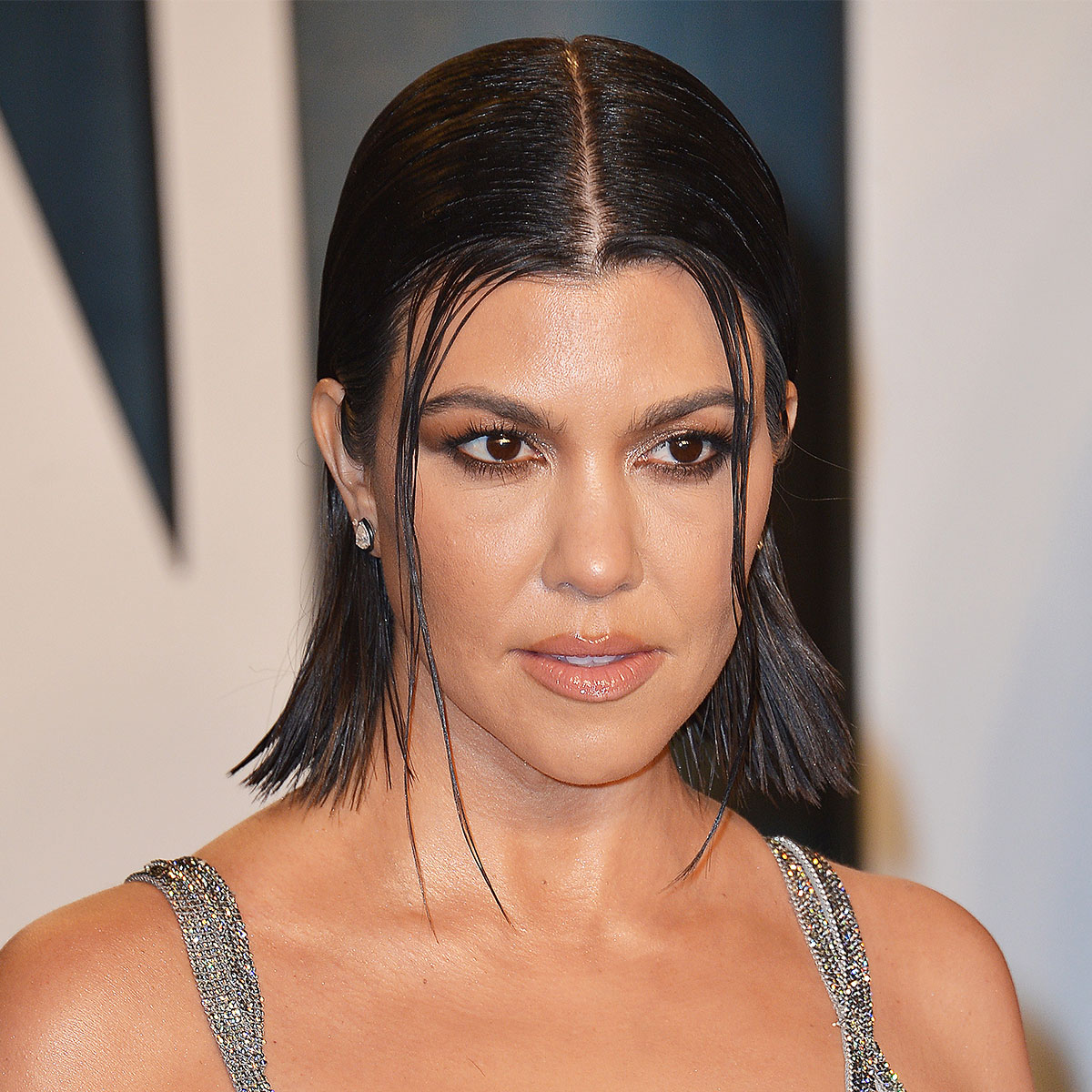
Kourtney Kardashian is facing strong criticism online for sharing beach images while devastating wildfires have ravaged Maui.
The star of Keeping Up With The Kardashians displayed her baby bump with pride in the pictures captured on the sandy shores of Montecito. She also included snapshots of the ocean as seen from her balcony.
However, fans have expressed their disapproval toward the 44-year-old, advising her to be more sensitive given the circumstances. This reaction comes as a response to her caption, which reads: ‘The ocean calms the fire in me’.
Amidst the evacuation of locals from the fire-stricken island, the aftermath of the blaze has resulted in a confirmed death toll of fifty-five individuals, while another 1,000 individuals are still unaccounted for three days after the wildfire occurred.
The fire, which began on Tuesday, spread through Lahaina ferociously, torching almost every building in its path.
Kardashian – who is pregnant with her fourth child – shared updates from a vacation just hours after wildfires broke out.
Hundreds of people shared their thoughts under the post, claiming she was being ‘insensitive’ to the world around her.
‘Maybe not the best time to say the ocean calms the fire when people in Hawaii were forced into the ocean because of a fire,’ one person said.
A woman who claimed to be a Lahaina local hit out at the reality star for not considering how her words might be perceived at a time of crisis.
‘Except when you’re forced to jump into the ocean.
‘Because you and your car have been engulfed in flames as you try to escape the fire that’s burning down your home.
‘I know you’re just a celebrity and you won’t even respond to this, but my entire town just burnt to the ground and it’s like the people who have the ability to help just pretend not to know what’s going on.’
Another bluntly stated: ‘That’s a really inappropriate caption, jeeez’.
‘Girl, read the room,’ someone said.
Laurie Somers added: I wonder if you all have thought about the people of Maui?
“You seem very insensitive.
‘Do we really care about your baby bump when the people of Maui are suffering? Really?’
‘Terrible timing for a terrible caption,” one more added.
It occurs as frightening new video of dozens of Hawaiians struggling in the rough ocean after diving in to escape the catastrophic wildfire has just surfaced.
In a desperate attempt to survive, terrified locals hurried towards the waterfront and dove into the water.
Ahead of the anniversary of Queen Elizabeth II’s passing, King Charles III is giving Prince William command of the British Army battalion where his brother Prince Harry formerly served.
William will now serve as colonel-in-chief of the Army Air Corps, the British Army’s combat aviation division, according to a statement released by Buckingham Palace on Friday. Harry served in this division as a helicopter pilot in Afghanistan.
“The new appointments will continue to reflect the close relationship between the Armed Forces and the Royal Family in His Majesty’s reign,” the statement read.
Kate Middleton, the wife of William, was granted three new roles, one of which is the commodore-in-chief of the Fleet Air Arm.
This particular designation was formerly held by Prince Andrew, who was stripped of the position amidst allegations in a civil sexual assault case. Reportedly, he settled the case by paying millions of dollars.
Another title that was previously associated with Andrew has been bestowed upon Sophie, Duchess of Edinburgh, the wife of Prince Edward. She is now the colonel-in-chief of the Royal Irish Regiment.
It’s worth noting that the reshuffling did not reinstate any of Andrew’s prior military titles.
Prince William, who once served as a search and rescue pilot in the Royal Air Force (RAF), has been appointed as colonel-in-chief of the Mercian Regiment, an infantry regiment within the British Army. Additionally, he has been made the royal honorary air commodore of RAF Valley, a military installation situated on the island of Anglesey off the coast of Wales. During his three-year tenure at RAF Valley until 2013, William reportedly participated in 156 rescue operations, resulting in the saving of 149 lives.
William’s appointment to lead the Army Air Corps and specifically, Harry’s former unit within it—662 Squadron—might raise some eyebrows in the United Kingdom. According to Joe Little, the managing editor of Majesty Magazine, it’s quite plausible that Harry himself could have been considered for the role had he not stepped back from his role as a working royal. Little stated to the Daily Mirror that “if Harry had remained in the picture, he might have secured additional appointments.”
Earlier this year, the Duke of Sussex garnered attention from certain sectors of the British military establishment when he disclosed in his memoir his involvement in eliminating 25 Taliban members during his time in Afghanistan with the 662 Squadron. In the book, he described them as “chess pieces removed from the board” and mentioned that he neither derived satisfaction from the tally nor felt ashamed by it.
King Charles, who also serves as the head of the British armed forces due to his role as the sovereign, is set to acquire eight new military affiliations. Buckingham Palace’s statement highlighted that “His Majesty is a military veteran himself, having trained and served in both the Royal Navy and the Royal Air Force.”
These shifts within the military framework coincide with the upcoming first anniversary of Queen Elizabeth II’s passing next month. Reports in the UK media have suggested that William and Kate will assume prominent roles in the commemorations. A source within the Waleses’ office confirmed to The Daily Beast that there is likely to be some form of acknowledgment of the anniversary, although precise details have yet to be finalized.
In the most recent effort to combat corruption, Volodymyr Zelensky has ordered the removal of all the directors of Ukraine’s regional military recruitment centers after officials were suspected of accepting bribes from people looking to avoid the front lines.
The president of Ukraine called it “treason” to take money from those who sought to dodge conscription at a time when the army of the nation desperately needs new soldiers.
“This system should be run by people who know exactly what war is and why cynicism and bribery during war is treason,” he said in a video statement. “Instead, soldiers who have experienced the front or who cannot be in the trenches because they have lost their health, lost their limbs, but have preserved their dignity and do not have cynicism, are the ones who can be entrusted with this system of recruitment.”
Zelenskiy, who secured victory in the 2019 elections with a commitment to eradicate the deeply ingrained corruption within the nation, has recently taken personal and very public measures to confront these behaviors.
In January, he removed a minister named Vasyl Lozynsky from his position due to allegations of embezzlement. Additionally, certain individuals within his inner circle chose to exit the government.
Just last week, he strongly condemned the “appalling actions” of certain individuals involved in military recruitment. This followed the discovery of an official in the southern region of Odesa who had inexplicably amassed $5 million in savings and purchased property in Spain.
Presently, there are a total of 112 ongoing criminal cases targeting officials within military enlistment offices. Zelenskiy pointed out that there is evidence suggesting that “some received cash payments, while others received cryptocurrency.”
“The cynicism is the same everywhere,” he said. “Illicit enrichment, legalisation of illegally obtained funds, unlawful benefit, illegal transfer of persons liable for military service across the border.”
Ukraine’s commander-in-chief, Gen Valerii Zaluzhnyi, has been ordered by Zelenskiy to hire new heads of the territorial recruitment centres, with applicants facing checks from the security service.
“Every ‘military commissar’ who is subject to criminal proceedings will be held accountable,” Zelenskiy said. “It is quite fair. Full responsibility. The dismissed ‘military commissars’ and other officials who have shoulder straps and in respect of whom no evidence of crimes or violations has been found, if they want to keep their shoulder straps and prove their worthiness should go to the front.”
Zelenskiy did not address another reported case of alleged corruption highlighted by the Ukrainian media, this time involving the Ministry of Defence.
According to documentation reviewed by the investigative news website ZN.ua, the Ministry of Defence purportedly made excessive payments for summer camouflage gear from Turkey, which were then presented as winter coats for the soldiers.
Based on documents reportedly obtained by ZN.ua, a batch of 4,900 jackets that should have logically amounted to $142,000 were astonishingly procured for $421,000.
The report alleges that the surplus money was retained by the Turkish company that provided the goods, and interestingly, the company is owned by a Ukrainian hailing from the southern city of Zaporizhzhia.
As of now, the Ministry of Defence has not issued any response to these allegations.
Back in June, Ukrainian security services initiated an investigation into Vyacheslav Shapovalov, a former deputy minister of defence, and Bohdan Khmelnytskyi, a previous head of the state procurement department within the defence ministry. This investigation revolved around the procurement of substandard winter attire from foreign sources. It remains unclear whether these two cases are interlinked. Both Shapovalov and Khmelnytskyi have adamantly denied any misconduct.
These corruption scandals have surfaced at a time when Ukrainian armed forces are facing mounting pressure due to a Russian offensive in the eastern Kharkiv region, located in the northeast of the country.
The Russian defence ministry reported on Telegram that, in addition to other clashes, 20 Ukrainian soldiers were tragically lost in attacks within the Kherson oblast in the southern region.
Tragedy also struck on a civilian level, with an eight-year-old losing their life as a result of a Russian missile striking a residence in western Ukraine’s Ivano-Frankivsk region, approximately 60 miles from the Polish border. Ukrainian officials further stated that a woman and a 44-year-old man fell victim to a drone strike in the city of Beryslav within the Kherson oblast.
In the city of Kherson, a high-rise building was hit by artillery fire earlier that Friday, resulting in the death of a 53-year-old man, according to regional governor Oleksandr Prokudin on Telegram.
Kyiv, the capital city, came under attack with a barrage of four massive explosions on that same Friday. The reverberations of these explosions were felt across the city as Kyiv’s air defense systems successfully intercepted Russian ballistic missiles.
The mayor of the city, Vitali Klitschko, shared via Telegram: “In addition to the remnants of the rocket that impacted a children’s hospital within the city’s boundaries, two additional crash sites were located in Kyiv’s Obolon district. The roof of a private residence on Bogatyrska Street incurred damage.
Furthermore, in the Obolon area, wreckage was discovered within an open space belonging to one of the summer cooperatives. Thankfully, there have been no reported casualties.”
A collaborative open-source initiative involving the BBC Russian service and the Mediazona website has independently verified the deaths of over 30,000 Russian service personnel connected to the conflict in Ukraine.
This project, utilizing publicly accessible information including online obituaries, newspaper reports, and images from gravestones, has systematically documented and categorized the fatalities based on geographic region, military unit, and age. However, Mediazona stipulated on its website that the actual count of casualties is notably higher.
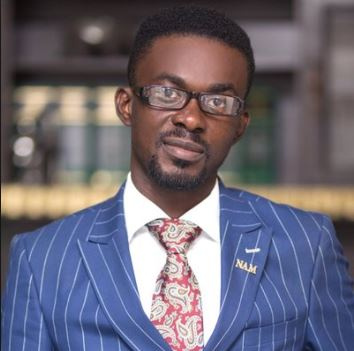
Chief Executive Officer of the now defunct Menzgold Ghana Limited, Nana Appiah Mensah, widely recognized as NAM1, has disclosed that a substantial portion of the customers, more than 60%, do not meet the criteria for payment following the validation process.
According to NAM1, these particular customers’ claims submitted for consideration were marred by a range of issues. These complications encompass inconsistencies in the information provided on the documents, fraudulent supporting documents, and alleged instances of counterfeit authorized signatures.
NAM1 conveyed this information through a statement that has been observed by GhanaWeb.
Nevertheless, he specified that customers who find themselves in this category—constituting 60%—but possess legitimate concerns, are still encouraged to proceed with the process of verifying their status pertaining to their gold trading transactions.
“Unfortunately, over sixty percent of the total claims received were sadly not eligible, thus invalid as the purported claims are plagued by one or several defects,” NAM1 said.
“Based on the above, it’s important for clients who believe they have honest, genuine, and eligible claims to proceed to verify their gold trading transaction status, thus; ascertain as to the validity or otherwise of the purported transactions and hence, an eligibility or ineligibility of any claim whatsoever,” he added.
Menzgold stated that clients now have access to its developed digital platform in order to streamline the verification process and uphold data privacy.
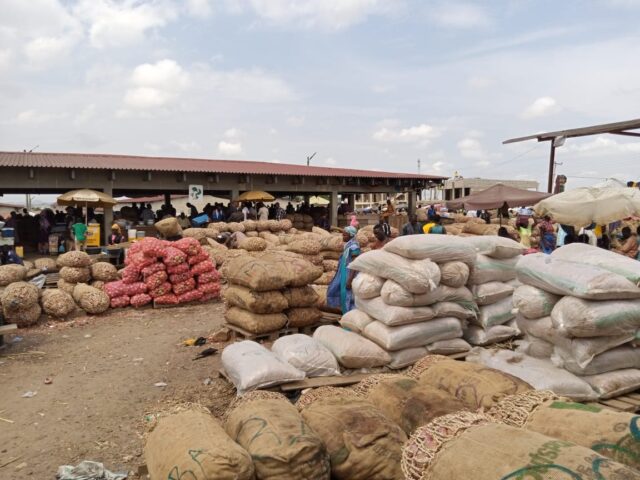
As a consequence of the Benin border closure, a reported total of over 500 sacks of onions have succumbed to spoilage in the Ashanti region.
This border closure resulted in a significant delay in the transportation of these goods, spanning several days.
In response to this situation, onion vendors, as indicated by citinewsroom reports, have been left with no choice but to either discard the deteriorated onions or vend them at significantly reduced prices.
For instance, a sack of onions that had originally commanded a price of GH¢1,300 is now being retailed for as low as GH¢100 in certain markets within the Ashanti region.
Truck drivers have attributed their inability to traverse the Benin border with fully loaded trucks of onions and other edibles to the political tensions prevalent in Niger.
“We spent ten days at the Benin border, so the onions have turned bad. Onions start to go bad within four days. The Ghana Ambassador came to intervene, which is why we were allowed to pass through the border, but it was too late. We have lost a lot of money. About 220 bags of onions have all gone bad,”one of the truck drivers Seidu Sule was quoted by citinewsroom.com.
When some of the onion vendors were contacted, they revealed that their losses were millions of Ghanaian cedis.
“Sadness has befallen us. When you are approaching the market, you will smell the scent of the onions that have gone bad. This is due to our inability to reach here on time as a result of the closure of the border. We can’t calculate the amount lost as it stands now. An onion bag that used to be sold at GHS1,300 is now five bags being sold at GH¢150. We don’t know what we are going to do. We are calling on the government to come to our aid because it’s affecting us. We pay taxes,” an onion seller cried.
Another onion seller lamented, “I’m now selling a bag of onion for GH¢100, GH¢200, GH¢500. We have sent some to the refuse dump. I will not even get my principal, not to talk about my profits. We even sent money for additional trucks when we heard that the border was opened. And here we are with so much loss.”
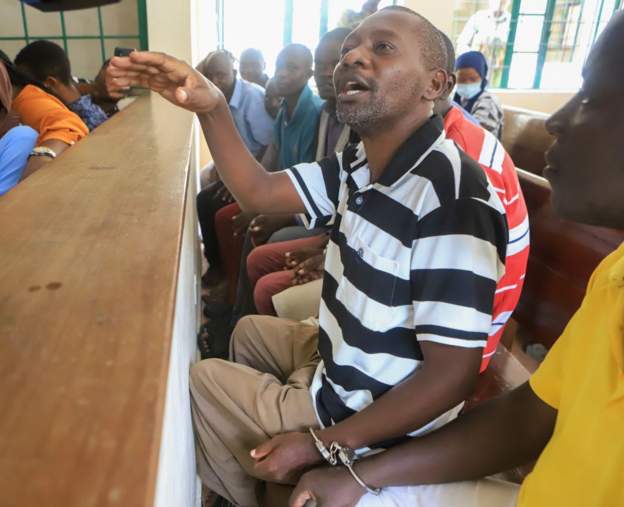
In the aftermath of an extension of his stay in prison, Kenyan cult leader Paul Mackenzie has been given the longest pre-charge court-approved detention in the nation’s history, according to a judge.
More than three months have passed since Mr. Mackenzie was taken into custody. The court gave the state permission to hold him and his alleged collaborators for a further 47 days on Thursday.
Magistrate Yusuf Shikanda gave his judgement in court in Mombasa, a seaside city, and noted that the case’s complexity and rarity made the severe conclusion necessary.
“This has to be the longest pre-charge detention sanctioned by the court in the history of Kenya,” he said.
He added: “The Shakahola saga is one of a kind. It has caused great social panic both nationally and internationally”.
Mr. Mackenzie has been under arrest under suspicion of leading a starvation cult that resulted in the deaths of 427 members of his church.
Nonetheless, the death toll is anticipated to increase due to ongoing efforts by the Kenyan government to unearth bodies from the coastal Shakahola Forest, which served as the cult’s concealed base.
The prosecution has asserted the necessity of extending the detention, as formal charges cannot be filed until the government completes the process of exhuming bodies and carrying out DNA tests to confirm their identities.
Additionally, the prosecution argued that keeping the suspects in custody would prevent them from communicating with the 65 individuals rescued from the cult. Furthermore, this measure is intended to safeguard the suspects from the potential threat of mob violence.
While in detention, Mr. Mackenzie has continuously proclaimed his innocence in relation to the deaths, maintaining that his sole wrongdoing is eating during his time in custody.
Israel has initiated an evacuation effort, using a dedicated flight, to bring more than 200 of its citizens and Ethiopian Jews from two cities within the Amhara region, which has been affected by recent violent incidents. These evacuees have been relocated to the country’s capital, Addis Ababa.
It’s important to note that Amhara is home to a significant population of the Jewish community.
Prime Minister Benjamin Netanyahu has released a statement outlining his decision to move the evacuees away from areas of conflict, with their ultimate destination being Israel.
Presently, major cities in the Amhara region have reported a relative state of calm following recent intense clashes between the army and local militias. While the military claims to have regained control in key regions, residents in smaller towns and rural areas have reported that local militias still maintain authority.
In another development, the United States and the United Kingdom have collaborated with three other nations – Japan, Australia, and New Zealand – to express collective concerns over the deteriorating security situation in Ethiopia.
A joint statement released on Friday says recent violence in the country’s Amhara and Oromia regions “have resulted in civilian deaths and instability”.
The UN’s Commission of Human Rights Experts on Ethiopia earlier said it was “deeply concerned” by the recent insecurity and called on the government to adhere to “the principles of necessity, proportionality, and non-discrimination” in implementing a state of emergency declared in connection with the violence.
Ghana Grid Company Limited (GRIDCo) saw a significant decline in its pre-tax profit, dropping by 99.5% to reach ¢1.296 million at the close of 2021.
This marked a noteworthy deterioration in the company’s fundamental business performance, given that it had achieved a profit of ¢270.704 million in the preceding year, 2020.
The 2022 Auditor General Report disclosed that the company’s Total Comprehensive Income also experienced a decline of 35.1%, amounting to ¢197 million compared to the ¢304.113 million recorded in 2020.
This decline was primarily attributed to the revaluation of GRIDCo’s property, plant, and equipment, a process conducted in 2021.
The revaluation exercise led to a corresponding tax liability of ¢111.331 million in 2021, in contrast to the ¢17,725 million in 2020.
Income tax expenses increased to ¢142.625 million in 2021, up from ¢88.425 million in the previous year.
However, there was a marginal rise of 8.3% or ¢100.258 million in Total Income, reaching ¢1.314 billion from ¢1.213 billion in 2020.
This increase was largely attributed to an 8.8% growth in revenue from transmission services throughout the year.
Conversely, GRIDCo’s total expenditure surged by 39.2% to ¢1.312 billion from ¢943.268 million recorded in 2020.
The increase stemmed mainly from higher impairment losses on trade receivables by ¢334.790 million and an increase in Direct costs by ¢67.828 million compared to the previous year.
In terms of the balance sheet, Current Assets witnessed a 9.8% increase, rising by ¢153.065 million to ¢1.718 billion from ¢1.565 billion in 2020, primarily due to the growth in cash and cash equivalents by ¢237.857 million.
Conversely, Non-Current Liabilities experienced a decrease of 5.7%, amounting to ¢119.525 million, with the year ending at ¢1.991 billion from ¢2.111 billion in 2020. This reduction was attributed to a decrease in Loans and borrowings.
However, Current Liabilities surged by 24.6%, translating to ¢484.928 million, reaching ¢2.452 billion compared to ¢1.967 billion in 2020.
This increase was mainly influenced by rises in current tax liabilities, loans and borrowings, and trade and other payables by 74.1%, 57.4%, and 14.5% respectively.
Moreover, the current ratio for the end of the 2021 fiscal year stood at 0.7:1, contrasting with 0.8:1 in 2020.
This implies that the company may face challenges in meeting its short-term financial obligations.
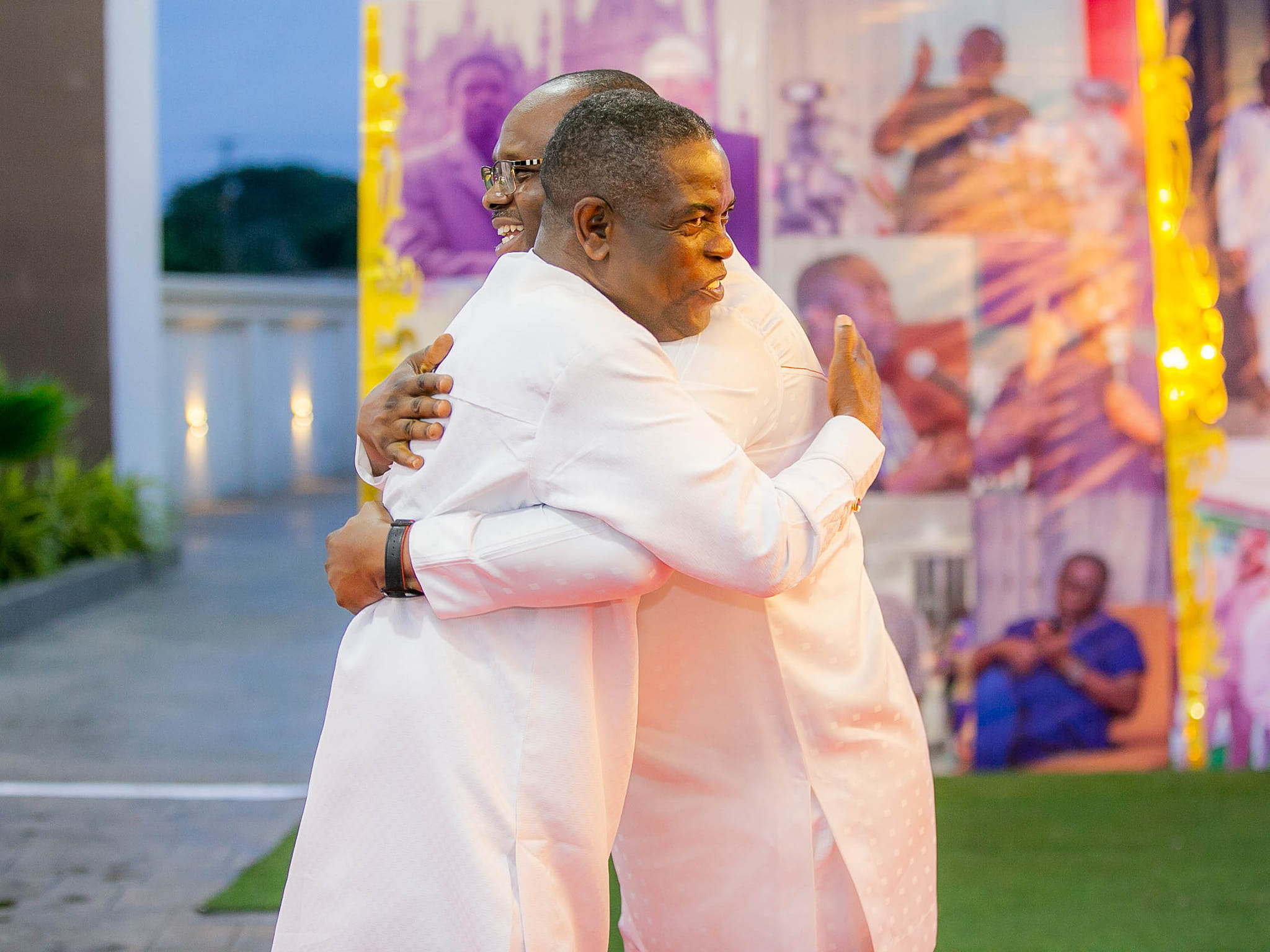
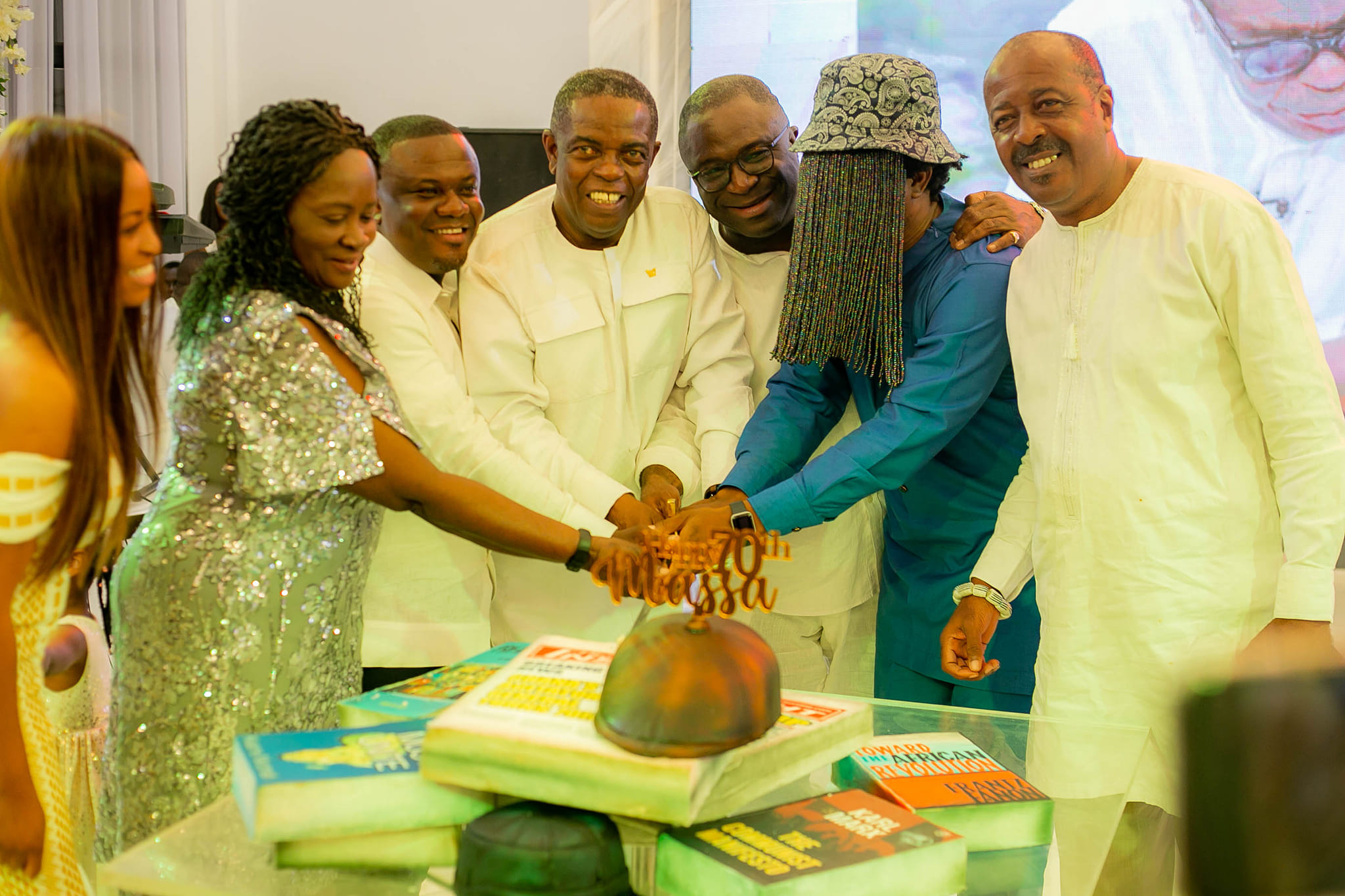
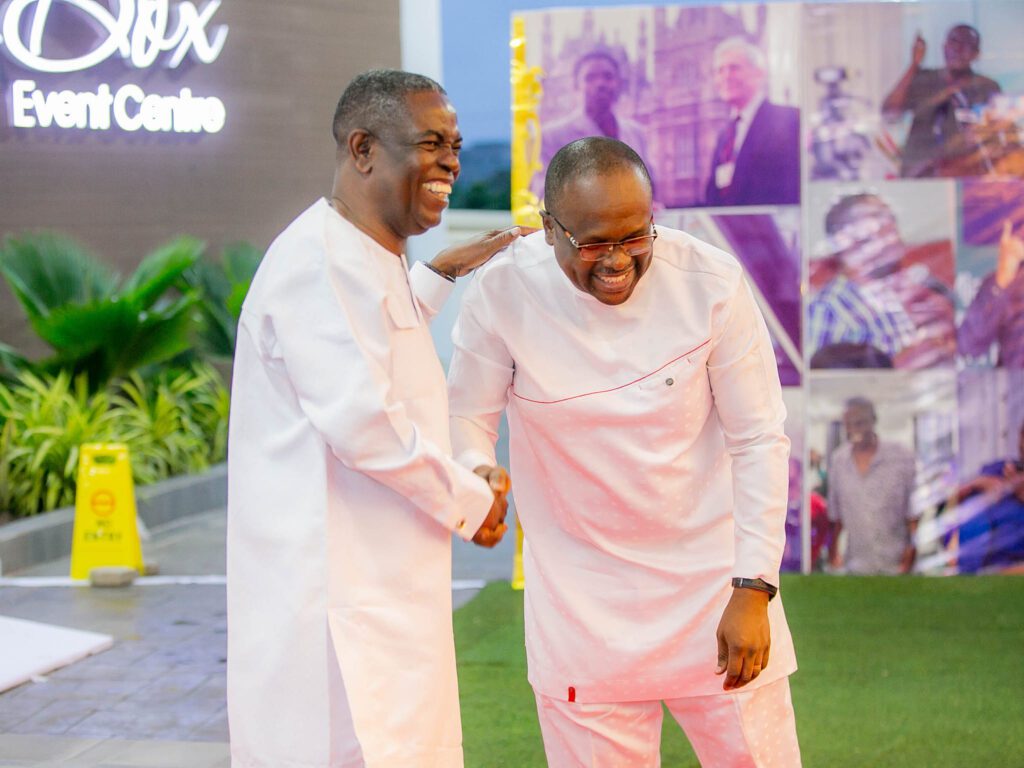
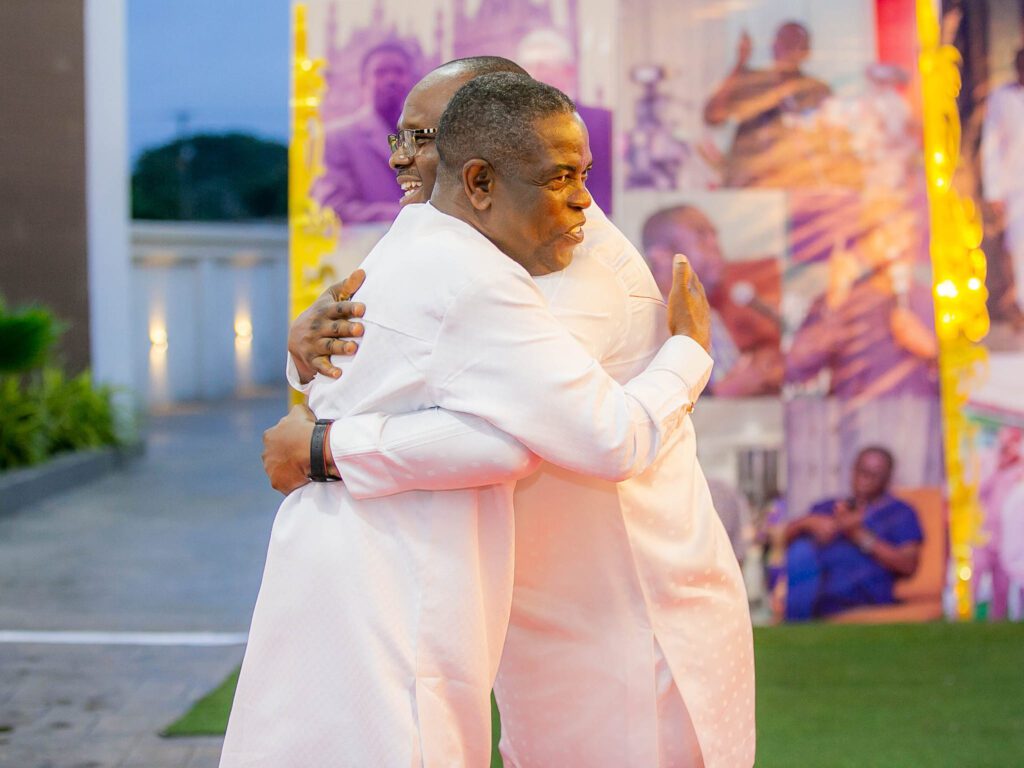
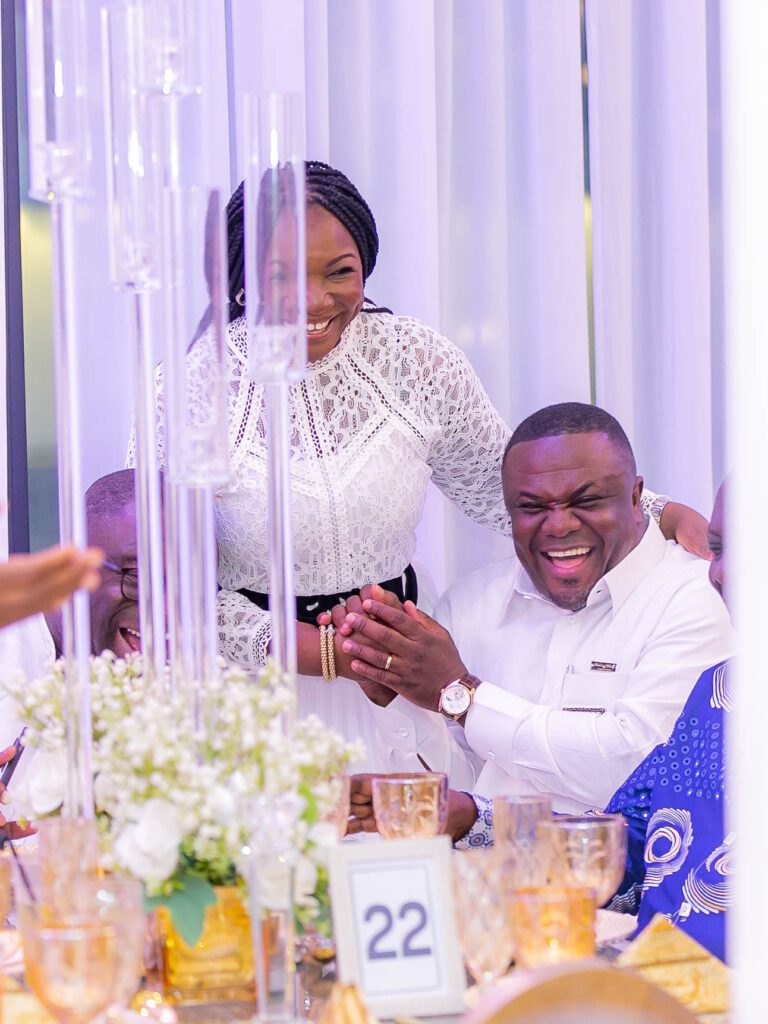
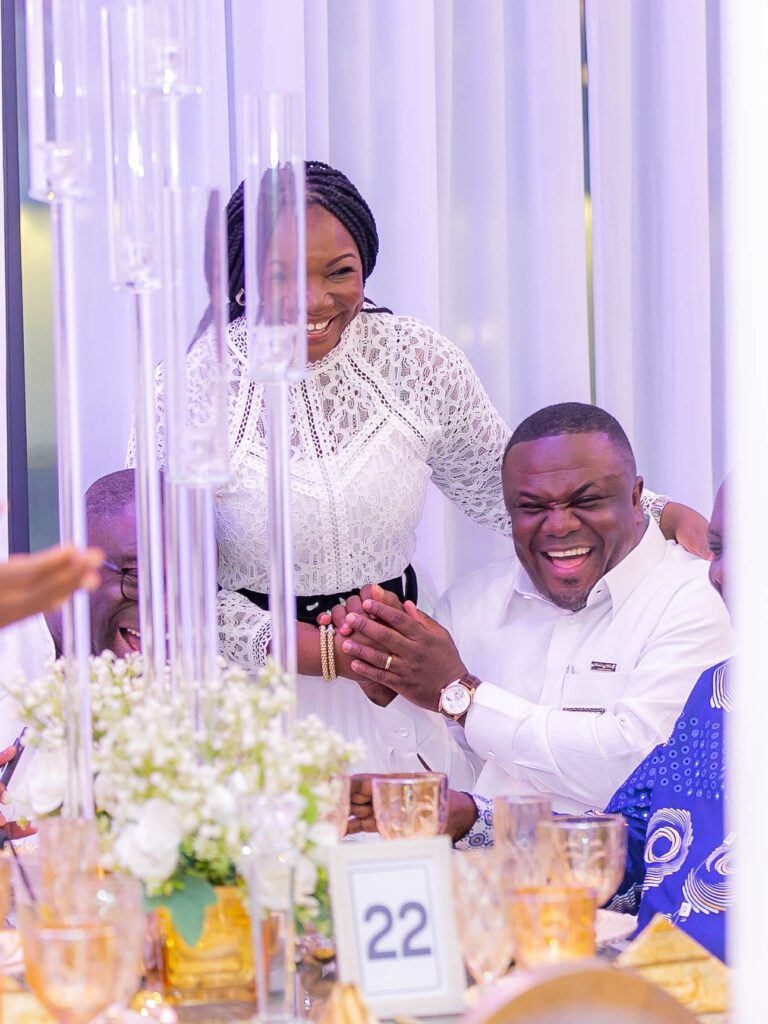
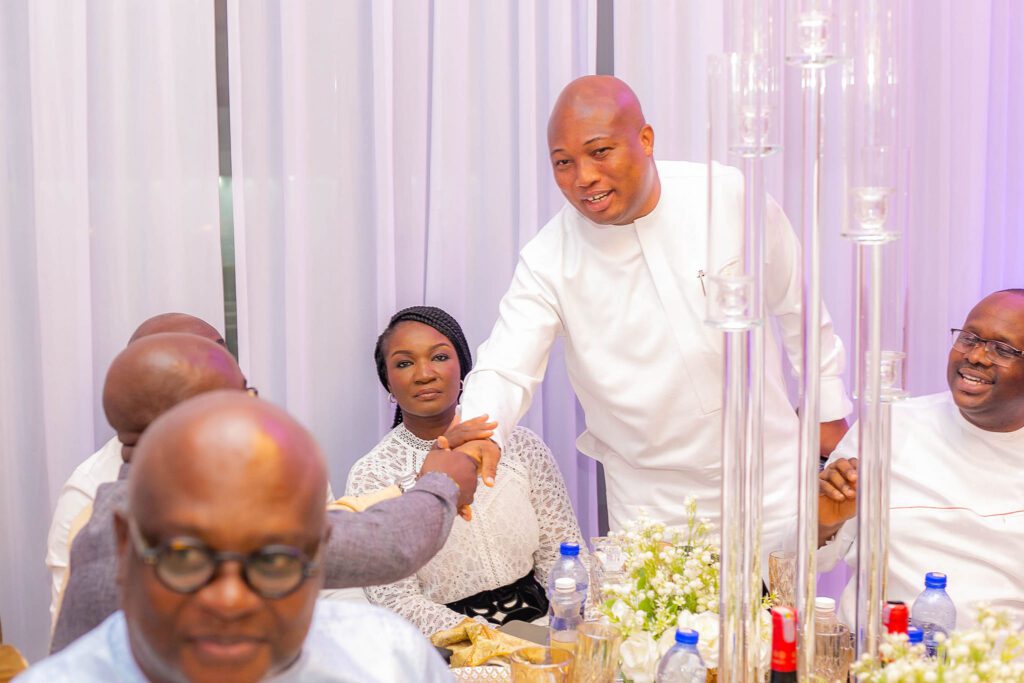
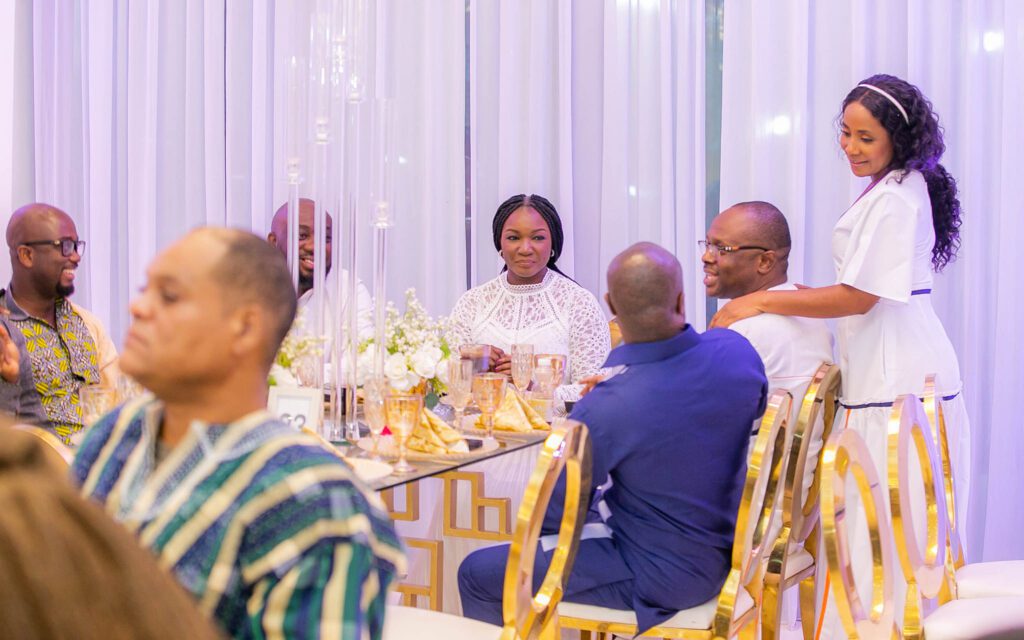
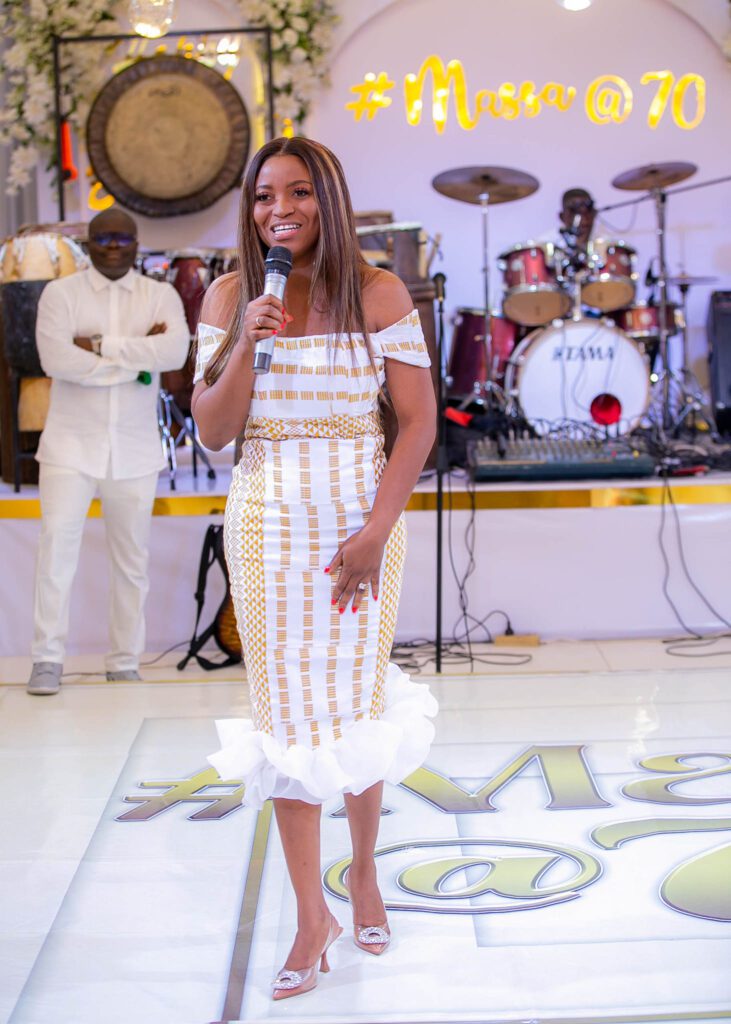
A scene of significant political unity and camaraderie was on full display during the grand celebration of Kwesi Pratt Jnr., the Managing Editor of Insight Newspaper, on his lavish 70th birthday.
The event took place on August 9, 2023, at the prestigious Sky Bar in Accra. The celebration was meticulously arranged by the family of the veteran journalist.
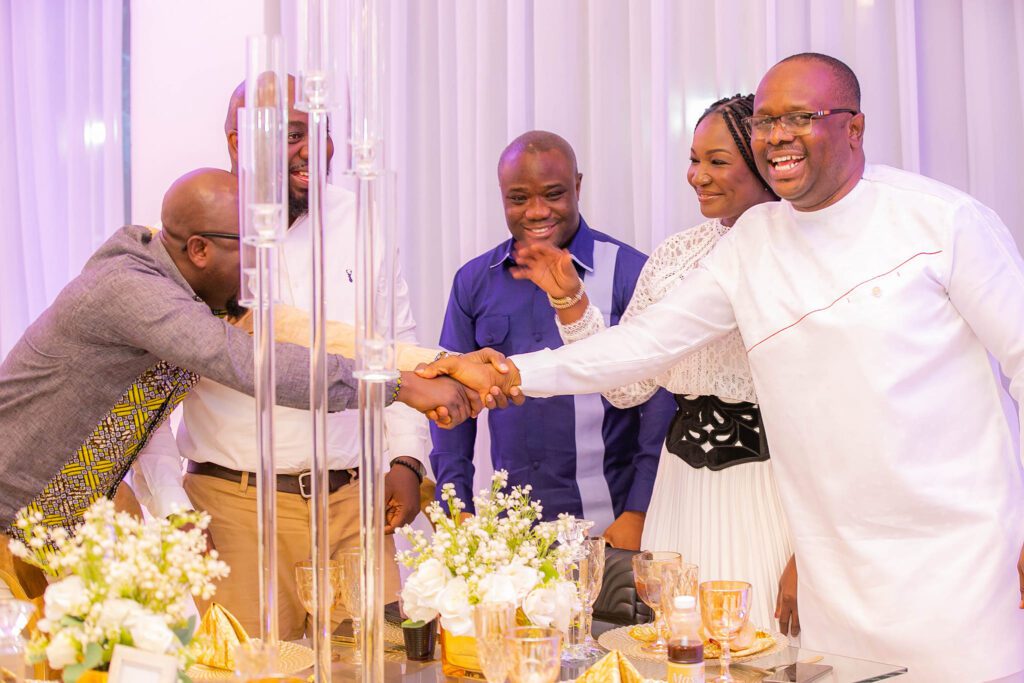
Visual materials, including photos and videos accessible through GhanaWeb, showcased a diverse assemblage of politicians hailing from different spectrums of Ghana’s political landscape.
Notably, individuals from both the ruling New Patriotic Party (NPP) and the primary opposition National Democratic Congress (NDC) came together in a rare display of unity.
Additionally, attendees encompassed members of Kwesi Pratt’s own Convention People’s Party (CPP) as well as representatives from other smaller political parties.
Prominent figures from the government camp included Akosua Frema Opare, the Chief of Staff, who held the highest-ranking position at the gathering.
On the opposition side, Johnson Asiedu-Nketiah, the National Chairman of the NDC, was among those spotted.
The event also welcomed distinguished guests such as Prof. Jane Naana Opoku-Agyemang, the NDC’s 2020 vice presidential candidate, and other notable personalities including Tsatsu Tsikata, investigative journalist Anas Aremeyaw Anas, and renowned TV show host Kweku Sintim Misa.
Further adding to the occasion’s significance were the presences of Nyaho Nyaho Tamaklo, a founding figure of the NPP, as well as Kobina Ivor Greenstreet, the CPP Chairperson, and Osei-Kwame Despite, former CPP flagbearer and the CEO of Despite Media.
Others present were: Paul Adom-Otchere, Samuel Okudzeto Ablakwa, Joyce Bawah-Mogtari, Kweku Sakyi-Addo, Collins Admoako-Mensah, NPP MP for Afigya Kwabre North, Omane Boamah, Sammy Gyamfi, Eugene Boakye-Antwi, NPP MP for Subin, John Jinapor, Randy Abbey and Armah Kofi Buah.
Managing Editor of the Insight Newspaper, Kwesi Pratt Jnr, on August 9, 2023 celeberated his 70th birthday in a plush ceremony.
It was a bash, held in Accra at the Sky Bar where family and friends organized themselves to honor the veteran journalist.
Photos and videos displayed on social media shows the presence of affluent politicians from the governing New Patriotic Party (NPP) and the main opposition National Democratic Congress (NDC).
Others were also recognized to be members of his own Convention People’s Party (CPP) and other minor parties were also present.
Also in attendance were, Chief of staff for the NPP, Akosua Frema Opare, represented the government, and the national chairman of the NDC, Asiedu-Nketiah, represented the party.
Prof. Jane Naana Opoku-Agyemang, a vice presidential candidate for the NDC, as well as Tsatsu Tsikata, investigative journalist Anas Aremeyaw Anas, and TV anchor Kweku Sintim Misa were there.
Nyaho Nyaho Tamaklo, the father of the NPP, Kobina Ivor Greenstreet, a former CPP flagbearer, and Osei-Kwame Despite, CEO of Despite Media, are also among those detained.
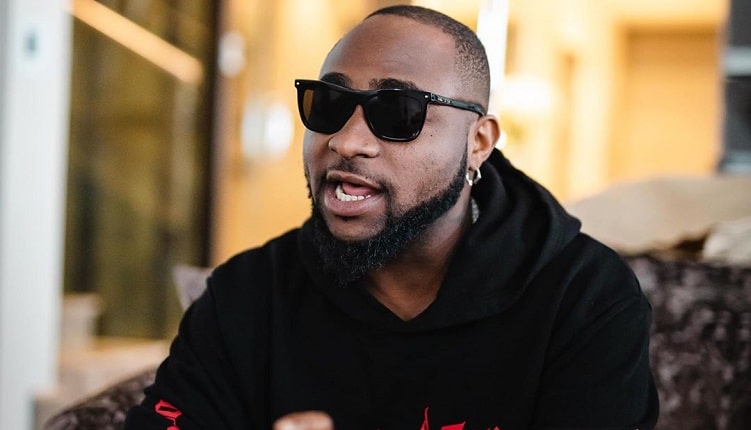
Davido has shared a tweet that he wouldn’t be at home in response to a man who claimed to be riding a bike from Benue State all the way to Lagos to meet him.
“Turn around I’m not home,” wrote the Afrobeats superstar, who ironically has a hit song called “Unavailable”.
Emmiwuks, an ardent enthusiast who identifies himself as such on Twitter, is resolutely committed to his mission of presenting a gift to Davido. This gift serves as a congratulatory gesture to the “living legend” for his latest album “Timeless,” which Emmiwuks regards as a remarkable masterpiece.
Emmiwuks, undeterred by the considerable distance, is embarking on an incredible journey from Benue to Lagos spanning 800 kilometers (500 miles). By car, this expedition takes over 13 hours, while on foot, it extends to an estimated six days, as indicated by Google Maps.
As of now, Emmiwuks is documenting his adventure on X, previously known as Twitter. He has been chronicling his progress and capturing his presence in various states along the way. Remarkably, he is currently on day nine of this remarkable odyssey and has been making pit stops to rest.
Throughout his journey, Emmiwuks has been traveling with a sizeable poster of Davido affixed to his bike, symbolizing his unwavering dedication to his mission.
Despite his determination, he has encountered a few challenges along the way. At one point, he faced a bicycle repair, highlighting the trials he has faced while pursuing his heartfelt goal.
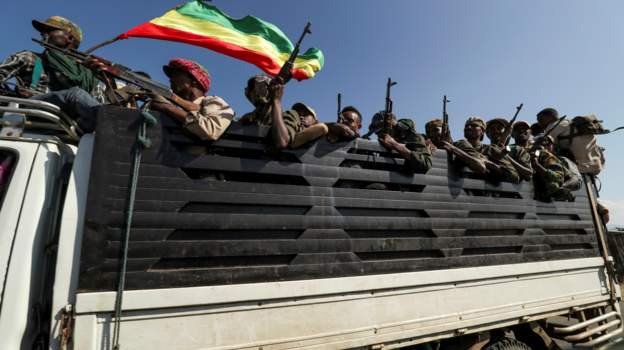
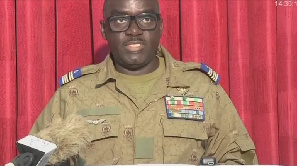
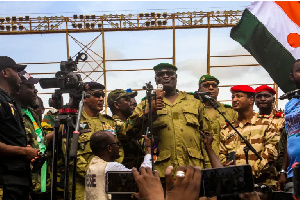
Niger’s coup instigators have levied accusations against French forces, alleging that they freed detained “terrorists” and violated the country’s airspace ban with the intention of destabilizing Niger. However, France has swiftly refuted these claims.
The seizure of power by soldiers from the presidential guard on July 26, resulting in the detention of President Mohammad Bazoum, led to widespread international condemnation and the potential prospect of a military intervention by neighboring West African nations. Responding to these concerns, the coup leaders took the step of closing Niger’s airspace on Sunday and issued a warning against any form of foreign intervention.
In a video message delivered on Wednesday, Colonel Amadou Abdramane, the spokesperson for the coup leaders, alleged that France had released 16 “terrorist elements,” who subsequently regrouped to plot an attack on Nigerien military positions along the border.
The colonel further asserted that an assault was carried out against a unit of the National Guard at 6:30 a.m. (05:30 GMT) in Bourkou Bourkou, situated around 30 kilometers (18.6 miles) from the Samira gold mine in the Tillaberi region.
In addition to these allegations, the colonel contended that a French military aircraft had violated the airspace ban imposed by Niger. France, however, has rejected these assertions outright.
“We are witnessing a real plan of destabilisation of our country, orchestrated by French forces,” Abdramane said. The spokesperson did not provide any evidence for the claims.
According to Reuters, France’s Ministry for Europe and Foreign Affairs disputed the charges and claimed that their aircraft movements were compliant with an earlier arrangement with Nigerien forces.
It stated that the legitimate authorities had asked for French troops to be stationed in Niger.
“No attack against a Nigerien camp took place,” the Foreign Ministry said in a statement.
A French government official told the AFP news agency that “no terrorist has been freed by French forces.”
Experts have warned that a potential power vacuum in Niger could be exploited by armed groups.
“Tillaberi is an area where you see a lot of activities from groups linked to al-Qaeda and ISIL,” said Al Jazeera’s Ahmed Idris reporting from Abuja, Nigeria’s capital.
“And this was feared since day one of the coup that some member of armed groups in the region may take advantage of what is happening,” Idris said.
ECOWAS emergency summit
Ahead of an emergency summit convened by the Economic Community of West African States (ECOWAS), the recent developments in Niger have heightened tensions. France, having historical ties as the former colonial power, maintains a substantial relationship with Niger, bolstered by the presence of approximately 1,000 to 1,500 French soldiers stationed in the country. However, the coup leaders have taken a stance against this, annulling five military cooperation agreements and suspending broadcasts from French international news outlets France 24 and RFI.
The coup leaders’ allegations regarding France’s involvement come just ahead of the ECOWAS meeting in Abuja, which aims to address the crisis in Niger. During a preceding summit the prior week, ECOWAS cautioned that military intervention was possible and set a deadline of August 6 for the military to restore democratic governance and release President Bazoum. Despite the passage of this deadline, no military action was undertaken.
Bola Tinubu, the head of the regional bloc and also the president of Nigeria, ECOWAS’s most influential member, encountered resistance both domestically and internationally for raising the prospect of military intervention.
Interestingly, countries like Mali and Burkina Faso, which faced ECOWAS suspensions due to previous coups, have voiced their support for the coup leaders in Niger.
The seizure of power in Niger marks the ninth coup within the Sahel region over the course of three years.
The United States has expressed its gratitude for the proactive approach of the West African regional bloc ECOWAS in pursuing all possible avenues for achieving a peaceful resolution to the coup in Niger. ECOWAS recently sanctioned the establishment of a “standby” military force in response to the situation.
US Secretary of State Antony Blinken affirmed his alignment with ECOWAS leadership in their call for the restoration of constitutional order in Niger following the military coup on July 26th, which led to the ousting of President Mohamed Bazoum.
In an official statement, Blinken asserted that the US would hold the Niger junta responsible for the security and well-being of Mr. Bazoum, his family, and the individuals from his government who have been detained.
Both the US and the United Nations had previously expressed concerns about the health and safety of the deposed president, who has been held under house arrest for more than two weeks.
Despite a Sunday deadline for the junta to reinstate President Bazoum or face potential military intervention, the military leaders chose a different course of action. They have formed a new cabinet to govern the nation, disregarding the ultimatum put forth by ECOWAS.
A pay TV operator headquartered in South Africa, MultiChoice, has taken the decision to temporarily cease its DStv service operations in Malawi. This move comes as a response to an injunction that restrains its local subsidiary from modifying the pricing structure of the DStv service.
MultiChoice Africa Holdings (MAH) stated that their choice was influenced by an injunction put forth by the High Court in Lilongwe. This legal matter emerged from a dispute involving MultiChoice Malawi (MCM) and the Malawi Communications Regulatory Authority (MACRA). The court order prevents any alteration to the tariffs associated with the DStv service.
MAH has maintained that its local subsidiary is not vested with the authority to determine the pricing of the service, as this responsibility rests with the parent company independently. It’s important to note that MultiChoice Malawi does not provide the DStv service to the general public in Malawi. Instead, the local entity oversees the digital-terrestrial GOtv service. For the latter, MultiChoice Malawi sought and obtained approval from the regulatory body for modifications to pricing.
Having consistently argued that the operations in Malawi were not responsible for the DStv service, MAH has conveyed that its subsidiary lacks the capability to comply with the court order mandating the implementation of MACRA’s pricing directive.
It declared it was pulling DStv out of the nation because disobeying may result in “grave consequences for the directors and management of MultiChoice Malawi, including imprisonment.”
Since failure to comply could have “grave consequences for the directors and management of MultiChoice Malawi, including imprisonment”, it said it was withdrawing DStv from the country.
The DStv service will be recognized for customers who have already paid their new membership fees up until the current 30-day viewing cycle expires on or before September 10, 2023. No new memberships or reconnections will be permitted after Wednesday, August 9, 2023.
The injunction was first imposed on July 31, but MultiChoice Malawi was successful in obtaining a stay of injunction, which was then extended until last Friday.
MultiChoice’s primary area of expansion outside of its home market of South Africa is the Rest of Africa segment. Inflation increased expenses and put pressure on its client base, which had a negative effect on its success in the South African market.
On the back of a press reports on purported monthly salary allegedly received by Independent Board Directors of the Central Bank, financial analyst Dr. Micheal Dawson has urged the Ghanaian public to exercise caution.
The External Board Directors would not be paid in dollars, he claims, adding that they are not even entitled to salaries but rather allowances. He further claims that rumors concerning the US$8,000 payment for the Central Banks’ Directors are inaccurate.
“I’m not sure how that figure came about in the first place as the Board Members are not even entitled to salaries but rather allowances for their services which is standard practice,” he told GhanaWeb Business in an interview.
“I think the BoG statement capturing the expenses of External Directors has clarified the issues raised as they pointed out that the expenditure line for External Directors is made up of logistics to run the Board secretariat, Board training and others,” he explained.
In an interview with GhanaWeb Business, he noted that the expense shown under the external directors’ column from the report is not the sum appropriated by a single person, “but cost of running the secretariat, trainings organised and the Central Bank has said in their statement that price pressures, inflationary pressures all impacted on these rising costs.”
Dr. Dawson made the comments in response to stories that claimed Central Bank independent board members were entitled to compensation.
Thus, he once again urged the general people to exercise caution and to carefully confirm such claims.
Representatives from the Ghana Investment Promotion Centre (GIPC) and the Ghana Export Promotion Authority (GEPA) have initiated discussions with authorities from Trinidad and Tobago to explore the possibility of implementing Double Taxation and Bilateral Investment treaties.
The aim of these discussions is to bolster the trade exchange between the two nations.
These deliberations took place during a meeting between the delegation and members of Trinidad and Tobago’s Chamber of Industry and Commerce (TT Chamber) in the previous week.
The Ghanaian delegation also pinpointed key sectors within Trinidad and Tobago, particularly the manufacturing sector, as fertile ground for forging partnerships with Ghanaian small and medium-sized enterprises (SMEs).
During the meeting, Mr. Yofi Grant, the CEO of the GIPC, expressed the viewpoint that a collaborative effort between the two countries holds the potential for mutually advantageous outcomes.
He emphasized the significance of taking into account each nation’s economic circumstances and contributions.
“For us in Ghana, partnerships for linkages and trade are key because we do have significant raw material for which we want to add value and then export, and I believe that T&T is really the industrial powerhouse of the Caribbean so there is a lot to learn. But there is also a lot to trade not only in goods but services, particularly in the oil and gas sector where Trinidad and Tobago seem to have built some capacity and experience which they can leverage in Ghana,” he said.
The CEO of GEPA, Dr. Afua Asabea Asare also mentioned plans to establish a Ghana Trade House in Trinidad and Tobago “which will bring the cultural aspect, the trade aspect and everything together in a space where people can come in and see what Ghanaians offer”.
The TT Chamber announced that it will undertake an audit of its members who are already conducting business in Africa in order to facilitate the collaboration between the two nations. This audit will serve as the basis for further engagements.
The Chamber stated that in order to ensure efficient and successful collaboration, it will create a liaison with GIPC.
According to the TT Chamber president, Kiran Maharaj “the opportunities in Ghana are very promising, and it is apparent that they have built an economy and business environment that attract investment from committed partners such as TT’s business community. There are several synergies regarding our culture and the way in which we do business. I am certain there will be many benefits to both countries, not just from the exchange of knowledge and expertise but from investment opportunities, partnerships, and other significant pathways”.
The TT Chamber expressed interest and commitment in developing close relationships with Ghana and utilizing knowledge to advance manufacturing and economic development in both nations.
Meeting with T&T Trade Minister
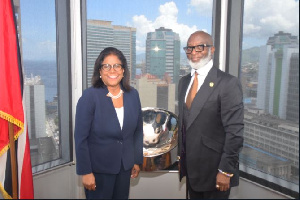
The Ghanaian delegation furthered the conversations on exploring new trade and investment opportunities in a meeting with the Trade Minister of Trinidad and Tobago, Paula GopeeScoon, as well as other officials including; President of the Trinidad and Tobago Manufacturers’ Association (TTMA), Roger Roach, and CEO of the Trinidad and Tobago Chamber of Industry and Commerce, Stephen De Gannes.
Minister Gopee-Scoon acknowledged the many opportunities for trade and investment between Trinidad and Tobago and Ghana. She noted that the bilateral engagements will foster mutually beneficial partnerships, cultural exchanges and economic growth across both nations.
She reiterated T&T’s commitment to strengthening economic ties with Ghana, and by extension Africa.
At the meeting, the CEO of GEPA, Dr Afua Asabea Asare discussed plans to export Ghana’s native fabrics and prints into the Caribbean, where there is considerable demand. The Centre’s CEO, Yofi Grant also negotiated agreements to have a Trinidad and Tobago steelpan band and masquerades participate in this year’s edition of the Taste of Ghana.
Meanwhile, the TTMA, together with ExporTT, have committed to work towards a trade and investment mission to Ghana in early 2024.
Further, a commitment has been made by both parties to accelerate the ongoing negotiations for a Reciprocal Protection and Promotion of Investments Agreement (RIPPA), with the aim of reaching an agreement by the end of 2023.
Graduate Assistant at the Regional Maritime University, George Obeng, has urged the government and all stakeholders in the maritime sector to consider assigning contracts to local engineers.
He emphasized that Ghanaian naval architects, mariners, and other professionals possess the expertise required to provide top-notch services comparable to those brought in from abroad for projects such as boat, canoe, and yacht construction.
Mr. Obeng conveyed that his team has set its sights on engaging various ministries, including the Ministry of Lands and Natural Resources, to contribute to the fight against illegal mining (galamsey).
Additionally, they aim to enhance safety along the coastal regions by supplying boats for patrolling water bodies in areas prone to galamsey activities.
During an interview with Ernestina Serwaa Asante, the host of BizTech on GhanaWeb TV, Mr. Obeng stated, “We are making an appeal to the stakeholders involved, highlighting our capability to accomplish these tasks within Ghana. Outsourcing is unnecessary.”
Furthermore, George Obeng encouraged Members of Parliament to collaborate with their team to provide training to fisherfolk on designing and constructing fiberglass canoes, thus enhancing their efficiency in their respective endeavors.
“The fishermen and those people around they can bring them, the MPs around those coastal areas and even inland, they can bring their people for us to train them,” he said.
You may recall that in July of last year, the government purchased five speedboats through the Ministry of Lands and Natural Resources to aid in the fight against galamsey, or illicit mining.
The river banks at illegal mining locations will be continuously patrolled by the speed boats operated by the Ghana Naval Command and River Guards.
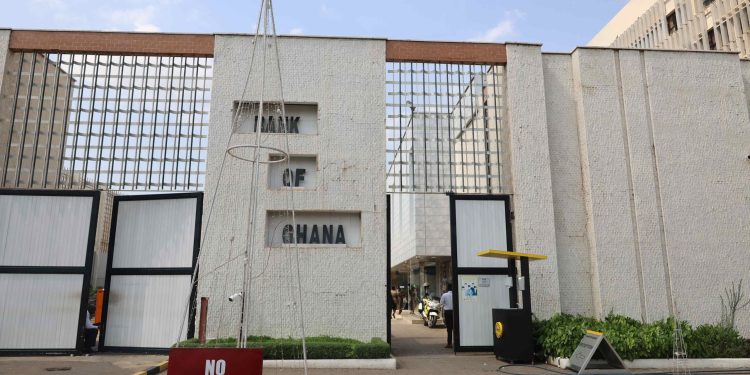
The GH60 billion impairment loss reported by the Bank of Ghana in the 2022 fiscal year has been supported by the International Monetary Fund (IMF).
There is no need for concern, the Bretton Woods institution stated in a post regarding Ghana that was retrieved from its website on August 10, 2023.
It upheld the claim that the Bank of Ghana experienced losses as a result of its involvement in the government’s Domestic Debt Exchange Programme (DDEP), which is a part of initiatives to address the sustainability of debt and restore macroeconomic stability.
However, the IMF urged the Bank of Ghana to uphold its policy directives and take strict action to bring inflation under control and back to its predetermined objective of 8%.
Below is what the IMF said about BoG’s impairment loss in 2022
Why did theBank of Ghana 36+ (BoG) incur losses from the authorities’ domestic debt exchange and what are their implications?
The Ghanaian authorities’ domestic debt exchange (DDE) is a key element of their plan to restore macroeconomic stability and public debt sustainability. The BoG is participating in the DDE to share some of the burden the DDE places on government debt holders, along with banks, other financial institutions, pension funds and individuals.
The loss the BoG incurred in the process has contributed to reducing its net equity to a negative value. Importantly, however, this does not prevent the BoG from fulfilling its policy mandates and ensuring inflation gradually returns toward its 8-percent target. Indeed, central bank income is expected to be sufficient to cover monetary policy operational costs. The BoG’s net equity is expected to improve significantly over time and eventually return to positive territory.
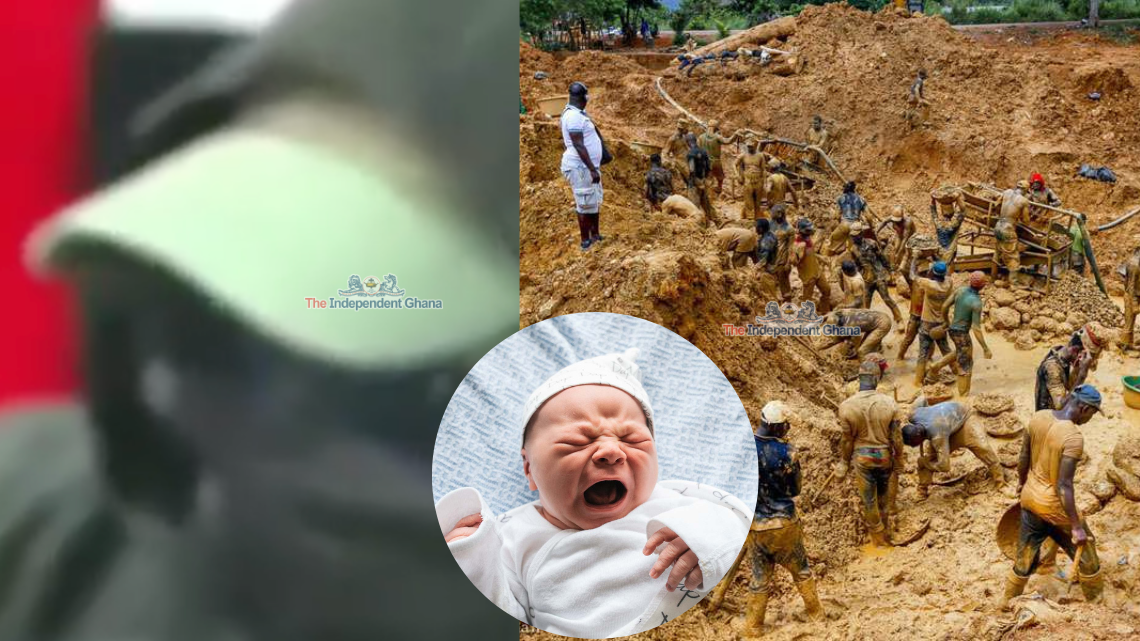
A shocking revelation has been made by an illegal miner, who has confessed to sacrificing newborn babies on galamsey sites for gold.
In a horrifying video circulating on social media, the man, whose identity is concealed, is heard expressing regret for the atrocious act while he shares details of the deadly practice.
He explained in Twi, a local dialect, that some illegal miners connive with some nurses in hospitals to smuggle newborn babies, which they buy and take to galamsey sites.
On the site, the baby’s head is cracked open into the galamsey pit for rituals, which he claims the blood generates more gold for the miners to collect and sell for money.
“When we buy the fresh babies from the nurses, they are taken to the underground, killed, by cracking them hard on the walls of the pit and the blood is used for rituals. The death of the human being is necessary to make the land act on their demands for more gold,” he said in an interview on Angel FM.
He added that when this happens, no one else is able to mine more gold than those who were involved in the sacrifice.
Implying that a miner can mine more gold in an area but another person will find it difficult to access just a piece of gold.
The narrator further revealed that some miners also kill their fellow miners for rituals in the course of their work.
Attributing the cause of death to the notion that “Asaase akasa”, to wit, “the earth has spoken”.
“Your own fellow miner can pick a rod while you are in the pit. He will deliberately use the rod to release huge already loose stones on you and say it is a natural act by the earth,” he expressed.
The video has sparked outrage and condemnation from social media users, who have called for justice and protection for innocent lives.
Galamsey is a term used to describe illegal mining activities in Ghana, which have caused serious environmental damage and health risks.
The government has launched several campaigns and operations to clamp down on galamsey, but the practice persists due to various factors.
Three weeks ago, Badamasi Mohammed embarked on a journey from Maradi, the second-largest city in Niger, leaving behind his wife and two children, headed towards Kano, a city located about 300km away (186 miles) in northwestern Nigeria.
However, since August 5, the 30-year-old freight truck driver has found himself stranded along with more than 20 other trucks at the Jibiya border post in Katsina, the state that connects Kano to Niger, the French-speaking neighboring country.
Nigerian border authorities have prevented him from re-entering his homeland due to ongoing sanctions imposed on Niger following a coup that took place on July 26. This coup resulted in the ousting of Mohammed Bazoum, who had been Niger’s president since March 2021. In response to the coup, the conspirators also sealed the country’s borders.
Over the past seven days, Mohammed’s truck, parked at the border, has transformed into a makeshift bathroom, bedroom, walk-in closet, and overall multipurpose facility for him and his two assistants. To support him during this ordeal, his employer in Maradi had to send funds through currency exchange agents to the bank account of a point-of-sale attendant in Jibiya. This intermediary then provided cash to Mohammed.
The situation is beginning to take a toll on Mohammed, who serves as the primary provider for his family. He’s unable to earn the average of 40,000 CFA ($67.25) he used to make per freight. His only solace is that he ensured there was enough food back home for his family to sustain themselves during his absence.
“I am not happy being away from my family, I am tired of being here,” Mohammed told Al Jazeera. “Each time I speak to my family, they always ask if people are being killed over here. They are not happy,” he said.
Landlocked Niger shares borders with seven African countries but the 1,600km-long (994-mile-long) border with Nigeria, Africa’s largest economy, is arguably its most important. More than a million people live along this stretch of land, and have shared commercial and cultural ties for centuries. Most of them are Hausa, the largest ethnic group in both countries.
The aftermath of the July 26 coup is now testing those ties as its effects spill across the borders from Niger, where life has also changed for everyone.
A flurry of sanctions Bazoum’s election was the first civilian-to-civilian transition in Niger since its independence in 1960 and in two years in office. His detention by members of his presidential guard and subsequent removal was the seventh coup across West and Central Africa in three years.
The coup also hurt the image of a country once seen as a reliable ally for the West in the Sahel, a region blighted by expansionist armed groups linked to al-Qaeda and ISIS (ISIL).
ECOWAS convened an emergency summit to determine an appropriate response.
The 15-member regional bloc swiftly imposed sanctions on Niger including the closure of land and air borders and giving a seven-day ultimatum to the coup leaders to reinstate Bazoum or face the potential use of force.
Multiple Western countries also cut funding to Niger, one of the largest by landmass – yet poorest – countries in the world, which relies on external aid for up to half of its budget.
Niger, the largest recipient of foreign in West Africa after Nigeria, received $1.8bn in aid in 2021 alone, according to figures from the Organization for Economic Co-operation and Development (OECD).
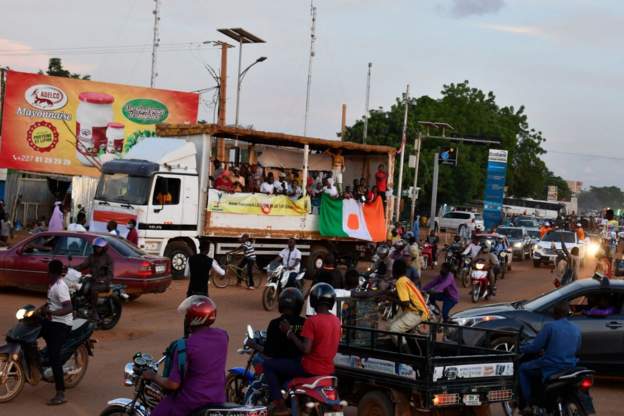
So far, the coup leaders have defied them and the bloc, rallying support in Niamey, the capital even on August 6, the day the ultimatum expired. A 21-person cabinet was also announced late on Wednesday by the coup leaders on the eve of another summit by ECOWAS.
At the grassroots, the impasse is already affecting Niger’s 25 million people, half of whom live below the poverty line earning less than $2.15 a day.
Nigeria also cut the power supply to its neighbour, which depends on it for as much as 70 percent of its electricity. And food prices, already on the rise because of complications in global supply since the Russian invasion of Ukraine, have risen yet again.
The post-coup sanctions and cessation of subsidies could hurt a country struggling with food security and one of the worst ratings on the human development indices in the world, experts said.
Mihidi Ameride works as a field officer at Projet Filets Sociaux (Safety Net Project), a project funded jointly by the World Bank and the Niger government.
His project caters to vulnerable and rural populations in 40 Nigerien communities through cash transfers and a cash-for-work (CFW) scheme. It also supports women artisans and keeps girls in school through scholarships.
Now that the World Bank has suspended aid to Niger, 66,000 households will be affected when the project ends, Ameride told Al Jazeera.
“There is great concern about the food security of populations subject to robbery, banditry and … personally, I’m affected, because my life depends on the sustainability of the project. It’s the only thing I do for a living,” Ameride said.
“I’m all for democracy and a coup d’état is not a good solution for an already poor country like Niger.”
The bloc also imposed sanctions on Guinea, Mali, and Burkina Faso, but lifted them later. The three nations have remained under military rule, and there has been a growing sense among international observers that sanctions were not working as a deterrent across the region.
“[The] junta will also be well aware that in neighbouring Mali and Burkina Faso, similar sanctions were also applied in the immediate aftermaths of coup d’etats but were later rescinded after these junta governments disclosed a transitional timetable and released all imprisoned politicians,” said Ryan Cummings, director of analysis at Johannesburg-based Risk Signal consultancy.
“It is tough to say that the sanctions are working [to end coups],” he added. “If anything, their application has emboldened the CNSP putschists who are undertaking mechanisms to entrench their rule, particularly in terms of creating a government with civilian inclusion so as to purchase this dispensation some legitimacy.”
Still, the effect of the sanctions could lead to significant inflationary pressures which will affect the country’s population, since Niger lacks the fiscal leeway to offset these cost-of-living pressures over the near-to-medium term.
‘No one is happy’ Back at the borders between Nigeria and Niger, both countries are fully enforcing the “no entry- no exit” directive. Nigerian journalists were advised not to cross into Niger, as the relations between border officials of both countries had started to go sour as a result of the sanctions.
Commercial activities at the borders – including Jibiya, the busiest between both countries – have come to a halt with small business owners lamenting the adverse effects on their businesses. Nigeriens at the borders get most of their basic supplies from Nigeria; with zero movement, people in dire need are having to either crawl through the bushes or use a few unmanned crossings.
Cummings predicted that the Niger coup would likely play out in the same manner as other putschists in the West African region and called for diplomacy to avoid a conflict that could spread across the region and benefit armed non-state actors.
“To this effect, the junta will likely provide the international community, particularly ECOWAS, with some concessions. This may be the release of Bazoum – who is likely being held as a bargaining chip – and the provision of a transitional timetable which outlines the country’s return to constitutional rule,” he said.
Gbemisola Animasawun, associate professor at the Centre for Peace and Strategic Studies, at the University of Ilorin in Nigeria, said there is a need for the deadlock to be resolved because Niger was already in a “pitiable situation”.
However, there will be an overlapping effect for both Niger and Nigeria because the borders only exist in the minds of the state actors, he added.
“War is not an option whether directly or by proxy. Stakeholders must engage the coup leader and develop a transition plan,” Animasawun told Al Jazeera.
For Mohammed who is apolitical and has not voted in the last three Nigerien elections, the conflict cannot end soon enough. He is already planning to find a way through one of the smuggling routes into Maradi.
“I am not happy and no one is happy,” he said. “Only God knows the best.” Freight trucks parked at the Jibiya border between Nigeria and Niger on August 10, 2023, due to the closure of borders between both countries
An illegal miner has exposed gruesome human sacrifices carried out in the pit on galamsey sites that helps the miners to extract more gold for cash.
A video cited on social media has the young man sharing details of the exposé in a camouflaged identity.
He confessed that a considerable number of illegal miners are habitual killers who make use of human blood for rituals on the site.
For them, the land is able to produce more gold to their satisfaction when they feed it with human blood.
Hence they conspire with nurses for fresh babies to kill or kill co-miners on the site and use their blood for rituals.
“When we buy the fresh babies from the nurses, they are taken to the underground, killed, by cracking them hard on the walls of the pit and the blood is used for rituals. The death of the human being is necessary to make the land act on their demands for more gold.”
“Your own fellow miner can pick a rod while you are in the pit. He will deliberately use the rod to release huge already loose stones on you and say it is a natural act by the earth,” he said in an interview on Angel FM.
Additionally, the anonymous confessor revealed that there several humans who have been killed on the site and their family members will never make traces oftheir whereabout.
They also conspired against and killed miners who were unable to speak the same language with them.
“We observe you closely and say, oh you don’t even the Ashsante language like you do. You may be a muslim. We just conspire against you and kill you into the pit. Sharp! you are gone!” He expressed in a local parlance.
Social media users have expressed indignation and criticism over the video and demanded justice and the defense of unborn children.
The term “galamsey” refers to unlawful mining operations in Ghana that have seriously harmed the environment and posed health dangers.
Government has carried out numerous campaigns and operations to outlaw galamsey, although the practice still exists for a number of reasons.
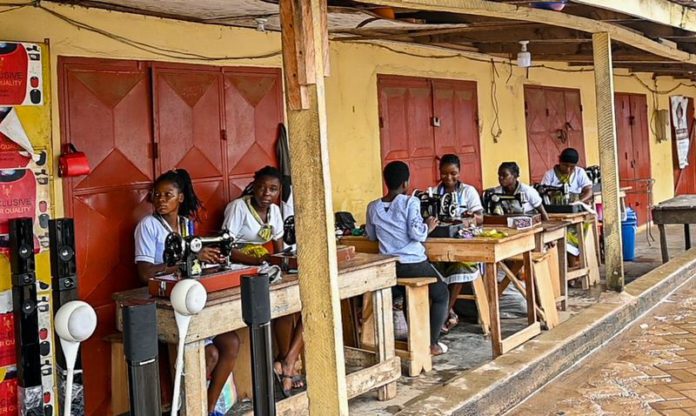
Five hundred tailors and seamstresses in the country are said to benefit from a new module of skills development programme organized by the Youth Employment Agency.
The Module, dubbed ‘Youth in Garment and Textiles Module,’ will be ushered in on Monday, August 4, 2023 at the Prempeh Assembly Hall in Kumasi.
In a time of engagement with the media, Chief Executive Officer of the Agency, Kofi Baah Agyapong, explained that it’s about time Ghanaians hold artisans in high esteem and trust in their abilities to solve domestic problems
“YEA is in to revamp and support the tailoring industry. Each tailor would be given three apprentices to train and get the support of GHC10,000.
“Big fashion companies would be supported with GHC100,000 to GHC200,000 in order to expand and train others in our new skills development module,” he explained.
However the main goal of this module is to bridge skill gaps and establish lasting employment prospects for aspiring tailors and dressmakers.
It is also poised for the promotion of industry growth and consequently strengthen Ghana’s economic development.
The Youth Employment Agency (YEA) was established under the Youth Employment Act 2015 (Act 887) to empower young people to contribute meaningfully to the socio-economic and sustainable development of the nation.
Its objective is to support the youth between the ages of 15 to 35 years through skills training and internship modules to transit from a situation of unemployment to that of employment.
It has created employment opportunities for over 84,000 youth in various sectors of national life in the first half of the year 2023.
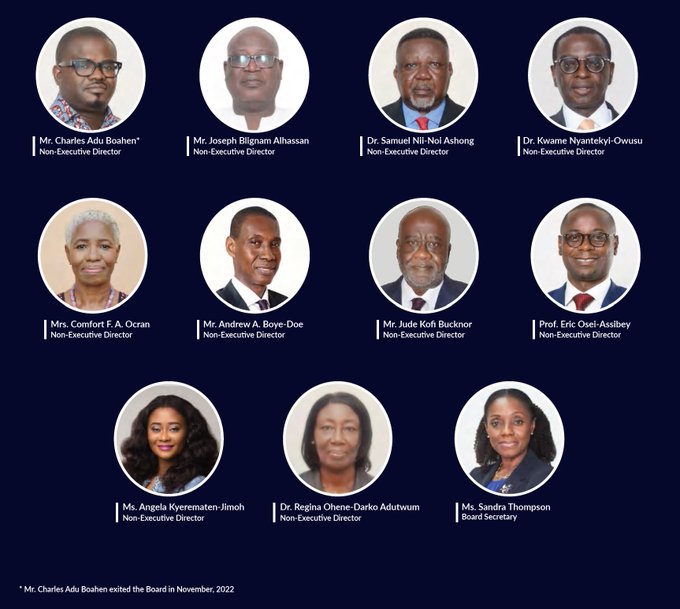
Each independent director on the board of the Bank of Ghana is allegedly paid US$8,000 per month, according to Bright Simons of IMANI Africa.
According to the Bank’s 2022 annual report, there are thirteen directors total, including the governor, his two vice presidents, and the remaining 10 directors.
He points out that the number is higher than average compared to other African nations, particularly Kenya and Nigeria.
His message was sent at a time when the Minority in Parliament is pressuring the bank’s leadership to leave due to a loss that, according to the most recent report, is equal to $6 billion USD.
“The Bank of Ghana has 10 independent Directors. It seems some people, esp in the Political Opposition, are not happy that they are paid ~$8,000 a month (~86,000 GHS).
Given the calibre of people needed to helm a central bank board, what would folks be comfortable with?” he quizzed.
The ten independent directors are as follows:
Dr. Samuel Nii-Noi Ashong – Non-Executive Director Mr. Joseph B. Alhassan – Non-Executive Director Dr. Kwame Owusu-Nyantekyi – Non-Executive Director Mr. Andrew Boye-Doe – Non-Executive Director Mrs. Comfort F. Ocran – Non-Executive Director Mr. Jude Kofi Bucknor – Non-Executive Director Dr. Regina Ohene-Darko Adutwum – Non-Executive Director Mr. Charles Adu Boahen – Non-Executive Director (Till 24/11/2022) Ms. Angela Kyerematen Jimoh – Non-Executive Director Prof. Eric Osei-Assibey – Non-Executive Director
Ghana has been listed among the top 10 countries globally experiencing the highest food inflation rates.
As indicated in the Food Security Report published by the World Bank, Ghana’s Nominal Food Inflation (year-on-year) of 54% positioned the country in the 8th rank.
However, its Real Food Inflation (year-on-year) of 12% positioned it at the 9th spot.
In the Nominal Food Inflation category, Venezuela claimed the first position with a year-on-year inflation rate of 414%. Following suit were Lebanon (280%), Zimbabwe (256%), Argentina (117%), Suriname (71%), Egypt (66%), and Sierra Leone (58%), in the 2nd to 7th rankings, respectively.
Regarding Real Food Inflation, Zimbabwe (80%), Egypt (30%), Lebanon (26%), Turkey (16%), Rwanda (15%), Burundi (14%), Lao (14%), and Sierra Leone (13%) captured the 1st to 8th positions respectively, representing the countries with the most pronounced food inflation rates.
According to the report, its latest data covering the period from February 2023 to May 2023, which includes food price inflation figures, reveals a notable surge in inflation across numerous low- and middle-income nations.
In fact, inflation rates surpassing 5% were observed in 63.2% of low-income countries, 79.5% of lower-middle-income countries, and 67.0% of upper-middle-income countries. Many of these countries are also grappling with double-digit inflation rates.
Furthermore, the report highlights that a substantial 78.9% of high-income countries are currently contending with elevated food price inflation. The regions most heavily affected by this trend span Africa, North America, Latin America, South Asia, Europe, and Central Asia.
From a genuine economic perspective, the inflation rates for food prices have outpaced the overall inflation rates (measured by the year-on-year change in the Consumer Price Index) in a significant 80.1% of the 166 countries where both food CPI and overall CPI indices are available.
Maize, wheat prices go up but rice price remains stable
The report also revealed an increase in maize and wheat prices, which closed 12% and 14% higher, respectively, after declining in the first half of July 2023. It consequently drove the increase in the cereal price index, whereas rice prices have remained stable.
On a year-on-year basis, maize and wheat prices are 15% and 17% lower, while rice prices are 16% higher. Maize, wheat, and rice prices are 8%, 11% and 3% higher, respectively, than in January 2021
The 2023 State of Food Insecurity and Nutrition in the World report highlights the state of global hunger and food insecurity and the challenges and opportunities that urbanization presents in the context of agrifood systems.
The report expressed concern about Russia’s withdrawal from the Black Sea Grain Initiative (BSGI) in global markets.
Wheat and maize prices rise, but rice prices stay the same
The report also unveiled a rise in the prices of maize and wheat, which rebounded by 12% and 14%, respectively, following a decline in the first half of July 2023. This upswing played a pivotal role in driving an increase in the cereal price index, whereas rice prices have maintained their stability.
In a year-on-year comparison, prices for maize and wheat have seen a decrease of 15% and 17% respectively, while rice prices have risen by 16%. Notably, current prices for maize, wheat, and rice are elevated by 8%, 11%, and 3% respectively compared to their levels in January 2021.
The 2023 State of Food Insecurity and Nutrition in the World report offers insights into the global landscape of hunger and food insecurity, shedding light on the challenges and opportunities that come with urbanization in the context of agrifood systems.
Of particular concern highlighted in the report is Russia’s withdrawal from the Black Sea Grain Initiative (BSGI) within the global markets.
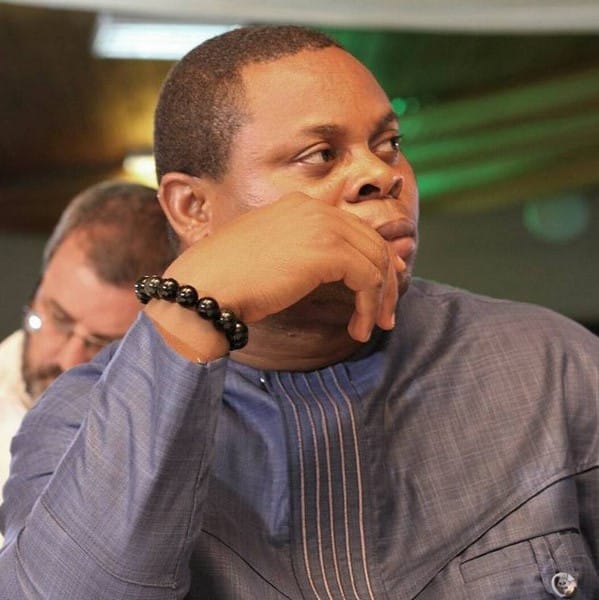
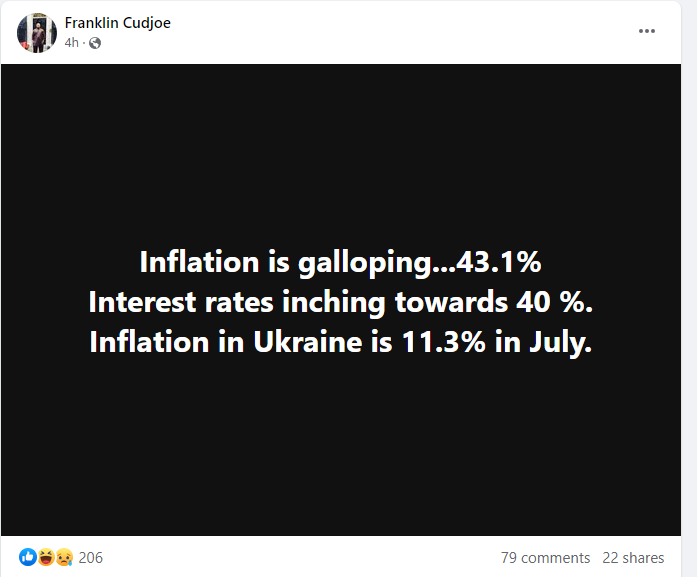
President and Founder of IMANI Africa, Franklin Cudjoe, has highlighted that Ghana’s inflation rate for July 2023 is three times higher than the inflation rate in crisis-stricken Ukraine.
Cudjoe pointed out that as of July 2023, Ghana’s inflation had reached 43.1%, with interest rates edging close to 40%.
He further noted that Ukraine’s inflation rate for the same month, July 2023, was recorded at 11.3%, which is three times lower than Ghana’s inflation rate.
In a Facebook post dated Thursday, August 10, 2023, the President of IMANI Africa emphasized the alarming pace at which Ghana’s economic situation is deteriorating.
“Inflation is galloping… 43.1% interest rates inching towards 40%. Inflation in Ukraine is 11.3% in July,” he wrote on his Facebook page.
Background
As stated in its 2022 Annual Report and Financial Statement, the Bank of Ghana encountered a substantial loss primarily due to the Debt and Deficit Exchange Program (DDEP).
As outlined in the report, the central bank underwent a restructuring of its holdings of government debt, while its non-marketable holdings of Government of Ghana instruments, which included long-term stocks, a COVID-19 Bond, and overdrafts, underwent a haircut of 50 percent.
Similar terms were applied to the exchange of Bank of Ghana’s other claims (holdings of marketable instruments) as those of other financial institutions participating in the DDEP.
This restructuring resulted in an impairment of GH¢48.40 billion in the year 2022.
Additionally, the Central Bank experienced revaluation losses on its foreign assets and liabilities due to the depreciation of the exchange rate.
The combined impact of impairments and revaluation losses led to a negative equity position amounting to GH¢55.12 billion for the year 2022.
The report further indicated that despite a robust trade surplus, the balance of payments incurred a deficit of US$3.64 billion, attributed to significant net outflows in the capital and financial account.
This situation prompted a drawdown of US$3.46 billion in Gross International Reserves, causing a decline from US$9.70 billion at the end of December 2021 to US$6.24 billion at the end of December 2022. This amount provided a cover for 2.7 months of imports.
The substantial reduction in reserves exerted considerable pressure on the currency, leading to the reduction of the Common Equity Tier 1 capital ratio from 6.5 percent to 5.5 percent, and an increase in the maximum Tier 2 capital ratio from 2.0 percent to 3.0 percent of total risk-weighted assets.
Business partners Dr. Ernest Ofori Sarpong and Dr. Osei Kwame Despite intend to develop one of Ghana’s largest poultry farms, according to plans made public by the minister of food and agriculture, Bryan Acheampong.
The minister claimed that after hearing his persuasive case for agriculture, and particularly chicken farming as a business, during a meeting, the businesspeople accepted the concept.
“Your senior brothers, Despite and Ofori came to meet me that after our last meeting when we discussed something about the poultry industry, Ofori said myself and Despite can do poultry as a business and as means of feeding the country if this is what you are saying,” he told Kwame Sefa Kayi on Peace FM.
The minister claims that the two have committed to the project after receiving his promise that they will be able to acquire land for such a large undertaking.
“After showing them the numbers, they said I should give them land, so I am looking for a land for them at Dahwenya and they have assured me that they will build one of the biggest poultry farms in the country,” he stated.
The minister further stated that the government would soon introduce a new iteration of the Planting for Food and Jobs initiative, which would strengthen the nation’s agricultural industry.
The World Bank has rendered an explanation as to why Uganda’s anti-LGBTQ bill contravenes its principles.
Unfortunately the institution has made a decision to halts financial aids to Uganda as a result of their stance on LGBTQ.
Details of the statement are here below:
In relation to Uganda, the World Bank Group has issued the subsequent communication:
The principles upheld by the World Bank Group are in direct contrast to Uganda’s Anti-Homosexuality Act.
Our conviction is that our mission to eliminate poverty on a sustainable planet can only prosper if it encompasses individuals of all backgrounds, regardless of race, gender, or sexual orientation.
This legislation undermines the strides we are making in this direction. Our endeavors worldwide are rooted in the ideals of inclusivity and non-discrimination.
Upon the immediate enactment of this law, the World Bank promptly dispatched a team to Uganda for the purpose of assessing our ongoing initiatives in light of this new legal framework.
The outcome of this evaluation has determined the necessity for supplementary actions to ensure that our projects adhere to our established environmental and social standards. Our objective revolves around safeguarding sexual and gender minorities against biases and exclusions within the projects we financially support. Deliberations are currently underway with the relevant authorities to implement these actions.
We shall withhold the presentation of any fresh public funding for Uganda to our Board of Executive Directors until the effectiveness of these supplementary measures has been verified.
To a significant degree, the introduction of external oversight and mechanisms for addressing grievances will empower us to take remedial measures whenever deemed necessary.
The World Bank Group boasts a longstanding and mutually beneficial rapport with Uganda. Our commitment to aiding all Ugandans in their pursuit of escaping poverty, accessing essential services, and enhancing their quality of life remains unwavering, encompassing each and every individual without exception.
President of Uganda, Yoweri Museveni, has responded to the World Bank over its intentions to halt future loan requests.
On August 8, the bank declared that it was pursuing legal action against the nation as a result of the recent passing of an anti-LGBTQ bill.
The president said that the behavior of the international lender amounted to trying to persuade Ugandans to renounce their faith and culture in exchange for money in a letter to the people that was published on Twitter.
Despite the fact that discussions with the lender to formalize areas of collaboration were in progress, he claimed that the East African nation would still thrive with or without funding.
Full text: Museveni’s message to the nation
Ugandans, especially the Bazzukulu. Greetings.
Things are moving well in Uganda in spite of the corruption of some Public Servants and some elements of the political class.
Last night, an official from the World Bank rang me to alert me about the statement from that Bank regarding the suspension of any new requests from Uganda for loans. I want to inform everybody, starting with Ugandans, that Uganda will develop with or without loans.
It is, therefore, unfortunate that the World Bank and other actors dare to want to coerce us into abandoning our faith, culture, principles and sovereignty, using money. They really under-estimate all Africans.
We do not need pressure from anybody to know how to solve problems in our society. They are our problems. We are continuing to talk with the World Bank so that both they and we avoid this diversion if possible.
The Finance Ministry has issued a caution against unwarranted criticism directed at the Bank of Ghana (BoG).
John Kumah, Deputy Minister of Finance, has expressed that the dissemination of propaganda and unjustified attacks on the central bank can result in escalated market volatility, hastened asset sell-offs, and potentially trigger a series of events that may impact our overall economic stability.
These statements have arisen in response to the National Democratic Congress (NDC) Members of Parliament who have declared their intention to stage a protest at the BoG’s premises if Governor Dr. Ernest Addison does not step down.
The NDC MPs have set a 21-day ultimatum for Governor Addison, commencing from Tuesday, August 8, demanding his resignation due to the challenges currently faced by the central bank.
Addressing a press conference in Accra on Tuesday, August 8, the Minority Leader Dr Cassie Ato Fortson said “we call for the resignation of the Governor of the Central Bank and his deputies within 21 days from today. We are resolved to embark on popular action to occupy the Central Bank and drive out the team of inept, callous and criminal mismanagers of the finances of this country and Save the Bank of Ghana. The March to Ensure Accountability will begin in 21 days if the Governor of the Bank of Ghana does not do the needful and pack bag and baggage out of that sacred institution that he has so desecrated. Dr Ernest Addisson Must Go! There has to be an end to impunity and it is now!”
Dr Forson further stated that the more troubling fact is that, having brought the Bank of Ghana to this terrible financial state, “the Governor and his deputies, have found it prudent and expedient to invest $250 million (GHC2.8 billion) on another Head Office building somewhere at Ridge. In our circumstances, this is the height of insensitivity in the management of the finances of a troubled country.”
“The BOG’s illegal printing of money is responsible for the depletion of Ghana’s external reserves which resulted in the unprecedented depreciation of the Cedi, the main cause of hyperinflation in 2022. It is important to state that the Governor breached section 30 (7) of the Bank of Ghana Act, 2012 (Act 612 ) and Section 60 of the Bank of Ghana Amendment Act, 2016 (Act 918).
“An estimated 850,000 people were further reported to have been pushed down the poverty line as a result of the hyperinflation in 2022.”
But in a statement reacting to the Minority, John Kuamh who is also a lawmaker for Ejisu said in a statement that “Ignore this funny NDC Propaganda about the collapse of the Bank of Ghana (BoG). BoG is Solid ! The NDC is funny! It’s not true that a recapitalization levy is to be introduced for BoG , the Central Bank hasn’t collapsed.
“The main source of income to the Bank is from government transactions i.e. fees and charges on all government transfers, the bank’s investments in marketable instruments and also earnings from non-marketable holdings of the Bank. Given that government transactions have gone down, naturally, the income of the bank will go down. Also, because of the debt restructuring, earnings on their holdings on markable and non-marketable bonds will go down.
“Beyond this, the Bank is solid and is capable of performing its core function. Article 183 clause 2 (c) of the 1992 constitution enjoins the Bank of Ghana to promote and encourage economic development in the country , hence there is nothing untoward in the actions of the Central Bank to support the state in its economic recovery efforts. It is important to further highlight that a negative balance sheet by a Central Bank is not unusual, in fact, most Central Banks around the world run negative balances to achieve the overall economic anchor objectives of a Central Bank. ‘History clearly illustrates this. Several central banks had negative equity yet fully met their objectives – for example, the central banks of Chile, Czechia, Israel and Mexico experienced years of negative capital. But throughout, financial and price stability were maintained.’ – Bank For International Settlements Bulletin No.68.
“According to Nordstrom and Vredin (2022), a central bank’s credibility depends on its ability to achieve its mandates. Losses do not jeopardise that ability and are sometimes the price to pay for achieving its aims.
“Such propaganda and unnecessary attacks at the central bank only result in increased market volatility, panic selling of assets, and can trigger a chain of events that can affect our overall economic stability.”
Founding member of the New Patriotic Party (NPP), Dr. Nyaho Nyaho-Tamakloe, has charged politicians with embezzling money from the nation.
He attributed the problems Ghana is currently facing to this circumstance.
Speaking during the 3Business Ghana’s Economic Forum Agenda held on Wednesday, August 9, he said “The cause of the problems we have is money being siphoned out by politicians.”
Additionally, he charged a lack of honesty on the part of the nation’s current leaders.
Kwame Pianim, a prominent member of the NPP, also stated at the same gathering that Ghana is in a grave economic crisis.
“Where we are now is difficult, we have never been there before, we need to sit up now and, we are not on the road yet we haven’t turned the corner,” he said.
It is noted that Ken Ofori-Atta, the finance minister, assured Parliament that the administration had overcome its economic difficulties.
On Monday, July 31, he stated during the presentation of the 2023 mid-year budget review that the government had worked hard to prevent empty store shelves for medicines and other necessities and that there had been no food shortages in the nation;
“We have been spared the frustrating spectre of long queues for fuel at our filling stations; and, we have managed, in spite of all the challenges, to keep the lights on,” he said.
“Indeed, as the Psalmist said (in Psalm 118:23) this is the LORD’s doing; and it is marvellous in our eyes.
“This ‘turning the corner’ is underpinned by the investments and sacrifices we have collectively made during this difficult period since March 2020,” he added.
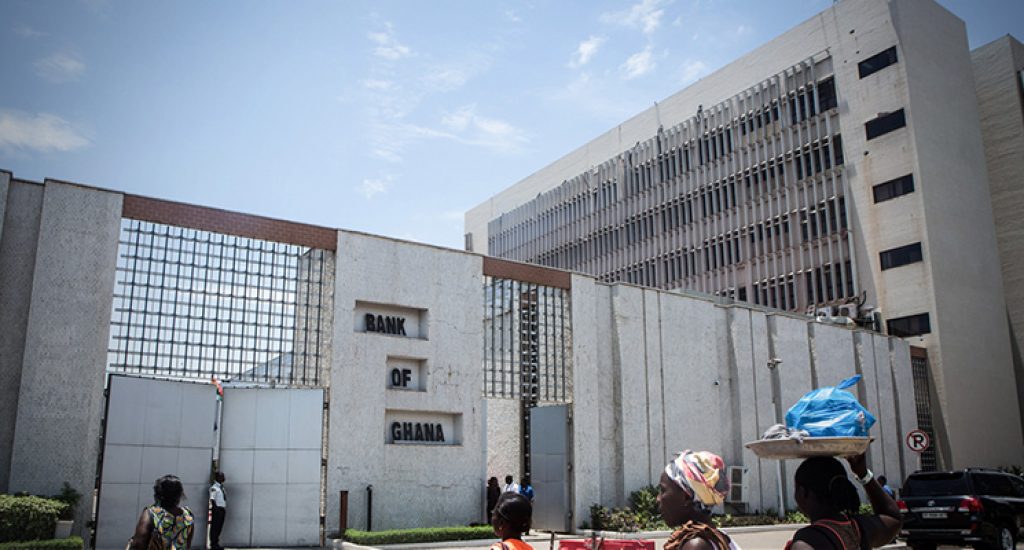
The Bank of Ghana’s loss of Gh60.8 billion has been brought into question, and Rev. Dr. Samuel Worlanyo Mensah, an economist and lecturer at Wisconsin International University College, has urged Parliament to look into it.
Despite the loss being attributed by the Central Bank to the domestic debt restructuring program in its 2022 annual report, he claimed that a Parliamentary committee should be established to look into possible inconsistencies and illegalities.
“Is it not frightening that the Bank of Ghana would superintend over this huge loss? I believe there were irregularities and illegalities and a Parliamentary committee must investigate the Gh¢ 60.8 billion loss and any wrongdoing found must be punished,” Dr Mensah said.
He suggested that the investigation should encompass other statutory transactions that the Bank had engaged in over the past 8 to 10 years.
The Bank of Ghana clarified the reason for the loss as being due to the impairment of marketable government stocks and non-marketable government instruments held in their records.
The accumulation of government instrument stocks had occurred over the years, with these holdings and COCOBOD exposures being part of the debt exchange in which the Bank of Ghana acted as the loss absorber for the entire debt exchange program.
This led to the central bank assuming a 50 percent principal reduction on the total principal, which amounted to Gh¢ 64.5 billion at the time of the exchange.
In an interview with the Ghana News Agency, he remarked that the government didn’t spend extensively on those transactions, hence the program shouldn’t be categorized as an expenditure attributable to the Bank of Ghana’stransactions.
He emphasized that the same rationale used for revoking licenses of certain financial institutions during the banking sector cleanup should be applied to investigating the central bank for any irregularities.
“As a crucial regulator and a huge industry player, you can’t do things haphazardly. The Bank of Ghana had not given the breakdown of how it incurred the loss, raising a concern for interrogation,” the Lecturer said.
He said if the details had been provided and cost-benefit analysis and investigation had proven that the Bank was complicit, then those who oversaw activities leading to the loss should be charged for mismanagement, misappropriation and misapplication of public funds.
Dr Mensah said Ghanaian had been going through a serious socioeconomic turmoill and the loss of such a colossal amount of money (Gh¢ 60.8 billion) which is equivalent to about $5.4 billion, more than the $3 billion IMF bailout be “swept under the carpet.”
“The Gh¢ 60.8 billion could be used to champion the industrialisation drive, that is the One District One Factory. The money could build all the factories for us in all the districts across the country,” he added.
Nathaniel Alexander’s innovative genius revolutionized the idea of seating with his legendary invention, the folding chair. This piece explores his life journey and the significant influence of his portable seating solution on contemporary comfort and functionality.
Early Life A family steeped in craftsmanship raised Nathaniel Alexander, who was born in a small New England town in 1843, and helped develop his natural aptitude for creative problem-solving.
Genesis of the Folding Chair Alexander set out on a mission to develop a revolutionary solution that would redefine the very definition of convenience, driven by the growing demand for portable seats that wouldn’t compromise restricted space.
Innovation and Development After years of testing, Alexander finally produced a chair that skillfully merged functionality and beauty. His collapsible chair provided a seamless transition between utility and compactness, becoming the solution to the space-saving conundrum.
Patent and Impact The folding chair invented by Alexander was given official recognition with a patent in 1876. Its simple conversion from a useful seat to a compact form captured the public’s attention and completely altered how people thought about seating arrangements.
Enduring Legacy The folding chair’s adaptability has solidified its presence across a spectrum of settings, from bustling events to domestic and professional spaces. Nathaniel Alexander’s invention remains a cornerstone of efficient and space-conscious seating solutions.
The trajectory of Nathaniel Alexander’s life is evidence of the transforming potential of creative thinking. His creation, the folding chair, serves as an enduring example of how creative solutions may improve everyday comfort and push the limits of convenience.
Investigative journalist, Manasseh Azure Awuni, has discredited tabloid fraud claims involving a businesswoman with a headquarters in France and a Court of Appeal judge.
The Facebook page of Mensah Thompson of ASEPA, which contains images of a police statement, is cited as the author of the fraud report narrative.
According to sources, Bire Marie-Dominique, the complaint, believes Justice Ekow Baiden defrauded her of $190,000.
Mr. Azure Awun claims that after being contacted by specific people over a month ago, he was inspired to look into the situation.
“I was extremely livid when the issue was first narrated to me and I wondered how a judge could do that.
“After carefully perusing the documents, however, I concluded that what I had been told and the documents I had were not enough to do the story. People have worked hard for their reputation and unless I have a good reason to do so, I will not publish their names with the allegations, a reason I’ve still been engaging the complainant’s sources,” the investigative journalist noted in a Facebook post on Saturday, August 5.
Mr. Azure Awuni mentioned that he got in touch with the complainant’s “brother,” and that according to what the “brother” told him, there was no fraud as claimed.
“In a chronology of events sent to me by the supposed brother of the buyer (a France-based Senegalese woman), this is what she wrote:
“April/May 2021: Upon my arrival in Accra to sign the Lease Agreement, the seller changes the terms (purchase price, sub-lease agreement duration), and refuses to sign the contracts. I raise the issue via email with my lawyer, who insists on engaging with various parties to finalize the deal (see emails).’” he stated.
According to the investigative journalist, in the police extract that Mensah Thompson posted, the woman claims the judge increased the price of the building from $190,000 to $250,000 and refused to sign the lease agreement. However, her petition to the Office of the Special Prosecutor “indicates that she opted out of the transaction because there was a disagreement in the number of years of the unexpired lease since she is a foreigner and could not get beyond 50 years of the unexpired lease”.
Further arguing out his point, he noted that in an April 2022 letter, the lawyer of the woman, Roberts Ekor Dassah, stated that her client “resiled the sale agreement” due to some “irreconcilable reasons” and per findings, the word “resile” means abandon a position or a course of action”.
In his research, Mr Azure found out that Bire Marie-Dominique expressed interest in a property that belonged to the judge and his wife; got her lawyer to do due diligence on the property and when she was satisfied with the documents, paid the money in two installments in March 2021 and took possession of the keys to the property, pending the signing of the lease agreement.
He, therefore, concluded that “there is nothing to show that it was the judge who refused to sign the agreement. I have tried to ask questions and get clarity on the contradictions of the woman making the allegations, but I’m yet to be satisfied.”
“There is also no evidence that the judge had increased the price of the property. This does not come up in any of the extensive exchanges between the parties involved or the lawyers acting on either side of the transaction.
“In any case, I found it strange that a seller who handed over the keys of the property to the buyer and allowed the buyer to take possession would not want to sign the agreement after taking his payment.
“It is also strange that the buyer would still want to proceed with the transaction after realising that the price had been increased from 190,000 to 250,000 dollars, and that it was the seller’s refusal to sign that stopped the deal,” he added.
Further findings of Mr Manasseh Azure Awuni are as follows:
DEFAMATION SUIT
Before the property was resold, the woman wrote to a number of institutions such as the police, EOCO, the Office of the President and the Chief Justice, accusing the judge of fraud and theft. She even wrote to the judge’s bank and alleged that the judge had received fraudulent payment into his account, a petition which resulted in a temporary blocking of the judge’s bank account. I have seen evidence of all that.
In the chronology of events written by the buyer/woman, the judge threatened her with a defamation suit in August 2021 but she insisted she would continue to involve state authorities until she got a refund of the money.
She says in December 2021, the judge asked to repossess or take over his property and sell it to someone else since she was no longer interested in buying it. In February 2022, the judge sued her for defamation.
In May 2022, the buyer, through her power of attorney, wrote to the institutions to retract and apologise for the defamatory statements against the judge.
In April 2022, (a year since the woman had taken possession of the property) the judge sold the property to a medical doctor for 190,000 dollars. (Note that it was still the same price at which it was sold to the woman, not the 250,000 dollars she claims the judge had increased it to). In April 2022, lawyers for the buyer wrote to the seller/the judge to refund the money to their clients since the property had now been sold to a different buyer after the woman opted out of the deal a year ago.
Sources close to the judge claim the defamation case was nearing determination and the judge held on with the payment so that should he win–which was likely because by the nature of the apologies and retraction, the woman had admitted defaming the judge–it could be used to offset the damages he was seeking.
The judge won the defamation case to the tune of about 2 million cedis. (This is part of the case concerning the withholding of the payment pending the outcome of the trial, I’m told, is being contested by the woman).
I have recounted my knowledge of the case and my reservations in covering this story due to the numerous allegations of compromise directed at individuals involved in various stages of the case.
The initial attorney of the woman, the police who initiated the investigation, and even the woman’s power of attorney, have all faced accusations of compromise.
If anyone were to assert that I was informed about this case but chose not to pursue it, I want to clarify that until the early hours of today, prior to the report published by Ghanaweb, those providing me with information on behalf of the complainant were still in the process of addressing critical inquiries regarding their own allegations against the judge, as indicated by a WhatsApp screenshot.
Lawyer Elizabeth Ofosu Adjare, the Member of Parliament for Techiman North was in the district capital where contractors had brought their machinery to replace the faulty traffic lights at her instance.
According to the residents of the area, it was her 2020 campaign promise to fix it to reduce road accidents at the intersection in question.
However, the Chief Executive of the Techiman North District in the Bono region, Everson Addo-Donkor ordered the police commander to stop the legislator from replacing the traffic light because it is not her government that is in power.
This resulted in a clash between the supporters of the two politicians, with those of the MP insisting that the contractor should go ahead with the work, while those of the DECE were against it.
Eventually, the police commander asked the contractor to leave the site and keep his tools at the police station for the disagreement to be resolved before he proceeds.
The development has angered many residents of Tuobodom who have vowed to ensure the MP is allowed to fulfil her campaign promise to them, which would also bring an end to the incessant loss of lives at the said section of the busy road due to the absence of a traffic light.
In a video shared by Joy News, some of the residents are heard wondering whether the DCE has the interest of the people at heart or he is just pursuing parochial partisan interests.
Amidst the coup in Niger that has disrupted the supply chain, onion vendors in Ghana have issued a warning about potential price hikes for the commodity.
Truckloads of onions found themselves detained at Ghana’s northern border due to the ongoing military takeover inNiger, which has prompted ECOWAS sanctions on the nation.
The drivers responsible for transporting these onions encountered days of being marooned at the border due to the enforced closure of both land and air boundaries connecting ECOWAS countries and Niger.
Speaking on the matter, Sani Abubakar, the head of the Accra Onion Importer Association, stressed that the cost of onions is likely to experience an upward surge, possibly leading to a scarcity.
During an interview with TV3’s Enyonam Haliga, he elaborated further on this potential predicament.
“For now, we are at a loss, we have a lot of trucks stuck at the border. Some are at the Mali border, Burkina Faso, and Benin so we are appealing to the government to intervene. If care is not taken we are going to sell one bag of onion at 3000 cedis.”
At present, a bag of onions is being sold within the price range of ¢1300 to ¢25,000, marking a significant increase from the previous price of ¢1000 cedis.
In response to this scenario, Dr. Charles Nyaaba, the Executive Director of the Peasant Farmers Association of Ghana, highlighted that the ongoing political instability in Niger is poised to have a pronounced impact on the supply of onions and various other commodities to Ghana.
Dr. Nyaaba further emphasized that this situation in Niger will inevitably affect the availability of livestock in Ghana.
During an appearance on the Ghana Tonight show on TV3 on Tuesday, August 8, he stated, “In recent times, we source a substantial portion of our food commodities from neighboring countries. This encompasses various types of vegetables such as tomatoes, pepper, and onions, which come from Burkina Faso and sometimes Togo. The supply of onions is specifically reliant on Niger. Similarly, when considering livestock like cattle, goats, and sheep, our sources are also concentrated in these same regions.”
“So obviously this is going to have a serious impact on the supply of those commodities in our market.”
Mr. Nyaaba further mentioned that although Ghanaian farmers are manufacturing these goods, the domestic output is insufficient to meet market demand, which is why bordering nations are needed.
He said “In Ghana, it is not the case that we don’t have the potential to produce the same. When you take onions, which we are getting 100 percent from Niger, we also get seeds from Niger.
“…When there is no water, you can’t produce onions. So if you look at the farmers who produce onions, most of them are from the White Volta basin around Bawku, Zebilla, Bolgatanga, they produce the bulk of the onions, but is still highly insignificant to meet our consumption.”
Onion vendors in Ghana have reached out to President Nana Addo Dankwa Akufo-Addo, appealing for his intervention to facilitate the release of their stranded trucks from Niger.
Their concern stems from the apprehension that failure to release these trucks could trigger a surge in onion prices.
Numerous truckloads of onions currently remain held at Ghana’s northern border due to the prevailing military takeover in Niger, which has led to the imposition of ECOWAS sanctions on the country.
The onion truck drivers have found themselves in a state of limbo for several days at the border due to the enforced closure of both land and air borders between ECOWAS member states and Niger.
The leader of the Accra Onion Importer Association, Sani Abubakar, emphasized that the anticipated outcome could entail a significant rise in onion prices, potentially leading to a shortage in supply.
During a media engagement he indicated that “For now, we are at a loss, we have a lot of trucks stuck at the border. Some are at the Mali border, Burkina Faso, and Benin so we are appealing to the government to intervene. If care is not taken we are going to sell one bag of onion at 3000 cedis.”
Presently, a sack of onions is being retailed within the price range of ¢1,300 to ¢25,000, which contrasts with the previous rate of ¢1,000 cedis.
In light of this circumstance, Dr. Charles Nyaaba, the Executive Director of the Peasant Farmers Association of Ghana, emphasized that the prevailing political instability in Niger is bound to exert an impact on the inflow of onions and other essential commodities into Ghana.
Dr. Nyaaba further noted that the state of affairs in Niger is anticipated to have repercussions on the importation of livestock into Ghana.
During an appearance on the Ghana Tonight show aired on TV3 on Tuesday, August 8, he underscored the potential consequences of the situation,
Presently, a sack of onions is being retailed within the price range of ¢1,300 to ¢25,000, which contrasts with the previous rate of ¢1,000 cedis.
In light of this circumstance, Dr. Charles Nyaaba, the Executive Director of the Peasant Farmers Association of Ghana, emphasized that the prevailing political instability in Niger is bound to exert an impact on the inflow of onions and other essential commodities into Ghana.
Dr. Nyaaba further noted that the state of affairs in Niger is anticipated to have repercussions on the importation of livestock into Ghana.
During an appearance on the Ghana Tonight show aired on TV3 on Tuesday, August 8, he underscored the potential consequences of the situation
Mr. Nyaaba also indicated that although Ghanaian farmers are producing these commodities, the local production is not enough to meet the demand on the market, hence the reliance on neighboring countries.
He said “In Ghana, it is not the case that we don’t have the potential to produce the same. When you take onions, which we are getting 100 percent from Niger, we also get seeds from Niger.
“…When there is no water, you can’t produce onions. So if you look at the farmers who produce onions, most of them are from the White Volta basin around Bawku, Zebilla, Bolgatanga, they produce the bulk of the onions, but is still highly insignificant to meet our consumption.”
In 2022, the Bank of Ghana utilized an amount of GH¢325 million for the printing of currency notes. Comparatively, as indicated in the Bank of Ghana’s Annual Report and Financial Statements for 2022, GH¢174 million was allocated for this purpose in the preceding year, 2021.
The Bank of Ghana encountered substantial losses in 2022, predominantly attributable to the Domestic Debt Exchange Programme (DDEP).
As outlined in the report, the central bank restructured its holdings of government debt, which encompassed non-marketable holdings of Government of Ghana instruments including long-term stocks, a Covid-19 Bond, and overdrafts that were subjected to a 50 percent reduction in value.
Furthermore, the Bank of Ghana’s other claims, comprising holdings of marketable instruments, underwent a similar exchange in terms as other financial institutions under the DDEP.
This culminated in an impairment of GH¢48.40 billion during 2022. Simultaneously, the Central Bank faced revaluation losses on its foreign assets and liabilities due to the depreciation of the exchange rate.
These combined factors resulted in a negative equity position of GH¢55.12 billion for the fiscal year 2022.
The report also highlighted that despite a favorable trade surplus, the balance of payments registered a deficit of US$3.64 billion, largely due to considerable net outflows in the capital and financial account.
Consequently, Gross International Reserves underwent a drawdown of US$3.46 billion, decreasing from US$9.70 billion at the conclusion of December 2021 to US$6.24 billion at the end of December 2022, thereby providing import cover for 2.7 months.
The substantial reduction in reserves gave rise to heightened currency pressures and led to a decline in the Common Equity Tier 1 capital ratio, from 6.5 percent to 5.5 percent. Additionally, there was an elevation in the maximum Tier 2 capital ratio, rising from 2.0 percent to 3.0 percent of total risk-weighted assets.
Three years ago, Abigail Babatunde struggled to read her schoolwork and frequently required the assistance of her teachers to correctly enunciate difficult words.
The working-class Lagos suburb of Ejigbo’s 11-year-old public school student, who is currently in primary six, reads them alone at home. She now reads books about friendship and adventure on a regular basis as well.
Eniola Akanbi, her class teacher, claims that Babatunde, who wants to be a doctor, is also more active in class. “Now, she [Babatunde] would jump up whenever I asked for a volunteer to come up to read to the classroom,” she said.
“Reading improves my mood,” Babatunde, who wants to be a medical doctor, said. [And] when a teacher asks a question in class, I’m able to respond because I’ve read the day before. While I’m walking along the street, I occasionally read the signboard.”
The narrative underwent a transformation following the introduction of a new classroom library in January 2022.
The classroom library takes the form of a bookshelf crafted from repurposed fabric that hangs from a nail on the classroom wall. Resembling a hanging shoe rack but slightly larger, it features between seven to 10 compartments. Each compartment houses a collection of three to five books of varying dimensions. These books are meticulously organized in a vertical arrangement, with their placement determined by size, descending from largest to smallest.
The inception of these bookshelves is credited to The Hanging Library, an initiative established by The Neo-Child Initiative. This volunteer group is dedicated to providing mentorship, literacy support, free medical services, and medication to children residing in low-income neighborhoods. With an impressive roster of nearly 300 committed volunteers, the initiative is chiefly financed through a book donation campaign and contributions from family, friends, and volunteers.
Currently, there are a total of 50 libraries and over 5,000 books spanning academic textbooks to engaging stories. These libraries are distributed across Abuja, the federal capital, as well as various cities within six states.
The initiative is funded mainly through a book drive and contributions from family, friends, and volunteers. There are now 50 libraries and more than 5,000 books from academic textbooks to story books, across Abuja, the federal capital, and cities in six states.
Two pupils read in front of the hanging library at a school in Lagos [Muhammed Bello/Al Jazeera]
Closing the gap
According to a UNESCO 2022 assessment, there are more than 20 million youngsters in the nation who are not in school. However, due to inadequate funding for public schools and limited access to basic resources for students who are still in school, Nigeria’s basic education has suffered.
An estimated two-thirds of Nigerians are literate at a basic level since education is free at that level. But this January, Cristian Munduate, UNICEF’s Nigeria representative claimed that “75 per cent of children aged seven-to-14 years cannot read a simple sentence or solve a basic math problem”.
Seyi Bolaji, founder of Kaduna-based Project Educate A Child (ProjectEAC) campaign, thinks these numbers are a conservative estimate.
“The 20 million are those that are counted, what about those that are not counted … because people are still giving birth and they do not care whether these children go to school or not,” said Bolaji.
“Also too much energy is being given to out-of-school children while the ones in school are planning to leave school because the standard of education is declining,” she added. “When those in school are still unable to read and write, what is the point?”
The void that The Hanging Library, initially established in 2017 in Lagos, aims to bridge.
During his obligatory one-year national service in Lagos, Yusuf Shittu, the founder of TNCI, would routinely commute past Babatunde’s school on his way to work. On a particular day, he observed the absence of a physical library or an organized space for book storage within the expansive school complex, spanning seven buildings.
Having been nurtured with a fondness for reading newspapers from an early age by his father, Yusuf Shittu was motivated to pass on his passion for books. He expressed to Al Jazeera that this initiative provides an opportunity to positively shape an entire generation.
This perspective has garnered support from experts in the field.
“It’s an innovative solution to a deep problem in our society,” said Kemi Ogunsanya, a project manager at Lagos-based online hub TeacherX Project. “A lot of factors and lack of reading materials is one of the causes of the declining rate of reading culture. A lot of schools don’t have libraries and are only left with just bare classrooms.”
More than half of Nigeria’s estimated 200 million people live on less than $2 daily, according to the National Bureau of Statistics. For many of them, their meagre wages can barely afford enough food, much less books for their children.
“You can’t give what you don’t have,” said Bolaji. “There are some families who have not eaten for days, telling them to invest in buying textbooks for their children will make one look stupid.”
The hanging libraries can help children from low-income households at schools improve their grades and have a broadened worldview, said Ogunsanya.
“A reader is a leader,” she said. “A reader will always have an expanded mindset, and all of this will often affect academic progression.
One of the coordinators of The Hanging Library initiative visits a school in Lagos after the installation of a library [Muhammed Bello/Al Jazeera]
A life-changer
But more needs to be done with initiatives like this, experts said, to target not just children in the classroom but also out-of-school children. “The school is only a building, a child can learn anywhere,” Bolaji said. “We can get this mobile library to them [street kids] and teach them how to read and write.”
According to Shittu, there are plans to expand it to additional communities in other states and develop a plan to replace ripped and missing books but there are financial and logistical challenges to resolve in order to make that happen.
For Babatunde, who lives with her father and lone caregiver, a butcher by day and security guard by night, the library has been a life-changer. By day, she chooses any book available at the library to aid her in her assignment because she is not allowed to take books out of the school.
Often, her book of choice is Without a Silver Spoon, by Eddie Iroh, the story of a boy born into poverty, who is wrongly accused of theft in the household where he works as a domestic help to pay his school fees.
During the daily 15-minute free periods for her class, Babatunde rushes to the hanging library beside the chalkboard, almost breaking into a run to get it, before anyone else does. And on her way back to her seat, she is already flipping through the pages, reading.
A former politician and rebel leader in Niger has started a movement opposing the military government that seized control in a coup on July 26. This is the first indication of internal opposition to army rule in the crucial Sahel nation.
Rhissa Ag Boula’s new Council of Resistance for the Republic (CRR), which was announced on Wednesday, intends to bring back ousted President Mohamed Bazoum, who has been held captive at his home since the takeover.
“Niger is the victim of a tragedy orchestrated by people charged with protecting it,” the statement said.
Following the military government’s rejection of the most recent diplomatic mission from the African Union and the Economic Community of West African States (ECOWAS), diplomatic efforts to undo the coup have halted.
In response to demands to talk before a summit on Thursday where the chiefs of state from the ECOWAS will discuss the use of force, the coup leaders in Niger on Tuesday refused entrance to African and UN envoys.
In a statement, Ag Boula stated that it would make itself accessible to ECOWAS for any constructive purpose and that it supports the organization as well as any other foreign actors attempting to restore constitutional order in Niger.
Another CRR member said several Nigerien political figures had joined the group but could not make their allegiance public for safety reasons.
Ag Boula played a leading role in uprisings by Tuaregs, a nomadic ethnic group present in Niger’s desert north, in the 1990s and 2000s. Like many former rebels, he was integrated into government under Bazoum and his predecessor Mahamadou Issoufou.
While the extent of support for the CRR is unclear, Ag Boula’s statement will worry the coup leaders given his influence among Tuaregs who control commerce and politics in much of the vast north. Support from Tuaregs would be key to securing the military government’s control beyond Niamey’s city limits.
Democratic ECOWAS member states such as Nigeria want the reinstatement of the civilian government that had been relatively successful in containing a deadly campaign by armed groups linked to al-Qaeda and ISIL (ISIS) which has devastated the Sahel region.
Mutinous soldiers detained Bazoum and seized power on July 26, claiming they could do a better job at protecting the nation from the violence.
The coup comes as a blow to many countries in the West, which saw Niger as one of the last democratic partners in the region against the expansionist threat of armed groups. Niger also matters to the global market on various fronts, including its 5 percent share of the global supply of uranium.
Video Duration 04 minutes 30 secondsNiger coup leaders rebuff overtures backed by US, UN & AU to talk
Complex diplomatic picture
The coup has already led to border and airspace closures that have cut off supplies of medicine and food, hampering humanitarian aid in one of the world’s poorest countries.
US Secretary of State Antony Blinken said late on Tuesday that he had spoken to Bazoum to express continued efforts to find a peaceful resolution to the crisis.
“The United States reiterates our call for the immediate release of him and his family,” he posted on the social media platform X, formerly known as Twitter.
Spoke to Nigerien President Bazoum to express our continued efforts to find a peaceful resolution to the current constitutional crisis. The United States reiterates our call for the immediate release of him and his family.
Nigeria’s President and ECOWAS chairman Bola Tinubu imposed more sanctions on Niger on Tuesday, aimed at squeezing entities and individuals involved in the takeover, and said all options were still on the table.
ECOWAS has said the use of force would be the last resort. The bloc’s defence chiefs have agreed on a possible military action plan, which heads of state will discuss at their summit on Thursday in the Nigerian capital, Abuja.
But Mali and Burkina Faso, ECOWAS members that have rejected Western allies since their own military took power in coups in the past three years, have promised to defend Niger’s new army rulers from any forceful attempt to remove them.
In a letter to the UN, they called on the Security Council to prevent any armed action against Niger, saying it would have unpredictable consequences such as the break-up of ECOWAS, a humanitarian disaster, and a worsening security situation.
Accusing Western powers of using ECOWAS as a proxy to conceal a hostile agenda towards Niger, they said they were committed to finding solutions through diplomacy and negotiation.
Mali and Burkina Faso previously said they would treat any military intervention in Niger as an act of war.
Further complicating the diplomatic picture is the influence of Russia in the Sahel region, which Western powers fear could grow stronger if the military government in Niger follows Mali’s example by throwing out Western troops and inviting in Wagner mercenaries.
Niger currently hosts US, French, German and Italian troops under agreements made with the now-deposed civilian government.
Zambian opposition Socialist Party leader Fred M’membe has faced charges of libel in connection with a series of contentious posts on social media.
According to Police Chief Graphael Musamba, Mr. M’membe’s recent statements were viewed as potentially inciting “civil disobedience” against the government.
“He referenced military juntas in West Africa, which implies a singular intention to disrupt the prevailing peace in the country. Is this the kind of socialism he advocates, advocating for military coups?” Police Chief Musamba stated.
Mr. M’membe refutes these allegations and, despite his arrest, has continued to issue statements online.
He asserts that authorities have recently issued an order to law enforcement agencies to seize all of his electronic devices, including phones, laptops, and other personal belongings.
“What a sheer waste of time and energy? Let the police legally request for what they want from us and we shall cooperate, instead of resorting to such primitive policing techniques,” he posted on his Facebook page. Mr M’membe who is a journalist-turned-politician once owned the Post newspaper which was controversially liquidated in 2016 for allegedly failing to meet tax obligations.
A former police chief from Sierra Leone has been detained and turned over by Liberian authorities after that nation accused him of plotting a coup against President Julius Maada Bio’s administration.
He mentioned that Liberia had opted to surrender the former police chief to Sierra Leone as requested, following preliminary investigations.
He further stated that Sierra Leone had provided assurances that the ex-police chief’s rights would be upheld, including the right to a fair and expedient trial.
Nevertheless, Liberia’s Independent National Commission on Human Rights expressed reservations about the extradition, citing concerns about surrendered individuals potentially facing “physical abuse, unfair trial, or excessive punishment” from the requesting government.
In a statement, the commission also reminded Liberia’s government of its responsibilities, including the refusal of extradition requests if the offense “is considered a political offense or one associated with a political offense.”
The former police chief has been residing in Liberia since last year. He was among the officers dismissed from the Sierra Leone police force in 2020, with others compelled into retirement, according to local media reports.
His deportation comes after more than a week following the Sierra Leone police’s accusation against unspecified individuals “at home and abroad” of plotting violent protests.
Last week, the police reported the arrest of several individuals, including unnamed senior military officers, for allegedly “working to undermine the peace and tranquillity of the state.”
One of the institutions that needs to be safeguarded is the Bank of Ghana (BoG), according to Godfred Bokpin, a lecturer at the University of Ghana Business School.
“One of the institutions we want to protect is the Bank of Ghana, you don’t do politics with the Bank of Ghana,” he said, speaking at the 3Business Ghana’s Economic Forum Agenda held on Wednesday, August 9.
Previously, he accused the BoG of deliberately relinquishing its autonomy and surrendering its core principles to the government through excessive involvement in extending financial aid to the government.
Professor Bokpin attributed the central bank’s present financial challenges to its excessive engagement with the government.
He asserted that these financial difficulties are eroding trust in the financial sector.
In his view, Dr. Ernest Addison, the Governor, should have considered stepping down by now.
“We are undermining confidence in our financial system. Remember the central bank could become solvent but that doesn’t restore total confidence in our system. If you look at what has happened to the banks, many of them have had to revise their line of credit in terms of consumer banking.”
“In any serious society, I believe that maybe the Governor would have advised himself and resigned by now. Even though they find themselves in the situation, I think the central bank intentionally compromised its independence, sold its birthright to the government,” he said in an earlier recorded interview with Alfred Ocansey which was aired on the Ghana Tonight show on TV3 on Tuesday, August 8.
The resignation of the Governor and his two appointees, Dr. Maxwell Opoku-Afari and Elsie Addo Awadzi, has also been asked by the minority in parliament.
This came after Minority Leader Dr. Cassiel Ato Forson said that Dr. Addison was spending $250 million to construct a new central bank headquarters at a time when the Bank was having financial issues.
Due to the lack of funds at the BoG, Dr. Forson charged that the Governor had printed money to fund this endeavor.
“The Bank of Ghana does not have money but spending GHS250million for a new head office, which means he is printing additional money to finance this project,” Dr Forson said.
After stating that the governor merely prints money to sustain the government’s expenditures, he further granted the Governor and his two deputies up to 21 days beginning today, Tuesday, August 8, to quit.
“We have to get this Governor out and let us have a new Governor. If we allow him to stay in the office, we will set bad precedence for future managers to do the same,” he said at a press conference in Accra on Tuesday, August 8.
Dr Forson stressed, “He has messed us so much that we cannot wait to see his back.”
“We demand the immediate resignation of the Governor and his deputies within 21 days. We will march to occupy the central bank to save the Bank of Ghana if he fails to reign. The March will ensure accountability,” he said.
Dr. Forson’s remarks are a response to the GHS60.8 billion loss incurred by the Bank of Ghana.
This loss can be attributed to factors like the impairment of the Government of Ghana’s securities holdings amounting to ¢48.45 billion, the impairment of loans and advances granted to quasi-government and financial institutions totaling ¢6.12 billion, and the depreciation of the local currency resulting in a net exchange loss of ¢5.27 billion.
The root of this loss lies in the implementation of the Government of Ghana Domestic Debt Exchange Programme.
The Bank of Ghana has shared that its Board of Directors and Management conducted a thorough evaluation of the potential policy solvency implications arising from the negative net worth position.
This assessment encompassed the bank’s ability to continue generating sufficient income to cover monetary policy operations and operational costs.
According to the directors’ perspective, the Central Bank is expected to operate as a going concern, with expectations of an improved macroeconomic situation supported by policy actions directed at enhancing the bank’s balance sheet.
Outlined in its Annual Report, the Central Bank has outlined strategies believed to contribute to its recovery.
These measures include retaining profits to facilitate capital restoration until equity returns to a positive region, refraining from monetary financing of the Government of Ghana’s budget (a Memorandum of Understanding for zero financing was signed between the Bank of Ghana and the Ministry of Finance on April 26, 2023), implementing immediate measures to optimize the bank’s investment portfolio and operating cost structure to enhance efficiency and profitability, and assessing the potential need for government-initiated recapitalization support in the medium-to-long term.
It furthered that the Board of Directors and Management are of the view that, “continued efforts at restoring macroeconomic stability and debt sustainability in addition to long-term efforts at building reserves, provide enough basis for continued operational policy efficiency existence for the foreseeable future”.
The D’yeki Eco Village, situated in Odumase-Krobo in the Eastern Region, houses a swine-producing farm with a herd size of approximately 170 pigs.
Over the past year and a half, the farm owners have diligently established and managed the piggery, with ongoing expansion efforts aimed at tripling its current capacity within the upcoming years.
Despite the fortunate absence of any cases of notorious swine diseases, the facility’s managers continue to exercise utmost care to prevent any potential losses.
Starting with a modest group of 15 sows and 2 boars, the piggery has impressively grown to encompass a population of 170 pigs, including 38 sows and three boars, all within a mere year and a half.
Emphasizing the remarkable profitability of pig farming, Mr. Worlali Martin, the farm manager at D’yeki Eco Village, which also engages in fish farming, poultry rearing, goat production, and crop cultivation, referred to pig farming as a goldmine. He highlighted how a farmer has the opportunity to witness rapid multiplication of their animals within a relatively short timeframe, leading to substantial rewards.
“Piggery is very profitable; I think we’re sitting on a goldmine. As a farmer who does pigs, you can earn quite a lot from the piggery,” said the farm manager, attributing the profitability to the high birth rate and high cost of pork.
With sows reaching maturity for breeding between 6 to 7 months of age and giving birth to an average of ten piglets per litter, up to three times per year, the population increases rapidly within a short span.
The farm offers the option of selling the pigs either as live animals or processed meat. Operating its own slaughterhouse, it efficiently fulfills orders from customers seeking pork for various purposes.
In the face of continuously escalating feeding costs, this particular farm formulates its own animal feed. The mixture includes ingredients like maize, soya bean, palm kernel cake (PKC), limestone, wheat, rice bran, and additional concentrates tailored for optimal nutrition.
Acknowledging the substantial initial costs involving feeding, medical care, infrastructure, power, and other necessary expenses for initiating pig farming, Mr. Worlali characterizes starting a piggery as “moderately capital-intensive.”
This assessment is largely due to the fact that after the initial setup, the primary ongoing cost is feeding, which is supplemented by cost-free food sources.
While occasional challenges such as births, dysentery, worm infestations, and minor injuries do arise among the animals, these occurrences do not significantly jeopardize production, as they are relatively infrequent.
Presently, the farm employs one full-time worker responsible for maintaining cleanliness and feeding the animals.
However, as expansion endeavors continue, the farm is likely to expand its workforce to accommodate the growth.
While characterizing pig farming as a highly profitable endeavor, the farm manager emphasized the importance of the youth considering this trade as a reliable avenue for employment. He conveyed, “Pig farming can be incredibly lucrative… if you initiate with just a single sow and a single boar, productivity could escalate rapidly.”
According to Mr. Worlali, the valuation of a pig hinges on its carcass weight (the weight post-slaughter), leading to an average market price range of GH₵2000 to GH₵2,500 for fully grown pigs.
Discussing the piggery’s future goals, the farm manager elaborated on plans to generate approximately 500 pigs annually for the market, drawing from its existing brooder stock.
Ethiopian doctors based in the capital, Bahir Dar, in the Amhara region, have reported that a significant number of civilians have lost their lives in recent clashes between local militias and government forces, as conveyed to the BBC.
A physician at the primary hospital in the city reported that the casualties encompassed not only adults but also included elderly individuals and a five-month-old infant.
Local residents recounted that a militia had seized control of a prison facility, resulting in the release of inmates.
Tensions have escalated since April, following the government’s announcement of dismantling regional forces throughout Ethiopia. This move sparked protests among Amhara nationalists, who argued that it would weaken their region.
In a statement issued on Tuesday, the government noted relative tranquility in certain parts of the region, while actions were being taken to disband militias in the two largest cities, Bahir Dar and Gondar.
As a response to the situation, Ethiopian Airlines has declared the suspension of flights to four airports in the region, including Bahirdar and Gondar, for a duration of three days.
The Bank of Ghana (BoG) is well-respected outside of Ghana but has been making a number of errors, according to famous economist Kwame Pianim.
Mr. Pianim believes that Bank representatives ought to have met with members of the Finance Committee of Parliament to explain the catastrophic situation the nation was in and to provide them with information on the suggested course of action.
He claimed that if this meeting had taken place, the controversy surrounding the Bank’s assistance to the government would not have existed.
“The Bank of Ghana is respected outside but they are making mistakes,” he said.
He added, “They should have alerted the entire committee of the chair about the challenges and that we are going to print money.”
Mr Pianim further indicated that Ghana is in a deep crisis.
“Where we are now is difficult, we have never been there before, we need to sit up now and, we are not on the road yet we haven’t turned the corner,” he said.
It is noted that Ken Ofori-Atta, the finance minister, assured Parliament that the administration had overcome its economic difficulties.
On Monday, July 31, he stated during the presentation of the 2023 mid-year budget review that the government had made great efforts to prevent empty store shelves for medicines and other necessities, and that there had been no food shortages in the nation.
“We have been spared the frustrating spectre of long queues for fuel at our filling stations; and, we have managed, in spite of all the challenges, to keep the lights on,” he said.
“Indeed, as the Psalmist said (in Psalm 118:23) this is the LORD’s doing; and it is marvellous in our eyes.
“This ‘turning the corner’ is underpinned by the investments and sacrifices we have collectively made during this difficult period since March 2020,” he added.
The National Food Suppliers Association (NAFSA) has confirmed the receipt of a partial payment of the arrears owed to its members for the year 2022.
Furthermore, the association has indicated that its members are anticipating the remaining portion of their arrears to be disbursed on Thursday, August 17, 2023, in accordance with the commitment made by Agriculture Minister Brian Acheapong.
In a statement issued by the association and signed by its Spokesperson Kwaku Amedume, commendation was expressed for the Minister’s intervention, which facilitated the recovery of a portion of the outstanding “2022 arrears” owed to the members.
The association, however, noted that its members are “struggling to come to terms with how the Ministry of Education is currently disbursing the 2023 arrears to only those who have supplied foodstuffs for the period through Commodity Exchange to the neglect of our members who had also supplied foodstuffs since January 2023, through the National Food Buffer Stock Company.”
It noted: “We are reliably informed that the 2023 arrears owed to suppliers have been released to the Ministry of Education for disbursement, but only those who have supplied through Commodity Exchange are the people being paid and our members who did their supply through National Food Buffer Stock Company are left to their fate.”
It reminded the Minister of Education all of its members have worked for the government, “whether through Commodity Exchange or National Buffer Stock Company,” thus, desire and deserve to be treated equally.
As a result, the association gave notice to the Ministry of Education (MoE) and the National Food Buffer Stock Company that they had 14 days to pay the association’s members all arrears due them “for both 2022 and 2023.”
The group also stated that they would “advise themselves” if they failed to do so.
Amid the taxi strike in Cape Town, South Africa, a total of five individuals have tragically lost their lives due to violent protests. Among the casualties were a 40-year-old British citizen and a police officer.
The unrest ensued following a week-long strike organized by the South African National Taxi Council (Santaco), triggered by what the drivers described as “heavy-handed tactics” employed by law enforcement authorities.
The United Kingdom has issued a travel advisory concerning South Africa, raising concerns about the strike’s classification as a high-security threat.
Despite attempts at negotiation, the taxi strike is expected to persist as discussions between Santaco and the Democratic Alliance-led provincial government deteriorated.
Concurrently, Transport Minister Sindisiwe Chikunga has demanded the immediate release of minibus taxis impounded by municipal authorities.
She asserted that the legislation utilized by the city had been misapplied and incorrectly executed.
Taxi drivers and owners contended that their vehicles were being unfairly targeted and seized for minor infractions, such as not wearing seat belts or improperly using the emergency lane.
Meanwhile, other motorists were subjected to mere fines for comparable transgressions.
National Communications Officer for the National Democratic Congress (NDC), Sammy Gyamfi, has vowed that the Governor of the Bank of Ghana, Dr. Ernest Yedu Addison, will not be allowed to evade justice even in the party’s next administration.
The notice was given to him on Tuesday, August 8 while he was interpreting Dr. Cassiel Ato Forson, the minority leader, during a news conference at the NDC headquarters.
The NDC is requesting the resignation of the Governor, along with his two appointees, Maxwell Opoku-Afari and Elsie Addo Awadzi, within the next 21 days.
“We demand the immediate resignation of the Governor and his deputies within 21 days,” Dr Ato Forson earlier demanded.
“We will march to occupy the Central Bank to save the Bank of Ghana if he fails to resign. The march will ensure accountability,” he said.
Supplementing Dr Ato Forson’s comments, the NDC Communications Officer, asserted that the Governor and his two appointees cannot be permitted to hold office till 2025.
He claimed that once the Central Bank’s spending threshold has been exceeded by 5%, its expenditures will only skyrocket.
According to him, the governors will face legal action in the government of John Mahama to “answer” questions if they don’t comply with the requests to leave for any reason.
“As for the Governor and his deputy, they are jail bound,” Sammy Gyamfi stated.
He claimed that because of the Central Bank’s “reckless” expenditure, it is no longer morally justified in urging commercial banks that are having management problems to act morally.
In July 2023, Ghana’s inflation rate has risen to 43.1%, marking an increase from 42.3% observed in June of the same year.
Consequently, the cost of goods and services has seen a surge of 43% over this period.
As reported by the Ghana Statistical Service, the prime driver of inflation was food, contributing to a rate of 55%, while non-food items accounted for 33.8%.
In terms of inflation rates, locally produced goods experienced a rate of 37.5%, whereas imported items were subject to an inflation rate of 45.7%.
Looking at regional variations, the Greater Accra region registered the lowest inflation rate at 31.8%, while the North-East region saw the highest inflation rate at 64%.
Specifically, the categories of food and non-alcoholic beverages witnessed an inflation rate of 55%, whereas personal protection and miscellaneous goods and services recorded an inflation rate of 60.5%.