Director of the Institute of Statistical Social and Economic Research (ISSER) at the University of Ghana, Professor Peter Quartey, has provided insight into the potential factors influencing the Bank of Ghana’s (BoG) choice to back the government.
He noted that the central bank couldn’t remain passive if the economy was on the brink of collapse due to a crisis. Nonetheless, he emphasized the necessity for regulating BoG’s involvement in government support decisions.
Prof. Quartey additionally emphasized the importance of preventing a recurrence of the financial difficulties that the Bank of Ghana currently faces. He attributed these challenges to the government’s decision to exceed borrowing limits.
Speaking to journalists at a post-mid-year budget review event held at the ISSER on Tuesday, August 8, Prof Quartey “Sometimes some of these things are done for good reason. When we put in laws and structures, it would help minimize but if we allow discretion and sometimes if we are hit the Bank cannot sit aloof and allow the economy to crumple it has to step in.
“So that is what the Bank is trying to do but I think what got us there, we shouldn’t allow that to happen again. For me, that is the key thing, we borrowed beyond the necessary threshold, we have learned our bitter lesson and we should not do that again,” he said.
Expressing his perspective on the challenges faced by the Bank of Ghana (BoG), Professor Godfred Bokpin from the University of Ghana Business School highlighted that the central bank deliberately sacrificed its autonomy and surrendered its inherent authority to the government. This, he claimed, occurred due to an excessive level of involvement in extending financial aid to the central government.
Prof. Bokpin linked the present financial hardships experienced by the central bank to its significant engagement with the government.
According to him, the current financial difficulties encountered by the central bank are eroding trust in the financial sector.
In his opinion, Dr. Ernest Addison, the Governor, should have considered stepping down by now.
“We are undermining confidence in our financial system. Remember the central bank could be policy solvent but that doesn’t restore total confidence in our system. If you look at what has happened to the banks, many of them have had to revise their line of credit in terms of corresponding banking in line with the outside
“In any serious society, I believe that maybe the Governor would have advised himself and resigned by now. Even though they find themselves in the situation, I think the central bank intentionally compromised its independence, sold its birthright to the government,” he said in an earlier recorded interview with Alfred Ocansey which was aired on the Ghana Tonight show on TV3 on Tuesday, August 8.
The resignation of the Governor and his two appointees, Dr. Maxwell Opoku-Afari and Elsie Addo Awadzi, has also been asked by the minority in parliament.
This came after Minority Leader Dr. Cassiel Ato Forson said that Dr. Addison was spending $250 million to construct a new central bank headquarters at a time when the Bank was having financial issues.
Due to the lack of funds at the BoG, Dr. Forson charged that the Governor had printed money to fund this endeavor.
“The Bank of Ghana does not have money but spending GHS250million for a new head office, which means he is printing additional money to finance this project,” Dr Forson said.
After stating that the governor merely prints money to sustain the government’s expenditures, he further granted the Governor and his two deputies up to 21 days beginning today, Tuesday, August 8, to quit.
“We have to get this Governor out and let us have a new Governor. If we allow him to stay in the office, we will set bad precedence for future managers to do the same,” he said at a press conference in Accra on Tuesday, August 8.
Dr Forson stressed, “He has messed us so much that we cannot wait to see his back.”
“We demand the immediate resignation of the Governor and his deputies within 21 days. We will march to occupy the central bank to save the Bank of Ghana if he fails to reign. The March will ensure accountability,” he said.
It furthered that the Board of Directors and Management are of the view that “continued efforts at restoring macroeconomic stability and debt sustainability in addition to long-term efforts at building reserves, provide enough basis for continued operational policy efficiency existence for the foreseeable future”.
The Ghana Revenue Authority (GRA) has revealed its intention to initiate the enforcement of a 10% withholding tax on all gross gaming winnings, starting from August 15, 2023.
As outlined by the authority, the former 15% Value Added Tax (VAT) rate that was applied to each stake will no longer be in effect. Instead, the imposition of withholding tax will take place on the earnings accrued subsequent to each victory.
The GRA went on to elaborate that this updated policy aligns with the amendment made to the Income Tax Act 2023 (No.2), Act 1094.
Edward Gyamerah, a Commissioner of the Domestic Tax Revenue Division at the GRA, emphasized that stringent measures would be taken against any gaming company that fails to adhere to this new policy. He highlighted that firms found in violation of the law could face penalties, which might even involve the revocation of their licenses.
“From August 15, we expect that when you are making the payments, you will withhold 10 percent to the Ghana Revenue Authority (GRA). As you have been appointed as withholding agents, the obligation is on you to withhold”, he said.
The GRA also disclosed a revision to the Excise Duty Act, which broadened the application of excise duty to include all fruit juices and altered rates for specific goods.
Multichoice, a South African entertainment business that owns and runs the satellite pay TV service DSTV, has left Malawi after a court ruled that its local franchise was not allowed to raise costs.
The business said that it will only continue to provide services to customers who had valid subscriptions through September 10 and that “no new subscriptions or reconnections will be accepted.”
The termination of services in Malawi signifies the culmination of a strained relationship between Multichoice and the regulatory authority.
In the previous month, Multichoice Malawi had unveiled plans to raise DSTV prices, but the Malawi Communications Regulatory Authority (Macra) secured a temporary court injunction to halt the proposed increase.
In response, MultiChoice Malawi managed to secure a temporary suspension of the injunction.
Earlier in January, Macra imposed a fine of 10 million kwacha ($9,220; £8,400) on MultiChoice and instructed the company to reimburse subscribers for the additional charges incurred due to MultiChoice’s unauthorized increase in DSTV prices.
MultiChoice Malawi contended that it was merely collecting subscription fees on behalf of MultiChoice Africa, the entity responsible for setting and adjusting prices.
Renowned as Africa’s premier entertainment platform, MultiChoice caters to 23.5 million households across 16 countries in sub-Saharan Africa.
Although DSTV offers a range of entertainment services, it is particularly recognized for its live sports event streaming, notably football.
In recent months, MultiChoice Africa has raised subscription fees for TV services in several markets, including South Africa, Nigeria, and Kenya.
The company has addressed criticisms from users in these nations by explaining that the price hikes are a consequence of inflation and the subsequent escalation in operating costs.
In the aftermath of the adoption of a strict rule barring same-sex relationships in Uganda, the World Bank has halted fresh financing to that nation.
The death penalty is applied for “aggravated homosexuality” and a 20-year prison sentence is imposed for “promoting” homosexuality under the anti-LGBT law that President Yoweri Museveni signed in May.
The law “fundamentally contradicts the World Bank Group’s values,” the World Bank said in a statement on Tuesday, adding that its vision “includes everyone irrespective of race, gender, or sexuality.”
According to the statement, “no new public financing to Uganda will be presented to our Board of Executive Directors” until the effectiveness of fresh initiatives put out in the wake of the new legislation has been evaluated.
Uganda has criticized the action as being unfair and contradictory.
“There are many Middle East countries who do not tolerate homosexuals, they actually hang and execute homosexuals. In the US many states have passed laws that are either against or restrict activities of homosexuality… so why pick on Uganda?” Uganda’s state minister for foreign affairs Okello Oryem was quoted by the Reuters news agency as saying.
According to Reuters, the World Bank had given Uganda $5.4 billion ($4.2 billion) in development finance through the end of 2022, primarily for health and education projects.
The International Monetary Fund (IMF) approved the delivery of $120 million to Uganda in June but issued a warning about harsher funding limitations due to the anti-gay law.
In addition to the US, the World Bank has imposed penalties on Uganda because of its anti-homosexuality law.
The Institute of Statistical, Social and Economic Research (ISSER) is promoting the establishment of financial constraints on the Bank of Ghana’s involvement in supporting the government’s budget.
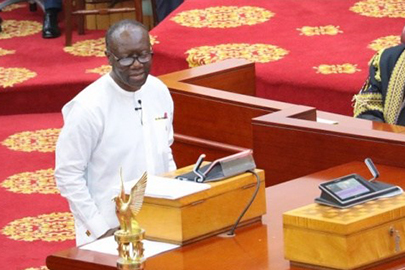
In its evaluation of the government’s 2023 Mid-Year Budget, presented by the Finance Minister on July 31, Professor Peter Quartey, the Director of Research at the Institute, elucidated that the deficit financing conducted by the Bank of Ghana has unfavorable repercussions on national inflation, cash flow dynamics, and the stability of the exchange rate.
Dr. Quartey highlighted the example of Chile, where strict legal limitations have been implemented to prevent any form of direct or indirect financial backing of public expenditures by the Central Bank, except under wartime circumstances.
“Similar practices are observed in countries like Germany, Switzerland, and the Netherlands, where legislation enforces strict boundaries on direct central bank credit to the government, while permitting the acquisition of government paper through open market operations,” he added.
Regarding the GH65 billion impairment loss attributed to the governmental Domestic Debt Exchange Program that the Bank of Ghana recorded in 2022, the ISSER Director stated, “BoG haircut on DDEP was necessary at the time but what brought us here should not be repeated. Deficit financing of GH¢53,150 million out of a total financing of GH¢65.156 billion”.
“Clear limits on government financing should be set and enshrined in our Laws,” Prof. Quartey added.
ISSER also urged the government to increase tax mobilization efforts and impose rigorous spending constraints in order to achieve debt sustainability and price stability, particularly in the domestic economy.
Ghana’s finance minister, Ken Ofori-Atta, has maintained that the country’s economy has “turned the corner” despite the country’s current economic difficulties.
He claims that the government has made significant progress, proving that the economy has passed a critical threshold and is now showing signs of improvement.
“We have seen progress, and for me, it’s marvellous in my own eyes where we are now as a country,” he made the remarks during an interview on GTV’s Talking Point segment on Sunday, August 6, 2023.
The opposition in Parliament as well as prominent Ghanaian economists have harshly criticized the remarks, which were made for the first time by the finance minister in Parliament, but Ofori-Atta has stuck to his guns.
However, according to a recent report by the World Bank, Ghana’s economy will return to normal levels by 2025.
“Growth will further decelerate in the short term (2023-24) before returning to its potential after 2025,” the World Bank said in its 7th Ghana Economic Update titled ‘Price Surge: Un-ravelling Inflation’s Toll on Poverty and Food Security’.
The annual analytical report, written by three World Bank economists—Kwabena Gyan Kwakye, economist; Paul Andres Corral Rodas, Senior Economist; and David Elmaleh, Senior Economist—examined Ghana’s prospects for economic growth.
The World Bank research, which also concentrated on the effects of inflation on households, showed that Ghana’s economy recovered from the 0.5 percent post-COVID-19 growth rate to 5.3 percent in 2021.
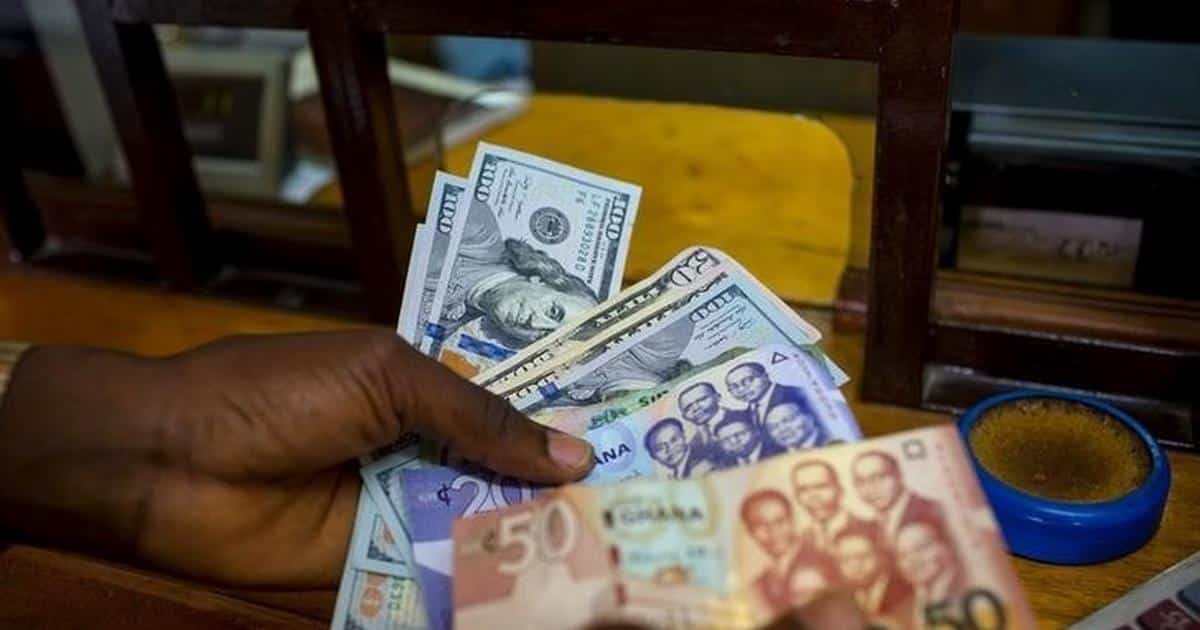
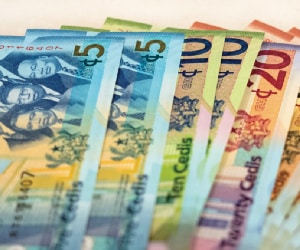
On August 9, 2023, the Bank of Ghana’s Interbank forex rates indicate that the Ghana Cedi is trading against the US Dollar at a buying price of 10.9967 and a selling price of 11.0077.
In Accra, at a Forex bureau, the US Dollar is being bought at a rate of 11.00 and sold at a rate of 11.50.
Against the Pound Sterling, the Ghana Cedi is trading at a buying price of 13.9922 and a selling price of 14.0073.
At a forex bureau in Accra, the Pound Sterling is being bought at a rate of 14.20 and sold at a rate of 14.90.
The Euro is trading at a buying price of 12.0415 and a selling price of 12.0534.
At a forex bureau in Accra, the Euro is being bought at a rate of 12.00 and sold at a rate of 12.70.
The South African Rand is trading at a buying price of 0.5803 and a selling price of 0.5803.
At a forex bureau in Accra, the South African Rand is being bought at a rate of 0.30 and sold at a rate of 0.90.
The Nigerian Naira is trading at a buying price of 69.2989 and a selling price of 70.5059.
At a forex bureau in Accra, the Nigerian Naira is being bought at a rate of 11.00 Naira for every 1 Cedi and sold at a rate of 16.00 Naira for every 1 Cedi.
For the CFA Franc, it is trading at a buying price of 54.4209 and a selling price of 54.4747.
At a forex bureau in Accra, the CFA Franc is being bought at a rate of 17.00 CFA for every 1 Cedi and sold at a rate of 21.00 CFA for every 1 Cedi.
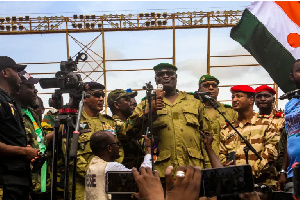
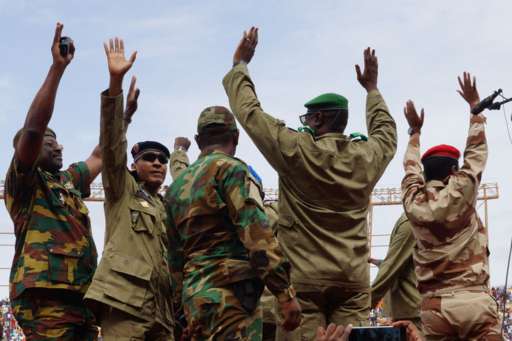
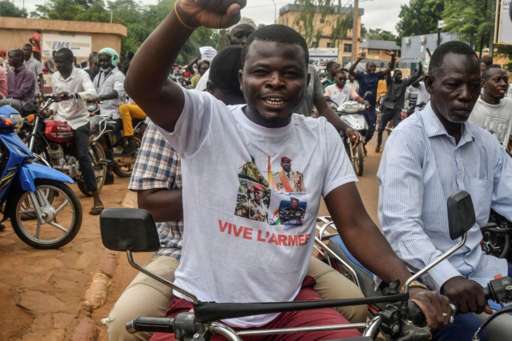
Niger’s military administration has rebuffed the recent diplomatic endeavor by African nations aimed at reinstating constitutional order following the July 26 coup. This rejection stands in defiance against pressure from both the United States and the United Nations to engage in negotiations.
Reports from the French publication Jeune Afrique reveal that the African Union (AU) had intended to dispatch a collaborative mission involving representatives from the United Nations and the West African ECOWAS bloc to Niger on Tuesday. However, the military government withheld permission and also imposed a closure on Niger’s airspace.
Leaders within the Economic Community of West African States (ECOWAS) are gearing up for a summit scheduled for Thursday, where they plan to address the impasse with Niger’s coup leaders. These leaders have defied a Sunday ultimatum to reinstate the ousted President Mohamed Bazoum. Although discussions on the potential for military intervention are on the agenda, ECOWAS emphasizes that this is considered a final option.
An AU spokesperson has confirmed the denial of mission access to Reuters, while ECOWAS has chosen not to comment on the matter. The coup leaders had previously declined interactions with a high-ranking US representative and another delegation from ECOWAS that had attempted to negotiate.
During Bazoum’s tenure, Niger made significant progress in containing a violent insurgency that had ravaged the Sahel region. The nation also held strategic importance as a key Western ally, particularly after its neighboring countries distanced themselves from their former colonial patron France in favor of Russia.
Niger’s status as the seventh-largest global producer of uranium, a vital fuel for nuclear energy, adds to its strategic significance.
“There’s no doubt that diplomacy is the best way to resolve this situation,” US Secretary of State Antony Blinken told French radio station RFI on Tuesday.
He mentioned that the support of the United States was behind ECOWAS’s endeavors to reinstate order. However, he refrained from discussing the fate of the 1,100 US troops stationed in Niger, a location where troops from France, Germany, and Italy are also present.
The United Nations conveyed that Secretary-General Antonio Guterres vehemently endorsed mediation efforts undertaken by ECOWAS.
On Friday, the defense chiefs of ECOWAS reached a consensus on a potential military action strategy, which is anticipated to be deliberated by their respective heads of state during the upcoming summit in Abuja, Nigeria’s capital.
In response, the West African bloc has enforced sanctions on Niger, with its Western allies opting to suspend aid.
Acting Deputy Secretary of State of the US, Victoria Nuland, embarked on a journey to Niamey on Monday. Regrettably, she was denied authorization to meet with coup leader Abdourahamane Tchiani or detained President Bazoum. Instead, she engaged in a two-hour conversation with other senior army officers.
“These conversations were extremely frank and at times quite difficult because, again, we’re pushing for a negotiated solution. … They are quite firm in their view of how they want to proceed, and it does not comport with the Constitution of Niger,” Nuland told reporters.
In the preceding week, ECOWAS dispatched a delegation to Niamey under the leadership of Abdulsalami Abubakar, a former military leader of Nigeria. However, Tchiani declined to meet with him.
In stark contrast, Tchiani engaged in a meeting on Monday with a united delegation hailing from Mali and Burkina Faso. These are neighboring nations where the military has similarly taken control from civilian governments. The military regimes in these two countries have openly expressed their solidarity with the coup in Niger.
“We will not accept military intervention in Niger. Our survival depends on it,” Abdoulaye Maiga, a spokesman for Mali’s military government, said in an appearance on Niger state television.
Western allies worry that Niger might follow Mali’s example, where a military government overthrew French soldiers and UN forces in 2021 and welcomed in mercenaries from Russia’s Wagner Group in their place.
Hundreds of people were executed last year by fighters thought to be from Wagner working with the Malian army in a savage military attack, according to witnesses and rights organizations. Wagner and the army refute the accusations.
Given the manifold functions of the prostate, maintaining prostate health holds significant importance for men. Consequently, there arises a necessity to explore indigenous remedies and culinary offerings that can potentially provide support for prostate well-being.
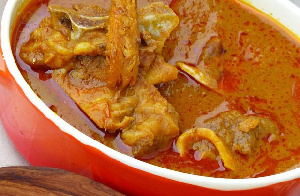
Many of these remedies are readily available in our kitchens and on our farms. One such intriguing yet underexplored option is palm nut soup, which merits investigation for its potential benefits to the prostate.
Palm nut soup is derived from the fruit of the palm tree. A study by Sundram et al. (2003) revealed that the palm fruit (Elaies guineensis) yields palm oil, a semi-solid fat rich in palmitic and oleic acids, alongside fat-soluble components such as vitamin E (tocopherols, tocotrienols), carotenoids, and phytosterols.
While some controversies surround vitamin E and its relation to prostate cancer, a crucial aspect often overlooked is the existence of two primary forms: tocopherols and tocotrienols, exhibiting substantial variations in their proportions.
Remarkably, palm vitamin E is composed of 30% tocopherols and 70% tocotrienols. Tocotrienols, extensively studied, possess nutritional and health attributes encompassing antioxidant properties, cholesterol reduction, anti-cancer effects, and safeguarding against atherosclerosis. These benefits are predominantly attributed to the tocotrienol content.
An emerging development originating from oil palm fruit is the water-soluble phenolic-flavonoid-rich antioxidant complex. This complex, marked by potent antioxidant traits, showcases advantageous effects against diverse cancers, including those of the skin and breast.
Its water solubility opens avenues for its application as nutraceuticals and cosmetics, potentially countering skin aging. A subsequent challenge would be to effectively consolidate these diverse palm constituents into a singular functional food offering, enhancing overall nutrition and well-being.
Vitamin E comprises tocopherols, and within this category, four variants of tocotrienols naturally occur: alpha, beta, gamma, and delta. Tocotrienols can be found in the oils of rice bran, palm fruit, barley, and wheat germ.
Notably, palm fruit contains the highest proportion, particularly the abundant 70% tocotrienols present in the soup.
Furthermore, palm oil stands as the most concentrated natural source of tocotrienols. However, achieving the suggested levels of tocotrienols with health benefits would require consuming a significant quantity of palm oil daily.
This brings forth the practicality of palm nut soup as a more accessible means to attain these essential levels of tocotrienols, given that consuming the oil directly isn’t feasible.
The challenge with Tocopherol
A previous study asserts that supplementing with alpha-tocopherol either doesn’t work or may cause harm—by increasing the risk of cancer and heart disease. This systematic review of randomized, controlled trials published in JAMA Internal Medicine found that supplementing with the alpha-tocopherol form of vitamin E increased the risk of death from all causes( Bjelakovic et al. (2007).
The very most recent study was conducted by Duell et al.(2022) published by the American Heart Association scientific statement suggesting that long-term supplementation with alpha-tocopherol can increase the risk of prostate cancer and heart failure.
Another issue with supplementing with alpha-tocopherol is that high doses of tocopherols interfere with the beneficial effects of tocotrienols 70% in the palm fruit. With too much alpha-tocopherol in the system (from supplements), tocotrienols are blocked from absorption and entry into the bloodstream. The 70% tocotrienols-the benefits
Four studies (Constantinou et al. 2020; Marelli et al. 2019; Sailo et al. 2018; Constantinou et al. 2009) have reported that in a supplement form at higher doses, tocotrienols have great potential against a wide range of cancers, including breast, ovarian, prostate, colon, pancreatic, and skin cancers. They also reduce cancer cell proliferation and induce cancer cell death (i.e. apoptosis), with the most malignant forms of cancer appearing to be most sensitive to the actions of tocotrienols. Unlike tocopherols, tocotrienols have no known contraindications or long-term adverse effects. Other emerging interests
Mohamad et al. (2012) study found that tocotrienols in palm fruit support postmenopausal rats with osteoporosis as they strengthen and more quickly heal bone fractures than other vitamin-E-based supplements.
Sen et al.(2004) on humans suggest that tocotrienols get into the brain faster, where they may improve brain function and health.
Meganathan and Fu(2016) tocotrienols may help slow the buildup of plaque in the arteries and decrease cholesterol levels. Also an overall positive effect on human health.
Getting vitamin E tocotrienols in the diet
Natural vitamin E tocotrienols can be found in palm fruit especially delta- and gamma-tocotrienol, but not at high enough doses to be therapeutic. But is enough for prostate support especially for those concerned about reducing their risk of prostate cancer. Even those diagnosed with prostate cancer could also incorporate palm nut soup as part of their diet plan.
However, for those interested in vitamin E tocotrienols supplement look out for the Delta- and gamma-tocotrienols; they are the most potent form and annatto –is a natural food additive is the only known plant that contains 100 percent delta- and gamma-tocotrienol, with no other forms of tocotrienols and no tocopherols. I shall tell you more about that plant.
Also, make sure for the supplement you do not take more than 30 mg/d of tocopherols from other supplements. Most multivitamins and vitamin E supplements contain tocopherols, rather than tocotrienols, so check the labels of your current supplements.
I adapted this table from Kresser Chris(2022) to provide a guide for the recommended dosages of tocotrienol for various uses based on the current clinical evidence.
Take home
Palm fruit used for palm nut soup has 70% of tocotrienols. Hence, it is good for prostate health. For those interested in the supplement form of vitamin E tocotrienols; you can get them in the pharmacy. Vitamin E, like many vitamins, has several isoforms that occur naturally in foods. These isoforms are called vitamers and include 4 tocopherols and 4 tocotrienols, each labelled alpha, beta, delta, or gamma.
The study on vitamin E and cancer risk eventually used a single vitamer, alpha-tocopherol, which may be one reason for the negative findings. Evidence indicates other vitamins of E play a more prominent role in reducing the risk of cancer, including prostate cancer. Tocotrienols were also not part of the negative study. When next you are buying vitamin E make sure you do not buy tocopherol, choose tocotrienols. However, just in case there are mixed tocopherols and/or tocotrienol along with selenium may still be beneficial for the reduction of prostate cancer risk. Until that, the home delicacy of palm soup should be helpful.
NB:
Prof. Nyarkotey has strict sourcing guidelines and relies on peer-reviewed studies, academic research institutions, and medical associations to justify his write-ups. My articles are for educational purposes and do not serve as Medical advice for Treatment. I aim to educate the public about evidence-based scientific Naturopathic Therapies.
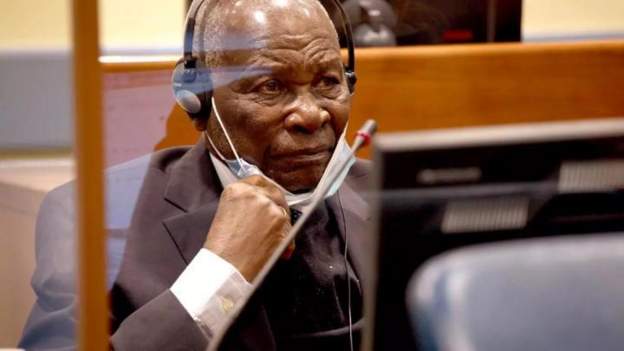
The United Nations appeal judges have issued a directive that Rwandan genocide suspect Félicien Kabuga be promptly evaluated for potential release, and concurrently, the war crimes trial against him be indefinitely halted.
In a previous ruling in June, judges from a UN war crimes court had determined that Mr. Kabuga’s dementia rendered him unfit to stand trial. Nonetheless, they recommended that alternative proceedings be explored.
Presently, these alternative suggestions have been dismissed by the appeal judges.
The judges assert that the UN war crimes tribunal erred in June by deciding that despite his health condition, Mr. Kabuga should undergo an alternative simplified trial process. Consequently, a lower trial chamber has been tasked with overseeing efforts towards his release.
Félicien Kabuga, a businessman and owner of a radio station, who is now in his late 80s, was among the final suspects sought by the tribunal responsible for prosecuting crimes committed during the Rwandan genocide of 1994.
He stands accused of disseminating hatred through his radio station and inciting the perpetrators who were responsible for the deaths of over 800,000 individuals in a mere 100 days.
Having been apprehended in Paris in 2020, following a two-decade-long evasion, Mr. Kabuga pleaded not guilty.
The court acknowledges that this recent ruling might bring disappointment to the victims and survivors of the genocide. However, it underscores that justice must be administered with unwavering adherence to the rights of the accused.
The leaders of Niger’s ruling military junta have declined a high-level diplomatic visit, citing concerns over the safety of the visiting delegates.
Originally, representatives from the regional organization Ecowas, the African Union, and the United Nations were scheduled to arrive today.
However, the leaders of the coup conveyed to Ecowas that the imposition of sanctions and the looming prospect of invasion by the bloc had led to public discontent. As a result, they explained that the delegation could not be received in a peaceful and secure manner.
Additionally, the coup leaders disclosed that both Niger’s land and air borders were presently closed.
Reports emerging from the capital city, Niamey, indicate that despite the fact that the ousted President, Mohamed Bazoum, was democratically elected, numerous individuals view the coup as a positive development.
Amid these events, Washington has issued a warning about the potential involvement of Russian Wagner mercenaries exploiting the situation resulting from Niger’s coup.
Since encountering a downturn in 2020, the local economy has been experiencing instability, despite the government’s endeavors to establish a solid foundation.
Conversely,inflation continues to surge, prompting the Bank of Ghana’s Monetary Policy Committee to raise the policy rate.
This rate adjustment subsequently affects the interest rates placed on loans by financial institutions.
Businesses securing loans at these elevated interest rates find themselves incorporating these expenses into the pricing of their products and services. Consequently, consumers bear the weight of these escalated costs when shopping in markets or stores.
In light of the challenging economic circumstances, Joe Jackson, a financial analyst, has outlined five essential guidelines for Ghanaians to save money.
These directives were shared in a Twitter post and spotted by GhanaWeb Business.
Furthermore, for individuals contemplating leaving their jobs, Jackson advised them to retain their positions to continue receiving their salaries.
He emphasized the value of diversifying income streams to supplement earnings.
While cultivating a culture of savings, it is prudent to abstain from acquiring loans or engaging in activities that could lead to debt accumulation.
In addition, unnecessary expenditures should be curtailed to prevent financial strain. Prioritizing essential items or necessities while discontinuing impulsive purchases is recommended.
The Ghanaian economy faces huge risks in the short term. Protect yourself by: 1. Reduce expenses – cut unnecessary spending 2. Hold on to your job and income 3. Find alternative sources of income 4. Keep saving 5. Avoid taking on debt#BrokeGhanahttps://t.co/61vzQMRSfs
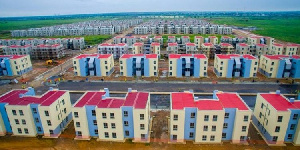
The representative of the Ningo Prampram constituency in Parliament has made a resolute commitment to address any private developer attempting to approach the Saglemi housing project.
In his perspective, he sees the government’s choice to hand over the project to private developers as a stratagem to perpetrate theft against the nation.
During an appearance on JoyNews on August 8, 2023, Sam George expressed the emotional impact of witnessing the current state of the project, given that he had been present alongside former President John Mahama to inaugurate Saglemi.
“Saglemi is a pain in my heart, every time I drive by the place and I see the structure because, in 2016, I was with President Mahama when he took us there to commission Saglemi. When we got there, we saw it, there was life. And now to see the footage that shows the state of Saglemi is painful, it is heartbreaking.
“I am the member of Parliament for Ningo-Prampram, any private developer that comes there should be prepared to fight with me. We will fight them. I will carry out the warning that has been sounded by the flagbearer. Any private developer who thinks he is taking this as a gift from the government and wants to sell this to themselves,” he said.
Commenced in 2012 with the aim of providing 5,000 housing units at an overall expenditure of US$200 million, the Saglemi Housing project’s progress has been modest, with only 1,506 of the intended 5,000 units underway.
Concurrently, the government has unveiled a new housing endeavor, involving private developers, that seeks to erect 14,000 housing units.
This scenario has sparked apprehensions regarding the perceived neglect of the Saglemi Housing project.
Markets across Accra are witnessing a significant decline in tomato prices, attributed to the current surplus of vegetables during the seasonal glut.
At the CMB tomato market, a once GHS1000-priced large wooden box of tomatoes is now available for GHS800.
Similarly, a substantial basket that previously sold for GHS400 is now being offered at prices ranging from GHS200 to GHS250.
Within the same market, a medium-sized plastic basket of tomatoes, previously valued at GHS150, is now being traded at GHS100.
Madam Theresa Lartey, a representative of the Greater Accra Tomato Traders Association, with over four decades of experience in the industry, mentioned in an interview with the Ghana News Agency that the price decrease is a typical occurrence during every tomato season.
“Tomatoes come in seasons, for instance, during Christmas and Easter, the vegetable is out of season so, prices are higher, but the month of August is when the tomato is in season, that is why as you can see, the market is flooded.
“Right now, sales are low, people quote whatever price they want to give you so, sometimes you sell it at the same price as you bought it from the farmers, and you don’t make any profit because if you don’t accept the price they give you, they will rot.”
“All the tomatoes you see here around this time is from the Ada areas, every tomato you see here is from Ghana, it is not from Burkina Faso…,” she added, saying: “The only time traders go to buy from Burkina Faso is during the lean seasons when tomatoes from Ada and Kumasi are in short supply.”
“Burkina Faso is able to produce tomatoes all year round because they have big dams, and we go there especially around the Easter seasons to boost availability, prices are high around that time because we have to exchange cedis for the CFA …,” Madam Lartey said.
She urged the government to provide support to farmers in enabling year-round cultivation to maintain price consistency.
Tomatoes are acknowledged for their low calorie content and significant nutrients, including vitamin C and potassium.
Furthermore, these vegetables are abundant in antioxidants and are associated with numerous advantages, such as lowering the risk of heart diseases and specific types of cancers.
Experts emphasize that tomatoes hold a pivotal role in the diets of Ghanaian households, with an estimated annual consumption of 440,000 tons. This volume accounts for 40% of household expenditure on vegetables.
First Deputy Governor of the Bank of Ghana, Dr. Maxwell Opoku-Afari, is advocating for an enhancement in the country’s tax administration.
He pointed out that Ghana’s tax-to-GDP ratio ranks among the lowest when compared to its counterparts.
Using the example of 2020, Dr. Opoku-Afari highlighted that the ratio of tax revenue to GDP was 13.4%, whereas the African average was 16%, Asia and the Pacific region was at 19.1%, Latin America and the Caribbean stood at 21.9%, and the OECD region had a considerably higher ratio of 33.5%.
This discrepancy, he emphasized, underscores the necessity to broaden the tax base, upgrade tax policies, and refine revenue administration systems to boost revenue generation.
During his address at the National Development Conference organized by the Church of Pentecost, he noted that expanding the tax base entails encouraging more individuals to fulfill their tax obligations and reducing tax exemptions.
He also suggested introducing incentives for businesses that comply with tax requirements, thus fostering a culture of tax discipline. He asserted that the Revenue Assurance and Compliance Enforcement initiative would effectively reduce revenue leaks and augment domestic resource mobilization while ensuring adherence to tax obligations.
Furthermore, Dr. Opoku-Afari indicated that the recent introduction of the Ghana card provides data on a greater number of employees and entities falling within the tax bracket. This situation demands that the Ghana Revenue Authority actively engage and incorporate these potential taxpayers into the tax system. The increased enrollment, he noted, could potentially alleviate the per capita tax burden by eliminating superfluous taxes, while simultaneously bolstering the tax-to-GDP ratio from a broader base.
Addressing the efficiency of property tax collection, Dr. Opoku-Afari highlighted that Ghana has yet to fully exploit taxes such as property taxes. He opined that the rapidly growing real estate sector could significantly contribute to domestic revenue mobilization through efficient collection methods.
He urged the government to leverage digital technologies to improve fairness, efficiency, and accountability in tax collection.
Regarding taxation of the informal sector, the first deputy governor acknowledged that, akin to other African nations, Ghana faces uneven tax distribution due to a substantial informal sector that lies outside the tax net.
Citing a World Bank study, he pointed out that nearly 90% of the labor force in Sub-Saharan Africa operates in the informal economy, in contrast to the OECD countries where the figure is less than 15%. Furthermore, the informal economy constitutes almost 40% of GDP in Sub-Saharan Africa, as opposed to just 18% in OECD countries. This situation poses challenges to the efficiency and fairness of the tax system, ultimately affecting tax morale and revenue.
He stressed that a significant informal sector signifies that existing tax systems, inherited from Western countries, may not be effective in resource mobilization. Hence, he recommended introducing revenue administration reforms to improve tax collection.
Drawing inspiration from Georgia, Dr. Opoku-Afari cited the introduction of a simplified tax regime based on annual revenues for Micro, Small, and Medium Enterprises. Micro enterprises were exempted from income tax, and Small Enterprises could opt for revenue-based taxation at rates of 3% or 5%, rather than profit-based taxation. This was among several tax reforms in Georgia, including the elimination of ineffective “nuisance taxes,” the replacement of progressive income tax rates with a flat rate of 20%, and a reduction in corporate income tax to 15%.
He mentioned that the revenue lost due to lower tax rates was offset by a broader tax base, improved compliance, and stringent enforcement. While acknowledging that the specifics of the Georgia reforms might not be directly transferable to Ghana, he emphasized that tailored reforms could generate additional revenues to support government initiatives.
Finally, Dr. Opoku-Afari strongly recommended addressing the issue of tax exemptions. He highlighted the IMF’s suggestions, which encompassed eliminating VAT exemptions (estimated at nearly 2% of GDP), phasing out tax holidays and exemptions, strengthening measures against profit shifting, and reducing customs exemptions. He also advised reviewing generous tax incentives offered to multinational corporations to attract investments, with the aim of ensuring a sustainable increase in tax revenue.
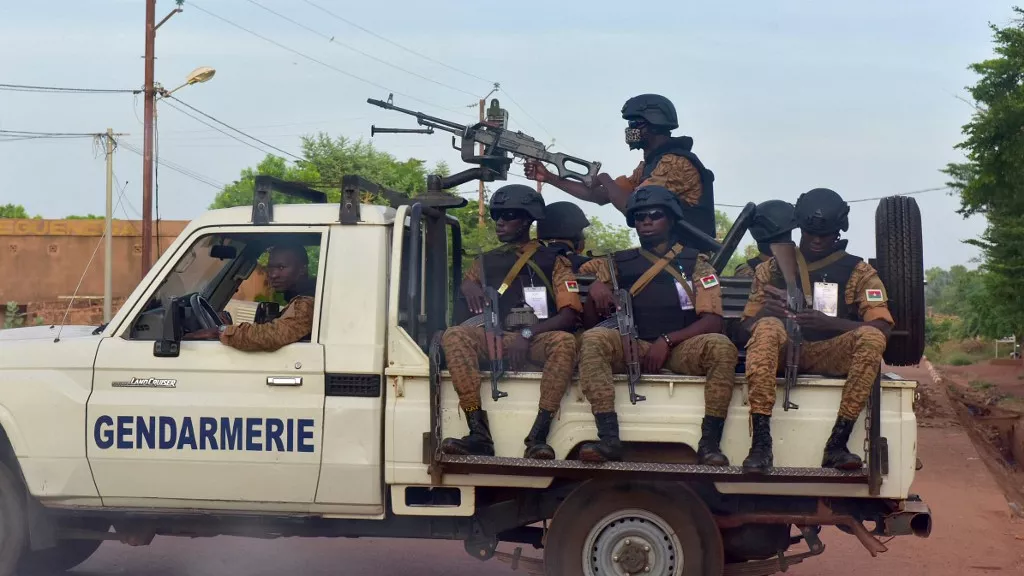
On Sunday, in the region of Center-East bordering Togo, specifically in Nohao near the town of Bittou, a suspected jihadist attack resulted in the tragic loss of twenty lives in Burkina Faso, as reported by AFP on Monday.
According to a security source, the assault claimed the lives of approximately twenty individuals, primarily consisting of shopkeepers. However, a trader presented a more dire account, indicating that “25 people were killed” and detailing that “more than fifteen transport trucks were looted and subsequently set ablaze by the terrorists.”
Furthermore, another merchant disclosed that around “ten individuals were wounded,” necessitating their evacuation to Bittou. These traders had been returning from Cinkansé, a trading hub on the border with Togo, after their market activities.
“We deplore the loss of life whose bodies were deposited” at “the morgue of the CHR (Regional Hospital Center) of Tenkodogo”, capital of the Center-East region, said in a press release a local official, Sami Beranger Pooda, who does not specify any figures.
Another attack occurred “Thursday around 6 p.m.”, according to the same security source, and “targeted a convoy of several dozen vehicles carrying goods”.
Starting from 2015, Burkina Faso has found itself ensnared in an escalating cycle of violence attributed to jihadist factions associated with both Islamic State and Al-Qaeda. According to data from ACLED (Armed Conflict Location & Event Data Project), this includes over 5,000 incidents since the commencement of 2023.
Regrettably, this wave of violence has resulted in the internal displacement of over two million individuals within the country.
In the middle of July, President Captain Ibrahim Traoré, who assumed authority in September 2022 through a coup d’état, lamented the escalating frequency of assaults against civilians. He expressed his belief that the jihadists were displaying “cowardice” through these increasingly prevalent attacks.
From showcasing Jay-Z’s lyrical prowess on the Brooklyn Library’s exterior to hosting a legendary rap pioneers’ concert within the iconic Yankee Stadium, New York City commemorates the golden jubilee of hip-hop. This genre, born within the city’s urban neighborhoods, has now asserted its dominance across the global musical landscape.
Within the confines of the library, an expansive exhibition unfolds, meticulously tracing the trajectory of one of Brooklyn’s most illustrious offspring. This journey encapsulates his evolution from a street-smart hustler to a universally acclaimed music mogul of immense influence.
Shawn Carter, the creative force behind the artistic identity of Jay-Z, has chronicled his early life’s encounters with drug dealing within the Marcy Houses housing project — the very crucible that nurtured him. Over time, his metamorphosis led him to become a billionaire rapper, while his union with Beyoncé forged one of contemporary pop culture’s most enchanting and captivating partnerships.
“I’ve never really been to a lot of exhibitions,” said 31-year-old warehouse worker Jamarly Thomas, joking that he goes by “Jay-T.”
“So to witness something like this from my favorite rapper is pretty mind-blowing. For a lot of African American kids coming up here, he can set an example for them that they can be bigger,” Thom-as added.
The free exhibition, which opened Friday and was conceived by Jay-Z’s entertainment empire Roc Nation, is entitled “The Book of HOV,” a reference to one of the 53-year-old’s nicknames.
Jay-Z’s string of hits include 1998’s “Hard Knock Life (Ghetto Anthem)” and “Izzo (H.O.V.A.)” from 2001.
He also crossed rap’s boundaries, including with his megahit “Empire State of Mind,” and holds the record for the most number-one albums of any solo artist on the Billboard 200 with 14. Only the Beatles have more, with 19.
Long queues formed over the weekend as fans rushed to visit the exhibition or register for one of thirteen Brooklyn Library cards stamped with the artist’s album covers.
The tribute precedes the opening of another immersive retrospective about the history of hip-hop at the Hall des Lumieres on August 2 as the Big Apple marks half a century of the genre with a slew of events.
– ‘Amazing’ –
Although early forms of hip-hop expression were bubbling years earlier, musicologists cite August 11, 1973 as the date of its birth.
On that day, on the ground floor of a low-income building at 1520 Sedgwick Avenue in the Bronx, Jamaican-born DJ Clive Campbell, aka DJ Kool Herc, broke new ground.
He spun the same record on two turntables, isolating the sequences of rhythms and percussion to extend the beat, an essential component of hip-hop music.
Lil Kim, Ice Cube, Snoop Dogg, Run DMC and The Sugarhill Gang, whose song “Rapper’s Delight” is known as the first commercially successful hip-hop single, are also due to take the stage.
“When we first started, nobody was interested in hiring a hip-hop DJ, or getting an emcee or getting some breakdancers,” said Ralph McDaniels, hip-hop coordinator for the Queens Public Library.
“To be celebrating 50 years is amazing because there was no value on this,” he told AFP.
Other concerts, block parties and graffiti and breakdance sessions are scheduled to take place across the Big Apple.
– ‘Recognition’ –
The hip-hop movement was born as a way for African Americans and Hispanics to escape poverty and discrimination.
Then, few people would have predicted it would become a billion-dollar phenomenon that inspires not only music, but also sports and fashion.
Another sign of how far it has come: this week, Sotheby’s offered a ruby and diamond ring worn by rapper Tupac Shakur, the Harlem-born icon of California’s West Coast who was murdered in 1996. It is estimated to sell for up to $300,000.
Back at the Jay-Z exhibit, Brooklyn-born Amanda Brown said she was happy the rapper was being honored with the retrospective while he is still alive.
“Singers that did a lot don’t get the recognition until they are gone so this is nice,” the 28-year-old told AFP.
Member of Parliament for Ningo-Prampram, Sam Nartey George, has alleged that police officers were caught by his constituents stealing building materials worth $7m dollars from the site of the Saglemi housing project.
He explained that the site was abandoned while some police and national security officers were deployed to protect the project.
But it came out that they were rather stealing items like tiles, cables and pipes that were meant for completing the project.
He narrated how his constituents were constantly complaining about the theft case to him but he refused to believe them until one day at 1:00am, when they finally managed to get hold of the officers in the act of stealing.
Narrating the incident, the outspoken MP said he received a call, drove to the site, and matched the officers to the police station.
“Over $7m of building materials has been stolen by this government. They abondoned the site, put national security and police officers on the site that they are protecting the site.”
“At 1:00am, so called police officers with a KIA bongo truck had $7m loaded tiles, sanitary wears, toilet bowls and all from the site. We took them to the Tsopoli police station. From there we matched them to the regional police command.”
But according to Sam George, “the case died” because the officers confessed to police authorities that their commander sent them to come for the items.
This revelation was made during an engagement with the media on Tuesday, August 8, 2023.
The MP, thus, has accused the Tsopoli police command of failing to perform their duties since they did not ensure the prosecution of the perpetrators.
Saglemi Housing Project is a public housing project located in Prampram in the Ningo Prampram District in the Greater Accra Region.
It was initiated in 2012 by the National Democratic Congress (NDC) under the John Mahama-administration to ease the accommodation deficit in Ghana.
In April 2019, the former Minister for Works and Housing, Samuel Atta Akyea, hinted at the government’s decision to terminate the housing project.
But President Akufo-Addo, on Tuesday, August 1, held a sod-cutting ceremony to kickstart the construction of 8,000 units of affordable houses with support from the private sector.
Since the start of January 2023, victims targeted by online impersonation have incurred substantial losses amounting to GH¢49.5 million, as reported by the Cyber Security Authority (CSA).
Online impersonation, also known as identity theft, involves malicious actors adopting the persona of notable figures such as politicians, businesspeople, government officials, diplomats, or reputable brands. This is done either for financial gain or to subject victims to harassment, intimidation, or threats.
The CSA recently issued an official public warning, revealing that between January and July of 2023, they received a total of 58 reports regarding online impersonation cases. These incidents have resulted in victims collectively losing an alarming sum of GH¢49.5 million.
This development follows a joint operation carried out by the Economic and Organised Crime Office (EOCO), the Bank of Ghana (BoG), and the Cyber Security Authority (CSA). This operation involved raids on illicit lending applications at three separate locations in Accra, which led to the arrest of 422 suspects. The task force’s investigations encompassed 270 cases involving cyberbullying, fraud, extortion, and the misuse of customer data.
These investigations unveiled 150 unlicensed digital loan application platforms. The operators of these platforms were found to be engaged in disconcerting practices, including issuing death threats and unauthorized sharing of private messages, images, and videos. These actions were made possible by exploiting permissions unwittingly granted by unsuspecting victims on their digital platforms.
Modus operandi
As detailed in the alert, impostors employ deceptive strategies by fabricating false profiles or accounts that mimic legitimate individuals or well-known brands. They use coercive techniques to push their unsuspecting victims, including associates and business partners, into making impulsive decisions without thorough consideration.
Online impersonation can manifest in various forms, such as job and recruitment scams. In these scenarios, scammers pretend to be government agencies or reputable employers, offering attractive job opportunities that demand victims to part with money or reveal personal information.
Another common scheme is advance fee fraud, where scammers pose as wealthy businesspeople, representatives of respected companies, government entities, or distant relatives. They convince victims to make upfront payments for goods, services, or financial gains that ultimately never materialize.
Furthermore, the investment scam involves impostors presenting themselves as investment service providers, financial advisors, or fund managers. They make alluring pledges of substantial profits with minimal risk, which ultimately serve as tactics to defraud victims.
Lastly, contract scams involve scammers impersonating entities responsible for awarding contracts, often masquerading as representatives of government agencies. They dangle the promise of non-existent contracts, demanding fees in exchange for these fictitious opportunities.
Recommendations
Consequently, the CSA strongly advises the general public to exercise caution when it comes to unsolicited communications, particularly those originating from unknown sources or individuals.
“Be suspicious of any promise of jobs, protocol advantage for recruitment slots, financial gains, gifts or lucrative opportunities. Genuine government officials would not contact anyone via social media to offer them a job or contract,” it said in the alert.
The public is strongly encouraged to exercise careful consideration and carry out thorough investigations to confirm the authenticity of both individuals and organizations before participating in any financial dealings.
Furthermore, individuals are advised to promptly report any suspicions regarding impersonators or scammers to the appropriate law enforcement authorities within the country. Alternatively, they can report such incidents to the Cyber Security Authority’s (CSA) 24-hour cybersecurity incident-reporting contact points. These avenues can be used to report cybercrimes, as well as to seek guidance and support for online activities.
Through the Ghana Enterprises Agency (GEA), the government has initiated the distribution of GH¢35 million in grants to a select group of 270 micro, small, and medium enterprises (MSMEs). This effort is part of the Technical Assistance and Grant Programmes within the Ghana Economic Transformation Programme (GETP).
The financial grants will empower the recipients to support diverse projects, encompassing the procurement of machinery and equipment, working capital, and investments in crucial last-mile infrastructure.
Under the umbrella of the Ghana Economic Transformation Project, the Technical Assistance and Grant Programmes consist of three distinct categories: Youth in MSME, Women MSME, and SME High Growth Programmes, all of which have received funding from the World Bank.
At a grant-signing event held in Accra, Minister of Trade and Industry, Kobina Tahiru Hammond, emphasized that this initiative reflects the government’s commitment to reinforcing local enterprises and positioning them as robust contributors to economic expansion and transformation.
He further underscored that this program is in alignment with the Ministry of Trade and Industry’s drive to cultivate SMEs into dynamic drivers of growth.
“Through a focused and strategic approach, Ghana aims to transform its economy by promoting the establishment and growth of industries across various sectors. To achieve this, the government follows a strategic roadmap that seeks to improve the competitiveness of local MSMEs and position them to benefit from existing and future global or regional trade opportunities – such as the African Continental Free Trade Area (AfCFTA) initiative.
“It is expected that the investment made, as marked by the agreements signed today, will yield the desired results which will be crucial in transforming the business landscape. It is our earnest desire that these resources will help to boost production, exports and innovation across the MSME landscape,” the minister said.
On Monday, a multitude of individuals, a significant number of whom had veiled their faces to obscure their identities, paraded through the capital of Haiti. They were fervently calling for safeguarding against aggressive gangs that have been ransacking neighborhoods not only in the capital city of Port-au-Prince but also in surrounding areas.
“We want security!” the crowd chanted as it marched for two hours from the troubled community of Carrefour-Feuilles to Champ de Mars in the downtown area and then to the prime minister’s official residence, where police broke up the demonstration with tear gas.
In response, demonstrators took action by igniting tires and a vehicle owned by the state.
Since the assassination of President Jovenel Moise in 2021, analysts have noted that gangs have managed to take control over as much as 80% of Port-au-Prince. In these areas, they have been committing acts of violence, including killings and sexual assaults, while spreading fear among communities that are already grappling with severe poverty.
Between January and March, the latest U.N. report indicates that over 1,600 individuals have been reported as either killed, injured, or abducted. This marks an almost 30% surge when compared to the final three months of 2022.
Last October, the prime minister of Haiti, along with other high-ranking officials, urgently requested the deployment of an international force to help suppress the surge in gang-related violence.
Towards the end of July, Kenya offered to contribute to a multinational police force, though a resolution to authorize a non-U.N. multinational mission is yet to be voted upon by the U.N. Security Council.
In 2018, the concept was conceived, and after five years, it was materialized. On July 23rd, a group of 14 individuals—comprising 13 men and one woman—embarked on a daring journey, traversing multiple countries to reach London in Europe.
The team consisted of confirmed members: Kwabena Peprah, Saka, Fred Papa Kwofie, Richard, Kwame Peprah, Kofi Peprah, Kwadwo Prakah-Asante, Franklin Peters along with his son Quincy, Joseph, Cyprian Ed, Kwabena Ayirebi and his brother Kojo, and the sole female participant, Serwa the Shecanic.
Equipped with contingency plans for any unforeseen circumstances, the team set off with a total of five vehicles, prepared to face challenges that might have required them to continue the remainder of the journey by air. However, these situations did not materialize, and the journey continued by road.
Throughout the expedition, five members of the team had to return to Accra due to work commitments and other reasons. Nonetheless, nine participants successfully completed the trip.
The journey spanned 16 days and traversed 11 countries in total. One of the participants, Kwabena Peprah, provided a comprehensive account of the experience in a detailed Facebook post.
Day 1: Long drive on day 1 to Bouake in Côte d’Ivoire, using the border at Gonokrom near Dormaa Ahenkro (540km):
They navigated the paperwork needed to clear their vehicles at the customs checkpoints, fulfilling the border crossing stipulations at the Ghanaian border into Ivory Coast. This process, as they stated, proved to be relatively manageable.
Armed with valid Laissez-Passers, acknowledged travel documents among member states, they smoothly underwent the required procedures and advanced to Takikro.
However, upon reaching Takikro, they encountered immigration officials from Cote D’Ivoire who attempted to exploit them. To circumvent this situation, they opted for the longer Yamoussoukro-Bouake road instead of the shorter but more hazardous route frequented by bandits.
Day 2, driving from Bamako Mali through Tingrela (790km):
They encountered extortion attempts at the Tingrela border, during which they documented the necessary papers and their vehicles before proceeding to the Malian border post. The Malian officials exhibited a more rigorous approach to their procedures; although the Laissez-Passers process was relatively swift, the inspection of possessions and vehicles took more time.
The Ghanaian Mission in Bomaku provided them with assistance. The consul met and guided them through Bomako.
At this juncture, certain vehicles experienced brake problems. However, after conducting thorough checks, they were able to resume their journey.
Day 3, continue to the Senegalese border and then on to Dakar (Senegal) (620km):
Although the road is horrible halfway to Dakar, they made it. In this region, there are three allegedly active terrorist hotspots where attacks are reported to occur.
The terrorists can cross the road with cattle to halt you while they flank you and deal with you cruelly, so they were advised to stop far away whenever they notice a herd of cattle crossing the road and to back up, ready to turn and fire away at the least hint of trouble.
Fortunately, the livestock crossings they encountered were benign.
Popular broadcaster Kevin Taylor has come under fire from Okatakyie Afrifa Mensah for criticizing his wife during their continuing argument.
Okatakyie’s wife was included in their altercation by Kevin Taylor, who said she was desperately trying to obtain American citizenship.
In response to what Kevin Taylor said, Okatakyie also used social media, and the two have since been at loggerheads.
Okatakyie Afrifa, however, has expressed displeasure at the fact that his wife has been involved in their back-and-forth, further illuminating their dispute.
He berated Kevin Taylor while making fun of his wife in an interview with Delay.
“Suddenly, out of nowhere, this man came out attacking me, my family, and my kinsmen. Your wife is a Jew, and she met you while doing philanthropic work in Ghana. She took you along to the United States and now you feel you have arrived. You work from your wife’s basement so you think everyone is like you.
“Kevin Taylor started with the Asantehene, and then moved on to other people and now to me. But I have declared war, I will end this fight in 2025. This is season one episode four. We will let people know who you truly are. You are poor and a nobody who works from your wife’s basement. Your wife is a camerawoman who works with New York Times so she’s got a number of cameras in her basement. Because there are a lot of cameras lying in her basement, you use them to insult people. He claims his wife is a senior editor at New York Times, no! She is a videographer,” he established.
Okatakyie has, however, declared war between him and Kevin Taylor, adding that he was once a notorious street fighter.
“He thinks he can scare everyone. You can’t scare me. I was born and bred in Kumasi Suame. You don’t like fighting more than I do. I used to travel all the way from Kumasi to Bomfo Achease every 31st December just to fight. I did that for five solid years.”
Touching on claims that his wife is desperately in search of U.S. citizenship, he said;
“My wife doesn’t live abroad, she travels there, her family resides there but she doesn’t stay there. My wife has been moving to and fro from Ghana to the States for about 15 years now, if really she wants to acquire citizenship, she will get it.”
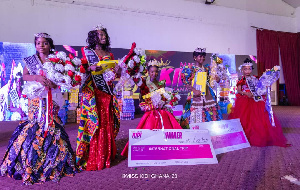
The contestants of Miss Teen Tourism World 2023 embarked on an exhilarating journey as they explored the renowned Kakum National Park in the Central Region. Donning their bespoke pink t-shirts and paired jeans, along with their sashes, the teen beauty ambassadors ventured into the park and its iconic canopy walkway, their emotions a mix of both anticipation and excitement.
Kakum National Park stands as a testament to Ghana’s breathtaking beauty and diverse biodiversity. Spanning across lush landscapes, this natural gem provides a sanctuary for local wildlife and plant life alike.
The park’s highlight is undoubtedly its famed canopy walkway, a tribute to human ingenuity. Amidst the treetops, visitors can stroll and witness the vibrant forest life beneath them. Elevated to impressive heights, the walkway offers a unique perspective, granting glimpses of the world below. With each step, visitors harmonize with the natural surroundings.
As the team explored various parts of the Central Region, a visit to Kakum National Park was an essential addition to their itinerary.
Additionally, the contestants had the opportunity to visit The Ghana National College, an institution founded on July 20, 1948, by Ghana’s first president, Osagyefo Dr. Kwame Nkrumah. The establishment of the college was funded by Dr. Kwame Nkrumah himself and emerged from the movement for Ghana’s liberation from colonial rule.
Miss Teen Tourism World 2023 is taking place in Ghana from August 1 to 20.
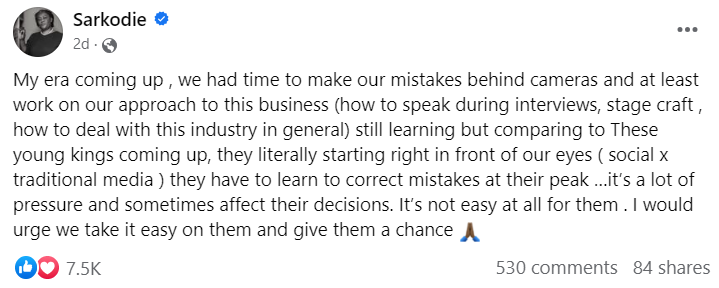
Popular Ghanaian rapper Michael Owusu Addo, often known by his stage name Sarkodie, has pleaded with the public to be forgiving while criticizing up-and-coming artists.
The ‘Highest’ rapper claimed in a Facebook post that, unlike his contemporaries, who had the opportunity to fix many of the mistakes they made early in their musical careers, today’s artists would have to make the errors while performing because of the unpredictable nature of the media landscape.
“My era coming up , we had time to make our mistakes behind cameras and at least work on our approach to this business (how to speak during interviews, stage craft, how to deal with this industry in general) still learning but comparing to these young kings coming up, they literally starting right in front of our eyes ( social x traditional media) they have to learn to correct mistakes at their peak,” he wrote.
Therefore, it was advised that these inexperienced performances be regarded with kindness when evaluating their craft.
“…it’s a lot of pressure and sometimes affect their decisions. It’s not easy at all for them . I would urge we take it easy on them and give them a chance,” he added.
Sarkodie’s statement comes at a juncture when there is a perception that certain social media commentators, bloggers, and the broader entertainment media are excessively critical of creative individuals.
There has been growing concern about the potentially detrimental impact of negative commentary on the creative outputs of individuals, as it could significantly affect their confidence and innovative spirit.
Sarkodie has, on numerous occasions, criticized the media for their approach, particularly for magnifying unfavorable aspects concerning artists.
In September 2022, during an interview with Firestick, he asserted that individuals in the media and punditry who have not participated in international platforms like the BBC lack the ethical authority to pass judgment on Ghanaian musicians for not achieving international recognition.
Regarded as one of the foremost rappers on the African continent, Sarkodie has achieved remarkable success in the music industry, garnering accolades both locally and internationally.
Daddy Lumba has provided insight into the inspiration behind his renowned song “Theresa,” which he dedicated to his first girlfriend, Theresa Abebrese.
The musician revealed that he and Theresa met and began their relationship while attending Juaben Senior High School. He further disclosed that Theresa played a significant role in enhancing his life, including assisting him in traveling to Germany.
Renowned Ghanaian artist Daddy Lumba, also known as Charles Kwadwo Fosu, has shared the impactful role played by his first girlfriend, Theresa Abebrese.
In a video posted on his official YouTube channel, he attributed his accomplishments as a musician and his overall success to the contributions of Theresa.
When explaining the background to his well-known song Theresa, which he dedicated to his first girlfriend, Lumba revealed that he was motivated to create it by all that the woman had done for him.
Lumba claims that he first met Theresa in the 1980s while they were both pupils at the Ashanti Region’s Juaben Senior High School.
He admitted that despite being rather intelligent, he kept to himself in class, but Theresa spotted him, and the two of them ended up becoming friends. When they were in school, Theresa eventually took care of all of his requirements, including food and clothing.
Lumba added that Theresa made sure he had the opportunity to move to Germany in order to make a living. He described how Theresa came to see him after they finished secondary school and told him she had a chance for him to visit Germany.
He had planned to attend university, but his family’s financial position prevented him from doing so, so he agreed to travel instead.
However, he was unable to cover the 30,000 cedis cost of the trip. Theresa was therefore required to pay half of the total ($15,000), with the remaining funds coming from his mother and sister.
Lumba added that Theresa made sure he had the opportunity to move to Germany in order to make a living. He described how Theresa came to see him after they finished secondary school and told him she had a chance for him to visit Germany.
He had planned to attend university, but his family’s financial position prevented him from doing so, so he agreed to travel instead. However, he was unable to cover the 30,000 cedis cost of the trip. Theresa was therefore required to pay half of the total ($15,000), with the remaining funds coming from his mother and sister.
“So all the music I was able to make in Germany and the fame I have would not have been possible if not for Theresa,” he said. Lumba thanked Theresa, who passed away in 2017, for all her contributions to his life.
Rev. Mavis Asante, a gospel performer from Ghana, Mavis Asante has admitted that she occasionally becomes irritated by some churchgoers but that she must maintain her cool because she is a prophet’s wife.
It is a calling and not for everyone, she remarked in an interview with Nana Ama McBrown on Onua TV when talking about her experience being married to a prophet for 12 years.
“Sometimes, you’re not in a good mood but you have to smile. Sometimes, the treatment you get from some church members makes you go like if I wasn’t a prophet’s wife, this person deserves a slap for what he/she has done to me but you are there to serve. You are in your position because of the congregation. Without them, you’ll end up having service with the chairs,” she stated
Along with talking about some of the difficulties she faces as a prophet’s wife, Rev. Asante emphasized the significance of the congregation in the ministry. She remarked that in order to overcome these difficulties, reliance on God is essential.
“You have to come to the realization that you’re a pastor because of the people. When you break down to the lowest point, ask God for His strength to know how to tolerate people; knowing how to deal and speak to them. You need to always ask for the strength of God else you will fail because you’re human,” she said.
She went on to say that Kaywa is producing her album, which is currently being worked on.
Twelve-year-old Michaela Nana Yaa Sarpong Akuoko showcased exceptional intelligence across various aspects to secure the top position in season 3 of the Miss Kidi Ghana finals held at the Zenith University College auditorium on Saturday.
Defying stiff competition from nine other contestants, the student of Says International School claimed the ultimate title.
Her remarkable eloquence earned her the Miss Eloquent award, and her outstanding talent shone through in the Miss Talent category.
In recognition of her exceptional performance, she was presented with a crown, sashes, educational materials, a tablet, products from sponsors, and a round-trip ticket for an international journey.
Following closely behind was Muntom Ninsaw Lucita, a pupil of the Ministry of Health basic school, who also received a special cash prize, educational materials, a tablet, and a sash.
Valerie Malgor Nareyore and Princess Kofituo Xornam secured the second and third runner-up positions, while Lisa Naa Adjeley Sugar Sowah claimed the fourth runner-up position.
All of them were honored with sashes and special prizes for their remarkable efforts.
The event, filled with entertainment, was judged by Nana Tiaah Ampem Darkoa I, Afua Asantewaa O Aduonum, and musician Kwabena Kwabena. The excitement grew as the field of ten contestants was narrowed down to five.
The event was sponsored by Mcberry Biscuits, Flora Tissues, Top Choco, Angel Cola and Essential Cosmetics Patcy glam.
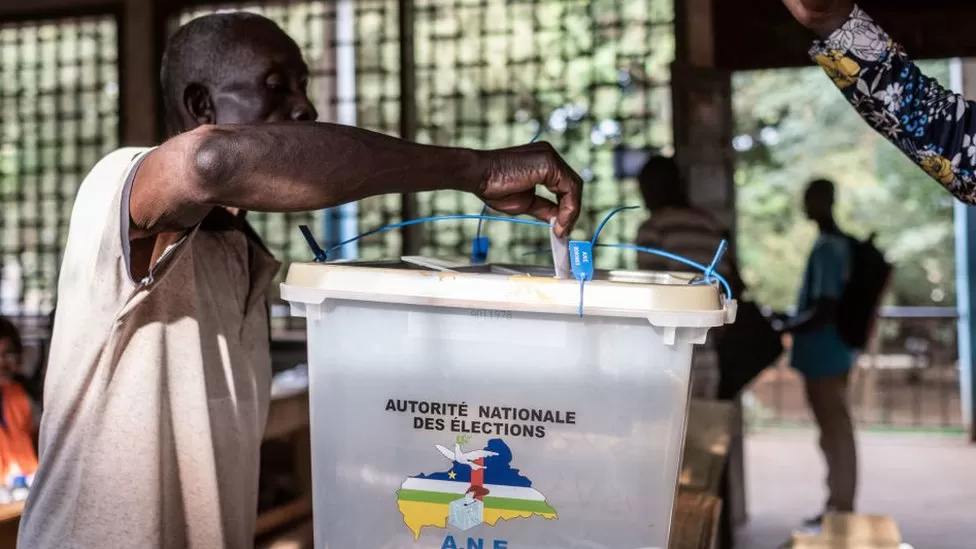
Final results have yet to be published by the election authority.
Entertainment analyst Arnold Asamoah has weighed in on the ongoing exchange between renowned Ghanaian broadcaster Kwasi Kyei-Darkwah (KKD) and his critics concerning the revelation of his son’s homosexuality.
In July 2023, images and videos surfaced on social media showing Darkwah Kyei-Darkwah, KKD’s son, leading a demonstration advocating for gay rights in the UK.
Subsequently, KKD publicly defended his son’s sexual orientation, emphasizing that he has no influence over his son’s sexuality and urging an end to the criticisms.
During a conversation with MzGee on the United Showbiz program on UTV, Arnold commented that the continuous criticisms appear to stem from KKD’s previous criticisms of the government.
“These are the repercussions of him being a sound critic of the government. He has criticized the government on many occasions, so if they want to get back to KKD, they will hit him where it hurts most. If really, he wants to continue to criticize the government, there will always be attacks on his son, so he should be ready,” he said.
Drink spiking occurs when alcohol or drugs are added to a person’s beverage without their awareness or consent, as detailed in an information sheet by the United Kingdom’s National Health Service (NHS).
The individual who spikes a drink could be someone familiar to the victim, such as a friend, acquaintance, coworker, date, or even a stranger.
Instances of drink spiking can happen in various settings including nightclubs, bars, dance parties, private homes, community gatherings, and restaurants. This action is considered a criminal offense, and any such incidents should be reported to law enforcement.
A recent TikTok video that gained widespread attention depicted a man surreptitiously spiking a woman’s drink at a club while she remained unaware. In the accompanying commentary, the woman recounted how the stranger had been following her and attempting to engage with her on the dance floor.
Although most victims of spiked drinks are women, men can also fall prey to this act. There are also instances of prank spiking, which lack criminal intent but may still pose potential risks to the target.
While alcohol is sometimes used to spike drinks, making them stronger than anticipated, other individuals employ different substances to sedate victims, sometimes causing memory loss.
Mrs. Tolulope Awopetu, a nurse at the University of Benin Teaching Hospital, explained to our correspondent some of the symptoms experienced by individuals whose drinks have been spiked. These symptoms include vomiting, unconsciousness, impaired coordination, slurred speech, diminished inhibitions, dizziness, loss of motor skills, impaired judgment, visual disturbances, and nausea.
“If you have consumed a spiked drink, you can start feeling sleepy or feeling ill. Others may feel more drunk or intoxicated than expected while some pass out or experience blackouts.”
Awopetu explained the steps that can be taken if a person suspects that their drink has been spiked.
Critics have denounced the recent referendum in the Central African Republic (CAR), which sought to allow the president to seek re-election without term limits, as a sham.
According to provisional results, 95% of voters supported amendments to the constitution, but detractors argue that the voter turnout was as low as 10%.
CAR remains entrenched in a civil war that has displaced a significant portion of its population from their homes.
President Faustin-Archange Touadéra is backed by the Russian private military group Wagner, whose presence has raised concerns.
Additional Wagner fighters were deployed ahead of the referendum to ensure security.
Wagner forces have faced allegations of committing war crimes while supporting President Touadéra’s efforts against rebel factions that still control sizable portions of the nation.
Reports indicate their involvement in the mineral and timber industries.
The proposed new legislation aims to eliminate the existing two-term limit and extend the presidential term from five to seven years.
Furthermore, the law would prohibit politicians with dual citizenship from running for the presidency unless they renounce their second citizenship.
Campaign group Human Rights Watch says this stirs up memories of anti-Balaka militias who targeted Muslims for their perceived association with Séléka rebels in the 2013 conflict, which saw hundreds killed in a civil conflict that continues to this day.
Opposition parties and some civil society groups boycotted the referendum vote on 30 July, calling it a “constitutional coup” designed to keep President Touadéra in power for life.
They also say the election process lacked transparency and there was not enough consultation beforehand.
Under the changes, a new post of vice-president would be created, who would be appointed by the president. The Senate would be scrapped and parliament would be transformed into a single chamber.
The president and members of his United Hearts Party say they are following the “will of the people”.
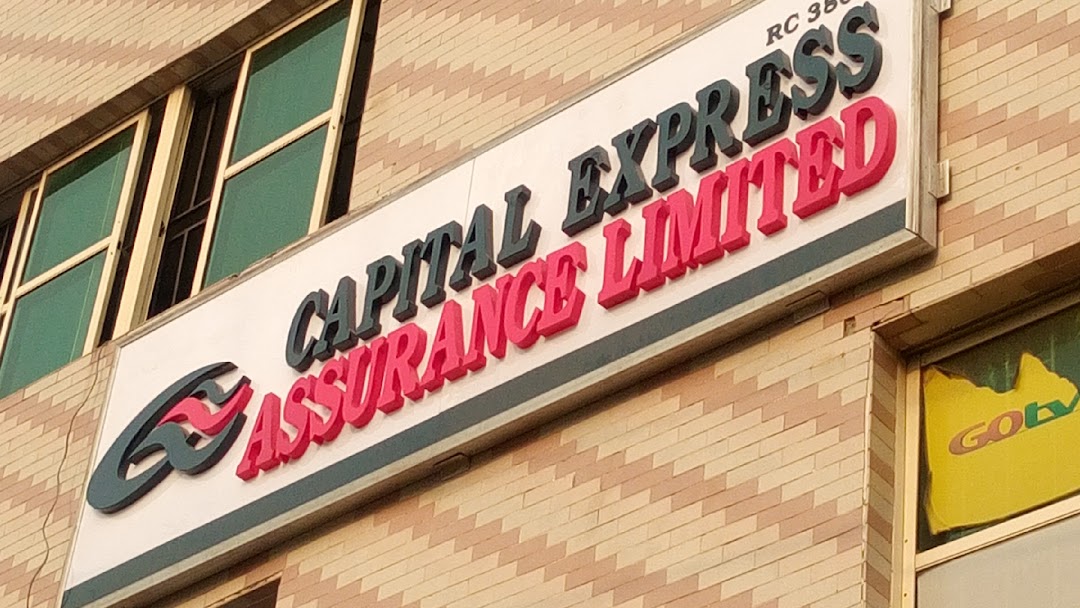
At the conclusion of the December 2022 financial period, Capital Express Assurance Limited paid N2.7 billion in claims to its policyholders.
The company’s chairman, Otunba Babatunde Adenuga, made this announcement on Friday during its 22nd annual general meeting in Lagos.
The amount decreased from the N3.54 billion in claims that were paid during the same time in 2021.
“This showed the results of our improved underwriting skills,” the chairman said.
He revealed more financial information, stating that the company’s 2022 gross written premium was N5.02 billion.
He remarked that this was a little less than the N5.22 billion from the previous year.
He said that the impact of the currency redesign policy, high inflation rate, fuel shortage, and forex shortages at year’s end were the causes of the 4% fall.
“May I assure you that the performance of the following year would be better based on our renewed strategy,” he assured the shareholders.
The chairman said the profit for the year rose by 61 per cent from N90.69m in 2021 to N145.8m in 2022.
He added, “The total asset and total equity of the company improved by 11 per cent and 19 per cent from N12.86bn to N14.2bn and N6.26bn to N7.43bn in 2021 and 2022 respectively.
“This was funded partially by the company’s capital injection by way of investment properties to the tune of N1.1bn.”
He asserted that despite the economic difficulties, the company took advantage of natural opportunities to record the performance under examination, demonstrating the strength of its enduring brand.
Adenuga said, “Capital Express Assurance remains committed to improving and enhancing technology.
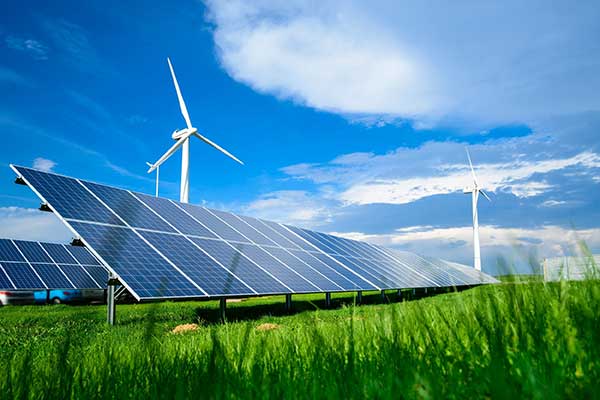
Power generation companies have stated that Nigeria possesses the capacity to generate approximately 427,000 megawatts of electricity using solar energy derived from sunlight.
Presently, Nigeria’s power generation stands at less than 5,000MW, which is inadequate for its population of over 200 million people.
For instance, data extracted from the Federal Ministry of Power reveals that the grid’s power generation at 6am was recorded at 3,803.6MW.
The CEO of the Association of Power Generation Companies, Joy Ogaji, delivered a presentation titled ‘The Electricity Act 2023: Options for Renewable Energy Penetration and Role of Stakeholders.’
She highlighted that solar energy could potentially contribute over 420,000MW to Nigeria’s power generation capacity.
Ogaji presented this information at a workshop centered on renewable energy penetration and the roles of stakeholders, organized by the Renewable Energy and Energy Efficiency Association-Alliance in Abuja.
This presentation was shared with our correspondent on Sunday by the REEEA-A.
She said, “The potential of renewable energy in Nigeria is huge. The country has solar radiation of 3.5 to 7.0 kWh/m2 per day, and 427,000MW can be generated in Nigeria from solar alone!
“Hydro resources are estimated at 14,750MW. Wind speeds of 2-5m/s with a potential of 150,000 TJ per year.”
Describing the present state of renewable energy in Nigeria, the representative from the power generation companies (Gencos) indicated that no renewable energy generation was linked to the distribution or transmission levels, despite having set targets.
She elaborated, “The majority of energy generation occurs off-grid, involving solar home systems and rooftop solar. However, accurate data is lacking.” The cost of renewable energy in Nigeria is around $0.55 to $0.6 per kWh, making it less competitive compared to utility electricity, which costs approximately $0.105 per kWh.
“Achieving set targets with mini-grids will be a slow process. If 1,000 mini-grids of 1MW each are built, we will only achieve 1GW (gigawatts).”
On the challenges in the renewable market, she said domestic demand in West African countries was too low to attract investments in large projects that benefitted from economies of scale.
Ogaji said, “Lack of effective planning and monitoring has led to reliance on emergency rental plants, which further inflates costs. Imbalance in bilateral contracts for the purchase and sale of electricity, especially for deliveries beyond the borders, payment defaults of buyers, as well as the failures to deliver the electricity promised by several sellers.
“There is a lack of synergy in the regulatory frameworks of some member states. Differences in contractual arrangements and disparities in the organisation of national markets are challenges. Lack of harmonisation and standardisation in operational, security rules, contractual provisions and tariffs are concerns.”
The President, REEEA-A, Prof. Magnus Onuoha, said with enough renewable energy capacity, Nigeria could create green jobs, entrepreneurs and evolve women and youth empowerment.
Onuoha said, “Beyond installation and deployment of renewable energy and energy efficient technologies, there are millions of ancillary jobs/efforts that accrue from there.
“There are so many activities, new dynamics, technologies, interventions, measures, policies and relationships flowing around the renewable energy and energy efficiency sector.
“Globally, the Russia-Ukraine war showed us that beyond energy transition, we need to look vigorously at energy security. Here in Nigeria, the fuel subsidy removal, the Electricity Act recently signed into law, rising cost of energy dominant systems and measures, show us that it is time for a very critical rapprochement and behavioural change towards renewable energy and energy efficiency.”
The Nigerian Exchange Limited All-Share Index saw a 0.22 percent increase by the close of the previous week, driven by significant gains in the stocks of Dangote Sugar Refinery Plc (25 percent), Glaxo Smithkline Consumer Nigeria Plc (20.27 percent), and Nigerian Breweries (16.44 percent).
Consequently, investors reaped N77 billion in gains, pushing the market capitalization up to N35.48 trillion, compared to the previous week’s N35.4 trillion.
The All-Share Index climbed from 65,056.39 to 65,198.08. Similarly, year-to-date returns experienced growth, reaching 27.10 percent.
Most other indices exhibited positive trends, with the exceptions being NGX main board, NGX CG, NGX banking, NGX AFR bank value, NGX MERI growth, NGX MERI value, and NGX oil and gas indices, which experienced declines of 0.07 percent, 0.06 percent, 2.13 percent, 1.85 percent, 2.43 percent, 0.78 percent, and 0.68 percent, respectively. The NGX ASeM index remained stable.
During the past week, investors conducted 37,713 deals, trading a total of 2.575 billion shares valued at N29.615 billion.
This contrasts with the previous week’s activity of 2.854 billion shares worth N37.645 billion, traded in 41,547 deals.
The financial services industry, in terms of volume, continued its dominance on the activity chart, with 1.921 billion shares valued at N16.514 billion traded across 17,689 deals.
In order to protest the closure of more than 1,500 of their bakeries, some 200 Tunisian bakersparticipated in a sit-in outside the Ministry of Commerce’s headquarters in Tunis. The government’s decision to stop providing flour with subsidies last week led to the closure of the bakeries.
Prior to this, the bakers’ union had said the 15-day demonstration would take place in several locations.
“Today we are staging a sit-in because we are forbidden to carry out our normal activity, which is the production of baguettes. This was announced in a statement by the former head of government, Bouden (former prime minister Najla Bouden). Our businesses are now closed. The people you see today have not been working for a week.” Mohamed Jamali, president of the Groupement des boulangeries modernes (Group of modern bakeries)
Tunisians frequently encounter shortages of essential commodities, which the government subsidizes. Currently, they are grappling with a fresh scarcity of bread, a vital staple in the daily routines of the North African populace.
During a meeting held on July 27, Kaïs Saïed advocated for the elimination of the categorization of bakeries as classified or non-classified, emphasizing that there should be a single type of bread for all Tunisians.
“We want to be able to source flour like all bakeries.” Zayneb Becha, baker.
“I came here today because we have no income. 1,500 bakeries are closed and their owners are risking going to prison, as they are no longer able to pay their rents and leasing debts. 1,500 bakeries employing six to seven workers each! All of them are now jobless and homeless” Abdelbeki Abdellawi, baker said.
The Tunisian government led by a new prime minister Ahmed Hachani will be trying to contain the discontent in a country that experienced deadly “bread riots” 40 years ago.
The Bank of Ghana’s choice to cut government debt by 50% has been hailed as a vital step that saved the economy and won over allies abroad.
The bank’s action provides a favorable signal to international observers, who were closely following the situation before committing to their own debt remedies, Dr. Philip Abradu-Otoo, Director of Research at BoG, emphasized.
“With BoG being the absorber, the external partners are also watching. Remember they also need to go through some debt treatment but before that they needed to see what will happen to the Bank of Ghana and now that they’ve seen that, it will send a signal to them”, the GNA quotes him as saying.
“With this, I’m sure it will make the process go faster because the biggest policy institution has taken a haircut”, Dr. Abradu-Otoo added.
The BoG’s absorption of losses is likely to hasten the process of resolving debts.
In the year 2022, BoG faced a substantial loss amounting to GHS55.12 billion. This was primarily attributed to the Domestic Exchange Programme (DDEP), which entailed a 50 percent reduction in non-marketable government instruments held by the bank. A similar approach was adopted for marketable instruments held by other financial institutions, resulting in an impairment of GHS48.40 billion.
Further losses were incurred due to fluctuations in exchange rates leading to revaluations of foreign assets.
In spite of these challenges, the Central Bank has expressed its unwavering commitment to upholding policy solvency, effectively managing inflation, and ensuring the stability of the financial sector.
Various measures, including government assistance for recapitalization, are expected to restore equity by the conclusion of 2027.
In an upcoming event later this week, an 18-year-old student from Aberdeen University, along with her mother, is set to venture into space after securing a spot on Virgin Galactic’s second commercial flight through a prize draw.
Anastatia Mayers and her mother, Keisha Schahaff, are poised to make history as the first mother-daughter duo to journey to space.
This achievement is further underscored by them being the inaugural individuals from the Caribbean to embark on this remarkable voyage.
Scheduled for takeoff from New Mexico on Thursday, the journey is a unique one for Keisha, who was initially en route to the UK to address her daughter’s visa matters when she entered the competition.
This unexpected turn of events transpired as she was on a Virgin Atlantic flight from Antigua to London, and an advertisement suddenly appeared, leading to this incredible opportunity.
“I filled out this sweepstake and then suddenly months later I’m getting correspondences saying that you’re a top 20 finalist, then a top five finalist, to becoming a winner,” she says.
“Suddenly, who’s walking into my yard? Richard Branson. The whole team just swarmed into my house saying ‘you’re the winner, you’re going to space’.”
Image caption,The Galactic 01 flight reached a height of 279,00ft (85km) in June
Anastatia says it was her decision to travel from the Caribbean to study in Scotland that led to the opportunity to go space.
“Had I not randomly chosen Aberdeen University and had we not had to take a massive detour to get my visa – we wouldn’t be going to space,” she says.
“I feel like a lot of things had to happen at very specific moments for us to end up here.”
The second-year philosophy and physics student says coming to study in Scotland was one of the biggest decisions of her life but it has “led to magnificent things happening”.
The mission, named Galactic 02 is the second commercial spaceflight conducted by the American space company, and the first with paying customers onboard.
The advertised price for a ride on the rocket plane has been as high as $450,000 (£350,000).
The Galactic 01 mission took place in June. It reached an altitude of 279,000ft (85km). It is thought the second mission will attempt the same path.
‘Over the moon’
Anastatia, who will be the second youngest person to go to space, says she hopes she can use the experience to inspire others.
“That would be very important to me, both in Scotland and Antigua and anywhere else I have any ties,” she says.
“I do hope that people are watching and supporting.
“My intention is to just break any barriers that we set for ourselves or that the world sets for us.
“I want people to know that it doesn’t matter where you come from, who you are – anything – your dream is your dream and you can make that happen, despite what anyone else says.”
Keisha adds: “For me and my daughter together, it’s more than a dream come true.
“This is my kid, I love her with all my heart, and to know that we both share the same goal, the same dream, that is super over the moon.”
The pair will be joined former Team GB Olympian Jon Goodwin from Newcastle. He will become the second person with Parkinson’s to go to space as well as the first Olympian.
The government’s affordable housing projects, in the opinion of Michael Donyina Mensah, Executive Director of the Centre for Public Opinion and Awareness (CenPOA), are not feasible.
He asserted that these initiatives are not an inexpensive housing endeavor as promoted but rather are solely commercial operations carried out by the government and its partners.
He believed that the definition of “affordable” should include the idea that the purchasers of the homes are those who can actually afford them.
“People who have the resources to build their own houses don’t need affordable housing,” he says. Those who are wealthy do not require it. I believe that affordable housing has been designed for the average worker. But the average Ghanaian worker cannot afford it. Examine the studio apartments for sale and their prices. An average worker who wants to buy a $13,000 flat would need to save Ghc1000 per month for ten years before he or she could afford the house.”
How many typical Ghanaian employees can afford these homes was a question that he was asked on the Frontline program on Rainbow Radio 87.55FM, hosted by Kwabena Agyapong.
”I believe they should remove the affordable housing tag from there because it is unaffordable and misleading. Because interest and inflation are not taken into account, it will take approximately 15 years to achieve this. So my point is that it is out of reach for most people.”
He also said to the host that the cedi was stabbed in the back by the price in dollars.
The quote in dollars, he said, is problematic for a nation trying to stabilize its domestic currency.
“It’s a disgrace that the prices for the affordable housing project are quoted in dollars. We are disappointed, as a centre, that a government that has encouraged Ghanaians to trade in cedis is quoting prices in dollars. That is a shot in the foot for the government, and we believe it has shown no commitment to encouraging Ghanaian businesses to trade in local currency in order to stabilise the cedi. Unfortunately, the government has not demonstrated that commitment,” he said.
Farmers stated on Monday that the main crop, which grows from October to March, was strengthened by above-average rain that fell in most of the key cocoa-growing districts of Ivory Coast last week. They also noted that there were a lot of cherelle-shaped pods on trees.
The top cocoa producer in the world is currently in its rainy season, which is defined as April to mid-November.
Farmers predicted that the main crop’s harvest would begin gradually in September, pick up steam in October, and then wind down in January. However, they added that September’s heavy rainfall might cause cocoa sickness.
“Everything’s fine with the trees at the moment. If we get enough sunshine over the coming weeks, many cherelles will survive to produce a lot of harvest,” said Raymond Dasse, who farms near the western region of Soubre, where 39.7 millimetres (mm) fell last week, 28 mm above the five-year average.
In the southern areas of Agboville and Divo, as well as the eastern region of Abengourou, where rainfall exceeded typical levels, farmers reported favorable cocoa pod development on trees. They anticipated that the primary cocoa harvest would be concentrated between November and January.
Conversely, in the center-western region of Daloa and the central areas of Bongouanou and Yamoussoukro, where rain was below average, farmers indicated positive growing conditions due to sufficient soil moisture content. They projected that substantial quantities of cocoa beans would be harvested from September.
“There are already a lot of large, almost ripe pods on the trees in some areas. But there will be a lot of picking from next month onwards,” said Marc Allangba, who farms near Daloa, where 15.9 mm fell last week, 4.1 mm below the average.
The average temperature in Ivory Coast last week ranged from 24.1 to 26.4 degrees Celsius.
Precious Tariro Guwira, a former journalist, has always had a natural talent for handicrafts, but despite being the go-to person in her social circles for creative space décor, she never for a second considered crafting as a professional option.
That was before to her starting to assist at her neighborhood church in Mutare, eastern Zimbabwe. She excels in making paper flowers.
“From crafting church decorations, I also started beautifying homes, workplaces, hotels, weddings, birthday parties, and engagements. On popular holidays such as Valentine’s Day and Mother’s Day, I become particularly busy as more people appreciate the idea of long-lasting paper flowers that can serve as a keepsake,” she said, looking back at her journey to becoming a full-time artisan.
“The dream was so straightforward that I left my journalism job to pursue paper flower-making,” she said.
But the reality wasn’t quite as straightforward as she’d presumed.
“I had to familiarise myself with various types of paper required for creating realistic botanical flowers. I was amazed to discover the diverse range of papers available. Some papers required kneading to increase flexibility, while others needed heating before curling. I also had to paint or dampen some papers to achieve the desired colours before drying them,” she said, explaining that gaining the experience required took longer than expected.
“With my experience, I can now quickly determine which paper suits a specific project to achieve a long-lasting effect,” she said.
The paper florist now uses a mix of recycled and imported florist paper that can be dyed and curled, or even ironed, straightened, creased, or stretched.
“I create water-resistant flowers using imported foam paper, and I use organza silk to make giant flowers. I also recycle paper that can be easily manipulated, especially for curling petals. However, I do not use the paper typically used for writing or drawing. The paper I use is unique and is specifically used to make long-lasting and unique paper flowers.”
Guwira is inspired to create by natural flowers, and she carefully studies each one. She counts the petals, counts the center stamen, counts the seal, counts the stem, and counts the leaves as they grow.
“For example, I deconstruct a rose, petal by petal, until I reach the centre.” Then I traced the petals onto paper to create templates for our paper flowers. I have a collection of templates for classic roses, David Austin’s garden roses, hydrangeas, sunflowers, gladiolus, lilies, peonies, and many more. The list keeps growing since there are over 1,000 varieties of flowers and plants out there. Once we trace the template onto the paper, we use it to cut the paper and let the magic happen as we create the paper flowers, petal by petal.
The most distinctive and lovely aspect of paper flowers is that no two are alike, and there is no right or wrong way to arrange the petals as long as they are in an organized fashion. It’s a soothing procedure. Mother Nature herself doesn’t always produce the same thing, after all,” she said.
Guwira has recently given her project the name “Helia Paper Flowers” in reference to the sun, its aura, and the radiance connected with the beauty of the rising sun in the morning.
She is still regularly faced with the challenge of convincing people to embrace and accept paper flowers while compensating her fairly for her efforts. The average cost of her creations is US$60.
“Paper flowers are a new thing, and more people are used to fresh flowers. So, to capture the target market, I have tried to devise ways and strategies to push the paper flower agenda smoothly. Most people think we use the ordinary paper we use to write and draw on. So one can say the charge for a bouquet is too much for paper. As well as the storage of the giant flowers since I am currently working from my mother’s living room,” she said.
The paper florist hires part-time staff to assist with cutting and assembling when she receives large orders, but the inconsistency of those orders means she cannot afford her workspace due to the high costs.
“I’m still working from my mom’s living room at the moment because, after carefully doing the math of paying taxes and then adding rent, which ranges from $450 to $600, I saw it best to continue at home at the moment.
The biggest challenge is the storage of our giant flowers. At the moment we hang them on walls, and some we close in the petals and nicely store them away in boxes, and then when we want to use them, we open the petals and shape them again.”
Guwira caters to a broad spectrum of clients, such as event organisers, designers, balloon artists, corporate entities, individuals, and religious institutions. She markets her products through social media platforms and a WhatsApp catalogue and offers delivery services for all orders.
“I love her creations; they outlast the event and augment the memories. The flowers are like a physical manifestation of our inner beings; the creations speak to you,” said Charlotte Tudhe Mutambara, a regular client who places orders for functions.
“Tariro is incredibly creative and has a talent for making paper flowers that look just like the real thing. Last year, while I was still working in the USA, I ordered two Mother’s Day bouquets from her. Her paper flowers are stunning, timeless, and make for the perfect everlasting gift for those special people in our lives,” said Fadzai Lynette Masiya, another client.
Guwira believes that people should consider paper flowers due to their numerous advantages, particularly their eco-friendliness.
“Paper flowers offer versatility to achieve the same look as real flowers but with a lasting impression. They are available in and out of season, they are allergy-free, they don’t need water or sunlight to bloom, and they can be repurposed. Above all, they are eco-friendly as they are not replaced every day,” she concluded.
Amidst the backdrop of escalating interest rates and a scarcity of foreign exchange, prominent consumer goods manufacturing enterprises find themselves grappling with significant funding constraints.
Examinations of the financial statements of these companies by Financial Vanguard indicate that they have turned to high-cost bank borrowings as a means to sustain their operations.
This has led to a notable surge in their exposure to banks, reaching N1.834 trillion during the first half of 2023 (H1’23), signifying a 24.5% escalation compared to N1.473 trillion in the corresponding period of 2022 (H1’22).
Data sourced from 11 prominent companies listed on the Nigerian Exchange Limited (NGX) reveals that the financial burden stemming from these borrowings has risen substantially, experiencing a staggering 411.2% increase to N330.972 billion in H1’23, up from N64.745 billion in H1’22.
The mounting financial costs are primarily driven by the consistent elevation of the Monetary Policy Rate (MPR) by the Central Bank of Nigeria (CBN), which reached 18.75% as of the last month. The MPR serves as the benchmark for determining banks’ interest rates.
The 11 leading companies include Nestle Nigeria Plc, Unilever Nigeria Plc, Cadbury Nigeria Plc, Nigerian Breweries Plc, Dangote Sugar Refinery Plc, and NASCON Allied Industries Plc. Additionally, Guinness Nigeria Plc, MCNICHOLS Consolidated Plc, BUA Foods, P Z Cussons Nigeria Plc, and International Breweries Plc are part of this group.
Industry analysts and investment experts have raised concerns about the elevated borrowing costs from banks, suggesting that accessing capital market equity remains the most viable long-term financing option for manufacturers to meet operational requirements. They further advise manufacturing firms to contemplate utilizing Commercial Papers (CPs) for short-term financing to mitigate finance costs and circumvent stringent bank conditions.
Among the top five borrowers, International Breweries takes the lead with a relative increase of 175.5%, borrowing N305.300 billion in H1’23, up from N110.799 billion in H1’22. Unilever Nigeria follows, with borrowing surging by 109.3% to N49.943 billion from N23.859 billion in H1’22.
Guinness Nigeria holds the third position, experiencing a 103.6% increase to N63.755 billion in H1’23 from N31.309 billion in H1’22. Nestle Nigeria secures the fourth spot, with borrowing rising by 79.9% to N264.436 billion from N147.006 billion, while Nigerian Breweries stands fifth, borrowing N253.153 billion, reflecting a 13.9% surge compared to N222.249 billion.
Analysts/investment experts’ recommendations
Commenting on the situation an investment expert and CEO, Wyoming Capital and Partners, Tajudeen Olayinka, said: “Companies can borrow to improve production capacity and reduce average cost. Where this is the case, such borrowing is considered positive, and could improve fortunes of shareholders of the company. Where such borrowing does not improve production efficiency, it can become negative to the value of the company and make shareholders worse off.
”This is what most companies try to consider before borrowing from short-term money market or long-term capital market.”
On the benefits of borrowing by manufacturing companies, he said: “Borrowing that improves operational efficiency would naturally benefit customers and other stakeholders. Borrowing must be done to improve shareholders wealth; and customers must have been given thoughtful consideration before embarking on such borrowing.”
He lamented that: “Short-term borrowing from banks could be more expensive at this time, especially if we consider the effect of rising inflation and interest rate hike by Monetary Policy Committee of CBN, which has compelled many banks to re-price loans and other financial instruments, leading to higher borrowing costs for firms and public companies. Borrowing from banks could be more problematic at this time. Regardless of cost implications to public companies, short-term borrowings from banks might have been provided as bridging facilities for more flexible long-term capital already arranged by those companies, or as a way of obtaining working capital. It could also be a sign of weakness in annexing suppliers’ credit by some of those companies.”
On whether the government can aid manufacturers, Adeyinka said: “That could be another way of asking government to provide financial subsidy, when they are already enmeshed in fiscal crisis. I think the best way is to allow market to function, so that assets are properly priced in the long-term interest of the economy.”
In his own view, analyst and Vice Executive Chairman, HighCap Securities Limited, David Adonri, said: “It is common for manufacturing companies to borrow for working capital finance. Rising cost of raw materials and expenses, in an inflationary environment, underscores the necessity for additional working capital which internal funding cannot provide. Increasing demand for manufactured goods due to consumer pull is another factor that may propel the need for additional working capital finance.
”Well established manufacturers can also source working capital or short term funds from the investing public by issuing commercial papers (CPs).
”More manufacturers are adopting this mode of finance to escape the stringent conditions attached to bank credits. ”Additionally, CPs provide higher volume of funds at much lower interest rates.
”The increase in short term
borrowing by manufacturers when compared to last year can be attributed to increase in economic activities post Covid19 and rising cost of manufacturing inputs and distribution expenses.”
He further said: “Debt finance is a last option for an enterprise. It comes with a lot of risks that can cripple an enterprise if repayment becomes difficult.
”The danger of debt finance is accentuated by rising interest rate and weakening demand environment now prevalent in the Nigerian economy.
”The rising interest expenses which surpass the increase in borrowing is capable of seriously eroding the profit of manufacturers and may hence depress distribution to shareholders. It is a warning signal that investors may not enjoy higher dividends this year. The implication of rising interest expenses is increase in price of goods. This erodes the purchasing power of consumers.
“It is practically impossible for a manufacturing company to be self sufficient in working capital finance. Hence, they secure supplier and bank credits from time to time to overcome their short term capital deficit.
”However, bank credit comes with a cost that can be dangerous if things go wrong. While bank credit supplies the much needed short term life line, its low retention in the business because both principal and interest must be repaid at intervals, can increase the financial pressure on operations. Any business disruption can cause default in repayment and possible foreclosure by the bank. ”Therefore, the increasing use of bank credit by manufacturers can become harmful to both debtor and creditor if macroeconomic conditions continue to deteriorate in Nigeria.”
Government intervention
On government interve-ntion, Adonri, said: “The administrative intervention of government in the credit market through CBN has not been very effective. It continues to distort the market mechanism that ought to efficiently allocate credit in the economy.
”The interventions have also not been appropriately directed to the foundational sectors of the economy. Fiscal intervention can be by way of subsidy to manufacturers to enhance production while monetary policy should target low interest rate environment.
”If manufacturing inputs can be internalized through appropriate fiscal measures, then manufacturing cost can reduce to the point where finance cost will become negligible.”
France has opted to suspend all forms of developmental aid and financial support for Burkina Faso.
This decision follows a declaration from Burkina Faso’s military regime, affirming that they would perceive any form of armed intervention against the coup leaders in neighboring Niger as a declaration of war. A similar stance has been taken by the military government in Mali.
This development coincides with the expiration of a deadline set by the West African bloc Ecowas for the military coup leaders in Niger to reinstate constitutional order and restore the ousted President Mohamed Bazoum.
As of Sunday evening, Ecowas has not issued a statement regarding its forthcoming actions, which could involve military intervention.
The coalition had previously communicated that such intervention would be considered a “last option” if all diplomatic and political alternatives prove ineffective.
The culmination of months of tension between President Mohamed Bazoum and his chief guard drove the coup in Niger. Individuals familiar with the situation stated that this friction stemmed from Bazoum’s attempts to escape the shadow of his predecessor.
Since assuming office in 2021, succeeding his political mentor Mahamadou Issoufou, Bazoum aimed to assert his dominance over the West African nation. This endeavor involved sidelining influential figures in both the military and public administration. However, this assertiveness eventually led to his downfall.
General Abdourahamane Tiani, the head of the influential presidential guard, sensed the possibility of his own sidelining and subsequently turned against Bazoum. Tiani believed that other military commanders would eventually align with his cause. This account of the coup’s unfolding is drawn from insights gleaned from 15 interviews conducted with Nigerien security officials, politicians, as well as current and former Western government officials.
Neither Tiani nor Bazoum could be reached for comment. In his first statement following the July 26 coup, Tiani claimed to have removed the president for the nation’s benefit.
After ascending to power, Bazoum bolstered military cooperation with France and the United States, restricted the autonomy of Nigerien army commanders, and initiated anti-corruption campaigns targeting associates of Issoufou, notably within the oil sector. This approach led to the formation of adversaries.
Tiani, who had served as the head of Issoufou’s guard for a decade and played a role in foiling a coup shortly before Bazoum’s rise to power, continued in his role under the new president. He commanded Niamey’s most formidable and well-equipped force.
However, in recent months, Bazoum reduced the size of the presidential guard, which consisted of about 700 members during the coup. Additionally, he began scrutinizing the guard’s budget.
Eager to secure his position, Tiani, a figure who had risen through the ranks and been bestowed the rank of general by Issoufou, discreetly discussed his coup plans with select commanders. This was an effort to ensure that other military branches would not resist him, as per individuals familiar with the coup plotter’s thinking.
Reuters could not ascertain which commanders were briefed by Tiani.
Moreover, Tiani strategically waited until a substantial number of troops had been dispatched from Niamey to Diffa, a remote location 20 hours away in southeastern Niger. This move coincided with the Independence Day celebrations slated for August 3, according to information from two sources.
Collision Course
On July 27, a day after Tiani’s presidential guard detained Bazoum at his residence, Niger’s army command announced its support for the coup, aiming to avoid a potentially lethal conflict between different factions.
Spokespersons for the junta and the army command did not respond to messages seeking comment.
However, the ongoing internal resistance to Tiani assuming the role of head of state dwindled. Yet, the new administration of the country is still heading for a confrontation with the 15-member Economic Community of West African States (ECOWAS).
This marks the fifth coup in Niger within the last 50 years and deals a blow to former colonial power France and the United States. These nations maintain over 2,000 troops in the country, utilizing it as a base for counteracting jihadists in the expansive and unstable Sahel region.
This coup follows military takeovers in neighboring Mali and Burkina Faso over the past three years, which prompted France to withdraw thousands of troops. This move allowed Russia to increase its influence in the region.
It remains unclear from the Reuters interviews whether Tiani had discussed his plans with Issoufou, a towering political figure in West Africa who wields significant sway in Niger.
Issoufou was elected in 2011, a year following a previous military coup. He garnered praise for voluntarily stepping down in 2021 after two terms, facilitating the first democratic transition to a new leader in Niger since independence.
Speculation circulated in the capital after the coup, as Issoufou remained silent for several days, suggesting he might have been aware of Tiani’s intentions.
Issoufou had grown increasingly frustrated with Bazoum’s attempts to chart his own course, according to individuals familiar with the matter. Two allies of Issoufou recalled hearing him voice dissatisfaction with Bazoum’s reluctance to heed his advice on governing the country, particularly in the oil sector.
Reuters was unable to reach Issoufou for comment. A person close to the former president stated that he initially refrained from publicly discussing the rebellion due to his efforts to mediate between Tiani and Bazoum.
This individual, who chose not to be identified, denied any involvement of Issoufou in the coup. They pointed to the junta’s decision to apprehend his son, the oil and energy minister, on July 31, as evidence that the former president did not collude with Tiani.
On July 30, four days into the coup, Issoufou broke his silence. He used social media to indicate his involvement in mediation efforts and called for Bazoum’s reinstatement.
Issoufou has since provided no further information about his activities.
Safe Room
July 26 commenced as a routine day for Bazoum. He began with breakfast at his residence, situated within the compound of the presidential guard in central Niamey. According to various current and former Western officials who spoke with the president by phone afterward, Bazoum was preparing to proceed to his nearby office when he sensed something amiss: Tiani’s soldiers had encircled his home. Responding to this situation, the president promptly retreated to the residence’s secure room, equipped with confidential communications.
After several hours passed without any signs of rescue, Bazoum rejoined his family in the main part of the residence, which remained besieged.
Following the detention of Bazoum, Tiani instructed General Salifou Mody, who had previously been stripped of his role as chief of staff of the Niger Armed Forces by the president in April, to liaise with other branches of the security services and secure their support. This directive was relayed by four sources familiar with the matter.
Mody, designated as Niger’s representative to the United Arab Emirates in June—an assignment widely perceived as a demotion—nevertheless remained in Niger and did not undertake the new role. It is unclear whether Mody, listed as a deputy to Tiani in the junta’s organizational chart, was one of the few commanders briefed before the coup. Reuters was unable to reach Mody for comment.
Simultaneously, as news of the coup circulated within Niamey, former president Issoufou contacted Tiani. He extended an offer to mediate, as shared by two sources familiar with the situation. Subsequently, Issoufou met with Bazoum, sharing his assessment that Tiani had succumbed to a “mood swing,” a condition he believed he could help resolve, according to a person close to Issoufou.
As the events unfolded, with Niger’s prime minister absent from the country, Foreign Minister Hassoumi Massaoudou took the lead in attempting to secure Bazoum’s release, according to individuals with knowledge of the matter. Massaoudou did not respond to messages seeking comment.
Around midday on July 26, a social media post from an account linked to the Nigerien presidency assured the public that Bazoum and his family were safe. The post conveyed that the army and national guard were prepared to confront the rebellious soldiers if they did not stand down.
Subsequently, hundreds of Bazoum’s supporters gathered at a central square in Niamey, later marching towards the presidential palace. These demonstrators called for the mutineers to release the president and return to their barracks.
Later that day, National Guard troops assumed positions around the compound where Bazoum was held. However, at approximately 9 p.m., the mutineers broadcasted a video on state television. A little-known colonel, Amadou Abdramane, clad in a blue military jacket and flanked by nine officers, announced that Bazoum had been ousted from power. The video also declared the suspension of all institutions of the republic and the closure of Niger’s borders.
The group comprised members from nearly all branches of Niger’s security apparatus, including the police, army, air force, and presidential guard. Ahmad Sidien, second-in-command of the National Guard, was also present.
On the subsequent day, the Nigerien military command declared support for the junta, and the National Guard lifted its siege of the presidential guard compound—aligning with Tiani’s intended outcome.
Tiani, who chose to remain discreet until he garnered public support from other commanders, as per two sources knowledgeable about the plot, made a television appearance on July 28. In his brief statement, he attributed the junta’s motivations to safeguarding the homeland. He attributed the coup to Niger’s government’s failure to address security concerns.
However, with ECOWAS threatening potential military intervention if the coup isn’t reversed by Sunday, Tiani could soon confront an entirely different challenge.
Reported by Moussa Aksar in Niamey, David Lewis in Nairobi, and David Gauthier-Villars in Istanbul. Additional contributions by Michel Rose in Paris and Edward McAllister in Dakar. Edited by Alexandra Zavis and David Clarke.
The junta in Niger has challenged a Sunday deadline issued by West Africa’s regional coalition, which demanded the reinstatement of deposed President Mohamed Bazoum, warning of the potential for a military intervention.
Defence leaders of the Economic Community of West African States (ECOWAS) established a strategy last week, contemplating the possible application of force to reverse the coup that occurred on July 26. This strategy outlines the methods and timing for deploying forces, thus heightening concerns of additional conflicts in a region already grappling with a perilous Islamist insurgency.
The coalition is keeping the details confidential, and any intervention would necessitate approval from the leaders of member nations. Although several options, encompassing both military and alternative approaches, are conceivable, each comes with its own set of risks.
Ground Invasion
ECOWAS has deployed troops to regions of unrest in the past; however, this action is unprecedented in Niger and occurs in a region that is seldom so divided.
According to security analysts, assembling the specifics of a large-scale operation could span several weeks, and the prospect of an invasion carries substantial risks. These risks encompass the potential for being embroiled in a protracted conflict and exacerbating instability both in Niger and throughout the broader region.
Coup leader General Abdourahamane Tiani has experience, having previously served as a battalion commander for ECOWAS peacekeepers in Ivory Coast following a ceasefire between government and rebel forces in 2003. This background gives him insight into the nature of intervention missions.
Nevertheless, for some, the available options might seem quite limited.
“If they don’t go in, it will be a major problem of credibility. They have laid down a red line,” said Djiby Sow, a senior researcher at the Institute for Security Studies in Dakar.
Nigerian President Bola Tinubu has told his government to prepare for options including the deployment of military personnel. Senegal has also said it could send troops.
But coup leaders in Guinea, Burkina Faso and Mali have expressed support for Niger’s junta, and other countries have their own security challenges.
Special Forces Operation
This option would involve a slimmer ground force that would be quicker to assemble. It would likely focus on seizing key security and administrative sites, rescuing Bazoum from house arrest and restoring his government, said Ikemesit Effiong, a senior researcher at SBM Intelligence consultancy in Nigeria. ECOWAS could seek intelligence support from U.S. and French forces inside Niger.
“The timeline would be shorter and the capability already exists in the region. An operation of that nature would be more realistic,” Effiong said.
Risks still abound, though. Foreign troops guarding sites in the centre of the capital Niamey could trigger violence in a city where hundreds have taken to the streets in support of the coup – and against foreign interference.
Aiding a counter coup
Niger is a huge, ethnically diverse country, and Bazoum won the 2021 election with 56% of the vote. It is not yet clear how much support various groups will give the new leaders.
Security analysts and diplomats have also noted apparent divisions among Niger’s armed forces, who may not all be united behind the coup.
Regional powers could exploit that.
“The only operationally feasible scenario I can imagine … would be in the form of more limited support for a ‘counter coup’ by Nigerien forces,” said Peter Pham, a fellow at the Atlantic Council think tank and a former U.S. special envoy to the Sahel region. “I don’t see them coming in without that local element.”
Take stock, maintain sanctions
In comparison to the juntas in Burkina Faso and Mali, which have assumed power within the past three years, ECOWAS has adopted a more assertive stance against Niger.
However, there remains the possibility that ECOWAS might choose to uphold sanctions, refrain from direct military intervention, and instead advocate for a return to civilian governance following elections. The junta has expressed its willingness to engage in discussions about this option, although a specific timeframe has not been provided.
Even this course of action carries inherent regional risks. Imposing sanctions could undermine Niger’s economy, a reality that holds particular weight for one of the world’s most economically disadvantaged nations. Such a situation might inadvertently fuel support for the junta and extremist groups that extend financial support and shelter.
On Sunday August 6, 2023, the federal government announced a collaboration with Wema Bank to set up digital hubs for micro, small, and medium enterprises (MSMEs) in seven states.
Vice President Kashim Shettima revealed this development in a statement issued by Olusola Abiola, the Director of Information in his office. Shettima stated that the digital hubs are designed to equip one million young individuals with valuable digital skills.
He further explained that this initiative emerged from discussions between the vice president and representatives from Wema Bank. The endeavor aligns with the government’s dedication to generating digital employment opportunities for the nation’s youth.
The statement read: “The centres to be known as FGN/ALAT Digital and SkillNnovation Hub will open first in Lagos and Borno states, with Katsina, Cross River, Anambra, Oyo, and Kano, to follow afterwards.
”They will be run in partnership with a leading financial institution in Nigeria, WEMA Bank. The strategic objectives of the programme include to empower young entrepreneurs by providing them with tailored financial products, training and support to enable them build sustainable businesses that will support the growth of Nigeria’s economy.
“Other objectives include: supporting tech-savvy youths with keen interest in digital innovations and aspire to drive technological advancements, by providing them with financial solutions, training and access to strategic partnerships; and empowering young employees to become an integral part of the workforce in Nigeria, especially those deployed through the NYSC.”
One million young people would gain from software engineering, product design, and other digital skills, according to the vice president, while 500,000 SMEs would receive business development mentoring.
“FGN/ALAT Digital and SkillNnovation Hub, positioned to serve as a centralized platform to provide cutting-edge digital skills, mentorship and networking opportunities, is targeted at tech-savvy youths and young entrepreneurs in Nigeria.
“The focus is on promoting entrepreneurship, skills development and the integration of young employees in the workforce, particularly getting one million youths employed in the digital economy and upskilling SMEs who can directly add value to the country’s economy.
“In training, 1 million young adults will be trained in software engineering, product management, business analysis, cloud computing, product design, using a specialized curriculum designed for the FGN/ALAT Digital and SkillNnovation Hub.
“In mentorship, 500,000 SMEs across Nigeria will be mentored by experts while coaches will train and upskill them for business growth and quantum leap.
“Under the scheme grants will be provided under a collaborative arrangement between the federal government and WEMA Bank, setting aside N500 million to be given to SMEs and techprenuers,” he stated further.
On Sunday August 6 2023, thousands of individuals who endorse the military coup in Niger gathered at a stadium in Niamey. This event coincided with the deadline stipulated by the West African regional coalition ECOWAS, requiring the reinstatement of ousted President Mohamed Bazoum to power.
A delegation from the ruling National Council for the Safeguard of the Homeland (CNSP) made their way to the stadium, which has a seating capacity of 30,000, receiving enthusiastic applause from their supporters. Many attendees proudly waved Russian flags and carried portraits of CNSP leaders.
The stadium, named after Seyni Kountche, the leader behind Niger’s inaugural coup d’état in 1974, was nearly at full capacity, and the atmosphere exuded a festive spirit, as reported by journalists on the scene.
General Mohamed Toumba, one of the CNSP leaders, denounced in a speech those “lurking in the shadows” who were “plotting subversion” against “the forward march of Niger”.
“We are aware of their Machiavellian plan,” he said.
The protest aligns with the ultimatum established by ECOWAS on July 30th, urging the coup leaders to reinstate Bazoum.
However, up to this point, the generals who seized control in Niamey on July 26th have displayed no indications of being open to yielding.
On Friday, ECOWAS military leaders concurred on a potential military intervention plan in response to the crisis. Armed forces from countries such as Senegal and Ivory Coast expressed readiness to partake.
On Saturday, Nigeria’s Senate, situated in the neighboring country, resisted the approach of the ECOWAS regional group. They implored the President of Nigeria, the current head of the bloc, to explore alternatives beyond the use of force.
Although ECOWAS can still progress, as final resolutions are reached through consensus among member nations, the warning issued on the eve of Sunday’s deadline has cast doubts over the intervention’s outcome.
While the coup has garnered widespread condemnation from Western and African nations, Niger’s military received backing from their counterparts in Mali and Burkina Faso—two nations that have experienced military coups seizing power in the last three years.
As the ECOWAS deadline expired, Niger’s military junta declared on Sunday the closure of the country’s airspace.
Niger’s airspace was closed due to “the threat of intervention from a neighboring country,” said the spokesperson for the now-ruling National Council for the Safeguard of the Homeland (CNSP), Colonel Major Amadou Abdramane, in a video statement played on state television.
As per the CNSP’s announcement, the West African regional coalition has finalized its arrangements for a potential incursion into Niger. At least two member states of the organization have initiated the mobilization of their armed forces, heading towards Niger’s border.
Niger’s military leadership has up until now declined to relinquish authority, as stipulated by ECOWAS defense ministers. This group had established a Sunday ultimatum for the reinstatement and return to power of the deposed President Mohamed Bazoum, who had been elected in February 2021.
The Ghanaian economy, according to financial analyst Joe Jackson, is in the Intensive Care Unit (ICU) and requires urgent attention.
His response follows Ken Ofori-Atta, the minister of finance, who declared that the economy was on the road to recovery.
He believes that Ken Ofori-Atta, the finance minister, is incorrect when he claims that the government has made progress.
Speaking on Citi TV’s The Big Issue programme, Joe Jackson said, “I will say that we have turned the corner when we have moved to the recovery ward but at this moment this economy is still in the ICU and I think it is a disservice to the people of this country to say that we have turned the corner.”
He urged the government to reduce its spending in order to tackle the fiscal deficit of the country.
The financial expert also advised the government to give precedence to crucial sectors to guarantee a sustainable approach to financial management.
Ken Ofori-Atta, the Finance Minister, while delivering the mid-year budget review statement in parliament for the year 2023, mentioned that Ghana is gradually making progress in revitalizing the economy following a period of economic decline.
He affirmed that the government’s strategies and initiatives are starting to show promising outcomes.
27-year-old Tanzanian Melkiori Dominick Mahinini was taken hostage in Nigeria and is now being held for ransom in the amount of $70,000 (Sh170 million).
The Major Seminarian hails from Kabanga Parish in the Kigoma Region and was sent to Nigeria by the Africa Missionary Society for his studies.
Bishop Joseph Mlola of the Kigoma Catholic Diocese said that the Frater and Priest Paul Sanogo of Burkina Faso were both kidnapped in Nigeria’s Minna Province.
“The two were abducted on August 3, 2023 by unknown people at the Saint Luke Gyedna Parish in the Minna Province,” said Bishop Mlola.
“The Frater has been in Nigeria for a missionary mission before proceeding for theological studies. We should pray to God that the two are rescued from any dangers and return in peace, light and complete freedom,” he added.
Dr. Benson Bana, the Tanzanian ambassador to Nigeria, acknowledged the occurrence and stated that all required steps are being taken to guarantee the two are released safely.
He noted that the country of Nigeria experiences many abductions and that precautions are being taken to protect the two.
“After receiving reports of abduction, the Embassy has informed the government at home (Tanzania). We have also communicated the matter to the Ministry of Foreign Affairs in Nigeria as required by diplomatic procedures,” he told The Citizen over the phone.
He claimed that on August 3, a gang of unidentified individuals broke into Saint Luke Gyedna Parish, opened fire, and kidnapped two of the four people present.
The former University of Dar es Salaam (UDSM) dean claimed to have learned that kidnappers are demanding a ransom of 100 million naira, or Sh325.1 million, according to information they have received.
He claims that the desired sum is $70,000, or more than Sh170 million.
“We are supposed to be careful with these people because they can inflate the ransom to over 500 million naira,” he cautioned.
According to Dr. Bana, they are currently working with the Africa Missionary Society, who have also already informed Nigerian law enforcement about the situation.
Bishop Gervas Nyaisonga, head of the Tanzania Episcopal Conference (TEC), expressed disappointment on behalf of the Church at the brutal kidnapping episode.
“We insist on the importance of respecting the principles of human rights and stir on diplomatic efforts to ensure abducted people are unconditionally freed,” he told this paper, saying the Church is praying for the abductees to be rescued.
Mr. Dominick Mahinini, the father of the Frater, has requested that the Church work with the Ministry of Foreign Affairs and East African Cooperation to free his son.
Furthermore, he claimed that on August 3, the Parish Priest informed him of allegations of his kidnapping.
“I have nothing to do rather than praying to God for his life. I ask the government’s support over the matter,” he said at his Masanza home in Kabanga Ward, Kasulu District.
According to him, the Diocese should collaborate with the Tanzania government to ensure his son is freed safely.
He claimed that despite the fact that the occurrence had taken place far away, his family had been shocked and alarmed when they learned of the abduction.
Melkiori, the fifth child in a family of nine, was called to serve God, according to Mr. Mahinini, who also noted that he had a responsibility to help Melkiori as a dad.
Minister of finance, Ken Ofori-Atta, has promised that the government will not include Treasury Bill instruments in its Domestic Debt Exchange Program (DDEP).
He added that the country’s inability to access the global capital markets as a result of the current economic crisis forces the government to focus on the domestic market in order to restore macroeconomic stability and achieve debt sustainability.
“I can very comfortably say that that Treasury Bills will not be touched in the on-going DDEP. We are not ready to go into the international capital market as the pricing will be horrendous with credit downgrades being placed on most economies.”
“We are keeping borrowing externally low and therefore we must work within the domestic market and that has to have the confidence and trust that is required.”
On Sunday, August 6, 2023, during an interview on GTV’s Talking Point program, Finance Minister Ken Ofori-Atta made this statement.
In the meantime, the government has started a second phase of DDEP that targets pension funds, local bonds denominated in US dollars, and cocoa bills.
The choice is one of the requirements set by the Ghanaian government in order to get a second tranche of a bailout credit facility from the IMF worth $600 million.
The Bank of Ghana’s Interbank forex rates for August 7, 2023, indicate that the Ghana Cedi is currently valued against the dollar with a buying price of 10.9962 and a selling price of 11.0072.
In Accra’s Forex bureau, the dollar is being purchased at 11.00 and sold at 11.50.
Regarding the Pound Sterling, the Cedi’s value stands at a buying price of 13.9828 and a selling price of 13.9979.
At the local forex bureau in Accra, the pound sterling is bought at 14.00 and sold at 15.30.
The Euro holds a buying price of 12.0406 and a selling price of 12.0515.
At the Accra-based forex bureau, the Euro’s exchange rate is 12.30 for buying and 12.90 for selling.
As for the South African Rand, it is currently bought at 0.5880 and sold at 0.5886.
The local forex bureau in Accra offers a buying rate of 0.30 and a selling rate of 0.90 for the South African Rand.
The Nigerian Naira is being acquired at a buying price of 68.9503 and a selling price of 70.1982.
In the Accra forex bureau, the Nigerian Naira can be bought at a rate of 11.00 Naira for 1 Cedi and sold at a rate of 17.00 Naira for 1 Cedi.
The CFA Franc’s value is set at a buying price of 54.4295 and a selling price of 54.4788.
At the Accra forex bureau, the CFA Franc can be purchased at a rate of 17.00 CFA for 1 Cedi and sold at a rate of 21.00 CFA for 1 Cedi.
Our forex bureau rates are provided by Afriswap Bureau De Change in Osu, Accra.
Note that these rates may be different at a forex bureau near you. Our forex bureau rates are provided by Afriswap Bureau De Change in Osu, Accra.