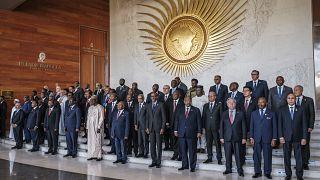
African leaders met Saturday to discuss a slew of challenges facing the continent as UN chief Antonio Guterres urged them to do more to bring peace to conflict-hit regions.
Africa is reeling from a record drought in the Horn and deadly violence in the Sahel region and the eastern Democratic Republic of Congo (DRC), with the two-day African Union summit aiming to address these issues and jumpstart a faltering free trade pact.
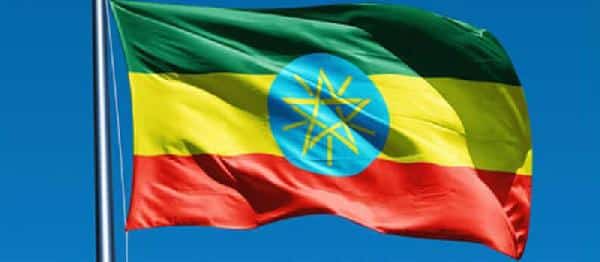
Most of the sessions are being held behind closed doors at the AU headquarters in the Ethiopian capital Addis Ababa, with more than 30 presidents and prime ministers in attendance.
But eyes will be on the bloc to see if it can achieve ceasefires in the Sahel and the eastern DRC, where the M23 militia has seized swathes of territory and sparked a diplomatic row between Kinshasa and Rwanda’s government, which is accused of backing the rebels.
Guterres called for Africa to take “action for peace”, adding that the continent of 1.4 billion people faced “enormous tests… on virtually every front”.
“I am deeply concerned about the recent rise in violence by armed groups in the eastern Democratic Republic of the Congo and the rise of terrorist groups in the Sahel and elsewhere,” he told the gathering.
“The mechanisms for peace are faltering,” the UN secretary-general warned. Nevertheless, he urged the bloc to “continue to battle for peace”.
At a mini-summit on Friday, leaders of the seven-nation East African Community pushed for all armed groups to withdraw from occupied areas in the eastern DRC by the end of next month.
Guterres met with several African leaders on Friday, including Rwandan President Paul Kagame, to discuss in particular the crisis in the Congo.
Ethiopian Prime Minister Abiy Ahmed, host of the summit, lauded the bloc for its role mediating a peace deal between his government and the Tigray People’s Liberation Front (TPLF) in November to end a brutal two-year year in northern Ethiopia.
– Backsliding of democracy –
Junta-ruled Mali, Burkina Faso and Guinea, which have been suspended from the AU, cannot participate in this weekend’s summit, but have sent diplomats to Addis Ababa to lobby for readmission.
Moussa Faki Mahamat, head of the African Union Commission, told the meeting the bloc needed to come up with new strategies to counter the backsliding of democracy on the continent.
He said “sanctions imposed on member states following unconstitutional changes of government… do not seem to produce the expected results”.
“It seems necessary to reconsider the system of resistance to the unconstitutional changes in order to make it more effective,” Faki added.
The summit will also aim to accelerate implementation of the African Continental Free Trade Agreement (AfCFTA) launched in 2020.
The deal is billed as the biggest in the world in terms of population, gathering 54 out of 55 African countries, with Eritrea the only holdout.
African nations currently trade only about 15 percent of their goods and services with each other, and the AfCFTA aims to boost that by 60 percent by 2034 by eliminating almost all tariffs.
But implementation has fallen well short of that goal, running into hurdles including disagreements over tariff reductions and border closures caused by the Covid-19 pandemic.
The African leaders are also expected to discuss the food crises rocking a continent hit hard by the worst drought in four decades and the knock-on effects of the war in Ukraine that have pushed up the cost of basic goods.
– Debt cancellation call –
Created in 2002 following the disbanding of the Organisation of African Unity, the AU comprises all 55 African countries, with a population of 1.4 billion people.
While the bloc has been credited with taking a stand against coups, it has long been criticised as ineffectual.
Kagame, who has been urging the AU to implement major changes for years, is due to present a report on the reform of the bloc’s institutions.
The Rwandan leader has called for the AU to take steps towards financial independence, with the bloc largely dependent on foreign donors.
Comoros President Azali Assoumani, leader of the small Indian Ocean archipelago of almost 900,000 people, took over the one-year rotating AU chairmanship from Senegal’s Macky Sall.
Assoumani, 64, called for a “total cancellation” of African debt in his acceptance speech, but did not elaborate on how this would be achieved.
The former Newcastle player, who has died aged 31 in Turkey, was a true Christian in every sense of the word
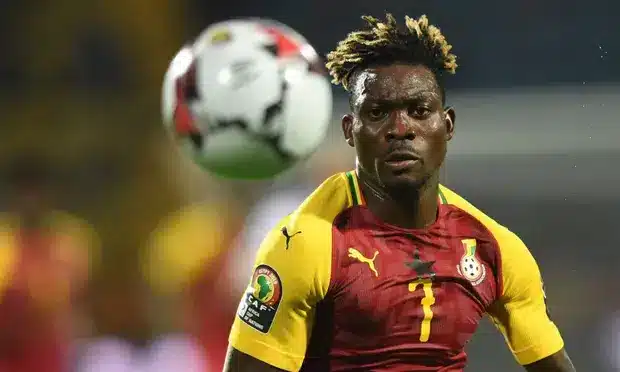
Christian Atsu could not have had a more appropriate name. The former Ghana winger, whose body has been found beneath the rubble left by the recent earthquakes in Turkey, was a true Christian in every sense of the word.
Atsu’s extensive charity work and numerous good deeds touched countless lives, transforming many for the better along his journey from West Africa to Western Europe and, ultimately, the Middle East.
During an interview with the Guardian in 2019, it swiftly became clear that a man whose childhood had been shaped by a powerful Christian faith was on a mission to use his wealth and standing as a Premier League footballer to help others.
“My faith is the most important thing in my life,” said the then Newcastle player who was playing for Turkey’s Hatayspor at the time of his death, aged just 31. “I know I’m one of the lucky people God has blessed. I’m very lucky and privileged to be in the position. I had nothing and now I’ve got so much I have to give something back.”
Atsu was a modest character who took immense pride in the achievements of his German-born author wife, Marie-Claire Rupio, but he also knew that winning the player of the tournament award at the 2015 Africa Cup of Nations in Equatorial Guinea had made him a household name from Cairo to Cape Town.
He duly channelled the fame that, for a time, promised to turn him into Africa’s Lionel Messi into serving as a key ambassador for the global charity Arms Around the Child. It provides homes, protection, education and support for children who have been orphaned, abused, affected by HIV/Aids, trafficked, sold or live in child-headed households.
“I donate often, so they can buy food and stuff,” said Atsu. “We’re building a school in Ghana. About 300 children will attend, I want everyone to have the chance of an education.” After experiencing the benefits of the excellent schooling funded by Feyenoord’s African academy in Accra, he knew precisely how much education matters. Yet Atsu’s life was also fuelled by love.
There was the love he experienced after meeting Rupio, the mother of his daughter and two sons, early in his career while playing for Porto, and the love he had first encountered as one of 10 siblings – including his twin sister Christiana, now a nurse – living on the junction of the Volta River and the Atlantic Ocean where his late father eked out a living fishing and farming.
Those enduring bonds sustained him through a stint as a member of Chelsea’s “have boots will travel” loan army. Despite never playing a single game for the London club Atsu was borrowed by Vitesse Arnhem, Everton, Bournemouth – where he played for the current Newcastle manager Eddie Howe – and Malaga, before eventually signing “permanently” for Rafael Benítez during the Spaniard’s St James’ Park tenure.
“Rafa’s like a father,” he said. “Everyone here finds Rafa warm. He encourages me almost every day. He’s so good at the human side of management which is so important.”
Atsu would spend five years as a Newcastle player and his wife – who wrote the well-received novel “Stop Bullying Me” – and children still live in a city they fell in love with. “I don’t regret going to Chelsea,” the winger reflected in 2019. “It was a privilege to be their player and, eventually, it led me to Newcastle.”
Benítez was a confirmed admirer of the left-footed skills that helped Atsu earn 65 Ghana caps and score nine international goals and, above all, the man himself. But the Spaniard’s departure from St James’ Park saw Atsu’s game time limited, eventually leading to an injury-blighted move to Saudi Arabia’s Al Raed in 2021.
A year later, Antakya-based Hatayspor came calling with Atsu scoring his first goal for the club on 5 February. A few days later, when just a few hours earlier he had been chatting happily to his family back home in Newcastle southern Turkey was devastated by the earthquake, his building turned to rubble.
Newcastle United players stand together in memory of Christian Atsu before Saturday’s Premier League meeting with Liverpool. Photograph: Owen Humphreys/PA
Almost exactly exactly four years earlier Atsu had been, typically, busy with ensuring that several impoverished families in Ghana were reunited after paying thousands of pounds in fines to release prisoners accused of petty offences.
When pressed, he quietly explained he was particularly pleased to have, discreetly, secured the freedom of a 62-year-old grandmother and her daughter who had been jailed for stealing the equivalent of one British pound’s worth of corn to feed their family.
Atsu’s frequent presence in the congregation at Hillsong Church, a long goal kick away from St James’ Park, on Newcastle’s Westgate Road, was similarly unobtrusive. “I’m very happy at Hillsong and very happy in Newcastle,” he said.
“Football changed my life completely; it’s enabled me to help my community and help my family. Sometimes what’s happened to me seems like a miracle.” What is it they say about only the good dying young?
… we have a small favour to ask. Tens of millions have placed their trust in the Guardian’s fearless journalism since we started publishing 200 years ago, turning to us in moments of crisis, uncertainty, solidarity and hope. More than 1.5 million supporters, from 180 countries, now power us financially – keeping us open to all, and fiercely independent. Will you make a difference and support us too?
Unlike many others, the Guardian has no shareholders and no billionaire owner. Just the determination and passion to deliver high-impact global reporting, always free from commercial or political influence. Reporting like this is vital for democracy, for fairness and to demand better from the powerful.
And we provide all this for free, for everyone to read. We do this because we believe in information equality. Greater numbers of people can keep track of the global events shaping our world, understand their impact on people and communities, and become inspired to take meaningful action. Millions can benefit from open access to quality, truthful news, regardless of their ability to pay for it.
Whether you give a little or a lot, your funding will power our reporting for the years to come. If you can, please support us on a monthly basis from just $2. It takes less than a minute to set up, and you can rest assured that you’re making a big impact every single month in support of open, independent journalism. Thank you.
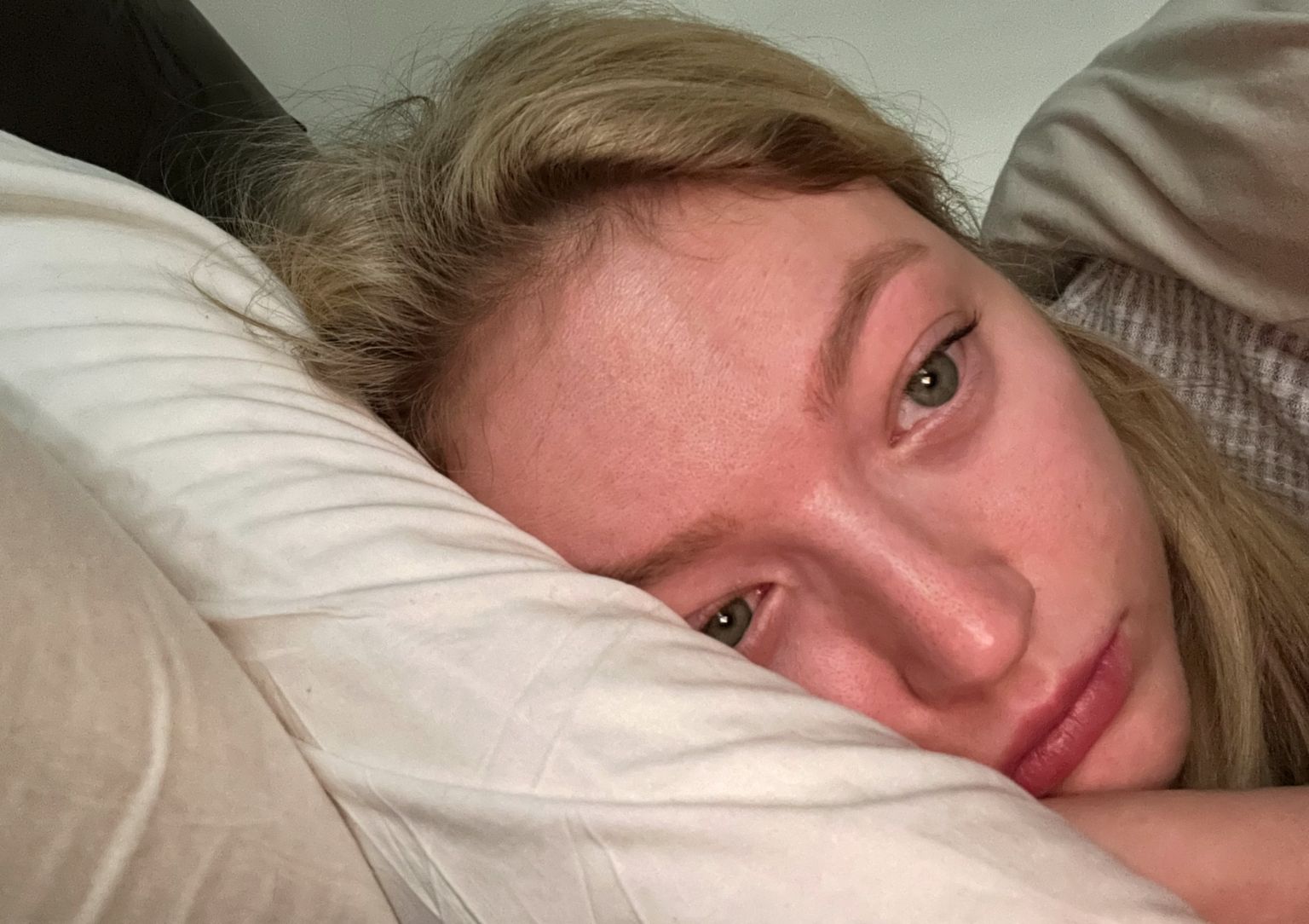
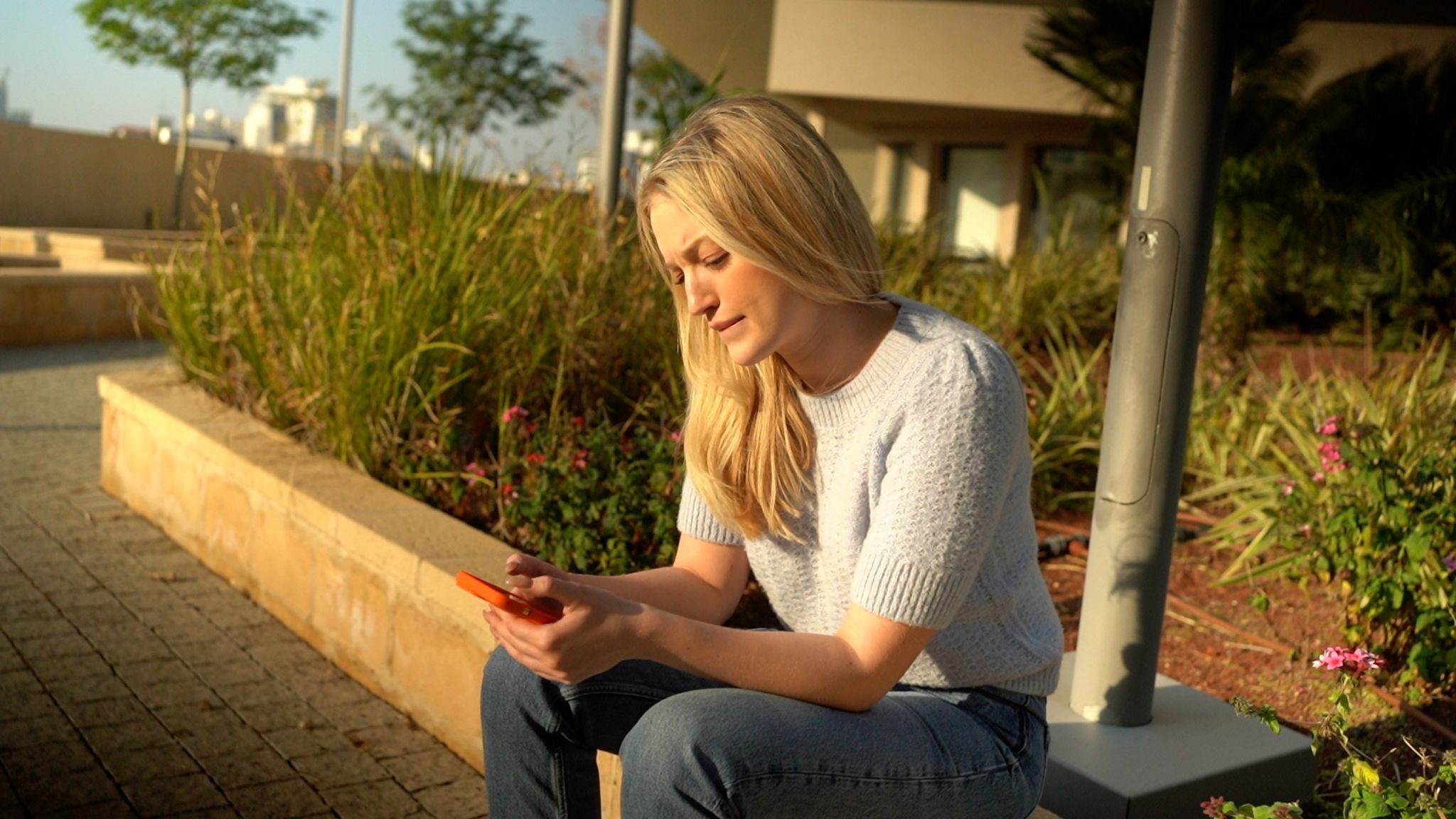
A young blonde woman is sitting on the edge of a bed cradling her left foot with her left hand as she speaks into her phone. Some of her hair sticks to her face, which is wet from tears.
You see a cut on her heel. Her eyes are bloodshot and her face red, but her voice is clear as she gives the person on the other end of the phone line directions to the apartment. In front of her, an open and packed suitcase lies on the floor.
We are watching a video filmed on a phone from the night of 29 March 2022. The man filming the video raises his voice to say: “It’s bullshit! Nothing’s happened to her!”
The man is Simon Leviev, the convicted con artist and subject of the Netflix documentary, The Tinder Swindler. The woman is 23-year-old Israeli model Kate Konlin, who was then his girlfriend.
Leviev sent the video to the BBC with other videos and documents about their relationship.
“She lies and she lies,” he wrote.
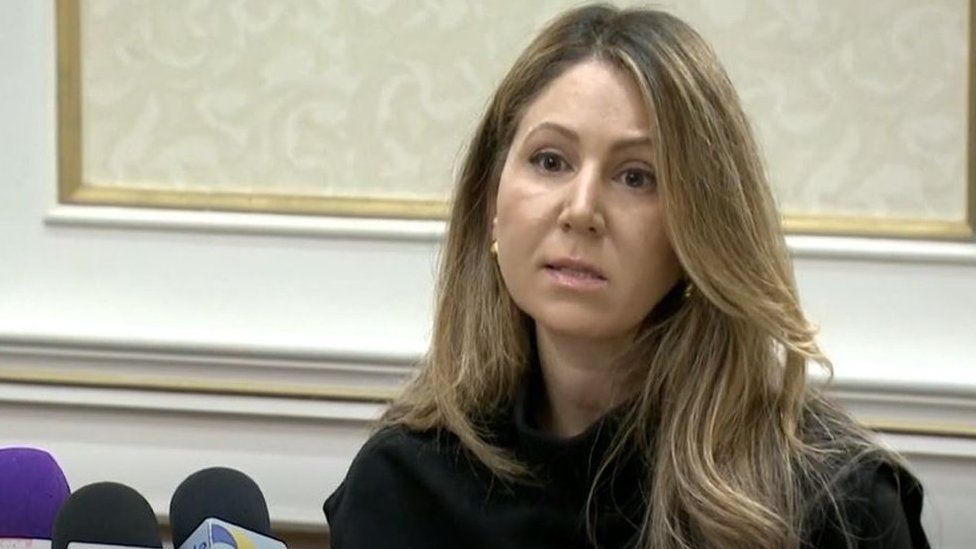
“Of course he’d call me a liar,” Kate Konlin tells the BBC.
“He’s called every woman who has spoken out against him a liar. He doesn’t want me to tell my story of emotional abuse.”
In the beginning, Ms Konlin’s friends adored Leviev.
“Kate, he’s too perfect,” she recalls them gushing, “it’s even a little scary.”
Shimon Heyada Hayut (who legally changed his name to Simon Leviev), slipped into her Instagram DMs in 2020, and within weeks they were together.
“At first, our relationship was a love bomb,” Ms Konlin tells the BBC. “He was obsessed with me.”
Leviev accompanied her to modelling shoots and waited while she worked. He cleaned her home and sent her long and loving voicenotes.
It was intense but as a 23-year-old, it was what she thought love should be, she says.
Kate Konlin: ‘This is not the classic Tinder Swindler story about losing money’
Ms Konlin says that when he criticised her appearance, clothes, her weight and her skin (she experiences bouts of acne), she began to lose confidence. She wasn’t sure what he would say next.
“I felt I was walking on eggshells,” she says.
She saw her friends less and less during the 18 months they were together, and when she did they said she was no longer the lively, colourful and sociable person they had once known.
“They said I was ‘grey’,” she says, looking down at her hands.
After a few months, Leviev began to ask for money, borrowing thousands of dollars at a time, up to a total, Ms Konlin says, of $150,000. She was already an international model who had been on the cover of Vogue Japan, Grazia Italy and Wallpaper magazine in the UK. She was financially secure and she says he knew it.
Ms Konlin has sent the BBC more than a dozen of Leviev’s voicenotes. He often shouts, and asks for loans saying that his own money is tied up in investments.
In one, he shouts as he explains why he cannot pay her back: “Kate, I’m a millionaire! And that’s a fact. At the moment, I’m stuck. Understand? I’m stuck! Do you understand that in your screwed-up brain? That bird brain of yours. I’m stuck, Kate. I didn’t steal from you. You gave it to me of your own free will. You lent it to me. I’m stuck, that’s all.”
Image caption,Despite his convictions, Simon Leviev has thousands of followers on social media
The Tinder Swindler, which became Netflix’s most-watched documentary in 90 countries when it was released in February 2022, alleged that Simon Leviev had conned women he met on the Tinder dating app out of about $10m. He denies the allegations.
Ms Konlin says she watched it while sitting next to him on the sofa.
“I knew it was all true,” she says.
But she says she felt obliged to accept his version of events. According to her, it was a controlling relationship, and it was easy for him to persuade her to defend him publicly, for example on US news show Inside Edition.
“He told me, ‘If you stick up for me, people will believe me, because you are a woman.’”
At the same time, her Instagram inbox filled with abuse sent by people who had seen shots of her at the end of the Tinder Swindler.
“People told me they wished that I would get cancer or be run over by a car, and that I deserved the worst of everything because I was in a relationship with him,” Ms Konlin says.
The arguments between the couple intensified and on 29 March everything came to a head.
“I said, ‘That’s it, I’m leaving. I can’t take it any more.’ I started packing my stuff,” she says.
Ms Konlin says the argument turned physical. She says he pushed her and she cut her foot on a step with a rough edge.
“I was bleeding. I felt dead. I wanted to kill myself,” she says.
This brought the fight to a halt. It was then that Leviev filmed Ms Konlin as she called an ambulance, and shouted out that nothing had happened to her.
After going to hospital, she filed a complaint against Leviev with the police.
Image caption,Ms Konlin says her confidence was undermined by Leviev’s criticisms
When we asked Leviev to respond, he sent us nine emails within 45 minutes, and two more direct messages on the video-sharing app, Cameo, in the days that followed.
There were many screenshots of WhatsApp messages and a video which shows Ms Konlin shouting and grabbing him.
Leviev says he has never physically harmed any woman.
Janey Starling, a campaigner against domestic abuse, says the picture Ms Konlin paints of her relationship with Leviev follows a familiar pattern.
“Coercive control is something that happens on a daily basis and is very mundane. It’s very small. It flies under the radar,” she says.
“A lot of abusive men have never been physically violent to their partners… but they have been intensely controlling, intensely critical, belittling, and making threats.
“It’s a bit of a red herring to look for physical violence as the ultimate determination of whether an abusive relationship is abusive.”
We put to Leviev several allegations Ms Konlin made about his behaviour, including that he had coercively controlled her, and he said she was lying.
Despite being a convicted con artist, Leviev has thousands of followers on social media. He continues to post videos of himself driving expensive cars, and spending time with beautiful women. In some videos people ask for photographs with him, as if he were a celebrity. He charges £82 ($100) for a personalised video message and £165 for a call.
His popularity concerns the Anti-Defamation League (ADL).
“We are seeing a glamorisation of a hyper-masculine anti-woman mindset and lifestyle, and it is being peddled to the most acceptable, most impressionable people, especially young men in their pre-teen years,” says Jessica Reaves, editorial director of the ADL’s Center on Extremism.
“It’s incredibly dangerous because what you’re saying is, ‘You can have this lifestyle too and also, by the way, part and parcel of this is dehumanising, or generally hating women’.”
We asked Leviev if he accepted this description of his posts on social media and he didn’t respond.
Today, Ms Konlin laughs that she is perhaps one of the only models in the world who is happy to have gained weight – she says she was underweight from stress during her time with Leviev.
After almost a year without offers of work following the release of The Tinder Swindler, her modelling career has taken off again. She now wants to tell young women what an unhappy and controlling relationship can look like from the inside.
“If a woman who is in the same situation sees what I experienced and how I got out, and that today I am stronger and more beautiful than when I was with him, she will hopefully see that she can also leave.”
Rishi Sunak and Kamala Harris argued that the UK and US’s responses to Russia’s invasion of Ukraine showed the depth of their alliance.
The prime minister met the vice president for the first time yesterday at the Munich Security Conference, where Ms Harris said the UK was “among our greatest of allies”.
Their meeting follows speeches by both leaders at the German summit, where they stressed continued support for Kyiv.
A Downing Street spokesperson said: “They agreed that Putin’s war in Ukraine is a global war, both in terms of its impact on food and energy security and in terms of its implications for internationally accepted norms like sovereignty.
“The prime minister and vice president Harris condemned those countries who have supported Putin’s efforts politically and militarily.”
Rishi Sunak also met with leaders of the European Union, Germany, Poland, Sweden and Finland.
He told German Chancellor Olaf Scholz the West needed to think about “strengthening Ukraine’s long-term defences”.
Discussions then followed with the European Commission President Ursula von der Leyen, covering Kyiv’s struggle and issues with the Northern Ireland Protocol.
Mr Sunak later confirmed the UK would support any allies that were ready to send fighter jets to Kyiv.
The leader of the Conservative Party in the House of Commons, asserts that “we’re not there yet,” although there are encouraging indicators for a compromise on the Northern Ireland protocol, Penny Mordaunt
“There are encouraging signs, but the prime minister has said that there is still hard work to be done,” she tells presenter Trevor Phillips on the Sophy Ridge on Sunday show.
“This has to be acceptable to all communities in Northern Ireland and the EU is aware of that.”
She continues: “Both sides of the negotiations have said we’re not there yet, but those negotiations are still progressing.”
Asked about Boris Johnson’s intervention in deliberations – and warnings from a source close to Mr Johnson that abandoning the Northern Ireland Protocol Bill would be a “mistake” – Ms Mordaunt says: “Boris is being Boris.”
She continues: “But I wouldn’t say this is a completely unhelpful intervention.”
She says “it has always been our preference” to reach a negotiated settlement.
French President Emmanuel Macron has said he does not want to see Russia crushed by a defeat in Ukraine.
Speaking to French media, Mr Macron urged Western nations to increase military support for Kyiv and said he was prepared for a protracted war.
“I want Russia to be defeated in Ukraine, and I want Ukraine to be able to defend its position,” he said.
But he hit out against those who he said wanted to extend the war to Russia itself in a bid to “crush” the nation.
The comments came as world leaders gathered at the Munich Security Conference, which saw promises to speed up the supply of weapons to Kyiv and impose tougher sanctions on Moscow.
“I do not think, as some people do, that we must aim for a total defeat of Russia, attacking Russia on its own soil,” Mr Macron told the paper Le Journal du Dimanche.
“Those observers want to, above all else, crush Russia. That has never been the position of France and it will never be our position.”
Addressing the conference in Munich on Friday, Mr Macron insisted that now was not the time for dialogue with Moscow.
But he did not shy away from mentioning peace talks as a final goal.
The president suggested that Ukrainian military efforts, supported by allies, were the only way to “bring Russia back to the table and build a lasting peace”.
He also dismissed the prospect of regime change in Russia, describing similar efforts around the world as a “total failure”.
Despite Mr Macron’s comments, negotiations are a faraway prospect for Ukraine’s leaders.
On Friday, Foreign Minister Dmytro Kuleba welcomed the decision to not invite Moscow to the Munich conference.
Russian leaders should not be invited to the table as long as the “terrorist state kills, as long as it uses bombs, missiles and tanks as an argument for international politics”, he said.
President Volodymyr Zelensky has ruled out immediate talks with his Russian counterpart, Vladimir Putin, insisting there was “no trust” between the parties. In an interview with the BBC earlier this week, he also dismissed the idea of giving up territory to strike a peace deal with Moscow.
Mr Macron has previously been criticised by some Nato allies for sending what they believe are mixed messages on Ukraine.
Last June, he was condemned by Mr Kuleba for saying it was vital that Russia was not “humiliated over its invasion”.
Mr Kuleba at the time responded that Russia – which was “humiliating itself” – needed to be put in its place.
Two people died Thursday in clashes between anti-junta protesters and security forces in Guinea, a municipal official and relatives of the deceased told AFP, with the country’s opposition coalition reporting “many arrests” and injuries from live ammunition.
Protesters took to the streets to demand a return to civilian rule, and the release of arrested activists and other political prisoners under the military junta that seized power in the West African nation in 2021.
Young demonstrators hurled stones and erected barricades in the suburbs of the capital Conakry as police officers and gendarmes fired tear gas to try to disperse them. Gunfire was also heard.
Abdoul Karim Bah told AFP his 18-year-old nephew had been shot in the neighbourhood of Hamdallaye and died before he reached hospital.
He said the teenager was not taking part in the protest but was working in the area as a motorcycle taxi driver when he was killed.
Another victim, who was 16 years old, was shot in the Sonfonia neighbourhood, according to his father, Mamadou Diallo. He was taken to hospital and later died of his injuries, the father said.
Cellou Kansala Diallo, vice-mayor of the Conakry suburb of Ratoma, confirmed both deaths.
The West African country’s ruling military junta has been in power since a 2021 coup toppled former president Alpha Conde.
Last May, it announced a three-year ban on all demonstrations likely to “hinder activities.”
The National Front for the Defence of the Constitution (FNDC), a coalition of opposition parties and civil society groups, has nonetheless called several protests, several of which have resulted in civilian deaths.
The FNDC said earlier that around 30 people sustained injuries, some from gunshot wounds, and reported “many arrests”.
Several journalists and eyewitnesses reported the presence of soldiers among the security forces, supporting social media accounts and the FNDC, which said the authorities had resorted to army units for reinforcement.
Alseny Sall, spokesman for the Guinean Organisation for the Defence of Human Rights, said using the army was “a concerning situation… we don’t understand what can justify such a decision”.
An AFP journalist said that soldiers harassed and insulted him and that his camera’s memory card was seized.
The authorities have not commented on the events.
The junta, led by Colonel Mamady Doumbouya, has ordered the dissolution of the FNDC and pledged to restore civilian rule after implementing government reforms.
The transition period was fixed at two years beginning from January this year following pressure from the regional ECOWAS bloc, which has also had to deal with coups in Mali and Burkina Faso since 2020.
Guinea’s opposition — which accuses the junta of crushing dissent — has refused to engage with the regime on the terms of the transition period.
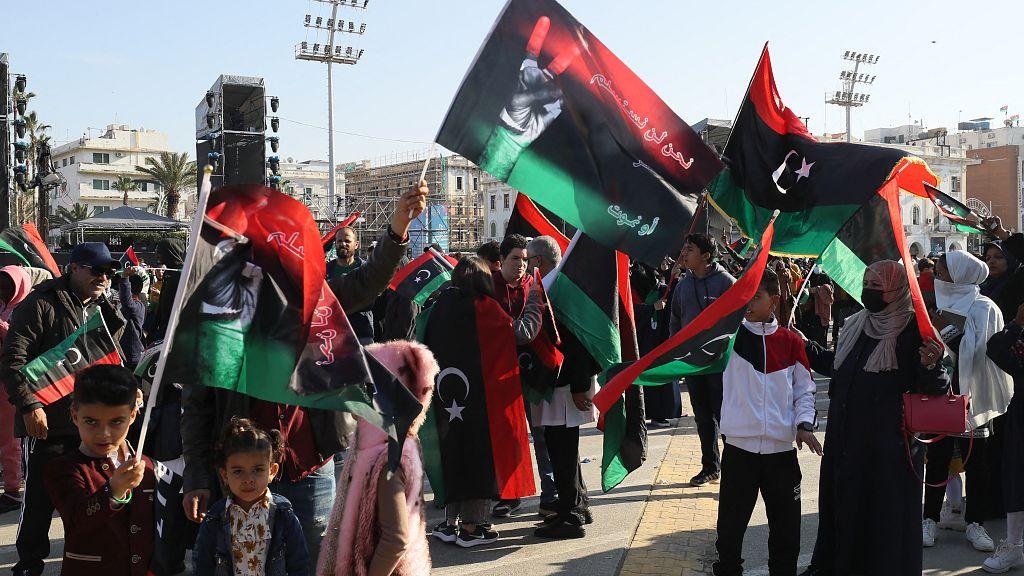
Libyans on Friday marked the 12th anniversary of their 2011 uprising. Many cities witnessed major celebrations and in the capital, Tripoli, residents took to the streets to celebrate, with squares decorated with national flags and lights.
Music performances by Libyan singers and bands attracted large crowds of people in Tripoli’s main square.A huge military parade took place in the square as part of the celebrations as well.
“I congratulate the Libyan people on the occasion of the 12th anniversary of the February 17 revolution, and God willing, we’ll grow from better to better. If God allows it next year we will have a government elected by the entire Libyan people, and Libya will unite and become one state.” Rabie Imran, one of the men celebrating on the streets of Tripoli said.
The anniversary of the uprising comes amid the continuing political stalemate and government division, since elections could not be held since December 2021.
The county split into two rival administrations in the chaos the followed the uprising, each backed by different rogue militias and foreign governments.
The UN special envoy for Libya warned at the end of last year that signs of partition are already evident and urged influential nations to pressure Libya’s rival leaders to urgently finalize the constitutional basis for elections.
On February 17, 2011, Libya descended into a series of protests similar to that experienced in many Arab states at the time- the Arab spring. People started their popular uprising that overthrew Colonel Moammar Gadhafi’s 42 years of dictatorship but the ouster of Gadhaffi is often remembered by NATO’s involvement.
A coalition including France, Britain and the United States launched the first strikes against Gadhafi’s forces under a United Nations resolution to protect civilians on March 19 2011. NATO assumed control of the air campaign over Libya on March 31.
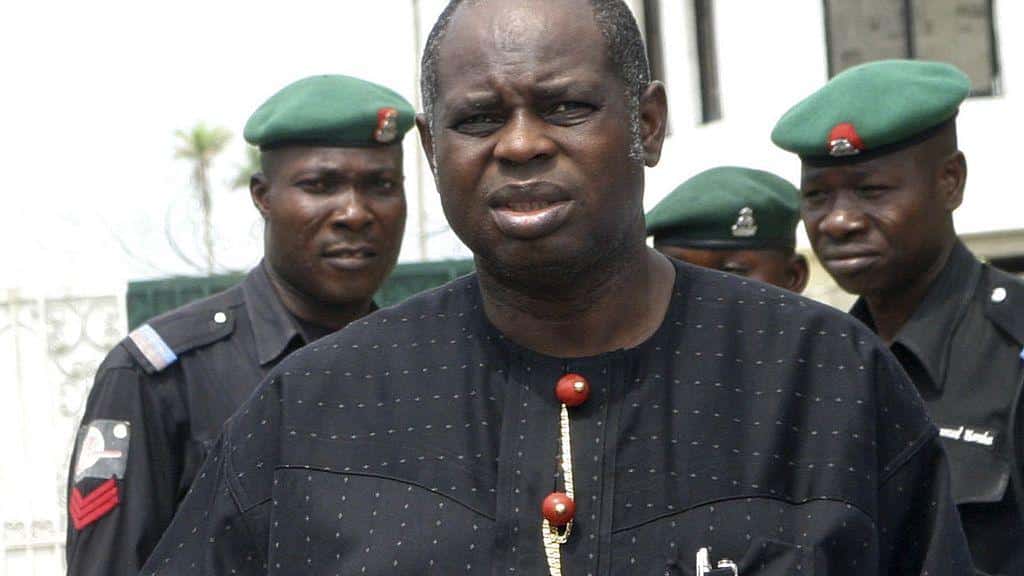
The United States and the Nigerian government on Thursday, inked a deal for the return stolen money of about $1 million by late Deprieye Alamieyeseigha, a former governor in Nigeria .
Mr Alamieyeseigha, who was governor of Bayelsa in South-south Nigeria in 1999, was removed from office by the Bayelsa State House of Assembly in December 2005 to face trial.
Mr Alamieyeseigha was arrested in London in September 2005 over corruption allegations but managed to jump bail and returned to Nigeria.
He later died in October 2015.
Funds linked to him in the UK and the US were also seized thanks to joint cooperation.
At the signing of the agreement for the repatriation of funds seized from him by the US government, in Abuja on Thursday, the US ambassador to Nigeria, Mary Leonard, said the funds would be deployed to funding healthcare services in Bayelsa State.
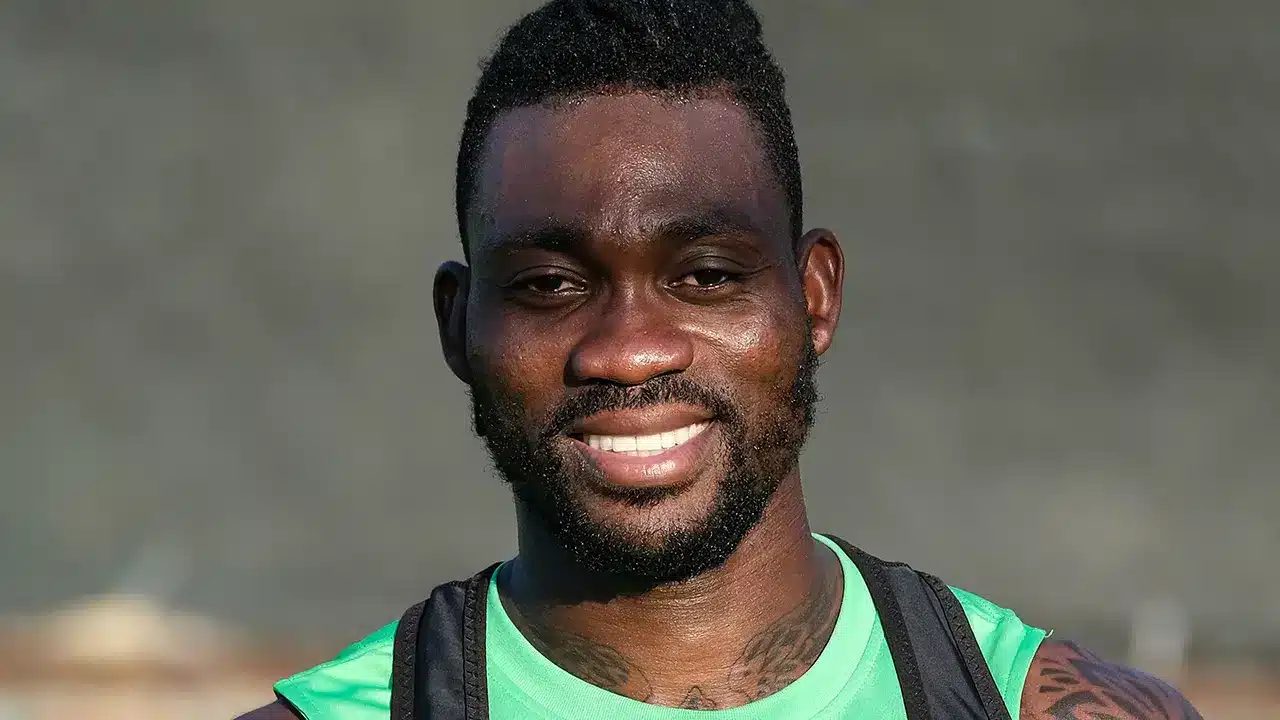
Search teams have uncovered the body of Ghana international soccer player Christian Atsu, his agent revealed on Saturday. Atsu had been missing following the devastating earthquake that struck Turkey and Syria.
The remains of the soccer star, who had been playing for Turkish Super Lig club Hatayspor, were found amid the ruins of a luxury 12-story building where he had been living in the hard-hit city of Antakya, Hatay province. His relatives had gathered at the site waiting by the wreckage but all to dashed hopes when his remains were found.
“Atsu’s lifeless body was found under the rubble. At the moment, his belongings are still being removed,” his agent Murat Uzunmehmet, told private news agency DHA.
The death toll from the 7.8 magnitude quake on 6th February in southeastern Turkey and northern Syria passed 43,000 on Friday and was certain to increase as search teams found more bodies.
Atsu, 31-years-old, who previously played for English Premier Leagueclubs Chelsea, Newcastle United, Everton and Bournemouth, signed for Hatayspor from Saudi Arabian side Al Raed FC last year.
Reports a day after the quake struck had said that Atsu was pulled alive from the rubble of a collapsed building and taken to a hospital for treatment.
Hatayspor, however, announced days later that Atsu and the club’s sporting director Taner Savut were still missing. Atsu joined Hatayspor in September 2022 after a season with Saudi Arabian team Al-Raed and scored the winning goal in a Super Lig match on 5 February.
He won 65 caps for Ghana and helped his country reach the 2015 Africa Cup of Nations final where they lost to Ivory Coast on penalties.
Shifting our attention away from Northern Ireland for a time, Wang Yi, a diplomat for China, speaks at the Munich Security Conference.
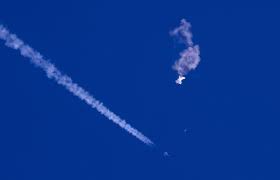
Wang commented on a row between his country and the US, after Washington shot down a suspected Chinese spy balloon which flew over American territory.
He denounced Washington’s handling of the incident, repeating Beijing’s assertion that the craft was no more than an uncrewed civilian airship which flew off course.
Wang went on to question whether the US planned to shoot down every balloon in Earth’s skies.
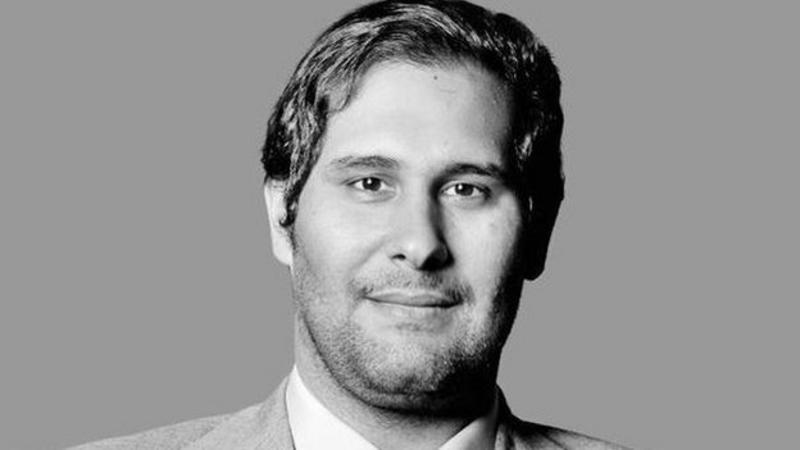
Head of one of Qatar’s largest banks, Prince Jassim bin Hamad Al Thani, has declared that his foundation will make an offer to purchase Manchester United.
BBC Sport understands that Ineos, owned by Sir Jim Ratcliffe, also officially made a bid before Friday’s 22:00 GMT ‘soft deadline’ for proposals.
Billionaire Ratcliffe had already stated his interest in buying United.
The Glazer family, who bought United in 2005, are considering selling as they “explore strategic alternatives”.
Sheikh Jassim’s Qatari consortium said: “The bid plans to return the club to its former glories.
“The bid will be completely debt free via Sheikh Jassim’s Nine Two Foundation, which will look to invest in the football teams, the training centre, the stadium and wider infrastructure, the fan experience and the communities the club supports.
“The vision of the bid is for Manchester United to be renowned for footballing excellence, and regarded as the greatest football club in the world.”
Ineos has yet to release a statement, but it is understood the proposal will emphasise that Manchester-born Ratcliffe would be “a British custodian for the club” and would aim to “put the Manchester back into Manchester United”.
The Ineos group, owned by 70-year-old British billionaire Ratcliffe, has a history of investment in sport and owns French Ligue 1 club Nice and Swiss club Lausanne.
Its sporting portfolio also includes high-profile sailing team Ineos Britannia – led by Sir Ben Ainslie – which is aiming to win the 2024 America’s Cup for Great Britain.
Ineos also has a five-year partnership with Formula 1 team Mercedes and took over the British-based Team Sky in cycling in 2019.
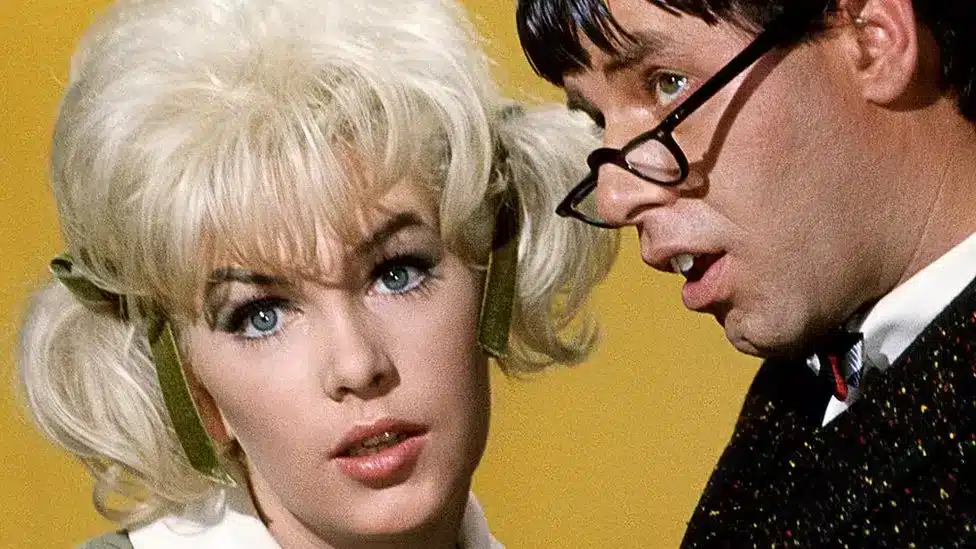
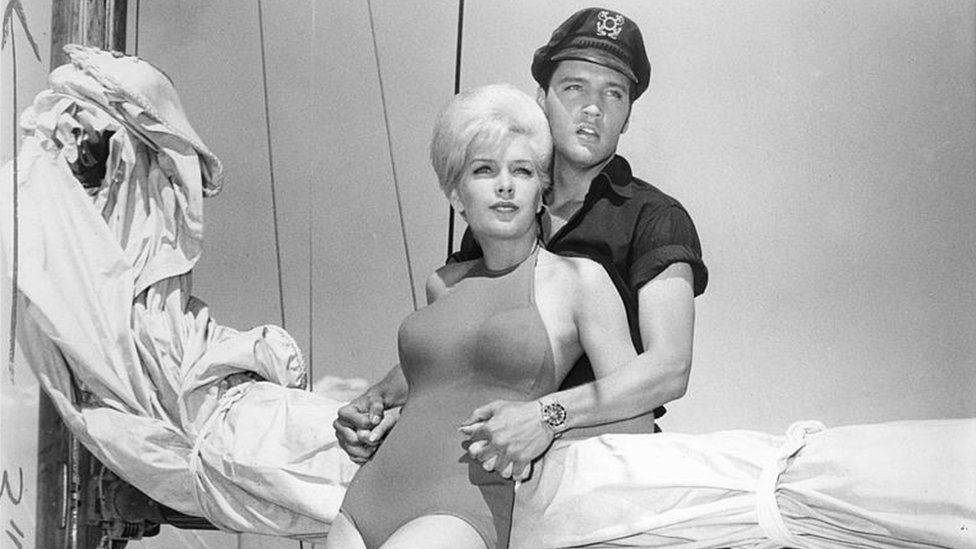
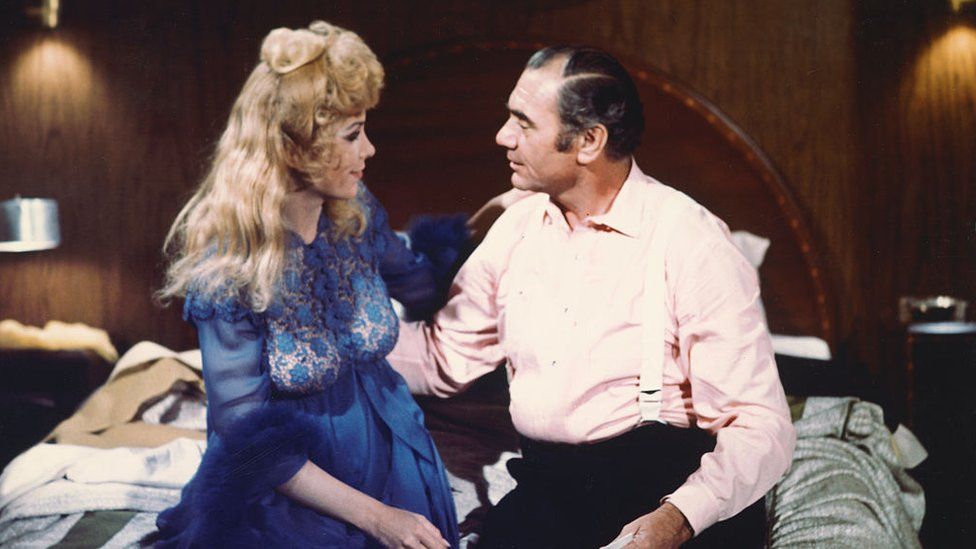
A well-known Hollywood actress, Stella stevens, who appeared in The Nutty Professor and Girls! Girls! Girls! alongside Jerry Lewis, has passed away at the age of 84, according to family members.
Her son told the Hollywood Reporter she had been in a hospice for some time with Alzheimer’s disease.
She is also remembered for her role in action movie The Poseidon Adventure.
Stevens worked in television, too, on series such as Murder She Wrote and Magnum, P.I.
Her friend and manager, Maria Calabrese, said: “It was an honour and a privilege to have worked with Stella, who was one of the most wonderful and gifted people.”
Image caption,Stevens stars opposite of Elvis in Girls! Girls! Girls!
Born in Yazoo City, Mississippi, in 1938 as Estelle Caro Eggleston, she wed electrician Noble Herman Stevens at 16 and gave birth to her first and only child Andrew.
Two years later, she divorced and began modelling and acting.
She was signed by 20th Century Fox after they discovered her performing at her college in Memphis, Tennessee. Later the studio dropped her, but she was signed by Paramount.
Stevens won a Golden Globe for her 1959 film debut as a chorus girl in Say One for Me, which also starred Bing Crosby and Debbie Reynolds.
In Girls! Girls! Girls!, starring opposite Presley in 1962, Stevens said she did not like the script, but Paramount told her she was contractually obliged to do it.
Image caption,Stevens, seen here with Bing Crosby, won a Golden Globe for her role in Say One for Me
They had promised her she could star opposite ’50s Oscar-winning heartthrob Montgomery Clift in Too Late Blues, but Clift was later replaced for the film.
In one of her most memorable roles, 1963 sci-fi comedy The Nutty Professor, Stevens played a student of Jerry Lewis’ socially awkward university lecturer.
Desperate to impress her, he concocts a potion to transform himself into a charismatic hunk.
Stevens also played one half of a newlywed couple on The Poseidon Adventure, a shipwreck movie that became one of the biggest blockbusters of 1972. Her character met a grisly end.
Image caption,The Poseidon Adventure was one of the biggest hits of the 1970s
Stevens modelled for Playboy multiple times and was Playmate of the Month in January 1960.
Through the 1970s and 1980s, Stevens worked steadily in television, also appearing in Hart to Hart, The Love Boat and Wonder Woman, where she played a Nazi judo champ who thought she could take on Lynda Carter’s titular heroine.
She also directed two films – The American Heroine (1979) and The Ranch (1989), starring her son.
Stevens’ second husband and partner of 37 years, rock guitarist Bob Kulick, died in May 2020.
His brother, Bruce – former guitarist for the US band Kiss – tweeted: “Legendary actress Stella Stevens, my brother’s longtime partner, passed away this morning from a long illness.
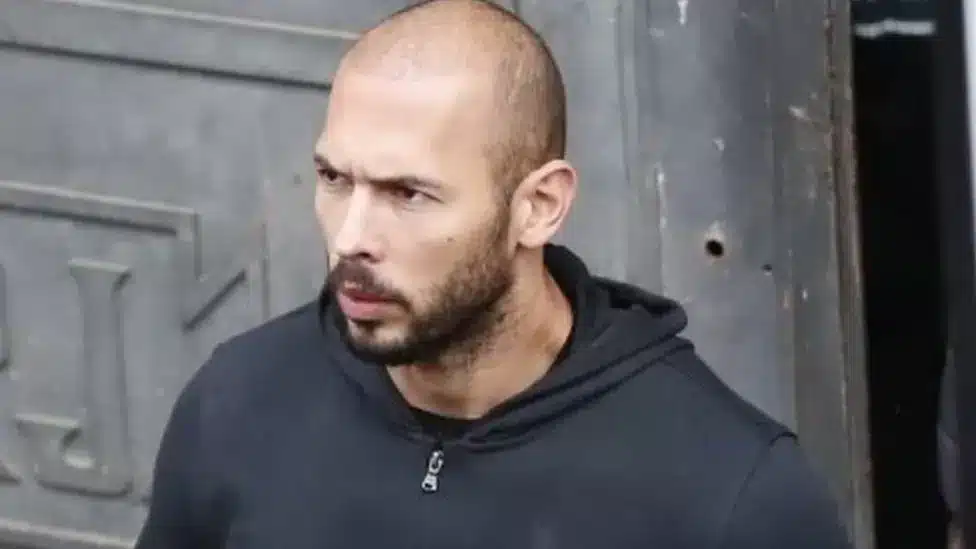
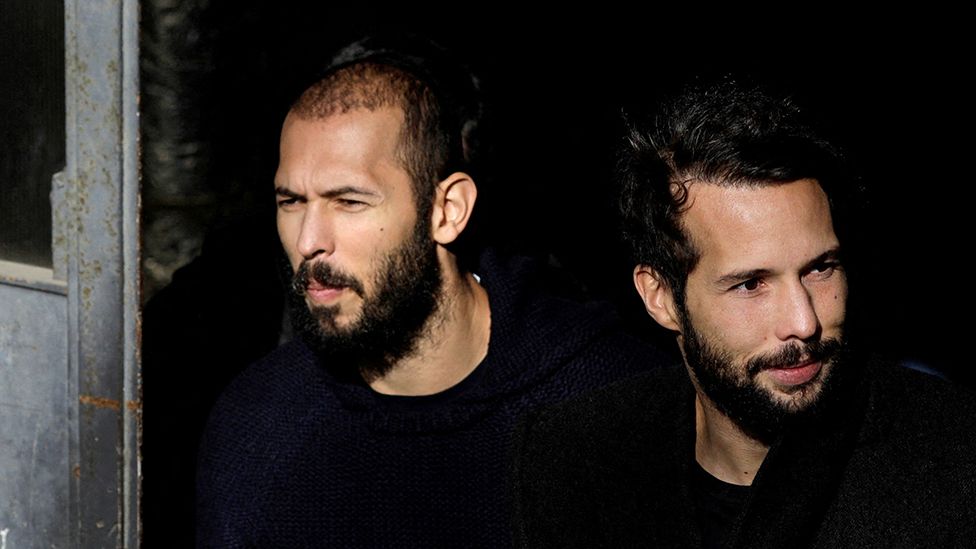
Controversial influencer Andrew Tate has threatened legal action against at least one of the women making rape and human trafficking claims against him.
Lawyers for the woman in the US say a “cease-and-desist” letter was sent by a US law firm in December, on behalf of Andrew Tate and his brother Tristan.
The letter threatened to sue the woman and her parents for $300m (£249m) if she did not retract her statements.
A lawyer for the Tates said they were pursuing valid claims for defamation.
The BBC has seen a redacted copy of the letter, apparently sent on behalf of the brothers.
“In April 2022,” it reads, “you falsely stated to a third party that our Client human trafficked you, abused you and held you against your will […] You have repeated false and defamatory statements to the police, the media, and another United States citizen about the Tate brothers.”
Andrew and Tristan Tate are currently being held in preventative custody in Romania, while police investigate allegations of trafficking and rape, which both men deny.
Benjamin Bull – who works for the National Centre on Sexual Exploitation – says his client is a key witness in the Romanian investigation, and that the letter was designed to do “one thing and one thing only”:
“[It] was intended to shut down the witness; stop the witness from bringing testimony forward in any proceedings,” he said.
“They want these young ladies to climb into a hole and hide, never come forward [or] describe what they saw and what happened to them. It’s clearly an effort to intimidate.”
Image caption,Andrew and Tristan Tate are currently being held in preventative custody in Romania
Lawyers for the Tates have confirmed to the BBC that the cease-and-desist letter was sent in December, as a civil matter for defamation and slander in the US, but deny any intimidation.
Tina Glandian, one of their legal advisors, said there was nothing abnormal in them pursuing valid legal claims for defamation. “The fact that [the Tates] are incarcerated right now is not a basis for them not to pursue their legal rights,” she said.
The investigation into rape and trafficking allegations is believed to rest, at least partly, on the testimony of six women. No charges have yet been brought.
The Tates’ legal team have also revealed that the brothers filed criminal complaints in Romania last April against two women, including the witness who received the cease-and-desist letter in December.
Ms Glandian said the criminal complaints in April were filed in response to allegations that two women were being held against their will by the Tate brothers.
“There was no evidence whatsoever of that,” she said, “which is why [the Tates] were not arrested in April. [At that time], they were nothing but victims of false allegations, and they had every right to file criminal complaints for having their homes raided [and] property seized.”
The results of those criminal complaints are still pending, she says.
Image caption,One of the Tates’ legal advisers Tina Glandian said the brothers were pursuing “their legal rights”
Benjamin Bull, who represents some of the witnesses in the current Tate investigation, says the impact of legal action on his clients has been upsetting and intimidating.
But Dani Pinter, part of the same legal team, says it is not just the threat of legal action that is intimidating, but the online harassment many of her clients receive for speaking out.
“Regular, high production value videos, meant to embarrass and harass them, are shared among Tate’s followers,” she told me.
“Making really salacious claims, attempting to slut shame them, saying they’re liars. But included in that is their private information – where they work, who their family members are – with the clear intention to incite harassment. And it’s working.”
The two alleged victims she represents have been getting death threats, she says.
“They’re scared to death. They’re both in hiding. They feel they can’t settle anywhere, because people are trying to find them.”
Prosecutors have been careful to keep the names of the six women in their case strictly confidential. But some have had their full names published on social media.
And the names of two witnesses even appeared in a statement to the BBC from the Tates’ US communications team. The BBC is not naming them publicly.
Andrew Tate and his brother have no access to their social media while in custody, but they’ve built a vast and loyal network of fans and supporters who are very active online.
Some accounts appear to be fully-staffed operations, regularly releasing videos and documents designed to undermine the testimony of witnesses and other women making allegations against the Tates.
Earlier this week, one of the most active accounts published the full name, social media handles and WhatsApp messages of one of the alleged victims in the investigation.
The BBC has approached the account for comment, but has not yet received a response.
Even those who barely break the surface of this story can find themselves a target.
Daria Gusa spoke to the BBC and others about receiving a private message from Andrew Tate’s Instagram account when she was 16 years old. It followed the same pattern laid out by him in online speeches about how to win a woman’s attention and gain influence over her.
She did not allege that he had committed any crime.
“I got a bunch of messages,” she told me. “Most were from people saying I was lying or calling me a slut.”
But she also received “10 to 15 threats” online.
“I had a guy texting me, telling me ‘I know you’re studying at this university, the schedule is published online, I know where you are’” Daria said.
Several of her friends, who also appear to have had contact with him, have refused to speak out about their experiences, she says.
“It’s not just the people who work for him,” she explained. “It’s that there are basically millions of men out there who really idolise these people, and would do anything to protect them and their image, so I think it’s completely justifiable that so many girls don’t want to speak out.”
It is not clear exactly who runs some of the most active accounts defending the Tates, or how much cooperation exists between them.
But the risks for women making public allegations against Andrew Tate can be high, and they can come from many directions.
Eight years ago, Muhammadu Buhari won the presidency of Nigeria on the pledge that he would work to put an end to the Boko Haram insurgency, which has driven millions of people from their homes in the region’s northeast and claimed thousands of lives. After eight years, the area seems safer, with the jihadist organization losing a sizable portion of its former territory. Yet the reality is more complicated as Nigerians get ready to choose his successor.
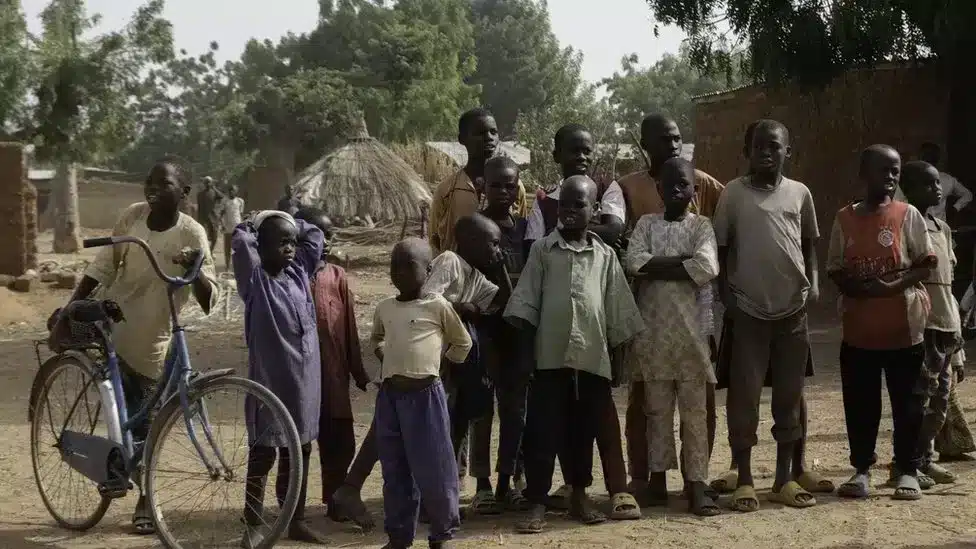
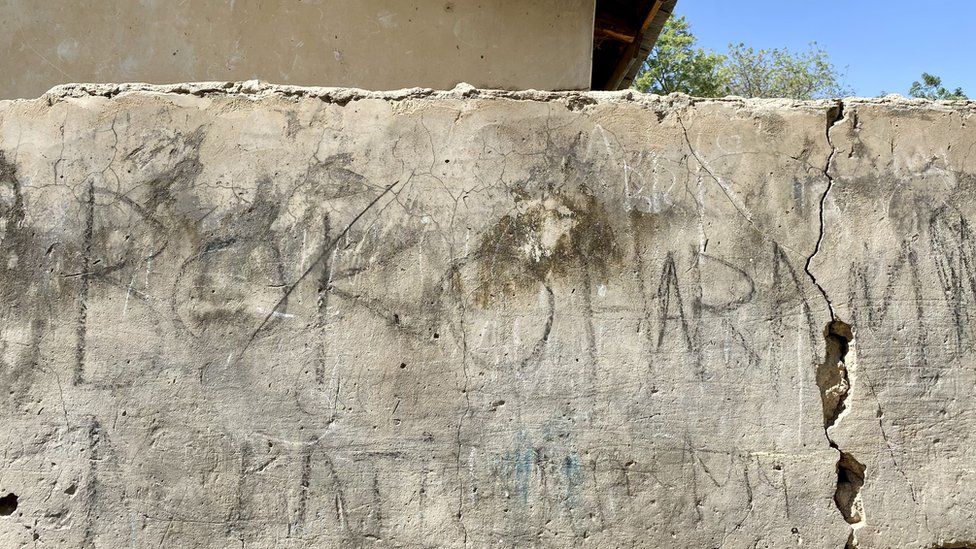
Rukaiya Goni lives next to a local primary school that was burned down by the Islamist militant group Boko Haram, when it took over the town of Damasak in late 2014.
Boko Haram means “western education is forbidden”. The group has repeatedly targeted secular schools, including the kidnapping of over 200 schoolgirls from the town of Chibok.
Nine years ago, Ms Goni fled her home with 11 members of her family, crossing the nearby border into Niger.
“We left because of the insecurity caused by Boko Haram,” she tells me in Kanuri, via a translator. “They took over Damasak so we went to Diffa, in Niger.” At the time she just had a six-year-old daughter. Her five sons were all born in Niger and returned with her to Damasak a year ago.
“We heard it was safer here now, so we decided to come back,” she explains. I ask whether she ever thought she’d be able to return home. “Yes, we wanted to come back to our home town and we prayed daily for peace to return. I feel very happy to be back. There’s no place like home.”
When asked about his performance on security, President Buhari and his supporters often say that the north-east is a lot safer than it was when he came into power. The fact that people like Ms Goni are able to return home is testament to that. But the region is far from safe.
“Insecurity is still raging here, and most importantly, it’s affecting the people we’re here to help,” says David Stevenson, the World Food Programme (WFP) country director for Nigeria.
“They continue to be displaced, we have new arrivals coming into IDP camps and they’re telling their stories that they don’t feel safe in their homesteads and in their farms.”
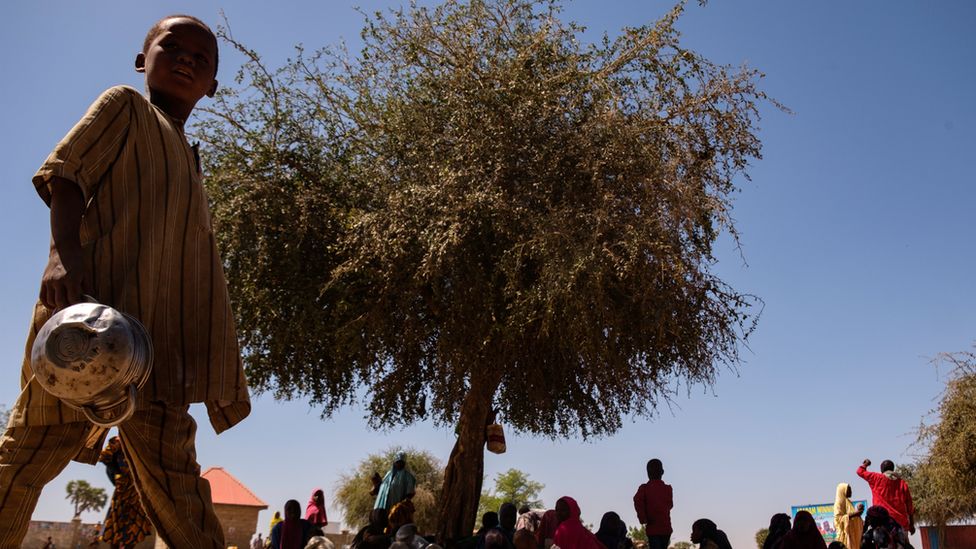
Insurgent groups, including Boko Haram, are still able to threaten the security in Borno state despite not holding much territory. A lot of the state is still considered too dangerous to travel across by road. In order to get safely from Damaturu in Yobe state to Borno’s capital, Maiduguri, we have to fly in a UN helicopter.
The Islamic State West Africa Province (Iswap), which splintered from Boko Haram seven years ago, is also becoming more of a threat. In 2022, it claimed the highest number of attacks since its formation, and it controls strategically important territory around Lake Chad.
There is also evidence that the group’s area of activity has spread to the north-west of the country, where they’ve infiltrated kidnapping gangs.
President Buhari is constitutionally barred from running again, but his inability to completely rid the country of the insurgency, as well as the spread of the violence, has turned some people in northern Nigeria, against his party, the All Progressives Congress (APC).
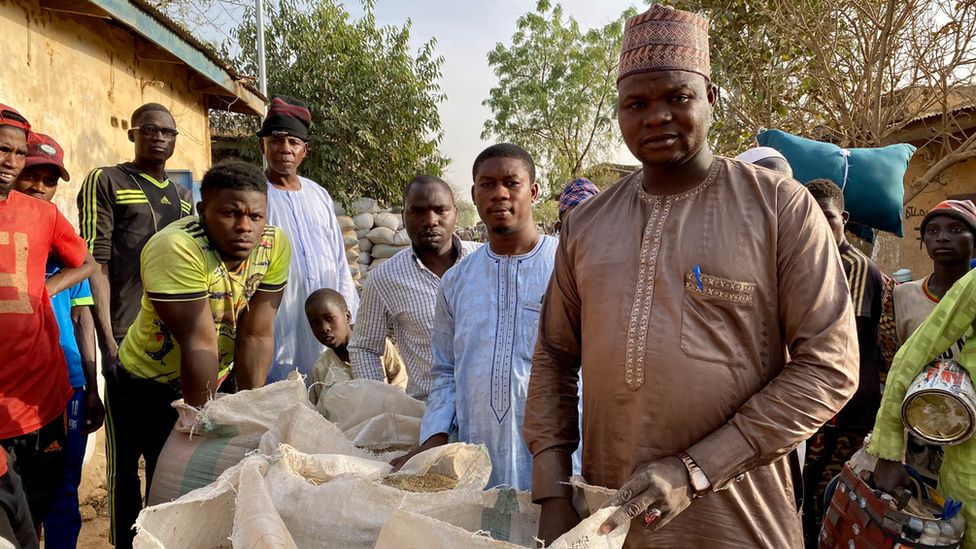
In Dawauru, in the city of Kano, one of West Africa’s largest grain markets, wholesaler Mukhtar Garba Intini says he won’t be voting for the APC.
Image caption,Mukhtar Garba Intini wants the APC voted out of power
“Under the APC we’ve really suffered, we are praying for PDP to come back,” shouts Mr Intini angrily. He gets his grain from Maiduguri and says he’s always had to deal with insecurity.
“Security is a problem. There are many of our people that went to Maiduguri, up till now we haven’t heard from them, we just pray for them.”
Insecurity is something travellers in the region contend with daily. When we drive 300km (186 miles) east to Potiskum in Yobe state, we have to use armoured vehicles, as kidnapping gangs roam the roads.
Businessman David Oyebamiji lives in the southern city of Ibadan, but travels to Potiskum every month to buy grains and beans to sell down south. As he contemplates casting his vote, he says insecurity has driven up food inflation.
“Things didn’t used to be this expensive before, but due to the situation of the country – the insecurity, the Boko Haram issue, the price of things has increased. Farmers can’t farm safely so everything is expensive.”
He explains that in the last four years, during President Buhari’s second term in office, the price of a 105kg (230lb) bag of beans has doubled.
He won’t say who he’ll vote for but he has one wish: “In order for business to be better, the issue of security has to be dealt with first.”
Image caption,Boko Haram may be gone, but evidence of their control remains throughout the region
President Buhari’s inability to deal with security is one of the reasons supporters of Atiku Abubakar from the main opposition Peoples Democratic Party (PDP) think he might be in with a chance of winning the northern vote this time round. It helps that he’s the only main candidate to come from the north.
Dolly Kola-Balogun is a businesswoman and PDP supporter who lives in the capital, Abuja.
“I’m not supporting the APC because I feel they’ve failed as a political party at the national level. They’ve failed to tackle the insurgency in the north-east, and now there are other issues including kidnapping for ransom.”
She thinks that the large number of young people who’ve registered to vote could work in Mr Abubakar’s favour, even though at 76, he’s the oldest of the three main candidates. Some 40% of the 10 million newly registered voters are under 35.
“More young people are engaged this time. In the south they’re more pro-Obi but northern youth are more pro-Atiku.”
More than half of registered voters, about 49 million people, live in northern Nigeria, and traditionally turnout has been higher in the region than in southern cities like Lagos. Winning over northern voters could potentially help secure the ticket.
Another indictment of the ruling party’s performance is the 1.6 million people who are still internally displaced in Borno state, due to the fight against Boko Haram.
Image caption,More than a million people remain displaced in Borno state
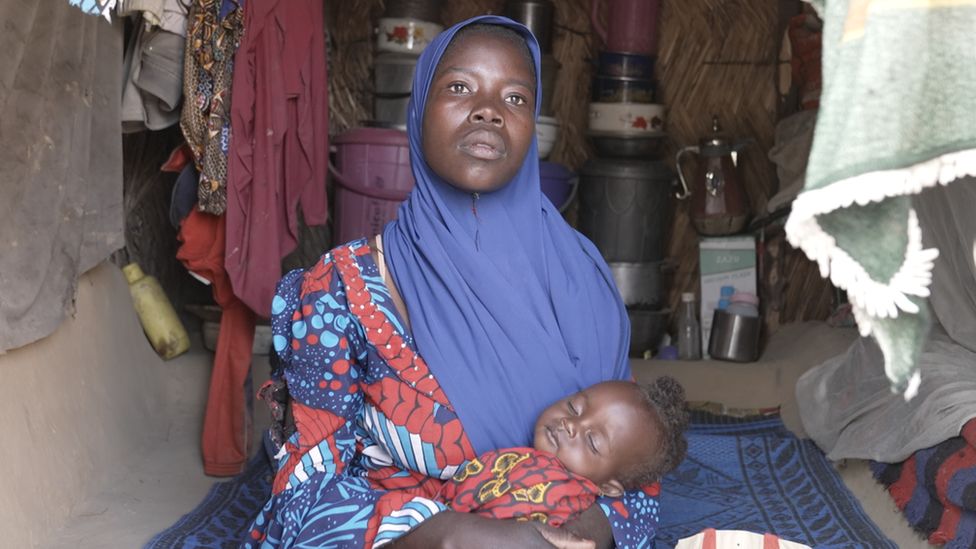
Hawa Goni, 25, left her village in Dikwa, Borno state, seven years ago. “Boko Haram were killing people’s husbands and kidnapping people, that’s why I decided to flee with my husband,” she explains.
After a short spell in Maiduguri, she tried moving down south to Lagos, Nigeria’s biggest city, hoping for a better life, but they only lasted a year. “It was too difficult, very expensive,” she tells me. “We couldn’t manage.”
Now she’s back in Maiduguri, but aid has been cut to the camp where she lives, as part of a drive by the state governor, a member of the APC, to encourage internally displaced people to head to their homes and become less dependent on aid.
It’s had devastating consequences: her nine-month-old baby, Amina, is malnourished and relies on emergency food rations from a government-run clinic in the camp, supported by the WFP. She is being given a highly nutritious paste made out of peanuts for six months, to help get her body weight up.
Rights groups and think tanks have criticised the state government’s decision to close down the camps, saying it has pushed over 200,000 people into deeper suffering and destitution.
Like many other households in the camp, the only source of income for Hawa Goni’s family is the firewood her husband collects and sells. He doesn’t earn anywhere near enough to feed her family.
BBC
We have suffered a lot… we just want food and shelter Hawa Goni Displaced person in Maiduguri
She takes me to her tent in the camp and shows me a nearly empty plastic container of millet. That’s all the food they have left. As she talks to me, she tells me she can’t answer all my questions because she feels faint. She hasn’t eaten all day.
“It’s been like this for about five months now. Parents with six children are entitled to monthly rations of rice, maize and beans, but we don’t always get them on time. Sometimes it takes more than a month or two to get them, and that won’t do for us, especially with six children.”
The state government has stopped the WFP from distributing food aid in Maiduguri. It’s taken over the distribution of some emergency rations, but delivery has been patchy.
Hawa Goni is not able to vote because she doesn’t have a voters’ card, but she says she hopes there will be a change of government.
“We have suffered a lot. We don’t care about clothing and other material things, we just want food and shelter.”
She wants to return to her home in Dikwa, but much of the area is still too insecure.
Image caption,Hawa Goni’s daughter Amina is only nine months old and is receiving treatment for malnourishment
None of the main election candidates make direct mention of Boko Haram or Iswap in their manifestos. They do however have suggestions for how to tackle jihadists more broadly.
Bola Tinubu of the ruling APC wants to create “highly trained and disciplined anti-terrorist battalions with special forces units.” He also wants to “win the hearts and minds” of communities affected by the insurgency by offering them emergency and economic support.
Mr Abubakar, the main opposition candidate, wants to deal with the insurgency by using “alternative approaches to conflict resolution, such as diplomacy; intelligence; improved border control; traditional institutions; and good neighbourliness.” He also wants to bring more development to the north-east.
Peter Obi of the Labour Party proposes to increase regional cooperation to secure borders, and “prosecute criminals, bandits and terrorists to end impunity”.
None of the main candidates gives details for how much these initiatives would cost, or how they would fund them.
But whoever replaces President Buhari will need a clear plan if they’re to make good on the promises he made eight years ago. The continued presence of insurgent groups and their spread to other parts of the country could pose a threat to stability in Africa’s most populous nation.
In a small rural town in the US state of Mississippi, a man with three guns fatally murdered his ex-wife and five other people during a shooting rampage, according to authorities.
The victims were killed at several locations, including a store and two homes, in Arkabutla, a community of fewer than 300 people.
Police have charged a 52-year-old local man with first-degree murder and held him at the county jail.
No motive for his attack has yet been identified.
The suspect is believed to have acted alone, said Mississippi Governor Tate Reeves.
The rampage began when the gunman entered a petrol station convenience store at around 11:00 local time (17:00 GMT) and shot a man to whom he had no apparent connection, Sheriff Brad Lance said.
He then went to a nearby home where he fatally shot his ex-wife and, according to CNN, struck but did not shoot her fiance.
Investigators say the gunman then drove to a home next to his own residence and fatally shot a man who may have been his stepfather, as well as an unnamed woman, the New York Times reports.
He then shot two people, one inside a car and one on the road, not far from his own home. The final two victims appear to have been construction workers on a job at the site, according to Sheriff Lance.
Deputies spotted the suspect inside a vehicle matching witness descriptions and were able to apprehend him near his home after a brief car chase.
“We don’t have a lot of violent crime here. This is shocking,” said Sheriff Lance. “I never dreamt that we would deal with something like that here.”
He said the suspect had a shotgun and two handguns in his possession.
A primary and secondary school in nearby Coldwater were placed on lockdown during the incident, which unfolded 45 miles (72km) south of Memphis, in neighbouring Tennessee.
Ethan Cash, a 19-year-old local resident, told WREG-TV that he had seen the gun-toting suspect.
Mr Cash said he also checked the pulse of the victim who died inside his vehicle and drew his own pistol on an injured man nearby who turned out to be the victim’s brother.
Friday’s incident marks the 73rd mass shooting since the year began, according to the Gun Violence Archive (GVA) non-profit research database.
GVA defines a mass shooting as an incident in which four or more people are injured or killed.
The US says it has killed five al-Shabab fighters in Somalia during a joint operation with the Somali army.
The US command in Africa (Africom) said the air strike was conducted in Bacadweyne in central Somalia, about 460km (285 miles) from the capital Mogadishu.
It said initial assessments showed that five militants were killed but further investigations were continuing. There has been no reports of civilian casualties.
On Thursday, Somali authorities said they had killed more than 300 al-Shabab militants in southern Somalia.
It comes as Somali federal troops, backed by the US, clan militia and African Union troops, continue a counter-insurgency against the al-Qaeda affiliate.
This has turned the tide in favour of Somali forces, which have in recent months retaken huge territories that had been held by al-Shabab for years.
Somali President Hassan Sheikh Mohamud has made the fight against al-Shabab his top priority as he bids to end the 15-year insurgency by the group.
Police in Kenya have questioned a member of parliament over claims of funding bandits in the country’s northern Rift Valley region.
Pokot South MP David Pkosing was arrested on Thursday evening by officers from the Serious Crimes Unit and released hours after interrogation.
His lawyer says the MP will appear before detectives on Friday morning for further questioning.
Mr Pkosing is the first politician to be probed by authorities over the banditry menace that has left more than 100 civilians and 16 security officers dead in the past six months.
Kenya’s military will on Friday join police units in an operation against bandits and cattle rustlers in the restive northern region. “Operation maliza uhalifu” will disarm those illegally armed in the area.
A voluntary disarmament exercise ended on Thursday after a three-day ultimatum issued by President William Ruto lapsed.
Attempts by previous administrations to disarm the heavily armed bandits operating with impunity have failed.
The government has declared the prevailing security situation in the north a national emergency and imposed a 30-day dawn-to-dusk curfew in the region.
At the centre of the perennial attacks by bandits is the lucrative meat trade. Thousands of cattle are stolen every month and driven hundreds of kilometres away for slaughter or sale in the local and international markets.
Ethnic rivalry instigated by politicians and competition for natural resources are also factors behind banditry.
Analysts say the government should prioritise sustainable solutions like dialogue and improving the economic well-being of communities who have faced historic marginalisation.
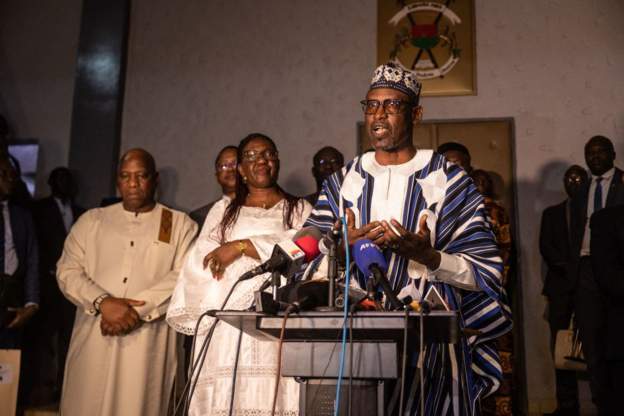
The foreign ministers of Mali, Guinea and Burkina Faso are in Ethiopia’s capital, Addis Ababa, ahead of an African Union summit to lobby to be let back into the organisation.
All three countries were suspended from the African Union and the regional grouping Ecowas following military coups.
Mali’s foreign ministry said the suspensions were hindering the desire of all three Sahel countries to make the transition back to civilian rule.
The ministers will not be able to participate in the summit but say they have met foreign ministers from the hosts Ethiopia and the Comoros Islands who currently hold the presidency of the AU.
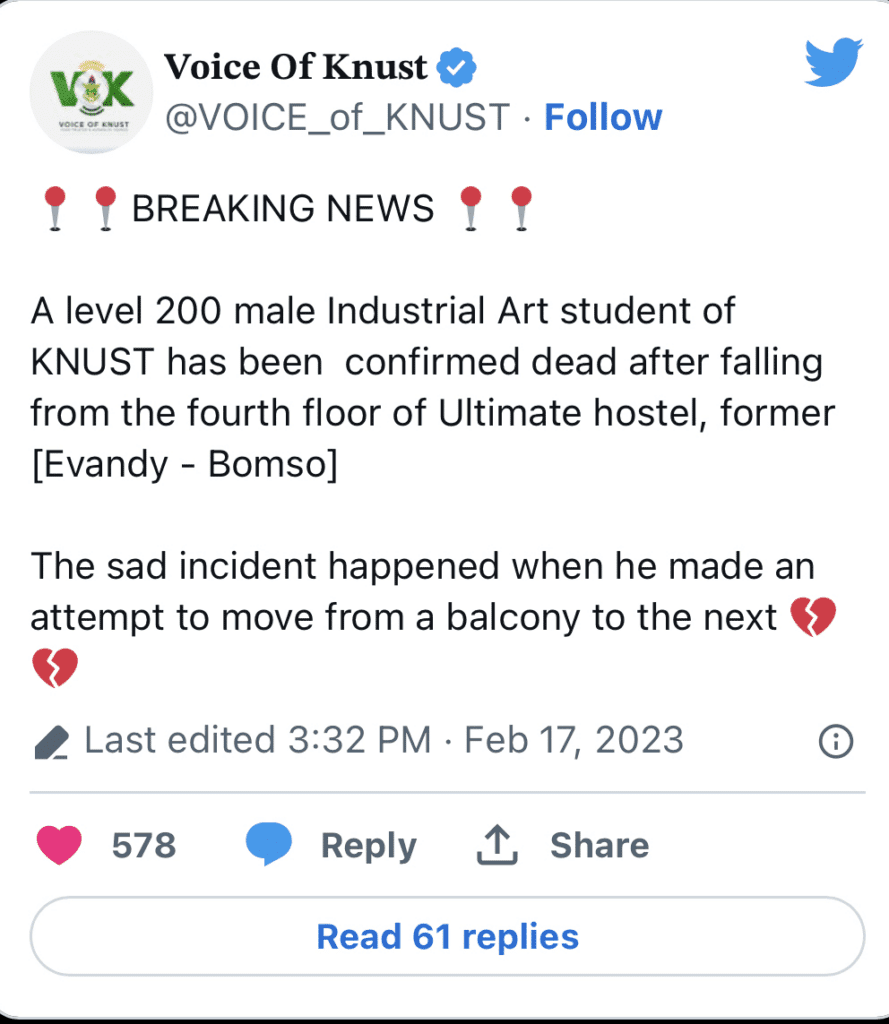
A Level 200 Industrial Arts student at the Kwame Nkrumah University of Science and Technology has reportedly perished tragically after falling from his hostel’s fourth story, according to recent sources.
According to a report on one of the university’s social media networks, the student was attempting to move from one balcony of the Ultimate Hostel to the next. He reportedly failed in his attempt and has since been pronounced dead.
“A level 200 male Industrial Art student of KNUST has been confirmed dead after falling from the fourth floor of Ultimate hostel, former [Evandy – Bomso]
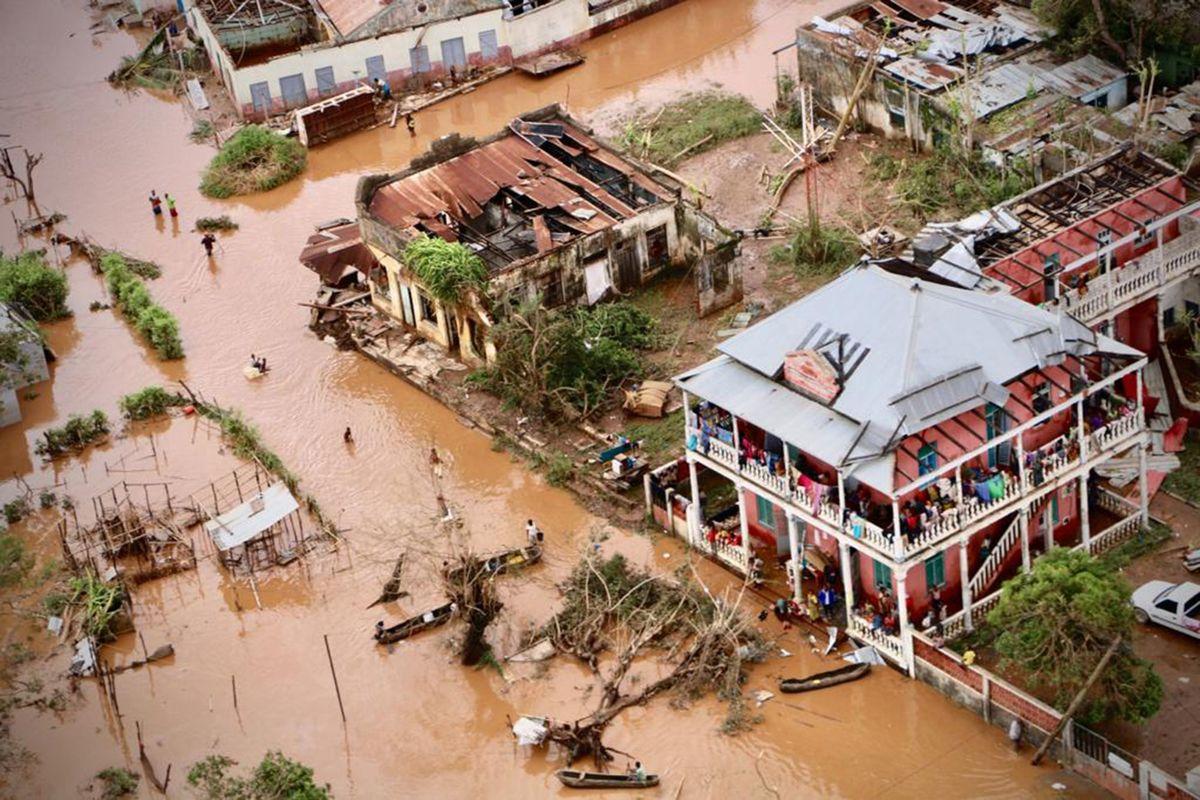
Approximately 10 people have died in southern Mozambique, after heavy rains unleashed floods over the past few days, the government has said.
The chair of the National Disaster Management Institute (INGD), Luisa Meque, said “43,426 people were affected by the floods and ten were killed”, Radio France Internationale reported on 16 February.
The governor of Maputo province, Julio Parruque, urged flood-prone communities to comply with government evacuation orders or risk being forcibly removed.
The National Directorate for Water Resources Management has issued a flood alert for the southern Gaza province amid heavy rains.
The UN has said humanitarian organisations were monitoring the situation and mobilising to support government-led efforts.
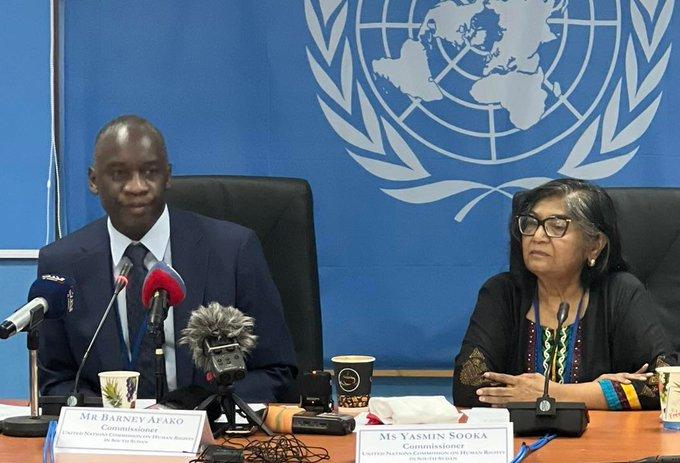
Violence in South Sudan is one of the worst humanitarian crises in the world, according to a panel of UN human rights experts.
They expressed “concern” and “worry” over ethnic attacks going on outside the capital, Juba.
“This situation in South Sudan is amongst the greatest human rights and humanitarian crises that the world is facing,” Barney Afako, a member of the panel, told reporters in a briefing in the capital.
“The suffering across the country remains immense. South Sudanese women and girls continue to face unspeakable sexual violence,” Mr Afako said.
The UN Human Rights Council is calling on South Sudanese leaders to end attacks on civilians and prioritize a peaceful and just transition. #SouthSudan#SSOThttps://t.co/j7UQjzhABY
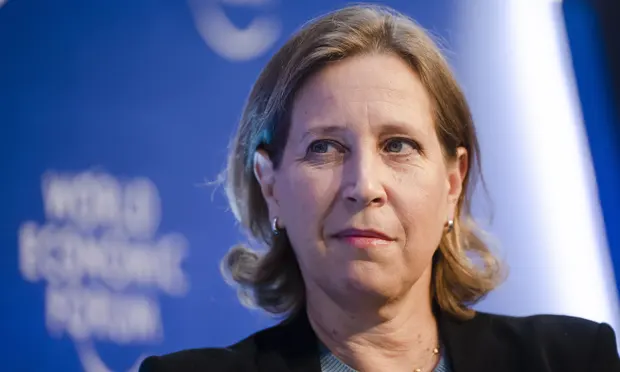
The CEO of YouTube, Susan Wojcicki, will be stepping down after nine years at the helm of the world’s largest online video platform, she said in a blog post on Thursday.
YouTube’s chief product officer, Neal Mohan, will be the new head of YouTube, she said. Wojcicki, 54, was previously a senior vice-president for ad products at Google and became CEO of YouTube in 2014. Before Google, Wojcicki worked at Intel and Bain & Company.
“Today, after nearly 25 years here, I’ve decided to step back from my role as the head of YouTube and start a new chapter focused on my family, health and personal projects I’m passionate about,” said Wojcicki.
Although she became one of the most respected female executives in the male-dominated tech industry, Wojcicki will also be remembered as Google’s first landlord.
Shortly after Google co-founders Larry Page and Sergey Brin incorporated their search engine into a business in 1998, Wojcicki rented the garage of her Menlo Park, California, home to them for $1,700 a month.
Page and Brin – both 25 at the time – continued to refine their search engine in Wojcicki’s garage for five months before moving Google into a more formal office and later persuaded their former landlord to come work for their company.
“It would be one of the best decisions of my life,” Wojcicki wrote in the announcement of her departure.
She said she would stay with YouTube temporarily to aid in the transition of leadership, and in the longer term has agreed with CEO Sundar Pichai to take an advisory role across Google and Alphabet, offering “counsel and guidance”.
Wojcicki is the latest in a series of high-profile tech executives to bow out from their posts, with Jeff Bezos resigning as CEO of Amazon in 2021, Facebook’s Sheryl Sandberg stepping down in 2022 and Pinterest CEO Ben Silbermann leaving his position also in 2022. Twitter CEO Parag Agrawal was also ousted in 2022 as part of the company’s acquisition by billionaire Elon Musk.
Wojcicki’s departure comes at a time when YouTube is facing one of its most challenging periods since Google bought what was then a quirky video site facing widespread complaints about copyright infringement in 2006 for an announced price of $1.65bn. The all-stock deal was valued at $1.76bn by the time the transaction closed.
Although Google was initially derided for paying so much for a video service whose future appeared to be in doubt, it turned out to be a bargain. Besides becoming a cultural phenomenon that attracts billions of viewers, YouTube also has become a financial success with ad revenue totaling $29bn last year. That was up from annual ad revenue of $8bn in 2017, when Google’s corporate parent, Alphabet Inc, began to disclose YouTube’s financial revenue.
But YouTube’s ad revenue during the final six months of last year dropped 5% from the previous year – the first extended downturn that the video service has shown since Alphabet peeled back its financial curtain. Analysts are worried the slump will continue this year, one of the reasons Alphabet’s stock price has fallen 11% since it released its most recent quarterly report two weeks ago.
Under Wojcicki’s leadership for nearly a decade, YouTube has faced a number of concerns about misinformation and hate speech on the platform. In January 2021 YouTube joined a number of other tech platforms in banning Donald Trump for fomenting election unrest in the US. The former president remains suspended from the platform, and it is unclear if Wojcicki’s departure will affect the decision.
More recently, YouTube has grappled with the meteoric rise of the short-form video platform TikTok, which overtook the Google-owned platform in viewing time in late 2022.
… we have a small favour to ask. Tens of millions have placed their trust in the Guardian’s fearless journalism since we started publishing 200 years ago, turning to us in moments of crisis, uncertainty, solidarity and hope. More than 1.5 million supporters, from 180 countries, now power us financially – keeping us open to all, and fiercely independent. Will you make a difference and support us too?
Unlike many others, the Guardian has no shareholders and no billionaire owner. Just the determination and passion to deliver high-impact global reporting, always free from commercial or political influence. Reporting like this is vital for democracy, for fairness and to demand better from the powerful.
And we provide all this for free, for everyone to read. We do this because we believe in information equality. Greater numbers of people can keep track of the global events shaping our world, understand their impact on people and communities, and become inspired to take meaningful action. Millions can benefit from open access to quality, truthful news, regardless of their ability to pay for it.
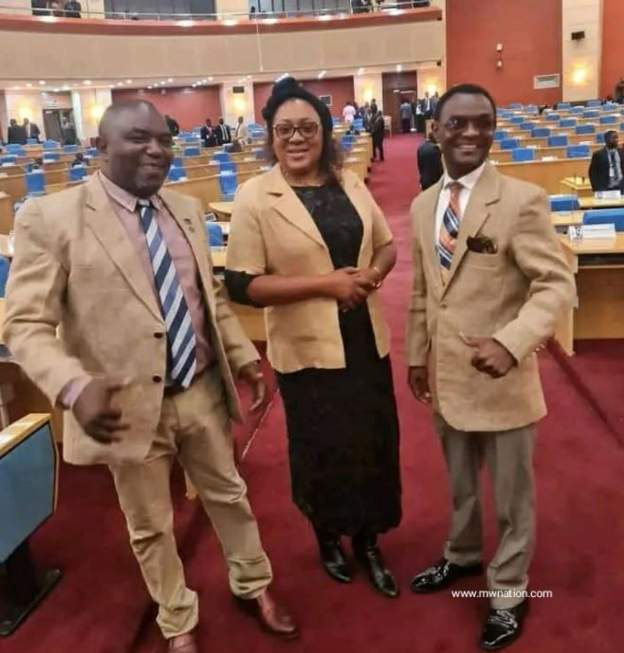
A group of MPs in Malawi have dressed in clothes made out of gunny sacks, mostly used to carry vegetables, to protest against President Lazarus Chakwera as he gives his state nations address, The Nation news site reports.
The opposition members said they were disaffected by president’s leadership amidst a growing economic crisis and a public health emergency sparked by an outbreak of cholera.
Mr Chawera, who is currently reading his speech, admitted that he was expecting hostility from some MPs.
He pleaded for unity in the country, blaming the economic challenges the country was facing on “external shock”.
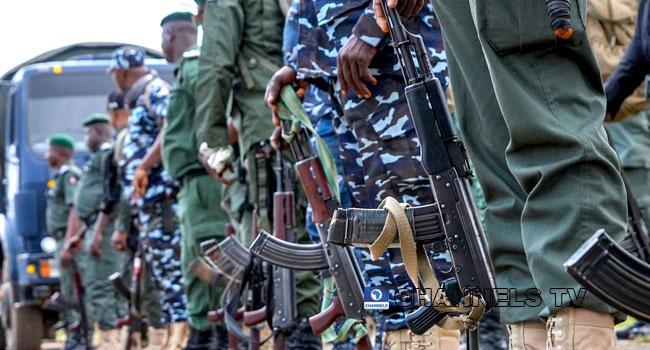
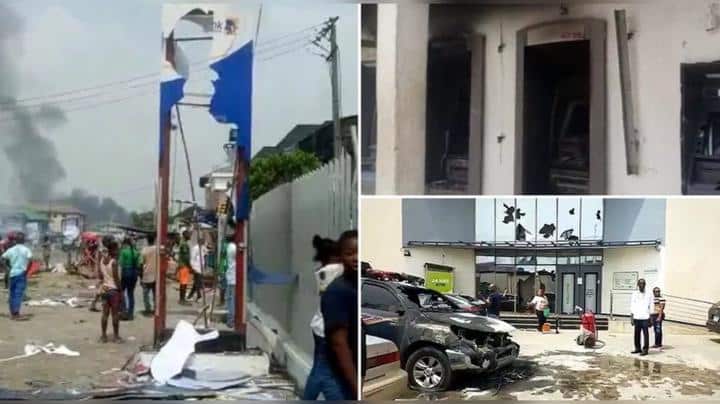
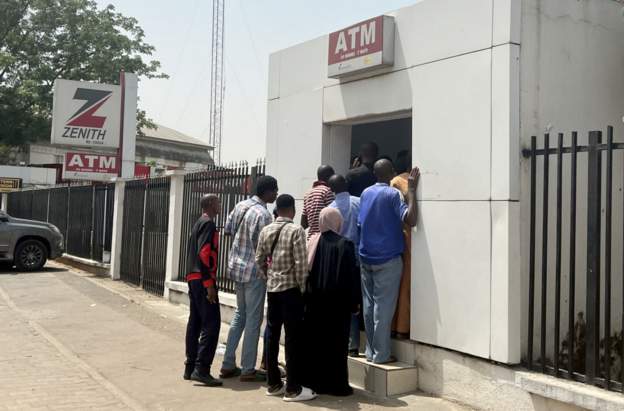
Police reinforcements have been deployed to parts of Nigeria’s biggest city, Lagos, in response to unrest thought to be linked a continuing cash shortage.
Gunfire has been heard and a number of main roads have been blocked, some by burning tyres.
Police said order had been restored in one district, Mile Twelve.
They blamed the trouble on hoodlums.
A local newsppaer has shared a video of the Friday morning protests.
Protest In Agege, Lagos Over Naira Scarcity
Some residents in the Oke-koto area of Agege, Lagos state took to the streets in protest of naira scarcity in the country on Friday.
In the video, the protesters barricaded the road with bonfires.
Frustration over a shortage of newly-designed banknotes caused violent protests earlier this week in other parts of southern Nigeria including Warri, Benin City and Ibadan.
On Thursday, President Muhammadu Buhari, again extended the deadline for the old notes to be handed in.
President Yoweri Museveni of Uganda, on Thursday, February 16, 2023, accused Europe of attempting to “impose” homosexuality on the African nation, where LGBTIQ people are oppressed and subject to several stigmas.
According to the Ugandan official, who was speaking during a rally to mark the 46th anniversary of the death of that country’s archbishop Janani Luwum, killed by the government of Idi Amin (1971-1979).
“I want to congratulate Ugandan believers for rejecting homosexuality. Europeans don’t listen to us when we tell them that this problem of homosexuality is something we should not normalize or celebrate,” he added.
According to Museveni, “It is true that there were some homosexuals (in Uganda) before the Europeans arrived, but it was a deviation from the norm, like a person with six fingers instead of five.”
The Ugandan President made these comments a day after the Uganda Inter-Religious Council (IRCU) said it intended to bring back to the country’s parliament a bill introduced years ago to punish “repeat homosexuals” with life imprisonment.
In February 2014, Museveni ratified that bill, but Uganda’s Constitutional Court struck down the law six months later, arguing that there was not a sufficient quorum during its vote in parliament.
Discussions about this law – mainly driven by popular evangelist pastors – triggered a wave of attacks on LGBTIQ people in Uganda, leading to the murder of some of them.
Today, Uganda’s penal code still has a law that dates back to 1950 – 12 years before the country gained independence from the UK – which penalizes same-sex sexual relations with up to seven years in prison.
A Nigerian-born football player Karim Adeyemi, who plays in Germany, attributes his explosiveness to fufu.
Adeyemi scored an incredible solo goal for Dortmund in their Champions League game against Chelsea on Wednesday, February 16, 2023.
Adeyemi pounced on a clearance from a Chelsea corner and ran the full length of the pitch before rounding up Chelsea goalie Kepa Arrizabalaga to score the only goal of the game.
His goal gave Dortmund the upper hand in a two-legged fixture against Chelsea who fluffed a lot of opportunities.
In a post-game interview, Karim Adeyemi credited Nigerian fufu for his incredible pace.
“I eat a lot of African foods. I’ve a lot of genetics from my dad so I think its because of that. The food is called fufu from Nigeria.
On his goal, Adeyemi said “the only thing was to pass the defender and I had to sprint to get past him. Afterwards I just looked at the goalie and put it in the net.
Karim Adeyemi has Nigerian and German parentage with his father reportedly from Ibadan.
His parents Abbey Adeyemi and Alexandra Adeyemi are based in Germany and are believed to be supporters of their son’s career.
Karim was eligible to play for Nigeria but opted for his mother’s country and was part of the Germany squad for the 2022 World Cup in Qatar.
His revelation of fufu as the factor behind his space has excited Nigerians who hailing him and the age-old African staple on social media.
In order to play a role in the affairs of the continent, the US is sending a strong delegation of special envoys to Addis Ababa this week for the annual African Union Summit.
The Department of State announced on Tuesday that the delegation will “meet with stakeholders to discuss the global food security crisis and its disproportionate impact on Africa, as well as to follow up on US commitments made at the US-Africa Leaders’ Summit”.
The US gathered African leaders in December last year in Washington for a summit that sought to improve partnerships.
The Delegation is led by Molly Phee, the US assistant secretary for Africa, and former US ambassador to Kenya Johnnie Carson, now the Special Presidential Representative for US-Africa Leaders’ Summit Implementation. Others include US Special Envoy for Global Food Security Cary Fowler, USAid Assistant Administrator in the Bureau for Africa Monde Muyangwa, acting USAid Assistant to the Administrator for the Bureau of Resilience and Food Security Dina Esposito, and US Global Aids Coordinator and Special Representative for Health Diplomacy John Nkengasong. Dr. Nkengasong was until last year the director for the Africa Union Centres for Disease Control and Prevention (Africa-CDC), the AU’s public health agency.
Food security
“The US delegation will reinforce US commitment to advance food security and highlight the ongoing work through the US government’s Feed the Future initiative, and efforts to scale up work on climate-resilient agriculture and soil health, including upcoming work on the “Vision for Adapted Crops and Soils” (VACS),” a statement said.
Heads of state and governments of AU member states are gathering in Addis Ababa as the continental body marks 20 years since it was re-formed from the old Organisation of African Unity (OAU). According to the programme, leaders will be meeting under the theme ‘The Year of AfCFTA: Acceleration of the African Continental Free Trade Area Implementation’.
But the Assembly of Heads of State and Government will also look into continual problems “and make far-reaching decisions on various political and socio-economic areas to promote and advance the welfare and quality of life for the African citizenry”, according to the programme.
Some of the issues will fall under the institutional reforms of the African Union, peace and security and the missed deadline to silence guns, global financial and energy issues and the food crisis, response to Covid-19, climate change and Agenda 2063.
A recent evaluation of the continent’s largest nations by Henley & Partners with New World Wealth has described South Africa, Egypt, Nigeria, Morocco, and Kenya as the G-5 Wealth Markets in Africa
The five countries accounted for 50% of the total wealth in Africa (private wealth held by individuals in each country, including their assets and fewer liabilities).
The total private wealth in South Africa amounted to $651 billion, $307 billion for Egypt, $228 billion for Nigeria, $125 billion for Morocco, and $91 billion for Kenya, indicating that South Africa has more than twice the number of millionaires in any other country. South Africa and Egypt have the highest number of billionaires in Africa (five billionaires each), while Nigeria has three billionaires.
In the top ten wealthiest cities in Africa, South Africa alone accounted for four cities (Johannesburg, Cape Town, Durban and Umhlanga, and Pretoria). The top ten cities came from Southern Africa (four cities), Northern Africa (two cities), and West Africa (two cities), while Central Africa and East Africa have a city each.
The four Southern African cities topped the list with a combined private wealth of $475 billion, the two North African Cities have $171 billion, and the two West African cities have $132 billion. In all, the combined private wealth of the ten wealthiest cities in Africa amounted to $858 billion, while the total Private Wealth in Africa amounted to $2.1 trillion.
The catalyst for Wealth Growth
Some of the factors that drive wealth growth in a country include adequate safety and security, ease of doing business, media freedom, freedom of speech, Rule of Law, ownership rights, effective economic plans and policies, a well-developed financial system, effective stock market, stable banking system, low level of government intervention political stability, low income, and corporate tax rates, and wealth migration.
Below are the ten wealthiest cities in Africa by total private wealth.
Johannesburg (South Africa)– Total Private Wealth ($239 billion)
Johannesburg is the wealthiest city in Africa, with a total private wealth of $239 billion. There are about 16,000 High-Net-Worth-Individuals (HNWIs) living in Johannesburg. Johannesburg has about 840 Multi-Millionaires, 34 Centi-Millionaires, and 2 Billionaires.
Cape Town (South Africa)– Total Private Wealth ($131 billion)
Cape Town is home to many exclusive suburbs, luxury vacation destinations, top-most lifestyle estates, and holiday resorts in Africa. Total private wealth in Cape Town is $131 billion, comprising about 6,000 HNWIs, 420 Multi-Millionaires, 25 Centi-Millionaires, and 1 Billionaire.
Cairo (Egypt)– Total Private Wealth ($128 billion)
Situated along the Nile River, Cairo remains one of the renowned historical cities in Africa. Egypt has robust financial, telecommunication, retail, and tourism industries. Total private wealth in Cairo is $128 billion comprising about 8,200 HNWIs, 440 Multi-Millionaires, 29 Centi-Millionaires, and 4 Billionaires.
Lagos (Nigeria)
Total Private Wealth ($97 billion)
The City of Lagos has the largest population in Africa. It is the economic hub of West Africa, with a vibrant economy and lifestyle. Lagos has robust oil and gas, telecommunication, financial, retail, tourism, and transport industries. The private wealth in Lagos is $97 billion with about 5,500 HNWIs, 290 Multi-Millionaires, 17 Centi-Millionaires, and 3 Billionaires.
Durban and Umhlanga (South Africa)
Total Private Wealth ($60 billion)
Durban is the third-largest City in South Africa, with many HNWIs combined with the residential towns in the north of Durban – Umhlanga, La Lucia, and Ballito, which have affluent individuals also. The combined private wealth stood at $60 billion. Durban and Umhlanga have about 3,700 HNWIs, 230 Multi-Millionaires, and 11 Centi-Millionaires.
Nairobi (Kenya)– Total Private Wealth ($48 billion)
Nairobi is the capital of Kenya and the economic hub of East Africa and among the fastest-growing cities in the world. High-class residential areas in Nairobi include Runda Estate, Lavington, Kitisuru, Karen, and Muthiaga. Financial services, real estate, tourism, media, clothing, processed foods, and beverages are the major industries in Nairobi. Total private wealth in Nairobi is $48 billion. Nairobi has about 5,400 HNWIs, 260 Multi-Millionaires, and 12 Centi-Millionaires.
Pretoria (South Africa)– Total Private Wealth ($45 billion)
Pretoria is the administrative capital of South Africa and the fourth South African City on this list. The major economic activities in Pretoria include engineering, food processing, financial services, diamond mining, and education services. Pretoria has about 2,600 HNWIs, 110 Multi-Millionaires, and 2 Centi-Millionaires.
Casablanca (Morocco)– Total Private Wealth ($43 billion)
Casablanca is the second North African City on this list, with a total private wealth of $43 billion. Casablanca has about 2,500 HNWIs, 120 Multi-Millionaires, and 13 Centi-Millionaires. Casablanca is a port city, the largest city in Morocco, and the commercial hub of Morocco.
Accra (Ghana)– Total Private Wealth ($35 billion)
Accra is the capital of Ghana and the second West African City on this list, with a total private wealth of $35 billion. Accra has about 2,400 HNWIs, 110 Multi-Millionaires, and 4 Centi-Millionaires. Manufacturing, marketing, finance, insurance, transportation, real estate, and hospitality are some of the industries in Accra.
Luanda (Angola)– Total Private Wealth ($32 billion)
Luanda is a port city, the largest city, and the capital of Angola, with a private wealth of $32 billion. Luanda has about 2,000 HNWIs, 90 Multi-Millionaires, and 3 Centi-Millionaires. Major industries in Luanda include manufacturing, petroleum, food processing, and transportation.
For a better understanding, Billionaires are individuals with a wealth of $1 billion and above. Centi-millionaires have a wealth of $100 million and above but below $1 billion. Multi-millionaires have a wealth of $10 million and above but below $100 million. Millionaires (HNWIs) have a wealth of $1 million and above but below $10 million. Affluents are individuals with a wealth of $100,000 or more but below $1 million.
The National Basketball Association (NBA) will perform in the 2023 All-Star Game’s halftime show in front of a global audience.
The Association has chosen this year’s Afrobeats-themed performance to be led by Nigerian superstars Burna Boy, Tems, and Rema on Sunday, February 19 in Salt Lake City, Utah.
The selection of this trio is another highlight of the Nigerian music industry going global.
Nigerians and social media users have reacted positively to the news as it is a thriving move for the country.
See comments here:
the_angolan_bf: “THE CULTURE NEEDED THIS! THANK YOU”
chiney: “WE IN THERE!!!”
nkdups: “You bringing the Afro vibe in NBA ! Yassss”
only1michel: “3 Nigerians!! NAIJA NO DEY CARRY LAST”
itata_9: “Burna Boy, Tems, and Rema! Afrobeats has arrived and it’s here to stay ????????”
Pope Francis has made clear in comments published Thursday by a Jesuit journal that he believes being pope is a lifetime position and that Pope Benedict XVI’s resignation was an exception.
“I for the moment do not have that on my agenda,” Francis told Civita Cattolica, in the clearest statement he has made on the issue.
The pope also said the resignation letter he wrote two months after his elections was precautionary.
“I did it in case I had some health problem that would prevent me from exercising my ministry and I am not fully conscious and able to resign,” the pope told Civita Cattolica. “However, this does not at all mean that resigning popes should become, let’s say, a ‘fashion,’ a normal thing.”
He added that a papal ministry should be “ad vitam” — for life — adding “I see no reason why it should not be so.”
The pope made the comments during his recent trip to Africa.
In previous remarks, Francis has hailed the decision of his predecessor, Pope Benedict, to resign because he felt due to advancing age he wouldn’t be best able to carry out his duties. Benedict died in January, nearly a decade after he resigned the papacy.
Francis, 86, had surgery in 2021 to repair a bowel narrowing and has been hobbled by knee pain that for months saw him use a wheelchair.
“Snowfall’s” final season will air at the Beginning on February 22, on American television. The program provides a glimpse into the early stages of the crack cocaine pandemic in Los Angeles during the start of the 1980s.
Damson Idris aka Franklin Saint was emotional on the red-carpet Wednesday as he reflected on his last day on set. Indeed, it’s almost time to say good bye to his character.
“I was like, don’t cry, don’t cry. I was tearing up a lot just seeing all the crew’s faces, you know? I guess the biggest emotion was that this really is a family show. We have relationships outside of filming. So, it was bittersweet because we know we’re going to see each other anyway.”
But, at the same time, we’re not getting to work with each other until whatever comes next. So, yeah, it was just like, ‘Wow! Like, I’m never going to get to speak in this accent anymore. I’m never going to get to have that afro; wear that Members Only jacket.
Paying tribute to the departed
‘It was really interesting because I was anxious to kind of get it done. And then when they were like, ‘Okay, it’s over, go home now.’ I was like, ‘Maybe I want to stay a little longer.’ So, it was really interesting. But to do six seasons, yeah, to do six seasons is just—two percent of shows are able to pull that off today. So, the fact that we did, incredibly proud of it.”
Charlene ‘Michael’ Hyatt paid tribute to her entire crew. The actress plays Cissy Saint the mother of Franklin, a drug kingpin. To rock her black dress featuring Kente, she had faces of members of the team and famous people painted on her skin.
“This outfit represents this season. This outfit represents Cissy. John Singleton on the back [Editor’s note: she turns her back to the camera] John Singleton always had our backs. We have Malcolm and Martin and we have Shirley Chisholm and Angela Davis and Nanny of the Maroons, the national hero of Jamaica.”
“This represents Cissy. This represents me. This represents this journey that we have had this season and throughout this series.”
The show was co-created, executive produced and directed by the late John Singleton, who passed away in 2019.
Some angry youths have burnt the commercial banks in three Nigerian cities over shortage of the new 200, 500 and 1000 naira notes.
The youth destroyed the bank ATMs and blocked some roads in the cities to express their anger over cash shortages just few days before the country’s general elections.
Nigeria has been struggling with a shortage in physical cash since the central bank began to swap old bills of the local naira currency for new ones, leading to a shortfall in banknotes.
Banks have limited access to cash for withdrawals because of a scarcity of the new notes, and some businesses refuse to accept old naira, causing huge queues, angering customers and disrupting businesses.
“There were pockets of protest this morning by some aggrieved bank customers. Major roads were blocked while banks, shops and other businesses were shut. The protesters made bonfires of used tires to disrupt traffic and movements”, sources reveal.
Eight Croatians, including four married couples, who were charged with trafficking children in Zambia were released on bail for around $1,000 each.
A magistrate in the Ndola court, central Zambia, said Tuesday (Feb. 14) the suspects posed no flight risk as Zambian officials hold their passports.
The accused allegedly attempted to traffic four children from neighbouring DR Congo on December 7 last year with the help of a Zambian immigration official.
The children are aged between one and three.
The immigration official who also faces trafficking charges had previously been released on bail.
All 9 have pleaded not guilty.
The case is scheduled to begin on March 1.
The eight Croatians were first arrested and charged with child trafficking in January. The charges against them were dropped on February 6 and they were ordered to leave Zambia within 48 hours.
But when they were about to board a plane to leave the country, they were rearrested on fresh charges.
They were were held in custody since they were rearrested on February 7.
The Croatians facing charges include Zoran Subosic, 52, a guitarist in a well-known band Hladno Pivo, or Cold Beer, Immovic Subosic, 41, an administrator, Damir Magic, 44, an electrical technician, Nadic Magic, 45, a technician, Ladislav Persic, 42, a medical doctor, Aleksandra Persic, 43, a hair salon attendant, Noah Kraljevic, 40, a program director, and Uvona Kraljevic, 36, a dog handler. Zambian immigration official Gloria Sakulenga, 36, is also facing the charges.
Tunisia’s main opposition coalition has described the string of arrests targeting critics of President Kais Saied as “repressive, violent and legally baseless”.
In recent days police have detained several prominent politicians, two judges, a leading journalist and a senior union official.
On Wednesday, the US said it was “deeply concerned” by the reported arrests in recent days.
“We respect the aspirations of the Tunisian people for an independent and transparent judiciary that is able to protect fundamental freedoms for all,” State Department spokesman Ned Price said.
Eighteen months ago President Saied shut down Tunisia’s parliament and moved to rule by decree before rewriting the country’s constitution.
He’s been accused of mounting a coup.
The UN has voiced alarm over the arrests, but the president has insisted those detained are traitors, responsible for soaring price increases and severe food shortages.
Nigerian President Muhammadu Buhari is due to address the nation on Thursday morning regarding shortage of the newly designed banknotes that has led to a cash crunch.
The presidency says Mr Buhari’s address will start at 07:00 local time (06:00GMT), but gives no hint on what he will talk about.
Africa’s biggest economy has witnessed angry protests in towns and cities as people struggle to get hold of the new banknotes.
Some customers in southern Nigeria’s Warri and Benin City reportedly set fire to two commercial banks.
Nigerians have faced long queues at cash machines with some sleeping outside banks to try and be the first in line to get some money.
In northern Liberia, a yellow bus is travelling from school to school to teach students how to use computers.
The idea is the brainchild of Jeremiah Lloyd Cooper, a 36-year-old information and telecommunications technician.
The project began last November and so far the founder claims it has reached 1,000 students.
“I graduated from high school actually with no basic computer basis, knowledge. I didn’t even know how to power on a computer, but I went on to choose to study information technology at University level. And I was humiliated the first day that I got into the computer lab; my finger got frozen on the keyboard. I didn’t know how to type and it was humiliating, you know, I experienced. So ever since then, my dream has been to be able to extend computer literacy to children graduating from high school”, said Jeremiah Lloyd Cooper, founder of the mobile computer lab.
The project is funded by the United Nations Development Fund, UNDP, through Jeremiah’s start-up “New Breed Tech Hub”.
The objective is to reach not just schoolchildren but also women.
“For each time we reach this new community, the momentum is high. Students are eager, they want to learn and they even wish for more of our mobile computer lab reaching them frequently, let’s just say frequently”, admits computer trainer, Martin B. Payedoe.
“It’s a computer teaching organization that has come to enlighten our minds on computer knowledge. They’re helping us to learn about the computer and how to do our works fast on computer”, said student Allen M. Koleh Jr.
According to the World Bank, Liberia is one of the least developed countries in the world, and is also lagging behind in terms of Internet: only 26% of its population used it in 2020, compared to 70% in South Africa or 90% in Australia.
Over the previous four years, more than 8,400 migrants trying to reach Europe have died at sea, according to a charity’s Tuesday report.
Save the Children said in a report that about a half million people crossed or attempted to cross the Mediterranean to Europe since 2019. Of those, 8,468 people died or went missing in the Mediterranean, the charity added.
Analyzing data from the U.N. refugee agency, the charity said deaths at European borders were partly blamed on “the increasing trend of European governments forcibly, illegally and often violently stopping refugees from entering their territory and even abducting and expelling those who have arrived.”
The 40-page report cited a 2021 warning by the U.N. refugee agency that “asylum was under attack at Europe’s borders” and that pushbacks were being “carried out in a violent and apparently systematic way.”
The report mentioned pushbacks of migrants trying to reach Spain from Morocco; Greece from Turkey; and Italy from Libya and Tunisia.
Pushbacks are unlawful under international and European Union law, as they violate the right to seek asylum and the legal principle that prohibits the return of anyone to a place where they would risk persecution, torture or deadly threat.
In its report titled “Safe for Some,” the charity accused European countries of having “double standards” in dealing with Middle Eastern and African migrants and those who fled Ukraine over the past year.
Tanzania’s government has banned from schools several children’s books on sex education, accused of contravening “cultural and moral standards” in this East African country where homosexuality is criminalized.
“We are banning these books from schools and other educational structures because they are contrary to cultural and moral standards,” Education Minister Adolf Mkenda told reporters on Monday from the capital Dodoma.
Among the books banned is “Diary of a Wimp: Greg Heffley’s Logbook,” a series of American graphic novels that have sold millions of copies worldwide.
The government did not specify why it was targeting this “diary” featuring a teenager, but it assured that inspections were being conducted in public and private school libraries to ensure that it had been removed.
The minister also included in this first list of “unacceptable” books a textbook on sex education and books mentioning LGBTQIA groups.
Last week, the head of state Samia Suluhu Hassan called on student leaders to be wary of “imported cultures” from abroad. “If you are Tanzanian, live according to our culture,” she told them.
In Tanzania, homosexuality is punishable by a minimum sentence of 30 years to life imprisonment.
Kenyan parliament has sacked a senator after attending a session while wearing a white suit stained red in an apparent menstrual activism campaign.
Gloria Orwoba, of the ruling coalition, is due to table a motion on a bill to provide free sanitary pads on Wednesday as part of efforts to end period poverty.
According to reports, senators disrupted Tuesday’s afternoon session to draw the Speaker’s attention to Ms Orwoba’s “inappropriate dress code”.
But the senator protested saying: “I am shocked that someone can stand here and say that the House has been disgraced because a woman has had her periods.”
Speaker Amason Kingi ordered the senator to go change her clothes before she could be readmitted to the chambers.
“Having periods is never a crime… Senator Gloria, I sympathise with you that you are going through the natural act of menstruation, you have stained your wonderful suit, I’m asking you to leave so that you go change and come back with clothes that are not stained,” the BBC quoted speaker in a report
Outside the chambers, Senator Orwoba confirmed the report to journalists saying “unfortunately I have been kicked out because I’m on my period and we are not supposed to show our period when we are on our period and that is the kind of period stigma girls and women are having outside…”
Hundreds of followers of the main Christian Orthodox church in Ethiopia have been arrested in recent days following tensions with the authorities, lawyers representing the religious institution have told the BBC.
The head of the church’s legal team, Ayalew Bitanie, said the number of those detained was more than 200.
Most of the detainees were held in the capital, Addis Ababa, and districts near the city but some of them have been taken to an army camp more than 200km (124 miles) east of Addis, Mr Ayalew said.
The BBC has not been able to independently confirm this claim.
Among those arrested are youth organisers and a popular preacher, Mr Ayalew told the BBC.
Some were brought to court in Addis Ababa during which police said they were investigating them for possible terrorism-related crimes and attempts to dismantle the constitutional order.
Tensions began after a breakaway group of clergy in the country’s Oromia region appointed bishops and the main church’s highest body accused the authorities of supporting the group.
There is an uneasy calm – after the church postponed rallies it had called – as the country prepares to host the annual African Union summit in Addis Ababa.
Social media and messaging platforms including Facebook, Telegram and YouTube remain restricted.
The African Union has appointed former Kenyan president Uhuru Kenyatta to lead its observation mission in the forthcoming general elections in Nigeria.
Nigerians go to the polls on 25 February.
The observer mission includes representatives from the AU member states’ election bodies, civil society, independent experts and AU organs.
Its objectives include providing an accurate and impartial assessment of the electoral process and offering recommendations for improvement of future elections based on the findings.
It is also expected to “demonstrate AU’s solidarity and support towards consolidation of democracy, peace, stability and development” in Nigeria.
Diamonds has been discovered in a light aircraft that crash-landed near Zimbabwe’s capital, Harare, which were being transported under heavy security.
Government-owned Herald news site reported the plane crashed in an open field on Monday afternoon after a suspected engine fault. It had five people on board, police are reported as saying.
Police said the diamonds were being transported from a mine in the southern town of Zvishavane that is operated by mining giant Murowa Limited.
The company is quoted as confirming the crash but it did not comment on the diamond consignment.
The diamonds were secured at the crash site and transported to Harare under security, the news site reports.
The Somali government has ordered telecommunication firms, money transfer banks and other business entities to register their businesses and clients with the authorities to curb money laundering and terrorism financing, state-owned Somali National TV has reported.
In a news conference on Tuesday, Information Minister Daud Aweis also asked mobile service providers to register clients and collect their personal details including fingerprints and photographs.
The minister said the government’s National Anti-Money Laundering and Countering the Financing of Terrorism Committee has also warned the public against aiding militants.
“The public are asked to avoid any steps that may aid terrorism – particularly the crimes of money laundering and financing of terrorism, which are major criminal acts,” Mr Aweis said.
He asked all businesses to register with the government and warned that any business or properties found to be associated with the militants will seized.
The minister added that licences would be revoked for any company that violates the government directives.
He said the move was aimed at cutting the revenue streams of militants and prevent terrorism-related money laundering.
On Tuesday, the spy agency warned traders against travelling to al-Shabab-controlled areas in response to summons from the militant group.
A group of islanders has been denied permission to return to the Chagos archipelago 50 years after being ejected off the island by British troops.
The UK has however been charged with crimes against humanity for this decision.
Human Rights Watch (HRW) said reparations should be paid to generations of people affected by the decision to depopulate the remote islands, deep in the Indian Ocean.
The UK’s Foreign Office has responded by repeating its “deep regret” about the manner in which people were removed from the islands in the late 1960s and early 70s. But it stressed that “we categorically reject the characterisation of events” as crimes against humanity.
The HRW report comes as the UK is facing growing international condemnation for holding on to what it calls the “British Indian Ocean Territory,” with the UN’s International Court of Justice ruling that the continuing British occupation of the archipelago is illegal.
The UN General Assembly has also voted, overwhelmingly, in favour of the islands being returned to Mauritius.
“The UK is today committing an appalling colonial crime, treating all Chagossians as a people without rights. The UK and the US, who together expelled the Chagossians from their homes, should provide full reparations for the harm they have caused,” said HRW’s senior legal adviser, Clive Baldwin.
The UK insisted on keeping hold of the Chagos islands when it negotiated Mauritius’s independence in 1968. Mauritian officials have since accused the UK of “blackmailing” them into relinquishing the territory.
The UK had already entered into secret talks with the US to lease one of the islands, Diego Garcia, to Washington for use as a military base.
Today the Foreign Office insisted that base “helps to keep people in Britain, the region and around the world safe, combatting some of the most challenging threats to international peace and security, including those from terrorism and piracy, and responding to humanitarian crises”.
But with all but a handful of nations now backing Mauritius’s claim, the UK has now entered into negotiations about the sovereignty of the Chagos archipelago.
Jagdish Koonjul, Mauritius’s UN ambassador, described those talks as “constructive”, and his government welcomed the HRW report, saying: “Justice must be done.”
Mauritius insists the US can continue to keep its base on Diego Garcia, and that it will commit to resettling “any individuals of Chagossian origin” on their home islands.
The Supreme Court of Nigeria has postponed a legal case concerning government’s policy of scrapping old banknotes, which has caused a severe cash shortage.
More states, including Lagos and Katsina, have joined the case.
It will now be heard on 22 February, three days before the general election.
Last week, the Supreme Court suspended a deadline of 10 February for old notes to be handed in.
But the governor of Nigeria’s central bank, Godwin Emefiele, has added to confusion by insisting that the old notes are no longer legal tender.
At least 73 migrants are reported missing and presumed dead following a shipwreck off the Libyan coast on Tuesday, the International Organization for Migration (IOM) has tweeted.
Only seven survivors made it back to shore in “extremely dire conditions” and have been admitted to hospital, it added.
The vessel was reportedly heading to Europe, the IOM said.
For the first time in 19 months, Ghana’s inflation rate has decreased, though a little
The inflation rate in January was 53.6%, compared with 54.1% in the previous month.
But food inflation rose slightly to 61.0% in January, while non-food inflation was down to 47.9%, Ghana Statistical Service figures showed, Reuters news agency reports.
This means that prices are still rising, just not quite as quickly as before.
A reduction in fuel prices saw transport inflation fall, Ghana’s Joy FM website reports.
Ghana’s economy is in deep crisis, with the website reporting that international rating agency Fitch has downgraded its creditworthiness to “further junk status”.
Reuters describes the economic crisis as the worst in a generation, saying that capital outflows, a crushing debt-service burden and rapid currency depreciation have wrought havoc on government and household finances.