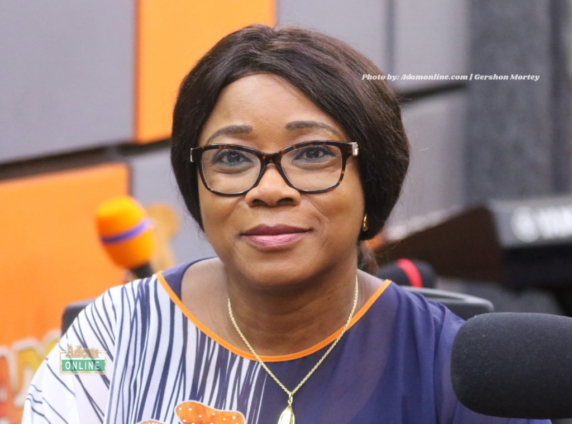
British-Ghanaian actress and TV host Ama K. Abebrese has shared her experience of relocating to Ghana and rebuilding her career.
In an interview on Okay FM, she recounted how her expectations of being immediately hired by TV stations were met with a different reality.
“I came to Ghana thinking, ‘Oh, my God, I’m gonna come to Ghana and every TV station is going to hire me.’ That didn’t happen,” she narrated.
In this role, she discovered auditions and eventually crossed paths with filmmaker Leila Djansi, who was casting for a movie.
“I remember I took a job with a marketing company for a magazine, Canoe Magazine. I would hear of auditions, and then I met Leila Djansi. And Leila was auditioning for a film. Then I went for the audition, and that’s how, after having my career in the UK, I had to start again,” she recalled.
Looking back on her journey, she emphasized the significance of humility for creatives.
She noted that even with her vast experience in the UK, she had to adapt to a new environment.
“I think if you’re going to come to Ghana, come humble. Be humble. Because in Ghana, there have been people who’ve been doing it for years, so I had to just tell myself, ‘Okay, I have all this experience. It’s fine. But I’m also in a new terrain, so I had to acclimatise to this terrain.’ And for the most part, I would like to think that. I’ve been welcomed really well. But it wasn’t easy,” she said.
In the early hours of Friday, September 13, 2024, a house in Kumasi Alabar was partially destroyed by fire.
Residents criticized firefighters for their delayed response, which led to confrontations at the scene.
Although it is not yet confirmed if the entire house was destroyed, a video cited by the Independent Ghana shows that the fire was eventually put out.
The delay in the emergency response has sparked concerns about the effectiveness of the local firefighting services.
Watch video below:
Fire gutted a house in Kumasi Alabar earlier this morning. Residents accused the firefighters of arriving at the scene late and verbally attacking them. pic.twitter.com/gue8t2g0h1
The Monetary Policy Report for July from the Bank of Ghana highlights a significant increase in the banking sector’s Non-Performing Loans (NPL) ratio, which rose to 24.2% in June 2024, up from 18.7% in June 2023.
Even when considering only fully provisioned loans, the NPL ratio rose to 10.8% in June 2024 from 7.8%, indicating a broader issue with non-performing loans across various categories.
This uptick in the NPL ratio is attributed to a faster increase in the NPL stock compared to the overall loan growth. Specifically, the NPL stock surged by 49.4% to GH¢20.4 billion in June 2024, compared to GH¢13.7 billion the previous year, reflecting declines in both domestic and foreign currency loans.
The private sector remains the largest contributor to the NPLs, holding a slightly increased share of 95.6% in June 2024, up from 95.5% a year prior. Conversely, the public sector’s share fell to 4.4% from 4.5%.
The agriculture, forestry, and fishing sector experienced the highest NPL ratio at 56.4%, up from 30.0% a year ago. This was followed by the transportation, storage, and communication sector, which saw its NPL ratio rise to 49.1% from 22.1%.
The construction sector’s NPL ratio increased to 36.8% from 32.8%, while the electricity, water, and gas sector’s ratio grew to 20.6% from 7.8%. The commerce and finance sector’s NPL ratio remained stable at 20.2%.
The mining and quarrying sector had the lowest NPL ratio at 13.7% in June 2024, up slightly from 12.7% the previous year.
Sisters Isoken and Ifueko Igbinedion founded Parfait with one objective to assist women of color in styling and caring for their textured hair.
Their journey started with Isoken, who founded the AI and machine-learning wig customization company after going through the difficulties of trying to live up to social expectations of beauty as a Black woman.
After relocating to a primarily white area in the U.S., Isoken, a Nigerian immigrant, felt compelled to undergo cultural and physical assimilation.
She told Essence, “I looked so different from everybody else and no matter what, I got bullied for the texture of my hair.”
But her brilliant plan to use a hair relaxer backfired, causing her to lose a lot of hair and wear wigs for most of her childhood and adolescence to block out the mockery. Her hair gradually returned to health, but she was now having difficulty finding well-made wigs at a reasonable price.
Leveraging their extensive IT expertise, she and her sister Ifueko co-founded Parfait, a startup that uses AI and machine learning to create customized wigs tailored to each customer’s individual characteristics.
She explained, “Ifueko’s past experiences at companies like Target, Microsoft, Amazon, Google, and IBM and mine at Microsoft and Target informs the way we use technology to increase the efficacy of our products.”
She, however, narrated that getting funding was quite difficult at first. She told Tech Crunch, “It was extremely hard. Nobody would give us the time of day in the beginning. Nobody believed in the space. They didn’t feel it was a big enough problem. And they didn’t fully understand that it was a solution that required technology to solve it.”
Shortly thereafter, Serena Williams, the former tennis star and accomplished entrepreneur, discovered their innovation and chose to express her support by investing in the company. Parfait, which seeks to revolutionize the $13 billion wig industry, secured $5 million in a Seed funding round led by Upfront Ventures and Serena Ventures.
Williams shared her reason for investing in a statement, saying, “Parfait’s mission to leverage Al to solve core issues for both the tech industry and communities of color is something we, at Serena Ventures, have believed in since the beginning.”
According to Essentially Sports, Williams recently shared Parfait’s Instagram post, which featured Simone Biles wearing the company’s custom-made wig. Williams shared the photo on social media and remarked, “@simonebiles stunning in her @my.parfait wig!”
The business has since expanded and even secured a retail collaboration with Ulta Beauty, allowing clients to visit any of its locations for a consultation with a stylist and assistance in purchasing a personalized ponytail, wig, or partial.
According to Isoken, the groundbreaking collaboration is more than just providing customers with quick cosmetic services.
She said, “I’m so excited about being able to create an institutional space that I think our community has really never had before. Where you can go into a place and feel comfortable because your unique needs will be addressed. The stylists have been trained by the Parfait experience to ensure you get full support across the entire product journey.”
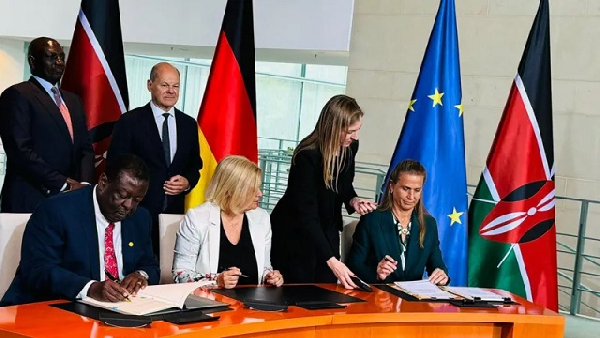
Germany has committed to opening its doors to 250,000 skilled and semi-skilled workers from Kenya through a targeted labor migration agreement.
Kenya is facing growing challenges in offering adequate job opportunities and income for its young professionals, while Germany is experiencing a shortage of skilled labor.
As part of a pilot project, five Kenyan bus drivers have already arrived in Flensburg, a northern city in Germany.
This migration deal is a key element of the German government’s strategy to manage immigration more effectively.
The agreement will also streamline the process for repatriating Kenyans who are residing in Germany without legal status.
Immigration has become a major issue in Germany, especially with the rise of the far-right anti-immigration party, Alternative for Germany (AfD).
Recent German governments have allowed significant numbers of asylum seekers to settle in the country, including over one million people fleeing conflict in Syria during the 2015-2016 migrant crisis and 1.2 million Ukrainians since Russia’s full-scale invasion began in February 2022.
The labor agreement was signed in Berlin by Chancellor Olaf Scholz and President William Ruto of Kenya.
Germany has agreed to relax some of its immigration regulations to facilitate Kenyan employment in Europe’s largest economy.
Berlin authorities will also consider extending temporary residence permits for Kenyan workers who secure approved positions.
Additionally, Kenyans will be eligible for long-term visas to study or pursue vocational training in Germany.
“On the expiry of the long-stay visa, Kenyans may receive a temporary residence permit for study purposes in Germany for up to two years,” the agreement states.
The temporary residence permit may be extended if the purpose of residence has not yet been achieved but is achievable within a “reasonable” period, it adds.
Under the agreement, IT professionals from Kenya will be permitted to work in Germany even without formal qualifications.
Both governments will facilitate the immigration of skilled workers who have completed vocational training or hold a university degree, provided their qualifications are recognized by the appropriate authorities in each country.
The agreement also covers the readmission and repatriation of citizens between Kenya and Germany.
It outlines measures to prevent and combat labor exploitation, forced labor, and human trafficking.
During the welcome ceremony for five Kenyan drivers in Flensburg on Thursday, Schleswig-Holstein’s Transport Minister Claus Ruhe Madsen emphasized Germany’s need for hardworking individuals and skilled minds.
“We simply have to position ourselves in Germany in such a way that it is attractive to come here,” Mr Madsen added.
The drivers represent the initial group of Kenyan workers participating in a pilot project with the Aktiv bus company, with the aim of securing employment in Germany.
The program is also anticipated to include professionals such as doctors, nurses, and teachers.
According to the International Labour Organisation (ILO), the agreement is expected to greatly enhance opportunities for Kenyan workers to find quality jobs in Germany while helping to alleviate labor shortages in the country.
“It includes mechanisms to protect the rights and welfare of Kenyan migrant workers in Germany, ensuring safe, orderly, and productive migration,” ILO added in a statement.
But there are concerns about a brain-drain in Kenya with professionals like doctors and nurses going abroad for jobs, leaving local hospitals with a huge shortage of medical workers.
“It is sad that we are going to service other countries at the expense of our own country,” Ekuru Aukot, a Kenyan lawyer and politician, told the BBC’s Newsday programme.
But Roseline Njogu, a senior foreign affairs official, said Kenya was simply responding to the global labour market demands.
“We have a youth bulge in Kenya and every year we have a million people joining the local labour market. It takes time and resources to create job opportunities at home,” she added.
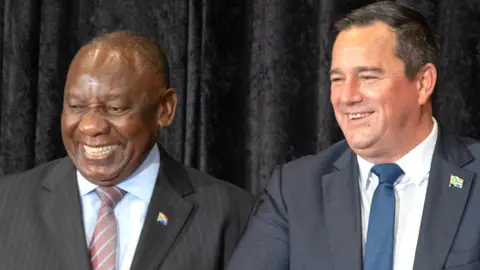
The stability of South Africa’s uneasy coalition government is about to face a major test as President Cyril Ramaphosa prepares to sign new education reforms into law during a public ceremony on Friday.
In the run-up to May’s general election, which led to the African National Congress (ANC) forming a coalition, the two main partners had clashed over the Basic Education Laws Amendment (Bela) Bill.
Despite now sharing power, the ANC and the Democratic Alliance (DA) remain at odds over the bill’s provisions.
DA leader John Steenhuisen has warned that if the signing proceeds, the party will “have to consider all of our options on the way forward”.
What is in the Bela bill?
The contested bill, which was passed by the ANC-majority parliament shortly before the election, introduces several significant and controversial changes to current education legislation.
Key reforms include:
– School admissions and the language of instruction will be regulated nationally
– Home schooling will be regulated
– Parents who fail to ensure their child is in school may face jail Grade R, for four and five-year-olds, will be the new compulsory school starting level – a year earlier than currently
– The abolition of corporal punishment will be backed by fines and possibly jail time for those who administer it
The ANC says the changes are necessary in order to transform the education system and address continued inequalities.
Why is there such fierce opposition?
The clause which has caused the most controversy is the one concerning strengthening government oversight over language and admission policies.
This is a sensitive topic relating to racial integration.
The previous ANC government argued that language and other admission criteria were being used to “derail access to schools [for] the majority of learners”.
Although apartheid, a system of legally enforced racism, ended over thirty years ago, its legacy continues to affect certain areas of education.
While the legislation does not explicitly address Afrikaans, the ANC argues that some children are being barred from schools where Afrikaans, the language of the white-minority Afrikaners, is the medium of instruction.
The DA has supported the right of school governing bodies to establish their own language policies, citing constitutional provisions and the importance of learning in one’s native language.
The most vocal opposition has emerged from the Afrikaans-speaking community.
Civil rights group AfriForum has described the bill as an attack against Afrikaans education and has said it remains committed to opposing the legislation as “it poses a threat to the continued existence of Afrikaans schools and quality education”.
The Freedom Front Plus – another one of the 10 parties in the coalition government and seen as representing the interests of Afrikaners – is also opposed to Bela. It called it “ill-conceived”, saying it would “cause needless uncertainty and disputes about clearly established rights and responsibilities related to Basic Education”.
Some are also concerned about the reforms to home schooling. There are currently many unregulated schools popular with the middle classes because of the poor state of government schools.
These are allowed to continue through a loophole in the current law where the students are registered as “home learners” and the teachers offer “tuition”. But through the Bela bill, the government wants to close the loophole and ensure they are regulated like state schools.
Could this threaten the coalition government?
After the ANC lost its outright majority in parliament, it needed coalition partners to remain in power.
It reached a deal with its long-time opponent, the DA, and eight other parties to form the Government of National Unity.
Steenhuisen, who is the agriculture minister, has said that enacting the Bela bill would violate “the letter and spirit” of the coalition agreement as the DA had made it clear that the bill was unacceptable “in its current form”.
But he does not yet appear to be pulling the plug on the coalition.
On Thursday, the DA leader said conflict over policy was not necessarily “an existential threat to the government”, echoing similar comments from the president’s spokesperson.
But Steenhuisen said this did not mean it would never walk away, especially if the ANC was “trashing the constitution”. The DA has said it has some simple amendments to the bill which would make it acceptable and, as it sees it, bring it in line with the constitution. However, these have not been incorporated in the bill signed by President Ramaphosa.
The Moroccan health ministry has confirmed a case of mpox in a man located in Marrakech.
This marks the first discovery of its kind since the World Health Organization (WHO) declared the ongoing outbreak a global health emergency last month.
The declaration was made in response to the swift spread of a new variant, or clade, of the virus in central Africa. Moroccan officials have not yet disclosed which variant the infected individual has contracted.
According to the health ministry, the man is undergoing treatment and remains in stable condition. Authorities are actively tracing and monitoring all individuals who have been in contact with him. As of Thursday afternoon, none of them have shown any symptoms, per the official statement.
Mpox spreads through close contact with an infected person.
It can also be transmitted by handling virus-contaminated items, such as bedding, clothing, or towels.
In most cases, the infection clears up on its own within 14 to 21 days. However, it can be deadly, especially for vulnerable groups, such as young children.
Severe cases may involve widespread lesions, particularly affecting the mouth, eyes, and genital areas.
The WHO advises that treatment focuses on caring for the rash, managing pain, and preventing complications.
So far in 2024, over 20,000 cases and 500 deaths have been recorded across 14 African nations, with the Democratic Republic of Congo (DRC) at the epicenter, reporting more than 5,000 cases this year.
While vaccines, seen as critical in curbing the spread, have reached the DRC, logistical challenges may delay their distribution to the hardest-hit areas in the eastern part of the country by several weeks.
When declaring the outbreak a public health emergency on 14 August, WHO director-general Dr Tedros Adhanom Ghebreyesus said it was “clear that a co-ordinated international response is needed to stop these outbreaks and save lives”.
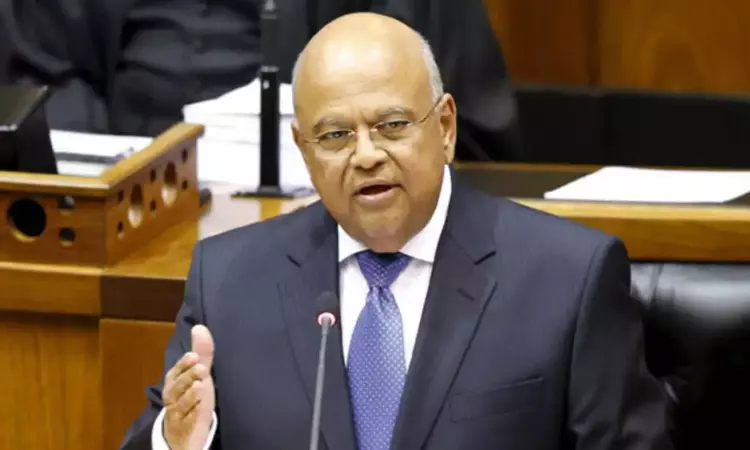
The family of former South African Finance Minister and anti-apartheid veteran, Pravin Gordhan, has announced his passing at the age of 75.
A key figure in South Africa’s transition to democracy, Gordhan played a significant role in ending white-minority rule. Throughout his career, he held various high-ranking government and administrative positions, including two terms as finance minister. He retired from politics in May 2024.
The seasoned politician died in a hospital on Friday after a brief but courageous battle with cancer, surrounded by family, close friends, and comrades from the liberation struggle.
Gordhan is recognized for his leadership in transforming the South African Revenue Service (SARS) into a reputable institution during his tenure from 1999 to 2009.
His contributions extended beyond his roles in finance, serving briefly as the Minister of Cooperative Governance & Traditional Affairs and later as Public Enterprises Minister, where he attempted to combat corruption in state-owned entities like Eskom and South African Airways.
Born in Durban in 1949, Gordhan’s activism began in the 1970s during his pharmacy studies, becoming a key player in the United Democratic Front (UDF) in the fight against apartheid.
He faced imprisonment multiple times for his activism and was pivotal in negotiating the end of apartheid, co-chairing the Convention for a Democratic South Africa (Codesa).
Despite being accused of fraud in 2016—charges later dropped—Gordhan remained a staunch opponent of state corruption. He was dismissed from his position in 2017 for his resistance to corruption under President Jacob Zuma’s administration, with allegations centered on the controversial Gupta family.
In his final role as Public Enterprises Minister, Gordhan’s efforts to reform state-owned companies faced challenges, and his departure from politics marked the end of a long and influential career. Before his death, he reflected on his life’s work, stating, “I have no regrets. We have made our contribution.”
President Cyril Ramaphosa hailed Gordhan as a symbol of the fight against corruption, acknowledging his personal sacrifices throughout decades of public service. Gordhan is survived by his wife, Vanitha, and their daughters, Anisha and Priyesha.
The Securities and Exchange Commission (SEC) has established a taskforce and a specialized investigative team to tackle fraudulent online schemes in the country.
The SEC revealed that this initiative is part of broader efforts to combat the rising number of online scams that are stripping people of their savings.
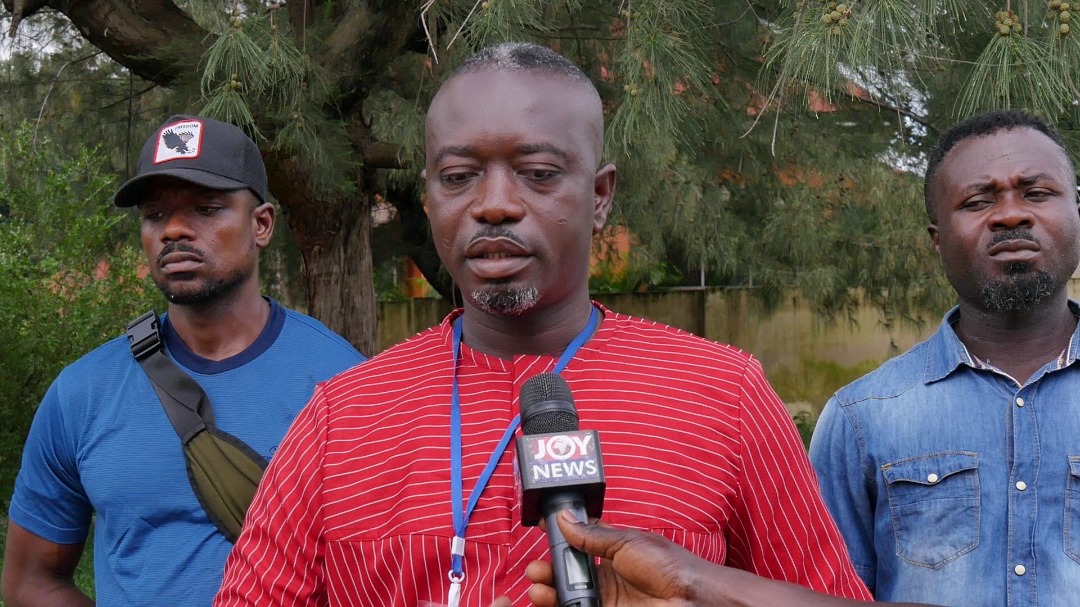
SEC’s Director General, Rev. Daniel Ogbarmey Tetteh, shared the update during an interview on PM Express Business Edition with George Wiafe on September 12, 2024.
Additionally, Rev. Tetteh noted the formation of a Securities Fraud Committee, created in collaboration with other digital space regulators.
“Most of the fraudulent activities are online based. That is why the SEC is also working with the National Communications Authority to deal with the challenge in that space”, he said.
Rev. Tetteh revealed that several offenders have been apprehended with assistance from the SEC.
“These persons have been picked up. They have already been reported to the various security agencies for the necessary action to be taken against them”, he assured.
Empowering investors
Highlighting some of SEC’s proactive steps, Rev. Tetteh mentioned that efforts to educate investors have been ramped up to help them identify fraudulent schemes.
“We believe that a well-informed investor is about half of the problem solved when it comes to dealing with all the market challenges”.
He pledged to make the SEC accessible to all investors and the general public seeking information.
“They can also visit our website for the list of all licensed firms and also reach out to us through the SEC’s toll free lines for the necessary assistance”.
He stated that the SEC has also tightened its regulations to boost market confidence among investors.
“We have also rolled out a programme called with Time with the Securities and Exchange Commission and that is getting some positive reviews when it comes to educating the public on our workings”.
Restoring market confidence
Rev. Tetteh said the SEC has moved to a risk-based supervision of the Securities and Capital Market space to help improve supervision going forward.
“One of the surest ways of restoring market confidence, is to let all the players know that the laws and regulations are being enforced. We are also working to demystify the capital and securities market to aid confidence in the industry”
Rev. Tetteh revealed that data shows the market is picking up from the domestic debt exchange programme.
The College of Health Sciences (CHS) at Kwame Nkrumah University of Science and Technology (KNUST) has launched an Endowment Fund with a target of raising $10 million over the next five years.
The Fund’s objectives include improving the training of skilled health professionals, advancing research on local diseases, providing scholarships for both undergraduate and graduate studies, and acquiring essential equipment.
Moreover, it aims to create opportunities to retain health science graduates, addressing some of the developmental challenges in the country’s health sector.
During a media briefing, Professor Daniel Ansong, Chairman of the Endowment Fund Board, spoke on behalf of Prof. Christian Agyare, the Provost of the College.
He noted that while the number of applicants for health programs has been rising each year, the number of admissions remains limited. Many qualified applicants are turned away, and some of those who are admitted often opt for other institutions or programs.
The Dean also pointed out that insufficient infrastructure is a significant barrier to expanding the training of health professionals.
“As a nation with a very high health worker-to-patient ratio, one will have thought that more health personnel would be trained to augment the shortfalls that have existed over the years,” he explained.
He highlighted the need to expand facilities to admit more students, citing the completion of the Boadi Medical Village as a key factor in boosting admissions.
The Dean also voiced concerns over the growing dependence on fee-paying students, which leaves many qualified candidates unable to pursue healthcare education due to financial barriers.
He underscored the importance of resolving this issue to ensure that healthcare training is based on merit rather than financial capability.
“We need to come out of this, that is why we are calling on all stakeholders, corporate Ghana, alumni, and parents to support this Endowment Fund established by the college,” he rallied.
The CHS comprises seven schools or faculties, including the KNUST School of Medical Sciences, Faculty of Pharmacy and Pharmaceutical Sciences, Faculty of Allied Health Sciences, School of Veterinary Medicine, School of Public Health, School of Nursing and Midwifery, and School of Dentistry.
In addition, the College hosts research institutions such as the Kumasi Centre for Collaborative Research into Tropical Medicine and the German-West African Centre for Global Health and Pandemic Prevention.
Maxwell Opoku Agyemang, Co-Chair of the Advisory Board, stressed the importance of accountability and transparency in the management of the Fund to drive the College’s growth.
He urged stakeholders, including corporate entities, alumni, and parents, to contribute to the Endowment Fund to support the training of more health professionals.
Co-chair of the Ghana Extractive Industry Transparency Initiative (GHEITI), Dr. Steve Manteaw, has warned that Ghana’s oil sector could suffer significantly if future governments do not succeed in drawing more investment.
He believes that, without increased investor interest, oil production could potentially end within the next 20 years.
“We know we have been taking oil out of Jubilee for the last ten or 14 years now. The Jubilee lifespan was supposed to be 25 to 30 years, so if you have taken about 14 years then we have some few years ahead to exhaust the reserves”, he said after the launch of the GHEITI 2021/2022 report.
Dr. Manteaw voiced concerns that the failure to initiate new projects might be partly due to the steady decrease in oil production over the past four years.
“If we do not add to the reserves, my fear is that in the next 15 or 20 years our oil production will be gone. Reason is that while we are peaking we are not bringing new projects on-stream”.
He noted that the government has not developed policies capable of drawing investors into the oil and gas industry.
“We are not inviting the investors. They are all moving to other neighbouring countries. Our seismic data is also poor. We have 2D instead of 3D”, he said.
Dr. Manteaw observed that government has made little investment in the exploration of the commodity over the years.
This, he regretted send bad signals to investors seeking to invest in the sector.
The GHEITI report
The report revealed that in 2021, the Jubilee field produced 27 million barrels of crude compared to a 2020 output of 30 million.
The Jubilee field contribute about half the total national output, even though production reduced slightly by 10 percent.
In 2022, the Jubilee field contributed half of the total output, showing a production increase of 11.5 percent from the 2021 output.
The highest monthly production volume on the Jubilee field was recorded in March and the lowest in May.
There was however a 33 and 28 percent in the Tweneboa Enyera Ntomme(TEN) fields in 2021 and 2022 respectively.
This was attributed to poor reservoir performance. However, production at the Gye Nyame Sankofa projects saw some improvement in 2020, but declined again in 2021, which was linked to the Emergency Shutdown.
Recommendations from the report indicated that the government should invest in data collection to help deal with the challenge facing the country’s oil field.
Finance Minister revealed in the latest monthly economic briefing, that the government has sanctioned GHS1.5 billion to advance the bailout initiative for customers impacted by defunct fund management companies.
These FMCs had their licenses revoked in November 2019.
The GHS1.5 billion will be disbursed in three phases: GHS700 million in August 2024, followed by GHS400 million in October 2024, and the final GHS400 million in December 2024.
A statement from the Securities and Exchange Commission (SEC), said this GHS1.5 billion is in addition to the GHS 4.46 billion previously released to affected investors with examined claims.
“The bailout money released so far has been used to pay a total number of 84,202 investor claims of the failed fund management companies, out of which 69,445 (representing approx. 82%) investor claims have been fully settled,” SEC said.
The Commission noted: “This decision, driven by humanitarian considerations, will provide further financial relief to those impacted by the revocation, including investors of Blackshield Capital Management Limited (formerly Gold Coast Fund Management Limited) and Kron Capital Limited.”
The SEC clarified that this bailout is intended for investors with verified claims who have agreed to the government’s compensation offer.
“Under this current release, investors will receive the higher of GHS50,000 or 15% of their outstanding examined claims on the defunct firms. This top-up is estimated to result in close to 91% of affected investors being fully settled,” the statement noted.
It added: “This bailout will be rolled out through the Special Purpose Vehicle, Amalgamated Mutual Fund (AM Fund) managed by GCB Capital Ltd.”
“The managers of AM Fund will hold a meeting in the coming days to provide guidance for those who would want to access the released funds as well as the prospects for leaving the claims in the AM Fund to be managed.”
Director of the Securities and Exchange Commission (SEC), Rev. Daniel Ogbarmey Tetteh, has stated that the agency is continuing its careful strategy for overseeing crypto assets.
In an interview on Joy News’ PM Express Business Edition, he noted that although the SEC has issued public warnings about the lack of regulation for cryptocurrencies in Ghana, it remains receptive to exploring and establishing a suitable regulatory framework.
“We issued a caution statement to the market that crypto assets are not regulated by the SEC, and if you dabble in it, you are basically on your own,” Rev. Tetteh stated, reaffirming the commission’s stance from 2019.
“But I can tell you that even back in the day, we had an open mind. You can’t regulate what you do not understand.”
Rev. Tetteh explained that the SEC has been actively working to build its capacity to understand the evolving crypto space, with the goal of crafting an effective regulatory framework.
“We set up an innovation team and have been engaging with various stakeholders, including virtual asset service providers (VASPs), to shore up our understanding,” he said on Thursday.
Highlighting the global nature of the challenge, he added, “We belong to IOSCO, the International Organisation of Securities Commissions, which has been providing guidance on the crypto space. It’s an evolving area, and jurisdictions are at different levels of understanding and regulation.”
While some have criticized the perceived slow pace of the SEC in taking a position, Rev. Tetteh defended the commission’s approach, saying, “Getting it right is better than getting it fast. We are on course, and we want to ensure that we have a framework that covers all angles.”
Rev. Tetteh explained that the SEC has been actively working to build its capacity to understand the evolving crypto space, with the goal of crafting an effective regulatory framework.
“We set up an innovation team and have been engaging with various stakeholders, including virtual asset service providers (VASPs), to shore up our understanding,” he said on Thursday.
Highlighting the global nature of the challenge, he added, “We belong to IOSCO, the International Organisation of Securities Commissions, which has been providing guidance on the crypto space. It’s an evolving area, and jurisdictions are at different levels of understanding and regulation.”
While some have criticized the perceived slow pace of the SEC in taking a position, Rev. Tetteh defended the commission’s approach, saying, “Getting it right is better than getting it fast. We are on course, and we want to ensure that we have a framework that covers all angles.”
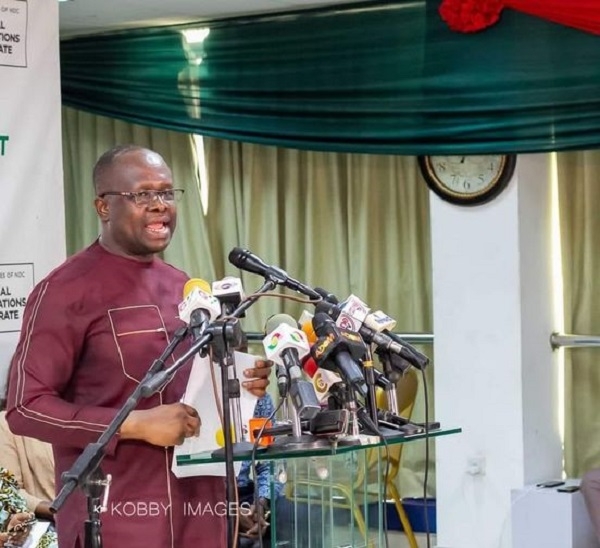
The National Democratic Congress (NDC) has ramped up its demand for an independent forensic audit of Ghana’s Electoral Commission (EC), alleging that the commission has tampered with the voters’ register in anticipation of the December 7, 2024 elections.
In a statement issued by Dr. Edward Omane Boamah, the Director of Elections and IT, the NDC has claimed significant irregularities in the EC’s procedures and is calling for urgent measures to safeguard the integrity of the forthcoming elections.
The NDC’s statement, released on September 13, 2024, asserts that the ruling New Patriotic Party (NPP) is aiding an “incompetent and criminally crooked” Electoral Commission, characterizing the EC headquarters as “a crime scene waiting to be exorcised after the December elections.”
The party took issue with the EC for not releasing data from a hard drive that the NDC had provided for a forensic audit of the voters’ register.
The NDC has raised concerns about the EC’s decision to retain the hard drive for a week following their most recent meeting.
“Why is the EC not returning our hard drive which has been in their custody for the past week after our encounter with them last week Friday. An encounter which they blocked the media from covering?,” the statement read.
The NDC has outlined three primary demands from their recent discussion with the EC, which they claim have yet to be addressed:
Conduct an independent forensic audit of the voters’ register.
Submit the findings from the forensic audit.
Re-exhibit the register after the audit.
The NDC argues that the EC’s reluctance to meet these demands erodes trust and hampers collaboration between the parties.
Additionally, the NDC has pointed out numerous errors in the voters’ register, including the unlawful inclusion of 243,540 previous transfers with the 2024 transfers, unclear voter transfer records, and missing voter information.
To address these issues, the NDC has planned a public demonstration called the “Enough Is Enough” rally on Tuesday, September 17, to call for increased transparency and accountability from the EC.
The party has reiterated its call for a forensic audit to uncover the extent of alleged manipulation and ensure the credibility of the electoral process.
They have outlined several critical questions they believe a forensic audit should answer: The scale of illegal voter transfers and the systemic flaws that permitted them, the accuracy and timeliness of the provisional voters’ register, the potential effects of the identified errors on election fairness, how past mistakes compare and what lessons can be learned to avoid future issues and a timeline for resolving these problems to ensure the register’s credibility.
The NDC’s statement underscores the necessity of a forensic audit as an essential step to uphold the integrity of Ghana’s electoral process, urging the EC to stop justifying what they term as “avoidable errors.”
As the December 2024 elections approach, the NDC’s demands and allegations have raised concerns about the electoral process’s integrity. Their insistence on an independent forensic audit underscores the growing tension between political actors and the Electoral Commission, which must address these issues to preserve public confidence in the election’s fairness.
The NDC remains resolute that without a transparent and accountable electoral process, the legitimacy of the upcoming elections may be compromised.
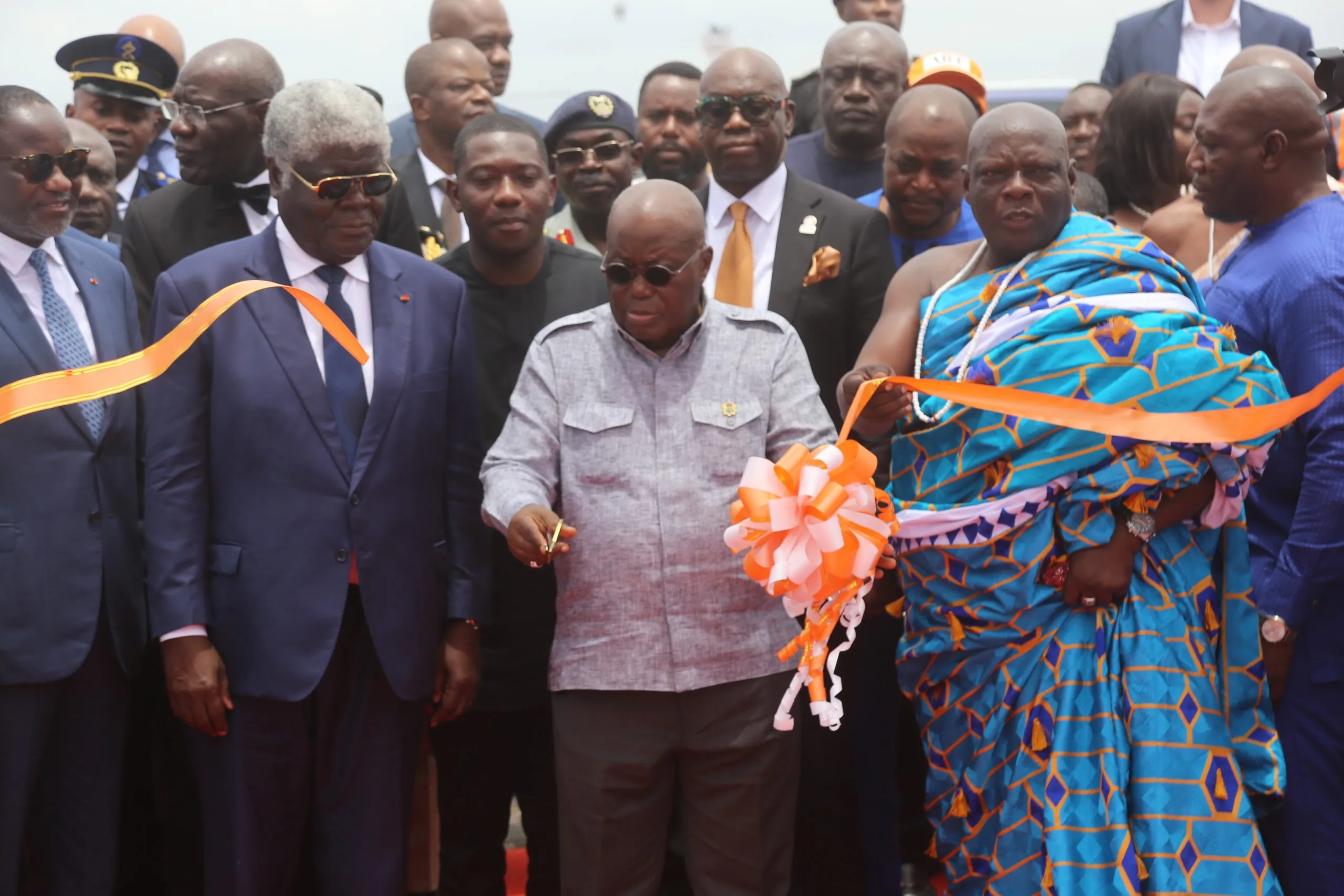
President Nana Addo Dankwa Akufo-Addo inaugurated Ghana’s largest bitumen processing plant in Tema, Accra on September 12, 2024.
The $40 million cutting-edge facility is the result of a collaboration between Ghana’s GOIL PLC and Côte d’Ivoire’s Société Multinationale de Bitumes (SMB).
This groundbreaking initiative is poised to significantly impact the nation’s road construction and industrial sectors, reducing Ghana’s dependence on bitumen imports and positioning the country as a major player in West Africa’s bitumen market.
During his speech, President Akufo-Addo expressed deep satisfaction with the project, praising it as a shining example of regional cooperation. He was joined by Côte d’Ivoire’s Prime Minister, His Excellency Robert Beugré Mambé, representing President Alassane Ouattara, reflecting the importance of this partnership.
The President highlighted the plant as a symbol of the strong bonds between Ghana and Côte d’Ivoire, emphasizing that the collaboration showcases the power of shared goals and resources within the Economic Community of West African States (ECOWAS).
With a storage capacity of 7,500 metric tons, the GOIL/SMB Bitumen Plant will process base bitumen from Côte d’Ivoire into premium polymer modified bitumen (PMB) and bitumen emulsions.
These materials are essential for building long-lasting roads, offering greater durability in extreme weather and under heavy traffic.
PMB, enhanced with polymers, offers superior elasticity, durability, and resistance to cracks, making it perfect for highways and airport runways.
Conversely, bitumen emulsions are used for road maintenance, providing eco-friendly solutions that require lower temperatures during application. They offer an economical way to maintain roads and support infrastructure development.
By producing these vital materials locally, Ghana will improve road quality while reducing construction costs by limiting the need for imported bitumen.
President Akufo-Addo noted that this plant comes at a pivotal moment, as the government continues to prioritize significant investments in expanding the country’s road network.
The $40 million state-of-the-art facility represents a joint venture between Ghana’s GOIL PLC and Côte d’Ivoire’s Société Multinationale de Bitumes (SMB).
This innovative project is set to have a transformative effect on Ghana’s road construction and industrial sectors, decreasing the country’s reliance on imported bitumen and enhancing its role in West Africa’s bitumen market.
In his address, President Akufo-Addo conveyed his great pride in the initiative, lauding it as a prime example of regional collaboration. He was accompanied by Côte d’Ivoire’s Prime Minister, His Excellency Robert Beugré Mambé, who stood in for President Alassane Ouattara, highlighting the significance of this partnership.
The President emphasized that the plant symbolizes the robust relationship between Ghana and Côte d’Ivoire, demonstrating the effectiveness of shared objectives and resources within the Economic Community of West African States (ECOWAS).
The GOIL/SMB Bitumen Plant, with a storage capacity of 7,500 metric tons, will convert base bitumen from Côte d’Ivoire into high-quality polymer modified bitumen (PMB) and bitumen emulsions.
These products are crucial for constructing durable roads, offering improved performance in extreme weather conditions and heavy traffic.
PMB, which is enhanced with polymers, provides excellent elasticity, strength, and crack resistance, making it ideal for high-stress areas such as highways and runways.
On the other hand, bitumen emulsions are used for road maintenance, offering environmentally friendly solutions that require lower application temperatures. They provide a cost-effective method for road upkeep and infrastructure projects.
By producing these essential materials domestically, Ghana aims to enhance road quality and reduce construction expenses by cutting down on imported bitumen.
President Akufo-Addo noted that the timing of the plant’s launch is crucial as the government continues to make significant investments in expanding the country’s road infrastructure.
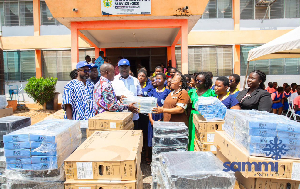
New Patriotic Party (NPP) parliamentary candidate, for the Akuapem North Constituency, Sammy Awuku has donated 120 computers and 600 dual desks to schools and key directorates within his constituency.
The donation, which took place on Monday, September 9th, 2024, is seen as a vital step in enhancing the digital capacity of educational institutions and the operational efficiency of local governance bodies.
The 120 computers have been distributed across the constituency’s 10 senior high schools, the Education Directorate, the Health Directorate, and the Municipal Assembly.
Addressing attendees during the presentation ceremony, Awuku underscored the importance of education and technology in today’s world.
He emphasized that the tools provided were part of his vision to close the technological gap and ensure that both students and public servants are equipped to meet the demands of a fast-changing global environment.
“Education is not just about books anymore. In today’s world, it’s crucial to introduce technology early to our youth so they can compete on the global stage,” Awuku remarked. “I’m committed to ensuring that students in this constituency are not left behind in this digital age. These computers will enhance learning, research, and skills development, preparing our future leaders for the challenges of tomorrow. Additionally, our health, education, and municipal workers will benefit greatly from this, improving efficiency and service delivery.”
The senior high schools in the constituency have long faced challenges related to outdated or insufficient technology, often leaving students at a disadvantage compared to their peers in other regions.
This initiative will help to foster better performance among students, especially as computer-based learning and online research become increasingly important.
In addition to the computers, Awuku also donated 600 dual desks to be distributed among basic schools in the constituency.
One headteacher said, “the provision of these desks is a great relief For years, our schools have struggled with a lack of basic infrastructure, and Sammi Awuku’s donation couldn’t have come at a better time. Our students will now have a more comfortable learning environment, which we believe will enhance their concentration and overall performance.”
The Education Directorate also praised the NPP candidate for his unwavering commitment to education, highlighting that his efforts have consistently prioritized long-term growth and sustainability.
“This donation is not just about today; it’s about securing the future of our children. We are deeply grateful for Mr. Awuku’s forward-thinking approach to education.”
The Health Directorate and Municipal Assembly, both recipients of the computer donations, shared their appreciation as well. The Municipal Chief Executive remarked that the new computers would enhance operational efficiency and allow staff to provide quicker and more effective services to the community. The Health Directorate highlighted that the technology would support better record-keeping and data management, which is increasingly vital as healthcare systems transition to digital platforms.
Awuku’s contributions align with his broader campaign, which has focused on strengthening education, empowering youth, and improving infrastructure. With the parliamentary elections drawing near, political observers view these donations as part of his strategy to show his commitment to meeting the needs of his constituents, particularly in education and governance.
In his concluding statement, Sammi Awuku reiterated his dedication to the constituency, emphasizing that these donations are just the beginning of his larger vision to raise living standards and improve educational opportunities for the younger generation.
“I am passionate about creating a future where every child in this constituency has the opportunity to excel, where public servants have the resources they need to do their jobs effectively, and where the community can thrive through better infrastructure and services.”
The donation has garnered widespread approval from both local leaders and community members, with many expressing optimism that such initiatives will extend beyond the election period.
As the race for the 2024 parliamentary seat heats up, Sammi Awuku’s focus on education and improving public services is likely to strike a chord with voters, further solidifying his image as a leader committed to making meaningful, lasting change.
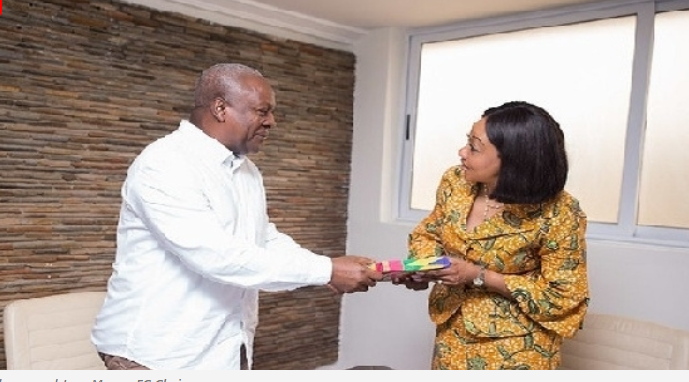
Ghana’s Electoral Commission (EC) has urged advised ex-president John Dramani Mahama to consider dialogues over street demonstartion in addressing concerns regarding alleged discrepancies in the provisional voters register.
The EC stressed that it is the best approach to resolving the party’s grievances and ensuring a fair electoral process.
During a press conference in Accra on Thursday, September 12, 2024, Deputy Chairman of Operations, Samuel Tettey, directly appealed to Mr. Mahama, stating, “The EC believes that the best way to ascertain the credibility and integrity of the 2024 Voters Register is at the discussion table, not on the streets. Taking to the streets will not ensure a credible register; it will only cause tensions and suspicions which are unwarranted.”
Mr. Tettey therefore called on “the former President, His Excellency John Mahama, an eminent and respected statesman of the Republic, to encourage and bring his party to the table… On our part, we assure the NDC of a transparent process that would demonstrate to them that all their concerns have been resolved.”
The Electoral Commission’s (EC) call for dialogue stems from its frustration over the National Democratic Congress (NDC)’s failure to present proof of the alleged discrepancies it claims to have uncovered during the recent voters’ register exhibition. Despite a meeting on September 6, 2024, where the NDC outlined five concerns, the party has yet to submit the promised documents, leading to repeated but unanswered requests from the EC.
In response, the NDC has scheduled a nationwide demonstration for Tuesday, September 17, 2024, accusing the EC of ignoring its request for a forensic audit of the voters’ register. The EC, however, refuted allegations that 50,000 ghost names were added, assuring that any names of deceased persons would be removed once the necessary data is provided by the NDC.
“The Commission is fully committed to providing the country and all Political Parties with a robust and credible Voters Register that will guarantee free, fair, transparent, and credible General Elections in December 2024,” the EC reassured the public.
Small Scale Miners have vowed to take on illegal miners, commonly referred to as “galamseyers,” who are wreaking havoc on the nation’s major water bodies, with the support of their task force.
The group voiced concern over the widespread pollution of rivers in several communities and the destruction of protected forests caused by these illegal activities.
“It’s unfortunate how everyone blame Small Scale Miners for polluting our rivers but we are not responsible for that. We get approval from the rightful authorities before we operate and we are required to do our mining a far distance from any river area.”
“These pollutions are caused by some illegal miners who only mine on the water but we will make sure this will stop. We have a task force now to deal with the situation with the help of the government.” The leader of the group said after a visit to many galamsey sites by a task force of the Small Scale Miners at Mankranso and its environs.
Their action follows a national call to ban small-scale miners from operating with claims that they pollute major water bodies.
But the authorized miners said, “Some foreigners are responsible for destroying the water bodies, not Small Scale Miners”.
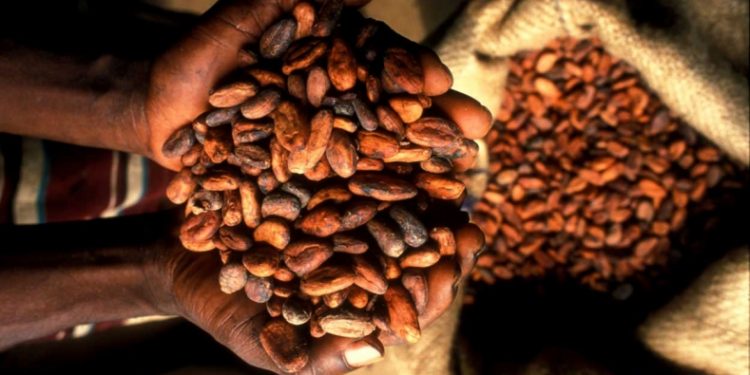
The Ghana Cocoa Board (COCOBOD) has expressed its commitment to ramping up efforts to tackle cocoa smuggling across the nation’s borders, with the assistance of the military.
The Board acknowledged being greatly concerned by the rising incidents of cocoa smuggling within the country.
COCOBOD’s Chief Executive, Joseph Boahen Aidoo, shared this information with journalists following a meeting with cocoa farmers from various cultivation areas at the GNAT Hall in Kumasi last Friday.
“We have written to the Minister of Defense, requesting military intervention, while the police and other security forces have been assisting,” he stress.
Aidoo noted that there had been several arrests related to cocoa smuggling and “recently cocoa being transported out of the country in tankers for fuel was intercepted.”
He mentioned that the military involvement was now necessary to address the issue more effectively and indicated that, “the military has expressed readiness to lead the operation and the Defense Ministry is fully aware” adding that COCOBOD would sponsor the national anti-cocoa smuggling campaign.
The stakeholder consultative dialogue aimed at fostering Ghana’s cocoa sector which had in recent years been fraught with financial and environmental challenges.
Additionally, he noted that the intensified exercise was crucial for safeguarding the country’s cocoa export industry, and to also ensure that it meets its international export targets.
He expressed confidence that the military’s intervention would help curb the problem, and assured of the government’s commitment to protecting the cocoa sector and would do everything to prevent its collapse.
Aidoo used the occasion to allay the fears of cocoa farmers and Ghanaians about the looming European Union (EU) regulation on deforestation that takes effect from December 30, 2024.
Moreover, he said the deforestation regulation that came into force on June 29, 2023, required companies trading in cattle, cocoa, coffee, oil palm, rubber, soya and wood, as well as products derived from these commodities, to conduct extensive diligence on the value chain.
This, he said, was to ensure the goods did not result from recent (post 31 December 2020) deforestation, forest degradation or breaches of local environmental and social laws.
He said companies should consider the impact of the deforestation regulation on their supply chain due diligence to prepare for the new obligations.
Aidoo mentioned that Ghana was really prepared because, “it is the only cocoa growing country in Africa with a traceability system to track products from the forests in order to curb the EU market’s impact on global deforestation and forest degradation.”
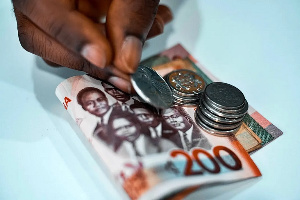
Ghana’s cedi continues to struggle against major currencies, including the US dollar. Despite showing some relative stability in July, the cedi has recently weakened by 0.1%, trading at GH¢15.67 per dollar.
This decline exacerbates the challenges facing the Ghanaian economy, influenced by fluctuating business prices.
Bloomberg reports that Ghana’s dollar bonds maturing in 2032 have risen slightly by 0.2 cent to 52.36 cents on the dollar as of September 11, 2024, in London.
On a positive note, inflation in Ghana eased from 20.9% to 20.4% in July 2024. This slowdown may prompt the Bank of Ghana’s Monetary Policy Committee to consider an interest rate cut in its upcoming meeting.
Currently, with the policy rate set at 29%, businesses and investors are cautiously optimistic about future economic growth and potential election-related risks. The Bank of Ghana aims to reduce inflation to between 13% and 17% by the end of 2024.
Overall, the cedi has depreciated nearly 1% against the dollar over the past month and has lost almost 24% of its value this year, according to Bloomberg.
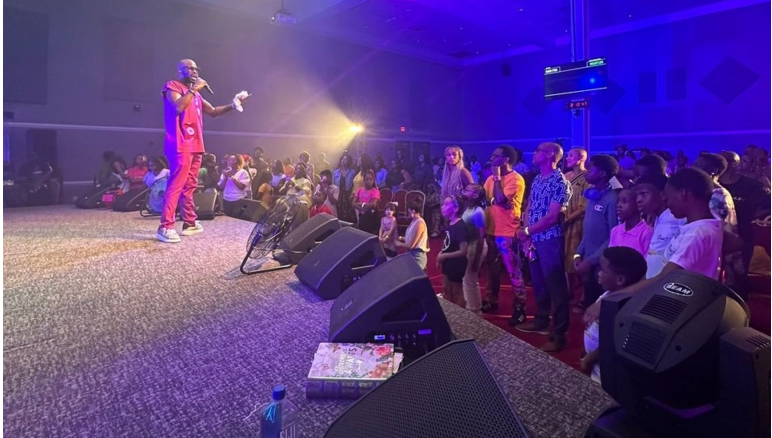
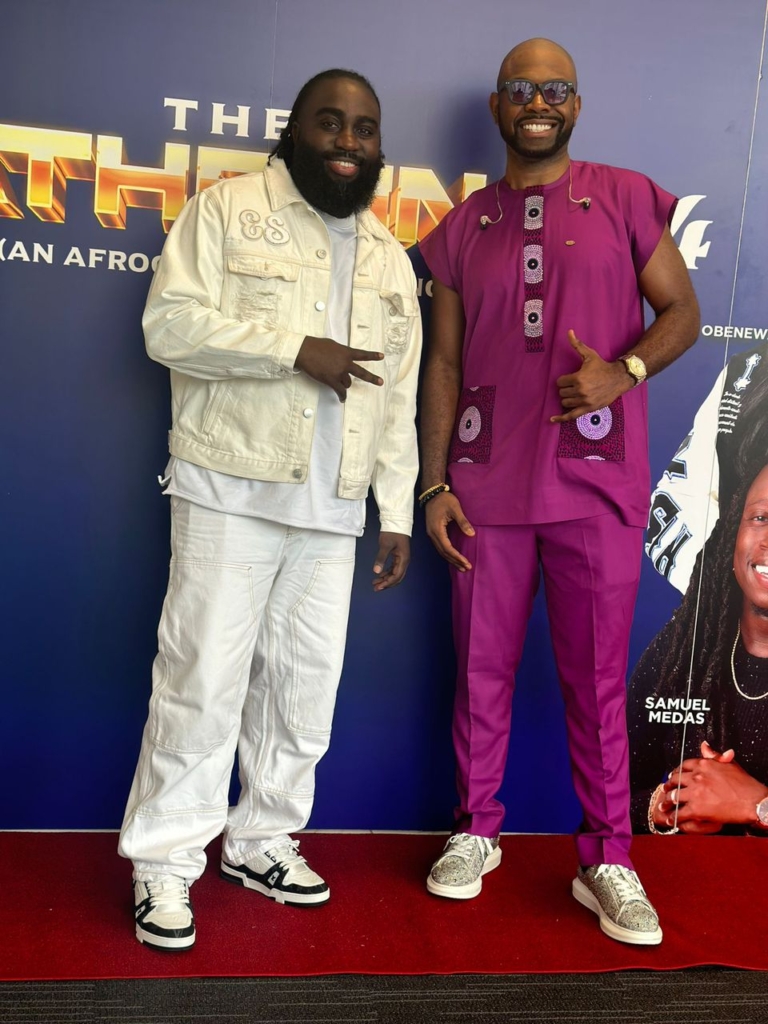
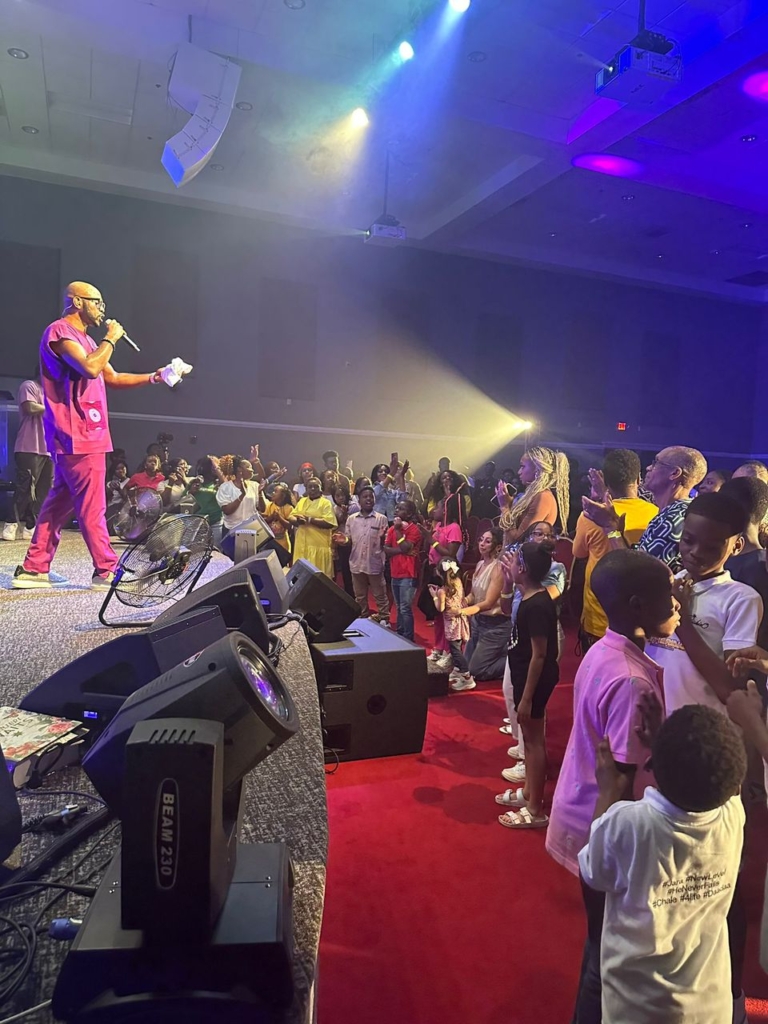
America-based Ghanaian Afro-Gospel artist RichieO has once again celebrated a remarkable triumph with his annual concert, The Gathering.
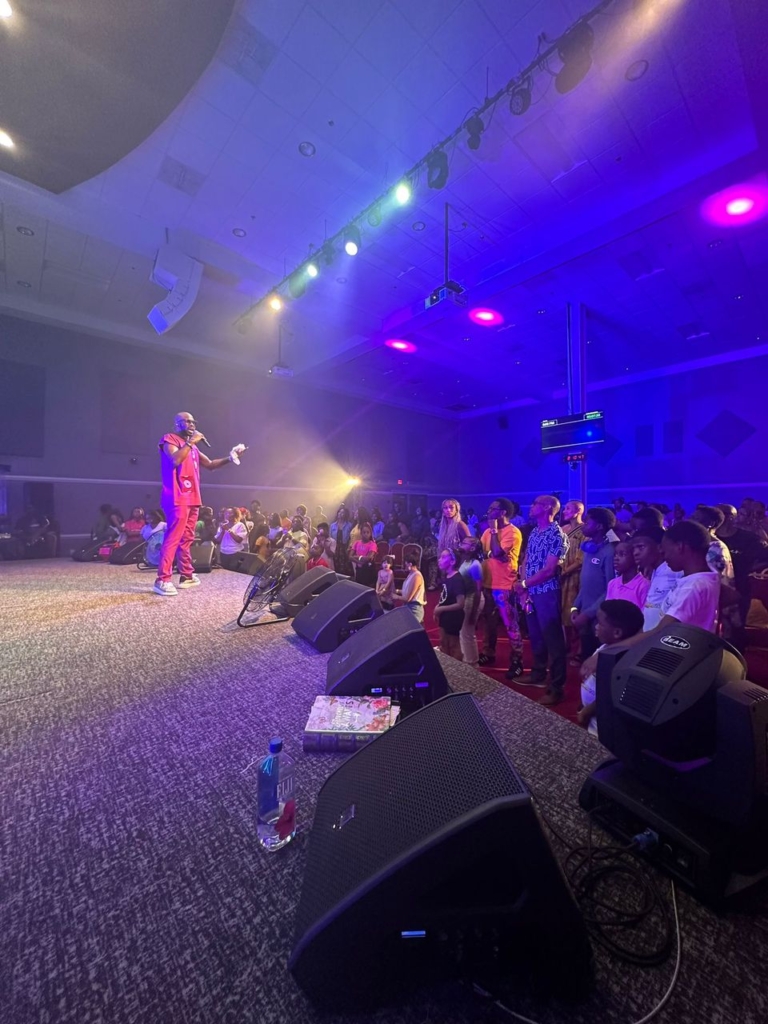
The second edition of this unique live music event was held at the Grace 2 Grace Center in Maryland, USA, on Sunday, September 1, 2024. It captivated hundreds of attendees from the DC, Maryland, and Virginia areas with an electrifying performance.
The Gathering, celebrated for its high energy and inspiration, exceeded expectations as RichieO performed a mix of Afro-themed praise songs, medleys, covers, and tracks from his Christian Afrobeats repertoire. Highlights included “4Life” featuring Nigerian singer Lade, “Jara,” and “Daadaa” with Omari Kissi Jnr. and Emmanuel Smith, who also delighted the crowd.
The event also featured performances from guest artists like UK-based Eugy Official, US-based Anike, Guyana-based Samuel Medas, and Obenewa, who each delivered spiritually inspired songs across various genres such as Contemporary Gospel, Christian Rap, and Reggae, leaving the audience eager for more.
RichieO who is confident that The Gathering has come to stay and hopes to take it to the next level in subsequent years, told Joy Entertainment that “the guest artistes brought their A-game, added their unique flavors through powerful performances, and the audience absolutely loved them”.
Notably, the event was infused with deeply spiritual worship sessions and altar calls, creating a unified and fulfilling experience for everyone in attendance.
Sharing his overall impression and thoughts about the concert, he stated, “the event turned our beautifully”.
“There was an incredible connection between the audience and all the performers, which is always my hope for such events. It’s about creating an experience, and I feel like we did just that”, he elaborated.
The Gathering is set to take place once again in 2025, and patrons are urged to be on the lookout.
About RichieO
Richard Obiri Smith, popularly known as Richie O, was born on December 23rd in Maryland, USA. His early years saw him moving between the UK, Ghana, and the USA, which greatly influenced his multicultural perspective. With a father from Ghana’s Eastern Region and an American mother, Richie O boasts a rich blend of cultural backgrounds.
From a young age, he developed a strong passion for music. Although frequent relocations prevented him from learning a musical instrument, his participation in church choirs filled that gap. His dedication eventually led to him becoming the Praise and Worship leader at Royalhouse Chapel Maryland Mission, where he also serves as a pastor overseeing the Young Adults and Teens Ministry.
Richie O holds a degree in Business Administration and works as a Program Manager in the Cybersecurity Industry. Balancing his career with his ministry work, he has made impressive strides in both, demonstrating his ability to thrive in multiple fields.
In his leisure time, Richie O enjoys traveling, cooking, and serving in various church ministries. His life philosophy is deeply rooted in his faith: “God has given each of us a plot of land to take care of. He provides the sunlight, rain, and knowledge, but it’s up to us to do the work and produce the result.” This belief underscores his commitment to making the best of life through hard work and divine guidance.
Richie O deeply respects servant leaders who uplift and empower others to reach their full potential. He believes the greatest recognition comes from the testimonies of those whose lives have been positively impacted. This belief fuels his passion for ministry, where he focuses on mentoring the next generation, not just through sermons but also by leading meaningful community initiatives.
A pivotal moment in Richie O’s musical career was hearing his song played on the radio for the first time. However, his true fulfillment comes from knowing his music touches and ministers to others. As an Afro-Gospel artist, Richie O has worked with well-known musicians like Kuami Eugene, Ladé, Kofi Kinaata, and Emmanuel Smith, a semi-finalist from The Voice UK 2019, further broadening his reach in the music world.
In 2023, he hosted his debut live concert, The Gathering, in Maryland, featuring guest performances by Limoblaze and Emmanuel Smith.
In August, the Ghana Stock Exchange (GSE) experienced a decline in stock performance despite the overall recovery in the Ghanaian economy.
The GSE Composite Index (GSE-CI), which monitors the performance of all listed companies, fell by 2.98% during the month, ending at 4,359.85 points. This reduced the year-to-date gain to 39.28%.
According to the GSE’s August market summary, which was shared with the Ghanaian Times on Tuesday, the GSE Financial Stock Index rose by 0.77%, bringing its year-to-date gain to 11.38%.
Top performers for the month included GGBL, with a price increase of 9.79%, followed by CMLT (9.09%), BOPP (8.70%), UNIL (8.33%), and EGL (6.45%). In contrast, MTNGH and CAL experienced declines of 5.98% and 8.82%, respectively.
The GSE reported that the equities market traded a total of 22,329,368 shares, valued at GH¢175,908,238.60.
“This represents a 75.94 percent decrease in volume and a 40.55 percent increase in value compared to the same period last year,” the statement said.
“A total volume of 652,798,625 shares valued at GH¢1,285,702,743.41 has traded so far this year, marking an 83.91 percent increase in volume and a 170.94 percent rise in value compared to the corresponding period last year,” the GSE stated.
On the Ghana Fixed Income, the the GSE said GSE’s Fixed Income Market closed the month with a traded volume of 17.92 billion, marking a significant 236.02 per cent increase compared to the volume traded in August 2023.
It said treasury bills accounted for 64.28 percent of volumes traded, whilst government bonds contributed 34.08 percent, with corporate bonds making up the remaining 64 percent.
The GSE said the month concluded with a total traded volume of 17.92 billion, reflecting a 29.20 percent increase compared to the preceding month.
“However, this volume represents a significant 236.02 percent increase compared to the same period last year,” the GSE.
It noted that the year-to-date trading volume hit GH¢103.24 billion, representing a 99.47% increase compared to GH¢51.76 billion traded during the same period last year.
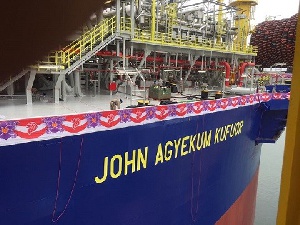
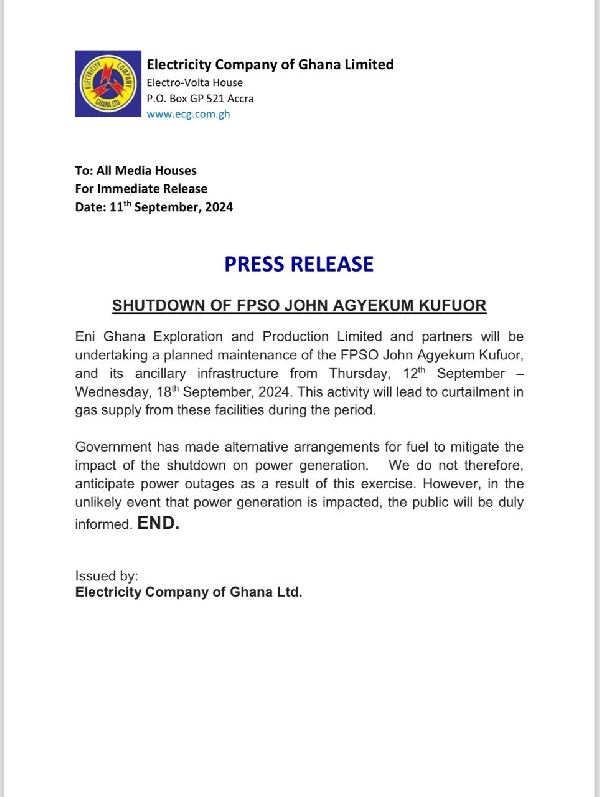
The Electricity Company of Ghana (ECG) has guaranteed that the closure of FPSO John Agyekum Kufour will not lead to power outages.
The shutdown is planned from September 12 to 18 for maintenance purposes.
ECG has assured that alternative fuel arrangements are in place to reduce any potential impact on power generation.
However, the company also noted that should there be any effect on power supply, the public will be notified immediately.
“Eni Ghana Exploration and Production Limited and partners will be undertaking a planned maintenance of the FPSO John Agyekum Kufuor, and its ancillary infrastructure from Thursday, 12th September Wednesday, 18th September, 2024. This activity will lead to curtailment in gas supply from these facilities during the period.
“Government has made alternative arrangements for fuel to mitigate the impact of the shutdown on power generation. We do not therefore, anticipate power outages as a result of this exercise. However, in the unlikely event that power generation is impacted, the public will be duly informed,” a press statement from the ECG said.
Low and ominous rumblings are vibrating up and down banking halls in Ghana. There is some kind of gig going on with treasury bills that smells a bit off.
Many of us casual observers of the financial scene only know of three types of treasury bills: 91-day, 182-day & 1-year. We also know that the more the number of days in the description, the higher the interest rate.
We may not know what “duration risk” means or why the longer we hold an instrument the higher the chance that interest rates will go up and make our choice to have bought a t-bill months ago look less wise. But we do intuitively grasp that if the govt wants to hold our money for longer, it must pay us more.
Hence, when in early 2023 the Ghanaian government introduced 3 new t-bills, they didn’t bother to inform us and we also didn’t care much. The government’s sale of more than 2.4 billion GHS of these new 35-day, 49-day, and 77-day bills seemed like a drop in the ocean given the vast amounts of money it has been borrowing of late. No biggie.
But among investment professionals, a few eyebrows were raised. The introduction of these new tenors came at a time when government finances were in a particularly bad shape. This was the period when the detested “debt exchange” was underway, and haircuts were in the air. A government issuing debt for 35 days seemed like desperation territory.
Globally, durations shorter than 3 months for central government debt are not very common. Central banks, of course, do it all the time because of their “open market operations” to manage inflation and other monetary targets. But central governments, not so much.
Tanzania did introduce a 35-day bill in the early days of its fixed income market, but it banned it the next year. Only to reintroduce it again in 2002, as part of major fiscal reforms. It currently only uses the bill for cash management purposes. The Philippines also banned 35-day bills in 2004 and only reintroduced them during COVID for fiscal backup purposes.
Anyway, for most of 2024, the govt didn’t sell any of these shortman-danger t-bills to raise money. In fact, until August 2024, not a single cedi was sold. Then come August, more than 810 million GHS of the 35-day & 49-day bills suddenly surfaced for sale, more than half the volume of the well established 182-day bills.
So what is the issue? Well, you’ve probably guessed already that these bills are not auctioned like the 91-day, 182-day & 1-year ones. So, pricing can be rather opaque.
In the Finance Ministry’s debt reports, you won’t find any discount rate or interest rate information about them. The other thing is that a lot of the big institutional investors would normally prefer longer-dated bills, notes and bonds to minimise rollover risks. Speculators, on the other hand, don’t mind short-term bills at all. Which brings up the main issue.
This month, things went haywire. Because these bills are not auctioned and a lot of people don’t know about them, the lucky few brokers who were issued the bills to resell have to do aggressive door to door marketing. Now, wait for the banger, some are offering 29% interest rate! So, essentially, it is far juicier to buy these shortman-danger bills than the longer-dated ones. A trusted source tells me that a fast-speaking hawker from one of the ambitious new brokerages we have in Ghana, licensed to deal in government bills just a few years ago, was literally harassing one of the banks to scoop some of the stash up for 35% interest rate!
What is going on? Coming at a time when the government is struggling to sell the main line of t-bills, this whole situation feels weird. Last week, the government sold just about 70% of the t-bills it had in hand. Mostly because it wouldn’t raise rates to attract more buyers.
And with investors having cooled toward t-bills due to a combination of rates, new Bank of Ghana reserve rules, a lingering fear of default, and general liquidity preference as confidence slacks, it smacks of underhand dealings when lesser known brokers are banging doors selling government debt at shylock rates.
Frankly, it suggests that the government’s cash crunch is more desperate than it wants to admit. And since raising rates at the public auction would amount to a form of admission, the shrewd move is to sell higher-rate bills undercover. Perhaps, with the quiet acquiescence of the IMF.
The problem is, investors talk, word gets around, and, to be honest, confidence isn’t helped by hungry-sounding brokers flogging bills door-to-door like they are so much contraband.
Written by Bright Simons DISCLAIMER: Independentghana.com will not be liable for any inaccuracies contained in this article. The views expressed in the article are solely those of the author’s, and do not reflect those of The Independent Ghana
The Bank of Ghana’s July 2024 Monetary Policy Report has disclosed that total expenditures, including arrears clearance and discrepancies, for the first half of 2024 amounted to GH¢101.21 billion.
This figure accounts for 9.6% of the nation’s Gross Domestic Product (GDP).
Despite a 66.5% year-on-year rise, the expenditure fell 3.4% short of the GH¢104.77 billion target, which represented 10% of GDP.
Compensation
Compensation for employees, covering wages, salaries, pensions, gratuities, and other wage-related expenses, totaled GH¢29.30 billion.
This amount was slightly below the target of GH¢29.96 billion, falling short by 2.2%, despite a 48.4% increase compared to the previous year.
In terms of fiscal space, employee compensation accounted for 39.5% of the domestic revenue generated during the review period.
Goods and services
Expenditure on Goods and Services amounted to GH¢5.77 billion, exceeding the projected target of GH¢4.56 billion by 26.6%.
However, this figure was lower than the GH¢6.25 billion recorded during the same period in 2023, showing a year-on-year decline of 7.6%.
Interest payments
Total interest payments of GH¢19.03 billion fell below the envisioned target of GH¢26.35 billion for the review period.
This outturn compares with GH¢13.39 billion recorded in the corresponding period of 2023.
The decreased interest payment was mainly on account of a partial freeze on debt service because of the debt restructuring programme by the government to help resolve Ghana’s fiscal and debt vulnerabilities.
Grants
Grants to various government entities, including the National Health Fund, Education Trust Fund, Road Fund, Energy Fund, District Assemblies Common Fund, Retention of IGFs, transfers to GNPC, Ghana Infrastructure Fund, and other designated funds, totaled GH¢19.70 billion, exceeding the target of GH¢17.55 billion.
This represents a positive deviation of 12.2% and an impressive year-on-year increase of 83.4%.
Capital expenditure
Capital expenditure for the period under review was GH¢13.91 billion (1.3% of GDP), lower than the programmed target of GH¢19.13 billion (1.8% of GDP) by 27.2 percent.
This outturn represented a year-on-year growth of 107.8%.
Other expenditure
Other expenditure for the second quarter of 2024 was GH¢12.98 billion, 95.1% above the target of GH¢6.65billion.
Out of this, the energy sector payment shortfalls totalled GH¢10.60 billion (1.0% of GDP), higher than the programmed target of GH¢2.84 billion (0.3% of GDP).
This contributed to the resulting positive deviation of 95.1%. This outturn of GH¢12.98 billion dwarfed the GH¢3.76 billion recorded in the corresponding period of 2023.
Oil prices remained below $70 per barrel on the global market due to ongoing demand pressure and geopolitical tensions. Yesterday, Brent crude dropped significantly by 3.69%, closing at just over $69.
This marks the first time Brent has dipped below $70 since late 2021, noted ING commodities strategists Warren Patterson and Ewa Manthey in a report.
The crude oil market is showing signs of being oversold, according to technical indicators cited by analysts. However, sentiment remains bearish, with Chinese trade data adding to concerns.
China’s crude oil imports fell 7% year-on-year to 11.61 million barrels per day, leaving cumulative imports down 3.1% so far in 2024, according to the data.
This continued weakness in the oil market is likely to worry OPEC+, and analysts believe the group may need to announce measures to address the anticipated surplus in 2025.
However, if the market downturn persists, there’s a risk that OPEC+ could abandon its output cuts in an effort to push out non-OPEC producers, which could lead to further price declines, the ING strategists warned.
“Even if the group sticks to cuts, compliance is likely to slip. Lower prices mean lower revenues for OPEC members and so as prices weaken there will be growing pressure to pump more in an attempt to try maintain revenues”.
The recent decline in oil prices is expected to result in reduced drilling activity in the US. The WTI forward curve remains in backwardation, with prices for 2025 and 2026 staying below $65, signaling more modest supply growth from the US in those years.
In its latest Short-Term Energy Outlook, the EIA projected US crude oil production to increase by 420,000 barrels per day in 2025, down from last month’s forecast of 460,000 barrels per day. Meanwhile, OPEC’s monthly market report, released yesterday, made slight downward adjustments to demand forecasts but still expects global demand to rise by over 2 million barrels per day this year and by 1.74 million barrels per day in 2025—figures much higher than the IEA’s projection of around 1 million barrels per day growth for both years.
OPEC also reported a 197,000 barrels per day decline in output in August, largely due to production stoppages in Libya, which saw a month-on-month drop of 219,000 barrels per day, leaving OPEC’s total production at 26.59 million barrels per day.
In Europe, natural gas prices experienced significant pressure yesterday, with TTF falling 5.49% to settle below EUR36/MWh. The market’s supply situation remains comfortable, with storage at 93% capacity. However, risks remain, particularly with the possibility of extended Norwegian maintenance and potential disruptions to US Gulf Coast LNG export facilities due to Hurricane Francine.
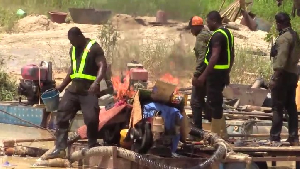
An operation has began by a taskforce of the Small Scale Miners Association at Mankranso and other illegal mining sites in the Ashanti Region, aiming to drive out miners whose activities are damaging farmlands and river bodies.
The illegal miners, commonly referred to as galamseyers, were operating on the Mankran River but fled the scene as soon as they learned about the approaching taskforce.
The taskforce confiscated mining equipment, including changfangs and water pumping machines. The changfang was set on fire by the taskforce as part of their crackdown.
The taskforce leader emphasized that similar operations will be conducted nationwide to target galamseyers, whom he identified as foreigners wreaking havoc on water bodies with no regard for the law.
“We will fight to stop the illegal mining until our water bodies are clean, We are not going to relent. The issue of galamsey has become a political as we approach the December 7 general election.
“People are claiming the sitting government is destroying water bodies through galamsey, and government is also blaming small scale miners. Others politicians are also promising the illegal miners that they will be given opportunity to continue mining when they are elected into power. All these issues will not help us, that is why ahead of the elections, we the Taskforce of the Small Scale Miners Association has intensified our fight against galamsey to help the government and Ghana as a whole.
“If the operations of the Small Scale Miners Association taskforce is extended to protect our water bodies, there is no way these people can continue mining in our water bodies and polluting them. We can only fight them when we are empowered and supported by the government,” the leader of the Taskforce told the media after their operation at Mankraso.
He lamented that, regrettably and unfortunately, when they, the legitimate small-scale miners, take action against galamseyers, it is their excavators that end up being destroyed by the military and police taskforce instead.
Member of Parliament for Agona West, Cynthia Morrison, has disclosed that she faced repercussions for endorsing her fellow MP, Kennedy Agyapong, in the New Patriotic Party’s (NPP) 2023 presidential primaries.
Despite the penalties, Morrison expressed no regret for backing Agyapong. While she did not elaborate on the specific nature of her punishment, she emphasized that 80% of her challenges stemmed from her support for him.
She made these remarks while reflecting on her unsuccessful bid to retain the Agona West seat as the NPP’s candidate for the 2024 elections.
During an interview with Adom FM on September 11, 2024, Morrison shared, “After I returned from abroad, my people urged me to run as an independent candidate… I didn’t have Bawumia’s T-shirt because, as you know, I supported Kennedy Agyapong.”
“That is why people are coming against me, but I have not regretted it one bit. Throughout the campaign period, I knew Dr. Bawumia would win, and if he wins, I will support him as an NPP member.
“But others don’t understand it that way and question why I did that, so I have to be punished. But that is not my concern at all. I have told you I have no regret for doing that at all. My support for Kennedy orchestrated 80% of my punishment.”
Madam Cynthia Morrison has officially registered as an independent candidate to run in the upcoming parliamentary election.
I was punished for supporting Kennedy Agyapong, but I have never regretted supporting him – Cynthia Mamle Morrison #DwasoNsempic.twitter.com/22TzziGEXn
Renowned Ghanaian musician Kofi Kinaata was overjoyed after receiving high praise from Otumfuo Osei Tutu II, the Asantehene, at the recent Ghana Bar Association General Conference.
The Asantehene highlighted Kinaata’s song titled “Susuka,” specifically the phrase “Obi nya wayɛ,” to emphasize Ghana’s esteemed status and to encourage reflection amidst current challenges.
“Sometimes, listen to the wisdom of our musicians and reflect on a piece like Kofi Kinaata’s ‘Obi nya wayɛ,’ Otumfuo said in his address during the Ghana Bar Association’s General Conference.
In a show of his delight and pride, Kinaata cladded himself in a grand white duvet, to express his profound appreciation for the royal recognition.
The musician quizzed with excitement, “Otumfuo mention your name before? You know Otumfuo?
Renowned Ghanaian musician Kofi Kinaata is beaming with pride after receiving praise from Otumfuo Osei Tutu II, the Asantehene, for his contributions to the music industry.
During the Ghana Bar Association’s General Conference, the Asantehene quoted Kinaata’s song lyrics from ‘Susuka,’ using the phrase ‘Obi nya way3’ to remind Ghanaians of their country’s remarkable status and to encourage reflection on the song’s message despite the challenges faced.
In a celebratory gesture that reflected his appreciation, Kofi Kinaata was seen parading in a grand white duvet, symbolizing his pride in the recognition from the traditional leader.
The end of the video below captures Kofi Kinaata’s reaction to Otumfuo’s acknowledgment of his song.
A young galamseyer (illegal miner), captured in a viral video, has composed a poignant song urging the government to tackle the underlying issue of unemployment, which he identifies as the root cause of illegal mining.
The song highlights the desperation driving individuals to engage in galamsey, stressing that many are compelled by the need to earn a living.
In his message, the young miner implores the government to create job opportunities, asserting that if jobs are provided, they are ready to abandon their mining tools.
He emphasizes that while governments come and go, the lack of jobs perpetuates illegal mining, and he stresses that this plea is made out of necessity, not stubbornness.
Watch the video below…
A young galamseyer on site has composed a song urging the government to focus on addressing the root causes of galamsey, warning that any efforts to stop it directly will be a waste of time.
A young galamseyer (illegal miner), captured in a viral video, has composed a poignant song urging the government to tackle the underlying issue of unemployment, which he identifies as the root cause of illegal mining.
The song highlights the desperation driving individuals to engage in galamsey, stressing that many are compelled by the need to earn a living.
In his message, the young miner implores the government to create job opportunities, asserting that if jobs are provided, they are ready to abandon their mining tools.
He emphasizes that while governments come and go, the lack of jobs perpetuates illegal mining, and he stresses that this plea is made out of necessity, not stubbornness.
Watch the video below…
A young galamseyer on site has composed a song urging the government to focus on addressing the root causes of galamsey, warning that any efforts to stop it directly will be a waste of time.
The pressure on the Ghana cedi lessened last week, yet the currency still experienced slight depreciation.
It fell by 1.21% against the dollar on the retail market, a smaller drop compared to the 1.84% loss from the previous week.
The cedi also slipped by 0.71% against the pound but regained 0.42% of its value week-on-week versus the Euro.
Currently, it is trading at GH₵16.35 per dollar on the retail market. So far in 2024, the cedi has declined by 26.10%, ranking it among the worst-performing currencies in Africa this year.
Outlook of cedi
Ghana’s Parliament has sanctioned a $250 million loan from the World Bank as part of the Energy Sector Recovery Programme, aimed at addressing ongoing challenges in the country’s energy sector.
The funds will also be used to ease the energy sector’s debt burden and ensure a stable power supply, which is expected to drive economic growth.
Experts anticipate a boost in market confidence in the weeks ahead once the Bank of Ghana disburses the funds, potentially benefiting the local currency’s short-term performance.
The Trades Advocacy Group Ghana (TAGG) has voiced deep concerns about the swift decline of the Ghanaian cedi against the US dollar, cautioning that consumers may encounter significant price hikes.
The cedi, which recently fell from GH₵14 to GH₵16 per dollar, is expected to weaken further, with projections suggesting it could hit GH₵20 by December 2024.
This currency devaluation has severely affected traders, driving up the prices of imported goods and contributing to rising inflation.
“Ghanaian traders and businesses are sounding the alarm over the continued depreciation of the Ghanaian cedi against the US dollar and other currencies. This downward trend has significant implications for the country’s economy, particularly as it impacts import costs, inflation, and overall business confidence.
Running mate for the New Patriotic Party (NPP) flagbearer, Dr. Matthew Opoku Prempeh, has pledged that the government will soon reveal the producer price for cocoa beans for the 2024/2025 season.
Speaking during his campaign tour in the Asunafo South and North constituencies of the Ahafo Region, Dr. Prempeh urged cocoa farmers not to be influenced by the opposition National Democratic Congress (NDC) regarding cocoa prices.
He highlighted that the NPP government has consistently placed a high priority on the welfare of cocoa farmers, more so than any other party.
At a rally in Nobekaw, Asunafo South, Dr. Prempeh reaffirmed the government’s dedication to supporting the agricultural sector, particularly cocoa farming.
“The NPP has increased cocoa prices from over GH¢400 to over GH¢2,000 in the last seven years, and very soon, cocoa prices will go up again to bring more value to farmers,” he mentioned.
He further guaranteed cocoa farmers that the upcoming price announcement would demonstrate the government’s commitment to enhancing their well-being.
In his closing statements, the Manyhia South representative recognized the contributions of the current Member of Parliament, Eric Opoku, for effectively representing the NPP’s position on agricultural matters, especially those concerning cocoa farming.
The inflation rate for August has decreased marginally to 20.4%, a slight drop from the 20.9% recorded in July.
According to the Ghana Statistical Service, this reduction is primarily due to a decrease in food inflation, which fell to 19.1% from 21.5% in the previous month.
Despite this, non-food inflation experienced an increase, rising by 0.7 percentage points to 21.5% in August from 20.5% in July.
The mixed trends highlight ongoing inflationary pressures affecting different sectors of the economy.
The Musicians Union of Ghana (MUSIGA) is planning to implement a minimum wage for its members. This decision was made during the MUSIGA National Capacity Building Workshop, held at Erata Hotel in Accra from September 5 to 8.
At the workshop, participants covered a range of topics, including Collective Bargaining Agreements, MUSIGA Gender Policy, Enhancing Financial Management within MUSIGA, and Contractual Agreements.
Thomas Dayan, the deputy general secretary of FIM, who led the session on Collective Bargaining Agreements (C.B.A), explained that this tool is essential for ensuring a minimum wage for musicians.
He pointed out that Senegal has already established a minimum wage for its musicians through the Senegal Association des Métiers de la Musique (AMS), setting a precedent in West Africa.
Dayan emphasized that MUSIGA, as a member of the Union of Informal Workers Associations (UNIWA) of T.U.C, is well-positioned to adopt similar measures. To move forward, MUSIGA plans to engage with musicians’ employers, event organizers, and venue owners to discuss the implementation details.
Additionally, Jonas Franzen, head of International Relations at the Swedish Musicians Federation (SMF), addressed communication and financial management issues and shared insights from the SMF’s experiences.
The President of MUSIGA, Bessa Simons, noted that, “The workshop is a welcome activity which has provided our members with the necessary knowledge and skills to provide leadership for the Union in their regions and I believe MUSIGA will be better off for this.”
In his closing remarks, Alhaji Sidiku Buari, former MUSIGA President and a former Vice President of FIM who chaired the workshop tasked the participants to return to their regions and impart the knowledge they had acquired to their members in the region.
He also thanked FIM for their support for MUSIGA since the year 2000.
Former MUSIGA President, Bice Osei Kuffour aka Obour called on the participants to ensure that they use the knowledge they acquire at the workshop in developing the Union in the regions.
The new Chief Director of the Ministry of Tourism, Arts and Culture, Mr. Robert Patrick Ankobiah, assured the Union of the Ministry’s support in all its endeavours.
The workshop is part of a Union-t- Union project organized by FIM under the theme, “Developing Musicians Unions in Africa.” Other countries involved in the project are Kenya and Senegal.
Actress and socialite Rosemond Alade Brown, famously known as Akuapem Poloo, has said that she has no plans to quiet her outspoken presence on social media.
Akuapem Poloo began her career as a video vixen and had a few roles on screen, but she gained widespread fame through her relentless social media antics, including constant complaints, rants, and confrontations with celebrities. Her provocative and often disheveled attire at events also contributed to her notoriety.
Her distinctive style and public demeanor sparked significant debate, leading many industry professionals, as she claims, to avoid her or refuse to engage with her publicly.
Despite predictions that her prison sentence might lead to a change in her behavior, Akuapem Poloo, in a chat with MzGee on “Just Being Us”, affirmed that she remains steadfast in her approach, describing it as crucial to her livelihood.
“This is me; this is what I survive on, this is what I feed on. My loudness feeds me. That same loudness made you interview me the first time you saw me at the VGMA because I was that bubbly and loud person, and I got your attention. The same loudness got Cardi B’s attention on me, so I will never change. But there are some petty things I won’t do again,” she said.
Akuapem Poloo acknowledged that her past actions on social media might have played a role in the difficulties she faced following the viral spread of the nude photo with her son.
“Whatever I do, if it is not good, I know it is not good. I knew talking about people, saying things about people, was not good, but I did it, and that has brought me this far. I am not saying it is the best, I am not saying it is good, but I did it, and it worked for me. Everything you do, you pay for it, whether good or bad. And whatever I was doing, I knew I would pay for it, and I have paid for it,” the actress added.
Ghanaian comic actor Dr. Likee has clarified his position on retirement following recent speculation.
In an interview with Poleeno Multimedia, Dr. Likee addressed rumors about his departure from the film industry, firmly stating that he has not retired and continues to be active in movie production alongside his colleagues.
Dr. Likee affirmed, “We are working. I haven’t started today, but I am still working.” He also took the opportunity to commend his brother, gospel musician Broda Sammy, for his latest song, “Ebebam,” praising its unique and impactful message.
The actor had recently sparked retirement rumors after expressing frustration about the attitudes of some of his protégés and revealing that he had not updated his YouTube channel for over a year.
Dr. Likee also mentioned his return from the UK with his protégé, Kyekyeku, as part of the context for his comments. Despite these frustrations, Dr. Likee remains committed to his acting career and continues to focus on his work.
The remains of a high-ranking Tanzanian opposition official, who was forcibly taken from a bus by armed individuals, were discovered on the outskirts of Dar es Salaam.
The body showed clear signs of physical assault and chemical burns, as reported by his political party.
Ally Kibao, a key member of the Chadema party’s secretariat, was found dead, an incident that could undermine the reformist stance of President Samia Suluhu Hassan. She has been working to reduce government repression following the death of her predecessor, John Magufuli, three years ago.
Kibao’s body was located on Saturday morning, just a day after he was abducted from a bus traveling from Dar es Salaam to the port city of Tanga, according to Freeman Mbowe, chairman of Chadema, who shared the details with the media late Sunday.
“The (preliminary) post-mortem has been done and it is obvious that Ally Kibao has been killed after being severely beaten and even having acid poured on his face,” Mr Mbowe said, adding that a full autopsy report would be completed on Monday.
President Hassan said she had ordered an investigation into what she described as Kibao’s assassination.
“Our country is democratic, and every citizen has the right to live. The government I lead does not tolerate such brutal acts,” she wrote on X on Sunday.
Police have apprehended five individuals suspected of vandalizing street light solar panels valued at Shs225.75 million in Kabale town.
According to the police spokesman for the Kigezi region, Mr. Elly Maate, the suspects are being held at Kabale police station under case CRB674/2024, facing charges of theft, possession of burglary tools, malicious damage, and conspiracy to commit a crime.
The arrested individuals have been identified as Gerevazio Ampaire (18), Martin Muhereza (28), Esera Mirembe (40), Gerevazio Habomugisha (40), and Edita Arineitwe (22).
“Its alleged that, between the month of July and September 2024 at the areas of Makanga cell, Rwakaraba cell, Rushoroza and Nyabikoni, within hours of the night, in Kabale Municipality, the suspects conspired together and maliciously damaged street lights solar panels valued at Shs225,750,000 million, the property of government of Uganda, specifically for Kabale Municipality,” Mr Maate said.
Mr. Maate further revealed that the suspects have repeatedly engaged in these criminal activities, subsequently selling the stolen items from Kabale town to a businessman named Nuwamanya in the neighboring Rubanda District.
While Nuwamanya remains at large, his wife, Edita Arinaitwe, was apprehended along with the other suspects.
“The suspects were arrested through an intelligence led operation from their hideouts although others went on the run. During the arrest, search was conducted that led to the recovery of two solar batteries from Mirembe Esera and Mushwaza respectively,” Mr Maate said.
The Kabale municipal council mayor, Mr Sentero Byamugisha asked the police to continue with the operation because the racket is big.
“The arrested suspects must replace all the vandalized street light solar panels before they are prosecuted. As Kabale municipal council, we appreciate the efforts of the police in arresting the suspects,” Mr Byamugisha said.
In June 2023, the Kabale municipal council authorized the installation of 204 solar-powered street lights, valued at Shs. 1.99 billion, throughout Kabale town to enhance and support nighttime commerce.
During the project’s inauguration in April, Kabale Resident District Commissioner Mr. Godfrey Nyakahuma directed the police and other security agencies to take stringent action against anyone caught vandalizing government property, as a deterrent to prevent future incidents.
Minister of Local Government, Decentralization, and Rural Development, Martin Adjei-Mensah Korsah, has unveiled the Local Economic Development (LED) Policy (2024-2029) along with its implementation plan.
This updated LED Policy is designed to foster a supportive environment at the district level, encouraging robust local business development, creating quality job opportunities, and advancing economic empowerment for all Ghanaians.
The policy outlines eight goals, 29 strategic approaches, and 124 planned actions to be executed nationwide during this period.
Additionally, it aligns with Goal 8 of the Sustainable Development Goals, which focuses on promoting sustained, inclusive economic growth, productive employment, and decent work for everyone, as well as the African Union’s Agenda 2063.
“I consider this Policy as responding to issues in the Coordinated Programme of Economic and Social Development Policies (2021-2025): Agenda for Jobs,” he said.
“Additionally, the new Policy is aligned to various Government Flagship Programmes such as the One District One Factory, Planting for Export and Rural Development, One Village One Dam, Planting for Food and Jobs initiatives as core deliverables of MMDAs to stimulate local economic development.”
He highlighted that the 2020 LED policy achieved notable success, reaching over 70,000 beneficiaries through the Complementary Livelihood and Asset Support Scheme and creating more than 37,000 temporary jobs under the Labour-Intensive Public Works component, with over GH¢89 million disbursed.
Daniel Nii Kwartei Titus-Glover, the Greater Accra Regional Minister, pointed out that with a shortage of white-collar job opportunities, the LED policy will be instrumental in boosting the local economy.
He urged the Metropolitan, Municipal, and District Chief Executives to fully adopt the policy and work towards the development of their areas for the benefit of their communities.
Running mate of the New Patriotic Party (NPP) Dr. Matthew Opoku Prempeh, has appealed for a peaceful election on December 7, emphasizing that this is essential to preserving the developmental strides made over the years.
He pointed out that meaningful development can only occur in a climate of peace and unity, urging citizens to commit to maintaining harmony.
Dr. Prempeh, commonly referred to as ‘NAPO’, stressed the importance of protecting the peace the country currently enjoys.
Politically known as ‘NAPO’, he urged traditional rulers and religious figures to take the lead in promoting peaceful elections.
He further highlighted that Ghana’s 1992 constitution, which has facilitated democratic elections, has placed the country on the international stage.
“Ghana’s name is being hailed all over the globe because we have proven to be a giant in democratic rule in Africa and the world at large, and this is positive for us all.
“Another general election is looming, and as we have been able to do in the previous elections, we should all contribute to make the election very peaceful,” he said.
Napo urged traditional and religious figures, who hold high regard in society, to leverage their respected positions to promote a peaceful election.
The New Patriotic Party (NPP) vice presidential candidate made these remarks while addressing chiefs and religious leaders at Kwapong in the Asunafo South District of the Ahafo Region on Tuesday.
NAPO also made an impassioned plea to all political parties to refrain from engaging in violent acts, especially as the election campaigns intensify.
“We should preach about our policies and plans to develop the country and nothing else. We should desist from the politics of insults and insinuations as it can trigger violence.
“We should also be mindful of the fact that we have one Ghana, and after the elections, we shall unite as one people to develop our dear country,” Napo advised politicians.
He voiced his worry about the recent violent incidents in the Ahafo region, describing them as a “threat to national peace,” and called on security forces to take firm action.
He emphasized that security agencies should rigorously deal with anyone or any group found to be undermining the country’s stability.
The Lands Commission has provided clarity that Asaase Broadcasting Company Limited has never owned or occupied the property located at No. 7, 5th Circular Road in Cantonments.
This clarification follows recent accusations from Samuel Okudzeto Ablakwa, the Member of Parliament for North Tongu, who alleged that the property had been unlawfully acquired as part of state assets.
In his claims, Mr. Ablakwa insinuated that the property had been wrongfully seized, prompting widespread public discussion.
However, in a statement issued on Tuesday, September 10, the Lands Commission dismissed these assertions, stating that Asaase Broadcasting Company Limited has no ties to the property in question.
The Commission also stressed that there is no ongoing legal battle concerning the land currently occupied by Asaase Broadcasting Company.
This statement was made to clear up any misunderstandings about the property’s ownership and to ensure transparency on the issue.
“The land described as No. 7, 5th Circular Road, Cantonments, which is the subject matter of Suit No. LD/0526/2023 intituled Judicial Service of Ghana v The Lands Commission, Frimps Oil Company Ltd and the Attorney-General is separate and distinct from the land occupied by Asaase Broadcasting Company Limited at Cantonments. This land has never been owned or occupied by Asaase Broadcasting Company Limited.”
“Following the commencement of the Suit by the Judicial Service of Ghana, the Lands Commission, on 19th July 2023, applied for further and better particulars in respect of all the lands mentioned in the suit, and requested for the site plans of the said lands. This is because the Commission accurately identifies land by the appropriate site plans, and not by house numbers,” an excerpt of the statement said.
The Lands Commission went on to explain that site plans submitted by the Judicial Service of Ghana reveal that the property at No. 7, 5th Circular Road, Cantonments, forms part of public land acquired for government purposes. The property was previously occupied by Justice F. G. Korbieh and is documented under a Certificate of Title issued on June 7, 1920.
The Commission stated that the land has been designated for public use since its acquisition in 1920.
“The land was subsequently developed into Government bungalows managed by the Ministry of Works and Housing, and allocated to staff of the public services as and when the need arises. Pursuant to an in-filling scheme undertaken by the Lands Commission, the Ministry of Works and Housing and the then Town and Country Planning Department (now Land Use and Spatial Planning Authority), at Cantonments and North Ridge Residential Areas in the early 2000s, the land which originally had only one bungalow was divided into four (4) parcels of land in order to increase the number of houses on the land.”
“The Commission’s records indicate the following transactions in respect of the four (4) parcels of land: a. Parcel 1: Lease dated 6th August, 2015, between the President of the Republic of Ghana (as Lessor) and Litty Mart Enterprise (as Lessee) for a term of fifty (50) years; b. Parcel 2: Lease dated 17th May, 2011, between the President of the Republic of Ghana (as Lessor) and Kwabena Kuffour (as Lessee) for a term of fifty (50) years. By a Deed of Assignment made on 12th April, 2021, Kwabena Kuffour assigned his unexpired interest to Frederick Hermann Hesse-Tetteh; c. Parcel 3: Lease dated 15th May, 2012, between the President of the Republic of Ghana (as Lessor) and Silvercord Estates Limited (as Lessee) for a term of fifty (50) years. By a Deed of Surrender dated 10th February, 2021, Silvercord Estates Limited surrendered its interest in the land to the Republic and the land was leased to Hercules Capital Limited by a Lease dated 2nd February, 2021; and d. Parcel 4: No recorded transaction,” it further stated.
Asantehene Otumfuo Osei Tutu II’s visit during the Fetu Festival inCape Coast, was marked by an unforgettable event involving a young boy who caught the king’s attention with his energetic welcome dance.
The boy, fondly called Chief Justice, performed a traditional routine, waving a red Asafo flag that read “Akwaaba Otumfuo” to greet the Asantehene.
In a touching moment, Otumfuo invited the boy to sit closer to him.
When the boy needed to use the restroom, he boldly asked the king to hold his flag until he returned.
With a brief exchange, the boy passed the flag to Otumfuo and left. The surrounding chiefs burst into laughter at the boy’s audacity, but Otumfuo, smiling, held the flag graciously.
One of the chiefs offered to relieve Otumfuo of the flag, but the king politely declined, choosing to keep it until the boy came back to retrieve it.
This charming interaction between the boy and the king caught the attention of many, showcasing Otumfuo’s warmth and humility during his stay.
Presidential hopeful, Alan Kyerematen is set to submit his nomination today, September 11, 2024, to run as an independent candidate under the Afrafranto Alliance.
Once a Trade and Industry Minister and senior figure in the New Patriotic Party (NPP), Mr Kyerematen shook Ghana’s political scene when he resigned from the party last year and declared his bid as an independent candidate.
This move signifies a pivotal change in Ghana’s political dynamics, particularly among the youth, who are increasingly disillusioned with the two-party dominance of the NPP and NDC.
Kyerematen’s departure from the NPP followed years of mounting frustration with the party’s leadership. As a founding member, many believed he would stay loyal to the party, despite its departure from its founding principles.
Yet, Alan Kyerematen decided to forge a new path for Ghana, focusing on national unity, strategic planning, and prioritizing the country’s interests over political division.
His nomination filing today confirms his resolve to challenge the political establishment and present Ghanaians with a fresh option.
Alan Kyerematen’s independent candidacy holds particular significance for Ghana’s younger generation.
Amid growing discontent over unemployment, corruption, and limited opportunities, young Ghanaians are seeking a leader who addresses their specific concerns.
Kyerematen’s Great Transformational Plan (GTP) directly tackles these issues, focusing on building an Enterprise Economy that emphasizes job creation, entrepreneurship, and innovation—key priorities for the youth.
With his background as a former government minister and his global expertise as an economist, lawyer, trade specialist, and development consultant, Kyerematen brings a unique edge.
He not only understands Ghana’s economic challenges but also has a proven history of effective results.
For young voters entering the job market, his emphasis on employment creation and skill-building for the youth presents a compelling vision.
His GTP offers a sharp contrast to the often-repeated pledges of past party manifestos, which have largely failed to bring about sustainable change.
For over three decades, power has shifted between the NPP and NDC, but both have failed to build a strong economy that supports private sector growth, generates jobs, and boosts national development through taxes. The cycle of broken promises and temporary solutions has kept Ghana’s economy stagnant, with rising youth unemployment and an increasing dependence on external loans.
Fitch Solutions forecasts that Ghana’s unemployment rate will average 4.0% of the workforce in 2024, with this rate likely to remain steady through 2025 and 2026.
The UK-based firm observed a gradual increase in unemployment in Ghana since 2017, expecting this trend to continue in the medium term and beyond.
The report outlined several issues impacting the country’s job market.
Ghana’s labor force is hindered by a low life expectancy of approximately 64.3 years, attributed to insufficient government spending on healthcare and the prevalence of waterborne diseases and chronic conditions such as HIV/AIDS.
Additionally, a shortage of highly skilled workers is prompting employers to seek talent from abroad to address gaps in the local labor market.
Fitch Solutions also identified broader economic challenges related to the global economic recovery following the Covid-19 pandemic.
Inflationary pressures are being driven by both demand-pull and cost-push factors.
“In an effort to reduce inflation, central banks have implemented policy rate increases at some of the most rapid paces in history,” the report stated. “This has decreased the value of debt accrued during the historically low-interest rate period from 2015 to 2019.”
Despite household wealth reaching record levels due to robust equity market performance and increasing real estate values, certain property markets are starting to exhibit signs of decline.
Moreover, the future outlook for many companies is becoming more pessimistic.
The report cautioned that if these negative trends persist, a substantial decrease in consumer wealth could lead to a marked reduction in consumption.
President of the Bono Regional House of Chiefs, Osagyefo Oseadeyo Agyemang Badu II, has given the government a one-month deadline to put an end to illegal mining, commonly known as galamsey, throughout the country.
In a stern warning, Oseadeyo Agyemang Badu II indicated that if the government fails to take action within the specified time frame, the chiefs will be compelled to take matters into their own hands and reclaim their lands from the encroaching illegal mining activities.
This ultimatum was delivered during a courtesy visit by John Dramani Mahama, the flagbearer of the National Democratic Congress (NDC), who was touring the region as part of his campaign.
“We’re giving this incumbent government one month to use legal means to stop people involved in this Galamsey. The government should deploy police and soldiers into the forests to stop them.
“If the government fails to do this, the land is ours, we will just reclaim it and we won’t allow any sort of mining to take place,” he said.
The University Teachers Association of Ghana (UTAG) on the other hand has demanded an immediate prohibition on gold prospecting in rivers, forests, and other vulnerable areas.
In a statement released on September 9, 2024, and endorsed by nine UTAG presidents, the association called for a complete ban on illegal mining activities, commonly known as galamsey.
Similarly, the Ghana Bar Association (GBA) has issued a critical assessment of the illegal mining situation, asserting that the crisis is worsening.
The GBA criticized the government’s lack of effective action and condemned the politicization of the issue, labeling it as irresponsible, shocking, and regrettable.
Chief Executive of the Association of Oil Marketing Companies (AOMC), Dr. Riverson Oppong, has anticipated a drop in petroleum product prices at fuel stations starting September 16, 2024.
He explained that oil marketing companies will assess multiple factors, including the exchange rate of the cedi, before adjusting the prices of petroleum products.
In an interview on JoyNews’ PM Express, Dr. Oppong commented, “All the variables that influence prices of petroleum products have been fairly stable over the past week, and if that is sustained going forward, then there should be a reduction in prices at the pumps.”
“There is always a reason why the OMCs delay in reviewing prices at the pumps, and that has nothing to do with the arguments that they want to shortchange consumers,” he pointed out.
In August of this year, drivers were relieved when several Oil Marketing Companies (OMCs) lowered the prices of petrol and diesel at the pump.
Currently, petrol is priced between GH¢13.63 and GH¢14.35 per litre, depending on the OMC, while diesel ranges from GH¢13.99 to GH¢14.60 per litre.
The Ghana Chamber of Mines has introduced the Ghana Mining Competency Framework to establish uniform standards for defining and assessing the knowledge and skills necessary for different positions within the mining industry.
This framework aims to assist mining companies in ensuring their employees are properly trained and qualified to carry out their duties both safely and effectively.
The framework was unveiled during the 6th Human Resource Biennial Conference in Accra.
Mr. Sulemanu Koney, Chief Executive Officer of the Chamber, extended his gratitude to the HR Committee and the Ad-hoc Committee members for their exceptional efforts in creating the framework.
Mr. Koney stated that “the framework will serve as a foundation for designing training programs, assessments, and career development pathways, all aimed at enhancing the overall competency of employees in the mining industry.”
He urged Human Resources professionals in the industry “to continue implementing initiatives and programs that meet the evolving needs of the mining sector.”
The conference assembled key figures from the mining industry to explore both the hurdles and prospects confronting the sector.
It included a series of presentations and panel discussions covering a range of subjects such as the future workforce in mining, the importance of diversity and inclusion, and the impact of technology on sustainability.
Experts and industry leaders shared their perspectives and experiences, highlighting the necessity of collaboration and innovation to overcome sector challenges and secure a sustainable future.
Mr. Koney’s appeal emphasized the crucial role of HR professionals in advancing sustainability efforts within the mining industry.
“As the industry continues to evolve, it is clear that HR professionals will continue to play a crucial role in shaping its future”, he said.
The Ghana Chamber of Mines serves as the principal industry association for mining in Ghana.
It advocates on behalf of companies engaged in mineral exploration, production, and processing throughout the country.
Member companies of the Chamber account for over 60 percent of Ghana’s mineral production.
Established in 1928, the Chamber has been a key representative of the mining sector’s interests for decades.