Author: Amanda Cartey

  • NPA Chief encourages LPG marketing firms to adopt CRM

    NPA Chief encourages LPG marketing firms to adopt CRM

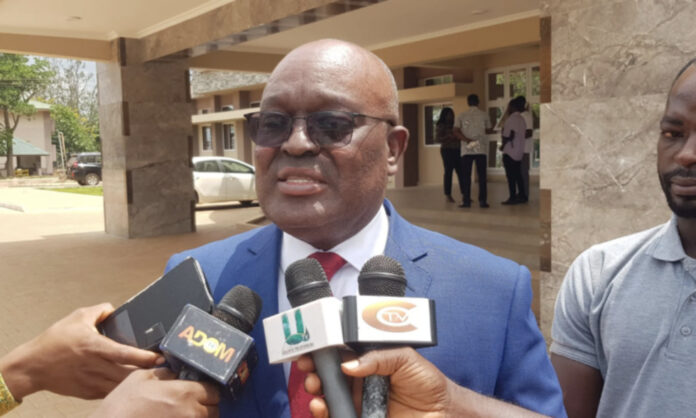
    Chief Executive of the National Petroleum Authority (NPA), Dr. Mustapha Abdul-Hamid, has called on LPG marketing companies to reconsider their opposition to the cylinder recirculation model (CRM) and support the policy.

    He highlighted that the CRM is being adopted across West Africa, including in countries such as Côte d’Ivoire, Togo, Burkina Faso, and Senegal, and stressed that Ghana cannot afford to fall behind.

    During the opening of the 2024 Ghana International Petroleum Conference (GhIPCon) in Accra on Wednesday, Dr. Abdul-Hamid noted the intense advertisements by LPG marketing companies promoting the current LPG filling station model.

    While acknowledging that these advertisements are within the companies’ rights, he urged them to adapt and embrace the CRM, which aims to enhance safety and efficiency in LPG distribution and usage in Ghana.

    “I urge you to reassess your opposition to the CRM policy because all across the world, very few countries still adopt the filling station concept as far as LPG distribution is concerned. All across the West African sub region Cote d”Ivoire, Burkina Faso, Senegal, Togo, everywhere else people are running the CRM model.

    “I don’t think Ghana can afford to continue to lag behind. I think that it is important that we catch up with the modern trends and to adopt to the flow”, he stressed.

    Dr. Abdul-Hamid stated that the CRM could generate additional employment opportunities throughout the value chain.

    He pointed out that job prospects within the CRM framework include roles at LPG bottling plants, storage depots, exchange stations, and in the transportation of filled cylinders.

    The two-day conference, organized by the NPA in partnership with the Chamber of Bulk Oil Distributors (CBOD), the Association of Oil Marketing Companies (AOMC), and the Ministry of Energy, was conducted under the theme: ‘The Petroleum Downstream: Building a Future for Growth, Efficiency, and Sustainability’.

    This year’s GHIPCON, the sixth edition of the series, aims to tackle key issues and uncover opportunities within the petroleum downstream sector.

    Dr. Abdul-Hamid noted that the petroleum downstream industry has developed into a dynamic and thriving sector over the years, marked by growing involvement from the private sector.

    “It has become a key contributor to the growth and development of the economy, we estimate that the sector had a monetary value of over GHS71 billion, representing about 8.4% of the country’s 2023 GDP.

    “Over the past seven years, the industry returned an average annual value of over GHS35 billion,” he said.

    The NPA Boss said as a result of improvements in the performance of the economy driven by deliberate government policy initiatives aimed at expanding the productive sectors of the economy, Ghana”s neighbouring countries such as Mali, Niger, Cote D’Ivoire, Togo and Burkina Faso had been importing petroleum products from the country”s petroleum downstream industry.

    He said the volumes of petroleum products re-exported and transited to the neighbouring countries totalled 385,154,100 litres in 2023.

    Dr. Abdul-Hamid said the increase in volumes of the exports was a testament of significant successes in the NPA’s efforts towards curbing illicit fuel activities in the country.

    He indicated that the Authority has intensified its collaboration with the navy, marine police and immigration to continue to arrest people engaged in illicit activities.

    He announced that Senegal and Gambia had also begun the importation of petroleum products from Ghana.

    The Vice President, Dr. Mahamudu Bawumia, in a speech read on his behalf by the Minister of State at the Ministry of Energy, Mr. Herbert Krapa noted that since the last GhIPCon in 2022, Ghana has made significant progress towards an efficient and sustainable energy industry.

    He noted that the government had launched and executed the Gold for Oil Programme, which has lessened the strain on foreign exchange reserves needed for petroleum product imports, boosted local product supply, and significantly reduced premiums, leading to a relative decrease in petroleum product prices.

    Additionally, the Vice President announced that the Board of the Petroleum Hub Development Corporation has been inaugurated, and a $12 billion agreement with the TCP-UIC Consortium has been signed to develop the first phase of the Petroleum Hub project in Jomoro, Western Region.

    He highlighted that the country’s LPG accessibility has risen from 25% in 2020 to 40% by the end of 2023, and during this period, the government introduced the National LPG Promotion Programme, distributing LPG cookstoves and accessories to new users.

    In their statements, Dr. Patrick Ofori, CEO of the Chamber of Bulk Oil Distributors, and Dr. Riverson Oppong, CEO of the Association of Oil Marketing Companies, reiterated their commitment to working with the NPA to advance and sustain the petroleum downstream sector.

    4o mini

  •  Technology outage hits banks, airports, telco companies, supermarkets and others – Reports

    Businesses such as banks, airlines, train operators, telecom providers, TV and radio stations, and supermarkets have been hit by a massive global outage, causing them to go offline, according to Sky News.

    Reports on Friday indicate that major US airlines have been affected as well, with airports in Germany, Amsterdam, and Spain experiencing similar problems that have led to flight cancellations.

    The London Stock Exchange is also reported to be impacted by this widespread outage, though the cause remains undetermined.

    Payment systems across various regions, including Australia and the UK, have been disrupted, and 911 emergency services have been affected in several US states such as Alaska, Arizona, Indiana, Minnesota, New Hampshire, and Ohio.

    Additionally, the outage has caused considerable disruptions to some Microsoft services.

  • Government launches GHS1m support for 5 Ghanaian SMEs

    Government launches GHS1m support for 5 Ghanaian SMEs

    Five Ghanaian Small and Medium Enterprises (SMEs) have received GH₵1 million each in financial support through the pilot phase of the SME Growth and Opportunity (GO) programme.

    At the launch of the 8.2 billion intervention programme for SMEs, President Nana Addo Dankwa Akufo-Addo presented a symbolic cheque to the beneficiaries.

    The recipients include Tevonwa Limited, specializing in rice processing; Tilaa Limited, a honey producer; Abubakar Mahama Limited, focused on sheanut processing; Payne Payne and Hopkins, engaged in fish processing and packaging; and AA Food and Beverages Limited, a liquor producer.

    Developed by the Ministry of Finance and the Ministry of Trade and Industry, the programme aims to provide targeted financial solutions and technical assistance to help SMEs expand operations and create employment opportunities.

    During the SME GO summit themed “Breaking Barriers to SME Growth,” Dr. Mohammed Amin Adam, the Minister of Finance, emphasized the critical role of SME support in advancing the country’s growth and development agenda.

    He highlighted that nurturing homegrown SMEs is integral to building a resilient and competitive economy.

    “We must be intentional about providing access to financial resources, expertise, and capacity building programmes that empower them to drive innovation, create jobs, and stimulate economic growth,” he said.

    Mr Kobina Tahir Hammond, the Minister of Trade and Industry, commended the Ghana Enterprises Agency (GEA) for providing targeted support to specific demographics through interventions such as the “Business in a Box” project which seeks to equip aspiring entrepreneurs with the requisite tools for their enterprises, YouStart Jobs and Skills, and Cocoa Life Youth.

    He said the GEA also facilitated the establishment of over 56,000 new businesses and more than 100,000 new jobs within the SME space from 2017 to 2023.

    “From the modest number of 170 when your government assumed the reins of power, the GEA has expanded its Business Advisory Centres (BACs) and Business Resource Centres (BRCs) to 224 which are all placed at the service of the SME sector,” he said.

    Dr Ernest Addison, Governor of the Central Bank of Ghana, said the Bank was working to keep inflation in check to allow SMEs to have access to loans with lower interest rates.

    “When inflation declines to comfortable levels and interest rates begin to decline, demand and supply for SME loans will pick up and be a key driving force supporting growth,” he said.

    He also disclosed that the Bank had commissioned a study in collaboration with the Development Bank of Ghana and the University of Ghana Business School to better understand the constraints of SMEs to formulate targeted policies to ensure growth.

    “The objective of the study is among others, to ascertain the economy’s SME credit demand needs, the supply of liquidity by these SME and how fintech can be leveraged to scale up lending by the SMEs,” he said.

    The implementing agencies for the SME GO programme are the GEA, Ghana Exim Bank and the Development Bank Ghana/International Finance Corporation.

  • Bawumia applauds Dampare for ‘transforming’ the Police Service

    Bawumia applauds Dampare for ‘transforming’ the Police Service

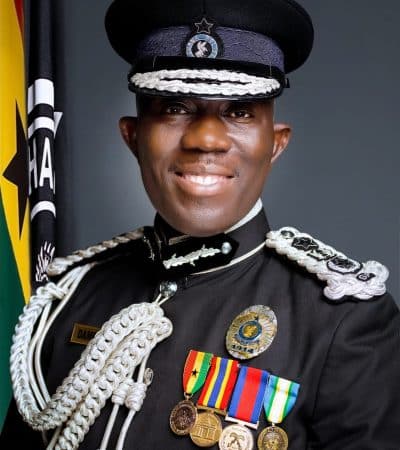
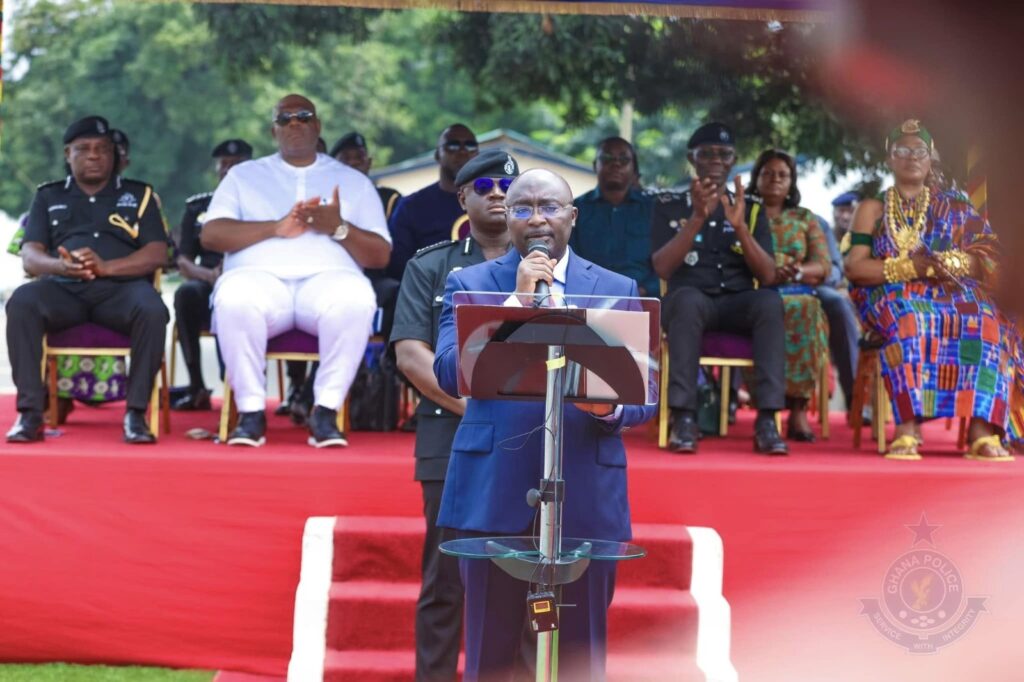
    Vice President and Chairman of the Police Council, Dr. Mahamudu Bawumia, has lauded the significant impact of the initiatives led by Inspector-General of Police Dr. George Akuffo Dampare.

    He noted that these efforts have noticeably improved national safety and bolstered the relationship between the Police Service and the community.

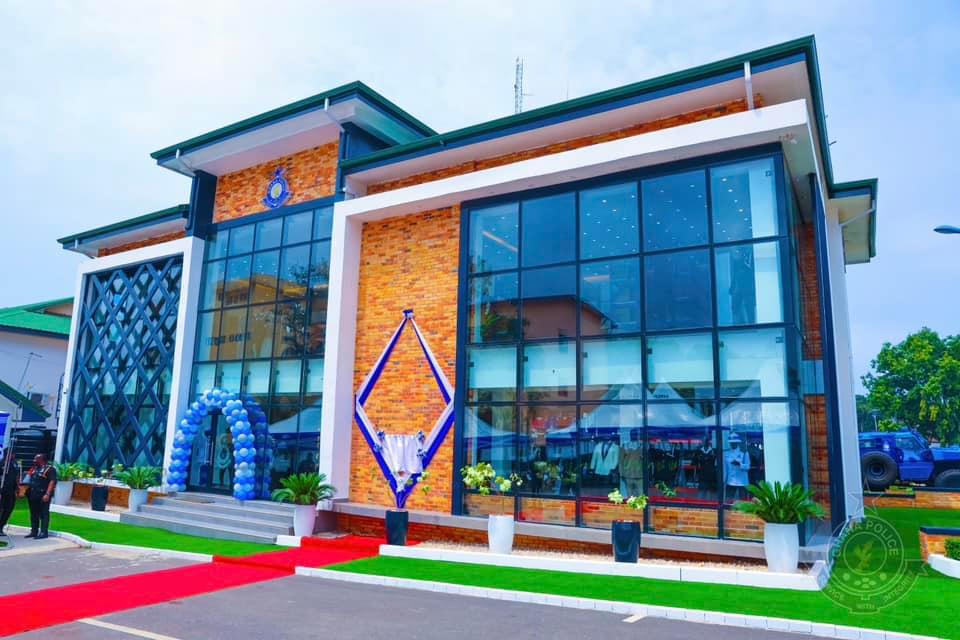
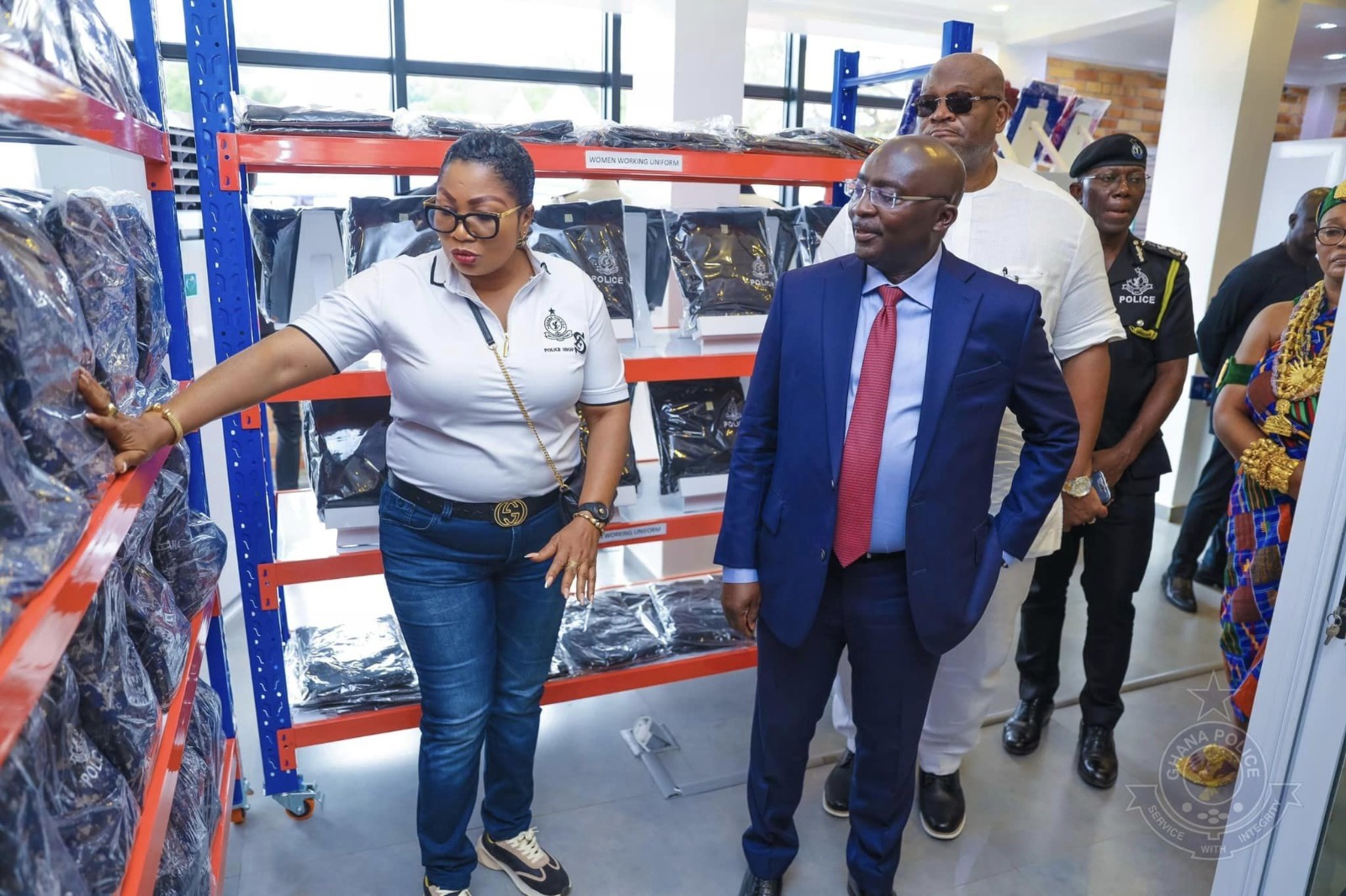
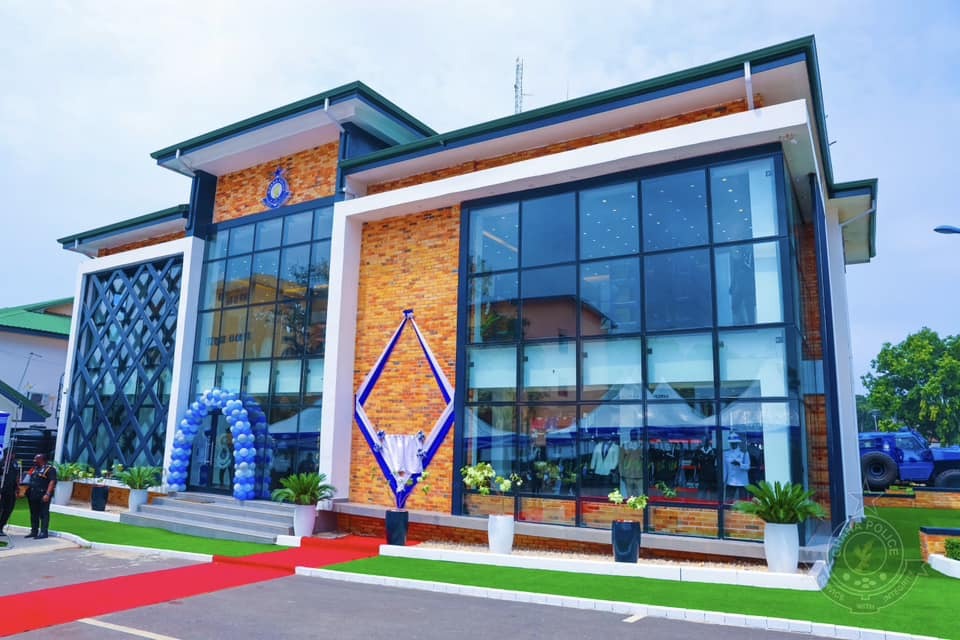
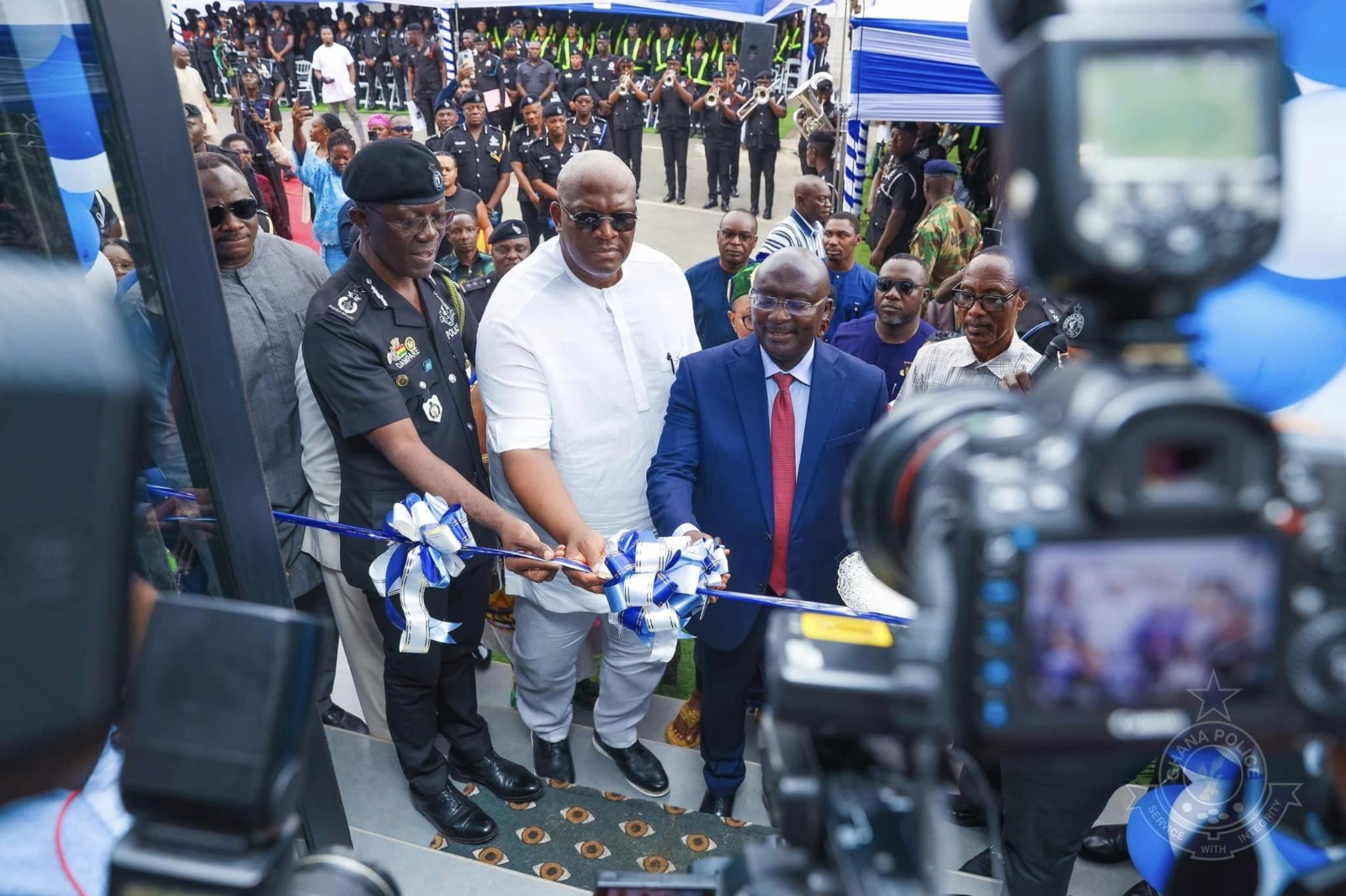
    Dr. Bawumia made these comments during the inauguration of the Ghana Police Service Shop at the Police Headquarters on Wednesday, July 17.

    He praised the work of the IGP and his team, highlighting their contributions to enhancing policing and community relations.

    The Vice President stressed the government’s pride in the accomplishments of Dr. Dampare and his team.

    He recognized that the improvements made under their leadership are having a real and noticeable impact on national security and public trust.

    “Ladies and gentlemen, the people of Ghana have witnessed the significant transformation of the Police Service under this administration. The facelift of the National Police Headquarters, the expansion and decentralisation of the Formed Police Unit (FPU) to all 25 Police Regions, enhanced police visibility, decentralisation of the police background checks to all police regions, active community and stakeholder engagements which have taken policing closer to the people, enhanced intelligence operations, uniform uniformity, the Snatch Them Young Policing Initiative which focuses on school Children among several other initiatives have ensured a more responsive, accountable and operationally effective policing institution,” the Vice President said.

    He stressed, “Once again, I wish to commend the IGP, the members of the Police Management Board and all officers and men for executing these initiatives under the Police transformation agenda.”

    “I would like to urge you to continue to do more, especially as the nation prepares to go into a general election come December 7th”

    The opening of the Police Service Shop marks a significant advancement in enhancing the operations and accessibility of the service.

    The Police Shop serves as a specialized venue where security personnel can acquire additional uniform pieces beyond what their agencies provide.

    In addition, the shop offers institutional memorabilia, which can be utilized for international exchange programs and official functions.

    The goal of the Police Shop is to guarantee that officers maintain a professional appearance in their uniforms and have access to supplementary resources required for their roles.

    This initiative is part of a larger strategy aimed at boosting the professionalism and efficiency of the security services.

  • Domelevo entreats govt officials to allow OSP fulfill his mandate

    Domelevo entreats govt officials to allow OSP fulfill his mandate

    Former Auditor General Daniel Yao Domelevo has advised government officials to refrain from interfering with the Office of the Special Prosecutor (OSP).

    He has also called on President Akufo-Addo to offer support to the OSP to ensure it can achieve its objectives.

    The Special Prosecutor recently overcame a challenge to his removal from office.

    At the 2024 Domelevo Accountability Lectures, Domelevo emphasized that, despite his earlier reservations about the OSP, it is crucial to support the office in its anti-corruption efforts.

    He noted his collaboration with the inaugural Special Prosecutor, Martin Amidu, in laying the groundwork for the OSP’s success.

    Domelevo highlighted the need to provide the necessary resources and backing to the OSP to effectively fight corruption.

    He also expressed concern over the significant difficulties faced by the current Special Prosecutor, Kissi Agyebeng, which are affecting his ability to perform his duties.

    Domelevo urged government officials to safeguard Agyebeng and allow him to carry out his responsibilities, emphasizing that he appears to be genuinely committed to tackling corruption.

    “Institutional and legal frameworks are not enough to effectively combat corruption, and that is the state in which we have found ourselves here in Ghana. After establishing the institutions, we must give them the oxygen to breathe.”

    “Let me be very honest with you. I was in office as Auditor General when the Office of the Special Prosecutor Bill was put together, and I was not enthused at all about it, but the bill was passed, and I said to myself, well, even though in principle I don’t support it, if this is what it would take for us to win the war against corruption, why not? So those of you who followed events, I was working closely with Honorable Martin Amidu. Unfortunately, he was barred out of office, out of pressure, and we are all aware of what happened.”

    “Then comes the young man, Kissi Agyebeng, and the young man is facing troubles and challenges like nobody’s business. So I said, the one who put him there, don’t you know that you have to protect this guy? You should be calling people and saying, shut up, back off, let him do his work.

    “So please, government officials and people in government, leave the special prosecutor alone. He seems to be the only person serious about corruption today, from my point of view. So let’s give him the oxygen for him to be able to do his work.”

  • Disregard PNC’s ill-informed petition – PNP tells EC

    Disregard PNC’s ill-informed petition – PNP tells EC

    The People’s National Party (PNP) has called on the Electoral Commission (EC) to dismiss any petition from the People’s National Convention (PNC) aimed at stopping PNP’s registration as a political party in Ghana.

    On July 16, 2024, PNC’s leadership, through their legal counsel, submitted a petition to the EC requesting the suspension of PNP’s registration, citing concerns over similarities in their roots, symbols, and ideological orientations.

    PNC argues that permitting PNP’s registration could lead to confusion among voters, who might mistakenly believe that the two parties are identical.

    In response to PNC’s petition, PNP’s leadership, through a petition signed by its General Secretary, Chairperson, Leader, and Communications Secretary on July 18, “there is no law banning a political party under this fourth republic from using a name, which existed in the third republic.”

    “Historically, the PNC has been a progeny of the CPP and therefore has no grounds to question the legitimacy of the PNP. Following his logic, the CPP should have also prevented the PNC from existing. It must be emphasized, that there is no law banning a political party under this fourth republic from using a name, which existed in the third republic. If that is the case. the CPP would still be using the name Peoples Convention Party,” PNP statement explained.

    In addition, they said, “We urge the public and the Electoral Commission in particular, to disregard this ill-informed petition. Mr. David Apasera appears to lack a proper understanding of political ideologies.”

    For the leadership of PNP, they have nothing in common with PNC and therefore see no basis why PNC has taken upon itself to stop their registration with the Electoral Commission.

    Below is the PNP’s full statement 

    RE: PNC PETITION EC TO HALTH THE REGISTRATION OF PNP

    The People’s National Party (PNP) has come across a petition to the EC to halt the registration of the party by David Apasera and the ‘now-defunct’ People’s National Convention (PNC), along with their legal representatives, concerning alleged similarities in symbols and ideologies between our parties.

    We urge the public and the Electoral Commission in particular, to disregard this ill-informed petition. Mr. David Apasera appears to lack a proper understanding of political ideologies. If he were to be informed, he would have known that parties such as the Convention People’s Party (CPP), the National Democratic Congress (NDC) and the Ghana Union Movement (GUM) would not be existing, since, all of which promote social democracy.

    Historically, the PNC has been a progeny of the CPP and therefore has no grounds to question the legitimacy of the PNP. Following his logic, the CPP should have also prevented the PNC from existing. It must be emphasized, that there is no law banning a political party under this fourth republic from using a name, which existed in the third republic.

    If that is the case, the CPP would still be using the name Peoples Convention Party.

    The PNP is not a social democratic party. We identify as communitarians, focusing on strengthening our families and communities to benefit our nation as a whole. Our symbol is a black palm tree on the southern chieftaincy stool, with the northern chieftaincy skin in the background. Our slogan is “My family, my conununity. my motherland,” and our colors are black, and wine.

    The PNP will hold its national congress on August 10, 2024. We ask for the support and prayers of all Ghanaians.

    PNP: Our Family, Our Conununny. and Our Motherland Signed

    Sulemana Seidu, General Secretary, 0274470944

    Janet Asana Nabla, Chairperson and Leader, 0244174074

    Samuel Ayesu, Communications Secretary, 0501436069

  • 26-year-old woman found dead by hanging in suspected heartbreak incident

    26-year-old woman found dead by hanging in suspected heartbreak incident

    A 26-year-old woman named Abigail Nana Ama Fosua has been discovered deceased, hanging in her room at Gentlemen Road, a neighborhood in Samreboi within the Amenfi West District of the Western Region.

    The death, believed to be a suicide, is suspected to be linked to a breakup allegedly caused by her boyfriend.

    Reports from EDHUB indicate that the body was discovered late yesterday morning.

    The boyfriend, who had previously expressed concern about the possibility of self-harm after recent conversations, visited Abigail’s home and shared his worries with the landlord.

    Upon inspection, Abigail was found deceased, hanging in her room.

    The police were promptly notified, and they have since collected the body and transported it to the Samartex Hospital mortuary for further investigation.

    The boyfriend has been called in by the police to help with the inquiry.

    Abigail is survived by a young son.

  • Agona Clan removes Queen Mother Nana Manua Mehunu Hann II over charm scandal

    Agona Clan removes Queen Mother Nana Manua Mehunu Hann II over charm scandal

    The Agona Clan, responsible for appointing the king of the Wassa Esaaman stool in the Wassa East District of the Western Region, has carried out traditional rituals to remove Nana Manua Mehunu Hann II from her position as Queen Mother.

    She was removed from office for allegedly providing the names of 14 local leaders to a spiritualist, who was supposed to cast a spell to ensure their obedience to her directives.

    Nana Kwadjo Boampong II, the Dwamtoahene of the Wassa Anyinabrem Divisional Area, revealed that the Family Head (Abusuapanin) had visited the spiritualist and discovered a list of names, including his own, on a table.

    Upon inquiry, the spiritualist confessed that Nana Manua Mehunu Hann II had given him the list to use magic to compel these individuals to follow her orders.

    Nana Boampong II reported that the residents and traditional leaders of Wassa Esaaman considered the queen mother’s actions to be disrespectful and contrary to tradition, prompting her removal.

    The former Queen Mother has been given a two-week notice to vacate the residence provided by the community.

  • Approximately 80% farmers not registered on govt  PFJ Phase II – Report

    Approximately 80% farmers not registered on govt PFJ Phase II – Report

    The Peasant Farmers Association of Ghana (PFAG) has revealed that about 80 percent of farmers have not been registered on the government’s Planting for Food and Jobs Programme Phase II (PFJ 2.0) as of June 2024.

    The National President of the Association, Wepia Awal Addo, said the situation is worrying since the planting season is very close.

    He added that farmers are uncertain about their future, as they do not have an idea where and when to receive farm inputs such as fertilisers and seeds.

    “As at June, around 80 percent of the farmers have not been registered and their farms have not been mapped. Which is a source of worry for us because the raining season has started. If you go to many places people are planting and they need the inputs to be able to grow food.” Mr. Addo said.

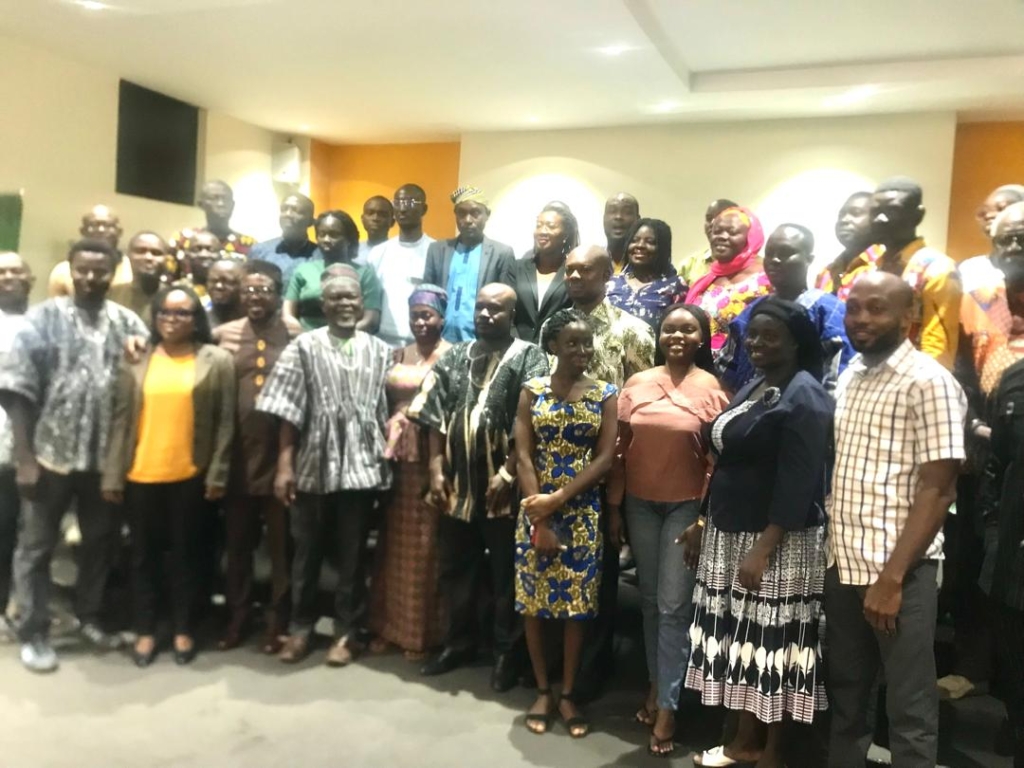
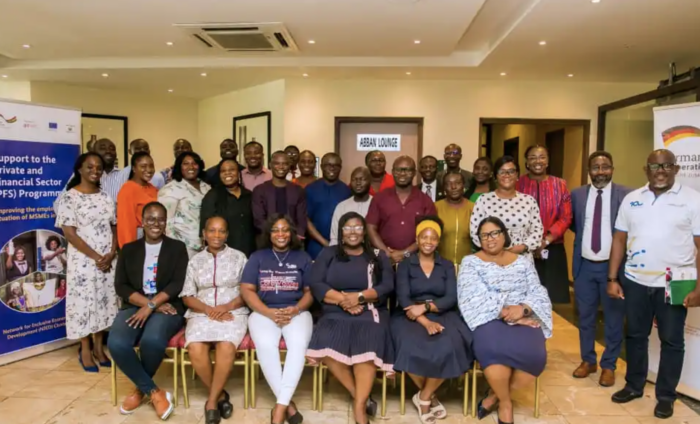
    He disclosed this during the PFAG’s joint hosting with the Ministry of Food and Agriculture (MoFA) and the Deutsche Gesellschaft für Internationale Zusammenarbeit (GIZ) of a national validation workshop for the assessment report on PFJ 2.0 implementation on July 17, 2024, in Accra.

    Mr. Addo expressed concerns about what appears to be a disregard for farmers‘ welfare, noting a lack of essential information for farmers to plan effectively.

    Characterizing PFJ Phase II as lackluster, he criticized the neglect of the agriculture sector, highlighting the absence of direct investments benefiting farmers.

    Mr. Addo pointed out for example that plans to expand irrigation projects and improve road networks have been left unattended to.

    Purpose of the PFAG II
    MOFA launched the Planting for Food and Jobs Phase II (PFJ 2.0) to address the shortcomings observed during the initial phase of the program.

    These challenges encompassed restricted access to agricultural loans, inadequate uptake of the value chain approach, fiscal constraints within the government, and minimal emphasis on national food storage capacity.

    Additionally, PFAG’s annual assessments underscored issues like smuggling, rent-seeking behavior, and corruption, prompting a significant demand for programmatic reassessment.

    PFJ 2.0 aims to revitalize the agricultural sector by fostering the growth of specific value chains for food crops and encouraging involvement from the private sector.

    The transition from direct input subsidies to a smart agriculture input credit system aims to bolster food security, resilience, and export potential, while also fostering job creation within the agricultural value chain.

    The objective of the national validation workshop is to authenticate the outcomes of these consultations and integrate stakeholder feedback into the final assessment report. It featured presentations on assessment findings, panel discussions, and interactive sessions to refine recommendations.

    PFJ 2.0 rollout commenced in March 2024 with a registration process announced by the sector Minister. Despite the initiation, concerns have arisen regarding the timing, design, and execution of the program. Issues such as reliance on anchor farmers or aggregators for input and service provision, limited central government involvement, and delays in registration have sparked debate among stakeholders.

    In response, PFAG, supported by OXFAM, conducted an evaluation of PFJ 2.0 to identify emerging challenges, gaps in implementation, and propose strategies to maximize program effectiveness. Stakeholder consultation workshops held in Tamale and Techiman engaged farmers, input dealers, agricultural directors, and other relevant stakeholders from various regions. These sessions aimed to gather insights, raise awareness among farmers, and provide a platform for stakeholders to engage with the ministry on pertinent issues.

    About the Programme

    “Sustainable Employment through Agribusiness (AgriBiz) in Ghana”.

    The programme “Sustainable Employment through Agribusiness (AgriBiz) in Ghana” was commissioned by the German Federal Ministry for Economic Cooperation and Development (BMZ). Running from April 2021 until December 2025, the programme operates nationwide with a strong focus on promoting dynamic micro, small, and medium enterprises (MSMEs), both formal and informal, along with their Member Based Business Organizations (MBBOs) and business development service (BDS) providers.

    The programme aims to strengthen the capacities of MSMEs and their associations to enable the private sector to create productive employment in the agribusiness sector.

  • KOKA issues apology for criticizing King Paluta’s singing voice

    KOKA issues apology for criticizing King Paluta’s singing voice

    Entertainment critic Kwaku Osei Korankye Asiedu, widely known as KOKA, has apologized for his critical comments regarding King Paluta’s singing voice.

    KOKA had earlier labeled Paluta’s singing as “useless,” but he now acknowledges that his language was unsuitable.

    In a follow-up on Asempa FM’s Showbiz Review, KOKA elaborated on his position, saying, “The nonsense and useless thing I said is a no-no, but whatever advice I gave still holds. There is no need to hold resentment over what I said and take it personal.”

    He noted that at the Party in the Park event in the UK, King Paluta had difficulties with breath control and pitch, impacting his performance.

    KOKA recommended that King Paluta engage a professional voice coach to enhance his singing and breath control.

    He stressed that without adequate training, Paluta could face challenges in sustaining his career and may not achieve recognition as a leading male vocalist in award circuits.

    Confident in his advice, KOKA concluded, “If King Paluta listens to my advice, 20 years from now, he would still reign as a household name.”

  • Excitement on UG campus as Mahama visits Commonwealth Hall where he used to stay

    Excitement on UG campus as Mahama visits Commonwealth Hall where he used to stay

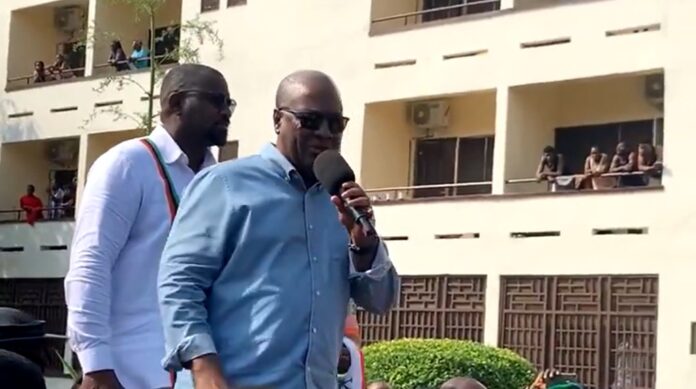
    Former President of Ghana, John Dramani Mahama, recently returned to his former room at the University of Ghana’s Commonwealth Hall, generating joy and excitement among the students.

    Accompanied by John Dumelo, the NDC Parliamentary candidate for the Ayawaso West Wuogon Constituency in the 2024 elections, along with other party officials, Mahama’s visit was part of his constituency tour.

    During his visit, Mahama seized the opportunity to revisit room A32, where he had lived as an undergraduate history student.

    The atmosphere was electric as students of Vandal City, the nickname for Commonwealth Hall, sang campaign songs in support of the former president.

    In videos shared on social media, Mahama appeared overjoyed as he interacted with the students, joining them in a spirited jama session.

    He used this nostalgic visit to connect with the students and address their concerns, promising that the next NDC administration will collaborate with the private sector to construct more hostels to alleviate the accommodation shortage on campus.

  • Minister urges contractor to fund Mallam market project from his pocket

    Minister urges contractor to fund Mallam market project from his pocket

    Local Government Minister Martin Adjei Mensah Korsah has voiced his discontent with the construction quality at the Mallam Market in Accra, calling it “extremely poor.”

    In a firm directive, he instructed the contractors to redo the project, emphasizing that the current workmanship was unsatisfactory and would not meet inspection standards.

    “I wonder how anybody will do this and say it should pass for an inspection. I have asked the Chief Executive to take action on this. We need to immediately redo virtually everything; the entire thing as it stands is rejected. I don’t think we should let this pass for using government money,” Mr Korsah stated.

    The Minister pointed out that subpar materials were utilized in the construction, which violates the government’s specifications.

    He stressed that the government had funded high-quality work, and if inferior results are produced, the contractor must bear the responsibility.

    “The government will not bear a pesewa out of this shoddy work done. Not in my ministry. So whoever didn’t make good use of the government’s money would have to find money and do it,” he added.

    This issue emerged during the Minister’s visit to Accra markets on Thursday, July 18, where he assessed the condition of market sheds and centers in the region.

    In response, the contractors have defended the current state of the market.

    Dr. Andrews Kwablah, Chief Executive Officer of MKA Consult and supervisor of the project, clarified that the site posed considerable challenges.

    “This is a very difficult site. To begin with, it was a mushy area that had been recovered. The recovery was done before we came, and they used refuse, so you are having decomposition of the refuse down there, on top of which we put a gravel cap to put up the structures,” he said.

    Dr Kwablah also disputed the claim that inferior materials were used, stating that “lab tests were conducted on the materials before their use.”

    “So you may see a material that may not look good to you, but depending on the lab test result, you then conclude definitely that they are not good enough,” he explained.

    In the meantime, traders have already moved into the sheds.

  • Chieftaincy dispute sparks deadly conflict in Tuobodom

    Chieftaincy dispute sparks deadly conflict in Tuobodom

    Tensions are rising in Tuobodom, situated in the Techiman North municipality of the Bono East Region, due to a chieftaincy dispute between two opposing chiefs.

    It is feared that a dozen people have died in the alleged ongoing conflict, which has significantly disrupted life in and around Tuobodom.

    The conflict has taken a tragic turn, claiming the life of a passing truck driver amidst a barrage of gunfire in the township.

    The violent clash has compelled many residents to flee the town in search of safety, leaving Tuobodom in a state of heightened fear and instability.

    The chieftaincy dispute, which has been brewing for some time, has now reached a critical point, affecting not only the immediate parties involved but also innocent bystanders and the wider community.

    Security services are working to restore order and ensure the safety of residents, but the situation remains volatile.

  • 2nd Deputy Speaker commends IGP on Ghana’s safety since he took office

    2nd Deputy Speaker commends IGP on Ghana’s safety since he took office

    Andrew Asiamah Amoako, the 2nd Deputy Speaker of Parliament, commended Inspector-General of Police (IGP) Dr. George Akuffo Dampare for his innovative and effective leadership of the Ghana Police Service.

    Mr. Amoako highlighted that the IGP and the current Police Management Board have been instrumental in maintaining the country’s stability and advancing its democratic credentials.

    At the ceremony held on Tuesday, July 16, 2024, to award the Democracy Cup to the IGP at Police Headquarters, Mr. Asiamah Amoako underscored Ghana’s continued reliance on the IGP to safeguard and uphold national security.

    He praised Dr. Dampare’s contributions, showing trust in his capability to lead the Police Service in protecting the nation’s peace and democratic values.

    “We believe that a major part of the success of our democracy depends on the Ghana Police Service. We are here to present this democracy cup to you IGP as a symbolic gesture so that as the holder of the peace of this country, we can implore you to continue holding our peace together as you have always done with your administration since you took over.”

    “We are grateful for your leadership. The transformation in the police service under you has been inspirational, and we are grateful,” he said.

    In response, the IGP assured the parliamentary delegation that he and his team are encouraged by the acknowledgment from the legislative chamber and remain committed to their responsibilities of safeguarding and upholding the country’s democracy.

  • NaCCA unveils secondary education curriculum geared towards 4th industrial revolution

    NaCCA unveils secondary education curriculum geared towards 4th industrial revolution

    The National Council for Curriculum and Assessment (NaCCA) has emphasized that the newly proposed Secondary Education Curriculum aims to leverage Ghana’s participation in the fourth industrial revolution.

    According to Mrs. Rebecca Abu Gariba, Director of Corporate Affairs at NaCCA, the curriculum is designed to cultivate skilled human resources essential for national development.Her remarks came during a stakeholder meeting in Ho, where she engaged with education sector union leaders from the Volta Region.

    “As much as we are Ghana, we live in a global village. So we have to make sure that the subjects that we give to our implementers will help us have graduates who are not only going to be local but ‘global’, which means local and international as well.

    We are in the 21st century, why do you still want to continue with your old pack of subjects? You need to bring on board subjects that will make your learners be hands-on, to be able to use this creativity to create things”, she said.

    She mentioned that the locally designed Secondary Education Curriculum is currently undergoing a pilot phase in 43 second-cycle schools, with ongoing stakeholder engagements to gather recommendations and input.

    “We are piloting it to see how it will work. We come back with the suggestions and implementations after we have done what we call fidelity of implementation. We will bring what we collected from these 43 schools.

    And one of the schools is piloting all 37 subjects on campus, is Koase [Senior High Technical School] in Wenchi to ensure that a school can do all the various subjects as they are, or it is impossible. So, all this is to make sure that once we finish, the curriculum, it will be workable”, she said.

    Mrs. Gariba also highlighted that the curriculum aims to achieve inclusive education, ensuring that every learner receives support, and emphasized that teaching materials have been designed to facilitate learning for students with special needs.

    The curriculum is structured to equip learners with 21st-century skills, competencies, character traits, and essential Ghanaian values, preparing them for responsible adulthood, further education, and entry into the workforce.

    It provides students with the flexibility to explore subjects outside their core curriculum, enhancing their breadth of knowledge.

    Scheduled for implementation at Senior High, Senior Technical, Science, Technology, Engineering, and Mathematics Schools nationwide in the 2024/2025 academic year, the curriculum will incorporate all stakeholder recommendations before being handed over to the Ghana Education Service.

    NaCCA has committed to providing all necessary resources to ensure the successful rollout of the curriculum.

  • Ghana Publishing Company launches first regional office in Kumasi

    Ghana Publishing Company launches first regional office in Kumasi

    The Ghana Publishing Company Limited (GPCL) has opened its inaugural regional office in Kumasi.

    This event represented a significant milestone in GPCL’s history, highlighting its dedication to decentralizing operations and improving access to essential publishing services nationwide.

    The grand opening featured the Minister for Information, Fatimatu Abubakar, as the Special Guest of Honour.

    In her speech, she emphasized GPCL’s decades-long journey and its historical importance.

    The Minister remarked that opening the new office in Kumasi signifies GPCL’s revitalization and its steadfast dedication to regaining its past prominence.

    “This occasion signifies a monumental step forward in our collective journey towards reclaiming and advancing the esteemed legacy of GPCL,” she stated.

    Minister Abubakar reflected on GPCL’s storied past, recalling the setup of printing presses in Tema, Tamale, Victoriaborg, and Takoradi, along with sales points in every regional capital.

    Despite previous difficulties that caused many operations to halt, she praised the opening of the Kumasi office as a sign of the company’s resurgence.

    The Minister pointed out GPCL’s recent achievements, emphasizing its steady profitability in the past two years.

    She credited this success to the careful and effective management of the current leadership.

    Mrs. Abubakar remarked that this accomplishment proves that with effective leadership and governance, state institutions can prosper and play a crucial role in national development.

    “GPCL has emerged as one of the most viable state institutions. This remarkable turnaround is a testament to the prudent and efficient management,” she remarked.

    The Minister expressed her heartfelt gratitude to the GPCL Board, chaired by Dr. Daniel Owusu-Ansah, and to the management team headed by David Boateng Asante.

    She also praised the GPCL employees for their diligence and dedication, highlighting that their unwavering commitment to excellence and perseverance, particularly in difficult periods, has been instrumental in propelling the company forward.

    Opening the Kumasi branch marks a concrete move towards decentralization, aiming to provide essential services more locally.

    This new office will cater to the Ashanti Region and nearby areas, simplifying access for individuals and organizations to a variety of products and services.

    GPCL’s presence in Kumasi is anticipated to boost the local economy by generating jobs and promoting local partnerships.

    Additionally, it will empower the community by offering timely access to important information and publications, thereby enhancing transparency and informed decision-making.

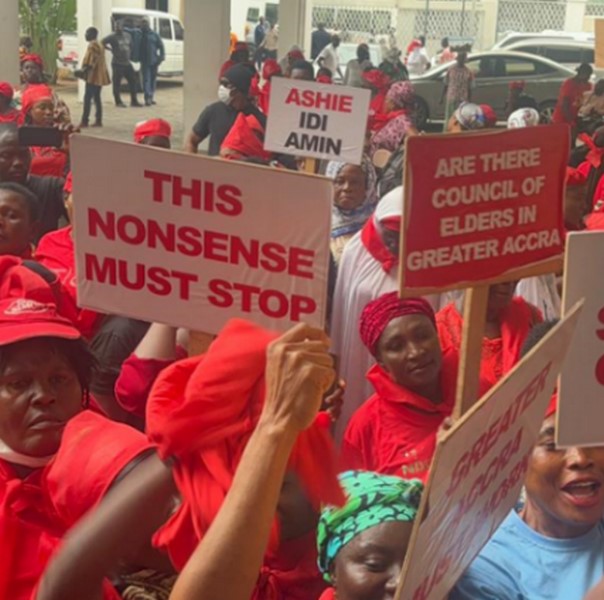
  • He is threatening women with police – NDC Women Organizer accuses Regional Chairman

    He is threatening women with police – NDC Women Organizer accuses Regional Chairman

    Constituency Women Organizers from the National Democratic Congress (NDC) have leveled serious accusations against Emmanuel Nii Ashie Moore, the Greater Accra Regional Chairman.

    Over 40 Constituency Women Organizers submitted a petition to the National Executive Council (NEC) of the party on Tuesday, July 16, 2024, alleging that Mr. Ashie Moore exhibited male aggression and made threats against prominent women within the party.

    During an interview on Adom FM’s morning show, Dwaso Nsem, on Thursday, Ledzokuku Constituency Women Organizer Hajia Sherifa Sulley asserted that the Regional Chairman threatened them with arrest unless they apologized to him.

    “We petitioned Regional Chairman Ashie Moore, but he disrespected us. He was mocking us when we presented the petition at his office. He called some of the women and threatened them with the Police. I was disappointed at a video I saw of the Regional Chairman using the Police to threaten the women to apologise to him, if not, he will have them arrested by Friday,” she said.

    Hajia Sherifa stressed that their intentions were not to undermine Mr. Ashie Moore but rather to pursue justice and advocate for women’s respect within the party.

    She appealed to the National Executive Council to attentively consider their grievances and implement necessary measures.

    “We believe in the NDC as a party and trust that our executives will never sit on this case aloof. They will investigate and come out with the truth and give their own verdict. We don’t want to decide for the party on what to do with the issue. They should deliberate and come out with a punishment if necessary,” she stated.

    The Ledzokuku Constituency Women Organizer reaffirmed their commitment to the NDC and expressed optimism that the matter would be resolved to uphold the party’s integrity and unity.

    Hajia Sherifa expressed her wish that the party’s leadership would address the issue equitably, ensuring that the NDC continues to be a party that cherishes and honors its women.

  • Fitch Solutions predicts Mahama to win December 7 election with 54%

    Fitch Solutions predicts Mahama to win December 7 election with 54%

    Research and data firm, Fitch Solutions, predicts that the opposition National Democratic Congress (NDC) will emerge victorious over the ruling New Patriotic Party (NPP) in the upcoming December 7 general elections.

    The London-based firm has consistently projected this outcome since last year, citing a recent survey where 54 percent of respondents favored the NDC’s candidate, John Mahama, to win the presidential election.

    Mike Kruiniger, Associate Director of Country Risk at Fitch Solutions, spoke during the Mid-Year Review for Sub-Saharan Africa, emphasizing that current economic conditions will heavily influence voter decisions on December 7.

    He highlighted economic management and job creation as pivotal issues for voters, potentially putting the NPP at a disadvantage due to the economic challenges the country has experienced in recent years.

    “We believe that the opposition NDC has a stronger chance of winning the upcoming general elections compared to the ruling NPP. Recent polls consistently place the NDC ahead with the most recent survey showing 54 % of respondents favouring the NDC.

    “In addition, multiple surveys have shown that economic management and job creation are going to be the most important issues during the election for voters which we believe will put the ruling NPP at a disadvantage given the economic challenges that the country has faced over the last couple of years.”

    Furthermore, Kruiniger clarified that a potential NDC government under Mahama is expected to maintain the policy trajectory set by the current administration.

    “In terms of what a government change will mean for the economy, we think that policy direction under a likely NDC government will not largely change.

    “The NDC will most likely stick to Ghana’s IMF programme particularly as the party has shown commitment in the past to international agreements and obligations. So in summary, we expect policy continuation in Ghana despite a likely government change,” he stressed.

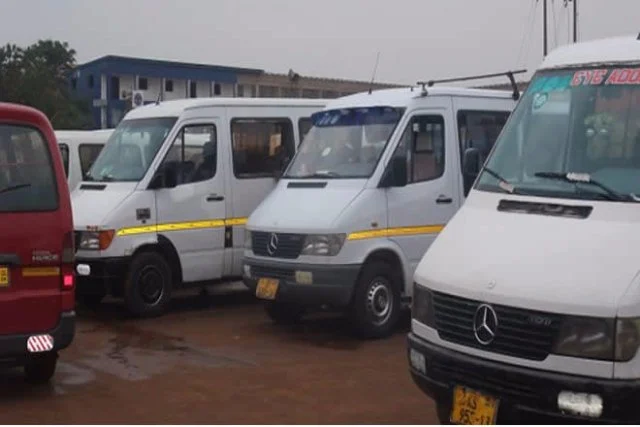
  • 15% hike in transport fares starts on July 22nd – Concerned Drivers Association announces

    15% hike in transport fares starts on July 22nd – Concerned Drivers Association announces

    The Concerned Drivers Association of Ghana has announced a 15% hike in transport fares, effective from Monday, July 22.

    The Association pointed to escalating fuel costs, noting that some oil marketing firms are now selling products above GH₵15.

    In addition, rising prices of crucial items like spare parts have compelled the transport sector to take this step.

    David Agboado, the Public Relations Officer of the Concerned Drivers Association of Ghana, voiced concerns over the detrimental impact of these rising costs on the transport industry.

    He stressed that the fare adjustment is warranted given the current economic pressures.

    Mr. Agboado highlighted that drivers cannot continue absorbing the steep fuel costs, which significantly affect their earnings.

    The fare increase is viewed as essential for maintaining operational sustainability amid mounting expenses.

    “We will be increasing transport fares by Monday by 15%. The reason is that fuel prices have gone high. All that we use in servicing our vehicles has gone high. That necessitated the 15% increment.”

    “Transport Ministry is not aware and we don’t need to sit with Transport Ministry before we increase our transport fares. We keep saying this,” he said in an interview with Citi FM on Wednesday, July 17.

    Several Oil Marketing Companies (OMCs) have raised their prices at the pumps as July’s second pricing window begins.

    Shell, a prominent OMC, has increased the price of petrol per litre from GH₵14.80 to GH₵15.10, and diesel from GH₵14.92 to GH₵15.25. Other OMCs are anticipated to follow and also raise their prices soon.

  • Producer Price Inflation surges to 25.9% in Ghana for June 2024

    Producer Price Inflation surges to 25.9% in Ghana for June 2024

    The Ghana Statistical Service (GSS) has reported that the Producer Price Inflation (PPI) rate for June 2024 surged to 25.9%, marking an increase from 23.6% recorded in May 2024.

    This represents a year-on-year rise of 25.9% from June 2023 to June 2024.

    Compared to May 2024, the PPI saw a 2.5 percentage point uptick, with a month-on-month change of 2.7% between May and June 2024.

    The Producer Price Index tracks the average fluctuation in the selling prices of goods and services received by domestic producers over time.

    The industry sector, excluding construction, experienced a rise in producer price inflation to 29.4% in June 2024, up from 28.5% in May 2024.

    In the construction sector, inflation also climbed to 29.4% in June 2024.

    Meanwhile, the services sector saw an increase from 11.4% in May 2024 to 12.2% in June 2024.

    Sectors such as mining, quarrying, construction, accommodation, and food services recorded inflation rates above the national average.

    Conversely, water supply, sewerage, and waste management activities had the lowest inflation rate at 2.6% in June 2024.

  • Truck narrowly avoids deadly accident in Agogo

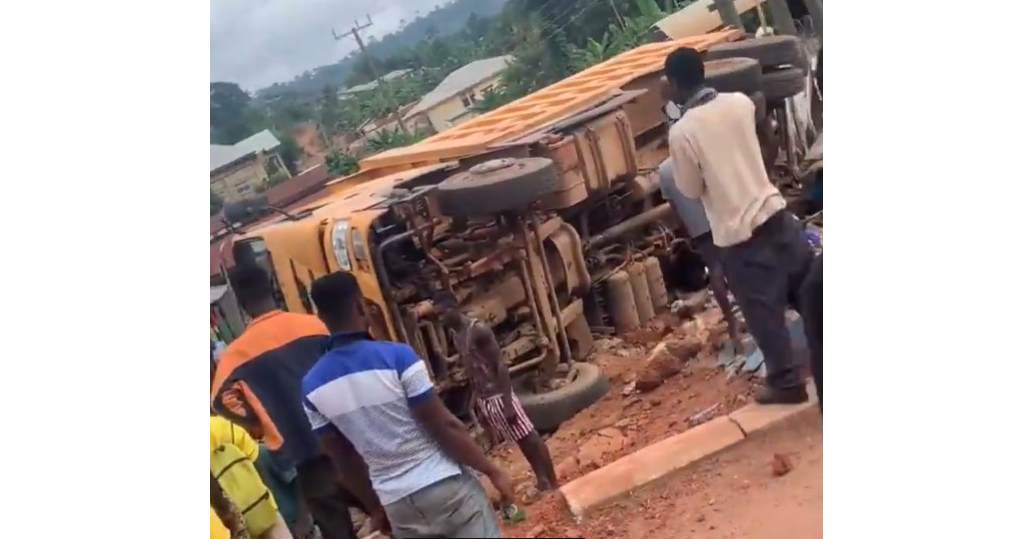
    Truck narrowly avoids deadly accident in Agogo

    A fully laden Sinotruck Howo truck narrowly avoided a serious accident in Agogo, Ashanti Region, when it experienced brake failure and reversed uncontrollably.

    The truck backed up towards a Nissan Pickup that was following closely, almost causing a collision.

    Anticipating the imminent danger, the pickup driver reacted swiftly, maneuvering past the truck.

    In a bid to evade colliding with the pickup, the Sinotruck veered off the road, eventually flipping over into a ditch.

    The accident caused significant damage to numerous structures lining the roadside.

    While there were no injuries reported, the incident has prompted concerns regarding vehicle upkeep and road safety in the vicinity.

  • NPP campaign team member Afia Akoto sues A Plus for defamation

    NPP campaign team member Afia Akoto sues A Plus for defamation

    A member of the governing New Patriotic Party’s campaign team, Alberta Maame Afia Akoto, has filed a defamation lawsuit against musician and politician Kwame Asare Obeng, known as Kwame A Plus.

    The lawsuit comes in response to recent comments made by A Plus about Afia Akoto during their public dispute. A Plus had alleged that Maame Afia Akoto sent nude pictures to Maxwell Mensah, husband of TV personality Nana Ama McBrown, in an attempt to seduce him.

    After A Plus failed to substantiate his claims despite a challenge from Afia Akoto, she proceeded to file a lawsuit at the High Court (General Jurisdiction) in Accra.

    The lawsuit seeks damages of GHS 5,000,000.00 (Five Million Ghana Cedis) for defamation, including exemplary and punitive damages.

    In her statement of claim filed at the High Court on Tuesday, July 16, 2024, Afia Akoto stated that A Plus, as the defendant, holds substantial influence on social media both in Ghana and abroad due to his activities in the entertainment

    “A-Plus has about 500,000 followers on Facebook, 10,000 followers on Instagram, and 10,000 followers on X (formerly Twitter),” she said.

    The plaintiff alleges that on or around July 12, 2024, A-Plus posted the following statement about her (Afia Akoto) on Facebook.

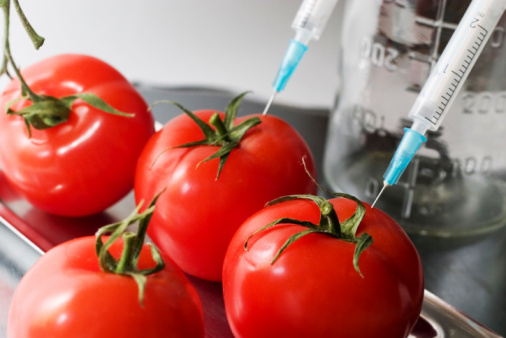
  • Why tomato prices skyrocket every June: A seasonal phenomenon explained

    Why tomato prices skyrocket every June: A seasonal phenomenon explained

    The role of agriculture in most developing countries is the backbone of many developing economies. The food and agriculture industry plays a major role in Ghana’s economy. The marketability and proper handling of agricultural produce can ensure agrarian productivity.

    Ghana is known for its rich agricultural industry, with tomato farming being a major contributor to its economy. However, during the rainy season, Ghanaian tomato farmers face many challenges, like flooding, that significantly impact their yields and profits.

    According to Easy Track Ghana, Ghana has two rainy seasons. The heaviest rain in the south occurs from April until June, and lighter rain is possible during September and October.

    One of the main challenges Ghanaian tomato farmers face during the rainy season is the increased risk of disease and pest infestations. During this time of year, the wet and humid conditions create the perfect environment for diseases such as bacterial wilt and fungal infections to thrive. Additionally, pests such as aphids and white flies are more prevalent during the rainy season, posing a threat to the health and productivity of tomato plants.

    Another challenge Ghanaian tomato farmers face during the rainy season is the risk of flooding.

    Heavy rains can lead to waterlogged fields, drown tomato plants, and cause root rot. In extreme cases, flooding can destroy crops, leading to significant financial losses for farmers.

    Why the continuous price hike?

    The Ghanaian economy is gradually transitioning from an agricultural-led to a service—and industry-led-focused economy, which is making the contribution of the agricultural sector to national gross domestic product disproportionately low.

    The price of a box (adaka) of tomatoes increased by more than 360% in less than six months: January 2024 – GH¢1,500, June 2024 GH¢6,000 to GH¢7,000.

    The rise in tomato prices can be attributed to many factors, including a delayed monsoon, insufficient production, and high temperatures.

    Ranked 10th among 20 items with the highest inflation rates, fresh tomatoes have seen a substantial increase compared to the national inflation rate of 25%.

    Tomato prices caused quite a stir on social media just around the time the Ghana Statistical Service (GSS) revealed a staggering 46% inflation rate for the vegetable in its April Consumer Price Index report.

    Although still high, the tomato inflation rate dipped slightly from March’s 56.9%, offering a glimmer of hope that the worst may soon be over. However, this spike in tomato prices has significant implications, given that tomatoes constitute 40% of total household vegetable expenditure in Ghana.

    Before the GSS released its April figures, complaints flooded social media platforms like Twitter. Users from various regions lamented the exorbitant prices of tomatoes. Many shared photos depicting small quantities of tomatoes being sold at premium rates.

    The surge in tomato prices has been attributed to a supply shortage, exacerbated by the off-season period. Ghana has had to import tomatoes from neighbouring Burkina Faso, which practices year-round tomato farming. Last August, farmers in Ziope in the Volta Region and other tomato-growing regions in Ghana were compelled to sell their produce at an 80% discount to avoid spoilage.

    One of the challenges contributing to this supply-demand imbalance is the difficulty in preserving fresh tomatoes over extended periods. This leads to price fluctuations, with prices dropping significantly during harvest seasons and soaring during off-season periods.

    Importance of tomatoes despite price hike

    Tomatoes, as vegetables, play an important role in a healthy diet. They are also fruits rich in nutrients such as carotenoids, lycopene, beta-carotene, gamma-carotene, phytoene, and several minor carotenoids.

    According to a nutritionist, Patience Naa Adjeley Adjei, tomatoes are a good source of vitamins and minerals, including vitamin C, potassium, folate, and vitamin K.

    “These nutrients are important for overall health and well-being, despite how expensive they [tomatoes] may be.”

    She added that tomatoes contain antioxidants such as lycopene, beta-carotene, and vitamin C, which help protect the body from damage caused by free radicals. These antioxidants have been linked to a reduced risk of chronic diseases such as heart disease and cancer.

    “Tomatoes are expensive, but we need to buy them because they are low in calories and can be a great addition to a weight loss or weight management plan. They are also high in water content, which can help keep you hydrated and full.
    Why do retail prices of tomatoes remain high despite drops in wholesale prices?

    Retail prices of tomatoes are holding firm despite a significant drop in wholesale prices since the third quarter of 2023. This trend persists even as the rainy season complicates tomato cultivation, traditionally causing price increases.

    The wholesale price for a box of tomatoes imported from Burkina Faso plummeted by 43%, from GH¢3,000 (USD 249.98) in Q2-2023 to GH¢1,700 (USD 141.99) in Q3-2023. Locally produced tomatoes saw a similar decrease of 47 per cent, from GH¢1,500 to GH¢800 (USD 124.99 – 66.66). However, these decreases have not translated into lower retail prices. As of January 2024, retail prices remain unchanged.

    Consumers in Accra are frustrated, as the price of a small paint bucket of local tomatoes is still GH¢30 (USD 2.50), and the imported counterpart is GH¢60 (USD 5.00), the same rate as before the wholesale price drop.

    It is reasonable to expect that price transmission for perishable products will display seasonal variation, especially in a low-income country. However, few studies have explicitly tested for seasonal variations in price transmission.
    Climate requirements for growing open-field tomatoes

    Tomato plants flourish under specific climatic conditions, including warm, sunny days and cool nights.

    The dry climate prevents fungal diseases and ensures a healthy yield.

    However, during the rainy season in Ghana, these ideal conditions are disrupted. Excessive moisture not only hampers growth but also increases the likelihood of diseases that can reduce overall yield.

    An agricultural economist, Dr Irene Egyir, explained, “Tomatoes do not like rain. You must spend more time and resources to get tomatoes to grow in the rain. This necessity for increased effort and investment during the rainy season contributes to the higher prices seen in the market.”

    Adaptation Strategies

    The scarcity drives up prices, making tomatoes a more expensive commodity. This is exacerbated by the fact that the population in Ghana is growing, increasing the demand for this staple food item.

    Dr Egyir recalled that the population was around 6 million during her childhood, which contrasts starkly with the current population of approximately 36 million, which increases the strain on supply chains.

    “When I was growing up, those times I’m talking about, I think we were 6 million; today, we are maybe 36 million,” Dr Egyir notes, highlighting the pressure on supply chains.

    In response to these challenges, many people in Ghana have turned to processed tomatoes as a substitute for fresh ones.

    “We have changed from fresh to what we call processed tomatoes,” Dr Egyir says.

    This shift helps mitigate the impact of seasonal scarcity. Processed tomatoes, such as tomato paste and canned tomatoes, are less affected by seasonal fluctuations and can be stored longer.

    Dr Egyir further elaborates, “If the fresh supply is reduced, then, economically, it’s not so bad because the price is alright due to the unique demand for fresh tomatoes.” The availability of substitutes, like processed tomatoes, provides some relief to consumers and stabilises the market to some extent.

    What are the Tomato vendors saying?

    Saeed Jafar, a tomato retailer at the Tamale central market who also farms tomatoes, explained the retailers’ viewpoint.

    He mentioned, “Blame the rains; despite the drop, we still consider the current wholesale prices of the commodity—both local and imported—to be exorbitant, which is why we have not reduced our retail prices.”

    Although affecting customer patronage, this decision is deemed necessary for the retailers to sustain their business viability.

    Saeed Jafar recognised the difficulties faced by tomato retailers, pointing out that some traders have diversified into other businesses due to decreasing profit margins.

    He called on the government to address infrastructure issues, such as road conditions and drainage systems, to enhance market accessibility and prevent flooding during the rainy season.

    Tuzoo, a farmer in Tono in the Upper East region, also attributed the escalating costs to persistent rainfall and deteriorating road infrastructure.

    “The rains have been relentless,” Tuzoo remarked.

    “The excessive moisture is detrimental to the crops, leading to lower yields and, consequently, higher prices.”

    He elaborated that the continuous downpours have disrupted the growth cycles, causing a scarcity that drives up the cost of tomatoes.

    Beyond the challenges posed by the weather, Tuzo highlighted the dire state of road infrastructure as a significant contributing factor to the high prices.

    “Transporting tomatoes from the farms to the markets has become arduous,” he explained. “The poor condition of the roads means longer travel times and higher transportation costs, which inevitably get passed on to consumers.”

    Tuzoo called on the government to address these pressing issues. “Improving the road conditions and implementing better drainage systems are crucial,” he urged.

    “These measures will not only facilitate easier transport of goods but also prevent flooding, which can further devastate the crops.”

    It is, therefore, vital for vendors to market their produce as quickly as possible since it is perishable. Delays in marketing and improper handling of produce might result in the vendor encountering heavy losses.

    Source: Ghana.dubawa.org

  • EPA reports high levels of mercury contamination in fish, water bodies

    EPA reports high levels of mercury contamination in fish, water bodies

    Research conducted by the Environmental Protection Agency (EPA) indicates that a significant number of fish and water bodies in the country have been contaminated with mercury due to its use in gold refining by illegal miners.
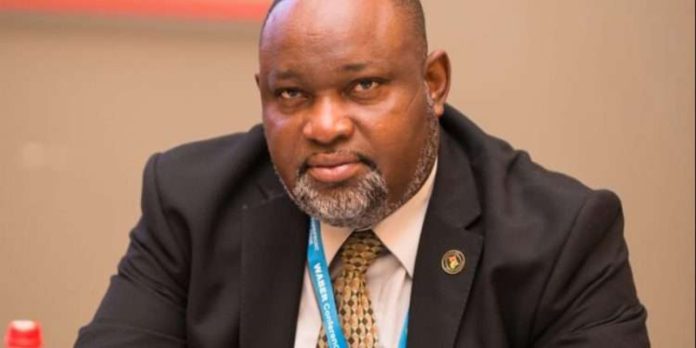
    Dr. Jackson Adiyiah Nyantakyi, the Ashanti Regional Director of the EPA and a researcher, stated, “Mercury has infiltrated a considerable number of fish in our water bodies,” emphasizing that this poses a serious public health risk.

    He urged everyone to support the government in curbing illegal mining practices before the situation escalates.

    In addition to its environmental implications, Dr. Nyantakyi highlighted in an interview with the Ghana News Agency (GNA) in Sunyani that mercury remains a poisonous chemical harmful to human health and well-being.

    He pointed out that abnormal skin rashes, body discoloration, rough skin, and other physical defects in infants could be linked to the effects of mercury absorption in the body.

    Dr. Nyantakyi warned that research has indicated widespread mercury contamination in many water bodies, leading to the poisoning of numerous fish, and expressed concerns that the situation could deteriorate further if illegal mining activities (galamsey) are not effectively controlled in the country.

    “My fears are that many Ghanaians eat lot of kenkey and fishes and who might tell if the fish you are eating is contaminated and so it is imperative for everybody to contribute his or her quota towards fighting illegal mining in the country”, he explained.

    In Ghana, Dr. Nyantakyi explained that gold refiners primarily use either Cyanidation (cyanide) or Amalgamation (mercury). Since the use of cyanide is illegal, illegal miners predominantly use large quantities of mercury for gold refining purposes.

    He said because their activities were illegal, the miners “use mercury anyhow and thereby pollute our environment and water bodies which is a serious public health concern that threatens human existence.”

    He emphasized that combating illegal mining was not solely the government’s responsibility, urging everyone, particularly those in mining communities—assembly members, traditional authorities, youth groups, and associations—to stay vigilant and assist in combating the problem.

    Dr. Nyantakyi explained that mercury, being a toxic chemical, can enter the human bloodstream through skin absorption, inhalation into the lungs and digestive system, and uptake by fish and microorganisms.

    He noted that sources of mercury emissions include volcanic activity, rock weathering, movement of water bodies, forest fires, biological processes, and deliberate use of the chemical.

    “Mercury easily infiltrates water bodies, the sediment and fishes and that is why we must all contribute to the national fight against illegal mining”, Dr Nyantakyi stated.

  • Bawumia calls on police to safeguard Ghana’s democratic progress

    Bawumia calls on police to safeguard Ghana’s democratic progress

    The New Patriotic Party (NPP) flagbearer, Dr. Mahamadu Bawumia, has urged the Ghana Police Service to guarantee a violence-free election during the upcoming December polls.

    Highlighting the importance of solidifying Ghana’s democratic achievements, the Vice President emphasized the critical role of the police in this endeavor.

    Addressing an event at the Police CID Headquarters, Dr. Bawumia underscored the significant responsibility the police bear in maintaining peace during elections.

    He emphasized that the police service plays an indispensable role in upholding democracy in the country.

    Dr. Bawumia asserted that without the effective participation of the police, Ghana’s democratic framework would be jeopardized.

    He called on the police to fulfill their duty in safeguarding and preserving the integrity of the electoral process, ensuring a peaceful and equitable election.

    “The ‘Snatch Them Young’ policing initiative, which focuses on school children amongst several other initiatives, has ensured a more responsive, accountable, and operationally effective policing institution.

    “I would like to urge you to continue to do more, especially as the nation prepares to go into general elections come December 7,” Vice President Bawumia urged.

  • Man poses as a lady to expose cheating spouse

    Man poses as a lady to expose cheating spouse

    In a drastic attempt to catch his wife cheating, a man named Wellington Phiri from Chegutu, Zimbabwe, resorted to an unusual and elaborate disguise.

    Phiri donned his wife Prisca Mhuru’s clothing, including her dress, bra, and headscarf, to sneak into the house where he believed she was with her lover.

    However, Phiri’s plan did not go as intended. Upon reaching the house and knocking on the door, he was confronted by the man he accused of having an affair with his wife.

    The lover recognized Phiri despite his disguise, locked the door, and threatened him with an axe, forcing Phiri to flee the scene.

    “My neighbour has wrecked my marriage. I learned that Mabhayo was accommodating my wife in his bedroom since he is single. I dressed myself like a woman and visited Mabhayo’s house, knowing he had a weakness for women. His dog tried to scare me, but I kept knocking until he attended to me,” Phiri recounted.

    Phiri, who has two children with Prisca, believes Mabhayo’s actions have contributed significantly to the breakdown of his marriage.

    Sources close to the situation suggest that Phiri has been engaged in ongoing clashes with various men in the neighbourhood, suspecting them of having affairs with his wife.

  • Bawumia cut sod to open ultra-modern police shop in Accra

    Bawumia cut sod to open ultra-modern police shop in Accra

    Vice President Dr. Mahamudu Bawumia has inaugurated the Ghana Police Shop at the National Police Headquarters on Wednesday, July 17, 2024.

    During the ceremony in Accra, Vice President Bawumia reiterated the Government’s commitment to backing the Ghana Police Service.

    The establishment of the Police Shop is a key aspect of the Government’s initiative to improve police infrastructure.

    Dr. Bawumia highlighted that the shop is intended to support, not replace, the Government’s duty of providing mandatory uniforms, aiming to enhance efforts in maintaining police uniformity.

    The Police Shop serves as a convenient all-in-one location where officers can acquire essential items such as office attire, operational gear, ceremonial wear, boots, and bags, supplementing the standard issue supplied by the Service.

    The shop also includes an online platform, enabling officers to place orders remotely.

    Vice President Bawumia pointed out significant investments made since 2017, such as the provision of housing, vehicles, motorbikes, and the recruitment of approximately 7,000 personnel.

    The Minister for the Interior, Hon. Henry Quartey, thanked the organizations and individuals who contributed to setting up the Police Shop.

    He stated that the government is dedicated to prioritizing national security and ensuring peaceful elections in December 2024.

    Hon. Quartey assured that the Police Service and other security agencies would fulfill their duties with professionalism to uphold law and order at all times.

  • We will secure 32% vote in Ashanti Region – NDC predicts

    We will secure 32% vote in Ashanti Region – NDC predicts

    Asawase Member of Parliament and former minority Chief Whip claims that the party will secure around 32% of the Ashanti Region’s votes in the December elections, dismissing the New Patriotic Party’s target of 85% as unrealistic and overly ambitious.

    Mohammed Mubarak Muntaka pointed out that since 1992, the NDC’s worst performance in the Ashanti Region has been about 20% of the vote, making a rise to 32% feasible.

    This remark follows the NPP’s announcement of its running mate in Kumasi, where Dr. Mathew Opoku Prempeh urged voters to give 85% of the votes to the party.

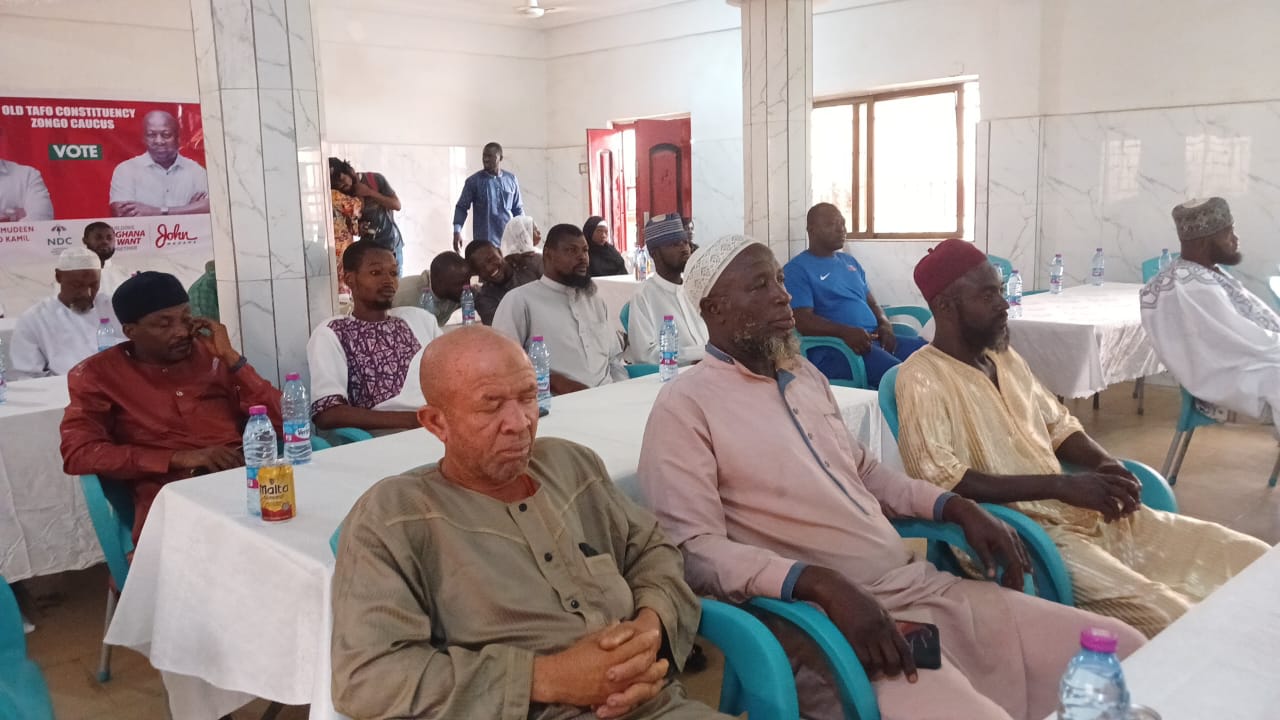
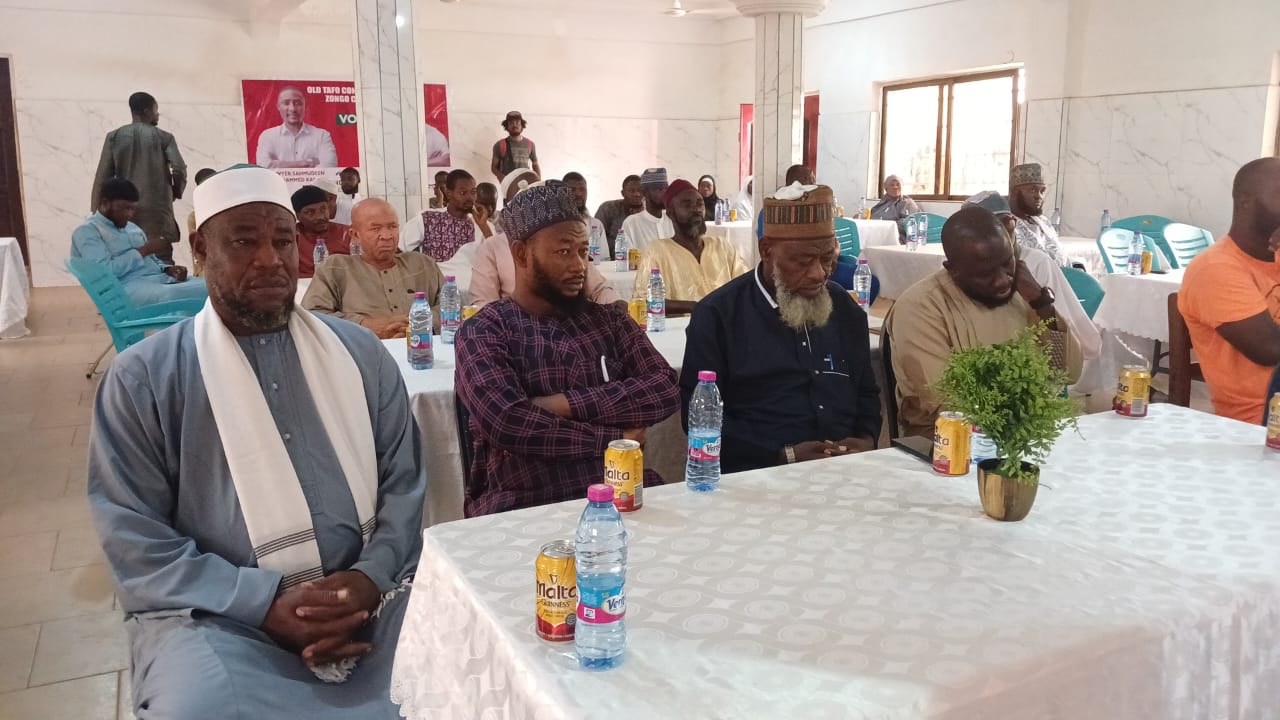
    In an interview with JoyNews, after a meeting with the Tafo/Pankrono NDC parliamentary candidate, Zongo Chiefs, and religious leaders, the Asawase MP questioned the likelihood of the NPP’s strategy to secure 85%, considering the NDC’s steady historical performance in the region.

    “If you look at our worst performance in the last 30 years in this region, it has never dropped below 20 percent. Are they going to prevent us from voting, or how do they expect to secure the 85 percent of the votes?” he quizzed.

    He also stated that the NDC is not intimidated by the NPP’s new running mate, Dr Mathew Opoku Prempeh, who he thinks lacks the experience and strategies to mount a strong electoral campaign, as this will be his first major electoral test.

    He taunted Dr. Prempeh, encouraging him to continue making mistakes that could ultimately benefit the NDC’s chances of winning.

    The NDC’s parliamentary candidate for Tafo/Pankrono, Sahmudeen Mohammed Kamil, explained that the meeting’s purpose was to connect with community leaders, understand their concerns, and identify their needs ahead of the 2024 General elections.

    After the meeting, they pinpointed key issues affecting the constituents, including unpaid or underpaid Islamic teachers, high youth unemployment, and the rising cost of living.

    According to Sahmudeen, the NDC, under the leadership of John Dramani Mahama, intends to implement the 24-hour economy initiative to address the challenges faced by the constituents, including unemployment and high cost of living. He further stated that those who claim to be unaware of the policy are simply pretending to be ignorant, implying that the initiative is clear and well-defined.

    Despite facing strong competition in the constituency, Sahmudeen remained optimistic about defeating the incumbent Member of Parliament, Vincent Ekow Assafuah, whom he criticized for being absent and ineffective in addressing the constituency’s needs.

    Sahmudeen stressed that the NDC is dedicated to achieving meaningful and lasting development nationwide and urged voters to support the party in the upcoming elections.

  • Akufo-Addo’s honorary degree should be revoked – NDC youth wing demands

    Akufo-Addo’s honorary degree should be revoked – NDC youth wing demands

    The Volta Regional Youth Wing of the National Democratic Congress (NDC) has vehemently opposed the University of Health and Allied Sciences (UHAS)’s plan to award an honorary doctorate to President Nana Addo Dankwa Akufo-Addo.

    The Youth Wing insists that the Vice Chancellor and the University Council stop any further actions related to this proposed award immediately.

    In their statement, the Youth Wing called the proposal “infuriating and unacceptable,” claiming that President Akufo-Addo’s policies have greatly harmed the welfare and development of both the Volta region and the country.

    They emphasized that UHAS was founded by the NDC administration under Mills and Mahama, who provided the vision, resources, and initial development necessary to create the university.

    The Youth Wing also disputed the assertion that the NPP secured funding for the China Phase II project, arguing that President Mills had already established the foundation for ongoing funding through Chinese grants before the university’s first phase of construction began.

    They challenged the current government to demonstrate any significant contributions it has made to UHAS since President Akufo-Addo assumed office.

    The statement criticized the current government for failing to provide necessary financial clearance for employing lecturers and staff at UHAS and for abandoning university road projects started by the NDC.

    They argued that the Volta region has faced systematic neglect under the current administration, with stalled critical infrastructure projects and an overall lack of fair national development.

    Labeling the honorary degree proposal as a blatantly partisan move, the Youth Wing emphasized that UHAS, as an esteemed academic institution, must remain neutral and avoid political controversies.

    They stated that conferring such an honor on President Akufo-Addo would tarnish UHAS’s reputation and send a dangerous message endorsing the administration’s alleged economic mismanagement, corruption, and marginalization of the Volta region.

    The Youth Wing urged the Vice Chancellor and the UHAS Council to withdraw the proposed conferment and called on the UHAS community, alumni, and stakeholders to stand against this initiative.

    They warned that if their demands are not met, they would explore all lawful and democratic means to ensure their voices are heard, including organizing massive and sustained demonstrations.

    The statement concluded with a plea for the Vice Chancellor and Council to act in the best interests of the university and the nation by withdrawing the unmerited honor.

  • GRA surpasses goal of onboarding over 600 large companies to E-VAT platform

    GRA surpasses goal of onboarding over 600 large companies to E-VAT platform

    The Ghana Revenue Authority (GRA) has surpassed its goal of enrolling 600 large companies onto its Electronic (E)-VAT platform, successfully signing up 40 additional firms.

    In May 2024, the GRA committed to integrating over 600 large companies into its E-VAT system by June to improve revenue collection and oversight.

    During a brief meeting with the Presiding Bishop of the Methodist Church Ghana, Rev. Dr. Paul Boafo, GRA Board Chair Joe Ghartey revealed that the Authority plans to add even more companies to its E-VAT platform.

    “For example, there is a policy of digitizing the collection units. Studies have shown that if tax collection is digitized, it’s easier to monitor and it will increase revenue.”

    “In the beginning, it was difficult to let people understand. So the GRA set a target of 600 large companies to be on-boarded. This simply means that the company should be put on a system which is digitized. By the time the GRA was declaring their final result, they have reached 640, passing the target by 40.”

    Mr. Ghartey expressed hope that the GRA can increase its target for the next two months.

    “Management has set another target for the next two months but the board has set a higher target. And I know they will succeed by God’s grace”.

    The Commissioner-General of the GRA, Julie Essiam stressed the need to develop partnerships with various faith based organisations to educate the public about tax compliance.

    “As we move forward, our vision is to leverage this pioneering partnership as an operating model across all faith based organisations”, she said.

    The Presiding Bishop of the Methodist Church of Ghana, Rev. Dr. Paul Boafo, called on the public to follow Ghanaian laws and contribute to the country’s socio-economic progress.

    The visit by the GRA to the Presiding Bishop was aimed at strengthening its collaboration with the church.

    The delegation, which included the Commissioner General, the Board Chair of GRA, board members, Deputy Commissioners, and other senior staff, conducted the visit.

    To meet its annual revenue target of ¢149 billion by the end of 2024, the GRA plans to collaborate with various faith-based organizations to raise awareness about tax compliance and encourage societal adherence to tax obligations.

  • Ghana set to receive $45m AfDB grant in 2025

    Ghana set to receive $45m AfDB grant in 2025

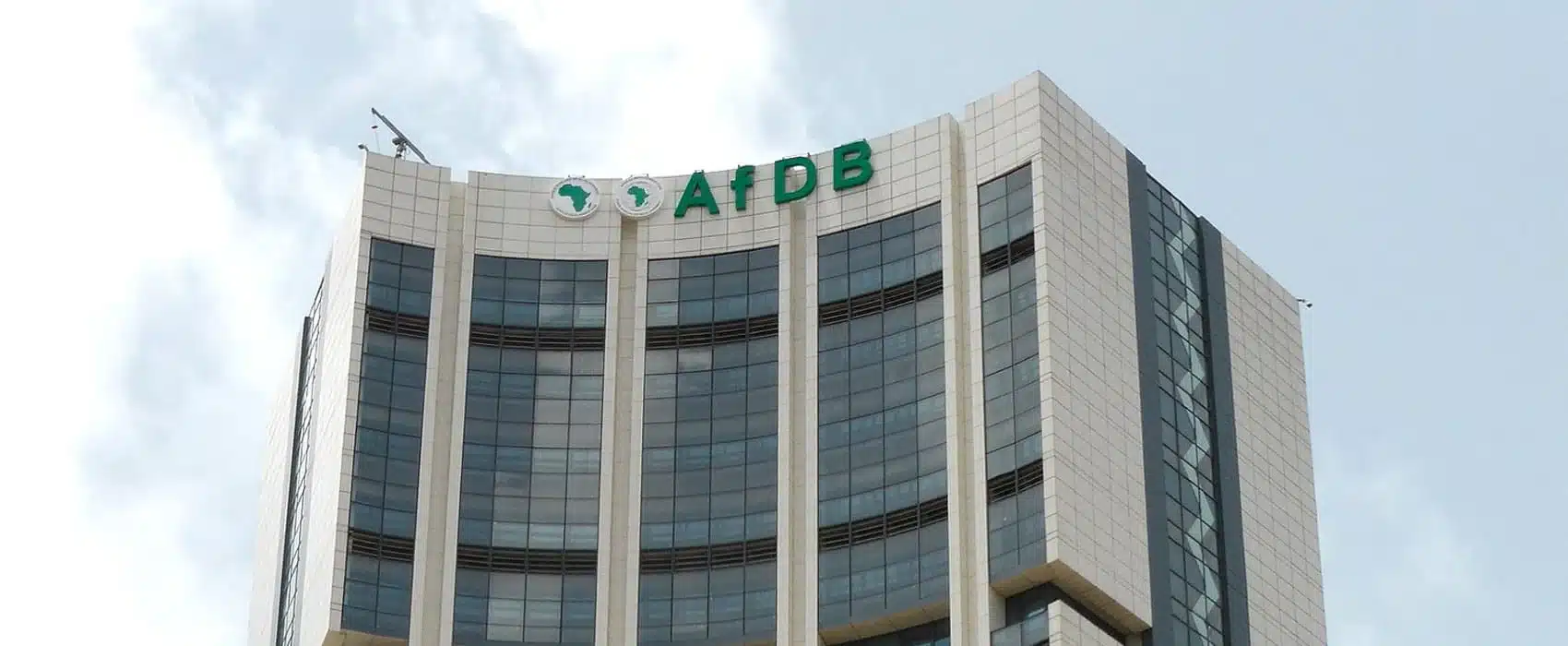
    Ghana is poised to receive a $45 million grant from the African Development Bank (AfDB) next year to support a project focused on the growth and digitalization of Small and Medium-sized Enterprises (SMEs).

    This funding is part of the AfDB’s strategy to enhance private sector development, emphasizing a unified approach to advancing the Bank’s agenda, with a strong emphasis on SME growth and digital transformation.

    “Our initiatives, such as providing technical assistance, enhancing digital financial inclusion, and supporting specialised agro-industrial zones are designed to address the unique challenges faced by SMEs in Africa,” said Mr. Solomon Quaynor, the Vice President of the African Development Bank, responsible for private sector, infrastructure and industrialization at the SME growth and Opportunity Summit organised by the Ministry of Finance and the Ministry of Trade and Industry.

    The event held on the theme “Breaking Barriers to SME, growth” brought together selected participants from the private sector, academia, business regulatory and compliance institutions, media, industry, multilateral and bilateral partners as well as financial service providers.

    It includes initiatives spanning finance, governance, and industrialization to enhance SME access to capital and markets, with a focus on value chain creation, productivity improvements, and market facilitation.

    At the event, the President also unveiled the GH₵8.2 billion SME GO program, aimed at strengthening support for SMEs nationwide.

    Kyle Kelhofer, Senior Country Manager at the International Finance Corporation (IFC), revealed that the IFC has contributed over $400 million to Ghana, with more than $120 million allocated to the financial sector to support lending, stimulate growth, and aid SMEs.

    He noted Ghana’s strong track record in SME development but suggested that the government could accelerate progress by providing SMEs with a more accessible and transparent business environment, enabling them to formalize and access the benefits available to established companies.

    “Supporting the SMEs does not just mean we are supporting small businesses, but rather we’re investing in the future large local corporates for Ghana. It is today’s SMEs that are tomorrow’s large-scale job creators, economic transformation, and leadership.

    Dr Humphrey Kwesi Ayim-Darke, President of the Association of Ghana Industries (AGI), said breaking barriers for SME growth was a shared responsibility that required the collective effort of entrepreneurs, policymakers, financial institutions and other stakeholders.

    He emphasized the importance of uniting efforts and embracing innovative strategies to advance the sector, enabling it to effectively navigate the complexities of contemporary markets and global competition.

    In the short term, he encouraged the government to partner with the private sector to reevaluate tax policies that impede SME growth.

    “We must strive to simplify the tax regulatory framework, ensuring it is conducive to the unique needs of SMEs. We therefore pledge our commitment to coordinate with the Government to harness the full benefits of this programme,” he said.

  • Jinapor urges Bawumia to address cedi depreciation instead of engaging in unnecessary debates

    Jinapor urges Bawumia to address cedi depreciation instead of engaging in unnecessary debates

    Ranking Member on the Mines and Energy Committee of Parliament, John Jinapor, has criticized Dr. Mahamudu Bawumia, the New Patriotic Party’s flagbearer, for challenging John Dramani Mahama, the NDC flagbearer, to a debate on economic issues.

    Jinapor contends that Dr. Bawumia should prioritize addressing urgent matters such as the decline of the cedi against major currencies and the increase in fuel prices, which have notably affected the cost of living.

    In a discussion with journalists in Accra, the Yapei Kusawgu MP accused the current administration of enacting ineffective policies aimed at stabilizing the local currency.

    Jinapor highlighted the gold-for-oil policy as a particularly detrimental measure that has led to financial losses for the state and exacerbated the rise in fuel prices.

    “The managers of the economy have to sit up. Clearly, the Bank of Ghana is losing it. While the Bank of Ghana is spending millions of Cedis and dollars on the gold-for-oil program, the currency is not stabilising.

    “The Cedi is depreciating, fuel prices are going up, cost of living is going up, and everybody is suffering. But worst of all, wages and salaries are stagnating. Wages and salaries are not going up. The managers of the economy have lost it,” he asserted.

    The lawmaker continued, “And I think that Dr. Bawumia, instead of calling for a debate, should rather spend some time concentrating on managing the economy. He should stop the unnecessary call for a debate, do his work as the head of the economic management team, and ensure that we deal with the ever-rising cost of fuel.”

    Bloomberg, an international news portal, has recently placed the Ghana Cedi as the fourth-worst performing currency out of 150 major currencies tracked worldwide.

    Since the start of the year, the Ghana Cedi has depreciated by 21% against the US Dollar.

    The Cedi’s poor performance is largely due to heightened demand for US dollars to buy petroleum products, pharmaceuticals, and other imported goods.

  • #OccupyBoG demo to hold on July 30 for the second time

    #OccupyBoG demo to hold on July 30 for the second time

    On Tuesday, July 30, 2024, the Minority Caucus in Parliament, led by Mahama Ayariga, the Member of Parliament for Bawku Central, will stage a demonstration calling for the immediate resignation of the Governor of the Bank of Ghana, his deputies, and the entire board.

    The upcoming demonstration is anticipated to be a significant display of opposition, following numerous accusations of corruption and mismanagement at the central bank.

    According to Mr. Ayariga, the governor has failed to disclose the current cost of the central bank’s new headquarters, which is under construction at a budget exceeding US$250 million.

    Originally estimated at around US$89 million, the price of the head office has ballooned to over US$250 million.

    The MP has also claimed that the governor has not revealed the cost of a piece of land that was repurposed from a planned clinic site to build a residence for the governor.

    The police have confirmed their awareness of the planned protest and are preparing for the event.

    Although the demonstration is expected to be non-violent, authorities are taking precautions, including deploying additional police personnel to ensure order.

    Residents along the demonstration route have been advised by the police to stay indoors and avoid any interactions with protesters.

    Mr. Ayariga has urged government officials, including the President, to address what he describes as corruption and mismanagement at the central bank.

    He has vowed to continue leading protests until his demands are fulfilled.

  • COCOBOD makes $149.8m profit through restructured debt – Auditor General’s report

    COCOBOD makes $149.8m profit through restructured debt – Auditor General’s report

    Ghana’s Cocoa Marketing Board (Cocobod) reported a profit of GH¢2.3 billion ($149.84 million) for the 2022/23 fiscal year, largely due to debt restructuring, according to an Auditor General report obtained by Reuters on Tuesday.

    The report revealed that this was Cocobod’s first profit after experiencing six consecutive years of losses.

    As the world’s second-largest cocoa producer, Ghana has been working to restructure its $30 billion debt, including that from the cocoa sector, to support a $3 billion, three-year International Monetary Fund program and recover from its most severe economic crisis in decades.

    Last month, Ghana concluded a deal with its official creditor committee and reached a preliminary agreement with two bondholder groups to restructure approximately $13 billion of its debt, advancing its debt overhaul efforts.

    These developments followed a domestic debt restructuring program in 2023, during which various bonds, including cocoa bills used to address Cocobod’s short-term liquidity needs, were exchanged for long-term securities with reduced yields.

    Cocobod “ended the year with a profit of 2.3 billion cedi, compared with a loss of 4.2 billion cedi in 2022,” said the auditor general report on public corporations and boards yet to be published.

    Ray Ankrah, deputy CEO of Cocobod, said the recovery was largely on the back of the debt restructuring.

    “There were huge financing costs; we were paying something in the range of 34% but it’s now down to 13% (after the restructuring),” he said.

    Mr. Ankrah noted that rising global cocoa prices, higher sales of cocoa beans, currency stability, and improved cost management all contributed to the profit.

    The audit report indicated that Cocobod’s revenue grew by 41.7% to GH¢17.7 billion in 2023, driven by increased sales of cocoa beans.

    According to the report, Cocobod may still face challenges in meeting its short-term financial commitments due to inadequate liquidity.

    Cocoa prices have more than doubled this year, primarily due to poor harvests in Ghana and Ivory Coast, which together account for 60% of the world’s cocoa supply.

  • US$145m meter procurement breach by ECG exposed in Auditor-General’s Report

    US$145m meter procurement breach by ECG exposed in Auditor-General’s Report

    An Auditor-General (A-G) report has uncovered that the Electricity Company of Ghana (ECG) overspent by over $145 million on meter procurement, breaching the Public Procurement Act.

    The report further noted that ECG failed to fully recover an excess amount of GH¢53.9 million detected through monitoring and did not pursue legal action against customers involved in electricity theft, which could have acted as a deterrent.

    The audit, carried out from August to December 2022, covered the period from 2016 to 2021 at various ECG sites, including the headquarters, Metering and Technical Services (MTS) Division, the Materials and Depot in the Greater Accra Region, as well as four selected regional and nine district offices.

    “ECG signed 50 contracts to procure 862,750 meters and their accessories, amounting to USD 145,010,153.92 over the audit period without adhering to the requirements of the Public Procurement Act.”

    “During our audit period, ECG was unable to recover all the GH¢53,988,463.31 that it detected through monitoring and failed to prosecute customers engaged in power theft to serve as a deterrent to others,” the report stated.

    In a letter sent to the Speaker on June 2, 2023, the A-G, Johnson Akuamoah Asiedu, recommended that ECG ensure all procurement activities comply with the Public Procurement Act to guarantee value for money.

  • IMF keeps its projection for global growth unchanged at 3.2% for 2024

    IMF keeps its projection for global growth unchanged at 3.2% for 2024

    Global growth is expected to align with the April 2024 World Economic Outlook (WEO) forecast, at 3.2% for 2024 and 3.3% for 2025.

    The International Monetary Fund reports that global economic activity and international trade gained momentum at the start of the year, driven by strong exports from Asia, especially in the technology sector.

    Compared to the April 2024 WEO, first-quarter growth exceeded expectations in many countries, though Japan and the United States experienced notable downturns.

    In the United States, after a prolonged period of strong performance, a sharper-than-expected slowdown occurred due to reduced consumption and a negative impact from net trade. In Japan, the unexpected decline in growth was caused by temporary supply disruptions from the shutdown of a major automobile plant in the first quarter.

    Conversely, the WEO reported signs of economic recovery in Europe, primarily driven by an increase in services activity.

    In China, a resurgence in domestic consumption boosted first-quarter growth, supported by a temporary surge in exports reconnecting with last year’s rise in global demand. These trends have helped narrow the output gaps across economies, as cyclical factors diminish and economic activity aligns more closely with its potential.

    Global disinflation slowing

    However, the varied pace of economic activity at the start of the year has slightly reduced the output differences among economies as cyclical influences diminish and activity aligns more closely with its potential.

    The IMF notes that inflation in services prices is hindering progress on disinflation, complicating the normalization of monetary policy.

    “Upside risks to inflation have thus increased, raising the prospect of higher-for-even-longer interest rates, in the context of escalating trade tensions and increased policy uncertainty”, it pointed out.

    To manage these risks and preserve growth, it said the policy mix should be sequenced carefully to achieve price stability and replenish diminished buffers.

    Meanwhile, the pace of global disinflation is decelerating, indicating potential obstacles ahead.

    This slowdown is due to varying sectoral trends: persistent higher-than-average inflation in service prices, somewhat offset by stronger disinflation in goods prices.

    Nominal wage growth continues to be robust, outpacing price inflation in certain countries. This trend is partly a result of wage negotiations earlier this year and short-term inflation expectations that still exceed targets.

  • President appoints Alexander Afenyo-Markin as new ECG board chairman

    President appoints Alexander Afenyo-Markin as new ECG board chairman

    President Nana Addo Dankwa Akufo-Addo has named Alexander Kwamina Afenyo-Markin, the Majority Leader and Member of Parliament for Effutu, as the new Board Chairman of the Electricity Company of Ghana (ECG).

    This is the third appointment to this position within the past six months, following the resignations of Keli Gadzekpo and Herbert Krapa.

    The announcement came through a letter signed by the President’s Secretary, Ambassador Nana Asante Bediatuo.

    In March, Keli Gadzekpo stepped down from his role as ECG board chair for personal reasons.

    He was succeeded by Herbert Krapa, the deputy energy minister, who was later promoted to Minister of State at the Energy Ministry.

    See the letter below:

  • World Bank lauds BoG’s independence and effective policy reforms in new CPIA report

    World Bank lauds BoG’s independence and effective policy reforms in new CPIA report

    The World Bank has praised the Bank of Ghana for its independence, which has been crucial in the success of various policy reforms aimed at mitigating inflationary pressures on the Ghanaian economy.

    This acknowledgment was featured in the World Bank’s most recent Country Policy and Institutional Assessment (CPIA) report, titled ‘CPIA Africa 2024: Structural Reforms for a Vibrant Private Sector.’

    The report noted that the Ghanaian government, in conjunction with the Bank of Ghana and other governments and central banks across sub-Saharan Africa, has effectively shifted from managing global shocks to strengthening credibility, capacity, and transparency.

    “A reflection of this is the region’s strong performance across multiple measures of Central Bank independence – an institutional provision that improves countries’ ability to reduce inflation and can improve investors’ perception of risks,” the CPIA report stated.

    The World Bank highlighted that Ghana’s dedication to policy reforms aimed at enhancing the central bank’s independence has enabled the Bank of Ghana to pursue a stringent monetary policy.

    This approach involved increasing reserve ratios and executing a fiscal reform program, which effectively decreased year-over-year inflation from 54% in December 2022 to 23% in December 2023.

    The report emphasized, “Ghana’s reforms around central bank independence were complemented by halting monetary financing of the deficit, which contributed to curbing inflation from over 50% in 2022 to 23.2% in December 2023.”

    The CPIA also reported that the average score for monetary and exchange rate policies in the region rose to 3.4 in 2023, with notable improvements in the scores of six countries, including Ghana, Mauritania, Nigeria, Somalia, and Zambia.

    Regarding fiscal transparency and responsibility, the report recognized Ghana’s efforts to reintroduce its fiscal rule for the medium term and to enhance the independence of its Fiscal Council. This initiative aims to bolster the credibility of the council’s macro-fiscal assumptions and adherence to the fiscal rule.

    The CPIA functions as an annual assessment tool for countries eligible for funding from the International Development Association (IDA), the World Bank’s branch dedicated to supporting the world’s poorest nations.

    Andrew Dabalen, World Bank Chief Economist for Africa, remarked, “the CPIA review offers a chance to identify areas of relative weakness and engage in a dialogue around policy reforms that can produce better development outcomes.”

    The 2024 CPIA report strongly underscores the importance of attracting and maintaining increased private sector investment.

    “Private sector investments will need to pick up after years of investment growth coming from the public sector. High interest rates and public debt mean that the public sector can’t continue to do the heavy lifting, but there are huge opportunities around trade and the digital economy,” said Nicholas Woolley, the CPIA report’s main author.

    As Ghana advances with these reforms, the World Bank’s recognition highlights the crucial role of upholding central bank independence and fiscal responsibility for achieving long-term economic growth and stability.

  • Nahinso Chief detained for unauthorized road repairs

    Nahinso Chief detained for unauthorized road repairs

    The Chief of Nahinso, Nana Addo Boaman, has been detained by the Asokwa Municipal Assembly for carrying out road repairs without official authorization.

    Nana Boaman clarified that he took on the road repairs due to repeated failures by authorities to address the deteriorating road conditions, which have caused ongoing flooding despite numerous appeals from local residents and motorists.

    He was granted bail over the weekend, according to citinewsroom.com.

    Residents and motorists in Nahinso, a community within the Asokwa Municipality, bordering the Bosomtwi District and Oforikrom Municipality, have long been complaining about the declining state of the roads.

    The road work was halted after the drainage systems were installed, which, according to users, has exacerbated their problems.

    Pits left on parts of the road from alleged sand-winning activities pose serious risks to road users.

    These pits frequently lead to flooding, complicating travel and impacting nearby homes.

    In response, Nana Addo Boaman began filling the pits and repairing the road to improve its condition after his efforts to prompt the authorities were unsuccessful.

    However, officials from the Asokwa Municipal Assembly halted his work, citing the lack of authorization for the repairs.

    The police at the Asokwa District Command arrested him, but he was later released on bail over the weekend.

    The Assembly argues that the chief did not adhere to the proper procedures before commencing the road work.

    Despite his arrest and ongoing challenges, Nana Boaman has vowed to continue working on the road repairs.

  • NDC government plans to set up a secretariat for the 24-hour economy

    NDC government plans to set up a secretariat for the 24-hour economy

    Former Deputy Minister for Works and Housing and ex-Deputy Ashanti Regional Minister, Samuel Yaw Adusei, announced that the upcoming National Democratic Congress (NDC) government led by John Dramani Mahama will create a secretariat to ensure the 24-Hour Economy Policy is put into effect.

    During an appearance on Top Radio’s Final Point programme with host Kwabena Owusu Agyemang, he highlighted that the policy will primarily focus on the economy’s three key sectors: primary, secondary, and tertiary.

    He explained that the policy’s implementation would be both gradual and incremental, utilizing ministries, departments, agencies, and the private sector as the main channels.

    He also mentioned that, initially, the secretariat will launch a “roadshow” to engage relevant stakeholders across the country, aiming to encourage widespread adoption of the policy by companies and individuals.

    “So the government is going to be deliberate about it; it’s going to have its secretariat aside from the agricultural policies we intend to introduce,” he stated.

    He characterized the policy as an innovative initiative by John Dramani Mahama aimed at growing the economy and creating job opportunities outside traditional working hours.

    “It is not a policy that is out of place to have some people like Bawumia describe it as empty. It cannot be empty. How is a 24-hour economy empty? Most countries are practising it. When you go to the UK, it is practised there,” he said.

  • Kyiri Abosom urges EC to appoint police, military as returning officers for 2024 elections

    Kyiri Abosom urges EC to appoint police, military as returning officers for 2024 elections

    Christian Kwabena Andrews, commonly known as Osofo Kyiri Abosom and the leader of the Ghana Union Movement (GUM), has urged the Electoral Commission of Ghana, headed by Jean Mensa, to appoint military and police personnel as returning officers for the 2024 elections.

    Andrews contends that the current staff recruited by the EC often have political affiliations, which threatens the neutrality of the electoral process.

    In an interview with UTV on July 16, 2024, Andrews stated that the presence of party-affiliated officials within the EC jeopardizes national interests.

    He believes that involving security forces would improve the fairness of the elections and ensure a more impartial management of the electoral process.

    “The EC hasn’t done anything wrong because when you talk about the EC, it has to do with Jean Mensa and her deputies,” Andrews explained. “But the party has sent their people to the EC to recruit them.

    “So, they wear the EC cloth, but deep down inside, they are representing their political parties. Such people are not there to help the country,” he said.

    He suggested that following the elections in the constituencies, some results should be taken to police stations before being submitted to the EC to enhance accountability.

    Andrews also urged Ghanaians to support him in the upcoming elections, stressing the importance of addressing the nation’s challenges rather than focusing on political affiliations.

    He pledged to tackle the country’s issues through initiatives in industrialization, educational reform, and job creation.

  • Wyllbee, 3 others who died through mob action

    Wyllbee, 3 others who died through mob action

    Mob justice has increasingly embedded itself in society, becoming a prevalent practice in various regions of the country.

    Despite strong condemnations from officials, including a warning from the Attorney General on February 4, 2024, after the sentencing of Major Mahama’s murderers, mob justice continues to proliferate.

    In 2019, the media reported up to 20 instances of mob justice.

    Similarly, a 2022 report by graphic.com.gh highlighted a troubling trend, with over 10 cases of mob justice occurring in under 4 months in the Bono Region alone.

    The victims, all men aged between 20 and 35, faced these violent acts.

    The incidents took place in communities such as Wamanafo in the Dormaa East District, Penkwase near Sunyani, Abesim in the Sunyani Municipality, as well as Odomase in the Sunyani West Municipality, Senase, and Berekum in the Berekum Municipality.

    Sadly, for some individuals, mob justice has become a rapid means of seeking retribution.

    Major Maxwell Mahama

    In the early morning of May 29, 2017, social media was flooded with disturbing videos showing the brutal lynching and murder of Major Maxwell Mahama, a 32-year-old officer from the 5th Infantry Battalion of the Ghana Armed Forces based at Burma Camp.

    The tragic event took place in Denkyira-Obuasi, now known as New Denkyira Obuasi, in the Central Region. Major Mahama was mistakenly identified as a criminal while he was out on a morning run.

    A vendor, alarmed by the sight of a pistol on the deceased, triggered one of the most horrific instances of mob justice in the country’s history.

    The women, who saw the pistol and mistook Major Mahama for an armed robber, alerted a local assembly member. He then rallied men from the community, who captured, lynched, and ultimately burned the military officer to ashes.

    Videos of the lynching showed both men and women participating in the brutal assault, beating him to death with cement blocks, stones, and sticks.

    When news emerged that the victim was a military officer, many residents of the town fled in fear.

    A pathology report by Dr. Lawrence Adusei from the Korle-Bu Teaching Hospital revealed that Major Mahama died from severe head injuries inflicted by blunt objects and gunshots.

    Years later, 12 individuals who were significantly involved in the lynching and murder of Major Mahama were sentenced to life imprisonment after being convicted of murder, conspiracy, and aiding in the crime.

    Musician Wyllbee

    The tragic passing of the budding artiste from a mob lynching has sparked public outcry.

    Born Wilberforce Appiah, he met his untimely death after he was also accused of being a thief while on a visit to his alleged girlfriend’s place at Abuakwa-Tanoso in the Ashanti Region, on July 5, 2024.

    According to media reports, the late musician, who resided at Sowutuom, was attacked, beaten and lynched by a mob after an alarm was raised by a relative of his alleged girlfriend.

    He was later taken to the hospital but was pronounced dead.

    90-year-old woman accused of witchcraft

    On July 23, 2020, in the East Gonja Municipality, a 90-year-old woman was brutally lynched on suspicion of witchcraft.

    The victim, Akua Denteh, was accused of practicing witchcraft by a local fetish priest.

    She endured severe beatings from a large crowd that had gathered to watch the horrific event.

    Additionally, a video of the lynching spread widely on social media.

    2 persons lynched at Mion

    40-year-old Safura Ibrahim and 70-year-old Sharu Mohammed were lynched to death in the Zakpalsi community, after a soothsayer accused them of witchcraft.

    The lifeless body of 70-year-old Mohammed was found with blood stains on his face while 40-year-old Safura was dragged from the chief’s palace and lynched.

    The two, according to reports, were accused of conspiring to bewitch a resident of the community, using a locally made snuff, which led to the person’s death after an illness.

    What do Ghana’s laws say about mob justice?

    The concept of mob justice is defined by law as the collective beating of a person suspected of criminal activity by a group using clubs, stones, machetes, and in extreme cases, setting them on fire.

    Regardless of circumstances, Ghanaian laws protect individuals accused of crimes, irrespective of their severity.

    Similarly, mob justice is explicitly outlawed under Ghana’s legal framework, specifically addressed in Act 29 of the Criminal Code of 1960. This legislation covers various aspects related to mob justice, including:

    Section 46 — Murder: Punishing those who commit murder with death.

    Section 47 — Definition of Murder: Stating that intentionally causing someone’s death through unlawful means constitutes murder, except under circumstances that may reduce the charge to manslaughter as per Section 52.

    Section 48 — Attempt to Commit Murder: Declaring attempted murder a first-degree felony.

    Additionally, Chapter 5 of Ghana’s constitution safeguards fundamental human rights and freedoms. Article 13(1) ensures no individual shall be intentionally deprived of life except through lawful execution following a criminal conviction under Ghanaian law.

    Article 15 reinforces respect for human dignity, asserting the inviolability of everyone’s dignity and prohibiting torture, cruel, inhuman, or degrading treatment or punishment.

    Article 19 guarantees fair trial rights, stipulating that individuals charged with criminal offences are entitled to a fair hearing within a reasonable time by a court, and are presumed innocent until proven guilty.

    These laws collectively protect individuals, including those suspected of crimes, from being subjected to mob justice.

  • Ghana’s cocoa production at 50% of average as harvest nears end

    Ghana’s cocoa production at 50% of average as harvest nears end

    At the end of June, Ghana’s cocoa production reached 429,323 metric tons, representing under 55% of the expected seasonal yield, as reported by the marketing board, COCOBOD.

    Global cocoa prices have surged since the beginning of the year due to poor harvests in Ghana and Ivory Coast, the latter being the largest producer. These two countries together supply approximately 60% of the world’s cocoa.

    Ghana’s primary cocoa harvest is generally completed by the end of June, and the COCOBOD figures provide an approximate reflection of this season’s main crop yield for the world’s second-largest producer.

    Both major cocoa producers have faced challenges from adverse weather and tree diseases, while Ghana’s production has also been affected by informal mining and smuggling activities.

    The data from COCOBOD, as reported by Reuters, does not account for any cocoa production that may have been illegally exported.

    On June 21, COCOBOD announced the commencement of Ghana’s light crop season, which typically contributes less than 10% of the annual cocoa yield.

    Over the past five seasons, Ghana’s average annual cocoa production has been 800,000 tons, with a peak of over 1 million tons in 2020/21. However, the COCOBOD data indicates a decline over the past three seasons.

    The marketing board did not provide equivalent production figures for the two previous seasons up to June. Nonetheless, full season outputs were 683,269 tons in 2021/22 and 656,140 tons the following season.

    The decline in production has been most significant in Ghana’s top cocoa-growing regions: Ashanti and Western South. According to the data, Ashanti produced 103,976 tons by the end of June, compared to 160,855 tons for the full season last year, while Western South yielded 96,810 tons by June, down from 152,277 tons last season.

    Nana Kwesi Barning, coordinator of the Ghana Civil Society Cocoa Platform, attributed the production decline in the two regions primarily to swollen shoot disease (CSSVD) and artisanal gold mining, locally known as galamsey.

    “Galamsey and CSSVD are massive in there, especially the galamsey, per our analysis,” he told Reuters.

    Nana Johnson Mensah Kagya, a major farmer in the Western South region with around 80 hectares of plantations, said over half of his cocoa had to be cut down and replanted due to swollen shoot.

    And illegal gold mining, he said, is drawing young men away from cocoa farming.

    “If galamsey continues to exist, cocoa has no future. Because of the galamsey, you will not get anybody to work on the cocoa farm,” Kagya said.

    The Western North and Western South regions, situated near the border with Ivory Coast, along with the eastern Volta/Oti region adjacent to Togo, have experienced a decline in production due to their susceptibility to smuggling over the past three seasons.

    Ghana and Ivory Coast both sell their cocoa harvests in advance, but the significant shortfall in production this year has left Ghana’s Cocobod unable to meet its delivery commitments to exporters and traders.

    Last month, Reuters reported that Ghana was considering postponing the delivery of up to 350,000 tons of cocoa beans to the next season; however, COCOBOD disputed the extent of these contract deferrals.

    The CEO of Cocobod has predicted that cocoa production will recover to over 800,000 tons in the upcoming season starting in October, but industry experts and analysts have expressed skepticism about the feasibility of this target.

  • The Idea of abandoning political party manifestoes is difficult for me – Akufo-Addo

    The Idea of abandoning political party manifestoes is difficult for me – Akufo-Addo

    President Nana Addo Dankwa Akufo-Addo has strongly rejected the idea of replacing political party manifestoes with a national development plan.

    President Akufo-Addo believes that political parties significantly contribute to national development through their manifestoes, and abandoning these policy statements would hinder progress.

    During a meeting with members of the National Development Planning Commission, the president stated that such proposals should not be considered.

    “The thinking of people who say that we should put manifestoes aside is assuming that everybody thinks the same. I have always found it very difficult to swallow the idea that we should put aside manifestoes. They [manifestoes] are the products of social engagements,” he stated.

    He referenced the New Patriotic Party’s (NPP) flagship Free SHS policy to illustrate that its implementation would not have been possible without a party manifesto.

    “Not everybody, for instance, would have thought that this Free Senior High School matter was a priority for the country. There are still people who question it, but for me, it was a priority. And I said so to the people of Ghana before I came here.”

    There is increasing pressure to eliminate political party manifestoes, which have long been central to Ghana’s political dialogue.

    Critics argue that manifestoes have become more important than national development, prioritizing party interests over the country’s needs.

  • Drivers, commuters in Afram plains protest poor roads and poor stated of ferry

    Drivers, commuters in Afram plains protest poor roads and poor stated of ferry

    Cargo drivers, commercial drivers, and motorists in Kwawu Afram Plains have staged a protest over the worsening state of the ferry and the poor road network.

    Afram Plains, recognized as one of the country’s major food suppliers, is experiencing significant infrastructure deficiencies, leading to the protest.

    The demonstrators are calling for government action to improve the deteriorating ferry and the inadequate road network between Kwawu Tafo and Donkorkrom.

    Protesters carried placards with messages such as “Fix the two engines of the ferry,” “Fix Afram bridge,” and “No more reverse on the ferry,” highlighting their grievances.

    During the protest, participants stated that numerous requests to authorities for repairs have gone unanswered.

    Upon receiving the petition, District Chief Executive Joseph Appiah Boateng and Member of Parliament Evans Kyei Ntiri urged the government to address the concerns of the Kwawu Afram Plains residents.

    The DCE committed to reshaping the road from Kwawu Tafo to Donkorkrom. Concerning the ferry, he guaranteed that the government would work with the Volta Lake Transport Company to address the persistent issues.

    The protest highlights the pressing need for infrastructure improvements in Afram Plains, ensuring safe and efficient transportation for residents and bolstering the region’s vital role in the nation’s food supply.

  • Kennedy Agyapong refutes $50m kickback claim

    Kennedy Agyapong refutes $50m kickback claim

    Lawyers for Kennedy Ohene Agyapong, the Board Chairman of Ghana National Gas Company Limited (GNGCL) and Member of Parliament (MP) for Assin Central Constituency, have refuted his involvement in a US$900 million deal being discussed in the media.

    They also denied allegations that he was set to gain US$50 million from the alleged deal, asserting that there was no US$900 million transaction pending before Ghana Gas, as reported in The Herald’s publication on July 5, 2024, and circulated across multiple online and social media platforms.

    Interestingly, in a letter signed by Raphael Agyapong, Mr. Agyapong’s lawyers neither confirmed nor denied the alleged boardroom dispute between him and Ghana Gas CEO Dr. Ben Asante, during which he reportedly called the CEO “stupid.”

    In a follow-up article last Friday, The Herald detailed recent events at GNGCL, highlighting serious accusations against Dr. Asante, who allegedly entered into multi-million-dollar agreements without the board’s authorization.

    Reports indicated that some of these agreements were backdated to De0cember 2024, raising significant concerns among board members, particularly Chairman Mr. Agyapong.

    When these agreements were presented for board approval, Mr. Agyapong rejected them, citing possible criminal implications.

    Despite this, employees at Ghana Gas Company have backed Dr. Asante, opposing Mr. Agyapong.

    Interestingly, following the reports published by The Herald, Dr. Asante reportedly visited Mr. Agyapong’s residence to seek forgiveness in the presence of some of the board chairman’s relatives. Mr. Agyapong is believed to be seeking a meeting with President Nana Akufo-Addo to discuss the CEO’s behavior.

    Dr. Asante is accused of allegedly trying to conceal his actions by spreading rumors and manipulating the media.

    Earlier reports suggested that Mr. Agyapong faced resistance while pushing a multimillion-dollar deal at the last board meeting, raising concerns among employees and some board members about potential future criminal implications.

    The situation escalated into a significant boardroom conflict over a contract worth nearly $900 million. Reports indicate a near physical altercation between Dr. Asante and Mr. Agyapong during a board meeting last Wednesday.

    The Assin Central MP allegedly became enraged, slammed his hands on the board table, and used offensive language to insult the CEO.

    Dr. Asante insisted on following strict procurement protocols, while Mr. Agyapong sought to bypass certain procedures.

    The MP wanted to push the deal through with the CEO’s signature and address other issues later, which Dr. Asante rejected, further angering the board chairman.

    Most board members sided with the CEO, much to Mr. Agyapong’s frustration, who reportedly stood to gain $50 million if the deal was approved. The workers’ union has also shown support for Dr. Asante in this matter.

    The situation at GNGCL remains tense as the board deals with these allegations and the implications of the unauthorized agreements.

    But in a rejoinder sent to The Herald late Friday evening, Mr Agyapong’s lawyer stated, “Our Client says that the said story also elaborates further to suggest that he has been at the centre of insisting on pushing the said illegal US$900 million deal in return for a US$50 million benefit in his favour as the Board Chairman of Ghana Gas Company.

    “Firstly, our Client instructs us to inform the general public that the said story by The Herald newspaper is not only false but a calculated act to impugn his hard-earned incorruptible reputation, character and integrity. It is our Client’s case that there is no US$900 million contract which is subject matter before Ghana Gas Company board for discussion; let alone a benefit of US$50 million, as part of such a non-existent contract in his favour.

    “Secondly, our Client says that the story by The Herald newspaper and also carried out by various online and social media platforms, can only be meant to demean his hard-earned reputation, create public dislike and disaffection against our Client in light of such difficult economic times in the country.

    “It is our Client’s case that he is a known anti-corruption crusader and has, through his revelation of corruption cases involving both public and private individuals as well as institutions, saved the Republic a big deal of money thus our Client at no time will engage in any act of bribery or corruption against the interest of any individual let alone the Republic through Ghana Gas Company.

    “We have our Client’s firm instructions to serve you notice, and notice is hereby served for you and your newspaper to retract and apologise for the said publication within fourteen (14) days upon service of this letter, failing which our Client shall be advised accordingly.

  • Ghana’s debt restructuring enables cocoa regulator to achieve $149.8m profit

    Ghana’s debt restructuring enables cocoa regulator to achieve $149.8m profit

    Ghana’s cocoa marketing board, Cocobod, reported a profit of 2.3 billion cedis ($149.84 million) for the 2022/23 fiscal year, according to a report from the country’s auditor general obtained by Reuters on Tuesday.

    The report highlighted that this profit marks Cocobod’s first gain after enduring six consecutive years of losses.

    Ghana, the world’s second-largest cocoa producer, has been working to restructure its $30 billion debt, including cocoa sector liabilities, to implement a $3 billion, three-year International Monetary Fund program and address its severe economic crisis.

    Last month, Ghana reached a deal with its official creditor committee and agreed in principle with two bondholder groups to restructure approximately $13 billion of its debt, moving closer to completing the debt overhaul.

    These achievements followed a 2023 domestic debt exchange program, where various bonds, including cocoa bills—short-term securities used by Cocobod for liquidity—were swapped for long-term instruments with lower yields.

    Cocobod “ended the year with a profit of 2.3 billion cedi, compared with a loss of 4.2 billion cedi in 2022,” said the auditor general report on public corporations and boards yet to be published.

    Cocobod’s deputy CEO, Ray Ankrah, attributed the recovery primarily to the debt restructuring efforts.

    “There were huge financing costs; we were paying something in the range of 34% but it’s now down to 13% (after the restructuring),” he said.

    Ankrah noted that rising global cocoa prices, higher bean sales, currency stability, and improved cost management also contributed to the recovery.

    According to the audit report, Cocobod’s revenue grew by 41.7% to 17.7 billion cedis in 2023, driven by increased sales of cocoa beans.

    The report indicated that Cocobod would continue to face challenges in meeting its short-term financial obligations due to inadequate liquidity.

    Cocoa prices have more than doubled this year, largely due to poor harvests in Ghana and Ivory Coast, which together account for 60% of the world’s cocoa production.

  • GREDA calls for removal of 17.5% VAT on property sales in mid-year budget

    GREDA calls for removal of 17.5% VAT on property sales in mid-year budget

    Stakeholders in the real estate sector are expressing concern over the government’s reinstatement of a 17.5 percent Value Added Tax (VAT) on the sale of immovable properties.

    They contend that the tax is stifling sector growth and criticize the lack of consultation before its reimplementation.

    They are urging the government to eliminate the tax, aligning with its promise to avoid new taxes in the mid-year budget review set for Tuesday, July 23.

    The Executive Secretary of the Ghana Real Estate Developers’ Association (GREDA), Samuel Amegayibor, stated:

    “They never engaged us. All of a sudden, there is a directive that the tax should be implemented, and then they have gone ahead to develop guidelines without a major stakeholder like GREDA.

    “So how do you expect us to be your agent of tax collection and you don’t involve us in the guidelines, and then you just snap on us? I was surprised. I saw a copy of this guideline just last night. ”

    He added: “As the Executive Secretary of GREDA, I have not seen what my sector is supposed to help implement for the government to make revenue. Then what are we doing? I think these are some of the things that we are talking about.

  • Cedi expected to recover in coming days as dollar goes for GHS15.65

    Cedi expected to recover in coming days as dollar goes for GHS15.65

    The Ghana cedi is expected to recover some of its losses in the coming days after showing improved performance against the US dollar last week.

    The local currency appreciated by 0.10% against the US dollar, ending the week at GH¢15.69. This positive trend suggests potential gains ahead.

    The cedi maintained its position against the dollar, aided by soft US inflation data that increased expectations for a Federal Reserve interest rate cut in September 2024.

    This led to a decline in the US dollar against a range of other currencies.

    However, analysts predict that the cedi may trade within a narrow range against the dollar as renewed corporate demand pressures emerge in the market.

    In contrast, the cedi depreciated by 0.30% and 0.63% week-on-week against the euro and the pound, respectively, after data revealed faster-than-expected growth in the UK economy for May 2024.

    This news reduced the likelihood of an August 2024 UK interest rate cut, leading to a strengthening of the pound.

    Currently, the cedi is trading at GH¢15.65 against the US dollar. Since January 1, 2024, it has depreciated by 20% against the American greenback.

    Cedi to recoup some losses

    Meanwhile, Fitch Solutions has projected that the cedi will recover 9.0% of its losses against the dollar, reducing its year-to-date depreciation to approximately 10%.

    “We project the cedi to appreciate by 9.0% to CCEPTED GH¢13.5/US dollar by year-end, from the July 9 spot of 14.7/US dollar. On July 8 [2024], Ghana reached an agreement with international bondholders to restructure US$13 billion worth of external debt, a process that should be concluded by the end of September. We believe that this will improve investor sentiment towards Ghana, improve capital inflows and provide appreciatory pressure to the unit”.

    “Moreover, the start of a monetary easing cycle in the US in September will likely put some pressure on the dollar and improve investor appetite for higher-yielding emerging market assets, providing tailwinds to the cedi”, it concluded.

  • 15 financial service providers collaborate with GIZ to create innovative financial products

    15 financial service providers collaborate with GIZ to create innovative financial products

    To address the financing gap for micro, small, and medium-sized enterprises (MSMEs), 15 Ghanaian financial service providers have teamed up with the Support to Private and Financial Sector (PFS) Programme to create innovative financial products.

    Funded by the German Cooperation through Deutsche Gesellschaft für Internationale Zusammenarbeit (GIZ) GmbH, this initiative is focused on designing financial solutions specifically tailored to the needs of MSMEs.

    A kickoff meeting in Accra, attended by insurance and pension regulators, partner financial service providers, and consultants, offered a platform for discussing strategies to enhance MSMEs’ access to financial services through these new product developments.

    The new financial products will encompass loans, savings, investment, and bundled offerings. The primary focus of this initiative is MSMEs, with special emphasis on businesses owned or operated by women, youth, and persons with disabilities (PWDs).

    Speaking at the kick-off meeting, Angela Armah from GIZ said, “GIZ is happy to support this because MSMEs are considered as efficient and prolific job creators, the seeds of big businesses and the fuel of national economic engines. We are here to discuss together how we bring need-based financial products to the doorstep of MSMEs.”

    Despite employing around 85% of Ghana’s workforce, MSMEs encounter major obstacles when it comes to accessing financing.

    Additionally, many MSMEs lack a thorough understanding of the various financial products available and their associated requirements. This initiative is designed to create customized financial solutions to improve MSMEs’ access to funding, thereby helping them expand and generate more job opportunities.

    To achieve this objective, the GIZ team is excited to collaborate with fifteen financial service providers and fifteen trade associations to develop financial products tailored to the needs of MSMEs.

    This initiative highlights GIZ’s dedication to promoting economic growth and supporting the vital sector of Ghana’s economy—its MSMEs.