Author: Amanda Cartey

  • IES holds BOST partly accountable for increases in fuel price

    IES holds BOST partly accountable for increases in fuel price

    The Institute of Energy Security (IES) has attributed part of the fuel price surges in the country to the Bulk Oil Storage and Transportation Company Ltd (BOST).

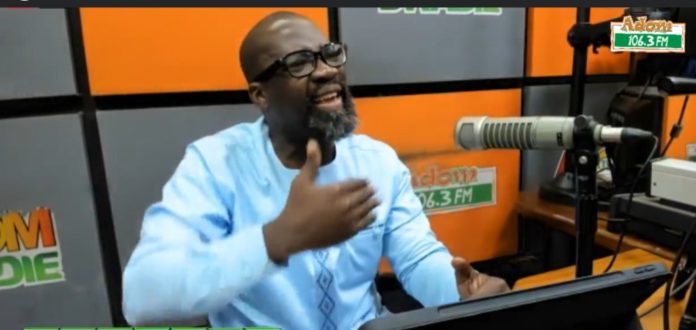
    According to Xatse Derrick Emmanuel, a Research and Policy analyst, BOST’s current inability to store sufficient fuel exacerbates the impact of international market price crises on the economy.

    He emphasized that if BOST could store adequate fuel supplies, it would ease pressure on the local market and consumers, but unfortunately, this capability is lacking.

    Speaking on Adom FM’s morning show, Dwaso Nsem, Mr. Xatse highlighted that BOST should ideally have storage capacity for three to six months’ worth of petroleum products.

    Despite receiving allowances for expansion and maintenance, BOST currently falls short of storing even a three-month supply, as noted by Mr. Xatse during the interview.

    “BOST has a lot of tank farms and that is what they should have used to store the fuel so they can release them at such times. But BOST is now renting them out at a fee. With the continuous BOST margin, they should have expanded for us to have a stable price and so we don’t always react to international price adjustment,” he stated.

    Following Mr. Xatse’s disclosure, the IES forecasted a 2.0% increase in petrol prices starting July 1, 2024, expected to persist for the next fortnight.

    Simultaneously, diesel prices are set to rise by 4.0%, with Liquified Petroleum Gas (LPG) prices projected to spike by 5%.

    The anticipated hike in fuel costs is attributed to the depreciation of the cedi against the US dollar and the escalated prices of refined petroleum products globally.

    1. IMF expresses concerns over Ghana’s economic stability ahead of 2024 elections

      IMF expresses concerns over Ghana’s economic stability ahead of 2024 elections

      The International Monetary Fund (IMF) has raised concerns that the upcoming general elections in December 2024 could potentially threaten the progress achieved under its program with Ghana.

      According to the IMF, “the medium-term outlook remains favourable but subject to downside risks—including those related to the upcoming general elections”.

      It added that “keeping the domestic revenue mobilization agenda on track and tightening expenditure commitment controls is critical to avoid policy slippages ahead of the December 2024 general elections”.

      Following the approval of Ghana’s second program review and the disbursement of $360 million, the IMF emphasized in a statement the importance of the government adhering to the program’s objectives.

      It underscored the necessity of maintaining sustainable growth and reducing poverty through consistent implementation.

      Additionally, the IMF highlighted the critical need to uphold macroeconomic policy adjustments and reforms to achieve lasting stability and debt sustainability.

      “These efforts should be supported by continued progress in improving tax administration, strengthening expenditure control and management of arrears, enhancing fiscal rules and institutions”, the IMF advised.

      Ghana’s Performance under the IMF Programme

      The IMF however stated that despite the elections related concerns, “Ghana’s performance under the programme has been generally strong, both in terms of meeting the quantitative objectives (for example on budgetary performance), and also in implementing structural reforms”.

      The statement emphasized that the reforms aim to enhance economic resilience, achieve sustained improvements in public finances, and establish the groundwork for robust and inclusive growth.

      “The authorities have so far demonstrated a strong commitment to the programme objectives, and we welcome Finance Minister Adam’s signaling of the government’s continued commitment to the policies under the programme”.

      The Deputy Managing Director of the IMF, Gita Gopinath, commended the government and the Bank of Ghana for their decisive actions in controlling inflation and strengthening foreign reserve buffers.

      However, she emphasized the importance of maintaining a suitably tight monetary policy and improving exchange rate flexibility.

      Does the IMF see signs of success under the Programme?

      Despite a challenging global economic climate, the IMF noted that Ghana’s reforms are yielding positive results, with indications of economic stabilization becoming evident.

      The IMF also highlighted that growth has shown greater resilience than originally anticipated, and inflation is decreasing significantly from its peak in 2022.

      Furthermore, the IMF pointed out improvements in fiscal and external positions, underscored by the growth in the Bank of Ghana’s international reserves.

      Debt Restructuring and the IMF Programme

      The IMF applauded Ghana for providing the financing assurances necessary for the second review under the ECF Arrangement to be completed.

      “The authorities have also recently reached an agreement in principle with representatives of Eurobond holders on a restructuring consistent with program parameters, subject to confirmation on comparability of treatment by the OCC”.

      Background

      In May 2023, Ghana entered into an IMF program aimed at bolstering the country’s post-COVID economic recovery.

      The program focuses on three main objectives:

      Firstly, implementing substantial and front-loaded measures to restore fiscal sustainability. This involves increasing domestic revenue mobilization and enhancing the efficiency of public spending, with a strong emphasis on safeguarding vulnerable groups.

      Secondly, undertaking ambitious structural reforms to support fiscal adjustments and strengthen resilience against economic shocks. These reforms target tax policies, revenue administration, and public financial management, alongside addressing weaknesses in the energy and cocoa sectors.

      Thirdly, implementing measures to curb inflation, including raising interest rates by the Bank of Ghana and discontinuing monetary financing of the budget. A flexible exchange rate policy aims to rebuild international reserves.

      These efforts require continued improvements in tax administration, stricter control over expenditures and arrears management, enhancement of fiscal rules and institutions, and better management of state-owned enterprises. Strengthening targeted social protection programs is crucial to mitigate the impact of fiscal adjustments on vulnerable populations.

    2. Nigeria crackdown on ghost workers receiving salaries while residing abroad

      Nigeria crackdown on ghost workers receiving salaries while residing abroad

      When leaving a job, one would expect their salary to cease, but for several ex-Nigerian civil servants, this isn’t the case.

      Despite securing employment elsewhere, sometimes even abroad, these individuals continue to draw salaries from their previous government positions.

      This issue has caught the attention of President Bola Tinubu, who recently ordered a crackdown on such practices.

      “The culprits must be made to refund the money they have fraudulently collected,” he said.

      Sabitu Adams, a pseudonym used to safeguard his identity, remains employed as a junior official at a government agency without formally resigning, continuing to receive monthly pay despite leaving Nigeria two years ago.

      Now working as a taxi driver in the UK, Adams expressed to the BBC his lack of concern about losing his salary, viewing President Tinubu’s remarks as hollow threats.

      He further mentioned that losing his Nigerian salary of 150,000 naira ($100; £80) per month would not pose significant hardship, given his higher earnings from taxi driving.

      “When I heard about the president’s directive, I smiled because I know I am doing better here – and not worried,” the 36-year-old said.

      But why not make it clear to the civil service that he had left?

      “To be honest I didn’t resign because I wanted to leave that door open in case I choose to go back to my job after a few years.”

      Like Mr Adams, more than 3.6 million Nigerians have relocated to other countries over the last two years, according to official statistics.

      Many young Nigerians see little prospect of earning a good living in the country – a feeling exacerbated by the collapse in the value of the naira over the past year following the reforms introduced by Mr Tinubu since he became president.

      It has become so common for young people to seek their fortunes outside the country, the term “japa” has been coined to describe the phenomenon.

      It is a word from the Yoruba language meaning to escape or flee.

      Mr Tinubu said he was “struck by the revelations the head of the civil service shared regarding employees who had relocated abroad while drawing salaries without formally resigning”.

      The president said that not only should the money be repaid but those who were complicit in allowing it to happened should be investigated too.

      “Their supervisors and department heads must also be punished for aiding and abetting the fraud under their watch,” he said.

      And this may have been the case for Mr Adams.

      The UK-based taxi driver admitted that he continued to be paid thanks to those in his department: “I had a good understanding with my boss and he just let me leave.”

      Often in such cases the salary is divided between the supervisor who keeps quiet and the person being paid, maybe along with an HR representative.

      But for Mr Adams it was even easier. “In my case it wasn’t like that as my boss was a relative.”

      So-called “ghost-working” is a major problem in Nigeria. Despite several crackdowns it is believed that thousands of non-existent workers are still being paid. There appear to be very few checks and balances in place.

      However, this marks the first instance where it has been suggested that individuals who have relocated abroad are still receiving their salaries on a significant scale.

      Auwal Yakasai, who retired as a director in charge of finance at Kano state’s information ministry in 2021, said he had heard of such cases.

      ”To be honest I have never caught anyone red-handed,” Mr Yakasai, who worked for the government for 32 years, told the BBC.

      “But I have heard numerous stories of such arrangements, where someone would still be receiving [a] salary after relocating or changing their place of work.”

      Since assuming office in May last year, Mr. Tinubu has vowed to trim governance expenses and curb wastage.

      In January, he mandated a 60% reduction in official entourages to state and international events for himself and other government officials.

      However, critics point out that Mr. Tinubu’s administration has been more about rhetoric than action.

      They highlight plans to purchase new planes worth millions of dollars for Mr. Tinubu and his deputy, Kashim Shettima, as indicative of this trend.

      Another instance was the recent unveiling of a new official residence for Vice-President Shettima in Abuja, costing $13.6m (£11m).

      Despite the president’s remarks regarding foreign ghost-workers, he has not specified concrete steps to crack down on them and hold accountable those involved.
    3. IMF upgrades Ghana’s 2024 growth rate projection to 3.1%

      IMF upgrades Ghana’s 2024 growth rate projection to 3.1%

      The International Monetary Fund (IMF) has upgraded Ghana’s growth projection for the 2024 fiscal year from 2.8% to 3.1%.

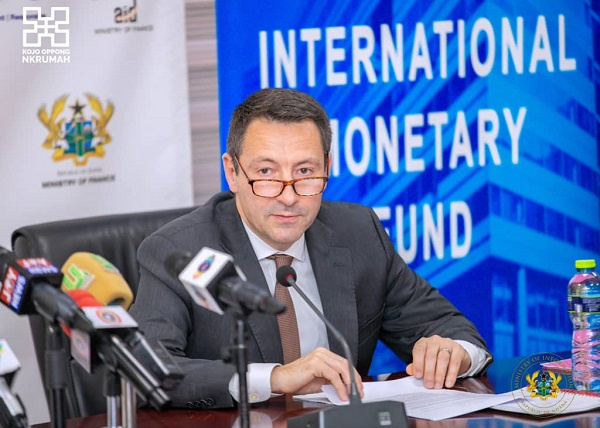
      Stephane Roudet, the IMF’s Mission Chief, announced the revision, attributing it to emerging signs of economic stabilization in Ghana.

      Speaking at a joint press conference with the IMF, Bank of Ghana (BoG), and Finance Ministry on July 1, Roudet noted that Ghana’s current growth rate has demonstrated greater resilience than previously anticipated.

      “Signs of economic stabilization are emerging; for example, economic growth has proven more resilient than initially envisaged, therefore we are revising our growth projection up from 2.8% to 3.1% for 2024,” Roudet said.

      “Inflation is declining rapidly from 54% in December 2022 to 23% in May 2024, and Ghana’s International Reserve has been increasing,” he added.

      The latest update on Ghana’s growth projection coincides with the IMF’s approval of the second review of the country’s US$3 billion Extended Credit Facility program on June 28, 2024.

      As a result of this approval, the third tranche of US$360 million is expected to be disbursed into the Bank of Ghana’s account by the close of Monday, July 1, 2024.

      This disbursement will bring Ghana’s total disbursements under the IMF ECF arrangement to approximately US$1.6 billion since its initial approval in May 2023.

      Prior to this development, Ghana successfully concluded negotiations on debt restructuring with Eurobond investors, involving approximately $13 billion of debt. Eurobond holders have agreed to a nominal haircut of 37%.

      Furthermore, creditors now have the choice between two payment options: one with an initial 5% interest rate and the other with a 1.5% interest rate.

      3.5

    4. Government records 12.79% oversubscription in T-bills

      Government records 12.79% oversubscription in T-bills

      The government achieved an oversubscription rate of approximately 12.79% for treasury bill sales, surpassing a reduced target.

      According to the latest T-bills auction conducted by the Bank of Ghana, the government secured GH¢2.99 billion against a target of GH¢2.65 billion.

      Bids totaling GH¢2.358 billion, accounting for 88.7% of the total, were submitted for the 91-day bill, with all bids accepted.

      Similarly, the government received GH¢573.45 million from investors for the 182-day bill, with all bids accepted.

      Only GH¢64.31 million was tendered for the 364-day bill, and all bids were accepted.

      Meanwhile, interest rates remained stable across the yield curve.

      The yield for the 91-day bill stood at 24.86%, while that for the 182-day bill remained unchanged at 26.80%.

      The rate for the 364-day bill also remained steady at 27.78%.

      SECURITIESBIDS TENDERED (GH¢)BIDS ACCEPTED (GH¢)
      91 Day Bill2.358 billion2.358 billion
      182 Day Bill573.45 million573.45 million
      364 Day Bill64.31 million64.31 million
      Total2.656 billion
      Target2.995 billion

      READ ALSO:

    5. Cement manufacturers producing low-quality products will face shutdown – GSA

      Cement manufacturers producing low-quality products will face shutdown – GSA

      The Ghana Standards Authority (GSA) is set to shut down certain cement manufacturing companies producing low-quality products.

      This initiative aims to tackle substandard cement production nationwide and safeguard consumers, aligning with the Ghana Standards Authority Act 2022.

      Presently, only 14 licensed cement factories are operating within the country.

      However, in an interview with JoyNews, the Director General of the Authority, Prof. Alex Dodoo, stated that some factories are utilizing poor-quality materials in their production processes.

      He emphasized that this situation is unacceptable.

      “The Standard Authority has done a research and we have noticed that some particular players believe that the only way to compete is to reduce the quality of cement.

      “We have closed up three of them and I can assure you that in the coming days a lot more will be closed down because if there is one thing we will not compromise on, that is quality,” he stressed.

      Prof. Dodoo, who also chairs the Cement Manufacturing Development Committee responsible for creating a framework to regulate product pricing, explained that the newly proposed legislation aims to ensure industry transparency.

      “Indeed, all players have agreed and we know the cost build up; clinker is key, energy is key and exchange rate is key.

      “I believe that the whole purpose of the legislation is to promote openness and transparency in cement prices and cement manufacturers have indicated that there are some taxes that must be reviewed.”

      The Chief Executive Officer of the Cement Manufacturers Association, Dr. Dawson Amoah, stated that the Association’s members are prepared for a dialogue.

      “I am a consumer myself and it is not out of fun that manufactures get up and increase prices. Anytime there is price increase, it is really with reluctance because they feel the effect.

      “But they don’t have any other option but to do so.. so rather, I will reiterate that whatever efforts the minister wants to put in regulating the prices, be put on hold and I will rather suggest that there should be a dialogue to see how we can stabilize cement prices.”

    6. Video: Plush mansion allegedly belonging to Gabby Otchere-Darko pops up, raises eyebrows

      Video: Plush mansion allegedly belonging to Gabby Otchere-Darko pops up, raises eyebrows

      A luxurious mansion allegedly belonging to a stalwart of the New Patriotic Party (NPP), Gabby Otchere-Darko, has surfaced on social media.

      The Independent Ghana (TIGpost) came across a video shared by an X user, @KevinEkowTaylor, who expressed admiration for the house.

      The X user also leveled harsh criticisms against some NPP members whom he believes are working in favor of Gabby Otchere-Darko.

      “I like @GabbyOtchere’s house in Accra. The NPP pigs are doing the dirty job for him,” @KevinEkowTaylor wrote to caption the video.

      Watch the full video below:

    7. Amin Adam slams Bolga MP for inciting people to purchase dollars for their business operations 

      Amin Adam slams Bolga MP for inciting people to purchase dollars for their business operations 

      The Finance Minister, Dr. Mohammed Amin Adam, criticized MP for Bolgatanga Central, Isaac Adongo, for allegedly promoting dollar purchases for business operations.

      Dr. Amin Adam accused Mr. Adongo of undermining the Ghanaian Cedi and worsening its depreciation.

      During a press conference on Monday, July 1, Dr. Amin Adam, also representing Karaga, deemed his colleague’s actions inappropriate.

      He asserted that Mr. Adongo’s remarks were intentionally aimed at stirring negative sentiments against the recent strengthening of the local currency.

      However, Dr. Amin Adam assured the public and business community that the Cedi has shown gradual improvement compared to the same period last year.

      He highlighted that the Cedi is set for significant growth, supported by the upcoming fourth tranche of the IMF loan and the completion of the debt restructuring program.

      Dr. Amin Adam credited President Akufo-Addo’s leadership and the support of Ghanaians for the positive performance of the Cedi.

      He urged citizens to maintain confidence in the government’s efforts to stabilize and strengthen the national currency.

      “We have said over and over that the problem with the Cedi can also be largely attributed to speculation, and therefore while we’ve been making efforts to influence market sentiments positively, we also know that some other people are inciting speculation. We have had intelligence that people have been deliberately inciting speculation but we never got it too real as we saw only two or three days ago.”

      “When my good friend and brother Isaac Adongo went out there urging people to buy dollars to do their business and this was after I indicated at a town hall meeting in the UK that with all the policies we are implementing and with the flows that we are expecting from external sources and with the completion of the debt restructuring with our bilateral official creditors and Eurobond holders, we saw the Cedi becoming stronger and stronger. My brother went out there to say people should ignore Amin Adam and go out there and buy dollars,” he said.

      The Finance Minister additionally remarked on Ghana’s economy displaying robust signs of recovery.

      He pointed out encouraging economic metrics for the first quarter of 2024, indicating a promising outlook for the rest of the year.

      Dr. Amin Adam underscored the ongoing stability of the macroeconomic environment as the government persists in implementing the IMF-backed program.

      This announcement follows the completion of the IMF Executive Board’s second review of Ghana’s US$3 billion, 36-month Extended Credit Facility (ECF) Arrangement.

      “Growth, as we’ve heard from the previous two distinguished speakers, is proving to be more resilient and robust than initially programmed, and the economy continues to show strong signs of recovery, particularly in the first quarter of 2024,” stated Dr Adam.

      “The results were remarkable. Overall, real GDP growth for quarter one of 2024 was 4.7%, the highest since quarter one of 2022. This growth performance is better than the 3.1% growth recorded in the same period in 2023,” he added.

    8. 2023 GNHDR report highlights 65% increase in youth unemployment in Ghana

      2023 GNHDR report highlights 65% increase in youth unemployment in Ghana

      The latest Ghana Human Development Report 2023 (GNHDR), published by the United Nations Development Programme (UNDP), reveals that youth aged 15-24 face disproportionately high unemployment rates, with a significant 65 percent experiencing joblessness.

      Released in collaboration with the Ghana Statistical Service (GSS) and the National Development Planning Commission (NDPC), the report indicates that the informal sector comprises 75 percent of the workforce. Despite robust economic growth over the past decade, youth unemployment and underemployment persist as major challenges.

      This trend poses implications for the country’s long-term development goals and human development, underscoring the necessity for targeted interventions to tackle youth unemployment and foster inclusive economic growth.

      Themed ‘The Future Value of Work in Ghana: Pathways to Sustainable Jobs,’ the report was crafted through extensive research, collaboration, and nationwide consultations. It serves as a critical tool for policymakers, development practitioners, and stakeholders in formulating strategies for sustainable development.

      The report stresses the importance of bridging the gap between current opportunities and the future of work through strategic investments in human capital and infrastructure. This approach aims to create an enabling environment for sustainable job creation for all.

      It advocates for reimagining educational programs to incorporate STEM/STEAM education and entrepreneurial training, preparing youth for future job markets. Additionally, it recommends streamlining regulations and providing targeted training to formalize the informal sector, thereby generating more stable job opportunities.

      At the launch in Accra, Dr. Angela Lusigi, UNDP Resident Representative in Ghana, emphasized the necessity of investing in human capital and enhancing technology access for achieving long-term development goals and reducing unemployment.

      Kodjo Esseim Mensah-Abrampa, Director-General of NDPC, highlighted that by investing in infrastructure and promoting entrepreneurship, Ghana can harness the potential of its youth and informal sector, driving socio-economic transformation and job creation.

      He announced plans to incorporate the report’s insights into the next medium-term national development policy framework, shaping strategic directions from 2026 to 2029.

      The Government Statistician, Professor Samuel Kobina Annim, stressed the report’s significance in understanding the intersection between work and human development. He urged stakeholders to adopt policies that foster inclusive growth and sustainable job creation, enhancing development plans across various levels of governance.

      “Development is not about numbers but people, however, de­velopment will not occur without statistics. Let’s communicate and own the report for sustainable development of the country,” he added.

    9. Don’t fight cement manufacturers alone, “they can bribe Akufo-Addo to sack you” – Martin Kpebu

      Don’t fight cement manufacturers alone, “they can bribe Akufo-Addo to sack you” – Martin Kpebu

      Private legal practitioner Martin Kpebu has cautioned the Minister of Trade and Industry, Kobina Tahir Hammond against challenging cement firms on increasing cement prices.

      The minister is spearheading a legislative instrument (LI) to regulate the prices of  cement in the country.

      But the Chamber of Cement Manufacturers presented a petition to Parliament registering their outright rejection of the proposed L.I.

      The trade minister also said he had pushed for the cement manufacturers to self-regulate their pricing to ensure prices were not shooting over the roof, however, his call was not heeded.

      This has brought a rift between the cement manufacturers and the Trade Minister.

      Thus, Martin Kpebu is advising K.T Hammond quit challenging the manufacturers, as they can bribe the current NPP governmnet to sack him with time.

      “These are strong companies, K.T you can’t fight these guys alone. If it were easy to fight, you think your pre-DE successors and all the people who came wouldn’t have done it long ago? No… you can’t. There are various ways they can sabotage and very soon even K.T will be removed from office. This is an election year. Listen, these companies come together, they go and donate money to your party, you will be removed in 3 seconds. So that’s not how to fight business companies. No…no…no… You can’t fight them like this anyhow openly. Trust me…ah.. So please K.T, I have given you two very recent examples that you should look back and rather go and engage. Don’t think that just writing laws that you will jail people means that that can work. No. Ghana does not belong to you alone. Especially when you are even about to leave office, your government is performed very poorly, very shambolic, when I look back, everyday I wakeup, am like, ei I can’t wait for Ghana’s second independence on December 7,” Martin Kpebu expressly told KT Hammond.

      Watch post below:

    10. More grants needed for Ghana Atomic Energy Commission – Director-General

      More grants needed for Ghana Atomic Energy Commission – Director-General

      Director-General of the Ghana Atomic Energy Commission (GAEC), has urged institutes within the Commission to seek grant opportunities to enhance their research and projects.

      “Let us all think outside the box and collaborate where necessary to obtain such grants to support the work of GAEC,” he said.

      The Director General delivered this message at the commencement of a five-day workshop in Accra aimed at educating GAEC Management on reforms in Technical and Vocational Education and Training (TVET) and Competency-Based Training (CBT).

      Organized by GAEC’s TVET division in partnership with the Commission for Technical and Vocational Education and Training (CTVET) under the Ghana Skills Development Fund (GSDF), the workshop was detailed in a press release signed and issued by Dr. Mark Kwasi Sarfo, GAEC’s Manager of Communication and Public Relations.

      According to the release, Prof. Dampare highlighted that the workshop became possible through a grant awarded to GAEC by the GSDF in September 2023.

      “The grant requires GAEC to upgrade its welding department and train welders in new Tungsten Inert Gas (TIG) and Metal Inert Gas (MIG) welding techniques,” he said.

      Professor Dampare highlighted that the workshop aimed not only to inform GAEC Management about TVET reforms but also to align them with the country’s transformation and innovation agenda, enabling them to contribute effectively.

      Additionally, the workshop provided GAEC staff with training in proposal writing and served as a refresher course on CBT for its facilitators.

      He emphasized that GAEC and CTVET had cultivated a longstanding relationship, resulting in the development and delivery of various technical and vocational training modules over the years.

      “As you may be aware, this project is not the first in the area of technical and vocational training that GAEC has had the honour of implementing. Previous ones have included, for example, training of young women in Information and Communication Technology (ICT).

      “These have afforded GAEC the opportunity to build capacity in training for the informal sector especially in technical and vocational subjects and skills” he said.

      The Director-General commended the project team for crafting a successful grant proposal and urged them to diligently adhere to all the requirements stipulated by the grant.

    11. Ghana anticipates arrival of 3rd tranche of IMF bailout amounting to US$360m today

      Ghana anticipates arrival of 3rd tranche of IMF bailout amounting to US$360m today

      Ghana is set to receive a third tranche of US$360 million by Monday, July 1st, 2024, bringing the total disbursement to US$1.56 billion, following the International Monetary Fund’s (IMF) approval of the second review of the country’s Extended Credit Facility (ECF) Arrangement.

      This milestone underscores Ghana’s progress in economic reform and provides a substantial impetus to the nation’s ongoing recovery efforts.

      Dr. Mohammed Amin Adam, Ghana’s Finance Minister, confirmed the upcoming disbursement.

      “This is yet an important positive development in our journey towards macroeconomic stability.”

      The minister’s remarks followed the IMF Executive Board’s approval to finalize the second review of Ghana’s US$3 billion, 36-month Extended Credit Facility (ECF) Arrangement, originally endorsed in May 2023.

      The IMF has provided a favorable assessment of Ghana’s progress under the program. According to the Fund,

      “Ghana’s performance under the IMF-supported program has been generally strong. All quantitative performance criteria for the second review and almost all indicative targets were met.”

      This strong performance has paved the way for the immediate disbursement of SDR 269.1 million, equivalent to about US$360 million.

      The IMF highlighted that Ghana’s economic reform program is delivering on its objectives. Following acute economic and financial pressures in 2022, the Fund-supported program has provided a credible anchor for the government to adjust macroeconomic policies and implement reforms. These efforts aim to restore macroeconomic stability and debt sustainability while laying the foundations for higher and more inclusive growth.

      Deputy Managing Director of the IMF, Kenji Okamura, praised Ghana’s progress, stating, “The authorities’ strategy aimed at restoring macroeconomic stability and reducing debt vulnerabilities is paying off, with clear signs of stabilization emerging.”

      He noted that growth has proven more resilient than initially expected, inflation is declining at a faster pace, and both fiscal and external positions have shown significant improvement.

      Significant strides have been achieved across several critical sectors. Ghana’s primary fiscal balance saw an improvement of more than 4 percent of GDP last year, with a continued commitment from authorities towards further fiscal consolidation. The Bank of Ghana has maintained a prudent monetary policy stance, leading to a swift decrease in inflation rates and initiatives aimed at bolstering international reserves.

      Regarding debt restructuring, Ghana finalized an agreement with its Official Creditor Committee under the G20’s Common Framework on June 11, 2024. This agreement provided crucial financial assurances, facilitating the completion of the second ECF review. Moreover, authorities have recently reached a preliminary agreement with Eurobond holders on restructuring terms aligned with program guidelines.

      Despite a positive outlook, the IMF advises caution due to potential risks, notably those associated with the upcoming general elections in December 2024.

      “Going forward, perseverance in macroeconomic policy adjustment and reforms is essential to fully restore macroeconomic stability and debt sustainability, while fostering a sustainable increase in economic growth and poverty reduction.”

      The IMF recommends that Ghana continue to focus on mobilizing domestic revenue, streamlining public spending, and finalizing its comprehensive debt restructuring. The Fund also stresses the importance of maintaining a tight monetary stance, enhancing exchange rate flexibility, and implementing banks’ recapitalization plans to ensure financial sector stability.

    12. Costs for water, electricity, fuel, and cement to increase from today

      Costs for water, electricity, fuel, and cement to increase from today

      Ghana’s persistent economic challenges are significantly impacting consumers, businesses, and households alike. Key among these challenges are the ongoing debates and concerns surrounding escalating water and electricity tariffs.

      The government defends these tariff increases as essential for covering operational costs, meeting financial commitments, maintaining infrastructure, and ensuring the sustainability of services.

      Despite varying consumer opinions on these justifications, the tariff hikes persist, with announcements led by the Public Utilities and Regulatory Commission (PURC).

      From July 1, 2024, Ghanaians will encounter higher costs across several essential commodities and utilities, including water, electricity, cement, and fuel.

      Water and Electricity

      Ghanaian households and industries are set to confront higher utility tariffs for both water and electricity. This increase was previously announced by the Public Utilities Regulatory Commission (PURC) during their second-quarter review.

      As per the PURC, electricity tariffs will rise by 3.45% for lifeline consumers using up to 30 kWh, while residential and non-residential consumers using more than 30 kWh will face a 5.84% increase.

      Similarly, major industries in the country will experience a tariff hike of 4.92% for electricity consumption.

      Concurrently, water tariffs will see a 5.16% increase across all customer categories as part of Ghana’s Quarterly Tariff Review Mechanism adjustments.

      The PURC specified that these changes will be effective from July 1, 2024, through September 2024, signaling a period of heightened operational costs for water and electricity consumers nationwide.

      Cement

      In the first half of this year, Ghana has witnessed a notable surge in cement prices, impacting a critical sector: construction, which heavily relies on this essential material.

      Leading companies like Ghacem, Dzata Cement, and Diamond Cement attribute the price increases to rising costs of transportation, electricity, and raw materials.

      By May, cement prices had climbed by GH¢10.00, reaching approximately GH¢95 per bag (32.5R) at certain depots across the country. This rise has already disrupted construction projects, affecting their schedules.

      Starting July 1, depending on the source, a bag (32.5R) is expected to sell for over GH¢108, varying by brand and quantity from current prices.

      Meanwhile, the Ministry of Trade is moving forward with a Legislative Instrument (L.I.) to regulate cement prices. Trade Minister Kobina Tahir Hammond argues that this step is essential to prevent arbitrary pricing and potential exploitation by cement manufacturers.

      However, some cement producers strongly oppose this initiative, claiming the government did not adequately consult them before pushing for the L.I.

      Fuel

      Consumers can expect a rise in petroleum prices over the next two weeks, reflecting adjustments during the first pricing window of July, with petrol set to increase by 2%.

      Currently, GOIL is selling one litre of petrol at GH¢14.60, while diesel is priced at GH¢14.75 per litre.

      The Institute for Energy Security forecasts a 4.0% increase in diesel prices across various pumps, alongside a 5% hike in Liquified Petroleum Gas (LPG) costs.

      These price hikes are attributed to the cedi’s depreciation against the US dollar, which is trading at approximately GH¢15.60 in the forex market. Additionally, the US dollar has strengthened in the global oil market.

      As of July 1, 2024, Brent crude futures climbed 42 cents to $85.42 per barrel by 0845 GMT, while U.S. West Texas Intermediate crude futures rose 44 cents to $81.97.

    13. Fitch Solutions forecasts continued poor loan quality for banks in 2024

      Fitch Solutions forecasts continued poor loan quality for banks in 2024

      Fitch Solutions has revealed that the majority of banks in Ghana are expected to continue facing challenges with poor loan quality throughout 2024.

      This situation diminishes their motivation to expand lending and maintains their Loan to Deposit Ratios (LDRs) at low levels.

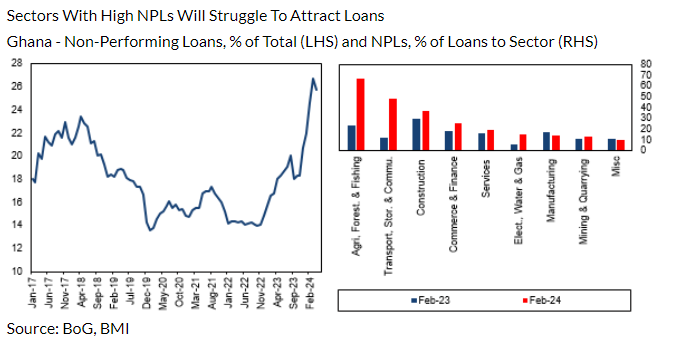
      As of April 2024, the industry’s Non-Performing Loan (NPL) ratio was 25.7%, showing a slight decrease from the previous month’s record high of 26.7%, indicating significant lending risks.

      According to the London-based firm, this trend is particularly impacting sectors such as Agriculture, Forestry, and Fishing, which reported an NPL ratio of 67.0% in February 2024, and Transport, Storage, and Communications, where the NPL ratio stood at 48.0% during the same period.

      “While we expect the robust performance of the agriculture sector to help reduce its NPL ratio, banks will remain hesitant to increase exposure to this and other sectors with high NPL ratios. We anticipate that loan quality will remain poor in H2 [second-half] 2024 and 2025, although we believe that the NPL ratio will peak soon, if it has not already”, it mentioned. 

      “Therefore, the overall impact on loan growth will be muted in 2024.”, it added. 

      On one hand, it was noted that loan growth will be bolstered by a more robust economic outlook and certain banks increasing lending in response to heightened demand and improved supply.

      However, the significant issue of poor loan quality will hinder credit expansion, leading some banks to disregard the new regime and make minimal adjustments to their Loan to Deposit Ratios (LDRs).

      Deposit growth to record 25.5% growth

      Additionally, it is expected that deposit growth will remain strong throughout 2024, registering a year-on-year increase of 25.5% as of February 2024, bolstered by improving economic conditions.

      However, the deceleration in loan growth coupled with robust deposit expansion will pose challenges for banks aiming to achieve the required Loan to Deposit Ratio (LDR) of 55.0% to benefit from the lower Cash Reserve Ratio requirement.

      As of December 2023, the industry’s average LDR stands at 39.5%, marking the second-lowest ratio among the largest markets in Sub-Saharan Africa (SSA), just above Mauritius at 33.0%.

    14. ‘What is it about parliament that people will beat, insult others for?’ – Asantehene questions Speaker

      ‘What is it about parliament that people will beat, insult others for?’ – Asantehene questions Speaker

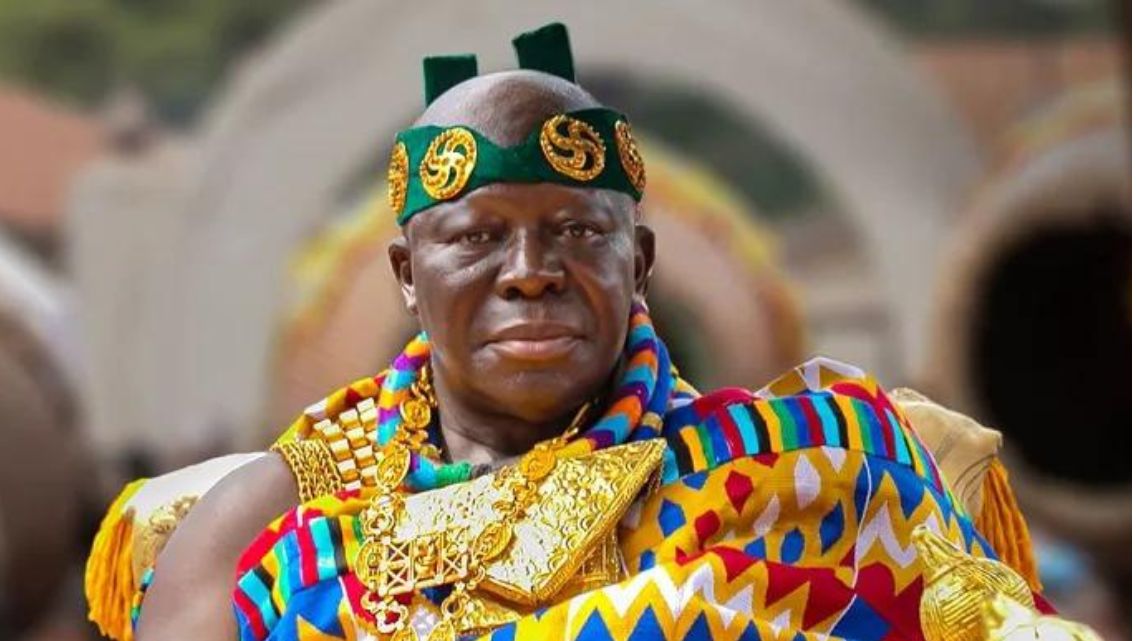
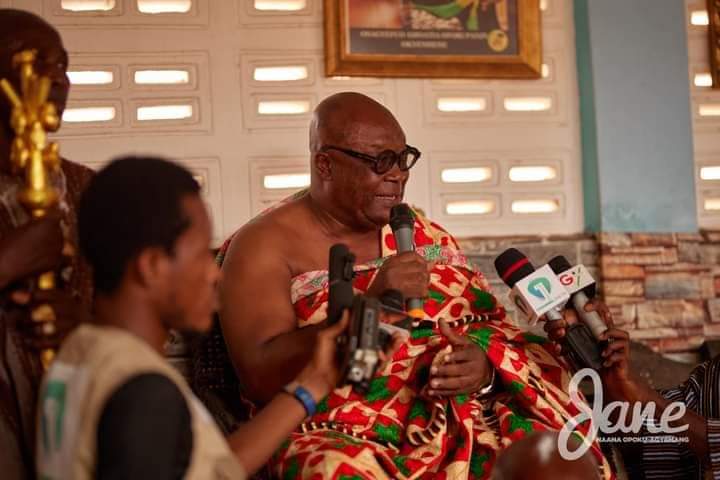
      Otumfuo Osei Tutu II, the Asantehene, has voiced worries about the widespread ambition of numerous individuals to enter Parliament.

      At a gathering with Speaker of Parliament Alban S.K. Bagbin at the Manhyia Palace in Kumasi on Sunday, June 30, 2024, Otumfuo Osei Tutu II queried the reasons behind the eagerness to pursue Parliamentary roles.

      He observed the lengths to which some individuals are prepared to go, including resorting to insults and physical aggression.

      “Why is it that everyone wants to go to Parliament? What is there that people will beat others and insult people just to go to Parliament? This is something that you have to pay attention to,” Otumfuo Osei Tutu II said.

      He pointed out the unrealistic promises made by certain parliamentary candidates, emphasizing that MPs do not have budgets to fulfill such promises.

      “As an MP, you don’t even have a budget, so why make promises to fix roads and other things that you know you cannot deliver?”

      Bagbin is currently on a three-day official visit to the Ashanti Region as part of a nationwide tour commemorating the 30th anniversary of the Fourth Republic.

    15. Napo, Wontumi unite for 2024 elections

      Napo, Wontumi unite for 2024 elections

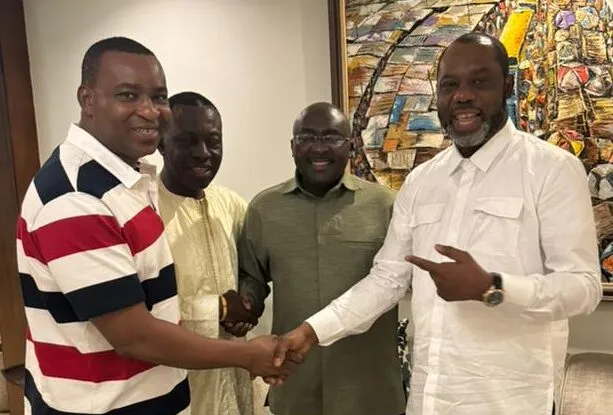
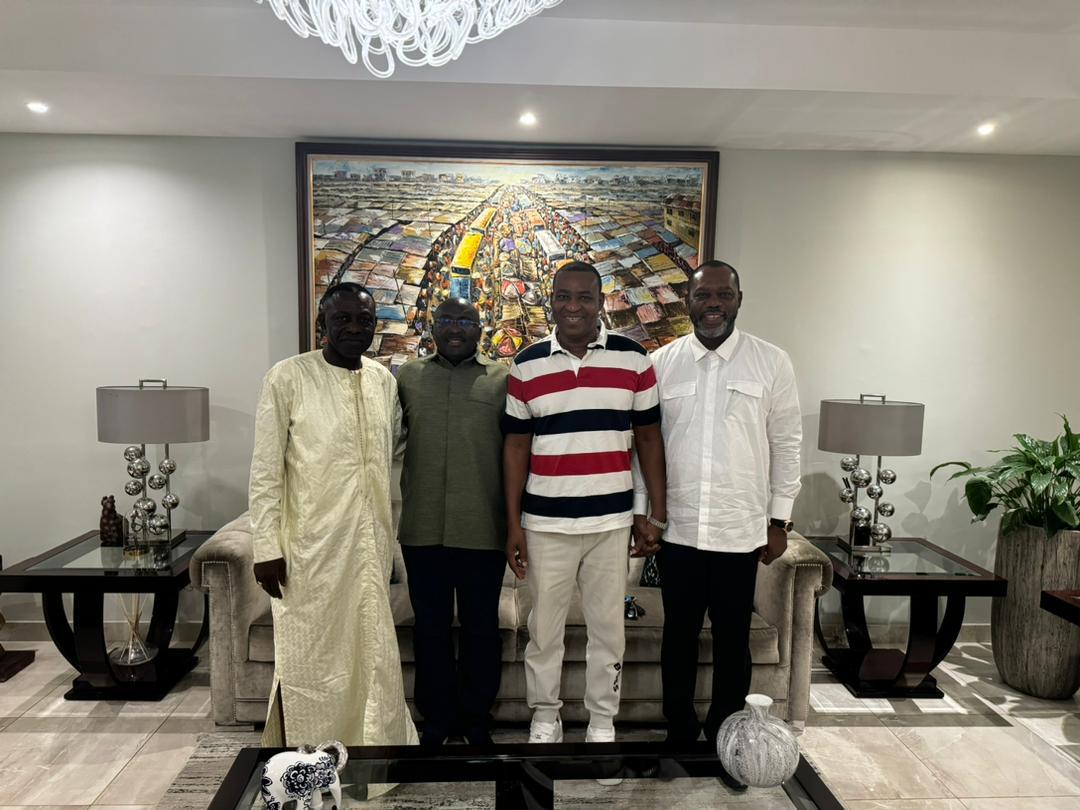
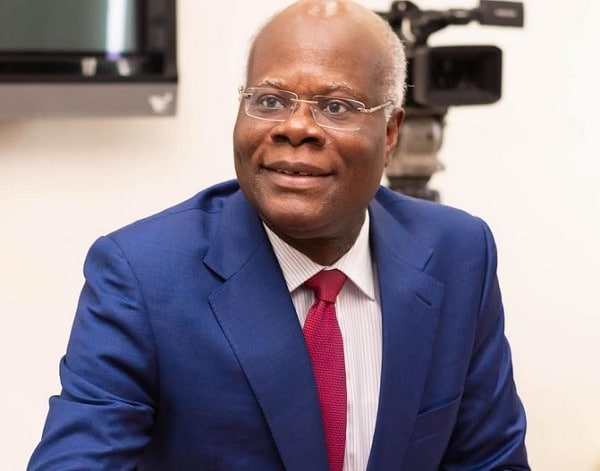
      Vice President and presidential contender for the New Patriotic Party (NPP) in the 2024 elections, Dr. Mahamudu Bawumia, has effectively settled the rifts between the NPP’s Ashanti Regional Chairman, Bernard Antwi Boasiako (Wontumi), and NPP’s Member of Parliament for Manhyia South and Minister for Energy, Dr. Matthew Opoku Prempeh (Napo).

      The prolonged conflicts between the duo, as a result of various party issues and Napo’s potential selection as Bawumia’s running mate for the December 2024 elections, have been resolved.
      This reconciliation formed part of broader consultations led by Dr. Bawumia in preparation for announcing his running mate.

      According to media reports, Dr. Bawumia convened a gathering at his official residence attended by Wontumi, Napo, Nana Nkansah Boadu, and other senior party members.

      The discussions were held in a constructive atmosphere, resulting in the resolution of all outstanding issues between the two NPP leaders.

      Sources familiar with the negotiations confirmed that Wontumi and Napo have committed to setting aside their differences and rallying behind Dr. Bawumia’s leadership.

      This unity sets the stage for Dr. Bawumia to present Napo as his running mate nominee to the NPP’s national council, scheduled for endorsement on Tuesday, July 2, 2024.

      Once endorsed by the national council, Dr. Bawumia will proceed to officially announce Napo as his running mate in the first week of July, marking a significant moment as the NPP prepares for the upcoming presidential and parliamentary elections.

    16. Reverend Sister cautions nurses, health workers against human traffickers

      Reverend Sister cautions nurses, health workers against human traffickers

      Teaching Assistant in the Department of Nursing and Midwifery at the Catholic University of Ghana (CUG), Reverend Sister Franncilia Uchenna, has cautioned nurses and other health professionals aspiring to work abroad about the increasing activities of human trafficking syndicates.

      She cautioned that these syndicates are widespread and now target nurses and health workers eager to seek better opportunities overseas. Exploiting enticing offers on the internet, they lure unsuspecting victims into activities such as commercial sex work and organ trafficking.

      Reverend Sister Uchenna delivered these remarks during a seminar organized by the department for fourth-year students at the university’s main campus in Fiapre, Sunyani West Municipality.

      The seminar provided a platform for level 400 Nursing and Midwifery students to present their project work for academic qualification.

      Speaking on the topic “human trafficking: a global health concern,” addressed by a group of level 400 students, Reverend Sister Uchenna expressed concern that traffickers now target and trade sensitive organs, making nurses and others vulnerable.

      The project team, consisting of Beloved Adekoya, Alabi Oluwaseun Pamilerin, Pearl Ekwuruibe, Victor Oluwafolakunmi Kola-Ajobiewe, Lovelyn Maduka Kosisochuku, Evidence Ofotan, Perpetua Oloba Omolola, Reverend Sister Pia Panpogee, and Grace Pufaa, highlighted the alarming trend of organ trafficking.

      Reverend Sister Uchenna stressed the urgency of addressing organ trafficking, calling it a pressing global issue.

      She advised nurses and healthcare workers to remain vigilant to avoid falling victim to trafficking schemes.

      Emphasizing the pivotal role of nurses in reintegrating rescued victims, Reverend Sister Uchenna encouraged them to maintain attentive and empathetic patient relationships. This approach facilitates victims’ willingness to disclose their experiences and helps assess their psychological well-being for effective reintegration into society.

      Reverend Sister Pia Panpogee, the project leader and Diocesan Coordinator for the Missionary Childhood Association, Sisters of Mary Immaculate, Wa Diocese, Ghana, spoke to the Ghana News Agency (GNA) about their advocacy to combat human trafficking nationally.

      Reverend Panpogee, also a nurse at St. Theresa Hospital in Nandom, Upper West Region, underscored unemployment, famine, poverty, and political instability as primary drivers of human trafficking. She urged African governments to prioritize job creation to address rising youth unemployment rates.

      Reverend Sister Perpetua Oloba, from the Sisters of St. Louis, Nigeria, and a tutor at St. Louis School of Midwifery Kafanchan Diocese, expressed concern over the resurgence and modernization of ancient slavery practices.

      She stressed the importance of extensive public education and awareness to help people understand the tactics and operations of human trafficking syndicates.

      Reverend Sister Oloba highlighted the role of knowledge in protecting individuals from falling prey to traffickers and in combating this societal menace.

    17. Napo set to be endorsed as Bawumia’s running mate by NPP National Council

      Napo set to be endorsed as Bawumia’s running mate by NPP National Council

      The path is now clear for the National Council of the New Patriotic Party (NPP) to officially endorse Dr. Matthew Opoku Prempeh, known as Napo, as the running mate of Dr. Mahamudu Bawumia for the upcoming December 7 elections.

      This endorsement follows extensive consultations by the presidential candidate, which included the approval of Dr. Opoku Prempeh by President Nana Addo Dankwa Akufo-Addo and the NPP majority in Parliament.

      Prior to presenting his running mate to the party’s National Council, Dr. Bawumia held discussions with Dr. Opoku Prempeh and the Ashanti Regional Chairman of the party, Bernard Antwi-Boasiako, also known as Chairman Wontumi, yesterday evening to reconcile differences and strategize for the future.

      Majority in full support

      On Friday, June 28, 2024, Majority Leader Alexander Afenyo-Markin affirmed the caucus’s unanimous backing of Dr. Bawumia’s selection of Napo as his running mate. This announcement came following a meeting between the Majority leadership and Dr. Bawumia to deliberate on his choice of running mate.

      In an interview with Citi FM, Mr. Afenyo-Markin indicated that the party’s national council will convene shortly to formalize the decision.

      “Yes, the leader of our party and flagbearer met with the leadership of Parliament and had an extensive engagement with us regarding the way forward for the party going into the 2024 elections.

      “The conclusion was that our respected colleague, Dr. Matthew Opoku Prempeh, is his choice for running mate. And that is normally the practice, and out of respect, the caucus would have to be informed and engaged about the decision,” he said.

      He added, “Afterward, I proceeded to engage the caucus, and so far, the feedback has been positive. The generality of the caucus members is in support of his choice. What it is, is that for it to become official or confirmed, there’s going to be a national council meeting.

      “From what he tells us, it appears that there’s going to be a general consensus on that, and that will be no problem. We also enquired from him the views of the President on it, and it was very positive. So, this means that the various organs have been engaged with the information and that everything is set for our brother, Dr. Matthew Opoku Prempeh, to join him to hold the flag of the party for the 2024 elections.”

    18. 6 kidney transplants successfully performed at UGMC

      6 kidney transplants successfully performed at UGMC

      The University of Ghana Medical Centre has reported the successful completion of its initial six kidney surgeries.

      In a press statement released on Sunday, the Centre highlighted that under the guidance of a skilled and dedicated team comprising both local and international medical professionals, it “has so far conducted six kidney transplant surgeries with utmost precision, care, and expertise.”

      Dr. Emmanuel Asante, the head of Urology at UGMC, emphasized that the procedures were executed seamlessly, demonstrating the Centre’s proficiency in complex surgical interventions and post-operative care.

      The Chief Executive of UGMC, Dr. Kwame Anim Boamah, stated, “The successful completion of the first set of six kidney transplants underscores the Centre’s commitment to pushing boundaries, achieving medical excellence, and improving the lives of patients through cutting-edge interventions and compassionate care.”

      He added, “UGMC looks forward to continuing its mission of advancing healthcare standards and innovations practices in the field of transplantation.”

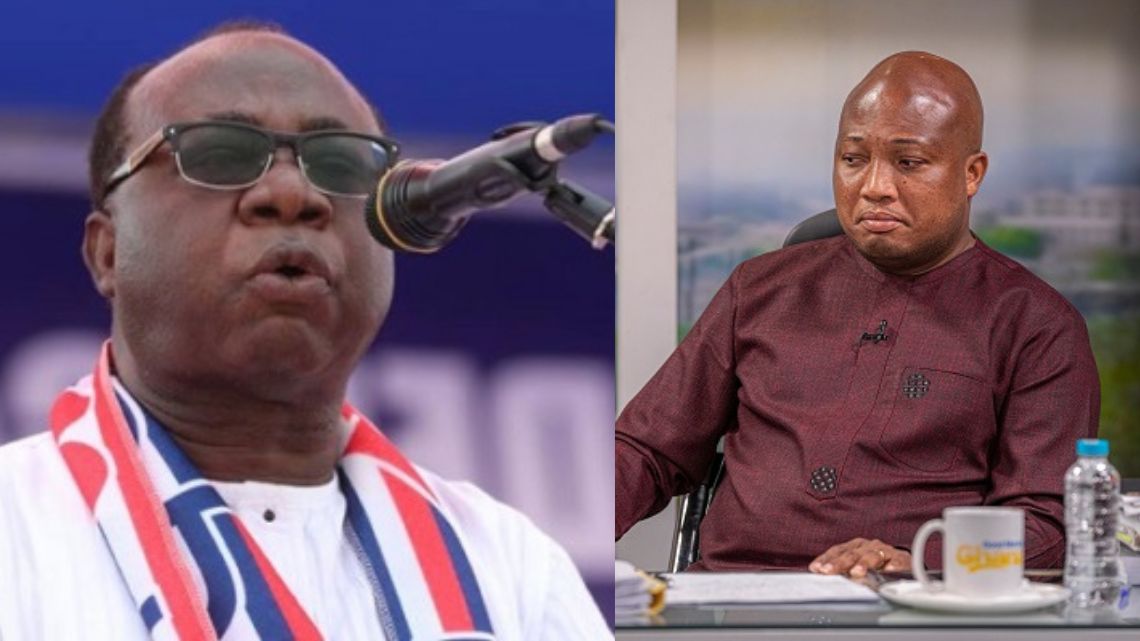
    19. Freddie Blay and son file lawsuit against Ablakwa, media outlets over defamation

      Freddie Blay and son file lawsuit against Ablakwa, media outlets over defamation

      In two distinct legal actions, former NPP Chairman Freddie Blay and his son, Kwame Blay, have filed defamation lawsuits against Samuel Okudzeto Ablakwa, accusing him of falsely linking them to the alleged theft of state property.

      Kwame Blay’s lawsuit targets only the North Tongu MP, whereas Freddie Blay’s suit includes Media General and Johnnie Hughes as additional defendants.

      First Lawsuit:
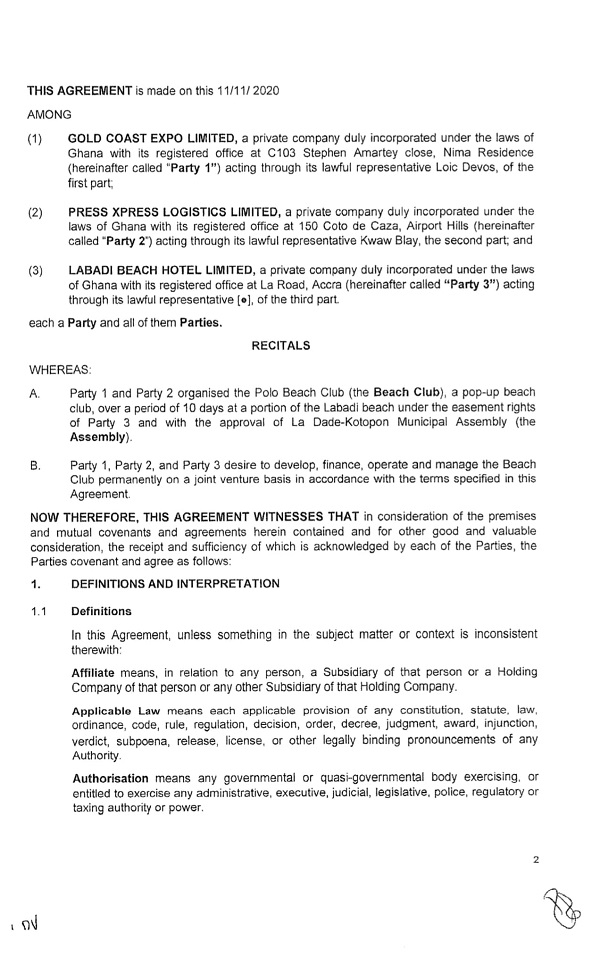
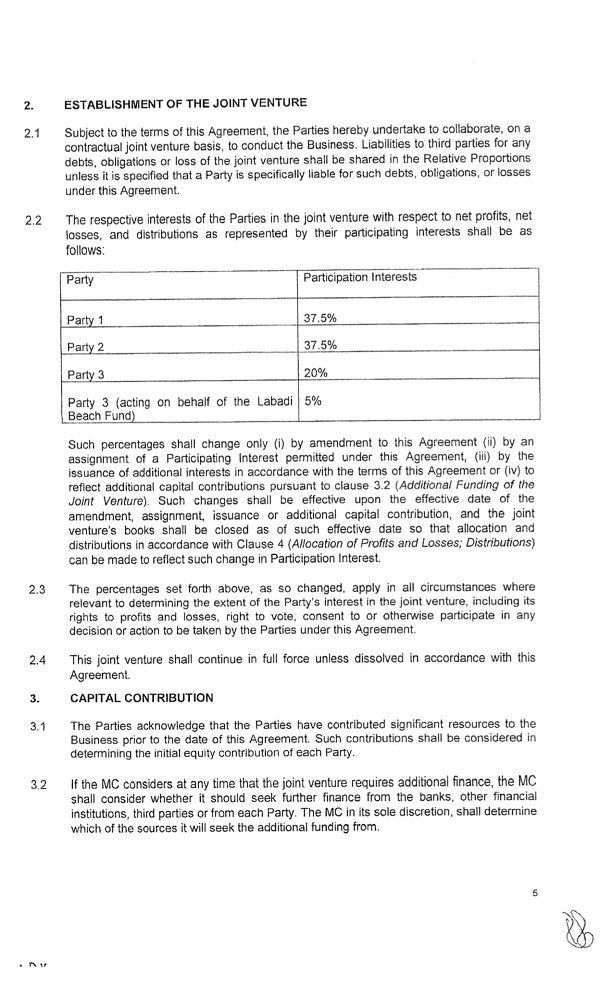
      Kwame Blay stresses that he is separate from his brother, Kwaw, and has no involvement with the Polo Beach Club or related entities.

      He firmly states that he has never interacted with Loic Devos Jnr, who is currently in a legal battle with one of Kwaw’s businesses, Press Xpress.

      Kwame asserts that Samuel Okudzeto Ablakwa’s claims of his involvement in land theft and a scheme against Loic are completely unfounded and have severely harmed his business and reputation.

      Kwame questions why a lawmaker would publicly mediate a private dispute and create public disfavor for one party.

      Second Lawsuit:

      Freddie Blay contends that Samuel Okudzeto Ablakwa’s actions were malicious, considering the timing near elections, with the intent to damage his well-established reputation.

      He maintains that the claims made about his sons and family are entirely false.

      Freddie further alleges that Media General and Johnnie Hughes disseminated false information aimed at harming his reputation.

      He emphasizes that Johnnie Hughes, on his show “Johnnie’s Bite,” amplified Ablakwa’s accusations, presenting them as facts and causing additional damage to his reputation.

    20. Police in Western Region arrests 6 for burning 60-year-old to death

      Police in Western Region arrests 6 for burning 60-year-old to death

      The Ahanta West Municipal Police Command in the Western Region has apprehended six individuals on suspicion of murdering 60-year-old Isaac Ansah.

      Reports indicate that the victim was allegedly set on fire in Achonwa, a community where he had resided for more than two years.

      The arrests came after a disturbing incident on Thursday, June 27, 2024, when a mob acted based on allegations made by a local fetish priest.

      According to the priest, Ansah had purportedly provided the names of 14 community members for sacrificial killing.

      Mr. Frank Eshun, Ansah’s nephew, informed the media that the suspects include prominent community figures such as Nana Ojandi, the Caretaker Chief, Godfred Cudjoe, the Assemblyman, the Fetish Priest, the Chief Fisherman, and two others.

      Violence erupted following an unsuccessful meeting between Ansah and the village elders. Enraged youth from the community seized Ansah, bound him, pelted him with stones, and ultimately burned him alive using car tires and gasoline.

      Eshun expressed the family’s devastation over the loss and called for justice.

      He shared that the sight of animals scavenging on his uncle’s remains has deeply disturbed him.

      Isaac Ansah’s body has been transferred to the morgue for an autopsy.

      Despite their grief, the family hopes for a peaceful final resting place for their beloved relative.

    21. 4 Sri Lankan fishermen die after drinking from bottle found in a sea

      4 Sri Lankan fishermen die after drinking from bottle found in a sea

      Four Sri Lankan fishermen have tragically died, and two others are critically ill after ingesting an unknown liquid from bottles they discovered while at sea, as reported by local media.

      According to reports, the sailors were on a fishing expedition when they came across the bottles approximately 320 nautical miles from Tangalle, a town on the southern coast of Sri Lanka.

      The Sri Lanka Navy informed journalists that the fishermen mistakenly believed the bottles contained alcohol.

      Susantha Kahawatte, Director General of the Sri Lankan Department of Fisheries and Aquatic Resources, stated to several news outlets that efforts were underway by the navy to bring the fishermen ashore.

      He noted concerns about the urgency of medical attention aboard their vessel, the Devon, indicating insufficient time for immediate evacuation to land for treatment.

      The BBC has sought confirmation and comment from Mr. Kahawatta and the Sri Lanka Navy.

      Mr. Kahawatta disclosed to national news station Ada Derana that the fishermen had distributed some bottles to other crews operating in the vicinity, with ongoing efforts to notify these crews.

      The navy informed local media that the Devon was being towed back to shore by another vessel, departing Tangalle on June 4.

      The incident has reportedly sparked protests in the coastal town, located approximately 120 miles (193 km) from the capital, Colombo, urging the safe return of surviving sailors to land.

      Authorities are presently investigating the contents of the bottles involved in the incident.

    22. 30 miners arrested, excavators disabled in forest reserves by Forestry Commission

      30 miners arrested, excavators disabled in forest reserves by Forestry Commission

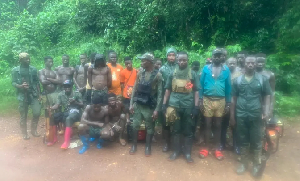
      The Rapid Response Team (RRT) and Forest Services Division (FSD) personnel in the Tarkwa District of the Western Region have apprehended 19 illegal miners in the Bonsa River Forest Reserve.

      A statement from the Forestry Commission’s Corporate Affairs and Media Relations office revealed that the arrests took place on Friday, June 28, 2024, at Aboso North Range, following a previous operation on June 12, 2024, where 11 suspects were also arrested in the same reserve.

      The miners, using water pumps, shovels, and other tools, had established camps and were conducting operations day and night.

      The suspects have been turned over to the Tarkwa Police Command for further investigation and prosecution.

      During the June 12 operation, 11 individuals, including 10 males and one female, were arrested and subsequently remanded in custody. Their cases have been sent to the Attorney General’s Department for advice.

      The statement also noted that there are 21 ongoing illegal mining cases involving over 111 suspects arrested by Forestry Commission officials in forest reserves within the region.

      These cases are at various stages of prosecution in Sekondi High Court 2 and Takoradi Circuit Court.

      An appeal was made to the regional judiciary to expedite all forest offense cases, along with a stern warning against illegal mining.

      Additionally, two excavators and a motorbike were disabled in the Apamprama Forest Reserve, near Kobro, on Friday, June 28, 2024, by FSD staff in the Bekwai District of the Ashanti Region and RRT members.

      No arrests were made as the operators fled upon the team’s arrival.

      Illegal miners in the Apamprama Forest Reserve have been reportedly conducting night operations to avoid arrest, prompting the Commission to increase night patrols and intelligence-led operations, which led to the immobilization of the two excavators.

      The Forestry Commission staff in the Bekwai Forest District are dedicated to fighting illegal mining to protect forest and wildlife resources.

      The statement concluded with a warning to illegal operators to stay out of the Apamprama Forest Reserve and other reserves to prevent further environmental damage.

    23. Kwame Nkrumah’s oldest son, Francis Nkrumah is dead

      Kwame Nkrumah’s oldest son, Francis Nkrumah is dead

      The eldest son of Ghana’s first president, Osagyefo Dr. Kwame Nkrumah, Dr. Francis Nkrumah, has passed away.

      The news was announced by Indian author and editor Vijay Prashad on social media on Sunday, June 30, 2023.

      “Dr. Francis Nkrumah (1935-2024) has just died. He was the oldest son of Kwame Nkrumah. He spent his life as a pediatrician, highly loved by his patients. Dr. Nkrumah remained in Ghana after the coup against his father and continued to work as a doctor and scientist,” he wrote.
      The editor of Inkani Books, publishers of the latest edition of “The Revolutionary Thoughts of Kwame Nkrumah,” quoted a foreword of the edition written by Dr. Francis Nkrumah in which he eulogized his father, stating, “I feel presently that Africa continues to miss [Kwame Nkrumah] unless we go back and revisit what Nkrumah actually meant for Ghana and for Africa.”

      Francis Nkrumah was the eldest child of Dr. Kwame Nkrumah. His siblings are Gamal Nkrumah, Samia Nkrumah, and Sekou Nkrumah.

    24. MP initiates free health screenings for Juaboso residents

      MP initiates free health screenings for Juaboso residents

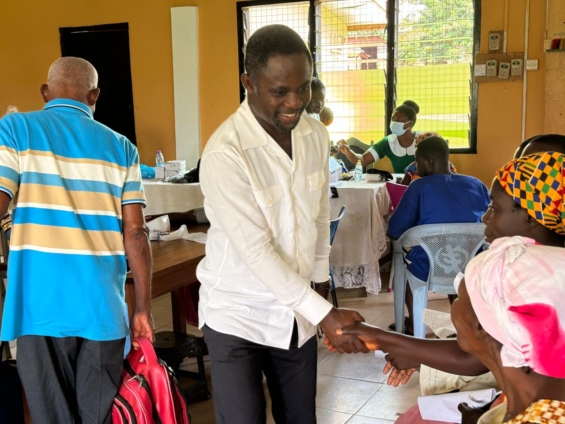
      Kwabena Mintah Akandoh, MP for Juaboso and Chair of the Parliamentary Select Committee on Health, has initiated a program offering free medical screenings to benefit 10,000 residents in his constituency.

      This annual program, running from June 26 to June 29, provides a wide array of health services such as screenings for hypertension, diabetes, and other common conditions.

      It also includes free consultations, medications, and referrals for additional medical care as needed.
      Speaking to Adom News, the legislator underscored the importance of accessible healthcare, particularly for rural residents who often struggle to access quality medical services.

      “Healthcare is a fundamental right, and it is our duty to ensure that every constituent has access to the necessary medical services to lead healthy lives.”

      Medical experts from diverse specialties have offered their expertise, highlighting a collaborative community approach to enhance health outcomes in the constituency.

      Screening sessions are held at several sites including Benchema, Agyemadiem, Proso, Bonsu Nkwanta, and Boinzan across the constituency to ensure broad access to healthcare.

      In addition to the health screening, the MP plans to offer free eye screenings for residents from July 2 to July 5 this year.

      The eye screenings will encompass free provision of eyeglasses, medications, and surgical services for constituents.

      The recipients of the health screenings conveyed their appreciation for the initiative, noting the significant financial strain of healthcare expenses.

      They emphasized that the health screenings are vital for those unable to afford routine medical examinations.

      Meanwhile, Kwabena Mintah Akandoh has promised to persist in advocating for enhanced healthcare facilities and services in Juaboso and beyond. He has initiated the construction of several facilities aimed at improving healthcare accessibility for the population.

      This health screening initiative is part of Akandoh’s broader commitment to improving the welfare of his constituents, complementing previous efforts focused on education, infrastructure, and economic progress.

    25. COP Mensah, 2 others cited for professional misconduct in IGP leaked tape

      The Parliamentary Committee investigating the leaked tape plotting the removal of the Inspector-General of Police has recommended sanctions for the three implicated officers.

      Chaired by Samuel Atta Akyea, the committee stated that COP Alex George Mensah, Supt George Lysander Asare, and Supt Emmanuel Eric Gyedi committed misconduct, a serious breach of police regulations, and must face disciplinary actions as per the police procedures.

      “The House should communicate its findings to the President pursuant to Section 19 of the Police Service Act, 1970 (Act 350) which vests disciplinary powers in the President, to determine the appropriate sanctions for COP George Alex Mensah, Supt George Lysander Asare and Supt Eric Emmanuel Gyebi who have misconducted themselves professionally by breaching among others the following:  Section 17(d) of the Police Service Act, 1970 (Act 350) which states that:

      “It shall be a misconduct for a police officer to engage in any activity outside his official duties which is likely to involve him in political controversy or to lead to his taking improper advantage of his position in the Police Service.

      “Regulation 82(1) (c) of the Police Service Regulations, 2012 (C.I 76) which states that: “It is a major offence for an officer to engage in an activity outside official duties which is likely to “Involve the officer in political controversy or lead to the officer taking improper advantage of that officers position in the service,” the report said. 

      The leaked tape captured the three officers conspiring with former Northern regional chairman of the New Patriotic Party, Daniel Bugri Naabu, to remove the Inspector-General of Police.

    26. Woman remanded for allegedly orchestrating self-kidnapping for money in Abeokuta

      Woman remanded for allegedly orchestrating self-kidnapping for money in Abeokuta

      An Abeokuta Magistrates Court detained Rahmat Abdulateef, 32, accused of orchestrating her own kidnapping to extort money from her husband, on Friday.

      The defendant, who did not enter a plea, faced a charge of self-kidnapping during the arraignment. Police counsel Insp Adekunle Opayemi informed the court that the incident occurred on June 20 around 2:42 pm at Elite Road in Abeokuta.

      According to Opayemi, the defendant plotted her own abduction to demand money from her husband, Ogunbummi Lateef.

      The counsel noted that the offense contravened section 27 of the Ogun State Prohibition of forcible occupation of landed properties, armed robbery, kidnapping, cultism, and other anti-violence and related offenses laws in 2016.

      Magistrate O.O. Odumosun ordered the defendant’s detention in prison for 60 days pending legal advice from the Department of Director of Public Prosecution (DPP).

      The case was adjourned until September 19 for further mention by the magistrate.

      1. Landguards attack court officer, farmers in Greater Accra Region

        Landguards attack court officer, farmers in Greater Accra Region

        Landguards have attacked a bailiff from the Accra High Court at Agbazo in the Ga South Municipality of the Greater Accra region.

        The bailiff was present in the area due to an injunction application filed by farmers whose 750-acre farmland was destroyed for sand mining.

        The farmers reported that the incident occurred in the presence of Police officers who did not make any arrests.

        Out of the 750 acres, over 600 acres of maize, sweet potatoes, and watermelon belong to the 2021 Greater Accra Regional Best Farmer, Osmanu Kadri.

        This situation threatens the livelihoods of hundreds of farmers in the community.

        In an interview, Mr. Kadri stated that landguards have been chasing them off their farms with weapons.

        He mentioned that numerous reports have been filed with the Amanfrom District Police Command, Weija Divisional, and Greater Accra Regional Police but to no avail.

        Osmanu Kadri has therefore appealed to the IGP and President Akufo-Addo for assistance, as the landguards are destroying crops under the Planting for Food and Jobs policy.

        Some affected farmers working with Golden Exotic Company also stated that the landguards have been brutalizing and tormenting them on their own farms.

        They called on authorities to intervene on their behalf.

      2. This is a coup – Minority’s reaction on Kwaku Kwarteng’s removal from Finance Committee

        This is a coup – Minority’s reaction on Kwaku Kwarteng’s removal from Finance Committee

        The Minority caucus in Parliament has characterized the reassignment of Obuasi West MP, Kwaku Kwarteng, from his role as Chairman of the Finance Committee as an “overthrow” engineered by the Majority leadership.

        This follows an unexpected announcement by Majority Leader Alexander Afenyo-Markin regarding changes in the majority leadership, which surprised some Majority MPs.

        Speaking on the floor of Parliament on Friday, June 28, the Majority Leader revealed that Kwaku Kwarteng had been moved from the Finance Committee to chair the new Economy Committee.

        He justified this decision by emphasizing Mr. Kwarteng’s competence in handling economic matters and his ability to effectively challenge the opposition’s representative on economic issues.

        “We are challenging you to come up with your spokesperson on the economy. You have not said so officially, but we are going to make sure we have a spokesperson on the economy to challenge your Adonko. Hon. Kwaku Kwarteng is going to face him directly on the economy,” Mr Afenyo-Markin stated.

        In response, the Minority in Parliament has condemned the reshuffle.

        Addressing the House on Friday, June 28, Deputy Minority Leader Emmanuel Armah Kofi-Buah contended that the move was unconstitutional, alleging that the Majority Leader had overstepped his authority by taking powers reserved for the Speaker of Parliament to make such changes.

        “He’s the Majority Leader, and he should know better not to usurp the power of the Speaker, the Chairman of the Committee of Selection and to come here to simply announce without the knowledge of the Speaker.

        “..The existing Chairman of the Finance Committee without the knowledge of the Speaker, without a meeting of the Committee of Selection – the Majority Leader will come to this House to simply announce that he has overthrown him and made changes,” Mr Buah lamented.

      3. Ghana achieves 96% financial service access inclusion – Finance Ministry

        Ghana achieves 96% financial service access inclusion – Finance Ministry

        The Ghana Financial Inclusion Conference convened fintech industry leaders and regulators who acknowledged the nation’s advancements in financial inclusion.

        Eva Mends, Chief Director at the Ministry of Finance, underscored that financial inclusion is a global priority aimed at ensuring equitable access for all.

        She highlighted the significance of Ghana’s interbank payment systems and achievements such as mobile money interoperability in advancing financial inclusion efforts.

        “Today we celebrate surpassing our national goal with a 96 percent rate of financial inclusion exceeding our targets of 85 percent. With rapid technological progress and a diverse range of financial services and products, we must continue to enhance financial inclusion to drive our country’s economic growth and development.”

        Despite Ghana reaching 96% financial inclusion in access to financial services, the 2022 Composite Financial Inclusion Index, which assesses access, usage, and quality, indicates that approximately 52.76% of the population are multidimensionally financially included.

        Deputy Finance Minister Dr. Alex Ampaabeng, standing in for Finance Minister Dr. Amin Adam, noted improvements in economic challenges and emphasized mobile money’s role in boosting financial inclusion.

        “This call also concise with the period on the global and our national economy, we all believe is bouncing back strongly from the multiple shocks the country suffered in recent years. I believe these conditions are what underpinned the expectations that we can and should as a nation accelerate the scale and quality of financial inclusion in the era of the fourth republic.”

        Professor George Yaw Gyan-Baffour emphasized the crucial role of a robust financial sector in fostering economic growth during his keynote address.

        “It is without doubt that the financial sector is the accelerator of growth for every economy. A well-functioning financial sector is a catalyst for economic growth and economic development.”

      4. It’s pretty insulting to write to parliament against me – K.T. Hammond to Cement Manufacturers CEO

        It’s pretty insulting to write to parliament against me – K.T. Hammond to Cement Manufacturers CEO

        Trade Minister K.T. Hammond has criticized CEO of the Chamber of Cement Manufacturers, Ghana, Dr. George Dawson-Ahmoah, for submitting a petition to Parliament urging the rejection of a proposed legislative instrument aimed at regulating cement pricing.

        The Chamber of Cement Manufacturers, Ghana, voiced serious apprehension about the proposed L.I, contending that it undermines fairness, transparency, and inclusive decision-making while neglecting the intricate factors behind rising cement prices.

        Speaking to journalists, K.T. Hammond affirmed the government’s steadfast commitment to safeguarding Ghanaian consumers from unfair practices in the cement market.

        “I think there’s something fundamentally wrong with the pricing of our cement in the country. It was about the same issue that we tackled when we were at the Ministry of Energy. I believe that there has to be some sanity in the system… And so today, I have received a copy of a petition written by the Association of Chamber of Cement Manufacturers, whatever.

        “Pretty insulting, Dr. George Dawson-Ahmoah, he’s been a person I have known for many years when he was at GHACEM. We have been very good friends.

        “When we started all this cement manufacturing, whatever, he was part of it. He has been in consultation with us. He has been on board with respect to all that we have undertaken. Now he arrives in parliament and tells parliament to order me to take back my documents and to consult with him because what I have done is not right or respectful or something because I hadn’t told him. You know, sometimes you have to be careful when some of these things come about.

        “But he has a PhD, he’s a doctor, so reading and comprehension shouldn’t be a problem for him. He should go and read the constitution and he will see that by Article 11 thereof, Parliament doesn’t tell me to go and consult with him. I mean, the procedures that he’s talking about, if he understands, I don’t know,” the minister told the media.

      5. Prices of Cement: We tried to engage cement manufacturers morally but they did not listen – Trade Minister

        Prices of Cement: We tried to engage cement manufacturers morally but they did not listen – Trade Minister

        Trade Minister KT Hammond has stated that before the Legislative Instrument (L.I.) to regulate cement prices was introduced, he had urged cement producers to lower their prices.

        However, he noted that the producers did not respond to his appeals, which led to the introduction of the L.I. to enforce price reductions.

        Speaking to journalists in Parliament on Wednesday, June 26, he said “So I asked them to ensure that something was done about it. In my absence I was told that the minister was not going to be able to do anything. They would not listen. They would not do it. They will go the way they want. Well, I have only one other avenue. I mean encouraging them to do it is a moral persuasion.”

        “If moral persuasion fails, there is a system in the country. There is a constitution in the country. We all play by rule of law. You come to parliament and you make sure that there are laws. We have the constitution. So if the constitution mandates me to bring an airline, I bring an airline to ensure that somebody abides by…err..errm…If we don’t accept the moral principle, at least some sort of economic principle. The good people of Ghana must benefit,” Mr Hammond expressed.

        His comments come after the Executive Secretary of the  Cement Manufacturers Association of Ghana (CMAG) Rev. Dr. George Dawson-Ahmoah said that  Mr K T Hammond did not engage them the Legislative Instrument.

        “Why is the Minister avoiding or just running away from this discussion? Previously, our position has been that these prices of  cement, the increase of prices of  cement, it is not done in a vacuum. It is not done just because we wake up in the morning and do it,”  he said.

      6. I have never voted for John Mahama – Martin Kpebu confesses

        I have never voted for John Mahama – Martin Kpebu confesses

        Lawyer Martin Kpebu has confessed that he has never casted his vote for John Dramani Mahama in any election conducted over the years.

        According to him, president Akufo-Addo is the man who won his vote because he considered him as a man who truly had the interest of Ghanaians at heart.

        However, he has regretted his decision because Akufo-Addo has been nothing short of a disappointment.

        “If anything at it is Akufo-Addo I voted for. Me I have never voted for JM. Never! I have never voted for JM. It’s Akufo-Addo. Because we all knew he was junior Jesus and he will do everything. Little did we know that he is more corrupt than JM. So you, you’ll think I will let this matter die. We will deal with him till he is no longer in office. And even beyond that… Because he deceived us..He promise that “we are miserable” yet we are sitting on money. And then “you come and rather, your bought V8 and your family is becoming richer.” I am talking about president Akufo Addo, his ministers, Ofori Atta etc. Now ministers buying hotels of $61bn. Cecilia Dapaah with plenty cash under her bed. Boakye Agyarko sacked because the president tried to take away $800m,”

        President Nana Addo Dankwa Akufo-Addo anticipates economic recovery and has expressed confidence that Ghana will finalize discussions with the International Monetary Fund (IMF) regarding a potential financial assistance program by March.

        He noted that while the government’s debt exchange initiative faced numerous challenges initially, it has since gained considerable acceptance among the populace. These remarks were made during a visit by German Federal Minister of Finance, Christian Lindner, to the Jubilee House.

        “We have already taken one important step forward in concluding a staff-level agreement with the IMF. One of the steps was the domestic debt exchange programme which encountered a lot of difficulties but has now been virtually concluded…We are now looking towards going the full hall and concluding the agreement. We’re hoping that will be done by the middle of March,” President Akufo-Addo said.

      7. Ghana ranks 2nd in Sub-Saharan Africa for remittances – WB Report

        Ghana ranks 2nd in Sub-Saharan Africa for remittances – WB Report

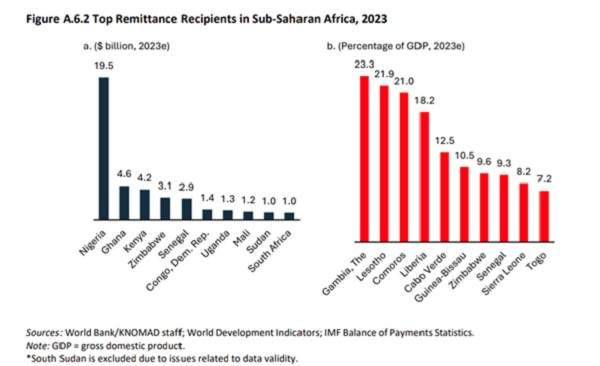
        In 2023, Ghana emerged as the second-largest recipient of remittances in Sub-Saharan Africa, marking a significant milestone in its economic landscape.

        According to the World Bank’s 2024 Migration and Development Report, Ghana received an estimated $4.6 billion in remittances, underscoring the vital role these funds play in the country’s financial stability.

        Leading the region, Nigeria topped the list with $19.5 billion in remittances, followed by Ghana. Despite a slight overall decrease in remittance flows across Sub-Saharan Africa, Ghana’s robust position highlights the resilience and importance of remittances in supporting household incomes and national economies.

        The report further detailed that Kenya secured third place with $4.2 billion, Zimbabwe fourth with $3.1 billion, and Senegal with $2.9 billion in remittances. The Democratic Republic of Congo received $1.4 billion, Uganda $1.3 billion, Mali $1.2 billion, and both Sudan and South Africa $1.0 billion each.

        Remittances to Sub-Saharan Africa exceeded Foreign Direct Investment (FDI) inflows by nearly 1.5 times in 2023, showcasing their substantial impact on regional economies. FDI to the region totaled $38.6 billion, driven primarily by new projects in Kenya and Nigeria, as reported by the United Nations Conference on Trade and Development (UNCTAD).

        The World Bank emphasized that remittances have become the primary source of foreign exchange earnings in several countries. For instance, in Kenya, remittances surpassed revenues from key exports like tourism, tea, coffee, and horticulture. Countries such as The Gambia, Lesotho, Comoros, Liberia, and Cabo Verde rely heavily on remittances, contributing over one-fifth of their GDP in some cases.

        Despite challenges and fluctuations in global economic conditions, regional growth in remittances in 2023 showed significant increases in countries like Uganda (up 15% to $1.4 billion), Rwanda (up 9.3% to $0.5 billion), Kenya (up 2.6% to $4.2 billion), and Tanzania (up 4% to $0.7 billion). However, remittances to Nigeria, which constitute about 35 percent of total inflows to the region, declined by 2.9 percent to $19.5 billion.

        Looking ahead, projections suggest a recovery in remittance growth for Sub-Saharan Africa, with expectations of a slight increase from a negative growth rate of -0.3 percent in 2023 to +1.5 percent in 2024. This anticipated rebound reflects ongoing resilience and the enduring role of remittances in supporting regional economies amid global uncertainties.

      8. January, February 2024 LEAP cash grant payments to begin on July 1 – Gender Ministry to beneficiaries

        January, February 2024 LEAP cash grant payments to begin on July 1 – Gender Ministry to beneficiaries

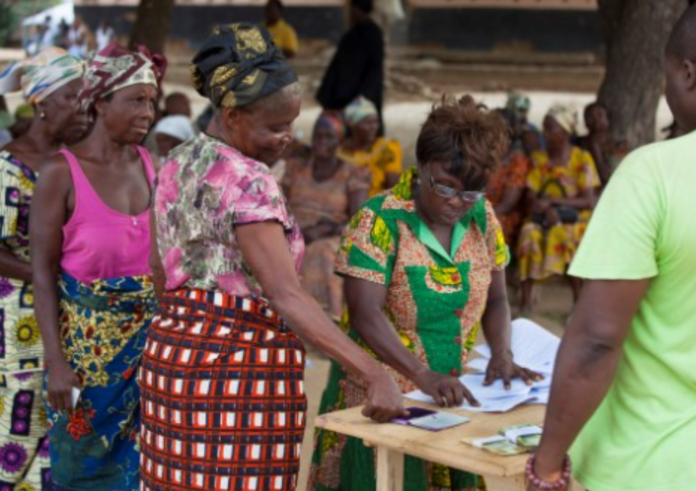
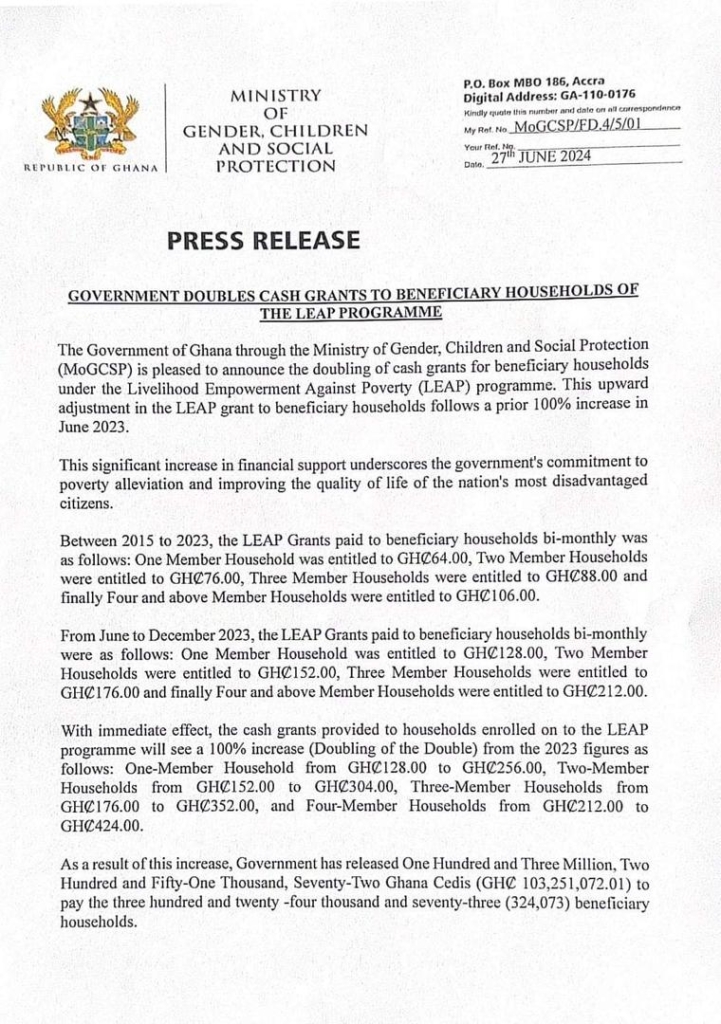
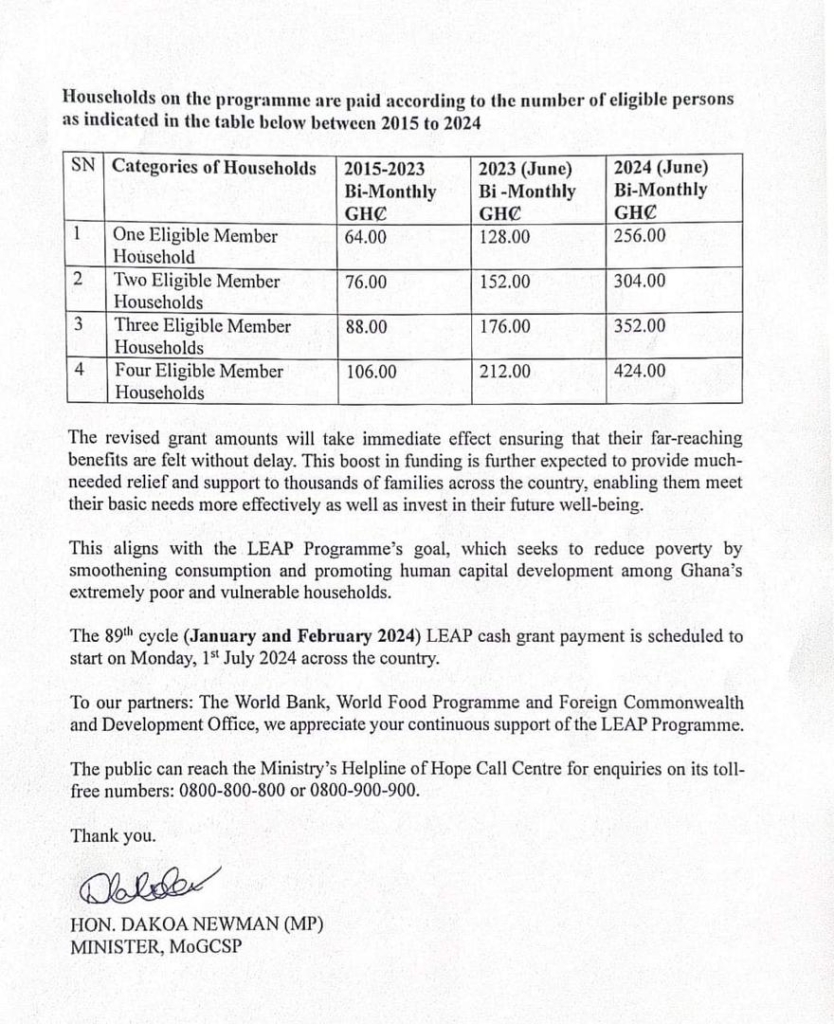
        The Ministry of Gender, Children, and Social Protection (MoGCSP) has announced a raise in cash grants for households benefiting from the Livelihood Empowerment Against Poverty (LEAP) programme.

        According to a press release dated June 27, the Ministry stated that starting in 2024, beneficiaries will receive double the amount they received in June 2023, following delays in grant payments.

        In light of this increment, the government has disbursed GH₵103,251,072.01 to cover payments for 324,073 beneficiary households, as highlighted by the Gender Ministry.

        The Ministry also disclosed that the revised cash grant payments for January and February 2024 will commence on Monday, July 1.

        “From June to December 2023, the LEAP Grants paid to beneficiary households bi-monthly were as follows: one member household was entitled to GH₵128.00, two-member households were entitled to GH₵152.00, three-member households were entitled to GH₵176.00 and finally four and above member households were entitled to GH₵212.00.”

        “With immediate effect, the cash grants provided to households enrolled on to the LEAP programme will see a 100% increase from the 2023 figures as follows: one-member household from GH₵128.00 to GH₵256.00, two-member households from GH₵152.00 to GHC304.00, three-member households from GH₵176.00 to GHC352.00, and four-member households from GH₵212.00 to GH₵424.00.”

        The Gender Ministry indicated that the government hopes the increase in grants for beneficiaries is expected to provide relief and support to families across the country and enable them to meet their basic needs more effectively.

        “This aligns with the LEAP Programme’s goal, which seeks to reduce poverty by smoothening consumption and promoting human capital development among Ghana’s extremely poor and vulnerable households.”

        Read the full statement below:

        The Ministry of Gender, Children, and Social Protection (MoGCSP) has announced a raise in cash grants for households benefiting from the Livelihood Empowerment Against Poverty (LEAP) programme.

        According to a press release dated June 27, the Ministry stated that starting in 2024, beneficiaries will receive double the amount they received in June 2023, following delays in grant payments.

        In light of this increment, the government has disbursed GH₵103,251,072.01 to cover payments for 324,073 beneficiary households, as highlighted by the Gender Ministry.

        The Ministry also disclosed that the revised cash grant payments for January and February 2024 will commence on Monday, July 1.

      9. I’ll face prosecution if any corruption is discovered – Elizabeth Ohene on sale of SSNIT hotels

        Elizabeth Ohene, the Board Chair of the Social Security and National Insurance Trust (SSNIT), has publicly justified the organization’s decision to divest a 60 percent interest in several hotels.

        In an opinion piece published in the state-owned Daily Graphic, she stressed that she would accept full accountability and face prosecution if any corruption is uncovered in the procedure.

        In her article titled “Coming out of the hotels,” Elizabeth Ohene addressed the controversy surrounding the sale of shares to Rock City Limited, owned by Minister for Food and Agriculture Bryan Acheampong.

        She expressed bewilderment over allegations of secrecy and government involvement in the divestiture process, underscoring that the decision to seek a strategic investor was made transparently and did not require governmental consent.

        Ohene highlighted that the SSNIT Board’s actions have always been guided by the principle that pension funds are sacrosanct and that every decision should endure public scrutiny.

        She assured that the selection of Rock City as the preferred bidder was conducted cleanly, adhering to all rules and regulations.

        The Board Chair also addressed the political implications of the issue, noting that it is an election year and the owner of Rock City is a Minister of State.

        She clarified that the discussion should center on whether SSNIT is permitted to seek private sector investment for its hotels, rather than on the political affiliations of the bidder.

        Ohene’s stance comes amidst a campaign led by Samuel Okudzeto Ablakwa, Member of Parliament for North Tongu, who has accused the SSNIT Board and management of various wrongdoings, including abuse of power and lack of transparency.

        In response, Ohene has called for all of God’s Angels and Ghana’s investigative agencies to examine the process and confirm its integrity.

        As Board Chair for SSNIT, Elizabeth Ohene emphasized her commitment to taking responsibility and facing prosecution if any investigation discovers evidence of corruption in the process.

        “Mr Okudzeto Ablakwa claims to have God and Ghana on the side of his campaign, and I would hope all of God’s Angels and Ghana’s investigative agencies, temporal and spiritual, would examine the process and tell the world if they find any irregularity or trace of corrupt practice. Indeed, if they should find any evidence of corruption, I will assume and accept responsibility and expect to be prosecuted,” she wrote.

      10. Aviation experts advocate collaboration for 5G rollout in Ghana

        Aviation experts advocate collaboration for 5G rollout in Ghana

        Aviation experts are urging for increased collaboration between the National Communications Authority (NCA) and the Ghana Civil Aviation Authority (GCAA) in the implementation of Ghana’s 5G network.

        The introduction of 5G spectrum services poses significant risks to aviation safety, particularly due to potential interference with critical aircraft landing and safety systems such as radio altimeters, unless adequate mitigating measures are implemented before deployment.

        Recent experiences from the rollout of C-band spectrum 5G services in the United States have highlighted substantial disruptions. However, successful deployments in countries like Brazil, Canada, France, and Thailand have demonstrated effective mitigation strategies to safeguard aviation safety and maintain uninterrupted services.

        A key concern is the proximity of 5G C-Band antennas to airports and flight approach paths.

        The degree of interference largely depends on factors such as the power of 5G transmitters, their distance from aircraft, and spectrum separation from radio altimeter frequencies.

        This interference has the potential to impact critical onboard safety systems and aircraft landing precision and auto-land capabilities.

        Both the International Civil Aviation Organization (ICAO) and the International Telecommunications Union (ITU) emphasize the importance of protecting aviation systems from harmful interference, urging member states to ensure the integrity of existing aviation services.

        During a GCAA Aeronautical Information Services (AIS) stakeholder workshop held at the new GCAA headquarters at Kotoka International Airport, panelists addressed concerns about Ghana’s 5G network rollout.

         “The 5G network operates in a spectrum of the electromagnetic waves and initially this may affect the CNS infrastructure.

        “We communicate using signals, navigation equipment also uses the same signal or a similar spectrum, initially, depending on how it is deployed, it may affect this infrastructure and what we will do as AIS is that we will rely on CNS to give us information concerning any interference to these CNS infrastructures and we of course will publish such information. If it calls for a NOTAM, we will publish that, if it calls for changes they (CNS) will do that and inform us so we publish that.”

        They further called for a closer collaboration between the NCA and the GCAA to ensure a safe rollout of the technology.

        “Definitely the CAA has a say when these networks are lodged. They (GCAA) would like to do their safety assessment to see if it (5G) won’t affect their existing infrastructure in the first place. So the Ghana Civil Aviation Authority will have a say, of course the National Communications Authority also has a say in that.”

        Ghana to roll-out 5G broadband services by September

        The Ghanaian government has awarded a 5G license to Next-Gen Infrastructure Company (NGIC) to provide cost-effective 5G mobile broadband services nationwide.

        According to the GNA, the rollout of 5G services is expected by the third quarter of this year, aiming to transition mobile phone users into a new phase of digital connectivity. This initiative aims to advance Ghana towards achieving a fully digital society by 2030.

      11. Ghana receives US$4.6bn in remittances in 2023 – World Bank

        Ghana receives US$4.6bn in remittances in 2023 – World Bank

        In 2023, remittance flows in Sub-Saharan Africa reached US$54 billion, with Ghana emerging as one of the major recipients, ranking second highest in the region according to the latest World Bank Migration and Development Brief.

        During this period, remittances to Ghana amounted to US$4.6 billion, placing it just behind neighboring Nigeria which received US$19.5 billion.

        Although slightly lower than the US$4.7 billion recorded in 2022 and US$4.5 billion in 2021, these funds have been pivotal in stabilizing Ghana’s economic landscape amid a marginal 0.3 percent regional decline from the previous year.

        Ghana reported a current account surplus in the third quarter of 2023, bolstered by robust remittance growth.

        These financial transfers have played a crucial role in alleviating challenges such as food insecurity, droughts, supply chain disruptions, floods, and debt servicing difficulties, exacerbated by global geopolitical tensions including the Russian invasion of Ukraine and the Israel-Gaza conflict.

        In contrast to the volatile nature of foreign direct investment (FDI) flows, remittances have proven to be a more reliable source of foreign exchange for Sub-Saharan Africa. In 2023, remittances to the region exceeded FDI flows by nearly 1.5 times, totaling US$38.6 billion. Major recipients included Nigeria, Ghana, Kenya, and Zimbabwe.

        The increasing reliance on remittances in Ghana has become evident, providing essential income for many households and serving as a critical buffer against economic uncertainties while supporting the country’s current account balance.

        “Remittance flows to the region supported the current accounts of several African countries that were dealing with food insecurity, drought, supply chain disruptions, floods, and debt-servicing difficulties,” the report emphasized, highlighting the stabilizing effect of these funds.

        The recent actions taken by the Central Bank of Nigeria (CBN) to unify the foreign exchange market and implement new operational methods for financial institutions could impact Ghana. These regulatory adjustments are aimed at fostering competition and reducing transaction expenses, potentially benefiting Ghanaians who receive remittances from Nigeria.

        Nevertheless, the persistently high cost of remittances remains a concern. In Sub-Saharan Africa, senders paid an average fee of 7.9 percent to transfer US$200 in the fourth quarter of 2023, up from 7.4 percent in the same period of 2022. Costs varied widely, with certain routes charging as much as 36 percent. This highlights the urgent need for more affordable and efficient remittance channels.

        Regional Dynamics and Future Outlook

        Kenya, a significant recipient of remittances, has demonstrated promising growth with a 21 percent increase in remittance inflows during the first four months of 2024 compared to the same period in 2023. This growth is primarily fueled by contributions from the United States, Canada, the United Kingdom, Switzerland, and Italy, underscoring strong connections between the diaspora and their home countries.

        Looking forward, remittance growth across Sub-Saharan Africa is expected to rebound modestly, transitioning from a -0.3 percent decline in 2023 to a projected increase of 1.5 percent in 2024. However, several challenges lie ahead, including potential economic slowdowns in developed nations, escalating conflicts, and climate-related risks.

        Migration Trends and Their Impact

        Conflicts within Sub-Saharan Africa, particularly in Sudan, have led to significant cross-border population movements. The region is now hosting millions of internally displaced persons and refugees, with substantial numbers moving to neighboring countries. This migration trend underscores the interconnectedness of African economies and the importance of stable remittance flows.

      12. I call on all of God’s angels to examine processes involved in selling SSNIT hotels – Board Chair

        I call on all of God’s angels to examine processes involved in selling SSNIT hotels – Board Chair

        Elizabeth Ohene, the Board Chair of the Social Security and National Insurance Trust (SSNIT), has expressed confident that the selection of Rock City as the preferred bidder for SSNIT hotels was clean, as well us adhered to all rules and regulations.

        Ohene’s stance comes amidst a campaign led by the Samuel Okudzeto Ablakwa, Member of Parliament for North Tongu, who has accused the SSNIT Board and management of various wrongdoings, including abuse of power and lack of transparency.

        In response, Ohene has called for all of God’s Angels and Ghana’s investigative agencies to examine the process and verify its integrity.

        “Mr Okudzeto Ablakwa claims to have God and Ghana on the side of his campaign, and I would hope all of God’s Angels and Ghana’s investigative agencies, temporal and spiritual, would examine the process and tell the world if they find any irregularity or trace of corrupt practice. Indeed, if they should find any evidence of corruption, I will assume and accept responsibility and expect to be prosecuted,” she wrote.

      13. EU bolsters Maritime Security in Sub-Region

        EU bolsters Maritime Security in Sub-Region

        EU funds and completes EnMAR training for 15 port security officials from West and Central Africa in the Gulf of Guinea.

        A regional ‘Port Security’ train-the-trainers program, spanning five days, focused on ISPS Code section 18.2 guidelines.

        EnMAR aims to boost maritime security and safety in the Gulf of Guinea by fostering political dialogue, improving EU security initiatives’ coherence, and strengthening operational capacities of national and regional partners.

        Its primary goal is to reduce piracy and security expenditures. For example, UNODC reports the Gulf of Guinea faces significant direct and indirect costs from piracy and security threats, totaling US$1.9 billion annually.

        UNODC notes governments in the Gulf of Guinea spend over US$524 million yearly to combat piracy and armed robbery, emphasizing recent costs.

        Regarding this threat, EU Delegation Deputy Ambassador to Ghana Jonas CLAES stressed the importance of Gulf of Guinea security for enhancing regional trade.

        “The issue of port security is an important and strategic topic in view of the potential linkages with global trade, organised crime and security,” he said at the training’s closing session in Accra.

        CLAES revealed that feedback from Tema Port during the training program visit indicated that the Ghana Ports and Harbours Authority is well-informed about current security mitigation measures.

        Programme Manager of the EU- EnMAR project at Expertise France, Marie Gibrat, explained the training was the last of series of four regional sessions for port stakeholders of West and Central Africa.

        “We were first in Douala to discuss cybersecurity in February, then we exchanged on crisis management in Abidjan in March; lastly, we learned about the management of dangerous goods in Pointe-Noire in the Republic of Congo at the last session in Accra,” she said.

        Madam Gibrat expressed the EU’s eager anticipation of a forthcoming West and Central Africa Port Security (WeCAPS) project currently being discussed in Brussels.

        Captain James Quayson, General Manager-Special Duty at GPHA, highlighted the valuable experience gained from sharing insights among harbor masters and port facility security officers from various ports in the Gulf of Guinea during the training.

      14. Intercity STC collaborates with MUUS Int to introduce 100 new buses by August 2024

        Intercity STC collaborates with MUUS Int to introduce 100 new buses by August 2024

        A new alliance between Intercity STC and MUUS Transport Alliance Cooperation plans to bring in 100 new buses from China to boost the fleet of the Ghanaian company by August 2024.

        This was revealed by Nana Akomea, the Managing Director of Intercity STC, during the formal signing event in Accra on Thursday, June 27, 2024.

        During the signing event in Accra, Nana Akomea mentioned that the timing of the partnership would be advantageous for both organizations.

        “We are very happy to have them on board. We have signed a few partnership agreements over the period but this particular occasion is totally different. This is the first time we’ve had our partners representing with about 20 of them, in fact, they literally outnumber us in our own office and clearly, it shows that they are serious about the partnership and we are very happy about that.

        “We are happy to have them on board because it is a good time for the transport business. The macro environment is relatively stable. Like any business, if the macro environment goes bad, the business goes bad, and we in the transport business, when the currency is not stable, it affects the price of fuel immediately… so, we are affected directly by the macro environment.

        “And indeed, in the period 2020-2023, when, because of the COVID, we all know the macro environment became unstable and the dollar price kept rising every week, literally. It was a very tough period for the transport business because you are not able to increase transport fares any time the price of fuel changes. So, it was a very tough operating environment, but now we agree that in the last 12 months, the macro environment is different and relatively more stable… so, we’re happy to have you on board at this time when the operating environment promises better margins for the business,” he said.

        Nana Akomea further stated that the arrangement stipulates a partnership between the two companies, operating on a revenue-sharing basis.

        He also mentioned that Intercity STC might eventually explore the option of purchasing the buses.

        “So, the MoU will take 20% of the gross and they take 80%, out of which they will do their insurance and maintenance and drivers salaries and all of that, and then the next clause provides that STC may opt to lease or buy the buses on mutually-acceptable terms… and if the price is right, and the technical specifications are right, we have the option to buy the buses,” he added.

        Dr. Seidu Mumuni, for his part, reassured Intercity STC’s management of their commitment and affirmed their dedication to enhancing the country’s transportation sector through their partnership.

        “I want to assure STC that MUUS International is a serious company. It is not only STC but you can see other companies that are here to join us to give us their versatile support. There is a bilateral discussion, for instance, with the Ghana National Fire Service now and with the Ministry of the Interior to supply them with fire trucks, the tools and give them training, and planning ahead to establish the first fire academy in Ghana.

        “We are the only company that shows our dynamism and I am charged that really, we are going to really deliver. Our team is ever ready to invite STC to China,” he said.

        The STC-MUUS agreement will introduce buses produced by King Long Automotive, one of China’s largest manufacturers of coaches.

        Under the partnership, MUUS plans to introduce electric buses, establish electric assembly plants, retooling facilities, and build state-of-the-art bus terminals with technical service yards in Ghana. These initiatives aim to enhance commerce within Ghana and throughout West Africa.

      15. Borrowers encouraged to swiftly repay loans to protect Ghana’s financial system

        Borrowers encouraged to swiftly repay loans to protect Ghana’s financial system

        Senior at the Assurance Unit of Deloitte Ghana, Kwame Osei Bonsu, is advising businesses and borrowers to repay their loans from banks or lenders without delay.

        He emphasized that this measure is essential for protecting Ghana’s financial system and maintaining its stability.

        In an interview on the Joy Business Masterclass on Joy FM, Kwame Osei Bonsu stated that delays in loan repayments harm the borrower’s credit history and hinder lenders from providing loans to other businesses, which is crucial for their ongoing operations.

        “Paying back loans is very key because banks plan with your payment schedule anticipating the money because they know that some other businesses need this cash flow. And with your payment, they can fulfil that obligation”, he mentioned.

        He added that delaying loan repayments without prior notification to the lender fosters mistrust and jeopardizes a borrower’s chances of securing future credit facilities.

        He also encouraged lenders to conduct thorough due diligence to determine the credit risk levels of individuals or businesses applying for loans.

        “If you have funds and you want to give out loans, you should be able to determine the specific risks that you are exposed to in order to take decisions that will benefit you and the economy”, he added.

        Kwame Osei Bonsu also encouraged lenders to hold borrowers responsible by evaluating the anticipated risk associated with them and exploring alternative methods to guarantee prompt loan repayments.

      16. Ablakwa challenges Blay’s family with additional documents on Labadi Beach Hotel

        Ablakwa challenges Blay’s family with additional documents on Labadi Beach Hotel

        Samuel Okudzeto Ablakwa, the Member of Parliament for North Tongu, has unveiled additional documents purportedly exposing the true ownership of Labadi Beach Hotel’s beachfront.

        Accusing the former National Chairman of the ruling New Patriotic Party (NPP), Freddie Blay, and his son Kwame Blay of orchestrating ‘grand state capture,’ Ablakwa alleges they falsely claimed ownership of the hotel’s beachfront.

        In a recent social media post on Thursday, June 27, 2024, Ablakwa shared documents outlining an agreement involving a company linked to the Blays, Labadi Beach Hotel, and a third party concerning a joint venture covering the disputed beachfront.

        He questioned the inclusion of Labadi Beach Hotel in the joint venture if it did not rightfully own the beachfront, asserting that the agreement’s breach resulted in substantial financial losses for the hotel.

        Despite efforts by the hotel management to reclaim the disputed beachfront after the agreement’s dissolution, they faced formidable opposition, hindering their efforts.

        “Insiders at the helpless Labadi Beach Hotel now regret signing this JV as they couldn’t have predicted at the time that it was all a trap meant to give Kwame Blay initial access. Remember, the JV was violently breached, causing Labadi Beach Hotel to lose substantial revenue even ahead of Labadi losing its beachfront.

        “I am also attaching a statement by the management of Labadi Beach Hotel issued on November 13, 2023, following a Bright Simmons social media post about political heavyweights encroaching on the hotel’s beachfront. From the statement, Labadi Beach Hotel’s MD promised to reclaim its beachfront — unfortunately, the forces they came up against were just too powerful,” parts of the post read.

        The documents presented by the MP revealed specifics of a collaborative agreement dated November 11, 2020, involving Gold Coast Expo Limited, Press Express Logistics Limited, and Labadi Beach Hotel Limited for the operation of “the Polo Beach Club.”

        “Party 1 (Gold Coast Expo) and Party 2 (Press Express Logistics) organized the Polo Beach Club (the Beach Club), a pop-up beach club, over a period of 10 days at a portion of the Labadi beach under the easement rights of Party 3 (Labadi Beach Hotel Limited) and with the approval of La Dade-Kotopon Municipal Assembly (the Assembly).

        “Party 1, Party 2, and Party 3 desire to develop, finance, operate, and manage the Beach Club permanently on a joint venture basis in accordance with the terms specified in this Agreement,” part of the document reads.

        It added, “NOW THEREFORE, THIS AGREEMENT WITNESSES THAT in consideration of the premises and mutual covenants and agreements herein contained and for other good and valuable consideration, the receipt and sufficiency of which is acknowledged by each of the Parties, the Parties covenant and agree as follows.”

        The document also detailed the terms for terminating the agreement, specifying conditions such as dissolution of the joint venture and the consolidation of participant interests by one party.

        View the MP’s post plus the documents he shared below:

        BAI/OGB

      17. Power outages disrupt ongoing ambulance procurement trial in Accra

        Power outages disrupt ongoing ambulance procurement trial in Accra

        The ongoing trial concerning ambulance procurement in Accra faced unexpected disruptions due to frequent power outages, known locally as “dumsor.”

        These interruptions caused multiple delays during proceedings, frustrating legal teams, witnesses, and attendees.

        The trial, being held at the High Court, experienced repeated halts as the city endured intermittent power cuts. These outages not only hindered the flow of legal proceedings but also affected the concentration and effectiveness of arguments presented in court.

        During Thursday’s session, focused on cross-examining Richard Jakpa, the third accused, state prosecutors faced challenges due to the power disruptions. Deputy Attorney General started the questioning, with Attorney General Godfred Yeboah taking over at a later stage.

        The trial judge expressed concern about the disruptions during breaks caused by the power outages. She noted the adverse effects on trial efficiency and raised worries about potential damage to court equipment from the unstable power supply.

        These interruptions underscore ongoing challenges in Ghana’s judicial system amid periodic power shortages affecting various sectors nationwide.

        Authorities continue efforts to mitigate disruptions and ensure smooth legal proceedings.

        As the trial adjourned for the day, uncertainties remained about how “dumsor” could impact future court sessions and the overall timeline of the ambulance procurement trial.

      18. It will be historic for Ghana to have a female Vice President – Chief of Akyem-Tafo

        It will be historic for Ghana to have a female Vice President – Chief of Akyem-Tafo

        The Chief of Akyem-Tafo, Osabarima Adusei Peasah, praised the qualities of Jane Naana Opoku-Agyemang, the running mate of the National Democratic Congress (NDC), noting her capability to enhance John Mahama’s presidential aspirations.

        The Chief stated that John Mahama, the NDC presidential candidate, made a prudent decision in choosing Prof Naana as his running mate.

        He expressed these sentiments during her visit to his palace in Akyem-Tafo, which was part of her tour of the Abuakwa North constituency.

        Welcoming the running mate to his palace, Osabarima Adusei Peasah said “it is God that chose you to complement John Mahama who is vying to become the next president of Ghana. It will be a record for Ghana to have a female Vice President”.

        He praised her for showing exemplary leadership in both her private and public life. “We know your capabilities and how you have raised and nurtured great people before going into politics. I will plead that you replicate same when you become the Vice President in order to help in the development of the country” he said.

        During her visit, the running mate initially visited the head of the Saviour Church in Osiem before proceeding to the Tafo Palm Oil Extraction Factory, which had been destroyed by fire a few weeks earlier.

      19. CPP confirms participation in 2024 election

        CPP confirms participation in 2024 election

        The Convention People’s Party (CPP) has rebutted claims that it will abstain from presenting candidates in the 2024 general elections.

        In a statement issued on June 26 and signed by the Chairman of the Independent Committee, P.N. Sorbodjor, the party affirmed its intention to participate in the forthcoming elections.

        This announcement follows remarks from Sylvester Sarpong-Soprano, the Director of Communications for the Convention People’s Party (CPP), suggesting that internal disputes and multiple court cases might prevent the CPP from nominating a presidential candidate for the 2024 elections.

        Speaking on Asaase Radio, he highlighted these challenges, citing difficulties in holding primaries to select a candidate. Without substantial changes in the near future, he cautioned that the CPP could face significant hurdles in effectively organizing for the upcoming elections.

        But the statement clarified stating “It has come to the attention of the National Secretariat of the Convention People’s Party, information circulating in sections of the media to the effect that the Party will not field candidates for the 2024 general elections. The Independent Committee of the CPP wishes to debunk this Information.”

        The statement indicated that the party is in the final stages of organizing its activities to select candidates for the upcoming Presidential and Parliamentary elections on December 7.

        It assured the public that a comprehensive schedule would be unveiled next week.

      20. AG assumes control of cross-examination of ongoing ambulance procurement trial

        AG assumes control of cross-examination of ongoing ambulance procurement trial

        Attorney-General and Minister of Justice Godfred Yeboah Dame has assumed control of the cross-examination of Richard Jakpa, the third accused in the ongoing ambulance procurement trial, taking over from his deputy, Alfred Tuah-Yeboah.

        Currently, state prosecutors are questioning Mr. Jakpa in a case that involves the Minority Leader of Parliament, Dr. Cassiel Ato Forson, who stands trial alongside him. Both individuals face charges of willfully causing financial loss to the state and deliberately misapplying state funds.

        The prosecution alleges a loss of €2.37 million due to the procurement of defective Sprinter buses.

        During the hearing on Thursday, June 27, 2024, Mr. Tuah-Yeboah indicated that the prosecution aims to conclude its cross-examination by next Tuesday.

        This marks Attorney-General Godfred Dame’s first direct involvement in cross-examining the witness, amid prior speculation suggesting his reluctance following a leaked conversation hinting at potential witness tampering.

        Attorney-General Dame now joins Deputy AG Alfred Tuah-Yeboah and Director of Public Prosecutions (DPP) Yvonne Atakorah Obuobisa as the third state prosecutor to interrogate Mr. Richard Jakpa.

      21. Deputy AG calls for unified effort against human trafficking

        Deputy AG calls for unified effort against human trafficking

        Poverty, limited education, and influence from individuals in prominent positions such as traditional leaders and politicians have been pinpointed as significant obstacles in Ghana’s battle against human trafficking.

        Deputy Attorney General Diana Asonaba Dapaah highlighted that despite governmental initiatives, including the enactment of pertinent legislation, these challenges persistently impede her office’s prosecution efforts against perpetrators of this crime.

        “Some of the problems we encounter when we are prosecuting some of these perpetrators is for members within the community to purport to interfere in the prosecution either through lobbying or luring or through threats of death and other things,” she said.

        She addressed attendees at the National Justice Conference of the International Justice Mission in Accra.

        Madam Dapaah emphasized that while the government has laws in place to combat trafficking, much more needs to be accomplished.

        “It is a whole community responsibility. So as a government, we are doing our bid but we relish the continuous support of all of us,” she said.

      22. Eligible prison inmates to register from 1st to 3rd August 2024 – EC

        Eligible prison inmates to register from 1st to 3rd August 2024 – EC

        The Electoral Commission (EC) has announced its cooperation with the Ghana Prisons Service to enroll eligible inmates in preparation for the 2024 general election.

        During the upcoming supplementary registration exercise from August 1 to August 3, 2024, eligible prison inmates will have the opportunity to enroll at all district offices of the Commission.

        This announcement was made during a press briefing following the EC’s meeting with the National Peace Council in Accra on Wednesday.

        The objective of the meeting was to inform key stakeholders about the election timetable and seek their input to ensure trustworthy, equitable, and transparent elections in 2024.

        Held in private, the meeting focused on strategies to promote peace and unity among political figures, citizens, organizations, and other stakeholders throughout the electoral process.

        The Peace Council encouraged the EC to foster confidence among political parties and the public by maintaining ongoing communication with relevant stakeholders to enhance openness and responsibility in its activities.

        Mrs. Jean Mensa, Chairperson of the EC, affirmed the Commission’s commitment to conducting transparent, unrestricted, and trustworthy elections, highlighting the significance of its discussions with the Peace Council.

        “We have had useful deliberations. The purpose was to brief the Council, receive feedback, and address some of the concerns that you have.

        “We are going away with some useful nuggets that we believe will strengthen our work,” she said.

        Mrs. Mensa restated the Commission’s dedication to facilitating the participation of Guan Constituency residents in the upcoming elections.

        She also confirmed that no new Constitutional Instrument would be introduced for the December 7 polls and assured the use of indelible ink during the process.

        Addressing the registration of prison inmates, the EC Chairperson mentioned that the Commission was acquiring data from the Prisons Service to inform its preparations.

        Reverend Dr. Ernest Adu-Gyamfi, Chairman of the National Peace Council, highlighted that the meeting covered topics such as fostering trust between the EC, political parties, and the public, and the importance of consistently clarifying matters to all stakeholders.

        “It’s been a very fruitful meeting,” he said and expressed delight that the people of the Guan Constituency would be participating in the upcoming elections.

        From May 7 to May 29, 2024, the EC carried out a voter registration drive, followed by a nationwide effort to replace lost voter ID cards starting May 30, 2024.

        Additionally, the EC has finished the voter transfer process, ensuring all necessary updates are completed.

      23. “Delay is my friend” – Freezy Macbones debunks dating rumours

        “Delay is my friend” – Freezy Macbones debunks dating rumours

        Ghanaian professional boxer Seth Gyimah, known as Freezy Macbones, has refuted allegations of an amorous relationship with media personality Deloris Frimpong Manso, popularly known as Delay.

        In an exclusive interview on Okay FM, Freezy Macbones declined to discuss his relationship with Delay. However, he praised her, highlighting his admiration for her work ethic and her ability to balance her personal and professional life.

        Addressing rumors about their romantic involvement, he confirmed on Okay FM that these speculations were untrue and that Delay was not his girlfriend.

        “Delay is my friend, and she is someone I respect a lot because of her hard work and smartness. Wherever there is money, she would chase and get it. When I see people like that, I get mad respect for them,” Freezy Macbones said.

        This clarification follows several instances where Freezy Macbones appeared to share a special bond with the media personality.

        Notably, after his interview with Delay, he was seen assisting her in selling bread by the roadside for her business, Delay Bread.

        The boxer emphasized that his involvement in Delay’s various ventures was solely to support her. He added that whenever she needed help and he was available, he would always lend a hand.