Author: Amanda Cartey

  • Installation of prepaid smart meters challenging in Ashanti Region due poor internet access – ECG

    Installation of prepaid smart meters challenging in Ashanti Region due poor internet access – ECG

    The Electricity Company of Ghana (ECG) has stated that inadequate internet access in certain areas of the Ashanti Region has hindered the deployment of smart prepaid meters.

    Public Relations Officer for ECG in the Ashanti West Region, Benjamin Antwi, emphasized that many smart prepaid meters rely on a robust internet connection for optimal performance.

    “It will take strong internet for customers to use smart prepaid meters; hence, ECG had to ensure all areas installed with the new meters had access to good internet service for smooth usage,” he said.

    He made these remarks in an exclusive interview with Captain Koda on the morning show “Nyansapo” aired on Kumasi-based OTEC 102.9 FM.

    Benjamin Antwi, speaking during the interview on Monday, June 3, 2024, highlighted ECG’s goal of replacing all postpaid and prepaid meters utilizing cards with smart prepaid meters to enhance energy management and customer convenience.

    “With smart prepaid meters, a customer can buy credits for their meters from the convenience of their homes by downloading the ECG power app,” he said.

  • EC’s actions lately not putting many to sleep –  Tanko-Computer

    EC’s actions lately not putting many to sleep –  Tanko-Computer

    The Deputy Director of Elections and IT for the National Democratic Congress (NDC), Dr. Rashid Tanko-Computer, has voiced criticism against the Electoral Commission (EC), arguing their actions lately is creating confusions.

    This response follows a press release from the EC on June 2nd, which stated that party agents should not be present at polling stations.

    This instruction goes against the consensus reached during an IPAC gathering on May 29th, where it was determined that political parties should be able to oversee the transfer process to guarantee transparency.

    The sudden change of stance by the EC, as highlighted in their statement on June 2nd, has raised apprehensions within the NDC regarding the legitimacy of the electoral procedure.

    Speaking to the media, Dr Tanko said, “The posturing of this current Electoral Commission does not allow anybody to go to sleep and to think that they are an independent body because they have not shown enough good faith to warrant that kind of accolade that we used to know about the Electoral Commission.

    “I will walk you through the process. Look at what happened in 2020. In 2020, how many results did she declare? On the 9th, she declared one. In the evening, she changed the result. In the morning on the 10th, she changed another result, several changes, as we speak now, you cannot even pinpoint which result she used to declare Nana Addo as the President.”

    Dr. Rashid Tanko-Computer asserted that by declining to be subjected to a cross-examination about the 2020 election outcomes, the Electoral Commission evaded criticism.

    In addition, he criticised the 2023 voter registration process as “shambolic,” alleging that the EC is still grappling with the task of cleaning up the voters’ register.

    “We did an election, Assembly men election, where ballot papers got short in the polling station. Have you ever seen some before? So, this kind of Electoral Commission is noted for these kinds of wrongs. Just recent registration, fake figures and wrong figures were chained out. We corrected them”, he noted.

  • 2024 Election: Bawumia in a comfortable lead, yet NDC remains most popular – Survey

    2024 Election: Bawumia in a comfortable lead, yet NDC remains most popular – Survey

    With fewer than seven months remaining until the December 2024 general elections, a study by political analyst Prof Smart Sarpong, has revealed that the opposition National Democratic Congress (NDC) stands as the most favored political party among Ghanaian voters.

    As per the survey conducted in April 2024, the NDC commands 38.8% of the votes in terms of popularity, closely trailed by the New Patriotic Party (NPP) with 34.5%.

    The study, serving as a fundamental report on 275 constituencies, encompassed a total sample size of 59,547 individuals drawn from the entire 275 sub-samples. Each sub-sample represents a proportionate portion of the overall contribution to the voter population according to the 2020 voter register.

    Furthermore, it revealed that 23.1% of voters remain undecided, while smaller parties collectively secure a minimal 3.6% of voter backing, as reported by 3news.com.

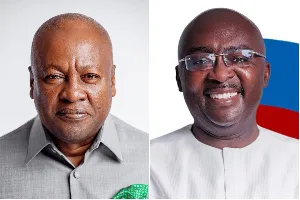
    Moreover, the survey unveiled that regarding the presidential candidate, the flagbearer of the ruling New Patriotic Party (NPP), Vice President Dr. Mahamudu Bawumia, leads with 38.9% support.

    In a closely contested race, the flagbearer of the NDC, John Dramani Mahama, trails closely with 36.1% support.

    Over 21% of voters indicated indecision, while the remaining candidates in the presidential race collectively amass 3.6% of the votes.

    Additionally, more than half of the respondents highlighted that their decision regarding whom to vote for in the presidential race was influenced by competence, with 22.5% considering the track records of presidential candidates, 19.1% leaning on party affiliations, and 3.7% swayed by financial inducement.

  • 2024 Election: Bawumia takes lead but NDC remains most popular party – Latest poll by Prof Smart Sarpong

    2024 Election: Bawumia takes lead but NDC remains most popular party – Latest poll by Prof Smart Sarpong

    With less than seven months to the December 2024 general elections, a survey by political analyst Prof Smart Sarpong has shown that the opposition National Democratic Congress (NDC) is the most popular political party in the country among Ghanaian voters.

    According to the poll, which was conducted in April 2024, the NDC holds 38.8% of the votes when it comes to popularity, while the New Patriotic Party (NPP) follows closely with 34.5%.

    The survey, a baseline report on 275 constituencies, had a total sample size of 59,547, selected from the full 275 sub-samples. Each sub-sample represents a proportional share of the total contribution to the voter population per the 2020 voter register.

    It also showed that 23.1% remain undecided, while smaller parties, collectively, hold a marginal 3.6% of voter support, 3news.com reports.

    Additionally, the survey found that when it comes to the presidential candidate, the flagbearer of the ruling New Patriotic Party (NPP), Vice President Dr. Mahamudu Bawumia, leads with 38.9% support.

    The flagbearer of the NDC, John Dramani Mahama, comes in a close second with 36.1% support.

    Over 21% of voters indicated they are undecided, while the other candidates in the presidential race collectively account for 3.6% of the votes.

    Also, over 50% of the respondents indicated that their decision on whom to vote for in the presidential race was based on competence; 22.5% on the track records of presidential candidates; 19.1% on party affiliations; and 3.7% on financial inducement.

    Source: Ghanaweb

  • ‘It has been a year since we last had a market share’ – PBC MD

    ‘It has been a year since we last had a market share’ – PBC MD

    The head of the Produce Buying Company (PBC), Derek Kwaku Nkansah, revealed that the company hasn’t captured any market share in the last year, which he finds disappointing.

    Nevertheless, he promised that by the end of June, PBC would see notable improvements and start moving upward.

    Speaking on the JoyNews AM show, he stated “We are going to start buying at the end of this month. The conversations are ongoing. When I started the conversation, I also added that the little signs have been there since 2000, and that is because we have never had working capital.

    “Working capital is something you need when you are doing this business. So, we do not have working capital; all we have done is go to the bank, borrow, finance costs hitting us so hard, and then also get seed funds, which are inadequate and also not timely. So, these are the two key challenges that we have that, bedevils our industry, and by extension, strongly, that has been challenging PBC”.

    According to Mr. Derek Kwaku Nkansah, the Produce Buying Company (PBC) is in talks with COCOBOD right now and plans to start buying shares shortly.

    “Those are the conversations that we are having at the moment with COCOBOD and the rest, and we are going to start buying. So, PBC is back,” he noted.

  • Patients stranded at Assin Fosu Polyclinic as nurses embark on strike action

    Patients stranded at Assin Fosu Polyclinic as nurses embark on strike action

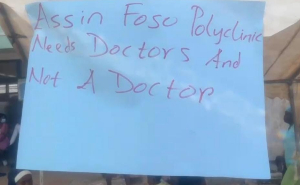
    Patients seeking medical care at the Assin Fosu Polyclinic in the Assin Fosu Municipality of the Central Region are currently facing difficulties as nurses and other medical staff have initiated a sit-down strike.

    The strike is a response to the insufficient number of doctors available at the polyclinic.

    Nurses interviewed by Kasapa News revealed that the polyclinic has been operating with just one doctor for the past seven years. In the absence of additional medical staff, nurses are compelled to manage all patient cases, resulting in a decline in the quality of healthcare provided.

    Furthermore, nurses are expressing concerns about their working conditions and have declared their intent to continue the strike until their grievances are addressed.

    Meanwhile, stranded patients shared their experiences, reporting that both nurses and other medical personnel were unwilling to attend to them.

    Some patients had to endure long journeys to seek medical assistance in neighboring districts.

    Patients are urging authorities to prioritize the concerns of healthcare workers to ensure the timely resolution of the situation.

  • Several gold miners trapped underground in Nigeria, rescue efforts underway

    Several gold miners trapped underground in Nigeria, rescue efforts underway

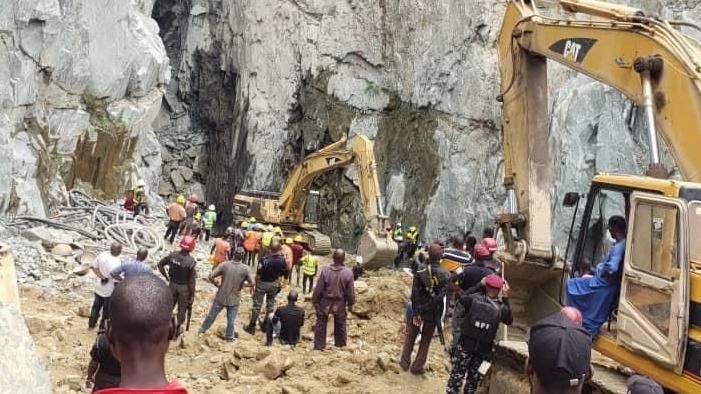
    Numerous gold miners find themselves trapped underground following a collapse in a central Nigerian mine shaft.

    The incident occurred on Monday amidst heavy rainfall in Niger state, although news dissemination was delayed due to the nation’s widespread strike, which concluded on Tuesday.

    Hussaini Ibrahim, spokesperson for the Niger state emergency service agency, informed the BBC that one fatality had been confirmed, and it is estimated that over 30 individuals remain trapped as rescue operations persist.

    Authorities attribute the collapse to the deluge of rain, which softened the ground. “As of this morning [Wednesday], we estimate that over 30 people are still trapped; precise figures are unavailable as even those on-site are uncertain,” stated Mr. Ibrahim.

    “One fatality has been confirmed, and six individuals were rescued and transported to the hospital.” He disclosed that four excavators and rescue personnel are presently on-site, endeavoring to extricate those trapped.

    Nigeria’s Minister of Solid Minerals, Dele Alake, announced that Mines Inspectorate officials had been dispatched to the Galadima Kogo mining site. “Rest assured, we will investigate the causes of this catastrophe to prevent its recurrence and ensure the safety of all Nigerians,” he affirmed in a statement.

    Niger state is notorious for criminal activity, particularly kidnappings perpetrated by gangs. Last year, mining operations were prohibited in the Shiroro area, where the mine collapsed, and surrounding regions due to security and safety concerns.

    The state official reassured that additional security measures were implemented to safeguard rescue personnel from potential abductions.

    Mining mishaps are frequent in Nigeria, often involving unregistered miners and going unreported. In January, a fatal explosion occurred in Ibadan, claiming two lives and injuring 77 others. The Oyo state government attributed the incident to explosives hoarded by illegal miners.

  • NPP Deputy General Secretary suspended

    NPP Deputy General Secretary suspended

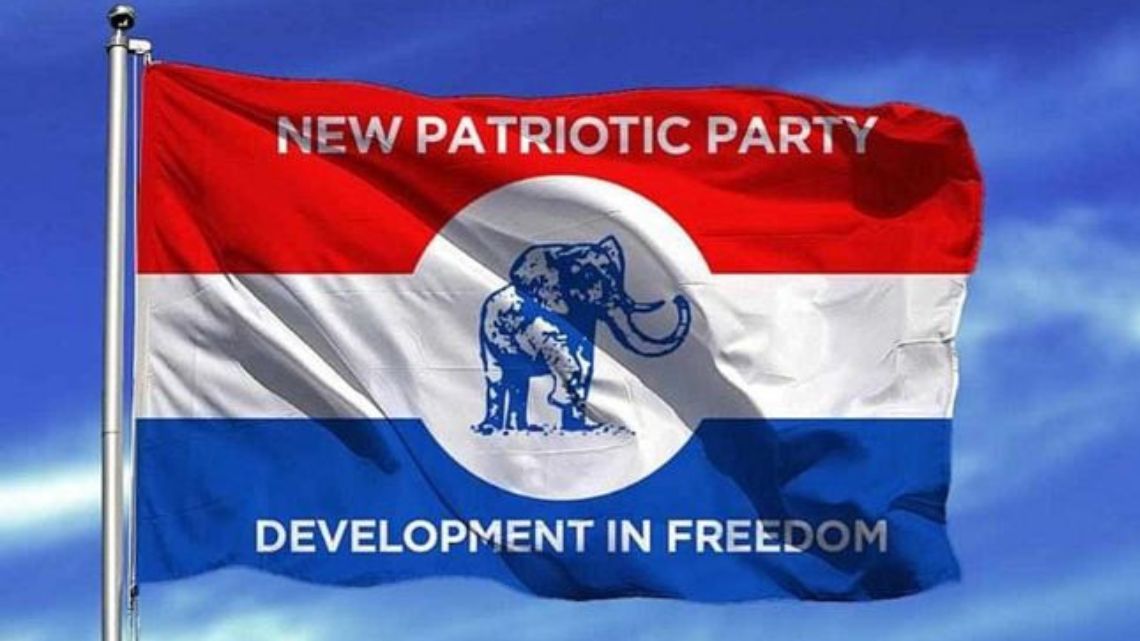
    The Deputy Bono Regional Secretary of the New Patriotic Party (NPP), Isaac Kwame Benkae has been suspended with immediate effect.

    The Regional Executive Committee took the decision, citing misconduct.

    The suspension was announced by the Regional Communications Officer, Gabriel Koran-Ababio in accordance with Article 3 (7) and Article 4 (7 and 8) of the NPP Constitution.

    Mr Benkae following the decision has been prohibited from participating in any party activities, attending meetings, or representing the party in any capacity.

    “A disciplinary committee will be convened to investigate the matter further and recommend appropriate action based on the findings. This committee will review the conduct of the Deputy Secretary and determine the next steps in accordance with the party’s rules and regulations” the party announced.

    Mr Korang-Ababio further underscored the importance of maintaining the integrity of the party and ensuring that all members adhere to the highest standards of conduct.

    Source: adomonline.com

  • Businesses experience 56% reduction in their working capital within 6 months – GUTA

    Businesses experience 56% reduction in their working capital within 6 months – GUTA

    Businesses in Ghana have witnessed a sharp decline in their working capital, with a reduction of more than 56 percent within a span of six months, attributed to the worsening economic conditions, stated the Head of the Business and Economic Bureau at the Ghana Union of Traders Association (GUTA).

    During an interview on Joy FM’s Super Morning Show, Charles Kusi Appiah Kubi, highlighted the grave financial difficulties facing the business sector.

    He pointed out that the swift depreciation of the Cedi has been a major factor in this capital erosion.

    “Within six months, businesses have lost over 56% of their working capital without doing any other business. It is not that they ran into a bad deal, but it is because of the current economic situation.

    “So the first thing that affects us when the Cedi depreciates is capital depletion,” he said on Wednesday.

    He additionally observed that the depreciating currency increases the Cost, Insurance, and Freight (CIF) values at the ports.

    He believed these escalating costs would subsequently raise the prices of the products or commodities being traded by businesses.

    “As businesses, there is a limit to the costs we can absorb. Beyond that limit, it must be passed to the consumer,”he noted.

    However, with the local market grappling with soaring inflation, Mr. Kubi observed that the economy has stagnated. Consumers are reducing their spending, and businesses are witnessing a significant drop in sales.

    “The moment inflation goes that high, the purchasing power of the consumer also starts diminishing. So as a business, we’d pass on the cost, but the consumer doesn’t have the purchasing power to absorb the extra cost so they are not buying. So right now there is economic stagnation.”

    He pointed out that the financial burden caused by this circumstance extends to the capacity of enterprises to pay their debts.

    “Right now there is economic stagnation. This is when people are no longer buying, and as a business, when you are not making sales, how do we then retire our loans?” he questioned.

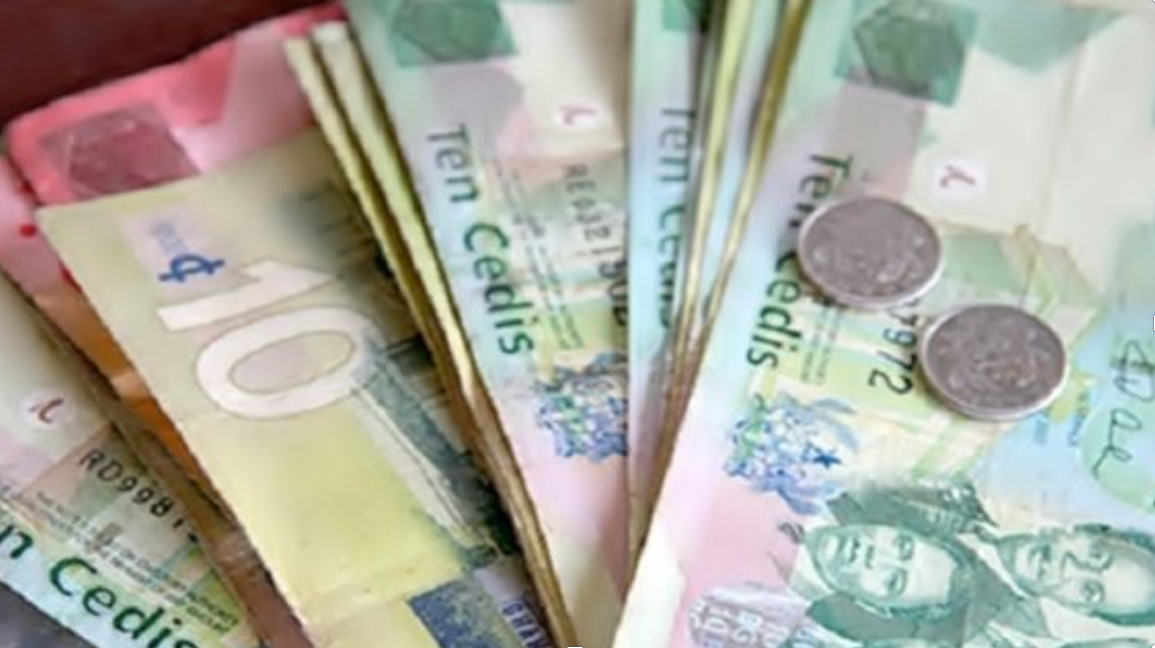
  • New banknotes featuring portrait of King Charles III now in circulation

    New banknotes featuring portrait of King Charles III now in circulation

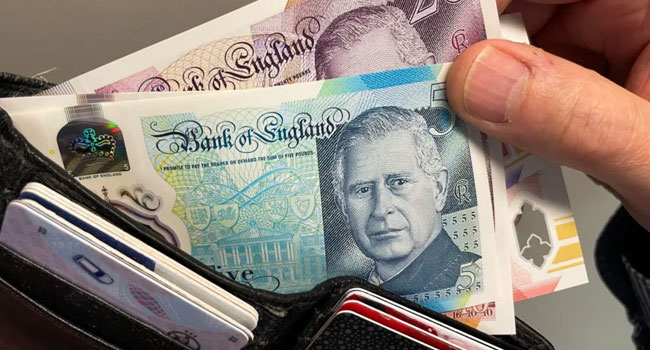
    Fresh banknotes featuring the likeness of King Charles III have been introduced into circulation, yet it may take some time before they become commonplace in wallets and handbags.

    These new Bank of England notes will gradually replace damaged ones or be issued as demand rises.

    The King marks only the second monarch to grace these notes, succeeding Queen Elizabeth II who first appeared in 1960.

    Consumers can continue to utilize existing circulating £5, £10, £20, and £50 notes bearing the portrait of the late Queen.

    The reverse sides of current polymer Bank of England banknotes, showcasing Sir Winston Churchill, Jane Austen, JMW Turner, and Alan Turing in ascending order, remain unaltered. Notes issued in Scotland and Northern Ireland display different images, not of the monarch.

    The initial batch of new banknotes was printed last year, with the extended preparation time allowing for the updating of automated cash-accepting machines to recognize the new designs. The King’s likeness is derived from a photograph taken in 2013.

    In April of the preceding year, the BBC was granted exclusive access to the highly secure facility where the notes are being produced.

    A year later, the King was presented with a complete set featuring the lowest serial numbers, adhering to the tradition of the monarch receiving the inaugural issues of new banknotes.

    Collectors covet banknotes with serial numbers as close to 00001 as possible.

    Even as the King graces banknotes, the use of cash may be diminishing from our daily lives.

    “This is a historic moment, as it’s the first time we’ve changed the sovereign on our notes,” said Bank of England governor, Andrew Bailey.
    “We know that cash is important for many people, and we are committed to providing banknotes for as long as the public demand them.”

    However, a poll conducted for Link, the UK’s cash access and ATM network, revealed that almost half (48%) of respondents anticipated a cashless society within their lifetime.

    Nonetheless, an equal portion expressed concerns about this transition, and 71% of participants indicated that they still depended on cash for daily transactions to some extent.

    However, data from consumer association Which? revealed that over the past nine years, 6,000 bank branches had shuttered, resulting in numerous areas with no access to banking facilities and limited availability of cash.

  • Those profiting from fuel imports are impeding  progress of refinery development in Africa -Dangote

    Those profiting from fuel imports are impeding progress of refinery development in Africa -Dangote

    Nigerian entrepreneur Aliko Dangote has reproached African governments for their longstanding failure to advocate for the creation of an oil refinery for the continent.

    The chairman of the Dangote Refinery highlighted that the absence of political determination and vested interests has hindered Africa’s efforts to build its own oil refinery.

    Dangote contended that these self-serving interests, largely from those benefiting from fuel imports into Africa, have obstructed the continent’s capacity to process its own oil products.

    Speaking in an interview with CNN’s Eleni Giokos, Dangote said, “There are so many issues. I can’t count them, but there are so many. It’s not only money, political will, and also people who are benefiting from this whole stuff of importing petroleum products into Africa are actually discouraging those governments from building a refinery.”

    Africa’s richest man further highlighted the difficulty in obtaining substantial funding from local and foreign banks for initiatives like building a refinery.

    “…And they won’t get the loans anyway because they don’t have very strong banks. The international banks will not support anything like this. We’re talking about industrializing the continent, creating a more connected Africa,” he stressed.

    Dangote continued, “But we have to make sure we focus and say, look, we are the only ones that can deliver. We Africans are the only people that can develop Africa. If we’re waiting for foreigners or foreign investors to come and develop Africa, it will never happen.”

    He pointed out that the financial burden caused by this circumstance extends to the capacity of enterprises to pay their debts.

    He said that in order to secure the success of the company, he would be more tactical now that he had more information.

    However, Dangote also disclosed that a number of people, including friends and colleagues, questioned his capacity to take on such a project.

  • Lead carbon market transparency efforts – Deputy finance minister tells AfDB

    Lead carbon market transparency efforts – Deputy finance minister tells AfDB

    Deputy Minister of Finance,Dr. Alex Ampaabeng, has urged the African Development Bank Group (AfDB) to lead initiatives aimed at enhancing transparency in carbon markets.

    Addressing a panel discussion during the African Development Bank Group meetings on the topic ‘Carbon Markets in Africa: Unraveling Complexity, Embracing Opportunities,’ Dr. Ampaabeng stressed the importance of strategic investments in innovative technologies to achieve this objective.

    Highlighting Ghana’s commitment to environmental sustainability, Dr. Ampaabeng reiterated their pledge to reduce greenhouse gas emissions by 64 million tonnes by 2030. He noted that this ambitious target is in line with broader efforts to tackle climate change and promote a more environmentally friendly economy.

    However, he acknowledged that achieving this goal will require a $6.3 billion investment across various sectors including energy, transportation, industry, forestry, and waste management.

    The Deputy Minister revealed that the government has implemented a reliable, rule-based national framework to regulate carbon credit generation and oversee certification, authorization, and international transfer processes.

    “In January 2023, the Cabinet of Ghana approved and subsequently published our national carbon market framework, which is aimed at facilitating unilateral carbon market approaches,” he disclosed.

    Presently, he remarked, Ghana engages in five nation-to-nation collaborative initiatives with nations including Switzerland, Sweden, Singapore, Liechtenstein, and South Korea. Additionally, there are government-to-corporation strategies, with notable entities such as Mercuria Energy and British Petroleum.

    Regarding the Ghana-Switzerland pact, he highlighted advancement in 12 projects, 8 of which are poised to attract around US$850 million in investment. These investments, he appended, aim to create 7,000 quality green employment opportunities by 2030.

    “This clearly underscores the governments of Ghana and Switzerland’s dual commitment to reducing emissions while fostering economic growth and job creation,” he said.

    In light of this context, the Deputy Finance Minister stated that Ghana believes Africa would gain from a well-established compliance market. This market would enable the continent to leverage its joint climate action endeavors while tackling substantial financial shortfalls in adaptation strategies.

    He said, “This market we are proposing will ensure that the global north contributes their fair-share in mitigating the climate challenges they have significantly helped in creating”.

    Moreover, he asserted that Africa must now embrace a more cooperative approach and implement decisive measures with the backing of international collaboration to fully utilize Africa’s capabilities in combating climate change.

    The Deputy Minister’s comments arrive at a pivotal moment as nations worldwide confront the impacts of climate change.

    Therefore, the appeal for the AfDB to assume a leading position underscores the significance of cooperative endeavors and the bank’s potential impact in shaping a sustainable future amidst the complexities of carbon credit transparency and pricing in Africa.

  • Ken Ofori-Atta meets Bahrain Crown Prince to boost Ghana-Bahrain economic ties

    Ken Ofori-Atta meets Bahrain Crown Prince to boost Ghana-Bahrain economic ties

    Ghana’s Senior Presidential Advisor and Special Envoy for International Finance and Private Sector Investments, Ken Ofori-Atta, recently had a meeting with Bahrain’s Crown Prince and Prime Minister, His Royal Highness Prince Salman bin Hamad Al Khalifa.

    As reported by the Daily Graphic, the meeting occurred at the Gudaibiya Palace in Bahrain on Tuesday, June 4, 2024, focusing on enhancing cooperation between the two nations, especially in finance and economic sectors.

    The Prime Minister of Bahrain highlighted the significance of bilateral relations between Ghana and Bahrain, advocating for increased collaboration across key sectors of both economies.

    Former finance minister Ken Ofori-Atta commended the ongoing development and progress in Bahrain and reaffirmed Ghana’s dedication to fortifying its relationship with Bahrain to foster economic growth and development in both countries.

    Other news outlets in Bahrain also noted that Ken Ofori-Atta’s discussion with the Prime Minister included regional and global issues of shared interest.

    Present with the former finance minister were several high-ranking Bahraini officials, including His Highness Shaikh Mohammed bin Salman bin Hamad Al Khalifa, Minister of Finance and National Economy; HE Shaikh Salman bin Khalifa Al Khalifa; and Minister of Cabinet Affairs, HE Hamad bin Faisal Al Malki.

    Additionally, Ken Ofori-Atta met with Noor bint Ali Alkhulaif, Minister of Sustainable Development and Chief Executive of the Bahrain Economic Development Board (Bahrain EDB), at the EDB’s headquarters.

    The Ghanaian delegation comprised Mohammed Habibu Tijani, Ambassador-designate of the Republic of Ghana to the Kingdom of Bahrain residing in Riyadh, Reginald Yofi Grant, Chief Executive Officer of the Ghana Investment Promotion Centre, along with other senior officials and representatives.

  • SSNIT’s agreement to sell 4 hotels to Rock City below its valuation

    SSNIT’s agreement to sell 4 hotels to Rock City below its valuation

    North Tongu Member of Parliament, Samuel Okudzeto Ablakwa, has released additional documents to support his argument that the proposed sale of four state-owned hotels to a current cabinet minister was unfavorable.

    Ablakwa, in his latest statement regarding the matter, shared an internal memorandum exchanged between the state-owned pension organization, SSNIT, and Rock City Hotels Limited, owned by Agriculture Minister Bryan Acheampong.

    The document titled “SSNIT-ROCK CITY GROUP SALE OF STAKE IN SSNIT HOTELS NEGOTIATION” gave an agreed position of sale for each of the hotels in question – i.e. Labadi Beach Hotel, La Palm Royal, Ridge Royal and Elmina Beach Resort.

    According to SSNIT’s assessment, the total value of the four hotels amounted to more than US$121 million, whereas Rock City’s proposal was for US$61.2 million.

    In an extensive post discussing the transaction shared on various social media channels on June 3rd, Ablakwa stated:

    “The SSNIT memos in my possession reveal that SSNIT’s objective expectations based on valuation reports of 60% stake in the 4 hotels (Labadi, La Palm, Ridge Royal & Elmina) ranges from a minimum value of US$80,406,630.00 to a maximum of US$121,315,643.00.

    “From the intercepted memos, Hon. Bryan Acheampong’s Rock City offer fell far below the minimum value of the 4 hotels. Hon. Bryan Acheampong’s below par bid was US$61,200,000.00,” he added.

    He highlighted the considerable losses SSNIT would incur if they proceeded to accept the Rock City proposal.

    Ablakwa was the initial individual to disclose the intended sale of SSNIT’s shares in the mentioned hotels and has subsequently presented evidence to demonstrate that the agreement was detrimental to the state’s interests and, in particular, to pensioners.

    Additionally, he has lodged a complaint with CHRAJ to investigate potential conflicts of interest regarding the minister’s involvement with Rock City and his dual roles as a minister and Member of Parliament.

    Read Ablakwa’s full post below:

    Intercepted memos from SSNIT on Hon. Bryan Acheampong’s Rock City offer for the purchase of SSNIT’s hotels confirm that but for my timely intervention in exposing the deal, Ghanaian workers would have been terribly shortchanged as the transaction does not guarantee value for money.

    The SSNIT memos in my possession reveal that SSNIT’s objective expectations based on valuation reports of 60% stake in the 4 hotels (Labadi, La Palm, Ridge Royal & Elmina) ranges from a minimum value of US$80,406,630.00 to a maximum of US$121,315,643.00.

    From the intercepted memos, Hon. Bryan Acheampong’s Rock City offer fell far below the minimum value of the 4 hotels. Hon. Bryan Acheampong’s below par bid was US$61,200,000.00.

    Considering that SSNIT’s own minimum value based on expert advice was pegged at US$80,406,630.00, the Hon. Bryan Acheampong/Rock City offer did not meet this minimum threshold by as much as US$19,206,630.00.

    When compared to the upper limit, Hon. Bryan Acheampong’s offer fell short by a staggering US$60,115,643.00

    It is instructive to discover that whereas SSNIT’s minimum offer for La Palm Royal Hotel is US$37,897,200.00, Hon. Bryan Acheampong merely offered US$21,000,000.00 (a significant variance of US$16,897,200.00).

    In the case of Elmina Beach Resort, SSNIT was advised to go for a minimum of US$4,709,430.00, however, Hon. Bryan Acheampong offered a paltry US$2,400,000.00.

    Analysts are fascinated by how the Hon. Bryan Acheampong/Rock City bids for Labadi Beach Hotel and Ridge Royal were exactly the same figures for SSNIT’s minimum expectations, raising suspicions about possible insider dealings and a rigged process.

    These intercepted memos once again expose the deceptive and bogus claims by unpatriotic NPP propagandists and their surrogates that Hon. Bryan Acheampong offered a fair price and that his bid is the best for Ghana.

    The clearest indication yet that these hotels were just being opaquely packaged for cheap on the blind side of Ghanaians to satisfy an obscene state capture agenda.

    Our agitations must continue unabated, ahead of the June 18 demonstration, since President Akufo-Addo contemptuously refuses to instruct his marauding appointees to take their hands off our hotels.

    We shall not be silent and lose these strategic national assets like the way we were taken by surprise with Mr. Kwaw Worsemao Blay now claiming to own the Labadi Hotel beachfront.

    I shall be back with more.

  • Asamoah Gyan speaks on Dede Ayew’s omission from Black Stars Team

    Asamoah Gyan speaks on Dede Ayew’s omission from Black Stars Team

    Former Ghanaian captain Asamoah Gyan has commented on Dede Ayew’s absence from the Black Stars team.

    Black Stars Coach Otto Addo revealed his squad for the upcoming matches during a press conference at the GFA headquarters on May 29, 2024.

    However, Dede Ayew was left out of Ghana’s 26-player squad for the upcoming 2026 FIFA World Cup qualifiers against Mali and the Central African Republic.

    Asamoah Gyan was questioned by Peace FM’s Kokrokoo morning show host, Kwame Sefa Kayi, about his thoughts on the matter. However, he stated that he has no insight into what may have influenced Otto Addo’s decision.

    “The coach made the decision to remove him from the team. As supporters, we stand behind the team during their successes and contribute to their progress.”

    When pressed further to clarify why he was once fired from his position as Black Stars coach in 2019, Asamoah Gyan said that it was all the result of a misunderstanding.

    “In my situation, I wasn’t forcibly removed. There was a disagreement, and I chose not to participate further. However, after discussions with our elders, I returned voluntarily. So, I wasn’t ousted. As for Dede Ayew, I’m not privy to the details of what happened.I wasn’t given a clear explanation for the removal of my captaincy, which left me frustrated and hurt. However, at present, we are businesspeople backing the team during their matches.”

  • AGI expresses support for Ghana’s move towards nuclear energy

    AGI expresses support for Ghana’s move towards nuclear energy

    The Association of Ghana Industries (AGI), the representative organization for manufacturing companies in Ghana, has expressed support for the inclusion of nuclear power in the nation’s energy portfolio.

    Nonetheless, the Association has urged the government to maintain a stable macroeconomic environment to enable full industry participation and benefit from the nuclear power initiative.

    Ghana plans to establish its inaugural nuclear power plant by 2030, aiming to contribute about five percent to the national energy mix initially, with an increase to 35 percent by 2070.

    Nuclear power is intended to enhance energy security, meet electricity generation demands, lower carbon emissions, and support Ghana’s industrialization efforts, while also generating jobs within the value chain.

    To realize these goals, Seth Twum-Akwaboah, the Chief Executive Officer (CEO) of the Association, emphasized the need for a stable macroeconomic environment to foster industrial growth.

    He made these remarks in an exclusive interview with the Ghana News Agency on Tuesday, June 4, during the first day of a three-day workshop for journalists and editors in Accra.

    The workshop, themed “Media support for Ghana’s Nuclear Power Project – the journey so far,” focused on the progress of Ghana’s nuclear power project.

    Mr. Twum-Akwaboah highlighted the importance of secure, reliable, affordable, green, and clean energy, noting that nuclear power could provide a stable baseload amidst the declining hydro resources, high cost of thermal power, and frequent power fluctuations.

    “Today, industries are struggling in several areas; for the nuclear power project, if we don’t have the capacity to acquire new technology and advance in ICT, and new machines, then, your capacity to even partner is weakened,” he said.

    “Therefore, it’s very important for the environment to be conducive by stabilising the macroeconomy,” Mr Twum-Akwaboah, said, adding that it was important to make industries ready in terms of technology, funding, and capacity building.

    “In all these, industries must be strong, and that would require that a conducive macroeconomic, so that when you invest, you get good returns, and be able to expand,” he said.

    He stated that government support in fostering a conducive environment was essential since industries had no control over external factors such as inflationary pressures, high borrowing costs, and electricity expenses.

    “Those are the critical areas that the government must work on. There are some external factors, but whatever it is, efforts must be made to stabilise it in a way that encourages investment with a good return on it,” he encouraged.

    Mr Franklin Addai, Head, Legal Department, Bui Power Authority (BPA), who is also the Secretary to the Nuclear Power Ghana (NPG), called for a good blend between exercising right to information, disclosure and transparency, among all stakeholders, especially, implementers of the nuclear power project and the media.

    “The media should not be in the dark and leave room for speculation; the implementer must disclose fully, information that will not hurt the programme,” Mr Addai said.

    Dr. Stephen Yamoah, Executive Director of NPG, emphasized the progress achieved since media professionals received training on nuclear power approximately three years ago.

    He noted that there had been advancements in media discussions on nuclear power, including better public education to dispel misconceptions and an increase in public trust in nuclear energy.

  • Cheddar will perform wonders – Kwesi Pratt on dredging the sea to Kumasi?

    Cheddar will perform wonders – Kwesi Pratt on dredging the sea to Kumasi?

    Managing Editor of the Insight newspaper, Kwesi Pratt Jnr.,has asserted that Cheddar will accomplish impressive feats if he assumes the presidency.

    His statements come in response to Cheddar’s pledge to dredge the sea to Kumasi should he secure the votes of Ghanaians in the 2024 presidential election.

    During a morning radio program, Kokrokoo, hosted by Kwame Sefa Kayi, Kwesi Pratt, who was a guest, discussed individuals aspiring to lead the country in the coming years.

    Kwesi Pratt asserted that when Cheddar assumes the presidential mandate, he will bring significant benefits to Ghanaians.

    “What Cheddar is about to do in Ghana is no joke. He is coming to collect all the sea water to Kumasi. And for someone who can do that, it way easier for him to……. Cheddar will do wonders. The guy will do wonders in Ghana. He will transfer all the sea water in Jmes Town to Kumasi.

    The host further inquired of Kwesi Pratt why he omitted Bawumia from the purported campaign he was conducting for Bernard Monarch and Cheddar.

    Then he asked in a local palance, “would Bawumia also undertake dredging a sea in Kumasi?

  • Electoral Commission denies allegations of  working in favor of NPP

    Electoral Commission denies allegations of working in favor of NPP

    The Electoral Commission (EC) has refuted claims of bias toward the governing New Patriotic Party (NPP).

    After facing criticism from John Dramani Mahama, the NDC’s presidential candidate, and the party itself over restrictions on political party agents during the voter transfer process, the EC has been accused of colluding with the NPP to manipulate the December 7 general elections.

    Following discussions, the EC rescinded its decision to prohibit political party agents from observing the voter transfer exercise.

    In a statement, the EC clarified that the initial directive stemmed from concerns about threats to national peace arising from the behavior of political party agents at district offices.

    The commission stressed that its actions were not to shield its operations from scrutiny or to favor any specific political party.

    Reaffirming its commitment to transparency and fairness, the election management body assured the public of its dedication to these principles. It underscored that transparency and accountability are central to its operations, hence the decision to allow political parties to observe the voter transfer process.

    The EC urged the public to disregard claims suggesting it is biased towards any particular political party, emphasizing that such allegations are unfounded.

    It stated that its decisions are made impartially, applying to all political parties and stakeholders alike.

  • Govt told to prioritize stable electricity for 5G network

    Govt told to prioritize stable electricity for 5G network

    The Government is urged to prioritize immediate actions to ensure stable electricity supply for Ghana’s rollout of 5G mobile broadband services.

    With Next-Gen Infrastructure Company licensed to launch 5G from Q3 2024, the goal is a fully digitized society by 2030 with affordable services.

    The Africa Centre for Digital Transformation (ACDT) highlighted 5G’s importance and called for power crisis resolution to ensure successful implementation.

    A 2021 study noted 5G sites require over 11.5 kilowatts, up 70% from 2G, 3G, 4G sites, due to new components.

    Kwesi Atuahene, ACDT’s Executive Director, urged focus on upgrading and expanding electricity infrastructure, suggesting renewable energy sources like solar and wind, and advanced battery technologies for backup power.

    He warned of slower data speeds, dropped calls, and communication disruptions if power outages persist, affecting sectors like healthcare, manufacturing, and transportation.

    Collaboration among stakeholders is crucial for addressing the power crisis before fully embracing 5G for sustainable development.

  • T-bills make up 74% of trading volumes on Fixed Income Market

    T-bills make up 74% of trading volumes on Fixed Income Market

    In May, the Ghana Stock Exchange (GSE) recorded four stocks that experienced price gains.

    According to the May 2024 Market Activities Summary, the leading price gainers for the month were New Gold, GCB Bank, MTN Ghana, and TotalEnergies.

    The GSE Composite Index saw a 1.81% increase in May, setting a new all-time high and bringing its year-to-date gain to 19.92%.

    Similarly, the GSE Financial Stock Index rose by 0.41%, resulting in a year-to-date gain of 7.95%.

    With its listing in May 2024, Atlantic Lithium contributed 2.85 billion cedis to raise the total value of all listed stocks to 84.02 billion cedis by the month’s end.

    The GSE’s Fixed Income Market experienced traded volumes of 10.39 billion during May, double the volume traded in May 2023.

    Treasury Bills accounted for 74.53% of the traded volumes, Government Bonds contributed 24.70%, and Corporate Bonds made up the remaining 0.77%.

    By the end of the month, the value of all securities on the market amounted to 328 billion cedis.

    3.5

  • The police should understand that it was an accident – Former MP wades in on Lil Win’s arrest

    The police should understand that it was an accident – Former MP wades in on Lil Win’s arrest

    A former Member of parliament, Collins Amankwah, has reacted to Lil Win’s arrest after an accident he was involved in lead to the tragic death of a three-year-old boy.

    Following the development, demands for justice, particularly LilWin’s arrest, escalated from the family of the deceased and some concerned individuals.

    However, in some photos that have gone viral, Lil Win was escorted from the hospital ward directly into a police truck stationed at the Komfo Anokye Teaching Hospital.

    Following this arrest, the former MP informed the media that the police should handle the actor with leniency as the unfortunate incident does not seem to be intentional on his part.

    ” In the case of Lil Win, if the police has arrested him, I am, sure they just want to deter him. But they should consider that it was an accident,” Mr Amankwah calmly stated.

  • COPEC attributes fuel price hikes to modified UPPF margin

    COPEC attributes fuel price hikes to modified UPPF margin

    The Chamber of Petroleum Consumers Ghana (COPEC) has expressed disappointment with the National Petroleum Authority (NPA) for raising the Unified Petroleum Price Fund (UPPF) margin.

    The chamber stated that this decision has triggered a ripple effect on fuel prices at the pumps, increasing the burden on the public.

    In a circular, the NPA instructed industry players to increase the margin by GH₵0.05 per litre of fuel in the Price Build Up for petroleum products starting June 1, 2024. Petrol and diesel prices at some service stations rose to GH₵14.84 per litre on Tuesday, June 4, 2024.

    In response to this development, the Executive Secretary of COPEC, Duncan Amoah, remarked that consumers are already heavily burdened by the high prices of petroleum products at the pumps, largely due to the depreciation of the cedi.

    “These things simply continue to add onto the pressure that fuel prices continue to face in the country. It is quite unfortunate that we continue to add on at a time that we should be thinking of reducing prices for our people. Prices simply would end up going up because we have done an increase in some of the margins just a few days ago, not good enough”, he said.

    Mr. Amoah highlighted that fuel prices should have decreased given the substantial drop in crude oil prices on the global market recently.

    He contended that the decision to raise the margin is detrimental, as it negates the benefits that consumers should have experienced.

    “Indeed fuel prices should have declined in the last window and this window. The cedi’s performance has been largely blamed for the prices still being where they are and very high. UPPF used to be around 45 pesewas a litre but unfortunately we’ve had to increase it and increase it. Currently we’ve also adjusted it to now 90 pesewas a litre”, he lamented.

    In his criticism of the government, Dr. Amoah stated that policymakers should not transfer costs to consumers, thereby saddling the public with rises in fuel prices.

    Prices go up

    Several oil marketing companies have initiated price hikes for petroleum products at fuel stations.

    Shell is currently retailing petrol and diesel at GH₵14.84 per litre.

    However, the market leader GOIL is offering petrol at GH₵14.60 per litre, up slightly from its previous price of GH₵14.55, while diesel is priced at GH₵14.75, an increase from the former GH₵14.70. GOIL’s prices are lower compared to those of Shell.

    Sources close to GOIL have informed JOYBUSINESS that this adjustment is attributed to the GH₵0.05 rise in the Unified Petroleum Price Fund (UPPF) margin. The National Petroleum Authority mandated industry participants to raise the margin effective from June 1, 2024.

    Some oil marketing companies have clarified that pump prices would have remained stable if the UPPF margin had not increased.

    3.5

  • Picketing by Locked-up Investment Holders’ Forum resumes today at the Ministry of Finance

    Picketing by Locked-up Investment Holders’ Forum resumes today at the Ministry of Finance

    The Locked-up Investment Holders’ Forum, under the leadership of Dr. Adu Anane Antwi, is set to resume picketing on Wednesday, June 5, 2024.

    This decision arises from the unfulfilled promise made by the Deputy Minister of Finance, Dr. Stephen Amoah, to engage with the group following his return from a trip on May 27, 2024. Despite reminders via text and WhatsApp, Dr. Anane Antwi states that they have received no reply from the deputy minister.

    As a result, the group has chosen to continue their picketing at the Ministry, a tactic they have used consistently over the past year.

    In March this year, the forum revealed plans to hold a series of public demonstrations to urge the Bank of Ghana (BoG) to resolve issues concerning locked-up investments.

    During a press conference in Accra on Monday, March 25, 2024, Dr. Anane Antwi voiced frustration over the perceived ineffectiveness of their previous petitions to the BoG, highlighting the need for ongoing protests.

    “Given the BoG’s failure to take action to address our locked-up investments, we are compelled to escalate our demands through public protests,” Dr. Antwi stated.

    “These protests will commence on Wednesday, March 27, 2024, and will continue every two weeks until the end of November 2024, unless positive outcomes result from engagements with the authorities.”

    “Given the BoG’s failure to take action to address our locked-up investments, we are compelled to escalate our demands through public protests,” Dr. Antwi stated.

    Dr. Antwi outlined the Forum’s plans to march to the BoG, meet with the governor, and demand immediate action on their proposals to expedite the release of their funds.

    Please find the group’s full March press statement below:

    The Locked-up Investment Holders Forum is a collective established to protect the investments of individuals and institutions with funds in Finance Houses and Savings & Loans Companies (FHSLs) licensed by the Bank of Ghana (BoG), who are currently unable to access their investments. The forum acts as the voice for the thousands with investments locked up in FHSLs.

    On 2 May 2023, we petitioned the BoG to intervene and enable us to access our funds from some FHSLs licensed by the BoG, which had been unable to meet the interest and principal payment demands of their customers for approximately three years at that time. We highlighted to the BoG that these FHSLs attributed their inability to meet customer demands primarily to the following factors:

    • Decreased patronage of their services due to a loss of confidence in the banking and financial services sector following the banking clean-up exercise.

    • Unprecedented withdrawals at the onset of the clean-up exercise, effectively creating a run on their operations.

    • The inability of their loan customers to service their loan facilities due to the general deterioration of the macro-economic environment in the country and the impacts of COVID-19 on their businesses.

    • Undue delays in the judicial processes encountered in the courts, which frustrate their loan recovery efforts.

    • The refusal of Receivers of collapsed financial institutions to make payments against their validated claims.

    • Their inability to receive liquidity support from the BoG, which, according to the BoG, is due to existing industry laws, considered discriminatory by the FHSLs.

    • The government’s failure to make payments against loans granted to government contractors, evidenced by their Interim Payment Certificates.

    We pointed out to the BoG that many pensioners and sick individuals, who previously received periodic interest on their investments from these FHSLs for essential expenses such as medicines and daily living costs, have been unable to access their investments for these critical needs. It is distressing to note that some of these pensioners and sick individuals have passed away without being able to use their investments for their health care.

    Additionally, families of some deceased investors, despite obtaining Letters of Administration or Probate, have been unsuccessful in accessing the locked-up funds to finance burial or funeral expenses. We also informed the BoG that others who invested with specific objectives, such as paying for school fees, rent, medical bills, utilities, or acquiring necessary assets, have been unable to fulfill their goals. This situation discourages investment in the Ghanaian financial market.

    In our petition, we noted that when customers of some banks, microfinance institutions, and FHSLs faced similar challenges in 2017-2018, the BoG intervened to settle the deposits and investments of the affected institutions’ customers. We believe we are entitled to and should receive the same treatment.

    Therefore, we requested the BoG to take immediate steps to secure our ‘locked-up’ investments with the affected FHSLs, enabling us to access our funds. We also sent copies of our petition to various institutions, seeking their support and intervention for our cause, including:

    • H.E. The President

    • The Speaker of Parliament

    • The Hon. Minister of Finance

    • The Chairman, Council of State

    • The President, National House of Chiefs

    • The Chairman, Christian Council of Ghana

    • The President, Catholic Bishops’ Conference

    • The Chairman, Pentecostal & Charismatic Council

    • The National Chief Imam, Muslim Council

    • The Chairman, National Peace Council

    • All Press Houses

    Disappointingly, the BoG refused to acknowledge our petition, prompting us to send a reminder letter on 15 June 2023. We emphasized in our reminder that financial stability is a key objective of the IMF Programme and advised that the IMF and BoG should recognize that stability in the Ghanaian financial market is unattainable when investors’ funds are locked up.

    In our reminder, we suggested the following resolutions to the BoG for the locked-up funds issue:

    a) The BoG must provide liquidity support to the affected FHSLs to enable them to meet the withdrawal demands of their customers.
    b) The BoG must engage the Ministry of Finance and relevant development partners to use part of the Financial Stability Fund to provide liquidity support to the affected FHSLs.

    The BoG responded to our reminder and met with us on 26 July 2023 to discuss our concerns. At the meeting, the BoG assured the Forum that it was considering our petition and preferred to address the issues holistically, ensuring all affected customers, including members of the Forum, would be equitably catered for. The BoG also indicated that, per the law, liquidity support is administered to institutions without solvency challenges. However, with the support of the government, the BoG committed to expeditiously addressing the situation and promised to keep us regularly informed of progress.

    After waiting over three months post-meeting without any communication from the BoG, we wrote to the BoG on 2 October 2023, expressing our concern over the lack of urgency to resolve our locked-up funds. On 31 October 2023, the BoG responded to our letter, informing us that it continues to assess the relevant institutions and will update the Forum on appropriate actions. The BoG further assured us that it was seriously working on the issues we raised and would revert to the Forum with the understanding it has reached with the Ministry of Finance regarding possible funding arrangements.

    On 16 November 2023, we submitted a proposal to the BoG titled “Proposals to Resolve the Current Challenges Facing Distressed Finance Houses and Savings & Loans Companies to Pay their Depositors” for the Bank’s consideration. Our proposed approach was based on our belief that one of the following resolutions would be adopted for the distressed FHSLs:

    i. Provision of liquidity support to the distressed FHSLs and restructuring them.
    ii. Revoking the licenses of the distressed FHSLs and paying investors their deposits.

    We provided detailed suggestions for implementing these two proposed approaches.

    Disappointingly, the BoG did not acknowledge receipt of our proposal after three months, nor did it begin to act on it, forcing us to send a reminder letter on 16 February 2024, which has also not been acknowledged to date.

    We have sadly come to realize that the BoG is not showing concern for investors in the distressed FHSLs. We regretfully note that the BoG has neglected its regulatory responsibilities to investors in these affected FHSLs, causing us undue financial hardship, with some of our members, especially pensioners and the sick, dying as a result of not having access to their investments for health care. Our confidence in the BoG as an institution capable of regulating the FHSLs sector of the financial market and protecting investors is gradually diminishing. The BoG’s behavior suggests a lack of recognition that a financial market cannot exist without investors.

    We have always maintained that we will undertake all legitimate actions to ensure the BoG works to return our ‘locked-up’ investments. Since the BoG has refused to act, we are going to embark on public protests to further press home our demands.

    The public protests will begin on Wednesday, 27 March 2024, and will be held every two weeks until the end of November 2024. We will march to the BoG to meet the Governor and demand immediate action on the proposals we have submitted. We will also march to the Ministry of Finance to meet the Minister and demand that he advises and ensures the BoG takes immediate steps to work on the proposals.

    We count on the support of the press to inform the public of our planned protests, cover the protests, and provide extensive publicity.

    Thank you.

    SIGNED
    DR. ADU A. ANTWI, FCA, ESQ.
    CONVENER
    (TEL. NO. 0244089172)

    PRESS STATEMENT

  • We must devise a solution to finish National Cathedral – Bawumia charges the clergy

    Vice President Dr. Mahamudu Bawumia has urged for cooperation between the religious leaders and the government to finalize the construction of the National Cathedral.

    He highlighted the necessity to find a resolution to the ongoing controversy surrounding the project during a gathering with religious leaders in the Greater Accra Region.

    Dr. Bawumia underscored the significance of the project for Ghana and emphasized the importance of unity within the church to collaborate with the government in seeking private funding avenues to complete the endeavor.

    “The church has to come together and meet the government so that we talk about the way forward. The church must come together and let the government know the best way forward on how we can get private resources to help us complete the National Cathedral,” he said on Monday.

    He expressed optimism that a collective effort can find a solution, saying “if we all come together, we will figure it out.”

    “I think if we all come together we will figure it out because we cannot leave it where it is,” he added.

    The construction of the National Cathedral is seen as a fulfillment of a promise President Akufo-Addo made to God before winning the 2016 elections.

    The project, featuring a 5,000-seater auditorium, aims to provide Ghana with a grand national park accessible to all citizens, while also bringing new skills, technology, and job opportunities to the country. It is intended to serve as a landmark for national, regional, and international tourists.

    In 2021, Finance Minister Ken Ofori-Atta announced plans to commission the ongoing National Cathedral project on Wednesday, March 6, 2024. However, the project has faced delays, despite significant expenditure, casting doubt on the timeline.

  • Hire new nurses and pay them with salaries of  those who have migrated – Ashanti Regional Health director

    Hire new nurses and pay them with salaries of those who have migrated – Ashanti Regional Health director

    Health Director for Ashanti Region, Dr. Emmanuel Tinkorang, is advocating for the government to enlist nurses to address the significant shortage caused by the departure of these healthcare workers from the nation.

    He voiced his concern regarding the unemployment crisis among nurses in Ghana, highlighting the insufficient number of nurses in healthcare facilities.

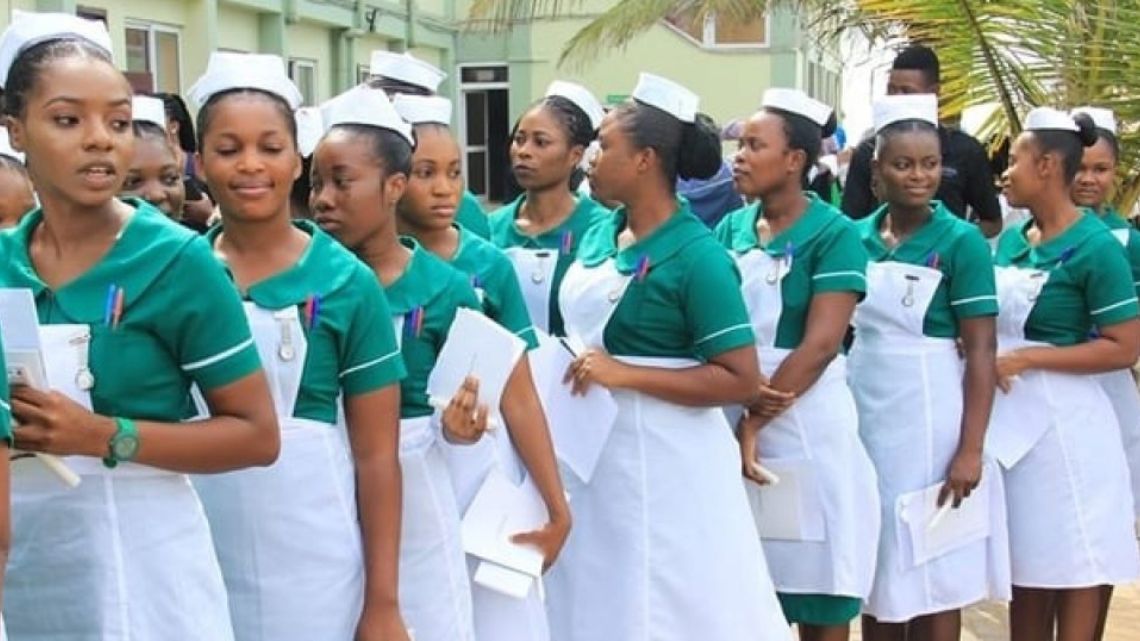
    Addressing attendees at the commencement of the 2024 Nurses and Midwives Week in the Ashanti region, he urged the government to implement practical measures to employ nurses who are presently awaiting assignments.

    “Why would we be crying for a shortage of nurses while we have nurses staying in the house after school for over 4 years? We cannot be complaining while there are solutions available to the problem”.

    Dr. Tinkorang downplayed the claim of financial constraints in employing more nurses suggesting government employs these nurses with the salaries of those who have left.

    “As a country, we must look at possible ways to recruit these nurses and one of the ways to do this is by using the salaries of nurses who have traveled out of the country. The nurses were taking salary before leaving, so what happens to that salary since they are not working in the country anymore?”

    On health infrastructure development and access to quality health services, Dr. Tinkorang revealed that all new hospitals built in the region especially the Fomena hospital will be operationalized as specialist hospitals to improve health care in the region.

    “In order to ensure universal coverage as this year’s theme implies; all newly established hospitals in the region are being converted into a specialist hospitals. For example, the Fomena hospital will have specialist to attend to gynaecological cases in or to reduce maternal and child mortality,” he added.

  • Embargo on 4 Bawku radio stations to soon be lifted

    Embargo on 4 Bawku radio stations to soon be lifted


    Regional Minister of Upper East, Dr. Hafiz Bin Salih, has reassured that steps are being taken to lift the temporary suspension on the four radio stations recently closed in Bawku, Upper East Region, by the National Communications Authority (NCA) due to security concerns.

    He indicated that this action would enable the affected radio stations to resume operations once their management teams sign a memorandum of understanding (MoU) committing to operate in a manner that ensures the ongoing peace and security of the Bawku municipality.

    Dr. Salih made these remarks while addressing a query from William Nlanjerbor Jalulah, the Upper East Regional Chairman of the Ghana Journalists Association (GJA), during an engagement with media representatives last Sunday.

    This interaction was part of the minister’s efforts to engage with key stakeholders since assuming office as the new regional minister, aimed at garnering media support for the region’s development.

    On February 24, 2024, the NCA closed Bawku FM, Source FM, Zahra FM, and Gumah FM under heavy military presence following a recommendation from the Regional Security Council (REGSEC).

    According to a statement from the NCA, this decision was made following advice from the Ministry of National Security to prevent these FM stations’ activities from exacerbating the longstanding conflict in Bawku, which has resulted in loss of life and property.

    The statement cited inflammatory remarks by panelists and presenters on these stations as contributing factors to the escalation of the conflict.

    Managers

    According to Dr. Salih, the radio station managers were informed during the meeting last Friday that an agreement was being drafted for their signature, which would allow the stations to start up.

    He said, “so as part of the conditions, management of the affected stations are expected to train their presenters to prevent them from making comments and utterances that have the tendency to fuel the conflict.”

    He stressed the training would be extended to all radio stations operating within the Bawku enclave and that all of them would be invited to a meeting to demonstrate or show evidence that their presenters had gone through training as expected.

    “Once they are able to satisfy these agreed conditions, REGSEC will lift the ban on their operations since they have a critical role to play in the country’s democratic governance,”he stated.

    The minister said although he would be in the region for a few months, the legacy he would want to leave behind was to bring sanity to Bawku, so that residents could go back to their normal social and economic lives.

    In response, Mr. Jalulah, the Regional Chairman of GJA, gave the minister the assurance that the media will offer the necessary backing to allow the government to carry out its development agenda in the region for the people’s ultimate benefit.

  • Hackathon initiates AI-driven resources in preparation for National Science and Maths Quiz

    Hackathon initiates AI-driven resources in preparation for National Science and Maths Quiz

    An emerging Artificial Intelligence startup, Kwame AI Inc., is preparing to host its inaugural hackathon, focusing on developing open-source, AI-driven tools aimed at assisting students in their preparation for the National Science and Maths Quiz (NSMQ) and STEM education.

    Named the AfricAIED 2024 Hackathon, this month-long virtual event is attracting participants from around the globe to utilize their expertise in AI and programming to create solutions that improve readiness for the annual competition.

    Dr. George Jojo Boateng, CEO and Co-founder of Kwame AI, notes that the unequal access to educational and preparatory resources for the quiz is hindering the success of certain schools involved in the competition.

    “There is a lot of inequity in preparations for Ghana’s National Science and Math Quiz (NSMQ) where resources such as study materials, great teachers, etc, are available only to the big-name high schools that then almost always make it to the semi-finals and finals, and win,” Dr. Boateng said.

    He continued that: “the goal of this challenge is to crowdsource AI-powered tools to democratize preparation for the NSMQ and give all schools a fair chance at winning the NSMQ”.

    Those enthusiastic about artificial intelligence’s potential in education are urged to join, with the opportunity to compete for a $1,000 grand prize, while the runners-up receive $500 and $250 respectively.

    Running from May 21st to June 17th, 2024, this hackathon leads up to the 2nd AfricAIED workshop hosted by Kwame AI, geared towards fostering collaboration, sharing of knowledge, and innovative use of AI for educational progress in Africa.

  • 8 persons including priest and ex soldiers sentenced to 252 years in prison for looting gold enterprise

    8 persons including priest and ex soldiers sentenced to 252 years in prison for looting gold enterprise

    The Tarkwa Circuit Court sentenced two retired soldiers and nine other people who looted a gold-buying enterprise at Wassa Akropong in the Western Region to 252 years in jail with hard labor.

    Former soldier Emmanuel Tetteh, also known as “Rocky Study,” is employed as a private security guard at the moment, while colleague Samuel Agbadoku is unemployed. Isaac Adjei on the other hand works as a private security guard; Yaw Adzevi is a kente weaver; Frank Afavi, also known as “Hero,” is a fetish priest; and Anthony Ayivie Kwame Senyo, also known as “Shoto,” is a driver were all given 17 years in prison.

    The other individuals include fetish priests Pascal Korku Atatsitsey, also known as “Mezaya,” and Dodzi Awali; a farmer named Dickson Kumedzro, also known as “Jaggar,” and a self-described businessman named Ruben Kportufe, also known as “Offei.” They were given 25 years apiece.

    Mohammed Buzu, also known as “Meme,” is an ex-convict who will serve 50 years in the interim.

    They asked with the sitting judge, Mrs. Hathia Ama Manu, to balance justice with mercy, even though they denied committing the robbery and conspiracy charges, which were brought against them in 2018.

    The prosecution’s lead officer, Assistant Superintendent of Police (ASP) Isaac Babayi, asserted that the court ought to disregard the pleas of the guilty and instead impose harsher penalties on them in order to dissuade the public.

    He said, “These offenders do not deserve mercy from the court.”

    The complaint, Mr. Prince Dennis, is the branch manager of AU Resources Ghana Limited, which deals in gold while Adjei works as a security guard for the same company.

    The remaining prisoners are from the Greater Accra and Volta Regions, respectively, and dwell in Saki, an Ashaiman suburb, Klikor, Weta, Agbozume, Aflao, and Sogakope.

  • Chiefs will enjoy free land registration when I become president – Bawumia

    Chiefs will enjoy free land registration when I become president – Bawumia

    In an effort to settle the nation’s long-standing land issues, Dr. Mahamudu Bawumia, the flagbearer of the New Patriotic Party (NPP), has announced intentions to digitize the land tenure system and provide free land registration for chiefs.

    Speaking to the clergy in the Greater Accra Region, Dr. Bawumia emphasized that one major obstacle keeping chiefs from registering their estates is the high cost of registration fees, which frequently results in ownership disputes.

    “Many people claim ownership and one of the problems we have is that many of the stool lands are not registered. I found out that many of the chiefs find it difficult to pay the registration fee because it’s a bit expensive. So what am I going to do? We are going to provide free registration for all the chiefs,” Dr. Bawumia stated.

    He emphasized the necessity of updating the land tenure system and drew comparisons with developed nations where property ownership data is easily obtainable on the internet.

    “Land in many countries, in the advanced world, if you want to know who owns the land, you can find it on your mobile phone, you don’t have to visit the land registry. So, we are going to move to marking and digitalising our land. So many land disputes come up because nobody really knows who owns the land,” the NPP flagbearer explained.

    Speaking on yet another important topic, Dr. Bawumia addressed the contentious National Cathedral project and urged the church to work with the government to find a workable solution that might involve finance from the private sector.

    “The question on the National Cathedral is a very important one. The National Cathedral, I have contributed to it personally and I believe it is a very important thing for Ghana but I think as it stands now, the church has to come together with the government and let us sit down and talk about the way forward for the National Cathedral. The church should come together and let’s know the best way forward, how we can even get private resources to help us complete the Cathedral,” Dr. Bawumia added.

  • Ghana cedi set to strengthen with increased foreign exchange inflows

    Ghana cedi set to strengthen with increased foreign exchange inflows

    The Ghana cedi will receive a much-needed foreign exchange buffer in the short term due to substantial inflows.

    This follows several measures announced by the Bank of Ghana during the May 2023 Monetary Policy Committee (MPC) meeting.

    Meanwhile, the Government of Ghana secured a $103 million Operations Project grant from the African Development Bank and a $250 million loan from the World Bank’s International Development Association to support Ghana’s financial stability fund.

    These developments increased the foreign exchange supply in the market last week.

    Analysts believe the Bank of Ghana’s measures will ease pressure on the local currency while the anticipated inflows will improve their capacity for spot market intervention.

    Last week, the cedi remained stable after the Central Bank announced stabilization measures during the May 2023 MPC meeting.

    After declining 1.17% week-on-week and 2.82% week-on-week against the dollar and the pound on May 28, 2024, the cedi maintained stability for the rest of the week’s trades.

    Additionally, the local currency appreciated by 0.78% week-on-week against the euro.

    It ended the week trading at a mid-rate of GH¢14.90 to the dollar. It has depreciated by about 18.01% against the dollar since the beginning of the year.

  • District Grand Lodge of Ghana’s Festival of Institutional Lodges to honour Mfantsipim’s 1st African headmaster

    District Grand Lodge of Ghana’s Festival of Institutional Lodges to honour Mfantsipim’s 1st African headmaster


    The Festival of Institutional Lodges, organized by the District Grand Lodge of Ghana, is preparing to pay tribute to Francis Lodowic Bartels (OBE), the inaugural African headmaster of Mfantsipim School.

    This eagerly anticipated occasion, scheduled for this weekend in Cape Coast, guarantees an enthralling showcase of Masonic excellence and intellectual discourse.

    Following the adversities brought by the COVID-19 pandemic, this festival represents a triumphant resurgence, sparking excitement among Freemasons in Ghana and beyond.

    Rooted in the 1974 Festival of University Lodges, it has evolved into a symbol of Masonic scholarship and fellowship, highlighting principles such as charity.

    This year’s theme, “Freemasonry and Religion: Dispelling the Myths, Distilling the Truth,” ensures thought-provoking discussions and enlightening lectures.

    The festival lecture will be given by Agnes Aggrey-Orleans, daughter of the dedicand and Ghana’s first female career ambassador. This is a historic moment as she is the first non-Freemason to do so.

    The opinions of discussants from Islam and Christianity will be added to the discussion on Masonic spirituality and values.

    Excitement is building for a festival that promises to have a lasting effect on every participant as the countdown to the major event at Ridge Masonic Hall in Cape Coast on June 8th continues.

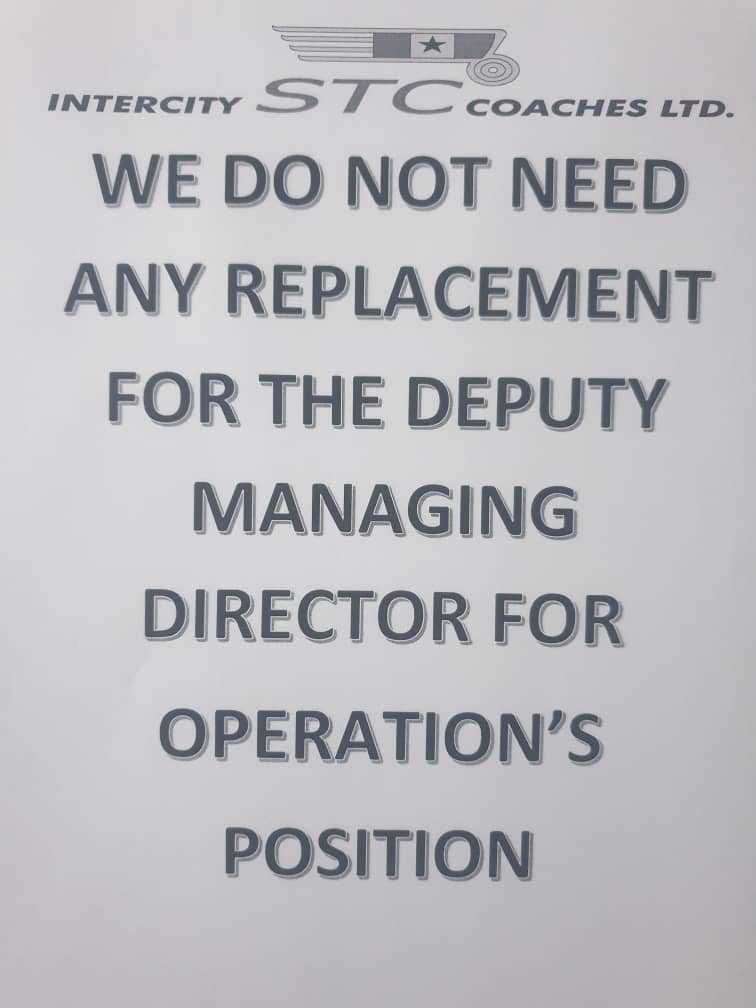
  • STC employees oppose nomination of a third deputy managing director

    STC employees oppose nomination of a third deputy managing director

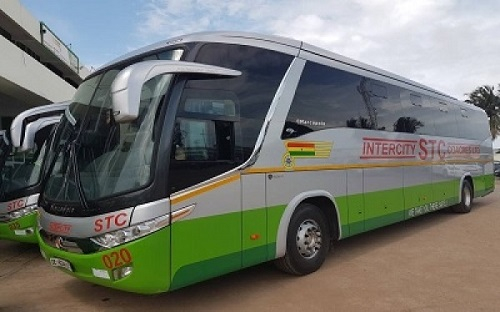
    Employees of the State Transport Corporation (STC) vehemently oppose the appointment of a third deputy managing director, deeming it an unjustifiable expenditure of public funds.

    The workers argue that the current two deputies suffice.

    Consequently, they urge the corporation to prioritize procuring additional buses and addressing approximately six million cedis in outstanding pension payments.

    In the petition sighted by JoyNews, the workers explained that the company has “operated without a Deputy Managing Director for a considerable period; suggesting that the reduction in deputy managing directors will not adversely affect our operations”.

    “It is imperative to emphasise the current challenges facing the company, particularly the dwindling fleet of operational buses. Presently, out of a total of 145 buses, only 39 are deemed roadworthy.

    “This predicament is attributed to the inferior quality of the Daewoo buses acquired in 2020, resulting in frequent repairs and maintenance issues.

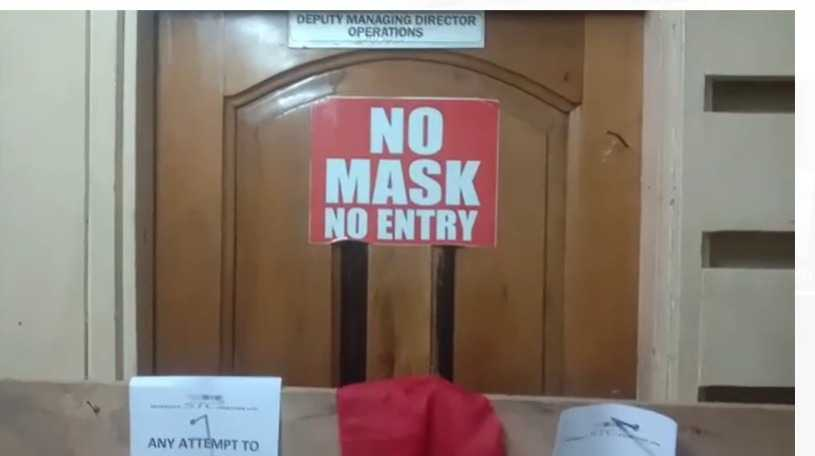
    Until the appointment is canceled, the unionized staff said they will keep blocking the Deputy Managing Director’s office.

  • Prof. Bokpin calls for clear policy direction and transparency in import restrictions bill

    Prof. Bokpin calls for clear policy direction and transparency in import restrictions bill

    Finance professor at the University of Ghana, Godfred Bokpin, criticized the halted import limitations bill, highlighting the necessity for transparent procedures and a coherent policy direction.

    During an appearance on JoyNews’ PM Express on Monday, he raised objections to the government’s decision to implement import restrictions without establishing a clear foundation conducive to the growth of Ghana’s industrial sector.

    “I didn’t support it [import restrictions bill]. One, it should not be the ministry to select who can and who cannot import, that’s wrong. And then also the communication of the policy is very important. So there has to be a clear policy direction and you actually start from somewhere,” Prof Bokpin said.

    “We didn’t start from somewhere and we wanted to start with restricting import. What is the motive? That’s not going to work and that’s why we didn’t support it. It was not just to ban those imports; the ministry will now determine who will qualify to import them,” he noted.

    He acknowledged the necessity for government intervention, but expressed reservations about restricting who can import, especially when many of these goods, though produced in Ghana, are not always available in sufficient quantities to meet domestic demand.

    In December 2023, the government suspended the Import Restrictions Bill, which aimed to require importers of 22 restricted items, including poultry, rice, sugar, diapers, and animal entrails, to obtain licenses from a committee to be established by the Trade Minister.

    The minority in parliament blocked the laying of the L.I. on three occasions because they deemed it not only risky but also in violation of international trade practices.

    They also contended that it might grant excessive authority to the Trade Minister and could potentially foster corruption.

    Additional parties opposing the bill included the Ghana Union Traders Association, the Food and Beverage Association of Ghana, the Ghana Agricultural Workers Union, the Importers and Exporters Association of Ghana, the Chamber of Automobile Dealers Ghana, the Ghana Institute of Freight Forwarders, and the Ghana National Chamber of Commerce and Industry.

    Their raised concerns encompassed potential price hikes, potential formation of supply monopolies, obstruction of goods flow from exporting nations, and exacerbation of smuggling, resulting in loss of official tariff and tax revenue.

    These stakeholders also voiced apprehensions regarding the administration of the permitting process and its alignment with Ghana’s trade obligations under the WTO and the African Continental Free Trade Agreement.

    However, Professor Bokpin believes that if the government establishes a conducive environment for businesses and factories, it would significantly mitigate the issues the bill aims to address.

    He asserted that the Ghanaian financial system is primarily oriented towards imports rather than production, agriculture, or manufacturing.

    “When we talk about enabling environment, it’s not just interest rates coming down. We are talking about a level of interest rates at around 8% or below with maturity of more than 15 years. That’s the only thing that can support manufacturing. If you survey the type of lending in our market, it doesn’t support production. It only supports imports.”

    “Our financial system is designed in such a way that it favours import rather than production and agriculture. You check the data from the Bank of Ghana, the level of lending to the private sector and look at the disaggregation, what goes to manufacturing, what goes to agriculture and what goes to import and the rest. You see where the direction is.”

    He called for greater transparency and a more structured approach, suggesting that the government’s role should be to create an enabling environment rather than dictate specifics of import operations.

    “Do things more transparently and then start from somewhere. Look, if you lay the foundation, entrepreneurs are wise enough, importers are wise enough to know where to import from.

    “It’s not for the state to determine who should, otherwise we are not in a market-based economy. Of course, some level of state intervention is important, but the baseline is, to create that enabling environment.”

  • IMF agreement depended on DDEP implementation – BoG

    IMF agreement depended on DDEP implementation – BoG

    The Bank of Ghana (BoG) has explained that obtaining a bailout from the International Monetary Fund (IMF) would have been difficult without the Domestic Debt Exchange Programme (DDEP).

    Dr. Philip Abradu-Otoo, the Director of Research at the central bank, noted that the BoG incurred substantial losses to help stabilize the national economy.

    To tackle the economic difficulties, the government launched an IMF programme and introduced the DDEP, which led to some bondholders seeing reductions in their investments and interest payments.

    This programme was essential for securing the needed support from the IMF.

    In 2022, the BoG reported a loss of GHS 60.9 billion due to impairments stemming from the domestic debt exchange programme. These impairments were a result of the financial restructuring efforts aimed at economic stabilization.

    In an interview with Citi TV, Dr. Abradu-Otoo pointed out the challenges the government would have encountered without the DDEP.

    He stressed that without the debt exchange programme, the government would have had to reconsider other aspects of the DDEP, complicating the process further.

    Dr. Abradu-Otoo linked the significant losses incurred by the BoG in 2022 to the domestic debt exchange programme.

    He asserted that the central bank bore the brunt for the country, showing its dedication to supporting the government’s efforts to stabilize the economy.

    “The biggest one was the impairment we had on the securities that we were holding. Just like any other individual, the BoG was also holding government securities.

    “Out of that GHS 60.9 billion, GHS 48 billion of that were impairment. That is the losses that we incurred on our books, as a result of the DDEP.

    He emphasised, “For the debt exchange programme, nobody had a haircut on the principal…for the BoG, we had the side haircut, and top haircut and the amount itself was cut into two.

    “We had three, we had to do that because we needed that to secure the IMF programme. It would have been tough to move forward very fast. Then we would have come back to the drawing board and relook at the other parts of the DDEP,” he said.

  • Labour Unions call for complete overhaul of SSNIT

    Labour Unions call for complete overhaul of SSNIT

    Organized Labour is advocating for a restructuring of how the Social Security and National Insurance Trust (SSNIT) utilizes workers’ funds.

    They contend that SSNIT’s recent actions and lack of action have been unsatisfactory.

    The Executive Secretary of the Civil and Local Government Staff Association of Ghana (CLOGSAG), Dr. Isaac Bampoe-Addo, mentioned that organized labour believes it would be more effective in managing its pensions than SSNIT.

    “We are not convinced, and we tell them [SSNIT] in plain language that we are not convinced by what you are telling us. We are not convinced. We are not convinced at all. And we are going to ask for a total restructuring of SSNIT because this is not how you should manage workers’ money.”

    “This is not government money, this is workers’ money, and what we will say is, why should governments be appointing even a chair to the SSNIT board?”

    This demand arises from SSNIT’s attempt to sell four of its hotels to Rock City Hotels Limited, a company owned by the current Minister for Food and Agriculture and Member of Parliament, Bryan Acheampong.

  • Finance Minister seeks aid from investor community to enhance Ghana’s economic recovery

    Finance Minister seeks aid from investor community to enhance Ghana’s economic recovery

    Minister of Finance, Dr. Mohammed Amin Adam, has urged the investor community to aid Ghana in accelerating its economic recovery, which is currently showing signs of improvement.

    Ghana’s Gross Domestic Product (GDP) grew by 2.9 percent in 2023, surpassing the 1.5 percent forecast under the ongoing International Monetary Fund (IMF) programme.

    “Inflation is trending downwards from the 54 per cent in 2022 to 25 per cent today and it is expected to go to 15 per cent by the end of the year and the interest rate has also gone down,” he said.

    The Minister highlighted that these factors, combined with the government’s commitment to fiscal prudence despite the 2024 election year, created a favorable environment for investors to contribute to the economy’s accelerated recovery.

    Dr. Amin Adam was addressing some Rand Merchant Bank investors on the sidelines of the 2024 African Development Bank (AfDB) Annual Meetings in Nairobi, Kenya.

    He said the government had stepped up measures to ease the country’s business climate, adding that “the growth we are looking at requires sustainable investment and that is why we continue to count on your esteemed partnership.”

    The Finance Minister stated that the government had launched targeted programs to support Small and Medium Enterprises (SMEs), which are essential for job creation and significantly contribute to the country’s GDP.

    He mentioned that these support systems include access to finance, market opportunities, digital marketing, and managerial expertise.

    The Minister was accompanied by the second Deputy Governor of the Bank of Ghana, Mrs. Elsie Addo Awadzi, along with officials from the Ministry of Finance and the Ghana Investment Infrastructure Fund.

    Recently, the government established a new monthly stakeholder dialogue with both local and foreign businesses to expedite making business processes in Ghana more conducive.

    This initiative aims to address the concerns of both local and foreign businesses in the country, enabling them to thrive and contribute more to government revenue through the payment of appropriate taxes.

  • Seven major economic sectors affected by cedi depreciation

    Seven major economic sectors affected by cedi depreciation

    The decline in the value of the local currency, the Cedi, is a major concern for both business owners and individuals, as it results in increased prices for goods and services.

    When we refer to the Cedi’s depreciation, it means the currency has weakened against key trading currencies such as the US dollar, Pound Sterling, and Euro.

    This depreciation also contributes to the high inflation rate the country has experienced in recent months.

    In April 2024, inflation soared to 40.4% year-on-year, driven by rising food and fuel prices.

    Inflation for domestically produced items was 16.1%, while inflation for imported items reached 25.0% in April 2024.

    Banking Consultant, Dr. Richmond Atuahene, observes that inflation is significantly reducing consumer purchasing power, with prices of most consumables increasing almost weekly. This has led to decreased demand for more expensive goods.

    Additionally, there is an indirect effect: reduced demand for products that average consumers now view as luxuries and can no longer afford.

    This shift is not necessarily due to price increases of these products but because the costs of essential needs have risen sharply.

    This article highlights the key economic sectors impacted by the depreciation of the Cedi, where consumer demand has also significantly dropped.

    Consumer and household goods

    As the currency loses its value, the cost of importing goods increases. This subsequently raises the prices of goods such as clothing, food, personal care items, electronics, and automobiles for consumers. Also, the depreciation has been linked to a decline in the living standards of people as they cannot afford basic needs such as food and shelter.

    Agricultural inputs like fertilizers and pesticides

    As the Cedi weakens against major trading currencies, the price of these imported goods – fertilizers and pesticides – skyrockets, leading to increased production costs for farmers. Consequently, farmers are forced to raise the prices of their produce, which affects the entire supply chain, including consumers.

    Oil and gas (gas and diesel)

    Fuel prices surge whenever the Cedi depreciates because Ghana imports a substantial amount of its petroleum products. Most of these transactions are conducted in dollars; therefore, when the Cedi loses value, the cost of importing these petroleum products increases, and consumers end up paying more at the pump.

    Agribusiness and processed foods

    This situation has created significant challenges for the agribusiness sector, which relies on imported inputs for production. The Ghana Union Traders Association (GUTA) and the Chamber of Automobile Dealership Ghana (CADEG) have expressed concerns about the depreciation of the Cedi, lamenting the high cost of goods and services, which makes it difficult for them to stay in business.

    5. Pharmaceuticals and Drugs.

    The cost of pharmaceutical products has risen significantly due to the depreciation and associated inflationary pressures. The price buildup of generic medicines, which represent 60% of purchased products in Ghana, is influenced by factors such as the manufacturer’s selling price, freight, taxes, tariffs, and markups. Taxes and tariffs contribute between 30% to 40% of the end-user cost, with markups ranging from 50% to 200%. This means the manufacturing cost for most generics is less than 10% of the actual price a patient pays at the pharmacy counter.

    6. Raw materials and semi-processed products.

    Companies like B5 Plus Limited, a steel manufacturing company, have seen the prices of their raw materials increase by 50%, forcing them to raise their product prices. This move may render them uncompetitive in the market. To curb this challenge, the government has been urged to ensure a more stable exchange rate.

    Poultry products and meat products; tomatoes, onion, and carrots

    Ghana heavily depends on other countries for these products – poultry, meat, tomatoes, onions, and carrots. Until measures are put in place to grow and consume local produce, consumers will always bear the consequences of the Cedi’s depreciation, as high import duties will translate to high prices for these goods.

    To address this persistent issue, the government must implement lasting solutions, including short-term, medium-term, and long-term strategies to stabilize the faltering economy and strengthen it.

    Portions of this article were derived from Dr. Richmond Atuahene’s report titled “Navigating the Rapid Depreciation of the Local Currency: Finding Long-Lasting, Workable, and Achievable Solutions.”

  • Bawumia vows to adjust Ghana’s import levies to align with Togo’s

    Bawumia vows to adjust Ghana’s import levies to align with Togo’s

    The Vice President and Presidential Candidate of the ruling New Patriotic Party (NPP), Dr. Mahamudu Bawumia, has vowed to align Ghana’s import duties with those of Togo once he takes office.

    He mentioned that the Lome port presents a major issue for Ghana due to its lower tariffs, causing importers to redirect their traffic.

    This plan aims to reduce the ongoing smuggling and redirection of imported goods to neighboring ports, which has been depriving the country of millions of cedis needed for swift development.

    During his interaction with religious leaders at the start of his two-day tour of the Central Region, Dr. Bawumia stated, “The Tema port will undergo full automation.”

    “We are introducing a new import duty policy that will align with the duties at the Tema port with those at the Lomé Port. This policy will benefit our business community by eliminating the need for smuggling.”

    He added, “Ghanaian ports will not impose higher duties than those at the Lomé port. This is our stance; we will maintain equal duties as they are our competitors.”

    Dr. Bawumia highlighted a significant advancement in Ghana’s history, where consumers can now easily buy electricity units from their homes or anywhere without needing to queue at the Electricity Company of Ghana (ECG) offices.

    He stressed the government’s introduction of transformative policies, including the issuance of digital national ID cards and the pioneering Mobile Money interoperability between telecommunications companies and banks in Ghana.

    These measures have made Ghana the fastest-growing mobile money market in Africa.

    Dr. Bawumia also detailed his plan to stabilize the local currency and ensure exchange rate stability through the Bank of Ghana’s gold-purchasing policy, emphasizing the importance of price predictability for businesses.

    He affirmed, “My government will adopt a business-centric approach to enhance Ghana’s standing as one of the most business-friendly economies globally.”

    The NPP flagbearer also revealed the government’s plan to launch a Credit-Scoring System for entrepreneurs and individuals by June this year. This system aims to reduce interest rates on loans, especially for borrowers with a strong repayment history.

    He encouraged the religious leaders to support and vote for him to guide the nation towards progress.

  • Fuel prices expected to rise as NPA raises UPPF margin

    Fuel prices expected to rise as NPA raises UPPF margin

    The National Petroleum Authority (NPA) has instructed various industry stakeholders to raise the Unified Petroleum Price Fund (UPPF) margin by GH₵0.05 per litre in the Price Build Up for petroleum products starting June 1, 2024.

    As a result, consumers are likely to see an increase in the cost of petroleum products in the near future.

    The NPA clarified that this margin adjustment is essential to maintain the fund’s sustainability, ensuring the efficient distribution of petroleum products nationwide.

    This directive was outlined in a circular dated May 30, 2024, and reviewed by JOYBUSINESS.

    Following this directive, the margin on diesel and petrol has been increased by GH₵0.05, bringing it to GH₵0.90.

    Petroleum product prices were already anticipated to rise this week.

    However, due to this new development, prices may experience higher-than-expected increases at the pumps.

    This will depend on whether oil marketing companies decide to absorb the additional cost or pass it on to consumers.

  • Prof Mensah tells Bawumia to convince Akufo-Addo scrap E-levy

    Prof Mensah tells Bawumia to convince Akufo-Addo scrap E-levy

    Vice President Mahanmadu Bawumia has been challenged by Professor Kobby Mensah of the University of Ghana Business School (UGBS) to use his power to persuade President Nana Addo Dankwa Akufo-Addo to axe a contentious tax item.

    The University of Ghana lecturer was responding to Bawumia’s recent declaration that he played a major role in persuading President Akufo-Addo to grant particular exemptions for dialysis treatment.

    On June 3, while on his Central Regional presidential campaign tour, Bawumia made an announcement to a group of clergymen about the free dialysis treatment that would be available to people under the age of 18 and those over 60 starting this month through the National Health Insurance Scheme (NHIS).

    “If you managed to speak to the President to agree on free dialysis whilst you are still a Veep, then you can also speak to him to agree on the Tax cuts you mentioned you would when you come to power. Pls convince the President to agree to abolishing E-levy,” Prof Mensah posted on X.

    The Ghana Revenue Authority (GRA) defines the E-Levy as a levy on all electronic money transfers, excluding those that are legally exempt. One percent is the fixed rate.

    The government chose to impose electronic transfer taxes in order to increase domestic tax collection, broaden the tax base, and provide everyone a chance to support the advancement of the country.

    The levy was passed in a contentious manner and has since fallen short of the projected amount of money.

    NHIS announces free dialysis for some kidney patients

    Starting June 1, 2024, through December 2024, individuals who are under 18 and over 60 years of age and suffering from kidney diseases will be eligible for eight free dialysis sessions monthly, this is according to the National Health Insurance Scheme (NHIS).

    This initiative, revealed by the National Health Insurance Authority (NHIA), celebrates the scheme’s 20th anniversary.

    The Acting Chief Executive Officer of NHIA, Dr. Da-Costa Aboagye, confirmed in a statement that this effort is part of the anniversary festivities.

    An amount of GH¢2,000,000.00 has been sanctioned by the government of Ghana and approved by parliament, as outlined in the NHIA’s 2024 Allocation Formula.

    The aim is to assist the financially-challenged and vulnerable patients in need of dialysis treatments.

    In addition, the NHIA has dedicated an extra GH¢2,400,000.00 from its Corporate Social Responsibility budget, approved for the scheme, to further support this significant health intervention.

    “As part of NHIA’s 20th Anniversary, the NHIA, through administrative arrangements has allocated an additional GH¢2,400,000.00, under the Corporate Social Responsibility approved budget of the scheme to support this initiative,” the statement said.

    The report also stated that following the verification of patients currently undergoing dialysis, the monthly cost for those within the specified categories is estimated at GH¢329,952.

    By the conclusion of December 2024, the total expenditure is anticipated to reach approximately GH¢2.3 million.

  • Food prices in the Northern Region still skyrocketing

    Food prices in the Northern Region still skyrocketing

    Due to rises in the cost of fuel, transportation, farm input devices, and other variables, the prices of several goods in the Northern Region’s Tamale metropolis and Sagnarigu municipality are still skyrocketing.

    Since the start of the year, prices have fluctuated, which has caused problems for business owners, locals, government employees, and private workers who have had to work harder to make ends meet because they have not received pay raises or other forms of compensation.

    Concerns about price increases for goods and services, school fees, electricity bills, and housing have also been voiced by some merchants and locals. This has put pressure on families to constantly look for help in order to satisfy their necessities.

    They pointed out that there may be a poor chance of the nation meeting any of the Sustainable Development Goals (SDGs) by 2023 if legislators choose not to address the problems.

    While some felt that during election seasons, prices for products and services should decrease, others were concerned about the rate at which fuel prices, energy bills, and other economic elements are rising without an official statement from the government explaining the situation.

    Prices of staple foods like maize, soy beans, cowpeas, and vegetables are rising, according to market survey data that the Business and Financial Times (B&FT) gathered from the market and a few malls in the city and municipality.

    The majority of vendors and customers in Tamale depend on the Burkina Faso vegetables that are sold.

    A bowl of Jasmine local rice which used to be GH¢15 now goes for GH¢30.00; Nasia from GH¢30 to GH¢40;, ginger from GH¢20 to GH¢30 per bowl; maize from GH¢15 to GH¢30; a crate of eggs from GH¢18 to GH¢30, depending on the size; Frytol oil 4.5L was GH¢65 but is now GH¢110.00; Ideal milk 30ml was GH¢4.50 but now GH¢6; brown sugar 1kg was GH¢12 and is now GH¢20; Royal Aroma Rice 5kg was GH¢45 but is now GH¢95 while Lele is GH¢95-150; and Voltic Cool Pac medium goes for GH¢32 and big size GH¢34.

    Some vegetables have witnessed price increases: an olonka of tomatoes, which was previously sold for GH¢30, is now sold for GH¢50; pepper, which was previously sold for GH¢45, is now sold for GH¢60; and three carrot fingers, which were previously sold for GH¢6, are now now priced at GH¢12.

    Additionally, the prices of some food commodities, such as rice, yam, and maize, have increased. For example, the price of a bag of rice has increased from GH¢30 per 5 kg to GH¢90–150 per 5 kg, depending on the brand; three yam tubers have gone from GH¢10 to GH¢20.

    Tamale is strategically located in the Northern Region, and with this strategic location the metropolis and municipality have market potential for local goods from the agricultural and commerce sectors from other districts in the region.

    Some of these food commodities are from Burkina Faso, Togo, Cote d’Ivoire and Benin, among others.

    Some hospitality operators have expressed worry, saying their investment always go back to the market due to the continuous increments in market prices.

    Ellen Amoakoh of Ellen Ventures – a provisions shop – also expressed worry about the price increments of commodities resulting in low patronage.

    “When we make low sales, it affects our businesses because we have to look for money to pay the utility and rent bills,” she added.

    Executive Director-Del Cusine, Stanley Cowther, said the continuous hikes in prices are affecting the industry and businesses, and therefore called on government to aid the plight of local businesses in the region.

    The Northern Regional Agricultural officer for Statistics and Research, Alhassan Abdul-Fatau, in an interview with the B&FT said the regional office is making efforts for the farmers to cultivate enough crops to feed the populace.

    “With the current market prices, we cannot so anything because it is a national issue; but what the office can do is supervise farmers to increase production and harvest enough to feed the nation,” he said.

  • Ato Forson requests mistrial in ambulance case to ensure justice is served

    Ato Forson requests mistrial in ambulance case to ensure justice is served

    The main defendant Dr. Cassiel Ato Forson, in the ongoing ambulance trial, has filed a request for a mistrial.

    He based this request on recent events involving a leaked phone call between Mr. Jakpa and Attorney-General Godfred Dame.

    In an affidavit filed on Friday, May 31, Dr. Ato Forson raised concerns about the leaked recording, suggesting it shows professional misconduct by the AG.

    The recordings have been included as evidence in the filed application.

    Dr. Ato Forson is appealing to the court for a mistrial to ensure justice is not only served but seen to be served fairly and impartially.

    The Minority Leader argues that not declaring a mistrial under these conditions, where there is apparent disregard for legal and ethical standards by the Attorney-General, could greatly diminish public trust in the judicial process.

    Background

    During cross-examination, Richard Jakpa disclosed that he had been contacted by the Attorney General at odd hours to provide testimony against Dr. Ato Forson, the Minority Leader.

    Ghanaians have been talking about this news, and some have even called on Attorney General Godfred Dame to quit.

    The current minority leader and former deputy finance minister, Dr. Ato Forson, is on trial for allegedly having a hand in Ghana’s purchase of faulty ambulances.

    At a press conference, the National Democratic Congress (NDC) played a 16-minute tape allegedly featuring a conversation between the Attorney General and Jakpa. 

    The New Patriotic Party (NPP) has refuted the claims made in the audio, asserting that it has been “doctored and manipulated” with malicious intent.

  • Residents of Dwease-Praso urgently call for govt intervention for developmental needs

    Residents of Dwease-Praso urgently call for govt intervention for developmental needs

    Residents of Dwease-Praso in the Asante Akyem Central Municipality of the Ashanti region have urgently called on the government to address their developmental needs.

    Speaking to Adom News, the residents expressed feelings of neglect, citing the poor condition of their roads, public toilets, and other amenities.

    This appeal was made during a clean-up exercise over the weekend.

    The residents lamented the unfulfilled promises from successive governments, including the current New Patriotic Party (NPP) administration.

    They noted that, despite being eight years into President Akufo-Addo’s leadership, nearly all neighboring communities have yet to benefit from national development efforts.

  • Farmers asked to embrace new varieties for enhanced crop productivity

    Farmers asked to embrace new varieties for enhanced crop productivity


    The Council for Scientific and Industrial Research Institute (CSIR-Ghana) has urged farmers in the north to adopt “technologically-driven” crop varieties to boost their crop yields.

    This appeal was made during a one-day workshop held at Zebilla in the Bawku West District of the Upper East Region.

    The workshop gathered farmers and agricultural researchers to discuss best practices for improving crop cultivation, especially in the context of climate change, which has significantly impacted farmers in the region and across the country.

    Additionally, the workshop aimed to assess and evaluate the impact of certain crop varieties introduced to a selected group of farmers from the Bawku West District two years ago.

    Speaking to Ghanaian Times at the workshop, Dr. Matilda Bissah, Division Head for the Plant Genetic Diversity of CSIR-Ghana, explained that two farmers’ groups in the district were trained and provided with seeds through a project called “Germplasm.”

    She noted that this project is a component of the Seeds for Resilience (SfR) project, implemented jointly by the Ghana Genebank and the Global Crop Diversity Trust, with funding support from the Federal Government of Germany (BMZ) through the German Development Bank.

    According to her, the project aims to foster effective collaborations to enhance the conservation and use of genetic Bambara Groundnut (BGN) and Indigenous Leafy Vegetables in the region.

    “Ultimately, this partnership approach is expected to enhance the availability of the seeds of these crops for direct use by farmers and the development of climate-resilient crop varieties for improved livihoods and food and nutrition security at the household and community levels,” Dr Bissah disclosed.

    Dr Patrick Attamah, a plant breeder of the CSIR-Ghana, said five out of 20 accessions had actually been chosen by farmers for further production in communities under Zebilla, “so our ob­jective of reintroducing the genebank to farmers has been achieved and we hope they will continue to produce the accessions they selected, and increase bambara production in the Upper East Region”.

    A farmer, Charles Abagre, residing in Naraansag, one of the project’s beneficiary communities, commended CSIR-SARI for their execution of the initiative, expressing that he has experienced abundant harvests since integrating the varieties into his farming practices two years prior.

  • EC in Oti Region enlists 23,634 fresh voters after recent registration exercise

    EC in Oti Region enlists 23,634 fresh voters after recent registration exercise

    In the course of the recently concluded 23-day Limited Voter Registration exercise nationwide, the Oti Region enrolled a total of 23,634 new voters onto the National Voters Register.

    This number comprises 11,831 males and 11,803 females. However, there were 426 contested cases during the registration process, which concluded last Wednesday.

    Mr. Nuhu Mahama, the Oti Regional Director of the Electoral Commission (EC), shared these details in an interview with the Ghana News Agency (GNA).

    He mentioned that out of the total registrants, 6,458 individuals used Ghana Cards for registration, five utilized passports, while 17,171 relied on guarantors for their Voter ID Cards.

    Mr. Mahama also highlighted that 51 Persons With Disabilities (PWDs) successfully registered and received new voter cards during the registration period.

    Mr. Felix Ade, the Regional Organizer of the New Patriotic Party (NPP), commended the EC for efficiently managing the registration process, despite initial challenges.

    He praised the Commission’s efforts, which ultimately led to a successful outcome.

    Mr. Gabriel Lemboel, the Regional Secretary of the National Democratic Congress (NDC), stressed the importance of the extension period in accommodating more registrants, ensuring inclusivity.

    He stated that despite the initial hurdles faced by the Commission, they remained steadfast in achieving their objectives.

  • NDC parliamentarians oppose NextGen InfraCo 5G agreement

    NDC parliamentarians oppose NextGen InfraCo 5G agreement

    The Minority in Parliament has raised significant concerns over the government’s decision to grant a 5G licensing contract to NextGen InfraCo, a company formed just a week before the contract’s approval.

    According to the Minority, the deal lacks transparency and does not align with the country’s best interests.

    In a press release on Monday, June 3, signed by Minority Leader Dr. Cassiel Ato Forson, the NDC MPs vowed to contest the deal.

    The statement also pointed out previous contracts awarded by the current government that have squandered state resources, increasing their skepticism about the NextGen InfraCo agreement.

    The NDC MPs stressed the importance of scrutiny and accountability, promising to address the nation soon to expose the deal’s lack of transparency and its potential impact on Ghana.

    “The regulatory framework and operational modalities and guidelines for this opaque arrangement have not been clearly defined by the Akufo-Addo/Bawumia government, which appears to be in an indecent haste to give away the country’s 5G spectrum for a pittance,” an excerpt of their statement said.

    This development follows Ursula Owusu-Ekuful, the Minister for Communications and Digitalisation’s defence of the government’s decision to award the 5G licensing contract to NextGen InfraCo.

    The Ablekuma West MP clarified that NextGen InfraCo was specifically established to manage the 5G rollout.

    She added that at the time, no other infrastructure companies had the necessary capacity for this project.

    The minister further explained that the direct award of the contract to this new company is part of the government’s strategy to overcome previous challenges and expedite the deployment of the 5G network in Ghana.

    “This is a special purpose vehicle and once the government took the decision that we will use a neutral infrastructure company to deliver this service, there is no existing neutral infrastructure company that can deliver it at the moment.

    “So, it had to be specifically formed for the purpose of delivering this service based on the strategic policies and decisions of the government, and it is borne out of our experiences and that is why we chose not to auction it,” she stated.

    Meanwhile, catch up on the latest edition of The Lowdown on GhanaWeb TV as Etsey Atisu sat down with the MP for Mpraeso, Davis Ansah Opoku, to discuss issues surrounding the E-Levy, the Saglemi Housing Controversy, and the OSP Impeachment:

  • Minority MPs object to 5G deal, claim it’s not beneficial for Ghana

    Minority MPs object to 5G deal, claim it’s not beneficial for Ghana

    The Minority in Parliament has raised significant concerns regarding the government’s decision to grant a 5G licensing contract to NextGen InfraCo, a company that was formed only a week before the contract was approved.

    The Minority claims that the deal lacks transparency and is not in the nation’s best interest.

    In a press release dated Monday, June 3, and signed by Minority Leader Dr. Cassiel Ato Forson, the NDC MPs vowed to contest the agreement.

    The statement highlighted similar contracts awarded by the current government that have resulted in waste of state resources, reinforcing their skepticism about the NextGen InfraCo deal.

    The NDC MPs emphasised the need for scrutiny and accountability, assuring Ghanaians that they will address the issue in the coming days to shed light on the opacity of the deal and its potential implications for Ghana.

    “The regulatory framework and operational modalities and guidelines for this opaque arrangement have not been clearly defined by the Akufo-Addo/Bawumia government, which appears to be in an indecent haste to give away the country’s 5G spectrum for a pittance,” an excerpt of their statement said.

    Investigative journalist Manasseh Azure Awuni was the first to raise alarm about the deal.

    Later, Ursula Owusu-Ekuful, the Minister for Communications and Digitalisation, defended the government’s decision to award the 5G licensing contract to NextGen InfraCo.

    The Ablekuma West MP clarified that NextGen InfraCo was specifically established to manage the 5G rollout. She added that, at the time, there was no other existing infrastructure company with the necessary capacity for this project.

    The minister further explained that the direct award of the contract to this new company is part of the government’s strategy to overcome previous challenges with the 45, and expedite the deployment of the 5G network in Ghana.

    “This is a special purpose vehicle and once the government took the decision that we will use a neutral infrastructure company to deliver this service, there is no existing neutral infrastructure company that can deliver it at the moment.” 

    “So, it had to be specifically formed for the purpose of delivering this service based on the strategic policies and decisions of the government, and it is borne out of our experiences and that is why we chose not to auction it,”she stated.

  • Govt sees 29.71% oversubscription in treasury bills interest rates edge down slightly

    Govt sees 29.71% oversubscription in treasury bills interest rates edge down slightly

    The government achieved a 29.71% oversubscription in its treasury bills auction just a week after failing to meet its target.

    According to the Bank of Ghana‘s auction results, the government raised GH¢3.52 billion from selling short-term instruments.

    Approximately GH¢2.715 billion, or 77.02%, came from the 91-day T-bill, though the actual uptake was GH¢2.710 billion.

    For the 182-day bill, GH¢608.41 million were tendered, and all bids were accepted.

    Similarly, GH¢201.49 million were received for the 364-day bill, with all bids accepted. Meanwhile, interest rates continued their downward trend.

    The yield on the 91-day bill slightly decreased by 6.0 basis points to 25.03%.

    The 182-day bill’s yield also dropped to 26.91%, from 26.94% the previous week.

    For the 364-day T-bill, the interest rate fell to 27.90% from the previous week’s 27.94%.

    SECURITIESBIDS TENDERED (GH¢)BIDS ACCEPTED (GH¢)
    91-Day Bill2.715 billion2.710 billion
    182-Day Bill608.41 million608.41 million
    364-Day Bill201.49 million201.49 million
    Total3.525 billion3.520 billion
    Target2.718 billion
  • DDEP affects BoG, prompting early recapitalization efforts – Report

    DDEP affects BoG, prompting early recapitalization efforts – Report

    The Bank of Ghana (BoG), in its 2023 annual financial report, revealed that the Domestic Debt Exchange Programme (DDEP) impacted its balance sheet.

    Consequently, the bank signed a Memorandum of Understanding (MOU) to secure early recapitalisation in the medium to long term.

    According to the report, this decision aligns with the second review of the ongoing International Monetary Fund (IMF) programme, which concluded on April 12, 2024.

    A Memorandum of Understanding between the Bank of Ghana and the Ministry of Finance on the recapitalisation process is expected to be signed by the end of the third quarter.

    The report highlighted several concerns for the Central Bank, including a loss of GH¢10.50 billion for 2023 and total liabilities exceeding total assets by GH¢65.36 billion.

    To address these issues, the report outlined several measures the bank will implement to prevent further losses.

    The measures include “refraining from monetary financing of the government’s budget. In this regard, the Bank will continue to adhere to the terms of the Memorandum of Understanding on zero financing of the budget signed between the Bank of Ghana and the Ministry of Finance on April 26, 2023.”

    “The bank will continue with policy measures aimed at optimising the Bank of Ghana’s investment portfolio and operating cost mix to bolster efficiency and profitability” the report said.

    The report also disclosed that the board of the bank expected that steadfast implementation of these policy steps, along with fiscal rectitude and continued maintenance of a tight monetary policy stance, would provide enough basis for continued operational policy efficiency and the existence of the bank.

  • Tech analyst advocates for internet access to be considered as public utility

    Tech analyst advocates for internet access to be considered as public utility

    Technology Analyst and Digital Lead at Pop Out, Maximus Ametorgoh, is calling for internet access to be regarded as a public utility.

    He believes that in today’s digital era, internet access is crucial for communication and everyday activities, and should no longer be seen as a luxury.

    In an interview with Citi Business, Mr. Ametorgoh emphasized the necessity of government intervention to make internet access affordable, proposing that subsidies be provided for those in need.

    “The government needs to classify the internet as a utility service so it becomes an essential service. If that is done, then when contractors cut the cable, they will have to pay for it,” Ametorgoh said, adding “This way, we can have reliable internet service because no one will intentionally go and dig up cables.”

    Ametorgoh also urged small and medium-sized enterprises (SMEs) to understand the digital economy to transform their businesses, enhance revenue streams, and create value-added growth opportunities.

    “It depends on the cost of marketing and the target audience. If your target audience is not on the internet, you do not need to sell online because you won’t find them,” he explained.

    “If you also can’t access the internet, it means you can’t sell online. You need to understand these dynamics. Some people have resolved not to buy anything online, so when you target such individuals, you won’t succeed. You need to understand all these factors.”