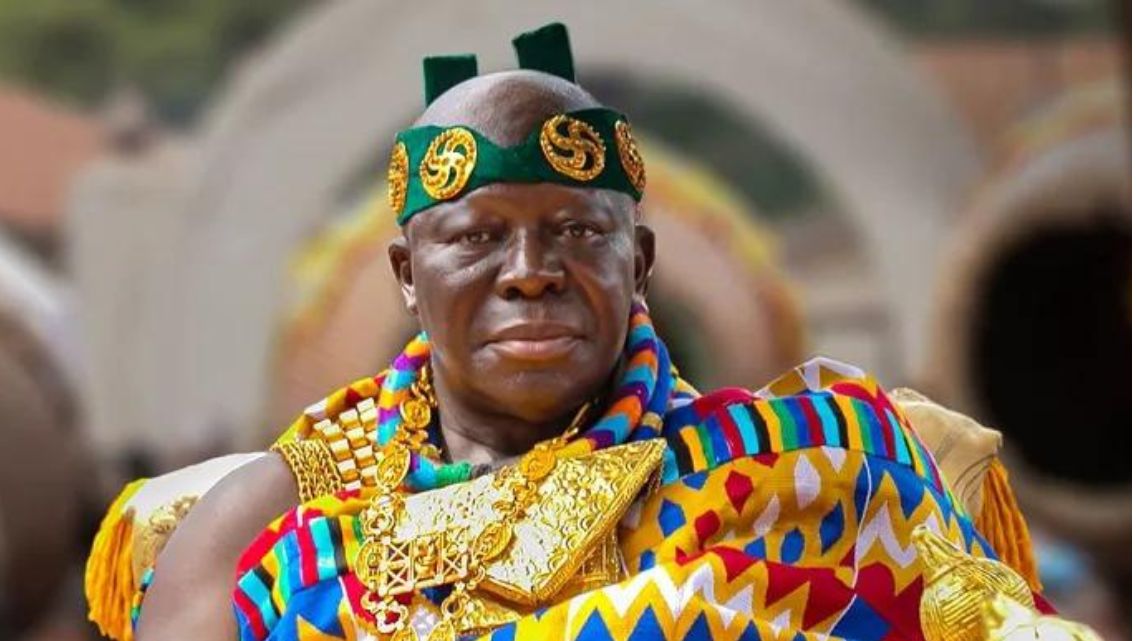
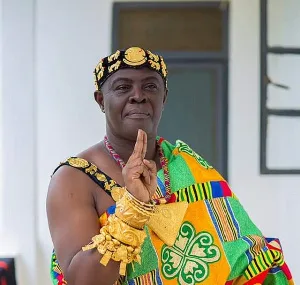
The authority of the Asantehene, Otumfuo Osei Tutu II, frequently sparks public debate. Some argue that he is not a king since Ghana’s constitution does not use the terms “king” or “kingdom,” but instead refers to “paramount chiefs” and “traditional stools.”
Advocates of Asanteman and various historians contend that all paramount chiefs in Ghana are essentially kings, and the Asantehene is considered the “king of kings.” They believe that Ghana’s colonial rulers introduced the terms “paramount chiefs” and “stools” to undermine the authority of traditional leaders, ensuring they were not seen as equals to the British monarchy.
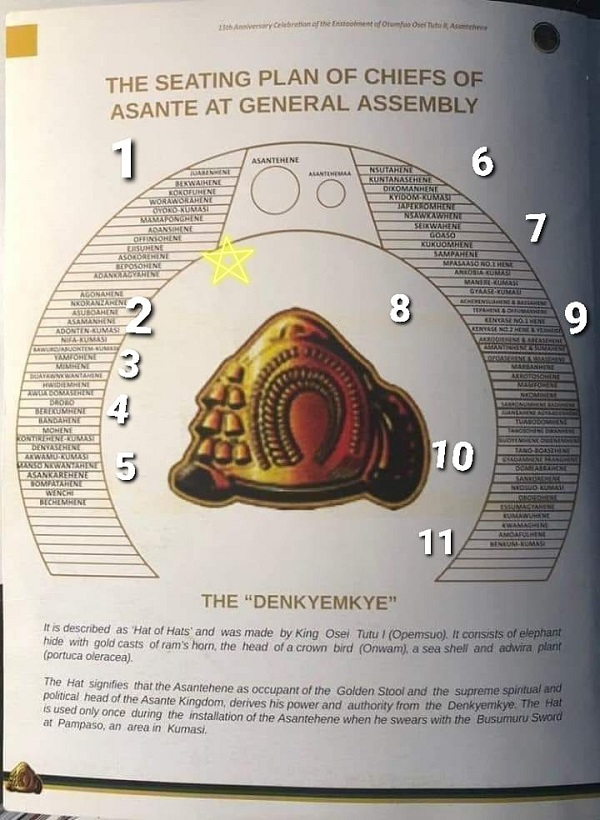
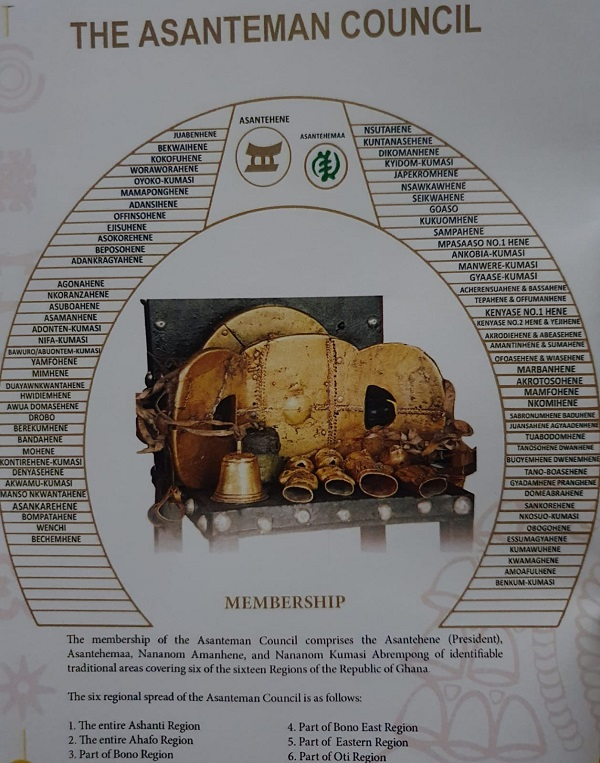
Regardless of this debate, the structure of the Asanteman (the Ashanti Kingdom) clearly illustrates the significant power of the Asantehene. An organogram displayed during the 15th-anniversary celebration of Otumfuo Osei Tutu II showed the Asantehene and the Asantehemaa at the top, with paramount chiefs on either side.
These paramount chiefs represent six of the 16 regions in modern-day Ghana, including the entire Ashanti Region, the entire Ahafo Region, parts of the Bono Region, parts of the Bono East Region, parts of the Eastern Region, and parts of the Oti Region.
On the right side of the Asantehene are 36 paramount chiefs, including Juabenhene, Bekwaihene, Kokofuhene, Woraworahene, Oyoko-Kumasi, Mamaponghene, Adansinene, Offinsohene, Ejisuhene, Asokorehene, Beposohene, Adankragyahene, Agonahene, Nkoranzahene, Asuboahene, Asamanhene, Adonten-Kumasi, and Nifa-Kumasi.
Also, to the left side of the Asantehene and the queen mother are 39 paramount chiefs including Nsutahene, Kuntanasehene, Dikomanhene, Kyidom-Kumasi, Japekromhene, Nsawkawhene, Seikwahene, Goasohene, Kukuomhene, Sampahene, Mpasaaso No.1 Hene, Ankobia-Kumasi Hene, Manwere-Kumasi, Gyaase-Kumasi, Acherensuahene & Bassahene, Tepahene & Offumankene, Kenyase No.1 Hene, Kenyase No 2 Hene, & Yerhene, Akrodiehene & Abeasehene, Amantinhene & Sumahene and Ofoasehene & Wiasehene.
The rest of the chiefs on the Asantehene’s left side are Marbanhene, Akrotosohene, Mamfohene, Nkomihene, Sabronumhene Baduhene, Juansahene Agyaadenhene, Tuabodomhene, Tanosohene Dwanhene, Buoyemhene Owenemheng, Tano-Boasehene, Gyadamhene Pranghene, Domeabrahene, Sankorehene, Nkosuo-Kumasi, Obogohene, Essumagyahene, Kumawuhene, Kwamaghene, Amorfulhene, and Benkum-Kumasi Hene.
This number has possibly increased because the Asantehene has the power to elevate any of the traditional areas under his jurisdiction to the status of a paramountcy.
Moreover, this list excludes the numerous divisional and sub-divisional chiefs who are all under the authority of the Asantehene.
See lists of paramount chiefs under Asanteman below:
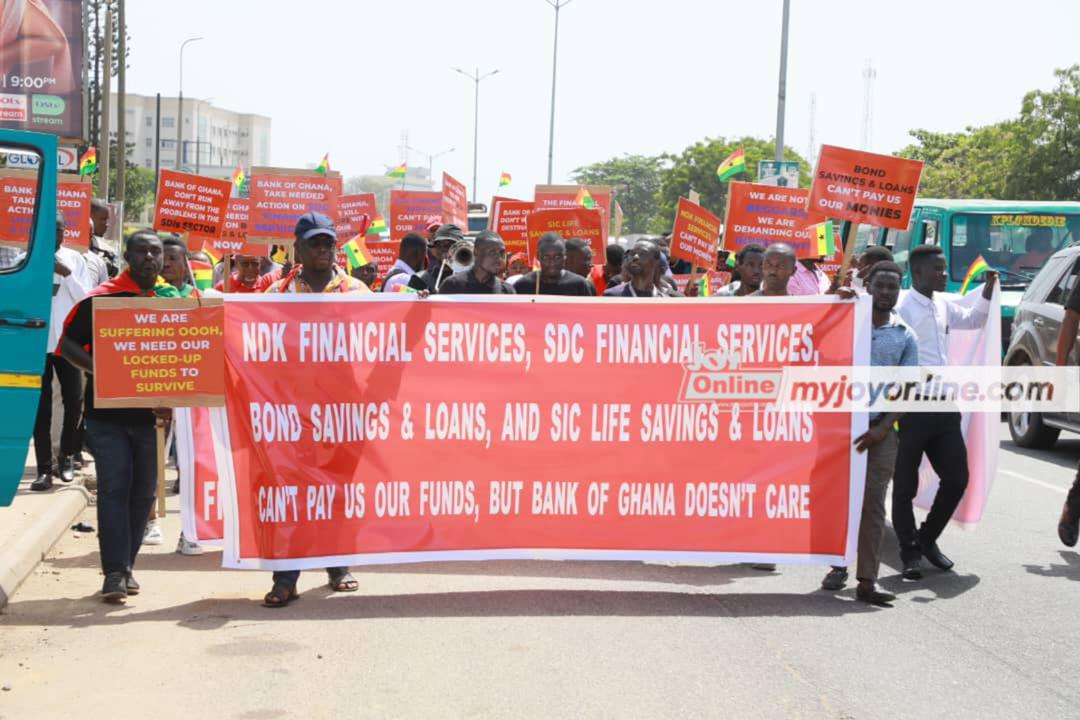
Supporters of the Locked-Up Investment Holders Forum will reconvene at the Finance Ministry on Wednesday, June 5, 2024, for a demonstration.
This decision follows the Ministry’s failure to fulfill its commitment to engage with them.
On May 21, the Forum declared a temporary halt to their planned protests on May 22 and 29, 2024, after the Deputy Finance Minister requested a meeting to address their grievances.
The statement at the time indicated that after “a call today from the Deputy Minister for Finance, to have a meeting with us after returning from a trip on 27th May 2024, to discuss our petition, we are suspending the picketing for tomorrow, 22nd May 2024 and Wednesday, 29th May 2024.”
However, recent developments have exacerbated the frustrations of the disgruntled customers.
In an interview, the convenor, Dr Adu Antwi revealed that “the meeting that was promised by the Deputy Minister for Finance Dr Stephen Amoah to have with us after he has returned from his trip on 27th May 2024 has still not come on.”
He further mentioned that subsequent follow-ups through text messages have also proven futile.
In light of this, the Forum has reinstated its original plan to stage protests at the Ministry every Wednesday until the conclusion of November 2024, demanding financial allocations for the reimbursement of depositors’ funds.
“…Next Wednesday, 5th June 2024, we are resuming the picketing. And when we resume, we will be picketing every Wednesday till we achieve results,” he said.
An expert in industrialization and supply chain management, Professor Douglas Boateng, has emphasized the necessity for African nations to develop the complete value chain of products and services within the continent to ensure the success of the African Continental Free Trade Area (AfCFTA) initiative.
He described this process as “strategic sourcing,” advocating for a shift away from importing “cheap products” from overseas to instead enhancing the value of local produce. This, he explained, would foster a competitive edge and diminish reliance on foreign goods.
Prof. Boateng delivered these remarks during an inaugural lecture series organized in collaboration with the Ghana Institution of Engineering (GhIE), under the theme: “Engineering, Industrialisation, AfCFTA, and Strategic Sourcing: The Inextricable Links.”
In order to enhance the value chain comprehensively, from production to consumption, he highlighted the necessity for Africans to refrain from exporting the continent’s natural resources in their raw form.
He remarked that the failure to add value to local resources has resulted in an excessive influx of foreign goods, leading to significant capital outflows from the continent.
In line with the vision of AfCFTA to establish a unified market, Prof. Boateng reiterated the need to eliminate “artificial borders” between nations to facilitate the smooth movement of people, goods, and services across the continent.
He urged Africans to “plan and think long-term,” adding that AfCFTA must be “more of a continental issue than a national issue.”
To achieve this objective, he stressed the crucial role engineers must play in constructing Africa’s supply and value chain infrastructure to position the continent as a prominent player in global trade.
Prof. Boateng underscored the importance of providing support to engineers to enable them to contribute effectively to value addition and problem-solving, thus expediting industrialization.
He encouraged Africans to adopt a long-term planning approach, asserting that AfCFTA should embody a strategic and forward-thinking perspective.
A distraught individual, Stephen Luke, who gained attention in a viral video where he was openly emotional while conversing with his girlfriend in a Trotro, has provided context for his actions.
He recounted meeting his girlfriend when she faced adversity as a school dropout due to financial constraints. Despite this, he supported her education through Senior High School.
However, financing her tertiary education proved challenging. Instead, he opted to assist her in acquiring vocational skills by purchasing a machine for her training.
Tragically, his mother fell ill soon after acquiring the machine, leaving him unable to afford her medical care, ultimately leading to her passing.
Despite his relentless efforts to secure a brighter future for his girlfriend, she ultimately chose to leave him for a wealthy individual, resulting in his emotional state as seen in the video.
Here is the video below:
A heartbroken man identified as Stephen Luke, who went viral in a video where he was seen expressing emotions while on a phone call with his girlfriend in a Trotro, has explained the events that led to his actions.
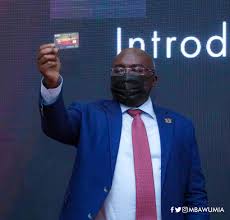
Flagbearer of the ruling New Patriotic Party (NPP), Dr. Mahamudu Bawumia, has revealed plans to implement E-Gates at Kotoka International Airport by the end of this year.
The Vice President stated that these E-Gates will be placed in the airport’s arrival section, allowing travelers to bypass immigration checks upon arrival.
Dr. Bawumia made this announcement during a meeting with the clergy in Cape Coast, as part of his Central Regional tour on Monday, June 3.
He highlighted the government’s dedication to digitizing state institutions to enhance accessibility for Ghanaians.
“In fact, before the end of this year if you arrive in Ghana at Kotoka Airport you don’t need to go to an immigration officer, we are putting together the E-gates, you put in your Ghana card it will open for you, and you pass and enter. The E-gates will work in Ghana before the end of this year,” he stated.
Furthermore, Dr. Bawumia conveyed his wish to engage in an “open and candid dialogue” with religious and faith-based institutions regarding school administration, particularly emphasizing discipline.
The flagbearer of the New Patriotic Party (NPP), Dr. Mahamudu Bawumia, has revealed plans to introduce E-Gates at Kotoka International Airport by the end of 2024.#UTVNewspic.twitter.com/CFZvHSezyI
In 2023, Ghana achieved nearly $4 billion in non-traditional exports, marking an 11% increase from the $3.53 billion recorded in 2022.
However, this figure falls about $21 billion short of the National Export Development Strategy’s (NEDS) 2029 goal of $25 billion. Despite this, the Ghana Export Promotion Authority (GEPA) remains optimistic about reaching this target within the next five years by building on recent progress and capitalizing on key investments.
The $3,944,146,717 earned from non-traditional exports like shea butter, iron and steel products, and coconut represented 24% of the total national export revenue of $16 billion, as reported by the Bank of Ghana.
The significant increase in 2023 was driven by several initiatives aggressively pursued by GEPA, including product development and supply base expansion programs such as the coconut revitalization and pineapple expansion initiatives, which provide farmers with seedlings and inputs to meet export demands. These efforts have helped maintain Ghana’s position as the top source in Africa for these products.
GEPA continues to facilitate market access for Ghanaian producers and exporters through promotional activities like trade fairs and expos worldwide. These efforts are crucial in helping exporters focus on their core competencies while GEPA markets their products.
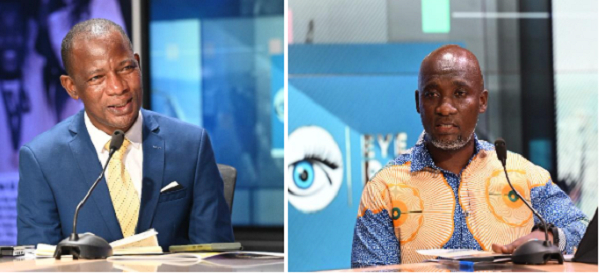
This information was shared during an interview with Dr. Martin Akogti, Head of Research, and Mr. Chris Amponsah Sackey, Head of Public Relations at GEPA, on the Eye on Port program on Accra-based Metropolitan Television.
Mr. Chris Amponsah Sackey emphasized GEPA’s commitment to diversifying Ghana’s non-traditional exports and expanding the reach of local products.
He highlighted the GEPA Impact Hub, a flagship program providing services like market research for exporters. He encouraged exporters to utilize the GEPA Impact Hub, which offers a technology-driven database that connects users to the global marketplace.
“So as an exporter or one who wishes to export you can come in and do your research on the product that you want to export to know which countries you can even take these products to and the good thing is that we have officers there to even assist you. This database is quite expensive so individuals are not able to purchase them because you have to keep renewing them almost every year. At the Ghana Exports Promotion Authority, we have all these things and we don’t charge exporters any fee”, he stated.
In addition, Mr. Sackey said that although his organization will maintain its strategic alliance with important parties, government funding will enable the NEDS’s 10-year goal to be achieved.
“So all things being equal, if all the things that we need are provided, then we should be able to get to that 25.3 billion dollars. For example, the document will tell you that we need about 2 billion dollars to be able to reach the 25.3 billion dollars,” he indicated.
However, the Head of Research at GEPA, Dr. Martin Akogti, revealed that another hurdle, that continues to serve as a stumbling block is the sad reality where many Ghanaian producers are unable to meet the export demand where they have obtained market access.
“If a company outside requests for a monthly supply of a 20ft-container-full of coconut, many Ghanaians will not be able to provide.”
This is why Ghanaian exporters should engage with the Export Promotion Authority, enroll in the Export School, and utilize other available resources to enhance their capacity for large-scale production.
GEPA officials noted that for Small and Medium Scale Enterprises, logistical challenges in delivering large-scale orders can be mitigated by the Authority’s support in consolidating goods with other exporters to achieve export success.
The Trade House in Kenya, the first of many such initiatives, has attracted significant attention as a one-stop-shop for Ghanaian products. Exporters are encouraged to connect with GEPA to take advantage of this excellent opportunity.
Dr. Martin Akogti revealed that GEPA is collaborating with the Ghana Roots, Crops, and Tubers Exporters Union to boost the international market performance of yam and related products.
He also mentioned that a review of the NEDS document will be conducted soon to assess current performance against the original 2020 vision.
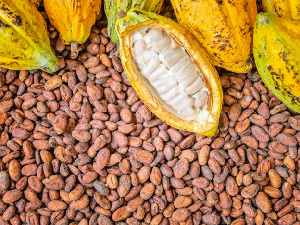
On Saturday, June 1, a group called Concerned Cocoa Farmers (CCF) from the Ellembelle District in the Western Region took to the streets to protest against the rampant environmental destruction caused by illegal mining activities (galamsey) in their district.
The farmers marched to one of the illegal mining sites in Sendu to voice their dissatisfaction and condemnation of the illegal miners’ actions.
They argued that the damage being done to their cocoa farms and water bodies by these illicit activities is incalculable.
Benjamin Azachie, the leader of Concerned Cocoa Farmers, handed their petition to Emmanuel Armah-Kofi Buah, the Member of Parliament for the Ellembelle constituency.
He urged the MP to leverage his position and the Parliament to halt the aggressive takeover of cocoa farms by illegal miners (galamsey operators) in the region.
Azachie highlighted that illegal mining continues to devastate their investments and pollute the clean water bodies in the affected areas of the District.
In an interview with journalists, Grace Amihere, one of the affected residents, expressed her frustration over the severe pollution in the area.
“I’m demonstrating because of the pollution of our water bodies and destruction of cocoa farms. How are we going to feed our children with the destruction of our farms? The operators suddenly came without prior notice to us,” she lamented.
“They tried to pay off my brother to mine in his cocoa farm, but because he refused to accept their money, they have destroyed half of the farm. Why are they doing this to us? This is what worries us. President Akufo-Addo must address this concern. Right now, farmers are not getting water to drink,” she added.
Another affected resident, Ama Amihere, also claimed, “They have destroyed rubber farms and also cheated the farmers after forcefully taking their farms. So, we are pleading with the government that what is happening is not lawful.”
Following the invasion of “galamsey” activities in the Nyamebekyere-Sendu section of the Ellembelle District, the once-clean River Fia has become contaminated.
Nicholas Kofi Mawuli, the Assembly Member for the Nyamebekyere Electoral Area, stated his reservations regarding the employment of Chinese in the front line and expressed his great concern about the detrimental development.
“They are fronting in engaging in the illegalities in this area,” he said.
After over an hour of protesting at the Sendu galamsey site, the Concerned Cocoa Farmers handed their petition to Emmanuel Armah-Kofi Buah, the MP for Ellembelle.
Armah-Kofi Buah assured the farmers that he would take their concerns to the Parliament of Ghana for resolution.
However, he encouraged the affected residents to speak out loudly against illegal mining activities in the area.
He emphasized that combating illegal mining is a collective responsibility, and everyone must work together to address the issue.
Africa’s wealthiest individual and Chairman of Dangote Refinery, Aliko Dangote, has voiced significant disapproval of African governments for their inability to construct a sole refining facility over the past 35 years.
During an interview with CNN’s Eleni Giokos, Dangote contended that this lack of progress is attributed to vested interests profiting from extensive fuel imports across the continent.
“There are so many issues. I can’t count them, but there are so many. It’s not only money, political will, and also people who are benefiting from this whole stuff of importing petroleum products into Africa are actually discouraging those governments from building a refinery,” he said.
The business magnate explained that Africa’s inability to secure strong financial support from international banks further hampers such projects. “And they won’t get the loans anyway, because they don’t have very strong banks. The international banks will not support anything like this. We’re talking about industrialising the continent, creating a more connected Africa,” he stated.
“But we have to make sure we focus and say, look, we are the only ones that can deliver. We Africans are the only people that can develop Africa. If we’re waiting for foreigners or foreign investors to come and develop Africa, it will never happen,” he stated.
Dangote, who recently completed the $19 billion Dangote Refinery, shared insights from his experience, stating that the challenges he faced were far greater than anticipated. “If I knew what I was going to go through, I wouldn’t have tried,” he admitted. Despite this, he noted that with the knowledge gained, he would undertake the project again but with improved strategies.
Dangote pointed out that foreign aid and investments are not the solutions for Africa’s development. “We Africans are the only people that can develop Africa,” he asserted, emphasizing the need for self-reliance. He also revealed that many had doubted the project’s success, and there were significant efforts to discourage him, partly because of those benefiting from the status quo of fuel imports.
Looking ahead, Dangote expressed optimism about exploring new opportunities in petrochemicals and upstream sectors. “The sky is the limit,” he declared, adding that the nearby fertiliser complex, with a capacity of 3 million tonnes, is another testament to their achievements.
Reflecting on the accomplishment, Dangote said, “I feel very proud as an African doing this. Nobody ever expected us to pull this through. A lot of people had given up. But we’ve been able to deliver.”
The Dangote Refinery is now valued at nearly $19 billion.
Looking ahead, Dangote expressed optimism about exploring new opportunities in petrochemicals and upstream sectors. “The sky is the limit,” he declared, adding that the nearby fertiliser complex, with a capacity of 3 million tonnes, is another testament to their achievements.
Reflecting on the accomplishment, Dangote said, “I feel very proud as an African doing this. Nobody ever expected us to pull this through. A lot of people had given up. But we’ve been able to deliver.”
The Dangote Refinery is now valued at nearly $19 billion.
“If I knew what I was going to go through I wouldn’t have done it” Africa’s richest man Aliko Dangote tells me how building a refinery in #Lagos was a Herculean task! He did it, it’s up and running and transforming #Nigeria.
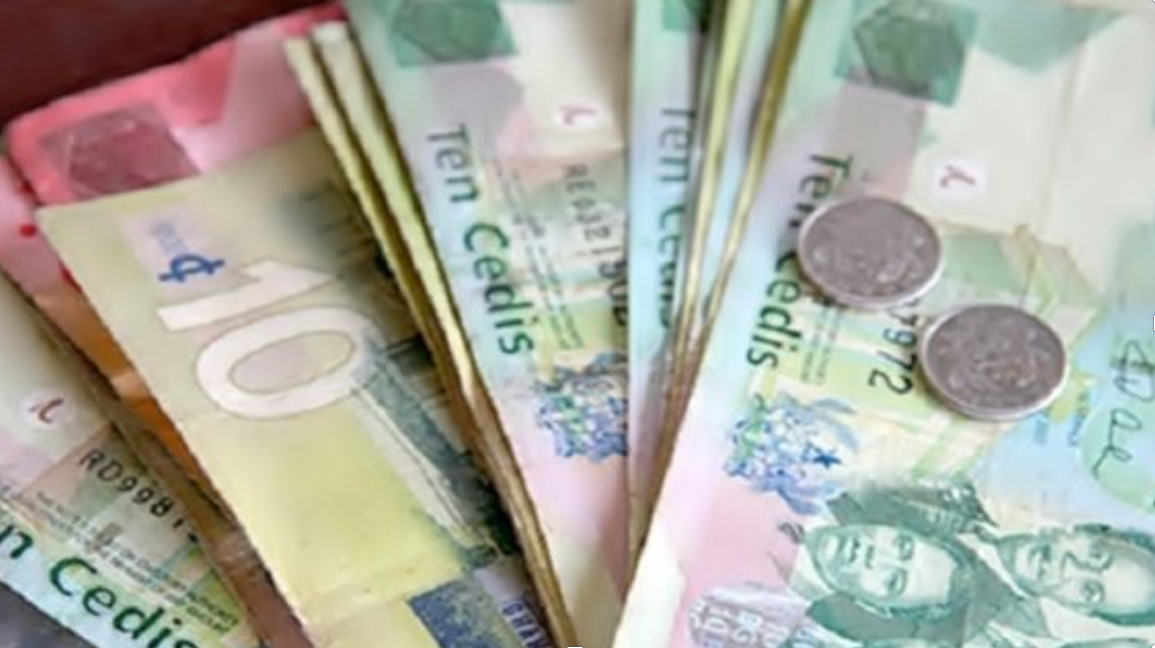
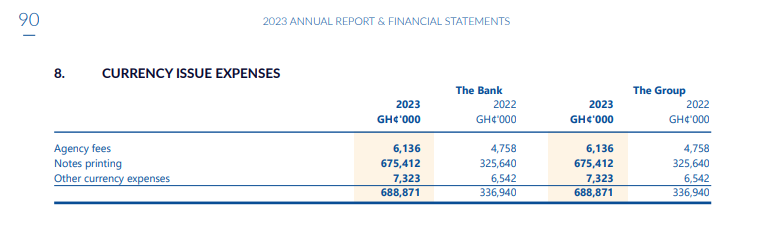
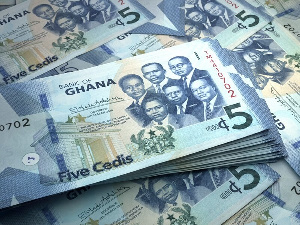
The Bank of Ghana allocated GH¢675.4 million for currency printing in 2023, marking a 107.4% surge compared to the GH¢325.64 million expenditure in 2022, as detailed in its 2023 Annual Report and Financial Statement.
Additionally, the report highlighted that the Central Bank expended GH¢7.32 million on other currency management operations in 2023, compared to GH¢6.54 million in 2022.
Agency fees amounted to GH¢6.136 million in 2023, up from GH¢4.75 million in the previous year, resulting in a total currency issuance expense of GH¢688.87 million in 2023.
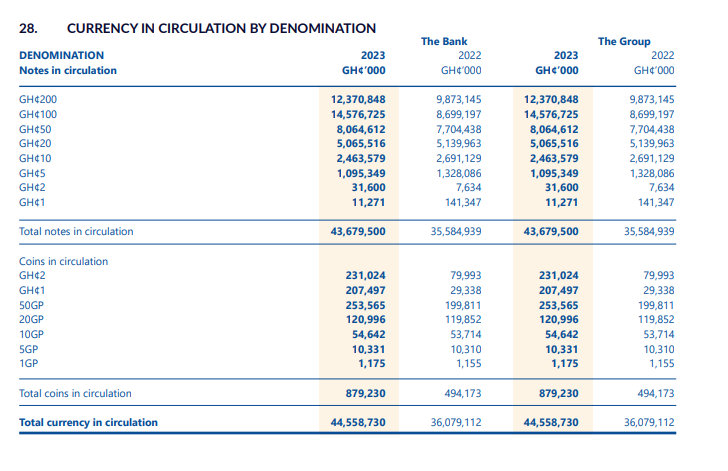
GH¢44.55bn were in circulation in 2023
In total, GH¢44.55 billion circulated in 2023, contrasting with approximately GH¢36.07 billion in 2022.
Regarding currency deposits in various denominations, GH¢29.7 billion were in cedis, GH¢16.9 billion in dollars, GH¢988 million in pounds, and GH¢4.68 billion in euros. Other currencies totaled around GH¢25.45 million.
As for specific notes in circulation, GH¢12.32 billion worth of GH¢200 notes circulated in 2023, compared to GH¢9.87 billion in the previous year.
For the GH¢100 note, GH¢14.57 billion circulated in 2023, compared to GH¢8.69 billion in 2022.
In 2023, the circulation of GH¢50, GH¢20, and GH¢10 notes amounted to GH¢8.06 billion, GH¢5.06 billion, and GH¢2.46 billion, respectively.
On the other hand, GH¢1.09 billion, GH¢31.6 million, and GH¢11.27 million worth of GH¢5, GH¢2, and GH¢1 notes were in circulation in 2023.
Regarding coins, GH¢231.02 million worth of GH¢2 coins circulated in 2023, compared to GH¢207.49 million worth of GH¢1 coins.
As for the 50 pesewa, 20 pesewa, and 10 pesewa coins, GH¢253.56 million, GH¢120.99 million, and GH¢54.64 million were in circulation last year.
By the conclusion of June 2024, a total of five hundred and eight thousand (508,000) public and private business entities are slated for removal from the register of the Office of the Registrar of Companies (ORC). This action arises due to their failure to submit their annual returns, a requisite for maintaining good standing.
Over the past two years, these companies have received notifications, reminders, and participated in various sensitization programs and multiple publications to alert them of their non-compliance.
Initially, the ORC had granted these companies until the close of 2023 to rectify their filings. However, in a bid to facilitate enhanced public awareness and afford ample time for defaulting businesses to adhere to the directive, the ORC extended the deadline.
This information was disseminated through a press release issued in Accra on Monday, June 3, 2024, and was signed by the Registrar of Companies, Jemima Mamaa Oware.
Penalty
“Per Section 289 (5) of Companies Act 2019 (Act 992), a company that has its name struck off from the register cannot and is not permitted to conduct business under the Company name for twelve years.”
Additionally, it highlighted that in line with section 59(A) of the Registration of Business Names 1962 (Act 151), the designation of business names (Sole Proprietorships) becomes public domain once they are removed from the Register due to non-compliance.
Furthermore, the release warned that “a company struck off the register can only be restored by the Registrar of Companies after a court finds sufficient cause and therefore issues an Order to the Registrar of Companies directing the restoration of the name to the register as per Section 289 (7) of the Companies Act 992.”
It revealed that “over 8,000 companies limited by Shares (both Private and Public) which were published in the national dailies and on our official website have been served notices and reminders through vigorous sensitisation and multiple publications for the past two years and were recently notified again in a release dated February 12, 2024 urging them to file their Annual Returns to be in good standing.”
Consequently, it served as a reminder to companies and enterprises in default to submit their Annual Returns and Renewals in accordance with the Registrar of Companies’ instructions, as the Office will conclude the validation process for them by June 30, 2024.
Annual returns
The statement emphasized the critical importance of filing Annual Returns to uphold compliance and transparency within the business sector.
Such filings are essential for companies and businesses to fulfill their legal requirements and maintain favorable standing with the Office.
Moreover, the release cautioned that neglecting these obligations not only risks the entity’s legal status but also erodes public trust and confidence. It therefore urges these entities to promptly rectify their status to avoid penalties and potential legal consequences.
“The ORC encourages compliance from all stakeholders to uphold the integrity of the business environment and foster trust and confidence among investors, consumers, and the public,” it stated.
It urged defaulting companies to visit the ORC’s website to check the names of affected companies in default to be stricken off.
ORC
The Office of the Registrar of Companies (ORC) is a governmental body of Ghana mandated by the Companies Act, 2019 (Act 992). Its mission is to promote the orderly operation of businesses and offer services related to business registration, insolvency, and regulation. Through these functions, the ORC endeavors to cultivate an appealing business climate within the nation.
It was 11:00 am on July 6, 2023, at one of Ghana’s prestigious senior high schools, Accra Academy. Students had gathered in the Information and Communications Technology (ICT) lab, tapping their fingers impatiently on keyboards with exasperating sighs. In contrast, others muttered under their breaths in frustration, desperately trying to connect to the internet.With time slipping away and their assignment deAblakwa releases new documents: Freddie Blay, son fingered in Labadi Beach hotel ownershipadline fast approaching, disappointment was etched on their faces as the blank screens on their computer monitors flashed with the inscription, “No internet access.”
Accra Academy Senior High School (SHS) was one of over 700 schools connected to the internet as part of the government’s Wi-Fi for Schools programme. For a while, jumping on the information superhighway was a breeze for both students and tutors. But within a year, the internet was no longer available. The school was disconnected.
“The internet stopped working when we were in Form 2,” says a final-year student. “We no longer use it at the ICT lab.”
The headmaster, Emmanuel Ofie Fiemawhle, explains that the government-supplied internet only worked for a year but was always unstable. Complaints have been filed. He claims that the company responsible for the network has failed to respond positively or meaningfully.
The Old Students Association has since intervened to keep Accra Academy’s vital administrative functions connected to the Internet. Currently, it is only the school’s administration, accounts office and data room that are connected, said the headmaster. The ICT lab and the libraries, where students usually go for research, are without an internet connection.
default
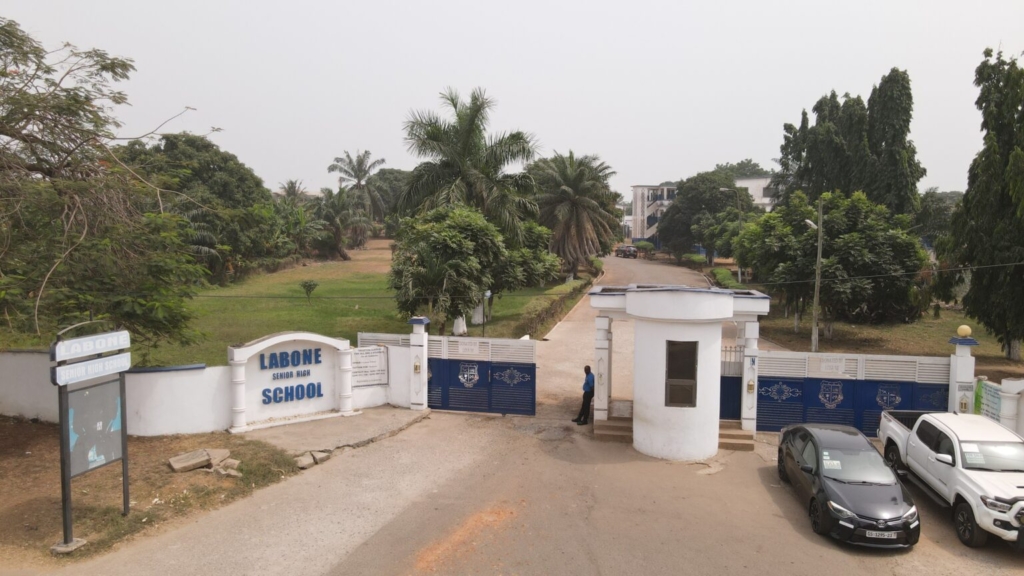
The situation is no better at Labone SHS, also in Accra. Although the school has the IT infrastructure installed by the government, the internet has never worked. A member of the management of the school, who spoke on condition of anonymity, said they currently rely on Telecel Ghana’s internet service. However, this service is only accessible in the school’s administrative block, which houses the headmaster and other management staff.
At the Bolgatanga SHS (Big Boss), an E-learning centre sits in the heart of the school. The centre was put up to facilitate teaching and virtual learning among students while assisting teachers to undertake academic research and prepare their lessons. But a year after it was opened, Wi-Fi internet connectivity stopped working.
This has not only affected the E-learning centre and the purpose it was supposed to serve. It has also affected the preparation of lesson notes by teachers. Since the Wi-Fi stopped working, staff have had to use their mobile data to conduct online research.
Authorities say several complaints to the Ghana Education Service and the Ministry of Education have yielded no results. Despite this challenge, Bolgatanga Senior High qualified for two national championships – the National Science and Maths Quiz in 2023 and the Energy Commission’s Senior High Schools Renewable Energy Challenge in 2022. However, the unavailability of internet connectivity affected preparations as the students could not hold virtual lessons and conduct research work online, forcing the school to opt out of both competitions.
“This is frustrating and demoralizing,” a student, who did not want to be named, said of the situation.
The free Wi-Fi for schools’ programme was in fulfilment of a 2016 manifesto promise by the governing New Patriotic Party to collaborate “with the private sector [to] provide free Wi-Fi coverage for senior secondary and tertiary institutions nationwide, dedicated to learning, administration and enhancing the capacity to do research.”
According to the project contractor, the policy resulted in the connection of over 1,000 institutions to the Internet as of February 2024. Apart from the SHSs, 16 regional education offices, 46 colleges of education and 260 district education offices were also expected to be connected within a year.
Vice President, Dr Mahamudu Bawumia, who launched the initiative in February 2020, said it was part of a broader programme to bridge the technology gap in the country and improve learning through internet use.
“There is much knowledge on the internet and we have to allow senior high schools to access that knowledge. We promised free Wi-Fi and we are going to deliver,” Dr Bawumia said at a town hall meeting in Kumasi in 2020.
The project, Dr Bawumia said, will be “a [leveler] of academic opportunities” and provide “an equal opportunity window to the world of [the] Internet of Things.”
Almost four years after the launch of the programme, the lofty promises are yet to be fulfilled and a number of schools are without internet connection in Ghana. Yet, GHS56 million has been paid to Busy Internet, an internet service provider, which appears to have since folded up, and its contract is now assigned to a company called Lifted Logistics, which only secured a conditional internet service provider (ISP) license in February 2024.
When the contract was awarded for the provision of internet services to schools in December 2019, the intent was to have school administration blocks, libraries and the ICT labs connected. However, 48 of the 50 schools Evans Aziamor-Mensah of The Fourth Estate visited between June and July 2023 had no internet connectivity.
Service provider’s unresponsiveness angers school IT co-ordinators
To ensure effective communication on the internet connection, Busy Internet (now Lifted Logistics) created a dedicated line for the schools to lodge complaints about disruptions. It also created a WhatsApp platform for school IT coordinators across the country. In the Bono and Ahafo regions, though the coordinators reported the challenges they were facing with the Wi-Fi connectivity, Busy Internet failed to act.
“The network has been down for a long time. At the regional level, we always get complaints but when we channel it, we don’t get any proper response from your end. I can say for a fact that all schools, districts and regional offices are facing the same challenge. The internet is not working especially Bono Region,” one of the co-ordinators wrote on the WhatsApp platform in May 2023.
At another time on May 15, 2023, when one of the Busy Internet supervisors asked for an update in the WhatsApp group, it drew the anger of the IT coordinators.
“There’s no Wi-Fi anywhere. It’s a white elephant,” one of the coordinators responded.
“At times, it is irritating to ask such a question,” another coordinator wrote.
“Why?” the Busy supervisor asked.
“Are you not the managers and providers of the service? You should know best,” the IT coordinator responded.
Busy Internet, Education Ministry’s responses
Business Lead of Lifted Logistics, Dickinson Agyapong Bempa, told The Fourth Estate that the company did not present any bill to the government of Ghana for the months it did not provide service to certain schools. But this claim is false.
Accra Academy, Labone Senior High School, and Bolgatanga Girls have been without internet under the Busy Internet project for periods of up to 24 months. However, they featured prominently on a list of schools whose internet services Lifted Logistics invoiced and received payments for.
The company also received payments for St Mary’s SHS, Korle Gonno, Fafraha Community Day SHS, Ada Technical, Nungua SHS, Presby SHS, Teshie Presbyterian SHS, Ashaiman SHS, Kpedze SHS, Toase SHS, Bawku and Adugyama SHSs between 2020 and 2023 but all of these schools had no internet access for those years.
A policy advocacy organisation, Africa Education Watch, has also conducted research and found that 107 schools out of 150 visited across the country were not enjoying any benefits under the free Wi-Fi for schools project.
Demand for value-for-money audit
Divine Kpe, a senior programmes manager at Eduwatch, says Ghana seems to be paying for a service that is not being rendered and called for an investigation into the project.
“… if we have invested about GHS 84 million for installation,” he says “and we have to pay GHS6.3 million for the next five years and yet the students and the teachers cannot access the service then there’s no value for money.” Mr Kpe says there is a need for the Auditor-General to look into that.
The Fourth Estate wrote to the Minister of Education for responses to these revelations. The Minister directed that we speak to the Executive Director for the Centre for National Distance Learning and Open Schooling, Nana Gyamfi Adwabour, who revealed that a monitoring system was set up to review the contract with Busy Internet in September 2023, almost three years into the implementation of the project.
Nana Gyamfi Adwabour also admitted that apart from the manual verification by a committee, there was no real-time monitoring system in place for the project until September 2023. Such a monitoring system was to be installed as part of Busy Internet’s obligations under the contract.
One of the legal wires that binds the government and Busy Internet in the contract was that, if Busy Internet failed to deliver its service to a school for 15 days, the company would not be paid. This legal wire was tripped not just for 15 days in some schools. As The Fourth Estate has learned, some schools did not have internet for as long as two years.
President of the Conference of Heads of Assisted Secondary Schools (CHASS) who is also the headmaster of Opoku Ware Senior High School in Kumasi, Rev Fr Stephen Owusu Sekyere, said the internet outages have been affecting teaching and learning in schools.
“At times, it goes off for about 2-3 weeks, other times, a month and then it’s restored but as we speak, my school has been off for over a month now and it’s not helping us at all,” he told The Fourth Estate on May 4, this year.
He continued: “We can’t use the service to improve teaching and learning in our schools.”
When The Fourth Estate sent a list of 53 schools without internet spanning 2020 to July 2023 to Lifted Logistics, the company failed to provide any information on that, stating “Busy Internet, which was in charge of this implementation at the time, has since suspended operations.”
Mr Agyapong-Bempa, however, said, “We have from August 2023 provided a monitoring system, which we gave you a briefing at our last meeting.”
Mr Agyapong-Bempa’s excuse that they could not provide the information on whether a school’s internet was functional or not until August 2023 because Busy Internet suspended its operations for those years is not accurate. This is because Lifted Logistics bought Busy Internet in 2018, a year before the contract was awarded and all payments for work done were made to Lifted Logistics.
If some schools did not have internet for more than 15 days as stipulated in the contract, why did the government of Ghana continue to pay the company for services in these schools? The Fourth Estate asked Nana Gyamfi Adwabour of the Centre for National Distance Learning and Open Schooling.
“I think this is a clear case for us to review again those two monitoring mechanisms to protect the public purse,” was his response.
Despite multiple requests for information, since July 2023, the Ministry of Education has refused to provide a monthly breakdown of what it has paid Busy Internet since January 2020.
Nana Gyamfi Adwabour also promised to provide the data after the interview on May 6, 2024, but failed to do so.
The Business lead of Lifted Logistics, Mr Bempa denied knowledge of how much his agency has so far received from the contract from the government.
But so far what we know is that the company received GHC56 million for work it supposedly did for nine months for which it cannot show any tangible results because most schools don’t have the services they were supposed to provide. This period includes the months The Fourth Estate visited and observed that the internet was not working in 48 out of 50 schools.
The most recent trade report unveiled by the Ghana Statistical Service indicates that Ghana’s imports amounted to GH₵180.7 billion in 2023.
China emerged as the foremost importer to Ghana, with imports valued at GH₵33.9 billion.
India and the United Arab Emirates were also identified as key import origins from Asia.
Shea nuts, used vehicles, petroleum products (including diesel, premium, and light oils), and cereal grains featured prominently among Ghana’s most imported items.
GhanaWeb Business focuses on delineating the commodities comprising Ghana’s top 10 imports in 2023:
Diesel – automotive gas oil (AGO) The import value for this was pegged at GH₵27,124,156,236 with share of imports, 15.0%
Light oils, motor spirit, super Its import value was estimated at GH₵22,306,927,869 with its share of imports representing 12.3%.
Cement clinkers Import value was GH₵3,181,100,871
. Medium oils, Kerosine type jet fuel (ATK) Import value was GH₵2,775,951,499
Cereal grains. The import value was GH₵2,731,537,768
Secondhand vehicles with engine sizes ranging between 1500cc to 3000cc Import value for this goods was GH₵2,511,977,822
Herbicides, anti-sprouting products and plant-growth regulators Import value was GH₵2,285,925,048
Self-propelled bulldozers Import value was GH₵2,274,925,130
Rice, semi-milled or wholly milled rice, packaged 5kg or bulk Import value was GH₵2,025,747,980
Shea nuts (karate nuts) Import value cost GH₵2,018,979,619
All other products combined cost GH₵111,435,416,578, accounting for 61.7% of total imports.
Total imports in 2023 hit GH₵180,672,646,419 (100%)
President Nana Addo Dankwa Akufo-Addo has lauded the Chinese government for its assistance in securing a three billion dollar IMF bailout for Ghana.
While expressing Ghana’s appreciation to China’s departing Ambassador, Lu Kun, the President commended his efforts in bolstering diplomatic, trade, and investment ties between the two nations.
During a farewell meeting, President Akufo-Addo highlighted Mr. Kun’s role as Co-Chair of Official Creditors within the G20 Common Framework, his contribution to elevating trade volumes to over 11 billion dollars, and his support in funding projects like the Jamestown Fishing Harbour.
Since assuming office in Ghana in 2021, bilateral relations between Ghana and China have significantly strengthened over the past three years.
Trade between the two countries has surged to a historic high of 11 billion dollars, with Chinese investors undertaking numerous development initiatives.
Lu Kun has been pivotal in Ghana’s negotiations with Official Creditors under the G20 Common Framework, particularly in securing comprehensive debt treatment beyond the Debt Service Suspension Initiative, a crucial aspect of Ghana’s IMF program.
Moreover, during his tenure, Beijing provided financing for key infrastructure projects such as the Jamestown Fishing Harbour, the Tamale Interchange, and the second phase of the University of Health and Allied Sciences.
President Akufo-Addo expressed Ghana’s profound gratitude to Mr. Kun for his service during his tenure, stating that Ghana will always remember and appreciate his steadfast support.
In turn, outgoing Chinese Ambassador Lu Kun expressed his appreciation for the support he received during his time in Ghana, reflecting on the various projects undertaken during his tenure.
Mr. Lu Kun is now returning to China following his retirement.
The African Development Bank has adjusted Ghana’s growth rate projections to 3.4% for 2024 and 4.3% for 2025.
This is an increase from the 2.8% forecasted in February 2024.
According to the AfDB, this revised growth rate exceeds previous expectations, portraying a positive medium-term growth outlook.
The anticipated growth is expected to be driven by the industry and services sectors on the supply side and by private consumption and investment on the demand side.
Consequently, Ghana is projected to rank 14th in West Africa, ahead of Nigeria, in terms of Gross Domestic Product (GDP) growth.
However, the outlook is challenged by several factors, including the impact of fiscal consolidation under the Post-Covid Programme for Economic Growth, the ongoing repercussions of Russia’s invasion of Ukraine, limited access to finance and foreign exchange, and global macroeconomic shocks. Nonetheless, the AfDB noted that prudent macroeconomic management policies could help mitigate these risks.
To expedite structural transformation, the African Development Bank has encouraged Ghana to boost its competitiveness by alleviating infrastructure constraints and to hasten agro-industrialization by enhancing skills development, among other measures.
“Ghana’s structural transformation needs reinforcement. Productivity has stagnated in services, the dominant employment sector, and is rising only slowly in industry and agriculture. Agriculture’s employment share declined from 53.9% in 2007 to 29.8% in 2019, while industry’s share rose from 14.1% to 21.0% and services’ share rose from 31.9% to 49.2% over the same period. To fast-track structural transformation, Ghana must enhance its competitiveness by easing infrastructure bottlenecks; accelerate agro-industrialization by strengthening skills development, value addition, and private sector development; and create a policy framework for technology adoption and innovation”.
West African growth rate to hit 4.2%
In the meantime, growth in West Africa is anticipated to accelerate, increasing from an estimated 3.6% in 2023 to 4.2% in 2024, and stabilizing at 4.4% the following year.
This marks an improvement of 0.3 percentage points for 2024 compared to the January MEO 2024 projections, driven by stronger growth forecasts in the region’s major economies—Côte d’Ivoire, Ghana, Nigeria, and Senegal.
Real GDP growth is forecasted to climb to 3.7% in 2024 and is expected to surpass the 2022 rate by 2025, reaching 4.3%, as the impacts of the aforementioned factors diminish.
The anticipated recovery in Africa’s average growth will be spearheaded by East Africa (up by 3.4 percentage points) and Southern Africa and West Africa (each increasing by 0.6 percentage points).
Notably, 40 countries are projected to experience higher growth in 2024 compared to 2023, and the number of countries with a growth rate exceeding 5 percent will rise to 17.
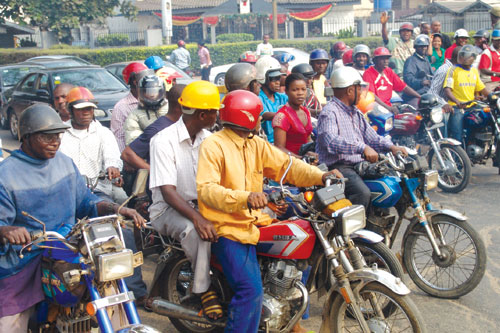
The National Democratic Congress (NDC) flagbearer, John Dramani Mahama, has pledged to commercial motor riders, commonly known as ‘okada riders,’ that he will set up an electric motorbike assembly plant in the country if re-elected as president in the 2024 general elections.
He stated that these electric bikes would be available to okada riders through a hire-purchase scheme.
In a report on citinewsroom.com, the former president, speaking to okada riders in Ashaiman, said,
“The good news is that I have spoken with two companies, they are going to open an assembling plant for electric motorbikes. That will be given out on hire purchase, work and pay, then you will pay in bits. Such motors don’t consume petrol, the battery will be charged down.”
“When you ride and your battery falls, you can visit the exchange battery centre and then the battery will be taken out and replaced with a new one. You pay a small fee and then you continue with your work,” he said.
John Dramani Mahama reaffirmed his promise to decriminalize commercial motorbike operations if he is elected.
The NDC’s flagbearer contends that, with proper regulation, motorbikes can serve as an effective and safe mode of transportation.
He said, “We want your support in ensuring the law works. You have to punish your members who will go contrary to the law. Your safety will be the number one thing, you will observe road instructions at all times. Your work is very important.
“You will be asked to wear reflective jackets so that people will see you from far. Many motorbikers are thieves, so we will register all of you to sniff out the thieves.”
The 2023 Annual Report and Financial Statement published by the Bank of Ghana revealed that the bank allocated GH¢675.4 million for currency printing in 2023.
The report indicated that this expenditure marks a 107.4% increase from the GH¢325.64 million spent in 2022.
Moreover, the report highlighted that the Central Bank incurred GH¢7.32 million in 2023 for other currency management activities, up from GH¢6.54 million in 2022.
Agency fees in 2023 amounted to GH¢6.136 million, compared to GH¢4.75 million in the previous year.
Consequently, the total expense for currency issuance reached GH¢688.87 million in 2023, as detailed in the report. The report also noted that GH¢44.55 billion were in circulation in 2023.
In total, GH¢44.55 billion was in circulation in 2023, an increase from approximately GH¢36.07 billion in 2022.
Regarding deposits in different currencies, there were GH¢29.7 billion in cedis, GH¢16.9 billion in dollars, GH¢988 million in pounds, and GH¢4.68 billion in euros. Other currencies amounted to GH¢25.45 million.
Regarding currency in circulation, GH¢12.32 billion worth of GH¢200 notes were in circulation in 2023, up from GH¢9.87 billion in the previous year.
For GH¢100 notes, the circulation amount was GH¢14.57 billion in 2023, compared to GH¢8.69 billion in 2022.
The circulation amounts for GH¢50, GH¢20, and GH¢10 notes in 2023 were GH¢8.06 billion, GH¢5.06 billion, and GH¢2.46 billion, respectively.
In addition, GH¢1.09 billion, GH¢31.6 million, and GH¢11.27 million worth of GH¢5, GH¢2, and GH¢1 notes were in circulation in 2023.
As for coins, 231.02 million GH¢2 coins were in circulation in 2023, while GH¢1 coins numbered 207.49 million.
There were GH¢253.56 million, GH¢120.99 million, and GH¢54.64 million worth of 50 pesewa, 20 pesewa, and 10 pesewa coins, respectively, in circulation last year.
321-474 tons of African gold extracted through artisanal and small-scale mining remains unreported annually, with an estimated value ranging from $24 to $35 billion.
SwissAid reports an alarming surge in the smuggling of African gold, which more than doubled between 2012 and 2022. In 2022 alone, over 435 tons of gold bullion were illicitly transported out of Africa.
This illicit trade contributes to conflict, finances criminal and terrorist groups, undermines democratic institutions, and facilitates money laundering. Mali, Ghana, and Zimbabwe are among the top sources of smuggled gold, with Dubai identified as a crucial international hub for its distribution, often routed to Switzerland.
Approximately 66.5% (405 tons) of the gold imported into the UAE from Africa in 2022 was obtained through smuggling. The gold enters Dubai via various means, including hand luggage, cargo, scheduled flights, and private jets.
Most of the illegally obtained African gold is then exported from the UAE to Switzerland, its second-largest importer, as well as to India. However, under Swiss law, gold processed in Switzerland is not traced back to its African origins.
While the UAE has taken steps to address concerns about gold smuggling, including increased inspections and imposing significant fines, it emphasizes that it cannot be held responsible for the export records of other countries. The UAE asserts that it has adopted measures to combat money laundering within the gold sector.
A recent report from the Ghana Statistical Service reveals that the total value of international trade in the first quarter of 2024 stood at GH₵107 billion, with exports totaling GH₵59.5 billion and imports GH₵48.1 billion.
In dollar terms, the overall trade amounted to $8.8 billion, with exports accounting for $4.8 billion and imports $3.9 billion.
According to Professor Samuel Kobina Annim, the Government Statistician, Asian countries have now surpassed Europe as Ghana’s primary trading partner for both exports and imports.
Professor Annim made this announcement during the unveiling of the 2024 Quarterly Trade Newsletter in Accra, which provides provisional international trade statistics for the first quarter of 2024.
The newsletter includes aggregated trade data employing the Export and Import Price Indices (XMPI), which measure changes in the relative price of exported and imported goods over time.
The report indicates a trade surplus of GH₵11.5 billion in the first quarter of 2024, more than double the GH₵4.5 billion recorded in the same period last year.
However, the XMPI shows that the increased trade flow is primarily driven by upward price changes rather than an increase in output.
Furthermore, the report highlights the lowest export value of cocoa products since 2021, dropping to US$592.2 million in the first quarter of 2024 compared to the average of US$825.8 million in the first quarters of 2021, 2022, and 2023.
Discussing the 2023 Annual Trade Report, Professor Annim notes a shift from a nominal trade deficit of GH₵4.8 billion in 2022 to a trade surplus of GH₵5.3 billion in 2023.
He emphasizes the importance of international trade expansion and integration into the global economy for creating new, higher-productivity jobs and supporting economic growth.
Professor Kwaku Appiah-Adu, Senior Policy Advisor at the Office of the Vice President, stresses the significance of efficient balance of payment management and calls for data integration with other institutions to enhance planning, policy analysis, and resource mobilization.
South Korean billionaire Chey Tae-won has been instructed to pay his former spouse 1.38 trillion won ($1bn; £788m) in cash – marking the largest divorce payout in the nation’s history.
This verdict arrives almost ten years after Chey’s marriage dissolved following the revelation of his extramarital child.
The Seoul High Court’s decision on Thursday affirmed that Roh So-young – Chey’s partner for 35 years – was entitled to a segment of his corporate stocks.
Representatives for Chey, who leads the influential SK Group conglomerate, declared intentions to contest the ruling, alleging the court had accepted “Roh’s unilateral assertions as facts.”
The sum granted to Roh signifies a significant escalation from the 66.5bn-won settlement ordered by a lower court in 2022.
The previous family court had dismissed Roh’s plea for a share of Chey’s SK shares.
However, this stance was reversed by the High Court, which deemed the shares as joint assets.
In its verdict, the court stated that “it was reasonable to rule that, as his wife, Roh played a role in increasing the value of SK Group and Chey’s business activity”.
The court estimated Mr. Chey’s fortune at approximately 4 trillion won, implying that Ms. Roh – the mother of Mr. Chey’s three children – would receive an estimated 35%.
Furthermore, it determined that Ms. Roh had assisted in navigating regulatory obstacles for Mr. Chey’s enterprise and that her father, former South Korean President Roh Tae-woo, had acted as a “protective barrier” for SK’s former chairman, Chey Jong-hyon.
The court criticized Mr. Chey for displaying “no signs of regret for his immoral conduct during the trial… nor reverence for marital fidelity,” stating that the new settlement considered Ms. Roh’s suffering from her former husband’s extramarital affair.
Mr. Chey’s legal team contended that, instead of benefiting his business, his ex-wife’s political affiliations had been detrimental.
Following the ruling, shares in SK Inc – a major producer of semiconductors globally, with interests in telecommunications, chemicals, and energy – surged by 9%.
The Ghana Revenue Authority (GRA) has offered further elucidation on the concept of absolute import prohibitions, underscoring their significance in upholding the nation’s security.
These prohibitions pertain to goods considered illicit according to international trade norms and are outrightly barred from entering Ghana due to diverse risks, including potential breaches of international trade regulations, disease dissemination, and environmental degradation.
Absolute import prohibitions play a pivotal role in fortifying Ghana’s borders and ensuring the welfare and safety of its populace.
The GRA emphasized that these goods not only flout the law but also present substantial hazards if permitted into the country.
The GRA issued this clarification on X, formerly Twitter, with the intent of enlightening the public on the perils associated with Absolute Import Prohibition.
In addition to absolute prohibitions, certain goods necessitate specific licenses, certificates, and other forms of authorization before they can be imported.
These regulatory measures are implemented to ensure that such goods adhere to all statutory mandates and are suitable for entry into the Ghanaian marketplace.
The GRA’s comprehensive explanation aims to edify importers and the general populace about the significance of these regulations and the imperative for stringent adherence to safeguard both domestic and international interests.
This development follows the importation of counterfeit diapers, prompting intervention by the Food and Drugs Authority.
Below is the table of prohibited items
Tariff No. Commodity Description Remarks
6A. 1 Animals and carcasses infected with disease:
Animals or carcasses infected with disease within the meaning of the Disease of Animals Act, 1961 (Act 83) or any part of such animals or carcasses.
6A.2 Beads of inflammable celluloid:
Beads composed of inflammable celluloid or other similar substances.
6A.3 Coffee, raw, imported overland:
Raw coffee imported overland or by inland waterways.
6A.4 Coin not up to standard:
Coin currency in any foreign country or any money purported to be such, not being of the established standard in weight and fineness. Currency Act, 1964 (Act 242)
6A.5 Food, contaminated:
Meat, vegetables, and other provisions. Declared by a Health Officer as unfit for human consumption
PNDCL 305B/F.D.B. L Act 523, 1996.
6A.6 Knuckle dusters and life preservers.
6A.7 Literature, scandalous:
Books, newspapers and printed matter which in the opinion of the Commissioner – General (subject to any directions of the president of Ghana) are defamatory, scandalous, or demoralizing.
6A.8 Money, base or counterfeit:
Base or counterfeit coin or counterfeit notes of any country. Currency Act, 1964 (Act 242)
6A.9 Obscene articles:
Indecent or obscene prints, paintings, photographs, books, cards, lithographic or other engraving or any other indecent or obscene article.
6A.10 Weapons, dangerous:
Knives such as flick knives and paper knives which in the opinion of the Inspector – General of Police are considered to be dangerous weapons.
6A.11 Goods prohibited by any law:
All other goods, the importation of which is prohibited by any law in Ghana.i
Nigeria’s first lady, Oluremi Tinubu, expressed support for Meghan Markle following online allegations that she criticized the Duchess’ fashion selections during a recent visit to Nigeria.
Tinubu garnered attention after a video of her speech addressing challenges confronting Nigeria’s youth emerged online, with a statement emphasizing cultural norms.
“They are all beautiful girls, but they should be confident to know they are. They don’t want to be like… even they are mimicking and trying to emulate film stars from America.
“They don’t know where they come from. Why did Meghan come here looking for Africa? That is something we have to take home with. We know who we are and don’t lose who you are,” Tinubu added.
Some interpreted this as the first lady indirectly referencing Meghan, suggesting that her mention of “nakedness” criticized the duchess’ attire for the visit. Social media posts on the remarks went viral and garnered mainstream media coverage.
Yet, the first lady’s office has released a statement supporting Meghan and refuting what they view as a misleading interpretation. Newsweek reached out to representatives of Meghan Markle and Oluremi Tinubu’s office for comment via email.
“She meant Meghan appreciates the people we are and hence her coming here,” the first lady’s office told international news agency Agence France-Presse on May 30. “At no point did she say anything about Meghan’s dressing.”
The vote of confidence from the first lady’s office comes as Meghan and Prince Harry were generally well received during their three-day visit to Nigeria between May 10 and 12.
The couple were officially invited to visit the West African nation by General Christopher Musa, chief of defense staff, the country’s top-ranking military representative. Many of the events Meghan and Harry undertook during their stay were connected with Harry’s veterans sports tournament, the Invictus Games, which Nigeria participated in for the first time in 2023 and one day hopes to host.
Meghan had revealed on an episode of her Archetypes podcast that she discovered through a genealogy test that she is 43 percent Nigerian and thanked Nigerians for “welcoming me home” during her stay in the country.
The couple’s visit raised eyebrows in Britain as it closely mirrored official tours undertaken by members of the royal family on behalf of the monarchy and U.K. government. When Harry and Meghan split from the monarchy in 2020 and stepped down from their roles as working royals, they relinquished their responsibilities to undertake these tours.
The couple’s Nigeria visit, though officially invited and organized by the chief of defense staff, was made in a private capacity as philanthropists and Harry as patron and founder of the Invictus Games, not as members of the royal family.
Meghan’s wardrobe during the visit won praise from the fashion press. However, critics online said that the duchess’ bare-shouldered looks were incongruous with the modest form of dressing adopted by a large percentage of the country’s estimated 50 percent Muslim population.
Selection of outfits worn by Meghan Markle for her visit to Abuja and Lagos in Nigeria with Prince Harry, May 2024. The royal’s fashion choices were both celebrated and criticized online. KOLA SULAIMON/AFP via Getty Images/Andrew Esiebo/Getty Images for The Archewell Foundation
Though widely considered a successful visit, Harry and Meghan’s Nigeria visit was hit with scandal when it was revealed the couple had used the commercial airline Air Peace for internal travel between the cities of Abuja and Lagos.
Allen Onyema, Air Peace chief executive and founder, is currently wanted in the U.S. on a fraud indictment from 2019.
While it is unclear whether Harry and Meghan were aware of this at the time, commentators have noted that this is a mistake that they cannot afford to repeat if they are to continue making international visits.
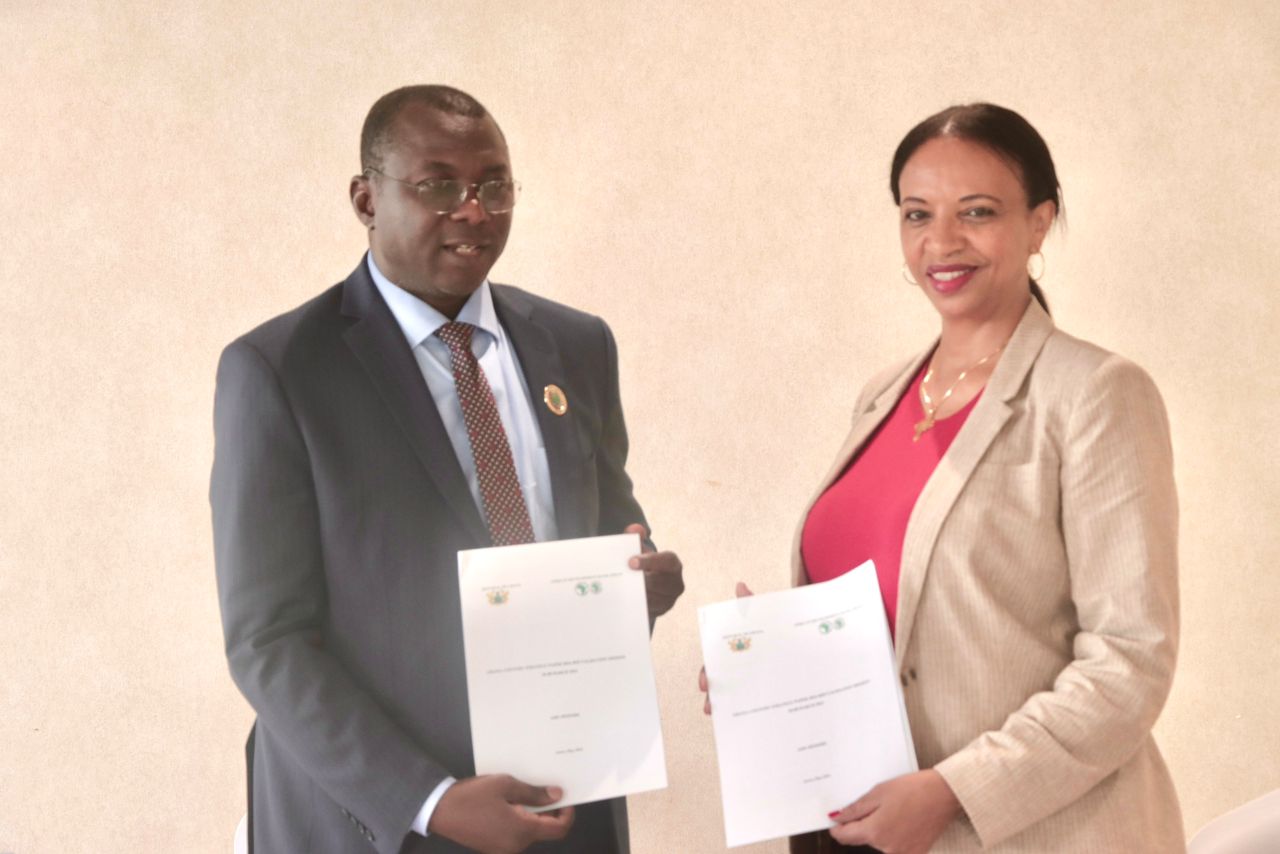
Ghana and the African Development Bank have inked the Indicative Operations Programmes, mapping out projects slated for execution between 2024 and 2025.
The proposed initiatives span support for Small and Medium Enterprises, Agriculture, and Skills Development, incorporating digitalization efforts, with a total grant sum of US$103 million.
Additionally, they endorsed a five-year country strategy document for 2024-2029, delineating the sectors and initiatives to receive backing from the Bank.
During a signing ceremony held on the sidelines of the 2024 Annual General Meeting of the African Development Bank in Nairobi, Kenya, Finance Minister Dr. Mohammed Amin Adam praised the Bank’s unwavering dedication to the advancement of African nations.
Emphasizing the necessity of vigilant monitoring and supervision of projects to ensure efficient resource utilization from development partners, the Minister stressed the significance of scrutinizing projects before contractor certificates were issued to guarantee optimal value for Ghanaian citizens.
He expressed concern over delays in project fund disbursement by agencies, deeming it an intolerable situation warranting immediate rectification.
“I am committing to setting up a monthly review of all project loans and funds to be disbursed. The reports will inform us of challenges we face in the execution of these projects. We will then engage the relevant MDAs to see how we can solve these challenges for quicker disbursement,” he said.
Eyerusalem Fasika, the African Development Bank Country Manager, representing the Bank, highlighted that they have been extending assistance to Ghana through grants from the African Development Fund.
She underscored the Bank’s extensive stakeholder engagement, encompassing Civil Society Organizations, Ministries, Departments, and Agencies, the National Development Planning Commission, Private Sector Representatives, and other entities.
This collaborative approach aimed to gather diverse expert perspectives for incorporation into the Country Strategy Document.
“We needed inclusive and expert views since the Country Strategy Document is the people’s document, so their voices had to be captured.”
She reassured the government of the Bank’s dedication to building upon the successes outlined in last year’s Country Strategy Document, following the approval of this year’s document by the Board of Directors of the African Development Bank.
Highlighting the significance of document approval, she emphasized that it would pave the way for the release of funds in the third quarter of this year.
“This time around, we will be focused, selective, and will mobilize resources from other partners for identified projects. For the next five years, we will benefit from the African Development Fund resources,” the AfDB Country representative indicated.
Ms. Fasika also hinted at support from the Climate Action Window from the Climate Investment Fund for the Transitional Support Facility Prevention Envelope and other trust funds managed by the Bank.
“We will work with the Ghana Investment and Infrastructure Fund and the Public Investment and Assets Division of the Ministry of Finance to identify potential public sector partnership projects that can be presented at African Investment Forums,” she noted.
Present at the signing ceremony were Dr. Alex Ampaabeng, a Deputy Minister for Finance, Ghana’s Ambassador to Kenya, H.E. Damptey Bediak Asare, 2nd Deputy Governor of the Bank of Ghana, Mrs. Elsie Addo Awadzi, Officials of the Ministry of Finance, Bank of Ghana, and the Ghana Investment and Infrastructure.
The National coordinator of Cashew Watch Ghana (CWG), Raphael GodLove, asserts that the nation’s cashew sector serves as a beacon of optimism for economic advancement, poverty reduction, and employment generation.
He emphasized that the cashew industry has played a pivotal role in Ghana’s economy, providing livelihoods for over 800,000 individuals involved in various facets of the supply chain, including farmers, factory workers, buyers, and exporters.
Mr. Ahenu conveyed these sentiments during a gathering with political parties to address challenges facing the cashew sector and chart a way forward. The meeting, attended by 62 farmers and representatives from political parties in the Tain District, Jaman North District, and Jaman South Municipality.
He highlighted that cashew has consistently been among Ghana’s top non-traditional export commodities, with an annual production estimated between 110,000 to 130,000 tons of Raw Cashew Nuts (RCNs). Approximately 85 percent of these nuts are exported, earning the nation a substantial $128.70 million in the first quarter of 2021, as per Bank of Ghana data.
Mr. Ahenu underscored the importance of policy recommendations jointly presented by Cashew Watch Ghana and its funding partner, Star Ghana Foundation, for inclusion in the 2024 political manifestos. These recommendations aim to foster the development of the cashew sector, enhancing productivity, sustainability, and global competitiveness.
He outlined a comprehensive four-year plan launched by CWG in collaboration with Star Ghana Foundation to bolster productivity, sustainability, and global competitiveness in the cashew industry. The plan prioritizes efficiency and productivity enhancement, quality improvement, market access, and export promotion, alongside support for smallholder farmers and processors and the promotion of sustainable practices.
Mr. Ahenu emphasized that the cashew industry has already demonstrated significant economic potential, with projections indicating further revenue growth and economic development with the implementation of the new plan.
He mentioned the allocation of funds for research institutions and universities to conduct studies on cashew cultivation, processing, and marketing. Additionally, efforts will be made to strengthen agricultural extension services to provide farmers with training on best practices, pest and disease management, and efficient input utilization.
Mr. Ahenu concluded by highlighting that CWG’s plan represents a significant milestone in efforts to transform the cashew industry, expressing confidence that with support from partners and stakeholders, the full potential of the cashew industry can be harnessed to drive economic growth and prosperity.
He emphasized that Ghana’s cashew industry is on the cusp of transformation, with boundless potential for growth and prosperity, which will in turn drive economic development across the country.
The African Petroleum Producers’ Organization (APPO) concluded its roundtable on gas flaring and fugitive methane emissions, with industry stakeholders committing to address environmental challenges through collaborative efforts, strict regulations, and advanced technologies.
The two-day event in Accra, co-hosted by the Petroleum Commission, united delegates and experts from diverse sectors such as hydrocarbons ministries, national oil companies, industry regulators, and academia.
Under the theme “Towards Zero Routine Gas Flaring and Lower Methane Emissions in APPO Member Countries’ Oil and Gas Operations,” the roundtable aimed to deepen dialogue among APPO member countries and industry stakeholders.
The conversations revolved around recent advancements and tactics to reduce regular gas flaring and methane emissions, which have substantial implications for climate change and economic losses resulting from resource wastage.
Following the roundtable, APPO released an 11-point Communique on behalf of the attendees, reiterating the dedication to addressing the issues of gas flaring and fugitive methane emissions.
The primary results and strategic pledges from the roundtable are outlined as follows:
Environmental and Economic Impacts:
Delegates acknowledged the significant environmental damage and economic losses due to routine gas flaring and methane emissions. They emphasized the necessity for improved environmental practices to align with APPO’s strategic objectives and the potential for optimizing resource use.
Commitment to Reduction Efforts:
Participants committed to adopting stricter regulations, best practices, preventive maintenance, and investing in technologies to capture and utilize associated gas. They agreed on a zero-tolerance policy for gas flaring in new projects and mandated facilities for utilizing produced gas in ongoing operations.
Energy Accessibility:
The roundtable underscored the importance of utilizing all available natural gas resources to enhance energy availability and accessibility on the continent, thereby supporting economic growth and development.
Collaboration and Knowledge Sharing:
Emphasizing the importance of collaborative efforts, participants advocated for workshops, training programs, joint projects, and the development of common strategies to address gas flaring and methane emissions effectively.
Policy and Regulatory Frameworks:
The necessity for robust policy and regulatory frameworks was highlighted, with commitments to review, monitor, and enforce policies aligned with global best practices.
Research and Development:
Participants recommended strengthening ties between industry, regulators, and academia to support research initiatives focused on innovative solutions for reducing emissions, ensuring academic curricula remain relevant to industry needs.
Monitoring and Reporting Progress:
APPO members recognized that establishing robust monitoring and reporting mechanisms was deemed crucial. This includes setting measurable targets, regular reporting, and third-party verification to track progress in emission reduction efforts.
Infrastructure Investment:
The delegates also agreed on the critical role of host governments in developing infrastructure to utilize associated gas effectively, thereby minimizing flaring and maximizing economic benefits.
Public Awareness and Stakeholder Engagement:
The importance of raising public awareness and engaging stakeholders, including local communities and NGOs, was recognized as vital for transparent communication and inclusive dialogue.
Shared Responsibility:
The roundtable concluded that both governments and oil and gas companies share the primary responsibility for investing in emission-reducing technologies. A combination of performance-based and prescriptive regulations was recommended to enforce compliance with emission targets
Establishment of Regional Centers of Excellence:
The APPO Member Countries (MCs) agreed to establish Regional Centers of Excellence as part of APPO efforts to boost R&D and develop the regional oil and gas industry on the back of indigenous knowledge and innovation.
Cocoa exports saw a significant decline in the first quarter of 2024, dampening the growth of the country’s trade surplus, according to new data.
Although the surplus is expanding nominally, this growth is primarily driven by rising prices rather than increased export volumes or economic growth.
Data from the Ghana Statistical Service (GSS) indicate that the export value of cocoa products in Q1 2024 dropped to US$592.2 million, a sharp fall from the average of US$825.8 million during the same period last year and the previous two opening quarters.
This represents the lowest quarterly cocoa export value for Ghana, the second-largest producer, since 2021.
Cocoa Board (Cocobod) announced on March 25 that the 2023/24 cocoa harvest in Ghana would be only 422,500 to 425,000 metric tonnes (MT), half the country’s initial forecast and a 22-year low, due to extreme weather and disease affecting the cocoa crop.
Concerns about the West African mid-crop, the smaller of the two annual harvests, are also causing tightness in global cocoa supplies. Projections for Ghana’s mid-crop, starting in July, have been reduced to 25,000 MT from an earlier estimate of 150,000 MT.
Despite the slump in cocoa exports, Ghana posted a Q1 2024 trade surplus of GH¢11.5 billion (US$1.35 billion), more than double the GH¢4.5 billion surplus a year earlier.
However, GSS officials warned that the positive trade figures mask an underlying lack of real trade growth when price increases are taken into account.
“In real terms, our trade value in Q1 2024 was just GH¢47billion after discounting price effects – less than half the nominal GH¢107.6billion figure,” Professor Samuel Kobina Annim, Government Statistician, said at the data release.
“About GH¢59billion of our nominal trade value was from price changes alone,” he added.
The diverging real and nominal trade trajectories reflect a new import and export price index launched by GSS.
It shows general export prices surged 20.4 percent between Q1 2023 and Q1 2024, while import prices jumped 11.5 percent.
Prices for key commodities like gold, cocoa and fuel have uptrended in the past year amid supply shocks and currency fluctuations.
After adjusting for those price swings, real trade volumes increased just 0.6 times from Q1 2021 to Q1 2024 – paling in comparison to the 2.4-fold nominal spike, data showed.
Trade officials acknowledged the trend of price-driven, not output-driven, trade growth is concerning.
“If our exports are mainly driven by price changes, it means in real terms our trade volumes aren’t really growing – and that’s not what we want. We want real output and diversification improving our trade, not just prices,” Prof. Annim remarked.
Overall nominal 2023 trade surplus stood at GH¢5.3billion, rebounding from a GH¢4.8billion deficit in 2022 when mineral fuels and oils were a top import.
But again, real trade output barely budged – notching a 0.3 percent year-over-year decline even as nominal trade grew 30.2 percent.
Anchoring the Q1 2024 real trade report is the sharp 35 percent year-over-year cocoa export drop, extending a downtrend that saw quarterly cocoa shipments fall from around US$895million in the past three years’ opening periods to just US$585million this year.
Cocoa’s declining share of exports, dipping from over 20 percent to 12.1 percent year-on-year, comes as gold consolidates its dominance – its export contribution surging from 40 percent to 50 percent of the total. Officials pledged to “minimise the vulnerabilities” leading to cocoa’s deterioration to safeguard a key income source.
In the aftermath the one-year anniversary of Nigeria’s current administration under President Bola Tinubu, both the country’s achievements and shortcomings were brought to light.
Unfortunately, the deficiencies overshadowed the progress, as conveyed through infographics presented by Bismarck Rewane, the Managing Director/Chief Executive Officer of Financial Derivatives Company Limited. The overall sentiment surrounding the president’s first year in office appeared lackluster.
As reported by Nigerian newspaper The Punch, Bismarck Rewane disclosed on a segment aired on Nigerian news channel Channels Television that Nigeria had slipped from being the 32nd largest economy globally to 42nd.
He made this revelation during a presentation analyzing the impact of the president’s tenure since assuming office. He illustrated how hyperinflation had impacted consumer prices of various essential goods over the past year, with some food items experiencing increases of over 200%.
Additionally, beyond essential commodities, he revealed that Nigeria had dropped from first to fourth place in terms of wealth management and accumulation in Africa.
The economist then pointed out that Ghana has also surpassed Nigeria, stating, “In the past, we were always richer than Ghana, now we are here. External reserves and GDP figures speak for themselves.”
He however expressed optimism, noting that things may look bleak, but there may be some hope.
“Our ranking among African countries has declined. Last year, our GDP growth was 2.98 percent; South Africa was 1.93 percent, Kenya was 4 percent, and Ghana was 3.8 percent. Inflation was 33 percent for us, 5 percent for South Africa, 5 percent for Kenya, and 25 percent for Ghana,” he said.
“Our GDP per capita is $1,111, while South Africa’s is $6,700, Kenya’s is $2,000, and Ghana’s is $2,200. External reserves as a percentage of GDP illustrate a tough picture. In the past, we were always richer than Ghana, but now we are here. External reserves and GDP figures speak for themselves,” the renowned economist added.
Given the fact that Ghana’s GDP per capita is almost double that of Nigeria’s, it’s fair to say that the economist’s assessment could be considered accurate.
Additionally, with a GDP of $1,111, Nigeria is nowhere near the richest countries on the continent, according to Global Finance GDP-PPP per capital index, Nigeria is currently the 46th poorest country in the world.
The National Communications Officer of the National Democratic Congress (NDC), Sammy Gyamfi, acknowledges a general warning from a judge at the Accra High Court, emphasizing the need to moderate political discourse regarding an ongoing trial.
Mr Gyamfi, however, maintains that the judge’s specific warning to him regarding a recent statement in the case of Ato Forson versus The State was a misinterpretation of his remarks.
“In principle, the caution of the court was in order, we, in the NDC agree with it, that is why from the outset, we in the NDC have been very circumspect in what we say and have ensured that the court is not in any way or form scandalized,” he said earlier this week.
Justice Afia Asare-Botwe addressing the court on May 28, 2024, expressed discomfort with Gyamfi’s remarks suggesting that “if somebody can call an accused person without his lawyer, then that person can call a judge.”
Gyamfi clarified his statement in the courtroom, affirming that he did not specifically mention the judge overseeing the case or her tribunal.
“I think the particular reference to me was something that in my humble opinion the court got wrong. I took the opportunity to draw the court’s attention was not about this court or the presiding judge in this trial,” he told pressmen outside the court.
A-G Godfred Dame faces mounting pressure to step down following the release of an audio clip purportedly capturing a conversation between him and an accused individual in the ambulance procurement trial.
In the recording, Jakpa, the third defendant, engages in various discussions with Dame, with some portions suggesting Dame may be coaching Jakpa to incriminate the first defendant, Cassiel Ato Forson, the Minority Leader and former Deputy Finance Minister.
Forson and Jakpa stand accused of causing a €2.37 million financial loss to the state through a contract to purchase 200 ambulances between 2014 and 2016.
They are charged with willfully causing financial loss to the state, abetment, violating the Public Procurement Act, and intentionally misusing public funds, to which they have entered not guilty pleas.
The New Patriotic Party (NPP) flagbearer, Dr. Mahamudu Bawumia, has vowed to add 2,000 MW of solar power to Ghana’s energy mix if elected President in the upcoming December 7 general elections.
He expressed confidence that this initiative would enhance the competitiveness of Ghanaian businesses.
Presently, the high cost of electricity is largely influenced by fuel costs and forex rates.
During a meeting with clergy in the Volta region, Dr. Bawumia emphasized that adopting green energy would help mitigate these issues.
“To reduce the cost of living, we must look at our power generation,” he noted, adding: “Ghana currently relies heavily on oil and gas to generate power, and their costs are quite high. So, anytime the prices increase in the Middle East, fuel, electricity, and transport prices also rise. Therefore, I want us to transition from oil and gas to solar power,” he stated.
“It is crucial for us in the generation of electricity,” Dr. Bawumia emphasized.
He elaborated that, “My goal, which I have stated, is that in the next four years, Ghana should add 2,000 megawatts of solar power to our power generation. This amount is more than half of our current electricity consumption. Combining that with Akosombo, we could nearly halve the cost of power, which would give our businesses a significant competitive edge.”
The Majority Caucus in Parliament on Thursday accused the National Democratic Congress Minority Caucus of trying to hinder Ghana’s economic progress by consistently opposing certain tax exemptions currently being considered by the House.
Consequently, the Majority Caucus has urged the Minority Caucus to assist the government in advancing the country’s economic growth.
The call from the Majority Caucus arose after the Minority Caucus rejected a request for a $350 million tax exemption for 42 companies under the government’s One District One Factory initiative (1D1F).
During the House’s recall on Friday, May 17, the Minority, led by Dr. Cassiel Ato Forson, questioned the rationale behind such exemptions when the government was facing financial difficulties due to the economic crisis.
Addressing the Parliamentary Press Corps in Parliament on Thursday, MAlexander Afenyo-Markin stated:
“The Minority leader, Dr Ato Forson is leading that charge on behalf of the minority NDC in Parliament, and their main aim is to obstruct government business and to deny the people of Ghana the needed economic growth, which will result from businesses investing in the country and expanding their businesses.”
He revealed that there were up to $400 million worth of tax waiver requests that had been pending at the Finance Committee for over three years, entangled in a political stalemate.
“However, the National Democratic Congress (NDC) has vowed to block these requests at every turn, and they are being hypocritical,” he said.
Mr Afenyo-Markin alleged that the NDC government, led by former President John Dramani Mahama, had granted Members of Parliament (MPs) more than $800 million in tax waivers during their tenure.
“But we know that in 2016, this country experienced the most outrageous tax giveaway we’ve ever seen in Ghana when the NDC led by President John Mahama handed a tax waiver of $832 million to Meridian Port Services. At the time, the NDC government applied for a tax waiver of $982 million for the port project,” he said.
The Minister of Communications and Digitalisation, Ursula Owusu-Ekuful, has offered a rationale for the Nana Addo Dankwa Akufo-Addo administration’s decision to grant the contract for implementing a 5G network in Ghana to NextGen InfraCo Limited, a company established just one week prior.
Prominent Ghanaians, including investigative journalist Manasseh Azure Awuni, have voiced concerns regarding the contract awarded to NextGen InfraCo.
Awuni pointed out that the company was incorporated only a week before President Akufo-Addo granted executive approval for the deal, which is valued at hundreds of millions of dollars.
He raised issues regarding transparency and fairness, as the contract was awarded through sole sourcing without allowing companies with extensive experience in the sector to submit bids.
During a press briefing in Accra on Thursday, May 30, 2024, Ursula Owusu-Ekuful confirmed the agreement and indicated that it was granted on the basis of merit.
She clarified that NextGen was specifically established for the implementation of the 5G network in Ghana because no existing “neutral” company within the country had the capability to undertake such a project.
“This is a special purpose vehicle, and once the government decided that we would use a neutral infrastructure company to deliver this service, there was no existing neutral infrastructure company capable of delivering it at the moment.
“So, it had to be specifically formed for the purpose of delivering this service, based on the strategic policies and decisions of the government, and it is borne out of our experiences, which is why we chose not to auction it,” she said.
The Presidential Candidate of the New Patriotic Party (NPP), Dr. Mahamudu Bawumia, has asserted that the government payroll is now free of phantom employees.
He attributed this achievement to the incorporation of the Ghana Card into the nation’s digital infrastructure.
In an audio recording aired on X by GHOne TV, the presidential candidate, who also serves as the country’s incumbent vice president, confidently stated that the absence of fictitious workers from the government payroll is a direct result of the implementation of the Ghana Card system.
“So now, we can confidently say that because of the use of the Ghana Card, we don’t have ghost workers on government payroll anymore,” he stated.
The source of his statement remains unclear, but it’s noteworthy that the Ghana Card has emerged as the primary identification card in the nation.
Additionally, the Electoral Commission has announced its intention to reintroduce a bill in Ghana’s parliament, advocating for the Ghana Card to serve as the exclusive document for verifying citizenship during voter registration.
In the meantime, don’t miss the latest episode of The Lowdown on GhanaWeb TV, where Etsey Atisu engages in a conversation with Mpraeso’s Member of Parliament, Davis Ansah Opoku, addressing topics such as the E-Levy, the Saglemi Housing Controversy, and the OSP Impeachment.
Starting from June 11, 2024, adult applicants for Schengen visas will see an increase in fees from €80 to €90.
This adjustment stems from the most recent review of EU visa fees, conducted in December 2023, which is scheduled to occur every three years under the Schengen Visa Code.
The EU has aligned this increase with inflation rates and civil servants’ salaries in Member States.
The European Commission has approved a decision to raise fees for short-stay Schengen visas (visa type C) worldwide by 12%. This increase will be implemented globally as of June 11, 2024.
The last time the EU raised visa fees was in February 2020, when application costs rose from €60 to €80.
IATA warns increase in visa fees may deter tourists
While the draft law was available for public input, the International Air Transport Association (IATA) published a study on the consequences of heightened visa charges for travel to the EU.
As per the findings, the escalation of visa fees would affect the affordability of travel and consequently, negatively influence the economies of the bloc by discouraging travelers and diminishing travel numbers.
Renowned media personality, Ola Michael, has claimed that Empress Gifty was initially planned to host McBrown’s current Onua Showtime program.
As per his account, Empress Gifty had even filmed a promotional video for the show, expecting its broadcast, but was subsequently replaced by McBrown.
Calling this disclosure a concealed truth, Ola Michael felt it necessary to reveal it now, especially considering McBrown’s apparent discomfort with Empress Gifty’s new show on UTV.
Speaking on his program on NeatFM, Ola Michael remarked, “Today I am spilling the secret, that even that entertainment show McBrown is hosting, Empress Gifty was supposed to host it. Empress Gifty was the one supposed to host McBrown’s current show, she even shot a promo for it and everything. She was waiting for the program to kickstart when suddenly she heard that she had been replaced.”
He continued by elucidating that Empress Gifty was originally assigned to host two shows, Onua Showtime being one of them, both of which were subsequently taken away from her, prompting her silence on the issue thereafter.
“It was actually two shows she was supposed to host, including the Onua Showtime. They took it from Empress and another Empress took over. After the incident, she never sat anywhere to cast innuendos. She never spoke or coughed about it,” he expressed.
Ola Michael also condemned McBrown’s recent comments regarding Empress Gifty’s new cooking show ‘U Cook,’ insinuating that they were motivated by jealousy and apprehension of competition.
“How many cooking shows haven’t we witnessed since you started doing yours? So, because you’re scared this one could give you competition, you decided to throw jabs. Because you know how big this platform is right? You said who God has blessed, he has blessed but I want to inform you that God does not single out one person to bless,” he asserted.
Amidst this uproar, Empress Gifty has emerged as the face of ‘U Cook,’ a cooking program introduced on UTV with significant excitement.
This development comes after McBrown’s exit from hosting ‘United Showbiz’ on UTV to join Onua TV, leading to the discontinuation of her cooking show.
It’s worth noting that in a prior interview with Berla Mundi in 2023, McBrown voiced her determination, saying,
“Why should I cry if my show isn’t aired? McBrown’s Kitchen has a life of its own in the realm of Ghanaian cooking shows. It’s not fading away; it’s thriving. I’m in a place where I feel welcomed.”
She also clarified, “I paid for my show at UTV. It was not free. I paid for it. They considered me too sometimes if I am not well. They did some repetitions, but I have signed a contract that I paid. So, if the owners and producers refused to give me the airtime again, then I don’t know.”
Ghanaian actor Kwadwo Nkansah, famously known as LilWin, has disclosed that he has produced a movie featuring the iconic musician Daddy Lumba, which is awaiting release.
The film, he mentioned, boasts a star-studded cast, including musician Great Ampong and prominent Kumawood actors like Bill Asamoah, Akrobeto, Vivian Jill, among others.
LilWin revealed that upon completing the movie, which was set for public premiere, Daddy Lumba requested its withholding because he was not satisfied with his appearance in it.
He elaborated that Daddy Lumba was worried that his portrayal, which he felt did not present him in a favorable light, would tarnish his image as someone recognized for his charm and appeal to women.
“I’ve filmed a movie with Daddy Lumba, but it never reached the public. It’s my production, but he barred its premiere, claiming he looked unappealing in the film. He said, ‘Kwadwo, women fancy me, but I appear unattractive.’ I assured him the role required that appearance, yet he persisted post-production.
“The cast included Kofi Nti, Akrobeto, Vivian Jill, Bill Asamoah, and Great Ampong. It marked the first encounter between Ampong and Daddy Lumba. It’s been eight years since we shot the movie,” he told Nana Romeo in an interview on Accra FM.
In the meantime, LilWin has faced backlash after an accident resulted in the tragic death of 3-year-old Tawiah Ampomah.
Authorities are currently investigating the incident to determine its circumstances and bring closure to the matter.
The National Communications Officer of the main opposition National Democratic Congress (NDC) Sammy Gyamfi, has disclosed that the party has more damning evidence of out-of-court interactions between the Attorney-General (A-G) and an accused person in a high-profile financial crimes trial.
A-G Godfred Dame and Richard Jakpa, the third accused person in the ambulance purchase trial were captured in an audio published earlier this week by the NDC, as evidence of the A-G’s unethical conduct.
The governing New Patriotic Party (NPP) has defended the A-G, describing the NDC’s 16-minute audio as fake and pieced together.
Sammy Gyamfi insists that the NPP are taking Ghanaians for fools with their flip-flops on the tape.
Speaking on the Thursday, May 30, 2024 edition of Metro TV’s Good Morning Ghana programme, he gave details of the audio, which was a telephone call between the two persons (Dame and Japka).
He spoke about the date and time it was recorded while confirming that the recording was done by Jakpa.
Gyamfi also disclaimed the A-G spokesperson’s claim that Dame met Jakpa without his lawyer because at the time of the meeting, the accused did not have a substantive lawyer.
He gave the following new details about the tape:
a. It was recorded on April 9, 2024.
b. The call was placed by A-G Dame to Jakpa, hours before the accused was to appear in court.
c. The call was placed at 7:12 am and lasted for 26 minutes in total.
Regarding Jakpa not having legal representation during their conversation, Gyamfi emphasized that the available records indicated Jakpa had engaged the services of Thaddeus Sory at the time. He stressed that even if Dame had approached him regarding plea bargain matters, it should have been done through legal counsel.
In the meantime, Jakpa has filed an application with the Accra High Court, urging for the dismissal of the charges brought against him by the state or a halt to the proceedings, citing the conduct of the Attorney-General.
What Sammy Gyamfi said:
The Attorney-General deceived, akin to a thief caught unaware of the evidence against them, confessing prematurely.
We informed them of our evidence, so they anticipated a tape, assuming it would implicate them in the Supreme Court judge’s residence, featuring Jakpa and the Attorney-General, hence their preemptive action.
Therefore, we resolved to outsmart them, withholding that particular tape deliberately, as we possess many more. Their subsequent actions contradicted their initial deceit, assuming everyone to be naive.
We held our press conference, presenting evidence of a recorded phone conversation initiated by the Attorney-General himself.
On April 9, 2024, he made a call at 7:12 am to Mr. Jakpa, the same day Jakpa was scheduled to testify in court.
Some claim Jakpa lacked legal representation, but that’s inaccurate; he was represented by Thaddeus Sory. Yet, the Attorney-General conversed with him for 26 minutes, a conversation Jakpa recorded when it veered into criminal territory, which we have made public.
The Dormaahene, Osagyefo Oseadeeyo Agyeman Badu II, has condemned the government’s portion of revenues from the nation’s mining sector.
He expressed dissatisfaction with the meager percentage of earnings that the government receives.
In a recent interview circulated on social media, the Dormaahene disclosed that Ghana’s government only gains 7% of the profits generated by mining operations, a figure he deems unjust and disproportionate.
He highlighted that even during periods of military governance, a fairer distribution was maintained.
“In Ghana, the gold that is mined, if the profits come, do you know the percentage that is given to Akufo-Addo? I have been saying this over and over again.
“Even under military rule, when General Kutu Acheampong was in charge, he didn’t agree; he said it should be 50-50,” he said.
The Dormaahene voiced concern that in the present more civilized age, the government would accept such a meager portion.
“He insisted that they should take half and give half to Ghanaians. Now, when they mine, now that we are civilized, they take 93% and give us 7%.
“So, the mining that is destroying our rivers in Obuasi, Tarkwa, and other towns means we are just getting peanuts, and the larger portion is going abroad,” he added.
Ghana’s dance pair, Afronitaaa and Abigail, wowed the audience and judges with their amazing performance during the semi-finals of the 2024 edition of Britain’s Got Talent.
Their act amazed everyone as they displayed their fantastic skills and cultural pride.
They danced to a mix of popular songs, including “Azonto” by Fuse ODG, “Run The World” by Beyoncé, and “Gweta” by Toofan, which perfectly complemented their energetic dance routine, showcasing their versatility.
Afronitaaa and Abigail looked stunning in locally made red outfits adorned with the colors of the Ghanaian flag.
Simon Cowell, one of the judges, was visibly impressed by their performance.
“What is happening behind me is more important than what I say.”
The audience echoed this sentiment by giving Afronitaaa and Abigail a standing ovation, showering them with praise even during the judges’ evaluations.
Additionally, the official Instagram page of Britain’s Got Talent has confirmed the duo’s success with a celebratory post.
“Your votes have sent Abigail & Afronitaaa straight through to Sunday’s FINAL! Congratulations! #BGT.” This announcement has generated a wave of excitement among fans, who are eagerly anticipating their final performance.
The third defendant in the ongoing ambulance trial, Richard Jakpa, has filed a court application seeking to have the charges against him dropped or, alternatively, to have the proceedings halted.
His lawyers submitted the application on Thursday, May 30, 2024.
In the application, Mr. Jakpa contends that the charges and proceedings initiated by Attorney-General Godfred Yeboah Dame amount to an abuse of court processes and violate the provisions of the 1992 Constitution.
He claims that the Attorney-General is abusing his constitutional authority by prosecuting him without proper justification.
Mr. Jakpa also alleges that, in private discussions, the Attorney-General admitted there is no case against him.
This assertion further bolsters Mr. Jakpa’s argument that the prosecution is baseless and constitutes an abuse of power.
“The Attorney-General at whose instance the Third Accused/ Applicant is being prosecuted in the instant suit has brought the charges and instituted the proceedings in abuse of the process of the court and contrary to his constitutional obligations under articles 23 and 296 of the 1992 Constitution.”
Last week, Richard Jakpa, the third defendant in the case, alleged that the Attorney-General had urged him to give false testimony against Dr. Ato Forson during the trial.
To bolster Mr. Jakpa’s allegations, the National Democratic Congress (NDC) released a 16-minute phone recording purportedly capturing a conversation between Attorney-General Godfred Dame and Mr. Jakpa.
The recording allegedly reveals Mr. Dame instructing Jakpa on what statements to make in court to incriminate Dr. Ato Forson.
At a press conference on May 28, NDC Chairman Johnson Asiedu Nketia asserted that the tape exposed a coaching session intended to manipulate Mr. Jakpa’s testimony.
Samuel Koku Anyidoho has commended former President John Dramani Mahama for his promise to establish a new administrative region outside the capital, Accra.
Anyidoho called the initiative a “good idea” but requested more specific details about the project.
In particular, he wants to know the rollout plan over Mahama’s potential four-year term if he wins the 2024 elections, as well as the proposed location of the new city.
“John Mahama is promising a new “Administrative City” outside Accra. Respectfully, can he give us a rollout plan for his 4-year mandate? Where exactly will the New City be located? Good idea but we need specifics. Ghana First,” his May 30, 2024, post on X read.
“Accra will remain the capital, but we will transfer a portion of it elsewhere. There is already available land on the Accra Plains and opposite the bank of the Volta Lake,” Mahama has said about the location of the new city.
He also estimated that it could take 20 years for the new city to be fully realized.
What Mahama said about the new city project
In a meeting with the European Union Ambassador and the EU Chamber of Commerce on Wednesday, 28 May 2024, Mahama underscored the urgency of this project, citing the detrimental impact of overcrowding in Accra on business growth and government efficiency.
“We will commence a feasibility study with a plan to construct a new city. Accra is gridlocked, and the time has arrived for us to relocate certain parts of the government services from Accra,” Mahama stated.
“Accra will remain the capital, but we will transfer a portion of it elsewhere. There is already available land on the Accra Plains and opposite the bank of the Volta Lake,” he explained.
Mahama highlighted the extensive nature of the project, which is expected to take 20 years to complete.
This timeline reflects a comprehensive and forward-thinking approach to ensure the new city meets its intended goals.
“Moreover, we are establishing a port terminal in Mpakadan to transport cargo to the northern part of the country,” Mr. Mahama added, illustrating the broader infrastructural improvements accompanying the new city initiative.
The Ghana Stock Exchange (GSE) has initiated proactive measures to invigorate the commercial paper markets, with the goal of strengthening the nation’s financial sector.
This initiative underscores a deliberate transition towards promoting the trading of short-term debt instruments, representing a noteworthy advancement in Ghana’s financial domain.
In a conversation with CNBC Africa regarding the rise of Ghana’s commercial paper market, Oforiwaa Attipoe, the Global Market Sales Representative for Ghana at Standard Bank, underscored the significance of commercial papers in expanding investment options amidst ongoing economic restructuring endeavors.
She mentioned that “Ghana’s capital market, previously characterised by low liquidity and minimal regulation, now offers corporates a platform to access short-term financing at relatively lower rates compared to traditional bank loans. Moving forward, the performance of Ghana’s Debt Capital Markets in the second quarter will hinge on various factors, including the success of the commercial paper market, currency stability, and inflation trends.”
Recent market trends continue to demonstrate significant oversubscription of treasury bills, signaling investors’ trust in the government’s financial instruments.
Attipoe emphasized the government of Ghana’s utilization of treasury bills as a primary means to generate funds, particularly to mitigate budget deficits and fulfill existing debt obligations.
In relation to inflation, recent data from Ghana illustrates a considerable downward trajectory, offering insight into the country’s economic outlook in the foreseeable future.
Attipoe explained that “April witnessed a drop in inflation to 25%, down from March’s 25.8%. This decline aligns with earlier predictions by economic analysts, who forecasted a gradual decrease to around 15-16% by year-end. Factors contributing to this trend include favorable base effects from the previous year and a continuous downtrend in food prices. Data released by the Ghana Statistical Services revealed a significant decrease in food basket inflation, attributing it to a 2.1% drop, indicating a positive year-on-year movement.”
Nonetheless, certain components of the inflation index, including housing and utilities, excluding petroleum prices, witnessed an upward trend.
Attipoe highlighted that currency fluctuations played a role in these increases, but stressed that food prices remained a significant factor, constituting approximately 45% of the total inflation figure.
In general, Ghana’s evolving financial environment demonstrates a deliberate push to stimulate economic expansion and bolster investor trust in the face of existing challenges. Through strategic measures such as the enhancement of commercial paper markets and careful fiscal strategies, the nation is striving to navigate towards economic revitalization and enduring economic growth.
Gold trafficking from Africa, primarily directed towards the United Arab Emirates (UAE), has seen a significant increase over the past decade, with hundreds of tons of gold valued at tens of billions of dollars illegally departing the continent annually, as stated in a report released on Thursday.
According to research conducted by Swiss said, an organization specializing in development aid and advocacy, an estimated 435 tons of gold, predominantly extracted by small-scale miners and valued at over US$30 billion, was illicitly transported out of Africa in 2022.
Swissaid highlighted that the UAE served as the primary destination for Africa’s smuggled gold, receiving 405 tons in 2022 alone.
In the preceding decade, the UAE received over 2,500 tons of smuggled gold, amounting to a total value exceeding US$115 billion, as reported by the organization.
In response to these revelations, a UAE representative acknowledged that the country had implemented significant measures to combat concerns regarding gold smuggling, including the enactment of new regulations governing gold and other precious metals.
The magnitude of this illicit trade underscores the expansion of small-scale, or artisanal, mining into an industry involving millions of individuals, generating gold outputs comparable to or surpassing those of industrial mining operations.
In a 2019 investigation by Reuters, it was revealed that billions of dollars‘ worth of gold was being illicitly transported out of Africa each year via the UAE, which served as a conduit to markets in Europe, the United States, and beyond.
Apart from the loss of tax revenues, experts and governments have expressed concerns that such widespread smuggling indicates the existence of a significant underground economy susceptible to potential money laundering, financing of terrorism, and evasion of sanctions.
Marc Ummel, the commodities expert at Swissaid and one of the report’s authors, asserted that the UAE contributes to gold laundering by providing a legal veneer to large quantities of smuggled gold as they transit through the country.
“If we keep on seeing more than 400 tonnes of illegal gold entering the UAE every year, this is a clear sign that the implementation of the regulations in the UAE is seriously lacking.”
Discrepancies
For its analysis, Swissaid compared total gold exports from all African countries with gold imports into non-African countries. The organisation filled gaps in UN Comtrade data with individual country statistics and identified errors by comparing the data with figures reported by trade associations and speaking with governments and refineries.
These discrepancies between declared exports and declared imports do not exist for Switzerland and India, the other two major gold importing countries for African gold.
The Swissaid report found that there were 12 countries in Africa involved in smuggling 20 tonnes or more per year.
In response to accusations that it was not doing enough to enforce regulations on the sector, a UAE Ministry of Economy spokesperson said the UAE cannot be held accountable for other government’s export records.
“Only our own, where we have sophisticated technologies and systems to track and verify the data.”
Artisanal Mining
With the gold price having doubled since 2009, the number of people turning to artisanal mining has surged. Swissaid estimates that artisanal and small-scale gold mining in African countries produced between 443 and 596 tonnes of gold in 2022.Of this, more than 70% is not declared.
By comparison, industrial miners have produced around 500 tonnes of gold a year.
The Minister of Communication and Digitalisation, Ursula Owusu-Ekuful, has emphasized that Ghana’s collaborative 5G infrastructure will revolutionize the telecommunications sector.
This week, the government announced its collaboration with seven industry stakeholders to establish a new shared infrastructure aimed at providing cost-effective 5G mobile broadband services nationwide.
The seven partners, including Ascend Digital, K-NET, Radisys, Nokia, and Tech Mahindra, along with telcos AT Ghana and Telecel Ghana, have formed the Next-Gen Infrastructure Company (NGIC). NGIC has been granted a 5G license and is set to roll out 5G services across Ghana within six months, with plans for expansion into other African regions.
As the inaugural 5G Mobile Broadband Shared Infrastructure Entity in the country, NGIC will develop a nationwide 4G/5G network. Additionally, it will collaborate with telcos to introduce affordable 4G/5G-enabled Fixed Wireless Access Customer Premises Equipments (FWA CPEs) and smartphones in Ghana by the end of this year.
Speaking to the press on Thursday, May 30, Owusu-Ekuful emphasized that this pioneering initiative, unique in Africa, will catalyze economic growth in Ghana.
“There’s a lot of interest being shown in this network in the world of technology because it’s a trailblazer and it can be a gamechanger for rolling out technology on the continent,” she said.
“So a lot of interest is being shown in it. And that’s why so many of the technology majors are interested in partnering us to deliver it. Instead of competing with each other, they want to collaborate to show that it is doable, it is possible. “
Owusu-Ekuful added “And so we’re all very, very excited about it. When it was launched in India on Monday, over 100 networks across the world carried it. And so it is of great interest to everybody.”
Minority Leader and main defendant in the ongoing ambulance trial, Dr. Cassiel Ato Forson, has directed his legal team to formally request the Chief Justice to broadcast the remaining trial sessions.
This request, communicated in a letter from his attorneys to the Chief Justice on May 30, is motivated by recent accusations of impropriety leveled against Attorney-General Godfred Yeboah Dame.
Richard Jakpa made a claim last week suggesting that the Attorney-General had urged him to give false testimony against Dr. Ato Forson during the trial.
In support of Jakpa’s accusations, the National Democratic Congress (NDC) released a 16-minute recording purportedly capturing a conversation between Dame and Jakpa.
The recording allegedly depicts Dame advising Jakpa on what statements to present in court to implicate Dr. Ato Forson.
During a press conference on May 28, NDC Chairman Johnson Asiedu Nketiah stated that the recording revealed a coaching session aimed at influencing Jakpa’s testimony.
Given these developments, Dr. Ato Forson argued that live broadcasting of the trial would ensure transparency and uphold the principles of open justice, enabling citizens to develop informed perspectives and hold those involved accountable.
“In the wake of the recent exposé concerning the alleged misconduct of the Attorney-General, Godfred Yeboah Dame, I have instructed my lawyers to petition the Chief Justice for the live broadcast of all subsequent proceedings in the Ambulance Trial. This request is motivated by a deep commitment to transparency and open justice, principles that are fundamental to a fair and impartial legal system.”
“The allegations against the Attorney-General are deeply concerning. If true, they represent a serious breach of public trust and a threat to the integrity of our judicial system. It is imperative that these allegations be thoroughly investigated and that the public be given the opportunity to witness the proceedings firsthand,” he posted on social media.
Member of Parliament for North Tongu, Samuel Okudzeto Ablakwa, has presented additional evidence supporting his stance against the proposed sale of government assets to a state minister.
The proposed sale is related to Social Security and National Insurance Trust’s (SSNIT) intention to sell its stakes in four state-owned hotels to Rock City Hotels Limited, owned by Bryan Acheampong, the Minister of Agriculture.
In his latest statement on the issue, Ablakwa released financial and management reports of Labadi Beach Hotel spanning a decade, highlighting the hotel’s significant turnover and profits.
Labadi Beach Hotel is one of the four hotels in which SSNIT plans to sell the majority of the state’s shares. The other hotels are La Palm Royal Beach Resort, Ridge Royal Hotel, and Elmina Beach Resort.
Ablakwa referenced annual reports by Deloitte and concluded, among other points, that the profits generated by Labadi Beach Hotel alone could potentially support the other supposedly struggling hotels, if they were indeed struggling.
“The financials reveal that Labadi Beach Hotel has cash reserves in 5 bank accounts amounting to an impressive GHS54,855,795.00.
“Labadi Beach Hotel from the 2022 Deloitte financial statement had a turnover of GHS120,438,655. From the 2023 management account, this has commendably increased to GHS188,076,649.00,” his post read in part.
The lawmaker also pointed out that the facility in 2022 “posted a gross profit of GHS70,734,099.00 — a figure which astonishingly more than doubled by 2023 to GHS158,490,448.00
“In addition to dividends, Labadi Beach Hotel over the last 5 years has paid a significant GHS20,318,232 in taxes to government,” he added.
Meanwhile, the minister in question has denied that there was anything irregular with the purchase agreement that has yet to be finalized. He admits being a director of the company but explains that he is not involved in the day-to-day administration of Rock City.
Read Ablakwa’s full post below:
I have finally secured the annual financial statements of Labadi Beach Hotel (Hotel Investments Ghana Limited) covering the last decade and been combing through the reports as prepared by the reputable Deloitte.
I have also intercepted the 2023 management account of Labadi Beach Hotel.
Incredibly, this is one of 6 hotels government says is struggling and desperately needs a strategic investor to inject capital and efficiency.
Contrary to the deceptive government/SSNIT narrative, the financials show that Labadi Beach Hotel is far more profitable than previously thought.
The financials reveal that Labadi Beach Hotel has cash reserves in 5 bank accounts amounting to an impressive GHS54,855,795.00.
Labadi Beach Hotel from the 2022 Deloitte financial statement had a turnover of GHS120,438,655. From the 2023 management account, this has commendably increased to GHS188,076,649.00.
Labadi Beach Hotel in 2022 posted a gross profit of GHS70,734,099.00 — a figure which astonishingly more than doubled by 2023 to GHS158,490,448.00
In addition to dividends, Labadi Beach Hotel over the last 5 years has paid a significant GHS20,318,232 in taxes to government.
Clearly, Labadi Beach Hotel is a cash cow and not a struggling hotel as government propagandists are claiming.
Anyone who takes over Labadi Beach Hotel alone can use its profitability to revamp all the hotels in SSNIT’s investment portfolio.
Probably the all-Ghanaian management of Labadi Beach Hotel should be asked to manage all of SSNIT’s hotels.
I am more convinced that this deal is not in our collective interest.
Hands off our SSNIT hotels or get ready for our June 18 DEMO!
The initial results have been released for what are considered South Africa’s most contested elections since the African National Congress (ANC) took power three decades ago.
With approximately 14% of voting districts counted, the ANC is leading with 43%, followed by the DA at 26%. The radical EFF and former President Jacob Zuma’s uMkhonto weSizwe Party (MK Party) are both at around 8%.
Final results are anticipated over the weekend. Opinion polls indicate that the ANC might lose its parliamentary majority for the first time in 30 years, potentially leading to a coalition government.
The ANC has seen a decline in support due to widespread discontent over corruption, crime, and unemployment. However, it is still too early to determine the final outcome.
Wednesday’s election featured long queues of voters at polling stations well into the night. An electoral official in Johannesburg told the BBC that the lines were reminiscent of the historic 1994 election, when black South Africans could vote for the first time, leading to Nelson Mandela’s presidency.
Thousands of people were still waiting to vote when polls officially closed at 21:00 local time (19:00 GMT), but the electoral commission assured that everyone in line would be able to cast their ballots.
Sifiso Buthelezi, who voted at Johannesburg’s Joubert Park, the largest polling station in South Africa, told the BBC, “Freedom is great but we need to tackle corruption.”
The desire for change has been a common theme, particularly among younger voters. Ayanda Hlekwane, one of South Africa’s “born-free” generation, born after 1994, said that despite holding three degrees, he remains unemployed.
“I’m working on my PhD proposal so that I go back to study in case I don’t get a job,” he tells the BBC in Durban.
A Catholic Reverend Sister has been detained for her alleged involvement in the abduction and trafficking of two children in Anambra State.
Her arrest came after the recue of two of the three children who were from the same family, were kidnapped by a motorcyclist in Amaba Ime, Ikwuano Council Area of Abia State.
Chairman of Ikwuano LGA, Osinachi Nwaka, reported that the two children, now reunited with their parents, were found by security operatives in Ekwulobia and Nkpor towns in Anambra State.
According to international media reports, the Reverend Sister, who is allegedly part of a child trafficking network, has been apprehended as she was identified as the ‘middleman’ in the syndicate.
Mr. Nwaka shared that the disappearance of the three children caused him significant distress, leading him to organize multiple meetings with various security agencies.
He has reassured the public that the remaining child will soon be found and praised the efforts of Governor Alex Otti, the Abia State Commissioner of Police, and other security agency leaders in rescuing the children.
Ghana’s non-traditional exports approached nearly $4 billion in 2023, marking an 11% rise from the $3.53 billion recorded in 2022.
Despite this progress, the figure remains $21 billion short of the ambitious $25 billion target set for 2029 by the National Export Development Strategy (NEDS). However, the Ghana Export Promotion Authority (GEPA) remains confident about meeting this goal within five years by building on recent achievements and leveraging key investments.
According to the Bank of Ghana, the $3,944,146,717 earned in 2023 from non-traditional exports, including shea butter, iron and steel products, and coconut, represents 24% of the total national export revenue of $16 billion.
The significant increase in 2023 is attributed to initiatives aggressively pursued by GEPA over recent years. Programs like the coconut revitalization and pineapple expansion, which provide farmers with seedlings and inputs, have solidified Ghana’s position as the leading African exporter of these products.
GEPA also facilitates market access for Ghanaian producers and exporters through trade fairs and expos worldwide, allowing exporters to concentrate on production while GEPA markets their products.
This information was shared by Dr. Martin Akogti, Head of Research, and Mr. Chris Amponsah Sackey, Head of Public Relations at GEPA, during an interview with Solomon Anderson on the Eye on Port program on Accra’s Metropolitan television last Sunday.
Chris Amponsah Sackey highlighted GEPA’s commitment to diversifying non-traditional exports and expanding the reach of local products through initiatives like the GEPA Impact Hub. This flagship program offers market research services for exporters and features a technology-driven database that connects users to the global marketplace. He encouraged exporters to utilize this state-of-the-art facility.
“So as an exporter or one who wishes to export you can come in and do your research on the product that you want to export to know which countries you can even take these products to and the good thing is that we have officers there to even assist you. This database is quite expensive so individuals are not able to purchase them because you have to keep renewing them almost every year. At the Ghana Exports Promotion Authority, we have all these things and we don’t charge exporters any fee”, he stated.
Mr. Sackey also stated that while his outfit continues its strategic partnership with key stakeholders, monetary support from the government will help make the 10-year target pronounced in the NEDS a reality.
“So all things being equal, if all the things that we need are provided, then we should be able to get to that US$25.3 billion dollars. For example, the document will tell you that we need about US$2 billion dollars to be able to reach the US$25.3 billion dollars,” he indicated.
However, the Head of Research at GEPA, Dr. Martin Akogti, revealed that another hurdle, that continues to serve as a stumbling block is the sad reality where many Ghanaian producers are unable to meet the export demand where they have obtained market access.
“If a company outside requests for a monthly supply of a 20ft-container-full of coconut, many Ghanaians will not be able to provide.”
This is why Ghanaian exporters must associate themselves with the Export Promotion Authority, sign up for the Export School, and take advantage of other tools at their disposal, to augment their capacities to produce at a wide scale.
For Small and Medium Scale Enterprises, the GEPA officials said, due to logistical challenges in delivering at large scale, the Authority is able to help achieve export success by facilitating the consolidation of goods with other exporters.
The Trade House in Kenya, the first of many similar projects to come, they said, has garnered remarkable attention serving as a one-stop-shop for Ghanaian products. They urged exporters to reach out to GEPA to partake in this great opportunity.
Dr. Martin Akogti also disclosed that his outfit is working with the Ghana Roots, Crops, and Tubers Exporters Union to augment the performance of yam and other related products on the international market.
He said a review of the NEDS document will soon be conducted to measure current performance against the original vision in 2020.
In May 2024, inflation is projected to decrease to a level of 21% and is anticipated to conclude the year at approximately 17%.
GCB Capital attributes this to base effects.
Nevertheless, it voiced apprehension regarding the expected transmission of the ongoing depreciation of the cedi and its delayed repercussions, stating, “The secondary effects continue to pose an upward risk to the short-term forecast.”
“We have also seen the multiple upward adjustments in ex-pump petroleum prices, which result in transport fare hikes, and its full pass-through to general prices is yet to come. With the quarterly utility tariff adjustment still to come amidst the general macroeconomic uncertainties, the risk of near-term inflation is quite pronounced, requiring a continuously tight monetary policy stance to anchor inflation expectations and the disinflation process”.
In April 2024, inflation declined to 25.0% from 25.8% in March 2024.
Consequently, the Monetary Policy Committee (MPC) upheld an appropriately stringent monetary policy stance in light of the emerging upward risks to inflation stemming from currency pressures, recent increases in transportation fares, and their potential delayed impact on inflation.
The Committee noted that its latest projections indicate a somewhat elevated inflation trajectory, attributed to the recent series of cedi depreciations and hikes in transportation fares.
However, it anticipates the disinflationary trend to persist overall, forecasting headline inflation to fall within the monetary policy consultative range of 13% to 17% by the end of 2024. This projection hinges on maintaining the rigorous monetary policy stance, which includes assertive liquidity management measures.
GCB Capital concluded that “The decision is consistent with our expectations and the consensus market view as the upside risks to inflation are evident”.
Private electricity producers in Ghana are considering withdrawing from negotiations to restructure $1.6 billion in outstanding payments, posing a potential obstacle to the country’s ongoing efforts to manage its debts.
According to Elikplim Apetorgbor, CEO of Independent Power Generators Ghana, the government has failed to fulfill its commitments regarding payments, despite some producers agreeing to reduce debts and others lowering energy tariffs.
Independent power producers “were expecting that by now half of the outstanding would be settled and a payment plan prepared for the remainder,” he said in an interview. “We are compelled to re-evaluate our concessions and may be forced to demand the full settlement of arrears.” The government has paid about $400 million as at the end of December, Apetorgbor said.
According to Apetorgbor, as per the agreement with the Independent Power Producers (IPPs), the state-owned Electricity Company of Ghana was supposed to fulfill its payment obligations promptly starting from June 2023. However, it was only paying 70% of the monthly bills, and this decreased to 21% in the past three months.
A representative from the Finance Ministry did not respond immediately to requests for comment.
Ghana has been engaged in negotiations with the IPPs since the previous year to renegotiate the outstanding payments as part of its external debt restructuring efforts. This impasse could potentially impact the assessment of the country’s debt sustainability under an International Monetary Fund (IMF) program.
Following a debt crisis and a missed eurobond payment, Ghana secured an IMF bailout in 2023. It successfully completed a domestic debt restructuring last year and is currently in the process of finalizing discussions to restructure $5.4 billion in loans and $13 billion in eurobonds.
The nine-member Independent Power Producers Group (IPGG) accounts for over 60% of Ghana’s peak electricity demand of 3,618 megawatts and 80% of its thermal generation capacity.