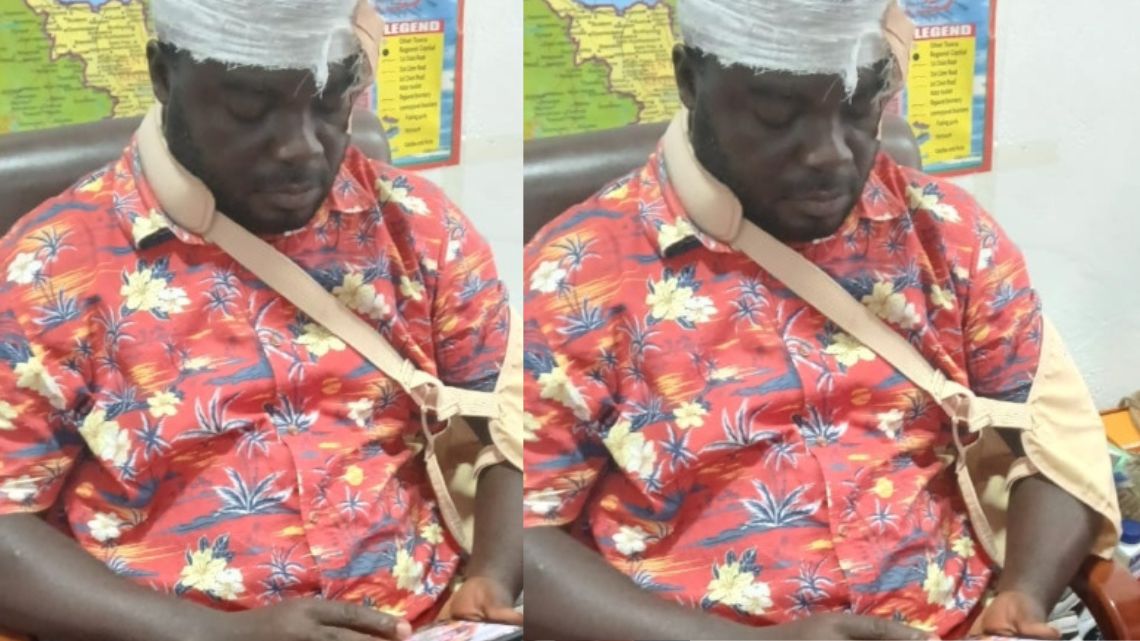
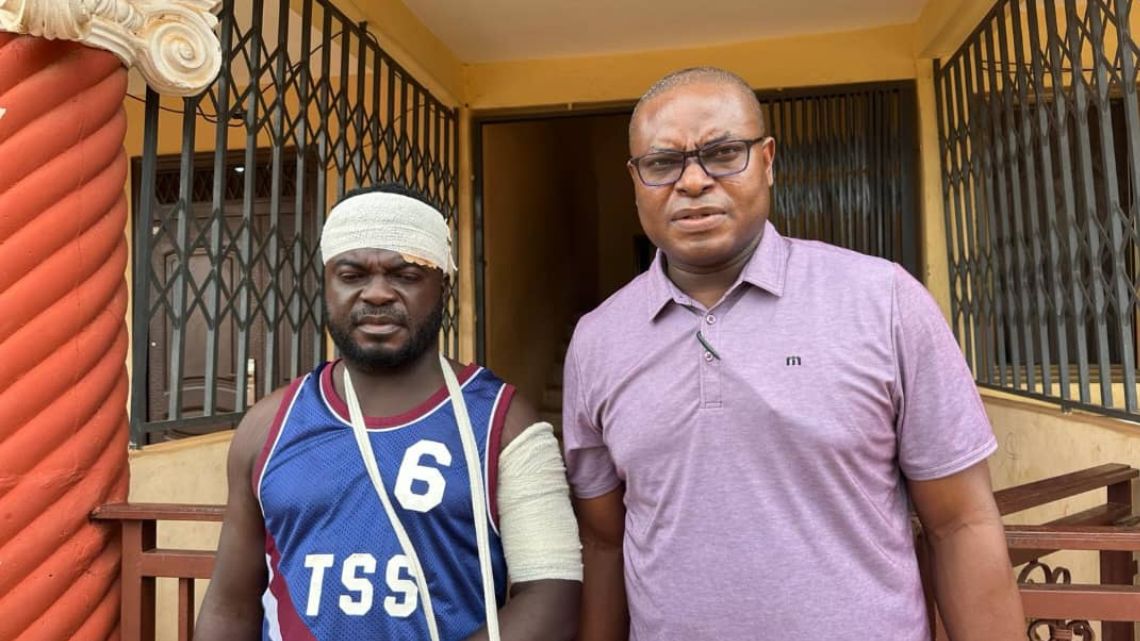
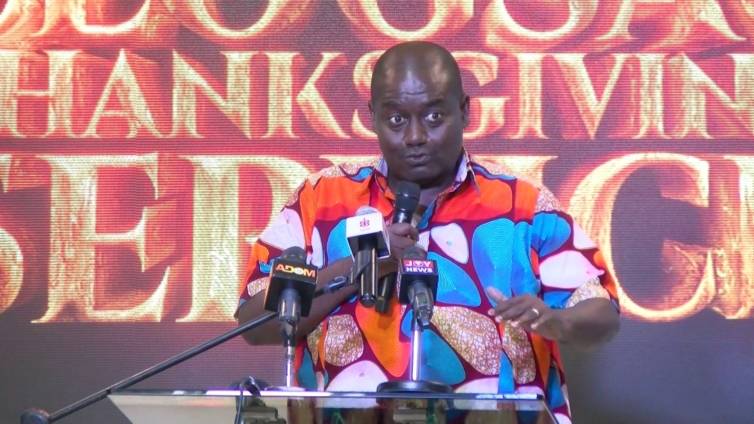
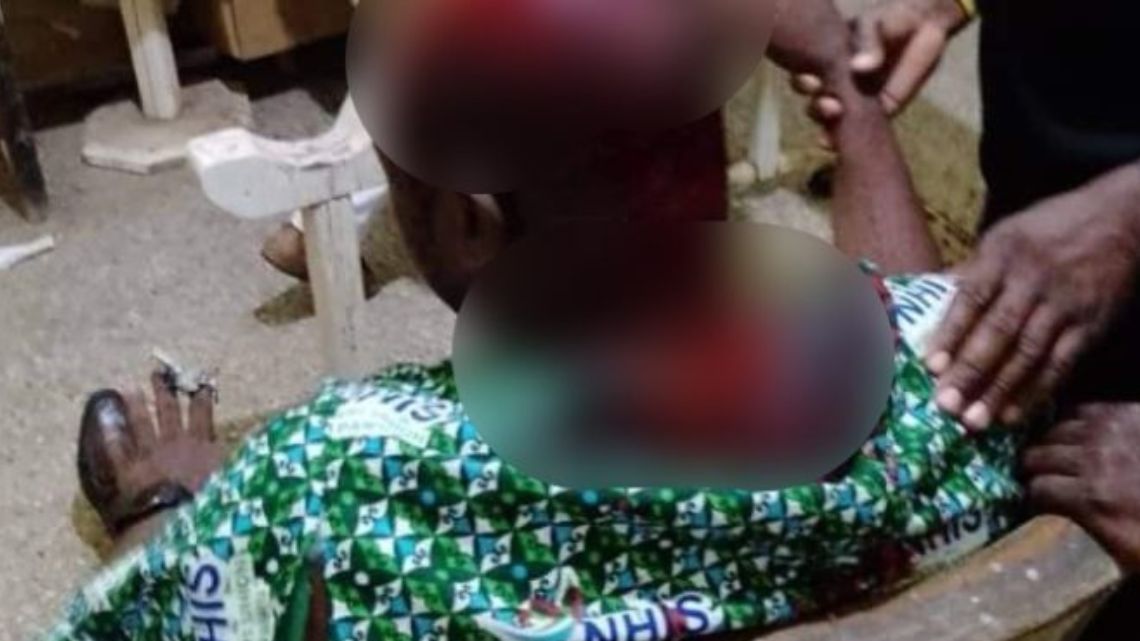
Christian Service University (CSU) is taking steps to address an alleged attack on one of its students during a public lecture addressed by former President John Dramani Mahama on Wednesday, June 19, 2024.
In a statement issued by the University and copied to the Ghana News Agency, CSU expressed regret over the isolated incident, noting that the public lecture was generally successful.
The Dean of Students, on behalf of the management, has reached out to the student to provide necessary psycho-social support.
“As an academic institution, we believe in multiparty democracy as the bedrock for sustainable development and security in Ghana. We consistently maintain neutrality in all our dealings with the established political order of the day,” the statement read.
CSU highlighted numerous public lectures organized by the University over the years with distinguished personalities as guest speakers.
As part of its one-year-long activities marking the 50th anniversary of the University, three public lectures have been lined up by the planning committee.
Beyond the lecture addressed by Former President Mahama, two more are scheduled to be addressed by the Vice President and Flag Bearer of the governing New Patriotic Party (NPP), Dr. Mahamudu Bawumia, and an alumnus of the University.
The objective of these lectures is to partner with political figures to conceptualize new ways of sustaining democracy and the recovery of the Ghanaian economy.
The University reiterated its commitment to praying and working towards peace and harmony in Ghana. The 50th-anniversary celebrations are scheduled to be climaxed with a grand durbar on September 27, 2024.
CSU’s response underscores its dedication to ensuring the well-being of its students and its role in promoting democracy and national development.
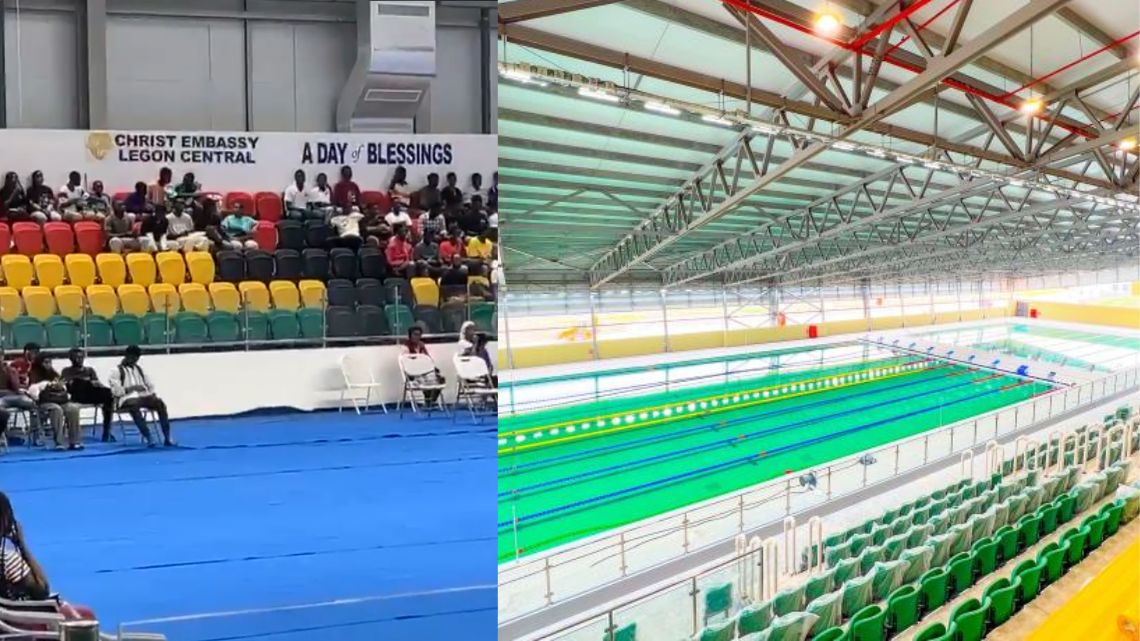
Reacting to the post, several individuals noted that there is no unlawful act if the facility was rented to the church.
“I see no problem here so long as the money from the rent takes care of the place. It’s a huge place that sports obviously cannot alone maintain,” a user wrote.
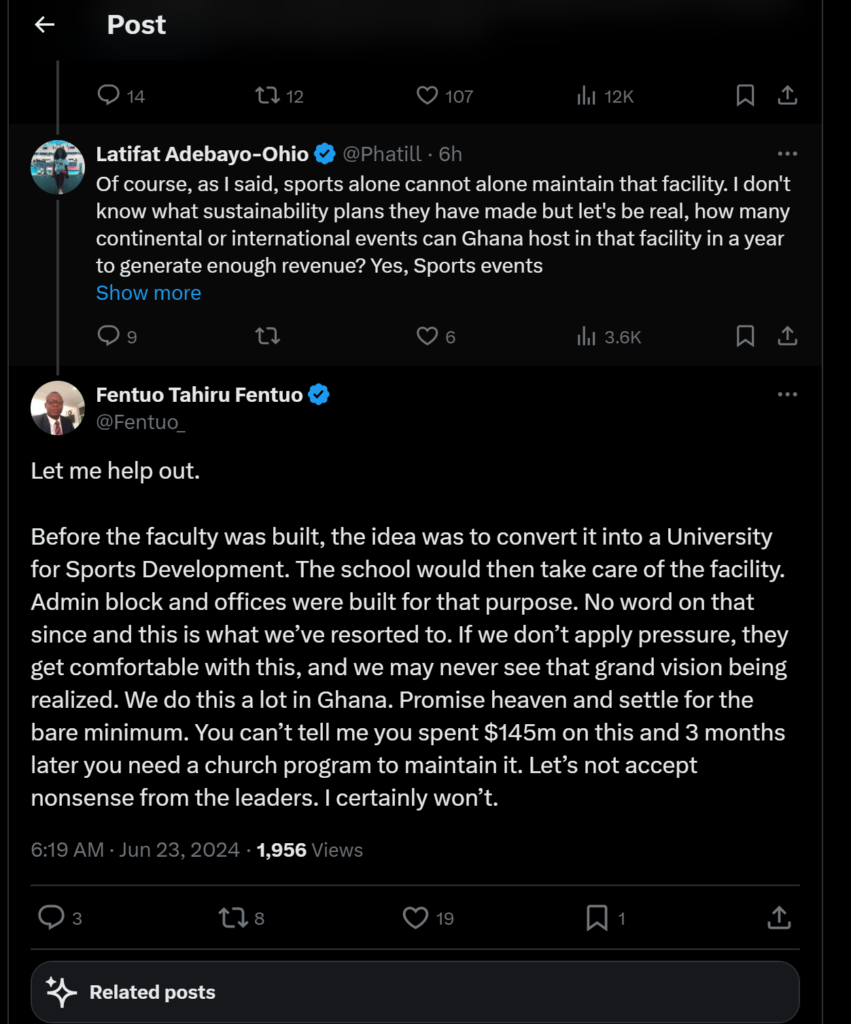
In response, Fentuo noted that renting the space to churches cannot be used as a maintenance plan and asked the authorities were not going by a sustainability plan that was drawn.
“Giving it out for churches cannot be the maintenance plan for a faculty of this nature. That’s just lacking foresight and white visionless. There was a sustainability plan. Why the heck aren’t they going ahead with it? This kind of mediocrity and lazy approach has to be condemned,” he wrote.
TIGPost is yet to come into contact with the said sustainability plan.
In February this year, the Borteyman Sports Complex, one of the primary venues for the Games scheduled between March 8 and 23, 2024, was inaugurated by President Akufo-Addo.
The Borteyman Sports Complex hosted seven competitive sports, including table tennis, handball, tennis, volleyball, swimming, badminton, and the triathlon.
Key features of the Borteyman facilities include a 1,000-seater capacity swimming pool with a 10-lane competition pool and an eight-lane warm-up pool.
Additionally, there’s a multi-purpose Sports Hall seating 1,000 spectators for events such as basketball, badminton, netball, table tennis, and weightlifting. A 500-seater temporary dome will host handball, volleyball, judo, karate, taekwondo, and other events, along with a five-tennis court complex, including a 1,000-seater Centre Court.
Emphasising the advantages of this modern sports facility, he stressed that it would become a hub of excellence, fostering the growth of young talents and hosting international competitions.
“The construction of state-of-the-art sports facilities in the country not only provides a platform for athletic excellence but also contributes to the overall infrastructure development, leaving a legacy for generations to come.
“After Accra 2023, these facilities will serve as centres of excellence, nurturing budding talents, and providing a platform for international competitions,” he said during the commissioning of the Sports Complex on February 13, 2024.
He added that the facility aligns with the government’s long-term vision of having a University of Sport for Development.
“This infrastructural investment also aligns with the government’s long-term vision of transforming the entire infrastructure here at Borteyman into a University of Sport for Development.”
Mr Fentuo is concerned that after this announcement was made, not much has been done to see this dream come into fruition.
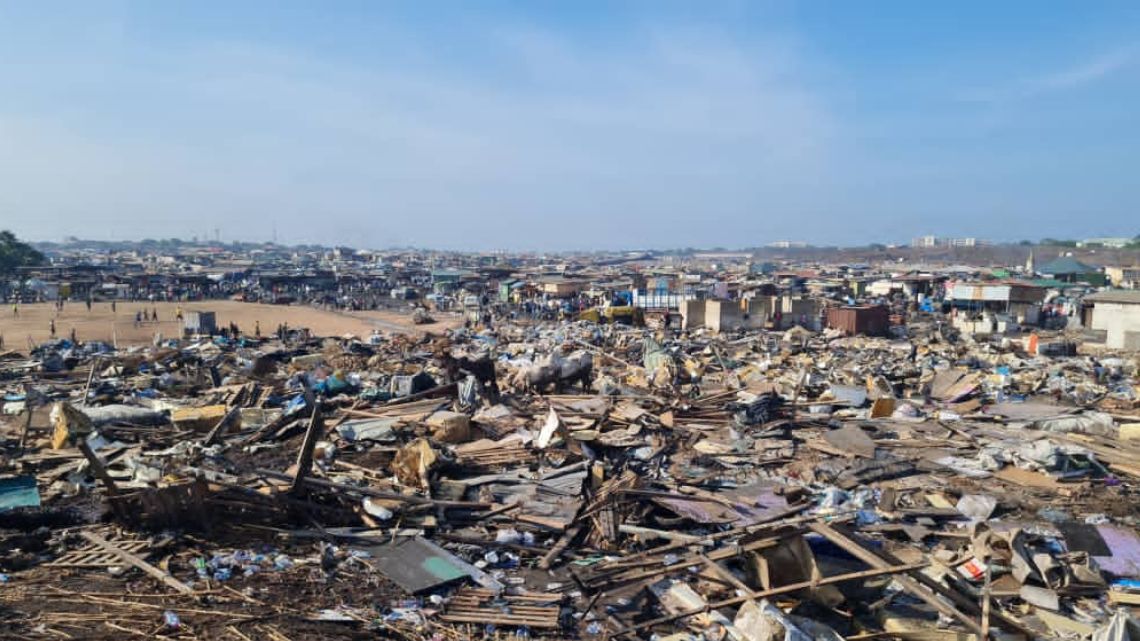
Years after the demolition of Accra’s old Agbogbloshie onion market, which was part of a larger effort to transform the notorious e-waste site, challenges continue to hinder redevelopment efforts, casting doubts on the project’s success.
The old Agbogbloshie onion market, also known as the scrapyard, was once infamous for being labeled “Africa’s e-waste nightmare,” “a digital dumping ground,” and “one of the ten most polluted places in the world.”
However, in July 2021, the government initiated a decongestion exercise called “Let’s Make Accra Work,” led by former Greater Accra Regional Minister Henry Quartey, which saw the demolition of structures on the land.
As a result, traders were relocated to Adjen Kotoku and Dominase. However, three years later, challenges persist, with traders maintaining that they were not adequately informed about the demolition exercise and remain the most affected victims.
Despite efforts to relocate and purchase land at Teacher Mante in the Eastern Region, many scrap dealers have returned to the vicinity of the demolished site, resuming their trade.
A visit to the site by Channel One News revealed the severe impact on the Old Fadama Clinic, the only building on the site.
The clinic’s dilapidated state and lack of patients suggest its near-abandoned status. Additionally, Nana Yaw Sackey, a mason contracted to assist in constructing a fence wall, expressed grievances over non-payment despite completing the work.
The 80-acre reclaimed land is deteriorating, reverting to its previous state, hosting open defecation and unauthorized dumping. This contrasts with the ambitious goals of the Greater Accra Regional Coordinating Council (GARCC) when it relocated traders in 2021. Although part of the reclaimed land was designated for a modern health facility as part of the government’s Agenda 111 initiative, progress appears to have been slow, with the project commencing only recently, years after the land was reclaimed.
Accoridng to Citinewsroom, efforts to reach the Ablekuma Central Municipal Assembly for comment were unsuccessful, leaving the redevelopment project’s future uncertain.
The New Patriotic Party’s (NPP) Communication Director, Richard Ahiagbah, has strongly condemned the alleged assault on a student at Christian Service University College by individuals believed to be affiliated with the National Democratic Congress (NDC).
The incident reportedly occurred during a speech by former President John Mahama when Nana Boakye, a student, retorted, “Mahama will lose,” in response to remarks about Dr. Mahamudu Bawumia, the NPP flagbearer.
Richard Ahiagbah visited Nana Boakye on Saturday, June 22, to express his support and solidarity. He emphasized that no Ghanaian should endure such “senseless and lawless” abuse for exercising their right to free speech.
“It is absolutely unacceptable for anyone to be assaulted for merely expressing their opinion. Nana Boakye did nothing wrong by disagreeing with former President Mahama. The attempt by the Ashanti NDC to downplay this issue is equally troubling,” Ahiagbah stated.
He called for immediate action from law enforcement authorities, criticizing the police for their inaction in apprehending the perpetrators.
“It is deeply troubling that the police have not taken action to arrest those responsible for this vicious assault on Nana Boakye. We demand justice for him and a thorough investigation into this matter.”
Mr Ahiagbah urged the government and relevant authorities to ensure the protection of free speech and hold those responsible for such acts of violence accountable.
He stressed the importance of maintaining a society where individuals can freely express their opinions without fear of retribution.
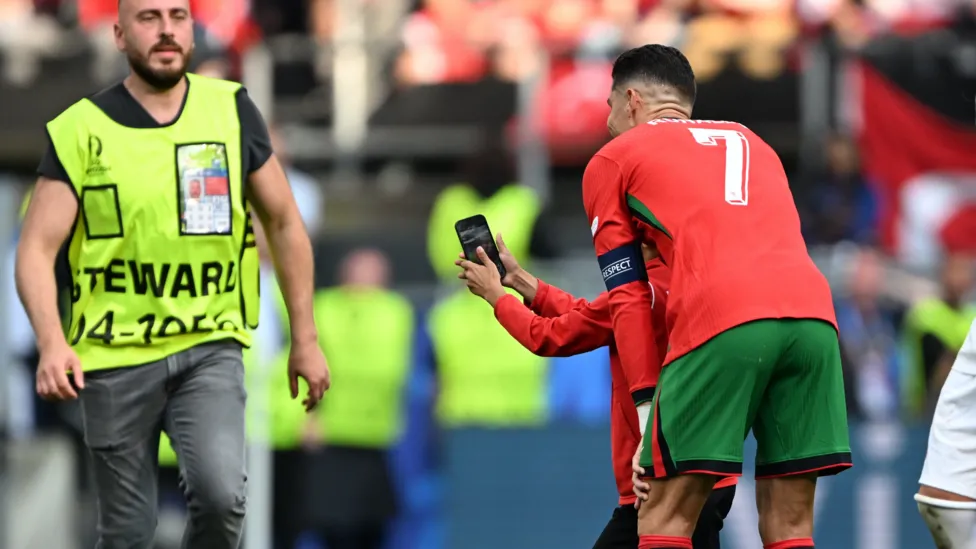
Portugal’s manager Roberto Martinez has expressed serious concerns over pitch invasions after fans repeatedly entered the field during their 3-0 victory against Turkey at Euro 2024.
The match, held at Westfalenstadion in Dortmund, was interrupted several times as fans tried to take selfies with Portugal captain Cristiano Ronaldo.
In total, five individuals breached the pitch, prompting security guards to chase and restrain each one, much to the frustration of players and spectators.
The disruptions began with a young boy who Ronaldo graciously hugged and posed with for a photograph.
However, the interruptions continued, causing visible annoyance, particularly when a fan entered the pitch while Portugal was preparing to defend a corner in the second half. Ronaldo, clearly irritated, had to push away another fan at full-time before being escorted off the pitch by security.
“It is a concern. Today the intentions of the fans were good. We all love a fan who recognises the big stars and icons,” Martinez said post-match.
“But you [must] understand there’s a difficult moment if their intentions are wrong. We need to be careful. It shouldn’t happen – there’s a lot of security. We should give a message to the fans also because it is not the right way. It may get worse for the future. It’s not good to have the players so exposed on the pitch.”
Despite the disruptions, Portugal’s Bernardo Silva seemed less alarmed, describing the invasions as more of an annoyance than a threat.
“It’s just a bit annoying in terms of always having to stop the game because a fan enters the pitch,” Silva commented. “I think that’s the price you pay for being so recognised in the world of football and having a player like [Ronaldo] with us in the team. But in terms of being in danger, no I don’t feel that personally.”
The situation has raised questions about the adequacy of security at Westfalenstadion, especially since the venue is slated to host a semi-final match.
Ian Dennis, senior football reporter for BBC Radio 5 Live, noted, “The security here has been lacking and this stadium will host a semi-final – they’re going to have to tighten it up.”
Uefa’s disciplinary body is expected to review reports from match officials before deciding on any potential actions.
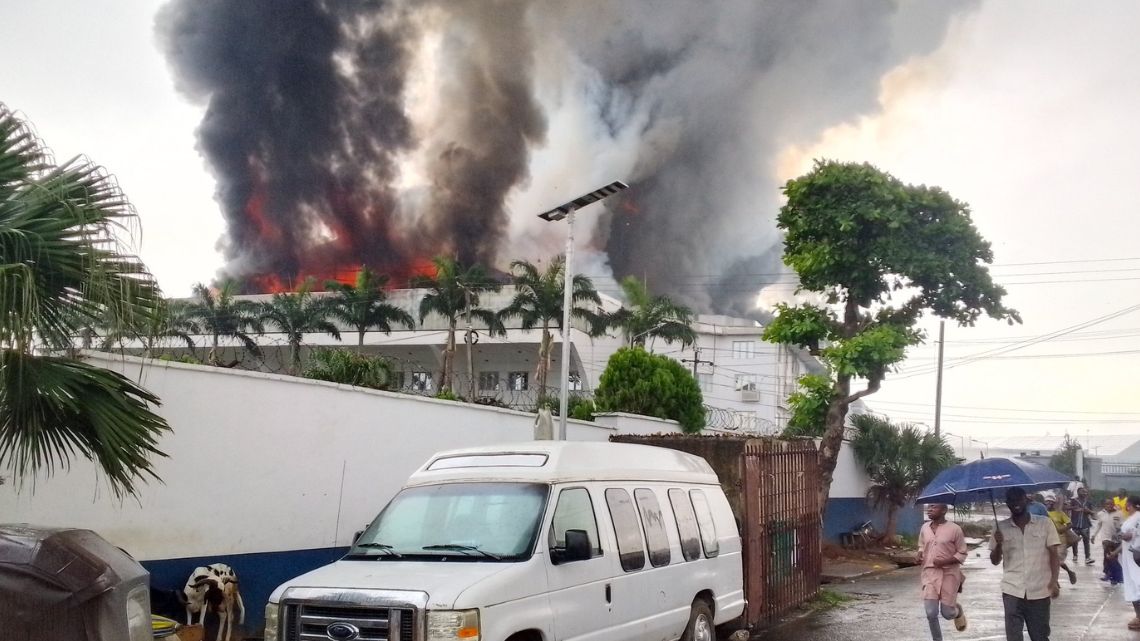
An intense fire has engulfed the headquarters of the Christ Embassy Church, located in the Oregun area of Ikeja, Lagos State.
The incident, which occurred earlier today, has drawn significant attention and concern from the public and emergency services alike.
Eyewitnesses described the scene as chaotic and alarming. Multiple videos circulating on X (formerly Twitter) depict the massive church edifice being consumed by flames, with thick plumes of smoke rising into the sky.
The Lagos State Fire and Rescue Service promptly responded to the emergency, arriving at the scene to combat the inferno. Firefighters are currently working tirelessly to extinguish the flames and prevent the fire from spreading to adjacent buildings.
To ensure public safety and maintain order, the area around the church has been cordoned off by the police. This measure is intended to prevent any potential breakdown of law and order and to facilitate the efforts of emergency responders.
The cause of the fire is yet to be determined, and no official statements have been made regarding potential casualties or the extent of the damage. Authorities are expected to conduct a thorough investigation once the fire is brought under control.
The Secretary General of the Ghana Federation of Labour, Abraham Koomson, has strongly condemned the plan to sell a 60% stake in four hotels owned by the Social Security and National Insurance Trust (SSNIT) to Rock City Hotel, a venture owned by the Food and Agriculture Minister, Bryan Acheampong.
Mr Koomson expressed his concerns during an appearance on Joy FM’s Newsfile, suggesting an alternative approach to the sale.
He argued that instead of selling these valuable state assets to Acheampong, the government should consider appointing him to manage the hotels if he is deemed capable.
“Why do you sell national assets? Why should we sell such hotels in these prime areas? For what? For how much?” he questioned passionately.
He proposed, “If Bryan Acheampong has the capacity to run and operate the SSNIT hotels, why don’t we employ him? Instead of selling the hotels to him, he should be appointed as CEO to run the hotels for us.”
Emphasizing the financial stability of SSNIT, Koomson pointed out that the institution receives a steady flow of contributions and does not face capital shortages.
“SSNIT can’t complain about money because every month they need not go anywhere to go and look for a loan or whatever, the inflow from the contributions just comes in. If you are an employer and you default payment, you’d be in trouble. So SSNIT cannot complain of capital,” he argued.
Koomson also highlighted that SSNIT is funded by workers’ contributions and not by the government. He called for amendments to the National Pensions Act to protect workers’ assets.
In a previous interview with Joy News, Mr Koomson accused the leadership of the Trade Union Congress (TUC) of neglecting their members’ interests and vowed not to join them in meetings with President Akufo-Addo to discuss this and other labour concerns.
“I will not join them to meet the President because I suspect them,” he said on PM Express.
Despite SSNIT’s denial of any wrongdoing, the TUC has insisted that the sale must be cancelled to allow for broader consultations.
In May, North Tongu MP Samuel Okudzeto Ablakwa raised alarms about the deal, questioning the rationale behind SSNIT’s decision to sell a majority stake in the hotels to a sitting minister. Ablakwa has petitioned the Commission on Human Rights and Administrative Justice (CHRAJ) to investigate the transaction and has led protests against the sale, attracting various stakeholders and petitioning the presidency to intervene.
The hotels in question include Labadi Beach Hotel, La Palm Beach Hotel, Royal Ridge Hotel, and Busua Beach Hotel. Despite the controversy and opposition, the Ghana Federation of Labour alleges that SSNIT is proceeding with negotiations to sell its stake in these hotels to Rock City Hotel, owned by Minister Bryan Acheampong.
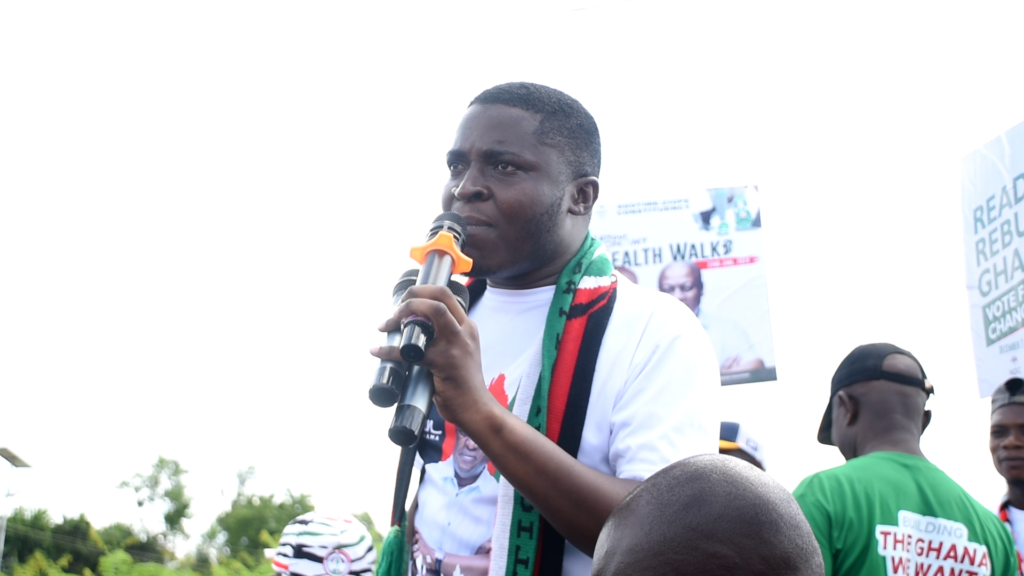
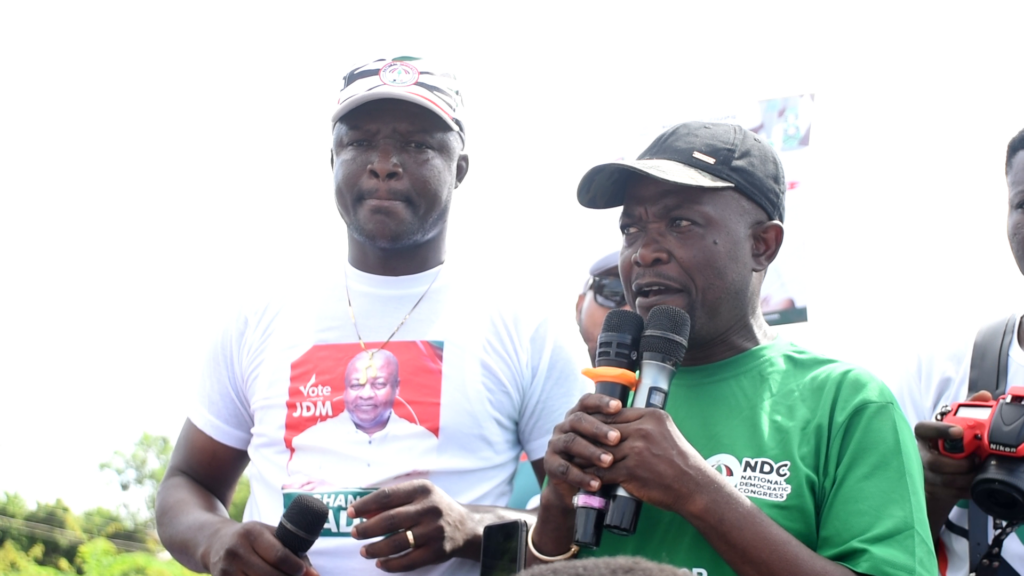
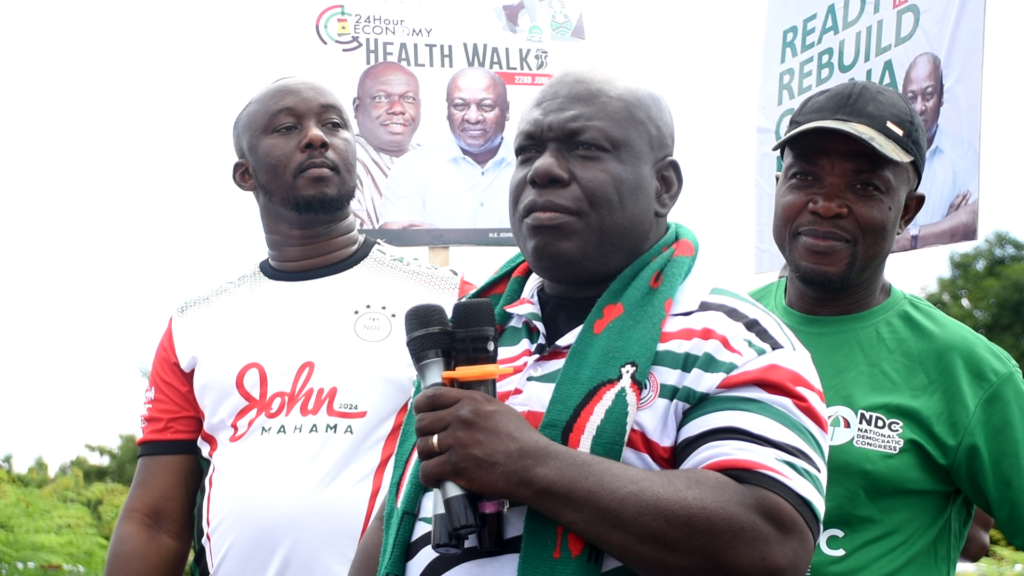
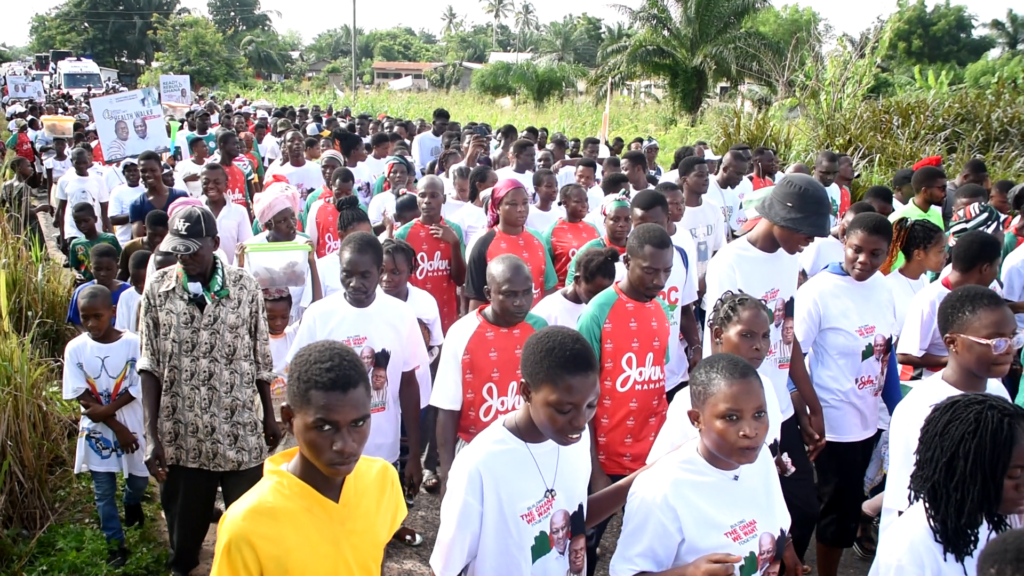
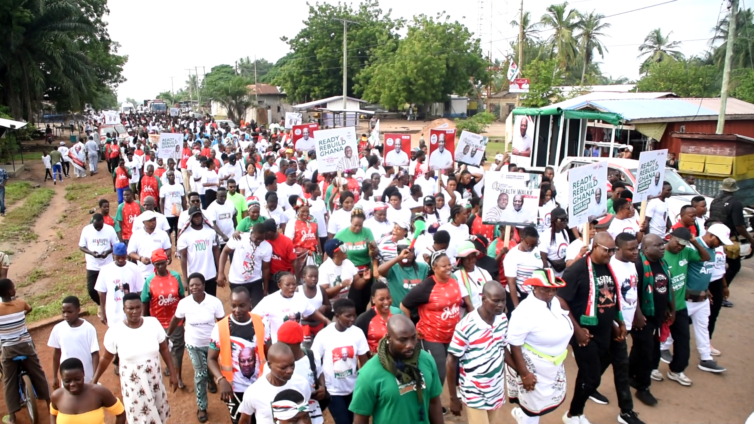
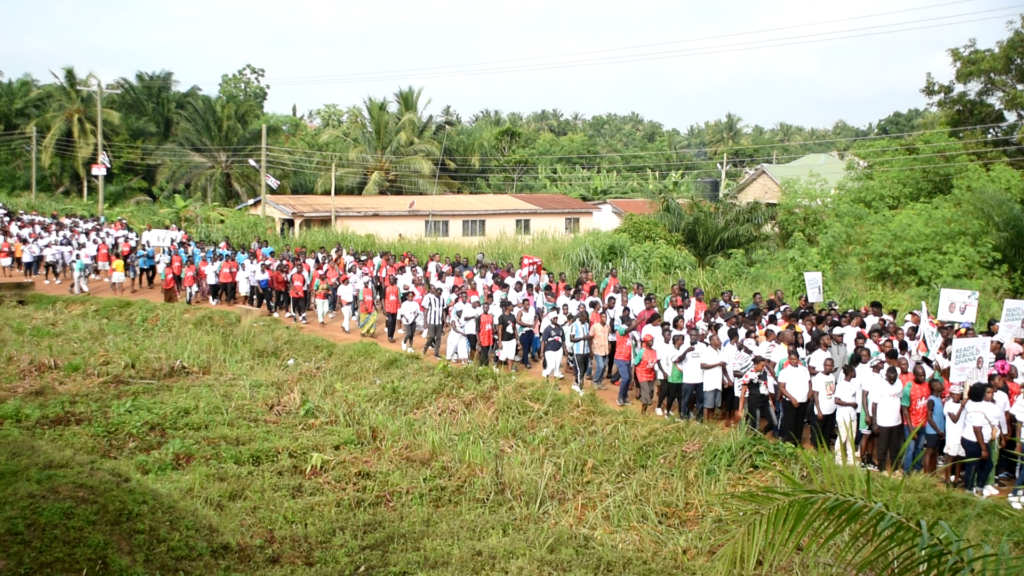
The National Democratic Congress (NDC) has set an ambitious target to secure over 85% of the votes in the Volta Region in the upcoming general elections in December 2024.
Egypt Kudeto, the Volta Regional NDC Vice Chairperson, made this announcement during a 24-hour health walk in Kpetoe, located in the Agotime Ziope District.
Mr Kudeto called on party members to actively participate in the party’s campaign machinery to achieve this goal. He urged supporters to contribute financially to help mobilize logistics and fuel vehicles for campaign activities.
“We are appealing that you help us financially to fuel our vehicles for campaigns. So on January 7, 2025, people will be transported to Independence Square for the swearing-in because John Mahama is winning the presidential election,” he stated confidently.
Mr Kudeto added, “Volta Region, we are giving JM more than 85%-90% of total votes.”
Charles Agbeve, the Member of Parliament for Agotime Ziope, echoed Kudeto’s sentiments, predicting a significant victory for the NDC in both the presidential and parliamentary elections.
He forecasted that the NDC would win 150 seats in parliament. Agbeve highlighted the development projects undertaken by the NDC in his constituency, contrasting them with the lack of initiatives from the New Patriotic Party (NPP).
“John Mahama is in opposition but he made available bulldozers to reshape our roads. If he is not a nation-builder, then what is he? He is constructing roads in opposition, imagine what will happen when he comes to power,” Agbeve remarked.
Mr Agbeve also criticized the NPP for not constructing the Ho-Denu Road despite budgeting for it in 2021, allegedly because the region did not support them in the elections.
He emphasized that Mahama’s proposed 24-hour economy would help curb rising unemployment rates in the country.
“For our children and the youth to have the opportunity to be enrolled into the security services, get employed, it is the 24-hour economy under John Mahama that can see this manifested. Let us vote for him,” he urged.
Additionally, Mr Agbeve expressed frustration over the delay in clearing medical supplies donated by Global Fund at the Tema Port, warning that the Ministry of Health would face repercussions if the supplies were not cleared within two weeks.
Edem Agbana, the NDC Ketu North Parliamentary Candidate, praised Agbeve’s efforts in parliament despite the challenges of being in opposition.
He assured that Agbeve would be appointed to a ministerial position when Mahama wins, enabling further development in the area. Agbana also warned against split voting, known as “skirt and blouse” voting, urging constituents to vote consistently for the NDC.
Malik Bosintale, the National NDC Deputy Communications Officer, encouraged party members in Agotime Ziope to work diligently to reduce NPP votes in the upcoming elections.
He called for vigilance on election day to protect the ballot boxes, promising that the next NDC government would reward the Volta Region with significant development projects.
The Volta Regional Youth Organizer, Mathias Alagbo, urged NDC members to become vocal advocates for the party, spreading its message at every public gathering. “We must talk about the hardships in the country and the good message of NDC at every public gathering. We need volunteers to work and criticism to win the elections,” he said.
Julianna Azumah Mensah, the Former Member of Parliament for Agotime Ziope, reiterated the NDC’s commitment to establishing a Women’s Bank to provide financial support for women entrepreneurs.
“Under a John Mahama government, we will have a bank solely for women traders. Women will take money from the bank for their businesses and take care of their families,” she declared.
Sena Nutekpor, the Agotime Ziope Constituency Youth Organiser, emphasized the importance of grassroots mobilization to ensure the NDC’s return to power.
“Former President Mahama must return to rescue this country. This year’s campaign and election are just like a community service to save Ghana,” he concluded.
In a thrilling showdown in Cologne, Kevin De Bruyne’s masterclass inspired Belgium to secure their first Euro 2024 victory with a dynamic performance against Romania.
The win was crucial for Belgium, who were under significant pressure in Group E after an initial defeat to Slovakia.
Belgium, needing a positive result, delivered an outstanding attacking display that underscored why they are considered one of the tournament favorites.
The electrifying atmosphere set the stage for a fast-paced game, with Youri Tielemans firing Belgium into the lead with a precise low drive just 73 seconds into the match. This early goal set the tone for a match filled with chances for Belgium.
Despite Belgium’s relentless pressure, Romania managed to stay in contention. Romelu Lukaku experienced misfortune when his goal was disallowed by the Video Assistant Referee (VAR), marking the third time in the tournament he had been denied. The decision came after Lukaku was ruled offside from a perfect pass by De Bruyne.
However, Belgium’s determination and De Bruyne’s brilliance proved unstoppable. The Manchester City midfielder sealed the victory by scoring from close range in the 79th minute, ensuring Belgium’s dominance on the field translated into the scoreline.
With this win, Belgium’s position in Group E remains precarious, as all four teams are now tied with three points each. The result leaves the group finely balanced, setting up an intense battle for the remaining matches.
De Bruyne’s performance was pivotal in Belgium’s resurgence, demonstrating his critical role in their campaign. His leadership and skill will be vital as Belgium continues their quest for Euro 2024 glory.
Former National Chairman of the People’s National Convention (PNC) and presidential hopeful, Bernard Anbataayela Mornah, has raised serious concerns about the sale of state-owned institutions to government cronies.
In an interview with Citi FM on Saturday, June 22, the convener of the Arise Ghana Movement questioned the rationale behind selling these assets to private individuals, advocating for the reform and revitalisation of non-performing state agencies instead.
Mr Mornah described the idea of selling off unprofitable state institutions as “myopic and midget thinking,” stressing that revamping these agencies would be a more effective way to optimise their potential and benefit the nation.
He emphasised the need for sustainable solutions to improve these institutions rather than resorting to privatisation.
He argued that state assets are entrusted to appointed officials for proper management and maintenance, not for personal enrichment through indiscriminate sales.
According to Mr Mornah, these assets should be managed with the nation’s best interests in mind, ensuring their long-term viability and contribution to national development.
“We select people so that they will be able to build upon the assets we have, to be able to add unto the wealth of our nation and not to come and steal the wealth of our nation,” Mornah stated.
“And so, when people are appointed into office, and they meet assets of the state, the least we expect of them is to maintain those assets and manage them. The more we expect of them is to actually increase the assets stock of our nation.”
Mr Mornah expressed his bewilderment at the actions of government appointees who, instead of focusing on growing and improving state assets, opt to sell them off for personal gain. He accused these officials of perpetuating a form of ‘state capture’ that benefits themselves at the expense of the nation, undermining public trust and accountability.
He continued, “But when you elect people to office and all that they do is to deliberately appoint persons that will see or supervise the seeming collapse of state assets, to serve as fodder for the sale of these assets to themselves, then society has to rise.”
The Ghana Revenue Authority (GRA) is set to rigorously enforce the Excise Duty law, mandating manufacturers of excisable goods to issue bonds or securities.
This development was revealed by Kwabena Apau Awua Anto, Head of the Excise Unit at the GRA, during a recent webinar organized by the UK-Ghana Chamber of Commerce (UKGCC) and PwC Ghana.
Under the Excise Duty Act 2024 (Act 878) and its subsequent amendments, manufacturers producing excisable goods must register under the law, register their warehouses, and provide a bond or security. While the first two requirements have been strictly adhered to, the third requirement has seen lax enforcement. However, Mr. Anto indicated that this is about to change.
“All manufacturers producing excisable goods are required to register under the Excise Duty law. This is the first point of compliance. The warehouse where you are keeping those excisable goods must also be registered, and you should also provide a bond or security. The first two are rigorously being followed. It is the third part, which is the issuance of a bond or security, that has been relaxed, but discussions are ongoing to begin rigorously enforcing that too,” he mentioned.
Mr. Anto emphasized the critical role of bonds in providing essential information about the quantity of excisable goods produced, the excise duty to be collected, and the payment deadlines. Bonds also serve as a safeguard for the GRA to recover taxes if a manufacturer fails to pay.
“A bond must therefore be issued to provide grounds for the Commissioner General of the GRA to retrieve taxes should the manufacturer fail to pay according to the law. Manufacturers who fail to enter into bond or lodge security will pay twice the amount of duty in penalties,” he added.
Manufacturers planning to increase their production must ensure their bonds reflect these changes to facilitate accurate revenue collection.
Understanding Excise
Excise is an indirect tax imposed on selected products, either locally manufactured or imported. Unlike the general consumption tax such as Value Added Tax (VAT), excise duties are levied at various stages of the manufacturing process, including the point of sale, distribution, importation, or manufacture.
Excise duties serve multiple purposes, including discouraging behaviors that lead to non-communicable diseases such as hypertension and diabetes. For instance, the recent amendments introduced excise duties on sweetened beverages and fruit juices to reduce their consumption due to associated health risks.
Excise duties also aim to redistribute wealth by taxing products largely consumed by affluent individuals, thereby benefiting society.
Excisable Products
Excisable goods as defined by the Excise Duty Act 2014 include alcoholic drinks, with spirits and wines attracting duty rates of 50% and 45% of their ex-factory prices, respectively. Tobacco products now have a hybrid excise duty rate, combining a per-stick charge with an ad valorem rate.
Beers and malt drinks are subject to a sliding scale policy, granting concessionary duty rates based on the quantity of local raw materials used. Fruit juices are subject to a standard excise duty rate of 20%, whether locally manufactured or imported. Pharmaceuticals and textiles (domestic/African prints) are zero-rated, while plastic products and petroleum products are also excisable.
Compliance and Penalties
Compliance with the Excise Duty Act begins with registration. Manufacturers who fail to register or manufacture outside a registered warehouse face significant penalties, including paying twice the duty amount. Other offenses, such as failing to submit returns or pay taxes on time, attract additional fines and interest.
“Excises are not that popular. However, we have introduced measures to make sure that there is compliance, and to protect people’s brands so all of us should take an interest in making sure we comply,” Mr. Anto stated.
Challenges and Solutions
Maxwell Ntiri, Senior Manager at PwC Ghana, noted challenges in Ghana’s excise tax regime, including insufficient tax education, inconsistent enforcement, and varying interpretations by tax officials. Solutions proposed include intensified tax education, consistent application of tax laws, and robust compliance enforcement.
Mr. Anto acknowledged the cumbersome registration process but assured that GRA officers are available to assist clients.
Future of Tax in Ghana
Daniel Nuer, Head of the Tax Policy Unit at the Ministry of Finance, indicated that Ghanaians could expect more excise tax regimes as the government seeks to reduce other taxes and provide incentives for various sectors. He urged industries to communicate their concerns to tax authorities for consideration in policy-making.
“Imitation tax stamps and smuggling works against our jobs and our livelihoods so when you notice things like this, give us a call and we will follow up,” he said.
Mr. Anto also encouraged Ghanaians to use the GRA Tax Stamp Authenticator app to verify the authenticity of tax stamps and enhance compliance.
The webinar also covered related topics such as tax credits, refunds, zero-rated excisable goods, the emissions levy, and differences between VAT and Excise Duty exemptions.
The Ashanti Regional Security Council (ARSC) has issued a stern warning to residents of Kumasi and its surrounding areas, urging them to refrain from hiring land guards to resolve land disputes.
The ARSC’s statement highlights increasing concerns over the surge in illegal activities perpetrated by land guards in the region.
In a communiqué dated June 20, the Ashanti Regional Coordinating Council (ARCC) advised individuals to follow legal procedures to settle their land issues. The ARCC emphasized that those who engage the services of land guards will face severe consequences.
“Any person found to engage the services of land guards will be apprehended, prosecuted, and arraigned before court,” the statement declared. The Council also warned that the land guards themselves would not be spared and would face the full force of the law.
The ARSC stressed the importance of using appropriate legal channels to address land disputes, noting that the activities of land guards often result in violence and pose a threat to law-abiding citizens.
“Based on this fact, the Ashanti Regional Security Council requests all citizens in the region to use the right procedures to address their land disputes rather than employ the use of land guards whose activities always threaten law-abiding citizens and result in violence,” the statement read.
The Council urged the public to adhere strictly to this directive to ensure peace and stability in the region.
“It is the expectation of the Regional Security Council that the public will accept the above directives for strict compliance to ensure peace in the region,” the ARSC concluded.
The rule of law in some communities in the country has been sidelined when it comes to land disputes. Land guards are contracted by individuals who do not believe in the legal system or who seek to capture lands belonging to others.
These land guards often inflict pain on individuals and in some cases push them to their early graves. The Police Service is working assiduously to nip the activities of land guards in the bud.
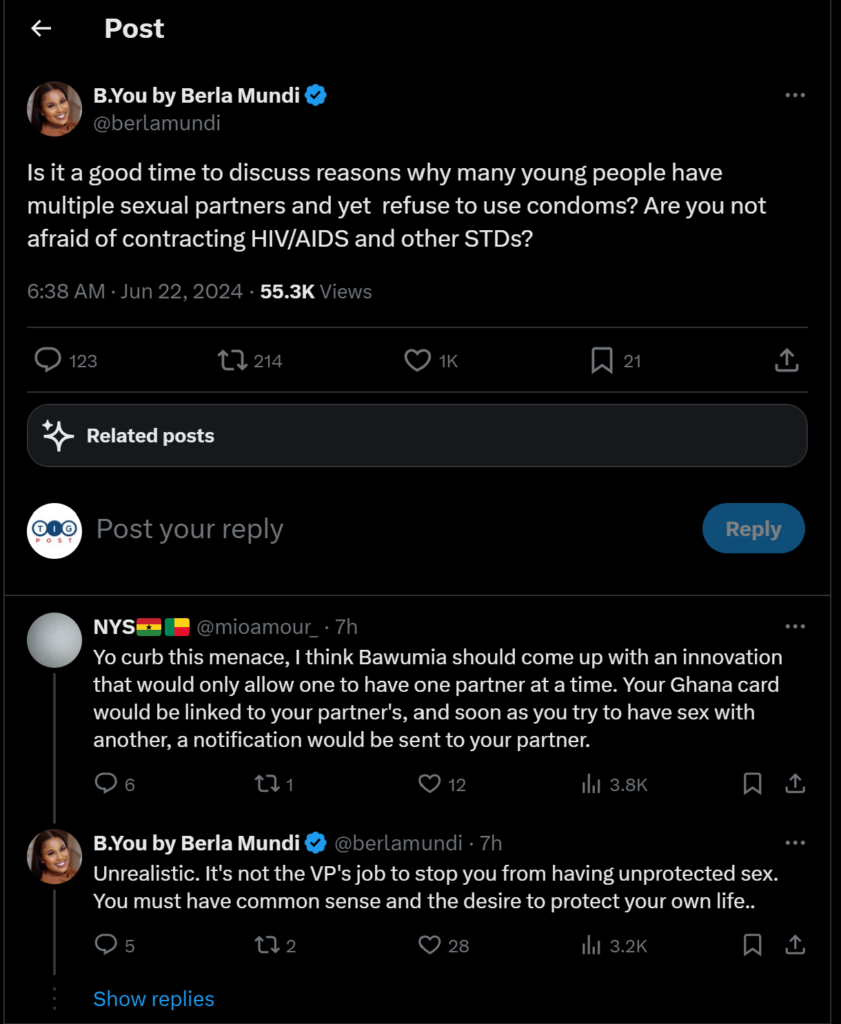
Renowned Ghanaian media personality Berla Mundi has sparked an important conversation about the rising cases of HIV in the country, emphasizing the need for personal responsibility in sexual health.
In a thought-provoking post on the social media platform X, Berla questioned why many young people in Ghana continue to engage in unprotected sex despite the known risks of sexually transmitted diseases (STDs), including HIV/AIDS.
“Are you not afraid of contracting HIV/AIDS and other STDs?” Berla quizzed, addressing the alarming trend of multiple sexual partners without the use of condoms.
Her post received various responses, but one in particular stood out. A user suggested, perhaps humorously, that Vice President Dr. Mahamudu Bawumia should innovate a solution through the Ghana Card system to alert partners of infidelity. The comment appeared to mock the Vice President’s push for digitalization within the government.
“Yo, to curb this menace, I think Bawumia should come up with an innovation that would only allow one to have one partner at a time. Your Ghana Card would be linked to your partner’s, and as soon as you try to have sex with another, a notification would be sent to your partner,” the user wrote.
Berla Mundi’s response was direct and emphasized personal accountability. She reminded the user that it is not the responsibility of the Vice President to prevent individuals from engaging in unprotected sex. Instead, she stressed that it is up to each person to use common sense and prioritize their own health.
“Unrealistic. It’s not the VP’s job to stop you from having unprotected sex. You must have common sense and the desire to protect your own life,” Berla replied.
Her remarks highlight the crucial role of individual responsibility in the fight against HIV/AIDS and other STDs.
Berla Mundi’s call for self-protection and sensible behavior serves as a timely reminder for Ghanaians to be more mindful of their sexual health practices, particularly in light of the rising HIV cases in the country.
Ghana is experiencing an average of 50 new HIV infections daily, with the majority of cases occurring among individuals aged 15 to 49, according to the Ghana AIDS Commission.
This economically active population group represents a significant portion of new infections. The commission released these figures during the unveiling of the 2023 national and sub-national HIV and AIDS estimates and projections.
The data also revealed that out of the 334,095 people living with HIV/AIDS in the country, 17,550 were children below the age of 15. Additionally, there were 17,774 new HIV infections, with 1,698 being children below 15 years and 16,076 representing adults above 15 years.
While there has been a decline in new infections, AIDS deaths, and HIV prevalence, the progress is not sufficient to meet the set goals and targets.
During a media engagement to disseminate the results and discuss their implications, the Director-General of the Ghana AIDS Commission, Dr. Kyeremeh Atuahene, emphasized the need for more efforts to achieve the expected targets.
The forum, attended by media professionals and stakeholders in the HIV response sector, highlighted regional and district-level variations in prevalence and new infections, with Greater Accra, Ashanti, and Eastern regions recording the highest numbers of persons living with HIV.
Challenges identified by the commission include data capture, validation, and quality issues, which need to be addressed urgently. Dr. Atuahene acknowledged the concern over continued mother-to-child transmission, attributing it to gaps in the healthcare system and calling for collective efforts to address the issue.
Stakeholders were urged to work together to achieve the 95-95 targets by the end of 2025 and 98-98 by the end of 2030.
The commission acknowledged the support of stakeholders, including the National AIDS and STI Control Programme, Ghana Health Service, UNAIDS, World Health Organisation, and the US President’s Emergency Plan for AIDS Relief (PEPFAR), in generating the data.
UNAIDS Country Director Hector Sucilla Perez emphasized the importance of understanding the epidemic and using data for action to end AIDS as a public health threat by 2030.
Ms. Perez highlighted the critical role of the media in advocating for the needs of persons living with HIV and improving societal enablers to create an enabling environment.
The Country Director of the US Centre for Disease Control (CDC), Tony Ao, commended Ghana’s efforts in the fight against HIV/AIDS and its progress towards achieving high-quality data to guide the national response.
He encouraged stakeholders to use the data judiciously, with technical guidance from experts, to ensure meaningful interpretation and application.
The CDC reiterated its commitment to supporting Ghana’s national AIDS response and praised the country’s progress towards ending AIDS as a public health threat by 2030.
Renowned Ghanaian media personality, Berla Mundi, has schooled a Ghanaian over whose primary responsibility it is to ensure one is protected from sexually transmitted diseases when sexually active.
In a post discussing the rise in HIV cases in the country, Berla in a post on X asked whether it is it a good time to discuss reasons why many young people have multiple sexual partners and yet refuse to use condoms.
“Are you not afraid of contracting HIV/AIDS and other STDs?” she quizzed.
A user in response to her question noted that Vice President Dr Mahamudu Bawumia should come up with an innovation through the Ghana Card that would alert one’s partner if he or she engages in unfaithful acts. It is believed that the user made the comment in jest to ridicule the Vice President who presently touts government’s digitalization drive.
“Yo (To sic) curb this menace, I think Bawumia should come up with an innovation that would only allow one to have one partner at a time. Your Ghana card would be linked to your partner’s, and soon as you try to have sex with another, a notification would be sent to your partner,” the user wrote.
Reacting to this, Berla reminded the user that the onus lies on oneself to protect his or her life, and hence must act based on common sense.
“Unrealistic. It’s not the VP’s job to stop you from having unprotected sex. You must have common sense and the desire to protect your own life,” she wrote.
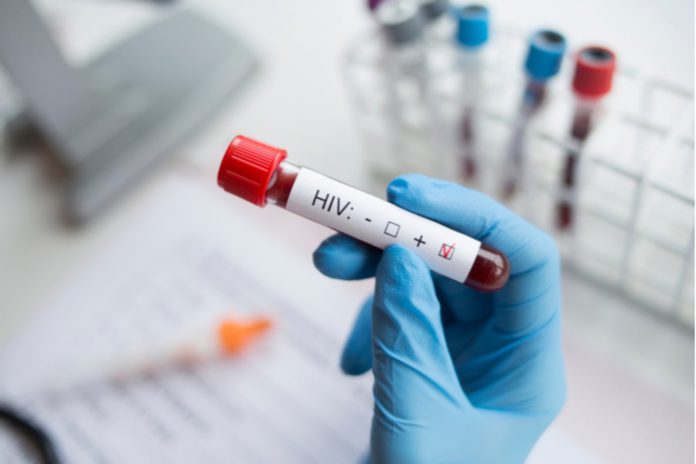
New data from the Ghana AIDS Commission reveals a concerning surge in new HIV cases recorded.
In 2023, 17,774 individuals contracted the virus.
This marks a 7% increase compared to the previous year. Ghana recorded a decline in new HIV infections in 2022, with 16,574 cases reported compared to 18,036 in 2021.
Females accounted for a significant majority of new infections in 2023, with 11,317 women newly infected, representing 63.67% of the total, while 6,457 males were infected, representing 36.32%.
Among the newly infected individuals, 4,869 were youths aged 15 to 24, 1,698 were children under 15, 1,520 were adolescents aged 10 to 19, and 16,076 were adults over 15. This data highlights the need for targeted prevention strategies, especially among young people and adolescents.
As of 2023, an estimated 334,095 people in Ghana were living with HIV, with females outnumbering males. This includes 17,550 children under 14, 16,381 adolescents aged 10 to 19, 33,245 young adults aged 15 to 24, and 316,545 adults aged 15 and above.
Despite progress in treatment availability, 12,480 Ghanaians died from AIDS-related illnesses in 2023, highlighting the need for increased access to appropriate treatments and care.
The Ghana AIDS Commission remains committed to achieving the global 95-95-95 targets by 2025, aiming to have 95% of people living with HIV aware of their status, 95% of those diagnosed on antiretroviral therapy (ART), and 95% of those on ART achieving viral suppression. In 2023, Ghana achieved 65.3%, 69.4%, and 89.0% for the respective targets.
Dr. Kyeremeh Atuahene, Director General of the Ghana AIDS Commission, has called for increased efforts to combat AIDS, particularly among the economically active population aged 15 to 49. He emphasized that addressing the AIDS epidemic should be a national priority in Ghana.
Causes of HIV and Prevention: HIV is transmitted through contact with certain body fluids, such as blood, semen, vaginal fluids, and breast milk, from a person who has HIV. The most common ways HIV is transmitted include:
Unprotected sexual contact with an infected person.
Sharing needles or syringes with someone who has HIV.
Receiving contaminated blood products or organ transplants.
From mother to child during childbirth or breastfeeding.
Prevention efforts include:
Practising safe sex by using condoms consistently and correctly.
Getting tested and knowing your partner’s HIV status.
Avoid sharing needles or syringes.
Take pre-exposure prophylaxis (PrEP) if you are at high risk of HIV.
Ensuring access to antiretroviral therapy (ART) for those living with HIV to achieve viral suppression and reduce the risk of transmission.
Education, awareness, and access to healthcare services are crucial in the fight against HIV/AIDS. It is essential for individuals to know their status, seek appropriate care and treatment, and adopt preventive measures to reduce the spread of HIV.
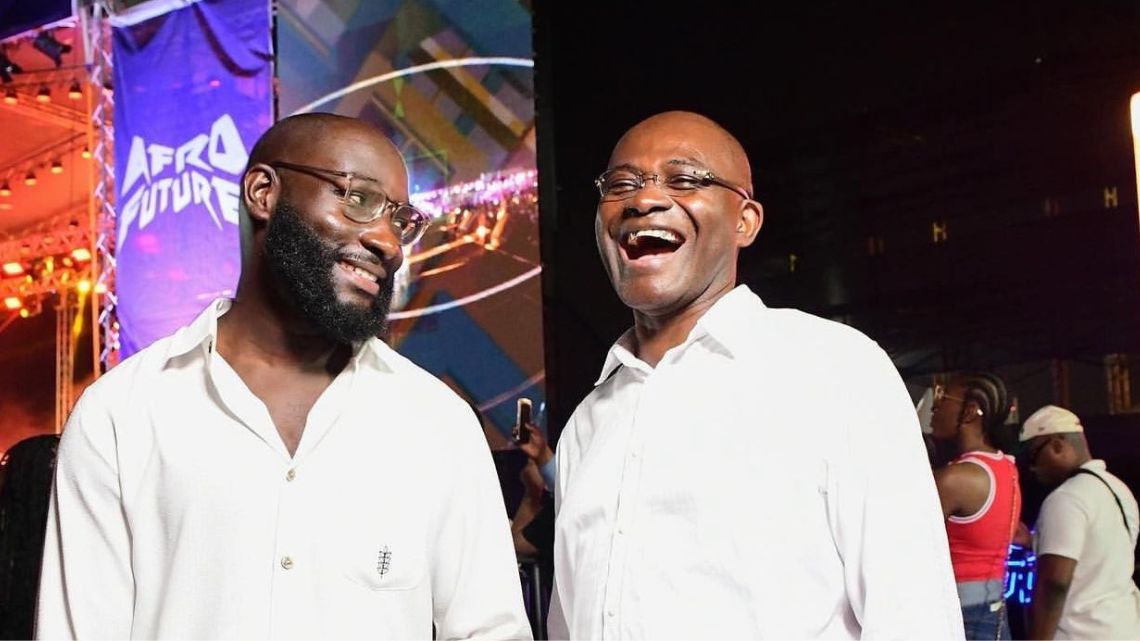
Kenneth Takyi Agyapong, the first son of Assin Central’s Member of Parliament, Kennedy Agyapong, is commemorating his 35th birthday today.
Kenneth Takyi Agyapong is known not only as the Co-founder and Chief Financial Officer of Culture Management Group and the Afrochella Festival but also for his philanthropic efforts.
He holds a BS in Business, Human Resources from Utica College of Syracuse University and a Masters in Business Admonition from Johnson & Wales University. Currently, he also works as a General Manager for KenCity Group.
To celebrate the occasion, his father, Mr. Agyapong, who owns KenCity Group took to the X platform to share heartfelt words in celebration of his son’s milestone.
In his message, Kennedy Agyapong expressed profound pride and admiration for Kenneth Takyi, highlighting the joy he has experienced watching his son grow.
He wrote, “Happy 35th Birthday to my amazing son! Watching you grow into the incredible person you are today has been one of the greatest joys of my life. Your strength, determination, and kindness inspire me every day. As you celebrate this special milestone, know that I am immensely proud of you and all that you have achieved. May this year bring you even more success, happiness, and unforgettable moments. Cheers to many more years of health, prosperity, and joy!”
In 2021, Kenneth chose to celebrate his 32nd birthday by giving back to the community, feeding underprivileged persons on the street. This act of kindness exemplifies the values his father praised in his birthday message.
Happy 35th Birthday to my amazing son! 🎉
Watching you grow into the incredible person you are today has been one of the greatest joys of my life. Your strength, determination, and kindness inspire me every day. As you celebrate this special milestone, know that I am immensely… pic.twitter.com/LioiNzwktX
— Hon. Ken Ohene Agyapong (@honkenagy) June 22, 2024
Kenneth Takyi Agyapong, the first son of Assin Central’s Member of Parliament, Kennedy Agyapong, marked his 35th birthday today.
To commemorate the occasion, his father, Mr. Agyapong, took to the X platform to share heartfelt words in celebration of his son’s milestone.
In his message, Kennedy Agyapong expressed profound pride and admiration for Kenneth Takyi, highlighting the joy he has experienced watching his son grow.
He wrote, “Happy 35th Birthday to my amazing son! Watching you grow into the incredible person you are today has been one of the greatest joys of my life. Your strength, determination, and kindness inspire me every day. As you celebrate this special milestone, know that I am immensely proud of you and all that you have achieved. May this year bring you even more success, happiness, and unforgettable moments. Cheers to many more years of health, prosperity, and joy!”
Kenneth Takyi Agyapong is known not only as the Co-founder and Chief Financial Officer of Culture Management Group and the Afrochella Festival but also for his philanthropic efforts.
In 2021, he chose to celebrate his 32nd birthday by giving back to the community, feeding underprivileged persons on the street. This act of kindness exemplifies the values his father praised in his birthday message.
Happy 35th Birthday to my amazing son! 🎉
Watching you grow into the incredible person you are today has been one of the greatest joys of my life. Your strength, determination, and kindness inspire me every day. As you celebrate this special milestone, know that I am immensely… pic.twitter.com/LioiNzwktX
— Hon. Ken Ohene Agyapong (@honkenagy) June 22, 2024
This decision comes in response to the government’s failure to implement a proposed new salary structure that was agreed upon over a year and a half ago.
In a formal notice to its members, CLOGSAG expressed frustration over the delay in executing the new salary structure, which had been approved by the Fair Wages and Salaries Commission (FWSC), Ministry of Finance, and Ministry of Employment and Labour Relations.
The association emphasized that despite the signing of a Memorandum of Understanding (MOU) outlining these changes, no action has been taken to date.
CLOGSAG stated that it has exercised patience for an extended period and now feels compelled to take decisive action if the government does not fulfill its commitment by the end of June.
“The Civil and Local Government Staff Association, Ghana (CLOGSAG) is serving notice that its members would proceed on a nationwide strike from Wednesday, 3 July, 2024 if the new salary structure is not implemented,” the June 21 statement read.
This impending strike is not the first time CLOGSAG has resorted to industrial action to demand better conditions of service. On several occasions, the association has withdrawn its services, each time receiving assurances from the government that their concerns would be addressed. However, the persistent delays have led to mounting dissatisfaction among the members.
CLOGSAG’s upcoming strike signals a significant escalation in their efforts to secure improved compensation and underscores the urgency of resolving the long-standing salary structure issue.
As the deadline approaches, the association and its members await a response from the government, hoping for a resolution that will prevent further disruptions.
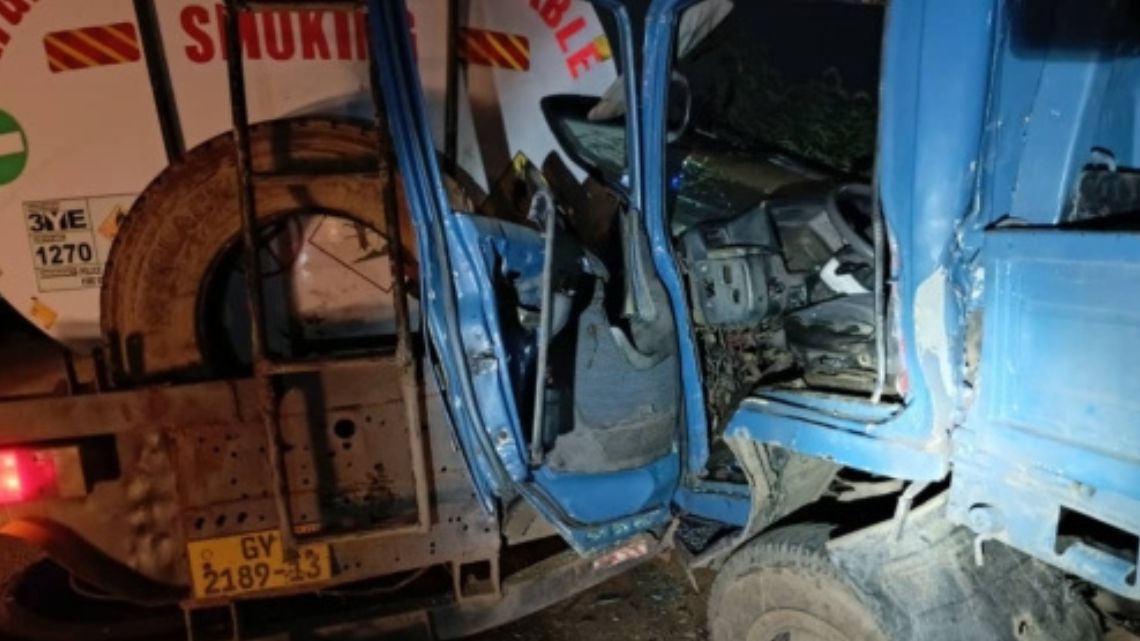
A tragic incident occurred at the Gomoa Mpota Checkpoint on the Kasoa-Winneba highway in the Central Region, resulting in the death of a police officer identified as Stephen Nii Quaye.
The officer, stationed at the Winneba Divisional Police Command, was crashed by a Kia truck around 11:00 pm on Friday, June 21.
According to sources, the police had stopped a car at the checkpoint when a Kia truck from behind crashed into him. The Kia driver, reportedly asleep at the wheel, first hit two cars before colliding with the metal at the police checkpoint and running over the officer.
Eyewitnesses recounted that the vehicles involved in the accident were a Kia truck with registration number GR-6419-N, a trailer with registration number GE-5468-22, and a fuel tanker with registration number GY-2186-13.
In an interview with Adom News, an eyewitness named Joseph Asamoah stated that after the accident, the Kia truck driver admitted that he had been sleeping at the time of the crash.
Three individuals who were onboard the Kia truck sustained injuries and are currently receiving treatment at the Winneba Trauma and Specialist Hospital.
The body of the deceased police officer has been deposited at the Winneba Trauma and Specialist Hospital mortuary for autopsy and preservation as investigations into the incident continue.
Member of Parliament for North Tongu, Samuel Okudzeto Ablakwa, has voiced strong objections to the National Investigation Bureau (NIB), a state intelligence institution, conducting a poll funded by taxpayers to select a running mate for the New Patriotic Party (NPP) in the upcoming 2024 general elections.
Speaking on JoyNews’ Newsfile, Mr Ablakwa criticized the government for using a state institution to conduct a poll about the selection of a running mate for its flagbearer.
He argued that if the government wants to conduct such a poll, it should use party funds and engage academics or other organizations, rather than using state funds.
“There are so many organizations in this country, academics in the universities – go and engage them with your party money – dues from your members. Don’t use our organization, a state-run organization run with our taxes. This is abuse of office,” he emphasized.
Mr Ablakwa’s remarks follow reports that the NIB conducted a survey on a potential running mate for the NPP flagbearer, Dr. Mahamudu Bawumia.
The survey indicated that Energy Minister Dr. Matthew Opoku Prempeh was widely preferred over Education Minister Dr. Osei Adutwum and other party members as the running mate.
Mr Ablakwa questioned the relevance of conducting such a poll for a governing party’s running mate and emphasized that the job of the NIB is to prioritize the national security interests of the country.
“How does choosing NAPO, Adutwum or whoever become relevant to the national security interest of our country? Serious mandate given to this body and you go about conducting NPP polls – with my taxpayer’s money? How do they expect NDC members to feel, neutrals to feel? That’s what they are doing with our taxes,” he added.
The Ministry of Interior has announced the renewal of the curfew for Alavanyo and Nkonya townships and their surrounding areas in Ghana’s Volta and Oti Regions.
Effective from Sunday, June 23, 2024, the curfew will be in place from 6:00 pm to 6:00 am, restricting movement within the designated area.
The boundary dispute between Nkonya and Alavanyo, which dates back to 1923, has been a longstanding issue fueled by the area’s rich resources such as timber, bamboo, and cola nuts.
This conflict has resulted in ongoing violence, with a notable escalation in May 2022 when a woman was fatally shot and another person was injured.
Over the years, various interventions have been implemented to manage the conflict, including military and police interventions, court adjudications, peacebuilding initiatives, and mediation efforts. Despite these efforts, the conflict has persisted, leading to the renewal of the curfew.
While the Ministry of Interior did not provide specific reasons for renewing the curfew, it reiterated the ban on carrying arms, ammunition, or any offensive weapons in the affected areas, warning that individuals found with such items would be arrested and prosecuted.
The renewal of the curfew highlights the ongoing challenges in managing the conflict between Nkonya and Alavanyo, emphasizing the need for sustainable peacebuilding efforts in the region.
David Vondee, the National Democratic Congress (NDC) Member of Parliament for Twifo Atti Morkwa, has apologized for his earlier defense of under-fire Agriculture Minister Bryan Acheampong regarding the planned purchase of a major stake in hotels belonging to the state-owned pensions outfit, SSNIT, by Acheampong’s company, Rock City Hotels.
Vondee had initially defended Acheampong, stating in an interview on Asempa FM that the minister was a friend and businessman who was unfairly targeted in the public tender process for the hotels. However, he has now made a U-turn on his stance.
In a recent interview on pro-NDC radio station, Power FM, Vondee apologized and retracted his support for the minister. He expressed full support for North Tongu MP, Okudzeto Ablakwa’s campaign against the purchase of state assets by politicians, a position he emphasized was also supported by NDC Flagbearer for the 2024 polls, John Dramani Mahama.
“I apologize to the rank and file of all the NDC members who felt that what I said was unpalatable. I apologize to them and I take my words back totally,” he stated.
“I didn’t mean to hurt the NDC and I am not opposed to Okudzeto Ablakwa. I stand by the position of non-purchase of state assets by politicians as championed by John Mahama and his running mate,” he emphasized.
Vondee also revealed that he had sponsored some of the people who attended the #HandsOffOurHotels demonstration led by Ablakwa earlier in the week.
He clarified that a viral tape of his earlier support for the minister had been truncated and did not reflect his broader and known position on the matter.
“I am very differing on the Bryan issue. Bryan is my friend so I talk about it differently. If you are selling something and I seek to buy it legally, under normal circumstances, I will buy it.
“So why is SSNIT that is seeking to sell our property being excused? And I don’t know how the NDC will understand me. Why is SSNIT being left off the hook and Bryan is being attacked frontally?
“By all standards, Bryan is a businessman, I am a businessman, if you think you don’t want to sell the hotels, stop the deal. The fact is that it is not good for the young man’s business,” he submitted on Accra-based Asempa FM on June 19.
Watch the video of Vondee’s apology and retraction.
Richard Jakpa, the third accused person in the ongoing ambulance purchase trial, faced an unexpected confrontation outside the Accra High Court as he dealt with a group of individuals demanding money from him.
The incident occurred after Jakpa spent two days testifying in court.
In a video shared by GHOne TV, Jakpa is seen in the parking lot of the court complex trying to move his Toyota Landcruiser while being accosted by the group of individuals, known locally as ‘goro boys,’ who were demanding money from him.
In the video, Jakpa is heard pleading for clemency, stating that he is “fighting for his liberty” and that the legal battle is expensive. He expresses frustration at the group’s insistence on asking for money from him, despite his circumstances.
“I am fighting for my liberty, you people too want to make money from me again, habba,” Jakpa is heard saying in the video as one of the individuals presses for monetary assistance.
Despite his pleas, the group continues to demand money from Jakpa, who is visibly frustrated by the situation. He is later joined in his car by Felix Kwakye Ofosu, an aide to former President John Dramani Mahama, as they drive out of the court premises.
Jakpa is standing trial alongside former Deputy Finance Minister, Cassiel Ato Forson, in the purchase of ambulances. Both men have pleaded not guilty to charges of willfully causing financial loss to the state in excess of over 2.7 million euros.
Watch the video of Jakpa confronting ‘goro boys’ outside court
I’m fighting for my liberty and you people want to make money from me… – Richard Jakpa jokes after his cross examination by State Prosecutors#GHOneNews#GHOneTVpic.twitter.com/PDaqfiOhqS
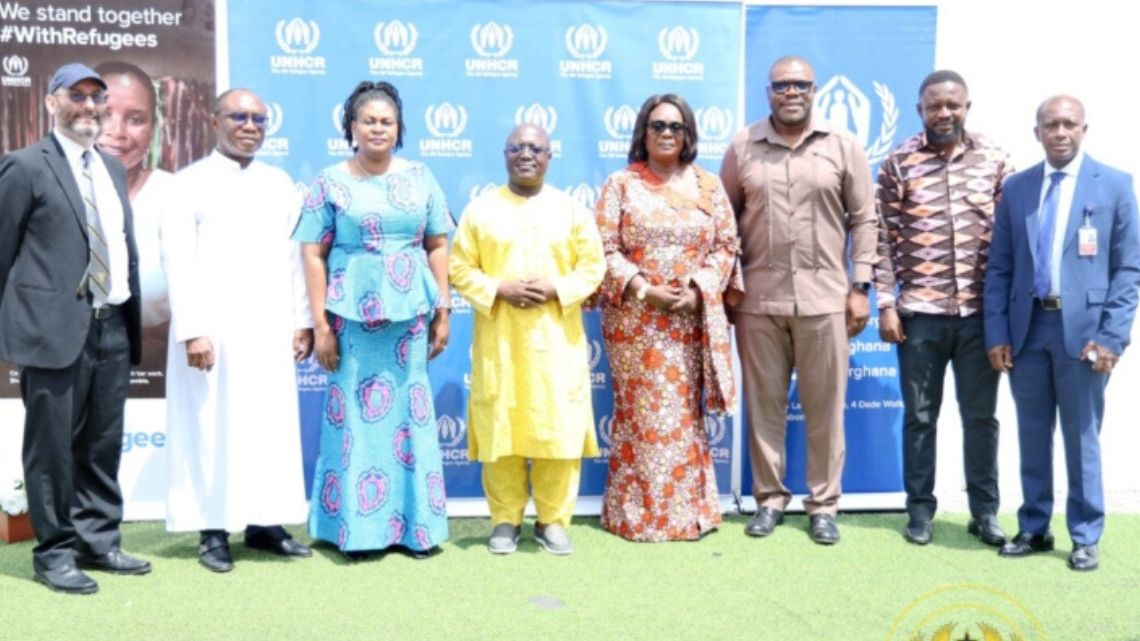
Deputy Minister for the Interior, Naana Eyiah, has reaffirmed Ghana’s steadfast commitment to supporting refugees within its borders.
At the 2024 World Refugees Day commemoration in Accra, highlighting the theme “Solidarity with Refugees,” she emphasized the various initiatives Ghana has implemented to ensure refugees have access to essential services and opportunities.
Naana Eyiah outlined that Ghana has been proactive in providing free education, healthcare, and economic opportunities to refugees, facilitating their integration into society.
She noted that identity cards have been issued to refugees to help them integrate more seamlessly, and residence permits have been granted to former refugees, allowing them to live legally in Ghana.
Despite these efforts, the Deputy Minister expressed concern over the dwindling resources allocated for refugee assistance, especially in light of the ongoing emergency in the Upper East and Upper West Regions. She urged the private sector to bolster their support, highlighting the mutual benefits that come with the inclusion of refugees in society.
“The involvement of the private sector is crucial,” she emphasized. “There are mutual benefits when refugees are supported and integrated into our communities.”
Hon. Naana Eyiah also took the opportunity to commend refugees for their resilience and contributions to Ghanaian society. She extended her gratitude to the United Nations High Commission for Refugees (UNHCR) for their continuous support and called for sustained solidarity with refugees.
Andrew Ginsberg, the Head of Office of UNHCR Ghana, echoed these sentiments, emphasizing the importance of providing refugees with opportunities in their host communities. He advised refugees to actively contribute to the development of their host areas and praised Ghana for its robust response in assisting refugees whenever needed.
“Refugees need opportunities in the communities that host them,” Ginsberg stated. “Their contributions can significantly enrich the social and economic fabric of these communities.”
The event concluded with a rallying call for collective action, reaffirming Ghana’s dedication to ensuring refugees live in safety and dignity.
The Member of Parliament for Tamale Central, Ibrahim Murtala Mohammed, has called for the Minister for Lands and Natural Resources, Samuel Abu Jinapor, to be summoned before Parliament to address allegations regarding the rampant sale of state lands in Tamale Central and other regions.
Raising these concerns on the floor of Parliament, MP Murtala Mohammed highlighted the sale of lands belonging to the Tamale West Hospital, with rapid development activities already underway.
He also pointed out that bungalows and accommodation facilities for the prison service in his constituency have been sold, leading to significant disruptions.
“I want to add my voice that the Minister for Lands appears before this house to provide some answers to some specific and pertinent questions. In Tamale Central, state lands are being shared like ‘koose’ or roasted groundnut,” Murtala Mohammed asserted.
He emphasized the urgency of the matter by noting the increasing population of Tamale and the critical need for state lands to be preserved for public use.
“Mr. Speaker, to the extent that the population of Tamale is skyrocketing day by day… The land that belongs to the Tamale West Hospital has been sold and people are developing with speed. You go there in the night, they are putting up buildings.”
Further detailing the issue, the MP revealed that local government roads leading to estates, along with state-owned bungalows and properties, have also been sold.
He expressed concern over the impact on prison officers, who are being displaced due to the sale of their accommodation facilities.
“The prison officers called me and complained that they were selling the land, they asked them to vacate the accommodation and that they were sold. As I talk to you, the entire roof of the buildings on that stretch has been ripped off,” he said.
Murtala Mohammed stressed the gravity of the situation, noting that prison officers now face the challenge of finding new accommodations.
“It means that the prison officers who don’t have accommodation where the prison is located would have to look for accommodation elsewhere. That is a serious matter.”
In light of these allegations, the Tamale Central MP is urging Parliament to summon Minister Samuel Abu Jinapor to provide clarity and accountability on the alleged sale of state lands and the measures being taken to address the concerns raised by affected constituents.
Parliament has finalised the draft bill aimed at extending maternity leave and introducing paternity leave in Ghana.
The Labour (Amendment) Bill, 2023, initiated by Madina Member of Parliament Francis-Xavier Sosu, seeks to amend section 54 of the Labour Act to provide new entitlements for male workers.
The proposed legislation grants male workers a period of paternity leave ranging from a minimum of two weeks to a maximum of four weeks.
This is in addition to their annual leave, provided they produce a medical certificate from a practitioner or midwife indicating the expected date of their spouse’s confinement.
The bill ensures that male workers on paternity leave will receive full benefits and remuneration. Additionally, the leave can be extended for another two weeks in cases of a caesarean section, stillbirth, or the birth of multiple babies. Male workers who adopt a child under three months old are also eligible for paternity leave.
Clause 2 of the Bill amends section 57 of the Labour Act, 2003 (Act 651), replacing “twelve” with “seventeen and at most twenty-six weeks” for maternity leave duration.
It includes a provision for female workers who adopt a child under three months to be entitled to maternity leave. The clause also allows for an additional two weeks of maternity leave in cases of abnormal confinement, caesarean section, stillbirth, or the birth of multiple babies.
Furthermore, Clause 3 introduces a new section after section 57 to provide for flexible working conditions for pregnant or lactating female workers. These workers can apply in writing to their employer, stating the reasons for their request. Employers are required to respond in writing within fourteen days, indicating whether they grant or refuse the application.
Following the completion of the draft bill, it will be gazetted and read for the first time on the floor of the House before being referred to the relevant committee for consideration.
The bill was initially introduced by Sosu in October 2023, and a stakeholders’ engagement was held on March 4, 2024, to discuss its objectives.
According to Sosu, “the Bill forms part of efforts to achieve gender parity, and realise a free, fair, inclusive, progressive, and just society for all.”
As deputy Ranking Member of the Constitutional, Legal and Parliamentary Affairs Committee of Parliament, Sosu has so far initiated 17 Private Member’s Bills.
These include the death penalty bills, anti-witchcraft accusations bill, community sentencing bill, and a bill to remove taxes on sanitary pads, among others. Three of these bills have been passed by Parliament, with one receiving Presidential assent.
Ghana has experienced a decline in its ranking on the World Bank‘s Supreme Audit Institutions Independence (SAIs) Index for the year 2023, scoring a D (6.5) compared to its previous score of C (8.0-8.5) in 2021.
This decrease signifies that while some independence indicators were met, there remains significant room for improvement in the independence of Ghana’s Supreme Audit Institutions.
The SAIs Independence Index, launched by the World Bank in July 2021, is a methodological tool designed to measure the independence of supreme audit institutions globally.
The index evaluates SAIs against ten indicators, including legal, financial, mandate, and coverage aspects. The assessment is based on a benchmarking exercise against international standards and practices, providing options for reforms to enhance SAI independence.
The World Bank’s evaluation highlights several areas where Ghana’s SAI independence can be strengthened. Policy recommendations include reinforcing existing policies and incorporating several INTOSAI principles into the legal framework. Specific recommendations include:
Establishing clear Standard Operating Procedures (SOPs) to clarify the audit recommendation follow-up processes for all stakeholders.
Equipping Internal Audit Units (IAUs) with the necessary training, office equipment, and relevant tracking databases to perform their duties effectively.
Promoting effective collaboration between the Internal Audit Agency (IAA), IAUs, Audit Committees, Spending Officers, and the Public Accounts Committee (PAC) through stakeholder dialogues.
Refocusing attention on all types of audits as mandated by Ghanaian law to encourage probity and accountability in governance and the deployment of public resources.
Enhancing the effectiveness of audit follow-ups, which are legally the responsibility of Audit Committees, Internal Audit Agencies, Spending Officers, and the PAC, as stipulated by the PFM Act, 2016 (Act 921).
Despite legal requirements, the follow-up on audit recommendations has not been effectively managed or tracked.
The assessment also calls for Spending Officers to undertake a root cause analysis of audit issues and communicate these clearly to enhance understanding and increase the likelihood of resolving identified infractions and irregularities.
The West African Examinations Council (WAEC) has clarified that it has received only GH¢47 million from the government for the conduct of the Basic Education Certificate Examination (BECE), countering claims of a larger payment.
Previously, Frank Annoh-Dompreh, the Majority Chief Whip, informed Parliament that the Finance Ministry had released GH¢80 million to WAEC for the BECE.
Majority Chief Whip, Frank Annoh-Dompreh
This statement came in response to concerns raised by Yusif Sulemana, the Member of Parliament for Bole-Bamboi, regarding the government’s outstanding debt to WAEC.
Initially, WAEC had only received GH₵2.3 million of the GH₵95.83 million required. This shortfall led the council to request at least 50% of the total amount to conduct the examination and additional funds to process and release the results.
The BECE is scheduled to take place from July 8 to July 15, 2024, at various centers across the country.
In an interview on Citi FM’s Eyewitness News on Friday, John Kapi, the Head of Public Relations at WAEC, clarified the financial situation.
He stated that the council received a warrant for about half the total amount on Friday afternoon, not the GH¢80 million as indicated by the Majority Chief Whip.
“They were supposed to have paid us GH¢95,837,306 and out of this, they have paid GH¢2,284,618. So we were expecting them to pay a balance of GH¢93,552,688 to us to enable us to conduct the examination,” Kapi explained.
He further detailed the payment history, noting that in 2023, the government made some payments but still owes GH¢698,500 in arrears. “Earlier on the 17th of May, we received GH¢2.2 million and then this afternoon we received a warrant for GH¢47,125,594. So that is about half of the total amount left to be paid to us,” he stated.
The National Service Scheme (NSS) has clarified the GH¢40 Online Enrolment Activation fee required from prospective national service personnel to activate PIN codes for the 2024/2025 service year enrolment.
This clarification comes amidst significant public uproar following media reports that suggested the fee was a new and potentially exploitative charge.
In a statement dated Friday, June 21, the NSS addressed these concerns, explaining that the GH¢40 fee is not a recent development. The NSS described the publications about the fee as “twisted and skewed,” urging the public to disregard misleading information and understand that this fee has been in place for several years.
“The National Service Scheme (NSS) has taken notice of concerns raised by a section of the public regarding the GH¢40 fee required from prospective national service personnel to activate PIN codes for the 2024/2025 service year enrolment,” the statement began.
“It is clear that the authors of the storyline did not find out much about the issues and rather sought to twist and skew the story to portray the Scheme negatively to the public, as though this was an extortion, as they suggested in their write-up. Management wishes to clarify that the GH¢40 charge for PIN codes is not a recent development.”
The NSS further emphasized that this fee was originally deducted from the personnel’s first-month allowances but in 2015, the payment method was changed to require service personnel to pay before enrolment.
“The fee was initially paid through deductions at source from the first month allowances of the service personnel after they have been posted. However, the mode of payment was changed in 2015 to allow service personnel to pay before enrolment,” the statement added.
The NSS’s clarification aims to set the record straight and assure the public that the fee is a long-standing practice and not a new financial burden imposed on prospective national service personnel.
The scheme’s management highlighted the importance of accurate reporting and urged the media and the public to verify information before drawing conclusions.
North Tongu Member of Parliament, Samuel Okudzeto Ablakwa, has raised serious allegations against Rock City Hotel, asserting that the establishment did not file taxes for two years yet managed to obtain a tax clearance certificate.
Mr Ablakwa produced documents to support his claims, emphasizing that the hotel, located in the Eastern Region, has been incurring significant losses.
Earlier, Ablakwa stated that Rock City Hotel was unprofitable and mentioned he had documents to substantiate his assertion. This claim was met with strong opposition from the Minister for Food and Agriculture, Bryan Acheampong, who owns Rock City Hotel. Acheampong dismissed Ablakwa’s claims, challenging him to provide evidence.
“Rock City is not making losses. There is no one anywhere who can say that Rock City is making losses. I saw Okudzeto and Sammy Gyamfi in the studio exaggerating. Okudzeto was in a smock exaggerating that Rock City is making losses and that he has intercepted documents from GRA,” Bryan Acheampong stated.
In response to this challenge, Ablakwa presented his evidence on Accra-based Metro TV. He detailed that on March 12, 2021, Rock City Hotel reported to the Ghana Revenue Authority (GRA) that they would make losses for that year.
“Then two years later, they returned on the 9th of March 2023 and did a debit adjustment that they had two withholding taxes, which came up to 20,782. And that’s all you have for 2021. So they told the GRA on the 12th of March that that year, they will make losses,” Ablakwa said.
Ablakwa further noted that for the year 2022, there were no tax filings at all. He revealed that it was only after he exposed this issue and reported to the Commission on Human Rights and Administrative Justice (CHRAJ) on May 17 that Rock City Hotel rushed to the GRA.
“So you see here, 23rd May 2024 that – we now want to come and make do our tax obligations for 2022, for two years ago,” he added.
Ablakwa clarified that Rock City Hotel should have filed their taxes by June 2023 but failed to do so, which by the rules necessitates a penalty.
He emphasized that when Rock City Hotel submitted their bid, they clearly did not have a tax clearance certificate. After his exposure, they hurriedly went to the GRA on May 23, 2024, and initially reported losses for 2022.
However, the same day, they amended their records to report a profit, incurring a tax liability of 395,000 Ghana cedis and a penalty of 4,390 Ghana cedis.
Ablakwa questioned how Rock City Hotel obtained a tax clearance certificate to participate in the bid despite not filing taxes for two years. He highlighted the inconsistencies in the hotel’s tax filings and the timing of their actions following his revelations.
“According to the SSNIT statement that was put out on the 19th of May, a copy of which I have here, if you look at the timelines, they said they started this process in 2018 and got the transaction advice in 2018. Then they started the bid for the hotel purchase, the tender, for the sale of the hotels in 2022. So you hadn’t filed your taxes for two years. How did they get a tax clearance certificate to participate in the bid?” Ablakwa questioned.
Furthermore, Ablakwa disclosed that in 2023, Rock City Hotel filed their taxes on April 20, declaring that they would make losses that year. He pointed out the discrepancy between the hotel’s financial reports and their bid to purchase Labadi Beach Hotel, which is known to be profitable.
“So when I said that what you [Rock City Hotel] have told GRA about your operations last year – that you will make no profits and you are now going to buy a Labadi Beach Hotel – making a profit of one hundred and fifty-eight million, it should have been the other way round. Labadi Beach Hotel is more profitable. I was speaking to the documents, I was speaking to the intercepted filling at the GRA,” Ablakwa said.
He concluded by revealing that on March 31, 2024, Rock City Hotel informed the GRA that they did not expect to make a profit that year.
However, after his petition to CHRAJ, they returned on May 24, 2024, to adjust their records, indicating that they believed things were looking better.
New data from the Ghana AIDS Commission reveals a concerning surge in new HIV cases recorded.
In 2023, 17,774 individuals contracted the virus.
This marks a 7% increase compared to the previous year. Ghana recorded a decline in new HIV infections in 2022, with 16,574 cases reported compared to 18,036 in 2021.
Females accounted for a significant majority of new infections in 2023, with 11,317 women newly infected, representing 63.67% of the total, while 6,457 males were infected, representing 36.32%.
Among the newly infected individuals, 4,869 were youths aged 15 to 24, 1,698 were children under 15, 1,520 were adolescents aged 10 to 19, and 16,076 were adults over 15. This data highlights the need for targeted prevention strategies, especially among young people and adolescents.
As of 2023, an estimated 334,095 people in Ghana were living with HIV, with females outnumbering males. This includes 17,550 children under 14, 16,381 adolescents aged 10 to 19, 33,245 young adults aged 15 to 24, and 316,545 adults aged 15 and above.
Despite progress in treatment availability, 12,480 Ghanaians died from AIDS-related illnesses in 2023, highlighting the need for increased access to appropriate treatments and care.
The Ghana AIDS Commission remains committed to achieving the global 95-95-95 targets by 2025, aiming to have 95% of people living with HIV aware of their status, 95% of those diagnosed on antiretroviral therapy (ART), and 95% of those on ART achieving viral suppression. In 2023, Ghana achieved 65.3%, 69.4%, and 89.0% for the respective targets.
Dr. Kyeremeh Atuahene, Director General of the Ghana AIDS Commission, has called for increased efforts to combat AIDS, particularly among the economically active population aged 15 to 49. He emphasized that addressing the AIDS epidemic should be a national priority in Ghana.
Causes of HIV and Prevention: HIV is transmitted through contact with certain body fluids, such as blood, semen, vaginal fluids, and breast milk, from a person who has HIV. The most common ways HIV is transmitted include:
Unprotected sexual contact with an infected person.
Sharing needles or syringes with someone who has HIV.
Receiving contaminated blood products or organ transplants.
From mother to child during childbirth or breastfeeding.
Prevention efforts include:
Practising safe sex by using condoms consistently and correctly.
Getting tested and knowing your partner’s HIV status.
Avoid sharing needles or syringes.
Take pre-exposure prophylaxis (PrEP) if you are at high risk of HIV.
Ensuring access to antiretroviral therapy (ART) for those living with HIV to achieve viral suppression and reduce the risk of transmission.
Education, awareness, and access to healthcare services are crucial in the fight against HIV/AIDS. It is essential for individuals to know their status, seek appropriate care and treatment, and adopt preventive measures to reduce the spread of HIV.
Ghana is experiencing an average of 50 new HIV infections daily, with the majority of cases occurring among individuals aged 15 to 49, according to the Ghana AIDS Commission.
This economically active population group represents a significant portion of new infections. The commission released these figures during the unveiling of the 2023 national and sub-national HIV and AIDS estimates and projections.
The data also revealed that out of the 334,095 people living with HIV/AIDS in the country, 17,550 were children below the age of 15. Additionally, there were 17,774 new HIV infections, with 1,698 being children below 15 years and 16,076 representing adults above 15 years.
While there has been a decline in new infections, AIDS deaths, and HIV prevalence, the progress is not sufficient to meet the set goals and targets.
During a media engagement to disseminate the results and discuss their implications, the Director-General of the Ghana AIDS Commission, Dr. Kyeremeh Atuahene, emphasized the need for more efforts to achieve the expected targets.
The forum, attended by media professionals and stakeholders in the HIV response sector, highlighted regional and district-level variations in prevalence and new infections, with Greater Accra, Ashanti, and Eastern regions recording the highest numbers of persons living with HIV.
Challenges identified by the commission include data capture, validation, and quality issues, which need to be addressed urgently. Dr. Atuahene acknowledged the concern over continued mother-to-child transmission, attributing it to gaps in the healthcare system and calling for collective efforts to address the issue.
Stakeholders were urged to work together to achieve the 95-95 targets by the end of 2025 and 98-98 by the end of 2030.
The commission acknowledged the support of stakeholders, including the National AIDS and STI Control Programme, Ghana Health Service, UNAIDS, World Health Organisation, and the US President’s Emergency Plan for AIDS Relief (PEPFAR), in generating the data.
UNAIDS Country Director Hector Sucilla Perez emphasized the importance of understanding the epidemic and using data for action to end AIDS as a public health threat by 2030.
Ms. Perez highlighted the critical role of the media in advocating for the needs of persons living with HIV and improving societal enablers to create an enabling environment.
The Country Director of the US Centre for Disease Control (CDC), Tony Ao, commended Ghana’s efforts in the fight against HIV/AIDS and its progress towards achieving high-quality data to guide the national response.
He encouraged stakeholders to use the data judiciously, with technical guidance from experts, to ensure meaningful interpretation and application.
The CDC reiterated its commitment to supporting Ghana’s national AIDS response and praised the country’s progress towards ending AIDS as a public health threat by 2030.
The government of Ghana has reportedly settled a significant portion of the debt owed to the West Africa Examination Council (WAEC), addressing concerns about the upcoming Basic Education Certificate Examination (BECE).
WAEC had raised alarm over the possibility of postponing the BECE due to financial constraints.
According to WAEC’s Director of Public Affairs, John Kapi, the council required about GH₵90 million to conduct the exams. While the exam papers had been printed, there were insufficient funds to distribute them and send WAEC officials to monitor the exams, potentially leading to a postponement.
In response to this issue, the National Democratic Congress (NDC) Member of Parliament for Bole Bamboi, Yusif Sulemana, urged the Education Minister to prioritize clearing the debt to ensure the smooth conduct of the BECE.
However, the Majority Chief Whip, Frank Annoh-Dompreh, clarified in Parliament that a significant portion of the debt, amounting to GH₵80 million, had been released. He stated that he had received confirmation from the Minister of State, Abena Osei-Asare, regarding the release of funds.
Contrary to these claims, the Minority Chief Whip, Kwame Governs Agbodza, challenged the assertion, stating that the NDC Minority caucus was not aware of such a payment.
He noted that while the Minister of State had mentioned a payment of 40 million cedis, the total amount owed to WAEC for the BECE was 93 million cedis.
“We are told an amount of 80 million has been released… so please, the matter has been dealt with,” he said.
“On this paper that she gave us the copy, what is owed WAEC for BECE is 93 million Ghana Cedis. If you pay even 40 million, you are almost half way so I’m not aware she said 80 million.
“If they paid him 80 million fine, because I saw her insisting they paid 40 million and it’s the total amount of money,” he said.
The issue highlights the importance of timely payment of debts to ensure the smooth functioning of essential services such as education.
The conflicting reports indicate the need for transparency and clear communication between government officials and stakeholders to address financial challenges effectively.
The Passport Office in Ghana has reported a decrease in the number of passport applications since the price increase took effect on April 1, 2024.
Despite facing opposition from some passport applicants, agents, and stakeholders, the Ministry of Foreign Affairs and Regional Integration has defended the decision, stating that it aligns with the 2023 fees regulations, L.I.2481.
In an interview with Channel One News, the Director of the Passport Office Headquarters, Paul Cudjoe, acknowledged the slowdown in applications but expressed confidence that it would not significantly impact their operations as long as they fulfill their mandate.
Cudjoe explained, “Naturally, there will be a slowdown because for a long time, we had not increased the passport price and we needed to bridge the gap. It got to a point that if we had not increased the price, we couldn’t even print passports, that’s why the new fees were introduced.”
Under the new fee structure, the standard fee for a 32-page passport booklet is now GH¢500.00, representing a 400% increase.
The cost of a 48-page passport booklet has also risen significantly to GH¢644.00, reflecting a 329% increase from the previous price of GH¢150.00.
The union has directed its members to return to work on Monday, June 24, to prepare for full operation on Tuesday, June 25.
The decision to suspend the strike came after a meeting between the National Labour Commission (NLC) and the Fair Wages and Salaries Commission. Dr. Cephas Kofi Akortor, the General Secretary of the union, stated during a press conference that the decision was made following a review of the directive by the NLC and other stakeholder meetings.
Dr. Akortor also addressed the issue of ill-treatment of union members by some facility managers and administrators, warning them to desist from such actions. He emphasized that the union would not hesitate to report any misconduct to the NLC for redress.
The General Secretary extended apologies to clients for any inconveniences caused during the strike and assured them of the union’s commitment to serving them to the best of their professional ability.
The nationwide strike, which began on June 17, affected services provided by MELPWU members in medical laboratories, blood banks, pathology laboratories, and selected mortuary facilities across the country. This industrial action was in response to delays by the Fair Wages and Salaries Commission and the Ministry of Finance in concluding negotiations with the union.
During the strike, laboratory services at the Manhyia Government Hospital and the Komfo Anokye Teaching Hospital in Kumasi were closed, and patients were directed to access private laboratories. However, patients expressed concern over the high cost of services at these private facilities.
One Holali Maxwell Dorgbe has been reported missing after he was last seen on Tuesday, June 18, 2024, at 1:40 pm at Ashongman Estate in Accra.
Holali is a fair slim and tall individual. He was last seen wearing a black shirt and short jeans.
A social media campaign to locate the 21-year-old has been launched.
The campaign aims to mobilize support and gather any information that could lead to Holali’s safe return. The following contact numbers have been provided for anyone with relevant details: 0598160171 and 0245707318.
As the search intensifies, community members are urged to cooperate with law enforcement. If you possess even the slightest piece of information, please visit the nearest police station. The fate of Holali hangs in the balance, and every lead matters.
A man living in the United States of America (USA) recently got fired from his job.
The Christian man said to be a former homosexual, believes he was relieved of his duties for posting recordings that focused on Jesus Christ at the workplace.
In a video on Instagram, he recounted the events that led to his sacking and the probable reasons.
“So I just got fired from my job for my social media. Like I am not crying or mad or upset. I am just like this is wild and this is expected and there is nothing I talk about on my social media except for Jesus and so obviously that has to be the only reason.”
“Now they talked about me recording some things in the conference rooms and my mindset was this is a big place, it’s not that serious. I’m gonna try to really not have the logo be in anything. They said the logo was in one of my videos. I don’t recall but they said in general overall. It’s against their social media policy which is very interesting.”
He continued, “I know places and occupations and jobs, they have, you know take the videos like if there’s like educational purposes but obviously don’t have kids there or whatever. This only happens when you stand in truth and here is what I’m gonna do.”
According to the black man, “I know the Lord is gonna provide for me but I just wanted y’all to know. This is what happens when you love Jesus and I’m not gonna stop loving Jesus and I’m gonna bless them. I hope they do well but this means my time here is up and there is something else that the Lord needs me to do. So give me your prayers.”
Meanwhile, his story has received divided opinions from users.
A user wrote: “You were not fired for these reasons. You were fired because you did your recordings in company and probably had their logo on as they say. Your personality, sexuality and personal religious beliefs have nothing to do with your company. If you have proof then you can sue else move along. Every work place has their own policy. Some allow you to record some don’t.”
Another said, “Normally you will get a better job …Anything you give up for Jesus ❤️🩹, be rest assured he pays you back in double … lived by the faith for years now , it works ! Just put Jesus ❤️🩹 first.”
A video making rounds on social media has captured the shocking moment a Nigerian driver was seen using a switch to control his gear while driving.
The incident took place in Owerri, Imo State, and has sparked widespread concern and astonishment.
In the video, a distressed woman can be heard expressing her fear and anxiety as she witnesses the unconventional driving method.
“I am scared for my life. My heart is beating fast. My heart is beating fast,” she wailed repeatedly, her voice trembling with fear.
The clip, which was captured and shared on Instagram, shows the driver manipulating a switch to control the vehicle’s gear system while in motion.
Such modifications to vehicle controls are highly unconventional and potentially hazardous. The video has since garnered significant attention online, with many viewers expressing their concerns over the safety implications of the driver’s actions.
“Drivers go just dey take unnecessary risk cos of money,” a user wrote.
Other users said: “Rather than laugh at him, we should inquire about the creativity and possibly upgrade it because if it was a foreign car that was created with such. Some people will be struggling to purchase it.”
The Ghana Revenue Authority (GRA) has announced that Strategic Mobilisation Limited (SML) will resume its monitoring operations of the Downstream Petroleum sector starting June 14, 2024.
This directive follows President Akufo-Addo’s instructions based on a KPMG report, as stated in a GRA communication dated June 12, 2024, to Bulk Oil Distributors.
In the statement, GRA emphasized the necessity of this directive, noting, “Strategic Mobilisation Limited (SML) has been directed to resume its monitoring operations of the Downstream Petroleum sector with effect from June 14, 2024, in accordance with the Presidential Directives on the KPMG report.”
The GRA further elaborated that SML is tasked with ensuring all systems are operational and comply with relevant standards to provide accurate and reliable monitoring services, thereby supporting revenue assurance.
Bulk Oil Distributors have been urged to cooperate with SML to facilitate a smooth resumption of the monitoring activities.
Simultaneously, the Ministry of Energy, in a statement dated June 20, 2024, revealed that new standards for measurements in the oil and gas sector have been developed in collaboration with the Ghana Standards Authority (GSA), the Ministry of Trade, and other stakeholders.
These standards are based on the Singaporean Standard and employ the Coriolis mass flow metering system.
The Energy Ministry stated, “The Ghana Standards Authority (GSA), in collaboration with the Ministry of Energy, Ministry of Trade and Industries, and other relevant stakeholders, has developed new standards for measurements in the oil and gas sector based on the Singaporean Standard. The Minister for Trade and Industry has declared these standards operational and mandatory.” All entities involved in measurements for revenue assurances in the oil and gas sector must adhere to these new standards.
The directive for SML to resume operations comes after an audit conducted by KPMG, commissioned by President Akufo-Addo on January 2.
The audit aimed to review the contract between GRA and SML, highlighting significant financial transactions and payments to SML.
According to the report, SML received a total of GH¢1,061,054,778.00 from 2018 to date. This includes GH¢454,860,396.27 for transaction audit and external price verification payments and GH¢945,342,007.29 for downstream petroleum measurement payments.
The KPMG report also revealed that the total investment value in the contracts for transaction audit, external price verification services, and downstream petroleum audit services amounts to US$44,044,180.00. However, KPMG noted that SML did not provide the GRA with supporting documents or relevant information to verify these investments made from 2018 to 2023.
KPMG recommended that GRA verify the investment of any of the services that were provided by SML.
Regarding the downstream petroleum audit services, KPMG determined that there was an incremental volume of 1.7 billion litres and an incremental tax revenue of GHS 2.45 billion for the period under review.
“There were also qualitative benefits, including a 24/7electronic real-time monitoring of the outflow and partial monitoring of inflows of petroleum products at depots where SML had installed flowmeters,” the report added.
The downstream petroleum sector refers to the final stage in the petroleum industry, where refined petroleum products are distributed and sold to consumers.
This sector includes activities such as refining, storage, transportation, and marketing of petroleum products. Examples of downstream activities include operating refineries, distributing fuels to gas stations, and selling petroleum products to end-users like consumers and businesses.
A lady said to trace her origin to Brazil and Syria has captured the hearts of many Nigerian folks.
The lady believed to be in her mid-twenties or early thirties speaks Yoruba fluently and also possesses a Nigerian accent.
In a video on Instagram, the said lady and a young man engage social media users. The young man tells the lady she is not Nigerian but the young spirited woman believes others.
She was born and raised in Nigeria, the young man who, is Nigerian and Lebanese and comes from Yoruba admitted. However, he, Mr Olu, believes she cannot claim to be fully Nigerian, something even he does not do.
The lady thinks otherwise of herself.
“Let me tell you why I claim Nigeria. I was born here, yes. I was raised here, yes,” she said.
She however said, ” I don’t know my country.”
Nonetheless, she later admitted that Nigeria “literally brought her up” and hence can claim it as her country.
“At least I am proud, I am part of the people. I can stand with the people and I don’t think I can continue arguing with you.”
Reacting to their conversation, some Instagram users wrote: “Bro she sounds more Nigerian than you sef. Love how she acknowledged and gave accolades to the country that brought her up.”
Another wrote: “Babe got a Yoruba accent even before speaking.”
If she was born in Nigeria, by naturalisation, she is Nigerian.
The Ghana Meteorological Agency (GMet) has issued a weather alert, forecasting a rainstorm currently observed over the northwestern borders of Togo.
This storm is anticipated to move westwards, bringing rain of varying intensities to parts of northern and transitional sectors of Ghana from this morning into the afternoon.
According to GMet, the impending rainstorm will be accompanied by gusty winds, which may affect several areas, including Bawku, Zebilla, Bolgatanga, Pwalugu, and Paga.
Residents in these regions are advised to take precautionary measures to mitigate any potential impact.
Reports emerging from Bole in the Savannah Region suggest that soldiers sent to a galamsey area have allegedly brutalised the Vice Regional Chairman of the New Patriotic Party (NPP), Yakubu Mahama.
The incident is linked to the deployment of soldiers purportedly to protect Chinese nationals involved in illegal mining activities in the region.
The altercation began when Yakubu Mahama reportedly sought a meeting with the leader of the military team. Tensions escalated into a scuffle between the soldiers and the NPP Vice Regional Chairman.
According to Citinewsroom, witnesses reported that the situation worsened when Mahama’s brother called the NPP Secretary for Bole-Bamboi. The secretary arrived at the Bole Police Station accompanied by a group of young men, which reportedly intensified the conflict.
According to sources, the soldiers responded with gunfire and allegedly assaulted the NPP Vice Regional Chairman during the confrontation. Mahama’s brother issued a stern warning to the soldiers, asserting that such actions would not be tolerated.
Further details regarding the incident remain unclear, and calls for an investigation into the actions of the soldiers have been made.
The involvement of Chinese nationals in illegal mining continues to be a contentious issue, with accusations of complicity and protection by certain military personnel.
Head of the Running Mate’s Campaign for the National Democratic Congress (NDC), Alex Segbefia, has expressed strong confidence that the party’s flagbearer, John Mahama, will secure a decisive victory in the upcoming December elections.
In an interview with Citi FM on Thursday, June 20, Segbefia emphasized Mahama’s superior track record in comparison to President Akufo-Addo and Vice President Dr. Mahamudu Bawumia.
The former Health Minister underscored the NDC’s commitment to a robust campaign strategy focused on ensuring Mahama’s triumph in the polls.
Mr Segbefia articulated his unwavering belief in Mahama’s chances, asserting that he has no doubt Mahama will form the next government. He emphasized that Mahama’s leadership would restore hope to Ghanaians and address the challenges currently facing the country.
According to Segbefia, Mahama’s past achievements and his vision for the future distinguish him from the current administration, making him the ideal candidate to lead Ghana forward. The NDC, he added, remains dedicated to communicating this message to the electorate as they head into the December polls.
“We have a case because there is a direct comparison now. We have a flagbearer who has been president before and has been Vice President before. You can compare his record as Vice President with the record of the current Vice President. You can compare his record as president with the current president,” Segbefia stated.
He further highlighted Mahama’s accomplishments, particularly in the area of macroeconomic indicators and infrastructure development, as evidence of his capability to lead the nation effectively.
“He wins hands down. Take all the macroeconomic indicators. Tell me, in the last seven years, add Kufuor’s years, which hospital has ever been built by the NPP to write home about? Not just health infrastructure. We’ve done well in almost every structure or every portfolio that exists under this current government,” Segbefia remarked.
Running mate of the opposition National Democratic Congress’ John Mahama, Professor Naana Jane Opoku-Agyemang, has cautioned Ghanaians to be wary of the ruling New Patriotic Party’s (NPP) 2024 slogan, “It is possible,” suggesting that the party may not be able to deliver on its promises.
Speaking at an event with female media professionals in Accra, Prof. Opoku-Agyemang criticized the NPP’s track record, citing recent events as evidence of their failure to fulfill their commitments.
She specifically mentioned the picketing by pensioner bondholders at the Finance Ministry, demanding the release of their funds.
She urged Ghanaians to critically examine the NPP’s promises and consider the reality of their delivery when making electoral decisions.
“When we say it is a people’s manifesto, we mean it. You can just shut a couple of us in a room for a couple of weeks and we can draft one for you nicely. But for who are you doing the manifesto for? Does it include journalists? Yes, it includes journalists of many areas of focus,” she stated.
Prof. Opoku-Agyemang also dismissed criticisms that the NDC lacks ideas and vision to govern effectively if elected.
She emphasized the party’s commitment to engaging with various groups, including women, to understand their concerns and incorporate them into their manifesto.
“At a time of different haircuts, and at a time old people picketing at the ministry of finance…at that time they also thought that none of this will happen, they didn’t even imagine that it is possible. But that has been possible, so when you hear about it is possible, think… pic.twitter.com/ZhBiYmGEuO
Ghana is on the verge of finalizing an agreement in principle with its Eurobond holders for the restructuring of $13 billion worth of international debt, Reuters reported on Thursday, citing three sources.
This development follows a recent deal concluded with official creditors earlier this month.
The restructuring deal is expected to involve bondholders accepting a haircut on principal of up to 37% and the lengthening of the maturity of the bonds, according to two of the sources.
Ghana faced challenges with its external debt, defaulting on most of its $30 billion debt in 2022 due to the strain of the COVID-19 pandemic, the war in Ukraine, and higher global interest rates leading to surging debt levels.
Similar to Zambia, Ghana sought debt treatment under the G20 Common Framework, a process aimed at facilitating quick debt overhauls and involving China, the newest large bilateral lender.
“We can expect an announcement by next week,” said one of the sources, while the other two indicated that an announcement could come as soon as Friday. The finance ministry of Ghana and the Paris Club, an alliance of creditor nations, could not be immediately reached for comment.
Formal talks with two groups of bondholders began in mid-March, including Western asset managers, hedge funds, and regional African banks. However, negotiations stalled in April after the proposed deal did not meet the International Monetary Fund’s (IMF) debt sustainability analysis requirements, prompting both sides to regroup.
According to the sources, the deal now aligns with a revised IMF debt framework for Ghana, leading to the agreement in principle. Earlier this month, Ghana reached an agreement with its official creditor committee to formalize a debt restructuring deal reached in January.
These developments pave the way for the IMF executive board to convene on June 28 to consider a second review of Ghana’s $3 billion loan, three-year package, and the release of the next tranche of $360 million.
Ghana, the world’s second-largest cocoa producer, is navigating a complex debt restructuring process as it seeks to address its debt challenges and ensure financial stability.
In a significant development in the ongoing ambulance procurement trial, the prosecution has for the first time admitted that Attorney General Godfred Yeboah Dame met with the 3rd accused person, Richard Jakpa, at the residence of Supreme Court judge, Justice Yonny Kulendi.
However, the prosecution clarified that the meeting was not arranged and that Richard Jakpa coincidentally “only appeared” at the judge’s residence when the Attorney General was visiting.
This affirmation by the prosecution was the first time they confirmed what Richard Jakpa had previously stated during cross-examination, that he had met Godfred Yeboah Dame at Justice Yonny Kulendi’s house on several occasions.
The revelation came during a question put to Richard Jakpa by the Director of Public Prosecution, Yvonne Atakora Obuobisa, who stated that “he (Richard Jakpa) only appeared at Justice Kulendi’s house when the Attorney General was there.”
Justice Yonny Kulendi
In response, Richard Jakpa denied the assertion, stating that it was the Attorney General who ambushed him at his cousin’s house. He further explained that he had spoken with the Attorney General on Justice Kulendi’s phone when he was securing his bail, contradicting the prosecution’s claim that there was no arrangement for the meeting.
The prosecution suggested that there was no evidence of the Attorney General arranging the meeting in the WhatsApp chats between him and Richard Jakpa. However, Richard Jakpa argued that he had asked for a meeting with the Attorney General and not an arrangement, noting that the Attorney General had the opportunity to decline his request.
The trial judge and lawyer for Richard Jakpa, Thaddeus Sory, engaged in an altercation over the manner in which the 3rd accused was answering questions. After the heated exchange, Richard Jakpa continued his testimony, stating that the Attorney General had put into action the text message he had sent to him to meet at Justice Kulendi’s house, where he felt comfortable.
The prosecution will continue to cross-examine the 3rd accused next week, but the exact date is yet to be determined.
Ernest Yaw Anim, the Member of Parliament for Kumawu, has launched a donation drive to provide exercise books to schools across his constituency, aiming to ease the financial burden on parents and support students’ academic success.
The initiative, which began approximately two months ago, seeks to empower constituents, especially students in Basic Schools (Primary and Junior High Schools), by ensuring they have essential educational materials.
Mr. Anim emphasized that providing exercise books is vital to cultivating a culture of academic excellence and motivating students to reach their full potential.
By distributing exercise books, Mr. Anim aims to create an environment conducive to learning, where students have the necessary resources to excel academically.
This initiative is part of Mr. Yaw Anim’s broader commitment to investing in education and nurturing the next generation of leaders who will contribute significantly to the development of their communities.
In addition to donating exercise books, Mr. Anim has also provided football jerseys to all 98 primary and junior high schools in the constituency. This gesture is aimed at supporting schools in their interschool competitions and promoting sports among students.
Furthermore, Mr. Anim is distributing school bags to deserving students in the constituency, further demonstrating his dedication to enhancing educational opportunities for young learners.
Ghana is on the verge of finalizing an agreement with its Eurobond holders for the restructuring of approximately $13 billion worth of international debt, with sources indicating a significant haircut on the principal amount.
According to reports from Reuters, Ghana has reached an agreement in principle with its Eurobond holders, with bondholders expected to accept a haircut on principal of up to 37%.
This development follows a deal finalized earlier in the month with official creditors.
Ghana, like many other countries, has faced economic challenges exacerbated by the COVID-19 pandemic, the conflict in Ukraine, and increased global interest rates. These factors led to a default on a significant portion of its $30 billion external debt in 2022.
In line with other nations facing similar challenges, Ghana engaged in debt restructuring discussions under the G20 Common Framework, which aims to facilitate expedited debt overhauls and involves key bilateral lenders such as China.
Negotiations between Ghana and two groups of bondholders began in mid-March, involving Western asset managers, hedge funds, and regional African banks. However, talks hit a snag in April after the proposed deal failed to meet the requirements of the International Monetary Fund’s (IMF) debt sustainability analysis. Both parties regrouped to find a revised solution, aligning with a revised IMF debt framework on Ghana that was shared with bondholders earlier.
An official announcement regarding the deal is expected by next week, according to one source close to the negotiations, while two other sources suggested it could come as early as Friday. The Ghanaian finance ministry and the Paris Club, an alliance of creditor nations, were not immediately available for comment.
The progress in debt restructuring negotiations underscores Ghana’s commitment to addressing its financial challenges and stabilizing its economy in the face of external pressures. As the country navigates these complexities, stakeholders are closely monitoring developments to ensure sustainable and equitable solutions for all parties involved.
Ghana is facing a concerning rise in HIV-related deaths, with new data revealing a staggering 33% increase in fatalities in 2023.
According to reports from the Ghana AIDS Commission, 12,480 Ghanaians lost their lives to AIDS-related illnesses last year, compared to 9,359 deaths recorded in 2022.
Unfortunately, deaths resulting from AIDS recorded for persons of all ages were 9,359.
The 2022 statistics show that Adults (15+ years) were 7,179; children (0-14 years) 2,180; adolescents (10–19 years) 645 and young people (15–24 years) were 739.
The rise in deaths comes amidst a backdrop of increasing HIV infections, with 17,774 new cases reported in 2023. Females accounted for a significant majority of new infections, comprising 63.67% of the total cases, while males made up the remaining 36.32%.
Dr. Kyeremeh Atuahene, Director General of the Ghana AIDS Commission, has expressed deep concern over the alarming trend, highlighting the need for urgent action to address the HIV/AIDS crisis in the country.
He emphasized that many of the recent deaths were preventable with timely access to appropriate treatments and comprehensive healthcare services.
Despite progress in HIV treatment availability, Ghana continues to face challenges in achieving the global 95-95-95 targets by 2025.
These targets aim to have 95% of people living with HIV aware of their status, 95% of those diagnosed on antiretroviral therapy (ART), and 95% of those on ART achieving viral suppression. In 2023, Ghana achieved 65.3%, 69.4%, and 89.0% for the respective targets, indicating the need for accelerated efforts and collaborative initiatives to improve outcomes.
Dr. Atuahene called for increased efforts to combat AIDS, particularly among the economically active population aged 15 to 49, emphasizing that addressing the AIDS epidemic should be a national priority in Ghana.
He stressed the importance of education, awareness, and access to preventive measures and treatment services in reducing new infections and preventing HIV-related deaths.
As Ghana grapples with the impact of HIV/AIDS, there is an urgent need for coordinated action from government agencies, healthcare providers, civil society organizations, and the private sector to curb the spread of the virus and improve outcomes for those affected.
New data from the Ghana AIDS Commission reveals a concerning surge in new HIV cases recorded.
In 2023, 17,774 individuals contracted the virus.
This marks a 7% increase compared to the previous year. Ghana recorded a decline in new HIV infections in 2022, with 16,574 cases reported compared to 18,036 in 2021.
Females accounted for a significant majority of new infections in 2023, with 11,317 women newly infected, representing 63.67% of the total, while 6,457 males were infected, representing 36.32%.
Among the newly infected individuals, 4,869 were youths aged 15 to 24, 1,698 were children under 15, 1,520 were adolescents aged 10 to 19, and 16,076 were adults over 15. This data highlights the need for targeted prevention strategies, especially among young people and adolescents.
As of 2023, an estimated 334,095 people in Ghana were living with HIV, with females outnumbering males. This includes 17,550 children under 14, 16,381 adolescents aged 10 to 19, 33,245 young adults aged 15 to 24, and 316,545 adults aged 15 and above.
Despite progress in treatment availability, 12,480 Ghanaians died from AIDS-related illnesses in 2023, highlighting the need for increased access to appropriate treatments and care.
The Ghana AIDS Commission remains committed to achieving the global 95-95-95 targets by 2025, aiming to have 95% of people living with HIV aware of their status, 95% of those diagnosed on antiretroviral therapy (ART), and 95% of those on ART achieving viral suppression. In 2023, Ghana achieved 65.3%, 69.4%, and 89.0% for the respective targets.
Dr. Kyeremeh Atuahene, Director General of the Ghana AIDS Commission, has called for increased efforts to combat AIDS, particularly among the economically active population aged 15 to 49. He emphasized that addressing the AIDS epidemic should be a national priority in Ghana.
Causes of HIV and Prevention: HIV is transmitted through contact with certain body fluids, such as blood, semen, vaginal fluids, and breast milk, from a person who has HIV. The most common ways HIV is transmitted include:
Unprotected sexual contact with an infected person.
Sharing needles or syringes with someone who has HIV.
Receiving contaminated blood products or organ transplants.
From mother to child during childbirth or breastfeeding.
Prevention efforts include:
Practising safe sex by using condoms consistently and correctly.
Getting tested and knowing your partner’s HIV status.
Avoid sharing needles or syringes.
Take pre-exposure prophylaxis (PrEP) if you are at high risk of HIV.
Ensuring access to antiretroviral therapy (ART) for those living with HIV to achieve viral suppression and reduce the risk of transmission.
Education, awareness, and access to healthcare services are crucial in the fight against HIV/AIDS. It is essential for individuals to know their status, seek appropriate care and treatment, and adopt preventive measures to reduce the spread of HIV.
New data from the Ghana AIDS Commission reveals that 17,774 individuals in Ghana contracted HIV in 2023, with females accounting for a significant majority of new infections.
During a press briefing in Accra, Dr. Kyeremeh Atuahene, Director General of the Ghana AIDS Commission, disclosed that 11,317 females- representing 63.67%, and 6,457 males, representing 36.32%, were newly infected with HIV last year.
This data includes 4,869 youths aged 15 to 24, 1,698 children under 15, 1,520 adolescents aged 10 to 19, and 16,076 adults over 15.
Despite a 14.8 percent reduction in new HIV infections over the past decade, Ghana has not met its annual target of a 17 percent reduction. Dr. Atuahene emphasized the need for more ambitious goals, setting a target of a 41 percent reduction in new HIV infections between 2023 and 2030.
As of 2023, an estimated 334,095 people in Ghana were living with HIV, with females outnumbering males. The affected population includes 17,550 children under 14, 16,381 adolescents aged 10 to 19, 33,245 young adults aged 15 to 24, and 316,545 adults aged 15 and above.
Despite progress in HIV treatment availability, 12,480 Ghanaians died from AIDS-related illnesses in 2023. Dr. Atuahene emphasized that these deaths were preventable with access to appropriate treatments.
Ghana remains committed to achieving the global 95-95-95 targets by 2025, aiming to have 95 percent of people living with HIV aware of their status, 95 percent of those diagnosed on antiretroviral therapy (ART), and 95 percent of those on ART achieving viral suppression. In 2023, Ghana achieved 65.3 percent, 69.4 percent, and 89.0 percent for the respective targets.
Dr. Atuahene called for increased efforts to combat AIDS, particularly among the economically active population aged 15 to 49. He emphasized that addressing the AIDS epidemic should be a national priority in Ghana.